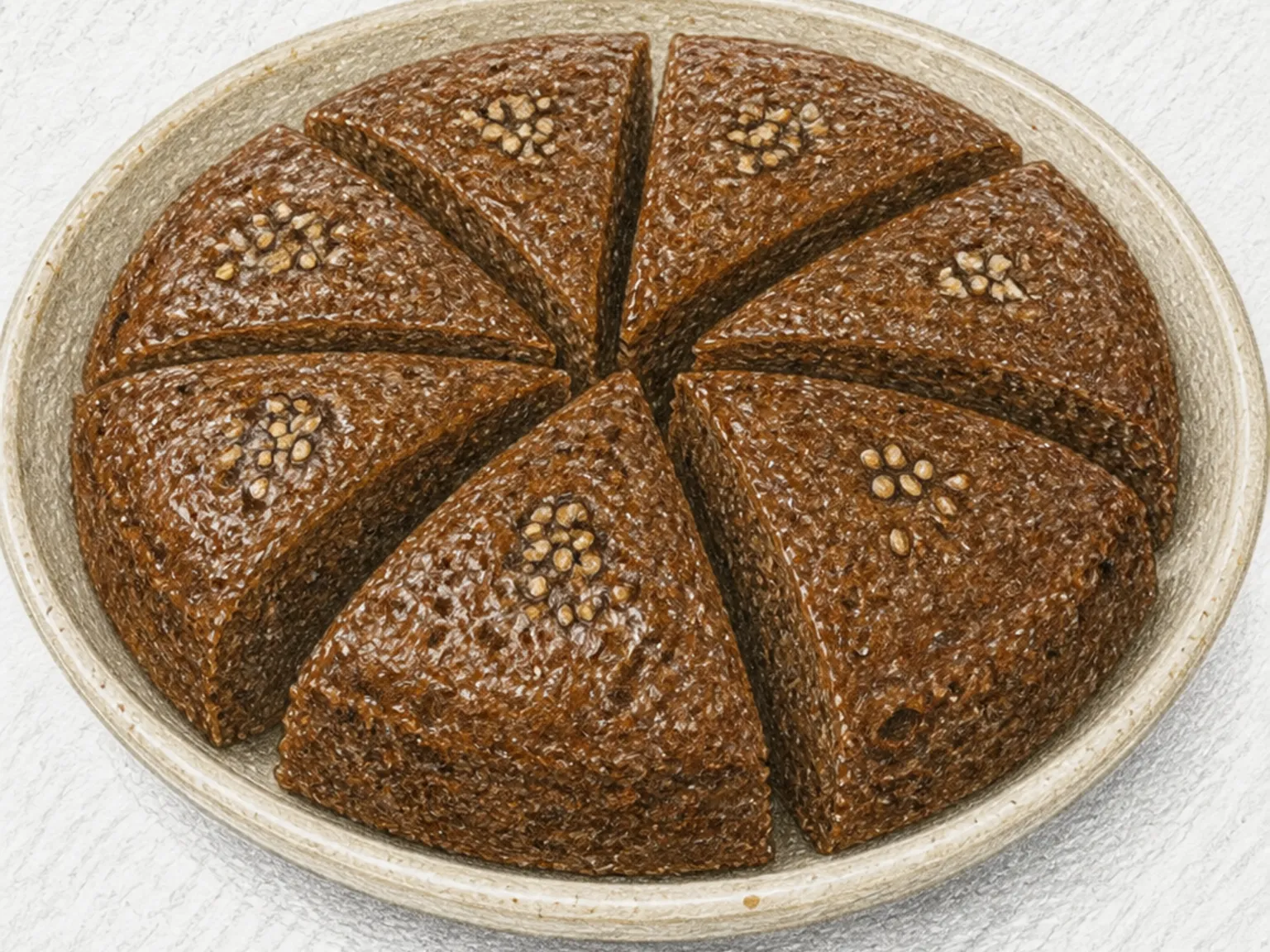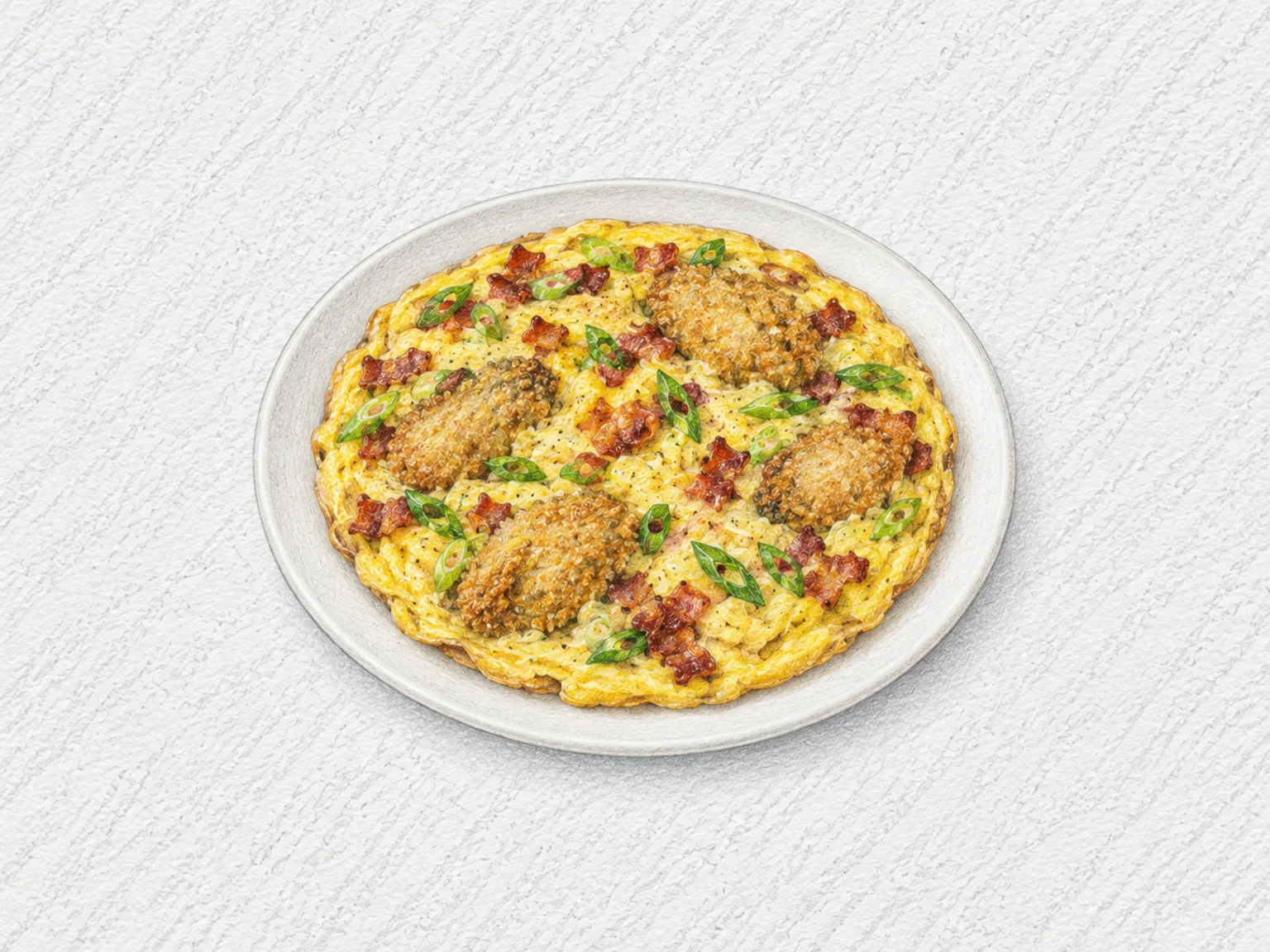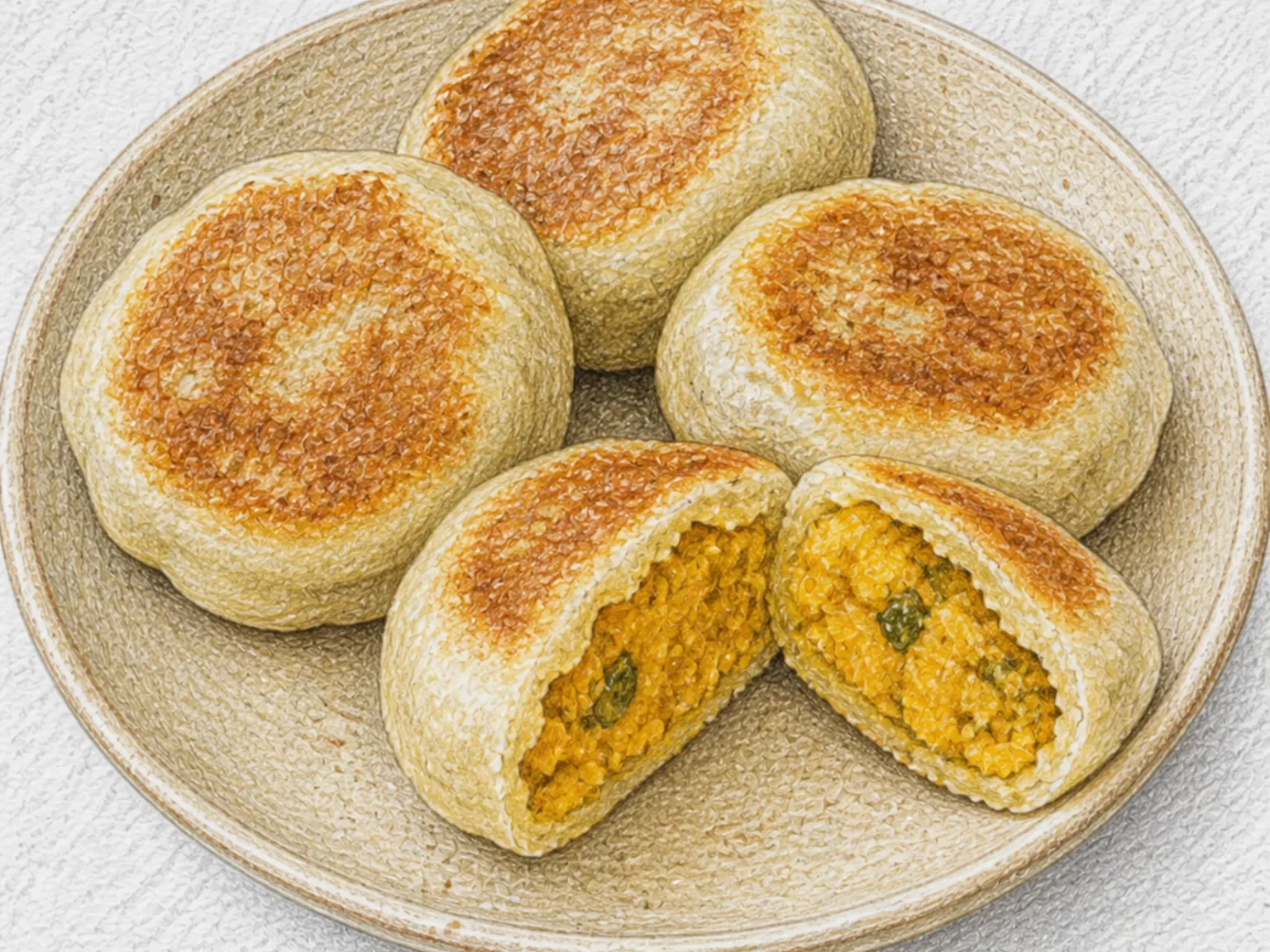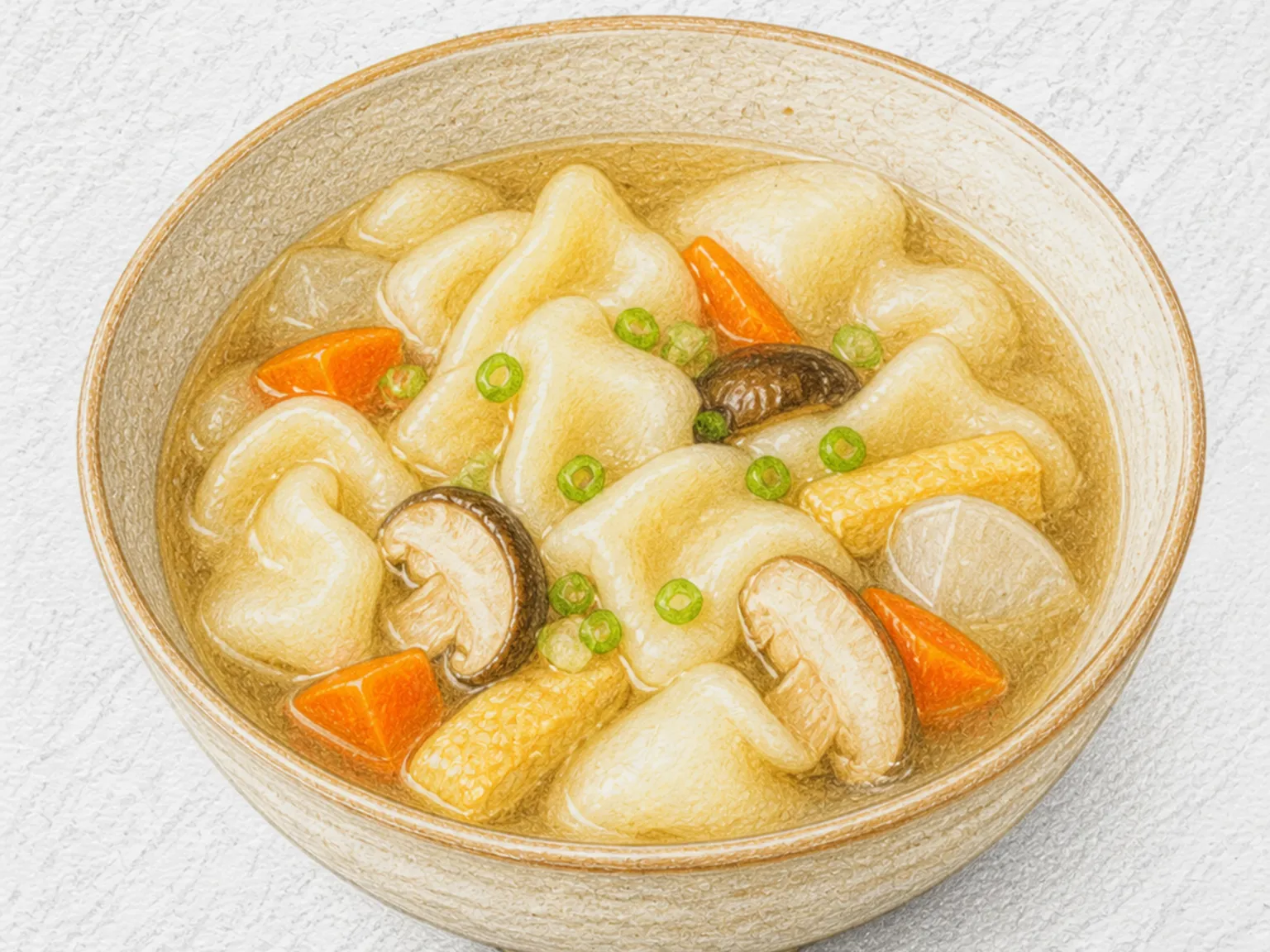
Black Rice Coconut Muffins
Black rice flour is blended into all-purpose flour until the batter takes on a distinctive purple-gray hue, and the grain brings a toasted, nutty quality that plain flour cannot provide on its own. Coconut milk stands in for regular dairy, producing a crumb that is noticeably more moist and tender than a standard muffin while the tropical scent settles into the batter without the need for any extract or flavoring. Desiccated coconut folded in before baking survives the oven and creates small chewy pockets throughout the finished crumb, varying the texture bite by bite. The anthocyanin pigments in the black rice deepen visibly on the muffin tops during baking, giving them a pronounced purple that signals the presence of the grain before a single bite is taken. Both ingredients reinforce the nutty note from their own direction, one earthy and grainy, the other sweet and tropical, and together they give the muffin more depth than a recipe built on white flour alone.
Black Sesame Fudge Brownies
Black sesame fudge brownies layer the roasted nuttiness of black sesame over the bittersweet depth of dark chocolate in a dense, compact bar. Melted chocolate and butter form the rich, fatty base of the batter, and black sesame paste is worked in to add an earthy, faintly smoky dimension that dark chocolate alone cannot provide. Cocoa powder reinforces both the color and the intensity of the chocolate, while keeping the flour ratio low ensures the baked brownie stays fudgy and tight rather than turning cakey or dry. The first bite delivers chocolate sweetness, and the roasted sesame follows with a lingering, slightly bitter aftertaste. Cooling the brownies increases their density noticeably, making each piece substantial in the hand and on the palate. Served alongside coffee, the sesame aftertaste becomes more distinct and cuts cleanly through the bitterness of the drink.
Blondie Bars
Blondie bars take the dense, fudgy structure of brownies and replace the chocolate with the caramel depth of browned butter and brown sugar. Cooking the butter slowly until it turns a deep golden-brown color produces a pronounced nutty, toasted aroma that functions as the flavor backbone of the entire bar - more complex than plain melted butter can deliver. Brown sugar dissolves into the browned butter and contributes a toffee-like sweetness with a molasses undertone that white sugar simply cannot replicate. Eggs and vanilla extract add warmth, richness, and depth to round out the flavor. Using a modest amount of flour is deliberate: too much tips the texture toward cakey, while the right quantity keeps the baked bars dense, chewy, and slightly underdone in the center. The surface develops a thin, crackly shell during baking, while the interior stays soft and slightly sticky - that contrast of textures is central to a properly made blondie. The bars must cool completely before slicing; cutting too early causes them to collapse and lose their clean edges.
Blueberry Banana Bread
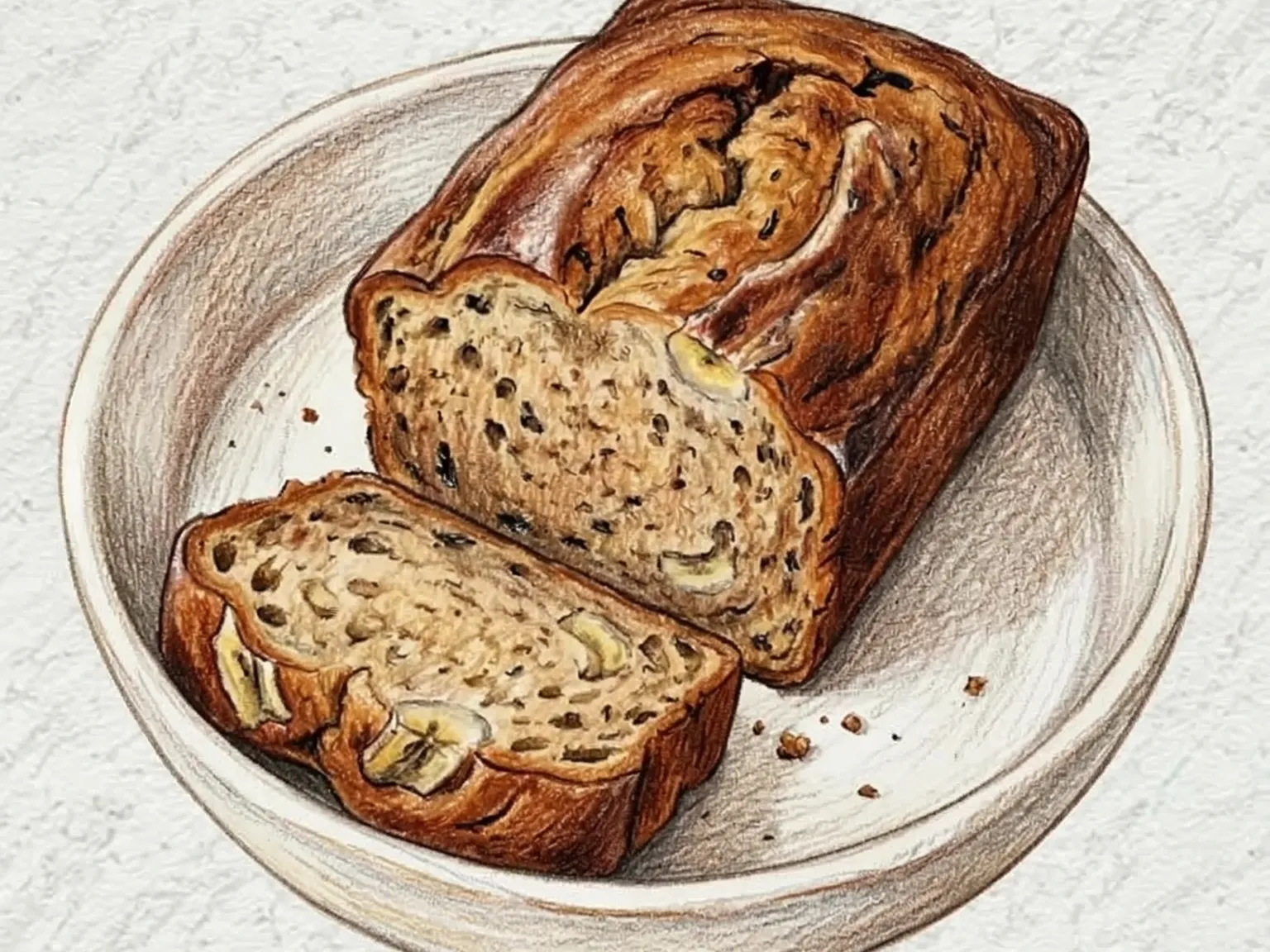
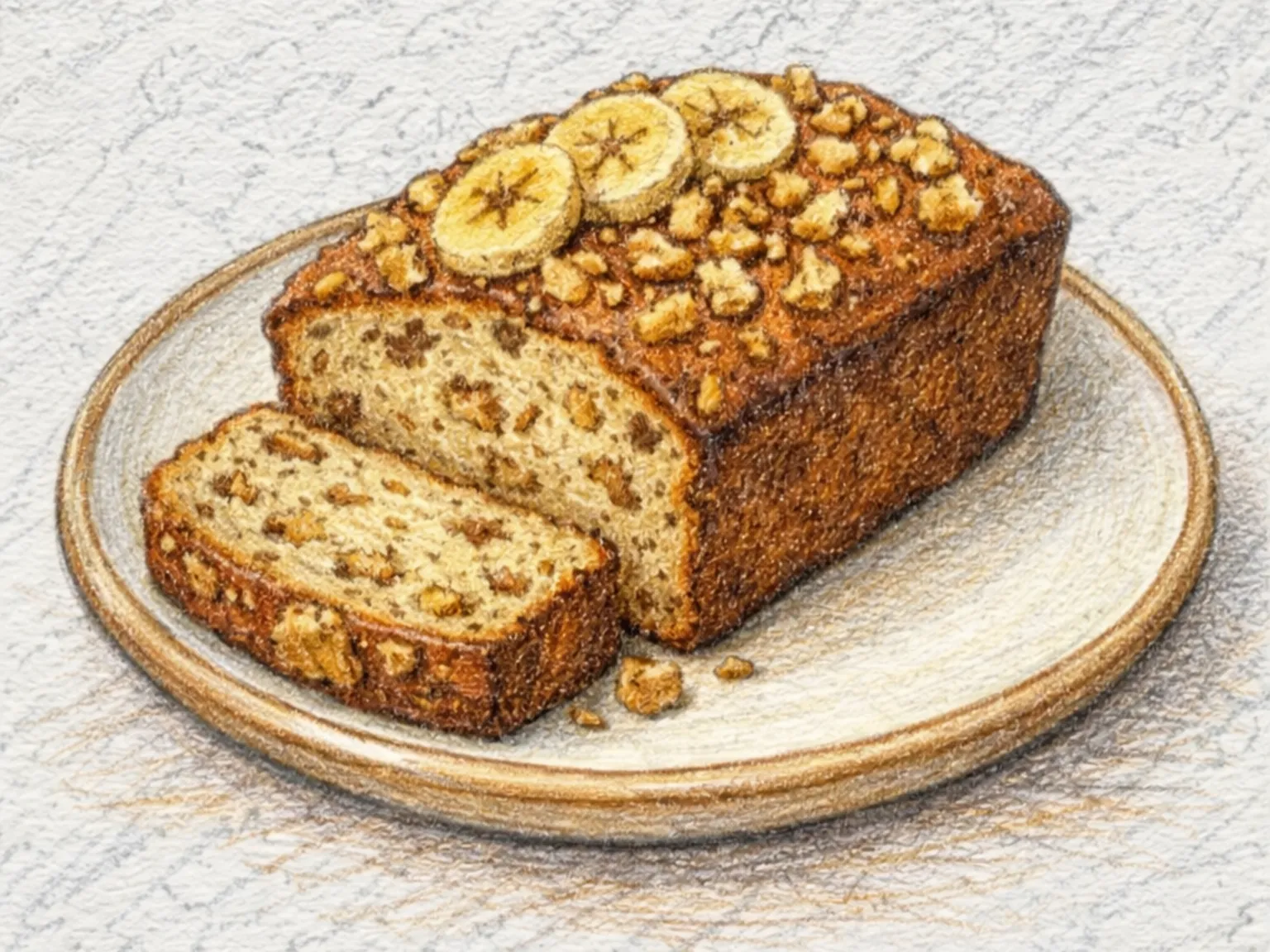
Blueberry banana bread is a quick bread that pairs the dense, sweet moisture of ripe bananas with the sharp burst of blueberries. The riper the banana, the more sugar has converted from starch, which means the bread needs less added sweetener while still tasting distinctly sweet. Melted butter enriches the crumb without weighing it down the way oil can, and baking soda creates a fine, tender rise that keeps the interior soft. Blueberries burst during baking and streak the crumb with rivulets of purple juice, making every slice visually distinct as well as flavorful. The most important technique is restraint with the mixing - once the flour is added, stirring just until the dry streaks disappear prevents gluten from over-developing and keeps the crumb moist rather than tough. Because the fruit carries most of the sweetness and moisture, this is a reasonable choice as a daily snack or a healthier baked good. Sliced warm with butter or cream cheese, it works as a simple brunch dish, and it keeps well for several days at room temperature before the crumb begins to dry.
Blueberry Lemon Scones
Blueberry lemon scones bring together the bright zing of lemon zest and the sweet tartness of fresh blueberries in a buttery, crumbly pastry. Cold butter is worked into flour by hand until the mixture resembles coarse crumbs, then bound with heavy cream into a shaggy dough - the technique that produces scones with a crisply fractured exterior and a layered, tender center. Lemon zest is distributed throughout the dough so every bite opens with a citrus fragrance before the pop of a blueberry follows with its rush of sweet-tart juice. Sugar is kept to a minimum, allowing the fruit and zest to carry the flavor without sweetness overwhelming them. The restrained sugar level also makes these scones a natural fit for clotted cream or preserves on the side.
Blueberry Yogurt Scones
Blueberry yogurt scones incorporate plain yogurt into the dough to produce a crumb that is noticeably softer and more moist than the standard butter-and-cream version. The mild tang of the yogurt runs through the dough and, together with the butter, leaves a clean, rounded finish rather than a heavy one. Blueberries partially burst during baking, sending violet-blue streaks through the pale interior and releasing a fruity fragrance into each slice. The interaction between baking powder and the acidity of the yogurt gives the dough a gentle lift, so the exterior develops a light crust while the inside stays open and tender instead of dense. Sugar is kept deliberately low, which lets the natural sweet-tart character of the berries carry the dominant flavor without competition from the base dough.
Brownie Cookie Bars (Layered Brownie and Cookie Bar)
Brookie bars combine brownie batter and cookie dough in a single baking pan, stacking the two components so that each cut piece delivers both in one bite. The cookie layer sits at the bottom of the pan and is built on brown sugar and melted butter, which together produce a deep caramel flavor that plain white sugar cannot achieve. At the edges, where the batter is thinnest and heat penetrates fastest, the cookie bakes into a crisp, snapping crust. Toward the center, the same layer stays chewy and slightly underdone, with a pull to the texture that contrasts with the firmer brownie above. The brownie layer uses both cocoa powder and dark chocolate chips, a dual approach that delivers two distinct expressions of chocolate flavor. Cocoa powder spreads its bitter intensity throughout the entire layer, while the chips melt into pockets of concentrated richness that survive as soft inclusions in the finished bar. Where the two layers press against each other during baking, a narrow transition zone forms in which cookie and brownie are partially merged. This interstitial region carries the vanilla-butter warmth of the cookie alongside the bitter darkness of the brownie simultaneously. The bars must cool completely before cutting. Removing them from the pan too soon results in crumbling and smearing that destroys the clean cross-section that makes brookie bars visually satisfying.
Brown Butter Chocolate Chip Cookies
Brown butter chocolate chip cookies build on the familiar template by introducing browned butter, which is cooked over medium heat until the milk solids caramelize and turn golden, releasing an aroma of toasted hazelnuts and toffee that standard melted or creamed butter cannot produce. The browned butter is combined directly with brown sugar while still warm, which helps it dissolve completely and speeds up the mixing process. A high ratio of brown sugar relative to white sugar produces cookies with thin, crisp edges and a dense, chewy center that sinks slightly when pressed. Dark chocolate cut into rough chunks melts unevenly during baking, leaving some pockets fully liquid and others still partially solid, creating texture variation in each bite. Flaky sea salt pressed lightly onto the tops of the cookies before baking sharpens the sweetness and amplifies the chocolate flavor in a way that fine salt mixed into the dough cannot replicate. Fresh from the oven the cookies look underdone and collapse slightly when touched, but ten minutes of resting on the pan allows the structure to set: the edges firm up to a gentle snap while the center stays yielding and fudgy.
Flaky Oven Biscuits
Buttermilk biscuits are built on the tension between cold butter and high oven heat. Cubes of chilled butter are cut into flour until pea-sized pieces remain, and the dough is brought together quickly with buttermilk - just enough mixing to bind, no more. In the oven, the butter melts and releases steam, forcing the dough apart into flaky, irregular layers. The exterior bakes to a golden, slightly crisp shell while the interior stays soft and crumbly. Buttermilk provides a faint tanginess that sharpens the overall flavor and reacts with baking soda to give the biscuits additional lift. Overworking the dough is the most common mistake, as it develops gluten and produces a tough, bread-like result instead of the tender, pull-apart texture that defines a good biscuit. Split while still warm and spread with butter and jam, they are a cornerstone of American Southern breakfast. Lower-protein flour produces a more tender crumb, and keeping the butter frozen until just before use helps maintain the distinct layers throughout baking.
Cannoli
Cannoli are Sicilian pastries built around a crisp, tube-shaped shell and a sweetened ricotta filling. The shell dough is enriched with lard, rolled very thin, and wrapped tightly around narrow metal tubes before being lowered into hot oil, where the fat in the dough creates multiple flaky layers that shatter with a clear snap on first bite. The ricotta filling is sweetened but left slightly grainy rather than smooth, a deliberate texture that gives the pastry a lighter, less dense quality than a conventional cream filling. Chopped pistachios, candied orange peel, or chocolate chips are pressed into the exposed ends to provide color and a contrasting flavor note. Filling the shells more than a few minutes before serving is a mistake, because moisture migrates from the ricotta into the fried dough and turns the crisp shell soft. In Sicily, cannoli were historically associated with Carnival celebrations, though today they appear year-round in pasticcerie across the island and throughout the Sicilian diaspora.
Castella Cake (Japanese Honey Egg Sponge Cake)
Castella is a Japanese sponge cake descended from the pao de Castela brought by Portuguese missionaries to Nagasaki in the sixteenth century, then reimagined over generations into something distinctly Japanese. The batter works without baking powder, relying entirely on extended, vigorous whisking of whole eggs to build a stable foam that lifts the cake during baking. Honey and millet jelly are added together, and this combination keeps the crumb moist for several days after baking. The flour ratio is kept unusually low, producing a fine, even grain that springs back slowly when pressed. Baked in a rectangular wooden frame lined with paper, the cake develops a thin caramelized layer along the bottom where sugar settles and browns under heat, creating a slightly chewy base that contrasts with the airy body above. The cake improves noticeably from the day after baking, once moisture has distributed evenly through the crumb and the honey flavor has deepened. Green tea is the traditional accompaniment, its bitterness countering the cake's mellow sweetness. Castella shops in Nagasaki still compete on their precise methods, some guarding recipes that have remained unchanged for centuries.
Chestnut Madeleine (French Shell Cake with Chestnut Butter Batter)
Chestnut madeleine is a small French cake baked in shell-shaped molds with chestnut paste folded directly into the batter. The chestnut brings a warm, starchy sweetness that layers with butter and honey, producing a flavor that is understated but noticeably complex. The signature dome, known as the hump, rises properly only when the batter is rested in the refrigerator for at least an hour before baking, then transferred directly into a hot oven. This temperature shock is what drives the rapid rise in the center. The crumb is light and moist, and the chestnut flavor comes through clearly rather than being absorbed by the butter. Warm milk or a latte amplifies the roasted chestnut notes, and the compact size makes these ideal for packaging as gifts.
Chocolate Chip Cookies
Chocolate chip cookies are the most commonly baked cookie in American home kitchens, and despite a seemingly simple ingredient list the recipe conceals a precise set of variables that separate a good cookie from a great one. The ratio of brown sugar to granulated white sugar is the single most important decision: more brown sugar introduces molasses, which is hygroscopic and holds moisture in the finished cookie, producing a chewy, dense texture; more white sugar encourages the dough to spread in the oven and crisps the edges. Creaming softened butter with the sugars until the mixture turns pale and fluffy incorporates air into the dough, which gives the baked cookie lift and a slightly cakey interior. Chocolate chips, whether semi-sweet, dark, or a mixture, melt during baking and spread into the surrounding dough before re-solidifying as the cookie cools, forming pockets of concentrated chocolate distributed unevenly through each cookie. The moment to pull the tray from the oven is when the edges have set and turned golden while the center still appears underdone and almost raw-looking, because the residual heat of the pan continues to cook the interior as the cookies rest and cool. Pressing flaky sea salt into the surface of each cookie just before baking sharpens all the flavors, making the chocolate taste more chocolatey and the butter taste more buttery. Eaten warm, within minutes of coming out of the oven, a good chocolate chip cookie barely holds together and melts at the edges with the slightest pressure. That fragile, yielding moment is the whole point.
Churros
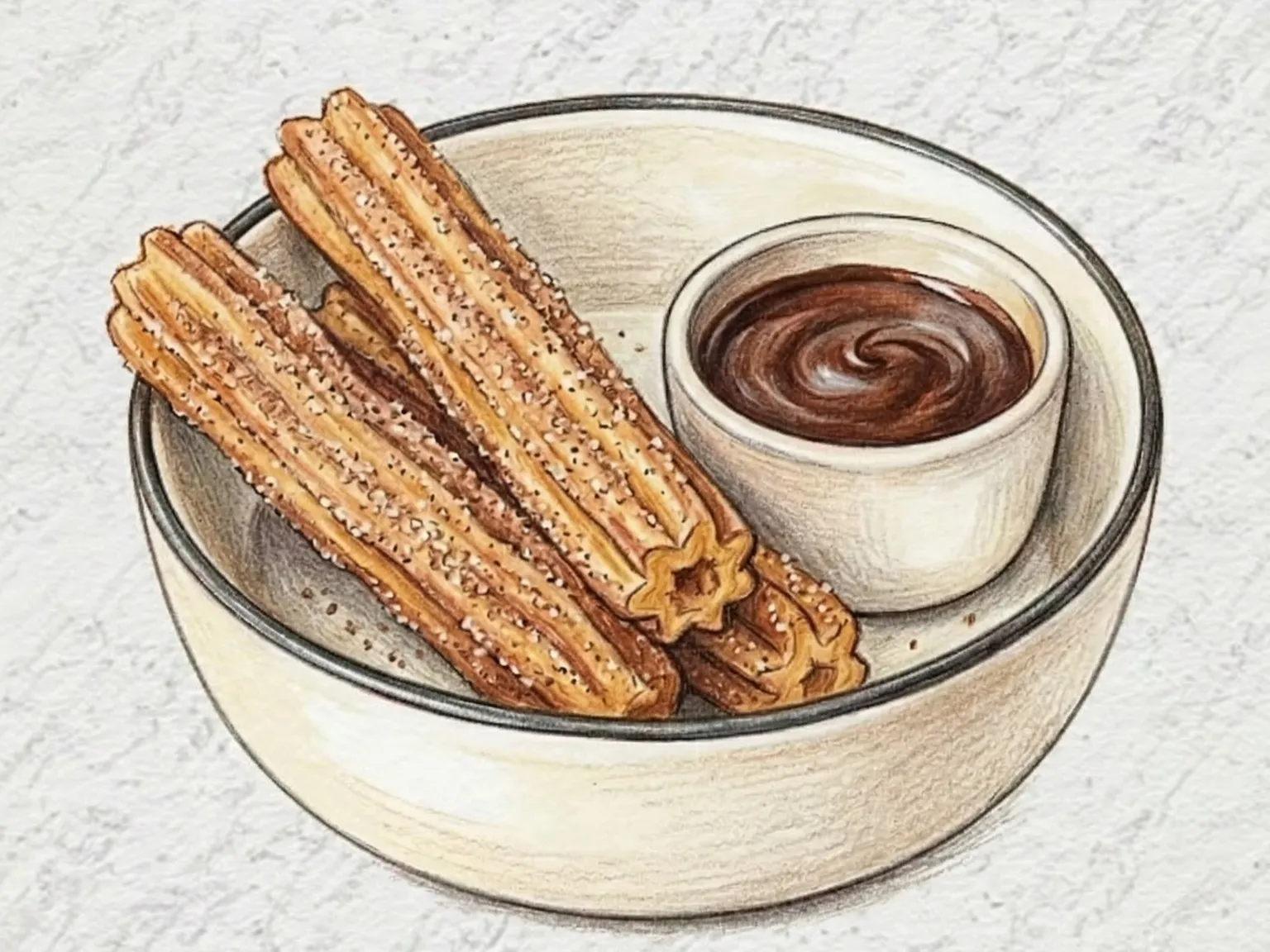
Churros are fried dough sticks made from a simple paste of water, flour, salt, and sometimes a touch of sugar. The dough is piped through a star-shaped tip, which creates ridges along the length. These ridges increase the surface area exposed to hot oil, producing maximum crunch across every inch while the interior stays soft and pillowy. Straight from the fryer, they are rolled in cinnamon sugar, which clings to the warm, oily surface and creates a sweet, spiced crust. The traditional pairing is thick Spanish hot chocolate -- closer to a warm ganache than a drink -- into which the churros are dipped. The bitterness of the chocolate and the sweetness of the cinnamon sugar play off each other, and the contrast between the crisp dough and the dense liquid makes each dip satisfying. Churros wait for no one: they are at their best within ten minutes of frying, after which the crispness fades as residual oil migrates inward.
Classic British Scones
Classic British scones are made by rubbing cold butter into flour and binding the mixture with milk, using minimal handling to keep the dough light. This restraint is what creates the signature crumbly, layered texture. Overworking develops gluten and produces a tough result instead of the delicate flake the scone is known for. In the oven, the butter melts and generates steam between the flour layers, causing the scone to rise and split naturally along its sides. The exterior, brushed with egg wash before baking, turns golden and slightly crisp, while the interior stays soft and flaky, somewhere between bread and biscuit. Traditionally served during afternoon tea with clotted cream and strawberry jam, scones are split by hand rather than cut with a knife. The warmth of a freshly baked scone against the cool richness of clotted cream is the combination that defines the English tea table.
Classic Lemon Bars
Classic lemon bars layer a bright, tangy lemon curd over a buttery shortbread base, baked together in the same pan and chilled before slicing into clean rectangles. The base is made by pressing a mix of butter, powdered sugar, and flour evenly into the pan and blind-baking it until pale gold and firm enough to hold the filling without crumbling. The curd layer combines eggs, sugar, fresh lemon juice, and zest, which is poured directly over the hot crust and returned to the oven until just set: the edges firm up while the center still trembles gently when the pan is moved. Cutting before the bars are fully chilled causes the curd to run, so refrigeration is essential to achieve the characteristic sharp-edged rectangular slices. Lemon zest releases its citrus oils during baking and intensifies the fragrance well beyond what juice alone provides. A dusting of powdered sugar across the surface creates a white-on-yellow visual contrast and softens the tartness of the first bite. The defining pleasure of the bar is that the crisp, buttery shortbread and the cool, silky curd hit the palate simultaneously in each mouthful.
Doenjang Caramel Apple Galette
This galette layers a rustic free-form French pastry with a Korean-inflected twist: a doenjang-laced caramel draped over cinnamon apples filling the center. The crust is made by working cold butter into flour and shaping the dough by hand, folding the rough edges over the fruit in an imperfect, irregular way. Apples tossed with brown sugar and cinnamon fill the center, softening in the oven until tender and yielding. The doenjang caramel is made by whisking a small amount of fermented soybean paste into a brown sugar and cream sauce. Keeping the amount deliberately minimal is the whole point: enough to create an ambiguous saltiness and fermented depth, but not enough to register clearly as soybean paste. It is the murkiness of the flavor that lifts the familiar apple-and-cinnamon combination out of predictability. Served warm with a scoop of ice cream, the contrast between the hot pastry and cold cream adds one more layer to an already textured dessert.
Dorayaki (Sweet Red Bean Pancake Sandwich)
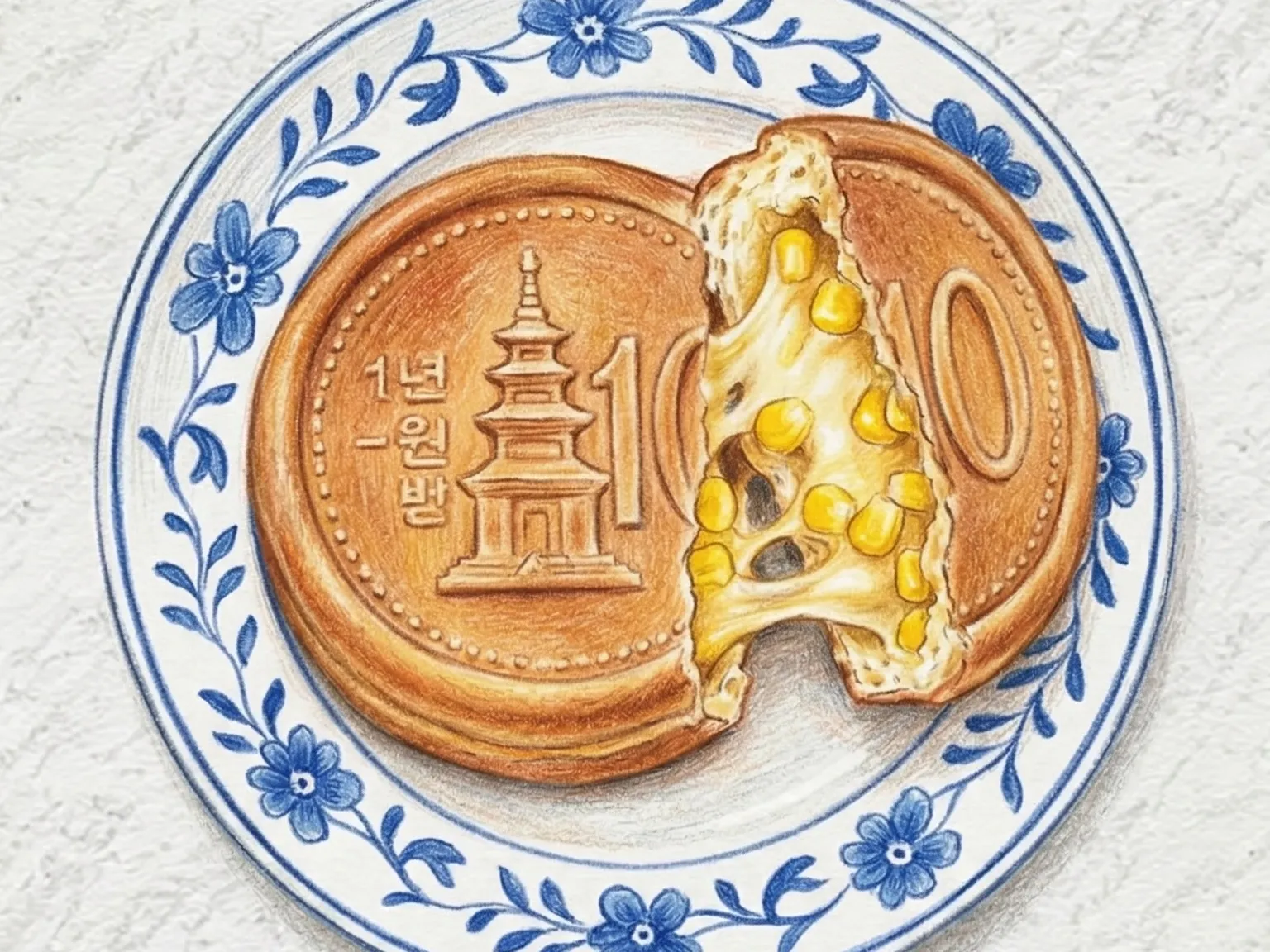
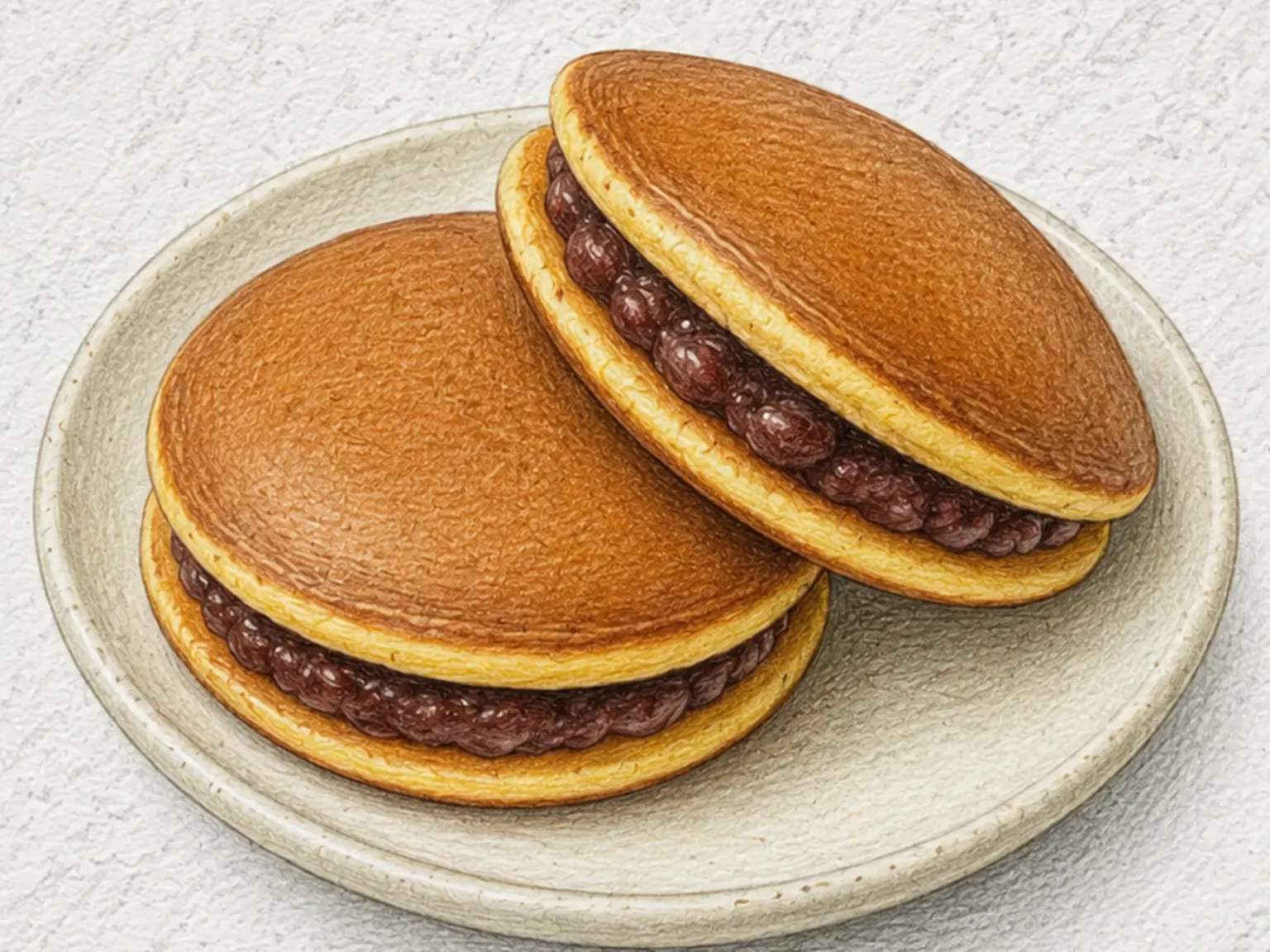
Dorayaki is a Japanese confection consisting of two small, round pancakes sandwiching a filling of sweet red bean paste. The batter brings together eggs, sugar, honey, and flour before being portioned onto a lightly greased griddle over low heat. Each pancake cooks on one side only, producing a smooth, pale top surface and an evenly browned, slightly springy underside. Honey in the batter dramatically improves moisture retention, keeping the pancakes soft and pliable for hours after cooling and lending a subtle floral sweetness that layers naturally with the bean filling. The pancakes' own sweetness is deliberately restrained so the dense, earthy richness of the anko filling takes the lead. Traditional anko uses adzuki beans simmered with sugar until thick and glossy; tsubu-an retains visible bean pieces while koshi-an is strained smooth, and either works depending on preference. The two pancakes are gently pressed together with a generous layer of filling between them, forming a compact round that fits easily in one hand. Beyond classic red bean, the same format welcomes custard cream, matcha paste, or sweetened chestnut filling.
Earl Grey Banana Bread
Overripe bananas and finely ground Earl Grey tea leaves come together in a quick bread that smells of bergamot and caramelized fruit. The tea leaves are ground to a powder and folded directly into the batter, releasing their floral citrus oils throughout the crumb during baking. Ripe bananas provide enough natural sugar to keep the added sweetener modest, while butter and milk ensure the loaf stays moist for days. The top splits open naturally in the oven, revealing the soft interior beneath a lightly crusted surface. Each slice carries a layered aroma where banana warmth meets bergamot brightness, a combination that works because both share citrus-adjacent notes. A pat of butter on a warm slice is all the accompaniment this bread needs.
Earl Grey Milk Tea Cheesecake
Earl Grey cheesecake infuses the bergamot-scented fragrance of Earl Grey tea into a classic baked cheesecake. Heavy cream is steeped with tea bags until the bergamot's citrus-floral aroma transfers fully, then mixed into a filling of cream cheese, eggs, and sugar. A crushed digestive biscuit crust provides a sandy, buttery base. The cheesecake bakes slowly at moderate heat until the edges are set but the center still has a gentle wobble, which firms as it cools. The bergamot flavor weaves through the dense cream cheese like a thread of brightness, lifting the richness without overpowering it and creating a milk tea quality that lingers after each bite.
Fruit Clafoutis (Baked Custard with Fresh Fruit)
Clafoutis is a rustic French baked dessert that suspends fresh seasonal fruit in a thin custard batter and bakes it until the edges puff golden and the center sets to a silky cream. The batter, close to crepe batter in consistency, is made from eggs, milk, flour, and sugar whisked until smooth. Traditionally, unpitted cherries are used because the pits release a faint almond-like fragrance during baking that deepens the overall flavor. Strawberries, blueberries, and plums work equally well, their juices concentrating in the oven heat and creating pockets of intense sweetness against the mild custard. Because the method is little more than mixing and pouring, it requires no special technique. Served warm with a dusting of powdered sugar, the contrast between the crisp rim and the soft interior is what makes this dessert memorable.
Gangjeong Crunch Cookies (Korean Rice Flour Nut Cookies)
Gangjeong crunch cookies translate the airy, shattering texture of traditional Korean gangjeong into a baked cookie that can be made at home and carried anywhere. Blending glutinous rice flour into the dough changes the bake fundamentally: the cookies spread thinner than all-wheat versions and develop a brittle, cracker-like snap that sets them apart from soft or chewy alternatives. Rice syrup or honey serves as the sweetening binder in place of plain sugar, contributing a faint grain fragrance and enough tackiness to fix toppings of sesame seeds, sunflower seeds, or pumpkin seeds firmly to the surface before baking. The cookies look done before they are, so trusting the timer matters; pulling them too early results in a soft center that never fully crisps. Crunch solidifies completely only once the cookies have cooled for fifteen minutes outside the oven. Swapping butter for vegetable oil thins the spread further and amplifies the crunch. With every chew the toasted grain and nut flavors deepen gradually, making each bite more satisfying than the last. Stored in an airtight container after fully cooling, they hold their snap for three days or more, making them practical for gifting. The cookies carry the spirit of a Korean holiday confection in a lightweight, portable format.
Gingerbread Men
Gingerbread men are spiced cookies shaped like small figures, made from a dough enriched with molasses, ground ginger, cinnamon, and cloves. The molasses contributes a deep amber color and a bitter undertone that distinguishes these cookies from simpler butter cookies, while the spice blend delivers a warmth that builds gently across the palate. Chilling the dough for at least one hour before rolling ensures it holds its shape through cutting and baking, so the finished cookies emerge with crisp, defined edges rather than rounded, puffy outlines. Once fully cooled, royal icing piped into eyes, mouths, and buttons turns each cookie into a small edible character. The ideal texture balances a snappy bite at the rim with a slightly chewy center that keeps the cookie from crumbling apart. Stored in a sealed container, the cookies improve over a day or two as the spice flavors meld and deepen. The recipe is simple enough for children to help with shaping and decorating, making it a fixture of winter holiday baking in many households.
Gochujang Chocolate Crinkle Cookies
Gochujang chocolate crinkle cookies merge the fermented heat of gochujang with deep chocolate flavor in a single bite. The signature cracked surface forms when balls of dough rolled in powdered sugar expand in the oven, splitting the white coating to reveal the dark interior beneath. Gochujang, added in a modest amount, threads a low, lingering warmth and an umami undertone through the chocolate without overtly announcing itself. Most tasters sense something unexpected at the finish but cannot immediately identify the source. The exterior sets into a thin, lightly crisp shell while the inside stays dense and fudgy, occupying the territory between a brownie and a cookie. Using both cocoa powder and melted chocolate increases the chocolate intensity beyond what either ingredient achieves alone. A pinch of flaky sea salt on top before baking sharpens the contrast between sweet and spicy, making the flavor more defined. Chilling the dough for at least 30 minutes before rolling ensures the powdered sugar coating adheres evenly and produces the consistent cracking pattern that defines the cookie's appearance.