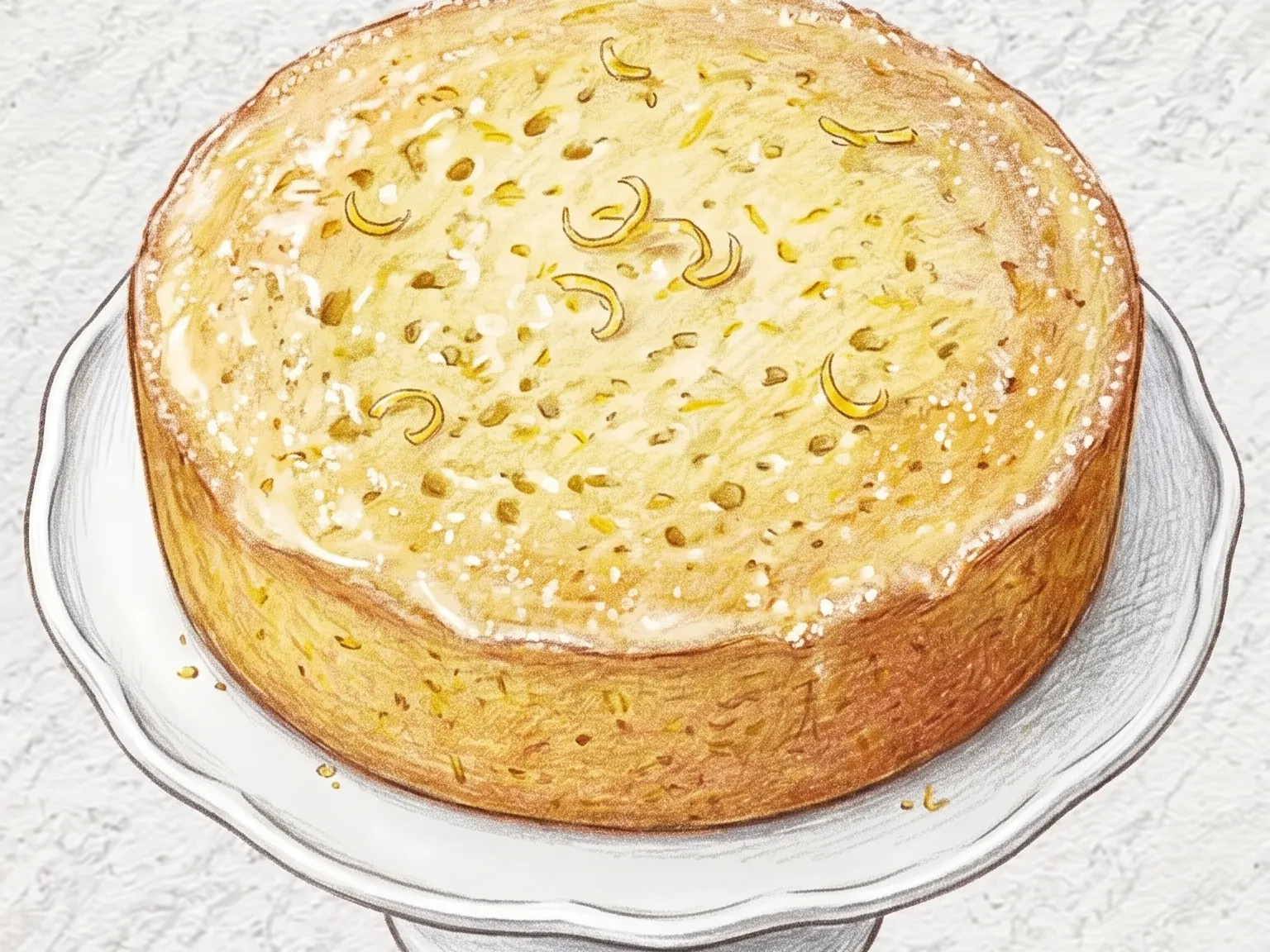
Lemon Pound Cake
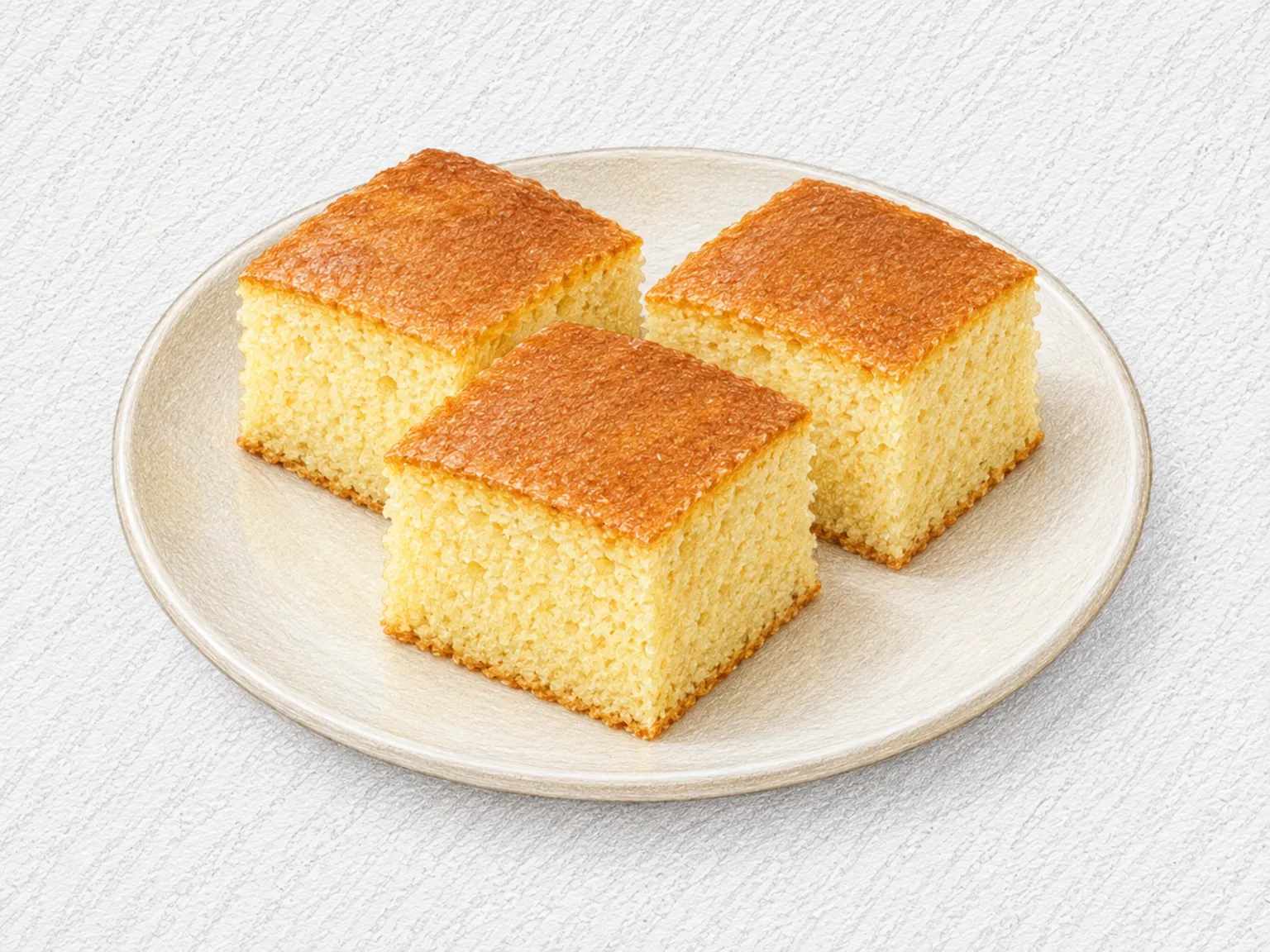
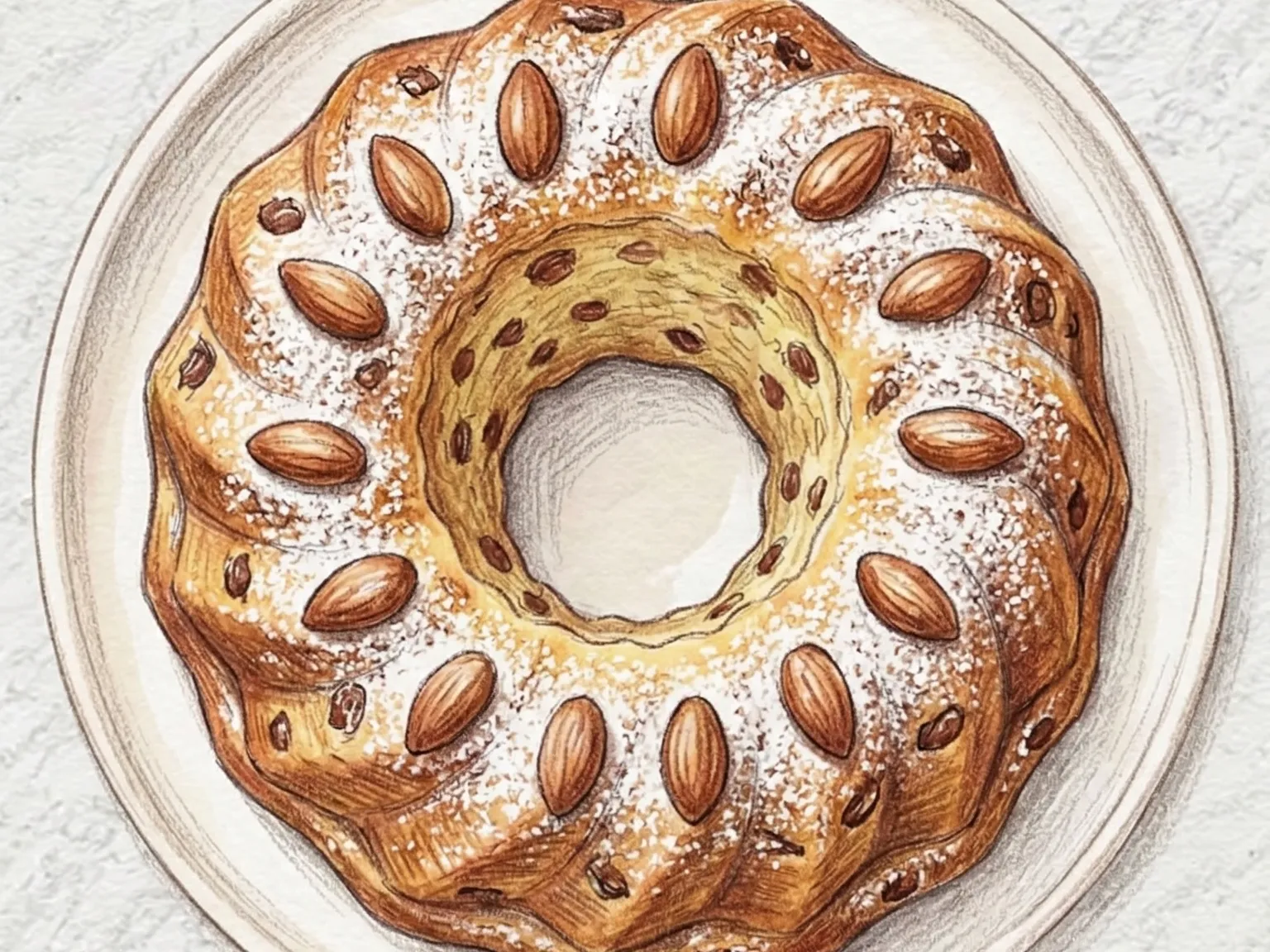
A dense, buttery pound cake elevated by the brightness of fresh lemon zest and juice. Creaming the butter and sugar until light introduces air pockets that keep the heavy crumb from becoming leaden, and adding eggs one at a time ensures the emulsion stays stable. Rubbing the lemon zest into the flour before combining releases its essential oils evenly throughout the batter, so every slice carries the same citrus intensity. Lemon juice raises the batter's acidity just enough to maintain a tender, fine crumb rather than a tough one. During roughly an hour at 175 degrees Celsius, the top splits into the characteristic crack that signals a properly risen pound cake. After cooling completely, a glaze of powdered sugar and lemon juice is drizzled over the surface, hardening into a thin, translucent shell that adds sweetness and a subtle sheen. Wrapped and rested overnight, the lemon flavor deepens as the oils permeate every layer of crumb.

Creamy Garlic Shrimp Pasta
Creamy garlic shrimp pasta begins with a slow, low-heat saute of minced garlic in olive oil and butter. The garlic should be pulled when it turns pale gold rather than brown, which preserves its sweet, mellow depth without any bitterness. Shrimp go in next and cook for roughly two minutes in total, just long enough for both sides to turn pink. At that point the flesh is at its sweetest and the texture is still springy. The shrimp come out of the pan and rest while heavy cream goes in, simmering over medium-low heat for two to three minutes. During that simmer the garlic-infused fat and the shrimp juices left in the pan dissolve into the cream, building the sauce's depth without any additional flavoring. Spaghetti is boiled one minute short of the package time so it finishes cooking in the sauce rather than on its own. Grated Parmesan and a small ladle of pasta water go in together, and the mixture is tossed until the cheese melts into a smooth, silky coating that clings evenly to the noodles. The reserved shrimp return for a final thirty seconds of warming, just enough to heat through without firming up, so every bite carries both the tender sweetness of the seafood and the rich, savory garlic cream.

Apple Cinnamon Rolls (Soft Yeast Dough with Apple Cinnamon Filling)
Apple cinnamon rolls build on the Scandinavian kanelbulle tradition of enriched yeast dough rolled with spiced brown sugar, adding a layer of fresh apple that transforms the filling from dry to fruity and moist. The dough is softened with butter and milk, then rolled flat, spread with a paste of brown sugar, cinnamon, and softened butter, and scattered with diced apple that has been tossed in lemon juice to prevent browning during baking. Rolling, slicing, and proofing the cut spirals in a buttered pan lets them expand until they press together, creating soft sides where the rolls meet and a slightly caramelized bottom where they contact the pan. During baking, apple pieces release juice that seeps into the surrounding dough layers, forming pockets of moist, cinnamon-scented fruit that a plain cinnamon roll cannot replicate. A cream cheese glaze drizzled while the rolls are hot melts into the crevices between spirals, coating the interior as well as the surface. The quantity of apple matters - too much makes the dough soggy, so a measured amount ensures the fruit contributes moisture without destabilizing the structure. The aroma of butter, cinnamon, and baked apple that fills the kitchen during baking is half the appeal of making these rolls.

Gochujang Chocolate Crinkle Cookies
Gochujang chocolate crinkle cookies merge the fermented heat of gochujang with deep chocolate flavor in a single bite. The signature cracked surface forms when balls of dough rolled in powdered sugar expand in the oven, splitting the white coating to reveal the dark interior beneath. Gochujang, added in a modest amount, threads a low, lingering warmth and an umami undertone through the chocolate without overtly announcing itself. Most tasters sense something unexpected at the finish but cannot immediately identify the source. The exterior sets into a thin, lightly crisp shell while the inside stays dense and fudgy, occupying the territory between a brownie and a cookie. Using both cocoa powder and melted chocolate increases the chocolate intensity beyond what either ingredient achieves alone. A pinch of flaky sea salt on top before baking sharpens the contrast between sweet and spicy, making the flavor more defined. Chilling the dough for at least 30 minutes before rolling ensures the powdered sugar coating adheres evenly and produces the consistent cracking pattern that defines the cookie's appearance.

Korean Beoteo Oksusu Cup (Butter Corn Cup)
Butter corn cup is a Korean street snack made by stir-frying drained sweet corn in butter, then mixing it with mayonnaise and topping it with mozzarella in a heatproof cup before a final round of heating. Cooking the corn in butter drives off residual moisture from the canned or frozen kernels and lightly caramelizes their surfaces, concentrating the natural sweetness and adding a layer of nuttiness that plain steamed corn cannot provide. Mayonnaise coats every kernel in a creamy, slightly tangy film, while the mozzarella melted over the top creates a stretchy, gooey cheese layer that pulls apart with each spoonful. Sugar, salt, and black pepper balance the overall profile into a sweet-salty combination with just enough seasoning to keep the corn flavor central. A sprinkle of parsley adds a faint herbal note at the finish. The dish is rich from the combination of butter and mayonnaise, and mozzarella loses its stretch quickly as it cools, which makes eating it immediately out of the cup the correct approach.

Classic Apple Pie
Apple pie has been baked in America since the colonial era, though its origins lie in 14th-century English and Dutch recipes where apples were enclosed in pastry as a way to cook fruit without a proper oven. The filling is built from tart baking apples - Granny Smith or Braeburn - tossed with sugar, cinnamon, nutmeg, a squeeze of lemon, and a spoonful of flour or cornstarch to thicken the juices as they cook. The double crust is made from cold butter cut into flour until the dough resembles wet sand, producing flaky, shattering layers when baked. As the pie bakes, the apples soften and release their juice, which the starch captures into a syrupy glaze that holds the filling together when sliced. The top crust turns deep golden and pulls away slightly from the filling, creating a hollow where steam escapes. Served warm with a scoop of vanilla ice cream - a la mode - or a slice of sharp cheddar in the New England tradition, apple pie is as much a cultural symbol as it is a dessert.

Boston Cream Pie
Boston cream pie is, despite its name, a layered cake rather than a pie. Two rounds of tender sponge sandwich a thick vanilla pastry cream, and the top is cloaked in a glossy dark chocolate glaze. The sponge bakes from cake flour and eggs to a fine, pillowy crumb that compresses gently under a fork without crumbling. The pastry cream -- cooked from milk, cornstarch, and egg yolks -- sets into a thick, silky custard that holds its shape when sliced but melts smoothly on the tongue. The chocolate glaze cools into a thin, shiny shell that cracks cleanly when pressed, mixing with the cream beneath. Each forkful delivers the sequence of bitter chocolate, sweet vanilla custard, and plain sponge in quick succession. Making the custard a day ahead and refrigerating it overnight ensures it holds firmly when the layers are assembled and sliced. Pour the glaze when it has cooled slightly -- warm enough to flow but not so hot that it thins out and drips unevenly.

Soboro Bread (Korean Sweet Streusel-Topped Bun)
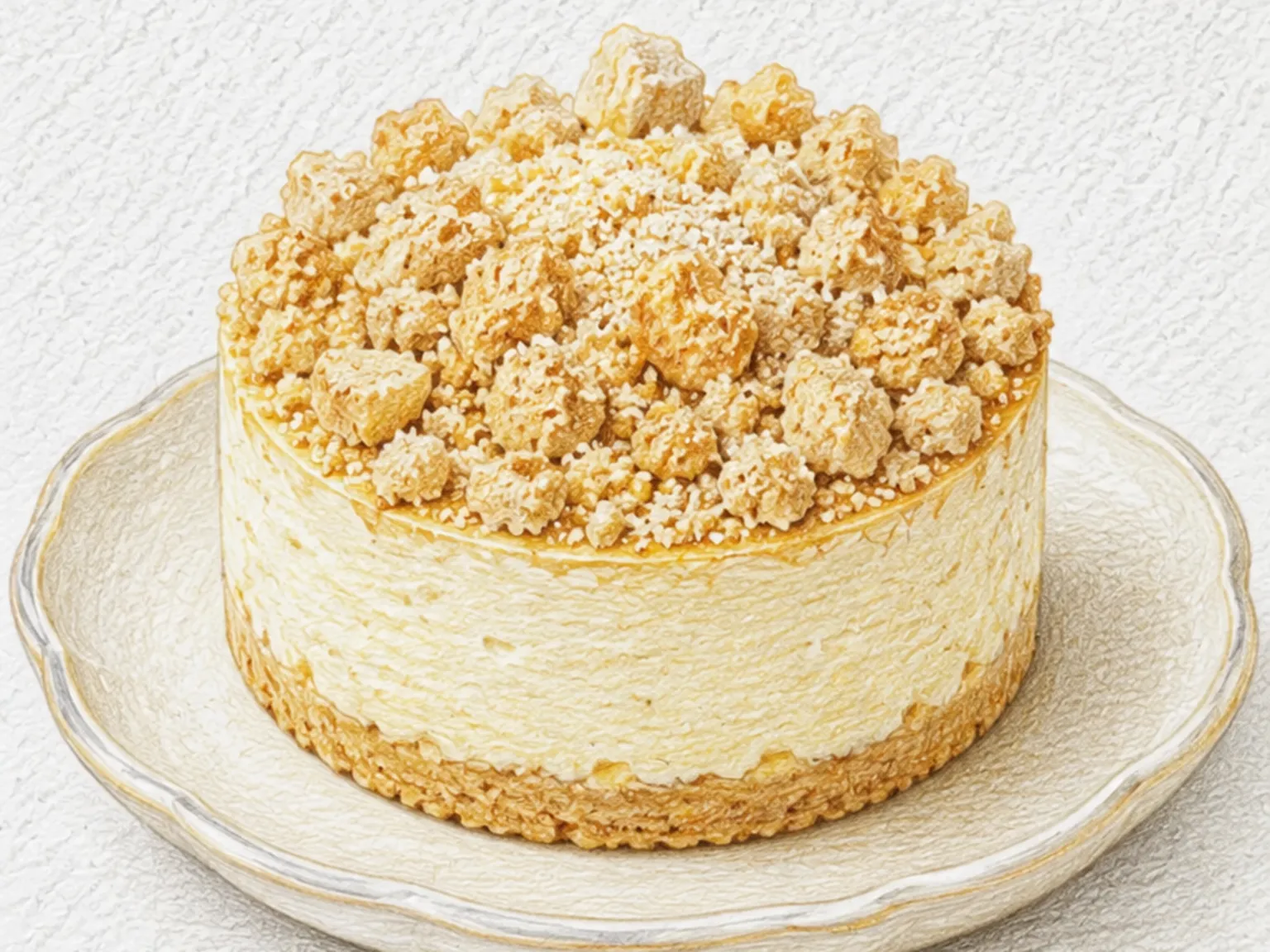
Soboro bread is a Korean bakery staple that tops a soft, milk-enriched yeast bun with a layer of sweet cookie crumble. The bun interior is pillowy and slightly sweet, with a fine crumb that tears in gentle strands, while the streusel cap - mixed from butter, sugar, egg, and flour - bakes into a crunchy, golden shell that cracks into irregular pieces. The appeal lies in the contrast: each bite delivers both the airy softness of enriched bread and the sandy crunch of a cookie. Applying the crumble after the second proof, rather than before, prevents the rising dough from being weighed down and allows the surface to fracture naturally in the oven's heat. The crumble stays crisp even after the bread cools completely, which is why soboro bread remains satisfying the next day when many other bakery items have gone stale.

Swedish Meatballs
Swedish meatballs mix ground beef with sautéed onion, breadcrumbs, egg, and milk, shape the mixture into bite-size balls, brown them in butter, then simmer in a creamy gravy built in the same pan. The key to tender meatballs is minimal handling - overworking the mixture tightens the protein network and produces a tough, dense texture. Browning the meatballs leaves behind caramelized drippings on the pan floor, and these fond bits become the flavor base of the gravy when flour is whisked in to form a roux. Adding milk gradually while stirring prevents lumps, and a splash of Worcestershire sauce introduces a savory depth that rounds out the cream. The gravy's thickness is adjustable at the end - more milk loosens it, less keeps it rich - and serving over mashed potatoes lets nothing go to waste.

Korean Mussel Stir-Fry (Plump Mussels with Butter, Garlic and Chili)
Honghap-bokkeum is a Korean mussel stir-fry where plump mussels are tossed in butter with sliced garlic, cheongyang chili, and scallion. The butter melts into the mussels' briny juice, forming a concentrated, aromatic sauce, while garlic adds a sharp fragrance that elevates the whole dish. Chili peppers cut through the richness so the dish never feels heavy. A splash of soy sauce deepens the umami, and many diners finish by mixing rice into the leftover sauce.

Salted Doenjang Caramel Cookies
These cookies channel the umami depth of Korean fermented soybean paste into a brown sugar caramel dough. A small amount of doenjang, roughly one to two percent of the total batter weight, adds a savory undercurrent that most people cannot identify but find irresistibly complex. The brown sugar caramelizes at the edges during baking, producing crisp, toffee-like rims around a chewy center. Sea salt flakes pressed into the top before baking amplify both the sweetness and the fermented savoriness. The result tastes neither obviously Korean nor conventionally Western, occupying a unique middle ground that provokes curiosity. They pair exceptionally well with espresso, where the bitterness of coffee draws out the doenjang's deeper notes.

Injeolmi Croffles (Soybean Powder Croissant Waffles)
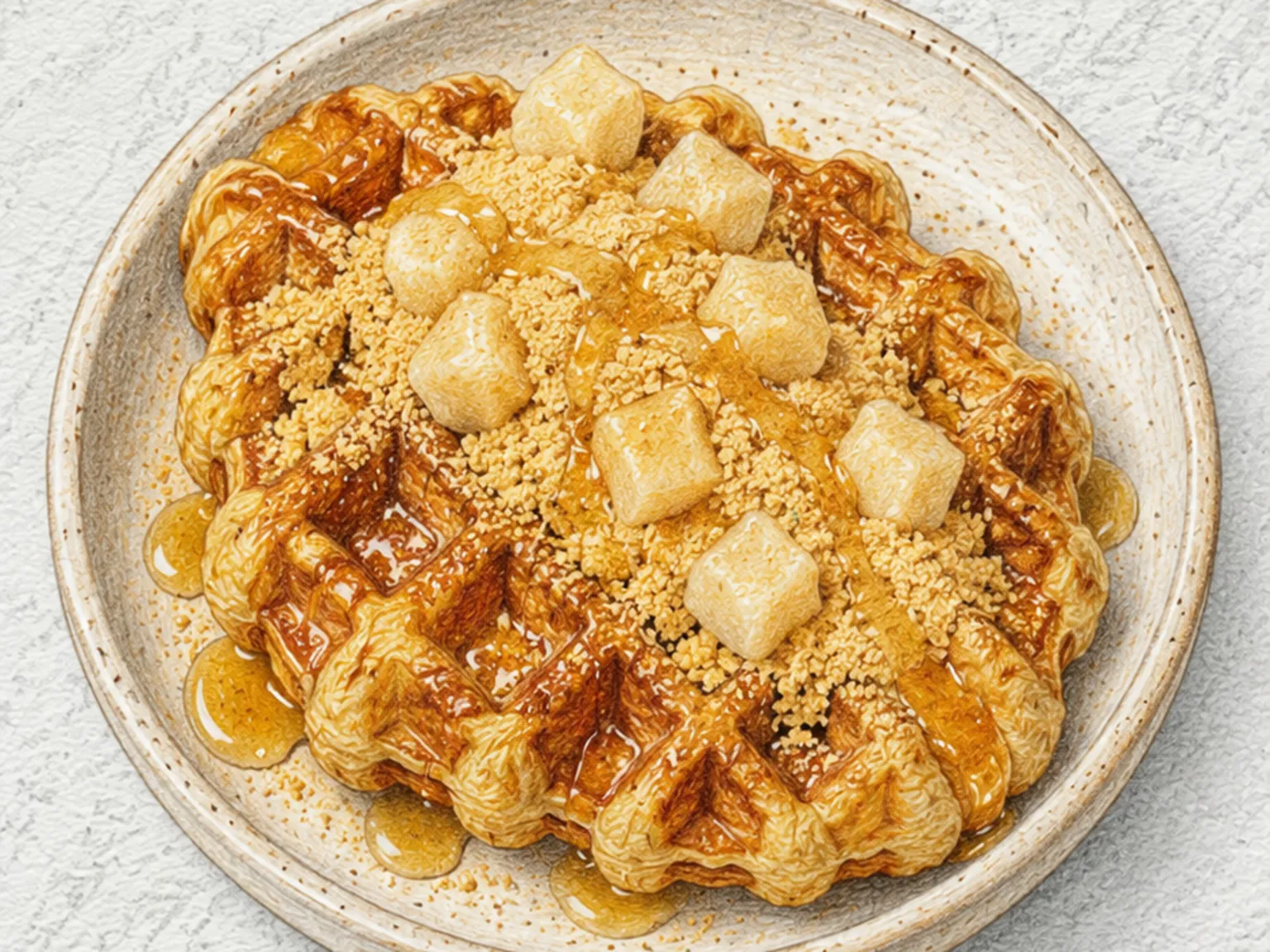
An injeolmi croffle presses laminated croissant dough in a waffle iron until the exterior caramelizes into a deeply browned, crisp grid, then tops it with roasted soybean powder, chewy tteok pieces, and honey. The waffle iron's direct contact heat transforms the dough in a way an oven cannot replicate: both sides brown simultaneously under pressure, creating a shattering crust while the buttery layers inside stay flaky and pull apart in ribbons. Dusting the hot croffle with roasted soybean powder adds a toasted, nutty coating that absorbs just enough surface oil to cut through any greasiness and leave the bite clean. Scattered cubes of tteok contribute a sticky, elastic chew that alternates with the crisp shell of the croffle on every bite, and a drizzle of honey ties the components together with a natural sweetness that keeps the whole thing from feeling heavy. Because store-bought croissant dough performs well in this recipe, no pastry-making skills are required, which makes the croffle one of the more accessible cafe-style treats to replicate at home.

Gnocchi alla Romana (Baked Semolina Cheese Rounds)
Gnocchi alla Romana is made by cooking semolina into hot milk until the mixture thickens into a stiff, smooth dough, then enriching it with butter, egg yolks, and Parmigiano-Reggiano before spreading it flat to cool and firm up. The milk is brought to heat with salt, nutmeg, and half the butter, and the semolina is trickled in slowly while whisking without pause to prevent lumps from forming. Removing the pan from the heat before folding in the yolks and cheese ensures the residual warmth binds everything together without scrambling the eggs, contributing a rich golden color and a deeper, more savory character to the dough. Once the slab has cooled completely and set firm, a round cutter stamps out discs that are overlapped in a buttered baking dish, topped generously with the remaining butter and cheese, then slid into a 200-degree oven. Finishing under the broiler for the last few minutes drives the surface to a crackling, golden crust while leaving the center tender and creamy. Unlike fresh pasta or potato gnocchi, the semolina slab can be prepared a day in advance and refrigerated, making this an excellent option when cooking for guests.

Tarte Tatin (French Upside-Down Caramelized Apple Tart)
Apples are cooked in butter and sugar on the stovetop until the caramel darkens to a deep amber, then a sheet of puff pastry is draped over the top and the whole pan goes into the oven. After baking, the tart is inverted onto a plate so the caramelized apples become the glossy, lacquered top. The long exposure to heat transforms the apples from firm slices into soft, butter-soaked segments that are nearly translucent. The caramel should be pushed slightly past golden - a faint bitterness at the edge of sweetness gives the tart its signature depth. Cutting the pastry slightly larger than the pan and tucking the edges down around the apples prevents juice from leaking during baking. The inversion must happen within a few minutes of leaving the oven, while the caramel is still liquid enough to release cleanly. Served warm with a spoon of creme fraiche, the contrast between the hot, sticky apples and the cool, tangy cream is the defining experience of this dessert.

Gateau au Chocolat (Rich Flourless Chocolate Cake)
Gateau au chocolat is a French-style chocolate cake built on an unusually high ratio of dark chocolate and butter relative to flour. Many versions use only a trace of flour or none at all, so the structure depends almost entirely on eggs and melted chocolate rather than on gluten development. Whipping the egg whites separately into a glossy meringue and folding them into the batter introduces just enough trapped air to prevent the result from feeling dense and leaden; the finished cake is simultaneously rich and melt-on-the-tongue light. Straight from the oven the center appears underset, but as the cake cools fully on a rack the interior firms to a fudge-like consistency and a thin, crackly shell forms across the top. Sliced, it reveals an intensely dark cross-section that looks as concentrated as it tastes. A fine dusting of powdered sugar provides visual contrast against the dark surface, and a generous spoonful of lightly whipped, unsweetened cream tempers the bittersweet intensity. The cake actually improves if left overnight: moisture redistributes evenly through the crumb and the chocolate flavor deepens noticeably, making it an ideal candidate for baking a full day ahead of birthdays or dinner gatherings where a reliable, make-ahead dessert is needed.

Penne alla Vodka
Penne alla vodka combines tomato puree, heavy cream, and a splash of vodka into a smooth, coral-colored sauce. The vodka helps release flavor compounds in the tomato that are not soluble in water or fat alone, then cooks off to leave only a subtle warmth. Butter-softened onions and a pinch of chili flakes round out the base before cream is stirred in on low heat. The tubular shape of penne catches the thick sauce inside each piece.

Shortbread Cookies
Shortbread is built on a high ratio of butter to flour, with just enough sugar to sweeten, producing a cookie that crumbles on contact and dissolves into a wave of pure butter flavor. The dough demands minimal handling - overworking it develops gluten and turns the tender crumb tough and biscuit-like. Cold butter cut into the flour creates the sandy, friable texture that defines a proper shortbread. Chilling the shaped dough before baking prevents spreading, ensuring clean edges and a uniform thickness. Powdered sugar yields a finer, more delicate crumb, while granulated sugar introduces a subtle crunch and slightly coarser grain. Traditionally scored into wedges or stamped into rounds, shortbread keeps well in a tin and actually improves after a day, as the butter flavor mellows and permeates the flour more evenly. It is the natural companion to a cup of strong black tea.

Nut Tart
A buttery shortcrust shell is filled with a generous tumble of mixed nuts - walnuts, almonds, pecans, hazelnuts - bound together in a caramel of sugar, butter, and cream, then baked until the top turns deep amber. Each nut retains its individual character: the walnut's slight bitterness, the almond's clean sweetness, the pecan's buttery softness, the hazelnut's toasty depth. Pre-toasting the nuts before adding them to the caramel means they roast a second time in the oven, amplifying their oils and fragrance. The caramel must set firm enough to hold the filling in place when sliced but not so hard that it turns into toffee. A pinch of flaky sea salt over the top before baking lifts the sweetness into complexity. Served at room temperature with cold whipped cream, the contrast between the sticky, crunchy filling and the light dairy tempers the intensity.

Tarte Bourdaloue (French Pear Almond Frangipane Tart)
A crisp tart shell is lined with frangipane - a mixture of almond flour, butter, egg, and sugar - then topped with halved or sliced pears and baked until the almond cream rises around the fruit and turns golden. The frangipane puffs gently in the oven, enveloping the pear in a dense, moist almond layer, while juice from the fruit seeps into the cream and lightens its richness. Poached pears produce the most tender result and cook evenly, but raw pears work if sliced thin enough to soften during baking. Overmixing the frangipane compacts the crumb and eliminates the delicate rise, so the batter should be combined only until the ingredients are incorporated. Scattered sliced almonds on top before baking add visual appeal and an extra layer of nutty crunch. This tart originated on Rue Bourdaloue in Paris and remains one of the essential recipes in French patisserie.

Korean Grilled Scallops (Butter Garlic Shell-On Scallop Grill)
Garibi-gui is a Korean grilled scallop dish where shell-on scallops are placed directly on the grill until they pop open, then topped with butter and minced garlic that sizzle and melt into the adductor muscle. The scallop's deep natural sweetness melds with the richness of melted butter and the sharp warmth of garlic, a combination that produces a layered flavor far more compelling than the ingredient count suggests. A cap of mozzarella cheese added for the final two to three minutes creates a stretchy, golden layer over the plump flesh, but restraint is key: covering only about half the scallop prevents the cheese from overwhelming the clean marine sweetness beneath it. Over charcoal, the shell acts as a natural vessel that channels smoky heat directly into the meat, adding a dimension that a gas burner or stovetop simply cannot replicate. A squeeze of fresh lemon juice just before serving cuts through the butter's richness and lifts the brine. Placing a single prawn alongside the scallop for the final minutes of cooking doubles the seafood sweetness and makes the dish even more compelling as an anju, the Korean term for food eaten alongside alcohol.

Monte Cristo Sandwich
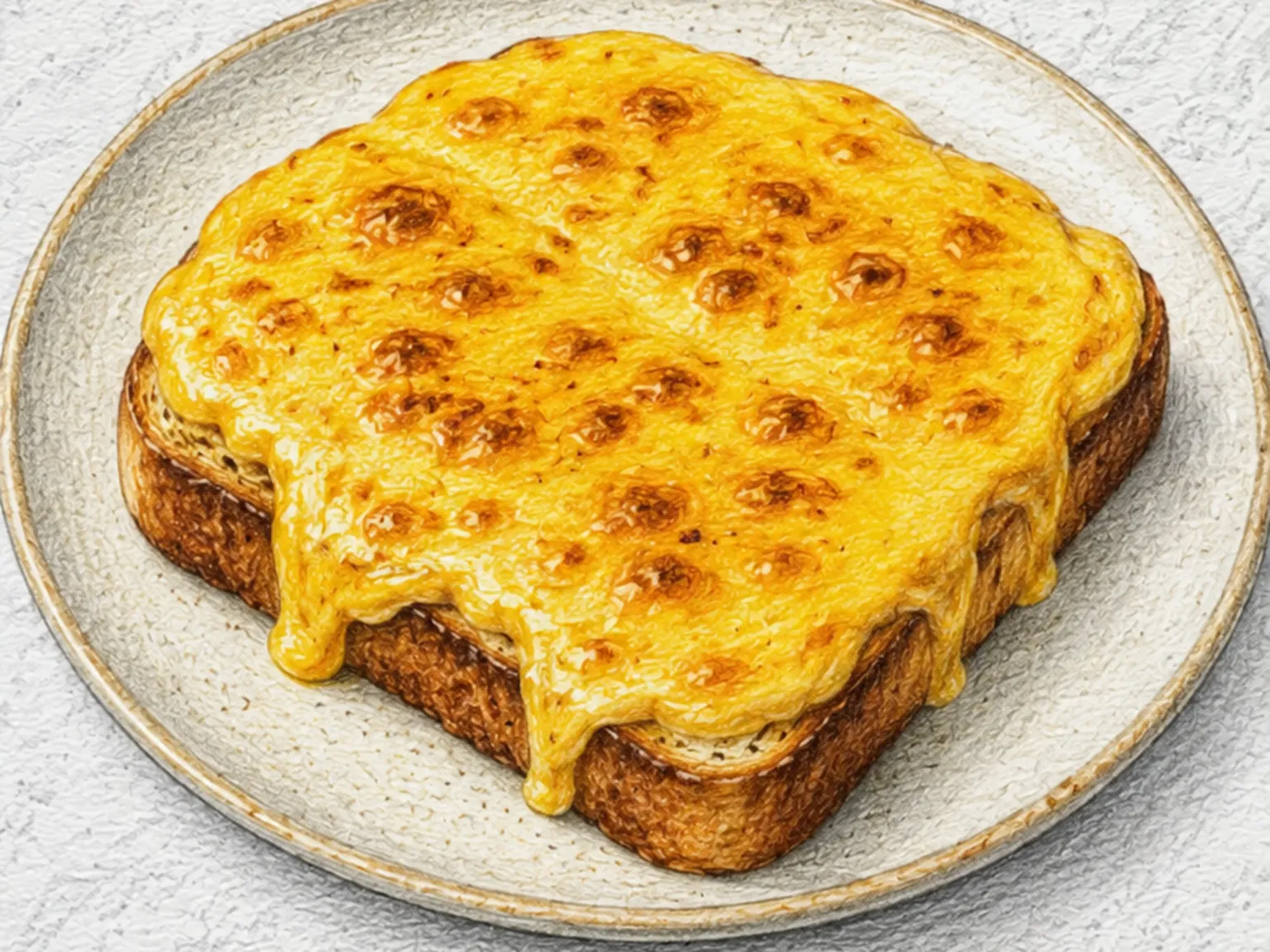
A Monte Cristo sandwich consists of multiple layers of ham and Swiss cheese placed between slices of bread that have been spread with a layer of Dijon mustard. After the sandwich has been assembled, it is dipped for a short period of time into a batter made from a combination of beaten eggs and milk. The sandwich is then transferred to a pan and fried in butter until the exterior develops a golden color on both sides. This preparation method blends the traditional elements of French toast with those of a standard ham and cheese sandwich by surrounding savory interior fillings with a rich and egg based coating. It is necessary to keep the dipping stage brief because allowing the bread to soak for an extended duration will cause it to become overly saturated, which typically leads to the bread tearing when the sandwich is flipped. Cooking the sandwich over medium low heat ensures that the outside has sufficient time to reach a golden and crisp state while the cheese inside the layers melts in a consistent manner. Dividing the sandwich into two halves while it is still warm serves to display the stretchy consistency of the melted cheese and creates a visual presentation for the finished meal. The addition of mustard introduces a sharp taste that functions to balance the rich characteristics of the eggs and dairy ingredients.

Snickerdoodle Cookies (American Cinnamon-Sugar Baked Cookies)
Snickerdoodles are rolled in cinnamon sugar before baking, which creates a crackled, patterned surface and perfumes each cookie with warm spice from edge to center. Cream of tartar in the dough gives snickerdoodles their signature tanginess - a faint, pleasant acidity that distinguishes them from ordinary sugar cookies - and contributes to the soft, pillowy interior that stays chewy even after cooling. The exterior develops a thin, lightly crisp shell where the cinnamon sugar caramelizes, but the center remains dense and yielding. A high butter-to-flour ratio keeps the cookies tender for days. The cinnamon coating also darkens attractively in the oven, producing the distinctive web of cracks across the top. Paired with a glass of cold milk, the warm spice and cool dairy play off each other in a combination that has made snickerdoodles a staple of American home baking.

Chicken Cordon Bleu
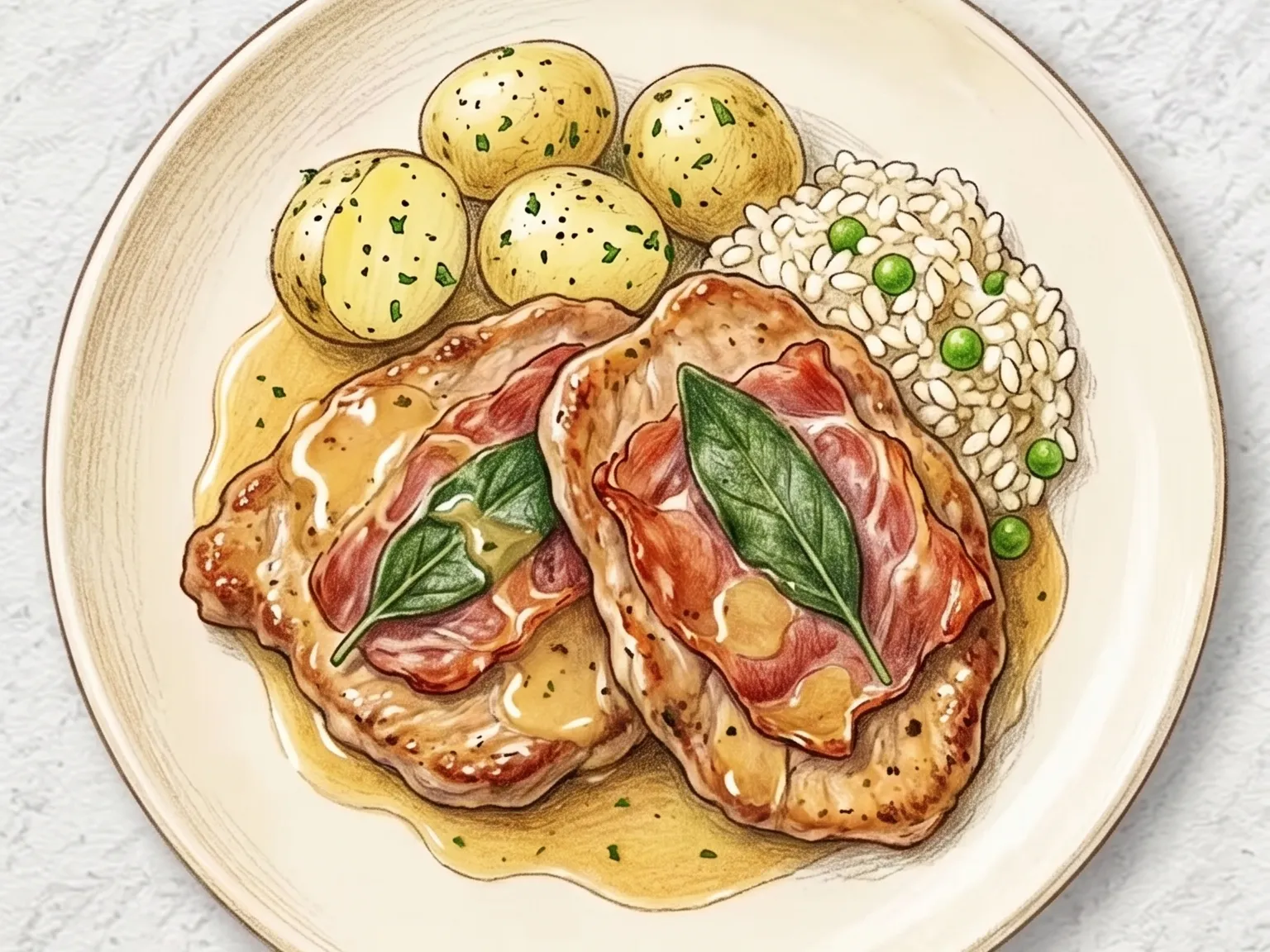
Chicken cordon bleu is a Swiss-French dish where chicken breast is pounded flat to five-millimeter thickness, layered with ham and Emmental cheese, rolled tightly, and secured with toothpicks before being coated in flour, beaten egg, and breadcrumbs. The thin, even pounding is critical: uneven thickness causes the outer sections to overcook while the thicker center remains undercooked. Pan-frying in a mixture of butter and oil over medium heat for four to five minutes per side allows the breadcrumb crust to turn golden and crisp while conducting enough heat inward to melt the cheese completely. Cutting into the finished roll reveals a cross-section of molten cheese oozing between layers of ham and chicken. The ham provides a salty counterpoint to the mild breast meat, and the melted Emmental adds a nutty, stretchy richness that holds the interior layers together. Resting the roll for two minutes after removing from the pan prevents the cheese from spilling out all at once when cut.

Deodeok Butter Rice Bowl (Korean Mountain Root)
Deodeok butter bap is a rice bowl of peeled, pounded deodeok pan-fried in butter until golden, then reduced in soy sauce and oligosaccharide syrup until each strip is coated in a thin, glossy glaze. The root's natural bittersweet aroma, assertive when raw, softens in the butter without disappearing - it stays present and clean throughout the bowl. Soy sauce and the mild sweetness of the syrup build a savory-sweet glaze that clings to the root's rough-pounded surface. A second knob of butter stirred into the sauce just before plating melts into the reduction and adds a final layer of richness. The glazed deodeok is spooned over warm rice with the pan sauce, then scattered with sliced scallion and sesame seeds. The dish is best in spring when fresh deodeok is in season and its fragrance is at its most pronounced. It works as a standalone donburi or as a strong side dish alongside plain rice.