Korean Saeu Doenjang Beoteo Gui (Doenjang Butter Shrimp Grill)
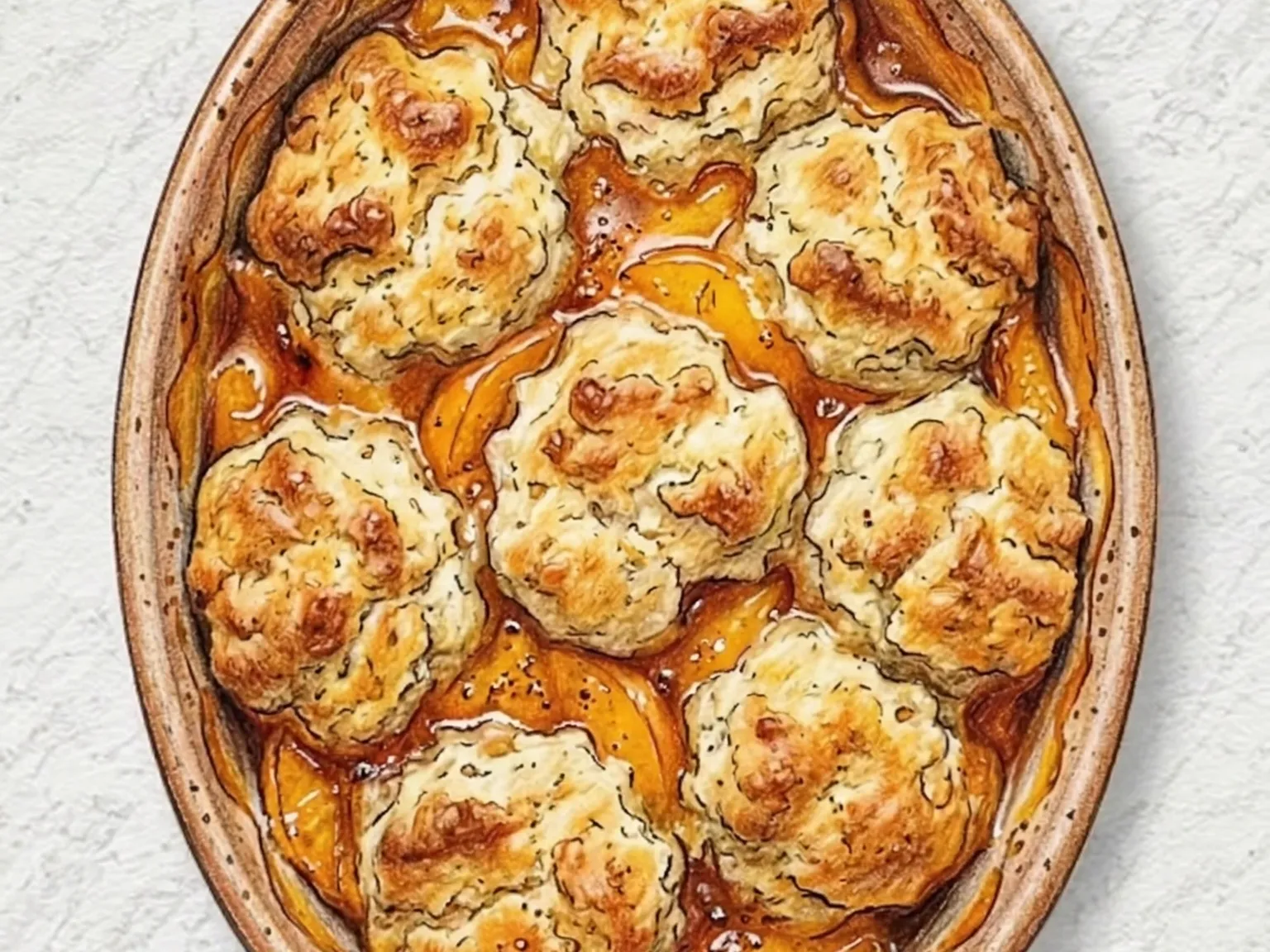
Saeu-doenjang-beoteo-gui is Korean doenjang-butter grilled shrimp, where deveined large shrimp are tossed with two-thirds of a sauce made from doenjang, melted unsalted butter, minced garlic, lemon juice, and black pepper, marinated for eight minutes, then seared on a hot grill pan for two minutes per side. The fermented soybean paste and butter fat together create a deeply savory richness distinct from any Western butter sauce, and the lemon juice cuts through that heaviness with clean acidity. Total cooking time must stay under five minutes to keep the shrimp flesh snappy rather than rubbery, and brushing the reserved sauce on during a final one-minute sear builds a concentrated doenjang-butter crust on the surface. Because doenjang is inherently salty, any additional salt should only be considered after tasting the finished dish.

Korean Beef and Mushroom Rice Bowl
Sogogi-beoseot deopbap is a Korean beef and mushroom rice bowl that sautees sliced beef with king oyster and shiitake mushrooms in soy-butter sauce. The beef is seared first over high heat to develop a golden crust, then the thickly cut mushrooms go in and absorb the rendered juices, forming a naturally concentrated sauce in the pan. A knob of butter melted in at the end adds a creamy richness, while soy sauce ties everything together with a salty umami backbone. Minced garlic and sliced scallion layered into the stir-fry build an aromatic base that makes the topping fragrant the moment it hits the rice. The mushrooms hold their springy bite against the tender beef, giving each mouthful a satisfying textural contrast.

Choux Cream Puffs (French Hollow Pastry with Vanilla Custard)
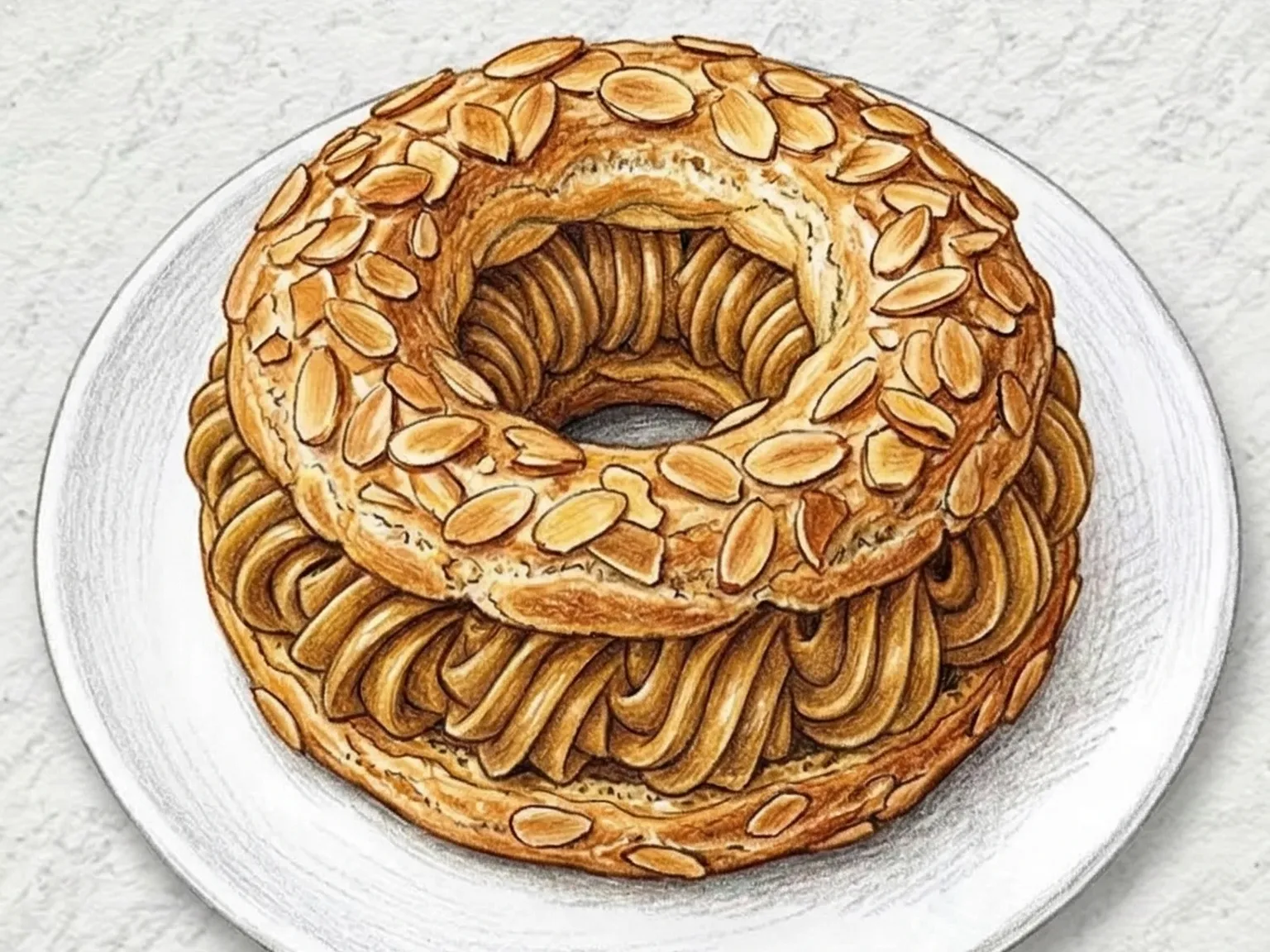
Choux cream puffs are built around pate a choux, a paste cooked directly on the stovetop by combining water, butter, and flour over heat, then beating in eggs one at a time until the dough is smooth, glossy, and just thick enough to hold a piped shape. Once mounds are piped onto a baking sheet and slid into a hot oven, the water content in the dough converts rapidly to steam, inflating each piece into a hollow shell while the exterior sets into a crisp, deep-golden crust. The key to a reliably hollow interior is patience with the eggs: adding them too quickly or all at once produces uneven expansion, while a gradual approach allows the structure to develop properly. Once completely cooled - cooling fully is not optional, as residual heat will melt the filling - a small hole is pierced in the bottom of each shell and pastry cream is piped inside. The contrast upon biting is what makes the pastry compelling: the thin, shattering shell breaks to release cool, silky custard against the palate. The pastry cream itself is made by simmering milk with a split vanilla bean, then whisking the infused milk into egg yolks, sugar, and cornstarch, cooking until thick, and chilling until cold and set. Filled puffs should be consumed within two to three hours, as moisture from the cream migrates into the pastry over time, softening the crust and eliminating the textural contrast that defines the experience.

Yuzu Poppy Seed Loaf Cake
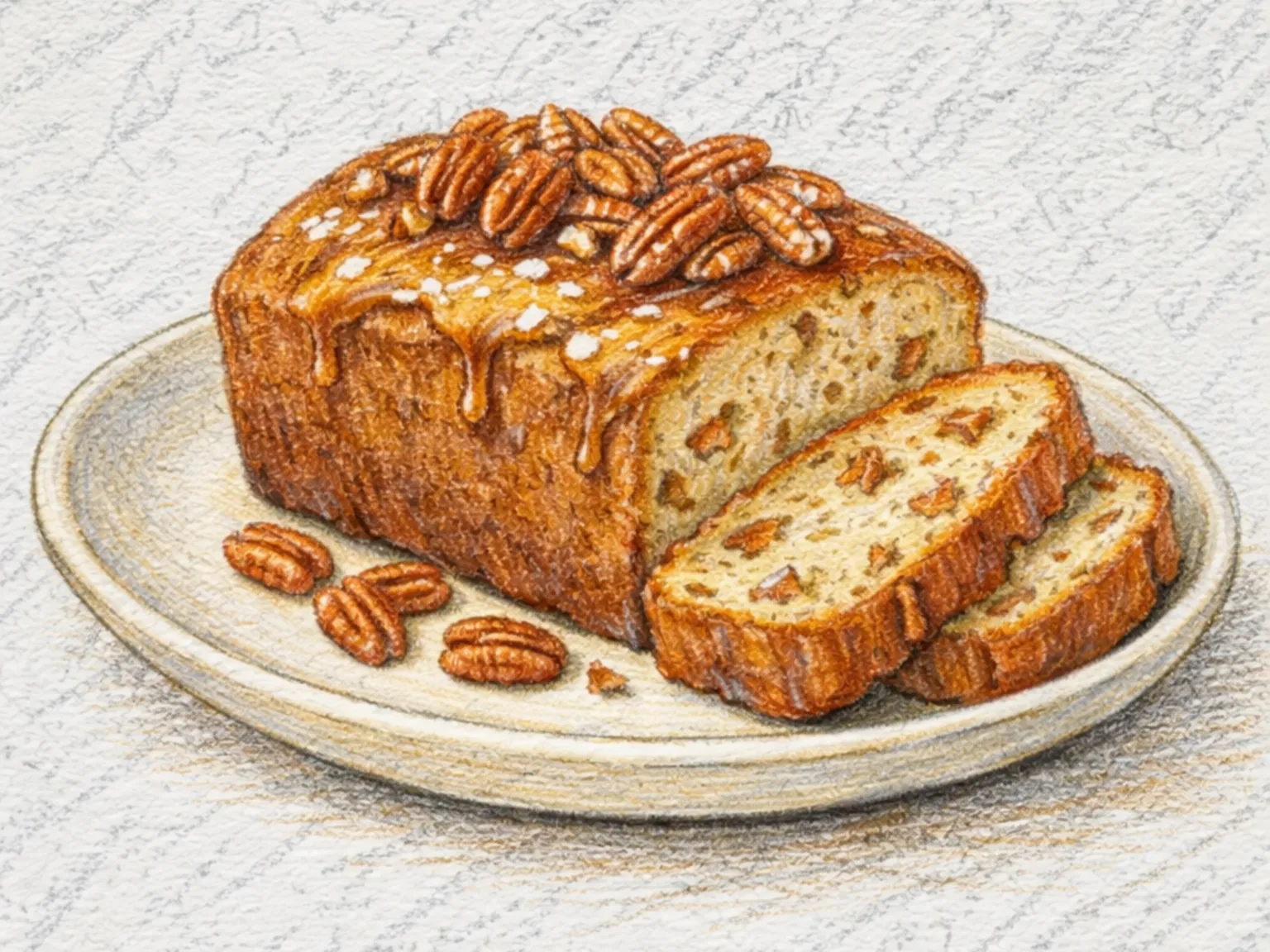
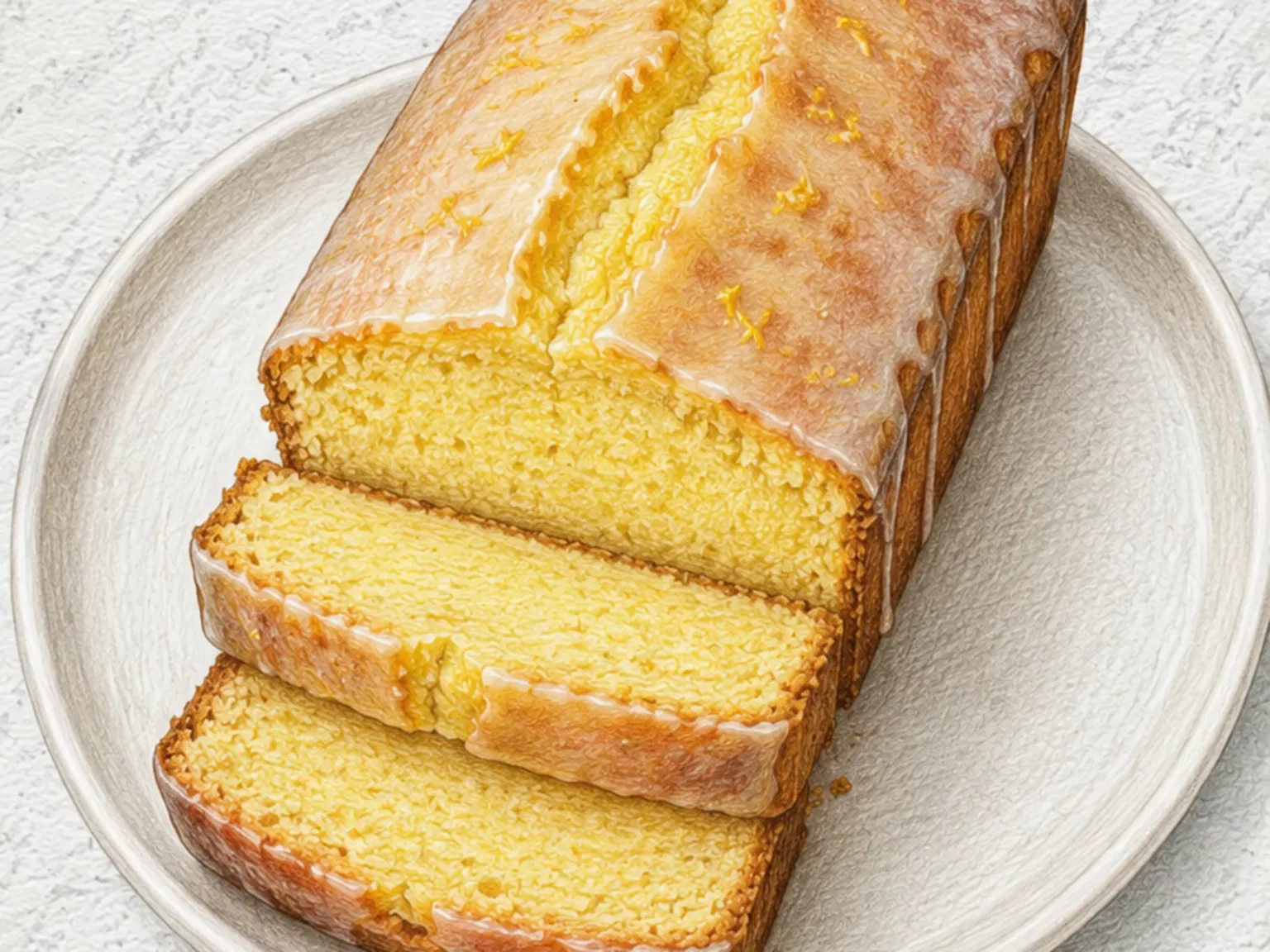
This loaf cake pairs the fragrant acidity of 80 grams of yuja marmalade with 12 grams of poppy seeds that add a subtle crunch to every slice. Creaming 120 grams of room-temperature butter with sugar traps air in the batter, producing a fine, tender crumb once baked. Eggs are added one at a time to maintain emulsion, and the dry ingredients are folded in gently to avoid toughening the gluten. Bits of yuja peel and pulp appear throughout the cross-section, releasing bursts of citrus when bitten. Baked at 175 degrees Celsius for 40 to 45 minutes, the loaf develops a golden crust on top while staying plush inside, holding its moisture well for a day or two after cooling.

Sacher Torte (Viennese Dark Chocolate Apricot Cake)
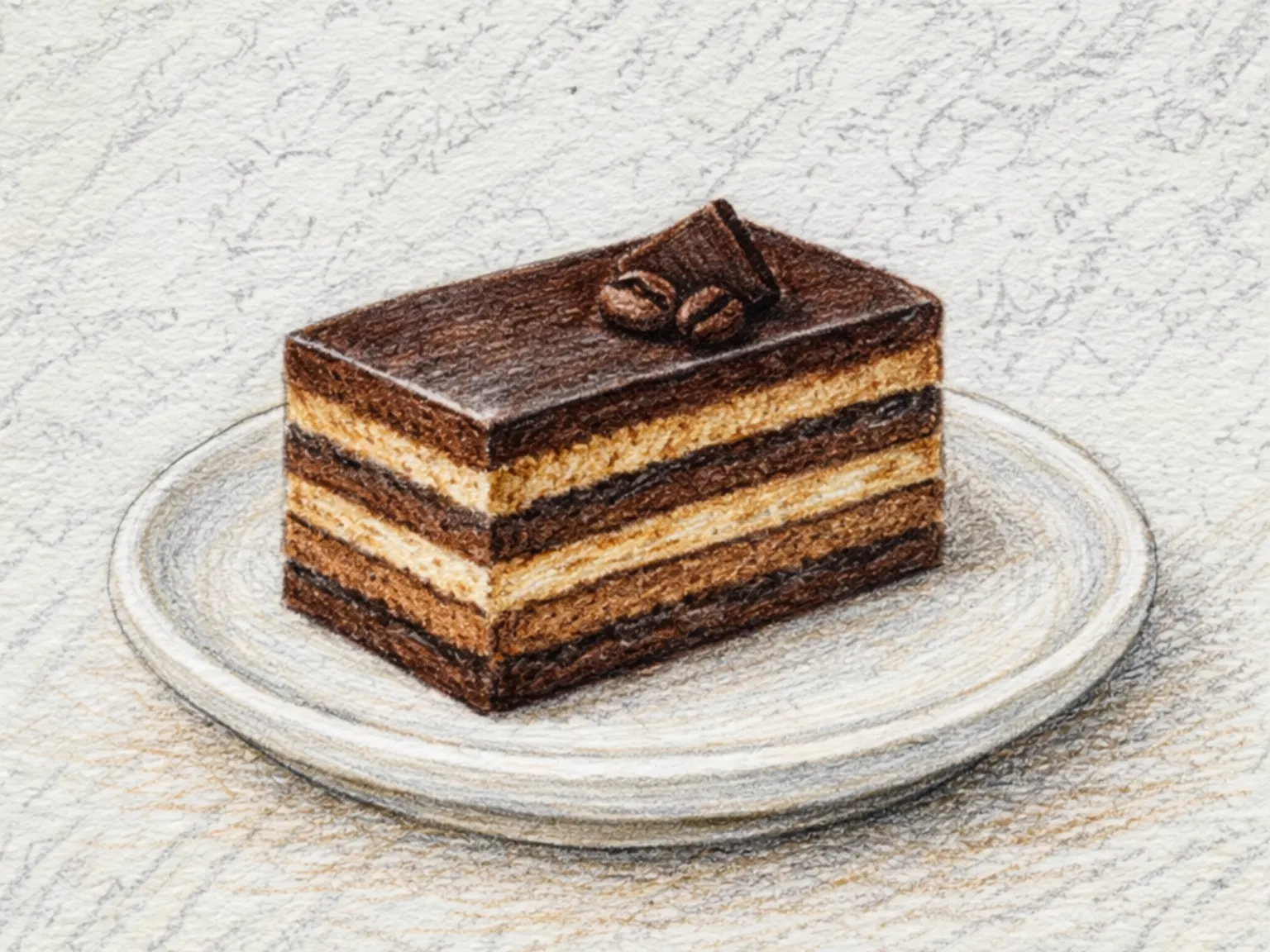
Sacher torte is Vienna's most celebrated cake - a dense, intensely chocolatey sponge split horizontally and filled with a thin layer of apricot jam, then enrobed in a glossy dark chocolate glaze. The batter contains a higher ratio of melted chocolate and butter than a typical chocolate cake, which makes the crumb rich and moist rather than light and airy. Whipped egg whites folded into the chocolate base introduce just enough lift to keep the texture from becoming leaden, while the apricot jam provides a tart, fruity counterpoint that prevents the chocolate from overwhelming the palate. The glaze is made by heating heavy cream and pouring it over chopped dark chocolate, stirring until smooth, then pouring it over the cake in a single motion for a mirror-like finish. Warming the jam slightly before spreading ensures an even, thin coat that does not tear the delicate sponge. Once the glaze has set completely, slicing with a knife dipped in hot water produces the cleanest cross-section, revealing the dark cake, the amber jam line, and the shiny chocolate shell.

Churros with Chocolate Sauce
Churros are made from a choux-style dough of boiled water, butter, and flour, enriched with eggs and piped through a star tip directly into hot oil. Frying at 175 to 180 degrees Celsius produces a crisp, ridged exterior where the star-shaped edges brown and split cleanly, while the interior stays chewy with a slightly hollow core that forms as the steam escapes during cooking. The contrast between the crackling outer crust and the soft, doughy center is the defining textural quality of a well-made churro. Adding the eggs gradually and stopping when the batter falls in a slow, thick ribbon prevents the ridges from blurring during piping. Rolling the hot churros in cinnamon sugar immediately after frying coats them while the oil helps the mixture adhere. The accompanying dipping sauce melts dark chocolate into warm milk over gentle heat, producing a thick, bittersweet liquid that contrasts the sweetened dough. Across Spain and parts of Europe, churros dipped in hot chocolate are a standard morning meal, not a dessert.

Sweet Potato Mochi Bread Rings
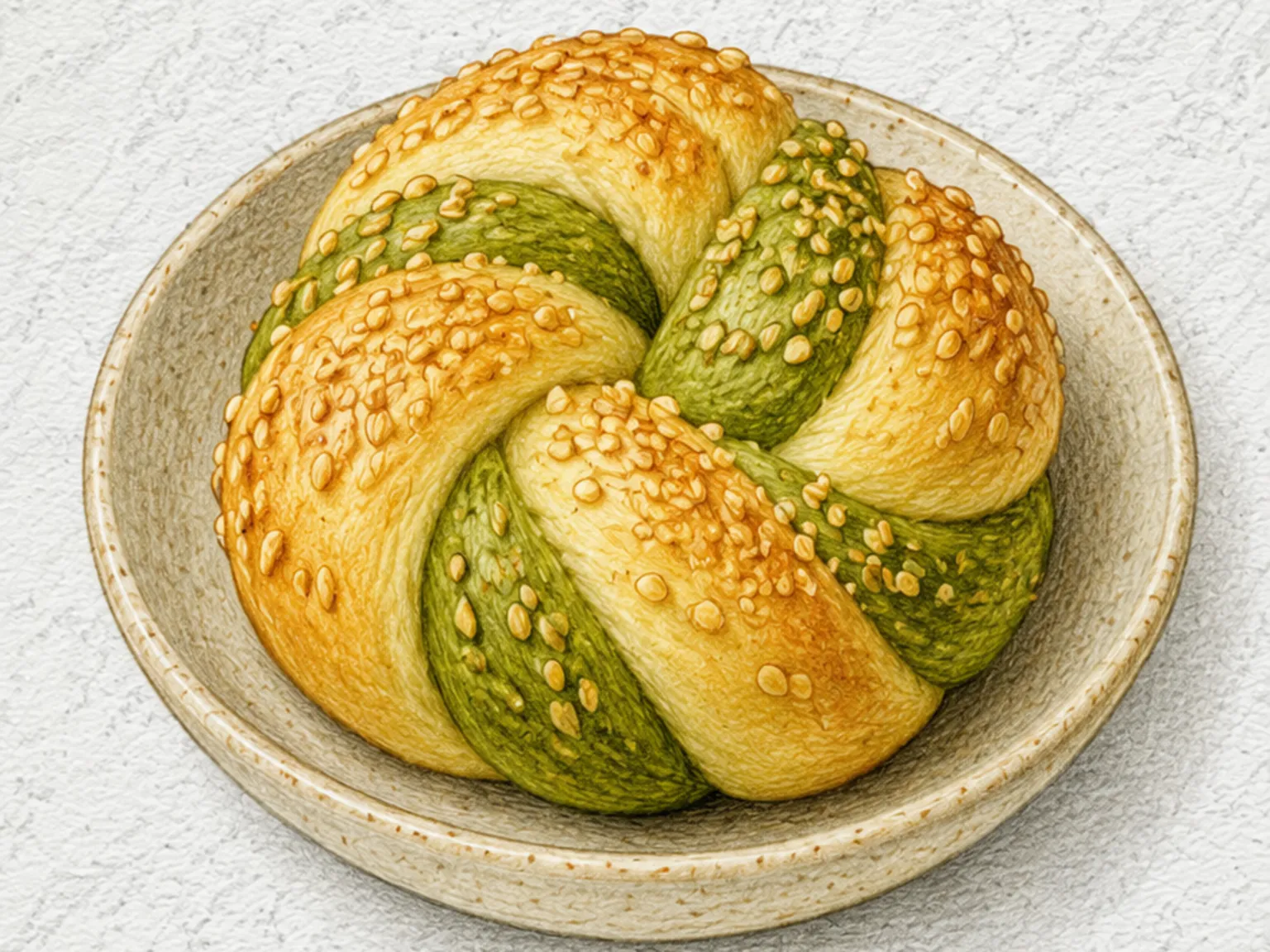
Tapioca starch is scalded in hot milk and butter, then kneaded with mashed sweet potato, egg, and grated parmesan to form a chewy dough that is shaped into rings and baked. This is a Korean riff on Brazilian cheese bread, where the tapioca creates a springy, stretchy crumb entirely unlike wheat-based baking. Sweet potato lends mild sweetness and a golden hue, while the cheese contributes a salty, savory edge that prevents the bread from tasting like dessert. The ring shape ensures even heat distribution, so the exterior turns golden and crisp while the interior stays elastic and stretchy. These are best eaten within minutes of leaving the oven, when the mochi-like pull is at its peak - once cooled, the chew diminishes noticeably. If the dough feels too wet during mixing, adding tapioca starch in five-gram increments brings it to the right consistency.

Loco Moco Rice Bowl (Hawaiian Beef Patty Gravy Rice Bowl)
Ground beef is mixed with minced onion, shaped into patties, and pan-seared for four to five minutes per side until a crisp crust forms outside while the center stays moist. The same pan - still coated with beef drippings - gets butter, the remaining onion, and flour to build a quick roux, then water and Worcestershire sauce transform it into a smooth, glossy gravy that captures all the fond. Assembly is straightforward: rice on the bottom, patty on top, gravy ladled over, and a sunny-side egg crowning the bowl. Breaking the runny yolk into the gravy creates a rich, velvety sauce that ties the Hawaiian-born dish together into a hearty, deeply satisfying plate.

Hallabong Marmalade Madeleines
These shell-shaped madeleines incorporate hallabong marmalade directly into the batter, delivering bursts of candied citrus peel and sweet mandarin flavor in every bite. A properly baked madeleine rises with a characteristic bump on top, and these are no exception. The marmalade adds extra moisture, keeping the crumb softer and more tender than a classic plain version. Small pieces of preserved hallabong rind within the batter provide occasional chewy texture against the otherwise pillowy cake. They are best eaten warm, minutes after leaving the oven, though they hold their softness well in an airtight container through the next day. Black tea or Earl Grey is the natural companion, as the bergamot in the tea echoes the hallabong's citrus character.

Corn Chowder
Corn chowder is a classic American cream soup that layers smoky bacon fat, sweet corn, and tender potato into a rich, warming bowl. Bacon is rendered until crispy and set aside, and the fat left in the pot is used to sweat onion and garlic, building a smoky, savory foundation. A small amount of flour stirred in before the stock thickens the base slightly, preventing the finished soup from being too thin. Diced potato simmers for fifteen minutes until tender, then corn kernels go in for five more minutes of gentle cooking. Blending only half the soup with an immersion blender and stirring it back in creates the ideal chowder texture: part creamy, part chunky, with intact corn kernels and potato pieces throughout. Heavy cream is added at the very end and brought just to a simmer - boiling it vigorously risks curdling. The corn's natural sweetness meets the cream's richness for a comforting, rounded flavor, finished with crispy bacon bits and chopped parsley. Fresh corn cut from the cob in season delivers noticeably better sweetness and texture than frozen or canned.

Classic British Scones
Classic British scones are made by rubbing cold butter into flour and binding the mixture with milk, using minimal handling to keep the dough light. This restraint is what creates the signature crumbly, layered texture. Overworking develops gluten and produces a tough result instead of the delicate flake the scone is known for. In the oven, the butter melts and generates steam between the flour layers, causing the scone to rise and split naturally along its sides. The exterior, brushed with egg wash before baking, turns golden and slightly crisp, while the interior stays soft and flaky, somewhere between bread and biscuit. Traditionally served during afternoon tea with clotted cream and strawberry jam, scones are split by hand rather than cut with a knife. The warmth of a freshly baked scone against the cool richness of clotted cream is the combination that defines the English tea table.

Honey Madeleines (Buttery Shell-Shaped French Cakes)
Honey madeleines are small French sponge cakes characterized by their shell-like shape and the prominent rounded mound that rises on their underside during the baking process. To successfully create this characteristic hump, the prepared batter must be rested in a refrigerator until it is thoroughly chilled before being placed into a preheated oven set to a high temperature. This specific thermal shock between the cold batter and the hot air causes the outer edges of the cake to set almost immediately. While the exterior firms up, the steam generated inside the batter is forced upward through the center, resulting in the distinct bump that separates a correctly baked madeleine from one that remains flat. The recipe utilizes a high proportion of melted butter to ensure the edges are crisp and develop a deep golden color. By substituting a portion of the standard granulated sugar with honey, the cakes gain a specific floral sweetness and a rounded flavor profile that sugar alone cannot provide. When served fresh from the oven, the exterior provides a light crunch that gives way to a moist and spongy texture inside. This combination releases the fragrance of toasted butter and warm honey as the cake is eaten. The addition of lemon zest to the batter introduces a sharp citrus quality. This component serves to balance the inherent richness of the butter and prevents the flavor from becoming overly heavy on the palate. Madeleines are best consumed within a very narrow window of time, ideally within thirty minutes of leaving the oven. During this period, the outer shell retains its crispness while the center of the cake is still warm. These cakes are commonly served alongside a cup of black tea or coffee as a simple afternoon snack.

Sloppy Joe
Sloppy Joe is an American sandwich where ground beef is browned with diced onion until the moisture cooks off, then simmered in a sweet-savory sauce made from tomato paste, ketchup, Worcestershire sauce, and a small amount of sugar. Browning the beef thoroughly before adding the sauce ingredients is critical - residual moisture dilutes the sauce and prevents the meat from developing flavor. Tomato paste provides concentrated umami, ketchup adds sweetness and body, and Worcestershire contributes a fermented depth that ties the flavors together. The mixture is simmered on low heat for about eight minutes until thick enough that it holds its shape on a spoon rather than running off. Toasting the buns before assembly creates a barrier that slows the inevitable soaking, and pickles served alongside cut through the richness.

Korean Grilled Corn with Soy Butter
Corn-gui is Korean grilled corn on the cob brushed with a glaze of soy sauce, melted butter, sugar, and minced garlic, then turned slowly over medium heat until the kernels develop a caramelized, salty-sweet crust. The corn is pre-cooked by boiling or microwaving before grilling, so time on the grill is dedicated entirely to building flavor through caramelization and char. Grilling over too-high heat burns the sugar before the corn colors evenly, so patience and repeated thin coats of glaze at every turn are essential. The result layers the corn natural starch sweetness with the richness of butter and the deep savoriness of fermented soy sauce, all in one bite.

Korean Gochujang Butter Grilled Salmon
Salmon is marinated in a mixture of gochujang, soy sauce, and honey, then seared in a pan with butter that bastes the fillet as it cooks. The glaze caramelizes on the surface, creating a glossy, slightly spicy-sweet crust, while the butter adds a layer of richness underneath. A final brush of sauce and a two-minute rest allow the flavors to set and the juices to redistribute evenly.

Grilled Cheese Sandwich
Grilled cheese sandwich is made by buttering the outer sides of bread slices, filling them with cheddar and mozzarella cheese, and toasting both sides in a pan until golden and crisp. Combining cheddar's sharp saltiness with mozzarella's stretchy pull gives the sandwich both depth of flavor and satisfying texture. A thin layer of Dijon mustard spread on the inner bread adds a subtle, peppery bite that cuts through the richness of the melted cheese. Cooking over medium-low heat is essential - it gives the cheese enough time to melt completely before the bread surface burns. Pressing the sandwich lightly while flipping ensures the bread and cheese bond tightly, producing a clean cross-section when the sandwich is sliced in half.

Mille-Feuille (Layered Puff Pastry with Vanilla Cream)
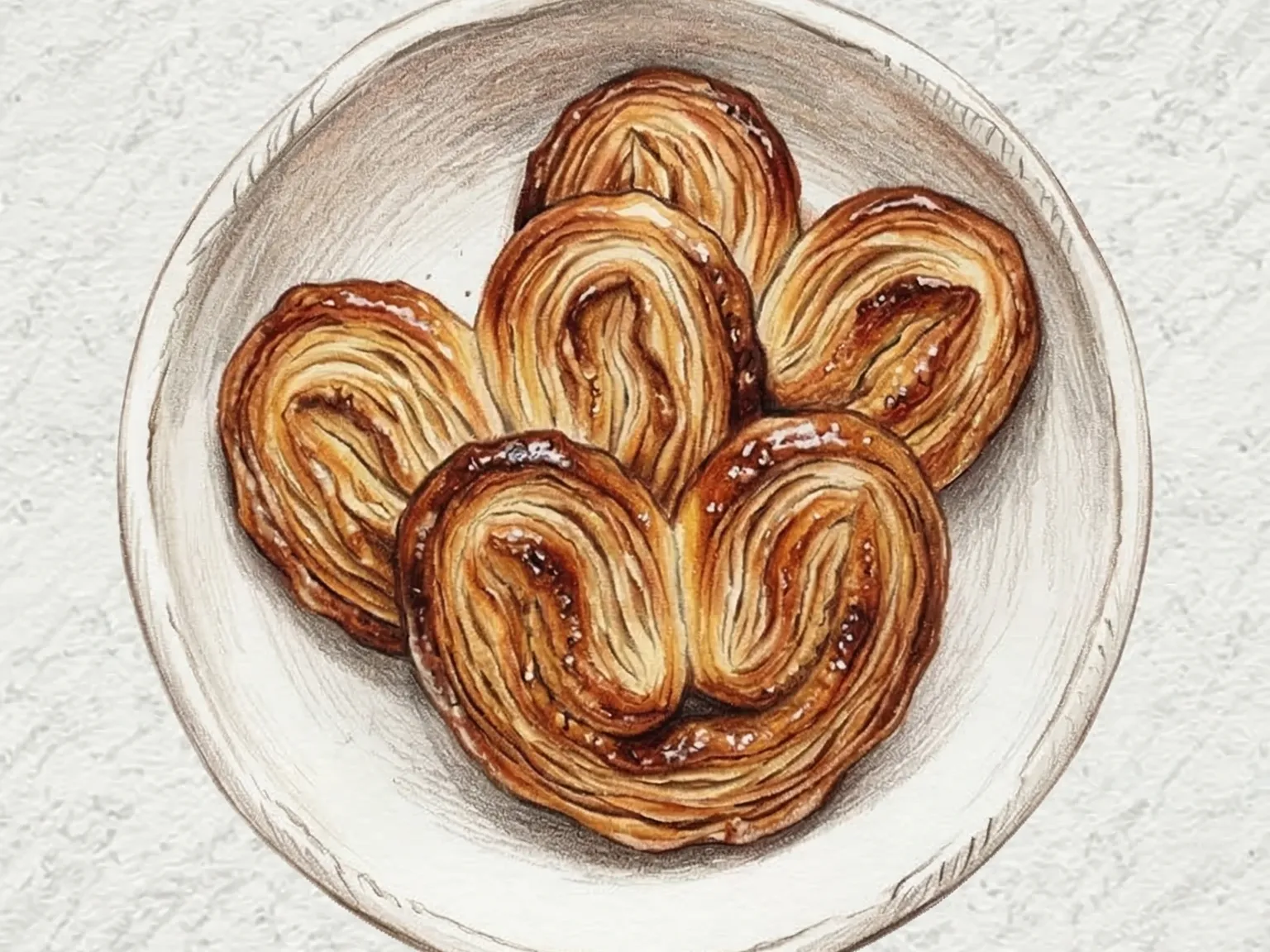
Mille-feuille stacks three sheets of puff pastry with layers of vanilla pastry cream between them, creating a dessert defined by the tension between crisp and soft. The pastry itself is built through repeated folding with cold butter, generating hundreds of paper-thin layers that puff apart in the oven into shatteringly flaky sheets. Pastry cream - egg yolks, sugar, milk, and a touch of flour cooked to a thick custard - fills the gaps with a smooth richness that yields immediately to the fork. The top is typically dusted with powdered sugar or glazed with fondant, sometimes decorated with a feathered chocolate pattern. Timing matters: once assembled, moisture from the cream migrates into the pastry, so the window for peak crispness is roughly one to two hours. When eaten fresh, each bite collapses with an audible crunch before the cream takes over.

Cuban Sandwich
Cuban sandwich splits a baguette lengthwise and spreads Dijon mustard on both cut sides before layering roast pork, sliced ham, Swiss cheese, and thin pickle slices inside. Butter goes on the outer crust, and the assembled sandwich is pressed in a skillet or sandwich press over medium heat for four to five minutes per side. The sustained pressure flattens the bread into a crisp, golden shell while the Swiss cheese melts and binds the fillings into a cohesive unit. Pickles provide a tart acidity and mustard adds a sharp, pungent bite that cut through the salty richness of the two meats, keeping each mouthful balanced rather than heavy. A heavy cast-iron pan placed on top works as well as a dedicated press when equipment is limited. The traditional pork is lechon, a Cuban-style roast marinated in garlic, cumin, and sour orange juice, though tightly grained pork belly or chashu makes a serviceable substitute. This sandwich was developed by Cuban immigrants in Tampa and Miami, where it became a daily staple rather than an occasional indulgence. Deceptively simple in appearance, it is a study in balance: every ingredient serves a specific purpose and the whole is noticeably better than the sum of its parts.

Japanese Napolitan Spaghetti
Napolitan spaghetti is a Japanese yoshoku pasta stir-fried with ketchup, sausage, onion, and green bell pepper that traces its origins to postwar Japan, when imported ingredients were scarce and cooks adapted Western techniques with locally available pantry staples. Cooking the ketchup in the pan first drives off moisture and concentrates its tomato sweetness, transforming it from a condiment into a sauce base with genuine depth. Worcestershire sauce adds a layer of fermented complexity that ketchup alone cannot provide. The sausage goes in first to render its fat and build flavor, followed by onion and pepper stir-fried quickly over high heat to retain their texture. Spaghetti cooked al dente with a quarter cup of pasta water reserved helps the sauce cling to the noodles when tossed together in the pan. A knob of butter stirred in at the end rounds off the ketchup's acidity and gives the finished dish a glossy, sweet-savory character that has made napolitan a beloved nostalgic dish in Japanese home cooking.

Salisbury Steak
Salisbury steak is an American comfort dish made by shaping ground beef mixed with milk-soaked breadcrumbs and egg into oval patties, pan-searing them, and then simmering in a mushroom-onion gravy. The breadcrumbs absorb milk and form moisture pockets within the meat, keeping the patties juicy even after cooking through. Pressing a shallow indent into the center of each patty prevents it from puffing up during searing, ensuring even thickness. Building the gravy in the same pan - sauteing onion and mushrooms, stirring in flour, then deglazing with beef stock and Worcestershire sauce - dissolves the browned fond into the sauce for deeper flavor. Returning the patties to simmer in the gravy for eight minutes finishes the interior and coats them in a rich, savory glaze.

Veal Saltimbocca (Italian Veal Cutlets Dish)
To prepare veal saltimbocca, the process begins by pounding the veal cutlets until they reach a very thin consistency. Achieving this specific thickness is necessary because veal has a tendency to become tough quite rapidly when it is exposed to heat for an extended duration. To maintain a tender texture, the total cooking time for each individual piece should be kept strictly under two or three minutes. Each prepared cutlet is topped with one fresh sage leaf and a single slice of prosciutto, which are then pressed down firmly by hand. This manual pressure allows the layers to bond so that the prosciutto adheres to the veal without the requirement for toothpicks or other mechanical fasteners. The assembled cutlets receive a light dusting of flour before being placed into a preheated pan for searing. It is effective to begin the cooking process with the prosciutto side facing down in the pan, as the direct heat fuses the cured meat directly to the veal cutlet. After the meat has been quickly seared and removed from the pan, white wine is poured onto the hot surface. This liquid serves to lift the caramelized bits of fond from the bottom of the pan to create a flavor base. Incorporating butter into this wine reduction allows the liquid to emulsify into a sauce that has a glossy and light consistency. During the cooking, the sage leaf remains trapped between the meat and the prosciutto, infusing the veal with a distinct herbal fragrance that balances the saltiness of the cured ham.

Hayashi Rice (Japanese Beef and Onion Brown Sauce Rice)
Hayashi rice is a Japanese home-cooking dish in which thinly sliced onions are caramelized in butter for at least eight minutes until deeply golden, then simmered with thin-cut beef, tomato paste, Worcestershire sauce, and flour into a glossy, thick brown sauce served over warm rice. The caramelization of the onions is the single most important step in the recipe. Rushing this stage produces onions that have lost moisture but not developed sweetness, resulting in a flat sauce with no depth. Extended browning converts the onion's natural sugars into a rich, almost candy-like sweetness that forms the foundation of the entire dish and cannot be replicated by any shortcut. Tomato paste adds acidity and deepens the color, Worcestershire sauce contributes a layered spice complexity, and flour gives the sauce enough body to sit on top of the rice without running. The sauce is spooned generously over one side of the rice in the same manner as curry rice, and the complete absence of spicy heat makes it a mild, accessible dish that appeals to both children and adults.

Key Lime Pie
Key lime pie pairs the bold acidity of small Florida key limes with the thick sweetness of condensed milk in a chilled, custard-style filling set inside a buttery graham cracker crust. The crust is made by pressing crushed graham crackers bound with melted butter into a pie dish and pre-baking until firm. The filling requires only key lime juice, sweetened condensed milk, and egg yolks, which react with the citric acid to thicken naturally without gelatin, producing a smooth consistency once chilled. Key limes are smaller and more aromatic than Persian limes, lending a floral sharpness that cuts through the condensed milk's density so that each forkful oscillates between tart and sweet. A mound of whipped cream on top softens the acidity, and a fine grating of lime zest adds color and a burst of fragrant oil. Served cold, it makes a refreshing finish to a warm-weather meal.

Coffee Cake
Coffee cake is an American snack cake topped with a buttery cinnamon streusel, designed to be eaten alongside coffee rather than containing coffee as an ingredient. Sour cream in the batter produces a noticeably moister, more tender crumb than a standard butter cake, and its mild acidity keeps the overall sweetness from feeling heavy. The streusel is made by rubbing brown sugar, cinnamon, flour, and cold butter together until the mixture forms coarse, irregular clumps; in the oven these bake into a sandy, crunchy topping that provides sharp textural contrast to the soft cake beneath. A widely used technique involves layering streusel into the center of the batter as well as on top, so that each slice reveals two distinct cinnamon-scented veins running through it. The cinnamon aroma is most pronounced when the cake is still warm from the oven, making the timing of serving worth paying attention to.