Charim

2686 Korean & World Recipes

2686+ Korean recipes, clean and organized. Ingredients to instructions, all at a glance.

Recipes with butter

24 recipes

Buy butter
Bananas Foster
WesternEasy

Bananas Foster

Bananas Foster is a New Orleans dessert invented in the 1950s at Brennan's Restaurant, built around the simple technique of caramelizing bananas in butter and brown sugar before serving them over vanilla ice cream. The sauce begins by melting butter in a skillet and stirring in brown sugar until the two combine into a thick, bubbling caramel. Halved bananas go in cut-side down and cook just long enough to absorb the syrup while holding their shape. Ground cinnamon folded into the sauce adds a warm spice layer that keeps the sweetness from reading as flat, and a squeeze of lemon juice sharpens the overall profile. Traditional preparation calls for igniting rum poured into the hot pan - the blue flame burns off the alcohol and concentrates the molasses notes in a few dramatic seconds. The step can be skipped at home without meaningfully altering the result. Spooning the hot caramelized bananas over cold ice cream generates immediate steam, and the contrast between molten caramel and frozen cream defines every bite. The entire dish takes roughly ten minutes.

🧒 Kid-Friendly Quick
Prep 10minCook 10min2 servings
Dal Makhani (Creamy Buttered Lentils)
AsianMedium

Dal Makhani (Creamy Buttered Lentils)

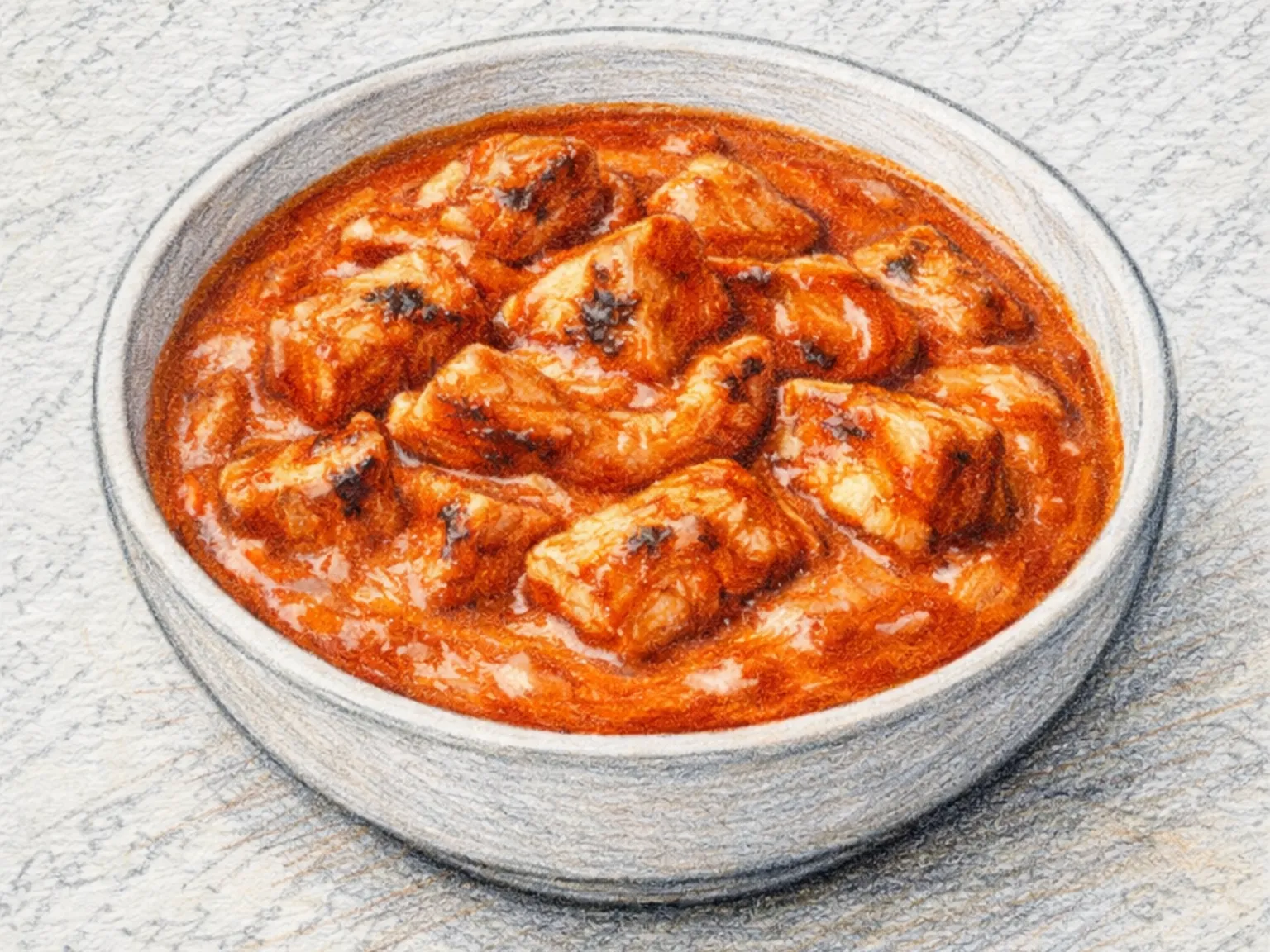
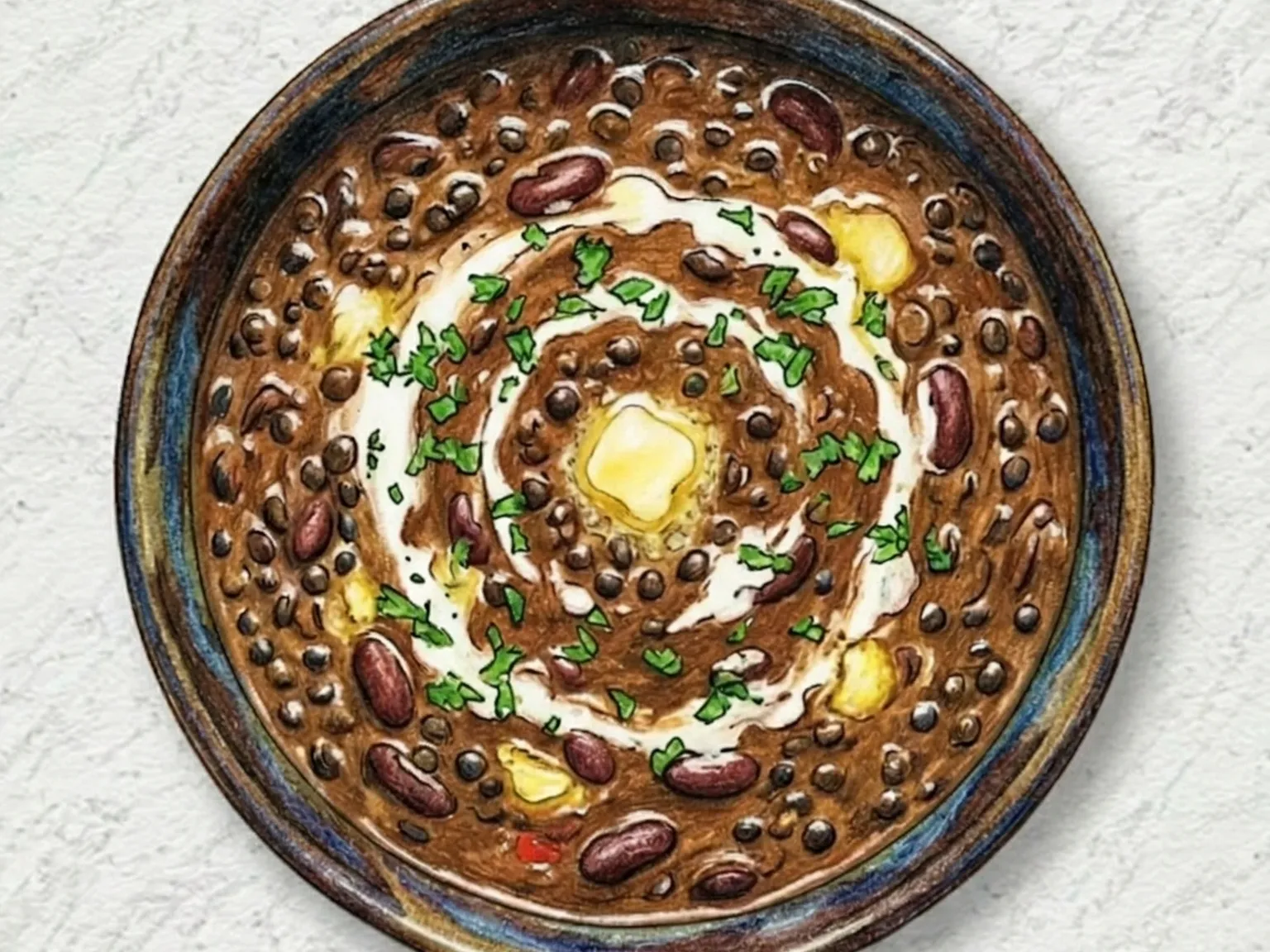
Dal makhani is Punjab's most celebrated lentil dish and now a fixture on restaurant menus across India and internationally. The name makhani, meaning buttery, signals its defining characteristic: a richness built from butter and cream that elevates humble lentils into something deeply satisfying. Whole black lentils (urad dal) and kidney beans (rajma) soak overnight, then pressure-cook before simmering for several hours in a base of tomato, garlic, ginger, and Kashmiri chili. During this slow cooking, the lentils gradually break down and release their starch into the liquid, creating a naturally creamy consistency even before a knob of butter and a pour of fresh cream are stirred in at the end to produce the dish's signature silky texture. Traditionally, dal makhani was left to simmer overnight beside the dying embers of a tandoor oven, absorbing smoky heat through the long hours before being served the next day. Served with naan or basmati rice, it is an indispensable dish at Indian wedding banquets and a comfort food that transcends class, equally at home in a roadside dhaba and a fine-dining restaurant.

🎉 Special Occasion
Prep 8minCook 180min4 servings
Baklava
BakingHard

Baklava

Baklava is a historical pastry dessert consisting of multiple layers, which holds a significant place in the culinary cultures of the Middle East, Turkey, and the Mediterranean region. The preparation involves taking extremely thin sheets of phyllo dough and stacking them one by one inside a baking pan that has been coated with grease. To achieve a uniform golden color and a crunchy consistency, every single layer of the dough is brushed thoroughly with a generous amount of melted butter. Between these stacked phyllo sheets, a mixture made of finely chopped walnuts and pistachios is distributed at specific intervals. This nut filling is typically seasoned with ground cinnamon to add a specific aromatic quality to the internal layers of the pastry. Before the assembled pastry is placed into the oven, it is carefully cut into diamond or square shapes. This scoring process is essential because it creates paths for the syrup to flow deep into every individual piece later. The baking process occurs at a temperature of approximately 175 degrees Celsius, continuing until the pastry reaches a deep golden hue across its entire surface. While the pastry is still hot from the oven, a liquid syrup consisting of sugar, honey, water, and a small amount of fresh lemon juice is poured over the whole pan. The crisp layers of the dough absorb this liquid over a period of several hours. This gradual absorption results in a specific final texture where the pastry remains both extremely brittle and noticeably moist at the same time. The inclusion of ground cinnamon within the nut layers provides a warm spice profile that helps to provide a contrast to the high level of sweetness from the honey syrup. In traditional settings, baklava is often presented on a plate next to a cup of unsweetened Turkish coffee or a serving of bitter tea. These beverages are chosen because their natural bitterness helps to balance the heavy richness of the dessert. When stored in an airtight container at room temperature, this pastry maintains its quality for more than a week.

🎉 Special Occasion
Prep 30minCook 40min4 servings
Korean Wild Chive Soy Butter Rice
RiceEasy

Korean Wild Chive Soy Butter Rice

Dallae ganjang butter bap is a Korean one-bowl meal that comes together in under ten minutes by folding melted butter, soy sauce, and wild chives into warm rice. The butter coats each grain with richness, soy sauce provides a salty backbone, and the wild chives, called dallae, deliver a sharp, garlicky bite that lifts the bowl out of plainness. A raw egg yolk placed on top breaks into a golden sauce when stirred in, binding the ingredients into a velvety mixture. The chives are best in spring when their pungency is at its peak, and they need only twenty seconds in the buttered pan to release their aroma before the heat drives it off. With just a handful of pantry staples, this dish fills the gap on evenings when the refrigerator offers little else. Green onion or garlic chives can substitute for dallae, but the particular sharpness of wild chives is unique and worth seeking out when spring is in season.

🏠 Everyday Quick
Prep 10minCook 8min2 servings
Korean Soy-Glazed Shrimp Stir-Fry
Stir-fryEasy

Korean Soy-Glazed Shrimp Stir-Fry

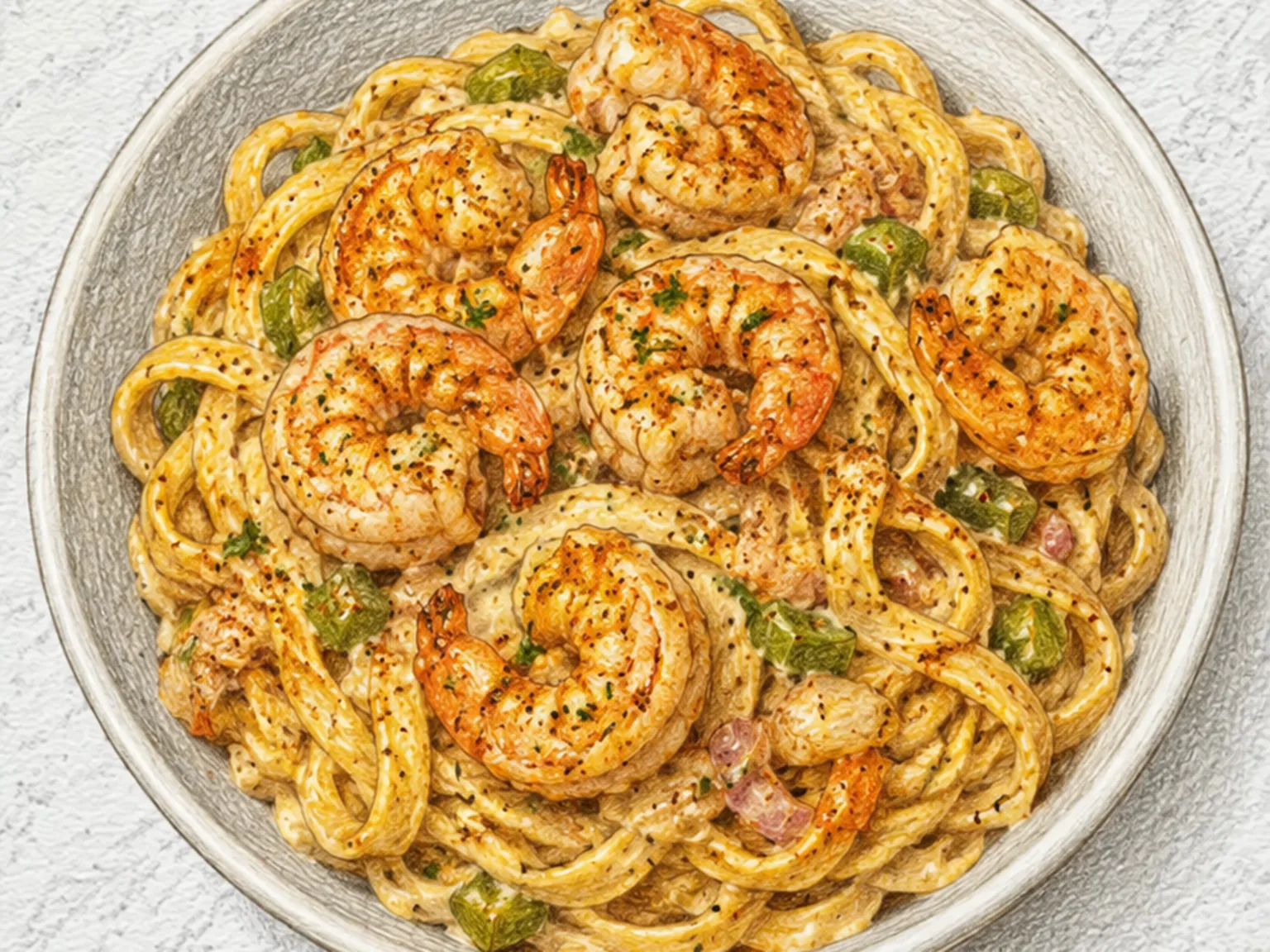
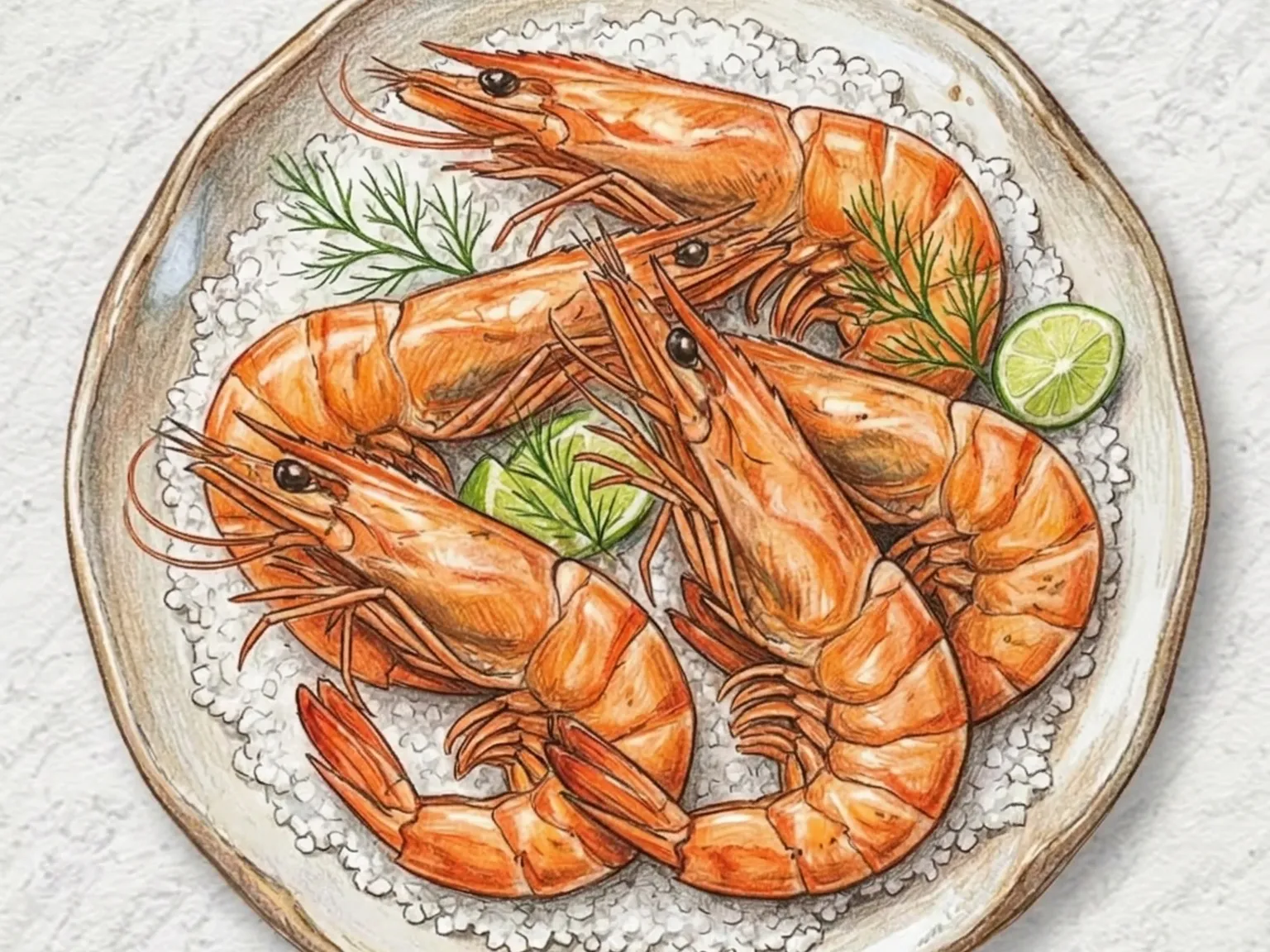
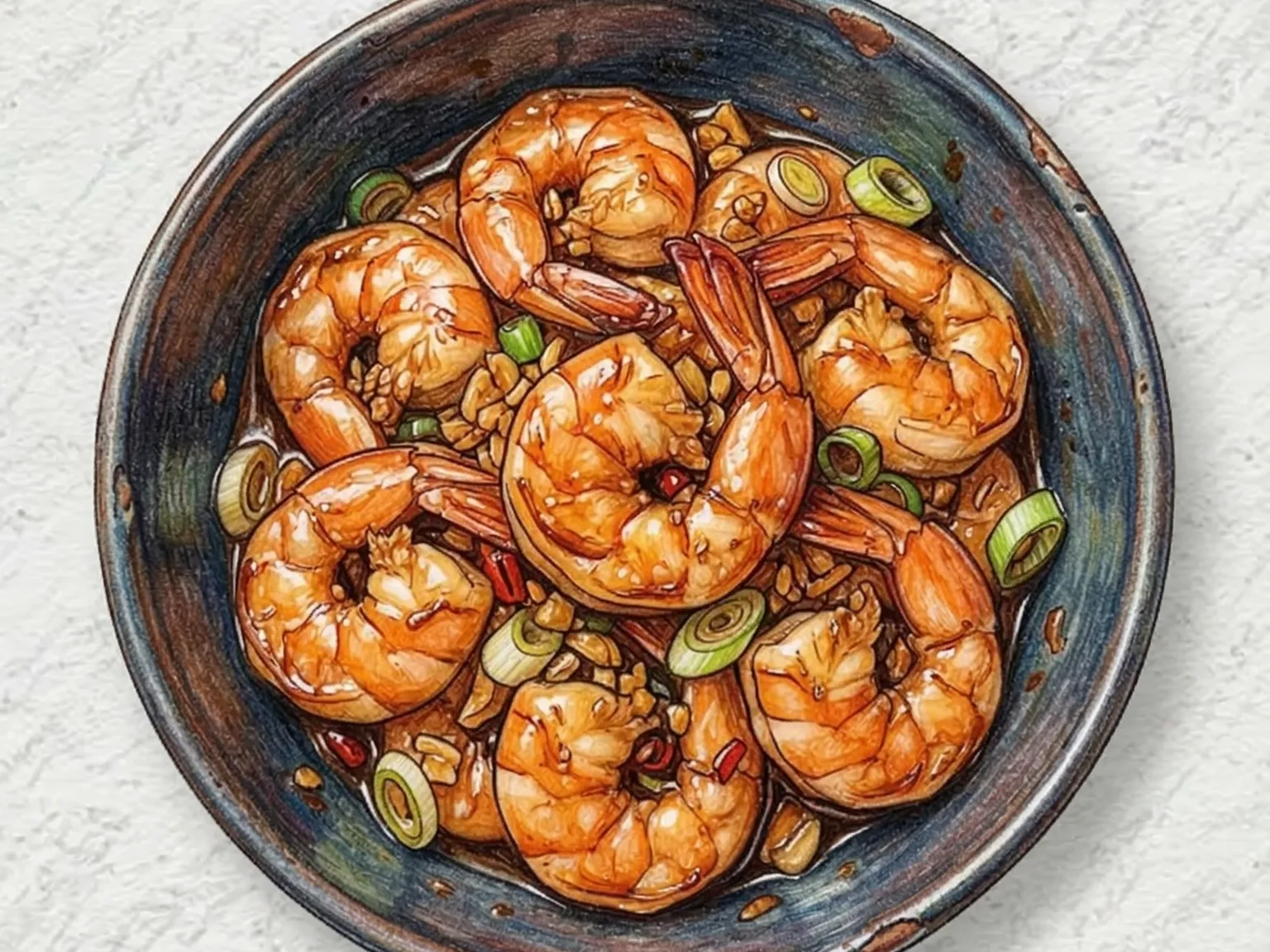
Ganjang saeu bokkeum coats plump shrimp in a sweet-savory soy glaze built on a base of melted butter and garlic. A single cheongyang chili adds a subtle kick that lifts the buttery richness without overpowering it. The key timing rule is to add the sauce the moment the shrimp turn pink: any longer and they become rubbery, but the glaze needs just enough heat to caramelize lightly and coat. Stir-frying the garlic in the butter before the shrimp go in lays a nutty base across the entire sauce. A final splash of soy sauce over high heat at the end creates the lacquered sheen that defines the finished dish. With only eight minutes of cooking time total, this works equally well as a quick banchan alongside rice or as an appetizer with drinks.

🏠 Everyday🍱 Lunchbox
Prep 10minCook 8min2 servings
Cabbage Ham Korean Street Toast
Street foodEasy

Cabbage Ham Korean Street Toast

Cabbage ham street toast is a Korean griddled sandwich built by stacking a thin shredded cabbage-and-carrot egg omelet and pan-seared ham between slices of bread toasted golden in butter. The bread develops a crisp outer surface while staying soft inside, and the egg layer holds the vegetables in place, giving both structure and textural contrast to every bite. Sprinkling sugar directly onto the bread before assembly is the signature detail that defines Korean street toast, and when combined with ketchup and mayonnaise it produces the sweet-savory balance the dish is known for. The ingredients are simple and the preparation is fast enough for a weekday breakfast or an impromptu snack.

🧒 Kid-Friendly
Prep 12minCook 15min2 servings
Black Sesame Brownies
DessertsEasy

Black Sesame Brownies

Black sesame brownies are built on a base of dark chocolate and butter melted together over a double boiler, with roasted black sesame powder sifted in before folding. The bitter edge of the chocolate meets the toasted, grain-like aroma of the sesame, adding a nutty depth that standard brownies lack. The cake flour ratio is kept low to produce a fudgy, dense center that stays slightly underdone-looking even after the full bake at 175 degrees Celsius for twenty to twenty-five minutes. Because black sesame powder is naturally oily and prone to clumping, it must be sifted together with the flour and salt before going into the batter - skipping this step leaves uneven pockets of undistributed sesame. Pull them from the oven with a faint wobble at the center, and the residual heat finishes the interior as the pan cools. Wait until fully cool before cutting for clean edges.

🧒 Kid-Friendly
Prep 15minCook 25min4 servings
Korean Corn Cheese (Buttery Skillet Corn Mozzarella)
DrinksEasy

Korean Corn Cheese (Buttery Skillet Corn Mozzarella)

Korean corn cheese starts with drained canned corn tossed in mayonnaise, sugar, and black pepper, then sauteed with diced onion in butter before being spread flat in the pan and topped with a generous layer of mozzarella. The lid goes on over low heat until the cheese melts into a stretchy, golden sheet that locks the corn mixture underneath. A teaspoon of sugar pushes the corn's natural sweetness forward, and the fat from the mayonnaise blends with the cheese to produce a rich, creamy texture that coats every kernel. For a finished crust, broiling at 220 degrees Celsius for five minutes chars the surface and adds a toasty, slightly smoky layer on top. Sliced green onion or chopped parsley scattered over the finished dish cuts through the richness and adds a fresh note.

🍺 Bar Snacks Quick
Prep 5minCook 8min2 servings
Korean Yuzu Salt Grilled Scallops
GrilledEasy

Korean Yuzu Salt Grilled Scallops

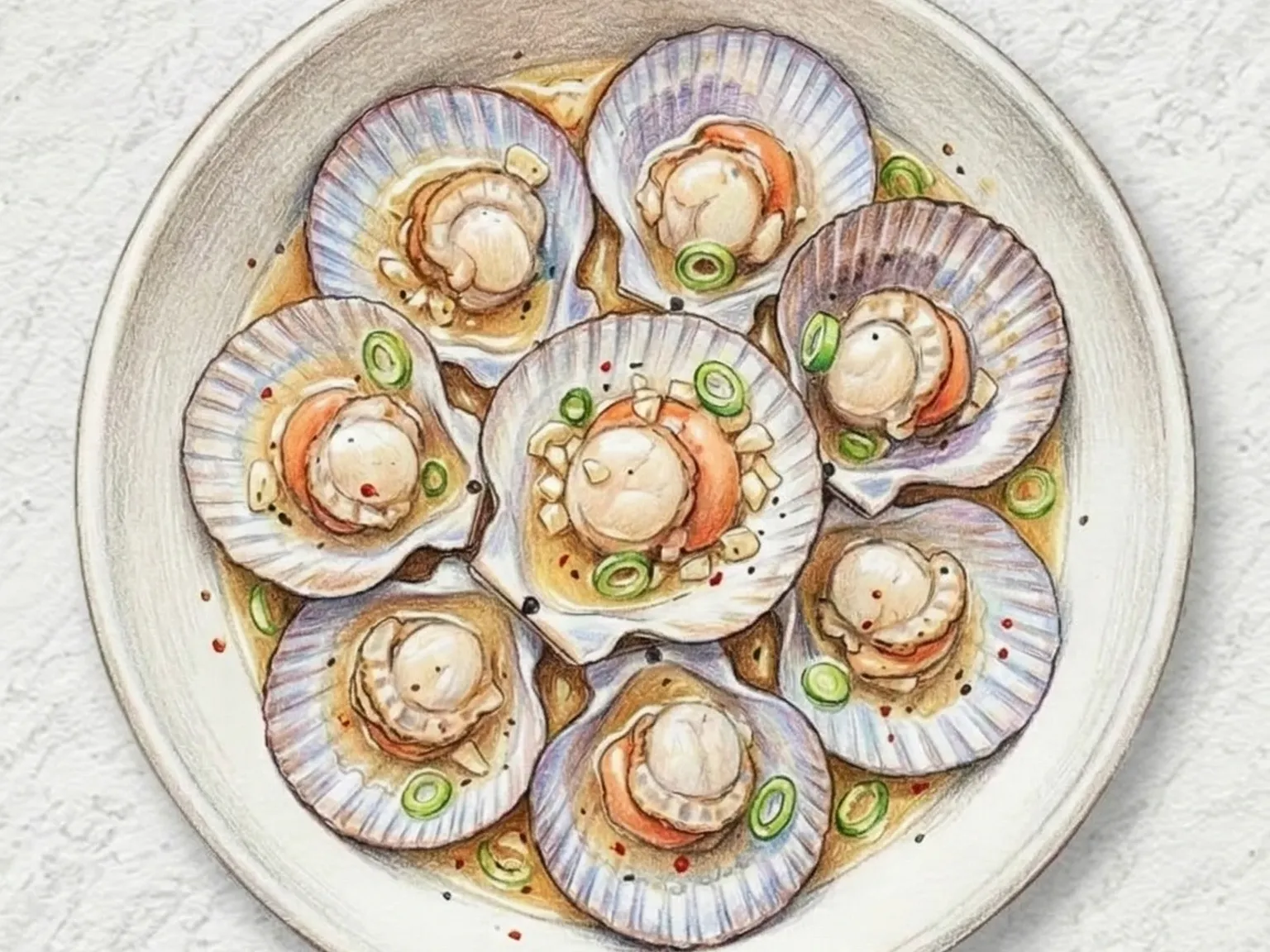
Gwanja yuja-sogeum-gui is a Korean yuzu-salt grilled scallop dish that demands thoroughly dry scallops-any residual moisture will steam rather than sear-seasoned with coarse salt and black pepper, then seared in olive oil over medium-high heat for ninety seconds per side to build a deep golden-brown crust. Lowering the heat and basting with melted butter coats each scallop in a nutty richness while preserving the bouncy, translucent center that defines a well-cooked scallop. The yuzu-lemon finishing sauce is applied only after the heat is turned off, because cooking would volatilize the citrus oils and flatten the bright, fragrant acidity that is the dish's signature. Each bite delivers a sequence of coarse salt crystals, warm butter, oceanic sweetness, and a clean citrus lift, finished with a visual scatter of chopped chives.

🍺 Bar Snacks
Prep 15minCook 10min2 servings
Gochujang Vongole Linguine
NoodlesMedium

Gochujang Vongole Linguine

Gochujang vongole linguine brings together the briny liquor of Manila clams and the fermented heat of Korean red chili paste in a single pan. White wine steams the clams open and releases their cooking juices, which form the base of the sauce; dissolving gochujang into that liquid adds a layer of thick, complex spice that standard vongole never carries. Stirring in a knob of butter just before the heat goes off gives the sauce a glossy finish and a smooth coating texture, while parsley and black pepper anchor the flavors at the end. The most important step in the process is slicing garlic as thin as possible and frying it slowly in olive oil until the raw sharpness converts entirely into a sweet, penetrating fragrance that defines the aromatic foundation of the sauce.

🎉 Special Occasion
Prep 20minCook 15min2 servings
Doenjang Clam Spinach Orzo
PastaMedium

Doenjang Clam Spinach Orzo

Doenjang clam spinach orzo is a one-bowl pasta built by cooking orzo in doenjang-seasoned vegetable stock alongside clams in a method borrowed directly from risotto technique. The clams are first purged in salt water to remove sand, then steamed open in white wine so they release their briny cooking liquid into the pan. That liquid merges with the already-present fermented depth of doenjang to form a layered savory base that carries the pasta from the very first minute of cooking. Toasting the orzo in butter or oil before adding any liquid coats the starch on each grain, a step that slows its release and produces a consistently creamy sauce by the end rather than a gluey mass or a watery broth. The stock goes in two or three additions rather than all at once, each addition added only once the previous one has been absorbed, and the pasta is stirred throughout so the released starch works into the liquid rather than sinking to the bottom. Spinach added in the final thirty to sixty seconds of cooking wilts just enough to turn tender without losing its bright green color or dissolving into the sauce. A knob of cold butter stirred in off heat as the finishing touch emulsifies into the sauce, adding a glossy sheen and a rounded, buttery richness that ties all the flavors together.

🥗 Light & Healthy🏠 Everyday
Prep 12minCook 18min2 servings
Beef Stroganoff
WesternMedium

Beef Stroganoff

Beef stroganoff sears thin strips of sirloin over high heat just long enough to brown the surface while keeping the interior pink and tender, then folds them into a pan sauce built from sauteed mushrooms, onions, and sour cream. The mushrooms must cook until properly browned in the pan, not just softened, to lose their excess moisture and concentrate their savory depth alongside the beef. Sour cream is stirred into the hot pan drippings at the end, transforming them into a sauce that is simultaneously creamy and subtly tangy without curdling. A touch of mustard sharpens the finish without announcing itself. Spooned over egg noodles or mashed potatoes, the cream sauce soaks into the starch below, pulling every element of the plate together into a rich, cohesive meal that traces its origins to nineteenth-century Russian cuisine.

🎉 Special Occasion
Prep 15minCook 20min2 servings
Bibingka (Filipino Coconut Rice Cake)
AsianEasy

Bibingka (Filipino Coconut Rice Cake)

Bibingka is a Filipino baked rice cake that belongs almost entirely to the Christmas season, sold warm from clay-pot stalls outside churches after Simbang Gabi, the nine-day series of dawn masses leading up to Christmas Day. For Filipinos, the smell of bibingka cooking over charcoal at four in the morning is inseparable from the feeling of the holiday itself. The batter is made from ground rice flour mixed with coconut milk, eggs, and sugar, then poured into a clay pot lined with fresh banana leaves. The pot sits between two layers of live charcoal - one below and one held above on a metal lid - so both surfaces cook simultaneously. This top-and-bottom heat is what gives bibingka its characteristic crust: lightly charred and fragrant on the outside from the banana leaves, moist and tender within. As the batter cooks, the banana leaves release a vegetal green fragrance that infuses into the rice cake and leaves faint dark marks on the underside. Midway through cooking, slices of salted duck egg are pressed into the surface alongside fresh coconut shavings, then a brush of butter is applied and the cake returns to the heat. During this final pass the sugars in the butter and batter caramelize at the edges, producing a triple wave of banana leaf, coconut, and butter aromas. The finished texture sits somewhere between a glutinous rice cake and a sponge cake - slightly sticky and chewy yet airy and soft. The salted egg cuts through the sweetness and gives each bite a complexity that plain sweetness alone cannot provide. Bibingka vendors outside Philippine churches in December, tending glowing braziers in the pre-dawn darkness, are one of the country's most enduring Christmas images.

🎉 Special Occasion🧒 Kid-Friendly
Prep 15minCook 30min4 servings
Banana Bread
BakingEasy

Banana Bread

Banana bread is a quick bread leavened with baking soda rather than yeast, which means no rising time and a straightforward one-bowl process. The most important variable is the banana: heavily blackened, overripe fruit is essential because the starches have converted to sugar, the flesh mashes effortlessly, and the concentrated banana aroma permeates every part of the crumb. Melted butter adds richness without creaming, a single egg provides structure, and vanilla extract amplifies the banana's fragrance. The batter mixes in one bowl and goes directly into the oven at 170 degrees Celsius for roughly sixty minutes. A toothpick inserted into the center should come out clean. The bread is good warm from the oven, but the flavor is measurably deeper the following day as banana sugars continue to penetrate the interior. Walnuts or chocolate chips folded into the batter add textural contrast without changing the essential character of the loaf.

🧒 Kid-Friendly
Prep 15minCook 60min1 servings
Korean Seaweed Roe Pot Rice
RiceMedium

Korean Seaweed Roe Pot Rice

The preparation starts by layering finely diced radish at the bottom of a heavy pot before adding soaked rice. A specific technique defines this dish: warming the salted pollock roe and butter using only the residual heat of the vessel after the flame is extinguished. Avoiding direct heat prevents the roe's proteins from tightening into a dry or crumbly texture. Instead, the indirect warmth maintains a soft consistency where individual eggs pop and release their salty essence into the grains. As the butter melts, it coats each piece of rice, acting as a bridge between the sharp saltiness of the fish roe and the mild nature of the rice. Throughout the cooking process, the radish pieces release moisture upward, ensuring the rice remains hydrated while contributing a subtle sweetness and a clean finish. Before the meal begins, crumbling gamtae over the surface introduces a distinct oceanic scent that sits above the savory layers of butter and roe. Sliced scallions provide a sharp, crisp contrast to the overall richness. Pouring hot water into the pot at the end creates a toasted rice water that clears the palate. It is important to place the roe and butter within four minutes of turning off the heat to ensure the remaining warmth is sufficient to soften the ingredients.

🎉 Special Occasion
Prep 15minCook 25min2 servings
Korean Abalone & Garlic Stem Stir-fry
Stir-fryMedium

Korean Abalone & Garlic Stem Stir-fry

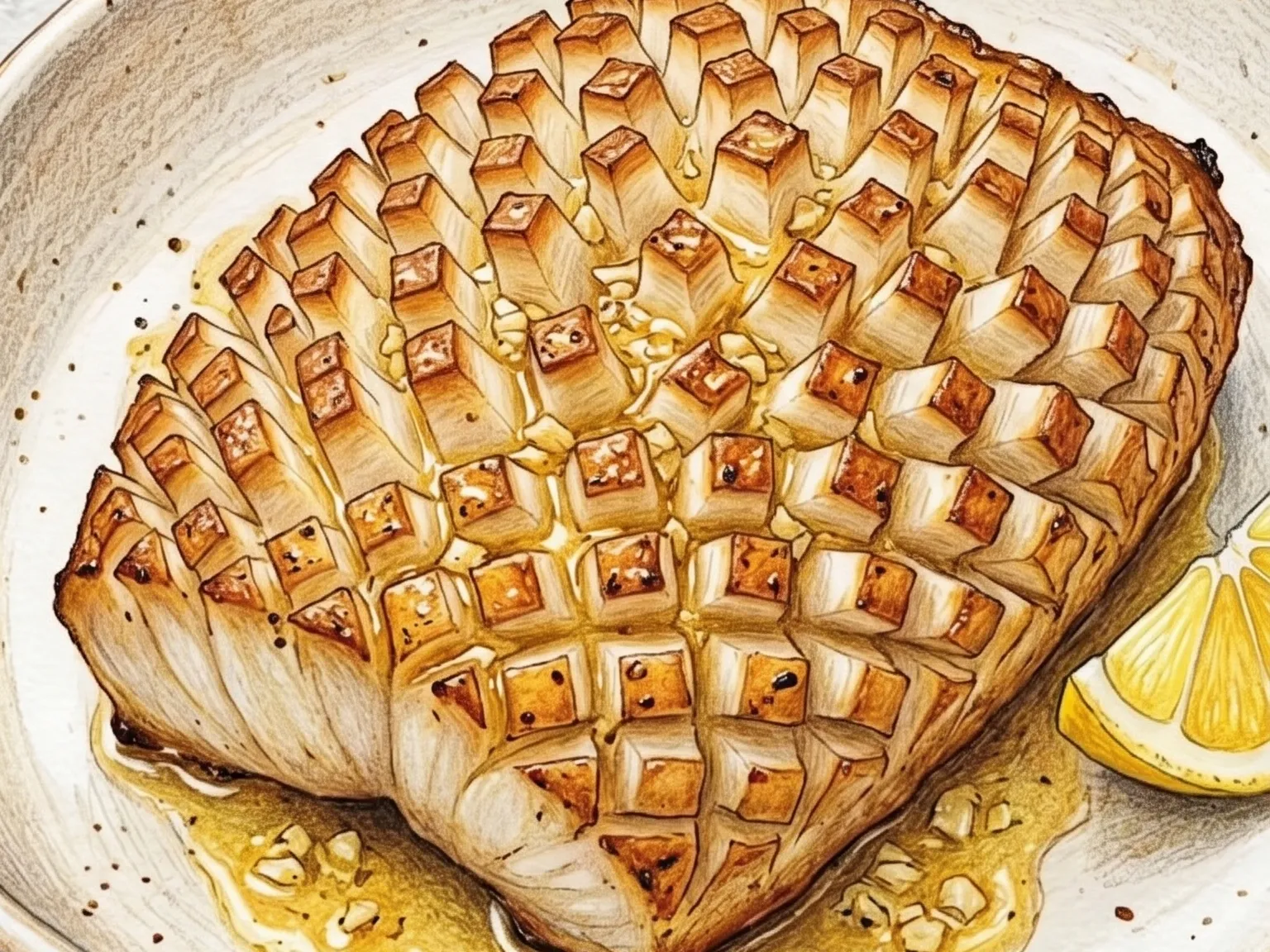
The preparation of Jeonbok-maneuljong-butter-bokkeum involves a high heat stir-fry technique using thinly sliced abalone and garlic scapes cooked in butter. The primary goal of using high heat is to release the aromatic properties of the butter and seafood while maintaining a specific texture. Before cooking, the abalone must be cleaned and the internal organs removed so that only the flesh is used. Slicing the abalone thinly is a requirement because the high temperature of the pan cooks the pieces almost instantly. This rapid cooking ensures the flesh remains springy rather than contracting into a tough or rubbery texture. Because the protein in the abalone begins to seize if cooked for longer than one minute, the speed of the stir-fry is the most critical variable in the process. Garlic scapes are used to provide a firm and snappy bite to the dish. These are cut into uniform lengths and placed in the pan before the abalone. This specific order gives the scapes a brief head start in the cooking process so that both the vegetables and the seafood finish at the same time. The ingredients should be added to the pan only after the butter has melted and started to foam. This foaming indicates the start of the Maillard reaction, which is responsible for browning the surface of the pieces and increasing the overall scent of the dish. A spoonful of soy sauce is then poured specifically along the heated edges of the pan. This technique allows the sauce to caramelize on contact with the hot surface, which adds a layer of savory and slightly sweet flavors to the mixture. The process concludes with the addition of ground black pepper, which provides a mild spice that supports the scent of the butter. Provided that the ingredients are prepped in advance, the entire stir-fry takes less than ten minutes to complete.

🏠 Everyday🍱 Lunchbox
Prep 15minCook 10min2 servings
Korean Cream Tteokbokki (Chewy Rice Cake in Cream Butter Sauce)
Street foodEasy

Korean Cream Tteokbokki (Chewy Rice Cake in Cream Butter Sauce)

Cooking rice cakes in a mixture of heavy cream, milk, and butter offers a mild alternative to the spicy gochujang-based version. The process begins with sauteing onions in butter over low heat for at least ten minutes, which converts onion starches into sugar for a natural sweetness without added sugar. Once the cream and milk are added to the softened onions, the rice cakes simmer for seven to eight minutes over medium-low heat. This allows the cakes to absorb the liquid while maintaining their characteristic dense chewiness. A final addition of parmesan cheese provides a salty contrast to the heavy cream base. Because the flavor profile resembles a cream pasta, it serves as a common entry point for people avoiding chili heat. Maintaining a steady medium-low temperature prevents the sauce from separating during cooking. Adding bacon or shrimp introduces extra protein and savory elements to the pan. The sauce consistency thickens quickly as its temperature drops, making immediate service from the pan the best way to maintain the intended texture. Swapping the parmesan for cheddar or mozzarella changes the character of the finished sauce and provides a different eating experience.

🧒 Kid-Friendly
Prep 10minCook 15min2 servings
Walnut Cakes (Korean Bite-Sized Red Bean Walnut Pastries)
DessertsMedium

Walnut Cakes (Korean Bite-Sized Red Bean Walnut Pastries)

Hodu-gwaja are bite-sized Korean walnut cakes baked in a dedicated walnut-shaped cast iron mold, made from a batter of cake flour, baking powder, eggs, milk, and melted butter. Each cavity is half-filled with batter, then topped with sweet red bean paste and a toasted walnut half, sealed with a second pour of batter, and cooked over medium-low heat for six to eight minutes per side. The result is a thin, lightly browned shell encasing a moist, soft interior. Toasting the walnut halves at 160 degrees Celsius for five minutes beforehand makes a noticeable difference: the finished cakes carry a deeper, more fragrant nut aroma compared to those made with untoasted walnuts. Resting the batter for ten minutes before using it relaxes the gluten, which reduces air pockets during pouring and produces a smoother exterior surface. The cake originated as a regional specialty of Cheonan in South Chungcheong Province and has since become one of the most recognized snacks sold at highway rest stops and traditional markets across the country.

🧒 Kid-Friendly
Prep 25minCook 20min4 servings
Korean Butter-Grilled Scallops
DrinksMedium

Korean Butter-Grilled Scallops

Garibi butter-gui sears fresh scallops in garlic butter until each side develops a deep golden-brown crust, then finishes with lemon juice and parsley to balance the richness. Removing every trace of surface moisture with paper towels before seasoning is the single most important step -- water on the surface of the scallop causes it to steam rather than sear, and no caramelized crust will form until that moisture has evaporated. Each side cooks for only one to two minutes at the highest heat the pan can sustain, leaving the center just barely opaque and the texture tender rather than rubbery. After flipping, butter and minced garlic are added directly to the hot pan and spooned continuously over the scallops so the aroma infuses the surface. A squeeze of lemon and a scatter of chopped parsley added just before removing from heat layers acidity and freshness over the butter richness. Simple to prepare and fast to cook, this dish appears regularly at home gatherings in Korea as a crowd-pleasing appetizer.

🍺 Bar Snacks🎉 Special Occasion
Prep 12minCook 8min2 servings
Korean Butter-Grilled Mussels
GrilledEasy

Korean Butter-Grilled Mussels

Mussels are steamed open with white wine, then tossed in melted garlic butter for a second round of cooking. The wine lifts the brininess while the butter adds a nutty depth that clings to each shell. A squeeze of lemon at the end cuts through the richness, keeping the finish clean. Scattered chives bring color and a mild onion note. Serving with crusty bread alongside to soak up the buttery broth rounds out the dish into a satisfying starter or bar snack.

🍺 Bar Snacks
Prep 15minCook 10min2 servings
Kimchi Butter Udon (Tangy Kimchi Stir-Fried in Butter)
NoodlesEasy

Kimchi Butter Udon (Tangy Kimchi Stir-Fried in Butter)

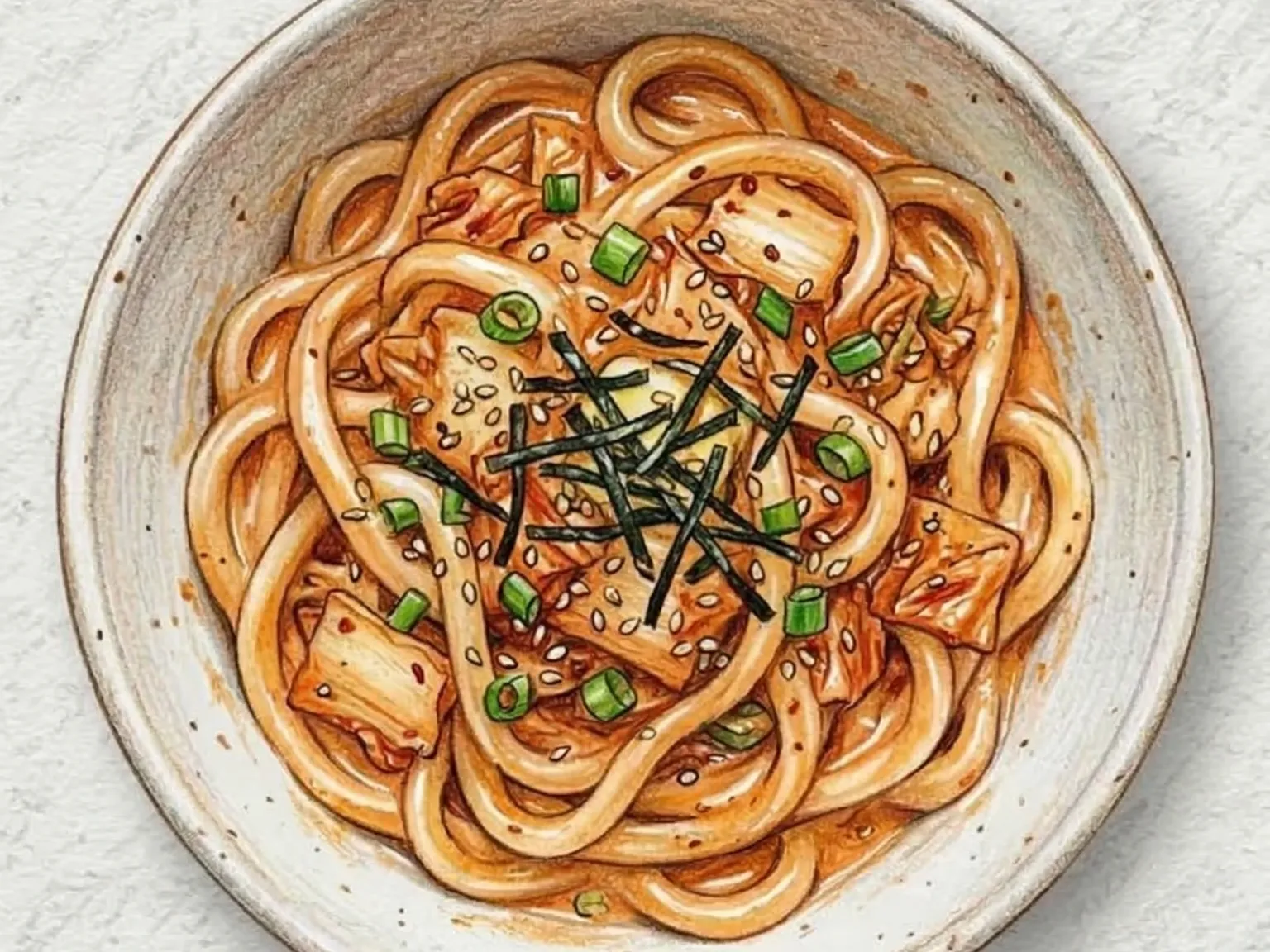
Kimchi butter udon is a fusion stir-fried noodle that pairs the tangy, spicy acidity of well-fermented kimchi with the deep richness of butter. The first half of the butter goes into the pan to saute onion and garlic until they release their sweetness, then chopped kimchi is added and stir-fried for two minutes to cook off the moisture, which concentrates the flavor and mellows the sharp sourness. Blanched udon noodles and soy sauce are tossed in over high heat so the seasoning coats every strand evenly, and the remaining butter is added off-heat immediately after, keeping its aroma intact while lending a glossy sheen and fuller depth to the noodles. A soft-cooked egg placed on top breaks into a creamy sauce when stirred in, while seaweed flakes and sliced scallion contribute crunch and a fresh herbal lift. If the kimchi leans salty, reducing the soy sauce to one tablespoon keeps the balance in check. The whole dish, including prep, comes together in about twelve minutes.

🏠 Everyday🌙 Late Night
Prep 10minCook 12min2 servings
Doenjang Mushroom Butter Linguine
PastaEasy

Doenjang Mushroom Butter Linguine

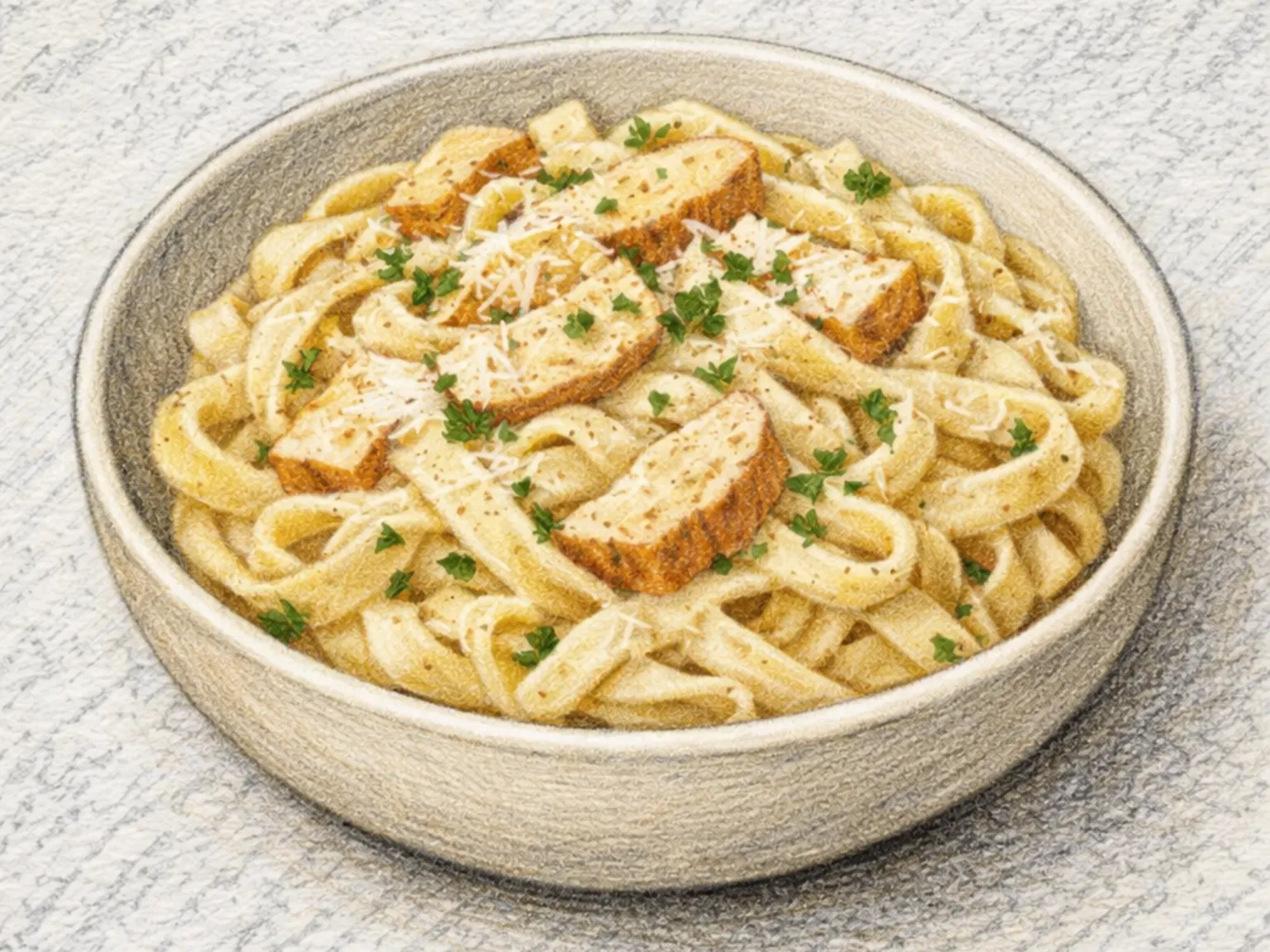
Doenjang mushroom butter linguine starts with garlic sauteed in butter and olive oil, followed by button mushrooms cooked undisturbed on high heat until moisture fully evaporates and the edges brown. Stirring the mushrooms too frequently steams rather than sears them, producing a soft, wet texture instead of the firm, chewy bite that makes this dish work. Doenjang is dissolved in reserved pasta water before being added to the pan, ensuring even distribution of fermented savoriness across every strand without clumping. The butter's fat emulsifies with the starchy pasta water to form a glossy sauce that clings to the noodles rather than pooling at the bottom of the bowl. Sliced green onion added at the finish brings a sharp, grassy note, and grated Parmesan layers additional salt and umami depth into the final dish. One to two minutes of tossing with pasta water adjustment tightens the sauce around each noodle.

🏠 Everyday
Prep 12minCook 18min2 servings
Blanquette de Veau (French Veal Stew in Creamy Egg-Lemon Sauce)
WesternMedium

Blanquette de Veau (French Veal Stew in Creamy Egg-Lemon Sauce)

Blanquette de veau is a French white stew in which veal shoulder is first blanched in cold water to remove impurities and then gently simmered in fresh water with carrot, onion, and a bouquet garni for over an hour until the meat becomes completely tender. The name comes from blanc -- white -- and the defining rule of the dish is that the meat must never be browned at any stage; searing would change both the color and the delicate character of the final stew. The braising liquid is used to build the sauce: a butter-flour roux is whisked smooth, the warm broth is added gradually, and the finished veloute is enriched with a liaison of heavy cream and egg yolks to create a velvety coating. Once the yolks go in, the sauce must not boil -- even a brief simmer will cause the eggs to curdle, breaking the emulsion in a way that is difficult to repair. A small squeeze of lemon at the end brightens the richness of the cream, and button mushrooms sauteed separately in butter add an earthy note when folded in just before serving. The dish has been a staple of French bourgeois cooking since the 18th century, originally developed as a way to make the most of secondary cuts without the demanding technique required for braises like boeuf bourguignon.

🎉 Special Occasion
Prep 20minCook 80min4 servings
Kaya Toast (Singaporean Coconut Jam Butter Toast)
AsianEasy

Kaya Toast (Singaporean Coconut Jam Butter Toast)

Kaya toast is the defining breakfast of Singaporean coffee shops, built from two slices of crisped white bread filled with kaya and a thick slab of cold butter. Kaya is a jam made by cooking coconut milk, eggs, sugar, and fresh pandan leaf over low heat with constant stirring until the mixture thickens into a pale green spread that smells of vanilla, coconut, and floral sweetness simultaneously. The bread is toasted directly over charcoal or in a grilling rack until it shatters at the edges. Cold butter placed inside the hot toast begins to soften immediately at the center while retaining its chill at the edges, so each bite delivers a different ratio of fat and sweetness. The traditional pairing is two soft-boiled eggs cracked into a shallow bowl, seasoned with dark soy sauce and a grind of white pepper, then loosely mixed into a thin custard for dipping or dunking. Alongside these, a glass of kopi - coffee brewed through a cloth sock filter and sweetened with condensed milk - completes the set. This breakfast combination has changed very little in decades and remains the first meal of the day for many Singaporeans, served at everything from old neighborhood kopitiams to national chains like Ya Kun Kaya Toast.

🏠 Everyday🧒 Kid-Friendly
Prep 10minCook 8min2 servings