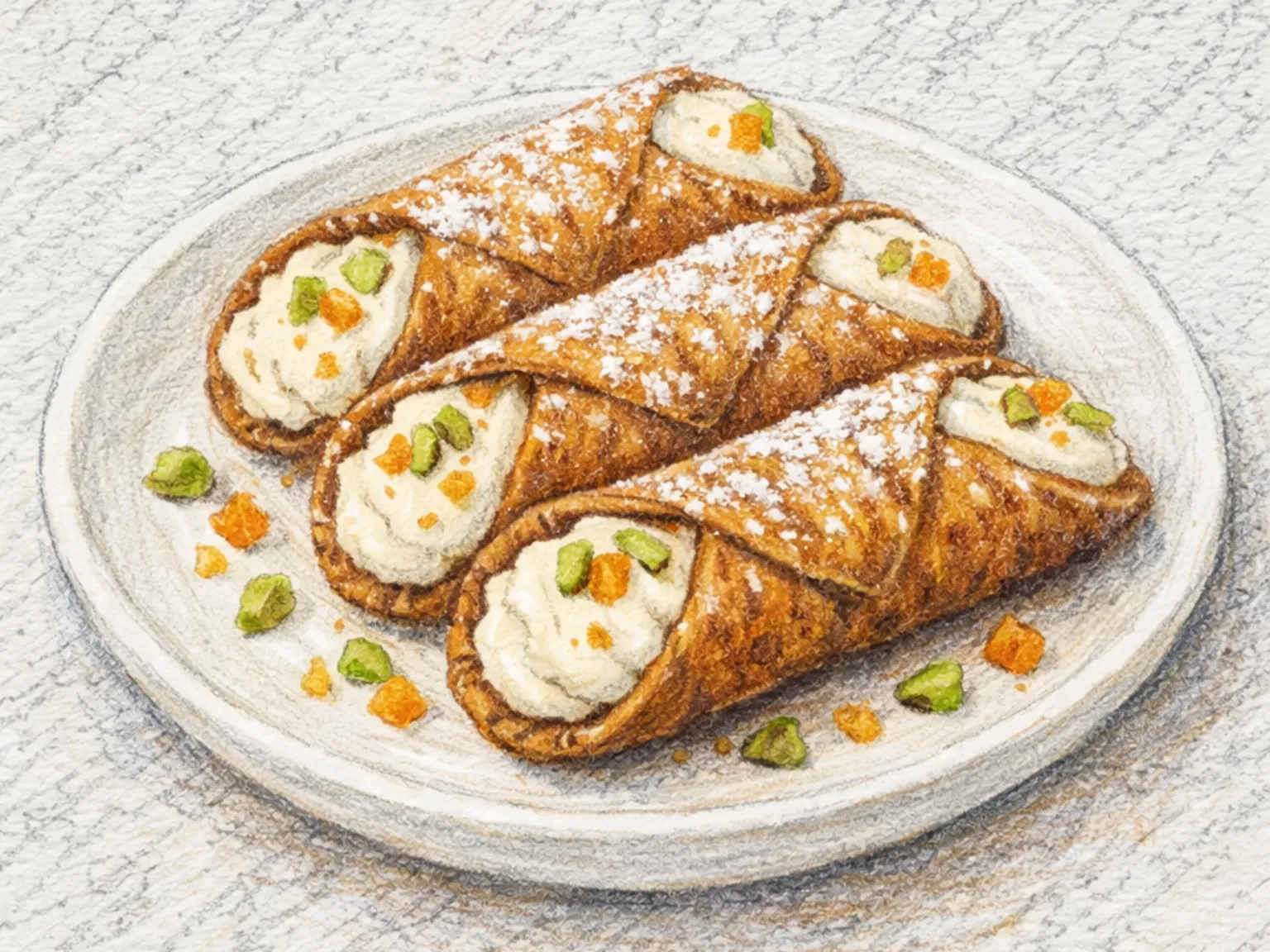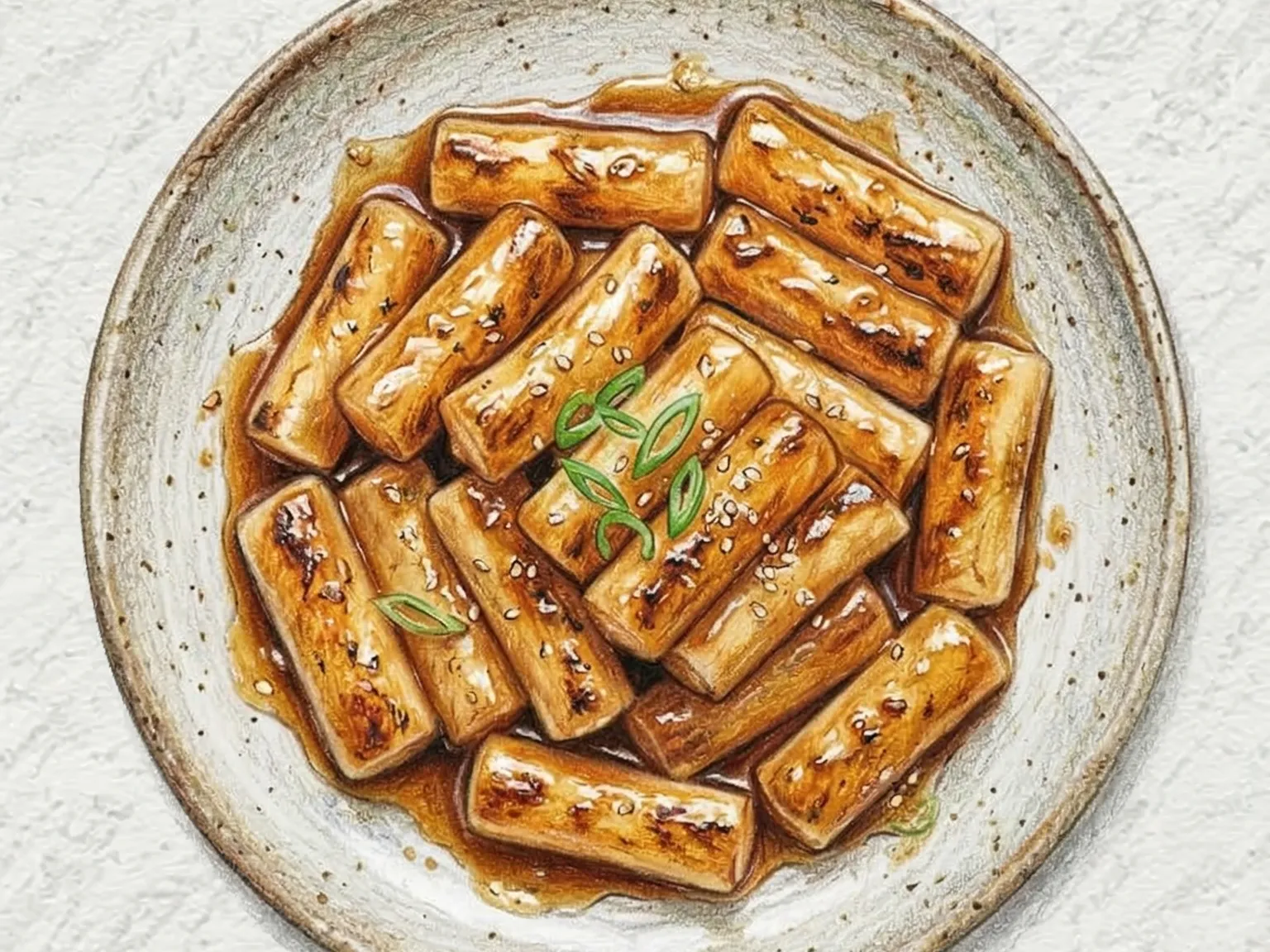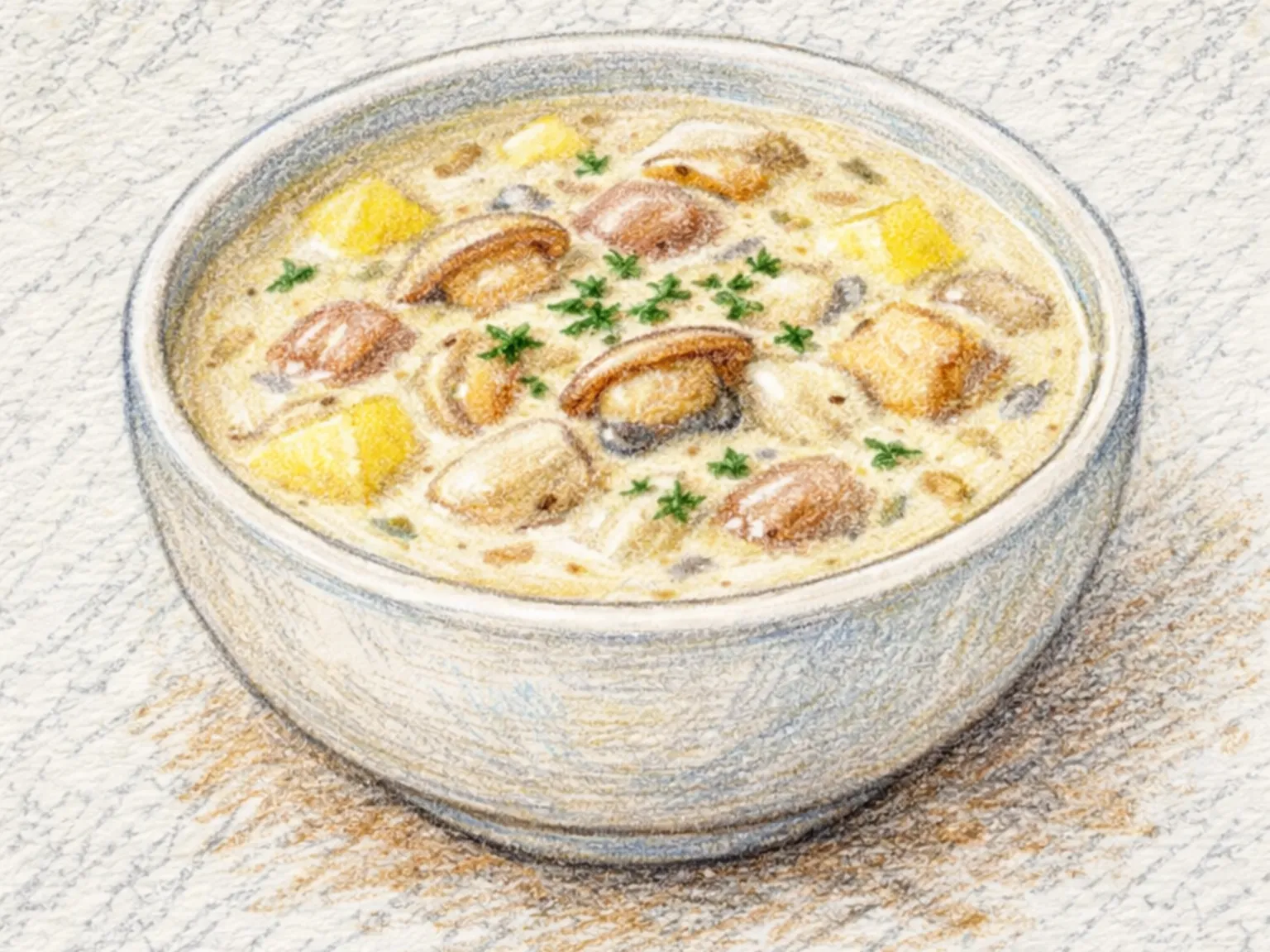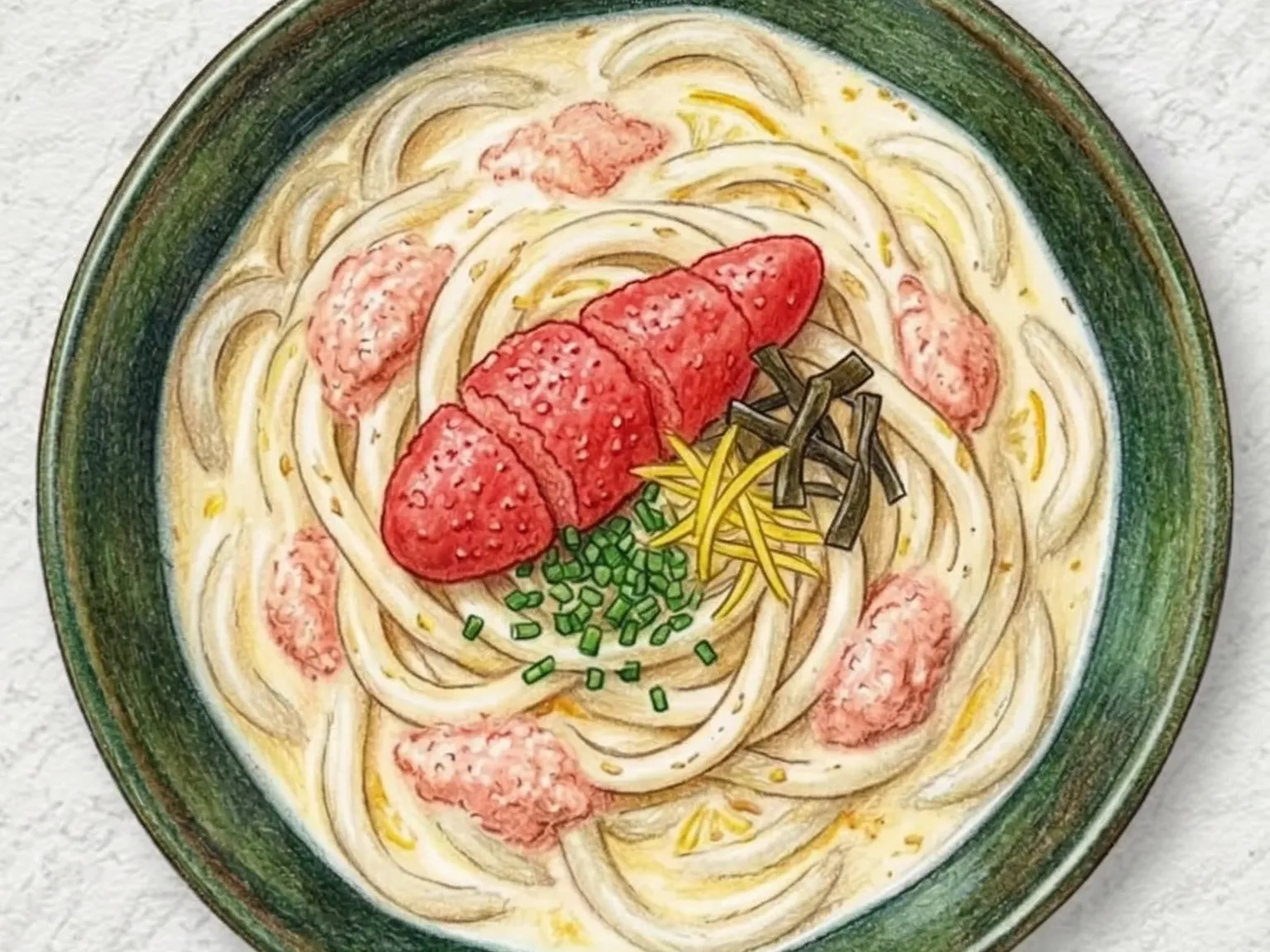
Doenjang Mushroom Butter Linguine
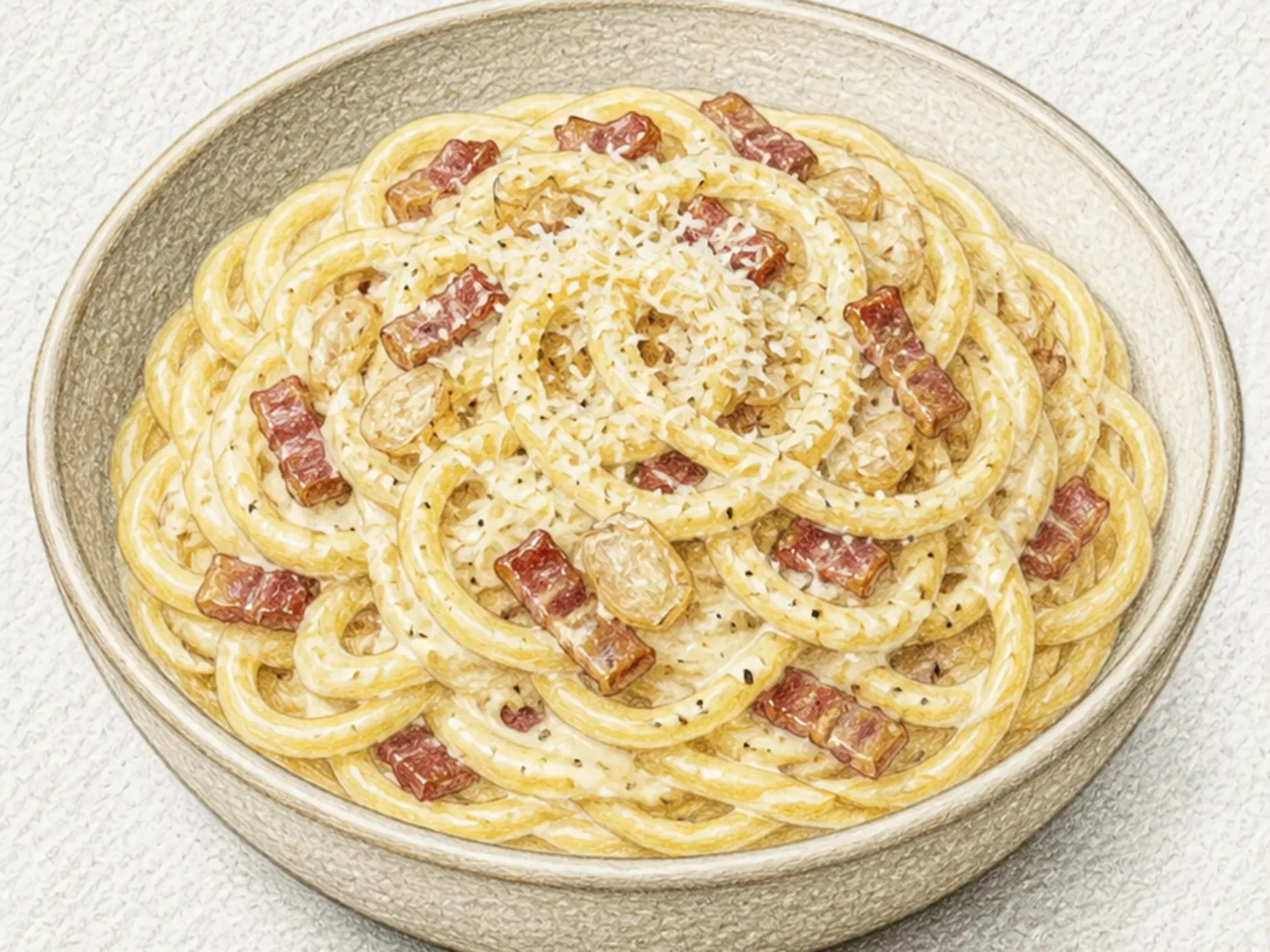
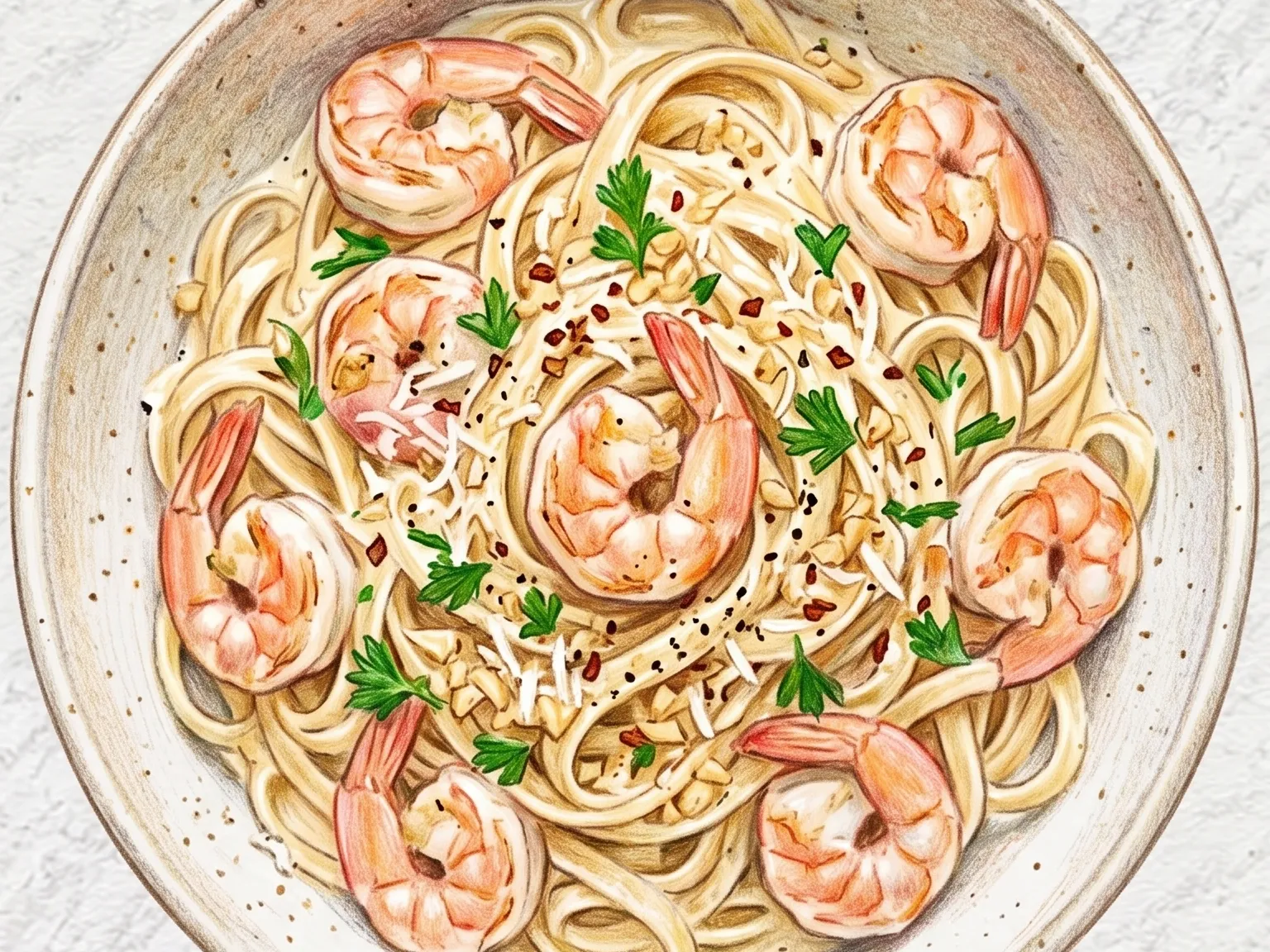
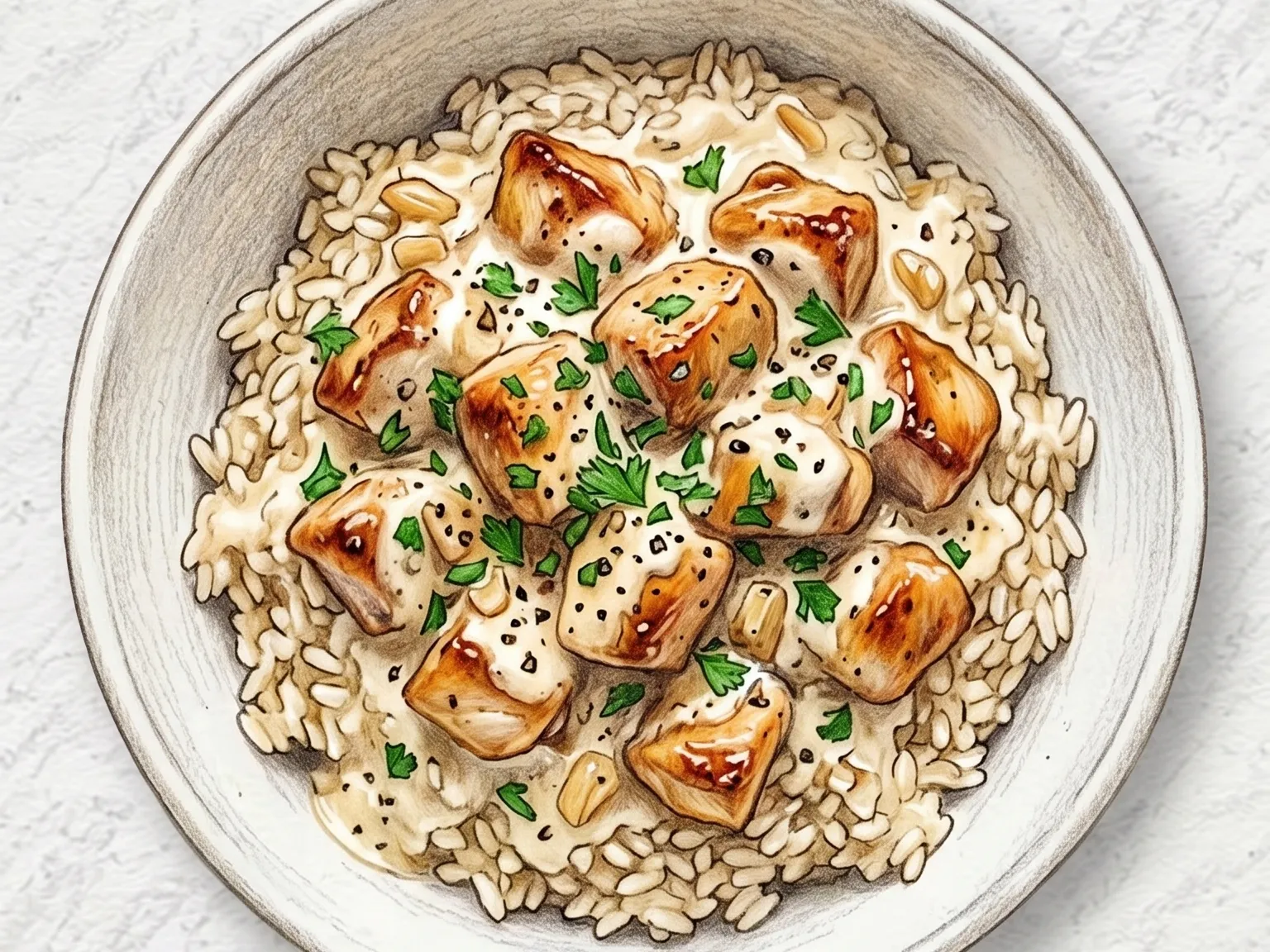
Doenjang mushroom butter linguine starts with garlic sauteed in butter and olive oil, followed by button mushrooms cooked undisturbed on high heat until moisture fully evaporates and the edges brown. Stirring the mushrooms too frequently steams rather than sears them, producing a soft, wet texture instead of the firm, chewy bite that makes this dish work. Doenjang is dissolved in reserved pasta water before being added to the pan, ensuring even distribution of fermented savoriness across every strand without clumping. The butter's fat emulsifies with the starchy pasta water to form a glossy sauce that clings to the noodles rather than pooling at the bottom of the bowl. Sliced green onion added at the finish brings a sharp, grassy note, and grated Parmesan layers additional salt and umami depth into the final dish. One to two minutes of tossing with pasta water adjustment tightens the sauce around each noodle.
Bangers and Mash
Bangers and mash is a cornerstone of British home cooking, pairing pan-fried pork sausages with creamy butter mashed potatoes under a ladle of slowly built onion gravy. The sausages are cooked until their casings turn a deep brown and develop a slight snap when bitten. Potatoes are boiled until fully tender, then mashed with butter and warm milk to a smooth, uniform consistency. The onion gravy is the element that makes the dish: sliced onions caramelize slowly over low heat until deeply sweet, then beef broth goes in and reduces with a small addition of flour to reach a pourable thickness. That gravy's concentrated savory depth ties together the saltiness of the sausage and the neutral base of the mash in a way that neither component achieves alone. It is one of the most frequently ordered items on British pub menus and straightforward enough to put together in about thirty minutes at home.
Kaya Toast (Singaporean Coconut Jam Butter Toast)
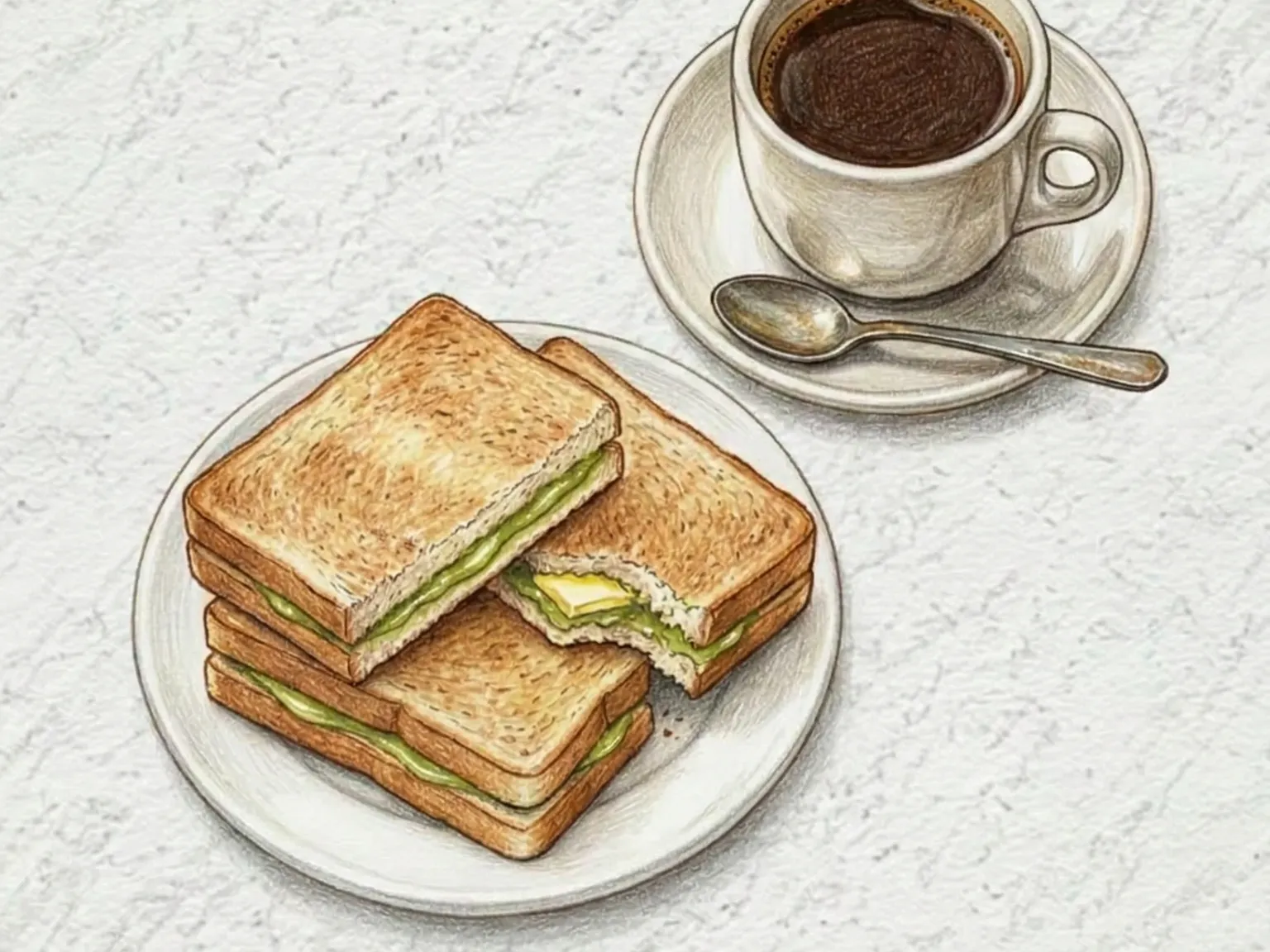
Kaya toast is the defining breakfast of Singaporean coffee shops, built from two slices of crisped white bread filled with kaya and a thick slab of cold butter. Kaya is a jam made by cooking coconut milk, eggs, sugar, and fresh pandan leaf over low heat with constant stirring until the mixture thickens into a pale green spread that smells of vanilla, coconut, and floral sweetness simultaneously. The bread is toasted directly over charcoal or in a grilling rack until it shatters at the edges. Cold butter placed inside the hot toast begins to soften immediately at the center while retaining its chill at the edges, so each bite delivers a different ratio of fat and sweetness. The traditional pairing is two soft-boiled eggs cracked into a shallow bowl, seasoned with dark soy sauce and a grind of white pepper, then loosely mixed into a thin custard for dipping or dunking. Alongside these, a glass of kopi - coffee brewed through a cloth sock filter and sweetened with condensed milk - completes the set. This breakfast combination has changed very little in decades and remains the first meal of the day for many Singaporeans, served at everything from old neighborhood kopitiams to national chains like Ya Kun Kaya Toast.
Apple Crumble
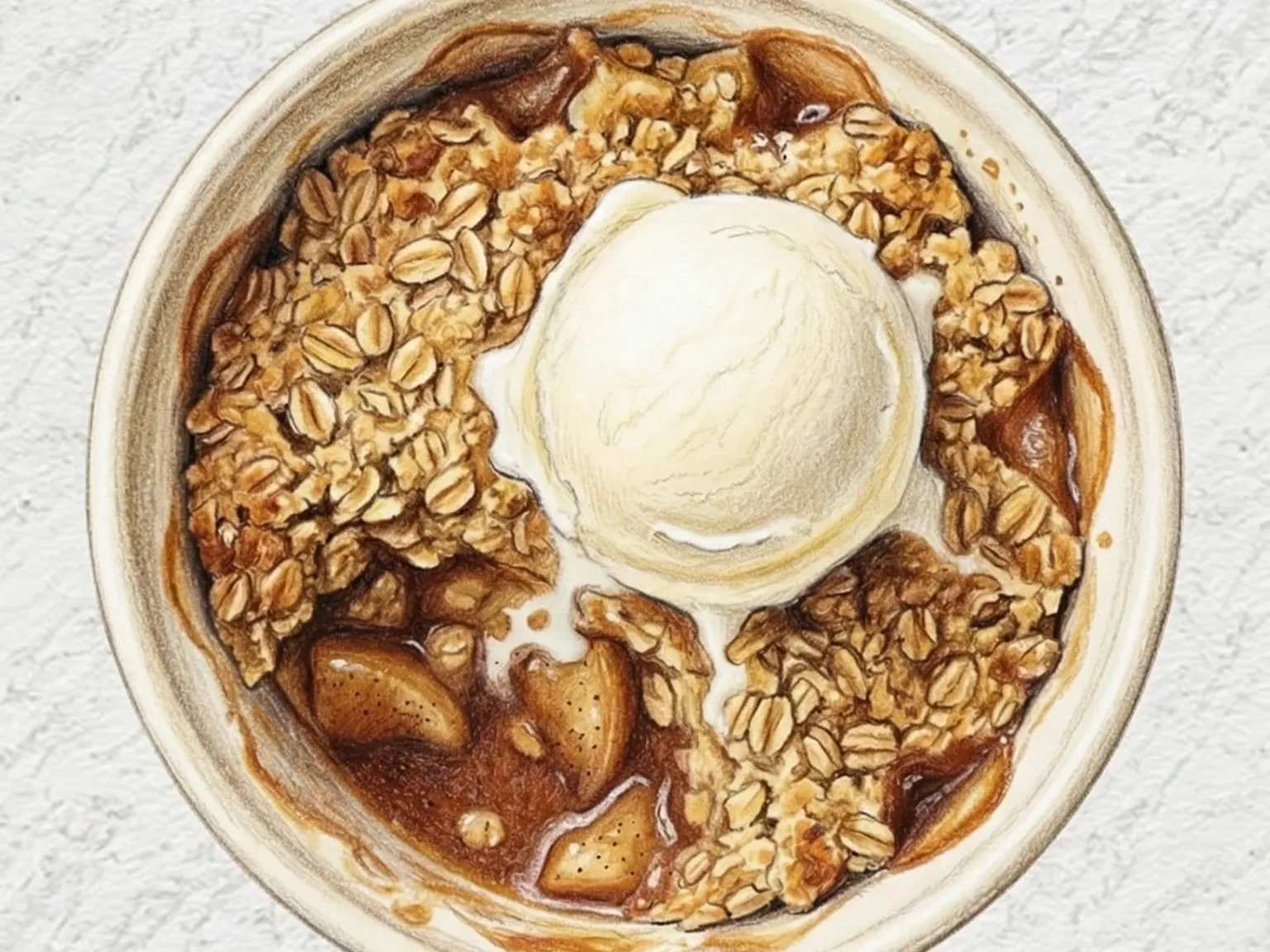
Apple crumble was born from wartime constraint: during World War II, butter and sugar rationing in Britain made traditional double-crust pastry impractical, and bakers found that rubbing a far smaller amount of fat into flour and oats produced a topping that required none of the skill or rolling that pastry demanded. Sliced apples are tossed with sugar, lemon juice, and cinnamon, then spread into a baking dish and covered with the rough, breadcrumb-like mixture. In the oven, the fruit collapses into a thick, bubbling sauce while the topping bakes unevenly: the peaks turn deeply crisp and golden, while the underside where the topping meets the fruit juices becomes slightly sticky and chewy. Tart apple varieties such as Granny Smith hold up better under oven heat than sweet ones, turning into a fragrant sauce that contrasts with the sandy crumble overhead. The tension between the hot, yielding apple beneath and the crunchy, butter-scented rubble on top is the structural logic of the dish. Served with cold vanilla ice cream or warm pouring custard, the contrast multiplies further as cold cream melts into the steaming fruit. It remains the default British home dessert precisely because it needs nothing beyond what a reasonably stocked cupboard can supply and comes together in under an hour.
Korean Wild Chive Soy Butter Rice
Dallae ganjang butter bap is a Korean one-bowl meal that comes together in under ten minutes by folding melted butter, soy sauce, and wild chives into warm rice. The butter coats each grain with richness, soy sauce provides a salty backbone, and the wild chives, called dallae, deliver a sharp, garlicky bite that lifts the bowl out of plainness. A raw egg yolk placed on top breaks into a golden sauce when stirred in, binding the ingredients into a velvety mixture. The chives are best in spring when their pungency is at its peak, and they need only twenty seconds in the buttered pan to release their aroma before the heat drives it off. With just a handful of pantry staples, this dish fills the gap on evenings when the refrigerator offers little else. Green onion or garlic chives can substitute for dallae, but the particular sharpness of wild chives is unique and worth seeking out when spring is in season.
Korean Abalone & Garlic Stem Stir-fry
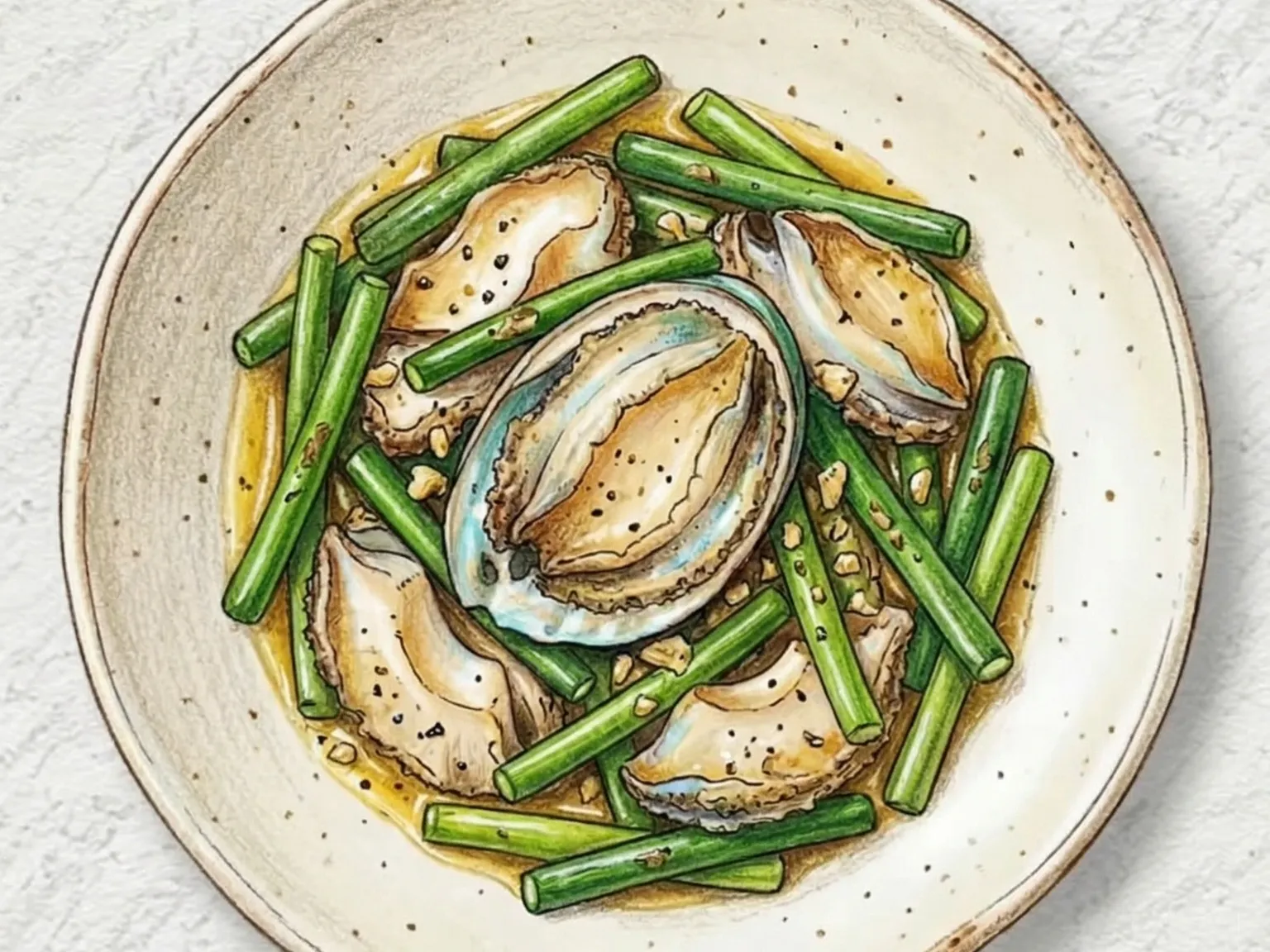
The preparation of Jeonbok-maneuljong-butter-bokkeum involves a high heat stir-fry technique using thinly sliced abalone and garlic scapes cooked in butter. The primary goal of using high heat is to release the aromatic properties of the butter and seafood while maintaining a specific texture. Before cooking, the abalone must be cleaned and the internal organs removed so that only the flesh is used. Slicing the abalone thinly is a requirement because the high temperature of the pan cooks the pieces almost instantly. This rapid cooking ensures the flesh remains springy rather than contracting into a tough or rubbery texture. Because the protein in the abalone begins to seize if cooked for longer than one minute, the speed of the stir-fry is the most critical variable in the process. Garlic scapes are used to provide a firm and snappy bite to the dish. These are cut into uniform lengths and placed in the pan before the abalone. This specific order gives the scapes a brief head start in the cooking process so that both the vegetables and the seafood finish at the same time. The ingredients should be added to the pan only after the butter has melted and started to foam. This foaming indicates the start of the Maillard reaction, which is responsible for browning the surface of the pieces and increasing the overall scent of the dish. A spoonful of soy sauce is then poured specifically along the heated edges of the pan. This technique allows the sauce to caramelize on contact with the hot surface, which adds a layer of savory and slightly sweet flavors to the mixture. The process concludes with the addition of ground black pepper, which provides a mild spice that supports the scent of the butter. Provided that the ingredients are prepped in advance, the entire stir-fry takes less than ten minutes to complete.
Cabbage Ham Korean Street Toast
Cabbage ham street toast is a Korean griddled sandwich built by stacking a thin shredded cabbage-and-carrot egg omelet and pan-seared ham between slices of bread toasted golden in butter. The bread develops a crisp outer surface while staying soft inside, and the egg layer holds the vegetables in place, giving both structure and textural contrast to every bite. Sprinkling sugar directly onto the bread before assembly is the signature detail that defines Korean street toast, and when combined with ketchup and mayonnaise it produces the sweet-savory balance the dish is known for. The ingredients are simple and the preparation is fast enough for a weekday breakfast or an impromptu snack.
Korean Grilled Filefish Jerky
Jjipo-gui is a Korean bar snack made by pan-grilling dried filefish jerky in melted butter until golden on both sides. Jjipo - dried and pressed filefish - has a dense, chewy texture and a concentrated umami that intensifies the longer you chew, which is what makes it so effective as drinking food alongside beer or soju. Grilling it in butter rather than oil adds a rich, nutty fat quality that complements the inherent savoriness of the dried fish in a way that neutral oil cannot. A thin glaze of soy sauce and oligosaccharide syrup applied near the end of cooking transforms the surface into a glossy, sweet-savory crust that caramelizes without burning, and a pinch of red chili flakes dusted over the top adds a mild heat that persists through the finish. The key to getting the glaze right is temperature control - medium-low heat allows the sugars to caramelize gradually and evenly without scorching, while too high a flame will burn the coating and turn it bitter before the fish has fully grilled through. Too low, and the moisture simply steams off without the glaze setting properly. Cutting the grilled jjipo into long strips with kitchen scissors before serving preserves the chewy pull of the jerky and makes it easier to share and eat in pieces without tearing.
Korean Grilled Scallops (Butter Garlic Shell-On Scallop Grill)
Garibi-gui is a Korean grilled scallop dish where shell-on scallops are placed directly on the grill until they pop open, then topped with butter and minced garlic that sizzle and melt into the adductor muscle. The scallop's deep natural sweetness melds with the richness of melted butter and the sharp warmth of garlic, a combination that produces a layered flavor far more compelling than the ingredient count suggests. A cap of mozzarella cheese added for the final two to three minutes creates a stretchy, golden layer over the plump flesh, but restraint is key: covering only about half the scallop prevents the cheese from overwhelming the clean marine sweetness beneath it. Over charcoal, the shell acts as a natural vessel that channels smoky heat directly into the meat, adding a dimension that a gas burner or stovetop simply cannot replicate. A squeeze of fresh lemon juice just before serving cuts through the butter's richness and lifts the brine. Placing a single prawn alongside the scallop for the final minutes of cooking doubles the seafood sweetness and makes the dish even more compelling as an anju, the Korean term for food eaten alongside alcohol.
Mentaiko Cream Pasta
Mentaiko cream pasta is a Japanese-style cream pasta in which salted pollock roe is stirred into a warm butter, heavy cream, and milk base until the sauce turns silky and coats the spaghetti in a fine layer studded with tiny bursts of roe. Minced garlic is sauteed gently in butter over low heat until just fragrant and sweet, then the cream and milk are poured in and brought only to the point before a full boil, as a rolling boil causes the sauce to break and separate. Once the temperature is controlled, two-thirds of the roe goes into the sauce along with the drained spaghetti, everything tossed quickly so the roe cooks only through the residual heat of the pasta and sauce rather than direct flame, which would make it taste fishy. Reserved pasta water, added a spoonful at a time, adjusts the consistency without diluting the richness. Finely grated Parmesan adds another tier of umami and salt, while a few drops of fresh lemon juice cut through the cream and leave a clean, bright finish that keeps the dish from feeling too heavy. The remaining raw roe and crumbled roasted seaweed are arranged on top before serving, creating a contrast of red and black that signals the flavors inside, and folding them in at the table releases a fresh, briny aroma.
Gamtae Butter Scallop Spaghetti
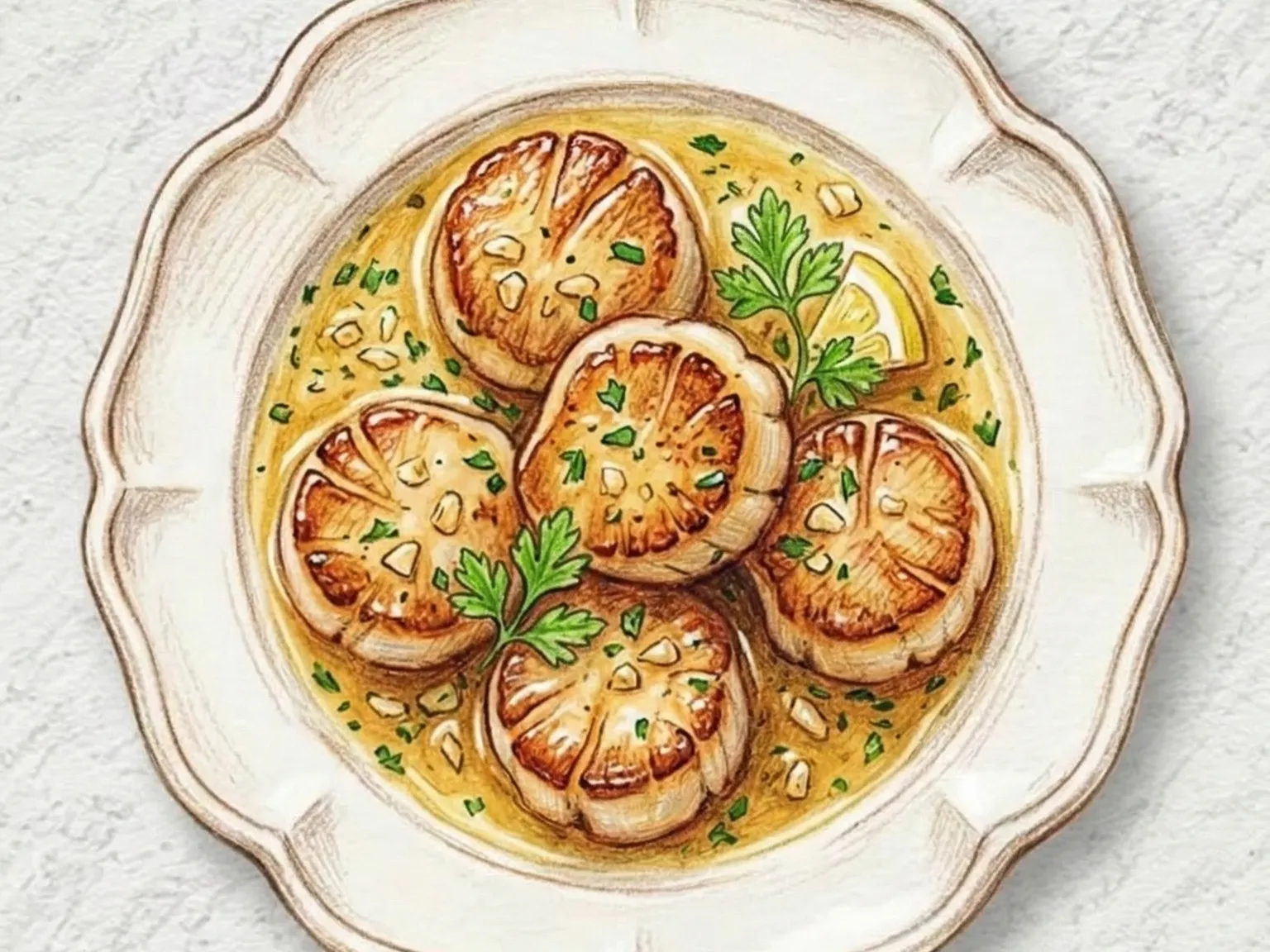
Preparing gamtae butter scallop spaghetti requires high heat to develop a properly caramelized exterior on the scallops. This process involves searing the scallops for ninety seconds on each side to create a deep brown crust. Before the scallops ever touch the pan, it is essential to ensure they are completely dry by patting them down thoroughly with paper towels. Removing all surface moisture prevents the scallops from steaming in the pan. If the scallops remain damp, they will turn out soft and pale instead of achieving the intended texture and color. After the scallops have been removed from the heat, the remaining browned bits, known as the fond, serve as the primary flavor foundation for the sauce. Garlic and butter are added to the same pan, followed by white wine which is used to deglaze the surface. As the liquid simmers, the alcohol evaporates, leaving behind a clean acidity that balances the richness of the other ingredients. The sauce is finished by swirling in cold butter at the final stage, which creates a smooth and stable emulsion that coats each spaghetti strand evenly. The final component is gamtae seaweed, which has a flavor profile that is notably more delicate and milder than standard nori. By crumbling this seaweed over the pasta immediately before it is served, you introduce a subtle oceanic quality that bridges the gap between the richness of the butter and the natural sweetness of the scallop meat. To complete the preparation, a measured amount of fresh lemon juice is squeezed over the dish. This acidity sharpens the various flavor components and reduces the perceived heaviness of the fats, ensuring that the pasta remains balanced throughout the meal.
Beef Stroganoff
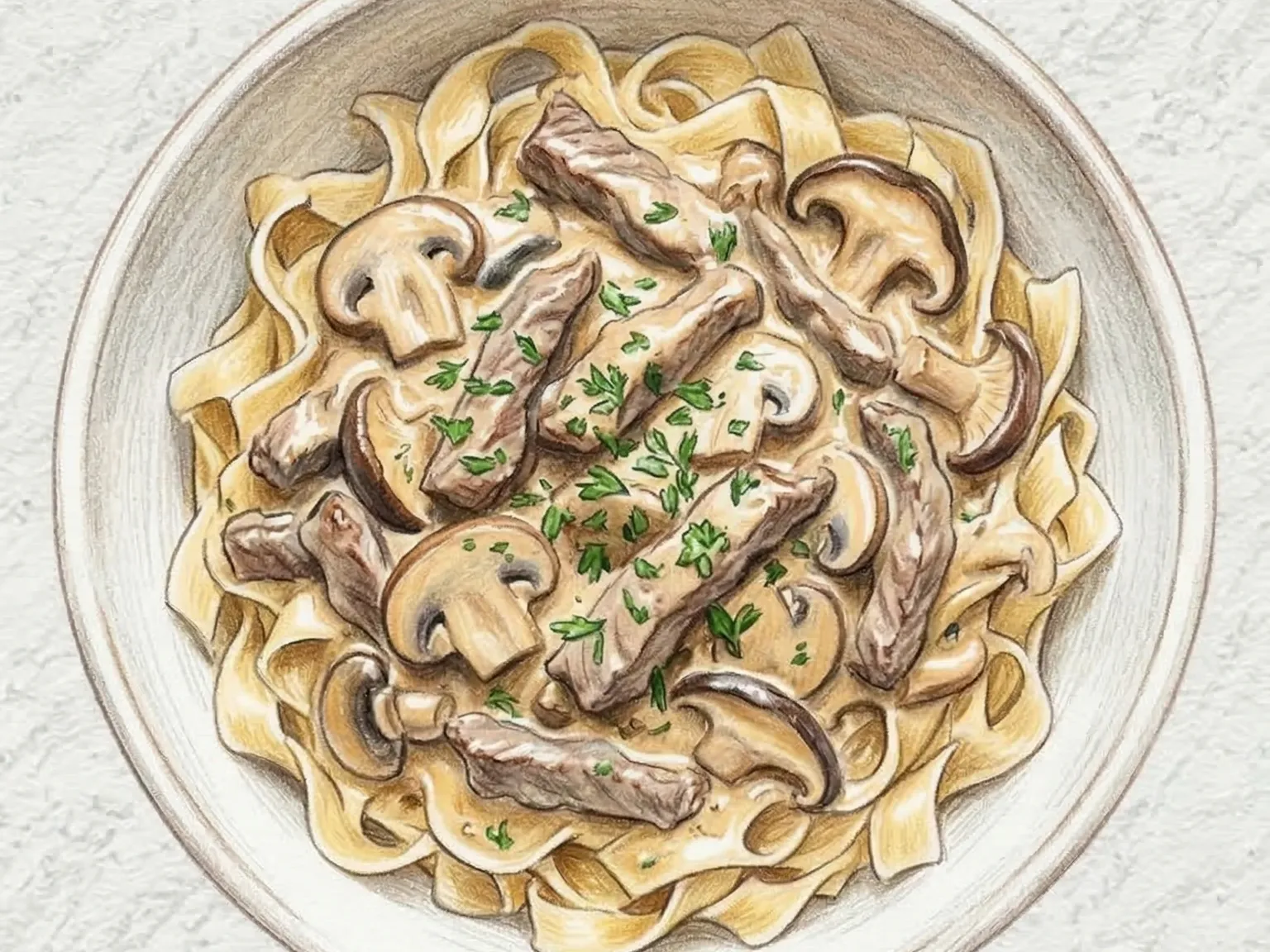
Beef stroganoff sears thin strips of sirloin over high heat just long enough to brown the surface while keeping the interior pink and tender, then folds them into a pan sauce built from sauteed mushrooms, onions, and sour cream. The mushrooms must cook until properly browned in the pan, not just softened, to lose their excess moisture and concentrate their savory depth alongside the beef. Sour cream is stirred into the hot pan drippings at the end, transforming them into a sauce that is simultaneously creamy and subtly tangy without curdling. A touch of mustard sharpens the finish without announcing itself. Spooned over egg noodles or mashed potatoes, the cream sauce soaks into the starch below, pulling every element of the plate together into a rich, cohesive meal that traces its origins to nineteenth-century Russian cuisine.
Sapporo Miso Ramen (Hokkaido-Style Rich Miso Broth Ramen with Pork)
Sapporo miso ramen is a Hokkaido specialty featuring a thick broth designed to provide warmth during cold winters. The cooking process begins by sautéing minced garlic and ginger, followed by ground pork to render its fat. Cabbage and bean sprouts are then stir-fried briefly over high heat to maintain their crisp texture. The base uses a chicken broth mixed with miso paste. The miso is dissolved into the hot liquid after turning off the heat, as boiling would disperse its aroma. The dish is assembled by pouring this rich broth over separately cooked thick, curly ramen noodles that trap the savory soup in their curves. It is finished with sweet corn kernels and a pat of butter placed in the center. As the butter melts into the hot broth, it adds a smooth texture and rich flavor.
Classic Apple Pie
Apple pie has been baked in America since the colonial era, though its origins lie in 14th-century English and Dutch recipes where apples were enclosed in pastry as a way to cook fruit without a proper oven. The filling is built from tart baking apples - Granny Smith or Braeburn - tossed with sugar, cinnamon, nutmeg, a squeeze of lemon, and a spoonful of flour or cornstarch to thicken the juices as they cook. The double crust is made from cold butter cut into flour until the dough resembles wet sand, producing flaky, shattering layers when baked. As the pie bakes, the apples soften and release their juice, which the starch captures into a syrupy glaze that holds the filling together when sliced. The top crust turns deep golden and pulls away slightly from the filling, creating a hollow where steam escapes. Served warm with a scoop of vanilla ice cream - a la mode - or a slice of sharp cheddar in the New England tradition, apple pie is as much a cultural symbol as it is a dessert.
Deodeok Butter Rice Bowl (Korean Mountain Root)
Deodeok butter bap is a rice bowl of peeled, pounded deodeok pan-fried in butter until golden, then reduced in soy sauce and oligosaccharide syrup until each strip is coated in a thin, glossy glaze. The root's natural bittersweet aroma, assertive when raw, softens in the butter without disappearing - it stays present and clean throughout the bowl. Soy sauce and the mild sweetness of the syrup build a savory-sweet glaze that clings to the root's rough-pounded surface. A second knob of butter stirred into the sauce just before plating melts into the reduction and adds a final layer of richness. The glazed deodeok is spooned over warm rice with the pan sauce, then scattered with sliced scallion and sesame seeds. The dish is best in spring when fresh deodeok is in season and its fragrance is at its most pronounced. It works as a standalone donburi or as a strong side dish alongside plain rice.
Korean Pollock Roe Egg Butter Stir-fry
Myeongran-dalgyal-butter-bokkeum gently cooks pollock roe and eggs in butter with diced onion, producing soft, creamy curds studded with tiny pops of briny roe. The roe sacs are split open and the eggs are scraped out, then stir-fried for just 30 seconds before the milk-enriched egg mixture is poured in and slowly folded into large, pillowy curds. Half the butter goes in at the start for cooking, and the remaining half is stirred in off-heat for richness. Chopped chives and black pepper finish the dish, which goes from pan to plate in under eight minutes.
Korean Cream Tteokbokki (Chewy Rice Cake in Cream Butter Sauce)
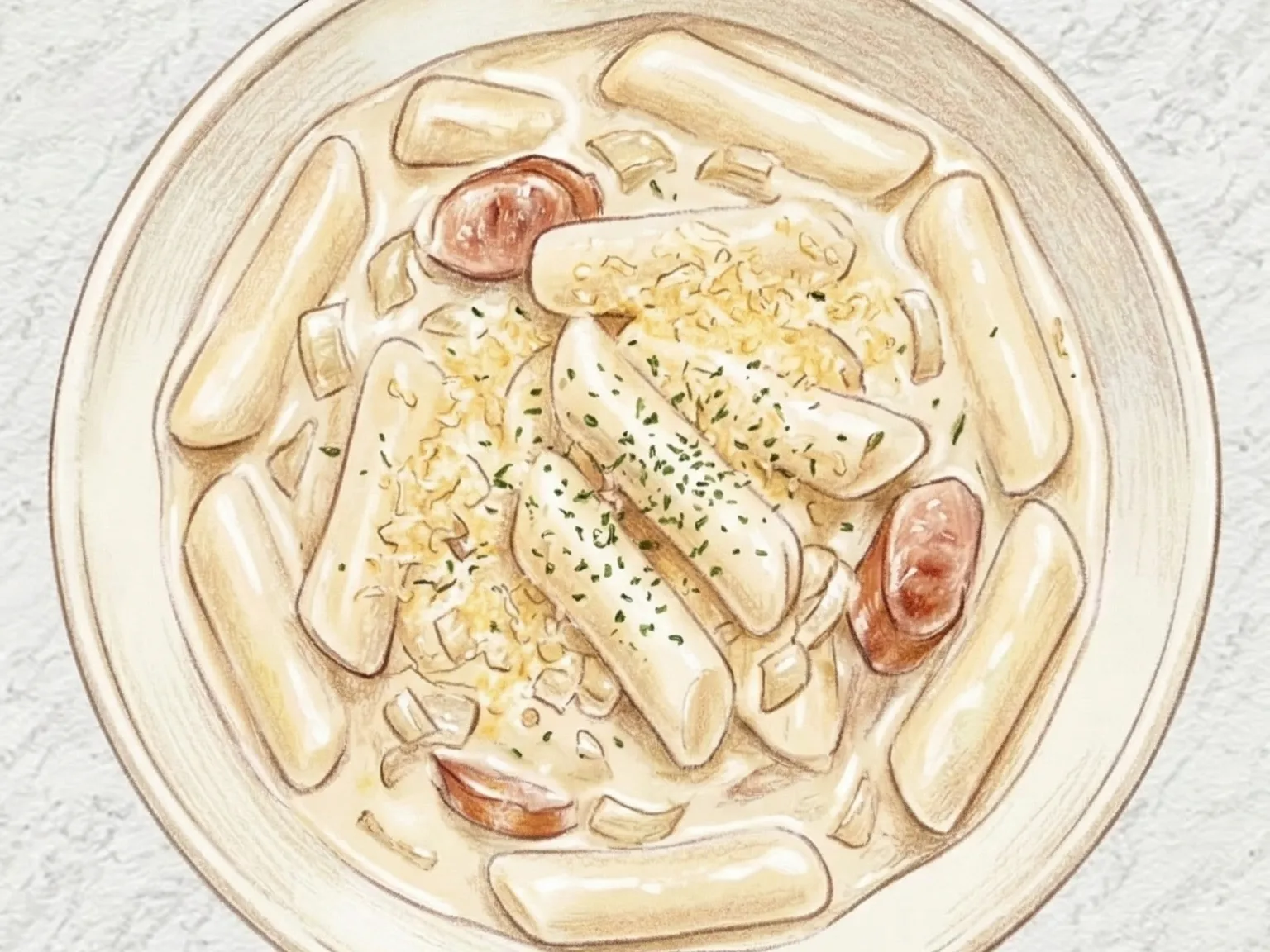
Cooking rice cakes in a mixture of heavy cream, milk, and butter offers a mild alternative to the spicy gochujang-based version. The process begins with sauteing onions in butter over low heat for at least ten minutes, which converts onion starches into sugar for a natural sweetness without added sugar. Once the cream and milk are added to the softened onions, the rice cakes simmer for seven to eight minutes over medium-low heat. This allows the cakes to absorb the liquid while maintaining their characteristic dense chewiness. A final addition of parmesan cheese provides a salty contrast to the heavy cream base. Because the flavor profile resembles a cream pasta, it serves as a common entry point for people avoiding chili heat. Maintaining a steady medium-low temperature prevents the sauce from separating during cooking. Adding bacon or shrimp introduces extra protein and savory elements to the pan. The sauce consistency thickens quickly as its temperature drops, making immediate service from the pan the best way to maintain the intended texture. Swapping the parmesan for cheddar or mozzarella changes the character of the finished sauce and provides a different eating experience.
Korean Grilled Dried Pollock
Nogari-gui is a classic Korean bar snack in which semi-dried young pollock is cut into pieces with scissors, then cooked in a buttered pan over medium-low heat until golden and crisp on both sides. The low-and-slow approach matters: the thin fish needs time to dry out evenly into a chewy-crisp texture without scorching on the surface. Butter melts into the fibrous dried flesh with each pass over the heat, coating the fibers with richness that plain dry-frying cannot replicate. The dipping sauce is a deliberate combination of gochujang and mayonnaise, loosened with lemon juice, sweetened with a pinch of sugar, and sharpened with minced garlic, producing a sauce that is spicy, creamy, tangy, and savory all at once. That sauce against the salty, umami-concentrated pollock is the reason one piece is never enough. Cutting with scissors rather than a knife exposes more cross-section of the dried fibers, helping the sauce cling more effectively. The snack is closely associated with the pojangmacha stalls of Noryangjin and remains one of the most requested accompaniments to cold draft beer in Korea.
Gwanja Recipe (Korean Yuzu Salt Grilled Scallops)
This gwanja recipe is gwanja yuja-sogeum-gui, a Korean yuzu-salt grilled scallop dish built around dry sea scallops, coarse salt, butter, and a bright yuzu-lemon finish. The scallops must be thoroughly dry because any residual moisture will steam rather than sear, so they are seasoned with coarse salt and black pepper, then seared in olive oil over medium-high heat for ninety seconds per side to build a deep golden-brown crust. Lowering the heat and basting with melted butter coats each scallop in a nutty richness while preserving the bouncy, translucent center that defines a well-cooked scallop. The yuzu-lemon finishing sauce is applied only after the heat is turned off, because cooking would volatilize the citrus oils and flatten the bright, fragrant acidity that is the dish's signature. Each bite delivers a sequence of coarse salt crystals, warm butter, oceanic sweetness, and a clean citrus lift, finished with a visual scatter of chopped chives.
Pollock Roe Butter Udon
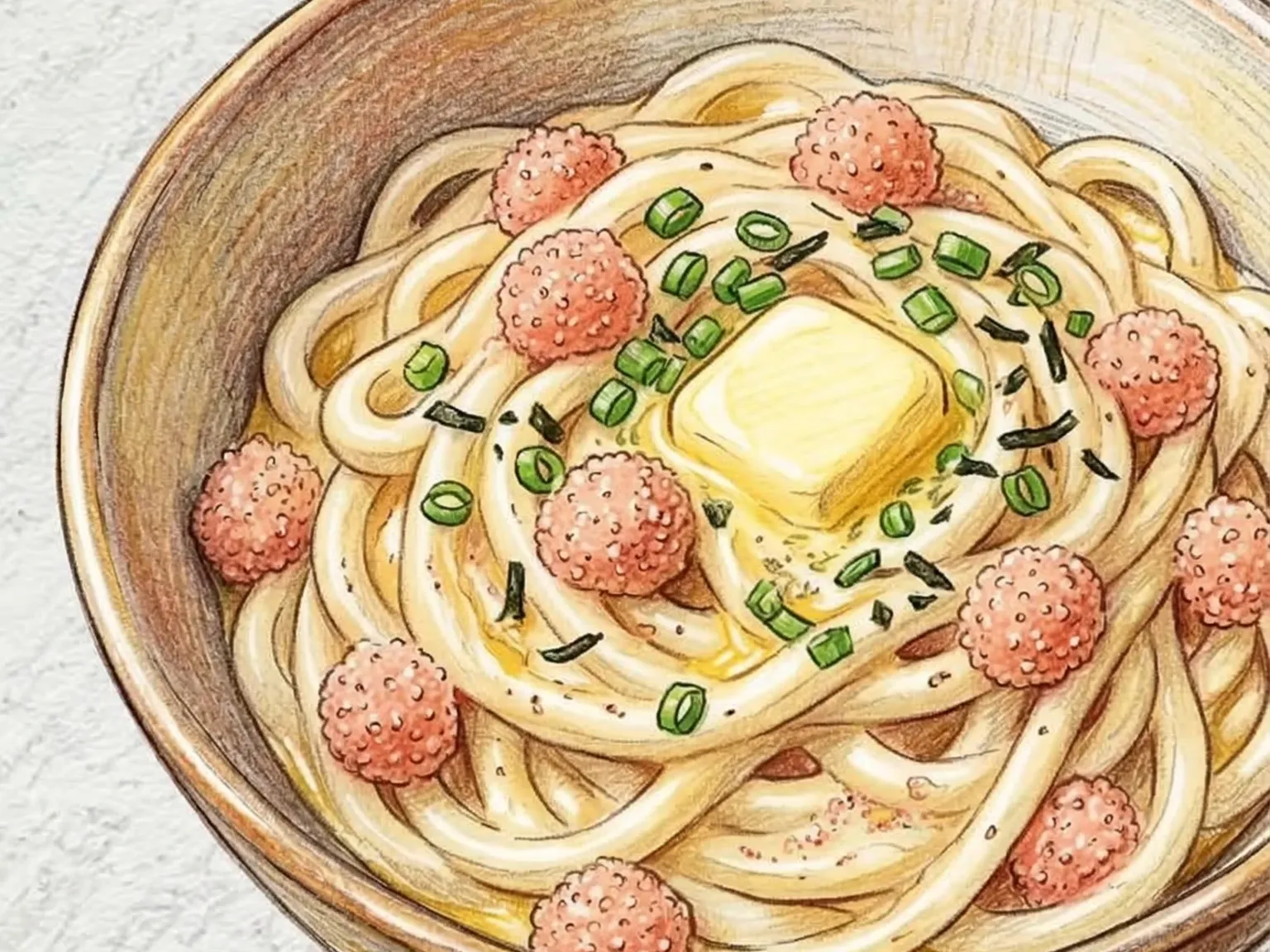
Myeongran butter udon is a Japanese-inspired cream udon in which salted pollock roe is folded into a butter and heavy cream sauce over chewy udon noodles. Garlic is gently cooked in melted butter first to build an aromatic base, then cream and soy sauce are added to create a sauce that is rich without being one-dimensional. The roe membrane is removed so only the loose, individual eggs enter the sauce, and they are stirred in after the heat is lowered to prevent the roe from turning dry, grainy, or unevenly cooked. As each tiny egg bursts against the palate, it releases a briny, oceanic intensity that cuts through the silky cream coating and creates a recurring contrast in every mouthful. The soy sauce performs double duty: it adjusts the salt level and introduces a layer of fermented umami depth that would otherwise be absent. If the sauce tightens too much as it reduces, a few tablespoons of noodle cooking water loosen it while adding a hint of starch that helps the sauce cling more evenly to each strand. Finishing with roasted seaweed flakes and chopped chives brings oceanic aroma and a clean, green freshness that lifts the overall heaviness of the dish.
Gochujang Corn Cream Cavatappi
Gochujang corn cream cavatappi sautees onion and sweet corn kernels in butter, blooms gochujang in the pan for thirty seconds, then simmers everything with heavy cream and milk into a thick, spicy-sweet sauce for corkscrew-shaped pasta. Cooking the corn first for two minutes drives off surface moisture and concentrates its natural sweetness before the gochujang goes in. The cream and milk reduce together, merging the corn's sweetness with the chili paste's heat into a smooth, rounded spiciness. Pasta water adjusts the consistency, and melted Parmigiano adds a sharp, salty depth that elevates the entire sauce. Cavatappi's helical shape traps the dense cream inside its spirals, releasing bursts of the corn-gochujang sauce with each bite.
Biscuits and Gravy
Biscuits and gravy is a Southern American breakfast where flaky, butter-layered biscuits are split open and smothered in a thick white gravy made from pan-fried pork sausage. The sausage is crumbled and browned in a skillet to render its fat, flour is stirred into that fat to form a roux, and milk is whisked in until the mixture thickens into a creamy, pepper-forward sauce. Keeping pea-sized pieces of cold butter in the biscuit dough is the key to achieving the signature flaky layers -- the butter steams during baking and forces the dough apart into distinct, pull-apart sheets. The just-baked biscuits absorb the warm gravy like a sponge while their crusted tops stay crisp, creating a clear contrast in a single bite. Black pepper, used generously, defines the character of the gravy as much as the sausage itself does. A simple plate by any measure, yet the combination of richness, warmth, and starchy satisfaction has kept it central to Southern home cooking for generations.
Pav Bhaji (Mumbai Street Food Spiced Mashed Vegetable Curry with Bread)
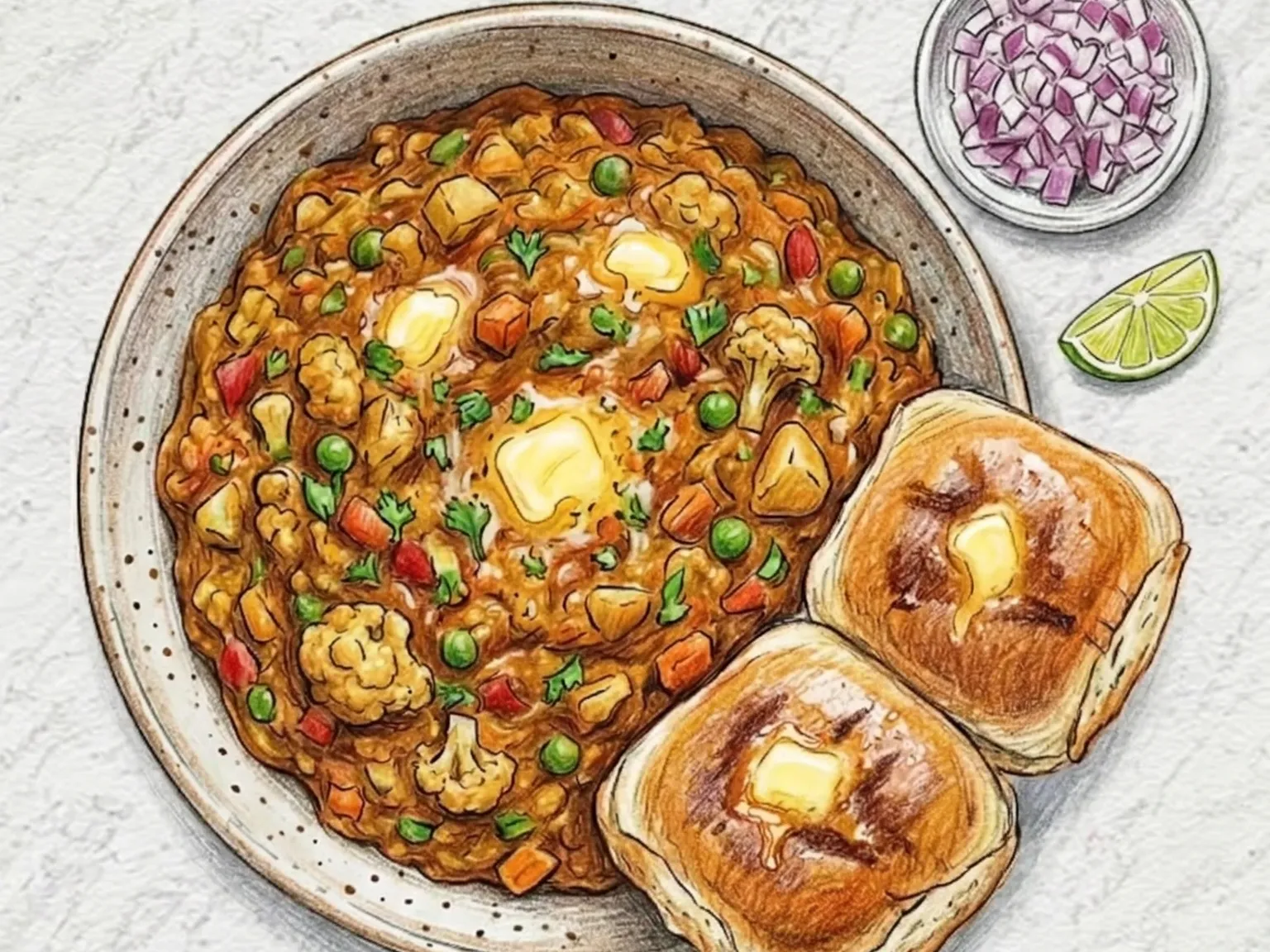
Pav bhaji is a street-food staple born on the pavements of Mumbai. A medley of boiled potatoes, cauliflower, peas, and carrots is mashed together on a hot griddle, then cooked down with generous amounts of butter and a proprietary spice blend called pav bhaji masala. Tomatoes and onions form the aromatic base, while the masala contributes warm, earthy heat that deepens with each pass of the spatula. The accompanying soft bread rolls are split and toasted on a buttered griddle until golden on the cut side. Raw onion rings, a wedge of lemon, and a knob of extra butter placed on top of the simmering bhaji are the traditional garnish. The dish is designed to be eaten fast and hot, scooped directly from the communal pan.
Apple Turnover
Apple turnovers trace back to the medieval European practice of encasing fruit in pastry - a portable format that became a fixture at French and English market stalls by the 17th century. Puff pastry is rolled thin and cut into squares, then topped with apples briefly cooked down with cinnamon, sugar, and lemon juice to concentrate their flavor and reduce excess moisture. Folding the square into a half-moon and crimping the edges seals in steam during baking, which forces apart the laminated layers into a shatteringly crisp, deep-golden shell. Inside, the apples have collapsed into a jammy, soft mass. Cinnamon amplifies the fruit's sweetness, while lemon juice maintains enough acidity to prevent the filling from turning cloying. An egg wash brushed on before baking produces the lacquered, caramelized surface. The contrast between the brittle, flaking crust and the hot, syrupy interior is at its most vivid in the first few minutes out of the oven, before the pastry begins to soften.