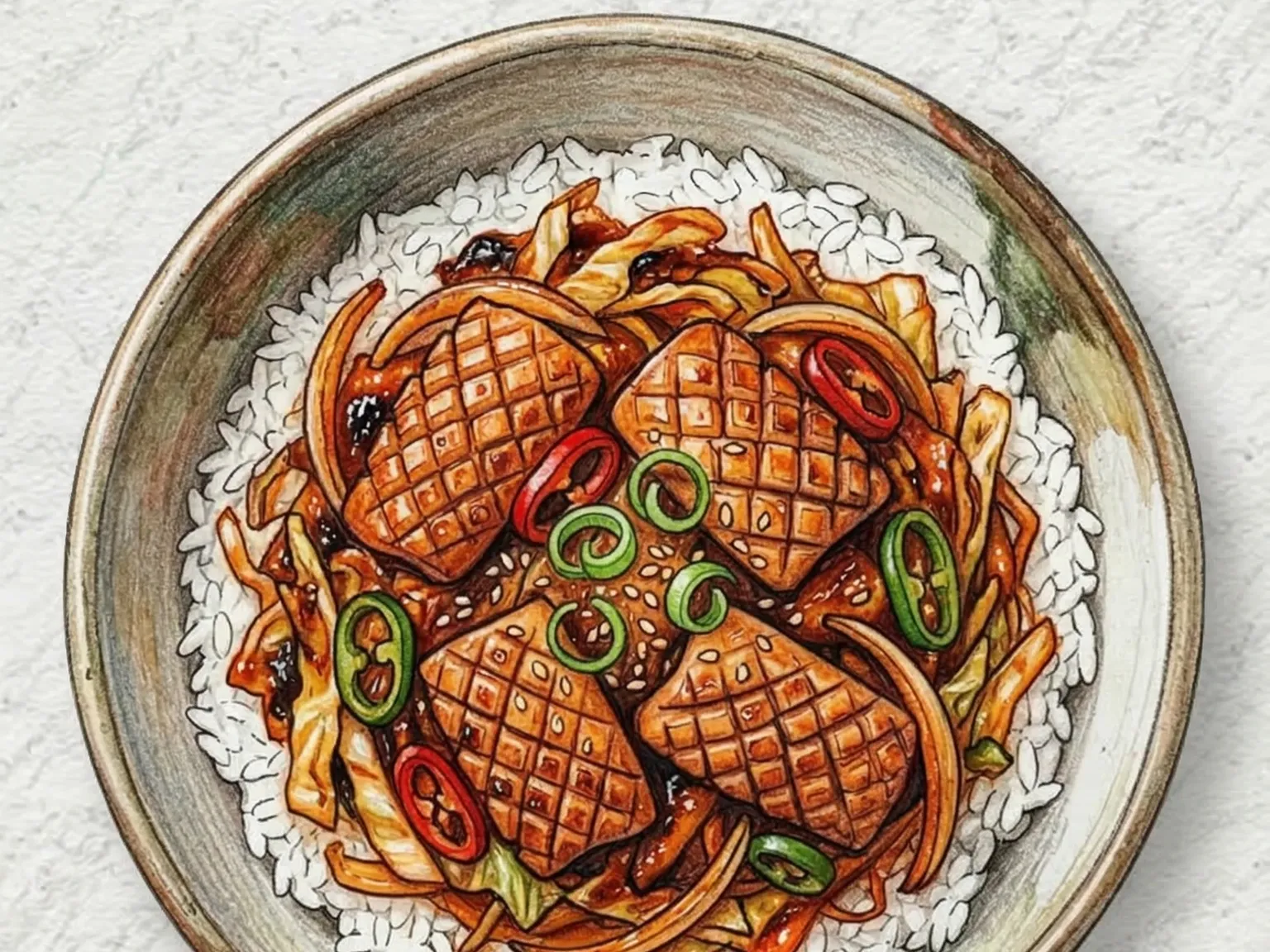
Hayashi Rice (Japanese Beef and Onion Brown Sauce Rice)
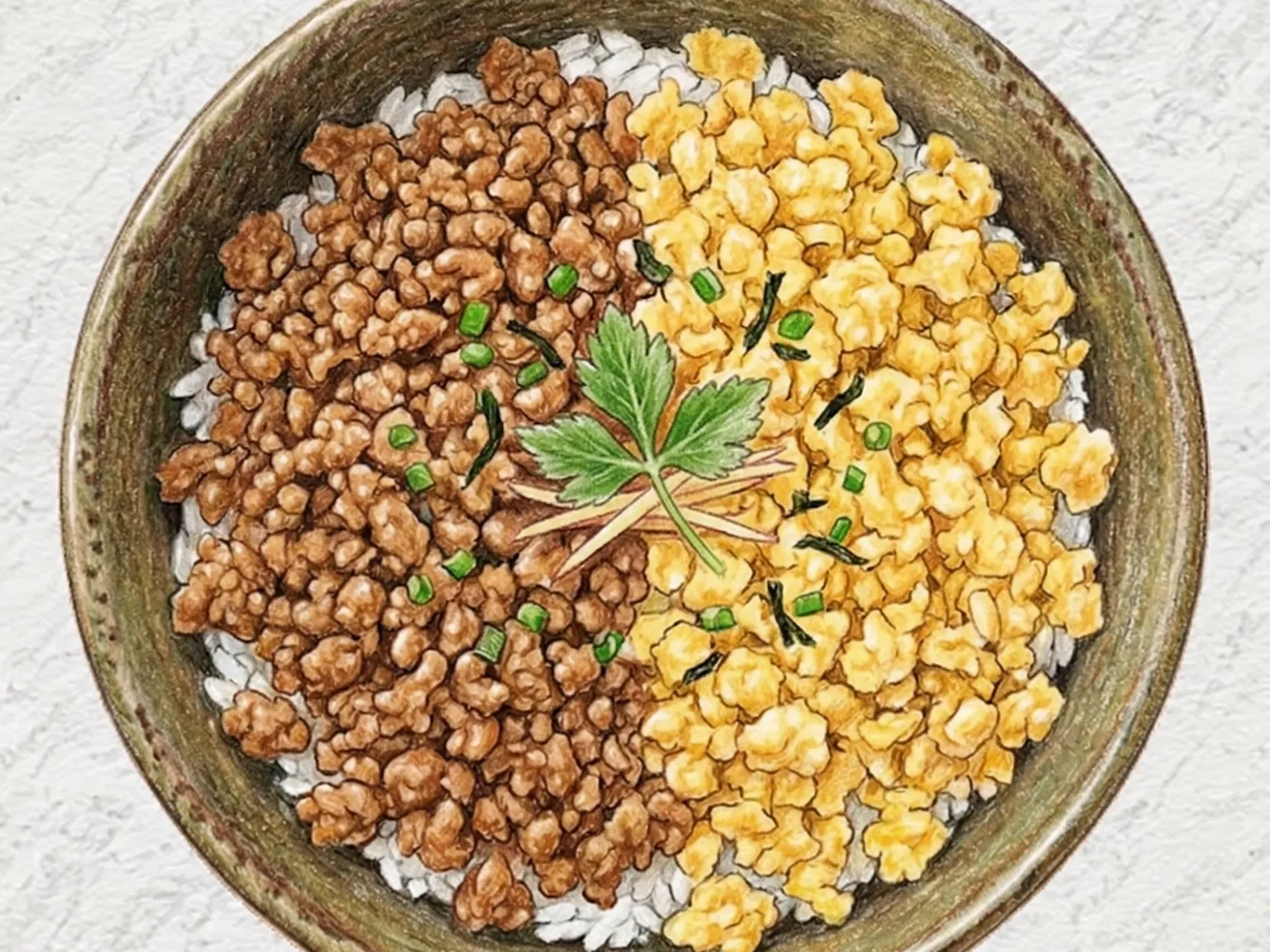
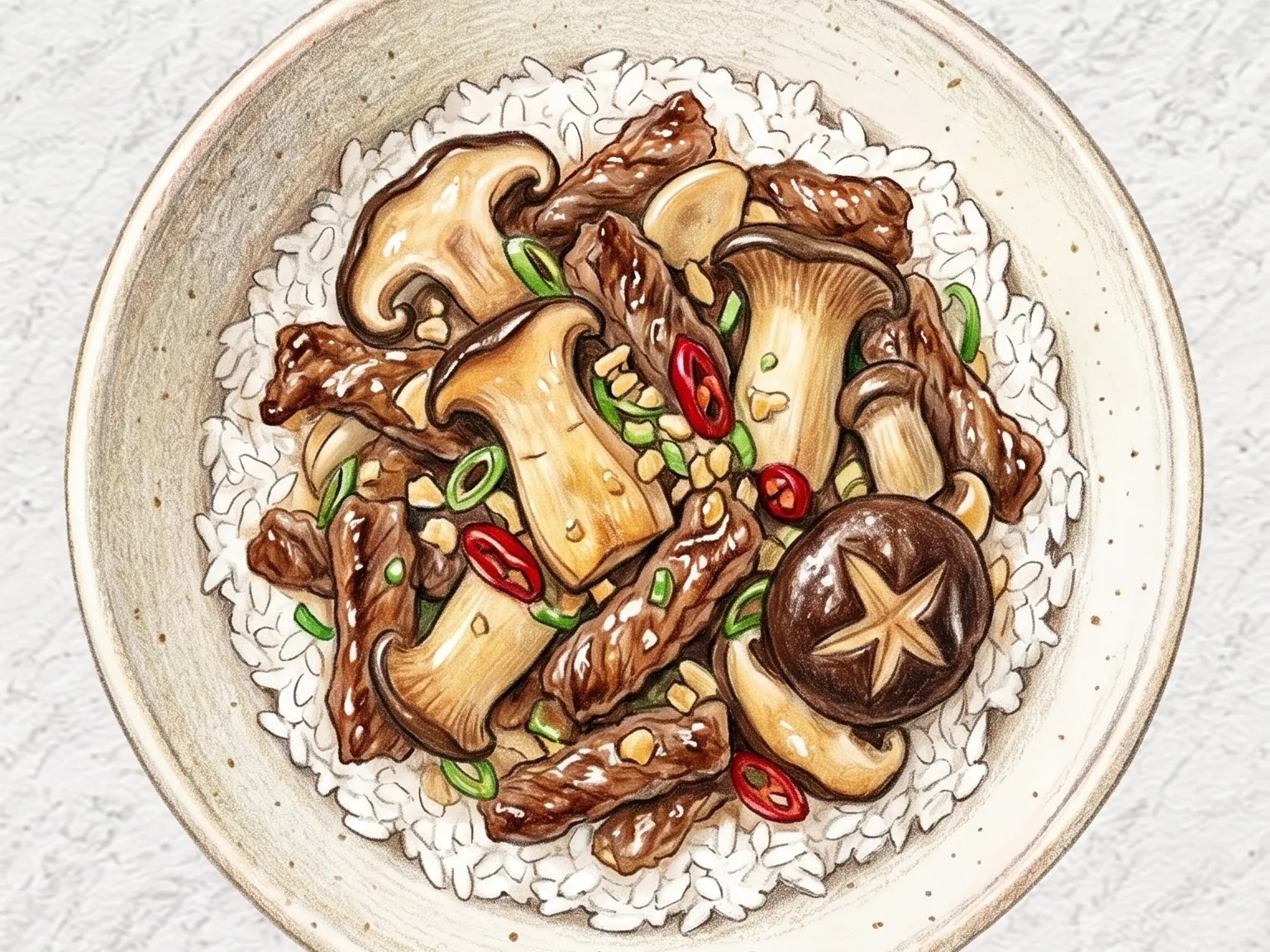
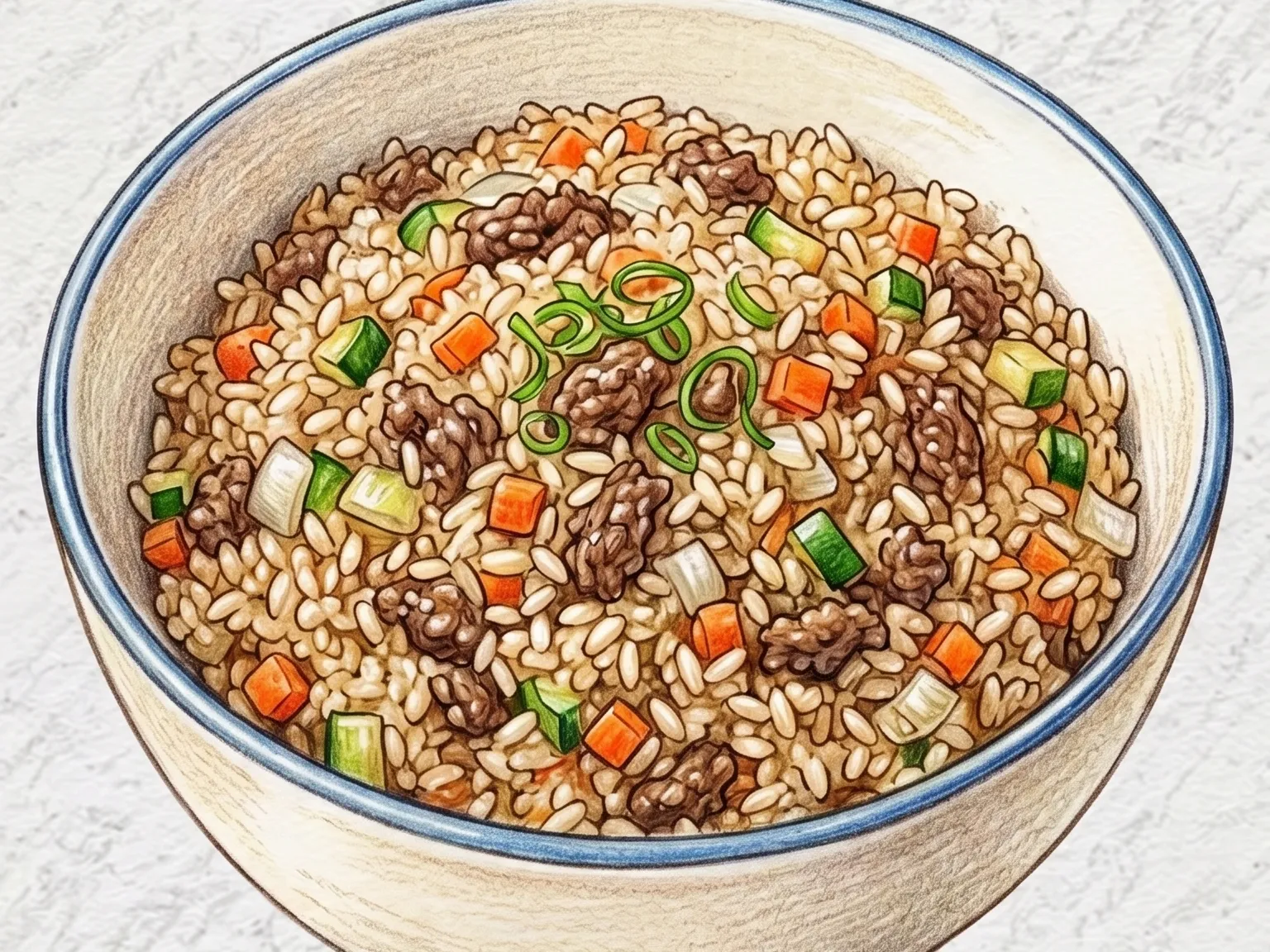
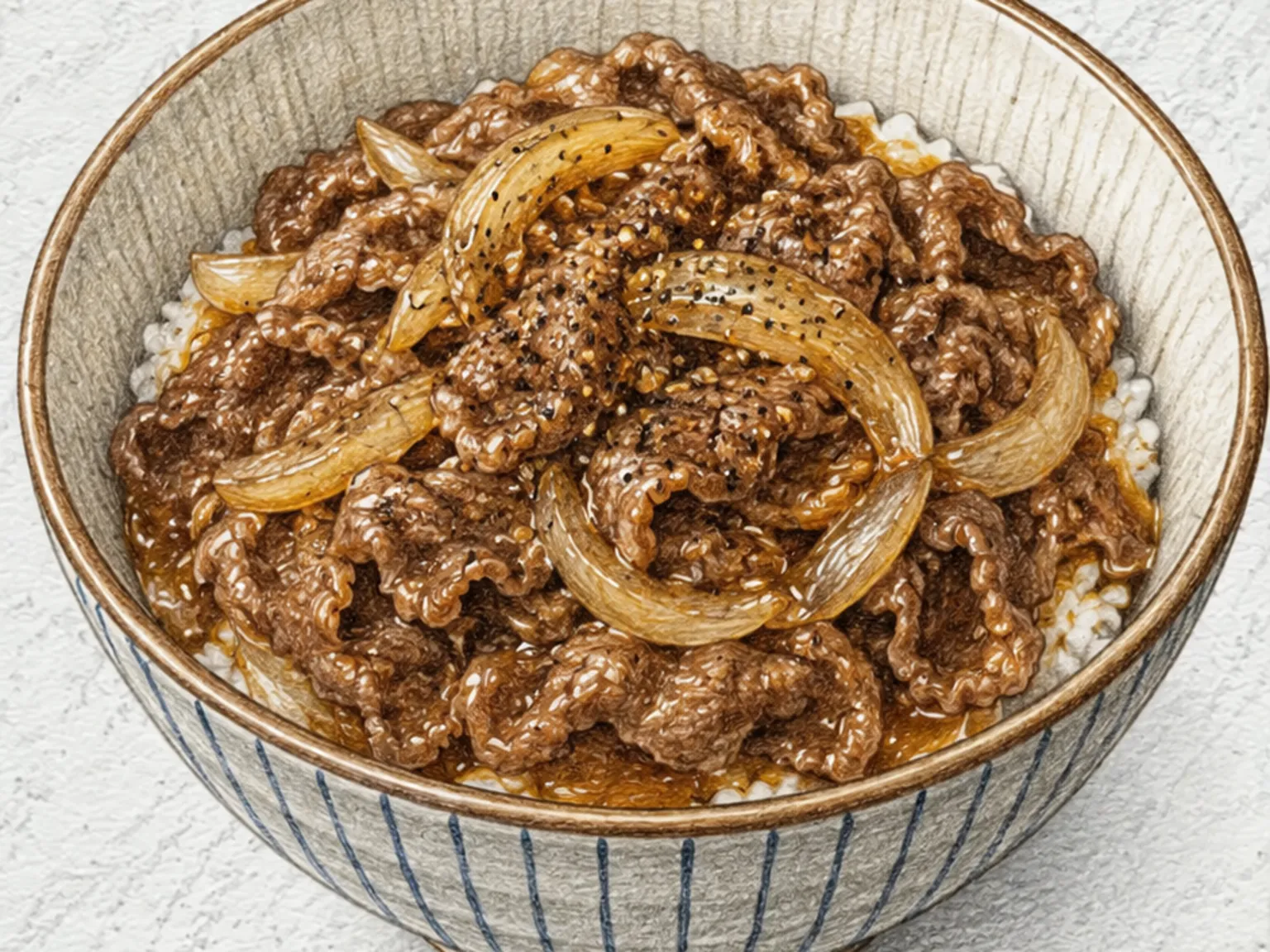
Hayashi rice is a Japanese home-cooking dish in which thinly sliced onions are caramelized in butter for at least eight minutes until deeply golden, then simmered with thin-cut beef, tomato paste, Worcestershire sauce, and flour into a glossy, thick brown sauce served over warm rice. The caramelization of the onions is the single most important step in the recipe. Rushing this stage produces onions that have lost moisture but not developed sweetness, resulting in a flat sauce with no depth. Extended browning converts the onion's natural sugars into a rich, almost candy-like sweetness that forms the foundation of the entire dish and cannot be replicated by any shortcut. Tomato paste adds acidity and deepens the color, Worcestershire sauce contributes a layered spice complexity, and flour gives the sauce enough body to sit on top of the rice without running. The sauce is spooned generously over one side of the rice in the same manner as curry rice, and the complete absence of spicy heat makes it a mild, accessible dish that appeals to both children and adults.

Korean Soft Tofu Stew Rice Bowl
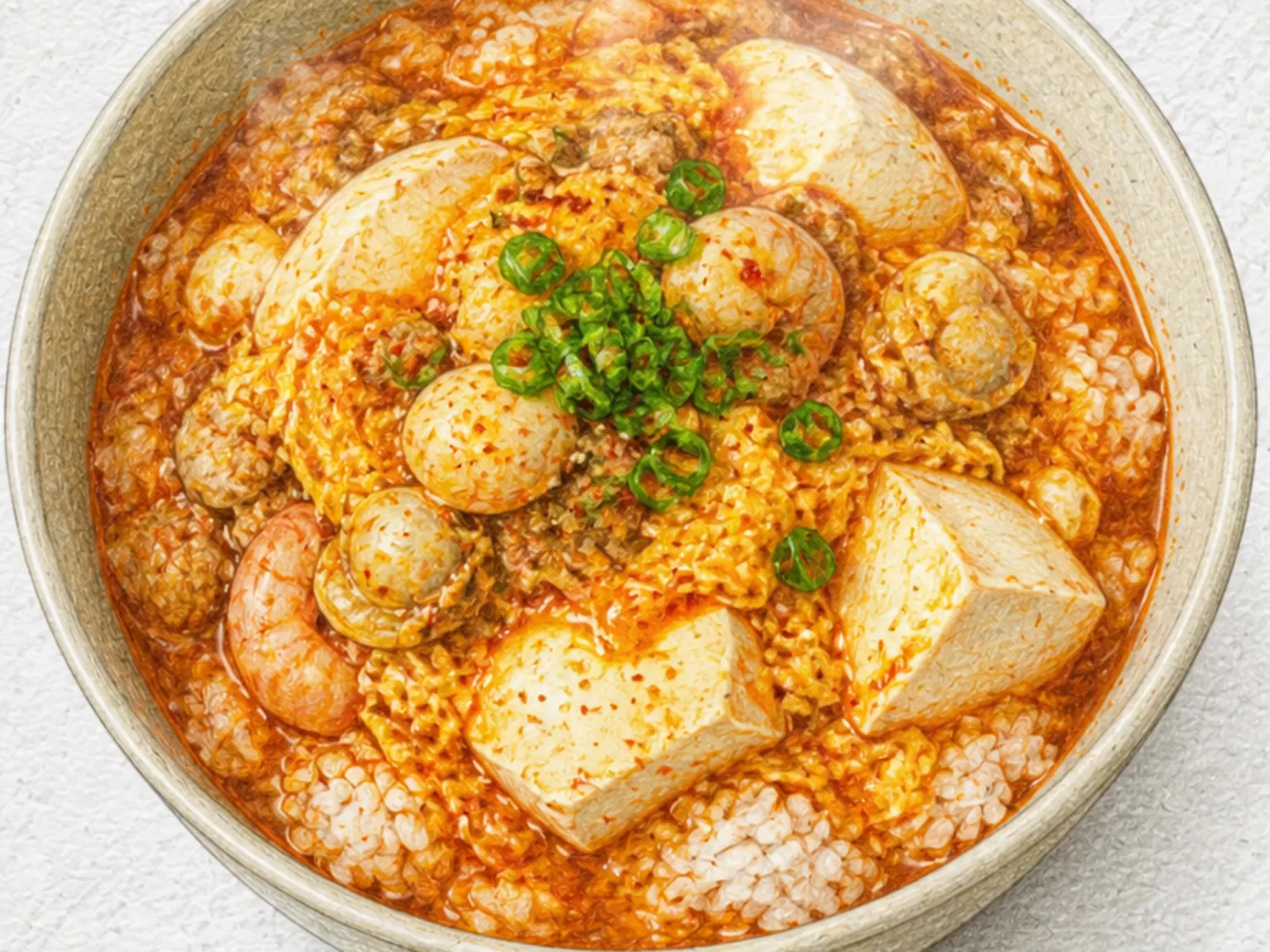
Fiery soft-tofu stew is cooked until bubbling and poured directly over a bowl of rice so the spicy broth seeps into every grain. The silky tofu breaks apart gently, creating pockets of creamy texture within the chili-laced soup. Cracking a raw egg into the simmering pot softens the heat and adds body to the broth. Variations with shrimp, clams, or pork each shift the base flavor in a different direction, making this a versatile single-bowl meal.

Korean Beef Doenjang Bibimbap
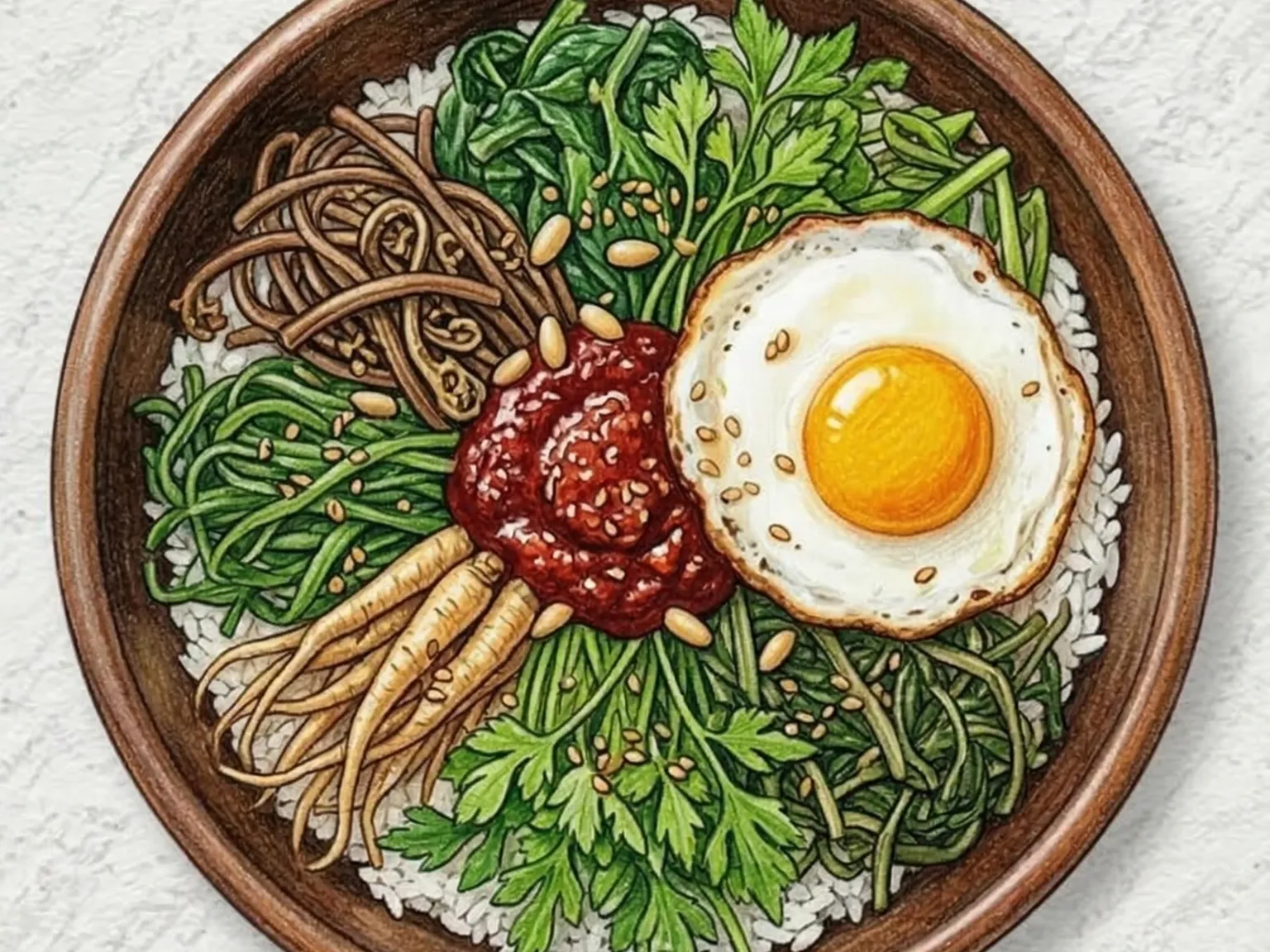
Chadol doenjang bibimbap stir-fries thinly sliced beef brisket in a doenjang-based sauce, then serves it over rice with seasoned vegetable namul and egg. The fatty brisket and fermented soybean paste together create a savory depth that is fundamentally different from gochujang-based bibimbap -- earthier, less spicy, and more complex in its umami structure. As the bowl is mixed, the doenjang dressing coats each grain of rice and pulls together the flavors of every component into a coherent, intensely savory bite. Namul vegetables provide a crisp contrast that cuts through the richness of the brisket fat. A fried egg placed on top adds a silky layer, and breaking the yolk releases it to act as an additional sauce that binds the bold flavors. Using doenjang instead of gochujang as the primary seasoning is a single substitution that produces an entirely different character of bibimbap -- one that leans into fermented, miso-adjacent depth rather than heat. Garnishing with sesame oil and toasted sesame seeds before mixing ties the whole bowl together.

Tuna Mayo Rice Bowl (Chamchi Mayo Cupbap) - Easy Korean Bunsik Recipe
Chamchi mayo cupbap is Korea's well-loved quick meal of seasoned tuna and mayo spooned over steaming hot rice, assembled in about eighteen minutes. The canned tuna must be drained and pressed dry through a strainer before anything else: residual liquid from the can dilutes the soy and sugar seasoning and turns the rice soggy within minutes. Onion and scallion are stir-fried first to draw out their natural sweetness, and the tuna is folded in afterward so the fish picks up the developed flavor of the aromatics rather than sitting raw-tasting on top. Mayonnaise goes in only after the heat is turned off; adding it while the pan is still hot breaks the emulsion and produces a greasy finish. A generous scatter of crushed dried seaweed over the finished bowl adds a roasted oceanic note and textural contrast. Mixing everything together before eating is the correct approach: the tuna-mayo sauce coats every grain of rice evenly, so each spoonful carries the full range of flavors rather than alternating between plain rice and heavily sauced bites.

Korean Flying Fish Roe Gimbap
Nalchial gimbap is made by spreading sesame-oil-and-salt-seasoned rice across a sheet of nori, piping a thin line of mayonnaise down the center, then laying refrigerated flying fish roe and julienned cucumber in parallel before rolling everything tightly. The roe must come straight from the refrigerator at the moment of assembly - as the tiny eggs warm up, their skins soften and lose the signature pop that defines this roll. Biting through releases a simultaneous burst of briny, savory roe juice and creamy mayonnaise, while crisp cucumber strips cut through the richness with their cool crunch. Once sliced, a small spoonful of extra roe placed on each cut piece makes the rolls visually striking and amplifies the popping sensation per bite. Salmon roe or spicy pollack roe can substitute for flying fish roe using the exact same method.

Korean Tuna Gimbap (Chamchi Gimbap)
Chamchi gimbap is a Korean seaweed rice roll filled with canned tuna mixed with mayonnaise, along with carrot, spinach, and pickled radish, all wrapped in seasoned rice and a sheet of roasted gim. The creamy tuna filling contrasts with the crisp vegetables, while the tangy pickled radish cuts through the richness and keeps each bite lively. A longtime staple in Korean lunchboxes and picnic spreads, the roll slices neatly into rounds that are easy to eat without utensils. Sesame oil brushed on the outside adds a subtle sheen and a nutty aroma. Spacing the fillings evenly before rolling ensures a clean, colorful cross-section with every cut - part of what makes well-made gimbap visually satisfying alongside the taste.

Stuffed Cabbage Rolls
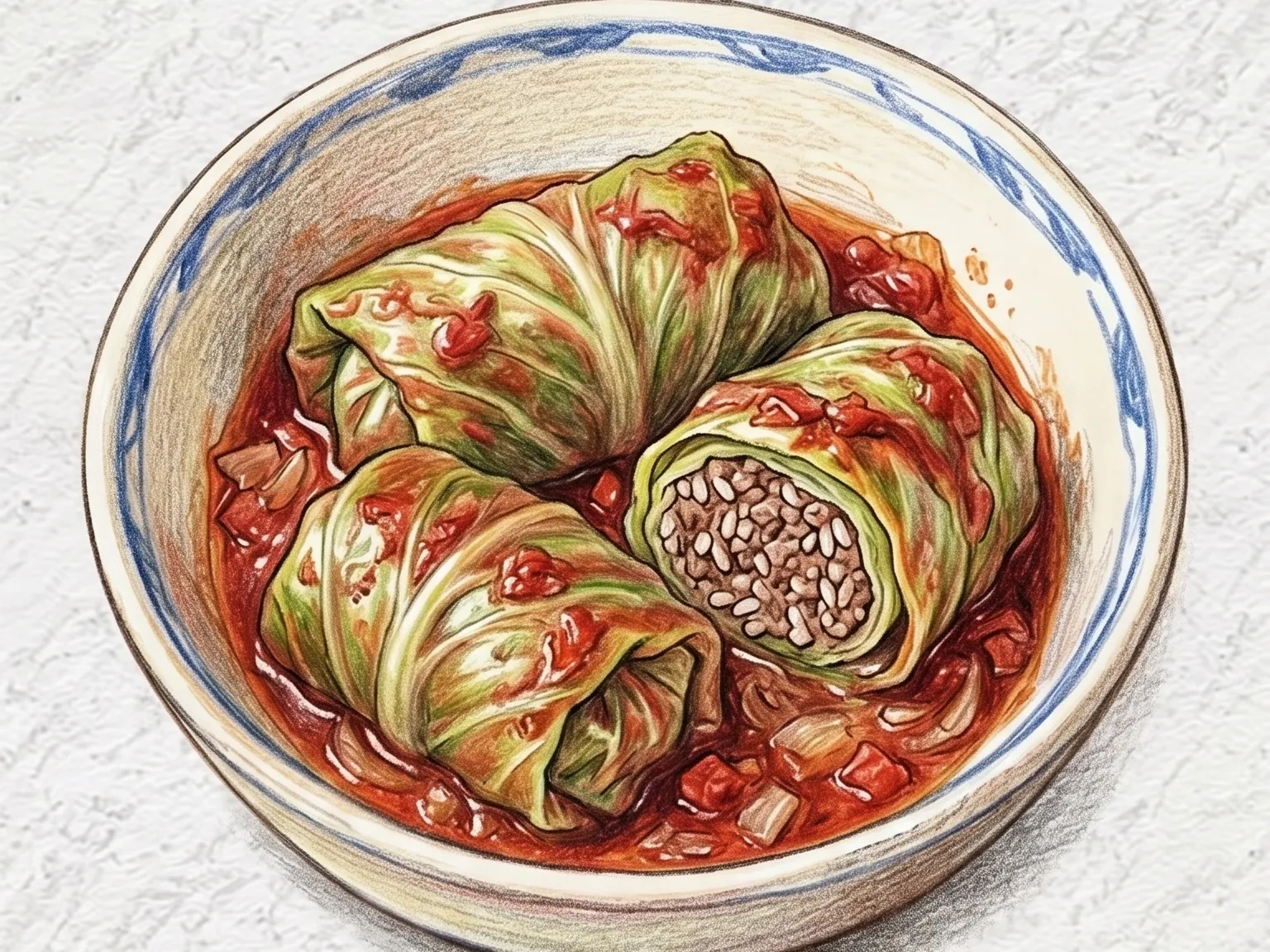
Stuffed cabbage rolls wrap a filling of ground beef, cooked rice, sautéed onion, and garlic inside blanched cabbage leaves, then braise in tomato sauce on low heat for 35 minutes until the leaves turn silky and the filling cooks through. Removing the core first lets the leaves separate cleanly, and rolling a pin over the thick central vein of each leaf thins it enough to fold without cracking. The rolls must be packed tightly in the pot - too much space allows them to shift as the sauce simmers, causing them to unravel. Spreading tomato sauce on the bottom of the pot before arranging the rolls prevents sticking and starts building flavor from underneath. The long, gentle braise draws natural sweetness from the cabbage, which meets the acidity of the tomato sauce to produce a mellow, deeply savory result.

Salmon Poke Bowl
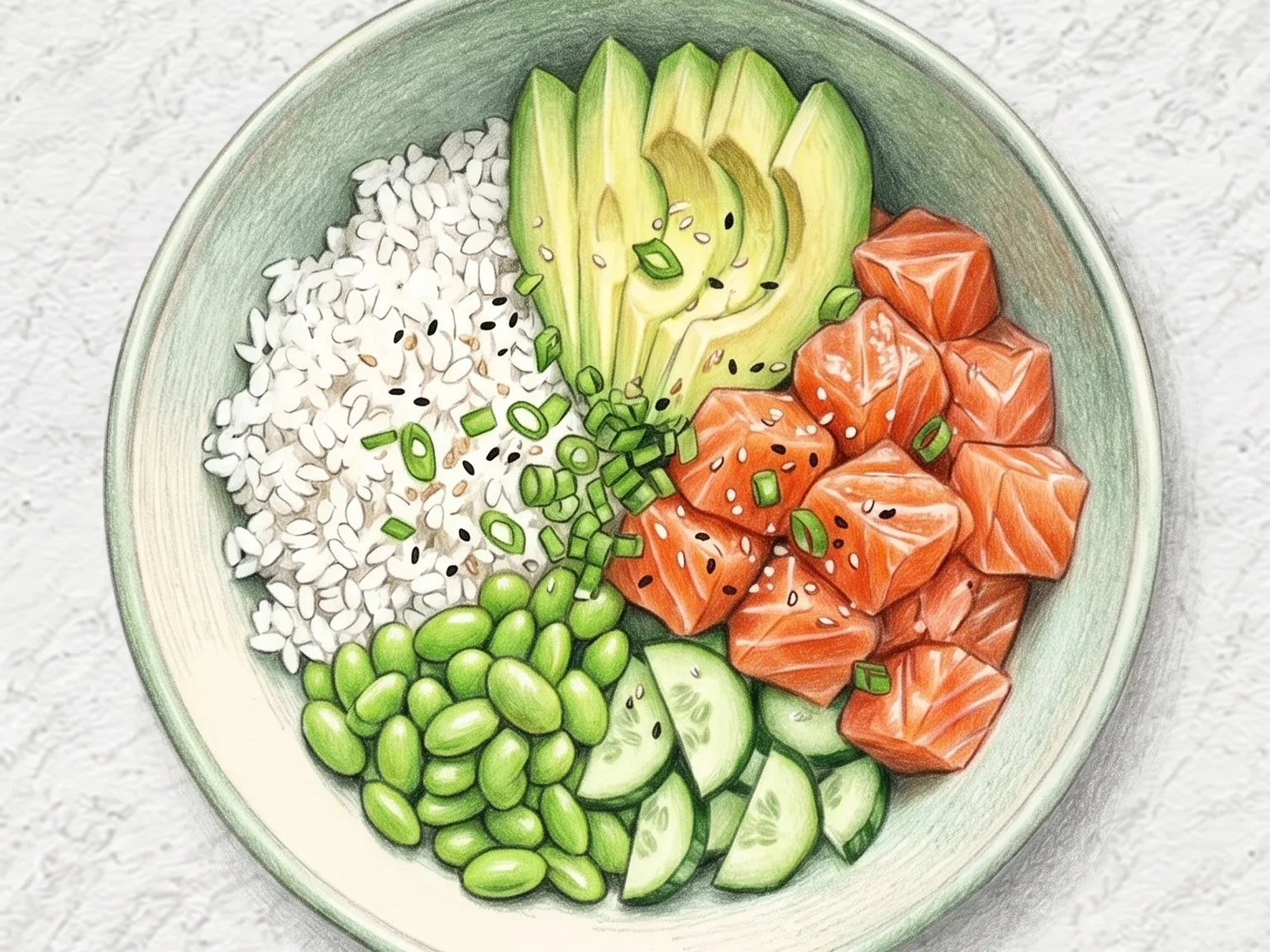
Salmon poke bowl dices sashimi-grade salmon into 1.5-centimeter cubes and marinates them briefly in soy sauce and sesame oil for five minutes, then arranges the fish in sections over steamed rice alongside avocado, cucumber, edamame, and sliced green onion. The short soy marinade draws moisture from the salmon's surface just enough to tamp down any fishiness while amplifying umami, and sesame oil adds a glossy sheen with a toasted fragrance. Avocado's creamy fat cushions the firm, springy bite of the raw fish, while edamame contributes a nutty bean flavor and cucumber brings a cool crunch. Using only sashimi-grade salmon is essential for safe raw consumption.

Pork Rice Bowl (Sweet-Salty Glazed Pork over Rice)
Butadon is a Japanese pork rice bowl that originated in Obihiro, Hokkaido, where thin slices of pork belly or shoulder are simmered with onion in a glaze of soy sauce, mirin, and sugar, then laid over a bowl of steamed rice. The soy salt and sugar sweetness balance precisely as the meat absorbs the sauce, while the onion dissolves gradually into the cooking liquid, contributing a natural sweetness that deepens the glaze. Where the pork meets the pan, the edges caramelize into a slightly charred coating that adds a roasted dimension to the otherwise clean, saucy topping. Hokkaido pork, with its firm texture and higher fat content, is traditional, though any well-marbled cut works. The preparation is genuinely simple - one pan, one sauce, no elaborate knife work - which is exactly why it became a staple weeknight meal across Japan.

Korean Fish Roe Rice Bowl
Albap is a casual Korean rice bowl that likely traces its origins to sushi-bar kitchen culture, where flying fish roe - tobiko - was always stocked and cooks needed a quick staff meal. Warm rice is first tossed with sesame oil and a small knob of butter, coating each grain with a glossy, slightly nutty film. The toppings are arranged by section over the rice: bright orange tobiko that bursts between the teeth, stir-fried kimchi whose lactic tartness has deepened into a roasted sour note, diced pickled radish for crunch and sweetness, and a layer of shredded seasoned seaweed. Everything is mixed together at the table, and the warmth of the rice softens the roe just enough that its briny juice seeps into the buttered grains. Sliced scallion scattered on top adds a fresh finish. Flying fish roe freezes well and delivers noticeable texture in small quantities, making this dish well suited to solo cooking, and it has taken on a distinct identity from Japanese ikura or tobiko donburi. With minimal prep and about ten minutes of active work, this bowl packs an unusual range of textures - burst, crunch, crisp, and soft - into a single serving.

Korean Seasoned Seaweed Rice Bowl
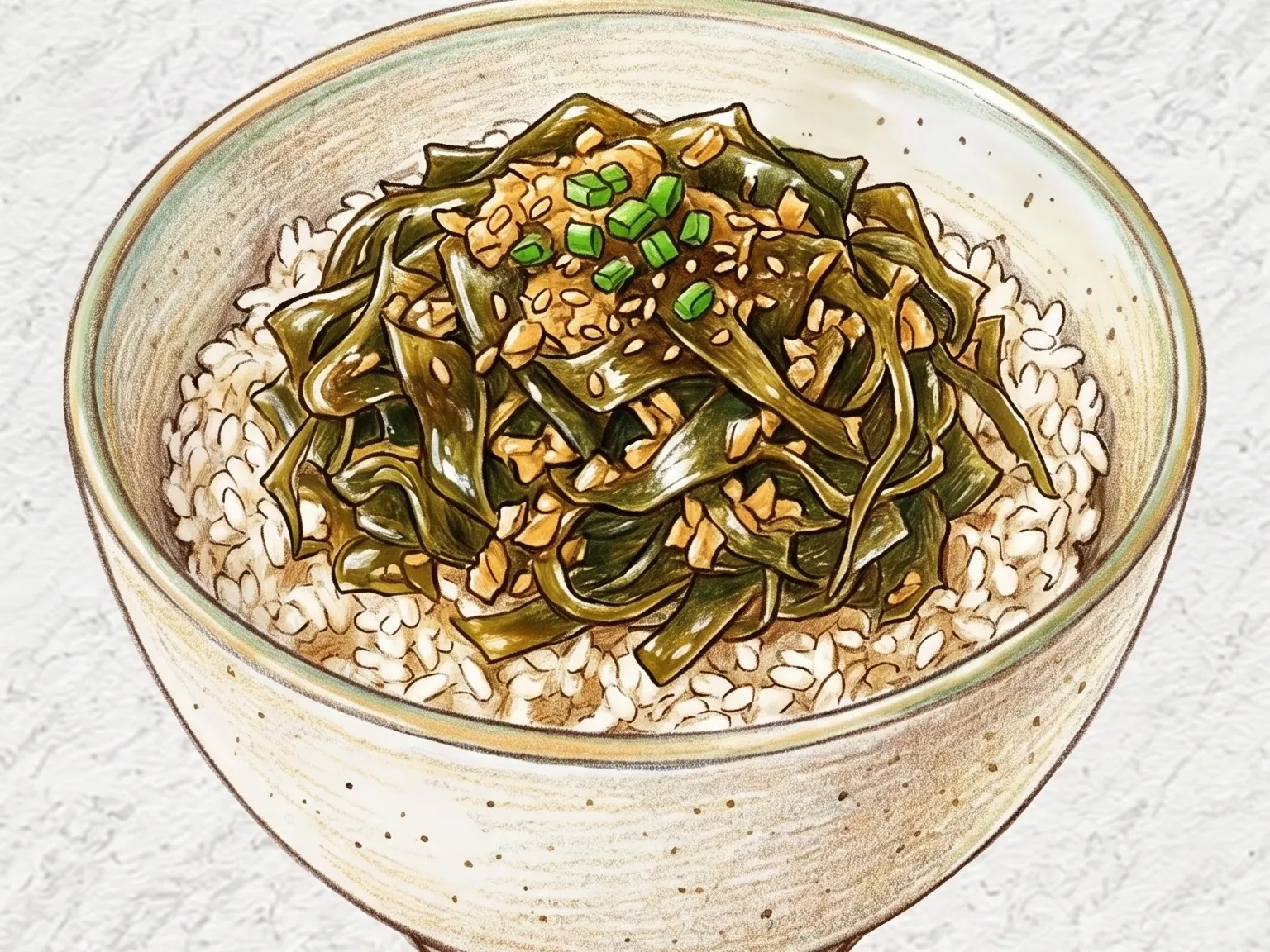
This seasoned seaweed rice bowl stir-fries rehydrated wakame with garlic in sesame oil, seasons it with soy sauce, and spoons it over steamed rice for a quick and satisfying one-bowl meal. Soaking the dried seaweed until fully softened gives it a slippery yet pleasantly chewy texture that slides across the palate with each mouthful of rice. Cooking the garlic and seaweed together in sesame oil removes any raw oceanic sharpness and replaces it with a warm, nutty fragrance that layers over the natural sea-mineral character of the wakame. Soy sauce brings a savory edge that rounds out the seasoning and makes the bowl complete without any additional side dishes. With only five ingredients and a short cooking time from start to finish, this is one of the most efficient Korean rice bowls to prepare. The mineral richness of the seaweed gives the finished dish a depth that outpaces its simple ingredient list.

Korean Bean Sprout Soup with Rice
Kongnamul gukbap is a Jeonju-style soup-and-rice dish built around bean sprouts simmered in anchovy broth with the lid kept off throughout cooking. Leaving the pot uncovered for the five to six minute cooking time allows steam to carry off the beany odor while keeping the sprouts snappy and firm rather than limp. Soup soy sauce seasons the broth, sliced green onion is added for freshness, and a whole egg is poached directly in the simmering liquid until the yolk is just set. Hot broth is then poured over a bowl of cooked rice, and shredded dried seaweed and a pinch of red pepper flakes are scattered on top to finish. The refreshing, clean flavor that bean sprouts bring to the soup pairs naturally with the deep savoriness of anchovy stock, and simmering a piece of radish alongside clarifies the broth and gives it additional sweetness. Cooking uncovered is a traditional rule of thumb that Korean cooks have followed for generations. This dish has long been associated with Jeonju and is widely sought out as a restorative meal after a late night.

Deodeok Butter Rice Bowl (Korean Mountain Root)
Deodeok butter bap is a rice bowl of peeled, pounded deodeok pan-fried in butter until golden, then reduced in soy sauce and oligosaccharide syrup until each strip is coated in a thin, glossy glaze. The root's natural bittersweet aroma, assertive when raw, softens in the butter without disappearing - it stays present and clean throughout the bowl. Soy sauce and the mild sweetness of the syrup build a savory-sweet glaze that clings to the root's rough-pounded surface. A second knob of butter stirred into the sauce just before plating melts into the reduction and adds a final layer of richness. The glazed deodeok is spooned over warm rice with the pan sauce, then scattered with sliced scallion and sesame seeds. The dish is best in spring when fresh deodeok is in season and its fragrance is at its most pronounced. It works as a standalone donburi or as a strong side dish alongside plain rice.

Korean Spam Mayo Rice Bowl
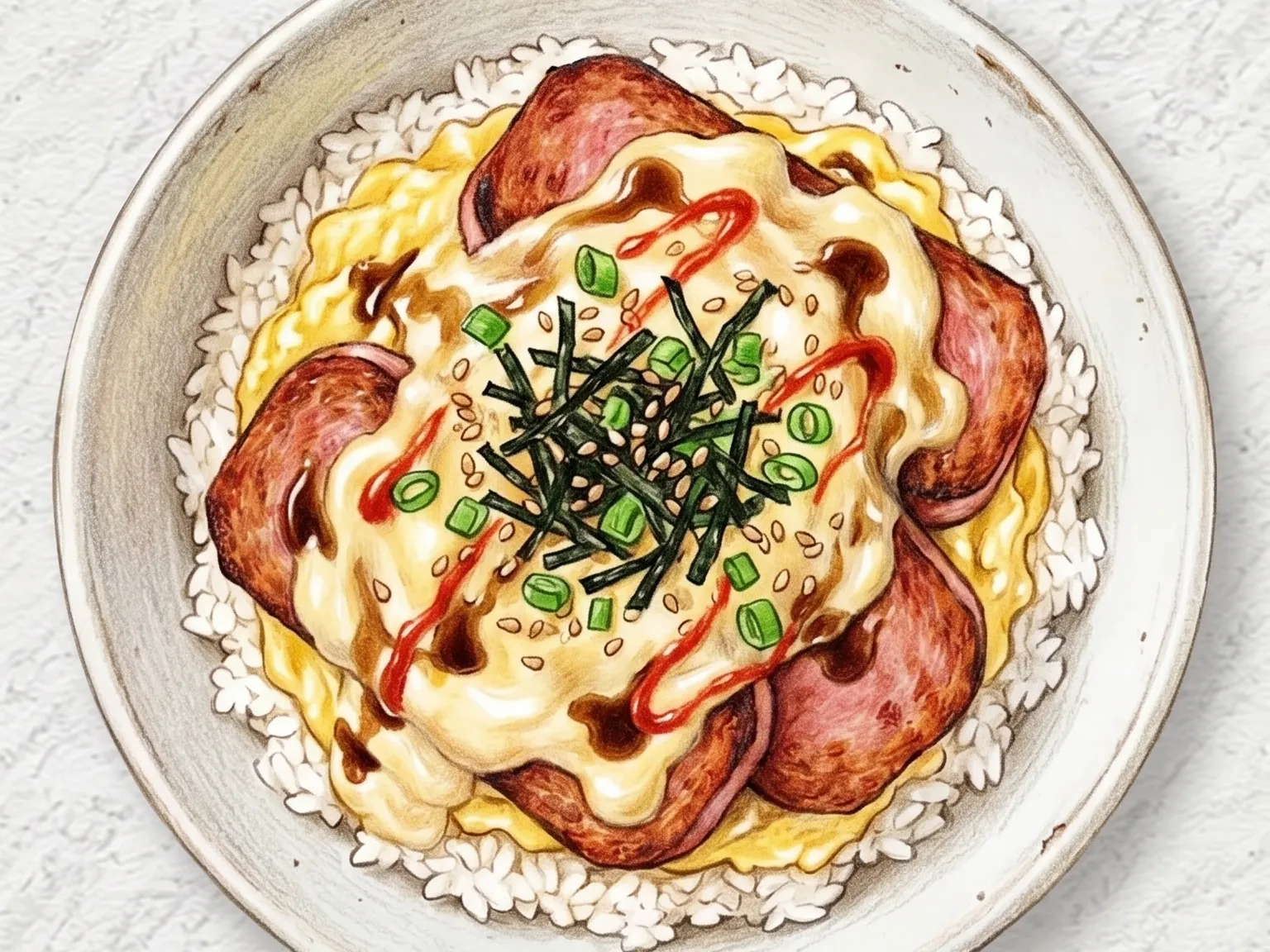
Thick-cut spam is pan-seared until the edges turn golden and crisp while the center stays moist. Soft-scrambled eggs are folded loosely so they remain creamy, then layered over steaming rice alongside the spam. A generous drizzle of mayonnaise sauce melts gently against the warm rice, binding the salty meat and silky egg together. A dash of soy sauce or sriracha adds a sharp accent that cuts through the richness and keeps each bite interesting.

Korean Sea Squirt Mixed Rice
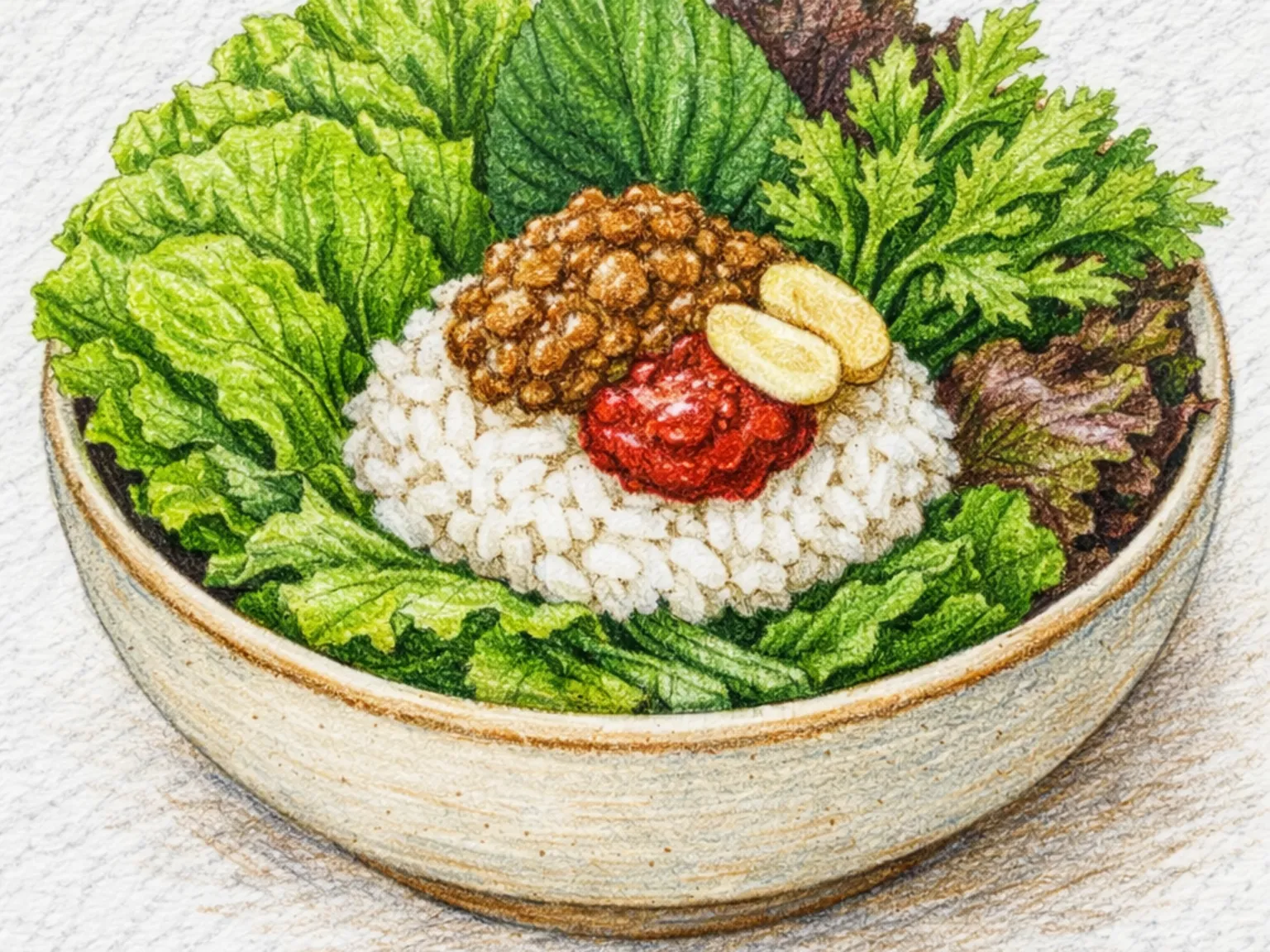
Fresh sea squirt is tossed with vinegared gochujang and sesame oil over warm rice for a bold seafood bibimbap. The sea squirt carries an intense, distinctive ocean flavor that fills the palate, tempered by the tangy sweetness of the sauce. Julienned cucumber and torn lettuce provide crisp contrast, while roasted seaweed flakes and sesame seeds add a nutty undertone. Mixing should happen right before eating to preserve the sea squirt's volatile aroma.

Korean Beef Gimbap (Soy-Marinated Beef Seaweed Rice Roll)
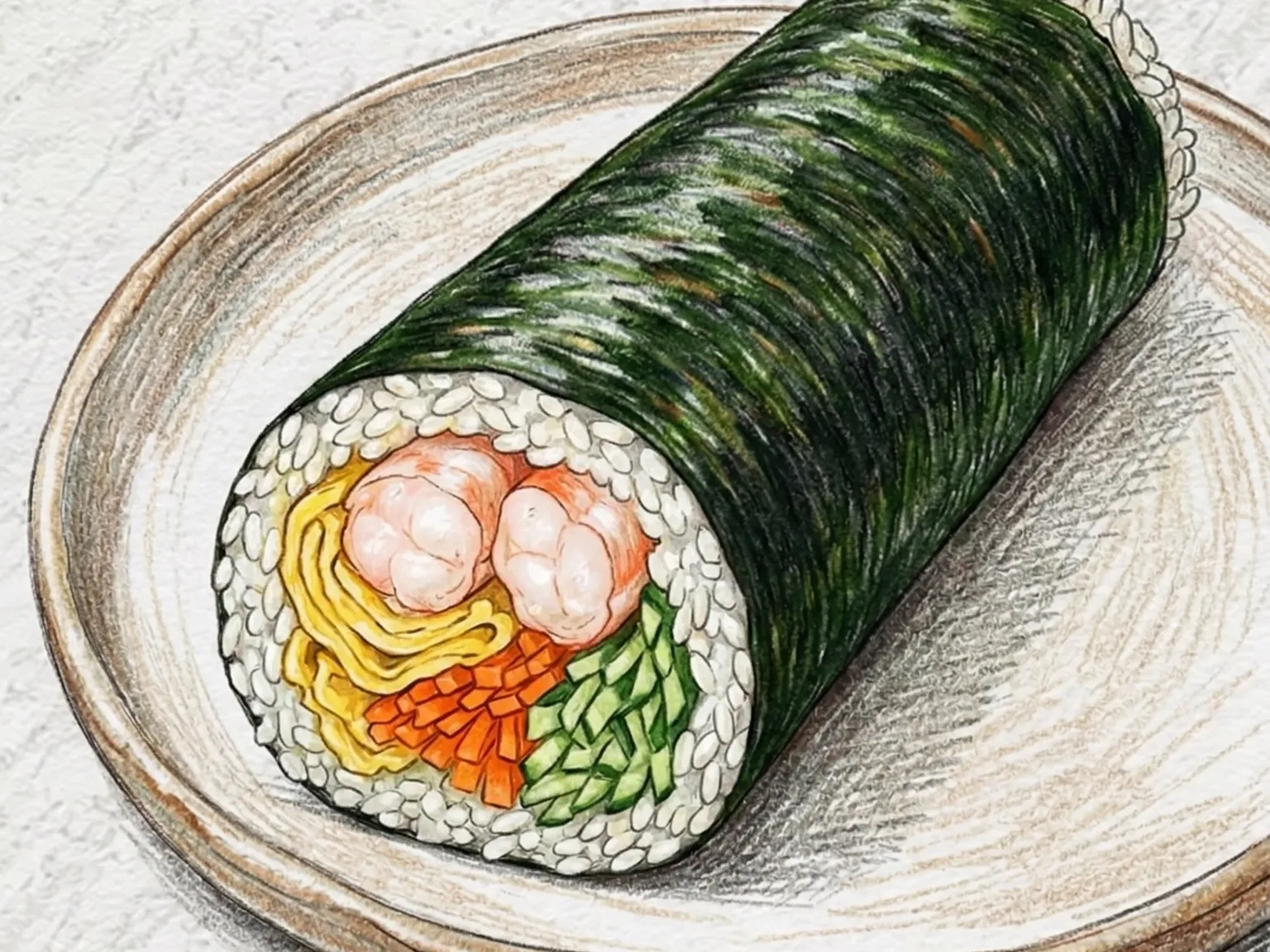
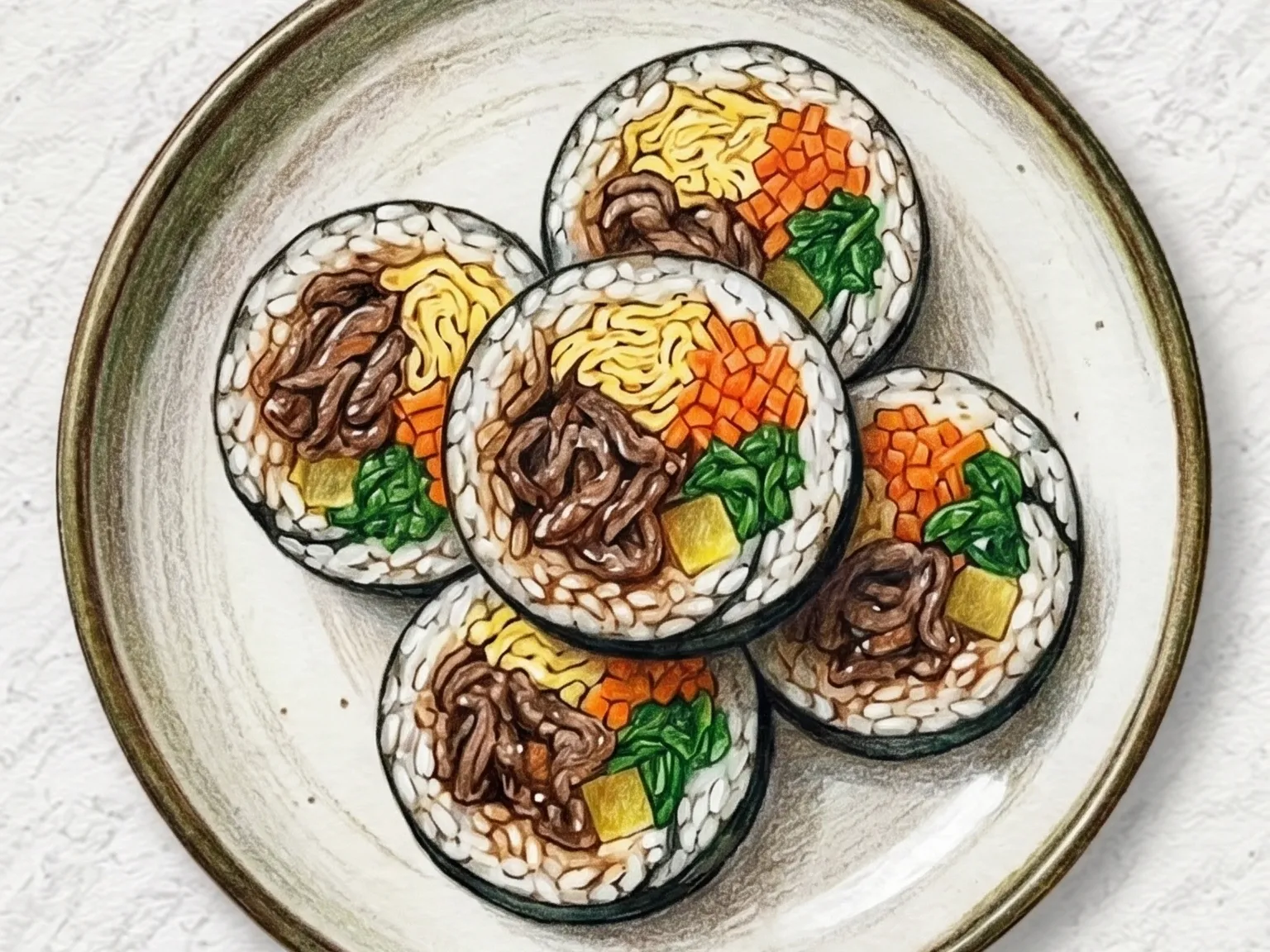
Sogogi-gimbap is a Korean seaweed rice roll featuring beef marinated in soy sauce and sugar, then stir-fried. The sweet-savory beef is rolled alongside sesame-seasoned rice, blanched spinach, sauteed carrots, and thin egg omelet strips inside a sheet of gim. The soy marinade from the beef seeps slightly into the rice, distributing flavor evenly through each cross-section slice. Thinly cut against the grain, the beef stays tender when bitten, while the spinach and carrot provide crisp texture and vegetable sweetness to balance the richness.

Kedgeree (British Smoked Fish Spiced Rice Dish)
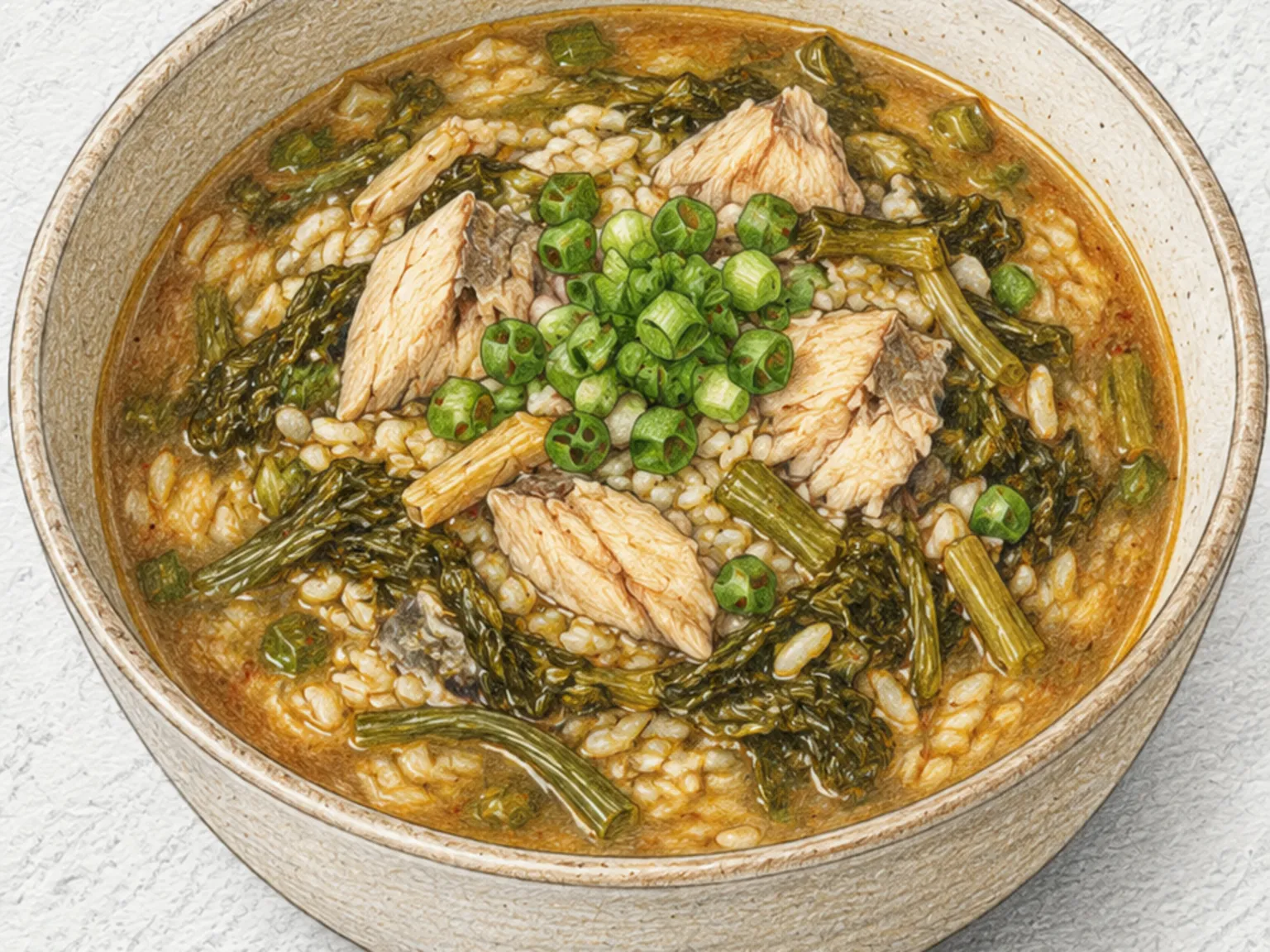
Kedgeree is a British brunch dish of smoked haddock flaked into spiced rice with boiled eggs, descended from the Indian colonial-era dish khichri. The smoked fish is poached or steamed and broken into large pieces - keeping the flakes sizable preserves their texture and allows the smoky flavor to distribute through the rice in distinct pockets. Onion is sauteed in butter, then curry powder is bloomed for thirty seconds, releasing the warm aromas of cumin and turmeric into the fat, which tints and seasons every grain of rice. A squeeze of lemon juice at the end cuts through the richness of the butter and the heaviness of the spices with a bright acidity. Halved boiled eggs and chopped parsley finish the dish with contrasting texture and color.

Korean Soy Glazed Beef Rice Bowl
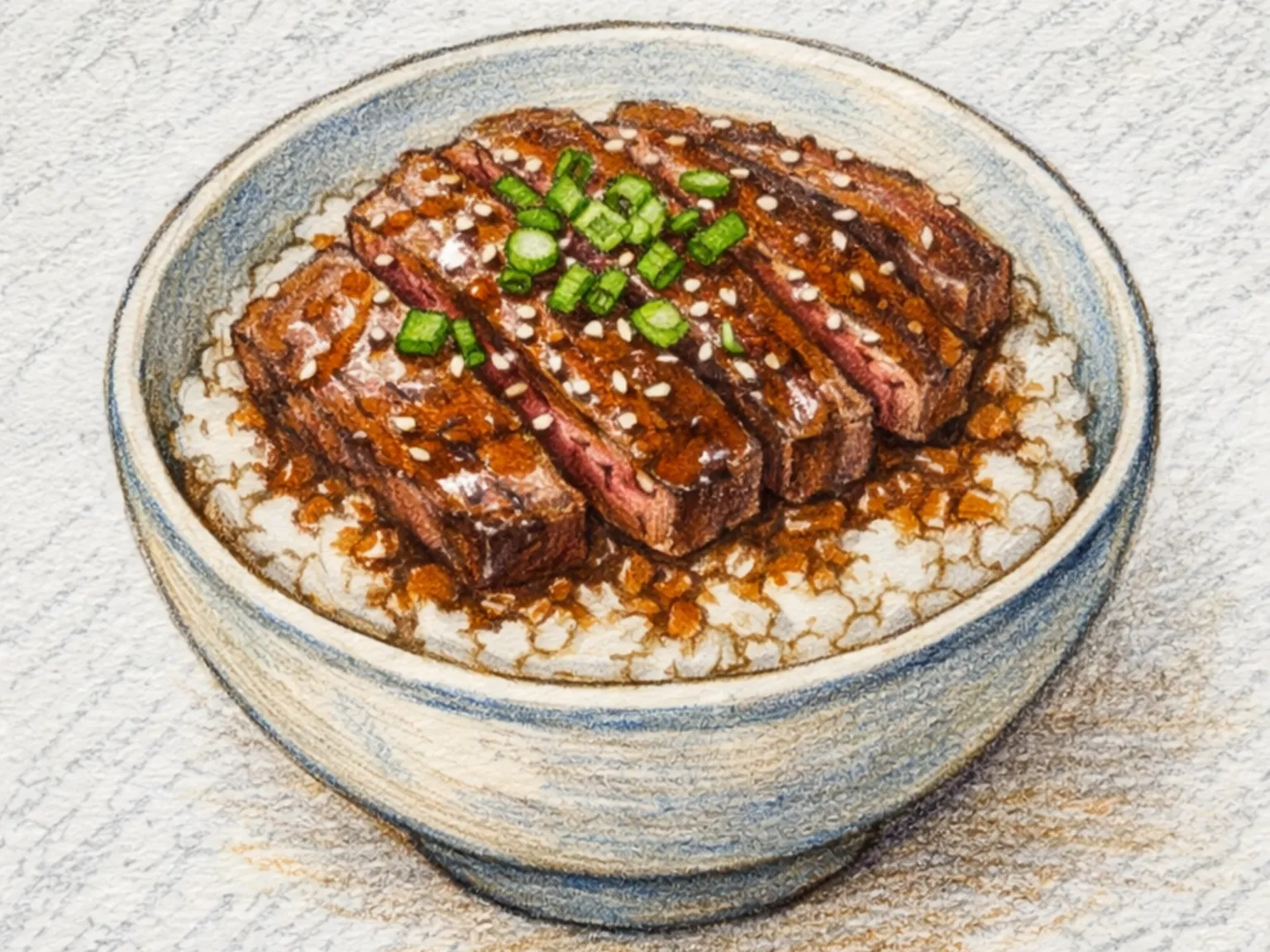
Sogogi deopbap tops steamed rice with thin-sliced beef and onions cooked in a sweet-soy glaze, served with just enough sauce to soak into the grains. The beef is marinated briefly in a mixture of dark soy sauce, sugar, and minced garlic, which caramelizes quickly in a hot pan. Onion slices cook alongside the beef, their natural sweetness balancing the salty-sweet sauce as they soften. Sesame oil added toward the end leaves a nutty aftertaste that lingers. The key is keeping a small pool of sauce in the pan rather than reducing it completely - that glossy liquid seeps into the rice and makes each spoonful flavorful without needing additional seasoning. A generous crack of black pepper at the end adds a sharp finish.

Korean Kimchi Acorn Jelly Rice Bowl
Acorn jelly (dotorimuk) is sliced into strips, placed over rice, and drenched in a chilled broth made from kimchi juice, cold water, and a touch of sugar. The jelly's slippery, bouncy texture contrasts with the crunch of chopped kimchi, while the tangy broth refreshes the palate with every spoonful. A light toss of sesame oil on the rice provides a nutty base, and roasted seaweed flakes add an ocean-like finish. Adding ice cubes makes it even more bracing, a distinctly Korean way to beat summer heat with a cold, brothy rice bowl. If the kimchi is too tart, a small addition of sugar rounds the flavor into balance.

Chamchi Mayo Deopbap (Korean Tuna Mayo Rice Bowl Recipe)
Chamchi mayo deopbap is a no-cook Korean rice bowl where drained canned tuna is tossed with mayonnaise and spooned over warm rice, then finished with soy sauce, sesame oil, and crumbled dried seaweed. The warmth of the rice softens the mayo coat so it clings to every grain rather than pooling at the base. Crumbled seaweed provides a layer of crunch alongside its salt. Nothing needs cooking - just mixing and assembling - which makes this one of the fastest meals to put together, ready in under five minutes on days when standing at the stove feels unappealing. Soy sauce deepens the salt past what the tuna alone provides, and sesame oil keeps the bowl from tasting flat. Canned tuna and mayonnaise are staples in most Korean kitchens, making this a genuinely practical fallback meal.

Korean Pork Belly Kimchi Fried Rice
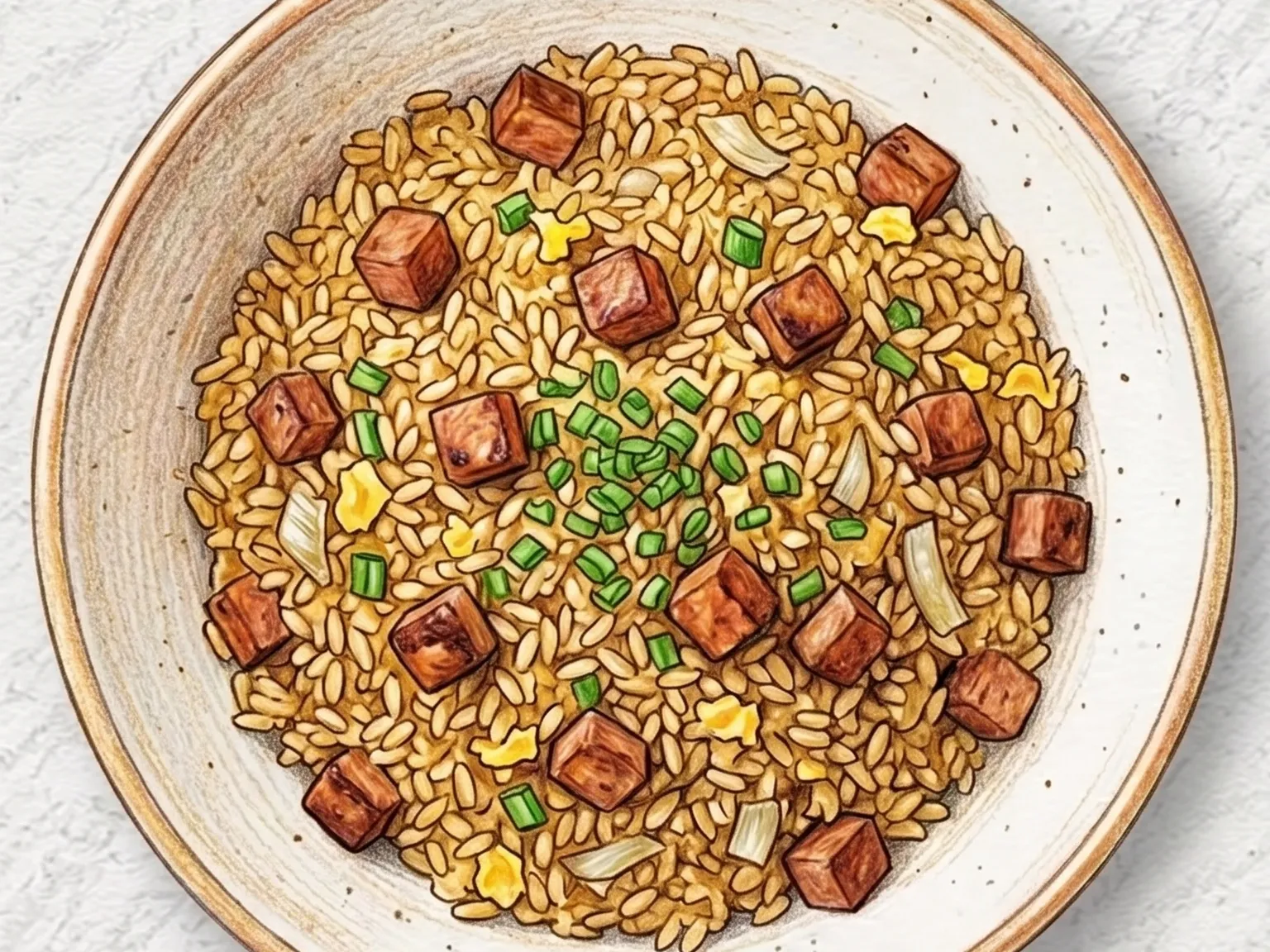
Pork belly is diced small and rendered in a hot pan until golden, producing enough fat to cook the entire dish without additional oil. Aged kimchi and onion go into that rendered fat, where the kimchi's sharp tang softens into the pork's richness. Gochujang and soy sauce season the rice as it joins the pan, and aggressive high-heat stir-frying keeps each grain distinct rather than clumpy. Day-old cold rice works best because its lower moisture content yields a drier, crispier result, and a fried egg on top provides a creamy counterpoint when the yolk breaks.

Chicken and Egg Rice Bowl
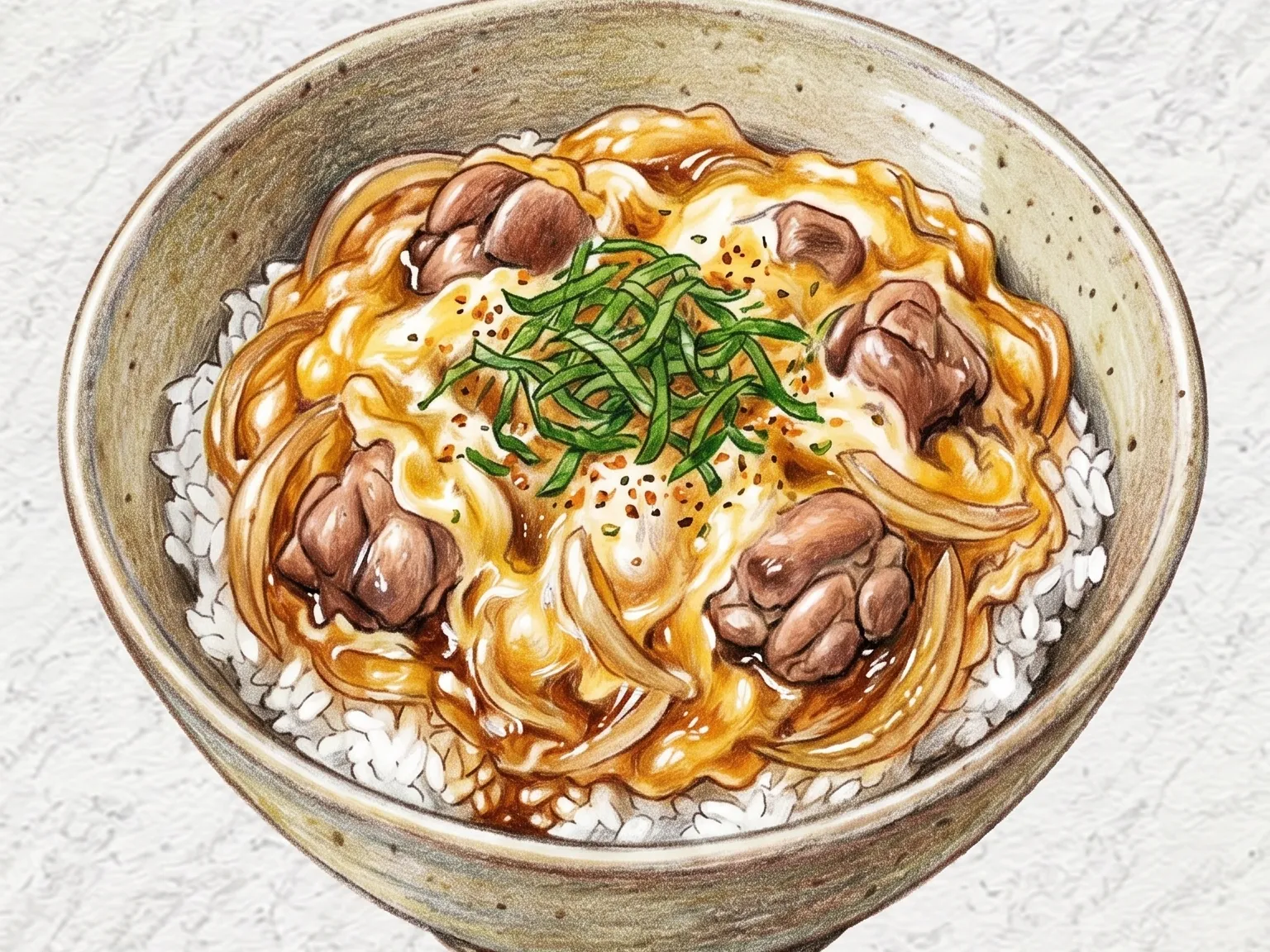
Oyakodon simmers bite-size chicken thigh and sliced onion in a soy-mirin broth, then binds everything with a soft-set egg before sliding it over steamed rice. The name means 'parent and child,' referring to the chicken and egg sharing the same bowl. Onion goes into the broth first to release its natural sweetness, followed by the chicken, which cooks just until tender. Beaten eggs are poured in a circular motion and the lid goes on briefly, leaving the egg custardy rather than fully set. That half-cooked egg absorbs the savory-sweet broth and coats each grain of rice. Despite using only a handful of ingredients, the layered umami from soy sauce and mirin gives the dish a satisfying depth.

Korean Mapo Tofu Rice Bowl
Soft tofu and ground pork are cooked in a Sichuan-inspired doubanjiang sauce, then ladled over steamed rice. Blanching the tofu in salted water firms it up so the cubes hold their shape through stir-frying. The fermented heat of doubanjiang builds layers of flavor alongside the pork, and a starch slurry thickens everything into a glossy sauce that clings to each grain of rice. A finishing drizzle of sesame oil rounds out the dish, and a pinch of Sichuan pepper adds authentic numbing heat.

Korean Stir-Fried Octopus Fried Rice
Baby octopus is tossed with rice over high heat in a gochujang-and-red-pepper-flake sauce for a bold, spicy fried rice. The sauce coats each grain with a deep red glaze, and the octopus adds a springy, chewy bite throughout. Cleaning the octopus with flour before rinsing removes any sliminess, and a fast cook on high heat keeps the tentacles from toughening. Green onion and sesame oil go in at the very end for a fragrant finish.