Rajma Chawal (North Indian Kidney Bean Curry with Rice)
Rajma chawal is a weekday comfort meal across northern India, particularly beloved in Delhi and Punjab households. Dried red kidney beans are soaked overnight and pressure-cooked until creamy inside, then simmered in a gravy of slow-cooked onions, crushed tomatoes, and a combination of garam masala, cumin, and coriander powder. As the beans continue to cook in the gravy, their starch thickens the sauce naturally, producing a rich, almost velvety consistency without any added cream. The dish is always served alongside plain steamed basmati rice, which absorbs the spiced gravy and carries its warmth. A squeeze of lemon and a side of sliced raw onion cut through the richness. Rajma reheats exceptionally well, and many cooks insist the second-day version is the better one.

Korean Eggplant Rice Bowl
Gaji deopbap is a Korean eggplant rice bowl where sliced eggplant is pan-fried quickly in generous oil and then braised briefly with ground pork in a soy-based sauce. Soaking the eggplant in salted water for five minutes before cooking draws out bitterness and moisture. High heat is essential - eggplant absorbs oil rapidly, and fast searing creates a lightly crisp exterior while the inside collapses into a silky, almost creamy texture. The soy, sugar, and garlic sauce reduces in two minutes into a dark glaze that coats each piece, while the ground pork adds a savory depth that makes the dish feel more substantial. The sauce pools around the base of the rice and soaks into the grains, ensuring consistent flavor throughout the bowl. Green onion and sesame oil finish the dish. Summer eggplant, when the flesh is at its softest and most yielding, produces the best results. Kept cold, the eggplant holds its texture well enough to pack as a side dish for lunch.

Yaki Onigiri (Japanese Soy-Glazed Grilled Rice Balls)
Yaki onigiri are Japanese grilled rice balls prepared using freshly cooked rice that has been lightly seasoned with salt. The rice grains are shaped into triangles or rounds while they remain warm and pliable, as the grains lose their natural binding ability once they cool and lose their moisture. During the shaping process, pressure must be applied with even distribution across the rice to prevent the grains from becoming a dense and compacted mass. This careful handling ensures that the interior of the rice ball maintains a soft texture with each individual grain remaining distinct after the grilling process is complete. The cooking method involves pan-grilling the rice balls using a small amount of sesame oil over a medium-low flame. This specific heat level is necessary to allow the starch on the surface of the rice to caramelize at a slow pace, resulting in a thin and crackling crust while the center of the onigiri remains moist. It is important to let the rice balls sit undisturbed in the pan for three to four minutes on each side before they are turned. This waiting period allows the outer layer to set properly and prevents the rice from tearing or sticking to the pan when it is time to flip them. A glaze made from a combination of soy sauce, mirin, and sugar is applied to the surface in several thin coats. Brushing the glaze on in multiple light passes, rather than applying a large amount of the liquid at the start, prevents the sugar content from burning or charring. This technique creates a deep savory flavor and a lacquered sheen on the exterior of the rice. The finished onigiri have a savory and slightly sweet profile, with edges that become chewy where the glaze has concentrated during the cooking process. A narrow strip of nori seaweed is often wrapped around the base of the rice ball to provide a salty element that balances the glazed exterior. When served with miso soup and pickled radish, these grilled rice balls function as a light meal.

Edo-Style Tendon (Japanese Tempura Rice Bowl with Sweet Soy Tare)
Edo-style tendon is a Japanese rice bowl that crowns steamed rice with freshly fried tempura-typically shrimp, sweet potato, and eggplant-glazed in a warm, sweet-salty tare sauce. The shrimp are scored along the belly to prevent curling, then dipped in a lightly mixed batter and fried at 170 degrees Celsius until the coating turns golden and crisp. The tare is a simple reduction of tsuyu, soy sauce, and sugar, simmered for just two minutes to concentrate its flavor into a glossy, mahogany liquid. The sauce is drizzled over the tempura the moment it lands on the rice, so the batter absorbs just enough to glisten without losing its crunch entirely. This tension between the crisp tempura coating and the sticky-sweet tare is the defining characteristic of the Edo style, which favors bold, direct flavors over subtlety. The rice beneath soaks up any sauce that runs off, becoming deeply seasoned and intensely satisfying in its own right.

Korean Braised Short Rib Rice Bowl
Galbi deopbap is a Korean rice bowl topped with beef short ribs slow-braised in a soy, sugar, and grated Asian pear marinade until the connective tissue dissolves and the meat separates from the bone at the lightest touch. Grated pear serves a dual purpose in the braise: the enzymes break down tough muscle fibers while the juice introduces a gentle fruit sweetness that sets the dish apart from heavier, wine-based braises. Grated onion dissolves completely into the braising liquid over the long simmer, deepening the savory foundation without leaving visible pieces. As the liquid reduces over one hour or more, it transforms into a dark, glossy sauce that coats the ribs and drips down onto the rice below. Spooning the sauce generously over the steamed rice allows each grain to absorb the soy-sweet glaze from the bottom up, making the rice itself as flavorful as the meat. Despite the long cooking time, the dish demands minimal active attention because the braise works inside the pot without stirring. Scattered sliced green onion on top provides a crisp, fresh contrast against the richness of the braised ribs.

Unadon (Japanese Grilled Glazed Eel Rice Bowl)
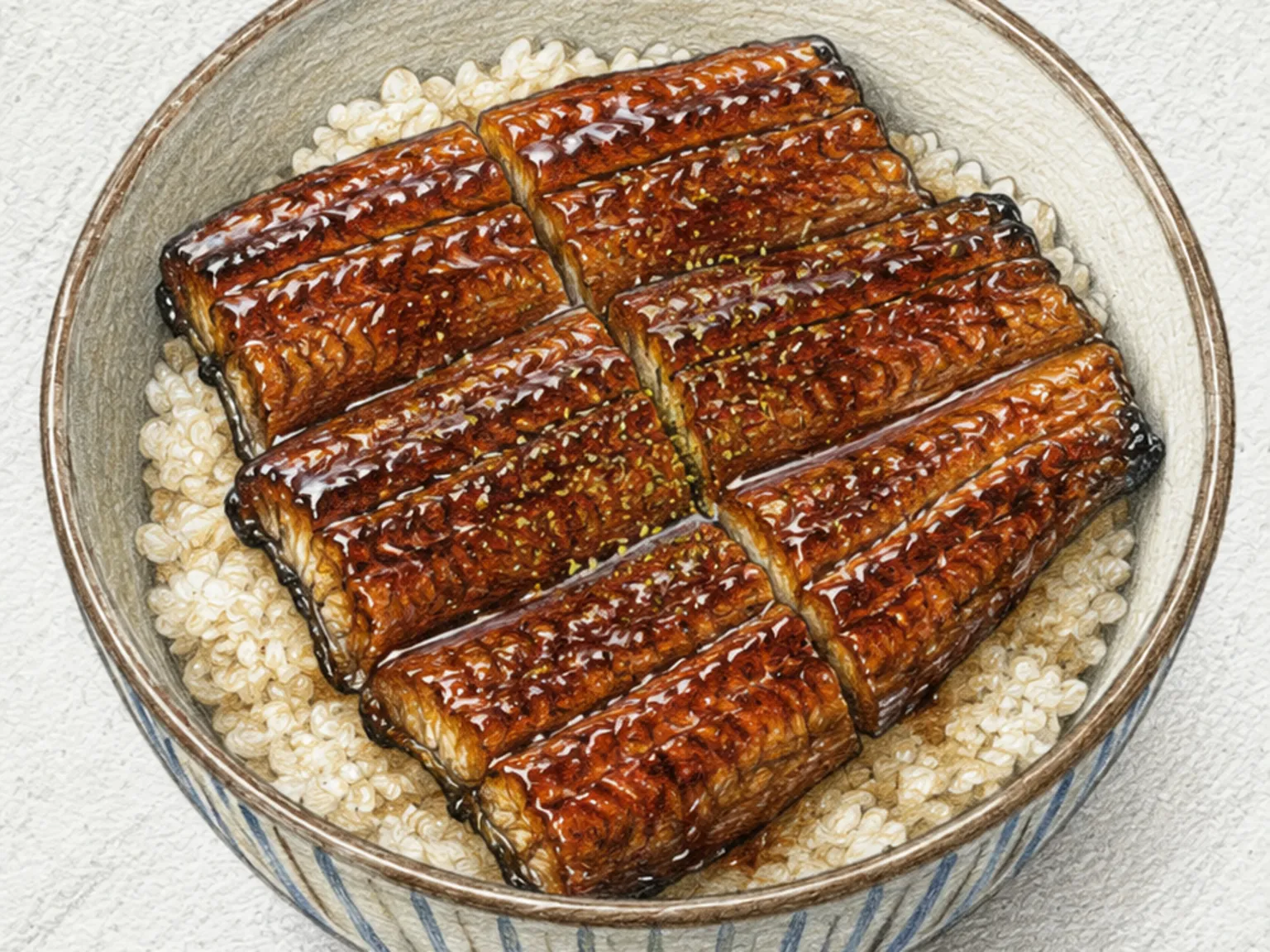
Unadon is a traditional Japanese rice bowl featuring grilled freshwater eel glazed with tare sauce. The eel fillet is grilled over charcoal in stages, with a concentrated sauce of soy sauce, mirin, sake, and sugar brushed on between each pass over the flame. This repeated glazing builds a lacquered, caramelized coating on the surface while the flesh inside stays silky and rich with natural fat. The combination of smoky char and sweet-salty tare creates a depth of flavor that is unmistakably Japanese. A pinch of sansho pepper sprinkled on top adds a tingling, citrusy heat that cuts through the richness.

Korean Thick Doenjang Bibimbap
Gangdoenjang-bibimbap is a rice bowl built around gangdoenjang, a reduced and concentrated version of the fermented soybean paste cooked down with vegetables and tofu until most of the moisture has evaporated. Where ordinary doenjang jjigae centers on broth, gangdoenjang is intentionally reduced to intensify the fermented depth, allowing the paste to cling to rice like a thick sauce when spooned over and mixed in. Minced garlic is bloomed in sesame oil first, then diced onion and zucchini are added and cooked through before the dissolved doenjang and minced shiitake go into the pan to reduce over gentle heat. Firm tofu is crumbled in during the final stage, breaking apart as it cooks and giving the sauce a heavier, more substantial body. Water is added in 20 to 40 milliliter increments to adjust consistency depending on the saltiness of the paste. A chopped cheongyang chili raises the heat and sharpens the savory quality of the doenjang. An extra drizzle of sesame oil when mixing amplifies the nuttiness, and a fried egg or crumbled dried seaweed on top turns the bowl into a complete and filling meal.

Korean Gochujang Chicken Mayo Rice Bowl
Gochujang chicken mayo deopbap pairs stir-fried chicken thigh glazed in a fermented chili sauce with a drizzle of creamy mayonnaise over warm steamed rice. Boneless chicken thigh cut into bite-sized pieces is stir-fried over high heat in a sauce built from gochujang, soy sauce, sugar, and minced garlic until a glossy, sticky glaze coats every surface and the edges of the chicken begin to caramelize. The sauced chicken goes directly onto the rice, and mayonnaise is zigzagged across the top in strips, creating alternating lines of red and white that fold together at the table. The combination works because gochujang contributes fermented, slow-building heat while the mayo provides a cool, fat-rich creaminess that extends each bite and carries the sauce deeper into the rice. Onion cooked alongside the chicken breaks down into the glaze, rounding the sauce's edges with a natural sweetness, while a scattering of sliced green onion on top adds a fresh, sharp contrast. Thigh meat is the correct choice over breast - its fat content means it retains moisture through the high-heat stir-fry rather than turning dry or stringy. A variation that has gained popularity layers a slice of processed cheese beneath the chicken, letting the residual heat melt it into a creamy middle layer between rice and glaze.

Korean Grilled Mackerel Rice Bowl
Mackerel fillet is pan-seared skin-side down until the skin turns crisp and golden, then served over rice with a quick sauce of soy sauce, cooking wine, oligosaccharide syrup, minced ginger, and softened onion. The oily flesh of the mackerel absorbs the soy-ginger glaze, producing a clean, salty-sweet finish without fishiness. Keeping the pan still for the first minute of searing is the key technique for achieving skin that crisps evenly rather than steaming in its own moisture. Brushing the fillet with a little cooking wine before cooking further neutralizes any residual odor. Chopped chives scattered on top complete the bowl with color and a mild onion bite. Cooking the sauce in the same pan using the rendered mackerel fat deepens the umami and ties the two components together.

Korean Egg Fried Rice (Quick Wok-Tossed Grain Bowl)
Gyeran-bokkeumbap is the most fundamental Korean fried rice, built from two beaten eggs and one bowl of cooked rice and finished in under ten minutes. The eggs go into a smoking-hot oiled pan, and the rice is added the moment they are half-set, then tossed rapidly so every grain picks up an individual egg coating that makes the rice fluffy and lightly glossy rather than clumped. Cold leftover rice performs best because its lower moisture lets the grains separate cleanly during stir-frying, but freshly cooked rice spread out and briefly cooled reduces sticking enough to be workable. A thin line of soy sauce poured along the rim of the pan caramelizes on contact and carries a trace of smokiness through the rice. A finishing drizzle of sesame oil and a scattering of sliced green onion add a toasty fragrance that completes this simple but satisfying base. The ratio of egg to rice is sturdy enough that a handful of kimchi, diced ham, or refrigerator scraps can be stirred in without changing the essential character of the dish.

Korean Seafood Fried Rice
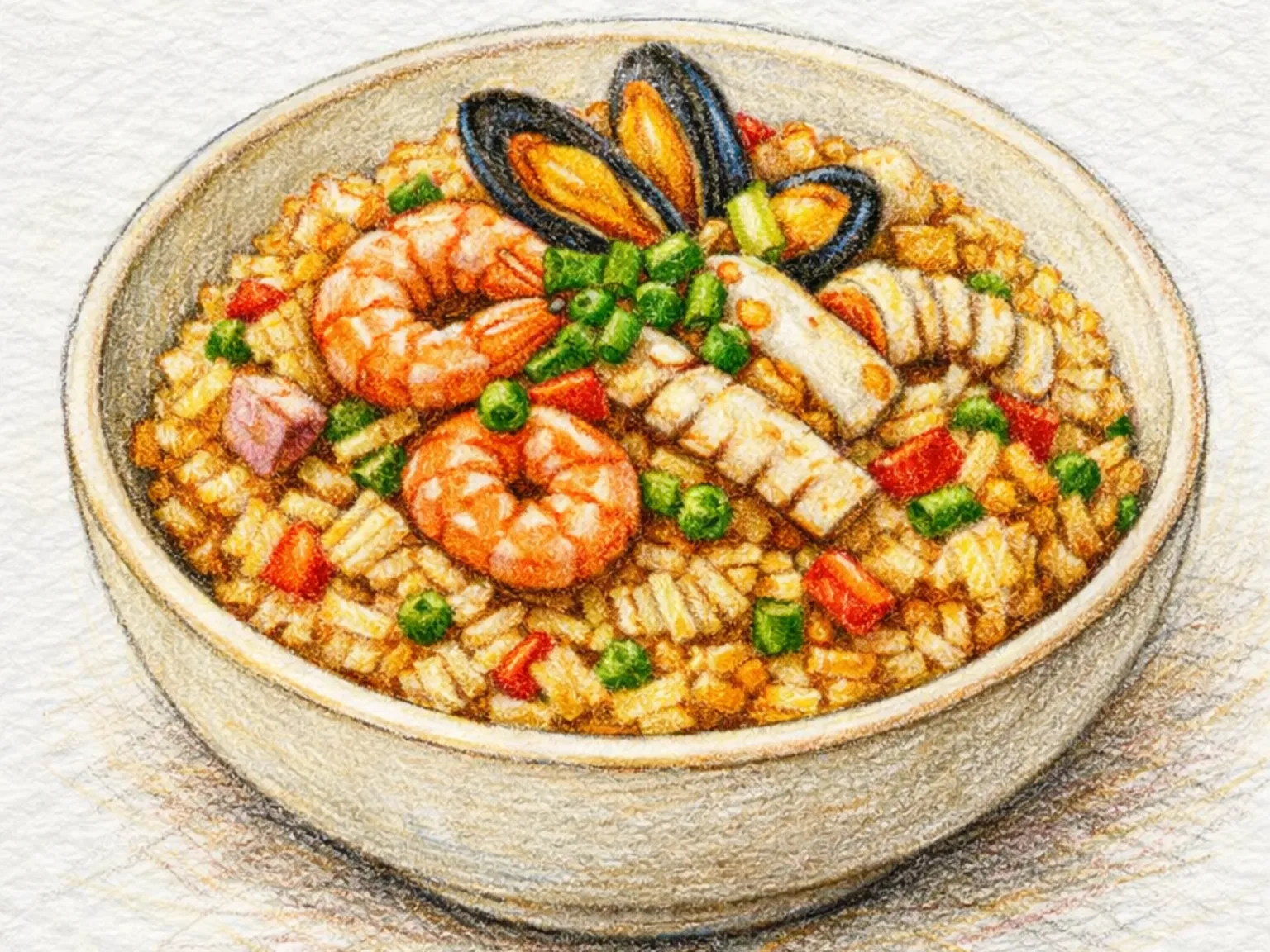
Mixed seafood including shrimp, squid, and mussel meat is stir-fried together on high heat until a smoky wok char develops. Day-old cold rice works best because its lower moisture content lets the grains separate cleanly in the pan, and seasoning with soy sauce and oyster sauce layers additional depth on top of the seafood's own brininess. Cracking the eggs into the pan first and immediately tossing the rice on top coats each grain in a thin shell of egg, yielding a lightly crisp exterior. Sesame oil is drizzled only after the heat is off so its fragrance stays intact.

Korean Seafood Rice Bowl (Shrimp Squid Clam Starchy Sauce Bowl)
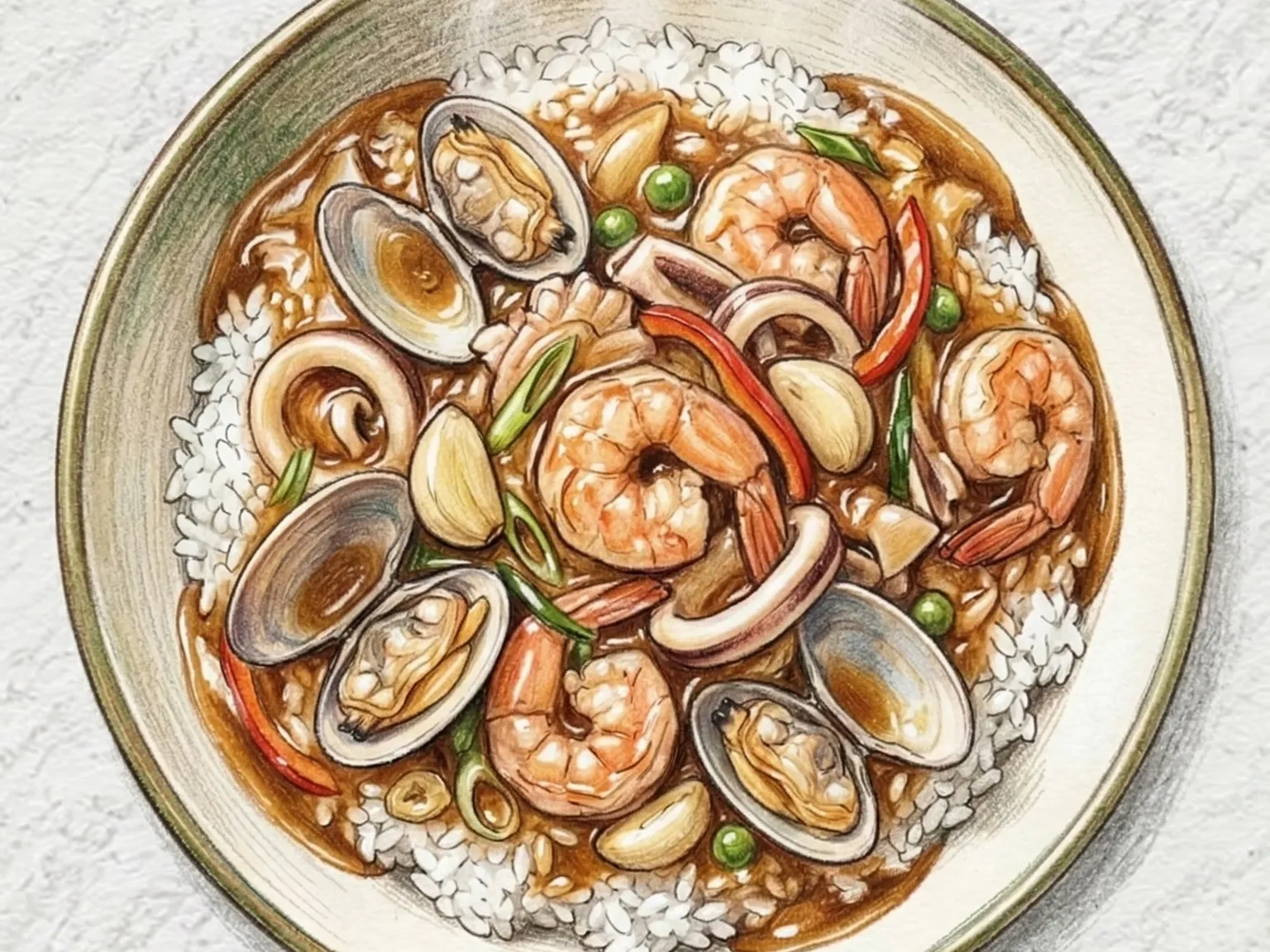
Haemul deopbap is a Korean seafood rice bowl built on a thick, glossy sauce that starts with garlic stir-fried over high heat before shrimp, squid, and clams are added and tossed together. Oyster sauce and soy sauce form the seasoning base - the oyster sauce brings a rounded, caramel-like sweetness and body, while the soy adds depth and color. A cornstarch slurry stirred in at the end transforms the thin pan juices into a glossy, clingy sauce that coats every piece of seafood and, when ladled over rice, seeps downward slowly rather than running off. The key to keeping the seafood tender is to add it last and remove the pan from heat before it overcooks - squid turns rubbery within seconds of going past done, and shrimp loses its snap if left even a moment too long. Clams contribute their natural briny-sweet liquor to the sauce, adding a layer of umami that oyster sauce alone cannot replicate. Browning the garlic first in oil before anything else goes into the pan reduces any raw edge in the flavor and lays a savory, aromatic foundation for the entire dish. The whole process takes about 25 minutes from start to finish, making this one of the more practical weeknight meals in the Korean home kitchen.

Korean Dried Pollock Bean Sprout Soup Rice
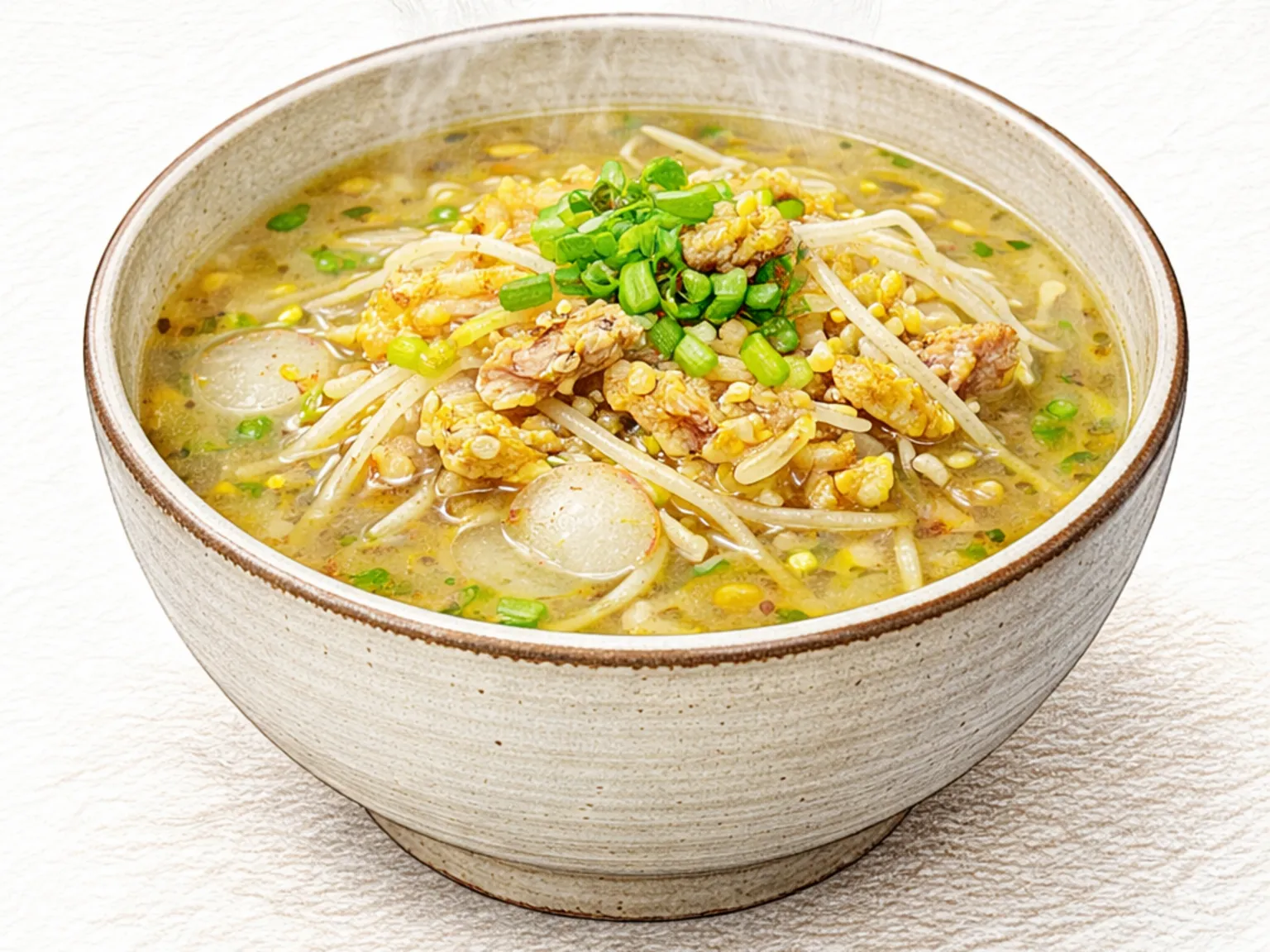
Hwangtae kongnamul gukbap is a hangover-recovery rice soup built on a broth of stir-fried dried pollock strips, bean sprouts, and radish. The dried pollock is soaked briefly in water to restore some moisture, then stir-fried in sesame oil. The frying step drives off any fishiness and releases a deep, toasted aroma that becomes the flavor backbone of the entire broth. Without this step, the soup tastes thin and vaguely fishy; with it, the broth has a satisfying nuttiness even before any other ingredients are added. Sliced radish goes into the water next and simmers until it softens and releases its natural sweetness into the liquid. Bean sprouts go in after the radish, and here a small detail matters: the lid stays on throughout the bean sprout cooking. If the lid is removed while the sprouts cook, their distinctive raw smell rises with the steam and lingers in the broth. Keeping the lid sealed lets the sprouts cook in their own steam and the smell dissipates harmlessly. Soup soy sauce seasons the broth with a clean saltiness that does not darken the liquid as much as regular soy sauce would, keeping the broth pale and clear-looking. Sliced green onion goes in at the very end for a fresh accent. The soup is poured over a bowl of rice to serve.

Korean Spicy Pork Rice Bowl
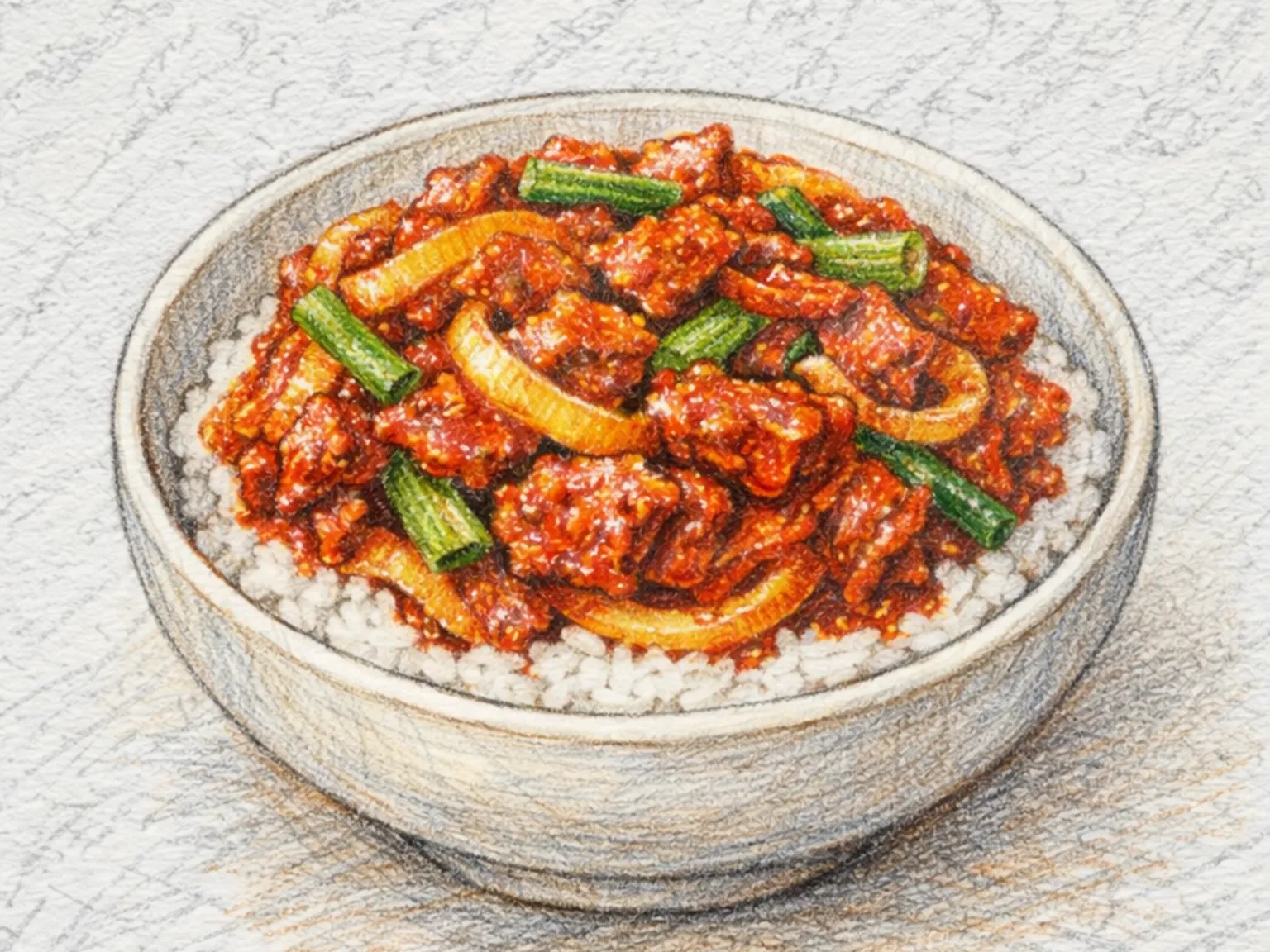
Pork shoulder is sliced into strips, marinated in gochujang, chili flakes, soy sauce, garlic, and sugar for ten minutes, then stir-fried over high heat until the edges caramelize. Onion goes in first to build sweetness, and green onion added at the end brings a sharp, fresh bite that cuts through the spicy-sweet glaze. A final drizzle of sesame oil rounds out the aroma. Served over steamed rice, the bold sauce coats every grain, making this a satisfying single-bowl meal that comes together in under thirty minutes.

Korean Black Bean Sauce Rice
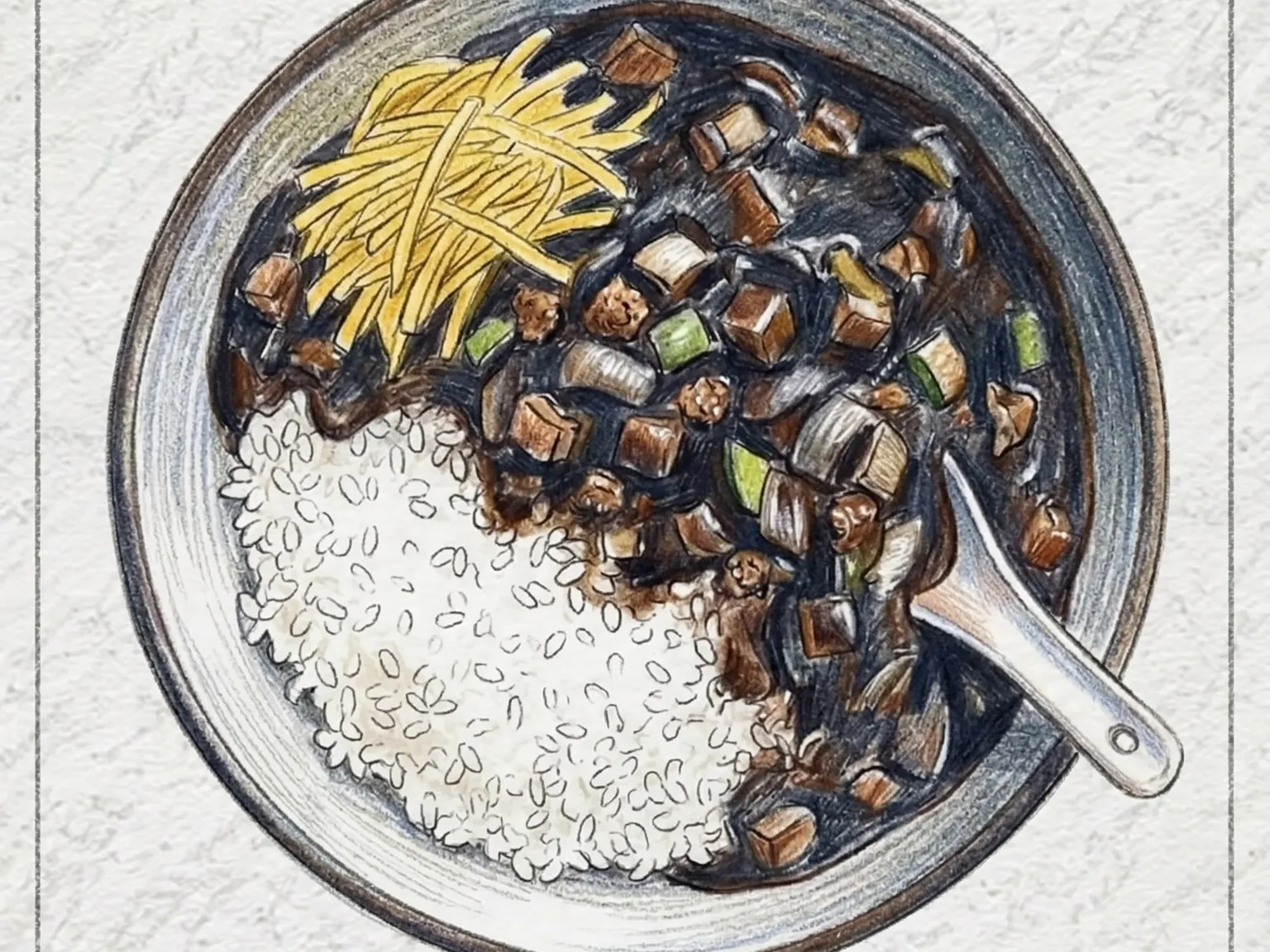
The key to jjajangbap lies in pre-frying chunjang (Korean black bean paste) in oil to strip its raw bitterness and unlock a toasty, earthy aroma. Ground pork, diced onion, zucchini, and cabbage are stir-fried until just softened, then folded into the fried paste so the dark sauce coats every piece. A potato starch slurry thickens the mixture after a brief simmer, giving it enough body to cling to rice without pooling. The finished bowl delivers a mellow sweetness mostly from the caramelized onion, layered with fermented soybean depth - a homestyle take on Chinese-Korean comfort food.

Korean Kimchi Rice Bowl (Stir-Fried Aged Kimchi over Steamed Rice)
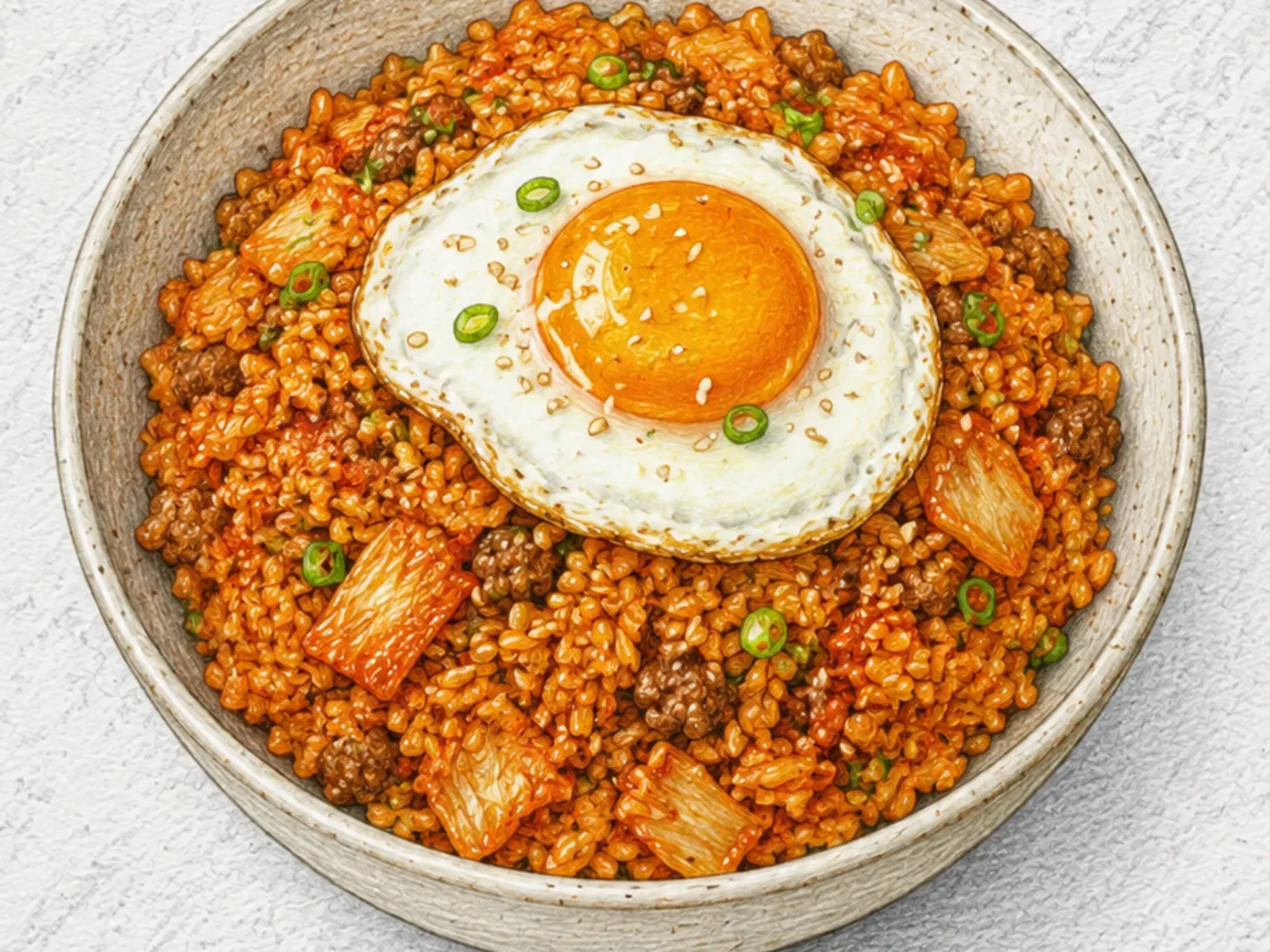
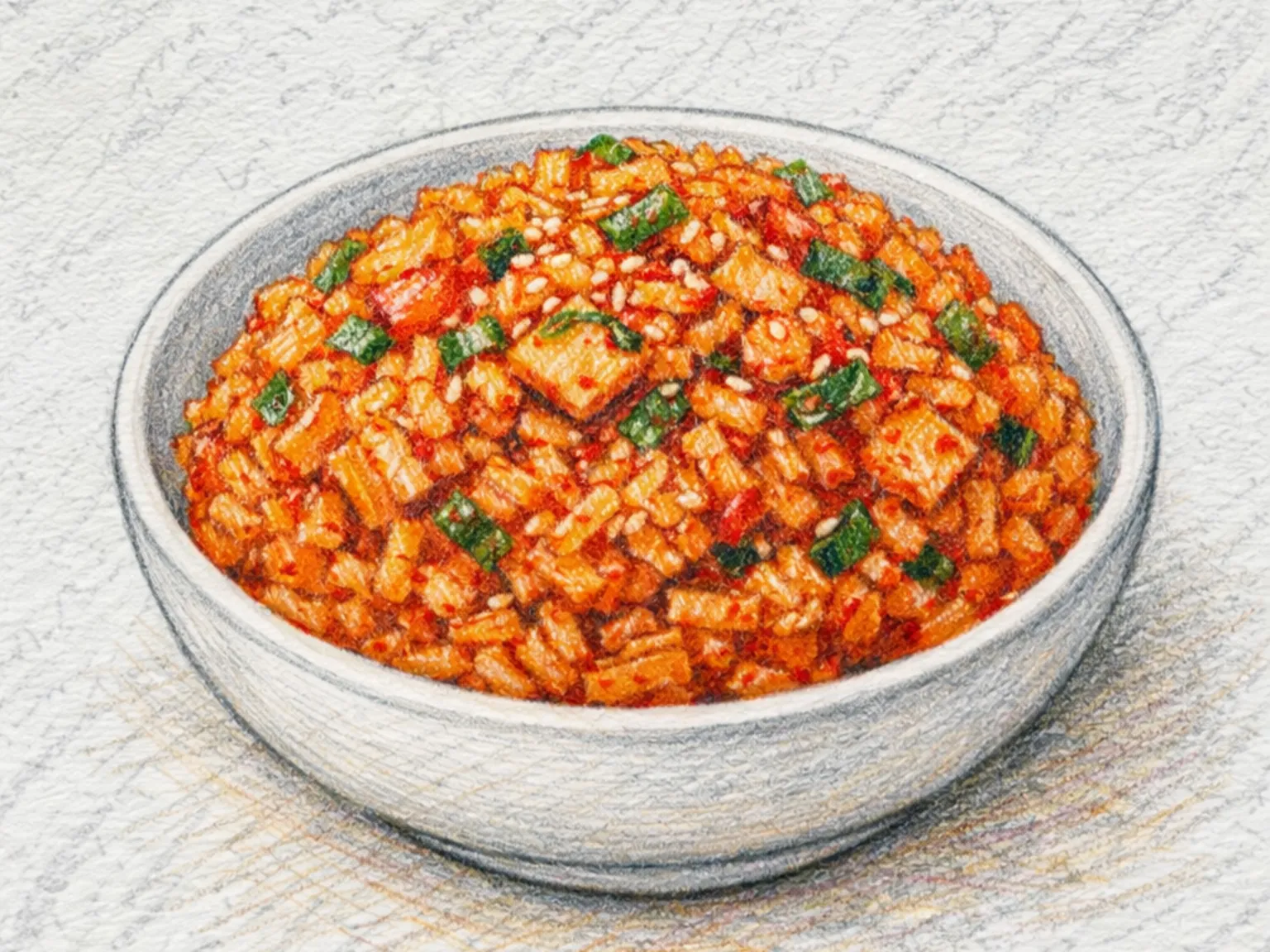
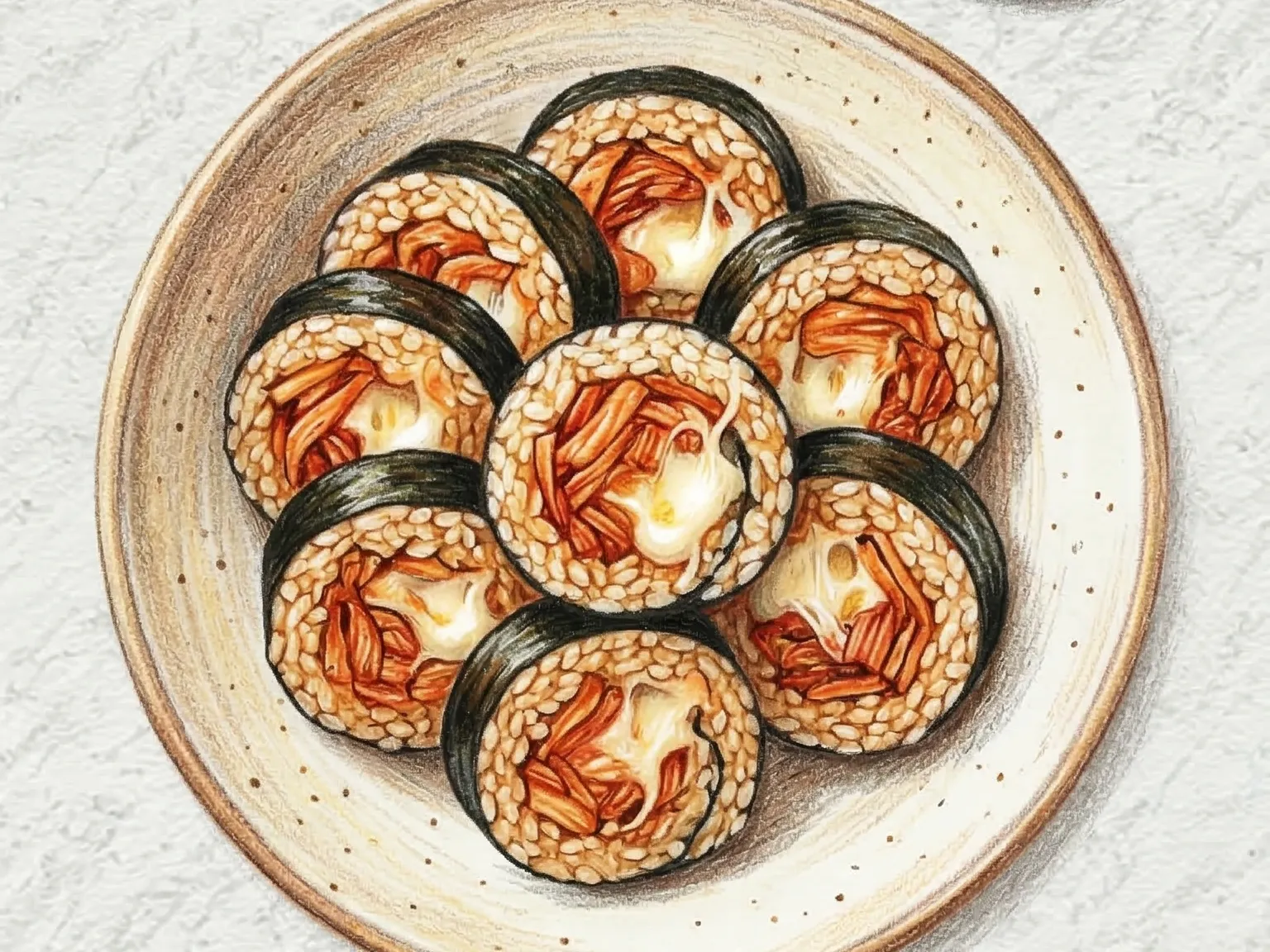
Stir-frying aged kimchi in a hot pan drives off moisture and triggers caramelization, mellowing the sharpness into a deeper, sweeter intensity that raw kimchi cannot replicate. Cooking the kimchi over medium-high heat for five to seven minutes transforms its texture from wet and tangy to slightly charred and richly savory. A splash of soy sauce and a drizzle of sesame oil finish the seasoning with a salty, nutty note. Spooned over a bowl of steamed rice and topped with a single sunny-side-up egg, the dish is deceptively simple in construction. Using well-fermented kimchi like mukeunji introduces complex layers of lactic sourness and umami depth that more than compensate for the minimal ingredient list. Adding thin slices of pork shoulder or a can of tuna to the pan alongside the kimchi turns it into a more substantial meal with added protein. The whole dish comes together in under fifteen minutes, making it the first choice Korean rice bowl when the pantry is almost bare.

Korean Garlic Scape and Pork Rice Bowl
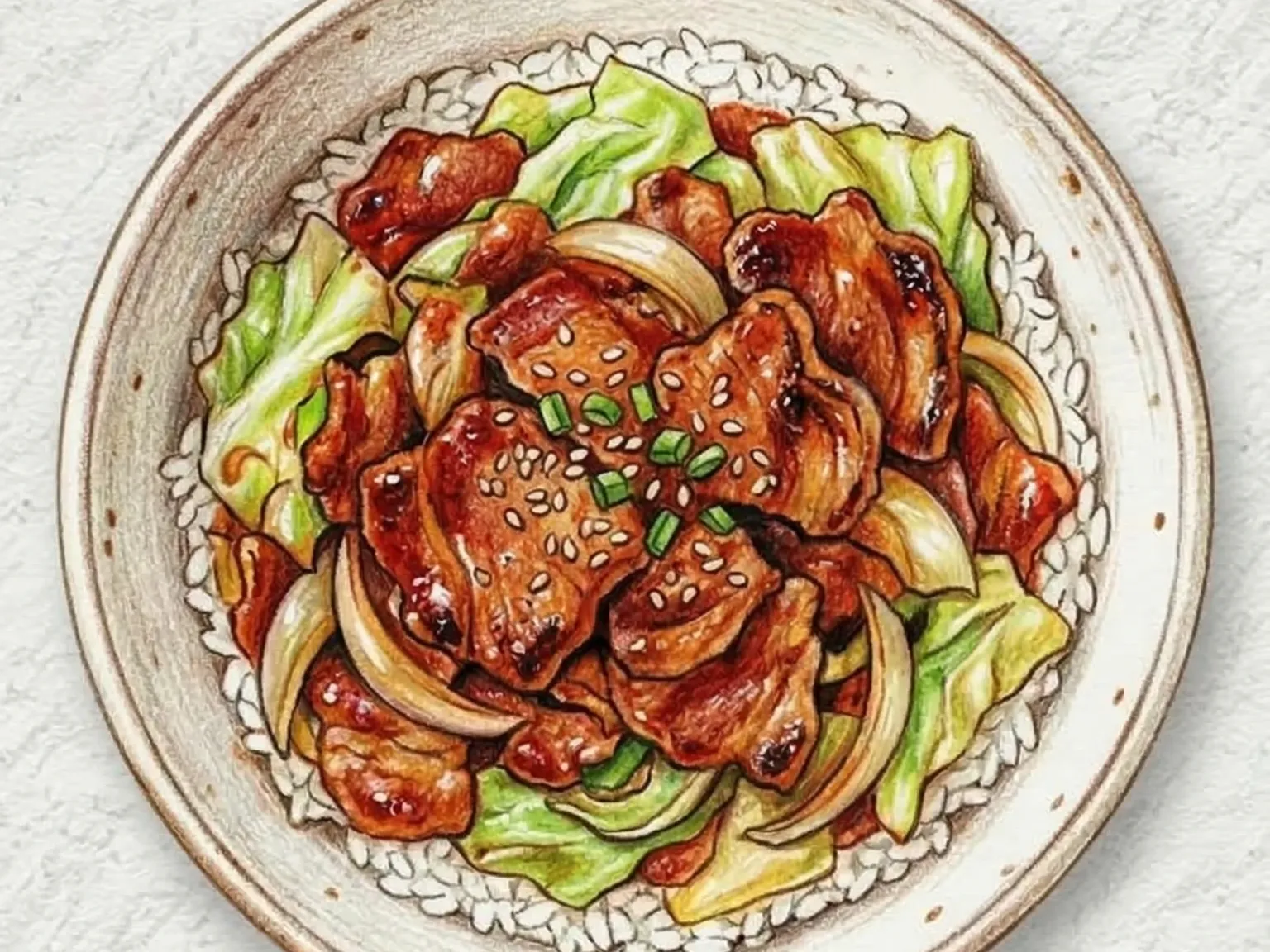
Crunchy garlic scapes and thinly sliced pork shoulder are stir-fried together in a gochujang-based glaze and piled over steamed rice. The scapes keep their distinctive pungent bite even after cooking, and their fibrous texture holds up against the heat in a way that most vegetables do not, balancing the richness of the pork fat throughout the dish. A quick toss over high heat caramelizes the gochujang and sugar into a glossy, lacquer-like coating that clings to both the meat and the scapes while preserving their snap. Slicing the pork thin ensures it cooks through in the same short window without drying out, and finishing with sliced green onion and a drizzle of sesame oil lifts the overall aroma. Spring-harvested garlic scapes are especially tender and clean-tasting, making this a seasonal favorite worth timing carefully. Fresh pork loses less juice than frozen, which matters when the total cooking time is under five minutes.

Korean Bulgogi Mushroom Rice Bowl
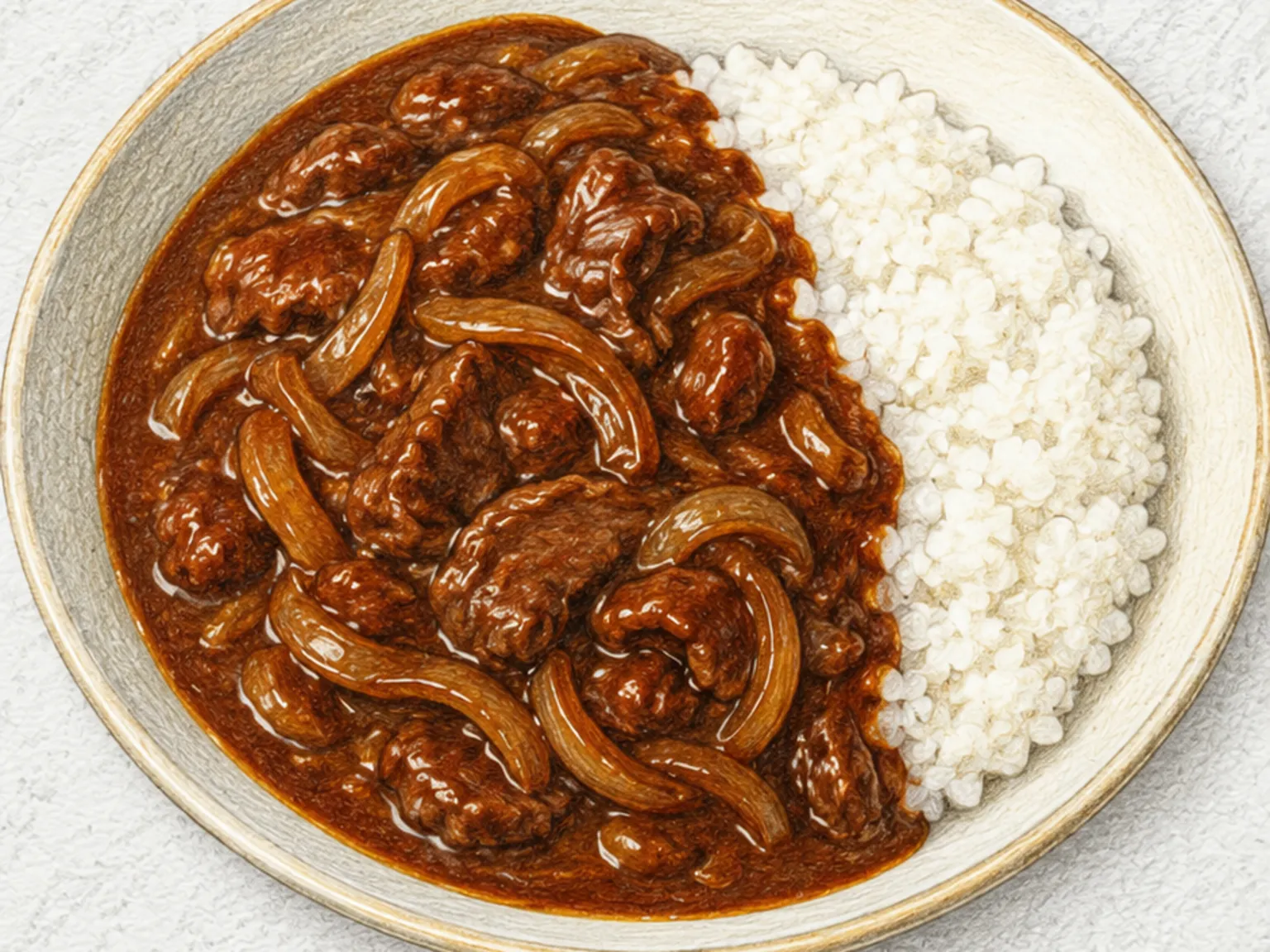
Soy-and-pear-juice-marinated beef is stir-fried together with torn oyster mushrooms and served over rice for a deeply savory bowl. Cooking the mushrooms first in the hot pan allows their excess moisture to evaporate, keeping the sauce thick and glossy once the marinated beef goes in rather than pooling at the bottom. Pear juice contains natural tenderizing enzymes that soften the beef fibers noticeably even after a short marinating time, and its understated sweetness bridges the saltiness of the soy sauce without adding a fruity flavor. A drizzle of sesame oil at the end of stir-frying lays a toasted, nutty fragrance over the sweet-salty glaze that rounds out the whole bowl. When pear juice is not available, one teaspoon of sugar dissolved in one tablespoon of water provides a workable substitute that approximates the sweetness without the tenderizing effect.

Korean Pollock Roe Butter Rice Bowl
Myeongran butter deopbap puts lightly seared pollock roe and a knob of butter on steaming white rice, then lets the diner mix everything together at the table. Each ingredient plays a clear role. The roe brings concentrated, briny umami. The butter melts into the hot rice and coats every grain with a rich, creamy backdrop. Soy sauce adds salty depth and deepens the color slightly. Cooking the roe in butter for only about a minute is critical: at that point the eggs still pop on the tongue as the roe breaks apart, but any longer and the texture turns dry and grainy. The moment the hot rice meets the butter and soy sauce and the whole thing is stirred together, the flavors merge into something more unified than the individual parts. Shredded dried seaweed, sliced chives, and sesame seeds scattered on top add fragrance, color, and a gentle crunch that keep the bowl from feeling too rich.

Korean Spicy Stir-Fried Octopus Rice Bowl
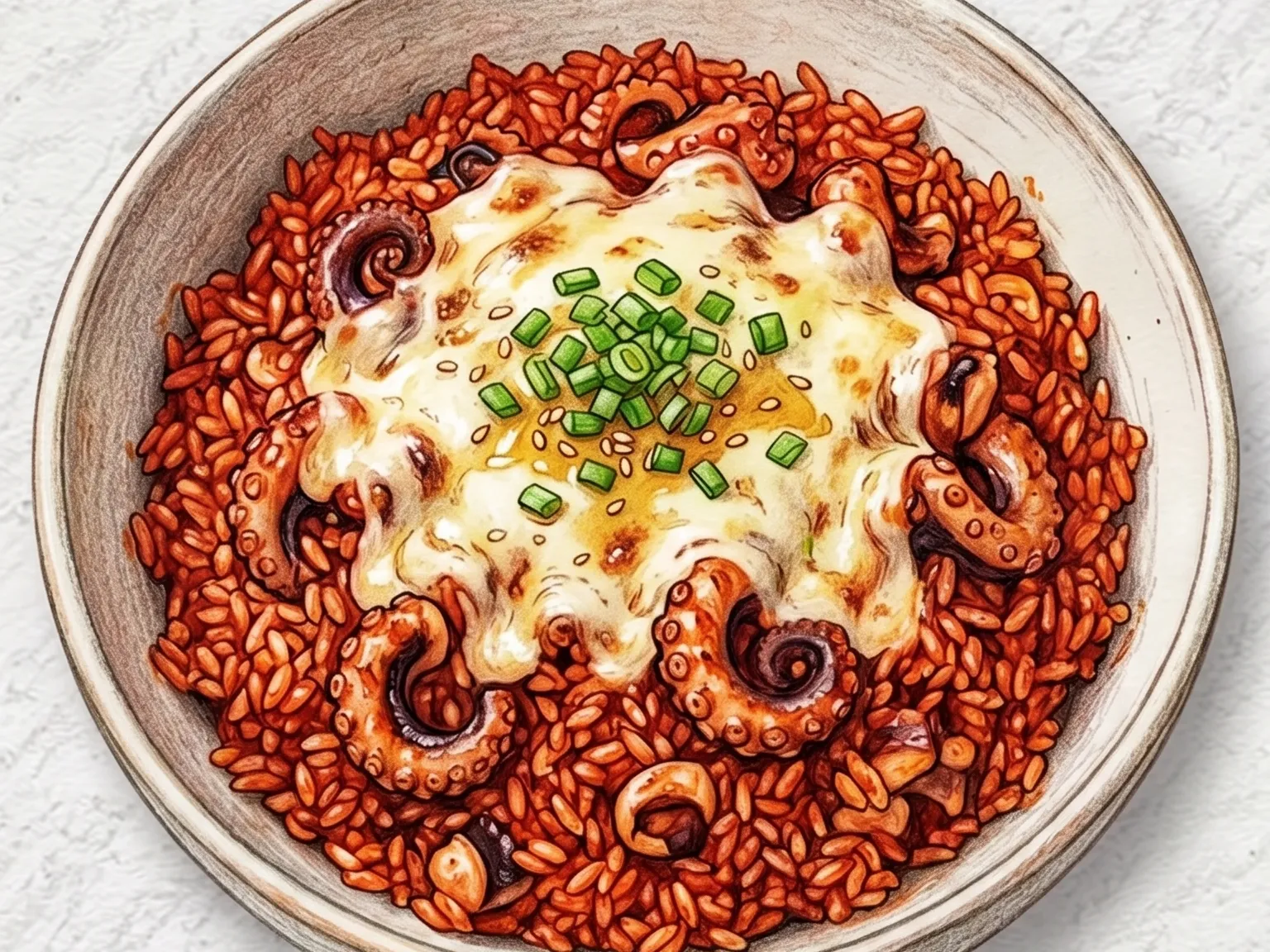
Spicy stir-fried baby octopus in a gochujang sauce is served over a bowl of steamed rice. The octopus delivers a satisfying chew, coated alongside onion and cheongyang chili in a well-seasoned glaze that makes each bite of rice deeply flavorful. Stir-frying on high heat for just a few minutes keeps the octopus springy rather than tough, and scrubbing it with flour before rinsing ensures a clean taste free of any sliminess. Adding a layer of bean sprouts under the stir-fry introduces a contrasting crunch.

Tea Rice Bowl (Japanese Green Tea Poured Rice with Salmon)
Ochazuke is a Japanese dish of cooked rice topped with grilled salmon flakes, dried seaweed, green onion, and wasabi, over which hot green tea is poured just before eating. The astringent bitterness of the green tea works against the fatty richness of the salmon, cutting through the oil and keeping the palate clean throughout the bowl. Wasabi adds a sharp, nasal heat that punctuates each spoonful differently depending on how much dissolves into the surrounding liquid. A light drizzle of soy sauce provides a salty baseline that ties the ingredients together without overpowering the tea. The seaweed flakes soften and dissolve into the hot liquid, gradually releasing a subtle oceanic aroma that spreads through the broth. As the meal progresses, the rice releases some starch into the tea, thickening the broth slightly and shifting the flavor toward the end. Using dashi stock made from kombu and bonito instead of green tea produces a richer, more umami-forward version. Variations with pickled plum or mentaiko in place of salmon are equally common.

Korean Spicy Stir-Fried Squid Rice Bowl
Scored squid, onion, cabbage, and scallion are stir-fried together in a gochujang-based sauce over high heat and served on a bowl of steamed rice. Cutting a crosshatch pattern into the squid before cooking causes each piece to curl into a compact cylinder as it hits the heat, producing a thick, bouncy texture while giving the sauce more surface area to cling to. Because squid turns rubbery in a matter of minutes if left on the heat too long, the vegetables go into the pan first to drive off their moisture, and the squid is added only for the final three to four minutes over maximum heat. The sauce, built from gochujang, gochugaru, soy sauce, sugar, and sesame oil, caramelizes quickly against the hot pan and coats both the vegetables and the squid in a glossy, deep-red glaze. The natural sweetness of the onion and cabbage tempers the chili heat and keeps the dish balanced rather than one-dimensionally spicy. Leaving a small pool of sauce in the pan when plating allows it to soak into the rice, making the whole bowl worth mixing together before eating.

Korean Omelette Rice (Ketchup Fried Rice in Egg Wrap)
Omurice wraps ketchup-fried rice in a thin, softly set egg sheet, producing a one-plate meal that balances sweet-tangy tomato notes with rich buttery egg. Diced onion, carrot, and ham are sauteed in butter until fragrant, then tossed with cooked rice and ketchup to build a lightly caramelized fried rice base. A separate egg mixture enriched with a splash of milk is spread thin in a hot pan and folded around the rice while still slightly runny, so cutting into it reveals a creamy, flowing center. Green peas mixed into the rice add pops of sweetness and color. The contrast between the glossy egg exterior and the savory-sweet filling has made omurice one of the most comforting one-plate meals in both Japanese-origin home cooking and Korean everyday cuisine. Tilting the pan and nudging the egg sheet against the curved edge is the standard technique for shaping the signature oval.

Korean Mountain Herb Bibimbap
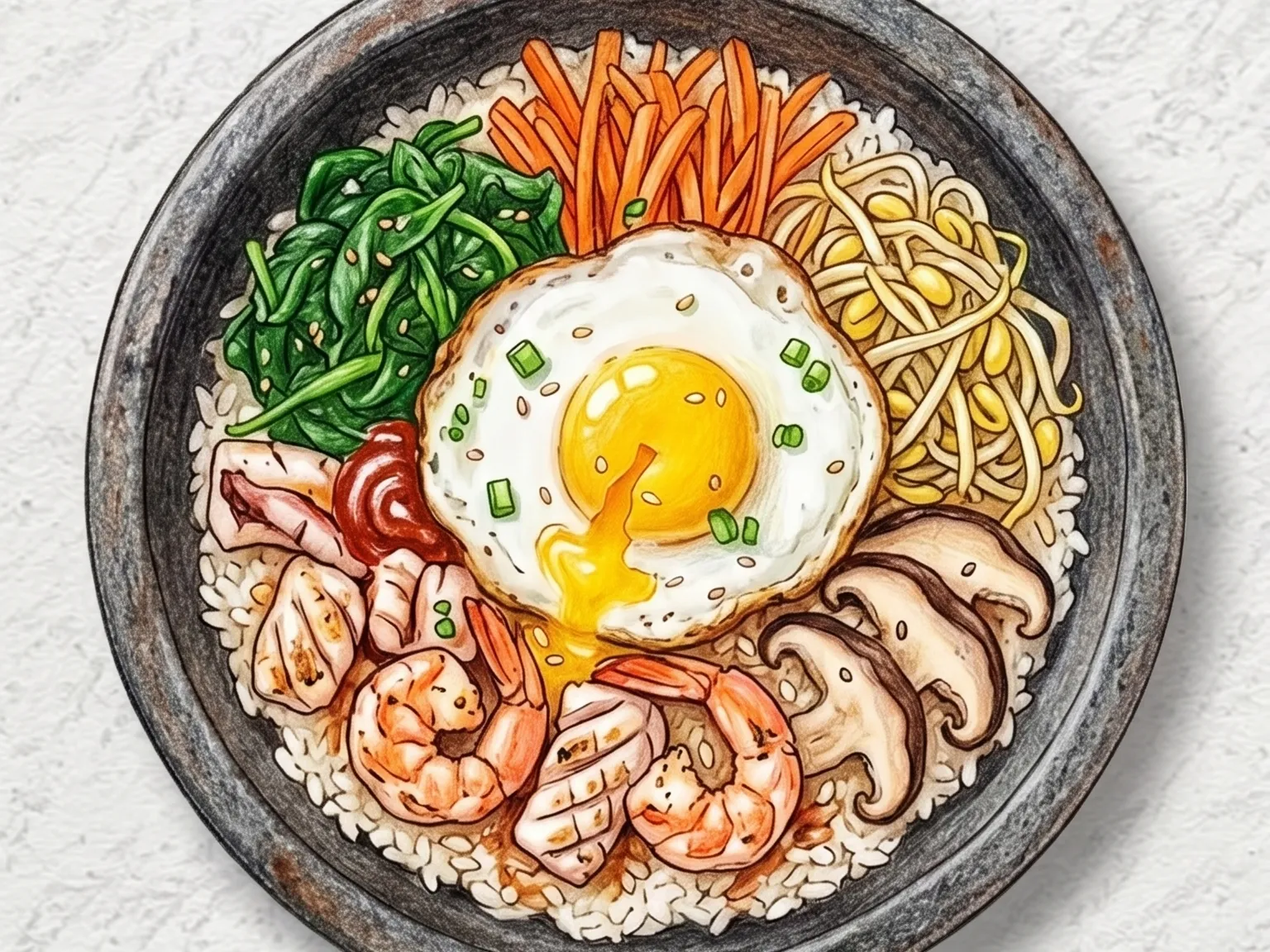
Sanchae bibimbap arranges individually seasoned mountain vegetables including fernbrake, bellflower root, and chwi-namul over a bowl of rice, then brings everything together at the table with a spoonful of gochujang. Each wild green is treated separately to preserve its distinct character. Fernbrake is stir-fried in sesame oil and soy sauce until tender and lightly caramelized. Bellflower root is salted, kneaded vigorously, and rinsed to remove its characteristic bitterness before being left with a clean crunch. Chwi-namul, the young leaves of Korean mountain aster, is blanched for just a few seconds to soften it while locking in its herbal, slightly resinous fragrance. Julienned carrot or radish kimchi adds bright color contrast across the bowl. A second drizzle of sesame oil when mixing helps the greens coat evenly and carries the nutty aroma through every bite. The spicy, subtly sweet gochujang ties the earthy, grassy, and faintly bitter notes of the individual namul into one cohesive, energizing bowl. The dish traces its roots to Korean mountain temple cuisine, where foraged seasonal greens combined with plain rice formed the foundation of a simple but nourishing plant-based meal.