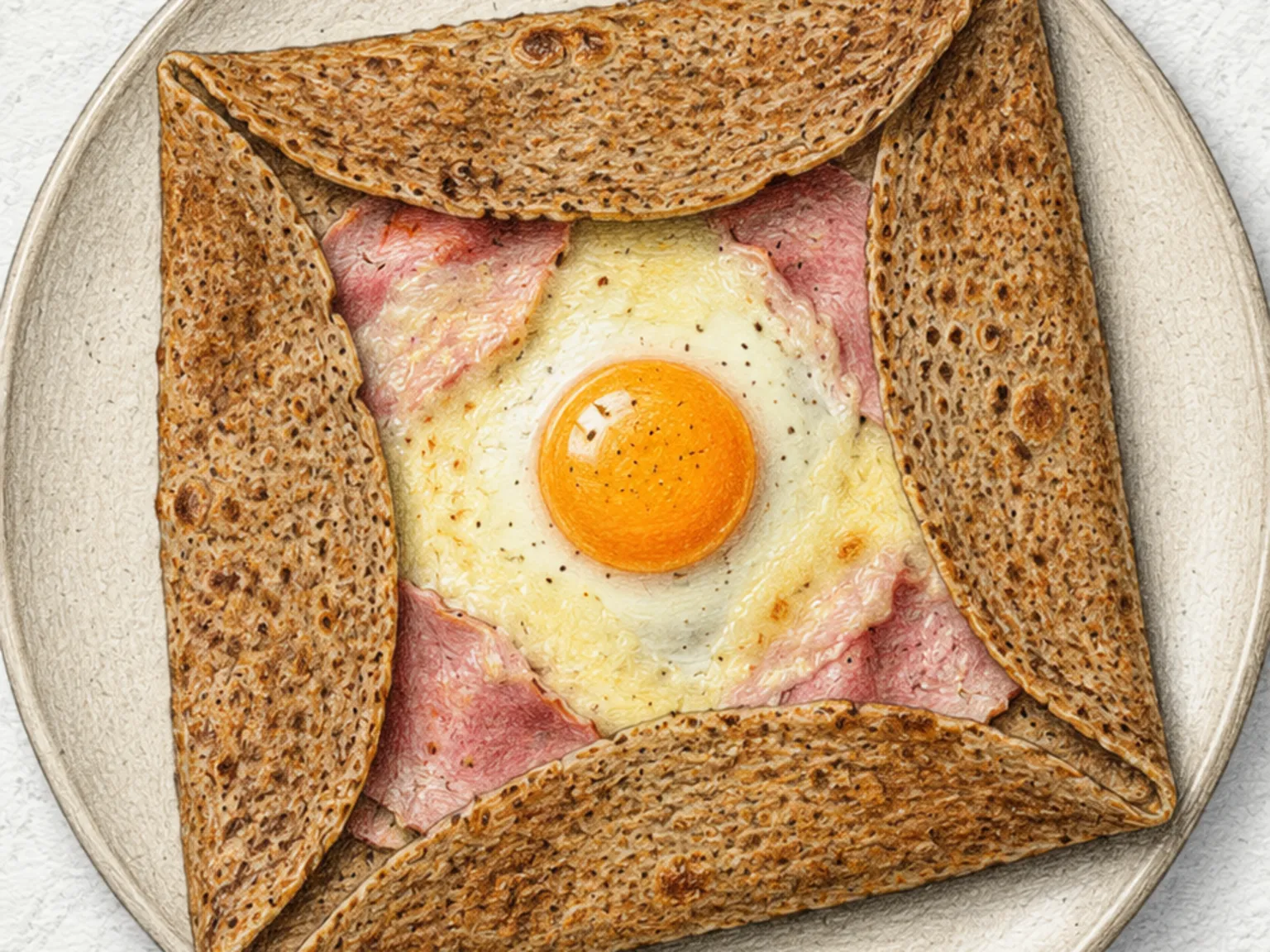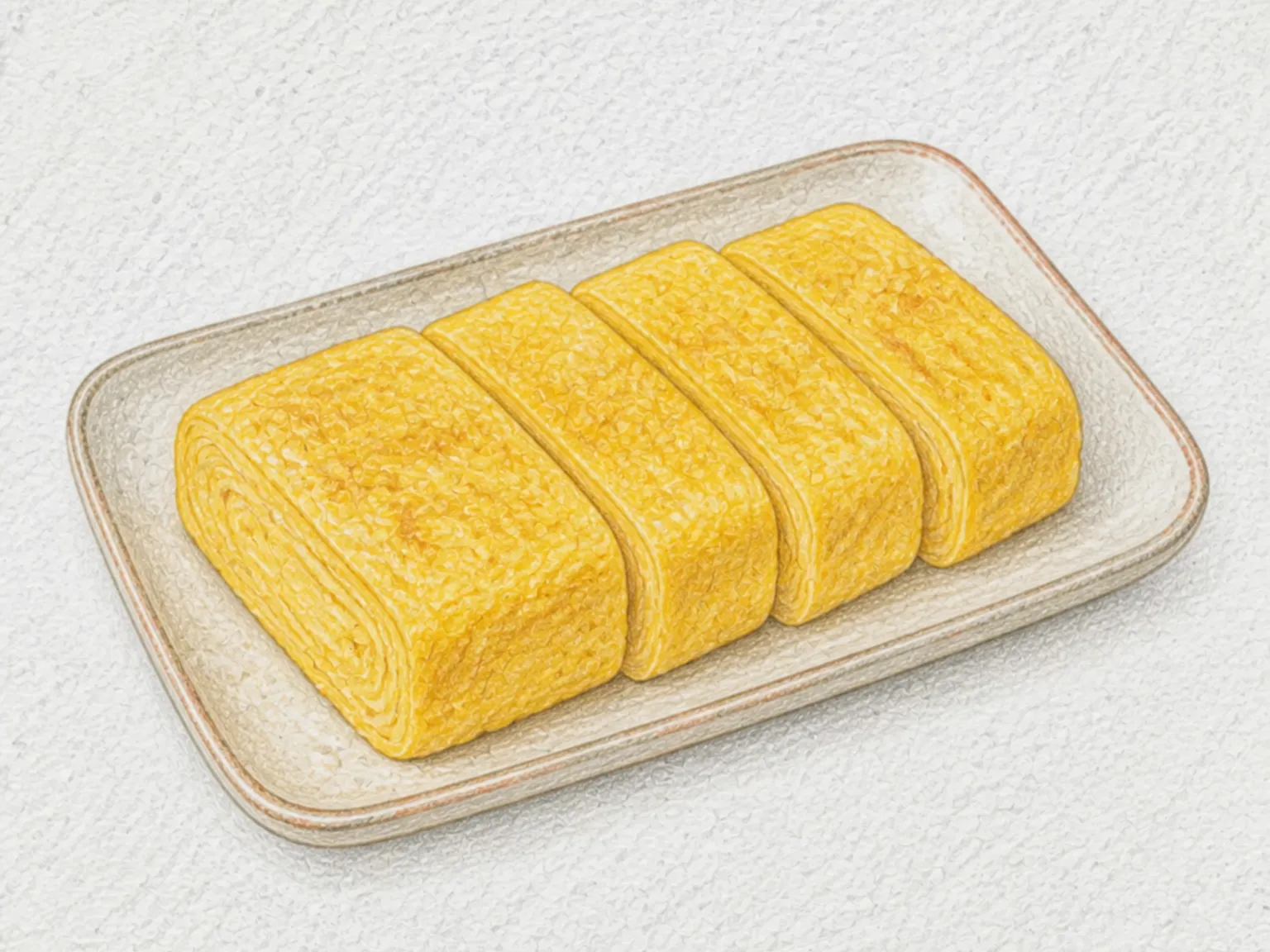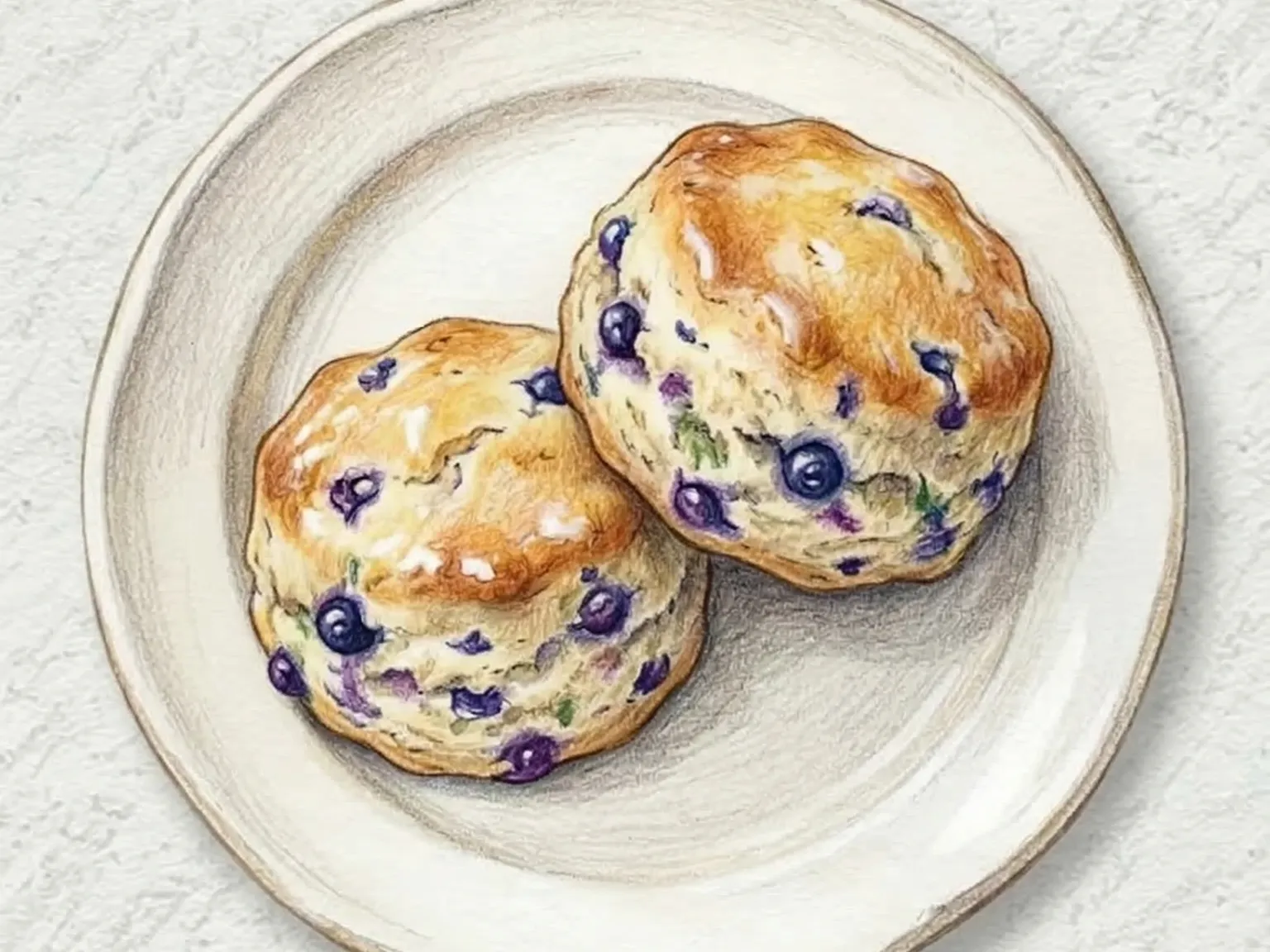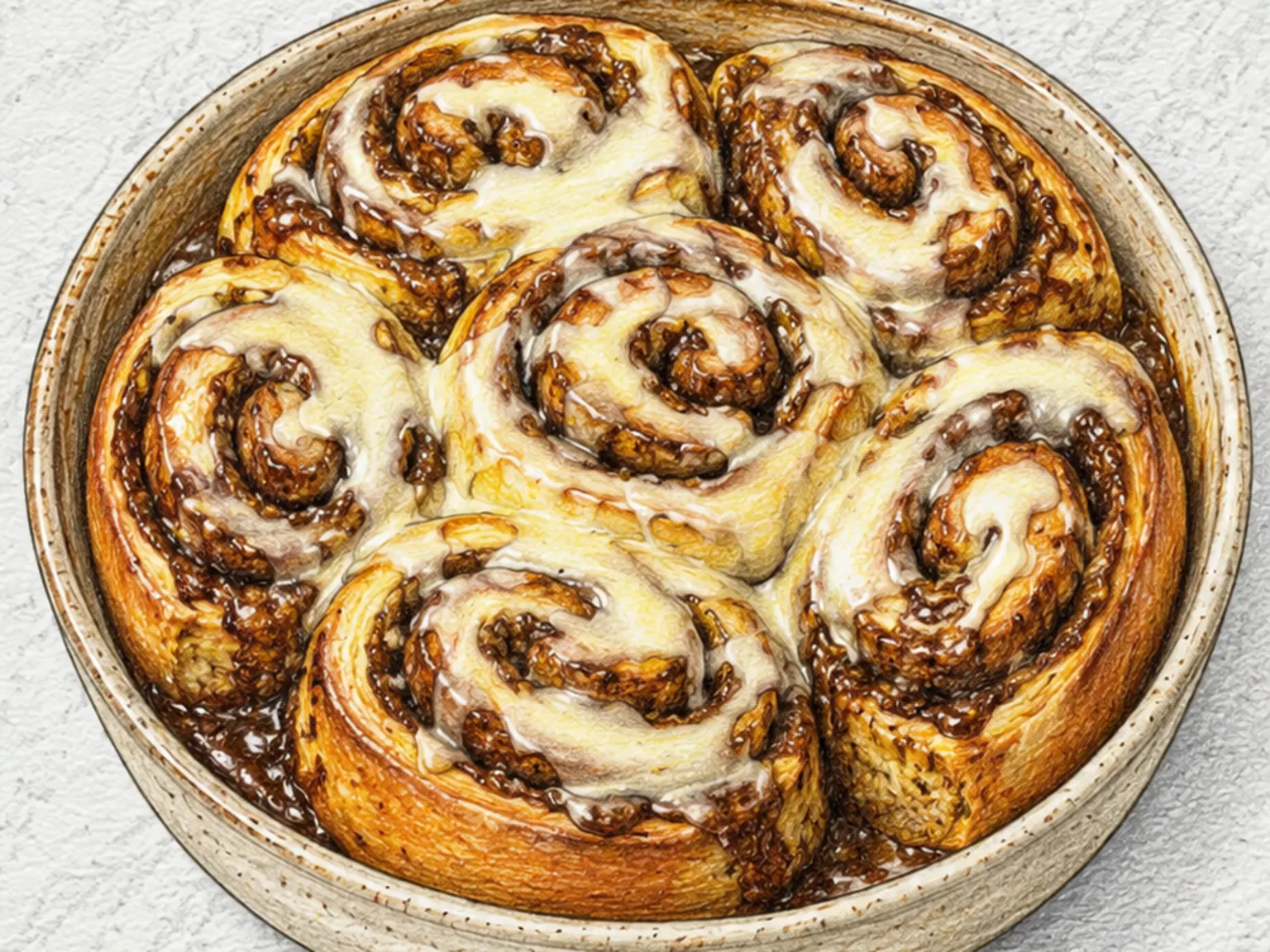
Blueberry Yogurt Scones
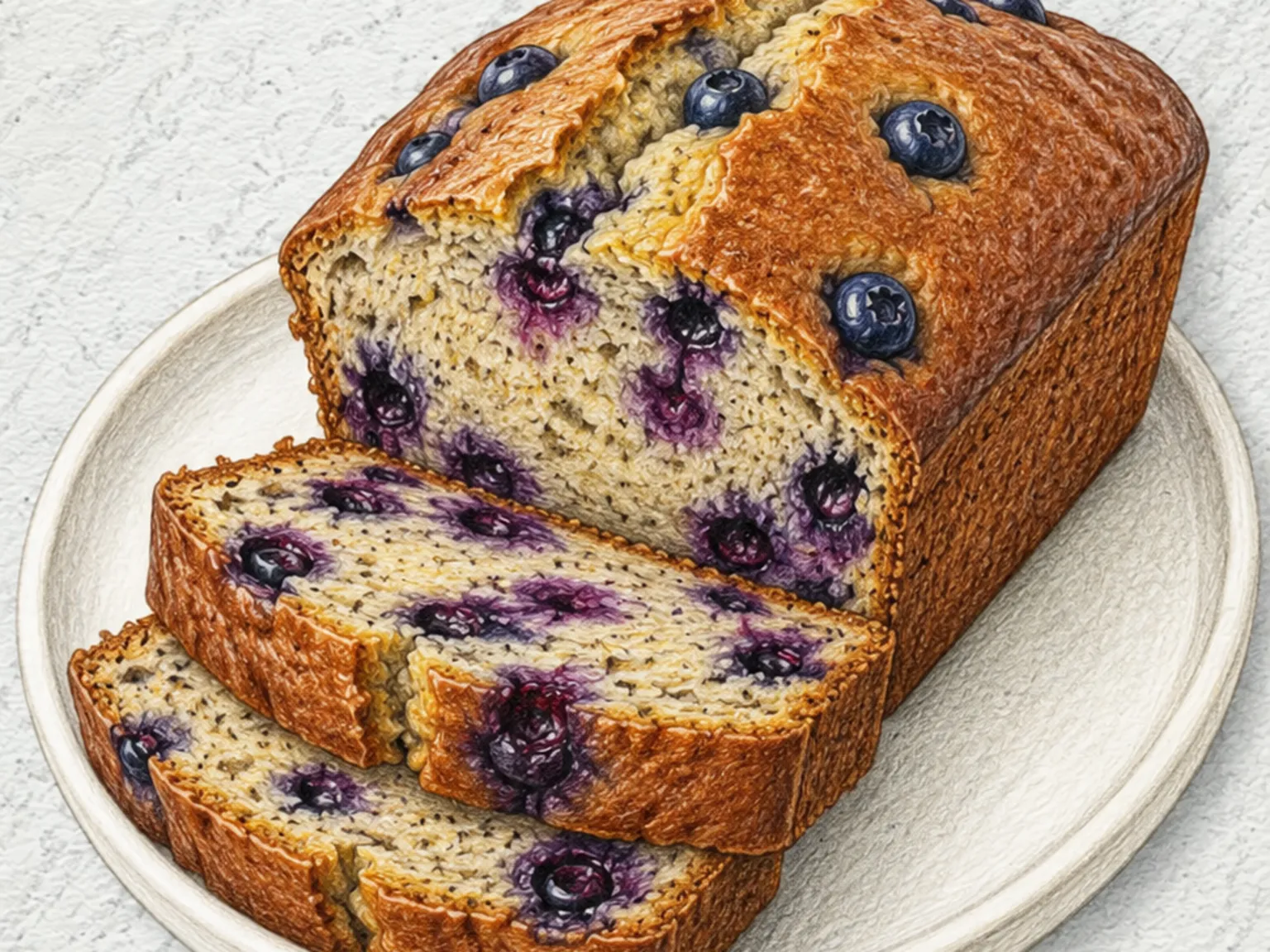
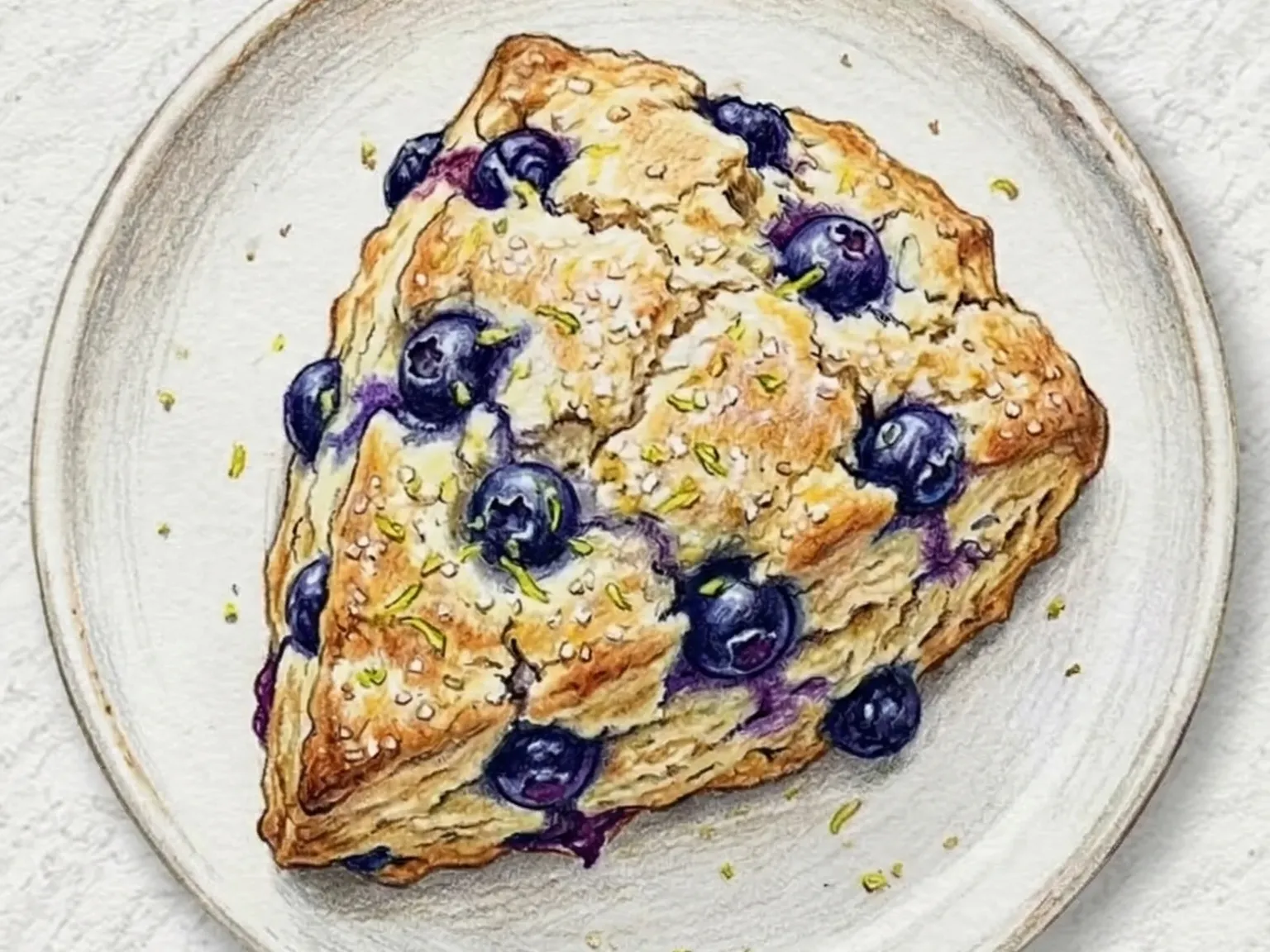
Blueberry yogurt scones incorporate plain yogurt into the dough to produce a crumb that is noticeably softer and more moist than the standard butter-and-cream version. The mild tang of the yogurt runs through the dough and, together with the butter, leaves a clean, rounded finish rather than a heavy one. Blueberries partially burst during baking, sending violet-blue streaks through the pale interior and releasing a fruity fragrance into each slice. The interaction between baking powder and the acidity of the yogurt gives the dough a gentle lift, so the exterior develops a light crust while the inside stays open and tender instead of dense. Sugar is kept deliberately low, which lets the natural sweet-tart character of the berries carry the dominant flavor without competition from the base dough.
Sake-zushi (Layered Sushi Rested with Local Sake)
Sake-zushi is a Kagoshima regional pressed sushi in which rice is seasoned with akumochizake, the local ash-treated sake, instead of ordinary sushi vinegar. Spring vegetables such as dried daikon, shiitake, butterbur, and bamboo shoot are prepared separately, then layered with sea bream, shrimp, fish cakes, and rice. Traditional versions rest for several hours or half a day so the aromas mingle. This home version cooks all seafood fully and rests the covered sushi at 4°C or below for 6 to 8 hours rather than fermenting it at room temperature. Because a large amount of unheated sake remains, it is for adults only and is unsuitable for pregnancy, children, driving, or anyone avoiding alcohol.
Korean Kimchi Ramen Pancake
Kimchi ramyeon jeon is a Korean pan-fried pancake made with slightly undercooked ramen noodles mixed into a batter of pancake mix, chopped fermented kimchi, green onion, and red chili flakes. The noodles are boiled for only two minutes, leaving them firm enough to hold their structure in the pan; fully cooked noodles turn soft and collapse into the batter, losing all chew. The residual heat from pan-frying finishes the cooking while the noodles stay springy. Kimchi brings its fermented sourness and the chili flakes add heat, both layering over the mild, savory flavor of the batter. Spreading the mixture thin before frying allows the edges to crisp all the way through. The wavy, coiled shape of ramen strands creates an uneven surface on the pancake, producing irregular pockets and ridges that fry up especially crunchy. It is a popular late-night snack or a practical way to use leftover ramen blocks.
Eggplant Parmesan
This Eggplant Parmesan recipe follows the actual preparation, main cooking method, and finish in order. Slice the eggplants into even one-centimeter rounds and sprinkle lightly with salt. Let them stand for 10 minutes, then press the surface dry once moisture beads appear so bitterness and excess water are reduced. Preheat the oven to 200C and spread a thin layer of tomato sauce over the baking dish. Add eggplant, part of the 220 g mozzarella, and part of the 60 g Parmesan in that order. Bake at 200C for 20 minutes, until the cheese melts and the edges bubble and brown lightly. Remove the dish, rest it for 5 minutes so the layers settle, then cut and serve warm.
Osaka-Style Okonomiyaki (Japanese Savory Cabbage Pancake)
Osaka-style okonomiyaki is the signature griddle dish of Japan's Kansai region - a thick, cabbage-loaded savory pancake whose name means 'grilled as you like it.' Finely shredded cabbage is folded into a batter of flour, eggs, and dashi stock, then poured onto a hot griddle with strips of pork belly laid across the top. The pancake cooks slowly on medium heat, developing a golden crust on each side while the interior stays moist from the cabbage. Once done, it receives thick okonomiyaki sauce, zigzags of Japanese mayonnaise, a shower of bonito flakes that dance in the rising heat, and a dusting of aonori seaweed powder.
Bomboloni (Italian Cream-Filled Deep-Fried Yeast Doughnuts)
Bomboloni are Italian filled doughnuts made from an enriched yeasted dough that is shaped into balls, deep-fried, and piped full of cream or jam while still warm. The dough - built on bread flour, eggs, butter, and milk - develops strong gluten during proofing, which gives the fried result a thin, crisp outer shell enclosing a pillowy soft interior. Rolling the hot doughnuts in granulated sugar immediately after frying coats them in a crunchy, sweet layer that crackles on the first bite. Vanilla custard is the classic filling, its smooth richness contrasting with the airy bread, though strawberry jam and chocolate cream are equally popular variations. Bomboloni are best eaten within minutes of frying.
Chicken Soboro Rice Bowl (Ground Chicken and Scrambled Egg over Rice)
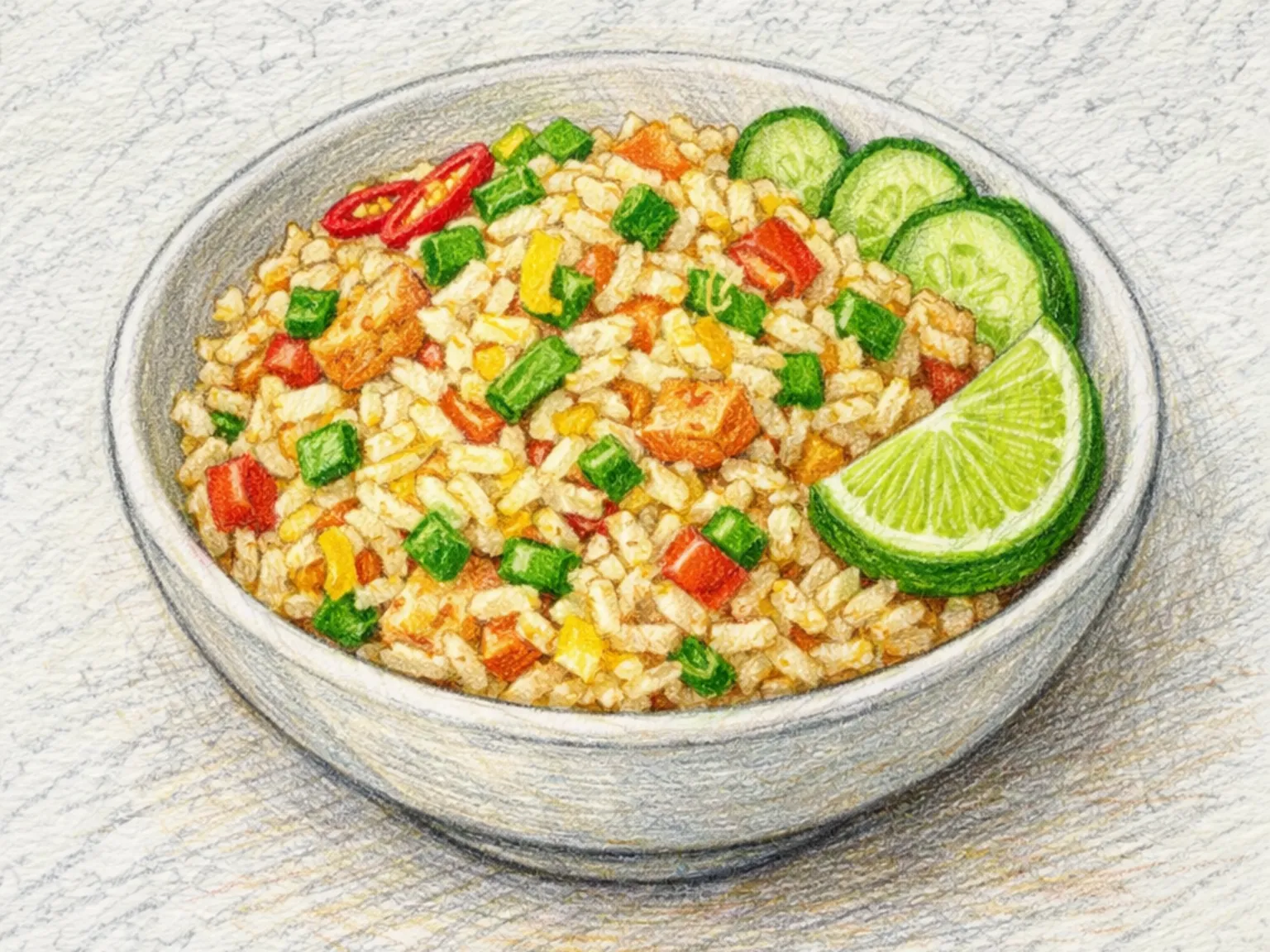
Soboro-don is a Japanese-style rice bowl that tops steamed rice with two side-by-side mounds: savory minced chicken and sweet scrambled egg. The chicken is seasoned with soy sauce, sugar, mirin, and ginger juice, then stirred constantly with chopsticks over medium heat until it breaks into fine, crumbly grains that are individually coated in glaze. The egg is treated the same way - beaten, poured into a pan, and stirred into soft, fluffy curds. Arranged half-and-half on the rice, the brown chicken and bright yellow egg create a visual contrast that makes the bowl inviting. Both toppings share a gentle sweetness balanced by soy umami, and their fine, loose texture means every bite blends effortlessly with the rice beneath.
Kimchi Octopus Balls (Korean-Style Takoyaki with Fermented Kimchi)
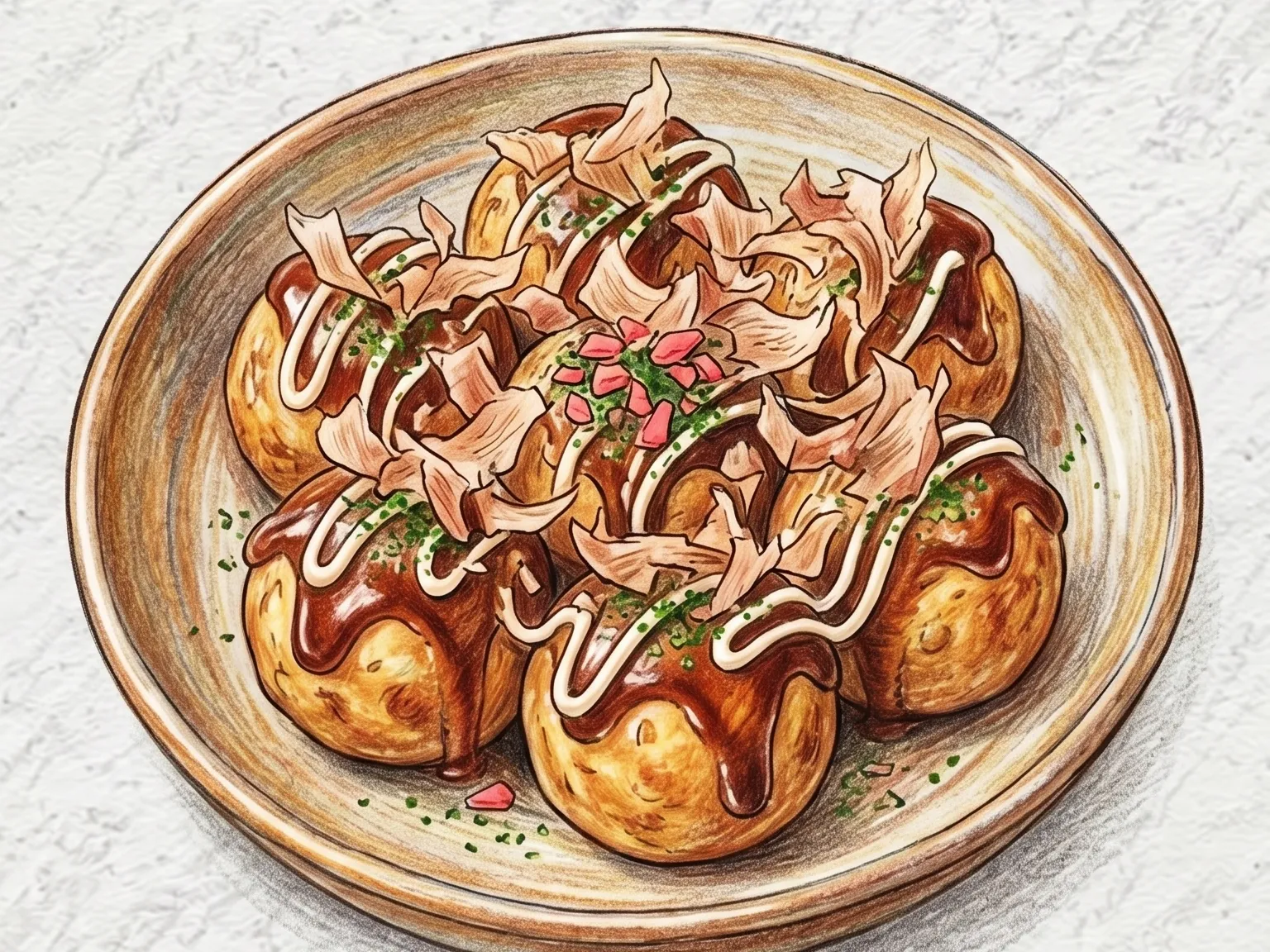
Kimchi takoyaki fills a takoyaki pan with a thin batter of takoyaki flour, water, and egg, then drops boiled octopus, drained kimchi, and chopped scallion into each well before rotating the rounds with a skewer as they set. The exterior crisps into a thin, golden shell while the inside stays loose and creamy, and the octopus's springy resistance meets the kimchi's tangy heat within the mild, savory batter. Squeezing the kimchi thoroughly dry before adding it is essential - residual liquid thins the batter and prevents clean browning. Leaving the balls untouched for a full minute allows the bottom to set before any turning begins. Finished with takoyaki sauce, mayonnaise, and a flutter of bonito flakes on top, each piece delivers a layered combination of salty, rich, and umami.
Ricotta-Stuffed Eggplant Rolls
This Ricotta-Stuffed Eggplant Rolls recipe follows the actual preparation, main cooking method, and finish in order. Trim the eggplants and slice them lengthwise into 5 mm strips. Sprinkle the 1 teaspoon salt evenly over the slices, let them stand for 15 minutes, then pat both sides very dry so the sauce will not turn watery. Stir the 250 g ricotta with 1 egg, half of the Parmigiano Reggiano, 10 chopped basil leaves, and 1/2 teaspoon black pepper. Mix until thick and spreadable, not loose enough to run out of the rolls. Lower the oven to 200 C and bake for 20 to 25 minutes, until the cheese is melted and the edges are lightly browned. Rest the dish for 5 minutes before serving so the filling sets and the rolls hold their shape.
Pad Kra Pao (Thai Basil Stir-Fried Pork with Egg)
Pad kra pao is the single most common everyday meal in Thailand - a wok-fried dish of minced meat with holy basil and chilies, spooned over steamed rice and topped with a fried egg. Garlic and fresh chilies are roughly pounded and fried in a smoking-hot wok until fragrant, then ground pork goes in and is broken apart quickly. Oyster sauce, fish sauce, soy sauce, and a pinch of sugar create the seasoning base. A generous handful of holy basil leaves is tossed in at the end, releasing a peppery, clove-like aroma that defines the dish. The fried egg should have crispy lacy edges and a runny yolk that becomes a sauce when broken.
Boston Cream Pie
Boston cream pie is, despite its name, a layered cake rather than a pie. Two rounds of tender sponge sandwich a thick vanilla pastry cream, and the top is cloaked in a glossy dark chocolate glaze. The sponge bakes from cake flour and eggs to a fine, pillowy crumb that compresses gently under a fork without crumbling. The pastry cream -- cooked from milk, cornstarch, and egg yolks -- sets into a thick, silky custard that holds its shape when sliced but melts smoothly on the tongue. The chocolate glaze cools into a thin, shiny shell that cracks cleanly when pressed, mixing with the cream beneath. Each forkful delivers the sequence of bitter chocolate, sweet vanilla custard, and plain sponge in quick succession. Making the custard a day ahead and refrigerating it overnight ensures it holds firmly when the layers are assembled and sliced. Pour the glaze when it has cooled slightly -- warm enough to flow but not so hot that it thins out and drips unevenly.
Korean Spam Mayo Rice Bowl
Thick-cut spam is pan-seared until the edges turn golden and crisp while the center stays moist. Soft-scrambled eggs are folded loosely so they remain creamy, then layered over steaming rice alongside the spam. A generous drizzle of mayonnaise sauce melts gently against the warm rice, binding the salty meat and silky egg together. A dash of soy sauce or sriracha adds a sharp accent that cuts through the richness and keeps each bite interesting. Controlling resting time and grain texture helps the ingredients cook evenly while keeping the final seasoning balanced.
Korean Kkaennip Chamchi Jeon (Perilla Tuna Pancakes)
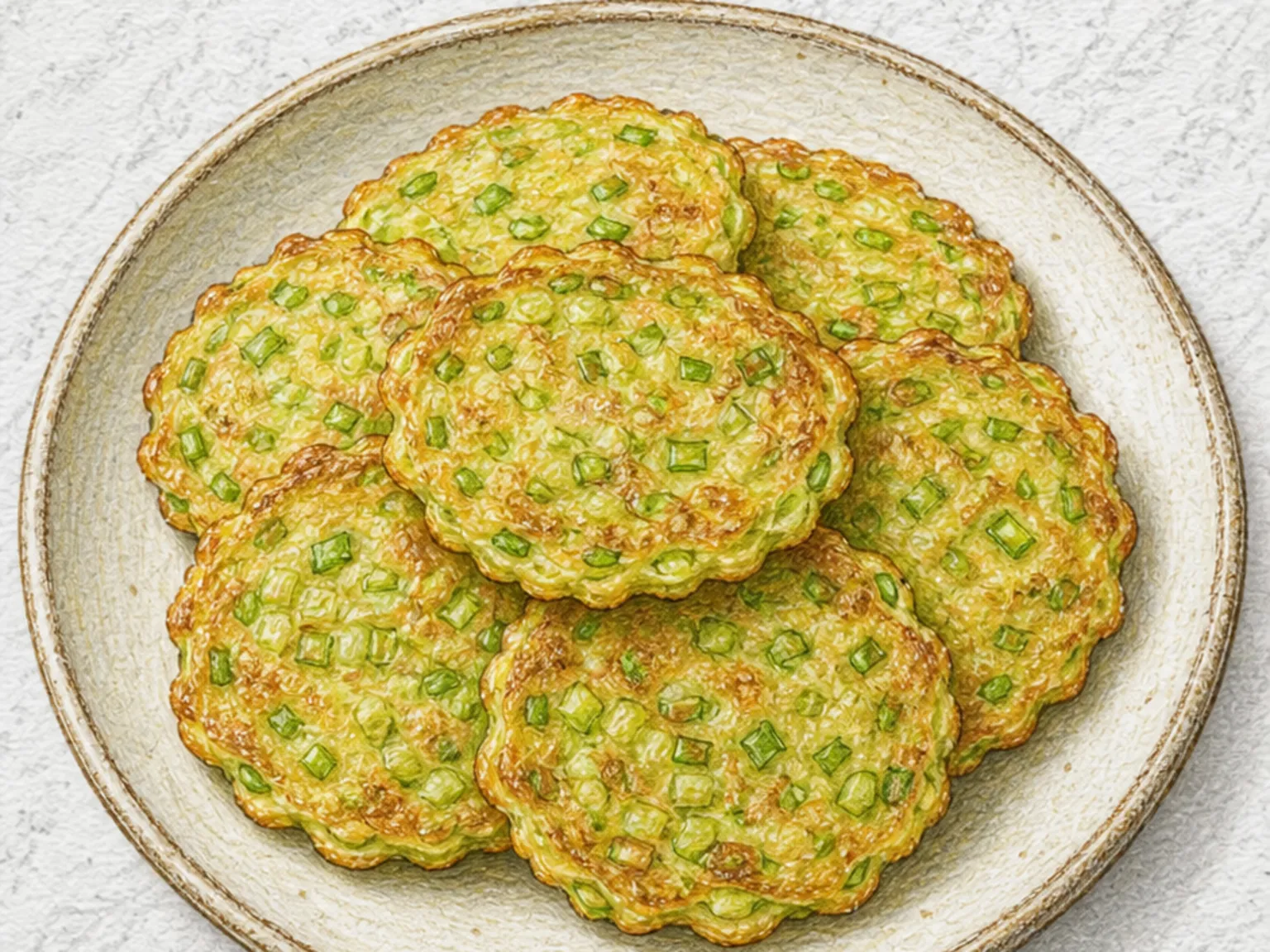
Kkaennip tuna jeon is made by mixing drained canned tuna with finely chopped onion, carrot, and perilla leaves, coating the mixture in pancake batter, then spooning it onto individual perilla leaves and pan-frying over medium-low heat. Each leaf wraps around the underside of the patty, acting as a natural mold that keeps the shape intact when flipping. Slow frying over moderate heat creates a crisp, golden exterior while locking enough moisture inside to keep the filling tender. The herbal, faintly minty character of the perilla leaf layers over the tuna's saltiness and cuts through any heaviness, leaving a clean finish. The combination works as a drinking snack or a packed lunch side equally well, and the bite-sized format makes it easy to serve at the table.
Eggs Florentine
This Eggs Florentine recipe follows the actual preparation, main cooking method, and finish in order. Warm a pan over medium-low heat, melt 1 tablespoon butter, and add 120 g spinach. Cook only 1 to 2 minutes until just wilted, then squeeze out excess moisture so the muffins stay crisp. Melt the remaining 2 tablespoons butter and drizzle it in very slowly while whisking without stopping. When the sauce looks smooth and coats a spoon, season with the salt and black pepper. Place the squeezed spinach on the toasted muffins, then set a poached egg on each portion. Spoon warm hollandaise over the top and serve right away before the muffins turn soggy.
Pad Woon Sen (Thai Stir-Fried Glass Noodles with Shrimp and Egg)
Pad woon sen is a Thai stir-fried glass noodle dish that comes together in minutes. The noodles, made from mung bean starch, turn translucent when soaked and have a springy, slippery texture that absorbs sauce without becoming mushy. Shrimp is cooked first until just pink, then vegetables - typically cabbage and carrot - are tossed in over high heat to keep their crunch. Eggs are scrambled to one side of the wok and folded into the noodles along with soy sauce and oyster sauce. The seasoning is deliberately simple, allowing the natural sweetness of the shrimp and the clean bite of the vegetables to come through.
Bread Pudding
Bread pudding transforms leftover bread into a warm, custardy dessert by soaking thick slices in a mixture of eggs, whole milk, and heavy cream, then baking until the custard sets. Allowing the bread to soak for at least twenty minutes before baking ensures the liquid penetrates all the way through each slice so the interior bakes into something closer to a soft, yielding pudding, while the top layer exposed to the oven heat crisps into a golden-brown crust. Cinnamon stirred into the custard base distributes a warm spiced fragrance through the entire dish, and vanilla extract rounds out the egg flavor. Served warm with a scoop of vanilla ice cream or a pour of bourbon caramel sauce, the contrast between the hot pudding and the cold topping adds another dimension. Originally a practical solution to stale bread, this dish has been a fixture of English and American Southern home cooking for generations.
Egg Over Rice (Raw Egg Stirred into Hot Rice with Soy Sauce)
Tamago Kake Gohan is a simple Japanese comfort food consisting of raw egg stirred into freshly cooked hot rice and seasoned with soy sauce. The core of this dish lies in utilizing the steam and residual heat of the rice to warm and partially cook the raw egg. As it is whipped rapidly with chopsticks, the egg transforms into a silky, custard-like coating around every single grain of rice. Melting a small pat of butter in the center before adding the egg introduces an additional layer of rich aroma. Soy sauce is added gradually to balance the richness with its savory umami depth. To complete the dish, seaweed flakes and finely chopped green onions are sprinkled on top. It must be eaten immediately while steaming hot, as letting it sit cools the egg and causes the rice to become soggy.
Korean Twisted Doughnuts (Chewy Double-Proofed Spiral Fried Doughnuts)
Flour dough enriched with egg, milk, and butter is kneaded, proofed for one hour, twisted into spiral shapes, proofed again for 30 minutes, then deep-fried at 170 degrees Celsius. The double proofing creates a chewy interior with enough air pockets to keep the texture light, and the sugar coating must be applied immediately after frying while the surface is still hot so it adheres firmly. The addition of butter gives these twisted doughnuts a richer, more fragrant taste compared to plain flour fritters. Fresh from the oil, the contrast between the thin, crisp exterior and the springy inside is what makes kkwabaegi worth eating on the spot.
French Omelette
A French omelette is defined entirely by technique, which is precisely why it appears in professional kitchens as a benchmark for a cook's fundamental skill. The eggs are beaten just enough to combine the yolks and whites into a uniform liquid without introducing air, then poured into a butter-coated pan over moderate heat. From that point on, constant stirring with a fork or chopsticks, combined with rhythmic shaking of the pan, coaxes the eggs into the tiniest possible curds that bind together into a seamless, pale yellow sheet. No browning of any kind should appear on the exterior surface. The interior, described in French as baveuse, remains slightly underset with a custard-like center that carries the richness of the egg in its purest form. Folding or rolling the omelette into a neat oval shape should happen within ninety seconds from the moment the egg touches the pan; anything beyond that overcooks the inside. Fillings are minimal by design: fine herbs, a small amount of grated Gruyere, or nothing at all, so the egg remains the sole subject. The simplicity of the ingredients removes every excuse and makes even small errors in heat management immediately visible in the finished result. Practice tightens the margins, but each attempt teaches something precise about timing and temperature.
Pu Pad Pong Curry (Thai Crab Stir-Fry with Egg and Curry Powder)
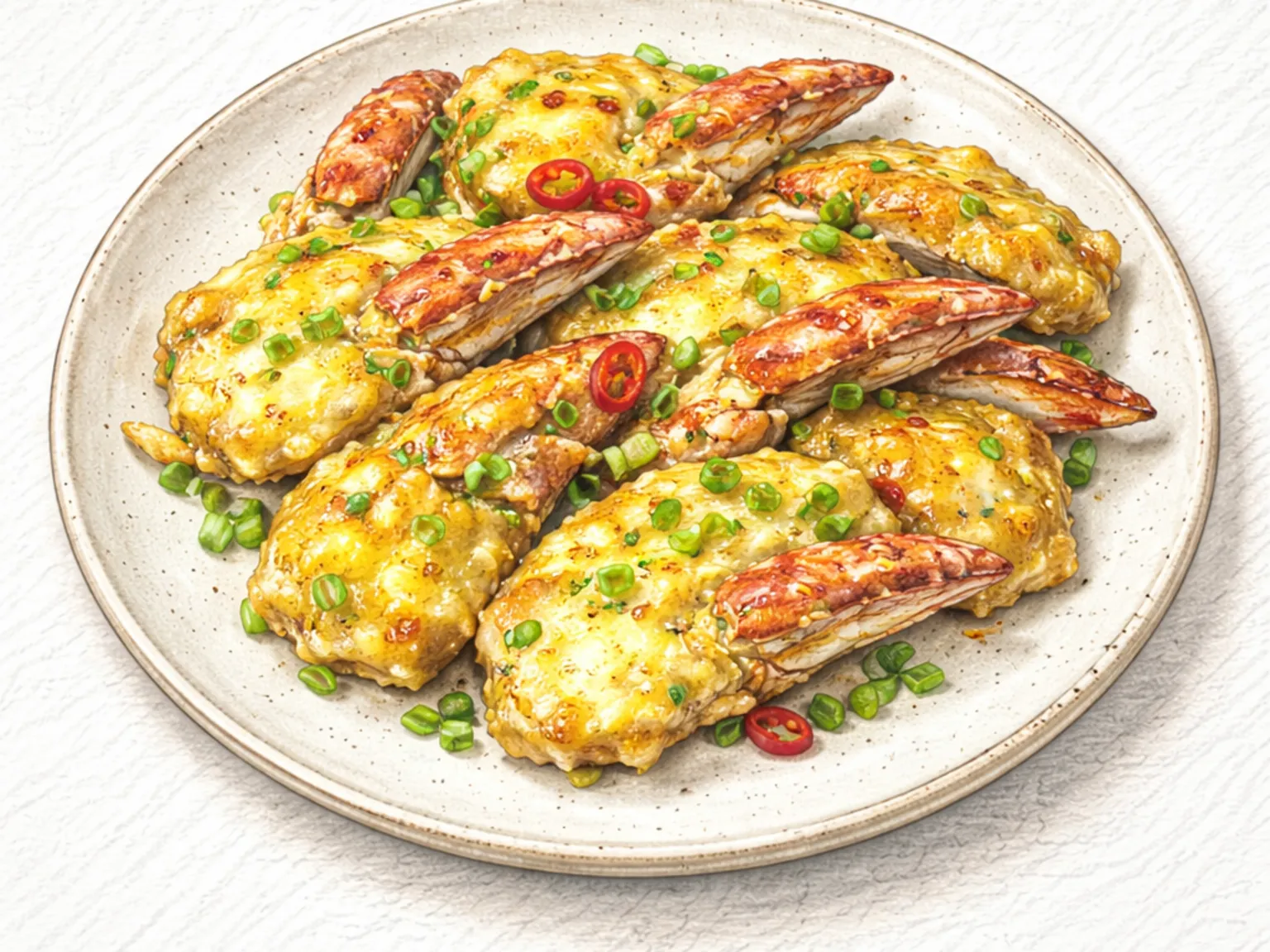
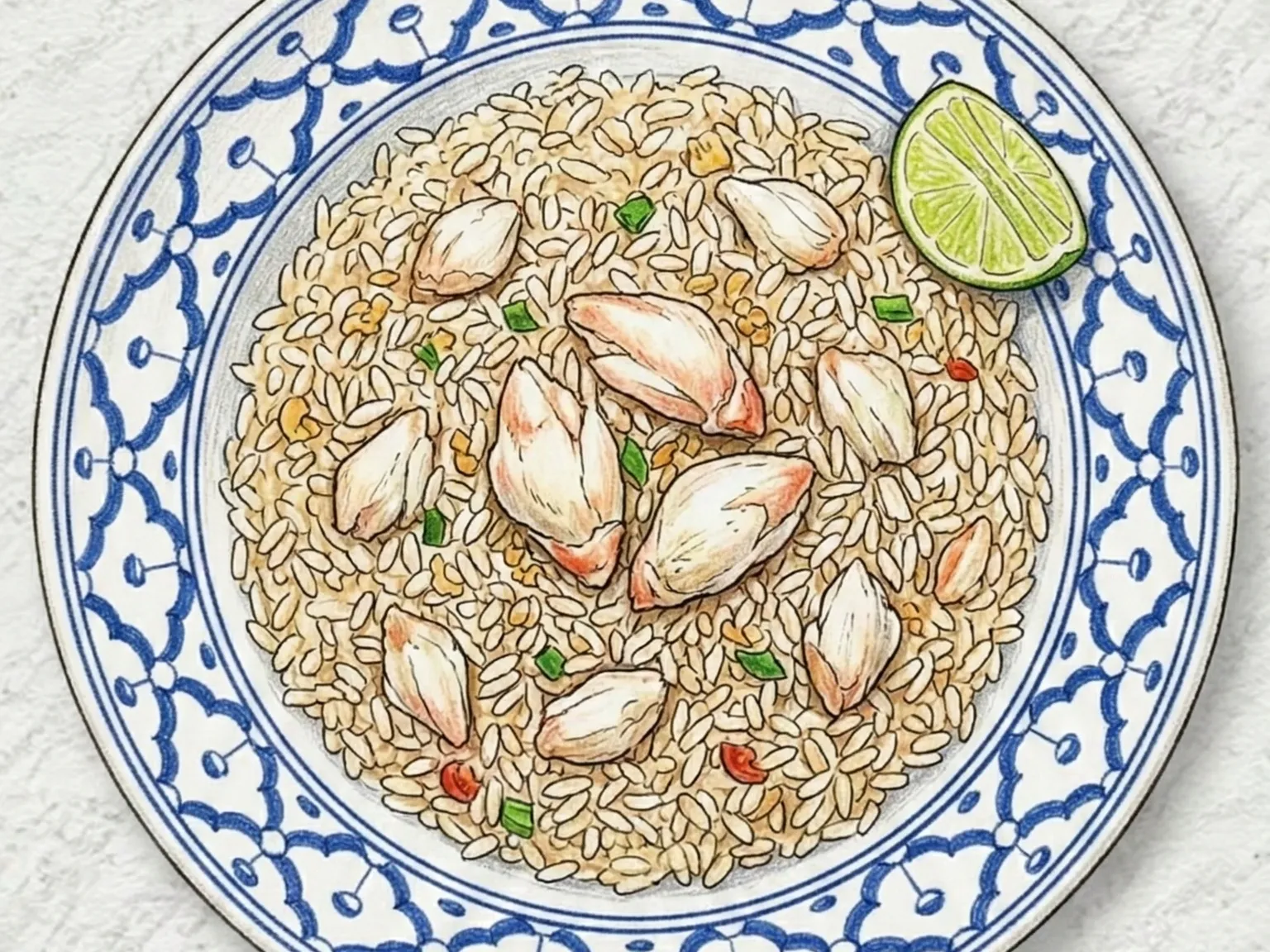
Pu pad pong curry is a Sino-Thai stir-fry of crab with a sauce made from mild curry powder, eggs, and evaporated milk. Unlike a coconut-based Thai curry, it cooks quickly in a wok. Nam prik pao, oyster sauce, light soy sauce, and white pepper season the custard-like sauce without covering the sweetness of the crab. The egg mixture should remain soft and glossy, not dry like scrambled eggs. Chinese celery and scallions go in at the end so their aroma stays distinct. Measure the sauce before heating the wok, then cook the crab only long enough to warm it through.
Brioche Loaf
Brioche loaf is a French enriched bread defined by a high ratio of eggs and butter to flour. Softened butter is added in stages during kneading, small amounts at a time, until the fat is fully absorbed and the gluten has developed enough for the dough to stretch into a thin, nearly translucent sheet without tearing. The extended mixing time and the cold retard during overnight proofing give the final crumb its extraordinarily fine structure. Baked in a loaf pan, brioche comes out with a deep golden crust that is thin and slightly brittle, enclosing an interior that tears into long, cotton-soft strands. The butter flavor runs through every layer, so the bread is rich enough to eat on its own without any spread. Once sliced and lightly toasted, the contrast between the crisp outer face and the soft, moist center becomes more pronounced. Brioche absorbs custard quickly and holds its shape under heat, which makes it a preferred base for French toast and bread pudding.
Tomato Egg Rice Bowl (Stir-fried Tomatoes with Soft Scrambled Eggs)
Ripe tomatoes are cut into wedges and stir-fried over high heat until they release their juices and form a natural, tangy sauce. Beaten eggs are poured in and gently folded so they stay soft and barely set, mingling with the tomato pulp. A small amount of sugar and soy sauce brings the sweet-tart balance into focus. Spooned over hot rice, the sauce soaks into the grains and the whole bowl comes together in under ten minutes, drawing on the simplicity of Chinese home cooking. It can be served as a one-bowl meal, with simple accompaniments chosen to match the sauce, broth, or topping.
Korean Mozzarella Cheese Sticks
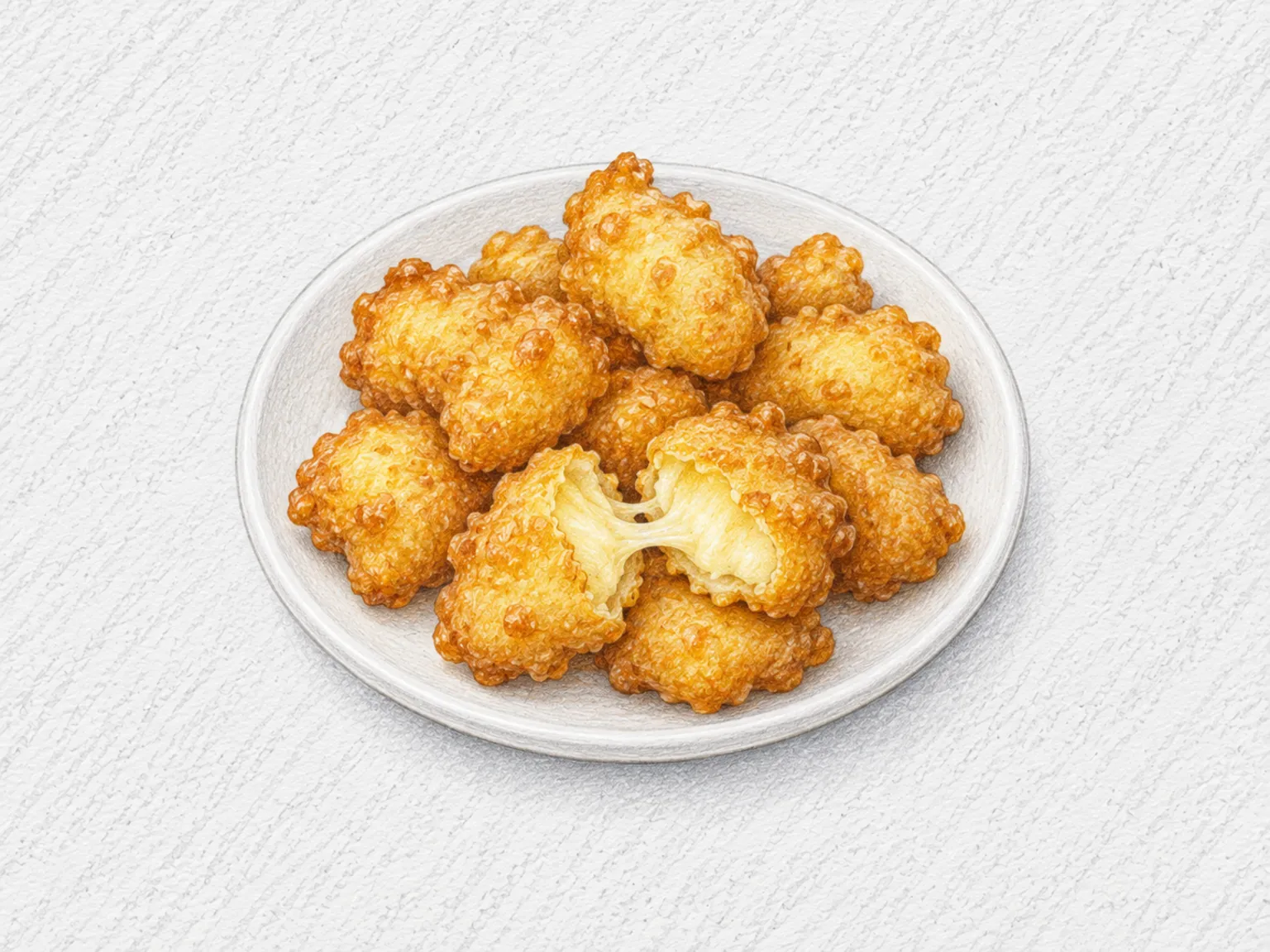
Mozzarella blocks are cut into sticks, double-coated in flour, beaten egg, and parsley-seasoned breadcrumbs, then frozen for 20 minutes before a brief deep-fry at 170 degrees Celsius. The double coating and freezing step prevent the cheese from bursting out during frying, and pulling the sticks from the oil within one and a half to two minutes keeps the shell crunchy while the cheese inside remains stretchy rather than fully melted out. A touch of dried parsley in the breadcrumbs adds a mild herbal note, and dipping into tomato sauce or sweet chili sauce provides a pleasant contrast to the salty, crispy coating.
Frittata
This Frittata recipe follows the actual preparation, main cooking method, and finish in order. Preheat the oven to 190C and have an oven-safe pan ready. Gently stir the 8 eggs with 80 ml milk and 0.8 teaspoon salt just until blended, avoiding vigorous whisking so the surface stays smooth. Add the spinach and cherry tomatoes and cook for just 1 minute. When the spinach has barely wilted and the tomatoes are warmed through, pour the egg mixture evenly over the vegetables without stirring hard. Transfer the pan to the oven and bake for 10 minutes. Remove it when the center springs back gently to a light touch, then rest for 2 to 3 minutes before slicing so the pieces hold together.