Charim

2686 Korean & World Recipes

2686+ Korean recipes, clean and organized. Ingredients to instructions, all at a glance.

Recipes with garlic

24 recipes

Buy garlic
Korean Perilla Soybean Sprout Namul
Side dishesEasy

Korean Perilla Soybean Sprout Namul

Kongnamul, soybean sprouts, are among the most consumed vegetables in Korea, and this perilla-dressed version adds a nutty, full-bodied depth that the plain sesame oil variety lacks. The sprouts are steamed with the lid sealed for five minutes, which drives off the raw bean smell while keeping the heads firm and crunchy. Tossed with perilla powder, soup soy sauce, garlic, and sesame oil while still warm, the powder absorbs the moisture and dissolves into a pale coating that makes each sprout feel creamy on the tongue. Chopped scallion contributes a sharp, grassy contrast that balances the richness, and resting the finished dish for five minutes before serving lets the seasoning penetrate evenly so the flavor comes together more completely.

🥗 Light & Healthy🏠 Everyday
Prep 10minCook 8min4 servings
Korean Bulgogi Mushroom Rice Bowl
RiceEasy

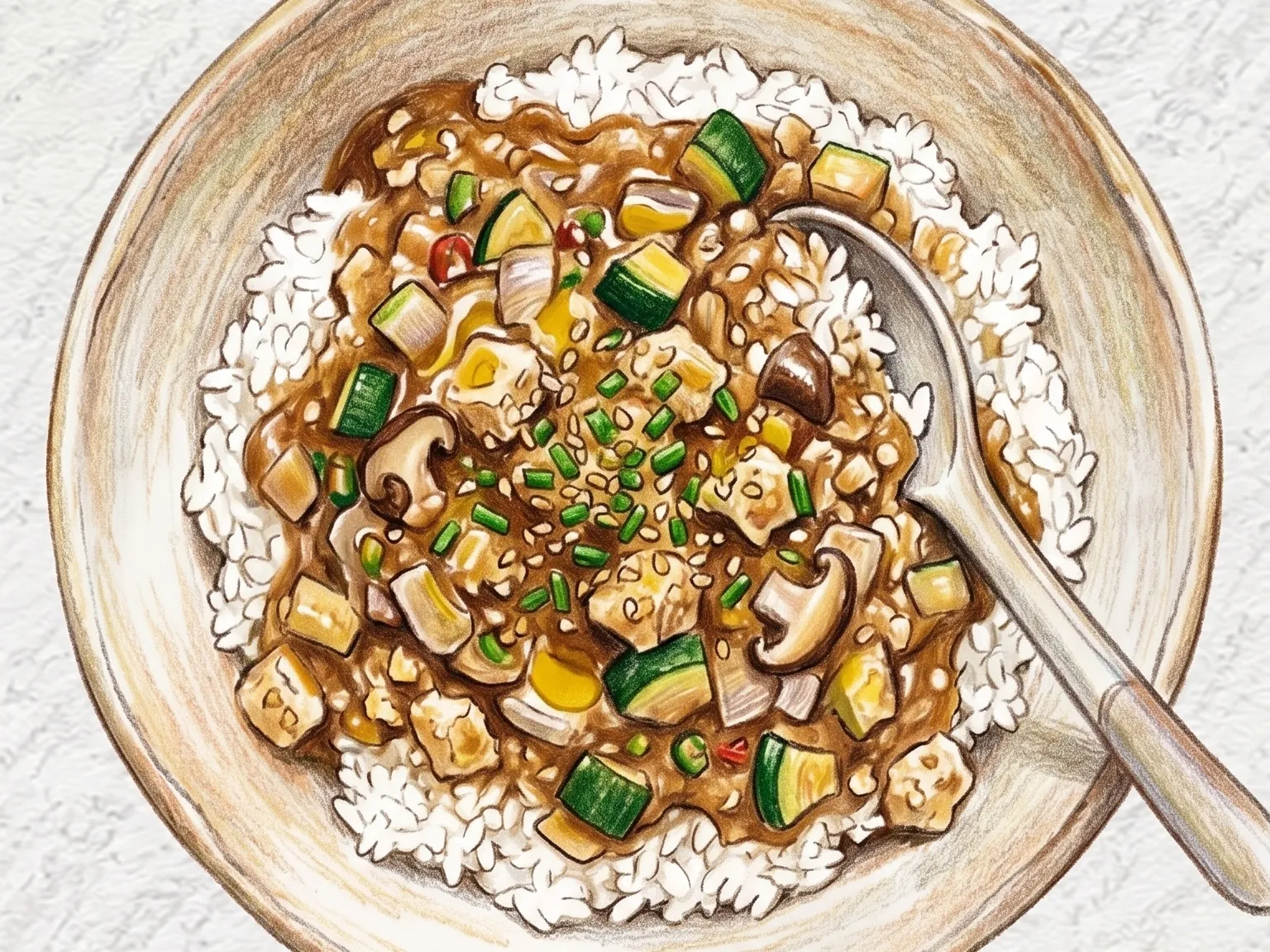
Korean Bulgogi Mushroom Rice Bowl

Soy-and-pear-juice-marinated beef is stir-fried together with torn oyster mushrooms and served over rice for a deeply savory bowl. Cooking the mushrooms first in the hot pan allows their excess moisture to evaporate, keeping the sauce thick and glossy once the marinated beef goes in rather than pooling at the bottom. Pear juice contains natural tenderizing enzymes that soften the beef fibers noticeably even after a short marinating time, and its understated sweetness bridges the saltiness of the soy sauce without adding a fruity flavor. A drizzle of sesame oil at the end of stir-frying lays a toasted, nutty fragrance over the sweet-salty glaze that rounds out the whole bowl. When pear juice is not available, one teaspoon of sugar dissolved in one tablespoon of water provides a workable substitute that approximates the sweetness without the tenderizing effect.

🏠 Everyday🍱 Lunchbox
Prep 15minCook 12min2 servings
Korean Soy Braised Chicken Chunks
Stir-fryEasy

Korean Soy Braised Chicken Chunks

Dakganjang-jjim is a Korean soy-braised chicken dish where bone-in thigh pieces are combined with potatoes, carrots, and onion in a seasoned soy sauce base and simmered over low heat until the liquid reduces and the flavors concentrate. As the braising liquid cooks down, the salinity and umami of the soy sauce penetrate through the chicken skin and into the meat, seasoning it throughout rather than just coating the surface. The thigh cut is intentional - the fat and collagen in bone-in thighs keep the meat moist through the extended cooking time, preventing it from drying out the way leaner cuts would. The vegetables absorb the rendered chicken fat and soy-based cooking liquid as they soften, taking on a deep savory-sweet flavor that requires no additional seasoning. Because the dish contains no chili paste or gochugaru, it is mild in heat and broadly accessible, working equally well as a weeknight dinner main, a side dish over rice, or packed into a lunch box where the flavors continue to develop. The ratio of soy sauce to sugar in the braising liquid can be adjusted to suit individual taste - leaning toward saltier or sweeter without fundamentally changing the character of the dish.

🏠 Everyday🧒 Kid-Friendly
Prep 15minCook 30min4 servings
Korean Grilled Rice Cake Skewers
Street foodEasy

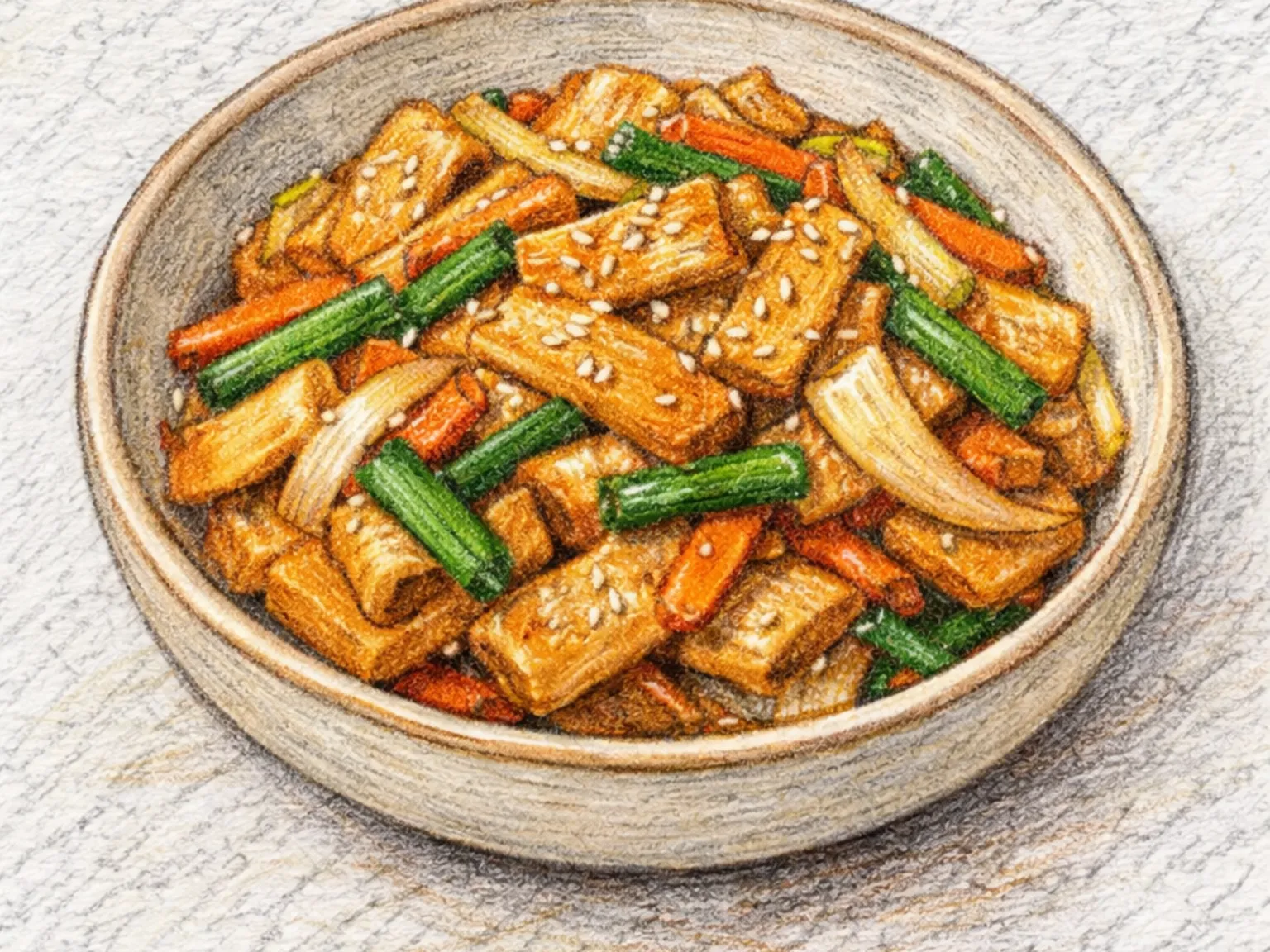
Korean Grilled Rice Cake Skewers

Tteokkochi are pan-seared rice cake skewers glazed in a thick gochujang-based sauce that builds depth through a combination of ketchup, oligosaccharide syrup, soy sauce, and minced garlic simmered down until the sauce reduces and concentrates. The rice cakes are first seared in a thin layer of oil until a lightly crisp shell forms across the surface before any sauce is applied, creating a textural contrast between the outer crust and the soft, chewy interior that defines what a good tteokkochi should feel like. The ketchup introduces a mild tomato acidity that tempers and rounds the raw heat of the gochujang, while the syrup adds sweetness without the grainy texture of sugar. After the sauce is brushed on, rolling the skewers over low heat for another minute fuses the glaze to the rice cake surface so it adheres firmly and does not peel off as the skewers cool. Adjusting the ratio of ketchup to syrup shifts the balance between sweetness and acidity, making it straightforward to tailor the sauce to individual preference. Making the sauce in a larger batch and storing it separately saves time on repeat preparations.

🧒 Kid-Friendly🌙 Late Night
Prep 10minCook 10min2 servings
Korean Stuffed Chili Pepper Pancake
GrilledMedium

Korean Stuffed Chili Pepper Pancake

Gochu-jeon is a Korean holiday pancake made by splitting mild green chili peppers in half lengthwise, removing the seeds, and stuffing them with a filling of ground pork, pressed tofu, and minced garlic that is seasoned before being spooned in. The mixture is then coated in flour and egg before being pan-fried until golden on both sides. The pepper's gentle heat wraps around the pork's savory richness and the tofu's silky interior, creating a layered contrast of flavor and texture in every bite. Squeezing all moisture out of the tofu in a cloth is essential; any remaining water causes the oil to splatter and the filling to fall apart during frying. Using cucumber peppers or shishito peppers instead of regular green chilies eliminates nearly all spiciness for those with lower heat tolerance, and filling each pepper to about seventy percent capacity prevents the shell from bursting as the filling expands with heat. This jeon has a fixed place on Seollal and Chuseok ancestral tables and everyday holiday spreads alike, and it tastes best served immediately while still hot, alongside a soy-vinegar dipping sauce that sharpens the meat filling's umami and complements the pepper's fresh aroma.

🍺 Bar Snacks🎉 Special Occasion
Prep 25minCook 15min4 servings
Korean Flounder Seaweed Soup
SoupsEasy

Korean Flounder Seaweed Soup

Gajami miyeok-guk is a seaweed soup built around a whole flounder simmered directly in the pot. Rehydrated miyeok is stir-fried in sesame oil before the liquid is added, a step that transforms the raw seaweed fragrance into something richer and more rounded. Once the flounder is added and the pot comes to a simmer, the mild, subtly sweet flesh of the white fish slowly infuses the broth, while the collagen released from the bones gives the soup a quiet viscosity and depth that water alone cannot produce. Soy sauce and garlic are the only seasonings needed, allowing the natural flavor of the fish and seaweed to carry the soup without interference. Blanching the flounder briefly in boiling water before adding it to the pot draws out blood and removes any trace of fishiness, resulting in a cleaner, more delicate broth. Along the East Sea coast, gajami miyeok-guk has traditionally been served as postpartum recovery food in place of the more common beef seaweed soup, valued for its lightness, digestibility, and the clean nourishment provided by the fish broth.

🏠 Everyday
Prep 20minCook 20min2 servings
Korean Bellflower Root Pork Stew
StewsMedium

Korean Bellflower Root Pork Stew

Deodeok-dwaeji-jjigae is a spicy Korean stew that primarily features pork shoulder and bellflower root as its core components. These main ingredients are simmered together in a liquid base prepared from water used to rinse rice, which provides a different consistency and flavor profile compared to standard tap water. The seasoning for this broth relies on a combination of gochujang, which is red chili paste, gochugaru or red chili flakes, and soup soy sauce to establish a foundational heat and saltiness. To provide further texture and structural depth to the stew, oyster mushrooms and sliced onions are included in the pot during the simmering process. As the bellflower root is heated and cooked through, its natural and slightly bitter flavor profile begins to integrate into the surrounding broth. This subtle bitterness serves a functional purpose by counteracting the richness of the pork shoulder fat, which results in a final taste that feels clean on the palate rather than greasy. Utilizing rice-rinse water instead of plain water helps to mellow the intense spice of the gochujang while adding a light savory quality to the soup that simple water does not provide. By cutting the pork shoulder into small, bite-sized pieces before cooking, the fat is able to render out more effectively into the broth while the meat remains soft and easy to chew. The finished stew has a high level of spice and contains a significant amount of meat and vegetables, making it a filling dish when served alongside a bowl of steamed white rice.

🏠 Everyday
Prep 18minCook 22min2 servings
Korean Braised Eggplant with Shrimp
SteamedEasy

Korean Braised Eggplant with Shrimp

Gaji saeu jorim is a Korean braised side dish pairing eggplant with shrimp in a sauce of soy sauce and oyster sauce. Lightly stir-frying the eggplant in oil before braising coats the surface and prevents the slices from turning mushy, helping them hold their shape and develop a slight gloss as the sauce reduces. The natural umami from the shrimp combines with the dense savory character of the oyster sauce to deepen the overall flavor, and the eggplant draws all of that into its flesh as it braises slowly. Gochugaru adds a gentle warmth without masking the seafood, onion contributes background sweetness, and green onion lifts the aroma. The soft, juicy texture of the eggplant against the firm bounce of the shrimp gives the dish an appealing contrast, and the glossy dark sauce spooned over rice makes for a satisfying, complete meal with minimal effort.

🍱 Lunchbox
Prep 14minCook 16min2 servings
Korean Fresh Eggplant Kimchi
KimchiEasy

Korean Fresh Eggplant Kimchi

Gaji kimchi is a fresh eggplant kimchi that requires no fermentation and can be eaten immediately after preparation. Eggplant is steamed until it becomes pliable and soft throughout, then torn by hand along the grain rather than cut with a knife. Tearing along the natural fibers creates a rough, open surface that allows the seasoning of gochugaru, fish sauce, garlic, and sesame oil to penetrate deep into the flesh rather than merely coating the outside. The result is an even distribution of spicy, salty flavor throughout every bite rather than concentrated only at the surface. Scallions folded in at the end add a fresh, sharp lift, and toasted sesame seeds provide a nutty, fragrant finish. Because no fermentation is involved, this kimchi is best suited to seasons when eggplant is at its peak, particularly summer, when the vegetable is widely available and a quick, no-cook banchan is most welcome. Piled over a bowl of cold leftover rice and mixed together, the seasoning soaks into the grains while the soft steamed eggplant adds body, making it a satisfying one-bowl meal without needing additional soup or side dishes.

🍱 Lunchbox
Prep 20minCook 10min2 servings
Kimchi Butter Udon (Tangy Kimchi Stir-Fried in Butter)
NoodlesEasy

Kimchi Butter Udon (Tangy Kimchi Stir-Fried in Butter)

Kimchi butter udon is a fusion stir-fried noodle that pairs the tangy, spicy acidity of well-fermented kimchi with the deep richness of butter. The first half of the butter goes into the pan to saute onion and garlic until they release their sweetness, then chopped kimchi is added and stir-fried for two minutes to cook off the moisture, which concentrates the flavor and mellows the sharp sourness. Blanched udon noodles and soy sauce are tossed in over high heat so the seasoning coats every strand evenly, and the remaining butter is added off-heat immediately after, keeping its aroma intact while lending a glossy sheen and fuller depth to the noodles. A soft-cooked egg placed on top breaks into a creamy sauce when stirred in, while seaweed flakes and sliced scallion contribute crunch and a fresh herbal lift. If the kimchi leans salty, reducing the soy sauce to one tablespoon keeps the balance in check. The whole dish, including prep, comes together in about twelve minutes.

🏠 Everyday🌙 Late Night
Prep 10minCook 12min2 servings
Myeongran Lemon Cream Fettuccine
PastaMedium

Myeongran Lemon Cream Fettuccine

Myeongran lemon cream fettuccine wraps wide pasta ribbons in a sauce made from salted pollock roe, heavy cream, butter, and lemon zest. The small eggs of the roe are left intact and stirred into the sauce off the heat so they stay soft and burst with briny flavor when bitten rather than turning granular or hard. Garlic bloomed in butter forms the aromatic base, and a mixture of heavy cream with milk tempers the roe's saltiness into a smooth, balanced coating. Using lemon zest rather than juice adds a bright citrus fragrance without diluting the sauce or introducing acidity that would curdle the cream. Parmigiano-Reggiano deepens the savory foundation, and fettuccine's broad, flat surface holds the thick cream more effectively than thinner pasta shapes. The entire dish takes about twenty minutes from start to plate, making it a practical weeknight option that does not sacrifice depth of flavor for speed. The critical technique -- incorporating the roe off the heat -- keeps the texture creamy throughout and prevents the eggs from cooking into tough, unpleasant morsels.

🍺 Bar Snacks🎉 Special Occasion
Prep 15minCook 20min2 servings
Garlic Butter Mussels
WesternEasy

Garlic Butter Mussels

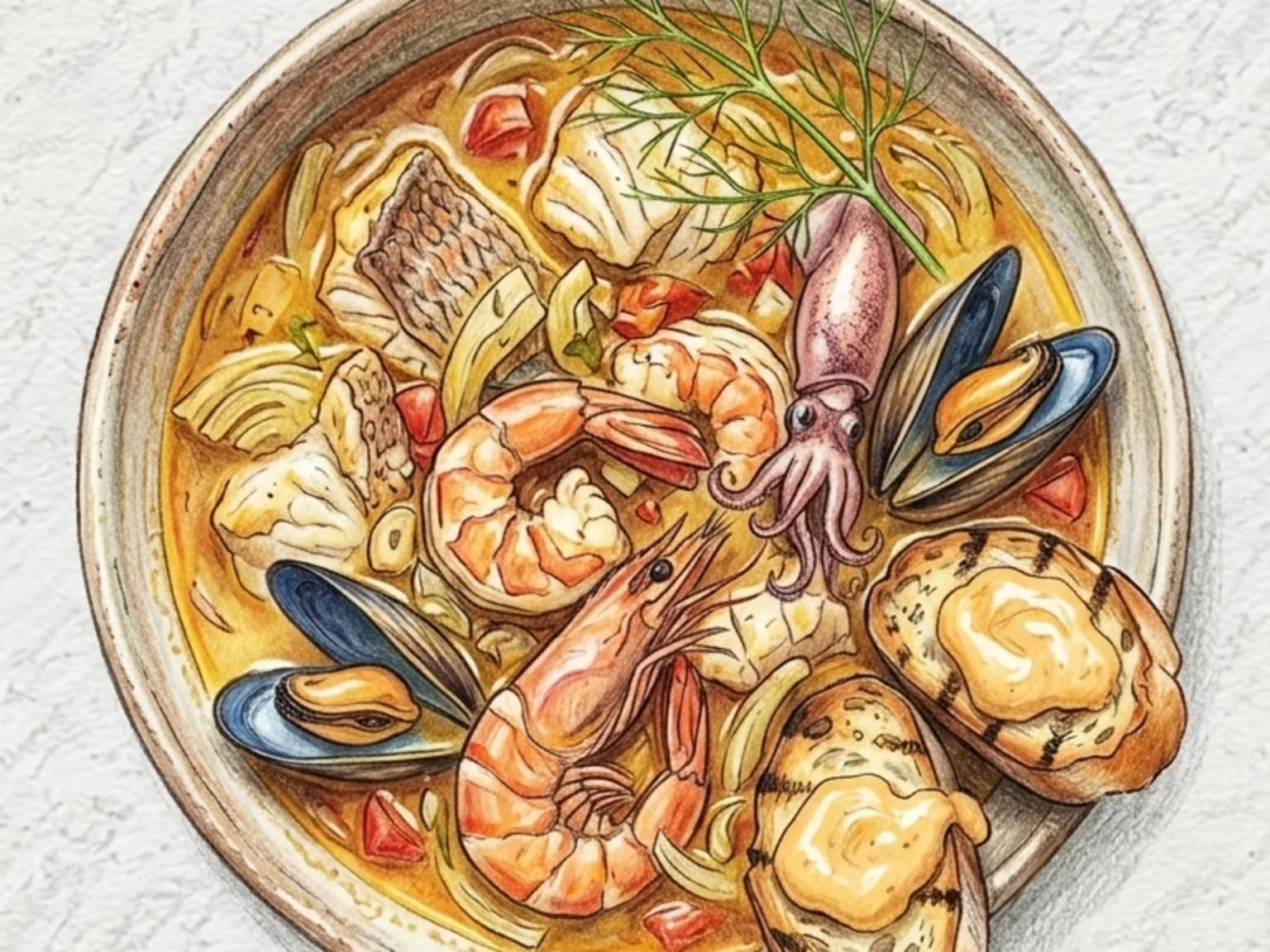
Garlic butter mussels are steamed in a fragrant broth of sauteed garlic, melted butter, and white wine. Onion and garlic are cooked in butter and olive oil until softened, then white wine is added and boiled briefly to drive off the alcohol while keeping the acidity and fruit notes intact. Once the mussels go in and the lid is sealed, the shells open within four to five minutes, releasing briny juices that meld with the butter-wine base into a rich, savory broth. Mussels that remain closed after cooking must be discarded. Finishing with chopped parsley and black pepper adds color and a mild sharpness, and tearing crusty baguette into the bowl to soak up the broth is the traditional way to enjoy every drop.

🍺 Bar Snacks
Prep 15minCook 12min2 servings
Chwee Kueh (Steamed Rice Cake with Chai Poh)
AsianMedium

Chwee Kueh (Steamed Rice Cake with Chai Poh)

Chwee kueh is a traditional steamed rice cake that is commonly eaten during breakfast in Singapore and Malaysia. The dish originated within the Teochew Chinese community and has been passed down through multiple generations of hawker vendors. These snacks are typically available during the earliest hours of the morning at specialized stalls that often do not sell any other types of food. The preparation involves pouring a batter made of rice flour into small, round ceramic molds. These molds are placed into a steamer until the batter solidifies into a soft and slightly concave cake. The natural indentation found in the center of the rice cake is designed to accommodate a spoonful of chai poh, which is a topping made from preserved radish. The radish is finely chopped and stir-fried with soy sauce and a small amount of sugar. This process creates a mixture that balances savory and sweet flavors while allowing some of the radish pieces to develop caramelized edges. The rice cake base is intentionally kept plain and carries only a very faint sweetness from the rice itself. As a result, the overall flavor of the dish is determined by the seasoned radish and the sambal chili that is provided on the side. The addition of sambal introduces a significant amount of heat and a savory element that sharpens the flavor profile of the entire combination. A typical order of chwee kueh consists of five or six individual cakes served at a very modest price. This affordability and consistent quality have helped the dish become a prominent symbol of daily breakfast culture in Singapore. Some hawker stalls have continued to operate and serve chwee kueh from the exact same location for over fifty years. The longevity of these establishments reflects how deeply this particular rice cake dish is integrated into the regional food history and the everyday lives of the local population.

🎉 Special Occasion
Prep 25minCook 20min4 servings
Korean Seasoned Stonecrop Salad
Side dishesEasy

Korean Seasoned Stonecrop Salad

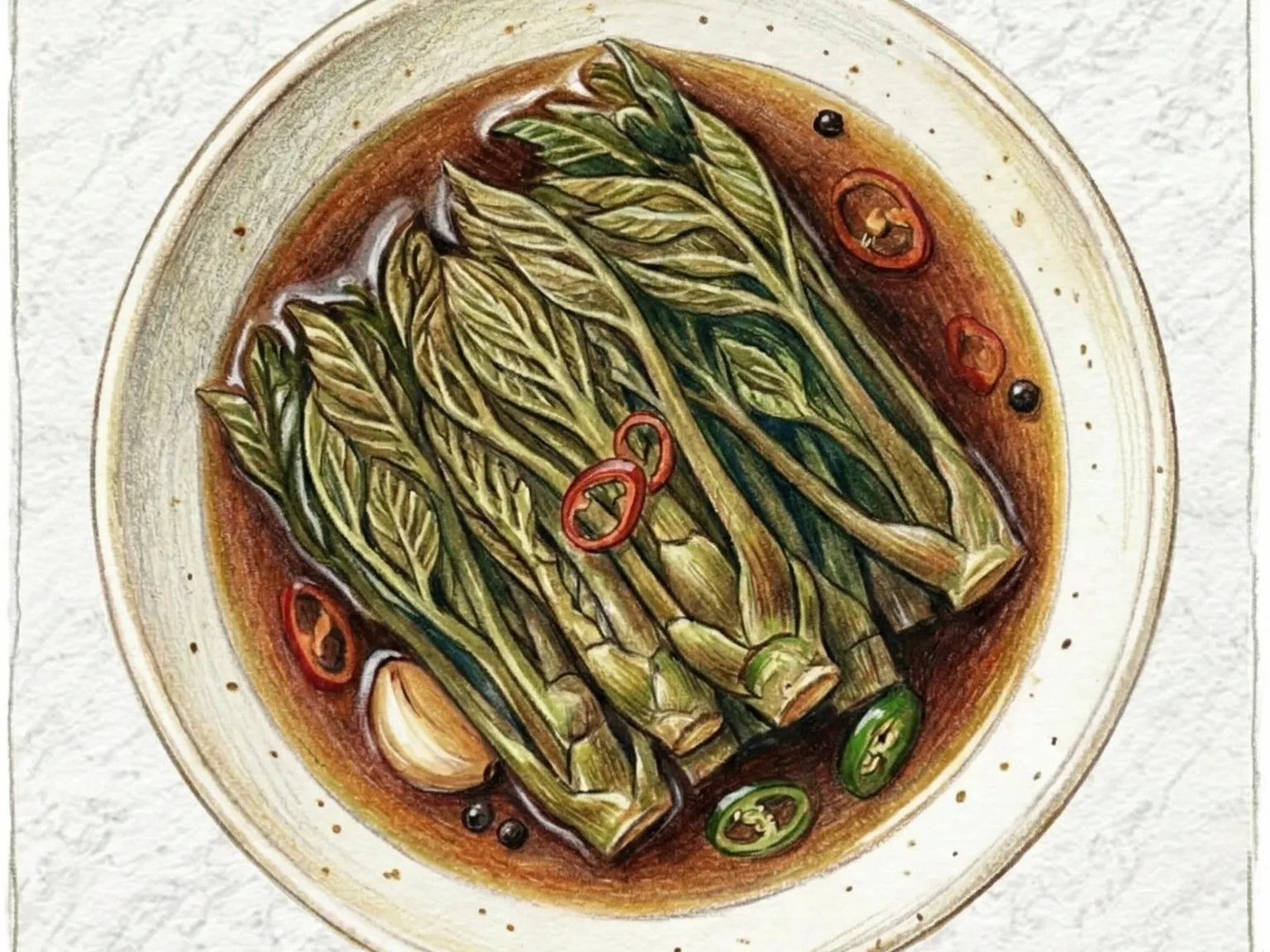
Dollnamul muchim is a spring banchan of raw stonecrop (Sedum sarmentosum) dressed in a seasoning mix of gochugaru, vinegar, fish sauce, garlic, and sugar. The plant grows on rocky stream banks and low walls across Korea; its plump, jade-green leaves carry a faintly sour, grassy juice that releases when bitten. Heat collapses the texture entirely - a few seconds of blanching is enough to destroy the crunch - so dollnamul is always dressed raw. The process is minimal: a quick rinse in cold water, a firm shake to remove excess moisture, and an immediate toss with the seasoning. The structural logic of the dressing has fish sauce providing fermented depth beneath the vinegar's sharp acidity; if either element dominates, the herb's clean, fresh aroma disappears. The dish must be eaten within minutes of dressing. Osmotic pressure begins pulling juice from the leaves almost immediately, and the texture softens to a limp mass within half an hour. Dollnamul muchim is a common addition to spring picnic lunches and is best served cold.

🏠 Everyday🍱 Lunchbox
Prep 12min4 servings
Korean Spicy Stir-Fried Squid Rice Bowl
RiceMedium

Korean Spicy Stir-Fried Squid Rice Bowl

Scored squid, onion, cabbage, and scallion are stir-fried together in a gochujang-based sauce over high heat and served on a bowl of steamed rice. Cutting a crosshatch pattern into the squid before cooking causes each piece to curl into a compact cylinder as it hits the heat, producing a thick, bouncy texture while giving the sauce more surface area to cling to. Because squid turns rubbery in a matter of minutes if left on the heat too long, the vegetables go into the pan first to drive off their moisture, and the squid is added only for the final three to four minutes over maximum heat. The sauce, built from gochujang, gochugaru, soy sauce, sugar, and sesame oil, caramelizes quickly against the hot pan and coats both the vegetables and the squid in a glossy, deep-red glaze. The natural sweetness of the onion and cabbage tempers the chili heat and keeps the dish balanced rather than one-dimensionally spicy. Leaving a small pool of sauce in the pan when plating allows it to soak into the rice, making the whole bowl worth mixing together before eating.

🏠 Everyday
Prep 15minCook 12min2 servings
Korean Chicken Breast & Mugwort Stir-fry
Stir-fryMedium

Korean Chicken Breast & Mugwort Stir-fry

Spring mugwort offers its most tender texture and mildest bitterness immediately after harvest, making it a perfect companion for lean proteins. This stir-fry utilizes thinly sliced chicken breast to create a clean base where the herb's fragrance takes center stage. Minced garlic and soy sauce provide a light seasoning that emphasizes the natural characteristics of the ingredients without creating a heavy coating. Because chicken breast dries out quickly, the preparation requires a preheated pan and high heat to cook the meat just until it turns opaque. Adding the mugwort at the very end allows it to soften slightly through residual heat, preserving the fresh aroma that would otherwise turn harsh or overly bitter with prolonged cooking. A light application of sesame oil at the finish rounds out the profile with a subtle nuttiness. The combination of vitamin-rich mugwort and high-quality protein makes this a nutritionally balanced side dish. This preparation relies on minimal oil and the inherent quality of the seasonal ingredients, making it a suitable choice for a light meal served with rice or inside fresh lettuce wraps.

🥗 Light & Healthy🏠 Everyday
Prep 14minCook 9min2 servings
Korean Vegetable Dumplings
Street foodMedium

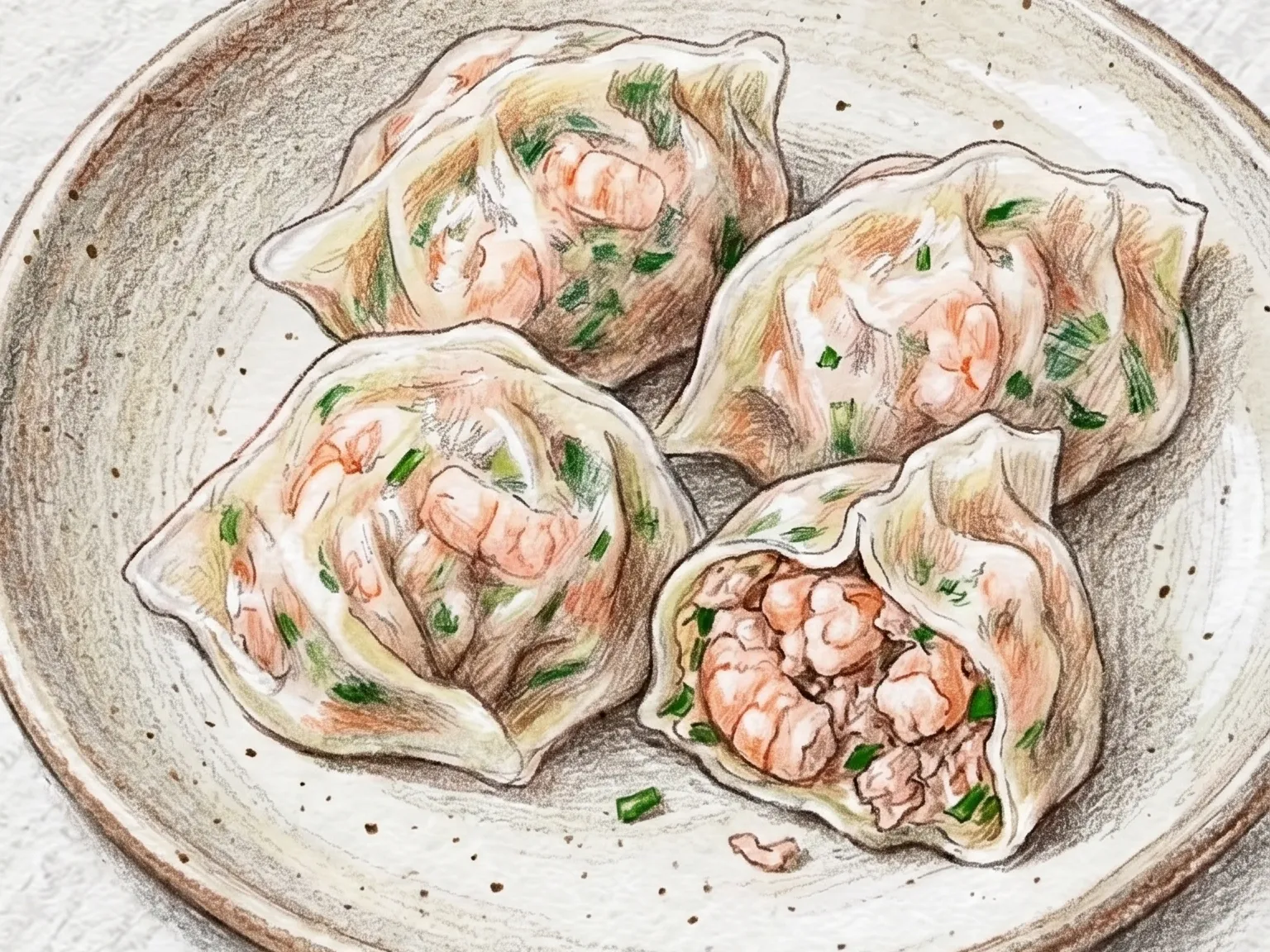
Korean Vegetable Dumplings

Yachae-mandu are Korean vegetable dumplings filled with finely chopped cabbage, garlic chives, rehydrated glass noodles, and crumbled firm tofu, seasoned with soy sauce, sesame oil, and minced garlic. Squeezing all moisture from the tofu through a clean cloth and salting the cabbage before pressing it dry are both essential steps that prevent the wrappers from bursting during cooking. The glass noodles, cut short before going into the filling, distribute a springy chew throughout each bite rather than clumping in one place. Garlic chives stand in for green onions and bring a pungent, grassy aroma that gives the filling its character without any meat. Pan-frying over medium heat creates a thin, golden crust along the bottom of each dumpling while the upper half stays soft and slightly moist, so every bite delivers a contrast between crisp and tender. Leaving enough border around the filling when sealing the edge prevents blowouts during cooking and keeps the shape intact through to the table.

🧒 Kid-Friendly🌙 Late Night
Prep 20minCook 12min2 servings
Korean Gochujang Grilled Chicken Legs
GrilledMedium

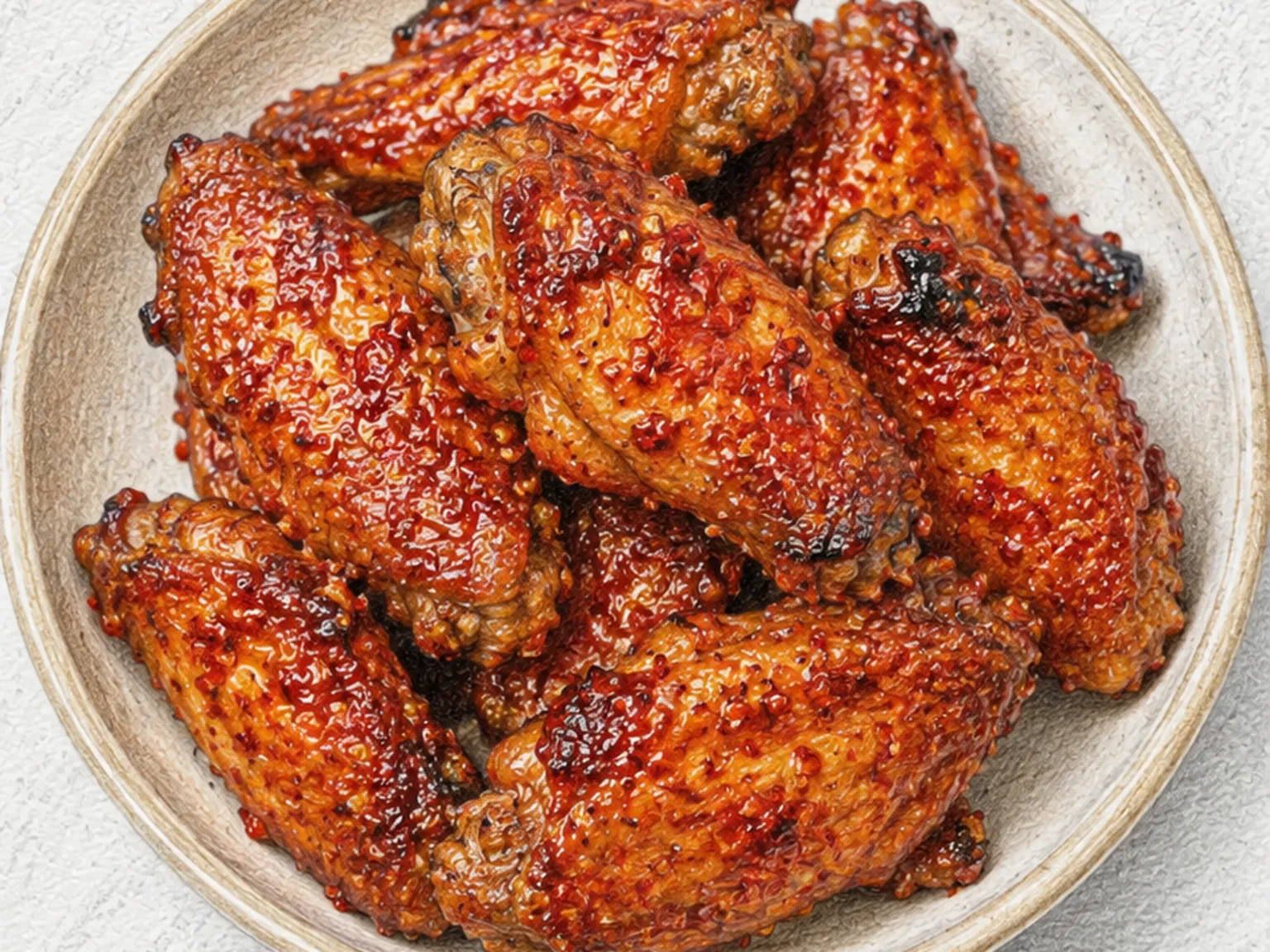
Korean Gochujang Grilled Chicken Legs

Gochujang dak-dari-gui is a Korean pan-grilled chicken dish in which bone-in leg quarters are marinated in a sauce of gochujang, soy sauce, oligosaccharide syrup, minced garlic, mirin, and sesame oil before being cooked in a skillet. The use of oligosaccharide syrup rather than plain sugar is deliberate - it has a lower sweetness level but higher viscosity, which helps the marinade adhere to the chicken's surface and caramelizes more slowly without burning, making it easier to develop a proper glaze. Starting the chicken skin-side down over medium heat is the foundation of the dish: pressing the skin gently against the pan renders the subcutaneous fat gradually, producing a crisp surface layer. Without sufficient rendering time, the skin stays soft and slick even when coated with the sauce later. Flipping and covering with a lid traps steam inside the pan, which drives heat into the thickest part of the meat and ensures it cooks through evenly without the outside drying out. When the lid comes off and the sauce reduces, the evaporating water concentrates the marinade's flavors and causes it to begin clinging to the meat in a thick, glossy layer. The final two minutes on high heat are the transformation point of the dish: the residual sugars in the marinade caramelize rapidly in the intense heat, and the spicy fermented depth of the gochujang, the sweetness of the syrup, and the salinity of the soy compress into a lacquered, shining glaze. Marinating in the refrigerator for at least one hour, and ideally overnight, reduces any gamey odor from the chicken and allows the seasoning to work its way deep into the muscle fibers, so that when the meat is cooked it tastes seasoned from the inside.

🍺 Bar Snacks
Prep 20minCook 30min4 servings
Korean Braised Short Ribs
SoupsHard

Korean Braised Short Ribs

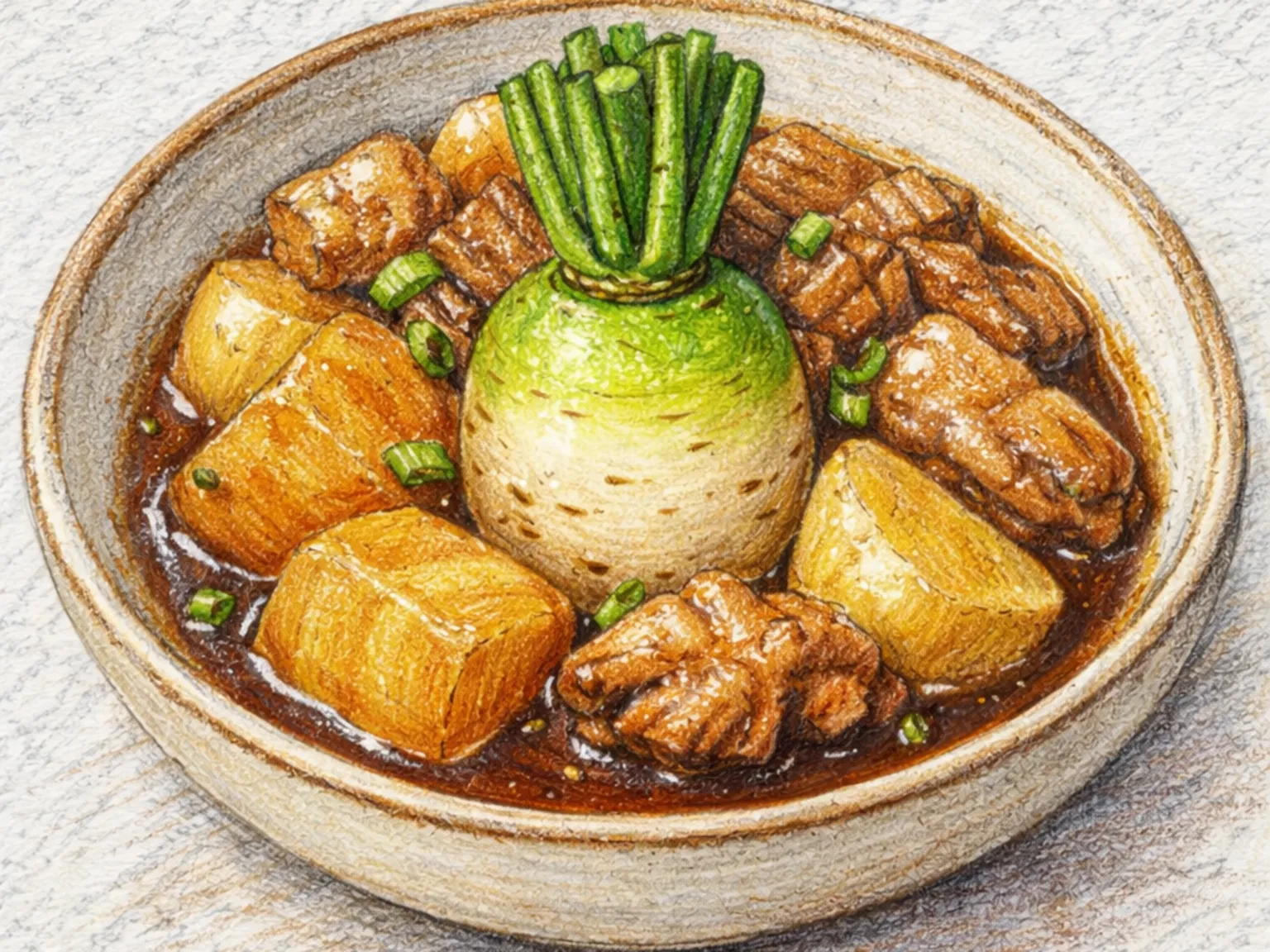
Galbi-jjim is one of Korea's most celebrated braised dishes, built around thick-cut beef short ribs that simmer for well over an hour in a deeply seasoned liquid of soy sauce, Asian pear juice, sugar, garlic, and sesame oil. Before braising, the ribs are soaked in cold water to purge the blood, then briefly blanched in boiling water to remove impurities; skipping either step results in a cloudy, less refined sauce. The long, low cook breaks down the collagen in the connective tissue until the meat offers no resistance, sliding off the bone with the lightest pull. As the liquid reduces it clings to each rib in a thick, glossy dark-brown glaze that is simultaneously sweet, salty, and intensely savory. Daikon radish and carrot chunks absorb the braising liquid and soften into something almost buttery, becoming a substantial side dish in their own right. Chestnuts and jujubes, traditionally added for Chuseok and Lunar New Year celebrations, lend a gentle sweetness and lift the visual festivity of the platter. A single spoonful of the finished sauce over plain steamed rice is enough to make an entire bowl disappear.

🏠 Everyday🎉 Special Occasion
Prep 30minCook 60min4 servings
Korean Perilla Seed and Potato Stew
StewsEasy

Korean Perilla Seed and Potato Stew

Deulkkae gamja jjigae is a potato stew enriched with ground perilla seeds, which give the broth a distinctly nutty thickness reminiscent of a light porridge. Potato wedges and sliced zucchini simmer in anchovy stock until the potatoes begin to soften and partially break down, naturally thickening the liquid. A generous amount of perilla seed powder stirred in near the end creates the signature creamy, toasty quality that defines this dish. Seasoned simply with soup soy sauce and garlic, it demonstrates how a short list of humble pantry ingredients can produce a deeply satisfying, filling bowl without any meat.

🏠 Everyday
Prep 10minCook 20min2 servings
Korean Braised Eggplant in Seasoned Soy Sauce
SteamedEasy

Korean Braised Eggplant in Seasoned Soy Sauce

Gaji yangnyeom jorim is a Korean braised eggplant side dish made with soy sauce, gochugaru, garlic, and sesame oil. Briefly sauteing the eggplant in oil before adding the braising liquid is important: pre-cooking the surface prevents the eggplant from releasing too much water into the sauce, which keeps the seasoning concentrated and helps it penetrate evenly. A small amount of sugar or plum extract is added to the sauce, giving the finished dish its characteristic glossy sheen. Scallions are stirred in only after the heat is off to preserve their color and texture. The result is a compact, salty-spicy banchan with a deep lacquered surface on each piece. Keeping a batch in the refrigerator means it is available as a side dish for three or more days, and the leftover braising liquid works well as seasoning in bibimbap.

🥗 Light & Healthy🏠 Everyday
Prep 10minCook 15min2 servings
Korean Green Chili Kimchi
KimchiEasy

Korean Green Chili Kimchi

Gochu kimchi is a spicy Korean kimchi made with whole or halved green chili peppers that are salted, then dressed in gochugaru, salted shrimp, anchovy fish sauce, and garlic before a short fermentation period. The thick pepper walls retain a firm crunch through salting and fermentation, and the seeds clustered inside deliver a concentrated burst of heat when bitten into. Salted shrimp brings immediate umami even without extended aging, and the pepper's own grassy sweetness supports the seasoning in place of added sugar. Salting the peppers for thirty to forty minutes with coarse salt draws out moisture without making them overly salty, which keeps the finished kimchi well-balanced. Served alongside grilled pork belly or bossam, this kimchi acts as a sharp, refreshing counterpoint that cuts through the richness of fatty meats.

🍱 Lunchbox
Prep 25min4 servings
Korean Kimchi Soy Milk Tantan Noodles
NoodlesMedium

Korean Kimchi Soy Milk Tantan Noodles

Kimchi duyu tantan myeon takes the structural logic of Chinese dandan noodles and rebuilds it around Korean pantry ingredients. Garlic and green onion are stir-fried in chili oil first to infuse the fat with fragrance, then ground pork goes in along with doenjang and soy sauce and stays on the heat until it browns and the fermented paste base deepens. Finely chopped kimchi is added and cooked for two more minutes, which softens the raw acidity of the kimchi and melds it into the meat mixture. Unsweetened soy milk is poured in at that point and heated gently, just below a boil, so it blends into a smooth, lightly creamy broth without breaking. The noodles are boiled separately and placed in the bowl before the broth is ladled over. Ground peanuts sprinkled on top at the end contribute a nutty finish, and the amount can be adjusted to thicken the broth to a preferred consistency.

🍺 Bar Snacks🌙 Late Night
Prep 18minCook 15min2 servings
Perilla Oil Potato Gnocchi with Pancetta
PastaMedium

Perilla Oil Potato Gnocchi with Pancetta

Perilla oil potato gnocchi with pancetta dresses soft potato gnocchi in rendered pancetta fat, chicken stock, and butter, finishing with unheated perilla oil to preserve its raw, distinctly nutty fragrance. The pancetta crisps first, and its rendered fat becomes the cooking medium for onion and garlic to build an aromatic base. Boiled gnocchi are tossed in this base with Parmigiano to create a light, glossy emulsified sauce rather than a heavy cream one. Perilla oil goes on at the very end - heating it would destroy the sesame-like aroma that separates this preparation from standard Italian gnocchi. Shredded perilla leaves on top reinforce the Korean element with color and a grassy, herbal note. Total cook time runs about twenty minutes.

🎉 Special Occasion
Prep 25minCook 20min2 servings