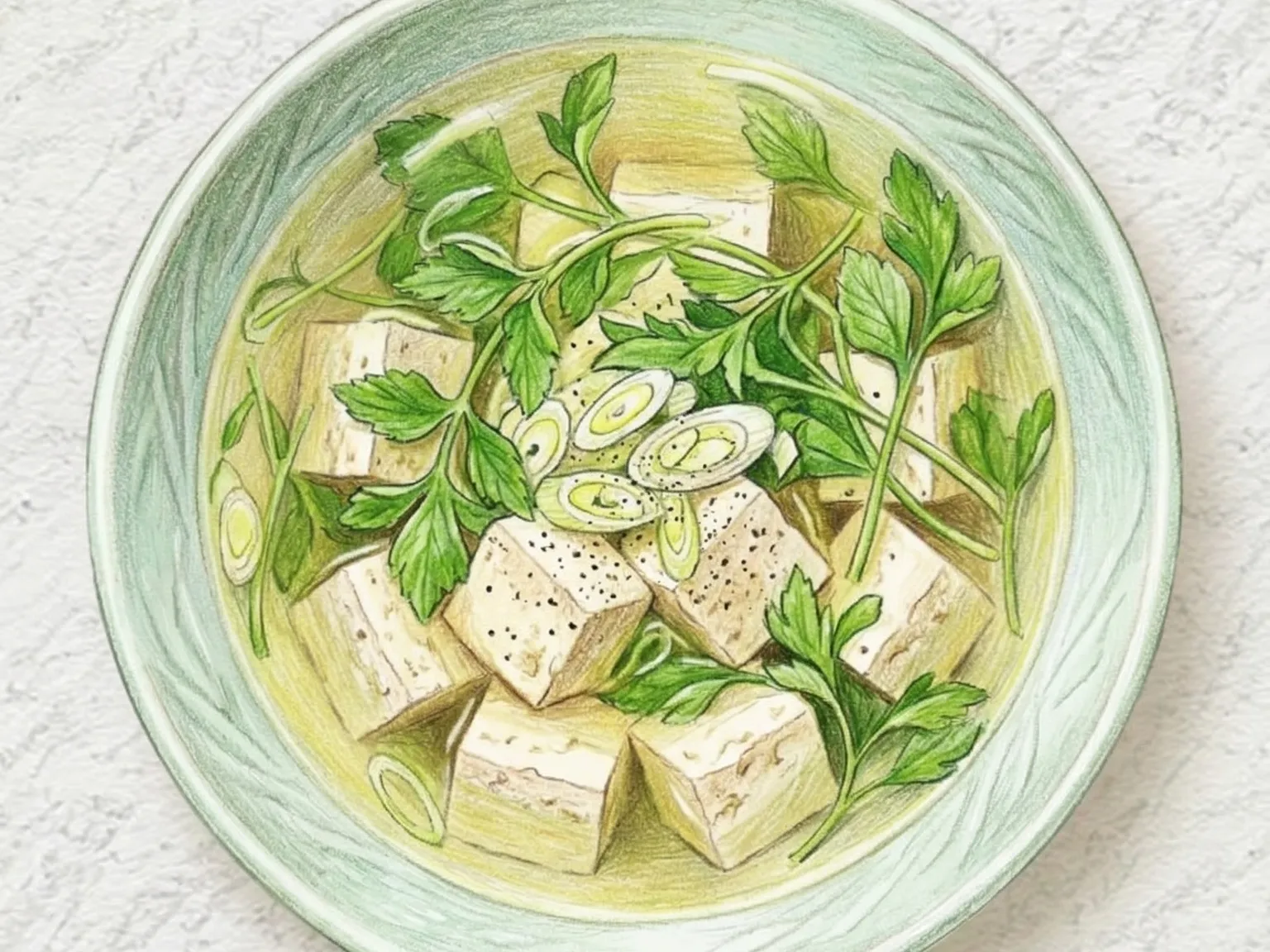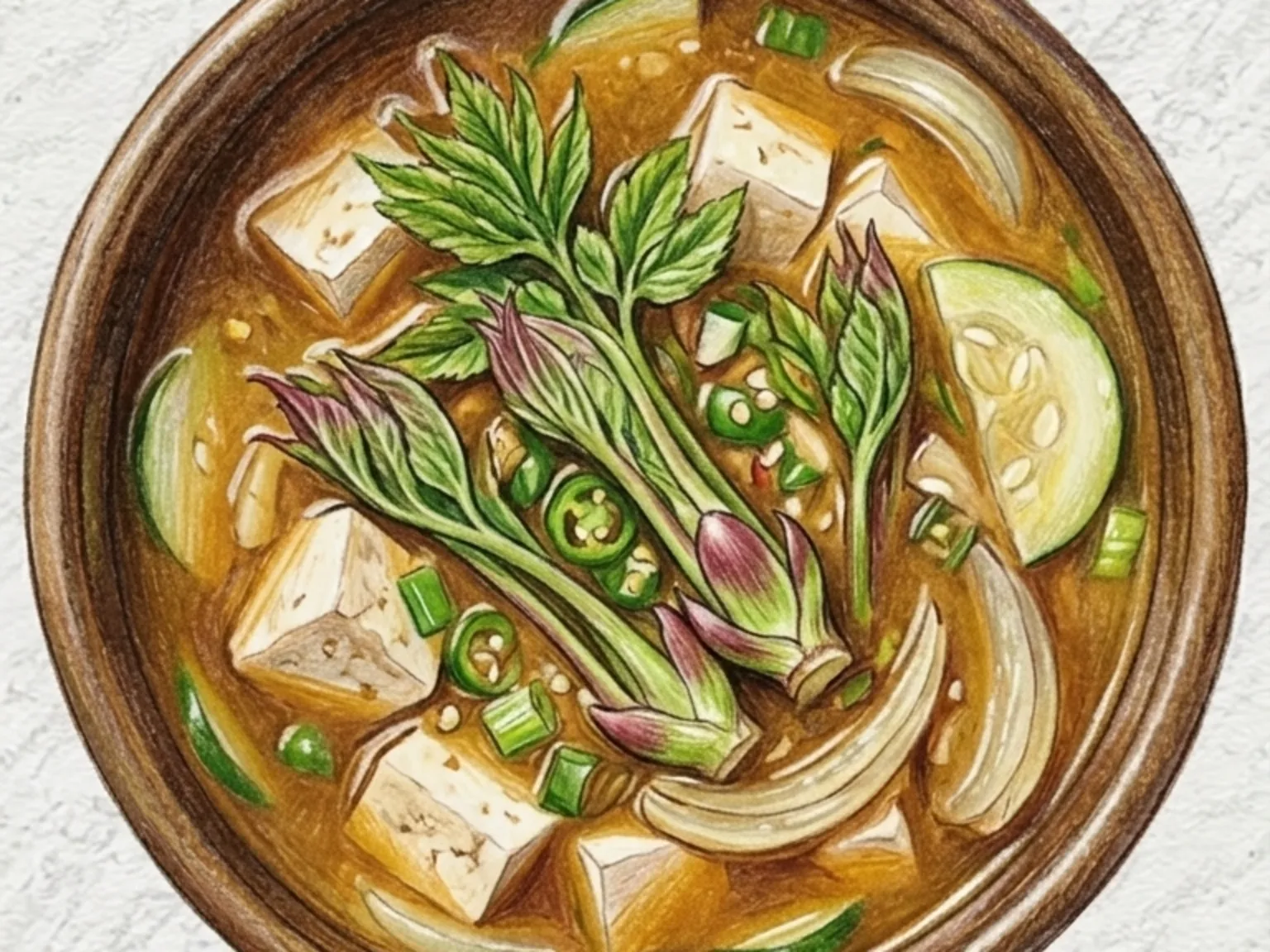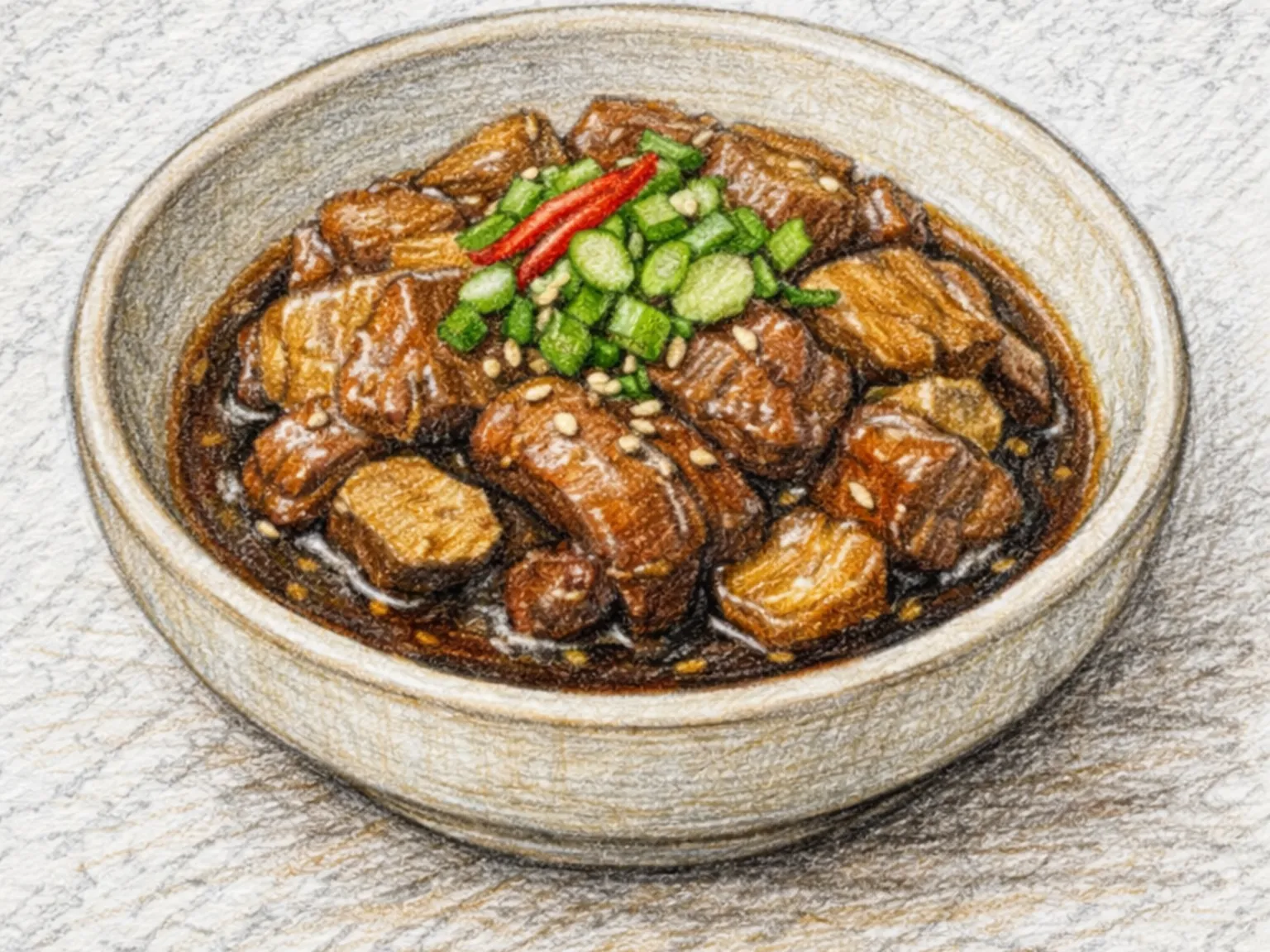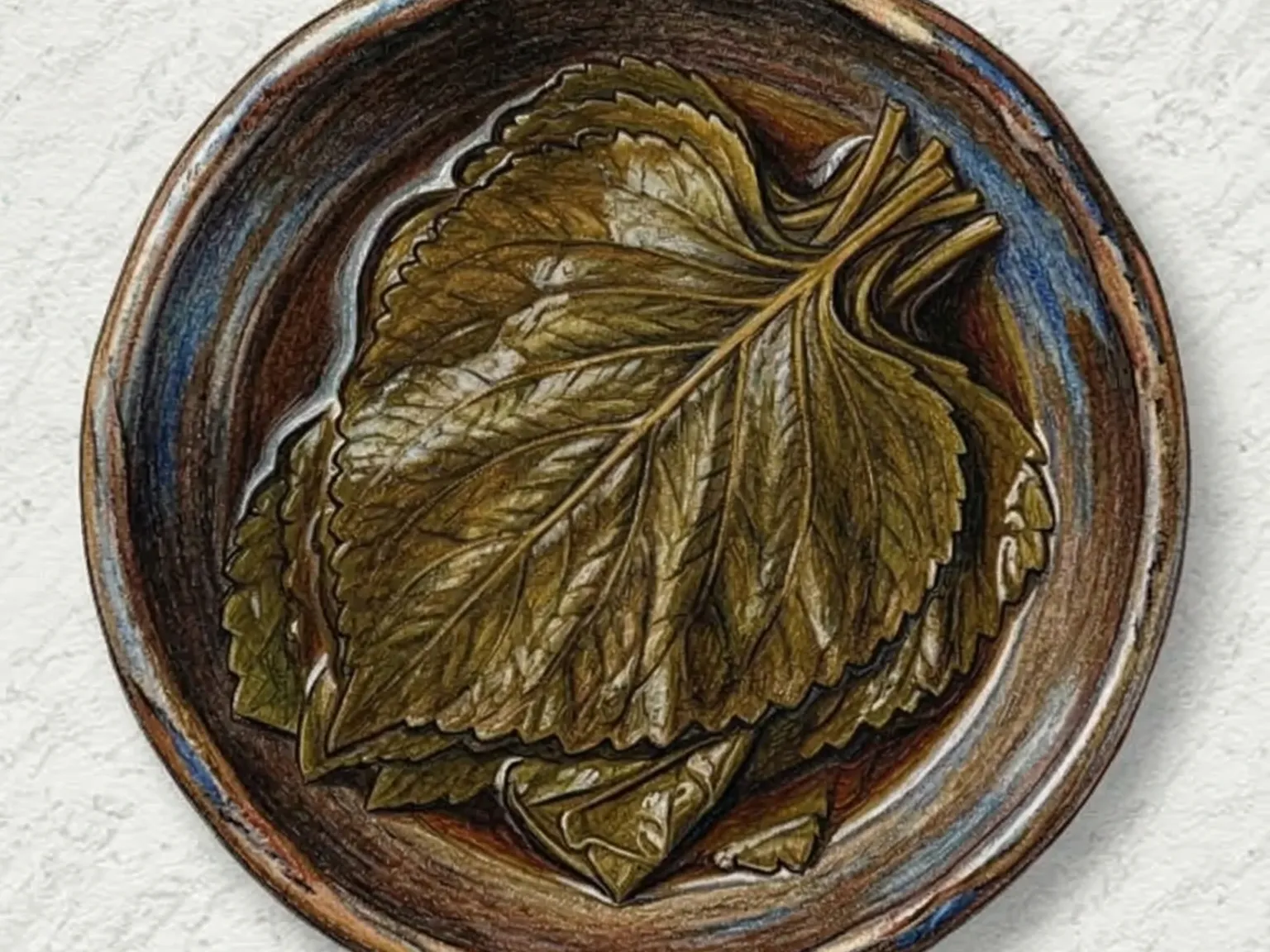
Potato Au Gratin
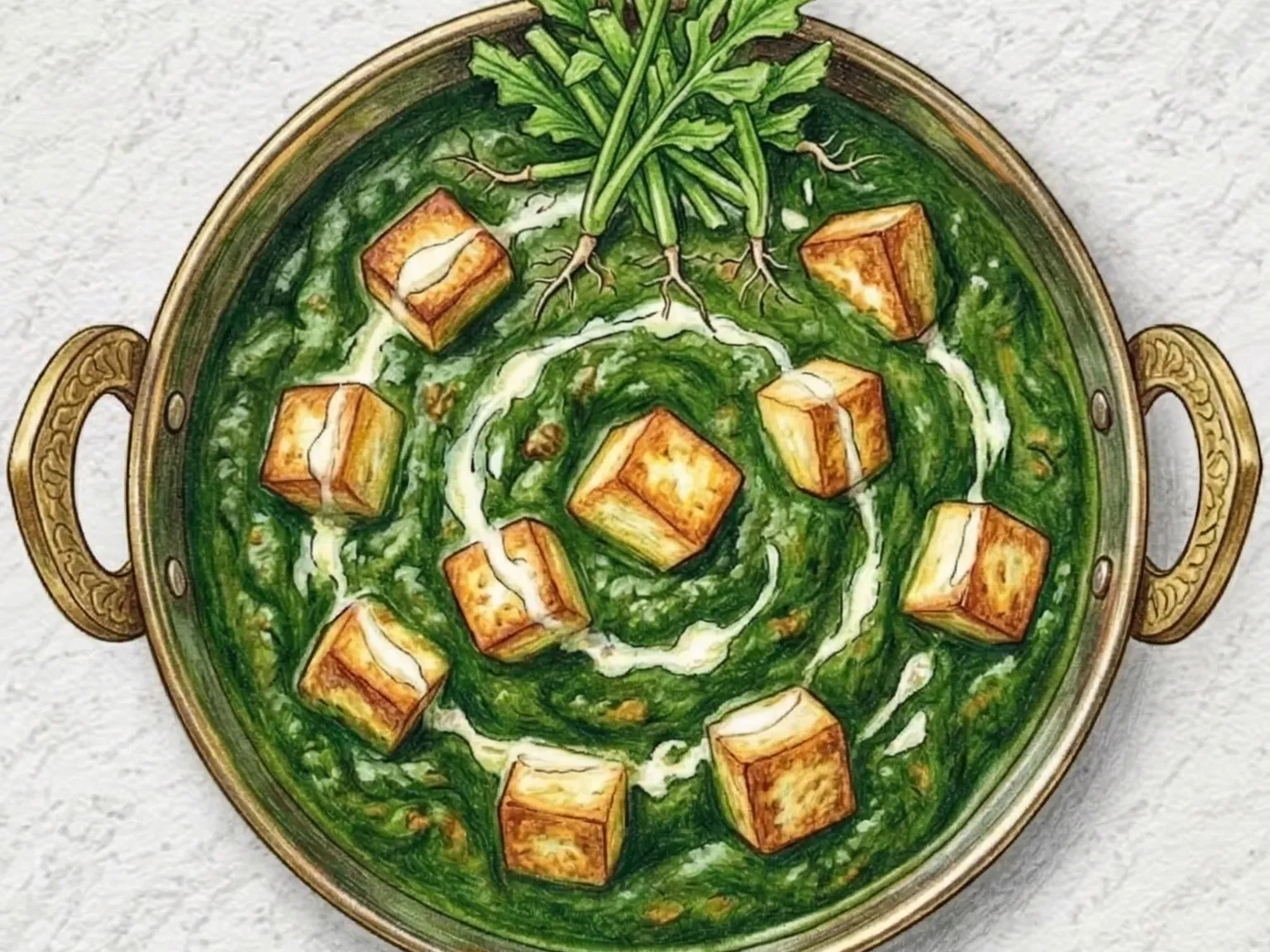
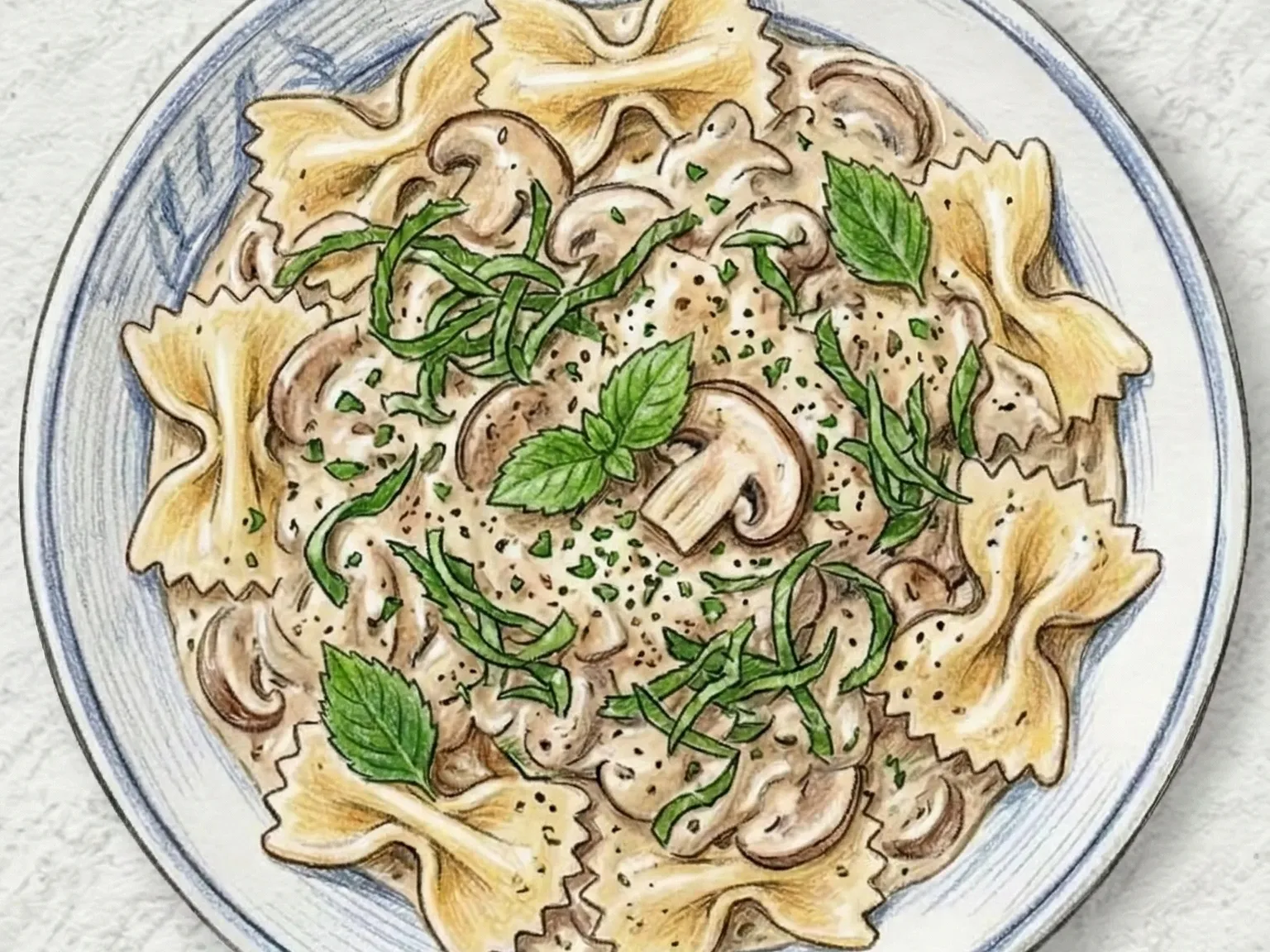
Potato Au Gratin is a French baked potato dish where thinly sliced potatoes are layered with cream and Gruyere cheese, then baked until the top forms a deep golden crust. The potatoes must be sliced to a uniform two to three millimeters - a mandoline slicer ensures consistent thickness so every layer cooks at the same rate. A mixture of heavy cream and milk warmed gently with garlic is poured between each layer of potatoes, where it meets the potato starch and thickens into a binding sauce that holds the layers together. Gruyere is the classic cheese choice - it melts into long, stretchy strands and carries a nutty, slightly sweet flavor. It is distributed between the layers for internal richness and piled on top for the signature golden crust. After about fifty minutes at 180 degrees Celsius, the cream bubbles around the edges, the potatoes turn completely tender, and the surface cheese crisps into a crackling, browned cap.

Hokkien Lor Mee (Braised Gravy Noodles)
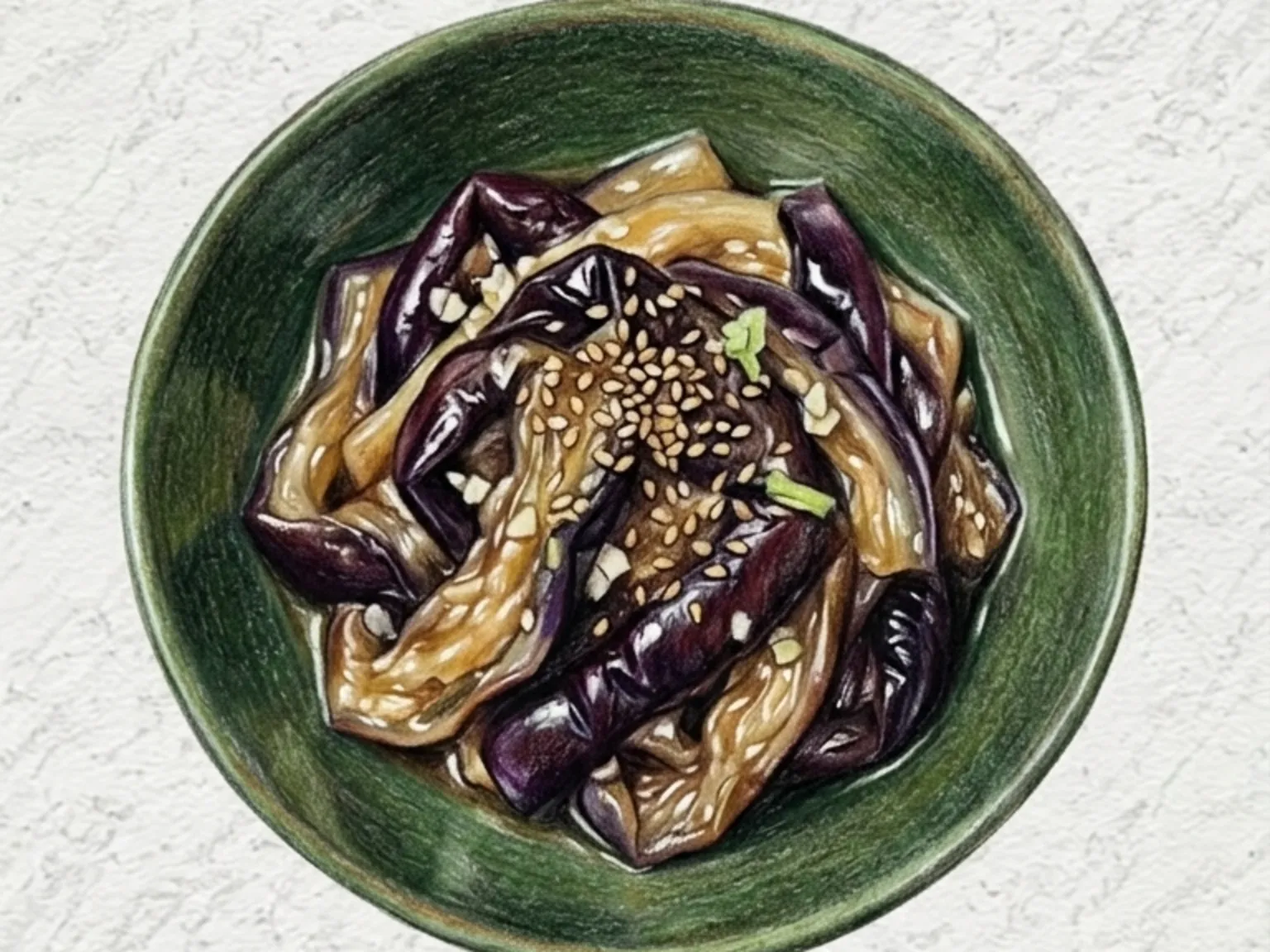
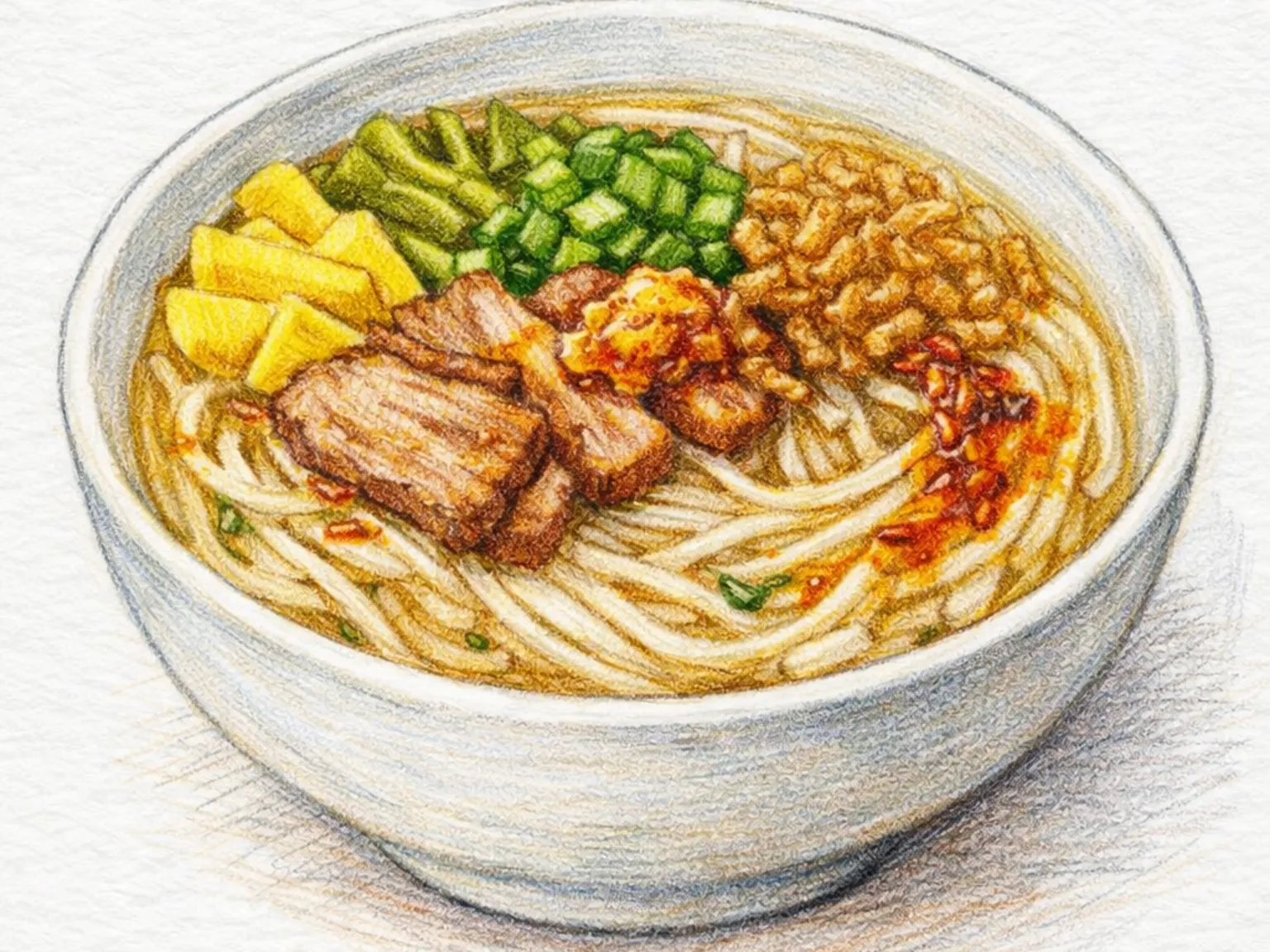
Hokkien lor mee is a thick-gravy noodle dish from the Chinese communities of Singapore and Malaysia, built on chicken stock seasoned with dark soy sauce and five-spice powder. The dark soy gives the broth its deep mahogany color and intense saltiness, while five-spice, with its blend of star anise and cinnamon, layers in aromatic complexity. A cornstarch slurry is added gradually to thicken the broth to a glossy, almost sauce-like consistency that coats the yellow noodles completely. Bean sprouts are blanched for just one minute to retain their crunch, and halved boiled eggs provide a creamy element. The traditional finishing touch is raw minced garlic and a splash of black vinegar, both of which cut through the heavy gravy and keep each spoonful from becoming monotonous.

Korean Steamed Eggplant Vinegar Salad
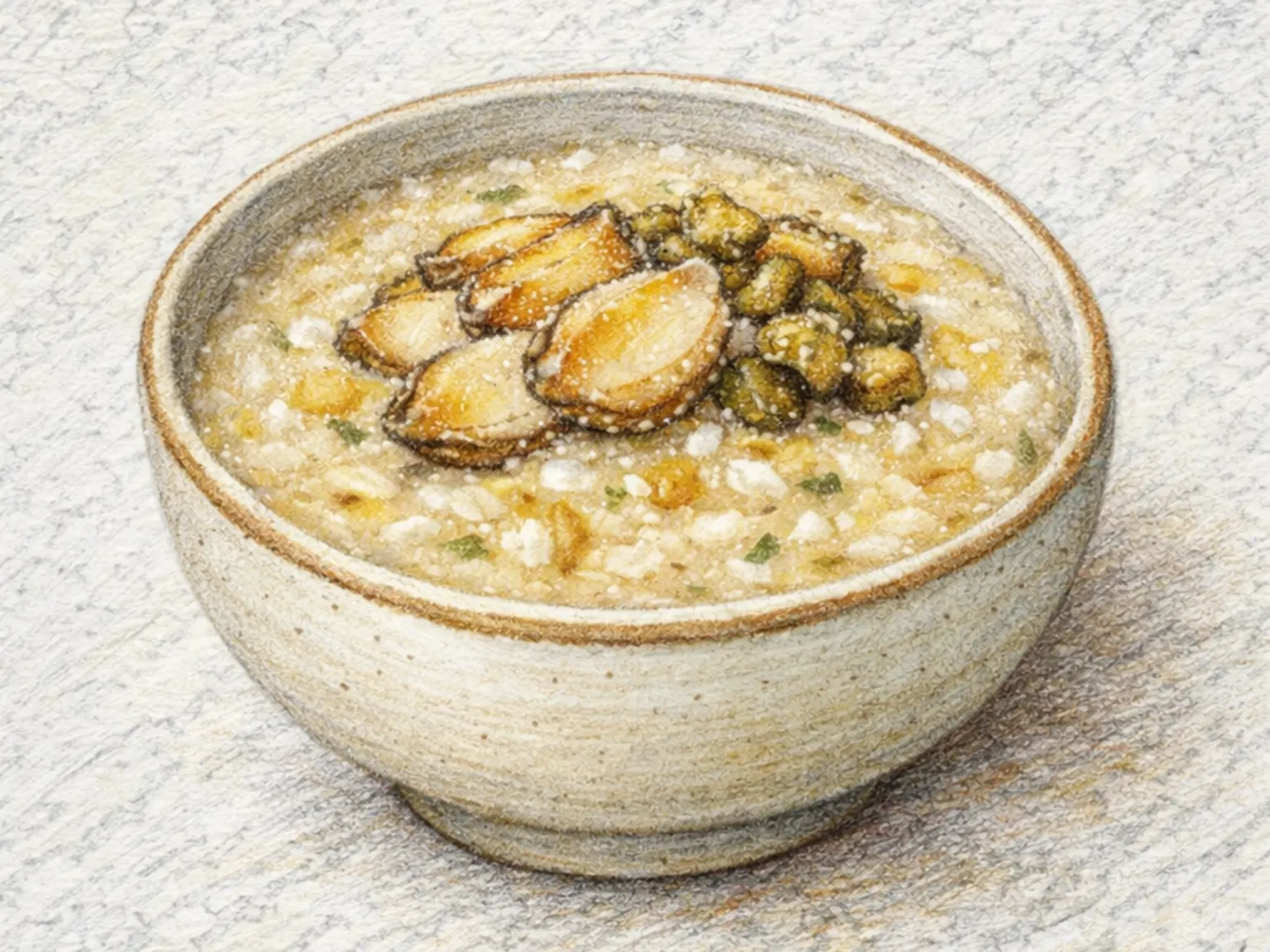
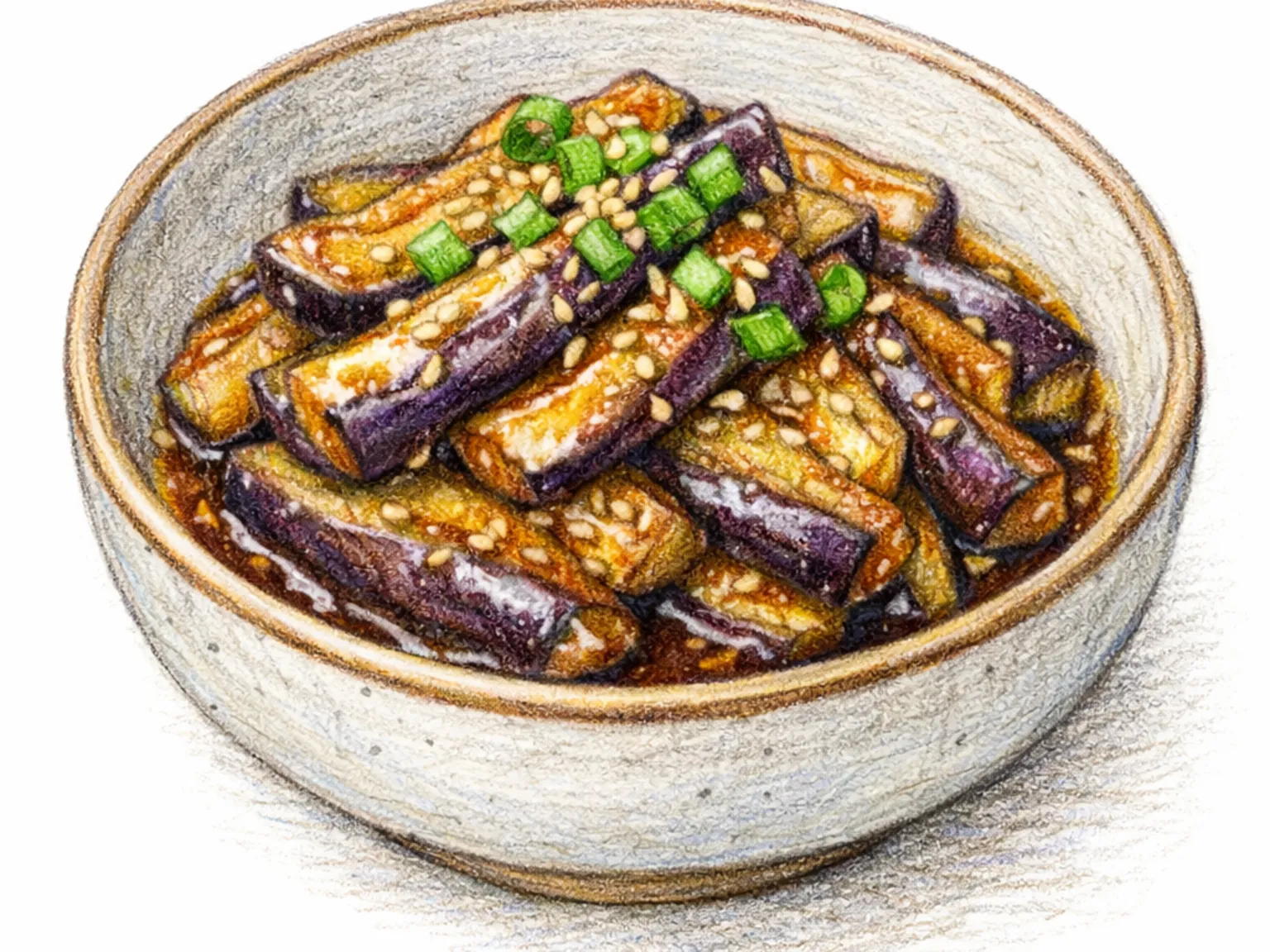
Gaji-chorim-muchim takes eggplant in the opposite direction from bokkeum preparations, which rely on high heat and oil. Here, the eggplant is gently steamed and chilled before being dressed cold with a vinegar-forward sauce. The eggplant is halved lengthwise, scored on the flesh side, and steamed for eight minutes until the interior turns translucent and completely soft. After cooling fully, it is torn by hand along the grain into long strips, exposing a rough, irregular surface that grips the dressing. Soy sauce, rice vinegar, sugar, minced garlic, and gochugaru combine into a bright, tangy-spicy dressing that lifts the eggplant's subtle natural sweetness rather than masking it. Steamed eggplant torn into strips has a silky, almost slippery quality that is entirely distinct from stir-fried or grilled eggplant. The dressing can be made more generous to serve the dish as a refreshing cold salad style. A few drops of sesame oil and a scatter of sesame seeds finish it off with a nutty note. This banchan is especially well suited to Korea's hot and humid summer months.

Korean Ueong Dak Juk (Burdock Chicken Porridge)
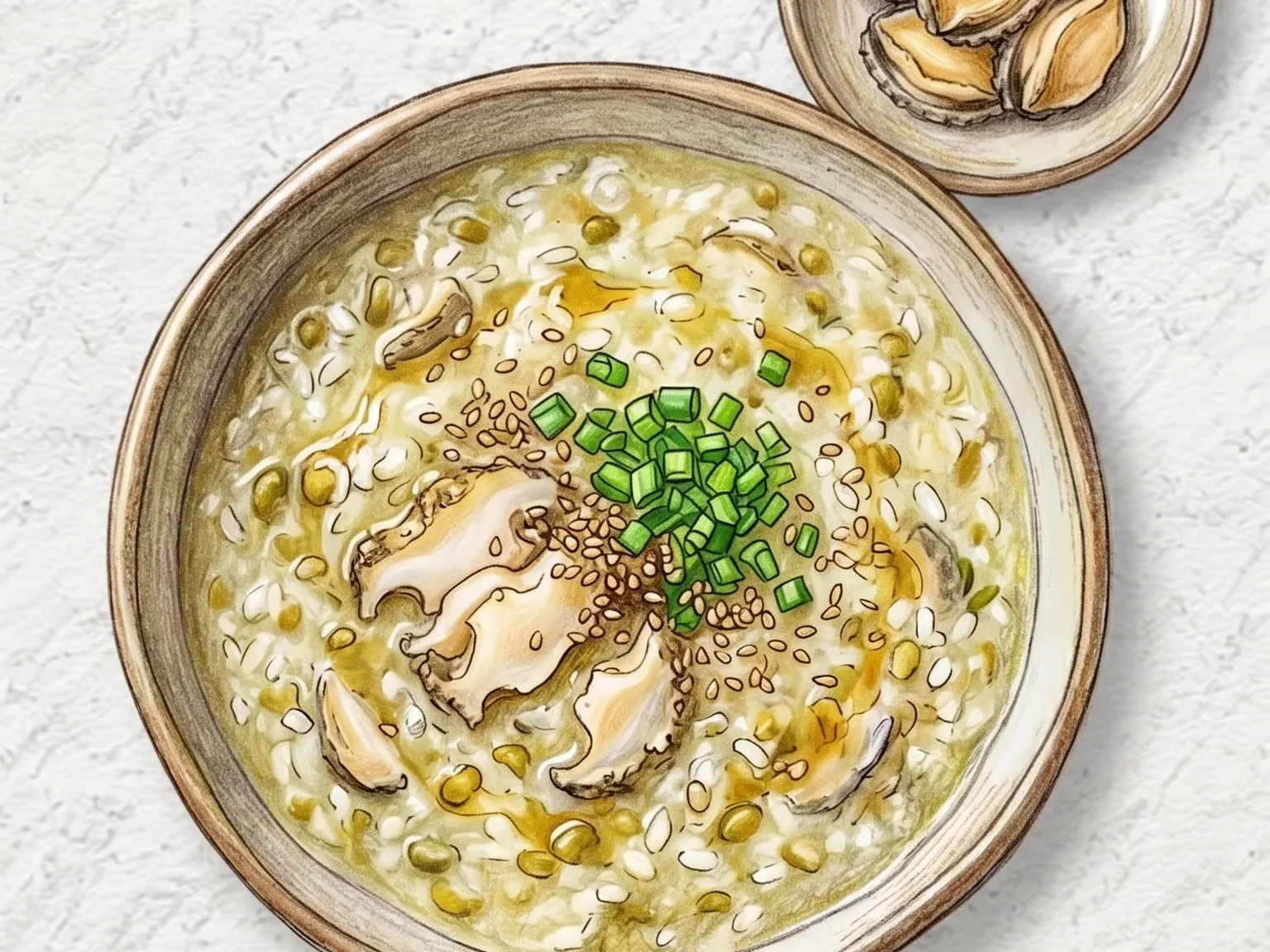
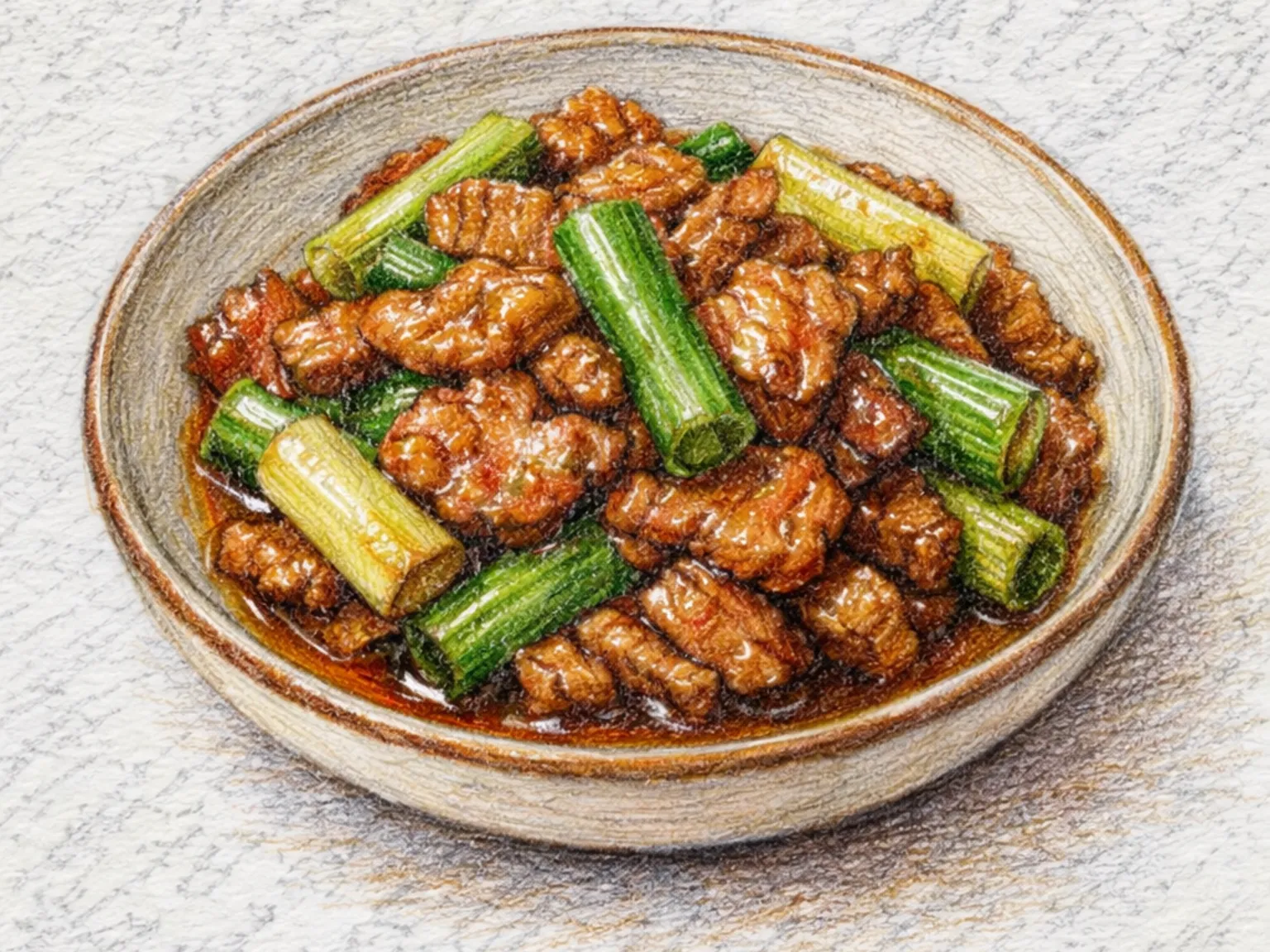
Shredded chicken tenderloin and julienned burdock root are simmered together in a long, slow cook until the porridge turns thick and smooth. The chicken releases a clean, mild broth that forms the base flavor, while the burdock contributes a subtle earthy aroma and slight crunch that adds dimension. Toasting the rice in perilla oil before adding liquid deepens the nuttiness and gives the porridge a silkier body. The result is a gentle, nourishing bowl that sits easy on the stomach.

Pepper and Pork Stir-fry (Chinese-Style Julienned Bell Pepper and Pork)
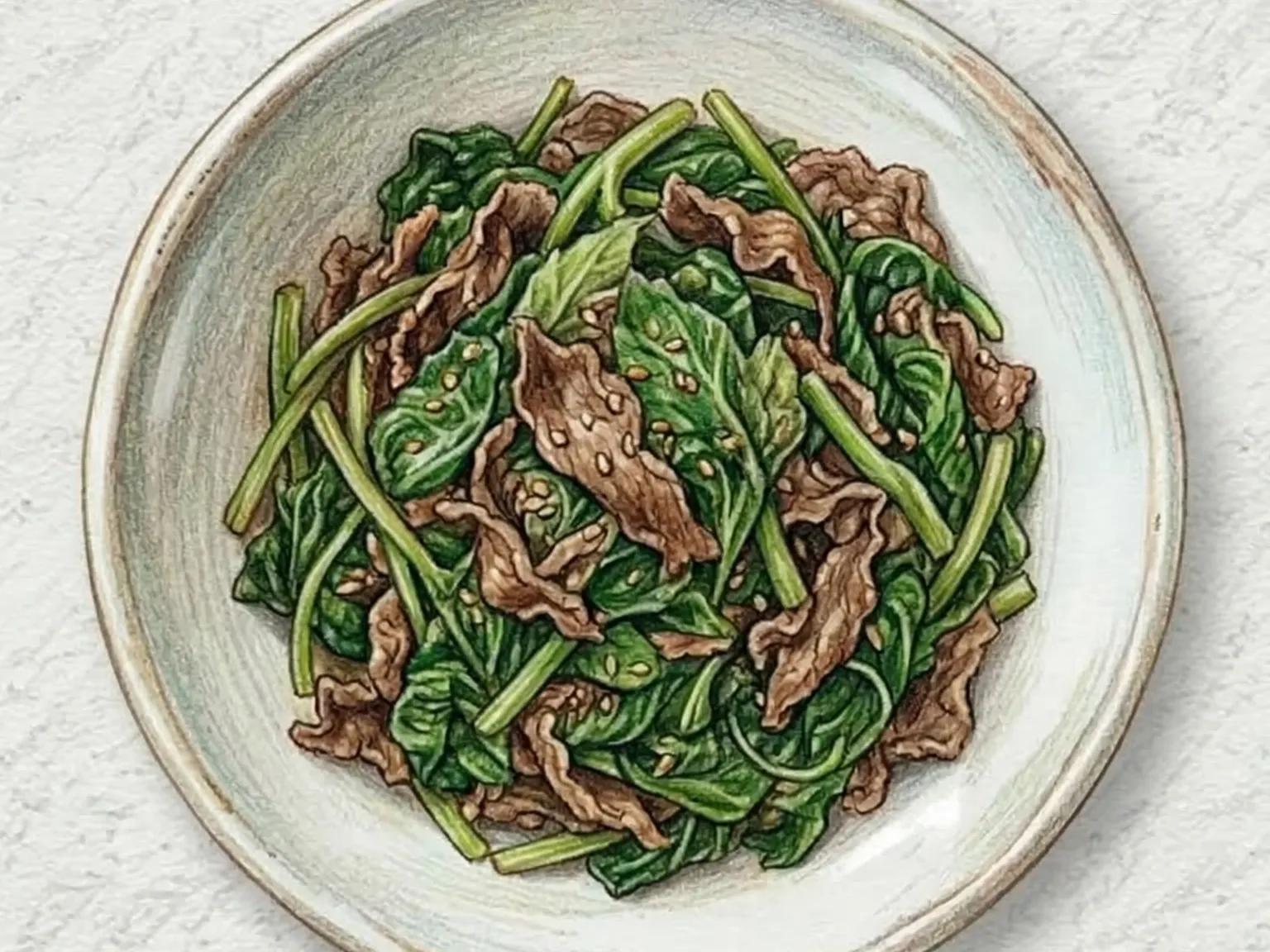
Gochu-japchae is a Korean-Chinese stir-fry of julienned bell peppers and pork loin cooked fast over high heat in a combined soy and oyster sauce base. The pork is pre-marinated with soy sauce and cornstarch before cooking: the starch coats each strip and holds in moisture, so the meat stays tender through the high-heat cooking rather than drying out. Soy sauce and oyster sauce together give the dish a clean, savory base where saltiness and umami are balanced without either dominating. Bell peppers are kept in the pan for only a short time, just enough to soften slightly while retaining their crunch and bright color. The high heat of the wok or pan is what sears the surface of the ingredients and creates the light, smoky char that distinguishes this kind of stir-fry from gentler cooking methods. Served over rice it works as a straightforward weeknight meal, or rolled into steamed flower buns or tortillas it becomes a more casual, hand-held meal. The whole dish comes together in under thirty minutes, making it one of the more practical examples of Korean-Chinese home cooking.

Korean Spicy Pork Bulgogi Grill
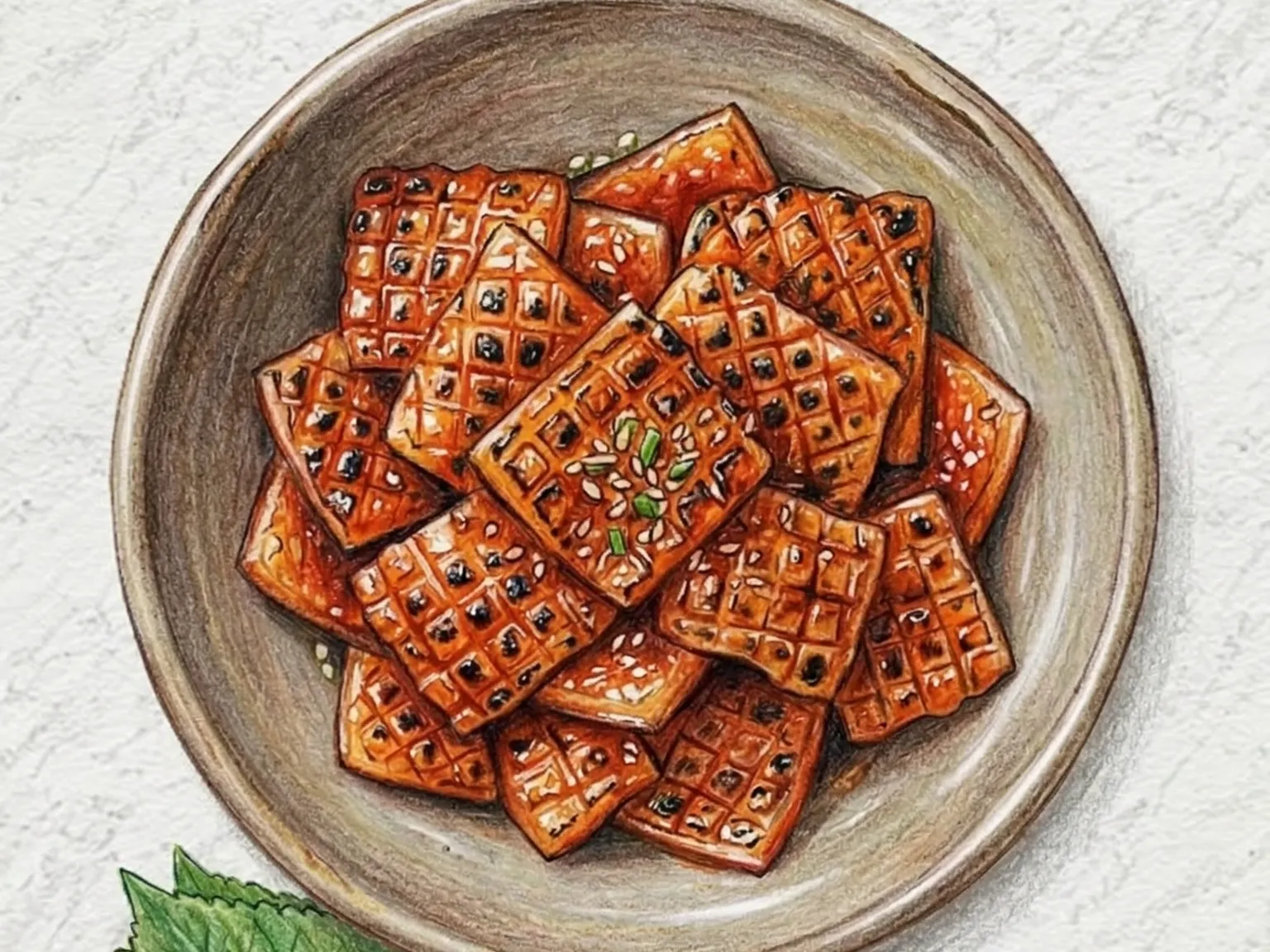
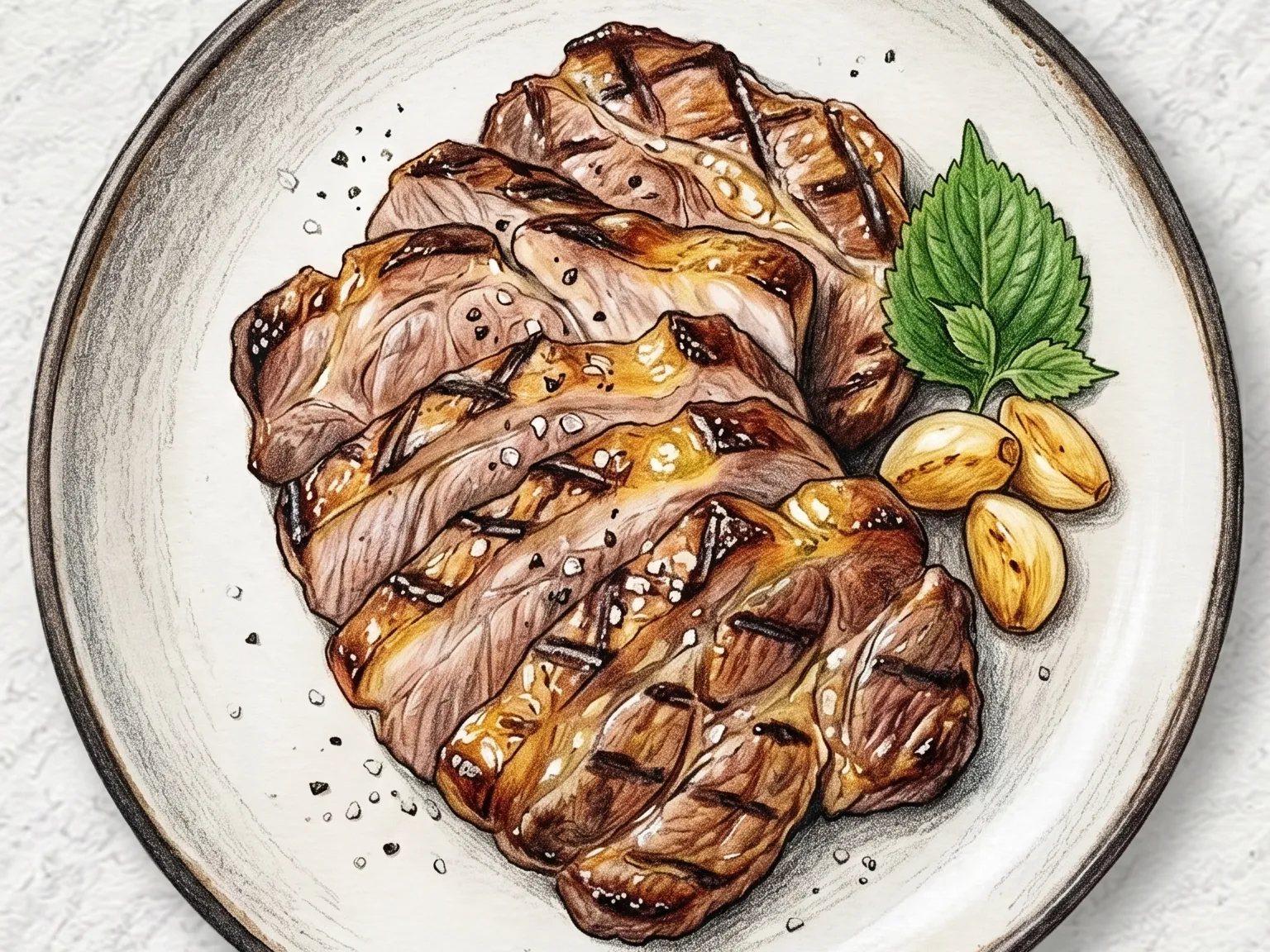
Pork shoulder is marinated for at least thirty minutes in a mixture of gochujang, soy sauce, sugar, and ginger juice, then grilled over high flame. The sugars in the marinade caramelize at high heat, forming a dark, flavorful crust on the surface. Wrapping the grilled meat in fresh lettuce leaves combines the charred smokiness with the crunch and freshness of raw greens.

Gomchi-guk (Eelpout Fish Radish Soup)
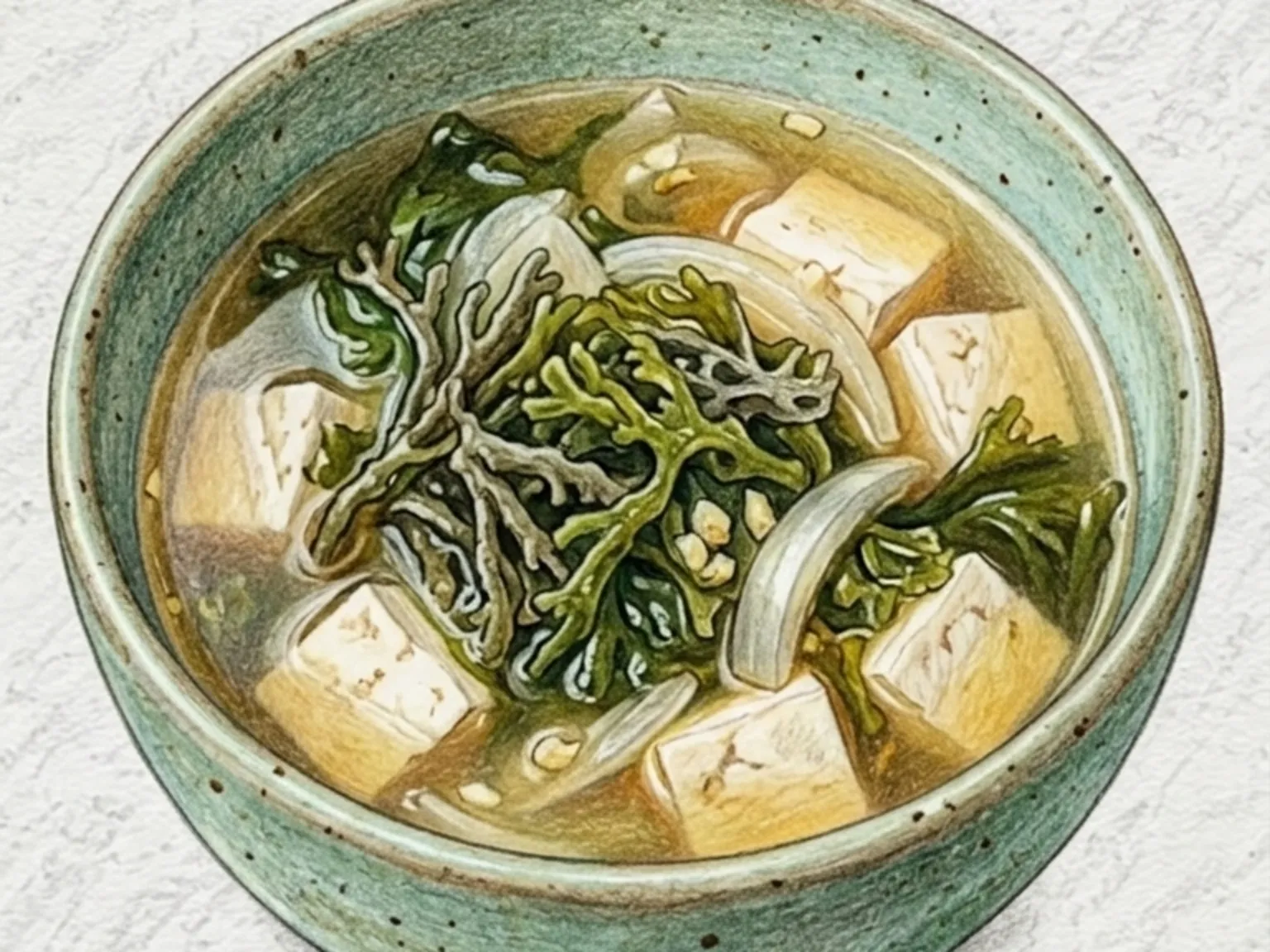
Gomchi-guk is an East Coast Korean fish soup centered on eelpout, a deep-sea fish prized for its exceptionally soft flesh and naturally high gelatin content. The fish is cut into sections and simmered with radish in plain water, producing a broth that appears simple but carries a clean marine richness and a subtly viscous body that comes entirely from the collagen dissolving out of the fish as it cooks. Radish absorbs and neutralizes the fishiness that might otherwise dominate the soup, while also contributing a gentle sweetness that keeps the broth tasting bright. A splash of cheongju rice wine is added early in cooking to eliminate any remaining off-notes, a standard technique for Korean fish soups. As the soup simmers, the eelpout flesh gradually separates and disperses into the liquid, blurring the boundary between solid and broth and making the soup feel satisfyingly unified rather than composed of distinct parts. Garlic and green onion provide the final layer of aromatics, and seasoning is kept simple with salt or a small measure of soup soy sauce. Gomchi-guk is a regional specialty most closely associated with the coastal towns of Gangwon Province and the North Gyeongsang coastline, where it is typically served bubbling hot in a stone pot through the winter months. Frozen eelpout is available outside its native region and produces a comparable result.

Korean Galchi Kimchi Jjigae (Hairtail Kimchi Stew)
Galchi kimchi jjigae is a Korean stew that pairs hairtail fish with deeply fermented aged kimchi, simmered together in a base of anchovy and dried kelp stock. The richness of hairtail - an oily, full-flavored white fish - works in counterpoint to the sharp, acidic punch of well-aged kimchi, and as the two cook together their flavors blur into something more complex than either ingredient alone. Korean radish and onion go into the pot first, their natural sweetness dissolving into the broth to form a mild, rounded base before the fish is added. The hairtail is laid in gently and cooked covered to preserve the flesh, which would fall apart if stirred. Gochugaru and soup soy sauce season the broth with spice and salt, while the fish releases its own deep umami gradually, enriching every spoonful of liquid. Pouring the stew over a bowl of rice is one of the most common ways to eat it - the broth soaks into the grains and pulls every element of the dish together. It is particularly well-suited to cold-weather cooking, when a hot, assertive broth is exactly what is needed.

Korean Steamed Eel (Soy Ginger Glazed Two-Stage)
Jangeo-jjim is Korean steamed eel prepared in two distinct stages that are both essential to the final result. The eel is first steamed with rice wine until cooked through, which simultaneously firms the flesh and neutralizes the fishiness that would otherwise overpower the dish. It is then brushed thoroughly with a glaze made from soy sauce, sugar, ginger juice, and rice wine, topped with green onion, and steamed a second time. The two-stage process matters: the first steam allows fat to render out partially so that the glaze in the second stage penetrates deeper and clings more evenly, while the finished surface develops a glossy sheen. Ginger juice specifically cuts through the eel's natural oiliness, and the sweet-savory soy glaze complements the rich flesh in a way that makes it an ideal match for plain steamed rice. Eel is dense in protein and unsaturated fatty acids, which is why it has been a prized restorative food eaten on the hottest days of the Korean summer since ancient times. The dish is best served hot, straight from the steamer, when the glaze is still moist and aromatic.

Korean Scallion Kimchi (Whole Stalk Anchovy Shrimp Paste)
Jjokpa kimchi is a traditional Korean scallion kimchi made by briefly brining whole scallions in coarse salt, then coating them from root to tip with a seasoning paste of anchovy fish sauce, fermented shrimp, gochugaru, and sweet rice flour paste. Using both anchovy fish sauce and salted shrimp together is intentional: the two condiments each carry a different profile of seafood umami, and combining them produces a more complex, layered depth than either alone could achieve. The sweet rice flour paste acts as a binder, adhering the seasoning evenly to the surface of each scallion and keeping it in place as moisture releases during fermentation. Without this paste, the pickling liquid would dilute the coating and the flavor would fade over time. The white bulb sections of the scallion hold their crunch through the brining and fermentation process while absorbing the spice of the gochugaru, and the green tops wilt to a silky texture that releases the scallion's characteristic sweet, pungent aroma. After six hours at room temperature followed by a day of refrigeration, the seasoning has fully penetrated the scallion and the kimchi is ready to eat alongside grilled pork belly or bossam. After three or more days of fermentation, a gentle lactic acidity develops that makes the kimchi equally useful as an ingredient in stews or stir-fries.

Korean Shepherd's Purse Soybean Paste Noodles
Naengi doenjang kalguksu is a Korean knife-cut noodle soup simmered in anchovy-kelp stock with doenjang and fresh shepherd's purse, a springtime herb prized for its earthy, peppery fragrance. Dissolving the doenjang through a fine strainer keeps the broth smooth and clear rather than cloudy. Soup soy sauce and minced garlic fine-tune the seasoning so the fermented soybean flavor stays rich without becoming overly salty. The noodles cook for four minutes before zucchini and onion are added for two more, allowing their gentle sweetness to dissolve into the broth. Shepherd's purse must go in only during the final minute with reduced heat, because its volatile aromatic compounds dissipate quickly at a rolling boil and the distinctive spring fragrance would be lost. Adjusting salt with soup soy sauce at the end compensates for the varying saltiness across different doenjang brands. The herb's aroma is most concentrated from mid-March to early April, making that narrow window the best time to prepare this soup for the fullest seasonal flavor.

Tteokgalbi Ragu Ziti Bake (Korean BBQ Ziti Gratin)
Tteokgalbi ragu ziti bake starts with ground beef seasoned and browned in soy sauce and sugar, a step that reproduces the sweet-salty profile of Korean grilled tteokgalbi rather than a standard Italian soffritto base. Tomato puree and gochujang are then added and reduced together for 12 minutes. The gochujang contribution goes beyond simple heat; its fermented complexity adds a savory depth that distinguishes this ragu from a conventional bolognese. Undercooking the ziti by two minutes before it goes into the oven is important: pasta that enters the oven already fully cooked will turn soft and mushy by the time the bake is done. Even coverage of mozzarella followed by 12 to 15 minutes at 200 degrees Celsius produces a surface that caramelizes to a golden crust while the interior remains moist. The recipe yields four portions and is designed to be served directly from the oven dish, making it practical for a family dinner or a small gathering.

Rack of Lamb
Rack of lamb is a French-style roast where the rack is seared hard in a hot pan for a deep crust, brushed with Dijon mustard, coated with a mixture of rosemary, thyme, parsley, garlic, and breadcrumbs, and then roasted at 200 degrees Celsius. The mustard acts as both adhesive for the herb crust and a flavor layer that tempers the lamb's gaminess. The breadcrumbs crisp up in the oven heat, locking in the herbal aroma. Resting the meat for ten minutes after roasting redistributes the juices within the muscle fibers so they stay inside when sliced. Cutting between the bones reveals a cross section of crispy golden crust encasing a pink, juicy interior - a visually striking main course.

Hokkien Mee (Prawn Broth Stir-Fried Noodles)
Hokkien mee is a Singaporean stir-fried noodle dish that uses two types of noodles, yellow egg noodles and thin rice vermicelli, cooked together in rich prawn stock. The stock, made by roasting shrimp heads and shells until deeply fragrant, is what separates this dish from ordinary stir-fried noodles. High wok heat is non-negotiable; insufficient heat leaves excess moisture and mutes the flavors. Shrimp and squid are seared quickly over maximum flame to avoid overcooking, then both noodle types are tossed in and drenched with the prawn stock and soy sauce, cooking until the liquid is nearly absorbed into the strands. Bean sprouts go in for the final thirty seconds to preserve their snap. A squeeze of lime just before eating brings acidity that lifts the rich, marine-heavy flavors.

Korean Steamed Eggplant Namul
Gaji namul strips eggplant down to its most restrained form, a banchan dressed with nothing more than soy sauce, garlic, and sesame oil. The eggplant is halved and steamed for around seven minutes until the flesh is uniformly tender throughout, then pulled into long shreds by hand along the grain. Tearing rather than cutting creates a rougher, more uneven surface that grips the minimal seasoning more effectively than clean knife edges would. There is no chili powder, no vinegar, no fermented paste. The soy sauce and sesame oil soak into the porous, spongy flesh, staining it a deep, glossy color and pulling the flavors in without competing with the eggplant itself. The texture is softer than almost any other Korean namul, collapsing gently when pressed and practically dissolving when stirred into warm rice. Gaji namul is a traditional dish in Korean Buddhist temple food, a cuisine where the absence of strong flavors is a deliberate choice rather than an oversight, and where simplicity is the point.

Korean Burdock Beef Pot Rice
Beef is marinated in soy sauce to build savory depth, then placed on top of rice with crisp-cut burdock root and cooked together in a heavy pot. The marinated beef releases its juices during cooking, and they soak into the rice so each grain carries flavor without any extra sauce. Burdock retains its firm texture even after pot-cooking, releasing an earthy sweetness with every chew. Adding carrot brings a gentle sweetness and color that rounds out the bowl.

Korean Spicy Gochujang Bulgogi
Spicy gochujang pork bulgogi builds its bold flavor from a marinade of gochujang, Korean chili flakes, soy sauce, corn syrup, and garlic applied to thick-cut pork neck, then stir-fried over high heat. The gochujang delivers a deep, fermented heat while the corn syrup adds a glossy sweetness that helps the sauce caramelize on the surface of the meat. Adding chili flakes separately from the gochujang introduces a different texture and heat quality, creating a more complex spice profile than either ingredient alone would produce. Allowing the moisture to evaporate before adding the onion is important, as onion releases liquid when it hits the pan and will thin the sauce if added too early. The natural sugars in the onion contribute a mild sweetness that tempers the chili heat once the moisture has cooked off. Scoring thicker pieces of pork two or three times with a knife allows the marinade to penetrate more evenly and ensures consistent seasoning throughout. Finishing with green onion over high heat for thirty seconds adds a smoky char note while leaving a fresh aromatic lift. The recipe yields a generous four servings, making it a practical main dish for family meals or a filling for ssam wraps.

Korean Grilled Webfoot Octopus
Cleaned webfoot octopus is tossed in a marinade of gochujang, chili flakes, soy sauce, and sugar for ten minutes, then seared on high heat for just three to four minutes. Webfoot octopus has thicker tentacles than nakji and a more resilient chew, which makes it particularly well suited to this type of spicy, high-heat preparation. The short cooking time is not a shortcut -- it is the point. Overcooking webfoot octopus makes it rubbery and dry, and the difference between three minutes and five minutes is the difference between tender-chewy and tough. High heat is equally important: the goal is to sear, not steam, so the pan must be very hot and the pieces should not be crowded. Where the glaze catches on the pan surface and scorches slightly, it leaves behind charred bits that coat the octopus with a smoky depth the marinade alone cannot provide. Green onion added in the final seconds cuts through the heat with a sharp, fresh note. Just before the main harvest season in spring, webfoot octopus carries roe that adds a rich, creamy nuttiness to each bite, and this is when Korean cooks consider the ingredient at its peak. The cooked pieces wrap well in perilla leaves and are also popular as a fried rice finisher.

Gomtang (Slow-Simmered Ox Bone Beef Soup)
Gomtang is a Korean bone soup made by simmering beef leg bones and brisket in water for five to six hours or longer until the broth turns opaque and milky white. The prolonged cooking extracts collagen, marrow, and fat from the bones, giving the liquid a creamy texture and a deep beefy flavor that needs only salt and black pepper to taste complete. Before the long simmer begins, the bones should be soaked in cold water for at least an hour to draw out the blood, then parboiled briefly in a fresh pot of water and rinsed clean so that the final broth comes out clear and free of off flavors. The brisket is removed partway through cooking, sliced thin against the grain, and arranged on top of the steaming soup for serving. Sliced green onion and a generous shake of black pepper cut cleanly through the richness of the milky broth. The most common way to eat gomtang is with a bowl of steamed rice submerged directly into the soup, letting the grains soak up all the flavor. This is slow food in the truest sense - the hours of effort yield a pot that can sustain a family across two meals - and it remains one of the dishes Koreans reach for instinctively when the cold sets in.

Korean Pork Bone Stew (Slow-Simmered Pork Spine & Potato)
Gamjatang is one of Korea's most recognized bone soups, made by simmering pork spine for a long time until the broth turns milky white and rich with collagen. Doenjang and gochugaru form the seasoning foundation, while perilla seed powder -- a signature addition -- gives the broth a nutty, slightly creamy depth that is hard to replicate with any substitute. Potatoes simmer until they absorb the broth and soften to the core, and the dried napa cabbage leaves add a chewy, vegetal contrast to the thick liquid. A handful of perilla leaves stirred in near the end brings a fresh herbal note, and the ritual of picking tender pork off the bones with chopsticks is part of what makes eating gamjatang a hands-on, satisfying experience. It is traditionally sought out as a late-night meal or a hangover cure.

Korean Steamed Clams
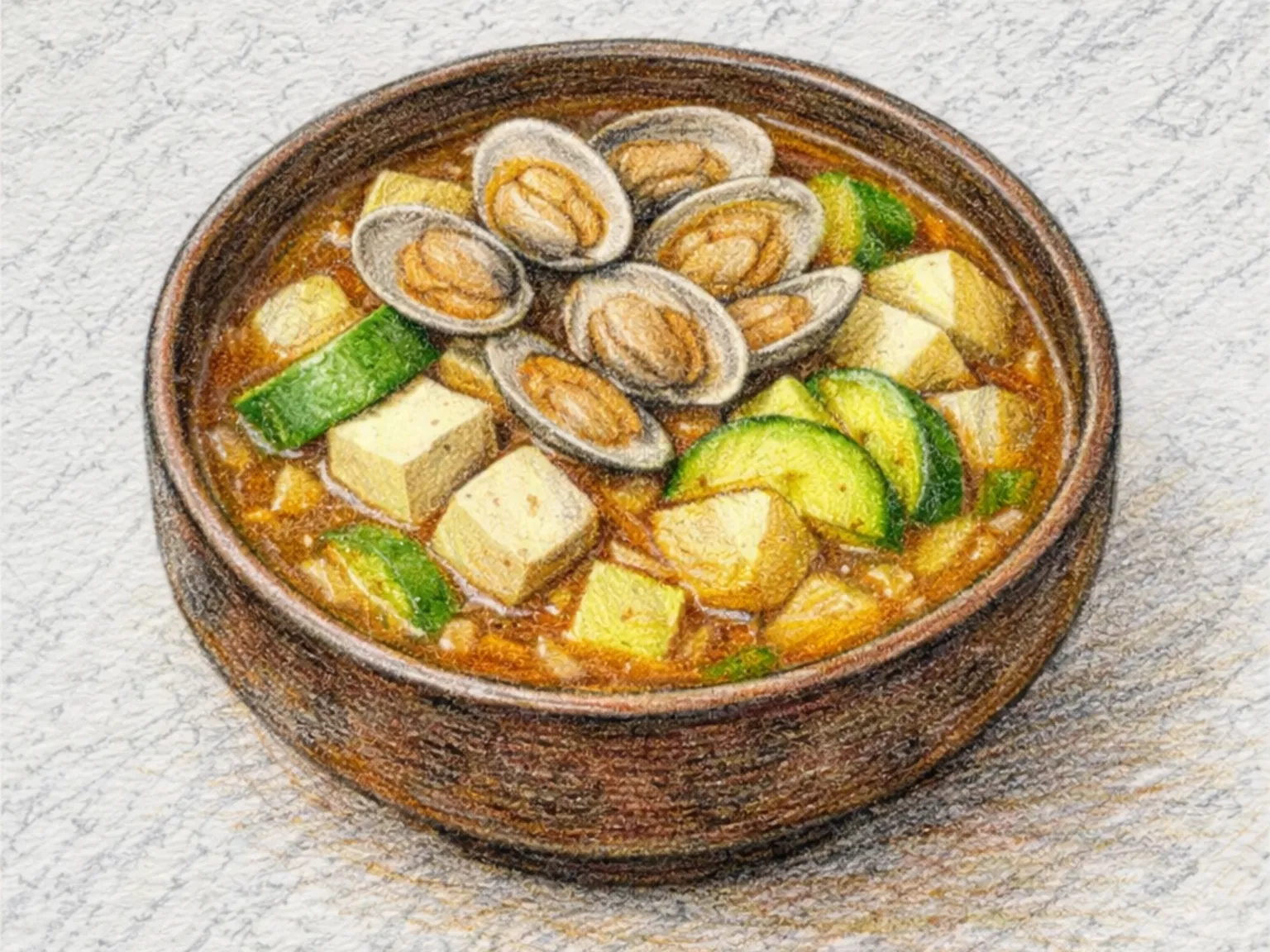
Jogae-jjim is Korean steamed clams cooked with rice wine, garlic, green onion, and cheongyang chili over high heat in a covered pot. Properly purged clams open within minutes and release their natural juices into the pot, creating a clean, intensely savory seafood broth without any added stock. The chili adds a background warmth without overpowering the shellfish, and minimal salt lets the clams' natural salinity and sweetness come through unobstructed. Removing the clams from heat as soon as they open keeps the meat plump and tender rather than chewy and shrunken. The remaining broth is flavorful enough to serve as a base for noodles or porridge, so nothing goes to waste.

Korean Salted Yellow Croaker Jeotgal
Jogi jeotgal is a Korean salted and fermented yellow croaker made by gutting the fish, layering it in coarse sea salt for an initial multi-day cure in the refrigerator, then folding in gochugaru, garlic, ginger, and rice wine for a second stage of aging. Over the extended fermentation, fish protein breaks down into a concentrated savory depth that bears no resemblance to the raw ingredient, while the sea salt continuously draws out moisture and causes the flesh to contract and firm. Gochugaru and ginger suppress the fermentation smell and add a mild heat and aromatic warmth, while rice wine smooths out the sharp, rough edges that develop early in the process. The finished jeotgal is used in small amounts, placed over rice or added to kimchi jjigae as a flavor amplifier, a condiment that delivers significant depth from a very small quantity.

Korean Seasoned Veggie Mixed Noodles
Namul bibim somyeon is a Korean mixed noodle dish where thin wheat noodles are tossed with blanched spinach, soybean sprouts, and julienned carrot in a soy-based dressing. Each vegetable is blanched separately and squeezed firmly dry before mixing; residual moisture dilutes the sauce and causes the noodles to clump as they sit. Dry-sauteing the carrot for one minute without any oil pulls out a sweetness that raw carrot cannot deliver. The dressing combines soy sauce, rice vinegar, plum syrup, minced garlic, and sesame oil into a sauce that is salty, tart, and faintly sweet all at once, strong enough to season the mild vegetables and noodles evenly. Coating the noodles with the dressing first and folding in the vegetables afterward ensures every strand is seasoned rather than leaving the sauce concentrated on the vegetable surfaces. A generous scatter of toasted sesame seeds on top brings a nutty warmth that ties together the clean vegetable flavors and the aromatic sesame oil in the dressing.

Yuja Burrata Cherry Tomato Spaghetti
Yuja burrata cherry tomato spaghetti builds its base by slowly infusing olive oil with sliced garlic over low heat, then cooking cherry tomatoes on medium until they burst and release their juices into a loose, bright sauce. Yuja marmalade and yuja juice are stirred in for only 30 seconds to preserve the citrus volatiles before they are driven off by heat. The marmalade's considerable sweetness is balanced against the tomato's acidity and added gradually to taste. Tossing al dente spaghetti with a splash of reserved pasta water binds the starch into the sauce for a smooth, even coat on each strand. Burrata is torn open and placed on top just before serving so its creamy, milky interior melts across the hot pasta, producing a clear contrast between the sharp citrus and the rich dairy fat. The distinctive fragrance of yuja combined with the bright tomato sauce gives this Italian-format pasta a recognizably Korean sensibility.