Charim

2686 Korean & World Recipes

2686+ Korean recipes, clean and organized. Ingredients to instructions, all at a glance.

Recipes with garlic

24 recipes

Buy garlic
Pork Chops with Apple Cider Pan Sauce
WesternMedium

Pork Chops with Apple Cider Pan Sauce

Apple Cider Pork Chops represent a traditional American one-pan cooking method where thick-cut pork loin chops are cooked in a single skillet to create a deep golden exterior crust. The preparation involves a pan sauce that utilizes the flavorful fond left behind in the skillet after searing the meat. For the best results, the pork chops should sit at room temperature for approximately thirty minutes before they are placed in the pan. This step is important because it allows the heat to penetrate the meat evenly from the outer edges to the center. It is also essential to use a paper towel to pat the surface of the pork until it is completely dry, which facilitates the chemical reaction needed for thorough browning. Once the pork has been seared and removed from the heat, finely chopped shallots and garlic are added to the rendered pork fat and sautéed until they become fragrant. Apple cider is then poured into the hot skillet to deglaze the surface, loosening the caramelized bits that remain attached to the bottom. The liquid is simmered and reduced until the natural sugars and acidic components of the cider become more concentrated and intense. To build additional layers of flavor, Dijon mustard is whisked into the reduction to provide a sharp and slightly peppery character. The final texture of the sauce is achieved by swirling in a piece of cold unsalted butter at the very end of the cooking process, which creates a glossy appearance and a smooth consistency. A whole sprig of fresh thyme is included during the simmering stage to provide an herbal element that connects the flavor profiles of the apple cider and the pork meat.

🎉 Special Occasion
Prep 15minCook 25min4 servings
Gyoza
AsianMedium

Gyoza

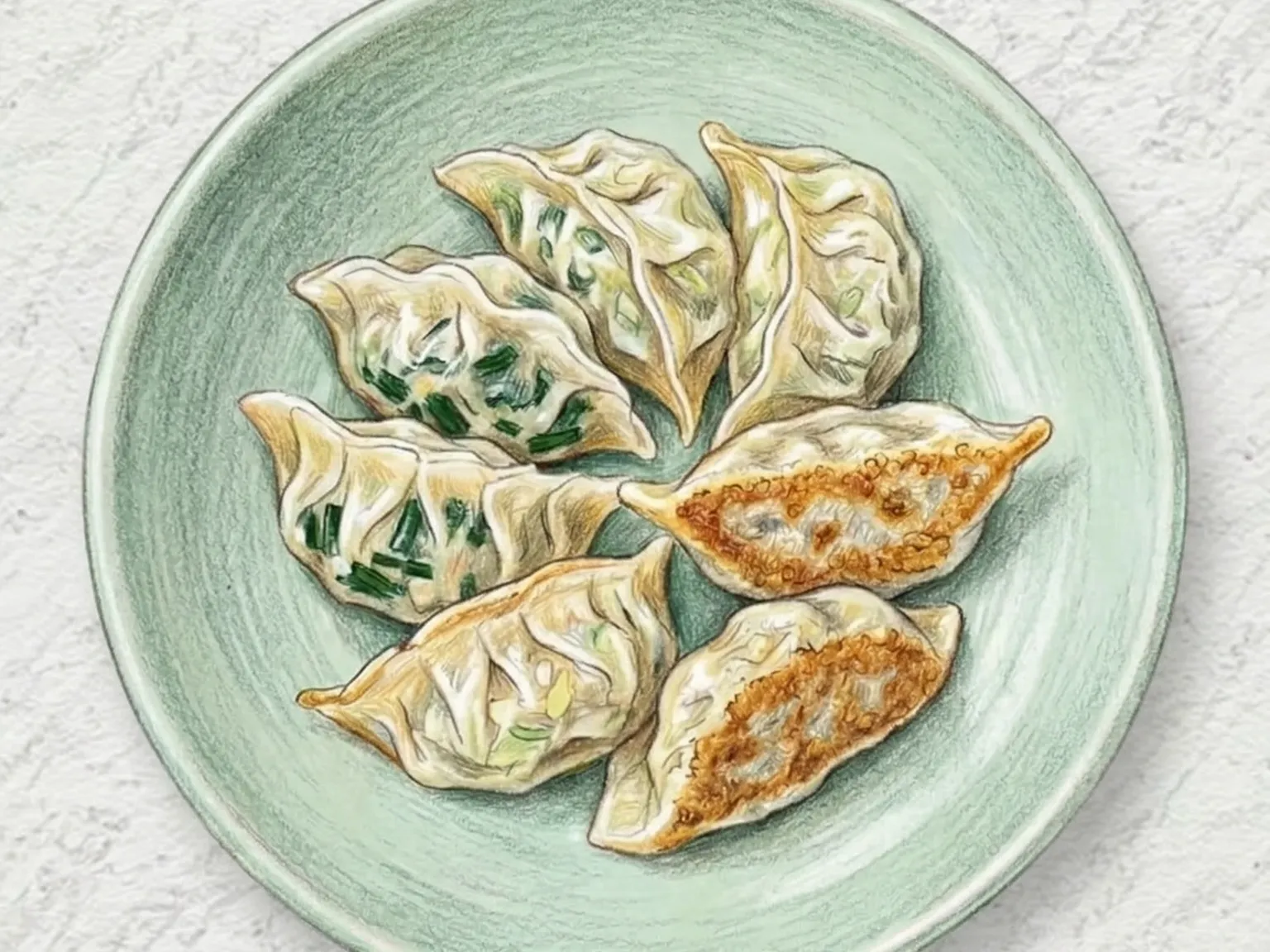
Gyoza are Japanese pan-fried dumplings that evolved from Chinese jiaozi, brought back to Japan by soldiers and civilians returning from Manchuria after World War II, who recreated the dumplings they had eaten abroad. A thin wheat-flour wrapper encloses a filling of ground pork, napa cabbage (or regular cabbage), garlic chives, garlic, and ginger, pleated into a crescent shape. The dumplings are placed flat-side down in an oiled skillet, seared until golden, then water - sometimes mixed with a touch of flour - is added and the lid goes on to steam them through; as the water evaporates, the bottoms re-crisp and form the thin, lacy skirt called hanetsuki that connects all the dumplings in the pan. Each piece delivers three textures in one bite: the chewy steamed top, the crackling golden base, and the juicy meat filling inside. A dipping sauce of soy sauce, rice vinegar, and la-yu (chili oil) adds sharpness, salt, and heat atop the dumpling's savory richness. Gyoza are served as a ramen-shop side dish, an izakaya beer snack, and a weekend home-cooking staple - one of the most versatile foods in the Japanese repertoire.

🍺 Bar Snacks🎉 Special Occasion
Prep 40minCook 15min4 servings
Korean Seasoned Eoseuri Herb Namul
Side dishesMedium

Korean Seasoned Eoseuri Herb Namul

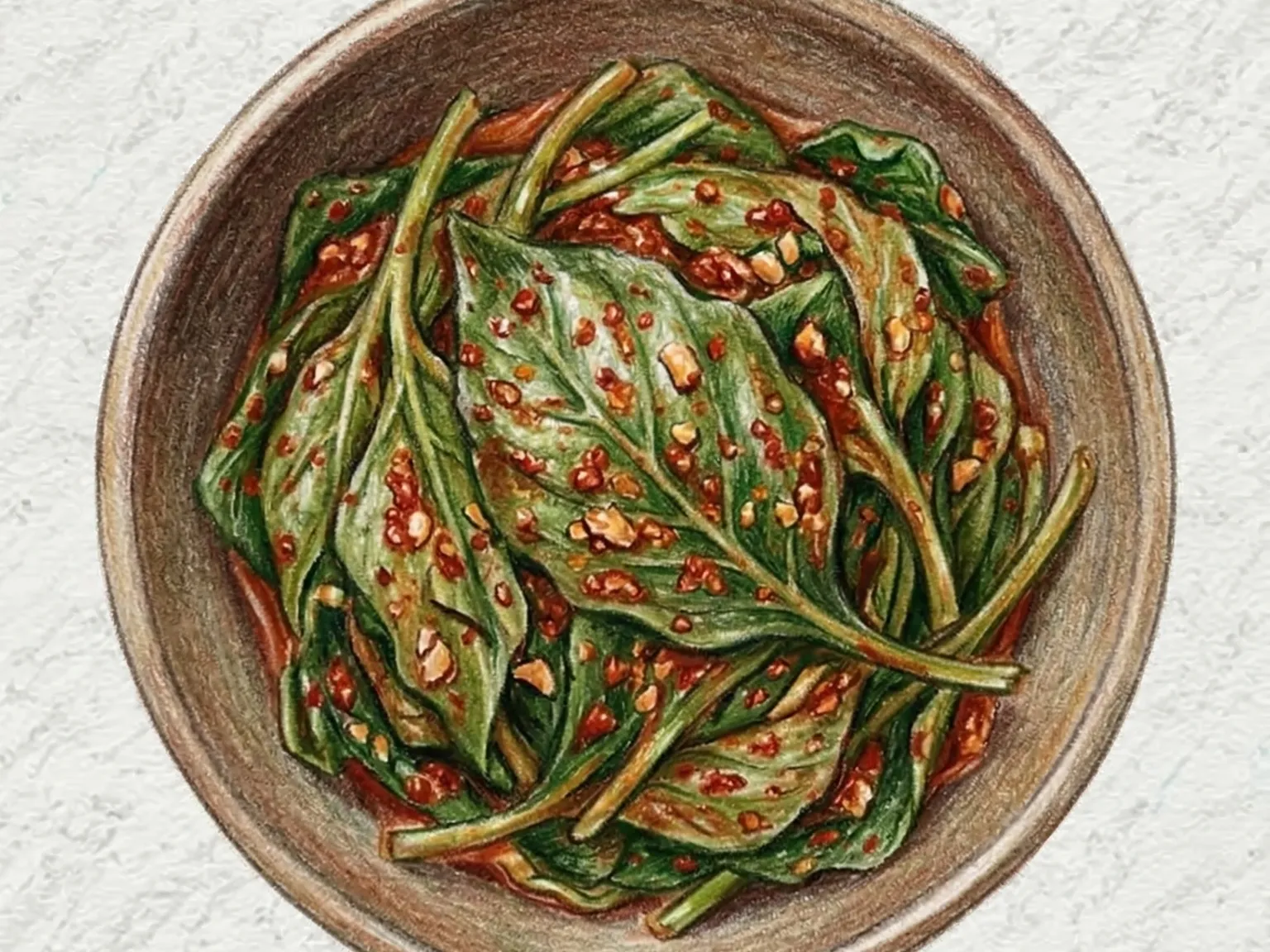
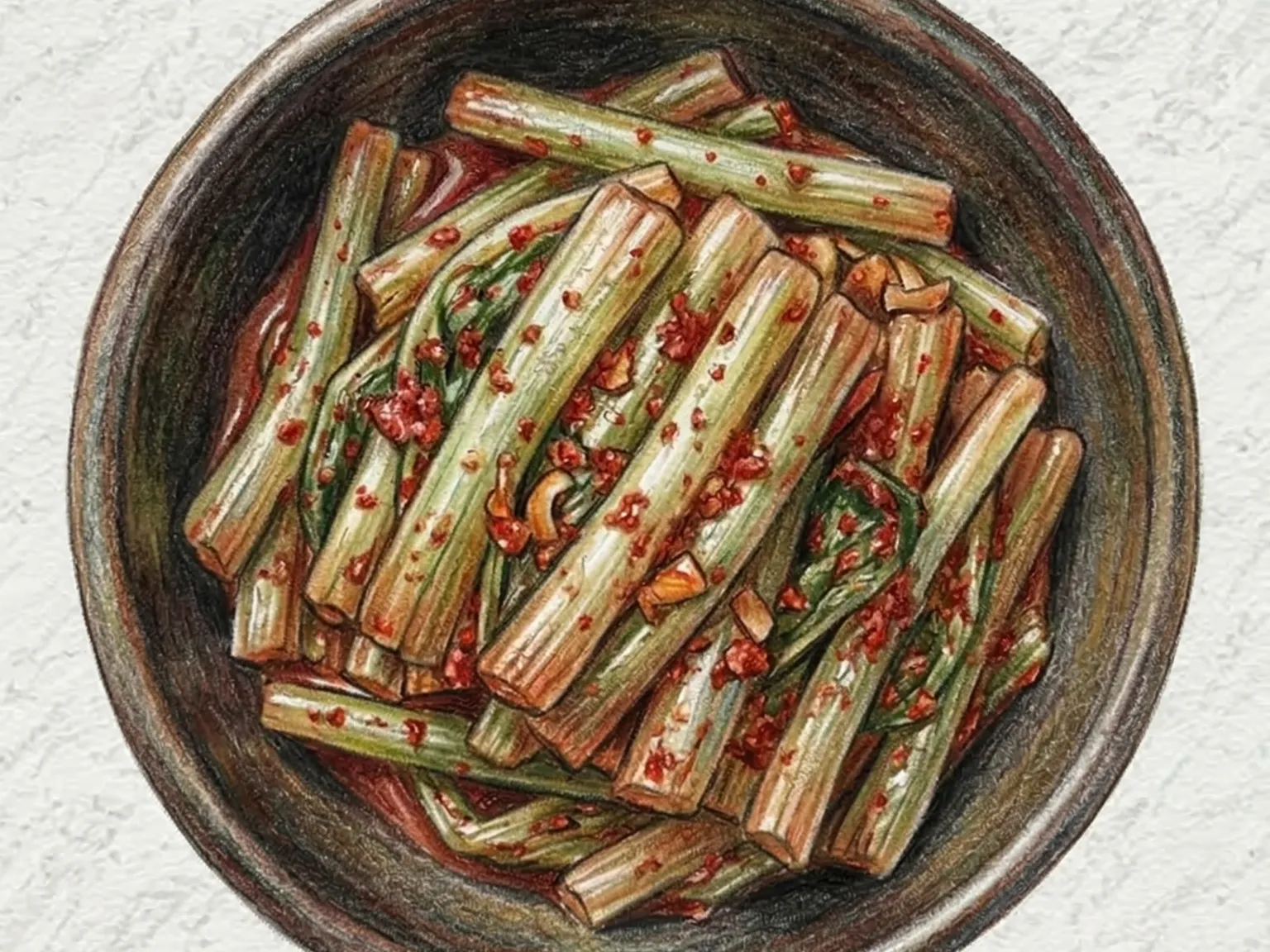
Eoseuri, Korean cow parsnip with the botanical name Heracleum moellendorffii, is a wild mountain herb foraged from Korea's central and northern highlands during early spring. Its thick stems and broad leaves carry a layered fragrance that combines celery, flat-leaf parsley, and a faintly medicinal undertone, a complexity that no cultivated green can replicate. Blanched for under a minute to soften the texture while preserving a slight resistance in the stems, the greens are dressed with gochujang, vinegar, minced garlic, and sesame oil. The bitterness is sharper than common namul varieties like spinach or bean sprouts, which makes eoseuri polarizing for first-time tasters, but those who grow accustomed to it find that milder greens no longer satisfy in the same way. In Korean mountain villages, eoseuri has traditionally been gathered alongside chwinamul and chamnamul each spring to compose the seasonal namul spread on the table, and because the plant disappears quickly after spring peaks, it is a genuinely fleeting ingredient that marks the brief window between late winter and early summer.

🏠 Everyday🍱 Lunchbox
Prep 12minCook 3min2 servings
Korean Taro Porridge (Perilla Oil-Toasted Rice with Taro Root)
RiceMedium

Korean Taro Porridge (Perilla Oil-Toasted Rice with Taro Root)

Soaked rice is toasted in perilla oil until fragrant, then simmered with peeled taro in a generous amount of water until the porridge reaches a thick, flowing consistency. Some taro pieces dissolve into the liquid and naturally thicken it, while others hold their shape and offer a starchy, crumbly bite. The gentle nuttiness of perilla oil and the mild earthiness of taro create a soothing combination with no sharp flavors. Seasoning with just salt preserves the delicate taste of the taro without masking it.

🏠 Everyday
Prep 20minCook 35min4 servings
Korean Soy-Glazed Chicken Stir-Fry
Stir-fryEasy

Korean Soy-Glazed Chicken Stir-Fry

This soy-glazed chicken stir-fry marinates thinly sliced chicken breast in soy sauce, garlic, and ginger before a quick pan-fry over high heat. Slicing the breast thin ensures each piece absorbs the marinade rapidly and cooks through without drying out, avoiding the rubbery texture that plagues overcooked white meat. The ginger cuts through any poultry aroma while the soy sauce provides a steady umami backbone throughout. A drizzle of sesame oil at the end ties together the flavors with a warm, nutty finish. A single cheongyang chili added during cooking gives the dish a clean heat, and it holds up well for meal prep or packed lunches. Practical for diet-conscious cooking or post-workout protein without sacrificing flavor.

🏠 Everyday🌙 Late Night
Prep 10minCook 10min2 servings
Korean Butter-Grilled Abalone
GrilledMedium

Korean Butter-Grilled Abalone

Scored abalone is seared quickly in garlic butter, with the cooking time kept to two or three minutes so the flesh stays springy and firm rather than contracting into a tough, rubbery state. Minced garlic is added to the melted butter first, allowing its fragrance to bloom before the abalone goes in, so the shellfish absorbs the full depth of the butter. A small addition of soy sauce to the pan deepens the umami without masking the delicate sweetness of the abalone itself. For an extra layer of oceanic richness, the abalone liver can be minced and stirred directly into the butter sauce as it finishes; the liver melts in, contributing a briny, mineral depth that amplifies the sea flavor of the dish. The finished abalone is best served in the cleaned shells, which both keep the butter sauce pooled around the meat and make for an appealing natural presentation. A light squeeze of lemon juice just before serving cuts through the richness of the butter and brings out the natural sweetness of the shellfish.

🍺 Bar Snacks
Prep 20minCook 10min2 servings
Geundae-guk (Swiss Chard Doenjang Tofu Soup)
SoupsEasy

Geundae-guk (Swiss Chard Doenjang Tofu Soup)

Geundae-guk is a homestyle Korean soup made by simmering Swiss chard leaves and stems in anchovy stock seasoned with doenjang. Swiss chard, called geundae in Korean, has broader leaves and thicker stalks than spinach, giving the soup a more substantial bite, and the greens' mild bitterness pairs naturally with the fermented depth of doenjang into an earthy, grounding flavor. Cubed tofu is typically added alongside for protein and a soft contrast to the chewy greens, while minced garlic rounds out the aroma of the broth. The entire cooking process takes barely ten minutes once the stock is boiling, making this one of the quickest doenjang soups in the Korean home-cooking repertoire. In Korean households, this soup appears most often in spring and autumn when fresh chard is in season, though frozen chard works through the rest of the year without significantly changing the flavor of the broth. Overcooking the greens after adding doenjang softens the leaves until they lose their texture, so pulling the pot off the heat three to four minutes after the paste dissolves preserves the chard's pleasant chew.

🏠 Everyday
Prep 10minCook 15min2 servings
Korean Eggplant, Perilla & Tofu Stew
StewsEasy

Korean Eggplant, Perilla & Tofu Stew

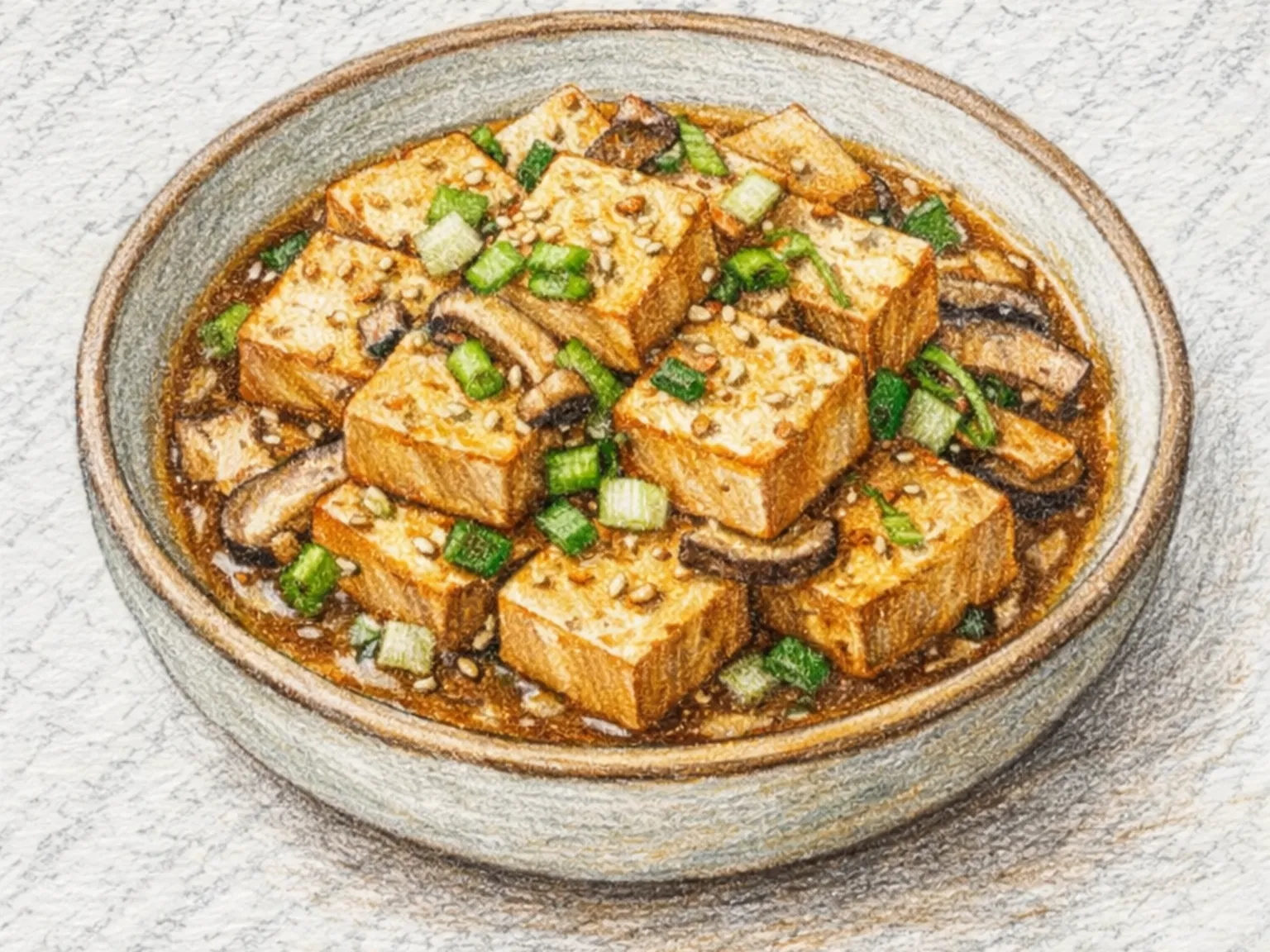
Gaji deulkkae dubu jjigae is a Korean stew of eggplant and tofu simmered in a broth thickened with ground perilla seeds. Ground perilla stirred into anchovy-kelp stock creates a creamy, nutty liquid as heat activates the oils in the seeds. Eggplant cooks slowly in this broth, breaking down until completely soft and absorbing the surrounding perilla flavor. Dicing the tofu into small cubes increases its surface area and allows the broth to penetrate from more angles. Gochugaru adds a layered warmth to the richness of the perilla, and soup soy sauce provides the salt structure. The textural contrast between the silky, yielding eggplant and the firmer tofu gives the stew a variety that makes each spoonful interesting. Even without meat, the fatty acids in perilla provide enough body and satiety to make this a substantial main-course stew, particularly well suited to vegetarian cooking.

🏠 Everyday🥗 Light & Healthy
Prep 14minCook 16min2 servings
Korean Spicy Braised Mixed Seafood
SteamedMedium

Korean Spicy Braised Mixed Seafood

Haemul-jjim is a Korean mixed seafood braise that brings together squid, shrimp, and manila clams with bean sprouts and onion in a gochugaru and soy sauce seasoning. The vegetables are layered on the bottom of the pot to absorb heat first, with the seafood arranged on top and cooked quickly over high heat so the texture stays firm and springy. Each shellfish releases its natural brine into the broth as it opens, deepening the seasoning without any added stock. A starch slurry stirred in at the end creates a glossy coating that clings to every piece of seafood and vegetable. The dish comes together in under ten minutes of active cooking. Bean sprouts hold their crunch while the squid and shrimp stay tender, and the remaining sauce at the bottom of the pot makes it natural to spoon over rice. It is a standard centerpiece at Korean gatherings and a popular accompaniment to drinks.

🍺 Bar Snacks🎉 Special Occasion
Prep 20minCook 20min4 servings
Korean Zucchini Kimchi (Summer Fresh Gochugaru Quick)
KimchiEasy

Korean Zucchini Kimchi (Summer Fresh Gochugaru Quick)

Hobak kimchi represents a seasonal Korean vegetable preparation specifically associated with the summer months. This timing is chosen because domestic aehobak reach their peak levels of natural sweetness and maintain a particularly tender internal structure during this time of year. To prepare the zucchini for seasoning, the vegetable is typically sliced into thin half-moon shapes or uniform rectangular pieces. The salting stage for these slices is kept intentionally brief. This limited salting time serves a specific functional purpose in the recipe by preventing the extraction of excessive moisture from the vegetable cells. If the zucchini remains in salt for an extended period, the individual slices tend to lose their structural integrity and collapse, which eliminates the characteristic crispness that defines the quality of the finished dish. Once the brief salting process is complete, the zucchini pieces are rinsed in cold water and squeezed firmly by hand to remove as much residual liquid as possible. The seasoning phase involves thoroughly tossing the prepared slices with a combination of red chili flakes known as gochugaru, fish sauce, and finely minced garlic. Rather than utilizing refined sugar for seasoning, this recipe relies on the addition of plum extract. The extract provides a balanced and rounded natural sweetness to the profile of the dish without the need for processed additives. Fresh garlic chives are integrated into the mixture to contribute an aromatic and grassy quality that connects the different flavor elements together. Thinly sliced onions are also added to provide a subtle savory depth in the background. This particular variety is a no-fermentation kimchi, meaning it is designed to be consumed on the same day it is made or within two days at the most. Beyond this forty-eight hour window, the texture of the zucchini softens significantly and the initial freshness of the ingredients begins to dissipate. To maintain the best possible quality during this short period, the kimchi should be kept in a tightly sealed container and stored in the refrigerator.

🍱 Lunchbox
Prep 22minCook 5min2 servings
Mentaiko Yuzu Cream Udon
NoodlesMedium

Mentaiko Yuzu Cream Udon

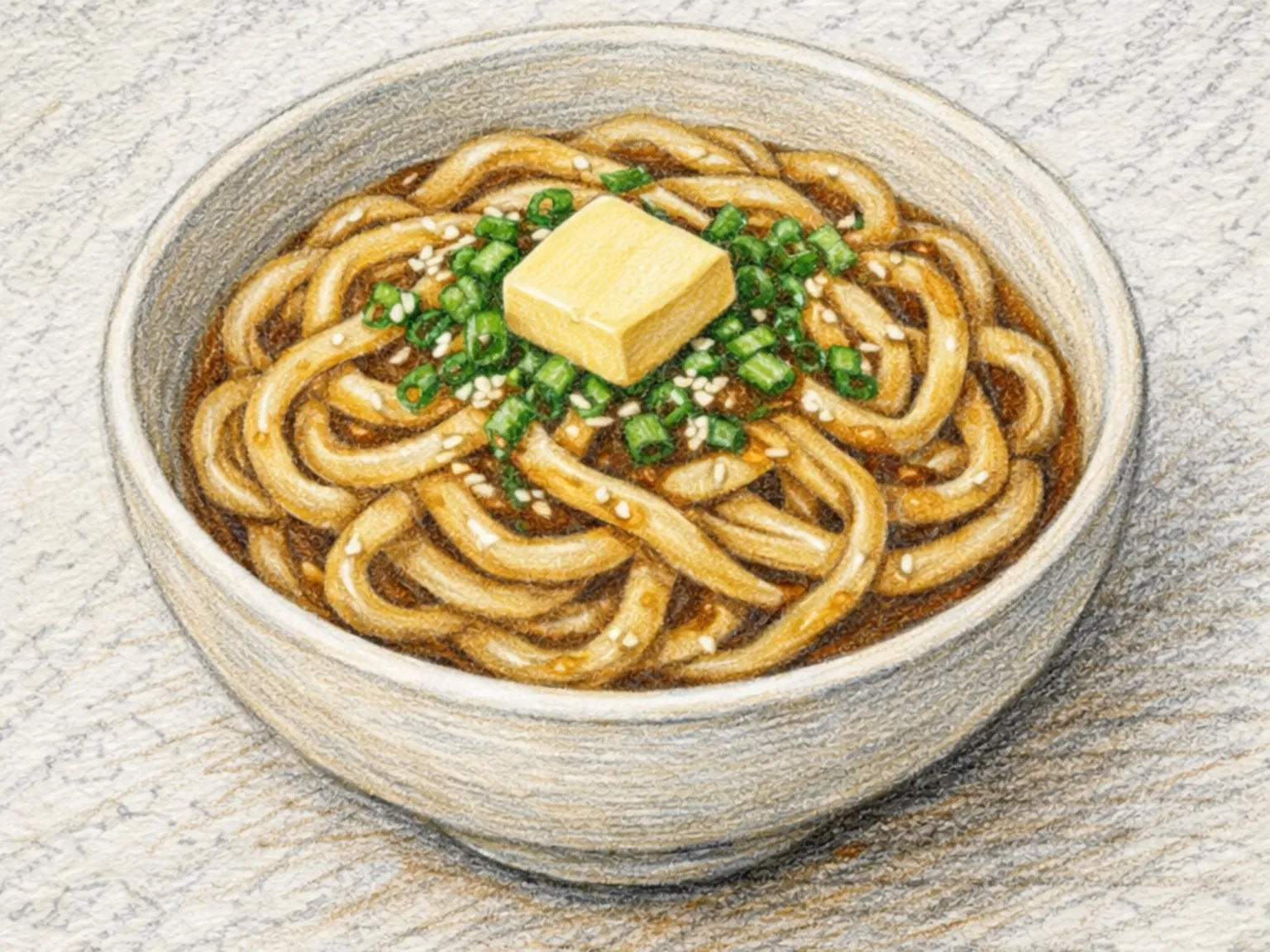
Myeongran yuja cream udon is a Japanese-style noodle dish that features a sauce made from a combination of salted pollock roe and yuzu marmalade. The base of the liquid consists of heavy cream and milk, which are enriched with butter to create a dense and smooth texture. The preparation begins by melting butter in a pan and sauteing minced garlic until the aroma is released. Once the garlic is fragrant, the cream and milk are poured in. This mixture needs to simmer over low heat for approximately two to three minutes until it thickens enough to coat the back of a spoon. Instead of adding the yuzu marmalade all at once, the cook incorporates it in small amounts. This gradual process allows for precise control over the citrus acidity so that it complements rather than overshadows the richness of the heavy cream. After removing the pan from the heat, two-thirds of the salted pollock roe is stirred in. The residual warmth of the sauce is sufficient to gently cook these eggs, ensuring they remain tender. The remaining third of the roe is reserved to be placed raw on top of the finished bowl, providing a distinct briny flavor and a grainy texture in every bite. To finish the dish, freshly cracked black pepper is added for a subtle sharpness, and shredded nori is scattered over the top to provide a roasted, oceanic scent that works well with the yuzu fragrance. The thick udon noodles provide a substantial chew that allows them to carry the heavy sauce and stand up to the combination of salty, creamy, and acidic elements without the flavors becoming lost.

🎉 Special Occasion🌙 Late Night
Prep 12minCook 15min2 servings
Squid Ink Seafood Linguine
PastaMedium

Squid Ink Seafood Linguine

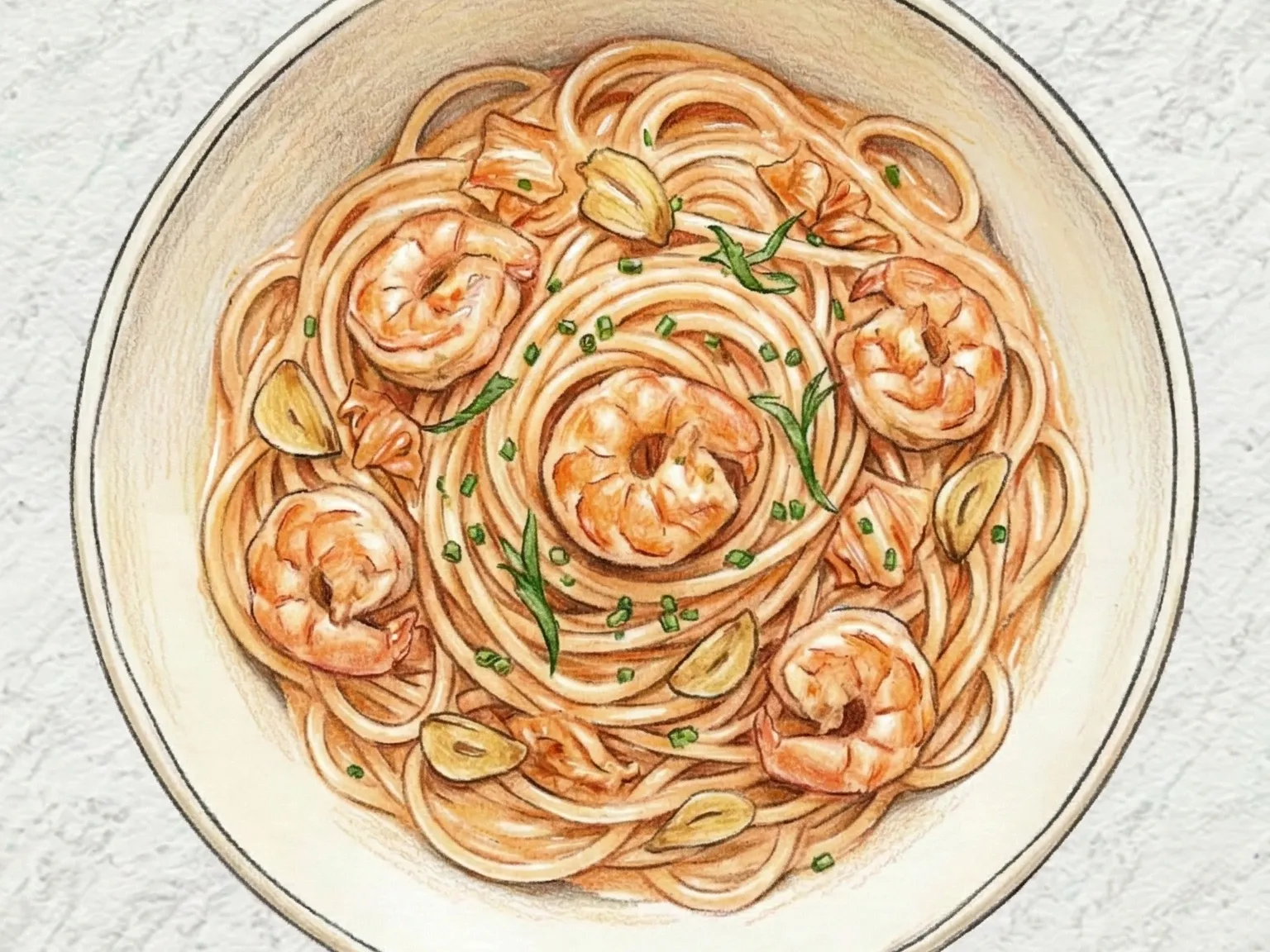
Squid ink seafood linguine dissolves squid ink in reserved pasta water before adding it to the pan, ensuring even distribution without clumping. Shrimp and squid rings are seared quickly over high heat to set their surfaces, then finished during the final emulsification step so they stay springy rather than rubbery. Sliced garlic infused slowly in olive oil forms the aromatic base, and white wine with halved cherry tomatoes introduces a gentle acidity once the alcohol cooks off. The ink coats linguine in a glossy black sauce that carries concentrated brininess, and chopped parsley scattered on top provides a fresh herbal contrast. A small squeeze of lemon juice added at the end brightens the deep, saline richness of the squid ink and makes the oceanic flavors more vivid with each bite.

🎉 Special Occasion
Prep 15minCook 20min2 servings
Pot Roast
WesternMedium

Pot Roast

Pot Roast is a cornerstone of American home cooking, where a tough cut of beef is braised low and slow with vegetables and stock until it can be pulled apart with a fork. Chuck roast is the ideal choice - its abundant connective tissue and intramuscular fat break down over hours of gentle heat, converting collagen into gelatin that makes the meat moist and rich. Searing the beef on all sides builds a brown crust that contributes deep flavor, and adding tomato paste to the pan before deglazing creates an umami-rich foundation. Beef stock is poured to about two-thirds up the side of the meat, and the covered pot goes into a 160-degree oven for at least three hours, during which the liquid reduces and concentrates into a natural gravy. Carrots and potatoes are added in the final hour so they hold their shape while absorbing the braising liquid's flavor.

🎉 Special Occasion
Prep 20minCook 120min4 servings
Hainanese Chicken Rice (Poached Chicken on Fragrant Rice)
AsianMedium

Hainanese Chicken Rice (Poached Chicken on Fragrant Rice)

Hainanese chicken rice is the signature dish of Singapore and Malaysia, built on the deceptively simple technique of poaching bone-in chicken thighs in water seasoned with ginger and scallion at a consistently gentle temperature, then using the resulting broth to cook the rice. The temperature during poaching is the defining variable: the water must stay at a bare tremble rather than a rolling boil to keep the muscle fibers relaxed and the meat silky rather than fibrous or dry. For the rice, garlic and ginger are sauteed in oil or rendered chicken fat until fragrant, then raw jasmine rice joins the pot and the strained poaching broth replaces plain water for cooking. A spoonful of additional chicken fat stirred in before the lid goes on gives the finished rice a glossy sheen and noticeably richer aroma. The poached chicken is cooled, sliced across the grain to show a smooth, tender cross-section, and arranged alongside fresh cucumber slices that add a crisp, refreshing contrast to the soft meat. Two condiments accompany the dish and define its character: a chili-ginger sauce that provides heat and brightness, and a thick, dark soy sauce that contributes deep, caramel-like sweetness. Despite relying on few ingredients, the dish rewards careful attention to poaching temperature and broth management at every stage.

🎉 Special Occasion
Prep 20minCook 45min4 servings
Korean Stir-Fried Eggplant Banchan
Side dishesEasy

Korean Stir-Fried Eggplant Banchan

Gaji bokkeum turns eggplant, a vegetable Koreans have cultivated since the Goryeo period, into a quick, oil-glazed banchan where cooking speed matters as much as the seasoning. The eggplant is sliced into half-moons, and the pan must be smoking hot before they go in - any hesitation and the pieces steam rather than sear, collapsing into a soggy mass. High heat with restrained oil produces lightly charred edges while the interior becomes silky and almost custardy, two contrasting textures in the same bite. Soy sauce, garlic, and sesame oil go in during the final thirty seconds, sizzling against the hot surface and coating each piece in a thin, caramelized glaze. The result has a concentrated, clean umami quality that a braised preparation cannot match. Because the spongy cellular structure of eggplant absorbs oil rapidly, starting with too much fat leaves each piece greasy rather than glazed - the dish relies on pan temperature, not oil volume. Korean home cooks return to this recipe as a weeknight banchan precisely because the whole process, from cutting board to table, takes under ten minutes, and the payoff is consistently good.

🏠 Everyday🍱 Lunchbox
Prep 10minCook 7min4 servings
Korean Seaweed and Shrimp Pot Rice
RiceMedium

Korean Seaweed and Shrimp Pot Rice

Rehydrated hijiki seaweed and whole shrimp are layered over rice in a heavy pot and cooked together so the briny ocean flavor permeates every grain. Sliced shiitake mushrooms and carrot sit beneath the seafood, lending umami depth and a mild sweetness to the base. When the lid comes off, the concentrated aroma of seaweed and shrimp fills the room. Stirring in a soy-based sauce ties the flavors together, and scraping the crispy rice crust from the bottom adds a toasty finish.

🏠 Everyday
Prep 15minCook 25min2 servings
Korean Soy-Glazed Shrimp Stir-Fry
Stir-fryEasy

Korean Soy-Glazed Shrimp Stir-Fry

Ganjang saeu bokkeum coats plump shrimp in a sweet-savory soy glaze built on a base of melted butter and garlic. A single cheongyang chili adds a subtle kick that lifts the buttery richness without overpowering it. The key timing rule is to add the sauce the moment the shrimp turn pink: any longer and they become rubbery, but the glaze needs just enough heat to caramelize lightly and coat. Stir-frying the garlic in the butter before the shrimp go in lays a nutty base across the entire sauce. A final splash of soy sauce over high heat at the end creates the lacquered sheen that defines the finished dish. With only eight minutes of cooking time total, this works equally well as a quick banchan alongside rice or as an appetizer with drinks.

🏠 Everyday🍱 Lunchbox
Prep 10minCook 8min2 servings
Korean Horse Mackerel with Yuzu Soy Glaze
GrilledEasy

Korean Horse Mackerel with Yuzu Soy Glaze

Horse mackerel is marinated in a sauce of yuzu marmalade, soy sauce, cooking wine, and garlic, then grilled on a grill pan until the skin crisps and chars lightly. The citrus notes from the yuzu naturally suppress fishiness while harmonizing with the soy sauce saltiness. Brushing the remaining glaze in the final minute gives the skin a lacquered sheen. Sesame oil and sliced scallion complete the dish with a toasted, aromatic finish. The brevity of the ingredient list belies how decisively the yuzu transforms a grilled fish into something bright and fragrant.

🍺 Bar Snacks🏠 Everyday
Prep 15minCook 12min2 servings
Korean Ginger Chicken Gomtang
SoupsMedium

Korean Ginger Chicken Gomtang

This ginger chicken gomtang is a clear, restorative Korean soup made by simmering a whole chicken low and slow with fresh ginger, onion, garlic, and green onion until the broth turns golden and develops a quietly complex flavor. Unlike beef-bone soups, which derive their richness from marrow and connective tissue, chicken gomtang achieves its depth through the prolonged extraction of collagen and gelatin from the bones and skin, resulting in a broth that coats the palate softly without feeling heavy. The ginger is added early so its sharp, warming oils can fully disperse through the liquid, while sliced onion gradually sweetens the broth as it cooks down. Once the broth is strained, it is remarkably clean-tasting despite its depth: a quality that Korean cooks describe as siwonhada, a coolness and clarity that settles the stomach while nourishing the body. The chicken is pulled from the bones and shredded along the grain into generous pieces before being returned to the bowl. Seasoning is kept minimal, a small pour of soup soy sauce, a pinch of salt, and a very generous amount of freshly cracked black pepper, whose heat amplifies the ginger and warms the whole dish. Korean households reach for this soup when someone is ill or recovering from fatigue, but it is equally at home as a restorative weekday dinner or a refined first course when served in small portions before a larger meal.

🏠 Everyday
Prep 20minCook 70min4 servings
Korean Gaji Saewoo Jjigae (Eggplant Shrimp Stew)
StewsEasy

Korean Gaji Saewoo Jjigae (Eggplant Shrimp Stew)

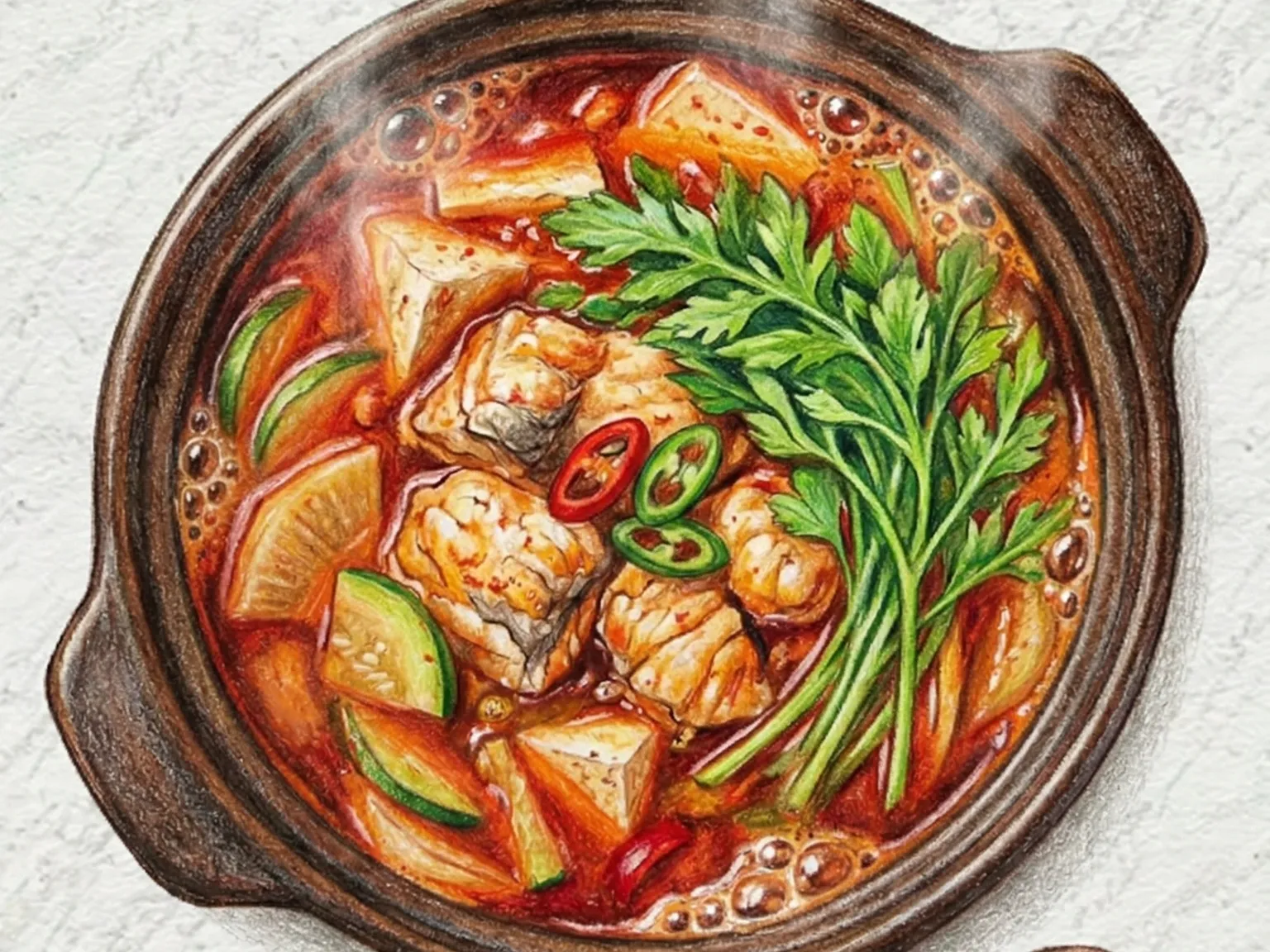
Gaji-saewoo-jjigae is a spicy Korean stew of eggplant and shrimp simmered in a gochujang-based broth seasoned with perilla oil and tuna fish sauce. The vegetables and shrimp are stir-fried in perilla oil first to develop fragrance, then water is added and the whole pot brought to a boil. Eggplant cut in thick lengthwise slices or on the bias presents a large surface area that soaks up the spicy, savory broth, so each bite releases a burst of liquid from inside the softened flesh. The shrimp cook quickly and contribute a sweet, briny flavor that lifts the fermented chili paste. Tuna fish sauce adds depth and umami without any fishy edge, and the perilla oil's distinctive nutty fragrance runs through the entire broth. The soft, yielding eggplant and the firm, springy shrimp create a textural contrast in each bowl, and the characteristic sweetness built into gochujang-based broths makes this a summer dish that stimulates appetite even in the heat.

🏠 Everyday
Prep 14minCook 17min2 servings
Korean Steamed Fermented Skate
SteamedHard

Korean Steamed Fermented Skate

Hongeo-jjim is a specialized culinary preparation originating from the Jeolla Province of South Korea that features steamed fermented skate as its central element. The flavor of the dish is developed using a seasoning mixture composed of gochugaru, gochujang, finely minced garlic, and soy sauce. The skate, known as hongeo, is processed through a traditional curing method that results in the formation of ammonia-based compounds. This specific fermentation process produces the sharp and pungent aroma that characterizes the dish, which often results in a polarizing experience for individuals who encounter the preparation for the first time. This aggressive fermentation quality tends to soften once the fish is exposed to heat and combined with the depth of the chili-based seasoning. Over time, repeated consumption often reveals complex layers of flavor that establish this dish as one of the most uniquely prepared items within Korean regional cuisine. During the cooking process, onions are included to release their natural sweetness, which functions to balance the sharper edges of the concentrated spice paste. Minari is introduced during the concluding stages of steaming to provide a clean and herbaceous quality that offers a contrast to the intensity of the fermented fish. Prior to steaming, rice wine is applied to the skate to moderate the fermentation scent without completely removing the fundamental characteristics of the fish. Removing the lid of the cooking vessel at the end of the process allows excess moisture to evaporate, ensuring that the seasoning adheres properly to the surface of the skate. In the cultural context of Jeolla Province, hongeo-jjim is a staple at ceremonial events and various celebratory meals. The dish is traditionally served in the company of makgeolli or hongtak, forming a combination that local residents typically refer to as hongeo samhap.

🎉 Special Occasion
Prep 25minCook 30min4 servings
Korean Red Cabbage Kimchi
KimchiEasy

Korean Red Cabbage Kimchi

Jeokchae kimchi is made by salting red cabbage leaves, then tossing them in a seasoning of gochugaru, sand lance fish sauce, minced garlic, and Korean pear juice before a short fermentation. Red cabbage has thicker, denser leaves than napa cabbage, so it holds its crunch well after brining rather than going soft. The anthocyanin pigment in the red cabbage reacts with the chili seasoning to produce a vivid purple color rather than the typical red associated with kimchi, making it visually striking on the table. Pear juice provides a gentle fruit sweetness underneath the heat and spice, while sand lance fish sauce builds enough savory depth that even a brief fermentation yields full flavor. Scallions add a fresh, aromatic finish that ties the seasoning together. The result is a kimchi that is crunchy, spicy, and umami-rich simultaneously, with a distinctive character that sets it apart from traditional napa kimchi.

🍱 Lunchbox
Prep 30min2 servings
Korean Cold Perilla Oil Buckwheat Noodles
NoodlesEasy

Korean Cold Perilla Oil Buckwheat Noodles

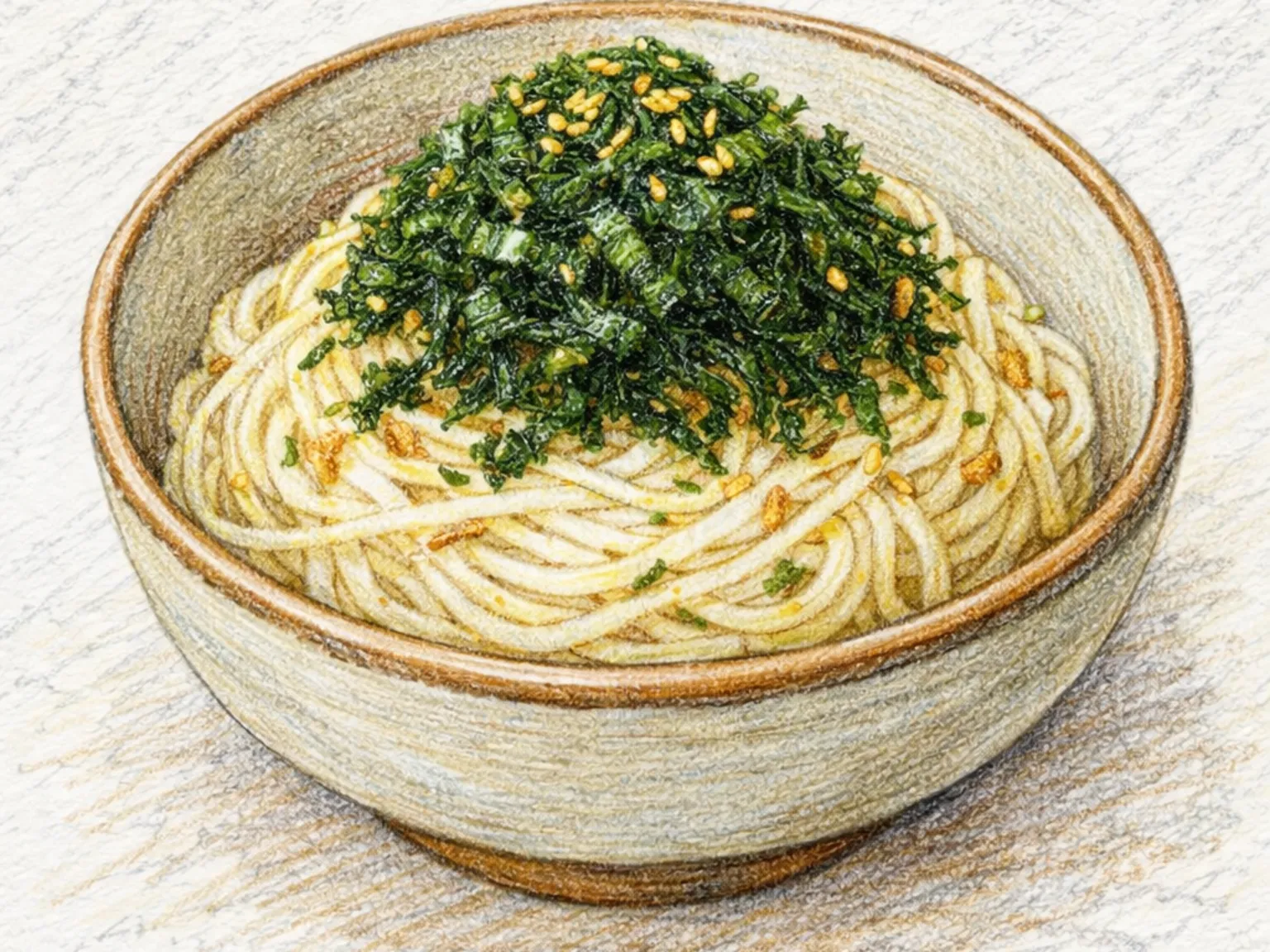
Naeng deulgireum memilmyeon is a Korean cold noodle dish where chilled buckwheat noodles are dressed with perilla oil, soy sauce, vinegar, and allulose syrup. The noodles are boiled for four to five minutes, rinsed multiple times in cold water, then briefly plunged into ice water to remove surface starch and firm up their texture. Thorough draining is essential so the dressing stays concentrated on the noodles rather than pooling at the bottom. Perilla oil provides a bold, nutty fragrance that pairs naturally with the earthy buckwheat, while soy sauce and vinegar add salt and acidity in balance. Thinly julienned cucumber contributes moisture and crunch, and roasted seaweed flakes with toasted sesame seeds bring oceanic and nutty finishing notes.

🌙 Late Night Quick
Prep 12minCook 8min2 servings
Ssamjang Chicken Spinach Orecchiette (Ssamjang Chicken Pasta)
PastaEasy

Ssamjang Chicken Spinach Orecchiette (Ssamjang Chicken Pasta)

Ssamjang chicken spinach orecchiette dissolves ssamjang directly in milk rather than frying it first, which softens the fermented paste's sharp edges into a smooth, savory cream sauce without bitterness. Boneless chicken thigh is seared until the skin turns golden and fat renders out, then combined with sauteed onion and garlic that build a sweet aromatic base underneath the fermented sauce. Spinach goes in at the very end to preserve its bright color and slight bite, and the concave, ear-shaped form of orecchiette cups the thick sauce inside each piece so every bite carries a full measure of flavor. Parmesan and black pepper are folded in off the heat so the cheese melts gradually without breaking. Reserving a small amount of pasta cooking water to loosen the sauce at the end helps achieve the right consistency.

🏠 Everyday
Prep 18minCook 17min2 servings