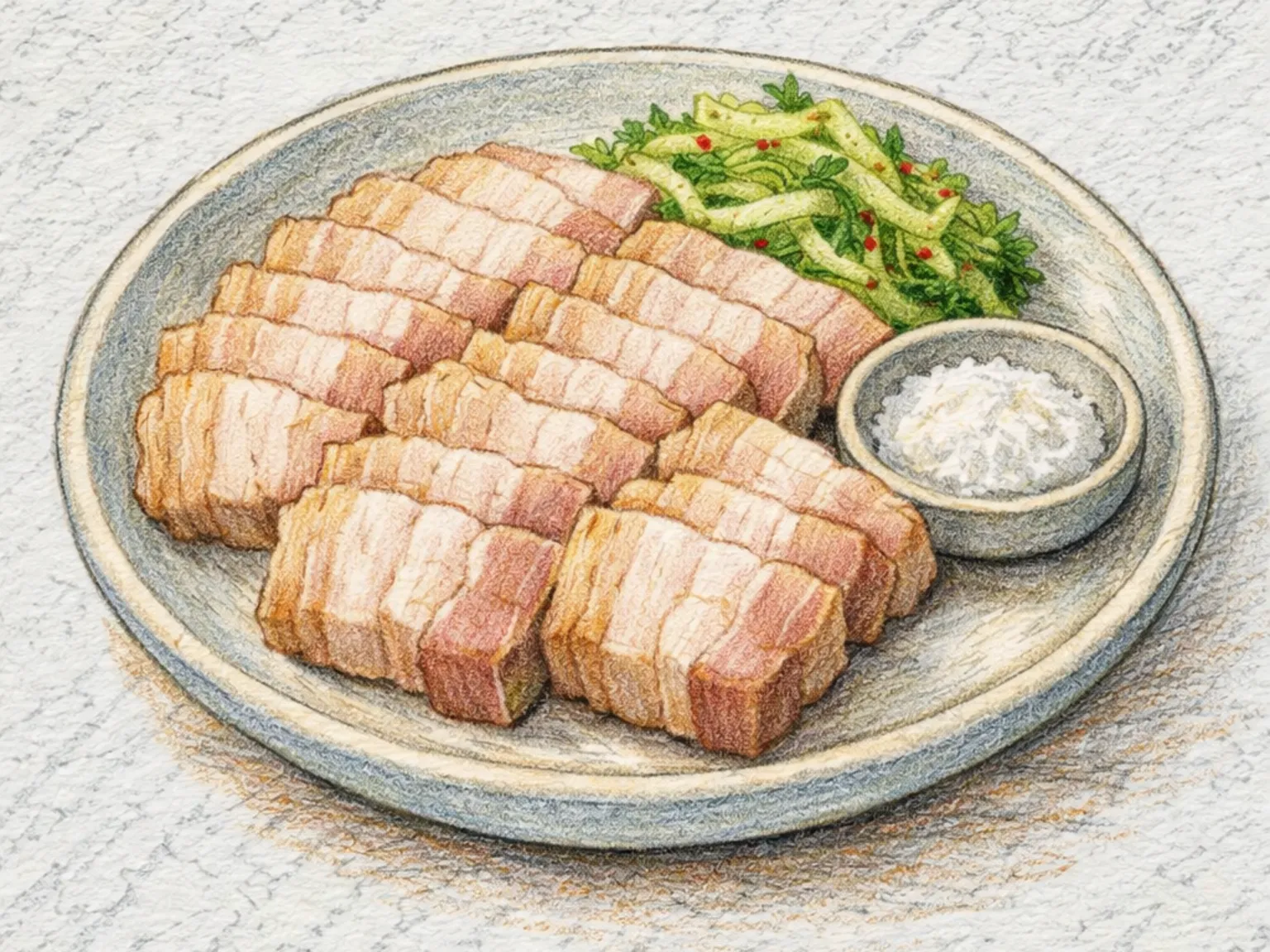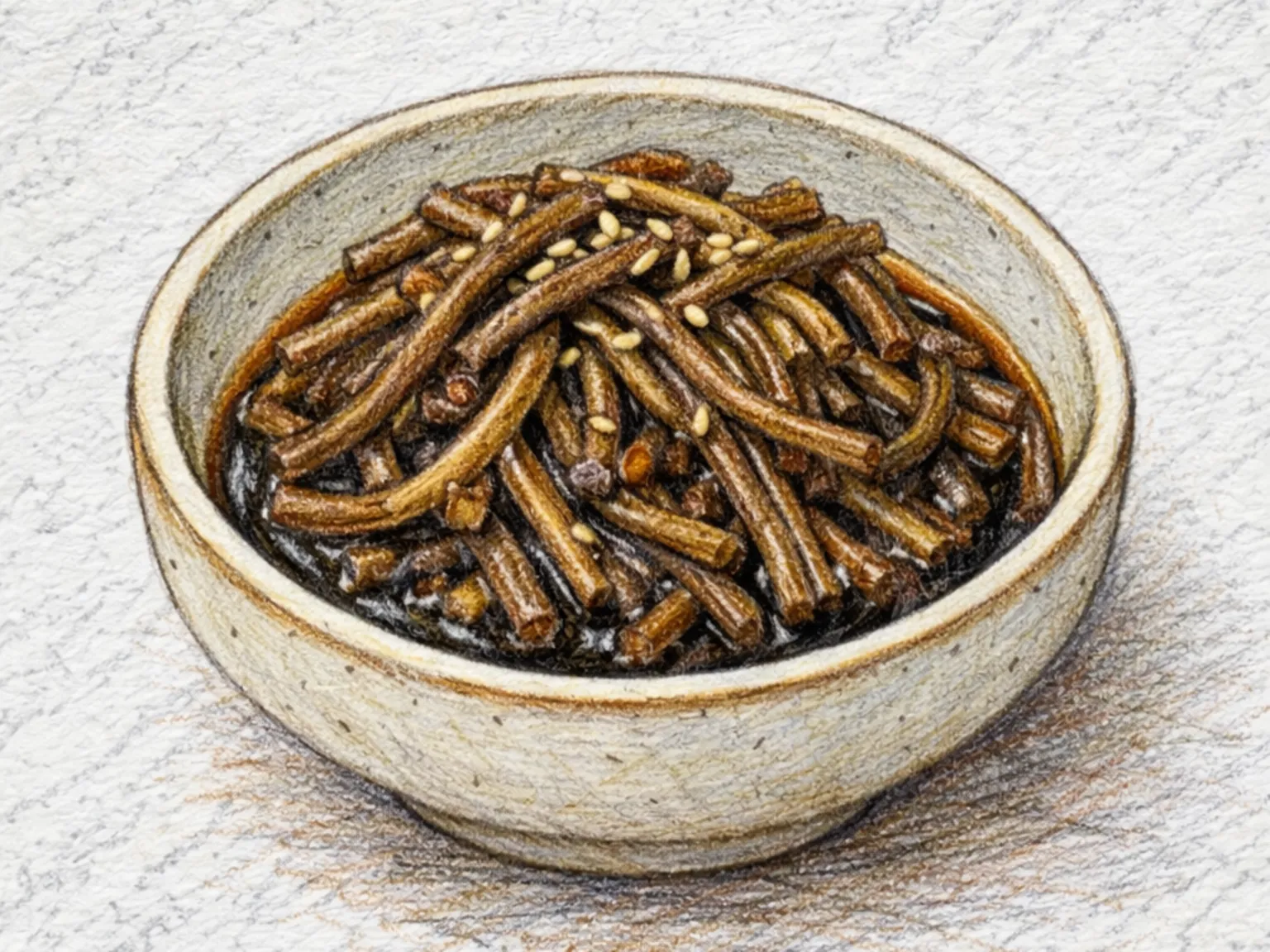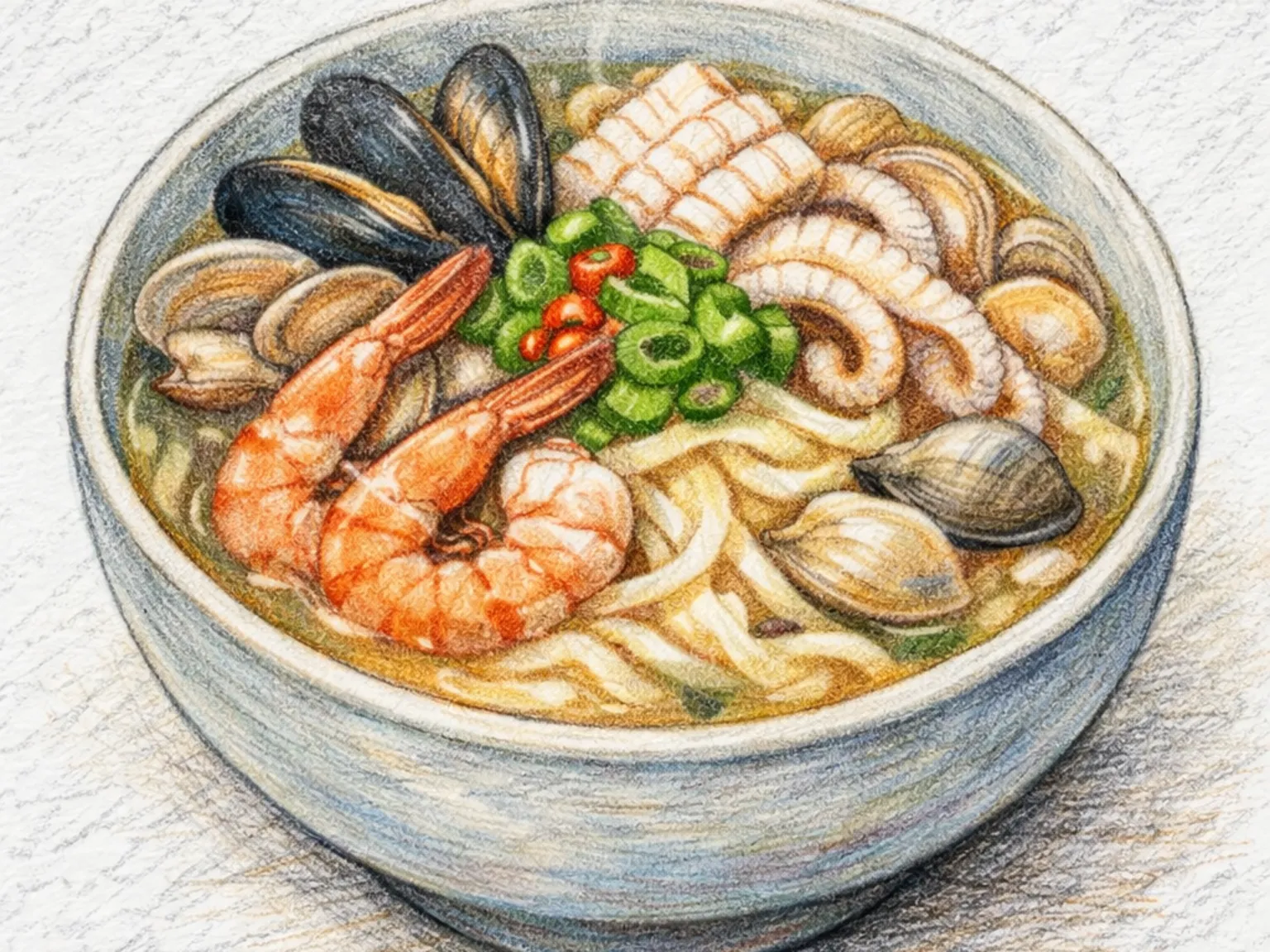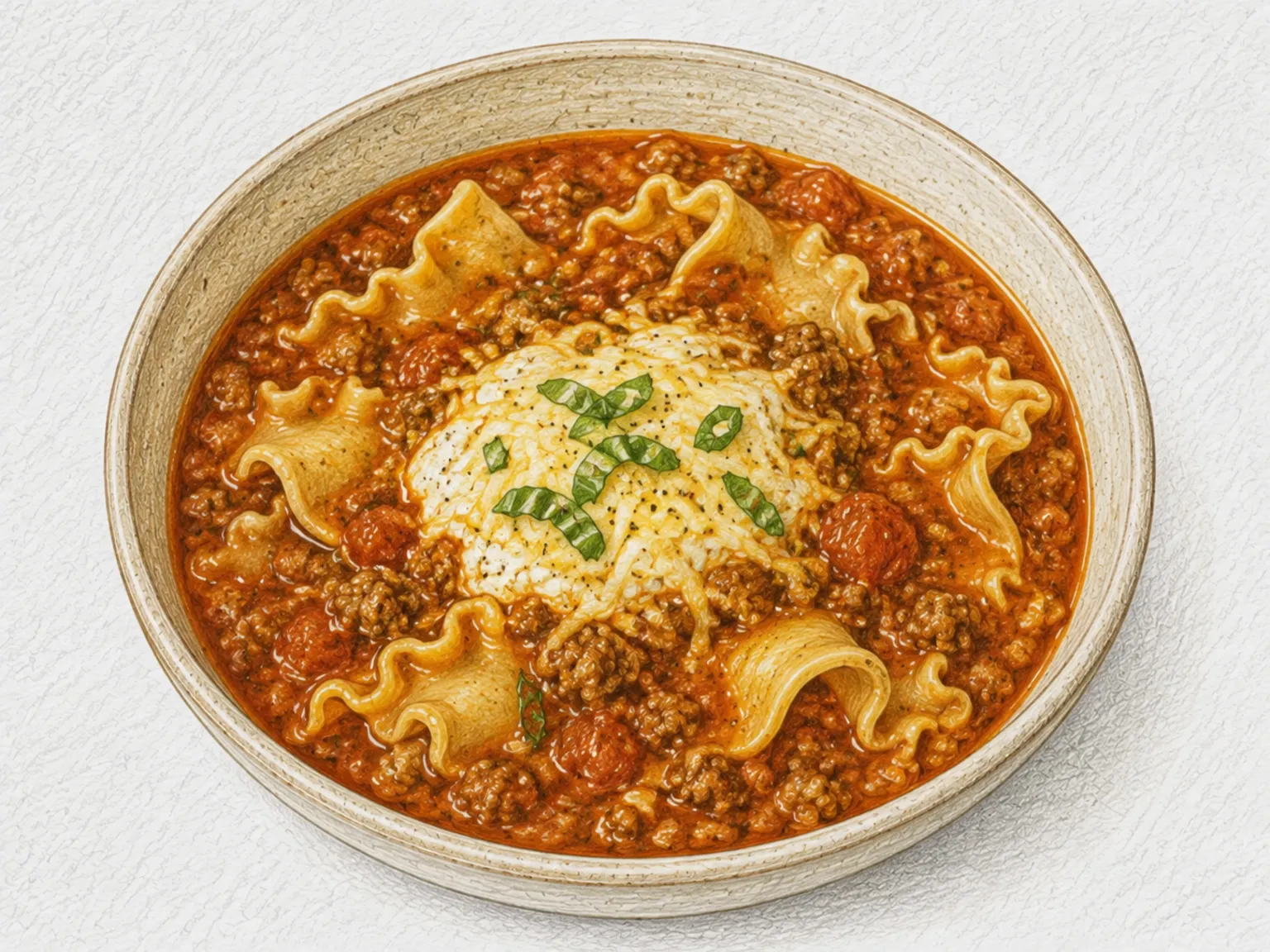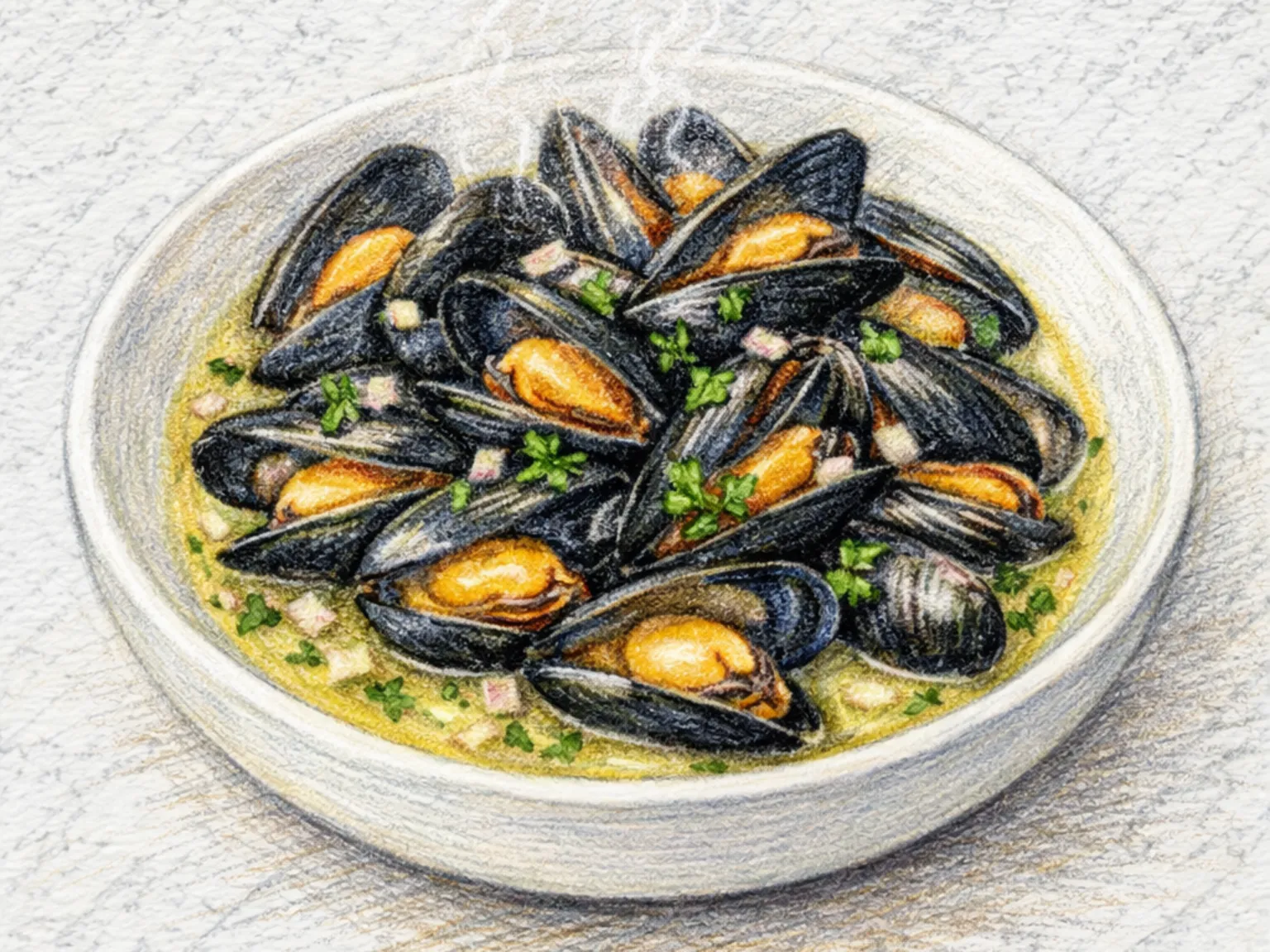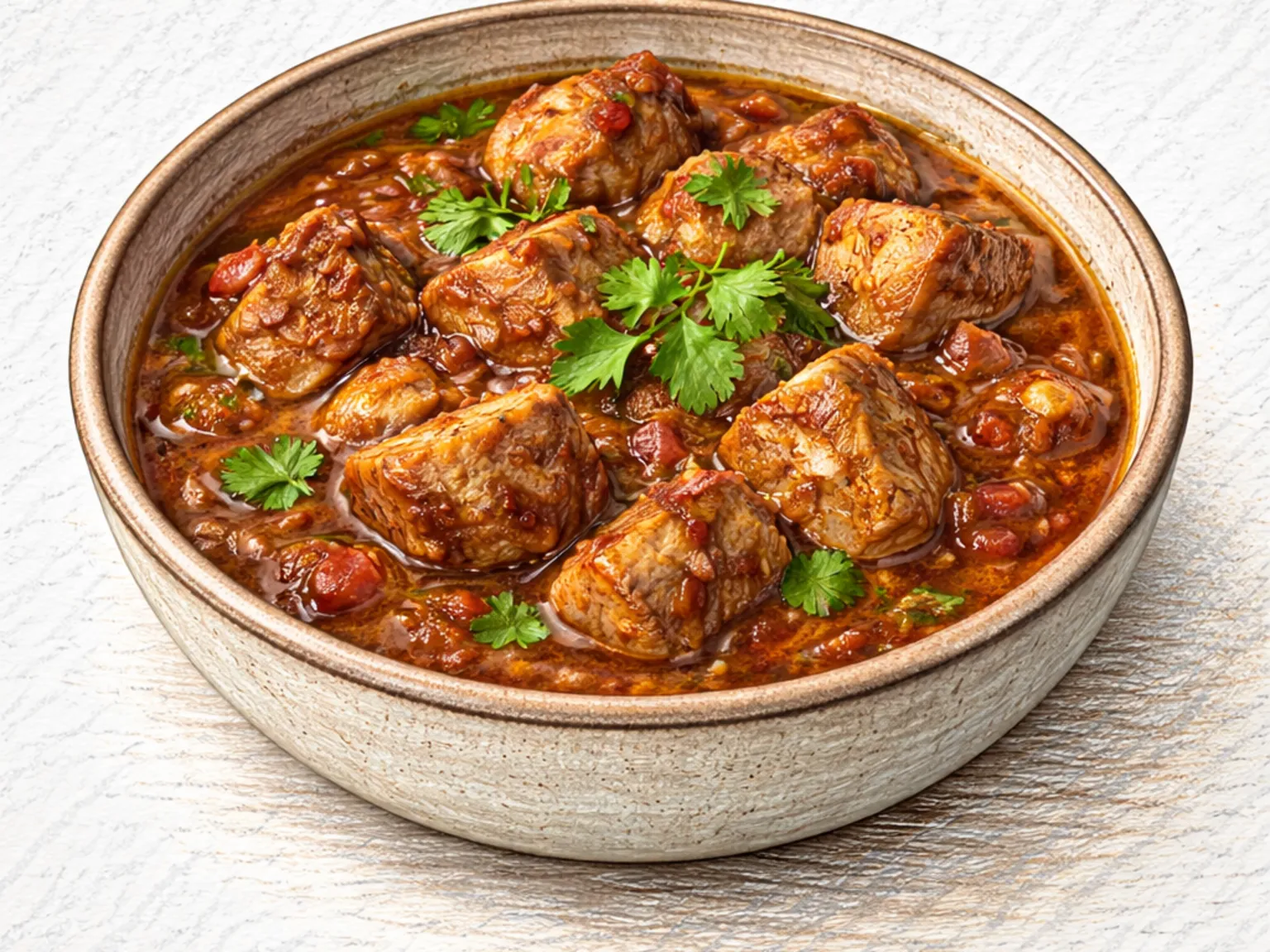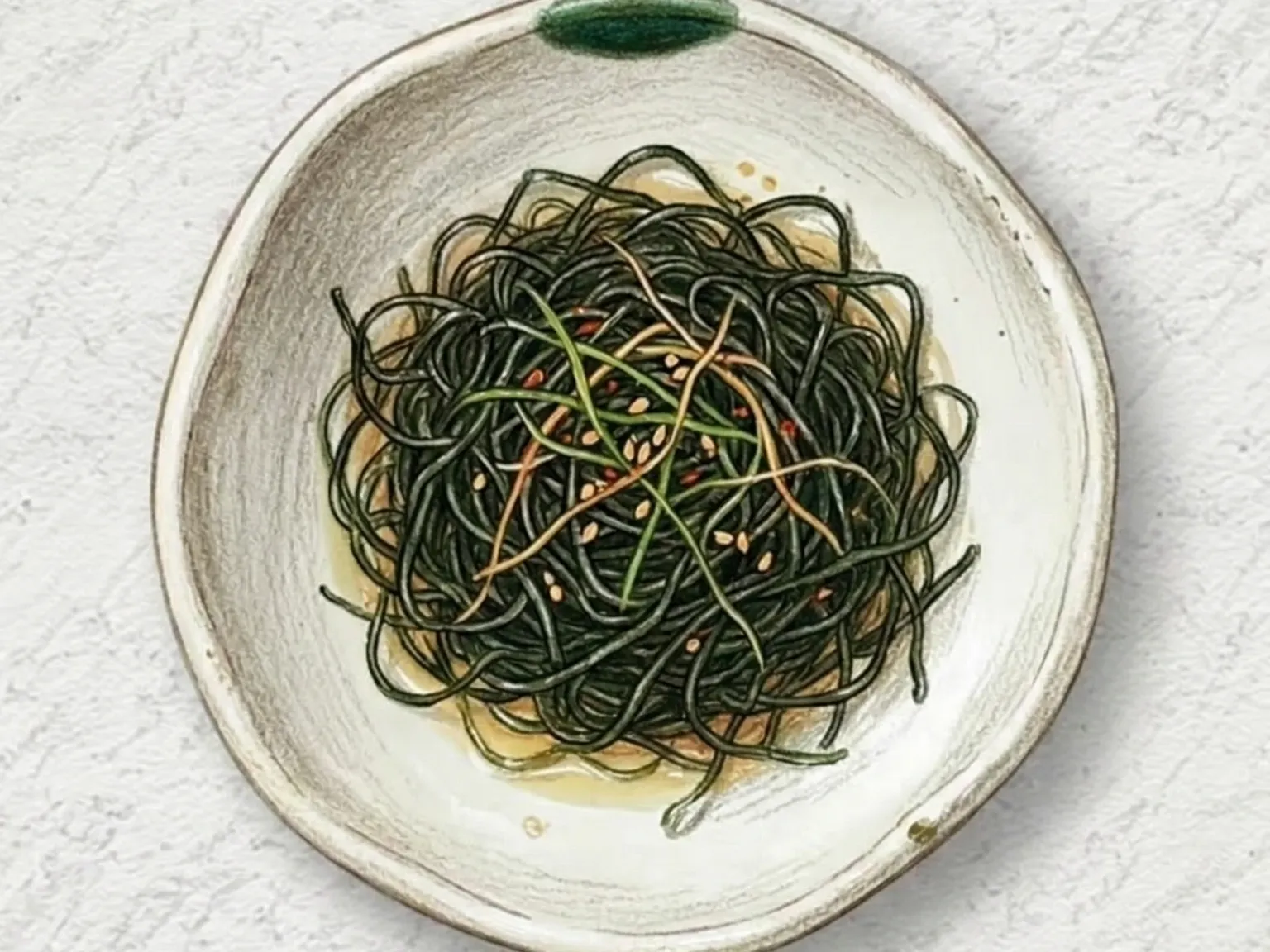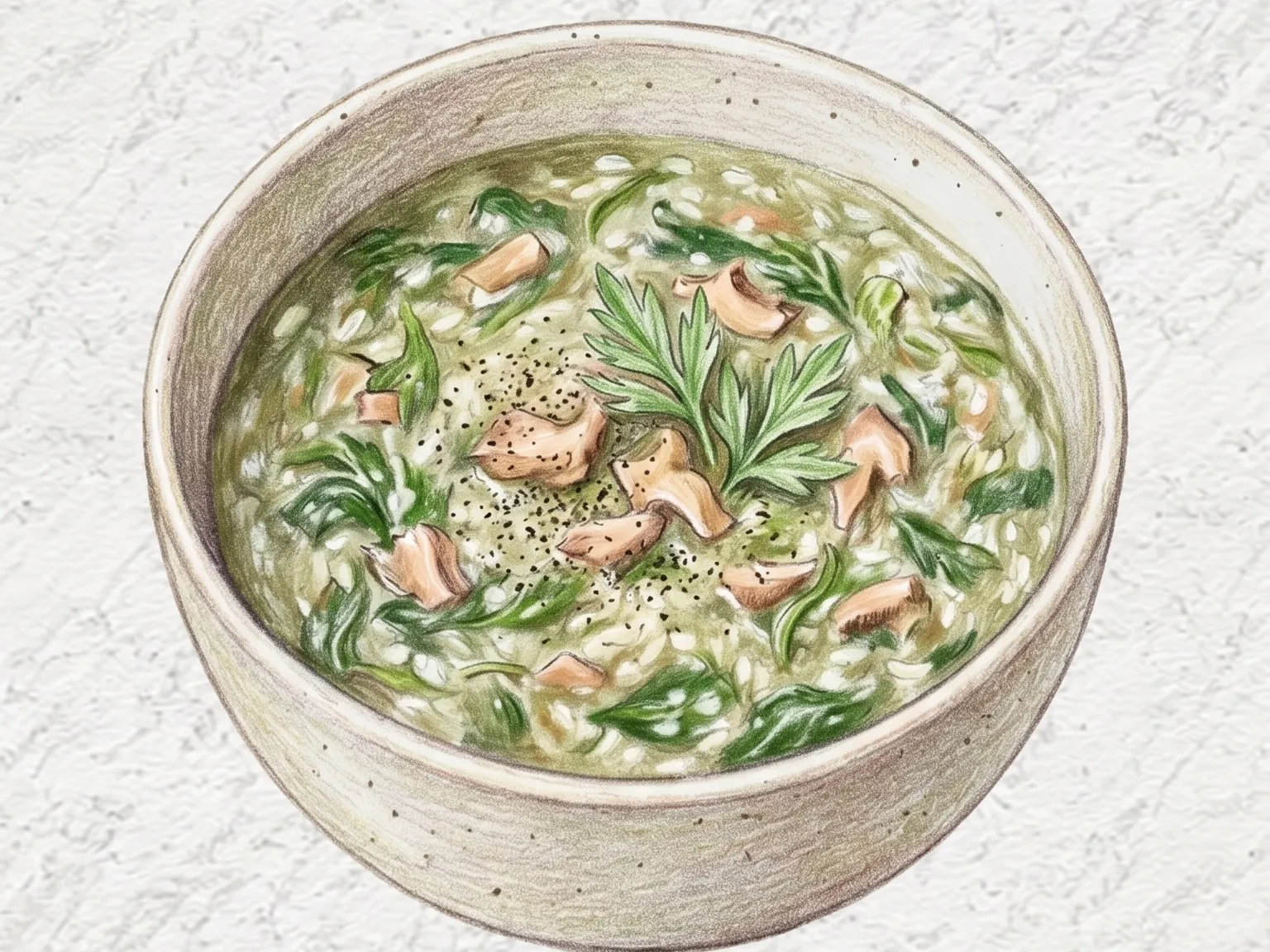
Shrimp Alfredo Pasta
Shrimp Alfredo pasta pairs fettuccine with a cream sauce built from butter, garlic, heavy cream, and grated Parmesan. The shrimp are seared quickly in butter on both sides to develop a light caramelized crust while keeping the interior moist, then set aside and returned to the pan only at the end. Adding the cheese off direct heat is critical - high temperature causes the fat and protein in Parmesan to separate, turning the sauce grainy instead of smooth. Starchy pasta water stirred into the cream acts as an emulsifier, helping the sauce cling to each strand rather than pooling at the bottom of the bowl. The shrimp's natural sweetness provides a clean counterpoint to the dense richness of cream and aged cheese.

Hokkien Prawn Mee (Spicy Prawn Noodle Soup)
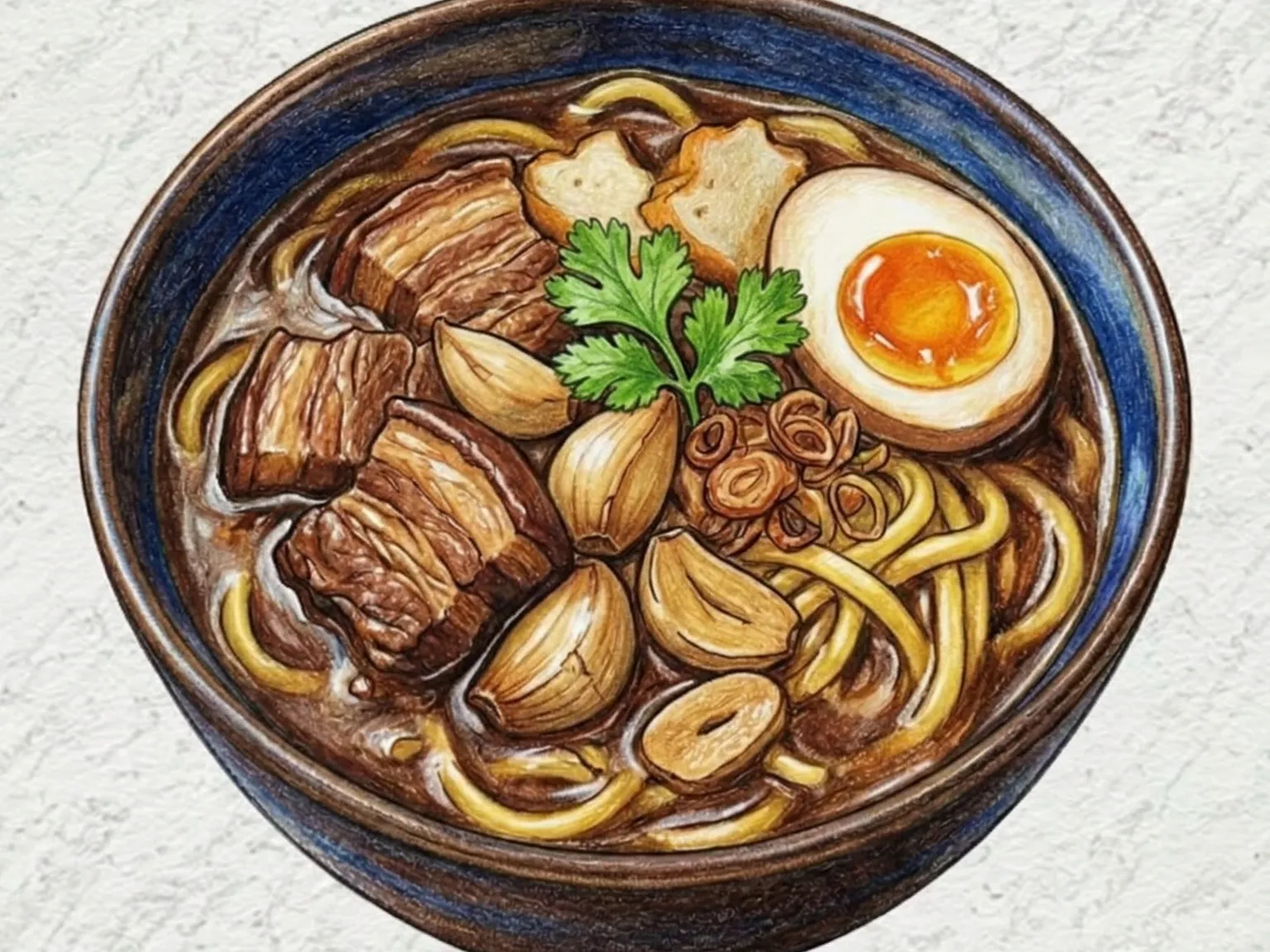
Hokkien prawn mee is one of the defining noodle dishes of Singapore's hawker culture, built on a dual stock of roasted shrimp shells and slow-simmered pork bones. The shrimp are broken down into shells and meat before cooking begins - the shells are fried in oil with garlic until deeply browned and fragrant, and this step alone sets the ceiling of flavor the final broth can reach. Pork stock is added to the pan and the combined liquid simmers for twenty minutes before being strained, producing a broth that appears almost clear but carries a concentrated marine and pork depth. Egg noodles and the reserved shrimp meat are cooked directly in this strained liquid, and fish sauce is stirred in to reinforce the ocean character. A spoonful of sambal chili paste rests on the surface and gradually dissolves into the soup as the bowl is eaten, intensifying with each sip. Chopped scallion adds a fresh green note against the rich, amber broth.

Korean Stuffed Eggplant Seon
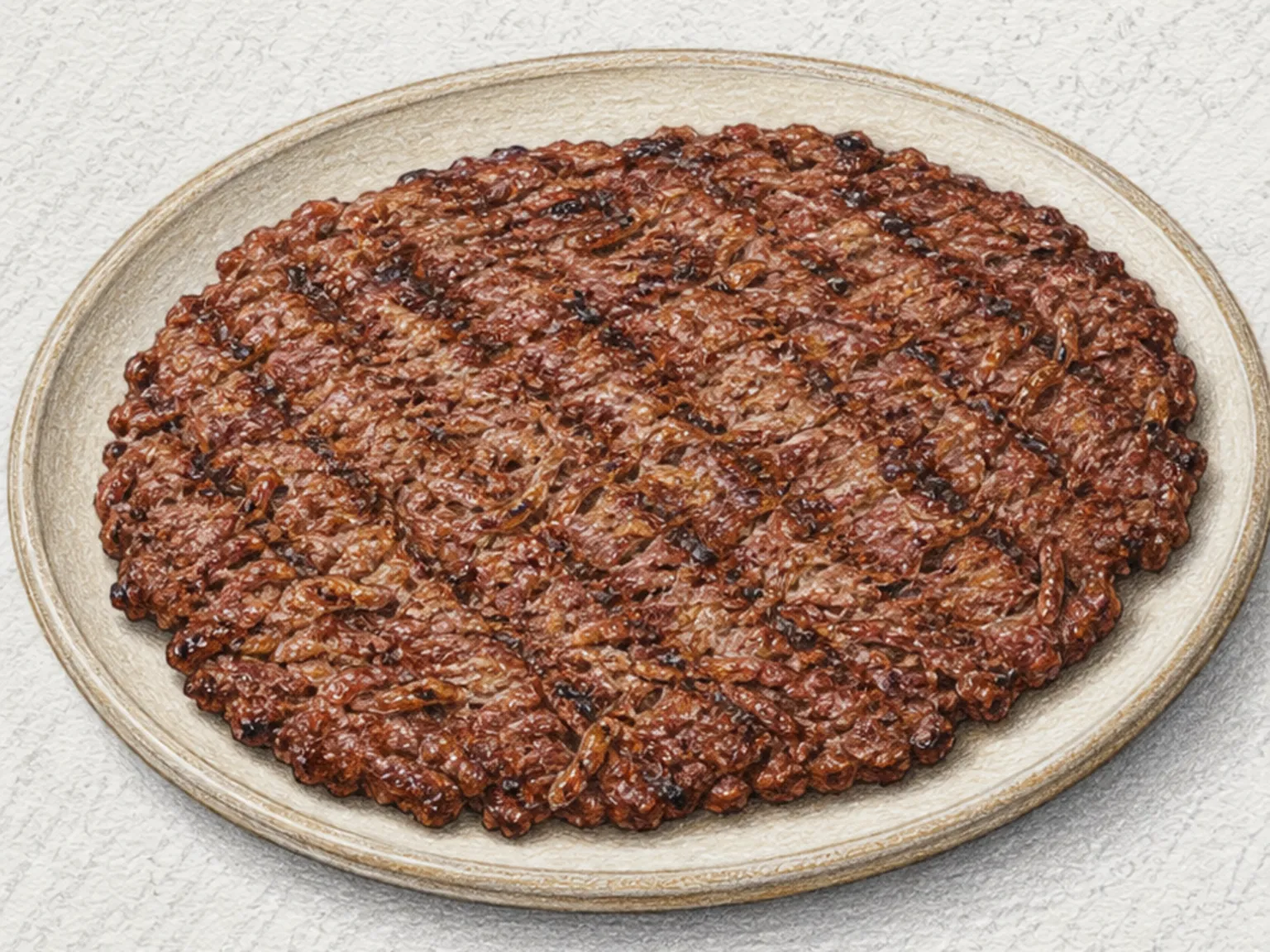
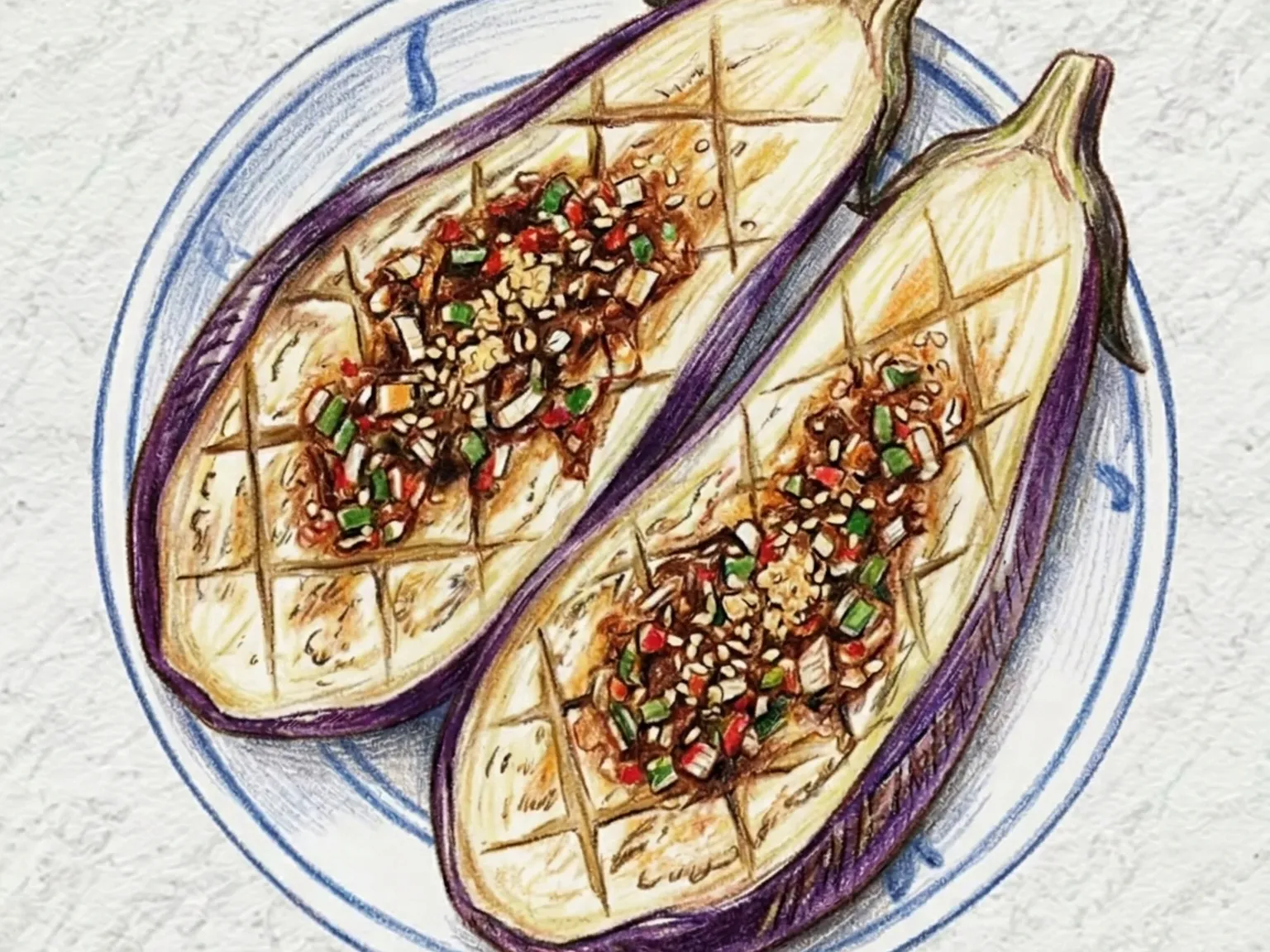
Gaji-seon is a Joseon-era royal court banchan belonging to the seon category, a class of preparations in which vegetables are stuffed with a seasoned filling and steamed. The eggplant is scored at regular intervals with deep cuts that stop short of the bottom, creating accordion-like pockets along the length of the vegetable. A filling of minced pork or beef combined with crumbled tofu, scallion, and sesame oil is pressed firmly into each slit, then the stuffed eggplant is steamed for fifteen minutes. During steaming, the juices from the filling soak into the softening eggplant flesh, and the two components merge into a single flavor. The labor of stuffing each eggplant individually made this a dish historically reserved for guests and formal occasions rather than everyday meals. After steaming, a light soy-based sauce is spooned over the top. The sharp textural contrast between the near-dissolving eggplant skin and the firm, savory filling produces a refinement that clearly separates seon from ordinary stir-fried or braised eggplant preparations.

Korean Lotus Root Chicken Porridge
Yeongeun-dak-juk is a Korean porridge that simmers diced lotus root and shredded chicken breast in a rice base. The finely chopped lotus root introduces small pockets of crunch throughout the otherwise creamy porridge. Green onion and ginger remove any gaminess from the chicken while adding a clean aroma. Since the porridge uses chicken stock as its foundation, it carries depth of flavor without heavy seasoning. The result is a light yet filling bowl suited to mornings or recovery meals.

Korean Gochujang Pork Bulgogi
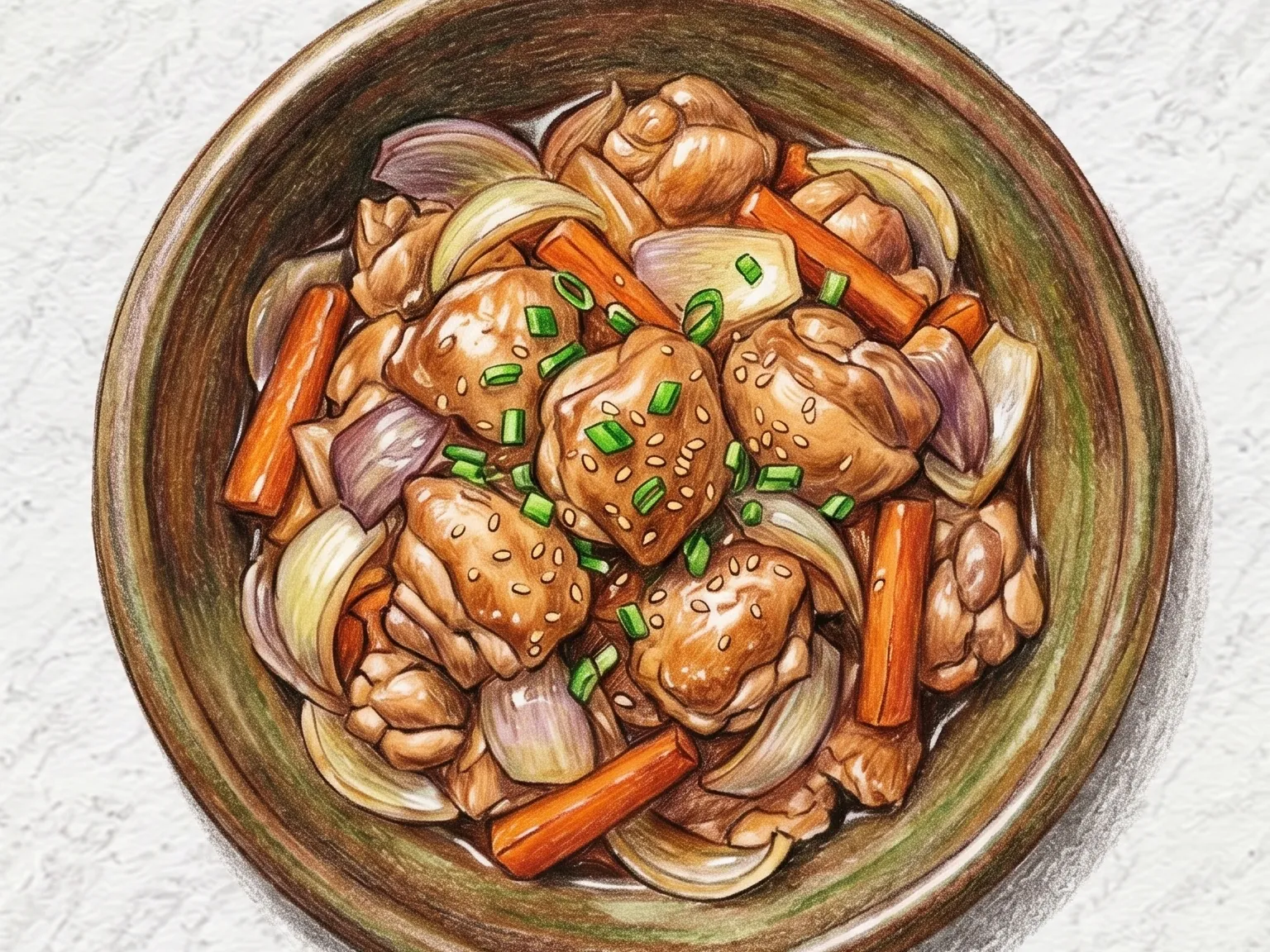
Gochujang dwaeji bulgogi is a Korean main course that marinates sliced pork neck in a sauce of gochujang, gochugaru, soy sauce, plum syrup, and minced garlic before stir-frying over high heat. The fermented heat of gochujang provides depth and a slow burn, while the plum syrup contributes a bright tanginess that prevents the sweetness from feeling flat. Onion softens and releases its natural sugar into the sauce during cooking, rounding out the overall flavor profile. Green onion adds a fresh, pungent note throughout. Perilla leaves are added at the final moment before the heat is off, preserving the herb's volatile oils so its distinctive grassy aroma and slight bitterness remain intact. That herbal character is what cuts through the richness of the pork fat and brings the dish together. Served over rice or wrapped in lettuce leaves with rice, both presentations make a filling and well-seasoned main.

Korean Grilled Pen Shell Scallops in Butter
Pen shell scallop meat is thoroughly patted dry, then seared for ninety seconds per side on a screaming-hot pan before being brushed with a garlic-lemon butter sauce. Adequate preheating is critical so the surface caramelizes instead of releasing moisture, and the total cook time should stay under four minutes to keep the interior springy. A drizzle of olive oil and a scattering of parsley lend a Mediterranean accent to this Korean shellfish dish.

Korean Bracken and Beef Soup
Gosari sogogi-guk is a hearty Korean soup made by first stir-frying rehydrated bracken fern with beef in sesame oil, then adding water and dissolving doenjang into the broth to simmer. The bracken - dried mountain fern that must be soaked overnight until fully pliable - keeps a distinctive chewy resilience even after long soaking and simmering, setting it apart from the softer vegetables found in most doenjang soups. This chewiness is a defining quality of the ingredient and one of the main reasons the soup is valued over simpler alternatives. The stir-frying step before liquid is added is what builds the soup's character: as the bracken and beef cook together in sesame oil, their flavors dissolve into the fat and create a layered, savory base that plain boiling in water cannot achieve. Doenjang is introduced midway through rather than at the start to prevent the salt level from becoming too concentrated during the long simmer - its fermented depth and rounded umami wrap around everything in the pot. Garlic and green onion refine the aroma and cut any residual earthiness from the bracken. This soup has deep ties to Korean holidays: bracken is one of the three classic namul vegetables prepared for ancestral rites at Chuseok and Lunar New Year, and it is customary to use leftover soaked bracken from holiday namul preparation in a pot of soup the following day. Cooked bracken also freezes well, so many households keep it on hand year-round. The combination of earthy bracken, soft beef, and fermented broth produces a warmth and depth that feels distinctively rooted in Korean culinary tradition.

Korean Red Pepper Paste Stew
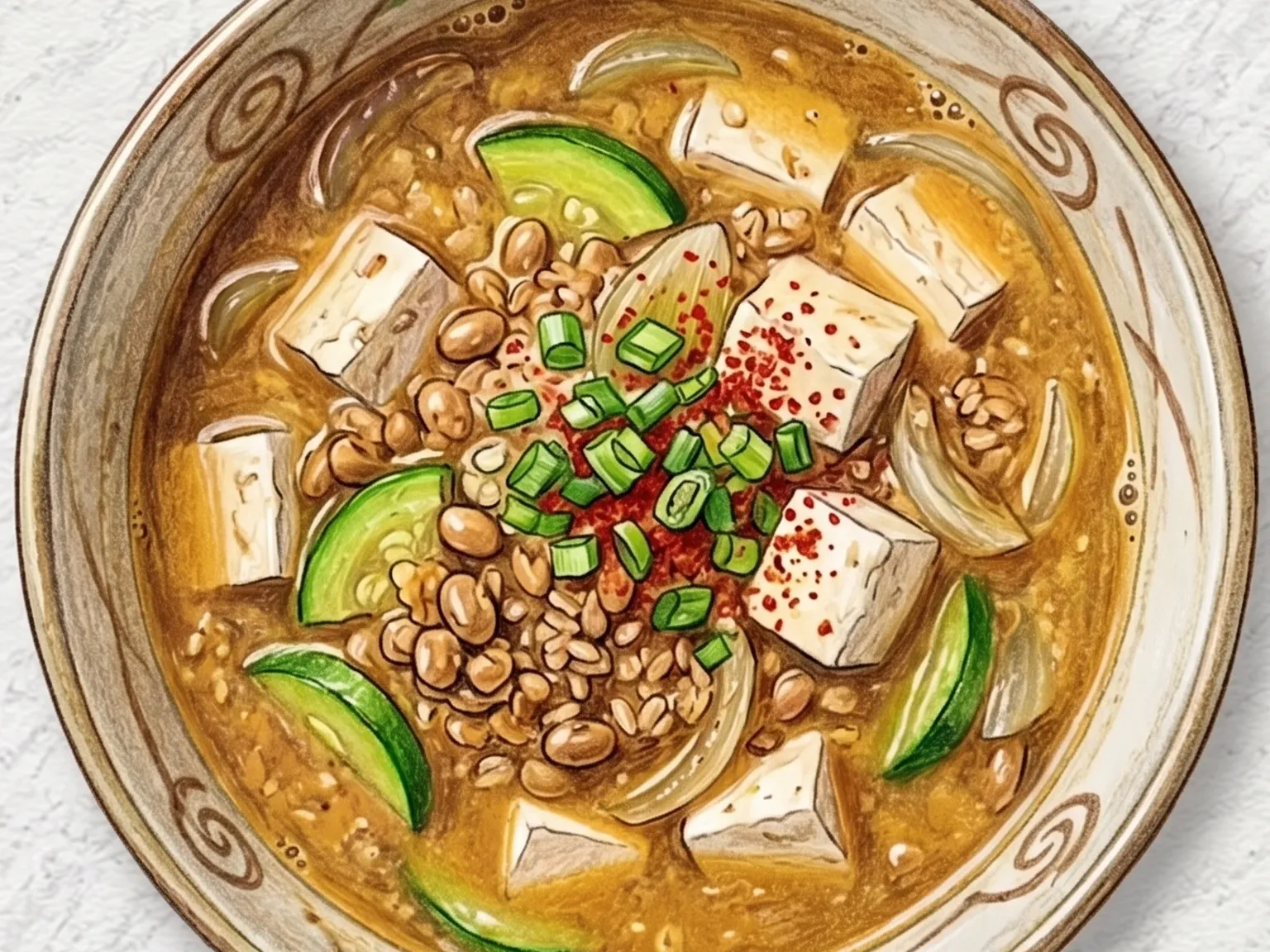
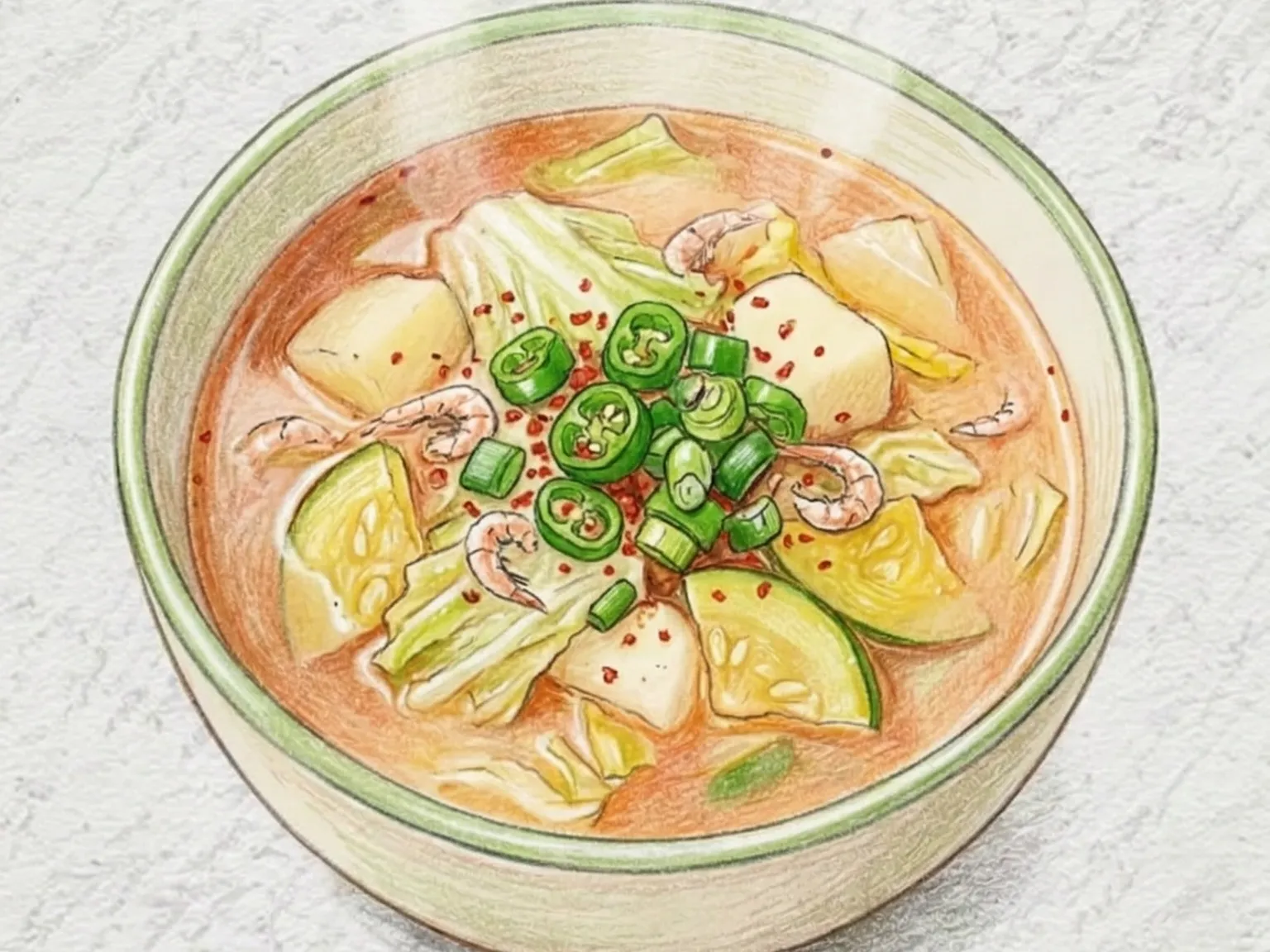
Gochujang-jjigae is a Korean stew centered on gochujang, the fermented chili paste, as its primary seasoning. It occupies a different flavor space from doenjang-based stews and kimchi-jjigae: the heat is direct and clean rather than layered with fermented funk or brined sourness. Pork shoulder is the standard protein. Browning the meat first in the pot keeps its juices sealed in and adds savoriness to the broth as the fond dissolves into the liquid. Two tablespoons of gochujang form the base, gochugaru adjusts the heat level, and soy sauce adds depth of saltiness. Potato absorbs the starch-thickened broth as it cooks and turns fluffy inside with a seasoned exterior. Zucchini softens into the thick broth, contributing gentle sweetness. Tofu soaks up the surrounding sauce and delivers a concentrated burst of gochujang flavor when bitten through. The longer the stew simmers, the more the ingredients exchange flavors, building a broth more complex than any single ingredient could produce on its own. In Korean home cooking, it is standard to ladle plenty of the broth over cold rice.

Korean Steamed Yellow Croaker
Jogi-jjim is a steamed Korean yellow croaker banchan built around a two-stage cooking method that drives soy sauce, cooking wine, garlic, and ginger deep into the flesh. Scoring the fish on both sides before cooking is essential: the cuts open channels so the marinade reaches the interior rather than sitting on the surface. Half the sauce goes in first, and the fish steams until nearly done; then the remaining sauce and sliced green onion are added for a second round. Cooking wine and ginger together strip away fishiness, leaving the croaker clean and mild on the palate. The flesh is fine-grained and firm enough to pull apart in neat flakes with chopsticks without falling apart. Any sauce that collects in the pan spooned over rice makes the dish a complete meal without needing a separate soup.

Korean Fermented Kale Kimchi
Kale kimchi is made by wilting kale leaves in coarse salt, then tossing them with julienned radish, scallions, gochugaru, soup soy sauce, and pear puree before fermenting. The kale's strong green flavor mellows during fermentation while its sturdy leaf structure maintains a satisfying chew, and the radish strips add a crisp counterpoint to the soft seasoning. Pear puree wraps around the chili heat with fruit sweetness, and soup soy sauce anchors the seasoning with a quiet umami depth. Made using the same technique as napa cabbage kimchi but carrying kale's distinctive slight bitterness, this version adds a layer of complexity and nutritional density to the traditional format. Kale requires less salting time than napa cabbage, and weighting it down evenly during the process ensures consistent wilting throughout the batch.

Onmyeon (Korean Warm Somyeon in Beef Brisket Broth)
Onmyeon is a Korean warm noodle soup built on a clear beef brisket broth served over thin somyeon noodles. The brisket simmers in water for about twenty-five minutes to produce a light yet flavorful stock, which is then strained to remove fat and sediment for clarity. Soup soy sauce seasons the broth gradually so its color stays pale, preserving the clean appearance that defines this dish. The noodles are cooked separately and rinsed in cold water to wash away surface starch before being placed in bowls, which keeps the broth from turning cloudy. Shredded brisket, thin egg garnish, and sliced scallion are arranged on top, and hot broth poured over them releases gentle waves of beef aroma and egg richness.

Yuja Shrimp Basil Linguine
Yuja shrimp basil linguine is a light oil-based pasta that keeps shrimp at the center of attention by handling them quickly and carefully. After deveining and thoroughly patting dry, the shrimp are seared in olive oil just until both sides turn pink, pulling them from the pan within three minutes total to preserve their springy, snapping bite. Prolonged heat is the enemy of shrimp texture, so they are removed and returned only when the pasta is nearly ready. The aromatic base begins with garlic and red pepper flakes sauteed over low heat in olive oil until fragrant but not colored, a process that infuses the fat with a gentle heat and a savory depth. A splash of white wine goes in next and cooks off quickly, adding a clean acidity and lifting the browned bits from the pan. Yuja marmalade contributes a distinct citrus sweetness, but the sugar content varies considerably between brands, so it is added incrementally and tasted as it goes. Three tablespoons of starchy pasta cooking water emulsify the oil and marmalade into a light sauce that clings to every strand of linguine without feeling heavy. Basil leaves are folded in off the heat to protect their volatile aromatic oils, so their fresh herbal fragrance layers over the yuja's bright citrus without any loss.

Shrimp Creole
Shrimp Creole builds its flavor base from the Cajun holy trinity - onion, celery, and bell pepper - sauteed in olive oil until softened and sweet. Garlic and paprika go in next for thirty seconds to bloom their aromas before canned tomatoes are added and simmered over medium heat for eight minutes, reducing the liquid into a thick, fragrant sauce. The shrimp are stirred in only at the end and cooked for three to four minutes until just pink, preserving their tender bite. The tomato's natural acidity balances the paprika's smokiness, and a dash of hot sauce pushes the dish toward its authentic Louisiana character. Served ladled generously over steamed white rice, the sauce soaks into the grains and carries every layer of flavor.

Hu Tieu Nam Vang (Vietnamese Pork & Shrimp Noodle Soup)
Hu tieu nam vang is a clear-broth rice noodle soup from southern Vietnam, originating in the Cambodian immigrant communities of Phnom Penh and now thoroughly embedded in Saigon street food culture. Pork bones are simmered at low heat for an extended time while the surface is skimmed repeatedly to keep the broth transparent and clean-tasting. Fish sauce and a measured amount of sugar season the broth with a savory-sweet balance that is distinctively southern Vietnamese. Ground pork is pan-fried with garlic until the moisture cooks off and the meat turns crumbly and lightly browned, creating a textured topping that contrasts with the silky broth. Whole shrimp are blanched for one minute only, enough to set the flesh without turning them rubbery. Rice noodles go into the bowl first, raw bean sprouts are piled on top, and boiling broth is ladled over, wilting the outer layers of the sprouts while leaving their cores crisp. A spoonful of garlic-infused oil floated on the surface releases fragrance with each sip and deepens the overall aroma. Green onion and black pepper finish the bowl simply, and the long-cooked broth does the work of pulling every element together. Lime wedges and fresh chilies on the side let each diner adjust acidity and heat to their own preference.

Korean Stir-fried Julienne Potatoes
Gamja-chae-bokkeum is a stir-fried julienned potato banchan where the cutting technique determines the outcome more than any seasoning. Potatoes are julienned into matchstick-thin strips, then soaked in cold water for at least ten minutes to rinse away surface starch - a step that is not optional. Skipping it means the strips clump together in the pan, glueing themselves into a starchy mass that cannot be salvaged. After draining and drying thoroughly, the strips hit a hot, lightly oiled pan and cook for just three to four minutes, stirred and tossed frequently to prevent browning. The target is a strip that is fully cooked through but retains an audible crunch when bitten, a narrow window between underdone rawness and mushy softness that takes practice to hit consistently. The seasoning is deliberately minimal - salt and a small splash of vinegar, occasionally a little sesame oil - to let the potato's clean, starchy sweetness remain the central flavor. Sliced cheongyang chili stirred in at the end adds a sharp heat without muddying the clean taste profile. This banchan has been a fixture of Korean school lunches and company cafeterias for decades precisely because it is vegetarian, inexpensive, and universally acceptable to even the most selective eaters.

Korean Lotus Root Shiitake Pot Rice
This pot rice combines lotus root and shiitake mushroom, each contributing a different texture to the same pot. Lotus root stays crisp while shiitake offers a chewy bite, keeping the rice from being monotone. The grains are lightly coated in perilla oil before water is added, which gives them a glossy finish and nutty undertone. A soy sauce mix with chopped scallions and sesame seeds is stirred in at the table for a salty, aromatic contrast. Diced carrot adds subtle sweetness and color.

Korean Gochujang Fish Cake Stir-fry
Gochujang eomuk bokkeum stir-fries chewy fish cake sheets in a glossy sauce of gochujang, soy sauce, oligosaccharide syrup, and minced garlic. Briefly blanching the fish cakes before they go into the pan removes excess grease, producing a cleaner-tasting dish where the spicy-sweet glaze clings evenly to each surface without any slipperiness. Onion lends natural sweetness that rounds out the chili heat, while diagonally sliced green onion adds a fresh, sharp finish. Sesame oil and toasted sesame seeds complete the dish with a nutty layer. Adding a small splash of water to the sauce keeps things moist if a softer finish is preferred. This is one of Korea's most reliable everyday banchan, equally suited to a weekday dinner and a packed lunchbox.

Korean Perilla Beef Jeon (Perilla-Wrapped Beef Tofu Pancake)
A thin layer of seasoned ground beef mixed with pressed tofu is spread on the underside of each perilla leaf, which is then folded in half, coated in flour, dipped in beaten egg, and pan-fried over medium heat. Keeping the filling thin is essential so the herbal fragrance of the perilla comes through clearly. Squeezing moisture from the tofu beforehand ensures the jeon holds its shape during frying. The result layers the grassy aroma of perilla with soy-seasoned beef in every bite.

Gul-dubu-guk (Oyster Soft Tofu Kelp Soup)
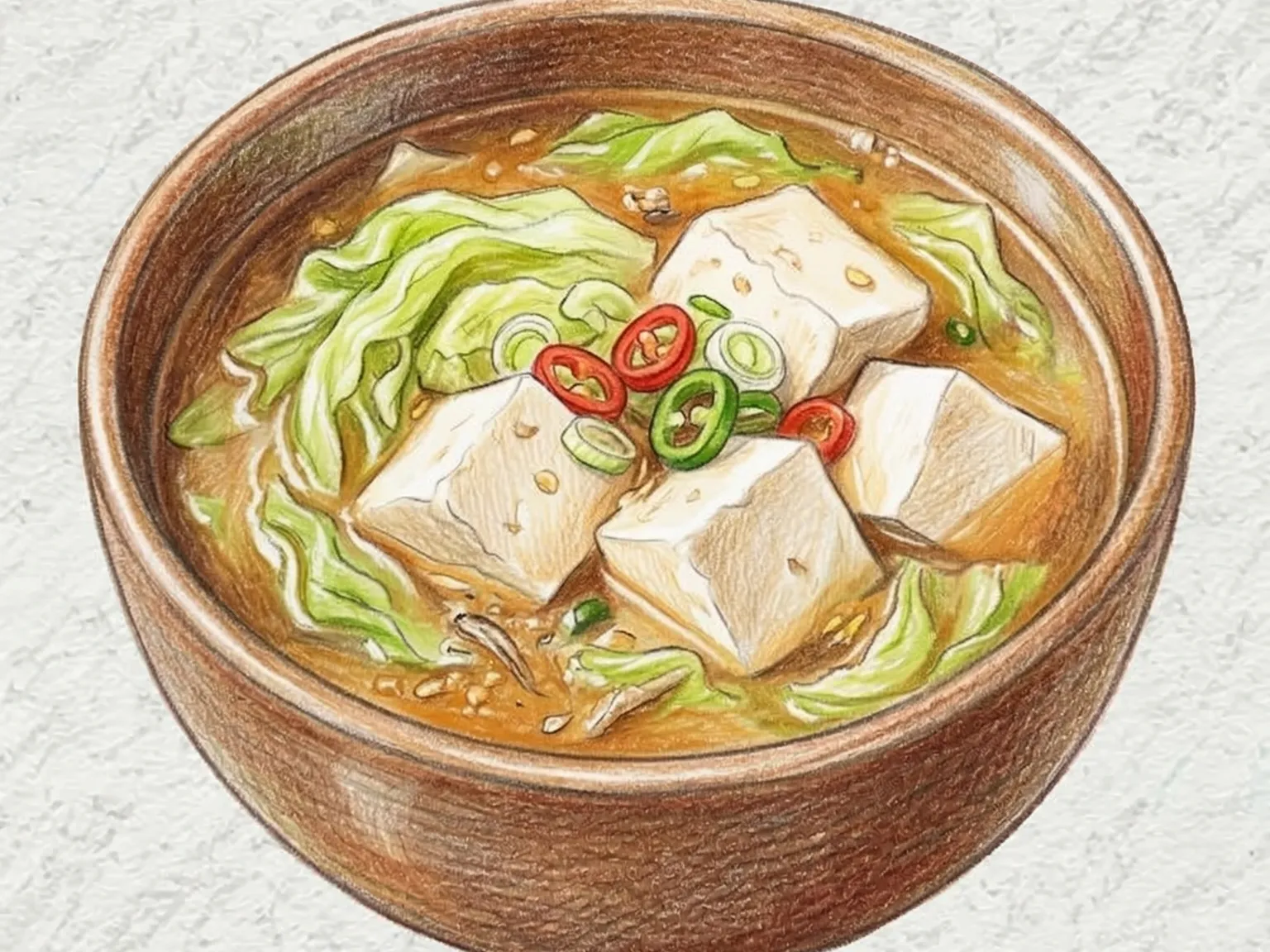
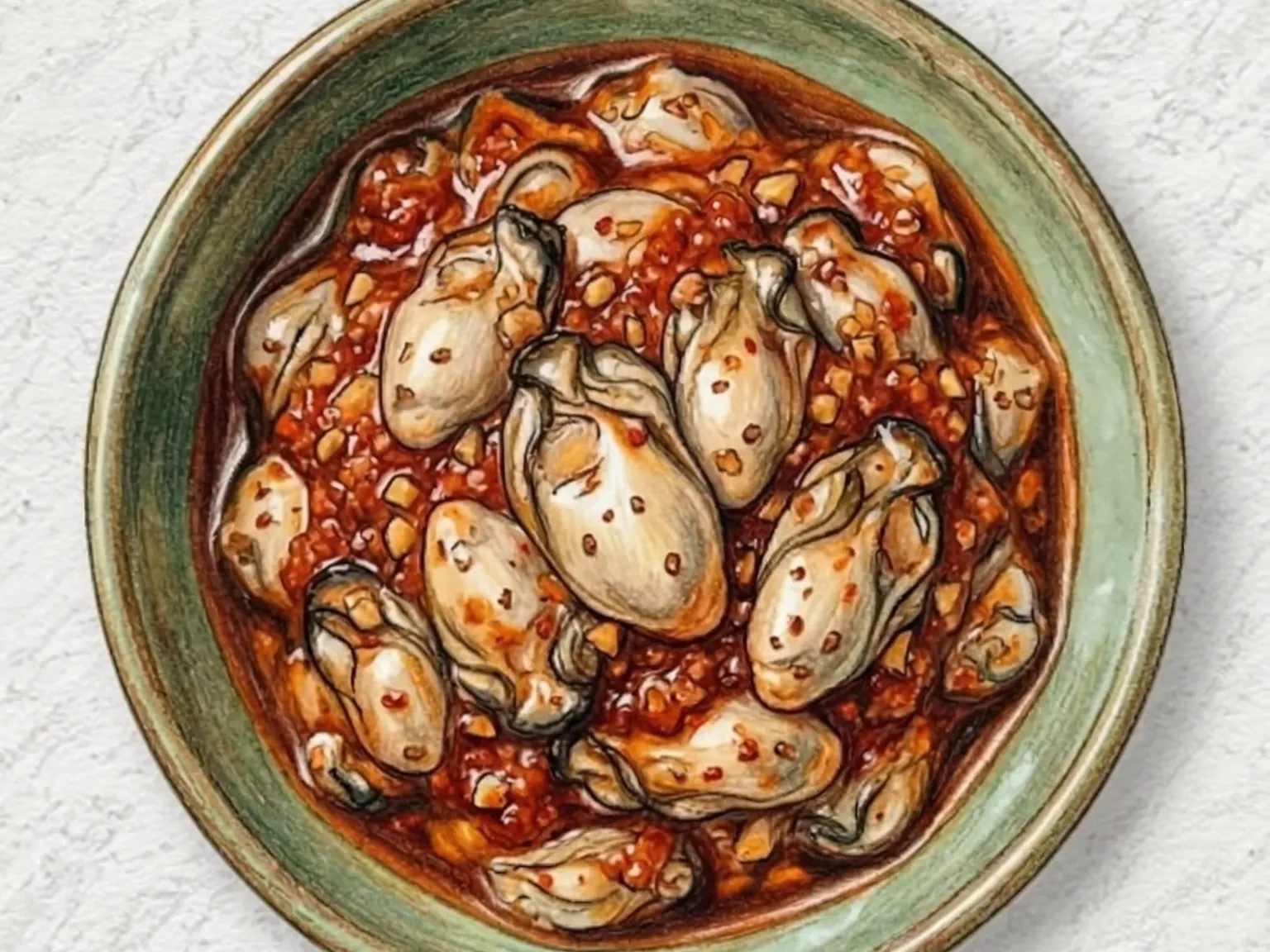
Gul-dubu-guk is a winter Korean soup that pairs plump seasonal oysters with soft tofu in a clear kelp-based broth. Timing the oysters precisely is the central technique of the dish: they go in just before the broth reaches a full boil, and even a minute too long on the heat turns them tough and grainy. Large-cut tofu blocks absorb the shellfish-infused liquid as they simmer, carrying the briny depth of the oysters into every bite of curd. Thin radish slices added from the start release a gentle, natural sweetness that rounds out the broth without masking the oceanic character of the main ingredients. Seasoning stays restrained, only soup soy sauce and garlic, because heavy additions would overwhelm the delicate salinity that the oysters themselves contribute. A scattering of sliced green onion at the end adds a bright aromatic finish, and along the southern coast where oysters are harvested fresh through the cold months, this soup is considered a staple of the winter table.

Korean Godeungeo Mu Jjigae (Mackerel Radish Stew)
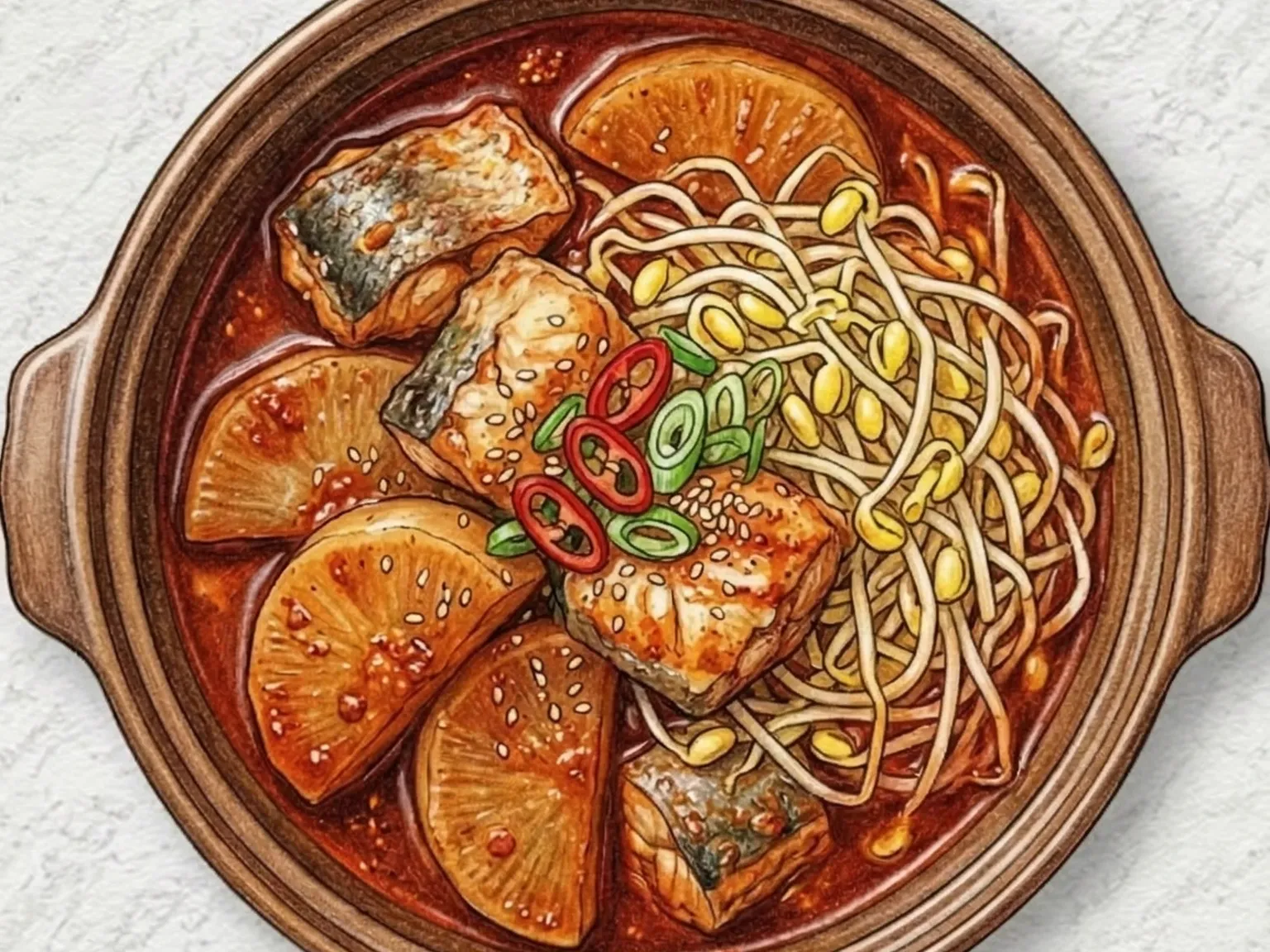
Godeungeo-mu-jjigae is a spicy Korean stew that pairs mackerel with Korean radish in a gochugaru and gochujang broth. Mackerel is an oily, fatty fish, and as it simmers, those fats render into the surrounding liquid, giving the broth a richness and depth of savory flavor that leaner fish cannot produce. The radish is laid on the bottom of the pot before the mackerel is placed on top - a deliberate positioning that lets the radish absorb the direct heat of the base while soaking up the fish juices and rendered fat dripping down from above. Radish cooked this way turns tender and sweet, and each bite releases concentrated broth from within the vegetable. Using both gochugaru and gochujang in the seasoning paste is important: gochugaru provides clean, direct heat and red color while gochujang adds fermented depth and body to the broth that chili powder alone cannot achieve. Soup soy sauce for the final seasoning keeps the saltiness measured and blended rather than sharp. Sliced green onion and cheongyang chili pepper added toward the end contribute freshness and a sharper layer of heat. For those sensitive to fishiness, thin slices of ginger added to the initial seasoning paste are effective at suppressing the odor without altering the stew's overall flavor profile. The traditional way to eat this is to spoon the broth-soaked radish and a piece of mackerel over rice, letting the concentrated cooking liquid soak into each grain.

Korean Steamed Pacific Saury
Kkongchi-jjim braises Pacific saury with Korean radish, onion, and green onion in a gochugaru and soy sauce broth until the liquid reduces to a concentrated, deeply spiced glaze. The saury's naturally oily flesh absorbs the bold seasoning without drying out, while the radish softens in the braising liquid and draws out any fishiness that would otherwise distract from the sauce. Garlic and ginger scrub the broth clean, and the chili's penetrating heat opens the appetite in a way that milder seasonings cannot. The remaining sauce, ladled over rice, is what most people eat last and remember longest - a humble fish dish that punches well above its price.

Korean Soy Pickled Perilla Leaves
Kkaennip jangajji is a Korean soy-pickled perilla leaf side dish made by layering thoroughly dried leaves in a brine of boiled soy sauce, rice vinegar, and sugar with garlic and cheongyang chili. One of the most important steps is bringing the brine to a full boil and then allowing it to cool completely before pouring it over the leaves. Hot brine wilts the leaves immediately and collapses their structure, while a cooled brine preserves their shape and allows the seasoning to penetrate evenly over the resting period. The perilla's bold herbal fragrance becomes rounder and less sharp when it comes into contact with the salty depth of the soy sauce, and the vinegar prevents the saltiness from becoming overwhelming, keeping the finish clean and bright. Cheongyang chili leaves a quiet but definite heat at the back of each bite, and garlic threads a pungent undercurrent through the entire flavor profile. Wrapped around a spoonful of plain white rice, a single leaf delivers its full herbal, savory character in one mouthful, and the combination is one of the most satisfying pairings in Korean home cooking. Stored in the refrigerator, the pickled leaves keep for well over a month, making this one of the most practical side dishes to prepare in advance.

Orecchiette with Broccoli Rabe
Orecchiette with broccoli rabe is a Southern Italian pasta from Puglia that pairs ear-shaped pasta with blanched broccoli rabe, garlic, anchovy, and dried chili in olive oil. Blanching the broccoli rabe for one to two minutes tames its bitterness, and cooking the pasta in the same water infuses it with the green's flavor. Garlic and anchovy fillets are warmed slowly in olive oil until the anchovy dissolves into a savory paste, providing salt and umami without needing additional seasoning. Dried chili flakes contribute a gentle background heat. Tossing the drained pasta and greens in the pan with a splash of pasta water emulsifies the oil into a light coating on every piece. Grated parmesan scattered on top adds a salty, nutty finish that balances the vegetal bitterness.

Chaekkeut Seuteikeu (Sirloin Steak)
Sirloin steak is seasoned simply with salt and pepper, then seared in a smoking-hot pan for two to three minutes per side to build a deep brown crust through the Maillard reaction. Bringing the steak to room temperature for twenty minutes before cooking and patting the surface completely dry are both essential - cold, wet meat steams rather than sears, producing a pale, soft exterior instead of a caramelized shell. Once the crust is set, the heat is lowered and butter, crushed garlic, and rosemary are added to the pan for basting, which layers aromatic richness onto the already flavorful surface. Resting the steak on a cutting board for five minutes after cooking allows the muscle fibers to relax and reabsorb their juices, so slicing produces clean cuts rather than a pool of liquid on the plate.