Charim

2686 Korean & World Recipes

2686+ Korean recipes, clean and organized. Ingredients to instructions, all at a glance.

Recipes with garlic

24 recipes

Buy garlic
Japanese Karaage (Soy-Ginger Fried Chicken)
AsianMedium

Japanese Karaage (Soy-Ginger Fried Chicken)

Karaage is Japanese fried chicken where boneless thigh pieces are marinated in soy sauce, mirin, grated ginger, and minced garlic for at least fifteen minutes before being coated in potato starch and double-fried. Ginger in the marinade counters the stronger gaminess of dark meat, and mirin contributes a mild sweetness and sheen to the finished crust. Potato starch produces a lighter and crispier shell than wheat flour or cornstarch, but any excess coating must be shaken off before frying or the surface sets unevenly. The first fry at 170 degrees Celsius runs for three to four minutes, cooking the chicken fully through. Pulled from the oil and rested for two minutes, residual heat equalizes the interior temperature. The second fry at 180 degrees for one to two minutes drives off remaining surface moisture, leaving a thin, shattering crust that holds its texture far longer than a single fry would. This is the central technique that keeps karaage crisp even as it cools. Squeezing lemon juice over the pieces just before eating cuts through the richness and sharpens the contrast between the crust and the juicy interior.

🍺 Bar Snacks🧒 Kid-Friendly
Prep 20minCook 20min2 servings
Korean Braised Potatoes (Soy-Glazed Braised Potato Banchan)
Side dishesEasy

Korean Braised Potatoes (Soy-Glazed Braised Potato Banchan)

Gamja-jorim - soy-braised potatoes - is among the top five most frequently made banchan in Korean households, alongside kimchi, kongnamul, and gyeran-mari. Small potatoes are parboiled whole until just fork-tender, then transferred to a mixture of soy sauce, sugar, rice syrup, garlic, and water. The braising happens over medium-low heat for fifteen minutes with the lid off, allowing the sauce to reduce gradually into a thick, syrupy glaze. Constant gentle stirring prevents the soft potatoes from sticking or breaking apart. As the liquid evaporates, each potato develops a dark amber, lacquered surface while the interior remains starchy and yielding. The taste is straightforwardly sweet-salty with a garlic undertone - comfort food in its most elemental form. Korean mothers often make a large batch on weekends, refrigerating it to serve cold throughout the week. The dish improves overnight as the glaze continues to penetrate the potato's interior.

🏠 Everyday🍱 Lunchbox
Prep 10minCook 20min4 servings
Korean Lotus Root Shrimp Pot Rice
RiceMedium

Korean Lotus Root Shrimp Pot Rice

This pot rice pairs shrimp with lotus root, creating a contrast between the bouncy shellfish and the crunchy root vegetable. Shiitake mushroom deepens the umami layer, and garlic weaves a steady aroma throughout. Light soy sauce seasons the rice just enough to let the natural flavors of each ingredient come through. A drizzle of sesame oil at the end gives the grains a glossy sheen and nutty finish. When the lid comes off, the red of the shrimp against the white lotus root cross-sections makes for a striking presentation.

🏠 Everyday
Prep 20minCook 25min2 servings
Korean Thistle Greens & Mackerel Stir-fry
Stir-fryHard

Korean Thistle Greens & Mackerel Stir-fry

Gondre godeungeo bokkeum pairs pan-seared mackerel with blanched gondre thistle greens in a gochujang-soy stir-fry. The mackerel is first marinated briefly in ginger juice to reduce any sharpness, then seared on both sides until a firm, golden crust forms. That outer layer keeps the fish intact during the final toss with the greens. Gondre is pre-seasoned in perilla oil and garlic to draw out its earthy, herbal fragrance before hitting the pan, and squeezing out the excess moisture is essential so the sauce stays concentrated rather than watery. The gochujang-soy combination brings heat, depth, and a subtle sweetness that bridges the rich umami of the fatty fish and the grassy character of the greens. Gondre from the Gangwon-do highlands has a mild, nutty quality once blanched that holds its own alongside oily blue-backed fish. The dish works equally well as a rice accompaniment or a drinking snack.

🏠 Everyday🎉 Special Occasion
Prep 20minCook 14min4 servings
Korean Kkomak Yangnyeom Gui (Spicy Grilled Cockles)
GrilledMedium

Korean Kkomak Yangnyeom Gui (Spicy Grilled Cockles)

Cockles are purged in salt water, blanched for just two minutes in boiling water until they open, then topped with a sauce of gochujang, chili flakes, soy sauce, garlic, sugar, and sesame oil before grilling over high heat for three to four minutes. Keeping the blanch to two minutes is the key step: longer cooking shrinks the flesh and makes it rubbery, while a brief blanch leaves the cockles firm, bouncy, and moist inside. The strong flame rapidly caramelizes and reduces the sauce into a spicy, salty crust on the surface while the interior stays juicy. A final thirty seconds over open flame, where available, adds a distinct smokiness that deepens the overall flavor. The cooking liquid that pools at the bottom of the pan, a mix of the seasoning paste and the brininess released by the cockles, is intensely savory and works well spooned over rice. Cockle season runs from winter through early spring, when the flesh is at its fullest and most flavorful.

🍺 Bar Snacks
Prep 20minCook 10min2 servings
Korean Oyster Seaweed Soup
SoupsEasy

Korean Oyster Seaweed Soup

Gul-miyeok-guk is a Korean seaweed soup with fresh oysters, traditionally served for postpartum recovery and birthday meals. The dish begins by sauteing rehydrated seaweed and oysters together in sesame oil, which coats every strand and shell in a nutty fragrance before water is added. As the soup simmers, the seaweed releases minerals and a subtle brininess that merges with the deep ocean flavor the oysters contribute. Soup soy sauce and minced garlic keep the seasoning clean and grounded without masking the seafood. Oysters reach their peak fat and sweetness between November and January, and using them during this season noticeably enriches the broth with a creamy, briny depth. The seaweed should be sauteed for no more than one or two minutes with the oysters to keep it tender rather than chewy before the water goes in.

🏠 Everyday
Prep 15minCook 20min4 servings
Korean Thistle Herb Soybean Paste Stew
StewsEasy

Korean Thistle Herb Soybean Paste Stew

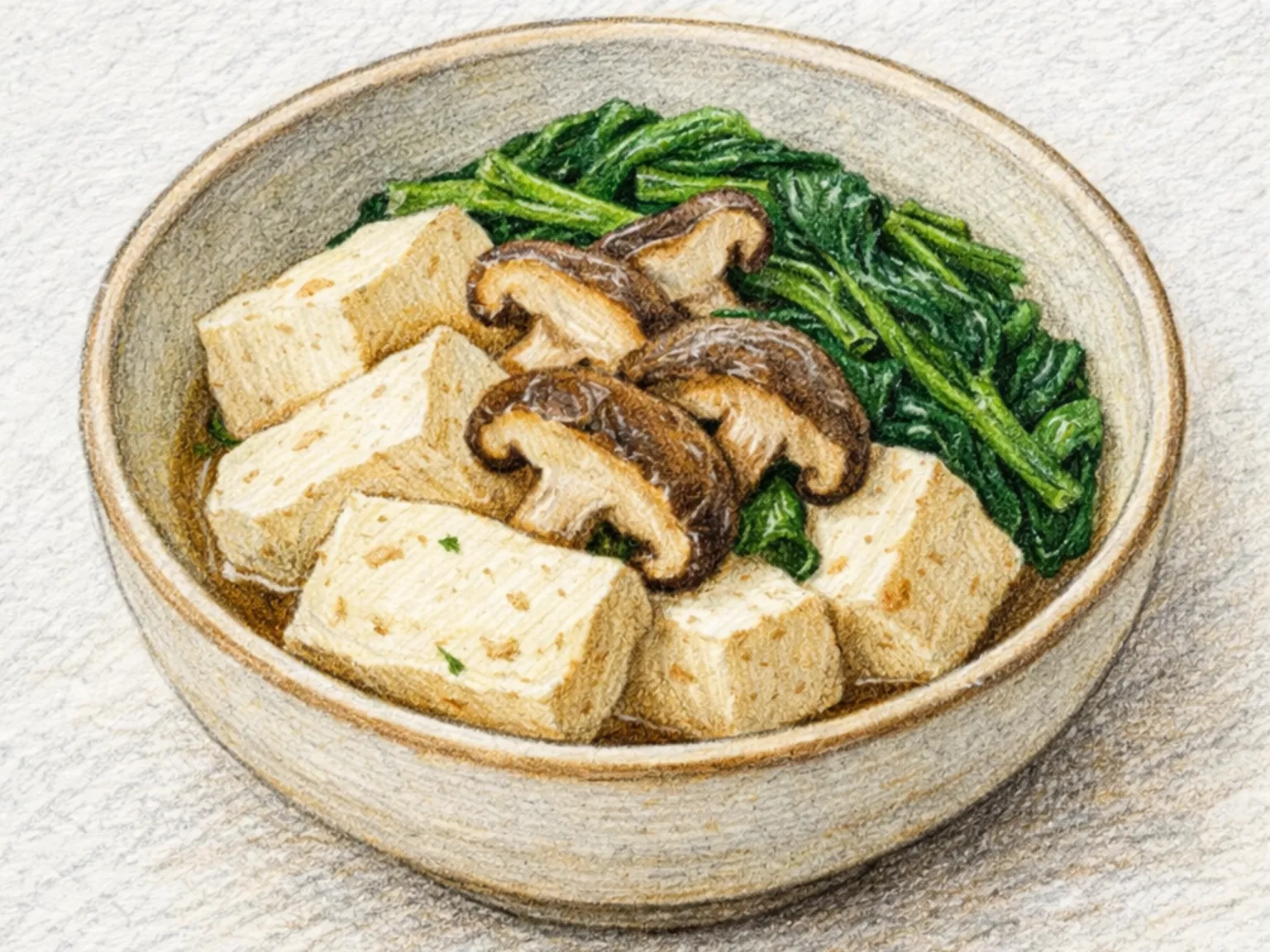
This doenjang jjigae features blanched gondeure, Korean thistle greens that are a prized mountain herb in Gangwon Province. The greens belong to the Korean thistle family and have a mild bitterness alongside a warm, earthy aroma that pairs naturally with the depth of fermented soybean paste. Potato and firm tofu add substance to the anchovy-kelp stock base. The result is a gentle, aromatic stew without aggressive spice, a direct expression of Korean mountain cuisine. When using dried gondeure, soaking it thoroughly in water before blanching is essential to prevent a tough, fibrous texture in the finished stew. Fresh gondeure should be blanched and rinsed in cold water to remove excess bitterness. The key to this jjigae is restraint with the doenjang: using just enough for seasoning, rather than making the fermented paste the dominant flavor, allows the mountain herb's natural scent to come through clearly in every spoonful.

🏠 Everyday
Prep 15minCook 20min2 servings
Korean Braised Oxtail (Soy Collagen Radish Braise)
SteamedHard

Korean Braised Oxtail (Soy Collagen Radish Braise)

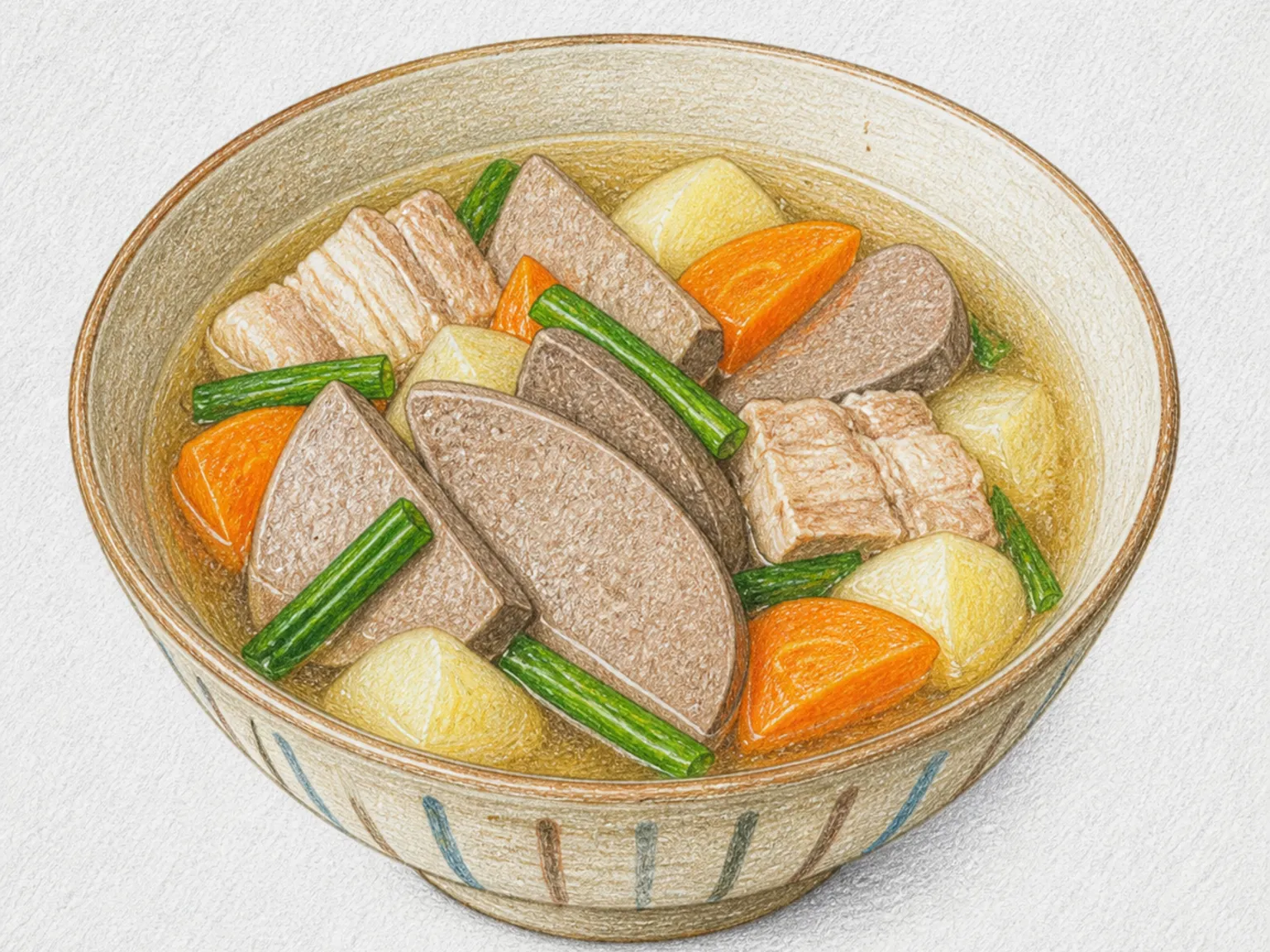
Kkori-jjim is a Korean braised oxtail dish that begins with an extended soak in cold water to purge blood, followed by a preliminary boil to clean the joints before the main braise. The oxtail pieces go into a pot with soy sauce, sugar, minced garlic, ginger, and rice wine and cook low and slow for two hours or longer. The collagen concentrated in the tail joints breaks down gradually over that time, turning the braising liquid thick, glossy, and deeply gelatinous while the meat loosens away from bone without resistance. Korean radish and carrot cook alongside the meat, contributing natural sweetness and becoming saturated with the savory-sweet sauce. Jujubes and ginkgo nuts lend an herbal nuance and a subtle sweetness that distinguishes this dish from simpler braises. When chilled, the sauce sets into a firm jelly that liquefies again on reheating. The dish appears regularly on Korean holiday tables and is considered restorative food, valued for its concentrated beef flavor and the characteristic springy pull of slow-cooked collagen.

🎉 Special Occasion
Prep 30minCook 150min4 servings
Korean Cubed Radish Kimchi
KimchiEasy

Korean Cubed Radish Kimchi

Kkakdugi is a staple Korean kimchi made from radish cut into 2 cm cubes, brined in coarse salt, then seasoned with gochugaru, salted shrimp, garlic, and ginger before fermentation. Salting draws out moisture from the cubes, creating a contrast between the damp interior and the snappy outer surface. Salted shrimp layers its briny seafood depth beneath the chili heat, and as fermentation progresses, the radish's natural sugars emerge to balance the spice with a clean sweetness. Brining time should be kept to thirty minutes to one hour since over-salting softens the radish and robs it of its characteristic crunch. Adding a small drizzle of perilla oil during the seasoning step deepens the nutty undertone of the finished kimchi, and substituting grated pear or apple for sugar provides a gentler, fruit-derived sweetness that integrates more seamlessly into the overall flavor. The accumulated brine at the bottom of the jar develops a refreshing tang that makes kkakdugi the essential companion to rich, milky soups like seolleongtang and gomtang.

🏠 Everyday🍱 Lunchbox
Prep 30min4 servings
Pasta alla Norma (Sicilian Fried Eggplant Tomato Pasta)
NoodlesEasy

Pasta alla Norma (Sicilian Fried Eggplant Tomato Pasta)

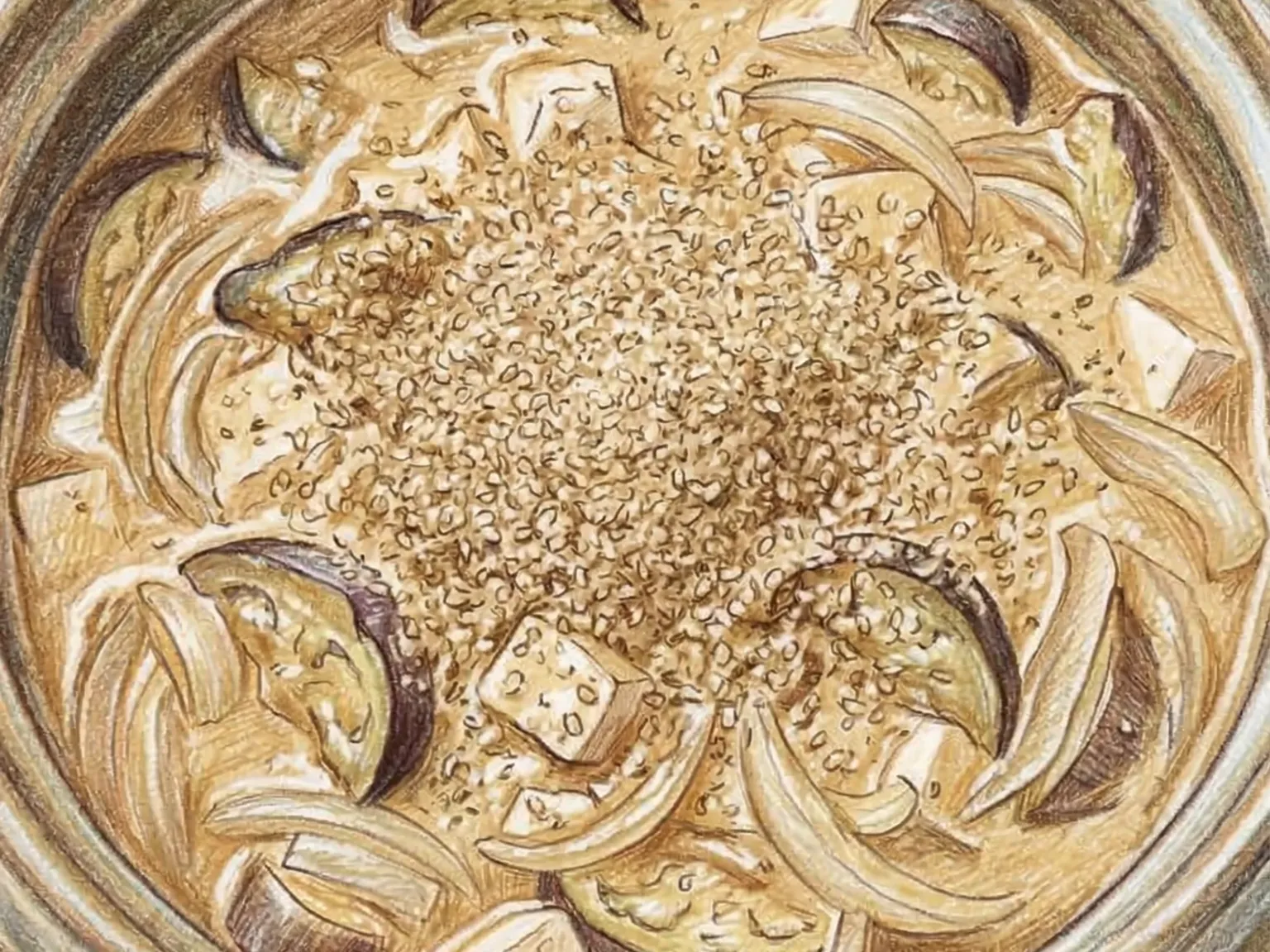
Pasta alla Norma originates from Catania in Sicily and combines fried eggplant cubes with a simple tomato passata sauce. Salting the eggplant beforehand draws out moisture and bitterness, resulting in firmer pieces that absorb less oil during cooking. Garlic provides aromatic depth, while fresh basil added off-heat preserves its fragrance. The dish is named after Vincenzo Bellini's opera Norma, a tribute to its status as a Sicilian culinary masterpiece.

🏠 Everyday🎉 Special Occasion
Prep 15minCook 20min2 servings
Spaghetti alla Puttanesca
WesternEasy

Spaghetti alla Puttanesca

Spaghetti alla puttanesca melts anchovy fillets into olive oil with sliced garlic over low heat, creating a deeply savory base before any tomato is added. Hand-crushed whole tomatoes, halved black olives, capers, and red pepper flakes go in next and simmer for eight minutes, during which the sauce reduces and the briny, salty, and spicy elements fuse into a bold, cohesive flavor. The anchovies dissolve completely, leaving no trace of fish but contributing an intense umami backbone. Because capers and anchovies are already heavily salted, seasoning is adjusted only at the very end by taste. The spaghetti is pulled one minute short of al dente and finished in the sauce pan with a splash of pasta water, which allows the starch to bind the sauce tightly to each strand.

🍺 Bar Snacks🏠 Everyday
Prep 12minCook 18min2 servings
Kare-Kare (Filipino Peanut Oxtail Stew)
AsianHard

Kare-Kare (Filipino Peanut Oxtail Stew)

Kare-kare is a Filipino celebration stew built around beef shank braised until every strand of connective tissue has melted into gelatin, leaving meat that falls away from the bone at the touch of a spoon. The shank needs a minimum of sixty minutes at a steady simmer for this transformation to happen fully, and the resulting braising liquid becomes the backbone of the sauce. Glutinous rice flour is dry-toasted in a wide pan, stirred constantly until it turns pale gold and smells nutty, then whisked directly into the strained broth where it acts simultaneously as a thickener and a flavoring agent. Peanut butter is dissolved into the broth next, forming a sauce that is rich and creamy without any heaviness, because the toasted rice flour gives body more cleanly than cornstarch ever could. The braised meat goes back in and simmers together with the sauce for fifteen minutes so the flavors merge completely. Eggplant, yardlong beans, and bok choy are added in the final five to seven minutes, long enough to soften but short enough to keep their individual textures. The dish is always served alongside bagoong, a Filipino fermented shrimp paste, whose concentrated salt and pungent funk contrast forcefully with the mild, nutty sauce and elevate every spoonful.

🎉 Special Occasion
Prep 25minCook 90min4 servings
Korean Stir-fried Potato and Shrimp
Side dishesMedium

Korean Stir-fried Potato and Shrimp

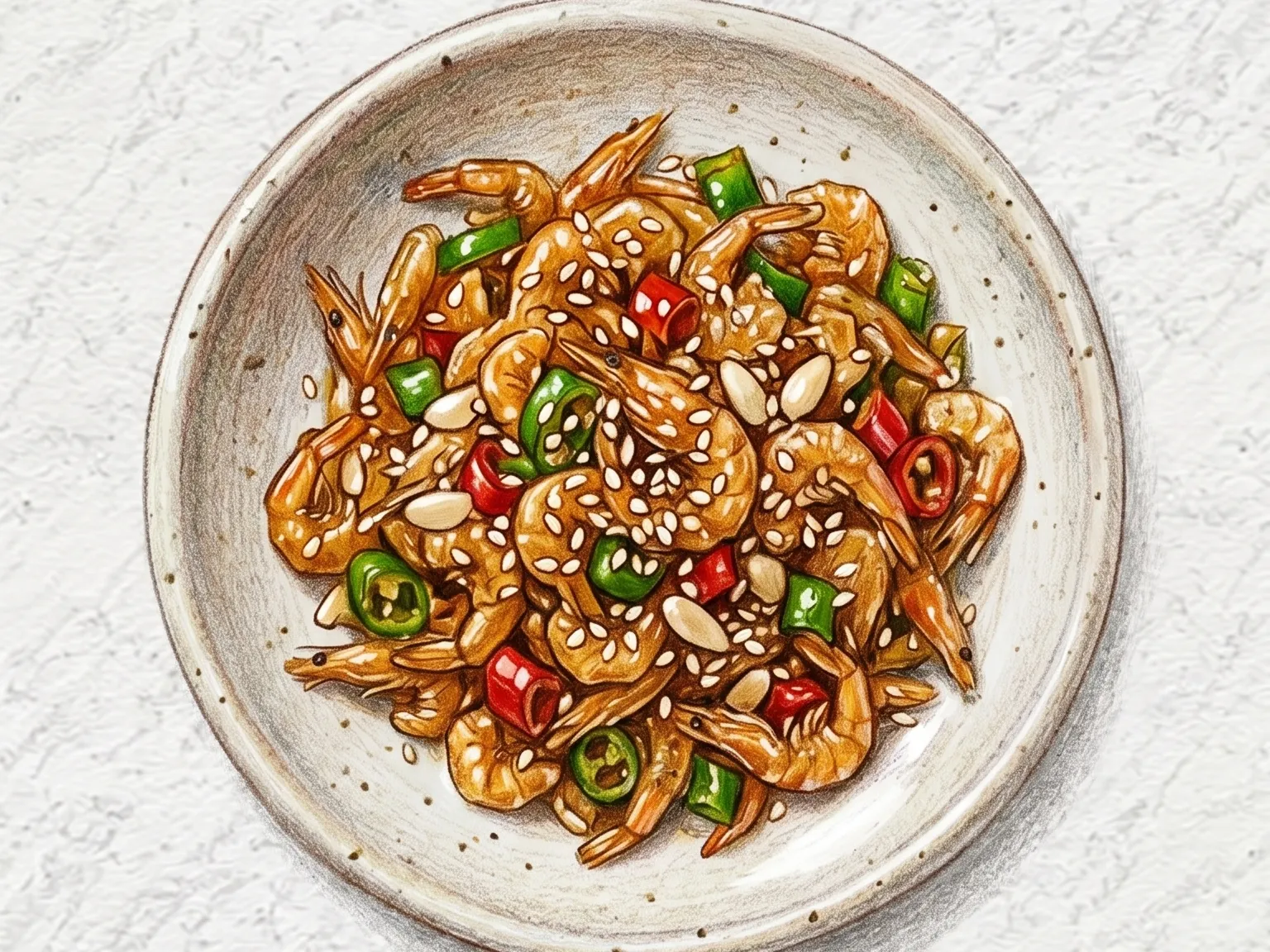
Gamja-saeu-bokkeum pairs julienned potatoes with shell-on medium shrimp in a clean, garlic-forward stir-fry. The potatoes are soaked in cold water first to remove surface starch, as skipping this step leads to clumping in the pan and a starchy, heavy texture. Garlic sizzles in oil to build an aromatic base before the shrimp go in, cooking until half-done so their natural sweetness transfers to the potato strips when the two are combined. Seasoned with nothing more than salt, pepper, and a finish of sesame oil, this banchan lets the contrast between the potato's floury bite and the shrimp's springy snap carry the dish. Thin slices of Cheongyang chili pepper can be added for a clean, sharp heat that makes the stir-fry even more compatible as a rice side dish. The combination of orange shrimp, pale yellow potato, and green chili also gives the finished plate a natural visual balance.

🏠 Everyday🍱 Lunchbox
Prep 15minCook 10min4 servings
Korean Spicy Beef Intestine Stir-fry
Stir-fryHard

Korean Spicy Beef Intestine Stir-fry

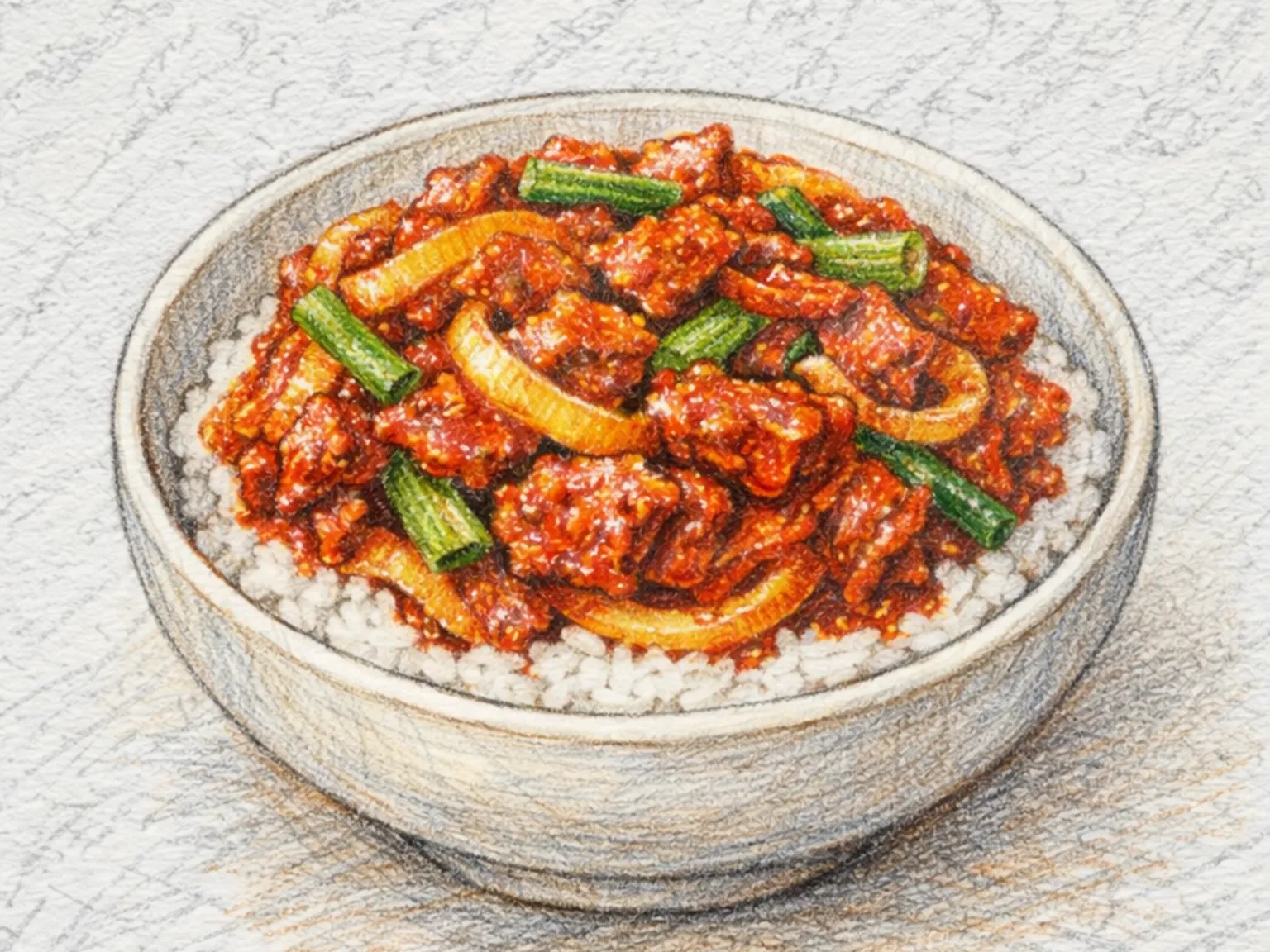
Gopchang-bokkeum is a Korean stir-fry of cleaned beef intestines tossed over high heat with onion, cabbage, scallion, gochujang, and gochugaru. The intestines develop a springy chew while releasing their natural fat, which melds with the spicy seasoning to create an intensely savory sauce. Vegetables stay crisp and soak up the bold flavors as the dish cooks quickly. It is one of the most popular late-night dishes in Korea, often served sizzling on a hot plate alongside rice and soju.

🍺 Bar Snacks🏠 Everyday
Prep 25minCook 15min2 servings
Korean Spicy Grilled Hagfish
GrilledHard

Korean Spicy Grilled Hagfish

Cleaned hagfish is marinated for fifteen minutes in a bold mixture of gochujang, chili flakes, soy sauce, sugar, ginger juice, and cooking wine, then grilled fast on a thoroughly preheated pan or wire rack. The high heat preserves the hagfish's distinctively chewy, elastic bite, though the sugar-heavy sauce demands frequent flipping to prevent burning. Green onion is stirred in at the end, and a final drizzle of sesame oil spreads a toasted fragrance through the fiery dish.

🍺 Bar Snacks🎉 Special Occasion
Prep 25minCook 12min2 servings
Korean Oyster Soft Tofu Soup
SoupsEasy

Korean Oyster Soft Tofu Soup

Gul-sundubu-tang is a Korean soup that brings together briny fresh oysters and silky soft tofu in a lightly spicy broth. The flavor base starts with garlic and gochugaru bloomed in sesame oil, giving the entire pot a warm, aromatic heat from the first minute. Sliced zucchini and onion go in next, contributing a natural sweetness that tempers the chili. Water is added, and once simmering, spoonfuls of wobbly sundubu tofu are dropped in. The oysters go in at the very last moment so they stay plump and tender rather than shrinking into rubbery nuggets. Soup soy sauce adjusts the salt. The finished bowl is rust-red, gently spicy, and layered: the tofu melts on the tongue, the zucchini offers a mild crunch, and the oysters deliver bursts of sea flavor throughout.

🏠 Everyday
Prep 12minCook 18min2 servings
Korean Bracken Fern and Beef Stew
StewsMedium

Korean Bracken Fern and Beef Stew

Gosari-soegogi-jjigae is a Korean stew of parboiled bracken fern and beef brisket simmered together in a clear, gochugaru-seasoned broth. Bracken has a distinctly springy yet tender texture once fully rehydrated, and it absorbs the beefy broth deeply, carrying the earthy, herbal notes of the fern through each piece. Korean radish adds a clean, slightly sweet dimension to the broth, while soup soy sauce and gochugaru together build depth and a moderate heat that defines the stew's character. This stew is closely associated with Korean ceremonial cooking, appearing regularly at holiday tables and ancestral rites where its grounding flavors are particularly valued. Bracken must be thoroughly boiled and soaked in cold water to remove natural toxins and soften the texture before it can be used; brisket should be soaked to draw out the blood before cutting so the broth stays clear and does not turn murky during cooking.

🏠 Everyday
Prep 20minCook 35min4 servings
Korean Steamed Blue Crab (Whole Shell Aromatics)
SteamedMedium

Korean Steamed Blue Crab (Whole Shell Aromatics)

Kkotge-jjim is a Korean steamed blue crab dish cooked whole in a steamer with lightly salted water and aromatic vegetables. Steaming retains the natural juices and sweetness locked inside the shell more effectively than boiling or grilling, so the extracted meat delivers a concentrated, briny flavor with each bite. Dipping the pieces in vinegar soy sauce adds acidity that draws out and sharpens the crab's inherent sweetness, creating a clear contrast against the richness of the flesh. Blue crabs caught during their spring and fall peak seasons arrive heavy with roe and thick with tomalley, which means there is far more to eat beyond the white claw and body meat, and the flavor reaches its fullest depth. Cracking the shells by hand, working through each leg joint, and pulling out the meat is an integral part of how this dish is meant to be eaten. For those without a steamer, a shallow layer of water in a pot with a wire rack set above it works as a straightforward substitute.

🍺 Bar Snacks🎉 Special Occasion
Prep 15minCook 18min2 servings
Korean Pickled Shishito Peppers
KimchiEasy

Korean Pickled Shishito Peppers

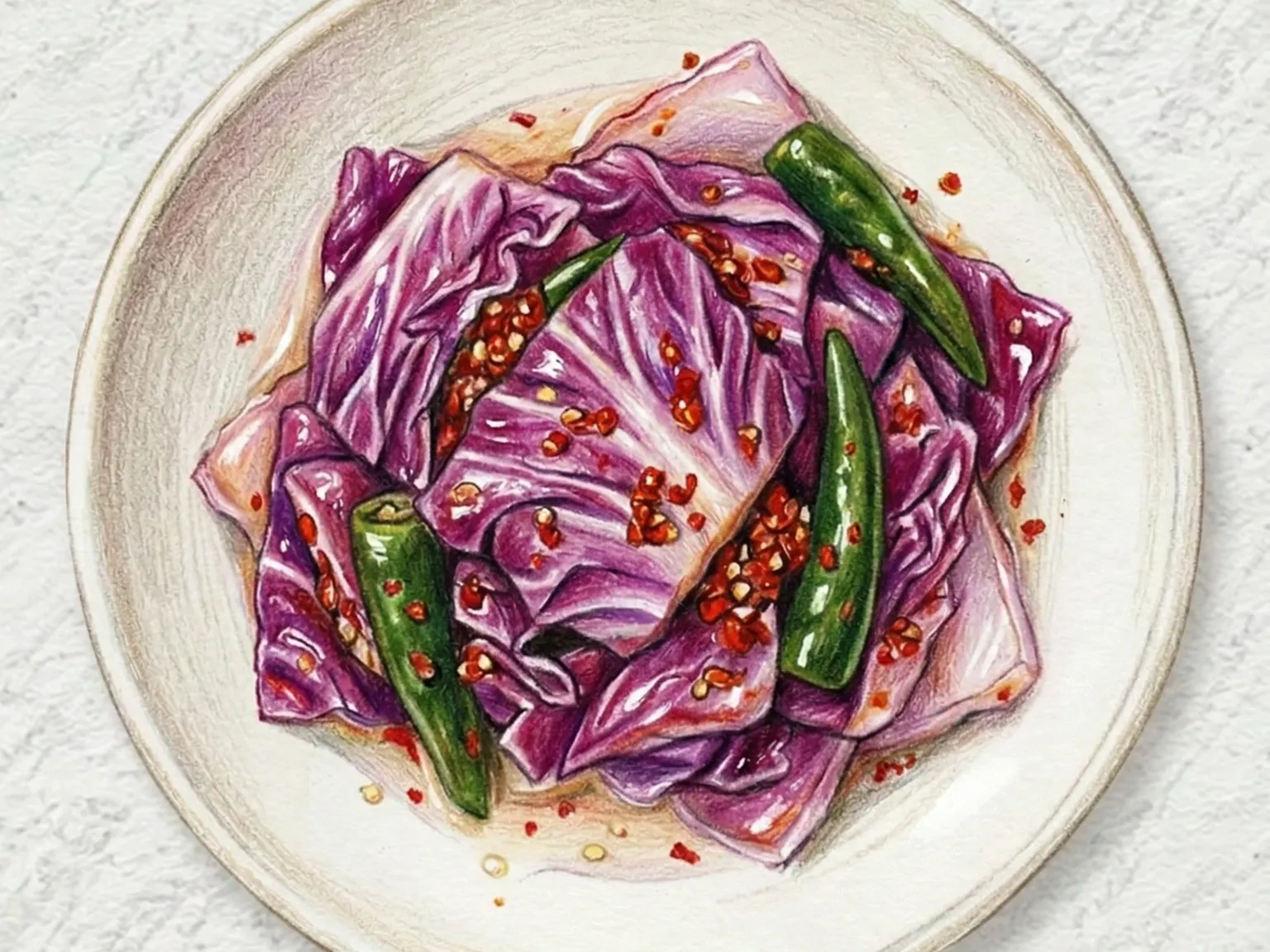
Kkwarigochu jangajji is a Korean pickled shishito pepper side dish made by pricking each pepper all over with a toothpick, blanching briefly in salted boiling water for thirty to sixty seconds, and submerging them with sliced garlic and optional cheongyang chili in a brine of soy sauce, vinegar, and sugar brought to a boil. Pricking the peppers before blanching ensures the brine penetrates evenly through the hollow interior, eliminating any difference in seasoning between the skin and the flesh inside. Blanching for only thirty seconds to one minute wilts the peppers just enough to make them pliable while keeping a firm, springy bite and their natural mild heat. Pouring the brine hot, then letting the jar cool before refrigerating, helps the peppers hold their green color rather than browning. Vinegar cuts through the saltiness of the soy sauce and prevents the pickle from tasting heavy, while sugar smooths the sharpness into a balanced, clean finish. Ready after at least one day of refrigeration and keeps well for over a week, making it a reliable banchan to have on hand when the weeknight table needs one more dish.

🏠 Everyday🍱 Lunchbox
Prep 20minCook 12min4 servings
Pasta e Ceci (Italian Chickpea Stew Pasta)
NoodlesEasy

Pasta e Ceci (Italian Chickpea Stew Pasta)

Pasta e ceci is an Italian pantry staple that cooks small pasta directly in a chickpea-enriched broth. Half the chickpeas are mashed before simmering, releasing starch that naturally thickens the liquid into a stew-like consistency. A base of olive oil, garlic, rosemary, and tomato paste provides aromatic depth without overwhelming the mild chickpea flavor. The dish cooks in a single pot and is substantial enough to serve as a complete vegetarian meal.

🥗 Light & Healthy🏠 Everyday
Prep 10minCook 25min2 servings
Pan-Seared Steak
WesternMedium

Pan-Seared Steak

Pan-seared steak starts with bringing the beef to room temperature for 30 minutes and patting the surface completely dry with paper towels - residual moisture prevents the Maillard reaction that builds the deep brown crust responsible for both flavor and juice retention. Seasoning is kept to salt and pepper so the beef's own character leads. The pan must be heated until it smokes before the oiled steak goes in, and each side sears for two to three minutes without moving the meat. Reducing the heat and adding butter, garlic, and rosemary creates an aromatic basting liquid that infuses the surface as it cooks to the target doneness. Resting the steak off heat for a full five minutes lets the muscle fibers relax and reabsorb their juices - skipping this step means the liquid pools on the plate instead of staying inside the meat.

🍺 Bar Snacks🎉 Special Occasion
Prep 30minCook 15min2 servings
Keema Matar (Indian Spiced Minced Meat and Pea Curry)
AsianEasy

Keema Matar (Indian Spiced Minced Meat and Pea Curry)

Keema matar is a North Indian curry of seasoned minced meat and green peas cooked down into a thick, almost dry gravy. Onions are fried until deep golden to form a sweet, caramelized base, followed by garlic and ginger that release their sharpness into the fat. Ground lamb or beef is added and stirred continuously to break up clumps before the spices go in. Turmeric, cumin, garam masala, and chili powder build the spice profile, while diced tomatoes provide acidity and moisture that allow the spices to cook through without scorching. Green peas are added near the end of cooking so they retain a pop of texture and natural sweetness. Because the finished dish is relatively dry with little sauce, it clings well to flatbreads such as naan or chapati and also works as a topping over plain steamed rice. The whole preparation takes under forty-five minutes with minimal knife work, making it one of the more practical Indian curries for weeknight cooking. Blooming the cumin in hot oil at the start, using the tadka technique, deepens the aroma significantly and lifts the overall flavor of the dish.

🏠 Everyday🎉 Special Occasion
Prep 15minCook 30min4 servings
Korean Seasoned Gamtae Seaweed
Side dishesEasy

Korean Seasoned Gamtae Seaweed

Gamtae is a green seaweed harvested only in winter from Korea's southern coast, particularly around Wando and Jangheung. It is thinner and more delicate than roasted gim, and its oceanic fragrance is sharper and more pronounced. For this banchan, dried gamtae sheets are torn by hand into large pieces and tossed with a dressing of soy sauce, vinegar, sesame oil, gochugaru, sugar, and minced garlic. Speed matters more than technique here. Once the dressing makes contact with the seaweed, it begins drawing out moisture immediately. Past twenty seconds of mixing, the fronds absorb liquid, lose their texture, and collapse into a sodden tangle. The dressing should be added and the whole thing tossed in one quick motion before serving. Vinegar does important work in this dish: its acidity counters the seaweed's natural brininess and leaves the palate clean between bites. Fresh gamtae is a strictly seasonal product, available only through winter markets in the Jeolla and Gyeongnam regions. Dried gamtae, however, keeps well and is available year-round, making this a quick, reliable side dish that pairs particularly well with plain steamed rice.

🥗 Light & Healthy🏠 Everyday
Prep 8minCook 1min2 servings
Korean Oyster Water Parsley Stir-fry
Stir-fryEasy

Korean Oyster Water Parsley Stir-fry

Gul-minari-bokkeum is a quick stir-fry of plump raw oysters and fragrant water parsley (minari) seasoned with gochugaru and light soy sauce over high heat. The oysters cook only until they just firm around the edges, retaining their briny interior juices while contracting slightly, and the minari stays crisp with its herbal freshness intact. The salty, sweet umami of the oysters meets the clean grassy quality of the minari, and the two flavors balance without either overpowering the other. Winter is the prime season for this dish, when cold-water oysters reach peak plumpness and flavor. Cooking the oysters too long drives out their moisture and makes them rubbery, so the stir-fry must stay brief.

🍺 Bar Snacks🏠 Everyday
Prep 15minCook 8min2 servings