Charim

2686 Korean & World Recipes

2686+ Korean recipes, clean and organized. Ingredients to instructions, all at a glance.

Recipes with garlic

24 recipes

Buy garlic
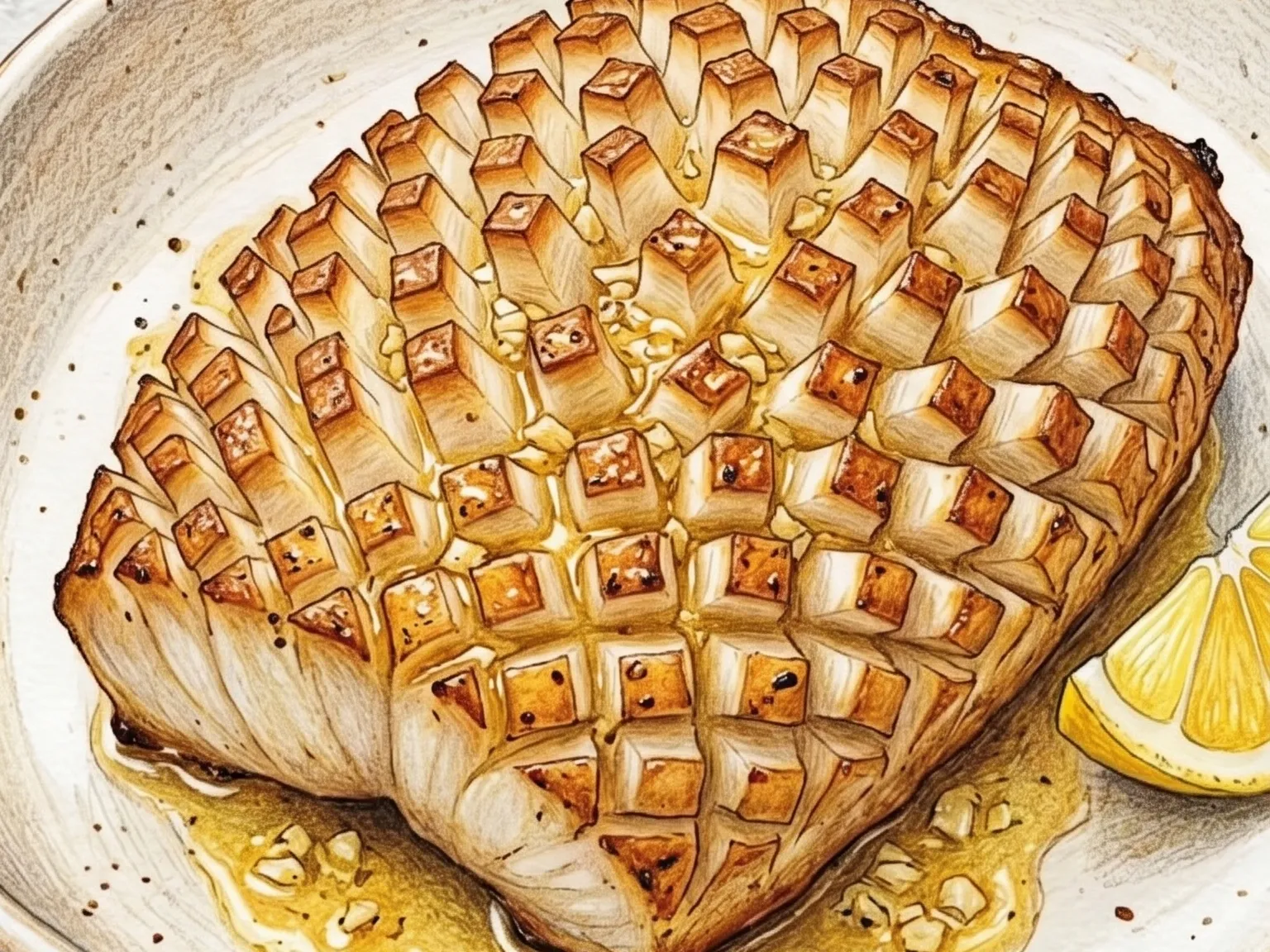
Korean Butter-Grilled Crab
GrilledMedium

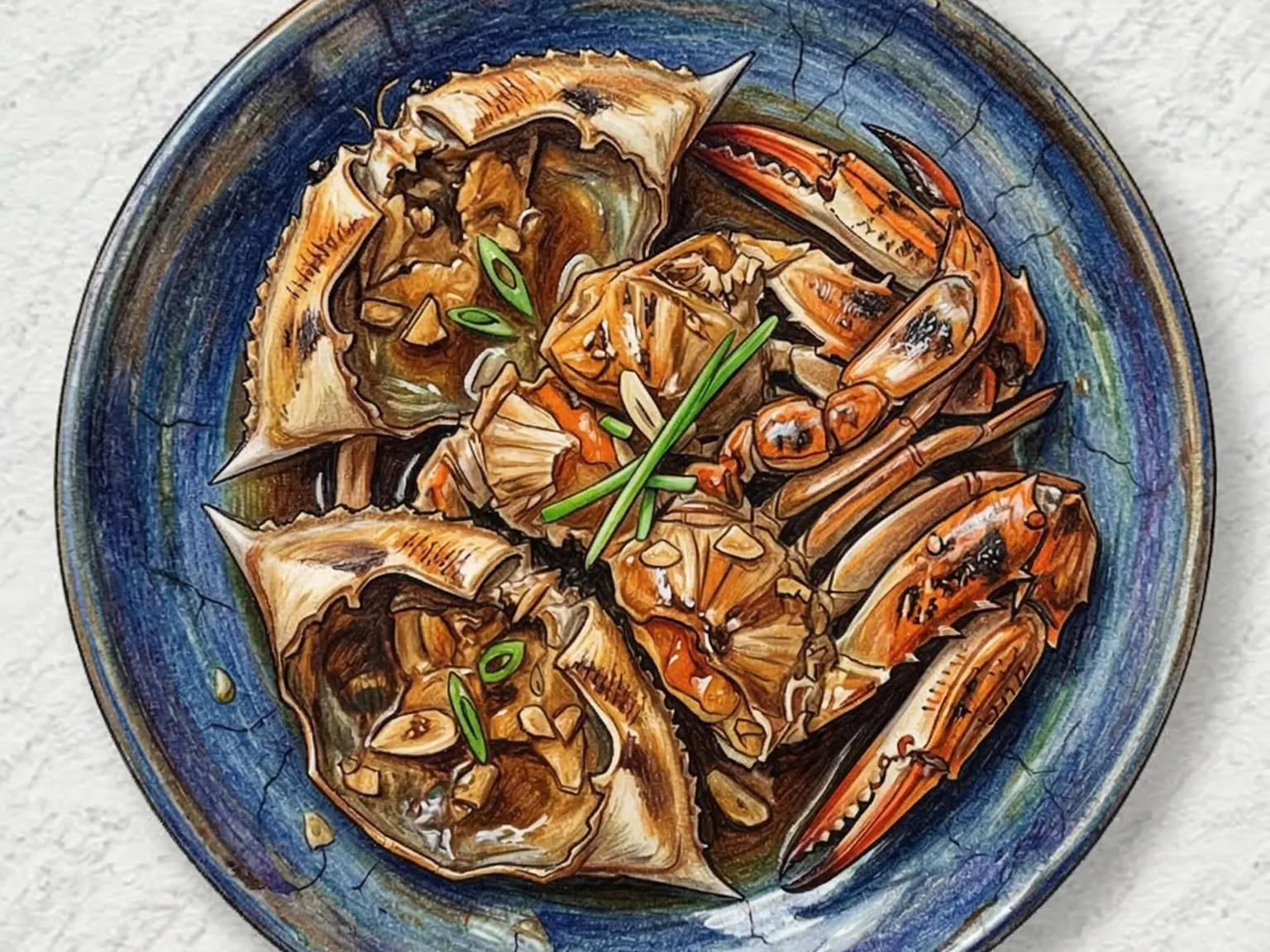
Korean Butter-Grilled Crab

Kkotge-beoteo-gui refers to a Korean preparation of blue crab that is grilled with a butter glaze. To prepare this dish, the crabs are first sliced into halves and then placed on a grill set to medium-high heat. Throughout the cooking process, a mixture consisting of melted unsalted butter, finely minced garlic, soy sauce, and fresh lemon juice is applied repeatedly as a baste to ensure the flavors permeate the meat thoroughly. As the heat is applied, the butter mixture flows into the various gaps and crevices within the crab shell. This action allows the nutty flavor of the butter to coat each individual fiber of the crab meat. This richness is intended to enhance the natural sweetness inherent in blue crab without masking its original profile. The inclusion of soy sauce introduces necessary saltiness, while the lemon juice adds a sharp acidity that functions to balance the heavy fats and keep the overall profile of the dish clear. Before any grilling takes place, the cleaned crab pieces are treated with a small amount of rice wine. This liquid is rubbed directly onto the surface of the crab to neutralize the strong, briny scent that can often remain on raw seafood, preparing the meat for the application of the butter and seasonings. The grilling starts with the crabs placed shell-side down on the grate for an initial duration of four minutes. This orientation allows the heat to conduct through the hard shell, which effectively steams the meat inside in a gentle manner. After this period, the crabs are flipped over. Basting the now-exposed flesh directly is a critical step to ensure that the delicate proteins do not lose moisture or become dry under the direct heat of the grill. The total time spent on the grill should not exceed ten minutes in aggregate. If blue crab is cooked beyond this threshold, the texture of the meat undergoes a negative transformation, becoming rubbery and losing the natural juices that contribute to its tenderness. Selecting larger crabs with a higher volume of flesh is recommended, as thicker pieces of meat are capable of absorbing the butter-based basting liquid more effectively. For additional aromatic complexity, fresh herbs like rosemary or thyme can be added into the liquid mixture. These herbs introduce a subtle herbal quality that helps to further soften any lingering fishy characteristics in the finished dish.

🍺 Bar Snacks🎉 Special Occasion
Prep 20minCook 18min2 servings
Haejangguk (Korean Pork Bone Hangover Soup)
SoupsMedium

Haejangguk (Korean Pork Bone Hangover Soup)

Haejangguk is Korea's iconic hangover soup, a thick and fiery bowl built to restore the body after a long night of drinking. The base is a pork spine broth simmered for several hours until it turns milky, opaque, and deeply savory, carrying a weight that sits in the stomach rather than passing through it. Outer napa cabbage leaves called ugeoji are seasoned with doenjang and garlic before being added to the broth, contributing fibrous, chewy texture alongside the soup's fermented depth. Congealed blood, known as seonji, is a traditional inclusion cut into thick blocks: iron-dense and high in protein, it provides serious nutritional restoration and a visually striking dark contrast in the stone pot. Gochugaru delivers heat strong enough to draw sweat to the forehead, and Koreans have long held that this intensity helps flush toxins from the body and clear the mind after a night of drinking. The finished soup arrives still bubbling in its dolsot, and the first few spoonfuls tend to produce an involuntary exhale of relief. Dedicated haejangguk restaurants open before dawn to serve construction workers and late-night revelers, and the dish has occupied a fixed position in Korean culinary and drinking culture for centuries.

🏠 Everyday
Prep 20minCook 120min4 servings
Korean Gul Dubu Jjigae (Oyster Tofu Stew)
StewsEasy

Korean Gul Dubu Jjigae (Oyster Tofu Stew)

Gul dubu jjigae pairs 180 grams of fresh oysters with generous cubes of firm tofu in a clean anchovy-kelp stock. The oysters release their briny, mineral-rich juices the moment they hit the simmering broth, giving the soup an immediate oceanic depth that no other seafood replicates in quite the same way. Korean radish adds mild sweetness and keeps the stock clear rather than murky, while gochugaru and a whole Cheongyang chili suppress any fishiness and build a persistent background heat. The 300 grams of tofu make this a genuinely filling stew rather than a light soup course. Timing the oysters correctly is the most important step: added just before the pot returns to a boil, they need only thirty seconds to one minute before they are cooked through. Leaving them longer shrinks them and toughens their texture. Rinsing the oysters gently in lightly salted water before cooking removes sand and impurities without stripping their natural fragrance. This is a distinctly seasonal stew, best made in winter when the cold-water oysters are plump, briny, and at full flavor.

🏠 Everyday
Prep 12minCook 18min2 servings
Korean Braised Potatoes with Shishito Peppers
SteamedEasy

Korean Braised Potatoes with Shishito Peppers

Kkwari-gamja-jorim is a Korean braised side dish of cubed potatoes and shishito peppers cooked down in soy sauce, oligosaccharide syrup, and minced garlic. The potatoes start in a sauce with enough moisture to cook through, and as the liquid reduces, the seasoning thickens into a glossy coating. By the time the pan is nearly dry, the outside of each potato piece has taken on a sweet-salty glaze while the inside stays floury and soft. Shishito peppers, with their wrinkled skins, hold the sauce well and require only brief cooking to stay crisp. A final drizzle of sesame oil and a scatter of sesame seeds add a nutty aroma and a visual finish that signals the dish is done. The heat level stays mild, suitable for children, and the glaze sets firmly enough that the dish travels well in a packed lunch without losing flavor at room temperature.

🏠 Everyday🍱 Lunchbox
Prep 15minCook 25min2 servings
Korean Kohlrabi Soy Pickle
KimchiEasy

Korean Kohlrabi Soy Pickle

Kohlrabi jangajji is a Korean soy pickle made by thickly peeling kohlrabi, cutting it into 2 cm cubes, and submerging the pieces with garlic and dried chili in a pickling brine of boiled soy sauce, vinegar, and sugar. Kohlrabi's dense cellular structure absorbs the brine slowly, holding a firmer crunch and more pronounced sweetness than radish over several days of pickling. The soy sauce's savory depth and the vinegar's acidity draw out the kohlrabi's natural sugars, while dried chili contributes a subtle warmth and color to the brine. Pouring the brine only after it has fully cooled preserves the kohlrabi's crunch, as hot liquid softens the cell walls and reduces the staying power of the pickle. This pickle works well as a palate cleanser alongside grilled meat or samgyeopsal, cutting through richness with its tart, sweet bite, and stored in the refrigerator it holds its crisp texture for two to three weeks. Adjusting the ratio of vinegar to sugar in the brine shifts the pickle toward more sour or more sweet depending on preference.

🍱 Lunchbox
Prep 20minCook 12min4 servings
Pasta Primavera
NoodlesEasy

Pasta Primavera

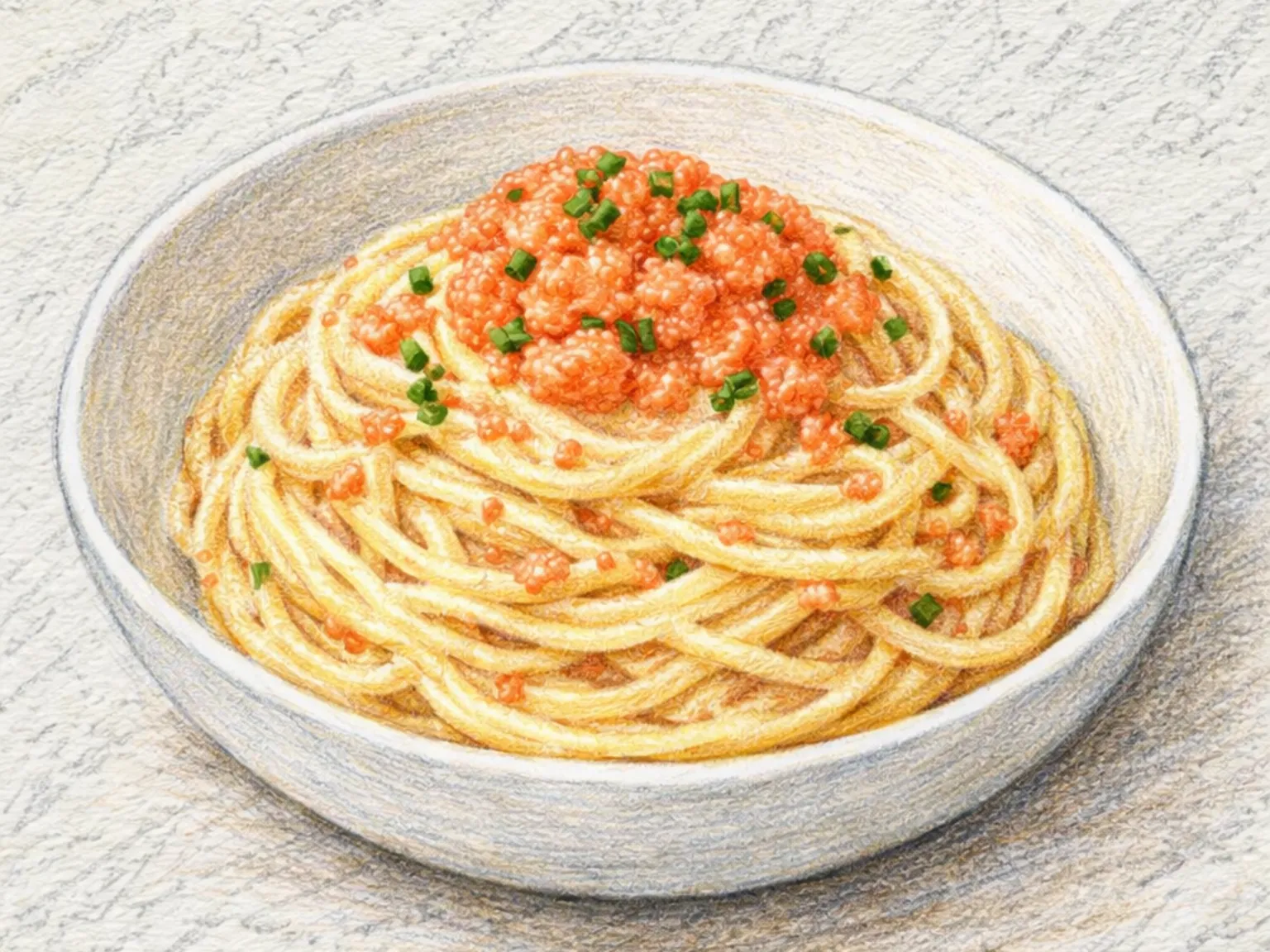
Pasta primavera is a vegetable-forward Italian pasta that stir-fries broccoli, zucchini, bell pepper, and green peas in olive oil with garlic before tossing with spaghetti. Cutting each vegetable to a similar size and adding them in stages preserves distinct textures, while a splash of pasta water emulsifies the oil into a light, glossy coating that clings to every strand without the need for cream or a heavy sauce. Parmesan is folded in off the heat to prevent clumping, melting smoothly into the dish. The result is a bright, clean pasta that lets the natural sweetness and fragrance of the vegetables take center stage. Swapping in whatever vegetables are at peak freshness is part of how this dish works, making it as adaptable as it is straightforward to prepare.

🥗 Light & Healthy
Prep 15minCook 15min2 servings
Steak Frites
WesternMedium

Steak Frites

Steak frites pairs a butter-basted sirloin steak with double-fried potatoes, a combination that defines the French bistro experience. The potatoes are cut into sticks, soaked in cold water for 15 minutes to wash off surface starch - this prevents them from sticking together during frying and gives a cleaner fry. The first fry at 160 degrees Celsius cooks the interior until tender, and after cooling, a second fry at 190 degrees turns the outside crisp and golden while the inside stays fluffy. The steak is seasoned only with salt and pepper, seared hard in a hot pan, then basted with butter, garlic, and thyme for a final minute before resting for five minutes off heat. Despite the short ingredient list, the dish demands precise heat control - the sear must be aggressive enough to crust the meat, and the oil temperatures for double-frying must be accurate.

🍺 Bar Snacks🎉 Special Occasion
Prep 20minCook 25min2 servings
Khao Kha Moo (Thai Braised Pork Leg Rice Bowl)
AsianHard

Khao Kha Moo (Thai Braised Pork Leg Rice Bowl)

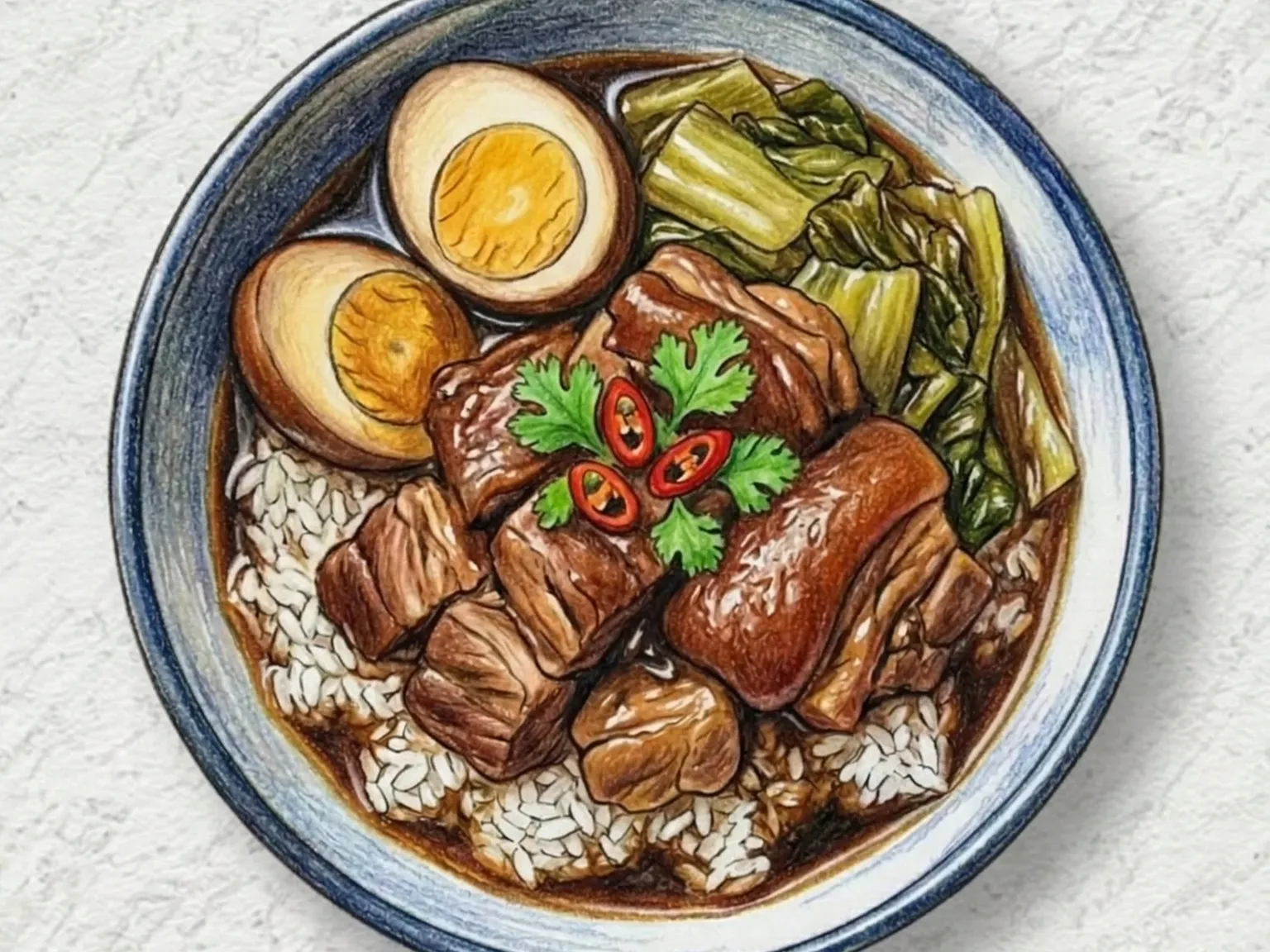
Khao kha moo is a Thai braised pork leg rice bowl built on a simple premise: the longer the pork simmers, the better it becomes. A whole pork hock or front leg is submerged in a soy-based braising liquid seasoned with palm sugar, dark soy sauce, star anise, cinnamon sticks, and whole garlic cloves, then cooked at a low, steady simmer for two hours or more. Sustained heat breaks down connective tissue and collagen until the meat yields at the slightest touch, pulling away from the bone in glossy, quivering strips. As the liquid reduces, palm sugar and soy caramelize into a thick, mahogany-tinted sauce that balances deeply savory and gently sweet notes in equal measure. Thick slices of the pork are arranged over fragrant jasmine rice, and several spoonfuls of the braising sauce are ladled over so the grains soak up the flavor. Traditional accompaniments include a hard-boiled egg steeped overnight in the braising liquid until it turns brown throughout, pickled mustard greens to cut through the richness with sharp brine, and a small cup of chili-vinegar sauce for those who want heat. The dish is among the most beloved items at night markets across Thailand and demonstrates how patience and a handful of pantry aromatics transform inexpensive pork into something extraordinary.

🎉 Special Occasion
Prep 20minCook 120min4 servings
Korean Garlic Sesame Broccoli Muchim
Side dishesEasy

Korean Garlic Sesame Broccoli Muchim

Garlic broccoli muchim is a modern Korean namul that became a household staple as broccoli grew widely available in Korean supermarkets from the early 2000s. The technique is straightforward: blanch florets and peeled, thinly sliced stems in well-salted boiling water for ninety seconds, then immediately transfer them to ice water to stop the cooking. The cold shock locks in the vivid green color and preserves a firm, crisp bite that distinguishes a properly made namul from one that is soft and dull. Peeling the stems and cutting them thin ensures the entire head of broccoli is used rather than discarding the lower portion. The dressing is deliberately minimal: soup soy sauce, minced garlic, sesame oil, and toasted sesame seeds. Keeping the seasoning light allows the broccoli's mild, slightly bitter flavor to come through clearly, with the garlic adding an aromatic sharpness that sits on top rather than overwhelming the vegetable. A final toss brings everything together into a clean, satisfying side dish that is ready in five minutes and keeps well in the refrigerator for two days.

🏠 Everyday🍱 Lunchbox
Prep 10minCook 5min4 servings
Korean Royal Soy Sauce Tteokbokki
Stir-fryMedium

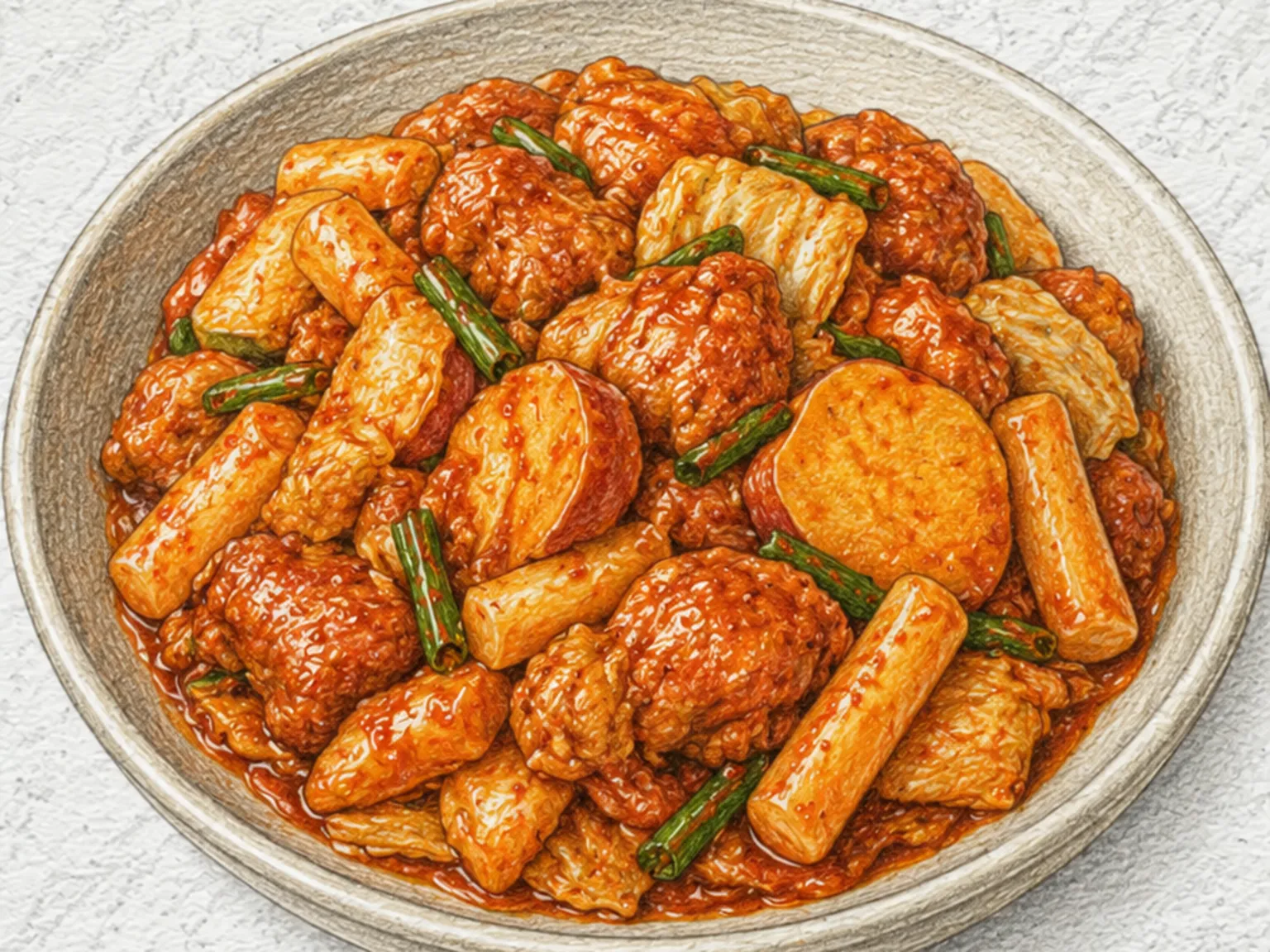
Korean Royal Soy Sauce Tteokbokki

Gungjung-tteokbokki traces its roots to the royal court cuisine of the Joseon dynasty, where the condiment gochujang had no place at the table. Soy sauce and sesame oil provide the seasoning instead, producing a mild, sweet-savory glaze rather than heat. Sliced garae-tteok rice cakes are stir-fried together with marinated beef, shiitake mushrooms, carrot, and onion until the soy seasoning coats everything evenly and the rice cakes develop a subtle gloss. The beef is marinated separately in soy sauce, sugar, and sesame oil before going into the pan, which lets the meat develop its own depth as it sears. Shiitake mushrooms reinforce the savoriness and add fragrance without overwhelming the other components. The rice cakes need enough time in the pan to absorb the seasoning and become slightly caramelized on the surface, but if cooked too long they turn hard and lose their chew. Using sesame oil rather than cooking oil throughout adds a nutty warmth that elevates the dish. Without any chili heat, this is one of the few tteokbokki variations that suits every age group and is a common presence on festive or holiday tables.

🏠 Everyday🌙 Late Night
Prep 15minCook 15min2 servings
Korean Grilled Semi-dried Pollock
GrilledEasy

Korean Grilled Semi-dried Pollock

Kodari-gui is a Korean grilled semi-dried pollock dish where the fish is pan-fried while being brushed repeatedly with a glaze made from soy sauce, gochujang, oligosaccharide syrup, minced garlic, and sesame oil. Semi-drying the pollock removes a substantial portion of its moisture, concentrating the protein into a dense, chewy texture that absorbs seasoning far more readily than fresh fish. It also strips away the fishy undertone that fresh pollock carries, making the end result noticeably cleaner on the palate. As the fish cooks, the sugars in the glaze undergo caramelization layer by layer, building a glossy, dark coating that catches the heat and deepens in flavor with every pass. Applying the sauce in a thick coat from the start leads to burning before the inside is properly cooked through, so the technique calls for flipping once a side is set and applying the glaze in multiple thin brushings. Soaking the dried fish in cold water for about ten minutes before cooking softens the flesh while still allowing the surface to grip the seasoning. Sesame seeds scattered over the finished fish add a toasted, nutty finish, and the dish is best served hot over steamed white rice.

🍺 Bar Snacks🍱 Lunchbox
Prep 20minCook 14min2 servings
Korean Seafood Scorched Rice Soup
SoupsMedium

Korean Seafood Scorched Rice Soup

The structural transformation of scorched rice pieces within a hot seafood liquid defines the eating experience of this dish. Preparation starts with simmering shrimp, squid, and mussels to create a concentrated stock reflecting the natural saltiness of the sea. The central component involves nurungji, or the golden-brown sheets of rice toasted at the bottom of a pot until brittle. Adding these dried crusts to the boiling broth initiates a rapid absorption process. While the rice starts with a sharp crunch, it transitions into a chewy and slightly sticky consistency within minutes. Green bok choy provides a crisp visual and textural contrast to the softer seafood elements. A small addition of oyster sauce strengthens the savory profile of the liquid without overwhelming the other ingredients. The timing of consumption changes the texture significantly. Eating the rice immediately preserves the brittle state, while letting the dish sit for a few minutes creates a soft consistency similar to a thick porridge. The combination of toasted grain aromas and the savory seafood base provides a filling meal. Different seafood like abalone or scallops can elevate the ingredients, or tofu can be added for a lighter protein source. Storing pre-made dried rice crusts allows for easy preparation whenever a quick meal is needed.

🏠 Everyday
Prep 20minCook 25min2 servings
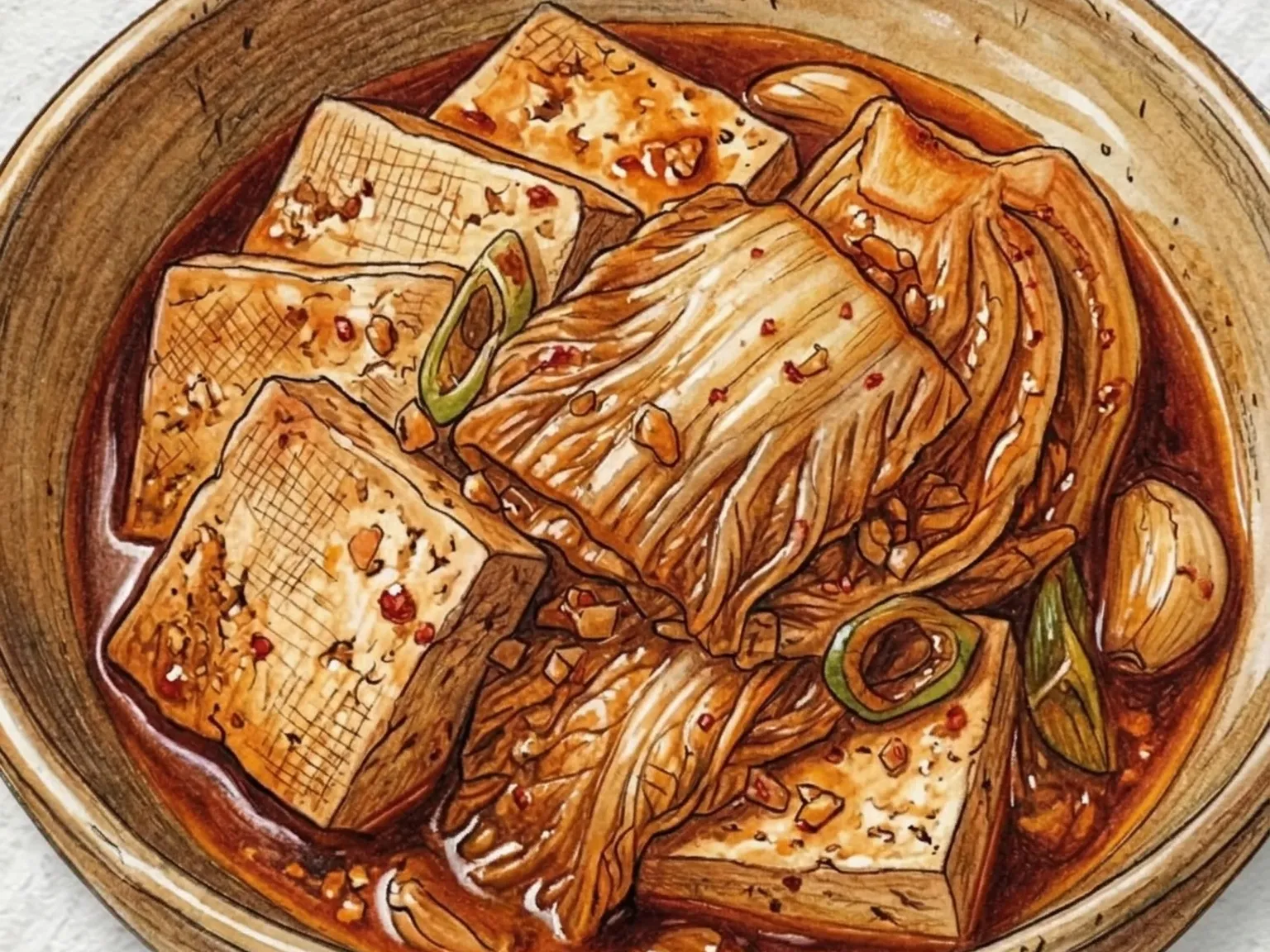
Korean Oyster Kimchi Stew
StewsMedium

Korean Oyster Kimchi Stew

This stew pairs fresh oysters with aged kimchi, two ingredients that reach their peak simultaneously during the Korean winter, making this a dish with a narrow but rewarding season. The oysters contribute a deep briny sweetness while the well-fermented kimchi provides a sour, umami-laden backbone that would be impossible to replicate with fresh or lightly fermented leaves. A tablespoon of perilla oil distinguishes this from a standard pork kimchi jjigae: its nutty, slightly green aroma adds an earthy roundness that ties the seafood and kimchi together without competing with either. Radish is added to keep the broth clean and refreshing despite the concentration of flavors, and a base of anchovy stock reinforces the savory depth that the oysters and kimchi alone begin to build. Gochugaru and minced garlic provide heat and sharpness. The oysters go in only once the pot reaches a full boil and are cooked for no more than two to three minutes, just long enough to firm up without shrinking into small, rubbery pieces.

🏠 Everyday
Prep 12minCook 18min2 servings
Korean Braised Quail Eggs and Shishito Peppers
SteamedEasy

Korean Braised Quail Eggs and Shishito Peppers

Kkwari-mechurial-jorim is a Korean banchan of boiled quail eggs and shishito peppers braised in soy sauce and oligosaccharide syrup until the glaze turns deeply glossy. The quail eggs absorb the soy-based liquid over the heat, gradually browning on the outside while the seasoning penetrates all the way to the yolk, giving every bite a uniform, savory depth. The peppers hold onto their crunch and mild grassy flavor even after cooking, providing a textural and aromatic contrast to the dense richness of the eggs. Oligosaccharide syrup keeps the glaze shiny and adds a gentle, rounded sweetness that does not overwhelm the soy, and sesame oil stirred in at the end along with whole sesame seeds finishes the dish with a clean, nutty aroma. The braising liquid should be cooked down until almost completely reduced -- that is when the glaze adheres firmly to each piece and stays shiny even as the dish cools. Piercing each shishito with a toothpick before cooking lets the seasoning penetrate the interior and prevents the peppers from bursting. Refrigerated, the flavors deepen overnight and the dish stays good for three to four days, which makes it a practical choice for weekly meal prep and packed lunches alike.

🏠 Everyday🎉 Special Occasion
Prep 12minCook 20min4 servings
Korean Kohlrabi Kimchi (Cubed Gochugaru Fermented Crisp)
KimchiEasy

Korean Kohlrabi Kimchi (Cubed Gochugaru Fermented Crisp)

Kolrabi kimchi is made by cutting kohlrabi into 2 cm cubes, brining them in coarse salt, then mixing with gochugaru, fish sauce, minced garlic, and plum syrup before fermentation. Kohlrabi has lower moisture content and a denser cellular structure than Korean radish, which means its crunch holds up through days of fermentation without softening into mush. The brining step draws internal moisture out of the kohlrabi while driving salt evenly into the tissue, and this stage must be completed thoroughly so that seasoning can penetrate all the way through during fermentation. Kohlrabi's natural sweetness creates a clear contrast against the heat of gochugaru, adding textural depth to the flavor profile. Fish sauce builds the savory fermented foundation, while plum syrup contributes both acidity and sweetness to keep the overall seasoning in balance. Eaten immediately after mixing, the kimchi tastes fresh and light, similar to a dressed salad. After one to two days at room temperature or three to four days in the refrigerator, the umami deepens noticeably and the characteristic tang of fermentation emerges. It works well as a substitute for kkakdugi alongside rice and grilled meats.

🍱 Lunchbox
Prep 30min4 servings
Korean Perilla Seed Kalguksu
NoodlesEasy

Korean Perilla Seed Kalguksu

Perilla kalguksu is a Korean noodle soup where ground perilla seeds give the broth a distinctly nutty, creamy quality. Potatoes are simmered first to release starch, naturally thickening the liquid before the noodles go in. Onion and garlic add mild sweetness, and soup soy sauce seasons the bowl without darkening the color. The perilla powder is stirred in near the end of cooking to preserve its fragrance.

🥗 Light & Healthy🏠 Everyday
Prep 10minCook 18min2 servings
Stuffed Mushrooms
WesternEasy

Stuffed Mushrooms

Stuffed mushrooms remove the stems from large mushroom caps, chop and sauté them with garlic, then mix the cooked stems with cream cheese, breadcrumbs, Parmesan, and parsley to create a savory filling that goes back into the caps before baking. Wiping the mushrooms with a paper towel rather than rinsing them is important - mushrooms act like sponges, and absorbed water releases during baking, preventing the caps from crisping. Using the chopped stems in the filling doubles the mushroom flavor and means nothing is wasted. The breadcrumbs serve a structural role, absorbing excess moisture from the cream cheese so the filling holds its shape rather than melting into a puddle. At 190 degrees Celsius for 18 to 20 minutes, the filling turns golden on top while the cream cheese inside becomes molten and savory.

🎉 Special Occasion
Prep 15minCook 20min4 servings
Khao Man Gai Tod (Thai Fried Chicken Rice Bowl)
AsianMedium

Khao Man Gai Tod (Thai Fried Chicken Rice Bowl)

Khao man gai tod is the fried variation of Thailand's beloved chicken rice, replacing the poached bird with a crispy deep-fried version that adds texture and caramelized flavor to an already satisfying dish. Chicken pieces are marinated in garlic, white pepper, and fish sauce, then dusted in seasoned flour and fried until the crust turns deep golden and audibly crunchy. The rice is cooked in chicken broth with garlic and ginger, absorbing the fat and aroma of the stock into each grain so that it tastes rich on its own before any sauce is added. What ties the plate together is the sweet chili dipping sauce, a mix of fermented soybean, vinegar, chili, and sugar that delivers a sharp, funky counterpoint to the rich fried chicken and oily rice. Sliced cucumber and a small bowl of clear broth with winter melon round out the standard serving and provide relief between bites. Street vendors across Bangkok keep vats of oil at the ready for this dish throughout the day, and the crackling sound of chicken hitting hot oil is a reliable signal to stop and eat.

🎉 Special Occasion
Prep 20minCook 25min2 servings
Korean Seasoned Swiss Chard Namul
Side dishesEasy

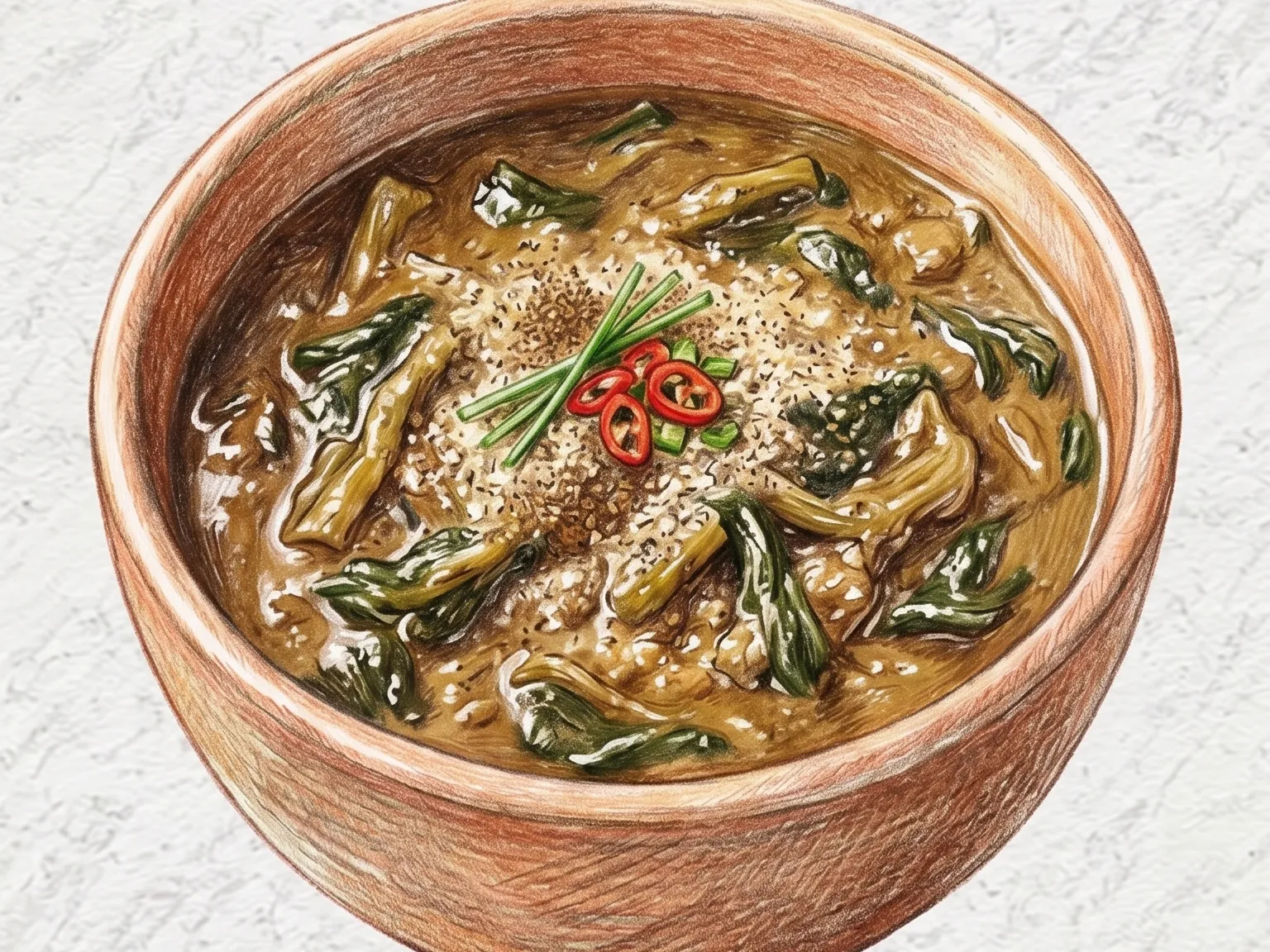
Korean Seasoned Swiss Chard Namul

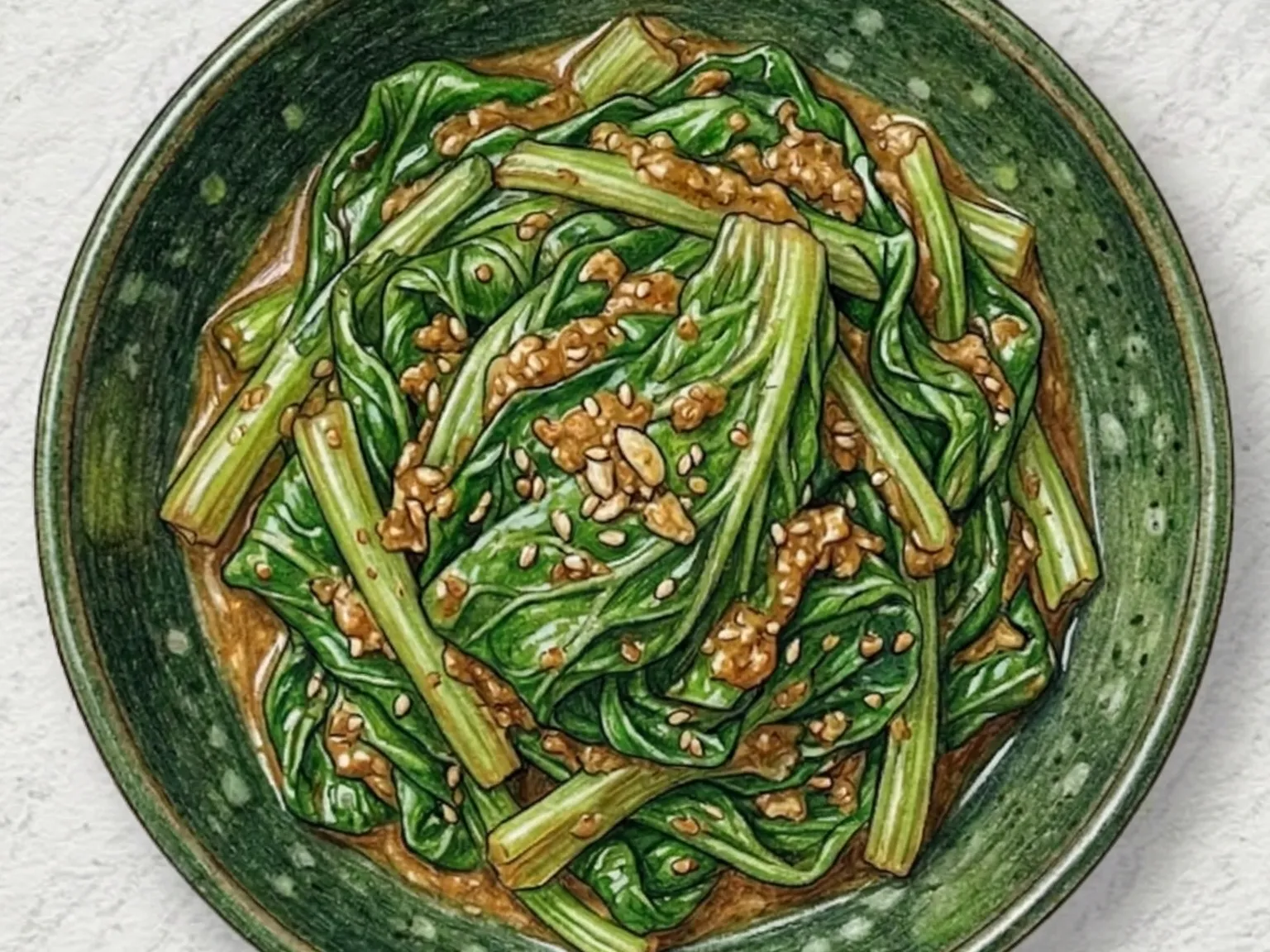
Geundae namul muchim is a seasoned vegetable banchan made from Swiss chard, a leafy green that has been used in Korean doenjang soup and namul for generations. Because the stems are substantially thicker than the leaves, blanching them together results in overcooked leaves by the time the stems are ready, so they are handled separately: stems go into boiling water for thirty seconds first, then the leaves follow for another thirty. After blanching, squeezing the greens thoroughly by hand is important because excess moisture dilutes the seasoning and prevents it from clinging to the greens. The blanched chard is hand-dressed with doenjang, soup soy sauce, minced garlic, and perilla oil, working the paste into the greens so that the fermented paste's earthy, savory depth merges with chard's faintly bitter, mineral character in the way that defines traditional Korean namul. Perilla powder added last thickens the dressing into a coating that clings without adding liquid and contributes a layer of nutty, roasted fragrance. Chard's thicker, denser leaf structure holds up far better than spinach after dressing, which makes this namul a reliable make-ahead banchan that does not collapse or release water when left to sit.

🏠 Everyday🍱 Lunchbox
Prep 10minCook 4min4 servings
Korean Abalone & Garlic Stem Stir-fry
Stir-fryMedium

Korean Abalone & Garlic Stem Stir-fry

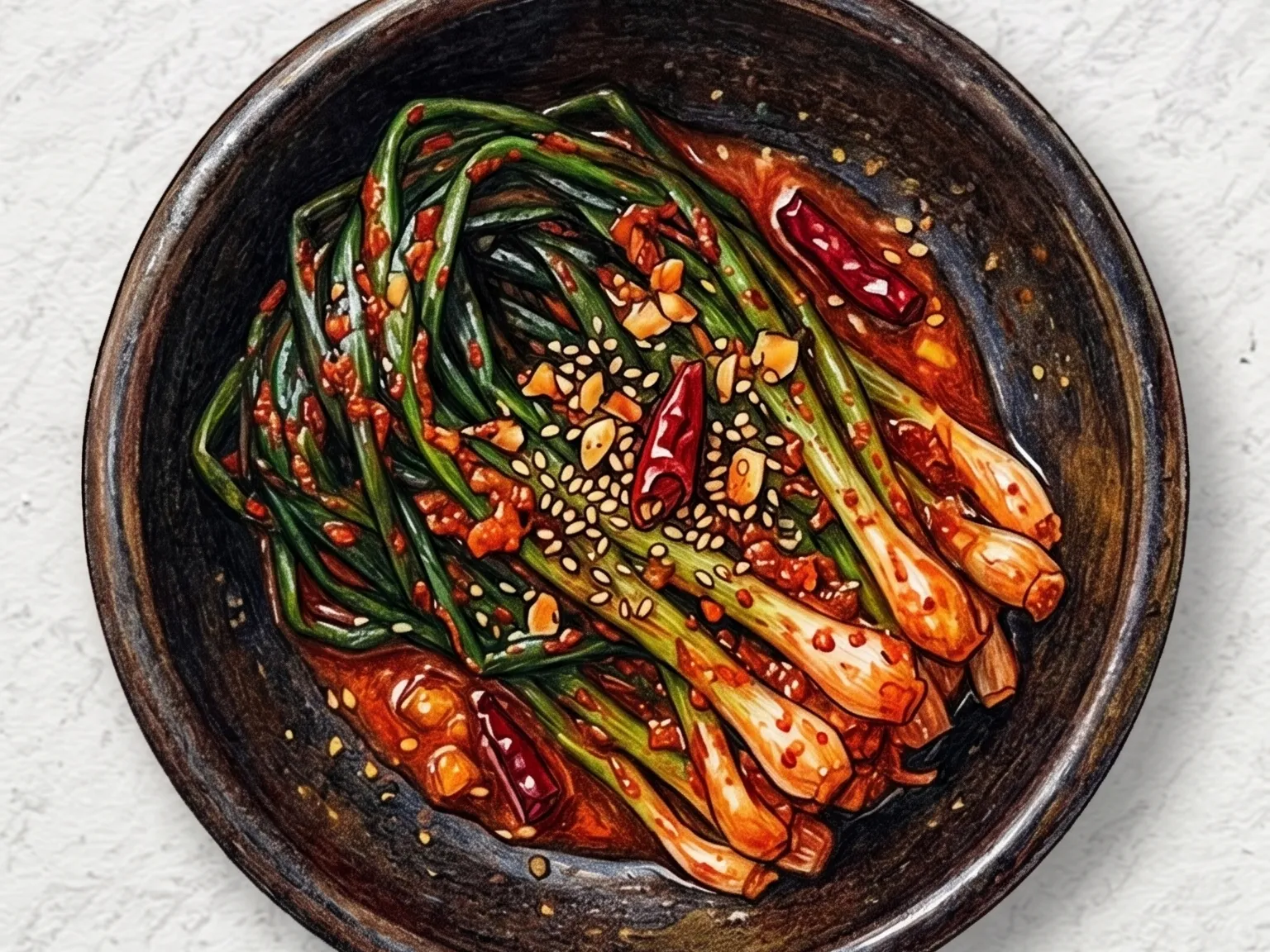
The preparation of Jeonbok-maneuljong-butter-bokkeum involves a high heat stir-fry technique using thinly sliced abalone and garlic scapes cooked in butter. The primary goal of using high heat is to release the aromatic properties of the butter and seafood while maintaining a specific texture. Before cooking, the abalone must be cleaned and the internal organs removed so that only the flesh is used. Slicing the abalone thinly is a requirement because the high temperature of the pan cooks the pieces almost instantly. This rapid cooking ensures the flesh remains springy rather than contracting into a tough or rubbery texture. Because the protein in the abalone begins to seize if cooked for longer than one minute, the speed of the stir-fry is the most critical variable in the process. Garlic scapes are used to provide a firm and snappy bite to the dish. These are cut into uniform lengths and placed in the pan before the abalone. This specific order gives the scapes a brief head start in the cooking process so that both the vegetables and the seafood finish at the same time. The ingredients should be added to the pan only after the butter has melted and started to foam. This foaming indicates the start of the Maillard reaction, which is responsible for browning the surface of the pieces and increasing the overall scent of the dish. A spoonful of soy sauce is then poured specifically along the heated edges of the pan. This technique allows the sauce to caramelize on contact with the hot surface, which adds a layer of savory and slightly sweet flavors to the mixture. The process concludes with the addition of ground black pepper, which provides a mild spice that supports the scent of the butter. Provided that the ingredients are prepped in advance, the entire stir-fry takes less than ten minutes to complete.

🏠 Everyday🍱 Lunchbox
Prep 15minCook 10min2 servings
Korean Flanken Ribs (Pear-Soy Marinated LA-Cut Beef Short Ribs)
GrilledMedium

Korean Flanken Ribs (Pear-Soy Marinated LA-Cut Beef Short Ribs)

LA-galbi-gui is a Korean grilled short rib dish using flanken-cut beef ribs, where the bones are sliced laterally so several ribs run across each strip in a thin, even slab. This cross-cut format gives the meat a wide surface area and a uniform thickness that makes it both receptive to marinade and quick to cook through evenly. The marinade combines Asian pear juice, soy sauce, sugar, minced garlic, sesame oil, black pepper, and sliced green onion. Enzymes in the pear juice break down muscle fibers in the thin-sliced meat, while the combination of soy sauce and sugar triggers simultaneous Maillard browning and caramelization over high heat, forming a dark, lacquered crust on the surface. Because the marinade carries substantial sugar, cooking over medium heat and flipping frequently is essential; high heat without attention causes the exterior to char before the interior has cooked through. Each side needs three to four minutes to reach full doneness around the bone. Marinating overnight in the refrigerator allows the seasoning to penetrate fully between the bones, producing a noticeably deeper sweet-salty flavor once grilled. Resting the meat for two to three minutes after pulling it off the grill keeps the juices from running out immediately.

🍺 Bar Snacks🎉 Special Occasion
Prep 35minCook 20min4 servings
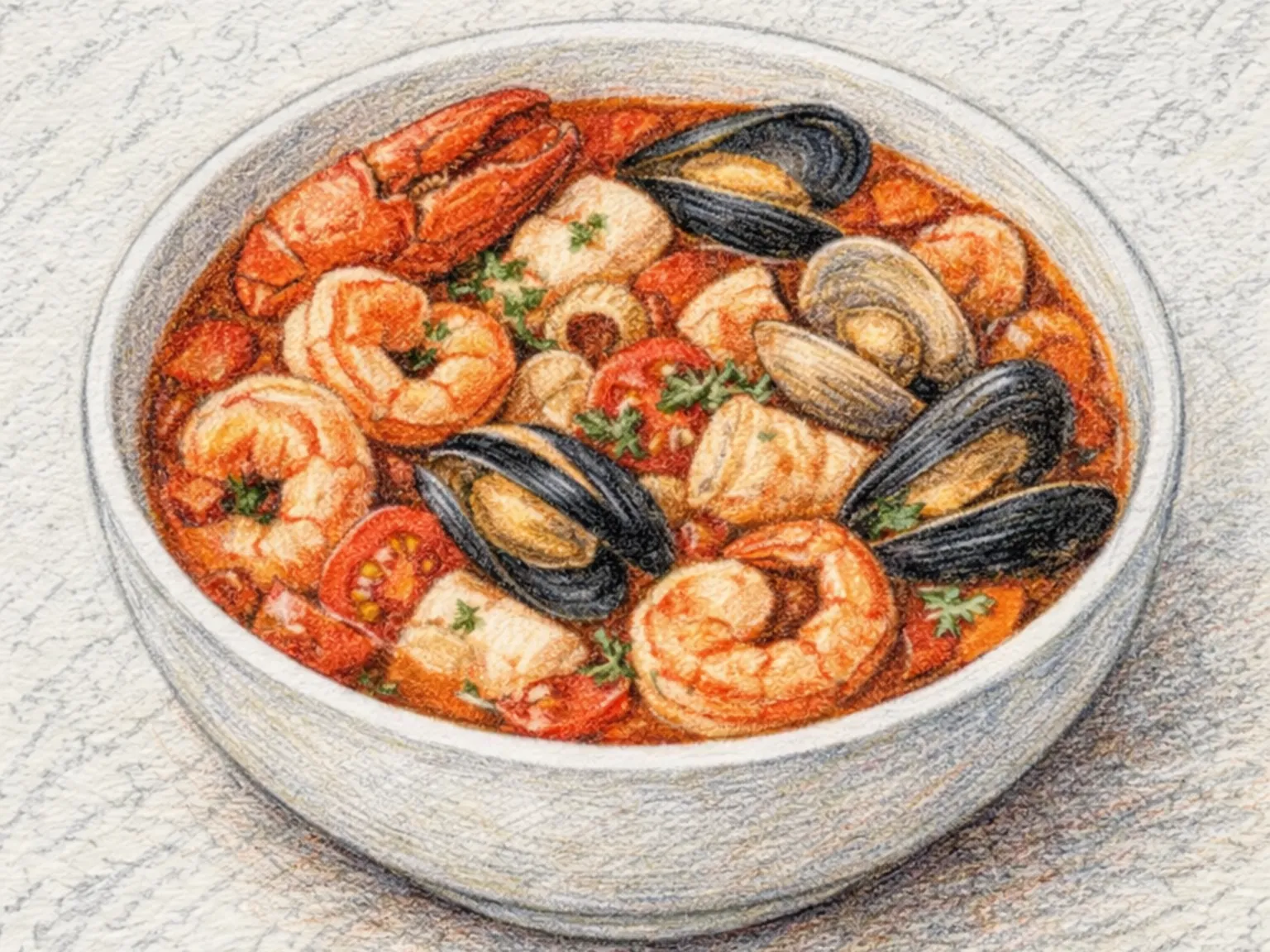
Korean Boiled Seafood Broth
SoupsEasy

Korean Boiled Seafood Broth

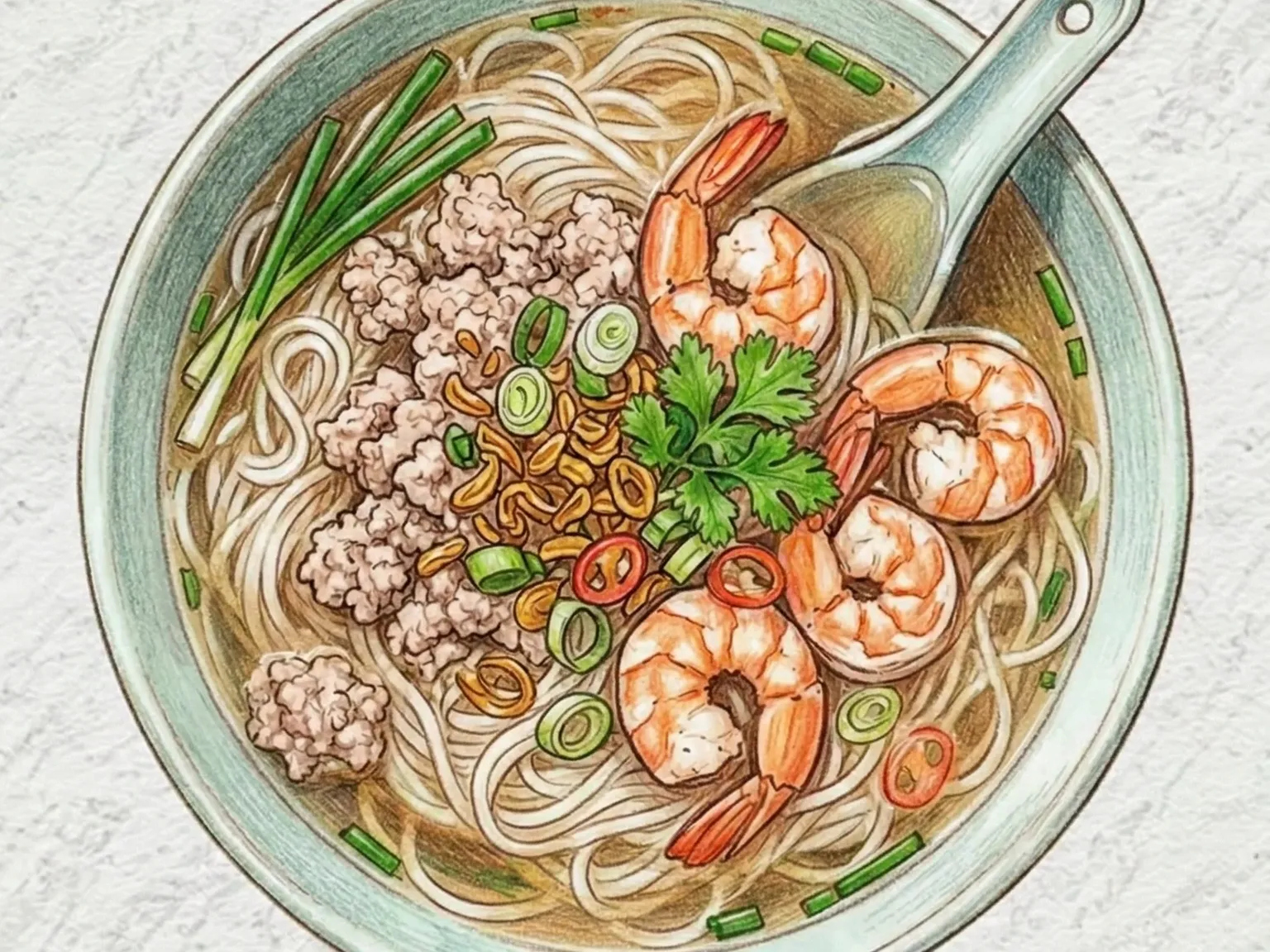
Haemul suyuk-tang is a clear Korean seafood soup where clams, shrimp, and squid are simmered together in lightly seasoned water with garlic and green onion. The defining quality of this dish is its restraint: no gochujang, no doenjang, no complex spice paste, just salt and the natural briny liquor each ingredient contributes to the pot. The clams open first and release their saline juice into the water, establishing the initial salinity of the broth. As the shrimp cook they turn pink and contribute a sweet current beneath the salt. The squid firms and curls into rings, adding a chewy textural counterpoint to the soft clam meat and the tender shrimp. Each of these three seafoods produces a different form of marine umami, and together they layer into a broth that reads as remarkably full despite being completely transparent. There is no competition from fermented paste or chili, so the ocean flavor comes through cleanly and directly. The visual effect of the finished bowl is also appealing: open clam shells scattered through the pot, curved pink shrimp, and white squid rings give the bowl a sense of abundance without heaviness. The soup works well as a light meal alongside rice, and it is the dish to reach for when the goal is to taste the seafood itself without interference from heavier seasonings.

🏠 Everyday
Prep 15minCook 25min3 servings
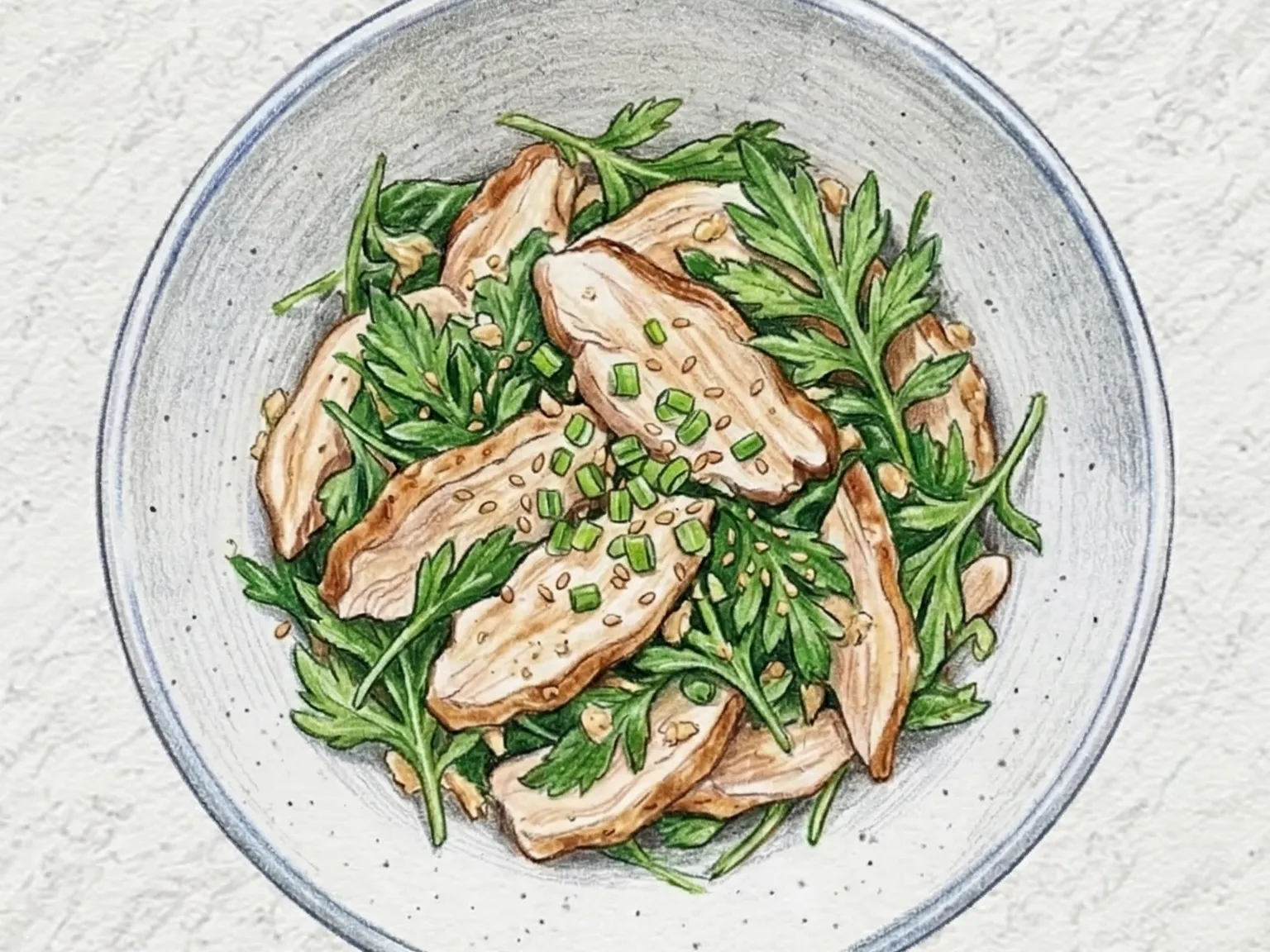
Korean Oyster & Crown Daisy Stew
StewsEasy

Korean Oyster & Crown Daisy Stew

Gul ssukgat jjigae is a Korean stew that combines oysters with crown daisy, a leafy herb that brings a distinctive bitter-herbal character rarely found in other stews. The oysters, approximately 220 grams, provide the foundational savory base of the broth, releasing their briny, oceanic juices as they heat through. Crown daisy contributes an aromatic quality that is simultaneously bitter and clean, and that fragrance is volatile enough to disappear entirely with extended cooking, so it must be added at the very end, just before the heat is turned off. Korean radish and firm tofu are added midway through cooking to add body and substance to the stew without muddying the clean flavor of the broth. Soup soy sauce seasons the liquid while keeping the broth a clear, pale color rather than the darker tones that regular soy sauce would introduce. The combination of briny shellfish and herbal greens is a traditional Korean pairing, one that appears most often in home cooking rather than in restaurant settings. The result is a stew with a distinct identity - lighter than kimchi jjigae, more aromatic than doenjang jjigae - that works well as a standalone bowl with a bowl of rice.

🏠 Everyday
Prep 15minCook 20min2 servings
Korean Braised Squid with Shishito Peppers
SteamedMedium

Korean Braised Squid with Shishito Peppers

Kkwari-ojingeo-jorim is a Korean braise of squid and shishito peppers simmered in a gochujang and soy sauce seasoning. The squid retains its chewy bounce while soaking in the bold sauce, and the peppers absorb enough flavor to stand on their own while keeping a slight crunch. Gochujang brings a warm spiciness that combines with soy sauce's depth into a multilayered seasoning, and garlic with ginger neutralizes any seafood odor. As the liquid reduces, it coats each piece in a concentrated glaze that makes this banchan work especially well spooned over a bowl of steamed rice.

🏠 Everyday🍱 Lunchbox
Prep 18minCook 17min2 servings