Korean Water Parsley Soy Pickle
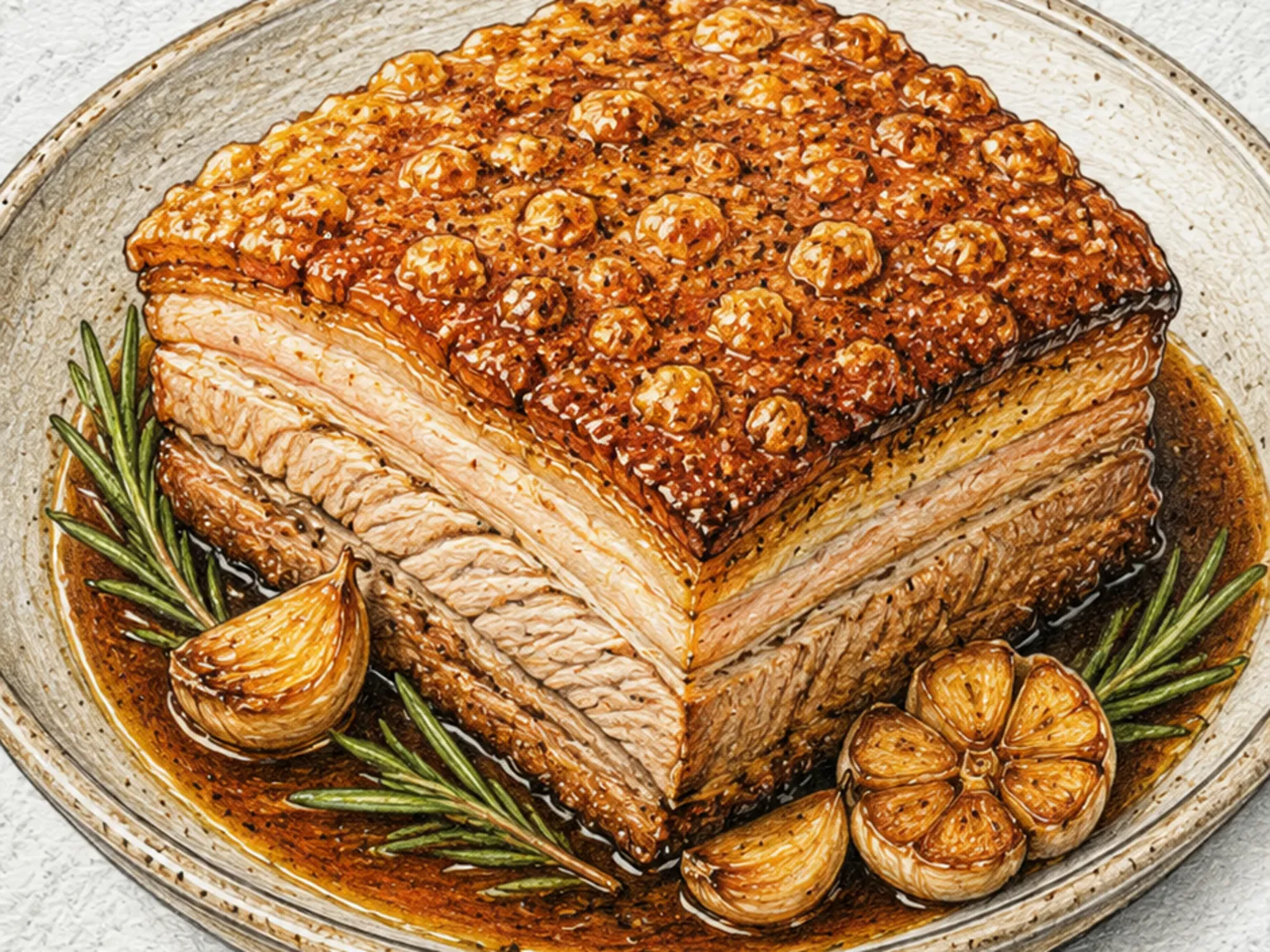
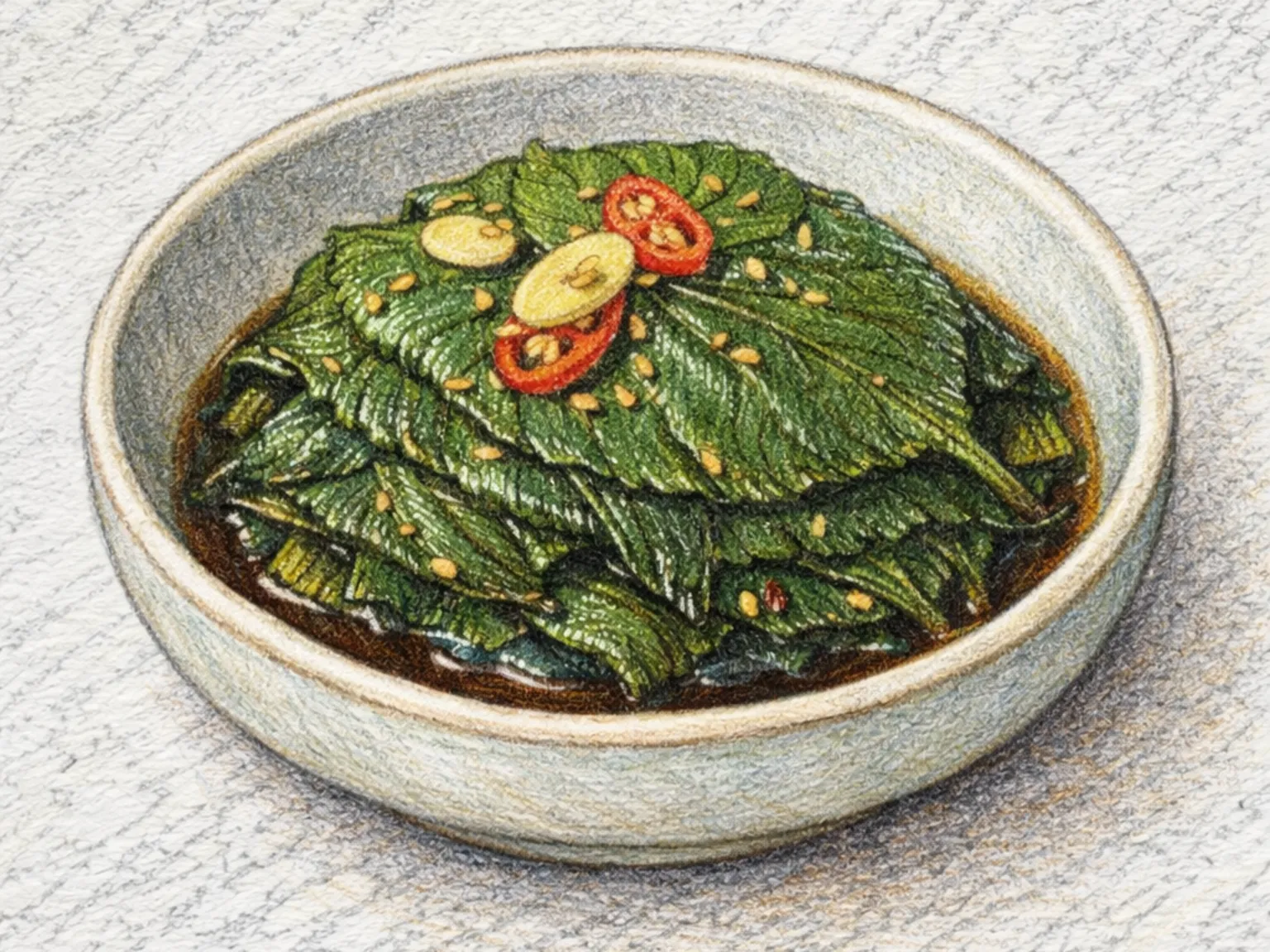
Preparing this dish starts with cutting water parsley stems into 5-centimeter segments and ensuring they are thoroughly dried. The pickling process involves a mixture of soy sauce, rice vinegar, and sugar that is boiled and then completely cooled before being poured over the prepared stems, garlic, and cheongyang chili peppers. As the herbs submerge in the savory liquid, the fresh scent of the water parsley evolves into a complex aromatic profile that is absent in its raw state. Rice vinegar provides a crisp finish to the palate, while the sharp heat from the chili peppers prevents the flavor from becoming flat or one-dimensional. Garlic acts as a stabilizing element for the entire seasoning base. The pickle reaches its optimal state around the second or third day of refrigeration when the initial sharpness of the vinegar mellows out while the stems maintain their firm crunch. Since the texture tends to soften over time, making frequent small batches is a practical approach to enjoy this preserve. This side dish functions well alongside grilled pork belly or other main courses with high fat content by clearing the palate between bites. The remaining brine can be reused for subsequent batches of vegetables, often resulting in a more developed and layered taste than the first round. Adding a small amount of lemon or yuzu juice introduces a citrus scent that complements the natural herbal characteristics of the water parsley.

Korean Dried Radish Greens Doenjang Kalguksu
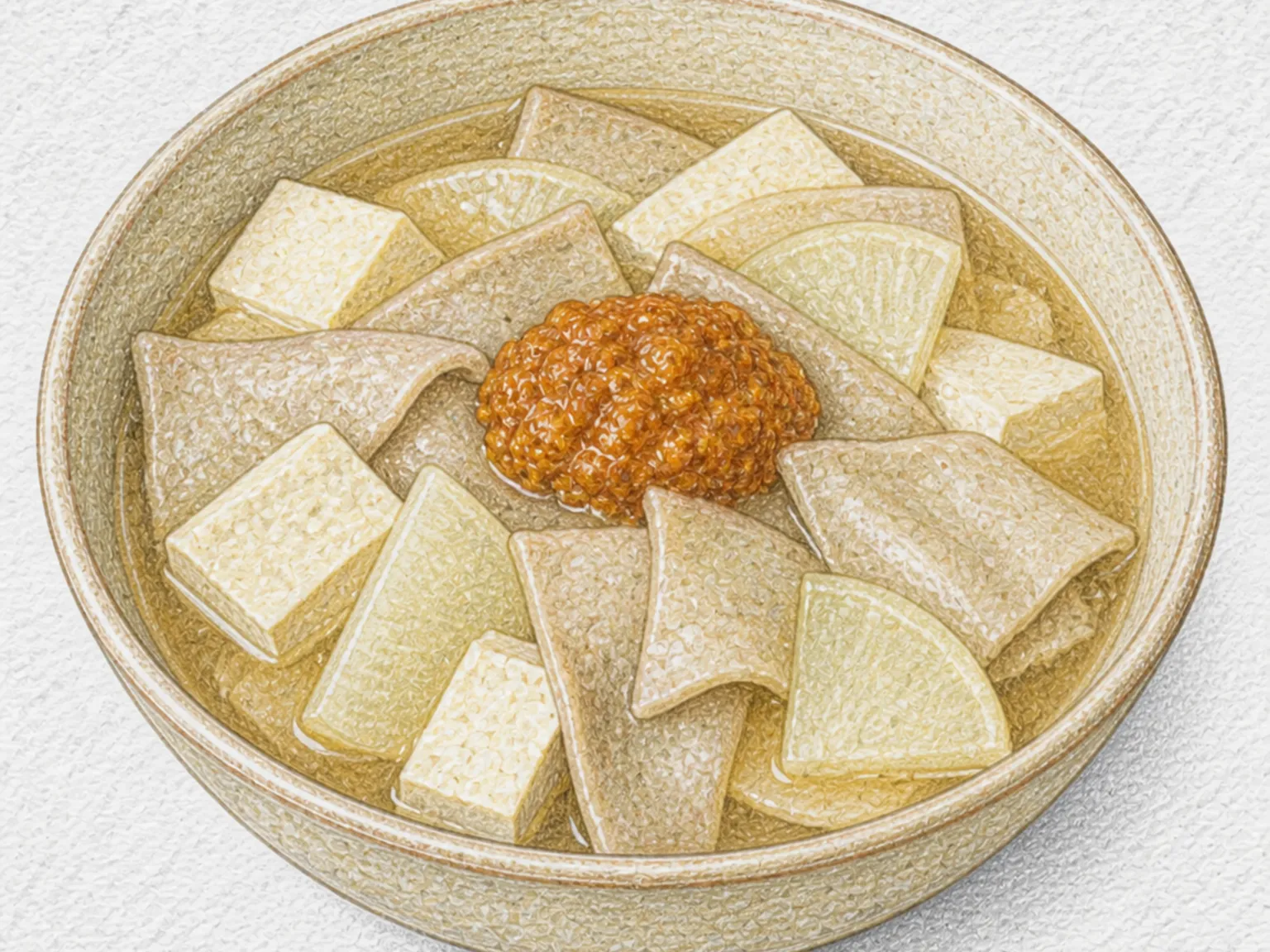
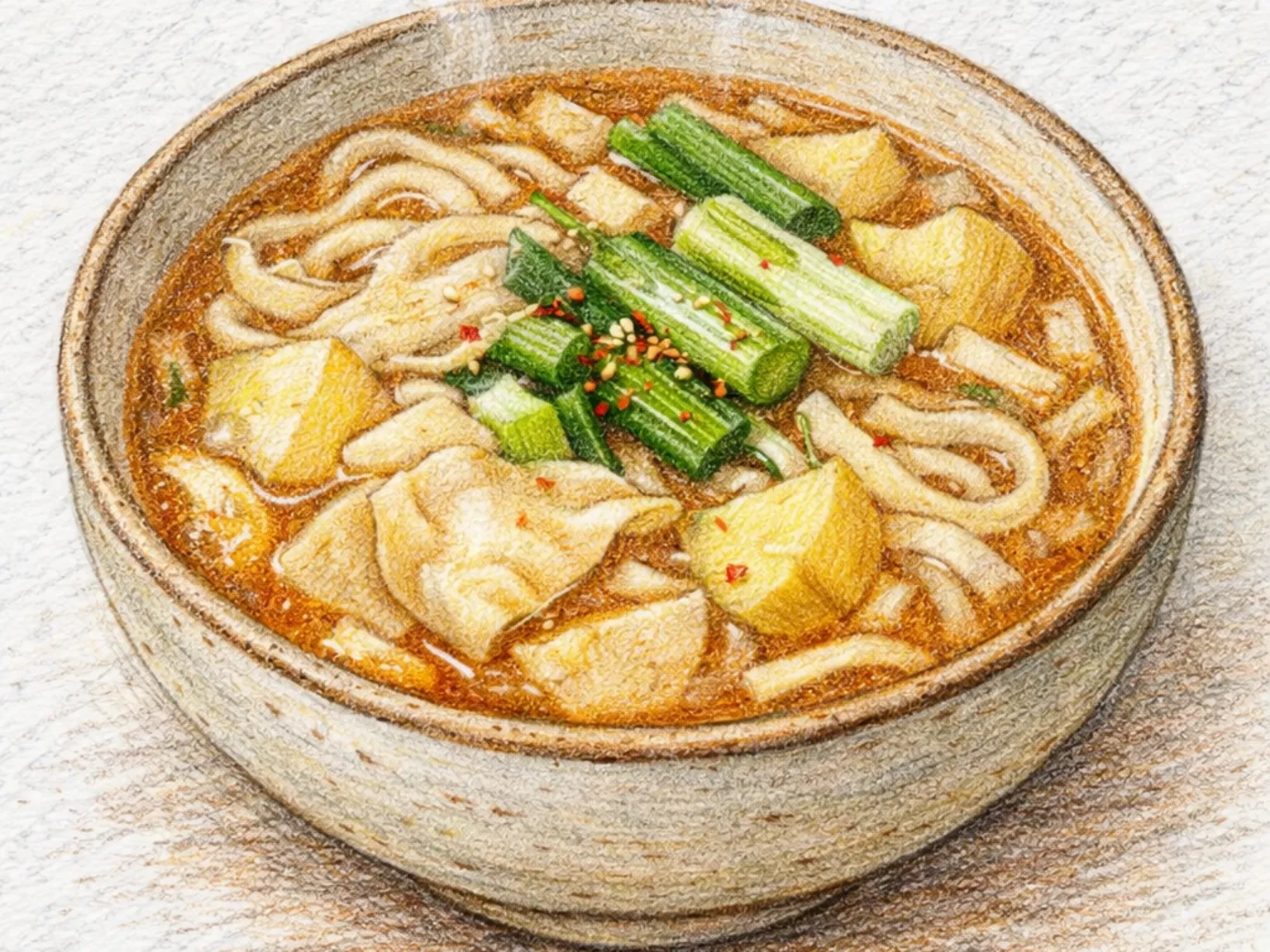
This noodle soup features dried radish greens and soybean paste in a base of anchovy and kelp stock. The fermented soybean paste provides a savory foundation while the radish greens add an earthy bitterness. Adding onion and zucchini during the simmering process introduces a natural sweetness that balances the saltiness of the paste. A spoonful of perilla seed powder at the end gives the broth a toasted, nutty finish. Fresh kalguksu noodles thicken the soup as they cook, taking on a chewy yet soft texture. To ensure a clean taste and better texture, the radish greens are boiled, rinsed in cold water, and squeezed before being added to the pot. Toasting the dried anchovies in the pot before adding water removes any fishy scents from the stock. Since different types of soybean paste vary in saltiness, it helps to add the paste in small increments while tasting. Mixing in a small amount of cheonggukjang provides a stronger fermented character to the finished soup.

Stuffed Mushrooms
Stuffed mushrooms remove the stems from large mushroom caps, chop and sauté them with garlic, then mix the cooked stems with cream cheese, breadcrumbs, Parmesan, and parsley to create a savory filling that goes back into the caps before baking. Wiping the mushrooms with a paper towel rather than rinsing them is important - mushrooms act like sponges, and absorbed water releases during baking, preventing the caps from crisping. Using the chopped stems in the filling doubles the mushroom flavor and means nothing is wasted. The breadcrumbs serve a structural role, absorbing excess moisture from the cream cheese so the filling holds its shape rather than melting into a puddle. At 190 degrees Celsius for 18 to 20 minutes, the filling turns golden on top while the cream cheese inside becomes molten and savory.

Kung Pao Chicken
Kung pao chicken is one of the defining dishes of Sichuan cuisine, built around diced chicken, roasted peanuts, and dried chilies in a sauce that hits spicy, sweet, sour, and numbing at the same time. The chicken is cut into small cubes and given a brief marinade of soy sauce and cornstarch, which seals moisture in and creates a light coating that takes on color quickly in a screaming-hot wok. Dried red chilies and Sichuan peppercorns are fried in oil as the very first step, pulling their heat and the distinctive mala tingling sensation into the fat before anything else goes in. This flavored oil becomes the foundation the entire dish is built on. Soy sauce, black vinegar, and sugar are added at the end and reduced into a glossy glaze that coats every surface. Roasted peanuts go in last so they stay crunchy, and chopped scallion brings a clean, fresh finish. The interplay of sharp chili heat, tongue-numbing peppercorn, tangy vinegar, and toasty peanut in a single bite is what carries this dish beyond Sichuan into kitchens worldwide.

Korean Spicy Gochujang Dried Squid Stir-Fry
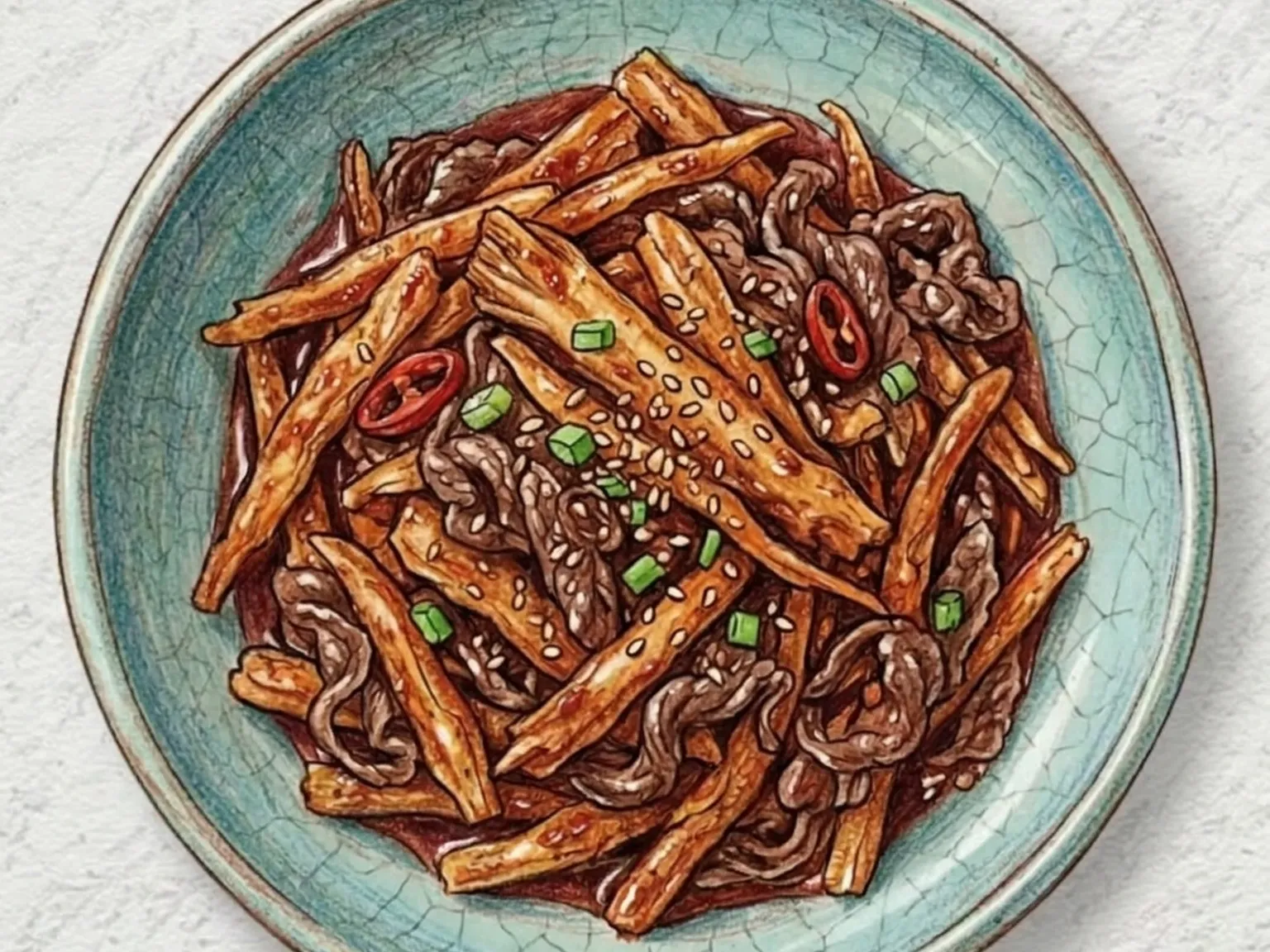
Jinmichae, shredded dried squid, is a Korean pantry staple valued for its chewy texture and the umami that builds and intensifies the longer you chew. This preparation coats the strands in a gochujang glaze, making it one of the most reliably present banchan in Korean households. Briefly soaking the dried squid in water before squeezing it dry softens the tough fibers and opens them to absorb the sauce more evenly. The sauce of gochujang, gochugaru, rice syrup, soy sauce, and garlic is stir-fried first over low heat to mellow the raw chili sharpness, then the squid is tossed through quickly over the same heat. Sesame oil and toasted sesame seeds are added off the heat, coating the strands in a sweet, spicy glaze that keeps well at room temperature for several days.

Korean Oyster Water Parsley Stir-fry
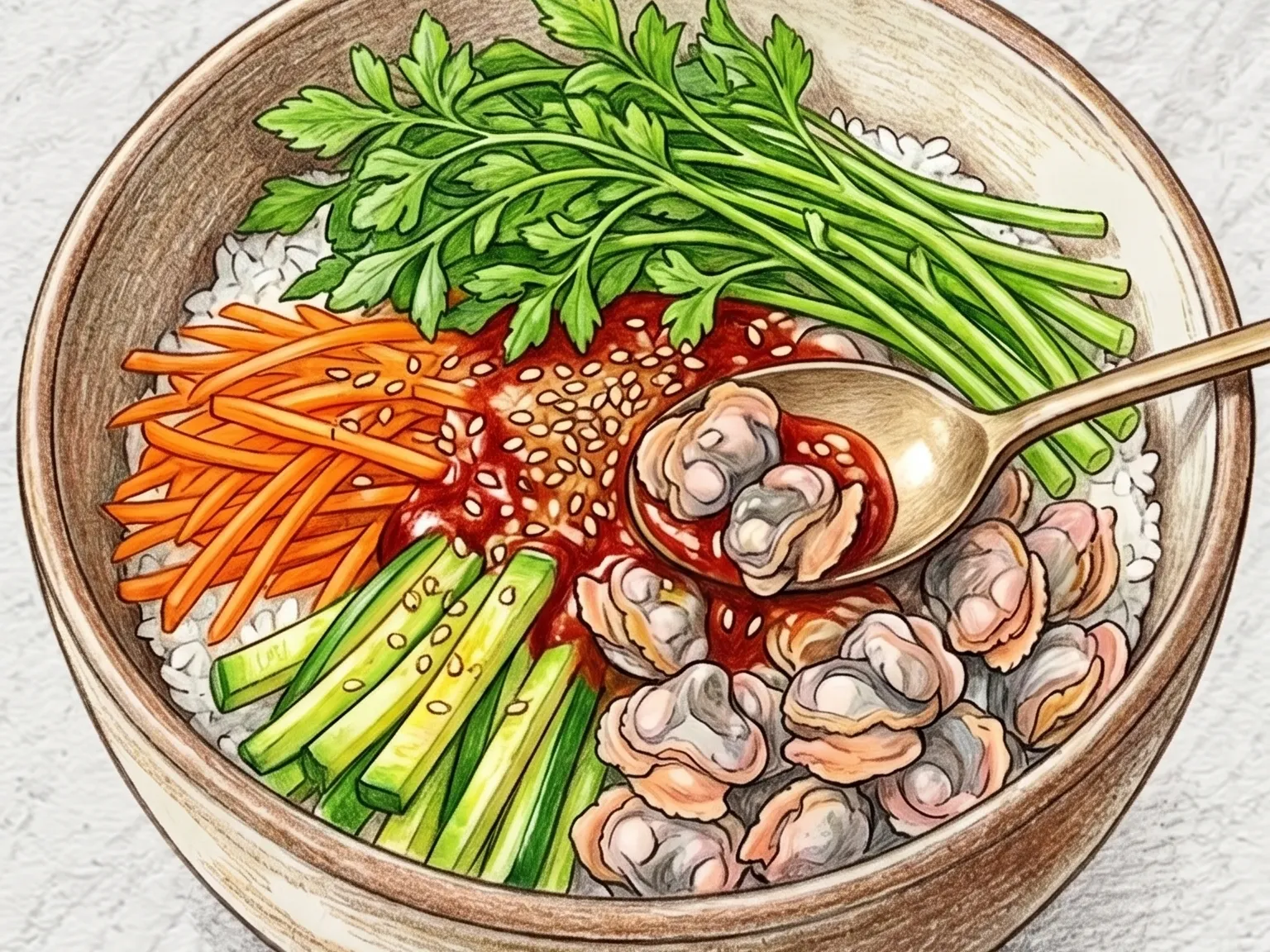
Gul-minari-bokkeum is a quick stir-fry of plump raw oysters and fragrant water parsley (minari) seasoned with gochugaru and light soy sauce over high heat. The oysters cook only until they just firm around the edges, retaining their briny interior juices while contracting slightly, and the minari stays crisp with its herbal freshness intact. The salty, sweet umami of the oysters meets the clean grassy quality of the minari, and the two flavors balance without either overpowering the other. Winter is the prime season for this dish, when cold-water oysters reach peak plumpness and flavor. Cooking the oysters too long drives out their moisture and makes them rubbery, so the stir-fry must stay brief.

Korean Kkotge Gochujang Gui (Spicy Grilled Crab)
Kkotge-gochujang-gui is a Korean spicy grilled crab where halved blue crabs are thoroughly coated in a thick paste of gochujang, gochugaru, soy sauce, oligosaccharide syrup, and garlic, then marinated for fifteen minutes before going onto a medium-heat grill. The sugar in the syrup and the fermented compounds in the gochujang caramelize over direct flame, forming a glossy, dark-red lacquer on the shell while the crab meat underneath is steam-cooked by the insulating shell, keeping it moist and sweet. Controlled medium heat is essential because the sauce scorches quickly: four minutes shell-side down first, then a flip for five to six more minutes ensures even cooking without burning. When the crab is turned, the sauce drips into the interior cavity and coats the exposed meat directly, intensifying the spice penetration on the flesh side. A final drizzle of sesame oil and a scatter of toasted sesame seeds layer a nutty, smoky fragrance over the lacquered coating.

Korean Boiled Seafood Broth
Haemul suyuk-tang is a clear Korean seafood soup where clams, shrimp, and squid are simmered together in lightly seasoned water with garlic and green onion. The defining quality of this dish is its restraint: no gochujang, no doenjang, no complex spice paste, just salt and the natural briny liquor each ingredient contributes to the pot. The clams open first and release their saline juice into the water, establishing the initial salinity of the broth. As the shrimp cook they turn pink and contribute a sweet current beneath the salt. The squid firms and curls into rings, adding a chewy textural counterpoint to the soft clam meat and the tender shrimp. Each of these three seafoods produces a different form of marine umami, and together they layer into a broth that reads as remarkably full despite being completely transparent. There is no competition from fermented paste or chili, so the ocean flavor comes through cleanly and directly. The visual effect of the finished bowl is also appealing: open clam shells scattered through the pot, curved pink shrimp, and white squid rings give the bowl a sense of abundance without heaviness. The soup works well as a light meal alongside rice, and it is the dish to reach for when the goal is to taste the seafood itself without interference from heavier seasonings.

Korean Mussel Stew
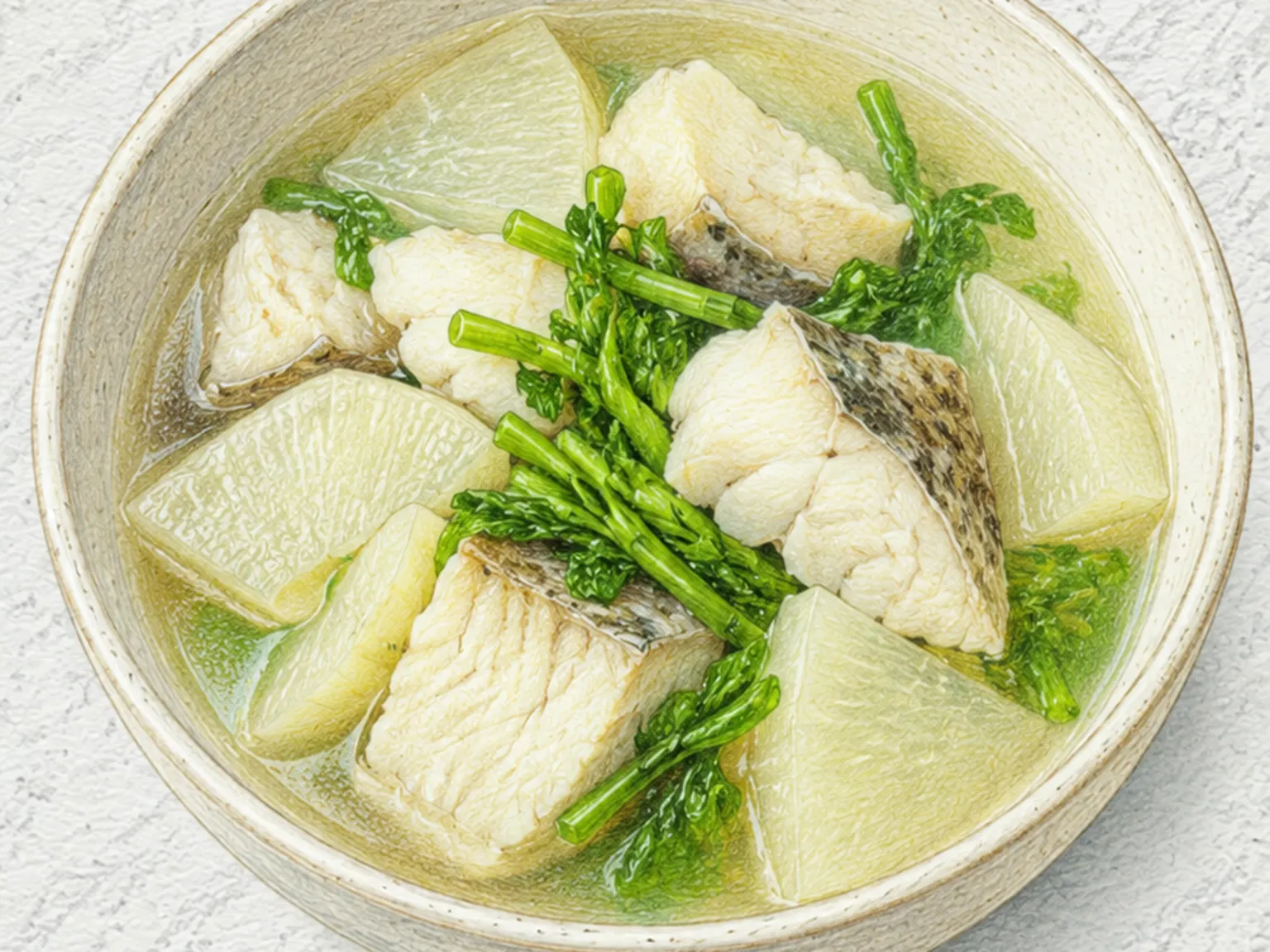
Honghap jjigae uses a generous 900g of mussels to build an intensely briny, clean-tasting broth that defines this stew. Thick-cut Korean radish simmers alongside the shellfish, soaking up the ocean-flavored liquid and contributing a quiet natural sweetness. Cheongyang chili and gochugaru deliver a moderate, lingering heat, while soup soy sauce and cooking wine round out the seasoning without drowning the seafood flavor. Using the liquid the mussels release during cooking as the base of the broth provides depth without requiring a separate stock. Sliced green onion added at the end lifts the aroma without adding any fishy note. Selecting only mussels whose shells are tightly closed before cooking reduces the chance of grit or off-flavors in the finished stew.

Korean Braised Tofu with Shishito Peppers
Kkwarigochu-dubu-jorim is a Korean braised dish of pan-fried tofu and shishito peppers in a soy sauce, gochugaru, and garlic seasoning. The tofu is seared first to create a firm, golden crust that contrasts with its soft interior once it finishes braising in the sauce. Shishito peppers absorb just enough liquid to carry the seasoning while adding their own fresh, vegetal note. Soy sauce and sesame oil pull the flavors together into a cohesive, savory whole, making this a satisfying plant-based banchan that holds its own on any table. Mixing the braising sauce into a bowl of rice alongside makes for a simple but rewarding meal.

Korean Water Parsley Kimchi
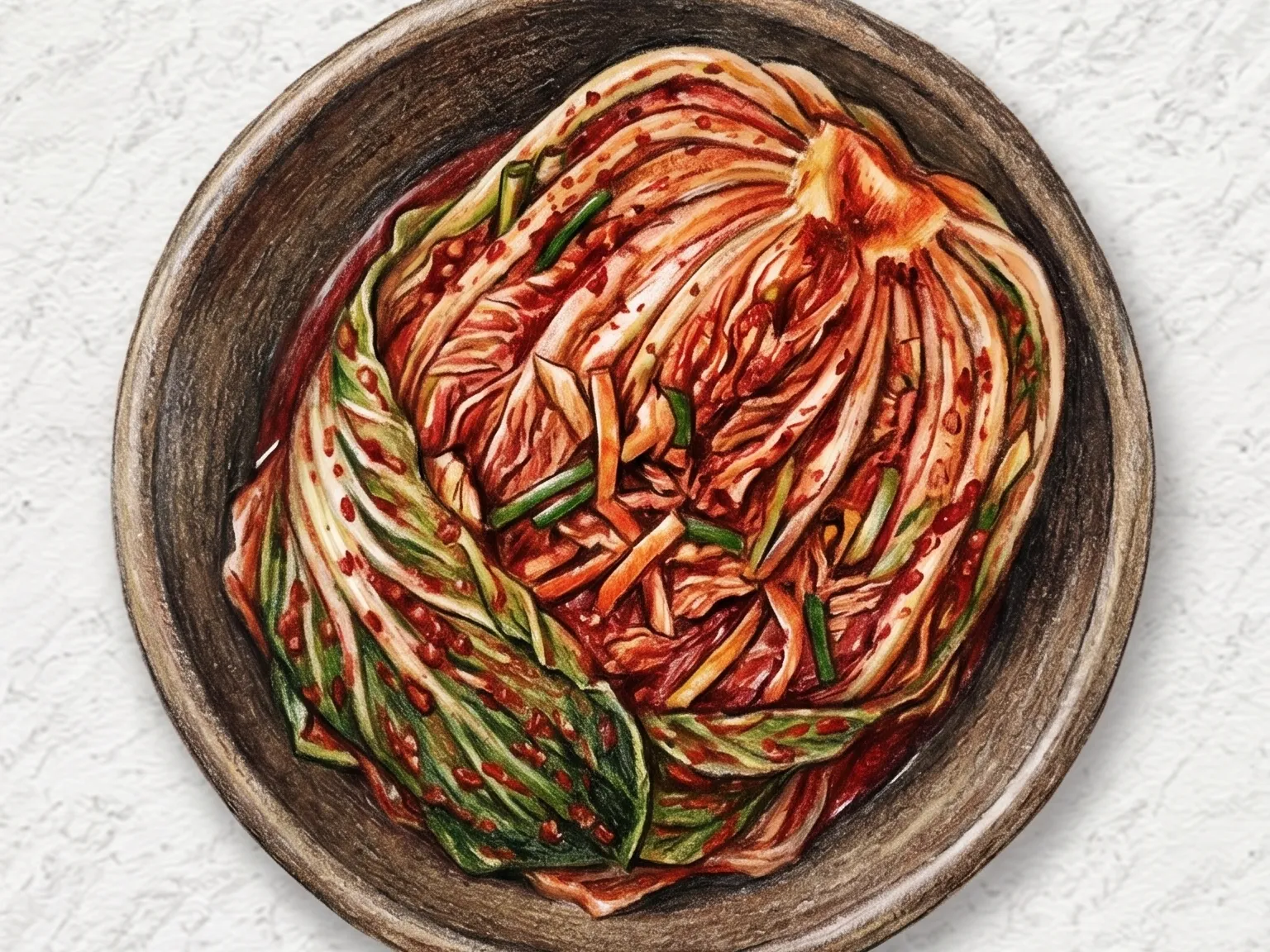
Minari kimchi is a quick, no-fermentation Korean water parsley kimchi that is ready to eat the moment it is made. The stems are salted for just ten minutes to barely wilt them, preserving their characteristic crunch and cool, clean herbal fragrance. Blended onion is worked into the seasoning paste alongside gochugaru, anchovy fish sauce, and plum syrup, giving the dressing body and a gentle sweetness. Anchovy fish sauce lays a seafood umami foundation under the light vegetable, while plum syrup's fruit acidity softens the chili heat rather than letting it dominate, so the finish is bright and refreshing rather than sharp. Paired with samgyeopsal or boiled pork, the water parsley's aromatics cut directly through the fat, cleansing the palate between bites in a way that heavier banchan cannot. The kimchi is best eaten on the day it is made while the stems still have their full snap.

Korean Beef Japchae (Soy-Marinated Beef Glass Noodle Stir-Fry)
Sogogi japchae is a Korean stir-fried noodle dish made with sweet potato glass noodles, soy-marinated beef strips, and an assortment of individually prepared vegetables. Spinach is blanched, carrots and onions are julienned and stir-fried separately, and each component is combined at the end to preserve its distinct color and texture. The noodles are soaked rather than fully boiled, then finished in the pan so they stay chewy instead of mushy. Soy sauce, sugar, and sesame oil form the seasoning base, giving the dish its characteristic sweet-savory balance.

Tomato Basil Soup
Tomato basil soup sautés onion and garlic in olive oil, adds canned whole tomatoes crushed by hand, simmers with vegetable stock for 15 minutes, then blends until smooth and finishes with cream and fresh basil. Crushing and cooking the tomatoes for the first five minutes before adding stock concentrates their natural sugars and reduces raw acidity, building a sweeter, deeper base. The 15-minute simmer lets the flavors merge without overcooking, and blending produces a velvety texture that cream enhances without masking the tomato. Basil is heat-sensitive - its volatile oils dissipate within minutes of cooking - so it goes in only after the heat is off, releasing its fragrance through residual warmth alone. A tablespoon of tomato paste can be stirred in during the sauté stage for a more intense tomato flavor if desired.

Laing (Filipino Bicol Dried Taro Leaf Coconut Milk Stew)
Laing is a traditional dish from the Bicol region of the Philippines, made by slowly simmering dried taro leaves in coconut milk with chili, garlic, ginger, and shrimp paste. The leaves must be fully dried rather than fresh - fresh taro leaves contain calcium oxalate crystals that cause an intense itching sensation in the mouth and throat. Once the aromatics are sauteed in coconut milk, the dried leaves are layered in and the pot is left uncovered to reduce. A critical rule in traditional preparation is to never stir the pot; stirring releases the irritants from the leaves into the liquid. As the coconut milk reduces over low heat, it concentrates into a thick, oily sauce that clings to the softened leaves. Shrimp paste contributes a deep, funky salinity, while fresh or dried chilies bring the heat that Bicolano cuisine is known for. The result is rich, spicy, and intensely savory - meant to be eaten in modest spoonfuls alongside a generous mound of steamed rice.

Seasoned Korean Wild Lettuce
Godeulppaegi muchim is a seasonal Korean side dish prepared with Ixeris dentata, a plant characterized by its thin, slender leaves. This botanical species belongs to the daisy family and has been traditionally foraged across the Korean peninsula for many generations. It serves as a versatile ingredient, often appearing on the dining table as a fermented kimchi or as a freshly seasoned vegetable dish known as banchan. The plant is recognized for a distinct and sharp bitter profile that is significantly more intense than the bitterness typically found in standard garden salad greens. Properly handling this inherent bitterness is the most important technical aspect of preparing the dish correctly. The leaves and stems undergo a brief blanching process in boiling water for a duration of approximately one to two minutes. Following this heat treatment, they are moved immediately to a cold water bath where they remain submerged for a minimum of thirty minutes. If the soaking duration is reduced or omitted entirely, the resulting dish will retain a level of bitterness that cannot be masked or balanced by any amount of additional seasoning. After the soaking period is complete, the greens are squeezed firmly by hand to remove excess moisture and then combined with a bold seasoning base. This dressing consists of a mixture of gochujang, gochugaru, vinegar, sugar, minced garlic, and toasted sesame oil. This specific combination provides a sharp acidity and spicy heat that coats the processed greens. The flavors are intended to complement the lingering bitterness of the plant instead of removing it, which creates a complex and layered taste profile that persists throughout the meal. This side dish is typically available from the beginning of spring through the early weeks of summer. During these months, the plant is a common sight in traditional rural markets located throughout South Gyeongsang and North Jeolla provinces. Individuals who value a strong and assertive flavor profile consider this preparation to be a highly valued seasonal specialty within Korean cuisine.

Korean Royal Soy Sauce Tteokbokki
Gungjung-tteokbokki traces its roots to the royal court cuisine of the Joseon dynasty, where the condiment gochujang had no place at the table. Soy sauce and sesame oil provide the seasoning instead, producing a mild, sweet-savory glaze rather than heat. Sliced garae-tteok rice cakes are stir-fried together with marinated beef, shiitake mushrooms, carrot, and onion until the soy seasoning coats everything evenly and the rice cakes develop a subtle gloss. The beef is marinated separately in soy sauce, sugar, and sesame oil before going into the pan, which lets the meat develop its own depth as it sears. Shiitake mushrooms reinforce the savoriness and add fragrance without overwhelming the other components. The rice cakes need enough time in the pan to absorb the seasoning and become slightly caramelized on the surface, but if cooked too long they turn hard and lose their chew. Using sesame oil rather than cooking oil throughout adds a nutty warmth that elevates the dish. Without any chili heat, this is one of the few tteokbokki variations that suits every age group and is a common presence on festive or holiday tables.

Korean Grilled Semi-dried Pollock
Kodari-gui is a Korean grilled semi-dried pollock dish where the fish is pan-fried while being brushed repeatedly with a glaze made from soy sauce, gochujang, oligosaccharide syrup, minced garlic, and sesame oil. Semi-drying the pollock removes a substantial portion of its moisture, concentrating the protein into a dense, chewy texture that absorbs seasoning far more readily than fresh fish. It also strips away the fishy undertone that fresh pollock carries, making the end result noticeably cleaner on the palate. As the fish cooks, the sugars in the glaze undergo caramelization layer by layer, building a glossy, dark coating that catches the heat and deepens in flavor with every pass. Applying the sauce in a thick coat from the start leads to burning before the inside is properly cooked through, so the technique calls for flipping once a side is set and applying the glaze in multiple thin brushings. Soaking the dried fish in cold water for about ten minutes before cooking softens the flesh while still allowing the surface to grip the seasoning. Sesame seeds scattered over the finished fish add a toasted, nutty finish, and the dish is best served hot over steamed white rice.

Korean Seafood Hot Pot Soup
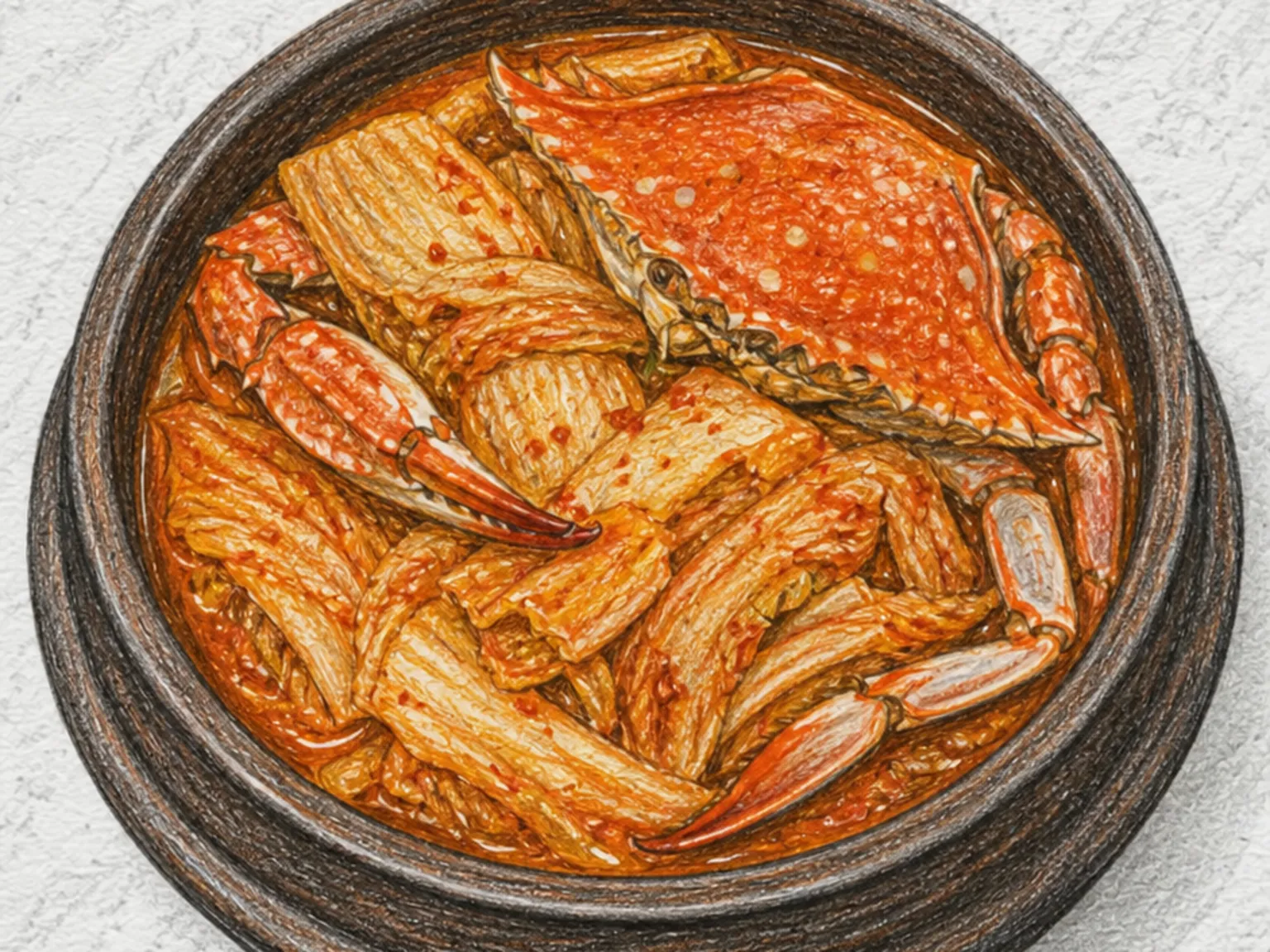
Haemul-tang is a Korean seafood hot pot that throws together crab, shrimp, clams, and squid in a fiery, brick-red broth. The liquid starts with gochugaru and plenty of garlic, building a spicy base that the seafood then amplifies with its own briny juices. Radish chunks soften as the pot bubbles, thickening the broth slightly and adding a cool sweetness behind the heat. Green onions and cheongyang peppers go in toward the end for a sharp, vegetal bite. The magic of haemul-tang lies in the convergence of flavors: crab shells release a sweet, crustacean stock; clams open to spill their liquor; shrimp and squid contribute distinct textures from snappy to chewy. The pot is brought to the table still at a rolling boil, and diners pick through the shells and tentacles while the broth continues to concentrate.

Korean Dried Pollock Napa Stew
This stew pairs dried pollock strips with napa cabbage for a mild, comforting bowl built on clean, unhurried flavors. The pollock releases a savory, slightly sweet depth into the broth as it rehydrates during cooking. Soaking the pollock briefly in water before adding it loosens the stiff fibers and helps the broth extract faster. The cabbage softens slowly and adds its own natural sweetness, while firm tofu and zucchini round out the ingredients with body and texture. A touch of perilla oil lends a nutty fragrance to the finished bowl. Seasoned simply with soup soy sauce, it works well as a hangover remedy or a light weekday meal that settles the stomach.

Korean Spicy Braised Semi-Dried Pollock
Kodari-jjim is a Korean braised dish of semi-dried pollock slow-cooked with radish and onion in a gochugaru and soy sauce seasoning. The drying stage removes moisture from the pollock, firming the flesh so it absorbs the seasoning deeply while holding its shape throughout cooking. Radish tempers the chili heat and contributes a natural sweetness, and a small addition of doenjang adds a savory depth that rounds out the sauce. As the liquid reduces to a thick, clinging glaze, the pollock takes on an intensely spiced quality that makes it a natural companion to steamed rice. Mixing the reduced sauce into hot rice is a well-known Korean habit, since every drop carries concentrated spice and brine.

Korean Miyeok Julgi Jangajji (Seaweed Stem Pickles)
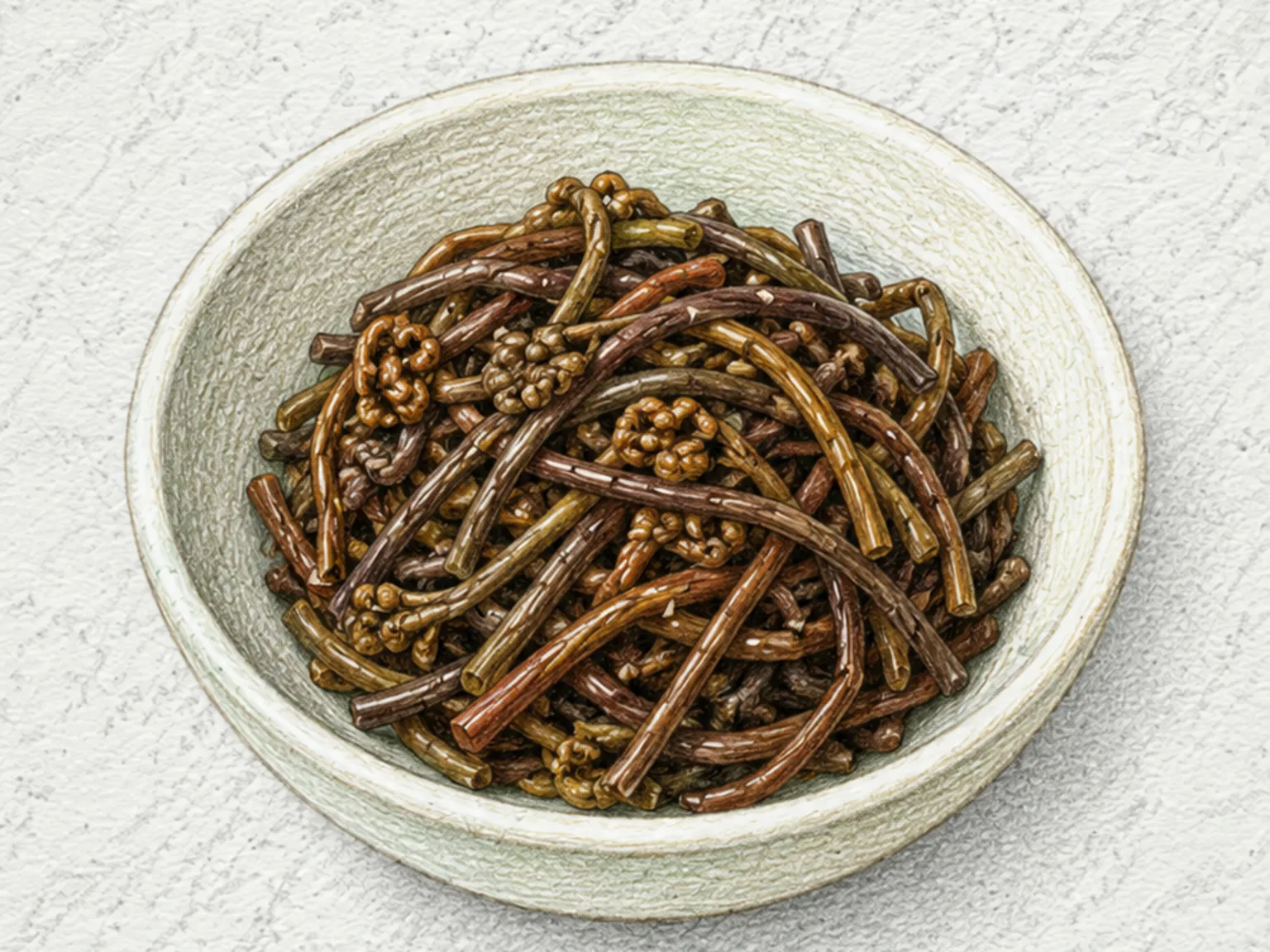
Miyeok julgi jangajji is a Korean seaweed stem pickle made by soaking salted seaweed stems long enough to remove the excess salt, blanching them briefly, and submerging them with sliced onion and cheongyang chili in a brine of dark soy sauce, vinegar, and sugar brought to a boil. The stems' characteristic crunchy-chewy bite holds up even as they absorb the brine, and a faint oceanic quality lingers beneath the soy sauce's savory depth and the sharp brightness of the vinegar. Onion adds natural sweetness to the pickling liquid, and the chili delivers a clean, piercing heat at the finish. Reboiling the brine, cooling it fully, and pouring it over a second time significantly extends shelf life, keeping the banchan in good condition in the refrigerator for three to four weeks or longer. After the first pour, allowing twenty-four hours before eating gives the stems enough time to fully absorb the brine and develop their proper flavor.

Spaghetti alle Vongole
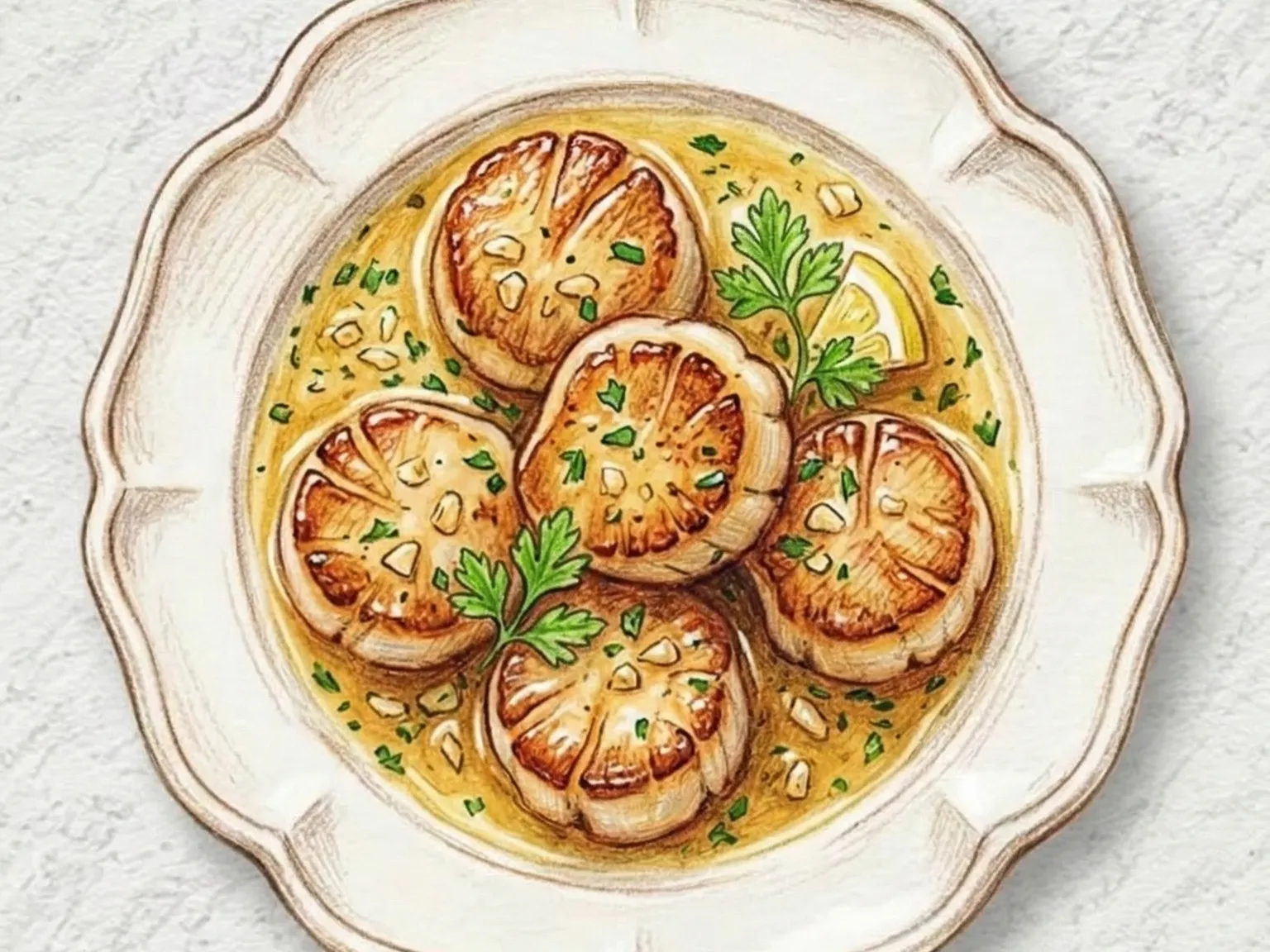
Spaghetti alle vongole is an Italian pasta where clams are cooked in olive oil with sliced garlic, chili flakes, and dry white wine until they open and release their briny juices. The spaghetti is boiled one minute short of al dente, then finished in the clam pan with a few tablespoons of starchy pasta water to create an emulsified sauce. Vigorous tossing for about a minute binds the oil and clam liquid into a glossy coating around each strand. Fresh parsley is added at the end for color and herbal freshness.

Truffle Cream Pasta
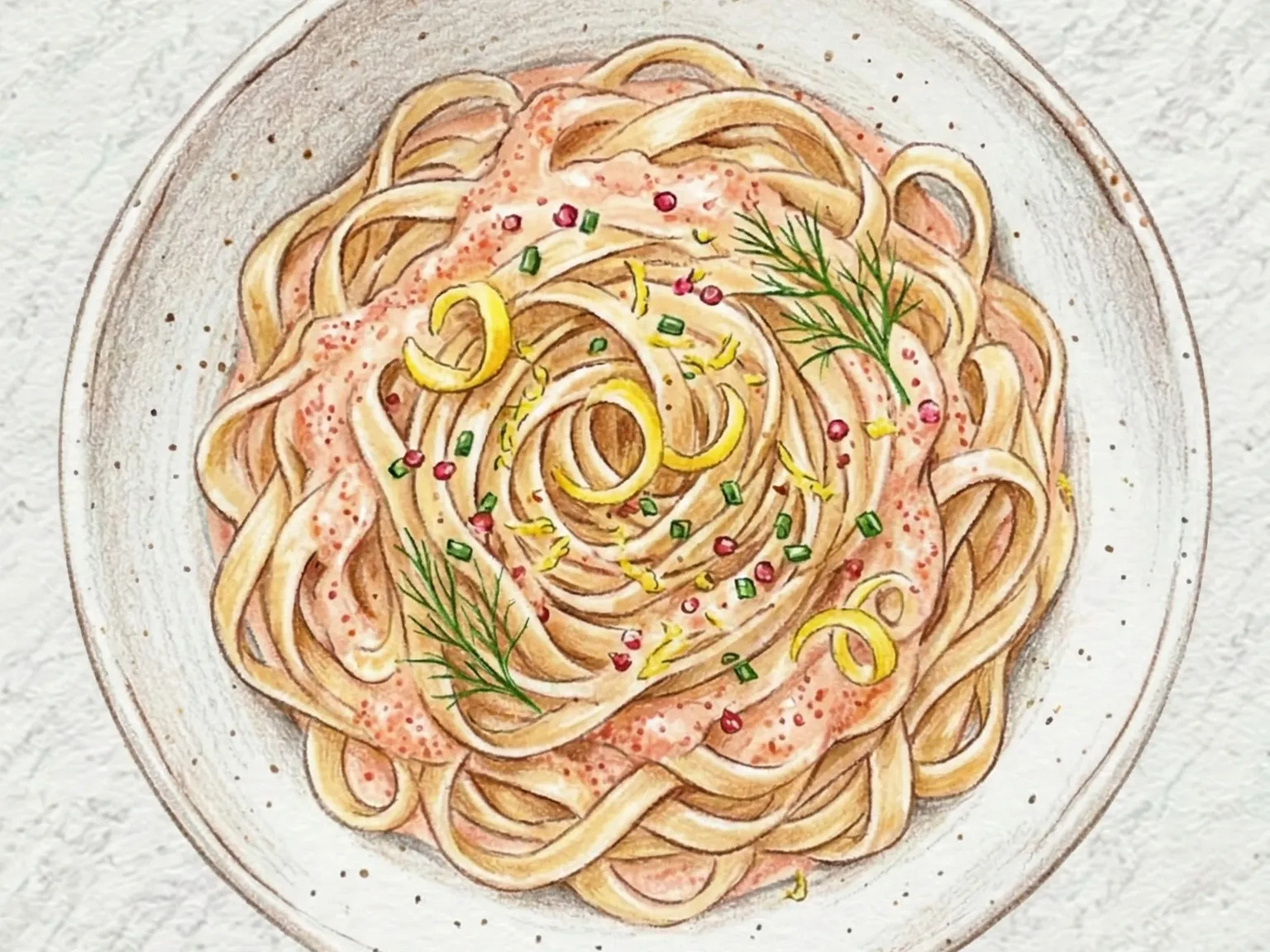
Truffle cream pasta cooks fettuccine al dente, reserves pasta water, then tosses the noodles in a sauce built by sweating garlic in butter, simmering heavy cream, and melting in Parmesan cheese before finishing with truffle oil off the heat. Adding truffle oil only after the burner is off preserves its volatile earthy and mushroom-like aroma - even brief exposure to direct heat dulls the fragrance significantly. The cream needs just two minutes of simmering to thicken to the right consistency; reducing it further makes the sauce too heavy to coat the pasta evenly. Stirring in Parmesan creates body, and splashes of starchy pasta water emulsify the fat and cheese into a smooth, clinging sauce. The dish should be plated and eaten immediately - truffle aroma fades quickly once it leaves the pan, and the sauce continues to tighten as it cools.

Malai Kofta (Indian Paneer Potato Dumplings in Creamy Tomato Sauce)
Malai kofta is a celebratory vegetarian dish from North India in which dumplings made from mashed potato and crumbled paneer are fried until golden-brown, then placed in a velvety tomato-cream gravy. The exterior of each kofta crisps in the oil while the interior remains soft and filled with mild paneer, so that when broken open in the gravy, the cheese spills into the sauce and enriches it further. The gravy is built from a base of slow-cooked onions and tomatoes pureed until smooth, finished with cashew nut paste and heavy cream for a rich, dense texture. Cashew paste is the key technique here, adding a nutty creaminess that coconut milk or plain cream alone cannot replicate. Garam masala and a touch of turmeric contribute warm, fragrant spice without sharp chili heat, keeping the dish approachable and suitable for formal occasions. The koftas should be added to the gravy just before serving, since extended soaking softens the exterior and causes them to break apart. Served alongside naan or basmati rice, malai kofta is a standard centerpiece at Indian wedding feasts and festival gatherings, prized as much for its visual richness as for its flavor.