Charim

2686 Korean & World Recipes

2686+ Korean recipes, clean and organized. Ingredients to instructions, all at a glance.

Recipes with garlic

24 recipes

Buy garlic
Korean Beef Cabbage Leaf Stew
StewsMedium

Korean Beef Cabbage Leaf Stew

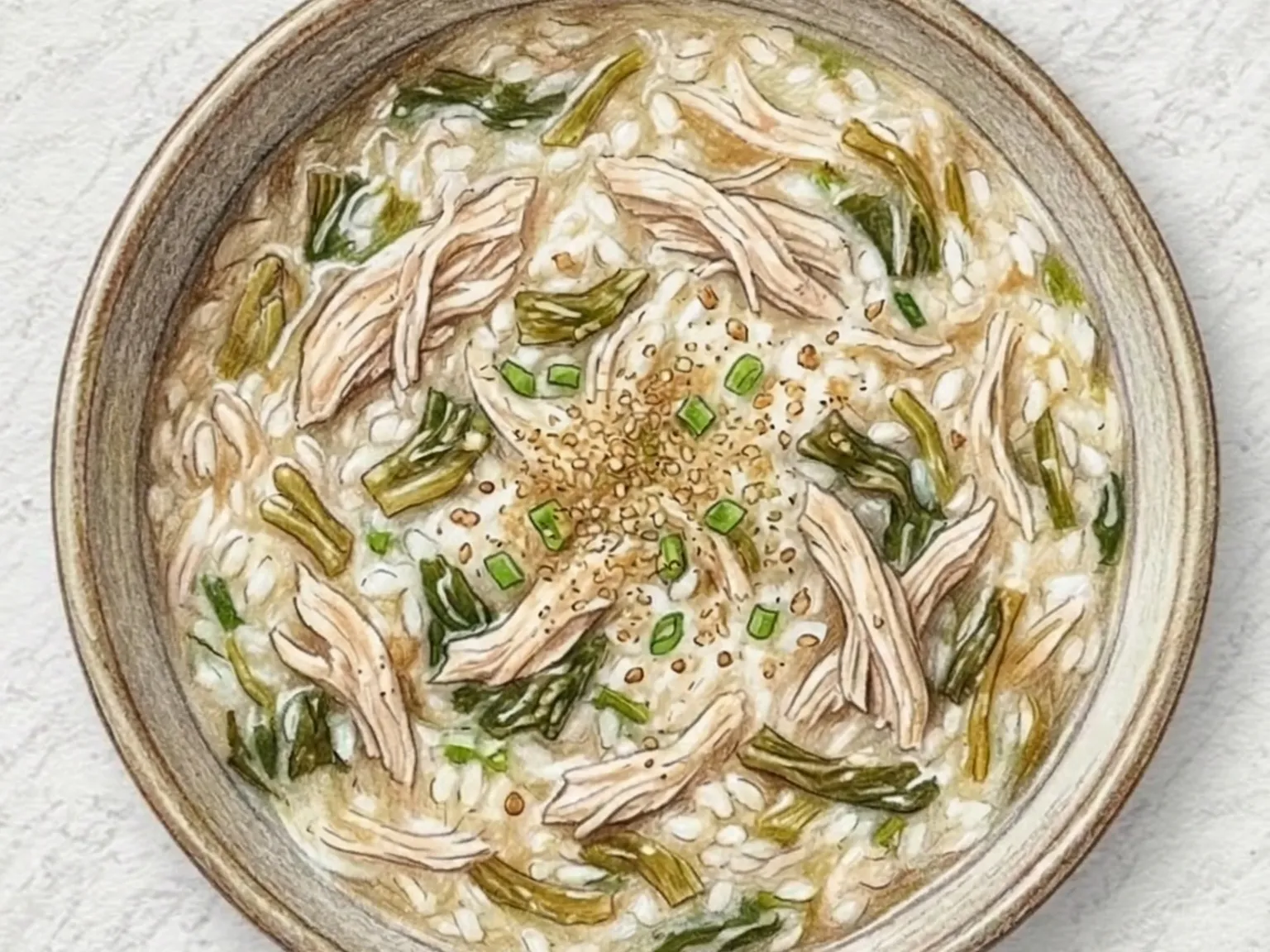
Beef brisket and blanched napa outer leaves are slow-simmered with doenjang in this hearty Korean stew. The brisket renders a rich, meaty broth that permeates every strand of the fibrous ugeoji leaves. Gochugaru and perilla oil contribute mild heat and nutty undertones, while soup soy sauce refines the seasoning. Green onion and garlic brighten the deep, long-cooked flavors, making this a nourishing stew built on a foundation of quality beef stock.

🏠 Everyday
Prep 20minCook 35min4 servings
Korean King Oyster Mushroom Stir-fry with Perilla
Side dishesEasy

Korean King Oyster Mushroom Stir-fry with Perilla

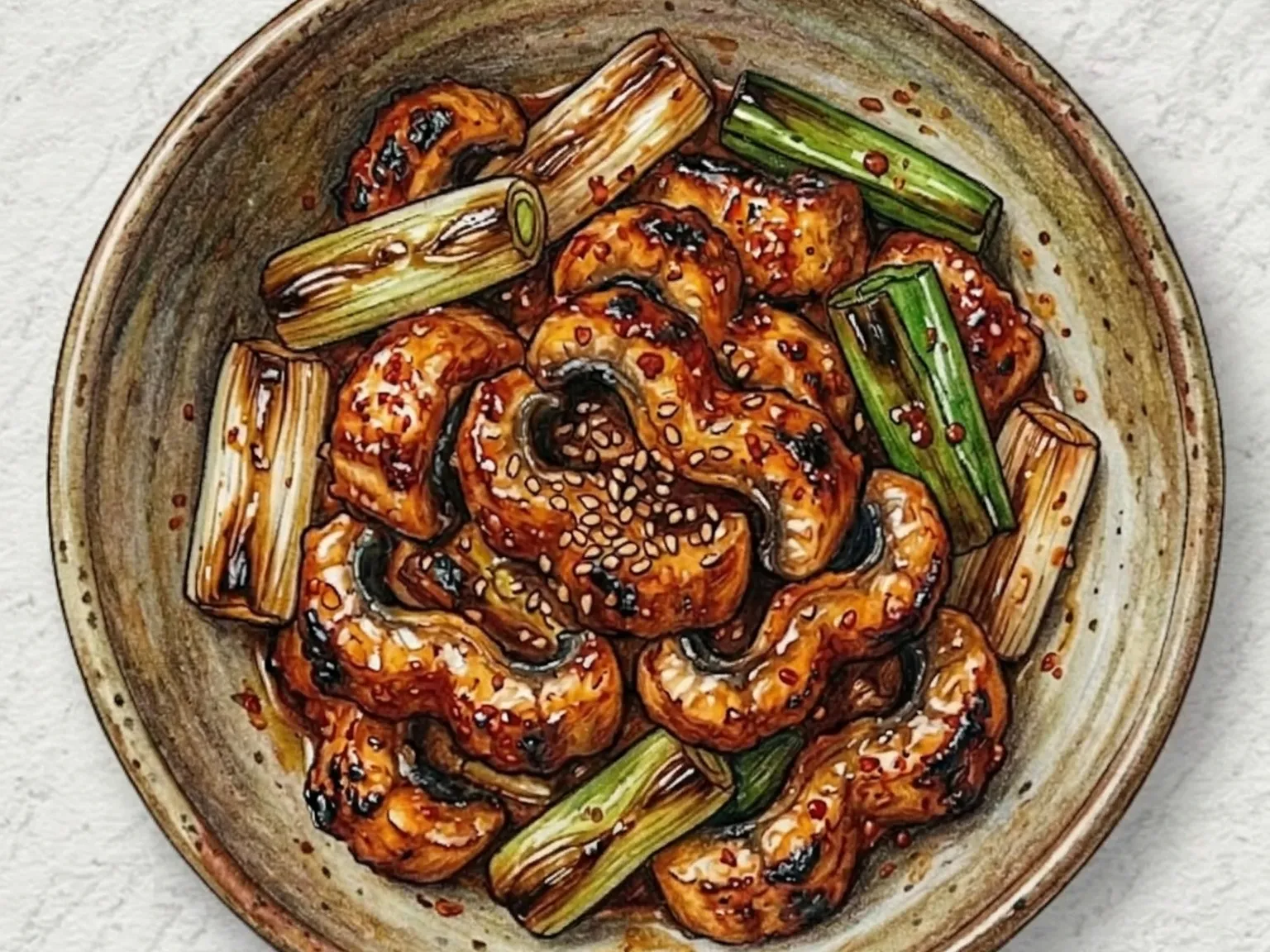
This stir-fry combines 250 grams of julienned king oyster mushrooms with onion, cooked rapidly over high heat in perilla oil and cooking oil to prevent the mushrooms from releasing too much water. Garlic is sauteed for 20 seconds first to infuse the oil, followed by onion for one minute to draw out its natural sweetness. The mushrooms then go in for a quick two-minute toss before soup soy sauce and a splash of water are added to create a light braising liquid. One and a half tablespoons of ground perilla seeds are stirred in during the final minute, thickening the sauce into a creamy coating without becoming pasty. Scallion is added off heat for a finishing touch of color and freshness.

🏠 Everyday🍱 Lunchbox
Prep 10minCook 8min2 servings
Korean Stir-fried Sausage
Stir-fryEasy

Korean Stir-fried Sausage

Sosegi-bokkeum is a Korean sausage stir-fry where scored Vienna sausages are dry-fried until golden, then tossed with onion in a sauce of ketchup, gochujang, oligosaccharide syrup, and soy sauce. Scoring the sausages lets the sweet-spicy glaze seep into every cut, so the flavor is consistent from edge to center. The sauce caramelizes quickly -- just two minutes of tossing coats the sausages in a glossy, clingy layer. Finished with sesame seeds and sliced green onion, it is a staple banchan that packs well in lunchboxes.

🏠 Everyday🧒 Kid-Friendly
Prep 5minCook 10min2 servings
Korean Beef Radish Soup (Sesame Oil Braised Beef and Daikon)
SoupsEasy

Korean Beef Radish Soup (Sesame Oil Braised Beef and Daikon)

Sogogi muguk is one of the most frequently cooked soups in Korean households, built from just two main ingredients: beef and daikon radish. Thin-cut beef is stir-fried in sesame oil until lightly browned, then thick radish slices go into the pot before water is added. As the soup comes to a boil and then settles into a steady simmer, the radish transforms: its initial sharpness mellows into a clean sweetness that balances the beef's depth, and its starch clouds the broth just enough to give it body. Soup soy sauce provides the seasoning, tinting the liquid a pale amber while pushing umami forward over saltiness. Minced garlic added near the end lends a quiet heat that sits behind the main flavors rather than competing with them. The radish, when properly cooked, should yield easily to a spoon yet still hold a hint of structure at its center. This soup also serves as the foundational broth for tteokguk on Lunar New Year, and Koreans reach for it instinctively when the weather turns cold or the body needs warming.

🏠 Everyday
Prep 15minCook 40min4 servings
Korean Beef Brisket & Bean Sprout Chili Stew
StewsEasy

Korean Beef Brisket & Bean Sprout Chili Stew

Thin-sliced beef brisket and mung bean sprouts are simmered with Cheongyang chilies in this spicy stew. The marbled brisket releases its fat into the anchovy-based broth, creating a rich, beefy foundation. Crunchy bean sprouts provide textural contrast, while two Cheongyang chilies deliver a sharp, direct heat. Tofu, onion, and green onion round out the stew, seasoned with Korean chili flakes and soup soy sauce for a layered, fiery bowl.

🏠 Everyday
Prep 15minCook 20min2 servings
Korean Seasoned Deer Fern Namul
Side dishesMedium

Korean Seasoned Deer Fern Namul

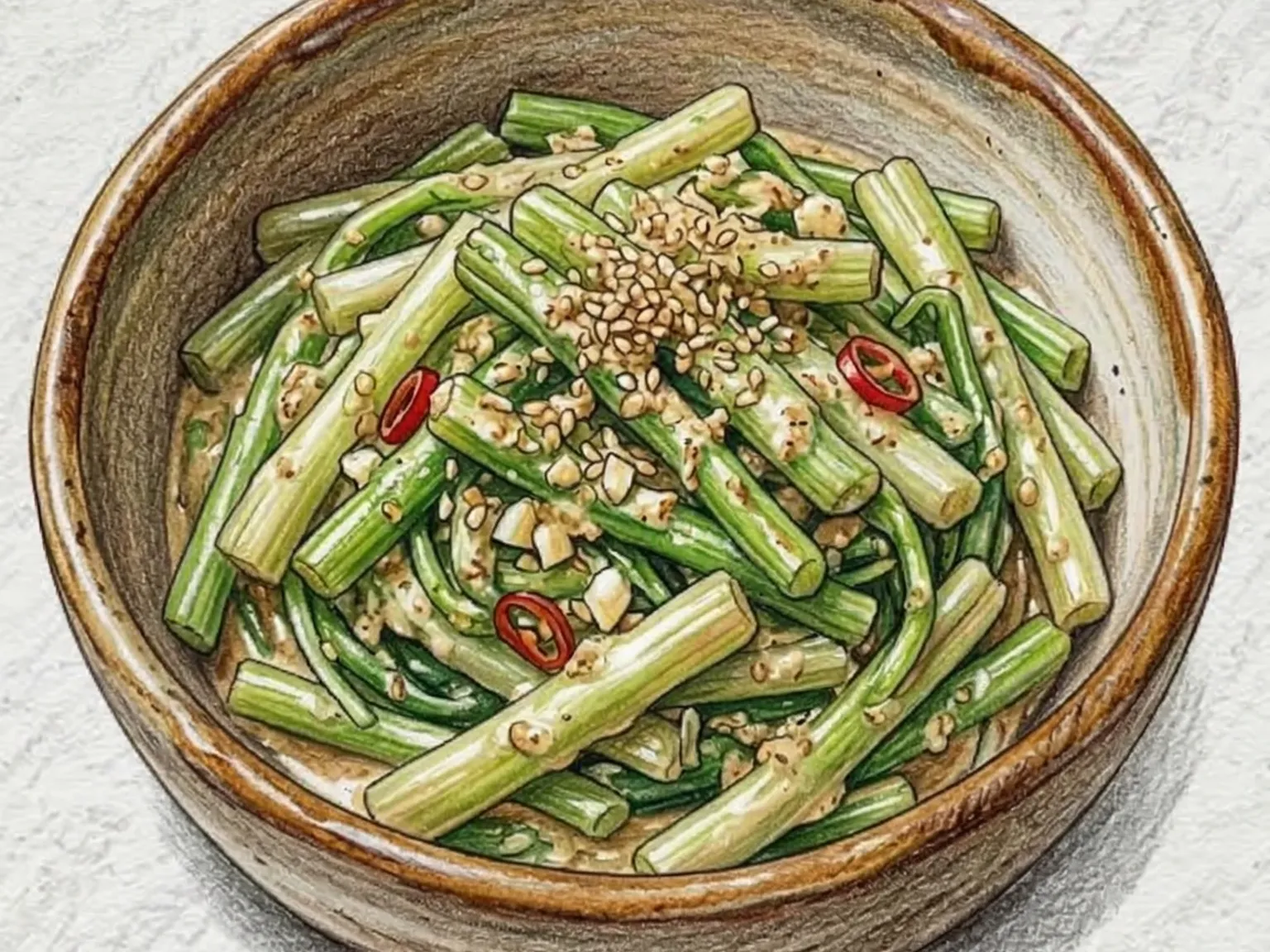
Samnamul-muchim is a Korean mountain vegetable side dish made from 220 grams of deer fern, a spring foraged green with a distinctively herbal, slightly bitter flavor. Blanching for one minute and immediately rinsing in cold water tempers the fern's wild aroma to a pleasant, manageable level while preserving its tender bite. The dressing of soup soy sauce, perilla oil, minced garlic, chopped green onion, and ground sesame keeps the dish clean in both color and flavor, letting the fern's natural character come through. Cut into 4-centimeter lengths for easy eating, each piece carries a gentle earthiness that pairs naturally with steamed rice. The ground sesame adds a subtle crunch and nuttiness that complements the perilla oil.

🏠 Everyday🍱 Lunchbox
Prep 10minCook 5min4 servings
Korean Spicy Braised Tofu
Stir-fryEasy

Korean Spicy Braised Tofu

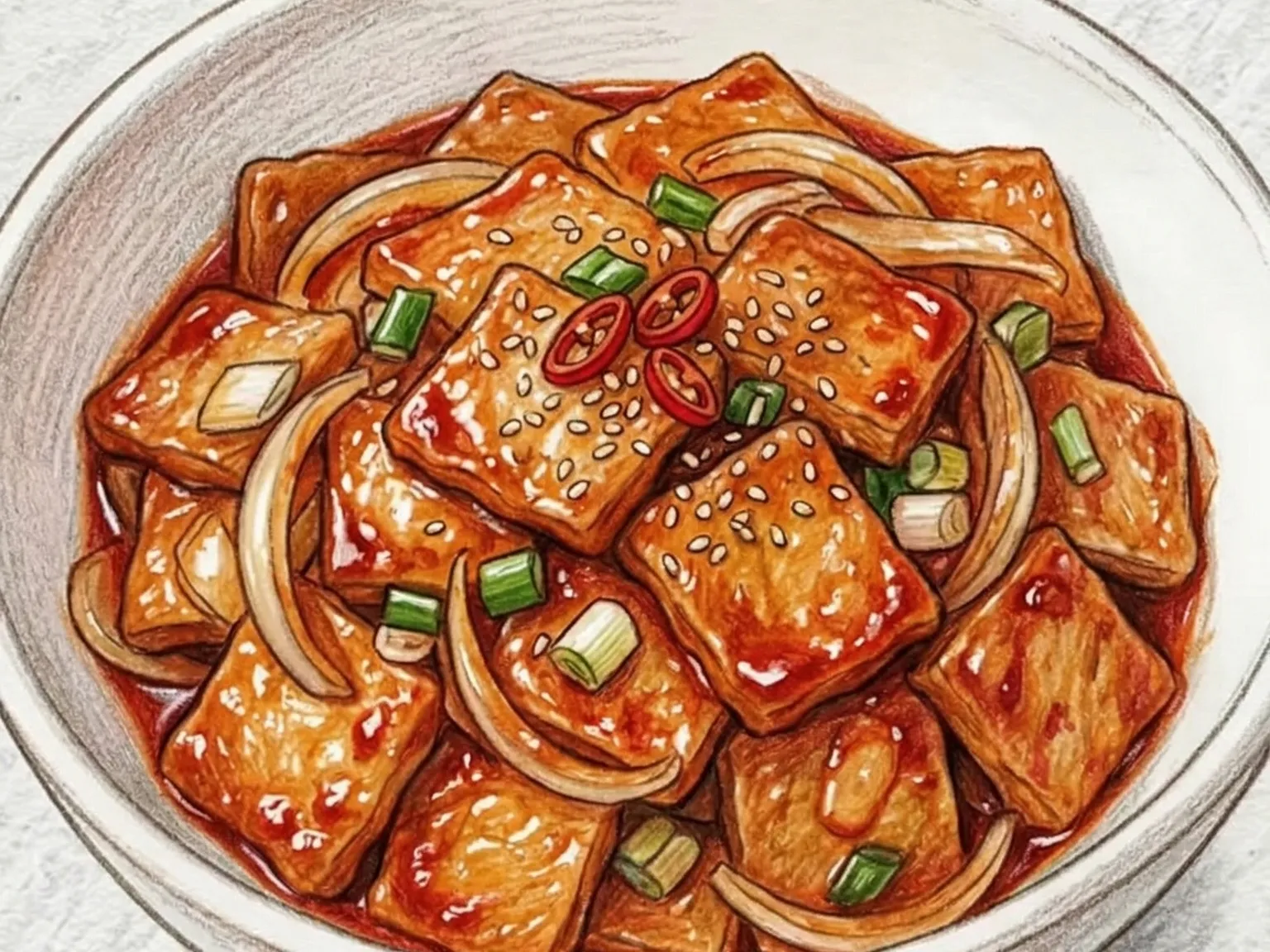
Spicy dubu-jorim pan-sears firm tofu slabs cut 1.5 centimeters thick until golden on both sides, then braises them in a sauce of soy sauce, gochugaru, garlic, and sugar. Searing first firms the tofu so it holds its shape through the eight-minute simmer, during which onion and green onion cook alongside in the reducing liquid. The chili flakes deliver a direct, persistent heat that penetrates the tofu as the sauce thickens, balanced by the sugar's sweetness. A final circle of sesame oil ties the flavors together with a roasted, nutty aroma.

🏠 Everyday🍱 Lunchbox
Prep 10minCook 15min2 servings
Korean Beef Bean Sprout Soup
SoupsMedium

Korean Beef Bean Sprout Soup

Sogogi sukju-guk is a quick Korean soup where seared beef and crisp mung bean sprouts come together in a clear, invigorating broth. The beef brisket is first stir-fried in sesame oil to render its fat and deepen its flavor, then water is added and brought to a rolling boil. Bean sprouts enter the pot only in the final minutes so they retain their signature crunch - the plump heads snap between the teeth while the slender tails wilt just enough to release moisture that lightens and clarifies the broth. The contrast between the beefy richness and the sprouts' clean, almost grassy freshness keeps the soup feeling bright rather than heavy. Soup soy sauce and a spoonful of minced garlic round out the seasoning without masking the main ingredients. Because bean sprouts lose their texture quickly once overcooked, the soup is best ladled into bowls the moment it is done. Koreans often spoon it over steamed rice for a fast, satisfying meal that feels both nourishing and easy on the stomach.

🏠 Everyday
Prep 15minCook 30min4 servings
Korean Yeolmu Doenjang Stew
StewsEasy

Korean Yeolmu Doenjang Stew

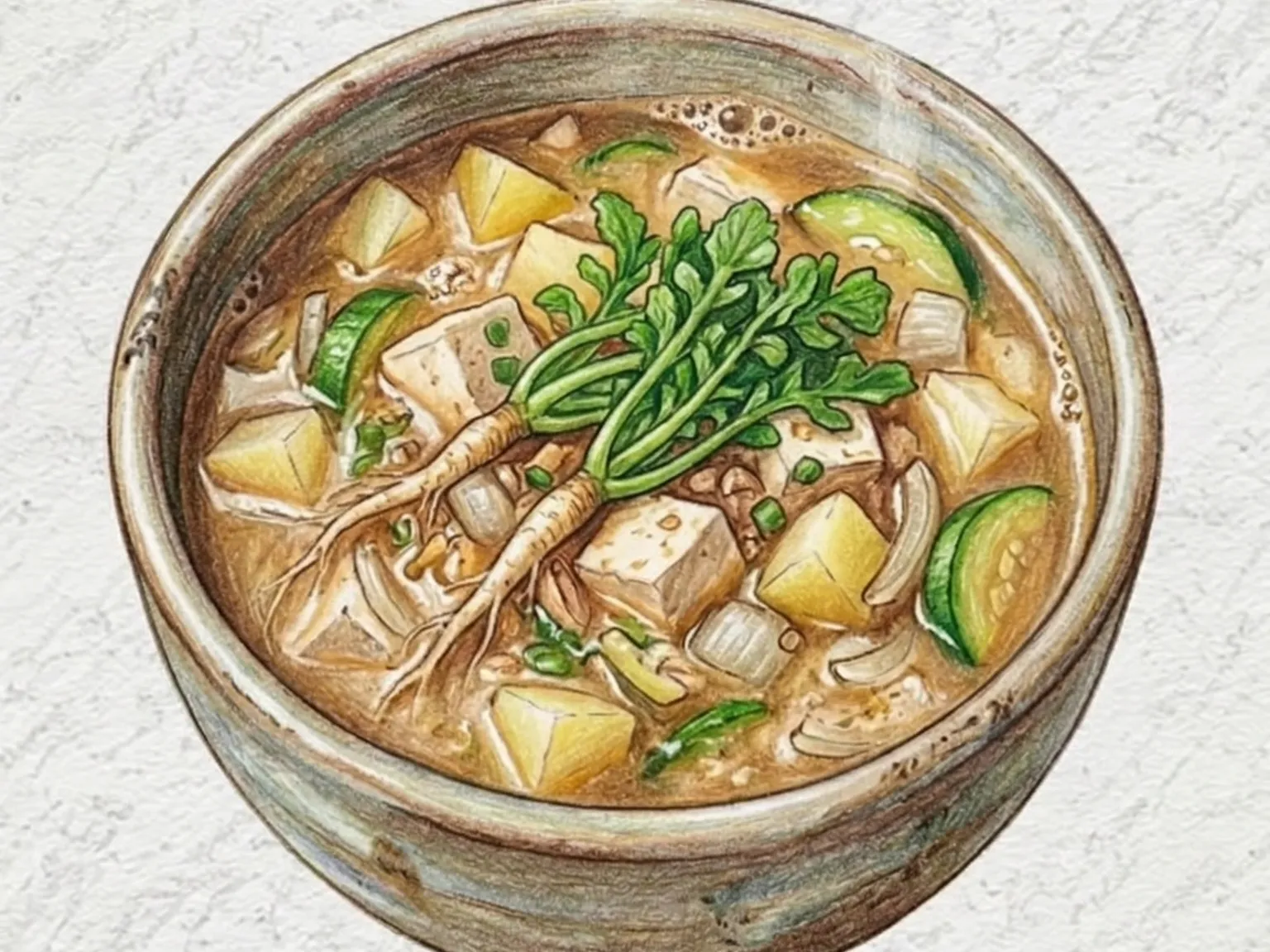
Seasonal young radish greens and fermented soybean paste come together in this refreshing summer stew designed to cool the body. The preparation begins with a clean anchovy and kelp stock, where doenjang is carefully dissolved to ensure a smooth consistency without clumps. Young radish greens, or yeolmu, contribute a signature crunch and a faint bitterness that softens as it simmers alongside sweet onions and zucchini. This natural sweetness from the onion balances the earthy profile of the fermented paste while gochugaru adds a hint of heat and a warm red hue to the broth. To preserve the crisp texture of the greens, add them after the doenjang and limit the simmering time to about five to seven minutes. Tofu should be introduced at the very end to prevent it from breaking apart while absorbing the savory liquid. The clean mineral finish provided by the kelp makes this dish an excellent companion for barley rice during humid months. For additional layers of flavor, sliced Cheongyang chilies increase the spiciness and a spoonful of perilla powder introduces a toasted quality to the base. If using low-sodium paste, a small amount of soup soy sauce helps achieve a balanced profile. Since young radish greens possess a distinct herbal fragrance at their peak, this stew delivers its best quality when served immediately on the day it is prepared.

🏠 Everyday
Prep 15minCook 20min2 servings
Korean Fresh Lettuce Geotjeori
Side dishesEasy

Korean Fresh Lettuce Geotjeori

Sangchu-geotjeori is a last-minute lettuce salad where 120 grams of lettuce, torn into bite-size pieces, is tossed for no more than 20 seconds in a dressing of red pepper flakes, soy sauce, vinegar, plum syrup, minced garlic, and sesame oil. The lettuce must be thoroughly dried after washing so the dressing adheres to the leaves rather than pooling at the bottom. Thinly sliced onion adds crunch and a sharp edge that complements the mild bitterness of the lettuce. Plum syrup provides a fruity sweetness that is more subtle than granulated sugar, while the vinegar tempers the chili heat. Serving immediately is critical - within minutes the leaves begin to wilt, losing the crisp texture that defines this dish.

🏠 Everyday🍱 Lunchbox
Prep 10min2 servings
Korean Stir-fried Crown Daisy and Mushrooms
Stir-fryEasy

Korean Stir-fried Crown Daisy and Mushrooms

Ssukgat-beoseot-bokkeum is a quick stir-fry of oyster mushrooms and crown daisy (ssukgat) cooked in a garlic-infused pan. The mushrooms are seared over high heat to drive off moisture and develop a chewy bite, while the crown daisy stems and leaves go in at staggered intervals to preserve their crunch and aroma. Soy sauce and cooking wine provide the seasoning base, finished with sesame oil and toasted sesame seeds. The slightly bitter, herbal character of the crown daisy plays off the mild earthiness of the mushrooms for a clean, well-defined flavor.

🏠 Everyday🍱 Lunchbox
Prep 10minCook 8min2 servings
Korean Oxtail Soup
SoupsHard

Korean Oxtail Soup

Sokori-guk demands patience - oxtail pieces are soaked in cold water to draw out blood, then placed in a heavy pot with enough water to cover and simmered for at least three to four hours. During that long, slow cook, collagen buried in the joints and connective tissue dissolves into the liquid, producing a broth so rich in gelatin that it sets into a solid block when refrigerated. Skimming fat and foam at regular intervals keeps the final broth a clean, milky white with no greasy residue. The meat, once it slides easily off the bone, is torn along the grain into shreds that are impossibly soft, while the tendon segments offer a pleasantly bouncy chew. Seasoning is deliberately minimal - coarse salt, black pepper, and sliced scallion - because the bones themselves have already contributed all the depth the soup needs. Served with a bowl of steamed rice and a side of kkakdugi, the cubed radish kimchi's sharp tang provides the only counterpoint this quietly powerful broth requires.

🏠 Everyday🎉 Special Occasion
Prep 25minCook 210min4 servings
Korean Octopus and Tofu Hot Pot
StewsMedium

Korean Octopus and Tofu Hot Pot

This Korean hot pot features octopus and tofu in a clear anchovy broth seasoned simply with soup soy sauce and garlic. The octopus pieces are springy and firm, while the tofu softens in the simmering broth. Korean radish lends subtle sweetness, and water dropwort adds a fresh herbal note with its celery-like crunch. Served bubbling at the table, yeonpo jeongol is a communal dish meant for sharing throughout the meal.

🎉 Special Occasion
Prep 25minCook 18min4 servings
Korean Konjac Noodle Salad
Side dishesEasy

Korean Konjac Noodle Salad

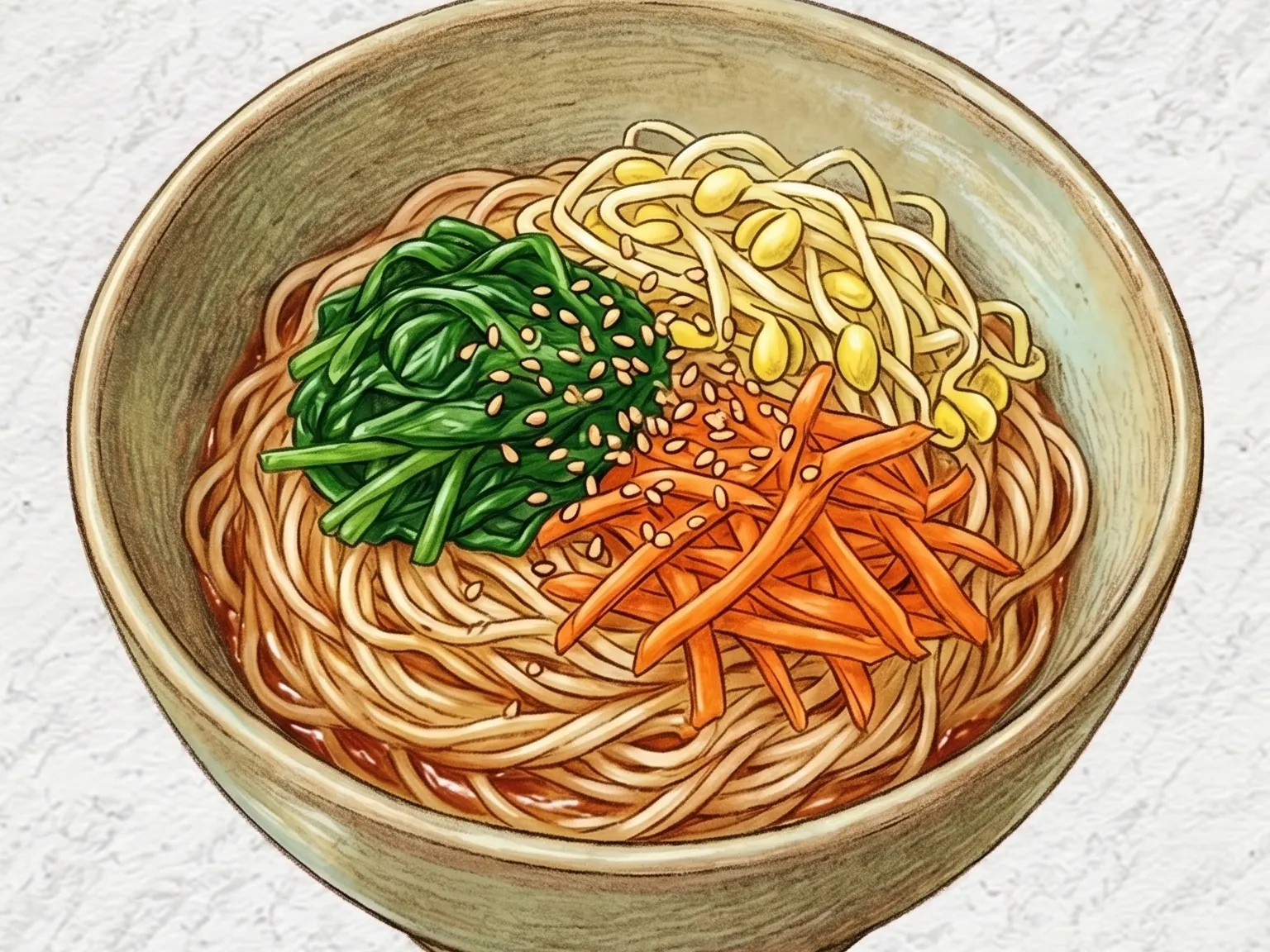
Silgonyak-chae-muchim tosses 250 grams of blanched konjac noodles with julienned cucumber, carrot, and onion in a gochujang-based dressing spiked with vinegar, sugar, soy sauce, and garlic. Blanching the noodles for two minutes removes their faint alkaline smell and softens their rubbery chew to a pleasant springiness. The vegetables provide crisp contrast - cucumber adds a cool snap, carrot a mild sweetness, and onion a sharp bite. The dressing clings to the translucent noodles, turning them a vivid reddish hue. At only 95 calories per serving, this banchan relies on texture and bold seasoning rather than fat for its appeal. Chilling for 10 minutes before serving firms up the noodles and intensifies the tangy-spicy flavor profile.

🥗 Light & Healthy🏠 Everyday
Prep 12minCook 3min2 servings
Korean Pork & Crown Daisy Stir-fry
Stir-fryEasy

Korean Pork & Crown Daisy Stir-fry

Ssukgat-dwaeji-doenjang-bokkeum is a Korean stir-fry of pork shoulder marinated in doenjang (fermented soybean paste) and gochujang, cooked with onion and scallion before crown daisy is tossed in at the end. The doenjang penetrates the pork during marination, producing a deep, salty fermented savoriness once seared. Crown daisy is added briefly to keep its herbal fragrance and gentle bitterness intact, which cuts through the richness of the pork fat. The contrast between the heavy, umami-laden meat and the bright green aromatics keeps each bite balanced.

🏠 Everyday🍱 Lunchbox
Prep 15minCook 12min2 servings
Korean Beef Head Soup with Rice
SoupsHard

Korean Beef Head Soup with Rice

Somori-gukbap is a bowl of rice submerged in a milky, collagen-heavy broth extracted from a beef head that has been simmered for the better part of a day. The process begins by boiling the head in several changes of water to purge impurities, then committing it to a long, uninterrupted simmer until the connective tissue breaks down and enriches the liquid with natural gelatin. The finished broth is opaque white, clean-tasting despite its richness, and coats the mouth with a silky weight that plain beef stock cannot match. Sliced meat, pulled from the head after cooking, is lean yet intensely beefy, having surrendered its fat to the broth during the hours of simmering. Served in a stone pot with a mound of rice and a generous ladle of broth, the dish is typically accompanied by a saucer of seasoned soy sauce with chili flakes and a handful of chopped chives. Specialty restaurants start their pots before dawn and keep them rolling until the lunch rush, because in this dish, time is the irreplaceable ingredient.

🏠 Everyday🎉 Special Occasion
Prep 20minCook 180min4 servings
Korean Clear Broth Tofu Stew
StewsEasy

Korean Clear Broth Tofu Stew

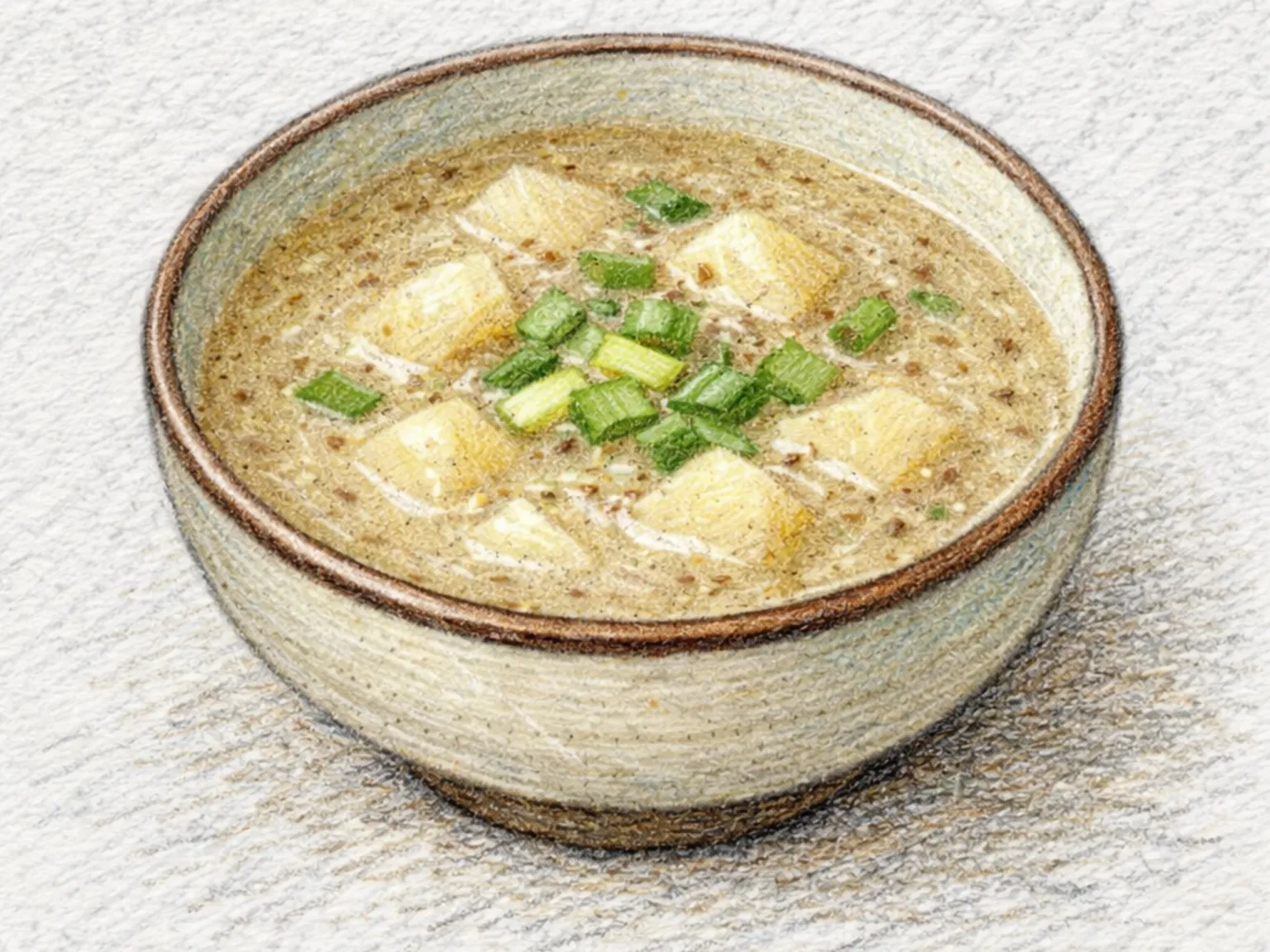
Tofu simmers in a deep beef stock alongside shiitake mushrooms and zucchini in this clean-flavored stew. The quality of the beef stock drives the entire dish, with shiitake mushrooms reinforcing the umami depth. Soft tofu cubes absorb the rich broth, while zucchini contributes a mild sweetness. Seasoned only with soup soy sauce and salt, this stew showcases a restrained, elegant approach to Korean jjigae without any chili heat.

🏠 Everyday
Prep 10minCook 15min2 servings
Korean Seasoned Crown Daisy Namul
Side dishesEasy

Korean Seasoned Crown Daisy Namul

Crown daisy greens are blanched for no more than ten seconds, just long enough to wilt the stems while preserving the leaves' intense herbal fragrance. This chrysanthemum-family herb carries a distinctive aroma that can overwhelm if overcooked but captivates when handled briefly. The dressing is straightforward: soy sauce provides the salty base, sesame oil contributes richness, and toasted sesame seeds burst with a nutty flavor when bitten. Through this simple seasoning, the crown daisy's slightly bitter, almost medicinal character cuts clearly, making the dish taste more vivid than its ingredient list suggests. Minced garlic and chopped green onion layer additional aromatics without competing with the main ingredient. Shocking the greens in ice water immediately after blanching locks in their bright green color, and squeezing out excess moisture before dressing prevents the sauce from diluting. The result is a namul with a clean, sharp personality that pairs well with milder dishes on a Korean table.

🏠 Everyday🍱 Lunchbox
Prep 8minCook 2min4 servings
Korean Beef and Bean Sprout Stir-fry
Stir-fryEasy

Korean Beef and Bean Sprout Stir-fry

Sukju-sogogi-bokkeum stir-fries thinly sliced lean beef and mung bean sprouts in soy sauce over high heat. The beef goes into a well-heated pan first to develop wok hei, then the sprouts are added for just one to two minutes to keep their crunch and moisture. Seasoning stays minimal with soy sauce, black pepper, and a finish of sesame oil, letting the ingredients speak for themselves. The result is a light stir-fry where the smoky sear of the beef meets the cool, watery snap of the sprouts.

🏠 Everyday🌙 Late Night
Prep 12minCook 8min2 servings
Korean Mugwort Soup (Spring Mugwort in Savory Doenjang Broth)
SoupsEasy

Korean Mugwort Soup (Spring Mugwort in Savory Doenjang Broth)

Ssuk-guk is a seasonal doenjang soup that appears on Korean tables during early spring, when young mugwort shoots are tender enough to eat. The base is an anchovy-kelp stock into which soybean paste is strained, creating a mellow, savory foundation. Fresh mugwort is added only at the very end of cooking - just long enough for the leaves to wilt - because extended heat dulls their vivid green color and drives off the fragrance that makes this soup worth making. When timed correctly, each spoonful delivers the herb's distinctive bittersweet aroma, somewhere between sage and chrysanthemum, layered over the fermented depth of the doenjang. Cubed tofu softens in the hot broth and provides a neutral, creamy texture that balances the herbal intensity. A scattering of sliced scallion on top adds a mild sharpness. The soup is deliberately simple, designed to let mugwort take center stage as a reminder that the long winter is finally over.

🏠 Everyday
Prep 10minCook 15min2 servings
Korean Stir-Fried Mung Bean Sprouts and Mushrooms
Side dishesEasy

Korean Stir-Fried Mung Bean Sprouts and Mushrooms

Mung bean sprouts and oyster mushrooms are tossed together in a hot pan for a stir-fry that contrasts the sprouts' crisp snap with the mushrooms' tender chew. Speed is critical: the sprouts lose their crunch within seconds of overcooking, so the entire process finishes in under a minute once the ingredients hit the oil. Tearing the oyster mushrooms along their natural grain rather than chopping them exposes more surface area, allowing the seasoning to penetrate each strand. Soup soy sauce seasons the dish with depth while keeping the color clean and light, and minced garlic and sliced green onion provide an aromatic backbone that fills the kitchen as the pan sizzles. Sesame oil is added just before removing from heat so its fragrance survives intact, and a scattering of toasted sesame seeds supplies a nutty accent. Both ingredients release significant moisture, so either salting them briefly beforehand or ensuring the pan is blazing hot prevents the stir-fry from turning soggy.

🏠 Everyday🍱 Lunchbox
Prep 12minCook 8min4 servings
Korean Tomato Dalgyal Bokkeum (Tomato Egg Stir-fry)
Stir-fryEasy

Korean Tomato Dalgyal Bokkeum (Tomato Egg Stir-fry)

Tomato-dalgyal-bokkeum uses a two-stage cooking method: eggs are scrambled to about 70% doneness and set aside, then returned to the pan with seared tomatoes for a final quick toss. The tomatoes release a small amount of juice when cooked briefly with oyster sauce and sugar, and the partially set eggs absorb this liquid to stay soft and moist. Bright tomato acidity, mild egg richness, and oyster sauce umami layer together without any single flavor dominating. Sharing roots with Chinese tomato egg stir-fry (xihongshi chaodan), it crosses easily into Korean home cooking.

🏠 Everyday🍱 Lunchbox
Prep 10minCook 7min2 servings
Korean Blood Sausage Soup
SoupsMedium

Korean Blood Sausage Soup

Sundae-guk is a hearty soup built on a long-simmered pork bone broth that turns milky white from hours of boiling. Thick slices of Korean blood sausage - pork intestine casing stuffed with glass noodles, barley, and pig's blood - sit in the center of the bowl, their chewy casing absorbing the hot broth while the dense filling inside stays warm and soft. Alongside the sundae, slices of boiled pork shoulder and, in more traditional versions, offal like liver or lung add variety in texture and a faint mineral note. The broth itself is rich yet surprisingly clean, seasoned at the table with either salted shrimp paste or coarse salt depending on the diner's preference. Stirring in a spoonful of dadaegi, a thick chili paste condiment, transforms the bowl entirely, cutting through the richness with a sharp heat. Some shops finish the soup with ground perilla seeds for added nuttiness. Rice is spooned directly into the bowl and eaten together with the broth, making sundae-guk one of the most satisfying cold-weather meals in the Korean street-food tradition.

🏠 Everyday
Prep 20minCook 45min4 servings
Korean Seasoned Mung Bean Sprouts
Side dishesEasy

Korean Seasoned Mung Bean Sprouts

Mung bean sprouts are blanched briefly in boiling water and dressed with sesame oil, salt, garlic, and toasted sesame seeds to produce one of the cleanest-tasting namul dishes on the Korean table. The blanching window is narrow: thirty seconds is enough to soften the raw edge while keeping the stems crunchy from tip to tail. Plunging the sprouts into cold water immediately halts the cooking and preserves their pale, translucent appearance. Salt draws out the sprouts' mild natural sweetness, and sesame oil wraps each strand in a thin, fragrant coat that makes the mouthfeel smooth without adding weight. Garlic is used sparingly so it accents rather than dominates the sprouts' delicate flavor. Toasted sesame seeds contribute a nutty depth that elevates the otherwise minimal seasoning. Thorough squeezing removes the water trapped between the tangled sprouts, ensuring the dressing clings rather than pools at the bottom of the bowl. Gentle hand-mixing prevents the fragile sprouts from bruising.

🏠 Everyday🍱 Lunchbox
Prep 5minCook 5min4 servings