Korean Chilled Cucumber Soup
Oi-naengguk is a Korean chilled cucumber soup served in summer as a cold alternative to the hot soups (guk) that normally accompany Korean meals. When midsummer heat makes a steaming bowl of doenjang-guk unappealing, this icy broth takes its place at the table. Cucumber is sliced paper-thin and submerged in a broth of water seasoned with rice vinegar, soup soy sauce, salt, and sugar - a higher vinegar ratio intensifies the refreshing, palate-clearing sharpness. Ice cubes floated on top or at least thirty minutes of refrigeration are essential to achieve the chilling effect that defines the dish. Thinly sliced garlic infuses a mild pungency into the broth, and sesame seeds sprinkled on top add a nutty accent. Some versions include rehydrated dried seaweed, whose slippery texture contrasts with the cucumber's crisp snap. Alongside bibimbap or spicy banchan, oi-naengguk serves as a cooling counterbalance that tempers chili heat between bites.

Korean Sautéed Spinach (Garlic Soy Sesame Spinach Side)
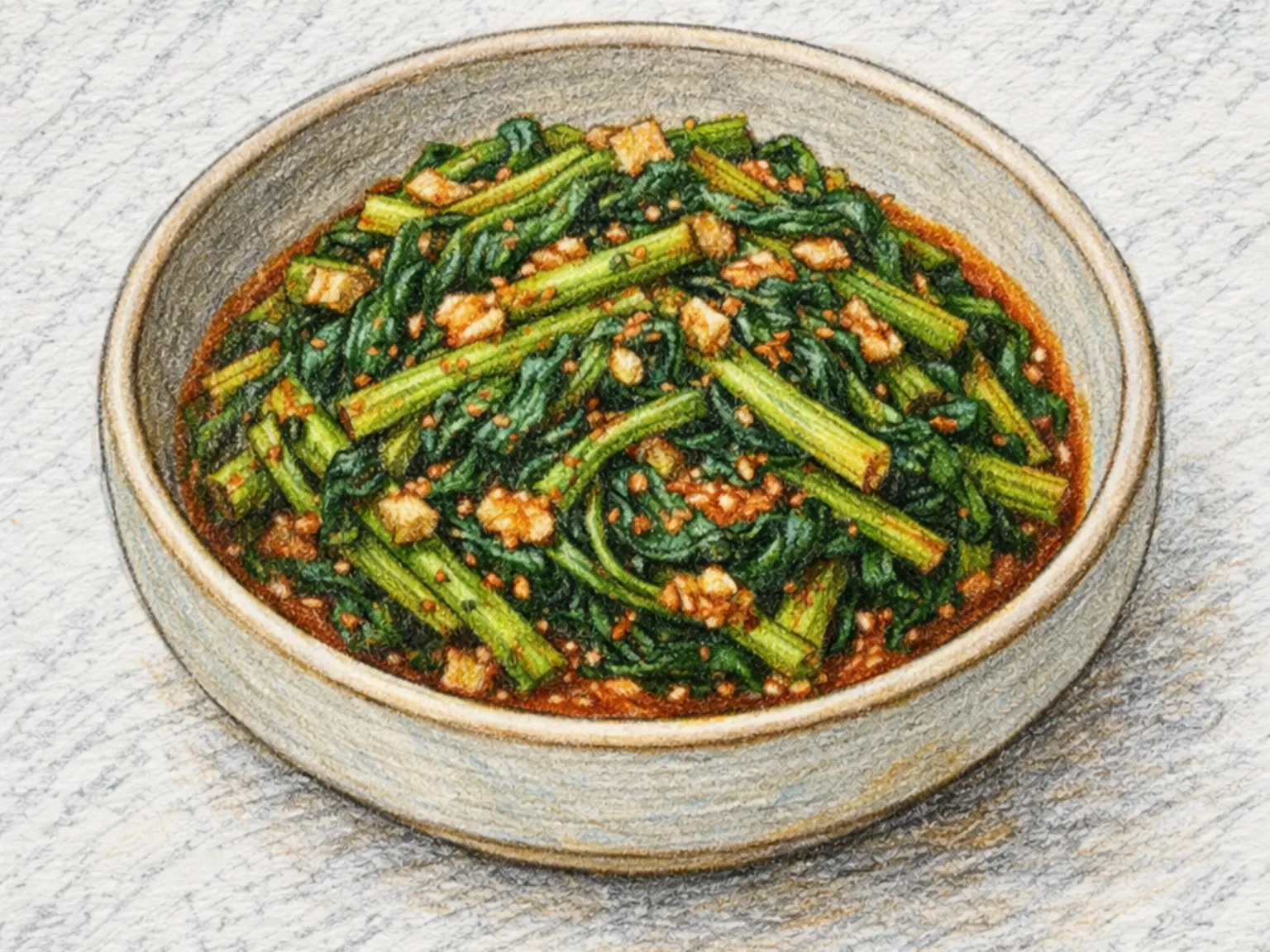
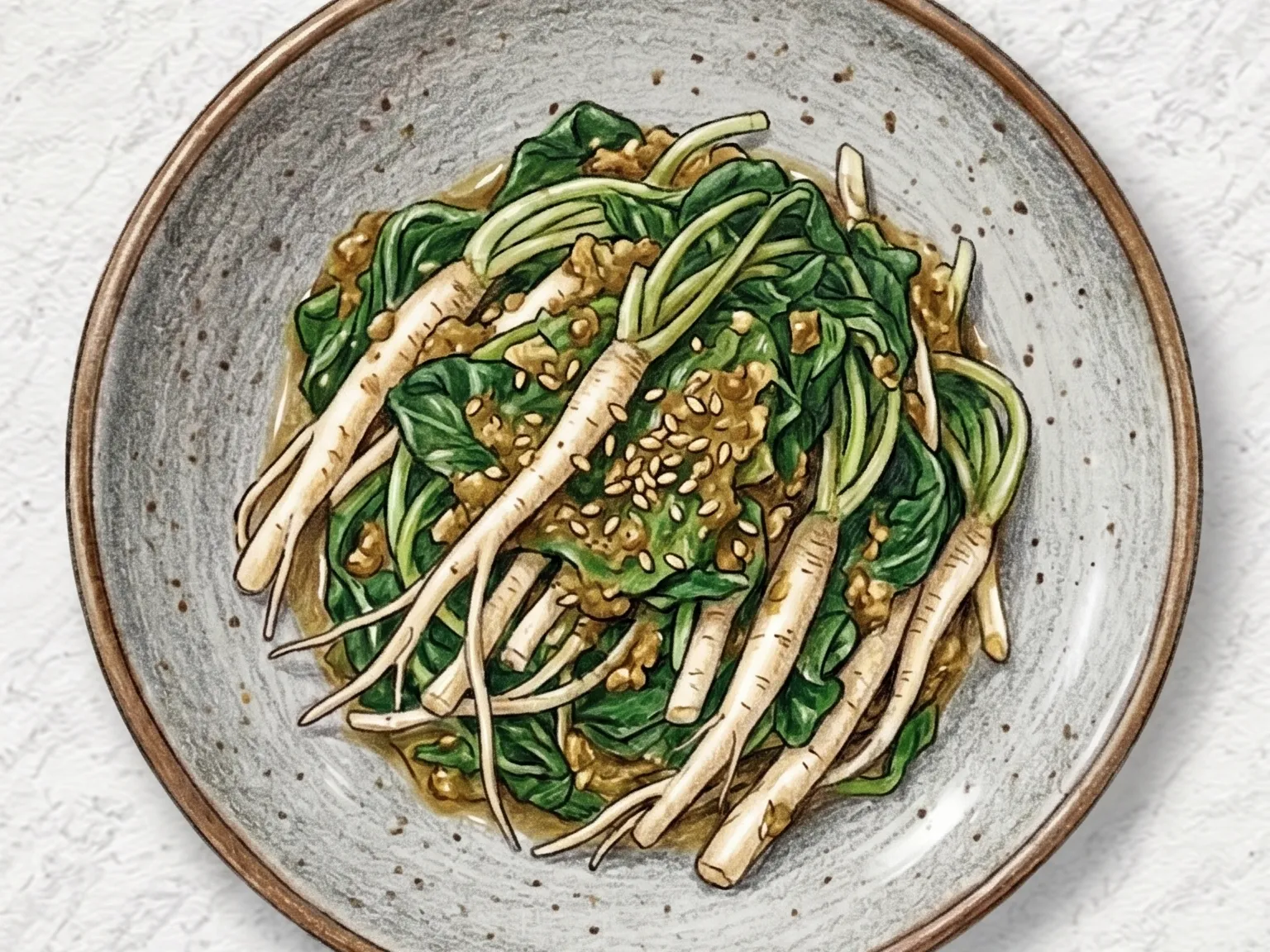
Sigeumchi-bokkeum is a Korean sauteed spinach side dish cooked in under five minutes -- spinach is stir-fried with sliced garlic in a hot pan with cooking oil for just two minutes, then seasoned with soy sauce. Draining the spinach thoroughly before cooking is essential; otherwise excess water pools in the pan and steams the leaves instead of searing them. Sesame oil and toasted sesame seeds added at the end provide a nutty finish that tempers spinach's mild grassiness. The brief cooking preserves the leaves' deep green color and most of their nutrients.

Korean Spinach Clam Soup (Light Shellfish and Greens Broth)
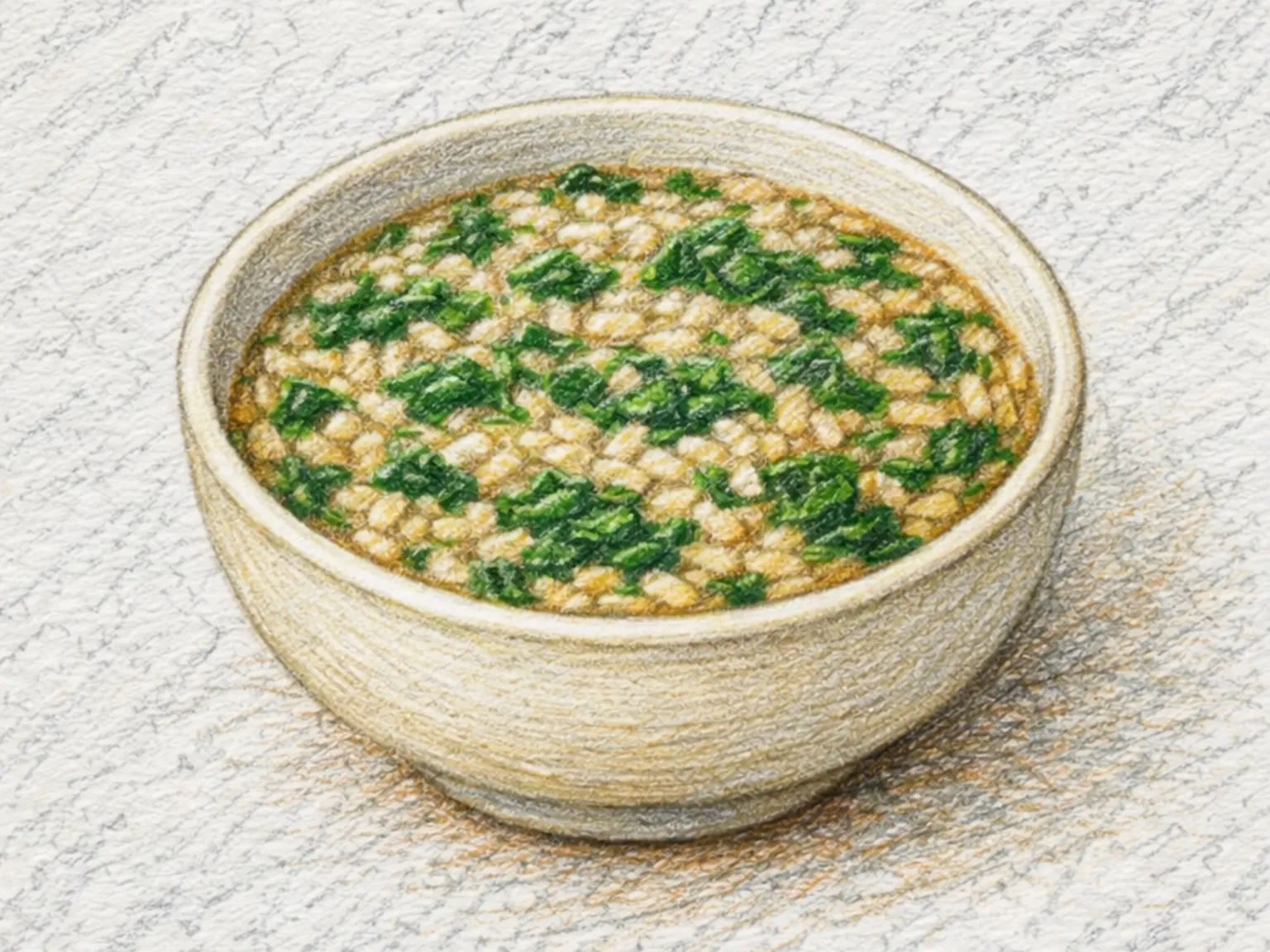
Sigeumchi-bajirak-guk pairs manila clams and spinach in a clean, transparent broth that lets both ingredients speak without interference from heavy seasoning or separately prepared stock. The clams are purged of sand and started in cold water, then brought slowly to a boil so each shell opens at its own pace, releasing a naturally briny, mineral-rich liquor that forms the entire foundation of the soup. No additional stock is needed, because the clam liquid is the stock. Spinach enters only in the final thirty to sixty seconds of cooking, which is the narrow window where the leaves soften just enough to be palatable while their vivid green color and delicate grassy flavor remain intact. Soup soy sauce and a small amount of garlic provide the only seasoning, and this restraint is deliberate: any stronger flavoring would bury the subtle sweetness of fresh clam broth. The grassy undertone in the spinach quietly neutralizes any sharp seafood edge, leaving the soup tasting clean and deeply refreshing. The nutritional logic behind this combination is frequently cited in Korean households: spinach is among the most iron-dense vegetables, and clams supply taurine and zinc in meaningful amounts, making the soup a regular recommendation for children in growth phases and for pregnant women. From first clam into the pot to finished bowl takes no more than fifteen minutes, which helps explain its steady presence on weeknight dinner tables throughout Korea.

Korean Soft Tofu Stew (Silken Tofu in Spicy Clam Broth)
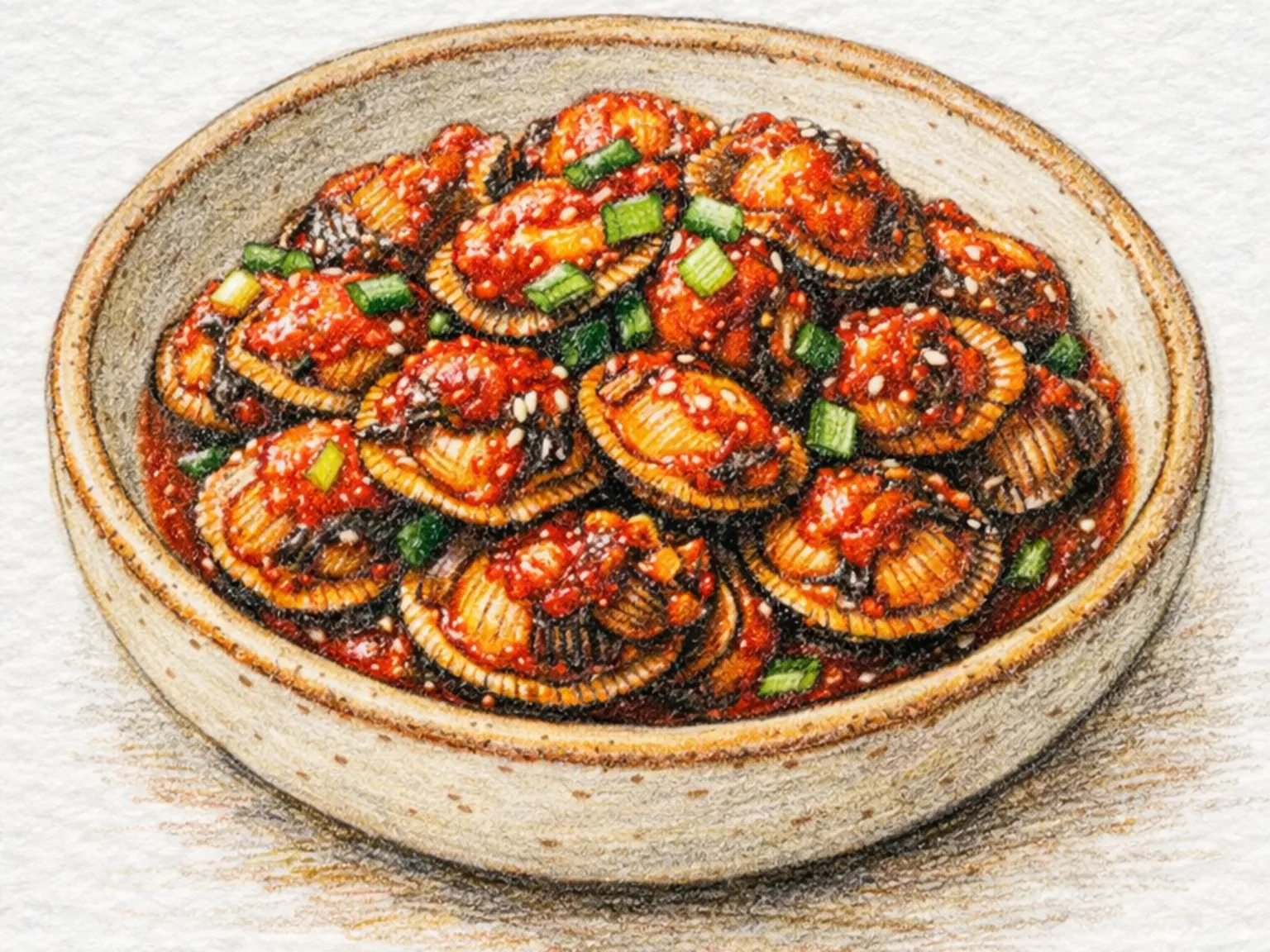
Sundubu-jjigae is one of Korea's most recognizable stews, built around silken soft tofu simmered in a fiery broth with clams, ground pork, and gochugaru. The process starts by frying sesame oil, chili flakes, and garlic together until the fat turns red and fragrant, which becomes the flavor foundation of the entire pot. Stock is poured in and brought to a hard boil, then two eggs are cracked directly onto the surface of the stew and left to set into a soft, barely-cooked yolk. Clams bring a clean oceanic salinity to the broth while the pork provides a meatier, rounder depth, and the two work together to create a layered complexity that neither delivers alone. The stew is served still boiling in an earthenware pot because the clay retains heat far longer than metal, keeping every spoonful scalding from first to last. A scoop of rice stirred into the leftover broth absorbs the spicy, savory liquid completely.

Korean Steamed Lotus Root
Yeongeun-jjim is Korean steamed lotus root where thick-cut slices are braised gently in a soy sauce, sugar, and cooking wine seasoning under a covered lid. The thick cross-sections absorb the sauce slowly, developing a sweet-salty coating on the outside while maintaining a crisp-chewy dual texture inside. Sesame oil added at the end lifts a toasted fragrance, and scattered sesame seeds provide visual contrast. With only a handful of ingredients, this side dish showcases the lotus root's natural starchy character in a clean, understated preparation.

Korean Spicy Squid Salad (Gochujang Blanched Squid)
Ojingeo-muchim tosses blanched squid in a gochujang-vinegar dressing for a tangy, spicy seafood banchan that works equally well as a rice side dish or as anju with drinks. Squid, unlike vegetables, has an extremely narrow blanching window that determines the entire outcome: one minute to ninety seconds in boiling water is the limit. Beyond that, the proteins contract and the texture turns rubbery; under that, the interior stays translucent and fishy. Plunging into ice water immediately after blanching halts carryover cooking and locks in the ideal springy-bouncy texture. The dressing combines gochujang, gochugaru, vinegar, sugar, garlic, sesame oil, and sesame seeds, with vinegar playing the pivotal role - it introduces a sharp acidity over the squid's marine umami, forming a triangular balance with the chili heat. Julienned onion and cucumber mixed in add textural variety and stretch the portion. A popular variation stirs in one tablespoon of mayonnaise, whose emulsified fat wraps around the heat and produces a milder, creamier version.

Korean Stir-fried Radish Greens with Perilla
Siraegi deulkkae-bokkeum is a Korean stir-fry of pre-boiled dried radish greens seasoned with soup soy sauce and garlic, then cooked in perilla oil and finished with generous perilla powder. The greens are first tossed in the seasoning to let the flavors penetrate, stir-fried for three minutes, then simmered briefly with water and perilla powder until a thick, nutty sauce coats every strand. Green onion added at the end provides a fresh aromatic lift. Compared to the doenjang-based siraegi jorim, this version leans lighter and more distinctly nutty from the perilla.

Korean Spinach Soybean Paste Soup
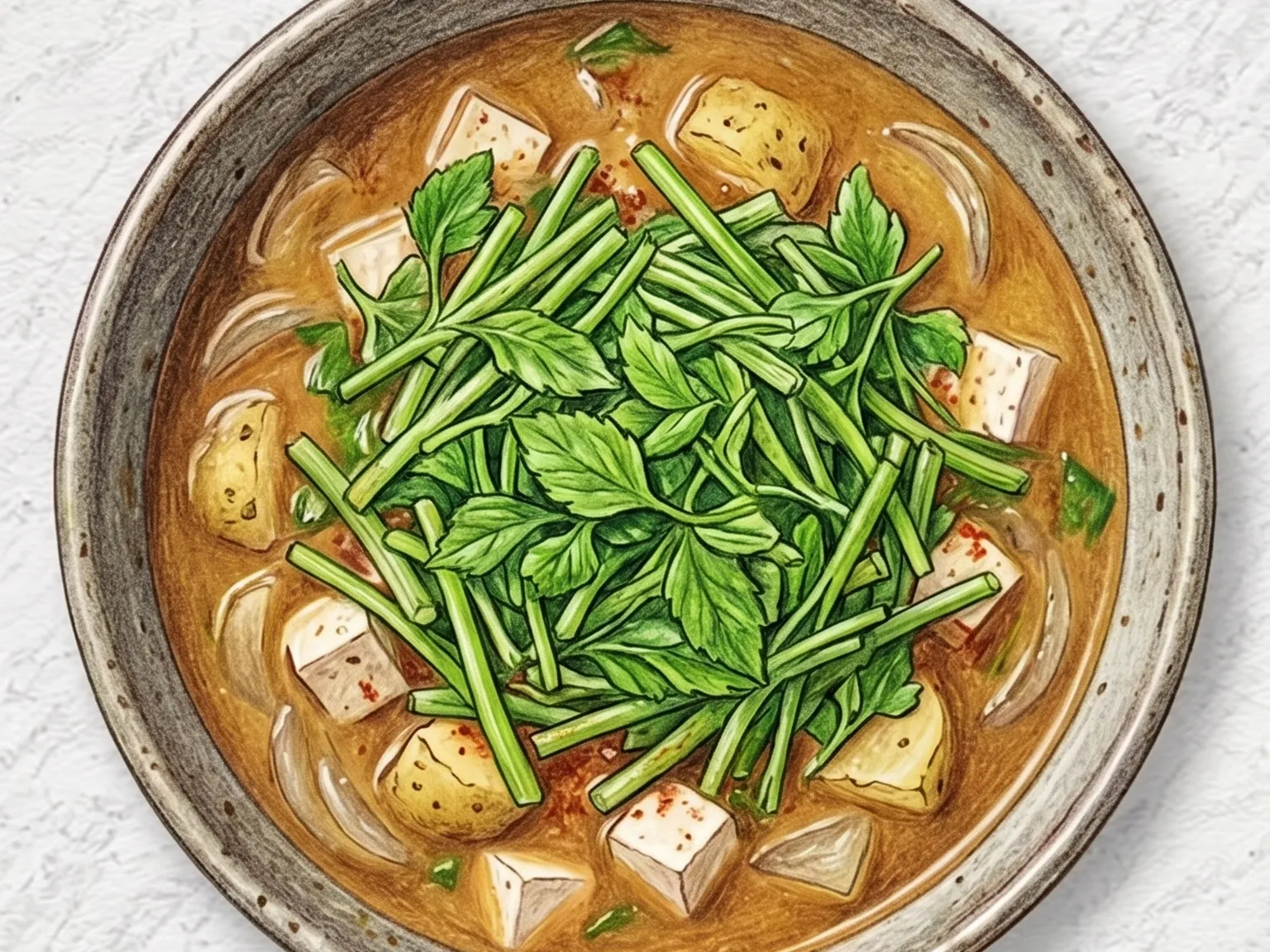
Sigeumchi-doenjang-guk is a foundational Korean soup that combines spinach with soybean paste in anchovy-kelp stock, producing a broth that is earthy, warm, and deeply familiar to anyone who grew up eating Korean home cooking. Doenjang is dissolved into the simmering stock first, establishing a savory, slightly funky baseline. Spinach is added near the end and wilts within seconds, contributing a soft green color and a faint bitterness that, rather than clashing with the fermented paste, amplifies its complexity. Tofu is a common addition that gives the soup more substance and a creamy counterpoint to the leafy greens. Garlic and green onion handle the aromatics, and no chili is used, keeping the soup on the gentle end of the Korean flavor spectrum. The key technical point is timing: spinach left in boiling liquid too long turns dull and mushy, so experienced cooks drop it in and turn off the heat almost immediately. This soup is one of the most frequently prepared versions of doenjang-guk in Korean kitchens precisely because spinach is available year-round, affordable, and cooks in moments. It pairs seamlessly with any banchan spread and never competes for attention on the table.

Korean Turnip Perilla Seed Stew
Sunmu deulkkae jjigae is a gentle Korean stew that simmers turnip with ground perilla seed in a kelp stock base. As the turnip cooks slowly, it softens and releases a quiet natural sweetness, while the perilla powder thickens the broth into a creamy, nutty layer that coats each spoonful. Oyster mushrooms add a chewy bite and soft tofu contributes protein, rounding out the bowl into a balanced meal on its own. Adding the perilla powder late in the cooking process preserves its aroma, and the stew should be finished within two to three minutes of the broth returning to a boil to prevent any bitterness from developing. Seasoned with soup soy sauce and a drizzle of sesame oil at the end, the result is a clean, quietly satisfying stew that is easy on the stomach.

Korean Tofu and Bell Pepper Salad
Paprika-dubu-muchim combines 300 grams of blanched firm tofu, crumbled coarsely by hand, with julienned red and yellow bell peppers, cucumber, and onion in a soy-vinegar dressing. Blanching the tofu for just one minute removes any raw bean flavor while preserving a soft, creamy texture that contrasts with the crisp, sweet snap of the peppers. The onion is soaked in cold water for three minutes to tame its bite before joining the bowl. Sesame oil and minced garlic round out the dressing, adding depth without heaviness. Chilling the finished dish for 10 minutes before serving sharpens the vegetable flavors and makes the tofu firmer to the bite.

Korean Braised Dried Radish Greens
Siraegi jorim is a traditional Korean braise of boiled dried radish greens seasoned with doenjang, soup soy sauce, and garlic, then simmered in perilla oil and water over low heat for twenty minutes. The doenjang slowly permeates the tough, fibrous greens, infusing them with deep fermented soybean flavor while the perilla oil adds a smooth richness. The longer the dish simmers, the more pronounced the earthy, malty depth becomes. Scallion stirred in at the end brightens the otherwise dense, savory profile of this slow-cooked banchan.

Korean Spinach Tofu Soup
Sigeumchi-dubu-guk is a clear, mild Korean soup in which spinach and tofu float in an anchovy-kelp broth seasoned only with soup soy sauce - no fermented paste, no chili. The result is a bowl of quiet transparency where each ingredient's natural flavor is audible: the green, slightly mineral taste of spinach, the neutral creaminess of tofu, and the clean savor of the stock. A small amount of minced garlic builds umami in the background, and a single drop of sesame oil on the surface adds a whisper of richness. This soup is intentionally gentle, which is exactly why Korean families rely on it so heavily - it suits every palate and every age group, from toddlers to grandparents. Cooks often serve it alongside bold, spicy dishes because the clear broth acts as a reset between intense bites. The technique is straightforward but timing matters: tofu should be cut into generous cubes so it holds its shape during simmering, and spinach should enter the pot only at the very end to preserve its color and a touch of texture. The entire preparation takes under fifteen minutes and requires only four or five ingredients, making it one of the most practical everyday soups in Korean cooking.

Korean Tomato Beef Rib Stew
This fusion-style stew pairs beef short ribs with ripe tomatoes in a broth seasoned with gochujang and gochugaru. The ribs are simmered until the broth is deeply infused with beefy richness, and the tomatoes break down to add natural acidity and sweetness. Potato chunks cook until fluffy, lending substance, while onion rounds out the broth's sweetness. The combination of soy sauce and chili paste with tomato's brightness creates a flavor that feels both novel and familiar.

Korean Seasoned Green Laver
Parae-muchim dresses winter-season green laver in a vinegared gochujang sauce that balances the seaweed's natural brininess with sweet, sour, and spicy notes. The laver must be washed at least five times with fresh water to remove every grain of sand embedded in its delicate fronds. A brief 10-second blanch in boiling water tames any fishy undertone while keeping the texture soft and slippery. The dressing - gochujang, vinegar, sugar, minced garlic, and sesame oil - clings to the damp strands, coating them in a glossy, reddish glaze. Each bite delivers a wave of ocean flavor followed by the slow warmth of the chili paste.

Korean Beef and Broccoli Stir-Fry
Sogogi broccoli-bokkeum stir-fries thinly sliced beef with broccoli florets in a glaze of oyster sauce and soy sauce. The beef is seared first over high heat to lock in its juices, then the broccoli -- blanched just enough to keep its bite -- joins the pan. Oyster sauce binds the two main ingredients with concentrated savory depth, and garlic plus a final drizzle of sesame oil layer on fragrance. The sauce coats every surface with a glossy sheen, making this a complete main dish that needs nothing beyond steamed rice.

Korean Dried Radish Greens Beef Soup
Siraegi-soegogi-guk combines beef brisket or shank with dried radish greens in a doenjang-seasoned broth that is simultaneously meaty, earthy, and fermented. The beef simmers first, building a clear stock with substantial body, before the pre-boiled and softened radish greens are introduced. Doenjang dissolves into the stock and acts as a bridge between the animal richness of the beef and the vegetal, slightly bitter quality of the greens, making both taste more complete than they would alone. An optional spoonful of gochugaru adds warmth and color, shifting the soup from mild to gently spicy. Garlic and green onion handle the aromatic duties, and a scoop of ground perilla seeds - stirred in near the end - gives the broth a creamy, nutty finish that softens the edges. This soup is one of the more filling options in the Korean guk repertoire because both the beef and the fibrous greens provide substance and chew. A single bowl, ladled generously over rice, can replace an entire meal without any additional banchan. The flavors deepen overnight, making leftovers an anticipated breakfast rather than an afterthought.

Korean Taro Stem Stew (Perilla-Thickened Soybean Broth)
This stew features boiled taro stems simmered in a broth thickened with perilla seed powder and doenjang soybean paste. Beef soup meat adds depth while gochugaru provides a mild heat that balances the nutty richness of the broth. The taro stems contribute a soft, slightly chewy texture that absorbs the savory flavors of the soup soy sauce and garlic. It is a traditional Korean autumn dish that highlights seasonal taro stems at their best.

Korean Bracken Fern Namul with Perilla
This perilla-scented bracken fern namul begins by pre-seasoning 250 grams of boiled bracken with soup soy sauce, minced garlic, and half the perilla oil for five minutes so the flavor seeps into the chewy fibers. Green onion is sauteed briefly in the remaining perilla oil to build an aromatic base before the seasoned bracken joins the pan for a two-minute stir-fry that drives off excess moisture. Adding water and ground perilla seeds, then simmering gently for five minutes, transforms the dish into a lightly sauced namul where every strand carries a nutty, earthy depth. Sesame seeds scattered at the end add a visual accent and a faint crunch that complements the bracken's dense chew.

Korean Spicy Beef Stir-Fry
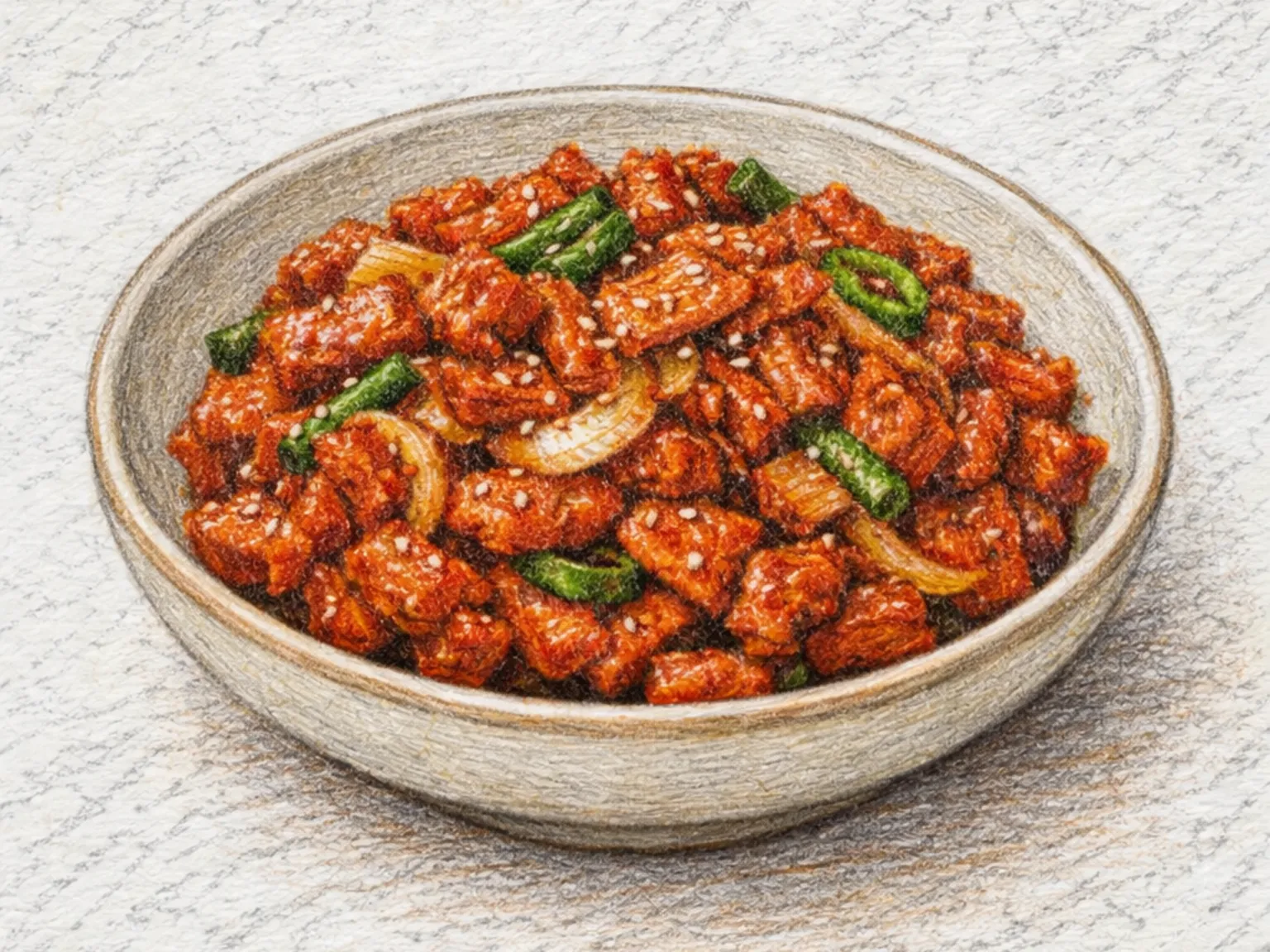
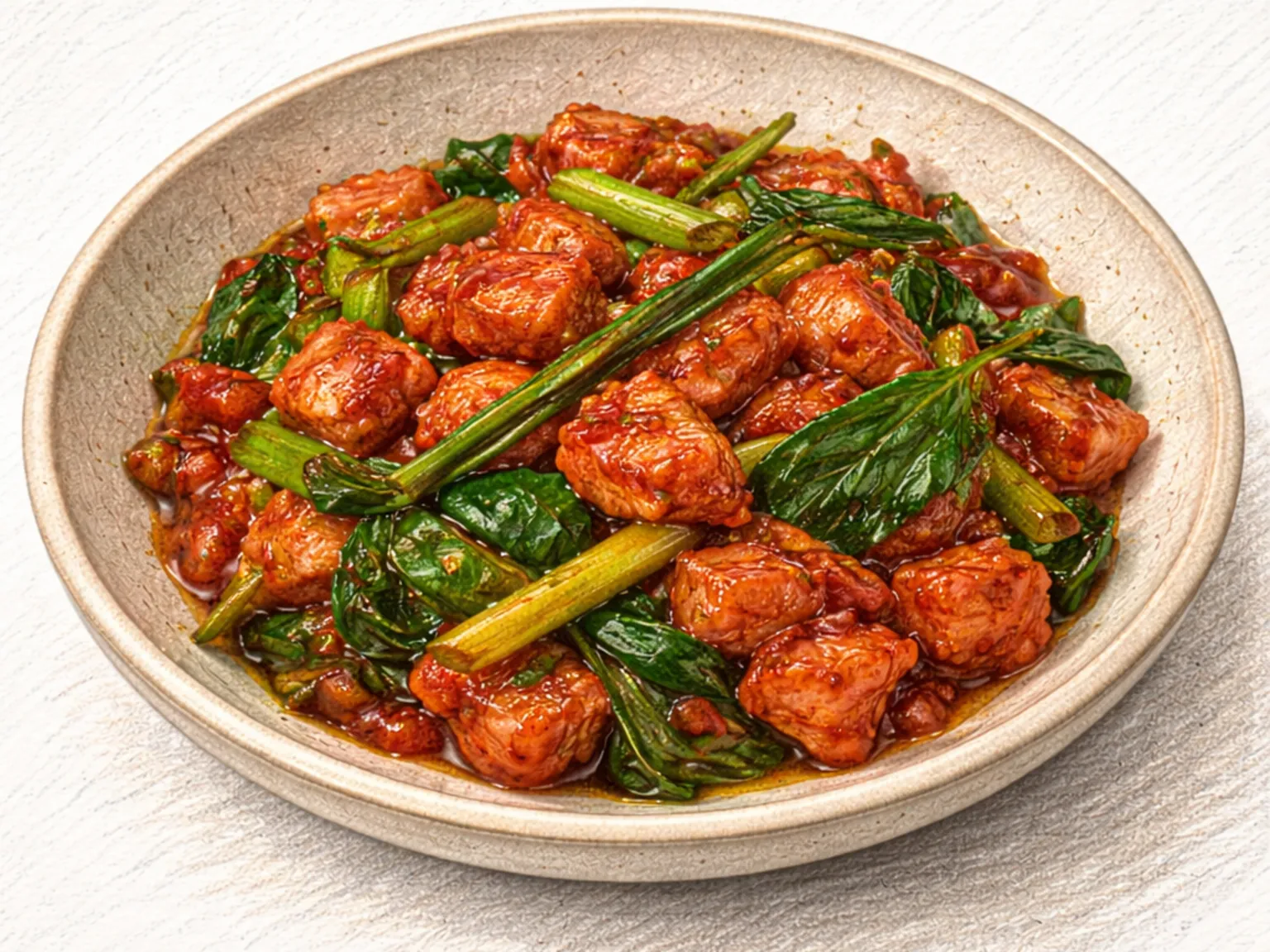
Sogogi gochujang-bokkeum marinates thin-sliced beef in a paste of gochujang, soy sauce, sugar, and minced garlic, then stir-fries it over high heat. The chili paste's spiciness and the sugar caramelize together on the meat's surface, building a dark, sticky glaze with layered heat. Onion cooked alongside the beef releases moisture that helps the seasoning distribute evenly across every slice. A finish of sesame oil adds a roasted nuttiness on top of the bold, spicy-sweet profile -- intensely flavored enough that a small portion carries a full bowl of rice.

Korean Beef Napa Cabbage Soup
Soegogi baechu-guk begins with beef brisket seared in sesame oil until the edges brown and the pan fills with a toasty fragrance. Napa cabbage goes in next, wilting quickly against the hot fat before water or light stock is poured in to build the broth. As the soup simmers, the thick cabbage stems release a quiet sweetness that tempers the beef's richness, while the thinner leaf sections soften into something almost silky. A thin film of sesame-scented oil floats on the surface, delivering an aromatic note with every spoonful. Seasoned with soup soy sauce rather than salt, the broth stays clear with a light amber tint and tastes more of umami than sodium. Sliced scallion scattered on top just before serving adds a sharp, green brightness that cuts through the mellow base. The soup requires no elaborate stock preparation and comes together in under forty minutes, making it one of the most practical weeknight soups in the Korean home-cooking repertoire.

Korean Burdock Perilla Seed Stew
Ueong-deulkkae-jjigae is a Korean stew built on burdock root, potatoes, and oyster mushrooms simmered in an anchovy-kelp broth and thickened with perilla seed powder. The burdock root holds a firm, earthy crunch through the cooking while the potatoes soften and begin to break at the edges, and the oyster mushrooms add a pulling, fibrous chew that makes the stew feel substantial without any meat. Anchovy-kelp broth forms a clean, savory base, and a generous measure of perilla seed powder stirred in at the end creates a creamy, nutty consistency that coats every piece of vegetable and makes each spoonful feel round and warming. Soaking the burdock in cold water before cooking draws out bitterness and prevents the cut surfaces from darkening, which keeps the broth clear. Adding the potatoes after the burdock has partly cooked prevents them from collapsing entirely. Perilla seed powder should go in just before the heat is turned off so the toasted, nutty fragrance stays sharp rather than cooking away.

Korean Seasoned King Oyster Mushroom
Saesongi-beoseot-muchim steams 250 grams of king oyster mushrooms, torn into strips along the grain, for six minutes over high heat to preserve their chewy, fibrous texture better than boiling would. After cooling slightly and squeezing out excess moisture, the strips are tossed in a dressing of soy sauce, vinegar, chili flakes, garlic, and sugar. The vinegar provides a tangy lift, while the chili flakes introduce gentle warmth without overwhelming the mushroom's mild flavor. Sesame oil and sesame seeds finish the dish with a nutty aroma. It holds up well when chilled and served cold, making it a convenient banchan to prepare ahead of time.

Korean Beef and Paprika Stir-Fry
Sogogi paprika-bokkeum stir-fries soy-and-sesame-marinated beef strips with julienned bell peppers of mixed colors. The peppers lose just enough moisture over heat to concentrate their natural sweetness, which balances the salty soy marinade on the beef. Two cloves of garlic provide background aroma, but the seasoning is intentionally spare so the ingredients themselves lead the flavor. The dish's vivid reds, yellows, and greens make it as visually striking on the plate as it is straightforward to cook.

Korean Beef and Mushroom Soup
Soegogi beoseot-guk pairs seared beef with a medley of mushrooms in a clear, deeply savory broth. The beef is first stir-fried in sesame oil to develop a caramelized base, then button mushrooms, cut thick so they hold their shape, join the pot along with water or stock. As the soup simmers, the mushrooms leach glutamate into the liquid, layering umami on top of the beef's own juices without any added MSG or bouillon. Enoki mushrooms go in during the final minutes, contributing slippery strands that contrast with the meatier button slices. Soup soy sauce and minced garlic season the broth, keeping it translucent with a faintly woodsy aroma that lingers after each sip. A finish of sliced scallion and cracked black pepper sharpens the bowl just enough to keep the palate engaged from first spoonful to last. It is an understated soup that proves depth of flavor does not require complexity of technique.