Charim

2686 Korean & World Recipes

2686+ Korean recipes, clean and organized. Ingredients to instructions, all at a glance.

Recipes with garlic

24 recipes

Buy garlic
Korean Silken Tofu with Seasoned Soy Sauce
Side dishesEasy

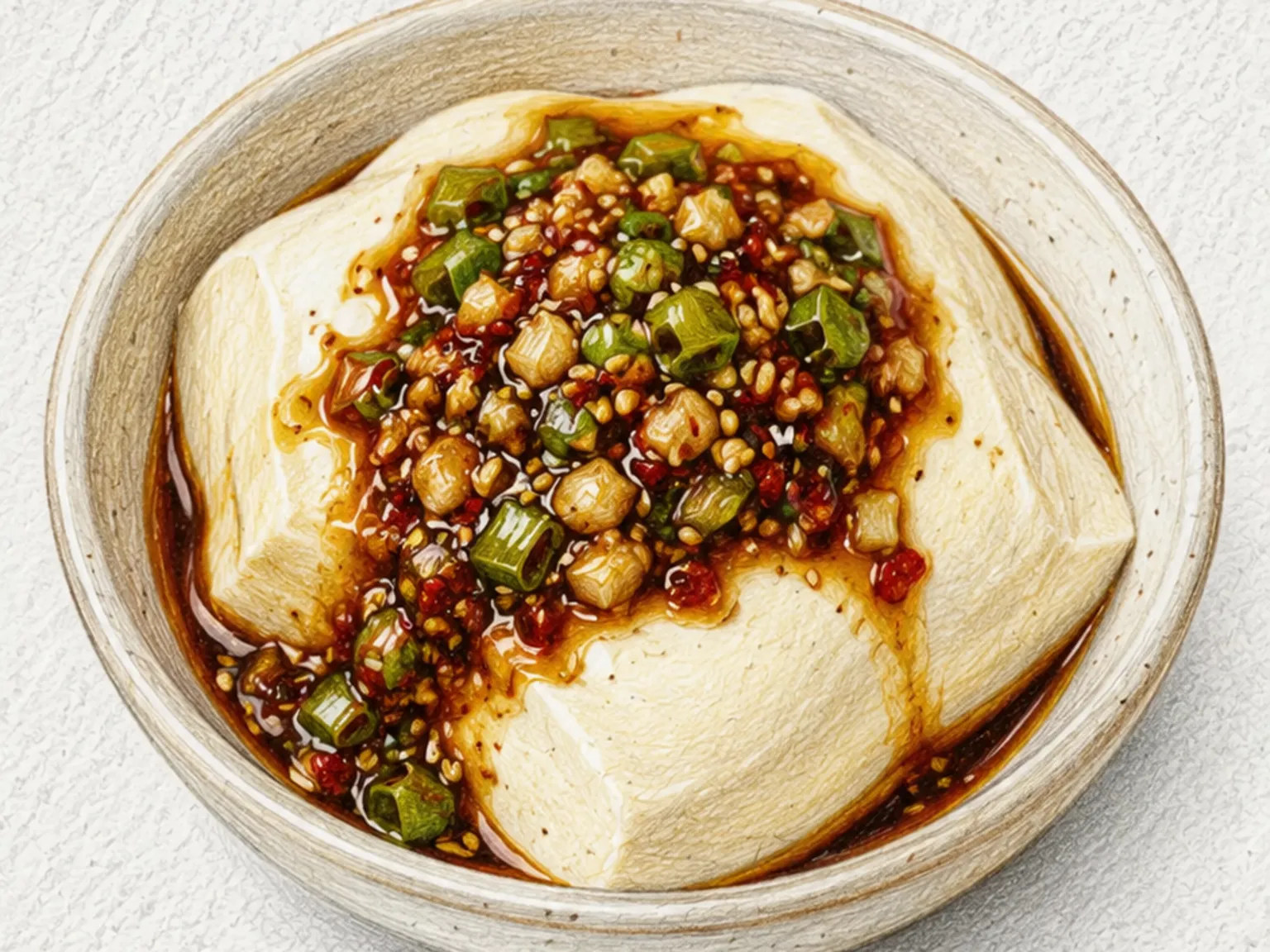
Korean Silken Tofu with Seasoned Soy Sauce

Chilled silken tofu is placed in a bowl and topped with a soy-based seasoning sauce that provides all the flavor the bland tofu needs. Silken tofu is coagulated with less agent than regular tofu, resulting in a custard-like texture that yields to a spoon and dissolves on the tongue. The sauce mixes soy sauce with gochugaru, minced garlic, chopped green onion, sesame oil, and toasted sesame seeds, concentrating salty, spicy, and nutty notes into a single spoonful. Each bite pairs the tofu's neutral softness with the sauce's concentrated punch, creating a rhythm of gentle and sharp that keeps the palate engaged. Sesame oil in the sauce adds a glossy sheen across the tofu's white surface, and the red flecks of chili powder provide a visual contrast that signals the heat to come. The soybean fragrance of the tofu itself acts as a quiet backdrop, grounding the louder flavors of the dressing. Because no cooking is required beyond mixing the sauce, this banchan comes together in minutes and is especially practical on busy evenings.

🏠 Everyday🍱 Lunchbox
Prep 5minCook 2min2 servings
Korean Water Parsley Clam Porridge
RiceEasy

Korean Water Parsley Clam Porridge

Minari bajirak juk is a mild seafood porridge made by sauteing onion and garlic in sesame oil until soft and fragrant, then simmering soaked rice and fresh clam meat into a smooth, comforting bowl. The clams release a clean, briny sweetness that diffuses through every spoonful, and water parsley added off the heat at the very end contributes a bright, herbaceous freshness that lifts the overall flavor. Soaked rice is first stirred in the sesame oil until each grain turns translucent, which keeps the porridge from becoming starchy and gluey as it cooks. Water is added and the pot simmers on medium-low heat, stirred steadily so the starch releases gradually and creates a silky, even consistency. Clams are added in the later stages of cooking because prolonged heat makes them rubbery; adding them late keeps them tender. Salt goes in just before the heat is turned off to calibrate the final seasoning, followed by a drizzle of sesame oil for a nutty, rounded finish. The light, easy texture of the finished porridge makes it well suited to early mornings, days when the stomach feels unsettled, or as a restorative after a night of drinking. Water parsley must be added after the heat is off, since its volatile fragrance disappears quickly when exposed to direct heat.

🏠 Everyday
Prep 20minCook 30min2 servings
Korean Stir-fried Bracken Fern
Stir-fryMedium

Korean Stir-fried Bracken Fern

Gosari-bokkeum is a classic Korean side dish of rehydrated bracken fern stir-fried with soy sauce, minced garlic, and perilla oil. The fern absorbs the nutty perilla aroma during cooking, while soy sauce layers in a deep, earthy savoriness. Its texture stays tender with a slight bite, making it easy to eat alongside other dishes. Gosari-bokkeum is a staple component of bibimbap and appears on nearly every Korean holiday table as one of the essential namul dishes. It is often paired with other seasonal greens like wild garlic or chamnamul to round out a traditional spread.

🏠 Everyday🎉 Special Occasion
Prep 12minCook 10min2 servings
Zuppa Toscana (Hearty creamy soup with sausage)
WesternEasy

Zuppa Toscana (Hearty creamy soup with sausage)

Zuppa Toscana is a hearty creamy soup with sausage, potatoes, and kale, delivering rich comfort flavor in every spoonful.

🏠 Everyday🎉 Special Occasion
Prep 15minCook 30min4 servings
Meat Sauce Pasta
WesternEasy

Meat Sauce Pasta

Meat sauce pasta cooks ground beef in olive oil until deeply browned for a strong Maillard reaction, then builds flavor with diced onion and garlic before adding tomato sauce and tomato paste. Simmering the sauce on low heat for at least 15 minutes allows the tomato acidity to mellow and the meat juices to concentrate. Salting the pasta water generously - as salty as the sea - seasons the noodles from the inside. Tossing the drained spaghetti directly into the sauce pan for a minute or two lets the surface starch bind with the sauce for better coating. A splash of red wine adds acidity and depth, while grated Parmesan and fresh basil at the end bring a savory-herbal finish. The dish is straightforward but rewards patience during the simmer.

🏠 Everyday🧒 Kid-Friendly
Prep 10minCook 30min2 servings
Korean Soy Braised Eggplant
Stir-fryEasy

Korean Soy Braised Eggplant

Gaji-jorim is a Korean braised eggplant dish where the eggplant is simmered in a soy sauce-based seasoning until the flesh becomes thoroughly tender and saturated with flavor throughout. Eggplant has a sponge-like cellular structure that draws in liquid as it cooks, and the longer it simmers in the seasoning, the deeper the sweet-salty flavor penetrates into each piece. The sauce reduces as the eggplant cooks, concentrating around the flesh rather than pooling at the bottom of the pan, which means every bite carries the full seasoning. A finishing drizzle of sesame oil and a scattering of sesame seeds add a nutty aroma that rounds out the savory base. Despite using only eggplant as the main ingredient, the slow braising process concentrates the flavors into a compelling side dish that makes plain rice easy to eat in quantity. The seasoning adheres to the eggplant even after cooling, making it a practical addition to a packed lunch as well as a fresh rice accompaniment.

🏠 Everyday🍱 Lunchbox
Prep 10minCook 12min2 servings
Korean Chive Salad with Doenjang Dressing
Side dishesEasy

Korean Chive Salad with Doenjang Dressing

Garlic chives -- buchu -- carry a sharper, more pungent bite than Western chives, and this banchan keeps them raw to preserve every bit of that intensity. Chives are cut into short segments, rinsed in cold water to crisp up the cell walls, then tossed for no more than twenty seconds in a dressing of doenjang, vinegar, and gochugaru. Going beyond that window draws out moisture from the leaves, leaving the whole dish limp and waterlogged before it even reaches the table. The fermented paste locks onto the flat surface of each blade, releasing a salty, umami-heavy punch with every bite. Vinegar cuts through the richness of the doenjang with a light acidity that keeps the finish clean, and the gochugaru adds a dry, lingering heat. Best assembled minutes before serving and eaten alongside a bowl of rice.

🏠 Everyday🍱 Lunchbox
Prep 8minCook 2min2 servings
Korean Gapojingeo Beoteo Maneul Gui (Butter Garlic Cuttlefish Grill)
GrilledEasy

Korean Gapojingeo Beoteo Maneul Gui (Butter Garlic Cuttlefish Grill)

Gapojingeo beoteo-maneul-gui is butter-garlic grilled cuttlefish in which the thick body of the cuttlefish is scored in a crosshatch pattern and cooked in a pan with foaming butter and minced garlic. Cuttlefish flesh is substantially thicker and denser than regular squid, which means scoring is not optional for even cooking. Without it, the outside would overcook before heat reaches the center. The cuts also create channels that the melted butter and garlic flow into as the cuttlefish sears, infusing each section with concentrated fat and aromatics rather than just coating the surface. The timing of when to add the cuttlefish matters. The butter should be on medium heat and just beginning to foam at the edges when the cuttlefish goes in. At that temperature, the garlic releases its fragrance into the oil without burning, and the cuttlefish develops a golden crust before it has time to toughen. Two minutes per side is typically enough. The crosshatch pattern spreads open as the flesh cooks, and the surface takes on a lightly charred color that signals the Maillard reaction has done its work. Leaving it longer makes the flesh rubbery. A squeeze of lemon juice at the end cuts the richness of the butter and lifts the whole dish with a clean, acidic finish.

🍺 Bar Snacks
Prep 15minCook 12min2 servings
Korean Braised Mackerel with Radish
Stir-fryMedium

Korean Braised Mackerel with Radish

Layering thick slices of radish beneath fresh mackerel prevents the delicate fish from sticking to the pot while allowing the vegetables to soak up the seasoning like a sponge. This traditional Korean preparation uses a base of soy sauce, red chili powder, and red chili paste to create a thick braising liquid. As the pot simmers, the cook repeatedly spoons the sauce over the fish pieces to ensure the heat and spices reach every part of the mackerel. Ginger serves as a crucial ingredient to eliminate any strong fishy scents, so adding it early in the cooking process allows its aromatic properties to fully integrate into the broth. Over time, the radish softens into a translucent texture, absorbing the spicy and salty elements of the sauce until it becomes a substantial part of the meal. Adding onions and green onions during the final stages of cooking preserves their crispness and prevents their fresh aroma from fading. The process concludes when the liquid reduces into a glossy glaze that coats the mackerel. Serving this dish immediately over warm white rice allows the grains to catch the concentrated sauce. Beyond its taste, the mackerel provides omega-3 fatty acids while the radish contributes digestive enzymes and vitamin C to balance the natural oils of the fish.

🏠 Everyday🍱 Lunchbox
Prep 15minCook 25min2 servings
Korean Steamed Spanish Mackerel
SteamedMedium

Korean Steamed Spanish Mackerel

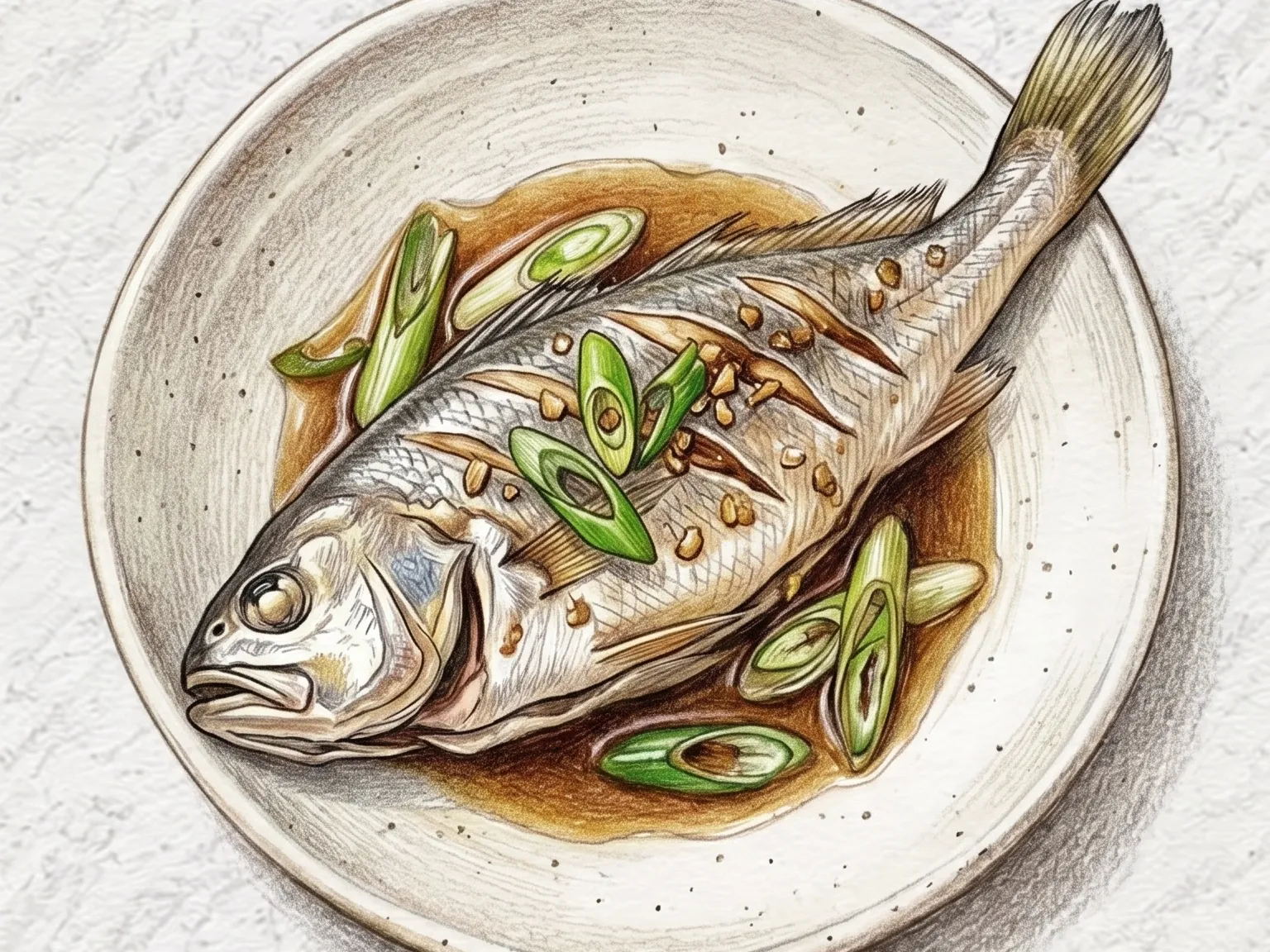
Samchi jjim is a Korean steamed-braised Spanish mackerel dish cooked over radish slices with soy sauce, garlic, and cooking wine. The radish cushions the fish from direct heat while releasing a clean sweetness into the braising liquid, and soy sauce seasons the delicate flesh evenly. Because the mackerel is soft and flaky, it is never flipped; instead the sauce is spooned over it repeatedly. Green onion and fresh chili are added at the end for a pop of color and gentle heat. Paired with rice and a ladle of the reduced sauce, it highlights the clean flavor of the fish alongside soy-based umami.

🍱 Lunchbox
Prep 15minCook 22min2 servings
Korean Grilled Corn with Soy Butter
GrilledEasy

Korean Grilled Corn with Soy Butter

Corn-gui is Korean grilled corn on the cob brushed with a glaze of soy sauce, melted butter, sugar, and minced garlic, then turned slowly over medium heat until the kernels develop a caramelized, salty-sweet crust. The corn is pre-cooked by boiling or microwaving before grilling, so time on the grill is dedicated entirely to building flavor through caramelization and char. Grilling over too-high heat burns the sugar before the corn colors evenly, so patience and repeated thin coats of glaze at every turn are essential. The result layers the corn natural starch sweetness with the richness of butter and the deep savoriness of fermented soy sauce, all in one bite.

🍺 Bar Snacks
Prep 5minCook 20min2 servings
Korean Kohlrabi Fresh Salad (Saengchae)
Side dishesEasy

Korean Kohlrabi Fresh Salad (Saengchae)

Kolabi-saengchae is a fresh Korean salad made from julienned kohlrabi dressed in gochugaru, vinegar, and fish sauce. Though it resembles mu-saengchae made with radish, the two diverge clearly in texture and flavor. Kohlrabi is a brassica, but instead of leaves or roots, the rounded swollen stem base is the edible part. Its exterior is firm and waxy, while the flesh inside is juicy, light, and gently sweet in a way that resembles a crisp pear rather than the earthy sharpness of radish. The thick outer rind must be generously peeled to strip away the fibrous layer just beneath the skin, and the kohlrabi is then cut into matchstick strips about 4 to 5 centimeters long and a few millimeters wide. Cutting too thin causes the strips to wilt quickly as they draw moisture under the dressing. Fish sauce contributes marine umami to kohlrabi's quiet sweetness, while vinegar slows moisture loss and extends the window of crispness after seasoning. Gochugaru adds heat and the brick-red color associated with most saengchae. Served beside grilled fatty meats, the tangy, crunchy salad functions as a palate cleanser between bites. Kohlrabi is at its sweetest and most firm during peak seasons in spring and fall, which is when this banchan appears most frequently at Korean tables.

🏠 Everyday🍱 Lunchbox
Prep 15minCook 5min4 servings
Korean Soy-Glazed Grilled Lotus Root
GrilledEasy

Korean Soy-Glazed Grilled Lotus Root

Lotus root slices are soaked in vinegar water to reduce astringency, blanched briefly, then pan-grilled with a soy sauce, oligosaccharide syrup, and garlic glaze. The coating turns glossy as it reduces, giving each slice a balanced salty-sweet finish while the interior stays crisp and clean-tasting. Topped with sesame seeds, this vegetable side holds up well in packed lunches and as an everyday banchan.

🍺 Bar Snacks🏠 Everyday
Prep 18minCook 12min2 servings
Korean Shrimp Tomato Knife-Cut Noodles
NoodlesMedium

Korean Shrimp Tomato Knife-Cut Noodles

Saeu tomato kalguksu is a Korean fusion noodle soup that simmers fresh knife-cut noodles and shrimp in a tomato-based broth. Blanched and diced tomatoes are cooked down with garlic and onion in olive oil to build a naturally sweet, acidic base before water is added. Shrimp go in near the end of cooking to stay plump and springy. A light dusting of Parmesan over the finished bowl bridges Korean and Mediterranean flavors.

🏠 Everyday
Prep 14minCook 20min2 servings
Jesa Tangguk (Ancestral Clear Beef Soup)
SoupsMedium

Jesa Tangguk (Ancestral Clear Beef Soup)

Jesa-tangguk is a traditional Korean clear soup prepared for ancestral rites and formal family gatherings. Beef brisket is first soaked in cold water for at least an hour to draw out the blood, then simmered over medium heat for an extended time to produce a clear, deeply flavored stock that forms the foundation of the entire bowl. Skimming the surface regularly during cooking keeps the broth transparent and clean-tasting. Radish cooks until nearly translucent, releasing a gentle natural sweetness into the stock, while blocks of tofu and sliced shiitake mushrooms add contrasting textures. Seasoning is limited to soup soy sauce and garlic, preserving the purity of the broth and allowing each ingredient's flavor to come through undisguised. Fat is skimmed away before serving, producing the spotless, refined finish expected of ritual food. The aesthetic matters as much as the flavor: ingredients are cut into tidy, uniform shapes and arranged with deliberate care, reflecting the reverence that is central to the jesa ritual. Beyond ceremonial occasions, jesa-tangguk is a comforting home-style soup enjoyed at holidays and family meals for its clean, balanced warmth.

🏠 Everyday🎉 Special Occasion
Prep 20minCook 30min4 servings
Korean Spicy Freshwater Fish Noodle Soup
NoodlesMedium

Korean Spicy Freshwater Fish Noodle Soup

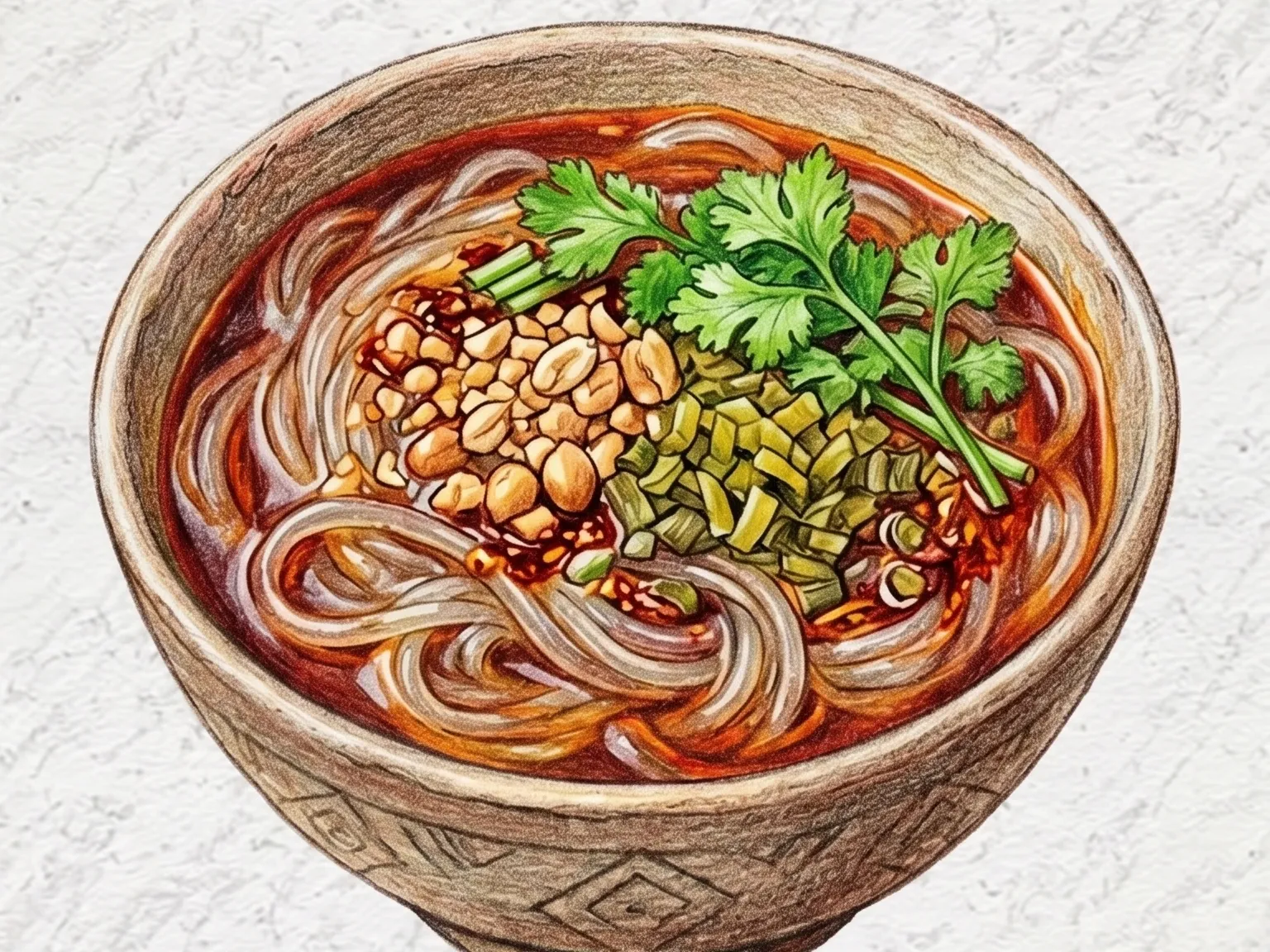
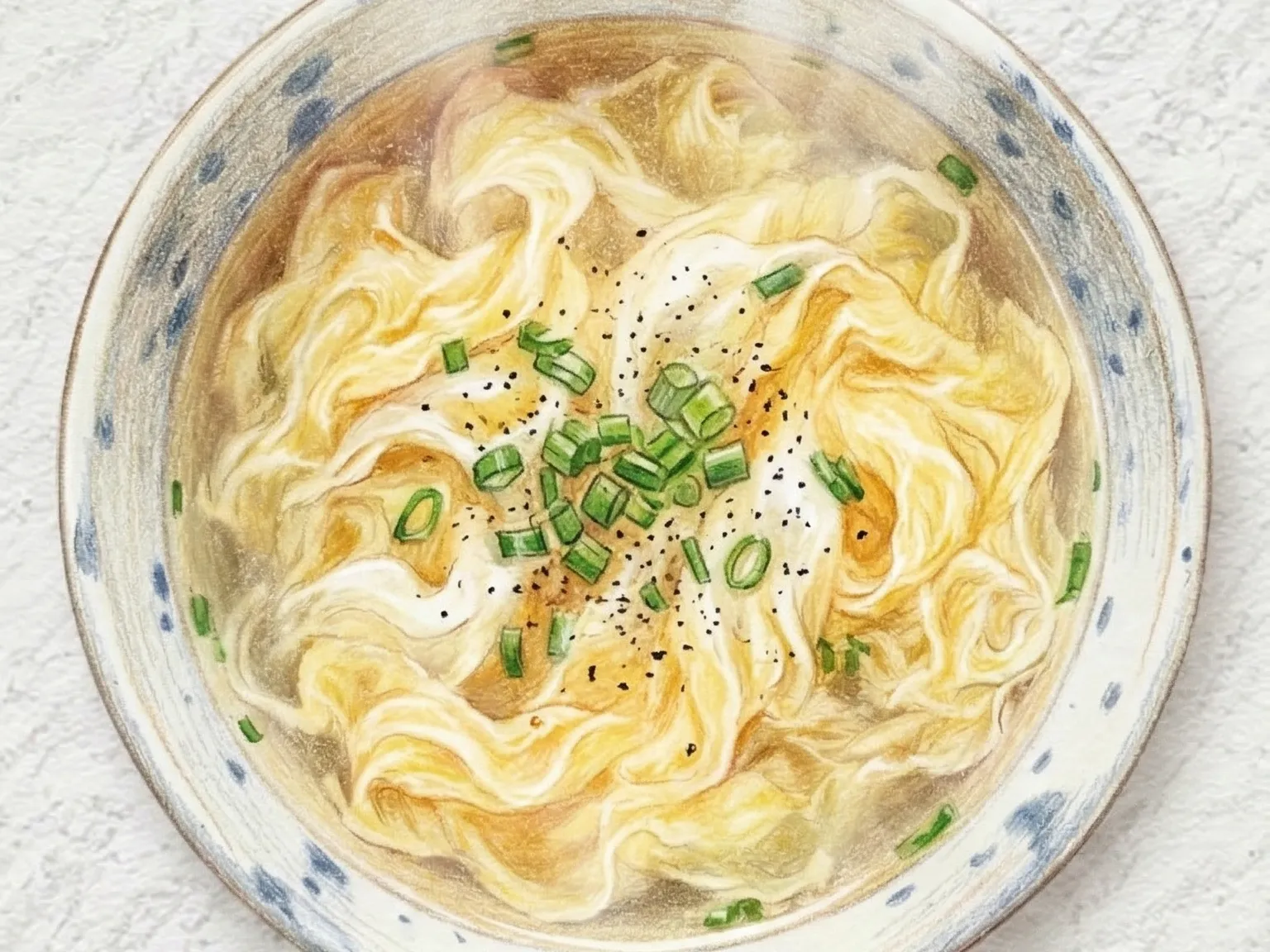
Eotang guksu is a regional noodle soup from the Chungcheong inland provinces, built on a broth made by simmering freshwater fish for an extended time until the bones and flesh give up their concentrated, savory extract. Freshwater fish releases fishy oils as it cooks, so straining the broth two or three times through a fine sieve to remove bone fragments and surface oils is what separates a clean, drinkable broth from a murky one. Doenjang is stirred in to neutralize residual fishiness while contributing a fermented, savory roundness. Gochugaru adds heat and color to the otherwise clear, oil-free liquid, giving direction to what might otherwise be a flat broth. A beaten egg poured in at the end forms soft, wispy ribbons that float across the surface. Somyeon noodles are added last. This dish evolved in landlocked Chungcheong communities that turned to river fish in place of coastal seafood, and its character reflects that resourcefulness.

🎉 Special Occasion
Prep 20minCook 35min2 servings
Hungarian Goulash
WesternMedium

Hungarian Goulash

Goulash is a traditional Hungarian stew in which beef chuck is slow-cooked with substantial amounts of paprika until the meat breaks apart at the slightest pressure from a fork. Onions are fried until they reach a deep golden color, then paprika powder and garlic are added and toasted in the rendered fat for about a minute, a step that dissolves the fat-soluble pigments and aromatic compounds of the paprika into the oil and sets the color and flavor profile for the entire stew. Browning the beef before adding liquid builds an additional layer of savory depth through surface caramelization. Tomato paste, beef stock, and caraway seeds go in next, and the pot simmers on low heat for over an hour while the connective tissue and collagen inside the chuck slowly convert to gelatin, enriching the broth and softening the meat to the point where it pulls apart without any knife work. Potatoes are added for the final thirty minutes, absorbing the paprika-saturated broth as they cook while releasing their starch into the liquid, which naturally thickens the sauce to a rich, clingy consistency that coats the meat without any additional thickener needed.

🎉 Special Occasion
Prep 20minCook 90min4 servings
Korean Freshwater Snail Soup
SoupsMedium

Korean Freshwater Snail Soup

Olgaengi-guk is a defining dish of the Chungcheong region, a rustic and deeply flavored Korean soup made with freshwater snails called daseugi and mallow leaves simmered in a doenjang-based broth. Pressing the soybean paste through a fine strainer before adding it to the pot keeps the broth smooth and free of lumps, which gives the finished soup a cleaner appearance than versions made by simply dropping a spoonful into the water. Mallow leaves go in first and simmer for eight minutes, gradually releasing a soft, vegetal flavor that works its way through every corner of the broth. The snail meat follows, adding a delicate freshwater umami that is noticeably lighter and cleaner than the brine-forward taste of ocean shellfish. Ground perilla seed stirred in at the very end coats the liquid in a nutty richness and acts as a binding element that pulls the doenjang, the snail, and the mallow into a single coherent whole. The result is a bowl that is simple in its list of ingredients but quietly complex in flavor, a soup that reflects the rivers, fields, and fermentation culture of central Korea. It rarely appears on menus outside its home territory, making it one of those genuinely regional dishes that most people encounter only when they find themselves in Chungcheong.

🏠 Everyday
Prep 30minCook 35min4 servings
Korean Butter Soy Grilled King Oyster Mushrooms
Side dishesEasy

Korean Butter Soy Grilled King Oyster Mushrooms

Three king oyster mushrooms are quartered lengthwise, scored on the surface, and seared in butter until golden on one side. After flipping, the remaining butter joins a sauce of soy sauce, oligosaccharide syrup, minced garlic, and black pepper, which reduces into a glossy glaze that coats every groove cut into the mushroom flesh. The scoring allows the sweet-salty sauce to penetrate deeper, so each bite releases a concentrated burst of buttery umami. King oyster mushrooms hold their dense, meaty chew even after cooking, making this dish satisfying without any actual meat. A final scattering of scallion and sesame seeds adds freshness and textural contrast.

🏠 Everyday🍱 Lunchbox
Prep 10minCook 12min2 servings
Korean Squid Glass Noodle Stir-Fry
NoodlesMedium

Korean Squid Glass Noodle Stir-Fry

Ojingeo japchae is a seafood variation of the Korean glass noodle stir-fry that replaces the traditional beef with squid, combining chewy dangmyeon with spinach, carrot, and onion in a soy-sugar sauce. Peeling the squid and scoring the inner surface in a crosshatch pattern before slicing allows the seasoning to reach the full surface area and softens the otherwise tough texture when cooked. Stir-frying the squid with garlic for a short time only is essential, as prolonged heat causes it to turn rubbery and push moisture out into the pan. The glass noodles should be boiled for no more than six minutes to preserve their elastic, springy bite and prevent them from clumping and falling apart during the stir-fry. Spinach is blanched separately and squeezed firmly dry before being added so that excess water does not make the whole dish soggy. The sweet-salty base of soy sauce and sugar is finished with sesame oil and toasted sesame seeds, whose nutty fragrance ties together the oceanic umami of the squid, the resilient chew of the noodles, and the crisp texture of the vegetables into one cohesive plate.

🏠 Everyday🍱 Lunchbox
Prep 20minCook 15min2 servings
Korean Spicy Chicken Soup Noodles
NoodlesMedium

Korean Spicy Chicken Soup Noodles

This spicy Korean noodle soup is built on dakgaejang, a chicken version of the classic beef yukgaejang. Whole chicken is poached until tender, the meat hand-shredded along the grain, then returned to the pot and simmered again with gochugaru, garlic, sesame oil, and sliced scallion. The resulting broth is vivid red and assertively spicy, yet the clean chicken stock underneath keeps the heat from turning harsh or muddy. Bean sprouts added just before serving retain their crunch and provide a cool, crisp contrast to the fiery liquid. Both thin somyeon and medium-thickness noodles work well, soaking up the spiced broth without dissolving too quickly. Swirling in a beaten egg softens the broth and adds a silkier body; adding cooked rice turns the bowl into a complete, filling meal. The combination of protein, capsaicin-driven warmth, and the mild diaphoretic effect of chili makes this a go-to remedy for hangovers and chills alike.

🎉 Special Occasion
Prep 20minCook 40min2 servings
Korean Seafood & Chicken Herbal Soup
SoupsHard

Korean Seafood & Chicken Herbal Soup

Haesintang is a premium Korean restorative soup that combines a whole chicken with abalone, octopus, and shrimp, simmered together in a single large pot for an extended period. The chicken goes in first and cooks for well over an hour, building a cloudy, collagen-rich stock with a naturally silky body. The seafood is added later in the process to avoid overcooking: abalone stays chewy, octopus retains its characteristic bounce, and shrimp turn just pink and stop there. The interaction between the poultry fat and the marine umami produces a broth with a depth that neither chicken alone nor seafood alone could achieve. Seasoning is deliberately restrained, typically garlic, green onion, and salt, so the flavors of the ingredients themselves define the soup rather than any added sauce or spice. In Korea, haesintang is categorized as a stamina food, most commonly eaten on the hottest days of summer in the traditional belief that rich nourishment combats heat fatigue. Its combination of two high-end protein sources places it firmly in the celebratory register of Korean home and restaurant cooking.

🏠 Everyday🎉 Special Occasion
Prep 35minCook 70min4 servings
Korean Seasoned Cucumber Pickle Salad
Side dishesEasy

Korean Seasoned Cucumber Pickle Salad

Oiji-muchim takes oiji - cucumber that has been salt-brined for a month or longer - rinses out the excess salinity, and dresses it in a sweet-sour-spicy sauce. Oiji is a traditional Korean preserved food: summer cucumbers are submerged in a concentrated salt brine and aged until their moisture migrates out, transforming the texture from fresh and crisp into something firm, almost crunchy-chewy - a chew fundamentally different from raw cucumber. If the pickle is too salty, soaking in cold water for thirty minutes to an hour draws the brine down to a palatable level. After thorough squeezing, the cucumber pieces are tossed with gochugaru, vinegar, sugar, sesame oil, minced garlic, and scallion. Vinegar and sugar layer a bright sweet-sour dimension over the pickle's inherent saltiness, balancing it for pairing with rice. Julienned oiji absorbs more dressing and delivers a different eating experience than diagonal-cut slices - each approach has its advocates. Made during the summer cucumber glut, oiji keeps refrigerated for over a month.

🏠 Everyday🍱 Lunchbox
Prep 15min4 servings
Korean Braised Dried Pollock and Potatoes
SteamedEasy

Korean Braised Dried Pollock and Potatoes

Hwangtae gamja jorim is a Korean braised dish of dried pollock strips and potato in a soy sauce seasoning with gochugaru and oligosaccharide syrup. The potatoes are cooked first until partially tender, then briefly soaked pollock strips and sliced onion are added to braise together in the same pan. The pollock absorbs the seasoned braising liquid and turns pleasantly chewy while the potato softens into a floury, starchy texture. Oligosaccharide syrup rounds out the saltiness of the soy sauce with a gentle sweetness, and sesame oil added off the heat finishes everything with a nutty fragrance. Keeping the pollock soak time short is the single most important step for preserving its characteristic texture, and the dish holds well overnight so it works as a packed lunchbox side.

🍱 Lunchbox
Prep 15minCook 28min2 servings