Charim

2686 Korean & World Recipes

2686+ Korean recipes, clean and organized. Ingredients to instructions, all at a glance.

Recipes with garlic

24 recipes

Buy garlic
Charred Daepa Gamja Doenjang Salad (Charred Leek Potato Salad)
SaladsEasy

Charred Daepa Gamja Doenjang Salad (Charred Leek Potato Salad)

Charred daepa gamja doenjang salad combines boiled potatoes with large green onion segments that have been seared until deeply caramelized and smoky. The high heat strips away the raw onion bite and replaces it with a concentrated sweetness and char aroma. A dressing made from doenjang, lemon juice, honey, and olive oil layers fermented depth with bright acidity and a touch of sweetness, drawing out the mild flavor of the potato. Tossing the potatoes while still warm allows the dressing to absorb into the starchy flesh rather than sitting on the surface. Red chard adds color and a faint bitterness that gives the bowl a sense of direction, while black sesame seeds contribute a final nutty accent.

🥗 Light & Healthy
Prep 15minCook 18min2 servings
Korean Saeu Doenjang Beoteo Gui (Doenjang Butter Shrimp Grill)
GrilledEasy

Korean Saeu Doenjang Beoteo Gui (Doenjang Butter Shrimp Grill)

Saeu-doenjang-beoteo-gui is Korean doenjang-butter grilled shrimp, where deveined large shrimp are tossed with two-thirds of a sauce made from doenjang, melted unsalted butter, minced garlic, lemon juice, and black pepper, marinated for eight minutes, then seared on a hot grill pan for two minutes per side. The fermented soybean paste and butter fat together create a deeply savory richness distinct from any Western butter sauce, and the lemon juice cuts through that heaviness with clean acidity. Total cooking time must stay under five minutes to keep the shrimp flesh snappy rather than rubbery, and brushing the reserved sauce on during a final one-minute sear builds a concentrated doenjang-butter crust on the surface. Because doenjang is inherently salty, any additional salt should only be considered after tasting the finished dish.

🍺 Bar Snacks
Prep 15minCook 8min2 servings
Korean Braised Tofu and King Oyster Mushrooms
SteamedEasy

Korean Braised Tofu and King Oyster Mushrooms

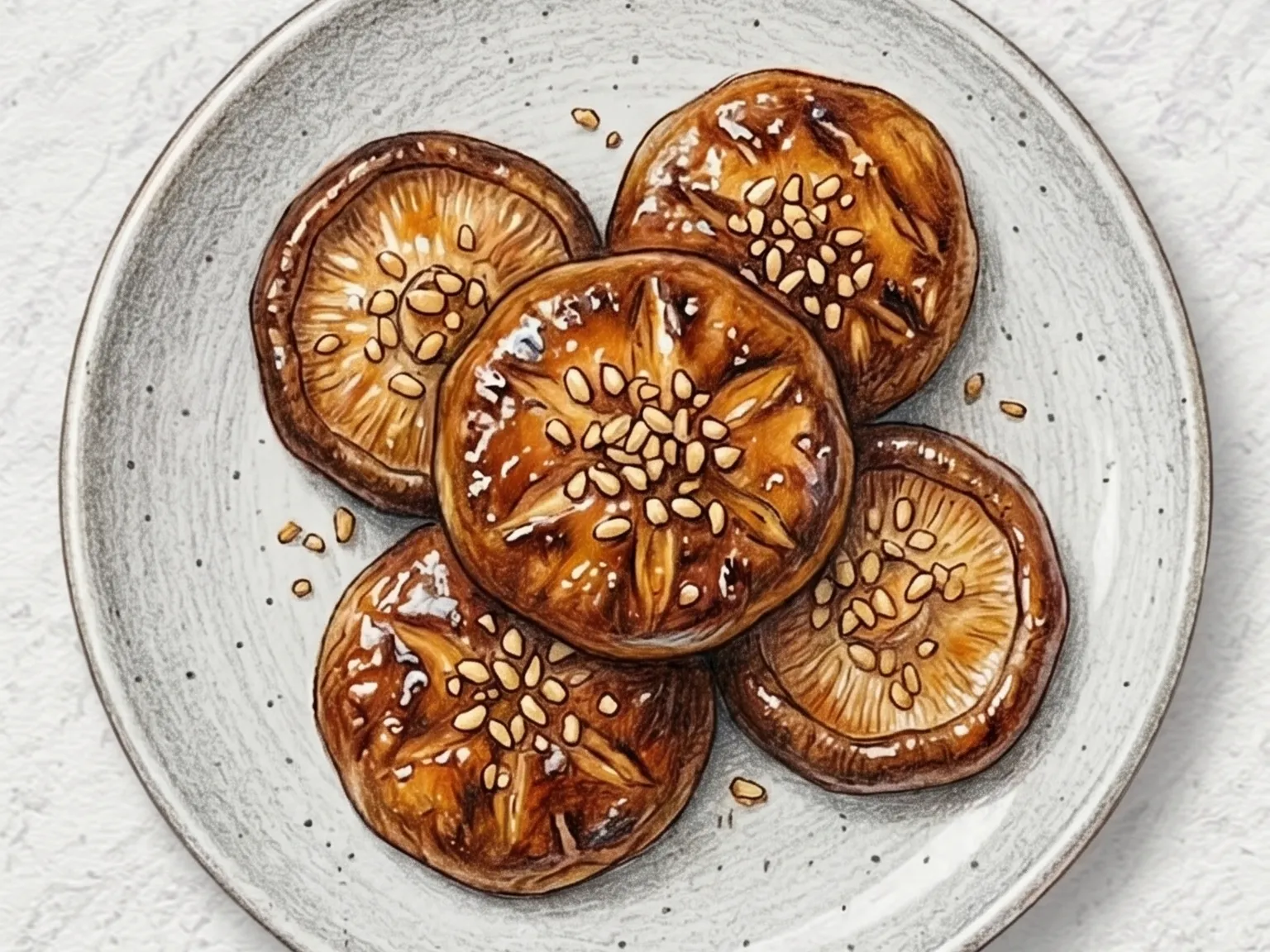
Saesongi dubu yangnyeom jorim is a braised side dish of firm tofu and king oyster mushrooms cooked down in a sauce of soy sauce, gochujang, and Korean chili flakes until the liquid is nearly gone and every surface is glazed. Pan-searing the tofu first over low heat until golden builds a crust that keeps it intact through braising and gives the seasoning somewhere to grip. Thick-cut king oyster mushrooms stay springy even after the long braise, while onion woven through the pot contributes a sweetness that softens the heat of the gochujang. Sesame oil stirred in at the end draws all the aromatics together into a cohesive finish. The result is a banchan with layers, gochujang spice, deep soy saltiness, and a savory earthiness from the mushrooms, that holds its flavor cold, making it a natural fit for packed lunches.

🍱 Lunchbox
Prep 12minCook 18min2 servings
Korean Spicy Braised Hairtail
Stir-fryMedium

Korean Spicy Braised Hairtail

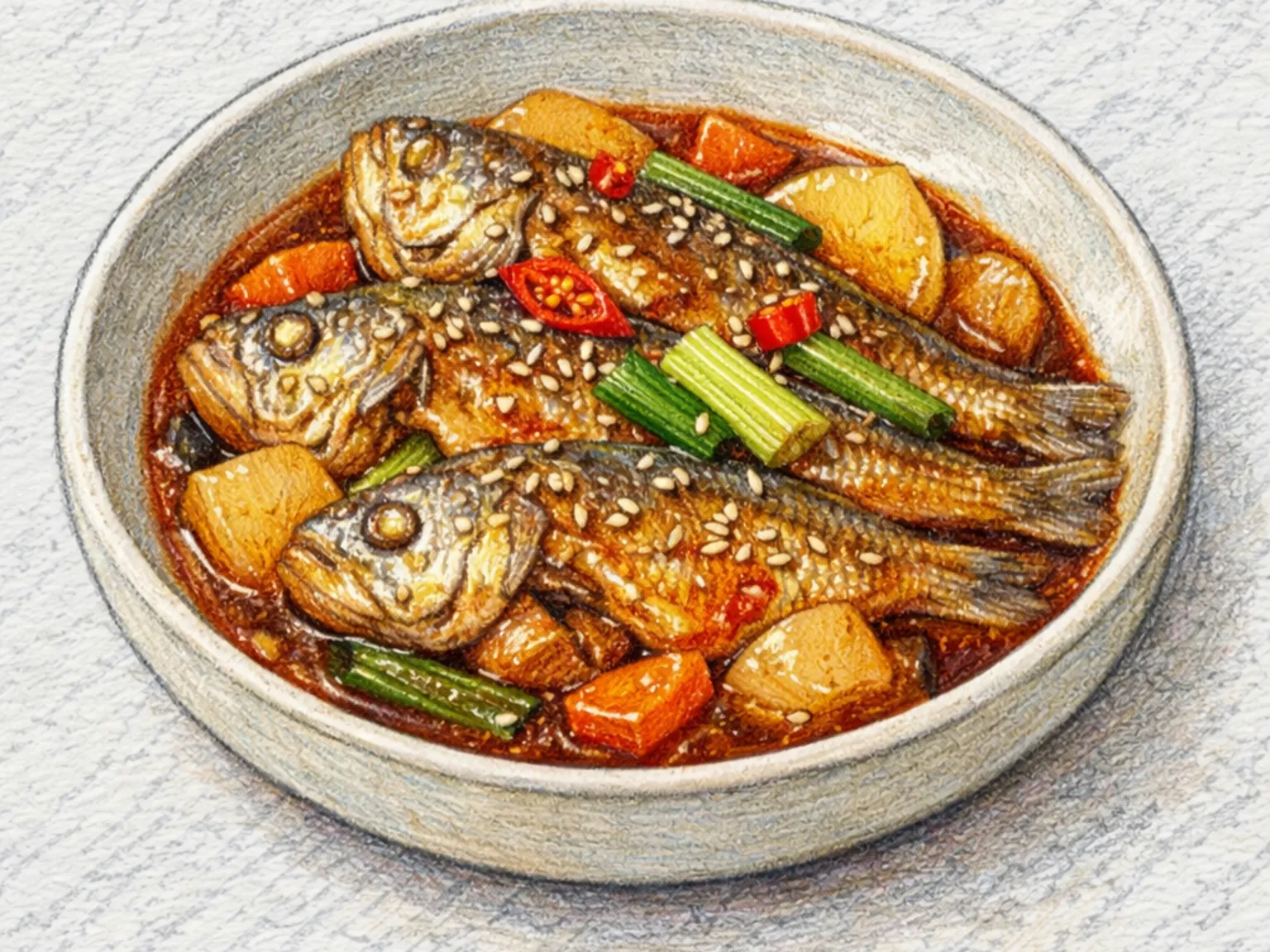
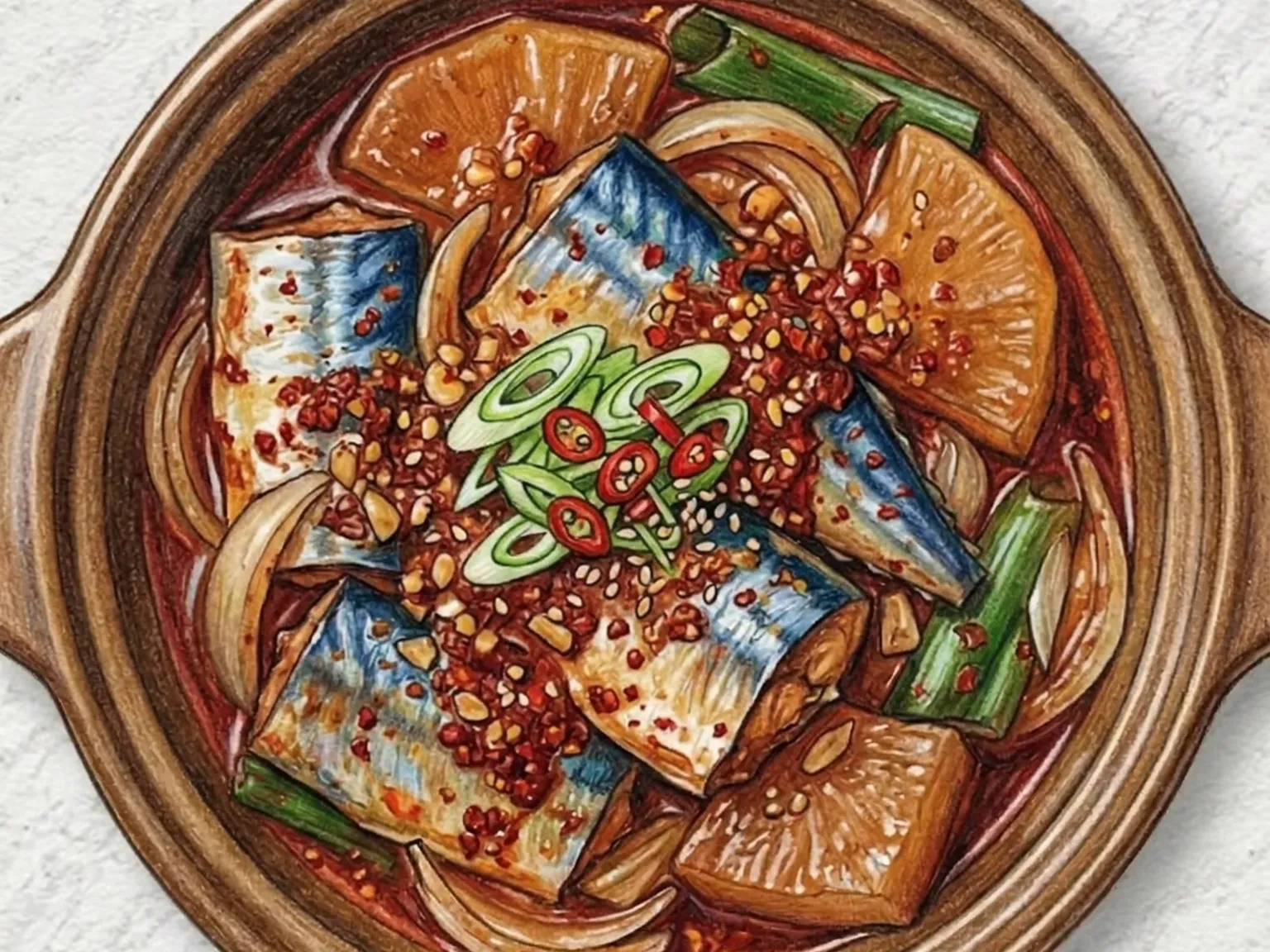
Galchi-yangnyeom-jorim is a Korean braised hairtail made by simmering sectioned cutlassfish and radish in a spicy-sweet sauce of gochugaru, soy sauce, and minced garlic. The seasoning penetrates the hairtail flesh as it cooks, suppressing any lingering fishiness while developing a layered, concentrated umami. Radish pieces are laid on the bottom of the pot first so they cook through completely and absorb the braising liquid, turning sweet and tender in a way that contrasts with the flaky fish above. Finishing with the lid off allows the sauce to reduce until it clings to the fish surface in a glossy, tight glaze. Fresh hairtail holds its shape better under heat, so the flesh can be lifted with chopsticks intact, while older fish tends to break apart during cooking. Adding Cheongyang chili increases the sharp heat, and a thin slice of fresh ginger worked into the sauce at the start removes any remaining fishiness before braising begins.

🏠 Everyday
Prep 15minCook 22min2 servings
Taiwanese Beef Noodle Soup
NoodlesHard

Taiwanese Beef Noodle Soup

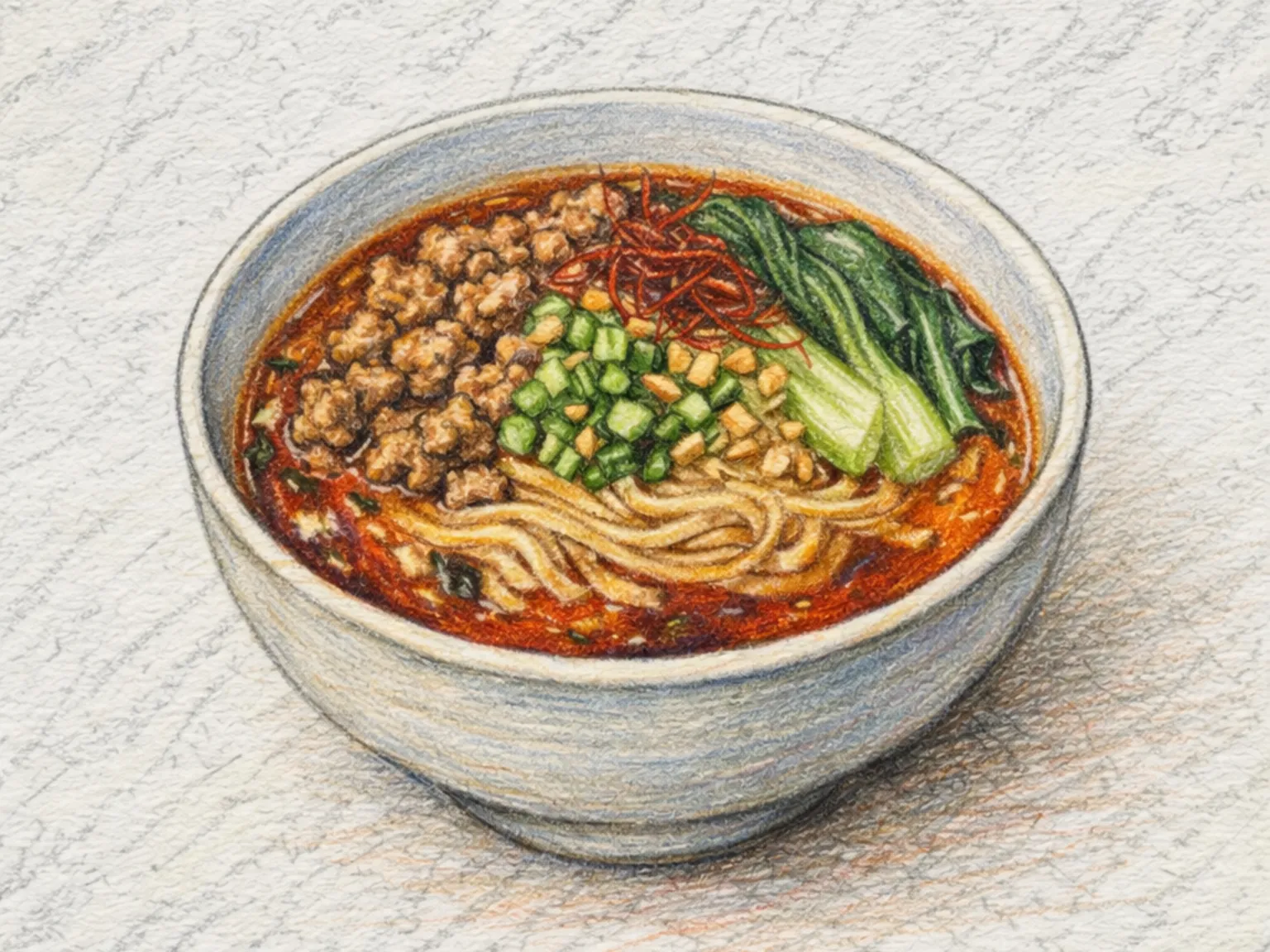
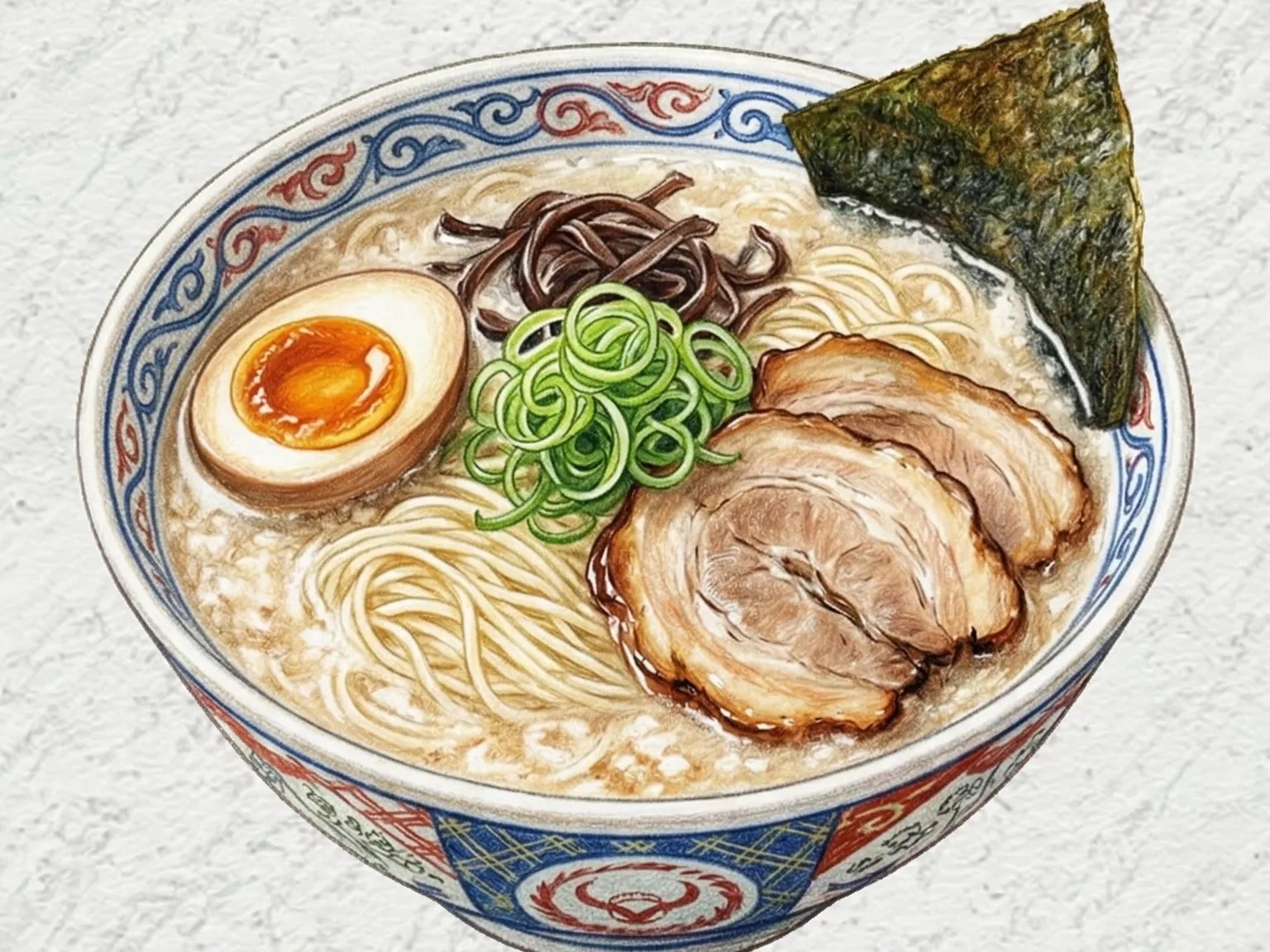
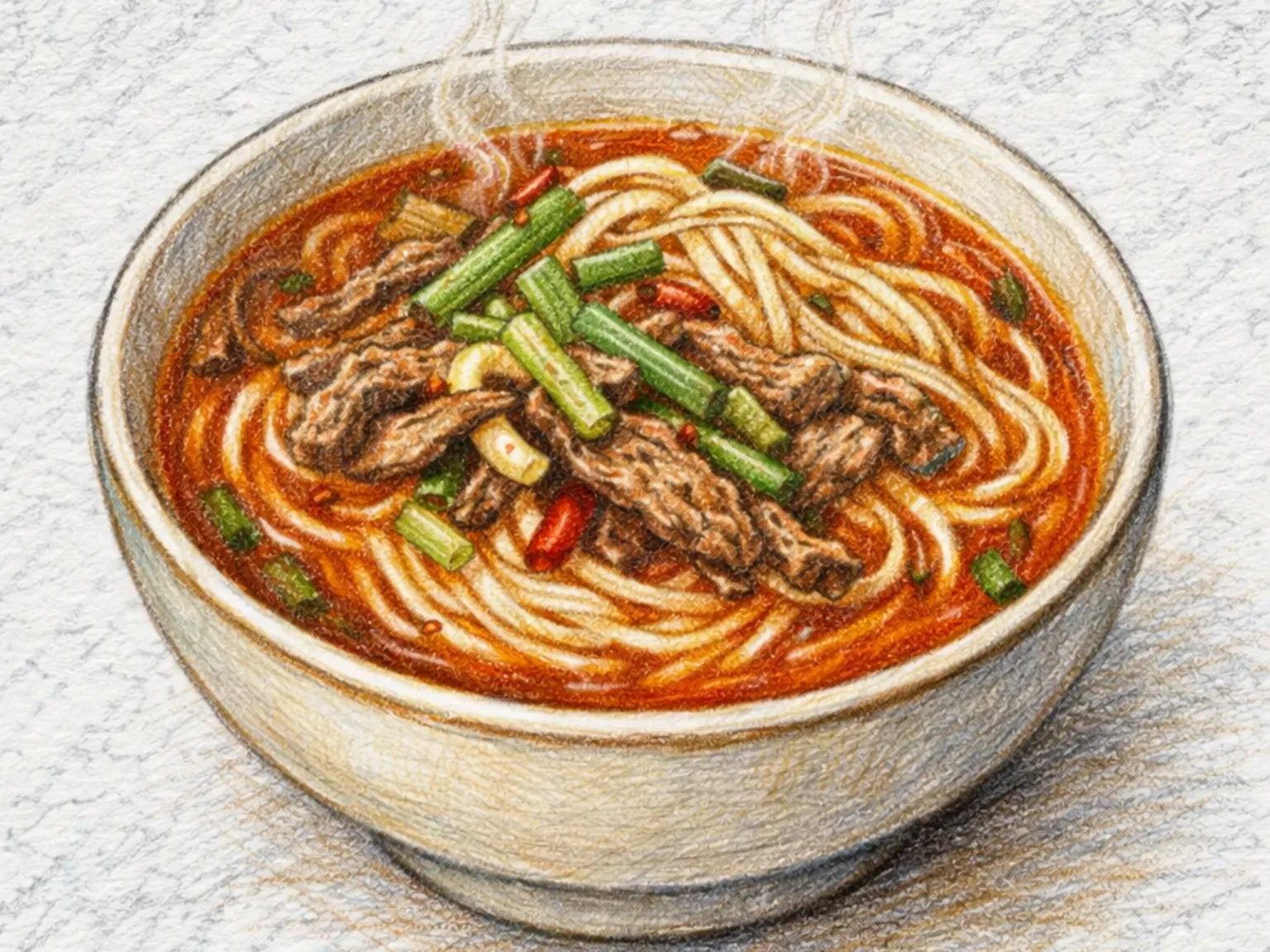
Taiwanese beef noodle soup slow-braises beef brisket in a soy-based broth seasoned with doubanjiang, star anise, cinnamon, and Sichuan peppercorns. The minimum 90-minute simmer renders the meat fork-tender while building a deeply layered broth. Thick wheat noodles are served in the finished broth, soaking up its concentrated flavor. Spice level is adjustable by varying the amount of doubanjiang. Common garnishes include pickled mustard greens and blanched bok choy, adding brightness to the rich bowl.

🎉 Special Occasion
Prep 25minCook 90min4 servings
Korean Spicy Blue Crab Soup
SoupsMedium

Korean Spicy Blue Crab Soup

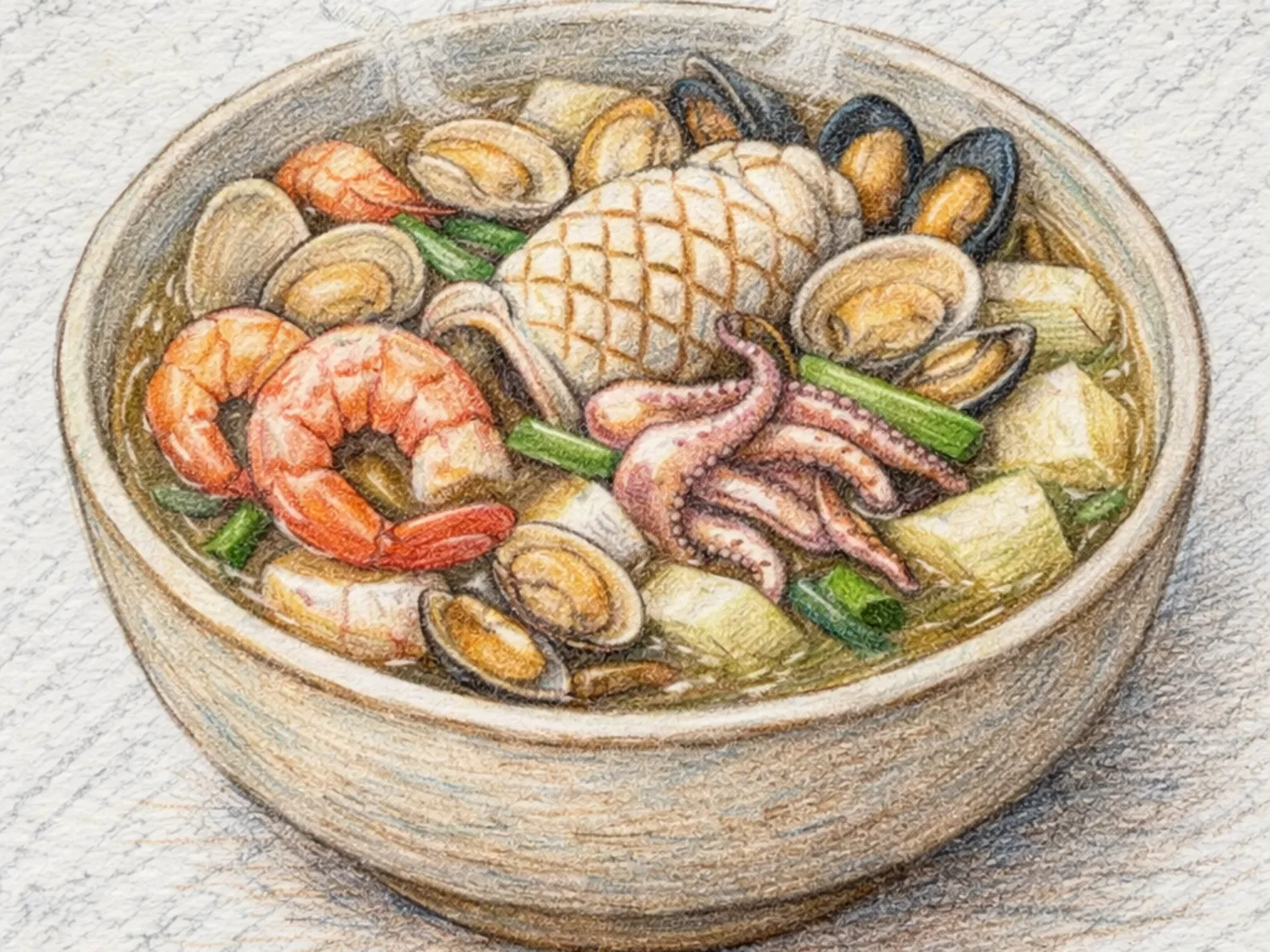
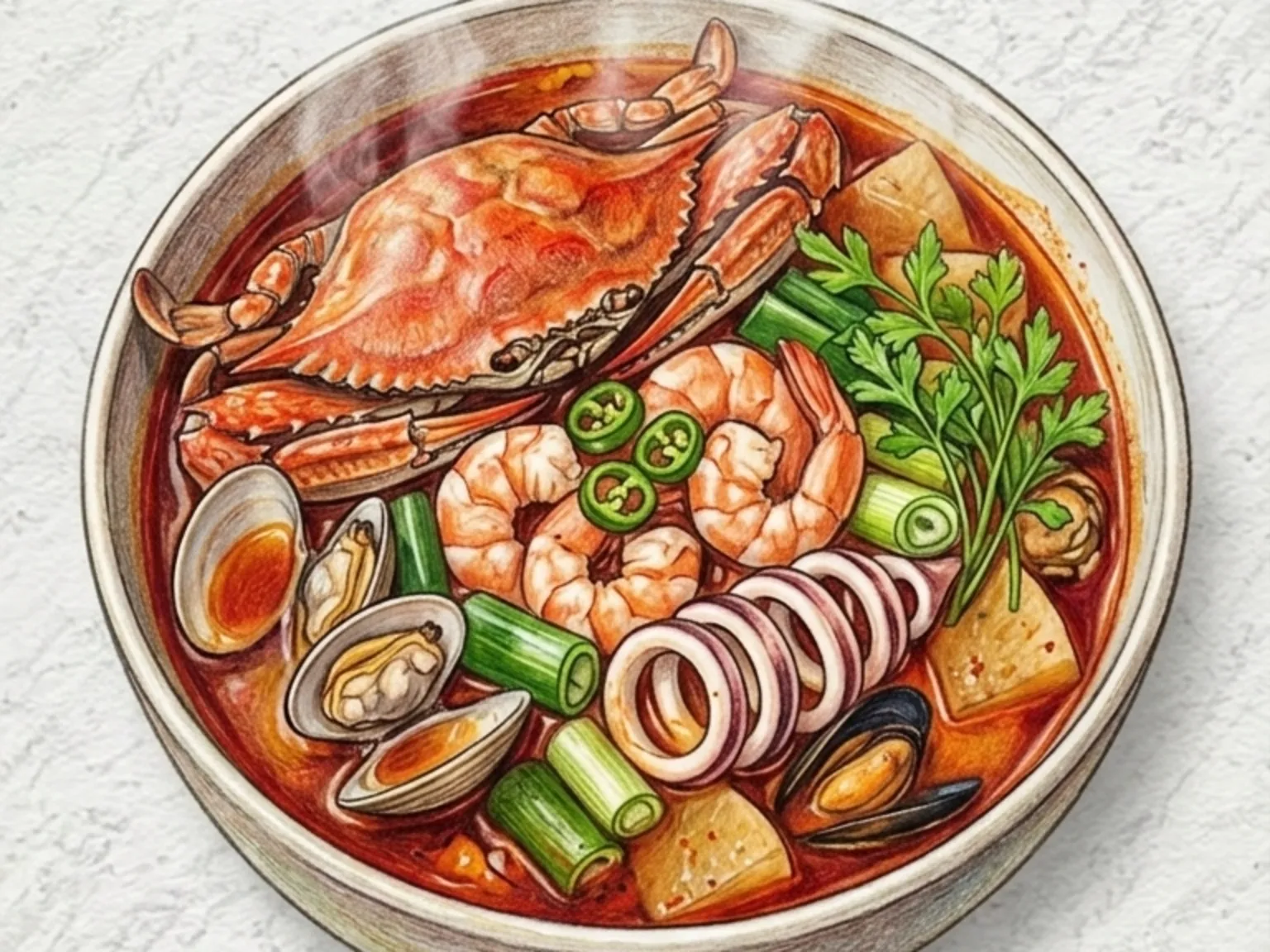
Ggotge-tang is a spicy Korean crab soup built around whole blue crabs that infuse the broth with a concentrated, briny seafood depth. The shells release their marine richness as they crack apart during simmering, forming the structural foundation of the pot. Doenjang dissolved into the broth adds fermented complexity, while gochugaru delivers a persistent heat that compounds with each spoonful. Radish chunks sweeten and clarify the liquid, and zucchini with green onion fill the bowl with color and contrasting texture. Before cooking, the crabs should be scrubbed clean under cold water and cleaned of their sand pouches and gills, which eliminates any off-flavors. Scoring the claws lightly with the back of a knife before the pot goes on the heat makes extracting the claw meat easier at the table. Female crabs in season carry bright orange roe inside the top shell that dissolves into the broth and intensifies its richness. The real reward at the end of the meal is mixing leftover rice directly into the crab's top shell with the residual roe and braising juices, a practice Korean diners regard as the true finish of the meal. Blue crab season peaks in spring and autumn.

🏠 Everyday
Prep 20minCook 30min4 servings
Korean Braised Pork with Garlic Chives
SteamedEasy

Korean Braised Pork with Garlic Chives

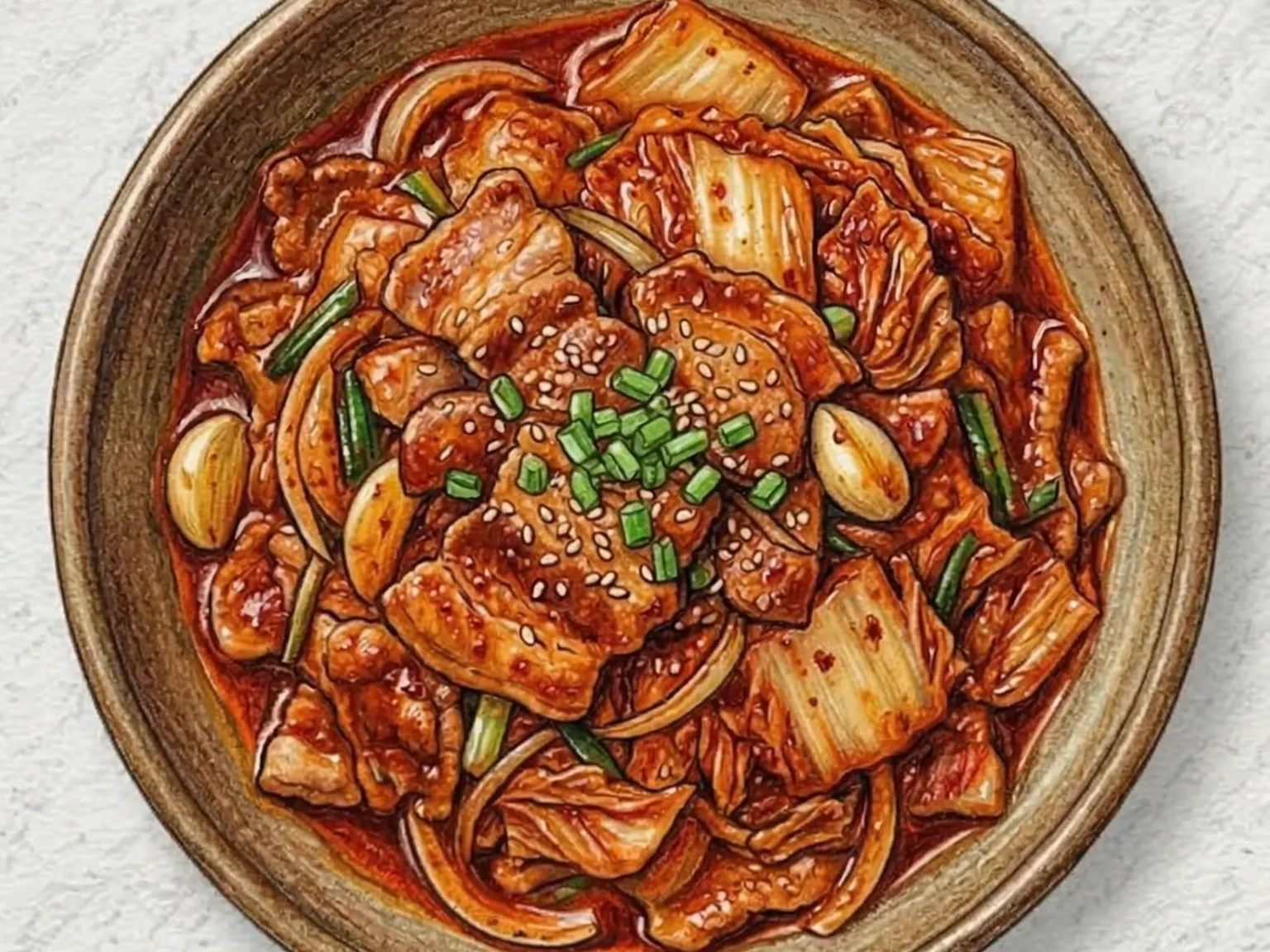
Pork shoulder is steamed with garlic chives in a seasoning of soy sauce, gochugaru, and cooking wine. The shoulder cut has fat distributed evenly through the muscle, so it stays moist during steaming and pulls apart naturally along the grain rather than turning dry or stringy. Garlic chives are piled generously over the pork before the lid goes on; as they steam they release moisture and a sweet, garlicky aroma that seeps down into the meat. Soy sauce penetrates deeply through the slow steam, and gochugaru gives the finished dish its red color and moderate heat. A finish of sesame oil and black pepper adds nuttiness and a sharp edge. The combination of savory depth and mild spice makes it a natural partner for plain steamed rice.

🏠 Everyday
Prep 20minCook 35min2 servings
Korean Seasoned Bitter Lettuce
Side dishesMedium

Korean Seasoned Bitter Lettuce

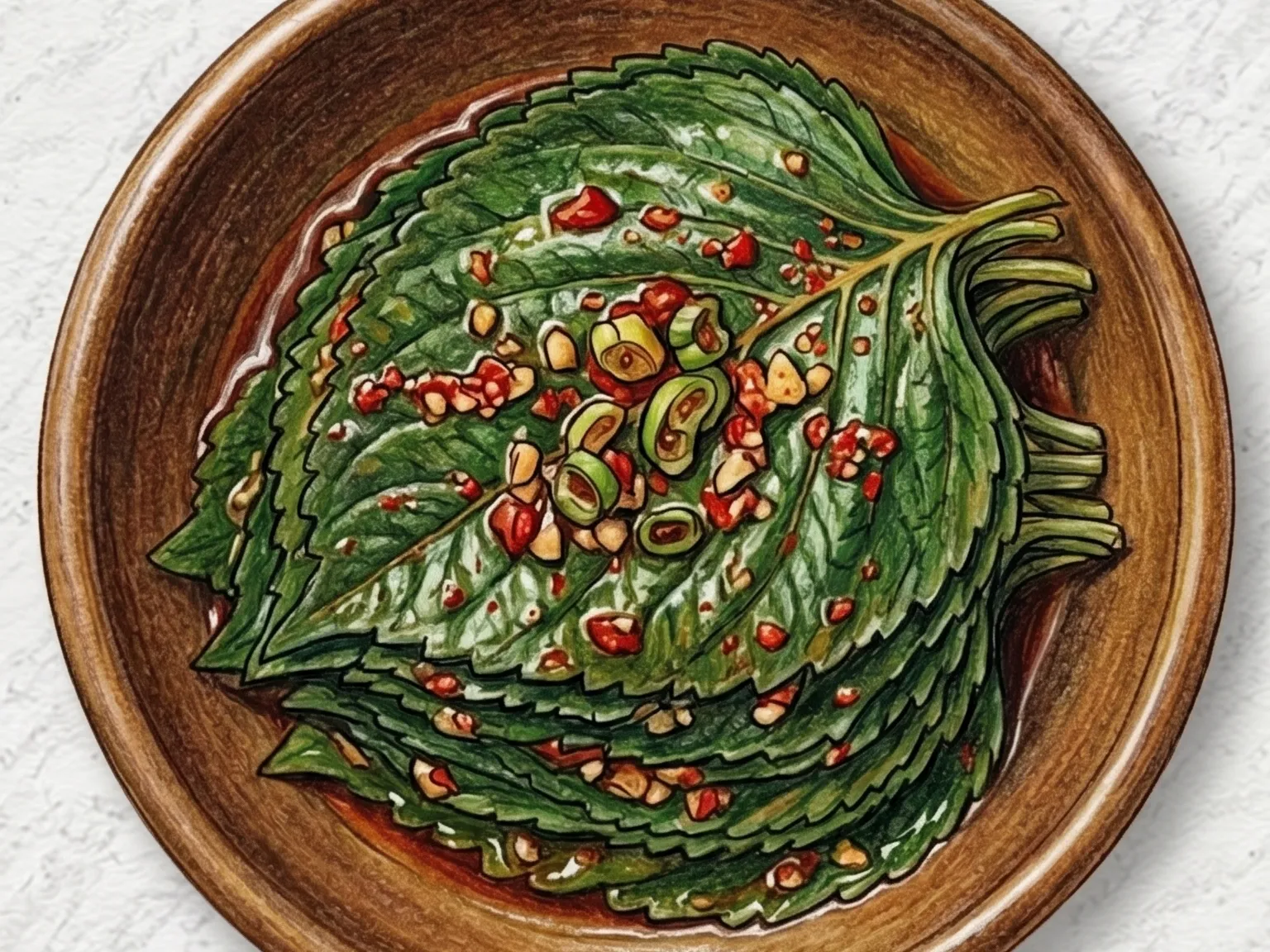
Wild sseumbagui, a bitter green foraged in Korean spring fields, is dressed in a gochujang vinaigrette that transforms its sharp bitterness into a layered, complex side dish. The intrinsic bitterness of the leaves works as a palate cleanser, and the gochujang's heat and vinegar's acidity wrap around it to build depth rather than mask it. Sugar smooths the rough edges of the combined flavors, while a drizzle of sesame oil closes each bite with a warm, nutty finish. Soaking the greens in salt water draws out enough bitterness to make them approachable without erasing the vegetal character that defines this namul. Over-soaking strips the personality entirely, leaving a flat, unremarkable green. Garlic folded into the dressing adds a pungent undercurrent, and a gentle tossing motion keeps the fragile leaves intact. The flavor progresses from bitter opening to spicy-sour middle to a sesame-scented close, a sequence that captures the taste of Korean spring.

🏠 Everyday
Prep 30min4 servings
Korean Gangwon-Style Soy Bulgogi
Stir-fryEasy

Korean Gangwon-Style Soy Bulgogi

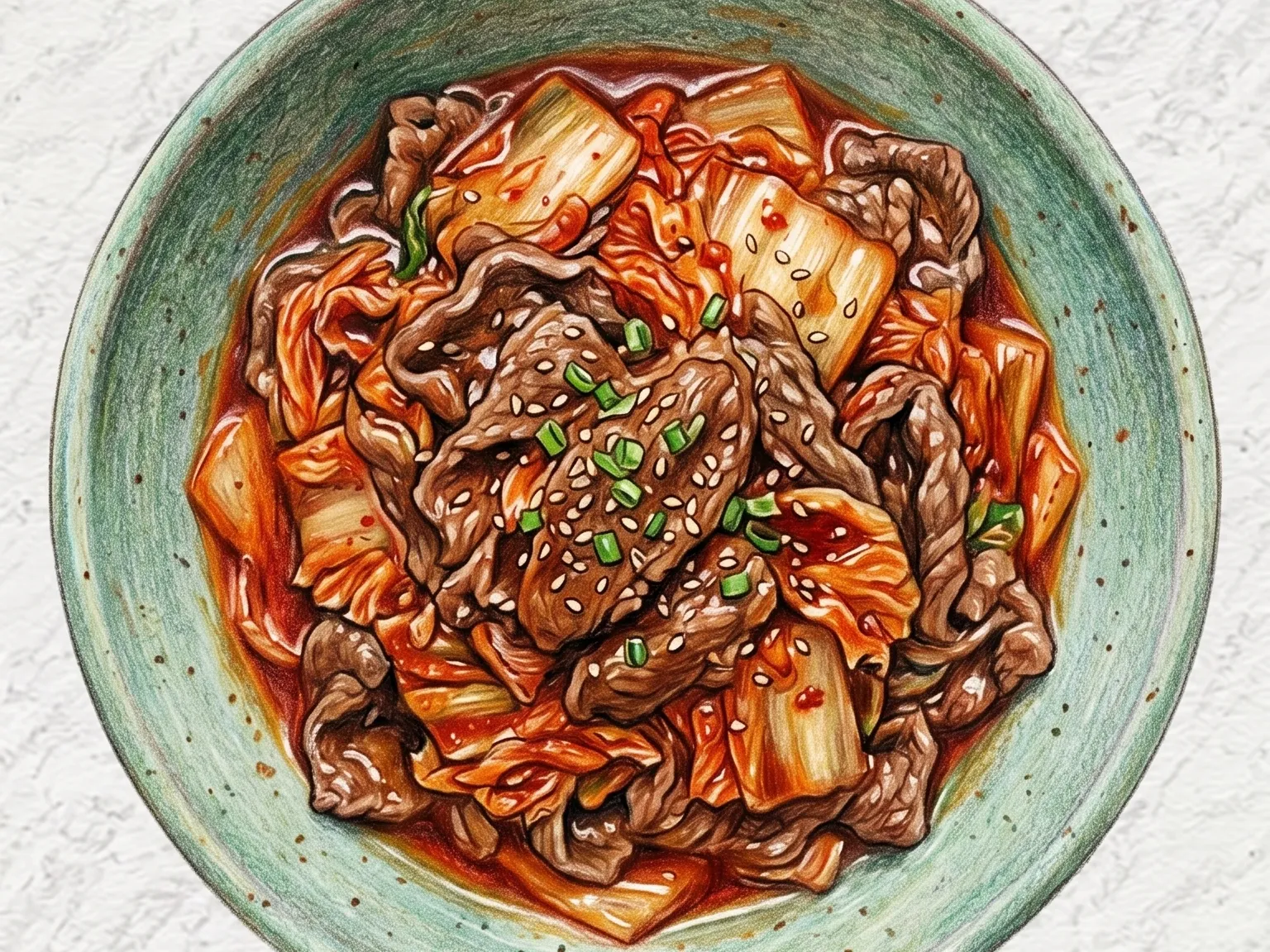
Gangwon-style soy bulgogi represents a regional variation of the traditional Korean grilled beef dish specifically associated with the Gangwon Province. Unlike the bulgogi styles commonly found in the Seoul metropolitan area, which often lean heavily into sweet and fruit-driven marinades, this version prioritizes the clean and savory profile of soy sauce. The preparation begins by marinating thinly sliced beef in a mixture composed of soy sauce, sugar, minced garlic, and toasted sesame oil, along with the addition of fresh pear juice. The inclusion of pear juice serves a dual purpose in the recipe. The natural enzymes within the juice work to tenderize the muscle fibers of the beef, while its sugars provide a subtle and restrained sweetness that complements the salty foundation of the soy sauce without becoming the dominant flavor. When the meat is ready, it is cooked in a preheated pan over high heat. Sliced shiitake mushrooms and onions are added to the pan during this stage, allowing them to absorb the liquid marinade as they soften. This process integrates the flavors of the vegetables with the primary taste of the beef. Maintaining a high temperature is a critical step in the cooking process to ensure that moisture evaporates rapidly. This prevents the dish from taking on the texture of a braised stew and instead produces a slight char and a smoky quality on the edges of the meat. Just before the heat is turned off, diagonally sliced green onions are tossed into the pan. They are cooked only until they begin to wilt, preserving a bright and sharp contrast that balances the finished dish. The result is a soy-focused flavor profile that is clear and direct. Because it avoids being overly aggressive or excessively sweet, this bulgogi serves as a consistent accompaniment for steamed rice that remains palatable through frequent consumption.

🏠 Everyday🌙 Late Night
Prep 15minCook 12min2 servings
Korean Pork Rib Perilla Leaf Stew
StewsMedium

Korean Pork Rib Perilla Leaf Stew

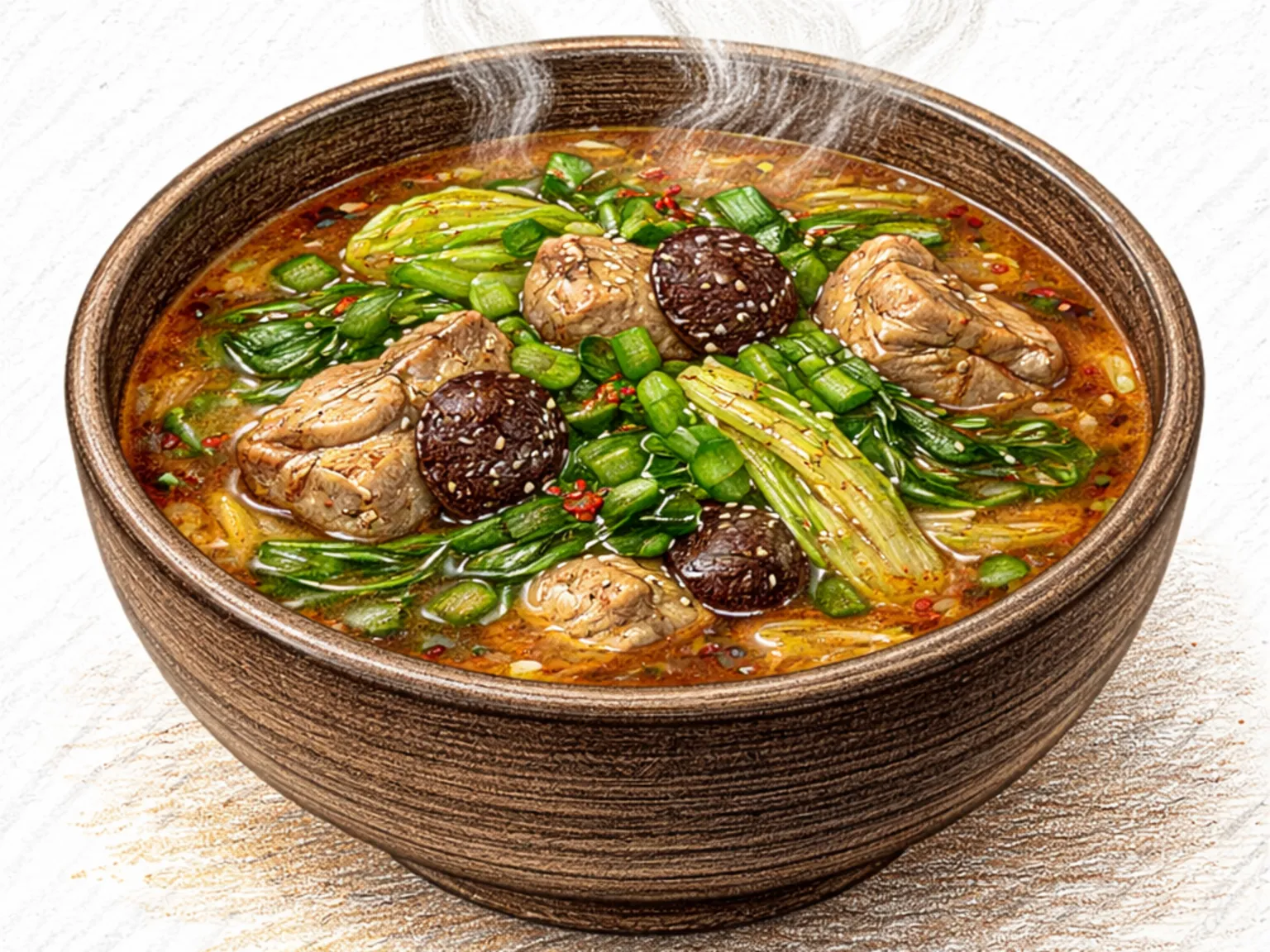
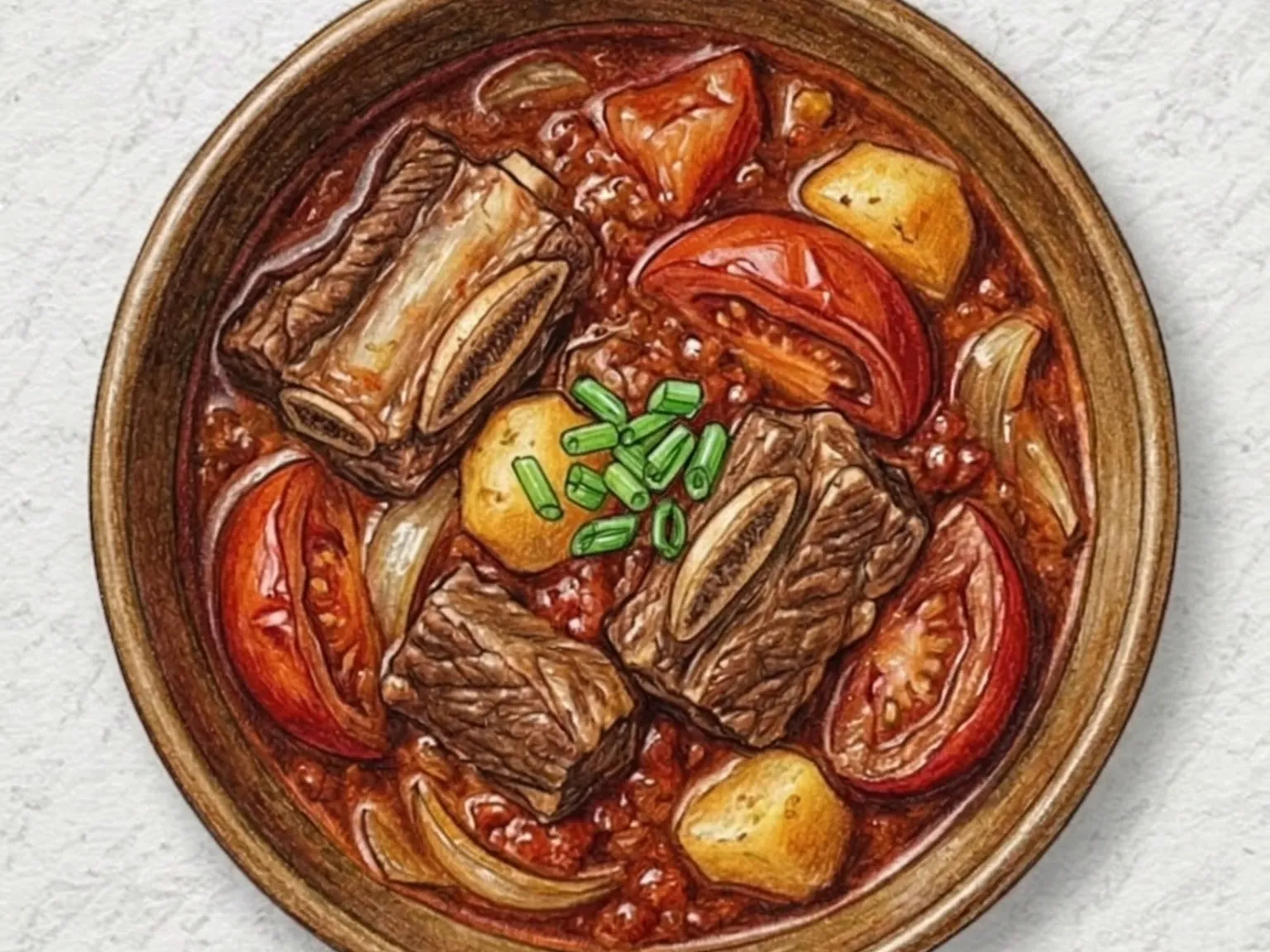
Pork back ribs and perilla leaves come together in this full-flavored, chili-seasoned jjigae. The ribs are simmered first to render a rich, collagen-heavy broth, and then potatoes and onion are added to give the liquid body and natural sweetness. Gochugaru and soup soy sauce establish the spicy base. Fresh perilla leaves are added just before the heat is turned off so their herbal fragrance stays intact, since prolonged boiling drives the aroma away. A touch of ginger keeps the pork flavor clean while the collagen-rich broth from the ribs provides substantial body. Picking the meat off the bone at the table is part of the experience, making this a natural fit for late autumn meals or as a communal drinking accompaniment.

🍺 Bar Snacks
Prep 25minCook 50min4 servings
Korean Braised Tofu and Mushrooms
Stir-fryEasy

Korean Braised Tofu and Mushrooms

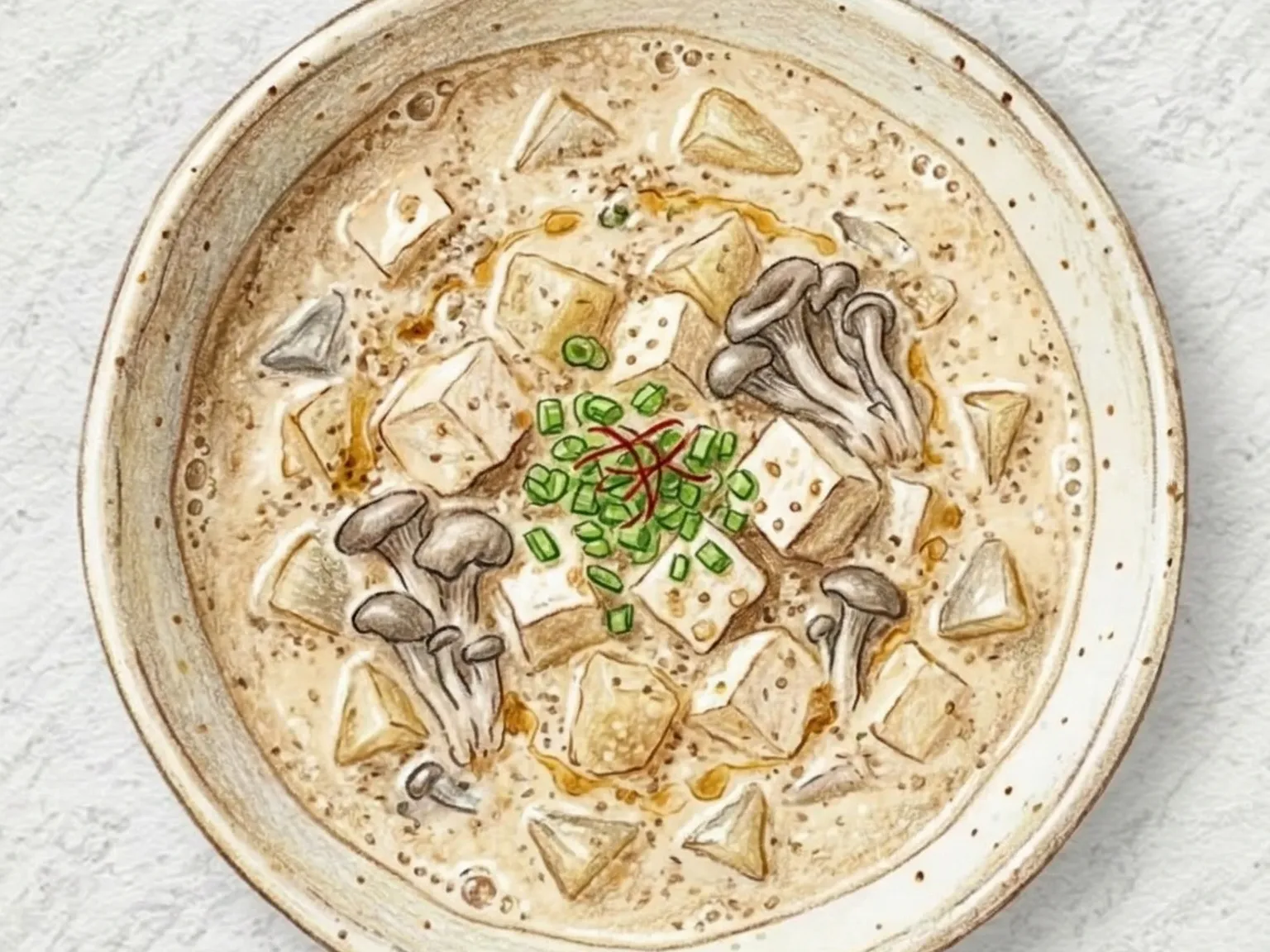
Dubu-beoseot-jorim is a Korean braised side dish of firm tofu and oyster mushrooms simmered in a soy-based sauce until the liquid reduces to a glossy, clinging coat. The tofu is pan-fried first in a lightly oiled skillet to form a firm outer crust before braising begins, which allows it to absorb the seasoned liquid without crumbling or losing its structure during cooking. The result is a cube with a slightly firmer exterior and a soft, custardy interior that holds together through each bite. Oyster mushrooms, torn along their natural grain rather than cut, contribute a pleasantly chewy texture and release their inherent umami into the braising liquid as they cook, adding depth without the need for separate stock. The sauce requires only soy sauce, water, garlic, gochugaru, and sesame oil, making this a straightforward braise that rewards careful heat management over elaborate preparation. When the sauce has reduced to just a small pool at the bottom of the pan, the dish is ready, well-seasoned enough to serve alongside plain rice or pack into a lunchbox.

🏠 Everyday🍱 Lunchbox
Prep 15minCook 18min3 servings
Korean Spicy Fish Roe Braise
SteamedMedium

Korean Spicy Fish Roe Braise

Al-jjim is a Korean braised dish built around pollock roe sacs and milt - the parts of the fish that most home cooks discard or that are sold separately at markets near fishing ports. The two components come from the same fish but behave completely differently when cooked. The roe sacs firm up into a dense, granular texture as they heat, each individual egg becoming distinct and slightly resistant to the bite. The milt, by contrast, softens to a custard-like consistency, breaking apart in soft curds that dissolve into the braising sauce. Radish slices line the pot bottom, providing a sweet buffer against the aggressive saltiness of the gochugaru-soy braising liquid and preventing the more delicate milt from burning. The dish cooks at low heat for about fifteen minutes, during which the roe and milt release their marine oils into the sauce, adding an oceanic richness to the spicy, salty base. Green onions or scallions added at the end contribute a fresh, sharp counterpoint that keeps the heavy sauce from becoming monotonous. Al-jjim is a winter specialty in Korea's east coast fishing ports - Pohang, Gangneung, Sokcho - where fresh pollock roe is available during the winter spawning season. Frozen roe can be substituted year-round, but it releases fewer marine oils into the sauce, producing a noticeably less rich broth than the fresh version.

🎉 Special Occasion
Prep 20minCook 25min4 servings
Korean Stir-fried Dried Shrimp
Side dishesEasy

Korean Stir-fried Dried Shrimp

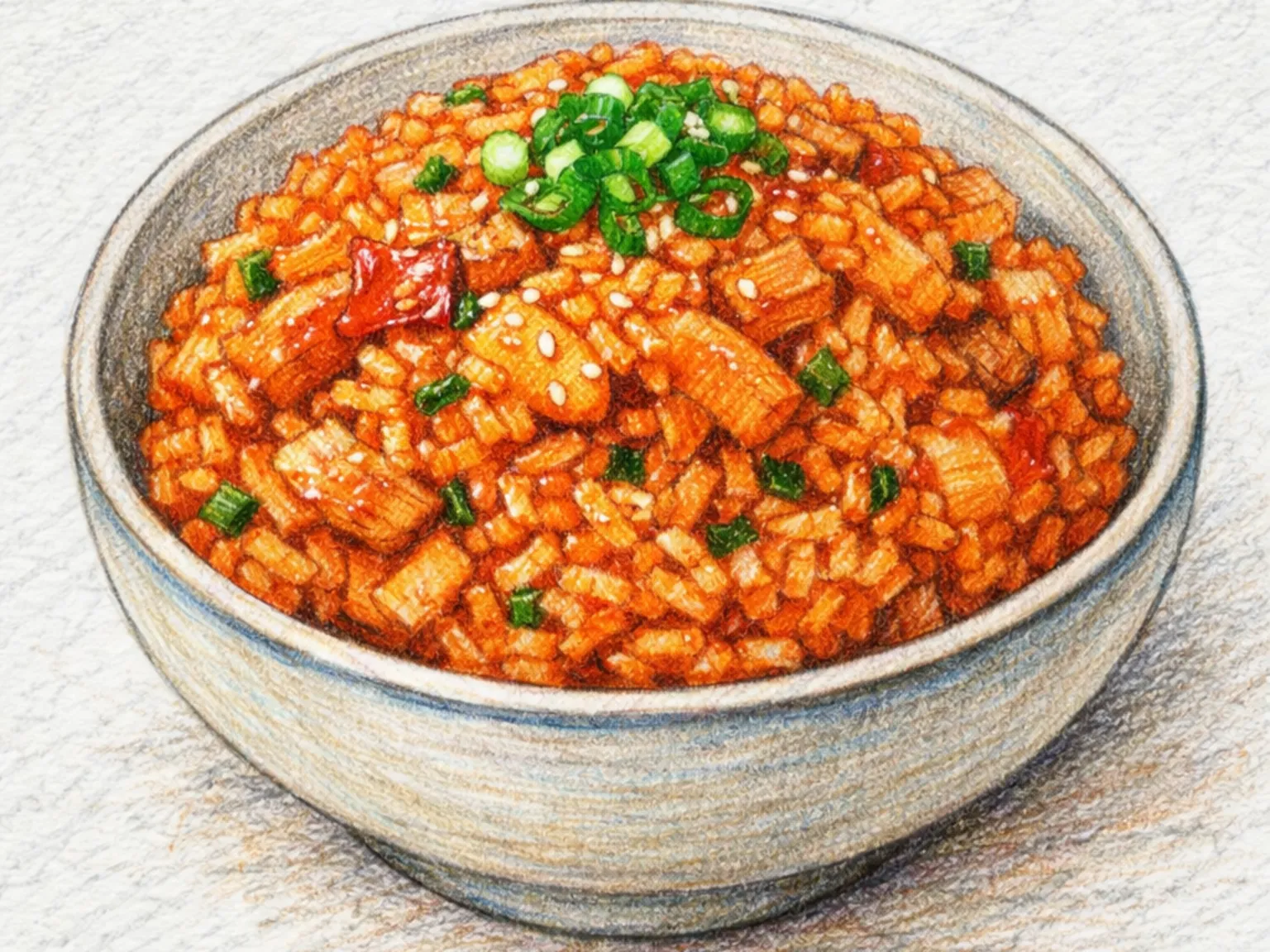
Geon-saeu-bokkeum transforms a handful of dried shrimp, a Korean pantry staple, into a quick, crunchy banchan that earns its reputation as a rice thief. The shrimp are dry-toasted in a pan first to drive off residual moisture, intensifying their briny aroma and building the foundation for a crisp final texture. Soy sauce, rice syrup or oligosaccharide, and garlic are added and reduced over low heat until the shrimp are wrapped in a thin, glossy sweet-salty glaze. The timing matters: the moment the syrup bubbles once, the heat must drop immediately, because leaving it even slightly too long hardens the coating into a tooth-testing shell rather than a pliable lacquer. A finish of sesame oil and whole sesame seeds adds a nutty warmth that rounds out this compact side dish. Finely sliced Cheongyang chili mixed in during the last minute produces a spicier variation, and a small handful of almonds or peanuts stirred in enriches the chew. The finished banchan keeps well in a sealed container at room temperature for several days, making it as practical as it is flavorful.

🏠 Everyday🍱 Lunchbox
Prep 5minCook 8min4 servings
Korean Seaweed and Oyster Soup
SoupsEasy

Korean Seaweed and Oyster Soup

Maesaengi-gul-guk is a light winter soup pairing two peak-season ingredients, capsosiphon seaweed and fresh oysters, that together produce a broth with an intense marine character neither delivers alone. Julienned radish and garlic are sauteed in sesame oil first to coax out sweetness, then water is added and brought to a boil before the oysters go in for three minutes. The oysters release their brininess into the stock, building the flavor base without any additional seasoning beyond soup soy sauce and a pinch of salt. The seaweed is added last and simmered for only two minutes, just long enough for it to soften while retaining its silky texture and faint oceanic scent. Both ingredients are best from November through February, so the soup is at its peak during those winter months. Because the oysters contribute significant salt on their own, seasoning should be done gradually at the end to avoid oversalting. The soup is warming and easy to digest, making it a natural fit for recovery meals and winter breakfasts.

🏠 Everyday
Prep 15minCook 12min2 servings
Korean Spicy Pollock Stew
SoupsMedium

Korean Spicy Pollock Stew

Dongtae-tang is a Korean spicy fish stew made with frozen pollock (dongtae), radish, tofu, and green onion in a broth seasoned heavily with gochugaru. The first step is simmering radish on its own long enough to release its clean, slightly sweet character into the base -- this foundation determines the clarity and depth of the finished broth. Once the radish has cooked through, gochugaru, soup soy sauce, and minced garlic are added to transform the pale stock into a vivid red, peppery liquid. The pollock is cleaned of scales and fins after thawing, then cut into large pieces so the flesh stays intact through the cooking process. After the fish is added, the stew should not be cooked for more than ten minutes: beyond that point, compounds from the bones leach into the broth, producing a bitter, fishy aftertaste that is difficult to correct. Cheongyang chili peppers add a sharper, more piercing heat than gochugaru alone -- a thin-sliced variety provides brief, concentrated bursts of spice. Tofu goes in during the last five minutes, giving it enough time to absorb the spiced broth without breaking apart. The seasoning the tofu draws in softens and rounds out the intensity of the soup, providing a mild counterpoint to the fish and the heat. The stew carries a bracing, satisfying quality and is especially popular during winter months.

🏠 Everyday
Prep 20minCook 30min4 servings
Korean Braised Pork Trotters
SteamedHard

Korean Braised Pork Trotters

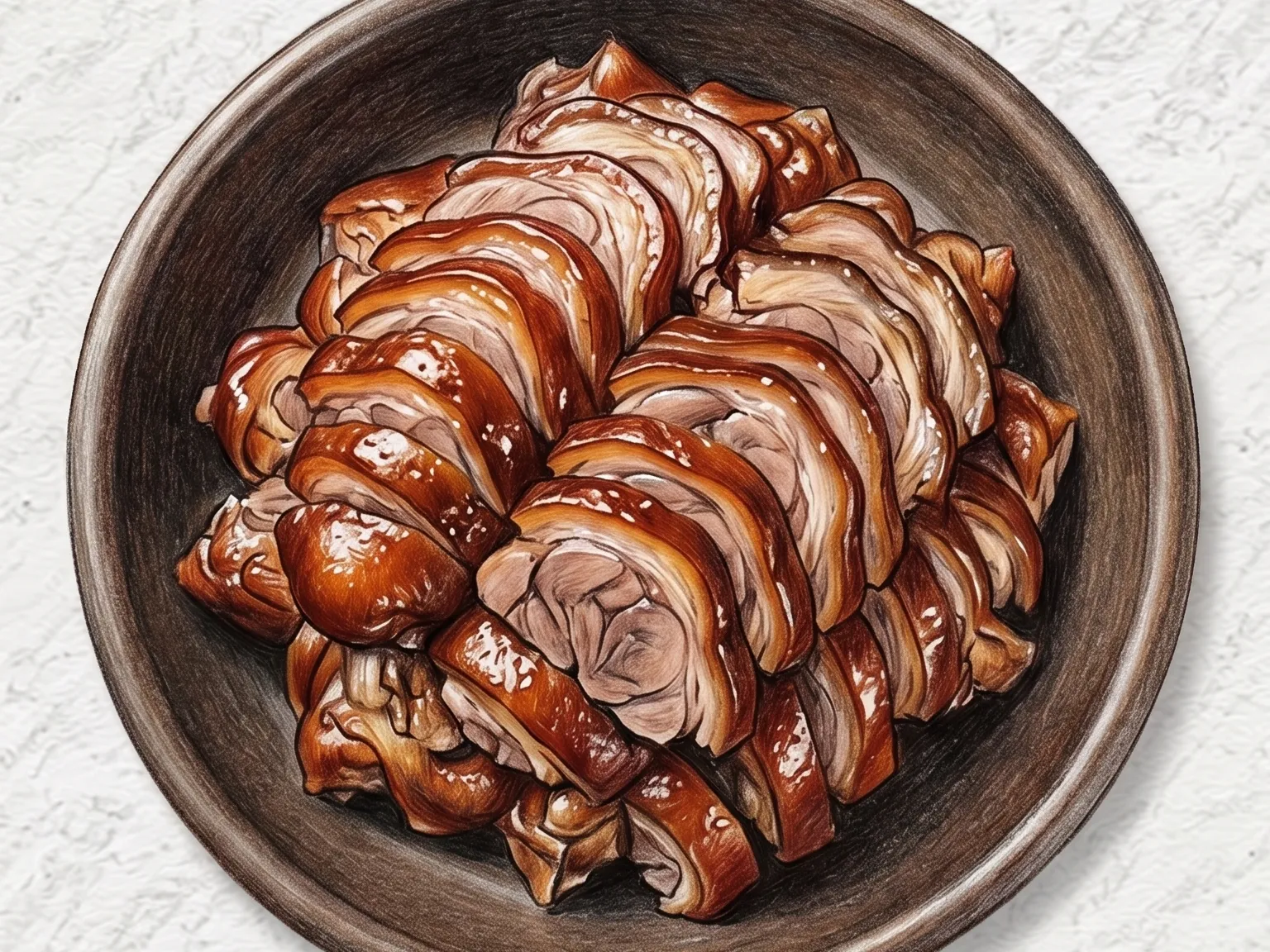
Jokbal is Korean soy-braised pork trotters slow-cooked for over two hours in a broth of soy sauce, garlic, ginger, onion, green onion, and whole peppercorn. The trotters are blanched first to remove impurities, then simmered gently until the collagen-rich skin turns glossy and the meat becomes fork-tender. The long braise allows the soy seasoning to penetrate deep into the layered skin and meat, creating a rich, savory flavor throughout. Traditionally sliced while still warm for the softest texture, jokbal is served with salted shrimp dipping sauce or ssamjang, wrapped in lettuce leaves - a classic Korean late-night food and drinking accompaniment.

🍺 Bar Snacks🎉 Special Occasion
Prep 25minCook 120min4 servings
Korean Spring Aralia Soybean Noodle Soup
NoodlesEasy

Korean Spring Aralia Soybean Noodle Soup

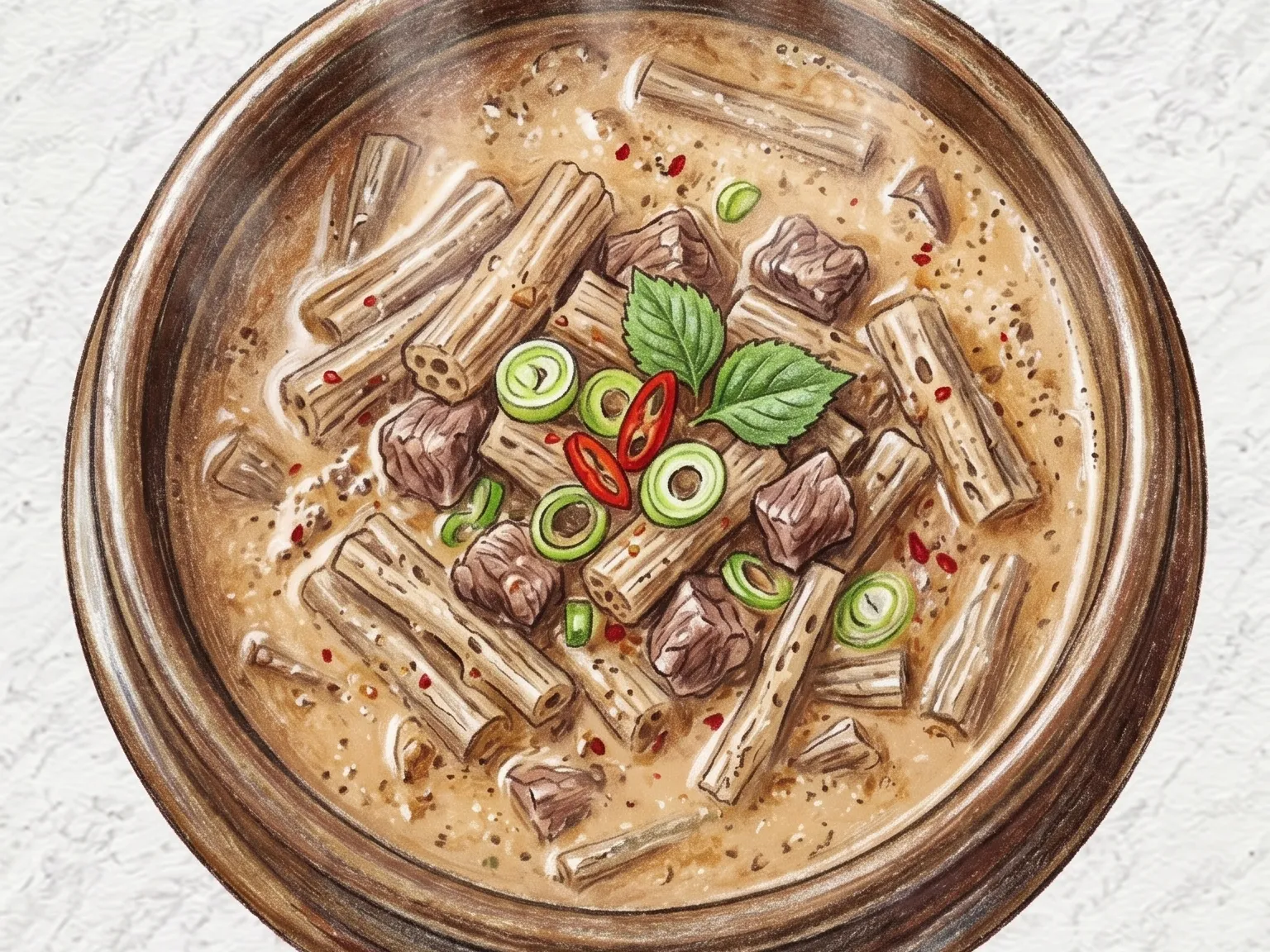
Durup doenjang kalguksu is a seasonal Korean noodle soup that layers blanched aralia shoots over a rich doenjang broth built with potato and zucchini. The potato breaks down partially during simmering, thickening the broth naturally and adding a mild, floury sweetness that works alongside the deep fermented character of the soybean paste. Zucchini softens into the liquid as it cooks, contributing its own gentle sweetness, and garlic reinforces the savory base. Knife-cut noodles hold up well in the dense broth, their chewy bite providing texture against the soft vegetables. The aralia shoots must be blanched separately and placed on top just before serving, because cooking them directly in the boiling broth drives off the bitter-herbal spring fragrance that makes them worth using in the first place. This dish comes together only during the brief aralia season in early spring, when the combination of fermented depth and fresh mountain herb aroma in a single bowl is at its most vivid.

🏠 Everyday
Prep 15minCook 20min2 servings
Korean Perilla Leaf Tofu Stir-fry
Stir-fryEasy

Korean Perilla Leaf Tofu Stir-fry

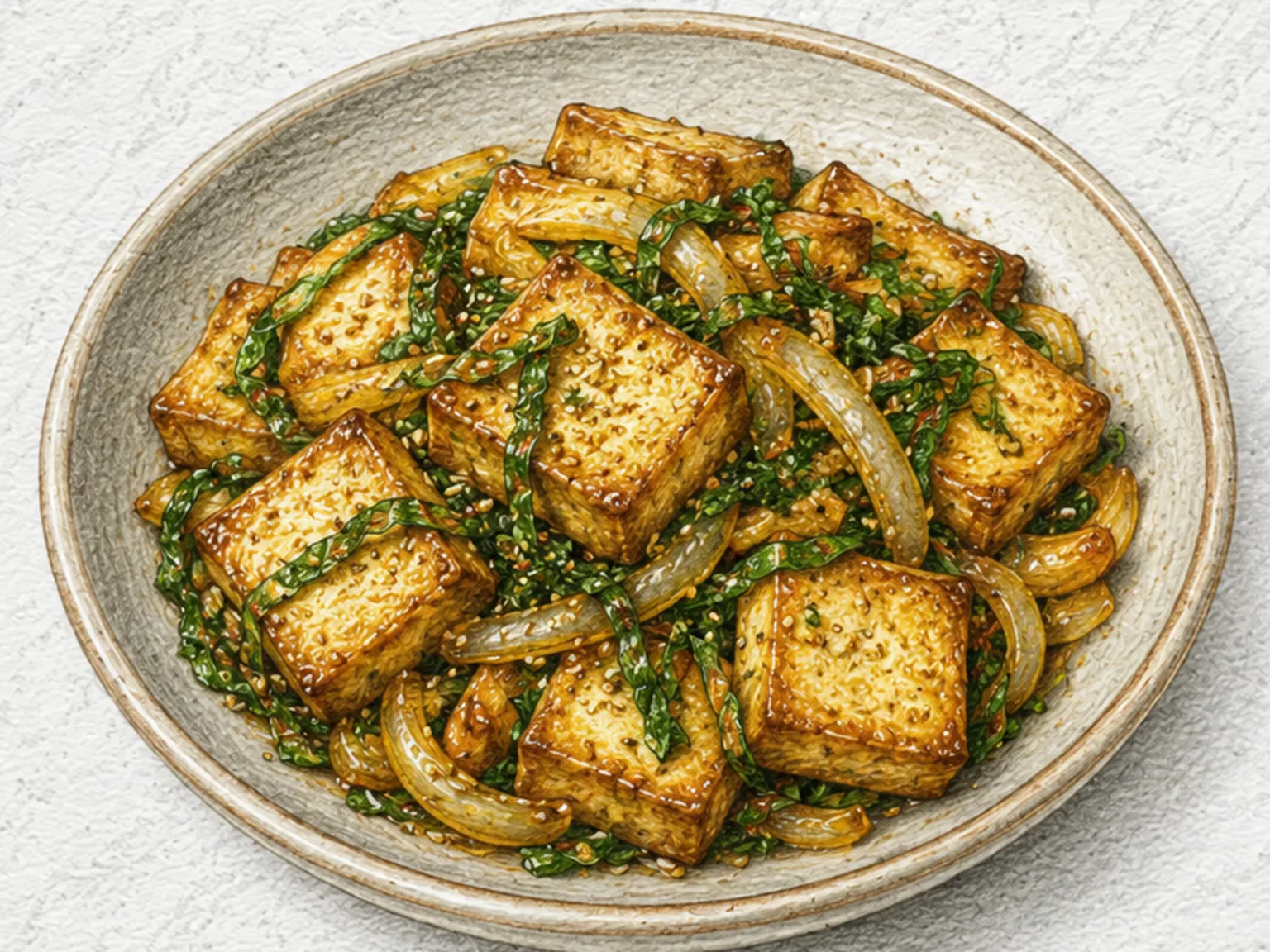
Kkaennip dubu bokkeum is a side dish of firm tofu cubes pan-fried until golden, then seasoned with soy sauce, onion, and garlic before being tossed with chiffonaded perilla leaves and ground perilla seeds at the end. The tofu develops a lightly crisp shell that absorbs the soy seasoning while the interior stays soft. Perilla leaves contribute a distinctive herbal fragrance, and the ground perilla seeds add a nutty depth that elevates the dish beyond a basic tofu stir-fry. A final touch of sesame oil brightens the aroma.

🏠 Everyday🍱 Lunchbox
Prep 10minCook 10min2 servings
Korean Seasoned Cockle Salad
Side dishesMedium

Korean Seasoned Cockle Salad

Kkomak-muchim is a seasoned cockle banchan that has become inseparable from the town of Beolgyo in South Jeolla Province. Beolgyo sits at the meeting point of wide tidal flats with strong current flow, producing an environment rich in organic matter where true cockles (cham-kkomak) grow plump, sweet, and full. The season runs from November through March, the months when the meat is at its densest and most flavorful. Cooking precision determines the outcome: stirring only in one direction once the water reaches a boil ensures all the shells open evenly rather than at staggered intervals, and the cockles must be removed at the four-minute mark before the flesh contracts and turns rubbery. The shells are pried apart immediately after lifting, the meat collected and drained well so the dressing does not turn watery. The seasoning is built from gochugaru, soy sauce, vinegar, sugar, and minced garlic, all mixed into a tangy, spicy paste that coats each cockle in a bright, assertive layer. Sliced green onion adds freshness, sesame oil adds a roasted fragrance, and a ten-minute rest after mixing allows the dense cockle meat to absorb the dressing from the surface inward. This is among the most sought-after seasonal banchan in Korean cuisine and a central part of what makes Beolgyo food culture distinctive.

🏠 Everyday🍱 Lunchbox
Prep 20minCook 10min2 servings
Korean Chili Grilled Wings
GrilledMedium

Korean Chili Grilled Wings

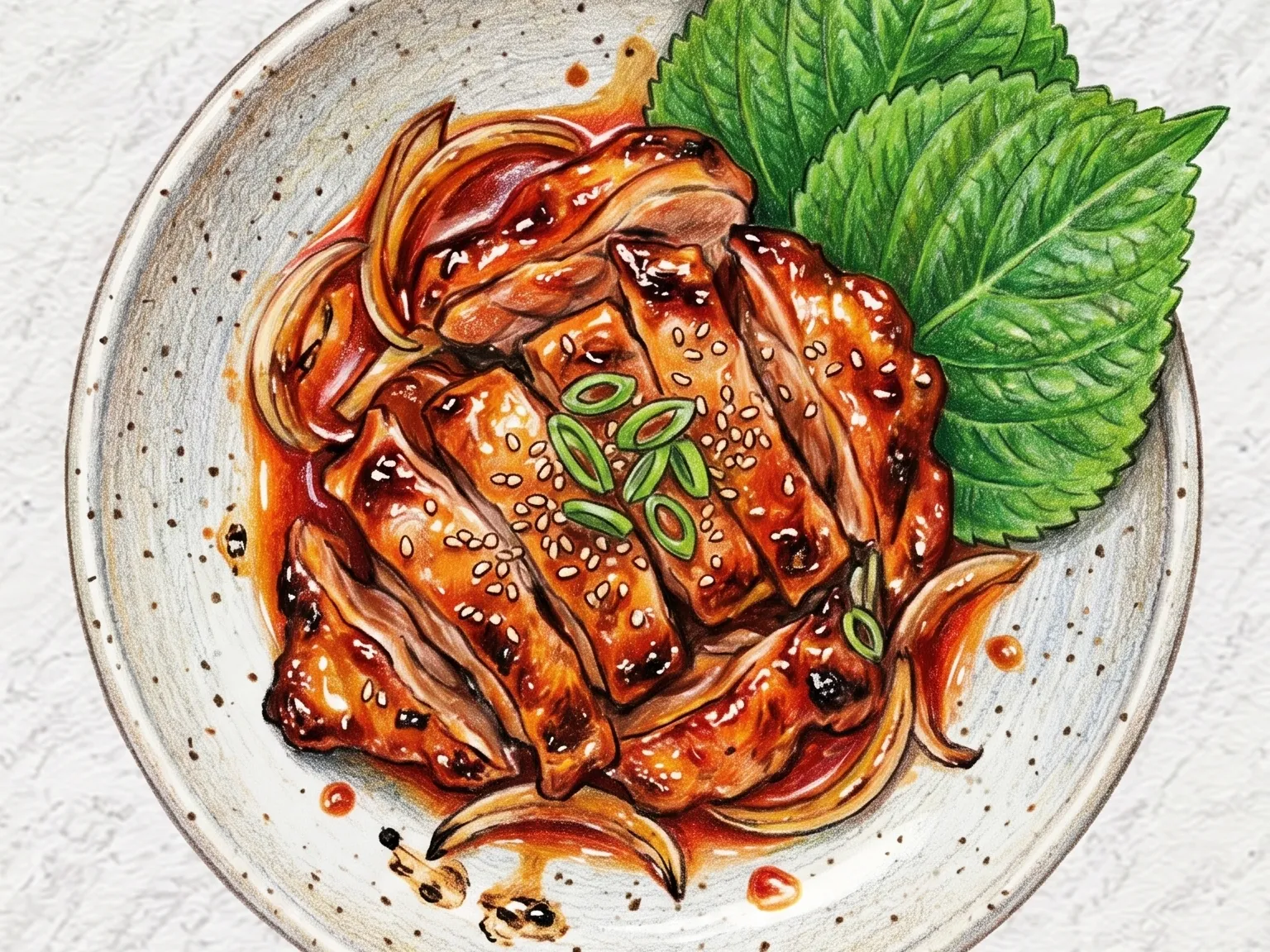
Daknalgae-gochugaru-gui is a Korean chili-crusted chicken wing dish tossed in a coarse mixture of gochugaru, soy sauce, cooking wine, oligosaccharide syrup, minced garlic, and ginger powder, then grilled or pan-fried until the surface crisps. Unlike smooth gochujang, the coarse gochugaru particles cling to the chicken skin and crisp up during cooking, forming a textured, spicy crust on the surface, while the oligosaccharide syrup melts and binds those flakes firmly to the skin. The cooking wine neutralizes any gamey odor from the chicken and, as the alcohol evaporates, carries the garlic and ginger aromatics across the surface. A final blast of high heat lightly singes the chili flakes, adding a smoky dimension to the heat. Black pepper scattered over the top introduces another layer of sharpness that makes the overall heat more complex. Marinating the wings for at least thirty minutes before cooking allows the seasoning to penetrate the meat, yielding a deeper flavor once grilled. An air fryer at 200 degrees Celsius for 18 to 20 minutes produces an even crispier result than pan grilling.

🍺 Bar Snacks
Prep 20minCook 25min4 servings
Korean Soy Braised Quail Eggs
Stir-fryEasy

Korean Soy Braised Quail Eggs

Al-jorim - soy-braised quail eggs - is one of Korea's most universal banchan, appearing in school cafeteria trays, packed office lunchboxes, and home refrigerators as a reliable standby. The dish belongs to the broader Korean jorim tradition of simmering proteins low and slow in a sweetened soy-based liquid until the glaze seeps through to the center. Peeled quail eggs go into a pan with soy sauce, water, sugar, cooking wine, and minced garlic, then simmer over medium-low heat for ten minutes. Turning the eggs occasionally is essential - it ensures the soy stain reaches every surface evenly rather than leaving pale patches. The liquid starts thin and gradually reduces as the eggs cook, concentrating into a sticky, glossy glaze that clings to the surface in the final two to three minutes over higher heat. The outside takes on a deep chestnut brown while the yolk inside stays vivid yellow. A sliced cheongyang chili added near the end introduces a low, slow heat that keeps the sweet-salty profile from becoming monotonous. Sesame oil and toasted sesame seeds scattered over the finished eggs add a nutty note against the soy base. Left overnight in the refrigerator, the seasoning penetrates further and the flavor deepens, making this one of the few banchan that genuinely improves after a day.

🏠 Everyday🍱 Lunchbox
Prep 10minCook 15min2 servings
Korean Stir-fried Squid and Bean Sprouts
Stir-fryEasy

Korean Stir-fried Squid and Bean Sprouts

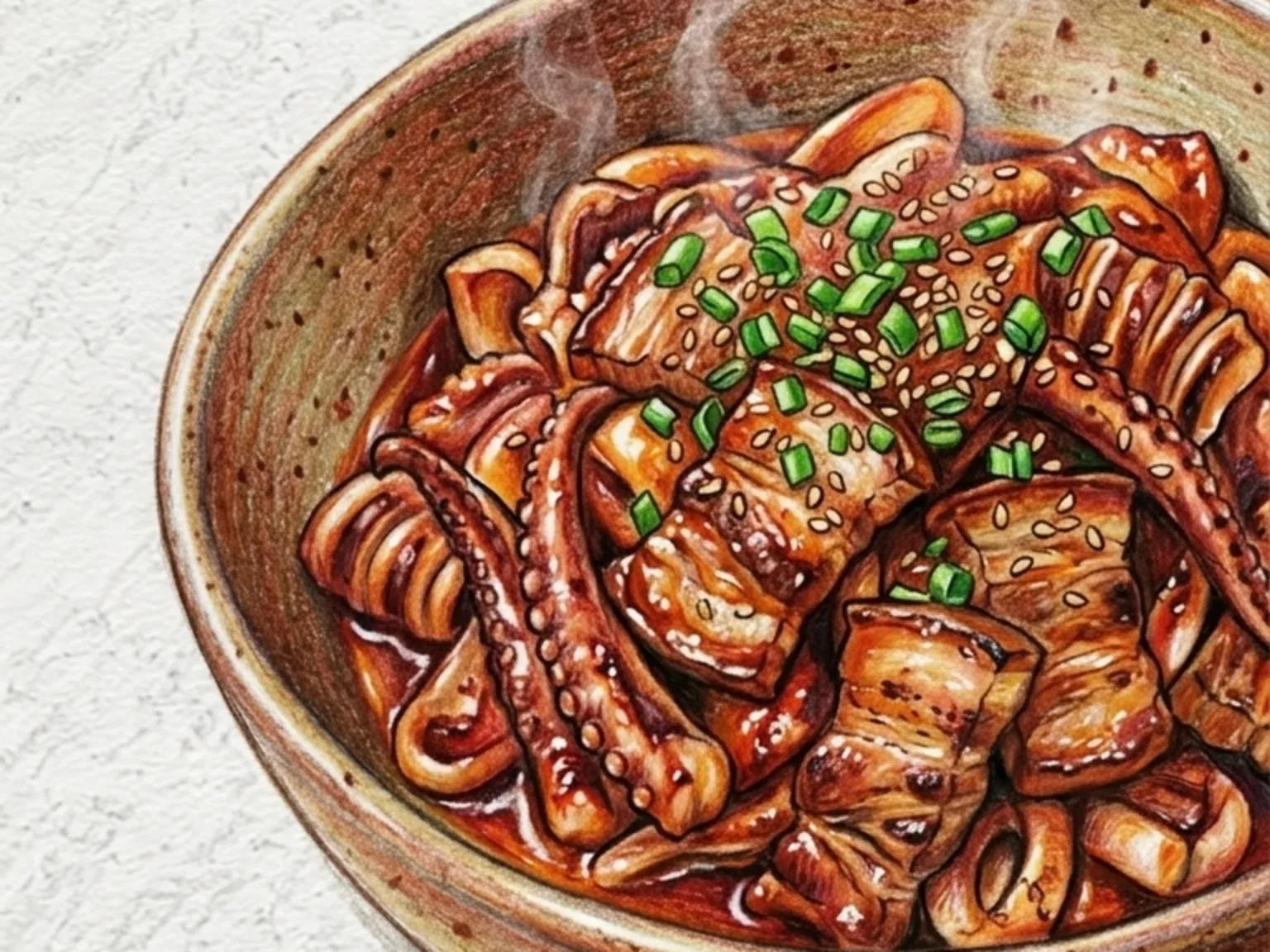
Ojingeo-sukju-bokkeum stir-fries bite-size squid pieces and bean sprouts in a gochujang-gochugaru sauce over very high heat, capturing smoky wok flavor. Garlic and the chili paste cook first to bloom their heat, then squid and onion go in for a fast sear. Bean sprouts are added only in the final minute or two, keeping them crisp and preventing the dish from becoming watery. Scallion joins at the same time for a sharp finish. The contrast between the squid's firm, chewy body and the sprouts' light crunch defines the texture, while the bold seasoning makes this a natural match for steamed rice.

🏠 Everyday🌙 Late Night
Prep 15minCook 10min2 servings
Korean Grilled Chicken Hearts
GrilledEasy

Korean Grilled Chicken Hearts

Chicken hearts are trimmed, rinsed, and marinated briefly in cooking wine to remove any off-flavors before being seasoned with salt, pepper, and garlic. They are seared over high heat in a single layer for about six minutes total, which keeps the interior springy and chewy rather than tough. Finished with sliced scallion, this high-protein dish works well as a drinking snack or a quick weeknight side.

🍺 Bar Snacks
Prep 25minCook 10min2 servings
Korean Sea Squirt Soybean Paste Soup
SoupsMedium

Korean Sea Squirt Soybean Paste Soup

Mideodeok-doenjang-guk is a Korean soybean paste soup made with sea squirt, one of the more unusual and intensely flavored combinations in everyday Korean cooking. Sea squirt, called mideodeok in Korean, belongs to the same class of sea creatures as the better-known meongge. What sets it apart is the small pocket of brine inside its leathery outer skin. When bitten, the skin pops and releases a burst of concentrated ocean liquid that spreads through the surrounding broth. Combined with the fermented earthiness of doenjang, this creates a double layer of umami that lingers well past the last spoonful. The soup is built on anchovy-kelp stock, which reinforces the seafood character and keeps the base clean. Doenjang is stirred in once the stock is fully boiling so it dissolves evenly without losing its fermented depth. Radish and zucchini are added to balance the intensity: both vegetables absorb the strong flavors of the broth while contributing a quiet sweetness. One or two Cheongyang chili peppers provide a clean, building heat that cuts through any richness. Generous sliced green onion added just before serving keeps the finish bright and aromatic. Sea squirt should not be scored or cut before the soup is finished, as breaking the skin early causes the inner liquid to drain away into the pot rather than releasing inside the mouth. Along the southern coast of South Korea, particularly in Tongyeong and Geoje where mideodeok is harvested in large quantities, this soup is ordinary home cooking. Elsewhere it is a deliberate seasonal choice, best in late spring and early summer.

🏠 Everyday
Prep 12minCook 18min2 servings