Charim

2686 Korean & World Recipes

2686+ Korean recipes, clean and organized. Ingredients to instructions, all at a glance.

Recipes with garlic

24 recipes

Buy garlic
Deulkkae Mushroom Lasagna Bianca
PastaHard

Deulkkae Mushroom Lasagna Bianca

Deulkkae mushroom lasagna bianca layers sauteed button and oyster mushrooms coated in perilla seed powder between lasagna sheets, baking without traditional bechamel into a white lasagna with a distinctly Korean character. The mushrooms must be cooked in small batches over high heat - loading too many at once causes them to steam in their own liquid instead of browning, which loses both color and chew. Ground perilla seeds replace cream as the source of richness: they contribute a dense, nutty weight that fills the layers without dairy fat, and their flavor sits closer to toasted sesame and walnut than to any herb. That nuttiness locks onto the earthy quality of mushrooms in a way that differs noticeably from a standard bechamel-based lasagna. Mozzarella and Parmigiano bind the layers together and develop a golden crust across the top during baking. The lasagna needs to rest for at least ten minutes after it comes out of the oven so the layers compress and each slice cuts cleanly without falling apart.

🎉 Special Occasion
Prep 30minCook 45min4 servings
Squid Naengi Chojang Salad
SaladsMedium

Squid Naengi Chojang Salad

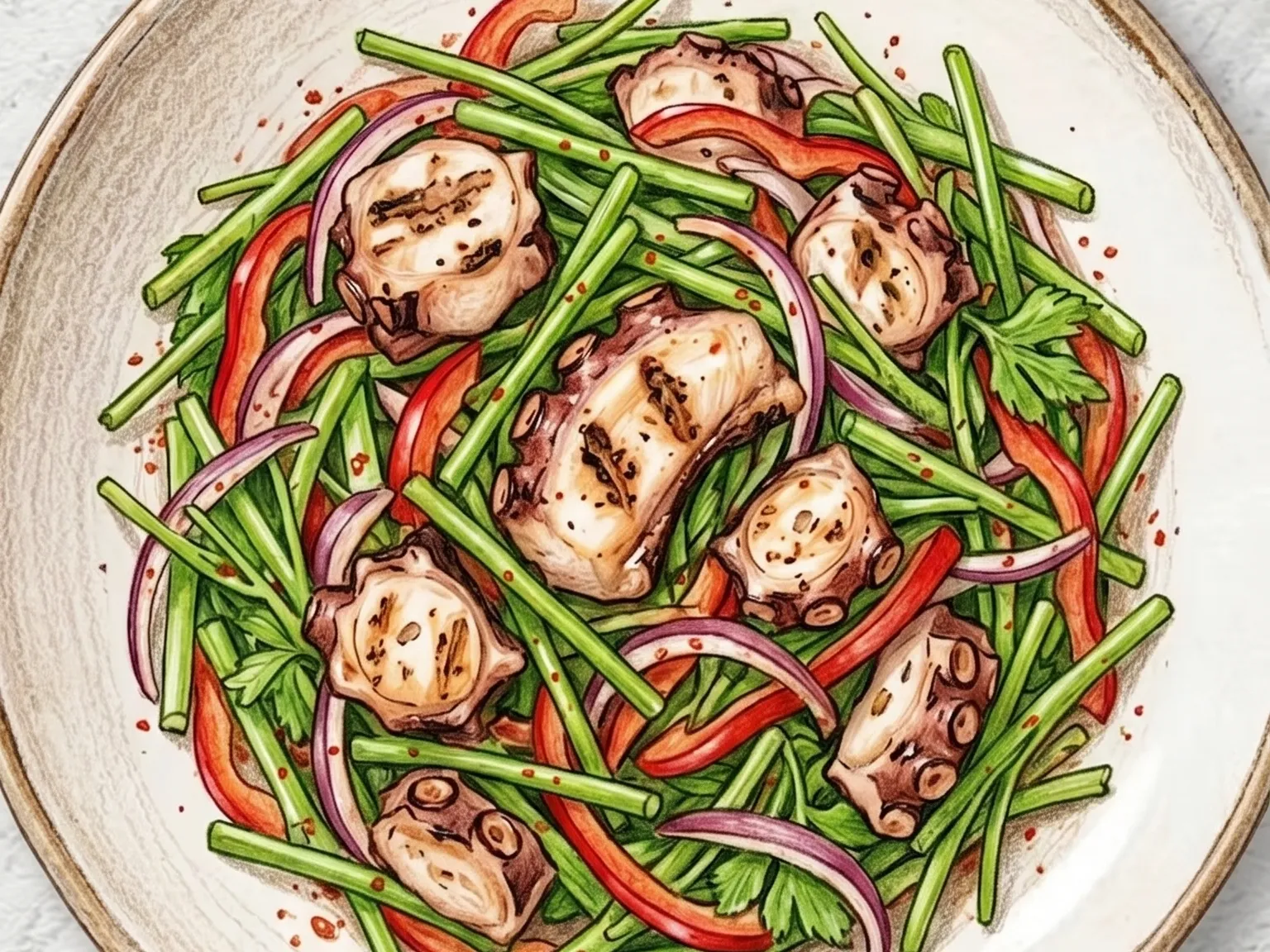
Preparing squid for a seasonal salad involves a quick blanching process in boiling water for less than thirty seconds. This precise timing keeps the seafood tender and prevents it from turning rubbery or tough. Shepherd's purse, or naengi, contributes an earthy aroma characteristic of early spring that complements the oceanic profile of the squid. Crisp lettuce and fresh cucumber provide a crunchy texture that contrasts with the soft seafood pieces. The dressing relies on a combination of gochujang, rice vinegar, and oligosaccharide syrup to create a spicy, tangy, and mildly sweet foundation for the ingredients. To finish the sauce, sesame oil contributes a nutty scent while minced garlic adds a sharp, aromatic quality that integrates the different components. Careful cleaning of the naengi to remove soil and fine roots is necessary before briefly blanching it in salted water to eliminate bitterness and preserve its fragrance. Serving this dish cold during the early spring months highlights the specific seasonal qualities of the ingredients. For variations, scallops or shrimp can replace the squid, as they both pair well with the spicy dressing. Similarly, spring cabbage or wild chives can substitute for the shepherd's purse to maintain the seasonal character of the salad.

🥗 Light & Healthy
Prep 20minCook 4min2 servings
Caldo Verde (Portuguese Potato Soup with Kale and Sausage)
WesternEasy

Caldo Verde (Portuguese Potato Soup with Kale and Sausage)

Caldo verde is Portugal's most emblematic soup, originating in the Minho region of the north and eaten across the country at festivals, family tables, and everyday meals. A base of potatoes and onion is simmered in water until the potatoes fall completely apart, then blended smooth so the natural starch thickens the soup without any added cream, flour, or roux. The result is a velvety texture built entirely from vegetables and water. Sliced smoked chourico or linguica is added next, and as the sausage heats through its rendered fat and smoky salt diffuse through the broth, adding depth and richness that a plain potato soup cannot offer. Collard greens or kale are cut into the thinnest possible ribbons and cooked for only the final eight minutes, which keeps the color vivid green and the texture slightly resistant to the bite. Overcooking dulls the color to olive and turns the leaves soft and stringy. A drizzle of olive oil over each bowl and thick slices of broa, a dense Portuguese cornbread, alongside the soup allow the broth to soak into the crumb and complete what is otherwise a simple but deeply satisfying meal.

🏠 Everyday🎉 Special Occasion
Prep 15minCook 35min4 servings
Bicol Express (Filipino Pork Belly in Spicy Coconut Cream Stew)
AsianMedium

Bicol Express (Filipino Pork Belly in Spicy Coconut Cream Stew)

Bicol Express takes its name from the train line that once ran between Manila and the Bicol region in southeastern Luzon, an area where coconut and chili peppers appear in quantities that would be considered excessive almost anywhere else in the Philippines. Thinly sliced pork belly simmers in a mixture of coconut milk and coconut cream together with fermented shrimp paste (bagoong), garlic, onion, and a generous measure of both long finger chilies and bird's eye chilies. The liquid reduces slowly over medium heat until the coconut milk splits, releasing its fat into the pan - at that point the pork begins to fry in the rendered coconut oil rather than braise in liquid, and its texture changes noticeably. The finished dish has almost no remaining sauce; a thick, creamy, oily coating clings to every piece of pork and chili. The shrimp paste operates below the surface of the sweetness provided by the coconut, laying down a deep, briny, funky foundation that defines the flavor without announcing itself. The heat from the chilies does not arrive immediately - it accumulates over successive spoonfuls. The combination of coconut, chili, and fermented shrimp reflects an ancient Bicolano flavor structure that predates the dish's catchy modern name by generations. Serving it over steamed white rice, which absorbs the rich coating as it sits on the plate, is the only way to eat it properly.

🎉 Special Occasion
Prep 15minCook 35min4 servings
Korean Busan-Style Soy Fish Cake Stir-Fry
Side dishesEasy

Korean Busan-Style Soy Fish Cake Stir-Fry

Busan, Korea's largest port city, is closely identified with eomuk: thick, pressed fish cake sold at stalls around Gukje-sijang market. This Busan-style stir-fry slices the fish cake into strips and cooks it with onion and cheongyang chili in soy sauce, cooking wine, sugar, and minced garlic over high heat. Onion goes into the pan first to caramelize and release its sugars, creating a sweet base before the fish cake joins and absorbs the glaze into its porous interior. Cheongyang chili adds a sharp, lingering heat that sets this version apart from the milder soy-braised fish cake common in Seoul. The dish holds its flavor well after cooling, making it a reliable lunchbox side that tastes just as good a few hours later.

🏠 Everyday🍱 Lunchbox
Prep 10minCook 12min4 servings
Korean Pork Soup with Rice
RiceHard

Korean Pork Soup with Rice

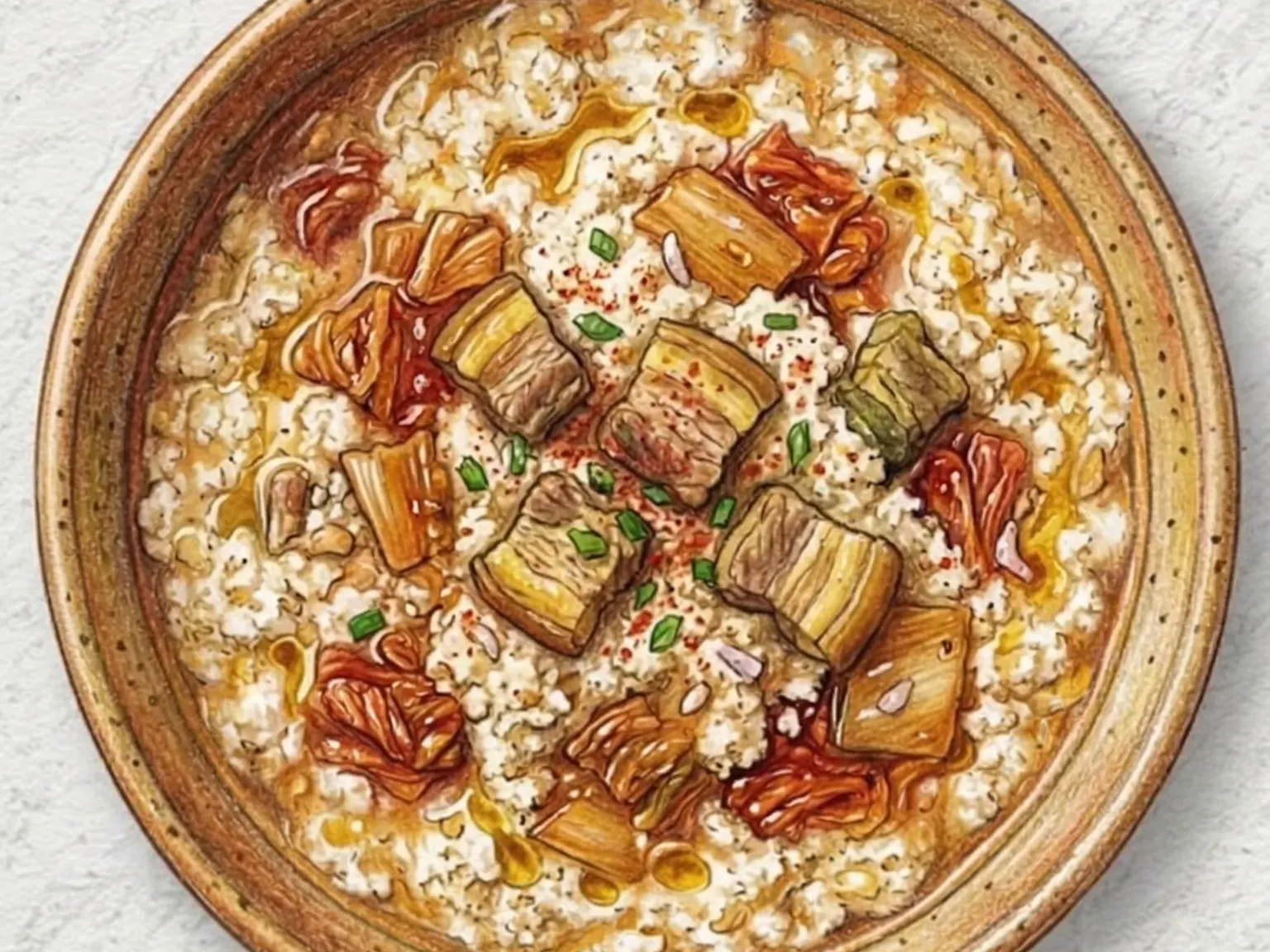
Dwaeji gukbap is Busan's definitive pork and rice soup, constructed around a broth that simmers pork shoulder or neck in a bone stock base for well over an hour, until the liquid becomes pale, rich, and deeply flavored. The pork is always blanched in plain water first and the water discarded, removing blood and impurities that would cloud the broth or introduce an off-flavor. After blanching, the meat transfers to the main pot where it cooks long and low until the muscle fibers loosen and the collagen begins to dissolve into the liquid, adding a gentle body that coats the inside of the bowl. That collagen-thickened base absorbs the mineral depth of the simmered bones beneath it, building a broth that cannot be rushed or replicated quickly. The cooked pork is sliced thin across the grain, arranged over a bowl of steamed rice, and doused with a generous pour of the boiling broth, which soaks into the rice and makes each spoonful carry the flavor of both. Sliced green onion and garlic chives piled on top add a fresh, grassy brightness that cuts through the richness. Fermented shrimp paste and minced fresh chili sit on the side for each diner to season individually - a ritual that is specific to this dish. In Busan, gukbap shops that have kept the same stockpot simmering for decades are treated with the same reverence as landmarks.

🎉 Special Occasion
Prep 20minCook 80min2 servings
Korean Soy-Glazed Mushroom Stir-Fry
Stir-fryEasy

Korean Soy-Glazed Mushroom Stir-Fry

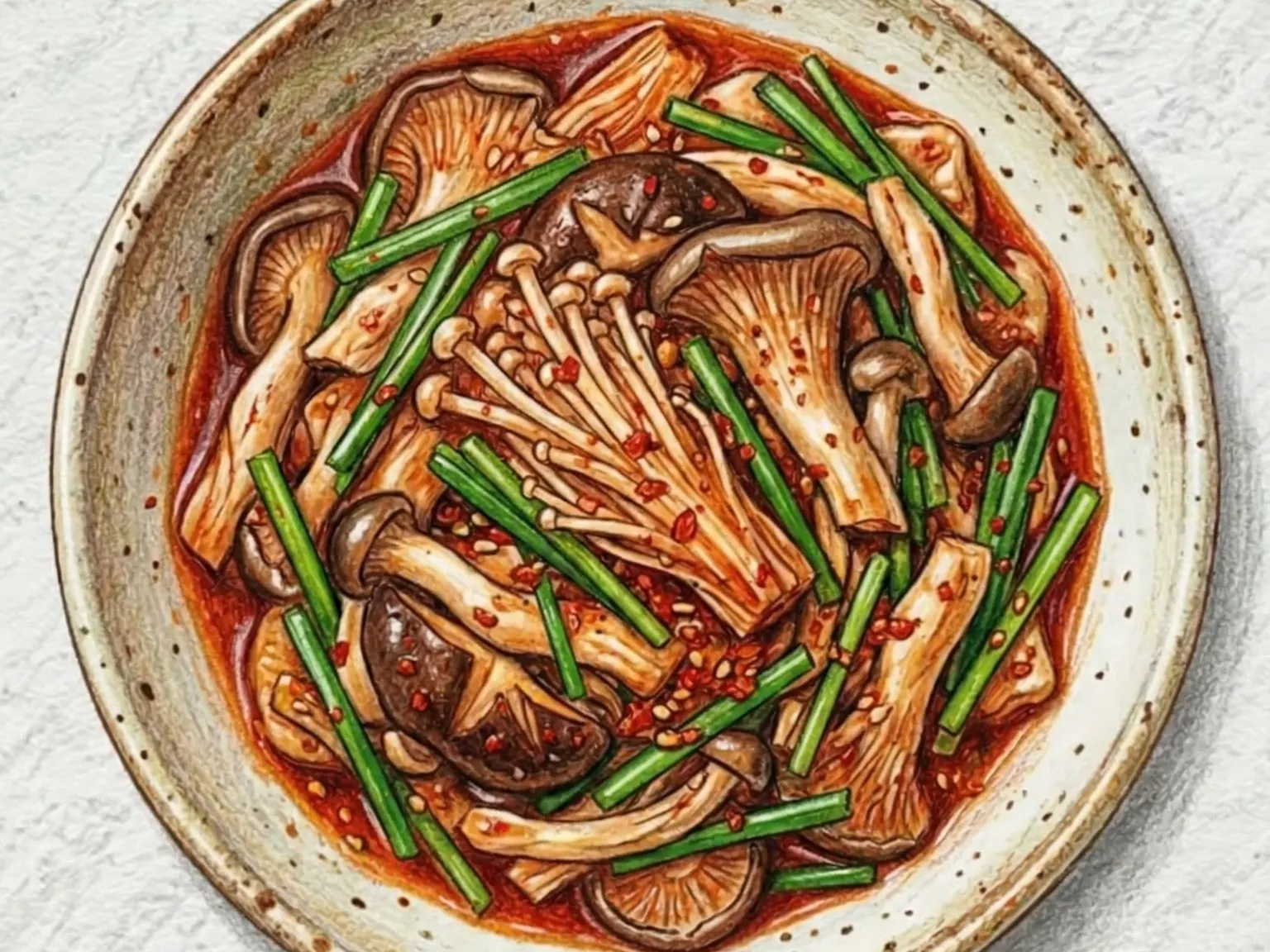
Oyster mushrooms and shiitake are sauteed in melted butter, then finished with a measured pour of soy sauce that reduces into a glossy, caramelized glaze across the surface of each piece. Sliced garlic goes into the butter first and cooks until fragrant, building an aromatic base before the mushrooms are added. Cooking over strong heat is the non-negotiable step: moderate temperatures cause the mushrooms to release moisture and stew in their own liquid rather than sear, losing the slightly crisp exterior that defines the dish. Once the mushrooms are colored and their edges firm up, soy sauce is added and tossed rapidly so it coats every surface and reduces rather than pools. The butter infuses the mushrooms during cooking with a rich, almost nutty undertone, while the soy sauce caramelizes under heat to produce a salty-sweet lacquer. A small knob of additional butter stirred in off the heat gives the sauce a final sheen. With only five ingredients, the dish depends entirely on the interplay between butter depth and soy intensity to deliver flavor well beyond its simplicity. Spooned over steamed rice, it turns a plain bowl into a complete meal.

🏠 Everyday🌙 Late Night
Prep 10minCook 10min2 servings
Korean Meat Mandu (Pork and Beef Dumplings with Tofu Filling)
Street foodMedium

Korean Meat Mandu (Pork and Beef Dumplings with Tofu Filling)

Gogi-mandu is a Korean meat dumpling filled with ground pork, ground beef, squeezed tofu, onion, scallion, and garlic, seasoned with soy sauce and sesame oil. Kneading the filling in a single direction develops myosin bonds in the meat proteins, giving the mixture a sticky consistency that helps it hold together and retain moisture during cooking. The pork contributes fat and a mild sweetness, the beef adds a deeper, more savory flavor, and the tofu, wrung dry before mixing, softens the overall texture and prevents the filling from becoming too dense. These dumplings can be steamed in a basket for a clean, light result, or cooked using the steam-then-fry method: a splash of water in a covered pan brings them through with heat, then the lid is removed and the bottoms are crisped directly on the pan surface, producing a golden, crunchy base that contrasts with the soft filling above.

🧒 Kid-Friendly🌙 Late Night
Prep 30minCook 15min4 servings
Korean Grilled Chicken Neck Meat
GrilledMedium

Korean Grilled Chicken Neck Meat

Dak-moksal-gui is a grilled Korean chicken neck dish seasoned with soy sauce, cooking wine, minced garlic, and sesame oil, then seared quickly over high heat. Chicken neck contains streaks of intramuscular fat that give it a chewy, savory richness unlike the lean dryness of breast meat -- a quality prized among those who know the cut. Spreading the pieces flat on the pan surface creates maximum contact and promotes rapid browning through the Maillard reaction, and flipping within two minutes per side preserves the juices that would otherwise be lost with extended heat. Sliced green onion scattered at the finish adds a fresh, pungent layer on top of the sweet-salty soy base, and coarsely cracked black pepper sharpens the aftertaste. The dish works equally well as a rice side or a beer accompaniment.

🍺 Bar Snacks
Prep 20minCook 10min2 servings
Korean Buchu Honghap Guk (Chive Mussel Soup)
SoupsEasy

Korean Buchu Honghap Guk (Chive Mussel Soup)

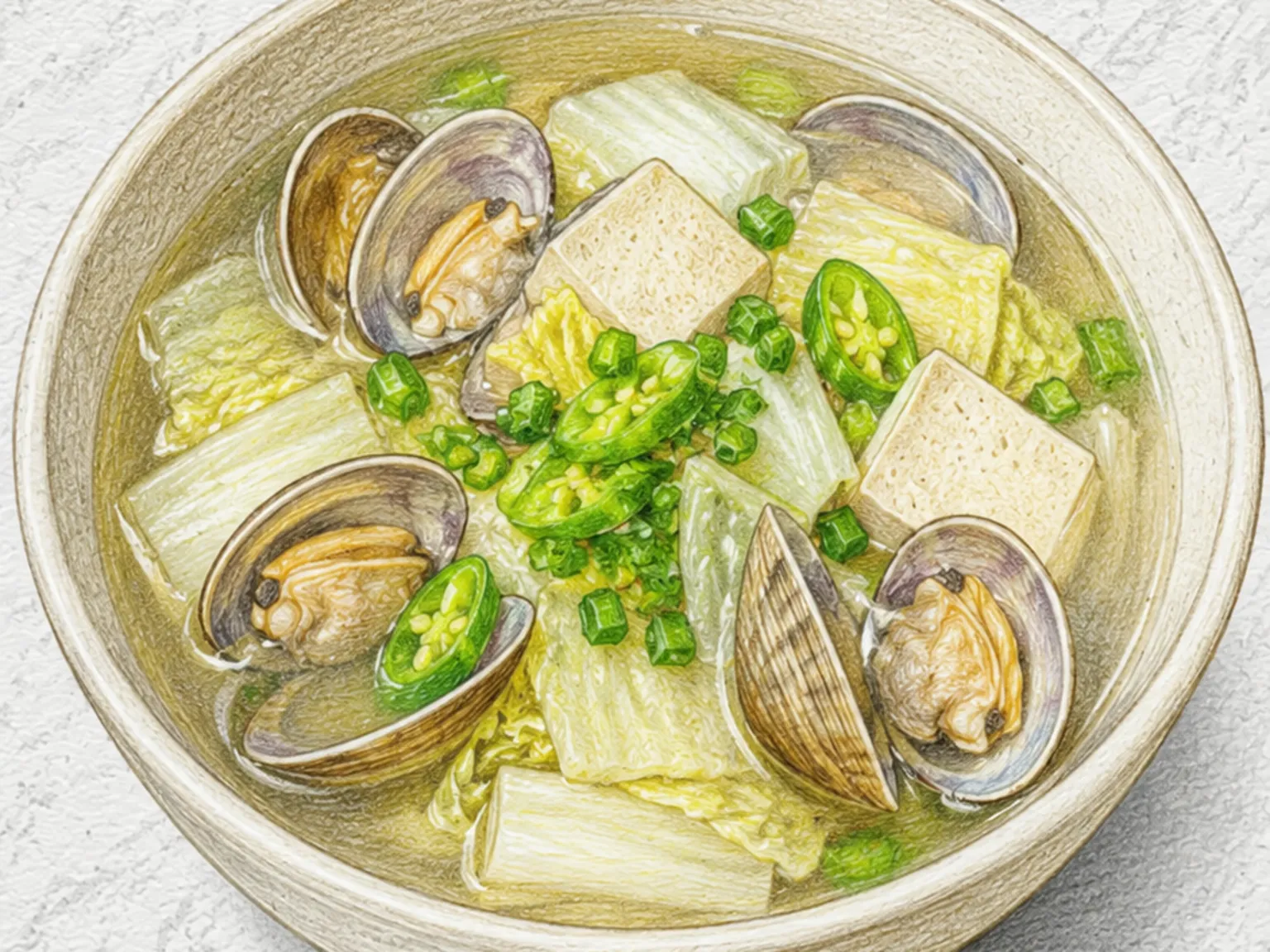
Debearded mussels are simmered with radish in water to draw out a briny, full-bodied stock, with rice wine added early to neutralize any fishy off-notes while keeping the oceanic depth intact. Soup soy sauce and garlic season the broth through the middle of cooking, and Korean chives plus black pepper go in at the very end so their fresh fragrance carries through to the bowl. Cooking uncovered lets off-flavors escape with the steam. Any mussel that stays closed after five minutes of simmering must be removed. Starting the radish alongside the mussels from the beginning allows its natural sweetness to dissolve into the stock and support the briny umami from below.

🏠 Everyday
Prep 18minCook 20min2 servings
Korean Mild Puffer Fish Stew
StewsHard

Korean Mild Puffer Fish Stew

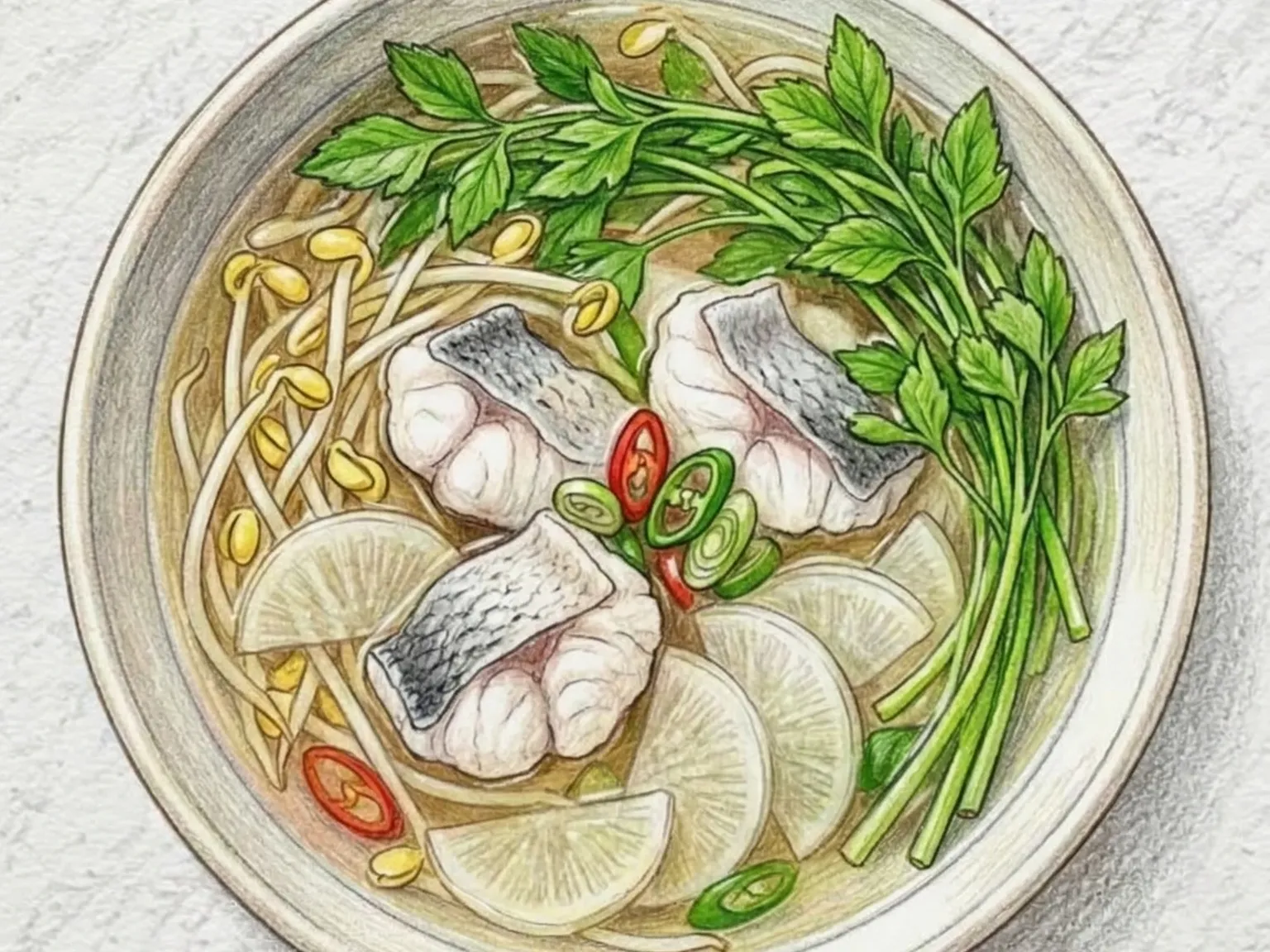
Bok-jiri-jjigae is a clear-broth stew built around puffer fish fillet simmered with Korean radish, bean sprouts, and water dropwort, seasoned lightly with soup soy sauce and salt. The dish relies entirely on the natural flavors of its core ingredients rather than heavy seasoning, so the quality of the puffer fish is the defining factor. Cooking the fish with its skin releases collagen into the broth, giving the liquid a subtle viscosity and sheen that plain fish stock cannot replicate. Radish goes in first and simmers until it turns translucent and releases its gentle sweetness into the base, while bean sprouts are added later to retain their characteristic crunch. Water dropwort and green onion go in last, their herbal fragrance layering over the clear, cooling broth just before serving. Depending on availability, different cuts can be incorporated alongside the fillet: the liver, roe sac, and skin each contribute distinct notes to the broth and change its character considerably. Beyond its role as an everyday meal, bok-jiri-jjigae has a long-standing reputation as a hangover remedy, prized for its restorative, cooling effect after a night of drinking. Soup soy sauce should be added gradually so the broth stays light and the natural flavor of the fish remains prominent. A sliced cheongyang chili added just before the end introduces sharp heat without muddying the clarity of the stock, and a block of soft tofu added alongside provides extra body and a smooth texture that absorbs the surrounding broth.

🎉 Special Occasion
Prep 20minCook 25min4 servings
Korean Soy Braised Chicken
SteamedMedium

Korean Soy Braised Chicken

Dak-jjim is bone-in chicken braised with potato, carrot, and onion in a sauce of soy sauce, sugar, and garlic. Juices released from the bones meld with the soy seasoning to form a glossy, concentrated gravy, and the vegetables absorb this liquid so they are seasoned all the way through. Sugar tempers the saltiness of the soy into a clear sweet-salty balance that coats every piece. Cooking with the lid on over medium heat first, then removing the lid to reduce the sauce, is what creates the glossy coating that defines a well-made dak-jjim. Served in a hot stone pot at the center of the table, it is one of the most familiar home-cooked dishes in Korean cuisine, well-suited for a shared family meal.

🎉 Special Occasion
Prep 20minCook 40min4 servings
Korean Spicy Pollock Tripe Jeotgal
KimchiMedium

Korean Spicy Pollock Tripe Jeotgal

Changnan jeotgal is a traditional Korean fermented condiment made from pollock tripe that is cleaned thoroughly, salted with coarse salt for thirty minutes to firm the texture and draw out moisture, then seasoned with gochugaru, garlic, ginger, and fish sauce. Meticulous washing and complete drying of the tripe are essential for a clean-tasting result. The chili flakes and fish sauce develop a complex, salty savory depth during fermentation, while a small amount of sesame oil rounds out the aroma. Sealed and refrigerated for at least three days, the jeotgal deepens in flavor over time, with the tripe taking on a more concentrated tang and firmer bite as fermentation progresses. Even a small portion placed on hot steamed rice delivers an intense savory punch.

🍱 Lunchbox
Prep 35min4 servings
Korean Stir-Fried Udon with Spicy Chicken
NoodlesMedium

Korean Stir-Fried Udon with Spicy Chicken

Dakgalbi udon bokkeum is a Korean stir-fried noodle dish where gochujang-marinated chicken, cabbage, sweet potato, and rice cakes cook together in a wide pan before thick udon noodles are added and tossed through the spicy-sweet sauce. The dakgalbi seasoning is assertive and clingy, coating every broad surface of the udon so that each bite carries the full weight of the marinade. Cabbage and scallion wilt fast under high heat, releasing sugars that moderate the chili paste and prevent the sauce from tasting sharp or one-dimensional. Sweet potato contributes starch that slightly thickens the sauce while cushioning its spice. Udon, being considerably thicker than ramen or somyeon, holds up under the heavy coating without turning mushy, and delivers a satisfying, bouncy chew throughout the meal. Managing the heat is important: keeping the pan at high temperature drives off excess moisture and produces the lightly charred, smoky edge that separates a good stir-fry from a steamed mess. Melting cheese over the top just before serving adds a creamy, fatty layer that offsets the heat. Sesame seeds and shredded seaweed finish the dish. It is well suited to group cooking on a large griddle or electric pan.

🌙 Late Night
Prep 20minCook 18min4 servings
Doenjang Clam Spinach Orzo
PastaMedium

Doenjang Clam Spinach Orzo

Doenjang clam spinach orzo is a one-bowl pasta built by cooking orzo in doenjang-seasoned vegetable stock alongside clams in a method borrowed directly from risotto technique. The clams are first purged in salt water to remove sand, then steamed open in white wine so they release their briny cooking liquid into the pan. That liquid merges with the already-present fermented depth of doenjang to form a layered savory base that carries the pasta from the very first minute of cooking. Toasting the orzo in butter or oil before adding any liquid coats the starch on each grain, a step that slows its release and produces a consistently creamy sauce by the end rather than a gluey mass or a watery broth. The stock goes in two or three additions rather than all at once, each addition added only once the previous one has been absorbed, and the pasta is stirred throughout so the released starch works into the liquid rather than sinking to the bottom. Spinach added in the final thirty to sixty seconds of cooking wilts just enough to turn tender without losing its bright green color or dissolving into the sauce. A knob of cold butter stirred in off heat as the finishing touch emulsifies into the sauce, adding a glossy sheen and a rounded, buttery richness that ties all the flavors together.

🥗 Light & Healthy🏠 Everyday
Prep 12minCook 18min2 servings
Roasted Mushroom Perilla Potato Salad
SaladsMedium

Roasted Mushroom Perilla Potato Salad

Potatoes are boiled skin-on and roughly mashed with a fork to keep a mix of fluffy interior and chunky structure rather than a smooth puree. King oyster mushrooms are torn lengthwise into thick strips and pan-roasted in olive oil until chewy and deeply savory, developing color on the cut surfaces. Perilla seed powder and Greek yogurt create a nutty, creamy binder that unifies the two main components without masking their individual flavors. Shredded perilla leaves release their bold, anise-like fragrance across the entire plate, while lemon juice and minced garlic cut through the richness and sharpen the overall aroma. Two distinctly Korean aromatics, perilla seed and perilla leaf, give the familiar potato salad format a flavor profile that diverges significantly from its Western counterpart. The salad is best at room temperature, where the potato texture stays fluffy and the mushrooms hold their chew; if refrigerated, pulling it out 30 minutes before serving restores the right consistency.

🥗 Light & Healthy🎉 Special Occasion
Prep 20minCook 25min4 servings
Chicken Alfredo
WesternEasy

Chicken Alfredo

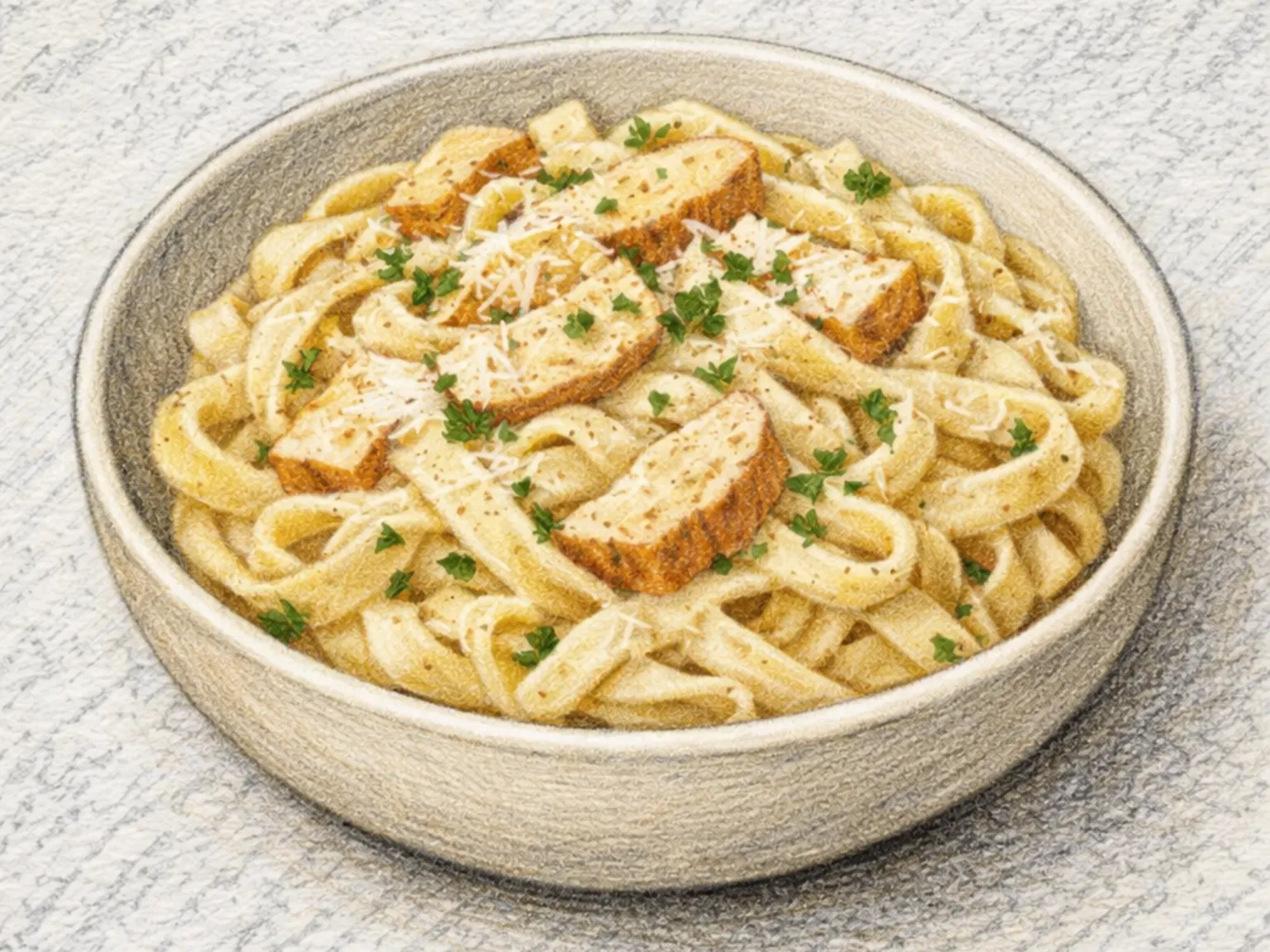
Chicken alfredo is an Italian-American pasta dish of seared chicken breast and fettuccine brought together in a sauce of butter, heavy cream, and Parmesan cheese. The sauce begins with garlic sauteed in butter until fragrant, after which heavy cream is poured in and reduced slightly before grated Parmesan is stirred through. The cheese protein emulsifies with the fat in the cream, thickening the sauce into a coating that grips each strand of pasta rather than pooling at the bottom of the bowl. The chicken breast is seasoned with salt and pepper and seared in a hot pan until the exterior reaches a deep golden brown -- this Maillard-reaction crust develops a savory, roasted quality that the cream sauce alone cannot provide, and the browned bits left in the pan can be deglazed back into the sauce to carry that flavor through the whole dish. Transferring the pasta directly from the boiling water into the sauce, before the surface starch dries, helps the sauce adhere more completely. A small amount of pasta cooking water, added gradually, keeps the sauce from seizing into a thick mass and maintains a smooth, silky consistency. A generous amount of freshly cracked black pepper is essential: without it, the richness of the cream can read as cloying, but with it, the dish achieves a balance between indulgence and subtle heat.

🏠 Everyday🎉 Special Occasion
Prep 15minCook 20min2 servings
Bihun Goreng (Indonesian Stir-Fried Rice Vermicelli with Sweet Soy)
AsianEasy

Bihun Goreng (Indonesian Stir-Fried Rice Vermicelli with Sweet Soy)

Bihun goreng is fried rice vermicelli sold at street stalls and warung throughout Indonesia and Malaysia from early morning through midnight. Thin rice noodles soaked just until pliable go into a wok heated until it smokes, alongside garlic, shallots, and a generous spoonful of sambal that sizzles the moment it hits the surface. Kecap manis, the thick Indonesian sweet soy sauce, caramelizes rapidly against the hot metal and wraps each strand in a dark, sticky glaze that is the defining characteristic of the dish. Cabbage, bean sprouts, and sliced carrot are added quickly so they retain their crunch against the softness of the noodles. The technique requires constant lifting and turning to prevent the noodles from breaking or clumping while they absorb the sauce. A fried egg laid on top, its edges lacy from being cooked in very hot oil, is the standard finish. The flavor of bihun goreng rests on four layers stacked one over another: the sweetness of kecap manis, the smokiness from the wok, the heat of the sambal, and the salt of a dash of fish sauce added at the end. The ratio shifts from vendor to vendor but the underlying structure holds across regions.

🏠 Everyday🌙 Late Night
Prep 20minCook 12min2 servings
Korean Stir-Fried Leafy Greens
Side dishesEasy

Korean Stir-Fried Leafy Greens

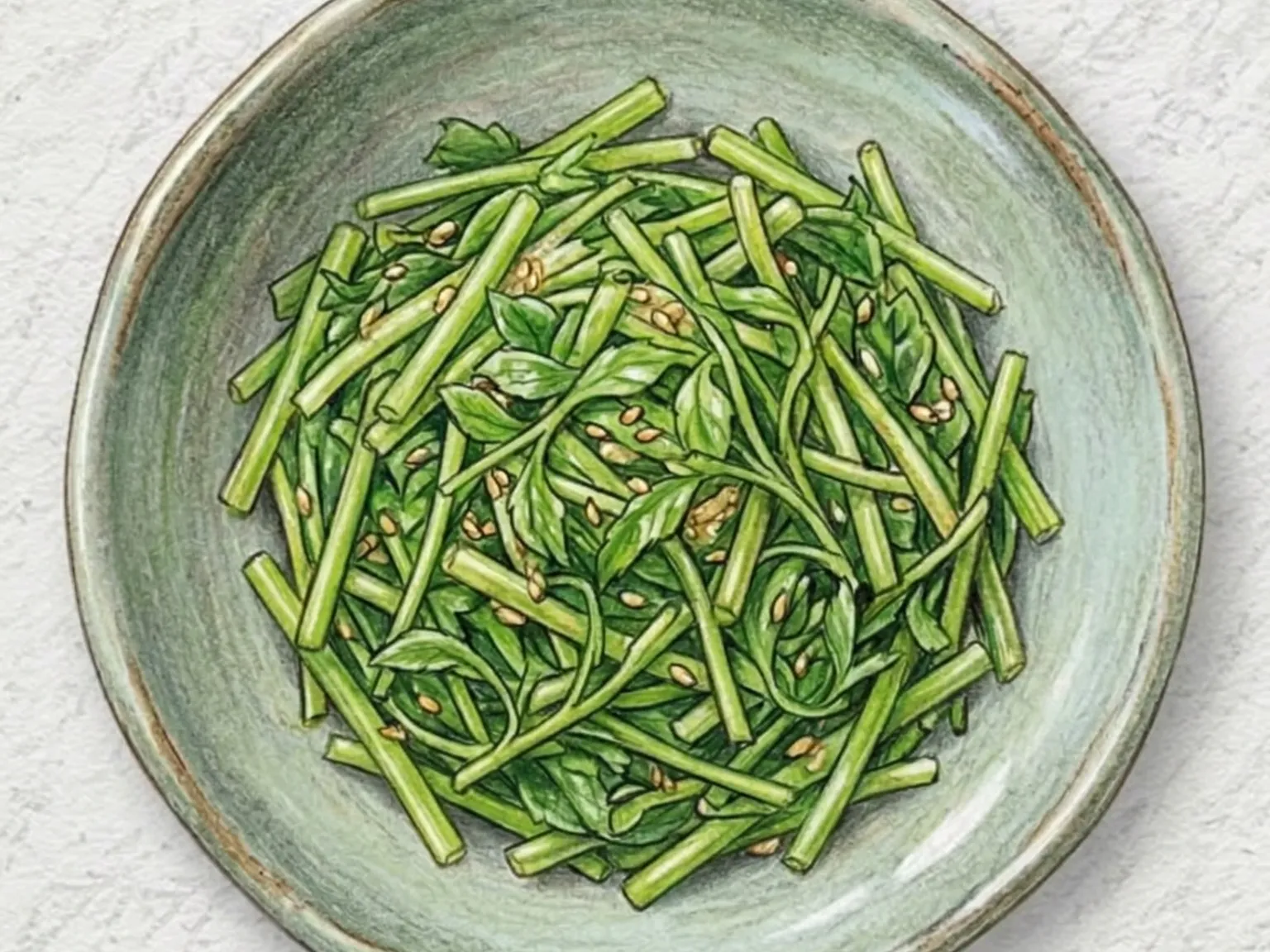
Baby bok choy stir-fry takes five minutes from board to table. Removing all surface moisture before the greens go in is the single most important step - wet leaves steam instead of sear, and the texture turns limp. Garlic sautés over low heat for twenty seconds to mellow its bite, then the pan goes to high and the greens follow. Soup soy sauce and salt season without adding liquid, and sesame oil off the heat gives a light gloss. The high heat catches the leaf edges with just a touch of char, which adds depth without bitterness. This mild, clean-tasting side suits nearly any Korean main course and holds its bright green color well on the table.

🏠 Everyday🍱 Lunchbox
Prep 8minCook 5min2 servings
Korean Braised Short Rib Rice Bowl
RiceMedium

Korean Braised Short Rib Rice Bowl

Galbi deopbap is a Korean rice bowl topped with beef short ribs slow-braised in a soy, sugar, and grated Asian pear marinade until the connective tissue dissolves and the meat separates from the bone at the lightest touch. Grated pear serves a dual purpose in the braise: the enzymes break down tough muscle fibers while the juice introduces a gentle fruit sweetness that sets the dish apart from heavier, wine-based braises. Grated onion dissolves completely into the braising liquid over the long simmer, deepening the savory foundation without leaving visible pieces. As the liquid reduces over one hour or more, it transforms into a dark, glossy sauce that coats the ribs and drips down onto the rice below. Spooning the sauce generously over the steamed rice allows each grain to absorb the soy-sweet glaze from the bottom up, making the rice itself as flavorful as the meat. Despite the long cooking time, the dish demands minimal active attention because the braise works inside the pot without stirring. Scattered sliced green onion on top provides a crisp, fresh contrast against the richness of the braised ribs.

🎉 Special Occasion
Prep 20minCook 90min2 servings
Korean Soy Bulgogi with Mushrooms
Stir-fryEasy

Korean Soy Bulgogi with Mushrooms

Thinly sliced beef is marinated in soy sauce, Korean pear juice, and sesame oil, then stir-fried over high heat together with shiitake and king oyster mushrooms. Pear juice acts as a natural tenderizer: its enzymes break down muscle proteins so each slice pulls apart along the grain instead of resisting the tooth, and its fructose tempers the salt of the soy sauce into a balanced sweet-salty base. The two mushroom varieties are not interchangeable in role - shiitake brings a firm, chewy bite while king oyster delivers a thick, clean meatiness that holds its shape through the heat. Crowding the pan is the single most common mistake: when too much goes in at once, the temperature drops and the ingredients steam rather than sear, resulting in gray, soft pieces instead of the glazed, caramelized coating the dish depends on. Work in small batches over sustained high heat so the marinade reduces against the hot pan surface. Green onion added in the final minute retains its sharp, fresh character and cuts through the sweet richness, providing the finishing contrast the dish needs.

🏠 Everyday🌙 Late Night
Prep 18minCook 12min4 servings
Korean Gullim Mandu (Round Dumplings)
Street foodMedium

Korean Gullim Mandu (Round Dumplings)

Gullim-mandu is a Korean dumpling made without wrappers. The filling of ground pork, pressed tofu, garlic chives, onion, and soaked glass noodles is kneaded firmly until cohesive enough to be rolled into balls by hand. Each ball is then coated in potato starch or cornstarch, rolled until the surface is evenly covered, and placed in a steamer. As steam penetrates the starch coating, it sets into a translucent, chewy skin that is far thinner than standard dumpling wrappers yet carries a distinct springy resistance when bitten through. A second coat of starch before steaming produces a thicker shell with a more pronounced chew. Inside, the pork juices mingle with the sharp fragrance of garlic chives while the glass noodles contribute a soft, yielding bite. The traditional accompaniment is a dipping sauce of soy sauce, rice vinegar, sesame oil, and minced cheongyang chili. Gullim-mandu can also be dropped into tteok-guk or mandu-guk, where the starch on the exterior gradually dissolves into the broth and thickens it lightly over time.

🧒 Kid-Friendly🌙 Late Night
Prep 25minCook 15min4 servings
Korean Soy Glazed Chicken Wings
GrilledMedium

Korean Soy Glazed Chicken Wings

Dakbong-ganjang-gui is a Korean soy-glazed chicken wings dish where the wings marinate in a mixture of dark soy sauce, cooking wine, honey, minced garlic, and ginger for at least an hour so the seasoning works its way to the bone. The collagen concentrated around the wing bones melts during the long cook, creating a sticky, gelatinous quality beneath the skin that gives these smaller cuts a more satisfying chew than larger pieces. The sugars in the soy-honey glaze caramelize under heat and build a glossy, dark-brown coating that thickens with each basting. Basting once or twice mid-cook layers the glaze, and finishing at higher heat for the last few minutes crisps the surface while leaving the interior moist and tender. The contrast between the glazed exterior and the yielding meat beneath is the defining quality of the dish. A drizzle of sesame oil and a scatter of toasted sesame seeds over the finished wings add a roasted nuttiness that deepens the savory-sweet profile and signal that the dish is complete.

🍺 Bar Snacks
Prep 25minCook 25min4 servings
Bugeoguk (Korean Dried Pollack Hangover Soup)
SoupsEasy

Bugeoguk (Korean Dried Pollack Hangover Soup)

Bugeoguk is one of the most recognized hangover soups in Korea: a clear, restorative broth of dried pollock strips stir-fried in sesame oil, then simmered with tofu and beaten egg. The sesame oil step is non-negotiable; skipping it leaves the broth flat and one-dimensional. Skimming foam during the initial boil produces a noticeably cleaner stock. Substituting hwangtae, the freeze-dried variety, yields a softer texture and a deeper savory note, favored at breakfast for its mild, restorative quality.

🏠 Everyday
Prep 15minCook 15min2 servings