Charim

2686 Korean & World Recipes

2686+ Korean recipes, clean and organized. Ingredients to instructions, all at a glance.

Recipes with garlic

24 recipes

Buy garlic
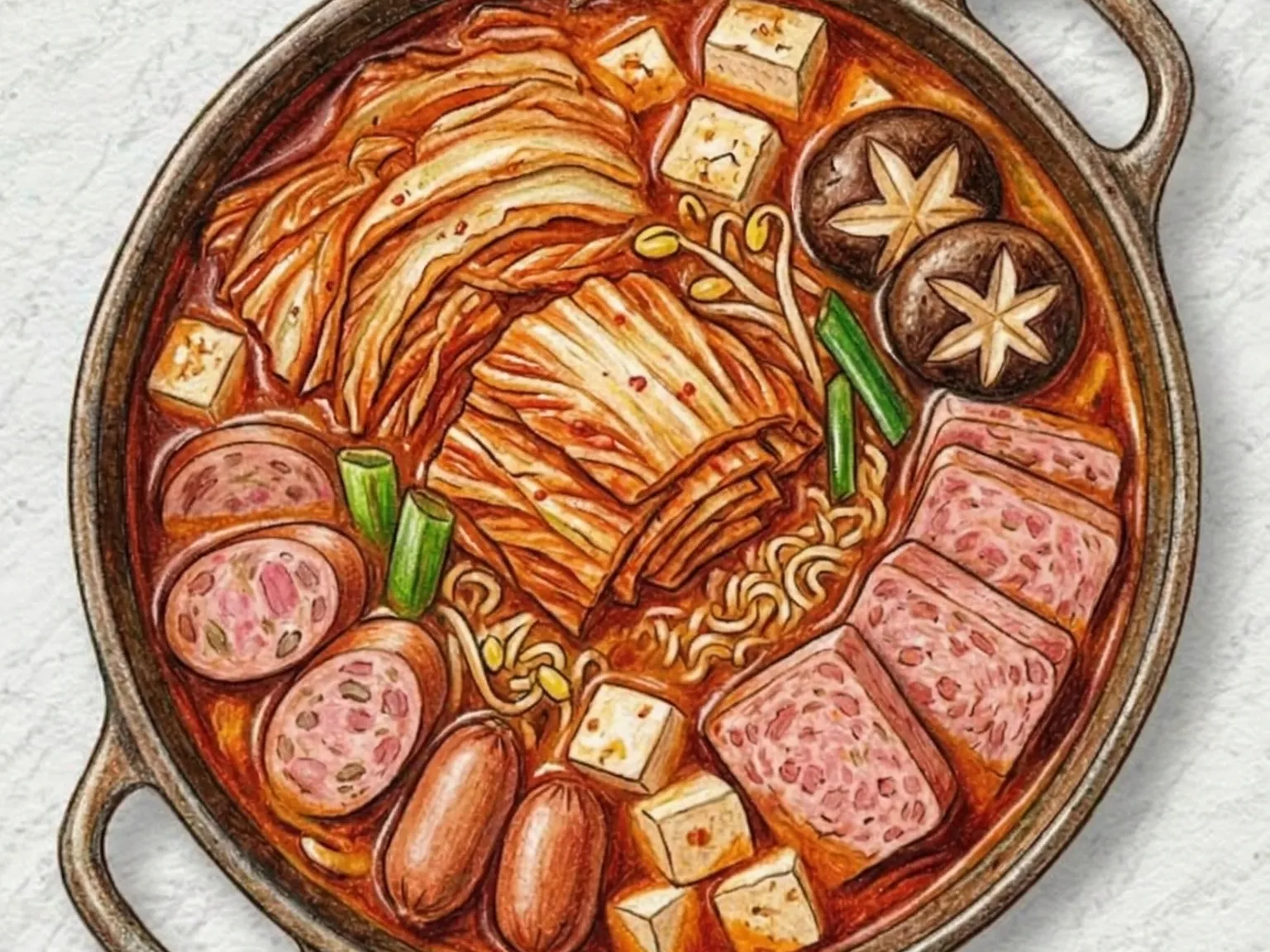
Korean Army Stew (Spam & Ramen Spicy Fusion Pot)
StewsEasy

Korean Army Stew (Spam & Ramen Spicy Fusion Pot)

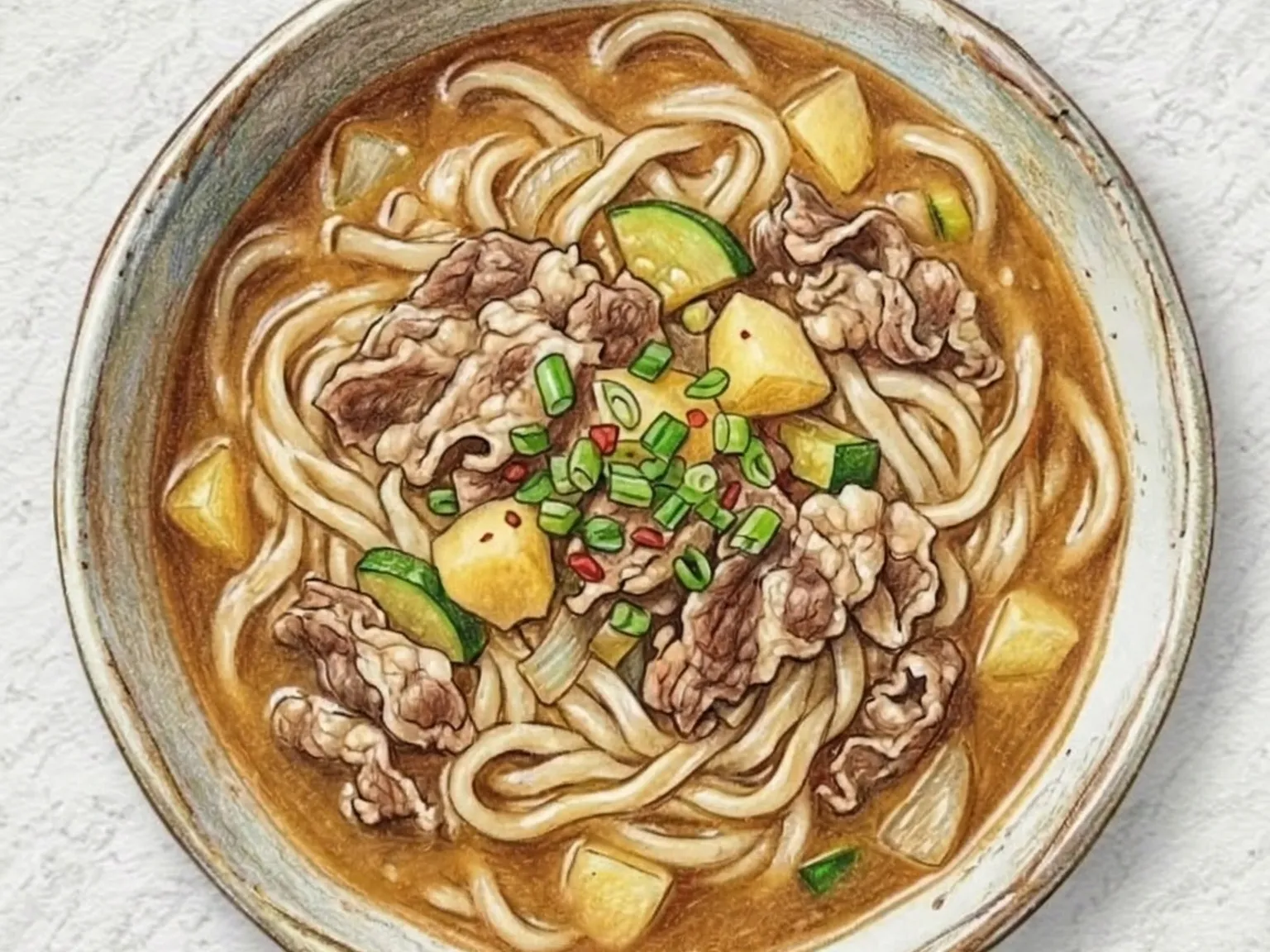
Budae jjigae loads Spam, sausages, instant ramen noodles, rice cakes, tofu, and kimchi into a single pot of gochugaru-and-gochujang broth. It originated near U.S. military bases in Uijeongbu after the Korean War, where American surplus rations met Korean pantry staples in the same pot. Each ingredient behaves differently in the heat - rice cakes stay chewy, ramen noodles turn springy, tofu softens into the broth - while the spicy, deeply seasoned stock ties them together. The noodles soak up the broth as the pot cooks down, keeping each bowl satisfying to the last spoonful.

🍺 Bar Snacks🏠 Everyday
Prep 15minCook 25min4 servings
Korean Braised Chicken with Radish
SteamedMedium

Korean Braised Chicken with Radish

This braise combines bone-in chicken pieces with Korean radish and potato in a soy-and-gochugaru sauce. The radish absorbs both the chicken stock and the spiced seasoning, turning amber on the outside while going translucent within. Potato edges break down during the long simmer, thickening the sauce into a sticky glaze. Gochugaru and black pepper build a layered heat that soy sauce and sugar round off, so the dish is assertively spicy without being harsh. Reducing the liquid until it barely coats the bottom concentrates all the flavors onto the surface of each piece.

🎉 Special Occasion🍱 Lunchbox
Prep 18minCook 40min4 servings
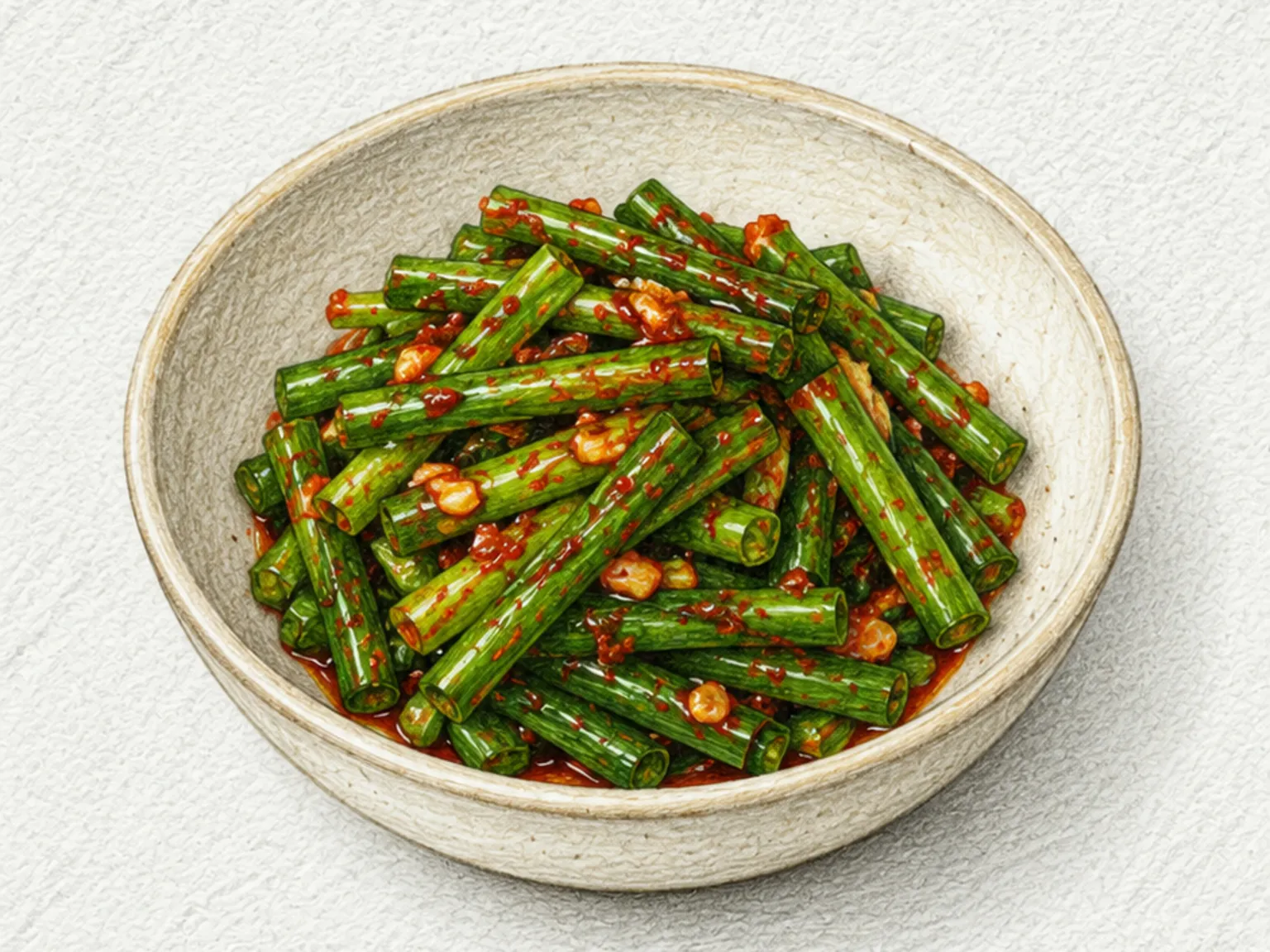
Korean Cheonggak Kimchi (Seaweed Kimchi)
KimchiMedium

Korean Cheonggak Kimchi (Seaweed Kimchi)

Cheonggak kimchi uses cheonggak, a branching green seaweed, mixed with julienned radish and scallions in a paste of gochugaru, anchovy fish sauce, and sweet rice starch. The seaweed brings a firm, almost crunchy chew and a concentrated marine aroma absent from land-vegetable kimchi. Seasoning the radish first lets it absorb the brine, then the seaweed is tossed in briefly - prolonged handling toughens the strands. After one day of refrigeration, the seaweed's salinity merges with the fermented seasoning paste to produce a briny, sharp kimchi that sits naturally alongside seafood dishes and mild rice soups. Coastal households traditionally make this in autumn when fresh cheonggak comes into season.

🍱 Lunchbox
Prep 35min4 servings
Dan Dan Mian (Sichuan Spicy Noodles)
NoodlesMedium

Dan Dan Mian (Sichuan Spicy Noodles)

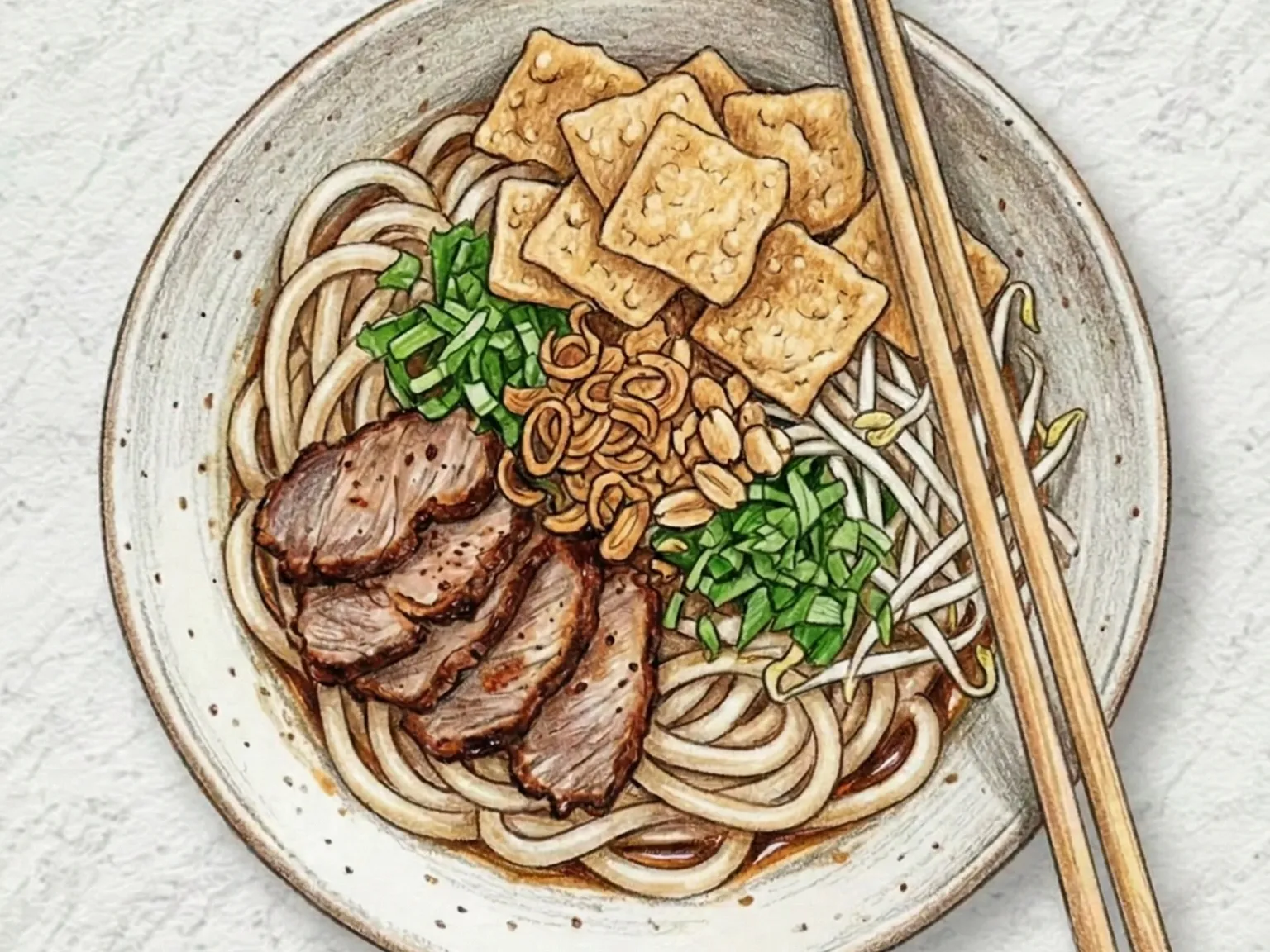
Dan dan mian is a Sichuan noodle dish built on a thick sauce of sesame paste, soy sauce, chili oil, and vinegar, topped with wheat noodles and browned ground pork. Ground Sichuan peppercorn brings a lip-numbing, almost electric sensation that sits underneath the chili oil's direct heat and the sesame paste's deep richness, creating multiple distinct layers in a single mouthful. Browning the pork thoroughly before adding any liquid is essential -- the caramelized crust develops a roasted meatiness that permeates the entire sauce and prevents the dish from tasting flat. Blanched bok choy provides a fresh counterpoint to the oily intensity and keeps the bowl from feeling too heavy. Sichuan peppercorn's numbing effect accumulates quickly, so starting with a small quantity and tasting as you go gives precise control. Draining the cooked noodles completely is equally important; any residual water will thin the sauce and break the coating on the noodles.

🍺 Bar Snacks🎉 Special Occasion
Prep 15minCook 20min2 servings
Doenjang Mushroom Butter Linguine
PastaEasy

Doenjang Mushroom Butter Linguine

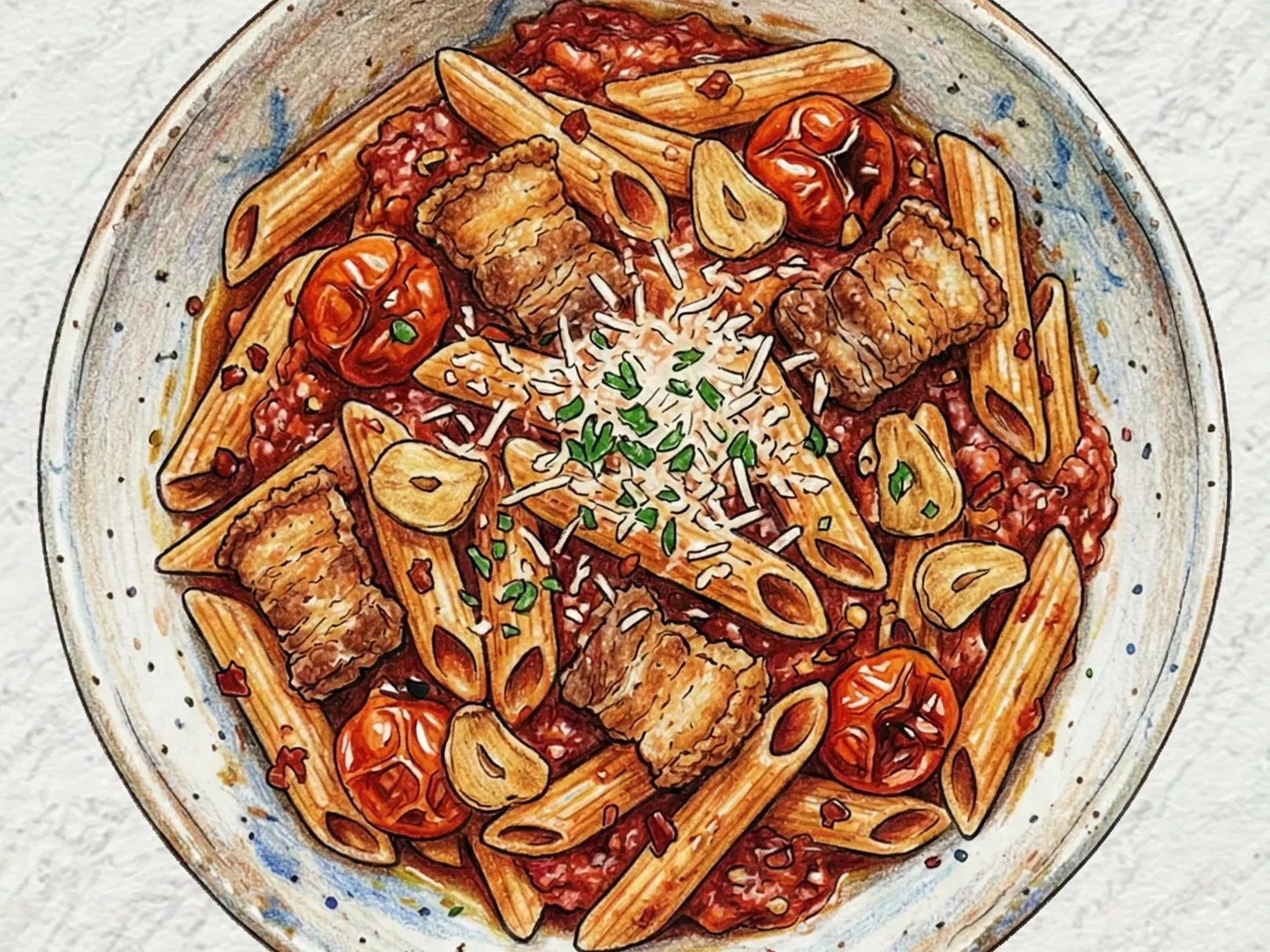
Doenjang mushroom butter linguine starts with garlic sauteed in butter and olive oil, followed by button mushrooms cooked undisturbed on high heat until moisture fully evaporates and the edges brown. Stirring the mushrooms too frequently steams rather than sears them, producing a soft, wet texture instead of the firm, chewy bite that makes this dish work. Doenjang is dissolved in reserved pasta water before being added to the pan, ensuring even distribution of fermented savoriness across every strand without clumping. The butter's fat emulsifies with the starchy pasta water to form a glossy sauce that clings to the noodles rather than pooling at the bottom of the bowl. Sliced green onion added at the finish brings a sharp, grassy note, and grated Parmesan layers additional salt and umami depth into the final dish. One to two minutes of tossing with pasta water adjustment tightens the sauce around each noodle.

🏠 Everyday
Prep 12minCook 18min2 servings
Wild Rice Crispy Seaweed Salad
SaladsMedium

Wild Rice Crispy Seaweed Salad

Wild rice crispy seaweed salad combines cooked and cooled wild rice with julienned red cabbage, carrot, and thawed edamame, dressed in soy sauce, brown rice vinegar, sesame oil, and minced garlic, then topped with crispy seaweed chips. Wild rice takes longer to cook than regular rice due to its tough hull, but cooling it completely is essential - warm grains clump together and lose their distinct chewy bite. The dressing layers soy saltiness and garlic depth over a gentle vinegar acidity and sesame richness, elevating the mild grain base. Edamame contributes soft protein while the raw vegetables provide a crisp, fresh contrast to the chewy rice. The seaweed chips must be added just before serving to preserve their crunch and concentrated umami.

🥗 Light & Healthy🍱 Lunchbox
Prep 20minCook 30min4 servings
Chicken Cacciatore
WesternMedium

Chicken Cacciatore

Chicken cacciatore is an Italian countryside dish where chicken pieces are seared hard in olive oil until deeply browned, then braised over low heat for forty minutes with onion, garlic, canned tomatoes, black olives, capers, red wine, and thyme. The initial sear in a very hot pan triggers a Maillard reaction on the skin and surface of the meat; those browned flavors dissolve into the braising liquid and dramatically deepen the sauce as it simmers. Red wine is added and simmered for two minutes to cook off the alcohol before the remaining ingredients go in, leaving only the acidity and fruit character of the wine to layer with the tomato. The briny, savory taste of the olives and the tart, floral sharpness of the capers keep the sweetness of the canned tomatoes in check, while thyme runs as a steady, quiet herbal thread throughout. This dish improves substantially when reheated the next day, as the flavors penetrate further into the meat overnight. Leftover braising sauce is excellent tossed with pasta or spooned over soft polenta.

🎉 Special Occasion
Prep 15minCook 55min4 servings
Bistek Tagalog (Filipino Beef Steak with Calamansi Soy Sauce)
AsianEasy

Bistek Tagalog (Filipino Beef Steak with Calamansi Soy Sauce)

Bistek Tagalog adapts the Spanish bistec with a distinctly Philippine ingredient: calamansi citrus replaces wine or vinegar as the marinade acid, producing a brighter, more tropical tang than either. Thinly sliced beef sirloin soaks in soy sauce, calamansi juice, garlic, and black pepper for at least thirty minutes; the acid tenderizes the muscle fibers while the soy penetrates deeply. The beef is seared quickly in a very hot pan and set aside, leaving flavorful drippings in the pan. Thick onion rings cook in those drippings until softened and lightly caramelized, picking up the beef fond as they collapse. The marinade is poured back into the pan and reduced into a dark, glossy braising liquid. When the beef returns to the pan, it finishes cooking in this sauce and each piece gets coated. The soy provides a savory, umami-forward depth, and the calamansi keeps cutting through the heaviness of the reduced sauce and the fat from the beef. Served over steamed white rice with the caramelized onion rings piled on top, bistek tagalog is one of the most common weeknight meals across the Philippines.

🎉 Special Occasion
Prep 20minCook 12min2 servings
Korean Seasoned Cedrela Shoots
Side dishesEasy

Korean Seasoned Cedrela Shoots

Cedrela shoots appear for barely two weeks each April, making chamjuk one of Korea's most fleeting spring ingredients. The young tips carry a resinous, walnut-like scent found in no other cultivated or foraged green. A 40-second blanch in well-salted boiling water softens the fibrous stems while locking in that distinctive fragrance - go longer and the aroma disperses. Dressed with only soy sauce, garlic, and sesame oil, the dish keeps the shoots' natural perfume at the front. Traditionally gathered from mountainside groves and brought to spring holiday tables, chamjuk disappears from markets once the brief window closes, making it a seasonal green genuinely worth seeking out.

🏠 Everyday🍱 Lunchbox
Prep 12minCook 2min4 servings
Korean Thick Doenjang Bibimbap
RiceEasy

Korean Thick Doenjang Bibimbap

Gangdoenjang-bibimbap is a rice bowl built around gangdoenjang, a reduced and concentrated version of the fermented soybean paste cooked down with vegetables and tofu until most of the moisture has evaporated. Where ordinary doenjang jjigae centers on broth, gangdoenjang is intentionally reduced to intensify the fermented depth, allowing the paste to cling to rice like a thick sauce when spooned over and mixed in. Minced garlic is bloomed in sesame oil first, then diced onion and zucchini are added and cooked through before the dissolved doenjang and minced shiitake go into the pan to reduce over gentle heat. Firm tofu is crumbled in during the final stage, breaking apart as it cooks and giving the sauce a heavier, more substantial body. Water is added in 20 to 40 milliliter increments to adjust consistency depending on the saltiness of the paste. A chopped cheongyang chili raises the heat and sharpens the savory quality of the doenjang. An extra drizzle of sesame oil when mixing amplifies the nuttiness, and a fried egg or crumbled dried seaweed on top turns the bowl into a complete and filling meal.

🏠 Everyday
Prep 15minCook 18min2 servings
Korean Mushroom and Saury Soy Stir-fry
Stir-fryMedium

Korean Mushroom and Saury Soy Stir-fry

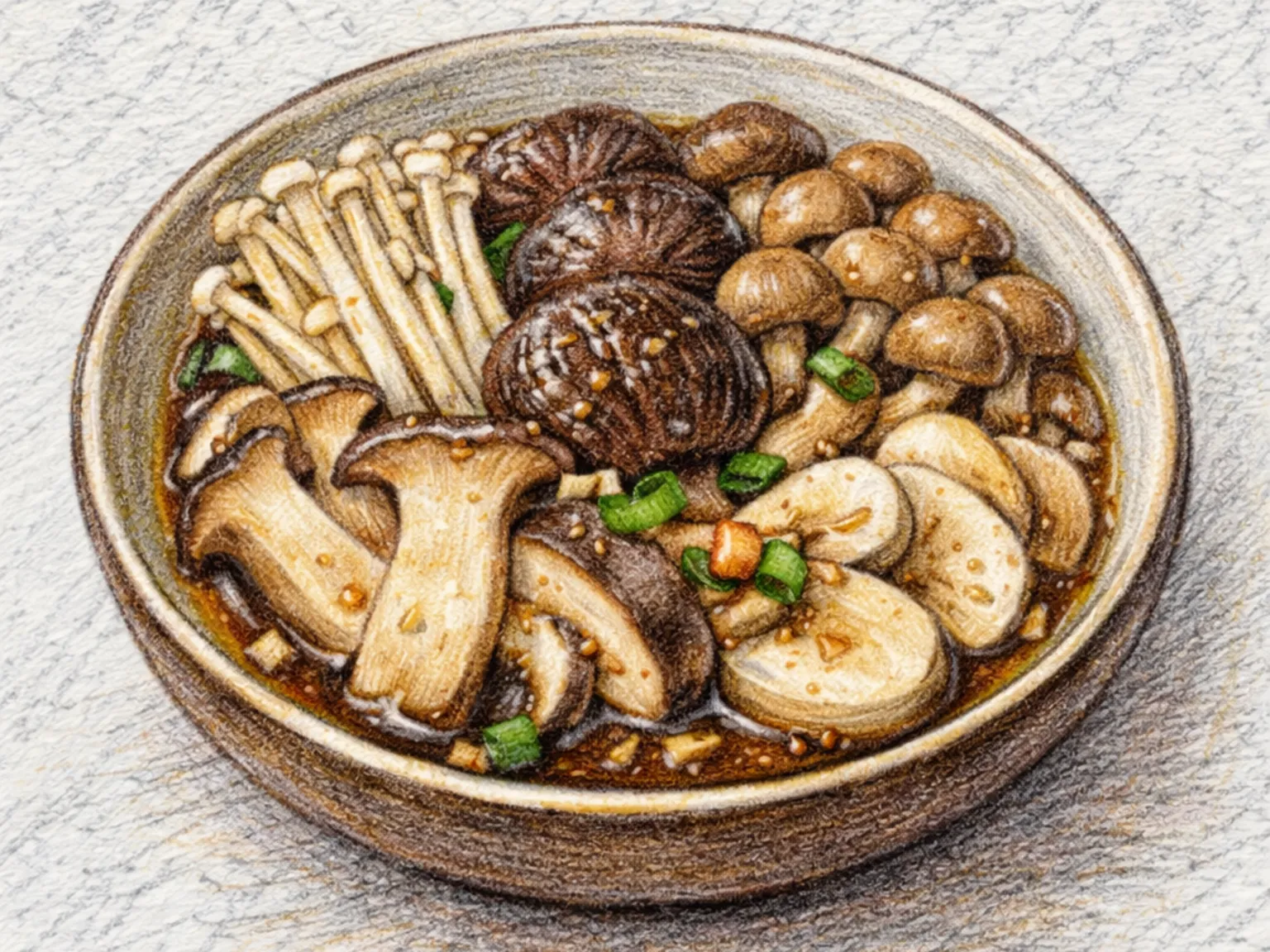
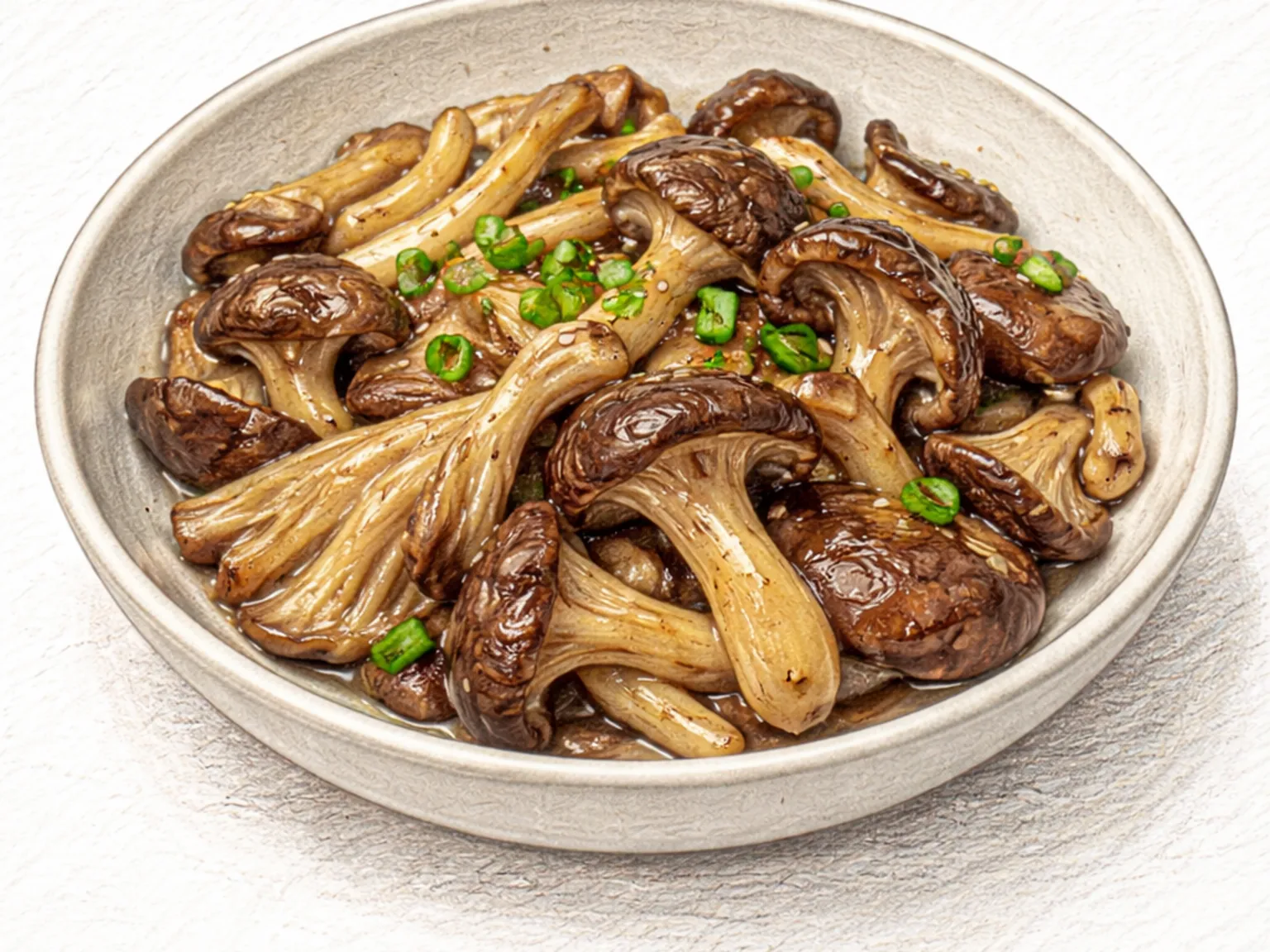
Beoseot kkongchi ganjang bokkeum is a stir-fry built on drained canned saury, oyster mushrooms, and cabbage seasoned with soy sauce, chili flakes, and sugar. Because the canned fish is already fully cooked and its bones have softened through the canning process, the saury only needs to be added in the final stage and folded in gently; stirring too aggressively breaks the flesh into flakes that lose all textural interest. Moisture released from the oyster mushrooms as they cook combines with the soy sauce base to form a light, natural sauce without any added water. The cabbage contributes a steady sweetness that tempers the concentrated fish umami and prevents the seasoning from reading as too heavy. A small squeeze of lemon juice at the very end of cooking lifts the entire dish, neutralizing any residual fishiness and brightening the overall profile. The whole recipe is built around a single pantry can of canned saury, requires less than fifteen minutes from start to finish, and delivers substantial protein at minimal cost.

🏠 Everyday🍱 Lunchbox
Prep 13minCook 12min2 servings
Korean Spicy Pork Rice Cup
Street foodEasy

Korean Spicy Pork Rice Cup

Jeyuk cupbap is a Korean street-style rice cup topped with pork shoulder stir-fried in gochujang, soy sauce, sugar, and garlic, layered over steamed rice with onion and cabbage. The gochujang-sugar combination forms a spicy-sweet glaze on the pork that caramelizes quickly under high heat, sealing in the meat's juices and creating a lacquered surface. Cabbage goes in last to keep its snap, and the slow-cooked onion contributes a gentle sweetness that tempers the chili heat. Slightly cooled rice keeps the cup from turning soggy, and the tight, portable format makes this a defining item of Korean street-food culture, equally at home in a pojangmacha stall and a school cafeteria. A soft-boiled egg or a slice of processed cheese on top adds a rich, creamy note.

🧒 Kid-Friendly🌙 Late Night
Prep 18minCook 14min2 servings
Korean Grilled Spicy Chicken Ribs
GrilledMedium

Korean Grilled Spicy Chicken Ribs

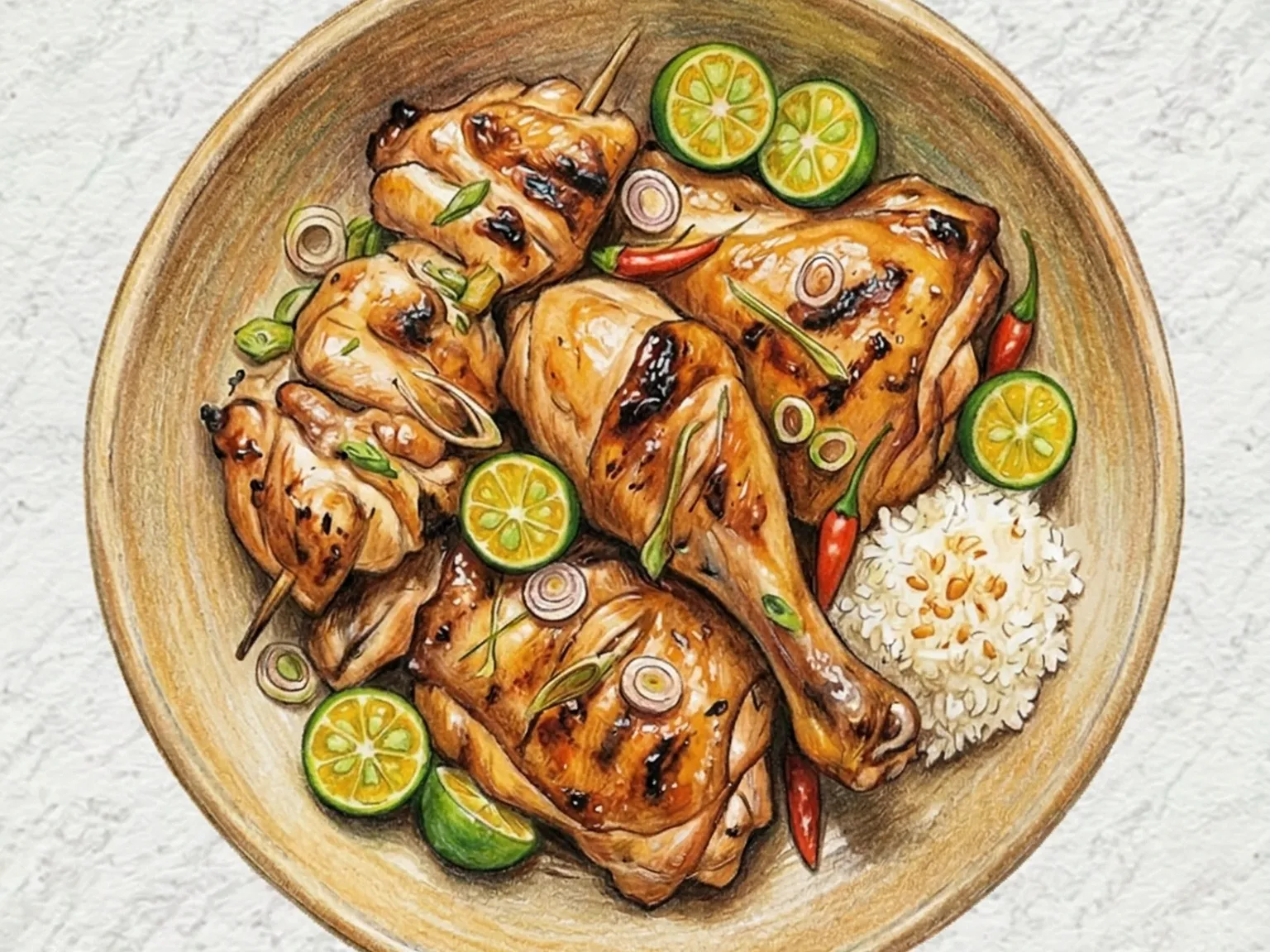
Dakgalbi-gui is the original Chuncheon-style grilled chicken dish, where bone-in thigh and leg pieces marinate in a crimson paste of gochujang, soy sauce, sugar, garlic, sesame oil, and ginger before cooking directly over an open flame or on a very hot pan. Unlike the more widely known iron-plate dakgalbi stir-fried with vegetables, this grilled version focuses solely on the meat to maximize char and smoky flavor on the surface. Deboned thigh meat spread flat exposes more surface area to both the marinade and the heat, concentrating flavor throughout, and a minimum two-hour rest in the marinade ensures the spice penetrates deep into the flesh. The gochujang caramelizes at high temperatures, forming edges that are simultaneously spicy, sweet, and faintly bitter from the char.

🍺 Bar Snacks
Prep 60minCook 20min2 servings
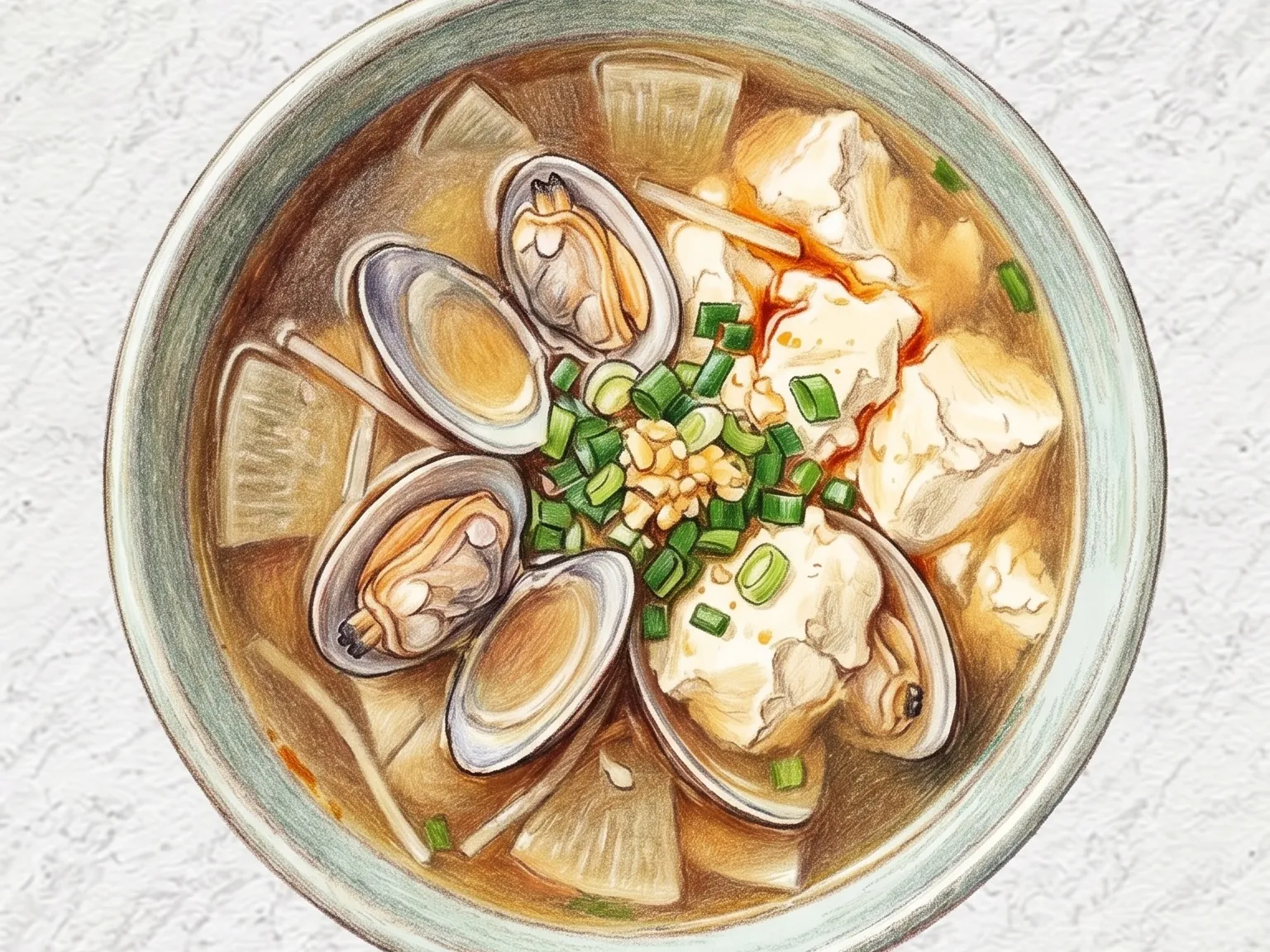
Korean Freshwater Crab Spicy Soup
SoupsHard

Korean Freshwater Crab Spicy Soup

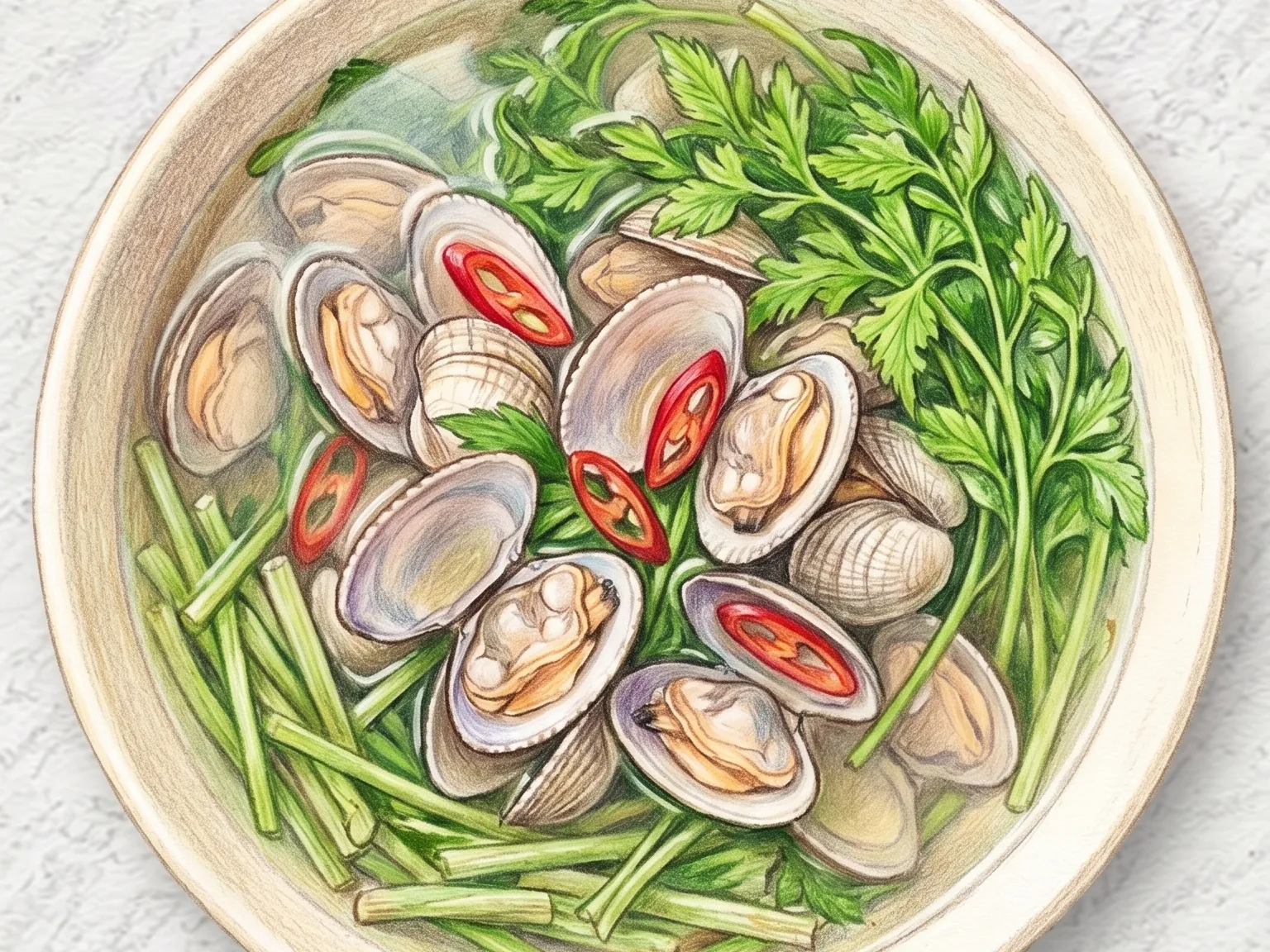
Freshwater crabs are halved, thoroughly cleaned, and simmered in a stock built from radish and doenjang that draws out their intense, briny umami over forty minutes of steady cooking. Gochugaru and cheongyang chili build up layers of fiery heat, while zucchini and radish contribute natural sweetness that tempers the spice. Pressing the soybean paste through a strainer before adding it keeps the broth smooth and clear rather than grainy, and the result is a bold, aromatic stew deeply rooted in Korean regional tradition.

🏠 Everyday🎉 Special Occasion
Prep 30minCook 40min4 servings
Korean Seoul-Style Army Stew
StewsEasy

Korean Seoul-Style Army Stew

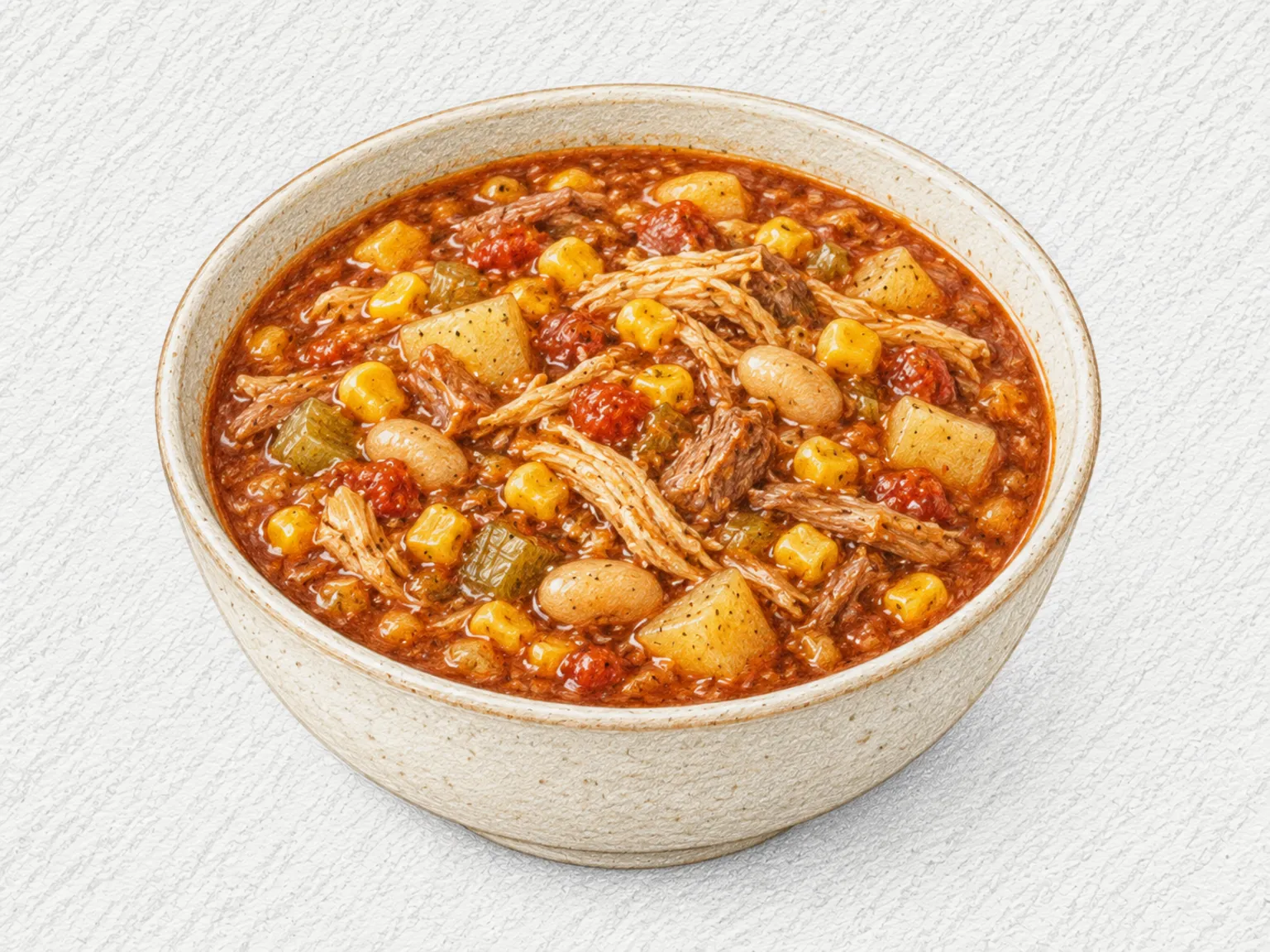
Seoul-style budae jjigae distinguishes itself from other versions by using a rich anchovy stock as the base instead of plain water. Spam, mini sausages, baked beans, and kimchi simmer together in that stock with gochujang and chili flakes. The baked beans contribute a slight sweetness and thicken the broth into a more substantial body. A block of instant ramen noodles added near the end absorbs the spicy, savory soup as it finishes cooking.

🍺 Bar Snacks🏠 Everyday
Prep 20minCook 25min2 servings
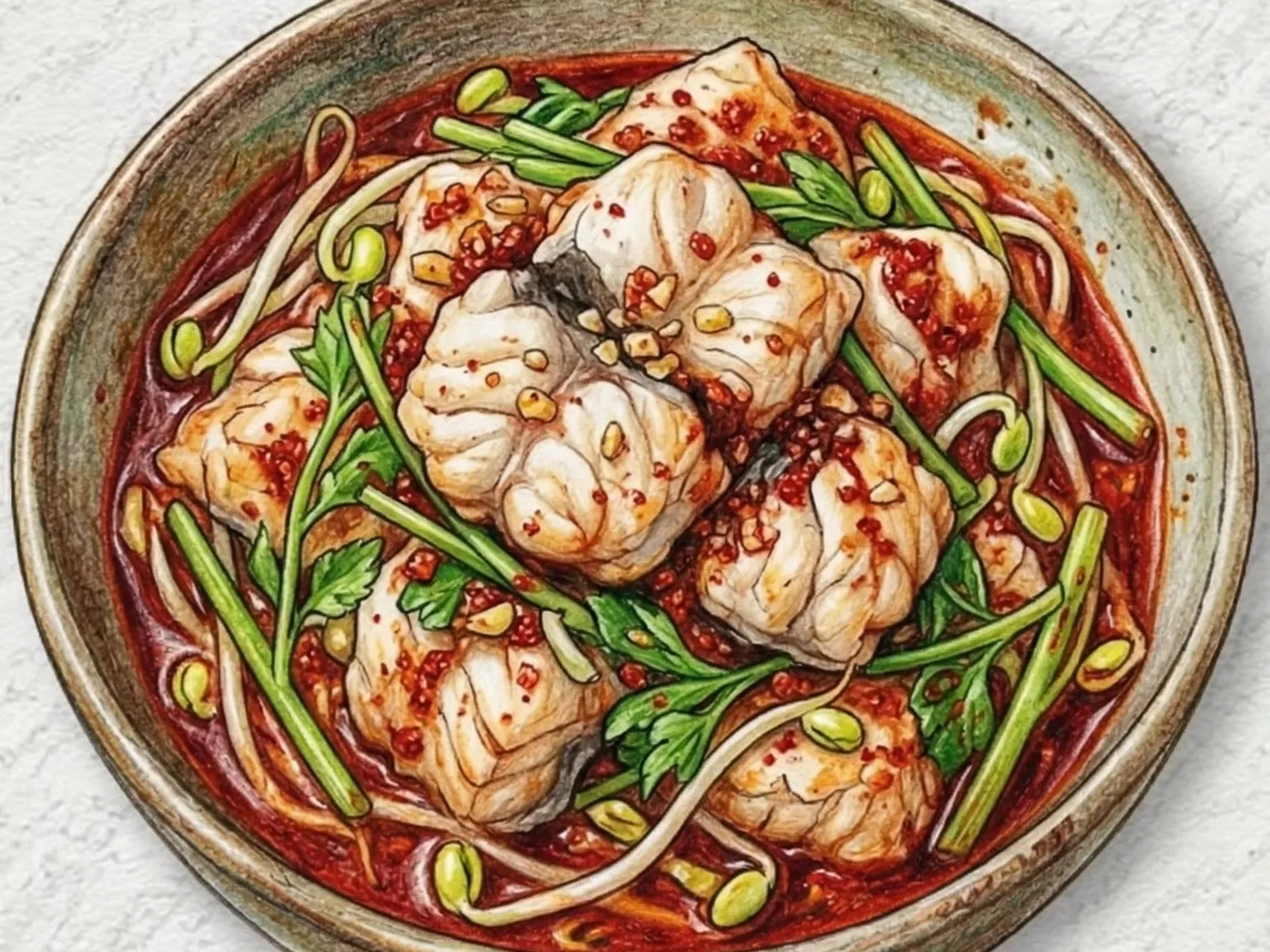
Korean Braised Chicken Feet
SteamedMedium

Korean Braised Chicken Feet

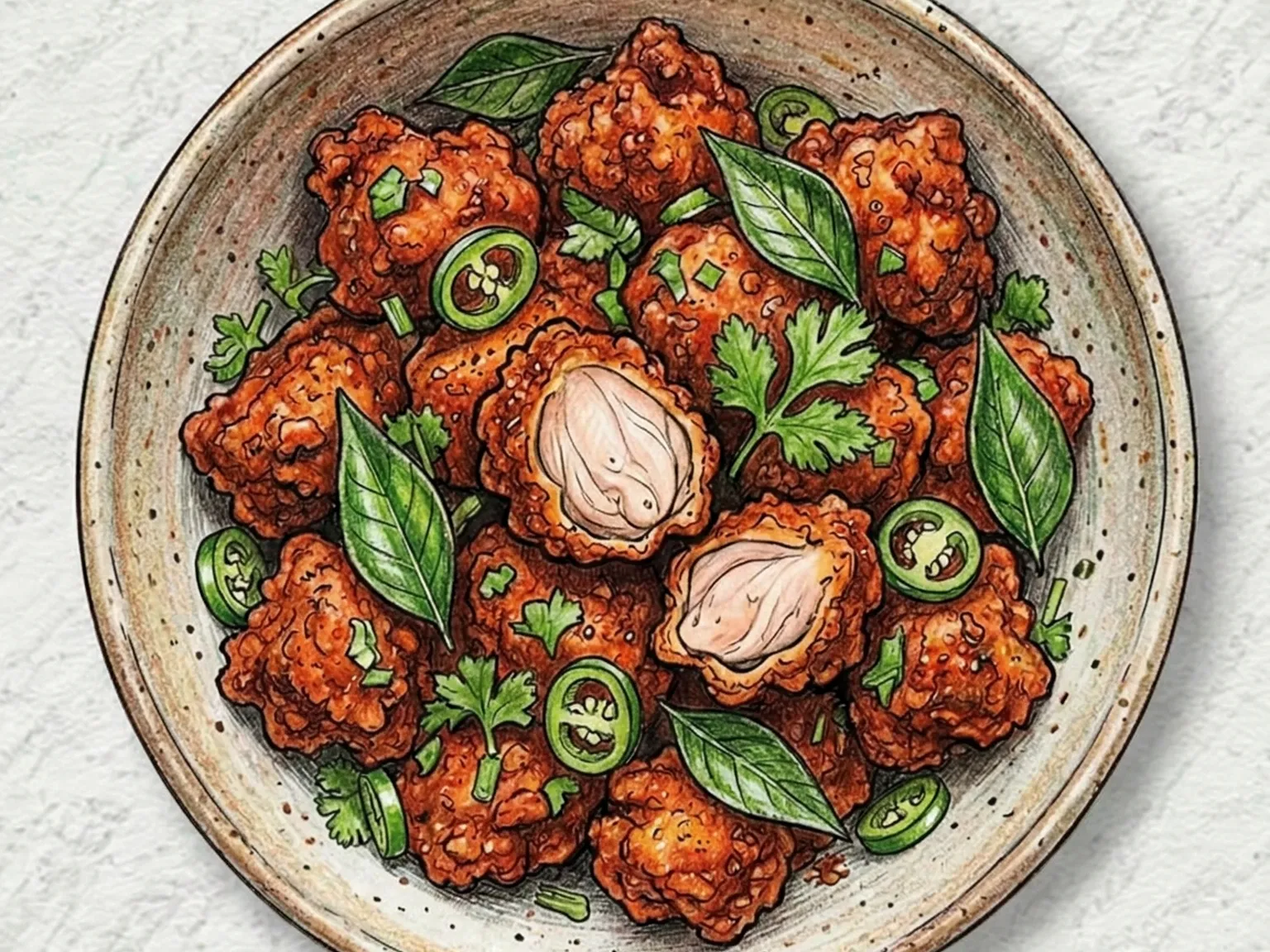
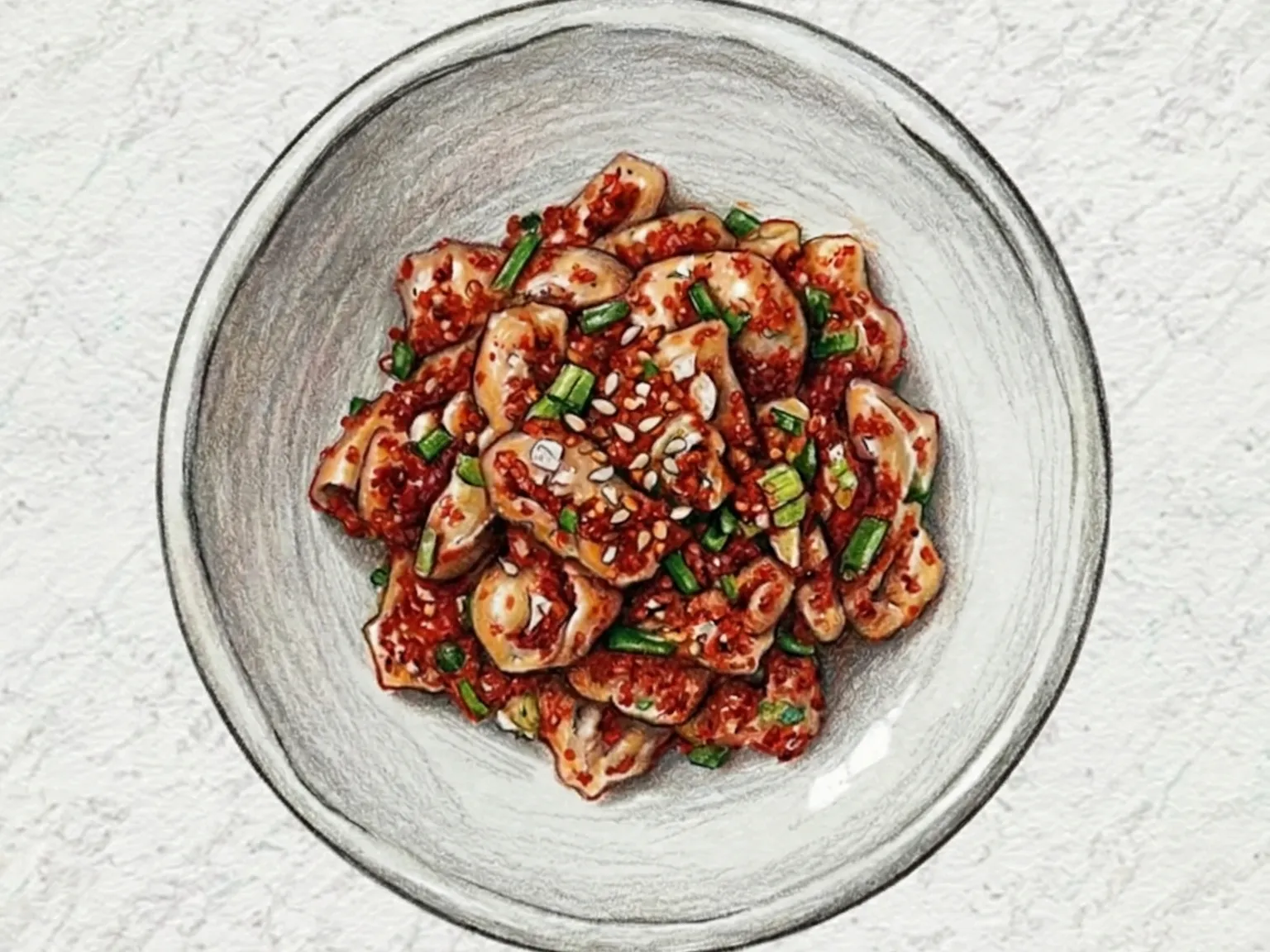
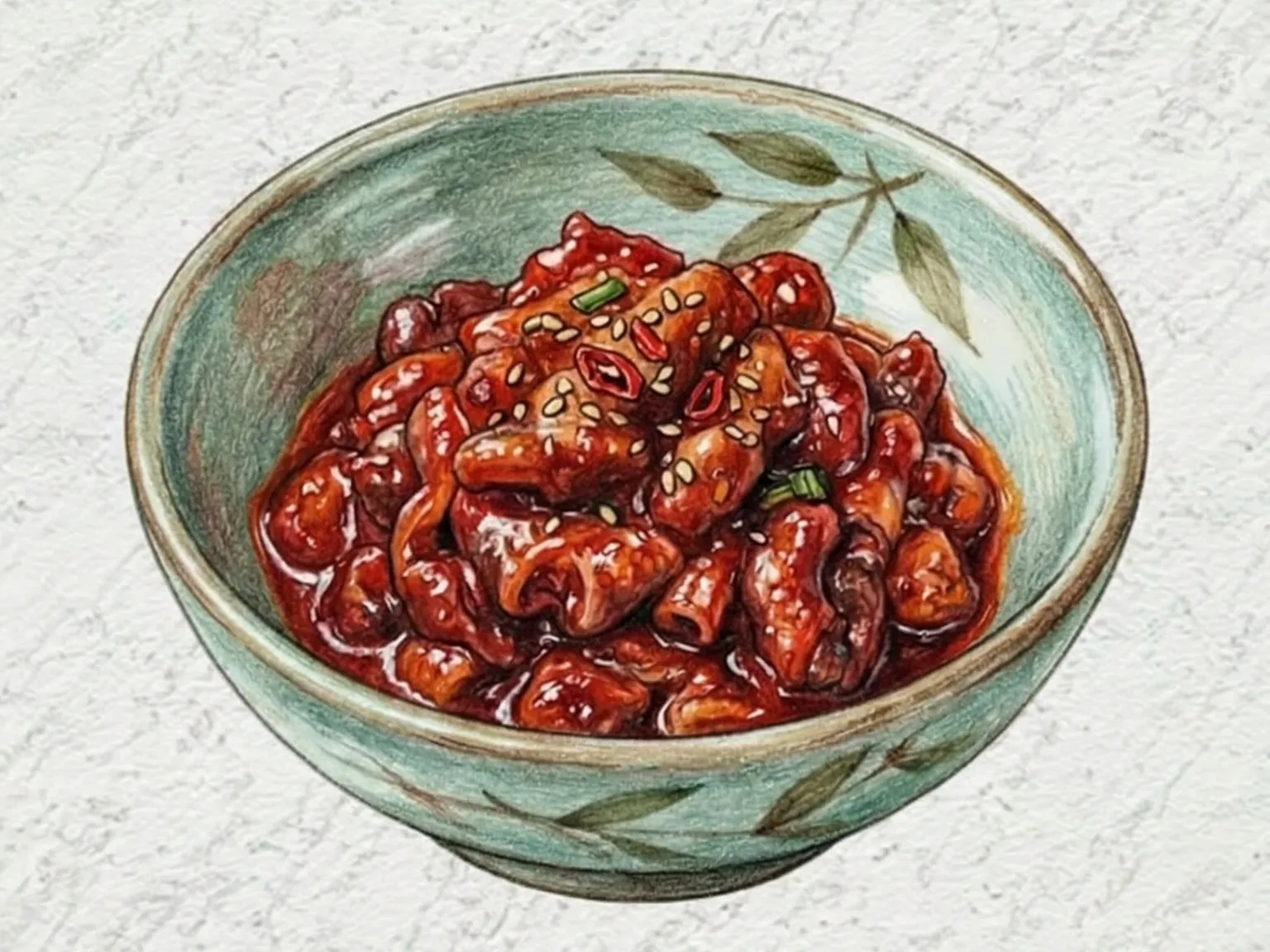
Dakbal-jjim braises chicken feet in a sauce built from gochujang, gochugaru, soy sauce, and sugar until the liquid reduces to a thick, glossy coating around each foot. As the skin and cartilage cook down over time, their collagen converts to gelatin and the feet develop a chewy, sticky texture that is the central appeal of the dish. Gochujang and gochugaru each bring heat from a different angle, one deep and fermented and the other bright and direct, while sugar introduces a caramel-like sweetness that balances the heat load. Cooking wine added early removes the gaminess specific to chicken feet. By the time the sauce has fully reduced it clings to every surface in a deep red glaze, and the finished feet carry both intense seasoning and a pronounced chew that makes them a natural pairing with cold beer or a bowl of rice.

🍺 Bar Snacks🎉 Special Occasion
Prep 20minCook 45min4 servings
Korean Pickled Bok Choy (Soy Vinegar Chili Brine)
KimchiEasy

Korean Pickled Bok Choy (Soy Vinegar Chili Brine)

Cheonggyeongchae jangajji is a Korean pickled bok choy made by halving the heads and submerging them in a boiled brine of soy sauce, vinegar, and sugar with Cheongyang chili, garlic, and ginger. The thick white stems retain their crunch after pickling while the tender green leaves absorb the brine softly, creating two contrasting textures within a single piece. Cheongyang chili leaves a clean, lingering heat at the finish, and ginger contributes a warm undertone to the pickling liquid. Draining the bok choy thoroughly before pickling keeps the brine clear, and after two days of refrigeration the seasoning penetrates evenly throughout for a well-balanced banchan. Pouring the brine over the bok choy only after it has cooled prevents the leaves from softening too much. The spent brine can be reboiled and reused to pickle tofu or daikon, extending its value beyond the first batch.

🥗 Light & Healthy🍱 Lunchbox
Prep 20minCook 8min4 servings
Korean Perilla Oil Noodles
NoodlesEasy

Korean Perilla Oil Noodles

Deulgireum guksu is a Korean cold mixed noodle dish where boiled somyeon are rinsed thoroughly in cold water to strip surface starch, tossed in soy sauce seasoning to coat each strand with salt and umami, then finished with a generous pour of perilla oil. The order matters: soy sauce first to season the noodles through, perilla oil last so its volatile fragrance is not cooked off. The oil has a distinctive earthiness - more roasted and grassy than sesame - and it clings to every strand in a way that makes the whole bowl smell powerfully aromatic. Crumbled roasted seaweed contributes a briny crunch, and toasted sesame seeds provide a quiet textural counterpoint. The whole preparation takes under ten minutes from pot to bowl, which makes it a practical choice for late-night meals or solo eating. A fried egg placed on top is a frequent addition; the runny yolk breaks into the dressed noodles, adding richness and rounding out the sharp, saline seasoning.

🌙 Late Night Quick
Prep 10minCook 7min2 servings
Galbijjim Lasagna (Korean Braised Short Rib and Bechamel Lasagna)
PastaHard

Galbijjim Lasagna (Korean Braised Short Rib and Bechamel Lasagna)

Galbi-jjim lasagna is a fusion dish that layers a Korean-style braised short rib ragu between lasagna sheets with bechamel and mozzarella before baking. The beef short rib is diced and marinated in soy sauce, Asian pear puree, and minced garlic, then sauteed with onion and carrot before simmering in beef stock for twenty-five minutes until the meat becomes fall-apart tender. Asian pear puree acts as a natural enzymatic tenderizer and introduces a subtle fruit sweetness that, combined with the salty depth of soy sauce, reproduces the characteristic sweet-savory balance of traditional galbijjim. The extended simmer reduces the braising liquid into a concentrated, glossy sauce that soaks into every pasta sheet as the lasagna bakes, distributing the Korean umami through each layer. Bechamel moderates the intensity of the soy-based filling and adds a smooth creaminess between layers, while Parmesan crisps on the top surface during baking for textural contrast. The ragu can be prepared in advance, after which assembly and baking take under thirty minutes, making this an impressive centerpiece dish that draws on both Korean and Italian technique.

🎉 Special Occasion
Prep 35minCook 55min4 servings
Salmon Salad (Seared Salmon over Greens with Soy Vinaigrette)
SaladsMedium

Salmon Salad (Seared Salmon over Greens with Soy Vinaigrette)

Salmon salad sears a salmon fillet skin-side down until the exterior is crisp and the interior stays moist, then places it over lettuce, shredded red cabbage, sliced avocado, and peppery radish sprouts, dressed with soy sauce, vinegar, minced garlic, and olive oil. Patting the salmon completely dry and seasoning with black pepper five minutes before cooking prevents the skin from sticking to the pan and allows it to crisp evenly - four minutes skin-side down and two minutes flipped produces a center that retains a pale pink translucency for maximum moisture. The avocado's creamy fat harmonizes with the salmon's omega-3 richness, while radish sprouts add a sharp, mustard-like bite that energizes the bowl. The dressing's combination of soy sauce, vinegar, and garlic creates a salty-tangy base that cuts cleanly through the oily fish.

🥗 Light & Healthy
Prep 20minCook 10min2 servings
Grilled Chicken Caesar Salad
WesternEasy

Grilled Chicken Caesar Salad

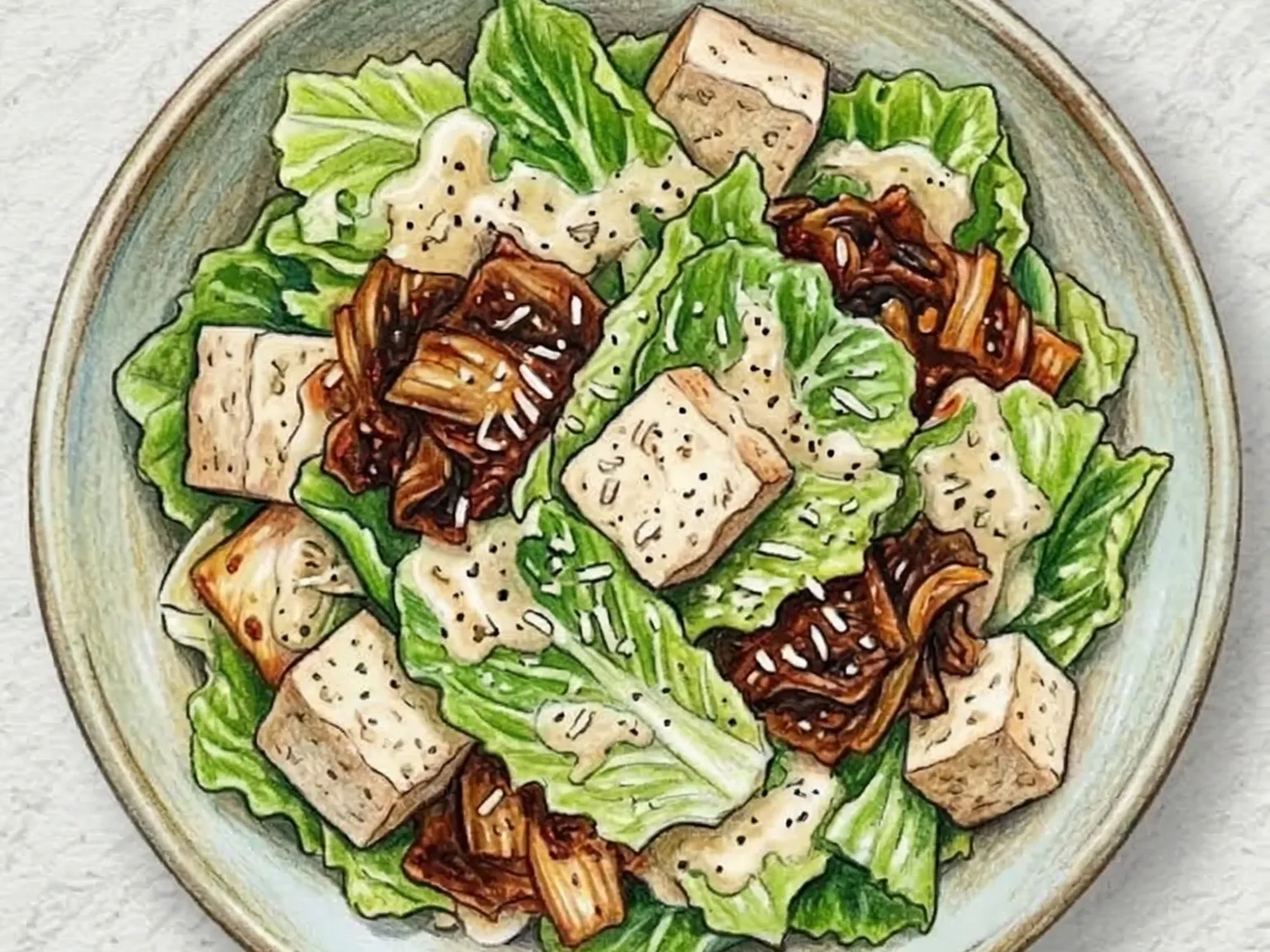
Grilled chicken Caesar salad is a classic constructed salad built on pan-seared chicken breast, crisp romaine lettuce, house-made Caesar dressing, croutons, and shaved Parmesan. The chicken breast is seasoned simply with salt and pepper and cooked over medium-high heat until golden on both sides, then left to rest for five minutes before slicing. Resting allows the muscle fibers to relax and the internal juices to redistribute, so each slice stays moist at the center rather than releasing liquid when cut. Slicing too thinly also causes rapid heat loss and results in a dry, mealy texture, so cutting into thicker pieces is preferable. The dressing is made by whisking together mayonnaise, fresh lemon juice, minced garlic, and a small amount of Worcestershire sauce. That combination produces a coating that is creamy and rich but balanced by the sharpness of citrus and the depth of the fermented condiment. Romaine is torn into bite-sized pieces and tossed lightly with dressing before the chicken and croutons are added on top, which prevents the weight of the toppings from bruising the leaves and accelerating wilting. Croutons go on last and should not be tossed through the greens, as contact with dressing causes them to absorb moisture and lose crunch quickly. Parmesan provides the concentrated salty umami of aged hard cheese that ties the neutral lettuce, mild chicken, and tangy dressing into a unified plate. The salad must be assembled immediately before serving to preserve the distinct textures that make it satisfying.

🥗 Light & Healthy🏠 Everyday
Prep 20minCook 12min2 servings
Bo Kho (Vietnamese Lemongrass Beef Shank Stew)
AsianMedium

Bo Kho (Vietnamese Lemongrass Beef Shank Stew)

Bo kho is Vietnam's beef stew, born in the southern kitchens of Saigon where French colonial influence introduced slow-braised preparations and Vietnamese cooks adapted them with local aromatics. Beef shank and tendon are cut into large chunks and braised with lemongrass, star anise, cinnamon, and annatto oil - the annatto tinting the broth a vivid orange-red that sets bo kho apart from the darker tones of Western stews. Tomato paste and a spoonful of curry powder go in early, building a base that is simultaneously sweet, earthy, and warm. The stew simmers for two hours or more until the beef is fork-tender and the tendon has turned gelatinous, releasing its collagen into the broth and giving it a lip-coating richness. Carrots and daikon radish soften in the liquid during the final thirty minutes, absorbing the concentrated aromatics as they cook. Bo kho is eaten two ways - ladled over steamed rice, or alongside a crusty baguette torn for dipping into the broth. Street vendors in Ho Chi Minh City serve it from dawn, when the morning air carries the scent of star anise from their simmering pots across the alleyways.

🎉 Special Occasion
Prep 20minCook 80min4 servings
Korean Seasoned Chamnamul Greens
Side dishesEasy

Korean Seasoned Chamnamul Greens

Chamnamul - Korean pimpinella - grows wild in mountain valleys across central Korea and has been foraged since the Goryeo period. The leaves carry a celery-like fragrance layered with a faint, peppery finish that is unlike any other spring green. Blanched for under a minute to keep the stems crisp, the greens are cut to 5 cm lengths and tossed with soy sauce, sesame oil, and garlic. The thicker stems hold a slight crunch while thinner leaves soften just enough to take on the seasoning. Very young leaves are sometimes served raw without blanching. A spring-only banchan that is unavailable the rest of the year.

🏠 Everyday🍱 Lunchbox
Prep 10minCook 3min4 servings
Korean Gangwon Gondre Rice
RiceEasy

Korean Gangwon Gondre Rice

Gondre, a wild thistle green long foraged in the mountains of Gangwon province, is soaked, squeezed thoroughly dry, and spread in an even layer over uncooked rice before the pot goes on the heat. The three-stage cooking method, starting at high heat for five minutes, then dropping to medium-low for ten and finishing at low for ten more, followed by a ten-minute covered rest off the heat, produces evenly cooked grains infused with the greens' earthy, grassy scent. Squeezing out the soaking water is not optional; any excess moisture left in the gondre will make the rice mushy. The rice itself is deliberately plain, designed to carry a soy-based dressing of garlic, green onion, chili flakes, and sesame oil that is mixed in at the table. That dressing provides a sharp, savory contrast to the mild, herbaceous notes of the gondre. Fresh spring gondre harvested at peak season delivers the most intense fragrance, though well-soaked dried gondre comes close and extends the dish to all four seasons. Making a larger batch of the dressing allows the same pot of rice to be eaten over several days.

🏠 Everyday
Prep 20minCook 30min4 servings