Charim

2686 Korean & World Recipes

2686+ Korean recipes, clean and organized. Ingredients to instructions, all at a glance.

Recipes with garlic

24 recipes

Buy garlic
Korean Beurokolli Dubu Doenjang Bokkeum (Broccoli Tofu Doenjang Stir-fry)
Stir-fryEasy

Korean Beurokolli Dubu Doenjang Bokkeum (Broccoli Tofu Doenjang Stir-fry)

Broccoli florets and firm tofu are stir-fried in a sauce made by dissolving doenjang in water, producing a Korean vegetarian side dish with layered fermented-soybean depth. Pan-searing the tofu in perilla oil until golden before combining with the other ingredients prevents crumbling during stir-frying and creates a crisp shell around a soft center. The broccoli is blanched for only 40 seconds to lock in its crunch, then added to the pan where the doenjang sauce coats each floret and suppresses any raw green bitterness, converting it into a mellow savoriness. Because doenjang carries significant salt on its own, soy sauce should be adjusted only at the very end after tasting. Toasted sesame seeds scattered over the top add a final layer of nuttiness. The dish provides plant-based protein from the tofu and dietary fiber from the broccoli in a single well-balanced plate. For a spicier variation, a small amount of gochujang stirred into the doenjang sauce deepens both the color and the heat without needing extra chili flakes. The ratio of doenjang to water also matters: too little water leaves the sauce overly salty and the broccoli unevenly coated, while too much thins the fermented depth. A starting ratio of one part doenjang to two parts water by volume gives consistent results.

🏠 Everyday🍱 Lunchbox
Prep 15minCook 11min4 servings
Korean Steamed Mandu (Pork and Tofu Dumplings Steamed in Half-Moon Shape)
Street foodMedium

Korean Steamed Mandu (Pork and Tofu Dumplings Steamed in Half-Moon Shape)

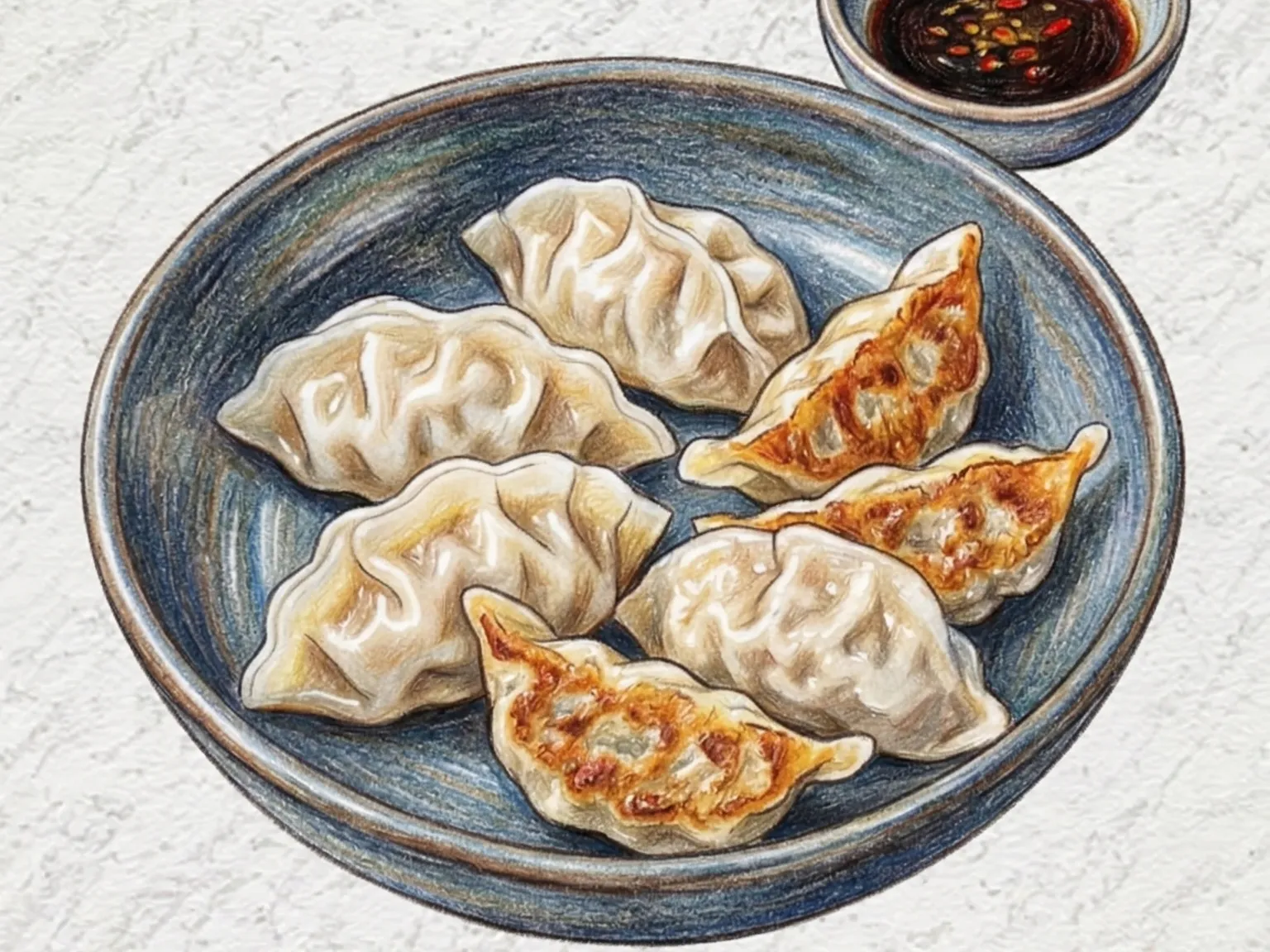
Jjin mandu are Korean steamed dumplings filled with a mixture of ground pork, thoroughly squeezed tofu, soaked glass noodles, garlic chives, and onion, seasoned with soy sauce and sesame oil, then folded into crescent shapes and steamed for 12 to 15 minutes. The steaming method sets these apart from pan-fried or boiled dumplings in a fundamental way: no oil is added, so the wrapper stays moist and clings to the filling rather than crisping, and the filling's own flavors come through without the richness that frying introduces. Removing as much moisture as possible from the tofu before mixing it in is one of the most important steps - tofu that has not been squeezed dry will release liquid during steaming and make the filling watery and the wrapper soggy. Once the moisture is gone, the tofu blends into the pork and gives the filling a softer, more yielding texture than ground meat alone. Garlic chives provide a pungent, grassy bite that naturally cuts through the fat in the pork, while the glass noodles add a slippery, chewy element that contrasts with the tender meat. At the end of steaming, the wrappers turn translucent and the filling becomes just visible through the dough - a reliable sign that the dumplings are fully cooked. A dipping sauce of soy sauce, rice vinegar, and red chili flakes provides acidity and heat that lifts the mild, clean flavor of the filling.

🧒 Kid-Friendly
Prep 30minCook 15min4 servings
Korean Salt-Grilled Pork (Pork Belly and Neck BBQ)
GrilledEasy

Korean Salt-Grilled Pork (Pork Belly and Neck BBQ)

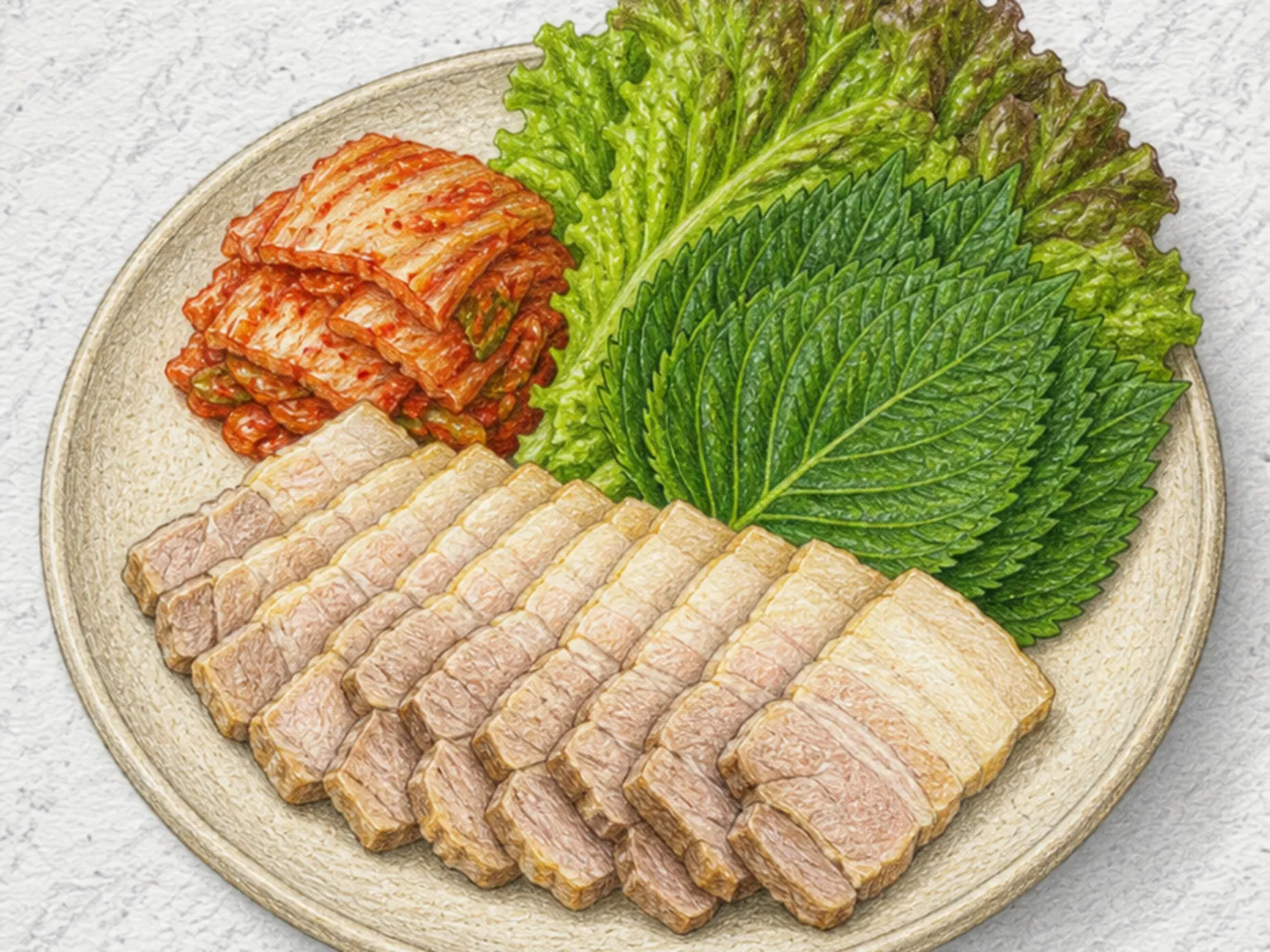
Doejigogi-gui is Korea's salt-grilled pork, made by seasoning thick-cut pork belly or pork neck with nothing but coarse salt and grilling over charcoal or on a cast iron pan. Because no marinade masks the flavor, the quality of the pork itself determines the outcome, and thick-cut belly requires patient cooking over medium heat so the fat layers render fully before the exterior chars -- rushing over high flame leaves the fat chewy and greasy rather than crisp. Blotting excess rendered fat from the pan with paper towels during cooking keeps the meat grilling rather than deep-frying and preserves the smoky char that defines the dish. Garlic slices cooked on the same pan alongside the pork add a mellow roasted note. The classic accompaniments -- sesame oil and salt for dipping, fresh lettuce or perilla leaves for wrapping, a dab of doenjang, and a sliver of cheongyang chili -- create the complete Korean barbecue experience, where a bite of rich pork, crunchy greens, and pungent condiments come together in one mouthful.

🍺 Bar Snacks Quick
Prep 5minCook 15min2 servings
Korean Pimpinella Tofu Soup
SoupsEasy

Korean Pimpinella Tofu Soup

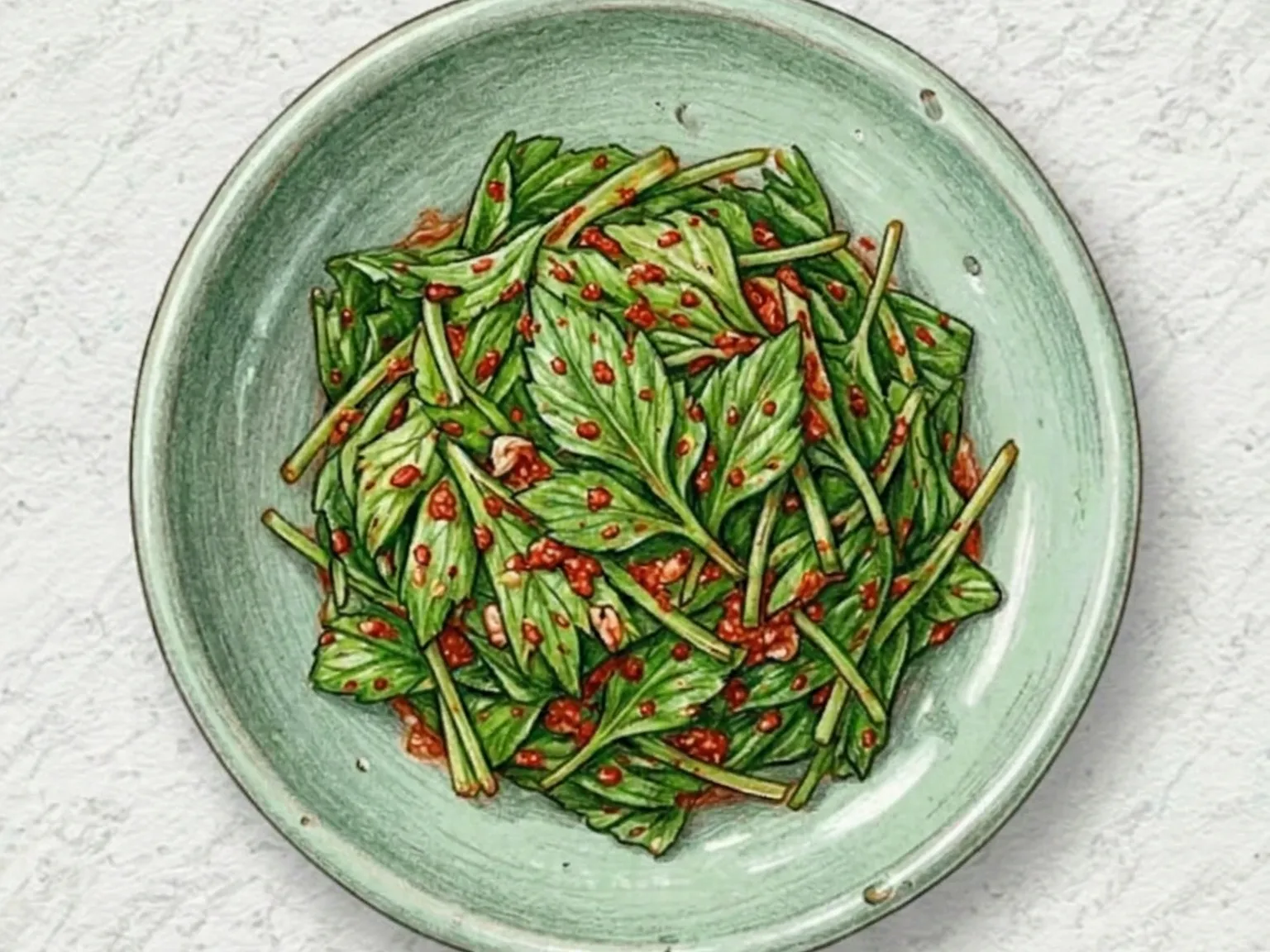
Chamnamul-dubu-guk is a clear Korean soup made with anchovy-kelp stock, soft tofu, and Korean pimpinella greens. Tofu goes in first and simmers for four minutes, absorbing the savory broth before the seasoning of soup soy sauce and salt is added. The chamnamul enters only at the end, kept barely long enough to wilt so its sharp, grassy fragrance stays intact rather than cooking off. The herbal edge of the greens cuts cleanly through the depth of the anchovy stock, giving the broth a brightness that plain doenjang soups do not have. Green onion and black pepper finish the bowl, and the result is a light but well-defined two-serving soup.

🏠 Everyday
Prep 10minCook 12min2 servings
Korean Beef and Octopus Hot Pot
StewsHard

Korean Beef and Octopus Hot Pot

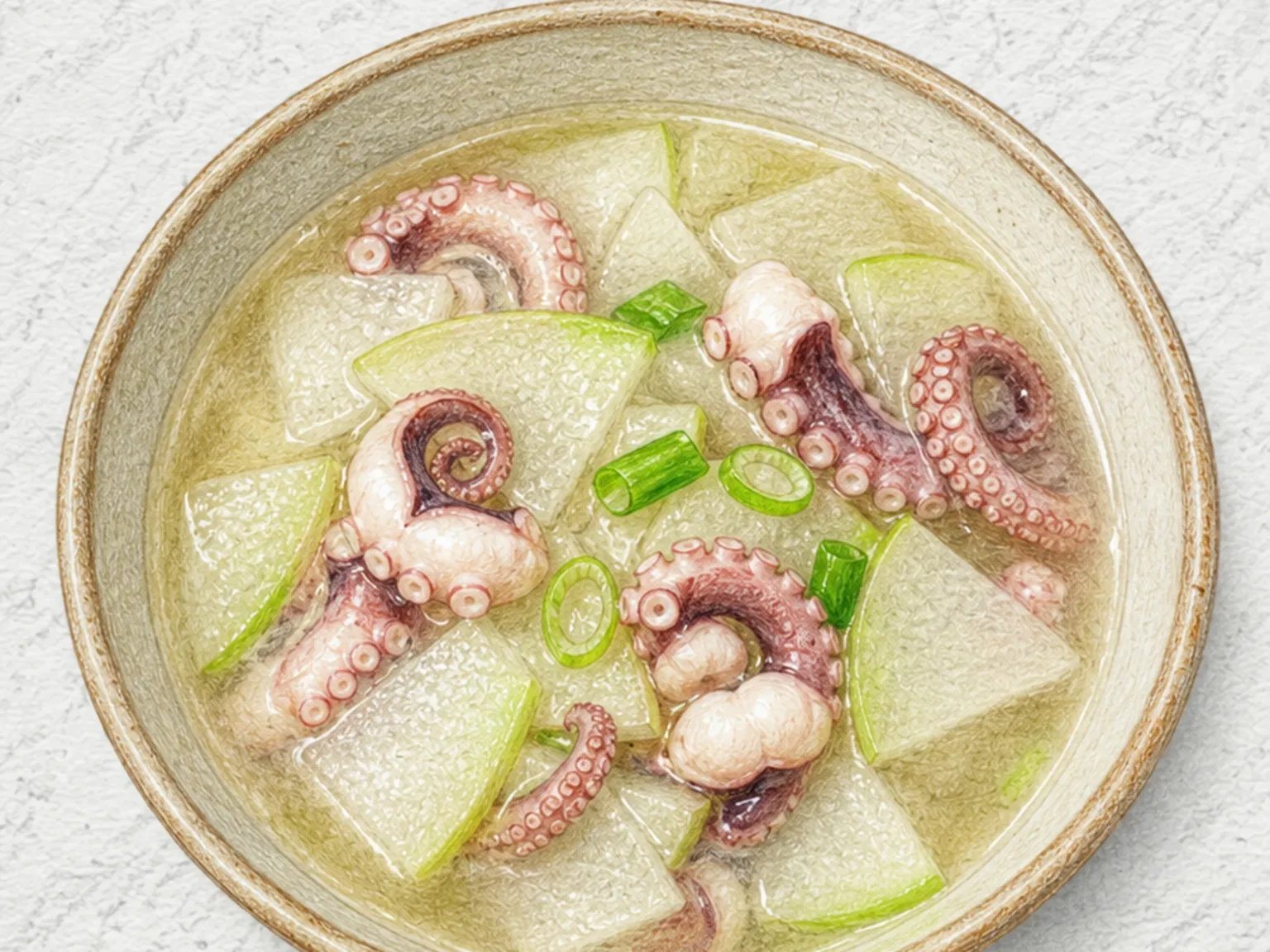
Bulnak jeongol is a hot pot made by simmering sliced beef chadolbaegi and fresh octopus together in an anchovy-kelp broth. The beef enriches the stock with a meaty depth while the fat renders out and emulsifies into the broth, and the octopus adds a firm, springy chew that holds up through the heat. Napa cabbage and water dropwort lighten the pot with fresh, slightly bitter vegetal notes, keeping the heavily flavored broth from becoming too rich. The seasoning stays restrained with soy sauce and garlic so the natural taste of each ingredient carries. Octopus should be added last so it does not toughen; the legs curling and turning a vivid red-orange is the sign that it is properly cooked. Cracking a raw egg into the simmering broth near the end adds a mild, creamy element that rounds out the intense savory notes.

🏠 Everyday🎉 Special Occasion
Prep 30minCook 20min4 servings
Korean Dakbong Gochujang Jorim (Gochujang-Braised Chicken Drumettes)
SteamedMedium

Korean Dakbong Gochujang Jorim (Gochujang-Braised Chicken Drumettes)

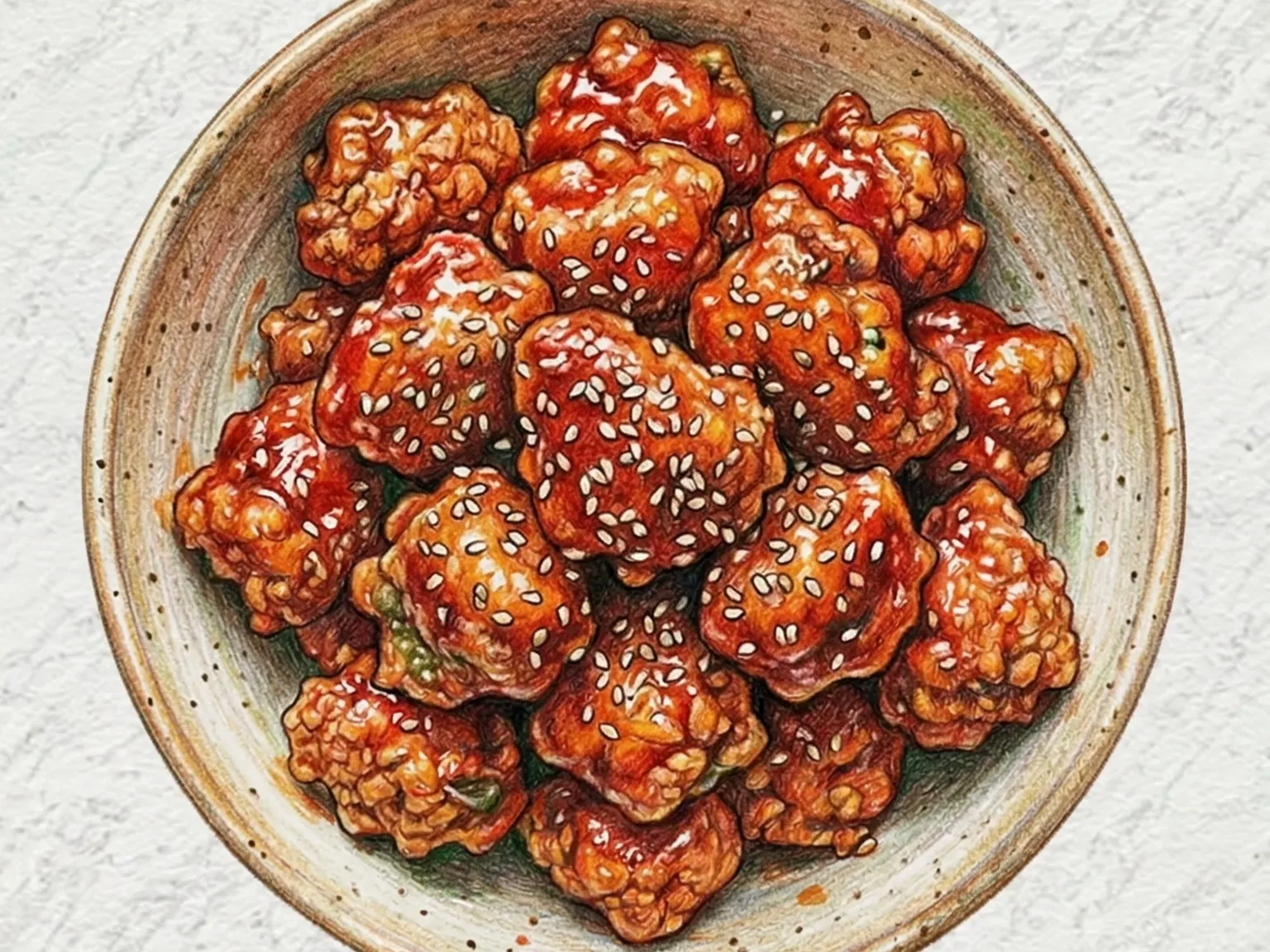
Dakbong gochujang jorim is chicken drumettes braised with potato in a sauce made from gochujang, soy sauce, chili flakes, and oligosaccharide syrup. The meat surrounding the small bones turns dense and pleasantly chewy as it simmers, holding onto the thick, reduced sauce at every surface. Potato pieces soften in the braising liquid until starchy and tender throughout, absorbing the chili-soy base from the outside in. The oligosaccharide syrup wraps the gochujang heat in a shiny glaze that keeps you reaching for another piece. A stalk of green onion stirred in at the very end adds a sharp, pungent aroma that lifts the finished dish.

🎉 Special Occasion🍱 Lunchbox
Prep 15minCook 35min4 servings
Korean Bok Choy Kimchi (Gochugaru Fermented Quick)
KimchiMedium

Korean Bok Choy Kimchi (Gochugaru Fermented Quick)

Cheonggyeongchae kimchi is a bok choy kimchi prepared by halving the heads lengthwise, salting them for twenty minutes, and coating each leaf layer with a paste of gochugaru, salted shrimp, anchovy fish sauce, and sweet rice paste. Keeping the salting time short preserves the crisp snap of the stems, while the leaves soften just enough to hold the seasoning. Julienned scallions and carrot add color and textural variety, and adjusting the fish sauce quantity based on the salted shrimp salinity keeps the overall salt level balanced. After four hours of room-temperature fermentation followed by refrigeration, this kimchi is ready within a day and offers a lighter, crunchier character than traditional napa cabbage kimchi.

🍱 Lunchbox
Prep 35min4 servings
Korean Warm Perilla Mushroom Rice Noodles
NoodlesEasy

Korean Warm Perilla Mushroom Rice Noodles

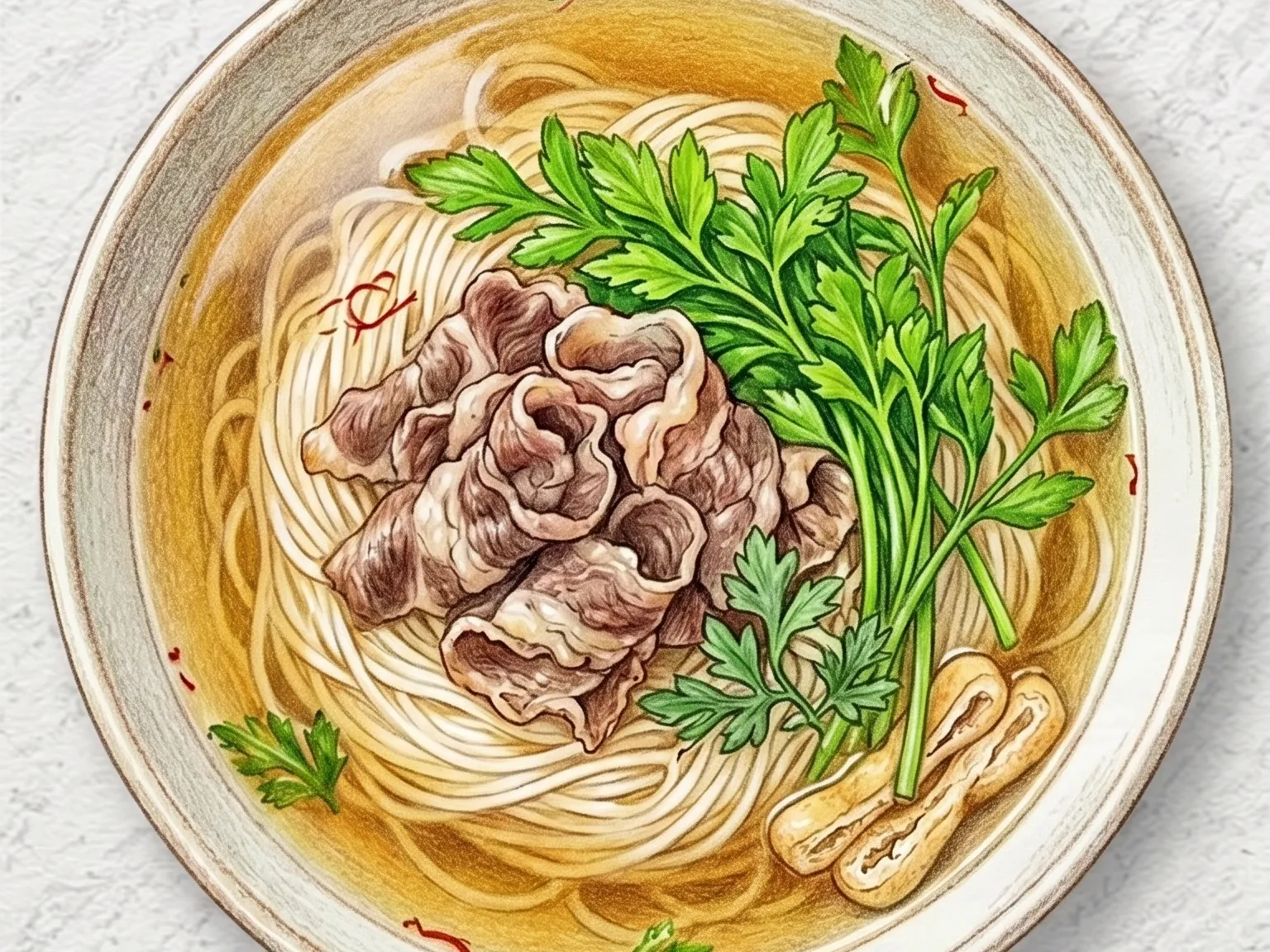
Deulkkae beoseot on ssalguksu is a warm Korean noodle soup built on kelp stock simmered with oyster and shiitake mushrooms, then enriched with ground perilla seeds into a creamy, opaque broth. Rice noodles are smoother and more slippery than wheat varieties, sliding through the rich liquid with ease, while the mushrooms provide a firm, chewy counterpoint. Adding the perilla powder at the very end preserves its roasted, nutty fragrance on the surface of each spoonful rather than cooking it off. Soup soy sauce seasons the broth cleanly without the heaviness of fermented soybean paste. Using dried shiitake mushrooms instead of fresh ones and soaking them in cold water first draws out a concentrated mushroom stock that deepens the base significantly. Substituting king oyster mushrooms cut into thick rounds for oyster mushrooms adds more substantial chew. The dish contains no wheat and suits gluten-free diets. It is particularly fitting on cold days as a light but warming meal.

🥗 Light & Healthy🏠 Everyday
Prep 20minCook 20min4 servings
Gamtae Butter Scallop Spaghetti
PastaMedium

Gamtae Butter Scallop Spaghetti

Preparing gamtae butter scallop spaghetti requires high heat to develop a properly caramelized exterior on the scallops. This process involves searing the scallops for ninety seconds on each side to create a deep brown crust. Before the scallops ever touch the pan, it is essential to ensure they are completely dry by patting them down thoroughly with paper towels. Removing all surface moisture prevents the scallops from steaming in the pan. If the scallops remain damp, they will turn out soft and pale instead of achieving the intended texture and color. After the scallops have been removed from the heat, the remaining browned bits, known as the fond, serve as the primary flavor foundation for the sauce. Garlic and butter are added to the same pan, followed by white wine which is used to deglaze the surface. As the liquid simmers, the alcohol evaporates, leaving behind a clean acidity that balances the richness of the other ingredients. The sauce is finished by swirling in cold butter at the final stage, which creates a smooth and stable emulsion that coats each spaghetti strand evenly. The final component is gamtae seaweed, which has a flavor profile that is notably more delicate and milder than standard nori. By crumbling this seaweed over the pasta immediately before it is served, you introduce a subtle oceanic quality that bridges the gap between the richness of the butter and the natural sweetness of the scallop meat. To complete the preparation, a measured amount of fresh lemon juice is squeezed over the dish. This acidity sharpens the various flavor components and reduces the perceived heaviness of the fats, ensuring that the pasta remains balanced throughout the meal.

🍺 Bar Snacks🎉 Special Occasion
Prep 15minCook 18min2 servings
Zucchini Noodle Salad
SaladsEasy

Zucchini Noodle Salad

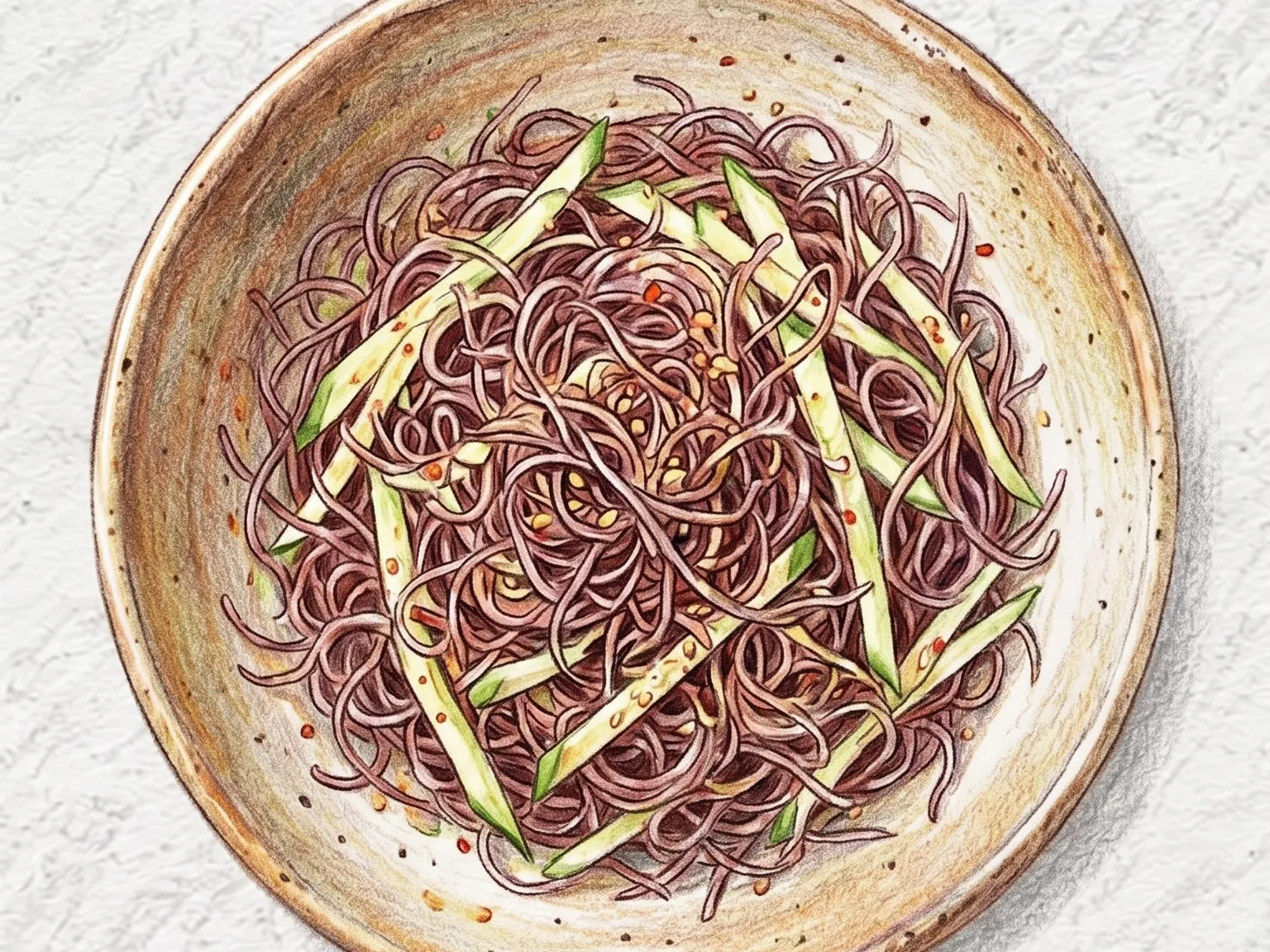
Zucchini noodle salad spiralizes or peels zucchini into long noodle strands and tosses them with halved cherry tomatoes and minced garlic in a lemon juice and olive oil dressing, finished with shaved Parmesan and fresh basil. Zucchini has a high water content that releases quickly once dressed, so the salad must be tossed immediately before serving to prevent the dressing from becoming diluted. Finely minced garlic dispersed through the olive oil distributes a sharp, pungent flavor evenly across every strand, and lemon juice gives the mild zucchini a defined, bright direction. The cherry tomatoes burst with juice that acts as a secondary dressing, and the Parmesan contributes salt and umami that pair with basil's herbaceous aroma to produce depth without any cooking.

🥗 Light & Healthy Quick
Prep 18min2 servings
Chicken Kyiv
WesternHard

Chicken Kyiv

Chicken Kyiv is an Eastern European preparation of pounded chicken breast wrapped tightly around a log of compound butter mixed with parsley and garlic, triple-breaded in flour, egg wash, and breadcrumbs, pan-seared to set the crust, then finished in the oven. The butter must be frozen firm before assembly so it holds its shape during pan-searing and the early stage of oven cooking, melting only gradually inside the chicken where it functions as an internal basting sauce. The triple breading creates a crisp outer shell that also seals the butter inside, and repeating the breadcrumb coating a second time improves both the seal and the crunch of the finished piece. The defining moment of the dish is cutting in and releasing a flow of melted herb butter; a three-minute rest after removing from the oven stabilizes the interior temperature so the butter flows cleanly rather than all at once. Chilling the breaded rolls in the refrigerator for at least thirty minutes before cooking keeps the breadcrumbs firmly attached through the high-heat sear, and the two-stage cooking method of pan-searing followed by oven finishing achieves a crisp exterior and fully cooked, juicy interior at the same time.

🎉 Special Occasion
Prep 25minCook 20min2 servings
Bo La Lot (Vietnamese Grilled Beef Wrapped in Betel Leaves)
AsianMedium

Bo La Lot (Vietnamese Grilled Beef Wrapped in Betel Leaves)

Bo la lot is a southern Vietnamese dish that transforms seasoned ground beef into something aromatic and layered through the medium of la lot, the wild betel leaf (Piper lolot) - a broad, heart-shaped leaf with a peppery, faintly medicinal fragrance found nowhere else in the Vietnamese herb repertoire. The beef is combined with lemongrass, garlic, fish sauce, sugar, and five-spice powder, then wrapped tightly in individual leaves and threaded onto skewers. Over a charcoal grill, the leaf edges char and turn crisp while the rendered fat from the beef migrates into the leaf's porous surface, bonding the meat's juices with the leaf's volatile aromatic oils. The resulting bite carries multiple simultaneous impressions: char smoke from the grill, pepper heat from the leaf, savory sweetness from the spiced beef, and a faint numbing tingle from the la lot's natural compounds. The standard way to eat it is wrapped in lettuce and rice paper with fresh herbs and a bowl of nuoc cham for dipping, and it functions as a staple snack at the casual outdoor beer halls known as bia hoi across Vietnam.

🍺 Bar Snacks🎉 Special Occasion
Prep 25minCook 12min2 servings
Korean Seasoned Salted Pollock Stomach
Side dishesEasy

Korean Seasoned Salted Pollock Stomach

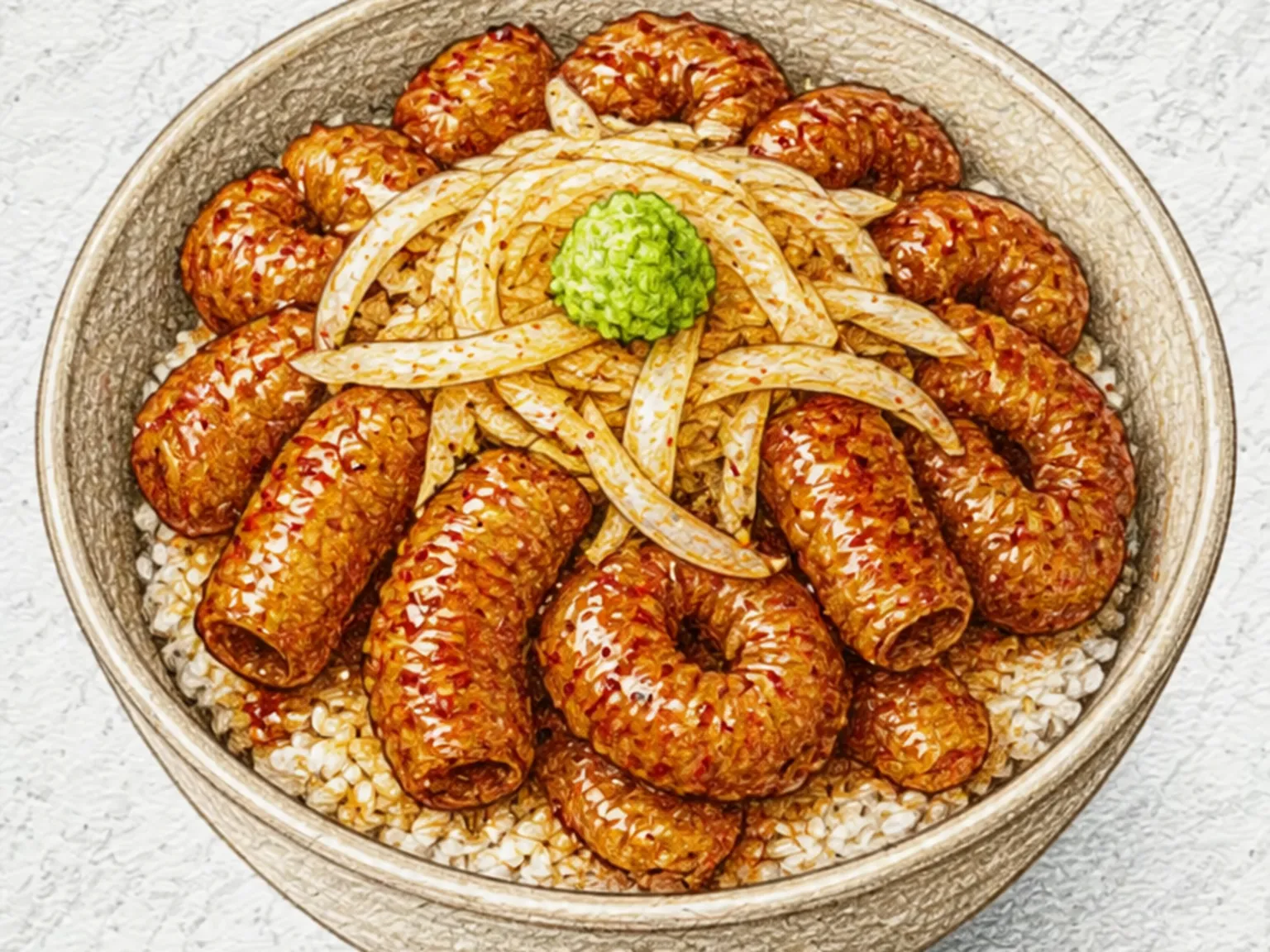
Changnanjeot, salt-fermented pollock stomach, belongs to Korea's jeotgal tradition, where seafood organs are packed in coarse salt and left to ferment for months until deep umami develops throughout. The stomach lining has a firm, slightly rubbery chew that sets it apart from softer jeotgal like salted shrimp; the longer it is chewed, the more the fermented savoriness emerges from beneath the saltiness. Drained of excess brine and dressed with gochugaru, garlic, scallion, and sugar, it becomes a high-concentration condiment banchan. A thumbnail-sized piece placed on plain rice delivers a burst of fermented marine salt and chili heat that carries an entire spoonful. Stored in the refrigerator, it keeps its character for more than two weeks, making it a practical staple side dish to prepare in advance.

🏠 Everyday🍱 Lunchbox
Prep 8min2 servings
Korean Gochujang Chicken Mayo Rice Bowl
RiceEasy

Korean Gochujang Chicken Mayo Rice Bowl

Gochujang chicken mayo deopbap pairs stir-fried chicken thigh glazed in a fermented chili sauce with a drizzle of creamy mayonnaise over warm steamed rice. Boneless chicken thigh cut into bite-sized pieces is stir-fried over high heat in a sauce built from gochujang, soy sauce, sugar, and minced garlic until a glossy, sticky glaze coats every surface and the edges of the chicken begin to caramelize. The sauced chicken goes directly onto the rice, and mayonnaise is zigzagged across the top in strips, creating alternating lines of red and white that fold together at the table. The combination works because gochujang contributes fermented, slow-building heat while the mayo provides a cool, fat-rich creaminess that extends each bite and carries the sauce deeper into the rice. Onion cooked alongside the chicken breaks down into the glaze, rounding the sauce's edges with a natural sweetness, while a scattering of sliced green onion on top adds a fresh, sharp contrast. Thigh meat is the correct choice over breast - its fat content means it retains moisture through the high-heat stir-fry rather than turning dry or stringy. A variation that has gained popularity layers a slice of processed cheese beneath the chicken, letting the residual heat melt it into a creamy middle layer between rice and glaze.

🏠 Everyday
Prep 15minCook 20min2 servings
Korean Beurokolli Saeu Bokkeum (Broccoli Shrimp Stir-fry)
Stir-fryEasy

Korean Beurokolli Saeu Bokkeum (Broccoli Shrimp Stir-fry)

Peeled and deveined shrimp are seasoned with cooking wine and pepper, then stir-fried over high heat alongside blanched broccoli. The shrimp reach their ideal texture the instant they turn pink; cooking any further causes the proteins to contract and the flesh to toughen. Blanching the broccoli briefly beforehand means it releases less water once it hits the pan, keeping the sauce concentrated and clinging to the ingredients rather than pooling at the bottom. Soy sauce and oyster sauce form the savory backbone, while sliced garlic infused into the oil at the start builds a fragrant base that runs through every mouthful. Bell pepper adds a crisp snap and a vivid color. The whole dish takes under fifteen minutes and delivers a full plate of protein and vitamin C in a light, satisfying format. Served over steamed rice, it works just as well as a rice bowl.

🥗 Light & Healthy🏠 Everyday
Prep 10minCook 10min2 servings
Korean Grilled Jjondeugi (Sweet Spicy Glazed Wheat Cracker Snack)
Street foodEasy

Korean Grilled Jjondeugi (Sweet Spicy Glazed Wheat Cracker Snack)

Jjondeugi-gui is a nostalgic Korean street snack made by gently heating thin pressed-wheat sheets over low heat until they become pliable, then applying a sauce of gochujang, soy sauce, sugar, oligosaccharide syrup, minced garlic, and sesame oil before returning them to the heat. The warming process shifts the sheets from rigid to genuinely chewy, and the sugars in the sauce caramelize slowly against the surface, building a sticky, sweet-spicy glaze that concentrates with each pass. Because the marinade has a high sugar content, applying it in a single thick coat scorches the outside before the heat can work evenly through the sheet. The correct technique is to brush on a thin layer, grill briefly, then repeat two or three times until the glaze has depth and the interior is fully softened. The finished pieces are cut into bite-size sections with kitchen scissors and served immediately while still warm.

🧒 Kid-Friendly🌙 Late Night
Prep 5minCook 8min2 servings
Korean Domi Sogeum Gui (Salt-Grilled Sea Bream)
GrilledEasy

Korean Domi Sogeum Gui (Salt-Grilled Sea Bream)

Domi-sogeum-gui is a Korean pan-grilled sea bream dish where fillets are seasoned with nothing more than coarse salt and black pepper, then cooked skin-side down for the majority of the cooking time. Sea bream sits at a favorable point among white fish varieties, carrying enough natural fat to produce a clean, rounded umami from salt alone without needing additional marinades or sauces. Patting the surface completely dry with paper towels before the fish goes into the pan is essential, as any surface moisture will cause the skin to steam rather than crisp. Placing the fillet skin-side down first and keeping it there for roughly seventy percent of the total cooking time allows the skin to turn crackling and golden while the heat travels up through the flesh from below. A brief flip to finish the flesh side is all that is needed, since overcooking removes moisture from the delicate meat quickly. Minced garlic and chopped scallions placed on top after cooking add a fresh, pungent note, and a squeeze of lemon from the side wedge sharpens the bream's mild, clean sweetness by cutting through any lingering fish aroma.

🍺 Bar Snacks🏠 Everyday
Prep 15minCook 16min2 servings
Korean Green Seaweed Tofu Soup
SoupsEasy

Korean Green Seaweed Tofu Soup

Cheonggak-dubu-guk is a light Korean seaweed soup made by soaking salted cheonggak sea staghorn in cold water to draw out excess salt, then simmering it with tofu and onion in a clean broth. Onion and garlic are sauteed in perilla oil first to build a nutty base, and the broth is seasoned with tuna extract and soup soy sauce, which together bring a deep oceanic savoriness to every spoonful. The cheonggak seaweed contributes a firm, satisfying crunch that contrasts directly with the soft, mild tofu cubes. At 140 calories per bowl, the soup sits at the lighter end of Korean everyday cooking while still delivering genuine depth. The combination of sea vegetable, perilla oil, and fermented soy seasoning makes a broth that tastes cleaner and more mineral than standard vegetable soups.

🥗 Light & Healthy🏠 Everyday
Prep 10minCook 12min2 servings
Korean Brisket Soybean Paste Stew
StewsEasy

Korean Brisket Soybean Paste Stew

Thinly sliced brisket is added to the classic soybean paste stew base of rice-rinsing water and doenjang, cooked together with potato, zucchini, tofu, and cheongyang chili. The marbled fat in the brisket renders into the broth as it cooks, building a richer and more savory base than the standard vegetable-only version. The cheongyang chili delivers a sharp heat that makes this stew especially good with a bowl of rice. Adding the brisket slices after the vegetables have softened partially prevents the meat from overcooking and turning tough during the remaining simmer time.

🏠 Everyday
Prep 10minCook 15min2 servings
Korean Soy-Braised Deodeok Root
SteamedMedium

Korean Soy-Braised Deodeok Root

Deodeok-jorim is a Korean braised banchan made from deodeok root simmered in soy sauce, rice syrup, garlic, and sesame oil until each piece takes on a glossy, lacquered coating. The root's pronounced bitter-herbal aroma softens considerably as the sweet-salty glaze penetrates during cooking, while the interior stays dense and pleasantly chewy throughout. A single green chili stirred in near the end contributes a restrained background heat, and toasted sesame seeds with a final drizzle of sesame oil add a nutty dimension on top. Deodeok is a foraged mountain root prized for its earthy, slightly resinous character, and this preparation tames that wild quality just enough to make it approachable as a daily side dish. Paired with other vegetable banchan, it anchors the kind of traditional Korean table that prioritizes vegetables over protein.

🏠 Everyday🍱 Lunchbox
Prep 20minCook 18min2 servings
Korean Cheongyang Gochu Doenjang Jangajji (Doenjang Pickled Cheongyang Peppers)
KimchiEasy

Korean Cheongyang Gochu Doenjang Jangajji (Doenjang Pickled Cheongyang Peppers)

Cheongyang chili peppers are pricked all over with a fork so the brine can reach the interior of each pod rather than sitting on the surface. Kelp is simmered with soy sauce to establish a concentrated umami base, then the heat is cut and doenjang is dissolved into the hot liquid, which layers the nutty, fermented depth of fermented soybean paste over the saltiness of the soy. Rice syrup softens the sharp, raw heat of the chilies so it does not dominate the other flavors, and vinegar sharpens and clarifies the overall profile. The chilies are pressed fully under the brine and left in the refrigerator to mature. After one day the seasoning begins to penetrate toward the core, and by day three the doenjang flavor has fully saturated each pepper. At that point, a single pepper placed on a mouthful of hot rice delivers a compact burst of salty, funky depth and the lingering heat that makes this pickle a classic Korean table condiment.

🏠 Everyday🍱 Lunchbox
Prep 18minCook 8min4 servings
Korean Fermented Soybean Paste Noodle Soup
NoodlesEasy

Korean Fermented Soybean Paste Noodle Soup

Doenjang kalguksu is a Korean noodle soup of knife-cut wheat noodles in an anchovy broth enriched with fermented soybean paste. Straining the doenjang through a fine-mesh sieve before adding it to the broth serves a specific purpose: it prevents uneven lumps and ensures the paste dissolves uniformly, which keeps any bitter notes from concentrating in spots. The fermentation depth of the doenjang and the glutamate-rich anchovy stock reinforce each other without needing added seasoning. Zucchini cut into half-moons and sliced shiitake mushrooms contribute sweetness and aroma as the broth simmers; cubed tofu adds a soft, yielding contrast to the chewy noodles. Timing dictates quality here: the final salt adjustment goes in right before the noodles, because doenjang pushed through extended boiling develops a pronounced bitterness that is difficult to correct. Once the noodles go in, the soup should be finished within two minutes to preserve their elasticity.

🏠 Everyday
Prep 10minCook 20min2 servings
Gochu Oil Tuna Puttanesca Spaghetti
PastaEasy

Gochu Oil Tuna Puttanesca Spaghetti

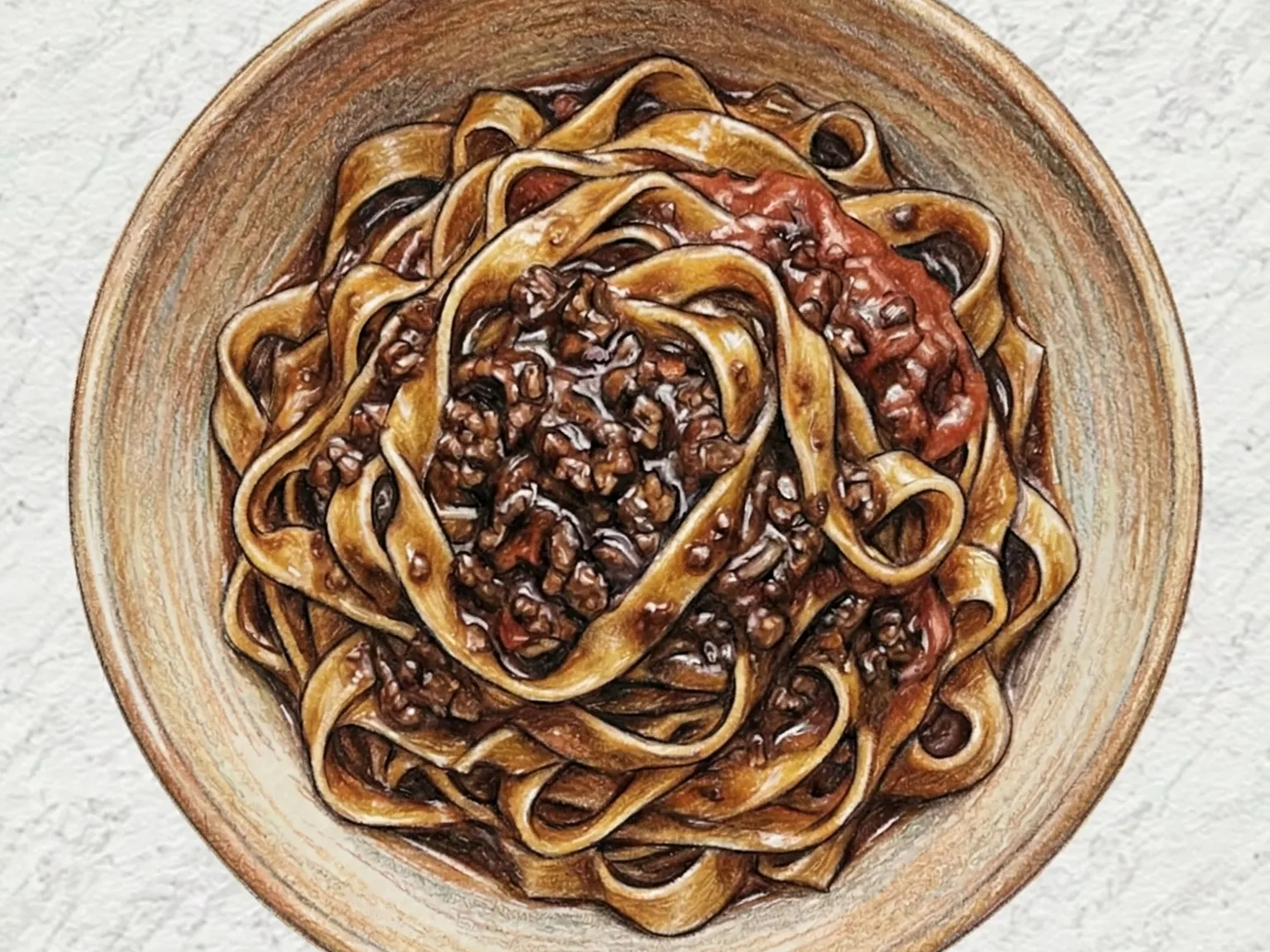
The foundation of this Gochu oil tuna puttanesca spaghetti is established by integrating the olive oil reserved from a can of tuna with a secondary portion of chili oil. This combined oil serves as the medium for sautéing sliced garlic and whole anchovy fillets over a consistently low heat. The process continues until the anchovies have fully dissolved into the warm fat, a step that allows their natural saltiness to permeate the base while eliminating any lingering traces of fishiness. Crushed tomatoes are then introduced to the pan and left to simmer for six minutes over medium heat. This period of simmering reduces the liquid content, which in turn concentrates the flavors and makes the natural acidity of the tomatoes more prominent. After this reduction, capers and black olives are added to provide distinct layers of brine and a characteristic hint of bitterness to the mixture. The solid pieces of tuna are folded in during the final two minutes of cooking. This short duration ensures that the tuna maintains its structure and provides a firm texture instead of disintegrating into the liquid. The cooked spaghetti and a small quantity of starchy pasta water are then combined with the sauce over high heat. This rapid tossing emulsifies the fats and liquids into a glossy coating that adheres uniformly to every surface of the pasta. To finish the dish, a handful of chopped parsley is scattered on top to introduce a fresh herbal quality that lightens the dense and salty profile of the sauce. Red chili flakes can be included at any stage of the process to allow for the precise adjustment of heat levels.

🏠 Everyday
Prep 12minCook 18min2 servings
Chicken Provençal (South French Tomato Olive Herb Chicken)
WesternMedium

Chicken Provençal (South French Tomato Olive Herb Chicken)

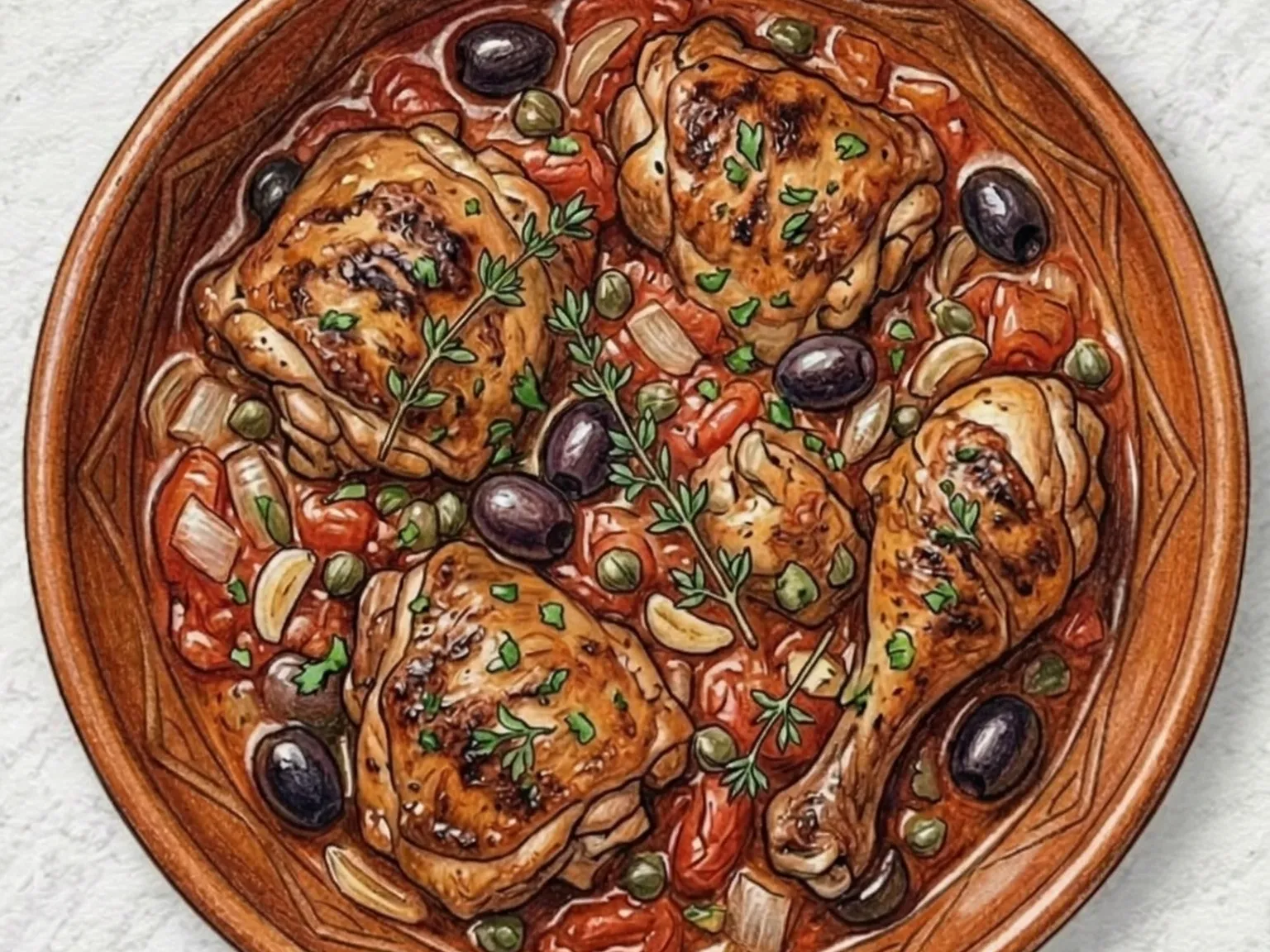
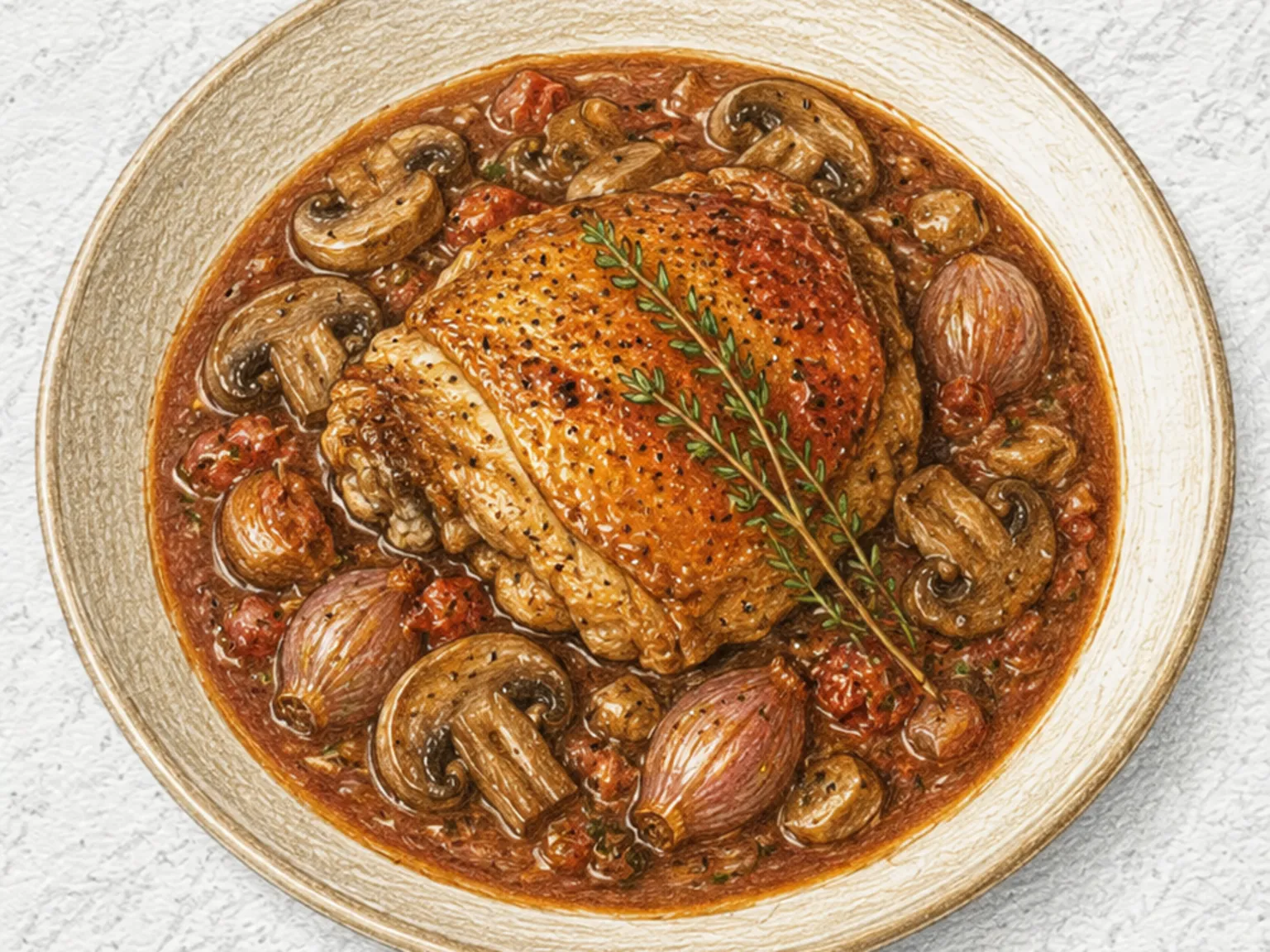
Chicken Provencal sears chicken thighs skin-side down on high heat until deeply golden, then braises them with cherry tomatoes, black olives, capers, garlic, and thyme in white wine for a southern French home-style dish. A prolonged sear of the chicken skin develops both crispness and a rich layer of fond on the pan bottom, which the wine dissolves into the sauce during deglazing. As the cherry tomatoes burst during cooking, their juice combines with the salty olives and sharp capers to form a bright, layered Mediterranean sauce. Twenty minutes of covered simmering followed by eight to ten minutes uncovered concentrates the sauce and allows it to penetrate the chicken deeply. A small amount of lemon zest stirred in at the end clarifies and lifts the aromatics of the finished dish. Using whole unpitted olives rather than pitted ones during cooking lets a slight bitterness leach from the pits into the sauce, adding an extra dimension that rounds out the sweetness of the tomatoes.

🎉 Special Occasion
Prep 20minCook 40min4 servings