Charim

2686 Korean & World Recipes

2686+ Korean recipes, clean and organized. Ingredients to instructions, all at a glance.

Recipes with ginger

24 recipes

Buy ginger
Khao Man Gai Tod (Thai Fried Chicken Rice Bowl)
AsianMedium

Khao Man Gai Tod (Thai Fried Chicken Rice Bowl)

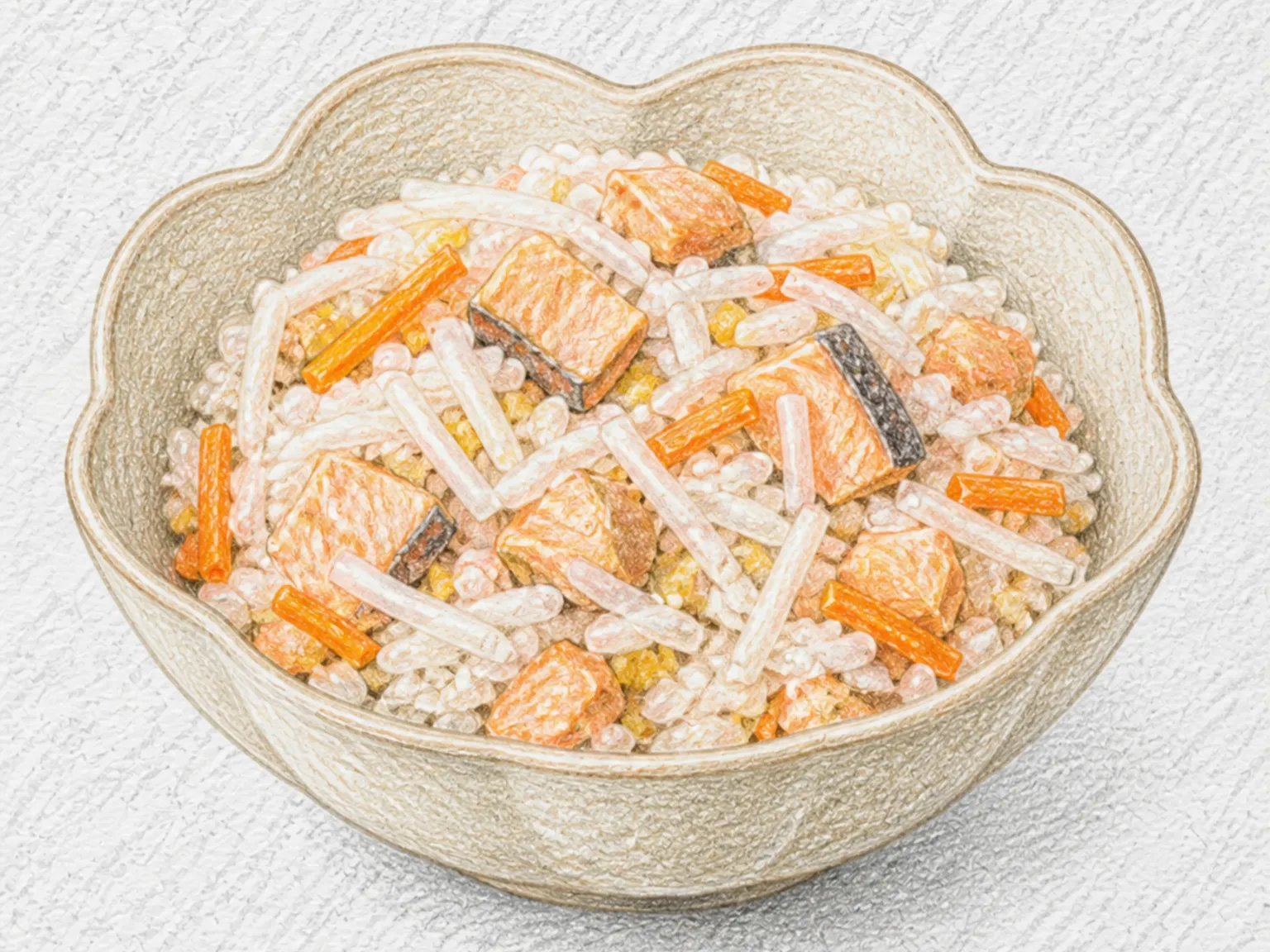
Khao man gai tod is the fried variation of Thailand's beloved chicken rice, replacing the poached bird with a crispy deep-fried version that adds texture and caramelized flavor to an already satisfying dish. Chicken pieces are marinated in garlic, white pepper, and fish sauce, then dusted in seasoned flour and fried until the crust turns deep golden and audibly crunchy. The rice is cooked in chicken broth with garlic and ginger, absorbing the fat and aroma of the stock into each grain so that it tastes rich on its own before any sauce is added. What ties the plate together is the sweet chili dipping sauce, a mix of fermented soybean, vinegar, chili, and sugar that delivers a sharp, funky counterpoint to the rich fried chicken and oily rice. Sliced cucumber and a small bowl of clear broth with winter melon round out the standard serving and provide relief between bites. Street vendors across Bangkok keep vats of oil at the ready for this dish throughout the day, and the crackling sound of chicken hitting hot oil is a reliable signal to stop and eat.

🎉 Special Occasion
Prep 20minCook 25min2 servings
Korean Poached Octopus Slices
DrinksMedium

Korean Poached Octopus Slices

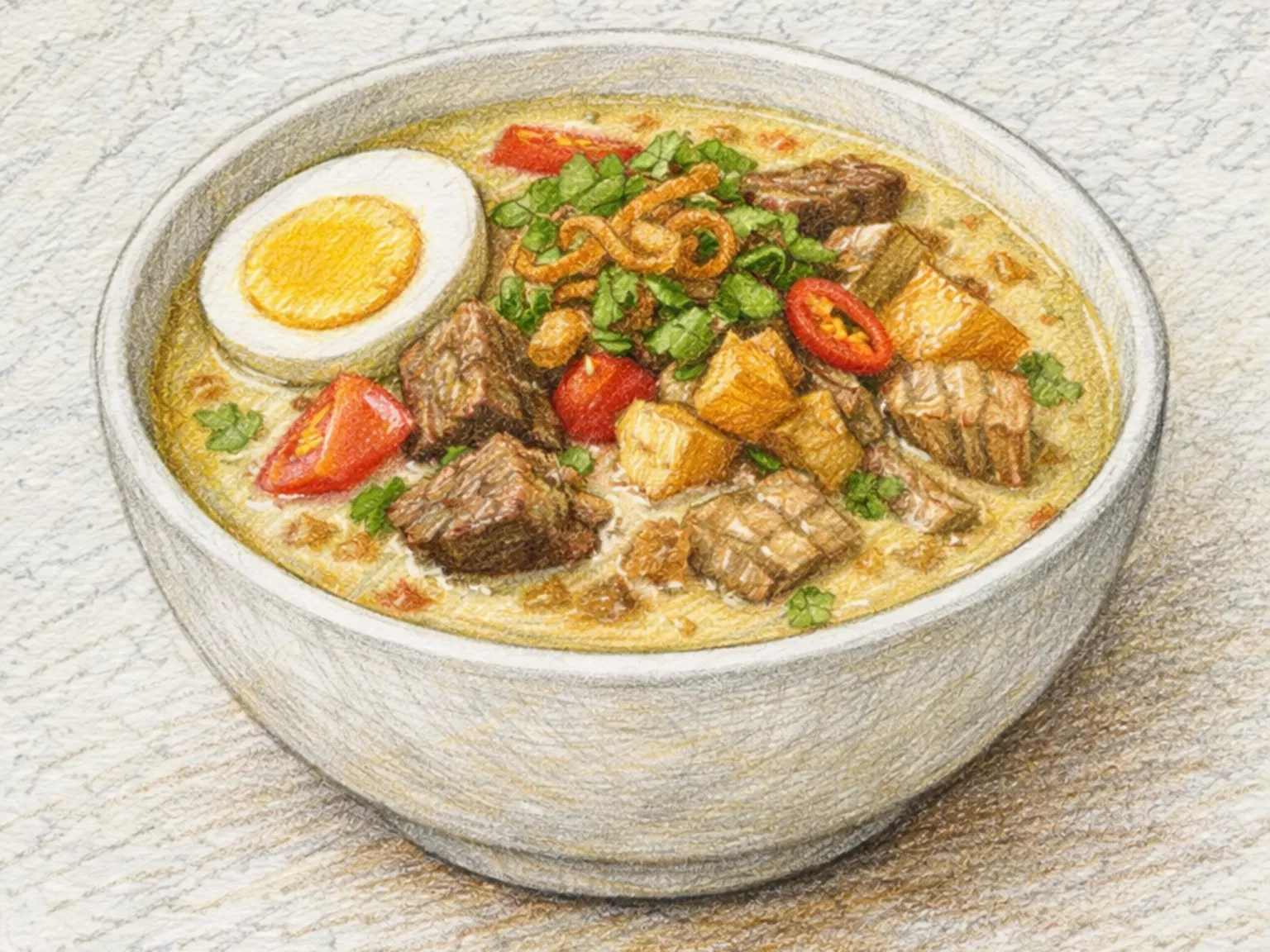
Muneo-sukhoe is poached octopus prepared by simmering a whole raw octopus in water with radish, green onion, and ginger for about 20 minutes, then slicing it thin and serving it with vinegared gochujang dipping sauce. Before cooking, the octopus is vigorously rubbed with salt to strip away the slippery surface mucus, which is the single most important step for removing any unpleasant ocean odor. When lowering the octopus into the hot water, the tentacles go in first: submerging them before the body causes the legs to curl inward, giving the cooked octopus a cleaner shape. After the cooking time, the heat is turned off and the octopus rests undisturbed in the pot for five minutes, allowing the muscle fibers to relax and produce a chewy but not tough texture. Radish in the poaching liquid absorbs impurities; ginger suppresses fishiness, leaving the flesh tasting clean and mild on its own. Thick diagonal slices bring out the natural sweetness of the octopus, and the tangy-spicy dipping sauce amplifies the savoriness rather than masking it. The dish works equally well as a drinking snack or a summer seafood side.

🍺 Bar Snacks
Prep 15minCook 25min4 servings
Korean Soybean Leaf Kimchi
KimchiMedium

Korean Soybean Leaf Kimchi

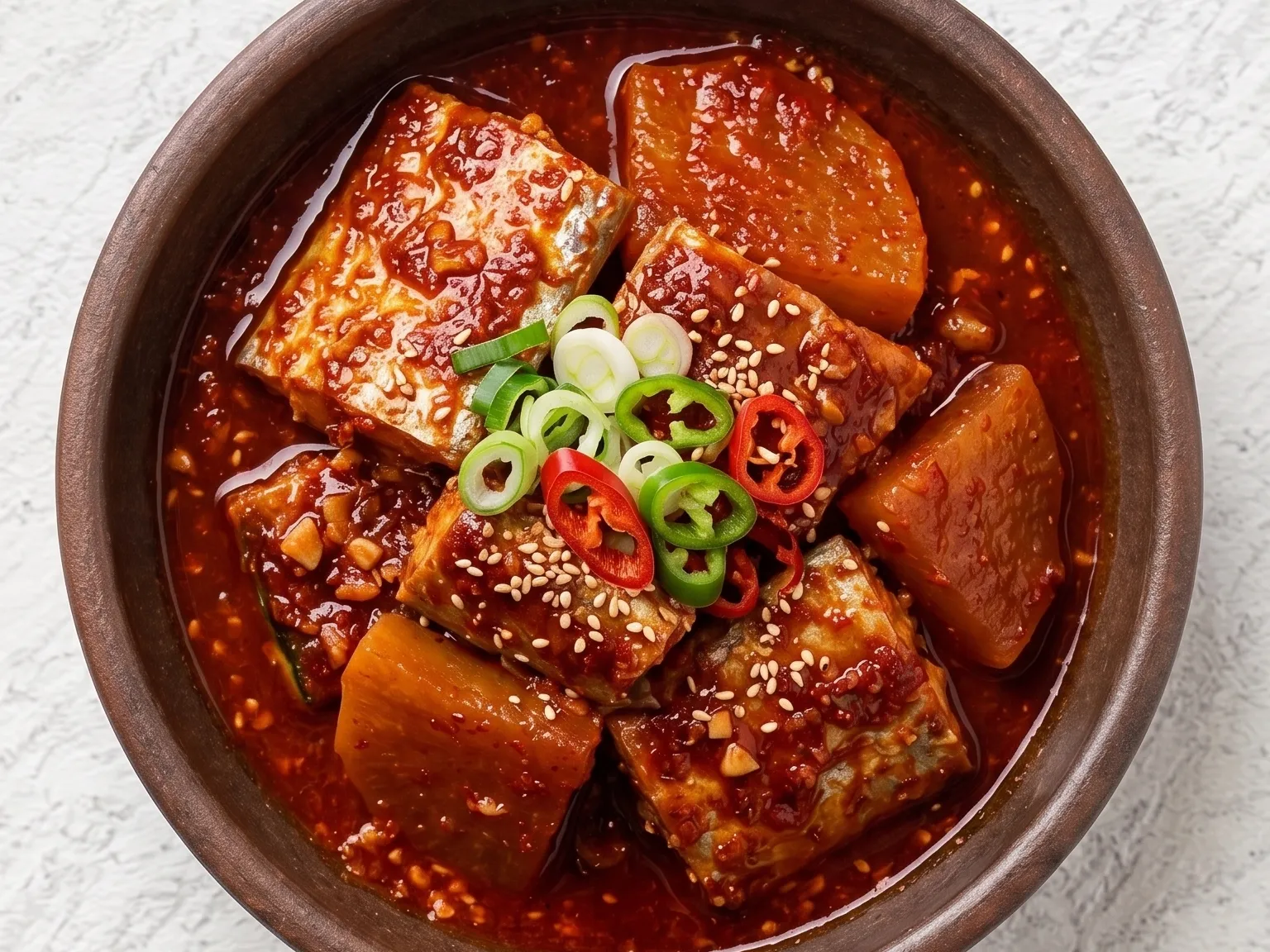
Kongip kimchi is a Korean preserved kimchi made by coating individual soybean leaves, one by one, with a seasoning of gochugaru, dark soy sauce, anchovy fish sauce, and plum syrup, then stacking them in layers to ferment. The soybean leaf's earthy, vegetal fragrance is its defining quality in the fresh state, but it transforms into something considerably deeper and more savory once it meets the concentrated umami of soy and fermented fish sauce and begins to mature over several days. Onion and ginger are worked into the seasoning to suppress any raw edge and reinforce the overall aroma. Plum syrup tames the inherent sharpness of the salt and fish sauce with a gentle fruit acidity that rounds the flavor, ensuring that each leaf pulled from the jar tastes balanced rather than overwhelming. The traditional way to eat it is draped over a bowl of warm rice and folded around a mouthful, the salty-spicy leaf acting as both wrap and condiment. When the kimchi is particularly salty after a long fermentation, a brief toss in sesame oil softens the intensity and adds a warm, nutty note. Made in late autumn while the leaves are still young and tender before the first frost, this kimchi keeps for weeks in the refrigerator and deepens in flavor throughout the season.

🍱 Lunchbox
Prep 35minCook 5min4 servings
Laing (Filipino Bicol Dried Taro Leaf Coconut Milk Stew)
AsianMedium

Laing (Filipino Bicol Dried Taro Leaf Coconut Milk Stew)

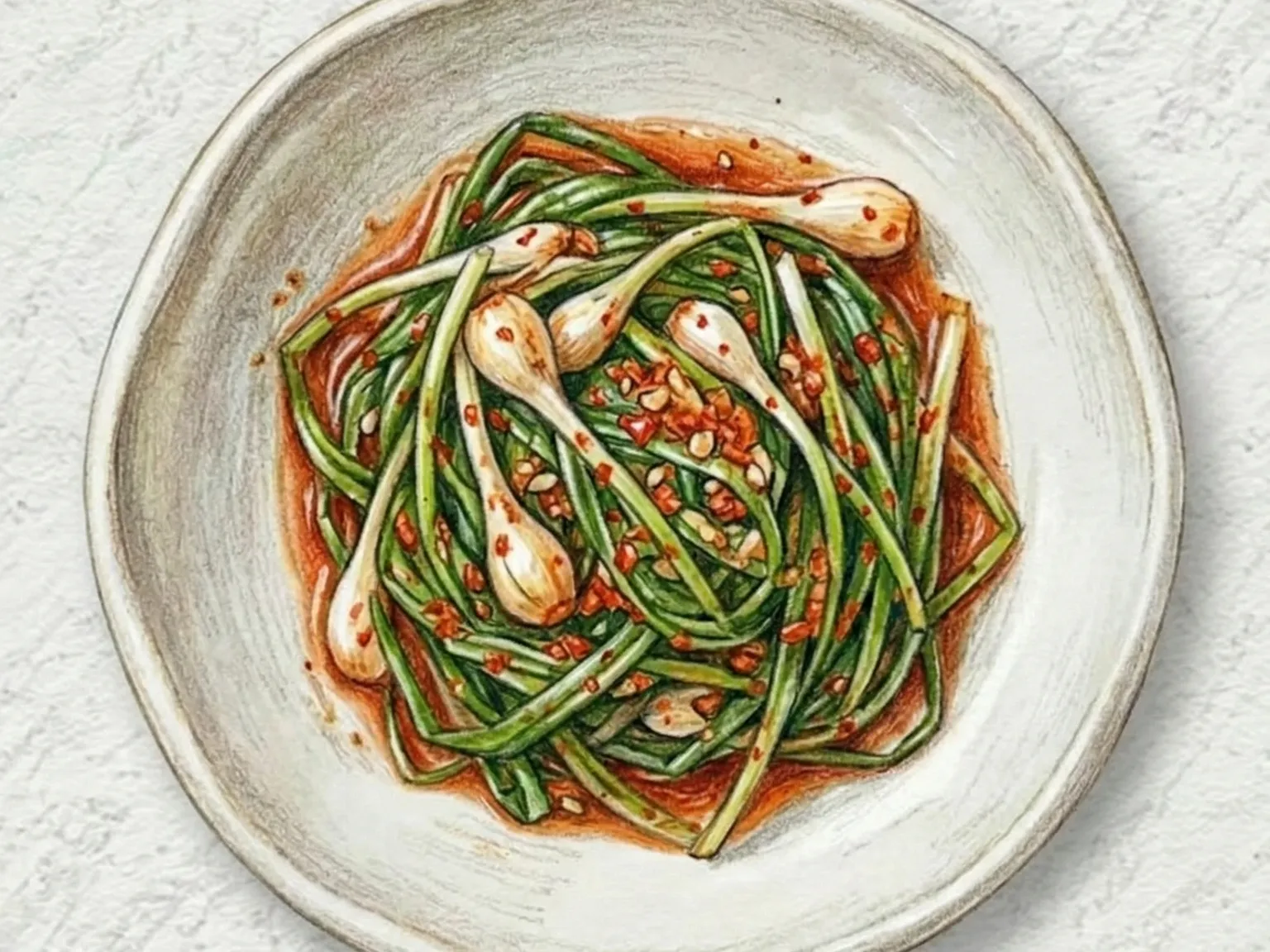
Laing is a traditional dish from the Bicol region of the Philippines, made by slowly simmering dried taro leaves in coconut milk with chili, garlic, ginger, and shrimp paste. The leaves must be fully dried rather than fresh - fresh taro leaves contain calcium oxalate crystals that cause an intense itching sensation in the mouth and throat. Once the aromatics are sauteed in coconut milk, the dried leaves are layered in and the pot is left uncovered to reduce. A critical rule in traditional preparation is to never stir the pot; stirring releases the irritants from the leaves into the liquid. As the coconut milk reduces over low heat, it concentrates into a thick, oily sauce that clings to the softened leaves. Shrimp paste contributes a deep, funky salinity, while fresh or dried chilies bring the heat that Bicolano cuisine is known for. The result is rich, spicy, and intensely savory - meant to be eaten in modest spoonfuls alongside a generous mound of steamed rice.

🎉 Special Occasion
Prep 15minCook 35min4 servings
Korean Acanthopanax Herbal Tea
DrinksMedium

Korean Acanthopanax Herbal Tea

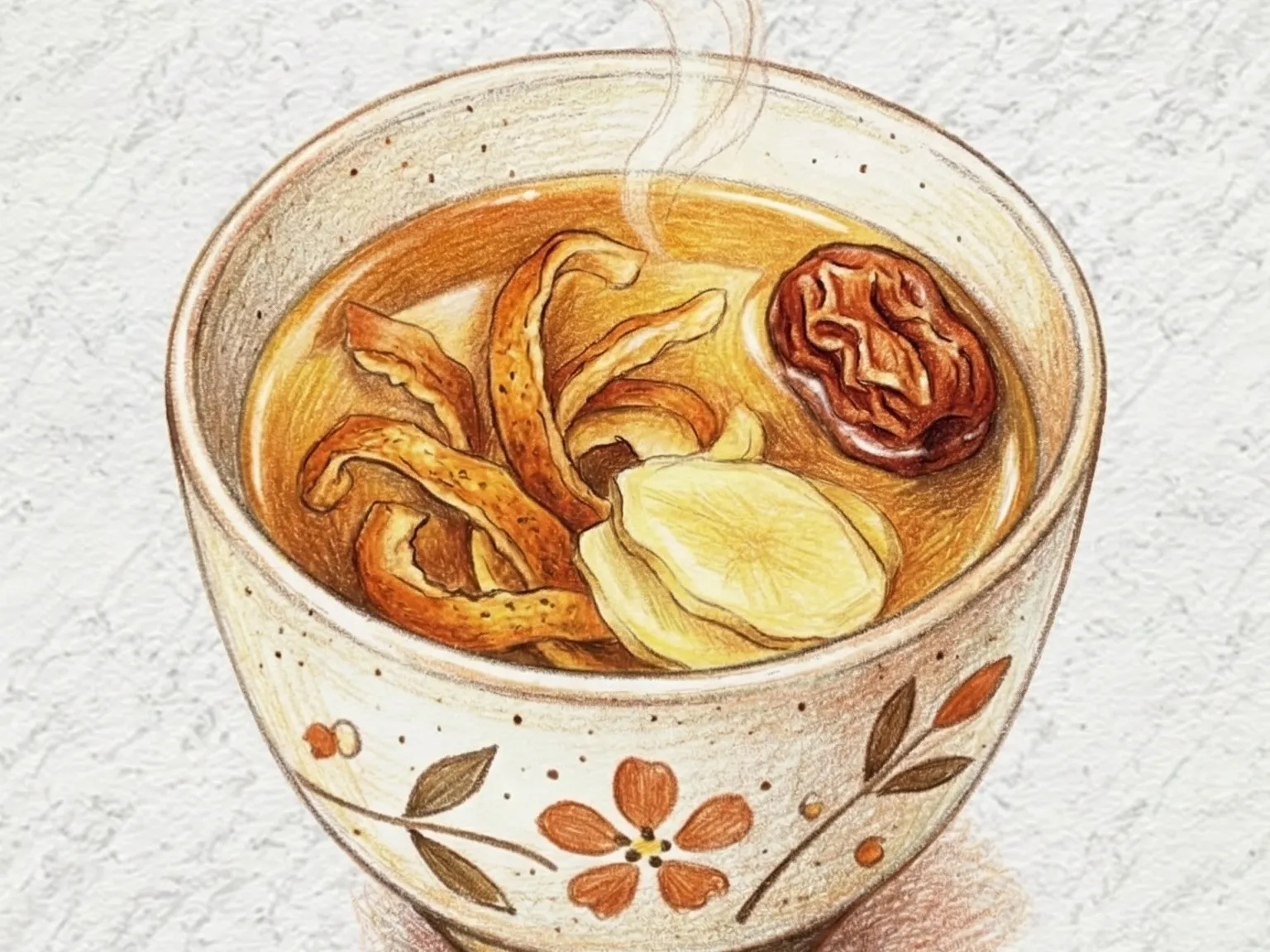
Ogapi-cha is a Korean herbal tea made by slow-decocting dried acanthopanax bark, astragalus root, jujubes, and fresh ginger in water for over 30 minutes on low heat. The bark and astragalus are briefly soaked in cold water to loosen surface dust, the jujubes are scored with a knife to release their sweetness more readily, and the ginger is thinly sliced to maximize surface area. After an initial boil, the heat drops to a gentle simmer that coaxes a woody, slightly earthy aroma from the bark while the astragalus contributes a mellow root-like depth and the jujubes round out the flavor with quiet sweetness. The strained tea receives a tiny pinch of salt to anchor the flavor, and honey stirred in just before drinking softens the herbal bitterness into a smooth, warming finish.

🍺 Bar Snacks
Prep 8minCook 35min4 servings
Korean Water Parsley Kimchi
KimchiEasy

Korean Water Parsley Kimchi

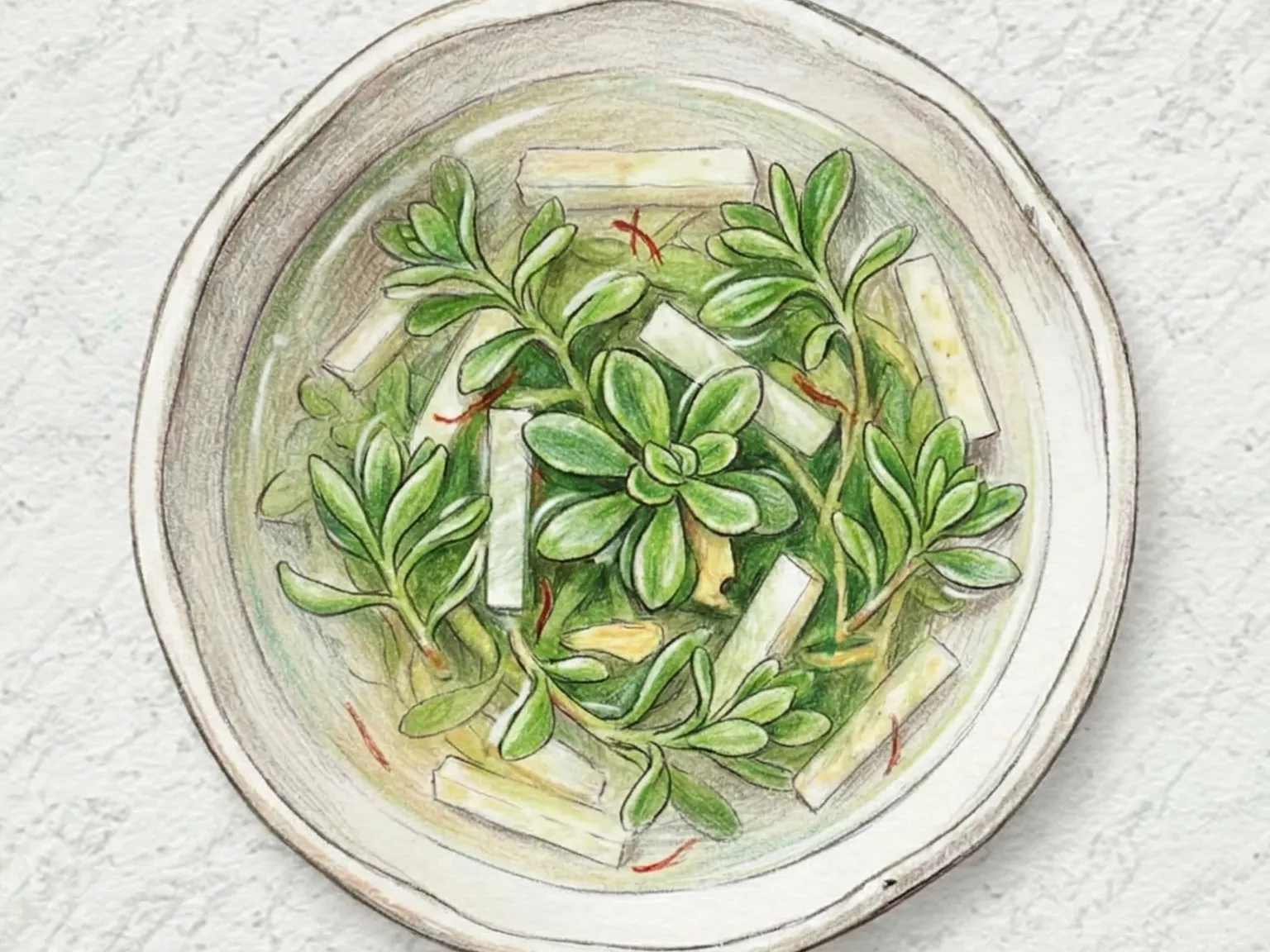
Minari kimchi is a quick, no-fermentation Korean water parsley kimchi that is ready to eat the moment it is made. The stems are salted for just ten minutes to barely wilt them, preserving their characteristic crunch and cool, clean herbal fragrance. Blended onion is worked into the seasoning paste alongside gochugaru, anchovy fish sauce, and plum syrup, giving the dressing body and a gentle sweetness. Anchovy fish sauce lays a seafood umami foundation under the light vegetable, while plum syrup's fruit acidity softens the chili heat rather than letting it dominate, so the finish is bright and refreshing rather than sharp. Paired with samgyeopsal or boiled pork, the water parsley's aromatics cut directly through the fat, cleansing the palate between bites in a way that heavier banchan cannot. The kimchi is best eaten on the day it is made while the stems still have their full snap.

🏠 Everyday🍱 Lunchbox
Prep 20minCook 5min2 servings
Lion's Head Meatballs (Chinese Braised Large Pork Meatballs with Cabbage)
AsianMedium

Lion's Head Meatballs (Chinese Braised Large Pork Meatballs with Cabbage)

Lion's head meatballs are a hallmark of Huaiyang cuisine from eastern China. Each meatball is shaped to the size of a fist from a loose mixture of ground pork, minced water chestnuts, and aromatics - the water chestnuts keeping the interior moist and giving it a subtle crunch even after long braising. The meatballs nestle into napa cabbage leaves in a clay pot, then simmer gently in a light soy and ginger broth until the cabbage wilts into silky ribbons and the pork turns spoon-tender. The name comes from how the cabbage wraps around each ball like a lion's mane. Served with steamed rice, the mild broth doubles as a soup course.

🎉 Special Occasion
Prep 25minCook 35min4 servings
Korean Ginger Tea (Spiced Jujube Honey Ginger Brew)
DrinksEasy

Korean Ginger Tea (Spiced Jujube Honey Ginger Brew)

Saenggangcha is a Korean ginger tea made by simmering thinly sliced fresh ginger and halved, pitted jujubes in water for 15 minutes on medium heat followed by 5 more minutes on low. The two-stage simmering extracts both the sharp warmth of ginger and the quiet, honeyed fruitiness of jujubes without letting either dominate. Peeling the ginger before slicing removes any earthy or bitter notes from the skin and produces a cleaner cup. Slicing it thin rather than thick maximizes the surface area, allowing gingerol, the compound responsible for the tea's peppery bite, to dissolve into the water more rapidly within the same simmering time. Splitting and pitting the jujubes exposes the flesh, which gives up its fruit aroma far more readily than whole dried fruit. After straining, the pot should be removed from the heat and allowed to cool slightly before the honey goes in, because dissolving honey into near-boiling liquid destroys the delicate floral compounds that distinguish quality honey from plain sugar. A small pinch of ground cinnamon deepens the spice profile by adding warmth that complements rather than competes with the ginger. Floating lemon slices on the surface adds a citrus brightness that lifts the body of the tea. The drink is especially associated with the transitional seasons in Korea, when the weather shifts and sore throats become more common.

🍺 Bar Snacks
Prep 10minCook 20min2 servings
Korean Radish Greens Kimchi
KimchiEasy

Korean Radish Greens Kimchi

Mucheong kimchi is made from the leafy greens and stems of Korean radish, cut into 5 cm lengths, salted in coarse brine, then coated in a paste of sweet rice flour, gochugaru, anchovy fish sauce, minced garlic, ginger, and onion. The thick, fibrous stems grip the seasoning and hold up through fermentation without turning mushy, keeping a firm chew even after weeks in the refrigerator. Sweet rice flour acts as a glue that prevents the coating from sliding off the stems as the kimchi ages. Anchovy fish sauce lays down a deep seafood umami as the base layer, while onion moderates the chili heat with natural sweetness. The greens are a practical use of the entire radish rather than just the root, and the finished kimchi works beyond the banchan role: torn into pieces and added to siraegi soup, it enriches the broth; stirred into doenjang jjigae, it deepens the fermented soybean flavor with another layer of fermented complexity.

🍱 Lunchbox
Prep 35minCook 5min4 servings
Sichuan Spicy Tofu (Mapo Tofu)
AsianMedium

Sichuan Spicy Tofu (Mapo Tofu)

Mapo tofu is the dish that defines Sichuan cooking for much of the world, and it earns that reputation through an uncompromising combination of heat and numbing spice. Blocks of silken tofu are slid carefully into a wok with ground pork, doubanjiang (fermented chili bean paste), and a generous measure of ground Sichuan pepper, then cooked at high heat until the sauce tightens and coats every cube completely. The doubanjiang provides fermented depth and an unmistakable rusty-red color that signals its flavor before the first bite, while the Sichuan pepper delivers the numbing, tingling sensation known as ma that separates this dish from any other spicy food. Each cube of tofu absorbs the sauce at its edges while remaining silken at the center, creating a contrast between the spiced exterior and the cool, neutral interior that makes each bite dynamic. Spooned generously over steamed rice, the thick sauce penetrates between every grain, pulling together the entire bowl into a single cohesive experience. The interplay of ma (numbing) and la (spicy heat) is the defining characteristic of Sichuan cuisine, and mapo tofu demonstrates that pairing with more clarity and intensity than almost any other dish in the repertoire.

🍺 Bar Snacks🏠 Everyday
Prep 12minCook 15min2 servings
Korean Cornelian Cherry Tea
DrinksEasy

Korean Cornelian Cherry Tea

Sansuyu-cha is a traditional Korean tea made by simmering dried cornelian cherry fruits with halved jujubes and sliced ginger in water, first bringing it to a boil over medium heat then reducing to low for fifteen minutes. Cornelian cherry, known in Korean as sansuyu, is a small red fruit with a pronounced tartness that forms the backbone of this tea. The jujubes are split to expose their flesh and soften the brew with mellow sweetness, while ginger threads a warm spiciness through the entire pot. Keeping the total simmer time under twenty minutes matters because the berries contain tannins that leach into the liquid when overcooked, adding an unpleasant bitterness that overshadows the bright fruity notes. Once done, the tea is strained through a fine sieve and honey is stirred in off the heat, rounding out the acidity without flattening it. Pine nuts floated on top slowly release a subtle nuttiness that ties the tart, sweet, and spicy notes into a cohesive cup. In Korean traditional medicine, cornelian cherry has long been used to support kidney health and combat fatigue, and this tea has been consumed as a tonic during seasonal changes and periods of physical exhaustion for generations.

🍺 Bar Snacks
Prep 8minCook 20min2 servings
Korean Salted Anchovy Jeotgal
KimchiMedium

Korean Salted Anchovy Jeotgal

Myeolchi jeotgal is a traditional Korean fermented anchovy preserve made by layering cleaned small anchovies with coarse sea salt in a sterilized container, pressing firmly to eliminate air pockets, then refrigerating for extended aging. As salt draws moisture from the fish, it begins breaking down proteins into concentrated umami compounds, stripping away the raw fishiness and building the deep, complex flavor that defines this preserve. On the fifth day of fermentation, minced garlic, grated ginger, chili flakes, and rice wine are folded in to add aromatic layers on top of the developing fermented base. The salt ratio must stay at or above twenty percent of the anchovy weight throughout the process, as dropping below this threshold allows harmful bacteria to take hold and risks spoilage. The finished jeotgal has two primary uses in Korean cooking: stirred in small amounts into kimchi seasoning paste as an umami backbone, or spooned directly over hot rice as a pungent, savory side dish. It can also substitute for fish sauce in doenjang jjigae or seasoned vegetables, adding a more pronounced fermented character.

🍱 Lunchbox Quick
Prep 20min4 servings
Sapporo Miso Ramen (Hokkaido-Style Rich Miso Broth Ramen with Pork)
AsianMedium

Sapporo Miso Ramen (Hokkaido-Style Rich Miso Broth Ramen with Pork)

Sapporo miso ramen was born in Hokkaido's capital as a way to warm up against brutal northern winters, and everything about the bowl reflects that purpose. The broth starts with chicken stock fortified with a generous amount of miso paste, giving it a thick, opaque body and a deep fermented savoriness. Ground pork, cabbage, and bean sprouts are stir-fried in a wok before being added to the broth, which picks up smoky wok flavor in the process. Sweet corn kernels and a pat of butter melt into the surface, adding richness that feels earned rather than excessive. The noodles are thick and curly, engineered to trap the heavy broth in every coil. Garlic and chili oil variations are common in Sapporo's ramen shops.

🎉 Special Occasion
Prep 15minCook 30min2 servings
Korean Pine Needle Tea (Resinous Jujube Ginger Brew)
DrinksEasy

Korean Pine Needle Tea (Resinous Jujube Ginger Brew)

Solnip-cha is a Korean pine needle tea made by simmering young, cleaned pine needles with jujubes and sliced ginger in water, first at medium heat and then on low for 15 minutes to release the needles' fresh, resinous fragrance. The needles are washed two to three times under running water to remove dust and resin residue, then cut into 5-centimeter lengths to increase the surface area for infusion. The jujubes are halved and seeded so their sweetness dissolves readily, and the ginger adds a warm undertone that tempers the pine's sharpness. After straining, honey and a small amount of lemon juice are stirred in off the heat, creating a tea where the clean evergreen aroma, floral sweetness, and gentle acidity come together in balance.

🍺 Bar Snacks
Prep 10minCook 20min4 servings
Korean Spicy Salted Octopus Jeotgal
KimchiMedium

Korean Spicy Salted Octopus Jeotgal

Nakji jeotgal is a Korean fermented octopus side dish made by packing cleaned octopus in coarse salt for at least forty minutes to draw out moisture and firm the flesh, then coating it thoroughly in a paste of gochugaru, minced garlic, minced ginger, anchovy fish sauce, and plum syrup before cold-aging in the refrigerator. The initial salt cure tightens the octopus's already springy muscle fibers, intensifying the chew, and the gochugaru paste forms a dense crimson coating that forces spicy, salty heat into every layer of flesh as the dish sits. Anchovy fish sauce builds the umami foundation while plum syrup counteracts any lingering marine smell and introduces a subtle fruit sweetness that rounds out the salt and chili. Ginger leaves a sharp, clean note at the back of the palate that keeps the overall flavor from becoming heavy. After two to three days of refrigeration, a slow fermentation sets in and the separate components fuse into a cohesive, deeply savory whole. Served over warm rice, each piece of octopus delivers a firm, elastic chew followed by a concentrated rush of ocean flavor, and a drop of sesame oil stirred in at serving adds a toasted, nutty finish.

🍱 Lunchbox
Prep 45min4 servings
Steamed Pork Buns
AsianHard

Steamed Pork Buns

Nikuman is a Japanese steamed pork bun descended from Chinese baozi but adapted to local tastes over generations. Yeasted wheat dough is kneaded, left to rise, then filled with a mixture of ground pork seasoned with soy sauce, ginger, and sesame oil, along with finely chopped cabbage. After pleating and steaming, the bun emerges snow-white and pillowy, with a moist, savory filling inside. Opening the steamer releases a cloud of fragrant steam carrying notes of ginger and soy. In Japan, nikuman is the defining winter convenience-store snack -- warming your hands around the bun before biting into the hot, juicy filling.

🎉 Special Occasion
Prep 40minCook 20min4 servings
Korean Cinnamon Persimmon Punch
DrinksEasy

Korean Cinnamon Persimmon Punch

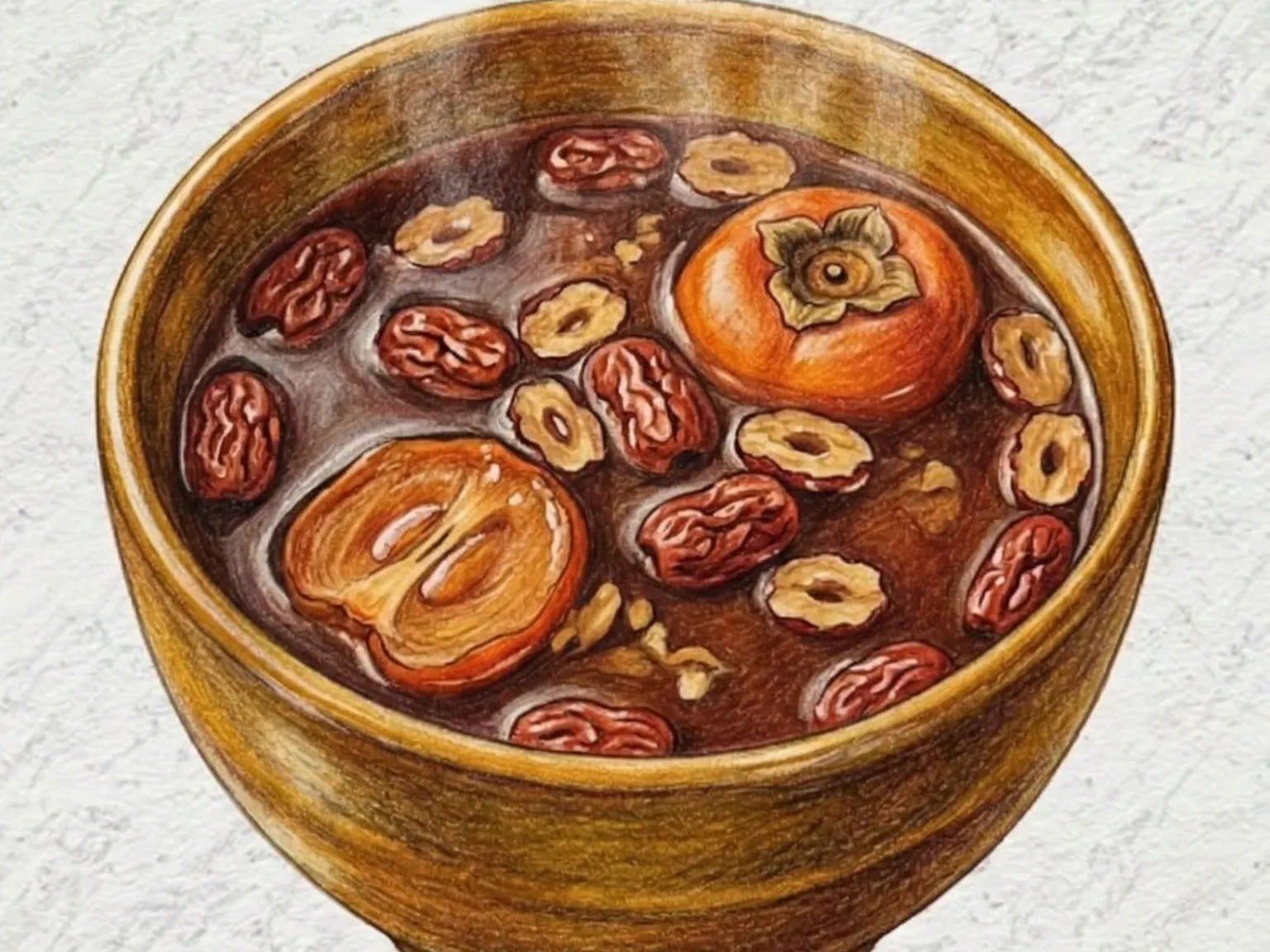
Sujeonggwa is a Korean cinnamon-ginger punch made by simmering cinnamon sticks and sliced ginger in water for 25 minutes, then straining and sweetening the clear liquid with dark brown sugar. The warm, slightly sweet spice of cinnamon and the sharp rising heat of ginger meet the molasses-toned depth of the sugar, building a flavor that is spicy, sweet, and aromatic in equal measure. Quartered dried persimmon slices are added to the chilled punch, where they slowly absorb the liquid and soften into a jam-like texture over time, while floating pine nuts contribute a gentle nuttiness to each sip. Overnight refrigeration in a sealed container melds the individual flavors into something more unified, making the punch cleaner and more rounded when served cold. Sujeonggwa has long been served at Korean holiday tables during Lunar New Year and ancestral rite ceremonies, and its spiced warmth is also considered a natural digestive aid after heavy meals.

🍺 Bar Snacks🎉 Special Occasion
Prep 10minCook 35min4 servings
Korean Spicy Fermented Squid Jeotgal
KimchiMedium

Korean Spicy Fermented Squid Jeotgal

Ojingeo jeotgal is a Korean fermented squid preserve made by salting cleaned, finely chopped squid for one hour to firm the flesh and extract moisture, then dressing it in a paste of gochugaru, minced garlic, ginger, fish sauce, and corn syrup. The salt cure intensifies the squid's natural chewiness, and cutting the pieces small accelerates seasoning absorption during the two-to-three-day cold fermentation. Chili flakes coat every surface in a deep red layer that delivers steady heat, while corn syrup adds gloss and a mild sweetness that prevents the salt from dominating. Spooned over steamed rice, each piece offers a firm, springy chew followed by a wave of fermented umami. Mixing in a touch of sesame oil before serving softens the saltiness and adds a nutty fragrance that rounds out each mouthful.

🍱 Lunchbox
Prep 30min4 servings
Palak Paneer (Indian Spinach Curry with Paneer Cheese)
AsianMedium

Palak Paneer (Indian Spinach Curry with Paneer Cheese)

Palak paneer is one of North India's most beloved vegetarian curries, pairing a bright spinach puree with cubes of mild, milky paneer cheese. Fresh spinach is blanched briefly and blended into a green sauce, combined with a base of sauteed onions, garlic, ginger, and tomatoes seasoned with garam masala. The paneer cubes are typically pan-seared first to form a light skin that holds their shape in the sauce while the interior stays soft and creamy. A swirl of heavy cream at the end rounds out the flavors, blending the earthy depth of spinach with warm spice and dairy richness.

🎉 Special Occasion
Prep 20minCook 25min2 servings
Korean Burdock Root Tea
DrinksMedium

Korean Burdock Root Tea

Ueong-cha is a Korean burdock root tea made by dry-roasting thinly sliced unpeeled burdock in a pan for six minutes, then steeping it with ginger and jujube in boiling water for 15 minutes. The roasting caramelizes the root's starches, creating a deep, nutty aroma without any raw earthiness. Ginger contributes a subtle heat to the finish, while jujubes provide natural sweetness that softens the drink. A spoonful of rice syrup thickens the body, and a few drops of lemon juice at the end clean up the palate, making this caffeine-free tea suitable for any time of day.

🍺 Bar Snacks
Prep 12minCook 22min2 servings
Korean Pickled Ginger in Soy-Vinegar Brine
KimchiEasy

Korean Pickled Ginger in Soy-Vinegar Brine

Saenggang jangajji is a traditional Korean soy-and-vinegar pickled ginger built on one precise technique: peeling fresh ginger, slicing it as thin as possible, blanching the slices for exactly thirty seconds to blunt their raw bite without stripping fragrance, then submerging them in a hot brine of soy sauce, vinegar, water, and sugar. The brief blanch relaxes the tough fibers enough for the brine to penetrate while keeping the aromatic compounds intact. After three days of cold fermentation the sweet, salty, and sour brine soaks through every thin slice, and the sharp initial heat softens into a mellow, rounded warmth. One slice eaten alongside rice cleanses the palate between mouthfuls, and placed next to fatty cuts like pork belly or boiled pork, the pickle's acidity cuts through the grease with clarity. Blanching beyond thirty seconds dissolves the essential oils that give ginger its fragrance, which is why the timing is non-negotiable. Cutting the ginger thinner accelerates brine penetration and shortens the required aging time, and adding a single cheongyang pepper to the brine layers a clean, bright heat over the ginger's natural warmth.

🍱 Lunchbox
Prep 20minCook 8min4 servings
Hanoi-Style Pho Bo (Vietnamese Northern Clear Beef Noodle Soup)
AsianMedium

Hanoi-Style Pho Bo (Vietnamese Northern Clear Beef Noodle Soup)

Hanoi-style pho bo is the original northern Vietnamese beef noodle soup, distinguished from its southern counterpart by a leaner, clearer broth and restrained garnishing. Beef bones and brisket simmer for hours with a modest hand of spices - star anise, cinnamon bark, and a few cloves - so the beef flavor leads rather than the aromatics. The broth is repeatedly skimmed until it runs nearly transparent, with no trace of grease on the surface. Paper-thin slices of raw beef placed in the bowl cook to a pale pink the moment the scalding broth is ladled over them. In Hanoi, the bowl arrives with only chopped scallion and cilantro; bean sprouts, hoisin sauce, and sriracha - common in southern and overseas versions - are absent by tradition.

🎉 Special Occasion
Prep 25minCook 55min4 servings
Clear Korean Rice Wine (Traditional Fermented Yakju)
DrinksHard

Clear Korean Rice Wine (Traditional Fermented Yakju)

Yakju is a traditional Korean clear rice wine produced by steaming soaked glutinous rice for 35 minutes, then fermenting it with crushed nuruk starter, dry yeast, and water for seven to ten days at room temperature. Daily stirring distributes the yeast culture evenly, and sliced ginger and jujube are added during fermentation to suppress off-flavors and contribute subtle aromatics. After fermentation, the solids are allowed to settle completely so only the clear upper liquid is carefully decanted, giving yakju its transparent appearance and refined taste distinct from cloudy makgeolli. Two days of cold aging in the refrigerator rounds off the sharp alcohol edge, bringing forward a smooth, grain-forward character.

🍺 Bar Snacks🎉 Special Occasion
Prep 25minCook 35min4 servings
Korean Bitter Herb Kimchi
KimchiHard

Korean Bitter Herb Kimchi

Sseumbagwi kimchi is a traditional spring fermented side dish made from sseumbagwi, a wild bitter herb that grows in Korea during early spring. The herb is soaked in cold water for at least twenty minutes to pull back its pronounced bitterness before being salted to soften the stalks. It is then dressed in a seasoning paste built from gochugaru, sand lance fish sauce, minced garlic, ginger, sweet rice paste, and plum syrup, mixed together with cut scallions. The rice paste adds body to the seasoning so it clings to the herb's thin stems and narrow leaves rather than sliding off. Plum syrup works on both the bitterness and the salt's edge at once, smoothing the overall profile without masking the herb's character. Sand lance fish sauce is preferred over anchovy sauce here because its gentler aroma does not compete with the plant's natural flavor. Five hours of room-temperature fermentation followed by refrigeration sets off lactic acid development, layering tangy depth over the bitter-green base. The flavor peaks around day three when bitterness, acidity, and umami reach the best balance. If the raw herb tastes too sharp, one additional soak in fresh cold water brings it within range before seasoning.

🎉 Special Occasion🍱 Lunchbox
Prep 45minCook 5min4 servings