Charim

2686 Korean & World Recipes

2686+ Korean recipes, clean and organized. Ingredients to instructions, all at a glance.

Recipes with korean chili flakes

24 recipes

Buy korean chili flakes
Korean Gapojingeo Yangnyeom Gui (Spicy Grilled Cuttlefish)
GrilledMedium

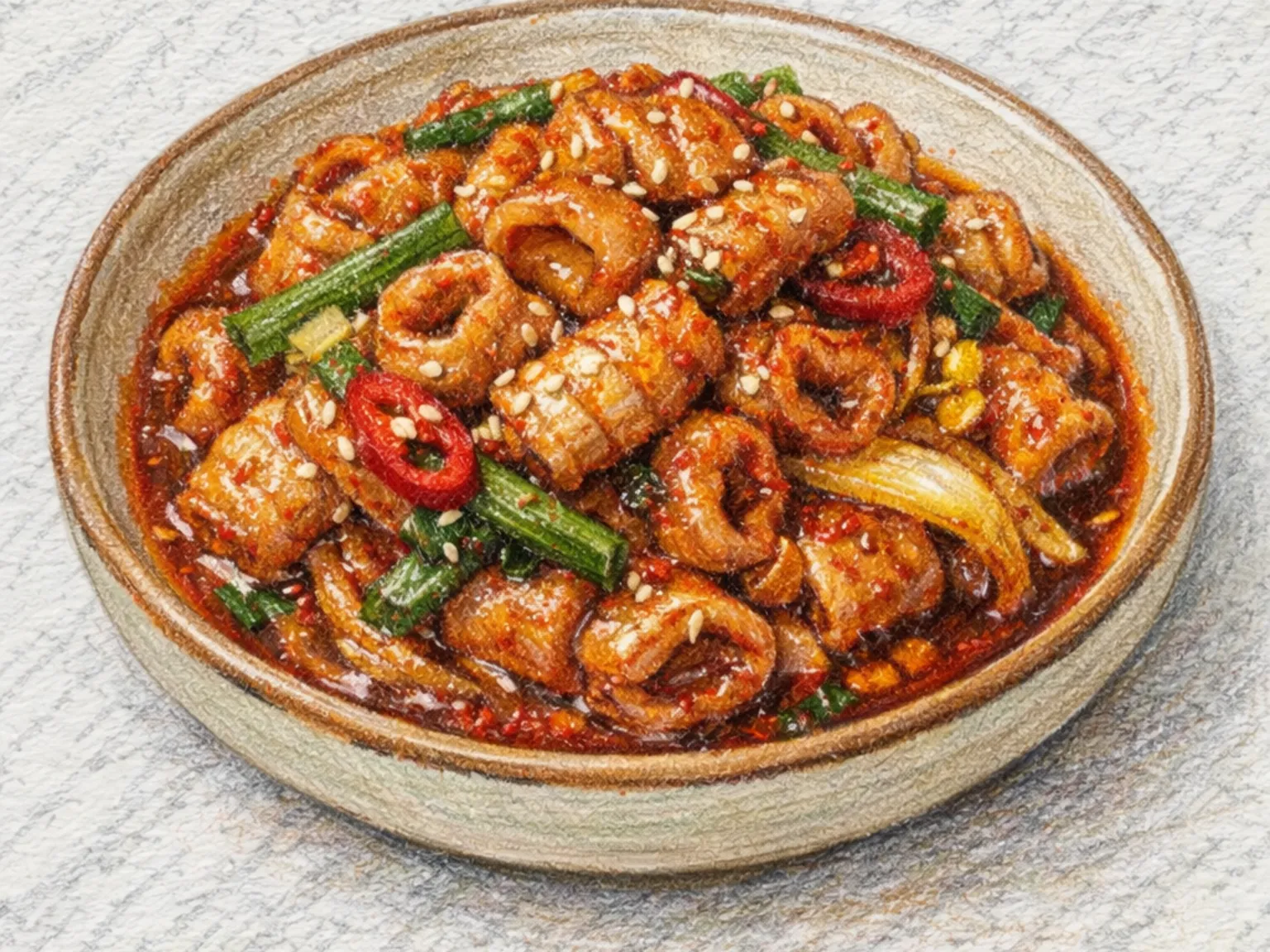
Korean Gapojingeo Yangnyeom Gui (Spicy Grilled Cuttlefish)

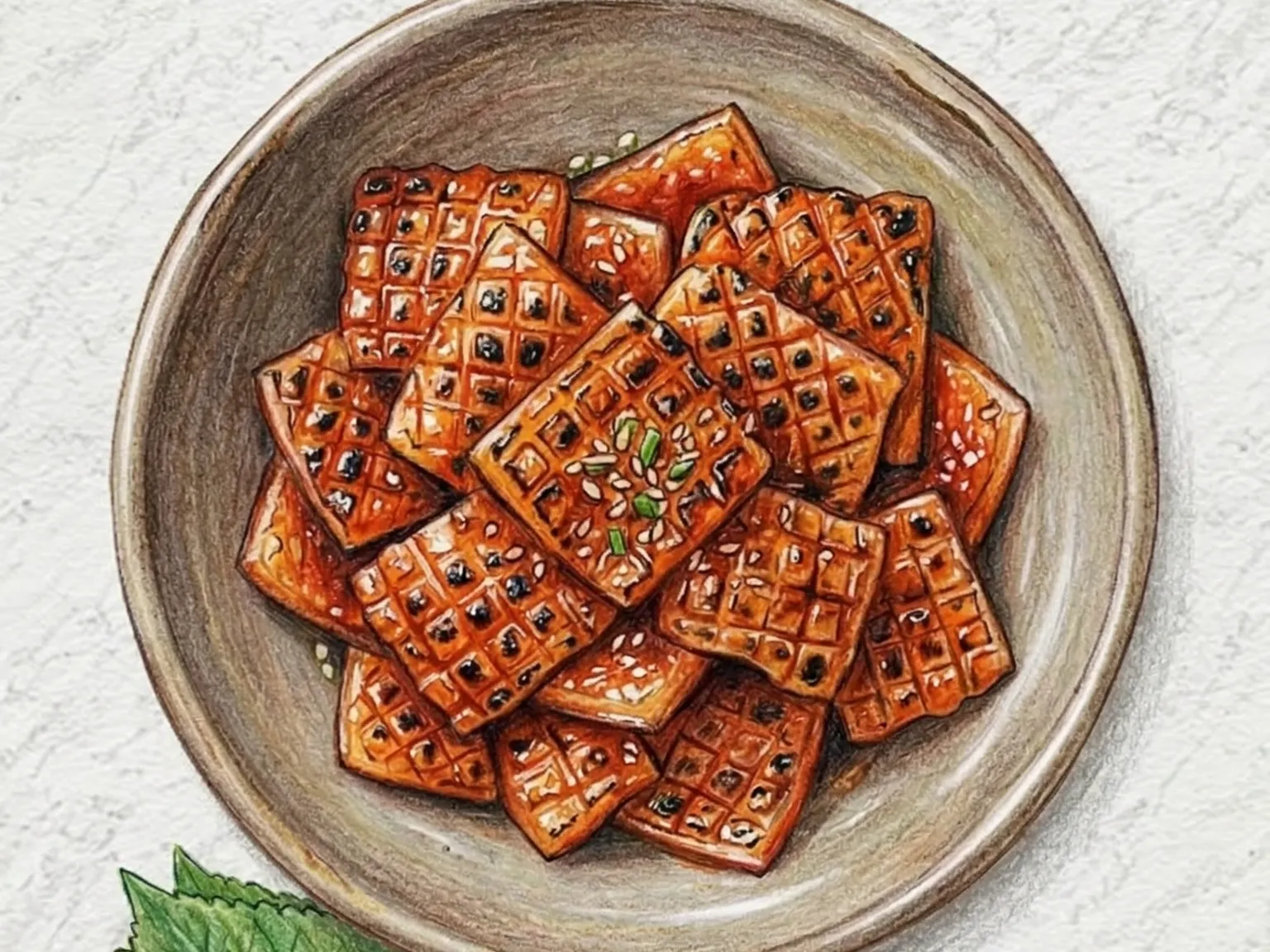
Gapojingeo-yangnyeom-gui is spicy grilled cuttlefish prepared by scoring the body in a deep crosshatch pattern and coating it with a glaze of gochujang, Korean chili flakes, soy sauce, oligosaccharide syrup, and garlic. The deep scoring is critical for the thick cuttlefish body: it allows the marinade to penetrate the flesh fully and causes the scored sections to curl open under high heat, creating a flower-like shape that maximizes surface contact with the glaze. When gochujang's heat and the syrup's sticky sweetness hit high heat together, they caramelize into a glossy, deep-red coating that clings to the cuttlefish, while sesame oil folded into the marinade adds a toasted undertone beneath the spice. Chunky-cut onion and green onion grilled alongside release moisture that evaporates into sweetness, naturally tempering the intensity of the chili glaze without diluting the marinade's savory depth. Patting the cuttlefish completely dry before marinating ensures the glaze adheres evenly rather than sliding off, and keeping the cooking time short over high heat prevents the flesh from turning tough and rubbery.

🍺 Bar Snacks
Prep 20minCook 10min2 servings
Korean Spicy Freshwater Fish Soup
SoupsHard

Korean Spicy Freshwater Fish Soup

Eotang is a traditional Korean soup from the Chungcheong region, made by boiling whole freshwater fish for over forty minutes to coax a thick, deeply savory broth from both flesh and bone. The stock is strained twice through a fine sieve to remove every small bone, then returned to heat with radish, doenjang, and minced garlic for another twenty minutes of simmering. The earthy, nutty richness of freshwater fish blends with fermented soybean paste to build a broth of layered depth, and the radish softens fully over the long cook, helping the liquid take on a slightly silky body. Red chili flakes and thick-cut green onion stirred in at the end sharpen the heat and amplify the savory undercurrent of the broth. The preparation takes time and attention, but the dense, bone-drawn concentration of flavor the process produces is difficult to achieve any other way.

🏠 Everyday🎉 Special Occasion
Prep 30minCook 80min2 servings
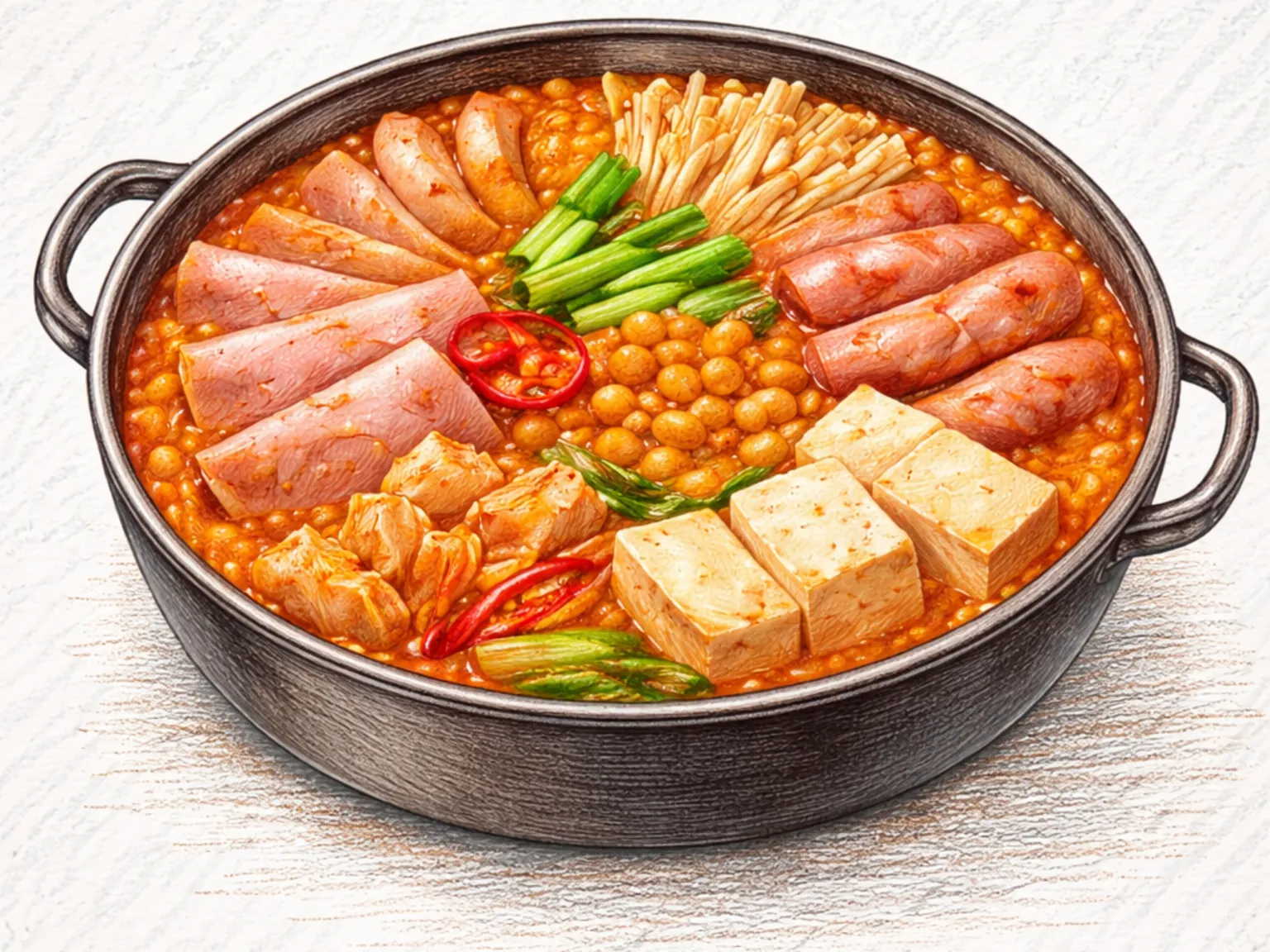
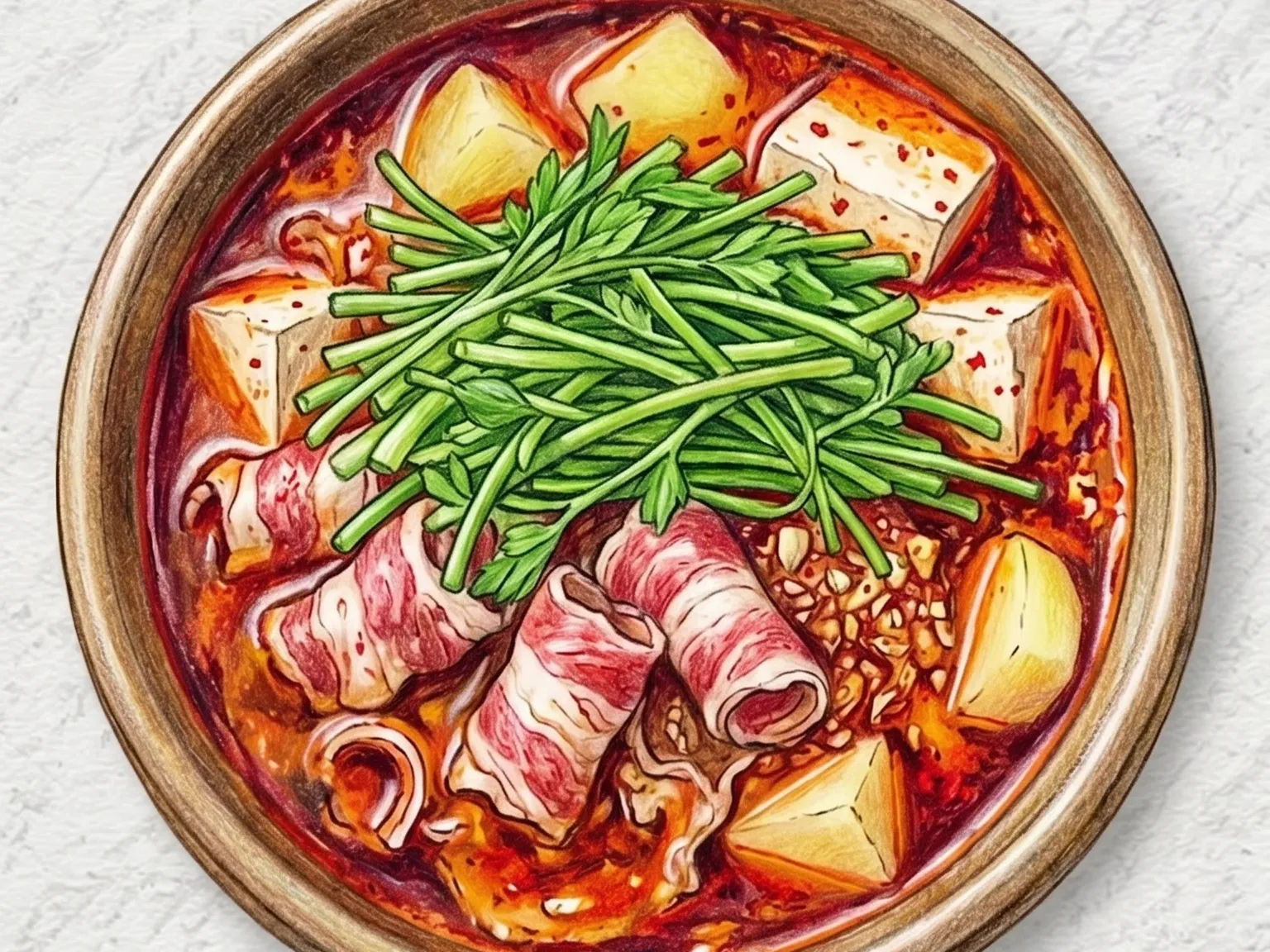
Korean Seoul-Style Army Stew
StewsEasy

Korean Seoul-Style Army Stew

Seoul-style budae jjigae distinguishes itself from other versions by using a rich anchovy stock as the base instead of plain water. Spam, mini sausages, baked beans, and kimchi simmer together in that stock with gochujang and chili flakes. The baked beans contribute a slight sweetness and thicken the broth into a more substantial body. A block of instant ramen noodles added near the end absorbs the spicy, savory soup as it finishes cooking.

🍺 Bar Snacks🏠 Everyday
Prep 20minCook 25min2 servings
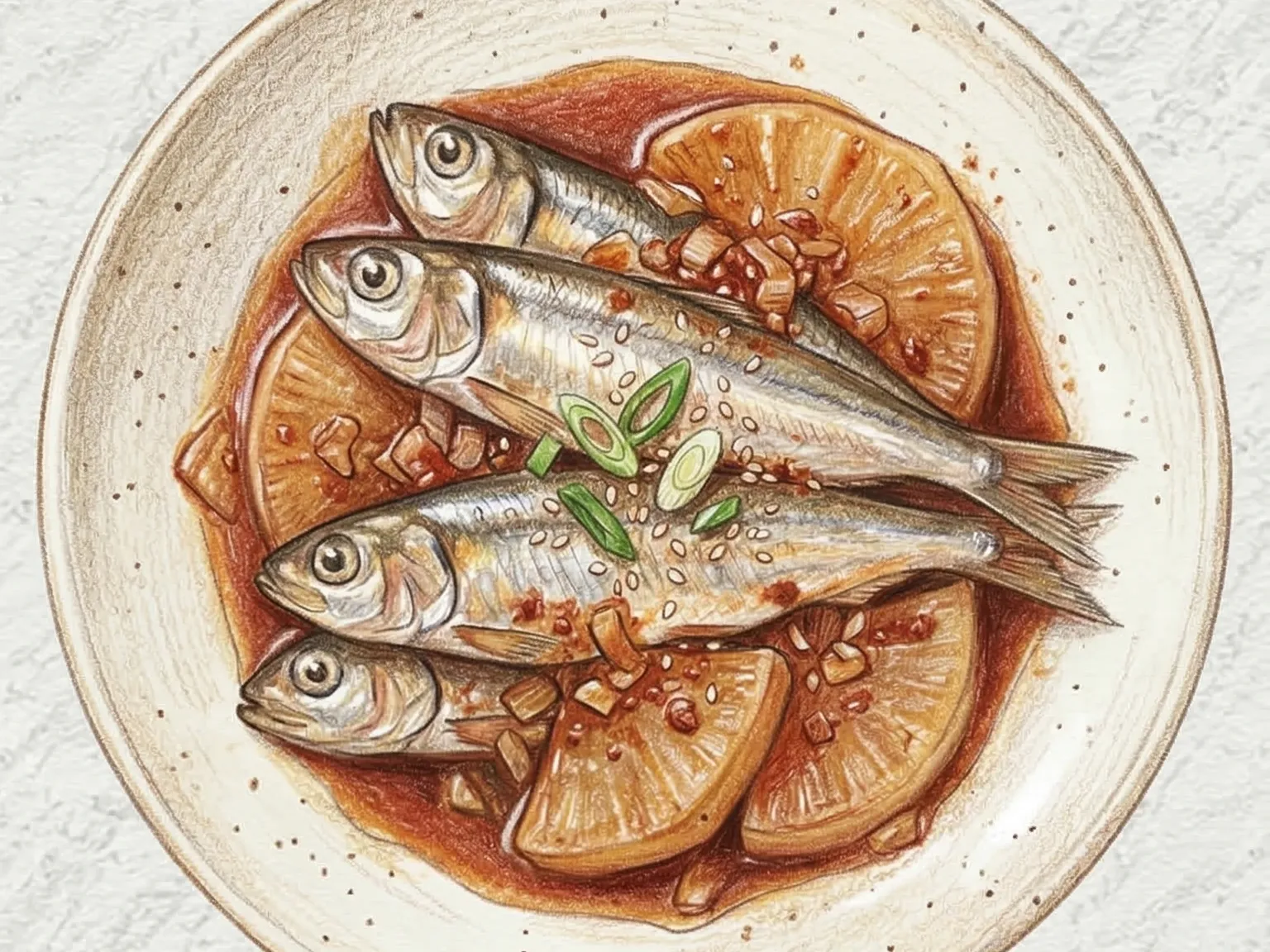
Korean Braised Chicken with Radish
SteamedMedium

Korean Braised Chicken with Radish

This braise combines bone-in chicken pieces with Korean radish and potato in a soy-and-gochugaru sauce. The radish absorbs both the chicken stock and the spiced seasoning, turning amber on the outside while going translucent within. Potato edges break down during the long simmer, thickening the sauce into a sticky glaze. Gochugaru and black pepper build a layered heat that soy sauce and sugar round off, so the dish is assertively spicy without being harsh. Reducing the liquid until it barely coats the bottom concentrates all the flavors onto the surface of each piece.

🎉 Special Occasion🍱 Lunchbox
Prep 18minCook 40min4 servings
Korean Beoseot Kimchi (Mushroom Kimchi)
KimchiMedium

Korean Beoseot Kimchi (Mushroom Kimchi)

Blanching oyster and shiitake mushrooms before mixing them with gochugaru and fish sauce creates a side dish that bypasses the long fermentation usually associated with Korean kimchi. This boiling process removes the sharp raw scent of the mushrooms and softens their structure so the seasoning coats every surface evenly. Tearing the oyster mushrooms by hand along their natural grain allows the spicy and salty sauce to penetrate deeply while maintaining a natural bite. The thick caps of the shiitake mushrooms provide a firm, chewy element that lasts throughout the meal. Using fish sauce introduces a concentrated saltiness and a fermented profile that distinguishes this from basic seasoned vegetables. Fresh garlic chives contribute a clean, grassy aroma that balances the heavier spices. Since it does not require aging, this preparation is ready to eat immediately and reaches its peak flavor on the day it is made. Swapping chives for scallions provides a more delicate scent, and adding king oyster or enoki mushrooms introduces different physical textures. Including finely chopped squid or octopus transforms the dish into a seafood version with flavors from the ocean. Because mushrooms release water and lose their firm texture after a few days in the refrigerator, preparing small batches for immediate consumption ensures the highest quality.

🍱 Lunchbox
Prep 20minCook 8min2 servings
Korean Stir-Fried Udon with Spicy Chicken
NoodlesMedium

Korean Stir-Fried Udon with Spicy Chicken

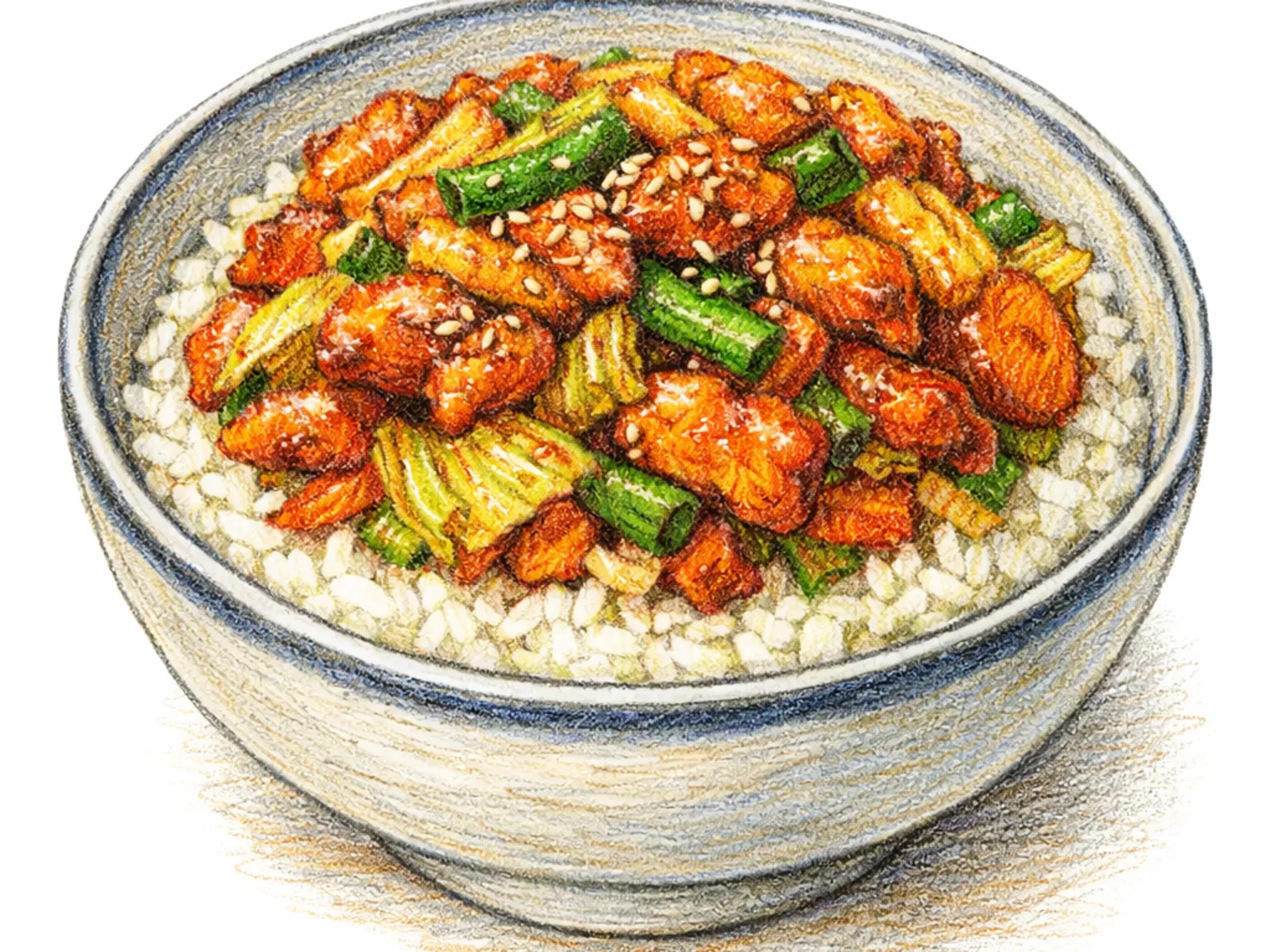
Dakgalbi udon bokkeum is a Korean stir-fried noodle dish where gochujang-marinated chicken, cabbage, sweet potato, and rice cakes cook together in a wide pan before thick udon noodles are added and tossed through the spicy-sweet sauce. The dakgalbi seasoning is assertive and clingy, coating every broad surface of the udon so that each bite carries the full weight of the marinade. Cabbage and scallion wilt fast under high heat, releasing sugars that moderate the chili paste and prevent the sauce from tasting sharp or one-dimensional. Sweet potato contributes starch that slightly thickens the sauce while cushioning its spice. Udon, being considerably thicker than ramen or somyeon, holds up under the heavy coating without turning mushy, and delivers a satisfying, bouncy chew throughout the meal. Managing the heat is important: keeping the pan at high temperature drives off excess moisture and produces the lightly charred, smoky edge that separates a good stir-fry from a steamed mess. Melting cheese over the top just before serving adds a creamy, fatty layer that offsets the heat. Sesame seeds and shredded seaweed finish the dish. It is well suited to group cooking on a large griddle or electric pan.

🌙 Late Night
Prep 20minCook 18min4 servings
Gochugaru Sausage Rose Fusilli
PastaEasy

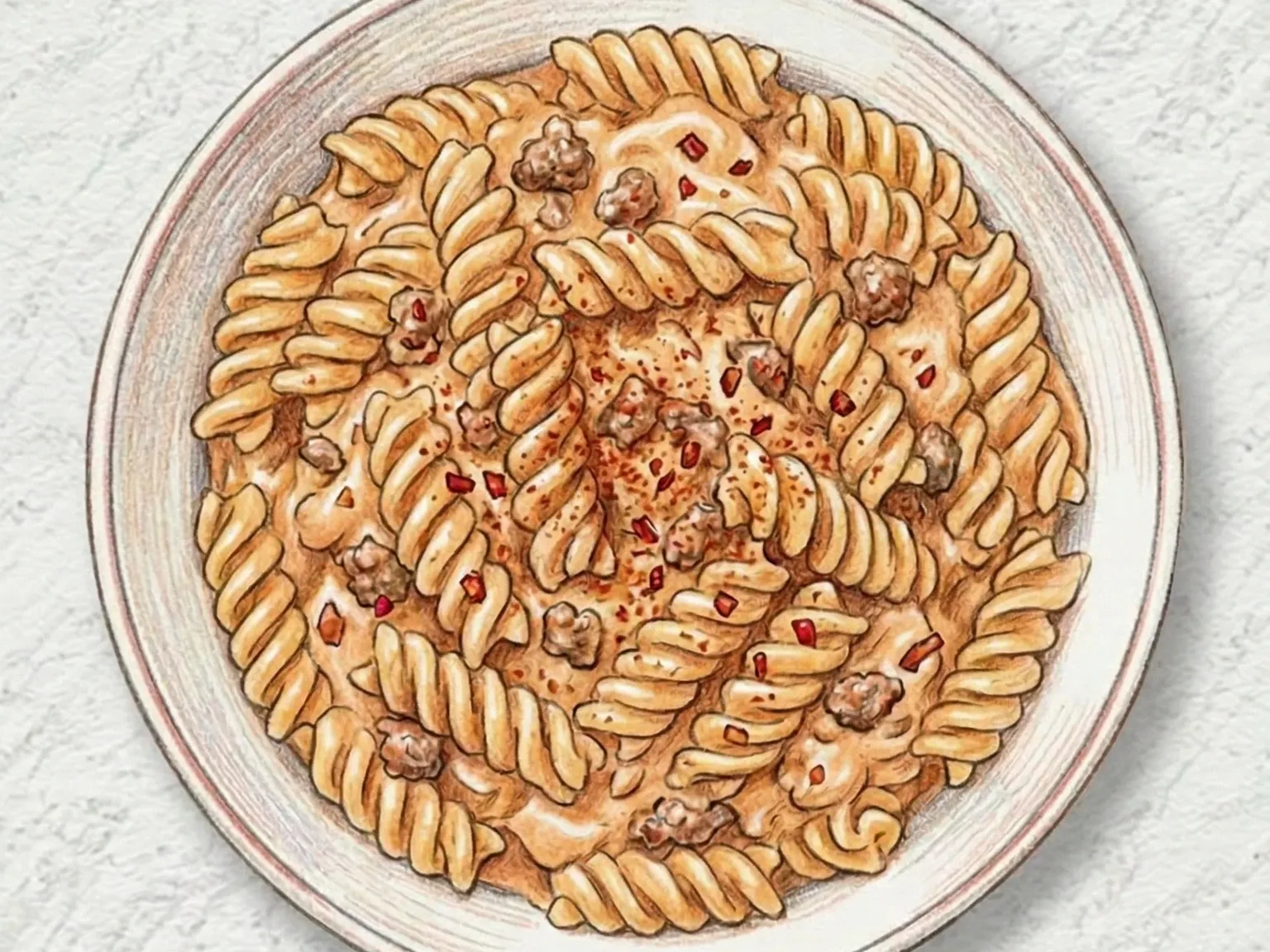
Gochugaru Sausage Rose Fusilli

Gochugaru sausage rose fusilli starts by removing the casing from Italian sausages and breaking the meat into irregular pieces before browning it in a pan over high heat. Irregular pieces create more surface area than a smooth patty, which means more of the meat comes into contact with the hot pan and browns more thoroughly, producing a deeper meaty base for the sauce. Onion and garlic are added to the rendered sausage fat and cooked for three minutes to build sweetness underneath the savory elements. Korean red pepper flakes are stirred into the fat next and fried for just twenty seconds so their aromatic compounds bloom without burning, giving the sauce a warm, rounded heat rather than sharp spiciness. Tomato sauce goes in immediately and simmers for three minutes to concentrate and shed its raw acidity against the fat. Heavy cream and a ladle of pasta cooking water are added together and the sauce is reduced until it turns the characteristic pink of a rose sauce. Fusilli is tossed directly in the pan so the thick sauce can work its way into every spiral groove, ensuring each fork-load is well coated from surface to center. Finishing with grated Parmesan adds saltiness and helps the sauce emulsify slightly, while fresh basil leaves torn over the top provide a clean aromatic note.

🏠 Everyday🧒 Kid-Friendly
Prep 10minCook 20min2 servings
Kimchi Burrata Salad
SaladsEasy

Kimchi Burrata Salad

Aged napa kimchi brings fermented tang and concentrated umami that meets the mild, milky richness of fresh burrata in a pairing that achieves harmony rather than conflict. Peppery arugula adds a bitter counterpoint that lifts the overall weight of the dish, and halved cherry tomatoes scatter bright fruit acidity across the plate. The dressing blends perilla oil with olive oil, combining the nutty depth of Korean cuisine with the fruity character of Mediterranean cooking in a single drizzle. Pine nuts add a buttery, creamy crunch between bites that reinforces the richness of the cheese. The defining moment of this salad comes at the table, when the burrata is torn open with both hands and the soft stracciatella center spills into the surrounding ingredients. The creamy interior of the cheese mixes into the kimchi brine and perilla oil dressing, and that combination is what makes this salad more than a simple fusion exercise.

🥗 Light & Healthy Quick
Prep 15min2 servings
Tamarind Fish Noodle Soup
AsianMedium

Tamarind Fish Noodle Soup

Asam laksa is Penang's defining noodle soup, recognized by UNESCO as one of Malaysia's intangible cultural heritage items. Where Singapore's curry laksa builds its richness on coconut milk, this version draws its entire character from a tamarind-soured fish broth that is tart, briny, and aggressively aromatic in a way that coconut-based versions never are. Whole mackerel is poached until it flakes, then removed and broken apart by hand; the remaining liquid is blended with torch ginger flower, lemongrass, and galangal pounded into a coarse paste to build the broth's layered fragrance. Tamarind sourness arrives first and dominates the initial impression, followed by a slow build of chili heat and the ocean depth of fish sauce. Thick rice noodles sit at the bottom of the bowl, their chewy resistance offering physical contrast to the sharp, lean broth that pours over them. The table condiments - julienned cucumber, fresh mint leaves, thinly sliced onion, and a spoonful of belacan-enriched prawn paste - are not optional garnishes but integral components: the fermented prawn paste in particular adds a dimension of umami that rounds the broth's acidity into something far more complex. Every hawker stall in Penang has its own spice ratios handed down through family lines, which is why no two bowls taste exactly alike.

🎉 Special Occasion
Prep 25minCook 35min4 servings
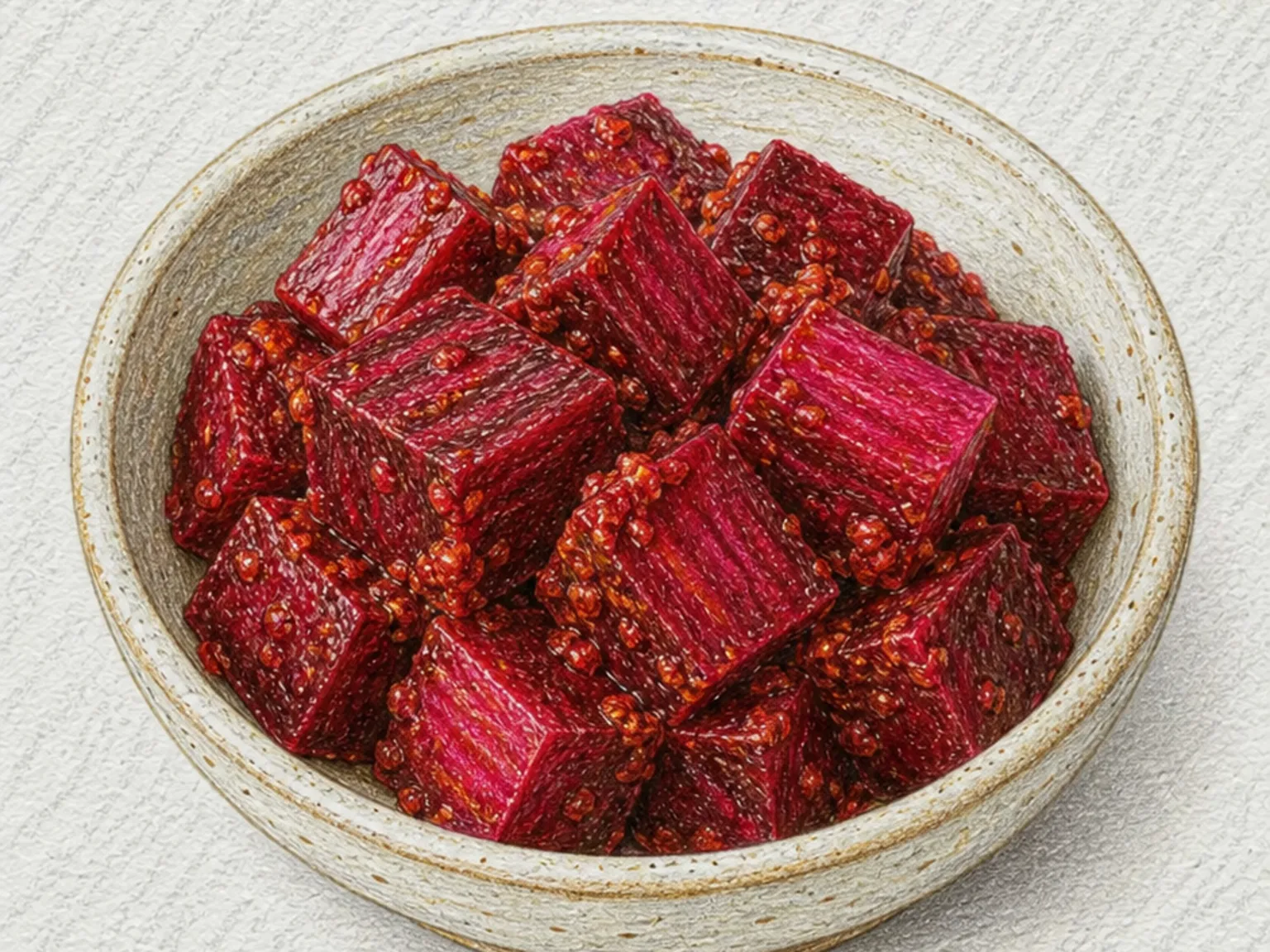
Korean Spicy Ponytail Radish Salad
Side dishesMedium

Korean Spicy Ponytail Radish Salad

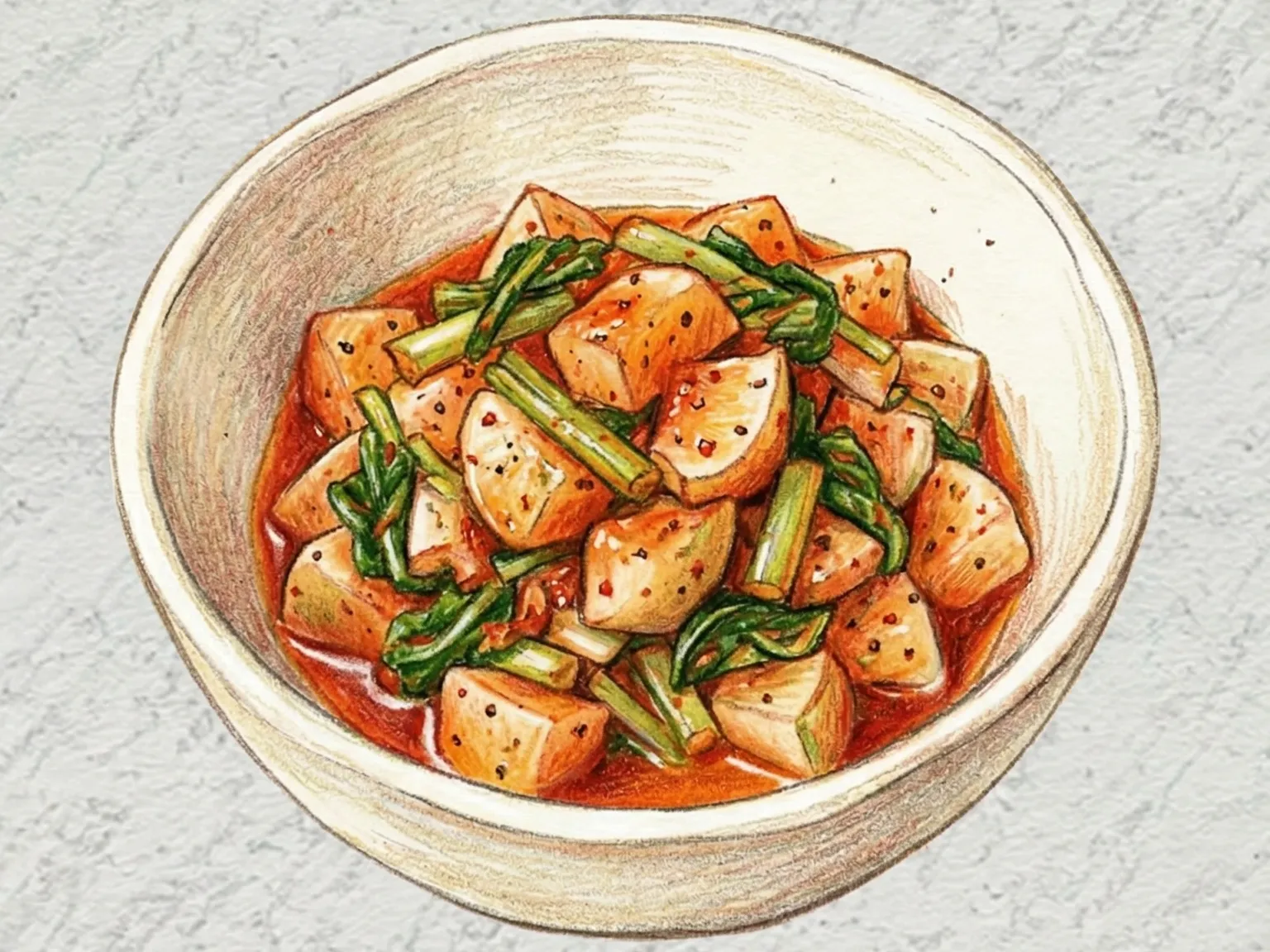
Chonggak - small ponytail radishes sold with their green tops still attached - appear at Korean markets through the autumn season. Unlike chonggak kimchi, which ferments for weeks, this fresh muchim salts sliced radishes for just 15 minutes to draw out water and concentrate their crunch before seasoning. Gochugaru, fish sauce, garlic, sugar, and vinegar coat the slices in a spicy-sour glaze that clings tightly to each piece. Young Korean radishes have a sharp, peppery bite that is more assertive than that of larger, older radishes, and that edge comes through clearly in the finished dish. Including the radish greens adds a softer texture that varies the mouthfeel. Best eaten on the day it is made, before the salt continues to draw moisture and soften the flesh.

🏠 Everyday🍱 Lunchbox
Prep 20min4 servings
Korean Gangwon Gondre Rice
RiceEasy

Korean Gangwon Gondre Rice

Gondre, a wild thistle green long foraged in the mountains of Gangwon province, is soaked, squeezed thoroughly dry, and spread in an even layer over uncooked rice before the pot goes on the heat. The three-stage cooking method, starting at high heat for five minutes, then dropping to medium-low for ten and finishing at low for ten more, followed by a ten-minute covered rest off the heat, produces evenly cooked grains infused with the greens' earthy, grassy scent. Squeezing out the soaking water is not optional; any excess moisture left in the gondre will make the rice mushy. The rice itself is deliberately plain, designed to carry a soy-based dressing of garlic, green onion, chili flakes, and sesame oil that is mixed in at the table. That dressing provides a sharp, savory contrast to the mild, herbaceous notes of the gondre. Fresh spring gondre harvested at peak season delivers the most intense fragrance, though well-soaked dried gondre comes close and extends the dish to all four seasons. Making a larger batch of the dressing allows the same pot of rice to be eaten over several days.

🏠 Everyday
Prep 20minCook 30min4 servings
Korean Bellflower Root & Beef Stir-fry
Stir-fryMedium

Korean Bellflower Root & Beef Stir-fry

Deodeok-sogogi-gochujang-bokkeum is a Korean stir-fried side dish of pounded bellflower root and thinly sliced bulgogi-cut beef cooked together in a bold gochujang sauce. Beating the root with a mallet breaks up its dense fibers, increases its surface area, and allows the spicy paste to penetrate deeply, resulting in a texture that is simultaneously crisp and chewy after cooking. The fermented heat of gochujang and the saltiness of soy sauce work together to amplify the meaty richness of the beef, and the thick sauce binds the root and meat into a cohesive whole. Adding sesame oil and toasted sesame seeds at the end layers in a nutty, aromatic finish. Deodeok's faint natural bitterness and herbal fragrance survive the cooking process and create a complexity that distinguishes this dish from standard gochujang stir-fries. It is a boldly flavored side dish that pairs insistently with plain steamed rice.

🏠 Everyday🌙 Late Night
Prep 20minCook 12min2 servings
Korean Oil Tteokbokki (Dry-Stir-Fried Rice Cakes in Chili Soy Glaze)
Street foodEasy

Korean Oil Tteokbokki (Dry-Stir-Fried Rice Cakes in Chili Soy Glaze)

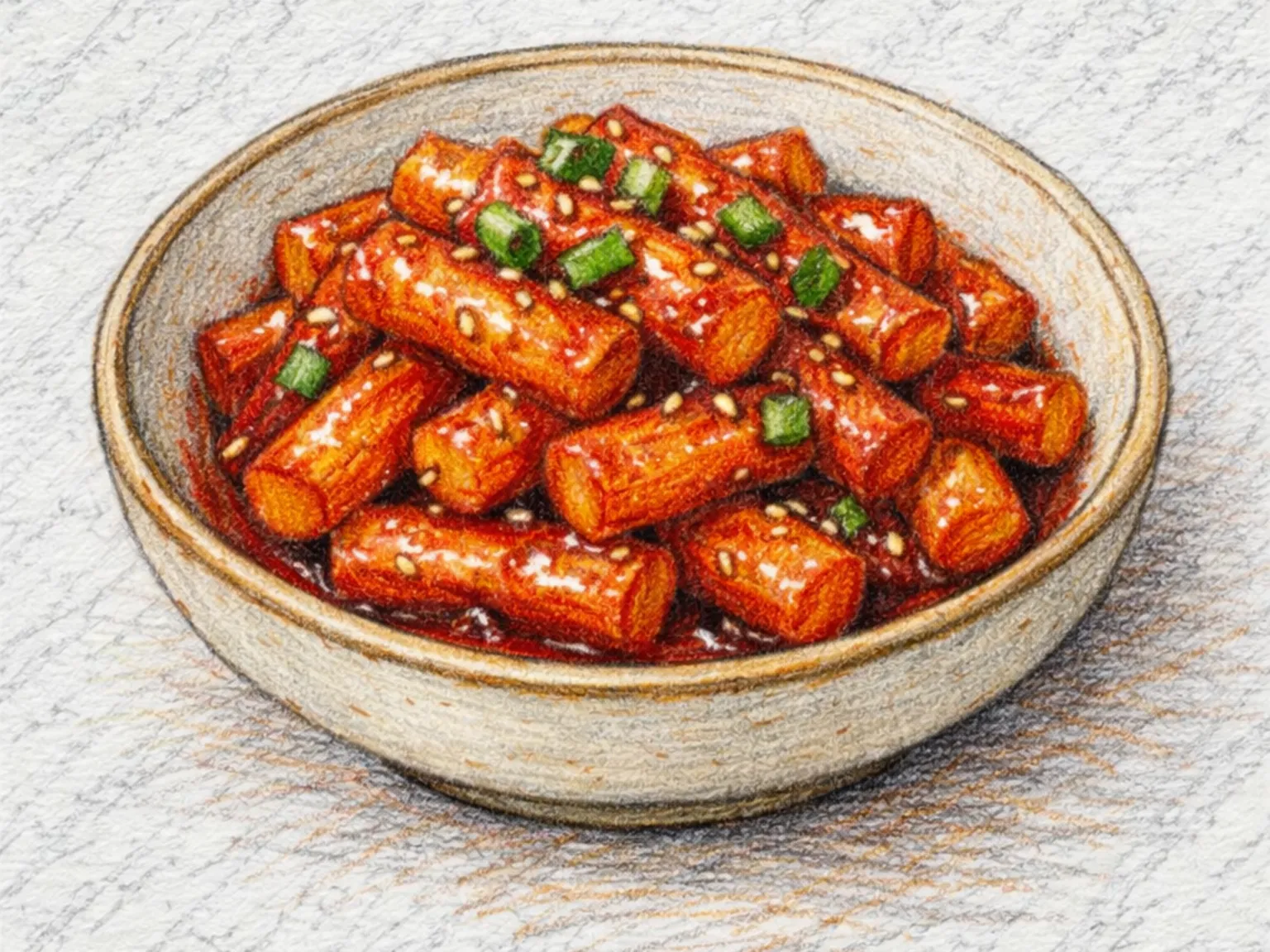
Gireum-tteokbokki is a dry-style tteokbokki where rice cakes are stir-fried in oil and coated with a concentrated paste of gochugaru, soy sauce, sugar, and garlic - no broth involved. Blooming the chili flakes briefly in oil draws out their nutty, toasted aroma rather than raw heat, and the soy sauce and sugar build layered sweetness and umami on top of that base. Without liquid, the seasoning clings tightly to each rice cake's surface. The key technique is restraint with stirring: letting each rice cake sit undisturbed long enough to develop a lightly crisped exterior while the inside stays chewy creates a dual texture that broth-based versions cannot replicate. Green onion and sesame seeds added at the end provide fresh fragrance and textural contrast against the rich coating. The seasoning should be applied generously so the flavors penetrate past the surface rather than sitting only on the outside. Believed to have originated in school-front snack shops in 1970s and 1980s Seoul, gireum-tteokbokki is milder than gochujang versions and accessible to those who find the spicier style too intense.

🧒 Kid-Friendly
Prep 10minCook 12min2 servings
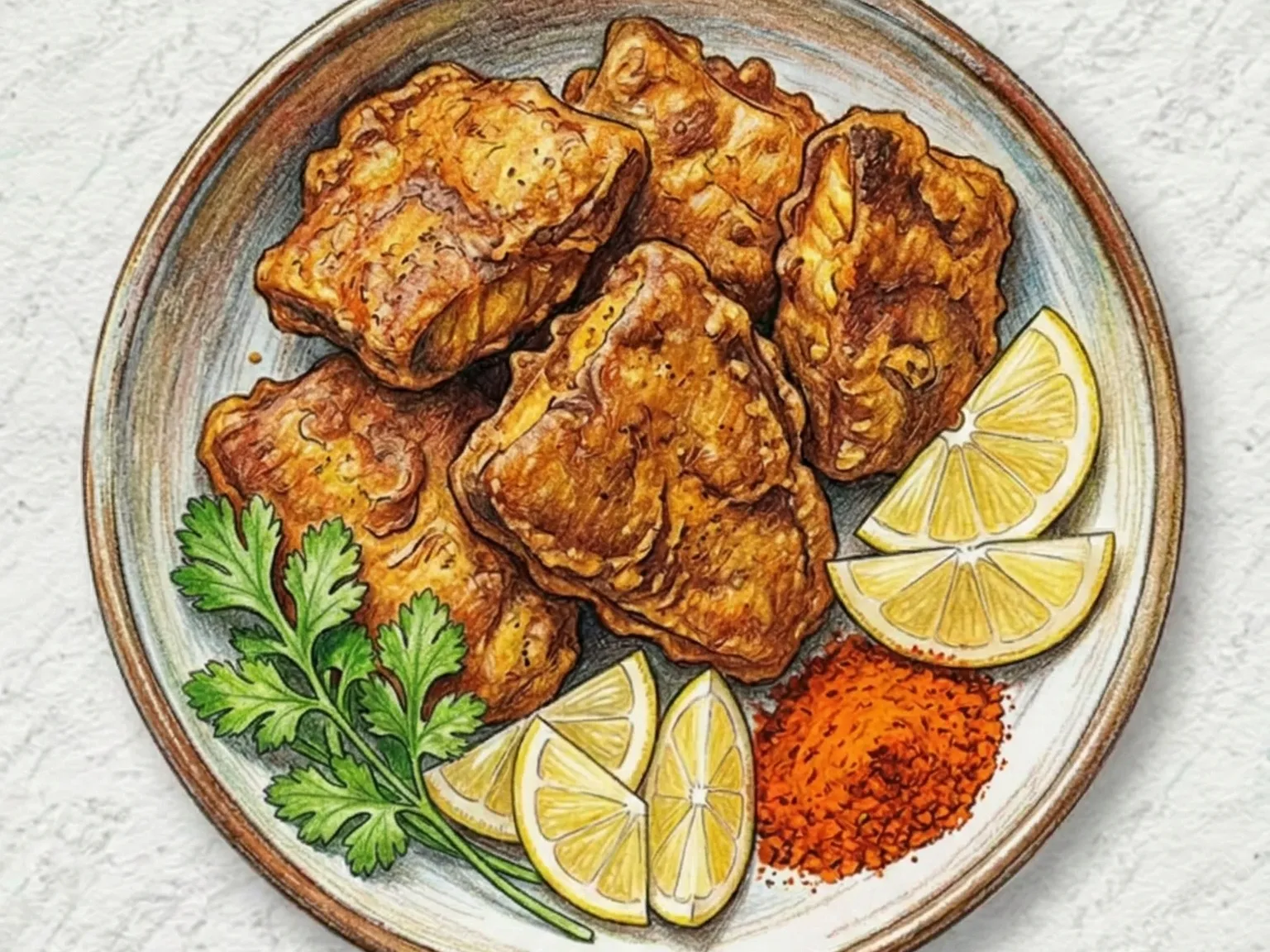
Korean Grilled Filefish Jerky
DrinksEasy

Korean Grilled Filefish Jerky

Jjipo-gui is a Korean bar snack made by pan-grilling dried filefish jerky in melted butter until golden on both sides. Jjipo - dried and pressed filefish - has a dense, chewy texture and a concentrated umami that intensifies the longer you chew, which is what makes it so effective as drinking food alongside beer or soju. Grilling it in butter rather than oil adds a rich, nutty fat quality that complements the inherent savoriness of the dried fish in a way that neutral oil cannot. A thin glaze of soy sauce and oligosaccharide syrup applied near the end of cooking transforms the surface into a glossy, sweet-savory crust that caramelizes without burning, and a pinch of red chili flakes dusted over the top adds a mild heat that persists through the finish. The key to getting the glaze right is temperature control - medium-low heat allows the sugars to caramelize gradually and evenly without scorching, while too high a flame will burn the coating and turn it bitter before the fish has fully grilled through. Too low, and the moisture simply steams off without the glaze setting properly. Cutting the grilled jjipo into long strips with kitchen scissors before serving preserves the chewy pull of the jerky and makes it easier to share and eat in pieces without tearing.

🍺 Bar Snacks Quick
Prep 5minCook 8min2 servings
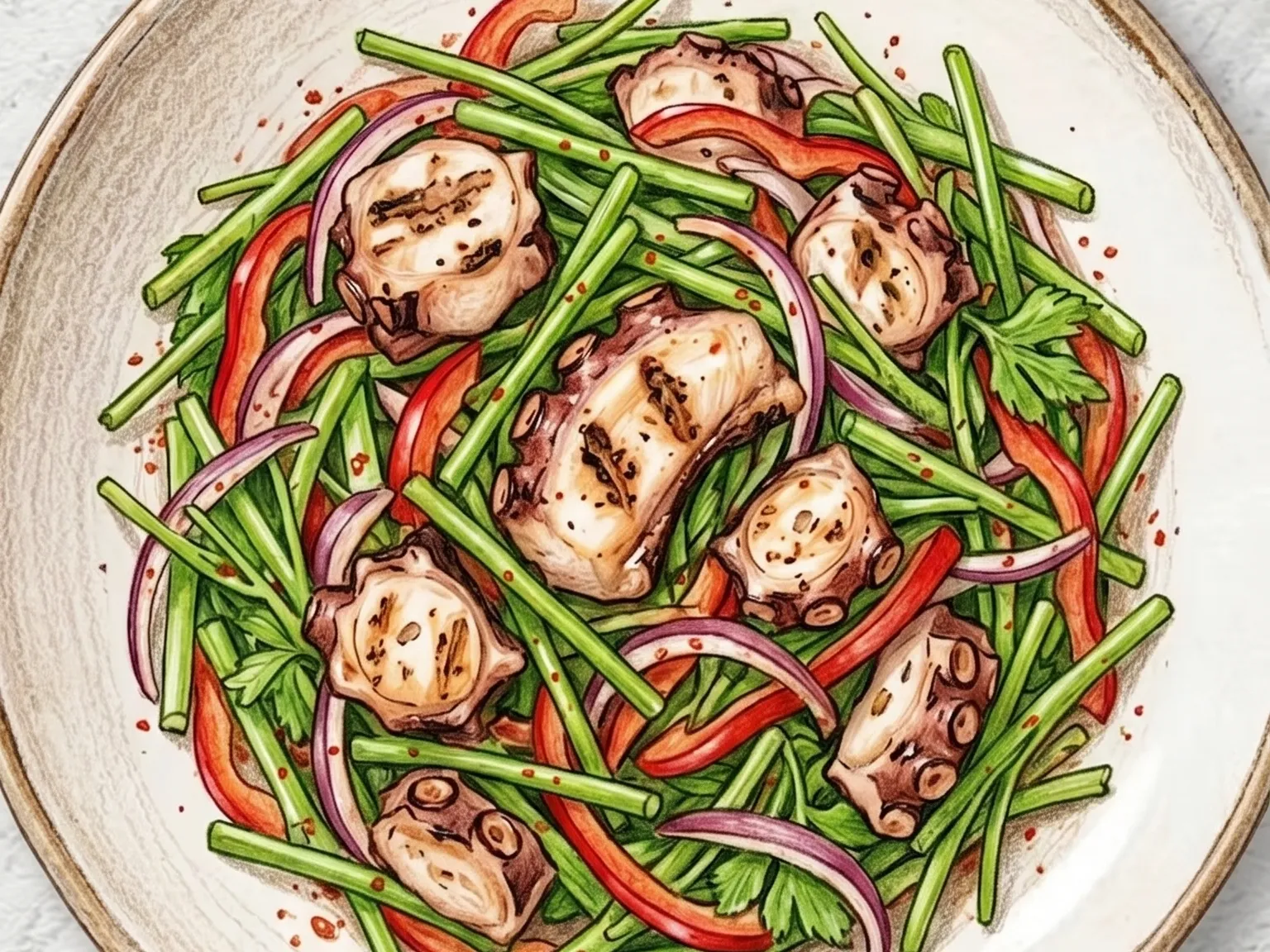
Korean Grilled Webfoot Octopus
GrilledMedium

Korean Grilled Webfoot Octopus

Cleaned webfoot octopus is tossed in a marinade of gochujang, chili flakes, soy sauce, and sugar for ten minutes, then seared on high heat for just three to four minutes. Webfoot octopus has thicker tentacles than nakji and a more resilient chew, which makes it particularly well suited to this type of spicy, high-heat preparation. The short cooking time is not a shortcut -- it is the point. Overcooking webfoot octopus makes it rubbery and dry, and the difference between three minutes and five minutes is the difference between tender-chewy and tough. High heat is equally important: the goal is to sear, not steam, so the pan must be very hot and the pieces should not be crowded. Where the glaze catches on the pan surface and scorches slightly, it leaves behind charred bits that coat the octopus with a smoky depth the marinade alone cannot provide. Green onion added in the final seconds cuts through the heat with a sharp, fresh note. Just before the main harvest season in spring, webfoot octopus carries roe that adds a rich, creamy nuttiness to each bite, and this is when Korean cooks consider the ingredient at its peak. The cooked pieces wrap well in perilla leaves and are also popular as a fried rice finisher.

🍺 Bar Snacks
Prep 20minCook 8min2 servings
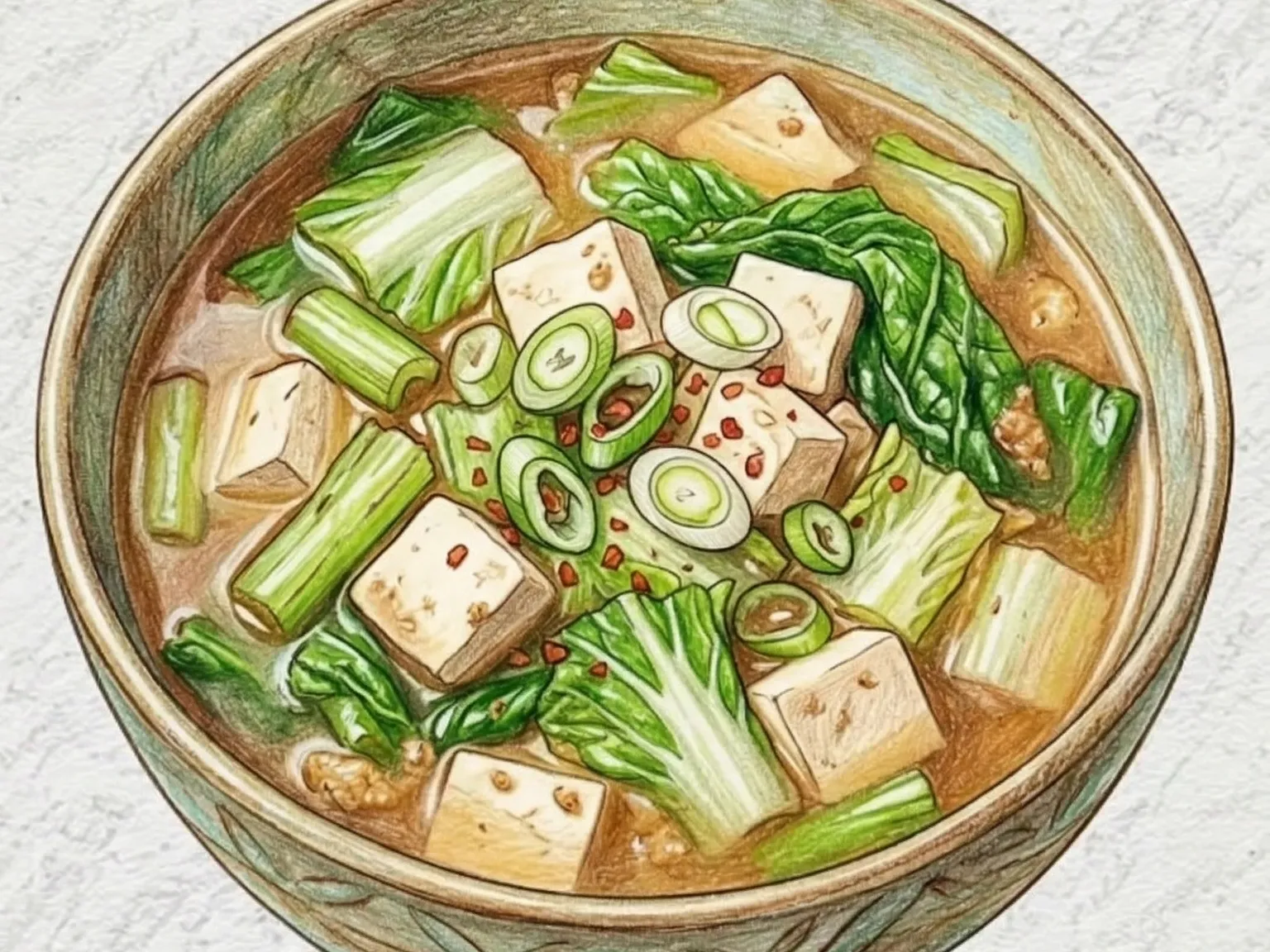
Korean Oyster Soft Tofu Soup
SoupsEasy

Korean Oyster Soft Tofu Soup

Gul-sundubu-tang is a Korean soup that brings together briny fresh oysters and silky soft tofu in a lightly spicy broth. The flavor base starts with garlic and gochugaru bloomed in sesame oil, giving the entire pot a warm, aromatic heat from the first minute. Sliced zucchini and onion go in next, contributing a natural sweetness that tempers the chili. Water is added, and once simmering, spoonfuls of wobbly sundubu tofu are dropped in. The oysters go in at the very last moment so they stay plump and tender rather than shrinking into rubbery nuggets. Soup soy sauce adjusts the salt. The finished bowl is rust-red, gently spicy, and layered: the tofu melts on the tongue, the zucchini offers a mild crunch, and the oysters deliver bursts of sea flavor throughout.

🏠 Everyday
Prep 12minCook 18min2 servings
Korean Tuna Stew
StewsEasy

Korean Tuna Stew

A weeknight stew built from a single can of tuna. The canned oil and flaked meat break into the water with gochugaru and soup soy sauce, building a sharp, savory broth without stock. Zucchini and onion add natural sweetness, tofu provides a soft counterweight, and a cheongyang chili pushes the heat up a notch. No extra broth needed - the fat from the can does the work.

🏠 Everyday
Prep 10minCook 15min2 servings
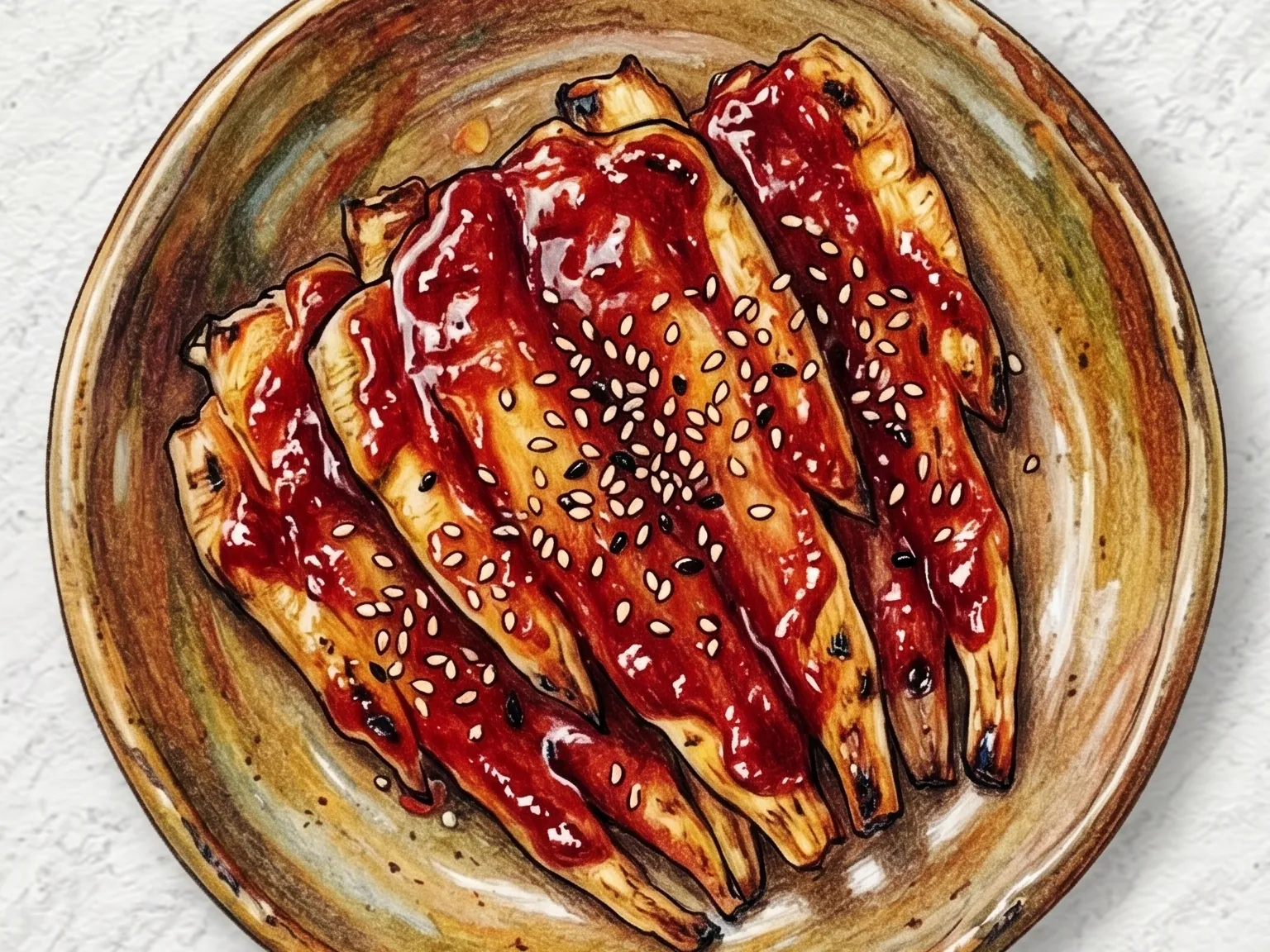
Korean Braised Chicken Feet
SteamedMedium

Korean Braised Chicken Feet

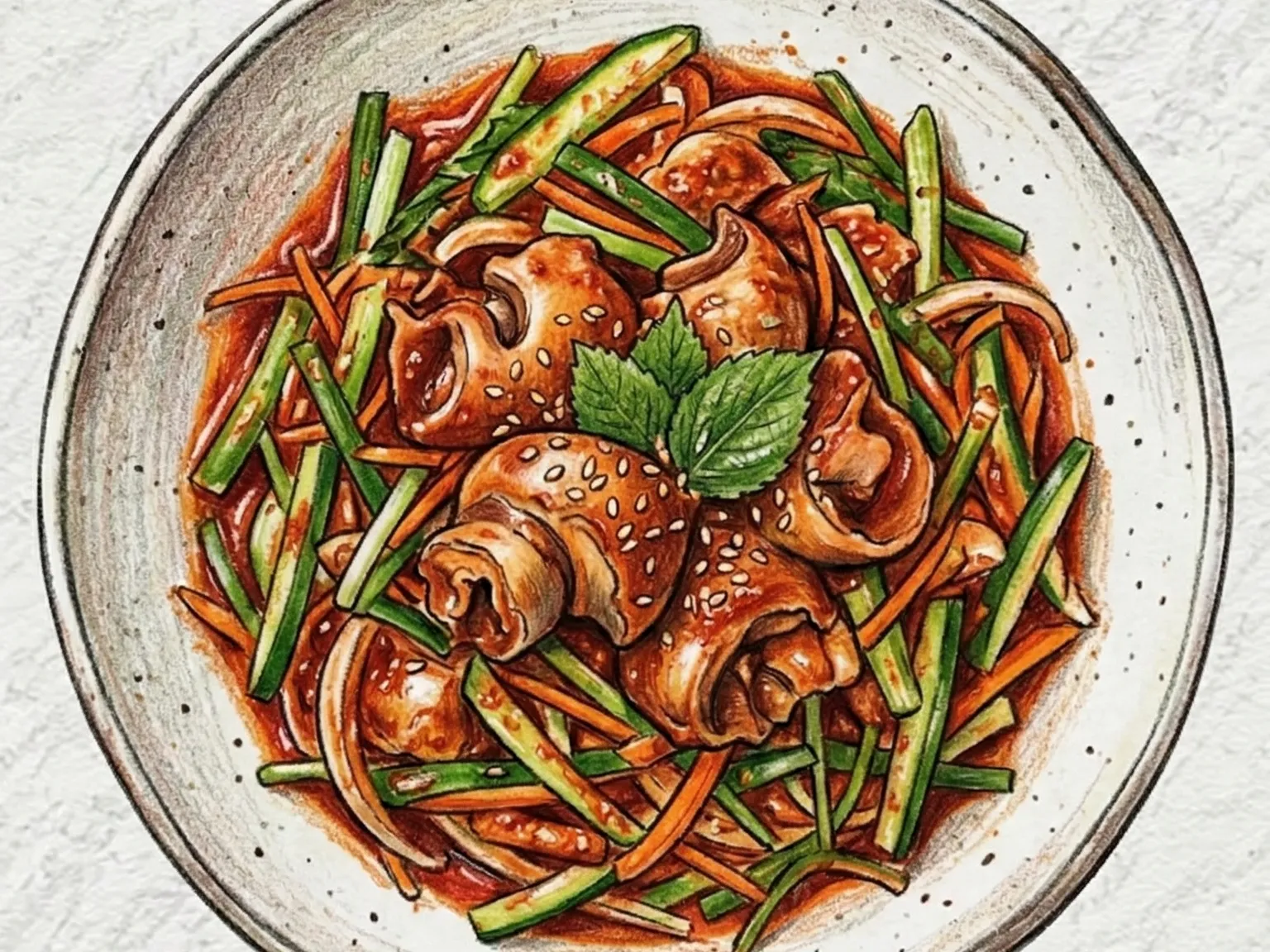
Dakbal-jjim braises chicken feet in a sauce built from gochujang, gochugaru, soy sauce, and sugar until the liquid reduces to a thick, glossy coating around each foot. As the skin and cartilage cook down over time, their collagen converts to gelatin and the feet develop a chewy, sticky texture that is the central appeal of the dish. Gochujang and gochugaru each bring heat from a different angle, one deep and fermented and the other bright and direct, while sugar introduces a caramel-like sweetness that balances the heat load. Cooking wine added early removes the gaminess specific to chicken feet. By the time the sauce has fully reduced it clings to every surface in a deep red glaze, and the finished feet carry both intense seasoning and a pronounced chew that makes them a natural pairing with cold beer or a bowl of rice.

🍺 Bar Snacks🎉 Special Occasion
Prep 20minCook 45min4 servings
Korean Stuffed Bossam Kimchi
KimchiHard

Korean Stuffed Bossam Kimchi

Bo-kimchi is a premium Korean stuffed kimchi where brined napa cabbage leaves are wrapped around a filling of julienned radish, water dropwort, chestnuts, jujubes, shrimp, and pine nuts, then tied into bundles and left to ferment. Each ingredient in the stuffing develops its own flavor during fermentation, building a complex, layered taste enclosed in a single neat package. Shrimp and pine nuts contribute richness and a roasted note, while chestnuts and jujubes add subtle sweetness that lifts this well above everyday kimchi. Originating in the Gaeseong region and tracing its lineage through Goryeo-era court cuisine, it is a kimchi reserved for holidays and formal occasions.

🎉 Special Occasion
Prep 70minCook 15min4 servings
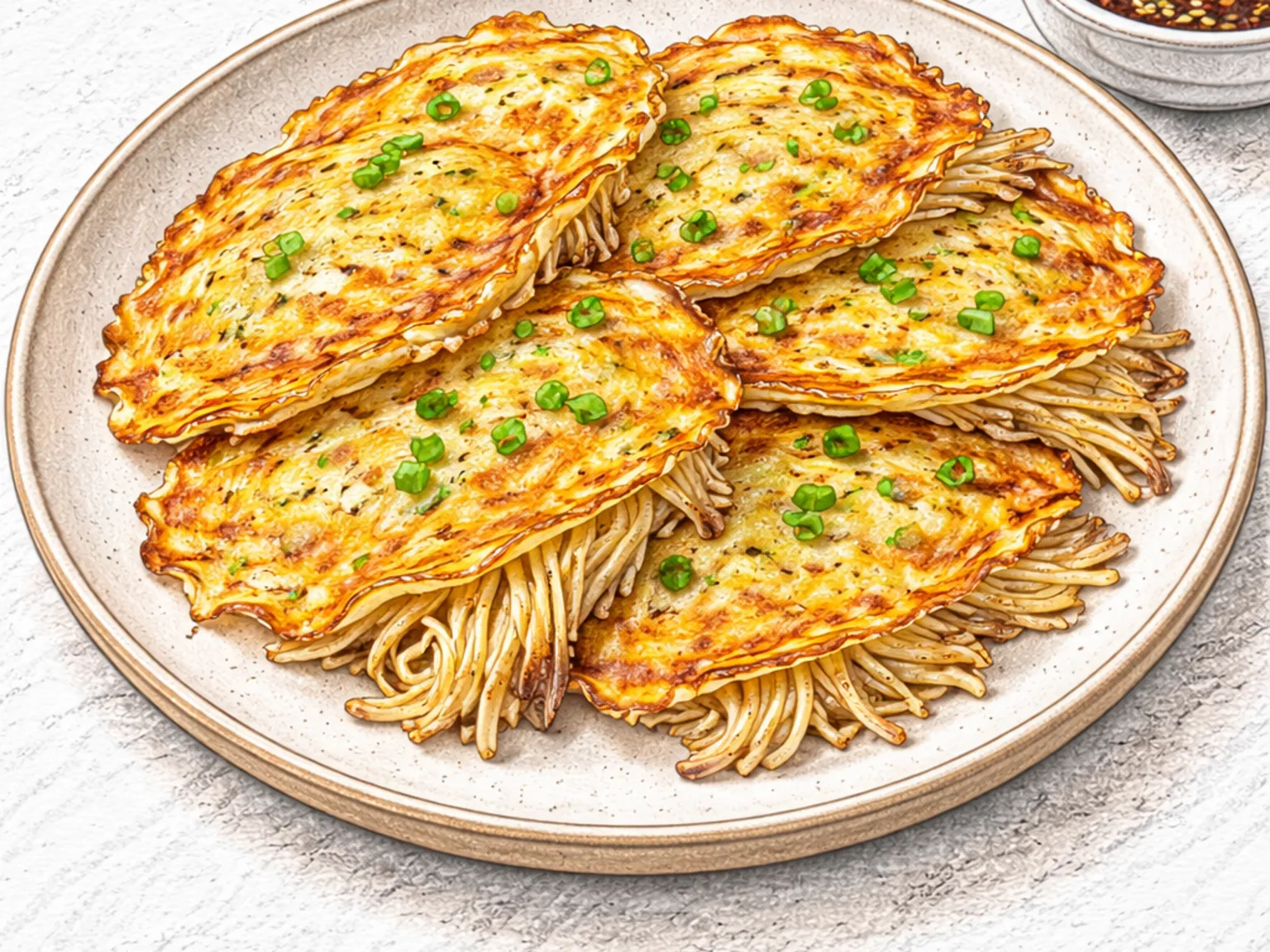
Korean Steamed Kimchi Mushroom Noodles
NoodlesEasy

Korean Steamed Kimchi Mushroom Noodles

Gimchi beoseot tteumyeon is a steamed noodle dish built on a simple idea: ripe kimchi and oyster mushrooms are spread across the bottom of a pot, raw noodles are laid on top, and the whole thing is sealed with a lid and cooked entirely by steam. No additional water is poured in. The moisture locked inside the fermented kimchi converts to vapor as the pot heats, rising up through the noodles and infusing them from below. The fermented tang and chili seasoning of the kimchi penetrate the noodles in a way that boiling cannot replicate - the flavor is absorbed directly rather than diluted into cooking water. The noodles themselves take on a denser, more elastic chew than their boiled counterparts, because the gentler steam heat allows the starch to set gradually. Oyster mushrooms contribute their own moisture to the enclosed steam environment, extending the cooking vapor, while their fibers soften into a meaty texture with a clean umami note. A drizzle of sesame oil added just before serving releases a nutty aroma that rises above the spicy steam and rounds off the dish. Because everything cooks in one pot and the ingredient list stays short, this recipe shows up frequently as a weeknight dinner with a rewarding depth that belies its simplicity.

🏠 Everyday🌙 Late Night
Prep 14minCook 16min2 servings
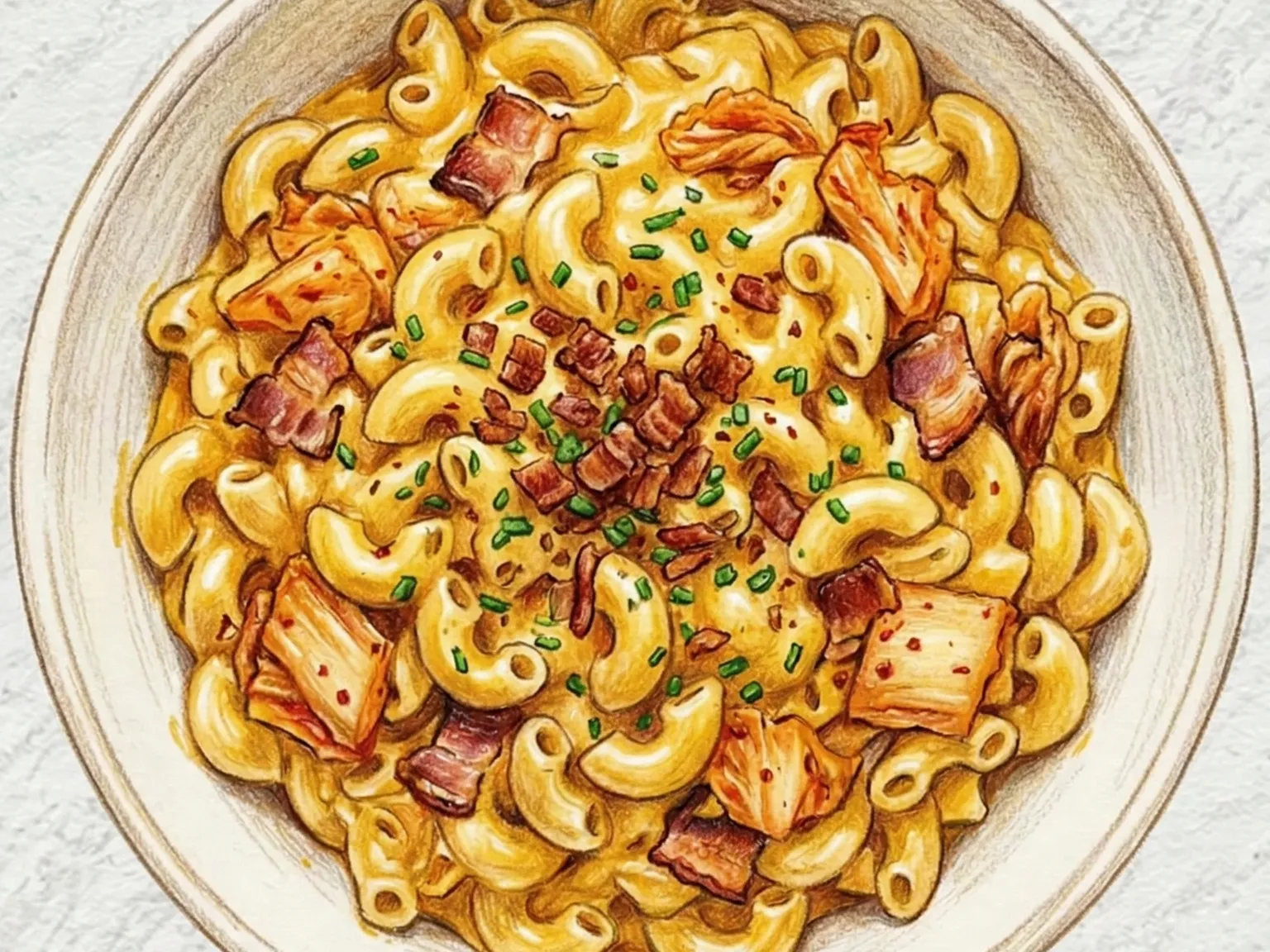
Kimchi Bacon Mac and Cheese
PastaEasy

Kimchi Bacon Mac and Cheese

Kimchi bacon mac and cheese layers aged kimchi's lactic tang and smoky bacon into a classic American cheddar cheese sauce over elbow macaroni. A butter-flour roux forms the base, with milk whisked in to build a béchamel before cheddar is melted into a thick, clinging sauce. Crisp bacon pieces add salt and crunch throughout, while chopped ripe kimchi introduces fermented acidity that counteracts the richness of the cheese. A pinch of gochugaru runs underneath with mild, warming heat. The tubular macaroni shape traps sauce inside and out, ensuring each forkful carries the full spectrum of creamy, tangy, and smoky flavors.

🏠 Everyday🧒 Kid-Friendly
Prep 10minCook 20min2 servings
Laphet Thoke (Burmese s signature salad)
SaladsMedium

Laphet Thoke (Burmese s signature salad)

Laphet thoke is Myanmar's signature salad, built entirely around fermented tea leaves whose tannic bitterness and concentrated umami form the flavor foundation from which everything else is assembled. The leaves undergo a long fermentation that softens their rawness, coaxing out a layered sourness and complex savory depth that explains why laphet holds a ceremonial significance in Burmese food culture beyond its role as an everyday dish. Shredded cabbage provides a neutral, crunchy base, while chopped tomato adds juicy acidity that lightens the tea leaves' intensity and keeps the salad from feeling heavy. Roasted peanuts contribute a nutty richness, and fried garlic chips deliver a salty, crispy element that introduces textural contrast in every bite. The essential technique is dressing the tea leaves first with lime juice, sesame oil, and chili flakes, allowing the seasoning to soak fully into the leaves before the vegetables and nuts are folded in, so the bold flavors distribute evenly throughout the bowl rather than pooling at the bottom.

🥗 Light & Healthy Quick
Prep 18min2 servings
Biang Biang Mian (Xi'an Hand-Pulled Belt Noodles with Chili Oil)
AsianHard

Biang Biang Mian (Xi'an Hand-Pulled Belt Noodles with Chili Oil)

Biang biang mian takes its name from the sound the dough makes when the cook slaps it against the counter to stretch it into wide, belt-like ribbons, a technique practiced in Xi'an and across Shaanxi Province for centuries. The dough is made from high-gluten flour and rested for at least thirty minutes to an hour until fully pliable; insufficient resting causes the noodles to tear during the pulling stage. Once rested, the dough is pulled by hand into strips as wide as a belt and as long as an arm, with an uneven thickness that creates varying chew across a single strand. The cooked noodles are dressed with a topping of minced garlic, chili flakes, Sichuan peppercorn powder, and chopped scallion, then smoking-hot rapeseed oil is poured directly at the table. The sizzle activates the aromatics and blooms the chili into a fragrant rust-colored oil that coats each strand. Soy sauce and black vinegar are stirred through to add a salty-sour backbone that anchors the richness of the chili oil. The character for biang, written in one of the most complex Chinese characters with over fifty strokes, is said to encode the sounds of the kitchen: slapping dough, sizzling oil, and the satisfied sighs of eaters. No standard digital font includes the character, and it must be written by hand. The dish belongs to the category of belt noodles found across Shaanxi and is considered one of the province's most representative street foods, eaten at breakfast, lunch, or as a late-night meal.

🎉 Special Occasion
Prep 35minCook 15min2 servings
Korean Seasoned Kelp Strips
Side dishesEasy

Korean Seasoned Kelp Strips

Kelp strips are soaked in cold water for ten minutes to draw out excess salt, then blanched for twenty seconds, just long enough to turn them pliable without losing their snap. The strips are dressed with gochugaru, vinegar, soy sauce, sugar, and garlic while julienned cucumber adds a cool, refreshing contrast. The seasoning sits over the mineral-dense ocean flavor of the kelp, layering a bright, acidic kick onto each bite. Sesame oil and whole sesame seeds finish the dish. The strips keep a satisfying resistance between the teeth that sets them apart from softer Korean seaweed preparations. Best served cold; the texture and flavor hold up well in packed lunches. Blanching beyond twenty seconds causes the kelp to soften and lose the chew that defines this banchan.

🥗 Light & Healthy🏠 Everyday
Prep 12minCook 3min2 servings