Korean Oyster Rice (Winter Pot Rice with Plump Oysters)
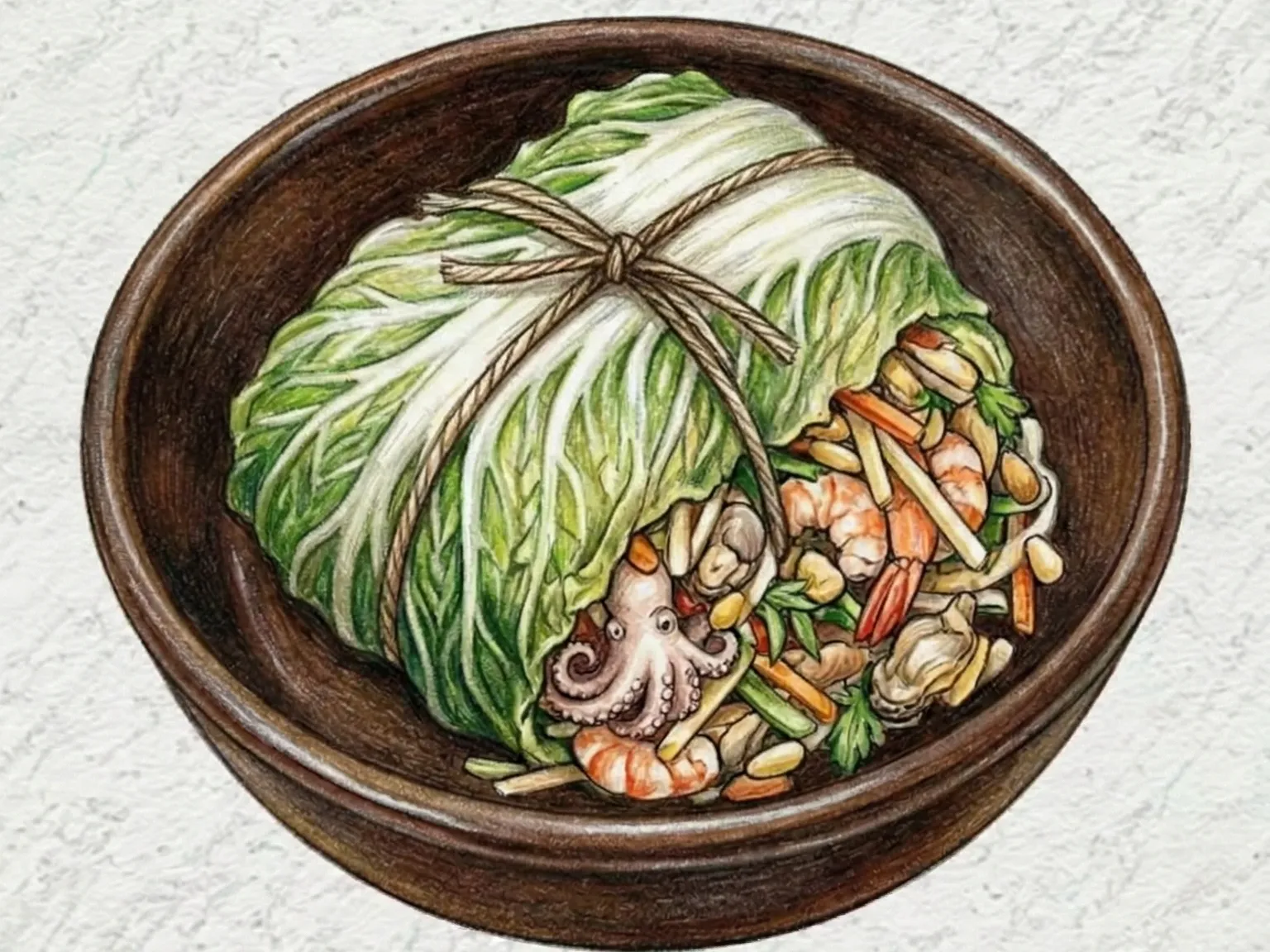
Gul-bap is a pot rice dish built around plump winter oysters, which are placed on top of the nearly-finished rice during the final resting stage rather than added at the beginning of cooking. This timing is deliberate. Oysters introduced too early shrink, toughen, and lose their sweetness to the surrounding liquid. Cooked only by residual steam, they remain tender, full-sized, and briny-sweet. Julienned Korean radish lines the bottom of the pot, serving two purposes: it keeps the rice from scorching, and it releases its own moisture and mild natural sweetness into the grains as they cook. The result is rice that is subtly enriched without any additional seasoning beyond the ingredients themselves. The dish is served alongside a dipping sauce of soy sauce, sesame oil, gochugaru, and chopped green onion. Mixed into the bowl, the sauce ties the clean oceanic flavor of the oysters to the savory, nutty dressing in a way that makes the whole thing hard to stop eating. The oysters should be cleaned gently with coarse salt and rinsed quickly to preserve their natural sweetness.

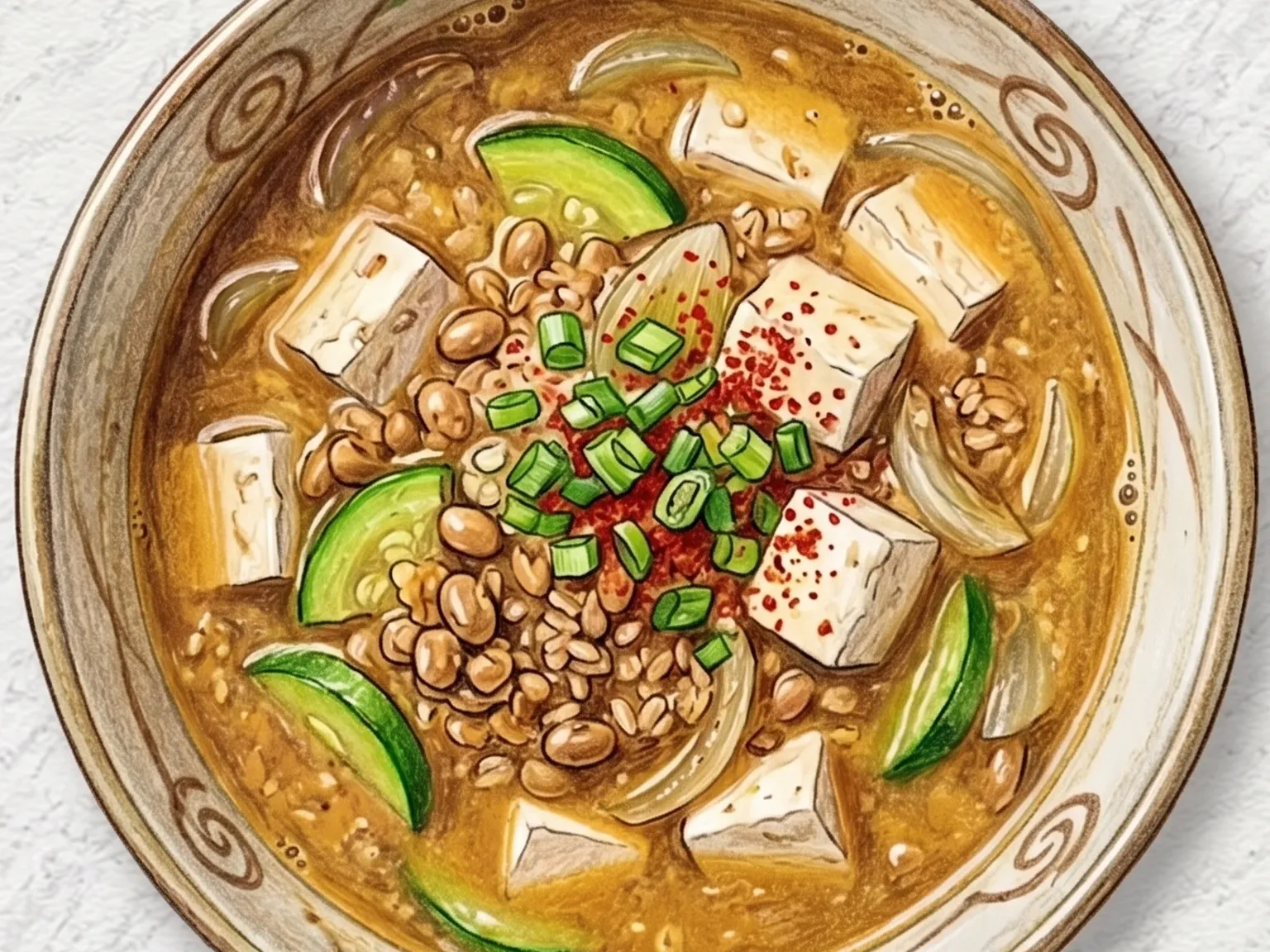
Korean Doenjang Braised Tofu
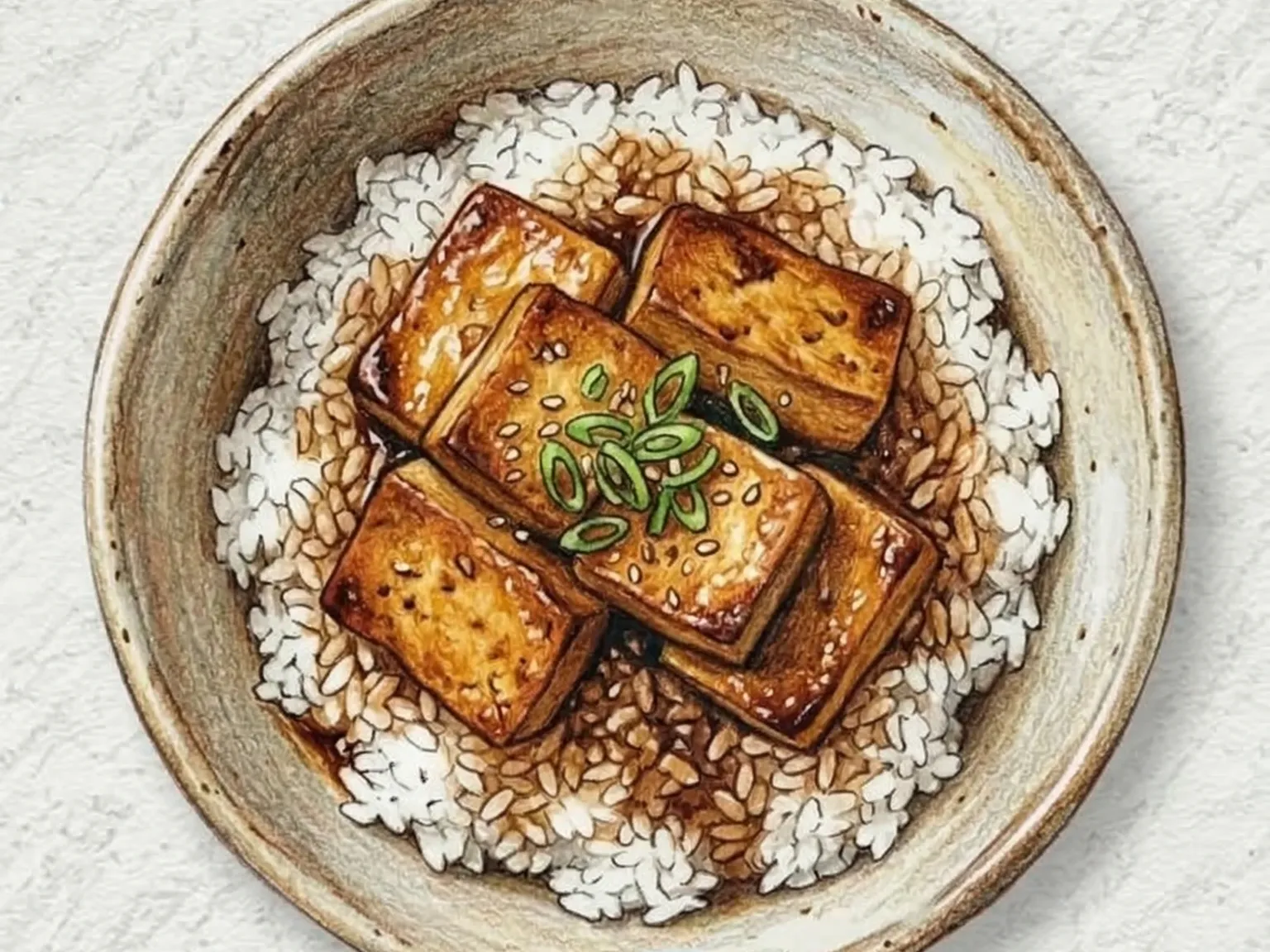
Doenjang-dubu-jorim is a braised tofu banchan in which tofu slices are simmered in a broth of fermented soybean paste, water, and aromatics until the liquid reduces and the seasoning permeates the tofu throughout. Doenjang is a Korean fermented soybean paste with a deeply savory, earthy character distinct from Japanese miso, and its slow penetration into the porous interior of the tofu produces a richness that simple soy-seasoned tofu does not achieve. Zucchini and onion are added to the same pot, and their natural sweetness tempers the salt of the paste, giving the final braise a more balanced flavor. The tofu is braised until its surface firms slightly, which helps it hold its shape while the interior stays soft and fully seasoned. Any remaining braising liquid is well-seasoned and pairs naturally with a bowl of rice. It is an economical banchan that requires minimal preparation and stores in the refrigerator for several days.

Korean Soupy Tteokbokki (Rice Cakes in Spicy Gochujang Broth)
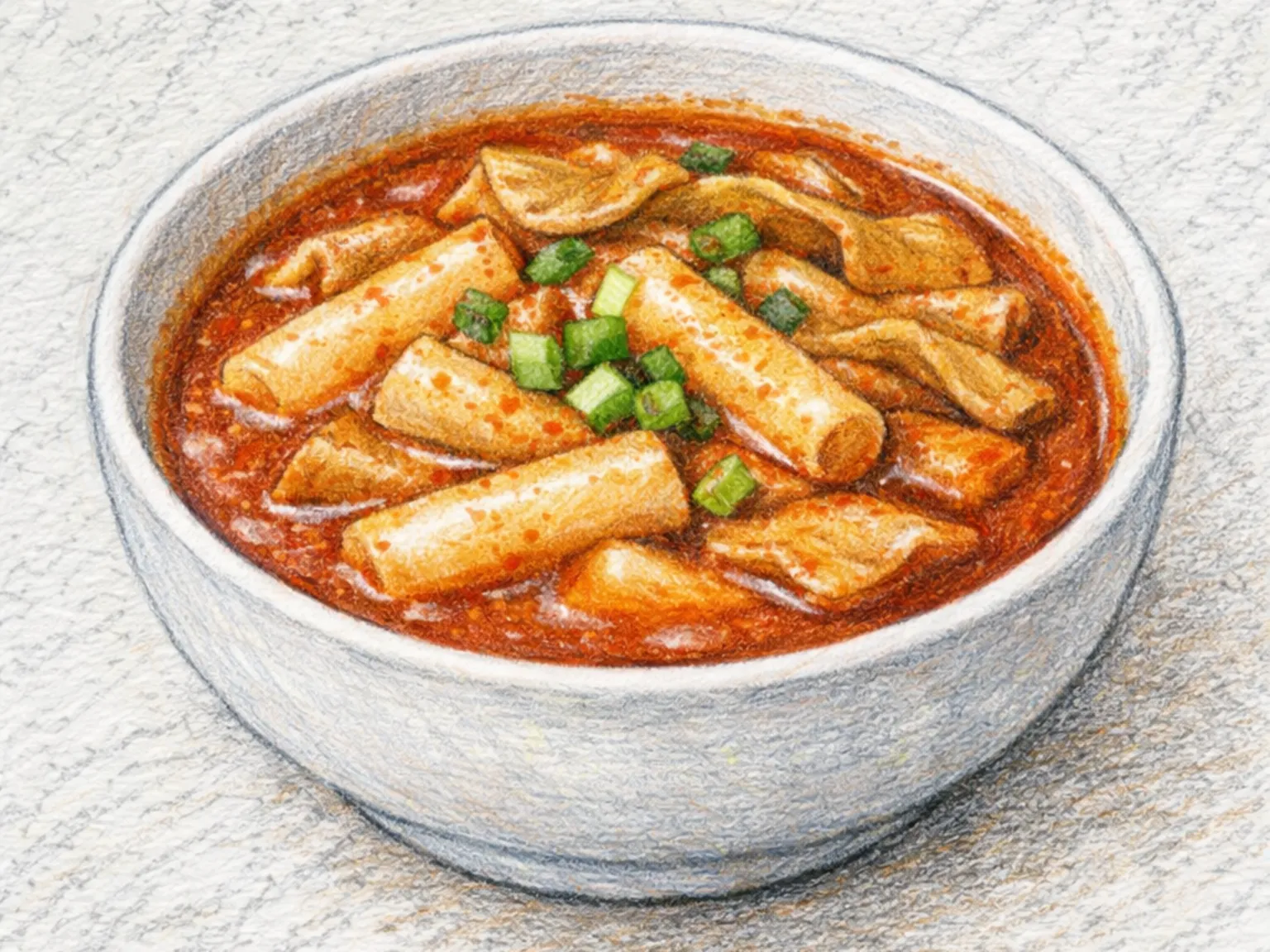
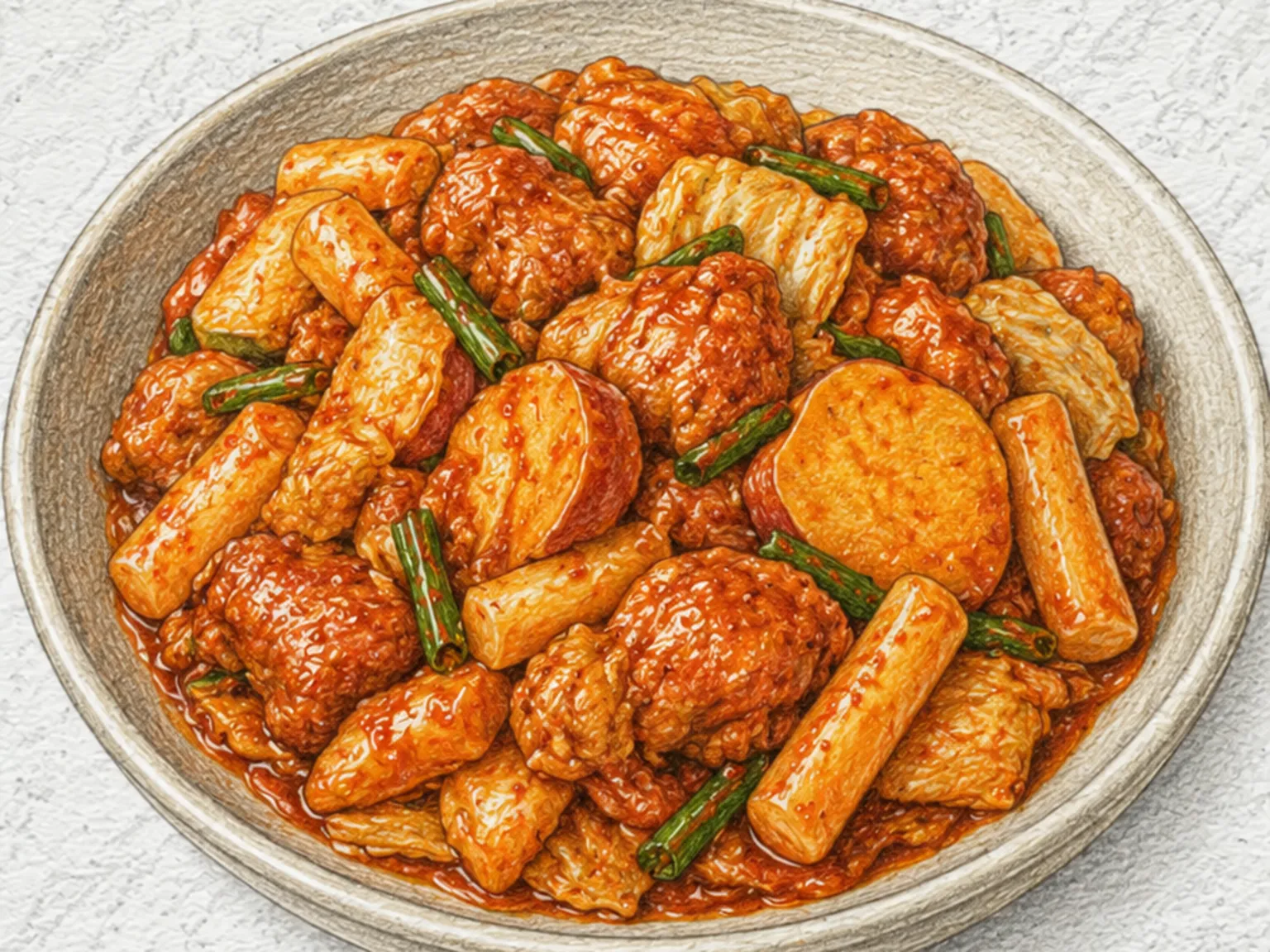
Gukmul-tteokbokki is a soup-forward version of tteokbokki in which cylindrical rice cakes and fish cakes are simmered in a kelp-anchovy broth seasoned with gochujang, gochugaru, soy sauce, and sugar. Unlike dry or stir-fried versions, the generous broth saturates each rice cake from the outside in, while the fish cakes release their own savory juices into the liquid as they cook, building the stock to a richer baseline. Eight to ten minutes of medium-heat simmering leaves the exterior of each rice cake soft and yielding while the core stays chewy. Scallions go in at the end to cut through the heat with a bright, grassy note. The broth left over after the rice cakes and fish cakes are gone is widely regarded as the most prized part of the dish: regulars stir in a bowl of rice or drop in ramyeon noodles to make sure none of it goes to waste.

Korean Garlic-Grilled Octopus
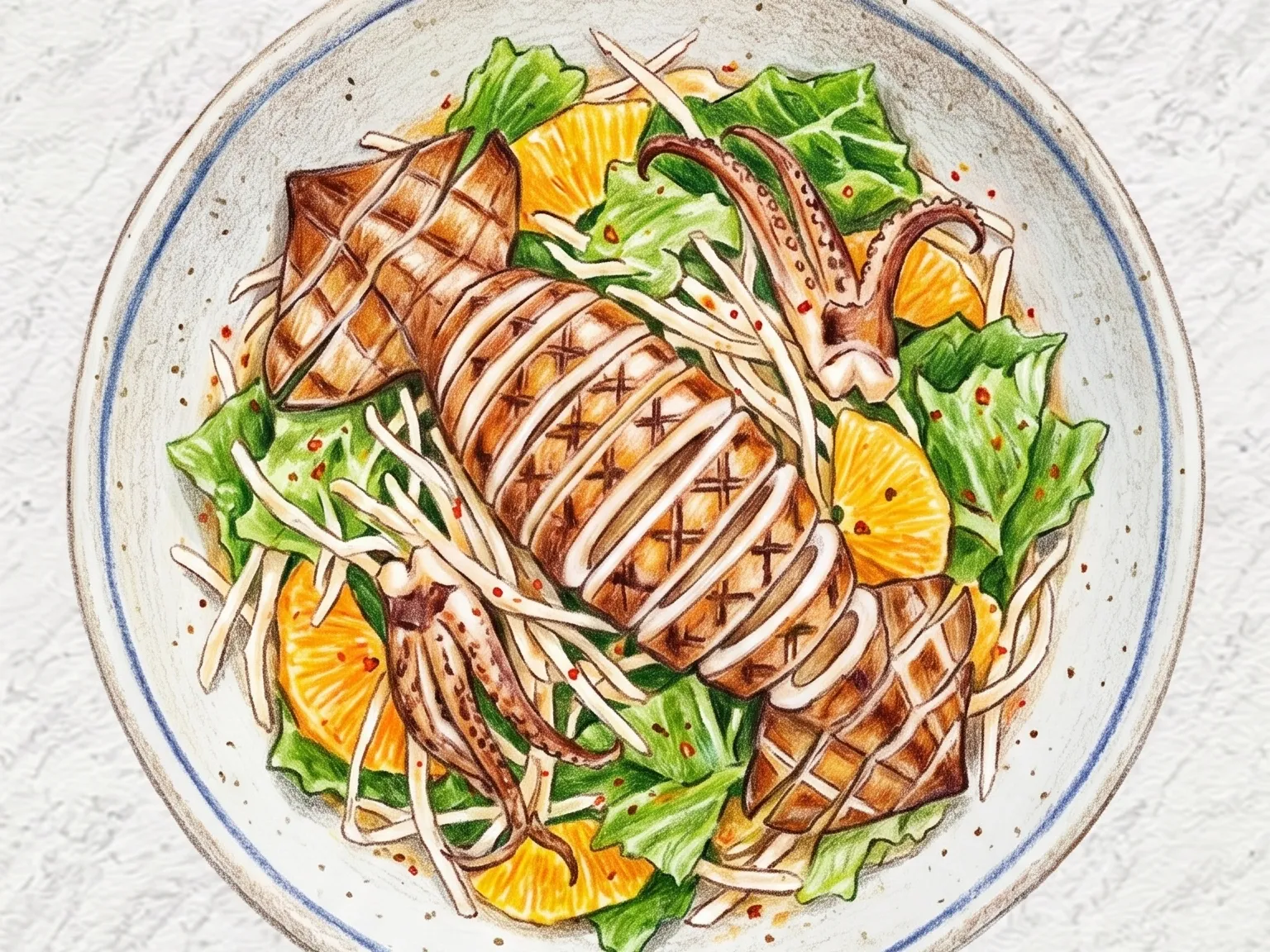
Muneo-garlic-gui is a Korean seafood drinking snack made by slicing pre-boiled octopus into bite-size pieces, seasoning them with salt, pepper, and red chili flakes, then searing them hard in olive oil with minced garlic over high heat. The garlic goes in first at low heat to bloom slowly in the oil, then the flame is raised and the octopus is added so the exterior chars rapidly while the interior stays springy and resilient. The olive oil coats the surface at high temperature and locks in moisture, producing a scorched crust outside and a genuinely tender bite within. A squeeze of fresh lemon juice at the finish cuts through the oil and brings the natural brininess of the octopus into sharp relief. The octopus should go straight to the table after cooking, as the texture toughens quickly, and thorough pan preheating is essential to getting the sear right.

Korean Kimchi Pancake
Kimchi-jeon is a Korean savory pancake made by chopping well-fermented kimchi into small pieces, mixing it into a batter of pancake flour, kimchi brine, and chili flakes, then frying the batter in oil until both sides turn golden and crisp. Using kimchi brine instead of plain water is the central technique: the lactic acid from fermentation adds a tangy depth to the flour base that water simply cannot provide. The batter consistency varies with how wet the kimchi is, so the target is a texture that runs slowly rather than puddles, which usually requires less liquid than might seem necessary. Neutral cooking oil or perilla oil suits the flavor profile better than olive oil, preserving the characteristic savory aroma of Korean pan-fried foods. Four minutes on the first side over medium-high heat followed by three minutes after flipping produces a crust that is genuinely crisp at the surface while the inside stays moist from the kimchi's own liquid. Pressing lightly with a spatula before flipping helps confirm that the underside has set firmly enough to hold its shape. A pancake that is too thin burns before it develops flavor, and one that is too thick leaves the interior underdone. Kimchi-jeon is at its best immediately off the pan, but a brief return to a dry skillet restores most of the crispness when reheating leftovers.

Haejangguk (Korean Pork Bone Hangover Soup)
Haejangguk is Korea's iconic hangover soup, a thick and fiery bowl built to restore the body after a long night of drinking. The base is a pork spine broth simmered for several hours until it turns milky, opaque, and deeply savory, carrying a weight that sits in the stomach rather than passing through it. Outer napa cabbage leaves called ugeoji are seasoned with doenjang and garlic before being added to the broth, contributing fibrous, chewy texture alongside the soup's fermented depth. Congealed blood, known as seonji, is a traditional inclusion cut into thick blocks: iron-dense and high in protein, it provides serious nutritional restoration and a visually striking dark contrast in the stone pot. Gochugaru delivers heat strong enough to draw sweat to the forehead, and Koreans have long held that this intensity helps flush toxins from the body and clear the mind after a night of drinking. The finished soup arrives still bubbling in its dolsot, and the first few spoonfuls tend to produce an involuntary exhale of relief. Dedicated haejangguk restaurants open before dawn to serve construction workers and late-night revelers, and the dish has occupied a fixed position in Korean culinary and drinking culture for centuries.

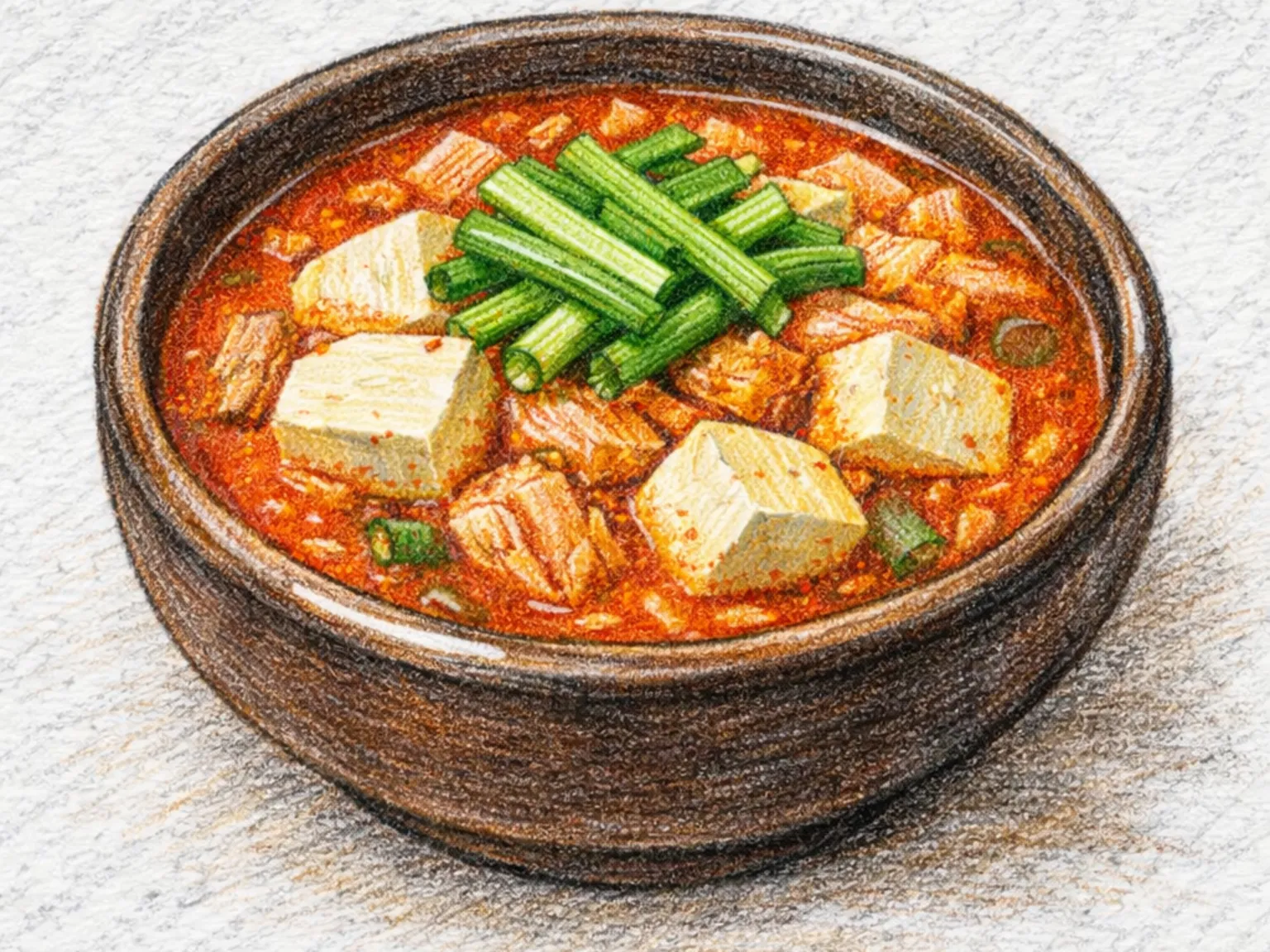
Korean Tuna Kimchi Stew
Aged kimchi and canned tuna are cooked together in this streamlined version of kimchi jjigae that skips the traditional pork. The tuna's oil enriches the broth quickly without a long simmer, while the well-fermented kimchi provides a deep sourness that anchors the stew's flavor. Firm tofu, onion, and green onion fill out the pot, and a spoonful of chili flakes keeps the heat assertive. Draining most of the oil from the canned tuna before adding it prevents the broth from becoming too greasy. Using thoroughly aged kimchi with a pronounced sour tang is what gives the broth its depth, and simmering uncovered over high heat for two to three minutes at the end thickens the liquid to a consistency that coats rice well.

Korean Dakbong Gochujang Jorim (Gochujang-Braised Chicken Drumettes)
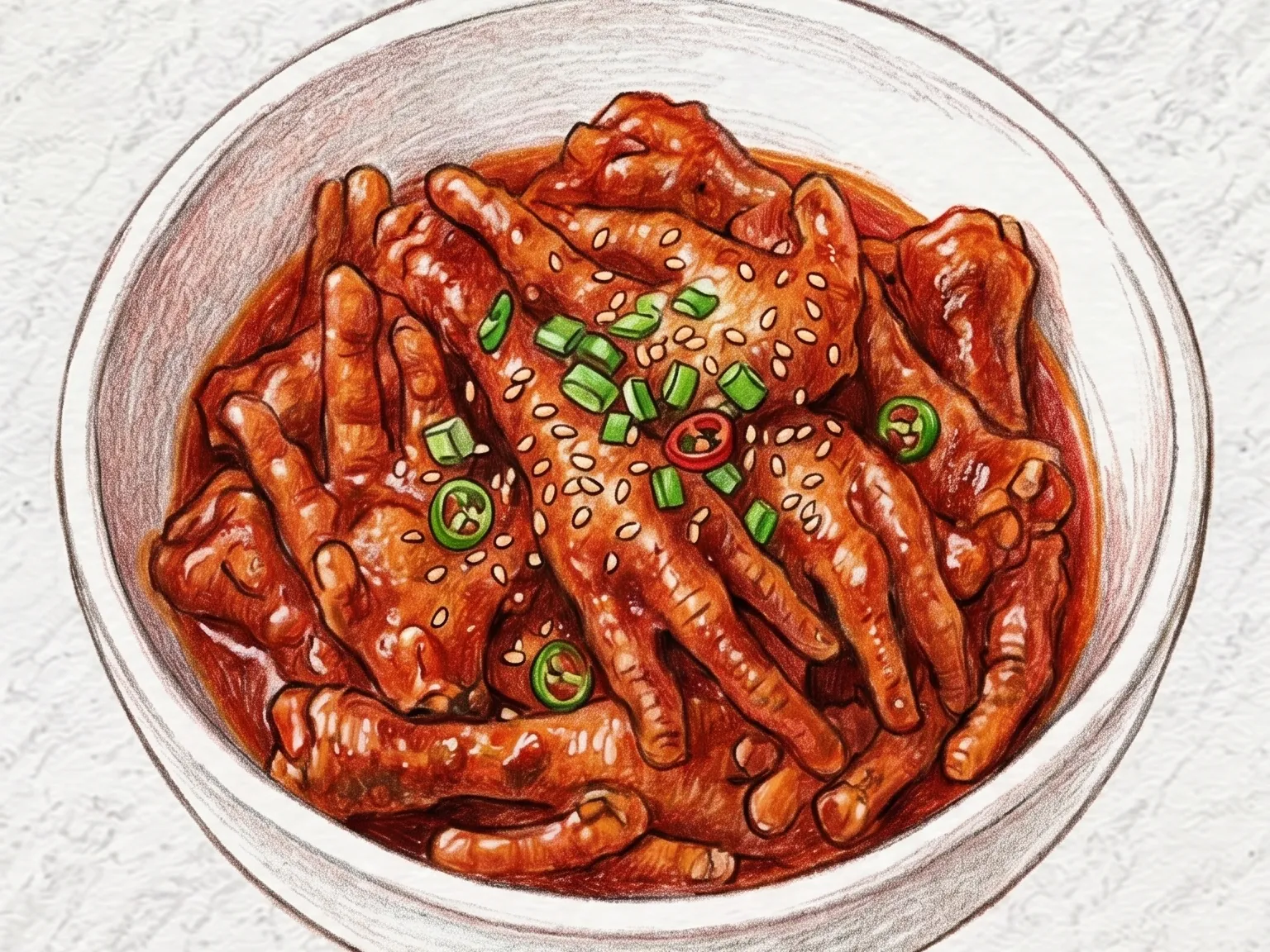
Dakbong gochujang jorim is chicken drumettes braised with potato in a sauce made from gochujang, soy sauce, chili flakes, and oligosaccharide syrup. The meat surrounding the small bones turns dense and pleasantly chewy as it simmers, holding onto the thick, reduced sauce at every surface. Potato pieces soften in the braising liquid until starchy and tender throughout, absorbing the chili-soy base from the outside in. The oligosaccharide syrup wraps the gochujang heat in a shiny glaze that keeps you reaching for another piece. A stalk of green onion stirred in at the very end adds a sharp, pungent aroma that lifts the finished dish.

Korean Chamnamul Kimchi (Pimpinella Kimchi)
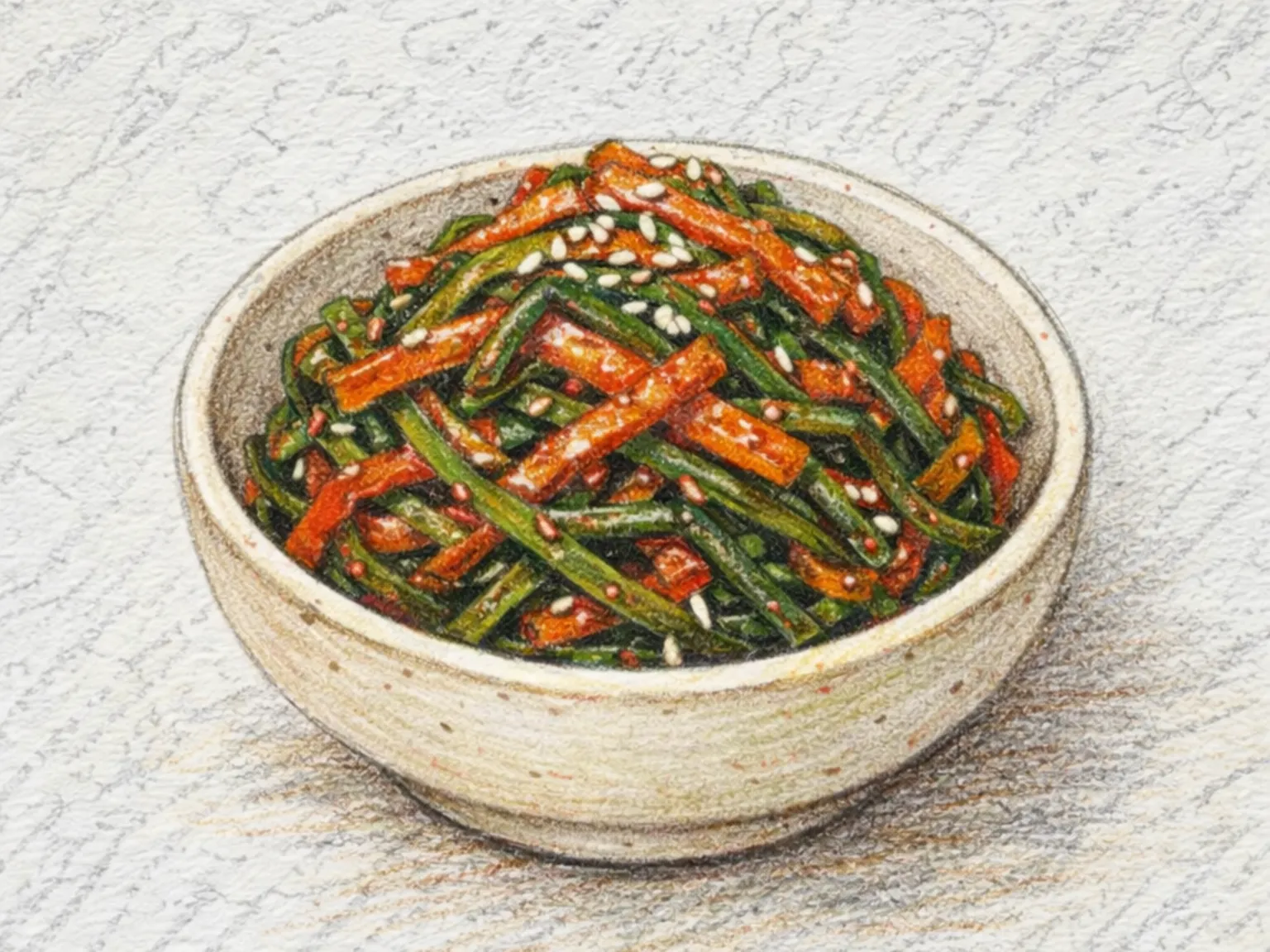
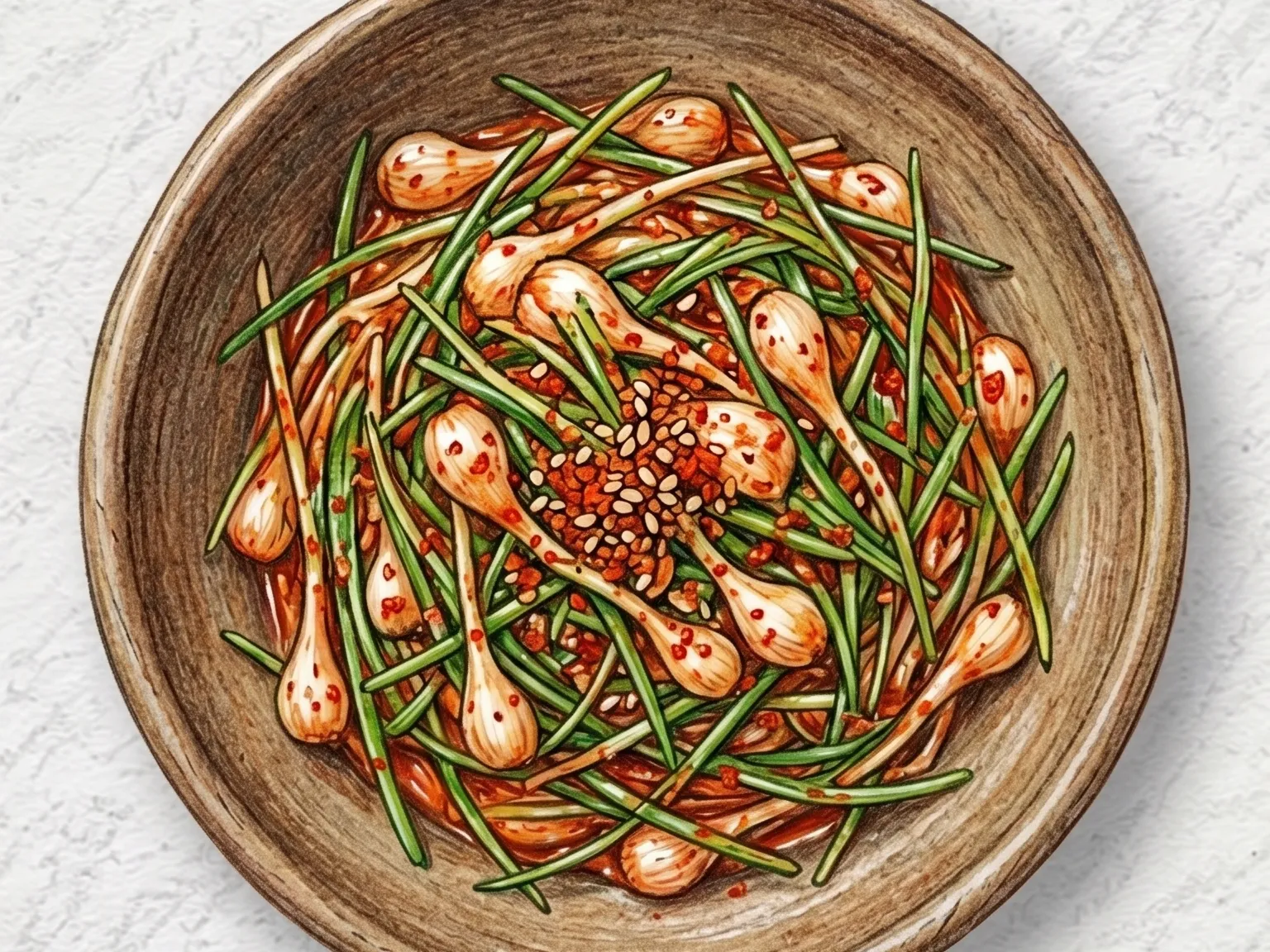
Chamnamul kimchi is a spring kimchi made by salting chamnamul greens for just ten minutes to wilt them slightly, then dressing with gochugaru, anchovy fish sauce, and salted shrimp without rinsing. Skipping the rinse allows the residual salt to convert into umami during fermentation rather than being washed away, deepening the overall flavor. Pureed Korean pear and onion blended with sweet rice paste form the seasoning base, contributing a natural sweetness that rounds off the sharp edges of the chili heat. After three hours of initial fermentation at room temperature followed by refrigeration, the kimchi reaches its best balance within one to two days, when the grassy herbal aroma of chamnamul aligns with the fermented depth of the fish sauce. Because chamnamul has a high moisture content, fermentation moves quickly, and the kimchi softens past its peak if left too long. Best consumed within three to four days for optimal texture and fragrance.

Korean Spicy Gangwon Knife-Cut Noodles
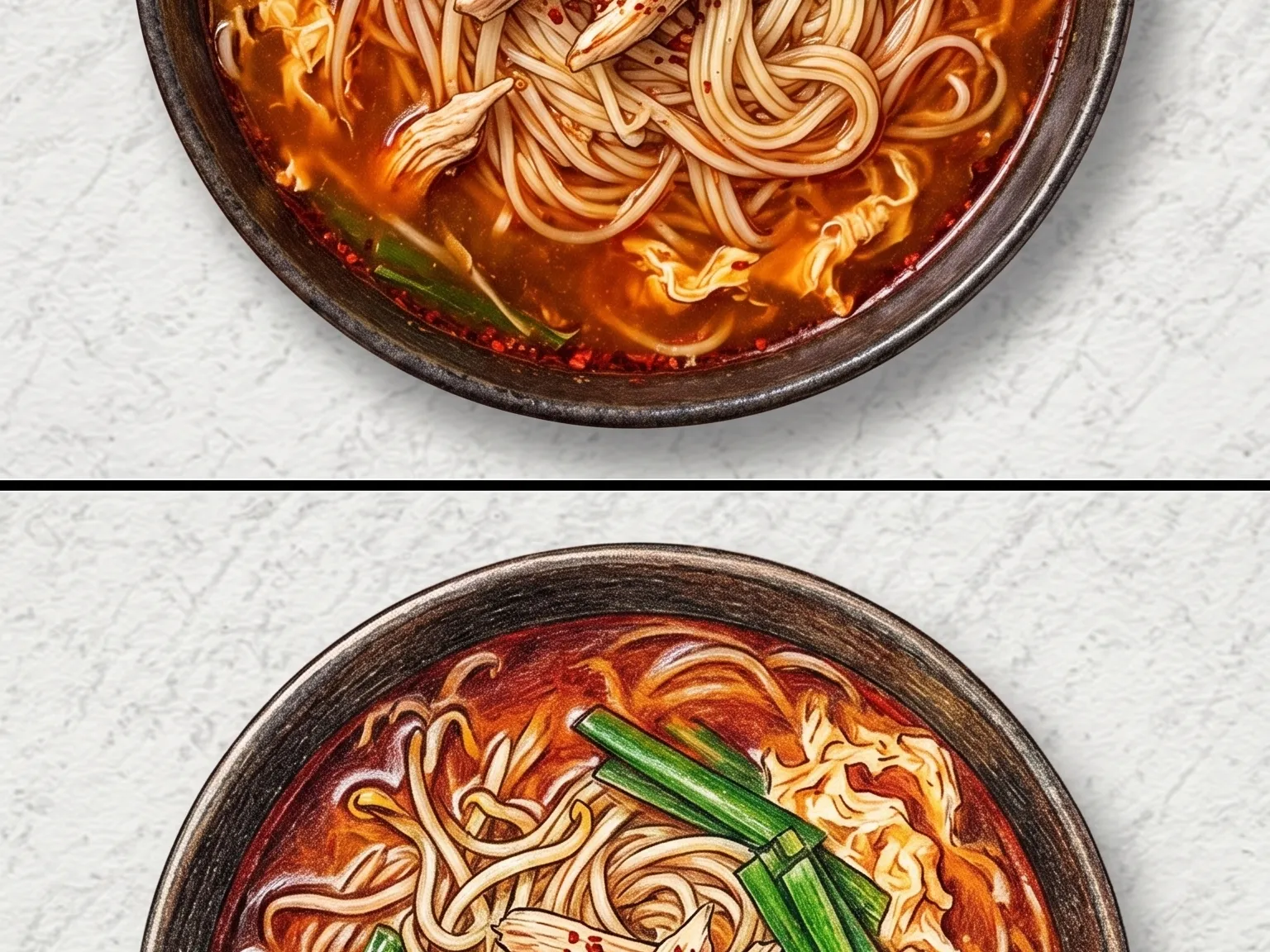
Jang kalguksu is a Gangwon Province style of knife-cut noodle soup defined by dissolving both gochujang and doenjang directly into an anchovy-kelp stock, a combination that sets it apart from standard kalguksu at a fundamental level. The fermented chili paste brings a spicy, rounded sweetness while the soybean paste contributes a dense, earthy richness, and together they build a broth with a complexity that neither ingredient could produce alone. An additional measure of gochugaru piles on a sharper chili heat, giving the soup its signature fiery edge. Potato breaks down as it simmers, naturally thickening the broth without any added starch, while zucchini releases sweetness, and onion and green onion round out the aromatics. Fresh-cut noodles have a smooth exterior and a springy, slightly resistant bite that clings well to the thick, rust-red broth. The dish originates from the mountainous interior of Gangwon Province, where it warmed workers through cold seasons, and the combination of deep umami and lingering heat still makes it one of the most satisfying one-bowl meals in Korean regional cooking.

Kimchi Garlic Butter Shrimp Spaghetti
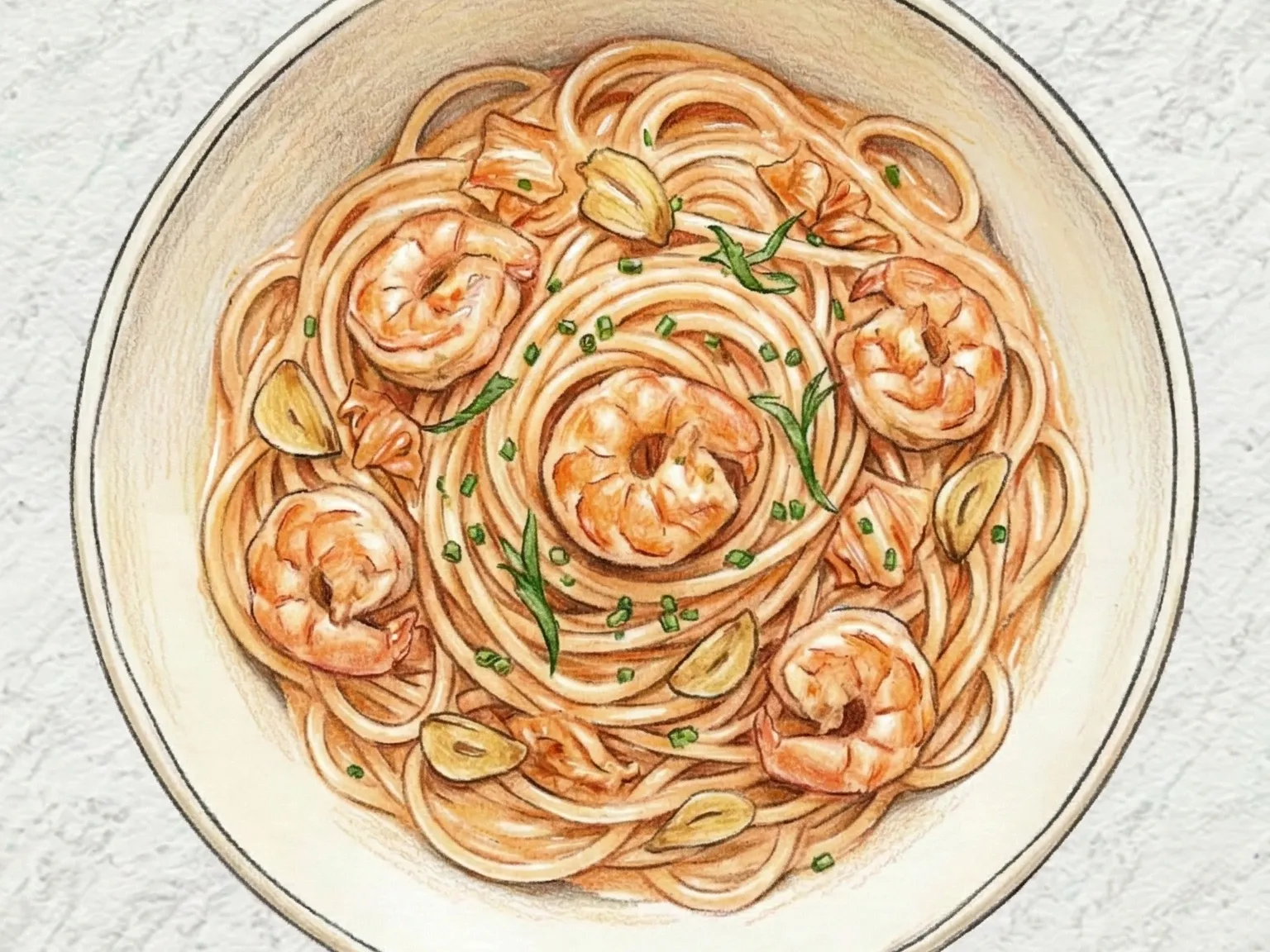
Kimchi garlic butter shrimp spaghetti is an oil-based pasta where garlic browned in butter and fermented kimchi together amplify the natural sweetness of shrimp. The shrimp are seared first in olive oil to build fond on the pan, then garlic and chopped kimchi go into the same pan to absorb those flavors. Butter and starchy pasta water are emulsified into a glossy, light coating rather than a heavy sauce. Gochugaru provides a gentle background heat, and a squeeze of lemon at the end lifts the richness. Sliced scallions finish the dish with color and a mild onion note.

Thai Beef Salad (Charred Sirloin Tossed in Lime-Fish Sauce)
Yam neua is a Thai beef salad where sirloin is seared on high heat until the surface is deeply charred but the interior remains medium, then sliced thin and tossed with cucumber, tomato, red onion, and torn mint in a lime-fish sauce dressing. Cooking each side for only two to three minutes keeps the center pink and tender, and resting the meat for five minutes before slicing prevents the juices from running out onto the cutting board. The dressing layers fish sauce umami under sharp lime acidity and chili flake heat, cutting through the rich beef fat with precision. Torn mint leaves scattered throughout provide a cool, aromatic pause between the spicy, sour bites. If the red onion's raw bite is too strong, soaking it in cold water for five minutes mellows it without losing its crunch.

Chicken 65 (South Indian Deep-Fried Spiced Yogurt Chicken)
Chicken 65 is a South Indian deep-fried chicken dish that traces its origin to the Buhari Hotel in Chennai, where it first appeared on the menu in 1965. The name has generated a minor mythology: one theory says it was the 65th item on the original menu, another claims the recipe calls for exactly 65 ingredients, and a third insists the chicken required 65 days of marination - none of which has been conclusively verified. The marinade is built around whole-milk yogurt, red chili powder, turmeric, and a coarse ginger-garlic paste, which work together to tenderize the chicken while depositing both heat and tang deep into the fibers. After marinating for several hours, the pieces are dusted in cornstarch and fried until the exterior forms a thin, crackling shell while the interior stays moist from the dairy in the marinade. The dish is not finished after frying. The fried chicken goes back into a hot pan where it is tossed briskly with curry leaves, whole dried red chilies, and mustard seeds in a small amount of oil. When curry leaves hit hot fat, they release a distinctive aroma - something between roasted nuts and citrus peel - that clings to the surface of each piece and layers over the chili-yogurt flavors already present. This double-cooking method is what separates chicken 65 from generic fried chicken. Originally a bar snack in South India's pub culture, it spread across the subcontinent and now appears on menus everywhere from Bangalore to Delhi. The heat level varies significantly by restaurant, ranging from gently warming to genuinely tongue-numbing.

Korean Spicy Seasoned Deodeok
Deodeok - Codonopsis lanceolata - is a mountain root that has been used in Korean cooking and folk medicine for centuries. Its flesh is fibrous, sticky, and carries a ginseng-like bitterness that becomes pronounced when the root is raw. Peeling and pounding with a mallet splits the fibers into rough, ribbon-like shreds with a textured surface that holds seasoning well. A soak in cold water draws out the sharpest of the bitterness before the root is drained and tossed. The dressing - gochujang, vinegar, minced garlic, sugar, and gochugaru - is sweet, sour, and spicy in roughly equal measure, tempering the root's wild, resinous character while leaving the chewy texture intact.

Korean Spicy Pork Rice Bowl
Pork shoulder is sliced into strips, marinated in gochujang, chili flakes, soy sauce, garlic, and sugar for ten minutes, then stir-fried over high heat until the edges caramelize. Onion goes in first to build sweetness, and green onion added at the end brings a sharp, fresh bite that cuts through the spicy-sweet glaze. A final drizzle of sesame oil rounds out the aroma. Served over steamed rice, the bold sauce coats every grain, making this a satisfying single-bowl meal that comes together in under thirty minutes.

Korean Spicy Pork Duruchigi
Duruchigi is a Korean spicy pork stir-fry made by flash-cooking sliced pork shoulder with onions and scallions in a gochujang-based sauce over high heat. Pork shoulder has a balanced ratio of fat to lean meat, which prevents it from drying out even at the high temperatures required for a proper stir-fry. The intense heat chars the edges of the meat slightly and introduces a smoky wok flavor that deepens the dish beyond what the seasoning alone provides. Gochujang contributes fermented chili heat and a savory, slightly sweet undertone, while added sugar reinforces that sweetness, and scallions provide a sharp, clean finish in the back of the palate. Cooking the onion first to soften before adding the meat controls the amount of liquid released and keeps the sauce from becoming watery. Duruchigi works as a straightforward rice side dish, wrapped in lettuce leaves, or as the protein base for fried rice with the leftovers. It ranks among the most dependable everyday pork dishes in Korean restaurants and home kitchens, and also sees regular use as a late-night snack or drinking table side.

Korean Kimchi Ramen Pancake
Kimchi ramyeon jeon is a Korean pan-fried pancake made with slightly undercooked ramen noodles mixed into a batter of pancake mix, chopped fermented kimchi, green onion, and red chili flakes. The noodles are boiled for only two minutes, leaving them firm enough to hold their structure in the pan; fully cooked noodles turn soft and collapse into the batter, losing all chew. The residual heat from pan-frying finishes the cooking while the noodles stay springy. Kimchi brings its fermented sourness and the chili flakes add heat, both layering over the mild, savory flavor of the batter. Spreading the mixture thin before frying allows the edges to crisp all the way through. The wavy, coiled shape of ramen strands creates an uneven surface on the pancake, producing irregular pockets and ridges that fry up especially crunchy. It is a popular late-night snack or a practical way to use leftover ramen blocks.

Korean Spicy Stir-fried Cartilage
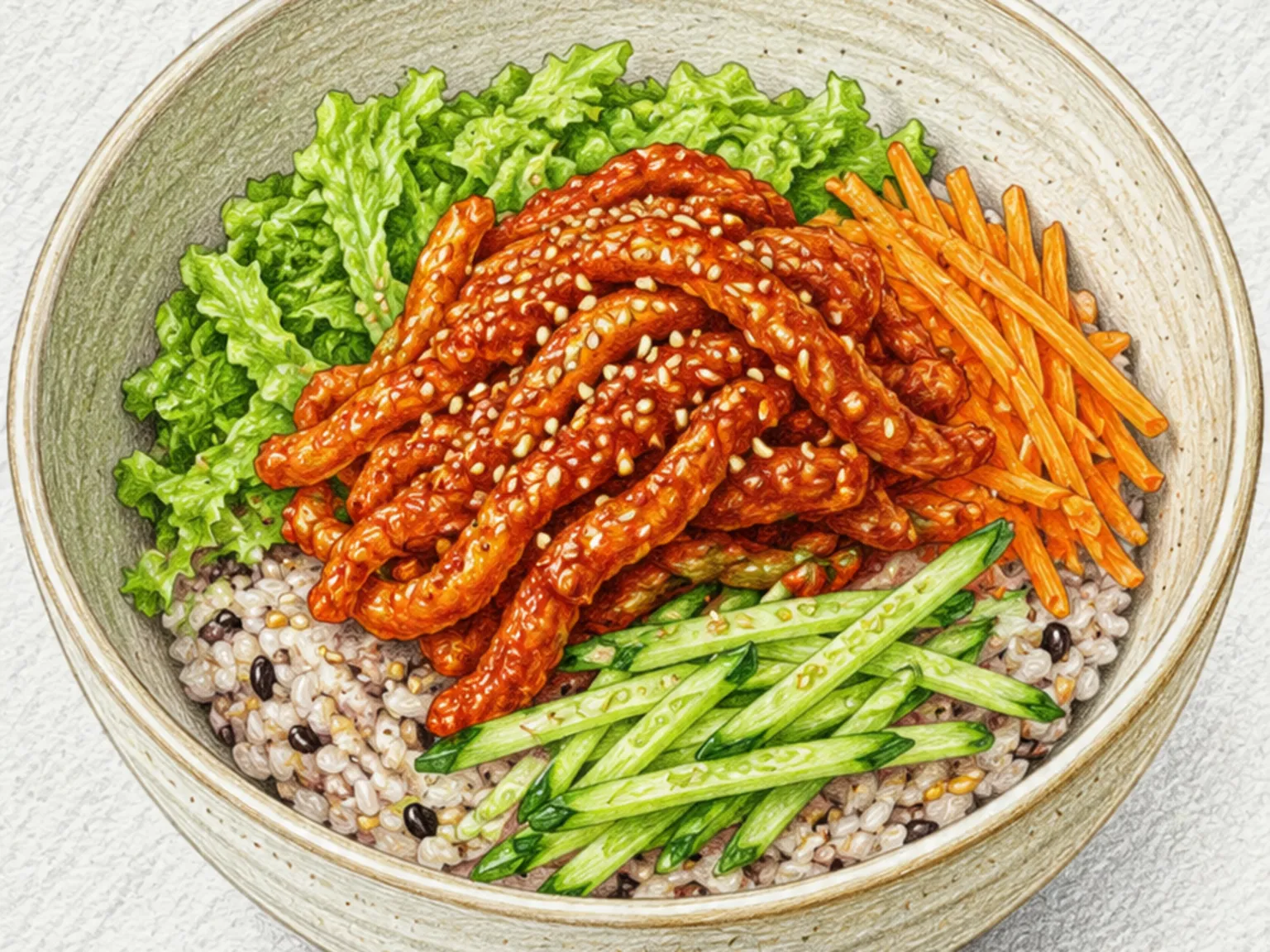
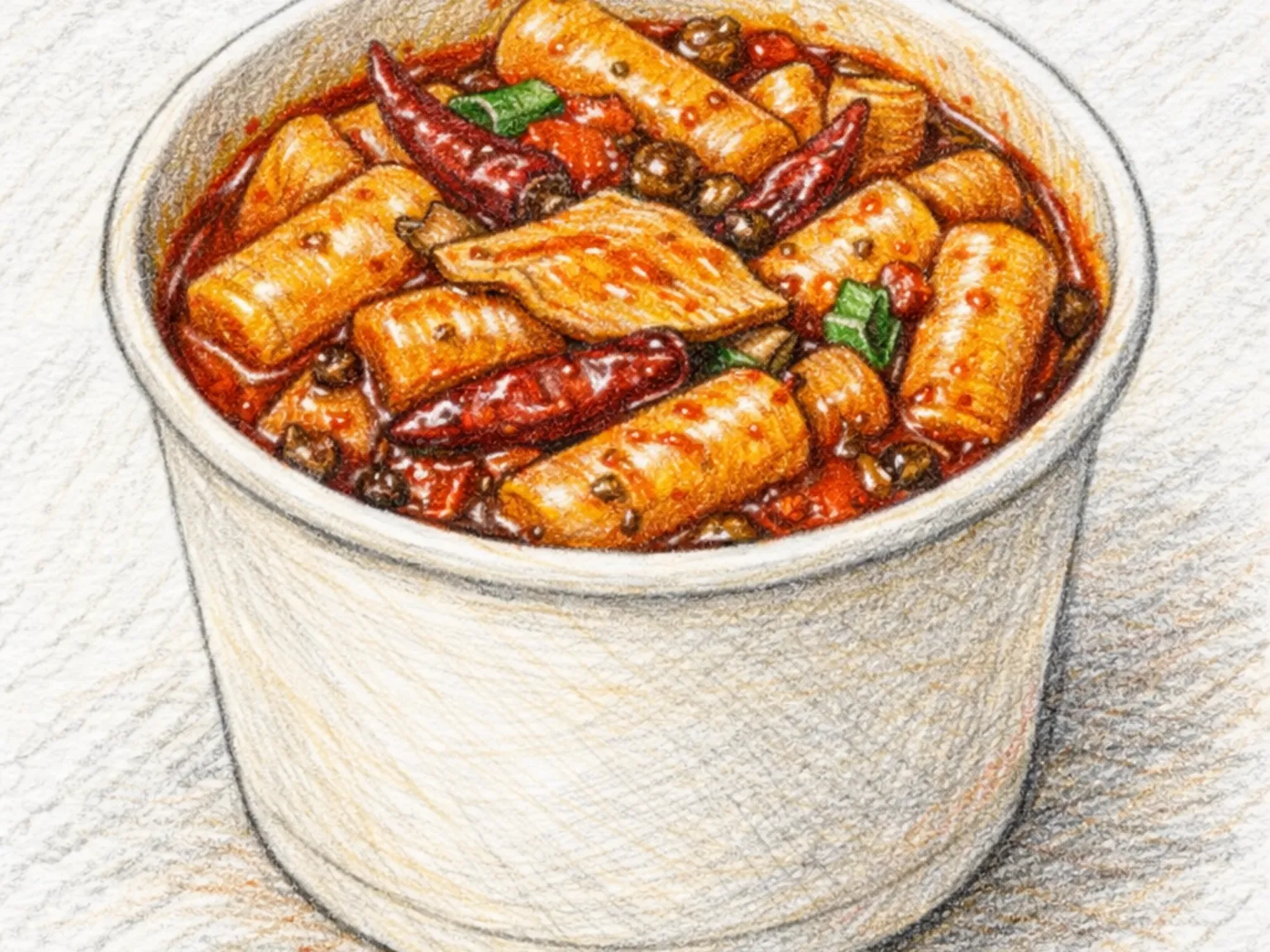
Odolppyeo-bokkeum is a fiery Korean stir-fry of chicken cartilage marinated in a sauce of gochujang, gochugaru, soy sauce, garlic, and sugar, then cooked at maximum heat for a short burst. The cartilage delivers a distinctive crunch-then-chew that no other cut can replicate, and thorough drying with paper towels before marinating ensures the sauce clings directly to the surface. After ten minutes of marinating, the cartilage hits a ripping-hot oiled pan to pick up smoky wok char, followed by onion, green onion, and hot green chilies that are tossed until all moisture evaporates and the glaze turns glossy. Keeping the total stir-fry time brief is critical, since prolonged cooking turns the cartilage from pleasantly crunchy to unpleasantly tough.

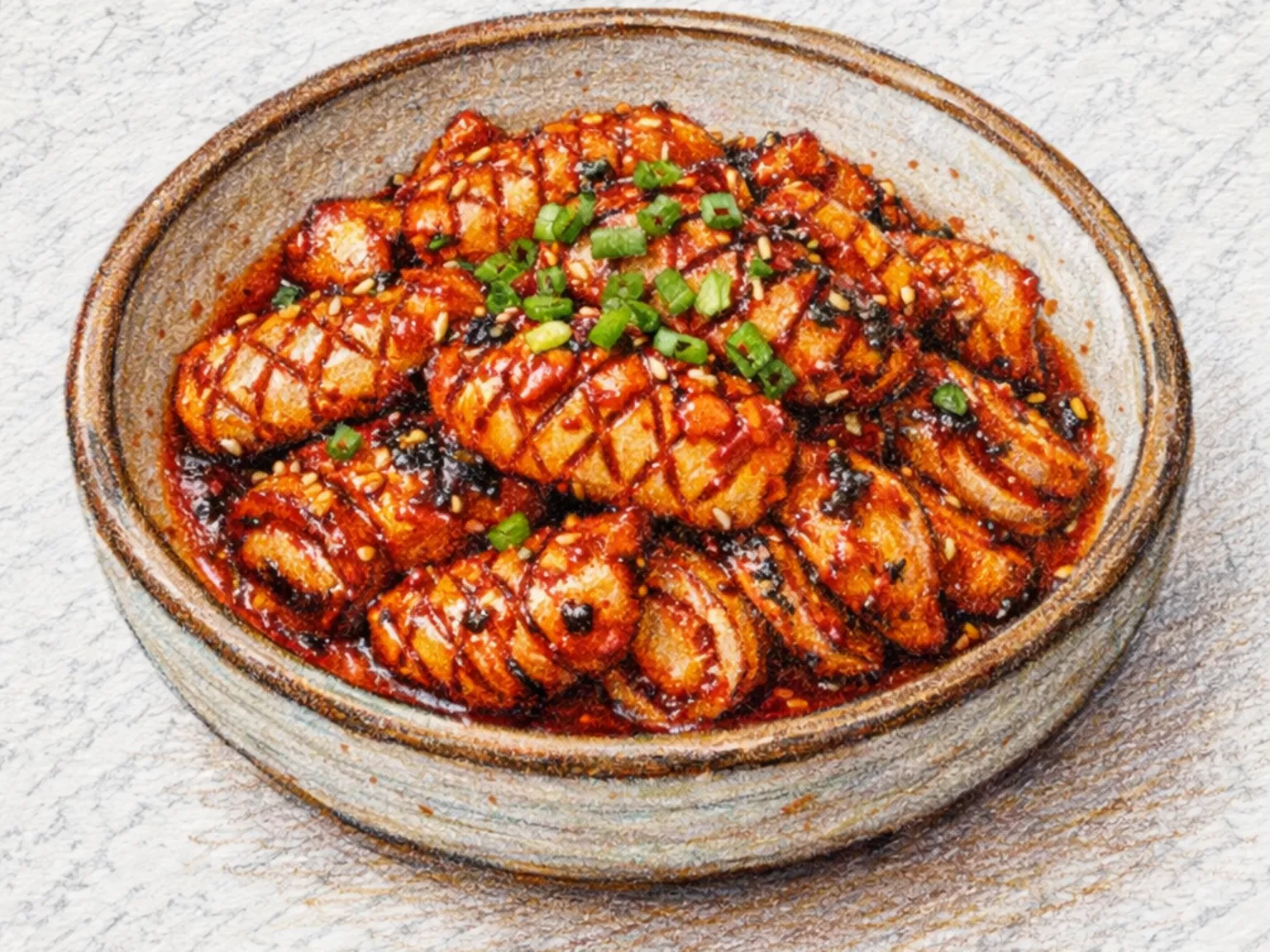
Korean Kkomak Yangnyeom Gui (Spicy Grilled Cockles)
Cockles are purged in salt water, blanched for just two minutes in boiling water until they open, then topped with a sauce of gochujang, chili flakes, soy sauce, garlic, sugar, and sesame oil before grilling over high heat for three to four minutes. Keeping the blanch to two minutes is the key step: longer cooking shrinks the flesh and makes it rubbery, while a brief blanch leaves the cockles firm, bouncy, and moist inside. The strong flame rapidly caramelizes and reduces the sauce into a spicy, salty crust on the surface while the interior stays juicy. A final thirty seconds over open flame, where available, adds a distinct smokiness that deepens the overall flavor. The cooking liquid that pools at the bottom of the pan, a mix of the seasoning paste and the brininess released by the cockles, is intensely savory and works well spooned over rice. Cockle season runs from winter through early spring, when the flesh is at its fullest and most flavorful.

Korean Seafood Hot Pot Soup
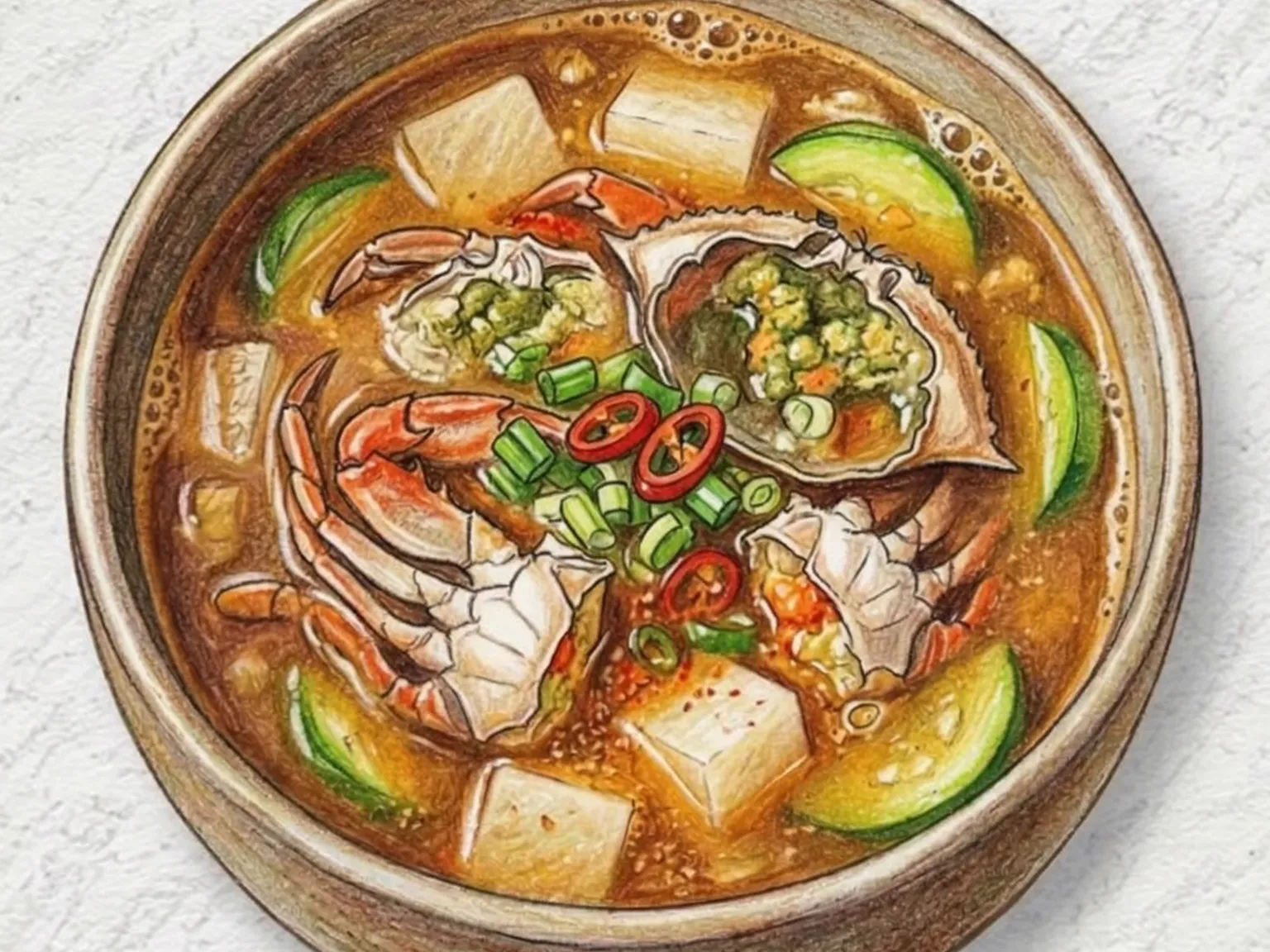
Haemul-tang is a Korean seafood hot pot that throws together crab, shrimp, clams, and squid in a fiery, brick-red broth. The liquid starts with gochugaru and plenty of garlic, building a spicy base that the seafood then amplifies with its own briny juices. Radish chunks soften as the pot bubbles, thickening the broth slightly and adding a cool sweetness behind the heat. Green onions and cheongyang peppers go in toward the end for a sharp, vegetal bite. The magic of haemul-tang lies in the convergence of flavors: crab shells release a sweet, crustacean stock; clams open to spill their liquor; shrimp and squid contribute distinct textures from snappy to chewy. The pot is brought to the table still at a rolling boil, and diners pick through the shells and tentacles while the broth continues to concentrate.

Cheonggukjang Jjigae (Korean Fermented Soybean Stew)
Cheonggukjang is a stew made from fast-fermented soybean paste. The short fermentation period produces a pungent, assertive aroma that mellows into a deeply nutty, savory flavor once the pot comes to a boil. Kimchi, zucchini, tofu, and onion are added to the bubbling liquid, each absorbing the thick, earthy broth as it simmers. Traditionally served piping hot in a stone pot, the stew is poured directly over freshly steamed rice -- a combination that represents one of the most enduring forms of Korean home cooking.

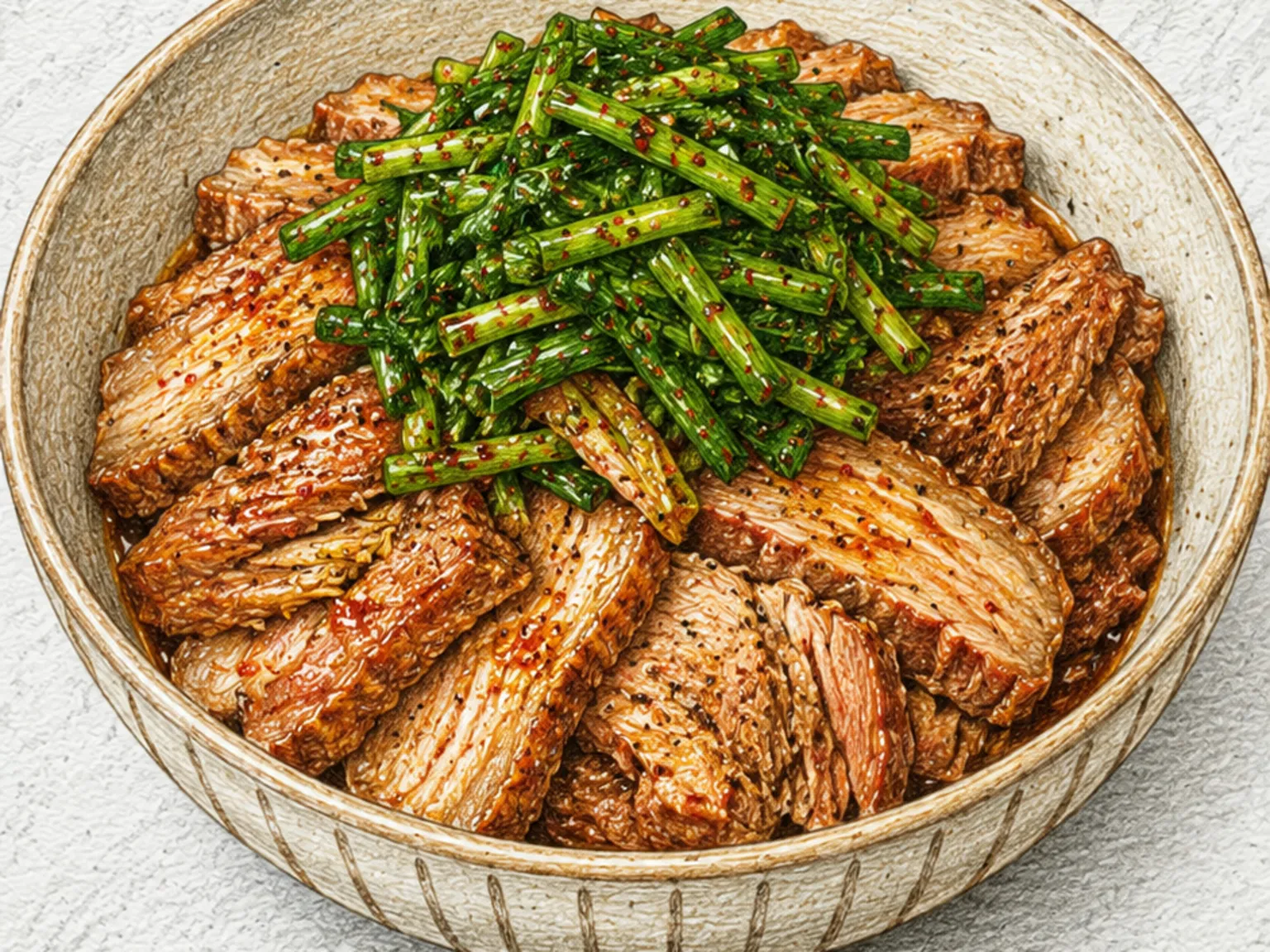
Korean Braised Pork Backbone
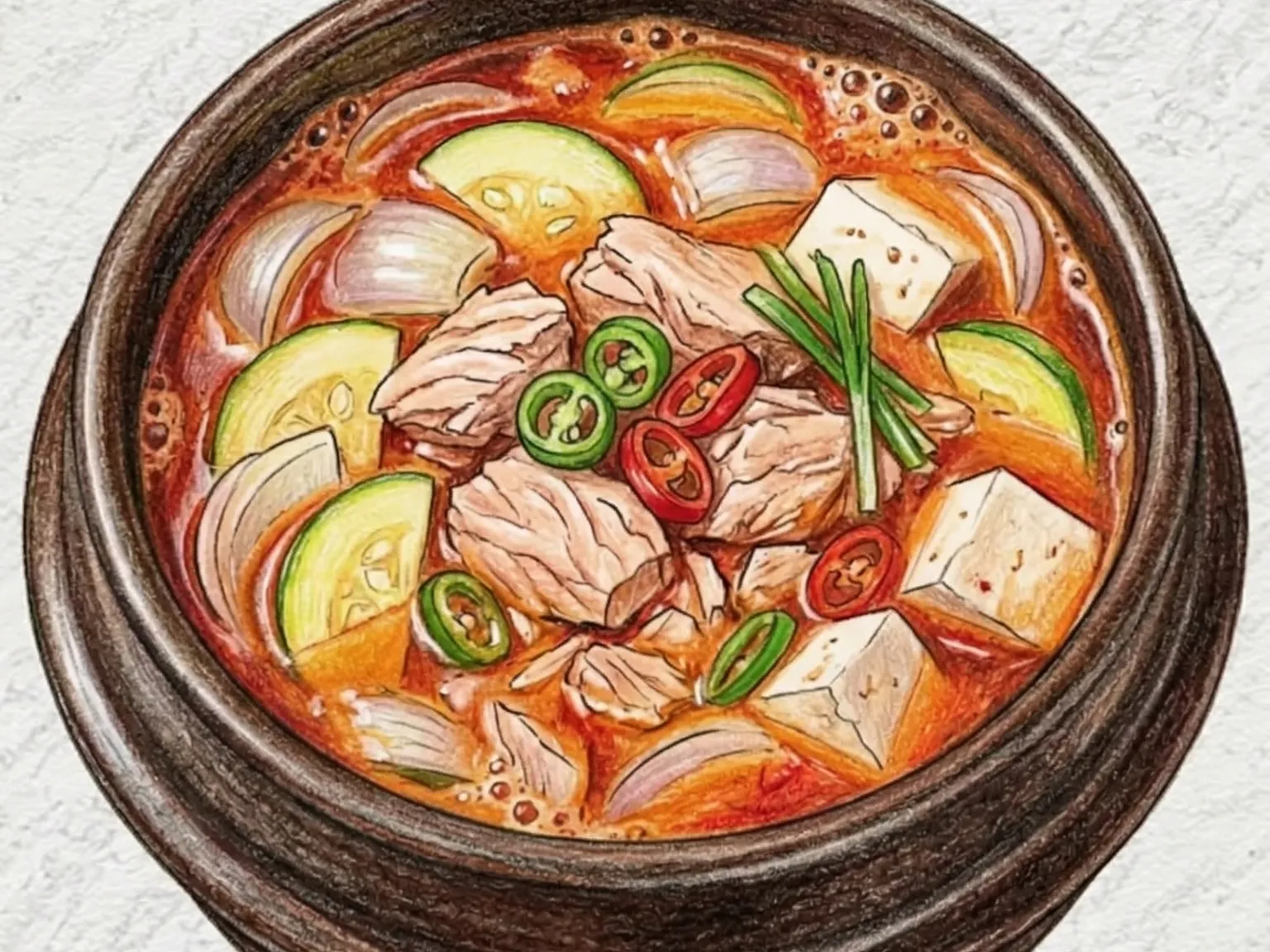
Deungppyeo-jjim is pork backbone braised with potato and green onion in a sauce built from doenjang, gochugaru, and soy sauce. After a long, slow simmer the meat tucked between the vertebrae and the cartilage separates from the bone without effort. Doenjang lays a deep, fermented underpinning to the broth while gochugaru brings a sharp, clean heat on top. The potatoes cook until they soften enough to fall apart at the press of a spoon, absorbing the thick, dark cooking liquid around them. Digging out the meat lodged between the bones is part of the pleasure, which is why the dish has long been a favourite pairing with soju. The rich, dense broth also makes it an easy choice for eating over a bowl of steamed rice.

Korean Spicy Pollock Tripe Jeotgal
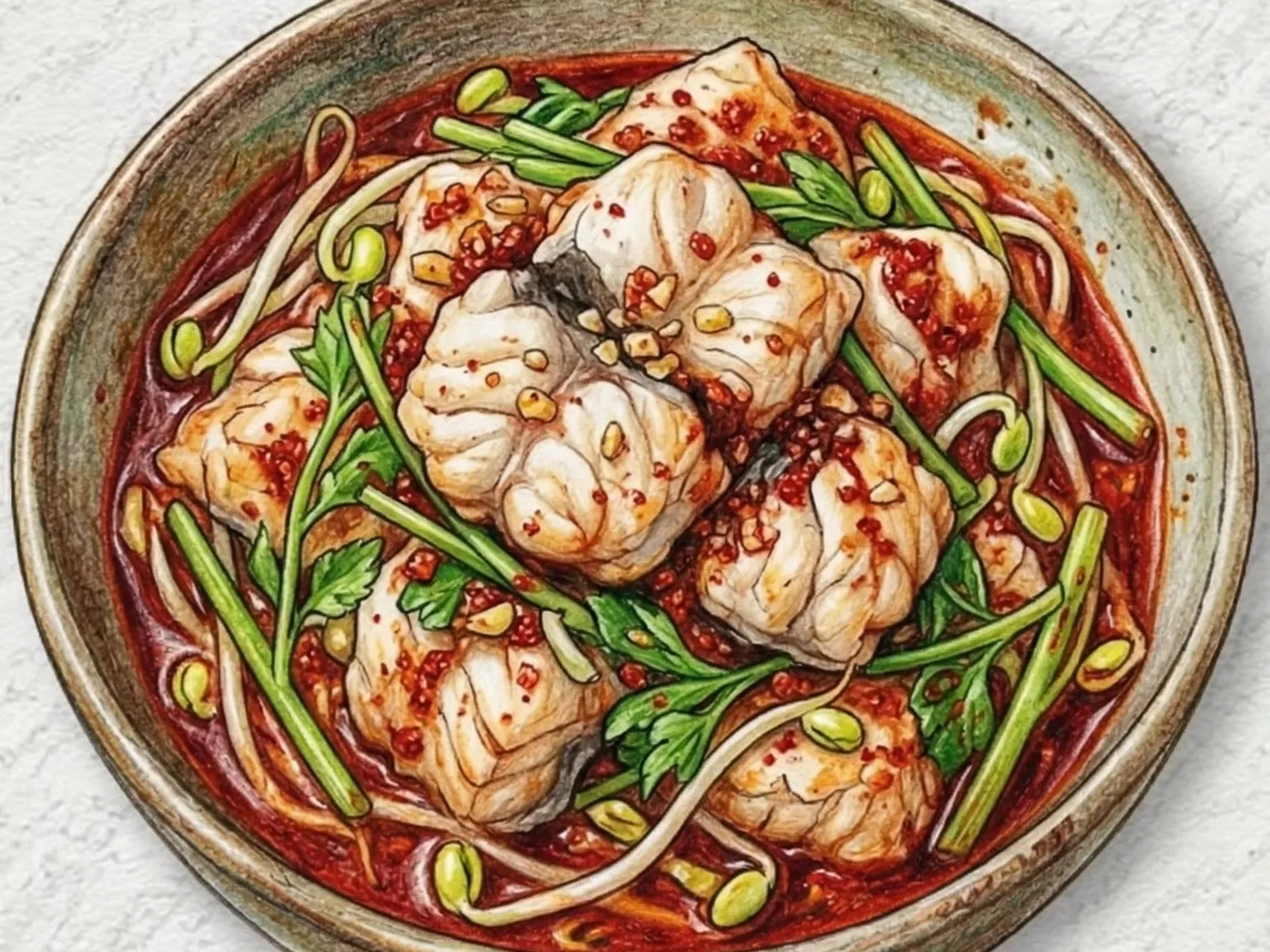
Changnan jeotgal is a traditional Korean fermented condiment made from pollock tripe that is cleaned thoroughly, salted with coarse salt for thirty minutes to firm the texture and draw out moisture, then seasoned with gochugaru, garlic, ginger, and fish sauce. Meticulous washing and complete drying of the tripe are essential for a clean-tasting result. The chili flakes and fish sauce develop a complex, salty savory depth during fermentation, while a small amount of sesame oil rounds out the aroma. Sealed and refrigerated for at least three days, the jeotgal deepens in flavor over time, with the tripe taking on a more concentrated tang and firmer bite as fermentation progresses. Even a small portion placed on hot steamed rice delivers an intense savory punch.

Korean Spicy Pork Mixed Noodles
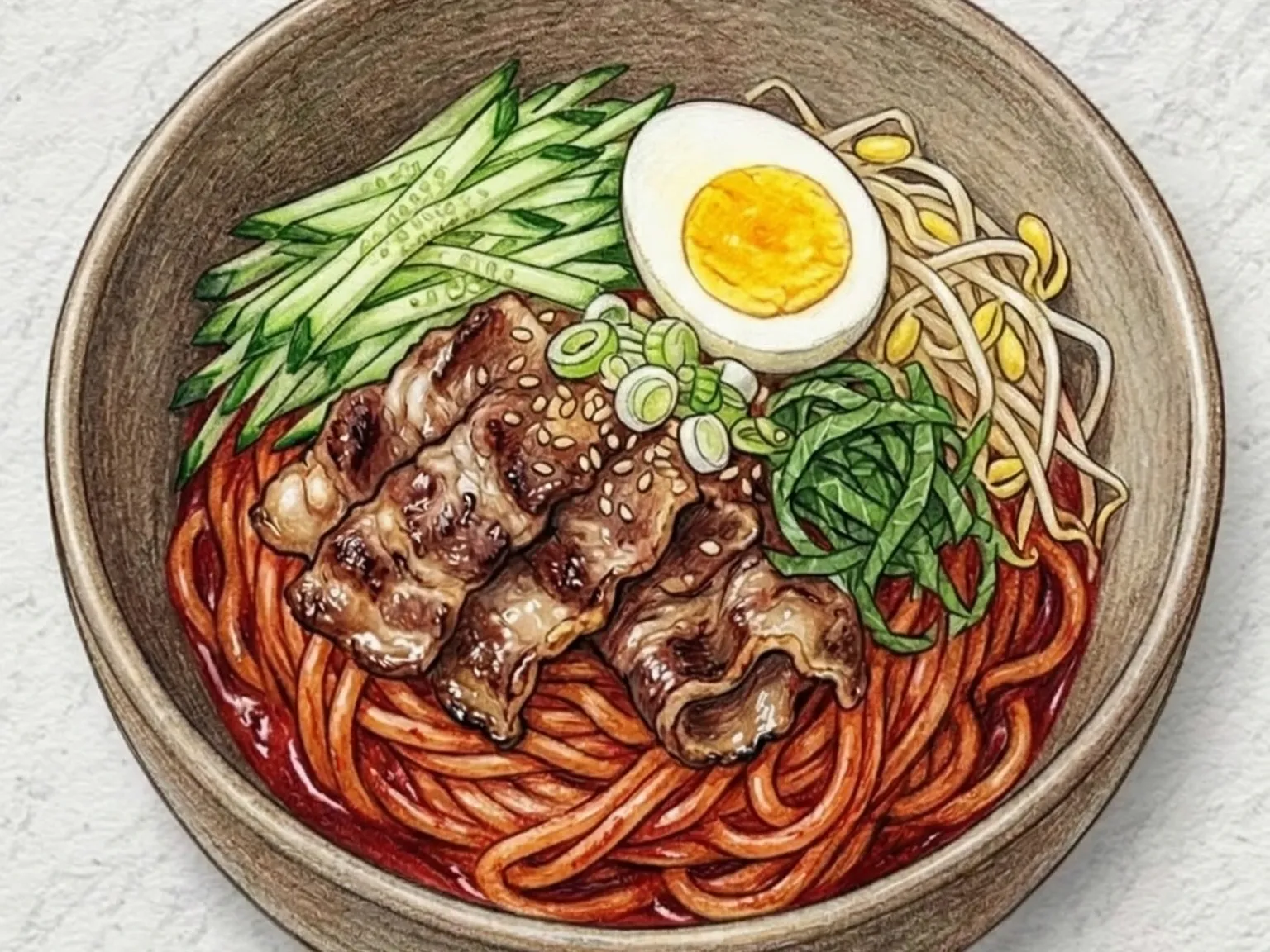
Jeyuk bibim-guksu tops cold mixed noodles with stir-fried spicy pork, combining two popular Korean preparations into one bowl. Pork shoulder is marinated in gochujang and gochugaru, then seared quickly so the edges caramelize while the inside stays moist and tender. Shredded cabbage and onion provide a crisp contrast to the sauced pork, and soy sauce with sugar balances the heat with savory sweetness. The temperature contrast between chilled somyeon noodles and hot, sizzling pork creates a distinctive eating experience that is one of the dish's defining pleasures. Keeping the noodles and the pork separate until the moment of serving prevents the somyeon from absorbing moisture and going soft. A final drizzle of sesame oil adds a nutty send-off.