Tuna Potato Salad (Japanese Creamy Tuna and Potato Mix)
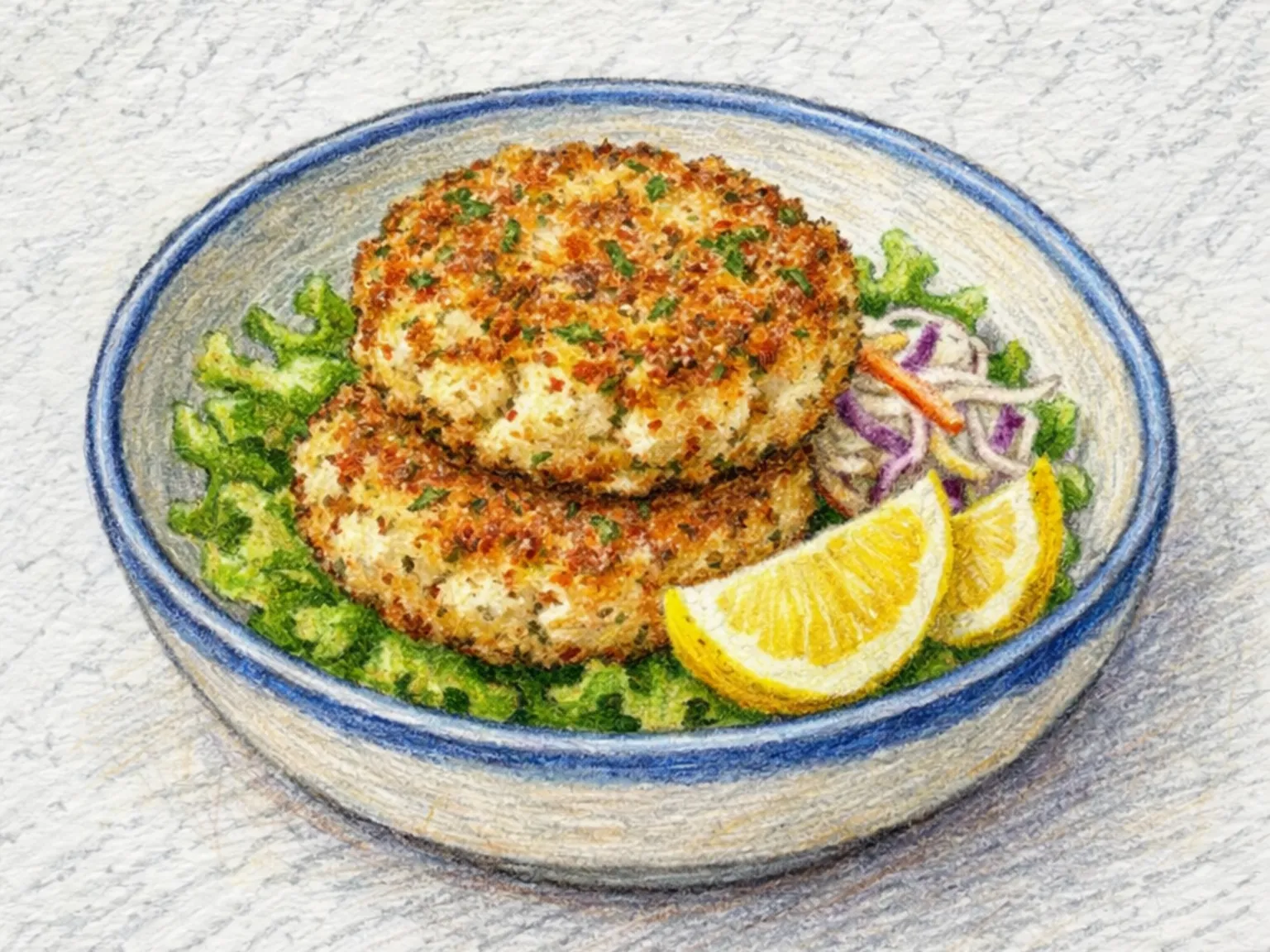
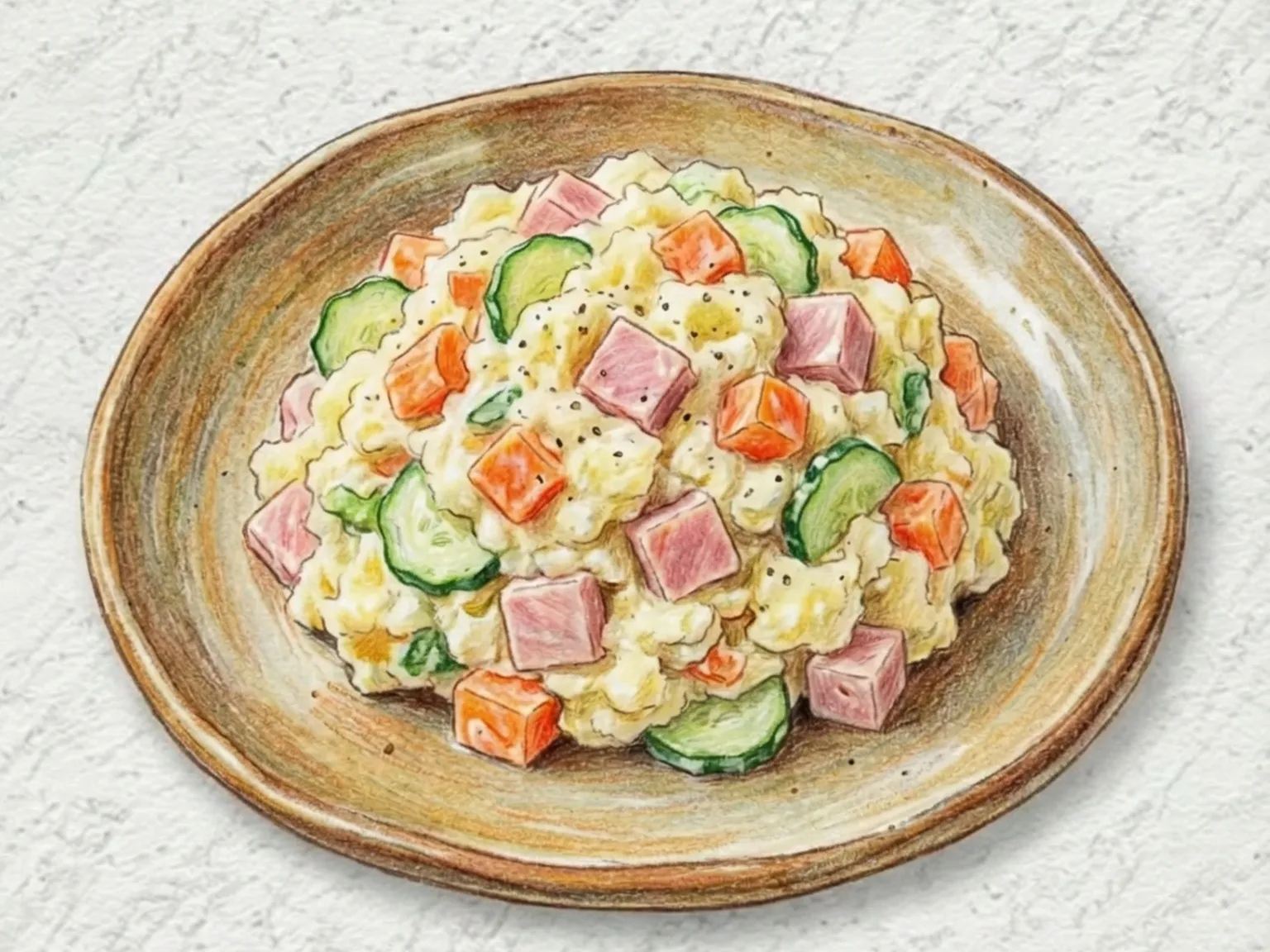
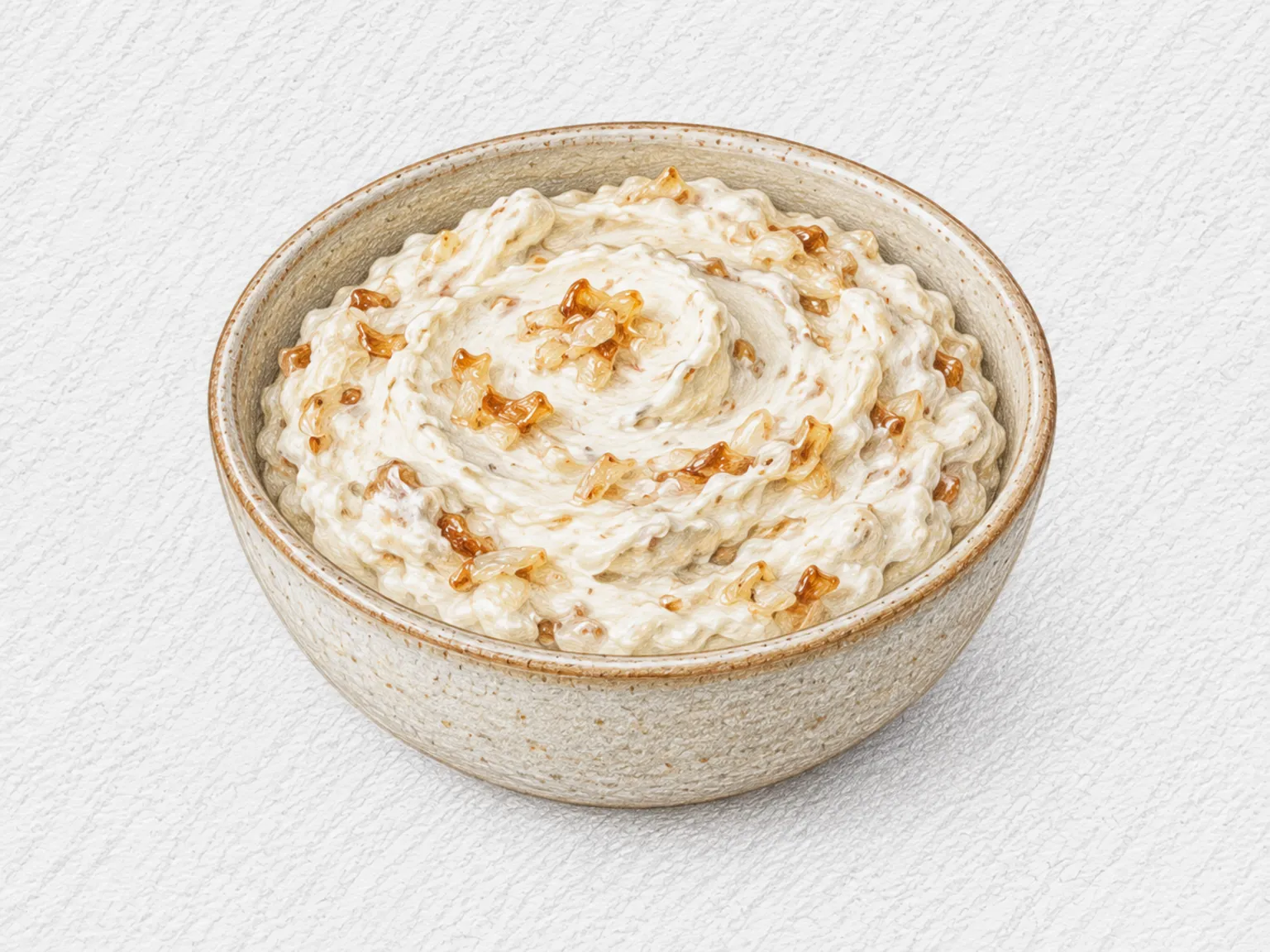
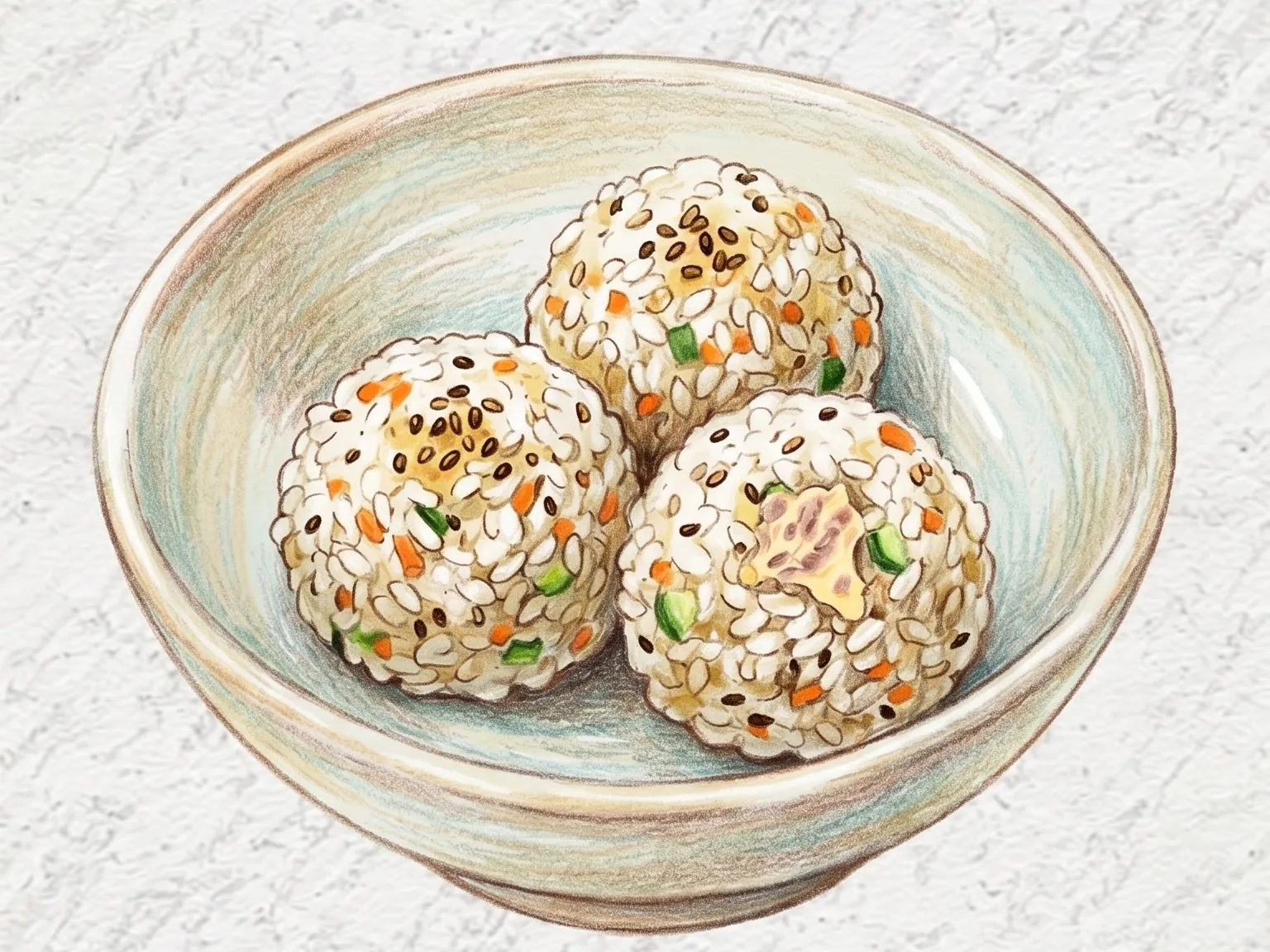
Tuna potato salad mashes boiled potatoes while still hot, then folds in drained canned tuna, salt-pressed cucumber, carrot, and onion with mayonnaise and whole grain mustard. Mashing the potatoes warm keeps the starch active, which bonds more effectively with the mayonnaise for a creamier result - but over-mashing turns the texture gluey, so leaving some chunks is ideal. Salting the chopped vegetables for five minutes and squeezing out the released moisture is essential to prevent a watery salad. The tuna must also be drained thoroughly in a strainer to keep the flavor clean. Whole grain mustard adds a peppery sharpness that cuts through the richness of the mayonnaise, and a twenty-minute chill in the refrigerator lets all the flavors meld evenly.

Reuben Sandwich
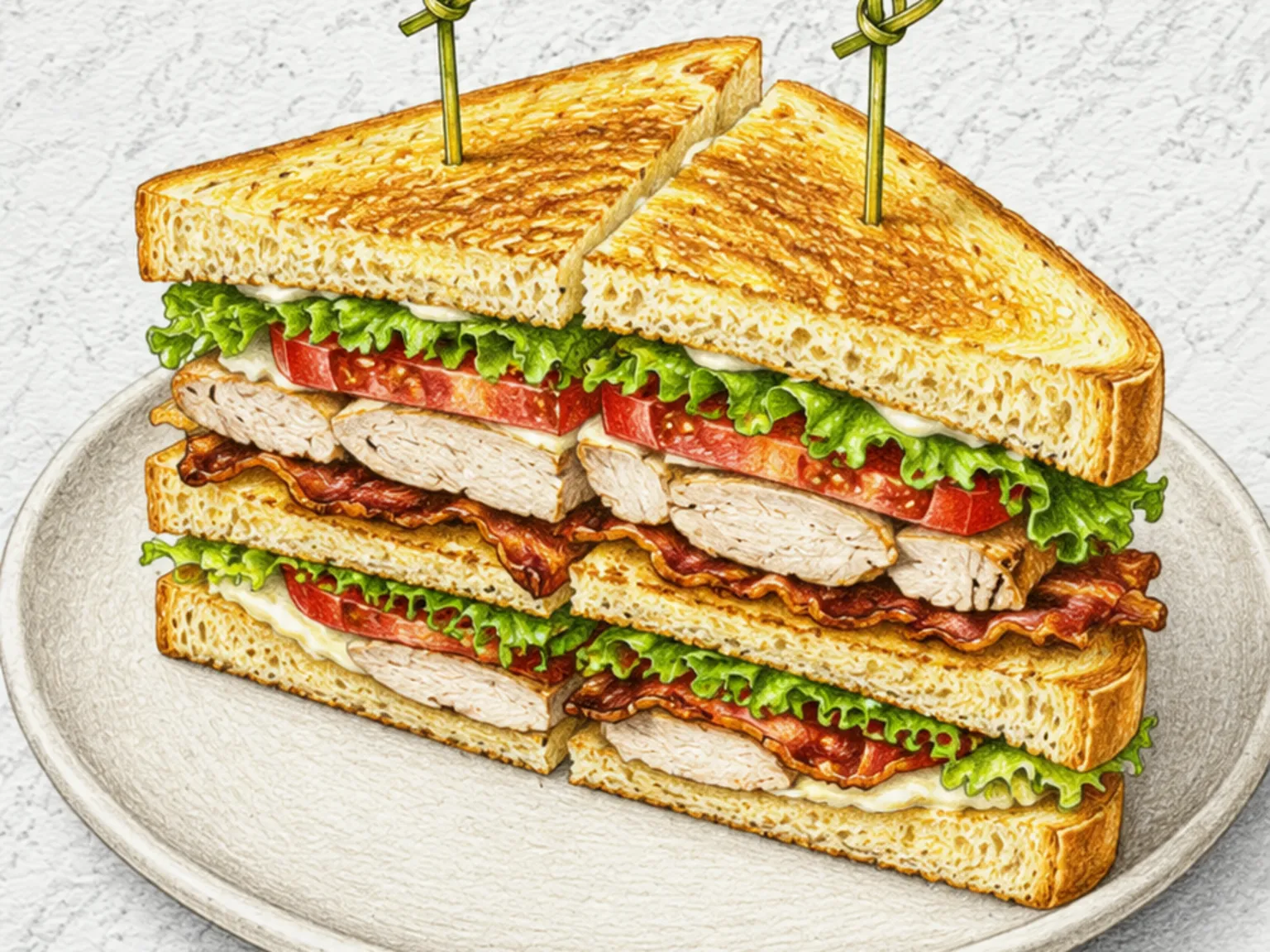
Reuben sandwich layers sliced corned beef, well-squeezed sauerkraut, and Swiss cheese between rye bread spread with mayonnaise, then griddled with butter on the outside until golden and crisp. Removing excess moisture from the sauerkraut is the most important step - residual water makes the bread soggy and prevents the cheese from melting properly. Cooking over medium-low heat for three to four minutes per side gives the bread time to turn deeply golden while the interior cheese melts fully, binding all the fillings together. Each bite combines the salty depth of corned beef, the fermented tang of sauerkraut, and the rich milkfat of Swiss cheese in a layered contrast of flavors.

Osaka-Style Takoyaki (Japanese Octopus Ball Street Snack)
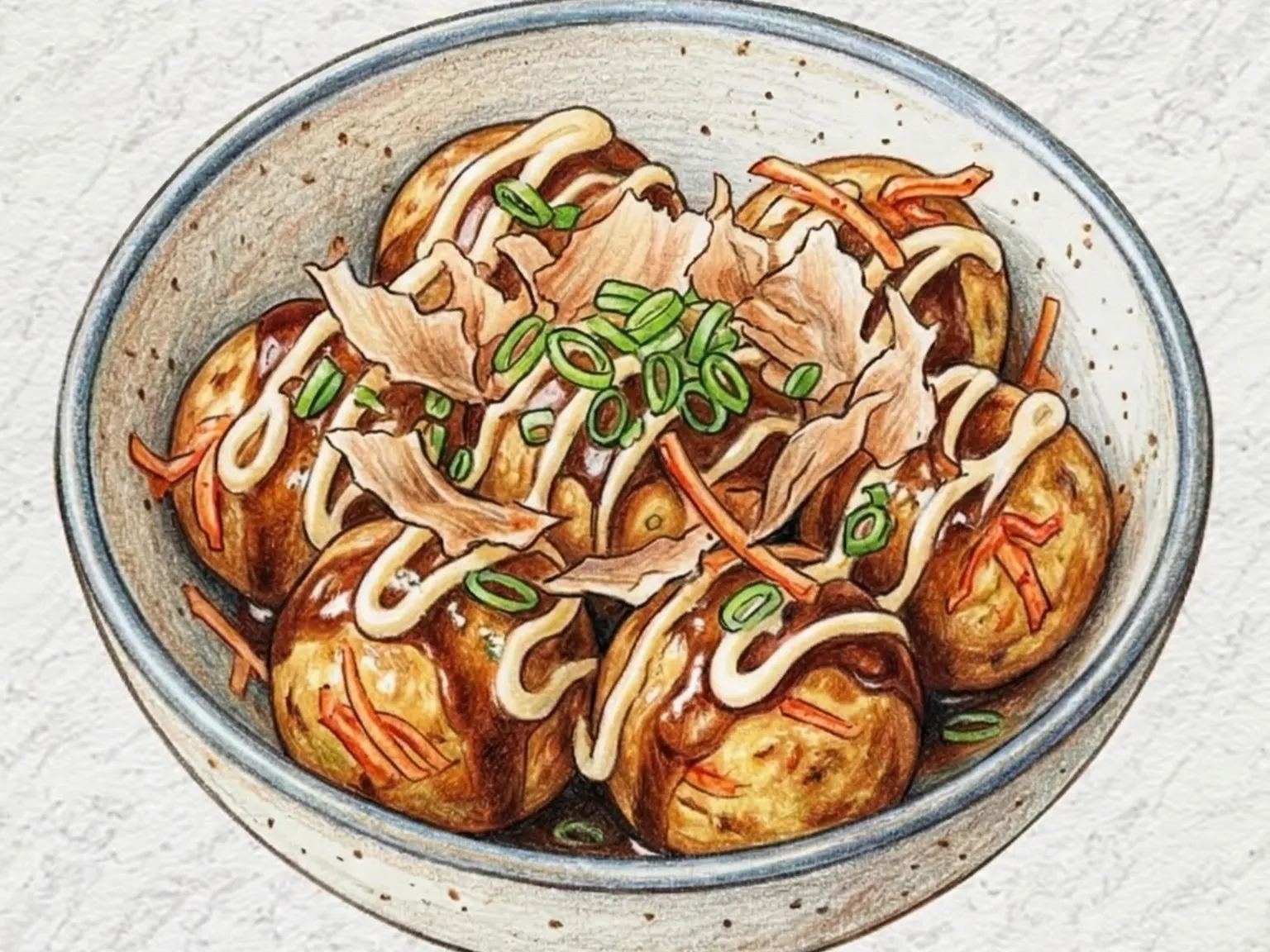
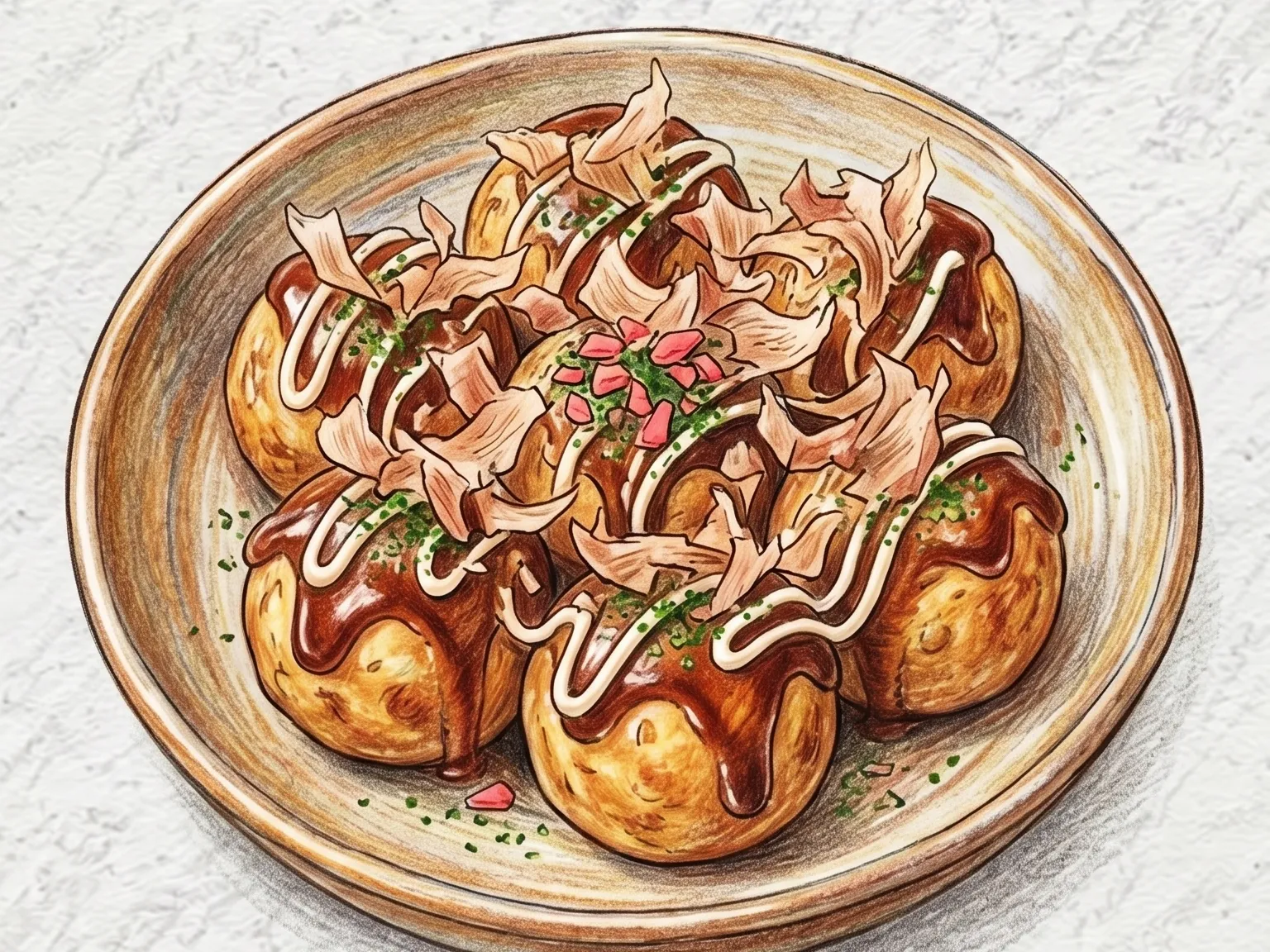
Osaka-style takoyaki are spherical batter balls filled with diced octopus, a street snack so closely tied to Osaka that it serves as an unofficial symbol of the city. The batter is deliberately thin and watery-flour, eggs, and dashi stock whisked together-which is what creates the signature contrast between a lightly crisp shell and a molten, custardy interior. Each well of the specialized cast-iron pan receives a pour of batter, a chunk of boiled octopus, sliced green onion, tenkasu tempura flakes, and pickled red ginger. As the edges set, each ball is rotated ninety degrees at a time with a pointed pick until it forms a perfect sphere. The finished takoyaki are lined up and drizzled with a thick, tangy-sweet takoyaki sauce and Japanese mayonnaise, then crowned with a flurry of bonito flakes that wave in the rising heat. The octopus delivers a chewy, briny bite at the center of each molten ball.

Pork Cutlet Sandwich
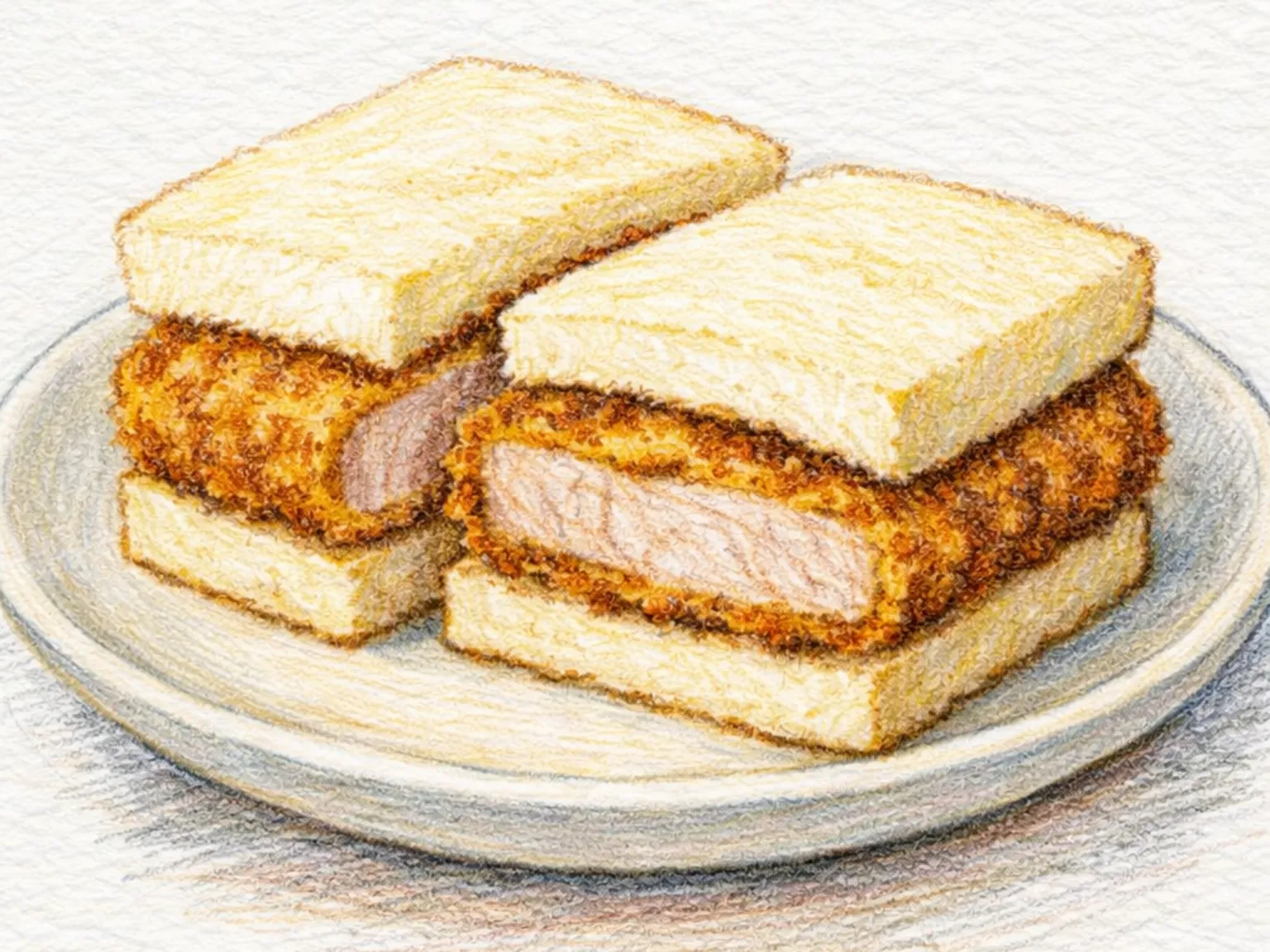
Katsu sando is a Japanese sandwich built around a thick pork loin cutlet breaded in flour, egg, and panko, then deep-fried at 170C until the exterior turns a deep, even gold. The cutlet rests on soft milk bread generously spread with tonkatsu sauce, and a layer of shredded cabbage dressed in mayonnaise goes in between. The contrast between the cutlet's rigid panko crust and the yielding bread is what defines the sandwich, while the mayo-dressed cabbage absorbs some of the richness and keeps the whole thing from feeling heavy. Wrapping the assembled sandwich firmly in plastic wrap and resting it for three minutes gives the sauce time to soak into the bread, producing a clean cross-section when cut. Draining the cutlet upright for a minute after frying removes surface oil and prevents the bread from going soggy. Using fine-ground fresh panko rather than dried gives the crust a slightly denser, more refined texture.

Tuna Melt
Tuna melt mixes drained canned tuna with finely diced celery and mayonnaise, spreads the mixture on sandwich bread, tops it with cheddar cheese, butters the outside, and grills in a pan until both sides are crisp and golden. Draining the tuna thoroughly is the first priority - excess moisture soaks into the bread and prevents it from crisping no matter how long it cooks. The celery adds a textural crunch that contrasts with the soft, creamy tuna filling. Using several thin slices of cheese rather than one thick piece ensures more even melting and full coverage across the bread. Medium-low heat is essential: it gives the cheese enough time to melt completely before the bread burns, which high heat makes nearly impossible. The sandwich is best served immediately after cutting in half, while the cheese is still stretchy and warm.

Kimchi Octopus Balls (Korean-Style Takoyaki with Fermented Kimchi)
Kimchi takoyaki fills a takoyaki pan with a thin batter of takoyaki flour, water, and egg, then drops boiled octopus, drained kimchi, and chopped scallion into each well before rotating the rounds with a skewer as they set. The exterior crisps into a thin, golden shell while the inside stays loose and creamy, and the octopus's springy resistance meets the kimchi's tangy heat within the mild, savory batter. Squeezing the kimchi thoroughly dry before adding it is essential - residual liquid thins the batter and prevents clean browning. Leaving the balls untouched for a full minute allows the bottom to set before any turning begins. Finished with takoyaki sauce, mayonnaise, and a flutter of bonito flakes on top, each piece delivers a layered combination of salty, rich, and umami.

Waldorf Salad
Classic American salad of apple, celery, and walnuts in mayonnaise dressing, created at New York's Waldorf Astoria Hotel.

Korean Maekom Mayo Yubu Pocket (Spicy Mayo Tofu Pockets)
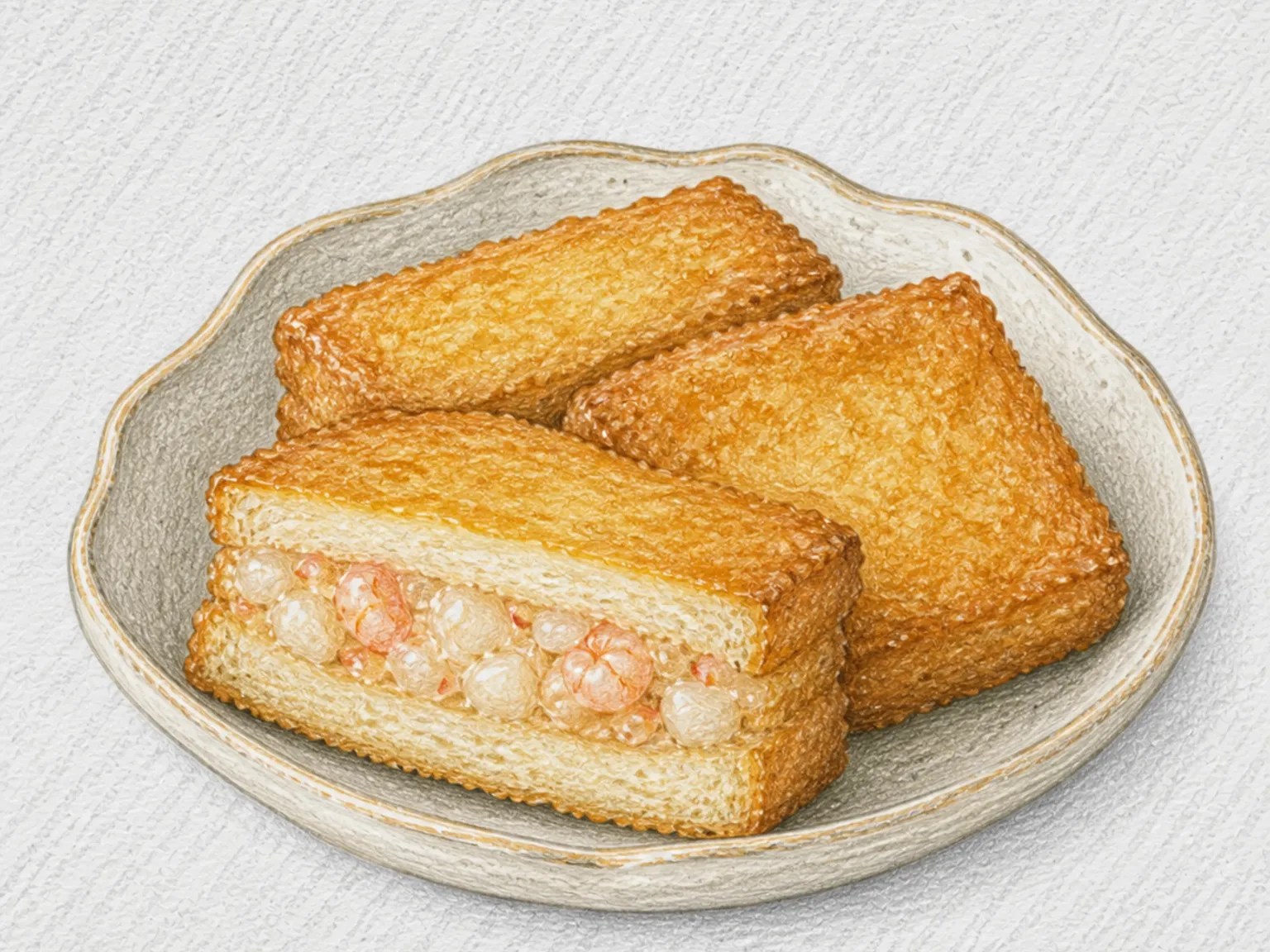
Spicy mayo yubu pockets are seasoned tofu pouches stuffed with rice, canned tuna, chopped pickled radish, and cucumber, all bound together with a gochujang-mayonnaise sauce. The tuna must be thoroughly drained before mixing so the mayonnaise coats evenly, and the ratio of gochujang to mayo controls both the heat level and the creamy consistency of the filling. Diced pickled radish and cucumber introduce a satisfying crunch that keeps each bite from feeling heavy. Sesame oil and toasted sesame seeds mixed into the rice build a nutty foundation that balances the spice from the sauce. The sweet and salty braised tofu pouch wraps around everything, delivering multiple layers of flavor in a single bite. These pouches pack well for lunch boxes and hold up in the refrigerator, where the tofu slowly absorbs moisture from the filling and becomes even softer.

Classic Wedge Salad
Wedge salad is a classic American steakhouse salad featuring crisp iceberg lettuce wedges topped with creamy blue cheese dressing, bacon, and fresh tomato.

Korean Street Burger (Soy-Garlic Beef Pork Patty in a Bun)
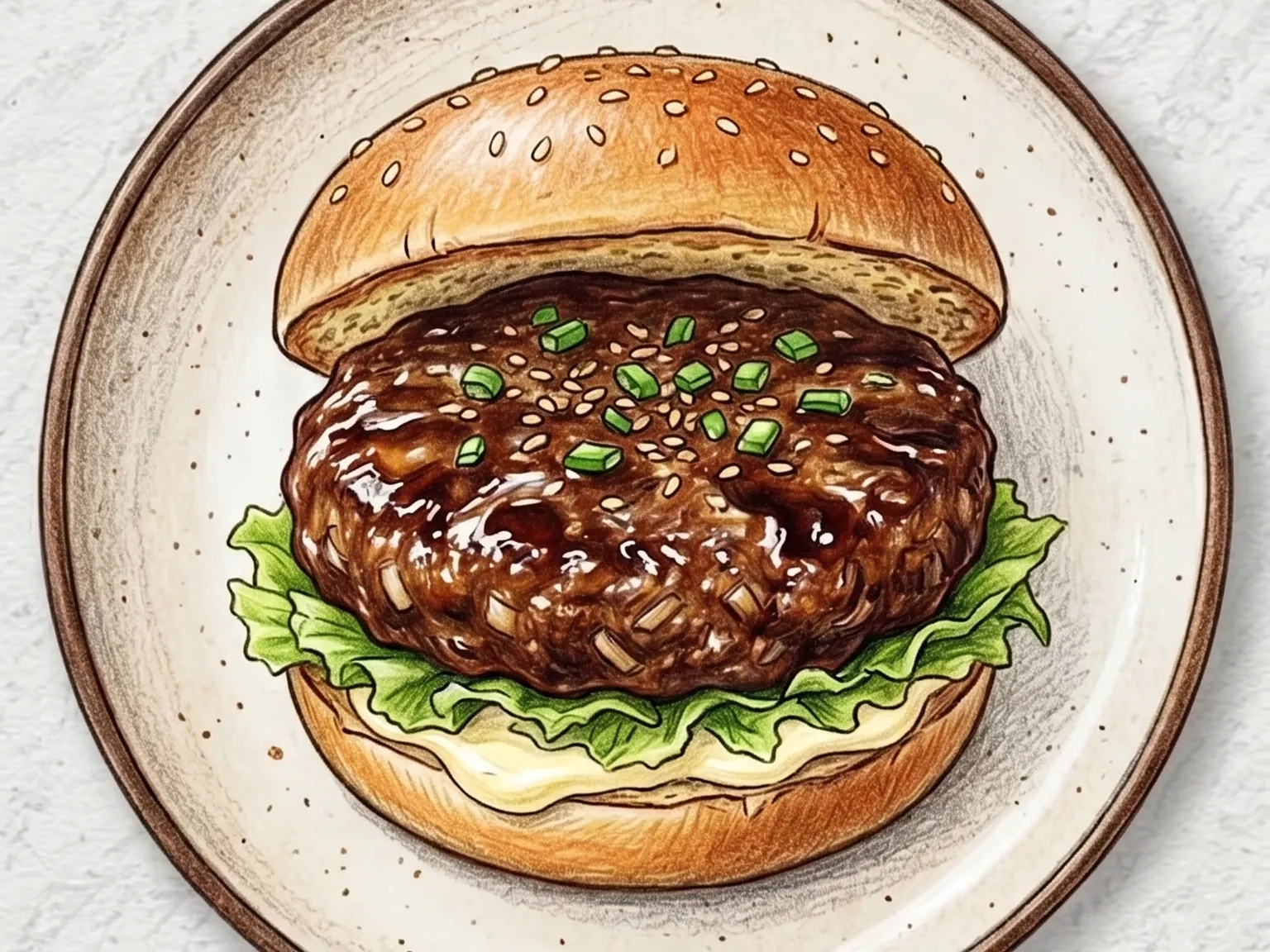
Tteokgalbi burger takes the flavors of traditional Korean grilled short-rib patties and fits them into a handheld bun format. Ground beef and pork are seasoned with soy sauce, sugar, minced garlic, and sesame oil, then shaped into flat patties and pan-seared over medium heat. Finely diced onion worked into the meat traps moisture during cooking, keeping the interior juicy even as the surface builds a caramelized crust from the soy-sugar marinade. That thin, browned exterior replicates the glossy lacquer that distinguishes proper tteokgalbi from a plain beef patty, delivering a sweet-savory depth without additional condiments. A toasted bun spread with mayonnaise and lined with crisp lettuce gives the rich patty a cool, crunchy counterpart. A small drizzle of soy glaze over the top just before serving intensifies the lacquered finish and ties the whole sandwich back to its Korean origins.

Korean Tuna Kimchi Gimbap
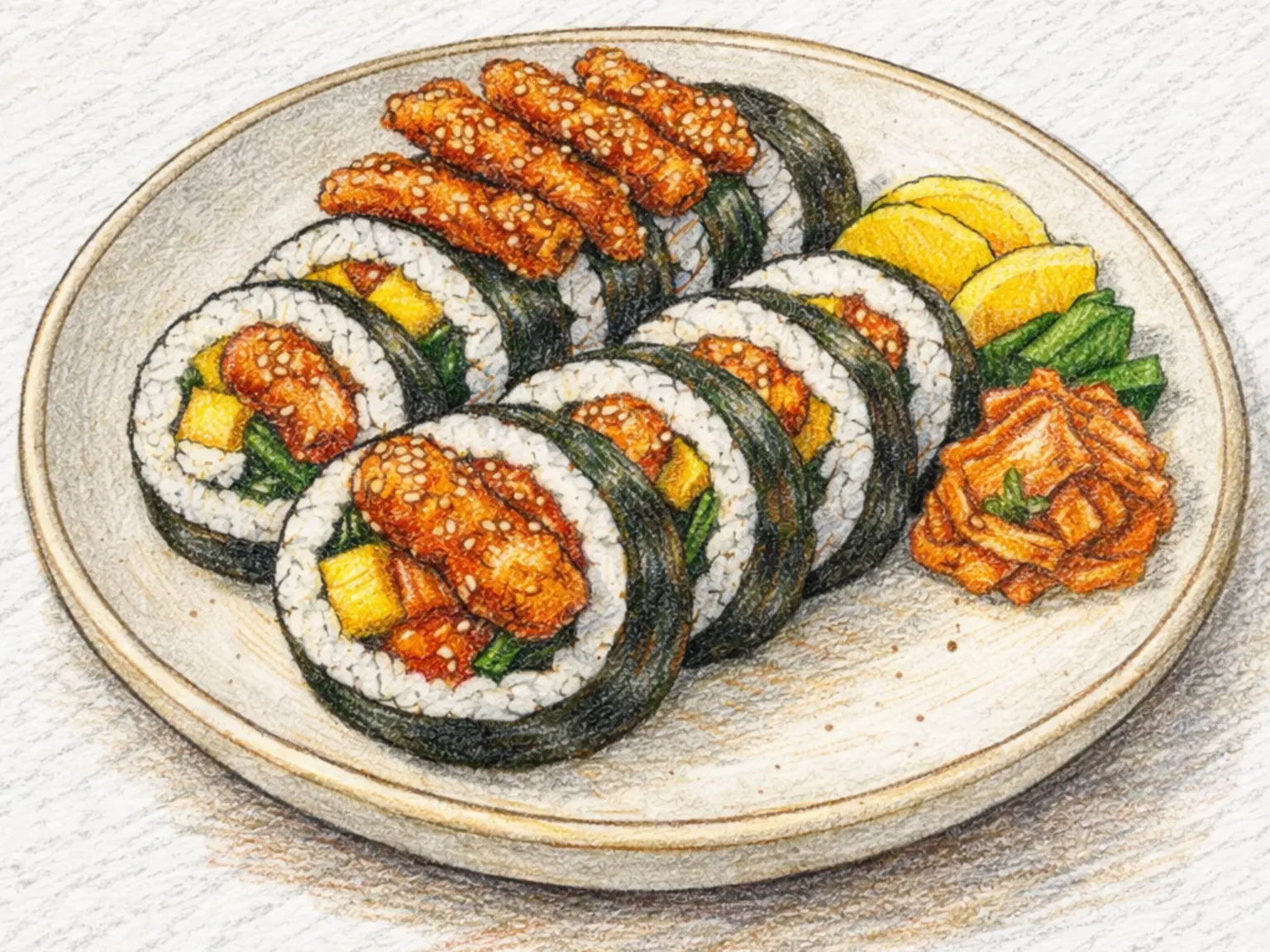
Tuna-kimchi gimbap rolls together drained canned tuna, stir-fried kimchi, and mayonnaise inside seasoned rice and roasted seaweed sheets. Stir-frying the kimchi for two minutes drives off excess liquid and concentrates its fermented tang into a deeper, more savory flavor. Perilla leaves layered directly on the rice add a herbal, slightly minty fragrance that offsets the richness of the tuna-mayo filling. A light brush of sesame oil on the finished roll preserves the seaweed's crispness while adding a final nutty aroma to every slice. Matching tuna and cooked kimchi in a one-to-one ratio keeps the salt and umami in balance, and adding just enough mayonnaise to bind the filling prevents the rice from turning soggy during rolling.

Korean Street Egg Toast (Cabbage Egg Omelet Sandwich with Sweet Ketchup)
Gilgeori egg toast is a Korean street food sandwich built around a rectangular omelet of shredded cabbage, carrot, and beaten egg, layered between slices of bread that have been toasted in butter until golden. The defining touch is a sprinkle of white sugar over ketchup applied directly to the bread before the omelet goes in. That sugar-ketchup combination produces a sweet-tangy sauce that balances the savory egg and the mild crunch of the vegetables in a way that no other condiment quite replicates. The egg and vegetable batter is folded over itself on the pan to create a thick, layered patty, so each bite delivers alternating textures of soft egg and crunchy toasted bread. Street vendors began selling this sandwich in front of Korean schools during the 1990s, and it has remained a constant fixture of Korean street food culture ever since, available at food stalls and snack trucks across the country as both a breakfast option and an afternoon snack.

Patty Melt
Patty Melt is an American diner classic that sits between a burger and a grilled cheese sandwich, combining a thin beef patty with deeply caramelized onions and melted cheese between slices of toasted bread. The onions require at least twenty minutes over low heat to lose their moisture and concentrate their sugars into a dark, sweet jam-like consistency. The patty is shaped thin and wide to match the bread's footprint, and spreading a thin layer of mayonnaise on the outer surface of the bread before griddling produces a more even and deeper golden crust than butter. When the cheddar melts over the patty and mingles with the caramelized onions, each bite delivers saltiness from the beef, sweetness from the onions, and richness from the cheese in a single layer.

Korean Flying Fish Roe Gimbap
Nalchial gimbap is made by spreading sesame-oil-and-salt-seasoned rice across a sheet of nori, piping a thin line of mayonnaise down the center, then laying refrigerated flying fish roe and julienned cucumber in parallel before rolling everything tightly. The roe must come straight from the refrigerator at the moment of assembly - as the tiny eggs warm up, their skins soften and lose the signature pop that defines this roll. Biting through releases a simultaneous burst of briny, savory roe juice and creamy mayonnaise, while crisp cucumber strips cut through the richness with their cool crunch. Once sliced, a small spoonful of extra roe placed on each cut piece makes the rolls visually striking and amplifies the popping sensation per bite. Salmon roe or spicy pollack roe can substitute for flying fish roe using the exact same method.

Korean Sweet Spicy Pollock Floss Stir-fry
Myeongyeopchae-bokkeum stir-fries finely shredded dried pollock floss in gochujang and oligosaccharide syrup until each fiber strand is evenly coated and moist. Myeongyeopchae is thinner and softer-fibered than hwangtaechae, the wider dried pollock strips, arriving in a dense cotton-like bundle that must be loosened strand by strand before cooking. Running your fingers along the grain separates the fibers cleanly, allowing the seasoning to penetrate evenly and preventing the finished banchan from clumping together in the mouth. A dry toast of thirty seconds in an oil-free pan drives off residual moisture and coaxes out a toasted fish aroma before gochujang, gochugaru, oligosaccharide syrup, soy sauce, and minced garlic go in over the lowest heat for a rapid coating. The fine fibers absorb the sauce almost immediately and turn pliant and glistening, but heat held too long draws the moisture back out, leaving them tough and stiff, so the entire stir-fry must be completed within two minutes. A finishing drizzle of sesame oil and a scatter of sesame seeds deepen the nutty aroma. The resulting banchan occupies a middle ground between the chewier, more aggressively seasoned hwangtaechae-muchim and the bolder jinmichae-bokkeum, its mild sweet-spicy profile approachable enough for children. The relatively dry finish means the seasoning does not bleed into adjacent items in a lunchbox, and stored in an airtight container in the refrigerator the flavor holds well for up to five days.

Korean Macaroni Salad (Sweet Mayo Pasta from Retro Diners)
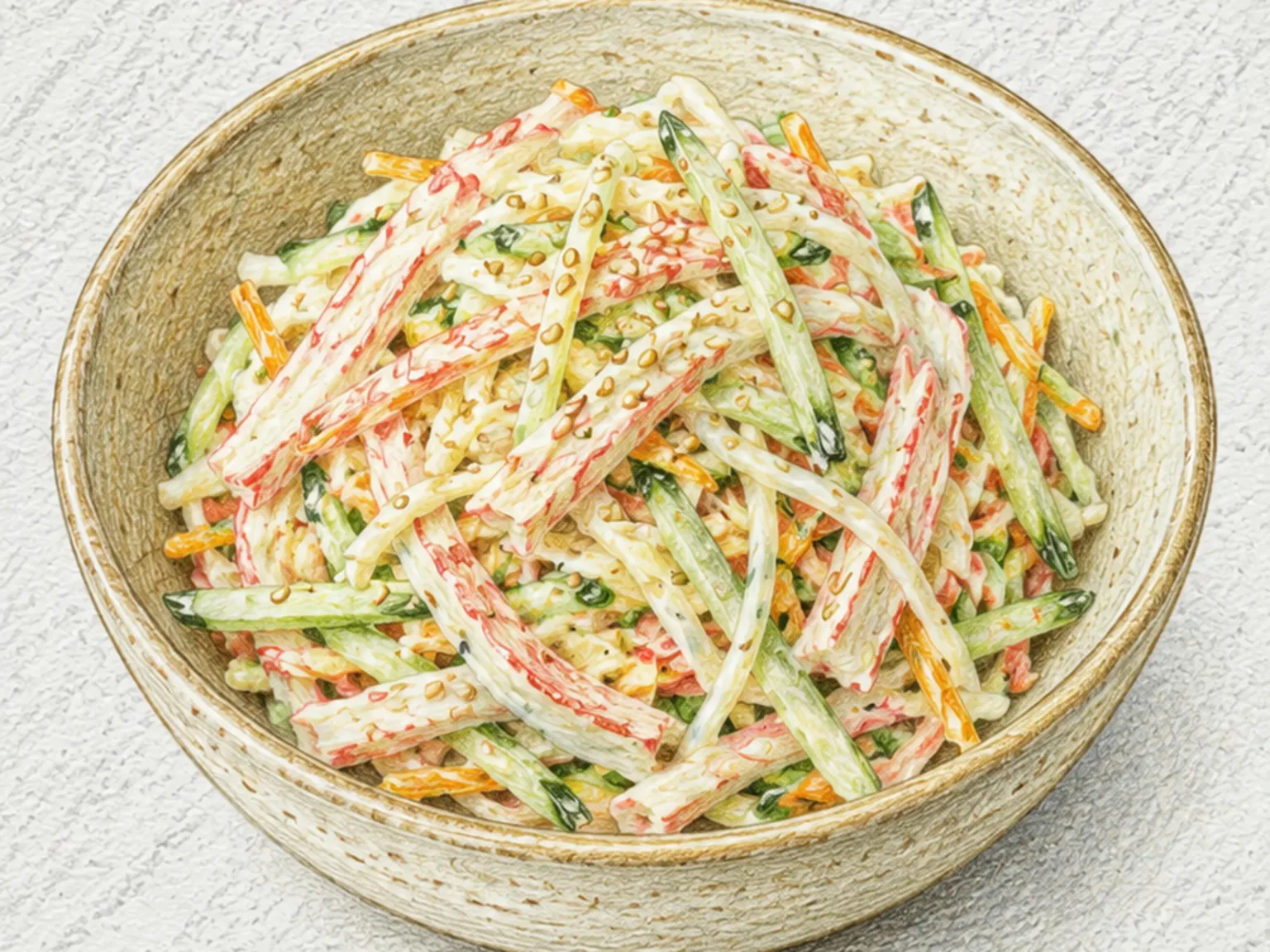
Korean macaroni salad is a retro banchan that became a fixture of bunsikjip snack bars and gyeongyangsik Western-style restaurants during the 1970s and 80s, and it has remained a nostalgic staple ever since. The Korean version differs from its Western counterpart in two notable ways: sugar is added to the dressing, making the whole salad distinctly sweeter, and sweet corn kernels replace the mustard or herbs common in American recipes, contributing a pop of juicy sweetness with each bite. The pasta is boiled for eight minutes or longer, well past al dente, because softer noodles tangle more effectively with the mayonnaise and hold the dressing inside rather than letting it slide off. Cucumber must be salted and then squeezed firmly to extract moisture before it goes into the salad; skipping this step causes the dressing to thin and puddle at the bottom over time. Carrot is blanched for exactly one minute to preserve its crunch, and crushed hard-boiled egg stirred into the dressing gives the salad a richer, denser body. The finished salad needs at least twenty minutes in the refrigerator for the mayonnaise to firm up and adhere to the pasta so it holds its shape on the plate. This salad is a standard side at gyeongyangsik restaurants alongside donkatsu and hamburger steak, and it appears regularly as a complimentary banchan at gimbap shops. A dusting of paprika powder or chopped parsley adds color to the otherwise pale presentation.

Tuna Mayo Rice Bowl (Chamchi Mayo Cupbap) - Easy Korean Bunsik Recipe
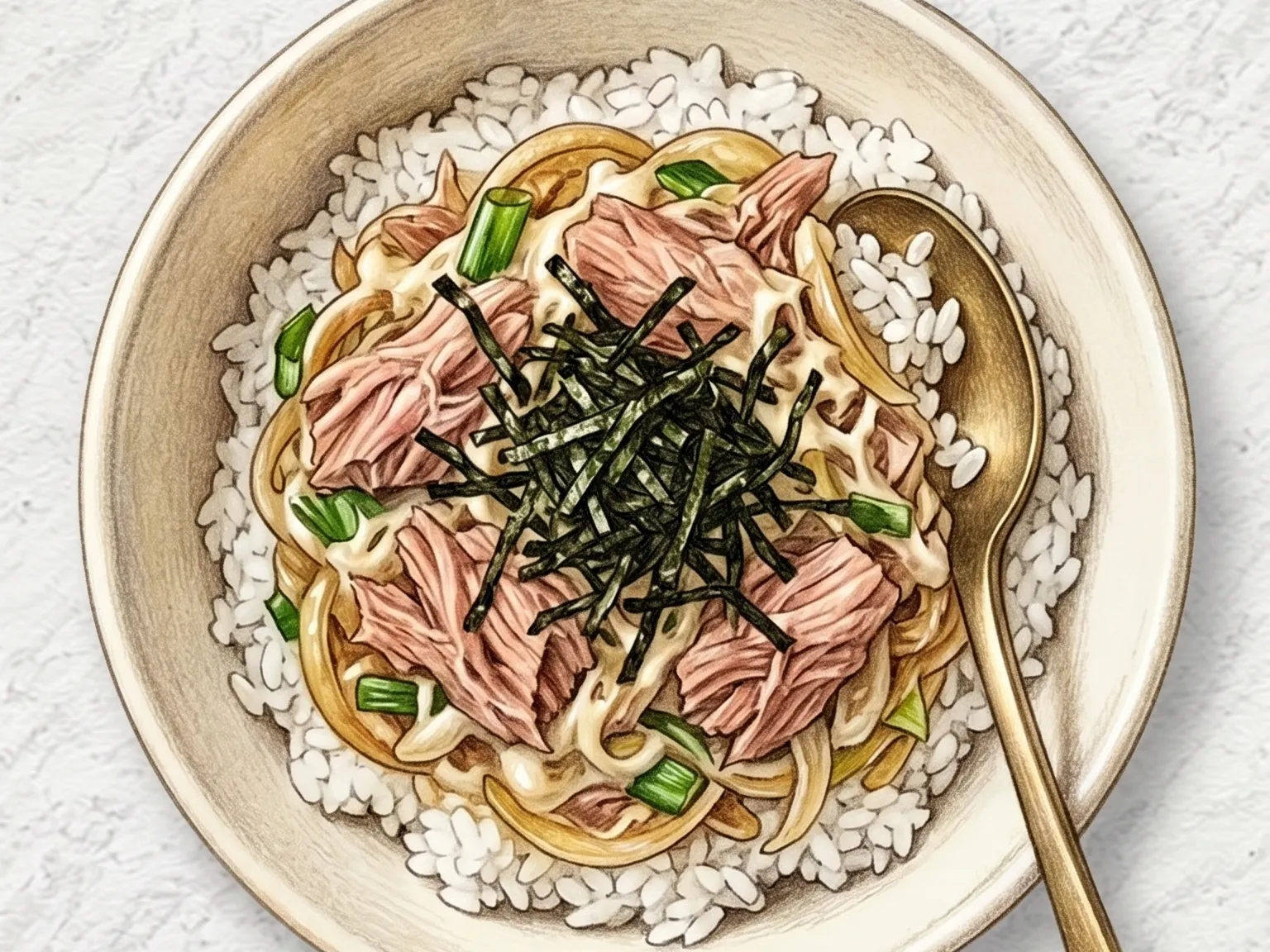
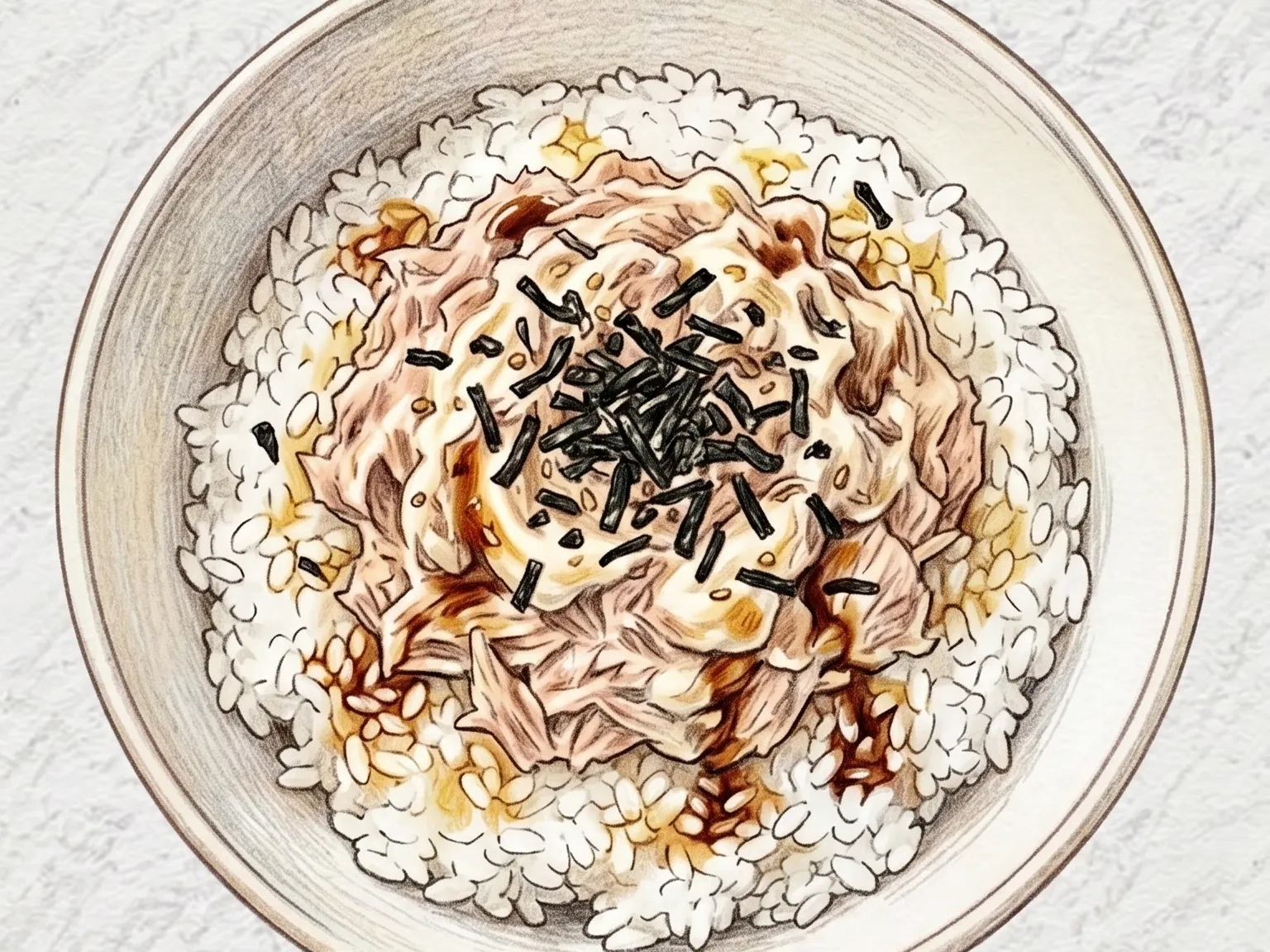
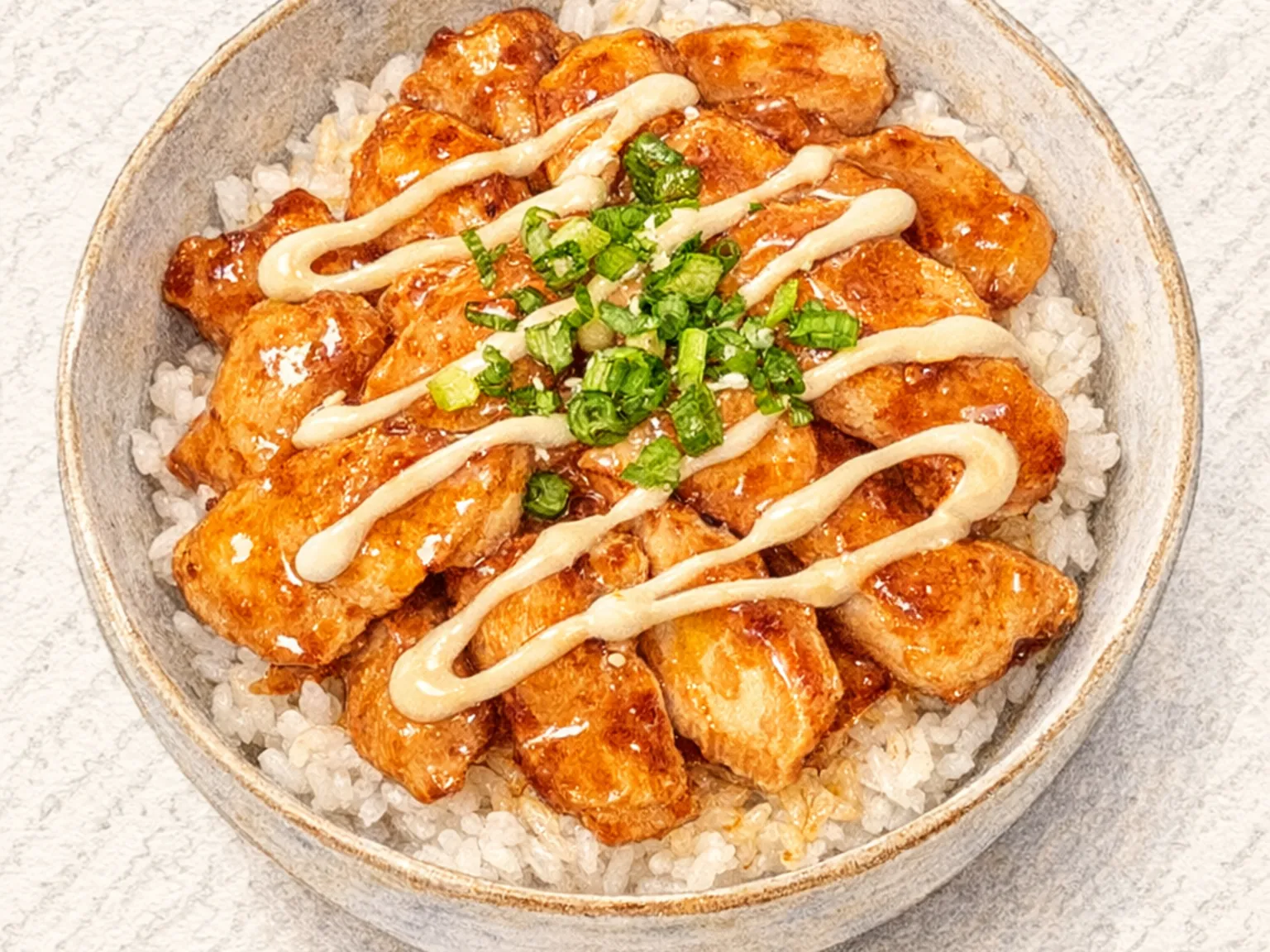
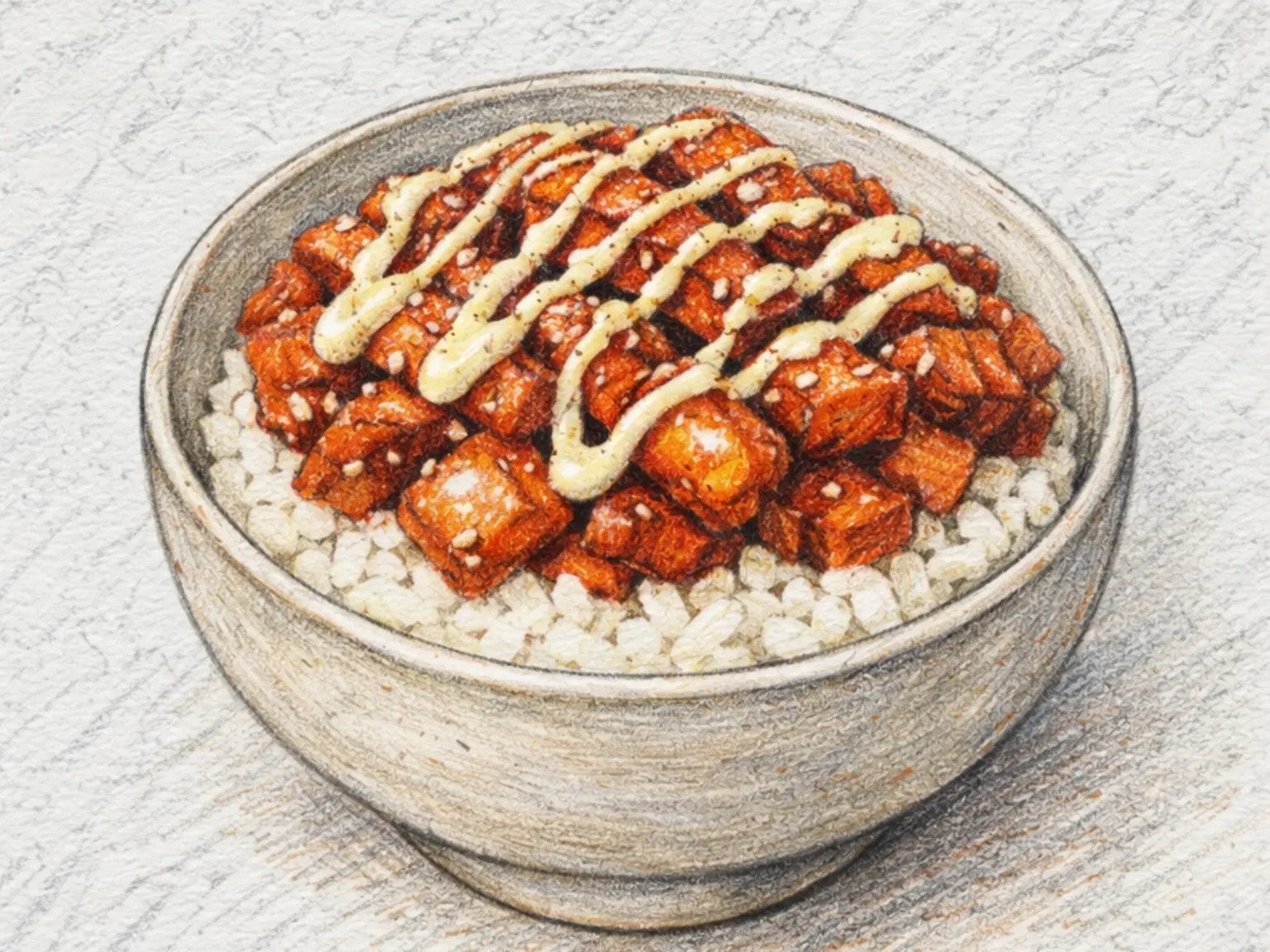
Chamchi mayo cupbap is Korea's well-loved quick meal of seasoned tuna and mayo spooned over steaming hot rice, assembled in about eighteen minutes. The canned tuna must be drained and pressed dry through a strainer before anything else: residual liquid from the can dilutes the soy and sugar seasoning and turns the rice soggy within minutes. Onion and scallion are stir-fried first to draw out their natural sweetness, and the tuna is folded in afterward so the fish picks up the developed flavor of the aromatics rather than sitting raw-tasting on top. Mayonnaise goes in only after the heat is turned off; adding it while the pan is still hot breaks the emulsion and produces a greasy finish. A generous scatter of crushed dried seaweed over the finished bowl adds a roasted oceanic note and textural contrast. Mixing everything together before eating is the correct approach: the tuna-mayo sauce coats every grain of rice evenly, so each spoonful carries the full range of flavors rather than alternating between plain rice and heavily sauced bites.

Vitello Tonnato (Classic Italian dish)
Vitello Tonnato is a classic Italian dish of chilled sliced veal topped with a creamy tuna-caper sauce.

Classic Beef Burger
A classic beef burger shapes seasoned ground beef into a thick patty and sears it over high heat until a deep brown crust forms on the outside while the interior stays juicy. The Maillard reaction on the hot surface concentrates the beef flavor into that crust, and a slice of cheddar melted on top adds a salty, creamy layer. Crisp lettuce and a thick tomato slice bring moisture and freshness, while pickle slices cut through the richness with vinegar acidity. A brioche bun absorbs the rendered juices and condiments without falling apart, holding the stack together so every bite delivers all the components at once.

Egg Salad Lettuce Wrap
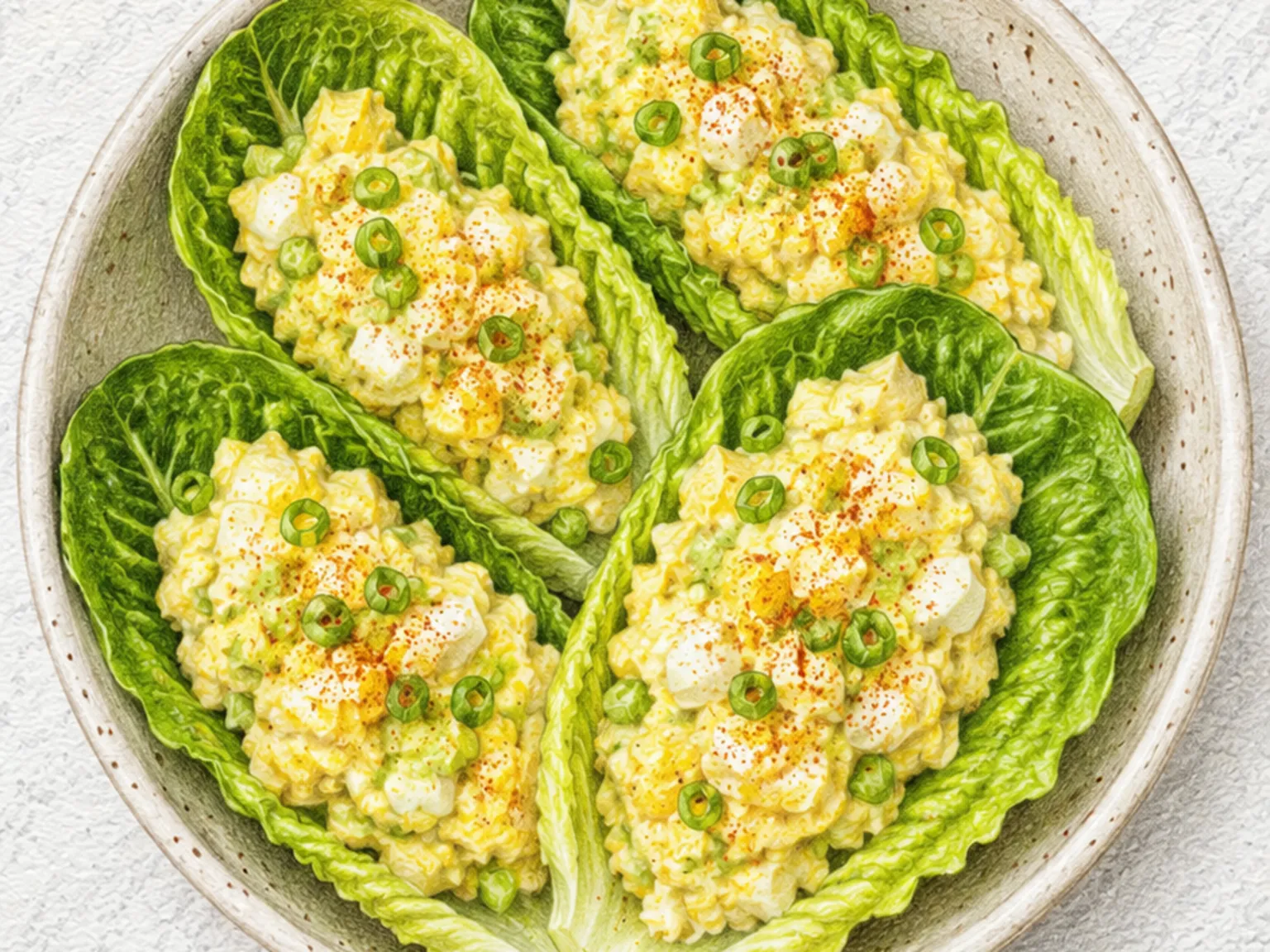
Hard-boiled eggs are roughly chopped and folded into Greek yogurt with a small amount of mayonnaise, producing a lighter take on classic egg salad. The yogurt stands in for most of the mayonnaise, cutting calories while adding a subtle tang that lifts the richness of the yolks. Crisp romaine leaves replace bread as the wrapper, reducing carbohydrates without sacrificing the satisfying structure of each bite. Diced celery provides textural contrast against the soft filling, and Dijon mustard introduces a mild sharpness that cuts through the egg's richness. A squeeze of lemon juice brightens the entire mixture and keeps the flavor from feeling heavy. Sliced green onion or a dusting of smoked paprika added at the end gives the filling a little color and rounds out the flavor. The dish comes together in under fifteen minutes and holds well in the refrigerator, making it a practical choice for meal prep or a light weekday lunch.

Chamchi Mayo Deopbap (Korean Tuna Mayo Rice Bowl Recipe)
Chamchi mayo deopbap is a no-cook Korean rice bowl where drained canned tuna is tossed with mayonnaise and spooned over warm rice, then finished with soy sauce, sesame oil, and crumbled dried seaweed. The warmth of the rice softens the mayo coat so it clings to every grain rather than pooling at the base. Crumbled seaweed provides a layer of crunch alongside its salt. Nothing needs cooking - just mixing and assembling - which makes this one of the fastest meals to put together, ready in under five minutes on days when standing at the stove feels unappealing. Soy sauce deepens the salt past what the tuna alone provides, and sesame oil keeps the bowl from tasting flat. Canned tuna and mayonnaise are staples in most Korean kitchens, making this a genuinely practical fallback meal.

Deviled Eggs
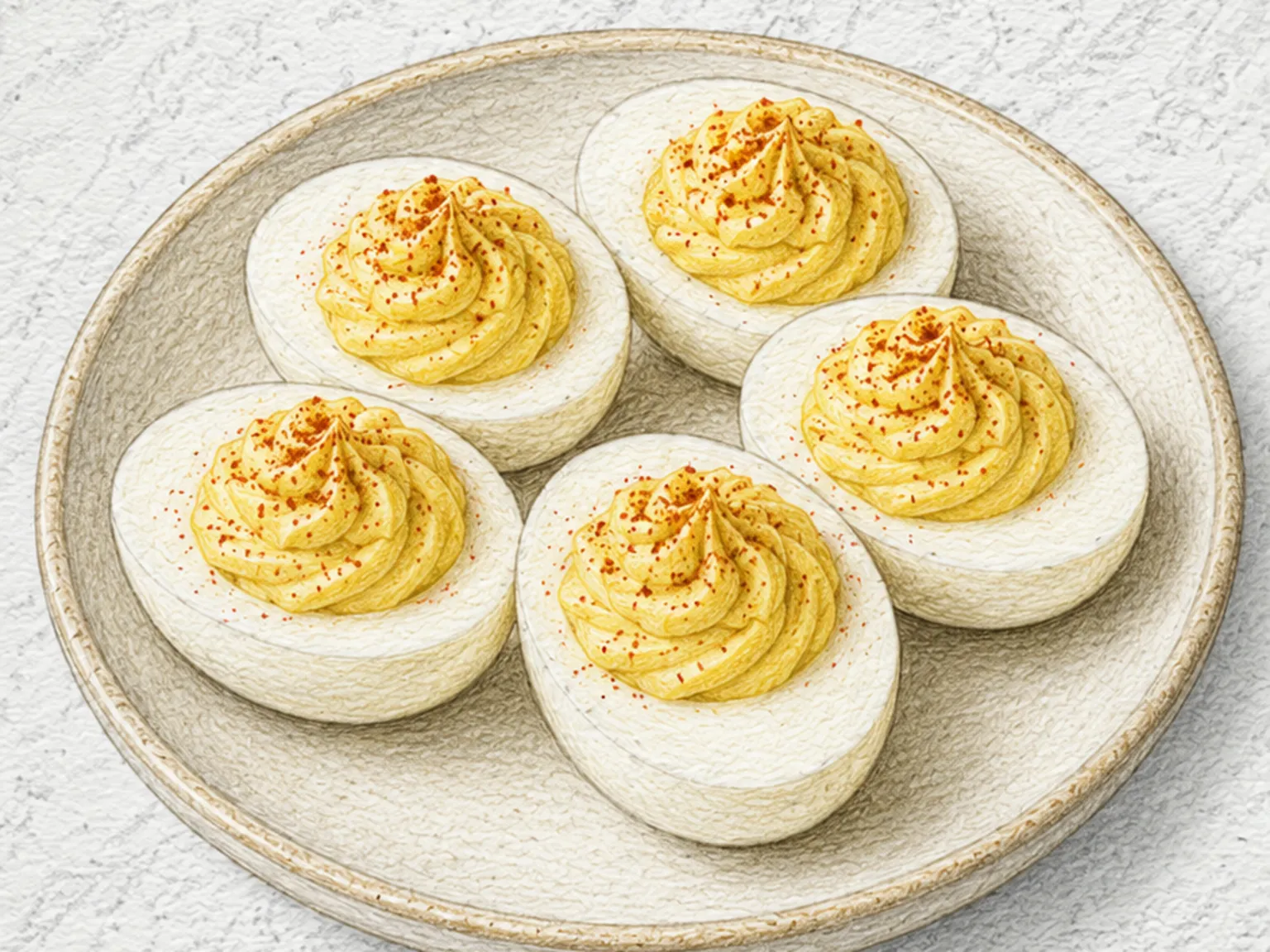
Deviled eggs are a classic American appetizer made by hard-boiling eggs for ten minutes from a cold water start, then transferring them immediately to an ice bath to cool completely before peeling and halving. Full cooling prevents the yolk from developing a gray-green ring around its edge and allows the shell to separate cleanly, producing smooth, even white halves that serve as natural vessels for the filling. The yolks are mashed thoroughly with mayonnaise, Dijon mustard, lemon juice, salt, and black pepper until the mixture is completely smooth and uniform in texture. The mustard's sharp bite and the lemon juice's acidity cut through the fatty richness of the yolk, lifting the overall flavor and giving each bite a creamy yet bright quality that prevents the filling from feeling heavy. If the mixture is too stiff, a small addition of mayonnaise loosens it to a pipeable consistency; a piping bag with a star tip produces the cleanest, most defined presentation. A light dusting of smoked or sweet paprika over the top adds a faint warmth and creates a vivid red-and-white color contrast against the pale egg white base, completing the visual as well as the flavor.

Korean Spam Mayo Rice Bowl
Thick-cut spam is pan-seared until the edges turn golden and crisp while the center stays moist. Soft-scrambled eggs are folded loosely so they remain creamy, then layered over steaming rice alongside the spam. A generous drizzle of mayonnaise sauce melts gently against the warm rice, binding the salty meat and silky egg together. A dash of soy sauce or sriracha adds a sharp accent that cuts through the richness and keeps each bite interesting.

Korean Beoteo Oksusu Cup (Butter Corn Cup)
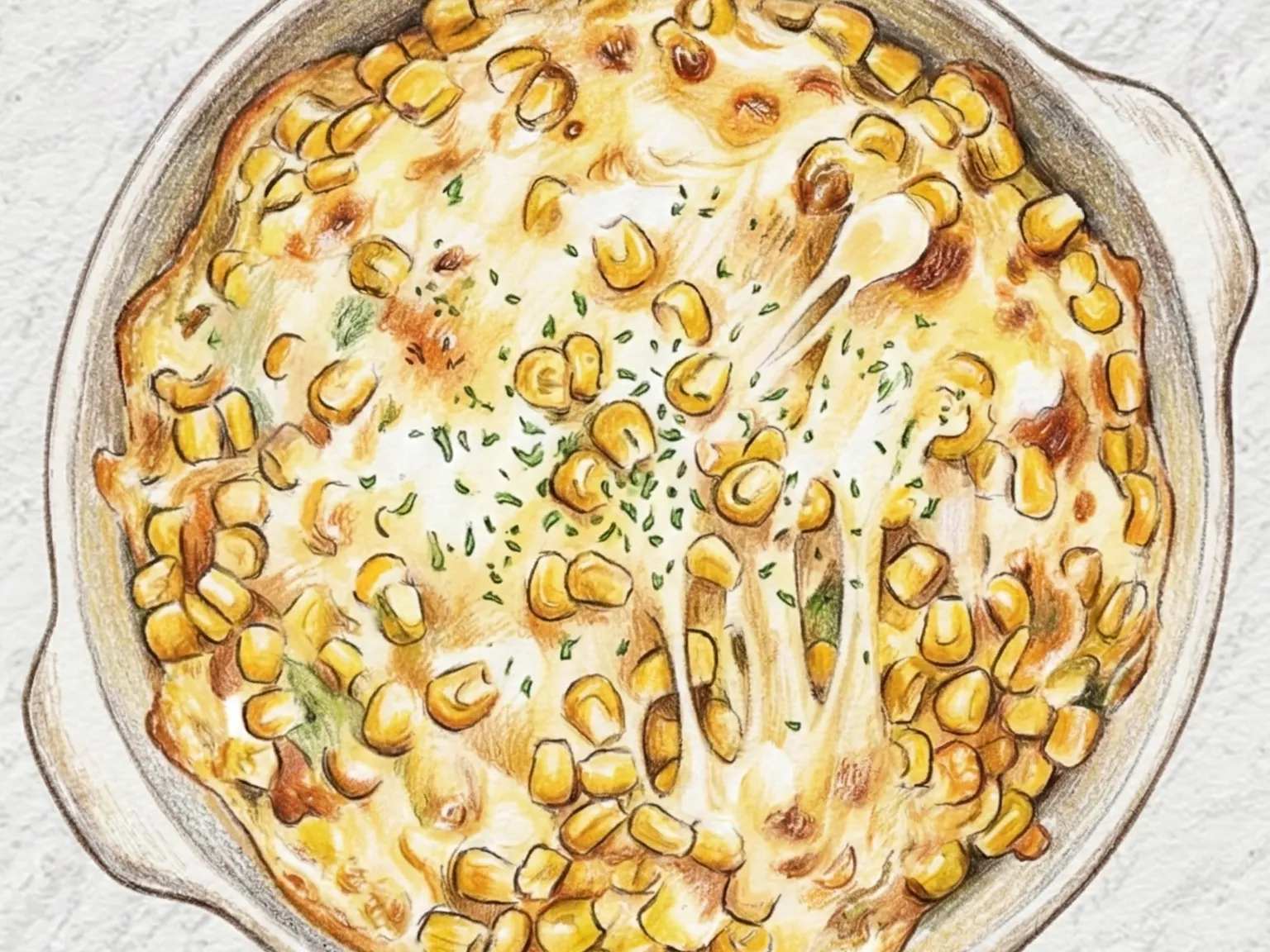
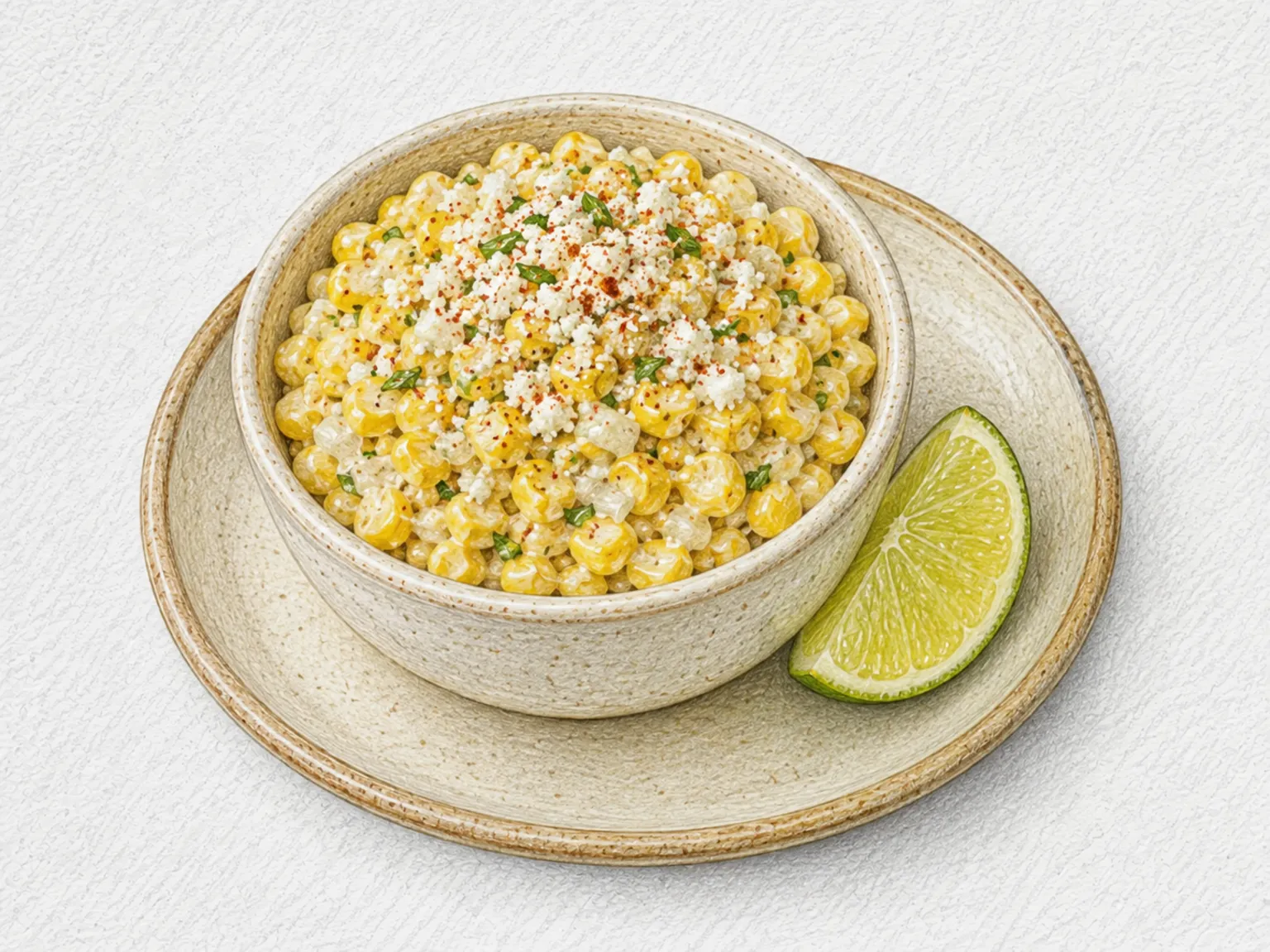
Butter corn cup is a Korean street snack made by stir-frying drained sweet corn in butter, then mixing it with mayonnaise and topping it with mozzarella in a heatproof cup before a final round of heating. Cooking the corn in butter drives off residual moisture from the canned or frozen kernels and lightly caramelizes their surfaces, concentrating the natural sweetness and adding a layer of nuttiness that plain steamed corn cannot provide. Mayonnaise coats every kernel in a creamy, slightly tangy film, while the mozzarella melted over the top creates a stretchy, gooey cheese layer that pulls apart with each spoonful. Sugar, salt, and black pepper balance the overall profile into a sweet-salty combination with just enough seasoning to keep the corn flavor central. A sprinkle of parsley adds a faint herbal note at the finish. The dish is rich from the combination of butter and mayonnaise, and mozzarella loses its stretch quickly as it cools, which makes eating it immediately out of the cup the correct approach.