Sweet and Spicy Mango Chutney Shrimp Curry
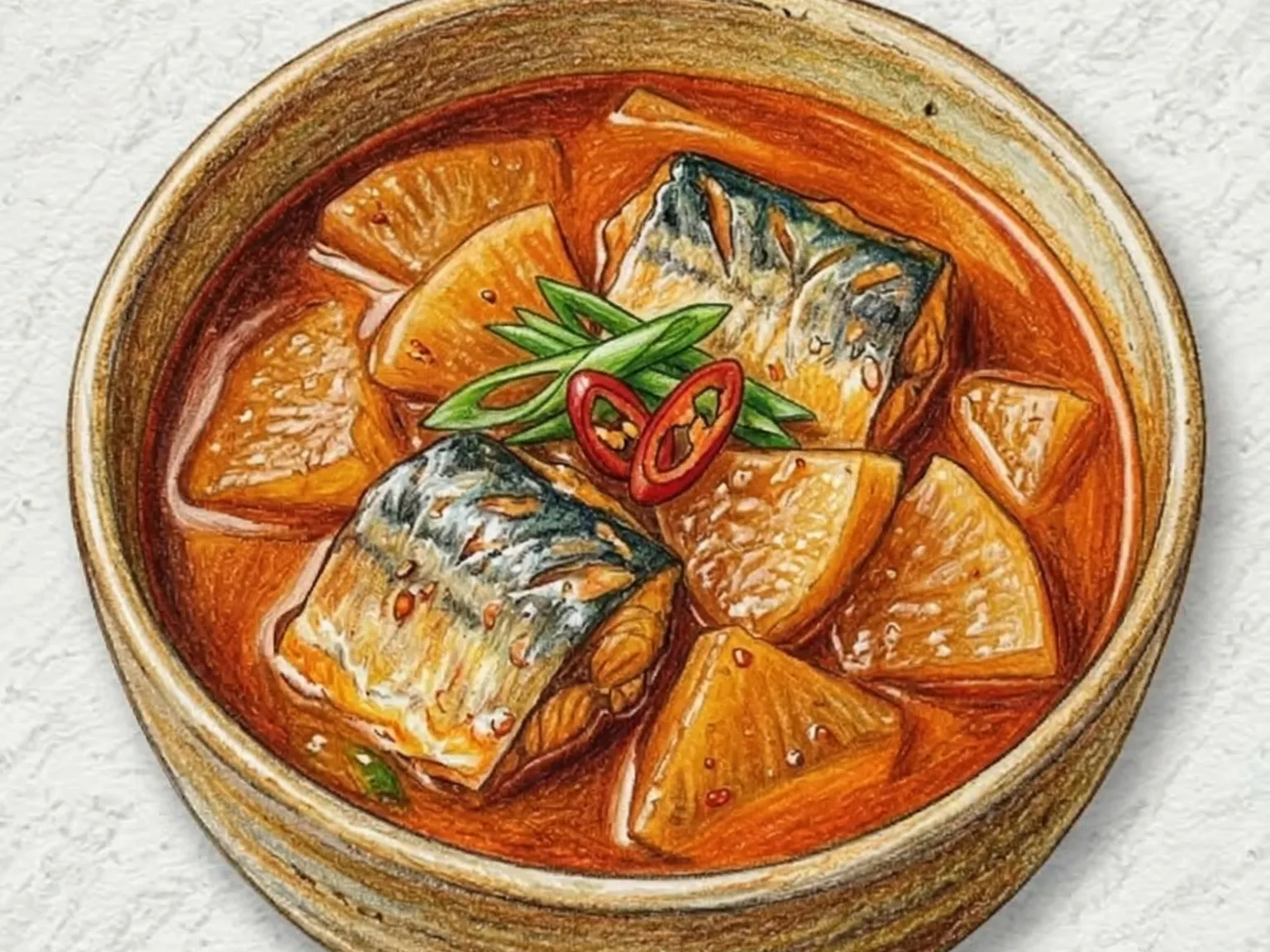
Sweet and Spicy Mango Chutney Shrimp Curry is an Indian-style dish combining shrimp, mango chutney, and coconut milk. The process starts by sauteing onion and garlic, then blooming curry powder in oil to release its aroma. Shrimp are added and lightly cooked before pouring in coconut milk and mango chutney. Simmering for five to seven minutes ensures the shrimp remain tender and firm instead of becoming rubbery. The natural acidity of the mango chutney balances the creamy richness of the coconut milk. A touch of lime juice is added for acidity, and the dish is garnished with cilantro. It is served with rice or naan. Chopping large chunks of chutney results in a smoother sauce, and dried chili flakes can be added for extra heat.
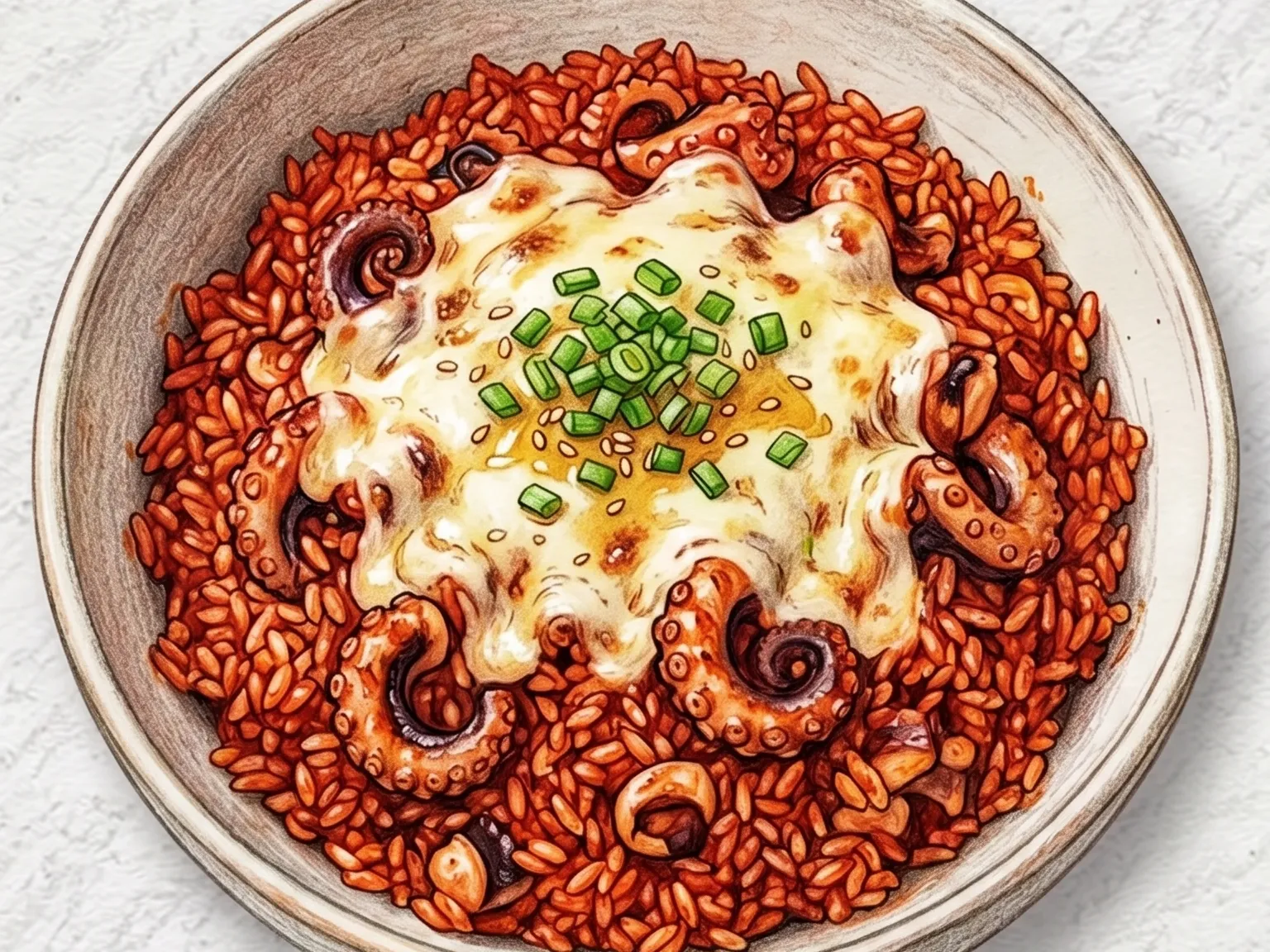
Korean Stir-Fried Octopus Fried Rice
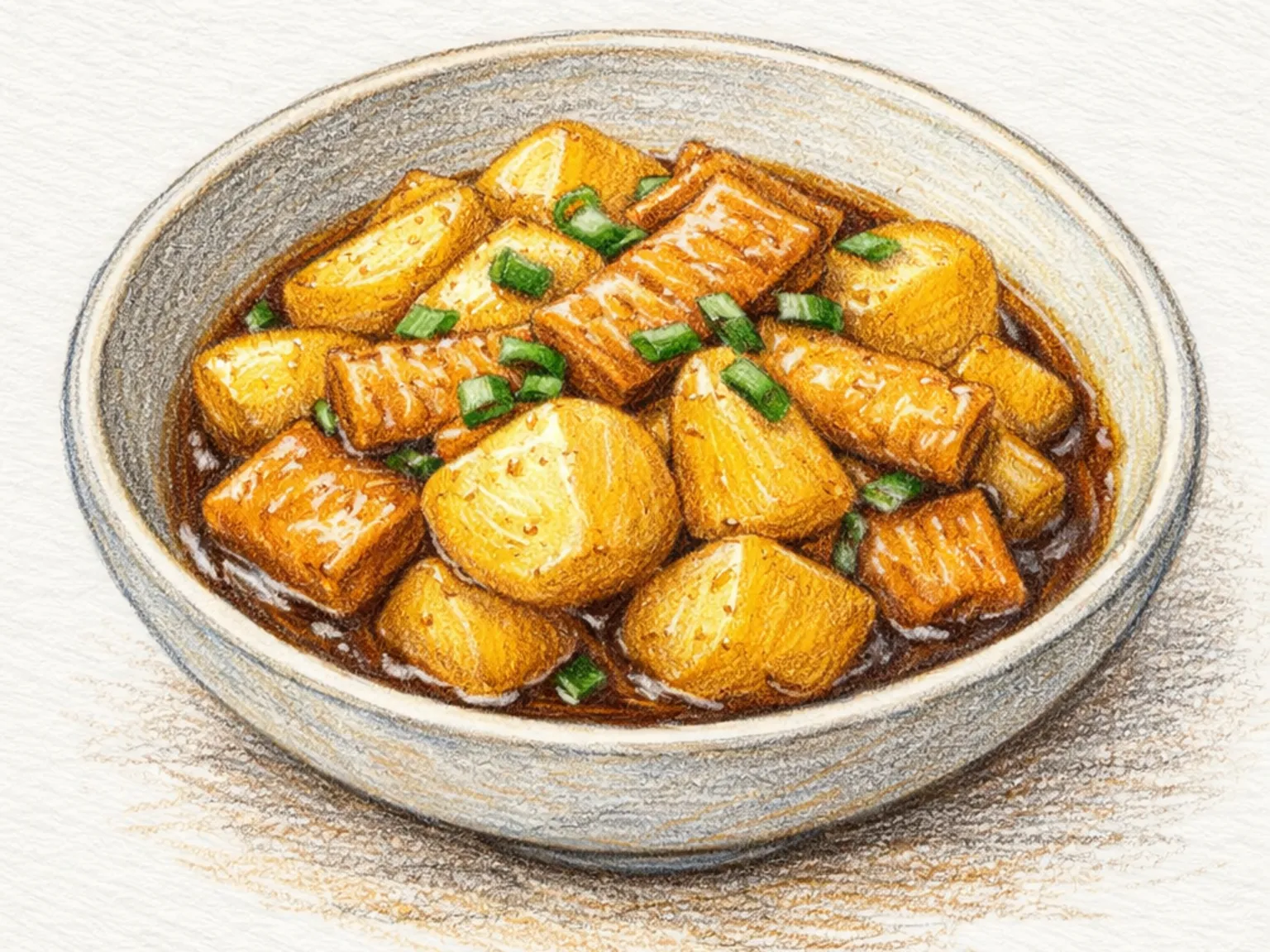
Baby octopus is tossed with rice over high heat in a gochujang-and-red-pepper-flake sauce for a bold, spicy fried rice. The sauce coats each grain with a deep red glaze, and the octopus adds a springy, chewy bite throughout. Cleaning the octopus with flour before rinsing removes any sliminess, and a fast cook on high heat keeps the tentacles from toughening. Green onion and sesame oil go in at the very end for a fragrant finish. Controlling resting time and grain texture helps the ingredients cook evenly while keeping the final seasoning balanced.
Korean Pork & Swiss Chard Stir-fry
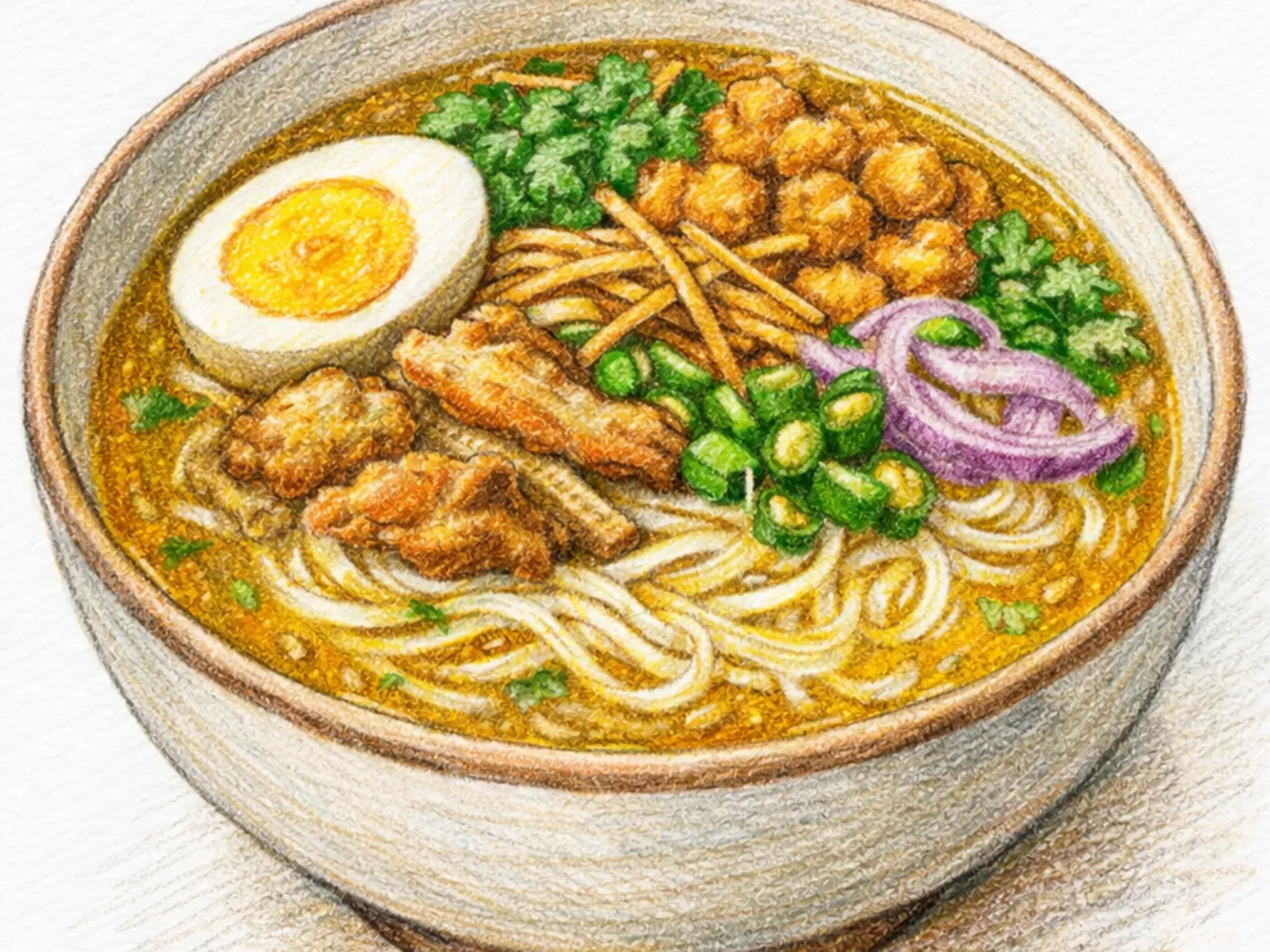
Geundae-doenjang-dwaejigogi-bokkeum is a home-style Korean stir-fry of pork and Swiss chard in a doenjang sauce. Separating the chard stems from the leaves and adding them to the pan at different times is the practical technique that makes the dish work: the stems go in first to cook through while keeping a slight crunch, and the leaves follow just long enough to wilt without becoming limp. Doenjang absorbs and suppresses any gamey undertones from the pork while adding a deep, fermented soybean backbone to the sauce. Sesame oil stirred in at the end wraps the entire dish in a warm, nutty finish. A small amount of gochugaru brings the mild heat that distinguishes Korean home-cooking from milder preparations. The earthy, slightly mineral quality of Swiss chard pairs naturally with the fermented funk of doenjang, and spooned over steamed rice the sauce soaks into the grains and turns the whole bowl into a complete, satisfying meal.
Korean Ham-Packed Budae Jjigae
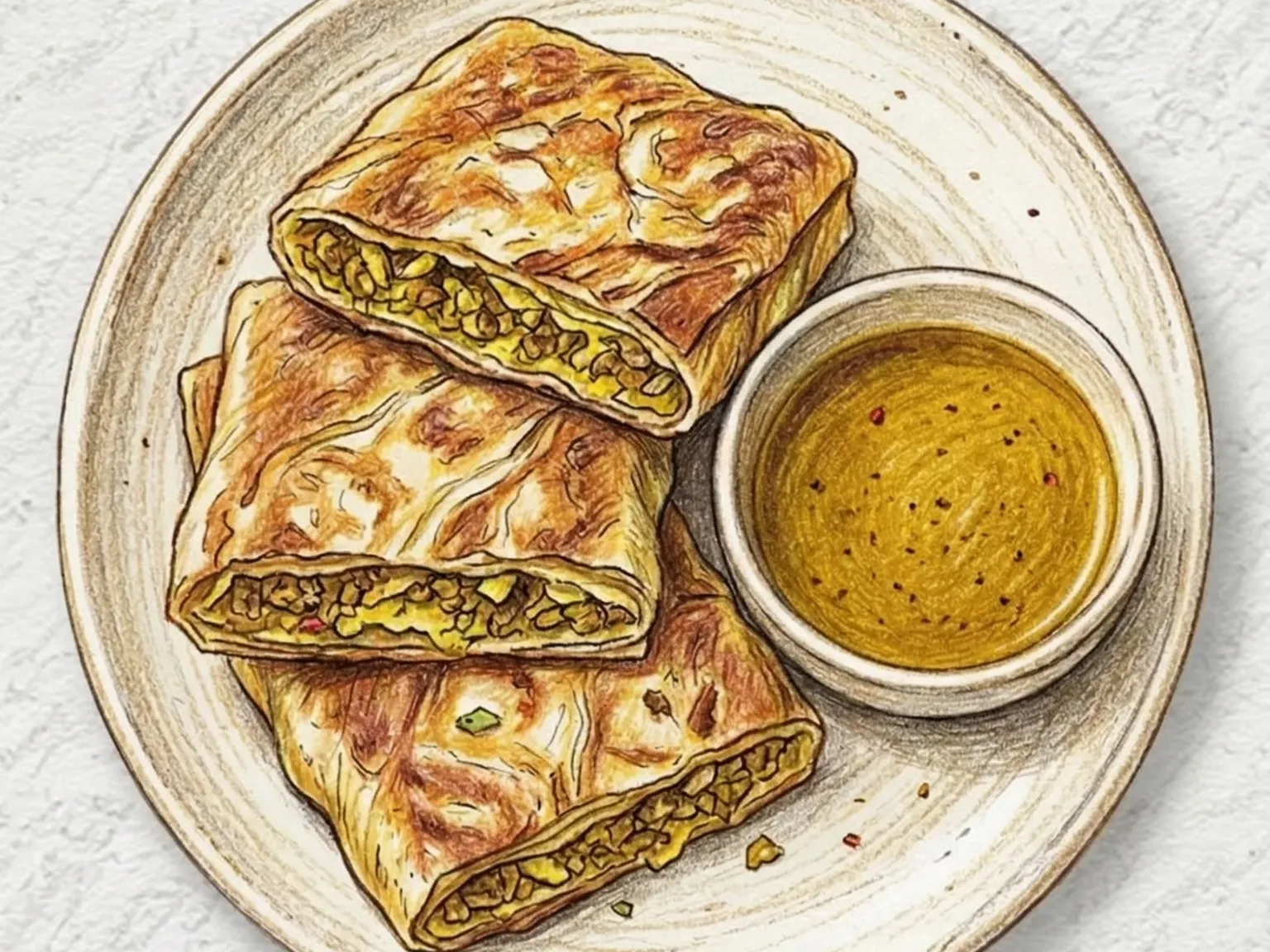
This version of budae jjigae is built around a generous load of Spam and Vienna sausages, simmered alongside well-fermented kimchi in a wide pot of anchovy or dashi stock. Gochujang and Korean chili flakes build layered heat while the kimchi's sourness cuts through the salt of the processed meats and keeps the overall flavor from becoming one-dimensional. Adding a bundle of ramen noodles toward the end allows them to absorb the deeply seasoned broth as they cook. With 900ml of stock, this is a communal pot meant to be shared at the table. Budae jjigae originated in the years after the Korean War, when surplus American military rations such as ham and sausage were combined with Korean staples near military base towns. The ham-forward version puts the salty, meaty character of the processed ingredients at the center of the dish.
Korean Steamed Spicy Pork and Bean Sprouts
Kongbul-jjim is a steamed rather than stir-fried take on the classic spicy pork and bean sprout combination, cooked with a lid on to trap moisture inside the pot. As the bean sprouts release their liquid under the sealed lid, a natural broth forms and carries the gochujang-and-gochugaru seasoning evenly into every piece of pork. The double-layer chili heat is assertive, but the bean sprouts, still holding a light crunch, soften the impact of each bite. Because far less oil is used than in a stir-fry, the seasoning comes through cleaner and more direct. Stirring rice into the remaining broth at the end, or dropping in thin somyeon noodles, makes full use of the deeply flavored liquid at the bottom of the pot. Adding extra garlic builds additional layers of savory depth, and a cut like pork shoulder with some texture stays noticeably more moist through the steaming process than a leaner loin cut.
Korean Beef Japchae (Soy-Marinated Beef Glass Noodle Stir-Fry)
Sogogi japchae is a Korean stir-fried noodle dish made with sweet potato glass noodles, soy-marinated beef strips, and an assortment of individually prepared vegetables. Spinach is blanched, carrots and onions are julienned and stir-fried separately, and each component is combined at the end to preserve its distinct color and texture. The noodles are soaked rather than fully boiled, then finished in the pan so they stay chewy instead of mushy. Soy sauce, sugar, and sesame oil form the seasoning base, giving the dish its characteristic sweet-savory balance.
Corned Beef Hash
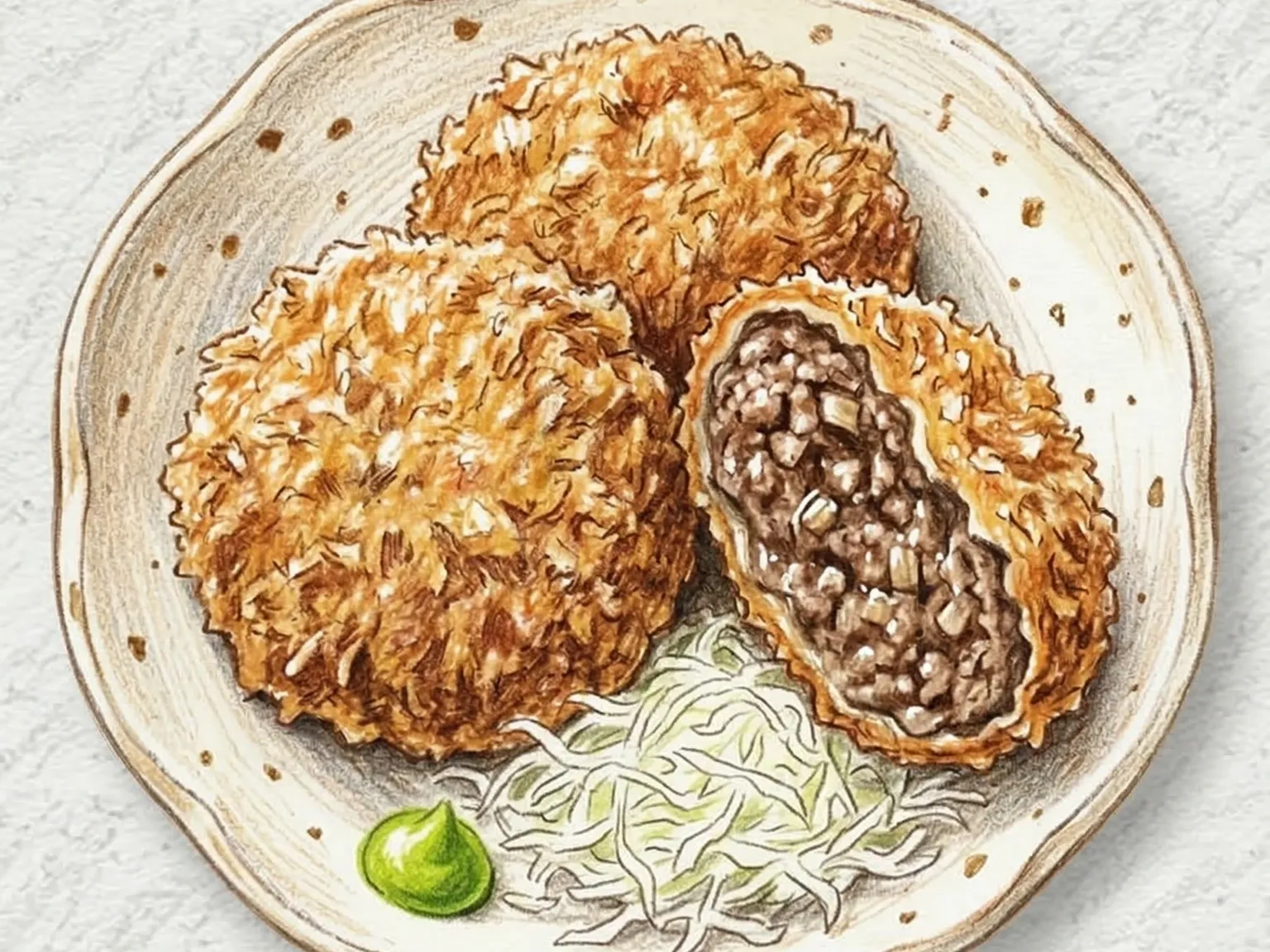
Corned beef hash is an American brunch dish that pan-fries diced potatoes and shredded corned beef until crispy, then tops them with a fried egg. Parboiling the potatoes for five minutes softens the inside while setting up a starchier surface that crisps better in the pan. Cooking the potatoes in butter and oil until golden before adding onion and then the corned beef builds layers of texture. Minimizing how often the hash is flipped allows a crust to form on the bottom, which is the signature of a well-made hash. The salty depth of corned beef combines with the starchy richness of potato, and breaking the egg yolk over the top ties everything together.
Masala Dosa (South Indian Crispy Rice Crepe with Spiced Potato Filling)
Masala dosa is a cornerstone of South Indian cuisine, served from breakfast through dinner across the subcontinent. The crepe is made from a batter of rice and urad dal (black lentils) that ferments overnight, developing a mild tanginess from lactic acid bacteria while building the structure that allows the batter to crisp sharply on a hot griddle. Inside sits a filling of mashed potatoes tempered with mustard seeds, curry leaves, turmeric, and green chilies. The dosa arrives at the table golden and oversized, folded or rolled around its filling, with coconut chutney and sambar, a lentil and vegetable stew, served alongside for dipping. The contrast between the shatteringly crisp crepe and the soft, warmly spiced potato is the defining quality of the dish. Fermentation time determines both the sourness and the crispness of the finished dosa, and cooks adjust it between eight and sixteen hours depending on ambient temperature.
Korean Spicy Stir-Fried Octopus Rice Bowl
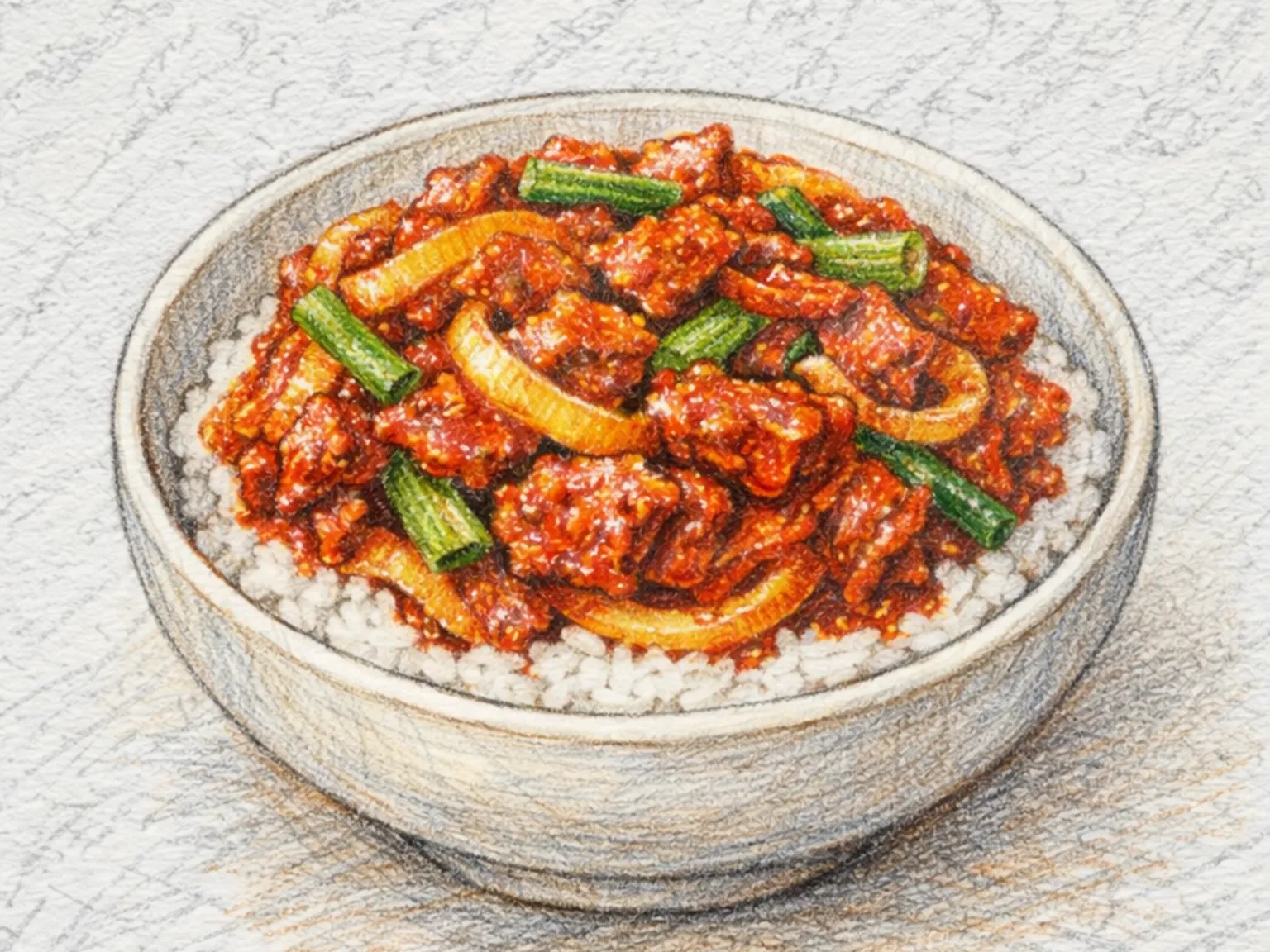
Spicy stir-fried baby octopus in a gochujang sauce is served over a bowl of steamed rice. The octopus delivers a satisfying chew, coated alongside onion and cheongyang chili in a well-seasoned glaze that makes each bite of rice deeply flavorful. Stir-frying on high heat for just a few minutes keeps the octopus springy rather than tough, and scrubbing it with flour before rinsing ensures a clean taste free of any sliminess. Adding a layer of bean sprouts under the stir-fry introduces a contrasting crunch.
Pepper and Pork Stir-fry (Chinese-Style Julienned Bell Pepper and Pork)
Gochu-japchae is a Korean-Chinese stir-fry of julienned bell peppers and pork loin cooked fast over high heat in a combined soy and oyster sauce base. The pork is pre-marinated with soy sauce and cornstarch before cooking: the starch coats each strip and holds in moisture, so the meat stays tender through the high-heat cooking rather than drying out. Soy sauce and oyster sauce together give the dish a clean, savory base where saltiness and umami are balanced without either dominating. Bell peppers are kept in the pan for only a short time, just enough to soften slightly while retaining their crunch and bright color. The high heat of the wok or pan is what sears the surface of the ingredients and creates the light, smoky char that distinguishes this kind of stir-fry from gentler cooking methods. Served over rice it works as a straightforward weeknight meal, or rolled into steamed flower buns or tortillas it becomes a more casual, hand-held meal. The whole dish comes together in under thirty minutes, making it one of the more practical examples of Korean-Chinese home cooking.
Korean Jjageuli Pork Stew
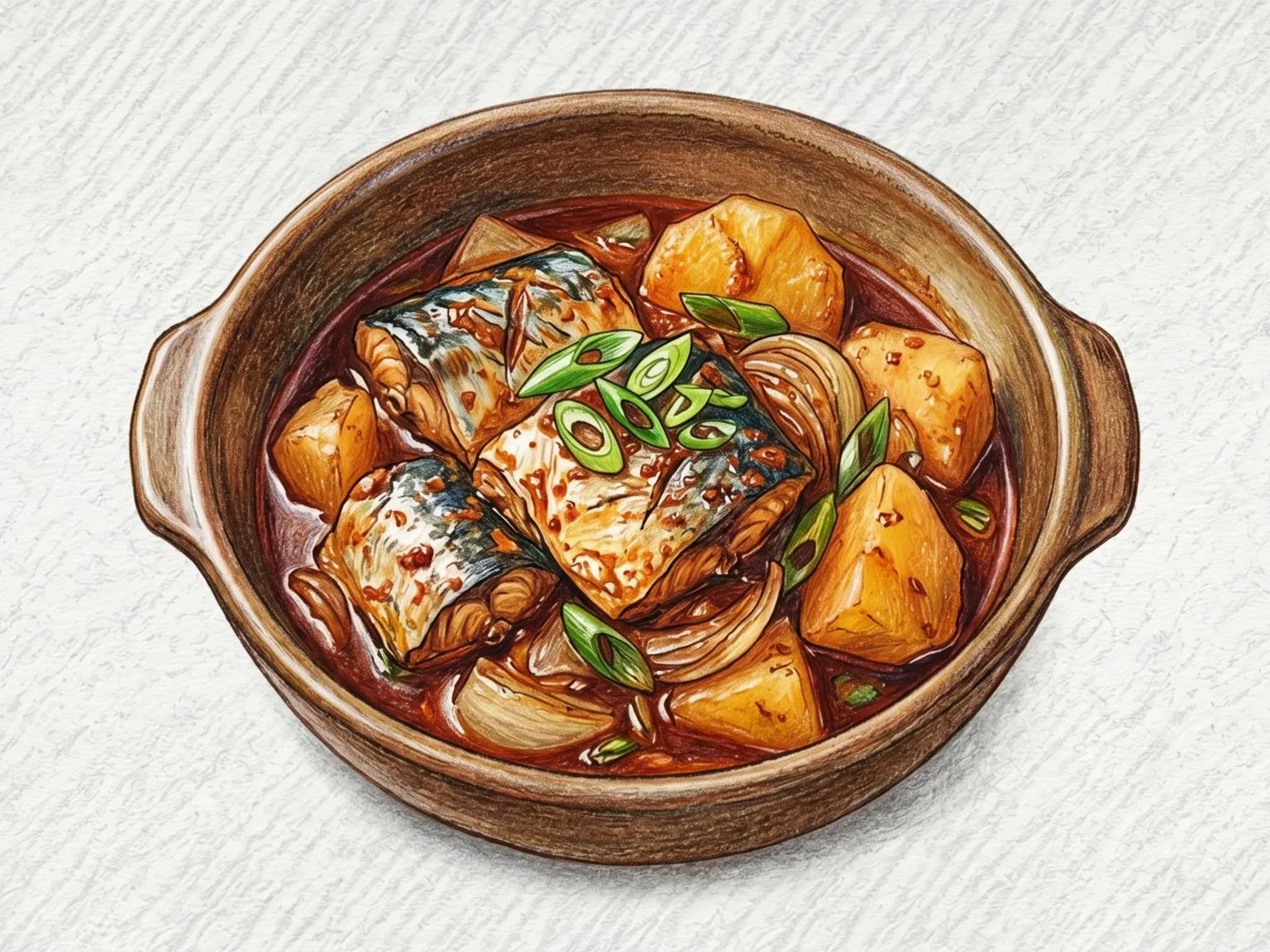
Jjageuli jjigae is a Korean pork and potato stew characterized by its thick, reduced broth and spicy seasoning. The cooking process starts by searing diced pork over high heat to render its fat, then stir-frying it with gochujang, chili flakes, and soy sauce to build a flavorful base. Thickly diced potatoes and water are added to the pot and simmered. As the potatoes cook and break down, their natural starches dissolve into the liquid, thickening it into a rich sauce. Onions are simmered in the pot to add sweetness, and green onions are stirred in during the final minute of cooking to release their aroma. Unlike typical soupy stews, this dish is intentionally reduced to a concentrated consistency. This makes it ideal for spooning over warm rice and mixing together as a hearty meal.
Korean Steamed Beef with Radish Greens
Mucheong sogogi jjim is a Korean braised beef dish where short rib meat is marinated in Korean pear juice and soy sauce, then slow-cooked with blanched radish greens and onion. The pear juice tenderizes the beef and lends a subtle fruit sweetness that deepens over the long braise. Radish greens are added near the end to preserve their earthy aroma and slight chew, bringing a rustic contrast to the soft meat. Ginger juice keeps the flavor clean, and sesame oil ties everything together with a toasted finish. The sauce reduces to a concentrated glaze meant to be spooned over rice.
Tortellini in Brodo (Italian Stuffed Pasta in Clear Meat Broth)
Tortellini in brodo is a traditional soup from Emilia-Romagna in which small stuffed pasta parcels are served in a clear, full-flavored meat broth. The filling typically combines pork, prosciutto, and Parmigiano-Reggiano. The broth - usually made from chicken or beef bones - is simmered long enough to develop deep body while remaining transparent. In Italy, this dish is closely associated with Christmas and holiday meals. Using store-bought tortellini, the recipe can be completed in about 40 minutes.
Cornish Pasty (British Hand Pie with Beef and Root Vegetables)
Cornish pasty is a traditional British hand pie from Cornwall, made by sealing raw diced beef, potatoes, rutabaga, and onion inside a sturdy pastry of flour, butter, salt, and water. The filling is not pre-cooked before sealing, so the meat and vegetables steam inside the crust during baking. Their juices collect and concentrate inside the sealed shell, forming a rich, savory interior gravy that makes the pasty deeply satisfying without any additional sauce. Crimping the edges tightly is essential to contain this liquid during the forty-to-forty-five-minute bake at 200 degrees Celsius. Cutting the filling into pieces no larger than about one centimeter ensures everything cooks evenly through. An egg wash brushed over the surface before baking develops a glossy, amber crust. The pasty originated as a practical working meal for Cornish tin miners, who held the pastry by its thick crimped edge to avoid contaminating the food with dirty hands, then discarded that portion when finished.
Massaman Curry (Thai-Muslim Mild Chicken Potato Peanut Coconut Curry)
Massaman curry stands apart from other Thai curries with its mild, sweet-savory character and its roots in the Muslim communities of southern Thailand, where trade routes from Persia and India brought cinnamon, cardamom, cloves, and star anise into the local kitchen long before chili became dominant. These whole spices simmer in the coconut milk base, lending an aromatic warmth that is closer to a slow-braised stew than to the fiery curries Thailand is more widely known for. Chicken thighs, whole shallots, potatoes, and roasted peanuts braise together until the potatoes begin to break apart and naturally thicken the sauce, absorbing the spiced oil along the way. Tamarind paste and palm sugar steer the richness toward a gentle tang and sweetness rather than a heavy or one-dimensional creaminess. The result is a deeply layered curry that uses almost no chili heat, making it one of the most approachable dishes in the Thai repertoire for those unaccustomed to spice while still rewarding more experienced palates with its complexity.
Korean Spicy Stir-Fried Squid Rice Bowl
Scored squid, onion, cabbage, and scallion are stir-fried together in a gochujang-based sauce over high heat and served on a bowl of steamed rice. Cutting a crosshatch pattern into the squid before cooking causes each piece to curl into a compact cylinder as it hits the heat, producing a thick, bouncy texture while giving the sauce more surface area to cling to. Because squid turns rubbery in a matter of minutes if left on the heat too long, the vegetables go into the pan first to drive off their moisture, and the squid is added only for the final three to four minutes over maximum heat. The sauce, built from gochujang, gochugaru, soy sauce, sugar, and sesame oil, caramelizes quickly against the hot pan and coats both the vegetables and the squid in a glossy, deep-red glaze. The natural sweetness of the onion and cabbage tempers the chili heat and keeps the dish balanced rather than one-dimensionally spicy. Leaving a small pool of sauce in the pan when plating allows it to soak into the rice, making the whole bowl worth mixing together before eating.
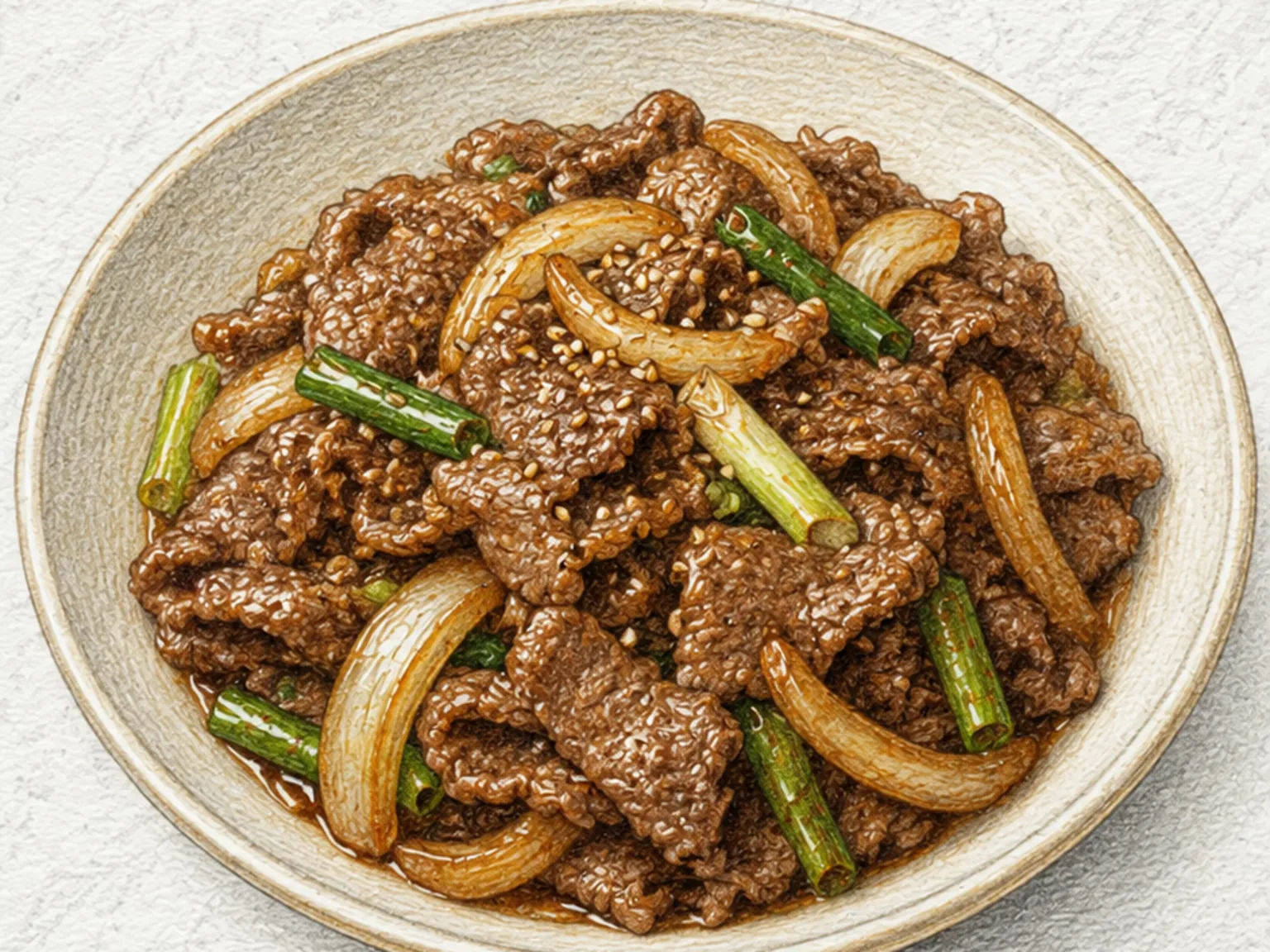
Korean Spicy Gochujang Bulgogi
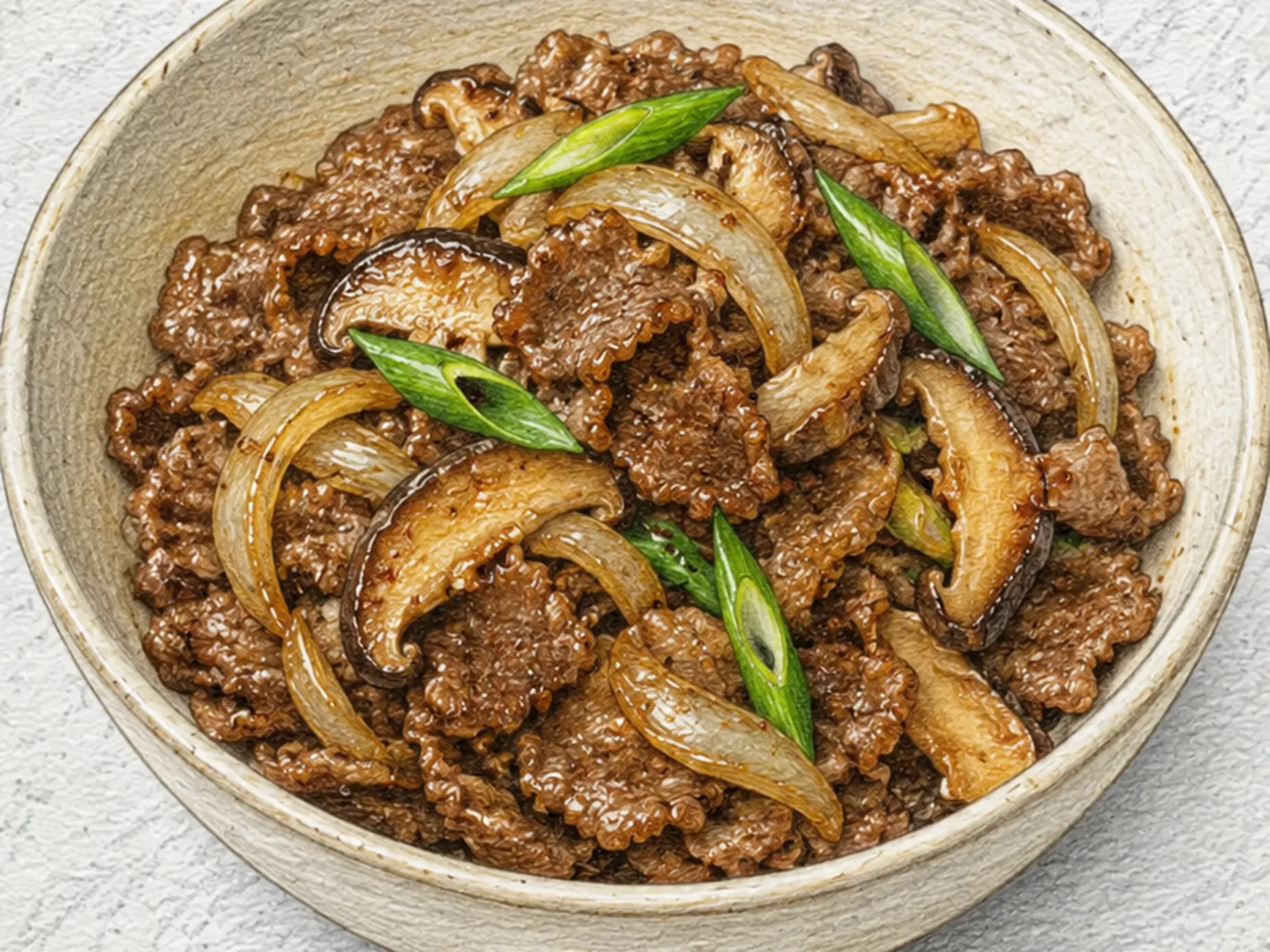
Spicy gochujang pork bulgogi builds its bold flavor from a marinade of gochujang, Korean chili flakes, soy sauce, corn syrup, and garlic applied to thick-cut pork neck, then stir-fried over high heat. The gochujang delivers a deep, fermented heat while the corn syrup adds a glossy sweetness that helps the sauce caramelize on the surface of the meat. Adding chili flakes separately from the gochujang introduces a different texture and heat quality, creating a more complex spice profile than either ingredient alone would produce. Allowing the moisture to evaporate before adding the onion is important, as onion releases liquid when it hits the pan and will thin the sauce if added too early. The natural sugars in the onion contribute a mild sweetness that tempers the chili heat once the moisture has cooked off. Scoring thicker pieces of pork two or three times with a knife allows the marinade to penetrate more evenly and ensures consistent seasoning throughout. Finishing with green onion over high heat for thirty seconds adds a smoky char note while leaving a fresh aromatic lift. The recipe yields a generous four servings, making it a practical main dish for family meals or a filling for ssam wraps.
Korean Webfoot Octopus Tofu Stew
Jjukkumi dubu jjigae is a Korean stew of webfoot octopus and soft tofu cooked in a gochugaru-seasoned anchovy broth. A full 450 grams of jjukkumi goes into the pot, providing a bouncy, chewy texture in every spoonful. The tofu absorbs the spicy broth as it cooks, creating a soft counterpoint to the firm octopus, and the contrast between the two textures is a central part of the dish. Rice wine added early in the cooking process neutralizes any fishiness from the seafood, keeping the broth clean-tasting rather than pungent. Soup soy sauce deepens the umami base without darkening the broth too heavily, and gochugaru provides the heat. Zucchini and onion contribute natural sweetness that rounds out the broth and prevents the salt from the seafood from feeling sharp or one-dimensional. Jjukkumi becomes rubbery if overcooked, so removing the pot from heat three to four minutes after it comes back to a boil is the key step for keeping the octopus tender and springy rather than tough.
Korean Braised Pork Back Ribs with Aged Kimchi
Mukeunji deunggalbi jjim is a Korean braise of pork back ribs and well-aged kimchi simmered low and slow in a sauce built from gochugaru, gochujang, and soy sauce. The bones release a rich, collagen-heavy stock as they cook, and the deep fermented tang of kimchi aged for a year or more layers a complex acidity onto that savory foundation. Reducing the braising liquid down to roughly one-third of its original volume concentrates the flavors into a thick, lacquered glaze that coats every rib. The kimchi fibers soften through the long cook but its sharp, pungent character remains present to the final bite. By the time the dish is ready, the meat pulls cleanly from the bone with minimal effort. Served with steamed rice, it makes a filling and warming meal, and the older and more deeply fermented the kimchi, the richer and more complex the finished result.
Korean-Chinese Seafood Gravy Noodles
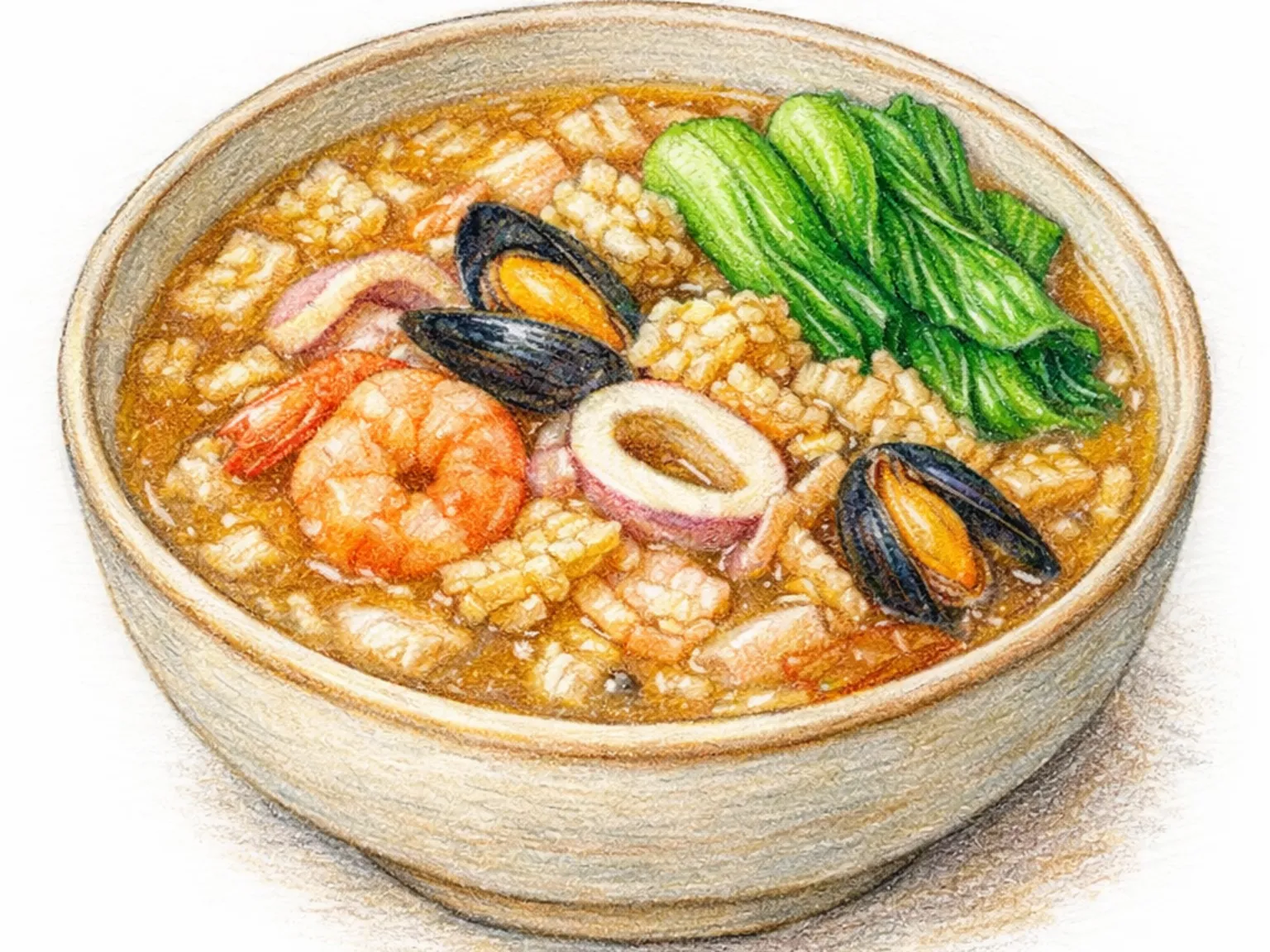
Ulmyeon is a Korean-Chinese noodle dish in which fresh wheat noodles are topped with a thick, white starch-thickened gravy loaded with seafood and vegetables. Shrimp, squid, and other shellfish give the gravy a pronounced umami backbone. Beaten egg is swirled into the sauce toward the end, adding body and soft curds throughout. Unlike jjamppong, the dish carries little to no chili heat. Preparation takes about 40 minutes, and getting the starch slurry to the right consistency is the most important step.
Cottage Pie
Cottage pie is a British comfort dish that layers a rich ground-beef filling under buttery mashed potatoes and bakes the whole thing until the top is golden and the interior is bubbling. The filling starts with beef browned alongside diced onion and carrot, then simmers with tomato paste, Worcestershire sauce, beef stock, and green peas until the liquid reduces to a thick, concentrated sauce that holds its shape in the dish. Adding beef stock to the simmer deepens the flavor considerably compared to water alone. The potatoes must be mashed immediately after draining while still steaming hot: mashing cool potatoes produces a gluey texture instead of a smooth, creamy layer. Scoring the surface with a fork before the dish goes into the oven creates ridges that catch the heat and brown in the oven at 200 degrees Celsius over twenty minutes, adding a lightly crisp layer over the soft interior. During baking, the heat from the filling rises through the potato crust, allowing the two layers to exchange aromas. The defining characteristic of the dish is the contrast between the deeply savory, umami-packed meat layer below and the soft, golden, buttery potato crust above.
Mee Bandung (Malaysian Johor Shrimp Tomato Gravy Noodles)
Mee bandung is a traditional noodle dish from the Johor region of Malaysia, featuring yellow wheat noodles served in a thick, reddish-orange shrimp and tomato gravy. The base is prepared by stir-frying finely minced onions and garlic, followed by tomato paste and chili paste to create a concentrated aromatic paste. Shrimp stock and soy sauce are poured in and simmered before fresh shrimp are added and cooked briefly to maintain a tender texture. A starch slurry is stirred into the hot liquid to thicken it, producing a gravy that coats the noodles and sits between a soup and a stir-fry in consistency. The resulting sauce delivers a balanced profile of sweet, spicy, and savory flavors. The dish is finished by ladling the warm gravy over boiled noodles and topping them with shrimp and boiled eggs.
Korean Corn Cheese Pot Rice
Oksusu cheese sotbap is a Korean pot-cooked rice dish built on butter-sauteed onions and corn that infuse the grains with sweetness as the rice steams, then topped with mozzarella placed on after the heat is cut so it melts into long, stretchy strands rather than browning. Each spoonful delivers the pop of individual corn kernels alongside the soft, creamy pull of melted cheese, with butter coating every grain in a glossy richness. Replacing part of the cooking water with milk deepens the creamy texture and gives the finished rice a density and smoothness that plain water cannot achieve. With the lid closed for two to three minutes after the heat is off, the residual steam inside the pot is sufficient to melt the cheese completely without any additional heat. The combination of sweet corn, buttery rice, and stretchy mozzarella lands in a flavor register that needs no side dishes to feel complete, and it appeals across a wide age range without effort.
Korean Gochujang Pork Bulgogi
Gochujang dwaeji bulgogi is a Korean main course that marinates sliced pork neck in a sauce of gochujang, gochugaru, soy sauce, plum syrup, and minced garlic before stir-frying over high heat. The fermented heat of gochujang provides depth and a slow burn, while the plum syrup contributes a bright tanginess that prevents the sweetness from feeling flat. Onion softens and releases its natural sugar into the sauce during cooking, rounding out the overall flavor profile. Green onion adds a fresh, pungent note throughout. Perilla leaves are added at the final moment before the heat is off, preserving the herb's volatile oils so its distinctive grassy aroma and slight bitterness remain intact. That herbal character is what cuts through the richness of the pork fat and brings the dish together. Served over rice or wrapped in lettuce leaves with rice, both presentations make a filling and well-seasoned main.