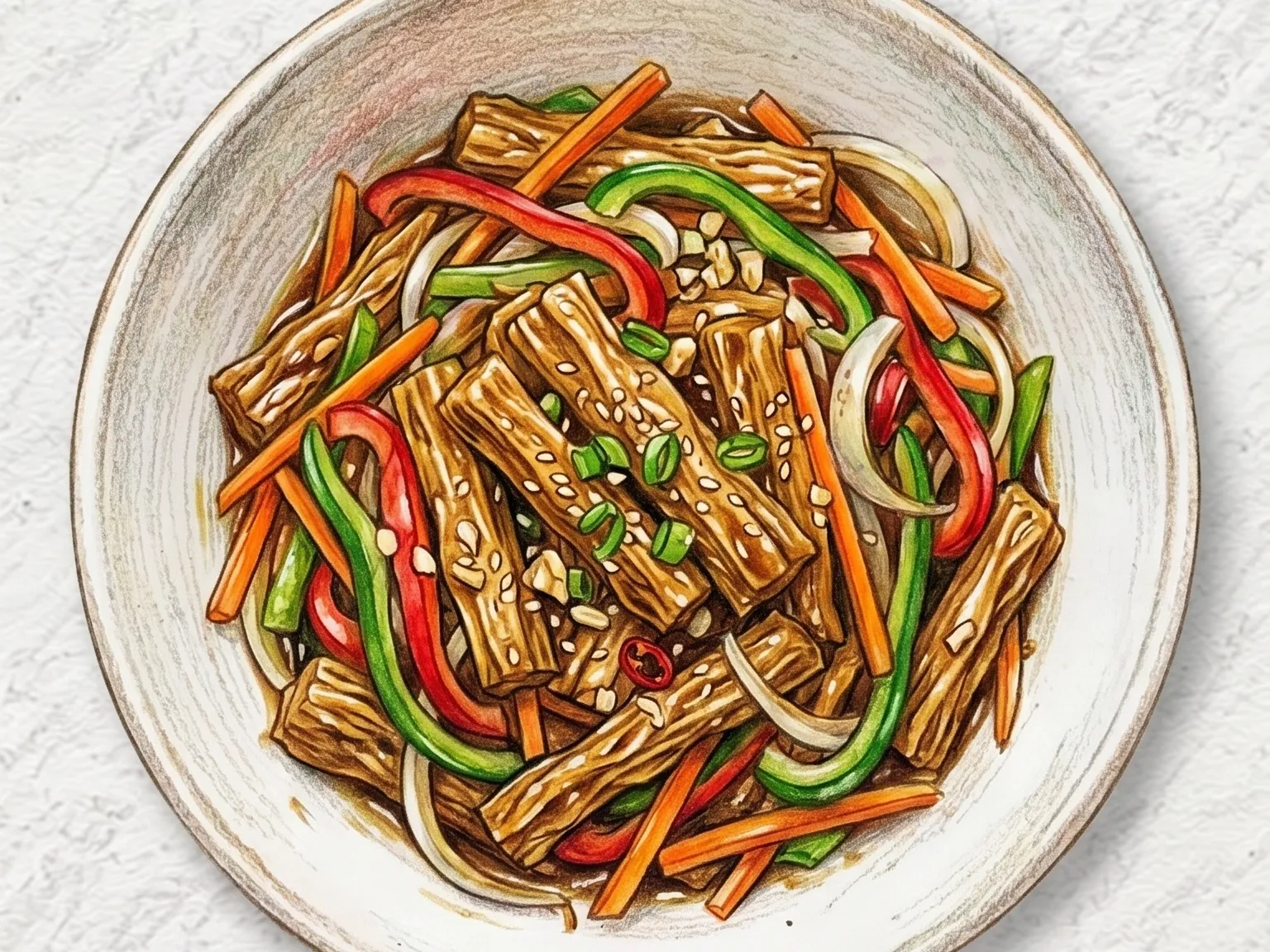
Korean Beef and Bean Sprout Stir-fry
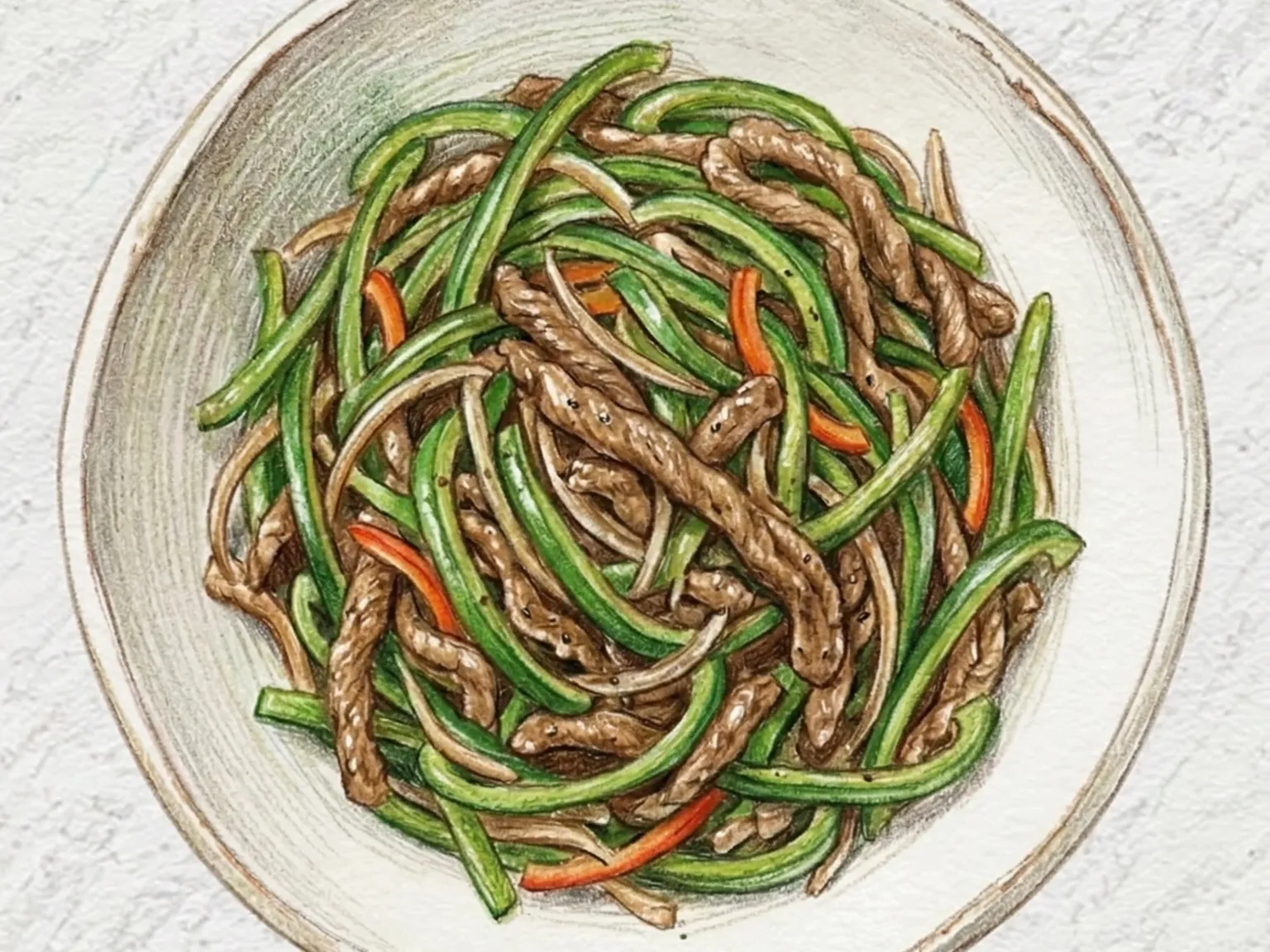
Sukju-sogogi-bokkeum stir-fries thinly sliced lean beef and mung bean sprouts in soy sauce over high heat. The beef goes into a well-heated pan first to develop wok hei, then the sprouts are added for just one to two minutes to keep their crunch and moisture. Seasoning stays minimal with soy sauce, black pepper, and a finish of sesame oil, letting the ingredients speak for themselves. The result is a light stir-fry where the smoky sear of the beef meets the cool, watery snap of the sprouts.

Sisig (Filipino Crispy Chopped Pork with Chili and Calamansi)
Sisig is a Filipino bar food built around chopped pork that is boiled first for tenderness, then pan-fried in butter until the edges turn deeply crisp. Diced onion and fresh chilies are tossed in briefly, adding crunch and a sharp bite that cuts through the richness. Calamansi juice-a small citrus native to the Philippines-brings a tart brightness that lifts the entire dish, while a finishing fold of mayonnaise binds everything together in a creamy coating without dulling the flavor. The mixture is traditionally served on a sizzling cast-iron plate so it arrives at the table still popping and hissing. Each forkful delivers a layered experience: the crunch of the fried pork, the cool tang of citrus, and the lingering heat of the chili. Sisig is inseparable from Filipino drinking culture and remains one of the country's most iconic street-to-table dishes.

Korean Stir-fried Sundae and Tripe
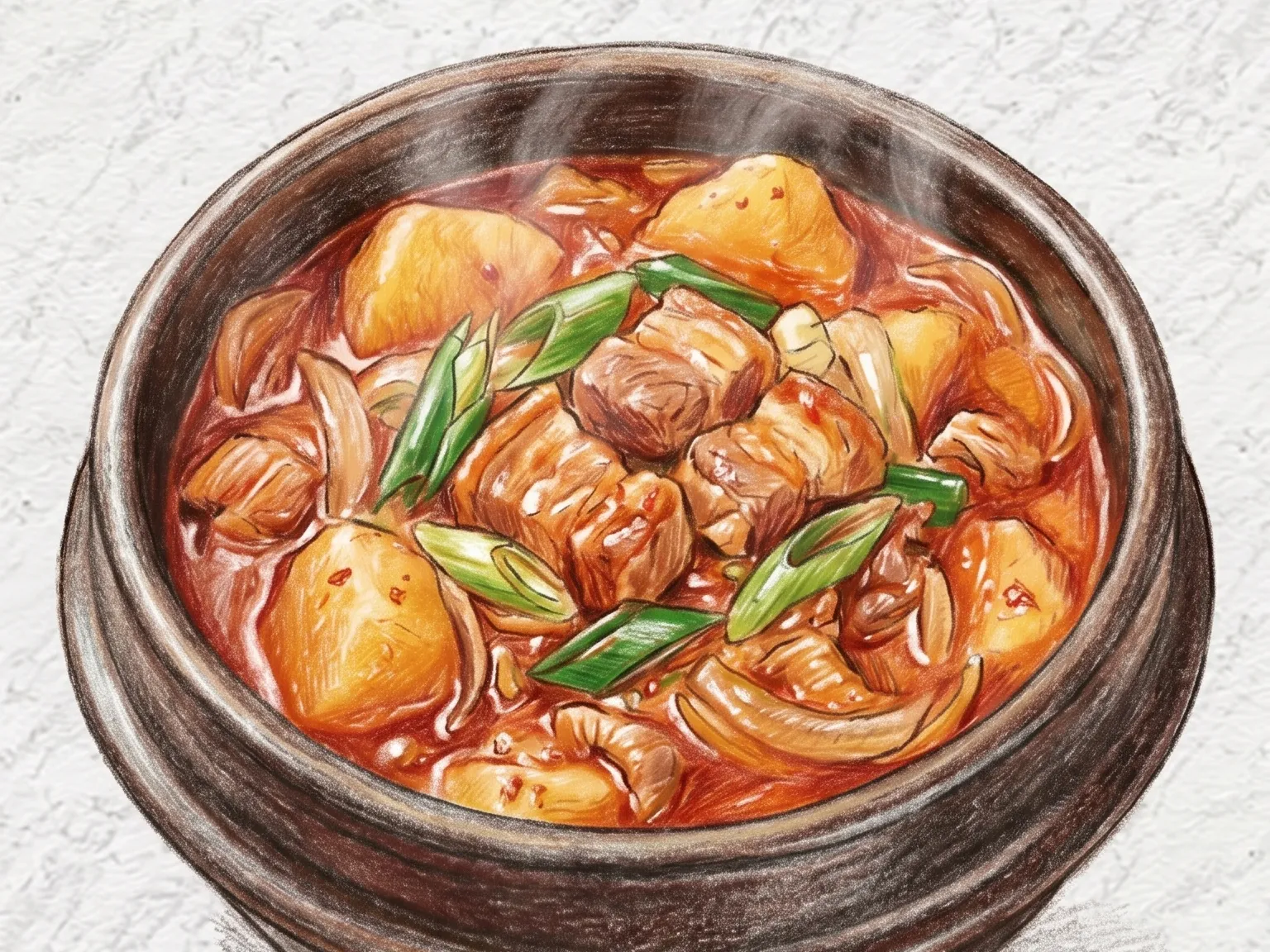
Sundae-gopchang-bokkeum is a bunsik-style stir-fry combining blanched beef tripe and Korean blood sausage (sundae) with cabbage, onion, and scallion in a gochujang-gochugaru sauce. The tripe is seared first for a lightly charred exterior, then the spicy sauce is built in the pan before vegetables are added. Sundae goes in last and cooks briefly to prevent the casing from splitting. Each component brings a distinct texture - springy tripe, dense chewy sundae, and sweet crunchy cabbage - unified by the bold, spicy coating.

Soto Betawi (Jakarta Creamy Coconut Milk Beef Soup)
Soto Betawi is a Jakarta-born beef soup distinguished by its creamy, coconut-enriched broth and a layered spice profile. The aromatics begin with a paste of onion, garlic, and ginger, bloomed in oil alongside ground coriander and a cinnamon stick to build a warm, complex base. Beef brisket simmers in this fragrant liquid for forty minutes or more until it yields to the touch, its collagen enriching the stock. Coconut milk and fish sauce are stirred in toward the end, transforming the broth into something rich and velvety while rounding off the sharper spice edges. The finished soup is neither thin nor heavy-it sits in a satisfying middle ground, substantial enough to serve as a main course with steamed rice or crusty bread on the side. Soto Betawi is a point of pride for Jakarta's Betawi community and a fixture of the city's street-food landscape.

Korean Stir-fried Sundae with Vegetables
Sundae yachae bokkeum stir-fries Korean blood sausage with cabbage, onion, and scallion in a sauce of gochujang, soy sauce, and gochugaru. The vegetables go into the pan first to drive off excess water so the sauce clings better, while the sundae is added later to keep its casing intact and its filling dense and chewy. The combined seasoning creates a spicy-salty glaze that coats the sundae slices evenly. Compared to sundae-gopchang-bokkeum, this version skips the tripe and leans heavier on vegetables, making it a lighter take on the same street food flavor.

Sweet and Sour Pork
Sweet and sour pork, known in Korea as tangsuyuk, is a Chinese-Korean dish of double-fried pork pieces served under a glossy, tangy sauce. Bite-sized cuts of pork loin are coated in egg and cornstarch, then fried twice at 175 degrees Celsius-the first pass cooks the inside, and the second crisps the crust to a shattering crunch. The sauce is built from ketchup, sugar, vinegar, and soy sauce, brought to a quick boil and tossed with stir-fried bell pepper and onion, which contribute color and a fresh vegetal crunch. Timing is everything: the sauce is poured over the pork at the very last moment so the coating stays audibly crisp when bitten into. The interplay between the crunchy exterior, the soft pork within, and the bright, fruity sauce makes this one of the most popular dishes at Chinese restaurants across Korea.

Korean Vegetable Japchae (Glass Noodle Mixed Vegetable Stir-Fry)
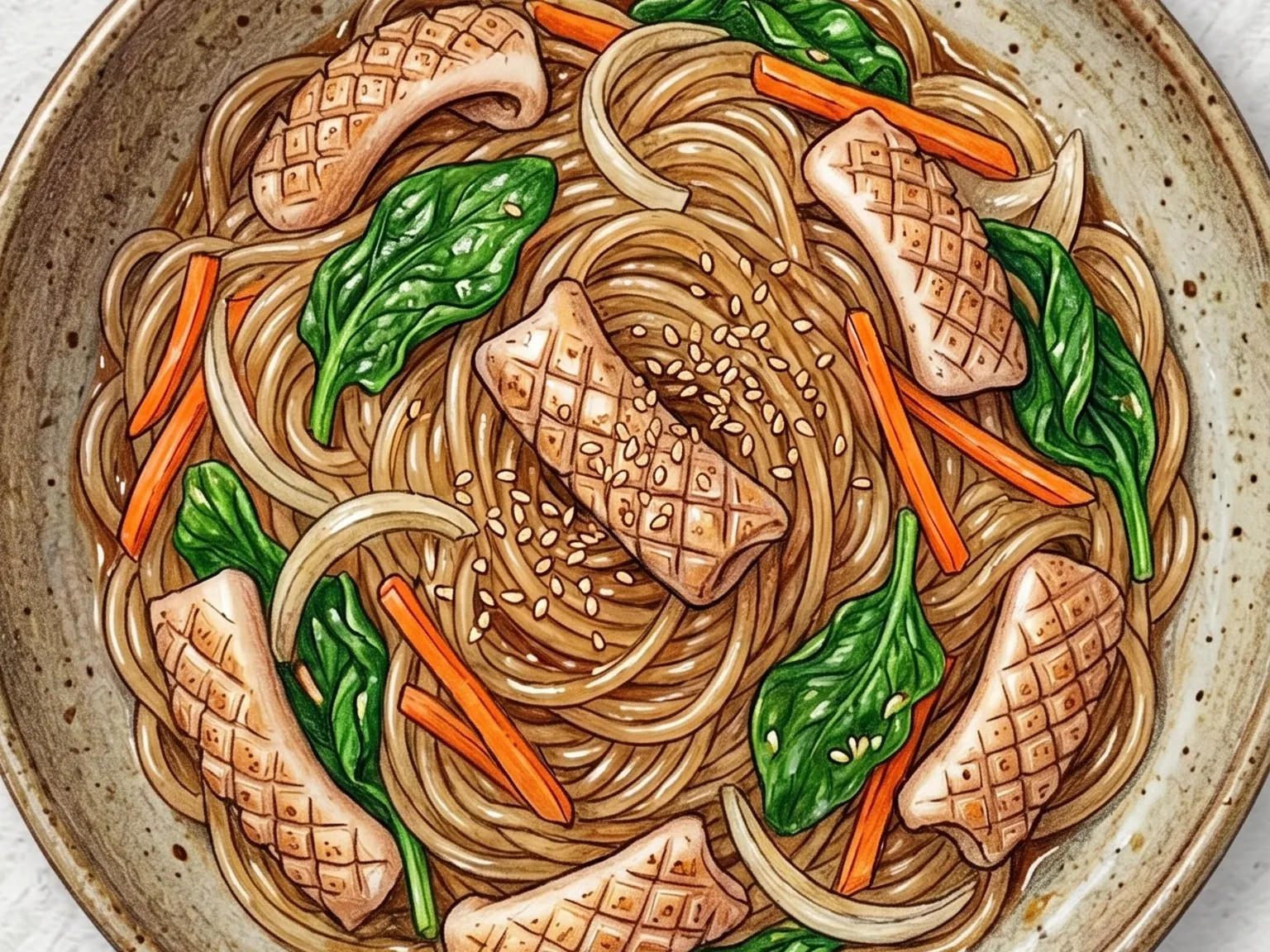
Yachae japchae is a vegetarian version of the classic Korean glass noodle dish, made entirely with sweet potato noodles and mixed vegetables - spinach, carrot, shiitake mushrooms, bell pepper, and onion. Each vegetable is stir-fried separately to maintain its color and distinct texture, then combined with pre-seasoned noodles dressed in soy sauce and sesame oil. The varied sweetness and crunch of each vegetable layer together under the soy-sugar seasoning, while the noodles absorb the sauce and turn glossy and chewy. Without meat, the vegetables take center stage, making this equally suitable for everyday meals and celebration spreads.

Thai Yellow Curry (Mild Thai Turmeric Coconut Curry with Chicken)
Thai yellow curry is the mildest of the three major Thai curries, built on a paste that features turmeric as its dominant spice, which gives the dish its distinctive golden color and a warm, earthy undertone. The paste is dry-fried in a pan until fragrant before coconut milk is poured in to form a creamy, gently spiced base. Chicken pieces, cubed potato, and sliced onion simmer in the liquid until the potato is fully tender, its starch thickening the curry slightly and giving the sauce a comforting body. Fish sauce is added last to season the pot, its salty depth rounding out the turmeric's earthiness and the coconut's sweetness. The result is a mild, aromatic curry with a smooth texture and a warmth that comes more from the spice blend than from chili heat. Yellow curry is often recommended as an entry point for those new to Thai cuisine, yet its layered flavor-turmeric, cumin, coriander, and coconut working in concert-rewards experienced palates as well.

Korean Lotus Root Chicken Breast Stir-fry
Yeongeun-dakgaseumsal-bokkeum stir-fries soy-and-wine-marinated chicken breast with lotus root, bell pepper, and onion. The lotus root is sliced 3mm thick and soaked in vinegar water to prevent browning and keep its crunch, while the chicken is cooked quickly over medium-high heat to avoid drying out. Oligosaccharide syrup mixed with soy sauce creates a glossy glaze that coats the ingredients, and bell pepper adds color and sweetness. The crisp, starchy bite of the lotus root paired with the lean chicken makes this a protein-rich banchan that stays grease-free and packs well for lunches.

Tinola (Filipino Ginger Chicken Soup with Green Papaya)
Tinola is a Filipino home-style chicken soup defined by its prominent ginger character and its clear, light broth. The aromatic base is built by sauteing julienned ginger, sliced garlic, and onion in a little oil until fragrant, then adding chicken pieces and cooking them until the surfaces turn opaque. Fish sauce goes in next, providing a salty depth that anchors the broth, followed by a generous pour of water. The chicken simmers until fully tender, at which point wedges of green papaya are added-their mild sweetness and yielding texture complementing the peppery warmth of the ginger. Spinach or other leafy greens are stirred in at the very end, wilting in the residual heat and adding a fresh, verdant note to the bowl. The finished soup is remarkably clean in flavor despite its depth, with the ginger threading through every spoonful as a persistent, warming presence. In Filipino households, tinola occupies the same comforting role that chicken noodle soup holds elsewhere-it is the first dish prepared when someone is unwell or in need of nourishment.

Korean Lotus Root and Shrimp Stir-fry
Yeongeun-saeu-bokkeum stir-fries vinegar-soaked lotus root and cleaned shrimp in a soy sauce and oligosaccharide glaze. The lotus root goes in the pan first for two minutes to start cooking, then shrimp are added and the soy-syrup seasoning goes in over high heat to build a glossy coating. The crunchy, starchy bite of the lotus root contrasts with the bouncy firmness of the shrimp in each mouthful, while the soy and syrup provide a simple salty-sweet balance. Finished with sesame oil, the dish holds its texture well even after cooling, making it well-suited for packed lunches.

Japanese Stir-Fried Noodles (Yakisoba)
Yakisoba is a Japanese stir-fried noodle dish found everywhere from festival stalls to home kitchens. Wheat noodles are tossed on a hot griddle with thinly sliced pork, shredded cabbage, onion, and carrot, then coated in a thick, Worcestershire-based yakisoba sauce that gives the noodles their signature dark glaze and sweet-savory depth. The high heat chars the edges of the vegetables while keeping them crisp, and the noodles pick up slightly caramelized spots where they press against the cooking surface. Bonito flakes scattered on top dance in the rising steam, releasing a smoky, oceanic aroma. Additional garnishes like aonori seaweed powder and pickled red ginger add color and sharpness.

Zi Ran Yang Rou (Cumin Lamb Stir-Fry)
Zi ran yang rou is a cumin lamb stir-fry originating from China's northwestern provinces, particularly Xinjiang and Gansu, where lamb and cumin are foundational ingredients. Lamb is cut into bite-sized pieces and seared over the highest possible heat, then showered with ground cumin and chili flakes while still in the wok. The cumin's warm, earthy aroma bonds with the assertive flavor of lamb in a way that neither ingredient achieves alone - cumin needs lamb's fat to bloom, and lamb needs cumin's fragrance to focus its richness. Minced garlic and sliced onion contribute underlying sweetness that tempers the spice, while soy sauce ties the seasoning together.

Korean Soy Glazed Beef Rice Bowl
Sogogi deopbap tops steamed rice with thin-sliced beef and onions cooked in a sweet-soy glaze, served with just enough sauce to soak into the grains. The beef is marinated briefly in a mixture of dark soy sauce, sugar, and minced garlic, which caramelizes quickly in a hot pan. Onion slices cook alongside the beef, their natural sweetness balancing the salty-sweet sauce as they soften. Sesame oil added toward the end leaves a nutty aftertaste that lingers. The key is keeping a small pool of sauce in the pan rather than reducing it completely - that glossy liquid seeps into the rice and makes each spoonful flavorful without needing additional seasoning. A generous crack of black pepper at the end adds a sharp finish.

Chwinamul Smoked Mackerel Salad
Flaked smoked mackerel sits at the center of this salad, bringing an oily, smoke-forward richness that contrasts directly with the clean, grassy notes of briefly blanched chwinamul. The chwinamul is blanched just long enough to remove its raw edge while retaining its green color and faint herbal bitterness. Cooked green lentils add earthy substance and make the salad genuinely filling. Halved cherry tomatoes introduce a burst of juice that cuts through the mackerel fat and keeps the dish from feeling heavy. A vinaigrette built from Dijon mustard, apple cider vinegar, and olive oil draws the separate elements together, and the smoky fat from the mackerel gradually bleeds into the dressing as it sits, deepening the overall flavor. The combination of protein from the fish, fiber from the lentils and greens, and healthy fat from the mackerel and olive oil makes this a nutritionally complete single-bowl meal.

Korean Hairtail & Fernbrake Stew
Galchi gosari jjigae pairs hairtail fish with boiled fernbrake in a deeply spiced Korean stew. The broth begins with anchovy-kelp stock seasoned with gochugaru and soup soy sauce, building a clean, peppery heat without heaviness. Korean radish and onion go in early to dissolve their natural sugars into the broth, adding a cool sweetness that tempers the chili. As the hairtail simmers, its flesh breaks into tender pieces and releases the fish's inherent oils into the liquid, enriching every spoonful with a maritime depth. The fernbrake brings a resilient, slightly meaty chew that stands up well to the long simmer. Rooted in the fish stew traditions of Jeju Island and the southern coastal regions of Korea, this dish is a regional staple that pairs seamlessly with plain rice.

Korean Stir-fried Chicken Gizzards
Dak-ttongjip-bokkeum is a stir-fried dish made from chicken gizzards cooked over high heat with garlic and cheongyang chili pepper. The gizzard, known as the near-wi in Korean, is the thick muscular organ a chicken uses to grind its food. It contains very little fat, is high in protein, and stays firm through cooking in a way that ordinary chicken meat does not. Proper cleaning before cooking is essential. The yellow inner lining and any adjacent odorous tissue must be removed entirely, or the finished dish will carry an off smell that no amount of seasoning can cover. Once cleaned and scored lightly on the surface to help seasoning penetrate, the gizzards go into a very hot pan. The goal is a fast, high-heat cook that sears the outside while leaving the interior tender and springy. Extended cooking over lower heat makes them chewy and tough. The texture is the defining quality of this dish - dense, elastic, and slightly resistant to the bite, with a mild savory nuttiness that deepens the longer you chew. Cheongyang chili cuts through any residual heaviness and adds a clean, quick heat. Garlic provides a deep aromatic foundation that complements the protein. Soy sauce and mirim season the stir-fry with a balance of salt and restrained sweetness. The dish is ordered frequently alongside beer or soju, where its chewy texture and moderate heat make it a satisfying accompaniment to cold drinks. It also works well as a rice side dish.

Cassoulet (French White Bean and Pork Stew)
Cassoulet is a slow-cooked stew from the Languedoc region of southwestern France, combining white beans, pork shoulder, and sausage in chicken stock over a minimum of two hours. As the beans absorb broth during the long simmer, they gradually release their starch into the liquid. This natural thickening is what produces the stew's characteristic dense, coating texture without any added roux or flour. Collagen from the pork shoulder breaks down completely over the extended cooking time and dissolves into the broth, adding body, while the fat from the sausages emulsifies into the stew rather than pooling on the surface. Thyme manages the richness of the meats, and tomato paste provides acidity and structural depth. Preparing cassoulet a day in advance and allowing it to rest overnight lets the beans and meat exchange flavors fully, producing a noticeably deeper result than the freshly made version. This is a dish that requires time as an ingredient. Served in cold weather with a thick slice of crusty bread, a single bowl constitutes a complete meal.

Korean Braised Tofu and Mushrooms
Dubu-beoseot-jorim is a Korean braised side dish of firm tofu and oyster mushrooms simmered in a soy-based sauce until the liquid reduces to a glossy, clinging coat. The tofu is pan-fried first in a lightly oiled skillet to form a firm outer crust before braising begins, which allows it to absorb the seasoned liquid without crumbling or losing its structure during cooking. The result is a cube with a slightly firmer exterior and a soft, custardy interior that holds together through each bite. Oyster mushrooms, torn along their natural grain rather than cut, contribute a pleasantly chewy texture and release their inherent umami into the braising liquid as they cook, adding depth without the need for separate stock. The sauce requires only soy sauce, water, garlic, gochugaru, and sesame oil, making this a straightforward braise that rewards careful heat management over elaborate preparation. When the sauce has reduced to just a small pool at the bottom of the pan, the dish is ready, well-seasoned enough to serve alongside plain rice or pack into a lunchbox.

Korean Grilled Pork Cheek
Dwaeji bolsal gui is a Korean grilled pork cheek dish in which the cheek meat is marinated in soy sauce, minced garlic, and ginger for at least 30 minutes before being seared quickly over high heat. The cheek is the muscle used constantly for chewing, which produces an exceptionally fine-grained texture with dense collagen throughout. Slicing through a piece reveals alternating layers of fat and lean, so the richness shifts with each bite. High heat is non-negotiable for this cut. A hot surface triggers the Maillard reaction, building a well-browned crust while the interior stays juicy. Cooking the same cheek over low heat for an extended time breaks down the collagen completely, leaving the meat soft and flabby rather than springy. Grilling sliced onion and green onion in the same pan and layering them with the cooked pork sharpens the overall flavor, the pungent vegetables cutting through the cheek's deep meatiness.

Korean Chive Shrimp Jeon (Crispy Chive and Shrimp Pancake)
Buchu-saewu-jeon is a Korean garlic chive and shrimp pancake made by folding coarsely chopped shrimp, garlic chives, and julienned onion into an egg-enriched batter before pan-frying over medium heat. Leaving the shrimp in rough chunks rather than mincing them fine is what gives each bite a distinct, springy snap along with the natural sweetness of shellfish. Onion softens and caramelizes as it cooks, tempering the brine of the shrimp, while a pinch of black pepper adds quiet warmth behind the other flavors. Spreading the batter thin and cooking for three minutes before flipping ensures the shrimp-studded edges turn crisp and lacy while the chive-packed center stays moist and tender. Egg raises the batter's binding strength so the pancake holds together cleanly when turned. The finished jeon pairs especially well with a soy-vinegar dipping sauce, which draws out the sweetness of the seafood more clearly than a plain soy sauce would.

Korean Seasoned Glasswort Salad
Sebalnamul-muchim features 220 grams of glasswort, a succulent coastal plant that carries a natural salinity from the tidal flats where it grows. A 10-second blanch in boiling water is enough to barely soften the thin stems while preserving their distinctive pop when bitten. The dressing of gochugaru, vinegar, plum extract, and sesame oil coats the tender shoots without masking their inherent briny flavor. Thinly sliced onion adds a sweet crunch, and the plum extract mellows the vinegar's sharpness into a rounded tartness. Because no additional salt is needed, the final seasoning relies entirely on the balance between acid, sweetness, and the glasswort's own minerality.

Swedish Meatballs
Swedish meatballs mix ground beef with sautéed onion, breadcrumbs, egg, and milk, shape the mixture into bite-size balls, brown them in butter, then simmer in a creamy gravy built in the same pan. The key to tender meatballs is minimal handling - overworking the mixture tightens the protein network and produces a tough, dense texture. Browning the meatballs leaves behind caramelized drippings on the pan floor, and these fond bits become the flavor base of the gravy when flour is whisked in to form a roux. Adding milk gradually while stirring prevents lumps, and a splash of Worcestershire sauce introduces a savory depth that rounds out the cream. The gravy's thickness is adjustable at the end - more milk loosens it, less keeps it rich - and serving over mashed potatoes lets nothing go to waste.

Cajun Shrimp Pasta
Cajun shrimp pasta belongs to the American culinary tradition and focuses on shrimp seasoned with a specific blend of spices known as Cajun seasoning. This seasoning mixture originates from the Louisiana Creole culinary heritage and typically includes a combination of paprika, cayenne pepper, dried oregano, thyme, garlic powder, and onion powder. This specific grouping of ingredients provides a distinct smoky quality and a moderate level of heat that separates it from the herb and spice traditions commonly found in Italian or Spanish cuisine. During the cooking process, the shrimp are first coated in the spice mix and then seared in butter for approximately one to two minutes on each side. It is necessary to remove the shrimp from the pan while they are still slightly underdone, as leaving them on the heat for too long results in a tough and rubbery texture. By taking them out of the pan early and only returning them at the final stage of preparation, the shrimp maintain their firm and snappy bite. Once the shrimp have been set aside, the butter and the spice-infused oil remaining in the pan serve as the primary flavor foundation for the sauce. A mixture of chopped onion, minced garlic, and bell peppers is sautéed in this residue until the vegetables soften and absorb the smoky heat left behind by the spices. The sauce is then constructed using both heavy cream and milk. The decision to use a combination of these two liquids, rather than heavy cream by itself, results in a lighter consistency that allows the sauce to coat the pasta strands more evenly without feeling excessively heavy during consumption. A small amount of the starchy water used to boil the pasta is added to the sauce before the noodles are introduced. This starch aids in the emulsification of the cream, which ensures that the sauce adheres to the pasta instead of separating or gathering at the bottom of the plate. The shrimp are added back into the pan at the very end, remaining on the heat only long enough to be warmed through. For individuals who would like a more intense level of spiciness, extra seasoning can be added to the finished dish at the table.