Charim

2686 Korean & World Recipes

2686+ Korean recipes, clean and organized. Ingredients to instructions, all at a glance.

Recipes with soy sauce

24 recipes

Buy soy sauce
Korean Stir-Fried Eggplant Banchan
Side dishesEasy

Korean Stir-Fried Eggplant Banchan

Gaji bokkeum turns eggplant, a vegetable Koreans have cultivated since the Goryeo period, into a quick, oil-glazed banchan where cooking speed matters as much as the seasoning. The eggplant is sliced into half-moons, and the pan must be smoking hot before they go in - any hesitation and the pieces steam rather than sear, collapsing into a soggy mass. High heat with restrained oil produces lightly charred edges while the interior becomes silky and almost custardy, two contrasting textures in the same bite. Soy sauce, garlic, and sesame oil go in during the final thirty seconds, sizzling against the hot surface and coating each piece in a thin, caramelized glaze. The result has a concentrated, clean umami quality that a braised preparation cannot match. Because the spongy cellular structure of eggplant absorbs oil rapidly, starting with too much fat leaves each piece greasy rather than glazed - the dish relies on pan temperature, not oil volume. Korean home cooks return to this recipe as a weeknight banchan precisely because the whole process, from cutting board to table, takes under ten minutes, and the payoff is consistently good.

🏠 Everyday🍱 Lunchbox
Prep 10minCook 7min4 servings
Korean Gochujang Chicken Mayo Rice Bowl
RiceEasy

Korean Gochujang Chicken Mayo Rice Bowl

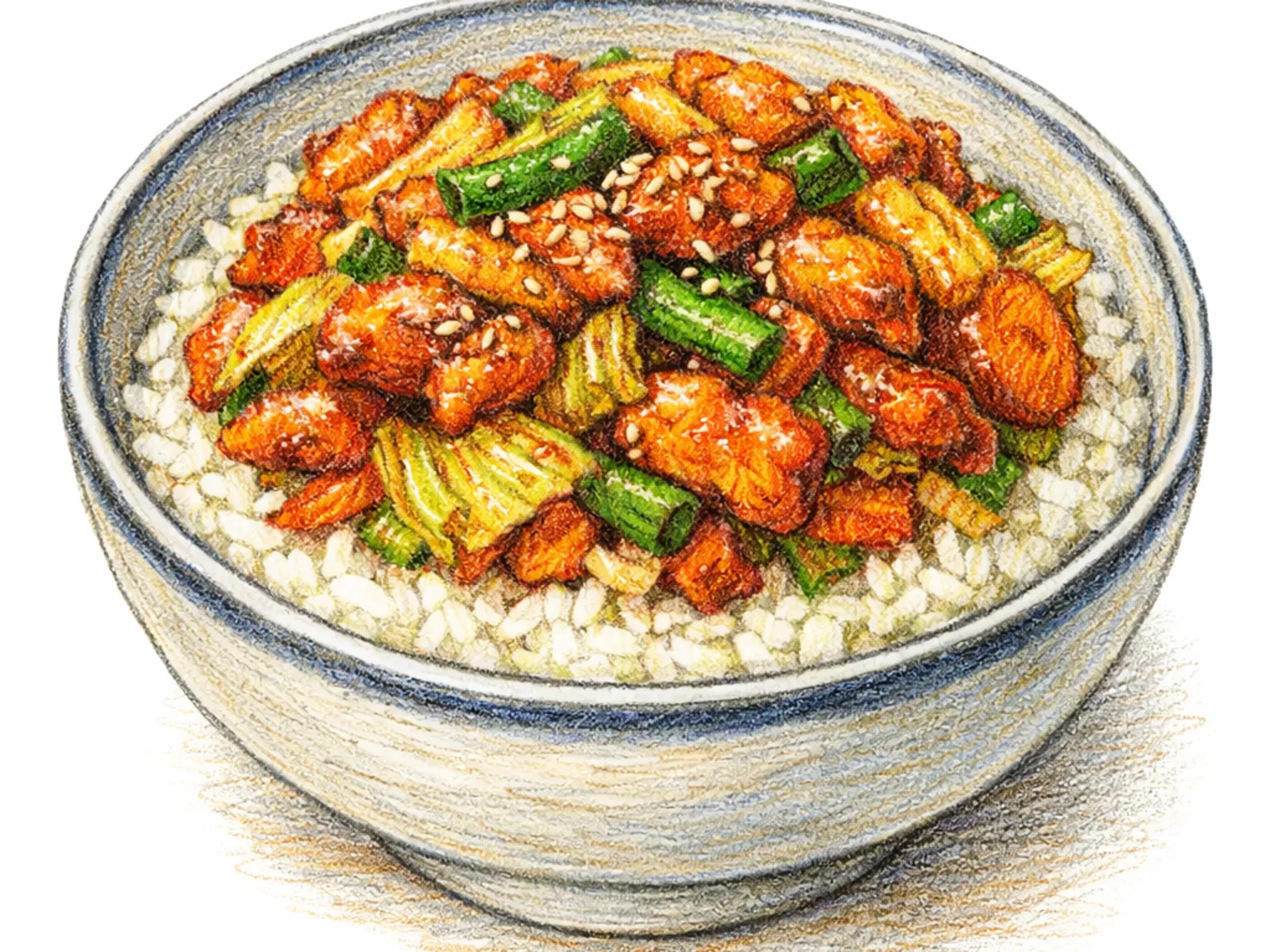
Gochujang chicken mayo deopbap pairs stir-fried chicken thigh glazed in a fermented chili sauce with a drizzle of creamy mayonnaise over warm steamed rice. Boneless chicken thigh cut into bite-sized pieces is stir-fried over high heat in a sauce built from gochujang, soy sauce, sugar, and minced garlic until a glossy, sticky glaze coats every surface and the edges of the chicken begin to caramelize. The sauced chicken goes directly onto the rice, and mayonnaise is zigzagged across the top in strips, creating alternating lines of red and white that fold together at the table. The combination works because gochujang contributes fermented, slow-building heat while the mayo provides a cool, fat-rich creaminess that extends each bite and carries the sauce deeper into the rice. Onion cooked alongside the chicken breaks down into the glaze, rounding the sauce's edges with a natural sweetness, while a scattering of sliced green onion on top adds a fresh, sharp contrast. Thigh meat is the correct choice over breast - its fat content means it retains moisture through the high-heat stir-fry rather than turning dry or stringy. A variation that has gained popularity layers a slice of processed cheese beneath the chicken, letting the residual heat melt it into a creamy middle layer between rice and glaze.

🏠 Everyday
Prep 15minCook 20min2 servings
Korean Aster Greens Beef Stir-fry
Stir-fryMedium

Korean Aster Greens Beef Stir-fry

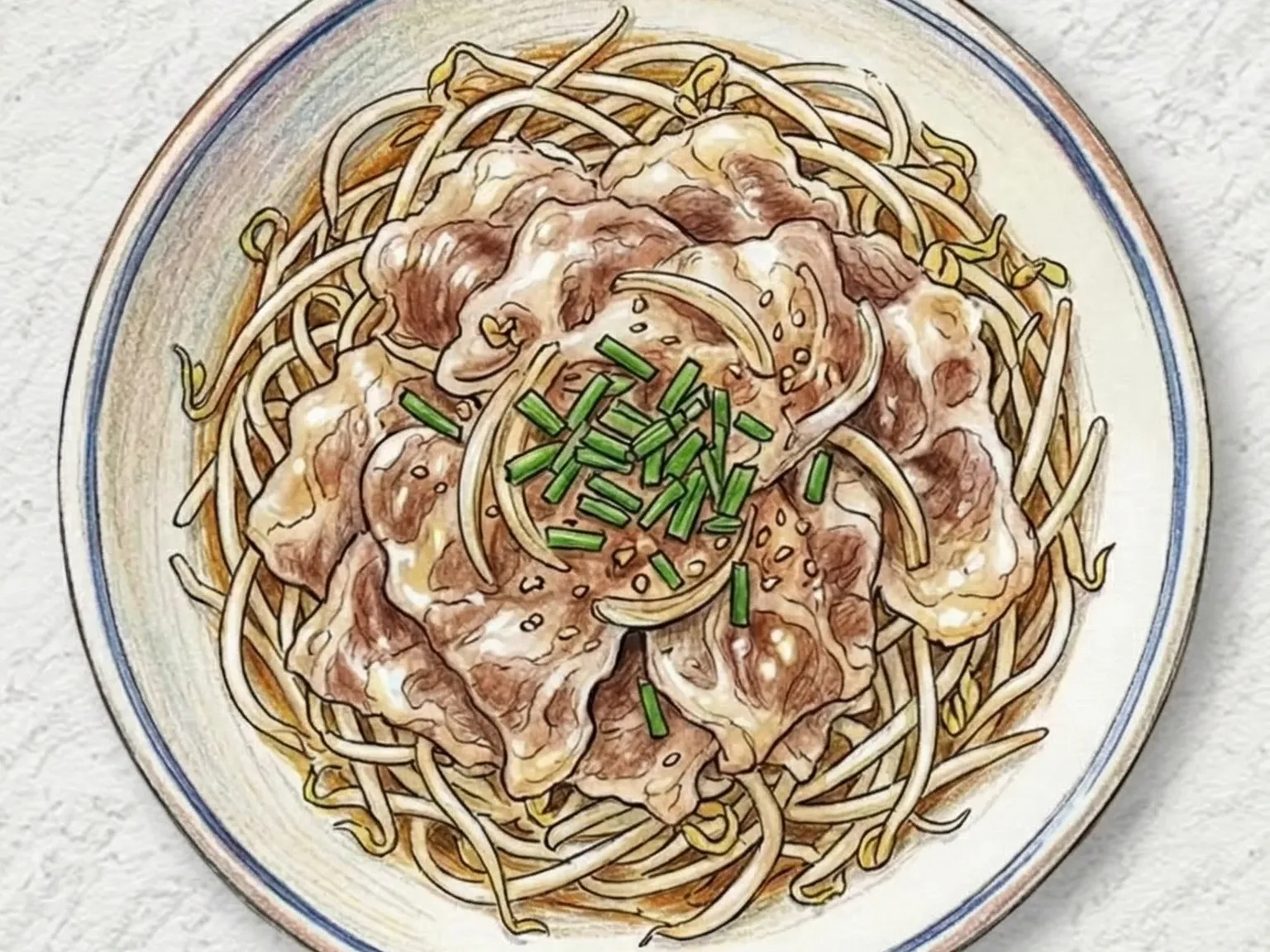
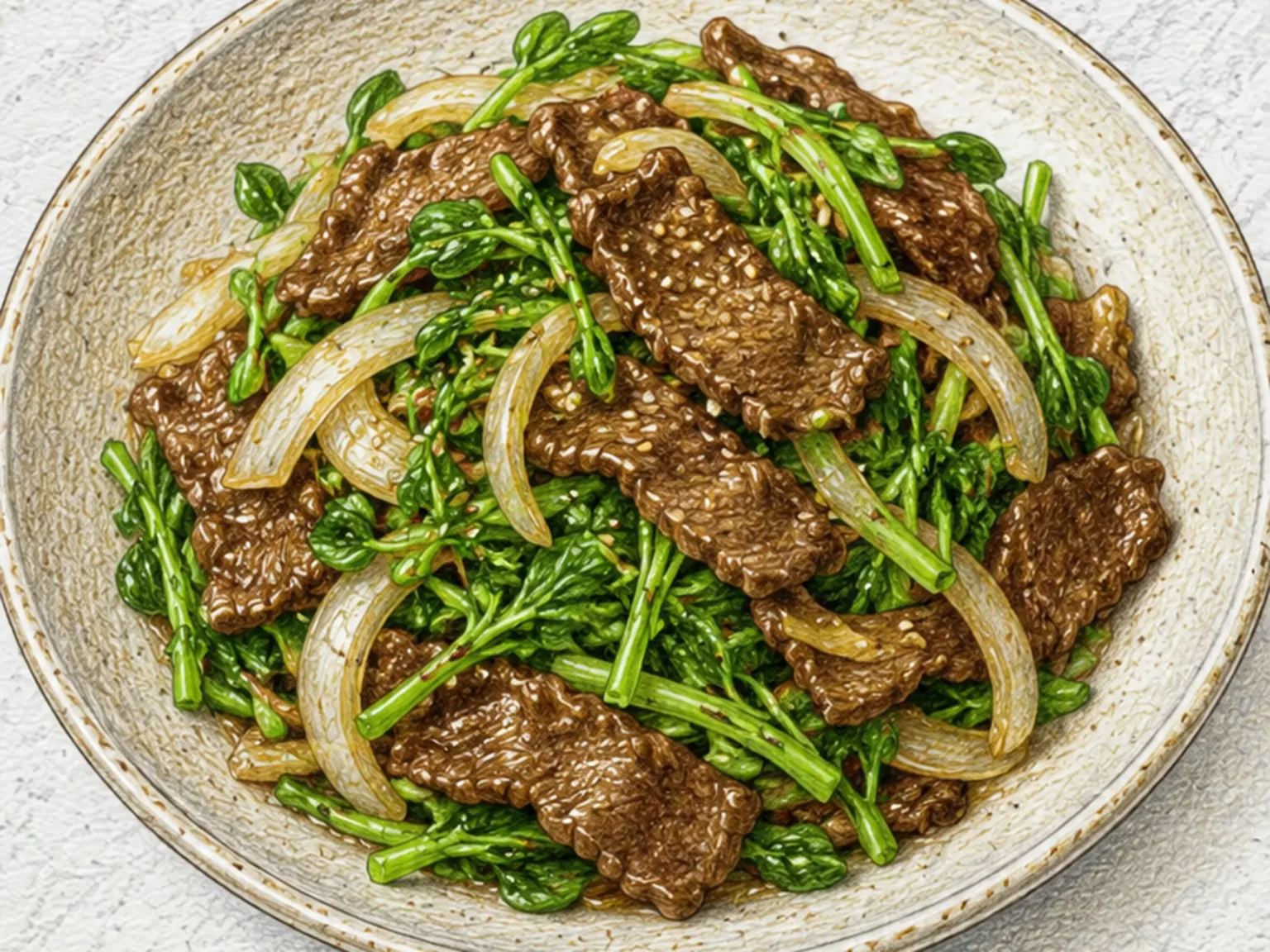
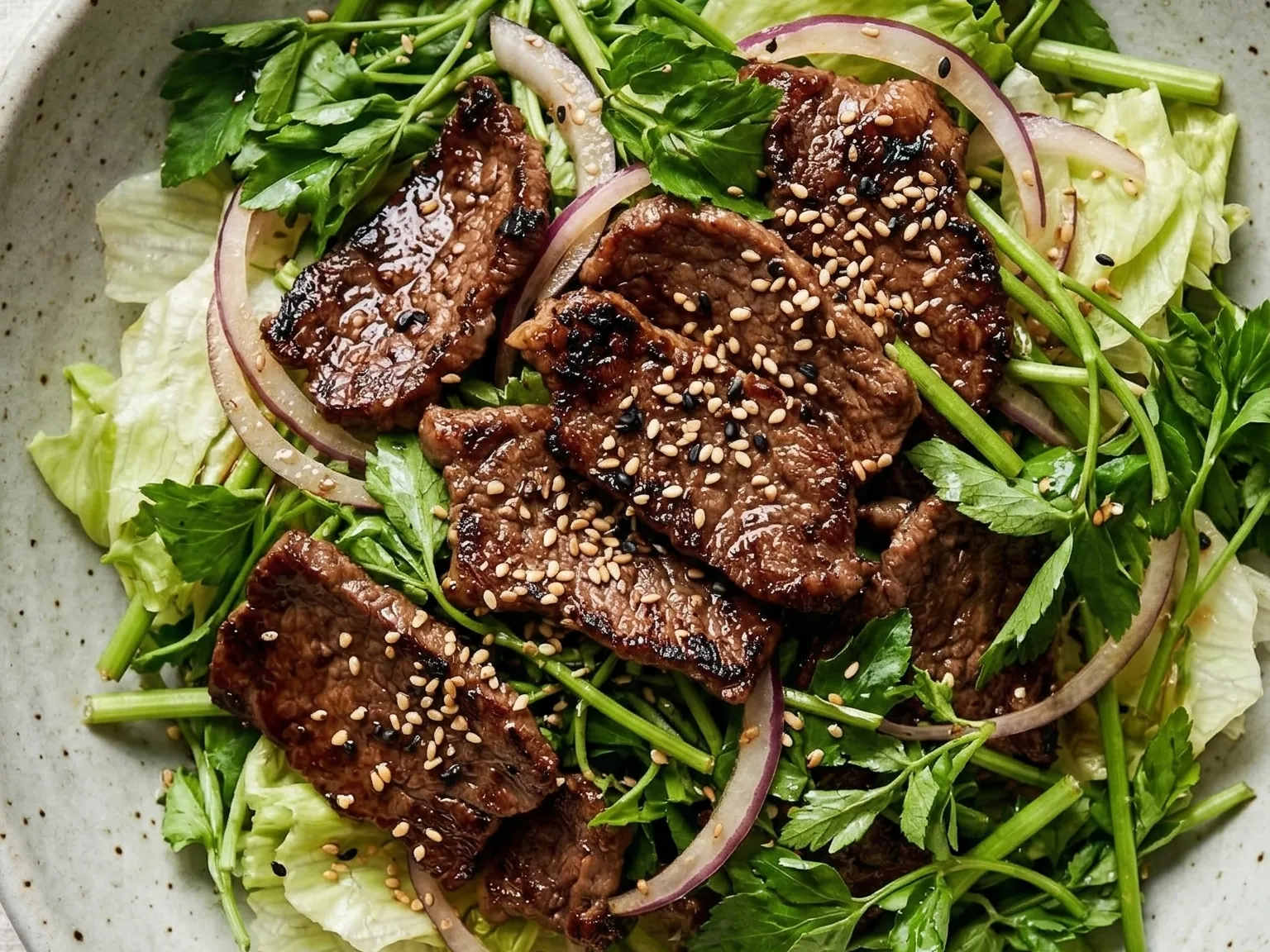
This stir-fry brings together fragrant chwi-namul wild greens and thinly sliced bulgogi-cut beef on a single plate, where the greens' herbal bitterness meets the meat's savory depth. Pre-seasoning the beef with soy sauce and cooking wine means that as the meat cooks, the seasoning transfers into the greens without the need for additional salt at the end. Onion softens during cooking, releasing sweetness that takes the edge off the overall saltiness and rounds the flavor. A finishing drizzle of perilla oil adds a distinctly Korean nuttiness, and whole sesame seeds scattered on top provide small pops of texture throughout each mouthful. This banchan works as a hearty, protein-rich complement to an otherwise vegetable-heavy table, substantial enough to serve as a main side dish alongside steamed rice.

🏠 Everyday🍱 Lunchbox
Prep 18minCook 12min4 servings
Korean Egg Dumpling Pancakes
Street foodEasy

Korean Egg Dumpling Pancakes

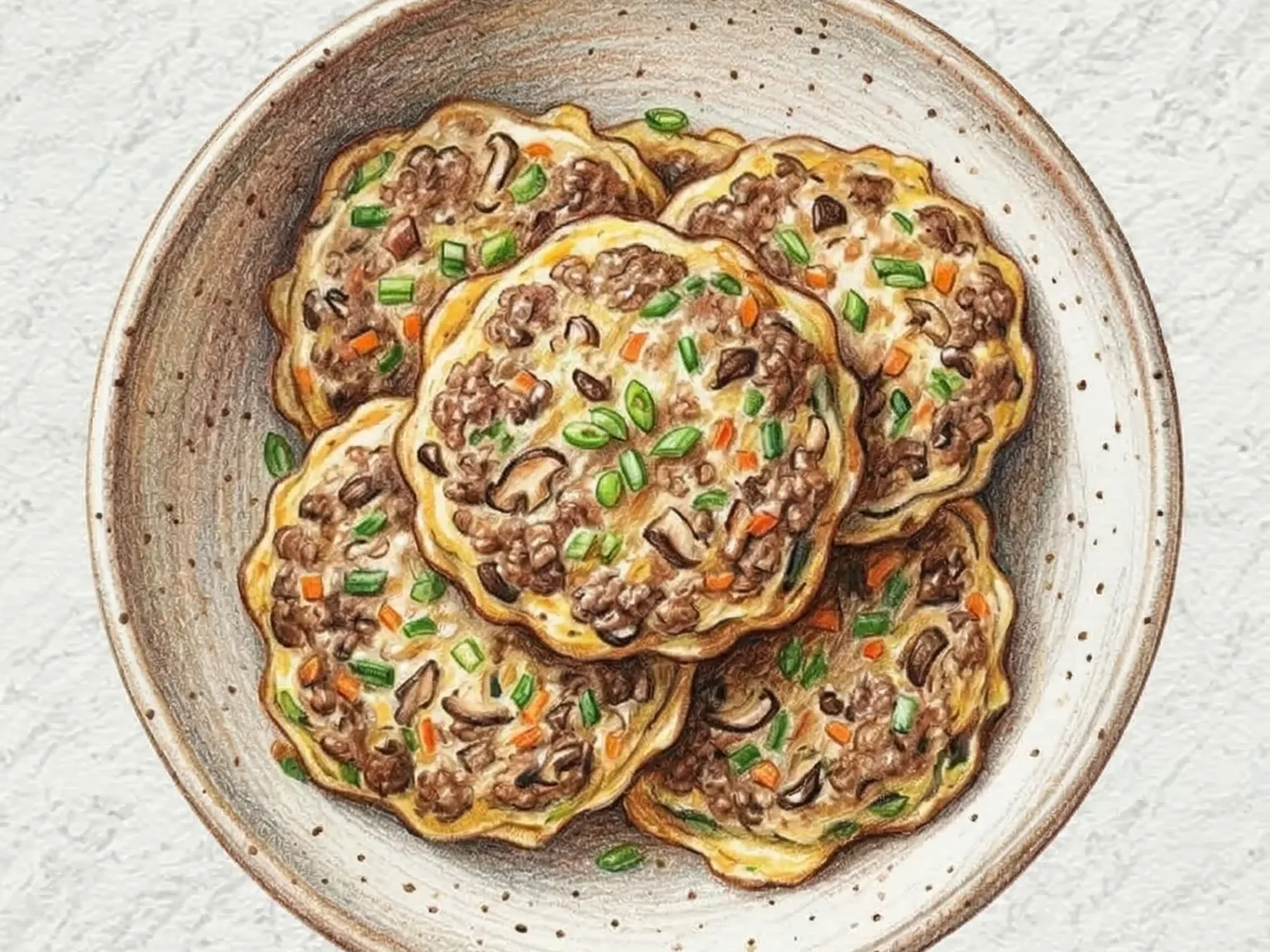
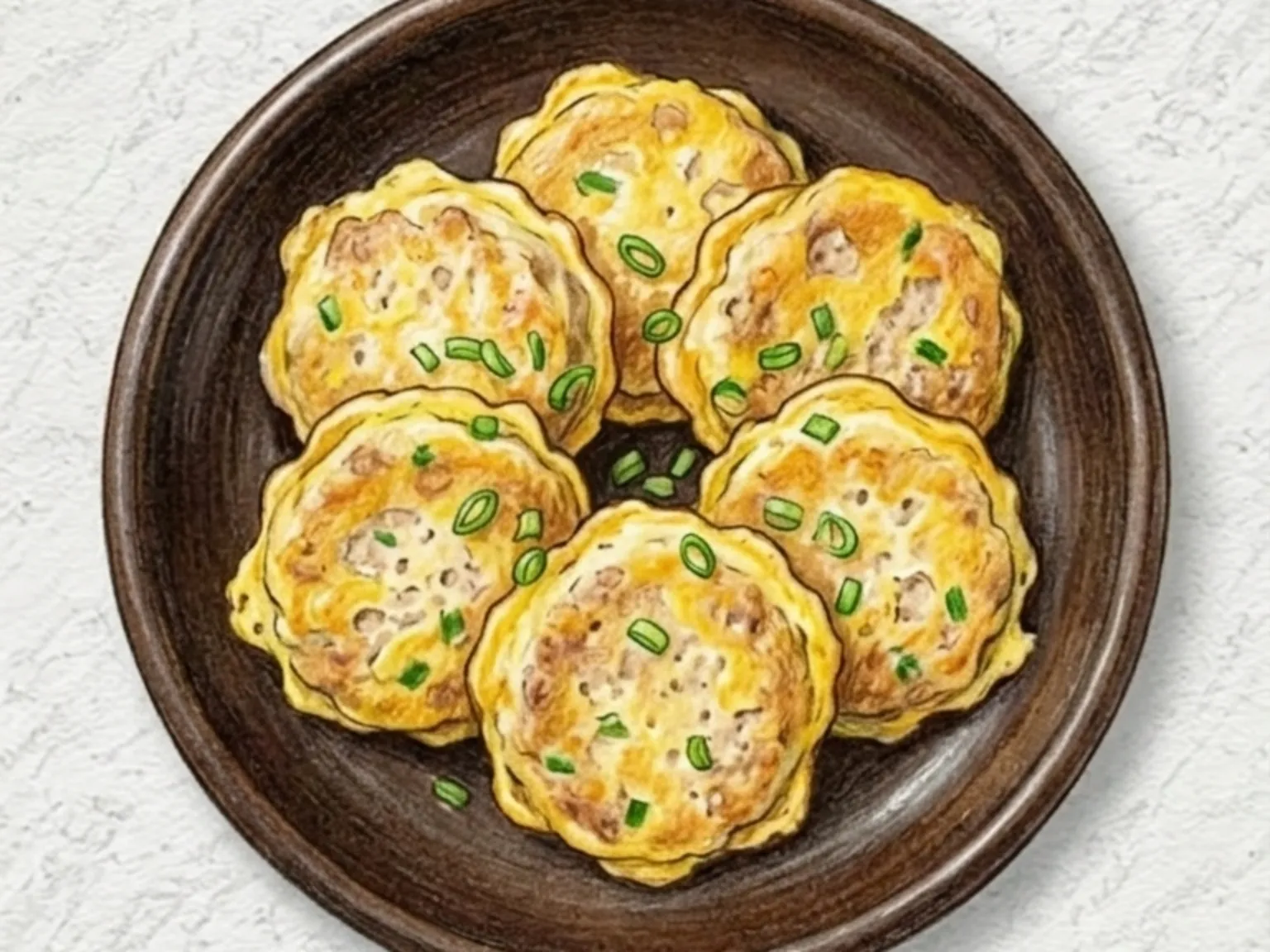
Gyeran-mandu is a Korean market-style egg dumpling pancake made by mixing finely chopped cabbage, scallion, and soaked glass noodles into beaten egg, then pan-frying the mixture into flat, palm-sized rounds. Rather than using a traditional flour wrapper, the egg itself forms the outer shell that binds and seals the filling. The patties cook slowly over medium-low heat, giving the surface time to turn lightly golden while the interior stays moist and tender. Squeezing the excess moisture from the vegetables before mixing is the most critical step - too much water and the patties spread and lose their shape before the egg can set. Glass noodles must be cut into short lengths so the rounds hold together and flip without falling apart. A thin layer of oil in the pan and a lid placed on top help the egg cook evenly without burning. Dipping the finished patties into a sauce of soy sauce, vinegar, and a pinch of gochugaru brings a salty-tangy contrast that complements the mild richness of the egg.

🧒 Kid-Friendly
Prep 12minCook 10min2 servings
Korean Gochujang Grilled Chicken Legs
GrilledMedium

Korean Gochujang Grilled Chicken Legs

Gochujang dak-dari-gui is a Korean pan-grilled chicken dish in which bone-in leg quarters are marinated in a sauce of gochujang, soy sauce, oligosaccharide syrup, minced garlic, mirin, and sesame oil before being cooked in a skillet. The use of oligosaccharide syrup rather than plain sugar is deliberate - it has a lower sweetness level but higher viscosity, which helps the marinade adhere to the chicken's surface and caramelizes more slowly without burning, making it easier to develop a proper glaze. Starting the chicken skin-side down over medium heat is the foundation of the dish: pressing the skin gently against the pan renders the subcutaneous fat gradually, producing a crisp surface layer. Without sufficient rendering time, the skin stays soft and slick even when coated with the sauce later. Flipping and covering with a lid traps steam inside the pan, which drives heat into the thickest part of the meat and ensures it cooks through evenly without the outside drying out. When the lid comes off and the sauce reduces, the evaporating water concentrates the marinade's flavors and causes it to begin clinging to the meat in a thick, glossy layer. The final two minutes on high heat are the transformation point of the dish: the residual sugars in the marinade caramelize rapidly in the intense heat, and the spicy fermented depth of the gochujang, the sweetness of the syrup, and the salinity of the soy compress into a lacquered, shining glaze. Marinating in the refrigerator for at least one hour, and ideally overnight, reduces any gamey odor from the chicken and allows the seasoning to work its way deep into the muscle fibers, so that when the meat is cooked it tastes seasoned from the inside.

🍺 Bar Snacks
Prep 20minCook 30min4 servings
Korean Braised Pork Backbone
SteamedHard

Korean Braised Pork Backbone

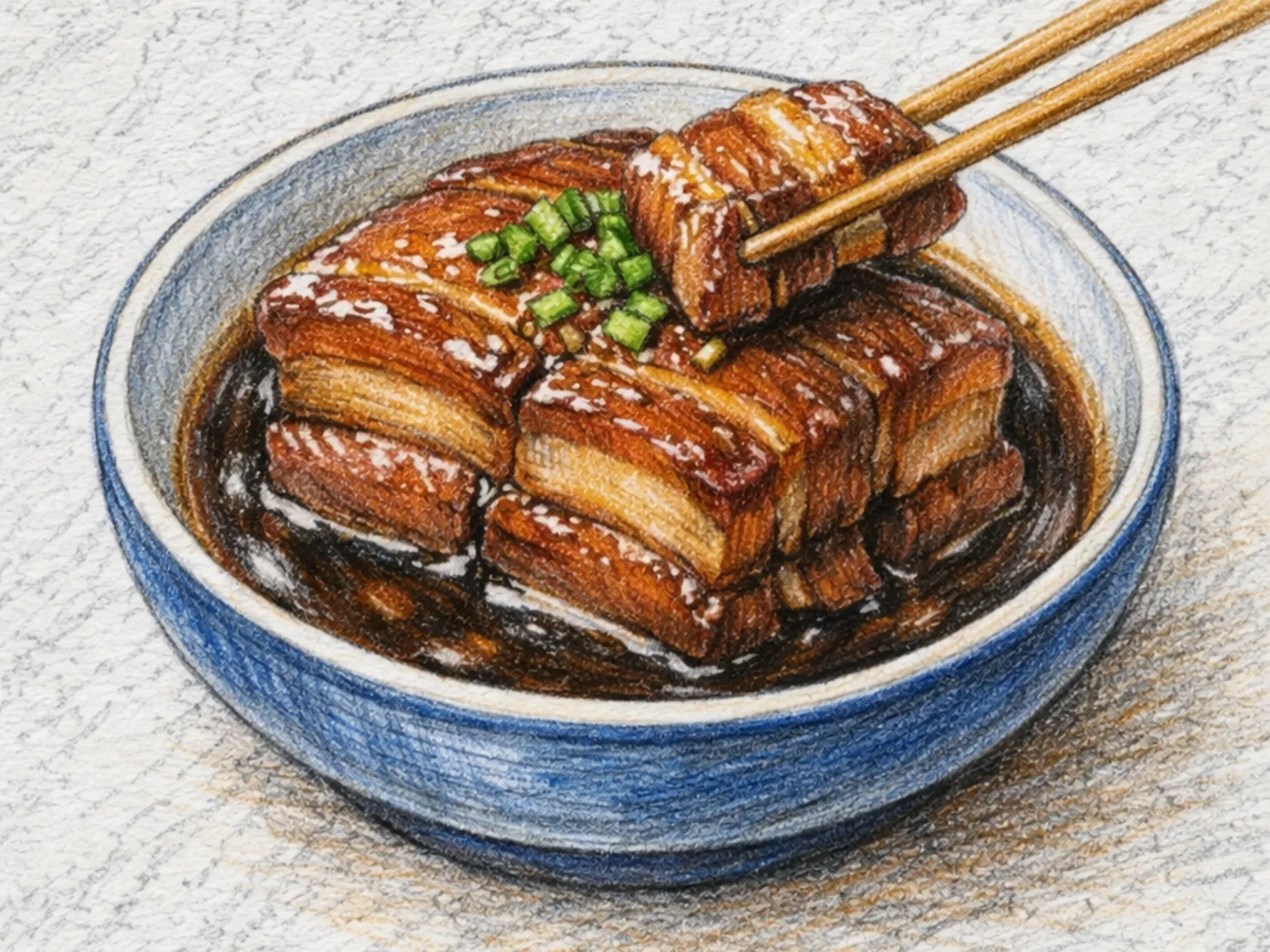
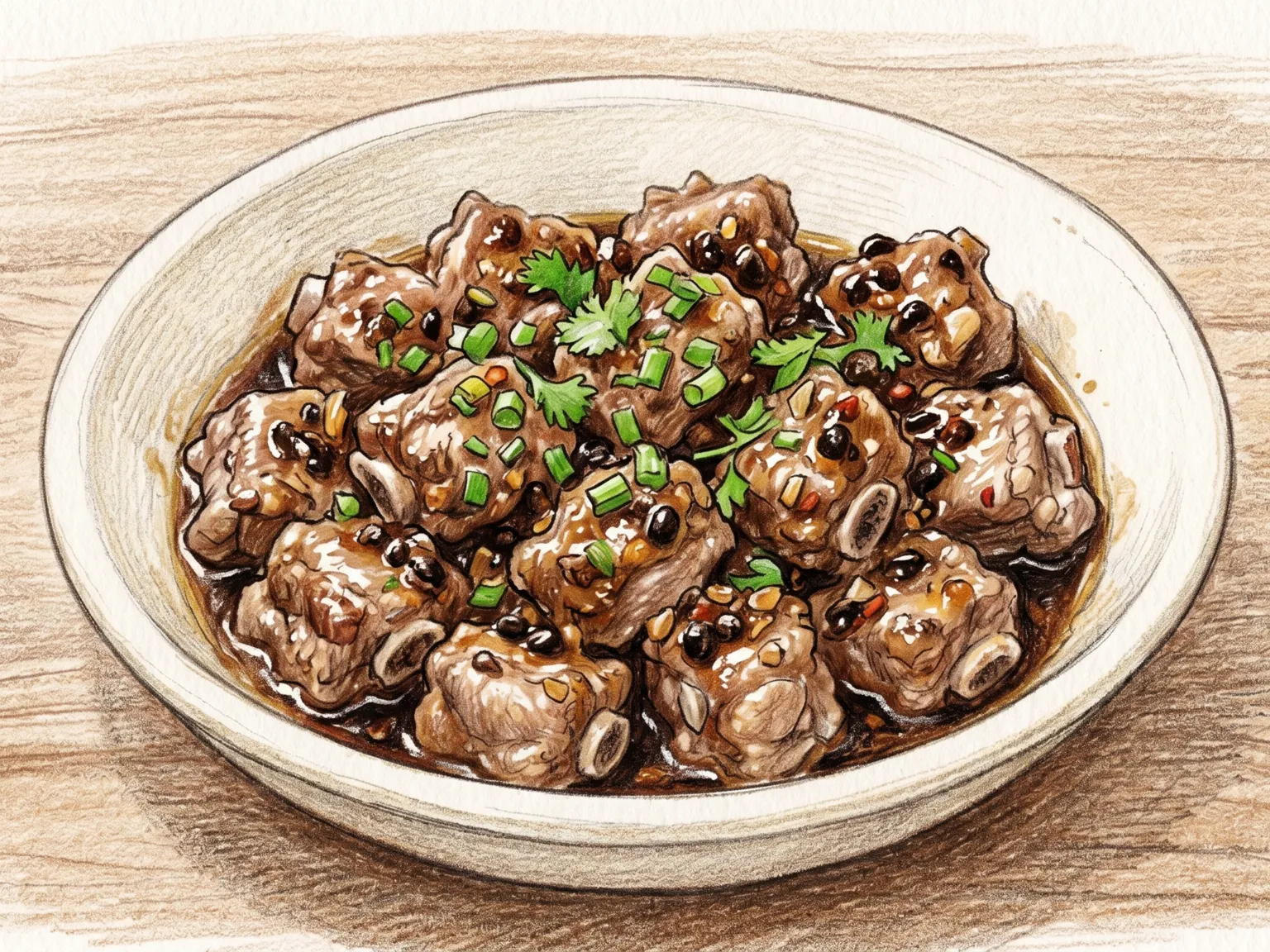
Deungppyeo-jjim is pork backbone braised with potato and green onion in a sauce built from doenjang, gochugaru, and soy sauce. After a long, slow simmer the meat tucked between the vertebrae and the cartilage separates from the bone without effort. Doenjang lays a deep, fermented underpinning to the broth while gochugaru brings a sharp, clean heat on top. The potatoes cook until they soften enough to fall apart at the press of a spoon, absorbing the thick, dark cooking liquid around them. Digging out the meat lodged between the bones is part of the pleasure, which is why the dish has long been a favourite pairing with soju. The rich, dense broth also makes it an easy choice for eating over a bowl of steamed rice.

🏠 Everyday🎉 Special Occasion
Prep 30minCook 80min4 servings
Korean Bamboo Shoot Pickle
KimchiMedium

Korean Bamboo Shoot Pickle

Juksun jangajji refers to a Korean side dish consisting of pickled bamboo shoots. The preparation begins by boiling the raw bamboo shoots in water, a necessary preliminary step that removes the naturally occurring astringency and the sharp, harsh qualities found in the fresh plant. Once the shoots are softened and neutralized, they are placed into a container and covered with a hot pickling liquid. This brine is a mixture of soy sauce, vinegar, and sugar, which is brought to a boil together with dried bay leaves and whole black peppercorns to provide a subtle aromatic complexity. Because bamboo possesses a particularly dense and tightly packed cellular structure, it does not absorb the flavors immediately. Instead, the shoots slowly take in the salty, sweet, and acidic properties of the brine over the course of at least twenty-four hours while resting in a refrigerator. This slow penetration allows the bamboo to retain its characteristic firm and crunchy texture even after it has been submerged in the liquid for several days. The inclusion of bay leaf and whole peppercorns introduces a quiet, layered spice profile that differentiates this version from simpler soy and vinegar preparations. It is important to perform the initial blanching, as skipping this step results in a persistent bitterness that the pickling brine is unable to mask. In terms of serving, the sharp acidity of these pickles functions effectively as a palate cleanser when eaten alongside fatty meats such as grilled pork belly or marinated galbi. The textured shoots can also be utilized as a crisp topping for rice bowls or integrated into sandwiches to add a structural element.

🏠 Everyday🍱 Lunchbox
Prep 25minCook 20min4 servings
Kimchi Bean Sprout Miso Ramen
NoodlesEasy

Kimchi Bean Sprout Miso Ramen

Kimchi kongnamul miso ramen layers three distinct flavors in one bowl: the deep tang of sauteed aged kimchi, the earthy umami of miso paste, and the clean crunch of bean sprouts. Garlic and kimchi are first stir-fried in sesame oil to mellow the kimchi's raw sourness, then chicken stock is added and brought to a boil. Bean sprouts go in and cook for just three minutes to keep their snap. Miso is dissolved separately and stirred in on low heat - boiling it aggressively would strip away its complex fermented aroma. Fresh ramen noodles are cooked in a separate pot, drained, and placed in the bowl before the broth is poured over. A halved soft-boiled egg on top rounds out the bowl with its creamy yolk.

🏠 Everyday🌙 Late Night
Prep 10minCook 18min2 servings
Chwee Kueh (Steamed Rice Cake with Chai Poh)
AsianMedium

Chwee Kueh (Steamed Rice Cake with Chai Poh)

Chwee kueh is a traditional steamed rice cake that is commonly eaten during breakfast in Singapore and Malaysia. The dish originated within the Teochew Chinese community and has been passed down through multiple generations of hawker vendors. These snacks are typically available during the earliest hours of the morning at specialized stalls that often do not sell any other types of food. The preparation involves pouring a batter made of rice flour into small, round ceramic molds. These molds are placed into a steamer until the batter solidifies into a soft and slightly concave cake. The natural indentation found in the center of the rice cake is designed to accommodate a spoonful of chai poh, which is a topping made from preserved radish. The radish is finely chopped and stir-fried with soy sauce and a small amount of sugar. This process creates a mixture that balances savory and sweet flavors while allowing some of the radish pieces to develop caramelized edges. The rice cake base is intentionally kept plain and carries only a very faint sweetness from the rice itself. As a result, the overall flavor of the dish is determined by the seasoned radish and the sambal chili that is provided on the side. The addition of sambal introduces a significant amount of heat and a savory element that sharpens the flavor profile of the entire combination. A typical order of chwee kueh consists of five or six individual cakes served at a very modest price. This affordability and consistent quality have helped the dish become a prominent symbol of daily breakfast culture in Singapore. Some hawker stalls have continued to operate and serve chwee kueh from the exact same location for over fifty years. The longevity of these establishments reflects how deeply this particular rice cake dish is integrated into the regional food history and the everyday lives of the local population.

🎉 Special Occasion
Prep 25minCook 20min4 servings
Korean Steamed Eggplant Vinegar Salad
Side dishesEasy

Korean Steamed Eggplant Vinegar Salad

Gaji-chorim-muchim takes eggplant in the opposite direction from bokkeum preparations, which rely on high heat and oil. Here, the eggplant is gently steamed and chilled before being dressed cold with a vinegar-forward sauce. The eggplant is halved lengthwise, scored on the flesh side, and steamed for eight minutes until the interior turns translucent and completely soft. After cooling fully, it is torn by hand along the grain into long strips, exposing a rough, irregular surface that grips the dressing. Soy sauce, rice vinegar, sugar, minced garlic, and gochugaru combine into a bright, tangy-spicy dressing that lifts the eggplant's subtle natural sweetness rather than masking it. Steamed eggplant torn into strips has a silky, almost slippery quality that is entirely distinct from stir-fried or grilled eggplant. The dressing can be made more generous to serve the dish as a refreshing cold salad style. A few drops of sesame oil and a scatter of sesame seeds finish it off with a nutty note. This banchan is especially well suited to Korea's hot and humid summer months.

🏠 Everyday🍱 Lunchbox
Prep 10minCook 8min4 servings
Korean Grilled Mackerel Rice Bowl
RiceMedium

Korean Grilled Mackerel Rice Bowl

Mackerel fillet is pan-seared skin-side down until the skin turns crisp and golden, then served over rice with a quick sauce of soy sauce, cooking wine, oligosaccharide syrup, minced ginger, and softened onion. The oily flesh of the mackerel absorbs the soy-ginger glaze, producing a clean, salty-sweet finish without fishiness. Keeping the pan still for the first minute of searing is the key technique for achieving skin that crisps evenly rather than steaming in its own moisture. Brushing the fillet with a little cooking wine before cooking further neutralizes any residual odor. Chopped chives scattered on top complete the bowl with color and a mild onion bite. Cooking the sauce in the same pan using the rendered mackerel fat deepens the umami and ties the two components together.

🏠 Everyday
Prep 15minCook 20min2 servings
Korean Spicy Braised Chicken
Stir-fryMedium

Korean Spicy Braised Chicken

Dak-bokkeum-tang starts with chicken pieces stir-fried in a gochujang and soy sauce mixture, then water is added and the whole pot simmers down until the liquid reduces to a thick, clinging sauce. Potato chunks absorb the braising liquid as it concentrates, becoming fully flavored throughout rather than just on the surface, while onion softens and dissolves over the long cooking time, lending the broth a natural sweetness. Gochujang supplies the heat backbone and soy sauce contributes the umami depth, producing a flavor profile that layers rather than reads as a single note. The longer the simmer, the deeper the seasoning drives into the meat and bones, and the sauce itself thickens to a glossy consistency. Spooning the reduced sauce over a bowl of rice turns the meal into a quick, satisfying seasoned rice dish.

🏠 Everyday
Prep 15minCook 35min3 servings
Korean Seafood Tempura (Korean Deep-Fried Seafood)
Street foodMedium

Korean Seafood Tempura (Korean Deep-Fried Seafood)

Haemul-twigim is a Korean assorted seafood platter of shrimp, squid, and clams coated in a light cold-water batter and deep-fried until crisp. Each type of seafood requires different prep: shrimp get their back tendons snipped to prevent curling, and squid are scored to stop them from shrinking in hot oil. The cold-water batter produces a thin, delicate coating that highlights the seafood's own flavors rather than burying them. Frying briefly at 170 degrees keeps the interiors from turning rubbery, and the platter is typically served with soy dipping sauce or salt alongside tteokbokki and fish cake soup as part of a bunsik spread. Substituting beer or sparkling water for plain cold water in the batter creates an even lighter, crispier coating, and draining the pieces thoroughly on a rack immediately after frying is what keeps them from going soggy before they reach the table.

🍺 Bar Snacks🧒 Kid-Friendly
Prep 15minCook 12min4 servings
Korean Gochujang Grilled Pork Ribs
GrilledHard

Korean Gochujang Grilled Pork Ribs

Gochujang dwaeji-galbi-gui is a Korean grilled pork rib dish that starts by soaking the ribs in cold water for thirty minutes to remove blood, followed by at least one hour in a marinade of gochujang, soy sauce, sugar, Asian pear juice, garlic, sesame oil, cooking wine, and black pepper. The pear juice works on two levels: its natural enzymes break down the muscle fibers to tenderize the meat, and its fructose provides a clean sweetness that tempers the fermented heat of gochujang. Because the marinade carries a high concentration of sugar, it catches and burns quickly on a hot surface. Each side is grilled four to five minutes over medium heat before the flame is reduced to finish the interior without incinerating the glaze. After cooking, resting the ribs for three minutes off the heat allows the juices to redistribute inward, so that when the pieces are sliced, every cut reveals a moist, tender interior beneath the deeply caramelized, glossy crust that is the hallmark of the dish.

🎉 Special Occasion
Prep 30minCook 25min4 servings
Korean Braised Beef Knee Cartilage
SteamedHard

Korean Braised Beef Knee Cartilage

Dogani-jjim is beef knee cartilage slow-braised with soy sauce, cooking wine, garlic, and ginger until the connective tissue turns completely tender and gelatinous. Hours of gentle simmering dissolve the collagen in the cartilage and tendons so each piece becomes jiggly and yielding, while the braising liquid reduces into a broth so rich it firms up like aspic when cooled. Onion and green onion mellow any off-flavors and add a quiet sweetness, and ginger keeps the finish clean. Before cooking, soaking the dogani in cold water for at least one hour to draw out the blood removes much of the gamey smell, and skimming the foam during the first stage of simmering is equally important. Long regarded in Korean traditional medicine and food culture as beneficial for joint health, this braised dish has been prepared since the Joseon period and remains especially popular in winter and among older generations.

🎉 Special Occasion
Prep 30minCook 100min4 servings
Korean Soy Pickled Perilla Leaves
KimchiEasy

Korean Soy Pickled Perilla Leaves

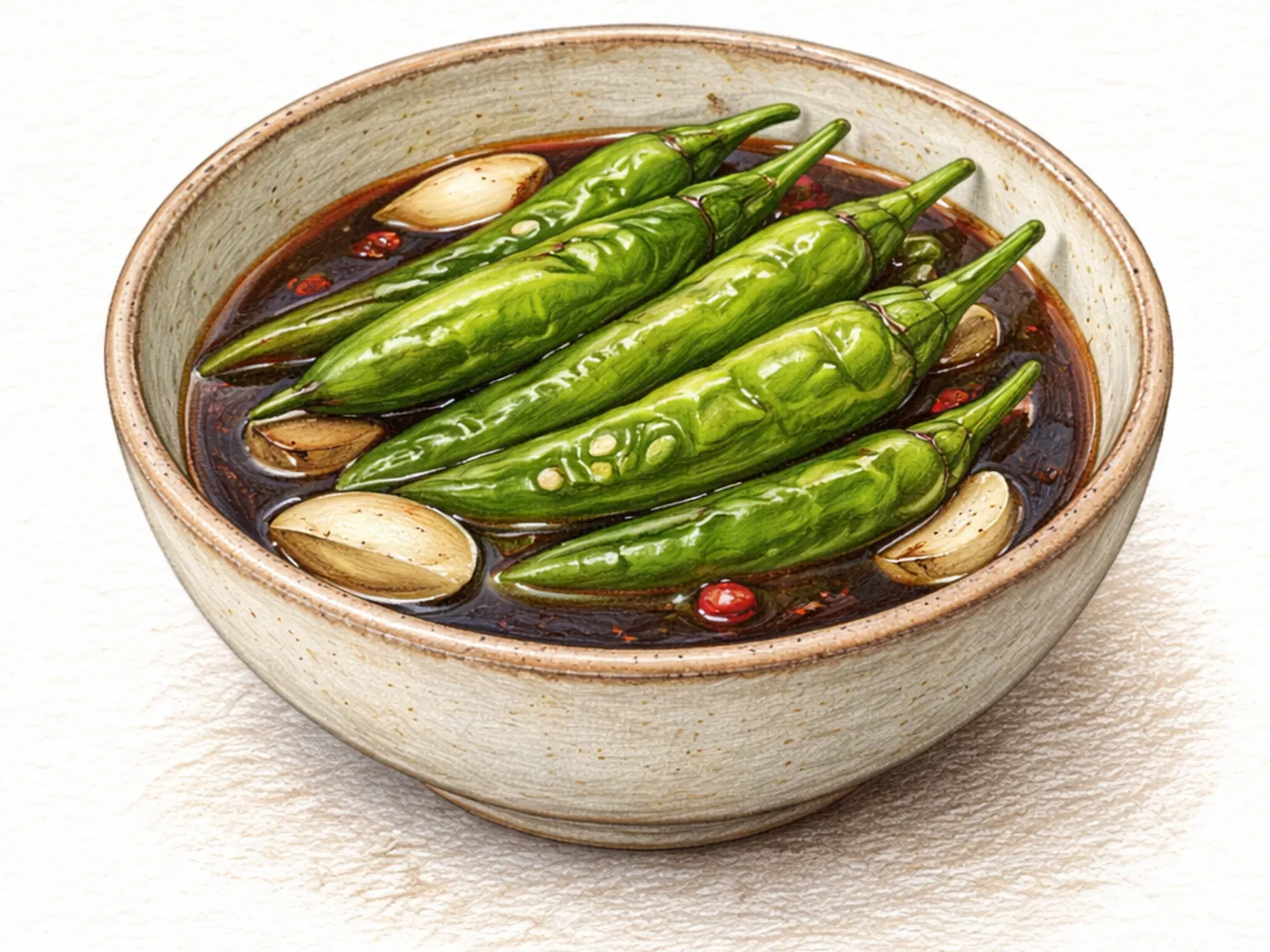
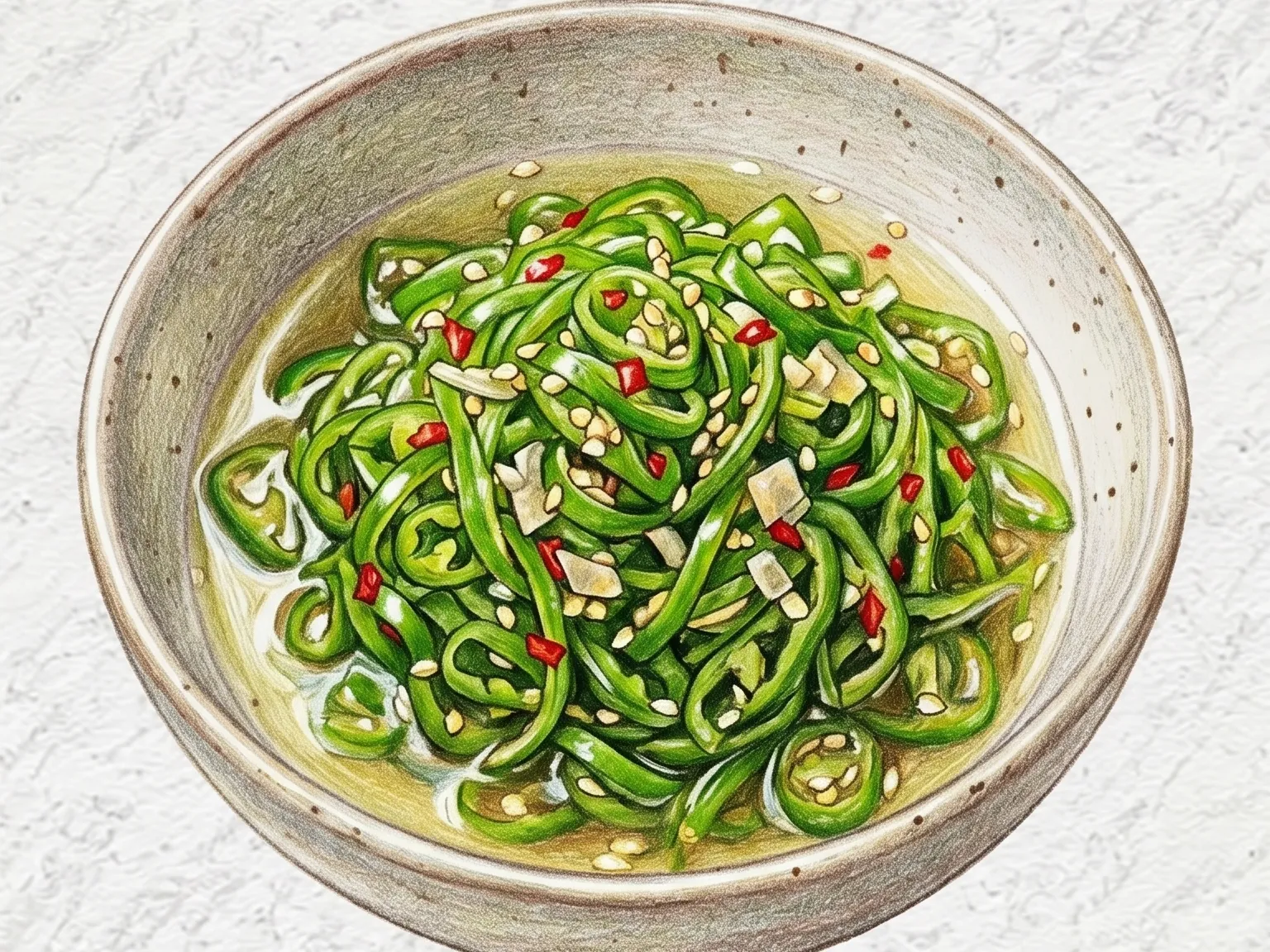
Kkaennip jangajji is a Korean soy-pickled perilla leaf side dish made by layering thoroughly dried leaves in a brine of boiled soy sauce, rice vinegar, and sugar with garlic and cheongyang chili. One of the most important steps is bringing the brine to a full boil and then allowing it to cool completely before pouring it over the leaves. Hot brine wilts the leaves immediately and collapses their structure, while a cooled brine preserves their shape and allows the seasoning to penetrate evenly over the resting period. The perilla's bold herbal fragrance becomes rounder and less sharp when it comes into contact with the salty depth of the soy sauce, and the vinegar prevents the saltiness from becoming overwhelming, keeping the finish clean and bright. Cheongyang chili leaves a quiet but definite heat at the back of each bite, and garlic threads a pungent undercurrent through the entire flavor profile. Wrapped around a spoonful of plain white rice, a single leaf delivers its full herbal, savory character in one mouthful, and the combination is one of the most satisfying pairings in Korean home cooking. Stored in the refrigerator, the pickled leaves keep for well over a month, making this one of the most practical side dishes to prepare in advance.

🍱 Lunchbox
Prep 20minCook 10min4 servings
Udon with Seasoned Fried Tofu
NoodlesEasy

Udon with Seasoned Fried Tofu

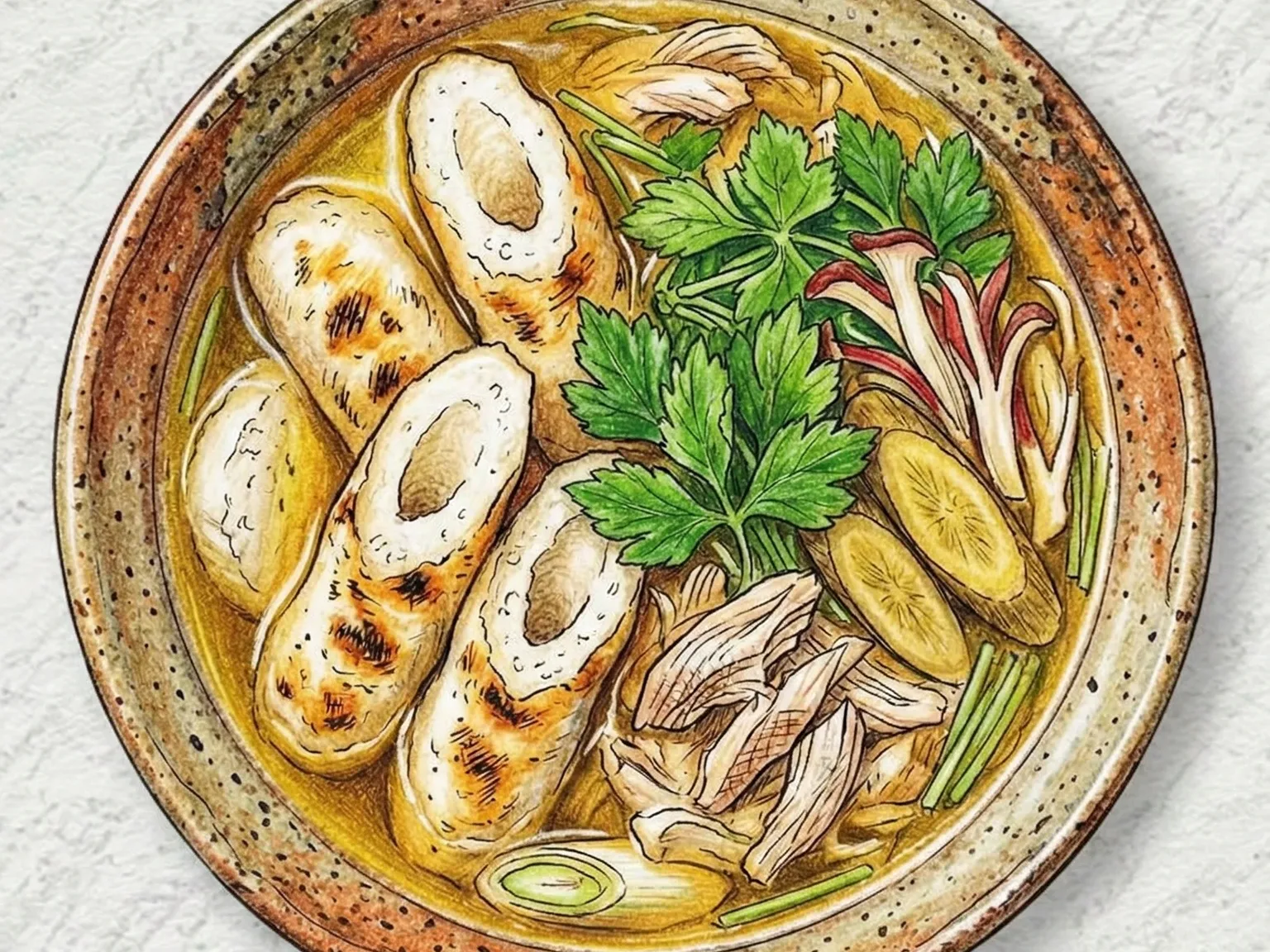
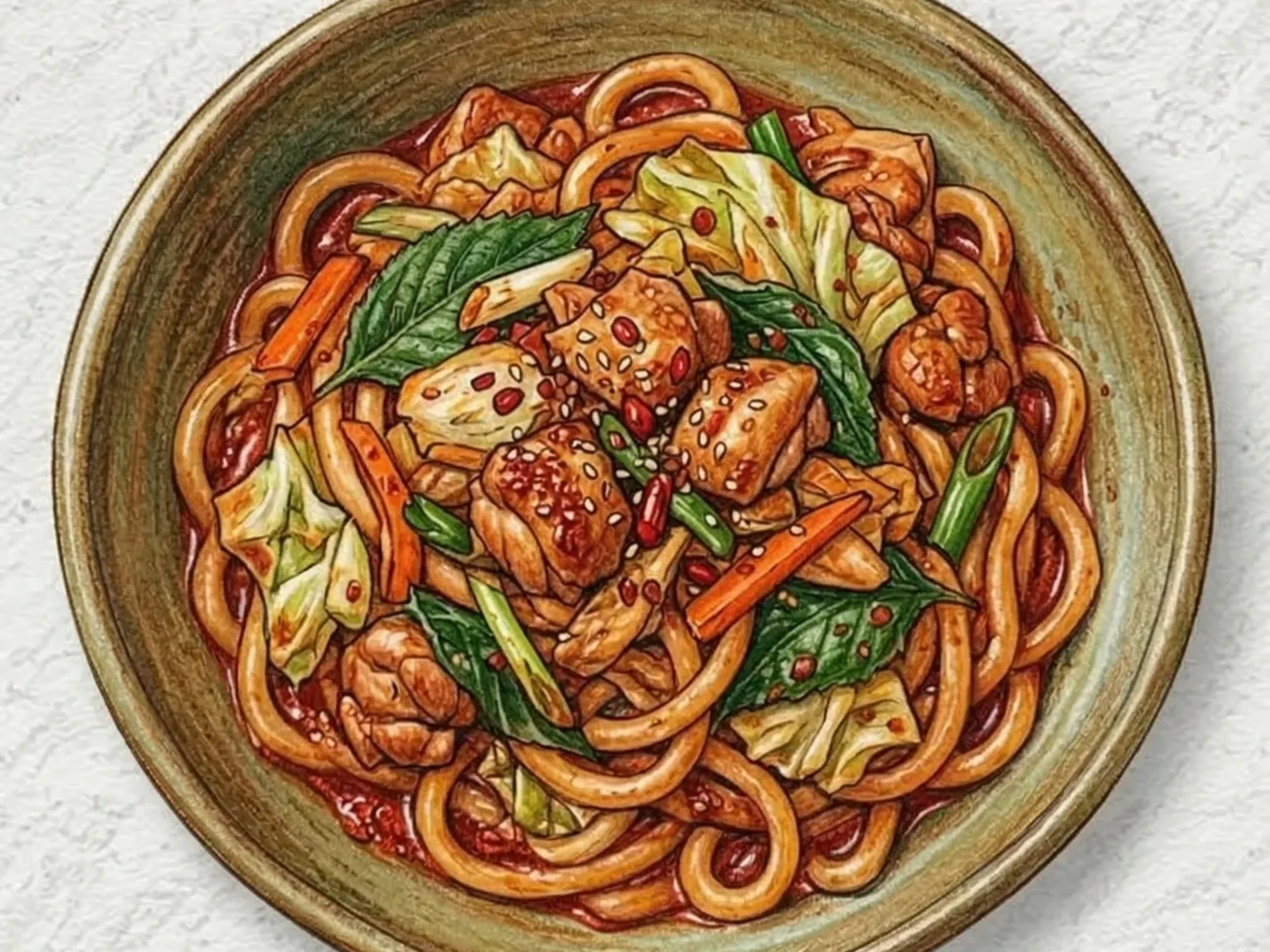
Kitsune udon is a Japanese noodle soup defined by its topping of sweet-simmered fried tofu pouches floating on a clear, deeply savory dashi broth. The aburaage is blanched first in boiling water to remove the excess oil that would otherwise cloud the broth and repel the seasoning, then braised in a mixture of water, soy sauce, mirin, and sugar for about six minutes until the liquid has been absorbed and the sweetness has penetrated to the center of each pouch. The broth is built separately from a stock of katsuobushi and kombu, seasoned with soy sauce, mirin, and just enough salt to round out the flavor without making it salty. The quality of this broth is the single most important factor in the finished bowl. Frozen udon noodles are warmed in boiling water for about two minutes, just long enough to loosen and heat through without losing their elastic, springy texture, then transferred to the bowl with the broth ladled over. The simmered tofu pouch sits on top, and as you eat, it releases its sweetened liquid gradually into the surrounding broth, shifting the flavor of the soup with each bite. Sliced scallion and a pinch of shichimi togarashi finish the bowl with fresh aroma and gentle heat. The tofu benefits from being prepared a day in advance, as resting overnight deepens the braising flavor throughout.

🏠 Everyday
Prep 12minCook 18min2 servings
Cong You Ban Mian (Scallion Oil Noodles)
AsianEasy

Cong You Ban Mian (Scallion Oil Noodles)

Cong you ban mian - Shanghai scallion oil noodles - is a dish that builds deep flavor from almost nothing: noodles, scallions, soy sauce, and oil. The entire outcome depends on the scallion oil itself. Scallions are fried in neutral oil over the lowest possible heat for nearly thirty minutes until every trace of moisture has evaporated and they darken to a deep, mottled brown, at which point the raw bite of the allium has transformed entirely into a sweet, caramelized fragrance. The margin for error is narrow: too much heat and the scallions scorch into bitterness; too little and the oil stays flat from start to finish, never developing the complexity the dish needs. Freshly boiled noodles are tossed with soy sauce and a generous ladle of the amber oil, then topped with the crisped, shriveled scallion pieces that provide crunch against the yielding noodles. In Shanghai lane-house noodle shops, a bowl costs three yuan and is eaten at the counter most often in the morning - a dish that makes the gap between simple ingredients and technical discipline as visible as possible.

🏠 Everyday🌙 Late Night
Prep 10minCook 15min2 servings
Korean Eggplant Pancakes (Egg-Battered Pan-Fried Eggplant)
Side dishesEasy

Korean Eggplant Pancakes (Egg-Battered Pan-Fried Eggplant)

Gaji-jeon belongs to the Korean jeon tradition of vegetables dipped in egg wash and pan-fried in oil, a technique integral to ancestral rites and holiday tables. Eggplant is cut into rounds about 7mm thick, thin enough to cook all the way through but thick enough to keep a soft, yielding center. A light dusting of flour before the egg wash is necessary for the batter to adhere and stay intact in the pan. As the egg coating sets into a golden, lacy crust over the heat, the eggplant inside steams in its own moisture until it collapses into a custardy, almost dissolving texture. The appeal of this jeon lies entirely in the contrast between the crisp, faintly eggy exterior and the creamy interior that gives way with almost no resistance. Dipping each piece in a simple soy and vinegar sauce cuts through the richness of the egg crust and highlights the eggplant's subtle sweetness. Korean families commonly fry gaji-jeon alongside hobak-jeon and other vegetable jeon for Chuseok. It can be fried the day before and held at room temperature without the flavor deteriorating significantly.

🏠 Everyday🍱 Lunchbox
Prep 12minCook 10min2 servings
Korean Oyster Rice (Winter Pot Rice with Plump Oysters)
RiceMedium

Korean Oyster Rice (Winter Pot Rice with Plump Oysters)

Gul-bap is a pot rice dish built around plump winter oysters, which are placed on top of the nearly-finished rice during the final resting stage rather than added at the beginning of cooking. This timing is deliberate. Oysters introduced too early shrink, toughen, and lose their sweetness to the surrounding liquid. Cooked only by residual steam, they remain tender, full-sized, and briny-sweet. Julienned Korean radish lines the bottom of the pot, serving two purposes: it keeps the rice from scorching, and it releases its own moisture and mild natural sweetness into the grains as they cook. The result is rice that is subtly enriched without any additional seasoning beyond the ingredients themselves. The dish is served alongside a dipping sauce of soy sauce, sesame oil, gochugaru, and chopped green onion. Mixed into the bowl, the sauce ties the clean oceanic flavor of the oysters to the savory, nutty dressing in a way that makes the whole thing hard to stop eating. The oysters should be cleaned gently with coarse salt and rinsed quickly to preserve their natural sweetness.

🎉 Special Occasion
Prep 15minCook 25min2 servings
Korean Soy Braised Chicken Wings
Stir-fryMedium

Korean Soy Braised Chicken Wings

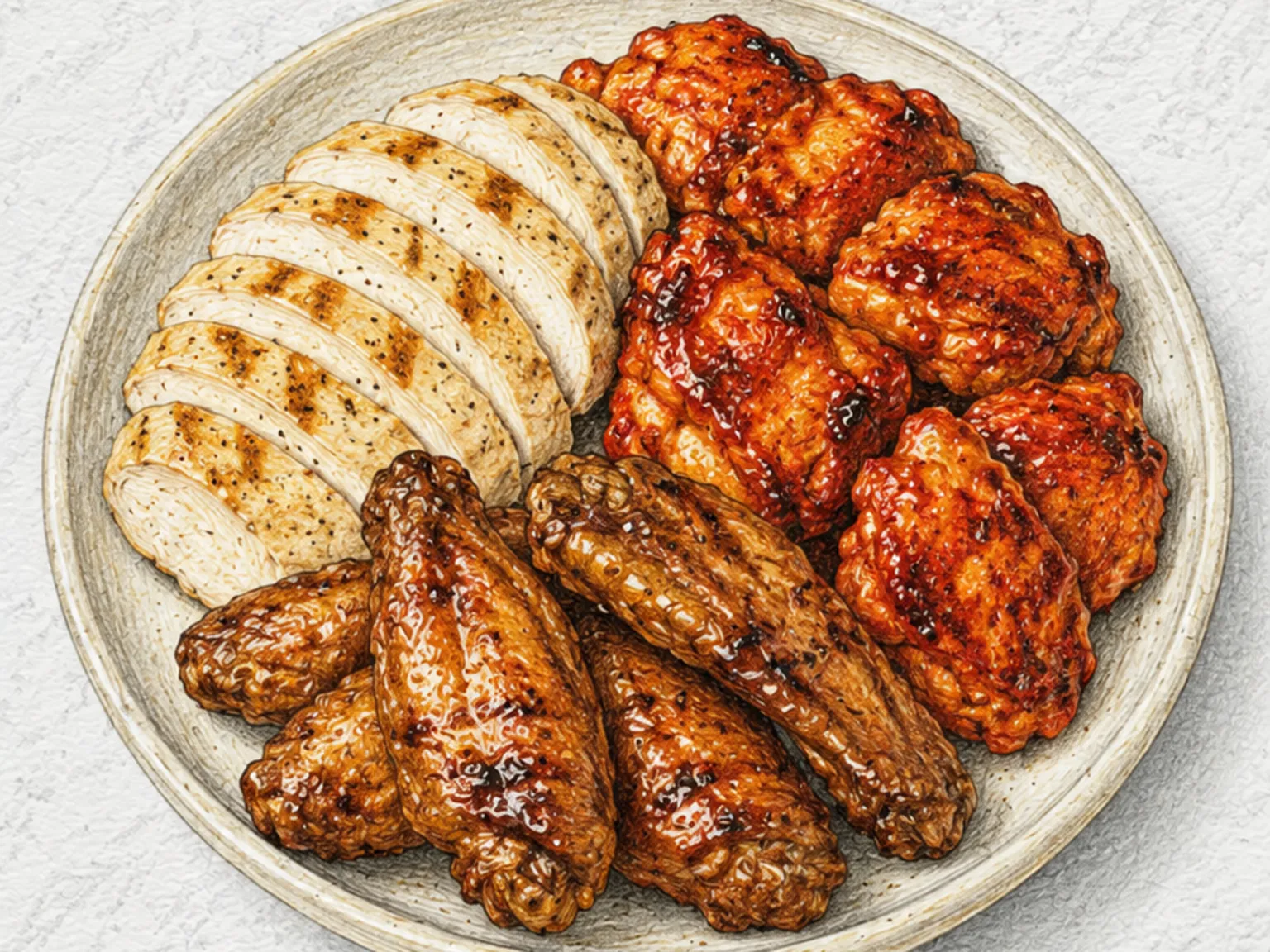
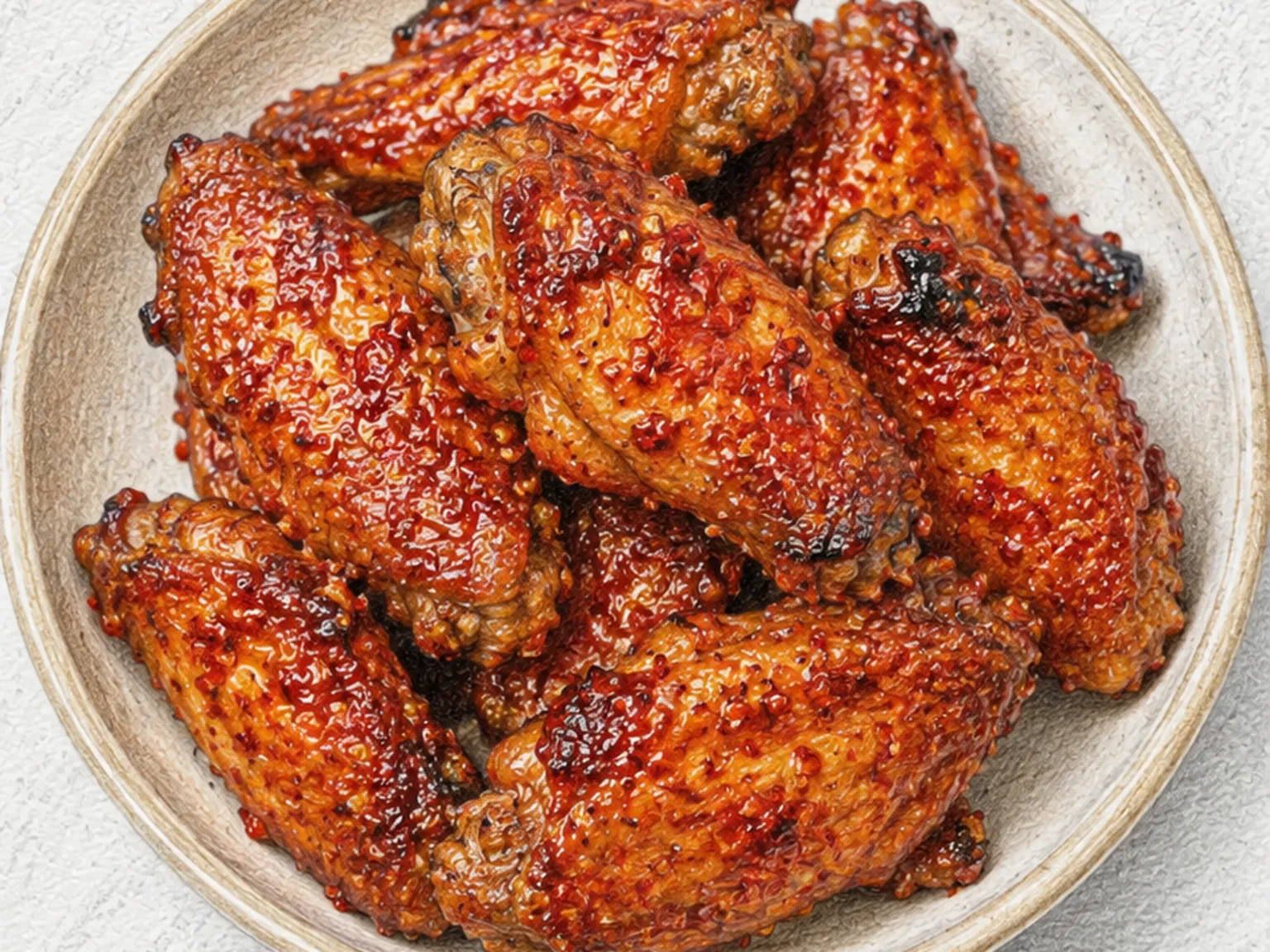
Dak-bong jorim is a Korean braised chicken wingette dish where pieces are slowly reduced in a sweet soy glaze over medium-low heat until the sauce thickens into a glossy coating around each piece. As the liquid reduces, the seasoning concentrates and adheres to the surface, leaving the skin sticky and lacquered from absorbing the sauce while the meat inside turns soft enough to pull cleanly from the bone. Adding ginger and green onion from the start neutralizes the poultry's gaminess and keeps the braising liquid clean. Starting with the lid off at higher heat to bring the sauce to a boil, then reducing the heat and covering the pot, prevents the meat from drying out during the long braise. A large batch keeps well in the refrigerator and reheats without any loss of seasoning, making it a practical banchan to prepare in advance and portion out over several days or pack into a lunch box.

🏠 Everyday
Prep 12minCook 22min2 servings
Korean Spicy Pork Rice Cup
Street foodEasy

Korean Spicy Pork Rice Cup

Jeyuk cupbap is a Korean street-style rice cup topped with pork shoulder stir-fried in gochujang, soy sauce, sugar, and garlic, layered over steamed rice with onion and cabbage. The gochujang-sugar combination forms a spicy-sweet glaze on the pork that caramelizes quickly under high heat, sealing in the meat's juices and creating a lacquered surface. Cabbage goes in last to keep its snap, and the slow-cooked onion contributes a gentle sweetness that tempers the chili heat. Slightly cooled rice keeps the cup from turning soggy, and the tight, portable format makes this a defining item of Korean street-food culture, equally at home in a pojangmacha stall and a school cafeteria. A soft-boiled egg or a slice of processed cheese on top adds a rich, creamy note.

🧒 Kid-Friendly🌙 Late Night
Prep 18minCook 14min2 servings
Korean Grilled Mackerel (Crispy Skin Salt-Grilled Blue Fish)
GrilledEasy

Korean Grilled Mackerel (Crispy Skin Salt-Grilled Blue Fish)

Godeungeo-gui is Korea's classic grilled mackerel, prepared by salting the fish for ten minutes to draw out moisture and reduce fishiness, patting the surface completely dry, then pan-frying or grilling over direct heat. Cooking skin-side down first for five to six minutes renders the abundant subcutaneous fat and crisps the skin, while flipping and cooking the flesh side for four to five more minutes keeps the interior moist and flaky. Mackerel's high omega-3 fat content transforms under heat into a deeply savory, naturally rich flavor that requires no marinade beyond salt. A side of freshly grated daikon mixed with soy sauce provides a sharp, peppery counterpoint that clears the palate between bites. Autumn mackerel is considered peak eating, when fat content reaches its highest, and grilled mackerel has long been a centerpiece banchan on everyday Korean tables.

🍺 Bar Snacks
Prep 15minCook 15min2 servings
Korean Steamed Sea Bream (Whole Fish with Soy Ginger Rice Wine)
SteamedMedium

Korean Steamed Sea Bream (Whole Fish with Soy Ginger Rice Wine)

Domi-jjim is a whole sea bream steamed with soy sauce, rice wine, and ginger. Sea bream is a firm-fleshed white fish with a naturally mild, clean taste, and steaming preserves its moisture and delicate texture far better than dry-heat methods. Rice wine and ginger remove any remaining fishiness from the flesh, leaving only a refined umami that speaks to the quality of the fish itself. Soy sauce is used sparingly as an understated seasoning that enhances without overpowering. Because the fish is steamed rather than roasted or pan-fried, the flesh stays supple and springs back with each bite. Bringing a whole fish to the table makes a strong visual impression, which explains its frequent appearance at holiday meals and formal gatherings. The finished dish is typically garnished with julienned scallion and red chili before a final drizzle of hot sesame oil.

🎉 Special Occasion
Prep 20minCook 25min4 servings