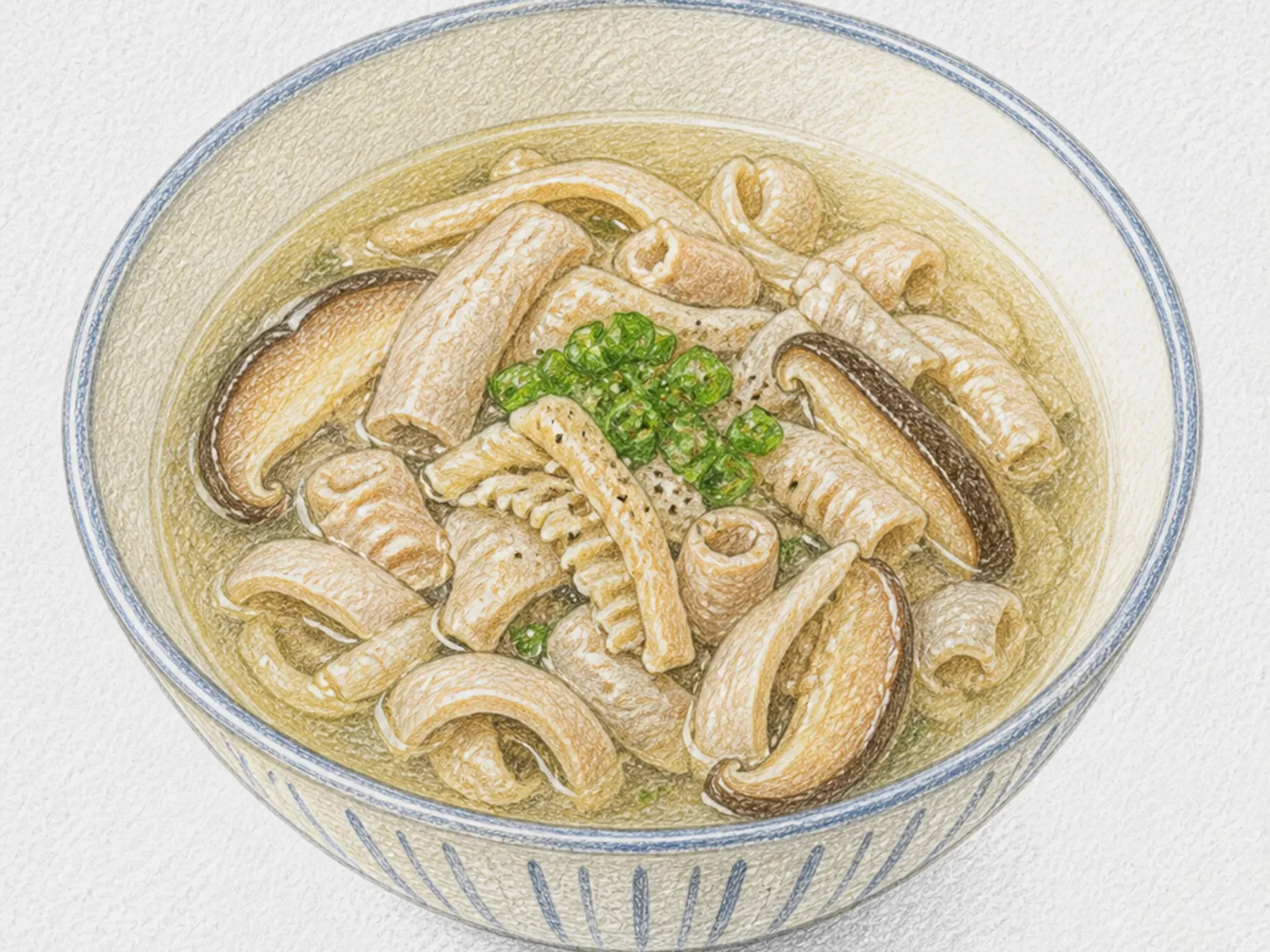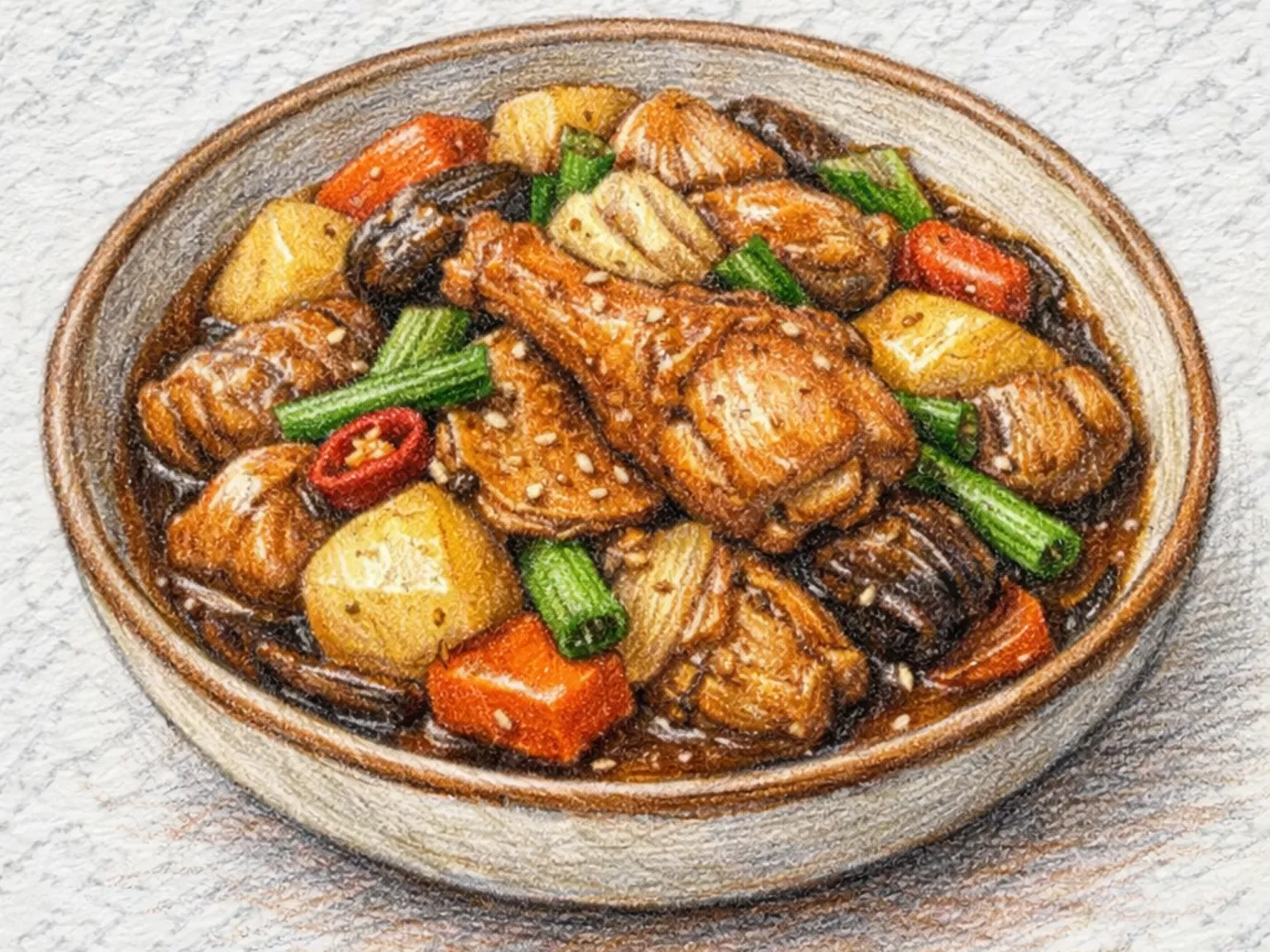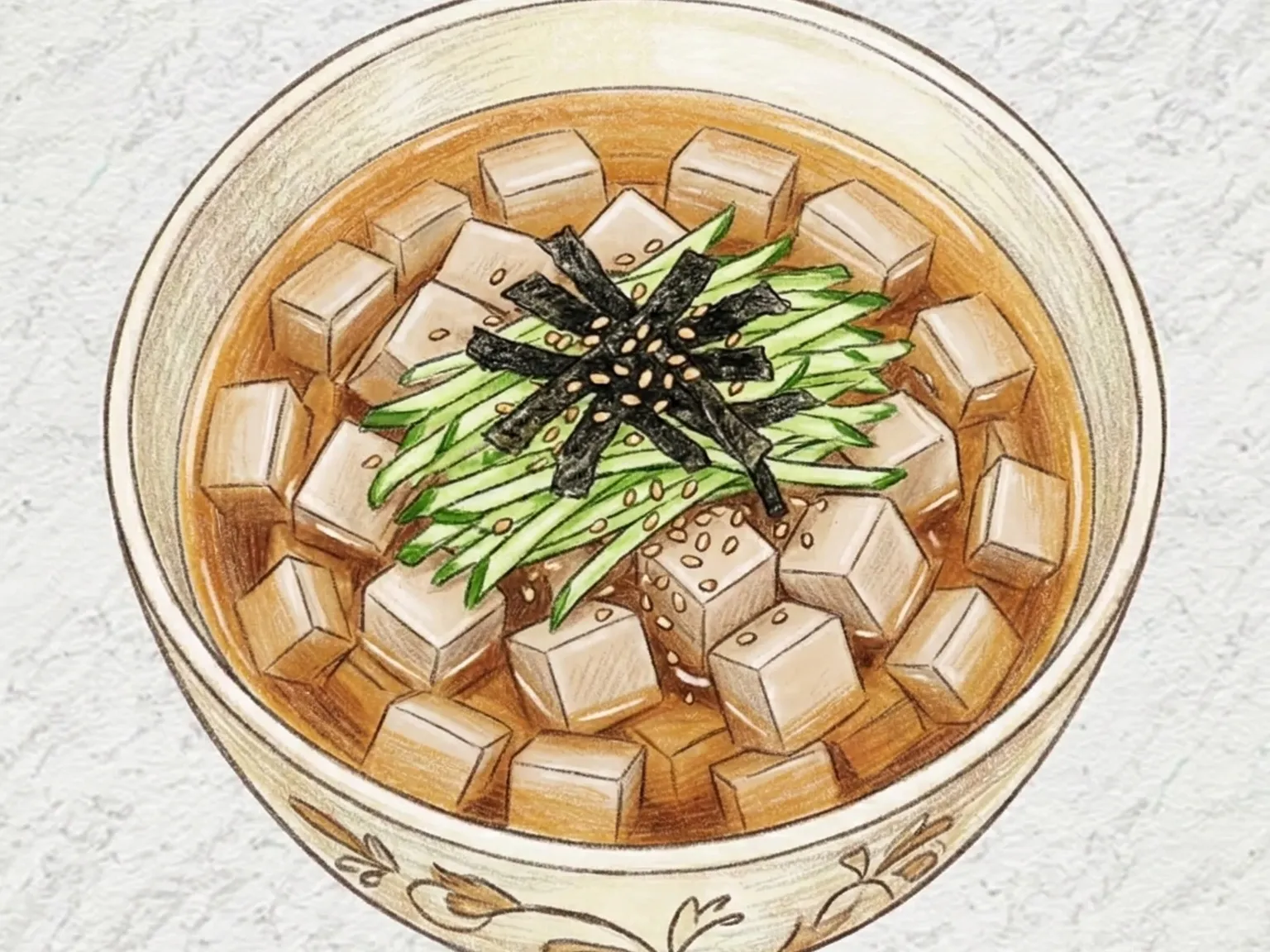
Korean Crispy Kimchi Fried Dumplings
Kimchi gun mandu are pan-fried dumplings filled with finely chopped kimchi, squeezed tofu, ground pork, and green onion seasoned with soy sauce and garlic, shaped into half-moons. The bottoms are first crisped in oil, then water is added and the pan is covered for four minutes to steam the tops, achieving a contrast of crunchy base and moist upper wrapper. The kimchi's acidity and heat permeate the pork fat to create a more assertive umami than plain dumplings, and the tofu smooths out the filling's texture. A splash of vinegar in the soy dipping sauce cuts any greasiness.

Korean Butter-Grilled Abalone
Scored abalone is seared quickly in garlic butter, with the cooking time kept to two or three minutes so the flesh stays springy and firm rather than contracting into a tough, rubbery state. Minced garlic is added to the melted butter first, allowing its fragrance to bloom before the abalone goes in, so the shellfish absorbs the full depth of the butter. A small addition of soy sauce to the pan deepens the umami without masking the delicate sweetness of the abalone itself. For an extra layer of oceanic richness, the abalone liver can be minced and stirred directly into the butter sauce as it finishes; the liver melts in, contributing a briny, mineral depth that amplifies the sea flavor of the dish. The finished abalone is best served in the cleaned shells, which both keep the butter sauce pooled around the meat and make for an appealing natural presentation. A light squeeze of lemon juice just before serving cuts through the richness of the butter and brings out the natural sweetness of the shellfish.

Korean Steamed Tofu with Soy Sauce
Dubu-jjim is firm tofu steamed and topped with a seasoning sauce of soy sauce, gochugaru, chopped green onion, garlic, and sesame oil. Cutting the tofu into thick slabs before steaming lets heat penetrate evenly, producing pieces with slight resistance on the outside and a silky interior. The soy and chili sauce drizzled over the warm tofu seeps into each slice, delivering salty and mildly spicy flavors throughout. Sesame oil and seeds finish with a toasted aroma. Cooked without any added oil, it is a clean, protein-rich banchan that fits well on a vegetarian spread. Lightly salting the tofu before steaming draws out excess moisture, which allows the seasoning sauce to absorb more deeply and firms up the texture.

Korean Garlic Scape Soy Pickles
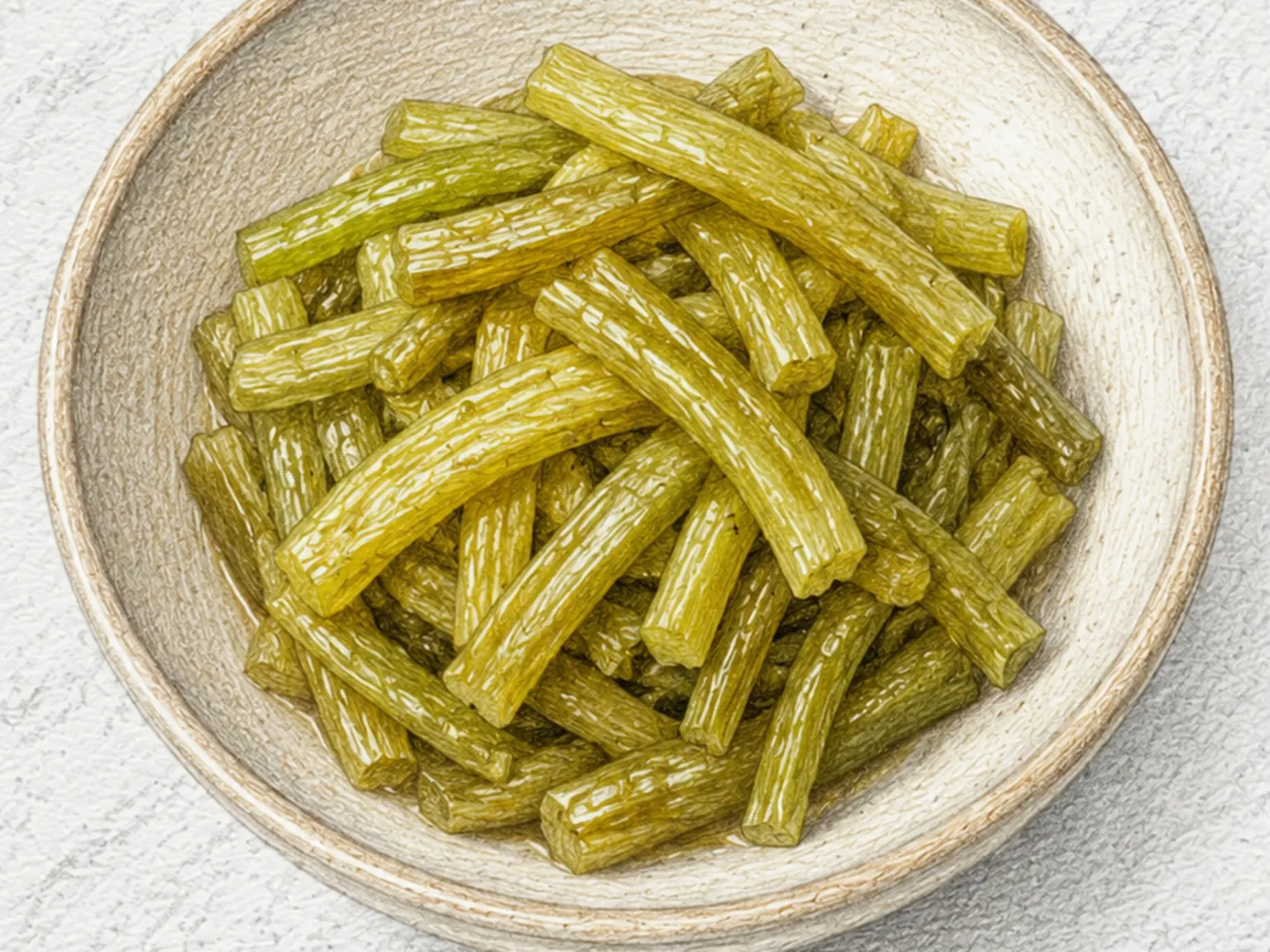
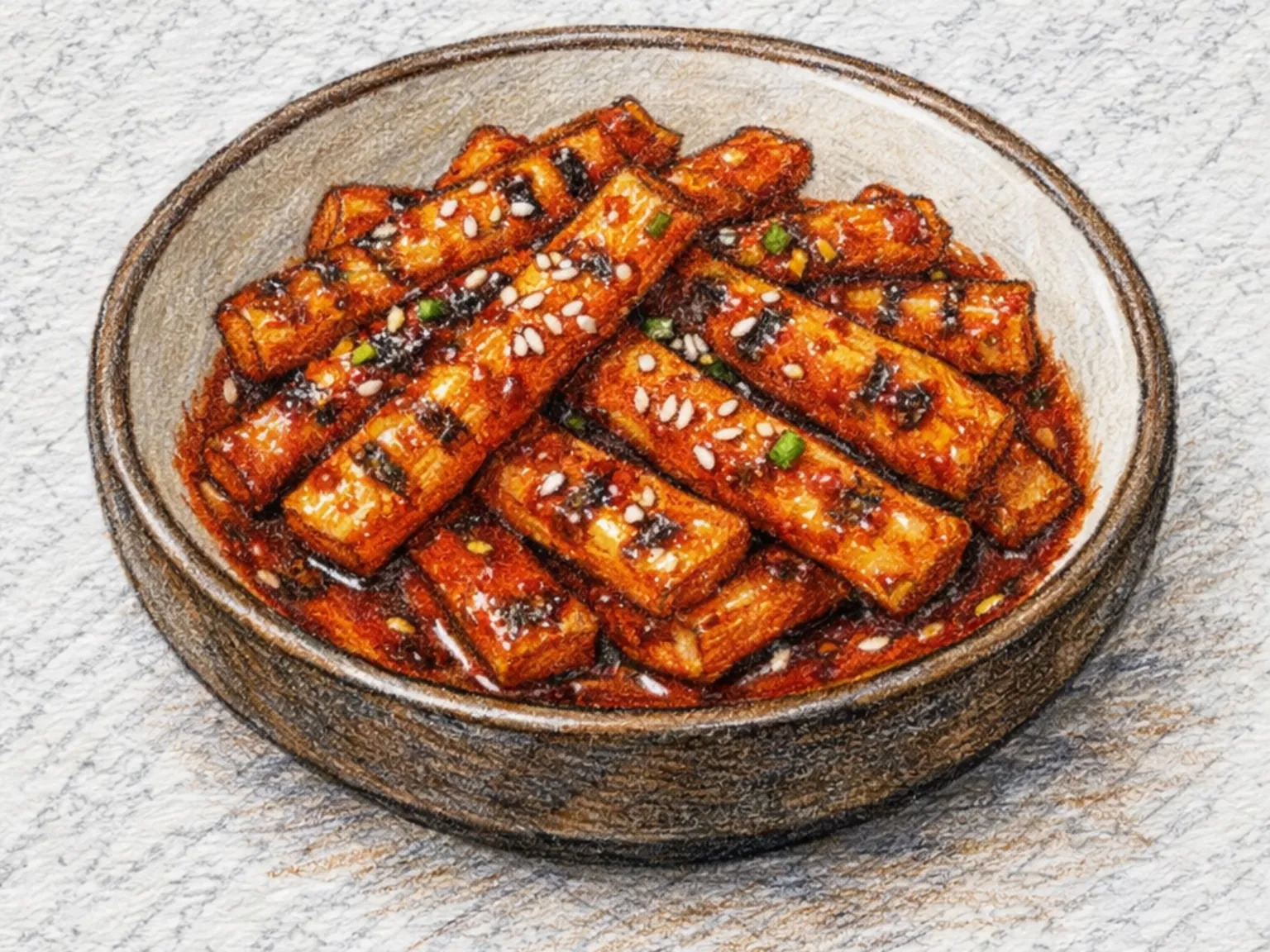
Maneul jong jangajji is a Korean garlic scape pickle made by cutting fresh scapes into 5 cm lengths, packing them into a sterilized jar along with cheongyang chili peppers, and pouring over a freshly boiled brine of soy sauce, vinegar, sugar, and dried kelp. The scapes' sharp garlic bite melds gradually with the soy's salty, savory depth to produce a flavor that builds with every chew, while the kelp dissolves a subtle seaweed umami into the brine over the course of steeping. The vinegar keeps the salt in check so the overall taste stays clean rather than heavy, and the cheongyang chili adds a slow, lingering warmth at the end of each bite that prevents the pickle from tasting one-dimensional. Reboiling the brine and pouring it back over the scapes after two days is an important step for both preservation and even pickling, and repeating this process once more ensures the scapes absorb flavor uniformly throughout. Handled this way, the finished banchan keeps reliably for over a month in the refrigerator.

Korean Buckwheat Mixed Noodles
Memil makguksu is a Gangwon-do regional dish where nutty buckwheat noodles are mixed with a soy sauce, vinegar, and gochugaru dressing that balances sweet, sour, and spicy notes. Buckwheat noodles have low gluten content and break apart easily when overcooked, so precise timing is essential during boiling. Rinsing several times in cold water removes surface starch and prevents clumping. Chopped kimchi brings fermented tang and a crunchy bite, while julienned cucumber adds freshness and a crisp contrast. A touch of sesame oil gives the dressing a glossy richness, and extra vinegar can be added at the table to sharpen the acidity to individual preference.

Gado-Gado (Indonesian Peanut Salad)
Gado-gado means mix-mix in Javanese, and the name describes exactly how the dish is assembled and eaten. Blanched spinach, bean sprouts, cabbage, and boiled potato are arranged on a plate alongside hard-boiled egg, fried tofu, and fried tempeh, then drenched generously with a thick peanut sauce before being mixed together at the table. The sauce is made by pounding freshly roasted peanuts in a mortar and mixing them with chili, garlic, tamarind, palm sugar, and kecap manis. The result is a complete flavor system in a single condiment -- nutty, spicy, sour, and sweet all at once -- so no additional seasoning is required. Street vendors pound the peanuts to order for each customer, and the smell of toasting nuts fills the air around their carts. Crushed kerupuk, the shrimp cracker common across Indonesian cooking, is scattered on top to add a shattering crunch that contrasts with the soft vegetables and protein. As the crackers absorb the sauce over the course of the meal they soften and swell, and that textural transition is considered part of the eating experience rather than a flaw. The dish adapts easily: built from vegetables alone it becomes a complete vegan meal, and loaded generously with egg and tofu it provides substantial protein. In Indonesia, gado-gado is eaten at any hour of the day with no particular seasonal or mealtime association, appearing at roadside carts and home tables with equal frequency.

Korean Seasoned Gamtae Seaweed
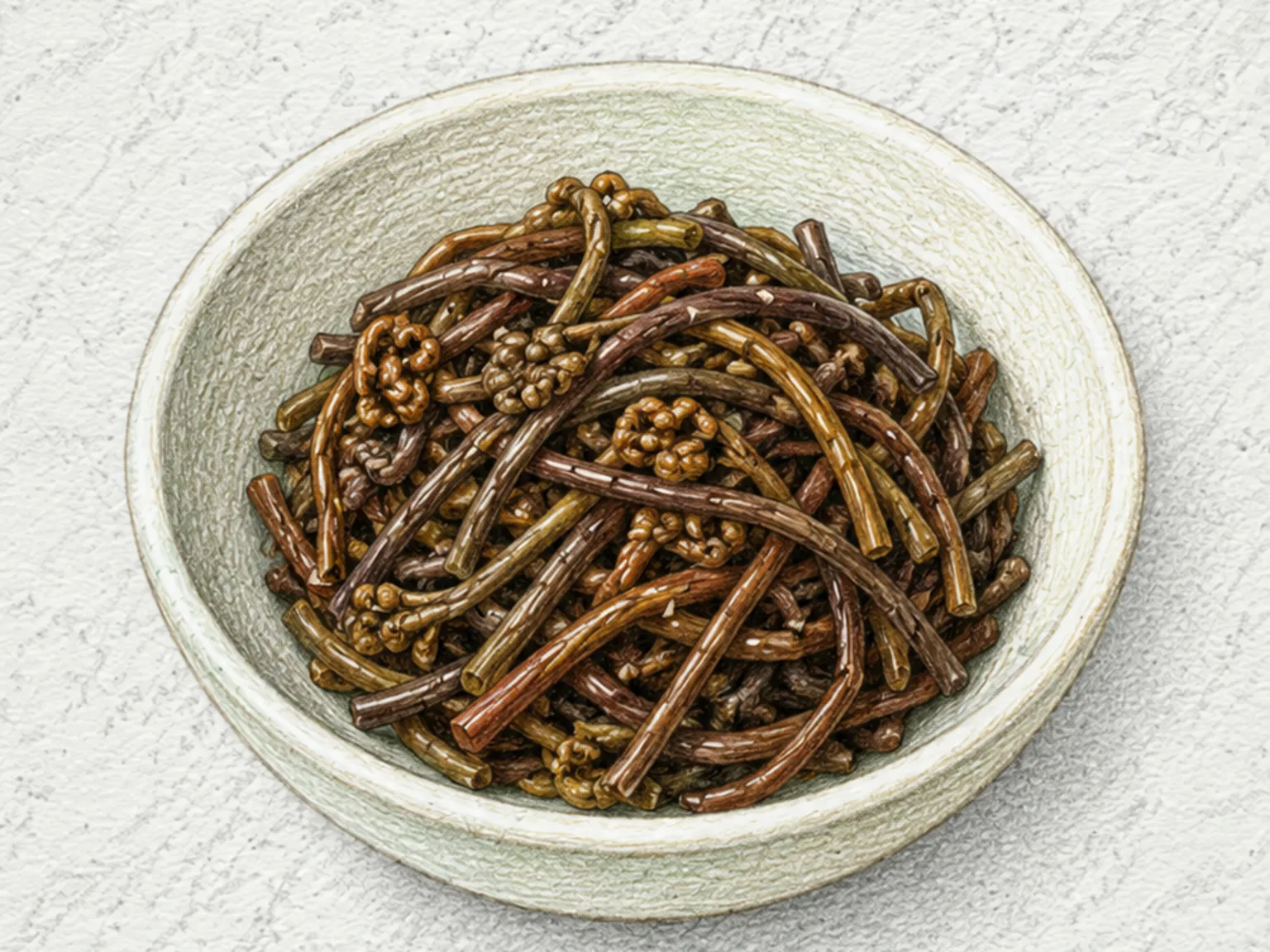
Gamtae is a green seaweed harvested only in winter from Korea's southern coast, particularly around Wando and Jangheung. It is thinner and more delicate than roasted gim, and its oceanic fragrance is sharper and more pronounced. For this banchan, dried gamtae sheets are torn by hand into large pieces and tossed with a dressing of soy sauce, vinegar, sesame oil, gochugaru, sugar, and minced garlic. Speed matters more than technique here. Once the dressing makes contact with the seaweed, it begins drawing out moisture immediately. Past twenty seconds of mixing, the fronds absorb liquid, lose their texture, and collapse into a sodden tangle. The dressing should be added and the whole thing tossed in one quick motion before serving. Vinegar does important work in this dish: its acidity counters the seaweed's natural brininess and leaves the palate clean between bites. Fresh gamtae is a strictly seasonal product, available only through winter markets in the Jeolla and Gyeongnam regions. Dried gamtae, however, keeps well and is available year-round, making this a quick, reliable side dish that pairs particularly well with plain steamed rice.

Korean Kimchi Rice Bowl (Stir-Fried Aged Kimchi over Steamed Rice)
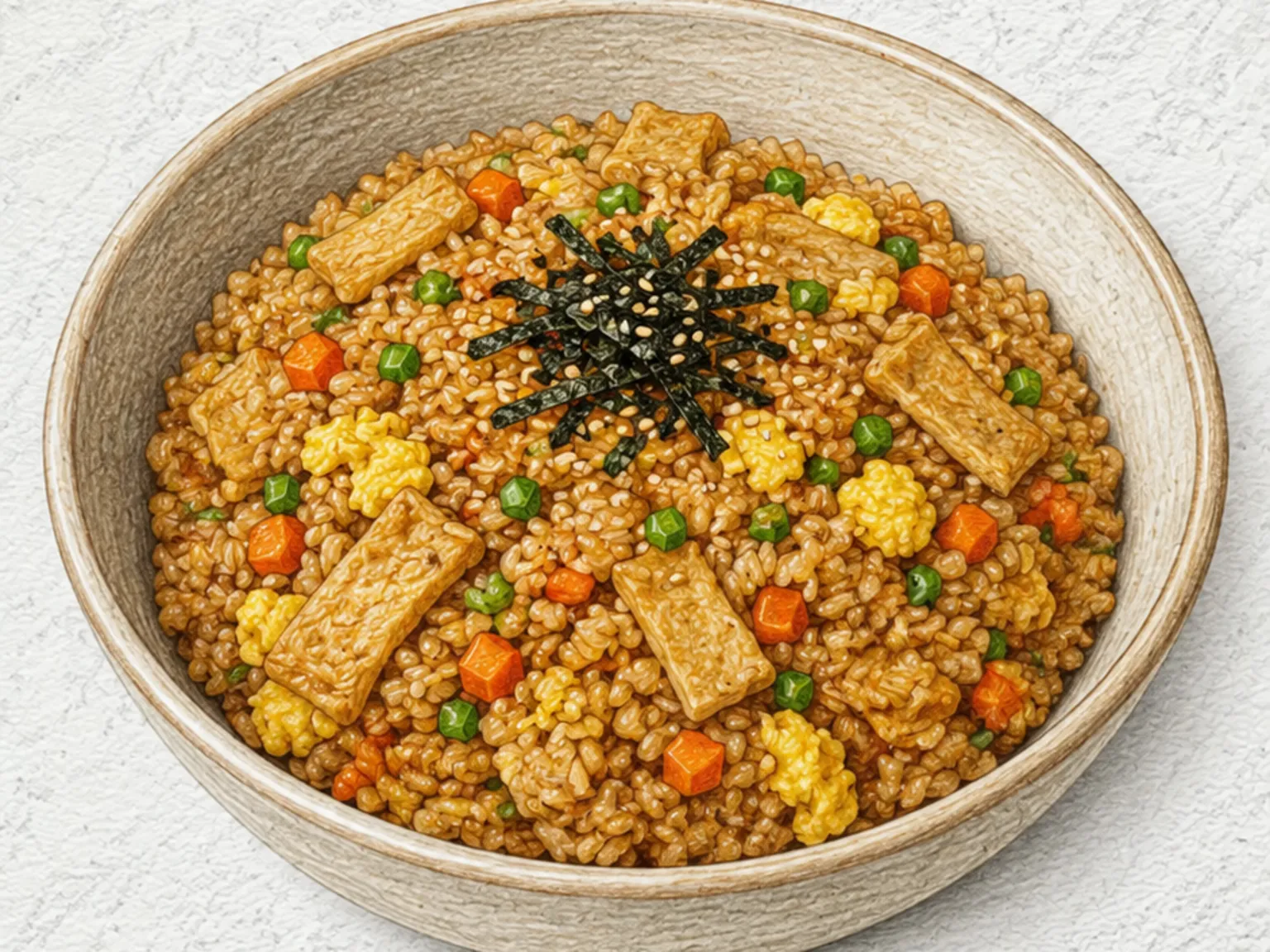
Stir-frying aged kimchi in a hot pan drives off moisture and triggers caramelization, mellowing the sharpness into a deeper, sweeter intensity that raw kimchi cannot replicate. Cooking the kimchi over medium-high heat for five to seven minutes transforms its texture from wet and tangy to slightly charred and richly savory. A splash of soy sauce and a drizzle of sesame oil finish the seasoning with a salty, nutty note. Spooned over a bowl of steamed rice and topped with a single sunny-side-up egg, the dish is deceptively simple in construction. Using well-fermented kimchi like mukeunji introduces complex layers of lactic sourness and umami depth that more than compensate for the minimal ingredient list. Adding thin slices of pork shoulder or a can of tuna to the pan alongside the kimchi turns it into a more substantial meal with added protein. The whole dish comes together in under fifteen minutes, making it the first choice Korean rice bowl when the pantry is almost bare.

Korean Pork & Wild Chive Stir-fry
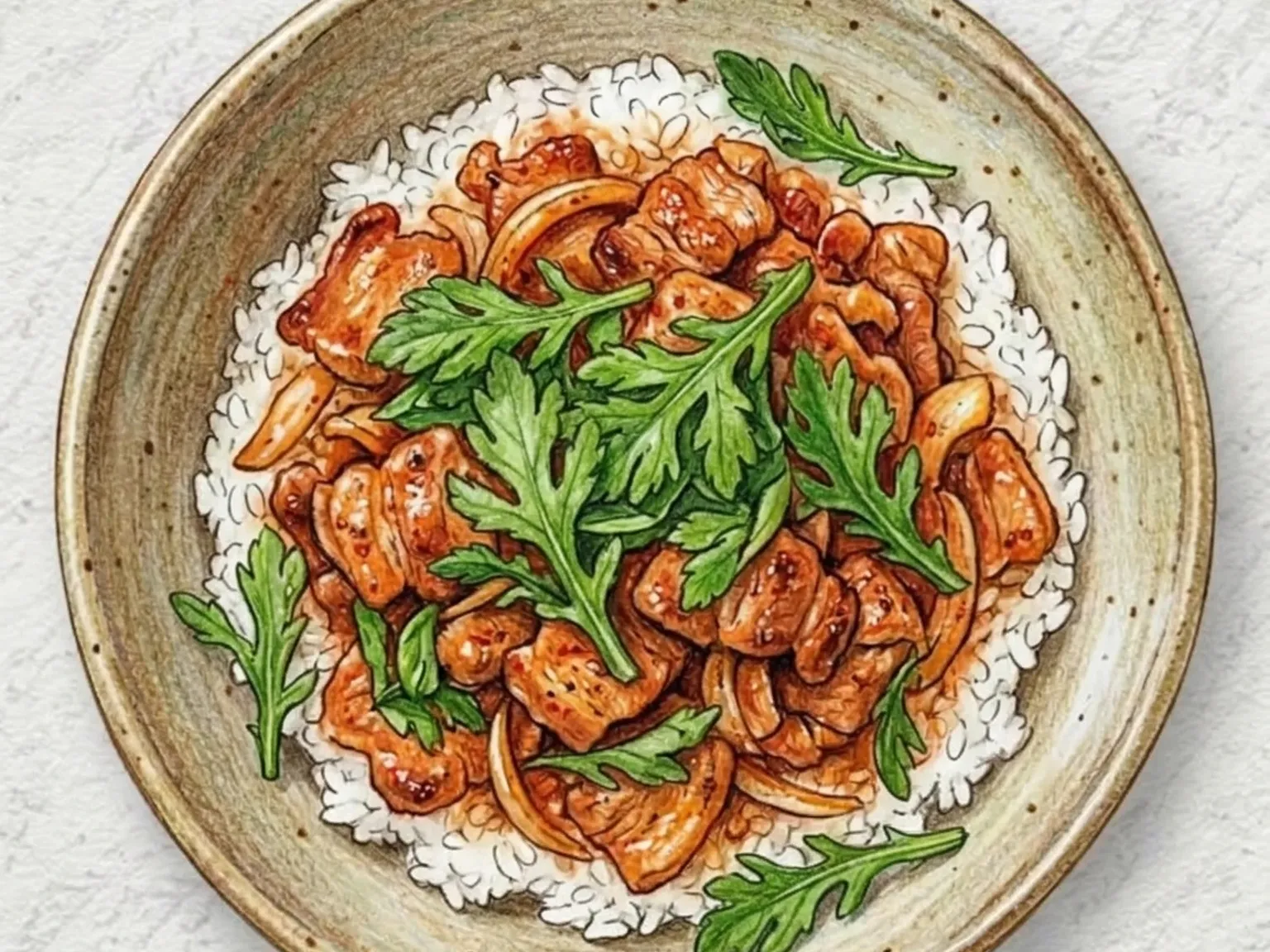
Dallae-dwaejigogi-bokkeum is a Korean springtime stir-fry of pork shoulder tossed in a gochujang and chili flake sauce, then topped generously with raw wild chives. The wild chives release a sharp, garlicky bite that cuts through the rich, spicy pork - stimulating while staying fresh rather than heavy. Onions caramelize lightly during cooking, adding natural sweetness that rounds out the heat and prevents the chili paste from turning one-dimensionally harsh. The dish must be cooked quickly over high heat to preserve the volatile aromatic compounds in the chives; extended cooking kills the fragrance that makes dallae worth using in the first place. Either pork shoulder or belly works well here, and the chives should be added at the very end rather than marinated or cooked through - they contribute perfume, not substance. The window for dallae in Korea is short, typically a few weeks in early spring, which makes this a seasonal dish eaten with some urgency while the ingredient is at its best.

Korean Kimchi Pork Crispy Dumplings
Kimchi pork gunmandu are pan-fried dumplings with a filling of ground pork, well-drained kimchi, garlic chives, firm tofu, soy sauce, garlic, and sesame oil. The near-equal ratio of 180g pork to 150g kimchi puts the kimchi's fermented tang front and center. Garlic chives add a sharp, onion-like depth, and the tofu absorbs excess moisture from the filling to prevent wrapper breakage. The dumplings are first pan-fried to crisp the bottoms, then steamed with a splash of water, and finished uncovered to evaporate remaining liquid.

Korean Spicy Pork Bulgogi Grill
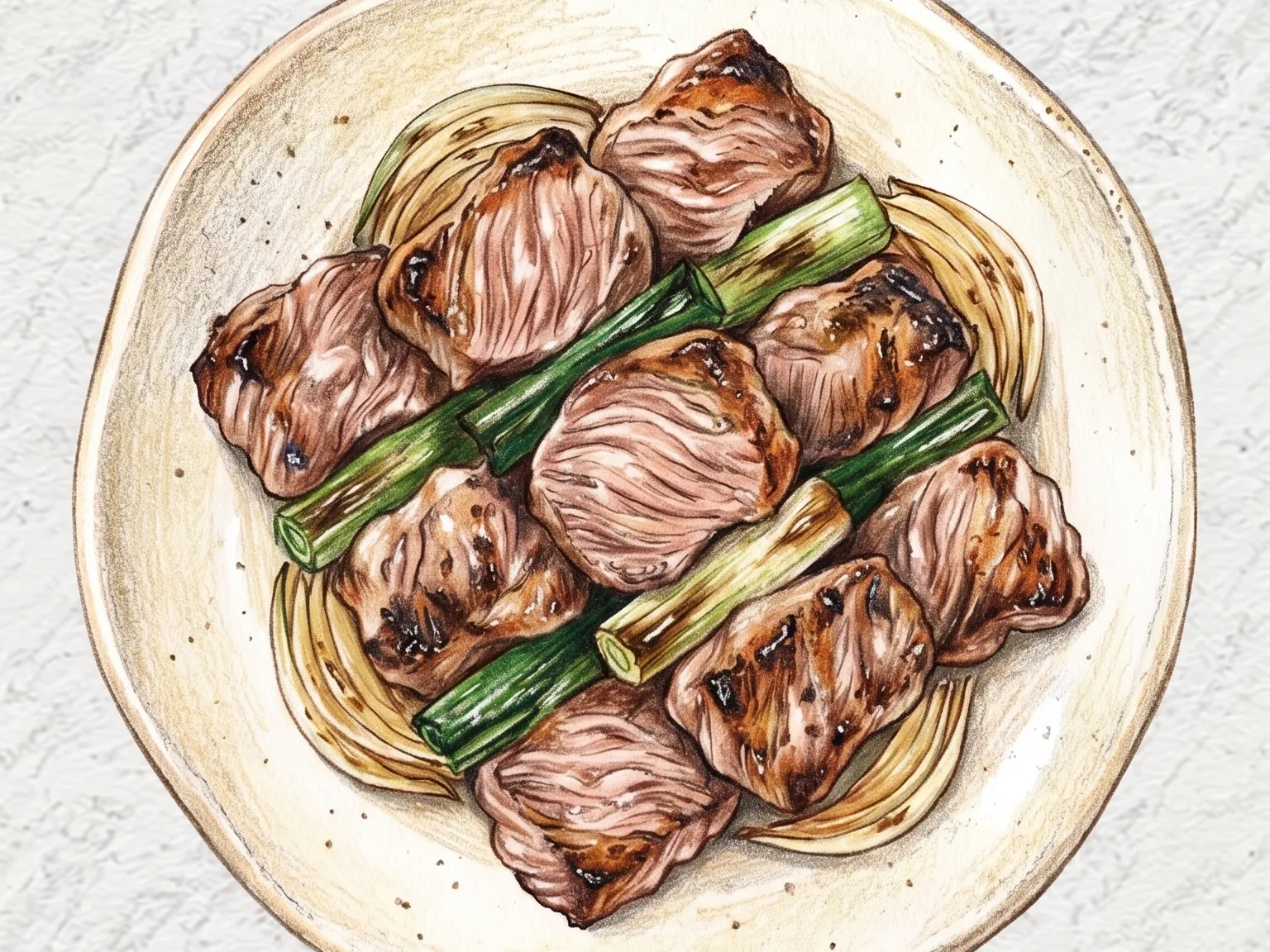
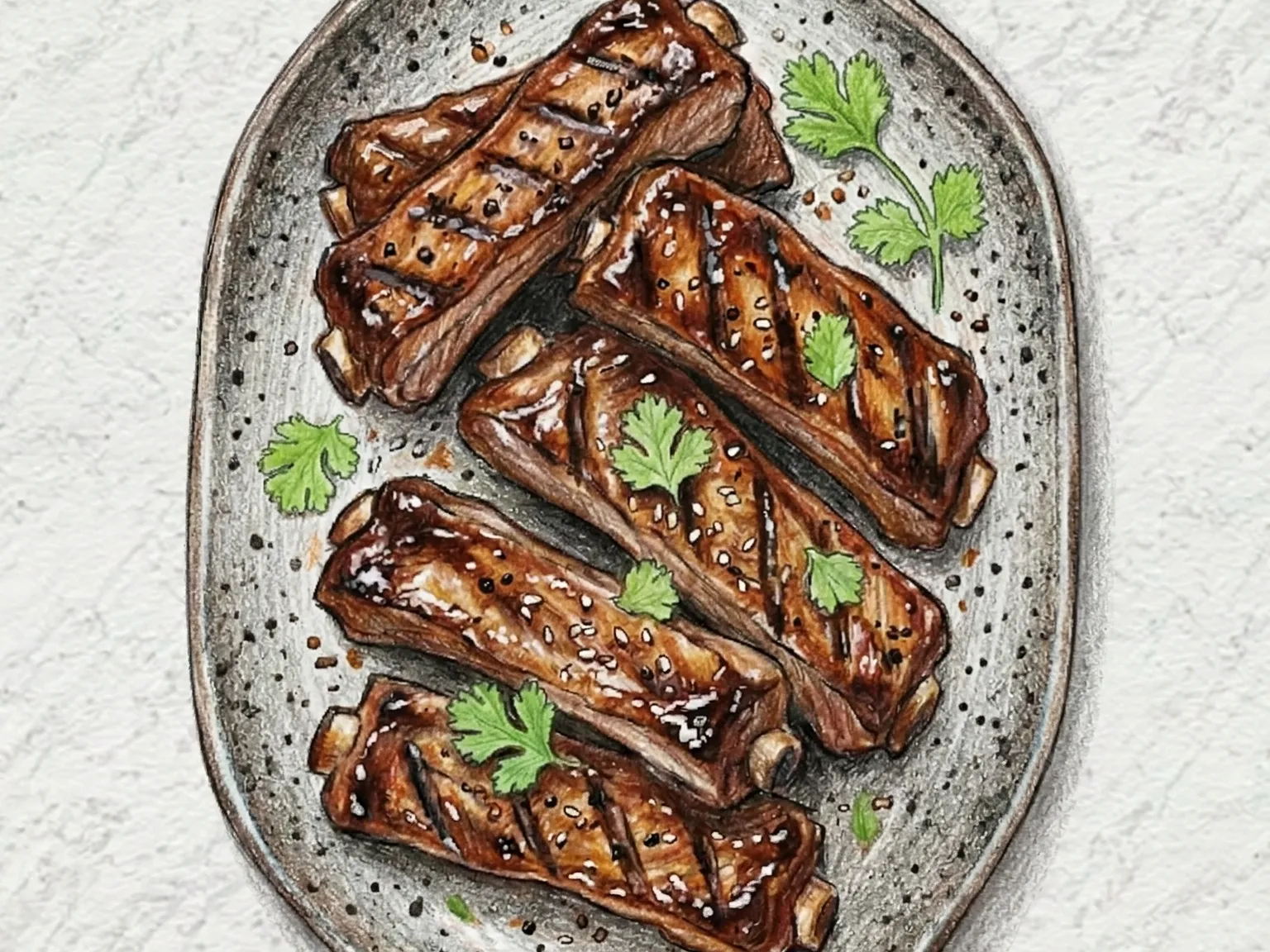
Pork shoulder is marinated for at least thirty minutes in a mixture of gochujang, soy sauce, sugar, and ginger juice, then grilled over high flame. The sugars in the marinade caramelize at high heat, forming a dark, flavorful crust on the surface. Wrapping the grilled meat in fresh lettuce leaves combines the charred smokiness with the crunch and freshness of raw greens.

Korean Braised Tofu with Kimchi
Dubu-kimchi-jorim is firm tofu braised with well-fermented aged kimchi in a sauce of soy sauce, gochugaru, minced garlic, and a pinch of sugar. The sharp acidity of the aged kimchi mellows during braising while its deep, fermented flavor remains fully intact. The tofu absorbs the chili-stained braising liquid like a sponge, carrying the kimchi flavor into every bite. Sugar takes the edge off the sourness just enough, and sesame oil stirred in at the end ties all the flavors together. Pressing the tofu before cooking prevents excess moisture from diluting the sauce, and pan-frying the pieces until golden on both sides before braising creates a firmer surface that holds together better. This dish is an efficient way to use kimchi that has sat in the refrigerator for months, as the stronger the sourness, the better suited it is for braising. Adding thinly sliced pork shoulder deepens the flavor considerably. It goes best spooned generously over a bowl of hot steamed rice.

Korean Water Parsley Soy Pickle
Preparing this dish starts with cutting water parsley stems into 5-centimeter segments and ensuring they are thoroughly dried. The pickling process involves a mixture of soy sauce, rice vinegar, and sugar that is boiled and then completely cooled before being poured over the prepared stems, garlic, and cheongyang chili peppers. As the herbs submerge in the savory liquid, the fresh scent of the water parsley evolves into a complex aromatic profile that is absent in its raw state. Rice vinegar provides a crisp finish to the palate, while the sharp heat from the chili peppers prevents the flavor from becoming flat or one-dimensional. Garlic acts as a stabilizing element for the entire seasoning base. The pickle reaches its optimal state around the second or third day of refrigeration when the initial sharpness of the vinegar mellows out while the stems maintain their firm crunch. Since the texture tends to soften over time, making frequent small batches is a practical approach to enjoy this preserve. This side dish functions well alongside grilled pork belly or other main courses with high fat content by clearing the palate between bites. The remaining brine can be reused for subsequent batches of vegetables, often resulting in a more developed and layered taste than the first round. Adding a small amount of lemon or yuzu juice introduces a citrus scent that complements the natural herbal characteristics of the water parsley.

Pollock Roe Butter Udon
Myeongran butter udon is a Japanese-inspired cream udon in which salted pollock roe is folded into a butter and heavy cream sauce over chewy udon noodles. Garlic is gently cooked in melted butter first to build an aromatic base, then cream and soy sauce are added to create a sauce that is rich without being one-dimensional. The roe membrane is removed so only the loose, individual eggs enter the sauce, and they are stirred in after the heat is lowered to prevent the roe from turning dry, grainy, or unevenly cooked. As each tiny egg bursts against the palate, it releases a briny, oceanic intensity that cuts through the silky cream coating and creates a recurring contrast in every mouthful. The soy sauce performs double duty: it adjusts the salt level and introduces a layer of fermented umami depth that would otherwise be absent. If the sauce tightens too much as it reduces, a few tablespoons of noodle cooking water loosen it while adding a hint of starch that helps the sauce cling more evenly to each strand. Finishing with roasted seaweed flakes and chopped chives brings oceanic aroma and a clean, green freshness that lifts the overall heaviness of the dish.

Gai Pad Med Mamuang (Thai Cashew Chicken)
Gai pad med mamuang is a Thai-Chinese stir-fry that traces its lineage to Chinese cashew chicken but has absorbed Thai seasoning logic - fish sauce replacing salt, oyster sauce adding body, and dried chilies providing a gentle background warmth. Bite-sized chicken and roasted cashews are tossed in a blazing wok with dried chilies, onion, and bell pepper; the cashews are pre-fried at low temperature to golden throughout, ensuring they stay crunchy even after joining the wet sauce. The sauce blends oyster sauce, soy sauce, fish sauce, and sugar, and the ratio among these four determines whether the dish leans sweet, salty, or somewhere in between. As the sauce coats the chicken, it takes on a lacquered sheen, and the cashews' oily richness melts into the glaze, adding a buttery undertone. In Thailand, it is typically served over steamed jasmine rice as a one-plate meal (khao rat kaeng), and its mild heat profile makes it one of the first Thai stir-fries that international visitors order with confidence.

Korean Pickled Green Peppers
Gochu jangajji - soy-pickled green peppers - is a traditional Korean preservation method that traces back to the era before refrigeration, when summer's abundance of green peppers had to be kept edible through leaner months. Each pepper is stemmed and pierced several times with a toothpick so the brine can penetrate through the thick walls of the flesh and reach the seeds inside. A brine of soy sauce, vinegar, sugar, and water is brought to a full boil and poured directly over the peppers while still scalding hot; this flash of heat slightly blanches the exterior, brightening the green color, while the interior stays raw and crisp. Repeating this step the following day - draining the cooled brine, returning it to the pot, reboiling it, and pouring again - is what separates a well-made batch from a mediocre one. The second pour deepens the penetration of the seasoning, reinforces preservation, and allows the pickles to keep under refrigeration for over a month without losing crunch. Once fully pickled, the flavor is a layered combination of salty depth from the soy, gentle acidity from the vinegar, and the pepper's own lingering capsaicin heat, which mellows in brine but never entirely disappears. Placed on a bowl of plain rice, two or three pickled peppers are enough to make a full meal. Using cheongyang chili peppers instead of regular green peppers produces a sharper, hotter version, while kkwari peppers yield a milder and more tender result.

Korean Bean Sprout Rice (Pot-Steamed Rice with Soy Sprouts)
Kongnamul-bap is a simple Korean home dish of soaked rice cooked together with a generous pile of bean sprouts in a covered pot. Timing and the closed lid are the two things that define the result. The pot starts on high heat until the water boils, then drops to low for fifteen minutes of steady cooking followed by five minutes of resting. Opening the lid at any point during this process releases steam and allows a raw, beany smell to develop in the finished rice. Once the resting period is complete, the sprouts have steamed through and their moisture has been absorbed into the rice grains. The seasoning sauce is mixed directly into the bowl at the table: soy sauce, sesame oil, gochugaru, finely sliced green onion, and a scatter of sesame seeds. Each spoonful combines the soft, starchy rice with the firm snap of the sprout stems, and the soy dressing pulls everything into a coherent flavor. The dish asks very little from the cook and costs almost nothing to make, yet it produces the kind of deeply satisfying meal that is difficult to improve upon. Some versions add daikon cut into thick batons, which contribute a cool, clean sweetness to the broth that forms at the bottom of the pot.

Korean Bellflower Root & Beef Stir-fry
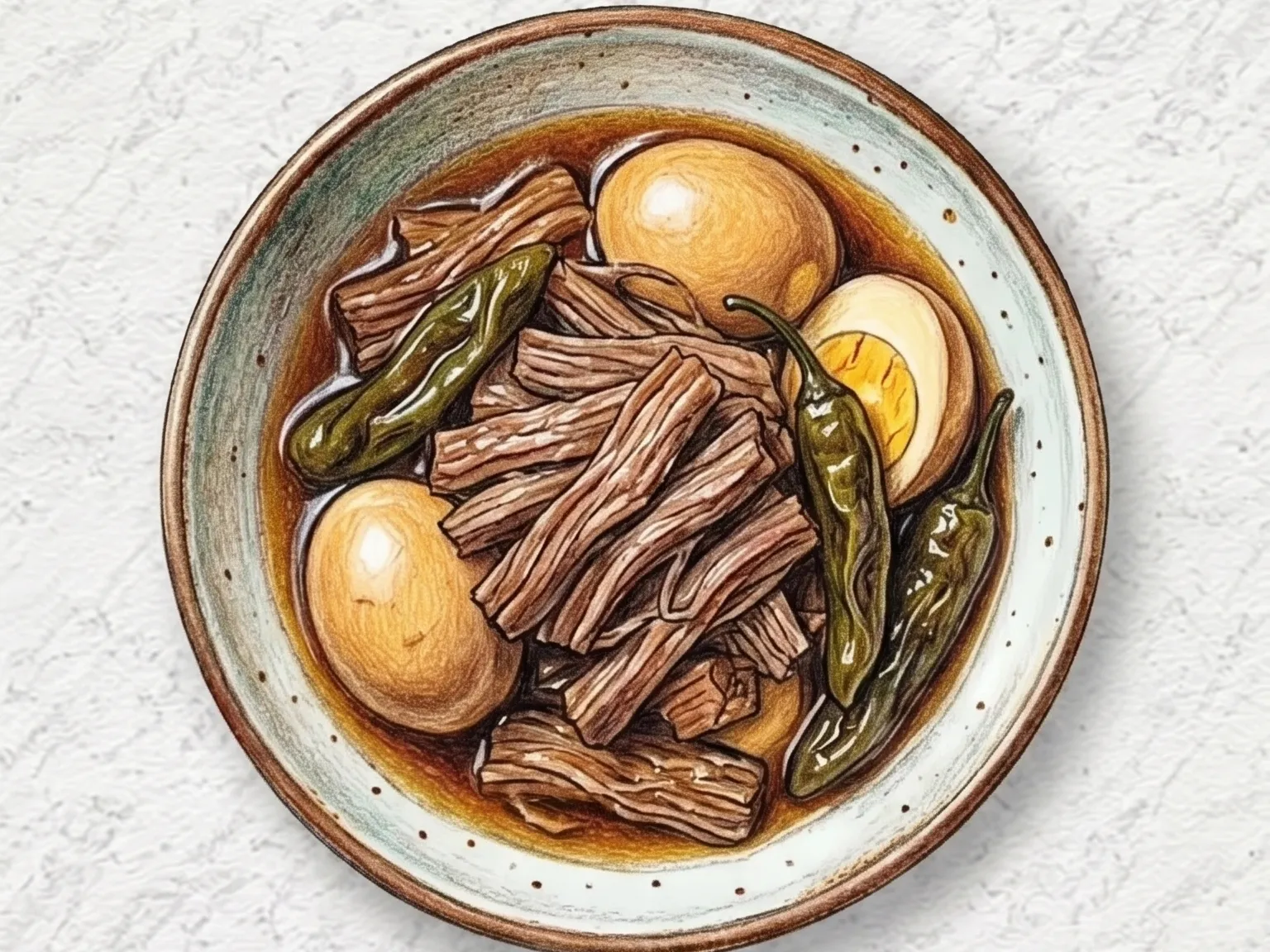
Deodeok-sogogi-gochujang-bokkeum is a Korean stir-fried side dish of pounded bellflower root and thinly sliced bulgogi-cut beef cooked together in a bold gochujang sauce. Beating the root with a mallet breaks up its dense fibers, increases its surface area, and allows the spicy paste to penetrate deeply, resulting in a texture that is simultaneously crisp and chewy after cooking. The fermented heat of gochujang and the saltiness of soy sauce work together to amplify the meaty richness of the beef, and the thick sauce binds the root and meat into a cohesive whole. Adding sesame oil and toasted sesame seeds at the end layers in a nutty, aromatic finish. Deodeok's faint natural bitterness and herbal fragrance survive the cooking process and create a complexity that distinguishes this dish from standard gochujang stir-fries. It is a boldly flavored side dish that pairs insistently with plain steamed rice.

Korean Lemon Pepper Dakgangjeong
Boneless chicken thigh pieces are cut bite-size, coated thoroughly in potato starch, and double-fried at 170 then 180 degrees Celsius to build a shell that stays crunchy through the glazing step. The fried chicken goes straight into a reduction of lemon juice, honey, soy sauce, and butter, where the bright citrus acidity cuts cleanly through the rendered fat and cracked black pepper settles in as a slow, lingering finish. The entire tossing step must be completed in under twenty seconds before the steam softens the crust. Adding lemon zest directly into the glaze intensifies the citrus note considerably, and finished slices of lemon on the side make for a clean, vivid presentation.

Korean Grilled Webfoot Octopus
Cleaned webfoot octopus is tossed in a marinade of gochujang, chili flakes, soy sauce, and sugar for ten minutes, then seared on high heat for just three to four minutes. Webfoot octopus has thicker tentacles than nakji and a more resilient chew, which makes it particularly well suited to this type of spicy, high-heat preparation. The short cooking time is not a shortcut -- it is the point. Overcooking webfoot octopus makes it rubbery and dry, and the difference between three minutes and five minutes is the difference between tender-chewy and tough. High heat is equally important: the goal is to sear, not steam, so the pan must be very hot and the pieces should not be crowded. Where the glaze catches on the pan surface and scorches slightly, it leaves behind charred bits that coat the octopus with a smoky depth the marinade alone cannot provide. Green onion added in the final seconds cuts through the heat with a sharp, fresh note. Just before the main harvest season in spring, webfoot octopus carries roe that adds a rich, creamy nuttiness to each bite, and this is when Korean cooks consider the ingredient at its peak. The cooked pieces wrap well in perilla leaves and are also popular as a fried rice finisher.

Korean Stuffed Tofu Steam
Dubu-seon is a traditional Korean court dish in which pressed and crumbled firm tofu is shaped around a seasoned filling of ground beef, rehydrated shiitake mushrooms, and carrot, then steamed until the filling sets. Squeezing out excess moisture from the tofu before shaping is essential - too much water causes the exterior to collapse during steaming and prevents the filling from binding properly. The filling is seasoned with soy sauce, sesame oil, minced scallion, and garlic so that the aromatics infuse into the surrounding tofu while it cooks. A garnish of julienned egg jidan, thin shreds of red chili, and water parsley is placed on top before serving, giving the otherwise pale dish a carefully composed color contrast that reflects its palace-cuisine origins. A dipping sauce of soy sauce, sesame oil, and a touch of vinegar accompanies the dish and complements its mild, clean flavor. Dubu-seon provides a high-protein, vegetable-rich bite in a single piece, making it suitable as a banchan or as a light accompaniment to drinks.

Korean Soy Pickled Radish Cubes
Mu jangajji is a fundamental Korean soy-pickled radish made by cutting radish into 1.5 cm cubes, packing them in a sterilized jar with dried chili, and pouring over a boiled brine of soy sauce, vinegar, and sugar. The radish's firm flesh absorbs the sweet-salty brine gradually while maintaining its crisp bite, and the dried chili adds a gentle warmth and aroma to the liquid. Pouring the brine while still hot is important because the heat briefly opens the cell walls of the radish, allowing the seasoning to penetrate more evenly throughout. Vinegar balances the soy's saltiness with a clean tang, and using dense winter radish yields the best texture. This is one of the most versatile Korean pickles, appearing alongside gimbap, bibimbap, and gukbap as a reliable everyday table companion.

Hot Pot Udon (Japanese Earthenware Pot Noodle Soup)
Nabeyaki udon is a Japanese hot-pot noodle dish cooked and served directly in a small earthenware pot, designed to stay piping hot at the table from first bite to last. The base is a dashi stock seasoned with soy sauce and mirin, which produces a broth that is clear but carries substantial depth of flavor. Chicken thigh cooked directly in the pot releases fat and juices into the surrounding liquid, enriching the stock in a way that chicken breast cannot replicate. Narutomaki fish cake, with its pink spiral cross-section, adds a visual accent that is as much a part of the dish's identity as any flavor it contributes, while enoki mushrooms soak up the broth and give back a delicate umami in return. The egg is cracked into the center of the pot and covered to cook gently until the white sets and the yolk remains soft and runny. When the yolk breaks and bleeds into the hot broth, it creates a brief silky richness that changes the texture of each spoonful. Shrimp tempura is placed on top of the finished dish at the very last moment, not submerged, because the batter collapses from steam and heat within seconds of hitting liquid. Spinach added in the final minute retains its bright color and stays tender without turning soft. The earthenware pot retains heat far longer than a regular bowl, which is why this dish reads as a cold-weather staple in Japan.

Gua Bao (Steamed Bun with Braised Pork)
Gua bao, sometimes called the Taiwanese hamburger, is a traditional snack that traces its origins to a ceremonial food eaten during Lunar New Year pig slaughter, though it has since become one of the most recognizable symbols of Taiwan night market street food culture. The steamed bun, called he ye bao, is made from fermented wheat dough that must be soft and pillowy on the inside, smooth on the surface, and elastic enough to fold cleanly in half without tearing before the filling is placed inside. The pork belly filling is braised for over an hour in soy sauce, five-spice powder, and rock sugar until the meat breaks apart along its grain at the lightest touch of chopsticks. Three garnishes work together to cut through the richness of the braised pork from different angles: pickled mustard greens bring sharp fermented acidity, crushed peanut powder adds a sandy sweetness, and fresh cilantro contributes bright herbal fragrance. The bun is sized to hold in one hand, yet the flavor complexity it contains rivals a full plated dish. This compression of layered depth into a single handheld bite is precisely what defines the spirit of Taiwan night market cooking.