Charim

2686 Korean & World Recipes

2686+ Korean recipes, clean and organized. Ingredients to instructions, all at a glance.

Recipes with soy sauce

24 recipes

Buy soy sauce
Korean Stir-Fried Garlic Scapes
Side dishesEasy

Korean Stir-Fried Garlic Scapes

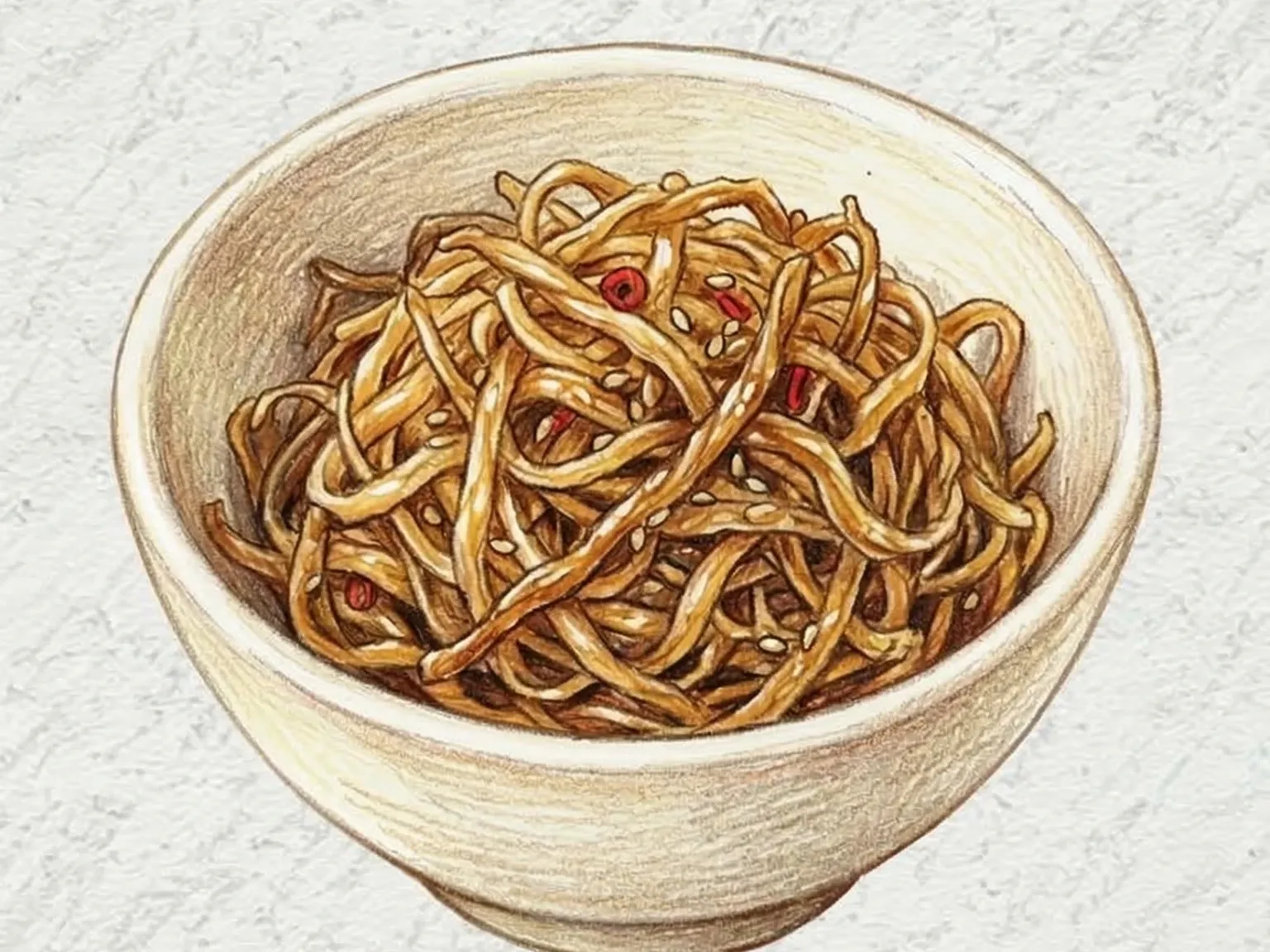
Maneuljjong-bokkeum is stir-fried garlic scapes, the curling flower stalks cut from garlic plants before they bloom, seasoned with soy sauce and oligosaccharide syrup. Where garlic bulbs deliver a sharp, nose-clearing bite, scapes carry a gentler, almost sweet garlic flavor that works even for people who find raw garlic too aggressive. Cutting the scapes into 4 to 5 cm lengths and blanching them for thirty seconds loosens the fibrous outer skin while preserving the snap inside. Skipping the blanch and going directly to the pan produces an uneven result: the outside turns tough and leathery before the inside has cooked through. Blanched scapes go into a lightly oiled pan over high heat for one minute, then soy sauce, oligosaccharide, minced garlic, and a pinch of gochugaru are added and the whole thing stir-fries for another two minutes. The syrup and soy sauce build a sweet-salty glaze that clings to every piece, and sesame oil is stirred in only after the heat is off to protect its fragrance from burning off. Made once, this banchan keeps refrigerated for five days or more, making it one of the most practical side dishes to prepare on a weekend and draw from throughout the week. Spring through early summer is peak garlic scape season, when the stalks are at their most tender.

🏠 Everyday🍱 Lunchbox
Prep 10minCook 6min4 servings
Korean Tofu and Vegetable Stir-Fry
Stir-fryEasy

Korean Tofu and Vegetable Stir-Fry

Dubu-yachae-bokkeum is a Korean stir-fry of pan-fried tofu with carrots, onions, and bell peppers in a light soy-based sauce. Before anything else, the tofu has to be pressed to expel excess moisture, then pan-fried on both sides until a firm golden crust develops, which keeps the pieces from breaking apart when they go back into the wok with the vegetables. Because the vegetables cook at different rates, they are added in sequence to preserve each one's texture. The seasoning of soy sauce, sesame oil, minced garlic, and a small amount of sugar sits on the lighter side, letting the natural sweetness and fragrance of the vegetables come through without being masked. Gochugaru or a spoonful of gochujang can be incorporated for a spicier variation. Sesame seeds and a final drizzle of sesame oil finish the dish with a nutty fragrance that ties all the elements together. The combination of plant protein from the tofu and dietary fiber from the vegetables makes it both nutritious and satisfying, and it is commonly packed into Korean lunch boxes.

🏠 Everyday🌙 Late Night
Prep 10minCook 15min2 servings
Korean-Chinese Chicken Broth Noodles
NoodlesMedium

Korean-Chinese Chicken Broth Noodles

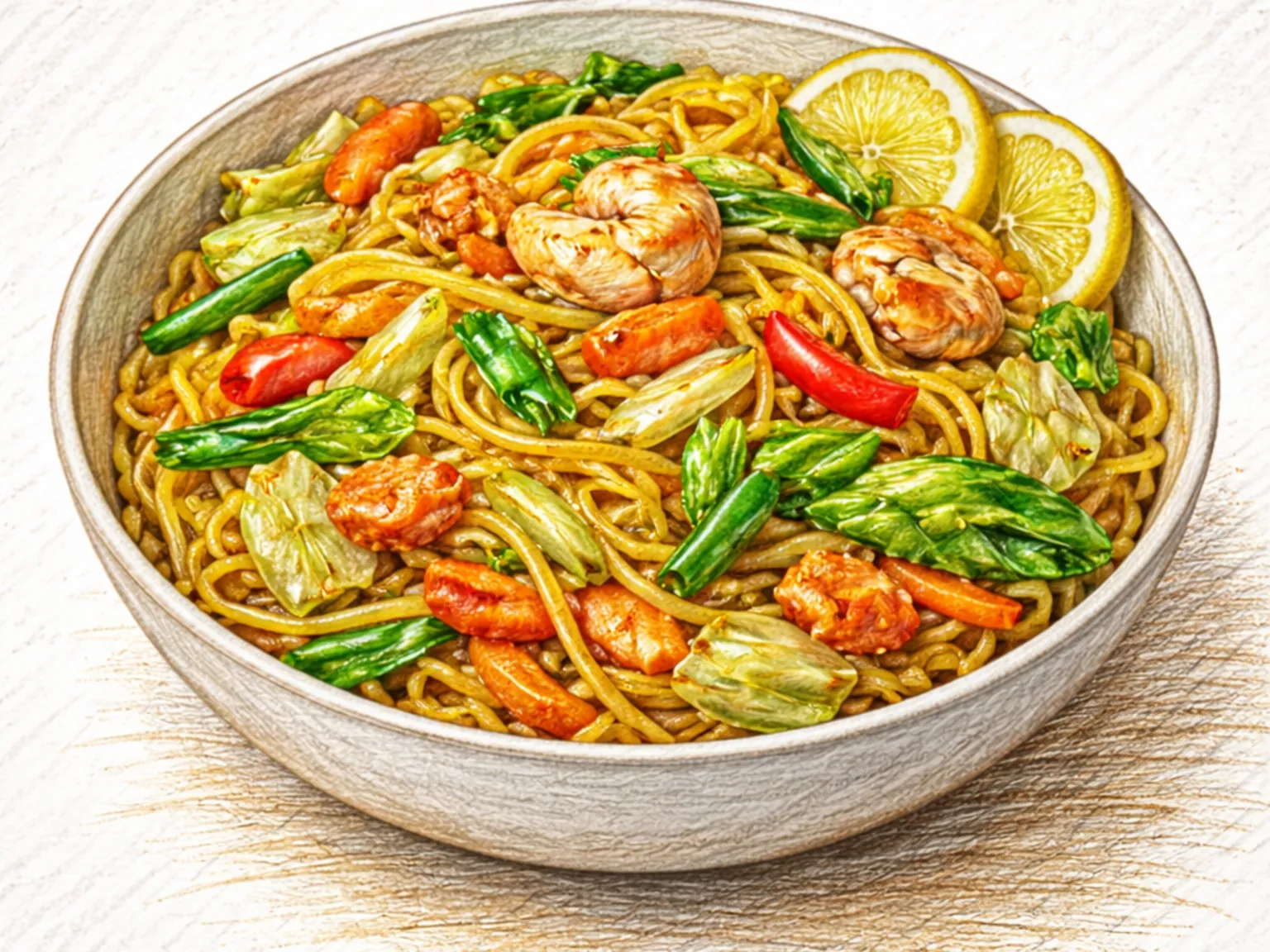
Gis-myeon is a Korean-Chinese noodle soup in which thin wheat noodles are served in a clear, pale chicken broth topped with delicate ribbons of egg that have been poured in a fine stream and cooked into floating wisps. The broth begins with chicken breast simmered in water with aromatics; once the stock is strained and clarified, the cooked chicken is shredded into fine threads and reserved as the main garnish. Beaten egg is drizzled very slowly into the gently boiling stock while stirring in one direction, which produces the characteristic silk-like strands rather than broken scrambled curds. The seasoning is deliberately minimal: only soup soy sauce and salt are used, keeping the broth light, clean, and transparent enough to see the noodles beneath. A small measure of starch slurry stirred in just before serving gives the liquid a subtle viscosity that allows it to cling to each strand of noodle, ensuring flavor in every bite rather than leaving a watery pool at the bottom of the bowl.

🎉 Special Occasion
Prep 15minCook 20min2 servings
Korean Braised Tofu and Mushrooms
Stir-fryEasy

Korean Braised Tofu and Mushrooms

Dubu-beoseot-jorim is a Korean braised side dish of firm tofu and oyster mushrooms simmered in a soy-based sauce until the liquid reduces to a glossy, clinging coat. The tofu is pan-fried first in a lightly oiled skillet to form a firm outer crust before braising begins, which allows it to absorb the seasoned liquid without crumbling or losing its structure during cooking. The result is a cube with a slightly firmer exterior and a soft, custardy interior that holds together through each bite. Oyster mushrooms, torn along their natural grain rather than cut, contribute a pleasantly chewy texture and release their inherent umami into the braising liquid as they cook, adding depth without the need for separate stock. The sauce requires only soy sauce, water, garlic, gochugaru, and sesame oil, making this a straightforward braise that rewards careful heat management over elaborate preparation. When the sauce has reduced to just a small pool at the bottom of the pan, the dish is ready, well-seasoned enough to serve alongside plain rice or pack into a lunchbox.

🏠 Everyday🍱 Lunchbox
Prep 15minCook 18min3 servings
Korean Braised Chicken with Burdock
SteamedMedium

Korean Braised Chicken with Burdock

Ueong dak jorim is a Korean braised dish that simmers boneless chicken thigh and burdock root together in soy sauce, sugar, and ginger juice until the liquid reduces and the glaze thickens around each piece. Soaking the burdock in vinegar water draws out the astringent bitterness that raw burdock carries, and marinating the chicken in cooking wine and ginger beforehand removes any lingering gamey odor. Once both are added to the pot, low heat does the work over at least eighteen minutes, bringing the braising liquid down by half and building a glossy, clinging sauce. A final drizzle of sesame oil at the end ties the aroma together and rounds out the flavor. The finished dish sets the crisp yet slightly chewy texture of burdock against the moist tenderness of chicken thigh, with a sweet-savory profile that makes it a reliable companion to steamed rice.

🎉 Special Occasion
Prep 20minCook 35min4 servings
Korean Ori Gochujang Gui (Gochujang Grilled Duck)
GrilledMedium

Korean Ori Gochujang Gui (Gochujang Grilled Duck)

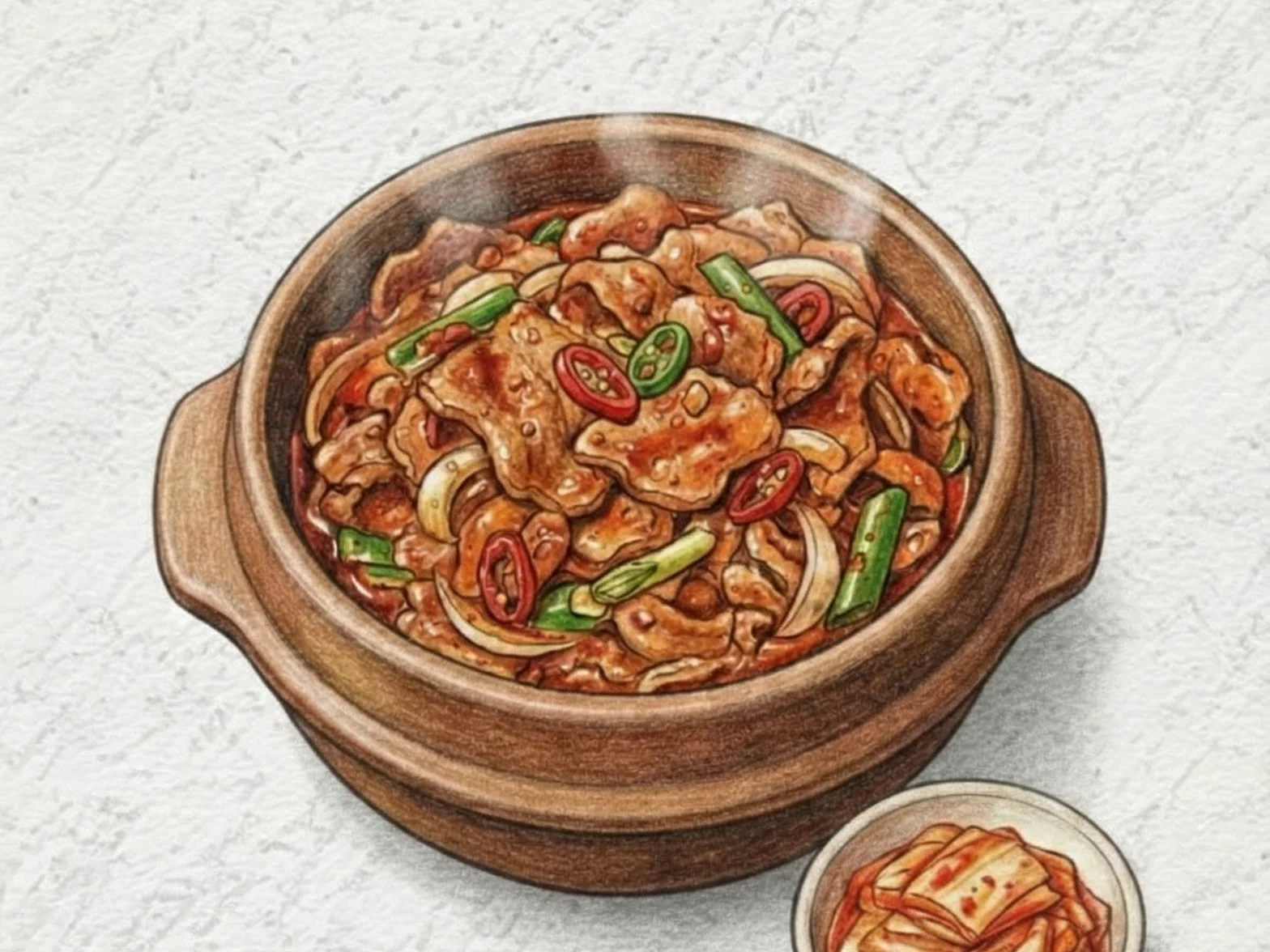
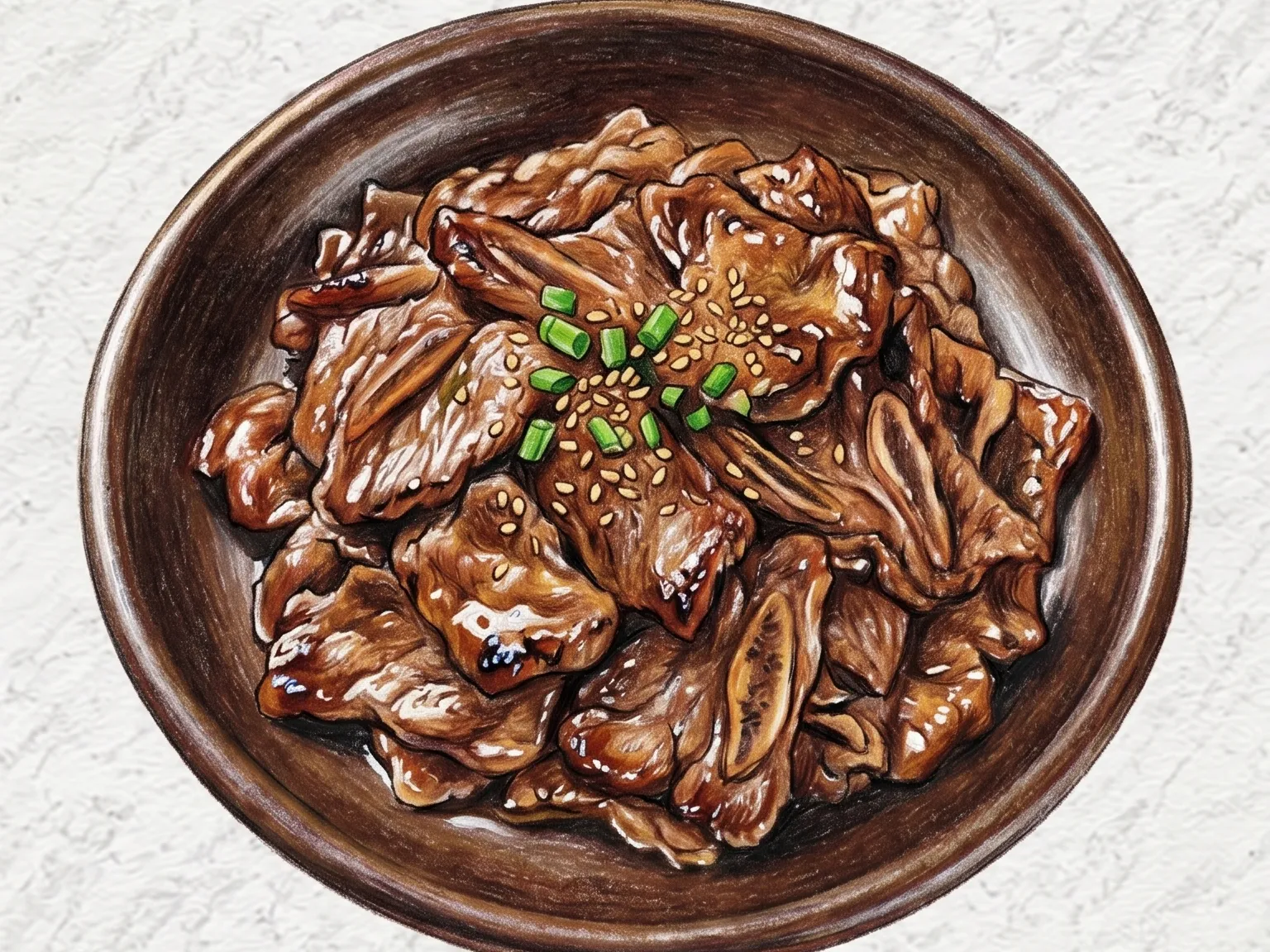
Ori-gochujang-gui is spicy gochujang-grilled duck, where sliced duck is marinated for fifteen minutes in a paste of gochujang, soy sauce, Korean chili flakes, minced garlic, pear juice, and sesame oil, then grilled alongside sliced onion over medium-high heat for ten to twelve minutes with frequent turning. Pear juice tempers the aggressive salt and heat of gochujang while acting as a natural tenderizer for the duck, and sesame oil forms a thin film that slows moisture loss during grilling. As duck fat renders out and combines with the chili paste, a concentrated sweet-spicy sauce pools in the pan-basting the meat continuously with this liquid builds a glossy, lacquered surface. Wrapping each piece in a perilla leaf before eating adds an herbal fragrance that softens the chili burn.

🍺 Bar Snacks
Prep 20minCook 15min4 servings
Korean Garlic Scape Salad
Side dishesEasy

Korean Garlic Scape Salad

Maneuljong-muchim dresses briefly blanched garlic scapes in a cold gochujang and vinegar dressing, setting it apart from maneuljjong-bokkeum, which uses a soy-based sauce and relies on direct heat in a pan. The names maneuljong and maneuljjong describe the same part of the garlic plant, the slender flowering stalk that emerges in spring, but the two terms divide along regional dialect lines: speakers in Seoul and Gyeonggi province tend to say maneuljong while those in other parts of the country often use maneuljjong. Blanching must be kept well under thirty seconds to lock in the bright green color and crisp snap; beyond one minute the scapes soften and the color dulls noticeably. The gochujang dressing hits sweet, sour, and spicy in equal measure, and the vinegar component plays off the scapes' grassy, pungent aroma in a way that reads as distinctly springlike on the palate. Peak availability runs from April through May, when garlic plants push up their stalks before the heads are harvested, and vendors at traditional markets sell them bundled by the handful. Because no oil is involved and the sauce is relatively light, this preparation is considerably lower in calories than the stir-fried version, which is part of why it appears frequently in everyday Korean meal sets as a reliable, refreshing side.

🏠 Everyday🍱 Lunchbox
Prep 10minCook 3min4 servings
Korean Braised Tofu with Shrimp
Side dishesMedium

Korean Braised Tofu with Shrimp

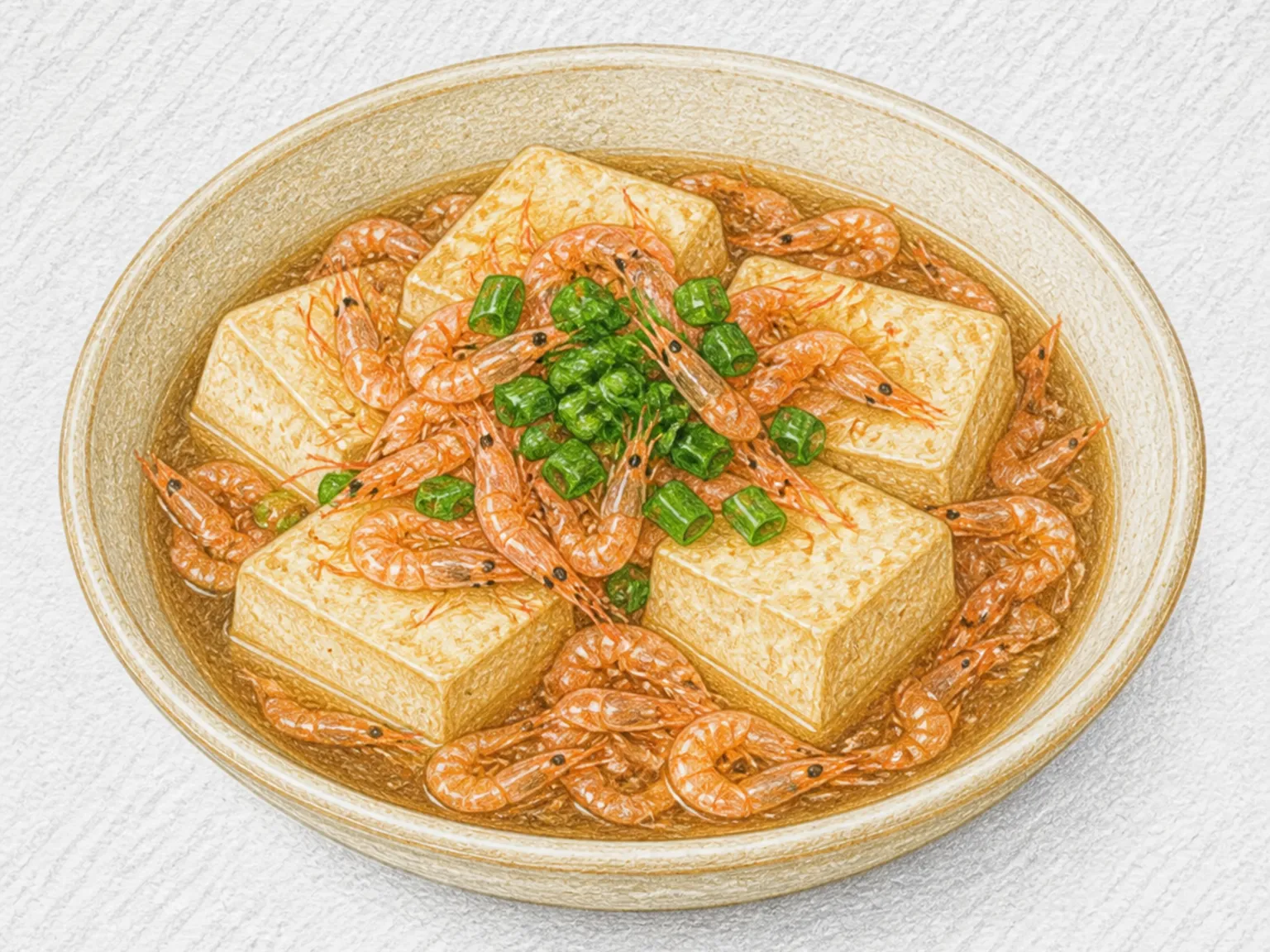
Dubu-saeu-jorim pairs pan-seared tofu with whole shrimp in a soy-based braising sauce, stepping well beyond the usual tofu-only preparations that appear in everyday banchan. The tofu is seared first until golden on both sides to develop a lightly firm crust that resists breaking apart during the braising stage, then set aside while shrimp cook briefly in the same pan, picking up the fond left by the tofu. The braising liquid -- soy sauce, minced garlic, sugar, cooking wine, and a touch of gochugaru -- goes in next, and both proteins return to the pan to simmer together for five minutes over medium heat. The shrimp release their marine sweetness into the sauce as they tighten and curl, and the porous interior of the tofu absorbs that combined soy-seafood flavor throughout each cube. Adjusting the simmer time controls the final sauce concentration: shorter for a looser, silkier coat; longer for a more intensely reduced glaze. The textural pairing is the dish's central appeal -- yielding, custardy tofu against the springy, snapping bite of the shrimp. Adding sliced green onion or fresh chili introduces another layer of fragrance, and scaled up in quantity, the dish works just as well spooned over steamed rice as a satisfying one-bowl meal.

🏠 Everyday🍱 Lunchbox
Prep 15minCook 15min2 servings
Braised Dried Pollock (Hwangtae-po Jorim)
Side dishesEasy

Braised Dried Pollock (Hwangtae-po Jorim)

Hwangtae-po jorim is a Korean braised side dish made from hwangtae, the air-dried pollock produced in the Gangwon-do mountains where bitter winter cold freezes and thaws the fish dozens of times across the season. Each freeze-thaw cycle breaks down the protein structure and opens up a sponge-like network of pores throughout the flesh. When braised in a ganjang-gochujang sauce, those pores draw the seasoning deep inside, so every bite carries the savory-sweet glaze all the way through rather than just coating the surface. Rehydrating the dried pollock for no more than three minutes preserves the chewy, springy bite; soaking it longer collapses the structure and leaves it soft and crumbly. Oligosaccharide syrup reduces into a glossy finish that coats each piece, and sesame oil goes in only after the heat is off to keep its fragrance intact. Refrigerated, the dish holds for more than a week, making it a practical addition to meal-prep banchan rotations.

🏠 Everyday🍱 Lunchbox
Prep 10minCook 12min4 servings
Korean Grilled Garaetteok
Street foodEasy

Korean Grilled Garaetteok

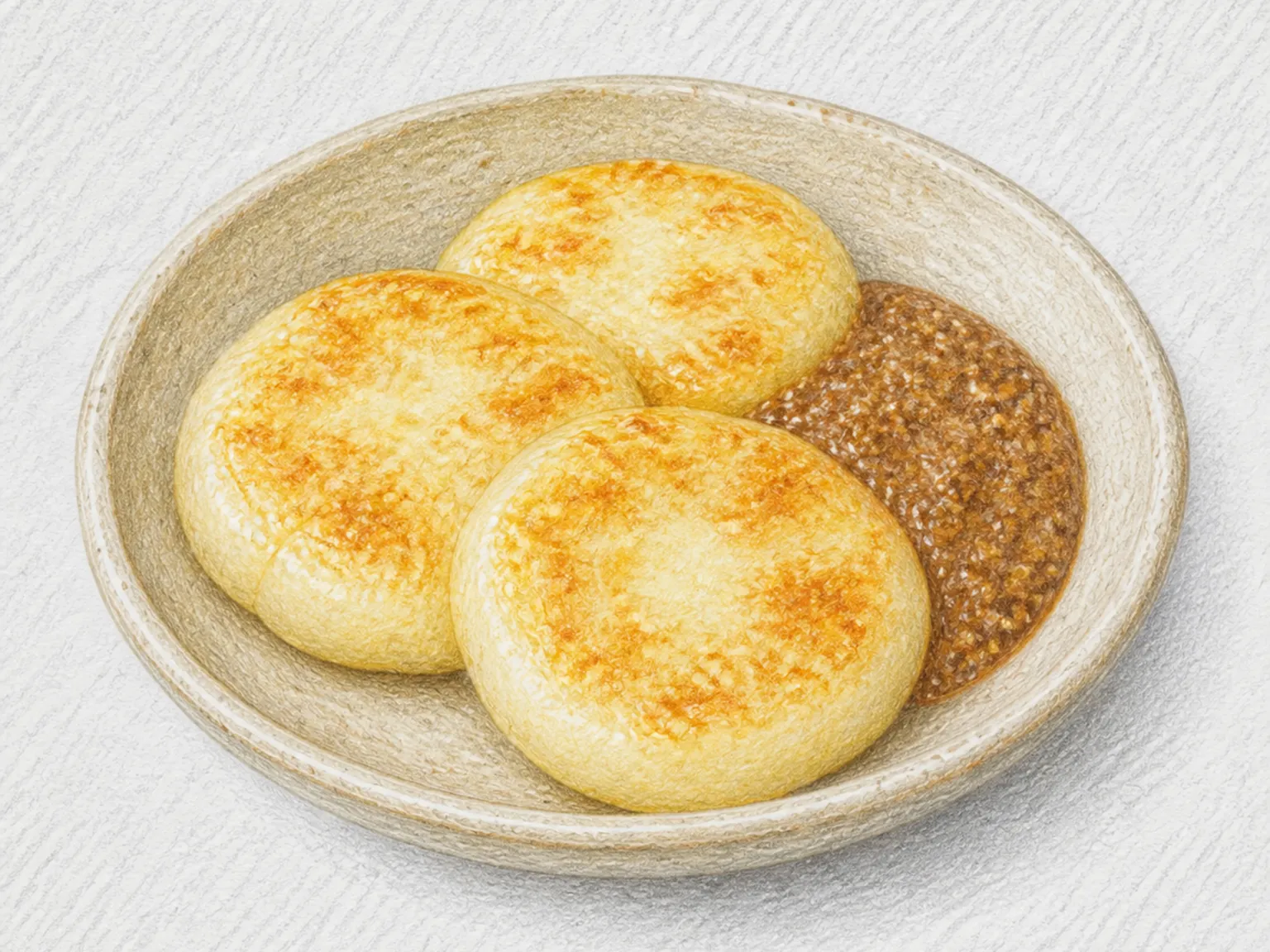
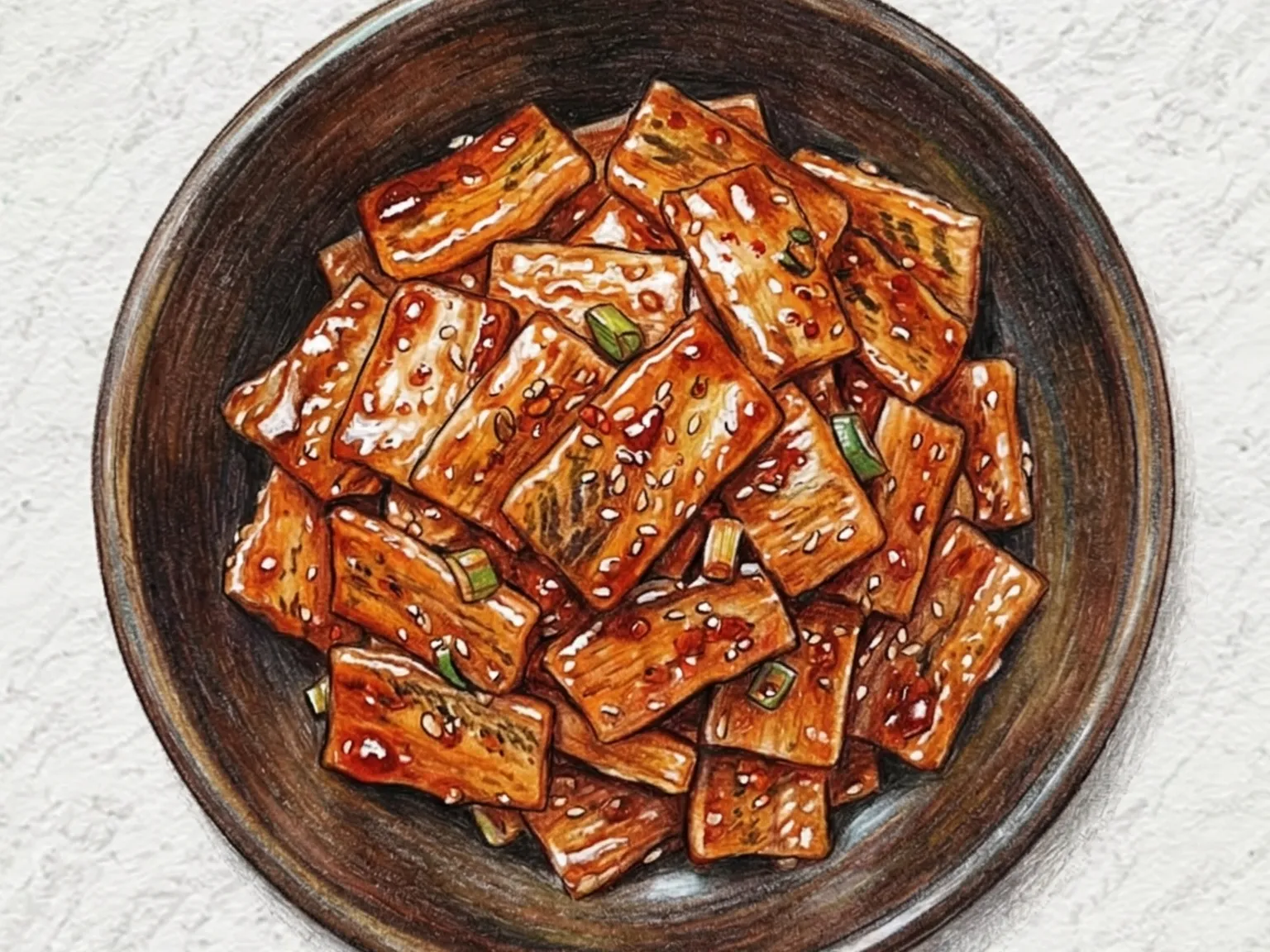
Garaetteok-gui cuts cylindrical rice cakes into eight-centimeter sticks, skewers them, and pan-grills while rotating for even browning before applying a glaze. The glaze combines soy sauce, gochujang, honey, minced garlic, and sesame oil, brushed on once the surface turns golden, then cooked one more minute on low heat so it sets into a thin, sticky coat rather than burning. Grilling drives moisture from the outer layer of the rice cake, forming a slightly firm shell, while the interior softens further from the retained heat -- the contrast between crisp outside and chewy inside is the defining quality of the preparation. Rice cakes that start out stiff benefit from a twenty-second microwave burst before grilling to ensure the center softens evenly throughout. Applying the glaze in two thin layers instead of one thick coat prevents it from running off the surface and gives a more even finish. Keep the heat low during the final stage to avoid scorching the sugars in the gochujang and honey.

🧒 Kid-Friendly🌙 Late Night
Prep 10minCook 10min2 servings
Korean Steamed Croaker (White Fish Radish Soy)
SteamedMedium

Korean Steamed Croaker (White Fish Radish Soy)

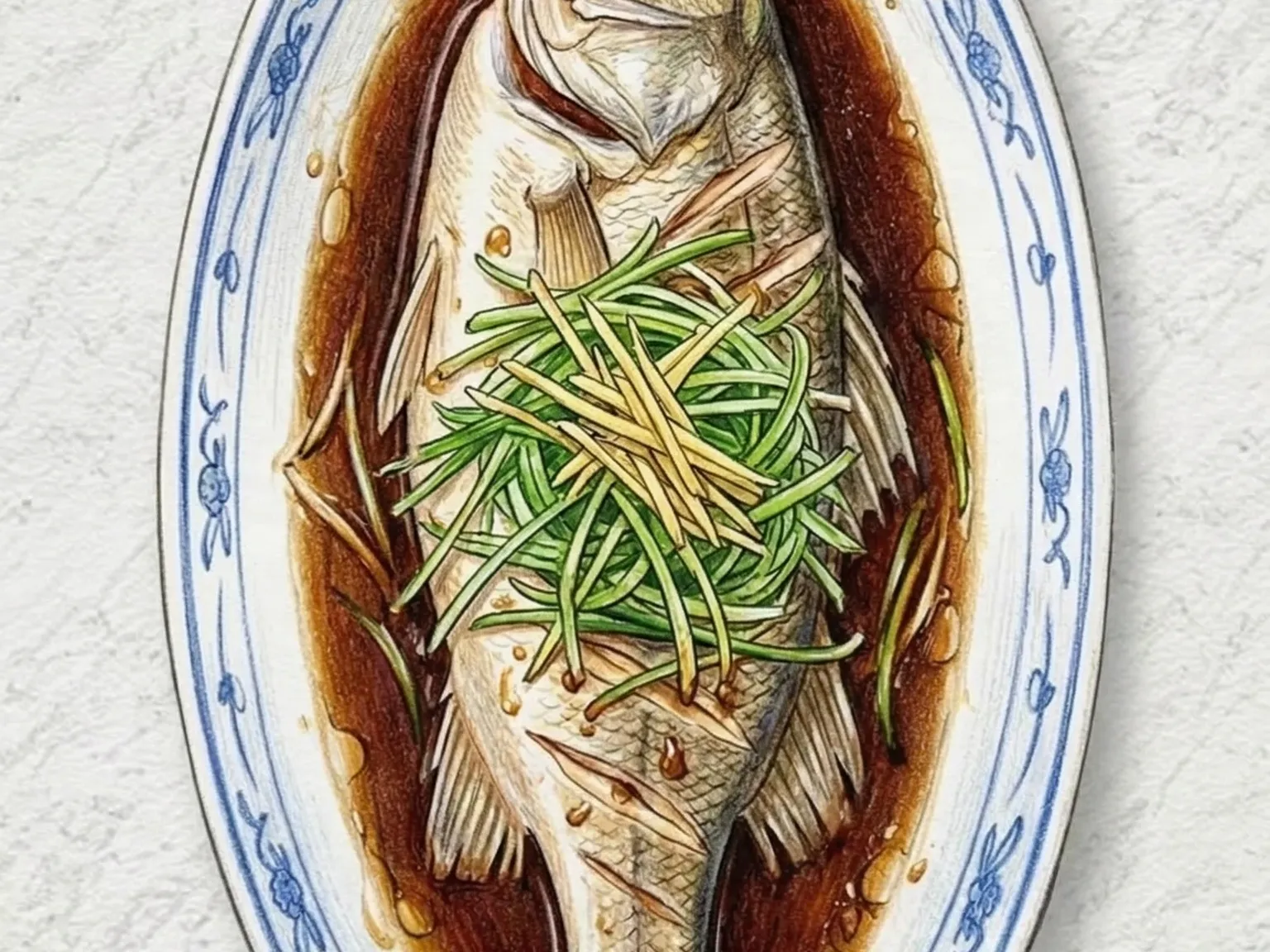
Mineo-jjim is a Korean steamed croaker prepared with Korean radish, green onion, ginger, and rice wine. Croaker is prized among white fish for its fine-grained flesh and mild aroma, and steaming preserves its delicate, moist texture without drying it out. Ginger and rice wine work together to eliminate any trace of fishiness, while the radish releases a gentle sweetness into the broth as it cooks. Seasoned with just a touch of soy sauce at the end, this dish lets the natural flavor of the fish take center stage and is well suited for formal meals.

🎉 Special Occasion
Prep 20minCook 30min4 servings
Korean Spicy Chicken Skewers
Street foodMedium

Korean Spicy Chicken Skewers

Spicy dak-kkochi threads boneless chicken thigh and green onion segments onto skewers, then grills them while brushing on a gochujang-based glaze in multiple rounds. Chicken thigh meat stays moist throughout cooking due to its higher fat content, and the green onion segments sweeten and caramelize under direct heat, providing a counterbalance to the spicy sauce. The glaze -- gochujang blended with sugar, garlic, and soy sauce -- caramelizes against the hot surface to build a sticky, lacquered coating on each piece. Applying the glaze two or three times during grilling stacks distinct layers of sweet-spicy flavor that gradually penetrate deeper into the meat.

🌙 Late Night
Prep 20minCook 15min4 servings
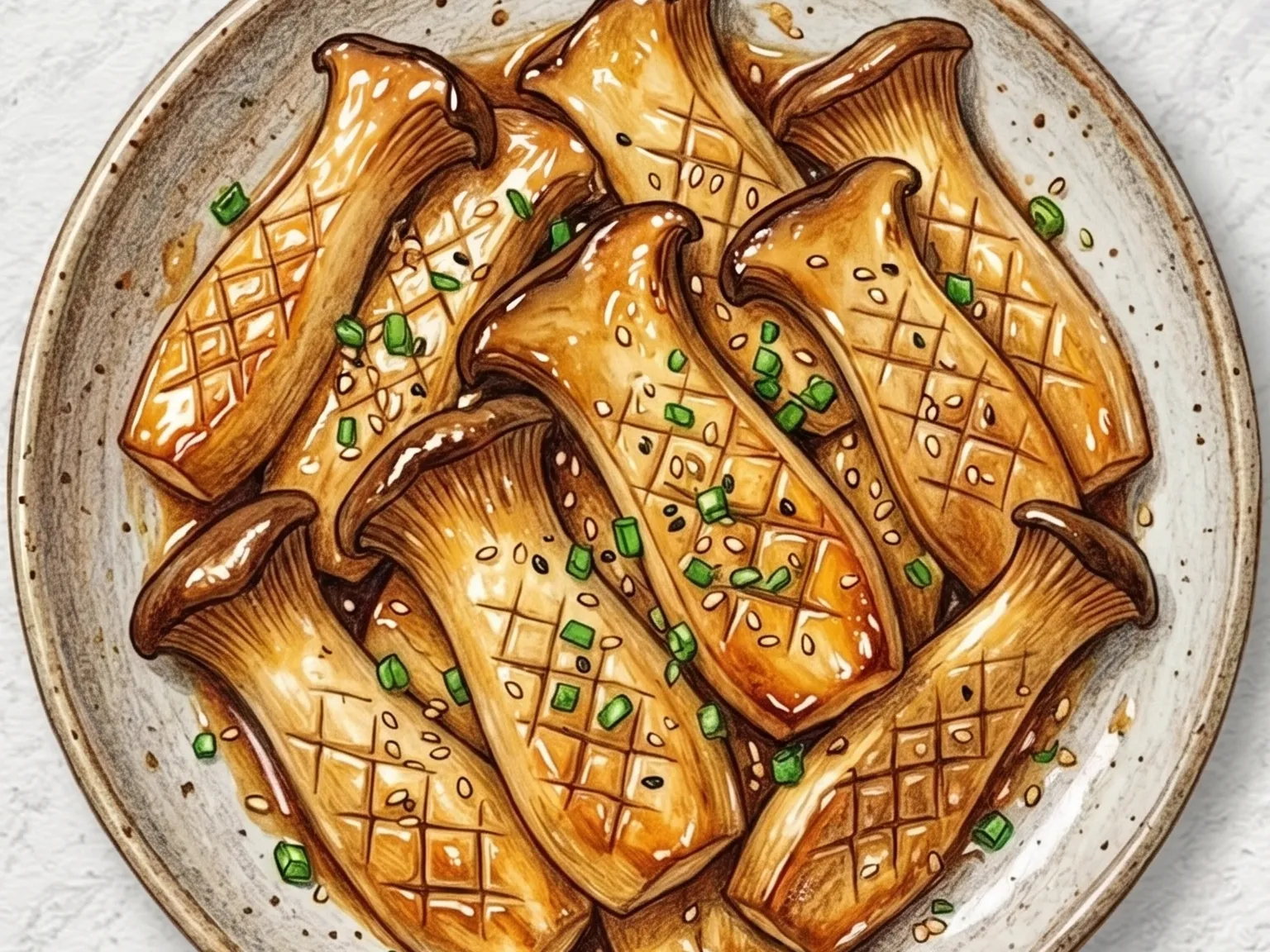
Korean Soy-Braised King Oyster Mushrooms
Side dishesEasy

Korean Soy-Braised King Oyster Mushrooms

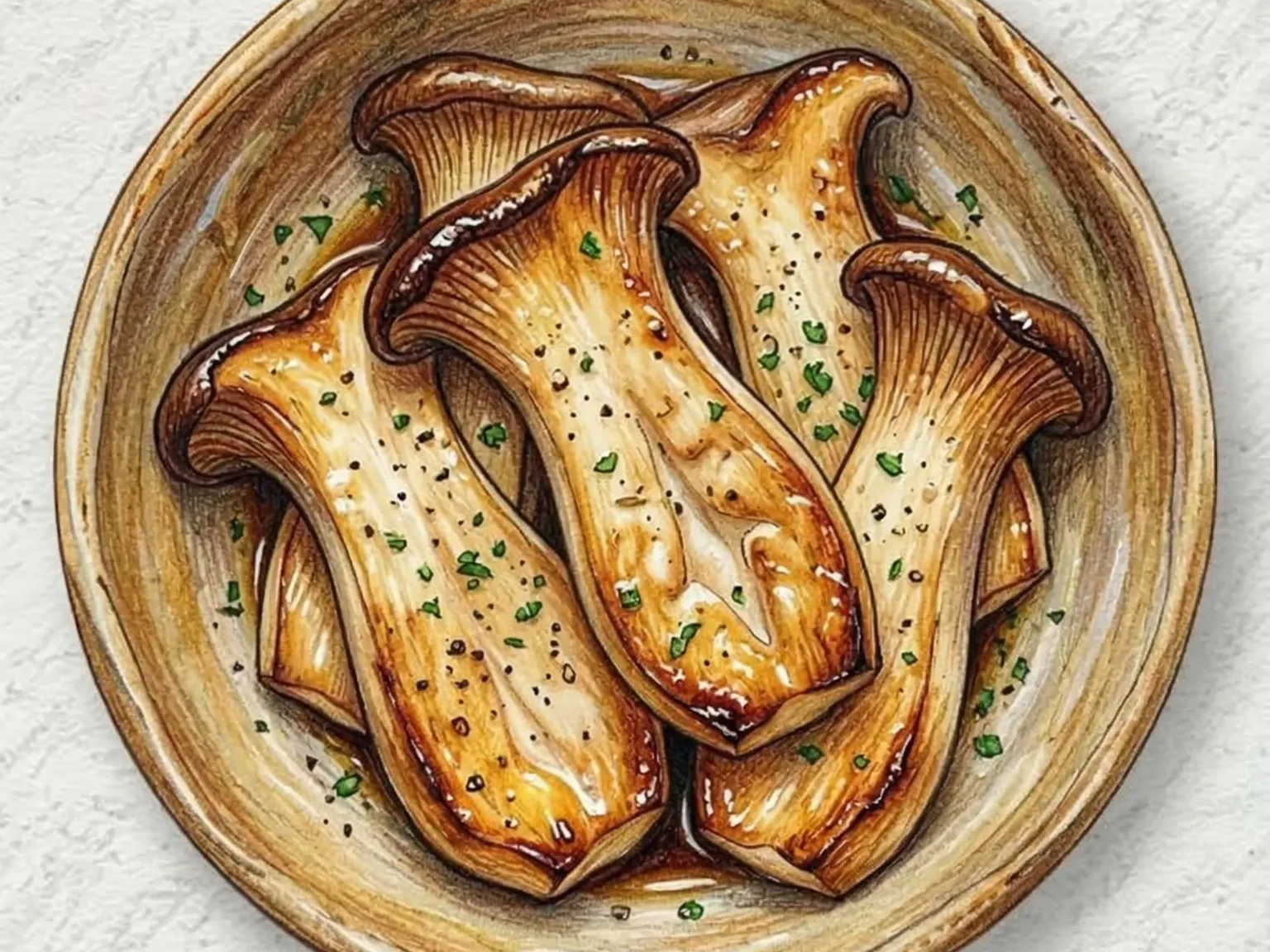
Saesongi-beoseot-jorim braises 300 grams of king oyster mushrooms in a soy-based sauce after an initial sear that drives off moisture and firms up the texture. The mushrooms are halved lengthwise, cut into bite-size pieces, and pan-fried in oil for about two minutes until lightly golden before the braising liquid - soy sauce, water, oligosaccharide syrup, and garlic - is poured in. Five minutes of simmering over medium heat reduces the liquid to a sticky glaze that clings to every surface. Sesame oil is drizzled in just before removing from heat, and chopped scallion adds a fresh green contrast. The finished dish stores well, making it a reliable make-ahead side for weekday meals.

🏠 Everyday🍱 Lunchbox
Prep 10minCook 10min4 servings
Korean Grilled Chicken Drumsticks
GrilledEasy

Korean Grilled Chicken Drumsticks

Dakdari-gui is a Korean grilled chicken drumstick marinated for at least two hours in soy sauce, gochujang, honey, garlic, and ginger juice, then cooked on a pan or grill until the skin is deeply browned and the meat pulls from the bone. Starting skin-side down over medium heat renders the subcutaneous fat slowly, producing a crackling-crisp skin; too high a flame chars the sugar in the marinade before the fat has time to melt. Once the skin turns golden and rigid, flip the drumstick and cover the pan to let steam finish the interior quickly without drying the meat. Drumsticks tolerate longer cooking times better than breast meat because of their higher fat and connective tissue content, and the flavor peaks when the leg bone separates cleanly from the muscle. The layered marinade -- gochujang's fermented heat, honey's sweetness, and ginger's sharp warmth -- balances the richness of the rendered chicken fat rather than fighting it. A scatter of sesame seeds over the finished drumsticks adds a final nutty note on top of the caramelized crust.

🍺 Bar Snacks
Prep 20minCook 30min2 servings
Korean Soy Braised Quail Eggs
Stir-fryEasy

Korean Soy Braised Quail Eggs

Al-jorim - soy-braised quail eggs - is one of Korea's most universal banchan, appearing in school cafeteria trays, packed office lunchboxes, and home refrigerators as a reliable standby. The dish belongs to the broader Korean jorim tradition of simmering proteins low and slow in a sweetened soy-based liquid until the glaze seeps through to the center. Peeled quail eggs go into a pan with soy sauce, water, sugar, cooking wine, and minced garlic, then simmer over medium-low heat for ten minutes. Turning the eggs occasionally is essential - it ensures the soy stain reaches every surface evenly rather than leaving pale patches. The liquid starts thin and gradually reduces as the eggs cook, concentrating into a sticky, glossy glaze that clings to the surface in the final two to three minutes over higher heat. The outside takes on a deep chestnut brown while the yolk inside stays vivid yellow. A sliced cheongyang chili added near the end introduces a low, slow heat that keeps the sweet-salty profile from becoming monotonous. Sesame oil and toasted sesame seeds scattered over the finished eggs add a nutty note against the soy base. Left overnight in the refrigerator, the seasoning penetrates further and the flavor deepens, making this one of the few banchan that genuinely improves after a day.

🏠 Everyday🍱 Lunchbox
Prep 10minCook 15min2 servings
Japanese Braised Pork Belly
SteamedHard

Japanese Braised Pork Belly

Kakuni is a Japanese braised pork belly in which thick slabs are simmered for two hours or more in soy sauce, mirin, sake, and ginger over the lowest possible heat. The fat layers slowly render into the surrounding meat, breaking down collagen until the pork yields completely to the faintest pressure of chopsticks. Mirin adds a mild sweetness that glazes the surface, while ginger neutralizes any gamey notes, keeping the flavor clean despite the extended cooking time. The reduced braising liquid coats each piece in a deep caramel-colored lacquer, which is one of the dish's defining visual qualities. Served over steamed rice with a spoonful of cooking liquid poured over, or paired with a small dab of hot Japanese mustard to contrast the sweet and salty glaze, kakuni is one of the most satisfying expressions of low-and-slow pork cookery.

🎉 Special Occasion
Prep 20minCook 120min4 servings
Korean Bulgogi Jjolmyeon (Marinated Beef on Chewy Spicy Noodles)
NoodlesMedium

Korean Bulgogi Jjolmyeon (Marinated Beef on Chewy Spicy Noodles)

Thinly sliced beef marinated in soy sauce, sugar, and sesame oil sits atop a bed of noodles characterized by a dense, chewy structure. Jjolmyeon provides a firm texture that resists the teeth, offering a different physical experience compared to standard noodles. The accompanying sauce, created with gochujang, soy sauce, and vinegar, introduces spicy and acidic elements that balance the sweetness of the meat. To maintain tenderness, the beef requires rapid cooking over high heat, which prevents the thin slices from drying out or becoming tough. Shredded cabbage and carrots provide layers of crispness, while a soft-boiled egg helps temper the heat from the chili paste. Serving the ingredients in separate sections keeps the textures distinct and allows for mixing just before consumption. Rinsing the cooked noodles in cold water increases their characteristic firmness, creating a clear contrast with the texture of the stir-fried beef. Adding extra sesame seeds enhances the nutty scent, and incorporating spicy peppers increases the heat level.

🌙 Late Night
Prep 20minCook 12min2 servings
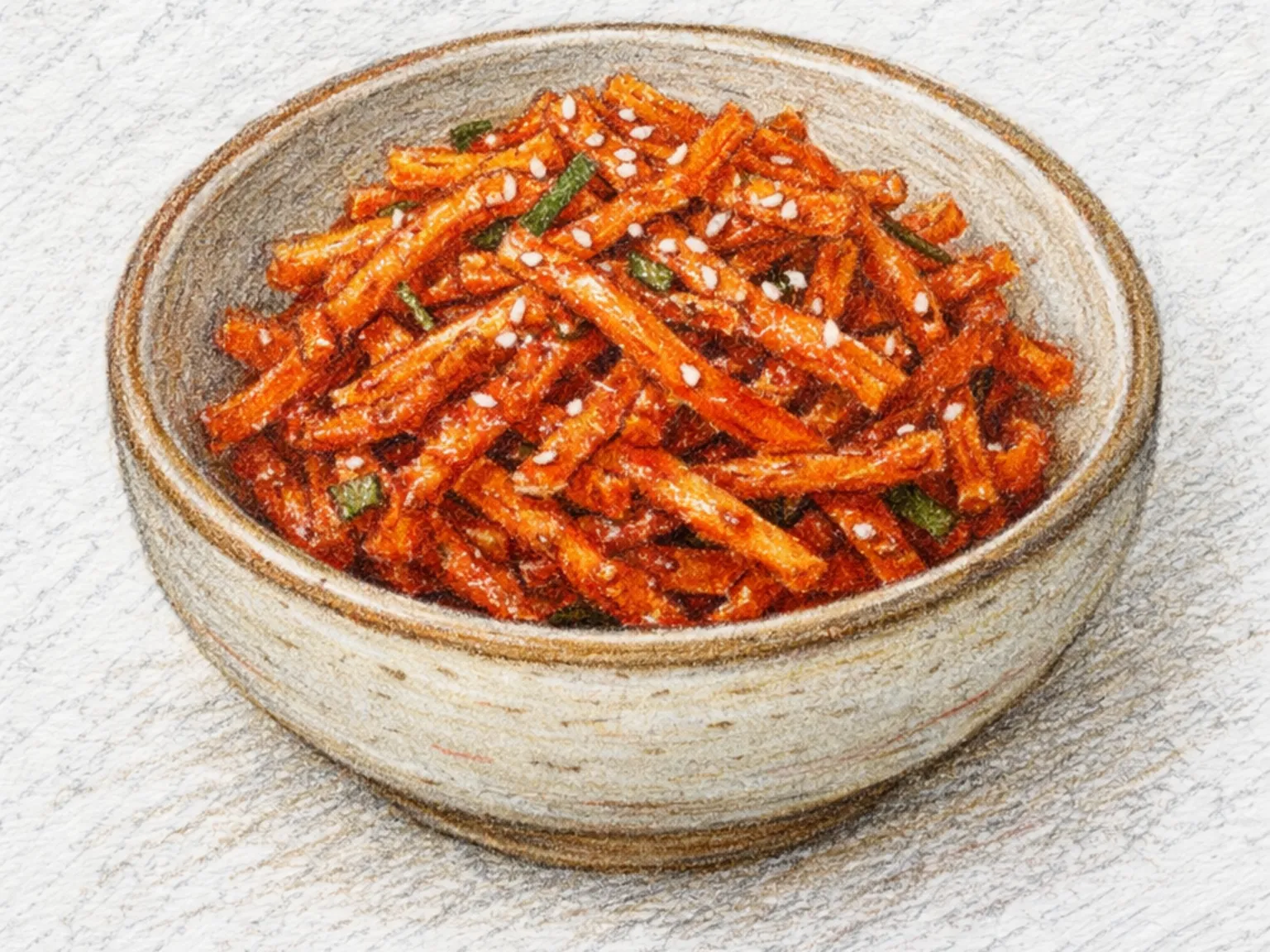
Korean Spicy Stir-Fried Anchovies
Side dishesEasy

Korean Spicy Stir-Fried Anchovies

Spicy stir-fried anchovies (maeun myeolchi-bokkeum) toss medium-sized dried anchovies in a gochujang-gochugaru glaze, occupying the opposite end of the flavor spectrum from the sweet jiri-myeolchi version and targeting adult palates. Medium anchovies are larger and thicker than the tiny variety, requiring individual head-and-gut removal to eliminate bitterness - a tedious prep step that nonetheless determines the dish's clean finish. After dry-toasting to drive off moisture, the anchovies simmer in a sauce of gochujang, gochugaru, soy sauce, oligosaccharide, and minced garlic until each piece is coated in a rust-colored glaze. The gochujang's fermented heat combines with gochugaru's vivid red to create both flavor depth and visual appeal. The larger anchovy size delivers a satisfying crunch that lingers alongside a lasting savory umami. Heat intensity is adjustable via gochugaru quantity - adding chopped cheongyang chili ratchets it up another notch. This banchan doubles as a soju drinking snack, appearing as frequently on bar tables as on dinner tables.

🍺 Bar Snacks🏠 Everyday
Prep 5minCook 10min4 servings
Korean Steamed Beef Mille-Feuille Cabbage
SteamedMedium

Korean Steamed Beef Mille-Feuille Cabbage

Usamgyeop millefeuille jjim is a Korean steamed dish where thin-sliced beef belly and napa cabbage leaves are stacked in alternating layers, then braised in a soy sauce, cooking wine, and garlic seasoning. Moisture from the cabbage mingles with the rendered beef fat to create a clean yet rich broth, and each layer delivers an alternating hit of meat and vegetable flavor. Soy sauce adds subtle salinity, and black pepper sharpens the finish. The layered cross-section revealed when the lid comes off makes this an visually striking main course suited for entertaining.

🎉 Special Occasion
Prep 25minCook 25min4 servings
Chicken and Egg Rice Bowl
RiceEasy

Chicken and Egg Rice Bowl

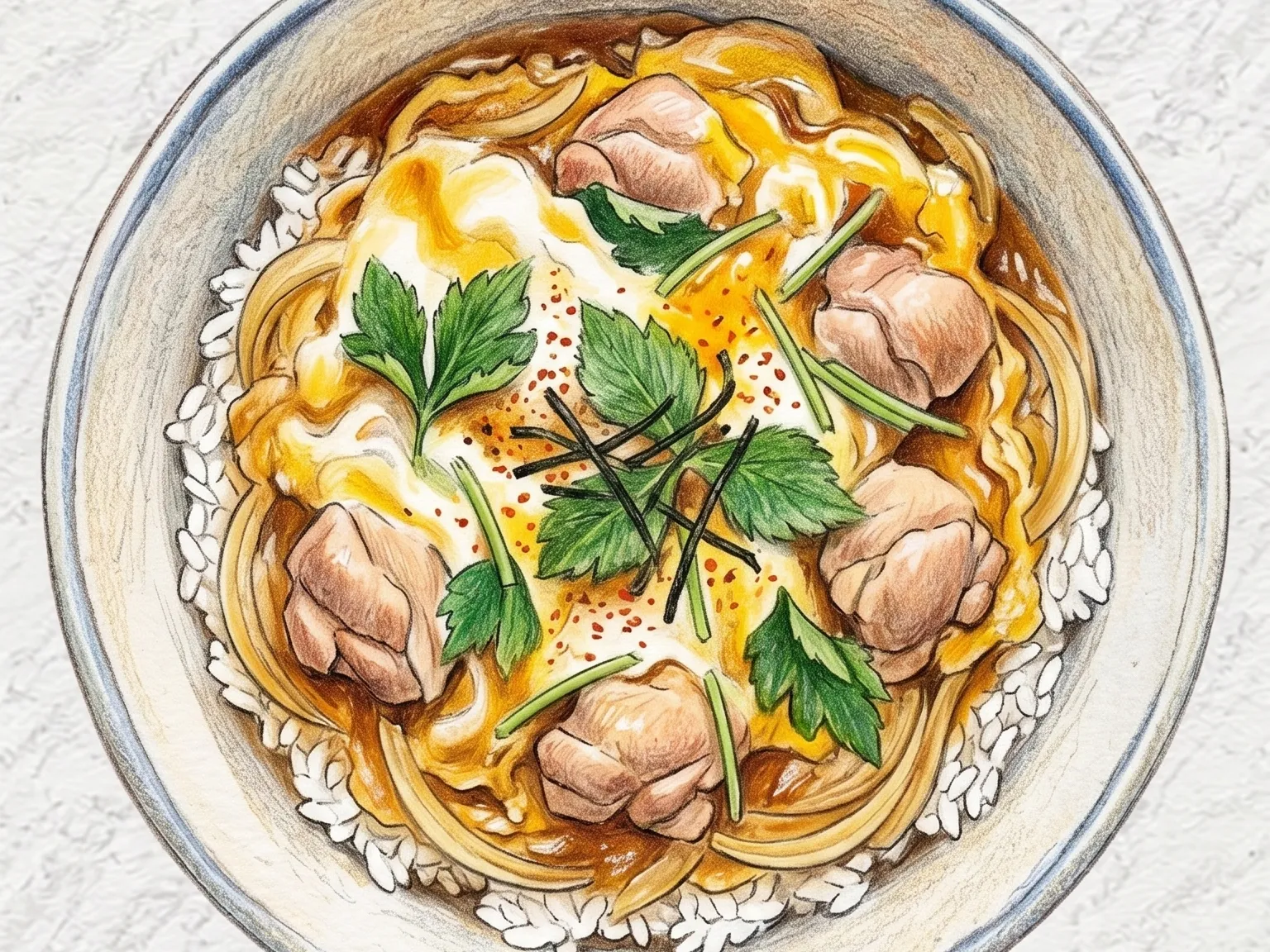
Oyakodon simmers bite-size chicken thigh and sliced onion in a soy-mirin broth, then binds everything with a soft-set egg before sliding it over steamed rice. The name means 'parent and child,' referring to the chicken and egg sharing the same bowl. Onion goes into the broth first to release its natural sweetness, followed by the chicken, which cooks just until tender. Beaten eggs are poured in a circular motion and the lid goes on briefly, leaving the egg custardy rather than fully set. That half-cooked egg absorbs the savory-sweet broth and coats each grain of rice. Despite using only a handful of ingredients, the layered umami from soy sauce and mirin gives the dish a satisfying depth.

🏠 Everyday
Prep 15minCook 15min2 servings
Korean Seasoned Seaweed Rice Bowl
RiceEasy

Korean Seasoned Seaweed Rice Bowl

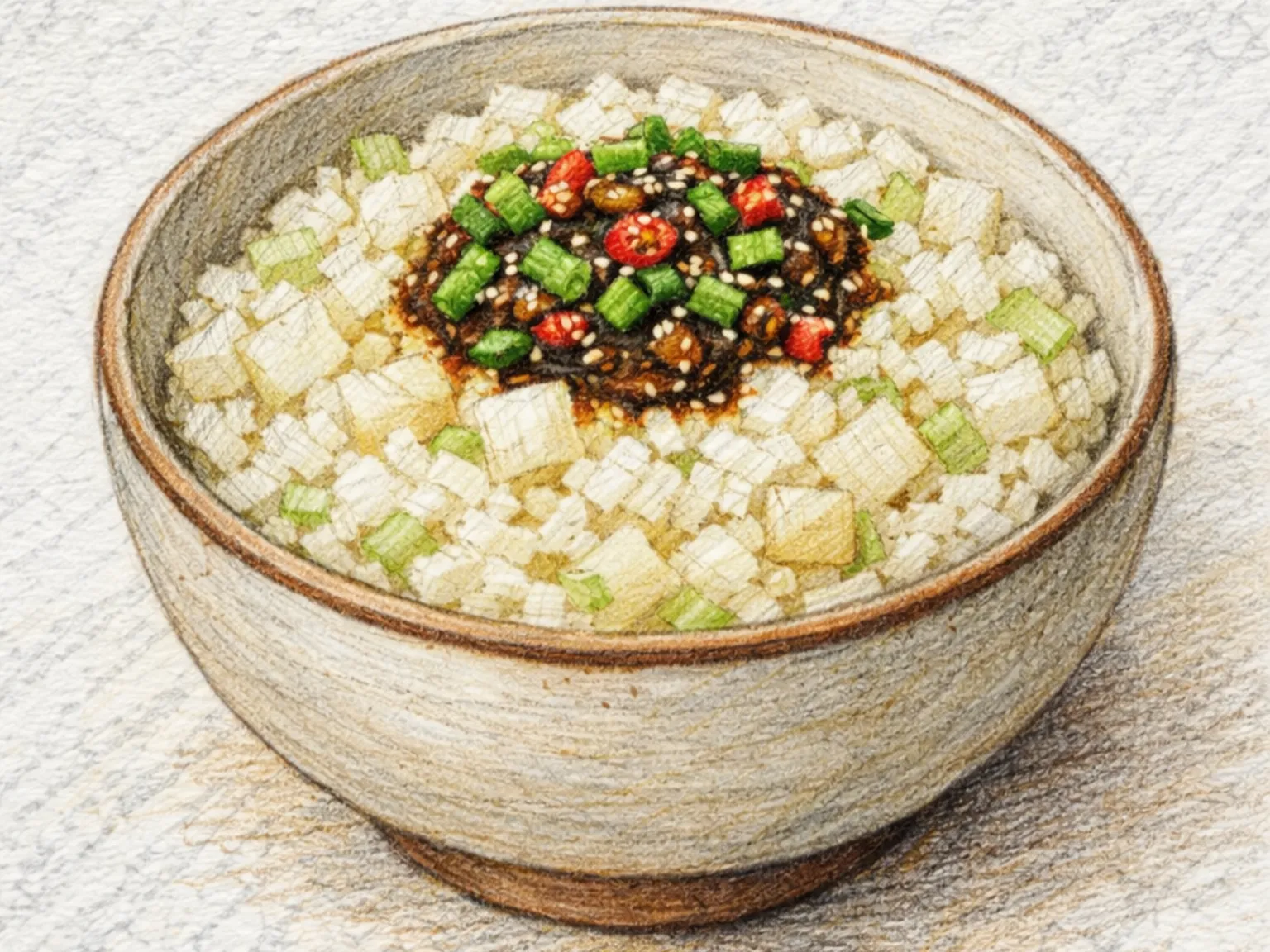
This seasoned seaweed rice bowl stir-fries rehydrated wakame with garlic in sesame oil, seasons it with soy sauce, and spoons it over steamed rice for a quick and satisfying one-bowl meal. Soaking the dried seaweed until fully softened gives it a slippery yet pleasantly chewy texture that slides across the palate with each mouthful of rice. Cooking the garlic and seaweed together in sesame oil removes any raw oceanic sharpness and replaces it with a warm, nutty fragrance that layers over the natural sea-mineral character of the wakame. Soy sauce brings a savory edge that rounds out the seasoning and makes the bowl complete without any additional side dishes. With only five ingredients and a short cooking time from start to finish, this is one of the most efficient Korean rice bowls to prepare. The mineral richness of the seaweed gives the finished dish a depth that outpaces its simple ingredient list.

🥗 Light & Healthy🏠 Everyday
Prep 20minCook 10min2 servings
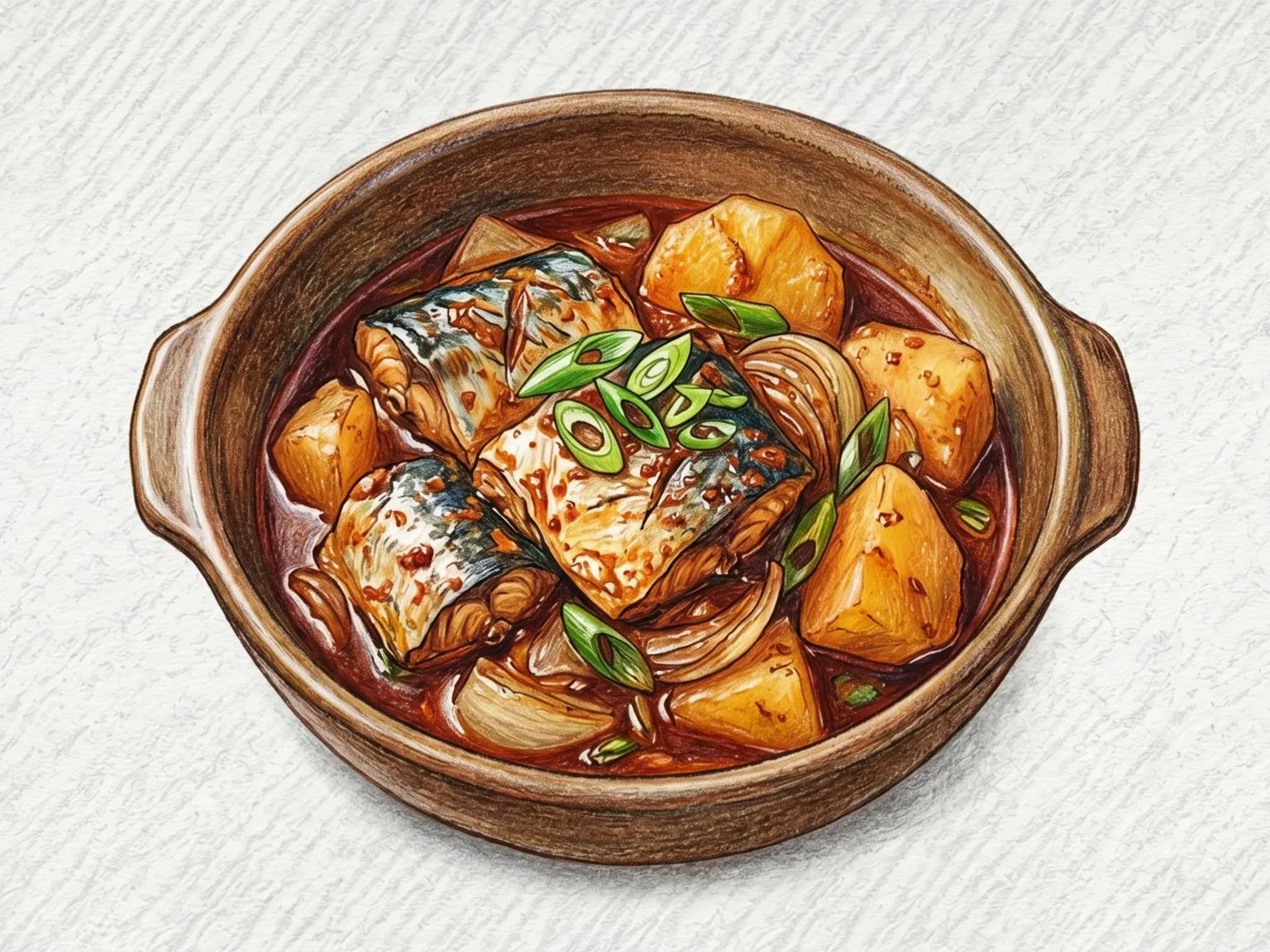
Korean Braised Mackerel with Potatoes
SteamedEasy

Korean Braised Mackerel with Potatoes

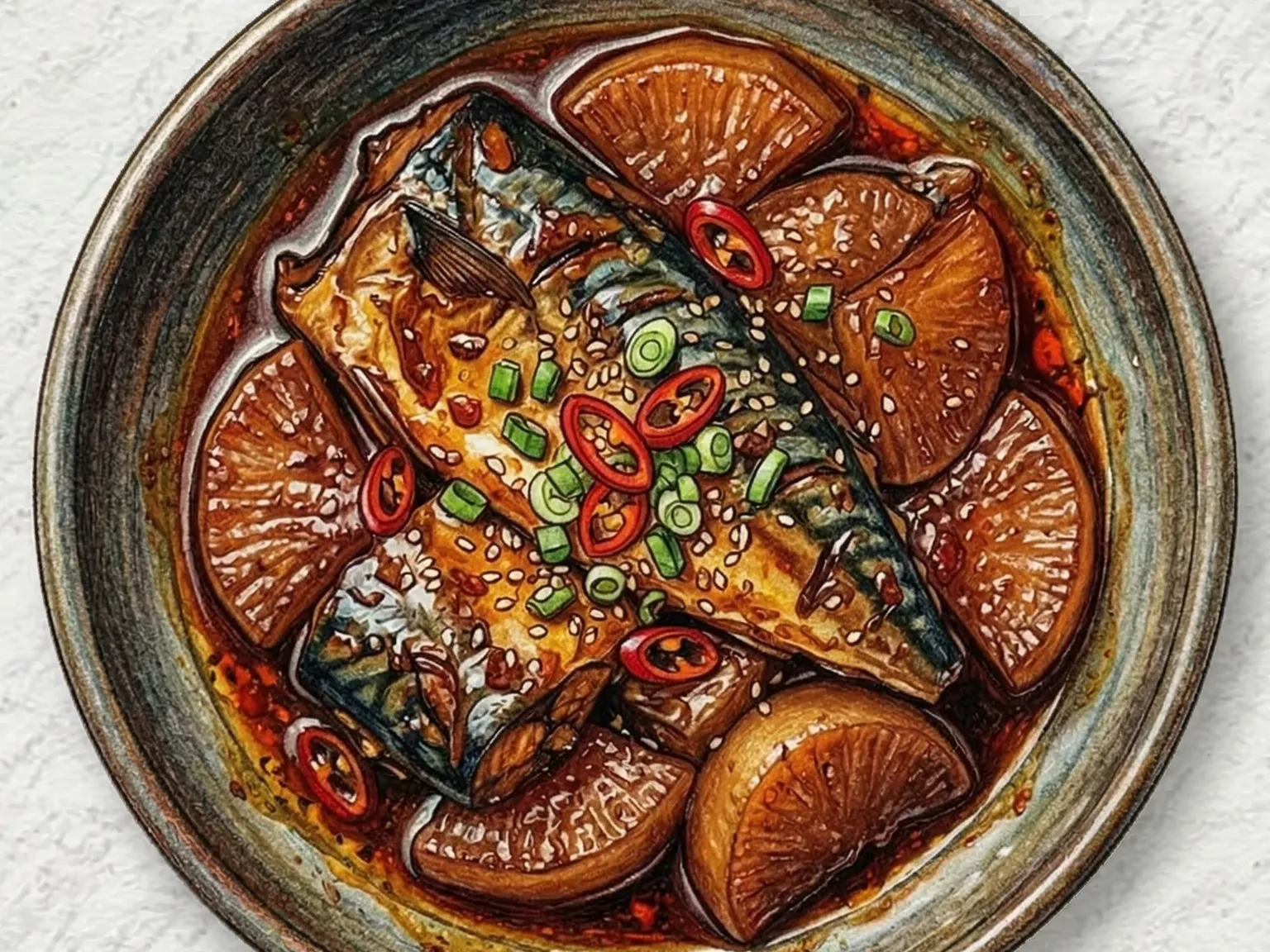
Godeungeo gamja jorim is a Korean home-cooked side dish where mackerel and potato chunks are braised together in a soy sauce and gochugaru seasoning. The oily mackerel releases its fat into the braising liquid, building a rich, savory depth that plain soy sauce alone cannot achieve. Potato absorbs the spiced liquid as it simmers, cooking down to a fluffy, yielding texture that contrasts with the firmer fish. Onion and green onion contribute natural sweetness and aroma throughout the cooking process, and sugar rounds off the saltiness of the soy base to keep the seasoning balanced rather than sharp. Spooning the dark, glossy braising sauce generously over rice turns this side dish into a satisfying meal on its own. Using fresh mackerel rather than salted gives a softer, more delicate flesh that further enriches the cooking liquid.

🍱 Lunchbox
Prep 15minCook 30min2 servings
Korean Spam Mayo Rice Bowl
RiceEasy

Korean Spam Mayo Rice Bowl

Thick-cut spam is pan-seared until the edges turn golden and crisp while the center stays moist. Soft-scrambled eggs are folded loosely so they remain creamy, then layered over steaming rice alongside the spam. A generous drizzle of mayonnaise sauce melts gently against the warm rice, binding the salty meat and silky egg together. A dash of soy sauce or sriracha adds a sharp accent that cuts through the richness and keeps each bite interesting.

🏠 Everyday🧒 Kid-Friendly
Prep 10minCook 12min2 servings
Korean Kimchi Bulgogi (Kimchi Stir-Fried Marinated Beef)
Stir-fryMedium

Korean Kimchi Bulgogi (Kimchi Stir-Fried Marinated Beef)

Kimchi bulgogi combines soy-marinated sliced beef with aged napa kimchi, cooked together over high heat in a single pan. The beef is marinated with soy sauce, pear juice, and sugar before it ever touches the pan. Pear juice breaks down the muscle fibers to tenderize the meat while adding a subtle fruity sweetness, which the kimchi's sharp acidity and concentrated salt counter-balance to produce a layered, complex seasoning. As the two cook together at high heat, kimchi liquid seeps into the beef and builds a deeper, more rounded umami than standard bulgogi achieves on its own. The tangy lactic sourness from the fermented cabbage layers into the meaty savoriness and gives the dish a character that no amount of seasoning adjustments can replicate in an unfermented substitute. Heating the pan fully before adding the ingredients is important, because a properly hot surface sears rather than steams, preserving the wok-adjacent char that makes this dish more than a simple stir-fry. A final drizzle of sesame oil rounds out the dish with a warm, nutty note. Served over steamed white rice, the pan juices soak into each grain and the combination disappears from the bowl quickly. Well-aged kimchi, ideally stored for several weeks to months, produces the most pronounced result, though ripe freshly made kimchi works as a substitute when no aged version is available.

🏠 Everyday🌙 Late Night
Prep 30minCook 10min2 servings