Korean Cockle & Water Parsley Mixed Rice
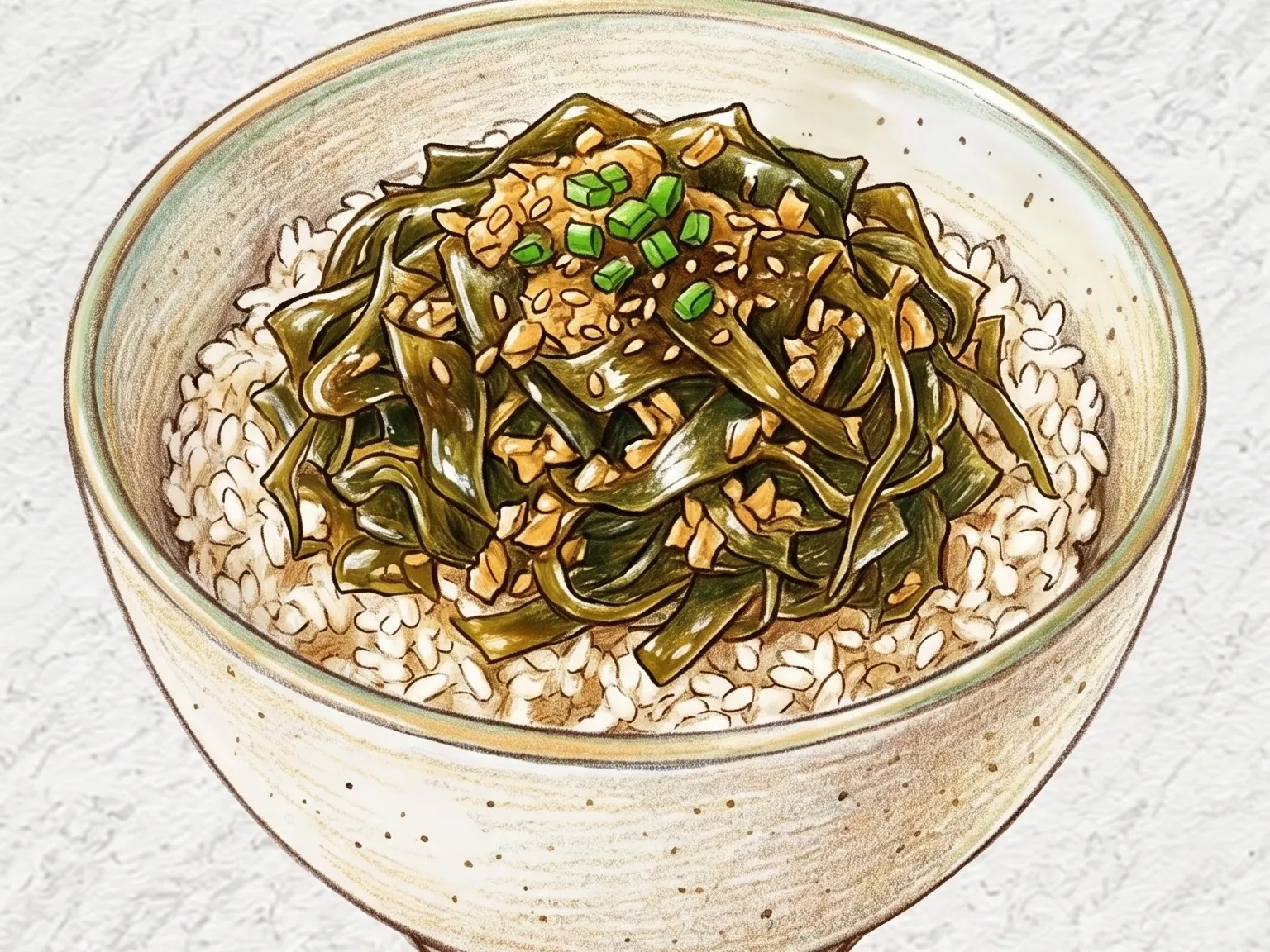
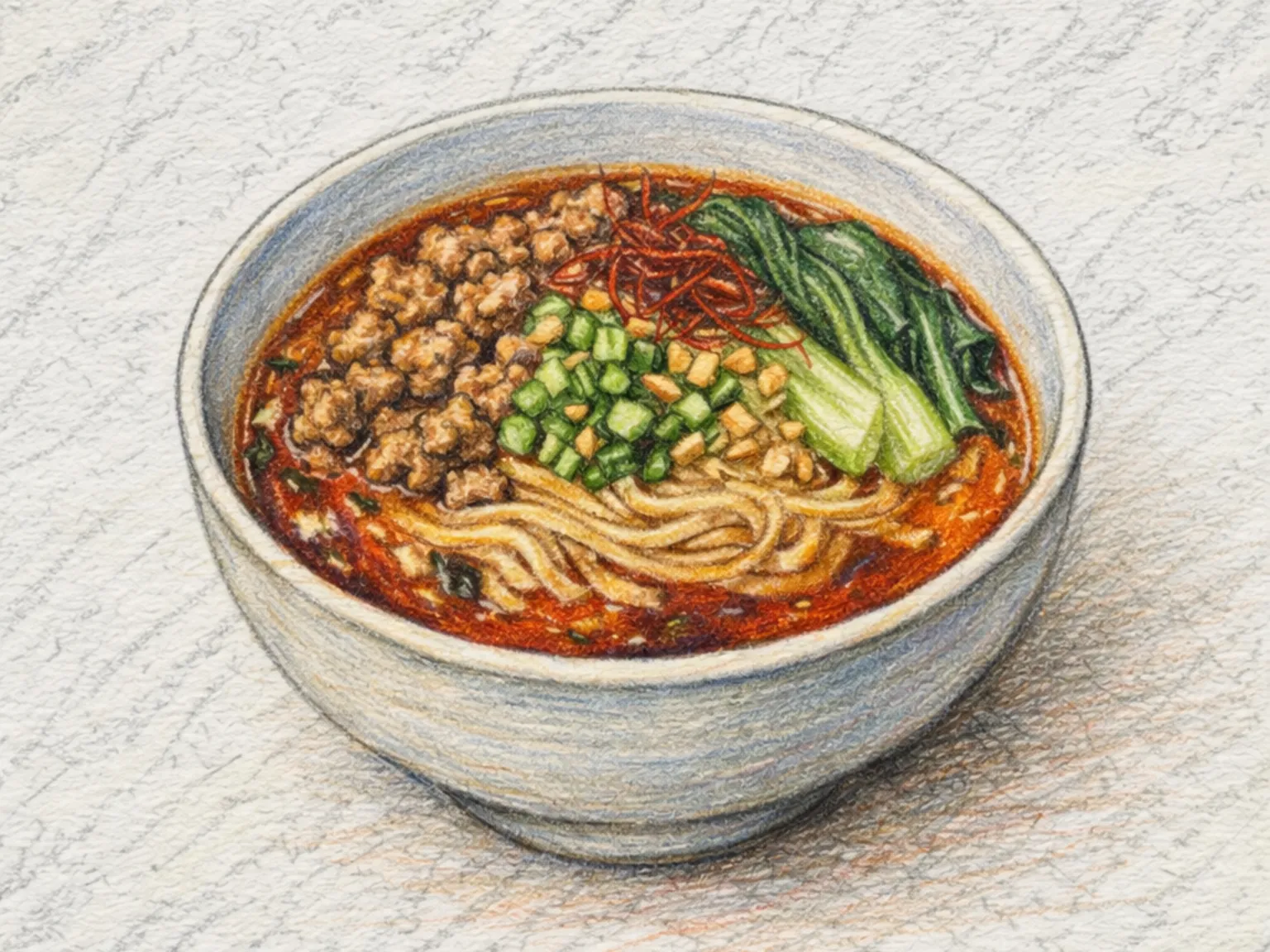
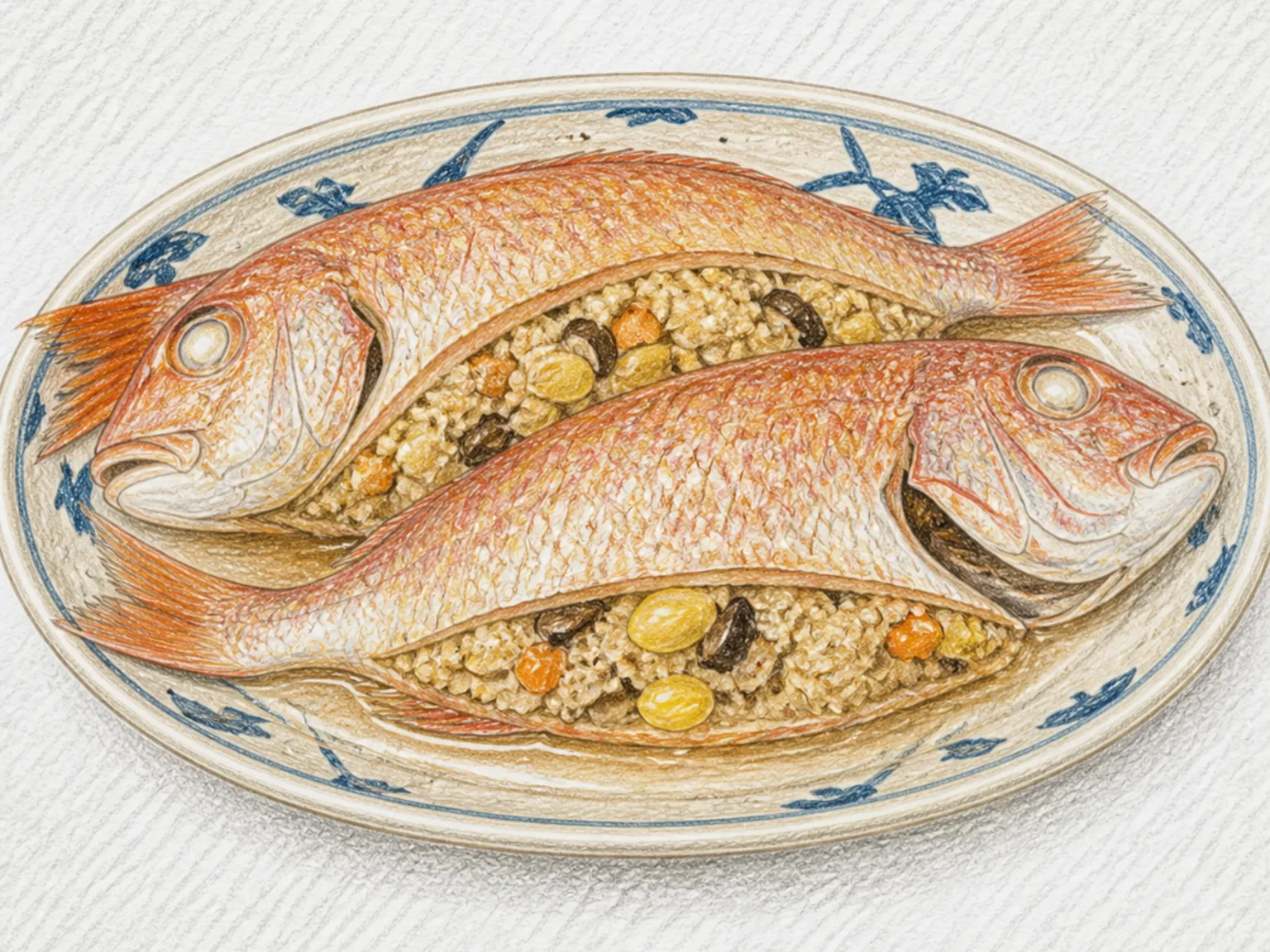
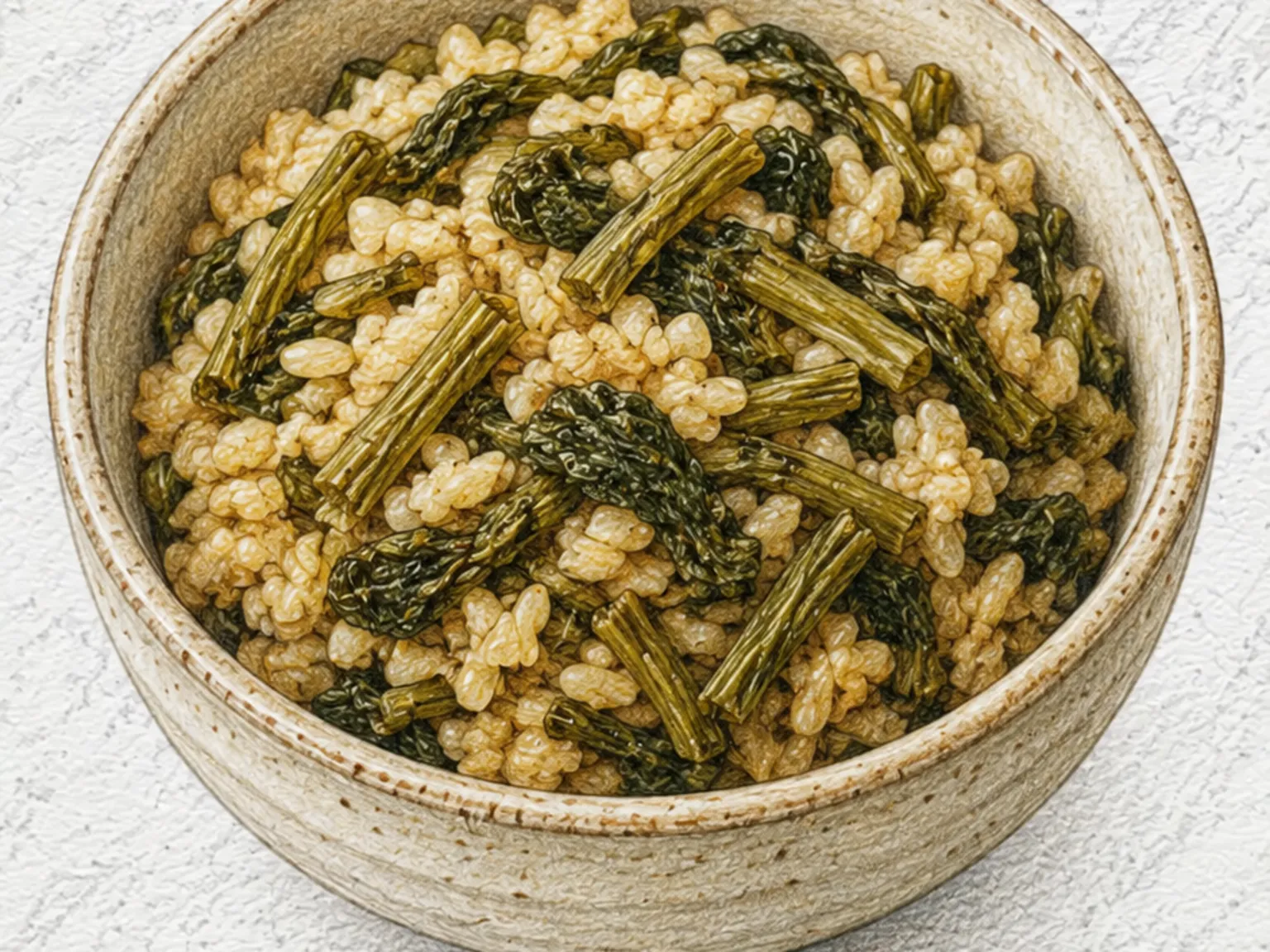
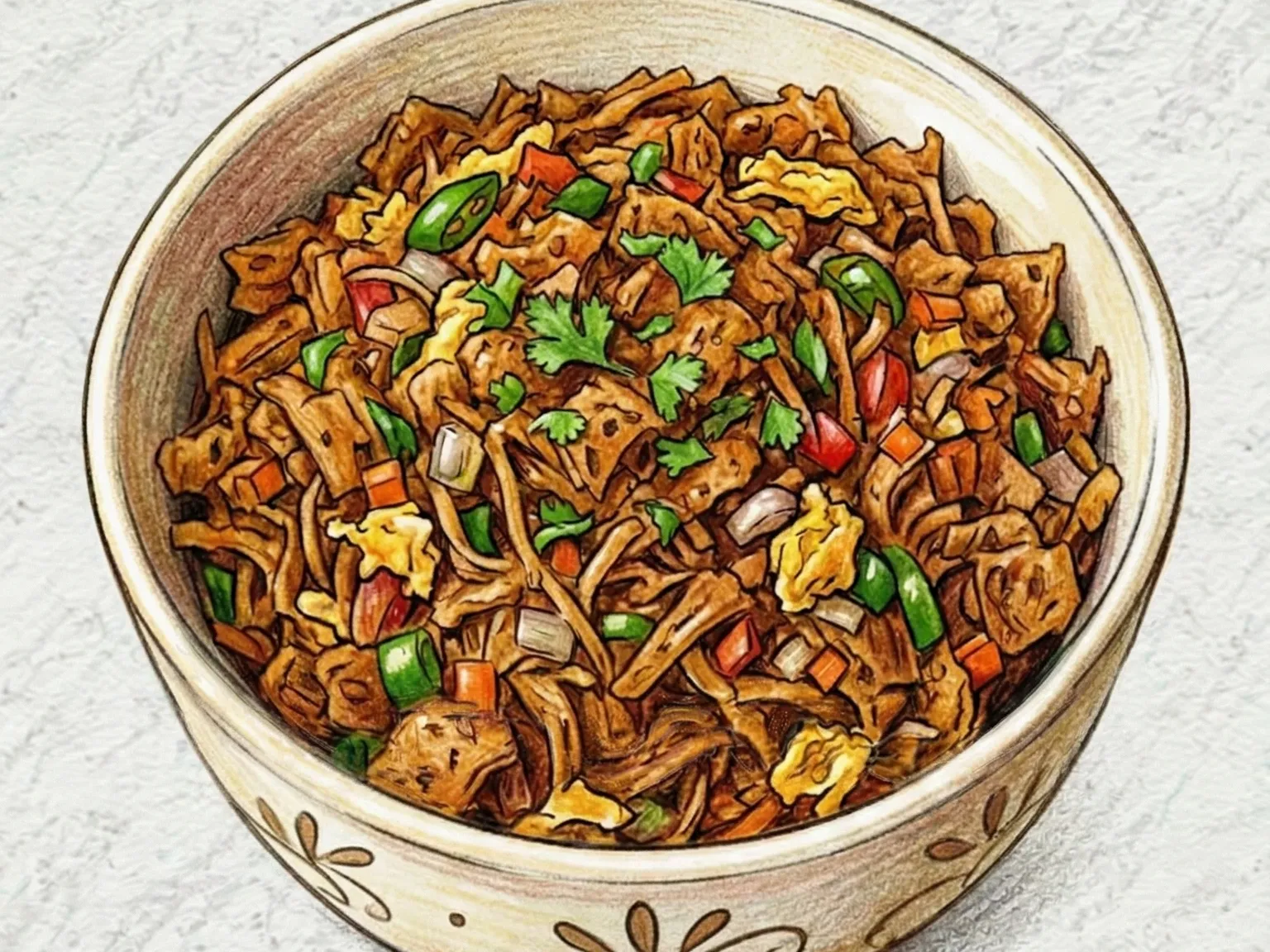
Kkomak-minari bibimbap is a seasonal rice bowl that comes together when cockles are at their peak in early spring, pairing the ocean sweetness of briefly blanched cockle meat with the clean, grassy sharpness of raw water parsley (minari). The cockle meat is rinsed in light salt water to remove any residual sand, then blanched for no more than thirty seconds in boiling water so the flesh stays springy rather than contracting into a rubbery texture. Julienned carrot and zucchini are each stir-fried separately, controlling moisture and flavor independently, then set aside to cool before assembly. A bowl of well-steamed rice is layered with the blanched cockles, the sauteed vegetables, and the raw minari placed on top last to protect its volatile fragrance from the heat below. A bibimbap sauce made from gochujang, sesame oil, minced garlic, and a touch of vinegar ties everything together when mixed, balancing the briny umami of the cockles against the brightness of the parsley. Sesame oil and toasted sesame seeds added at the end round the flavors and give the bowl a warm, nutty finish.

Korean Soy-Glazed Chicken Stir-Fry
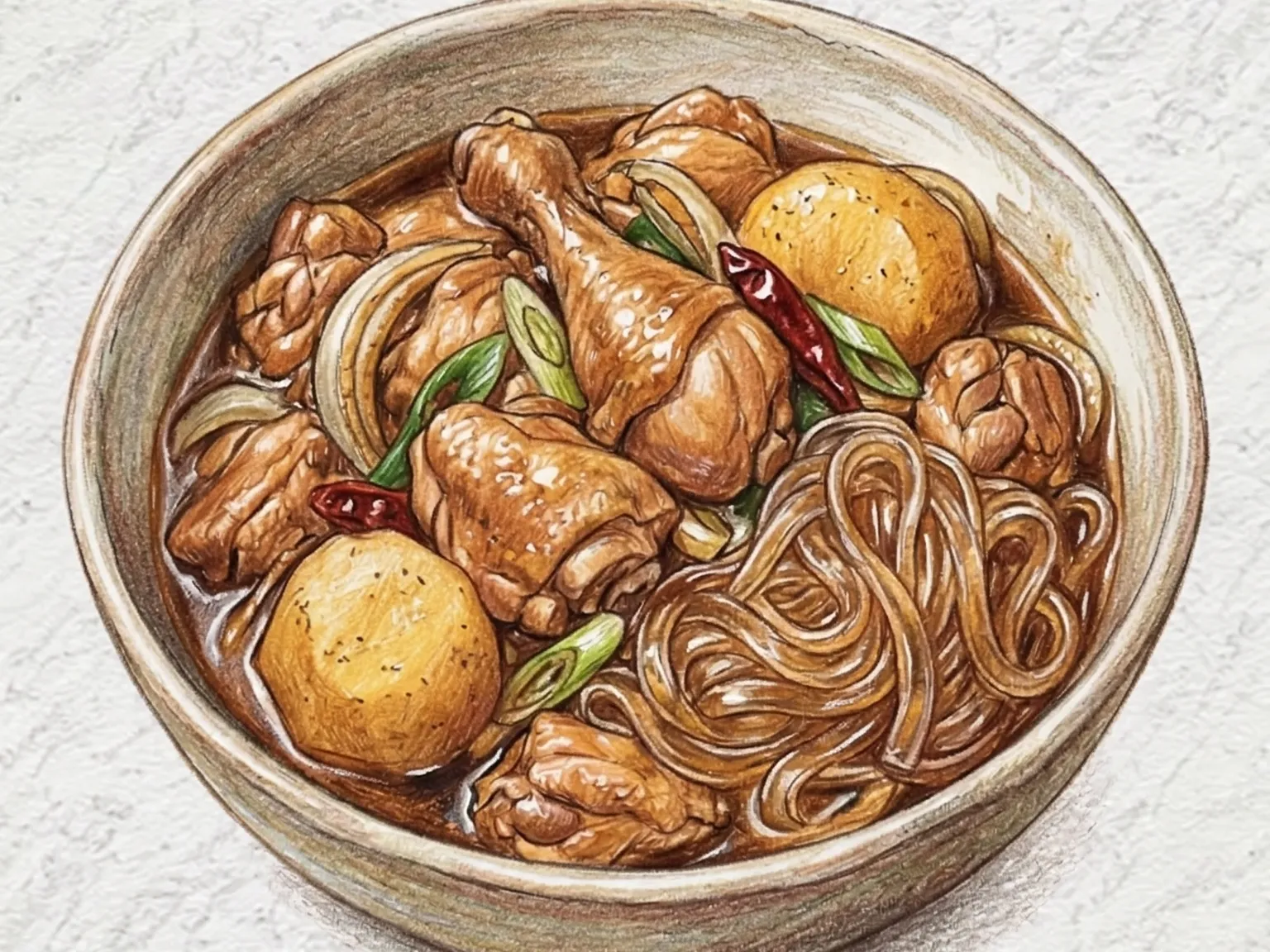
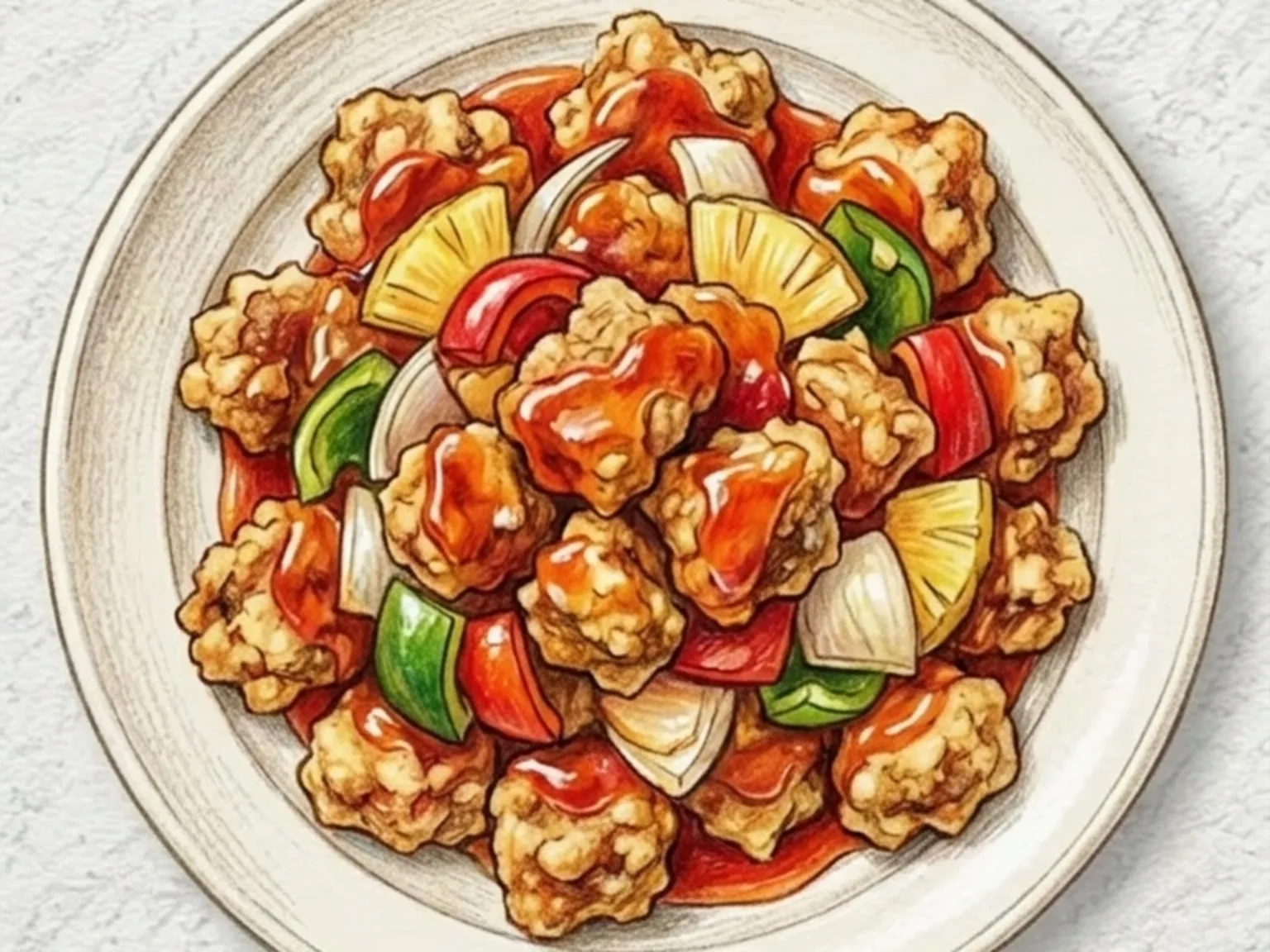
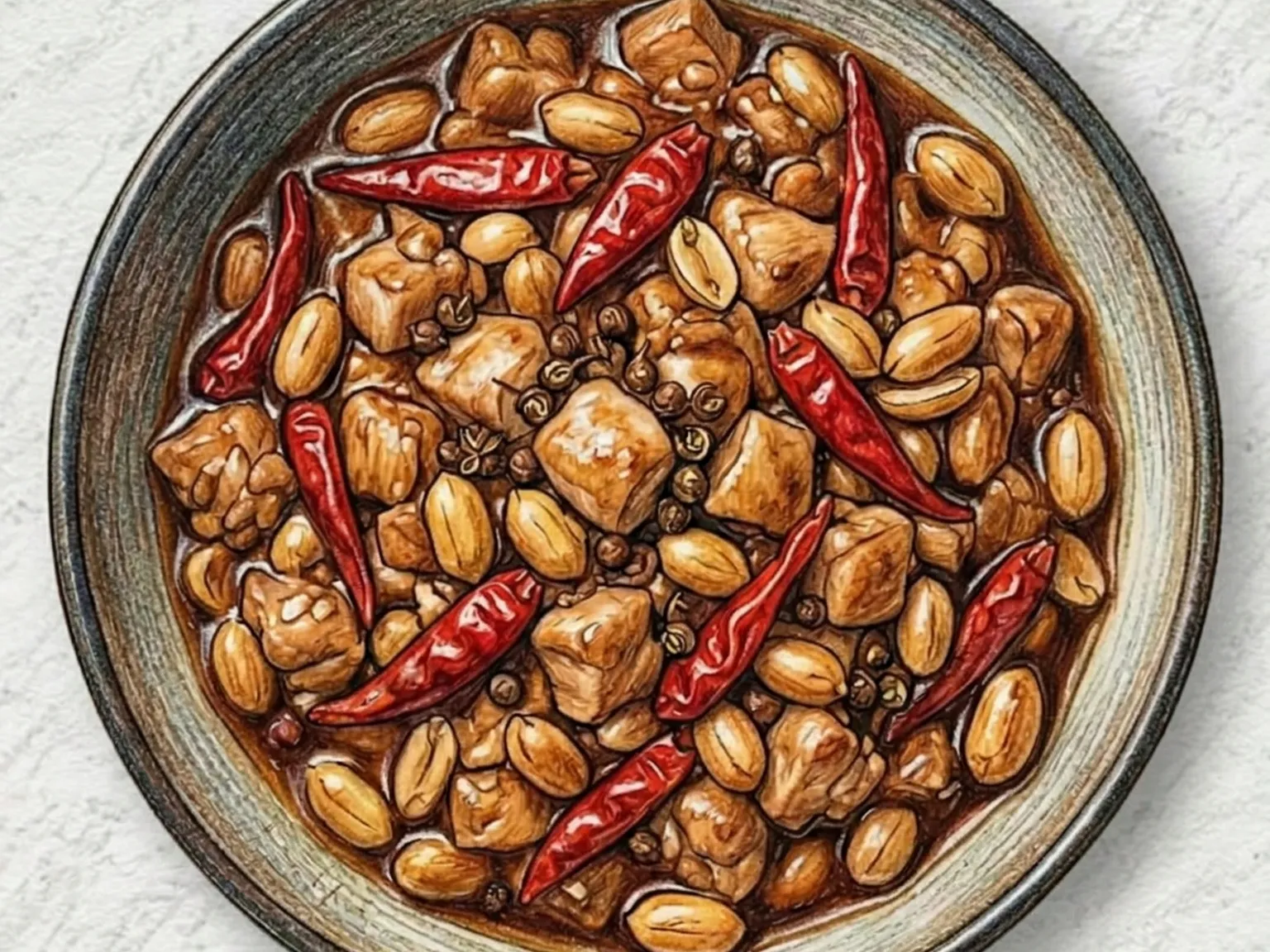
Chicken thigh meat stir-fries in soy sauce, sugar, and oligosaccharide syrup for a sweet-salty glaze. Garlic and ginger go into the oil first to infuse the fat with fragrance before the chicken is added, letting the aromatics penetrate deep into the meat as it cooks. The oligosaccharide heats into a tacky gloss that coats each piece evenly as the liquid reduces. Sesame oil and whole sesame seeds scattered over the top at the end bring a nutty, aromatic finish. The flavor profile runs close to Japanese teriyaki, but the heavier use of garlic and ginger pushes it toward the more direct, punchy spice character typical of Korean cooking. Boneless thighs cut into bite-sized pieces cook more evenly than larger pieces, and keeping the heat high through most of the cook ensures the surface caramelizes without turning rubbery.

Gado-Gado Salad (Indonesian Peanut Sauce Veggie Plate)
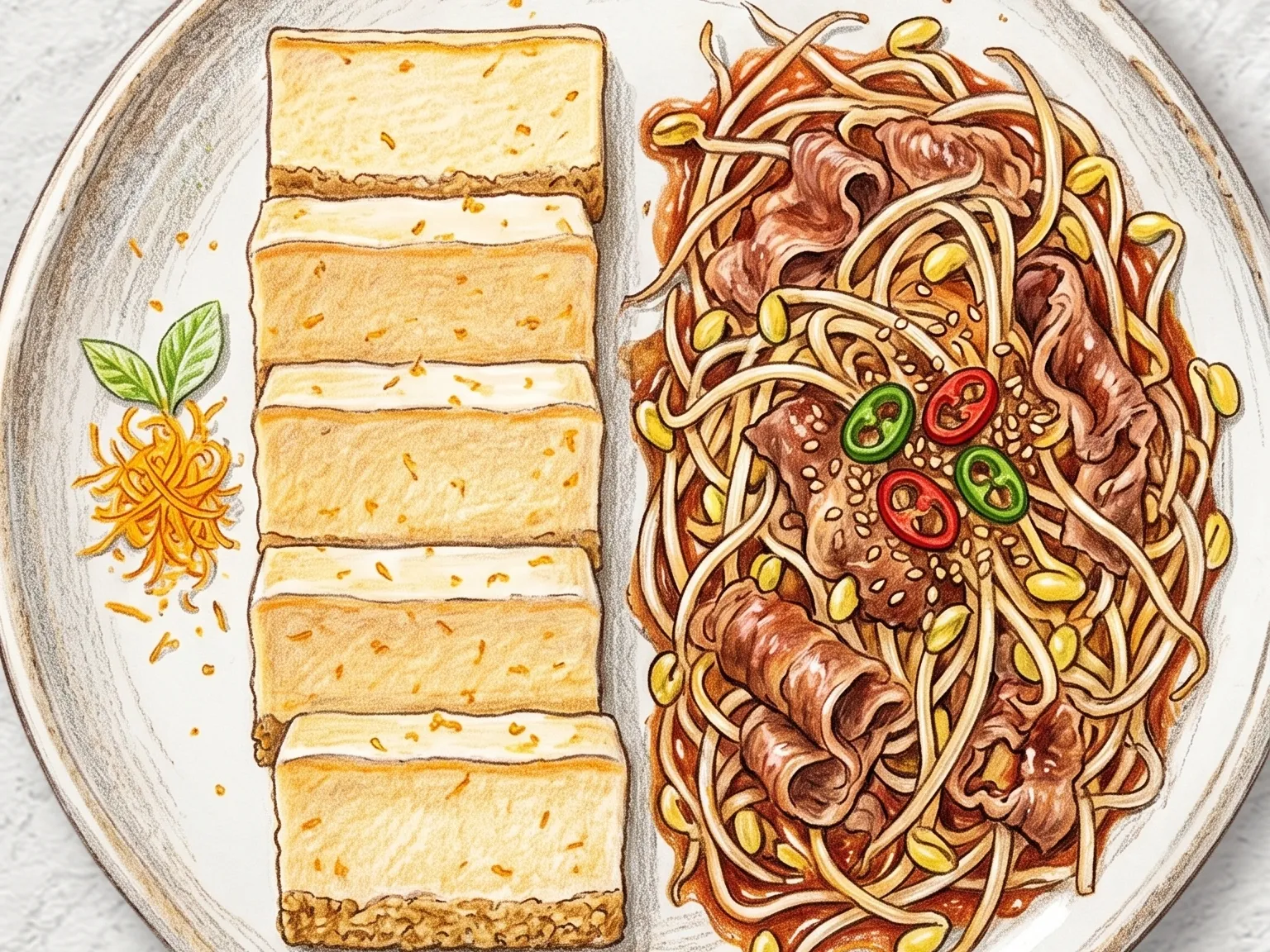
Gado-gado salad is an Indonesian composed dish that brings together blanched cabbage, bean sprouts, boiled potato wedges, pan-seared firm tofu, and halved soft-boiled eggs on a single plate, then finishes them with a thick, glossy peanut sauce. The sauce combines peanut butter, lime juice, and soy sauce into a base that layers nuttiness over a sharp, salty-sour foundation, lifting the mild flavors of every vegetable and the tofu in a single pour. Each vegetable is blanched separately and pulled from the water at a different moment: cabbage stays crisp, while bean sprouts are allowed to soften just slightly, so the finished plate holds distinct textures rather than a uniform mush. The tofu must be pressed or patted completely dry before it goes into the pan; residual moisture prevents proper browning and causes the cubes to crumble when tossed with the sauce. If the peanut sauce thickens as it sits, a tablespoon of warm water at a time is all it takes to bring it back to a pourable, coating consistency that drapes over the vegetables rather than clumping on top.

Korean Mushroom Porridge (Silky Shiitake Sesame Porridge)
Shiitake mushrooms and onion are sauteed in sesame oil to build a deep aromatic base, then simmered with soaked rice and water for 35 minutes until the grains break down into a silky porridge. Despite containing no meat, the natural glutamates in shiitake produce a full-bodied broth, sharpened with a finish of soy sauce and black pepper. Using rehydrated dried shiitake instead of fresh intensifies the woodsy fragrance further, and adding the soaking liquid to the pot deepens the broth even more. A few drops of sesame oil stirred in just before serving leave a nutty note in each spoonful. Mild and settling, it works as a morning meal or as something to eat when the stomach needs rest.

Korean Lotus Root Salad (Sweet and Sour Vinegar Soy Dressing)
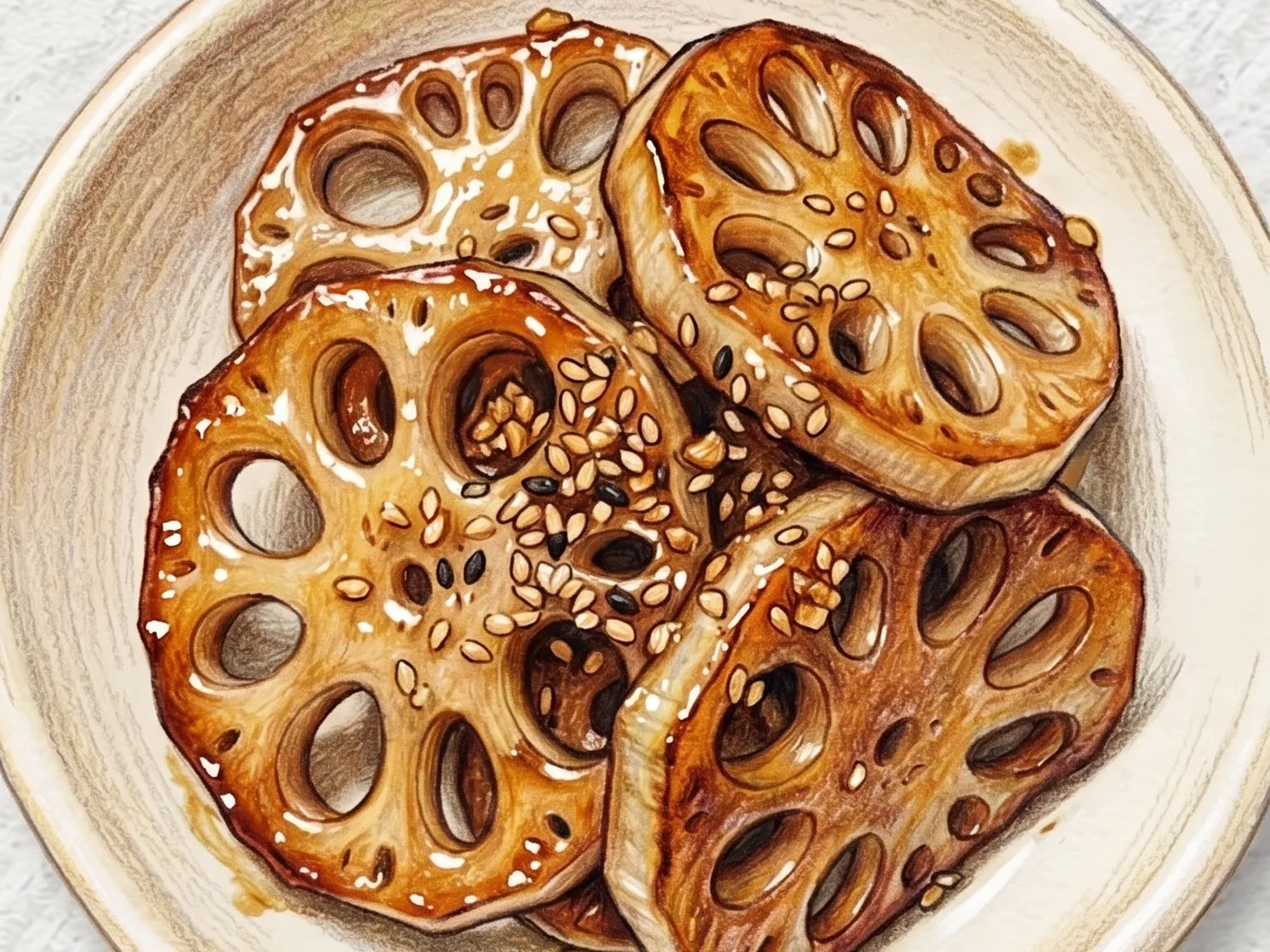
Thinly sliced lotus root is blanched in vinegar water to keep its bright white color, then tossed in a sweet-and-sour dressing of soy sauce, vinegar, and sugar. The honeycomb cross-section of each slice traps seasoning in its holes, distributing flavor evenly with every bite. A finishing sprinkle of sesame seeds adds a toasted aroma that complements the crisp, snappy texture. Because the dish stays dry rather than releasing liquid, it holds up well in packed lunches without turning soggy.

Korean Marinated Beef Short Rib Grill
Beef ribs or bulgogi-cut slices are marinated for at least an hour in a sauce of soy sauce, Korean pear juice, sugar, minced garlic, sesame oil, and black pepper. The pear's natural enzymes break down connective tissue while the soy-sugar combination penetrates deep into the meat. On a high-heat grill, the sugars in the marinade caramelize rapidly, forming a glossy, dark-brown glaze with visible char marks. Thin-cut pieces cook through in under four minutes total, and the interplay of charcoal smoke with the sweet-salty marinade defines the signature taste of Korean yangnyeom-gui.

Korean Spicy Chicken Stir-fry
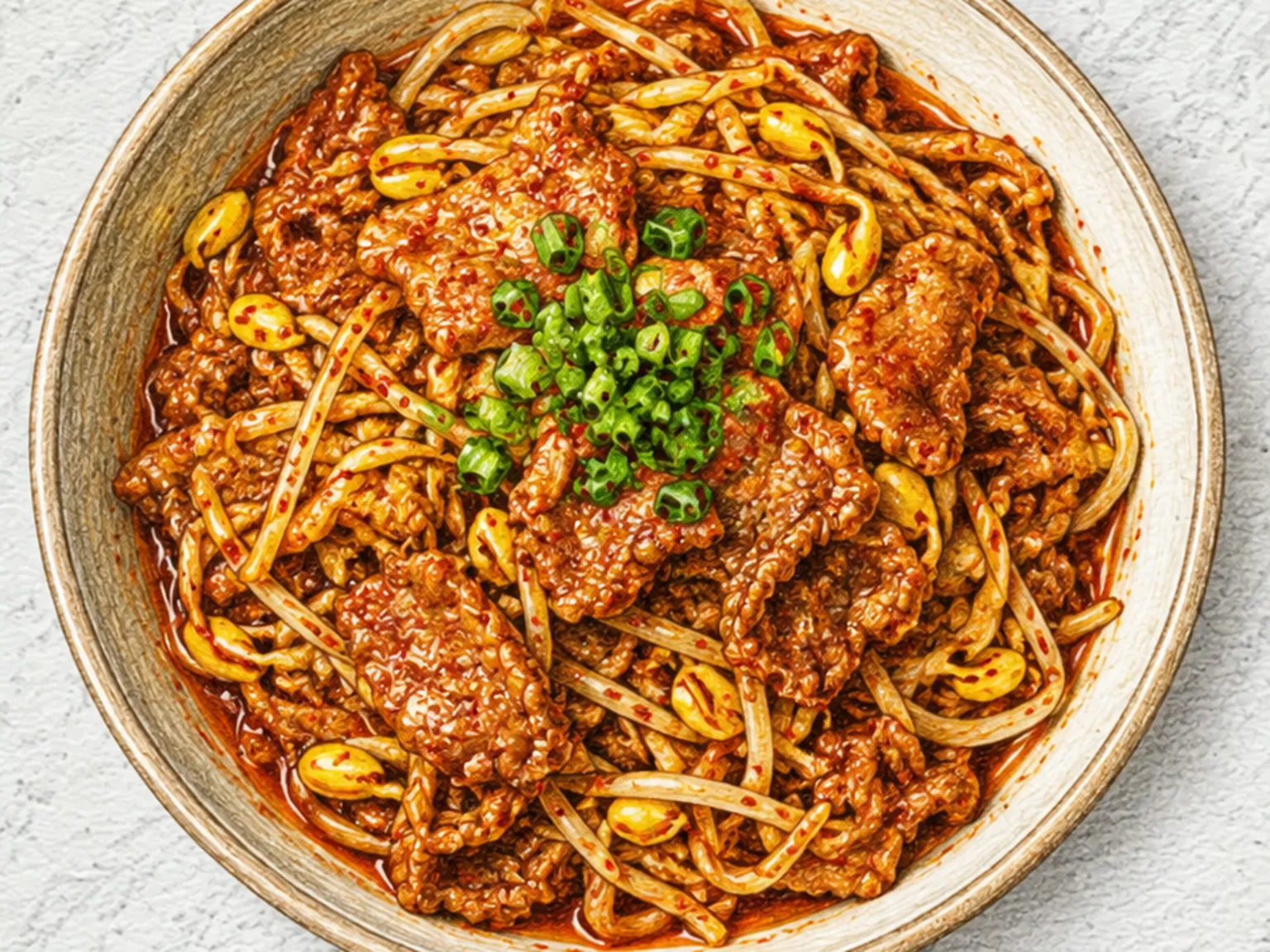
Dakgalbi is a Korean stir-fried chicken dish in which chicken thigh meat is marinated in a sauce of gochujang, chili flakes, soy sauce, sugar, minced garlic, and curry powder, then cooked with cabbage, sweet potato, sliced rice cakes, and green onion on a flat iron griddle or large pan. As the cabbage cooks it releases moisture that blends with the marinade, forming a natural sauce without any added liquid. Sweet potato softens gradually under heat, its natural sugars intensifying and acting as a counterweight to the sharp heat of the chili paste. Rice cakes cling to the sticky sauce on their surfaces, each piece absorbing the seasoning while staying chewy and dense inside. A small measure of curry powder is the defining addition -- it layers aromatic spice depth into the gochujang base, giving dakgalbi its slightly more complex fragrance compared to other Korean spicy stir-fries. The dish originates from Chuncheon in Gangwon Province, where it is served on large communal griddles. Finishing the meal by stir-frying rice in the leftover sauce at the bottom of the pan is a standard practice that turns the residual seasoning into a second course.

Korean Braised Beef and Shishito Rice
Beef is soaked in cold water for 30 minutes to draw out the blood, then placed in a pot with soy sauce, sugar, cooking wine, and whole garlic cloves. It is first brought to a high boil to cook off any off-flavors, then reduced to a medium-low simmer and left uncovered for twenty minutes so the liquid reduces into a glossy, salty-sweet braising sauce. Shishito peppers are added whole for the final six minutes, contributing gentle heat and a slight crunch that contrasts with the soft beef. Once cooked, the beef is torn along the grain by hand rather than cut, which opens the fibers so the braising liquid soaks in more deeply. A few drops of sesame oil stirred through at the end add gloss and a faint nuttiness. Stored in an airtight container with the remaining sauce, the jangjorim deepens considerably after a day or two of refrigeration as the beef continues to absorb the seasoning. Piled generously over a bowl of warm rice and mixed together, the concentrated soy-beef flavor spreads through every grain and makes the bowl satisfying in a way that richer dishes rarely manage.

Korean Beef & Quail Egg Soy Braise
Jangjorim is how Korean cooks make beef last all week. Eye-round is simmered, shredded along the grain, and braised in concentrated soy sauce with sugar, garlic, and whole black peppercorns. Quail eggs are added to the pot and absorb the dark liquid until chestnut brown throughout. Low heat reduces the sauce to a thick, glossy coating on every strand of meat and the surface of each egg. Served cold, jangjorim is intensely salty - meant for small bites with plain rice, where one piece of soy-stained beef carries an entire mouthful of grain.

Korean Spicy Baby Octopus Fried Rice
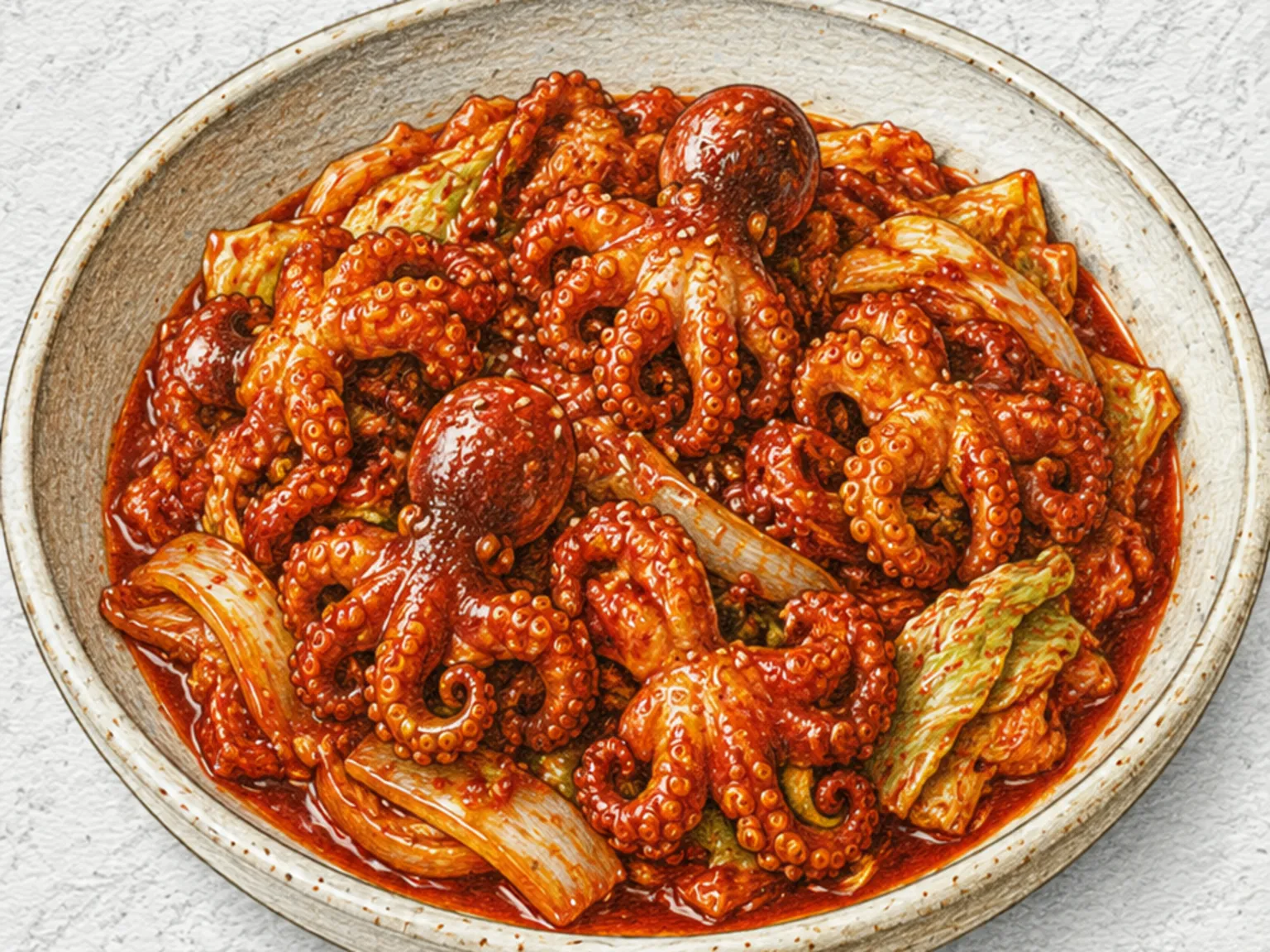
Jjukkumi bokkeumbap is a spicy fried rice built around webfoot octopus, where every element of the technique exists to preserve the squid's signature springy chew. The octopus is first rubbed with salt to strip off the surface slime, then cut to bite-size and seared over high heat for no more than three minutes. The gochujang-based sauce, bolstered with chili flakes, soy sauce, sugar, and garlic, concentrates spice and umami before the rice enters the pan and soaks up the red seasoning grain by grain. A drizzle of sesame oil at the end adds a nutty fragrance that lifts the dish slightly, and melted cheese is a popular addition for softening the heat without dulling the flavor. The oceanic character of the octopus - its brininess and elasticity - gives this fried rice a depth that ground pork or vegetables simply do not replicate. Not overcooking the octopus is the single most important decision in the recipe.

Korean Seasoned Seaweed Flakes
Gim-muchim uses the same ingredients as stir-fried gim but takes a different direction. Lightly toasted seaweed is torn by hand into larger pieces, then tossed with green onion, garlic, soy sauce, sesame oil, and gochugaru into a seasoned side dish. Toasting the seaweed over a flame first draws out its fragrance, and tearing it into large pieces ensures some areas stay crisp even after the sauce is added. The sharp bite of green onion and the gentle heat of gochugaru meet the seaweed's marine character for a fresher, lighter result than the stir-fried version. The dish must be eaten immediately after tossing - seaweed absorbs moisture from the sauce quickly and loses its texture - so only as much as will be consumed at once should be prepared. As a side with rice, it is simple but satisfying, carrying enough umami to complete a bowl even when other banchan are few. Using fish sauce in place of soy sauce shifts the umami profile, and extra sesame seeds deepen the nutty fragrance.

Korean Jjageuli Pork Stew
Jjageuli jjigae is a thick, reduced-broth stew of pork and potato simmered in a gochujang and gochugaru sauce. As the potato pieces break down, they naturally thicken the stew into a hearty, almost gravy-like consistency. The pork fat renders into the spicy-sweet seasoning, creating a deeply coating sauce meant to be spooned over rice. Onion and green onion add sweetness and fragrance, making this a satisfying one-pot meal that needs little else on the side.

Korean-Style Sirloin Steak
Deungsim steak-gui is a Korean-style sirloin steak marinated in soy sauce, sesame oil, sugar, minced garlic, and Korean pear juice, then seared on a hot pan or grill until done. Pear juice contains enzymes that break down surface proteins to tenderize the meat, though marinating beyond thirty minutes risks turning the texture mushy, so timing matters. The flavor base departs from Western steak fundamentals - soy sauce and sesame oil define the savory character here, and the sugar caramelizes at high heat into a sweet-salty crust on the exterior. Coarsely cracked black pepper goes on last, adding heat and sharpness that pushes the result toward a midpoint between bulgogi and a conventional grilled steak.

Korean Lotus Root and Beef Stir-fry
Yeongeun-soegogi-bokkeum is a Korean stir-fry of thinly sliced lotus root and beef in a soy sauce and oligosaccharide syrup glaze. The lotus root is soaked in vinegar water to prevent browning, then stir-fried briefly to keep its distinctive crunch, while the beef is pre-seasoned in soy sauce for deeper flavor. The syrup creates a thin, glossy coating that carries the sweet-salty seasoning evenly across every piece. A finishing drizzle of sesame oil rounds out the dish with a nutty fragrance, making it a versatile side for everyday rice meals and packed lunches.

Korean Butter Soy Grilled King Oyster Mushrooms
Three king oyster mushrooms are quartered lengthwise, scored on the surface, and seared in butter until golden on one side. After flipping, the remaining butter joins a sauce of soy sauce, oligosaccharide syrup, minced garlic, and black pepper, which reduces into a glossy glaze that coats every groove cut into the mushroom flesh. The scoring allows the sweet-salty sauce to penetrate deeper, so each bite releases a concentrated burst of buttery umami. King oyster mushrooms hold their dense, meaty chew even after cooking, making this dish satisfying without any actual meat. A final scattering of scallion and sesame seeds adds freshness and textural contrast.

Pork Rice Bowl (Sweet-Salty Glazed Pork over Rice)
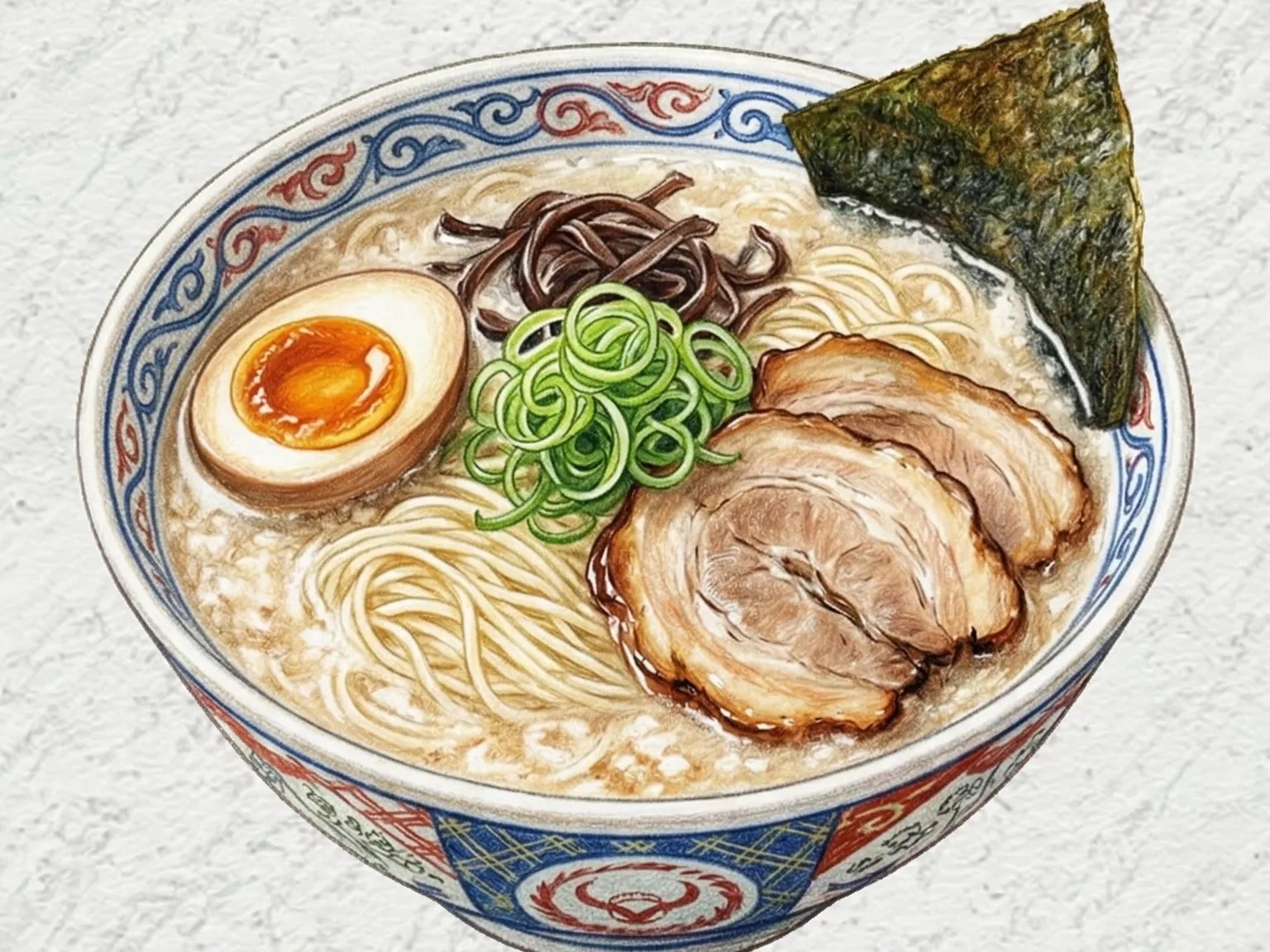
Butadon is a Japanese pork rice bowl that originated in Obihiro, Hokkaido, where thin slices of pork belly or shoulder are simmered with onion in a glaze of soy sauce, mirin, and sugar, then laid over a bowl of steamed rice. The soy salt and sugar sweetness balance precisely as the meat absorbs the sauce, while the onion dissolves gradually into the cooking liquid, contributing a natural sweetness that deepens the glaze. Where the pork meets the pan, the edges caramelize into a slightly charred coating that adds a roasted dimension to the otherwise clean, saucy topping. Hokkaido pork, with its firm texture and higher fat content, is traditional, though any well-marbled cut works. The preparation is genuinely simple - one pan, one sauce, no elaborate knife work - which is exactly why it became a staple weeknight meal across Japan.

Korean Braised Cod with Vegetables
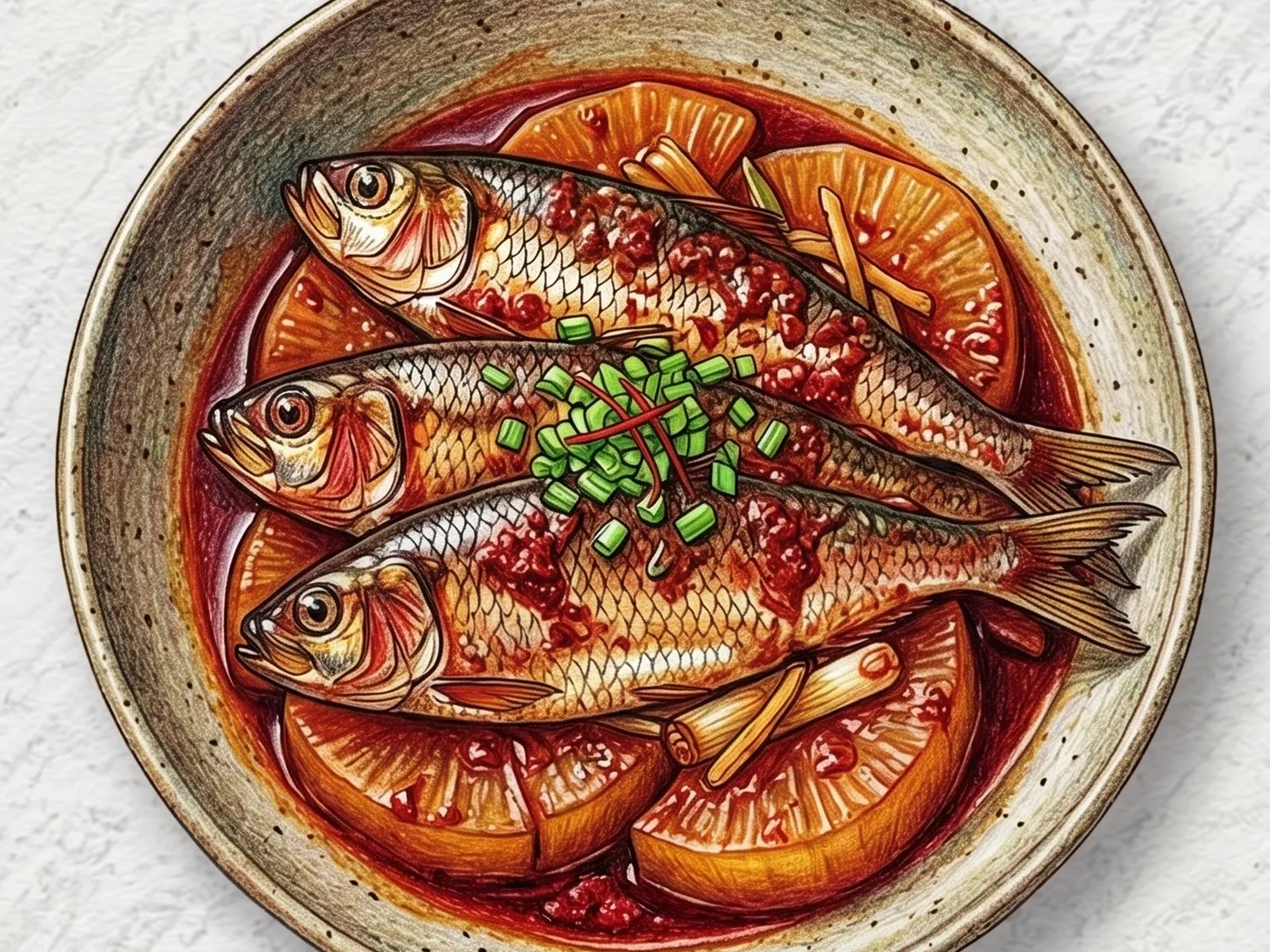
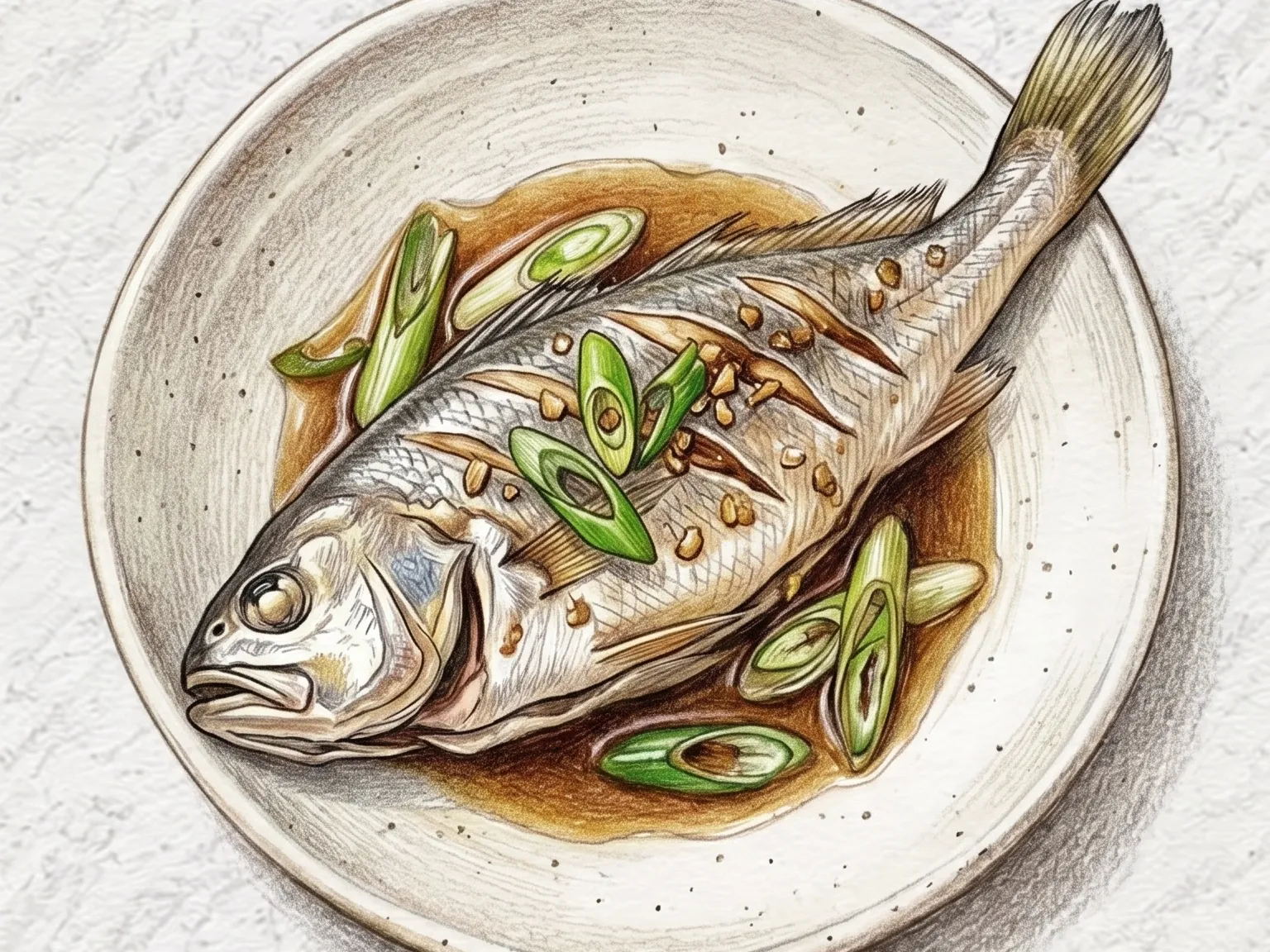
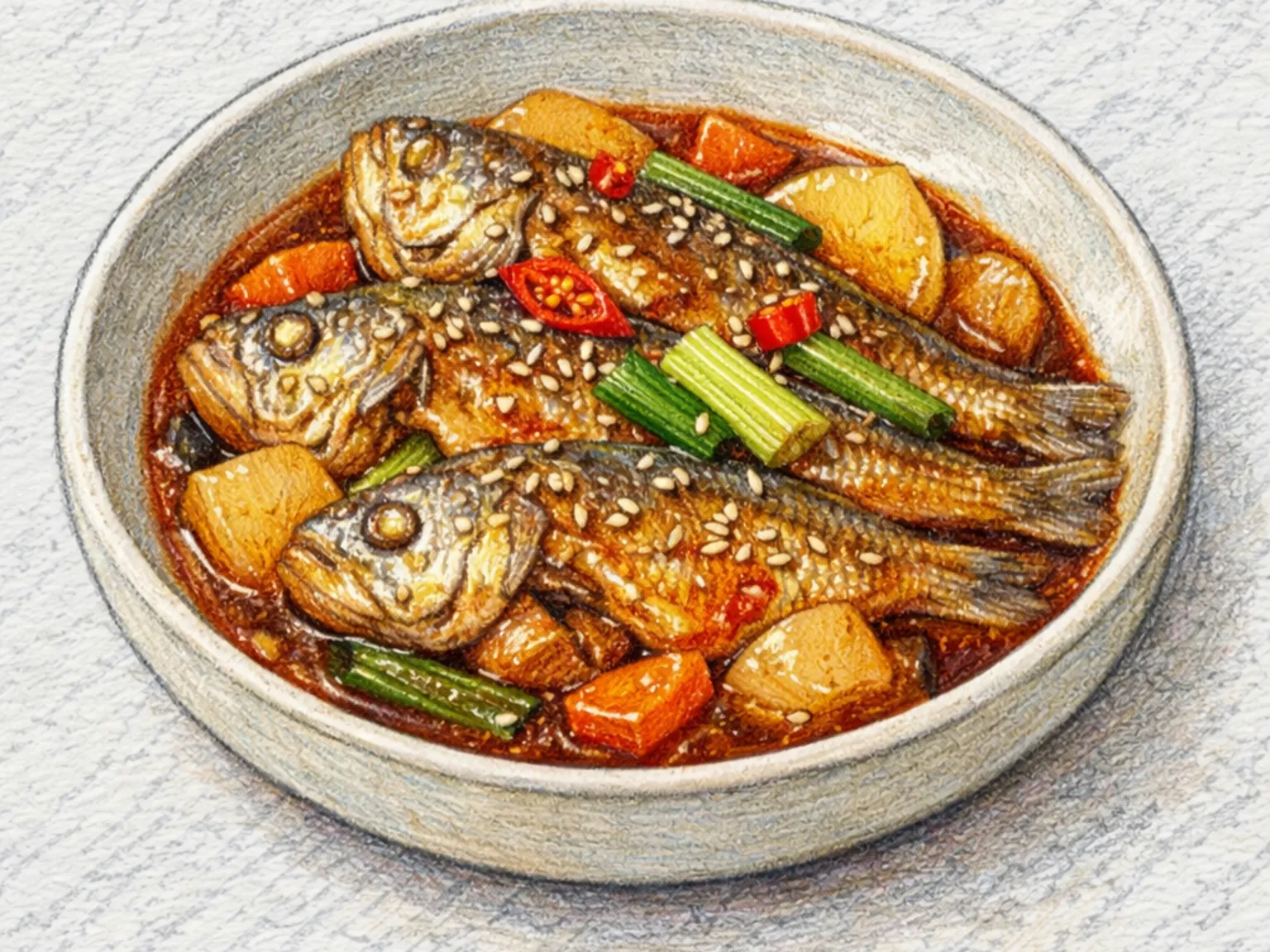
Daegu-jjim braises thick cod fillets with Korean radish, onion, and green onion in a sauce built from gochugaru, soy sauce, garlic, and cooking wine. Cod holds up well to braising: its firm, flaky flesh absorbs the spiced cooking liquid without breaking apart, even after extended time in the pot. The radish soaks up the braising sauce and turns sweet against the backdrop of chili heat. Garlic and cooking wine together neutralize any fishiness from the cod. The dish is done when just enough glossy sauce remains at the bottom of the pan to spoon over steamed rice for a satisfying one-bowl meal. The same method works with pollock or monkfish in place of cod.

Korean Steamed Perilla Leaves
Kkaennip-jjim is a Korean banchan made by stacking perilla leaves one by one with a soy sauce, gochugaru, and garlic seasoning between each layer, then gently braising them covered over low heat. As the leaves wilt, they absorb the sauce and release their distinctive herbal aroma, which mingles with the soy's umami into a layered flavor. Sesame oil brushed between the leaves adds a nutty fragrance, while the chili flakes provide a slow-building warmth. Wrapping a spoonful of steamed rice in a single seasoned leaf makes for a complete bite, which is why this dish is considered one of Korea's most reliable everyday side dishes.

Steamed Pork Ribs with Black Bean Sauce
Douchi paigu is a Chinese-style steamed pork rib dish where the ribs are marinated in fermented black beans, soy sauce, garlic, and Shaoxing wine, then coated with starch before going into the steamer. The fermented black beans carry a salty, complex savory depth that penetrates the meat throughout the marinating period. The starch coating forms a thin seal over the surface, locking in moisture so each piece stays tender rather than drying out under steam. Maintaining high heat throughout steaming is important - steady, vigorous steam circulates evenly and cooks the ribs through without drying them. Sesame oil is added just before serving to preserve its fragrance. Because the ribs are steamed rather than fried, the dish has a clean, light quality while still carrying the bold flavor of the fermented beans. Douchi paigu is one of the most recognized items on a dim sum menu.

Korean Seasoned Bracken Fern
Gosari, the Korean name for bracken fern, is one of the oldest foraged vegetables in Korean cooking, with consumption records tracing back to the Three Kingdoms period. It is a mandatory component of bibimbap and a required dish on jesa, the ancestral rite table set for ceremonies honoring the dead. Dried gosari must soak overnight in cold water and then boil until the tough, wiry fibers relax into a distinctively springy, almost elastic chew that no fresh vegetable can replicate. The rehydrated fern is stir-fried in perilla oil with minced garlic until fragrant, then a small amount of soup soy sauce and water goes in and the pan is covered to let the liquid absorb and the fern braise briefly. This short braising step is what rounds the flavor and ensures the seasoning penetrates the fibrous strands rather than sitting only on the surface. Perilla oil is the traditional fat of choice rather than sesame oil because its green, herbal quality pairs more naturally with the woodsy, forest-floor flavor of gosari, amplifying rather than competing with it. Large batches are typically made during Chuseok or Seollal and eaten over several days, as the flavor improves and deepens as the dish sits.

Yu Xiang Eggplant (Sichuan Spicy Garlic Pork Eggplant)
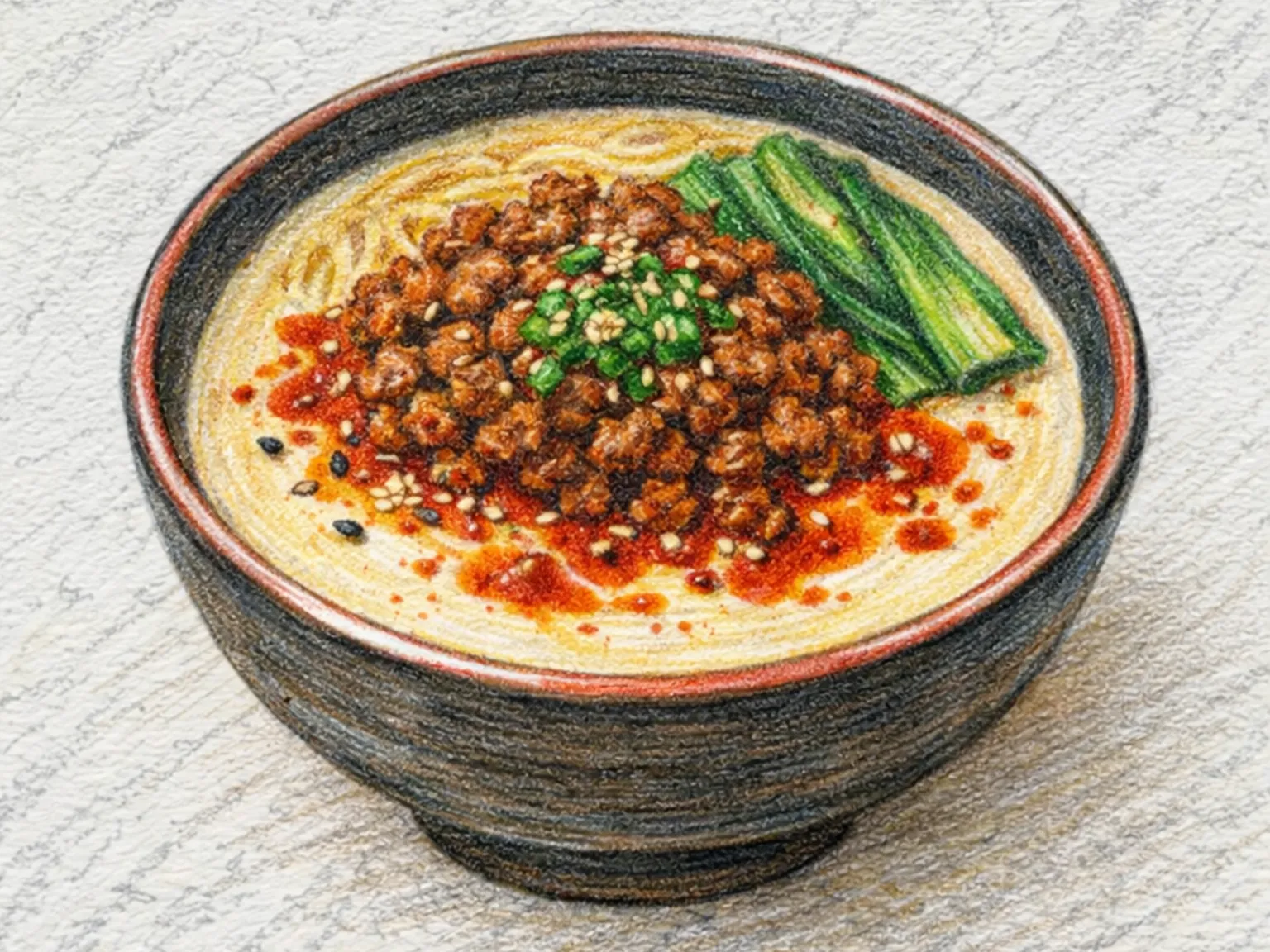
Yu Xiang Qiezi is a Sichuan-style eggplant stir-fry with ground pork, doubanjiang, black vinegar, and sugar. The eggplant is pre-fried to firm it up so it holds its shape in the sauce, while the pork and doubanjiang create a spicy, aromatic oil base. Soy sauce, vinegar, and sugar layer sweet and sour notes over the heat, producing the characteristic Yu Xiang flavor profile. Garlic and ginger add fragrance, and the eggplant absorbs the sauce deeply so every bite releases a concentrated burst of seasoning.

Korean Soy Braised Konjac
Gonnyak-jorim is a braised konjac banchan seasoned with soy sauce, rice syrup, gochugaru, and garlic, valued mainly for its satisfying chew and near-zero calorie count. Konjac carries a faint lime-water odor from its processing, and blanching it in boiling water for two minutes removes that smell before any seasoning is applied. Draining thoroughly and then dry-toasting the pieces in a pan without oil evaporates residual moisture from the surface, creating a drier exterior that the sauce can actually grip. Scoring the konjac in a crosshatch pattern before cooking solves its fundamental flavor problem: the dense, non-porous texture resists absorption, but the scored grooves pool the sauce and hold it in place so the coating sticks. Rice syrup in the sauce builds a glossy, slightly sticky finish as the liquid reduces. The finished pieces are sweet, salty, and faintly spicy with a firm, springy bite that makes them one of the more filling low-calorie side dishes in Korean cuisine.

Korean Soy Garlic Dakgangjeong
Soy-garlic dakgangjeong is Korean fried chicken made from boneless thigh pieces coated in potato starch and fried twice before being tossed in a soy-garlic glaze. The first fry runs at 170 degrees Celsius for five minutes to cook the meat through to the center. The second fry raises the temperature to 190 degrees and runs for two minutes to push residual moisture out of the crust and harden the surface. Both fries are necessary to achieve a crust firm enough to stay crisp under the wet glaze. Using only potato starch rather than a wheat-starch blend produces a thinner, more transparent coating that crisps harder and absorbs less oil. The sauce is reduced for no more than thirty seconds to one minute so the saltiness does not concentrate excessively. Vinegar is a key component: it cuts through the grease and leaves the palate clean after each bite. The fried chicken must go into the sauce while it is still loose, then be tossed over high heat quickly so the coating never has time to steam and soften. Sesame seeds scattered on top add a nutty fragrance and a textural contrast against the lacquered surface.

Korean Silken Tofu with Seasoned Soy Sauce
Chilled silken tofu is placed in a bowl and topped with a soy-based seasoning sauce that provides all the flavor the bland tofu needs. Silken tofu is coagulated with less agent than regular tofu, resulting in a custard-like texture that yields to a spoon and dissolves on the tongue. The sauce mixes soy sauce with gochugaru, minced garlic, chopped green onion, sesame oil, and toasted sesame seeds, concentrating salty, spicy, and nutty notes into a single spoonful. Each bite pairs the tofu's neutral softness with the sauce's concentrated punch, creating a rhythm of gentle and sharp that keeps the palate engaged. Sesame oil in the sauce adds a glossy sheen across the tofu's white surface, and the red flecks of chili powder provide a visual contrast that signals the heat to come. The soybean fragrance of the tofu itself acts as a quiet backdrop, grounding the louder flavors of the dressing. Because no cooking is required beyond mixing the sauce, this banchan comes together in minutes and is especially practical on busy evenings.