Charim

2686 Korean & World Recipes

2686+ Korean recipes, clean and organized. Ingredients to instructions, all at a glance.

Recipes with soy sauce

24 recipes

Buy soy sauce
Korean Grilled Chicken Heart Skewers
Street foodMedium

Korean Grilled Chicken Heart Skewers

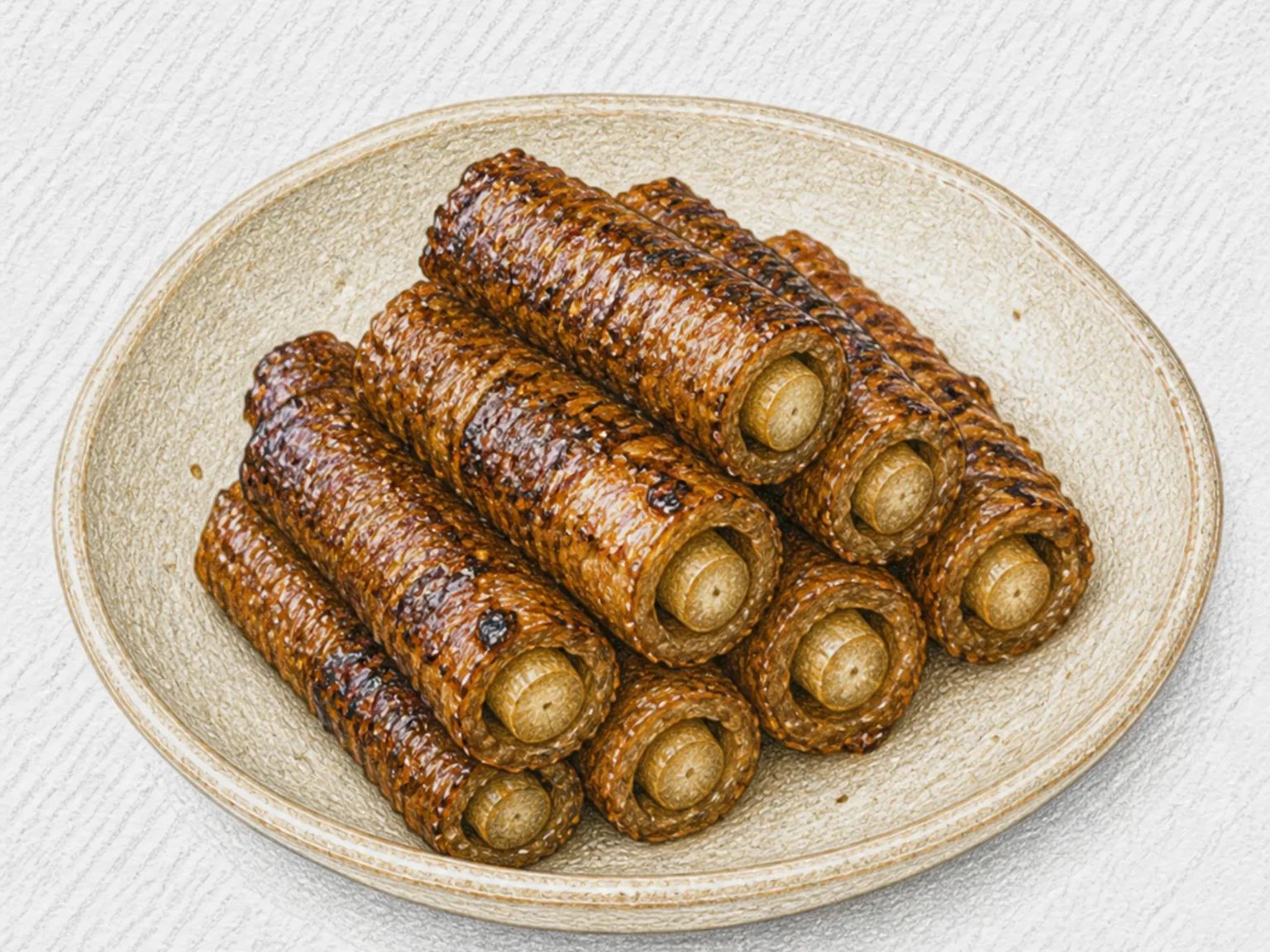
Dak-yeomtong-kkochi starts by soaking trimmed chicken hearts in milk for fifteen minutes to remove any off-flavors, then threading them onto skewers for direct grilling. A glaze of soy sauce, gochujang, sugar, garlic, and cooking wine is applied in stages during grilling, building up a salty-sweet coating with gentle heat. Unlike regular chicken meat, hearts have a firm, springy chew that deepens in nuttiness the more you bite into them. The milk soak combined with garlic and cooking wine in the glaze cleanly removes any organ taste, so the finished skewers carry only the char from the grill and the layered seasoning. A common sight at street stalls and pojangmacha tents, these skewers work equally well as a quick snack eaten on the spot or as drinking food alongside a cold beer.

🍺 Bar Snacks
Prep 30minCook 15min2 servings
Korean Butter-Grilled Squid Beaks
DrinksMedium

Korean Butter-Grilled Squid Beaks

Ojingeo-ip-butter-gui is a Korean bar snack made by searing squid beaks in melted butter with minced garlic over high heat. Thoroughly patting the squid beaks dry with paper towels before they hit the pan is a non-negotiable step: any residual moisture causes violent splattering and prevents the butter from forming a direct, fragrant crust on the surface. Three minutes of rapid stir-frying over high heat keeps the texture springy and chewy rather than tough and rubbery, which is the line squid crosses the moment heat is applied too long. Adding soy sauce and cooking wine creates a savory glaze as the liquid rapidly evaporates and concentrates against the hot surface. A finish of red chili flakes and cracked black pepper introduces a clean, warm heat that lingers behind the buttery garlic aroma, rounding out every bite. The dish comes together in under five minutes, which makes it one of the most practical snacks to serve alongside drinks.

🍺 Bar Snacks
Prep 12minCook 10min2 servings
Korean Grilled Chicken Skewers
GrilledEasy

Korean Grilled Chicken Skewers

Dak-kkochi-gui is a Korean grilled chicken skewer built on the flavors of street-stall cooking, made by threading bite-sized chicken breast or thigh onto bamboo sticks and painting them with a sauce of gochujang, soy sauce, honey, and minced garlic. Thigh meat is the better choice because its higher fat content keeps each piece juicy over direct heat, while breast will dry out quickly. Applying the glaze in two or three separate coats rather than all at once builds a thick, sticky, caramelized surface. Cutting the chicken into uniform cubes ensures even cooking, and alternating pieces with slices of green onion or bell pepper adds moisture and prevents the meat from tightening up. Turning the skewers frequently over medium heat keeps the sugars in the sauce from scorching while the surface develops an even, deep char. The same result comes out well in an air fryer at 200 degrees Celsius for twelve to fourteen minutes. Gochujang's fermented heat against the sweetness of honey and the smell of searing meat is the unmistakable signature of Korean pojangmacha.

🍺 Bar Snacks
Prep 20minCook 15min2 servings
Korean Octopus Hot Pot (Spicy Gochujang Broth with Herbs)
StewsMedium

Korean Octopus Hot Pot (Spicy Gochujang Broth with Herbs)

Nakji jeongol is a spicy Korean hot pot built around small octopus simmered in anchovy stock seasoned with gochujang and gochugaru, together with napa cabbage, water parsley, onion, and tofu. Anchovy stock works particularly well here because it has a clean, salty depth that amplifies rather than competes with the oceanic flavor of the octopus. The gochujang contributes a fermented sweetness to the broth while the gochugaru layer on top provides the sharp, direct heat, producing a multi-dimensional spicy broth that is more complex than either ingredient alone. Octopus is highly sensitive to overcooking. Cooked within two minutes, it stays springy and pleasantly chewy. Beyond that, the protein fibers contract and the texture becomes tough and rubbery. Water parsley loses its fresh herbal fragrance quickly under heat, so it is best added about one minute before serving to keep that clean, slightly grassy brightness intact. Cooking the hot pot at the table allows diners to add octopus in small batches at their own pace, which is the most reliable way to keep every piece at the ideal doneness.

🍺 Bar Snacks🎉 Special Occasion
Prep 25minCook 18min2 servings
Korean Spicy Braised Pufferfish
SteamedHard

Korean Spicy Braised Pufferfish

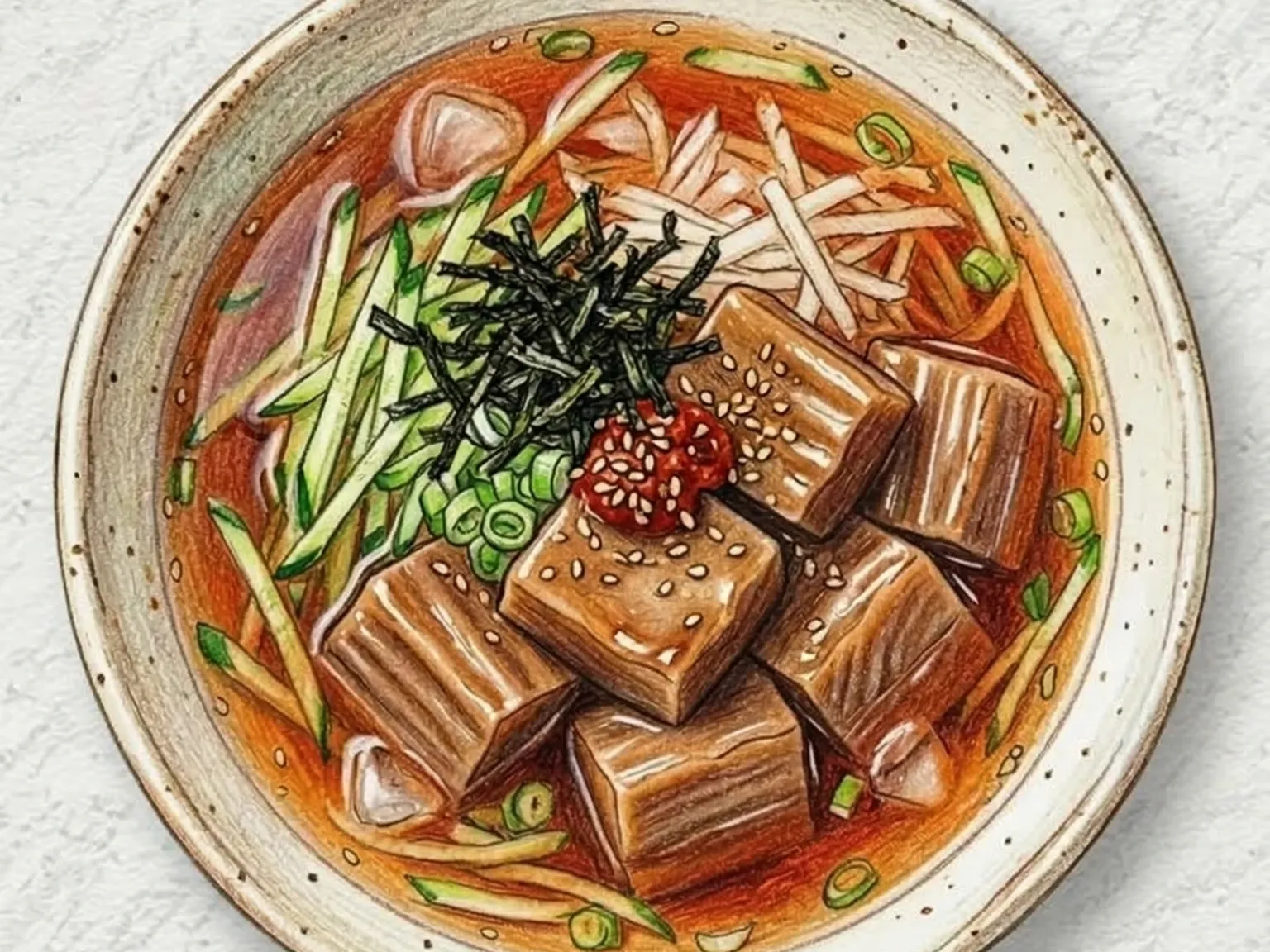
Cleaned pufferfish fillets are steamed with bean sprouts and water dropwort under a spicy sauce built from gochugaru and gochujang. Pufferfish meat is very low in fat, giving it a lean, firm texture that holds together under bold seasoning rather than falling apart. Bean sprouts add a crisp, watery contrast to the dense chili paste, and water dropwort brings a distinctly herbal, slightly peppery fragrance that lifts the dish. Soy sauce and minced garlic round out the seasoning, adding depth without shifting the profile away from the chili-forward base. Pufferfish preparations are a regional specialty of Korea's coastal areas, where the fish is abundant and handled with particular care.

🎉 Special Occasion
Prep 25minCook 35min4 servings
Korean Pickled Bok Choy (Soy Vinegar Chili Brine)
KimchiEasy

Korean Pickled Bok Choy (Soy Vinegar Chili Brine)

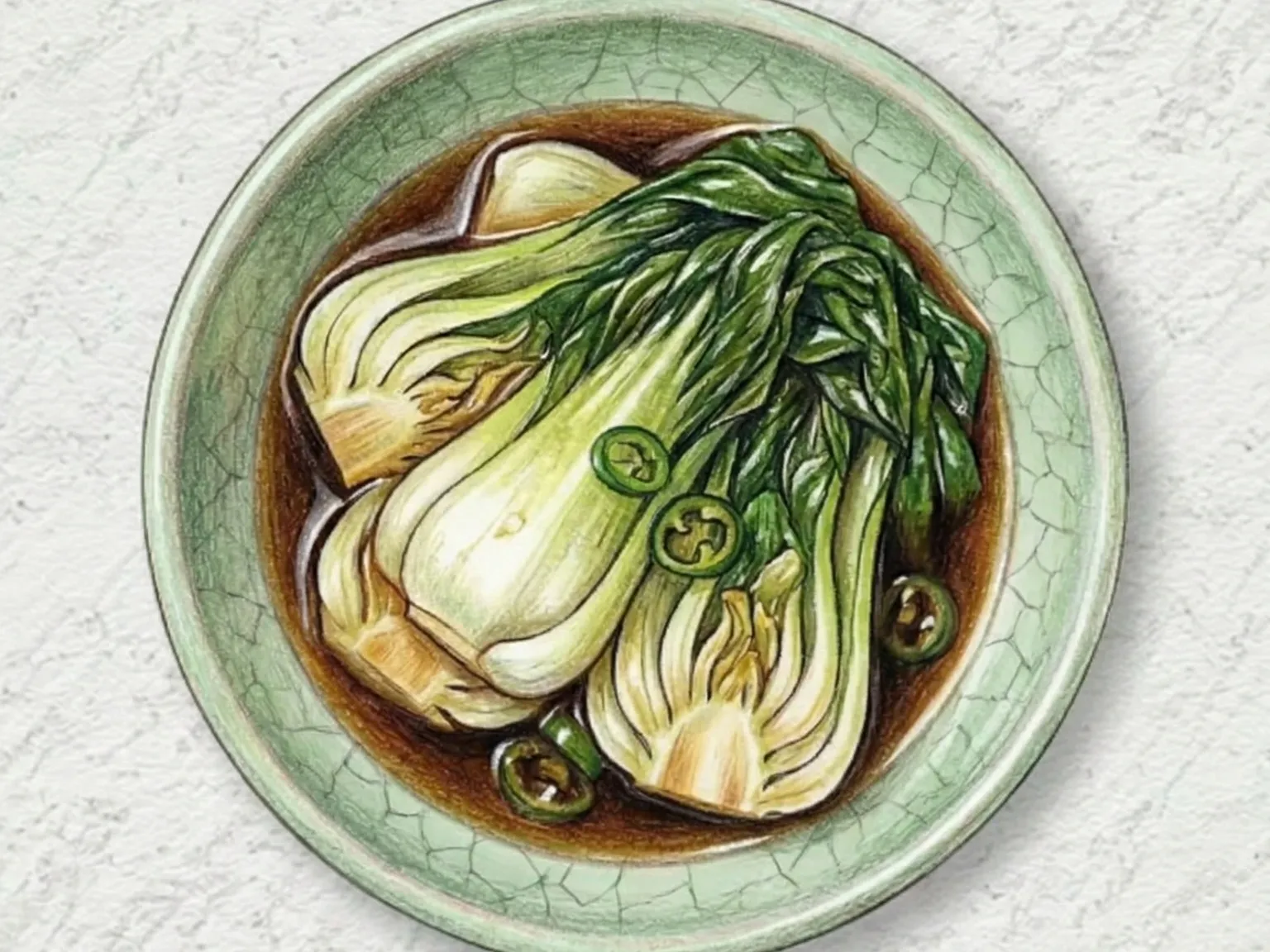
Cheonggyeongchae jangajji is a Korean pickled bok choy made by halving the heads and submerging them in a boiled brine of soy sauce, vinegar, and sugar with Cheongyang chili, garlic, and ginger. The thick white stems retain their crunch after pickling while the tender green leaves absorb the brine softly, creating two contrasting textures within a single piece. Cheongyang chili leaves a clean, lingering heat at the finish, and ginger contributes a warm undertone to the pickling liquid. Draining the bok choy thoroughly before pickling keeps the brine clear, and after two days of refrigeration the seasoning penetrates evenly throughout for a well-balanced banchan. Pouring the brine over the bok choy only after it has cooled prevents the leaves from softening too much. The spent brine can be reboiled and reused to pickle tofu or daikon, extending its value beyond the first batch.

🥗 Light & Healthy🍱 Lunchbox
Prep 20minCook 8min4 servings
Korean Stir-Fried Udon with Spicy Chicken
NoodlesMedium

Korean Stir-Fried Udon with Spicy Chicken

Dakgalbi udon bokkeum is a Korean stir-fried noodle dish where gochujang-marinated chicken, cabbage, sweet potato, and rice cakes cook together in a wide pan before thick udon noodles are added and tossed through the spicy-sweet sauce. The dakgalbi seasoning is assertive and clingy, coating every broad surface of the udon so that each bite carries the full weight of the marinade. Cabbage and scallion wilt fast under high heat, releasing sugars that moderate the chili paste and prevent the sauce from tasting sharp or one-dimensional. Sweet potato contributes starch that slightly thickens the sauce while cushioning its spice. Udon, being considerably thicker than ramen or somyeon, holds up under the heavy coating without turning mushy, and delivers a satisfying, bouncy chew throughout the meal. Managing the heat is important: keeping the pan at high temperature drives off excess moisture and produces the lightly charred, smoky edge that separates a good stir-fry from a steamed mess. Melting cheese over the top just before serving adds a creamy, fatty layer that offsets the heat. Sesame seeds and shredded seaweed finish the dish. It is well suited to group cooking on a large griddle or electric pan.

🌙 Late Night
Prep 20minCook 18min4 servings
Grilled Mackerel Perilla Salad
SaladsMedium

Grilled Mackerel Perilla Salad

Grilled mackerel perilla salad starts by salting mackerel fillets for five minutes, then patting them completely dry before setting them skin-side down in a hot pan. The drying step draws surface moisture out of the fish so the skin crisps sharply in the pan rather than steaming, and the brief salt also damps down the mackerel's characteristic fishiness. Four minutes skin-side down followed by two minutes on the flesh side leaves the exterior with a firm, golden crust while the interior stays moist and just cooked through. Once off the heat the fish is broken into irregular pieces and scattered over a bed of romaine, thinly sliced perilla leaves, cucumber batons, and radish sprouts. A dressing of soy sauce, yuzu marmalade, and sesame oil brings the whole dish together: the aromatic acidity of yuzu cuts cleanly through the oily richness of mackerel in a way that a plain rice vinegar dressing cannot. Cutting perilla into thin ribbons rather than tearing it distributes the herb's peppery, anise-like fragrance evenly across every forkful so no bite is without it. The contrast of warm fish against cold vegetables and crisp greens makes each serving feel alive rather than flat.

🥗 Light & Healthy
Prep 15minCook 10min2 servings
Bistek Tagalog (Filipino Beef Steak with Calamansi Soy Sauce)
AsianEasy

Bistek Tagalog (Filipino Beef Steak with Calamansi Soy Sauce)

Bistek Tagalog adapts the Spanish bistec with a distinctly Philippine ingredient: calamansi citrus replaces wine or vinegar as the marinade acid, producing a brighter, more tropical tang than either. Thinly sliced beef sirloin soaks in soy sauce, calamansi juice, garlic, and black pepper for at least thirty minutes; the acid tenderizes the muscle fibers while the soy penetrates deeply. The beef is seared quickly in a very hot pan and set aside, leaving flavorful drippings in the pan. Thick onion rings cook in those drippings until softened and lightly caramelized, picking up the beef fond as they collapse. The marinade is poured back into the pan and reduced into a dark, glossy braising liquid. When the beef returns to the pan, it finishes cooking in this sauce and each piece gets coated. The soy provides a savory, umami-forward depth, and the calamansi keeps cutting through the heaviness of the reduced sauce and the fat from the beef. Served over steamed white rice with the caramelized onion rings piled on top, bistek tagalog is one of the most common weeknight meals across the Philippines.

🎉 Special Occasion
Prep 20minCook 12min2 servings
Korean Seasoned Cedrela Shoots
Side dishesEasy

Korean Seasoned Cedrela Shoots

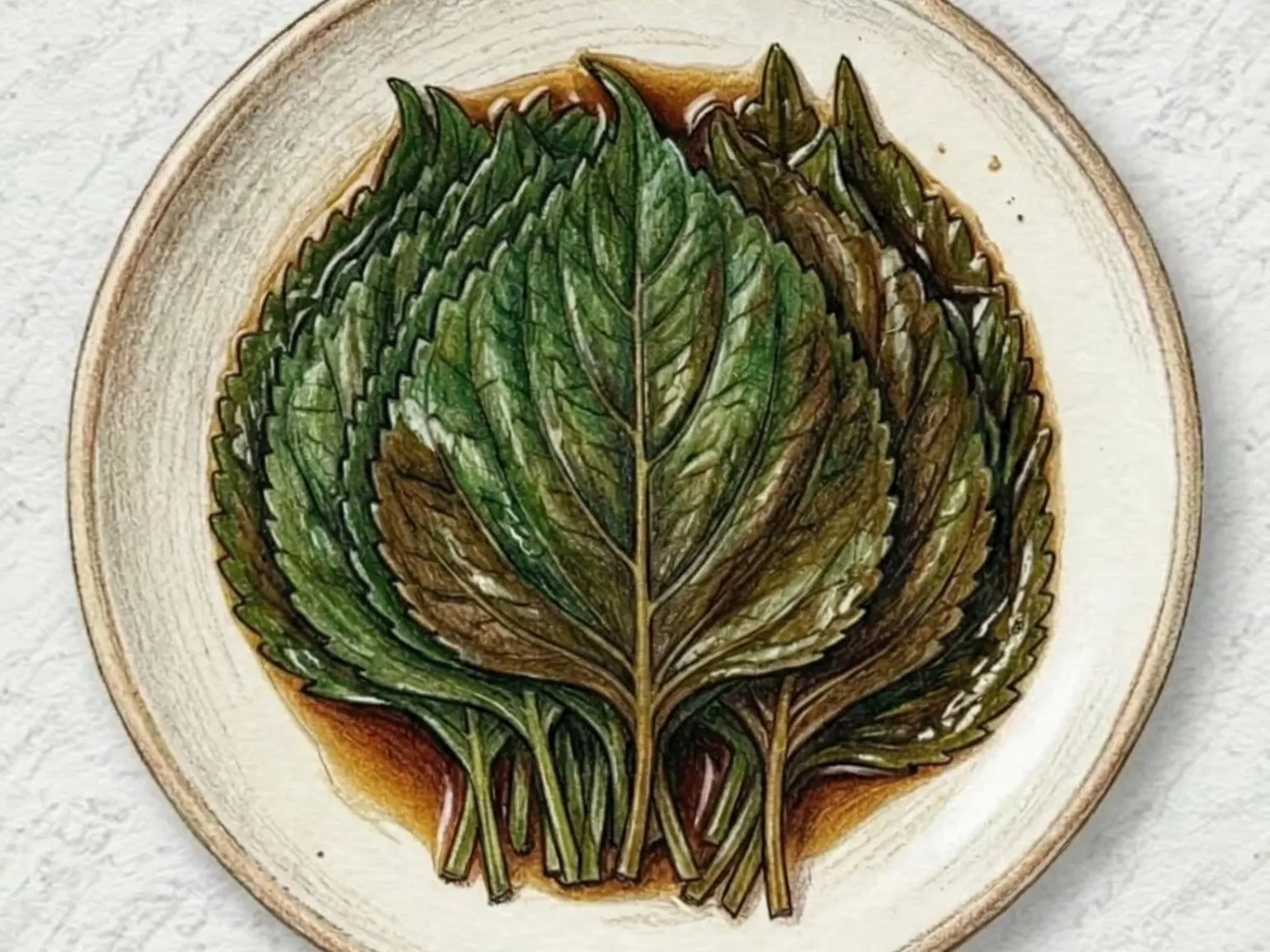
Cedrela shoots appear for barely two weeks each April, making chamjuk one of Korea's most fleeting spring ingredients. The young tips carry a resinous, walnut-like scent found in no other cultivated or foraged green. A 40-second blanch in well-salted boiling water softens the fibrous stems while locking in that distinctive fragrance - go longer and the aroma disperses. Dressed with only soy sauce, garlic, and sesame oil, the dish keeps the shoots' natural perfume at the front. Traditionally gathered from mountainside groves and brought to spring holiday tables, chamjuk disappears from markets once the brief window closes, making it a seasonal green genuinely worth seeking out.

🏠 Everyday🍱 Lunchbox
Prep 12minCook 2min4 servings
Korean Dakgalbi Fried Rice
RiceEasy

Korean Dakgalbi Fried Rice

Dakgalbi bokkeumbap is a fried rice made by stir-frying gochujang-marinated boneless chicken thigh with cabbage and onion over high heat, then adding day-old rice to the pan and frying until every grain absorbs the sweet-spicy marinade. The dish originated from the Chuncheon tradition of finishing a dakgalbi meal by stir-frying the leftover sauce and scraps with rice, effectively turning what remains in the pan into a second course. Day-old rice is essential: fresh rice holds too much moisture and clumps together, while refrigerated rice separates cleanly on the hot surface and makes sufficient contact with the pan to develop slightly charred bits at the bottom. These caramelized patches add a smoky crunch that contrasts with the sauced grains above and elevate the dish beyond a simple fried rice. Cabbage and perilla leaves added at the very end of cooking retain a faint crunch that cuts through the richness of the gochujang marinade. Plating the rice with a few perilla leaves laid on top and a scatter of sesame seeds over the surface finishes the dish without requiring anything further.

🏠 Everyday
Prep 12minCook 14min2 servings
Korean Soy-Glazed Mushroom Stir-Fry
Stir-fryEasy

Korean Soy-Glazed Mushroom Stir-Fry

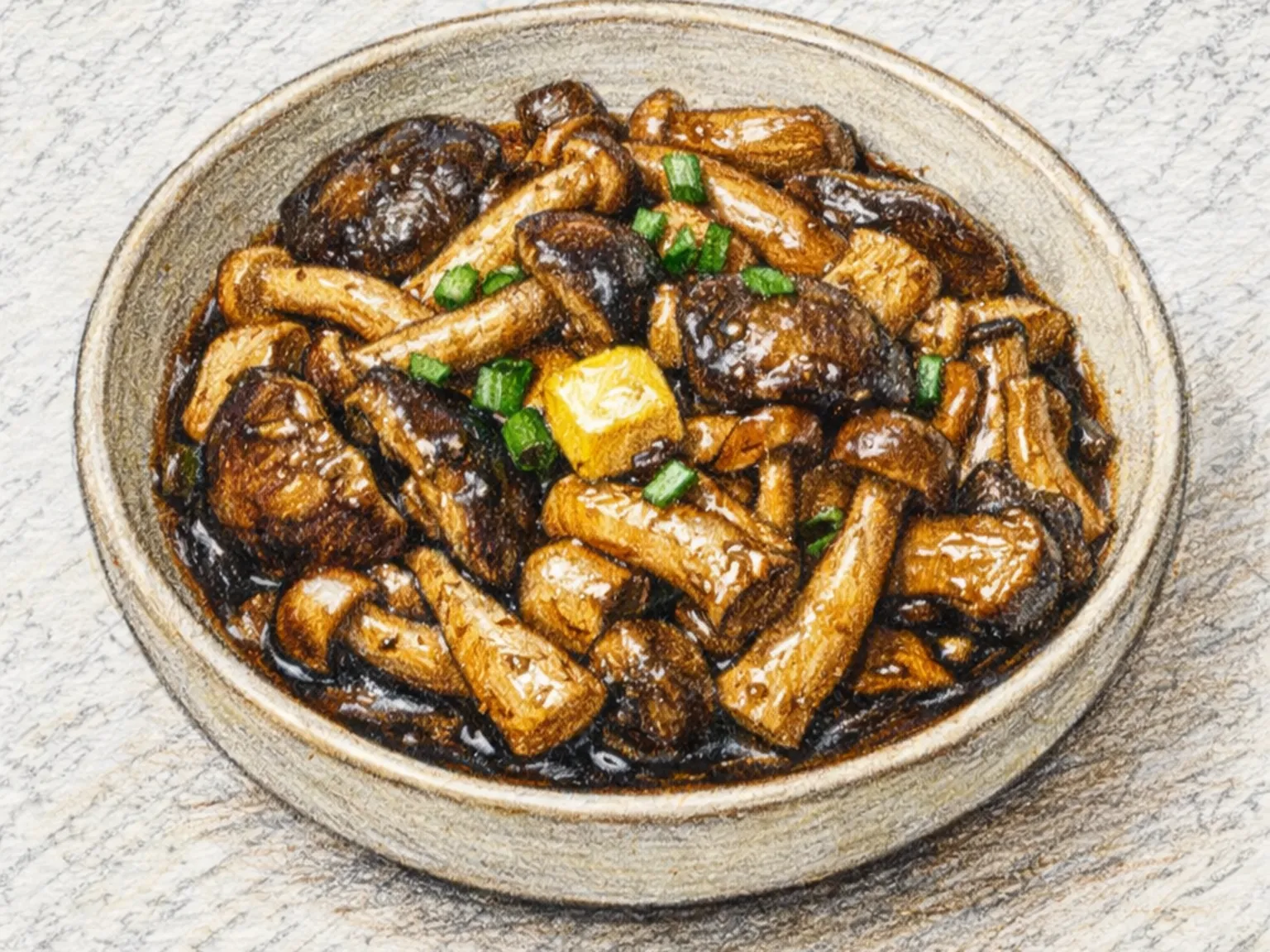
Oyster mushrooms and shiitake are sauteed in melted butter, then finished with a measured pour of soy sauce that reduces into a glossy, caramelized glaze across the surface of each piece. Sliced garlic goes into the butter first and cooks until fragrant, building an aromatic base before the mushrooms are added. Cooking over strong heat is the non-negotiable step: moderate temperatures cause the mushrooms to release moisture and stew in their own liquid rather than sear, losing the slightly crisp exterior that defines the dish. Once the mushrooms are colored and their edges firm up, soy sauce is added and tossed rapidly so it coats every surface and reduces rather than pools. The butter infuses the mushrooms during cooking with a rich, almost nutty undertone, while the soy sauce caramelizes under heat to produce a salty-sweet lacquer. A small knob of additional butter stirred in off the heat gives the sauce a final sheen. With only five ingredients, the dish depends entirely on the interplay between butter depth and soy intensity to deliver flavor well beyond its simplicity. Spooned over steamed rice, it turns a plain bowl into a complete meal.

🏠 Everyday🌙 Late Night
Prep 10minCook 10min2 servings
Korean Dubu Kimchi Kkochi (Tofu Kimchi Skewers)
Street foodEasy

Korean Dubu Kimchi Kkochi (Tofu Kimchi Skewers)

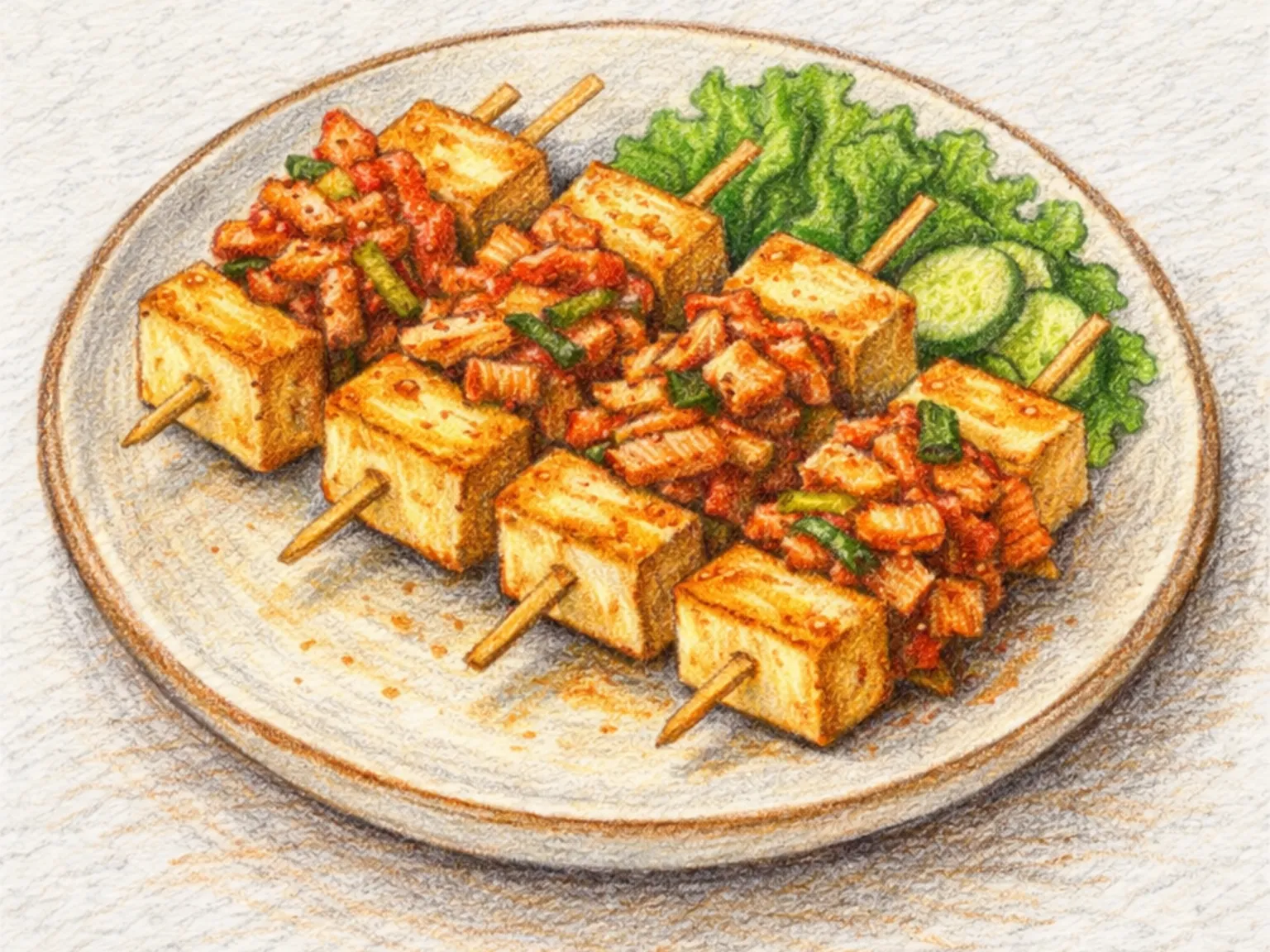
Dubu-kimchi-kkochi pan-sears firm tofu until the surface turns crisp and golden, then skewers it alongside stir-fried sour kimchi and ground pork. Before searing, pressing the tofu dry with paper towels is essential for an even crust that does not tear or stick to the pan. The kimchi and pork are cooked together so fermented tang and rendered pork fat merge, the fat tempering the kimchi's sharp edge while the kimchi's acidity brightens the pork. Threaded onto a skewer, each bite delivers the tofu's nutty seared exterior, the kimchi's tartness, and the pork's salt-rich savoriness at once. The soft interior of the tofu contrasts with its crisp shell, and juices from the stir-fried kimchi seep into the tofu to add another flavor layer. Despite straightforward ingredients, the skewer presentation makes it a naturally appealing side for drinks or a packed lunch.

🍺 Bar Snacks
Prep 15minCook 10min2 servings
Korean Grilled Chicken Neck Meat
GrilledMedium

Korean Grilled Chicken Neck Meat

Dak-moksal-gui is a grilled Korean chicken neck dish seasoned with soy sauce, cooking wine, minced garlic, and sesame oil, then seared quickly over high heat. Chicken neck contains streaks of intramuscular fat that give it a chewy, savory richness unlike the lean dryness of breast meat -- a quality prized among those who know the cut. Spreading the pieces flat on the pan surface creates maximum contact and promotes rapid browning through the Maillard reaction, and flipping within two minutes per side preserves the juices that would otherwise be lost with extended heat. Sliced green onion scattered at the finish adds a fresh, pungent layer on top of the sweet-salty soy base, and coarsely cracked black pepper sharpens the aftertaste. The dish works equally well as a rice side or a beer accompaniment.

🍺 Bar Snacks
Prep 20minCook 10min2 servings
Korean Spicy Fish Stew (Mackerel in Chili-Radish Broth)
StewsMedium

Korean Spicy Fish Stew (Mackerel in Chili-Radish Broth)

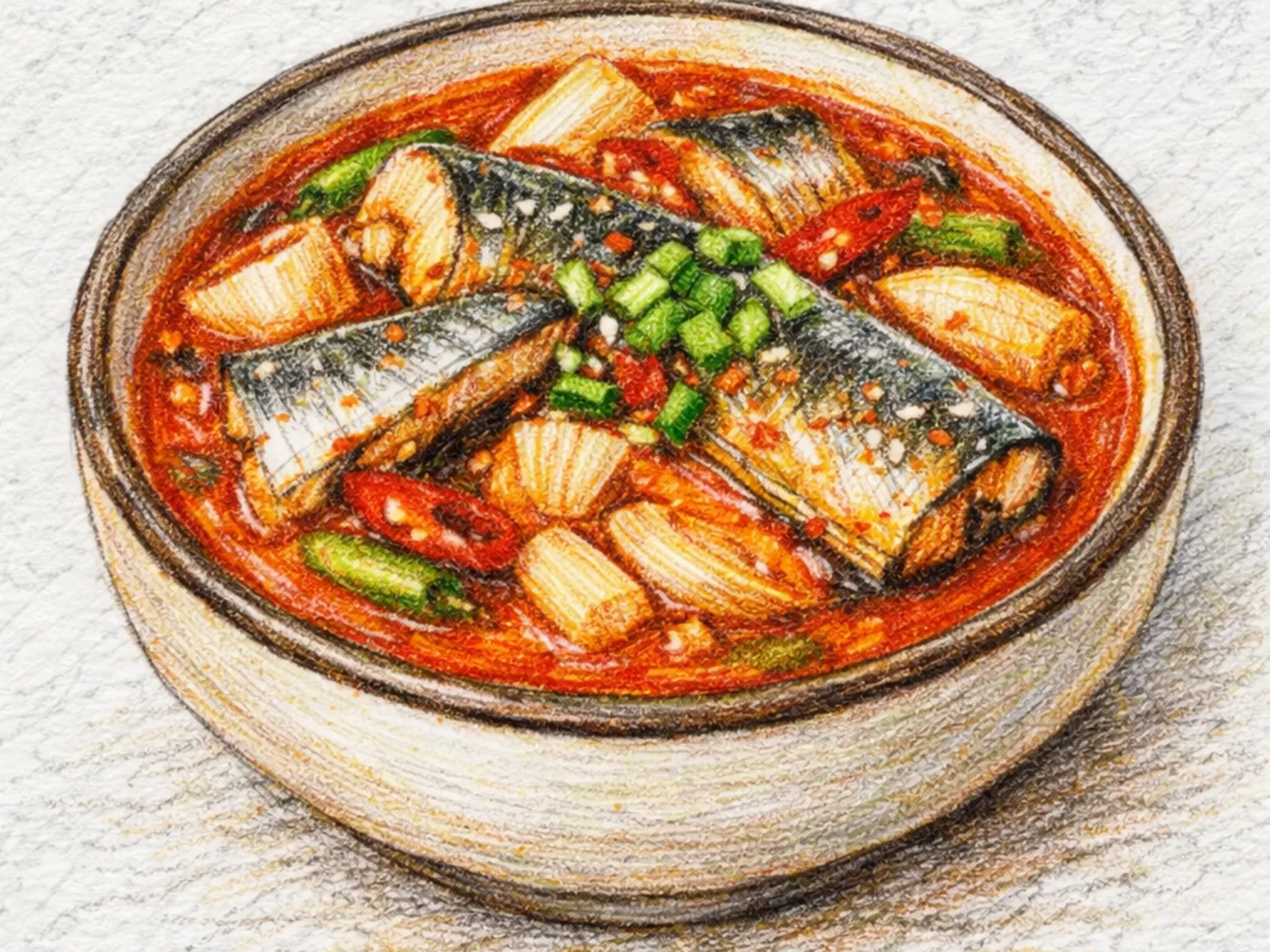
Saengseon jjigae is a spicy Korean fish stew made with mackerel or beltfish cut into chunks, simmered alongside daikon radish and zucchini. Gochujang, gochugaru, soy sauce, and garlic build a bold, peppery broth in an anchovy stock base. The radish neutralizes any fishiness while adding natural sweetness to the soup. Picking the flaky fish off the bone and eating it with spoonfuls of the fiery broth over rice is the traditional way to enjoy it.

🏠 Everyday
Prep 15minCook 20min2 servings
Japanese Simmered Yellowtail and Daikon
SteamedMedium

Japanese Simmered Yellowtail and Daikon

Yellowtail and daikon are simmered in a dashi broth seasoned with soy sauce, mirin, and sake until the braising liquid concentrates around the fish. The daikon absorbs the rich stock as it cooks, turning tender and translucent with a deep savory flavor throughout. Sliced ginger added to the pot neutralizes the fishiness without masking the yellowtail's natural richness. Sugar tempers the salt in the soy, producing a glaze that coats the skin and clings to the daikon. The dish is best from December through January, when yellowtail carries its peak fat content and yields the most flavorful braising stock.

🎉 Special Occasion
Prep 20minCook 40min4 servings
Korean Aster Leaf Soy Pickle
KimchiEasy

Korean Aster Leaf Soy Pickle

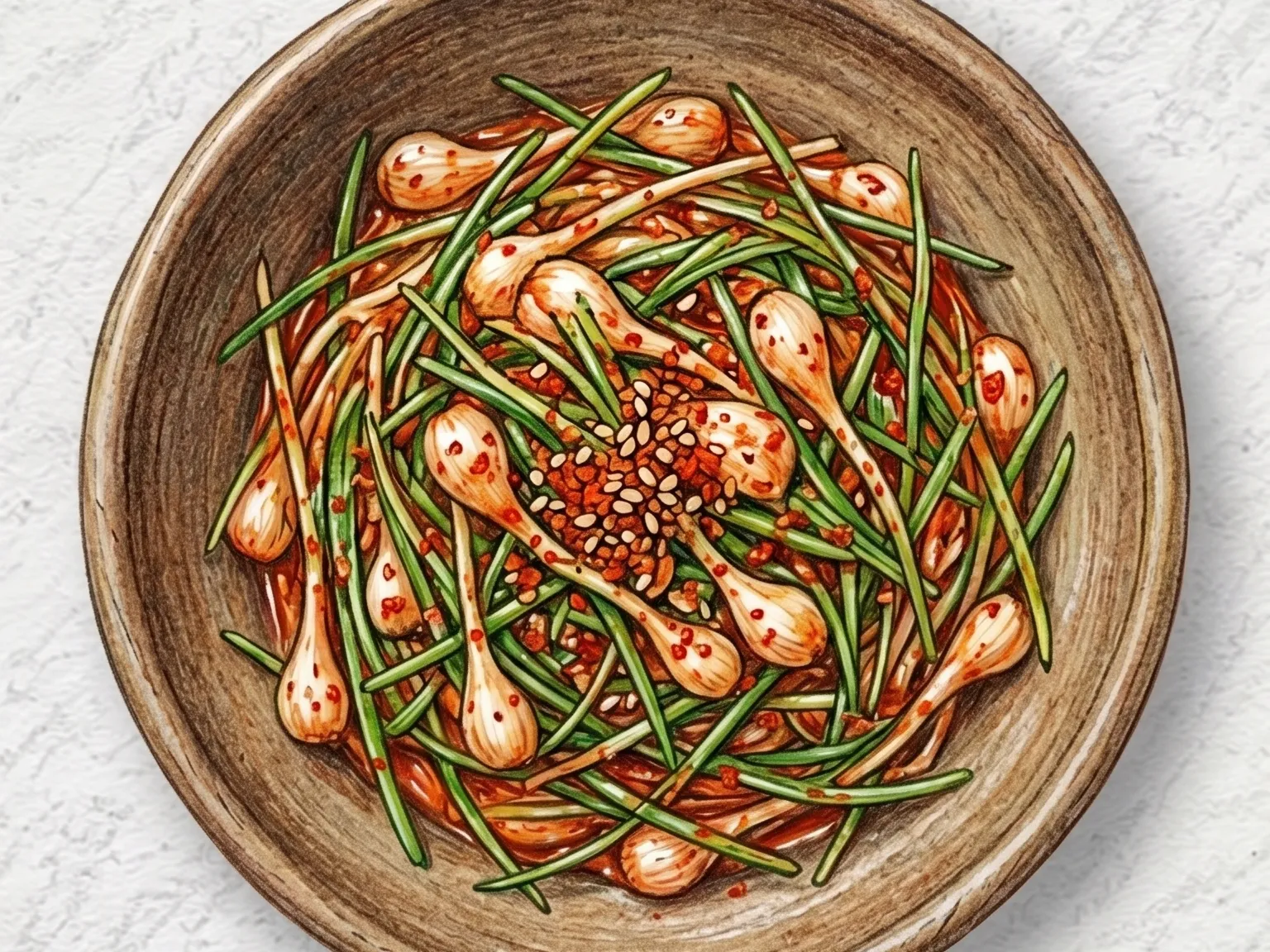
Chwinamul jangajji is a spring soy pickle made from aster greens that are blanched for only ten seconds to soften tough fibers while keeping their mountain-herb fragrance intact. The blanched greens are squeezed thoroughly dry, then packed into a jar with sliced garlic and dried chili before a brine of soy sauce, rice vinegar, and sugar is boiled, cooled to room temperature, and poured over the top. During the two to three days the jar spends refrigerating, the garlic's sharpness and the chili's low heat gradually infuse through every layer of the greens, while the aster's distinctive fresh, faintly bitter aroma meets the soy's umami to produce a finish that is both deep and clean. Once the seasoning distributes evenly, the jangajji can be eaten draped over plain rice or chopped fine and pressed into the center of rice balls as a savory filling.

🍱 Lunchbox
Prep 16minCook 10min4 servings
Dan Dan Mian (Sichuan Spicy Noodles)
NoodlesMedium

Dan Dan Mian (Sichuan Spicy Noodles)

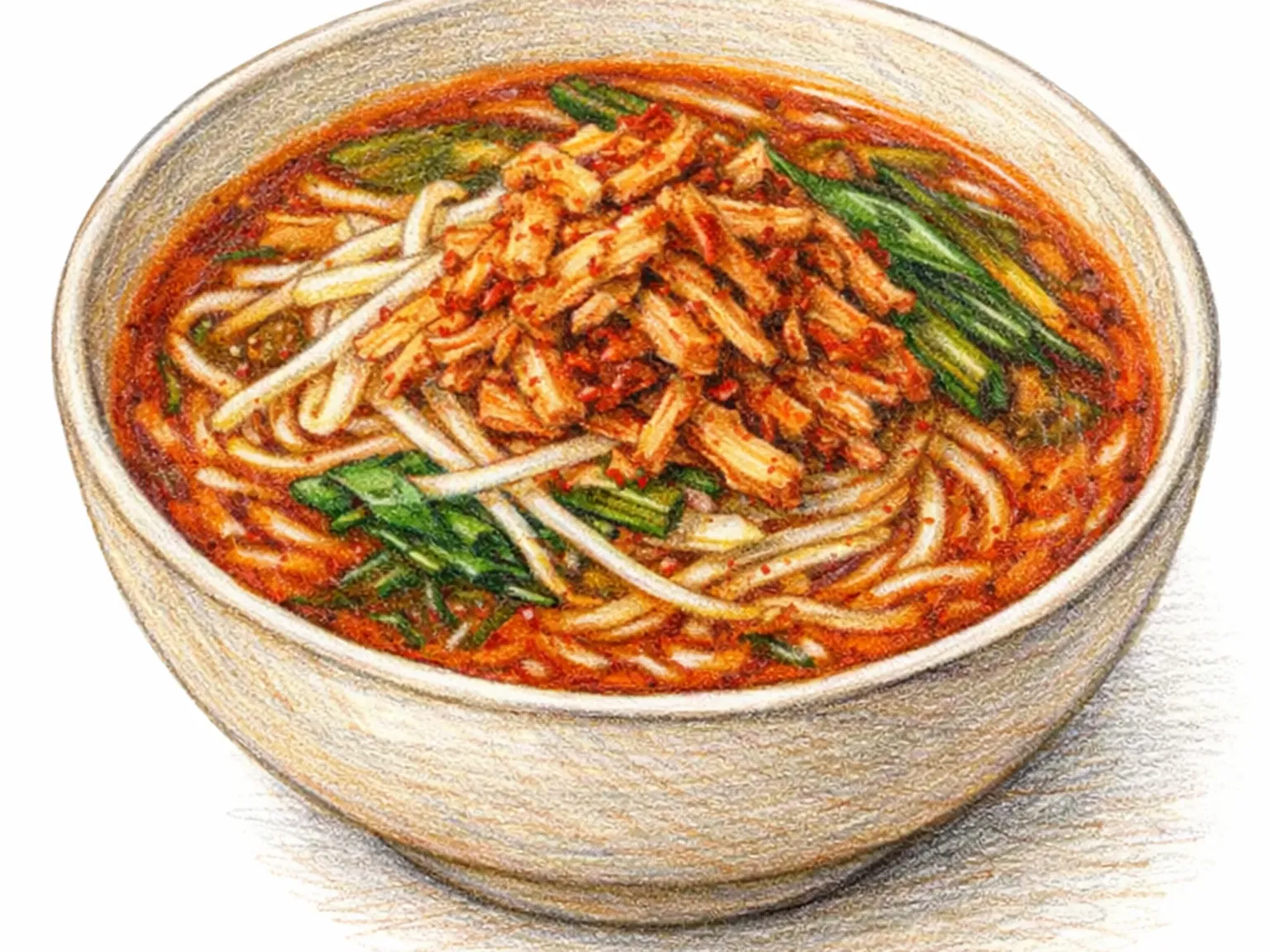
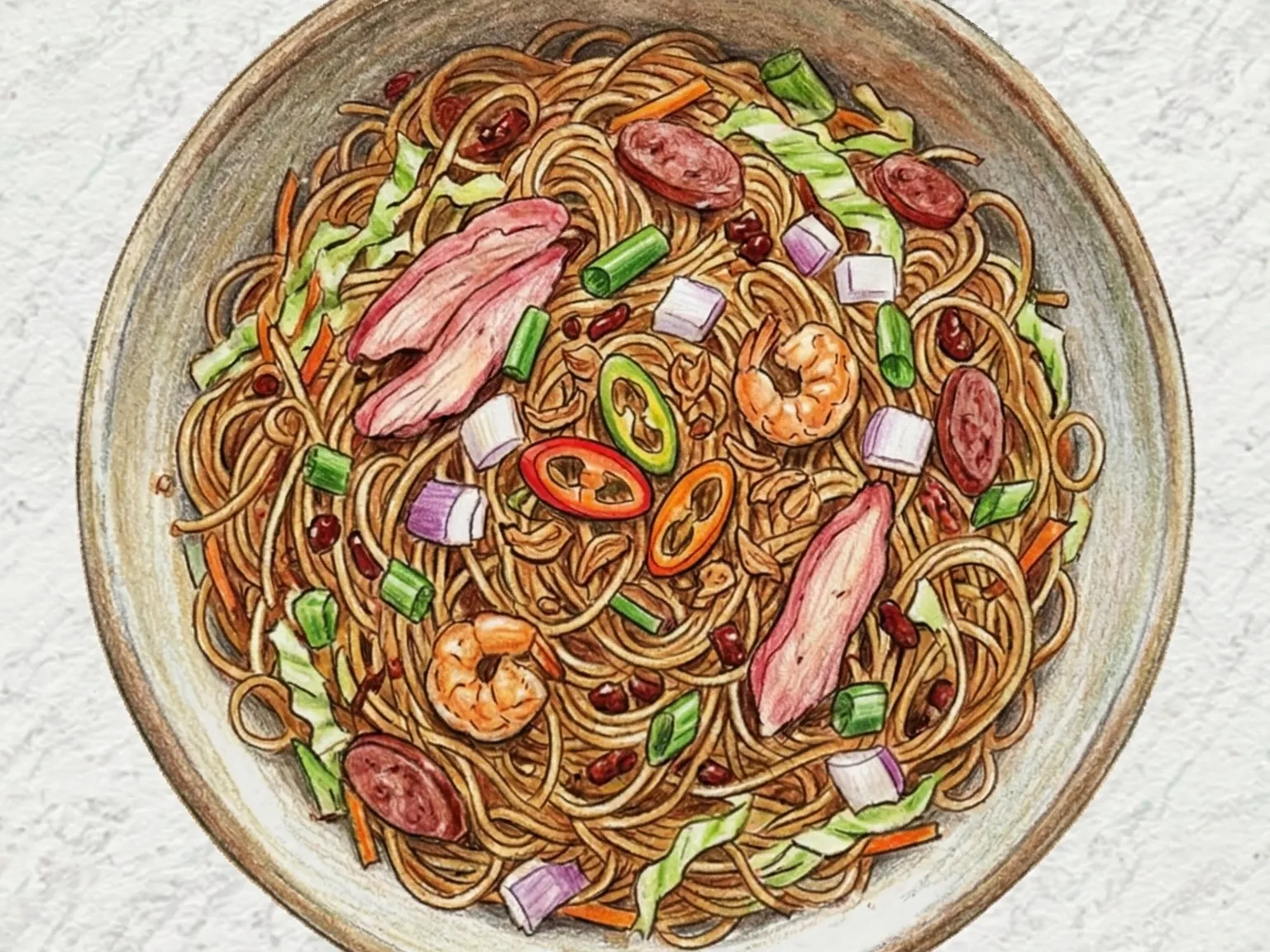
Dan dan mian is a Sichuan noodle dish built on a thick sauce of sesame paste, soy sauce, chili oil, and vinegar, topped with wheat noodles and browned ground pork. Ground Sichuan peppercorn brings a lip-numbing, almost electric sensation that sits underneath the chili oil's direct heat and the sesame paste's deep richness, creating multiple distinct layers in a single mouthful. Browning the pork thoroughly before adding any liquid is essential -- the caramelized crust develops a roasted meatiness that permeates the entire sauce and prevents the dish from tasting flat. Blanched bok choy provides a fresh counterpoint to the oily intensity and keeps the bowl from feeling too heavy. Sichuan peppercorn's numbing effect accumulates quickly, so starting with a small quantity and tasting as you go gives precise control. Draining the cooked noodles completely is equally important; any residual water will thin the sauce and break the coating on the noodles.

🍺 Bar Snacks🎉 Special Occasion
Prep 15minCook 20min2 servings
Chilled Wakame Seaweed Salad
SaladsEasy

Chilled Wakame Seaweed Salad

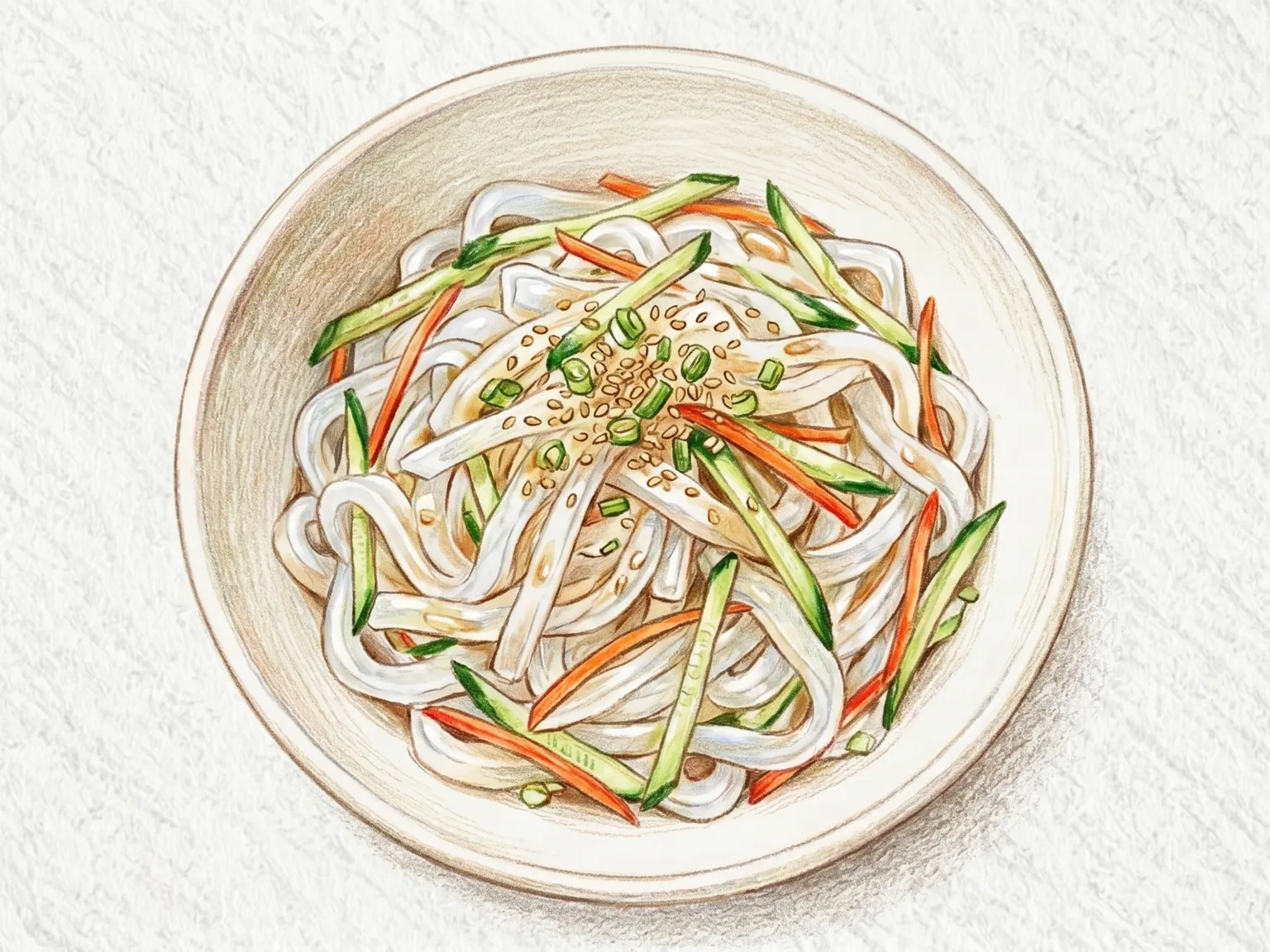
Hiyashi wakame is a chilled Japanese seaweed salad in which dried wakame is rehydrated in cold water, blanched for exactly twenty seconds, then rinsed in cold water and squeezed firmly dry before being tossed with salt-wilted cucumber slices in a soy-vinegar dressing. The twenty-second blanch is the most technically precise step in the recipe: less time leaves the wakame insufficiently tender, while more than twenty seconds tips it toward rubbery toughness or mushiness depending on how long it continues on the heat. Wakame blanched for exactly this duration holds a smooth, springy texture that takes the dressing evenly across its surface. The dressing combines soy sauce, rice vinegar, sugar, and sesame oil into a balance of salty umami and sharp acidity that amplifies the seaweed's natural oceanic fragrance rather than competing with it. Salting the cucumber for five minutes and pressing out the liquid before adding it is a non-optional step; skipping it causes the cucumber's released water to dilute the dressing and wash out its flavor. A generous finish of toasted sesame seeds adds a warm, nutty aroma that sits as a counterpoint over the cold, clean textures of the wakame and cucumber.

🥗 Light & Healthy🍱 Lunchbox
Prep 15minCook 2min2 servings
Bo Luc Lac (Vietnamese Shaking Beef Sirloin Wok Stir-Fry)
AsianMedium

Bo Luc Lac (Vietnamese Shaking Beef Sirloin Wok Stir-Fry)

Bo luc lac takes its name from the shaking motion that defines how the dish is cooked. Cubed beef tenderloin or sirloin, marinated in soy sauce, oyster sauce, garlic, and sugar, goes into a wok heated to the point of smoking. The cook shakes the wok vigorously to toss the cubes through the oil, searing each face in seconds while the tossing motion keeps steam from building up and stewing the meat. The result is a dark, caramelized crust on the outside while the center stays pink and rare. The dish emerged from Vietnamese-French fusion cooking in colonial Saigon, when Western beef cuts became available and Vietnamese cooks applied their own techniques to them. The beef is plated over watercress dressed with lime juice and cracked black pepper; the sharpness of the watercress and the acidity of the lime cut through the rich, soy-glazed exterior. A dipping sauce of salt, pepper, and lime juice accompanies the plate. The contrast between the charred, deeply savory meat and the cool raw greens beneath has kept this one of Saigon's most recognizable dishes for decades.

🎉 Special Occasion
Prep 25minCook 10min2 servings
Korean Seasoned Chamnamul Greens
Side dishesEasy

Korean Seasoned Chamnamul Greens

Chamnamul - Korean pimpinella - grows wild in mountain valleys across central Korea and has been foraged since the Goryeo period. The leaves carry a celery-like fragrance layered with a faint, peppery finish that is unlike any other spring green. Blanched for under a minute to keep the stems crisp, the greens are cut to 5 cm lengths and tossed with soy sauce, sesame oil, and garlic. The thicker stems hold a slight crunch while thinner leaves soften just enough to take on the seasoning. Very young leaves are sometimes served raw without blanching. A spring-only banchan that is unavailable the rest of the year.

🏠 Everyday🍱 Lunchbox
Prep 10minCook 3min4 servings
Korean Cheesy Dakgalbi Rice Bowl
RiceEasy

Korean Cheesy Dakgalbi Rice Bowl

Cheese dakgalbi deopbap is a rice bowl built on the flavors of Chuncheon-style spicy chicken stir-fry, finished with a blanket of melted mozzarella. Chicken thighs are marinated in gochujang, gochugaru, soy sauce, and sugar for at least thirty minutes, then stir-fried in a ripping-hot pan with rough-cut cabbage and onion until the sauce reduces and coats every surface. The heat must be high enough to evaporate moisture quickly; if the pan is too cool, the ingredients steam and the sauce turns thin. Thigh meat stays moist throughout cooking because of its higher fat content, making it far more forgiving than breast meat in a fast stir-fry. Cabbage cooked at high heat for a short time keeps enough crunch to stand against the richness of the cheese and sauce. Mozzarella laid over the top melts in the residual heat into long, stretchy strands that soften the chili sharpness with every bite. The whole dish comes together in under fifteen minutes with pantry staples, which makes it a natural choice for a quick solo dinner or late-night meal.

🏠 Everyday
Prep 15minCook 18min2 servings
Korean Soy Bulgogi with Mushrooms
Stir-fryEasy

Korean Soy Bulgogi with Mushrooms

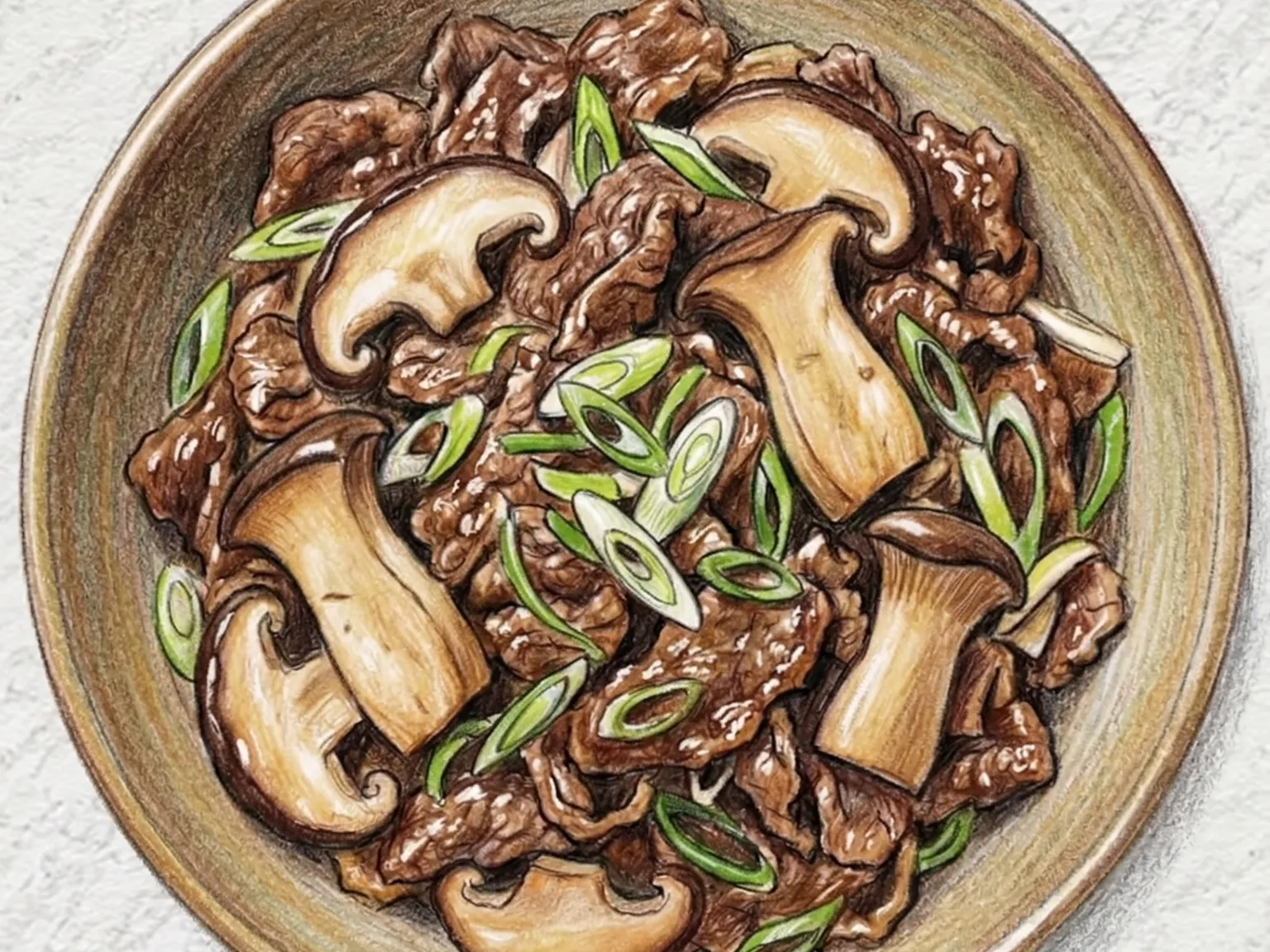
Thinly sliced beef is marinated in soy sauce, Korean pear juice, and sesame oil, then stir-fried over high heat together with shiitake and king oyster mushrooms. Pear juice acts as a natural tenderizer: its enzymes break down muscle proteins so each slice pulls apart along the grain instead of resisting the tooth, and its fructose tempers the salt of the soy sauce into a balanced sweet-salty base. The two mushroom varieties are not interchangeable in role - shiitake brings a firm, chewy bite while king oyster delivers a thick, clean meatiness that holds its shape through the heat. Crowding the pan is the single most common mistake: when too much goes in at once, the temperature drops and the ingredients steam rather than sear, resulting in gray, soft pieces instead of the glazed, caramelized coating the dish depends on. Work in small batches over sustained high heat so the marinade reduces against the hot pan surface. Green onion added in the final minute retains its sharp, fresh character and cuts through the sweet richness, providing the finishing contrast the dish needs.

🏠 Everyday🌙 Late Night
Prep 18minCook 12min4 servings
Korean Skewered Fish Cake Soup
Street foodEasy

Korean Skewered Fish Cake Soup

Eomuk-kkochi starts with flat fish cake sheets folded into zigzag shapes on skewers, which then simmer in a clear broth made from Korean radish, kelp, and green onion. The broth draws umami from the radish and kelp and transfers that depth into the fish cakes as they cook. The fish cakes soften from their original firm bounce as they absorb the broth, while the liquid itself thickens slightly from the starch the eomuk releases. Serving a dipping sauce of soy or gochujang alongside each skewer adds another dimension of flavor at the table. This is one of Korea's most iconic winter street foods, served at pojangmacha stalls where the hot broth gets ladled into paper cups for sipping between bites.

🧒 Kid-Friendly
Prep 10minCook 20min2 servings