Korean Grilled Spicy Chicken Ribs
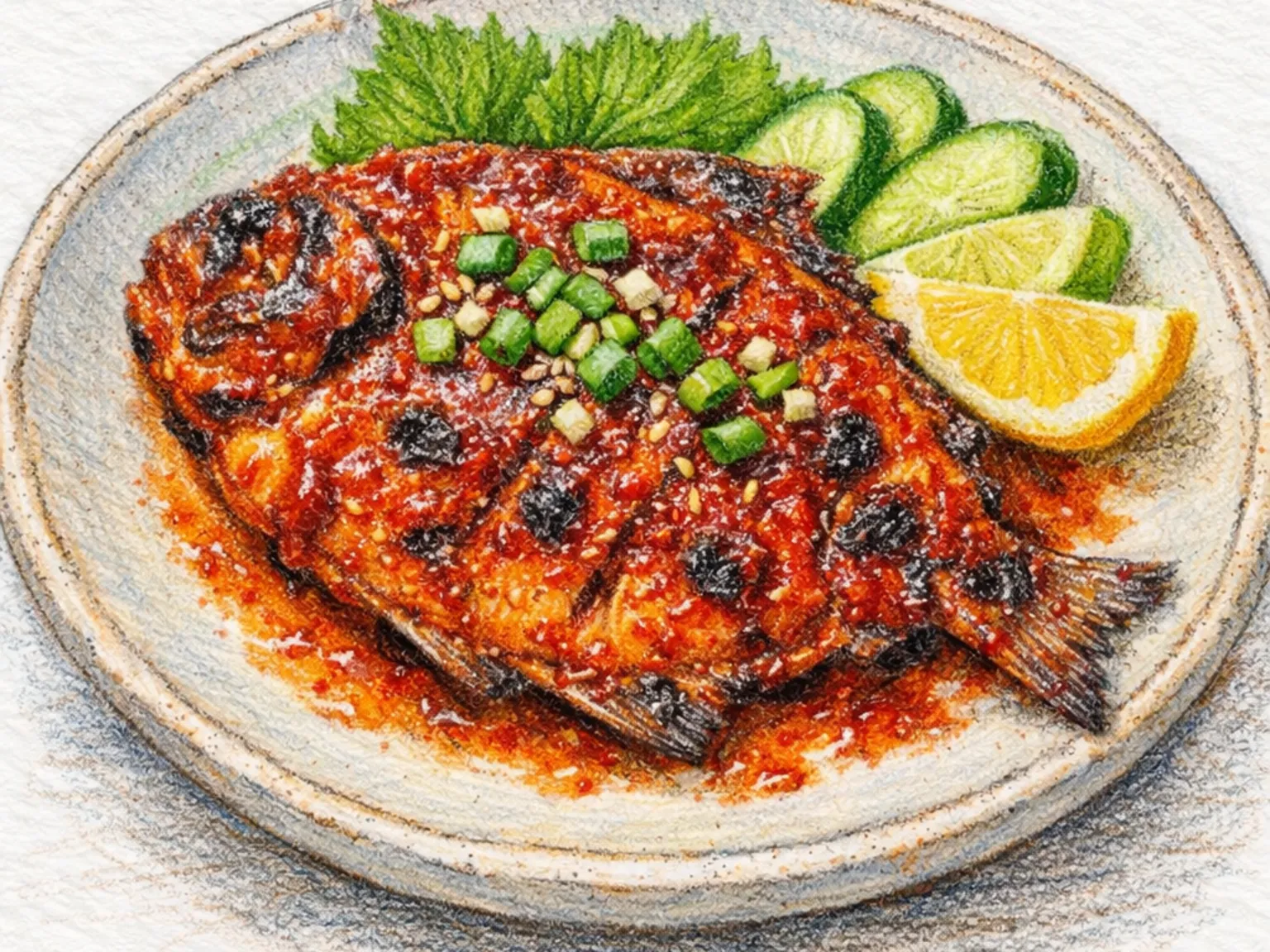
Dakgalbi-gui is the original Chuncheon-style grilled chicken dish, where bone-in thigh and leg pieces marinate in a crimson paste of gochujang, soy sauce, sugar, garlic, sesame oil, and ginger before cooking directly over an open flame or on a very hot pan. Unlike the more widely known iron-plate dakgalbi stir-fried with vegetables, this grilled version focuses solely on the meat to maximize char and smoky flavor on the surface. Deboned thigh meat spread flat exposes more surface area to both the marinade and the heat, concentrating flavor throughout, and a minimum two-hour rest in the marinade ensures the spice penetrates deep into the flesh. The gochujang caramelizes at high temperatures, forming edges that are simultaneously spicy, sweet, and faintly bitter from the char.

Korean Steamed Pomfret (Whole Fish with Soy Ginger Sauce)
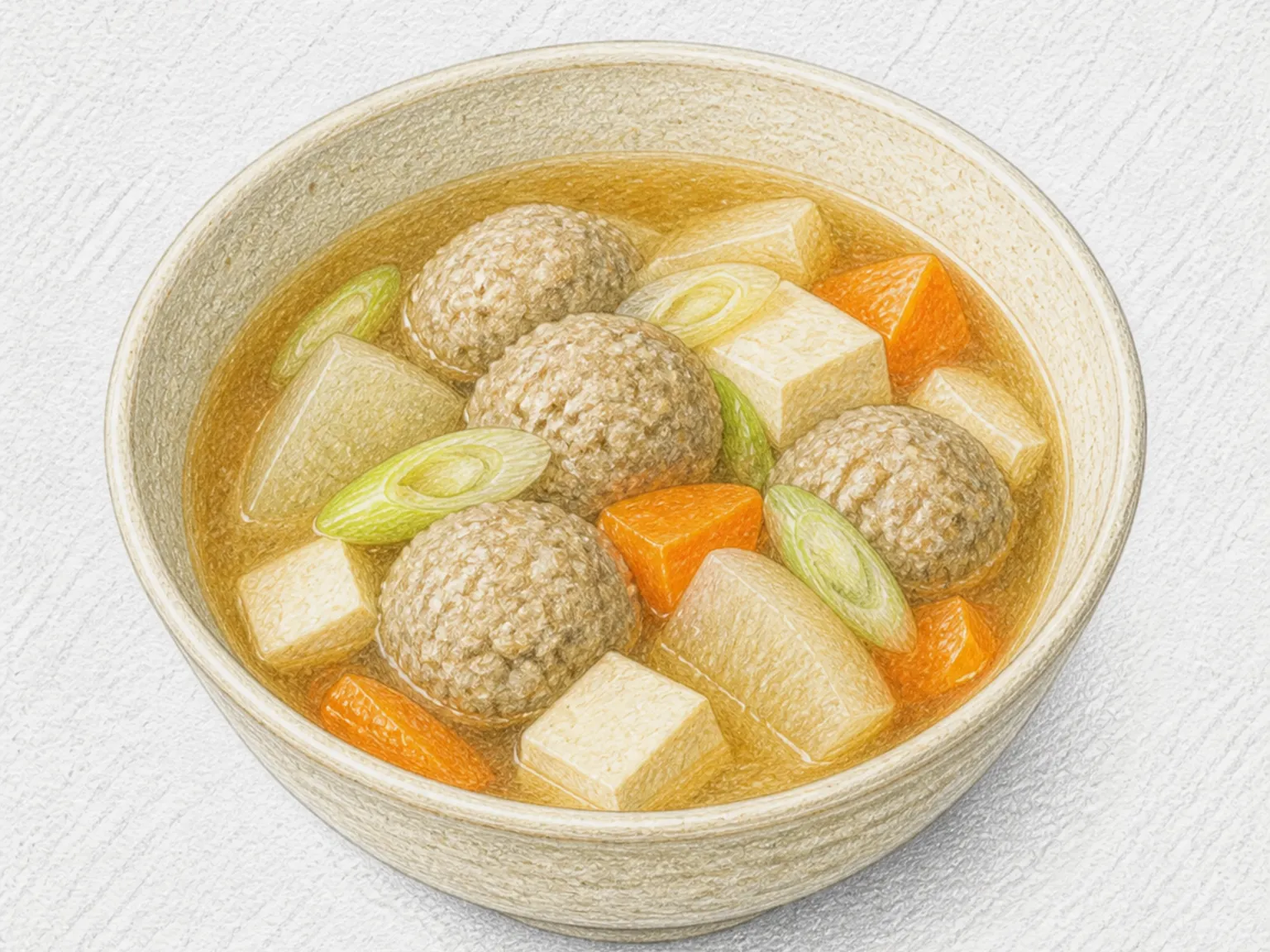
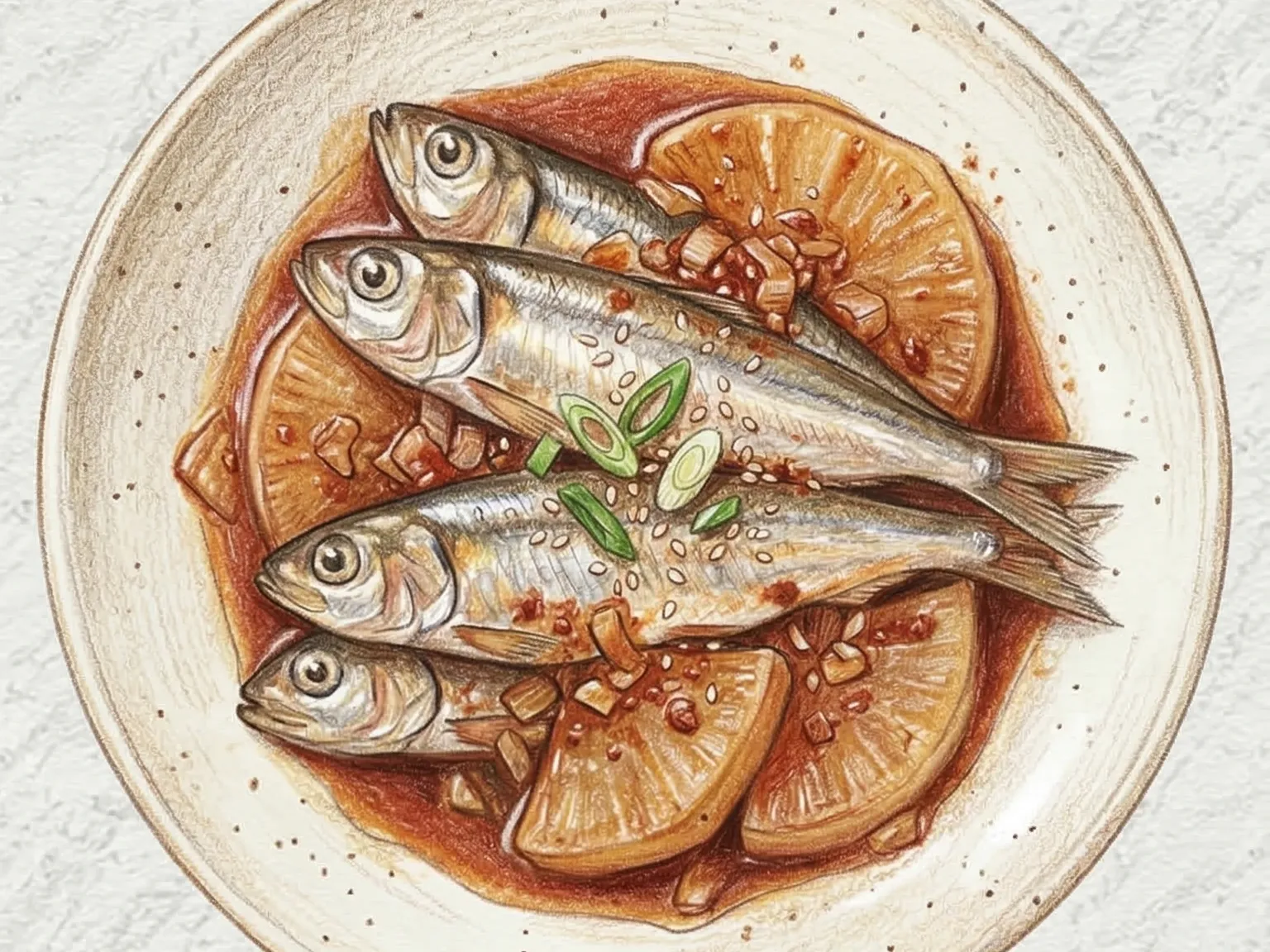
Whole pomfret is gently steamed with soy sauce, rice wine, ginger, and green onion into a clean, mild preparation. Pomfret has thin, delicate flesh that separates from the bone with little effort after steaming, making it easy to eat. Ginger and green onion together neutralize any fishiness while the soy sauce provides subtle salt and a light color. A thin drizzle of sesame oil at the end adds a toasted, nutty aroma without masking the fish. The result is a non-spicy, low-fat dish that works well for a wide range of diners.

Korean Pickled Green Onion
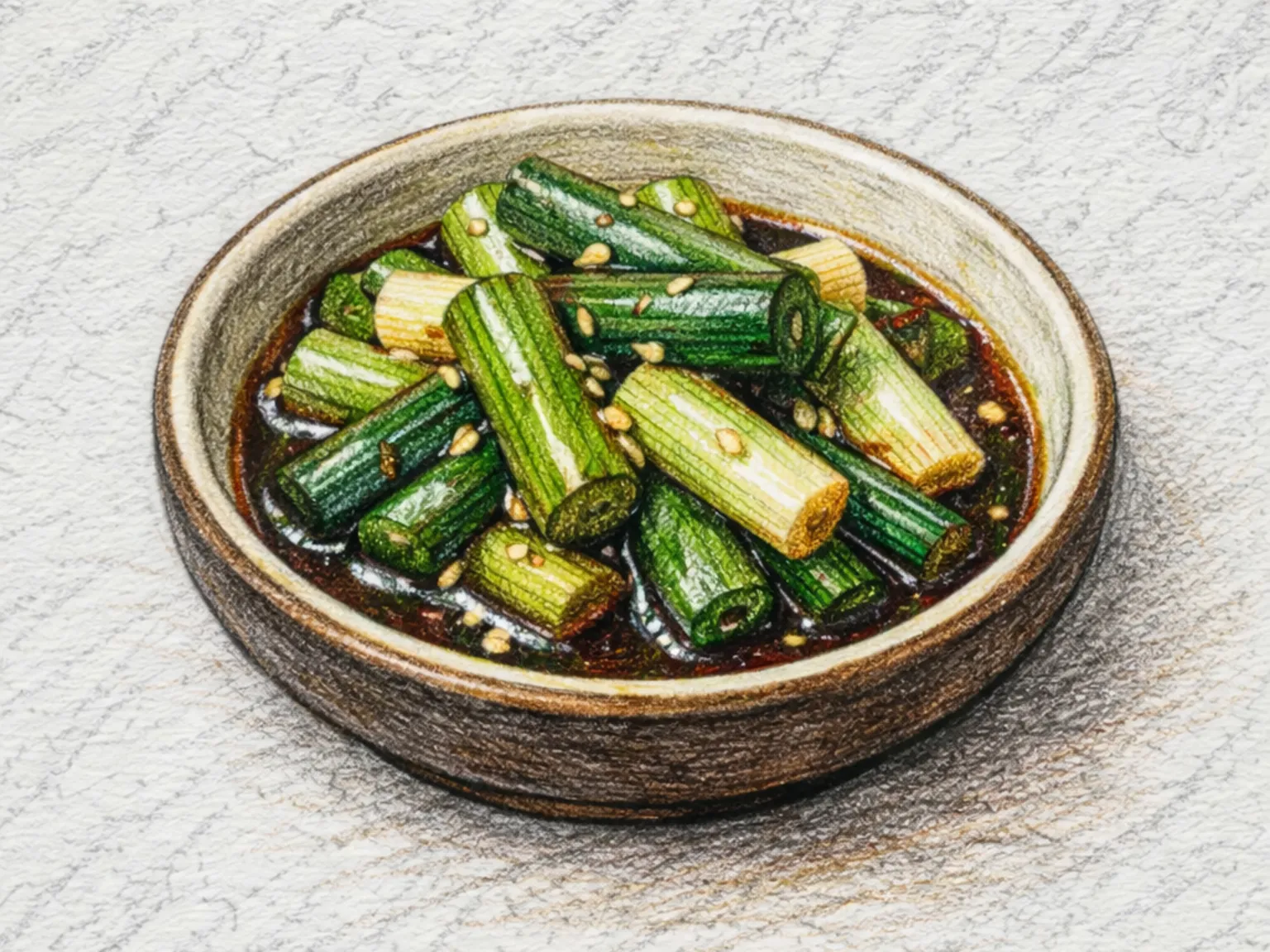
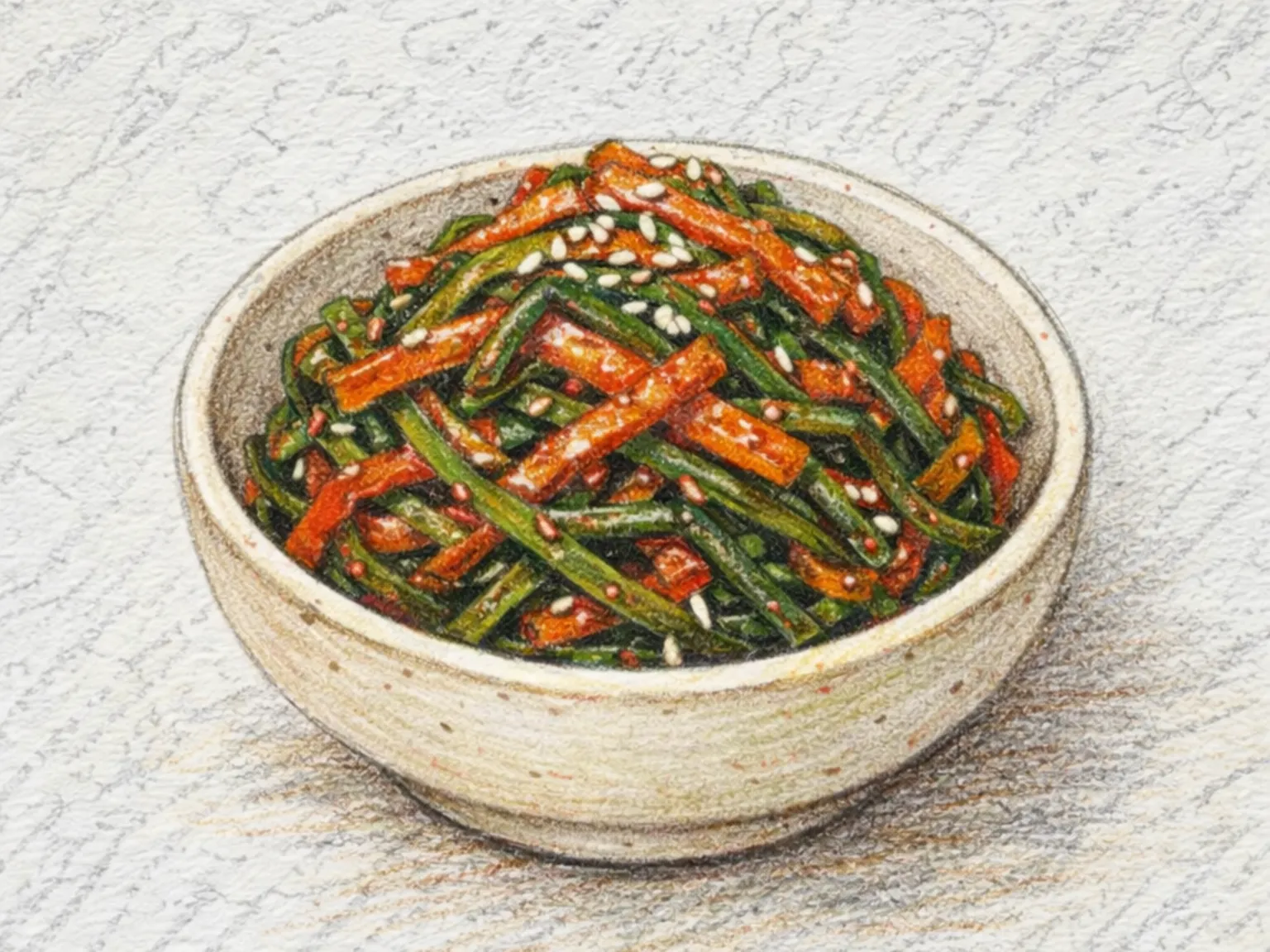
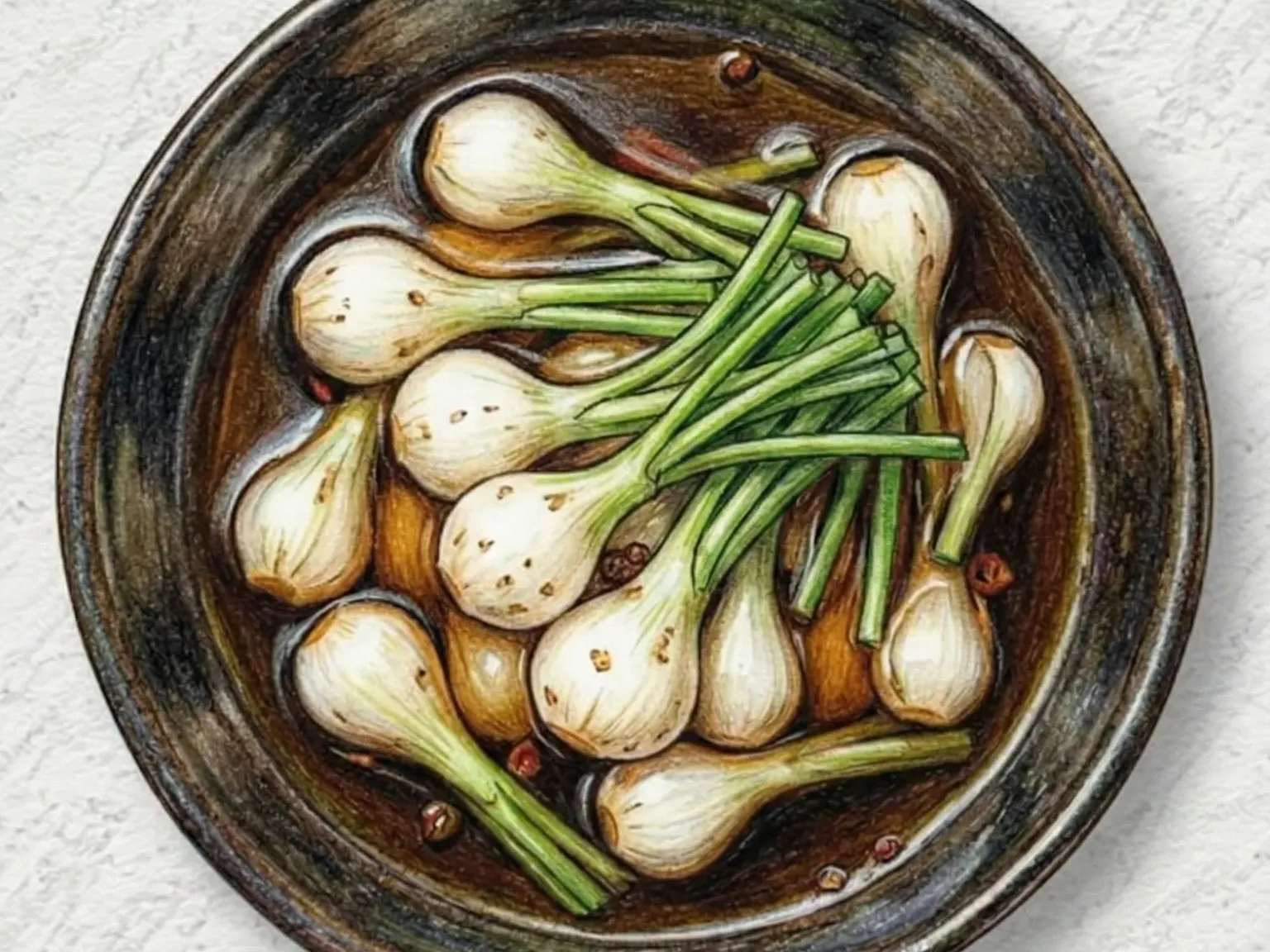
Daepa jangajji is a quick Korean pickle made by cutting large green onions into five-centimeter lengths and submerging them in a cooled brine of soy sauce, vinegar, and sugar with garlic and dried chili. Using primarily the white portions yields a firmer, crisper result, and the brine must be cooled thoroughly before pouring to prevent the onions from wilting prematurely. The soy and vinegar together pull back the raw sharpness of the green onion while leaving its aromatic depth intact. Two days of refrigeration allow the seasoning to penetrate evenly throughout each piece. The result is a sharp, savory condiment that cuts through the fat of grilled pork belly or other rich meats, and its simple ingredient list makes it one of the most practical quick-pickles to keep on hand.

Korean Chili Oil Seafood Soy Bibim Noodles
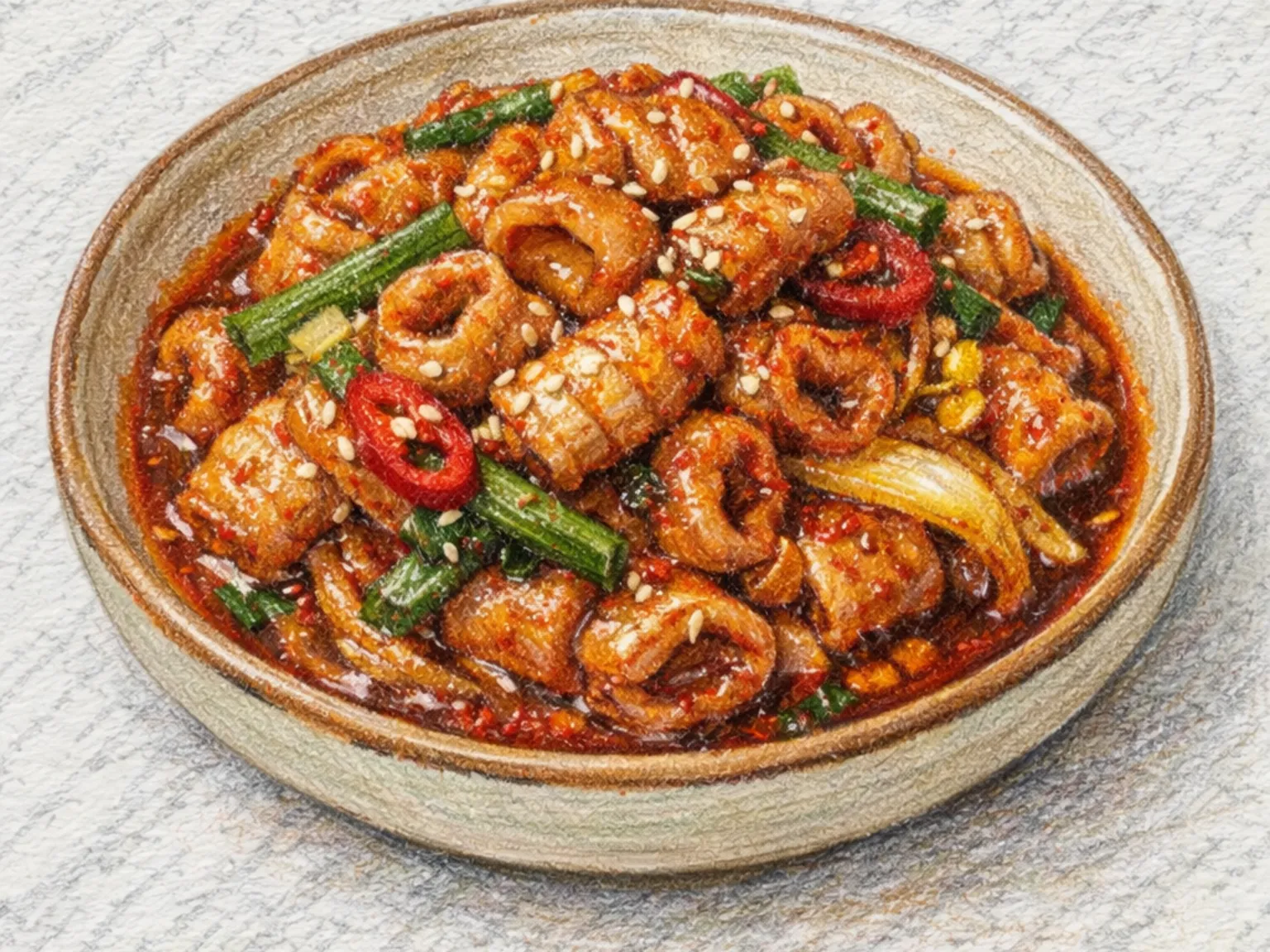
Gochu gireum haemul ganjang bibim myeon is a Korean mixed noodle dish where boiled noodles are tossed with shrimp, squid, and a sauce of homemade chili oil, soy sauce, and oyster sauce. Making the chili oil from scratch by pouring hot oil over dried chilies draws out a fragrant, rounded heat with a freshness that store-bought oil lacks. The seafood must be stir-fried quickly over high heat to keep the shrimp bouncy and the squid tender rather than rubbery - any hesitation on the heat results in tough, overcooked shellfish. Oyster sauce bridges the marine flavor of the seafood with the soy base, pushing the dish toward umami depth rather than straight saltiness. Sesame seeds and scallions finish everything with a nutty aroma and a clean green note. The noodles, seafood, and sauce must all be tossed together in one confident motion so that the chili oil coats every ingredient evenly. Avoid overcooking the noodles; they should be slightly firm since they will soften further during tossing.

Kimbap Salad Bowl (Without the rice)
Kimbap salad bowl strips away the rice and seaweed wrapper from a traditional kimbap roll and presents its core fillings as a deconstructed salad. Blanched spinach, julienned carrot, pickled radish, and thin egg strips are arranged in a bowl and dressed with soy sauce and sesame oil, the same combination that seasons a finished roll. The dressing replicates the savory, nutty quality of kimbap without the rice bulk, and pickled radish brings enough acidity and salt to balance the entire bowl without additional seasoning. Dried seaweed flakes must be added at the last moment before eating; any earlier and they absorb moisture and lose their snap and sea aroma. The bowl delivers a recognizable kimbap experience for anyone managing carbohydrate intake, and its components can be assembled from ingredients prepared in advance, making it a practical weekday lunchbox option.

Buta Shogayaki (Japanese Ginger Pork Stir-Fry with Soy Mirin Glaze)
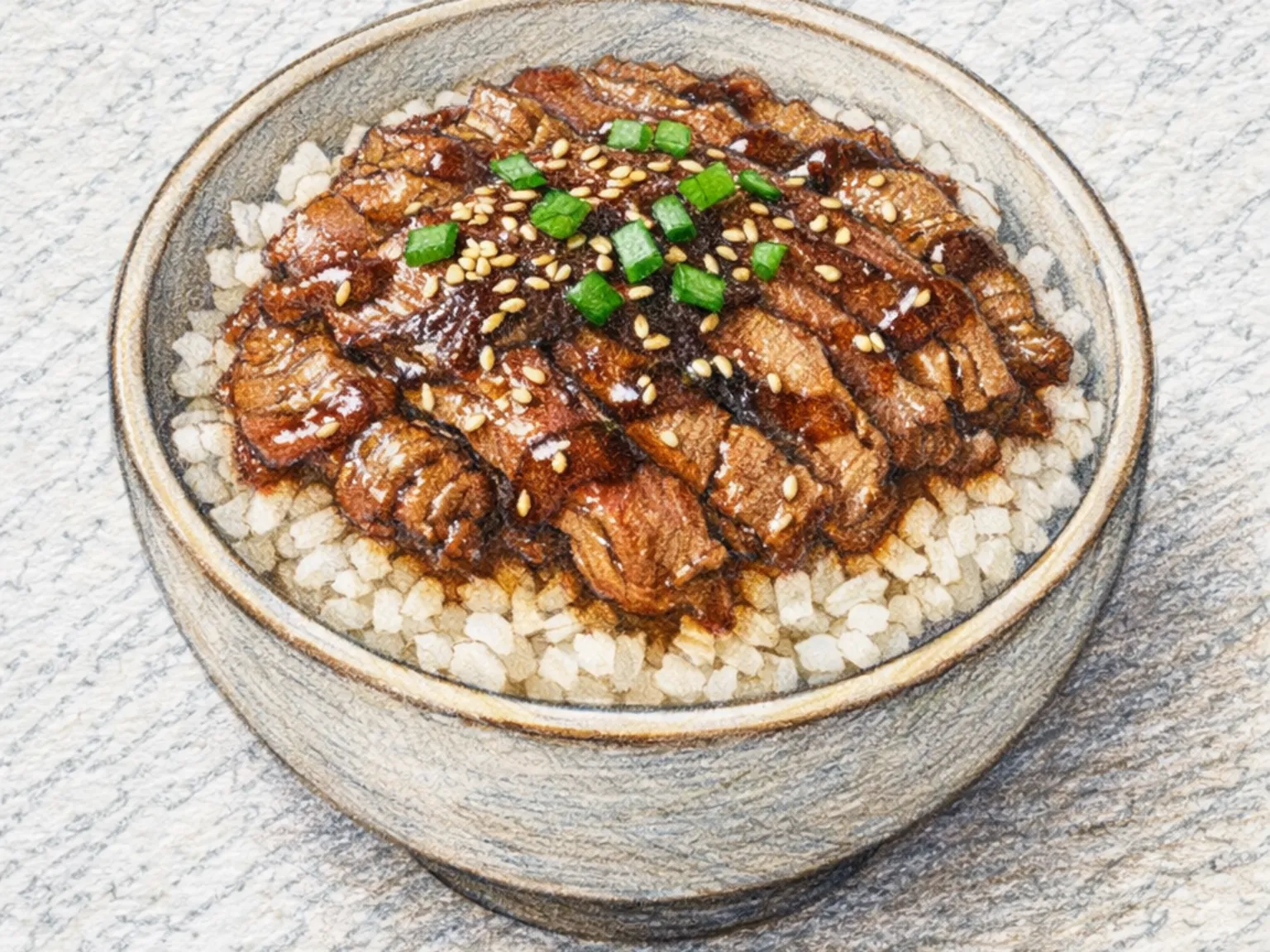
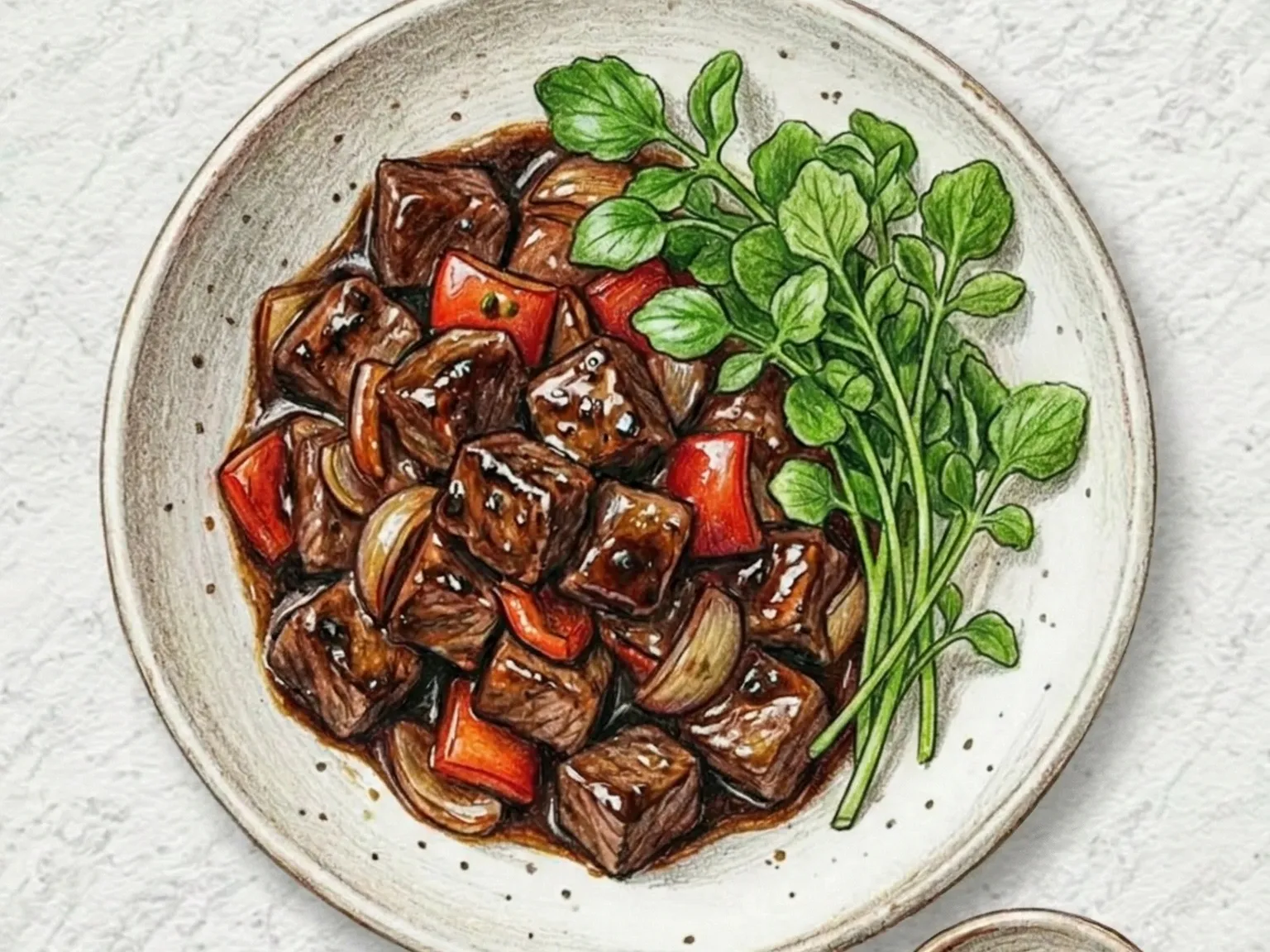
Buta shogayaki is one of the most frequently cooked dishes in Japanese home kitchens, appearing in bento boxes, teishoku set meals, and university cafeterias with equal regularity. The name translates directly as pork ginger stir-fry, and the technique is as precise as it is simple: thinly sliced pork loin or shoulder is marinated briefly in a mixture of soy sauce, mirin, sake, and freshly grated ginger, then seared quickly in a hot pan and finished with a reduction of the marinade. The ginger does more than add flavor -- it contains proteolytic enzymes that break down muscle fibers, measurably tenderizing the meat even in a marinade as short as ten minutes. The slices must not overlap in the pan; piling them causes steam to accumulate and the pork poaches rather than sears, losing the caramelized, slightly charred edges that define the dish. The marinade is added only in the final thirty seconds so it reduces rapidly into a sticky, glossy glaze that adheres to every surface rather than pooling at the bottom of the pan. Placing the finished pork over a mound of shredded raw cabbage is not optional in traditional presentation -- the cold, crunchy vegetable contrasts sharply with the hot, lacquered meat and cuts through the sweetness of the mirin glaze. Shogayaki has been a menu fixture since the mid-20th century, when rising pork production in Japan made it affordable enough for everyday cooking. From pantry to plate in fifteen minutes, it demands nothing more than a hot pan, fresh ginger, and attention to heat control.

Korean Seasoned Green Seaweed
Cheonggak is a branching green seaweed harvested from the tidal flats of Korea's southern coast, recognizable by its dense, tree-like fronds and a sharp, concentrated oceanic smell. Blanching it in boiling water for exactly ten seconds brightens the color to a vivid green and preserves the cartilage-like crunch that defines the texture. Even a few seconds beyond that and the seaweed begins to collapse, so a timer is worth setting. After blanching, it is rinsed in cold water, squeezed firmly to remove moisture, and cut to finger lengths. The dressing uses vinegar as its leading ingredient alongside soy sauce, gochugaru, minced garlic, and sugar - the acidity of the vinegar dispels the sharp brininess of the seaweed and gives the finished dish a clean, refreshing quality. The seasoned cheonggak must be served immediately; within a few hours the seaweed releases liquid and the texture deteriorates beyond recovery. It appears in coastal markets across Jeollanam-do from midwinter through early spring and is absent from shelves the rest of the year.

Korean Spicy Dakgalbi Rice Bowl
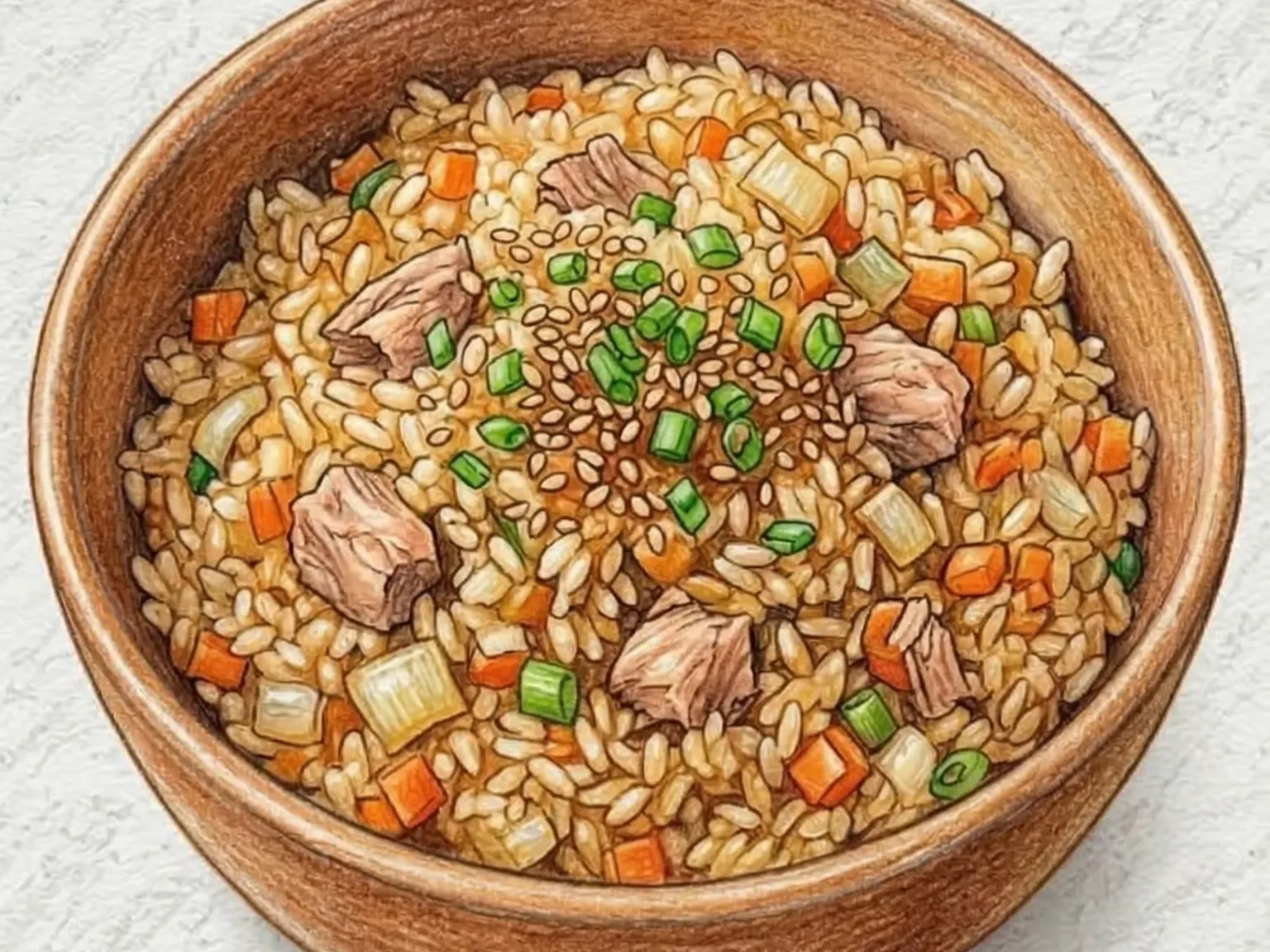
Dakgalbi deopbap serves the core flavors of Chuncheon's famous spicy chicken in a single rice bowl. Boneless chicken thigh is stir-fried alongside cabbage, onion, and green onion in a gochujang-based marinade balanced with sugar and a splash of soy sauce. The chicken is cooked over high heat throughout -- this creates a caramelized crust on the meat's surface and keeps the vegetables at a slight crunch rather than softening them completely. Sesame oil is added off the heat as a final step, contributing a toasty fragrance that rounds out the bold seasoning without overpowering it. At traditional dakgalbi restaurants in Chuncheon, the meal ends with fried rice made by mixing cooked rice directly into the residual sauce left on the hot iron plate -- this bowl captures that same moment in a format that can be made at home without a cast-iron griddle. The dish requires no banchan; the seasoned protein and vegetables together with the rice form a self-contained meal.

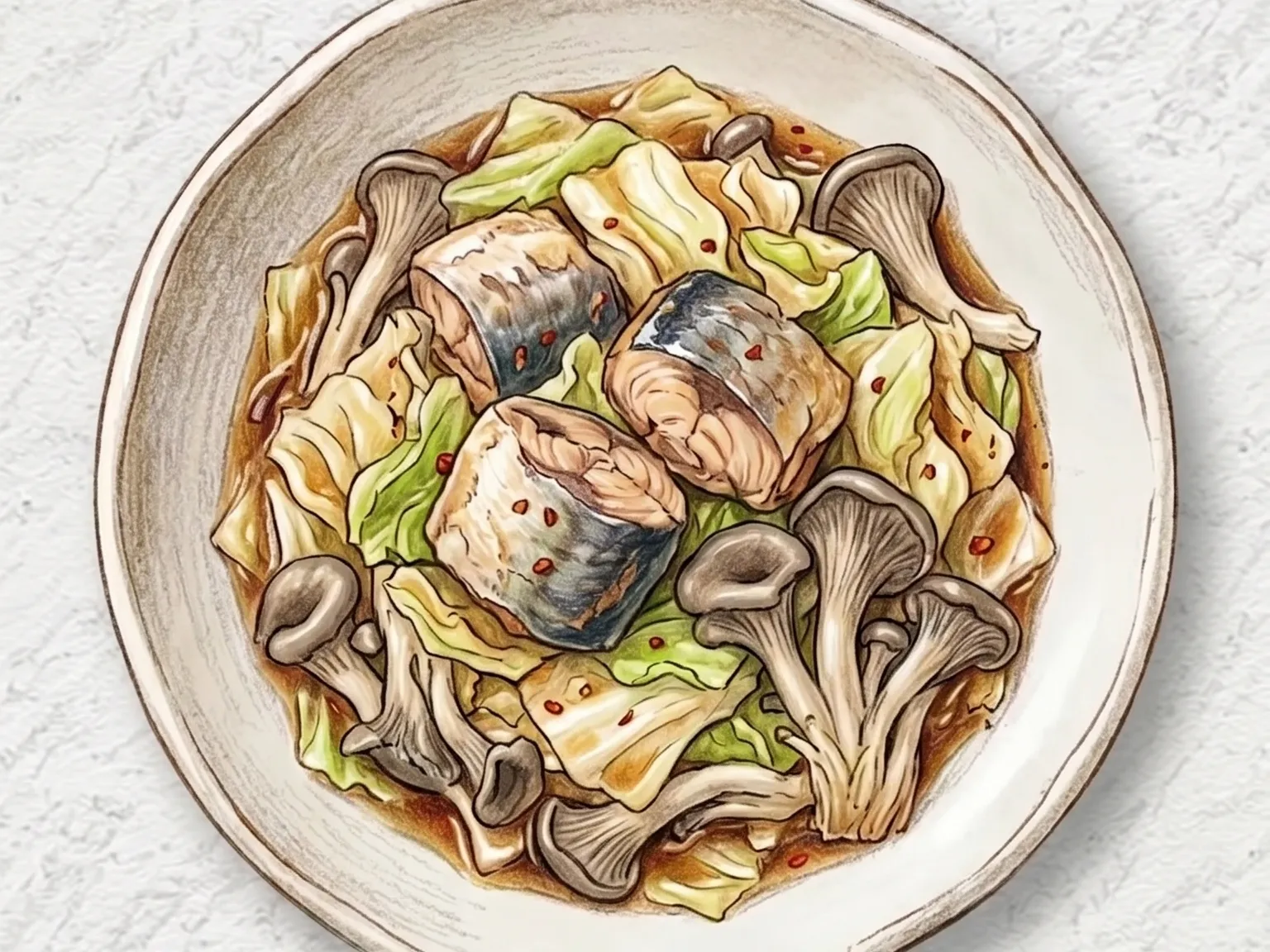
Korean Mushroom and Saury Soy Stir-fry
Beoseot kkongchi ganjang bokkeum is a stir-fry built on drained canned saury, oyster mushrooms, and cabbage seasoned with soy sauce, chili flakes, and sugar. Because the canned fish is already fully cooked and its bones have softened through the canning process, the saury only needs to be added in the final stage and folded in gently; stirring too aggressively breaks the flesh into flakes that lose all textural interest. Moisture released from the oyster mushrooms as they cook combines with the soy sauce base to form a light, natural sauce without any added water. The cabbage contributes a steady sweetness that tempers the concentrated fish umami and prevents the seasoning from reading as too heavy. A small squeeze of lemon juice at the very end of cooking lifts the entire dish, neutralizing any residual fishiness and brightening the overall profile. The whole recipe is built around a single pantry can of canned saury, requires less than fifteen minutes from start to finish, and delivers substantial protein at minimal cost.

Korean Gaji Twigim Bites (Crispy Eggplant Bites)
Gaji-twigim-bites cuts eggplant into bite-sized pieces and fries them in a cold batter made with sparkling water. The carbonation in the batter creates air pockets within the coating as it hits the hot oil, producing a crust that is notably lighter and crisper than one made with plain water. The eggplant's high moisture content means the interior steams gently within the crust, turning silky soft without collapsing. The batter should be mixed just before frying and kept cold throughout -- allowing it to sit and warm up causes the bubbles to dissipate and the coating to turn dense. A small addition of gochugaru to the frying mix gives the crust a subtle, even heat that offsets the eggplant's natural mildness and the richness of the frying oil. The purple skin of the eggplant remains partially visible through the golden coating after frying, making these bites visually distinctive from standard vegetable tempura. A dipping sauce of soy sauce and a few drops of sesame oil pairs cleanly with the lightly seasoned batter.

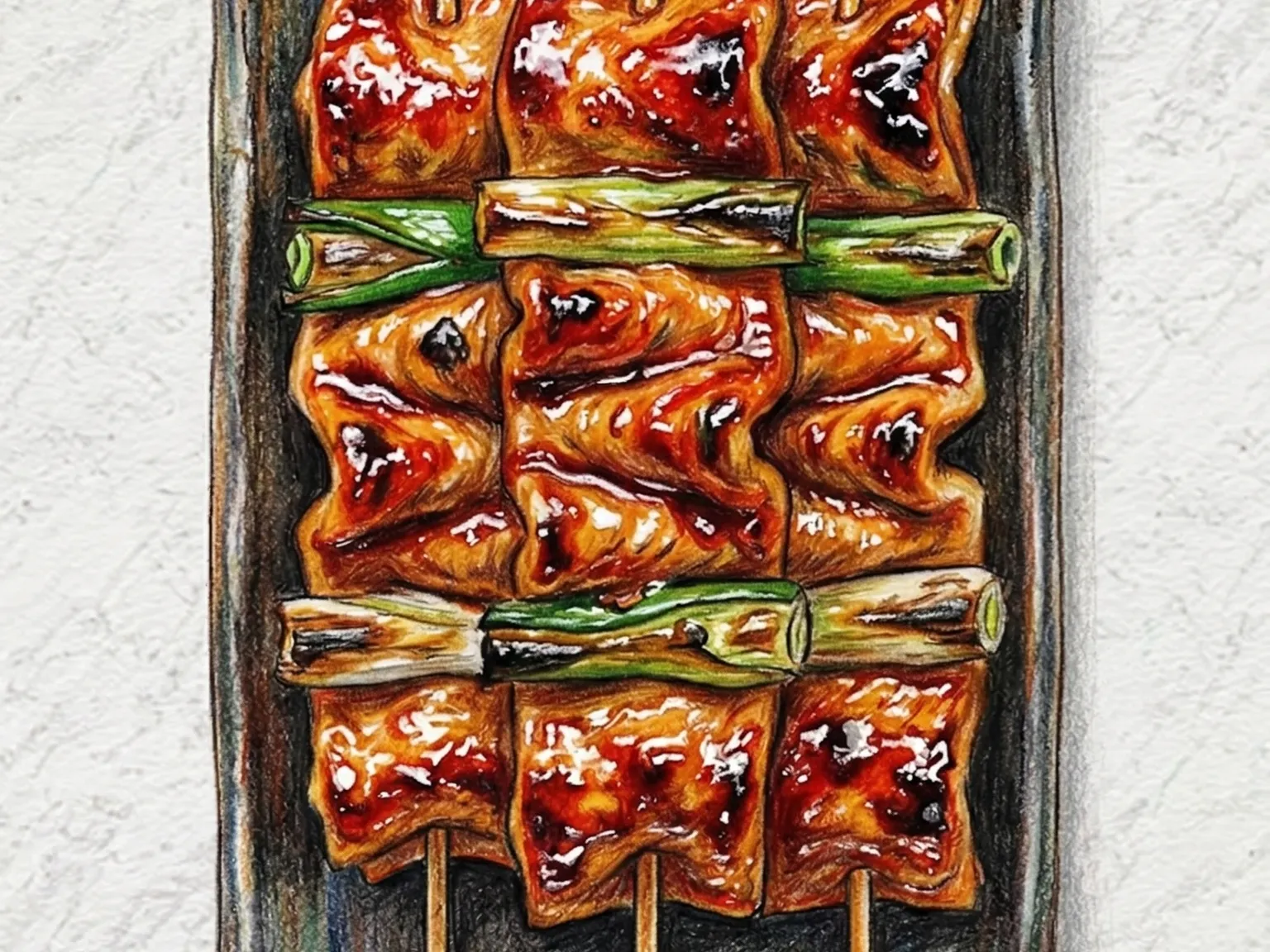
Korean Aralia Shoot Pork Belly Skewers
Dureup-samgyeop-kkochi-gui is a Korean spring skewer in which blanched aralia shoots (dureup) are wrapped in thin slices of pork belly, threaded onto skewers, glazed with a gochujang-based sauce, and grilled. The aralia shoots must be blanched in lightly salted boiling water for no more than thirty seconds. Longer blanching destroys the firm, slightly snappy bite and drives off the volatile aromatic compounds responsible for dureup's characteristic bitter-herbal fragrance -- the defining quality that makes this a spring seasonal dish. After blanching, the shoots should be thoroughly blotted dry so the pork belly adheres cleanly without slipping. The glaze is made from gochujang, soy sauce, maesil-cheong (plum extract syrup), minced garlic, and sesame oil, and it should be applied in two stages -- once before grilling and once partway through -- to build up a layered, intensely flavored coating. Over the grill, the fat in the pork belly renders and bastes the dureup inside the wrap, while the shoot's clean, slightly astringent bitterness cuts through the pork's richness in a pairing that is complementary rather than competing. The plum extract in the glaze caramelizes under direct heat into a sticky, sweet-tart lacquer, and a finishing scatter of whole sesame seeds adds both visual contrast and a toasted, nutty close. The dish works equally well as a drinking snack or as a main banchan.

Korean Steamed Beef Brisket and Bean Sprouts
Thin-sliced marbled beef brisket is layered over bean sprouts and steamed with a dressing of soy sauce, minced garlic, sugar, and sesame oil. As the brisket cooks, the fat renders and drips down onto the sprouts, coating them with beefy richness that no separate sauce could replicate. The bean sprouts hold their crunch under the steam, and sliced onion and chive soften into the mix, adding mild sweetness and fragrance. Lightly sweetened soy sauce keeps the seasoning clean rather than heavy. The dish has a short ingredient list and a fast cook time, but the quality of the brisket - specifically how well it renders - determines the outcome.

Korean Wild Chive Pickle (Spring Chive Soy Brine)
Dallae jangajji is a seasonal Korean pickle made by submerging spring wild chives in a brine of soy sauce, vinegar, and sugar alongside sliced Cheongyang chili and sesame seeds. Cleaning the soil from the bulb-like roots and cutting the chives to five-centimeter lengths prepares the main ingredient; the brine must then be cooled fully before pouring, because residual heat drives off the chives' volatile, peppery aroma rapidly. Pouring while still hot can strip much of the sharp fragrance in seconds. After one day of refrigeration the pickle is ready to eat, but by day three the brine penetrates the stalks fully and the flavor deepens. Served alongside grilled meat, the sharp garlicky bite of the chives and the tangy acidity of the brine cut through the fat cleanly -- a pairing that makes this a prized springtime side dish.

Guilin Rice Noodles (Silky Rice Noodles in Beef Brisket Broth)
Guilin rice noodles are the signature noodle dish of Guilin in Guangxi, China, built on a clear beef brisket broth that has been simmered until the collagen fully dissolves and the liquid turns deeply savory without becoming heavy. The slender rice noodle strands are smooth and slightly springy, and they absorb the broth as the bowl sits. Soy sauce seasons the soup with a salty, round undertone rather than any sharp edge. Pickled daikon radish is added as a topping for its crisp bite and vinegary tang, which cuts through the richness of the beef broth and resets the palate between mouthfuls. A drizzle of chili oil introduces a warm, slow-building heat that spreads through the soup. Fresh cilantro placed on top at the end adds a bright, citrus-forward herbal fragrance that ties the Southeast Asian-influenced profile of the bowl together. The combination of broth, noodles, and contrasting toppings is what makes Guilin rice noodles a dish people return to repeatedly.

Korean Poke Bowl Salad
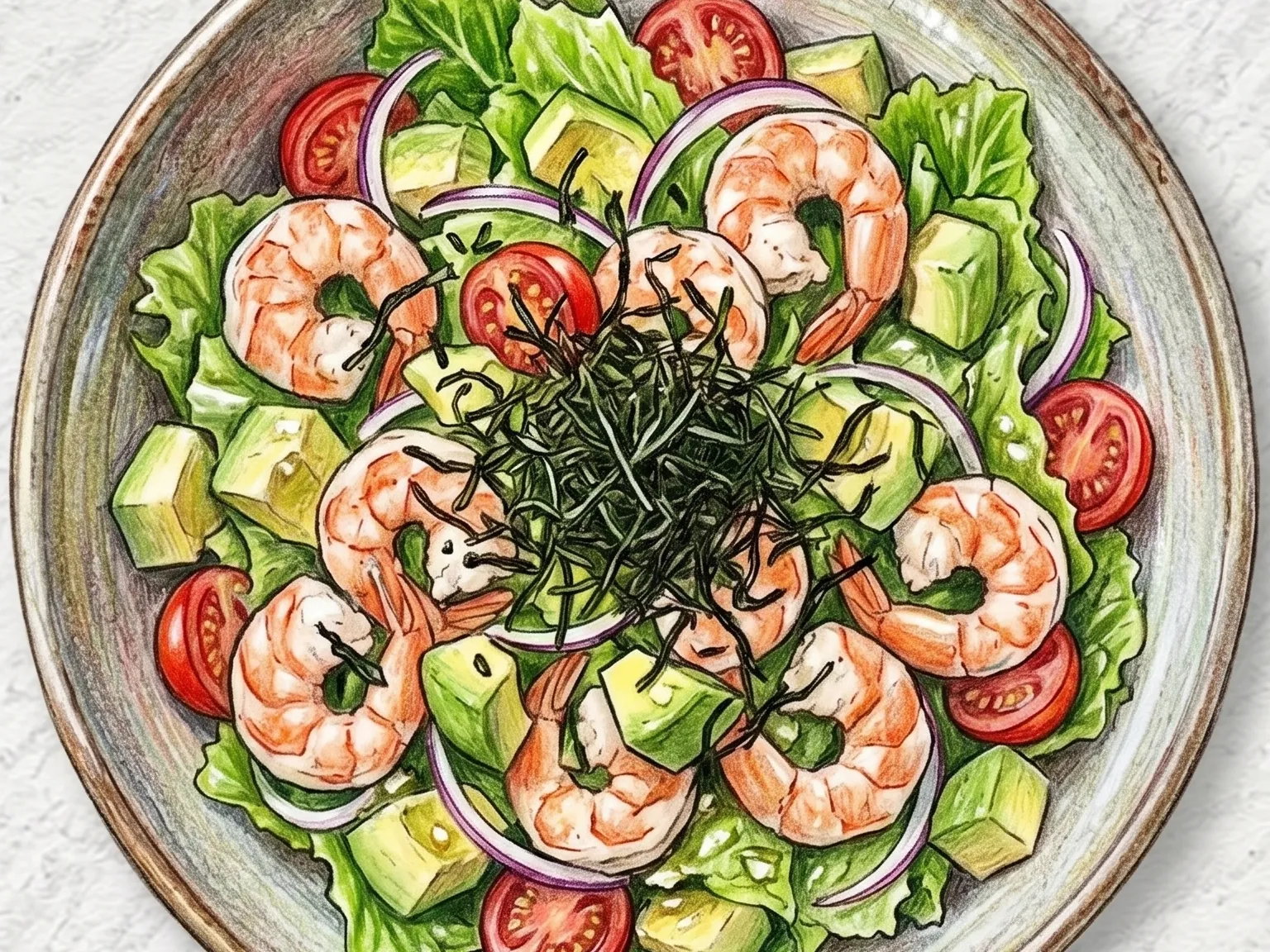
Sashimi-grade tuna is cut into 1.5-centimeter cubes and kept well chilled before being arranged over brown rice in a Korean-inflected poke bowl. A sauce of soy sauce, sesame oil, and gochujang coats the tuna's clean, fatty flesh with the spicy and nutty character that defines Korean seasoning. Avocado provides a creamy, lush texture that envelops the lean fish, while seaweed salad contributes a slippery, chewy marine layer with a pronounced oceanic aroma. Thinly sliced cucumber adds a cool, crisp contrast, creating textural variety across every spoonful. Brown rice serves as the dense, slightly nutty foundation that anchors the toppings and transforms the bowl into a complete meal containing protein, healthy fats, and complex carbohydrates in a single serving. Salmon or flounder can substitute for tuna without changing the method, and adjusting the amount of gochujang in the sauce lets you dial the heat to your preferred level.

Cantonese Steamed Fish
Cantonese steamed fish - ching jing yu - is the clearest expression of the Cantonese philosophy of letting premium ingredients speak for themselves with minimal interference. The technique requires the freshest possible whole fish - sea bass, grouper, or pomfret are the standard choices - because steaming conceals nothing. Any fish that is even slightly past its peak will betray itself the moment it comes off the heat. The fish is scored on both sides to allow even heat penetration, placed on a plate with thin ginger slices tucked underneath and inside the cavity to neutralize any fishiness, then steamed over vigorously boiling water for exactly eight to ten minutes depending on thickness. Even one minute of overcooking transforms the silky, translucent flesh into something dry and dull - timing is the entire technique. The moment the fish leaves the steamer, all accumulated liquid on the plate must be poured off immediately, because that liquid carries concentrated fishiness that would spoil the clean finish. A generous pile of julienned scallion and fresh ginger is arranged on top, then a ladle of oil heated until just beginning to smoke is poured directly over the aromatics. The sizzling releases their fragrance in a single burst that infuses the fish. Seasoned soy sauce and a few drops of sesame oil complete the dish. In Cantonese banquet culture, the steamed fish course is typically the most expensive item on the table, with guests selecting a live fish directly from the restaurant tank.

Korean Stir-Fried Bok Choy with Oyster Sauce
A Chinese-Korean banchan that became a weeknight fixture in Korean homes from the 1990s onward. The technique depends on a scorching-hot pan: oil and garlic go in first, then halved bok choy hits the surface for barely a minute. Oyster sauce and a splash of water form a quick glaze that coats each stem. Leaf edges char lightly while the white stalks stay juicy and crisp throughout. A final drizzle of sesame oil adds a toasted note. Start to finish, the cook takes under five minutes.

Korean Dolsot Bulgogi Bibimbap
Dolsot bulgogi bibimbap arrives in a superheated stone bowl that continues cooking the rice against its surface throughout the meal, building a layer of crispy nurungji that grows thicker and crunchier the longer you wait to mix. Thinly sliced beef marinated in soy sauce, sugar, and sesame oil is seared quickly over high heat to keep it juicy, then arranged alongside separately sauteed zucchini, shiitake mushroom, and carrot over a base of hot rice. A raw egg yolk sits at the center, ready to be broken and stirred through with a generous spoonful of gochujang. As the bibimbap is mixed, the yolk turns into a silky binder that coats every grain of rice and every vegetable strand, while the gochujang distributes its warmth evenly through the bowl. The sizzling sound of the stone pot and the aroma of charring rice rising from the bottom are part of the experience from the first moment the bowl lands on the table. Scraping up the caramelized nurungji at the very end delivers a final crunch that contrasts the tender toppings throughout.

Korean Garlic Chive & Clam Stir-fry
Clams purged in salt water are steamed with rice wine until their shells open, then stir-fried with garlic chives, soy sauce, and oyster sauce. Rice wine strips away briny off-notes while amplifying the clean oceanic umami, and the liquid the clams release as they open provides a built-in sauce that needs no extra seasoning. Garlic chives go in during the last 40 seconds only; longer exposure to heat wilts them into a stringy mass and disperses their aroma. Sliced red chili contributes more visual contrast than actual heat, and a final drizzle of sesame oil rounds out the overall character. Any clam that fails to open after steaming should be discarded. The dish suits both a drinking table alongside soju and a dinner spread as a protein-rich rice side.

Korean Galbi Tteokbokki (Soy-Braised Pork Rib Rice Cake Stir-Fry)
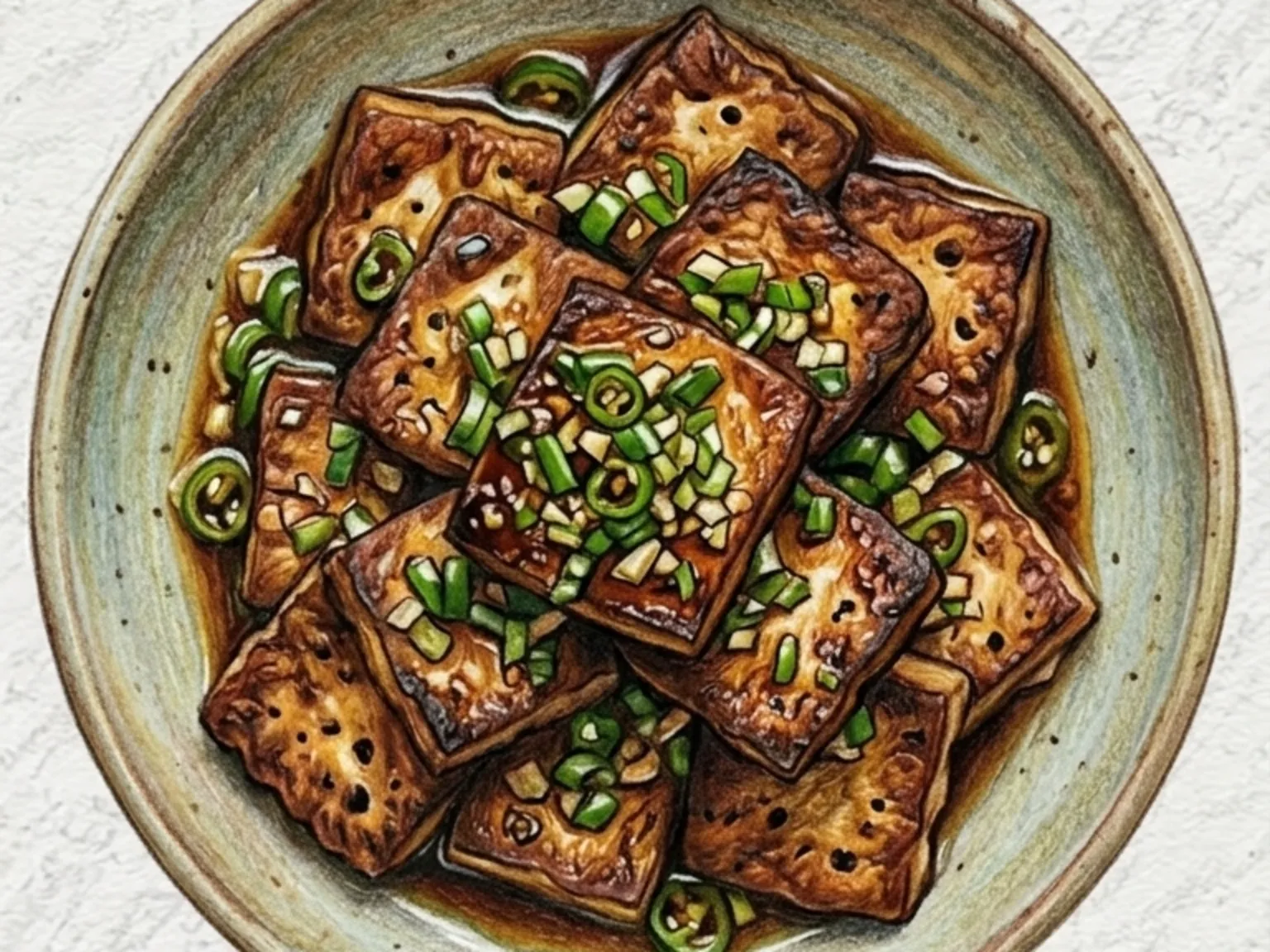
Galbi tteokbokki marinates boneless pork ribs in soy sauce, sugar, mirin, garlic, and sesame oil for fifteen minutes before the dish comes together in a single pan. The ribs go in first over high heat, searing until the surface caramelizes and the rendered fat begins to collect in the pan. Water and rice cakes are added next, and the mixture simmers on medium until the sauce reduces into a concentrated glaze that coats each tteok thoroughly. No gochujang enters the recipe at any point - the flavor profile is entirely soy-and-sugar sweet-salty, made deeper by the pork's own fat and juices as they cook down. The finished dish shows a visible sheen on both the rice cakes and the meat, with green onion and sesame seeds scattered over the top.

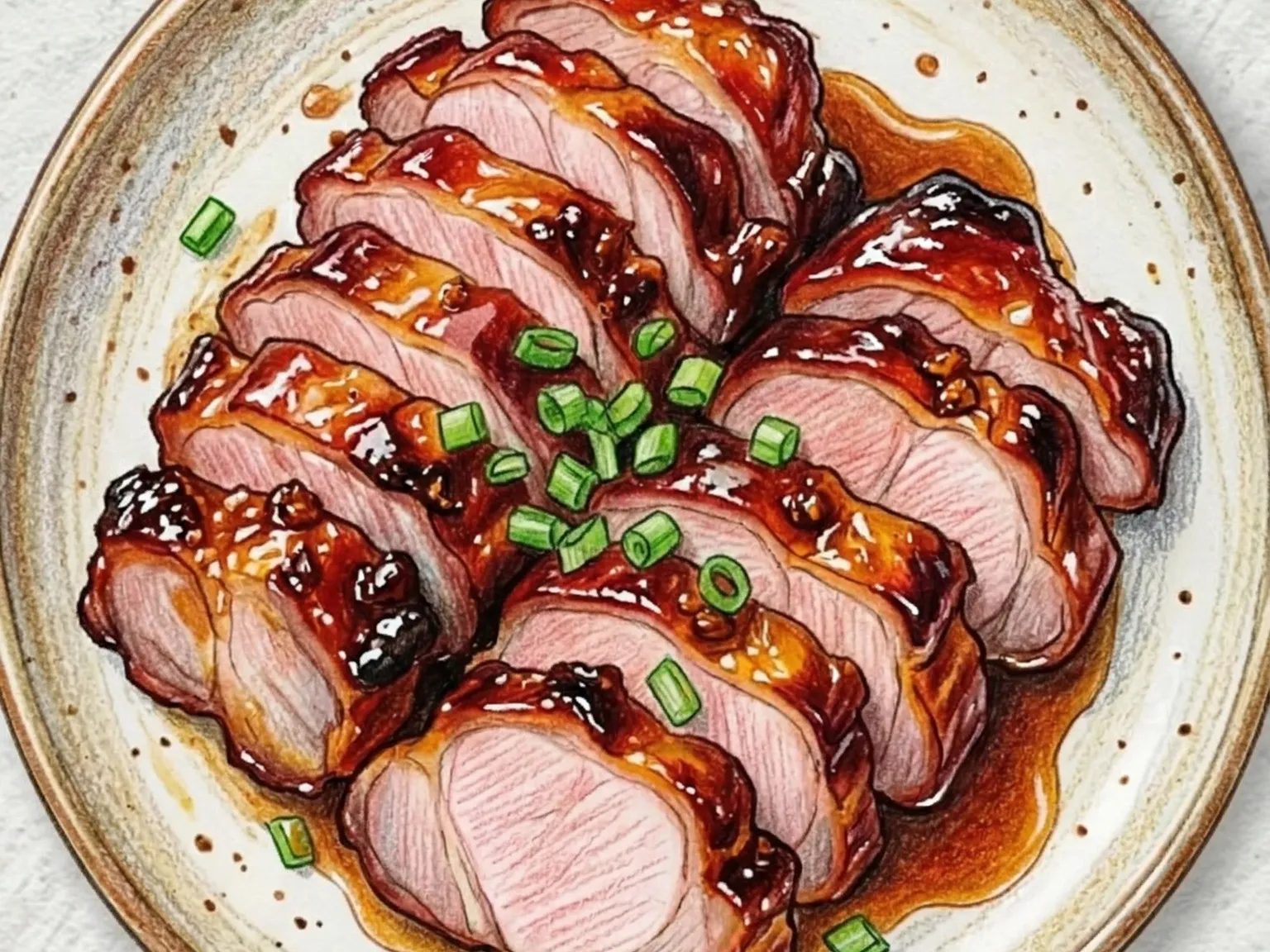
Korean Soy-Glazed Pork Back Ribs
Dwaeji-deunggalbi ganjang-gui is a Korean soy-glazed pork back rib dish where thick cuts attached to the spine bone are coated in a glaze of dark soy sauce, honey, garlic, and ginger juice, then slow-roasted in an oven or grill. The thick meat requires at least two hours of refrigerated marination so the salt from the soy sauce and sweetness from the honey penetrate close to the bone, and during cooking the sugars in the glaze caramelize into a glossy, dark-brown crust. A two-stage cooking method defines the final texture: forty minutes covered at 180 degrees Celsius to cook the meat through completely, then ten minutes uncovered at higher heat to crisp the surface without drying out the interior. Ginger juice is not a replaceable ingredient here - it neutralizes the pork's gamey undertones, and leaving it out throws off the flavor balance noticeably. The ribs are eaten by pulling the meat from between the bones by hand, which makes them well suited as an anju - a drinking side dish - alongside beer or soju.

Japanese Savory Steamed Egg Custard
Eggs beaten with dashi stock, soy sauce, and mirin are steamed into a silky custard. A high dashi-to-egg ratio produces an exceptionally smooth texture that holds its shape yet barely resists the spoon. Shrimp, shiitake mushroom, and ginkgo nuts placed inside the cup before steaming offer distinct pockets of flavor and chew within each serving. Controlling the steam temperature is critical - too much heat causes bubbles that roughen the surface, so a cloth tucked under the lid and a low flame keep the environment gentle throughout. Found in both Japanese home kitchens and izakaya menus, chawanmushi is served warm in individual cups as a starter.

Korean Pickled Deodeok Root
Deodeok jangajji is a traditional Korean pickle made by peeling fresh bellflower root, briefly soaking it in salted water to draw out the sharpness, splitting it lengthwise, and submerging the pieces in a hot brine of soy sauce, vinegar, water, sugar, garlic, and ginger. Pouring the brine while still at full heat quickly firms the outer surface of the root while leaving the interior tender and slightly chewy - a contrast that defines the texture of a well-made deodeok pickle. Garlic and ginger contribute layered aromatic warmth that gradually merges with the root's distinctive earthy fragrance over the course of the pickling period. Soy sauce anchors the umami and deepens the natural mountain-herb flavor of the deodeok. After a minimum of three days in the refrigerator, the brine penetrates all the way through, producing a preserve with a bold, concentrated flavor that is substantial enough to stand on its own alongside plain steamed rice.

Korean Spicy Platter Noodles
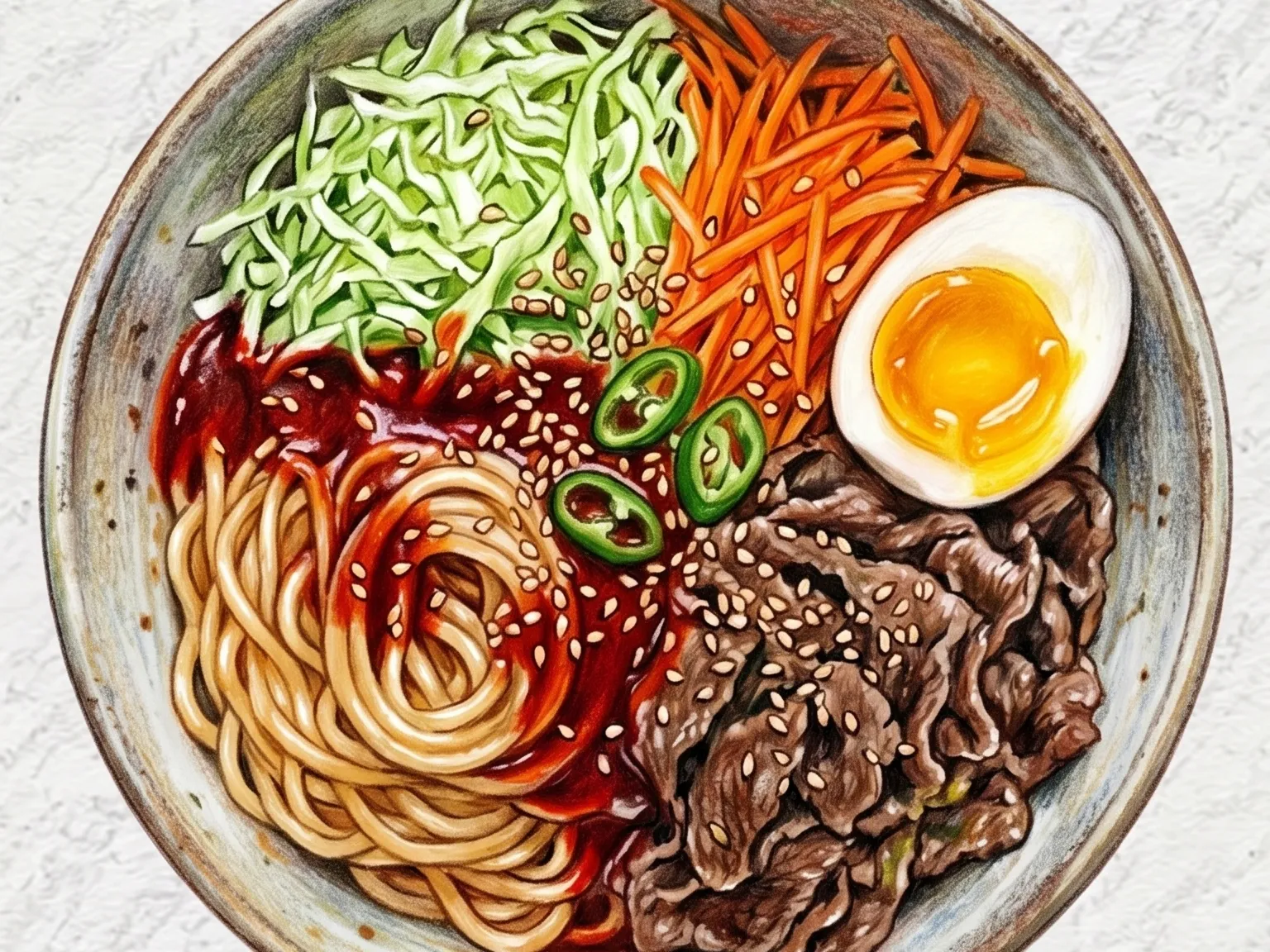
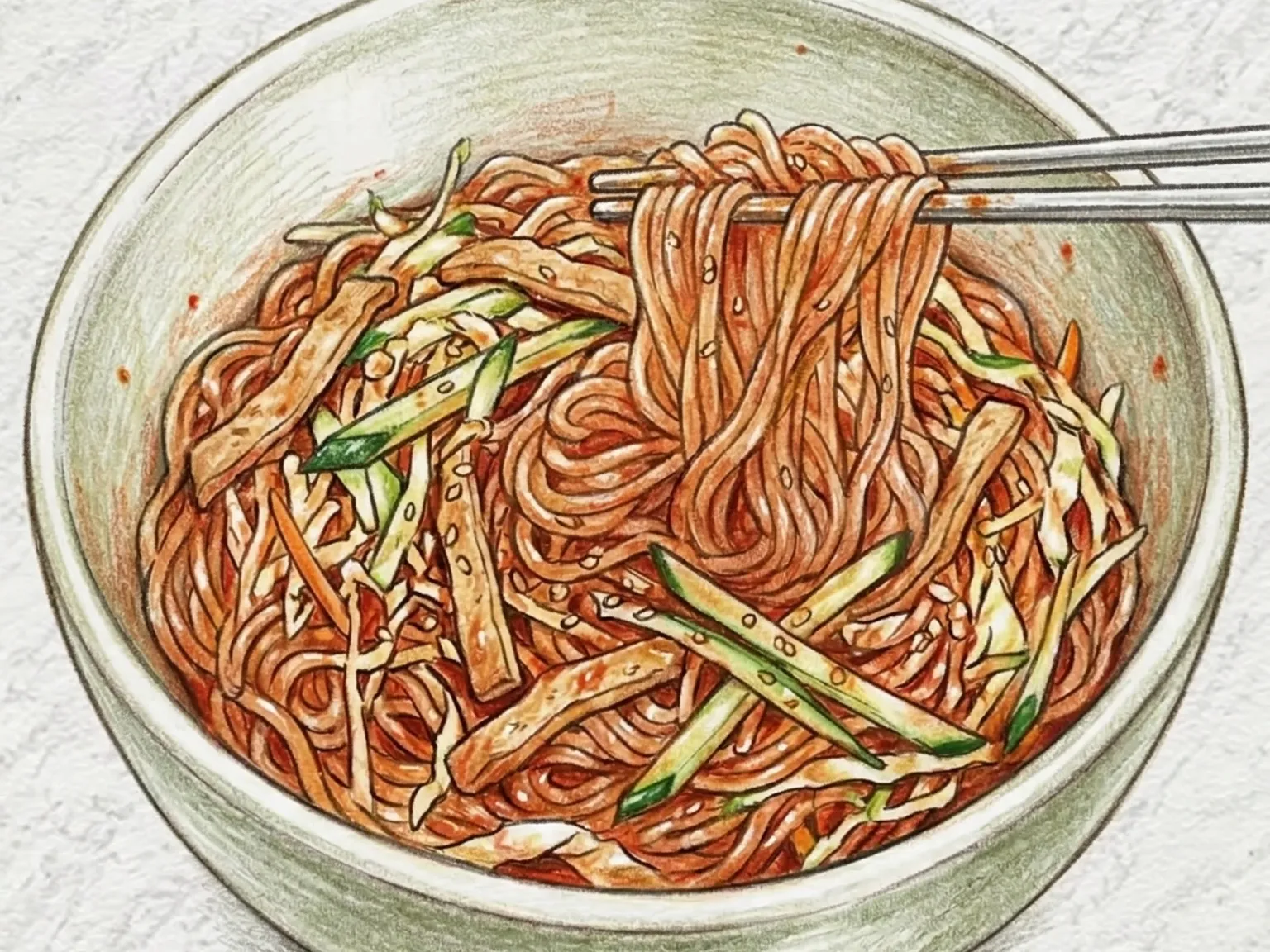
Jaengban-guksu is a large-platter noodle dish where boiled somyeon and a generous pile of fresh, crunchy vegetables are tossed together in a spicy-tangy dressing. Shredded cabbage, julienned cucumber, matchstick carrot, and torn lettuce each contribute distinct textures that contrast with the tender noodles, while the dressing - gochujang blended with vinegar, sugar, and soy sauce - fires through sweet, sour, and spicy notes in quick succession. Sesame oil and toasted sesame seeds weave a nutty warmth through the dish that softens the dressing's sharpness without dulling it. After boiling, the somyeon should be rinsed thoroughly in cold water to wash off excess starch; this step allows the dressing to coat each strand evenly and prevents the noodles from clumping on the tray. Using more vegetables than seems necessary is actually recommended, since they distribute the dressing as the noodles are tossed and add contrast in every forkful. The dish is traditionally served on a single wide tray for communal mixing at the table, making it a natural fit for gatherings and outdoor outings.