Pork Bossam Apple Mustard Salad
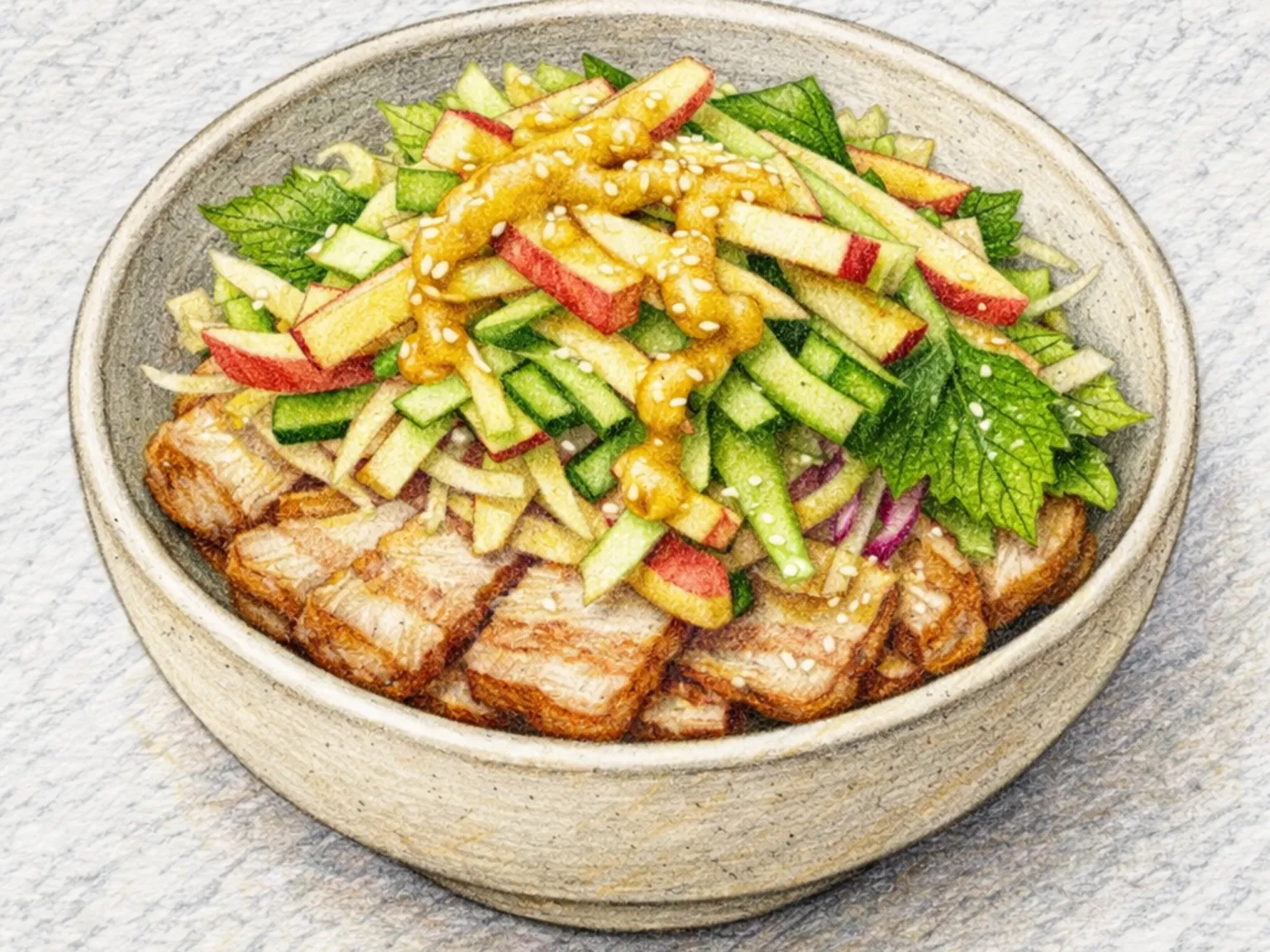
Bossam apple mustard salad uses thinly sliced cold boiled pork belly as its main component, arranged over shredded cabbage, cucumber, and crisp apple slices, then finished with a sharp mustard-soy vinaigrette. Chilling the boiled pork completely before slicing is not optional: warm pork crumbles under the knife, while cold pork yields clean, even cuts that hold their shape on the plate. Cabbage and cucumber provide a firm, crunchy base whose texture directly contrasts with the soft, fatty pork, and the apple slices introduce a cool sweetness along with a welcome burst of moisture. Korean hot mustard, dissolved generously into a soy-vinegar dressing, releases a nasal, sinus-clearing heat with each bite that cuts through the richness of the pork fat without the acidity becoming the dominant note. Perilla leaves placed underneath the pork act as both a flavoring layer and a suppressor of any residual pork odor, their herbal intensity complementing the mustard without competing with it. The salad works equally well as a standalone meal and as a second-day use for leftover bossam from the previous night, which is one reason it appears in Korean home kitchens as often as it does.

Eggs Benedict
Eggs Benedict centers on hollandaise sauce, made by whisking egg yolks with lemon juice over a double boiler until thickened, then slowly streaming in melted butter while whisking continuously to form a stable emulsion. Seasoned with salt and a pinch of cayenne, the sauce is rich, velvety, and slightly tangy, carrying enough acidity to cut through the butter without feeling heavy. Toasted English muffin halves are topped with crisp bacon or ham, then a poached egg cooked for three to four minutes in gently simmering water with a splash of vinegar. The hollandaise is spooned generously over the soft-set egg so that cutting into the yolk creates a golden stream that mingles with the buttery sauce below. Pouring the butter too quickly causes the emulsion to break, making a thin, steady stream the single most important technique in the recipe. A scrape of toasted muffin against the runny yolk and sauce together is the defining bite of the dish.

Chicken Adobo (Filipino Vinegar Soy Braised Chicken)
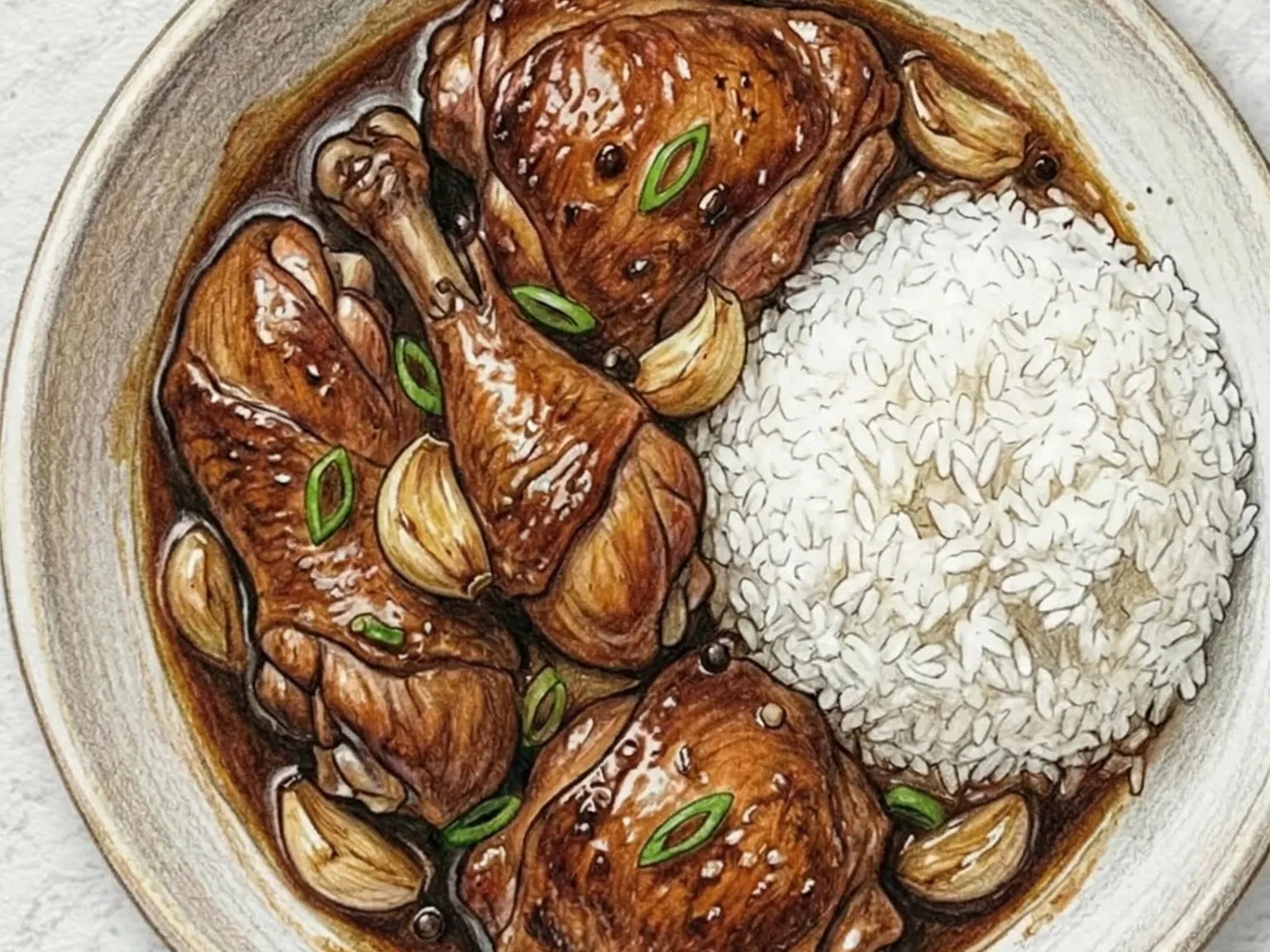
Chicken adobo is the unofficial national dish of the Philippines, rooted in a pre-colonial preservation technique of braising meat in vinegar to extend its shelf life in tropical heat long before refrigeration. Chicken simmers uncovered in soy sauce, cane vinegar, crushed whole garlic cloves, bay leaves, and whole black peppercorns until the sharp acidity of the vinegar mellows into a layered, salty-sour sauce with a caramelized depth that no amount of shortcutting can replicate. Once braised, the chicken pieces are removed from the sauce and pan-fried until the skin turns deep golden and audibly crisp, then returned to the reduced liquid for a final coat. The moment the crackling skin absorbs the thick, glossy sauce is the defining pleasure of a well-made adobo. Every Filipino household holds its own ratio of soy sauce to vinegar as a point of pride, and the unresolvable debate over whose mother makes the best version is practically a national institution. This tolerance for variation is part of why the dish has endured for centuries across a country of more than seven thousand islands. It is always served over steamed white rice with extra sauce ladled over generously, and adobo famously tastes better the next day, after the proteins have had time to reabsorb the deepened, overnight flavors from the refrigerator.

Korean Seasoned Garlic Chives
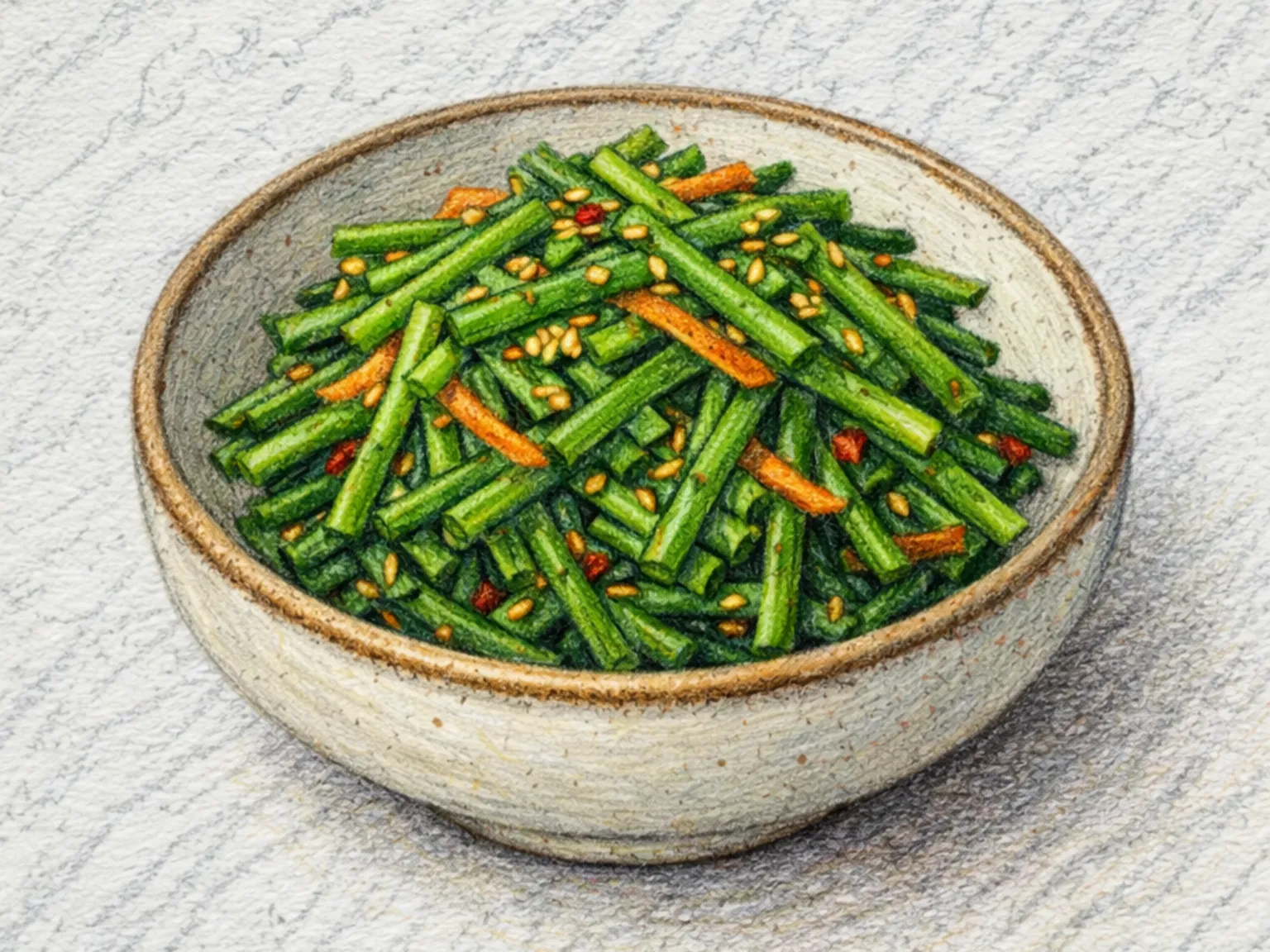
Buchu muchim differs from buchu kimchi in that it uses soy sauce and vinegar instead of fish sauce, which produces a sharper, more acidic result with none of the fermented depth. Raw chives are cut to five centimeters and tossed by hand for no longer than twenty seconds -- exceeding that time bruises the chives and draws out liquid, turning the texture limp. Gochugaru adds color and a moderate level of heat, while the ratio of vinegar to sugar creates a clean sweet-sour dressing that plays against the chive pungency. Sesame oil and whole sesame seeds go in last to preserve their aroma. Eat the same day it is made; once refrigerated overnight the chives wilt and lose their characteristic snap. Served alongside grilled pork belly or ribs, the acidity cuts through the fat and refreshes the palate between bites.

Korean Crispy Pan-Fried Dumplings
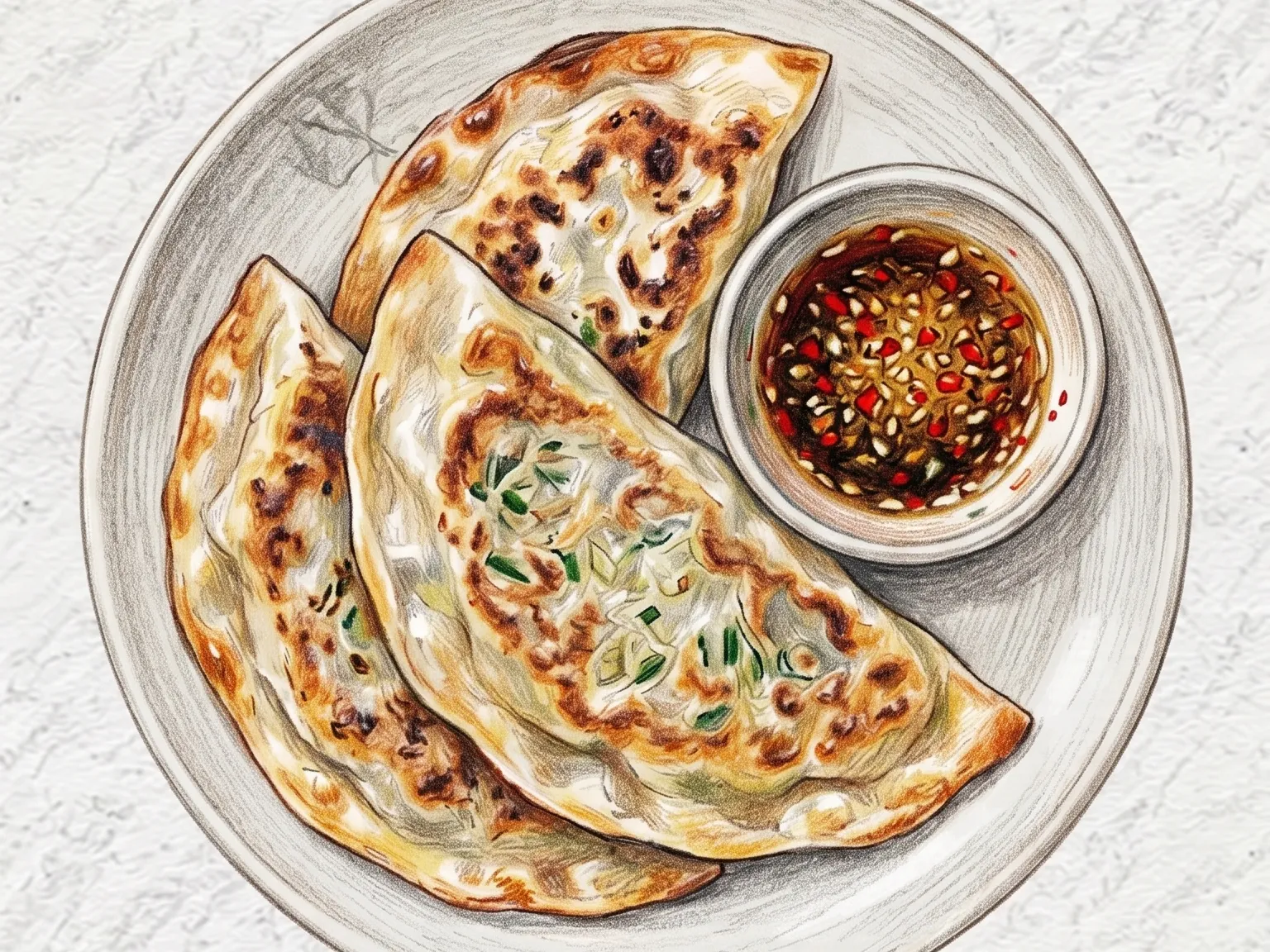
Crispy gunmandu uses a two-stage pan-frying method to give frozen dumplings a golden, crunchy base while keeping the tops moist. The dumplings are seared in oil first until the bottoms turn golden, then water is added and the lid goes on to steam the filling through. Once the water evaporates, the lid comes off and the base crisps up a second time. Adding a flour-and-water slurry instead of plain water creates a lacy, connected crust that bridges all the dumplings together along the bottom, widening the crisp surface area and letting them lift out of the pan as one sheet. Dipped in a sauce of soy sauce, vinegar, and gochugaru, the nutty browned base contrasts sharply with the moist, seasoned filling inside.

Korean Jellyfish Salad (Chilled Mustard Vinegar Dressed Cold Dish)
Haepari-naengchae begins with salted jellyfish rinsed multiple times in cold water to remove as much of the brine as possible, then blanched in boiling water for roughly ten seconds to firm up and set its characteristic texture before being plunged immediately into ice water to stop the cooking. The jellyfish is sliced into thin strips along its natural grain and combined with julienned cucumber and bell pepper, then tossed in a dressing of rice vinegar, sugar, and Korean mustard, a sauce that hits in two distinct waves, first the sharp nasal heat of the mustard and then the clean sourness of the vinegar, creating a bracing, stimulating layered flavor. A small drizzle of sesame oil added at the end rounds the dish out with a warm, nutty gloss. Serving the naengchae cold is essential rather than optional: the jellyfish loses its springy, snappy bite as it warms, softening in a way that undermines the dish entirely, so it should be eaten immediately after dressing. It is most often presented as an appetizer at Korean-Chinese restaurants, but it is straightforward to prepare at home with salted jellyfish purchased from Korean grocery stores.

Korean Chilled Seaweed Soup
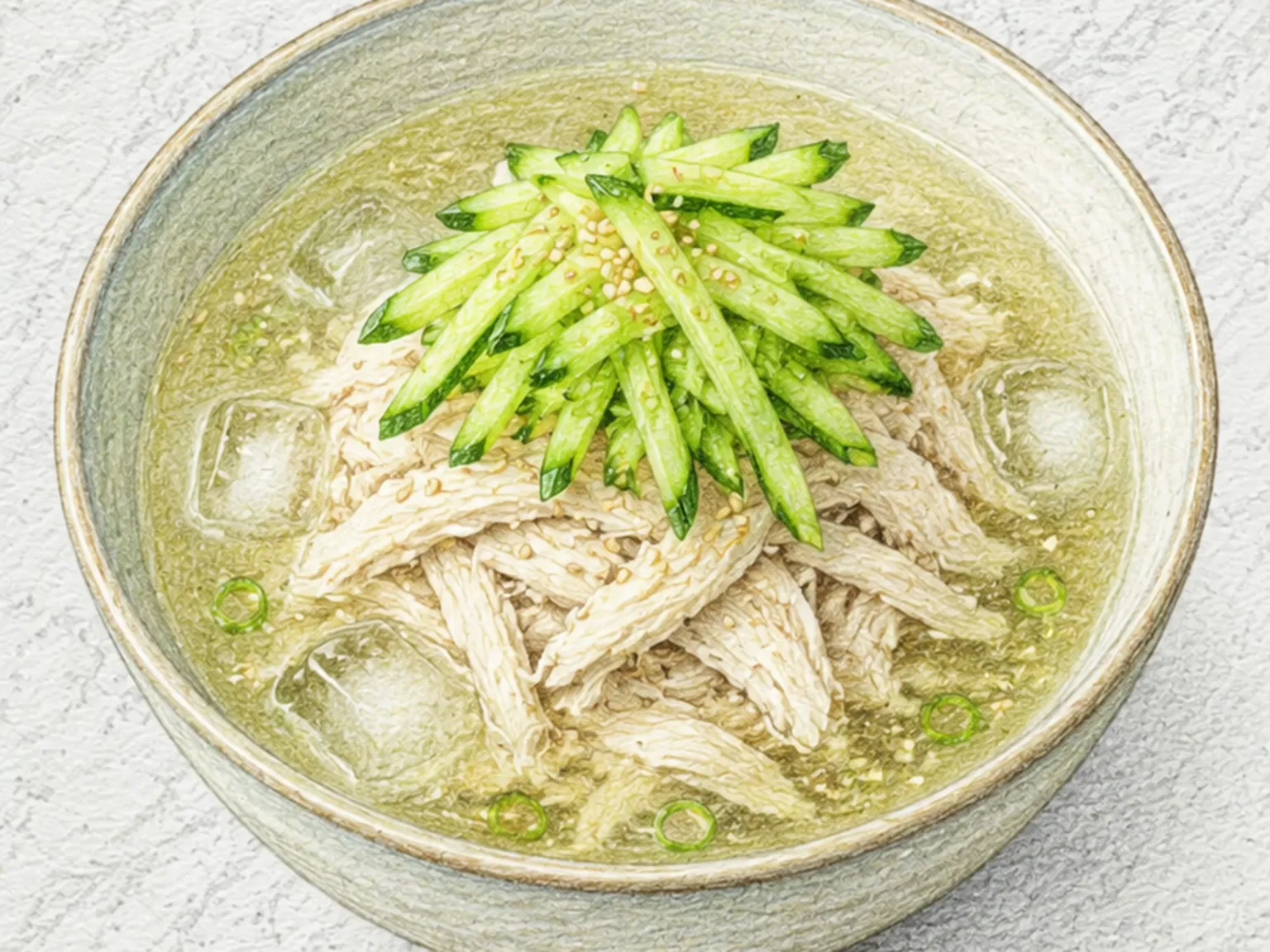
Miyeok-naengguk is a Korean chilled seaweed soup designed for the hottest days of summer, when the idea of a boiling pot feels intolerable. Rehydrated sea mustard and thinly sliced cucumber are bathed in a cold broth made from soy sauce, rice vinegar, sugar, and iced water, producing a tangy, lightly sweet liquid that hits the palate with immediate refreshment. The seaweed contributes a slippery, marine texture while the cucumber provides a sharp crunch, and together they give the soup a satisfying range of mouthfeel in each spoonful. Preparation requires no cooking at all - the ingredients are simply mixed, seasoned, and chilled - making it one of the fastest dishes in the Korean repertoire. A generous sprinkle of toasted sesame seeds adds nuttiness on top, and an optional pinch of gochugaru turns the broth a vivid red while contributing gentle heat. The soup pairs naturally with cold noodle dishes like naengmyeon or bibim-guksu, and it improves after an hour in the refrigerator as the seasoning penetrates the seaweed. In many Korean homes, a bowl of miyeok-naengguk is the unofficial signal that summer has arrived.

Korean Steamed Blue Crab (Whole Shell Aromatics)
Kkotge-jjim is a Korean steamed blue crab dish cooked whole in a steamer with lightly salted water and aromatic vegetables. Steaming retains the natural juices and sweetness locked inside the shell more effectively than boiling or grilling, so the extracted meat delivers a concentrated, briny flavor with each bite. Dipping the pieces in vinegar soy sauce adds acidity that draws out and sharpens the crab's inherent sweetness, creating a clear contrast against the richness of the flesh. Blue crabs caught during their spring and fall peak seasons arrive heavy with roe and thick with tomalley, which means there is far more to eat beyond the white claw and body meat, and the flavor reaches its fullest depth. Cracking the shells by hand, working through each leg joint, and pulling out the meat is an integral part of how this dish is meant to be eaten. For those without a steamer, a shallow layer of water in a pot with a wire rack set above it works as a straightforward substitute.

Korean Soy Pickled Beet (Vinegar Soy Brine Jangajji)
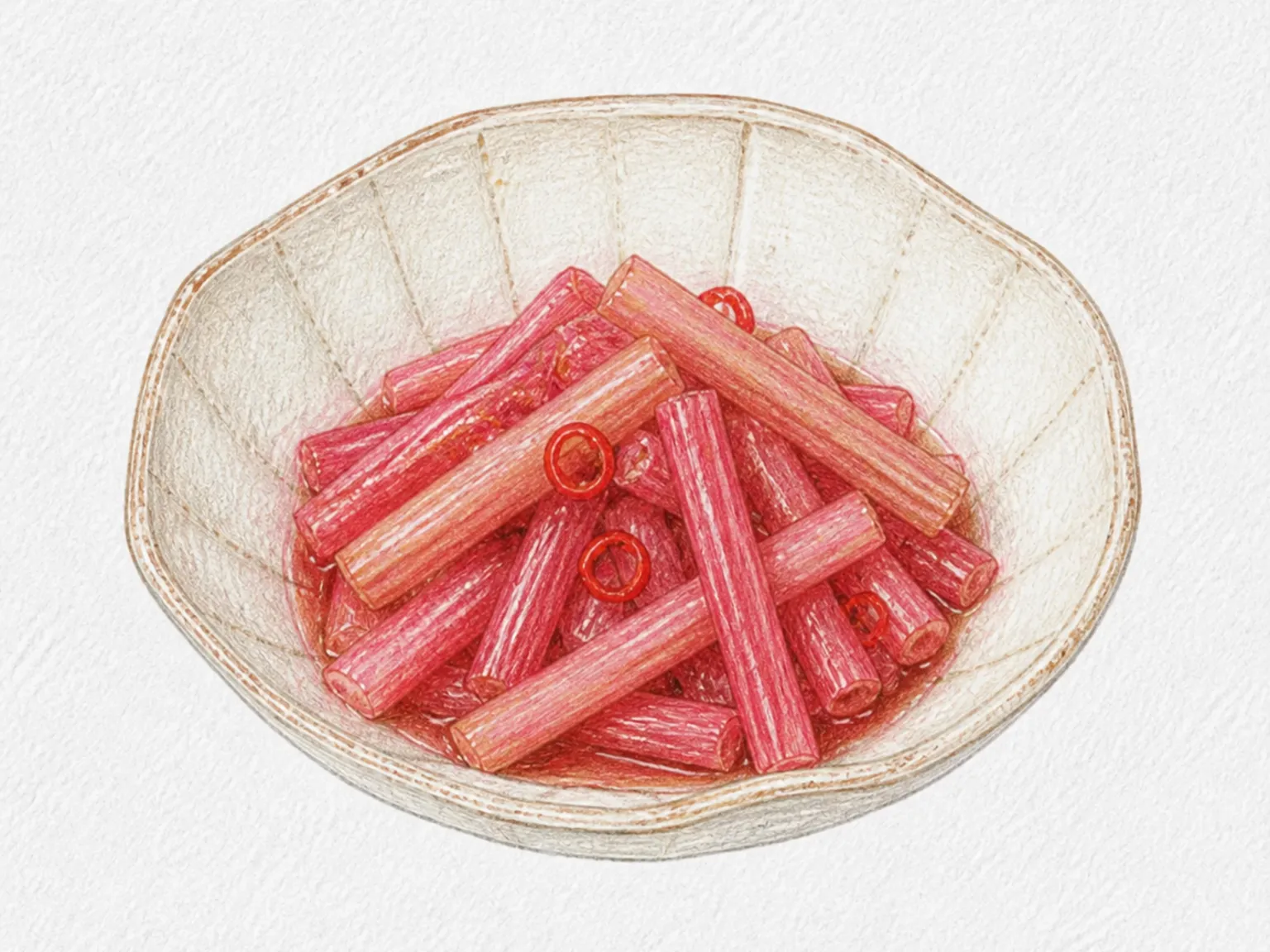
Beet jangajji is a Korean soy-pickled beet prepared by slicing beets thin and submerging them in a cooled brine of soy sauce, vinegar, and sugar. The vinegar cuts through the beet's earthy undertone, leaving a clean sweetness sharpened by acidity, and onion adds a mellow depth to the pickling liquid. As the brine cools, the beet's vivid red pigment bleeds into the liquid, creating a visually striking jar that stands out on the table. After at least a day of pickling, the flavor penetrates fully, producing a crisp, refreshing side dish suited to rice or grilled meats. Julienned beets pickle faster and are ready within a day, while thicker slices need two days or more for the brine to reach the center. Stored in the refrigerator, the pickles keep well for over two weeks, making a large batch practical.

Korean Spicy Mixed Cold Noodles
Cold, chewy naengmyeon noodles are tossed in a sauce of gochujang, chili flakes, vinegar, sugar, and sesame oil. The noodles' characteristically tough, springy texture grips the bold sauce rather than letting it slide off, which creates an intensely textured bite. The single most critical preparation step is rinsing the boiled noodles thoroughly under cold water multiple times - removing the surface starch and squeezing out excess moisture keeps the sauce from diluting as it sits. Julienned cucumber and thin-sliced Korean pear cut through the heat, bringing refreshing crunch and a light fruitiness to each mouthful. Half a boiled egg placed on top tempers the chili's sharpness and brings the overall balance into line.

Buchu Beef Mustard Salad (Seared Beef & Chive Mustard Salad)
Buchu beef mustard salad sears lean beef round over high heat to char the surface while keeping the center pink, then slices it thick over a bed of garlic chives and shredded red cabbage. Hot mustard dissolved into a soy-vinegar dressing produces a sharp nasal heat that cuts directly through the beef fat with each bite. Julienned Korean pear adds a crisp, clean sweetness that balances the salt and acidity of the dressing, while the garlic chives contribute their pungent, onion-forward aroma as a defining note. Slicing the beef at least 1 cm thick prevents it from toughening as it cools, and resting the seared meat for five minutes before cutting keeps the juices in. The salad comes together in the time it takes the beef to rest.

Chicken Inasal (Bacolod Citrus Lemongrass Grilled Chicken)
Chicken inasal is the defining grilled chicken of Bacolod City in the Western Visayas region of the Philippines, so inseparable from its origin that it is commonly called Bacolod chicken. An overnight marinade of calamansi juice, cane vinegar, lemongrass, and garlic allows the acid to work deep into the muscle fibers, tenderizing the meat while coating it in layered citrus and herb fragrance. During grilling over coconut-shell charcoal, the chicken is basted repeatedly with annatto oil, which stains the skin a vivid orange and keeps the exterior perpetually moist so it never dries over the coals. The charcoal smoke combines with the calamansi and lemongrass aromatics to build a smoky-citrus flavor profile that distinguishes inasal from other grilled chicken preparations. The chicken is served alongside garlic rice with a small dish of chicken oil mixed with calamansi juice for dipping. In Bacolod, an entire street called Manokan Country is lined with dozens of inasal stalls that operate simultaneously every evening, filling the neighborhood with charcoal haze.

Korean Seasoned Green Seaweed
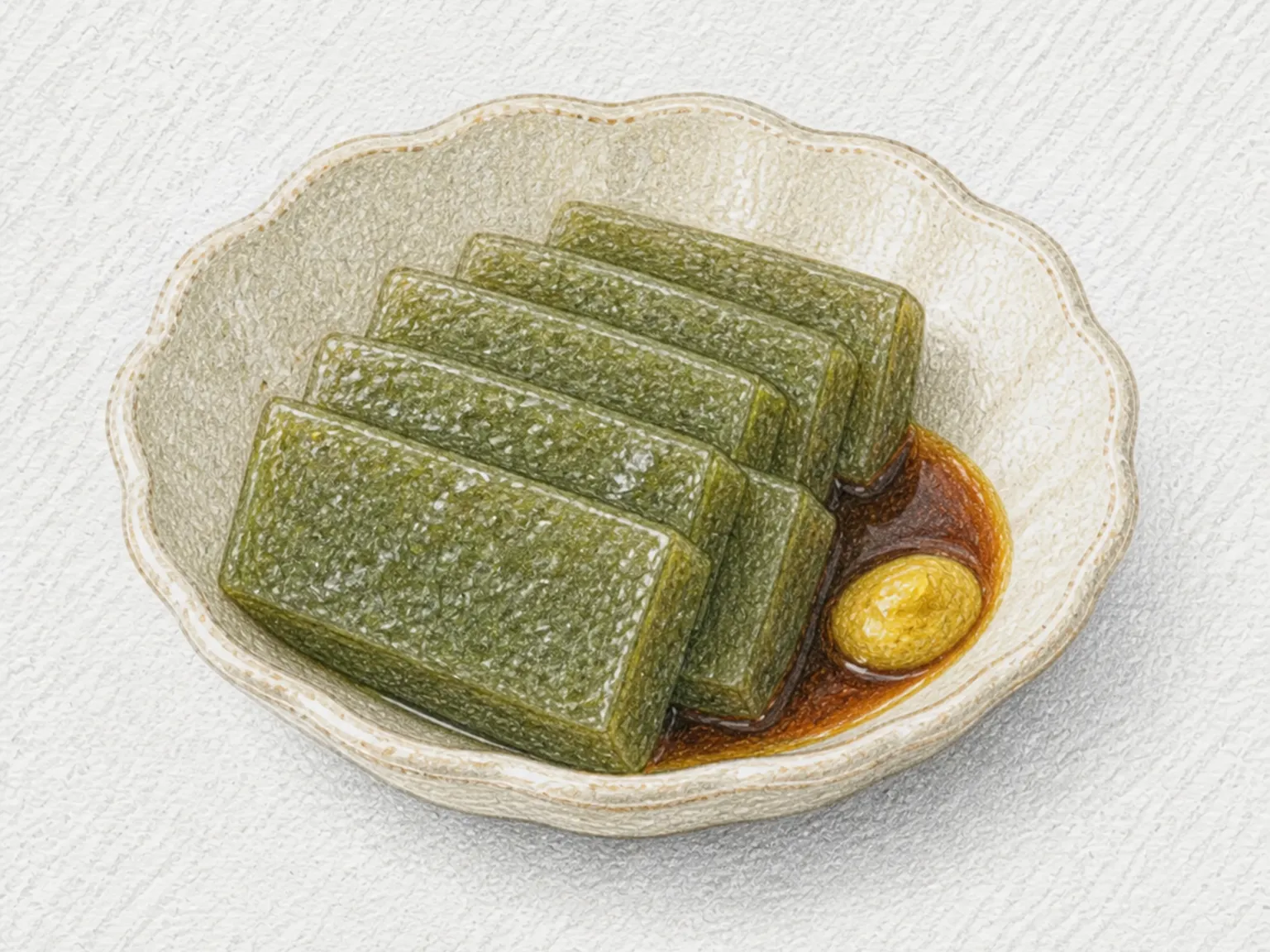
Cheonggak is a branching green seaweed harvested from the tidal flats of Korea's southern coast, recognizable by its dense, tree-like fronds and a sharp, concentrated oceanic smell. Blanching it in boiling water for exactly ten seconds brightens the color to a vivid green and preserves the cartilage-like crunch that defines the texture. Even a few seconds beyond that and the seaweed begins to collapse, so a timer is worth setting. After blanching, it is rinsed in cold water, squeezed firmly to remove moisture, and cut to finger lengths. The dressing uses vinegar as its leading ingredient alongside soy sauce, gochugaru, minced garlic, and sugar - the acidity of the vinegar dispels the sharp brininess of the seaweed and gives the finished dish a clean, refreshing quality. The seasoned cheonggak must be served immediately; within a few hours the seaweed releases liquid and the texture deteriorates beyond recovery. It appears in coastal markets across Jeollanam-do from midwinter through early spring and is absent from shelves the rest of the year.

Korean Gaji Twigim Bites (Crispy Eggplant Bites)
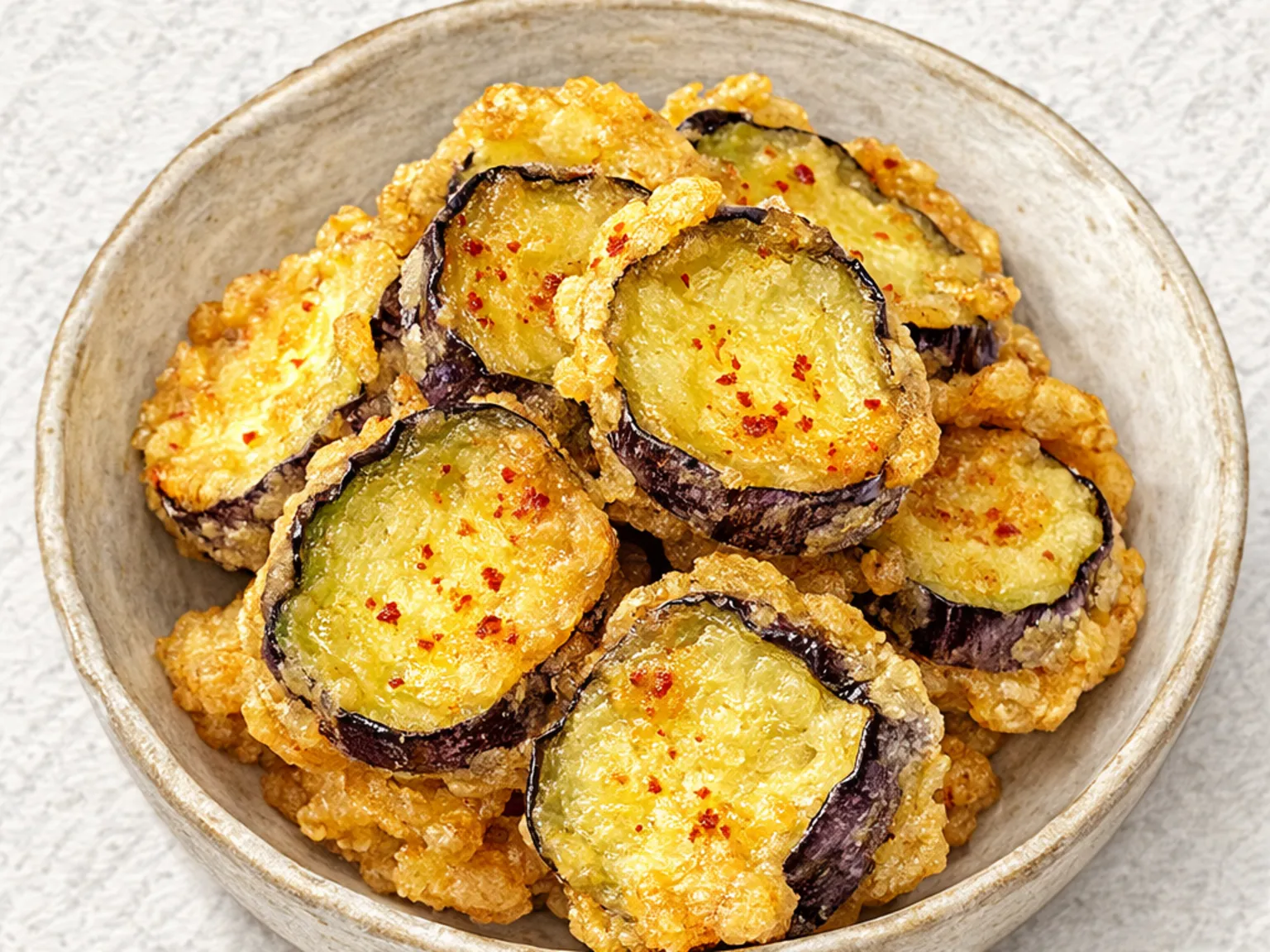
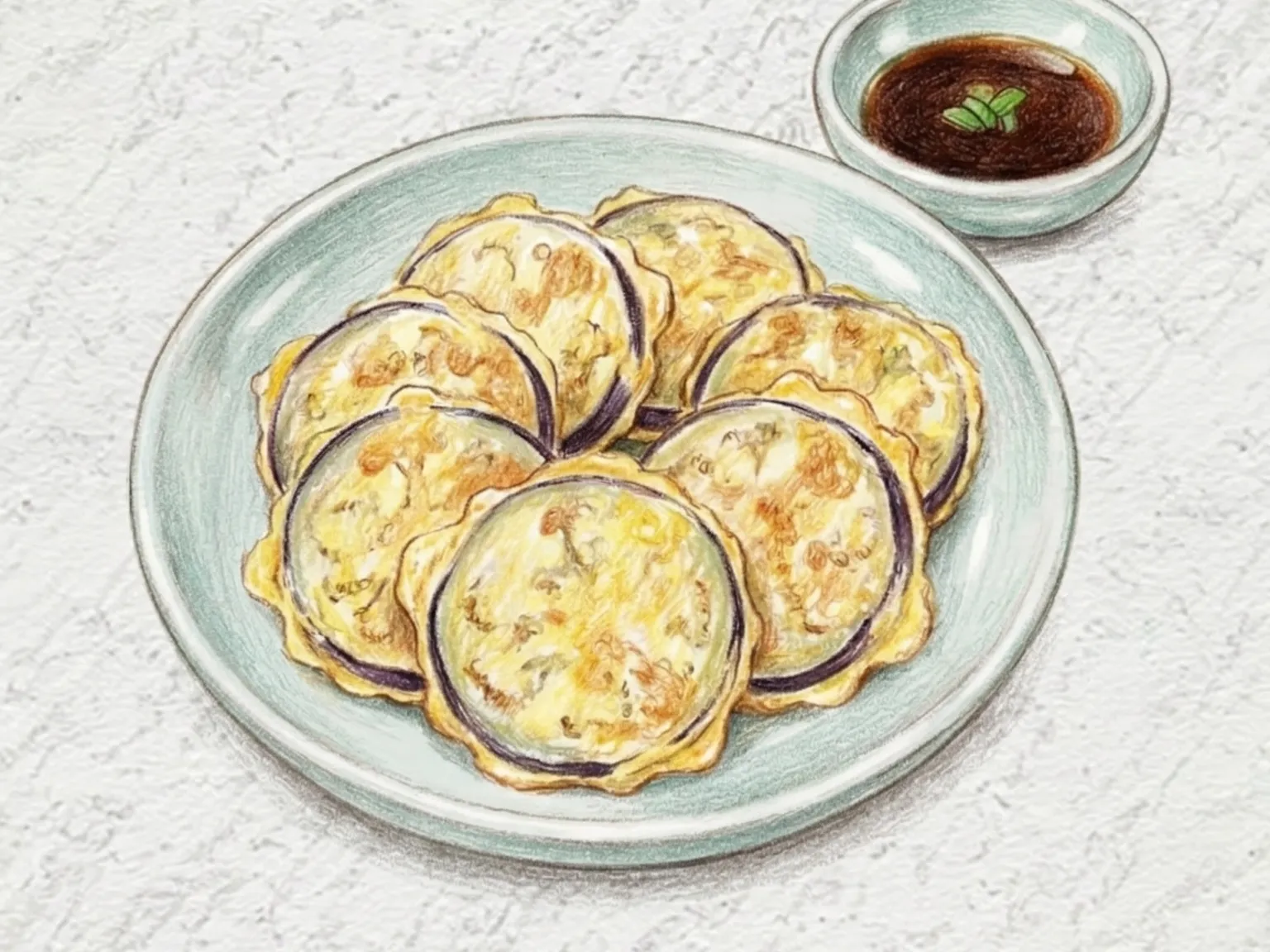
Gaji-twigim-bites cuts eggplant into bite-sized pieces and fries them in a cold batter made with sparkling water. The carbonation in the batter creates air pockets within the coating as it hits the hot oil, producing a crust that is notably lighter and crisper than one made with plain water. The eggplant's high moisture content means the interior steams gently within the crust, turning silky soft without collapsing. The batter should be mixed just before frying and kept cold throughout -- allowing it to sit and warm up causes the bubbles to dissipate and the coating to turn dense. A small addition of gochugaru to the frying mix gives the crust a subtle, even heat that offsets the eggplant's natural mildness and the richness of the frying oil. The purple skin of the eggplant remains partially visible through the golden coating after frying, making these bites visually distinctive from standard vegetable tempura. A dipping sauce of soy sauce and a few drops of sesame oil pairs cleanly with the lightly seasoned batter.

Korean Yeongeun Ganjang Jorim (Soy-Braised Lotus Root)
Yeongeun ganjang jorim is a Korean soy-braised lotus root side dish simmered in soy sauce, oligosaccharide syrup, vinegar, and cooking wine. The starchy surface of the lotus root develops a glossy glaze from the reduced sauce while the interior stays distinctly crunchy. Vinegar brightens the soy's salinity, and the syrup contributes a gentle sweetness and visible sheen. This banchan improves overnight in the refrigerator as the seasoning continues to penetrate, making it one of the most practical make-ahead side dishes in Korean home cooking.

Korean Beet Radish Pickle
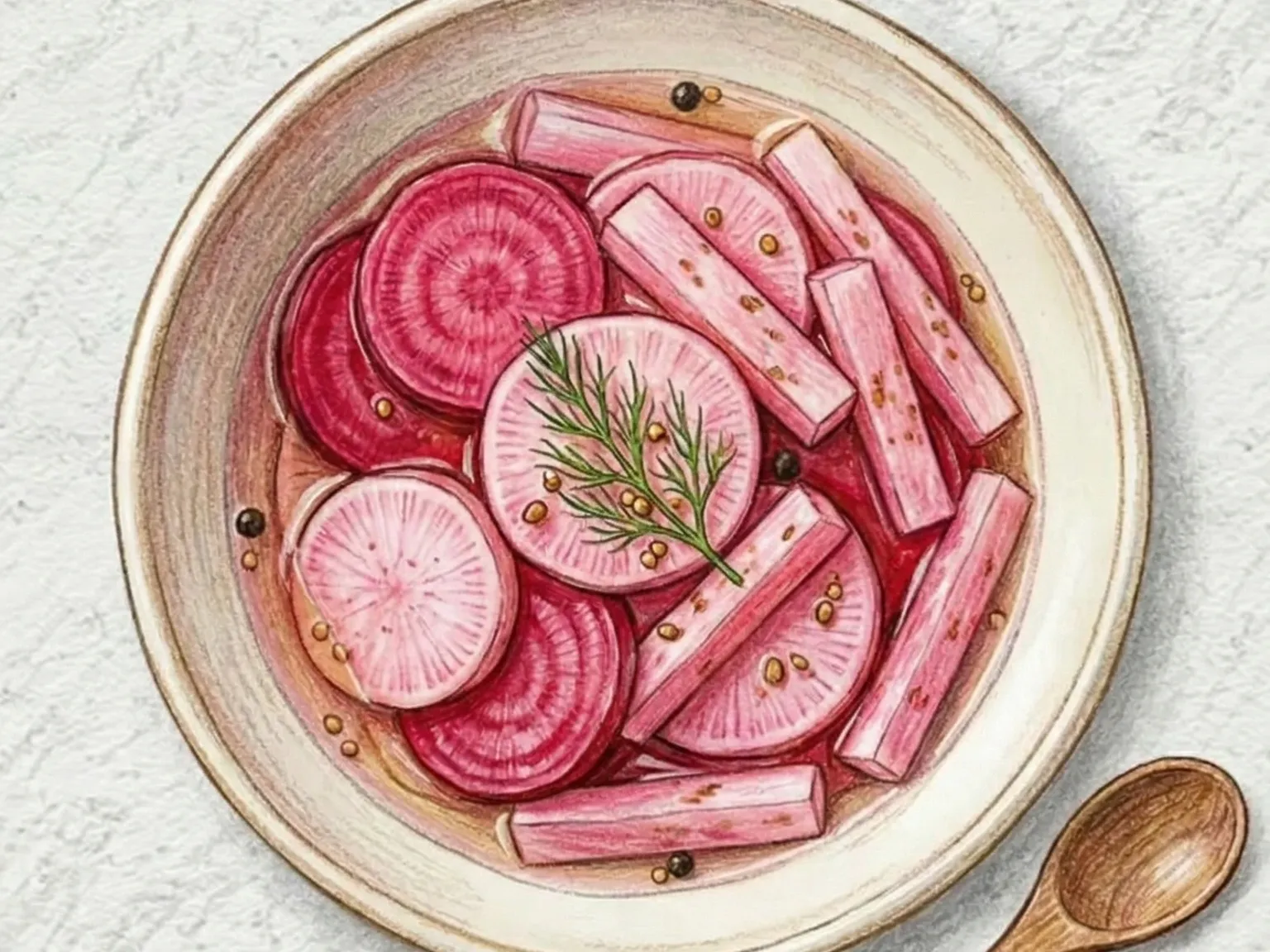
Beet mu pickle is a Korean pickle of beet and Korean radish cured together in a vinegar, sugar, and salt brine. The beet's intense red pigment dyes the radish pieces a vivid pink, while the radish contributes its crisp, snapping texture alongside the beet's mellow sweetness. Vinegar keeps the overall flavor bright and refreshing, and sugar smooths out the sharp edge of the acidity. Cutting the beet and radish to the same thickness ensures even curing, and the color distributes fully after at least six hours in the refrigerator. This colorful pickle works as a palate cleanser alongside rich meats or as a crunchy side with Korean street food.

Korean Spicy Mixed Glass Noodles
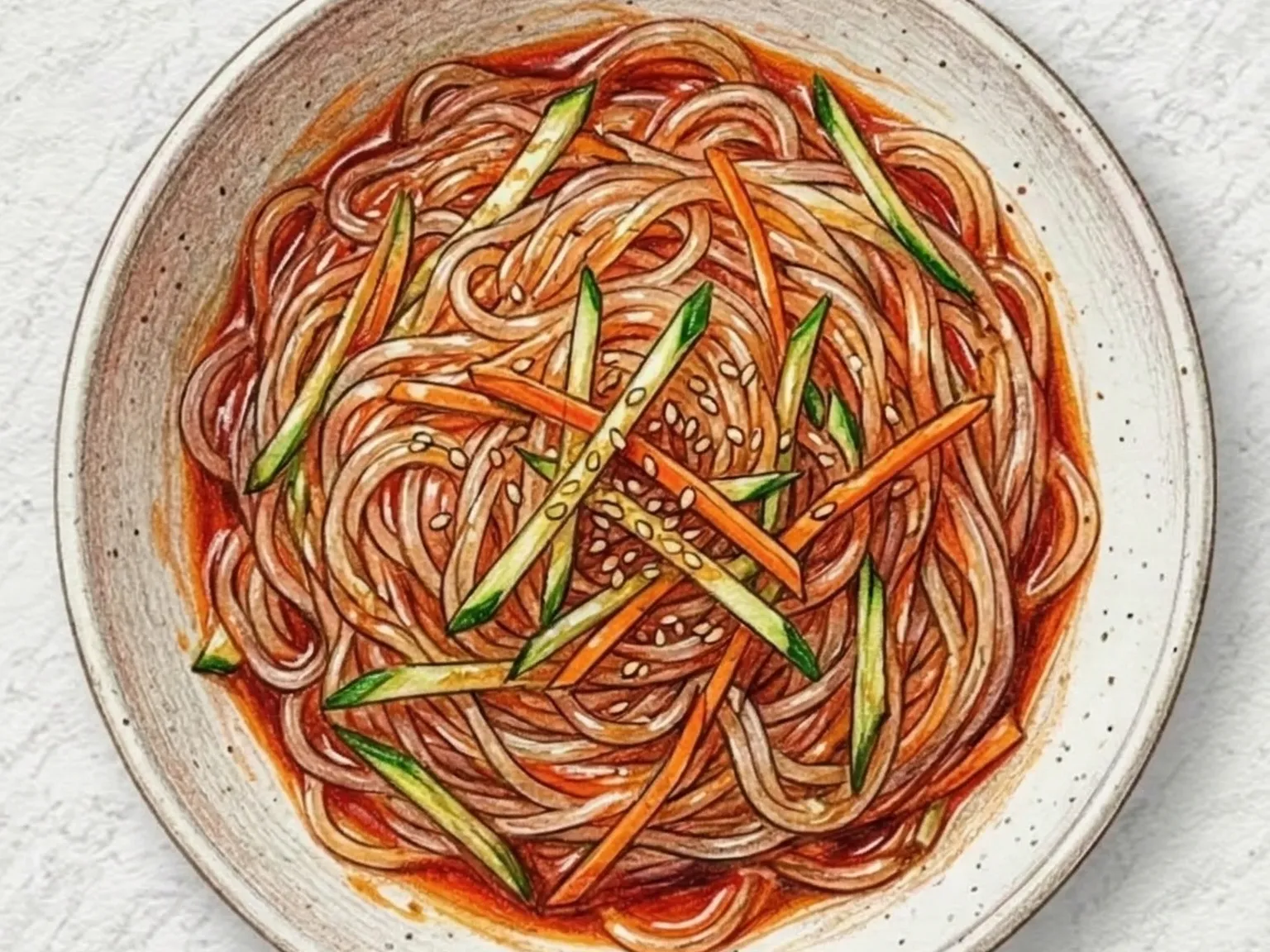
Busan bibim dangmyeon is a spicy mixed noodle dish rooted in the street food culture of Busan's traditional markets, built around springy sweet-potato glass noodles tossed with sliced fish cake, cucumber, and cabbage in a bold chili paste and soy sauce dressing. The translucent noodles are highly elastic and cling tenaciously to the sauce, so each mouthful delivers a concentrated hit of the spicy-sweet seasoning. Fish cake contributes a soft, savory depth that contrasts with the firm chew of the noodles, while shredded cucumber and cabbage add bursts of crunch throughout the bowl. Sesame oil and toasted sesame seeds finish the dish with a warm, nutty undertone. Because the recipe requires only boiling the noodles and tossing everything with a pre-mixed sauce, it comes together in a matter of minutes. The chili paste ratio can be adjusted freely to control heat level, and in Busan the dish is typically served in a single bowl and mixed at the table with a fork.

Buckwheat Noodle Salad
Thoroughly rinsing boiled soba noodles in cold water removes the starchy film that forms on the surface during cooking. This specific step prevents the noodles from clumping together and ensures the dressing coats each strand evenly. Rinsing multiple times produces a firm and elastic texture, highlighting the characteristic coarse bite of the buckwheat. The sauce relies on a base of tsuyu combined with rice vinegar to provide a sharp acidity that cleanses the palate after every bite. This combination avoids the heavy residue often found in oil-based dressings. Shredded lettuce and sliced cucumber add a crisp, watery element to the bowl, while the addition of red cabbage provides a purple visual contrast against the brown noodles. A final topping of roasted seaweed strips adds a toasted ocean scent to the dish. For a complete meal, adding chicken breast or a boiled egg provides additional protein. The dressing remains stable when prepared in advance and stored in the refrigerator, allowing for quick assembly when the vegetables and noodles are ready.

Chili Paneer (Spicy Fried Cheese Stir-Fry)
Chili paneer belongs to Indo-Chinese cuisine, a fusion genre that emerged in the late nineteenth century when Hakka Chinese immigrants settled in Kolkata and began cooking with Indian ingredients and techniques. Cubes of paneer, India's firm fresh cheese that holds its shape under high heat without melting, are coated in cornstarch and deep-fried until a crisp shell forms, then tossed in a blazing-hot wok with diced garlic, green chilies, bell peppers, and onions, all brought together in a sauce built from soy sauce, chili sauce, tomato ketchup, and vinegar. The starchy crust absorbs the punchy sauce while shielding the soft, milky interior of the paneer, and the contrast between the crunchy shell and the yielding cheese inside is the defining pleasure of the dish. Two distinct styles exist: dry, where the sauce barely coats each cube and the dish is eaten as a starter or with drinks, and gravy, where a thicker, glossier sauce pools generously around the paneer for scooping with naan or ladling over fried rice. The flavor profile, salty soy meeting sour vinegar, sweet ketchup cutting through hot chili, is neither Chinese nor Indian but something entirely its own, a product of a specific immigrant community adapting to a new place while keeping familiar techniques alive.

Korean Spicy Ponytail Radish Salad
Chonggak - small ponytail radishes sold with their green tops still attached - appear at Korean markets through the autumn season. Unlike chonggak kimchi, which ferments for weeks, this fresh muchim salts sliced radishes for just 15 minutes to draw out water and concentrate their crunch before seasoning. Gochugaru, fish sauce, garlic, sugar, and vinegar coat the slices in a spicy-sour glaze that clings tightly to each piece. Young Korean radishes have a sharp, peppery bite that is more assertive than that of larger, older radishes, and that edge comes through clearly in the finished dish. Including the radish greens adds a softer texture that varies the mouthfeel. Best eaten on the day it is made, before the salt continues to draw moisture and soften the flesh.

Korean Gochujang Bibim Udon Cup (Spicy Mixed Udon Cup)
Gochujang bibim udon cup is a cold-tossed udon noodle dish served in a cup, dressed with a sauce built from gochujang, soy sauce, oligosaccharide syrup, vinegar, and sesame oil. The fermented heat of gochujang meets the acidity of vinegar to create a bright, tangy-spicy flavor profile that avoids sharpness, and the viscous syrup gives the sauce enough body to cling evenly to the thick udon strands. Raw julienned cabbage and carrot are folded in without cooking, adding a snappy crunch that contrasts the soft noodles. Cooling the noodles completely before tossing is a key step that prevents the sauce from clumping and ensures even distribution throughout the cup. The handheld cup format suits street food settings, and additional toppings such as a soft-boiled egg or seasoned seaweed can elevate it into a fuller meal.

Korean Steamed Lotus Root
Yeongeun-jjim is Korean steamed lotus root where thick-cut slices are braised gently in a soy sauce, sugar, and cooking wine seasoning under a covered lid. The thick cross-sections absorb the sauce slowly, developing a sweet-salty coating on the outside while maintaining a crisp-chewy dual texture inside. Sesame oil added at the end lifts a toasted fragrance, and scattered sesame seeds provide visual contrast. With only a handful of ingredients, this side dish showcases the lotus root's natural starchy character in a clean, understated preparation.

Korean Mushroom Jangajji (Shiitake Oyster Soy Pickle)
Beoseot jangajji is a Korean fermented mushroom side dish produced by briefly blanching shiitake and king oyster mushrooms, then submerging them in a soy sauce, vinegar, and sugar brine that has been brought to a boil and cooled. The shiitake brings a thick, meaty chew that firms further as it absorbs the pickling liquid, while the king oyster stays springy and dense, so a single batch of this jangajji provides two distinct textures from one marinade. Soy sauce supplies a deep umami foundation and vinegar cuts through with its sharp acidity, creating a balance that tastes substantial and complete without any meat or added stock. The ratio of vinegar to soy sauce can be adjusted to preference: more vinegar produces a brighter, more assertive pickle, while reducing it brings out the soy sauce's savory depth. Stored in the refrigerator, beoseot jangajji keeps well for over a week, making it one of the more practical banchan to prepare in advance and draw from throughout the week.

Busan Milmyeon (Korean Cold Wheat Noodles)
Busan milmyeon is a cold noodle dish unique to the city of Busan, built around chewy noodles made from wheat flour and starch served in a thoroughly chilled beef bone broth. The broth is made by simmering beef bones for a long time, then chilling it until the solidified fat can be skimmed cleanly from the surface, which produces a clear, lean broth that is savory without being heavy. A mound of spicy-sweet chili paste placed on top of the noodles introduces a sharp kick that cuts through the cold and stimulates appetite even on the most sweltering days. The noodles are softer and more yielding than the buckwheat strands used in pyongyang-style naengmyeon, and they absorb the beefy broth with each bite. Cutting the noodles with scissors and alternating between sips of cold broth and bites of dressed noodles is the local eating ritual that distinguishes milmyeon from other cold noodle dishes. Half a boiled egg and thin cucumber slices form the standard garnish, and a splash of vinegar and a dab of mustard on the table allow each diner to adjust the flavor balance to taste. The dish traces its origin to the wartime period of the early 1950s, when refugees displaced to Busan during the Korean War began making cold noodles with wheat flour as a substitute for the buckwheat they could no longer obtain from the north.