Charim

2686 Korean & World Recipes

2686+ Korean recipes, clean and organized. Ingredients to instructions, all at a glance.

Recipes with zucchini

24 recipes

Buy zucchini
Korean Black Bean Sauce Rice
RiceEasy

Korean Black Bean Sauce Rice

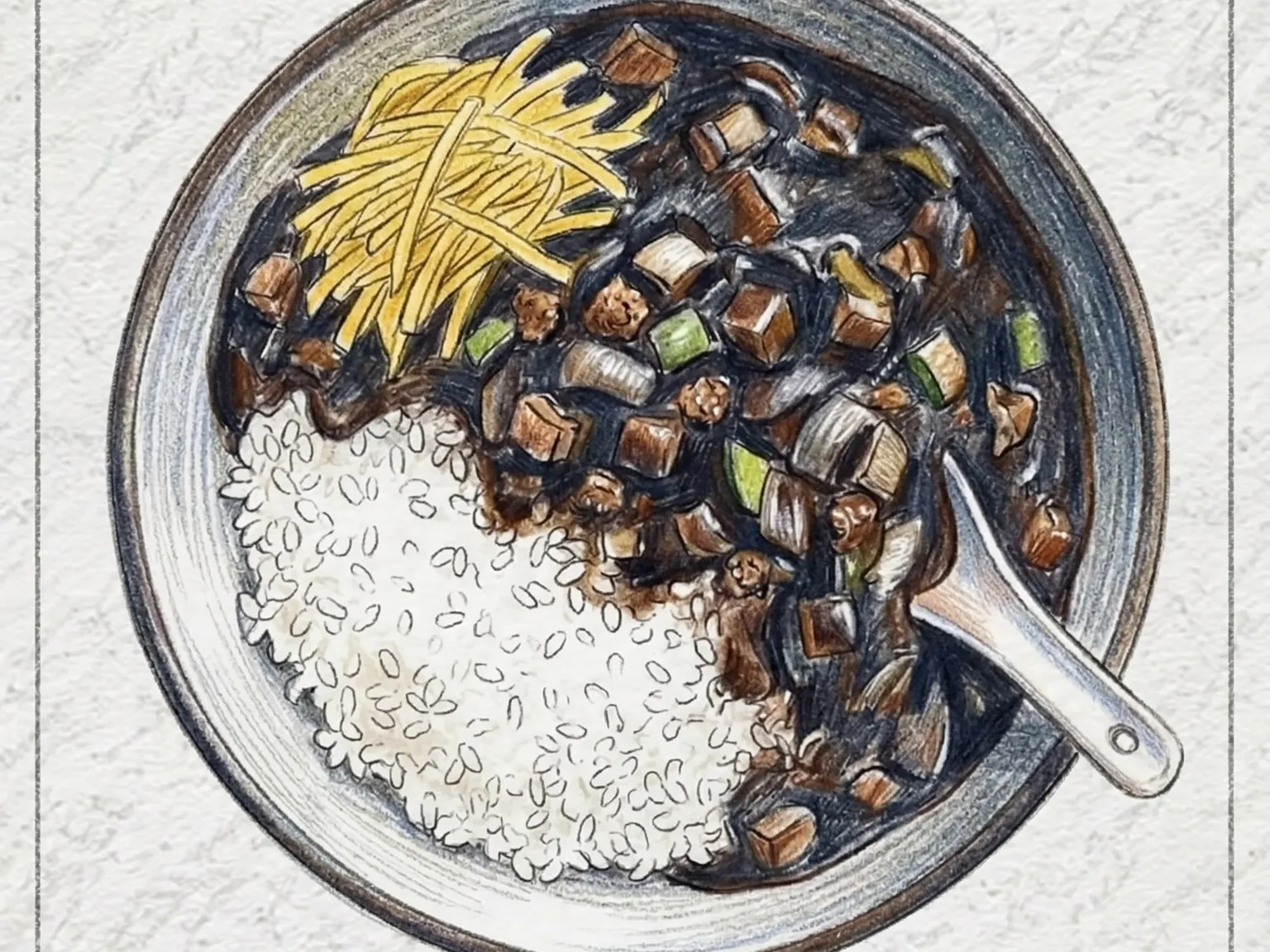
The key to jjajangbap lies in pre-frying chunjang (Korean black bean paste) in oil to strip its raw bitterness and unlock a toasty, earthy aroma. Ground pork, diced onion, zucchini, and cabbage are stir-fried until just softened, then folded into the fried paste so the dark sauce coats every piece. A potato starch slurry thickens the mixture after a brief simmer, giving it enough body to cling to rice without pooling. The finished bowl delivers a mellow sweetness mostly from the caramelized onion, layered with fermented soybean depth - a homestyle take on Chinese-Korean comfort food.

🏠 Everyday
Prep 20minCook 20min2 servings
Korean Potato Hand-Torn Dough Soup
SoupsMedium

Korean Potato Hand-Torn Dough Soup

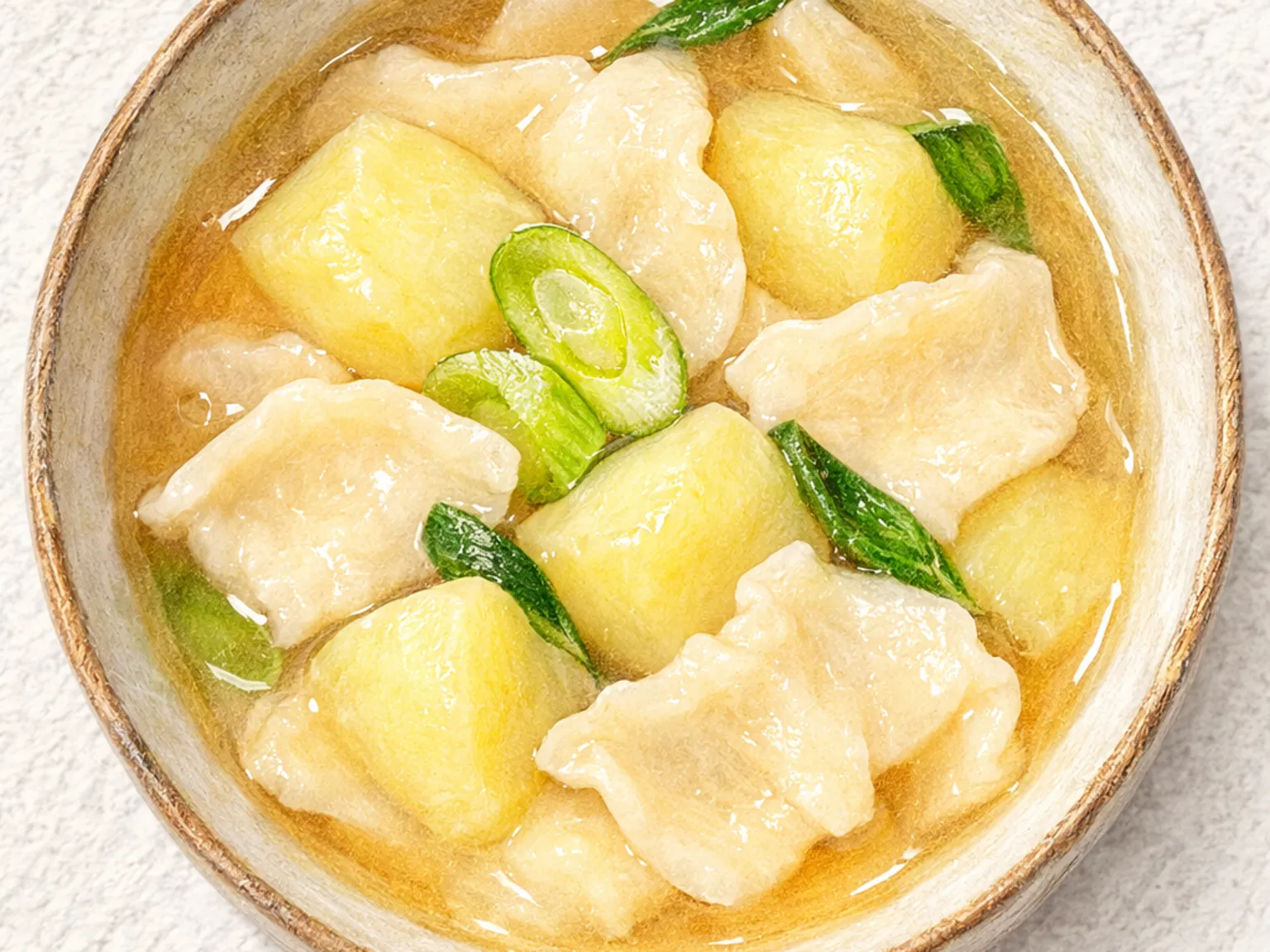
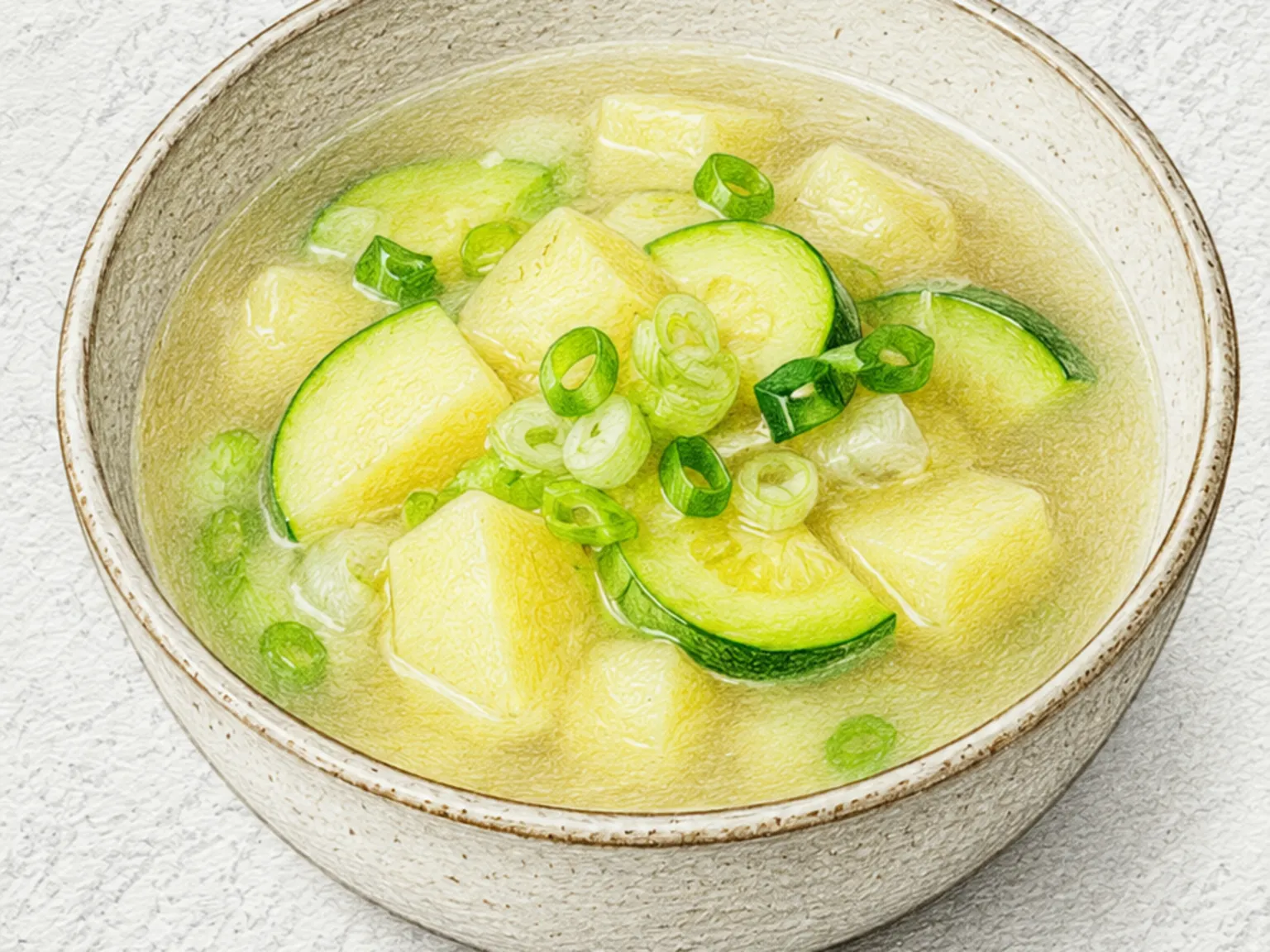
Gamja sujebi-guk is a Korean hand-torn dough soup in which pieces of wheat dough are pinched off and dropped into a simmering anchovy and kelp broth alongside potato and zucchini. The dough must be kneaded until it reaches the soft, elastic consistency of an earlobe - mixing to that point develops enough gluten to make the dough extensible and pliable, so that when pinched off it stretches thin rather than tearing in thick clumps. Resting the dough in the refrigerator for at least thirty minutes relaxes the gluten and makes it even more cooperative during tearing. When the dough is pulled apart, the technique matters: pressing the edges thin between the thumbs before tearing creates an irregular piece that is thick in the center and thin at the edges, so a single piece offers both the chewy resistance of the thick core and the delicate, almost noodle-like texture of the thin perimeter in the same bite. As the potatoes cook through and begin to soften, they release starch directly into the broth, building a naturally thickened, slightly viscous body without any roux or added thickener. Zucchini contributes mild sweetness and a soft texture that contrasts with the dense dough pieces. Soup soy sauce provides seasoning while keeping the broth's color clear and pale. Sliced green onion and cheongyang chili stirred in toward the end add depth and a gentle heat. A shower of roasted seaweed flakes on top finishes the bowl with a nutty, oceanic note.

🏠 Everyday
Prep 20minCook 25min4 servings
Cheonggukjang Jjigae (Korean Fermented Soybean Stew)
StewsEasy

Cheonggukjang Jjigae (Korean Fermented Soybean Stew)

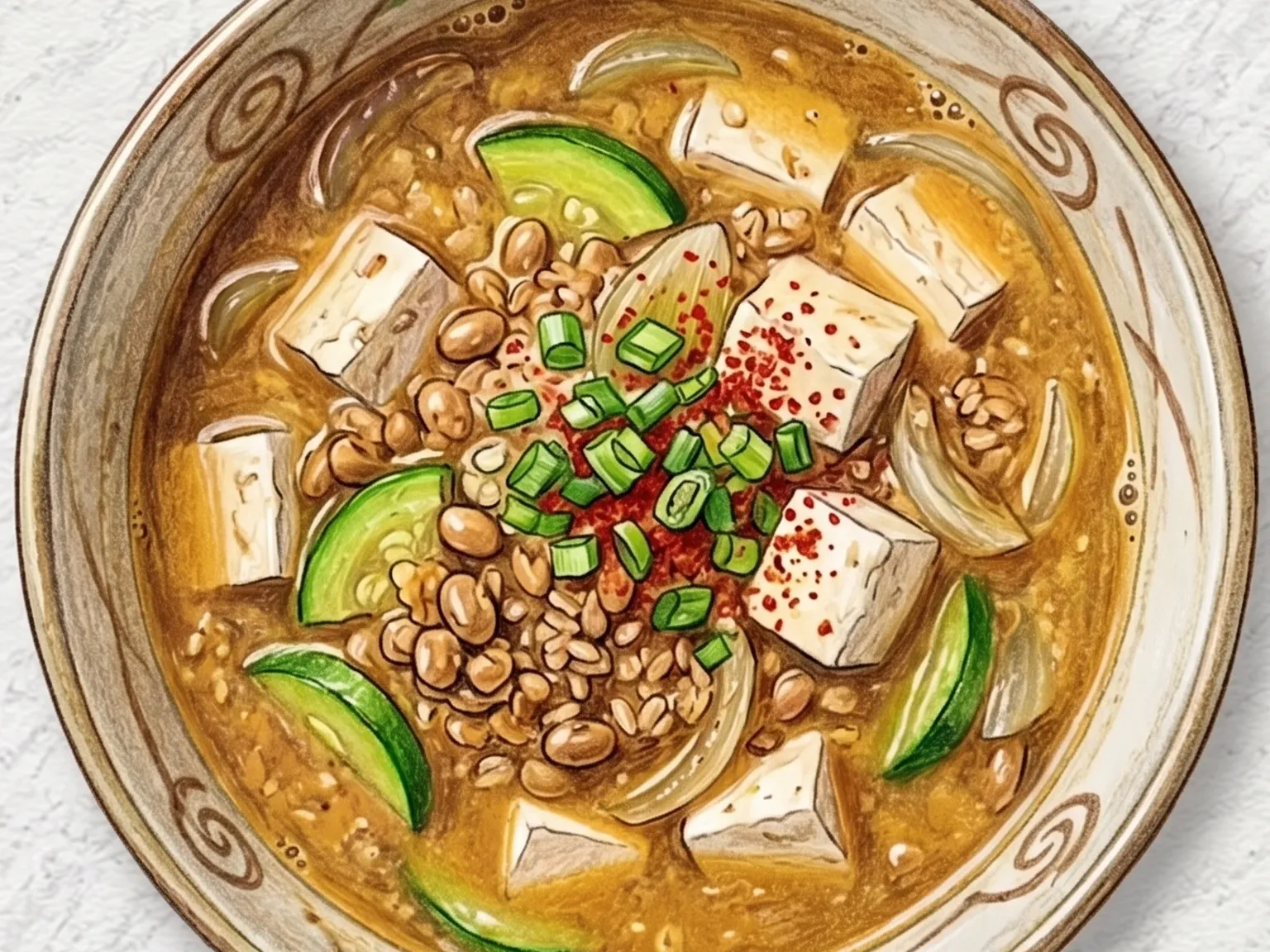
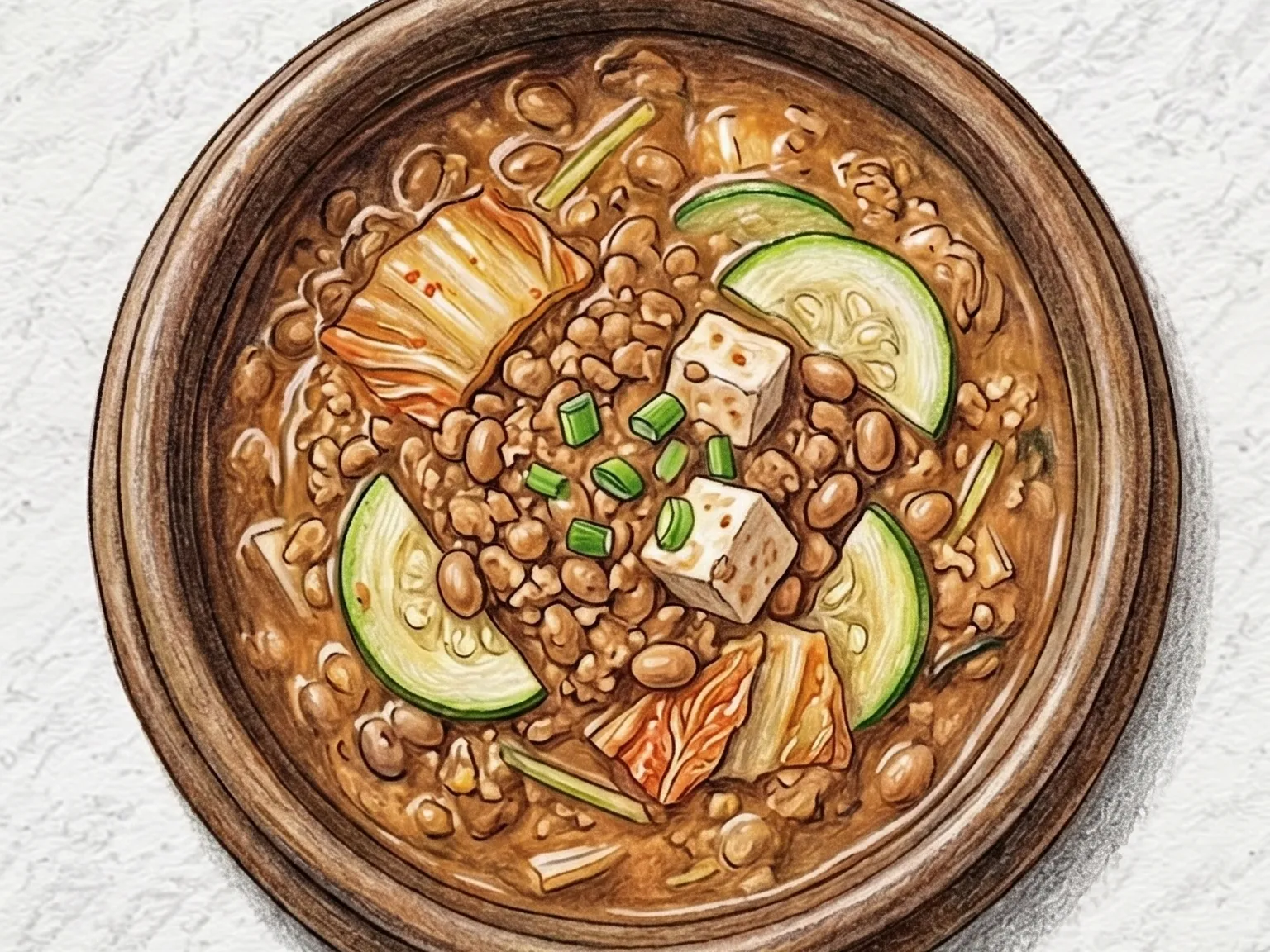
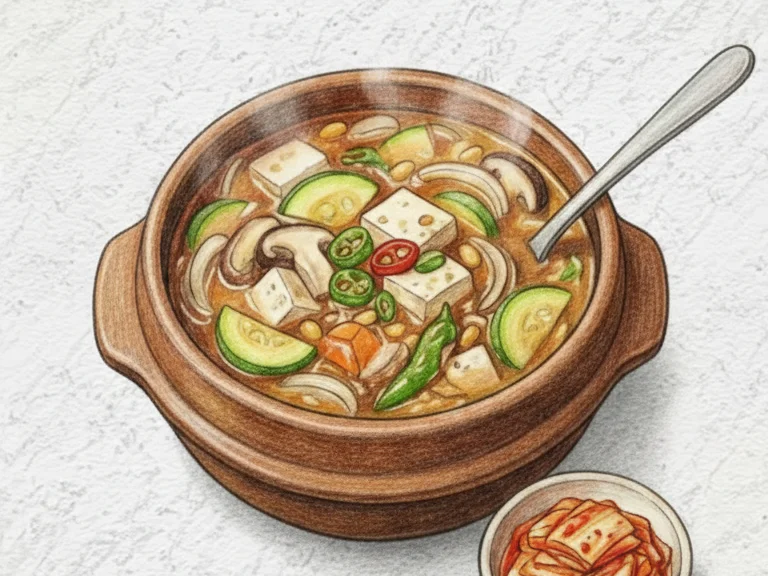
Cheonggukjang is a stew made from fast-fermented soybean paste. The short fermentation period produces a pungent, assertive aroma that mellows into a deeply nutty, savory flavor once the pot comes to a boil. Kimchi, zucchini, tofu, and onion are added to the bubbling liquid, each absorbing the thick, earthy broth as it simmers. Traditionally served piping hot in a stone pot, the stew is poured directly over freshly steamed rice -- a combination that represents one of the most enduring forms of Korean home cooking.

🏠 Everyday
Prep 10minCook 15min2 servings
Korean Beef Brisket Soybean Paste Noodles
NoodlesMedium

Korean Beef Brisket Soybean Paste Noodles

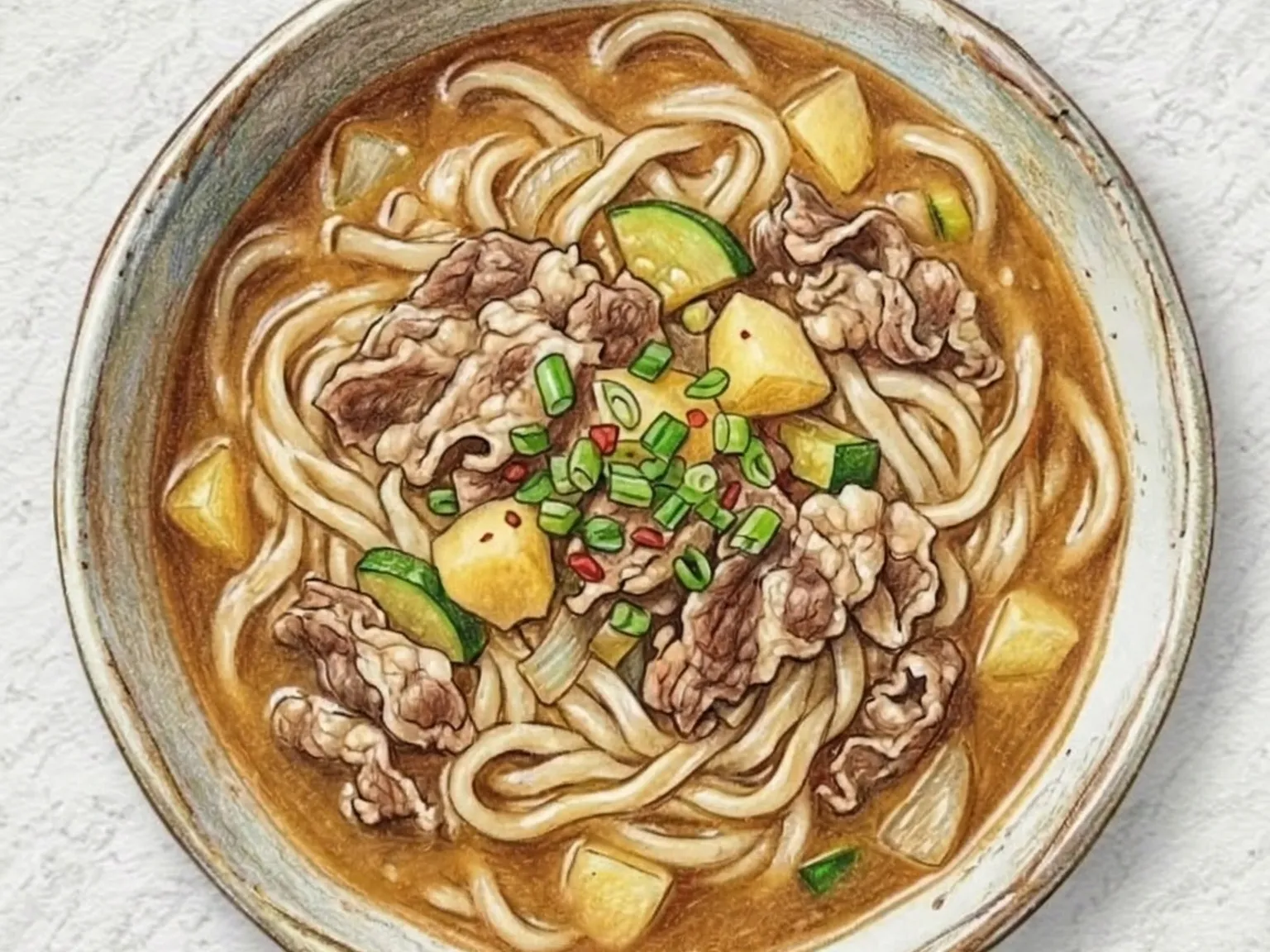
Chadol doenjang kalguksu is a Korean noodle soup made by simmering thin slices of beef brisket in a soybean paste broth and adding hand-cut wheat noodles to finish the bowl. The doenjang gives the broth a fermented, earthy depth, and the marbled fat from the brisket slowly renders into the simmering liquid, adding body and a gentle richness that rounds out each spoonful. Kalguksu noodles are rolled thin by hand and cut with a knife, so they are naturally uneven in thickness. Thicker sections retain a satisfying chew while thinner edges go silky and absorb the broth more readily, which means a single bowl contains multiple textures without any deliberate effort. Zucchini, potato, and onion are added early and cook down into the broth, contributing natural sweetness that tempers the saltiness of the doenjang. Minced garlic and sliced scallion stirred in near the end lift the aroma and add a fresh, sharp note at the finish. Because doenjang concentrates as the broth reduces, starting with more water than seems necessary is a practical safeguard against the soup becoming too salty before the noodles are cooked through. Serving the noodles immediately after cooking prevents them from absorbing too much liquid and going soft.

🏠 Everyday
Prep 15minCook 20min2 servings
Korean Blue Crab Doenjang Pot Rice
RiceHard

Korean Blue Crab Doenjang Pot Rice

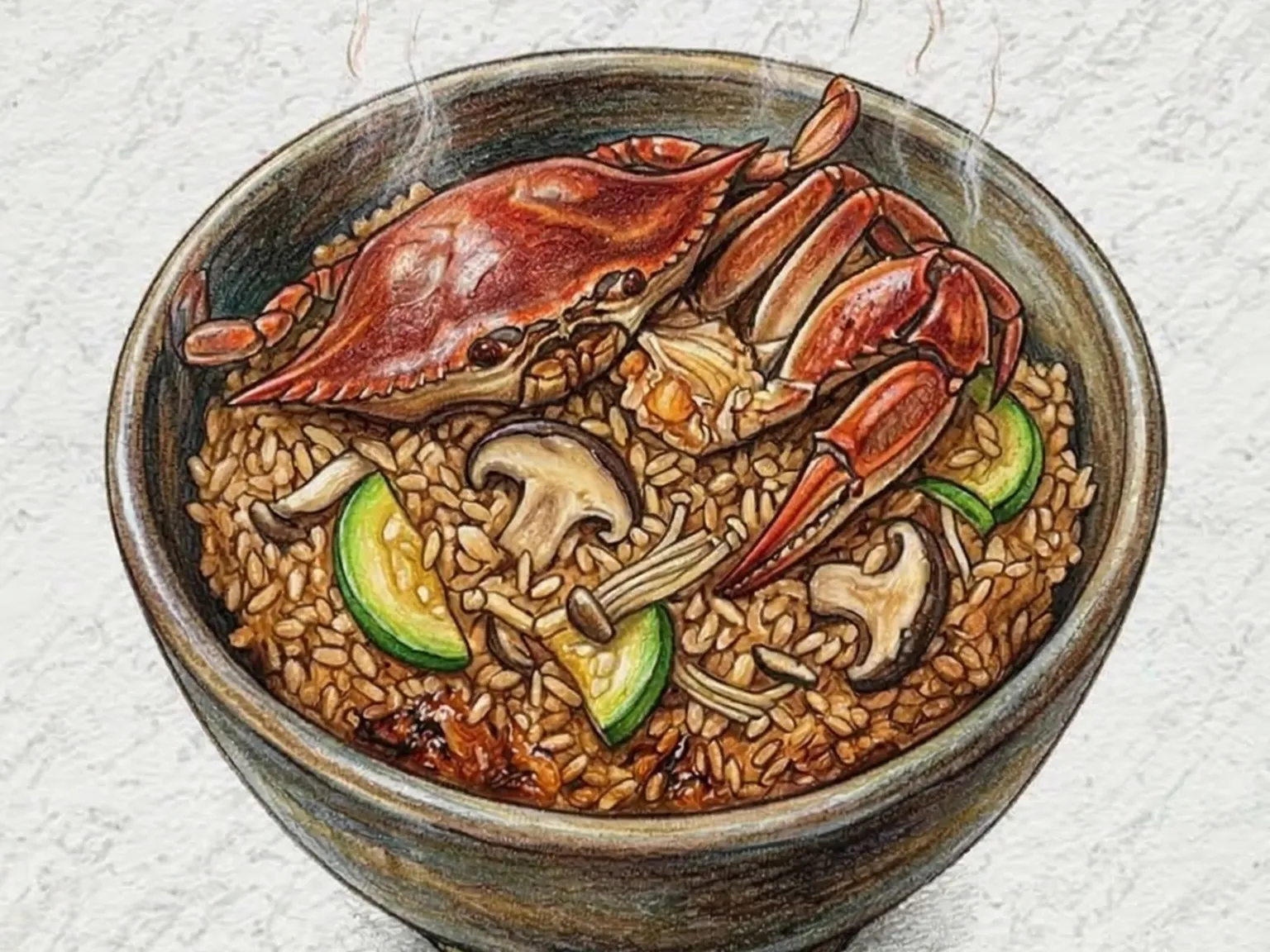
Cleaned blue crab sits atop soaked rice in a heavy pot, cooked in anchovy-kelp stock that has been infused with dissolved doenjang. Garlic and vegetables are sauteed first in perilla oil to build an aromatic base before the stock-doenjang mixture is poured in and brought to a boil. The crab goes on top and the pot is covered for five minutes on high heat, fifteen minutes on low, then ten minutes off the heat to rest and steam through. The crab's briny sweetness and the doenjang's fermented, earthy depth soak into every grain of rice during the long, slow cook. Zucchini and shiitake mushrooms add a mild sweetness that tempers the saltiness and rounds out the bowl. One additional minute on low heat after resting creates a golden, nutty nurungji crust at the bottom, a prized texture in Korean pot rice. Doenjang saltiness varies by brand, so tasting the diluted stock before adding rice lets you calibrate without oversalting. A few slices of cheongyang chili on top cut through the fermented richness and add a sharp finishing heat.

🏠 Everyday🎉 Special Occasion
Prep 20minCook 35min4 servings
Korean Oyster Soft Tofu Soup
SoupsEasy

Korean Oyster Soft Tofu Soup

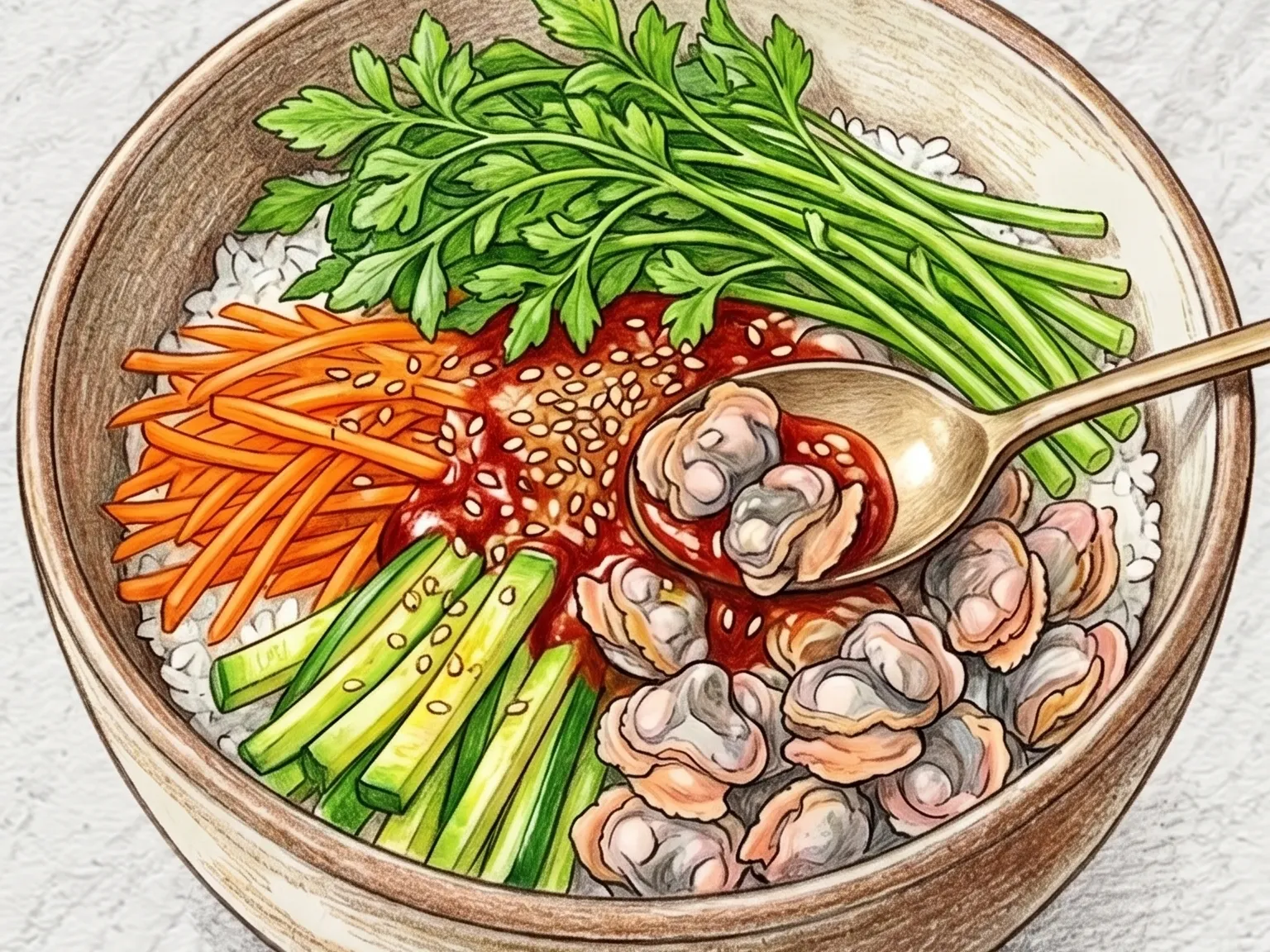
Gul-sundubu-tang is a Korean soup that brings together briny fresh oysters and silky soft tofu in a lightly spicy broth. The flavor base starts with garlic and gochugaru bloomed in sesame oil, giving the entire pot a warm, aromatic heat from the first minute. Sliced zucchini and onion go in next, contributing a natural sweetness that tempers the chili. Water is added, and once simmering, spoonfuls of wobbly sundubu tofu are dropped in. The oysters go in at the very last moment so they stay plump and tender rather than shrinking into rubbery nuggets. Soup soy sauce adjusts the salt. The finished bowl is rust-red, gently spicy, and layered: the tofu melts on the tongue, the zucchini offers a mild crunch, and the oysters deliver bursts of sea flavor throughout.

🏠 Everyday
Prep 12minCook 18min2 servings
Korean Wild Chive Soybean Paste Stew
StewsEasy

Korean Wild Chive Soybean Paste Stew

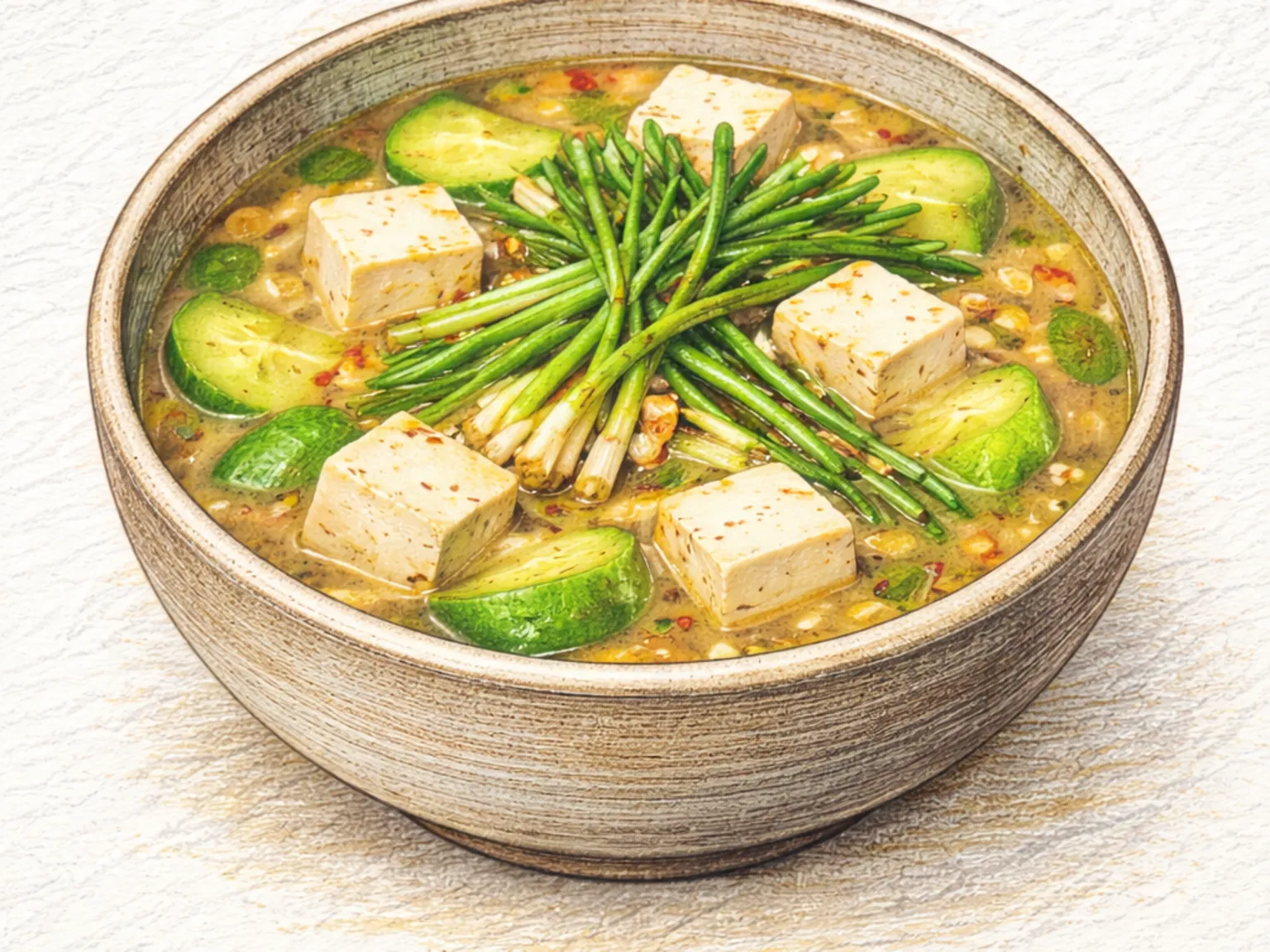
This doenjang jjigae features dalrae (wild chives), a prized spring ingredient in Korean cooking. Anchovy-kelp stock is simmered with soybean paste, tofu, zucchini, and onion to build a full-bodied, savory base, then wild chives are added just before turning off the heat to preserve their sharp, garlicky aroma. A single Cheongyang chili adds measured heat that underscores the earthiness of the doenjang without overwhelming it. Adding the chives root-end included intensifies the fragrance noticeably compared to using leaves alone. At its best between February and April when freshly harvested dalrae is available, this is a seasonal jjigae that restores appetite when nothing else seems appetizing.

🏠 Everyday
Prep 12minCook 18min2 servings
Korean Chicken Janchi Guksu
NoodlesEasy

Korean Chicken Janchi Guksu

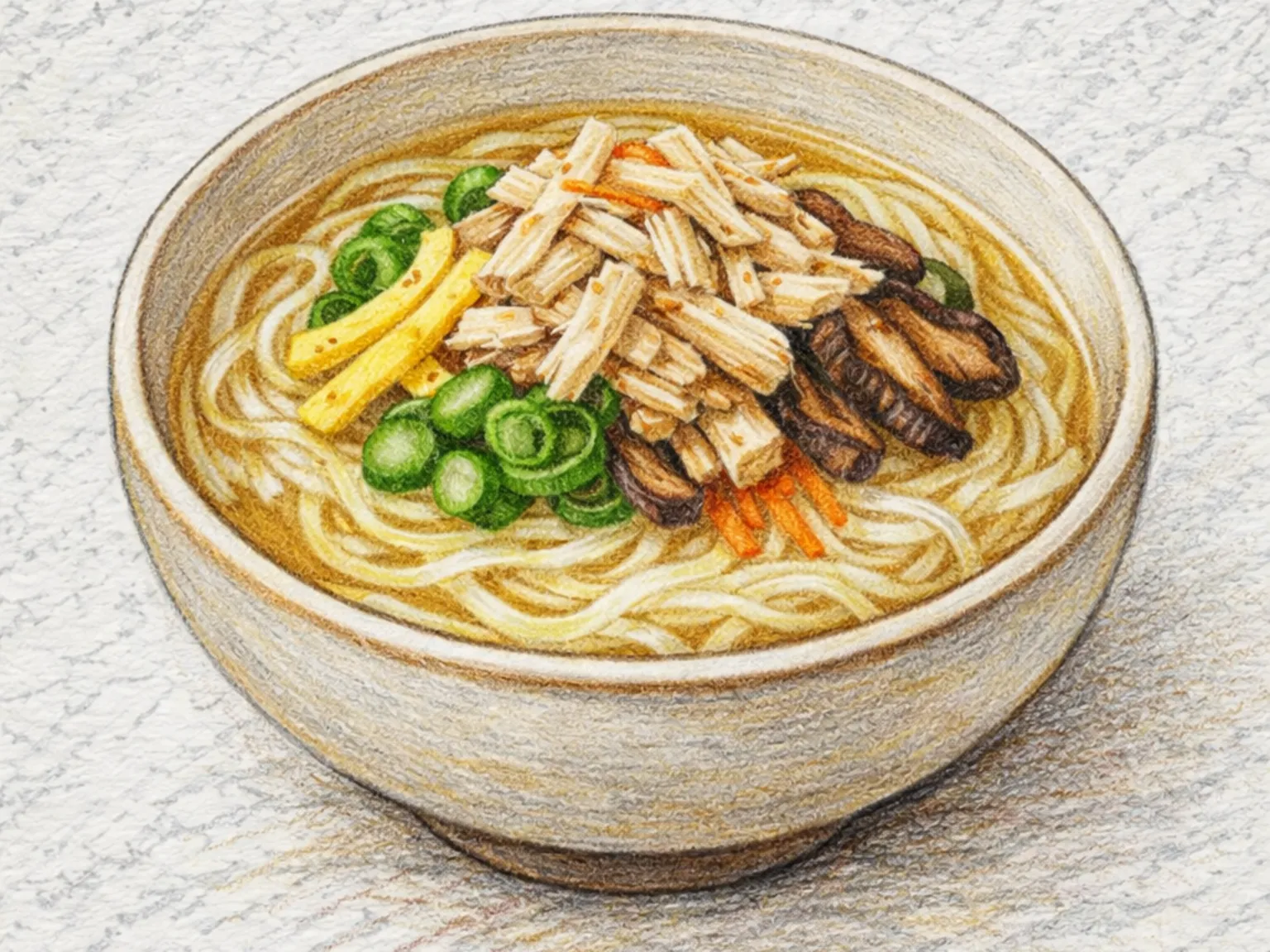
Korean janchi guksu topped with poached chicken breast. Thin wheat noodles are placed in a clear anchovy-kelp broth and finished with generous shreds of chicken that has been simmered and pulled apart along the grain. The chicken adds lean protein that makes each bowl more substantial than the classic version while keeping the broth light and clean. Julienned zucchini, crumbled dried seaweed, and thin egg-crepe strips add color and textural variety, and a small dish of soy-based seasoning sauce on the side lets diners adjust the saltiness to their preference. The noodles are boiled separately and rinsed in cold water to lock in their springiness before being placed in the hot broth just before serving, so they stay firm rather than turning soft. Because the recipe scales up without difficulty, it is a reliable choice for celebratory gatherings and large groups where a warm noodle dish is needed.

🏠 Everyday
Prep 15minCook 20min2 servings
Korean Soy Pulp Porridge (High-Protein Okara Anchovy Stock Porridge)
RiceEasy

Korean Soy Pulp Porridge (High-Protein Okara Anchovy Stock Porridge)

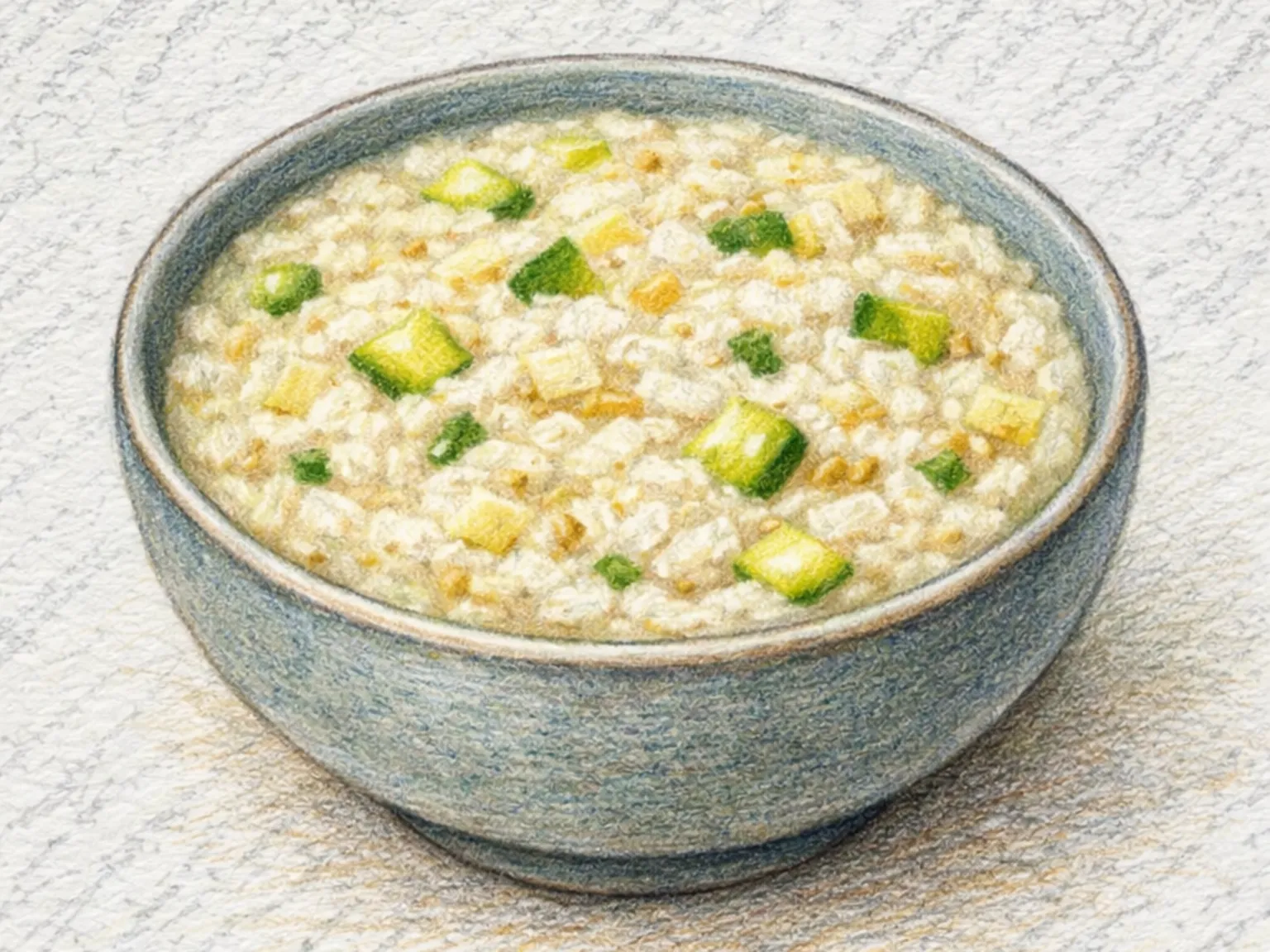
Soy pulp (okara) and soaked rice simmer together in anchovy stock, creating a thick, protein-rich porridge with a hearty body. Onion and garlic are first sauteed in sesame oil to build an aromatic base, then the rice goes in for a brief toast before the stock is added. Once the rice is half-cooked, soy pulp and diced zucchini join the pot, and constant stirring over low heat is essential since okara scorches quickly if left unattended. Seasoned with just salt and black pepper, this juk has a nutty, beany depth from the soy pulp paired with the clean umami of anchovy stock, making it filling yet light on the palate. Making the okara at home by blending soaked soybeans in a blender yields a noticeably fresher, more pronounced soy aroma than the packaged version and elevates the overall flavor of the finished porridge.

🥗 Light & Healthy🏠 Everyday
Prep 15minCook 20min2 servings
Korean Bellflower Root Tofu Stew
StewsEasy

Korean Bellflower Root Tofu Stew

Deodeok dubu jjigae is a Korean stew that simmers bellflower root and soft tofu in a broth made from rice-rinse water. Gochujang and doenjang are dissolved together to build a base that is simultaneously spicy and deeply savory. Bellflower root contributes a signature bitter-herbal fragrance and firm bite that sets the soup apart from standard tofu jjigae. Rice-rinse water acts as a natural thickener and rounds off any residual bitterness from the root. The contrast between the chewy deodeok and the yielding tofu gives each spoonful an interesting texture. Before cooking, the bellflower root is traditionally pounded to open its fibrous grain, which allows the seasoning to penetrate more evenly.

🏠 Everyday
Prep 15minCook 20min2 servings
Korean Fermented Soybean Paste Noodle Soup
NoodlesEasy

Korean Fermented Soybean Paste Noodle Soup

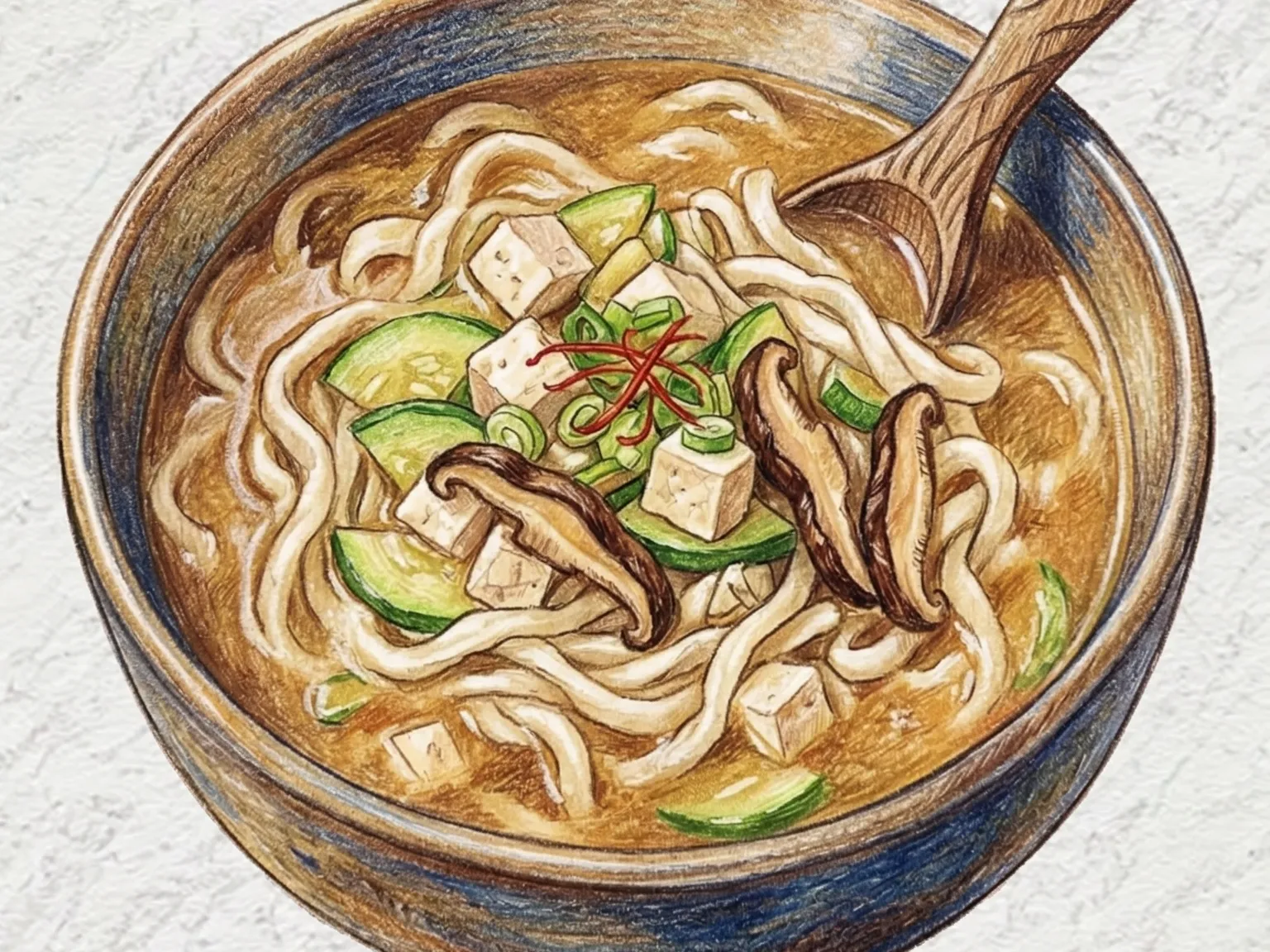
Doenjang kalguksu is a Korean noodle soup of knife-cut wheat noodles in an anchovy broth enriched with fermented soybean paste. Straining the doenjang through a fine-mesh sieve before adding it to the broth serves a specific purpose: it prevents uneven lumps and ensures the paste dissolves uniformly, which keeps any bitter notes from concentrating in spots. The fermentation depth of the doenjang and the glutamate-rich anchovy stock reinforce each other without needing added seasoning. Zucchini cut into half-moons and sliced shiitake mushrooms contribute sweetness and aroma as the broth simmers; cubed tofu adds a soft, yielding contrast to the chewy noodles. Timing dictates quality here: the final salt adjustment goes in right before the noodles, because doenjang pushed through extended boiling develops a pronounced bitterness that is difficult to correct. Once the noodles go in, the soup should be finished within two minutes to preserve their elasticity.

🏠 Everyday
Prep 10minCook 20min2 servings
Korean Shrimp Porridge (Creamy Rice Porridge with Shrimp Broth)
RiceEasy

Korean Shrimp Porridge (Creamy Rice Porridge with Shrimp Broth)

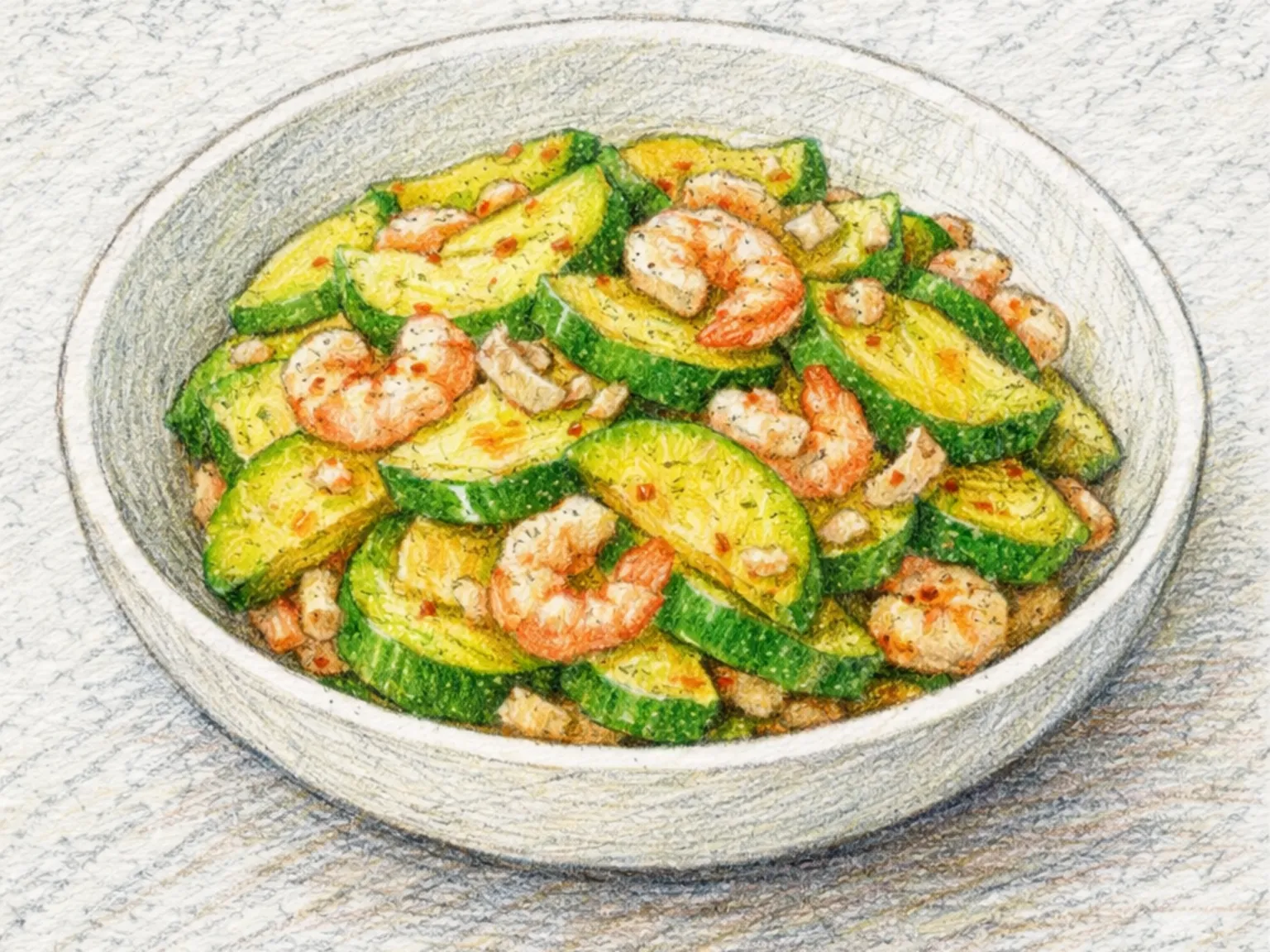
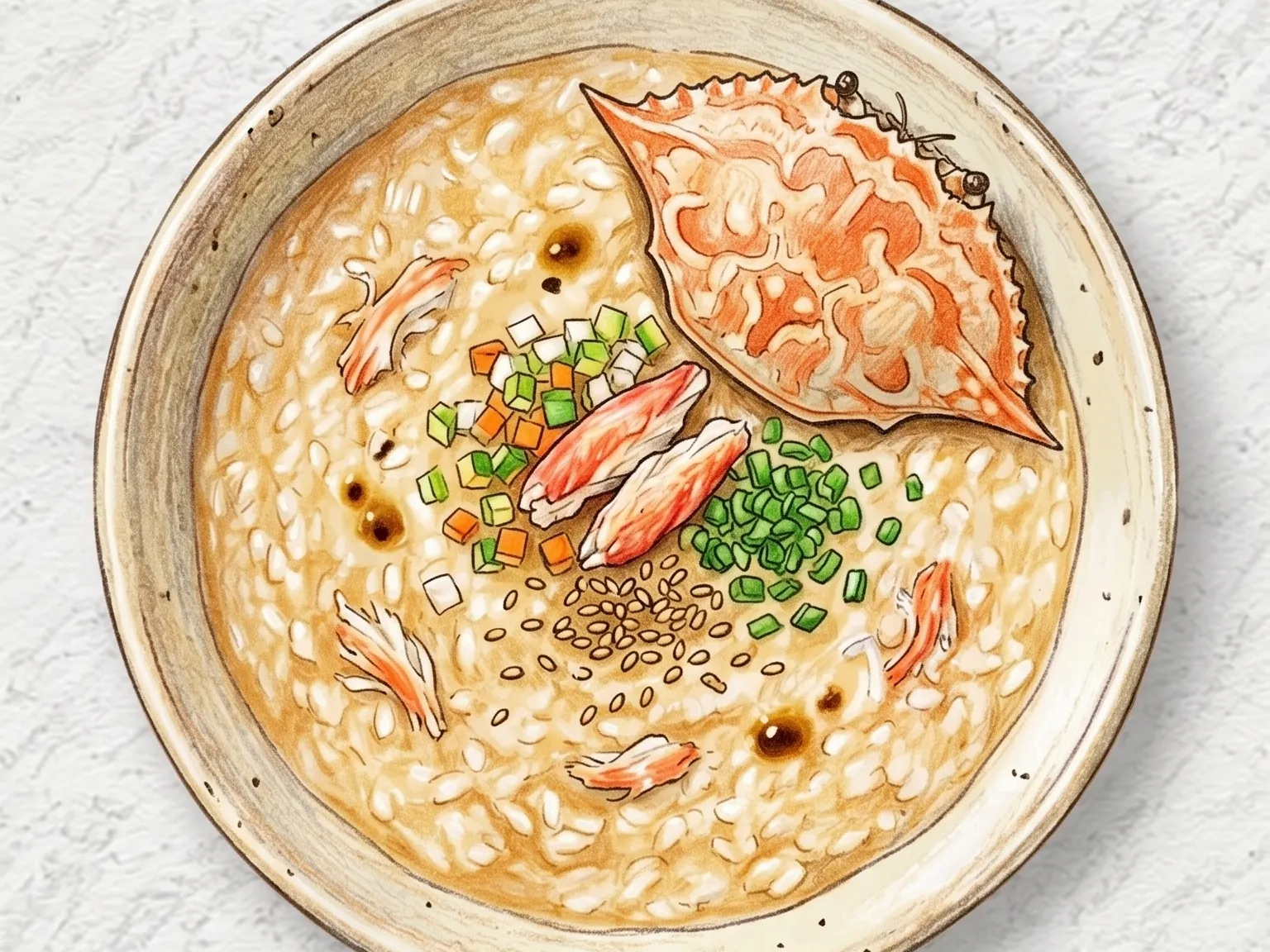
Saeu-juk is a Korean shrimp porridge that simmers rice with shell-on shrimp to draw out a gentle oceanic broth. The heads and shells are cooked down to build a flavorful stock, while the shrimp meat is minced and stirred in separately so each spoonful carries bursts of umami. Diced zucchini and carrot add mild sweetness that balances the seafood character. Soaked rice is first toasted in sesame oil before the liquid goes in, which gives the finished porridge a nuttier base and slightly thicker consistency. The result is a light, nourishing bowl with a clean finish - commonly served as a gentle breakfast or a recovery meal, where the warmth and mild flavor are as important as the nutrition.

🏠 Everyday
Prep 15minCook 30min2 servings
Korean Perilla Seed and Potato Stew
StewsEasy

Korean Perilla Seed and Potato Stew

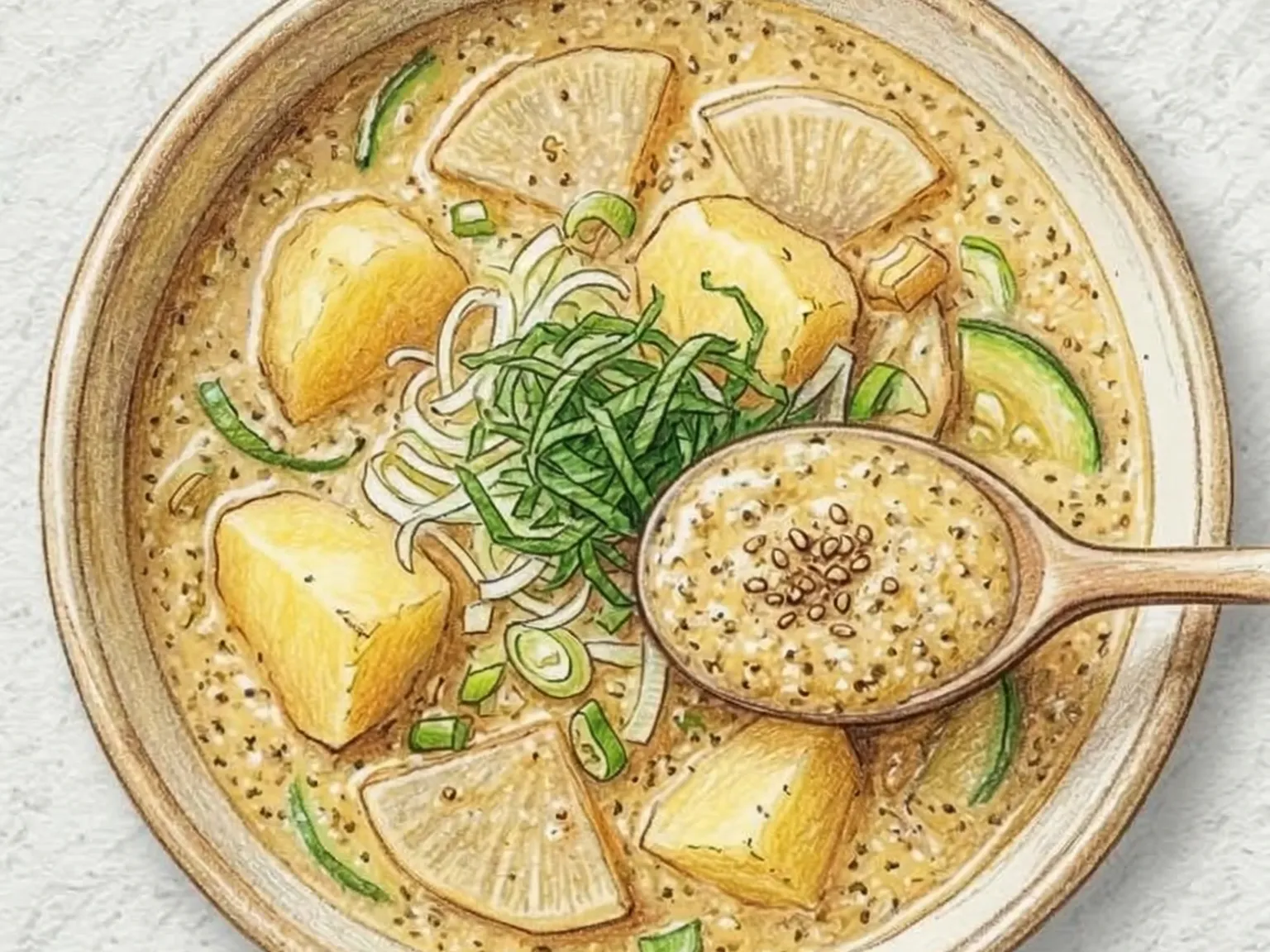
Deulkkae gamja jjigae is a potato stew enriched with ground perilla seeds, which give the broth a distinctly nutty thickness reminiscent of a light porridge. Potato wedges and sliced zucchini simmer in anchovy stock until the potatoes begin to soften and partially break down, naturally thickening the liquid. A generous amount of perilla seed powder stirred in near the end creates the signature creamy, toasty quality that defines this dish. Seasoned simply with soup soy sauce and garlic, it demonstrates how a short list of humble pantry ingredients can produce a deeply satisfying, filling bowl without any meat.

🏠 Everyday
Prep 10minCook 20min2 servings
Korean Potato Ongsimi Kalguksu
NoodlesHard

Korean Potato Ongsimi Kalguksu

Gamja ongsimi kalguksu is a Gangwon-do regional noodle soup featuring two distinct components in one bowl: knife-cut wheat noodles and small potato dumplings called ongsimi. The dumplings are formed by grating raw potato, squeezing out as much moisture as possible, then binding the pulp with potato starch and rolling the mixture into small round balls. As the ongsimi cook in the simmering anchovy-kelp broth, their exterior firms up and turns translucent while the interior retains the starchy, floury character of cooked potato, creating a double texture in each individual piece. The broth itself is kept light and clean to let the natural potato flavor of the dumplings come through, with thinly sliced zucchini adding a subtle sweetness. Removing excess moisture from the grated potato before shaping is the critical step that determines whether the dumplings hold their form or dissolve into the broth. This dish originates from Gangwon-do's potato farming culture and represents one of the region's most beloved comfort foods.

🎉 Special Occasion
Prep 35minCook 30min4 servings
Korean Vegetable Fried Rice
RiceEasy

Korean Vegetable Fried Rice

Carrots, onions, zucchini, and bell peppers are finely diced and tossed with rice in a hot wok, moving fast enough that each grain separates and picks up a light char. The vegetables release just enough moisture to keep the rice from drying out while the high heat ensures the grains stay individually distinct. Soy sauce and sesame oil provide a clean, nutty seasoning that lets the vegetable flavors come through. Topping with a fried egg or a shower of crushed nori turns this simple fried rice into a satisfying meal.

🥗 Light & Healthy Quick
Prep 10minCook 8min2 servings
Korean Soybean Paste Stew
StewsEasy

Korean Soybean Paste Stew

Doenjang jjigae is one of the most iconic stews in Korean home cooking. Fermented soybean paste is dissolved into a simple broth and simmered with tofu, potato, zucchini, and onion until everything comes together. Garlic adds aromatic warmth, and a Cheongyang chili sharpens the earthy base with a clean kick. The vegetables and tofu absorb the salty, savory broth as they cook, deepening the overall flavor. This is the everyday stew that anchors a Korean meal, pairing effortlessly with rice and any combination of banchan.

🏠 Everyday
Prep 15minCook 25min4 servings
Korean Seafood Knife-Cut Noodle Soup
NoodlesMedium

Korean Seafood Knife-Cut Noodle Soup

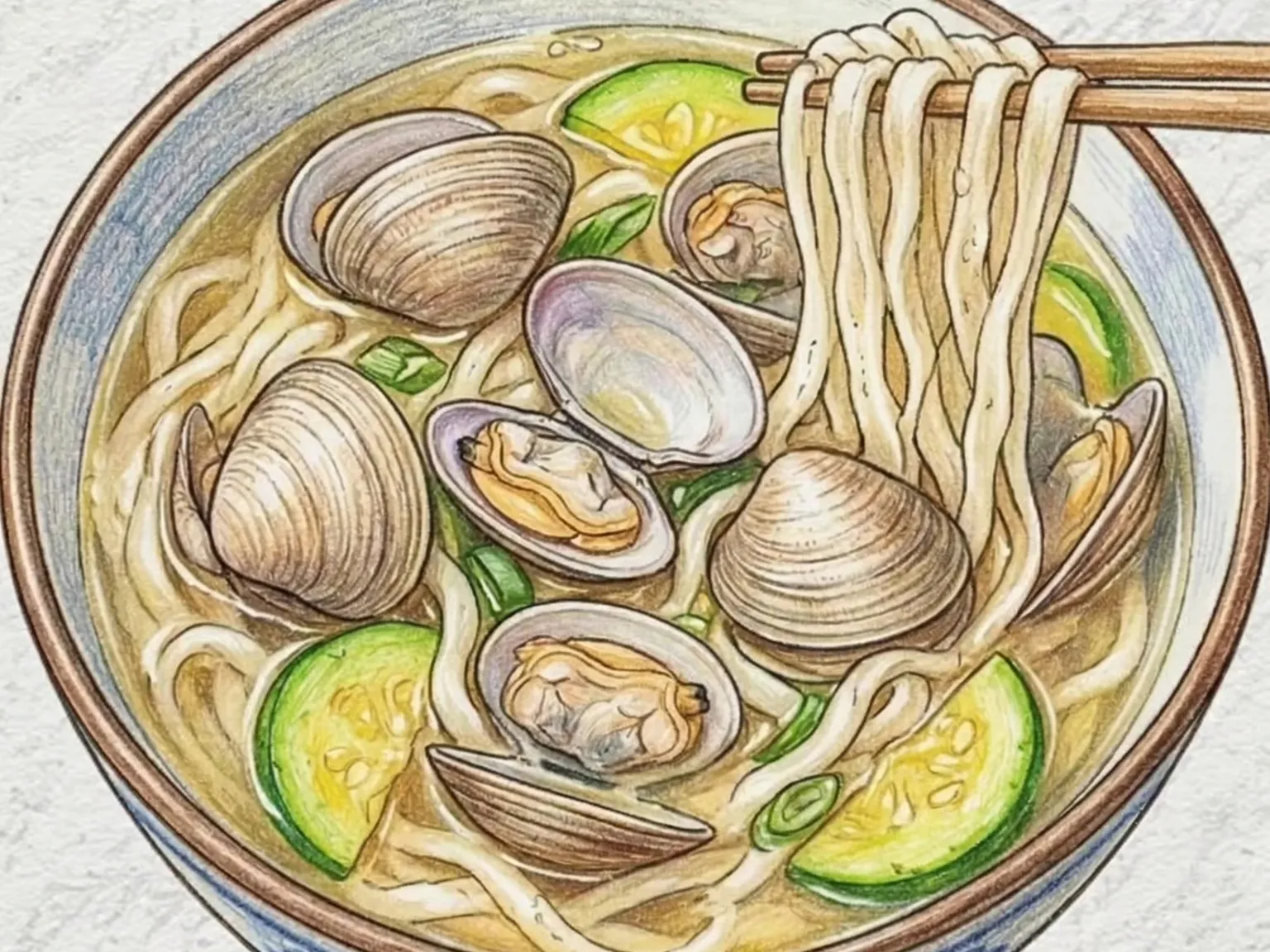
Haemul kalguksu simmers hand-rolled, knife-cut wheat noodles in a broth built from dried kelp, Manila clams, shrimp, and squid. The kelp forms the stock's clean mineral base, and as the clams open during cooking they release a briny liquor that enriches the broth considerably without any additional seasoning. Sliced zucchini adds a mild sweetness while green onion brings a fresh fragrance to the pot, and soup soy sauce with minced garlic rounds out the flavor into something clean and umami-rich without heaviness. Because kalguksu noodles are rolled thin and cut wide by hand, they release some starch into the broth as they cook, giving the soup a subtle natural body. The wide, flat noodles have a distinctive chewy texture and soak up the seafood broth with every bite, so that lifting a chopstick-full of noodle and clam delivers a concentrated taste of the sea in a single mouthful.

🏠 Everyday
Prep 15minCook 25min2 servings
Korean Frozen Pollack Stew
StewsMedium

Korean Frozen Pollack Stew

Dongtae jjigae is a spicy Korean stew built around whole frozen pollack, which separates into flaky, delicate pieces as it cooks through. Korean radish brings a clean, sweet undertone to the broth, while tofu and zucchini fill out each bowl with mild, soft contrasts to the fish. Gochugaru combined with a spoonful of doenjang creates a broth that is at once spicy, salty, and deeply savory rather than sharp in a single direction. Generous amounts of green onion and Cheongyang chili are added toward the end to cut through any fishiness and keep the heat clear and warming.

🏠 Everyday
Prep 15minCook 25min4 servings
Korean Banquet Noodles (Thin Noodles in Anchovy Kelp Broth)
NoodlesEasy

Korean Banquet Noodles (Thin Noodles in Anchovy Kelp Broth)

Janchi-guksu is a classic Korean celebration noodle soup with thin wheat noodles served in a clear broth drawn from dried anchovies and kelp. The broth balances the anchovies' deep umami against the kelp's restrained sweetness, with soup soy sauce used for seasoning so the liquid stays transparent and clean rather than cloudy or heavily salted. Julienned zucchini and carrot are stir-fried separately and arranged as garnishes on top, joined by strips of pan-fried egg crepe and crumbled roasted seaweed, giving the bowl its characteristic layered appearance of white, green, yellow, and black. The dish traces back to the custom of serving noodles to guests at weddings, birthdays, and first-birthday celebrations, with the long shape of the noodle carrying a folk belief about longevity that made it a natural fixture at auspicious events. The ingredients are few, but the care taken with the broth determines the character of the bowl - it is a dish that appears simple but rewards proper attention.

🏠 Everyday
Prep 20minCook 25min4 servings
Korean Aralia Shoot Soybean Paste Stew
StewsEasy

Korean Aralia Shoot Soybean Paste Stew

Dureup, the young shoots of the aralia tree, appear for only a few weeks in spring. Their pleasant bitterness and firm bite translate well into the savoury heat of doenjang broth. Anchovy stock forms the base, and both doenjang and gochujang are stirred in together to give the soup an earthy depth with a steady background heat. Zucchini and onion round out the bitterness with sweetness. Tofu fills the bowl with a soft contrast. The shoots go in late in the cooking so their crunch survives the heat of the broth.

🏠 Everyday
Prep 12minCook 16min2 servings
Korean Spicy Gangwon Knife-Cut Noodles
NoodlesEasy

Korean Spicy Gangwon Knife-Cut Noodles

Jang kalguksu is a Gangwon Province style of knife-cut noodle soup defined by dissolving both gochujang and doenjang directly into an anchovy-kelp stock, a combination that sets it apart from standard kalguksu at a fundamental level. The fermented chili paste brings a spicy, rounded sweetness while the soybean paste contributes a dense, earthy richness, and together they build a broth with a complexity that neither ingredient could produce alone. An additional measure of gochugaru piles on a sharper chili heat, giving the soup its signature fiery edge. Potato breaks down as it simmers, naturally thickening the broth without any added starch, while zucchini releases sweetness, and onion and green onion round out the aromatics. Fresh-cut noodles have a smooth exterior and a springy, slightly resistant bite that clings well to the thick, rust-red broth. The dish originates from the mountainous interior of Gangwon Province, where it warmed workers through cold seasons, and the combination of deep umami and lingering heat still makes it one of the most satisfying one-bowl meals in Korean regional cooking.

🏠 Everyday
Prep 15minCook 20min2 servings
Korean Soybean Paste Stew with Clams and Zucchini
StewsEasy

Korean Soybean Paste Stew with Clams and Zucchini

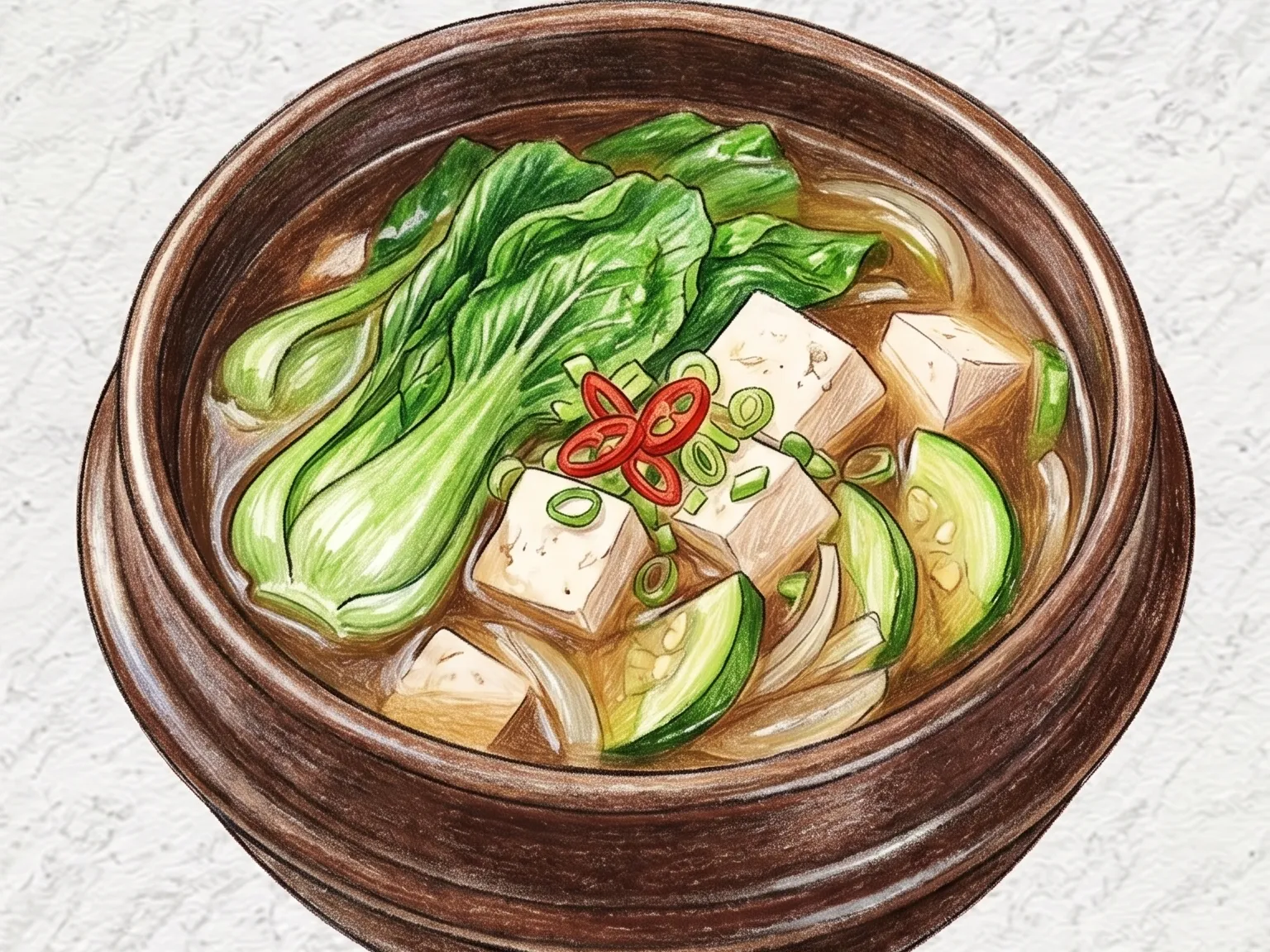
Bajirak aehobak doenjang jjigae is a Korean soybean paste stew that draws its distinctive clean depth from littleneck clams cooked alongside zucchini, potato, and tofu in rice-rinse water. As the clams open during cooking, they release their briny, slightly sweet liquor directly into the doenjang broth, deepening the fermented base with a layer of ocean salinity that soybean paste alone cannot produce. Potato breaks down gradually as the stew simmers, adding a subtle body to the broth without turning it starchy. Tofu and zucchini provide contrasting textures, the tofu soft and custardy while the zucchini retains a gentle resistance. Onion and minced garlic supply the sweet, aromatic foundation of the broth, and a Cheongyang chili introduces a clean, sharp heat that prevents the flavors from becoming too heavy. The pairing of the clams' saline, briny character with the earthy fermented depth of doenjang is what gives this particular version of the stew its reputation as one of the most satisfying everyday versions, served with a bowl of plain steamed rice.

🏠 Everyday
Prep 15minCook 20min2 servings
Korean Knife-cut Noodle Soup
NoodlesMedium

Korean Knife-cut Noodle Soup

Kalguksu is a Korean noodle soup made with hand-cut wheat noodles simmered in anchovy-kelp broth. The noodles are rolled flat and sliced with a knife, giving them a rough surface that absorbs broth and a satisfying chew distinct from machine-made pasta. Sliced potato, half-moon zucchini, and onion go into the pot, with the potato releasing starch that naturally thickens the broth as it cooks. Seasoning stays minimal - soup soy sauce, salt, minced garlic, and green onion added at the end - so the clean, savory depth of the stock comes through clearly. The dish is traditionally associated with rainy days in Korea, and adding clams turns it into a popular seafood variation.

🏠 Everyday
Prep 15minCook 25min2 servings
Korean Young Napa Cabbage & Salted Shrimp Stew
StewsMedium

Korean Young Napa Cabbage & Salted Shrimp Stew

Eolgari saeujeot jjigae is a jjigae seasoned with salted fermented shrimp rather than the more common doenjang or gochujang. Young napa cabbage, potato, and zucchini simmer together in rice-rinse water, absorbing the fermented shrimp's concentrated brininess as they cook. Gochugaru adds color and a measured heat, while cheongyang chili and green onion bring additional sharpness to the broth. The timing of the salted shrimp matters: adding it too early causes the salt to concentrate and the delicate umami to dissipate, so it should go in just before the heat is reduced. The result is a broth that is intensely savory and clean-tasting without feeling heavy -- an everyday jjigae that pairs naturally with plain steamed rice.

🏠 Everyday
Prep 18minCook 22min4 servings