🍺 Bar Snacks Recipes
Perfect pairings for beer, soju & wine
705 recipes. Page 3 of 30
In Korean drinking culture, anju (drinking snacks) are just as important as the drink itself. Beer goes with fried chicken, soju pairs with grilled pork belly and dubu-kimchi, and makgeolli calls for pajeon and bindaetteok. This tag gathers recipes designed to accompany a drink.
Great anju complements the beverage without overwhelming it. Salty, savory, and spicy options - prepare a few and you will be ready for any gathering.
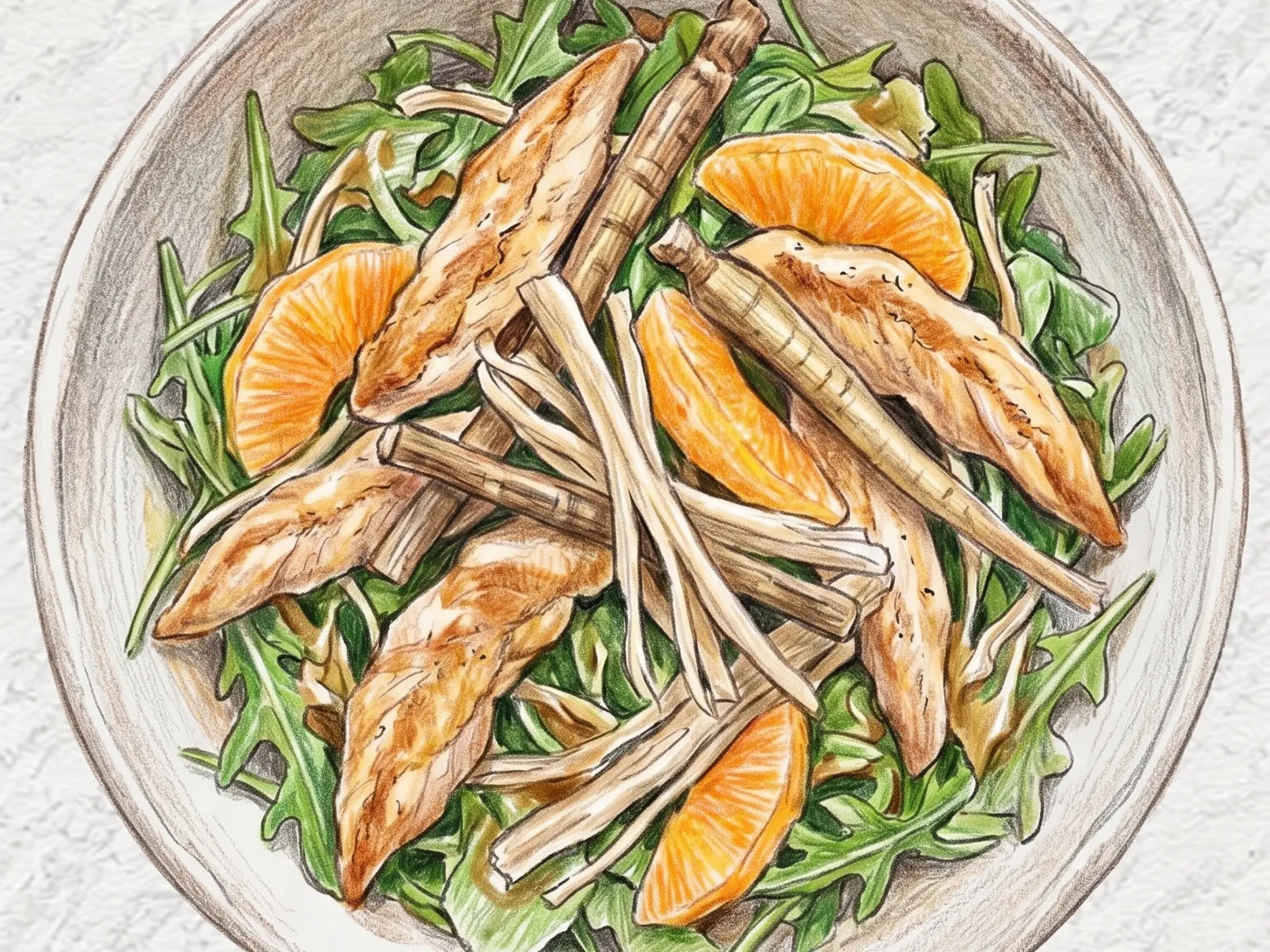
Deodeok Citrus Chicken Salad
Deodeok citrus chicken salad is a Korean-style dish that focuses on the interplay between various textures and flavors. The preparation involves pan-searing chicken tenderloin in a hot skillet until it develops a golden crust on the outside while the meat remains tender on the inside. This protein is paired with deodeok root, which is beaten or pounded before use to loosen its tough fibers and soften its structure. Deodeok provides a unique earthy quality and a subtle bitterness that is difficult to find in other root vegetables. Fresh orange segments are included to provide a bright acidity that balances the savory notes of the seared chicken and the natural earthiness of the deodeok. Arugula is used as the base of the greens, contributing a sharp, peppery layer to the overall composition. A simple dressing made from soy sauce and olive oil is used to integrate the Korean-inspired components with more Western salad elements. Because the dish contains a high amount of protein from the chicken and a significant volume of vegetables, it functions as a light meal that remains nutritionally complete.
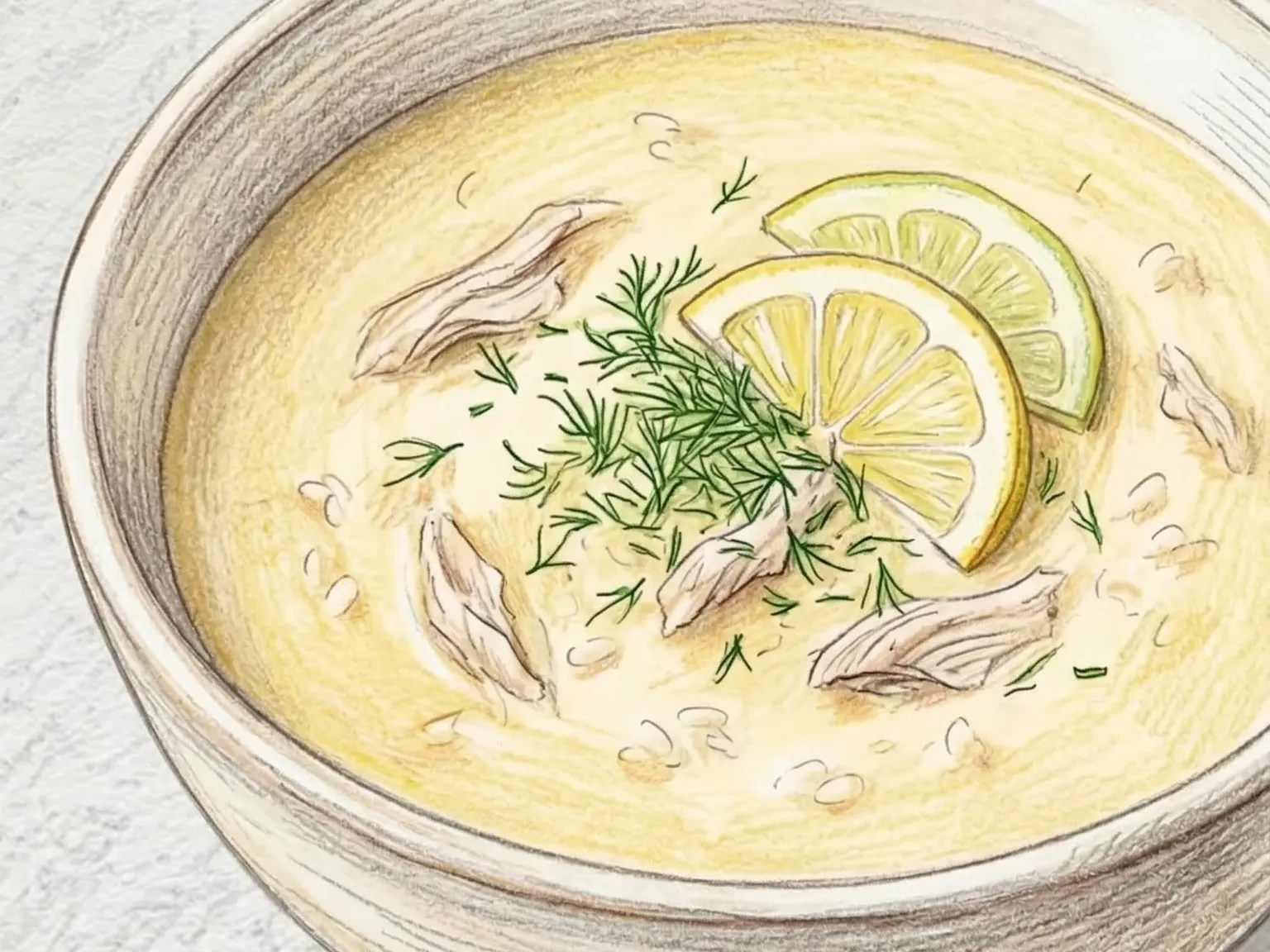
Avgolemono Soup (Greek Egg-Lemon Chicken Rice Soup)
Avgolemono - from the Greek avgo (egg) and lemoni (lemon) - is a soup with roots reaching back to Sephardic Jewish communities of the Byzantine Empire who brought egg-lemon sauces to the eastern Mediterranean, where they were absorbed into Greek cooking and eventually became one of the country's most enduring culinary signatures. Chicken broth is simmered with short-grain rice until the grains swell and release enough starch to give the liquid a faint body before the egg mixture even goes in. The defining technique is tempering: beaten eggs and freshly squeezed lemon juice are whisked together until frothy and unified, then ladles of hot broth are drizzled in one by one while whisking constantly, gradually raising the temperature of the egg mixture without allowing it to set. This tempered liquid is then stirred back into the pot with the heat off, transforming the broth into a pale-yellow, velvet-smooth cream. Lemon acidity registers first on the palate, clean and forward, followed by the warmth and body of the chicken stock settling in behind it. The soup must never return to a boil after the eggs are incorporated - even a brief simmer will cause the proteins to seize and turn the broth grainy and opaque. Shredded poached chicken stirred in at the end makes it a complete, sustaining meal, and a final grating of lemon zest over each bowl sharpens the citrus note for those who want more brightness. In Greece, avgolemono is considered the default remedy for cold days and illness, made more often in home kitchens than ordered in restaurants.
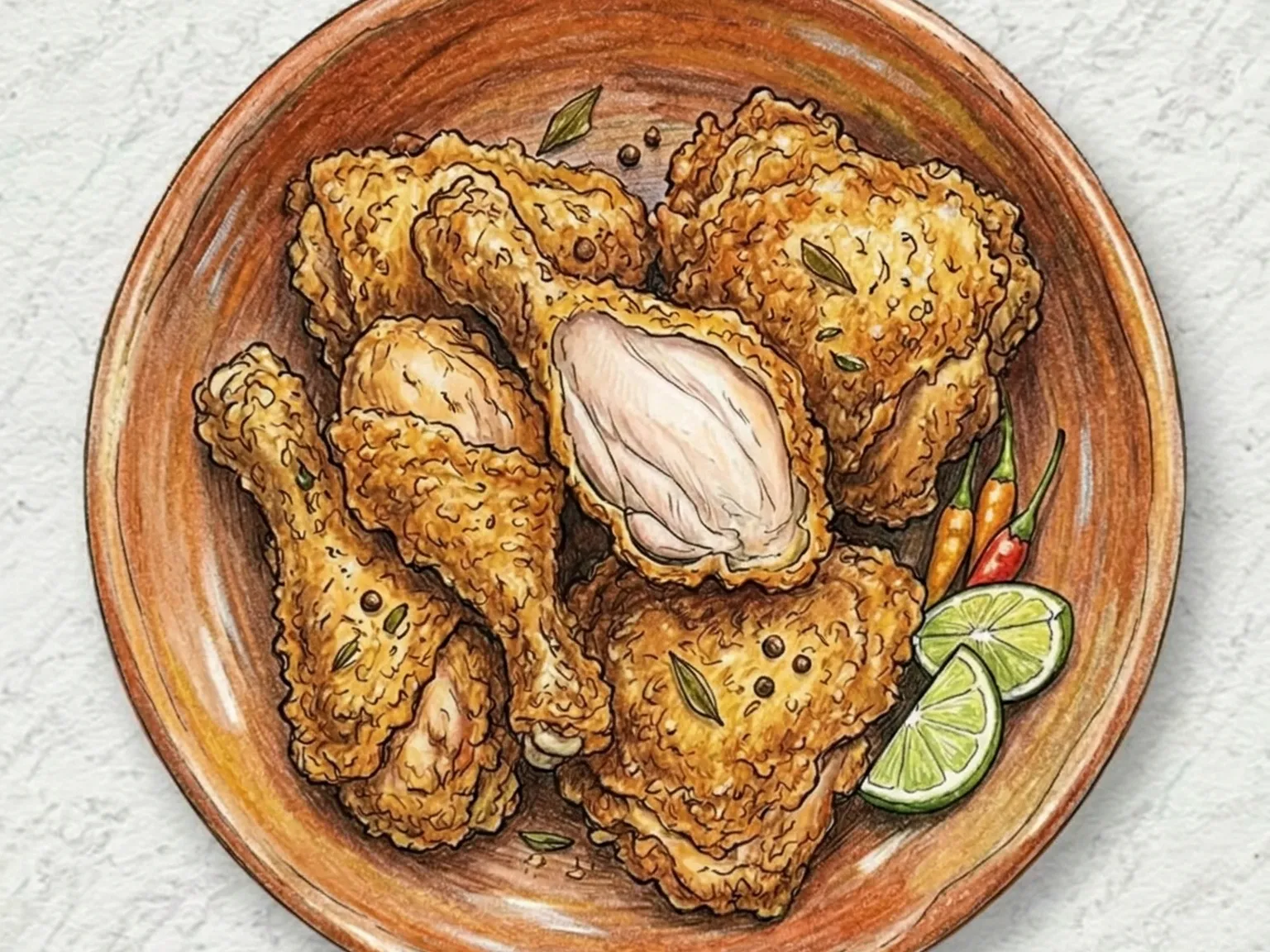
Ayam Goreng (Indonesian Spiced Fried Chicken Without Coating)
Ayam goreng is Indonesia's answer to fried chicken, but the technique diverges sharply from Western versions - there is no flour coating. Instead, chicken pieces are simmered in a paste of garlic, ginger, coriander, turmeric, and coconut milk until the liquid reduces to almost nothing and the spices have permeated the meat to the bone. Only then does the chicken hit hot oil, where the coconut-milk residue on the skin fries into a thin, uneven crust with a deep golden hue. The flavor is aromatic rather than salty, with turmeric's earthiness and coriander's citrus notes layered into every bite. Street stalls across Jakarta and Yogyakarta serve it with sambal, lalapan (raw vegetables), and steamed rice.
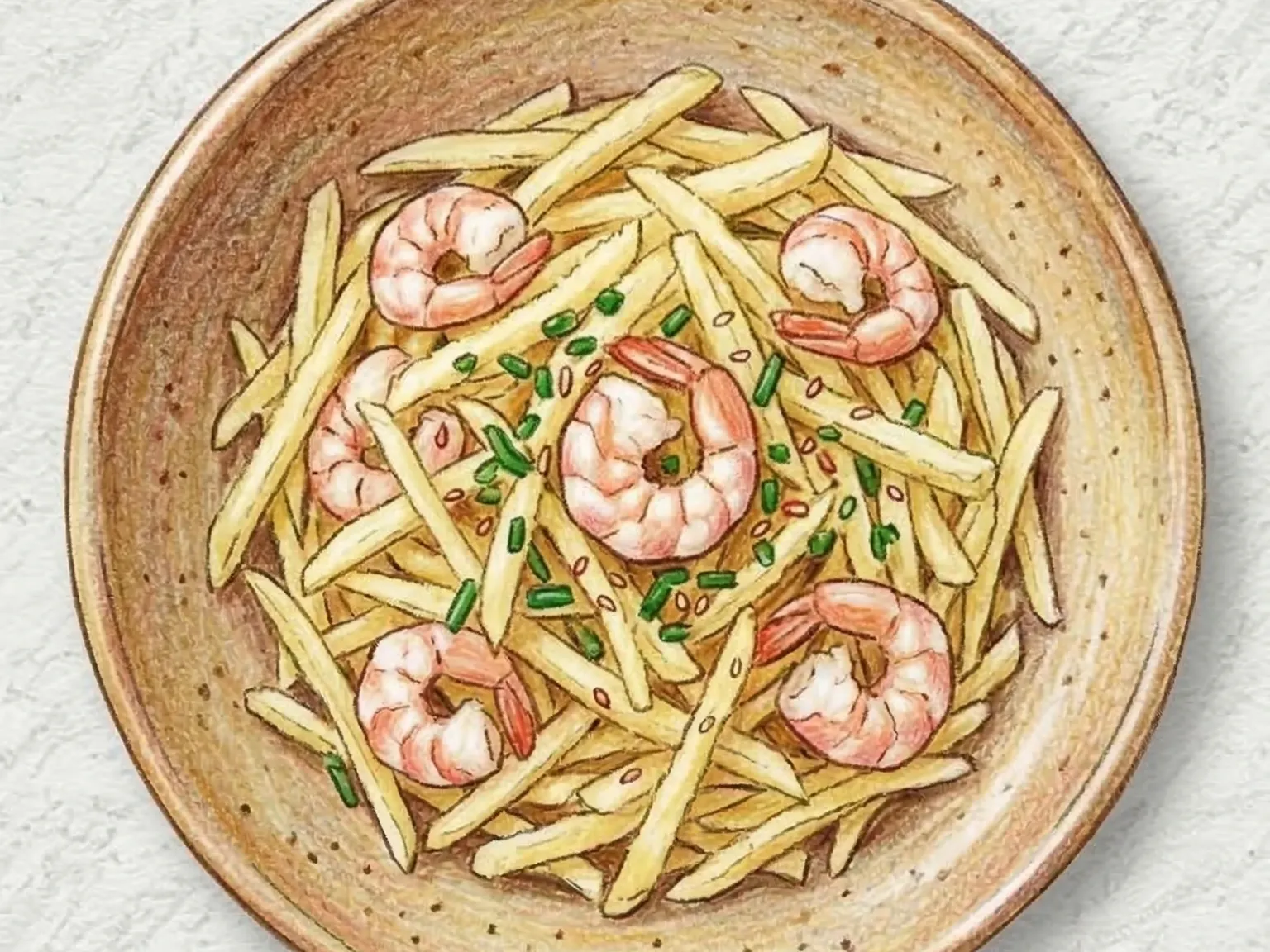
Korean Stir-fried Potato and Shrimp
Gamja-saeu-bokkeum pairs julienned potatoes with shell-on medium shrimp in a clean, garlic-forward stir-fry. The potatoes are soaked in cold water first to remove surface starch, as skipping this step leads to clumping in the pan and a starchy, heavy texture. Garlic sizzles in oil to build an aromatic base before the shrimp go in, cooking until half-done so their natural sweetness transfers to the potato strips when the two are combined. Seasoned with nothing more than salt, pepper, and a finish of sesame oil, this banchan lets the contrast between the potato's floury bite and the shrimp's springy snap carry the dish. Thin slices of Cheongyang chili pepper can be added for a clean, sharp heat that makes the stir-fry even more compatible as a rice side dish. The combination of orange shrimp, pale yellow potato, and green chili also gives the finished plate a natural visual balance.
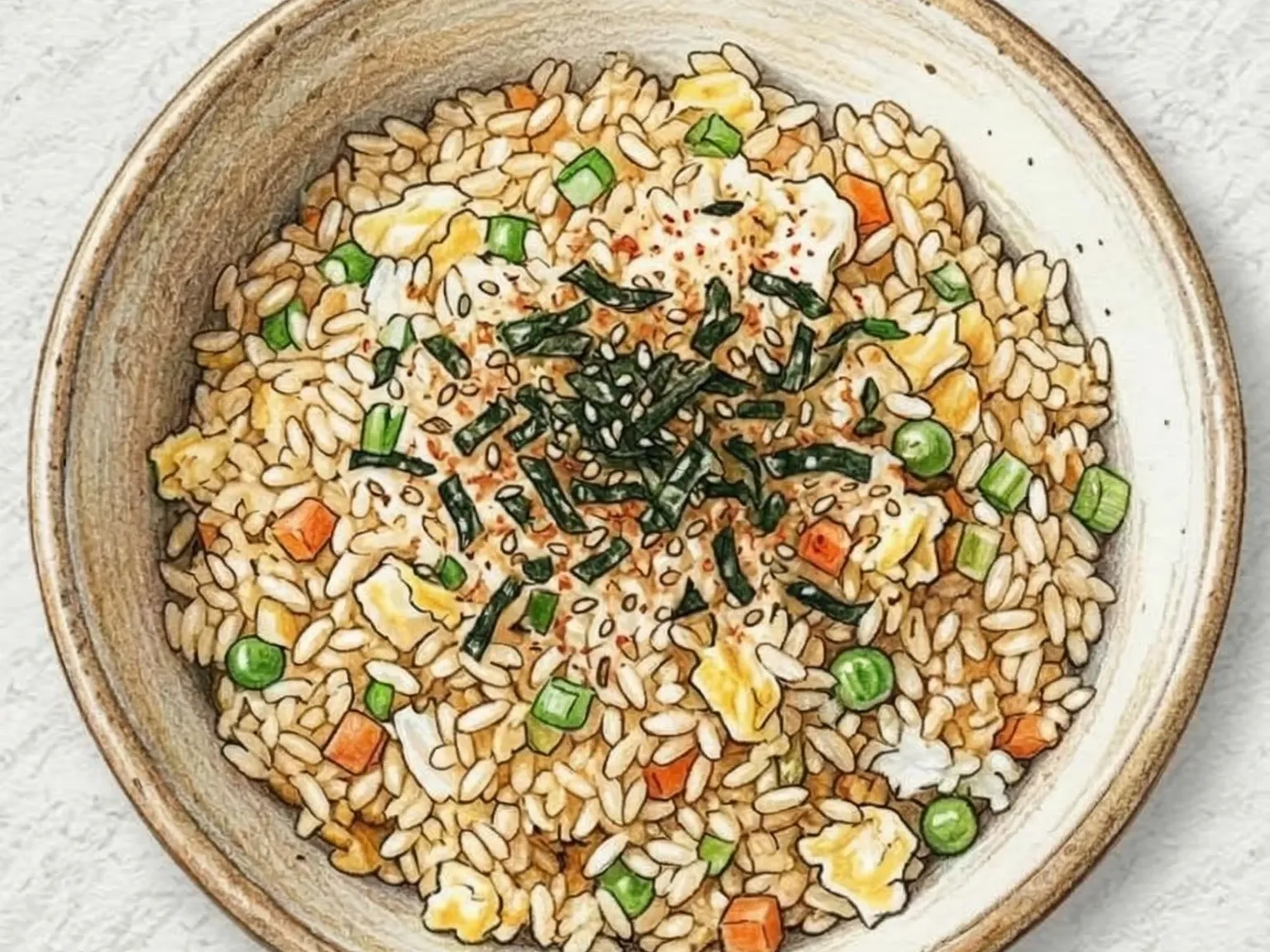
Korean Fried Rice (Simple Leftover Rice Stir-Fry)
Korean fried rice is the ultimate utility dish, built to turn leftover rice and whatever vegetables remain in the refrigerator into a satisfying meal in under ten minutes. Green onion hits the hot oil first to create a fragrant scallion-infused base, followed by diced carrot and beaten egg that gets scrambled into rough curds before the rice goes in. Cold rice is essential here - its lower moisture content prevents clumping and allows a thin film of oil to coat each grain, carrying seasoning evenly through the whole pan. Soy sauce poured along the rim sizzles on contact with the hot metal, developing a toasted depth that distinguishes a well-made fried rice from a mediocre one. A crack of black pepper and a final swirl of sesame oil complete the seasoning. The recipe is intentionally open-ended: ham, kimchi, shrimp, canned tuna, or any leftover protein slots in without altering the basic method, which is why this dish appears on Korean dinner tables more often than almost any other. The total active cooking time rarely exceeds five minutes, making it the default choice on busy weekdays and late nights alike.
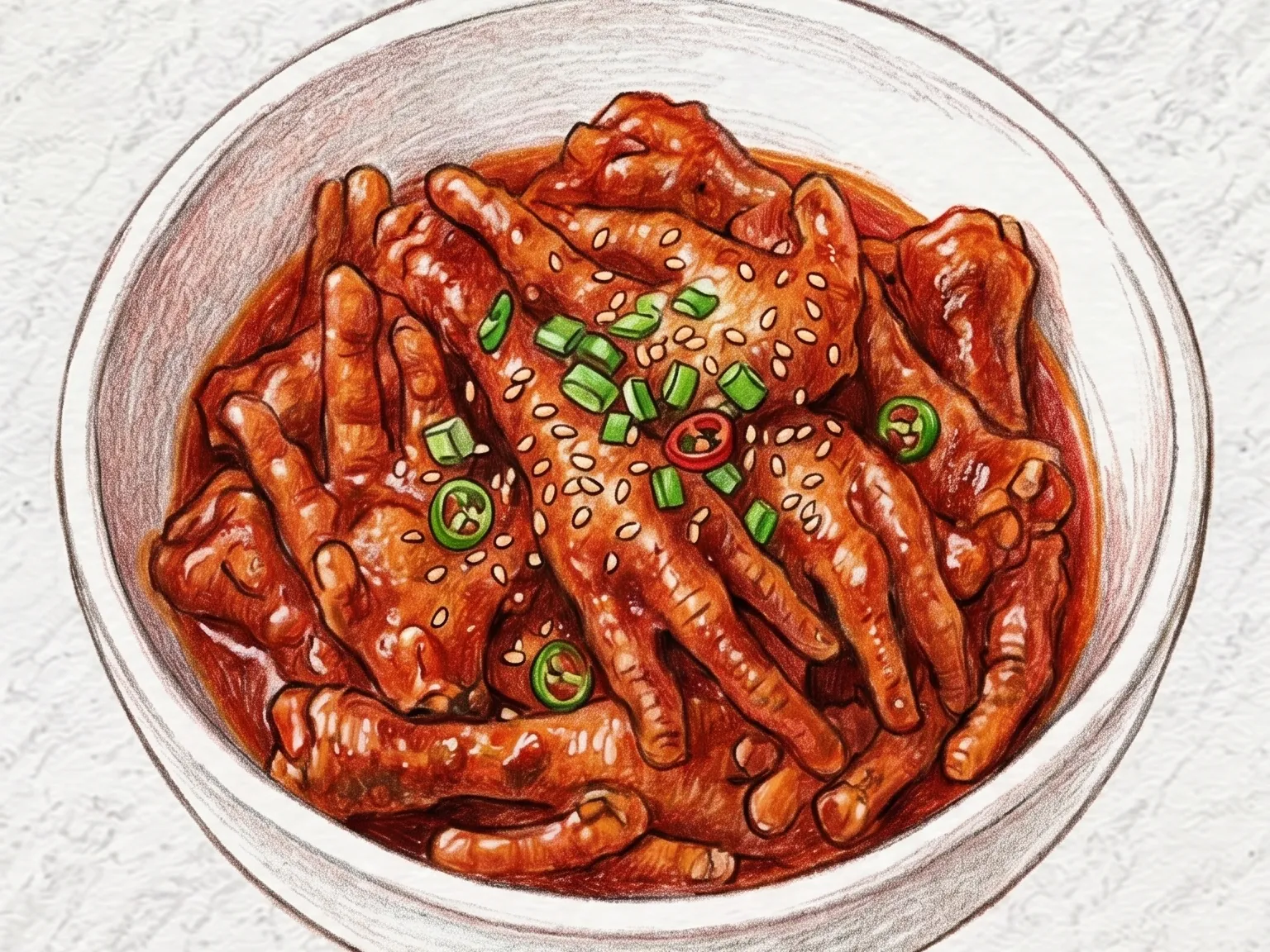
Korean Spicy Stir-fried Chicken Feet
Dakbal-bokkeum stir-fries chicken feet in a sauce of gochujang, gochugaru, and soy sauce to produce one of the most distinctively textured dishes in Korean drinking food. Chicken feet are almost entirely skin, cartilage, and small bones with very little actual meat, and it is precisely this structure that gives the dish its appeal. The skin is fatty and gelatinous, clinging to the bones with a sticky chew that is unlike any other protein. Gochujang and gochugaru create a layered heat that builds slowly, while sugar threads through the spice with a sweet, lingering finish. Adding cheongyang chili peppers intensifies the burn without changing its fundamental character. Because the bones are numerous and thin, eating dakbal is a hands-on, deliberate process of stripping skin and cartilage with the teeth and lips, which makes it an inherently social and unhurried dish. Its natural setting is alongside cold beer or soju. Different establishments vary the spice level and sauce base, ranging from fire-hot buldak-style preparations to milder soy-based versions.
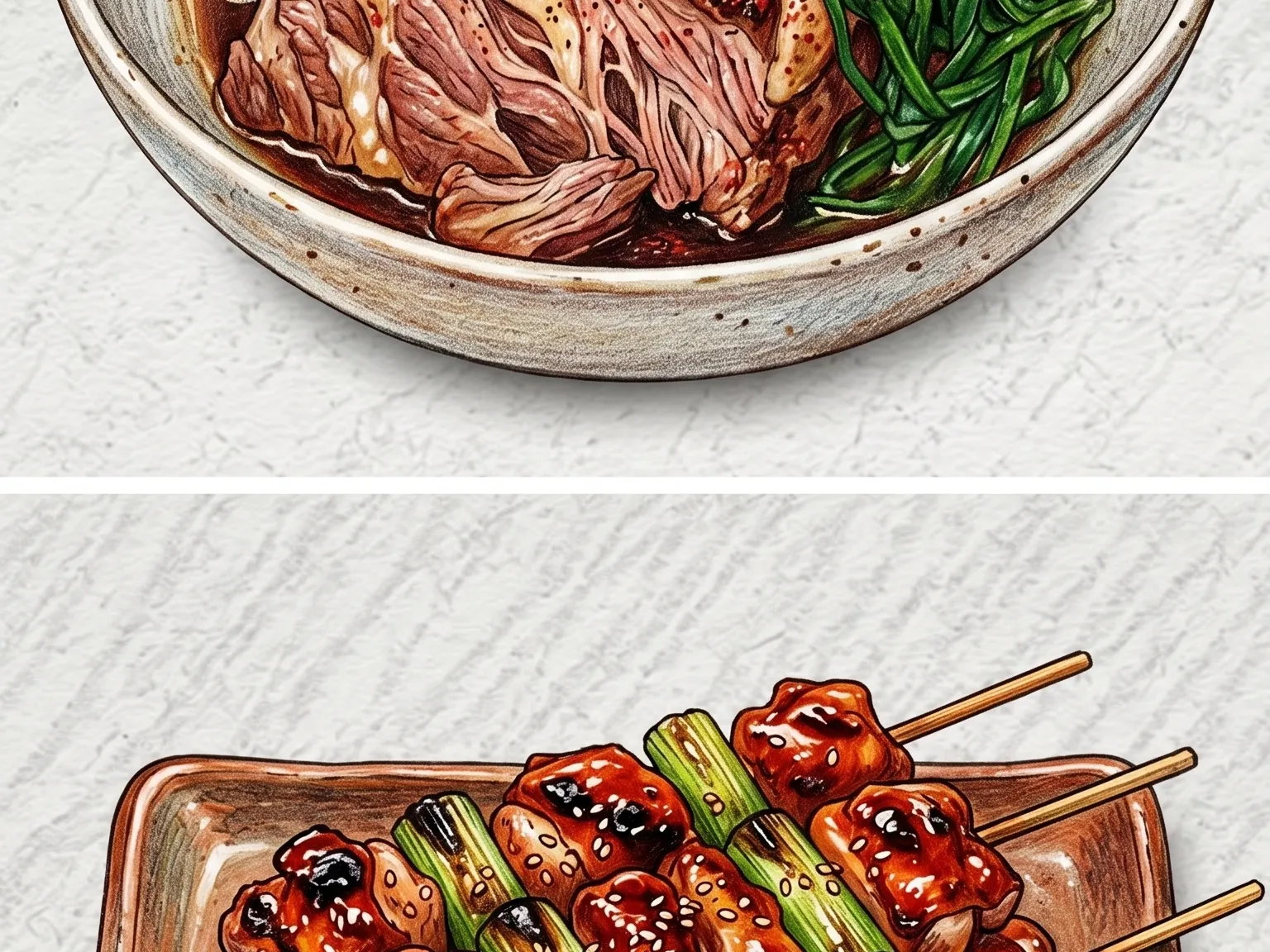
Korean Spicy Chicken Skewers
Spicy dak-kkochi threads boneless chicken thigh and green onion segments onto skewers, then grills them while brushing on a gochujang-based glaze in multiple rounds. Chicken thigh meat stays moist throughout cooking due to its higher fat content, and the green onion segments sweeten and caramelize under direct heat, providing a counterbalance to the spicy sauce. The glaze -- gochujang blended with sugar, garlic, and soy sauce -- caramelizes against the hot surface to build a sticky, lacquered coating on each piece. Applying the glaze two or three times during grilling stacks distinct layers of sweet-spicy flavor that gradually penetrate deeper into the meat.
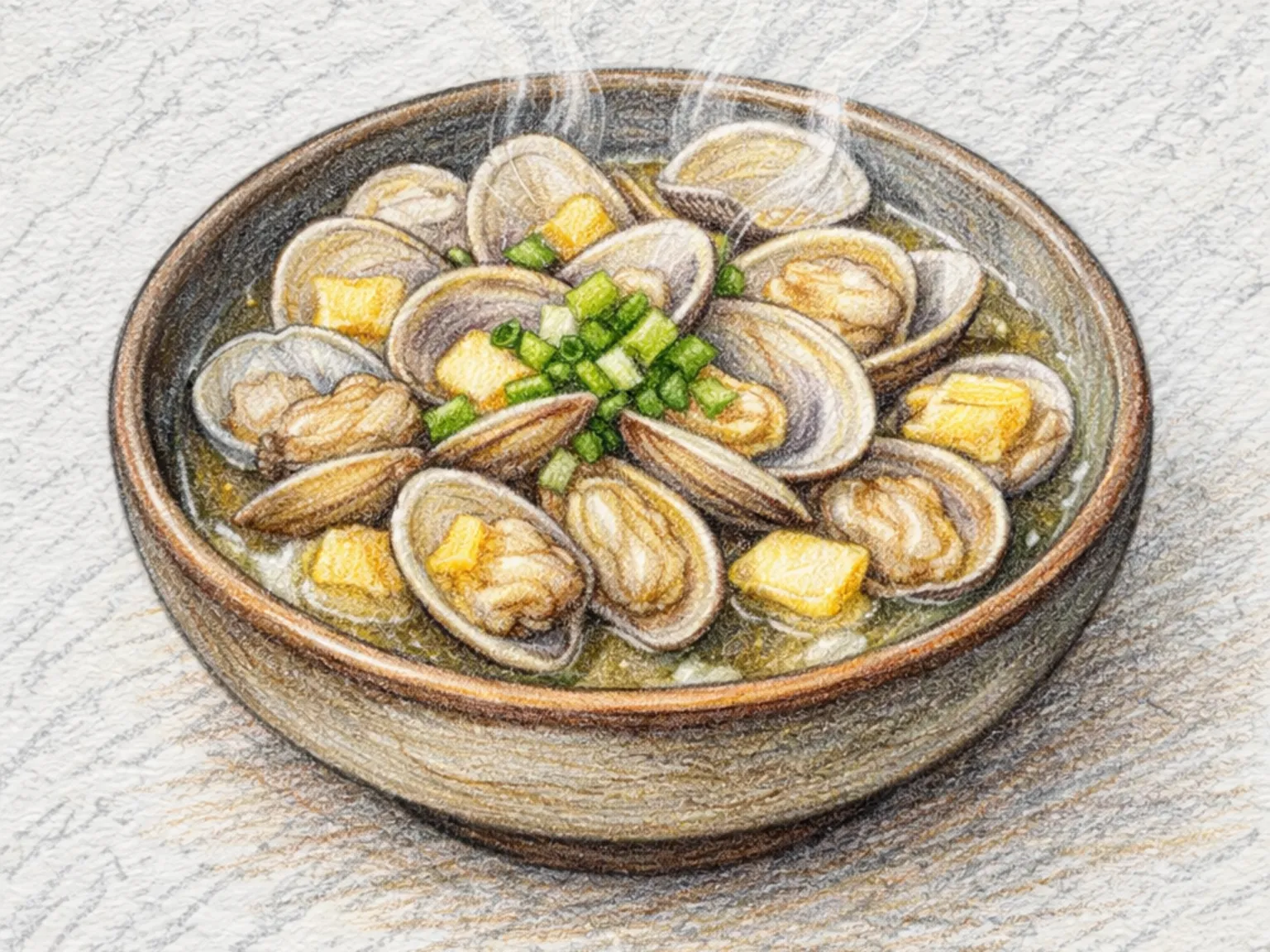
Korean Steamed Clams with Soju
Bajirak sul jjim is a Korean drinking snack of baby clams steamed open in soju with garlic and butter, producing a savory broth suited for dipping bread or cooking noodles afterward. The alcohol in soju evaporates quickly, steaming the clams open while stripping away any fishy odor, and leaving a faint grain-spirit aroma in the liquid. Butter is added after the shells open so it emulsifies with the released clam juice to form a rich, cohesive sauce; adding it from the start causes the fat to separate and float on top. Generous sliced garlic steams alongside the clams, losing its raw bite while retaining a mellow fragrance that builds depth in the sauce. Diagonally cut cheongyang chili adds a sharp heat accent to the salty, buttery liquid. Scallion is scattered on top at the end for a fresh finish. White wine can replace soju, adding acidity and a different aromatic character, but soju's clean grain note pairs more naturally with clams in a Korean context. Bajirak - short-neck clams - are smaller and sweeter than other Korean clams, making them well suited for quick steaming, and frozen clams release sufficient broth to make the dish work. Cooking thin wheat noodles in the remaining liquid after the clams are eaten makes an excellent final course.
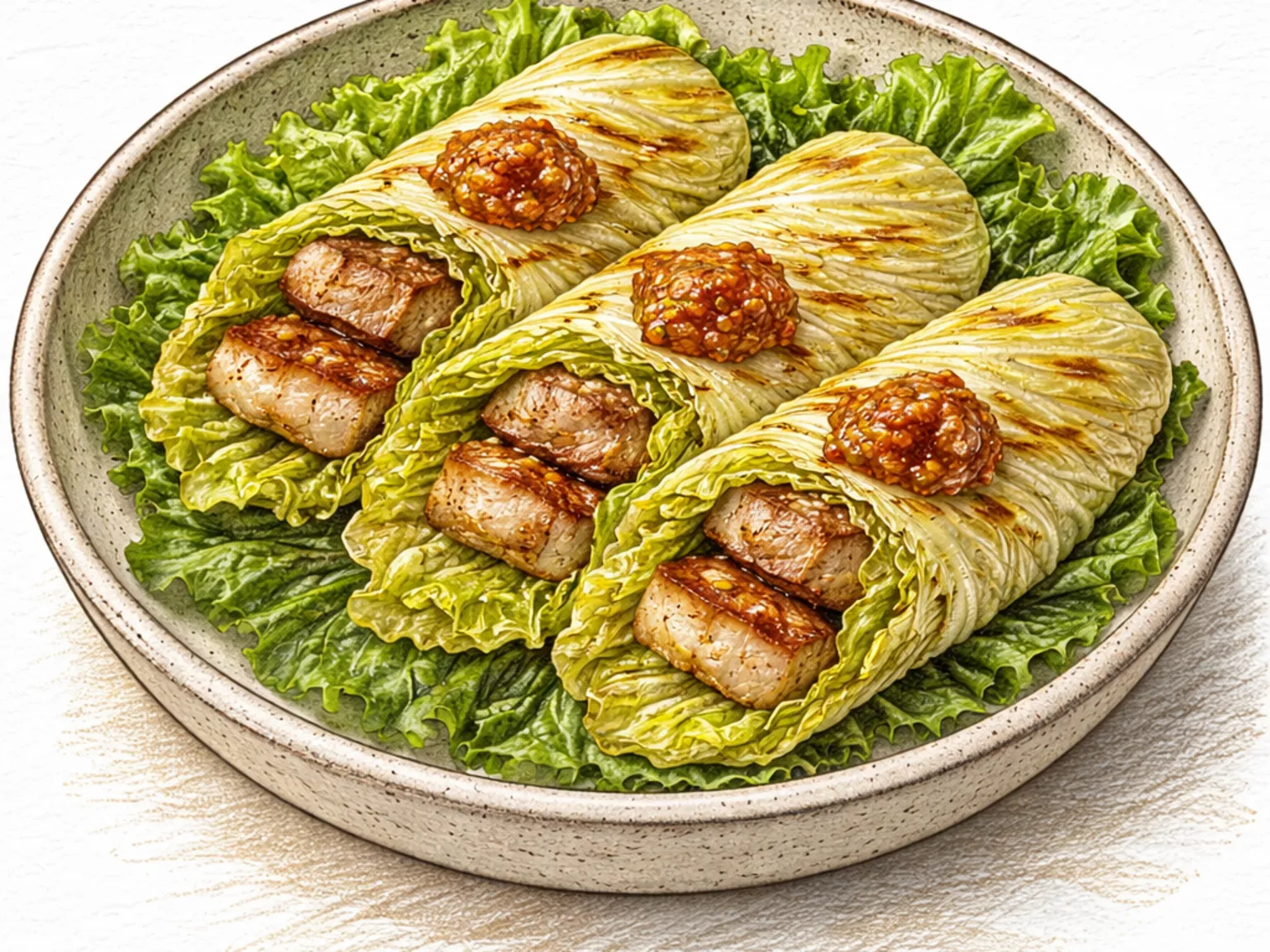
Korean Grilled Cabbage Leaf Wraps
Baechu kimchi gui ssam takes napa cabbage to the grill, charring the leaves before using them as wraps for grilled pork belly and doenjang-based ssam sauce. A whole cabbage is halved lengthwise, brushed with sesame oil and sprinkled with salt, then grilled over high heat for two to three minutes per side until the outer edges char while the inner layers keep some crispness. Pork belly is grilled separately until golden and cut into bite-sized pieces. The ssam sauce - doenjang, gochujang, minced garlic, and sesame oil mixed together - is spread on a grilled leaf, topped with pork, and rolled into a wrap. Each bite combines the smoky sweetness of the charred cabbage, the fatty richness of the pork, and the salty, fermented punch of the sauce. Grilled cheongyang chili on the side adds extra heat. The cabbage must not stay on the grill beyond the recommended time or it loses all structure and collapses into mush, making it impossible to use as a wrap. Unlike lettuce or perilla leaf, napa cabbage shrinks under heat and concentrates moisture inside the leaf, which allows it to absorb pork fat naturally as it wraps around the meat.
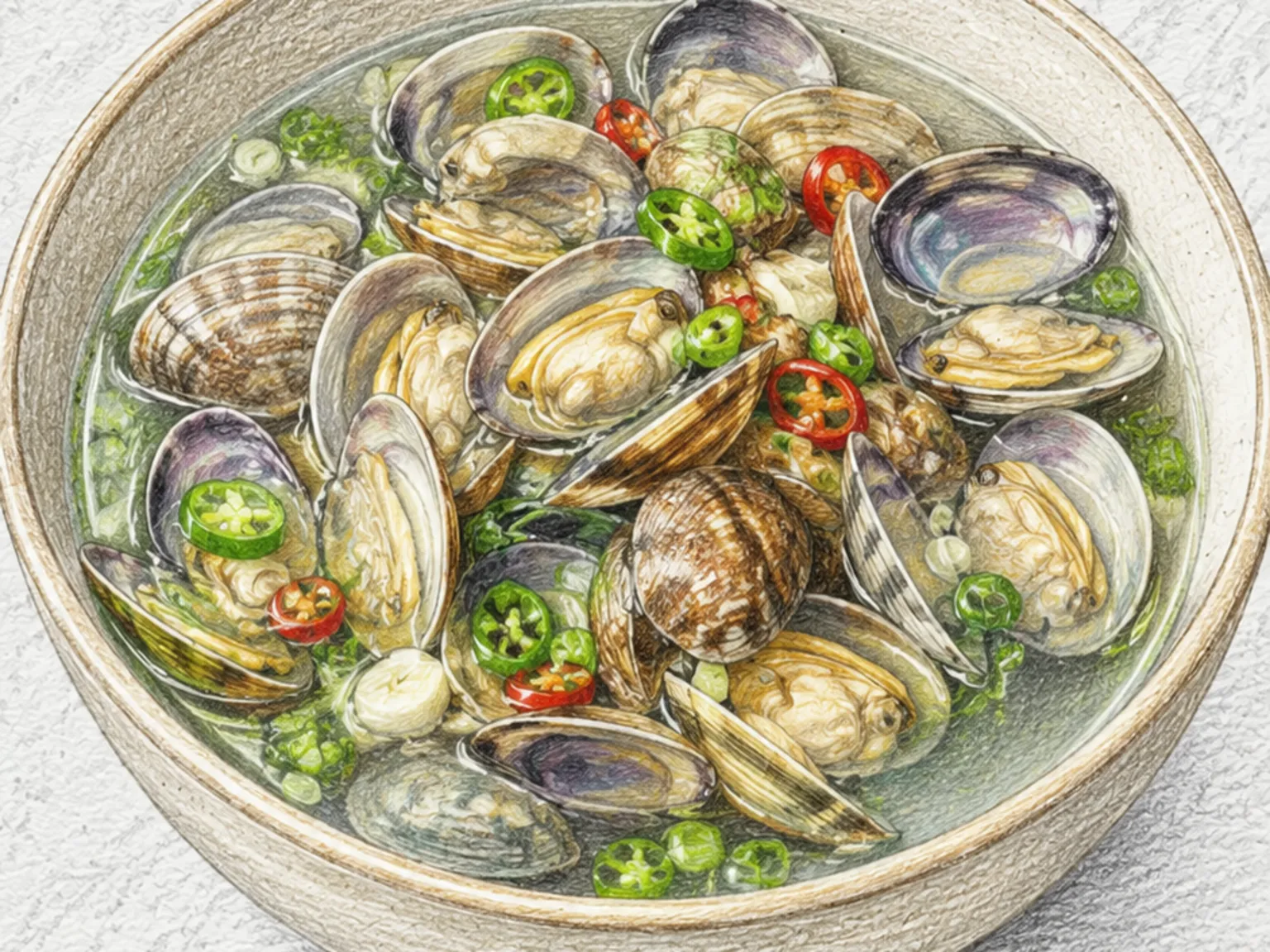
Korean Namhae-Style Clam Broth
Namhae-jogae-tang is a southern coastal Korean clam soup that relies on an abundance of clams and minimal interference to produce a broth of startling clarity and depth. The clams are purged in salted water, then cooked in water spiked with rice wine, which tempers any raw ocean smell. As the shells pop open, they release their natural liquor - briny, faintly sweet, and concentrated - which becomes the soup's defining flavor. Sliced green and red chilies add gentle heat and color without overwhelming the shellfish, while garlic and green onion contribute a quiet aromatic layer. Salt is added cautiously, since the clams themselves bring significant salinity. The result is a transparent, intensely flavored bowl that tastes like the sea distilled into its purest form, and it is traditionally enjoyed as both a drinking companion and a light meal.
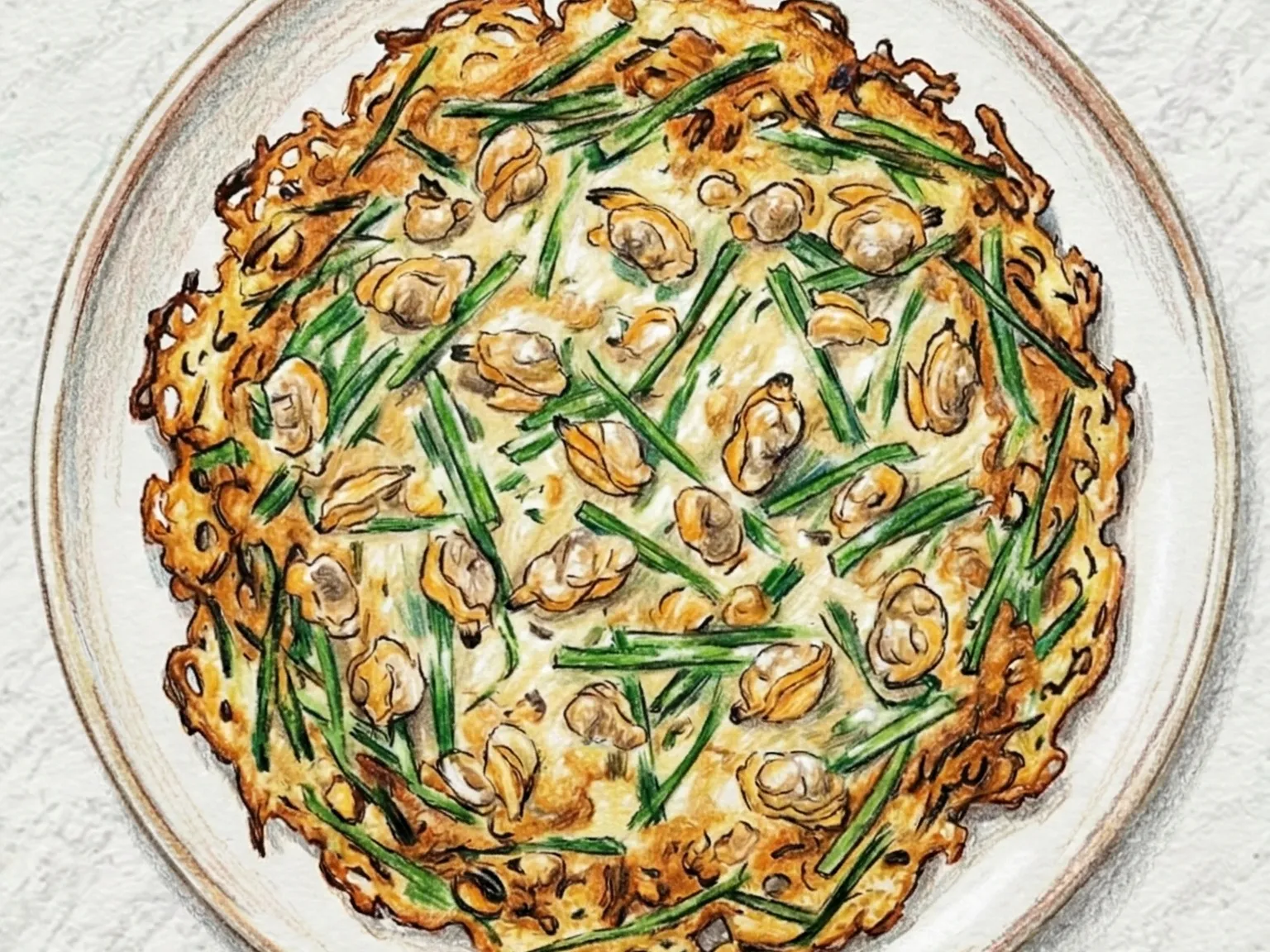
Korean Chive Clam Jeon (Garlic Chive and Clam Seafood Pancake)
Buchu-bajirak-jeon is a seafood pancake of garlic chives and clam meat, pan-fried in a batter made with a mix of all-purpose pancake flour and rice flour. The rice flour addition increases the chew and gives the finished jeon a slightly more resilient texture than plain flour batters. Clam meat releases a briny, oceanic liquid as it cooks that seeps into the batter and flavors it throughout, while the chives add a sharp, grassy counterpoint. Minced garlic and diagonally sliced cheongyang chili worked into the batter suppress any fishiness and build a layered fragrance. A generous amount of oil in the pan over medium heat produces edges that crisp and brown like the outside of a fritter. Waiting until the bottom is fully set before flipping prevents the pancake from tearing. Served with soy dipping sauce or a seasoned soy mixture, the clean salinity of the clams comes through clearly.
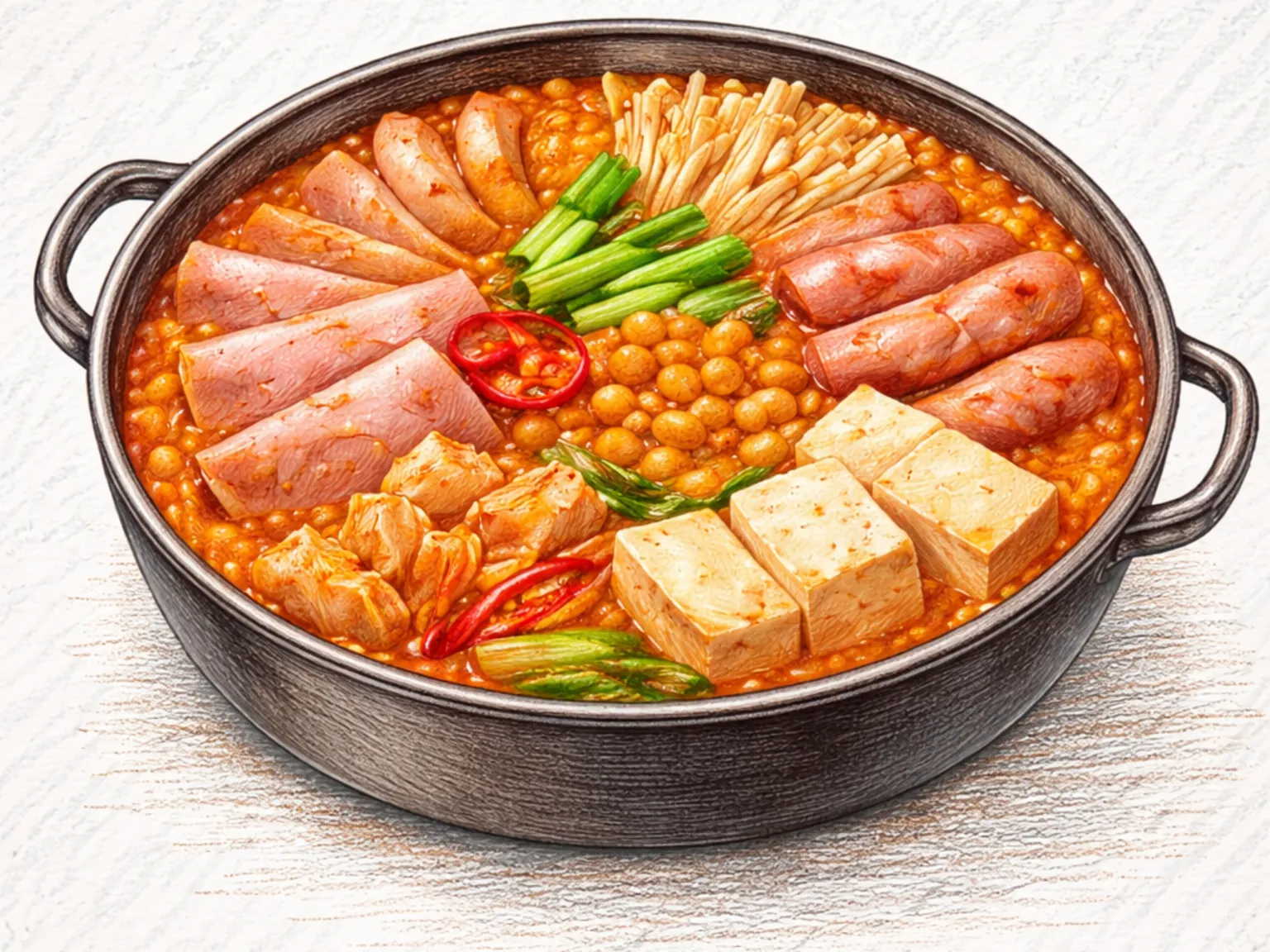
Korean Seoul-Style Army Stew
Seoul-style budae jjigae is a Korean army stew that uses a rich anchovy stock as its cooking liquid rather than plain water. The assembly starts by layering sliced kimchi at the bottom of the pot, then arranging Spam slices, scored mini sausages, and onions around the edges. Baked beans are placed in the center, which helps thicken the soup and contributes a mild sweetness to the broth. A seasoning paste made of gochujang, chili flakes, and minced garlic is added directly over the beans. The ingredients simmer together for ten minutes to merge the savory flavors of the meats with the anchovy stock. Finally, green onions and a block of instant ramen noodles are added to cook. The noodles absorb the spicy and savory broth, completing a filling dish that is best served hot straight from the stove.
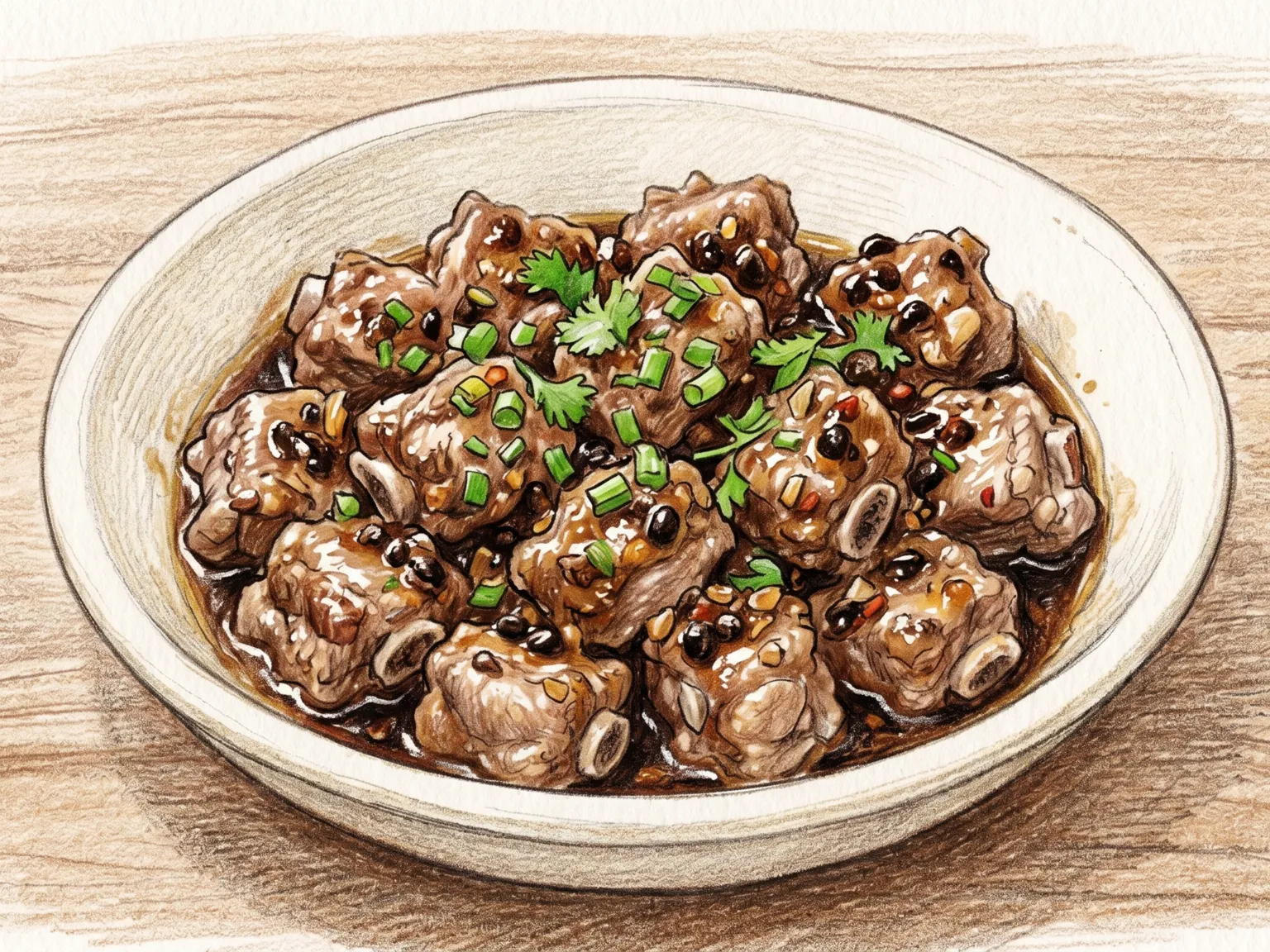
Steamed Pork Ribs with Black Bean Sauce
Douchi paigu is a Chinese-style steamed pork rib dish where the ribs are marinated in fermented black beans, soy sauce, garlic, and Shaoxing wine, then coated with starch before going into the steamer. The fermented black beans carry a salty, complex savory depth that penetrates the meat throughout the marinating period. The starch coating forms a thin seal over the surface, locking in moisture so each piece stays tender rather than drying out under steam. Maintaining high heat throughout steaming is important - steady, vigorous steam circulates evenly and cooks the ribs through without drying them. Sesame oil is added just before serving to preserve its fragrance. Because the ribs are steamed rather than fried, the dish has a clean, light quality while still carrying the bold flavor of the fermented beans. Douchi paigu is one of the most recognized items on a dim sum menu.
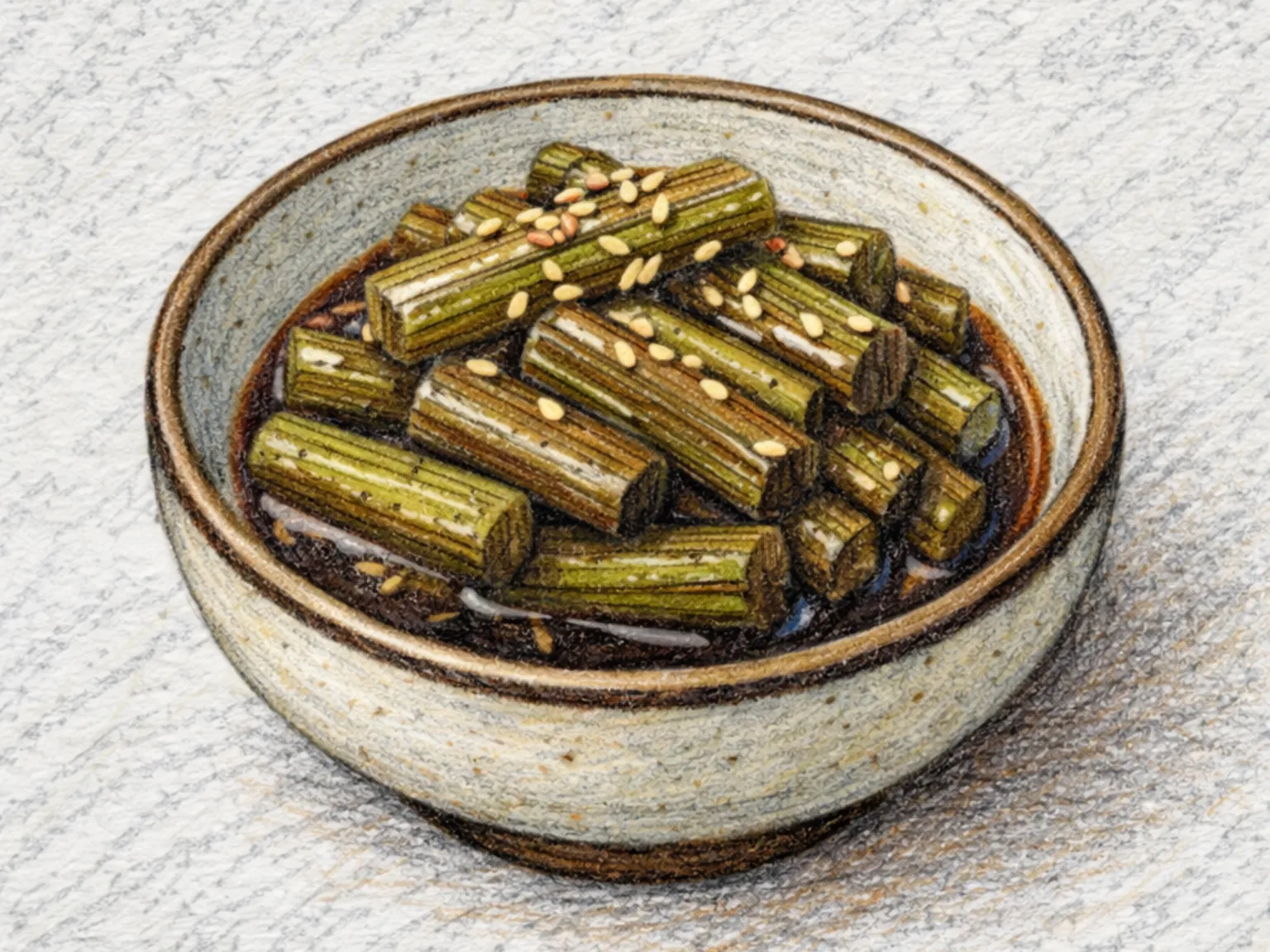
Korean Pickled Taro Stems
Torandae jangajji is a Korean pickled side dish made from taro stems. The outer fibrous skin is peeled away first, and the stems are salted and then blanched. Raw taro stems contain calcium oxalate crystals that cause an unpleasant prickling sensation in the throat, and blanching effectively neutralizes this before the stems are packed into the pickling liquid. The brine is made by bringing soy sauce, vinegar, and sugar to a boil, and it is poured over the stems while still hot so the seasoning penetrates quickly and evenly. Sliced garlic and ginger are simmered in the brine before it is poured, which infuses the liquid with deep aromatic warmth without any of the sharp pungency those ingredients carry raw. After two to three days of refrigerating, each piece develops a layered depth of salty, savory flavor with a clean vinegar brightness underneath. The defining characteristic of this pickle is its distinctive fibrous crunch, which stays satisfying even after the stems have fully absorbed the brine. It works as a rice accompaniment throughout the week and doubles as a drinking snack alongside soju.
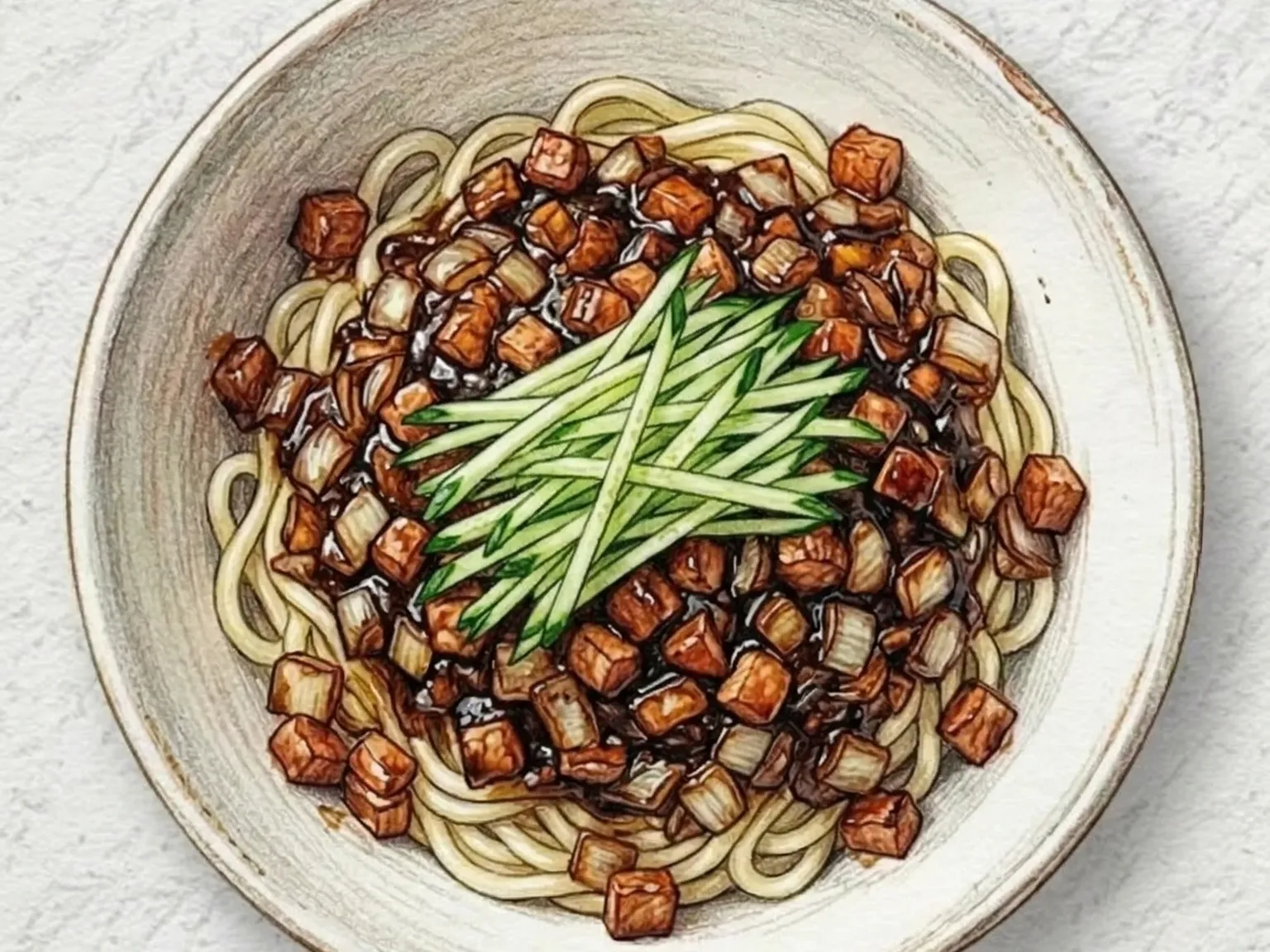
Gan Jjajangmyeon (Dry-Fried Black Bean Sauce Noodles)
Gan jjajangmyeon is a Korean-Chinese noodle dish built on the character of deeply fried black bean paste. Chunjang is cooked in oil over moderate heat, long enough for the paste to lose its raw bitterness and develop a roasted, almost charred aroma before the other ingredients enter the pan. Ground pork and onion are then added and stir-fried over high heat -- unlike standard jjajangmyeon, no cornstarch slurry is used, so the finished sauce arrives on the noodles in the form of a glossy, oil-carried stir-fry rather than a thick, starchy gravy. The distinction matters to how the sauce interacts with the wheat noodles: without starch to hold the sauce in suspension, the oily coating distributes itself across every strand of noodle as the dish is tossed, producing a different mouthfeel from the standard version. Prolonged cooking caramelizes the natural sugars in the onion, creating a sweetness that offsets the salt and bitterness of the fermented paste. Julienned cucumber served on the side provides a cool, crisp counterpoint to the richness of the oily black bean sauce.
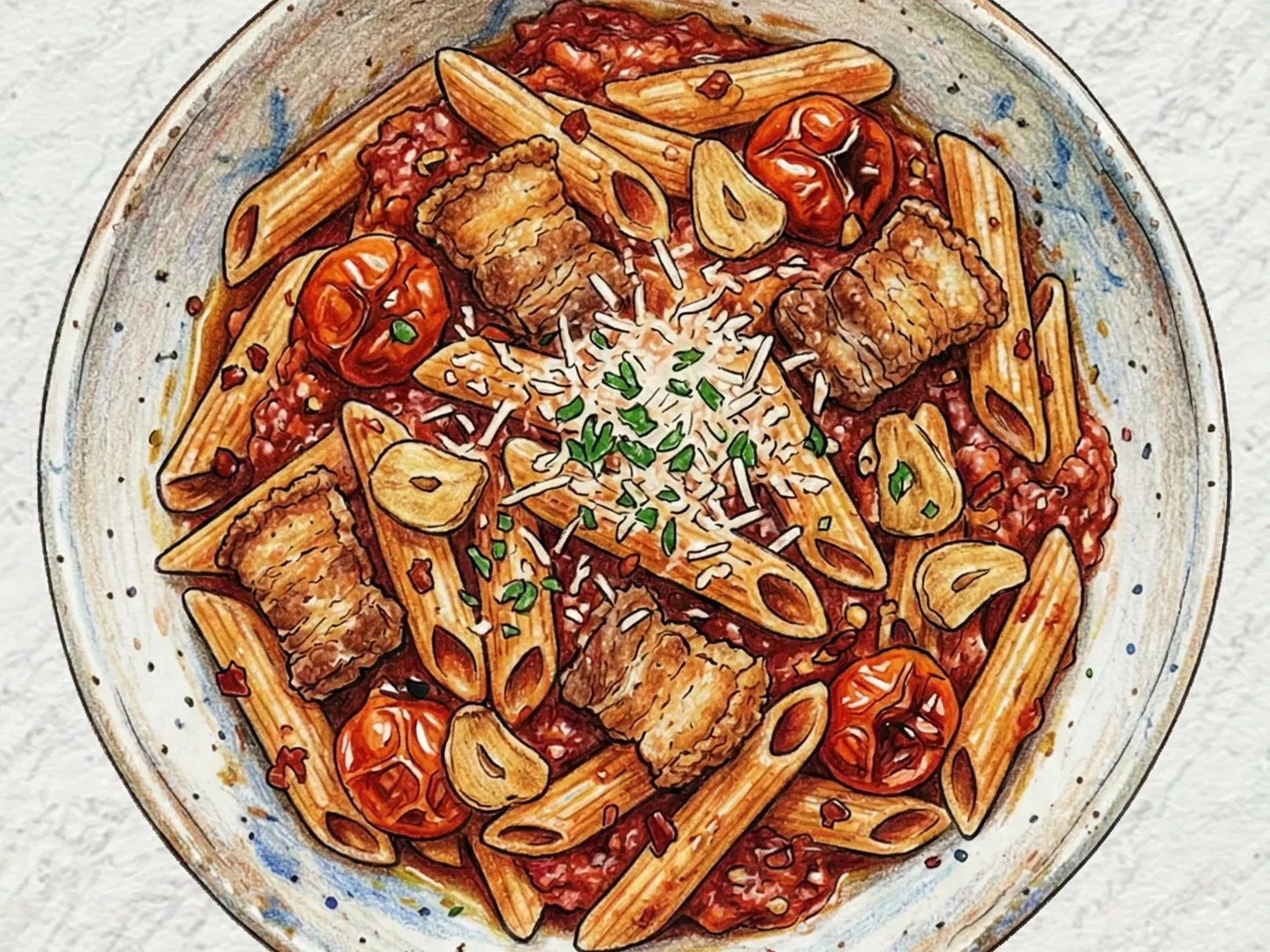
Chili Garlic Pork Belly Arrabbiata Penne
Chili garlic pork belly arrabbiata penne builds its flavor entirely from the fat rendered out of slowly crisped pork belly. Cooking the belly over medium-low heat until the surface is crackling and golden draws out the fat gradually, infusing it with a deep, savory richness that becomes the sauce's foundation. Minced garlic goes into the rendered fat next, followed by crushed tomatoes that reduce into a concentrated, spicy sauce. The tomato's natural acidity cuts through the fat's weight, preventing the sauce from turning heavy. A small ladle of starchy pasta water added before tossing emulsifies everything into a glossy coating. Penne's hollow tubes and ridged exterior capture the sauce both inside and out, so every bite delivers the smoky pork fat, tangy tomato, and chili heat simultaneously. Finishing with the reserved crispy pork pieces scattered on top adds a textural contrast between the sauce-soaked pasta and the crunchy meat.
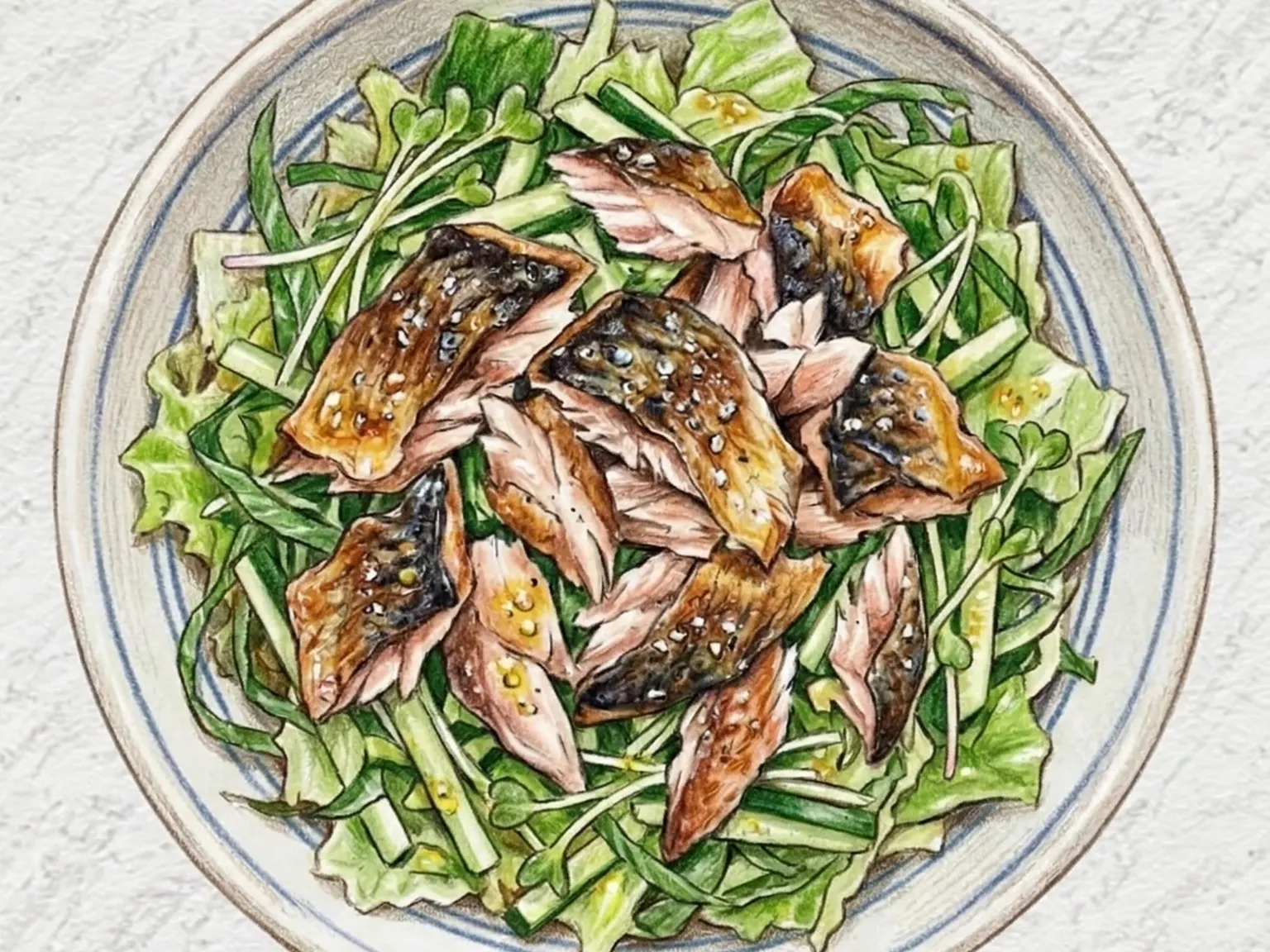
Grilled Mackerel Perilla Salad
Grilled mackerel perilla salad starts by salting mackerel fillets for five minutes, then patting them completely dry before setting them skin-side down in a hot pan. The drying step draws surface moisture out of the fish so the skin crisps sharply in the pan rather than steaming, and the brief salt also damps down the mackerel's characteristic fishiness. Four minutes skin-side down followed by two minutes on the flesh side leaves the exterior with a firm, golden crust while the interior stays moist and just cooked through. Once off the heat the fish is broken into irregular pieces and scattered over a bed of romaine, thinly sliced perilla leaves, cucumber batons, and radish sprouts. A dressing of soy sauce, yuzu marmalade, and sesame oil brings the whole dish together: the aromatic acidity of yuzu cuts cleanly through the oily richness of mackerel in a way that a plain rice vinegar dressing cannot. Cutting perilla into thin ribbons rather than tearing it distributes the herb's peppery, anise-like fragrance evenly across every forkful so no bite is without it. The contrast of warm fish against cold vegetables and crisp greens makes each serving feel alive rather than flat.
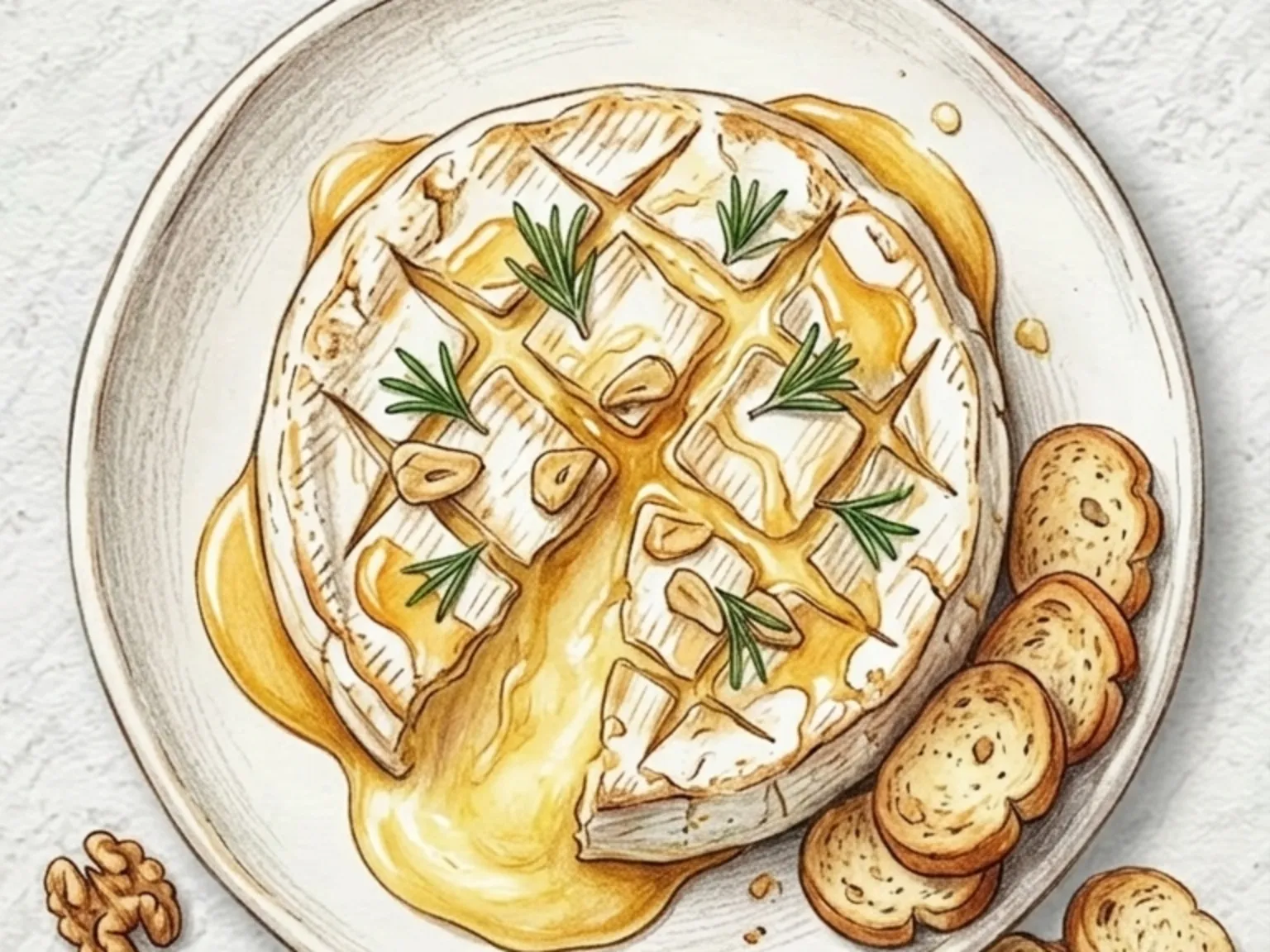
Warm Melting Cheese (Whole Oven-Baked Camembert with Garlic and Honey)
Baked Camembert is a French warm appetizer in which an entire wheel of Camembert is oven-roasted until the interior liquefies into a pooling, spoonable cream while the white-mold rind holds firm and serves as a natural bowl. Scoring the top of the rind in a crosshatch pattern and tucking in thin slices of garlic and sprigs of rosemary allows those aromatics to infuse the melting cheese throughout the approximately fifteen minutes it spends at 180 degrees Celsius. The result, straight from the oven, is a cheese that flows when touched but stays contained within its rind, making it ideal for sharing directly from the box or the baking dish it sat in. Torn baguette slices and lightly toasted walnuts are the most natural accompaniments for dipping, and a drizzle of honey over the top before serving adds a sweetness that bridges the funky, salty character of the cheese and creates a sweet-savory contrast. The entire preparation requires less than five minutes of active work before it goes into the oven, which makes it one of the most efficient warm appetizers to produce when hosting guests or pairing with wine. Unlike richer double-cream styles, Camembert has enough flavor depth to hold its own with both dry white wines and lighter reds, and the roasted garlic left in the scored grooves becomes soft and sweet as it heats, adding a mellow backdrop that complements rather than competes with the cheese.
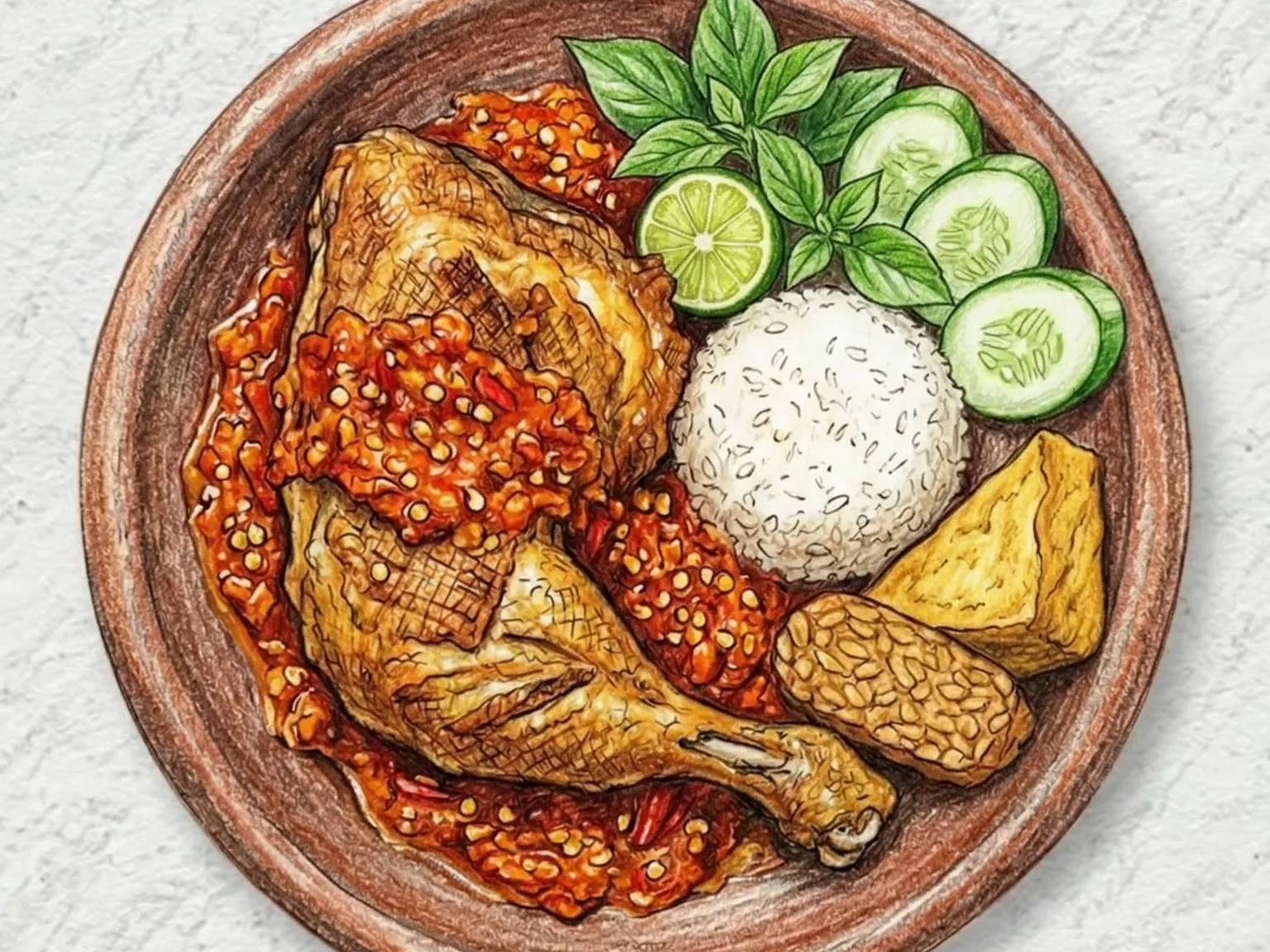
Ayam Penyet (Javanese Smashed Fried Chicken with Sambal)
Ayam penyet means smashed chicken in Javanese and describes an East Javanese street dish in which the chicken is deliberately crushed with a pestle after frying. The process begins by braising the bird in turmeric and galangal-scented water until fully cooked through, then deep-frying until the skin blisters, darkens to mahogany, and turns properly crisp. The final press against a stone mortar cracks the skin open to expose the moist interior and creates irregular ridges and cavities across the surface that the sambal fills and clings to. That sambal - pounded fresh from bird eye chilies, shallots, tomato, and shrimp paste - is the defining element of the dish, delivering a ferocious heat alongside the deep, funky salinity of fermented shrimp paste. The two flavors hit at the same time and neither yields to the other. Served on a banana leaf with steamed rice, fried tofu, and raw vegetables, the full plate comes together the way street-stall food in Java typically does: quickly assembled, intensely seasoned, and eaten without ceremony.
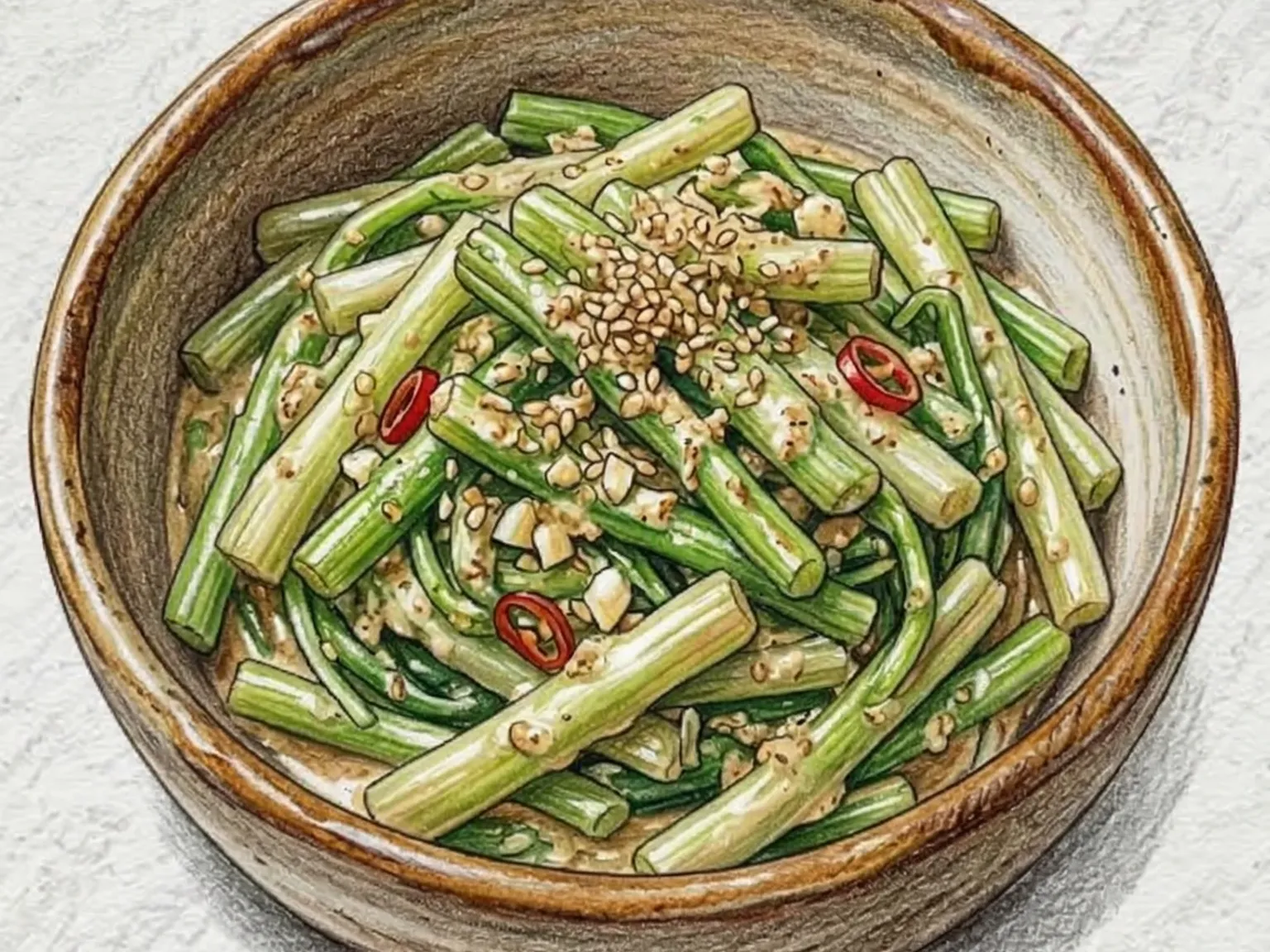
Korean Stir-Fried Sweet Potato Stems
Goguma julgi - sweet potato stems - are the above-ground vines of the sweet potato plant, a byproduct that Korean cooks transform into a summer namul rather than discarding. The most labor-intensive step is peeling each stem by hand, pinching the outer skin with a fingernail and pulling it away to reveal the tender core beneath. After blanching for two minutes and rinsing in cold water, the stems are stir-fried in perilla oil with garlic and seasoned with soup soy sauce. Perilla powder stirred in at the end thickens the remaining liquid into a nutty glaze. In season during summer, the stems are harvested from sweet potato fields before the tubers themselves are dug up.
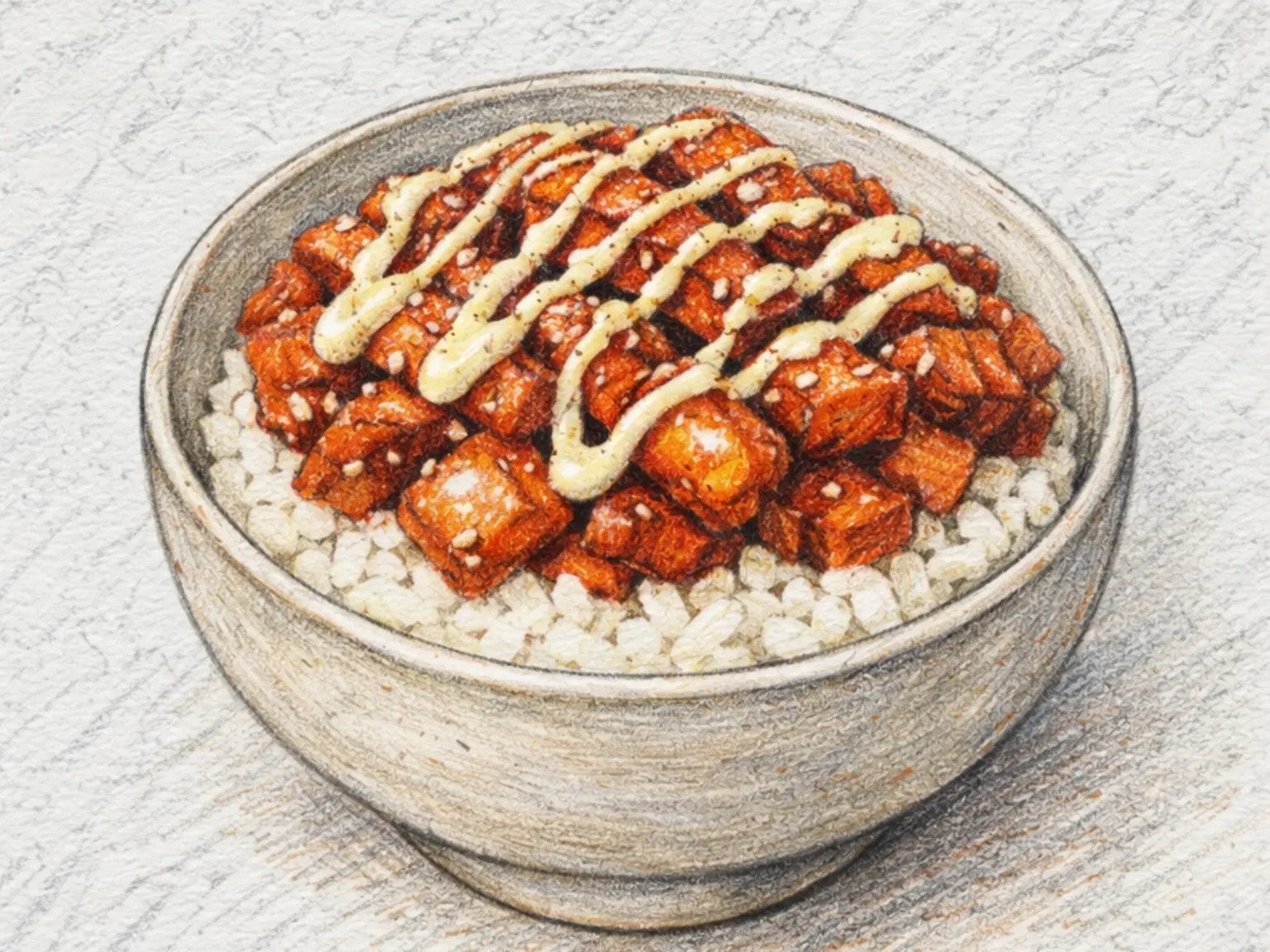
Korean Gochujang Chicken Mayo Rice Bowl
Gochujang chicken mayo deopbap pairs stir-fried chicken thigh glazed in a fermented chili sauce with a drizzle of creamy mayonnaise over warm steamed rice. Boneless chicken thigh cut into bite-sized pieces is stir-fried over high heat in a sauce built from gochujang, soy sauce, sugar, and minced garlic until a glossy, sticky glaze coats every surface and the edges of the chicken begin to caramelize. The sauced chicken goes directly onto the rice, and mayonnaise is zigzagged across the top in strips, creating alternating lines of red and white that fold together at the table. The combination works because gochujang contributes fermented, slow-building heat while the mayo provides a cool, fat-rich creaminess that extends each bite and carries the sauce deeper into the rice. Onion cooked alongside the chicken breaks down into the glaze, rounding the sauce's edges with a natural sweetness, while a scattering of sliced green onion on top adds a fresh, sharp contrast. Thigh meat is the correct choice over breast - its fat content means it retains moisture through the high-heat stir-fry rather than turning dry or stringy. A variation that has gained popularity layers a slice of processed cheese beneath the chicken, letting the residual heat melt it into a creamy middle layer between rice and glaze.
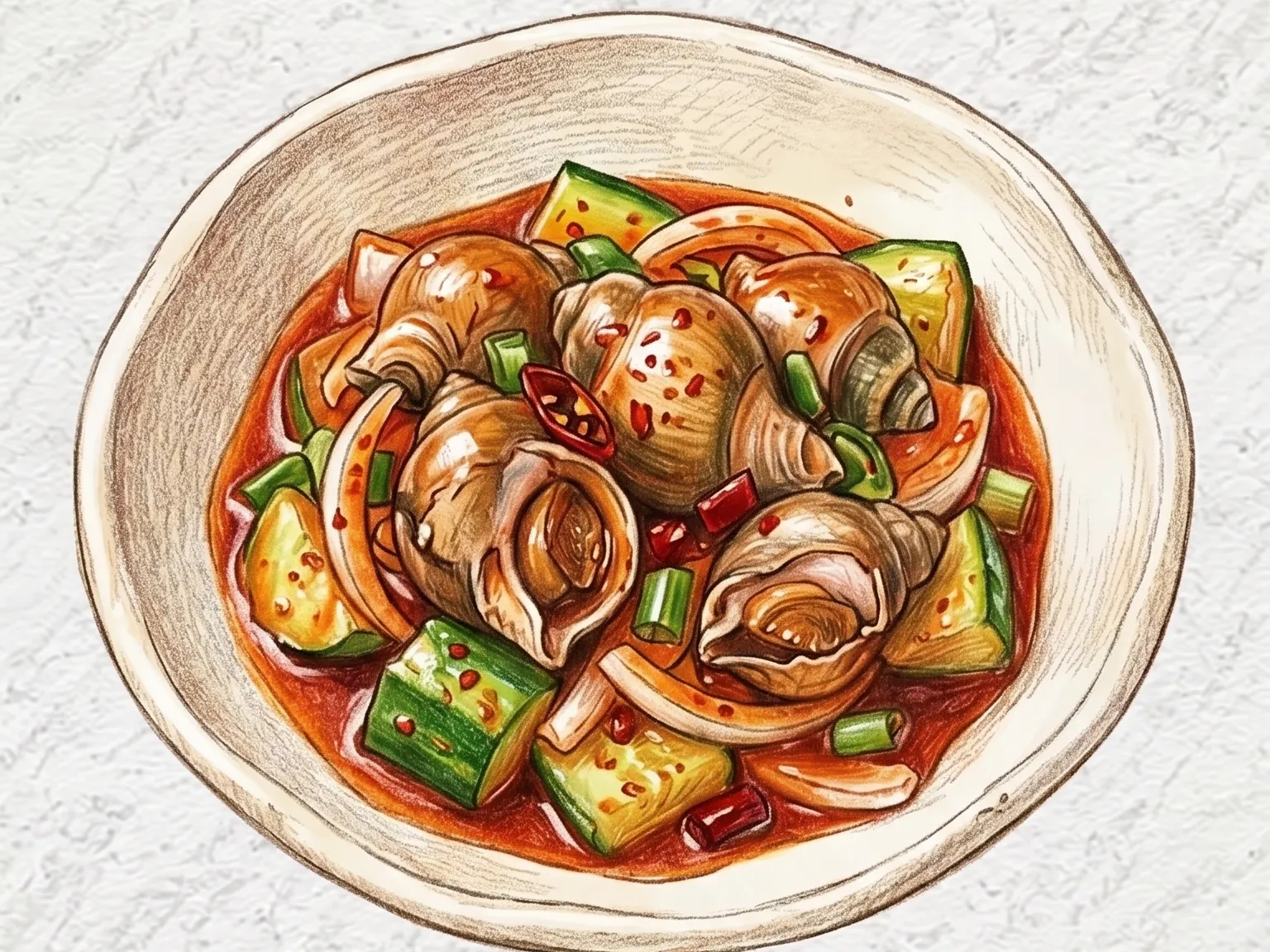
Korean Spicy Whelk Stir-fry
Golbaengi bokkeum is a spicy Korean whelk stir-fry that uses canned whelk with a sauce built from gochujang, gochugaru, vinegar, sugar, and sesame oil. The firm, chewy texture of the whelk is the defining quality of the dish, which means cooking time must stay within two to three minutes to prevent the meat from toughening further. Vinegar adds a tangy brightness that lifts and balances the heat from the chili components. A splash of the canning liquid stirred in during cooking enhances the whelk's natural brininess and keeps the sauce from drying out. Julienned cucumber, sliced onion, and scallion are added off the heat so they stay crisp and retain their raw freshness rather than wilting into the sauce. As a banchan, it pairs directly with rice, but served alongside thin wheat noodles or glass noodles it transforms into one of Korea's most beloved drinking snacks, a staple of old-school pojangmacha stalls where the combination of cold beer and spicy, chewy whelk has been a fixture for decades.
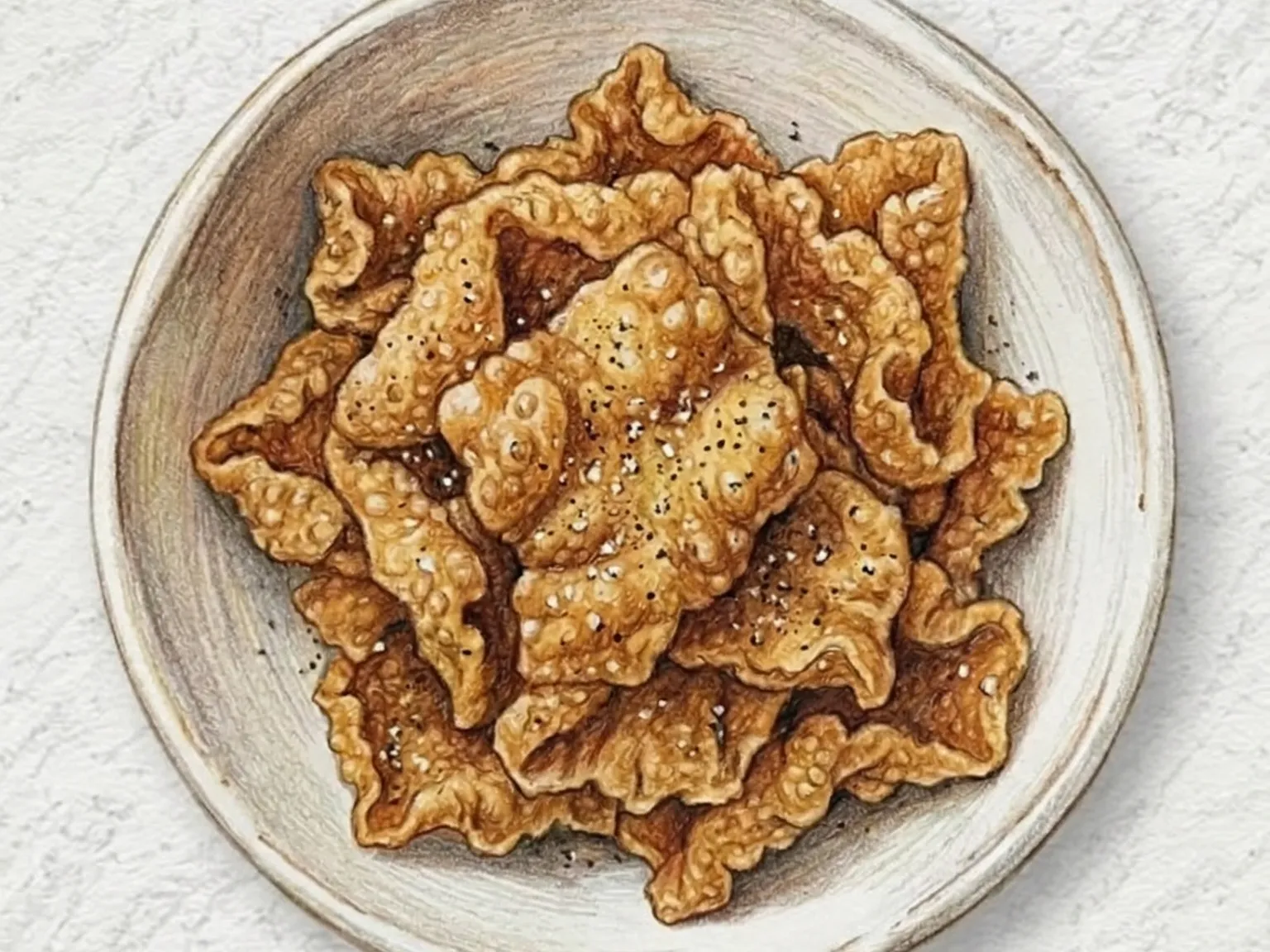
Korean Crispy Fried Chicken Skin
Dak-kkopjil-twigim starts with chicken skin seasoned with salt and black pepper, coated in starch, and fried twice in hot oil. The first fry drives out moisture from the skin, and the second at higher temperature traps air inside, puffing the surface into a cracker-like texture with visible bubbles locked throughout. The rendered fat from the skin produces a deep, concentrated savoriness that salt alone can bring to full expression. Black pepper and garlic powder sprinkled over the top cut through the richness and keep each piece from feeling heavy. Straightforward to prepare and endlessly snackable, this is a dependable bar food and everyday appetizer in Korean households.

Korean Chestnut Tea Latte Recipe
This Korean chestnut tea latte, also called bam latte, blends boiled chestnuts with milk for a warm cafe-style drink. The chestnuts are pureed with water until smooth, then heated gently with milk so the drink stays creamy instead of grainy. Maple syrup adds caramel sweetness over the mild, starchy chestnut flavor, while cinnamon and vanilla give the latte a warmer finish. Blend the chestnuts longer for a silkier drink, or leave a little texture for a thicker porridge-like consistency. The full preparation takes about twenty minutes, making it a practical homemade version of the seasonal chestnut latte served in Korean cafes each autumn.