🥗 Light & Healthy Recipes
Light, healthy, low-calorie dishes
712 recipes. Page 17 of 30
These low-calorie recipes prove that healthy eating does not have to be boring. High-protein meals, vegetable-forward dishes, and low-carb options - all designed to support weight management and better eating habits.
Diet-friendly does not mean small portions or bland flavors. Chicken breast, tofu, konjac, and eggs provide lasting satiety, while smart seasoning and cooking methods keep the taste appealing. Build a sustainable, healthy routine with these recipes.
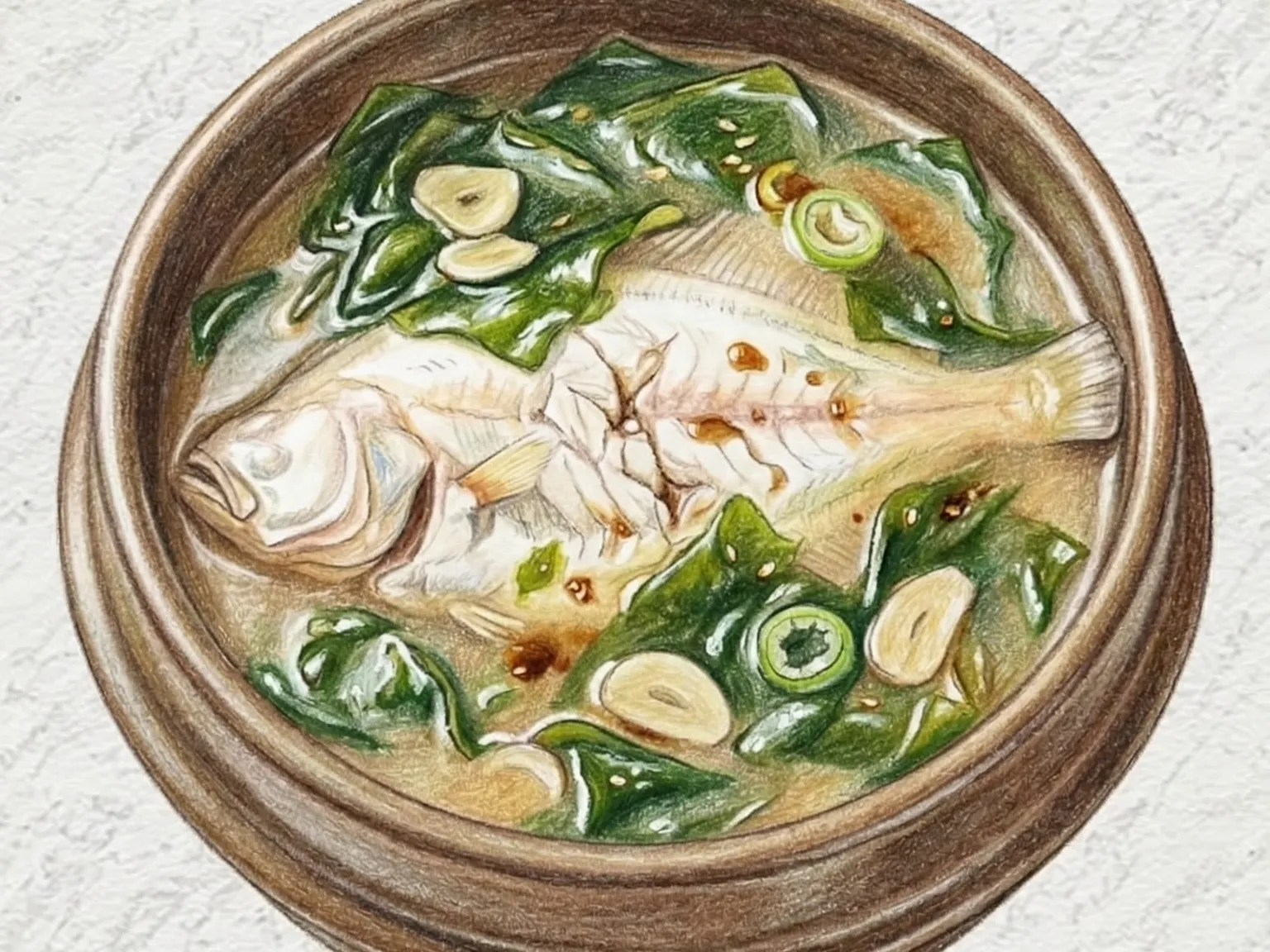
Korean Flounder Seaweed Soup
Gajami miyeok-guk is a seaweed soup built around a whole flounder simmered directly in the pot. Rehydrated miyeok is stir-fried in sesame oil before the liquid is added, a step that transforms the raw seaweed fragrance into something richer and more rounded. Once the flounder is added and the pot comes to a simmer, the mild, subtly sweet flesh of the white fish slowly infuses the broth, while the collagen released from the bones gives the soup a quiet viscosity and depth that water alone cannot produce. Soy sauce and garlic are the only seasonings needed, allowing the natural flavor of the fish and seaweed to carry the soup without interference. Blanching the flounder briefly in boiling water before adding it to the pot draws out blood and removes any trace of fishiness, resulting in a cleaner, more delicate broth. Along the East Sea coast, gajami miyeok-guk has traditionally been served as postpartum recovery food in place of the more common beef seaweed soup, valued for its lightness, digestibility, and the clean nourishment provided by the fish broth.
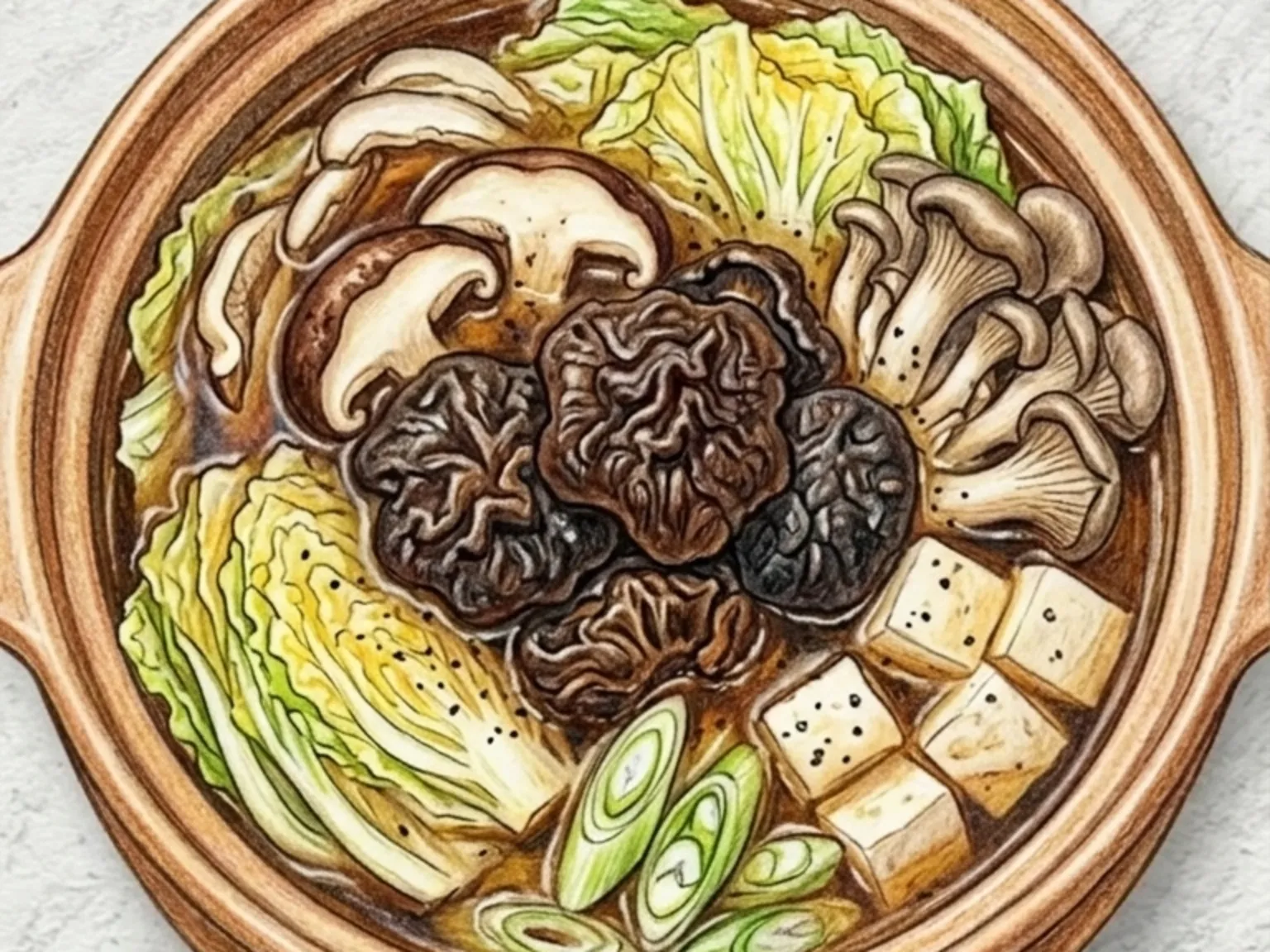
Korean Wild Mushroom Hot Pot
This Korean hot pot features earthy neungi mushrooms simmered with shiitake and oyster mushrooms, napa cabbage, and tofu. Neungi mushrooms contribute an intense, woody aroma that builds a deep broth without any meat. The soaking liquid from the neungi mushrooms is reused as the broth base to concentrate the fragrance. Napa cabbage and tofu slices are arranged at the bottom of the pot to support the hand-torn mushrooms. The stew is seasoned with soup soy sauce, minced garlic, and black pepper, then simmered for twelve to fifteen minutes over medium heat. This cooking time allows the earthy flavors to meld while keeping the mushrooms tender. Serving the hot pot immediately after the broth darkens prevents the ingredients from becoming chewy. The layered textures of three distinct mushroom varieties form the core flavor experience.
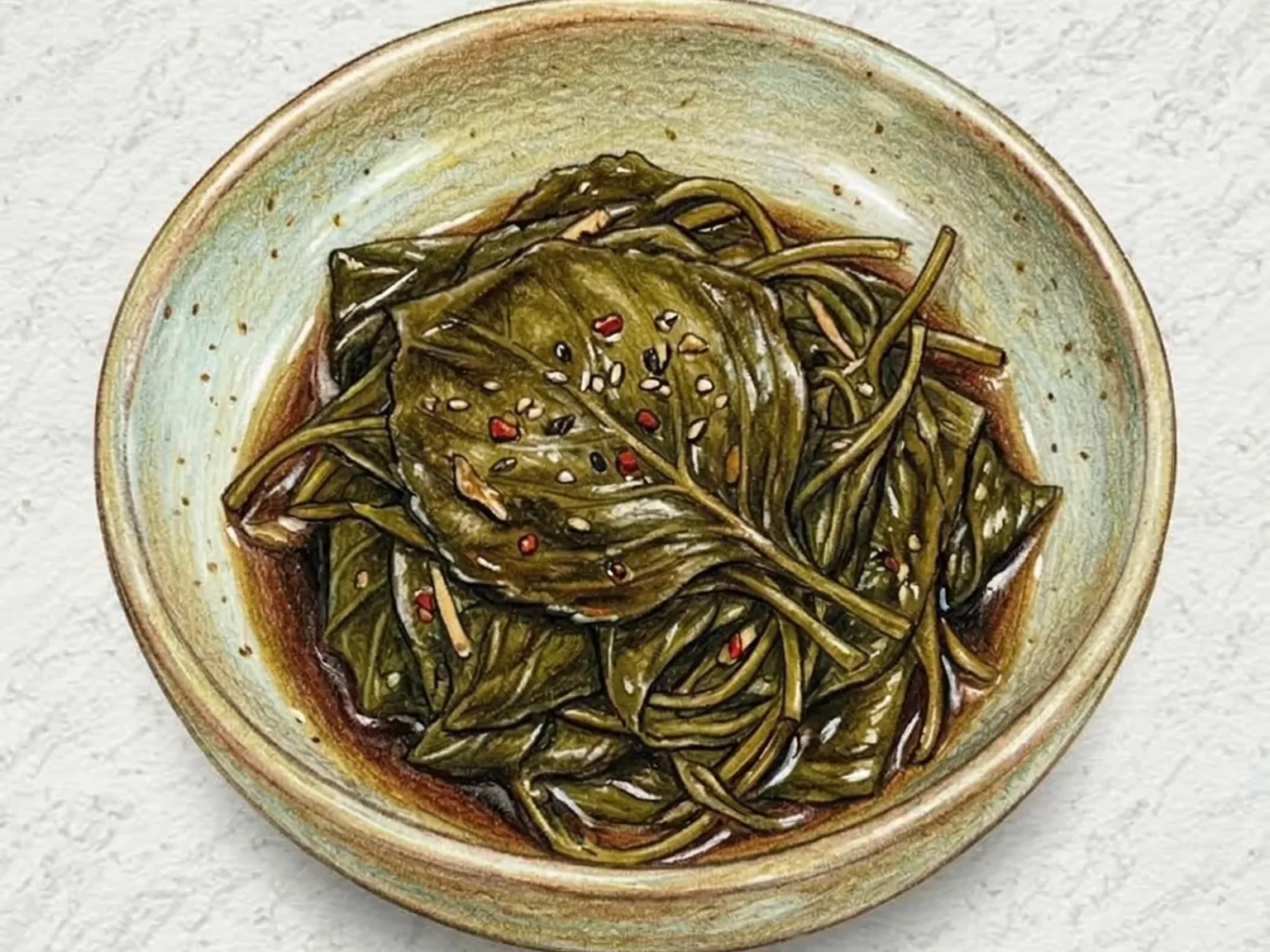
Korean Pepper Leaf Soy Pickle
Gochuip jangajji is a Korean soy pickle made from pepper leaves, a summer byproduct of chili cultivation, washed and submerged in a boiled brine of soy sauce, vinegar, and sugar. Unlike the chili fruit, pepper leaves carry almost no heat. What they bring instead is a grassy, mildly bitter fragrance that blends naturally with the savory and sour notes of the brine. Boiling the pickling liquid first and letting it cool before pouring it over the leaves preserves some of their texture while ensuring even seasoning throughout. Garlic and cheongyang chili contribute a sharp, pungent edge to the liquid, and the thin leaves absorb the brine fully within a single day. Over time, the pickling liquid penetrates deeper and the umami grows more pronounced. Laying one leaf over rice and folding it into a small parcel combines the roles of banchan and ssam in a single, compact bite.
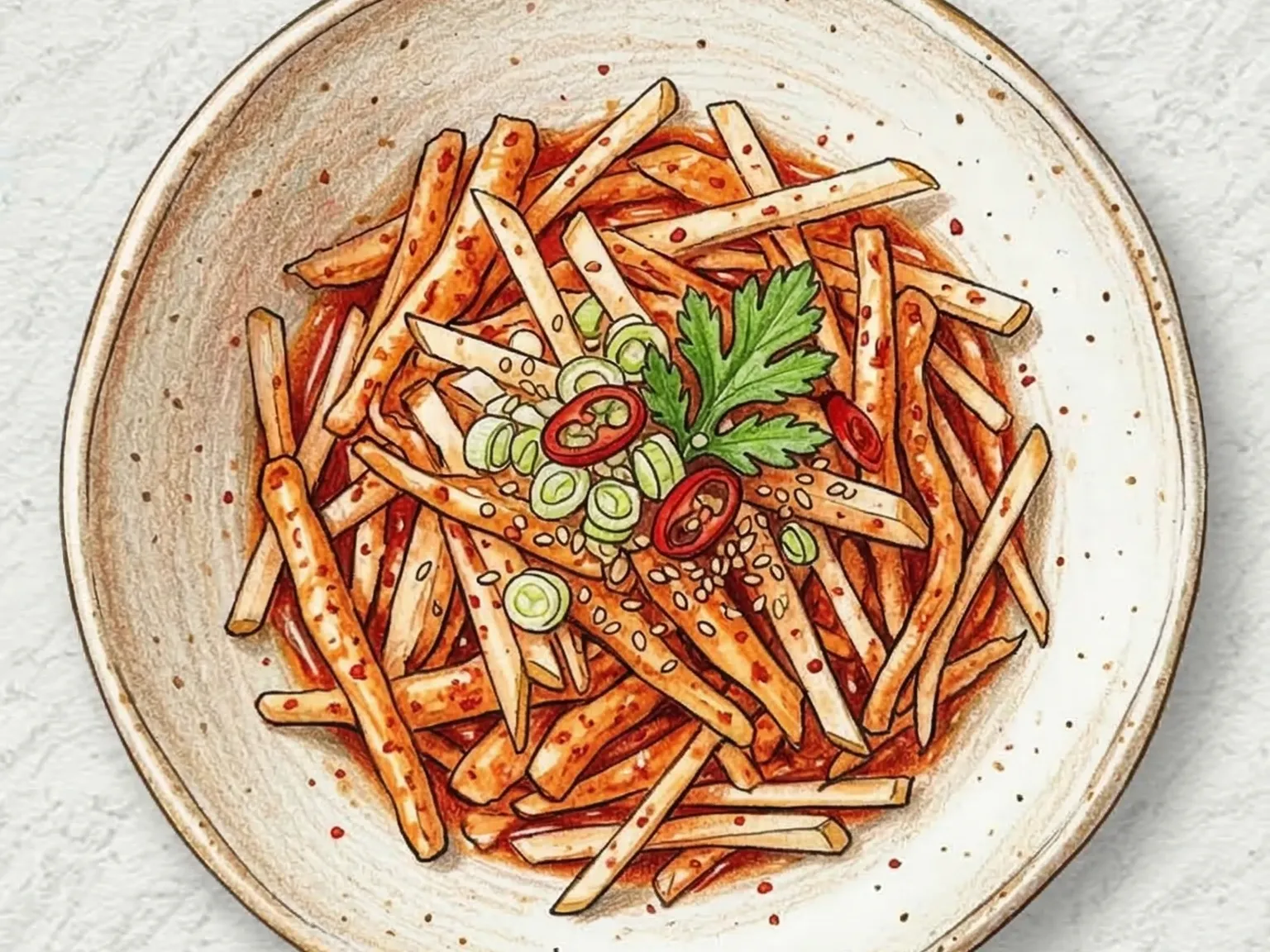
Bellflower Root and Pear Salad
Bellflower root, called doraji in Korean, is rubbed with salt to draw out its natural bitterness, then briefly blanched until its texture softens just enough at the surface while retaining a firm, pleasantly chewy bite. Julienned Korean pear is mixed in to bring cool sweetness and plenty of juice that offsets the root's dryness. The seasoning follows a traditional Korean muchim pattern: gochugaru for heat, vinegar for a sour lift, and fish sauce for a deep savory base. Sesame oil is drizzled in last, adding a toasted, nutty aroma that ties the whole dish together. The combination of bitter root, sweet pear, and sharp dressing makes each bite shift slightly as the flavors blend on the palate.
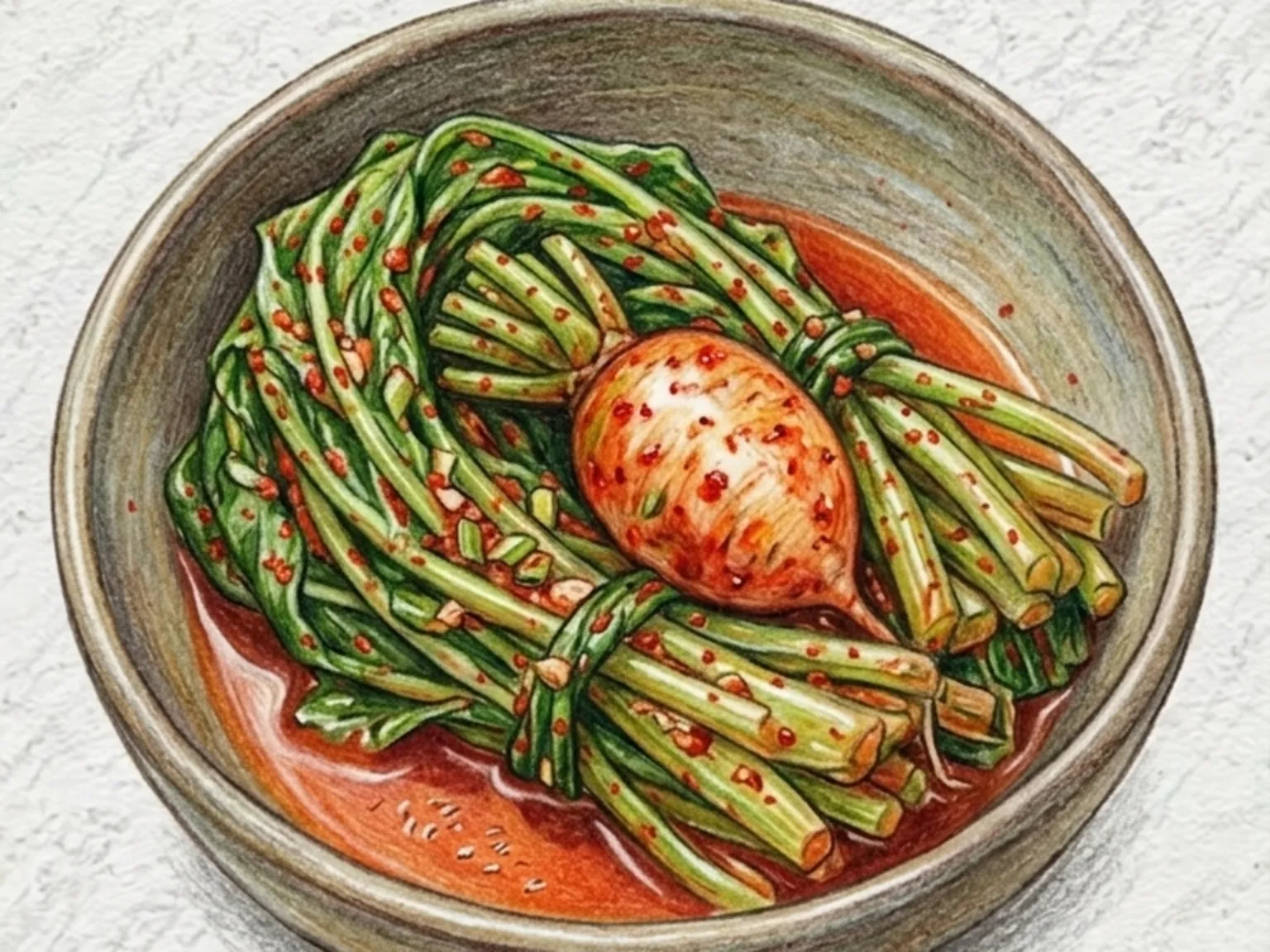
Korean Young Radish Kimchi
Young radish greens and their slender stems are salted briefly, dressed in a gochugaru-based paste, and fermented into a kimchi that defines Korean summer eating. The greens are more delicate than mature radish, absorbing the seasoning quickly while retaining a refreshing crunch that lasts well into fermentation. Gochugaru and anchovy fish sauce form the backbone of the paste, delivering heat and deep umami in equal measure, while garlic lends a pungent undercurrent that mellows as the fermentation progresses. Once dressed, the radish greens release their own moisture, creating a naturally occurring brine that becomes the hallmark of yeolmu kimchi: a tangy, chili-flecked liquid that can be spooned over cold noodles or rice. Even half a day at room temperature kicks off the fermentation, introducing a sharp, fizzy acidity that signals the kimchi is alive. Transferring it to the refrigerator slows the process and stabilizes the flavor at a bright, appetizing sourness. Draped over bibim-guksu or naengmyeon, it brings a cooling, spicy bite that defines the Korean summer table.

Korean Hallabong Ade (Jeju Mandarin Sparkling Citrus Drink)
Hallabong ade is a Korean sparkling citrus drink built around hallabong, a Jeju Island tangerine hybrid distinguished by its thick, deeply fragrant peel, exceptionally sweet-tart juice, and characteristic knobby protrusion at the stem end. The fruit is macerated with sugar to draw out a concentrated syrup, which is then diluted with chilled sparkling water so that the citrus flavor stays bright and full without becoming syrupy. Mashing a few pieces of the flesh directly into the glass releases bursts of juice as each bubble rises, adding texture alongside the flavor. A squeeze of lemon juice reinforces the natural acidity and prevents the drink from tipping into one-dimensional sweetness. Packed with ice and finished with fresh mint leaves, the herbal coolness lifts the citrus aroma and turns the drink into a refreshing summer staple.
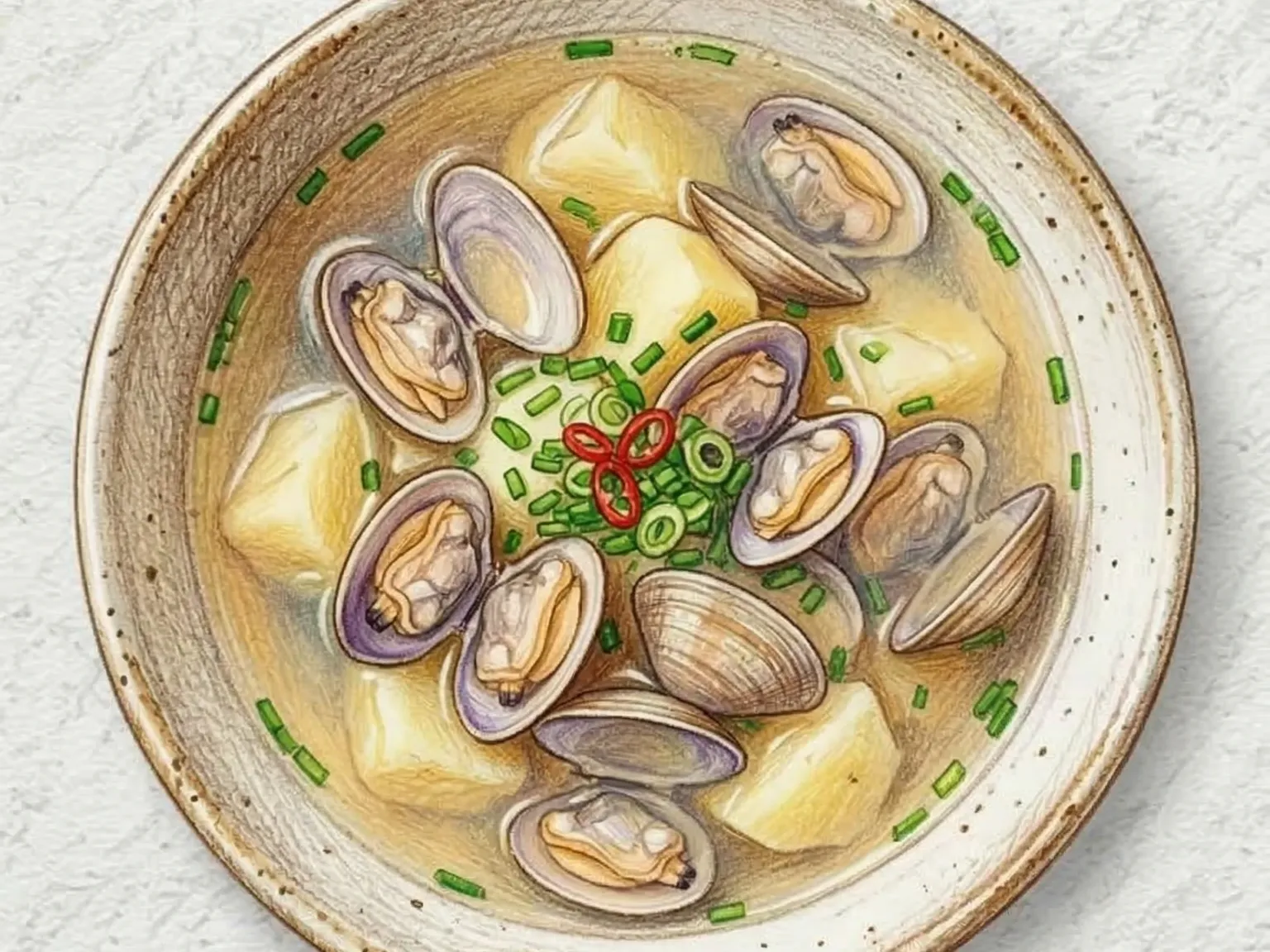
Gamja Jogae-guk (Potato Manila Clam Soup)
Gamja jogae guk is a clear Korean soup that brings together the briny, umami-rich depth of manila clams and the gentle softness of potato in a light, unpretentious broth. The clams are purged of sand first, then added to a pot with potato cut into thin, flat slabs and sliced onion. As the clams open, they release a natural shellfish liquor that seasons the water without any additional stock, giving the broth a quiet but genuine depth. The potato slices cook down gradually, releasing a slight starchiness into the liquid that softens the broth's texture compared to a pure seafood soup. The moment the clams open is the cue to lower the heat, since leaving them in a boiling pot turns the flesh rubbery. Soup soy sauce adjusts the salt level without darkening the clear broth, and sliced green onion scattered over the top at the end adds a clean, grassy note. Despite having only a handful of ingredients and taking fewer than twenty minutes from start to finish, the pairing of clam and potato builds a layered, refreshing flavor that makes this one of the more satisfying simple soups in everyday Korean cooking.
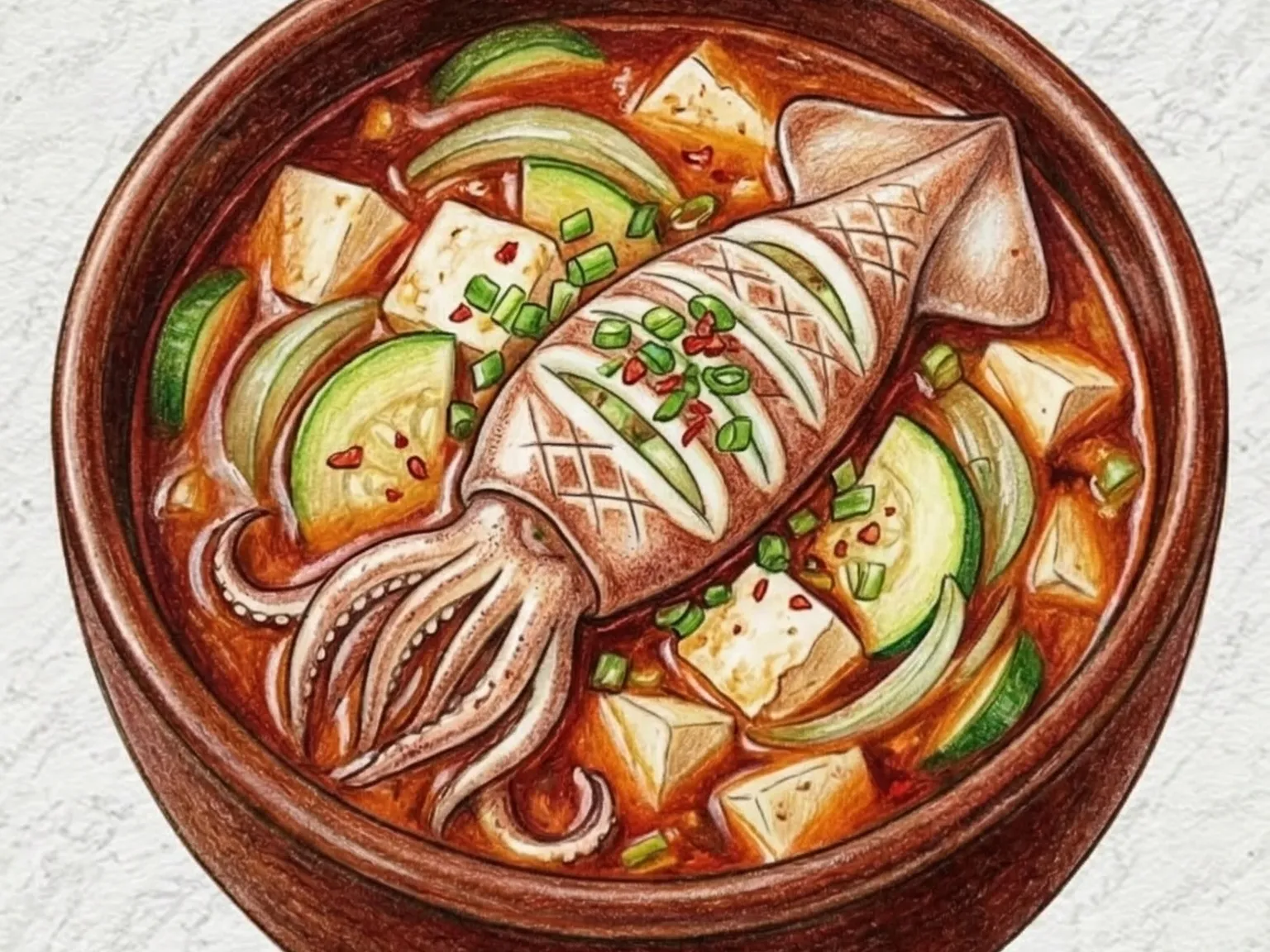
Korean Squid Stew
Ojingeo jjigae simmers a whole cleaned squid in an anchovy broth enriched with gochujang and chili flakes, producing a sweet-spicy stew that pairs directly with steamed rice. The squid body is scored with diagonal cuts before going into the pot, which lets the bold red pepper paste seasoning penetrate the flesh so that each bite carries the full flavor of the broth. Tofu and zucchini cook alongside, absorbing the spicy liquid while softening enough to contrast with the firm, chewy squid. The natural sweetness of gochujang is well matched to the mild, clean flavor of squid, keeping the stew from tasting one-dimensional despite its deep red color. Timing matters: squid added too early toughens quickly, so it goes in during the final five minutes and cooks just until opaque. Cheongyang chili peppers can be added for extra heat, and a handful of sliced green onion stirred in at the end provides a fresh aromatic note. The braising liquid, spiced and slightly thickened from the vegetables, is rich enough to spoon over rice and eat on its own.
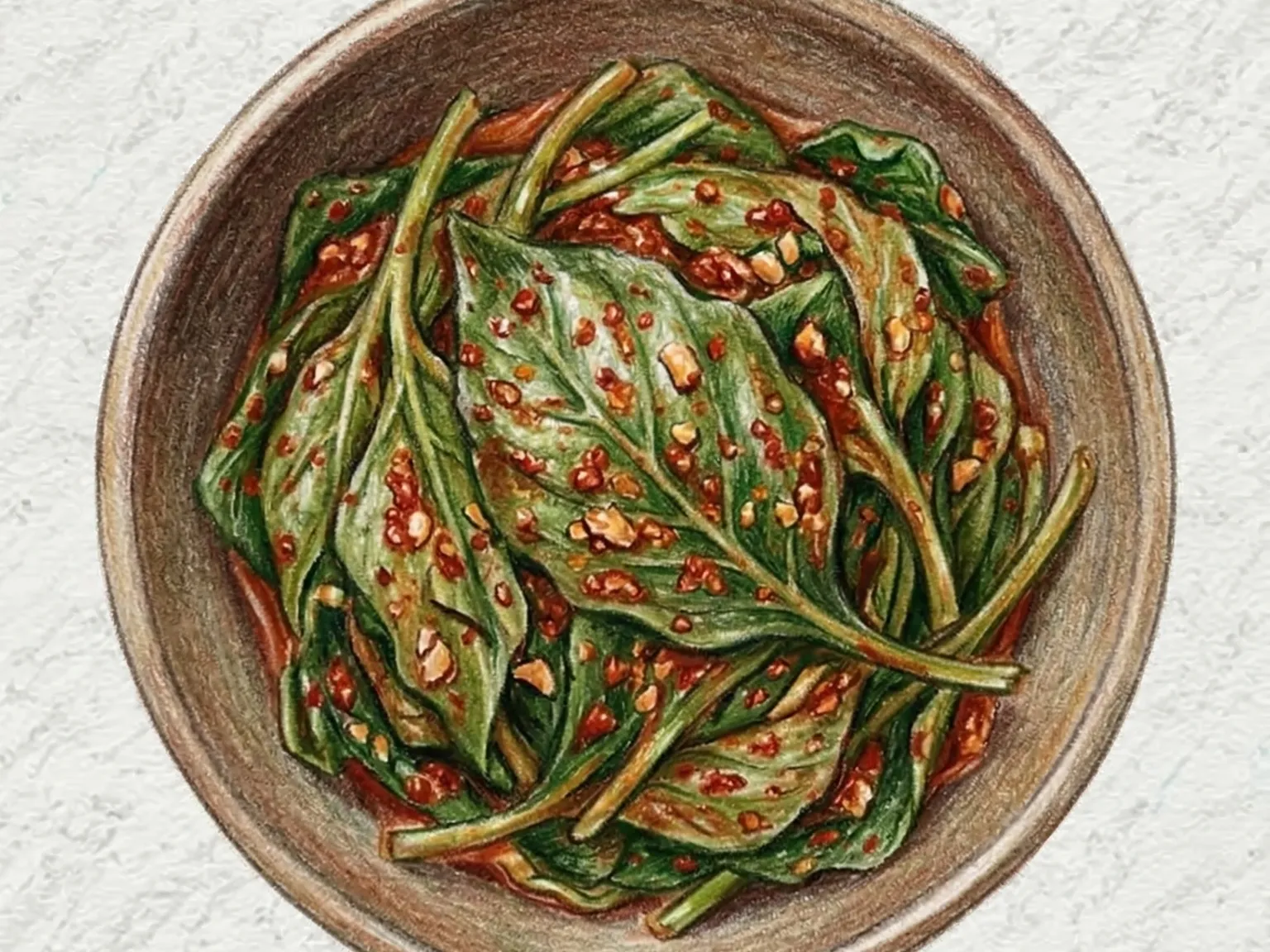
Korean Pepper Leaf Kimchi
Gochuip kimchi is a seasonal Korean kimchi made from pepper leaves, prepared during late spring to summer when the leaves are available. Blanching is the essential first step. Fresh pepper leaves contain compounds that produce a raw bitterness, and simply seasoning them without pre-cooking leaves an unpleasant edge. A brief blanch of about 30 seconds collapses the cell structure, removing bitterness while dramatically reducing the volume of the leaves. The softened leaves also accept the seasoning more evenly across their surfaces. Glutinous rice paste added to the gochugaru, anchovy fish sauce, and garlic mixture thickens the coating so it adheres uniformly to each leaf and supports lactic acid fermentation even within the short one-day curing window. The herbaceous quality in pepper leaves survives fermentation, remaining as an undercurrent beneath the spicy coating and producing a green, herb-like character that distinguishes this kimchi from napa cabbage or young radish varieties.
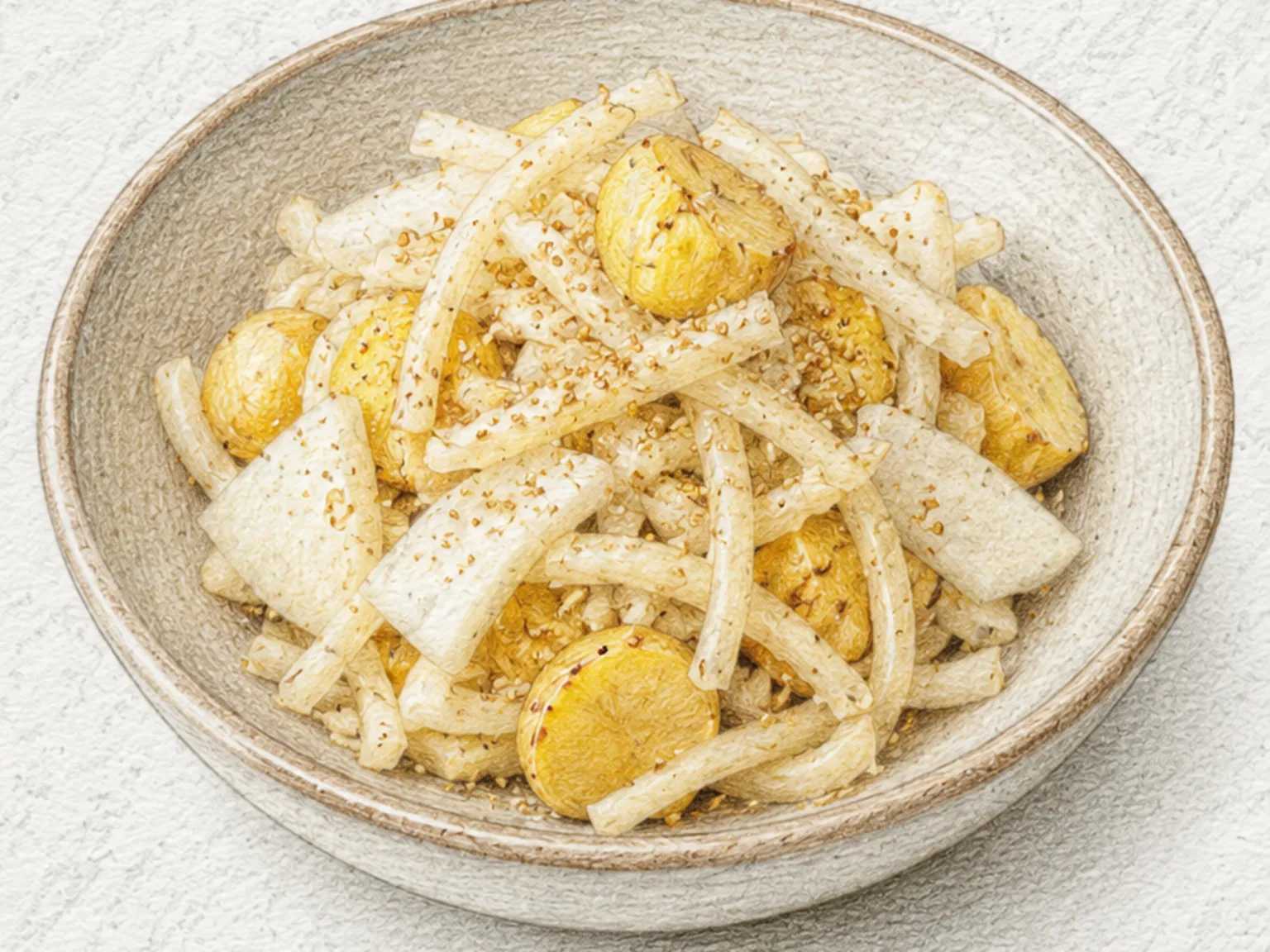
Bellflower Root, Chestnut & Perilla Salad
Doraji chestnut perilla salad brings together blanched bellflower root, boiled chestnuts, and Korean pear in a combination that captures the flavors of Korean autumn. Blanching doraji tempers its raw bitterness to a clean, gentle edge and softens its crunch just enough to make it pleasant to eat without cooking out its character entirely. Boiled chestnut contributes a starchy warmth and sweetness that is entirely different from fruit sugars - it is dense and slightly powdery, more comforting than bright. Korean pear introduces cool juice and a delicate crunch that refreshes the palate between bites of root and nut. Ground perilla seeds tie the ingredients together with a nutty, faintly grassy aroma rooted in their omega-3 fatty acid content, a flavor profile that cannot be replicated by sesame alone. The dressing is built from apple cider vinegar for fruit acidity, honey for sweetness, and olive oil to emulsify and smooth the transitions between components. Both bellflower root and chestnuts peak in autumn, so the salad is at its most rewarding when made with freshly harvested seasonal ingredients. The color combination of ivory doraji, cream-colored chestnut, and pale pear gives the bowl a quiet, autumnal visual quality.
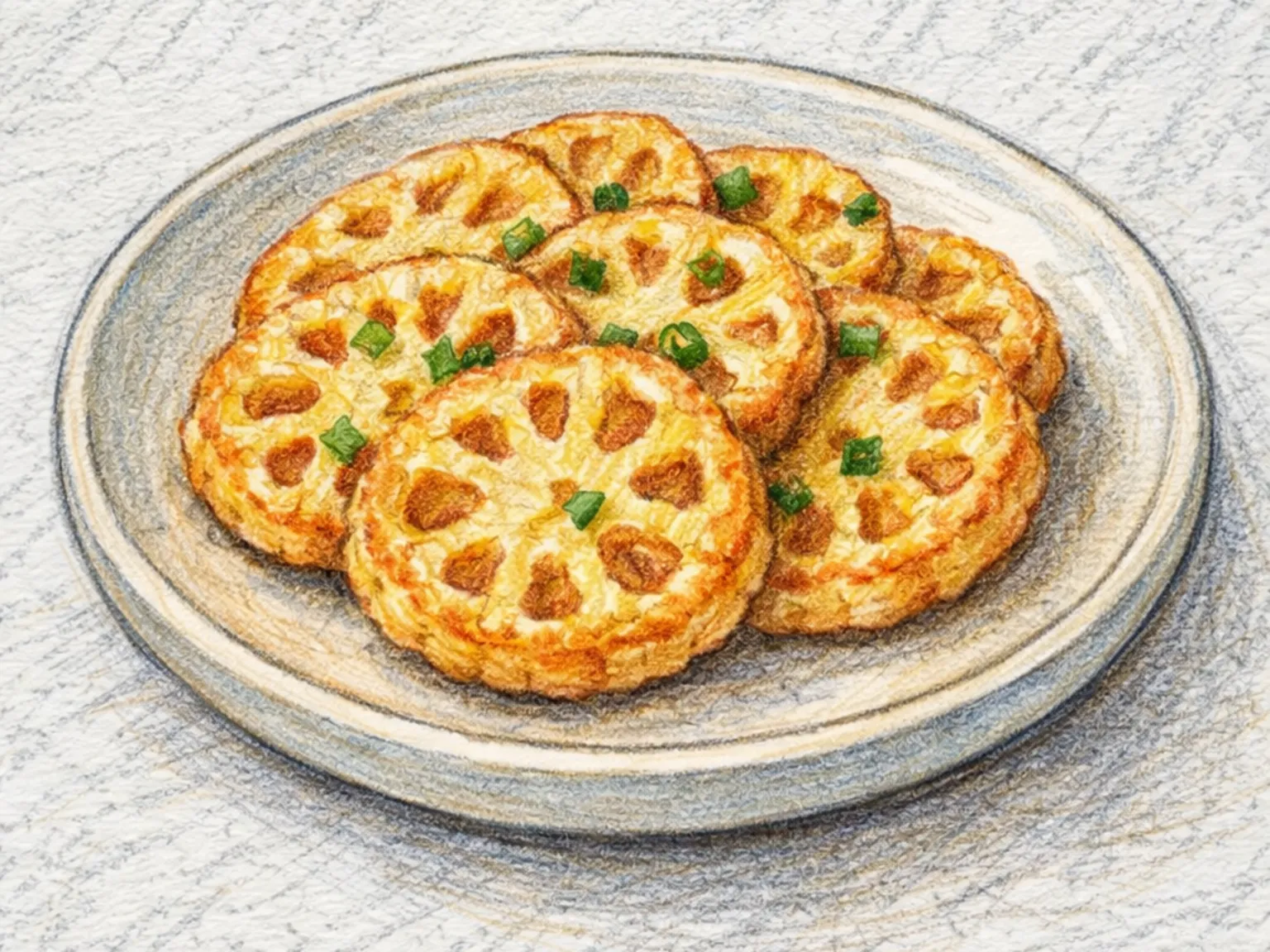
Korean Lotus Root Pancakes
Lotus root is sliced into rounds and coated in a light batter of buchim flour and egg before being pan-fried until golden on both sides. The root's characteristic perforations show through the thin batter, creating a lace-like appearance on each piece that makes this jeon visually distinctive. Biting through the crisp exterior reveals the lotus root's dual texture: an initial crunch from the starchy flesh followed by a slightly sticky chew that clings pleasantly to the teeth. Slicing to a thickness of five to six millimeters strikes the right balance between maintaining the crunch and ensuring the center cooks through. The egg-enriched batter adheres evenly to the root's smooth surface and sets immediately upon contact with hot oil, sealing in moisture. Minimal salt in the batter allows the lotus root's faint natural sweetness to emerge, and a dipping sauce of soy sauce and vinegar provides the acidity needed to cut through the fried exterior's richness. Commonly served during Korean holidays, this jeon is simple enough for everyday cooking as well.
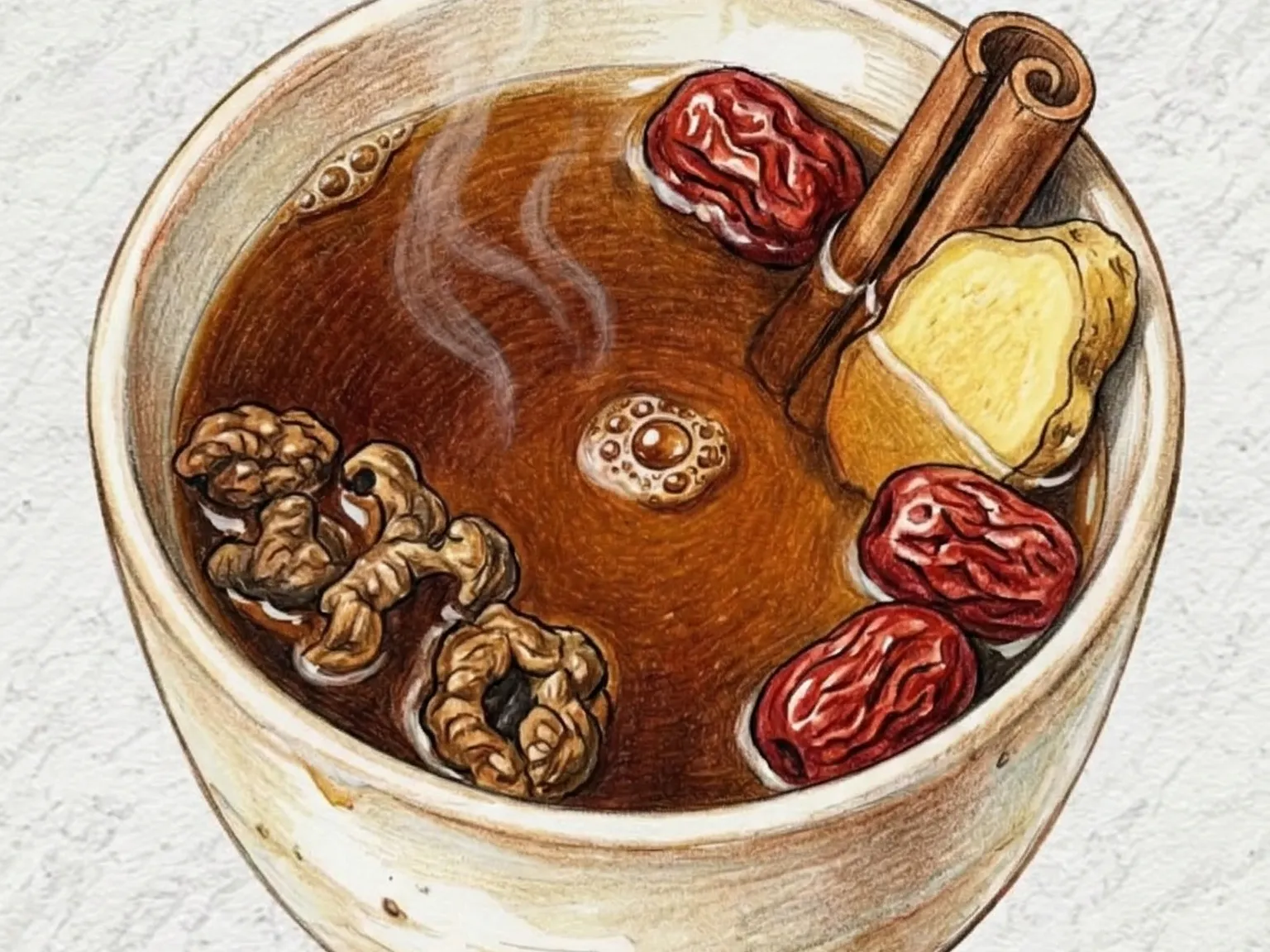
Korean Heotgae Tea (Oriental Raisin Tree Hangover Herbal Brew)
Heotgae-cha is a traditional Korean herbal tea made by simmering dried oriental raisin tree fruit with jujubes, ginger, and cinnamon over low heat for thirty-five minutes. The dried heotgae fruit, small and knobby in appearance, is astringent and muted in raw form, but prolonged simmering draws out a deep, earthy sweetness that gradually fills the water. Jujubes add natural sweetness and a faint fruity note, ginger contributes a sharp warmth that lingers at the tip of the tongue, and cinnamon layers in a gentle, aromatic sweetness, building a multi-layered flavor that develops slowly over the long cooking time. Honey is stirred in at the end to adjust sweetness to taste. In Korean traditional medicine, the oriental raisin tree has long been associated with supporting liver function and alleviating hangover symptoms, which is why the tea has been consumed as a morning-after drink for generations. Among Korean office workers accustomed to frequent after-work drinking gatherings, heotgae-cha remains one of the most commonly reached-for hangover remedies.
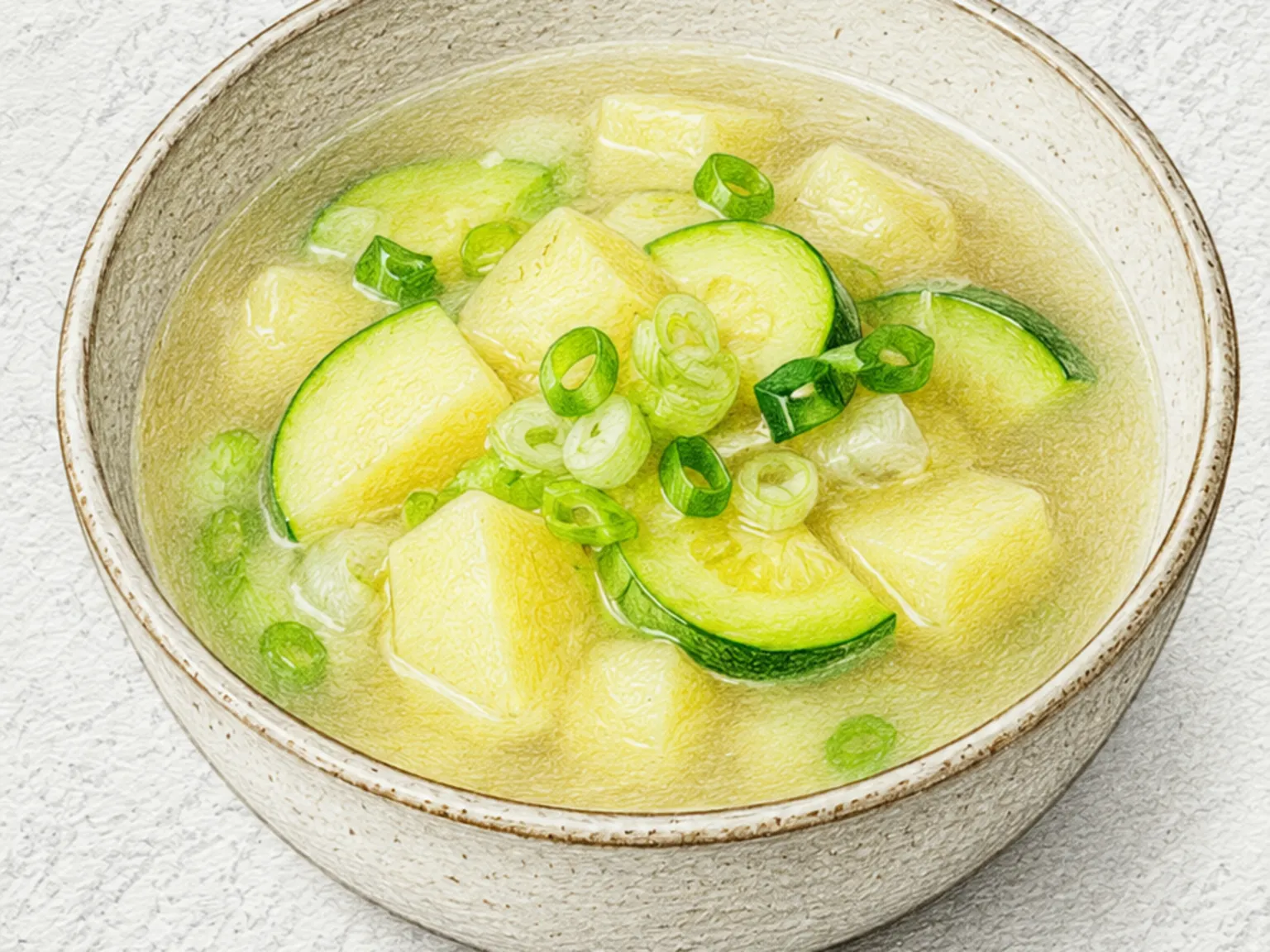
Gamjaguk (Potato Doenjang Anchovy Soup)
Gamjaguk is a clear, mild Korean soup built on a foundation of anchovy stock with potatoes as the main ingredient, seasoned with either doenjang or plain salt. As the potatoes cook through, they release starch gradually into the broth, giving it a subtle body that makes each spoonful feel substantial without turning the liquid cloudy. When doenjang is used, the fermented paste contributes a layered, earthy savoriness that wraps around the gentle sweetness of the potato. Seasoning with salt alone lets the potato's natural, unadorned flavor stand at the center without competition. Garlic and green onion are added as the aromatic base, providing a mild, savory fragrance that keeps the broth from tasting flat. A handful of zucchini slices added midway through cooking introduces a soft, yielding texture and a touch of pale green color. The potatoes need to be pulled from heat at the point when a chopstick slides through without resistance, because overcooking breaks them apart and muddies the broth. With only a few ingredients required, this soup comes together quickly even when the refrigerator is nearly empty, which is part of why it appears on Korean tables more consistently than almost any other soup.
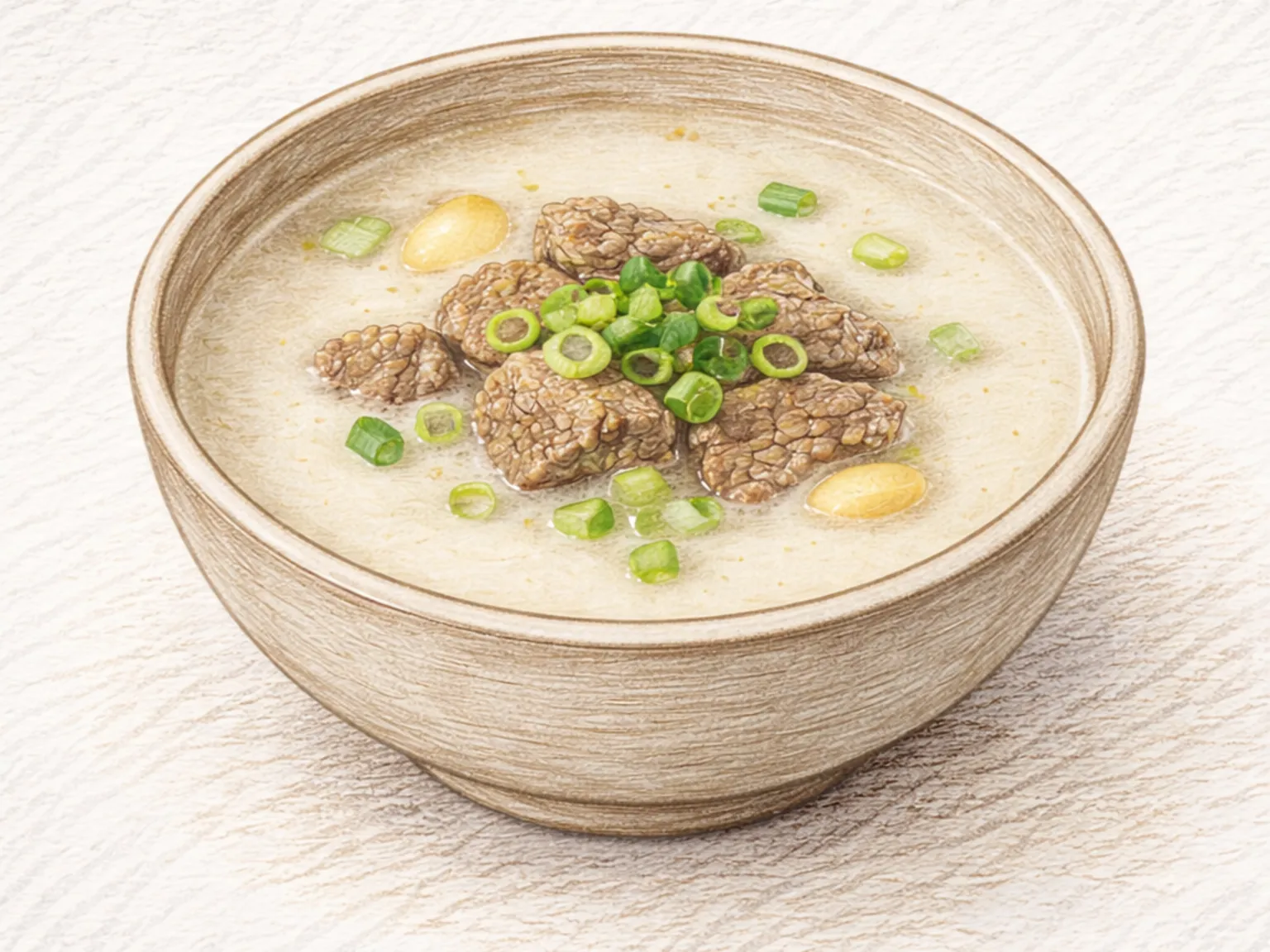
Korean Ox Bone Broth (Milky Collagen-Rich Marrow Soup)
Sagol-guk is a Korean bone broth soup made by simmering beef marrow bones for six hours or longer until the dissolved collagen and marrow turn the liquid a dense, opaque white that looks closer to milk than water. The seasoning is intentionally minimal, limited to green onion, garlic, and salt, because the entire point of the dish is the bone itself and what slow heat extracts from it over time. Before the long simmer begins, the bones are soaked in cold water to draw out the blood and then briefly blanched to remove any remaining impurities that would cloud or bitter the broth. The same bones can be reboiled three or four times, with each successive batch yielding a progressively lighter and cleaner-tasting liquid. The soup is served piping hot alongside rice, with salt and white pepper passed at the table so each person can season according to preference. Alongside seolleongtang and gomtang, sagol-guk forms one of the three pillars of Korea's long bone broth tradition, and its restorative reputation makes it a natural choice on cold days or when the body needs warmth and something uncomplicated.
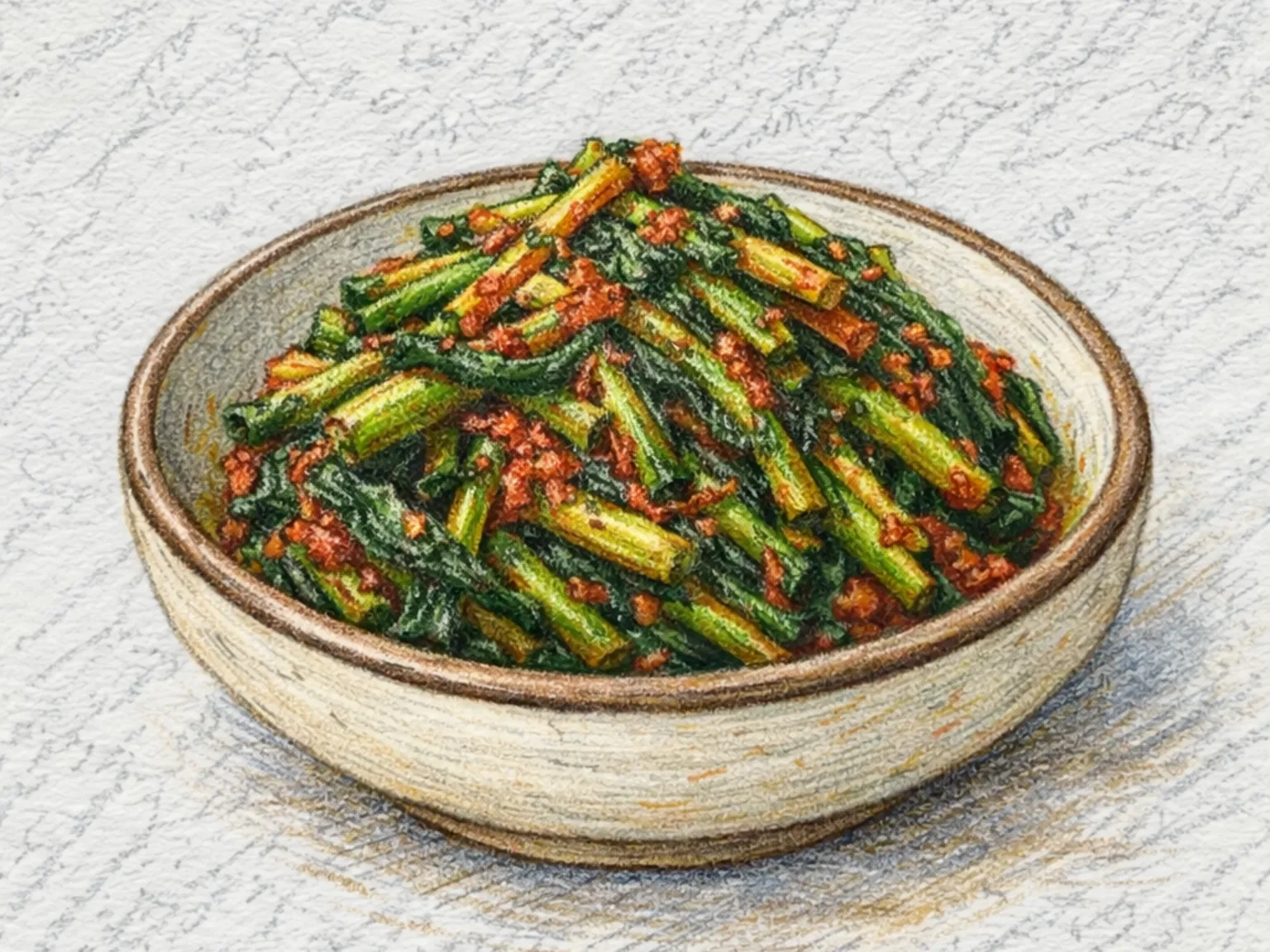
Korean Lettuce Root Kimchi
Godeulppaegi kimchi is a seasonal Korean kimchi made from the bitter wild herb godeulppaegi (Korean lettuce root), which is soaked in salted water for about a week to extract most of its sharp bitterness before being dressed in gochugaru, anchovy fish sauce, and glutinous rice paste for fermentation. The extended soak rounds off the bitter edge so that only a pleasant, lingering bitterness remains after fermentation, creating a complex interplay with the lactic acidity. The roots have a chewy, fibrous bite while the leaves turn soft, giving each stalk a dual texture in a single bite. This is a regional autumn kimchi from the Jeolla and parts of Gyeongsang provinces, traditionally prepared in fall to last through winter. The preparation is labor-intensive, requiring patient soaking and careful seasoning, but the resulting depth of flavor is what has kept this variety treasured across generations of Korean home cooking.
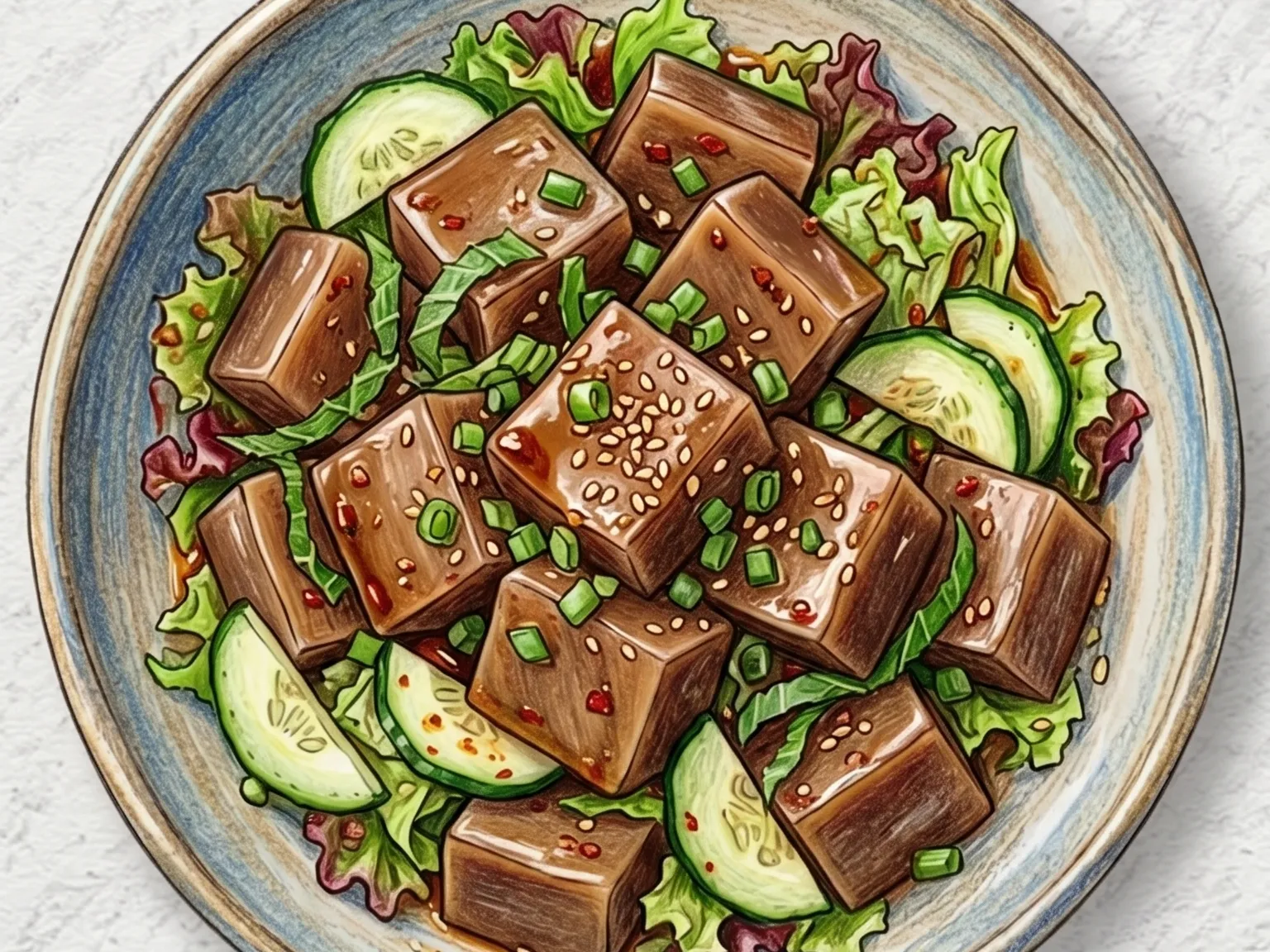
Dotori-Muk Vegetable Salad (Acorn Jelly Salad)
Dotori-muk (acorn jelly) is cut into bite-sized blocks and served with fresh lettuce, cucumber, and perilla leaves in this Korean salad. The jelly's smooth, firm texture creates a distinct contrast against the crunchy vegetables, while scallion lifts the overall aroma. A seasoning sauce of soy sauce, vinegar, gochugaru, and sesame oil gives the mild-flavored jelly a salty-tangy kick. Acorn jelly is notably low in calories and high in dietary fiber, and the tannins from acorn starch are traditionally believed to support digestion. The sesame oil and gochugaru in the dressing add a glossy richness and depth that transforms the otherwise neutral jelly into a cohesive, satisfying dish. Served chilled during summer, it works equally well as a light banchan when appetite runs low or as a refreshing standalone bowl.
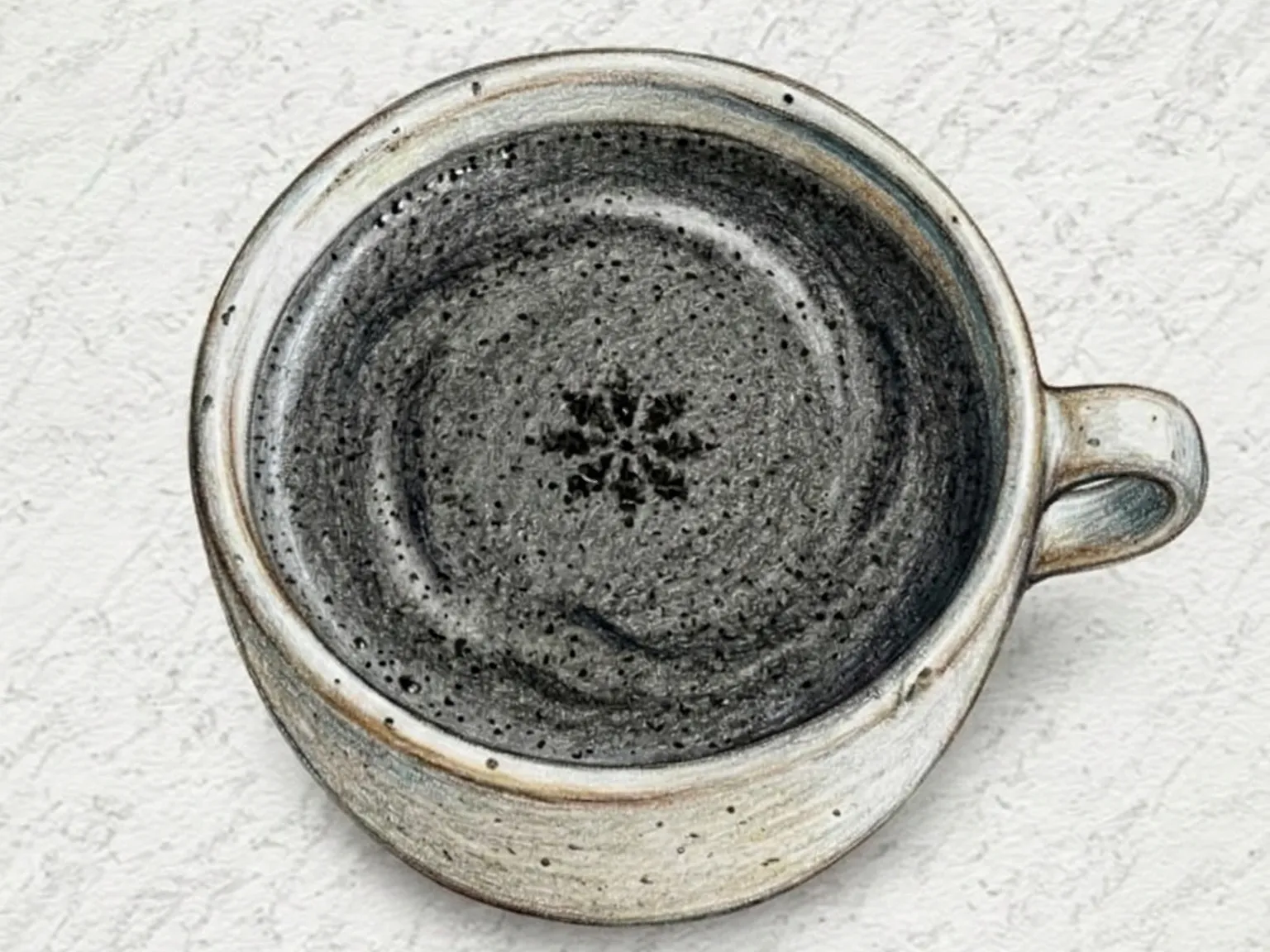
Korean Black Sesame Latte
Heugimja latte is a Korean roasted black sesame drink made by finely grinding toasted sesame seeds and warming them slowly with milk over low heat. Toasting the sesame beforehand draws the oils to the surface, intensifying the deep, nutty character that defines the drink. The finer the grind, the more evenly the sesame disperses through the liquid, creating a smooth, uniform texture rather than a gritty one. Adding sweet rice flour dissolved in a small amount of water gives the latte a natural thickness that sets it apart from commercial nut milks or grain beverages. A tiny amount of salt sharpens the sesame flavor without adding any perceptible saltiness, and sugar should be added with restraint since too much sweetness masks the roasted depth that makes this drink distinctive. Served warm, the toasted aroma rises steadily from the cup. Chilled versions retain the same nuttiness, making the drink work in both seasons. The drink draws on a long Korean tradition of using ground sesame as a nutrient-dense base for beverages and porridges.
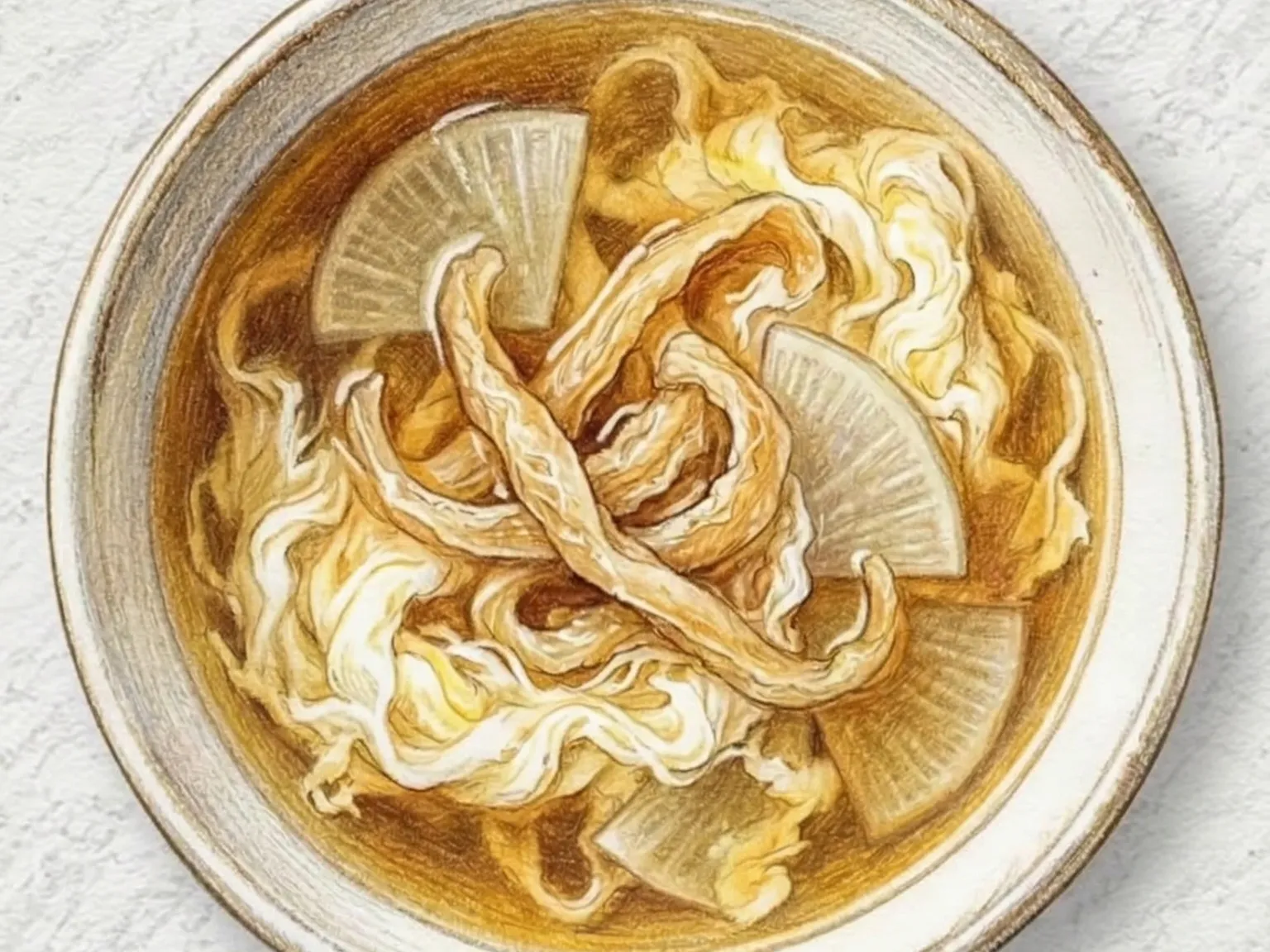
Korean Gangwon-Style Dried Pollock Hangover Soup
This Gangwon-province version of dried pollock hangover soup starts by stir-frying shredded dried pollock in sesame oil until it turns deeply fragrant and golden. That step is what sets it apart from other regions' pollock soups. The toasted sesame aroma permeates the entire broth and adds a richness that plain boiling cannot achieve. Radish simmers alongside, contributing a clean sweetness that tempers any fishiness. Garlic and soup soy sauce provide the savory foundation. Near the end, a beaten egg is swirled into the pot, forming soft, silky ribbons that give the clear broth a comforting body. The soup is intentionally mild and free of chili heat, designed to be gentle on an empty or troubled stomach. Koreans have relied on this kind of bugeo-guk for morning-after recovery for generations, and the Gangwon-style sesame preparation is considered one of the most satisfying versions. If the stir-frying step is rushed, the sesame oil does not coat the fish thoroughly, so cooking the pollock strands over medium heat until they are evenly golden is what draws out the full depth of flavor into the broth.
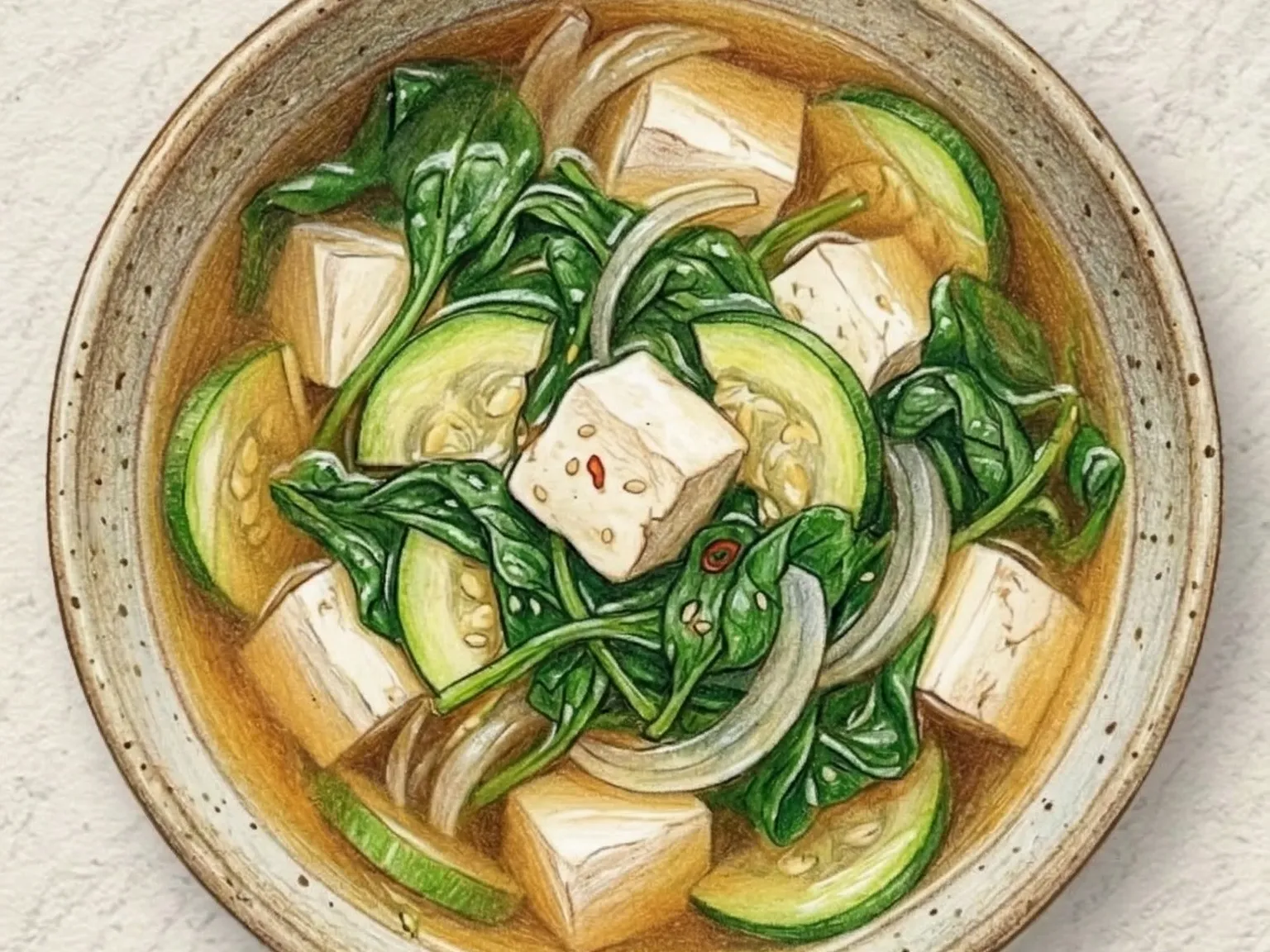
Korean Sigeumchi Dubu Jjigae (Spinach Tofu Stew)
Sigeumchi-dubu-jjigae is a Korean stew built from fresh spinach and soft tofu simmered in anchovy-kelp stock, seasoned with soup soy sauce and perilla oil. The process starts by warming perilla oil in the pot and softening minced garlic until its sharpness mellows into a rounded fragrance that transfers into the oil, giving the broth a subtle depth that would be absent if the garlic were added raw. Zucchini and onion release their natural sweetness as they cook, rounding out the broth and preventing it from tasting flat or austere. Soft tofu, added mid-way, absorbs the seasoned liquid gradually as it heats through, holding its shape while taking on the flavor of the broth around it. Spinach goes in last, only long enough to wilt, because extended cooking destroys the color and reduces the leaves to a limp, dull mass that works against the dish. The iron-forward earthiness of spinach pairs naturally with the mild creaminess of tofu and the nutty undercurrent of perilla oil, producing a stew that reads as simple but carries enough layered flavor to satisfy. This is a standard of Korean home cooking that earns its place at the table for being genuinely easy on the stomach, particularly welcome when appetite is low or the body calls for something clean.
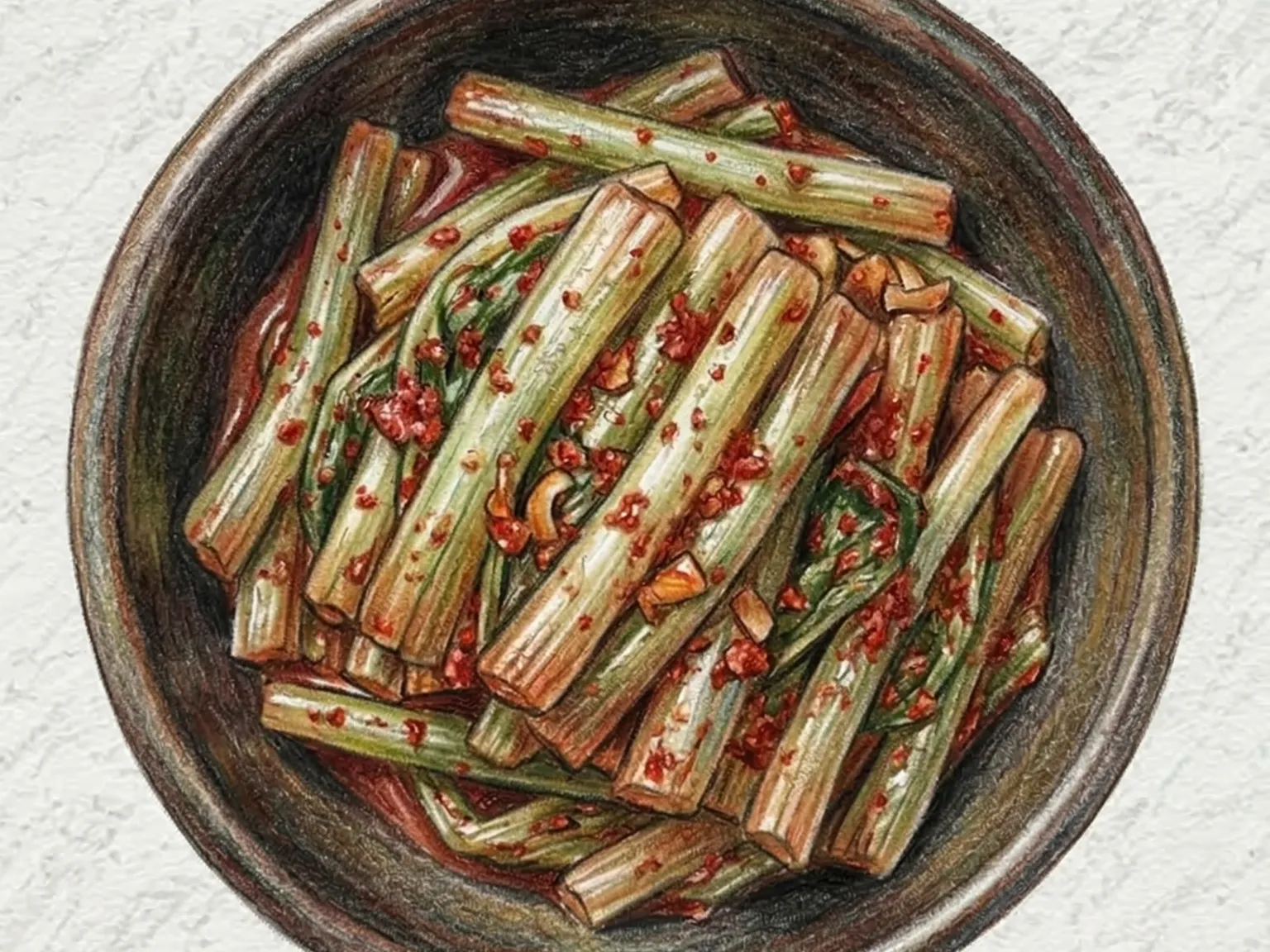
Korean Sweet Potato Stem Kimchi
Goguma julgi kimchi is made from sweet potato stems, prepared by carefully peeling their tough, stringy outer skin to expose the elastic inner fiber, blanching briefly, then seasoning with gochugaru, anchovy fish sauce, minced garlic, and glutinous rice paste before being left to ferment. Once stripped of the outer skin, the stems retain only their springy, chewy core, which gives every bite a bouncy, almost springy resistance that sets this kimchi apart from leafy varieties. As the fermentation progresses, the seasoning works its way deep into the fibrous channels of each stem, building a well-balanced spicy-salty flavor throughout. Scallions bring a fresh herbal note, and onion rounds the sharp edges of the chili seasoning with natural sweetness. The peeling is time-consuming, but the distinctive texture rewards the effort. Made in peak summer when sweet potato stems are freshest, this kimchi is considered a seasonal treat.

Tofu Salad (Pan-Seared Tofu on Fresh Greens)
Dubu salad is made by pressing firm tofu to remove excess moisture, then pan-searing it until the outside turns golden and crisp while the inside stays soft and tender. The seared tofu is placed over a bed of baby greens, sliced cucumber, and cherry tomatoes. Wrapping the tofu in two layers of paper towels and setting a weight on top for twenty to thirty minutes draws out enough water so the surface browns properly in the pan without steaming. A dressing of soy sauce, sesame oil, lemon juice, and olive oil moves easily between Korean and Western flavor profiles. The salad is high in plant protein and low in fat, making it a practical and satisfying option when a light, clean-tasting meal is the goal.
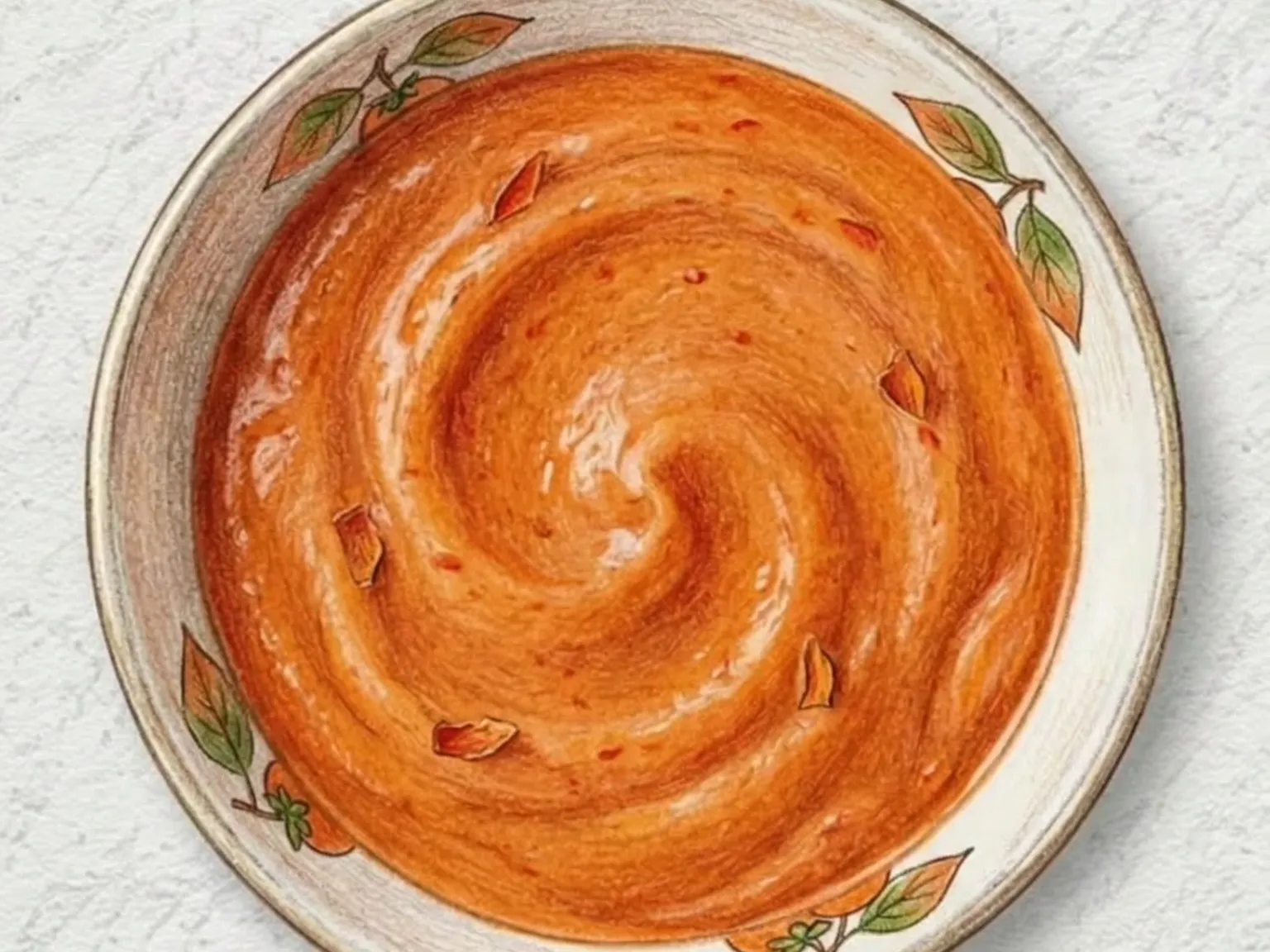
Korean Ripe Persimmon Smoothie
Hongsi smoothie consists of the blended pulp of persimmons that have reached a state of full ripeness, characterized by a jelly-soft texture and a high concentration of natural sugars. At this specific stage of fruit development, the pulp is combined with milk and plain yogurt to produce a thick beverage that remains fluid enough to be consumed through a straw. The resulting consistency resembles a dense fruit puree or a jammy liquid rather than a thin juice. It is important to ensure that the persimmons are entirely soft before the blending process begins. Using fruit that is even slightly underripe results in a drink that carries residual tannins, which produce a notable astringent and drying sensation on the palate. Furthermore, the flesh of unripe persimmons does not have the necessary density to create a thick body, often leading to a texture that is excessively watery. When the fruit reaches its peak maturity, the natural sugars provide the smoothie with its characteristic sweetness and depth. Plain yogurt is included to provide a measured acidity that balances the sugar content of the persimmon pulp, which prevents the beverage from becoming overly cloying. Milk serves to adjust the thickness of the dense pulp so that the liquid can flow through a straw without difficulty. A spoonful of honey can be added to adjust the sweetness level depending on the specific ripeness and sugar levels of the fruit used. A light dusting of ground cinnamon on the surface introduces a warm and spiced quality that complements the natural flavor profile of the persimmon. Adding a handful of ice cubes during the blending process makes the drink more refreshing. For individuals who avoid animal products, substituting soy milk for dairy provides a comparable consistency and mouthfeel.
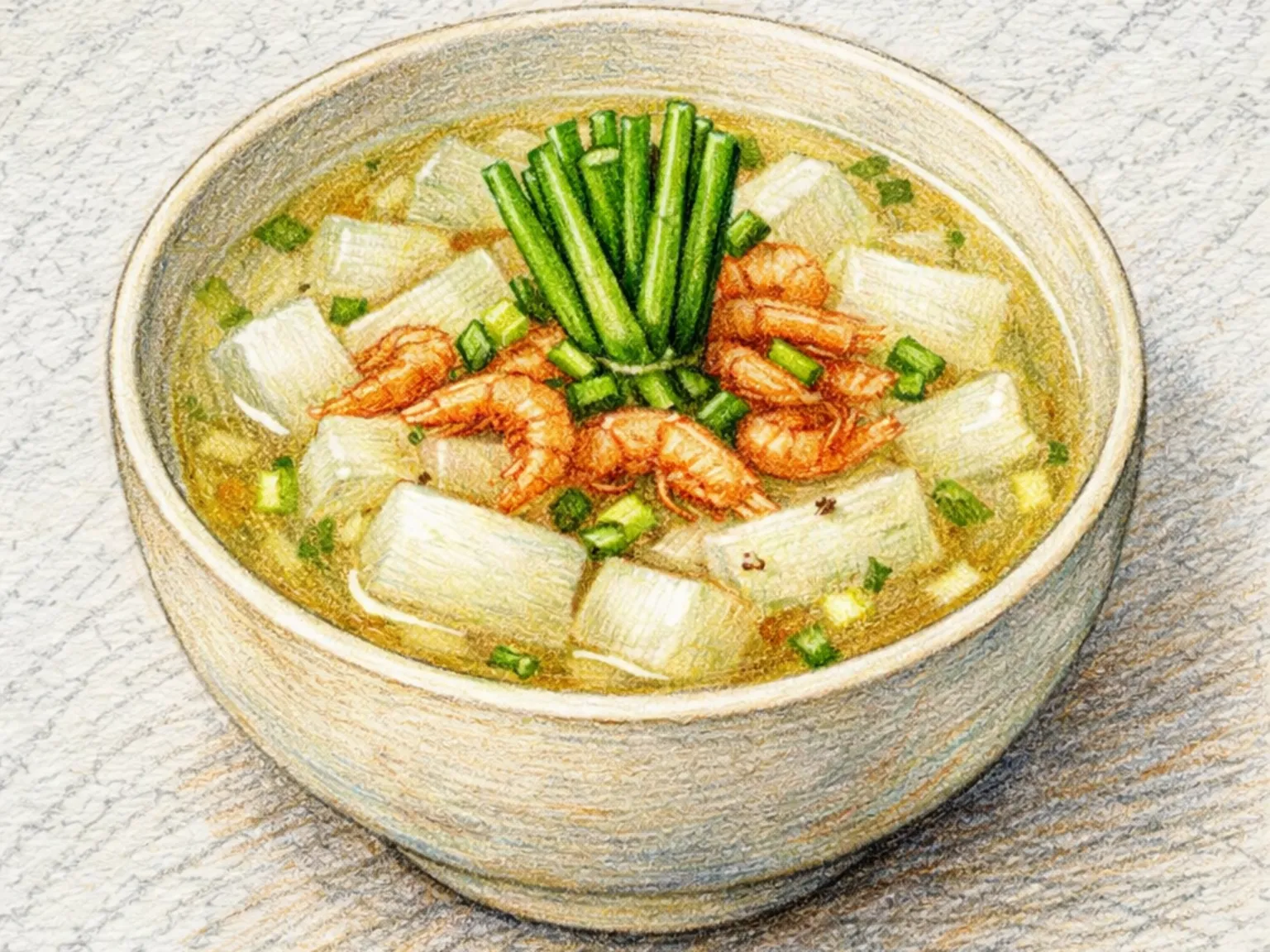
Korean Dried Shrimp Radish Soup
Geon-saeu-muguk is a clear Korean soup that pulls deep flavor from two inexpensive ingredients: dried shrimp and Korean radish. The dried shrimp are toasted in sesame oil before any water is added. This step is not cosmetic. As the shrimp heat up, their moisture evaporates and the concentrated briny sweetness intensifies and bonds with the oil, releasing a fragrant, almost caramelized seafood aroma that becomes the backbone of the entire broth. Without this toasting step, the soup tastes thin and flat. Radish slices go in after the shrimp, simmering in the water until translucent and releasing a gentle natural sweetness that rounds out the saltiness of the shrimp. Minced garlic and soup soy sauce are added for seasoning, and that is essentially all that is needed. No separate anchovy or kelp stock is required; the dried shrimp generate enough umami on their own to make the broth taste full and layered. Once the water comes to a boil, the soup is ready in under fifteen minutes, which makes it genuinely practical for weeknight cooking when time is short. Sliced green onion stirred in just before serving lifts the aroma and gives the bowl a fresh note to balance the deep, savory broth. Salt can substitute for the soup soy sauce if a cleaner-tasting liquid is preferred.
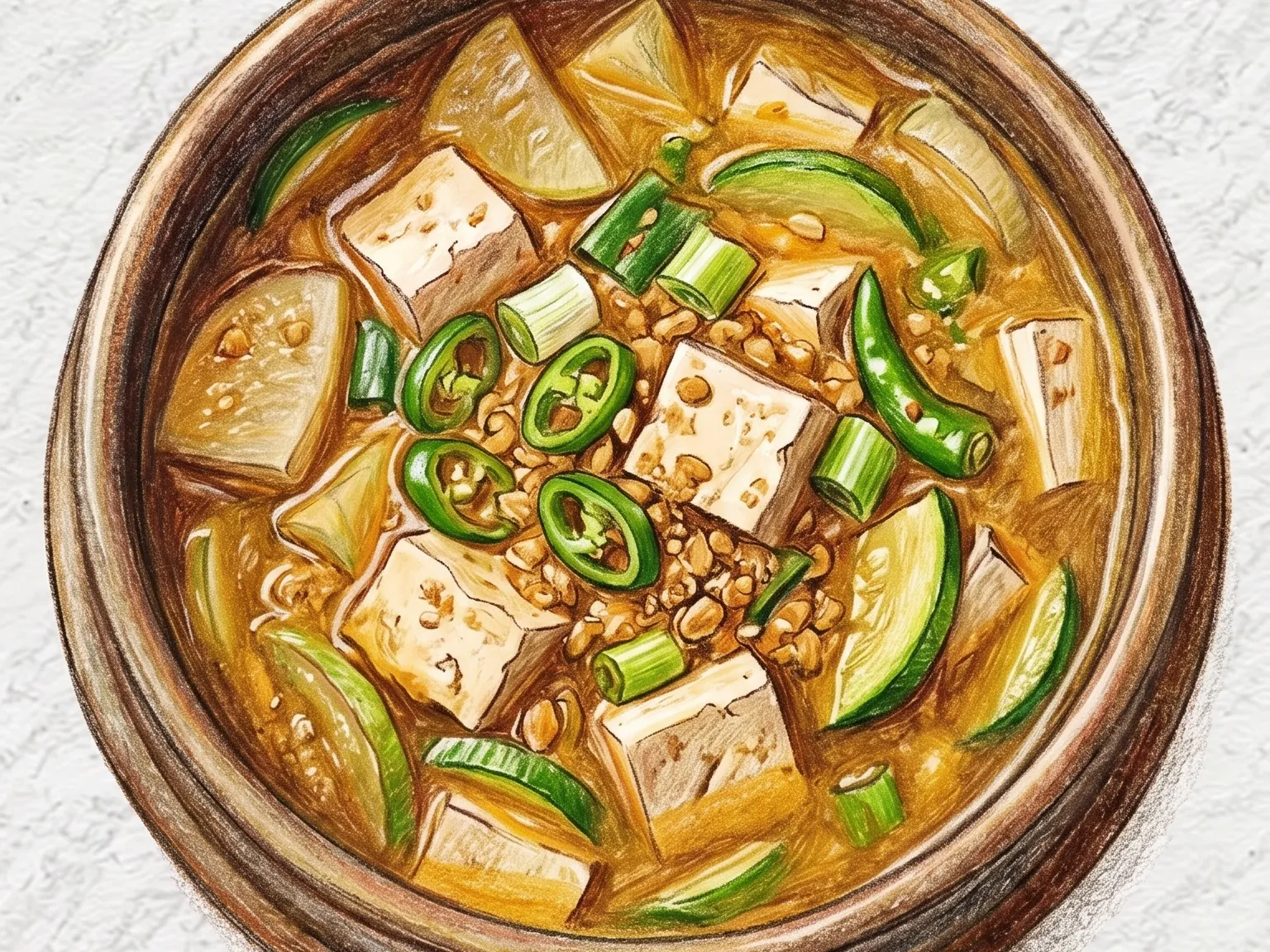
Country-style Soybean Paste Stew
This traditional Korean stew features the deep, earthy flavor of country-style fermented soybean paste. The base is prepared with a clean anchovy and kelp broth, simmered for ten minutes with de-gutted anchovies to avoid bitterness while balancing the heavy salinity of the paste. Adding the potato cubes and country-style doenjang to the broth from the start allows the paste to develop a deeper flavor as it simmers. Zucchini, onion, and minced garlic are cooked until the potatoes soften, followed by tofu pieces torn by hand to preserve their texture. The stew is finished with diagonally sliced green onions and spicy Cheongyang chili pepper, which cuts through the dense fermented profile with a sharp heat. Adjusting the paste amount based on its saltiness ensures a well-seasoned broth that pairs well with rice.