🏠 Everyday Recipes
Simple home-cooked meals for any day
1705 recipes. Page 10 of 72
These are the meals you can cook day after day without getting tired of them. Doenjang jjigae, rolled omelet, spicy pork stir-fry - the kind of home-cooked dishes that fill an ordinary day with comfort.
The beauty of everyday cooking is that it relies on common ingredients already in your fridge. No exotic items, no complicated techniques - just straightforward recipes for satisfying home meals.
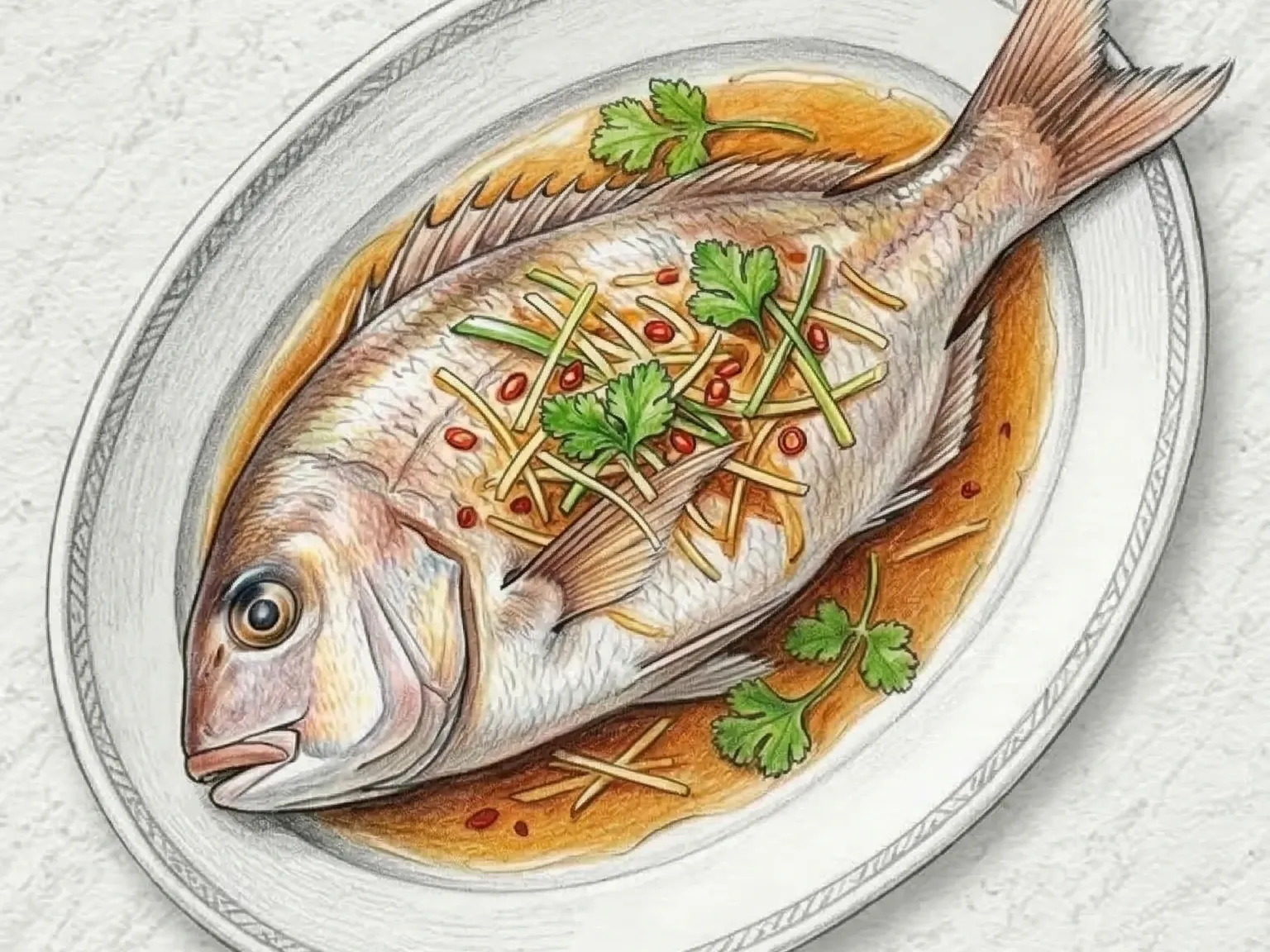
Korean Steamed Sea Bream (Whole Fish with Soy Ginger Rice Wine)
Domi-jjim is a whole sea bream steamed with soy sauce, rice wine, and ginger. Sea bream is a firm-fleshed white fish with a naturally mild, clean taste, and steaming preserves its moisture and delicate texture far better than dry-heat methods. Rice wine and ginger remove any remaining fishiness from the flesh, leaving only a refined umami that speaks to the quality of the fish itself. Soy sauce is used sparingly as an understated seasoning that enhances without overpowering. Because the fish is steamed rather than roasted or pan-fried, the flesh stays supple and springs back with each bite. Bringing a whole fish to the table makes a strong visual impression, which explains its frequent appearance at holiday meals and formal gatherings. The finished dish is typically garnished with julienned scallion and red chili before a final drizzle of hot sesame oil.
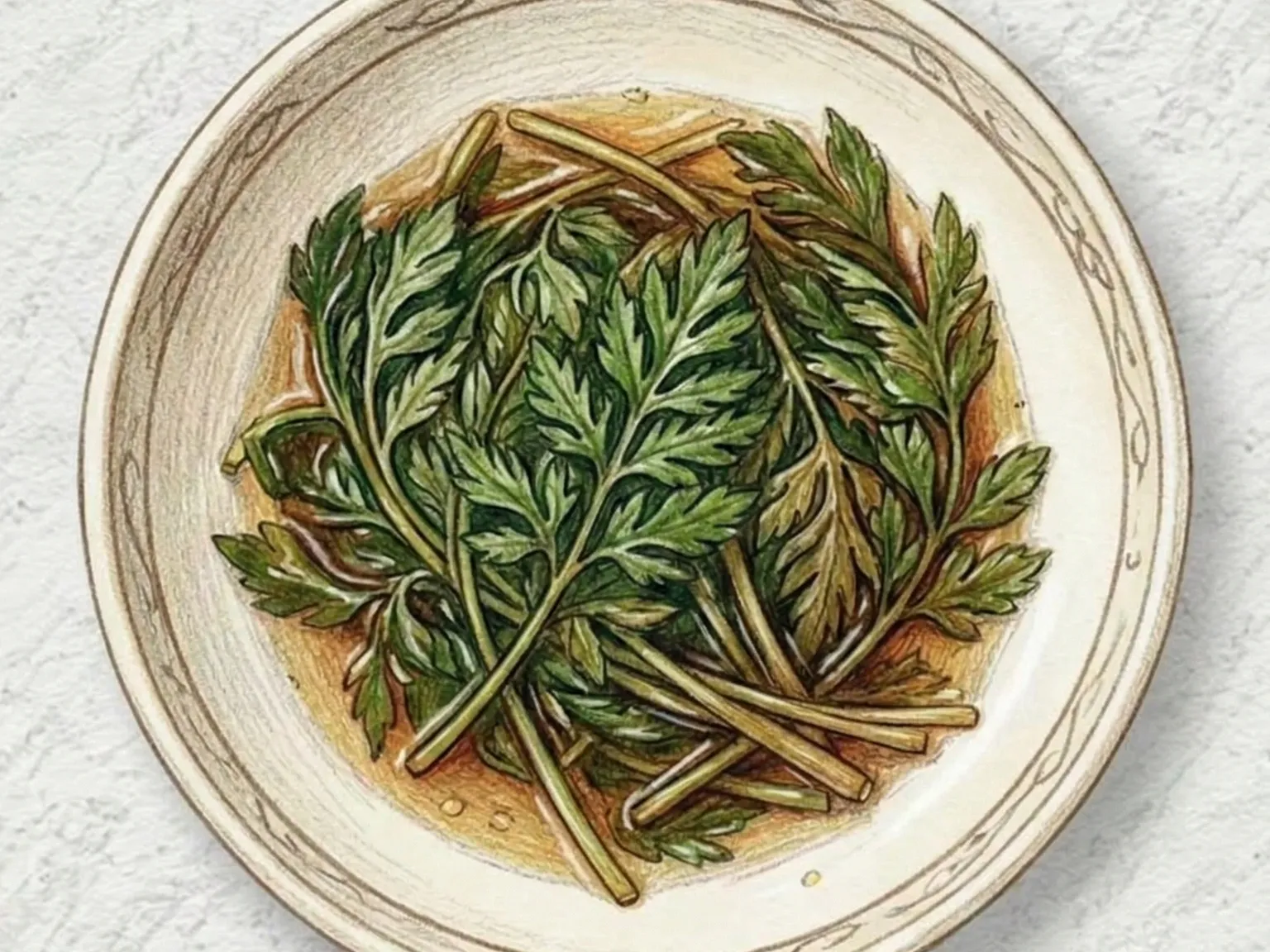
Korean Chamnamul Jangajji (Pimpinella Pickles)
Chamnamul jangajji is a quick-pickled Korean spring green made with the herb's distinct aromatic character preserved in a soy-and-apple-vinegar brine. The greens are cut to chopstick length and packed loosely in a jar, then covered with brine that has been brought to a boil and allowed to cool to lukewarm before pouring. Pouring while still hot would drive off the volatile compounds responsible for chamnamul's herbal fragrance, so temperature control here is essential. Apple vinegar produces a softer, rounder acidity than standard rice vinegar, which means it seasons the greens without overpowering their grassy character. A squeeze of lemon juice is added to the cooled brine to sharpen the finish without adding harshness. After one day in the refrigerator the pickle is ready to eat, and it holds its best aroma for up to five days. Serve alongside rice or tuck a few stems into a ssam wrap with grilled pork to let the herb's brightness counter the fat.
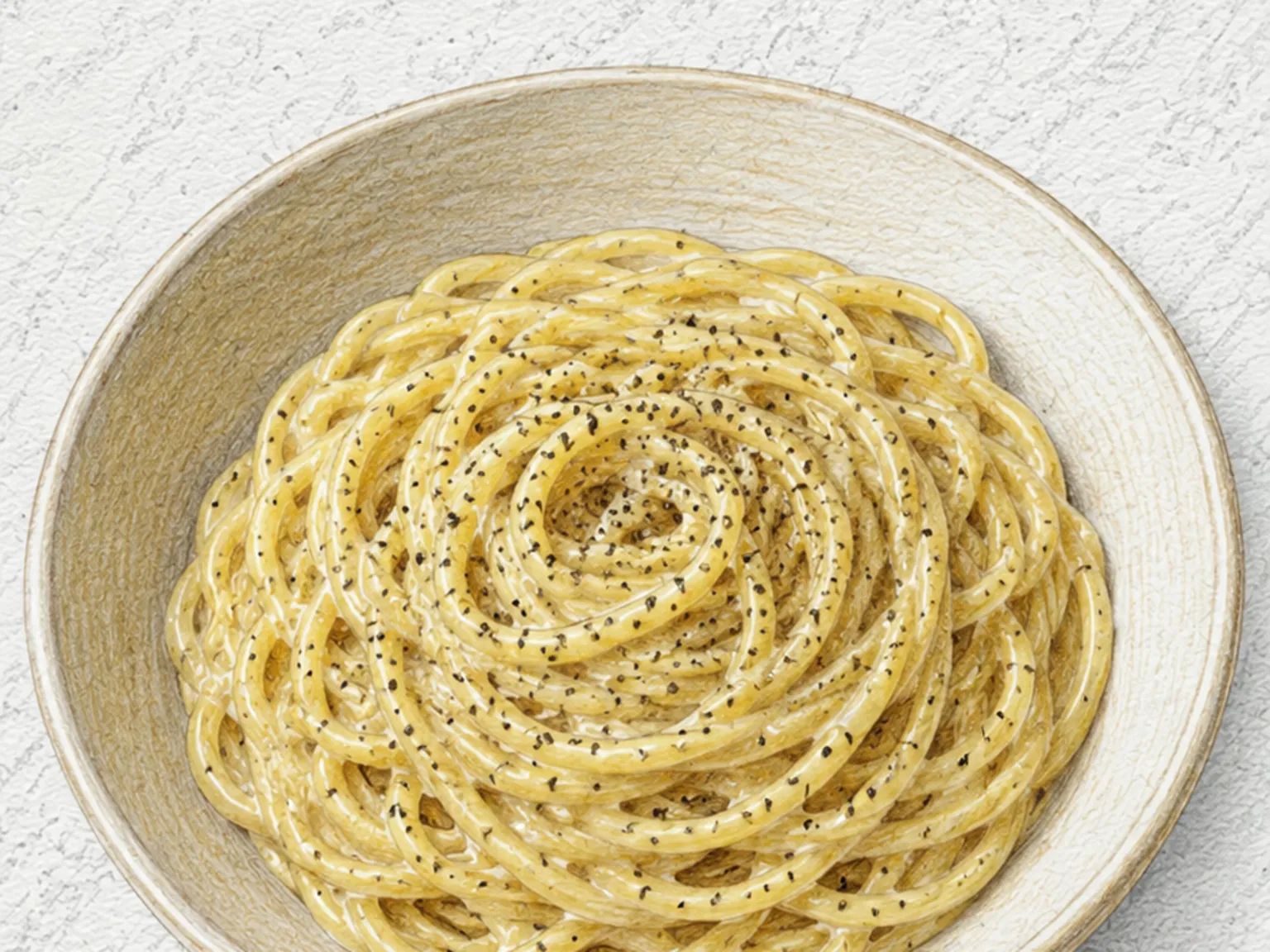
Cacio e Pepe (Pecorino Cheese and Black Pepper Pasta)
This Roman classic reaches remarkable depth from just two core ingredients: Pecorino Romano cheese and black pepper. Technique determines the outcome. Finely grated cheese must be stirred off the heat into starchy pasta water to form a glossy, clump-free sauce that clings evenly to every strand. Toasting whole peppercorns in a dry pan before coarsely crushing them releases volatile oils that give the dish its distinctive sharp, almost floral sting. The cheese's salty, tangy intensity needs no additional seasoning. Tonnarelli or spaghetti, with their round cross-sections, hold the sauce most effectively, ensuring each forkful carries a full charge of peppery, cheesy richness. Timing is decisive: even a few extra seconds of heat can fracture the smooth sauce into grainy, broken clumps, so the pasta must come off the heat at exactly the right moment.
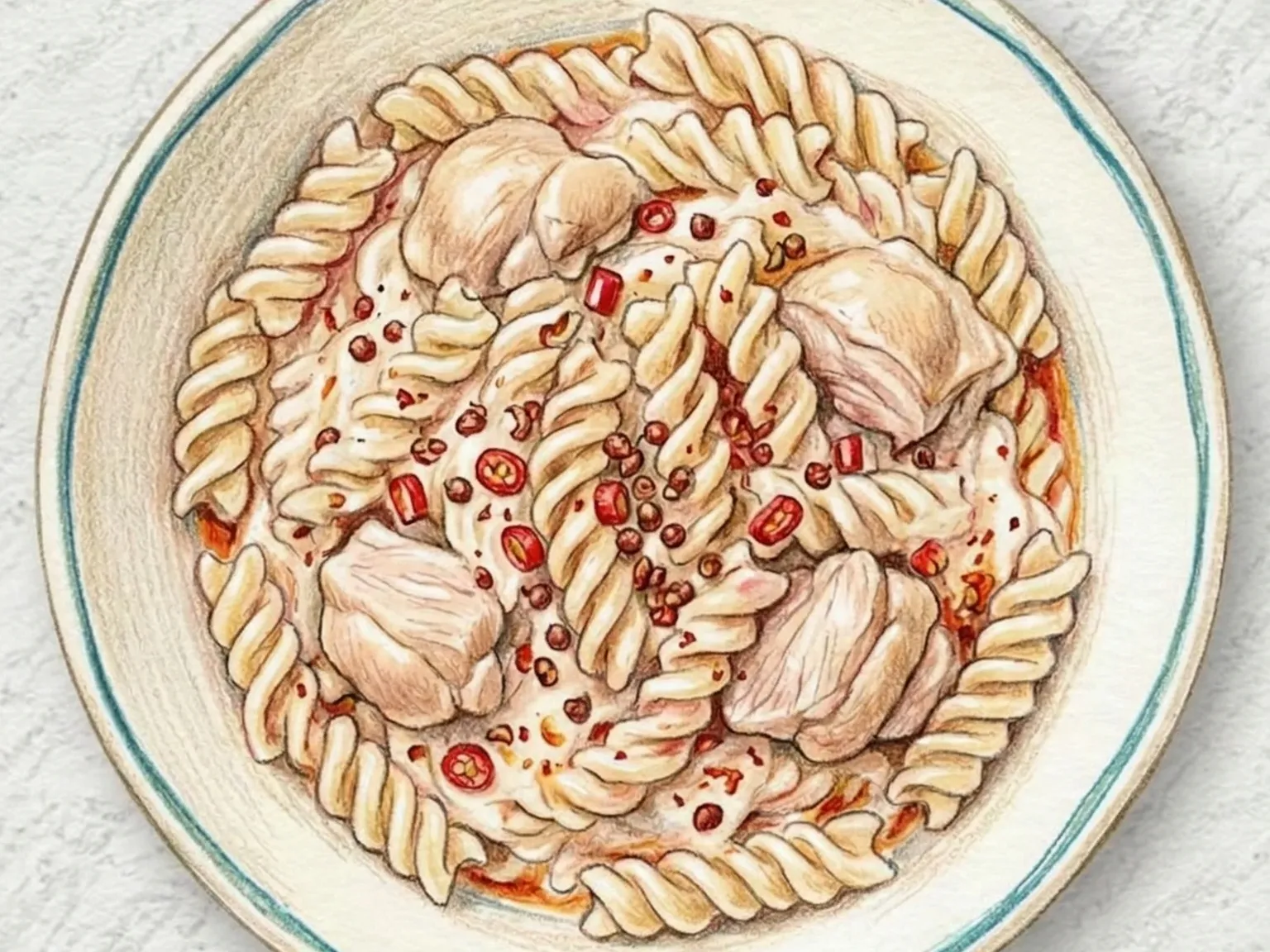
Mala Chicken Alfredo Fusilli
Mala chicken Alfredo fusilli is a fusion pasta that brings Sichuan mala sauce -- built on the numbing tingle of Sichuan peppercorn and the heat of dried chili -- into a cream-and-Parmesan Alfredo base. Chicken thigh is cut into bite-sized pieces and pan-seared to build a browned crust, then garlic and onion are sautéed in the residual fat to form the aromatic foundation. The Alfredo sauce is assembled from heavy cream, milk, and Parmigiano-Reggiano, with mala sauce stirred in to layer the peppercorn numbness against the dairy's richness. The amount of mala sauce added can be adjusted freely, making it straightforward to dial the level of tingling heat to preference. Fusilli's spiral ridges trap the thick sauce deep into their grooves so each piece delivers an even coating of flavor, and butter acts as a bridge between the cream base and the assertive spice, pulling both into a cohesive, glossy whole.
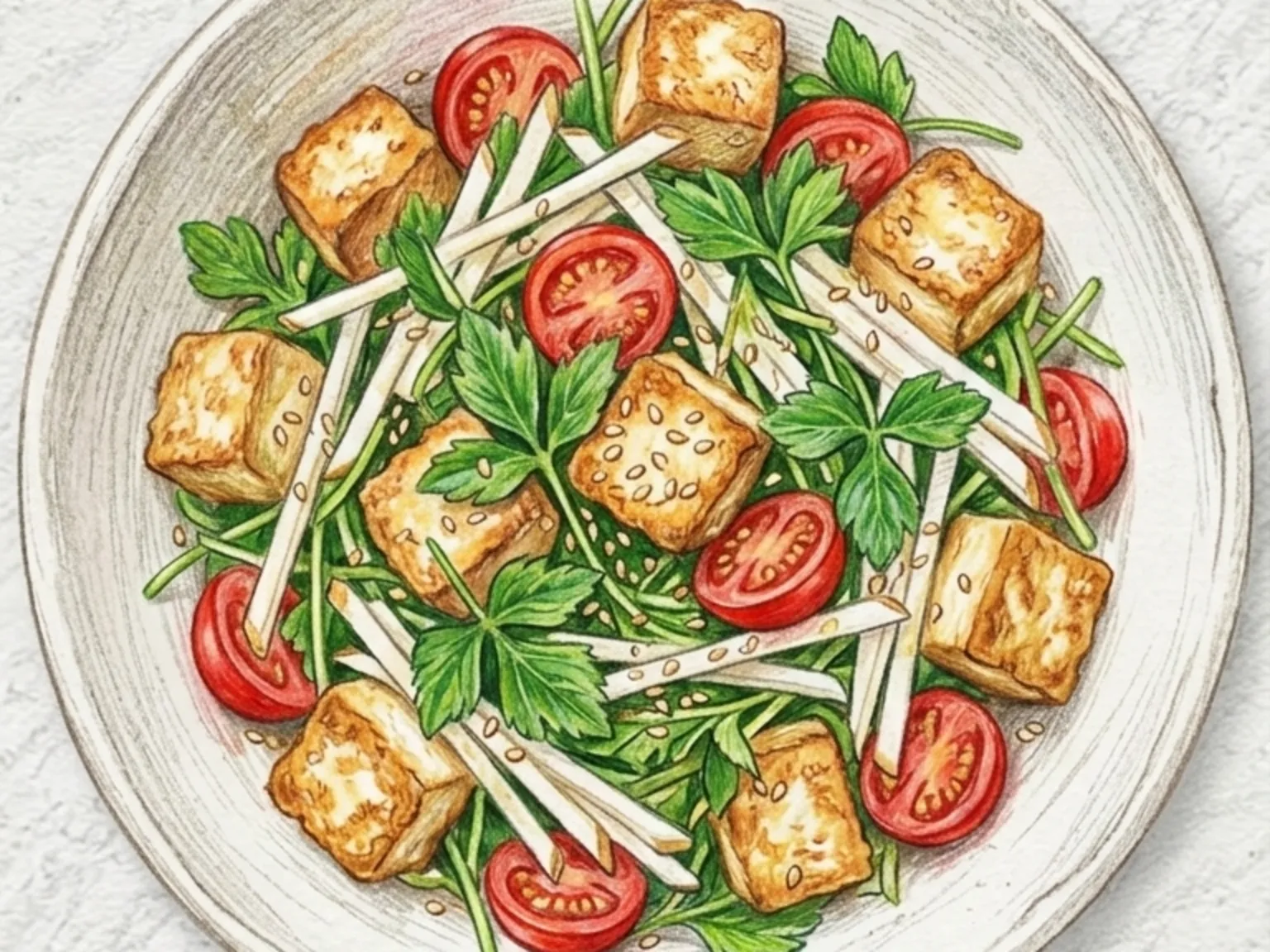
Chamnamul Pear Tofu Salad
Chamnamul pear tofu salad pan-sears firm tofu cubes for 6-8 minutes until the exterior turns golden and crisp while the inside stays soft. Chamnamul is cut into 5 cm lengths to preserve its fragrant mountain-herb character, and Korean pear is julienned thin so its clean juice sweetens each bite. A dressing of perilla oil, lemon juice, and soup soy sauce delivers nuttiness and umami in a single drizzle, and halved cherry tomatoes contribute a pop of acidity. Slicing the pear just before assembly minimizes browning, and toasted sesame seeds scattered on top add a final layer of warm, nutty aroma.
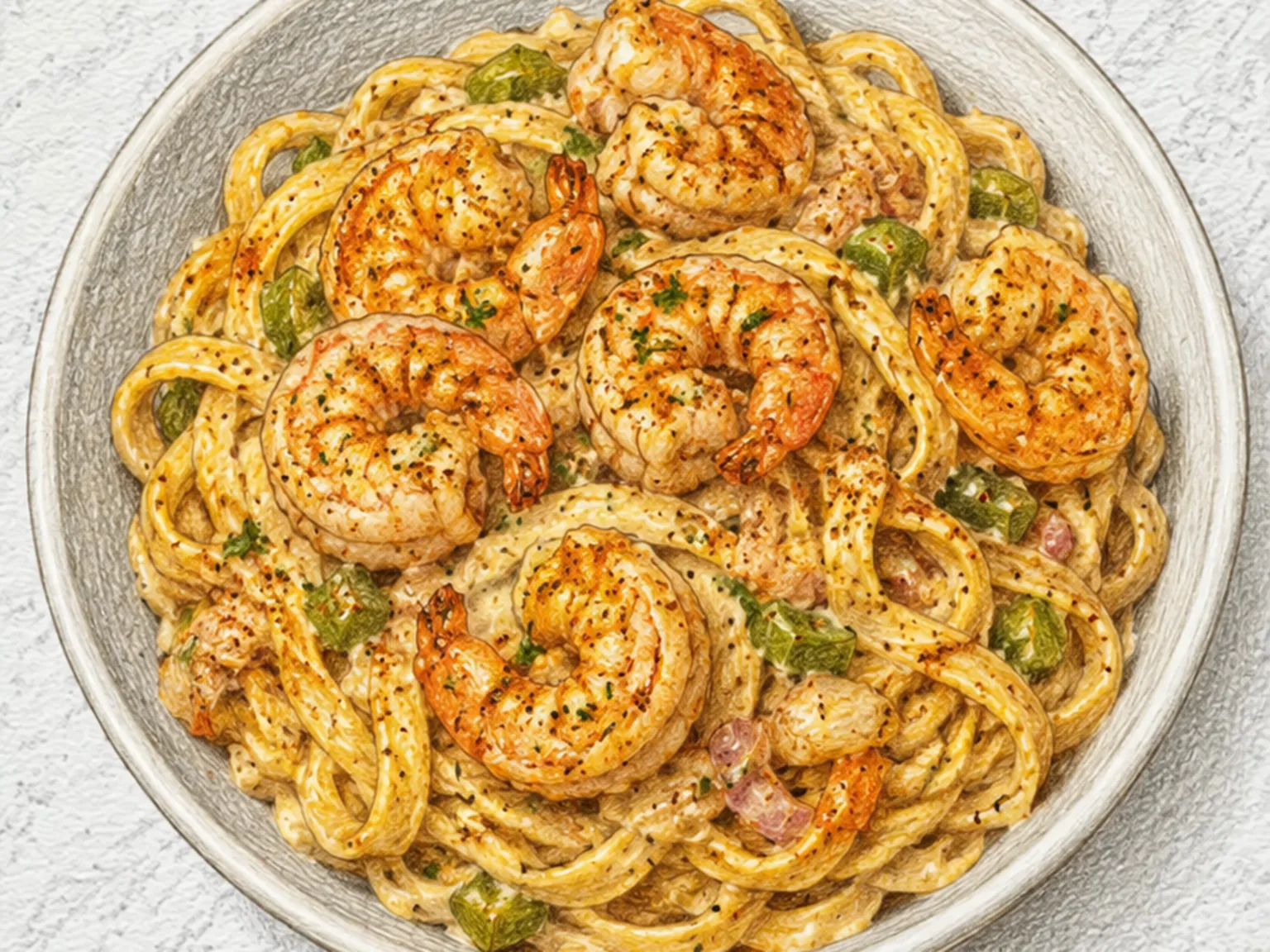
Cajun Shrimp Pasta
Cajun shrimp pasta belongs to the American culinary tradition and focuses on shrimp seasoned with a specific blend of spices known as Cajun seasoning. This seasoning mixture originates from the Louisiana Creole culinary heritage and typically includes a combination of paprika, cayenne pepper, dried oregano, thyme, garlic powder, and onion powder. This specific grouping of ingredients provides a distinct smoky quality and a moderate level of heat that separates it from the herb and spice traditions commonly found in Italian or Spanish cuisine. During the cooking process, the shrimp are first coated in the spice mix and then seared in butter for approximately one to two minutes on each side. It is necessary to remove the shrimp from the pan while they are still slightly underdone, as leaving them on the heat for too long results in a tough and rubbery texture. By taking them out of the pan early and only returning them at the final stage of preparation, the shrimp maintain their firm and snappy bite. Once the shrimp have been set aside, the butter and the spice-infused oil remaining in the pan serve as the primary flavor foundation for the sauce. A mixture of chopped onion, minced garlic, and bell peppers is sautéed in this residue until the vegetables soften and absorb the smoky heat left behind by the spices. The sauce is then constructed using both heavy cream and milk. The decision to use a combination of these two liquids, rather than heavy cream by itself, results in a lighter consistency that allows the sauce to coat the pasta strands more evenly without feeling excessively heavy during consumption. A small amount of the starchy water used to boil the pasta is added to the sauce before the noodles are introduced. This starch aids in the emulsification of the cream, which ensures that the sauce adheres to the pasta instead of separating or gathering at the bottom of the plate. The shrimp are added back into the pan at the very end, remaining on the heat only long enough to be warmed through. For individuals who would like a more intense level of spiciness, extra seasoning can be added to the finished dish at the table.

Dan Bing (Taiwanese Egg Crepe Roll)
Dan bing is the cornerstone of Taiwan's breakfast culture, sold at nearly every zaocan dian (morning eatery) across the island. For many Taiwanese, no morning is complete without one. A thin wheat-flour batter is spread on a flat griddle, then an egg is cracked directly on top and spread across the crepe. As the egg sets, it bonds with the dough to create a dual texture: slightly chewy pastry on the outside and a soft, custardy egg layer within. Beyond the classic plain version, fillings range from corn and tuna to cheese and bacon, with each stall guarding its own batter recipe that keeps regulars loyal. A brush of soy paste adds salty depth, while a drizzle of chili oil sharpens the overall flavor. At 30-50 TWD (roughly one U.S. dollar), dan bing is assembled in under a minute, making it the grab-and-go fuel of Taiwan's scooter-riding commuters. The minor differences between stalls, the precise thickness of the batter, the exact moment the egg is spread, the ratio of soy paste to chili oil, are what turn a simple street food into a deeply personal daily ritual that regulars return to morning after morning.
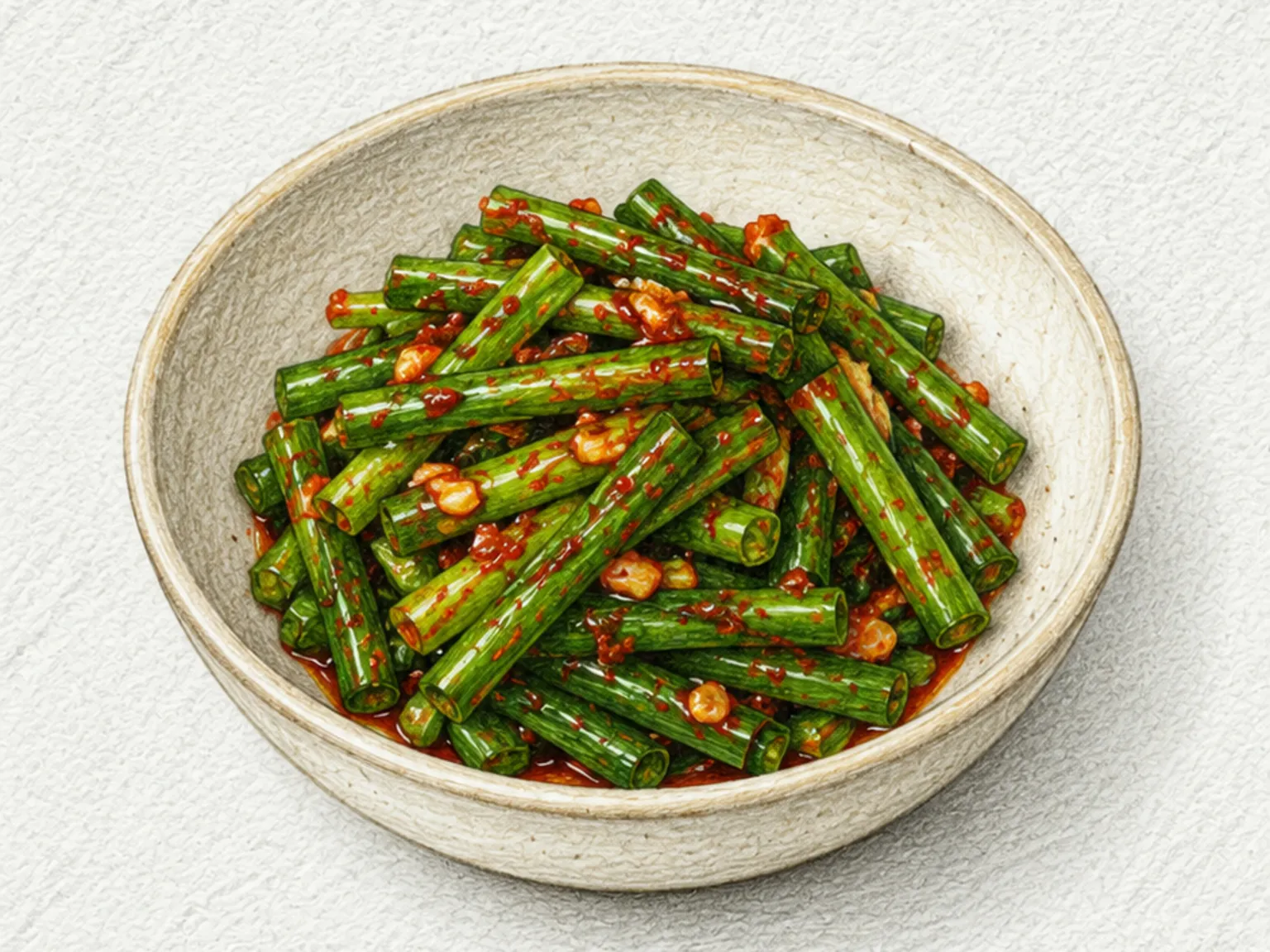
Korean Chive Kimchi (Spicy Garlic Chive Quick Kimchi)
Buchu-kimchi is the fastest kimchi in the Korean repertoire - no salting, no fermentation, and no waiting. Garlic chives are cut to roughly five centimeters and tossed directly with gochugaru, anchovy fish sauce, minced garlic, and sugar. The fish sauce delivers the fermented, briny depth that normally takes days of lacto-fermentation to build, compressing the flavor arc into an immediate preparation. The chives' sharp, garlicky bite amplifies the red pepper heat and gives the finished kimchi an intensity that well-aged kimchi reaches through a different route. This style is particularly popular in Gyeongsang-do, where chives grow in abundance every spring. After a night in the refrigerator the seasoning permeates evenly and the flavor softens slightly, making it versatile enough to serve alongside grilled pork, noodles, or as a standard banchan.
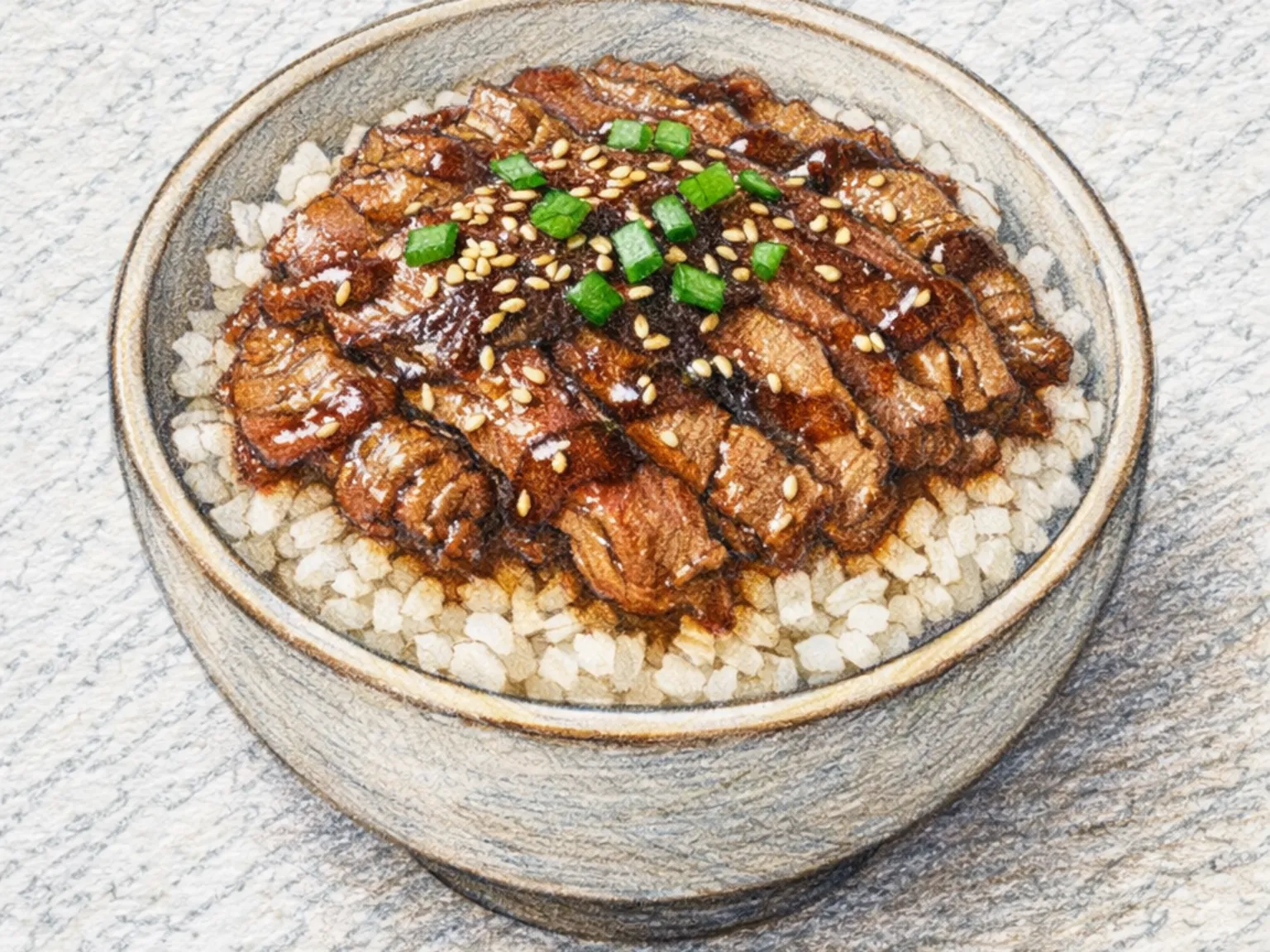
Korean Beef Brisket Rice Bowl
Chadol deopbap is a Korean rice bowl built on paper-thin beef brisket slices seared in a hot dry pan until the edges turn crisp and caramelized, then finished with a soy-based glaze and placed over steamed rice. The marbling in the brisket renders quickly under high heat, coating the pan in fat that then carries the flavors of soy sauce, sugar, garlic, and sesame oil into a concentrated glaze. A soft-cooked or raw egg yolk placed on top is a standard addition; stirring it in spreads a golden richness across the rice that thickens the sauce and rounds out the saltiness of the soy. Sliced scallions and toasted sesame seeds scattered over the finished bowl add textural contrast and a clean finish. The recipe relies on pantry staples, requires no marinating, and comes together in under ten minutes from start to plate, making it one of the most practical formats for a single-serve weeknight meal without sacrificing depth of flavor.
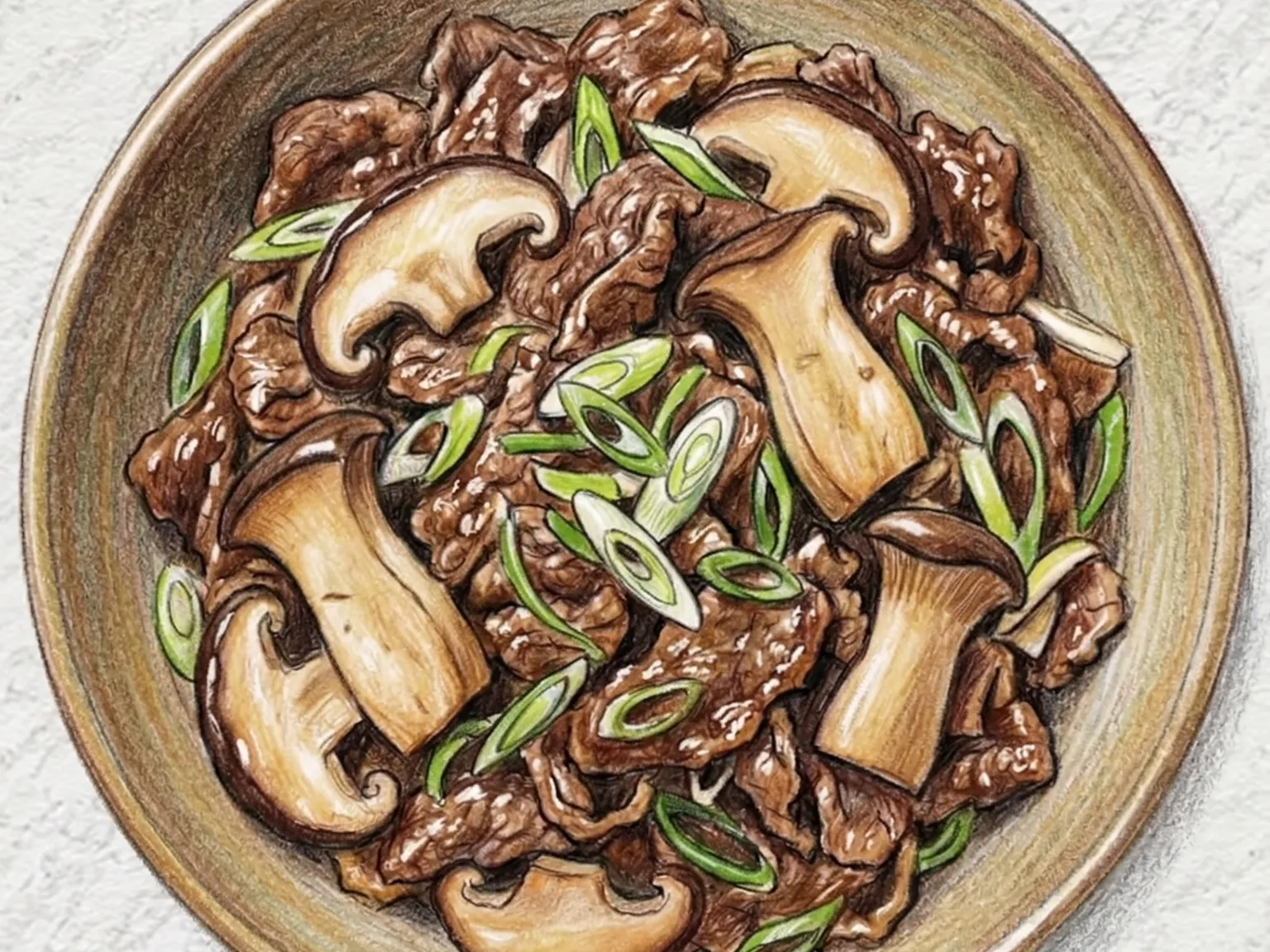
Korean Soy Bulgogi with Mushrooms
Thinly sliced beef is marinated in soy sauce, Korean pear juice, and sesame oil, then stir-fried over high heat together with shiitake and king oyster mushrooms. Pear juice acts as a natural tenderizer: its enzymes break down muscle proteins so each slice pulls apart along the grain instead of resisting the tooth, and its fructose tempers the salt of the soy sauce into a balanced sweet-salty base. The two mushroom varieties are not interchangeable in role - shiitake brings a firm, chewy bite while king oyster delivers a thick, clean meatiness that holds its shape through the heat. Crowding the pan is the single most common mistake: when too much goes in at once, the temperature drops and the ingredients steam rather than sear, resulting in gray, soft pieces instead of the glazed, caramelized coating the dish depends on. Work in small batches over sustained high heat so the marinade reduces against the hot pan surface. Green onion added in the final minute retains its sharp, fresh character and cuts through the sweet richness, providing the finishing contrast the dish needs.
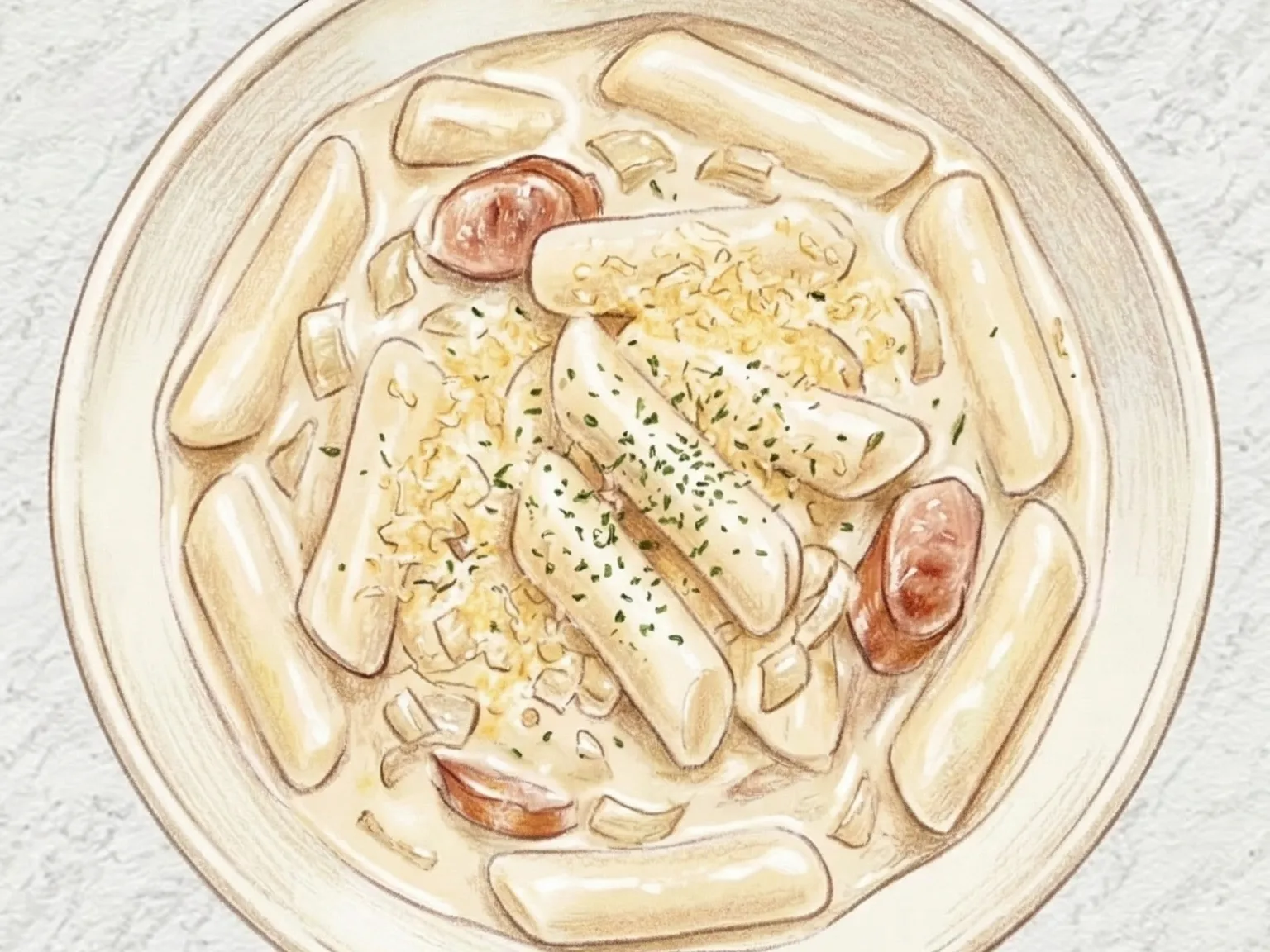
Korean Cream Tteokbokki (Chewy Rice Cake in Cream Butter Sauce)
Cooking rice cakes in a mixture of heavy cream, milk, and butter offers a mild alternative to the spicy gochujang-based version. The process begins with sauteing onions in butter over low heat for at least ten minutes, which converts onion starches into sugar for a natural sweetness without added sugar. Once the cream and milk are added to the softened onions, the rice cakes simmer for seven to eight minutes over medium-low heat. This allows the cakes to absorb the liquid while maintaining their characteristic dense chewiness. A final addition of parmesan cheese provides a salty contrast to the heavy cream base. Because the flavor profile resembles a cream pasta, it serves as a common entry point for people avoiding chili heat. Maintaining a steady medium-low temperature prevents the sauce from separating during cooking. Adding bacon or shrimp introduces extra protein and savory elements to the pan. The sauce consistency thickens quickly as its temperature drops, making immediate service from the pan the best way to maintain the intended texture. Swapping the parmesan for cheddar or mozzarella changes the character of the finished sauce and provides a different eating experience.
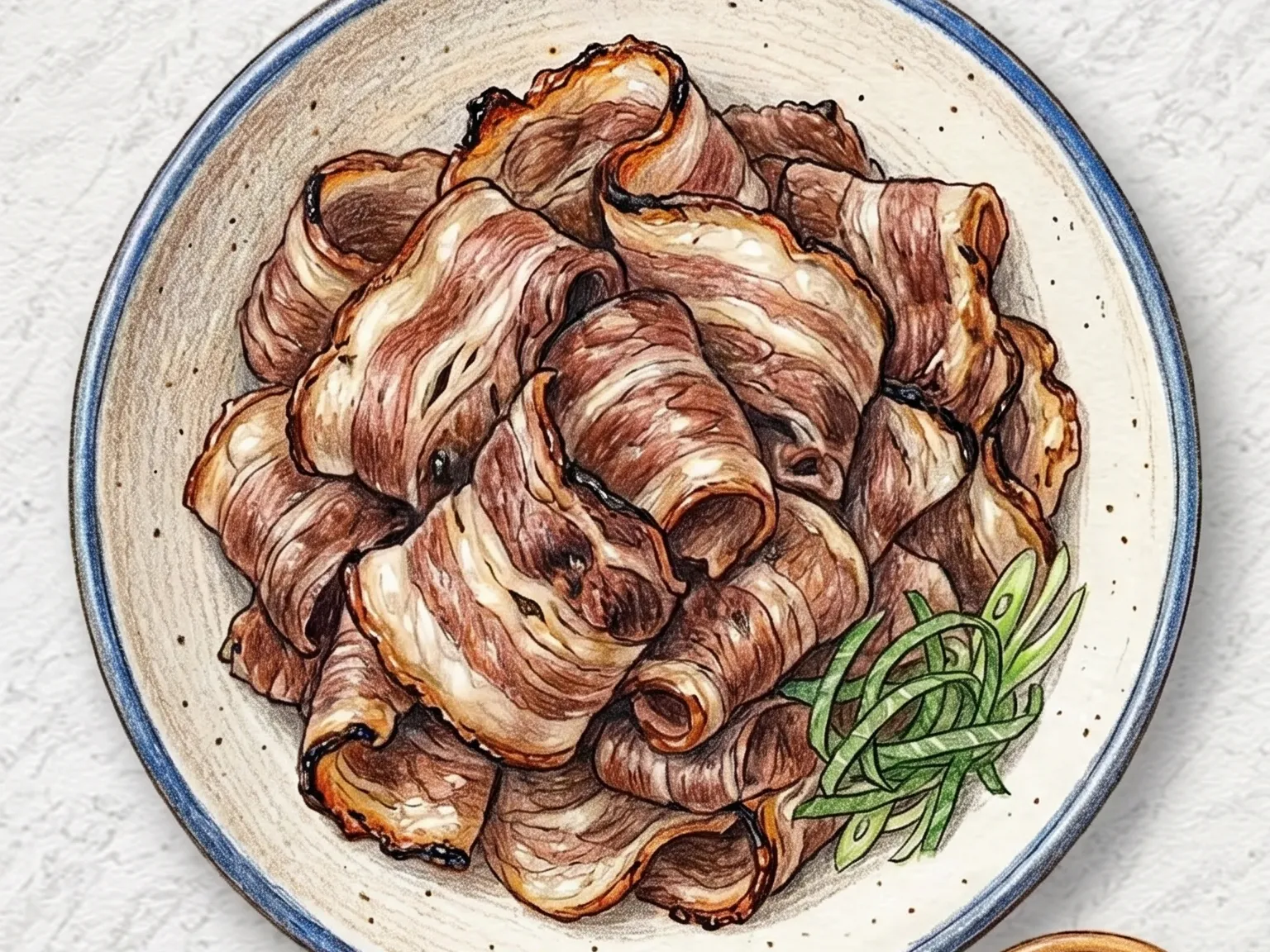
Korean Grilled Beef Brisket
Chadolbaegi-gui is Korean grilled brisket cut paper-thin across the grain and seared over maximum heat for thirty seconds to a minute per side. The defining characteristic of the cut is its alternating bands of fat and lean meat: when the fat hits the grill, it renders almost instantly, producing a savory richness and charred, slightly crispy edges at the same time. No marinade is used. The grilled slices go straight into a dipping sauce of sesame oil and coarse salt, or onto a lettuce leaf spread with doenjang ssamjang and folded into a wrap. The window between perfectly cooked and burnt is extremely narrow with this cut, so the meat requires constant attention-keeping the tongs moving and distributing heat evenly across the grate is the most reliable way to cook each slice without scorching.
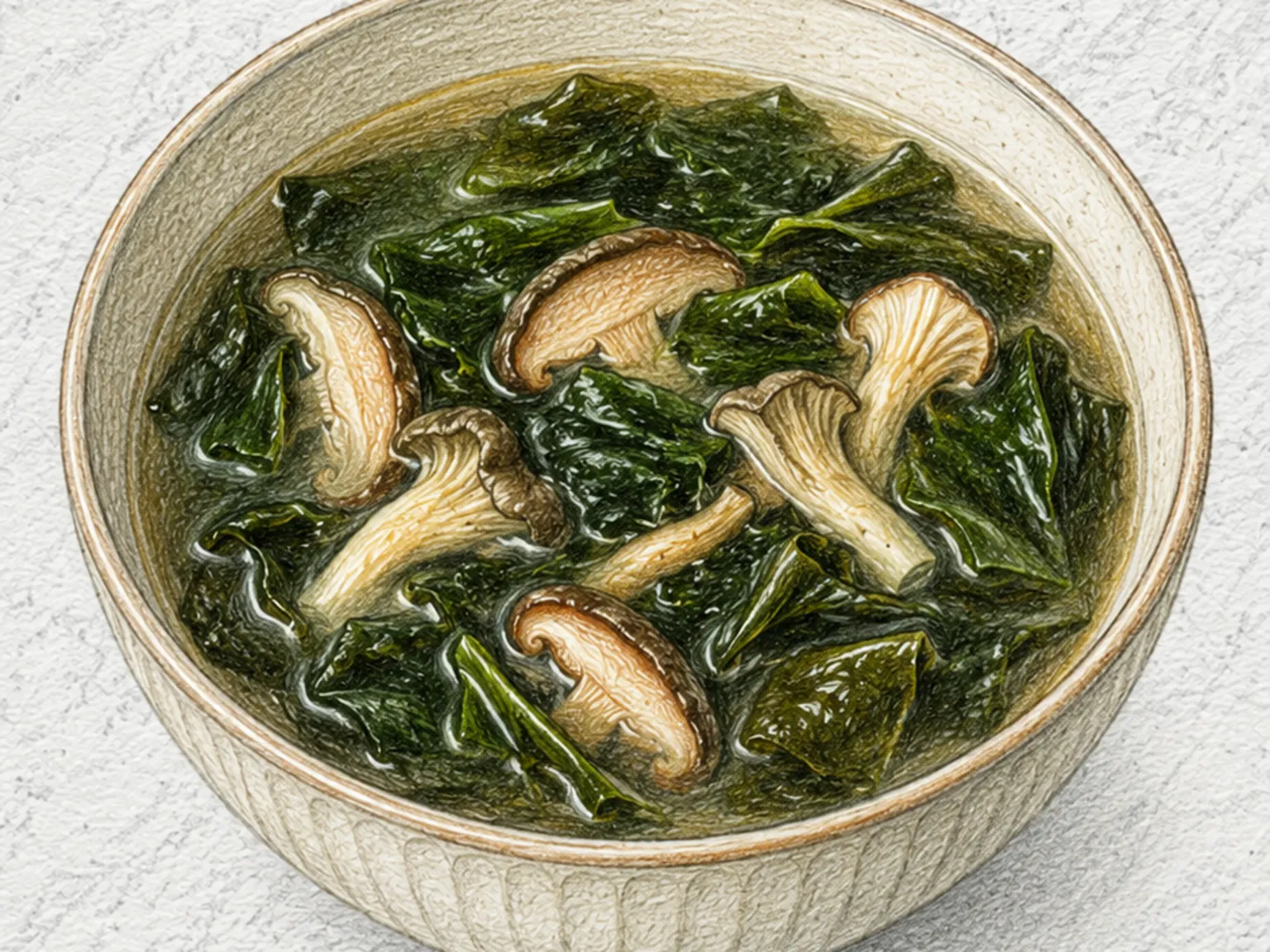
Korean Mushroom Seaweed Soup
Rehydrated seaweed and two kinds of mushrooms - oyster and shiitake - are stir-fried in sesame oil first, before any water is added, so their flavors concentrate in the fat rather than leaching out into the broth. Water is added after that initial fry and the soup simmers for twenty minutes until the seaweed softens completely and releases a gentle oceanic character into the liquid. Without any meat-based stock, the umami comes entirely from the mushrooms and the natural glutamates in the seaweed, which is enough to give the broth genuine depth. The sesame oil blooms through the whole pot. Seasoned with soup soy sauce and salt at the end, the finished soup has a calm, layered flavor with soft seaweed and slightly chewy mushrooms providing contrasting textures in each bowl.
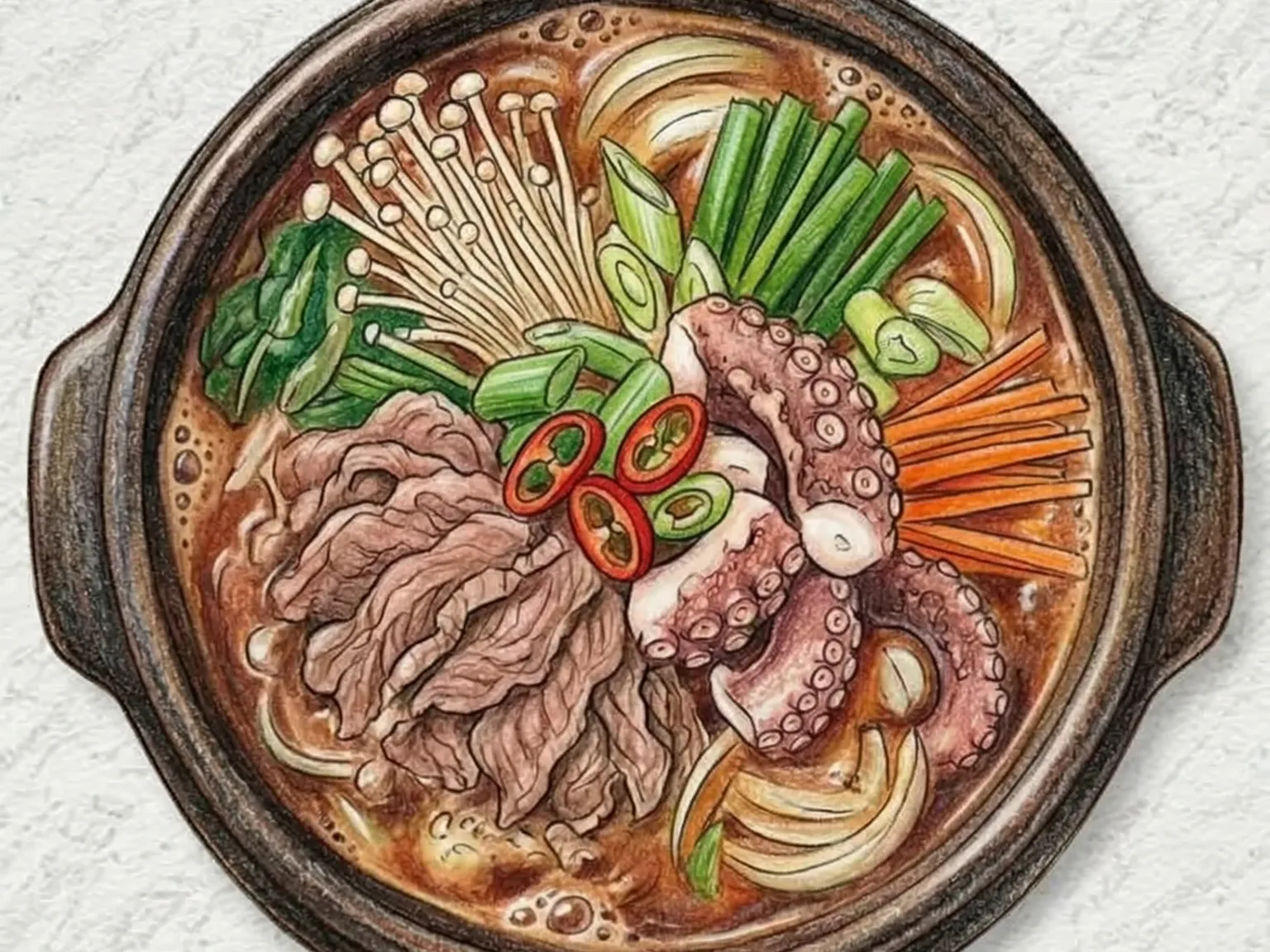
Korean Beef and Octopus Hot Pot
Bulnak jeongol is a hot pot made by simmering sliced beef chadolbaegi and fresh octopus together in an anchovy-kelp broth. The beef enriches the stock with a meaty depth while the fat renders out and emulsifies into the broth, and the octopus adds a firm, springy chew that holds up through the heat. Napa cabbage and water dropwort lighten the pot with fresh, slightly bitter vegetal notes, keeping the heavily flavored broth from becoming too rich. The seasoning stays restrained with soy sauce and garlic so the natural taste of each ingredient carries. Octopus should be added last so it does not toughen; the legs curling and turning a vivid red-orange is the sign that it is properly cooked. Cracking a raw egg into the simmering broth near the end adds a mild, creamy element that rounds out the intense savory notes.
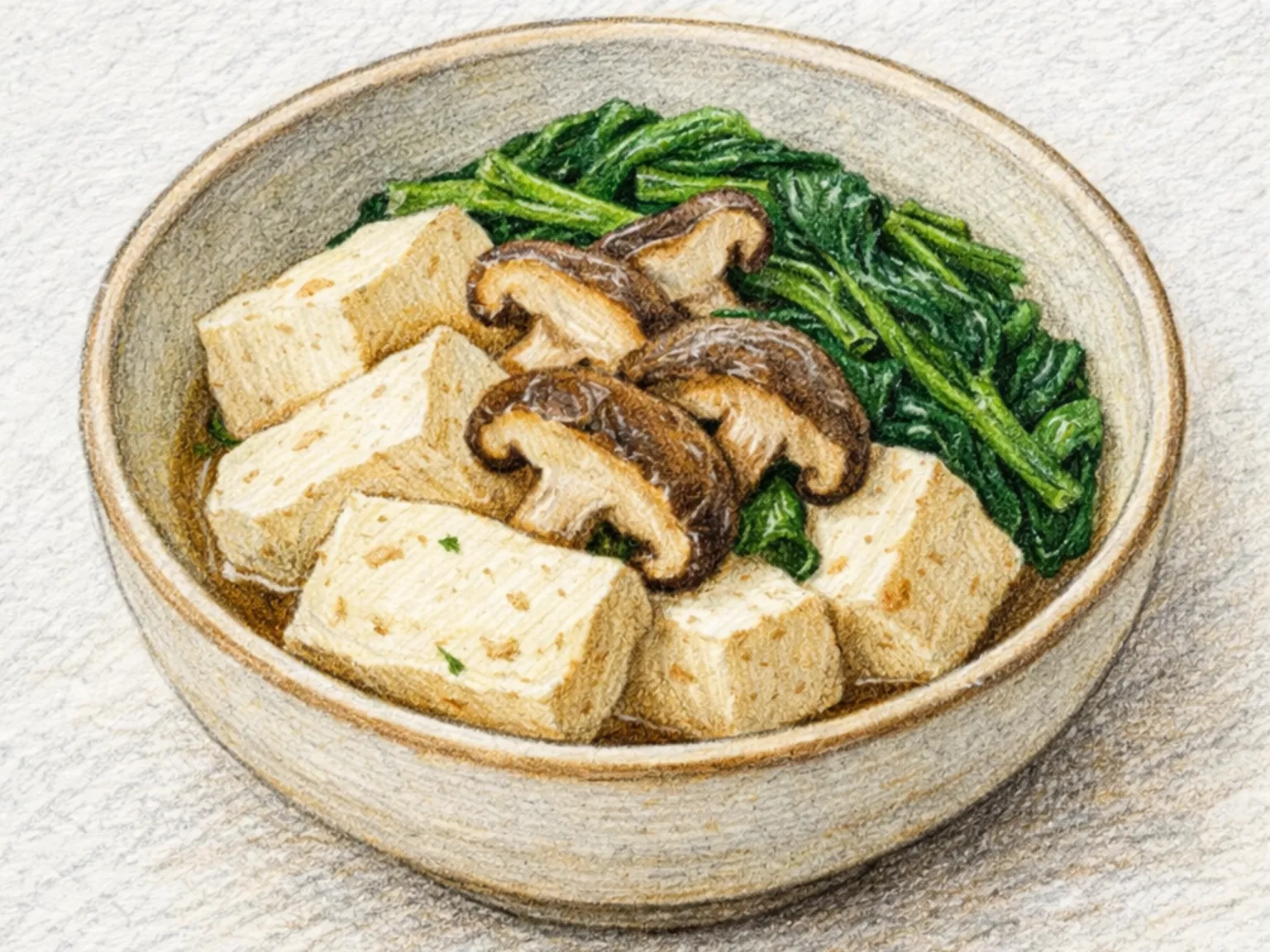
Korean Steamed Tofu with Soy Sauce
Dubu-jjim is firm tofu steamed and topped with a seasoning sauce of soy sauce, gochugaru, chopped green onion, garlic, and sesame oil. Cutting the tofu into thick slabs before steaming lets heat penetrate evenly, producing pieces with slight resistance on the outside and a silky interior. The soy and chili sauce drizzled over the warm tofu seeps into each slice, delivering salty and mildly spicy flavors throughout. Sesame oil and seeds finish with a toasted aroma. Cooked without any added oil, it is a clean, protein-rich banchan that fits well on a vegetarian spread. Lightly salting the tofu before steaming draws out excess moisture, which allows the seasoning sauce to absorb more deeply and firms up the texture.
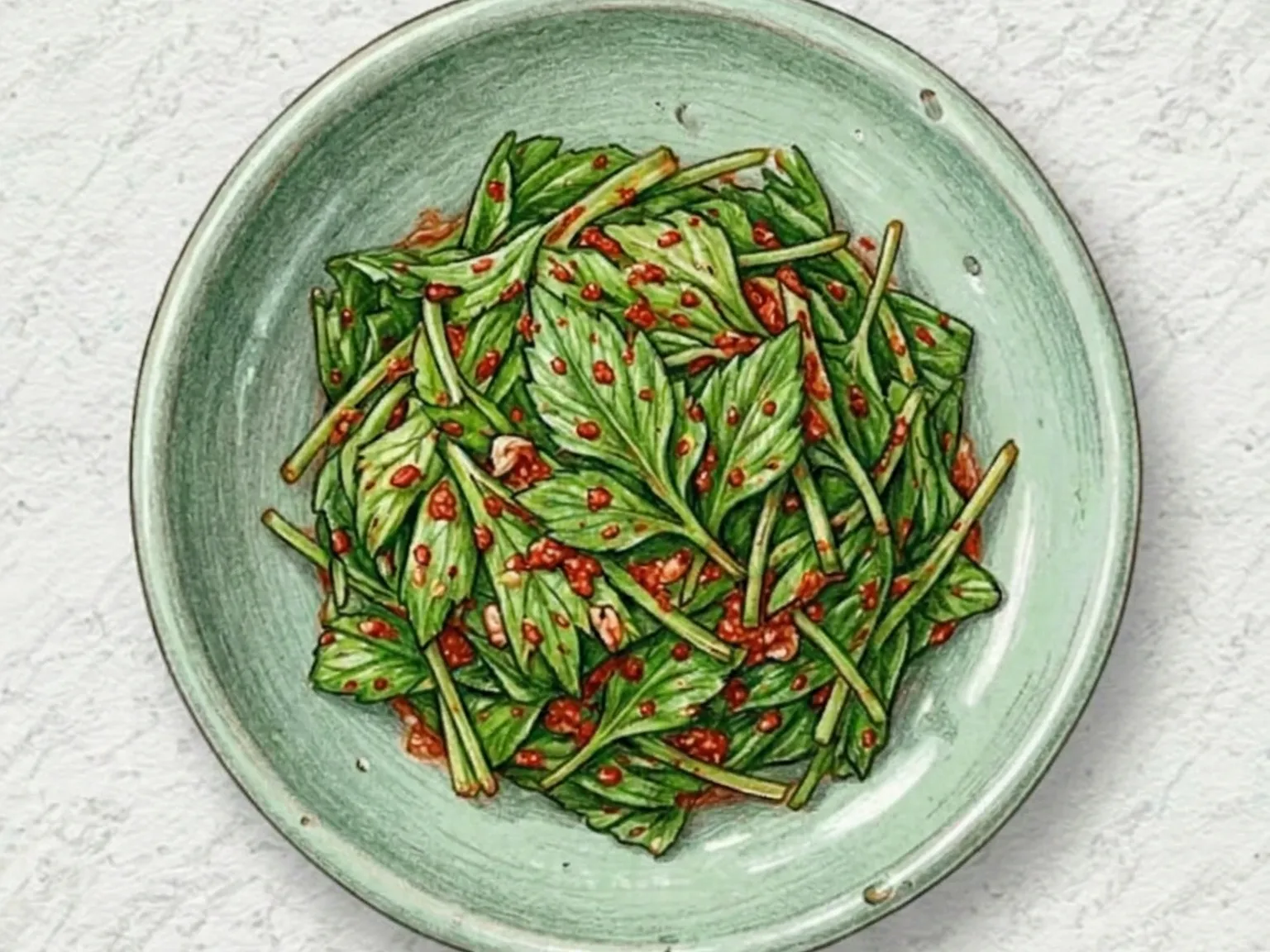
Korean Chamnamul Kimchi (Pimpinella Kimchi)
Chamnamul kimchi is a spring kimchi made by salting chamnamul greens for just ten minutes to wilt them slightly, then dressing with gochugaru, anchovy fish sauce, and salted shrimp without rinsing. Skipping the rinse allows the residual salt to convert into umami during fermentation rather than being washed away, deepening the overall flavor. Pureed Korean pear and onion blended with sweet rice paste form the seasoning base, contributing a natural sweetness that rounds off the sharp edges of the chili heat. After three hours of initial fermentation at room temperature followed by refrigeration, the kimchi reaches its best balance within one to two days, when the grassy herbal aroma of chamnamul aligns with the fermented depth of the fish sauce. Because chamnamul has a high moisture content, fermentation moves quickly, and the kimchi softens past its peak if left too long. Best consumed within three to four days for optimal texture and fragrance.
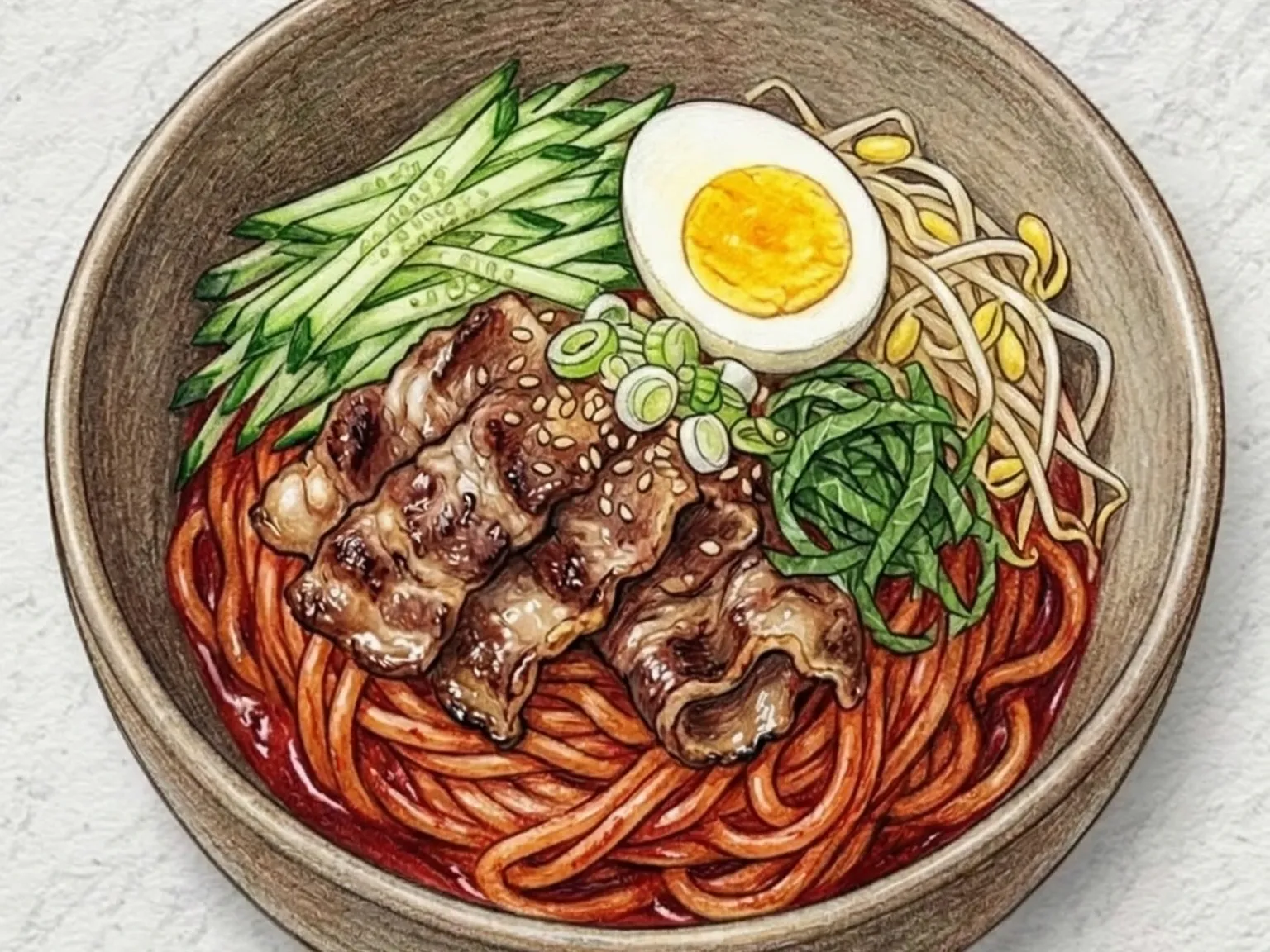
Korean Beef Brisket Jjolmyeon
Cha-dol jjolmyeon puts seared thin-sliced beef brisket on top of chewy jjolmyeon noodles dressed in gochujang sauce. The brisket is spread flat on a hot dry pan and cooked on high heat for no more than a minute per side so the exterior browns while the intramuscular fat stays in place. Cooking too long renders the fat out entirely, leaving the slices dry and tough, which defeats the purpose of using brisket over leaner cuts. Jjolmyeon noodles are made with a higher proportion of starch than ordinary wheat noodles, giving them a rubber-band elasticity that lets sauce cling to the surface from the first bite to the last. The standard accompaniments are julienned cucumber and a halved boiled egg, both of which temper the spiciness with their mild, cool flavors. Bean sprouts add a crunchy contrast in texture, while perilla leaves sharpen the overall aroma. The dish is eaten cold in summer and is also a common late-night order, often finished with a splash of vinegar stirred into the remaining sauce at the bottom of the bowl.
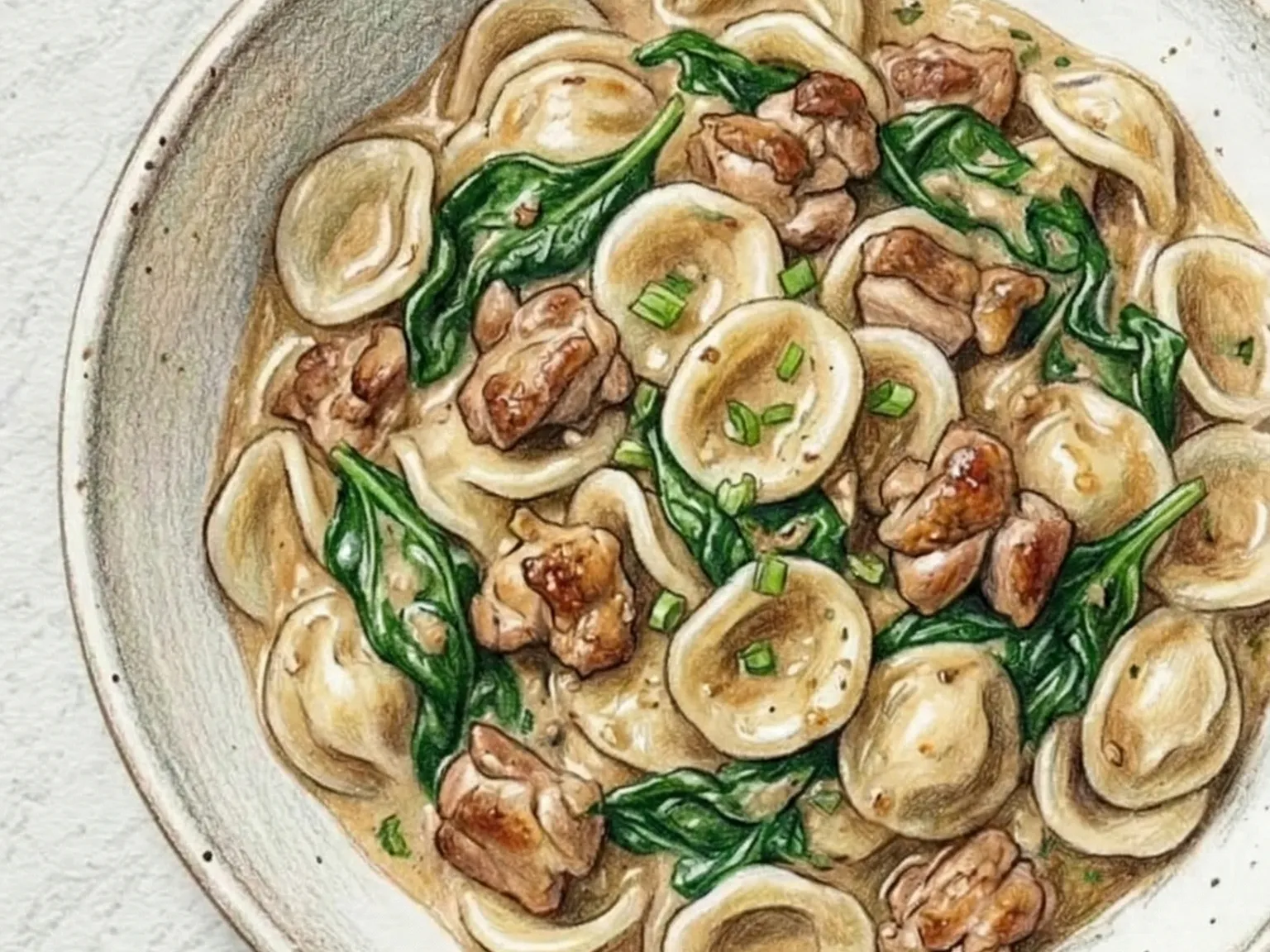
Ssamjang Chicken Spinach Orecchiette (Ssamjang Chicken Pasta)
Ssamjang chicken spinach orecchiette dissolves ssamjang directly in milk rather than frying it first, which softens the fermented paste's sharp edges into a smooth, savory cream sauce without bitterness. Boneless chicken thigh is seared until the skin turns golden and fat renders out, then combined with sauteed onion and garlic that build a sweet aromatic base underneath the fermented sauce. Spinach goes in at the very end to preserve its bright color and slight bite, and the concave, ear-shaped form of orecchiette cups the thick sauce inside each piece so every bite carries a full measure of flavor. Parmesan and black pepper are folded in off the heat so the cheese melts gradually without breaking. Reserving a small amount of pasta cooking water to loosen the sauce at the end helps achieve the right consistency.
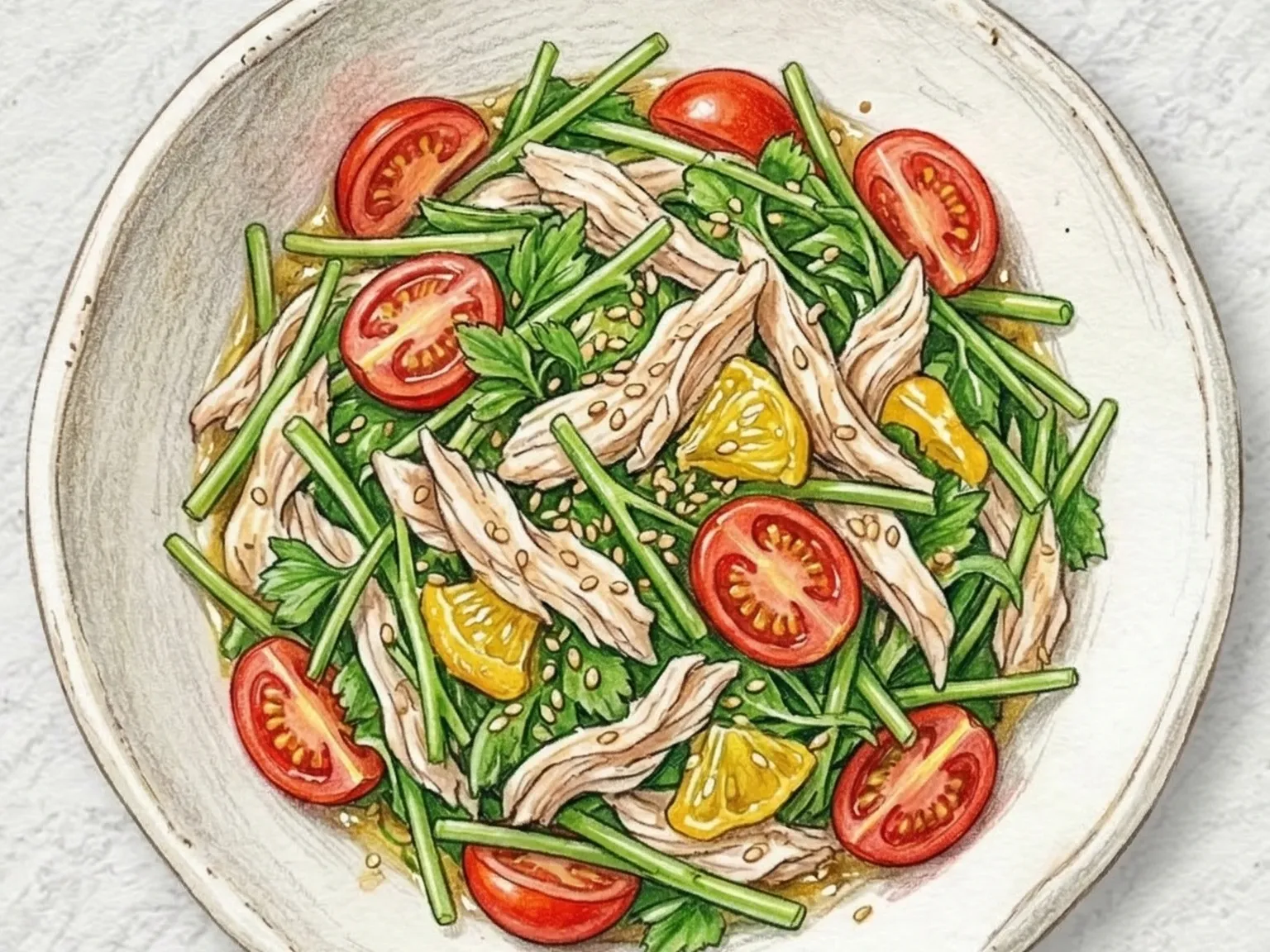
Korean Herb Citrus Chicken Salad
Chamnamul yuja chicken salad starts with chicken breast salted for ten minutes before boiling, then pulled apart along the grain for a lean, clean protein base. Chamnamul stems are trimmed of tough ends and cut to five centimeters to preserve the herb's sharp, grassy mountain scent. The dressing combines yuja-cheong, soy sauce, olive oil, and minced garlic - the bittersweet citrus sharpness balances the salty, savory soy. Romaine adds crunch and volume. Cherry tomatoes are halved and blotted dry to prevent the greens from getting soggy. Sesame seeds go on last for a toasted, nutty finish that rounds out the clean, bright flavors of the salad.
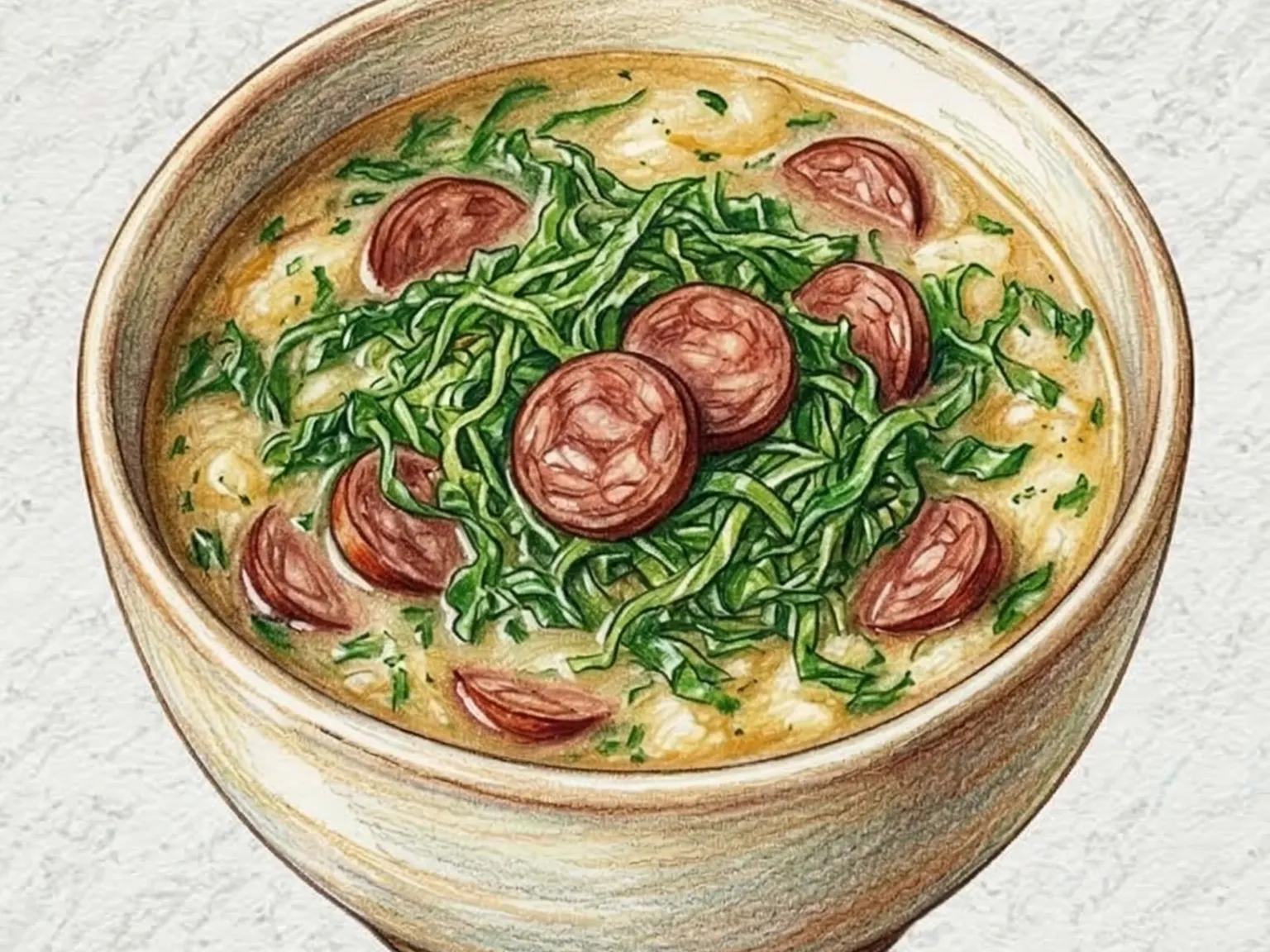
Caldo Verde (Portuguese Potato Soup with Kale and Sausage)
Caldo verde is Portugal's most emblematic soup, originating in the Minho region of the north and eaten across the country at festivals, family tables, and everyday meals. A base of potatoes and onion is simmered in water until the potatoes fall completely apart, then blended smooth so the natural starch thickens the soup without any added cream, flour, or roux. The result is a velvety texture built entirely from vegetables and water. Sliced smoked chourico or linguica is added next, and as the sausage heats through its rendered fat and smoky salt diffuse through the broth, adding depth and richness that a plain potato soup cannot offer. Collard greens or kale are cut into the thinnest possible ribbons and cooked for only the final eight minutes, which keeps the color vivid green and the texture slightly resistant to the bite. Overcooking dulls the color to olive and turns the leaves soft and stringy. A drizzle of olive oil over each bowl and thick slices of broa, a dense Portuguese cornbread, alongside the soup allow the broth to soak into the crumb and complete what is otherwise a simple but deeply satisfying meal.
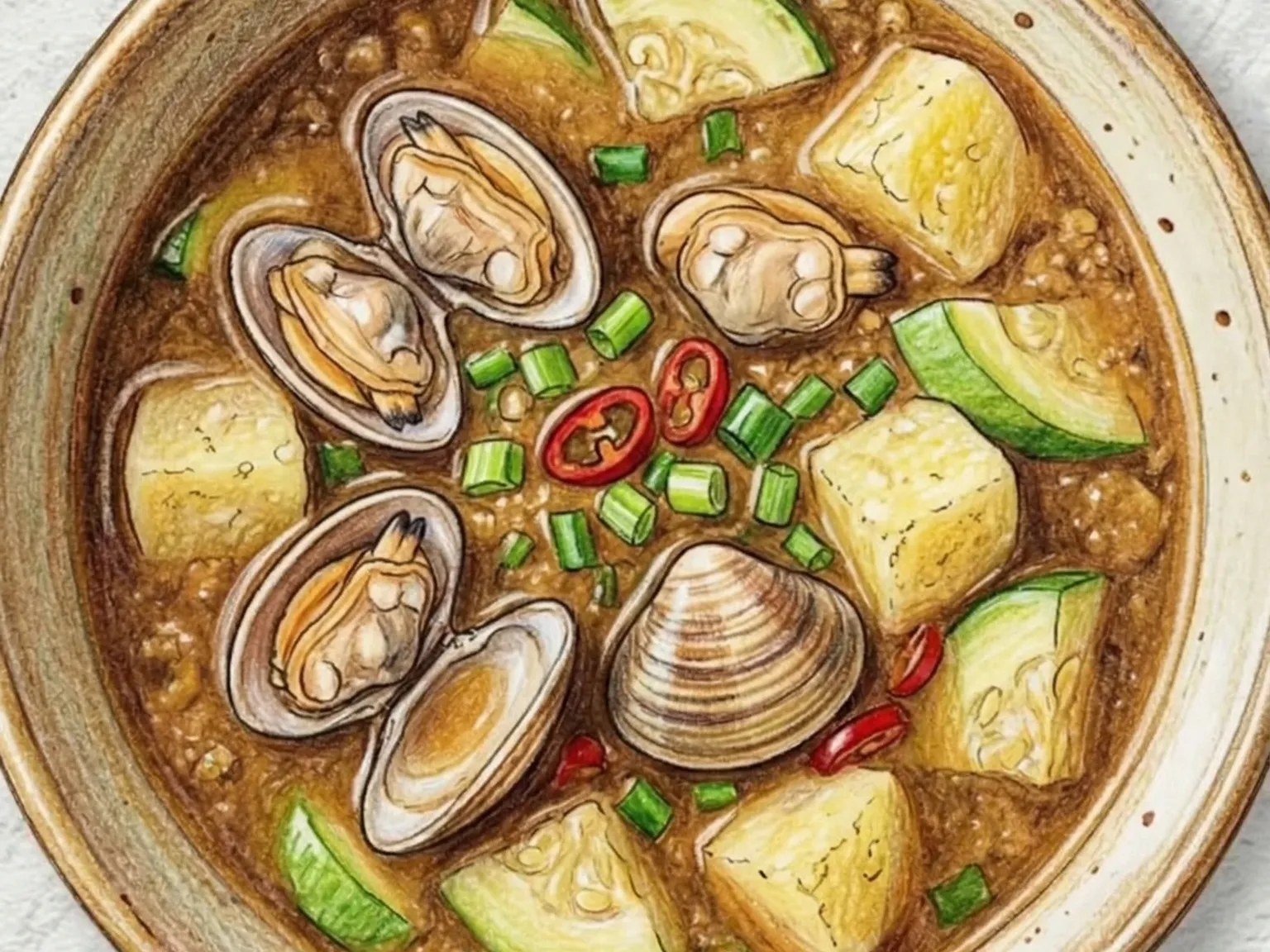
Soybean Paste Stew with Clams
Doenjang jjigae with clams is one of the most frequently made stews in Korean households, built on the combination of fermented soybean paste's deep, earthy flavor and the clean briny umami of manila clams. The clams are purged of sand before being added to a pot of doenjang-laced broth, where they open and release their salty, seawater-flavored liquor directly into the soup. The result transforms the base from something merely savory into something distinctly oceanic and complex. Zucchini softens in the bubbling broth and contributes a natural sweetness as it breaks down, while blocks of soft tofu act as sponges, soaking up the seasoned liquid and releasing it in a burst of hot, flavorful broth when bitten into. Sliced cheongyang chili peppers are added to interrupt the heaviness of the fermented paste and sharpen the overall flavor. The stew is typically served in an earthenware pot while still bubbling, alongside rice. Many Koreans ladle the broth directly over their bowl of rice. The recipe adapts to any season: assembled with leftover summer vegetables from the refrigerator for a lighter version, or cooked piping hot in a stone pot through winter.
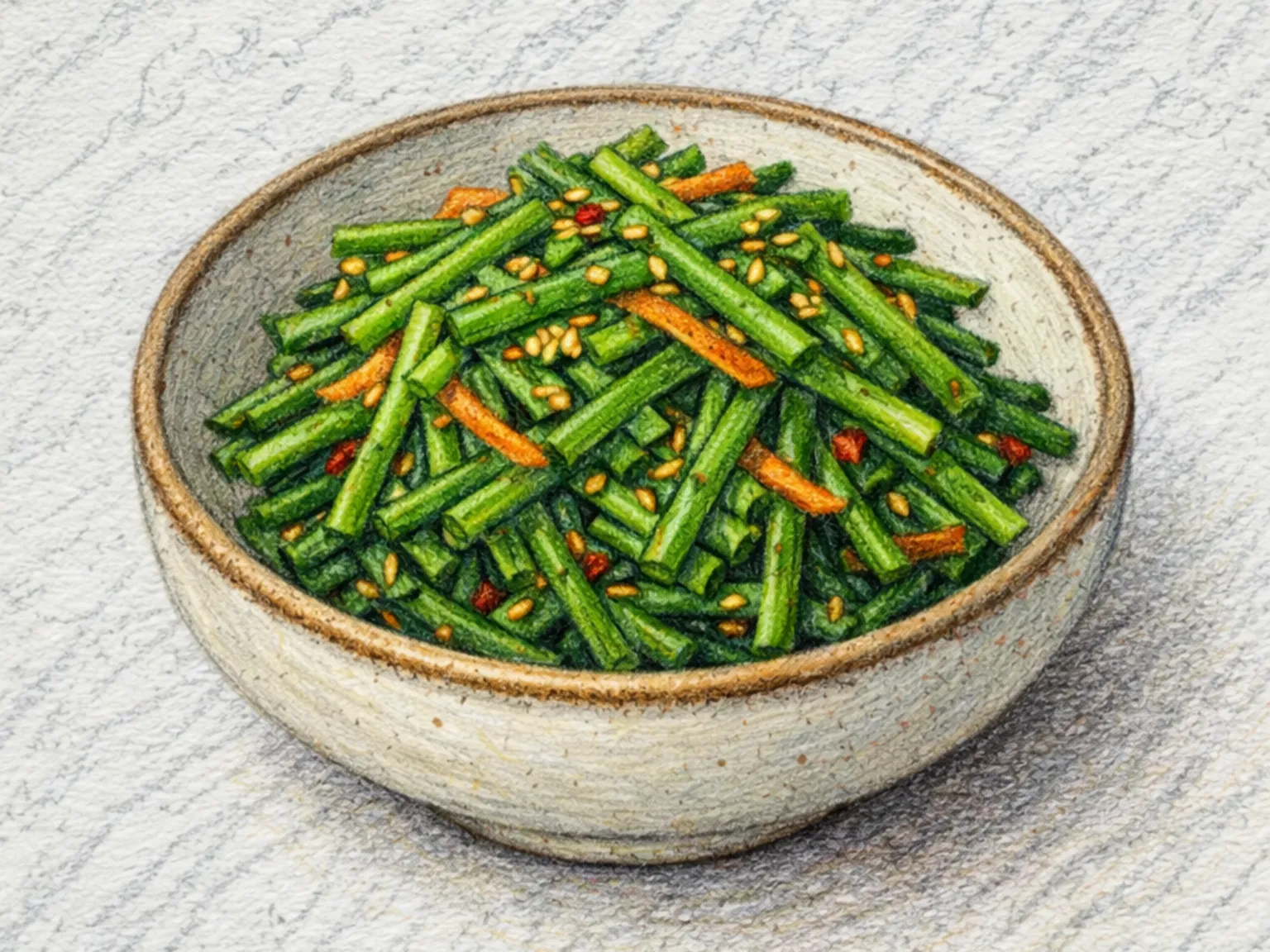
Korean Seasoned Garlic Chives
Buchu muchim differs from buchu kimchi in that it uses soy sauce and vinegar instead of fish sauce, which produces a sharper, more acidic result with none of the fermented depth. Raw chives are cut to five centimeters and tossed by hand for no longer than twenty seconds -- exceeding that time bruises the chives and draws out liquid, turning the texture limp. Gochugaru adds color and a moderate level of heat, while the ratio of vinegar to sugar creates a clean sweet-sour dressing that plays against the chive pungency. Sesame oil and whole sesame seeds go in last to preserve their aroma. Eat the same day it is made; once refrigerated overnight the chives wilt and lose their characteristic snap. Served alongside grilled pork belly or ribs, the acidity cuts through the fat and refreshes the palate between bites.
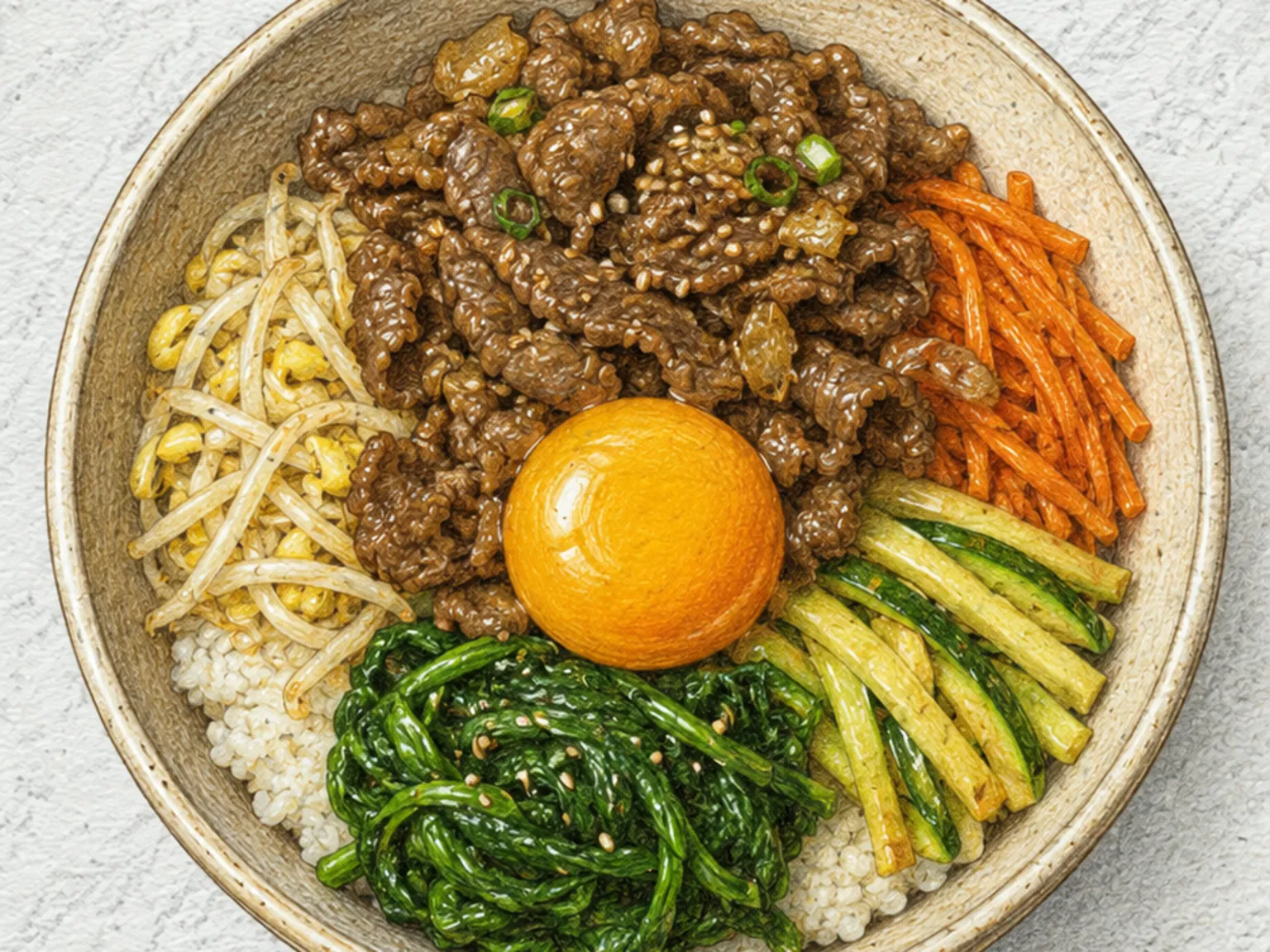
Korean Beef Doenjang Bibimbap
Chadol doenjang bibimbap stir-fries thinly sliced beef brisket in a doenjang-based sauce, then serves it over rice with seasoned vegetable namul and egg. The fatty brisket and fermented soybean paste together create a savory depth that is fundamentally different from gochujang-based bibimbap -- earthier, less spicy, and more complex in its umami structure. As the bowl is mixed, the doenjang dressing coats each grain of rice and pulls together the flavors of every component into a coherent, intensely savory bite. Namul vegetables provide a crisp contrast that cuts through the richness of the brisket fat. A fried egg placed on top adds a silky layer, and breaking the yolk releases it to act as an additional sauce that binds the bold flavors. Using doenjang instead of gochujang as the primary seasoning is a single substitution that produces an entirely different character of bibimbap -- one that leans into fermented, miso-adjacent depth rather than heat. Garnishing with sesame oil and toasted sesame seeds before mixing ties the whole bowl together.
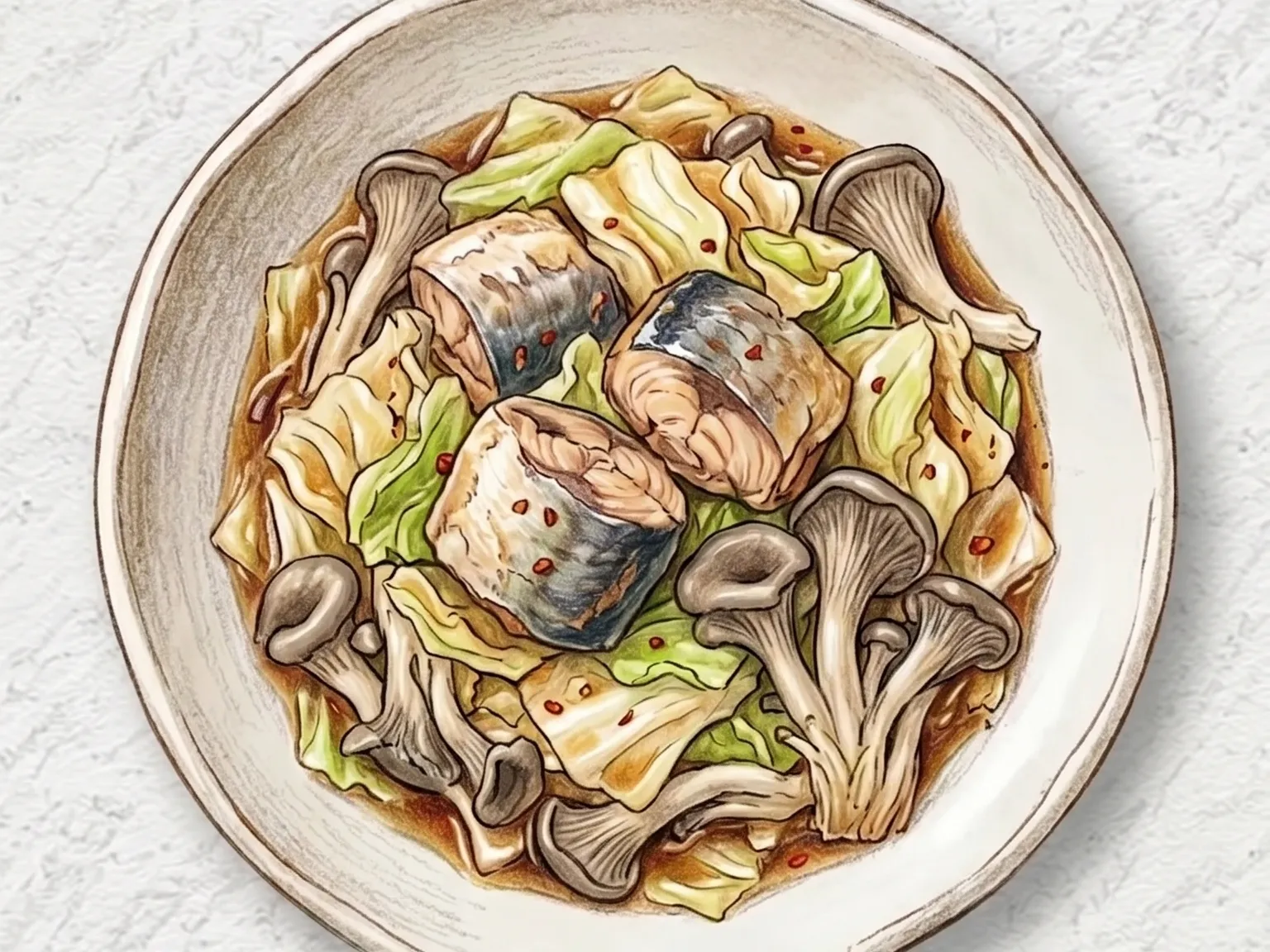
Korean Mushroom and Saury Soy Stir-fry
Beoseot kkongchi ganjang bokkeum is a stir-fry built on drained canned saury, oyster mushrooms, and cabbage seasoned with soy sauce, chili flakes, and sugar. Because the canned fish is already fully cooked and its bones have softened through the canning process, the saury only needs to be added in the final stage and folded in gently; stirring too aggressively breaks the flesh into flakes that lose all textural interest. Moisture released from the oyster mushrooms as they cook combines with the soy sauce base to form a light, natural sauce without any added water. The cabbage contributes a steady sweetness that tempers the concentrated fish umami and prevents the seasoning from reading as too heavy. A small squeeze of lemon juice at the very end of cooking lifts the entire dish, neutralizing any residual fishiness and brightening the overall profile. The whole recipe is built around a single pantry can of canned saury, requires less than fifteen minutes from start to finish, and delivers substantial protein at minimal cost.