🏠 Everyday Recipes
Simple home-cooked meals for any day
1705 recipes. Page 9 of 72
These are the meals you can cook day after day without getting tired of them. Doenjang jjigae, rolled omelet, spicy pork stir-fry - the kind of home-cooked dishes that fill an ordinary day with comfort.
The beauty of everyday cooking is that it relies on common ingredients already in your fridge. No exotic items, no complicated techniques - just straightforward recipes for satisfying home meals.
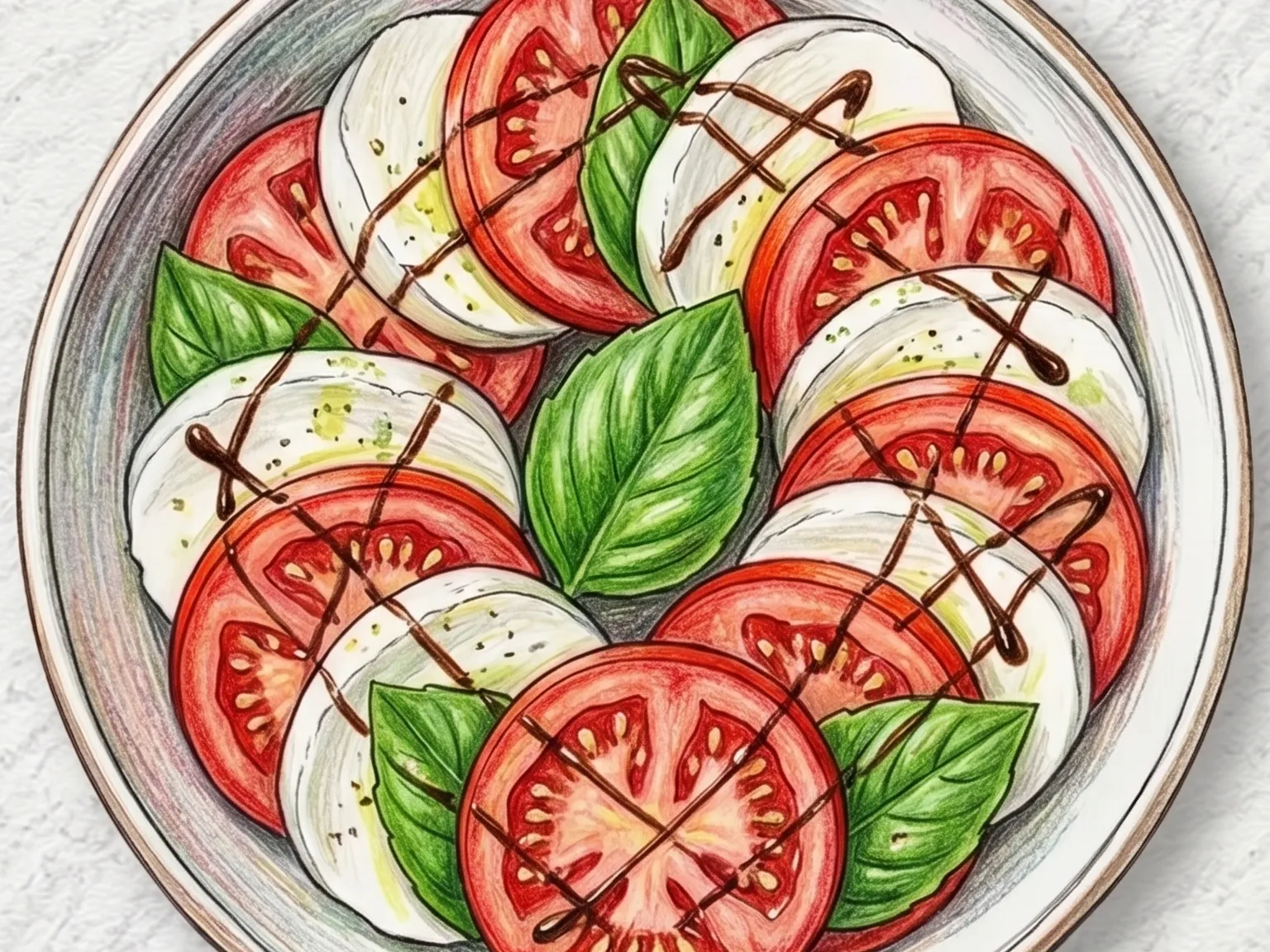
Caprese Salad
Caprese salad alternates slices of ripe tomato, fresh mozzarella, and basil leaves of equal thickness, dressing them with nothing more than extra virgin olive oil and salt. The recipe excludes cooking entirely, so the tomato's ripeness and the mozzarella's fresh, milky quality carry the entire flavor of the dish - substituting underripe tomatoes or low-moisture mozzarella changes the result significantly. A thin drizzle of balsamic glaze over the top introduces a concentrated grape-vinegar sweetness that contrasts directly with the cheese's fat, while basil's volatile aromatic compounds release on contact with the oil rather than surviving any heat. Dressing the salad at the last possible moment prevents the salt from drawing moisture out of the tomatoes ahead of time, which dilutes the oil on the plate. The dish originates from the island of Capri and is recognized by the green, white, and red color arrangement that mirrors the Italian flag.

Burrito
A burrito layers seasoned ground beef, cooked rice, black beans, shredded cheese, and salsa inside a large flour tortilla that gets folded and rolled into a tight cylinder. Warming the tortilla briefly on a hot pan makes it pliable enough to wrap without tearing. The filling goes down the center in a long line, both ends fold inward first, then the whole thing rolls forward into a sealed package that holds together in the hand. Black beans add starchy substance and protein that make the burrito filling even without the meat at the center, and the tomato acidity in salsa cuts through the melted cheese and beef fat. A line of sour cream inside provides a cool, tangy buffer against the cumin-chili heat. For the cheese, Monterey Jack or cheddar melts evenly without clumping and binds the filling together well. Wrapping the finished burrito tightly in foil keeps the shape and makes it easier to eat on the go.
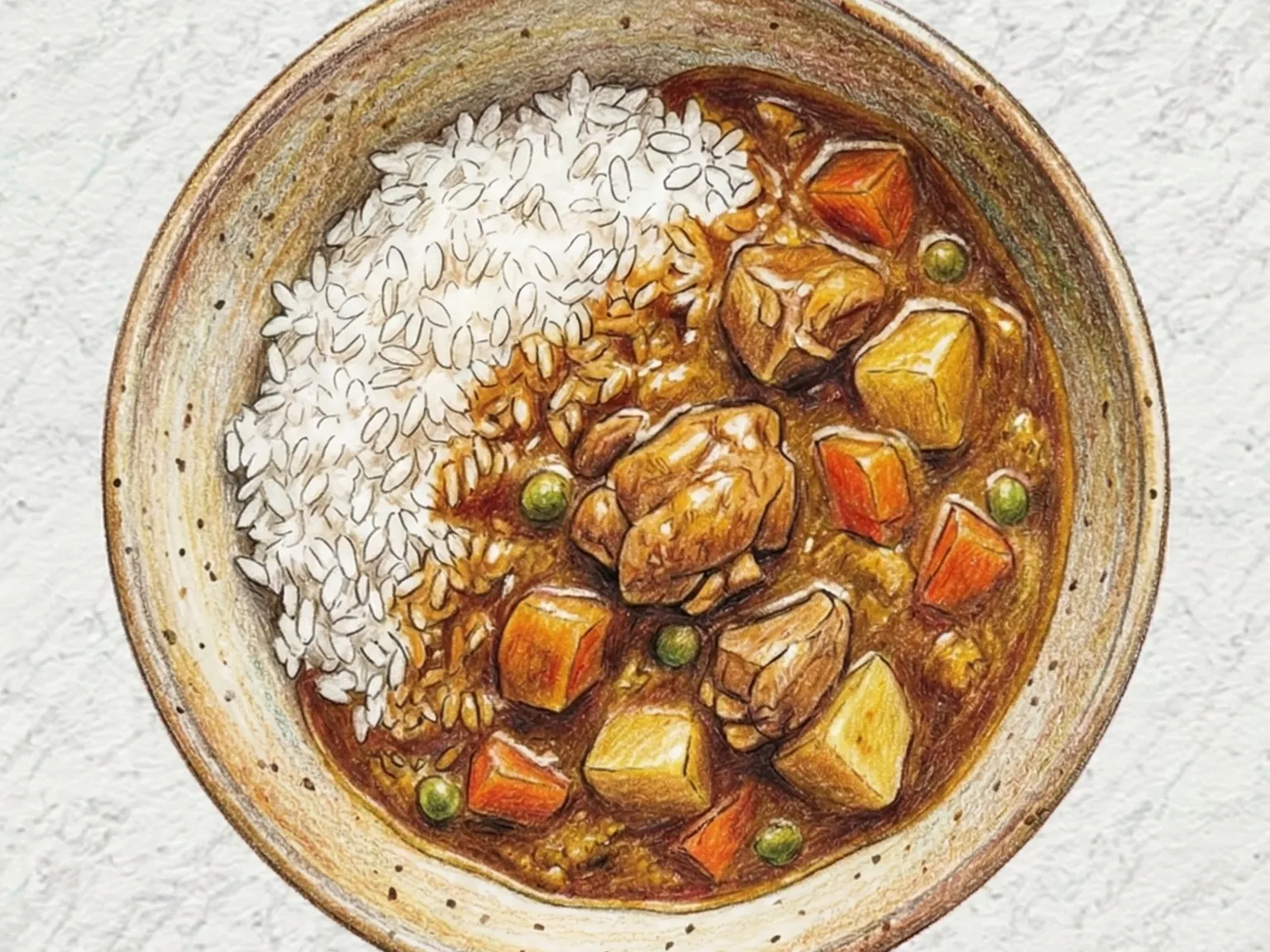
Chicken Curry
Chicken curry is one of the world's most universal dishes, adapted as it traveled from the Indian subcontinent through Japan and into Korea, each culture reshaping it to local taste. The Japanese-style version uses a flour-and-butter roux for a thick, mild sauce, while Indian preparations build complexity by browning onions deeply and layering whole and ground spices with tomato. Chicken, potato, carrot, and onion simmer together until the vegetables release their starch and sweetness into the sauce, creating a velvety body. The essential pleasure is spooning the curry over steamed rice and watching it seep between the grains. Leftover curry reheated the next day tastes notably deeper - the Japanese call this nikkame no curry (second-day curry) and many prefer it to the fresh pot, as the spice compounds have had time to meld and the starches further thicken the sauce. Despite the simplicity of its core ingredients, the virtually limitless variation in spice blending is what makes this dish endlessly compelling across cultures.
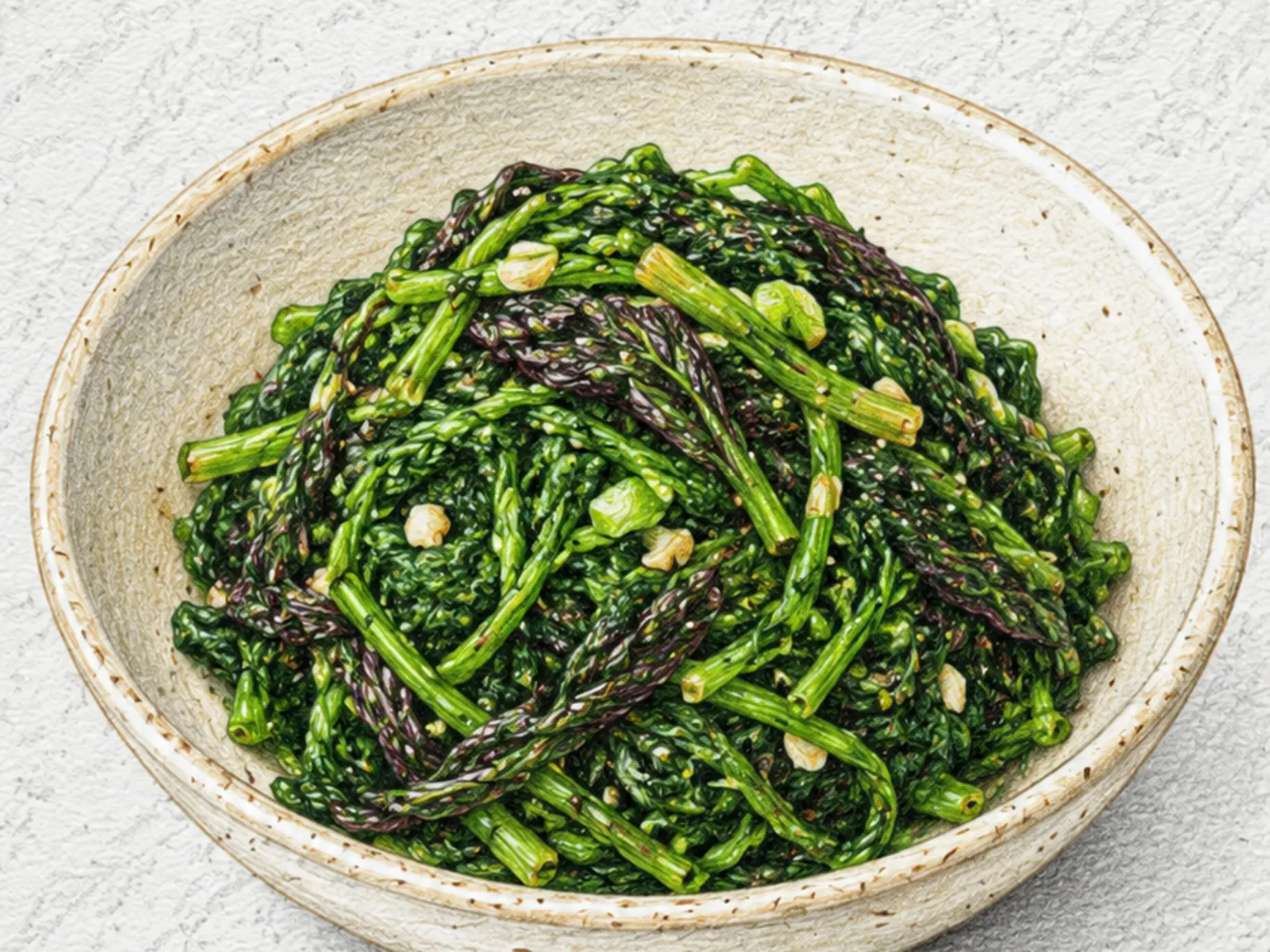
Korean Seasoned Amaranth Greens
Amaranth greens, biryeom in Korean, are a short-season summer vegetable with deep green, purple-tinged leaves that bleed red into the blanching water. They need to come out in under a minute or the leaves lose their structure. After squeezing out the water, the greens are dressed with doenjang, soup soy sauce, garlic, and scallion. Perilla oil stands in for sesame oil, lending a herbal, grass-edged nuttiness that matches the mineral character of amaranth. The leaves are firmer than spinach or mallow, so the dressing clings without the greens collapsing into a wet mass. The unsaturated fats in perilla oil also increase the nutritional density of the dish. A countryside banchan available only during its brief summer window.
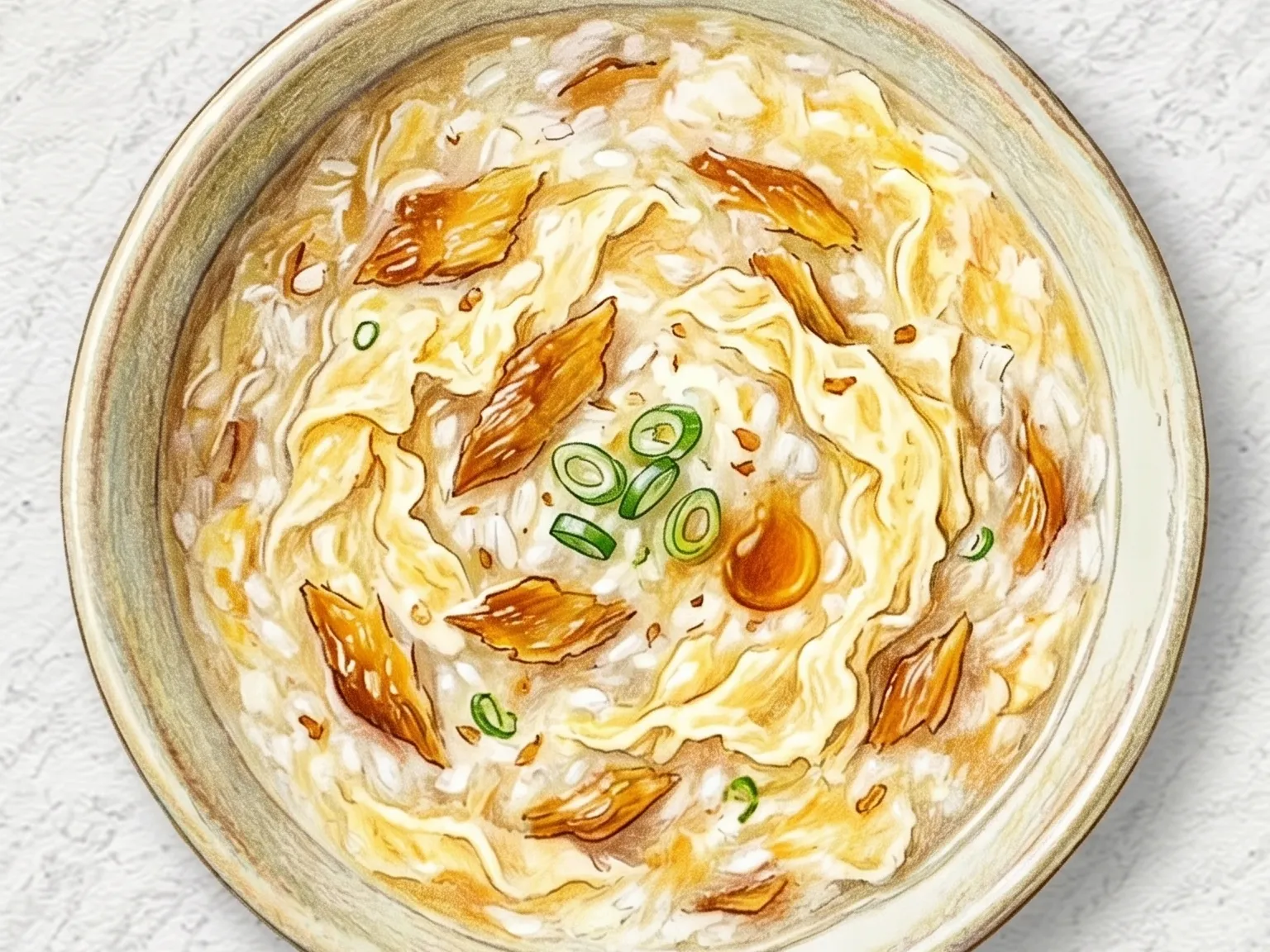
Korean Dried Pollock Egg Porridge
Bukeo gyeran juk is a Korean porridge made by toasting dried pollock strips in sesame oil until fragrant, then simmering them with soaked rice until the grains fully break down, and finishing with beaten egg stirred in just before the heat is turned off. Dried pollock concentrates protein during the drying process, producing a clean, direct savoriness without heaviness. Toasting it in sesame oil first coats the fish in fat, which spreads a nutty richness throughout the porridge as it cooks. Adding the egg at the very end and stirring immediately keeps it from setting into firm pieces and instead creates soft, silky ribbons through the gruel. Soup soy sauce seasons the dish without darkening the color of the broth. Mild and easy on the stomach, this porridge is a reliable choice for the morning after drinking or whenever the body wants something warm and light.
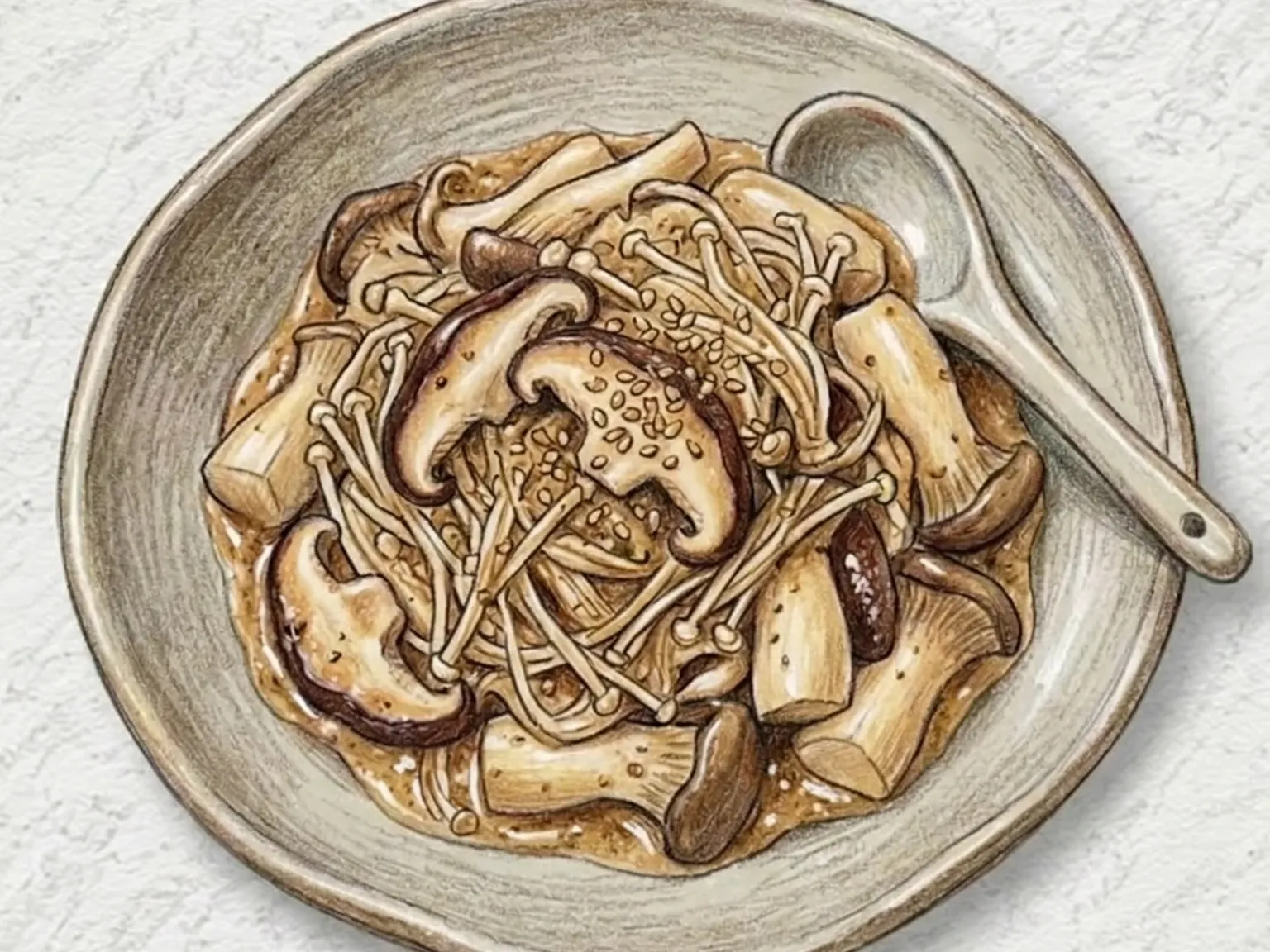
Korean Mushroom Perilla Seed Stir-Fry
Three varieties of mushroom, shiitake, enoki, and oyster, are stir-fried over high heat until their moisture fully evaporates, then dusted with ground perilla seed that releases a surge of nutty fragrance the moment it contacts the hot surface. Each mushroom contributes a distinct texture to a single dish: shiitake offers firm, satisfying chew when torn along the grain; enoki provides delicate, threadlike strands; and oyster adds thick, meaty bites that hold their shape through the heat. The perilla seed powder must be added only in the final minute of cooking because its aromatic oils are volatile: longer exposure turns them acrid rather than nutty, and the window between perfectly toasted and burned is narrow. Soy sauce and a pinch of salt adjust the seasoning without masking the mushrooms, and a finishing drizzle of sesame oil rounds everything off with a gentle, fat-carried richness. At around 90 calories per serving, this side dish works as an everyday component of any meal without adding weight, and the unsaturated fatty acids in perilla seeds add nutritional substance well beyond what a side this light might suggest. Tearing shiitake along its natural grain accelerates moisture release during cooking, and pulling enoki apart by hand before adding it to the pan prevents the strands from clumping.
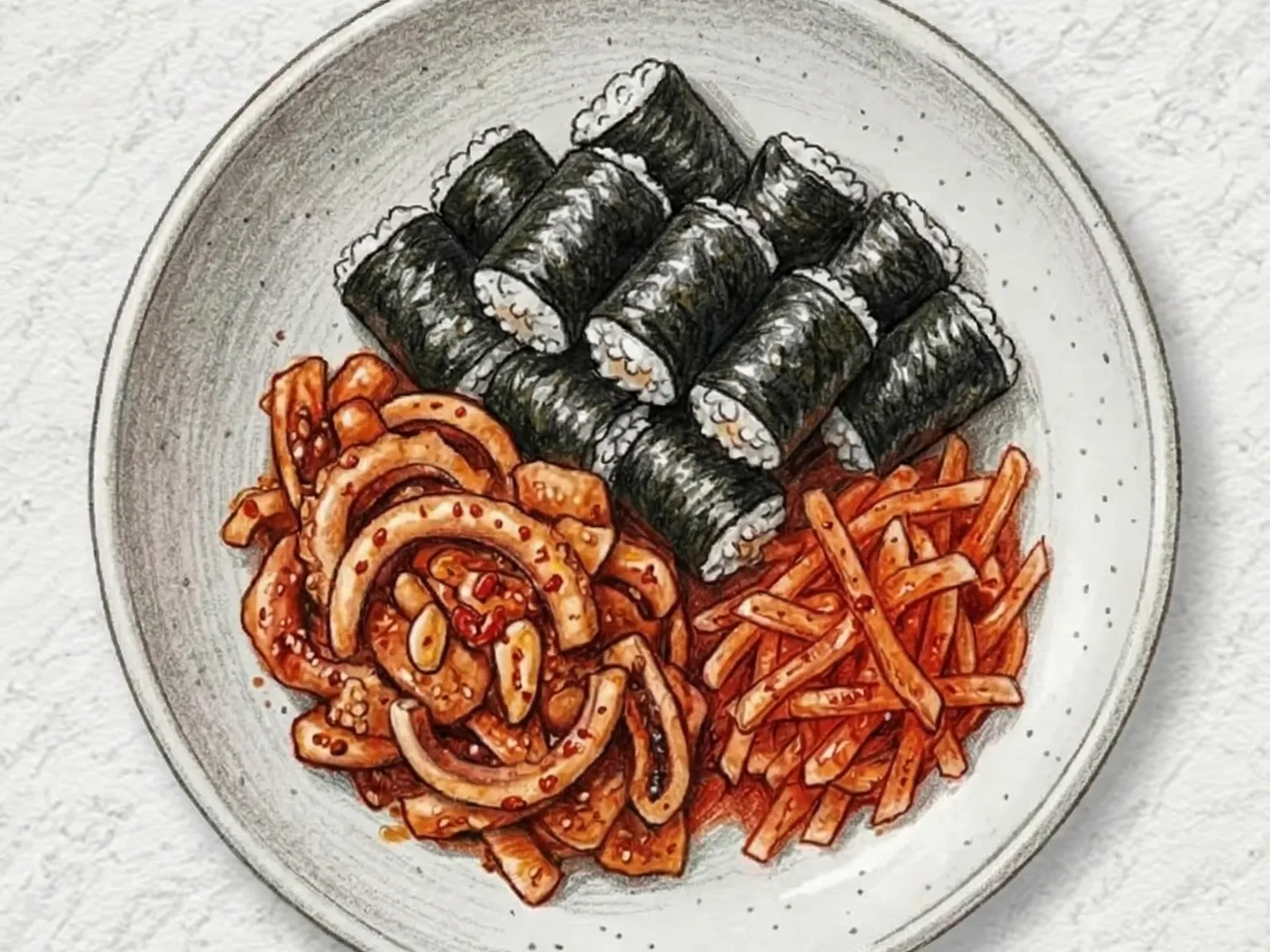
Korean Mini Seaweed Rice Rolls
Chungmu gimbap is a regional specialty from Tongyeong in South Gyeongsang Province - small, bite-sized seaweed rice rolls seasoned only with sesame oil and salt, served alongside spicy squid and pickled radish side dishes. The rolls carry no filling at all, so the rice and seaweed stay clean and mild, with all the bold flavor coming from the accompaniments. Blanched squid is tossed in gochugaru, fish sauce, and garlic for a spicy, briny punch, while thin-sliced radish pickled in the same seasoning adds crunch and sharp tartness. The tension between the plain, compact rolls and the intensely seasoned sides is the point of this dish - each plain bite and each fiery bite calibrate each other, making the combination more satisfying than either part alone.
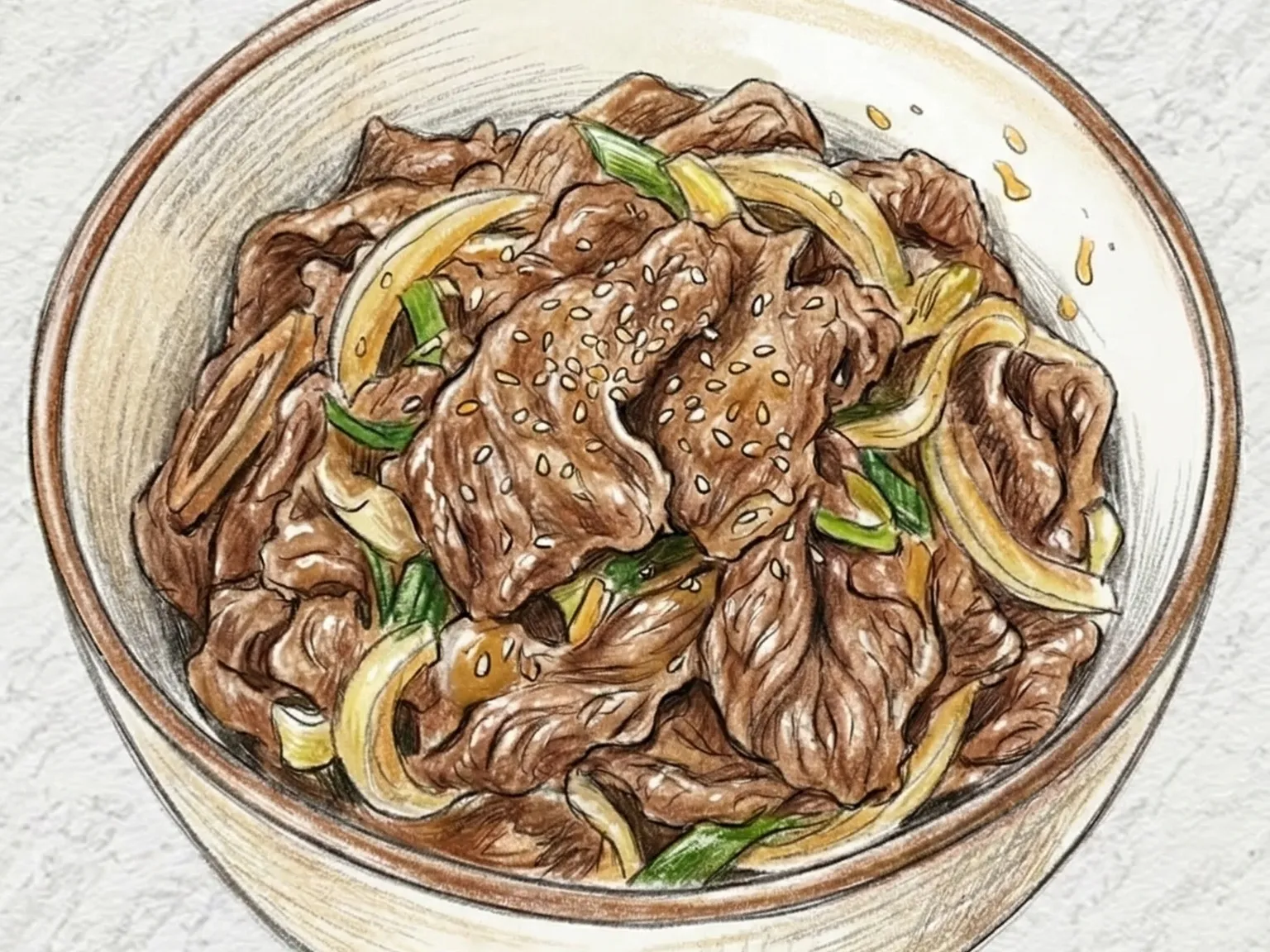
Korean BBQ Beef
Bulgogi stands as the most widely recognized marinated beef preparation within the Korean culinary tradition. The dish typically utilizes thinly sliced cuts of meat such as sirloin or chuck, which are soaked in a mixture composed of soy sauce, grated Korean pear, sugar, minced garlic, and sesame oil. Following the marination process, the beef is cooked rapidly over a high heat source. The inclusion of Korean pear in the marinade serves two specific functions during the preparation. First, the natural enzymes found within the pear fruit actively work to break down the muscle fibers of the beef. This chemical reaction ensures that each individual slice becomes tender and yields easily when eaten. Second, the fructose from the pear combines with the soy sauce during cooking to form a characteristic sweet and salty glaze that coats the entire surface of the meat. The specific technique used during the cooking phase is as critical as the composition of the marinade itself. If an excessive amount of meat is added to the pan at one time, the surface temperature of the cooking vessel will drop significantly. When this happens, the beef begins to steam in its own released liquids rather than searing against the hot surface. This often leads to a gray and chewy texture instead of the caramelized brown edges that the dish is known for. To achieve the correct result, the beef should be prepared in small batches while maintaining a consistent high heat. This method allows the liquid from the marinade to reduce quickly against the hot pan, creating the glossy and sticky coating that characterizes properly made bulgogi. To finish the preparation, a small amount of sesame oil is drizzled over the beef and toasted sesame seeds are scattered on top. These final additions provide a roasted and nutty quality that balances the sweet and salty base to complete the flavor profile.
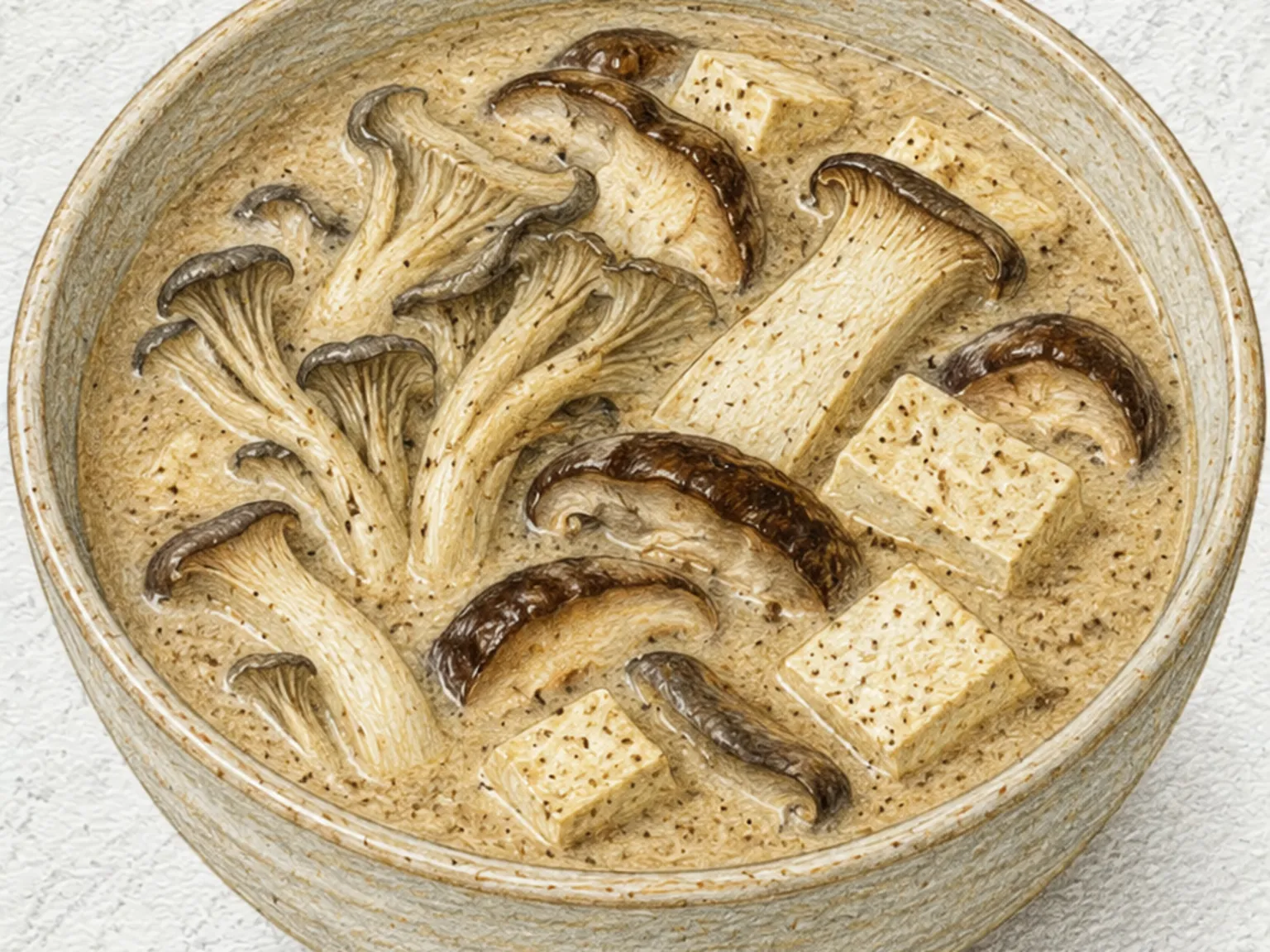
Korean Mushroom Perilla Soup
Oyster, shiitake, and king oyster mushrooms simmer together in an onion-based vegetable stock before ground perilla seeds are stirred in to thicken the broth into a nutty, substantial soup. Cooking the mushrooms and garlic for ten minutes in the stock allows each variety's distinct aroma to build in layers: the fibrous texture of oyster mushrooms, the deep earthiness of shiitake, and the firm, meaty bite of king oyster mushrooms all hold their character in the finished bowl. Cubed tofu is added partway through and gently absorbs the surrounding broth as it warms. Adding the perilla powder in small increments rather than all at once prevents clumping and produces a smooth, even consistency; pulling the pot off the heat at the right moment also stops the broth from separating as it cools. The vegetable stock base delivers a satisfying, full-bodied result without any animal ingredients.
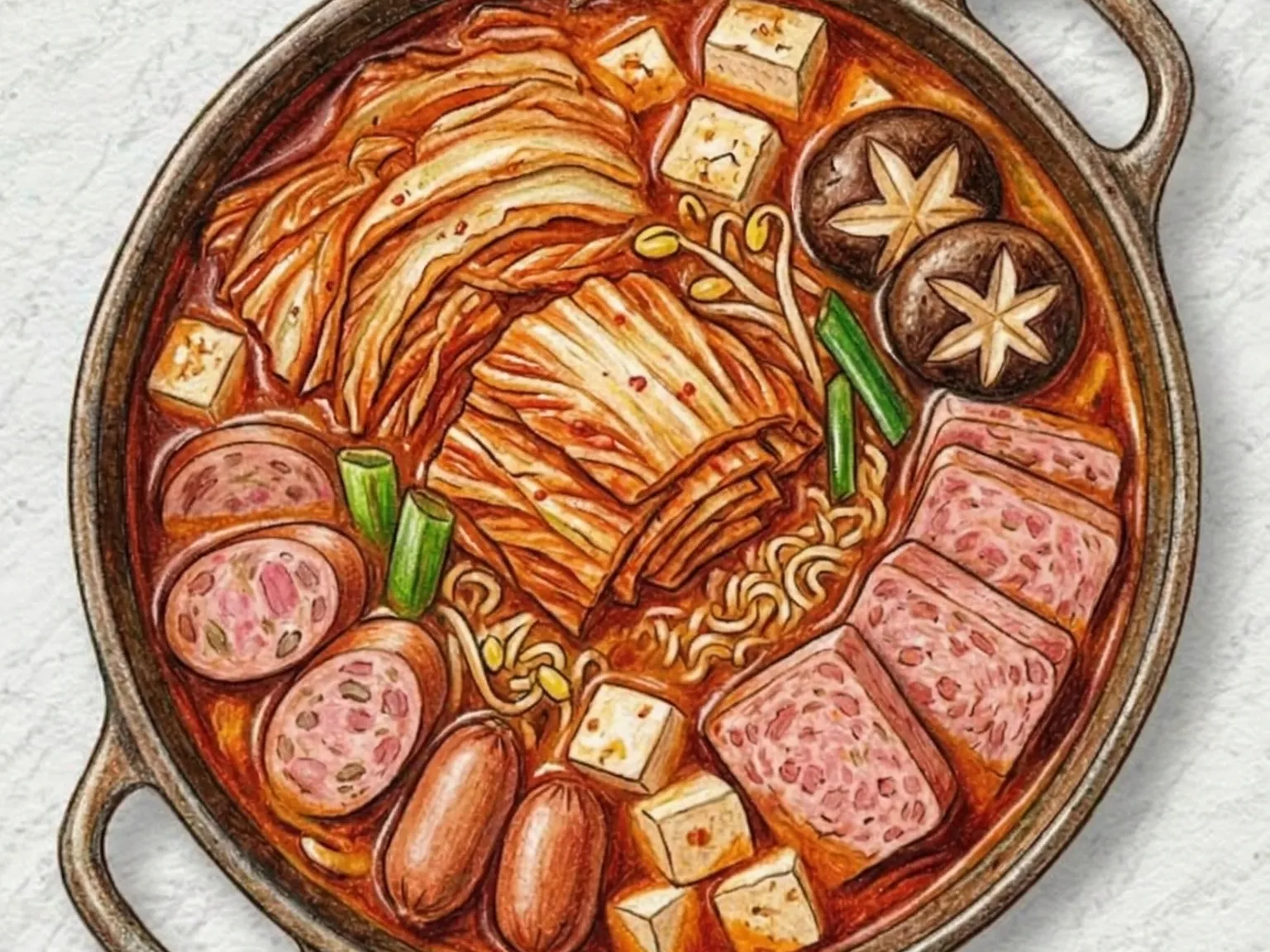
Korean Army Stew (Spam & Ramen Spicy Fusion Pot)
Budae jjigae loads Spam, sausages, instant ramen noodles, rice cakes, tofu, and kimchi into a single pot of gochugaru-and-gochujang broth. It originated near U.S. military bases in Uijeongbu after the Korean War, where American surplus rations met Korean pantry staples in the same pot. Each ingredient behaves differently in the heat - rice cakes stay chewy, ramen noodles turn springy, tofu softens into the broth - while the spicy, deeply seasoned stock ties them together. The noodles soak up the broth as the pot cooks down, keeping each bowl satisfying to the last spoonful.
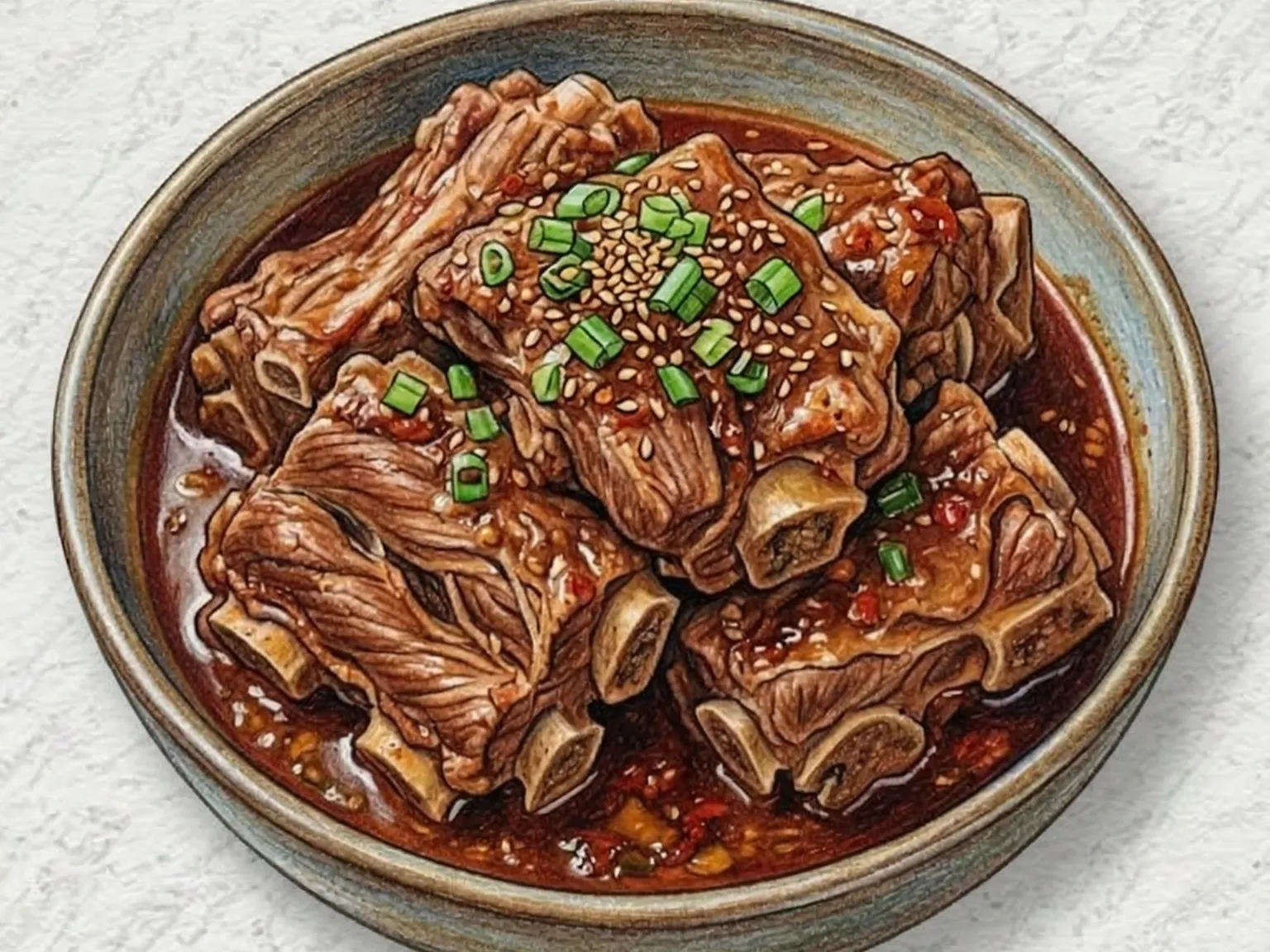
Korean Braised Pork Backbone
Deungppyeo-jjim is pork backbone braised with potato and green onion in a sauce built from doenjang, gochugaru, and soy sauce. After a long, slow simmer the meat tucked between the vertebrae and the cartilage separates from the bone without effort. Doenjang lays a deep, fermented underpinning to the broth while gochugaru brings a sharp, clean heat on top. The potatoes cook until they soften enough to fall apart at the press of a spoon, absorbing the thick, dark cooking liquid around them. Digging out the meat lodged between the bones is part of the pleasure, which is why the dish has long been a favourite pairing with soju. The rich, dense broth also makes it an easy choice for eating over a bowl of steamed rice.
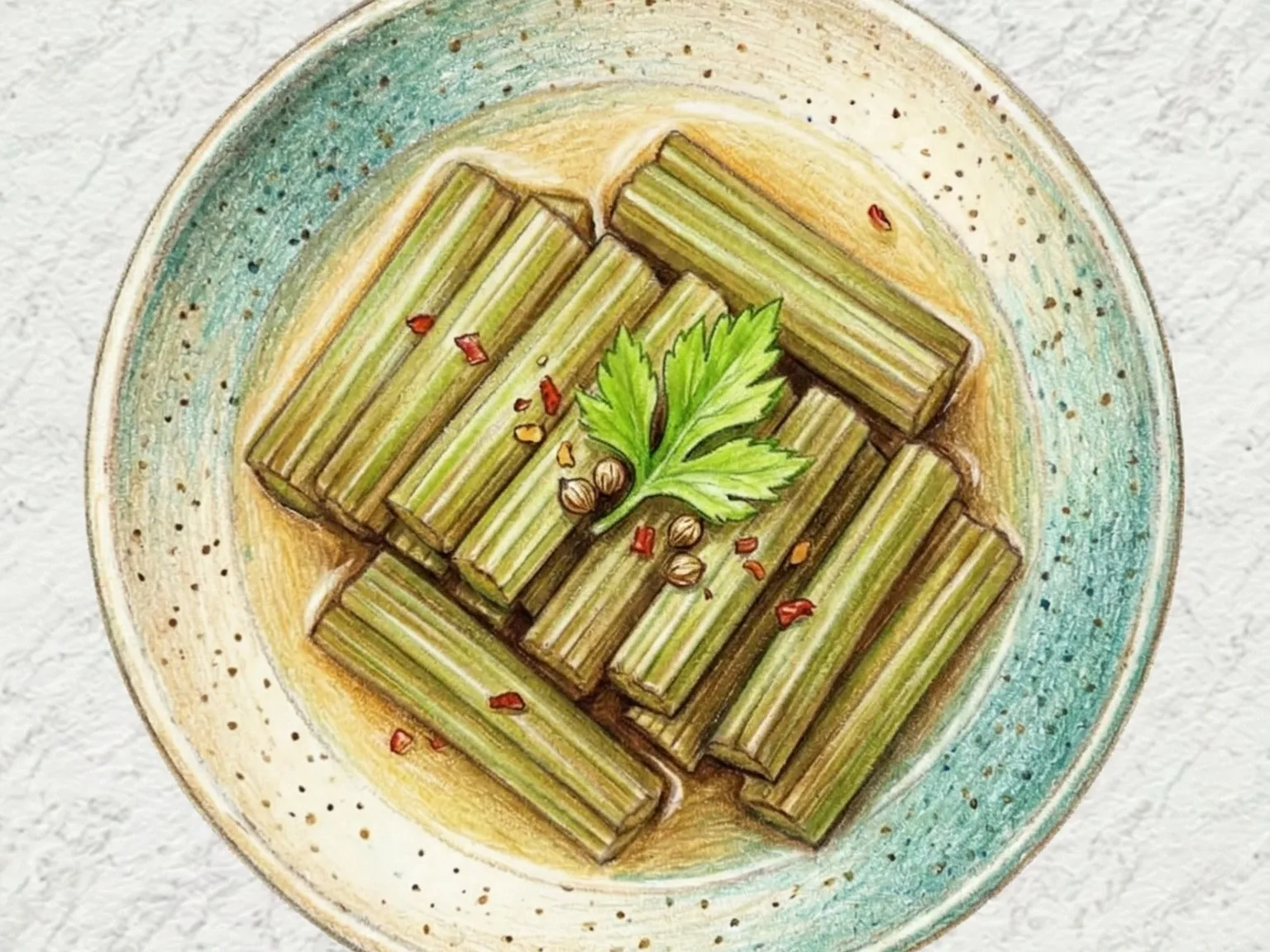
Korean Celery Jangajji (Blanched Soy Lemon Pickle)
Celery jangajji is a Korean soy pickle made by briefly blanching celery stalks to tame their fibrous exterior, then submerging them in a boiled brine of soy sauce, vinegar, and sugar. Peeling away the tough outer strings and cutting into five-centimeter lengths before a thirty-second blanch removes the raw grassy edge while leaving the celery's distinctive cool, herbal scent intact. Lemon slices and whole garlic cloves added to the jar contribute a gentle citrus brightness and mild pungency that build quietly as the pickle rests. After two days in the refrigerator the brine penetrates evenly, producing a crisp, tangy side dish that pairs particularly well with grilled or braised pork. By the fourth or fifth day the flavors deepen further, and even those put off by raw celery's sharpness tend to find the pickled version approachable.
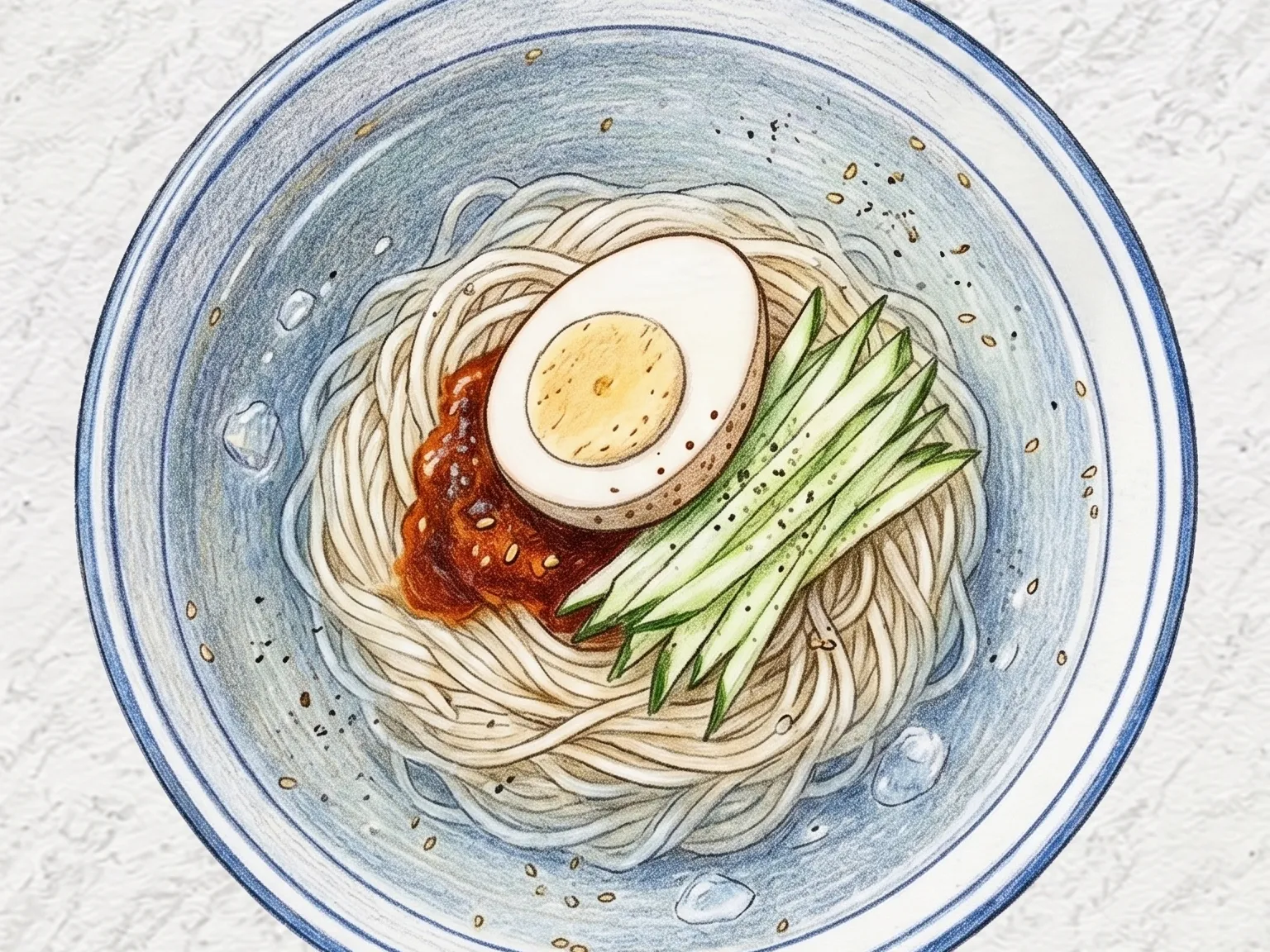
Busan Milmyeon (Korean Cold Wheat Noodles)
Busan milmyeon is a cold noodle dish unique to the city of Busan, built around chewy noodles made from wheat flour and starch served in a thoroughly chilled beef bone broth. The broth is made by simmering beef bones for a long time, then chilling it until the solidified fat can be skimmed cleanly from the surface, which produces a clear, lean broth that is savory without being heavy. A mound of spicy-sweet chili paste placed on top of the noodles introduces a sharp kick that cuts through the cold and stimulates appetite even on the most sweltering days. The noodles are softer and more yielding than the buckwheat strands used in pyongyang-style naengmyeon, and they absorb the beefy broth with each bite. Cutting the noodles with scissors and alternating between sips of cold broth and bites of dressed noodles is the local eating ritual that distinguishes milmyeon from other cold noodle dishes. Half a boiled egg and thin cucumber slices form the standard garnish, and a splash of vinegar and a dab of mustard on the table allow each diner to adjust the flavor balance to taste. The dish traces its origin to the wartime period of the early 1950s, when refugees displaced to Busan during the Korean War began making cold noodles with wheat flour as a substitute for the buckwheat they could no longer obtain from the north.
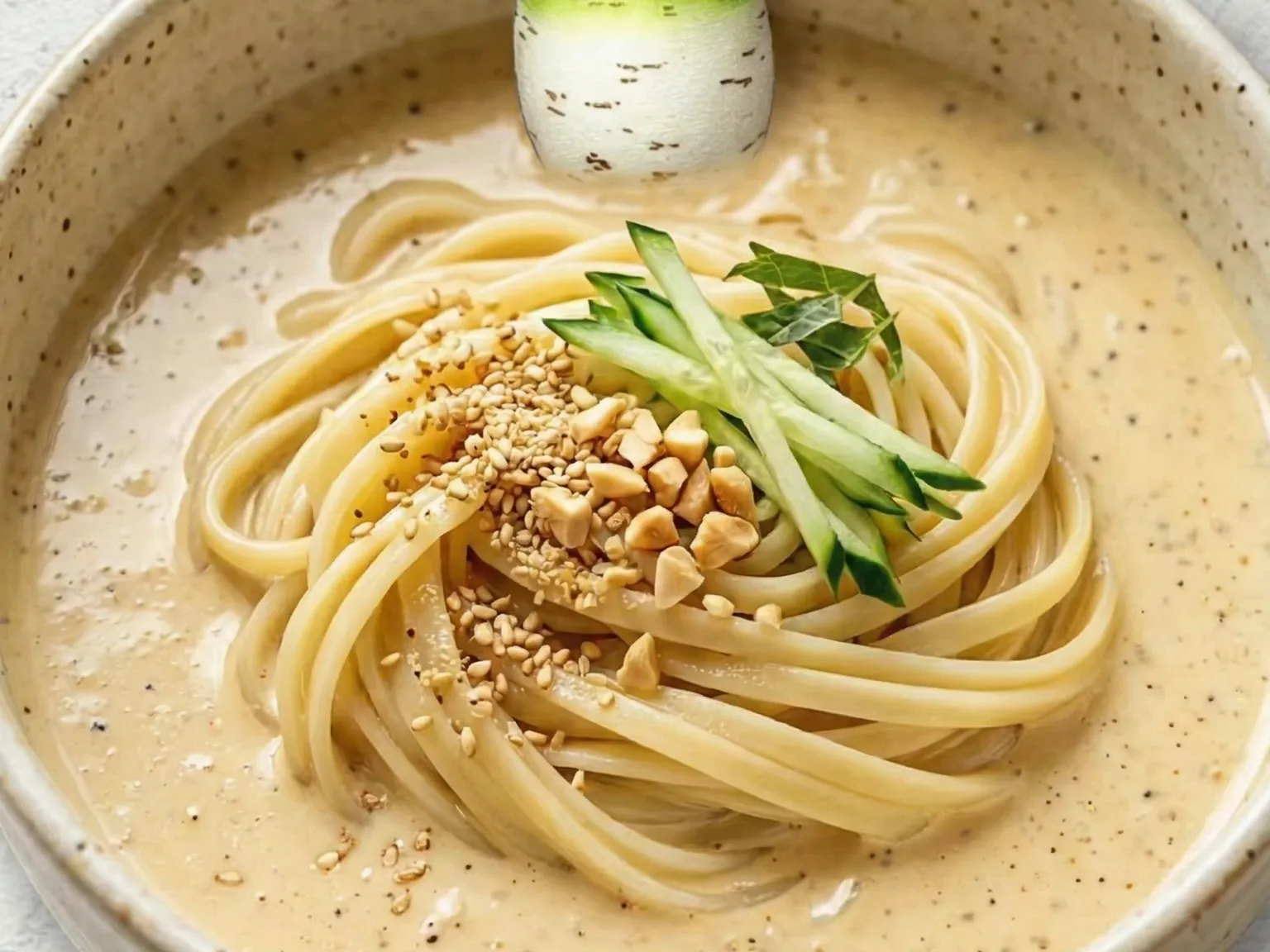
Kongguksu-Style Cold Linguine
Kongguksu-style cold linguine reinterprets Korea's chilled soy noodle soup using Italian linguine in place of traditional wheat noodles. Unsweetened soy milk is blended with toasted sesame seeds and peanut butter into a thick, nutty cold broth poured directly over the pasta at serving. The linguine is cooked al dente and immediately shocked in ice water to firm up the texture and chill it completely before the broth goes on. Julienned cucumber and halved cherry tomatoes scatter on top for fresh crunch and color. Salt and sugar are adjusted at the end to balance the broth's natural bean flavor against the richness from the peanut butter. The full preparation takes about ten minutes, with stovetop time limited strictly to boiling the pasta, which makes it one of the more practical cold dishes to assemble in summer heat. Adding more peanut butter thickens the broth further, while extra sesame seeds push the nuttiness higher.
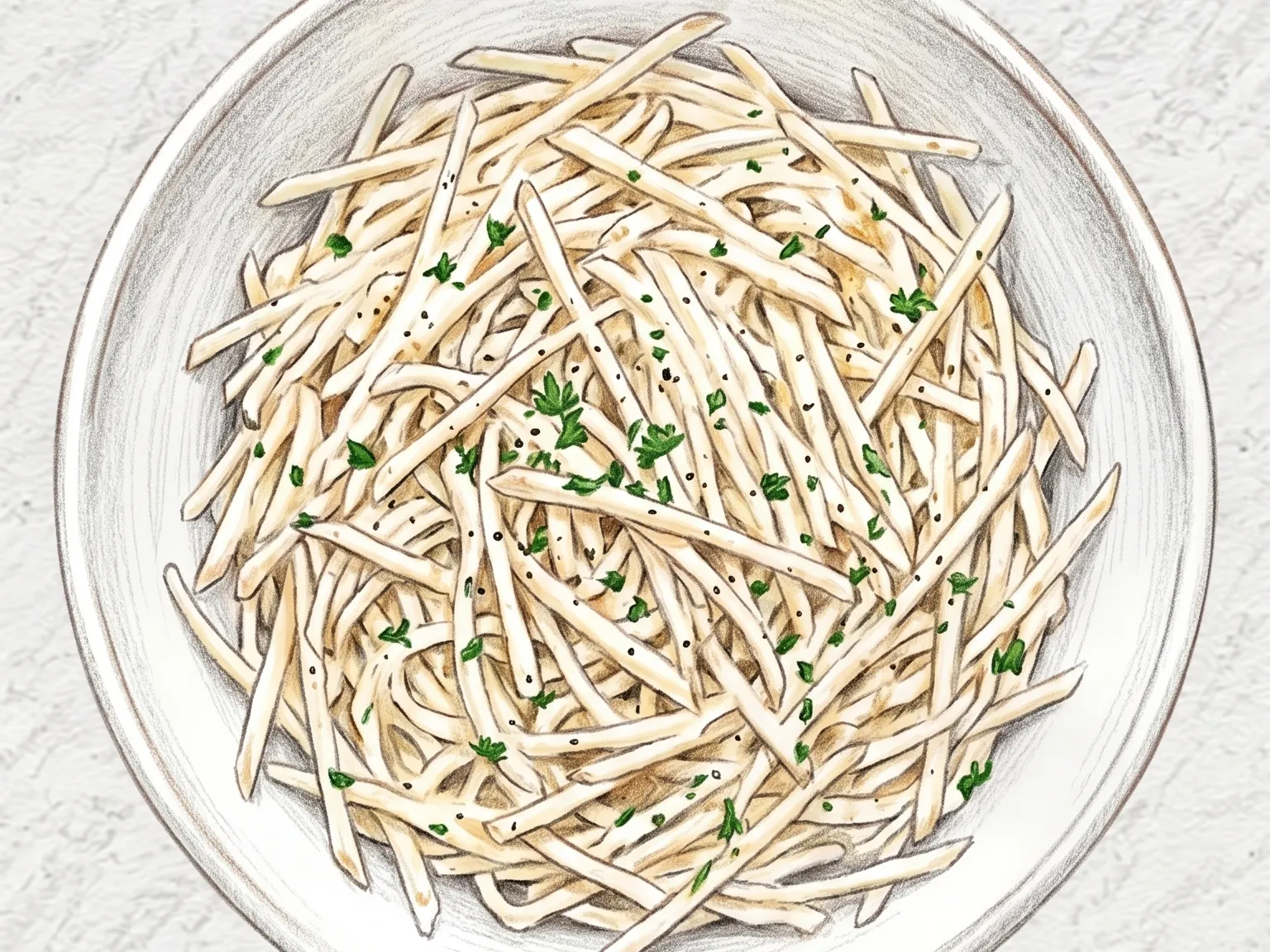
French Celeriac Remoulade
Celeriac remoulade shreds thickly peeled celeriac into fine matchsticks and dresses them in a mixture of Dijon mustard, mayonnaise, lemon juice, and white wine vinegar. Tossing the shreds immediately with half the lemon juice prevents enzymatic browning, while the rest goes into the dressing to balance acidity. The Dijon's sharp heat cuts through the mayonnaise's richness, and the white wine vinegar keeps the finish clean and bright. Cutting the matchsticks as thin as possible maximizes surface area so the dressing absorbs quickly and evenly. A 15-minute chill in the refrigerator lets the flavors settle throughout; overnight refrigeration deepens the result further. The salad pairs well with cold meats and charcuterie, where its tangy crunch offsets richer textures.
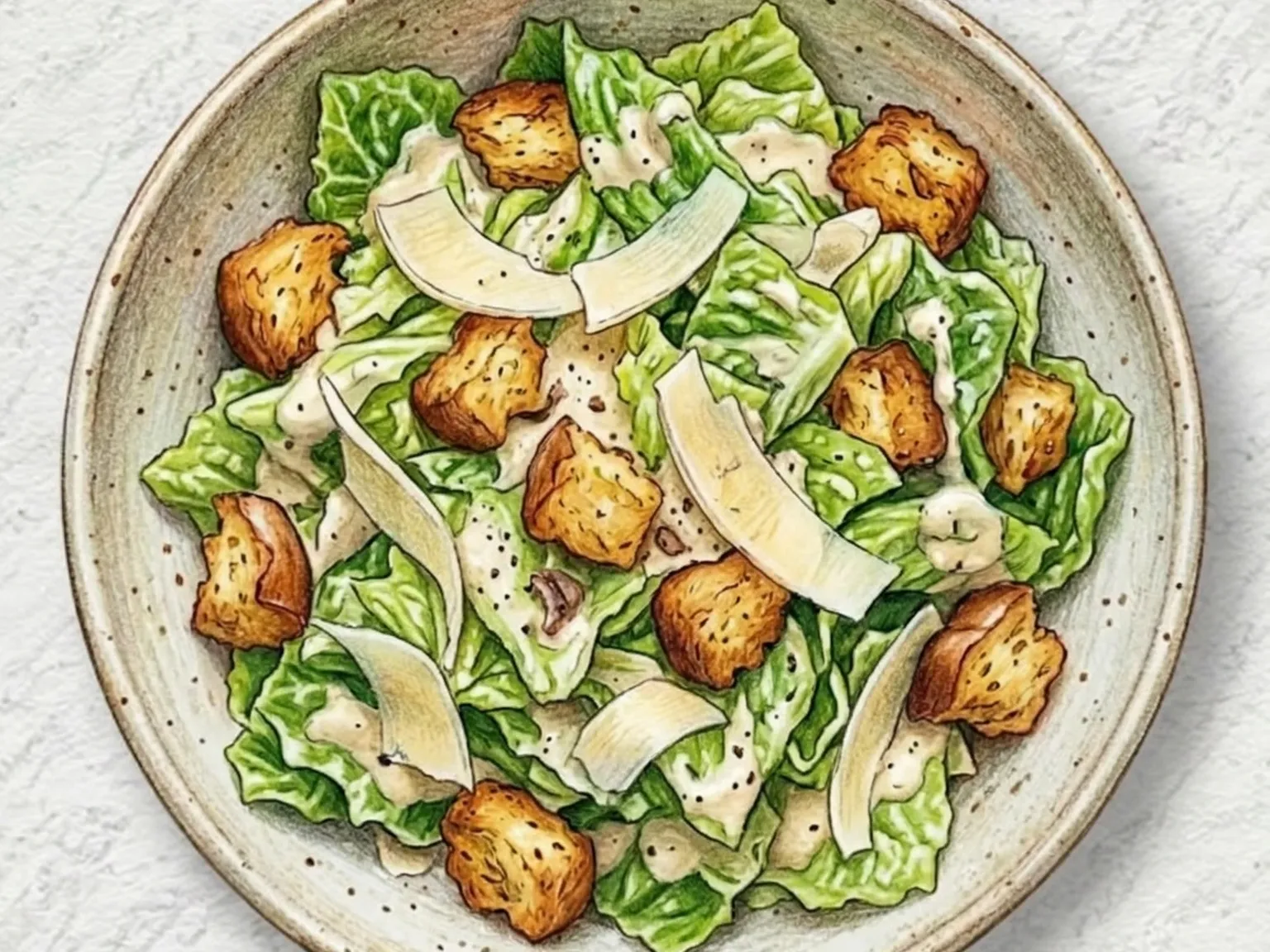
Caesar Salad
Caesar salad is built on romaine lettuce torn into rough, generous pieces and tossed in a dressing made from mayonnaise, lemon juice, garlic, and anchovy. The anchovy does not taste fishy in the finished dressing; it dissolves into the fat of the mayonnaise and functions as a deep umami foundation that keeps the salad interesting beyond its creamy surface. Lemon juice cuts through the richness of the mayo base, so the dressing coats the lettuce heavily without feeling cloying. Croutons are cubed bread toasted in olive oil until the outside turns crisp and golden but the inside stays slightly soft and chewy, giving them enough structure to absorb dressing without going immediately soggy. Wide, thin shavings of Parmesan add a dry, salty intensity that contrasts with the watery crunch of the romaine. With a short ingredient list, the quality of the dressing balance and the texture of the croutons determine the final outcome.
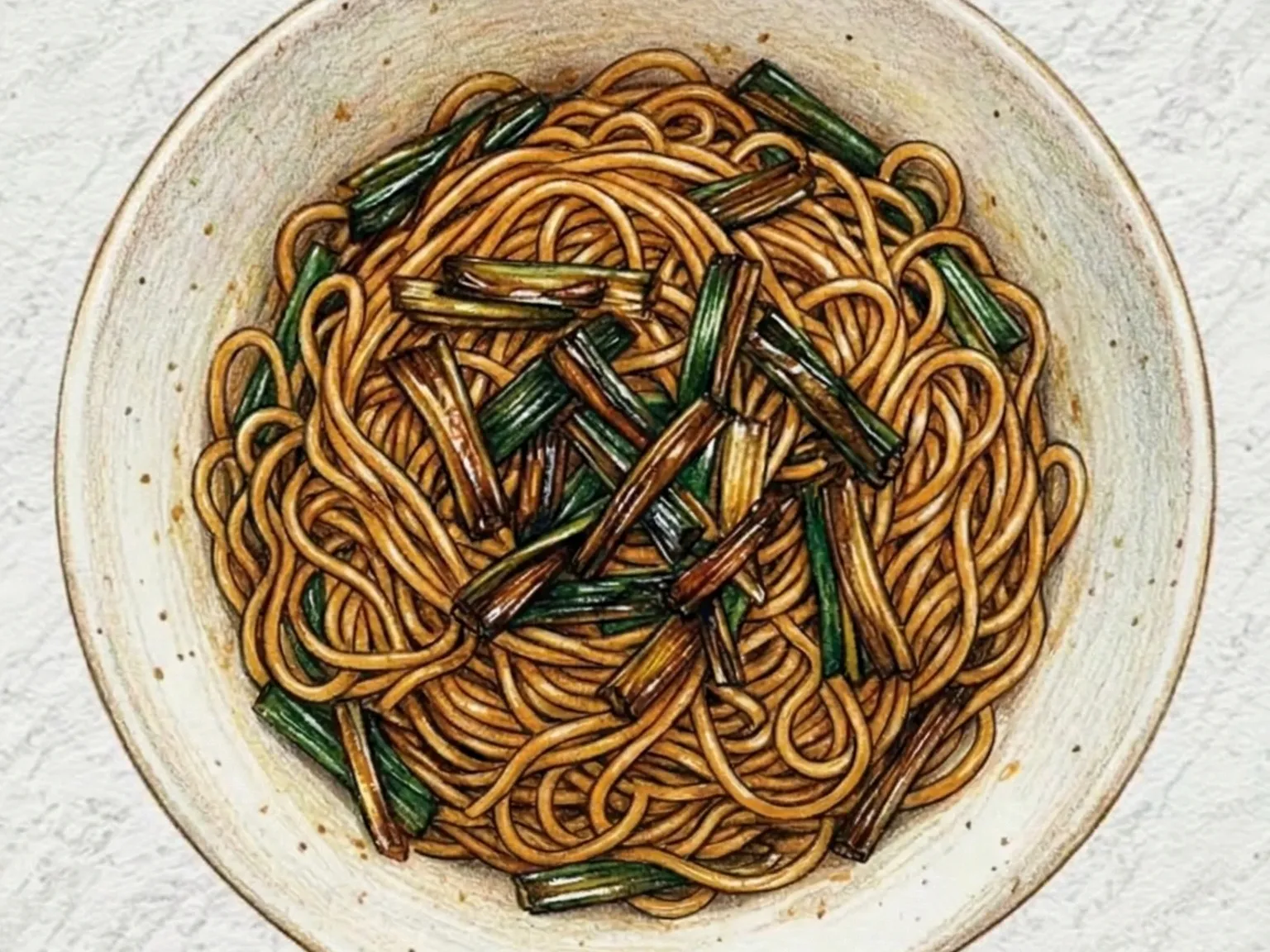
Cong You Ban Mian (Scallion Oil Noodles)
Cong you ban mian - Shanghai scallion oil noodles - is a dish that builds deep flavor from almost nothing: noodles, scallions, soy sauce, and oil. The entire outcome depends on the scallion oil itself. Scallions are fried in neutral oil over the lowest possible heat for nearly thirty minutes until every trace of moisture has evaporated and they darken to a deep, mottled brown, at which point the raw bite of the allium has transformed entirely into a sweet, caramelized fragrance. The margin for error is narrow: too much heat and the scallions scorch into bitterness; too little and the oil stays flat from start to finish, never developing the complexity the dish needs. Freshly boiled noodles are tossed with soy sauce and a generous ladle of the amber oil, then topped with the crisped, shriveled scallion pieces that provide crunch against the yielding noodles. In Shanghai lane-house noodle shops, a bowl costs three yuan and is eaten at the counter most often in the morning - a dish that makes the gap between simple ingredients and technical discipline as visible as possible.
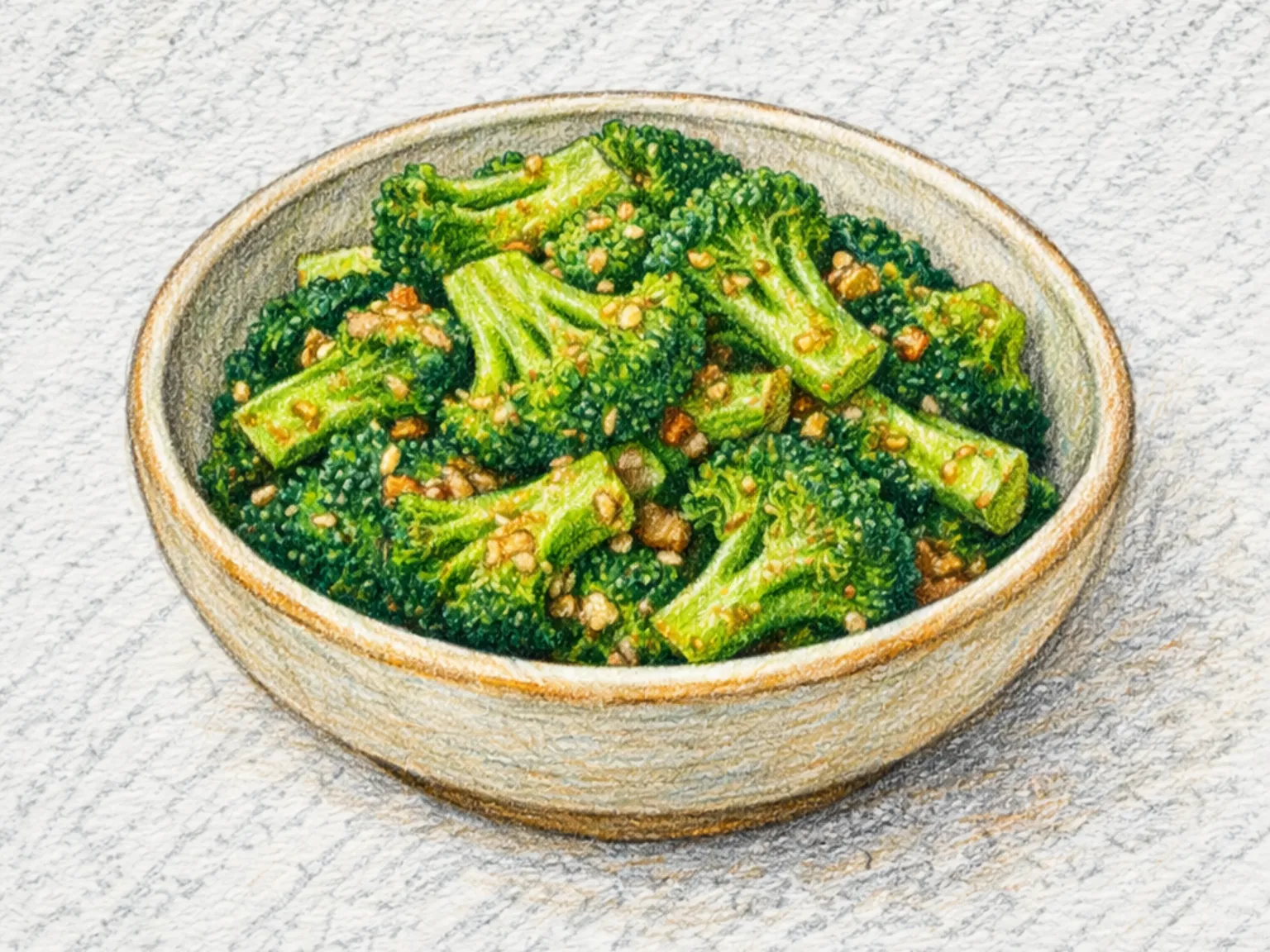
Korean Broccoli Doenjang Salad
Blanched broccoli tossed in doenjang dressing is a modern Korean banchan that pairs Western ingredients with traditional fermented seasoning. Florets and thinly sliced stems blanch for ninety seconds in salted boiling water, then shock in cold water to lock in vivid green color and a firm, crisp bite. The dressing is built from doenjang stirred with rice vinegar and oligosaccharide syrup, combining fermented salt depth, acidity, and a gentle natural sweetness that lifts rather than masks the vegetable's mild bitterness. Using the stems alongside the florets eliminates waste and adds textural variety to each bite. Ready in under ten minutes and holds well refrigerated for two days.
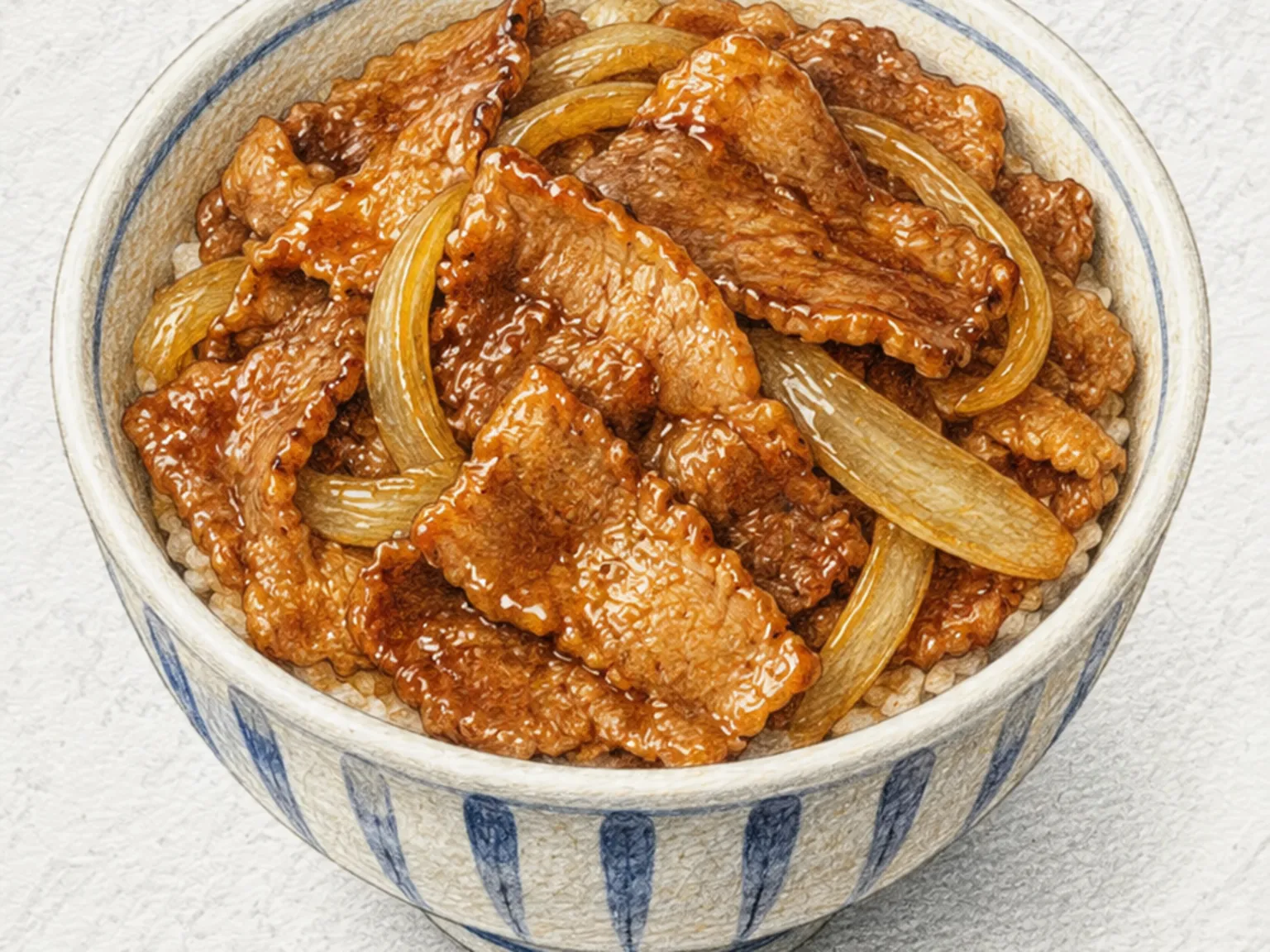
Pork Rice Bowl (Sweet-Salty Glazed Pork over Rice)
Butadon is a Japanese pork rice bowl that originated in Obihiro, Hokkaido, where thin slices of pork belly or shoulder are simmered with onion in a glaze of soy sauce, mirin, and sugar, then laid over a bowl of steamed rice. The soy salt and sugar sweetness balance precisely as the meat absorbs the sauce, while the onion dissolves gradually into the cooking liquid, contributing a natural sweetness that deepens the glaze. Where the pork meets the pan, the edges caramelize into a slightly charred coating that adds a roasted dimension to the otherwise clean, saucy topping. Hokkaido pork, with its firm texture and higher fat content, is traditional, though any well-marbled cut works. The preparation is genuinely simple - one pan, one sauce, no elaborate knife work - which is exactly why it became a staple weeknight meal across Japan.
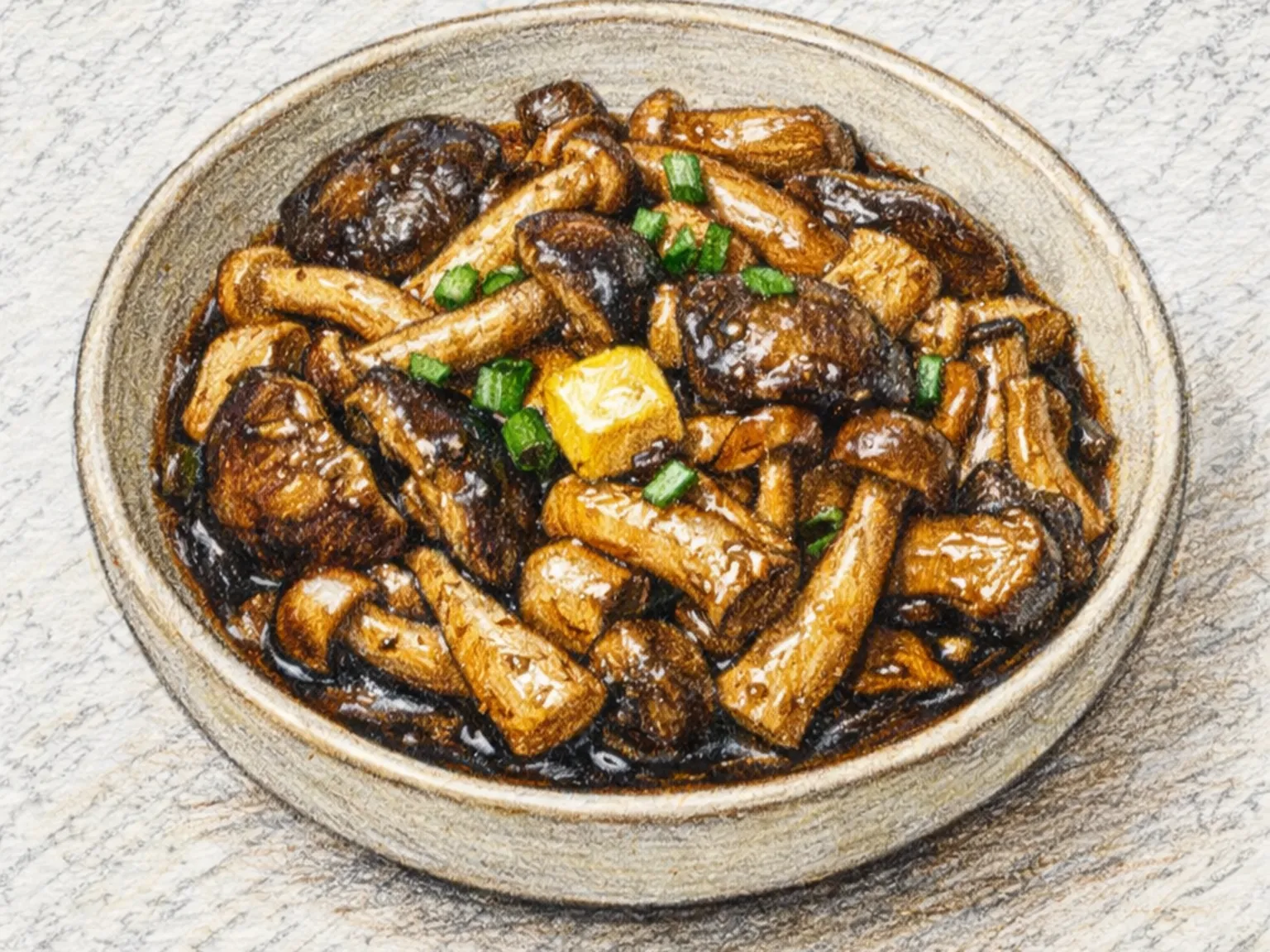
Korean Soy-Glazed Mushroom Stir-Fry
Oyster mushrooms and shiitake are sauteed in melted butter, then finished with a measured pour of soy sauce that reduces into a glossy, caramelized glaze across the surface of each piece. Sliced garlic goes into the butter first and cooks until fragrant, building an aromatic base before the mushrooms are added. Cooking over strong heat is the non-negotiable step: moderate temperatures cause the mushrooms to release moisture and stew in their own liquid rather than sear, losing the slightly crisp exterior that defines the dish. Once the mushrooms are colored and their edges firm up, soy sauce is added and tossed rapidly so it coats every surface and reduces rather than pools. The butter infuses the mushrooms during cooking with a rich, almost nutty undertone, while the soy sauce caramelizes under heat to produce a salty-sweet lacquer. A small knob of additional butter stirred in off the heat gives the sauce a final sheen. With only five ingredients, the dish depends entirely on the interplay between butter depth and soy intensity to deliver flavor well beyond its simplicity. Spooned over steamed rice, it turns a plain bowl into a complete meal.

Korean Cream Cheese Hotdog
Cream cheese hotdog is a Korean street corn dog made by threading sausage and a log of cream cheese together on a stick, coating in wheat batter, rolling in breadcrumbs, and deep-frying at 170 degrees Celsius. The breadcrumb crust fries to a golden, audibly crunchy shell, while the batter layer underneath stays soft and doughy, creating a distinct middle texture between crust and filling. Each bite delivers the salty snap of sausage alongside the smooth, tangy richness of melted cream cheese. Briefly freezing the cream cheese before assembly is the key step - without it, the cheese melts out through the batter before the crust has a chance to set.
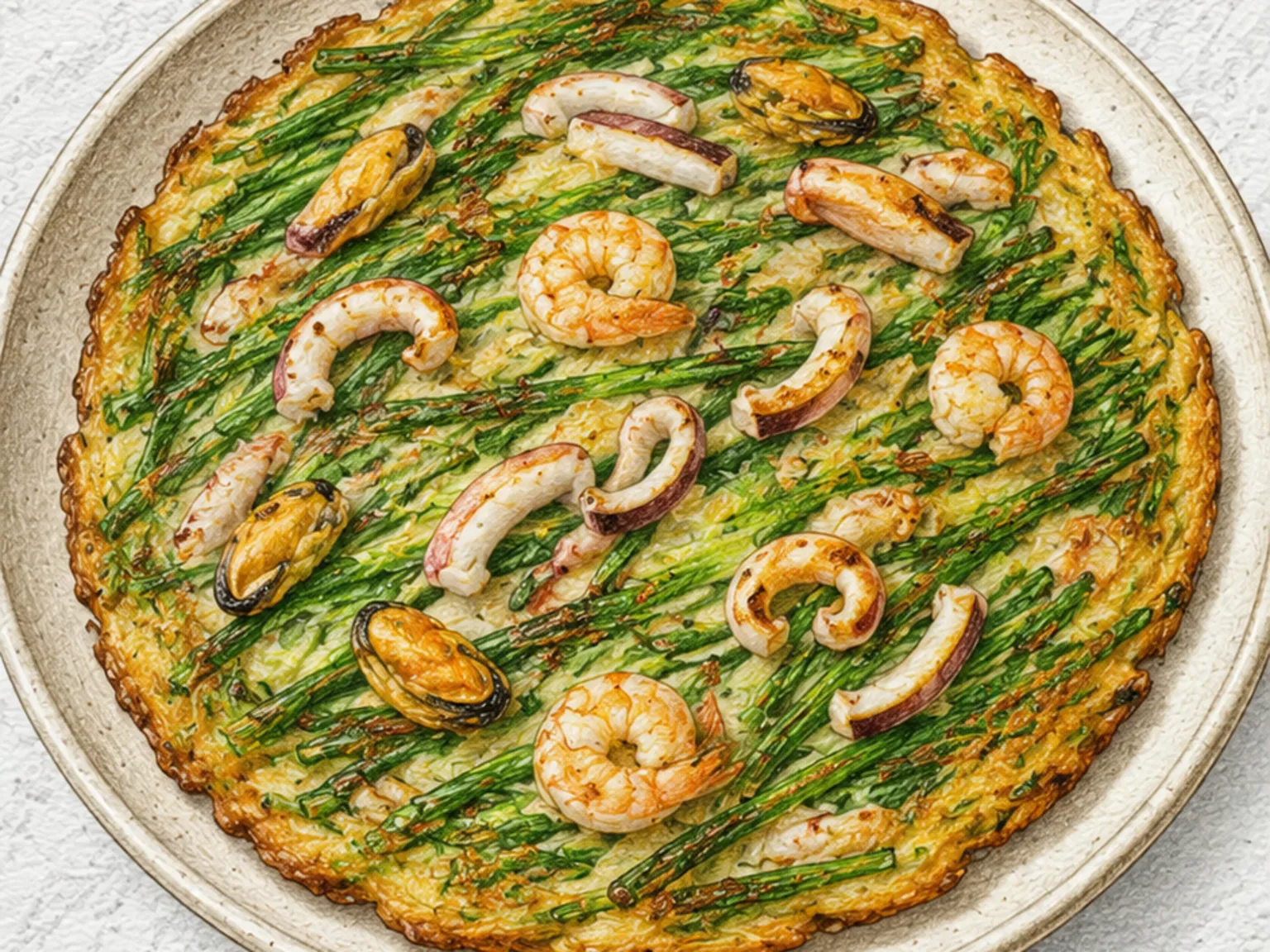
Korean Busan-style Seafood Green Onion Pancake
Busan-style haemul pajeon is a Korean seafood scallion pancake assembled by laying long green onions across the full width of the pan, topping them with squid, shrimp, and mussel meat, then binding everything together with a thin cold-water batter poured over the top. Mixing the batter with cold water is the defining technique -- lower temperatures inhibit gluten development, producing edges that shatter rather than bend when pressed, a noticeably crispier result than standard pajeon. As the scallions cook through, they release steam and develop a natural sweetness while absorbing the briny, savory liquid from the seafood above. Extra oil added around the perimeter during cooking fries the outer ring into a cracker-like crunch, contrasting with the dense, moist center packed with overlapping layers of shellfish and green onion. Dipping each slice into a sesame-soy sauce completes the contrast between the crisp exterior and the concentrated seafood filling.
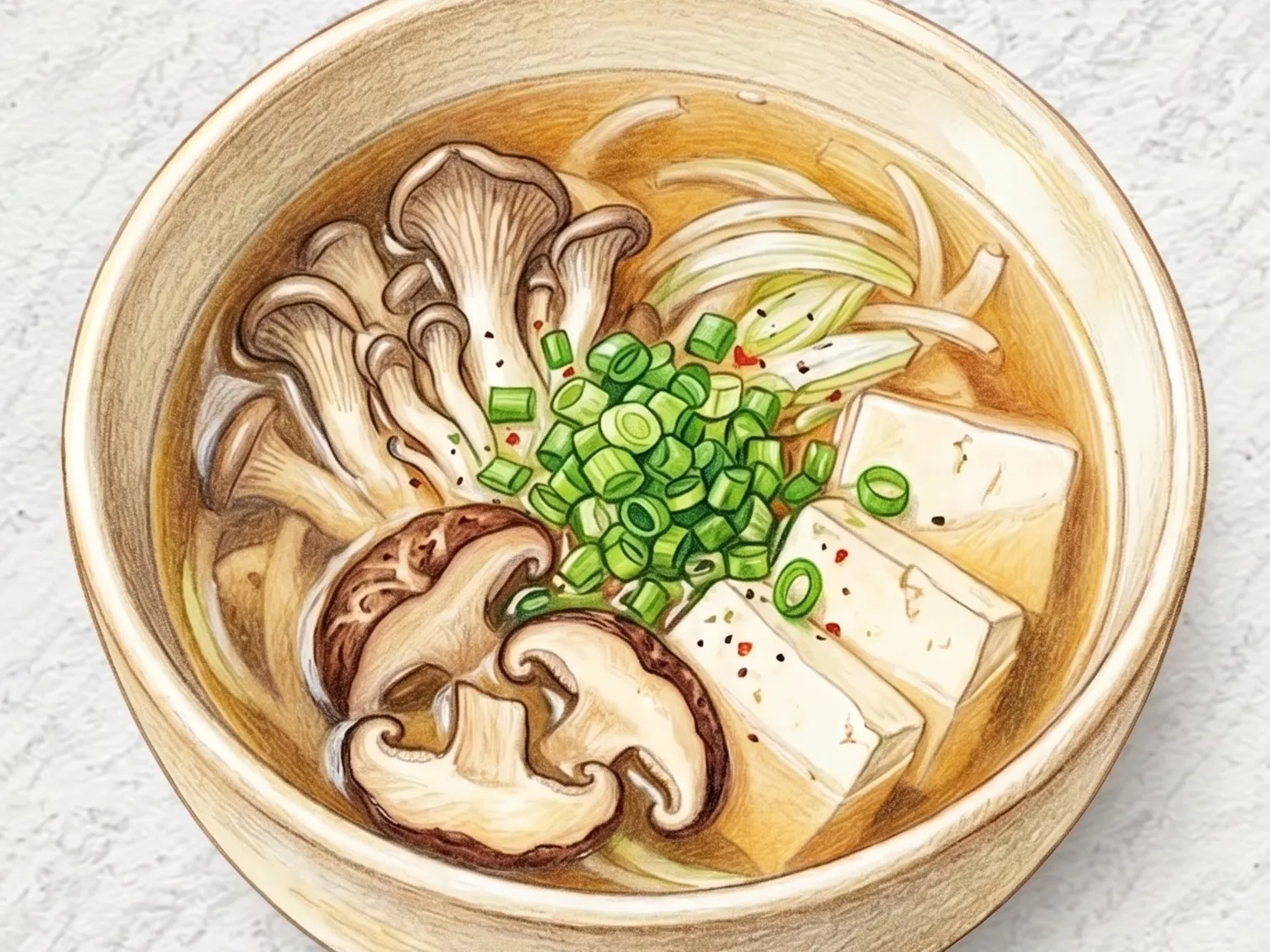
Korean Clear Mushroom Tofu Soup
This clear Korean soup draws its umami from oyster and shiitake mushrooms simmered in plain water for four minutes, seasoned with only soup soy sauce and salt to keep the broth light and direct. Two varieties of mushrooms working together - oyster for soft texture, shiitake for depth - produce a broth that holds its own without meat. Cubed tofu goes in near the end so the pieces stay intact, and chopped green onion finishes the bowl with a clean, mild sharpness. At 155 calories per serving, the dish is genuinely low-calorie without sacrificing the layered, savory quality that makes it worth returning to.
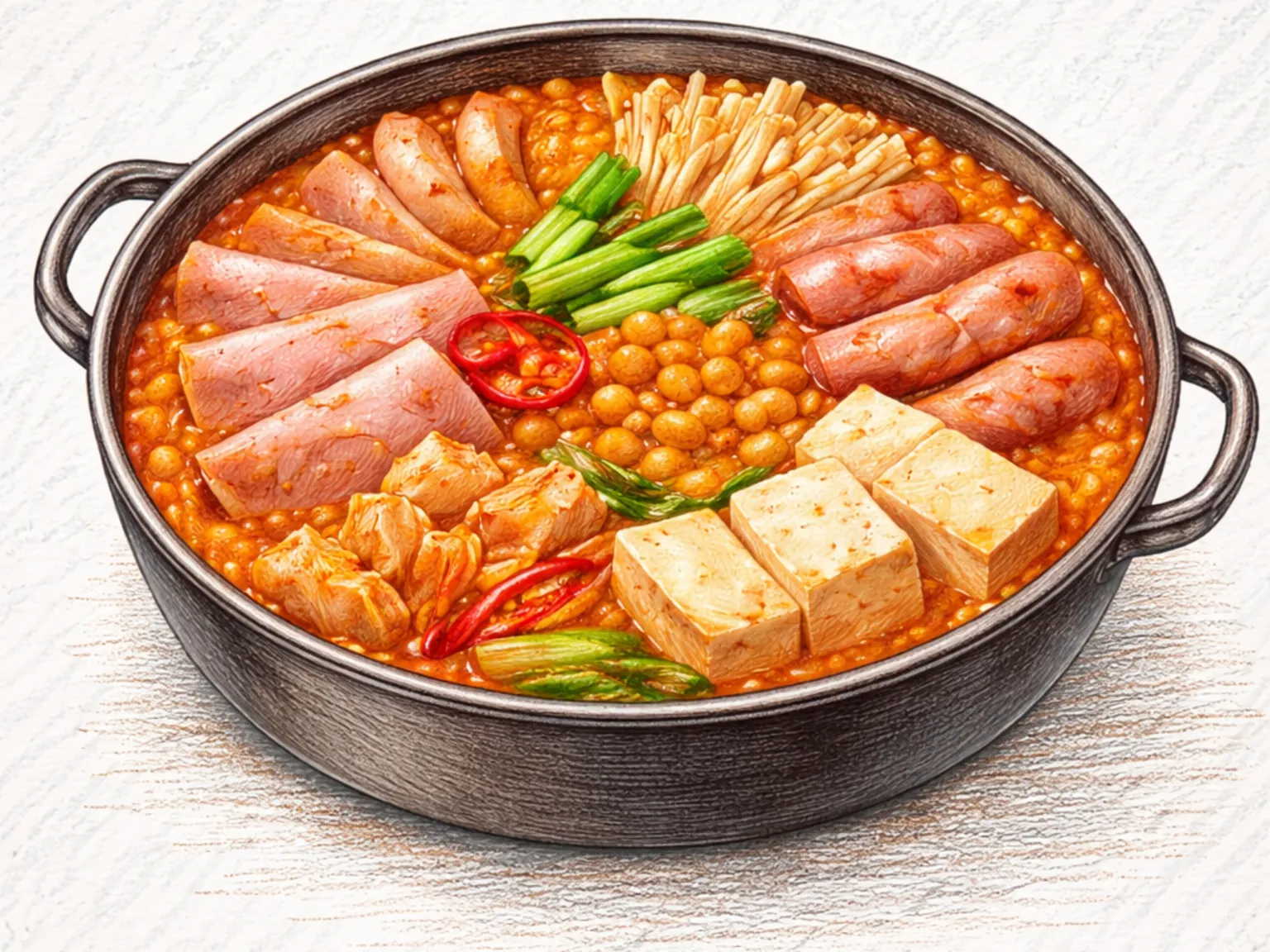
Korean Seoul-Style Army Stew
Seoul-style budae jjigae is a Korean army stew that uses a rich anchovy stock as its cooking liquid rather than plain water. The assembly starts by layering sliced kimchi at the bottom of the pot, then arranging Spam slices, scored mini sausages, and onions around the edges. Baked beans are placed in the center, which helps thicken the soup and contributes a mild sweetness to the broth. A seasoning paste made of gochujang, chili flakes, and minced garlic is added directly over the beans. The ingredients simmer together for ten minutes to merge the savory flavors of the meats with the anchovy stock. Finally, green onions and a block of instant ramen noodles are added to cook. The noodles absorb the spicy and savory broth, completing a filling dish that is best served hot straight from the stove.