🏠 Everyday Recipes
Simple home-cooked meals for any day
1705 recipes. Page 12 of 72
These are the meals you can cook day after day without getting tired of them. Doenjang jjigae, rolled omelet, spicy pork stir-fry - the kind of home-cooked dishes that fill an ordinary day with comfort.
The beauty of everyday cooking is that it relies on common ingredients already in your fridge. No exotic items, no complicated techniques - just straightforward recipes for satisfying home meals.
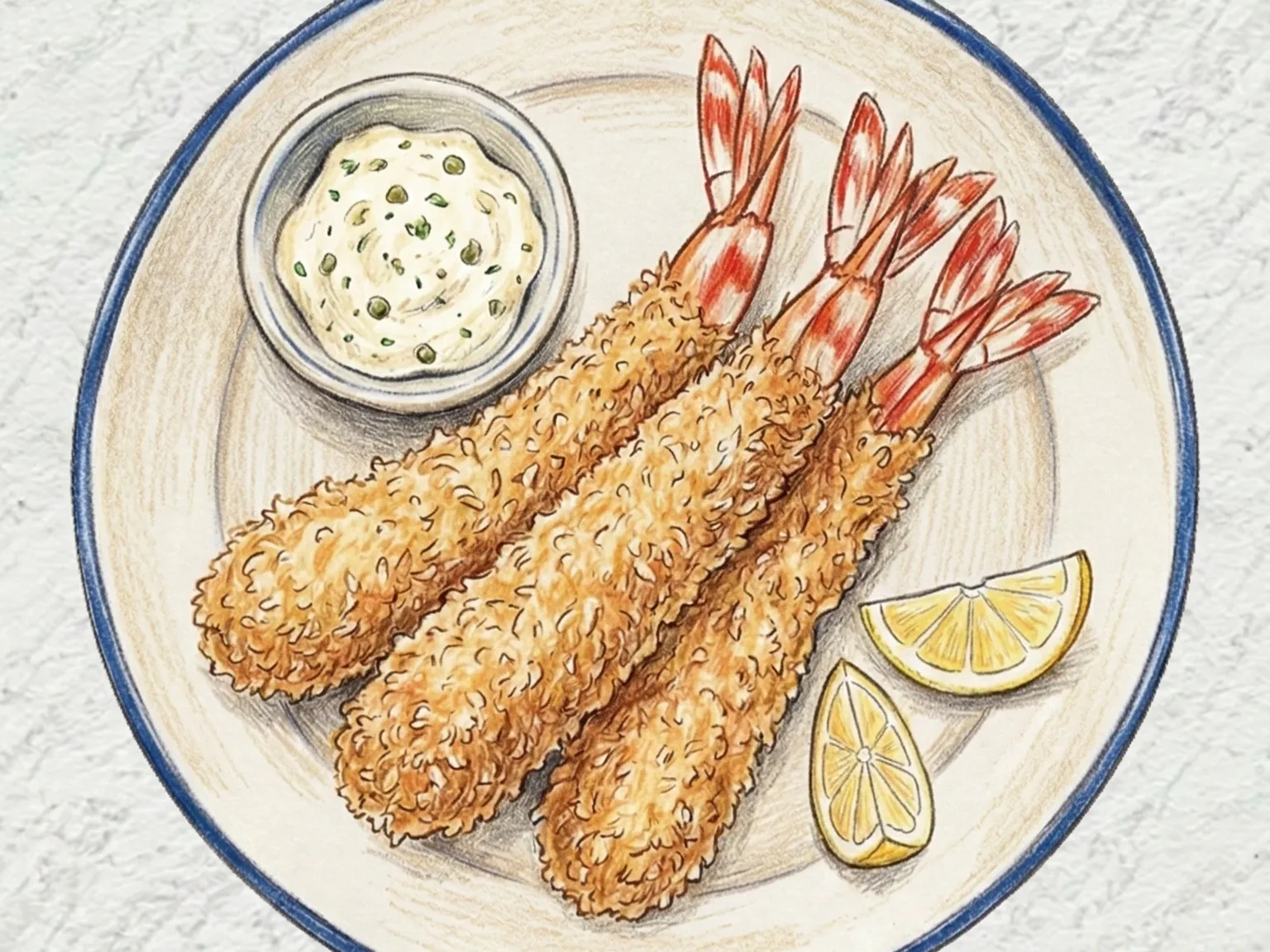
Ebi Fry (Japanese Panko-Crusted Shrimp)
Ebi fry developed during Japan's Meiji era as Western cooking techniques arrived and were reinterpreted through a Japanese lens, becoming one of the defining dishes of yoshoku - the country's own adaptation of European cuisine. Preparation starts by cutting the tendons along the shrimp's belly at several points and pressing each piece flat against a cutting board so it holds a straight, elongated shape when lowered into hot oil rather than curling back on itself. The three-stage coating of flour, egg wash, and coarse panko breadcrumbs is central to the dish's character: panko's jagged, irregular flakes puff and expand in hot oil, producing a crust that is unmistakably lighter and more open-textured than anything made with fine Western breadcrumbs. Because the shrimp fries quickly at high temperature, the flesh stays fully moist and snaps with a satisfying springiness when bitten. Tartar sauce, with its creamy acidity and flecks of pickled vegetables, offsets the richness of the crust, while tonkatsu sauce takes the flavor in a sweeter, fruitier direction. The dish migrates easily across formats: tucked into bento boxes as a daily side, placed on top of curry rice for an ebi fry curry, or layered into soft milk bread as an ebi katsu sando. Its staying power in Japanese home cooking and restaurant menus alike reflects how thoroughly yoshoku dishes have become part of everyday Japanese food culture.
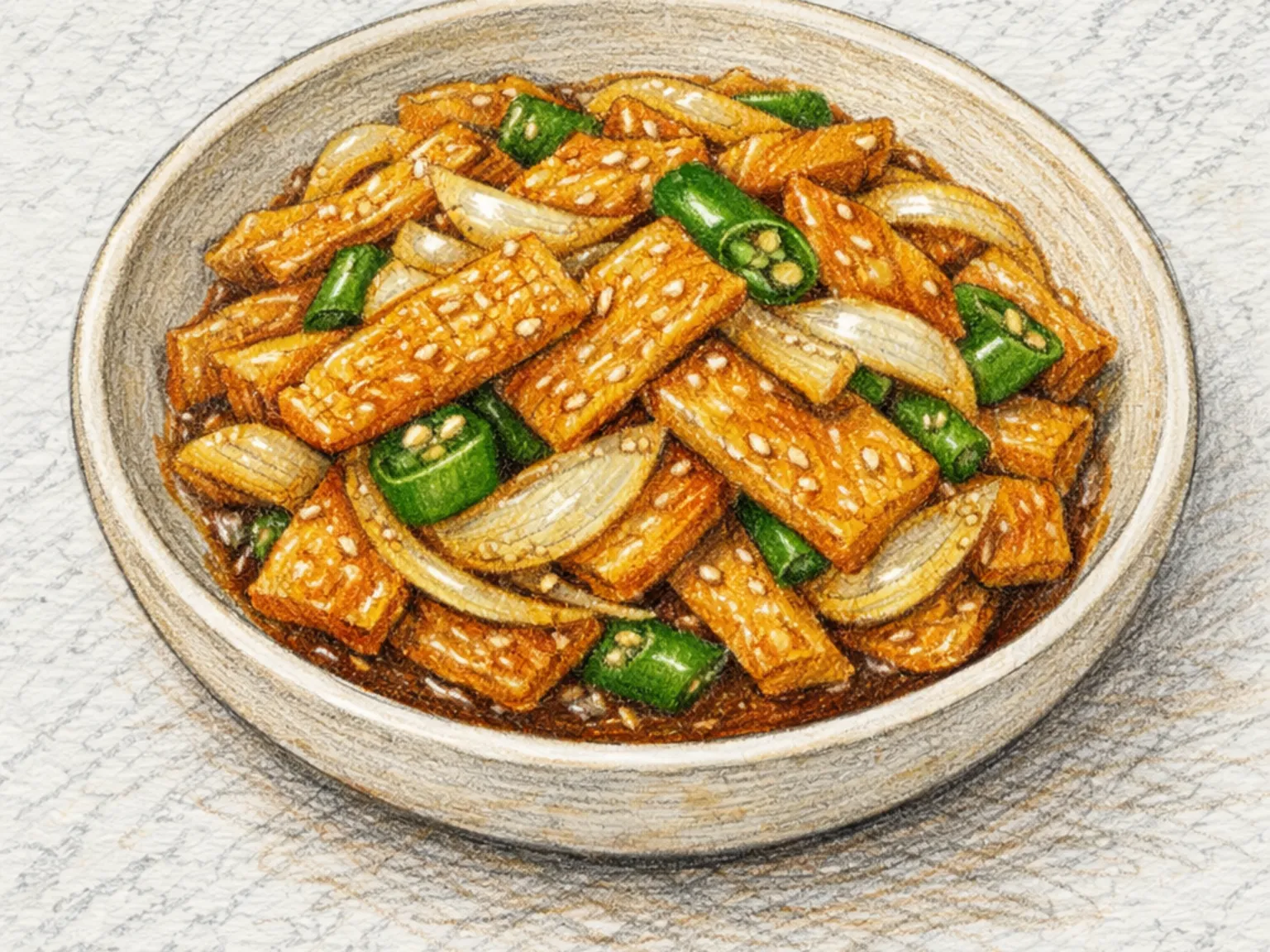
Korean Busan-Style Soy Fish Cake Stir-Fry
Busan, Korea's largest port city, is closely identified with eomuk: thick, pressed fish cake sold at stalls around Gukje-sijang market. This Busan-style stir-fry slices the fish cake into strips and cooks it with onion and cheongyang chili in soy sauce, cooking wine, sugar, and minced garlic over high heat. Onion goes into the pan first to caramelize and release its sugars, creating a sweet base before the fish cake joins and absorbs the glaze into its porous interior. Cheongyang chili adds a sharp, lingering heat that sets this version apart from the milder soy-braised fish cake common in Seoul. The dish holds its flavor well after cooling, making it a reliable lunchbox side that tastes just as good a few hours later.
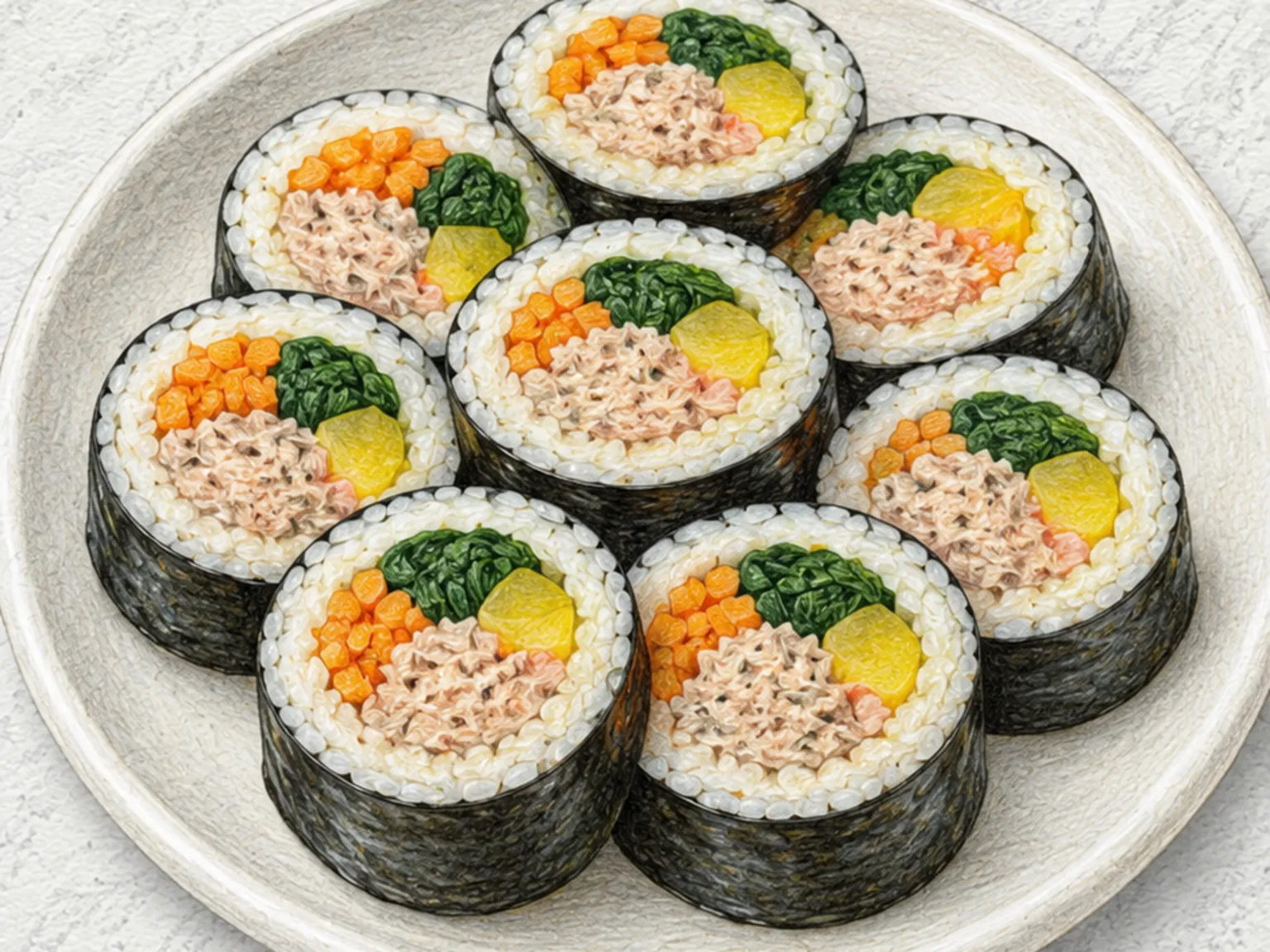
Korean Tuna Gimbap (Chamchi Gimbap)
Chamchi gimbap is a Korean seaweed rice roll filled with canned tuna mixed with mayonnaise, along with carrot, spinach, and pickled radish, all wrapped in seasoned rice and a sheet of roasted gim. The creamy tuna filling contrasts with the crisp vegetables, while the tangy pickled radish cuts through the richness and keeps each bite lively. A longtime staple in Korean lunchboxes and picnic spreads, the roll slices neatly into rounds that are easy to eat without utensils. Sesame oil brushed on the outside adds a subtle sheen and a nutty aroma. Spacing the fillings evenly before rolling ensures a clean, colorful cross-section with every cut - part of what makes well-made gimbap visually satisfying alongside the taste.
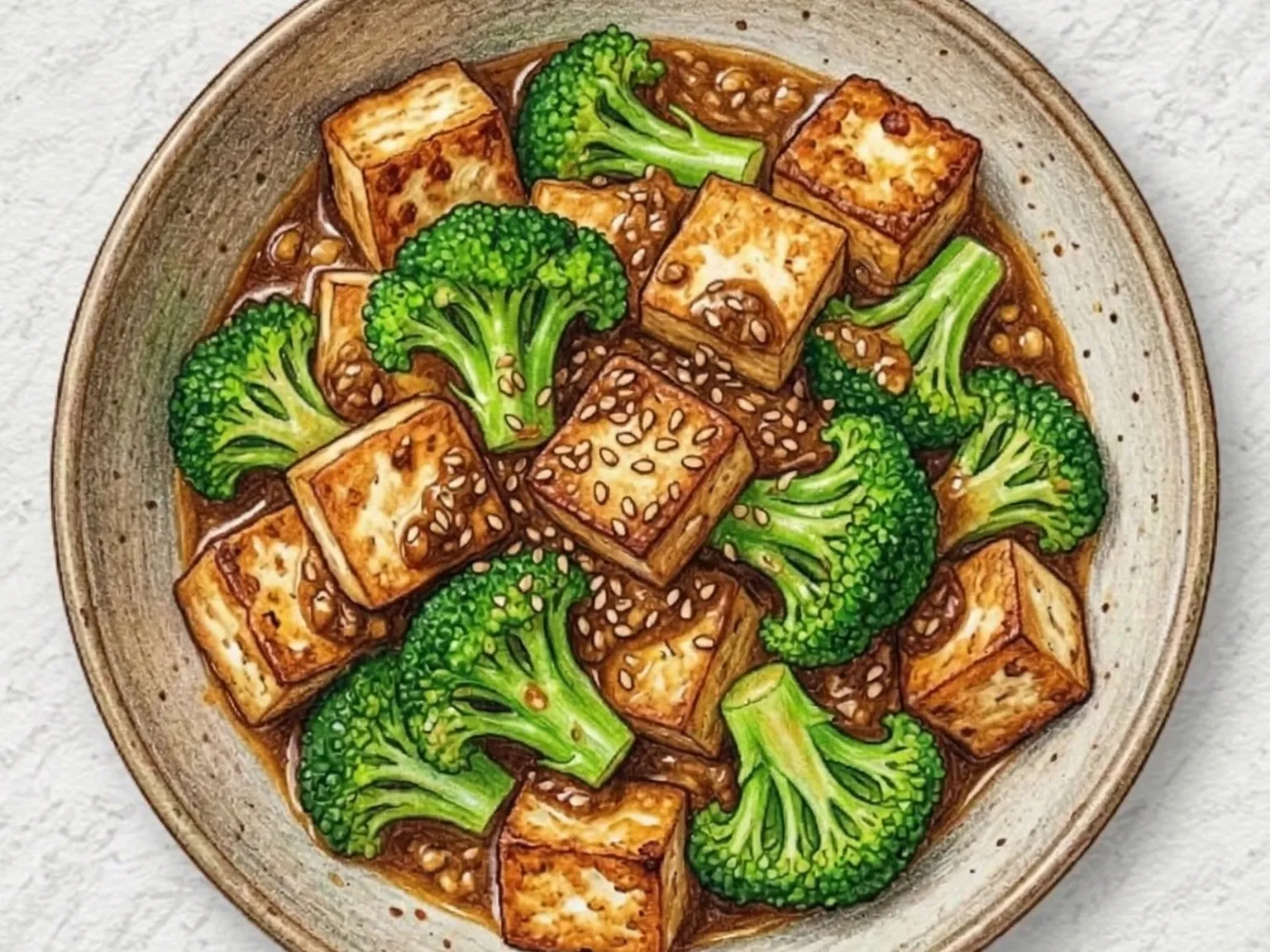
Korean Beurokolli Dubu Doenjang Bokkeum (Broccoli Tofu Doenjang Stir-fry)
Broccoli florets and firm tofu are stir-fried in a sauce made by dissolving doenjang in water, producing a Korean vegetarian side dish with layered fermented-soybean depth. Pan-searing the tofu in perilla oil until golden before combining with the other ingredients prevents crumbling during stir-frying and creates a crisp shell around a soft center. The broccoli is blanched for only 40 seconds to lock in its crunch, then added to the pan where the doenjang sauce coats each floret and suppresses any raw green bitterness, converting it into a mellow savoriness. Because doenjang carries significant salt on its own, soy sauce should be adjusted only at the very end after tasting. Toasted sesame seeds scattered over the top add a final layer of nuttiness. The dish provides plant-based protein from the tofu and dietary fiber from the broccoli in a single well-balanced plate. For a spicier variation, a small amount of gochujang stirred into the doenjang sauce deepens both the color and the heat without needing extra chili flakes. The ratio of doenjang to water also matters: too little water leaves the sauce overly salty and the broccoli unevenly coated, while too much thins the fermented depth. A starting ratio of one part doenjang to two parts water by volume gives consistent results.
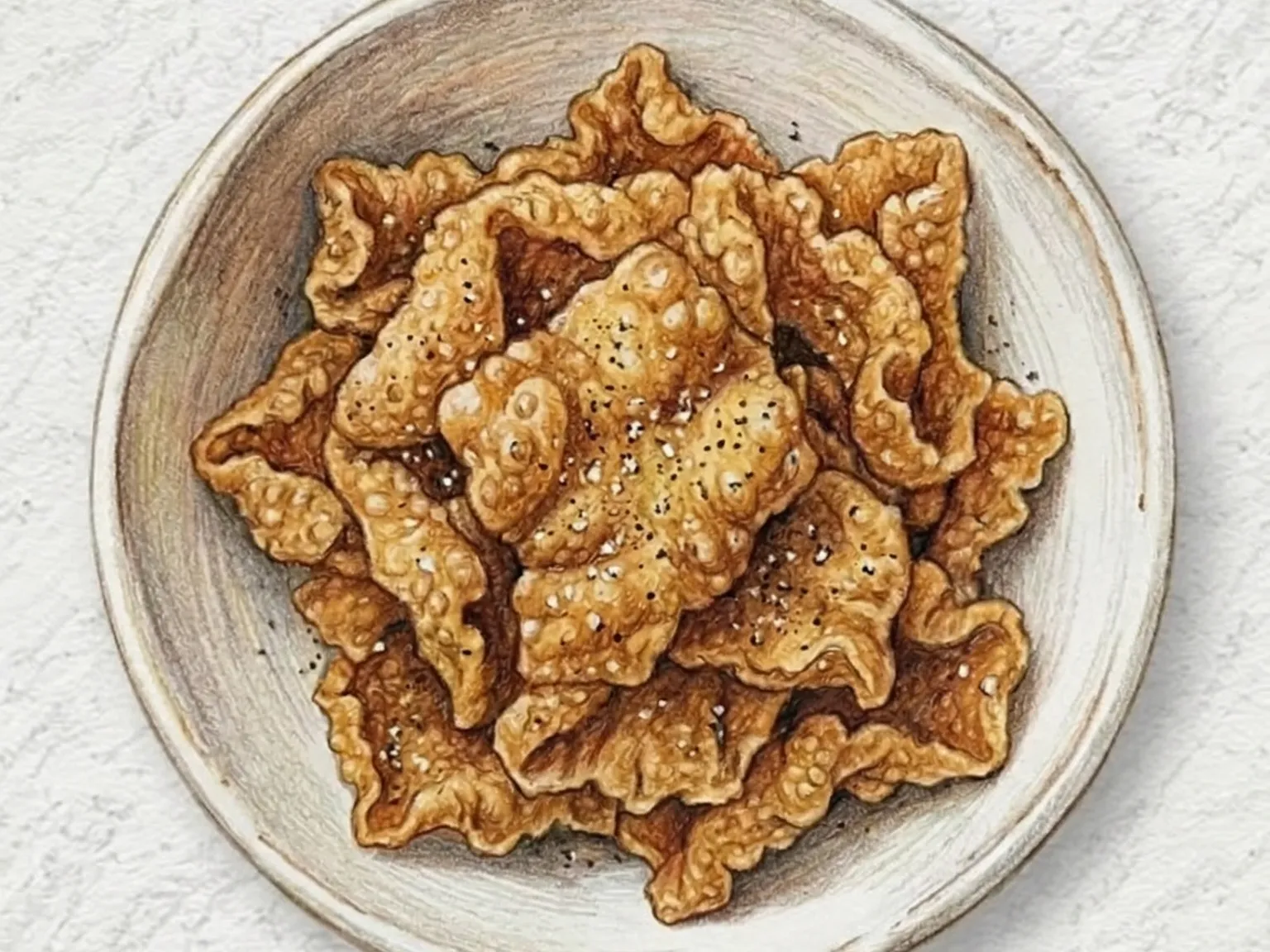
Korean Crispy Fried Chicken Skin
Dak-kkopjil-twigim starts with chicken skin seasoned with salt and black pepper, coated in starch, and fried twice in hot oil. The first fry drives out moisture from the skin, and the second at higher temperature traps air inside, puffing the surface into a cracker-like texture with visible bubbles locked throughout. The rendered fat from the skin produces a deep, concentrated savoriness that salt alone can bring to full expression. Black pepper and garlic powder sprinkled over the top cut through the richness and keep each piece from feeling heavy. Straightforward to prepare and endlessly snackable, this is a dependable bar food and everyday appetizer in Korean households.
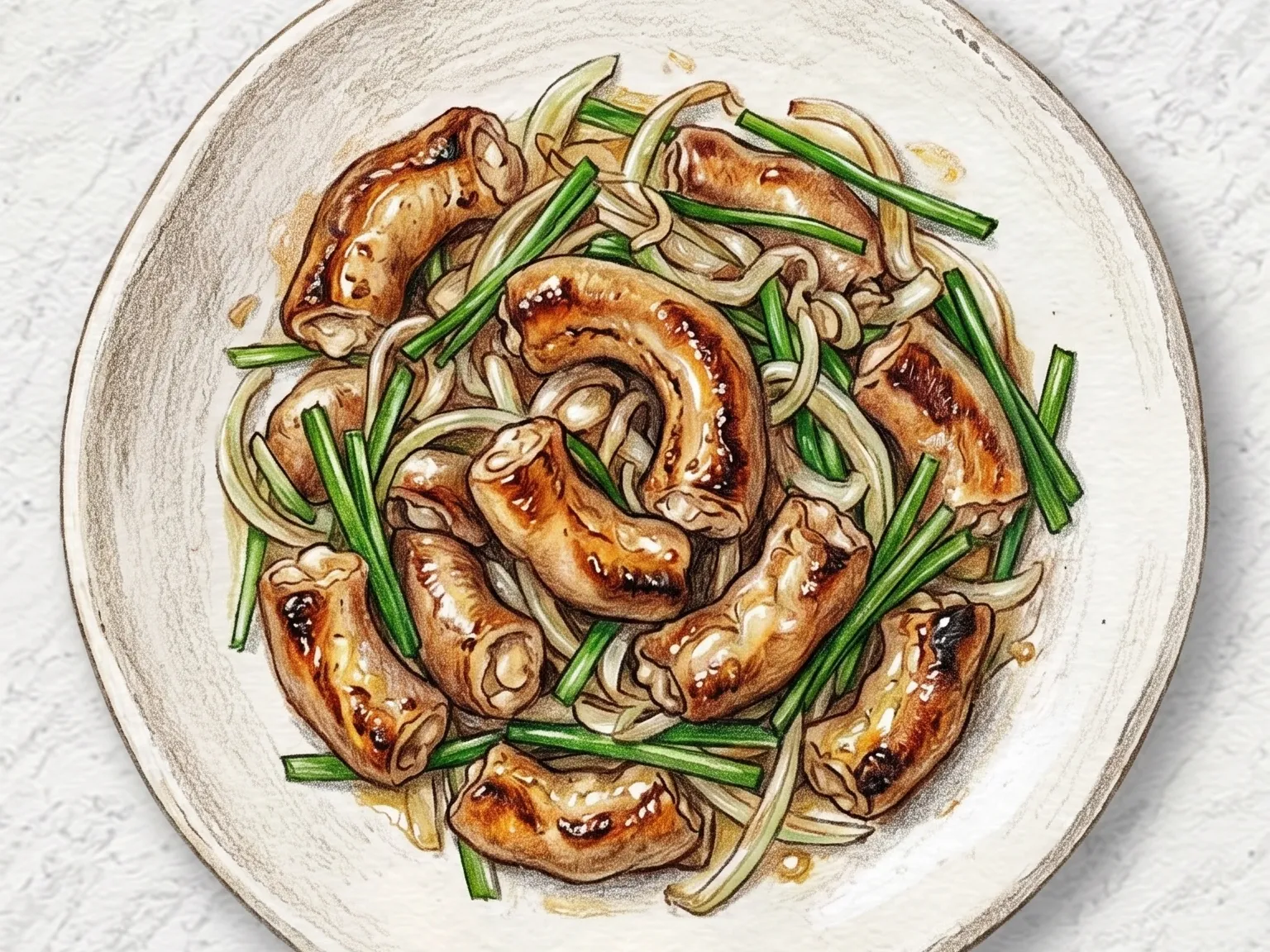
Korean Grilled Beef Daechang
Daechang-gui is Korean grilled beef large intestine, cleaned and lightly seasoned with salt, black pepper, minced garlic, and sesame oil before being seared on a high-heat pan. The thick layer of fat lining the inside of the intestine renders quickly over intense heat, and it is this fat that produces the dish's characteristic richness and crisp exterior as the outer surface browns. The fat is also the reason moderation matters: too much rendered fat left in the pan makes the finished dish greasy rather than luxuriously fatty, so blotting with a paper towel midway through cooking keeps the balance. Adding julienned onion and garlic chives at the end introduces vegetable moisture and fresh, sharp aromatics that cut through the heaviness. Daechang is one of the most sought-after cuts at Korean gopchang restaurants, where it is cooked tableside on a grill and eaten immediately - because the intestine tightens and toughens as it cools, eating it directly off the heat is the only way to catch it at its best. Soju or cold beer alongside is standard, and the contrast between the fatty meat and the cold, clean drink is a central part of the experience.
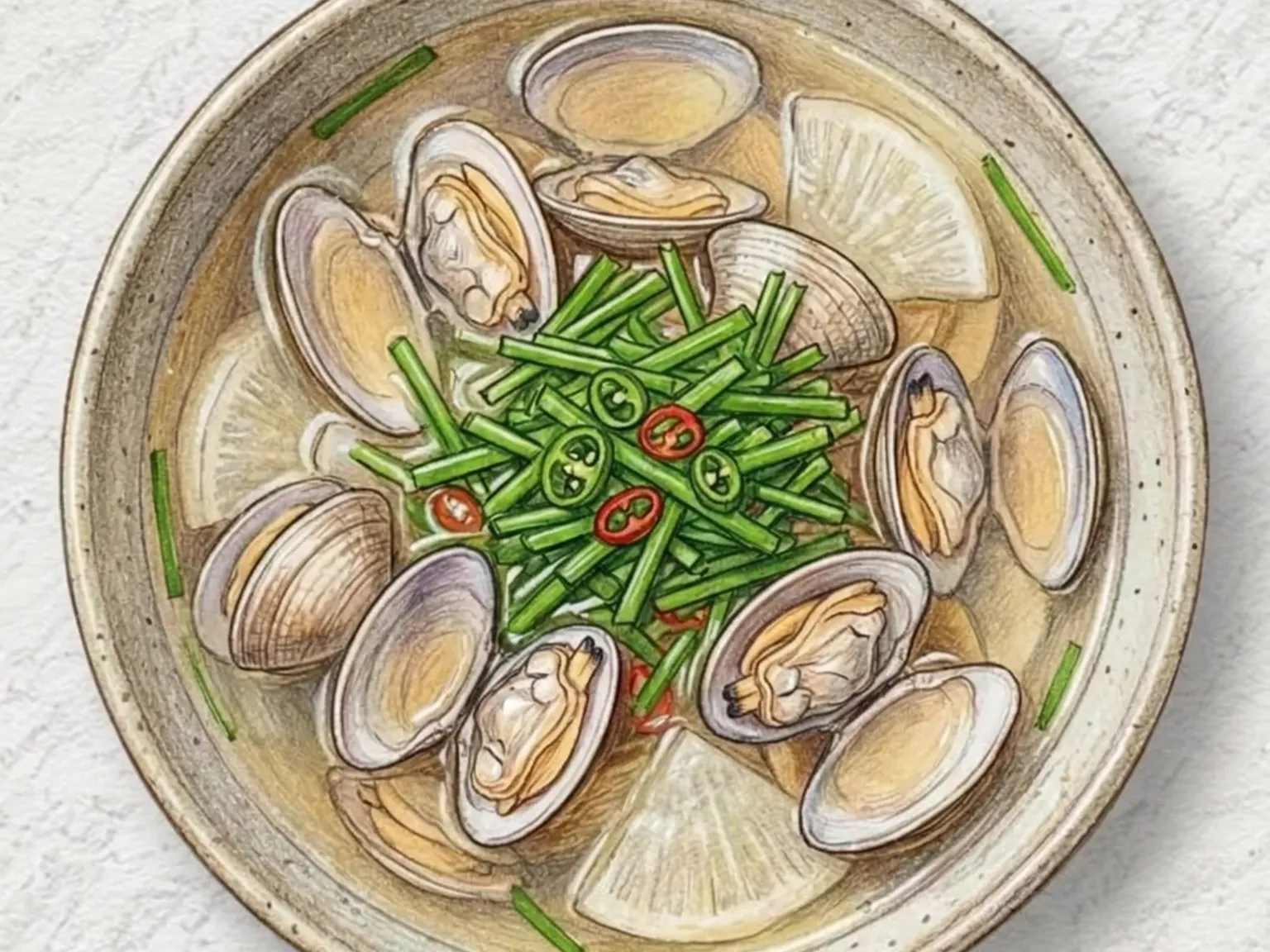
Korean Chive Clam Soup (Briny Clam Broth with Garlic Chives)
Purged clams cook with Korean radish to produce a refreshing, clean broth, then garlic chives and cheongyang chili go in near the end for fragrance and heat. Simmering the radish alone for five minutes first establishes a mild sweetness in the base that balances the natural salinity of the clam liquor. The chives are added only after the heat is cut, preserving their vivid color and grassy scent. Any clam that does not open during cooking is removed before serving. Because the clam broth itself carries substantial umami, seasoning should be kept light with just a pinch of salt or a small measure of gukganjang.
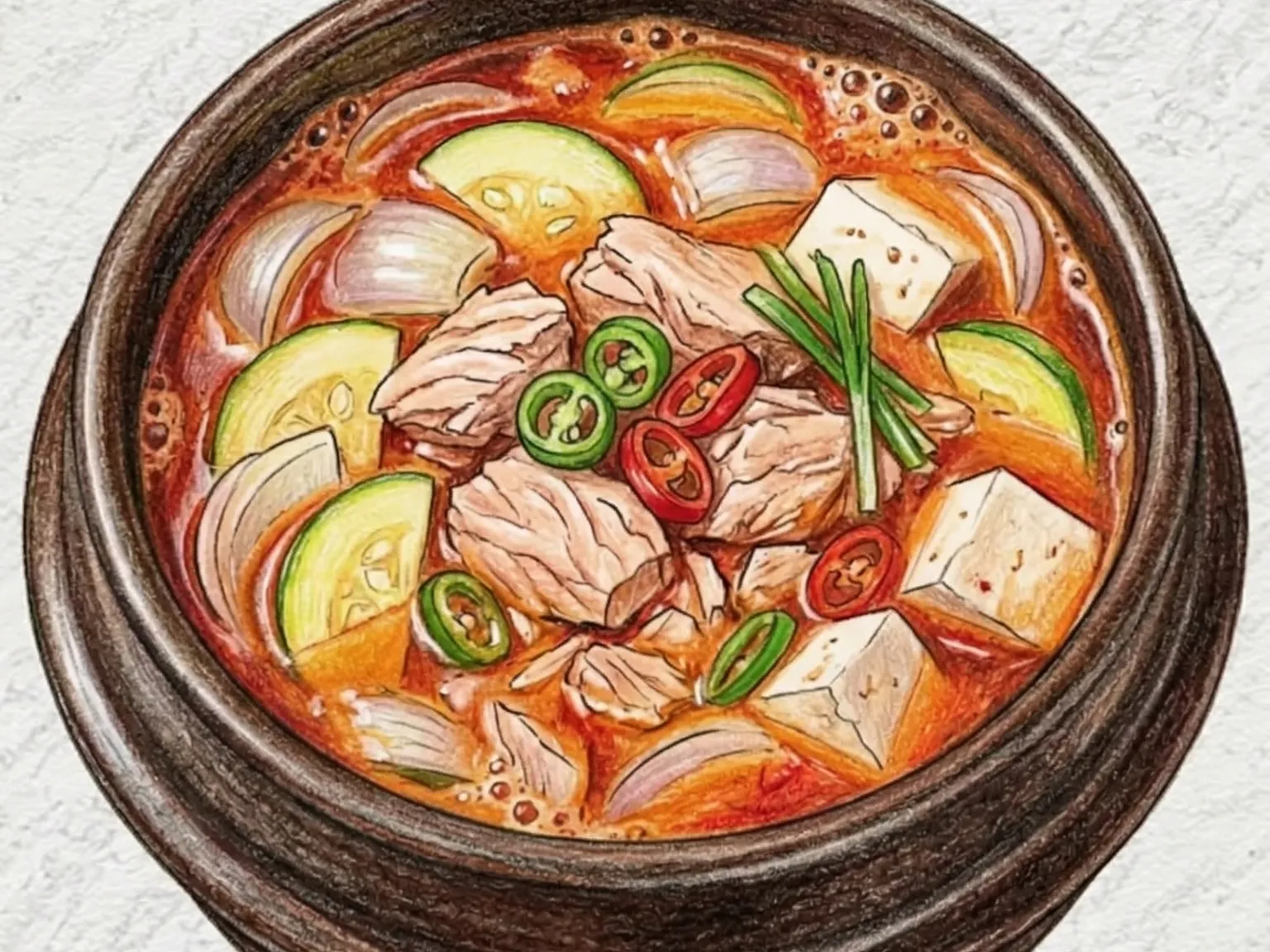
Korean Tuna Stew
Chamchi jjigae features canned tuna and fresh vegetables simmered into a spicy Korean soup. This recipe utilizes the oil from the tuna can directly in the pot, which builds a deep, savory broth without needing a separate anchovy or kelp stock. The tuna meat and oil simmer together with water before seasonings like gochugaru, soup soy sauce, and minced garlic are stirred in to create a spicy base. Slices of onion are simmered to release a subtle sweetness that tempers the initial heat of the chili flakes. Tofu slices and zucchini are cooked until tender, absorbing the salty stew broth to carry seasoning to their centers. Diagonally cut green onion and a sliced Cheongyang chili pepper are added at the end to provide a fresh, sharp finish. You can also add instant ramen noodles to create a filling one-pot meal.
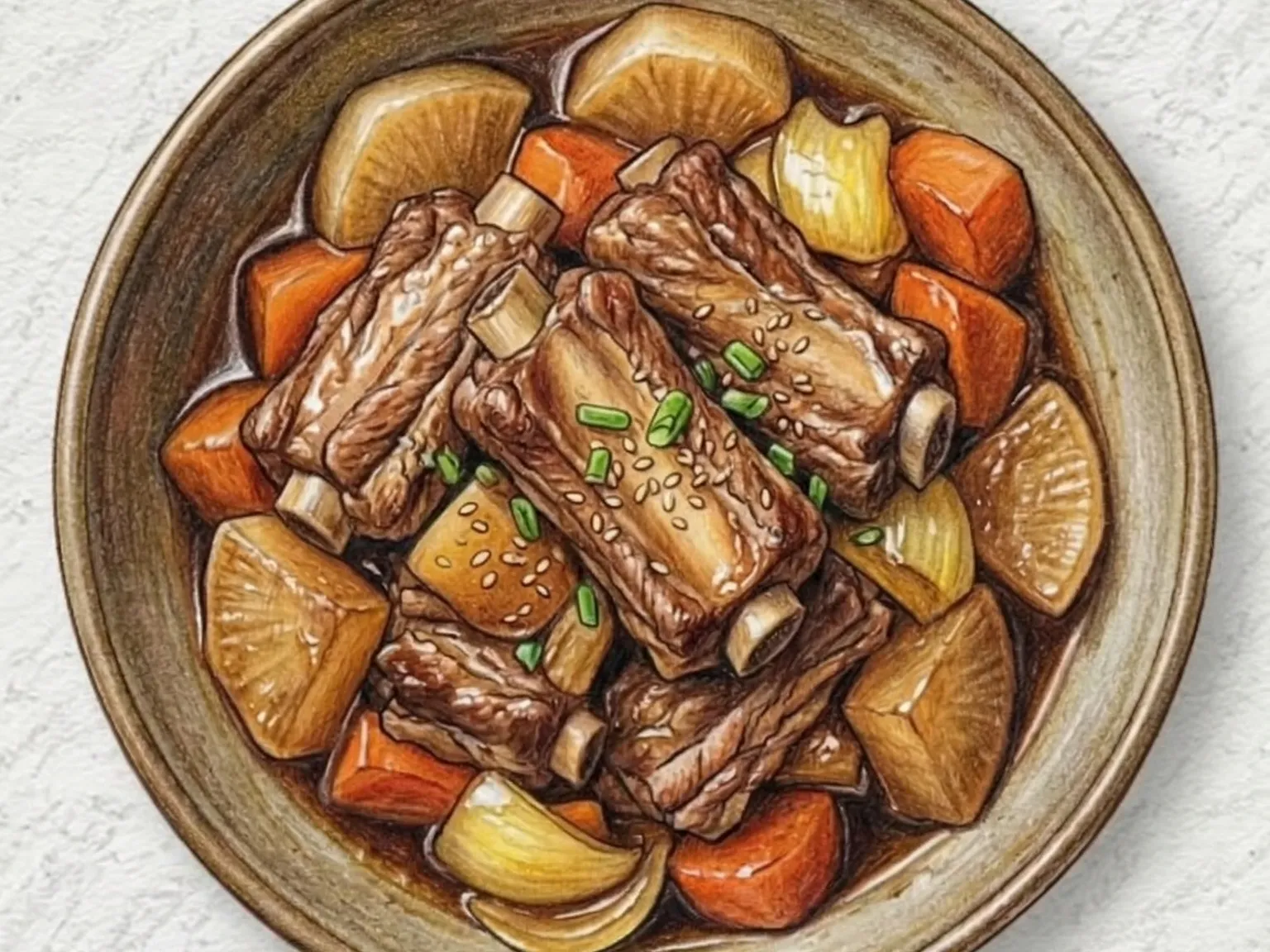
Korean Braised Pork Ribs
Dwaeji galbi-jjim is a Korean braised pork rib dish simmered in a soy sauce base with Korean radish, carrots, and onion. The ribs cook low and slow until the meat practically falls off the bone, absorbing the ginger- and garlic-infused braising liquid along the way. Soy sauce, sugar, and fermented depth from the ganjang build a savory-sweet profile without tipping into sweetness. The radish chunks turn translucent and soak up the seasoning, becoming as flavorful as the meat itself. Served with steamed rice, this is a hearty main course suited to cooler weather.
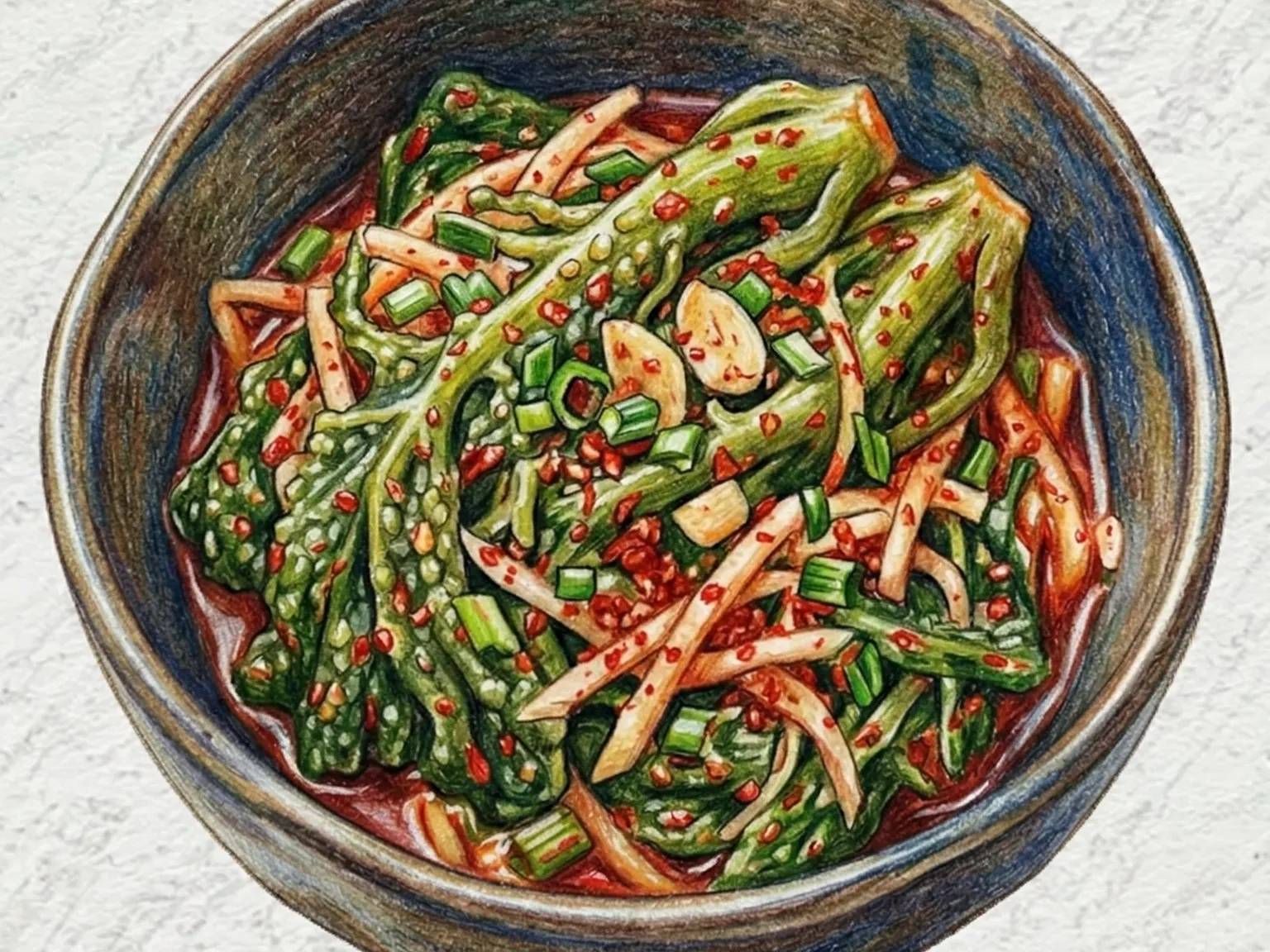
Korean Cheonggak Kimchi (Seaweed Kimchi)
Cheonggak kimchi uses cheonggak, a branching green seaweed, mixed with julienned radish and scallions in a paste of gochugaru, anchovy fish sauce, and sweet rice starch. The seaweed brings a firm, almost crunchy chew and a concentrated marine aroma absent from land-vegetable kimchi. Seasoning the radish first lets it absorb the brine, then the seaweed is tossed in briefly - prolonged handling toughens the strands. After one day of refrigeration, the seaweed's salinity merges with the fermented seasoning paste to produce a briny, sharp kimchi that sits naturally alongside seafood dishes and mild rice soups. Coastal households traditionally make this in autumn when fresh cheonggak comes into season.
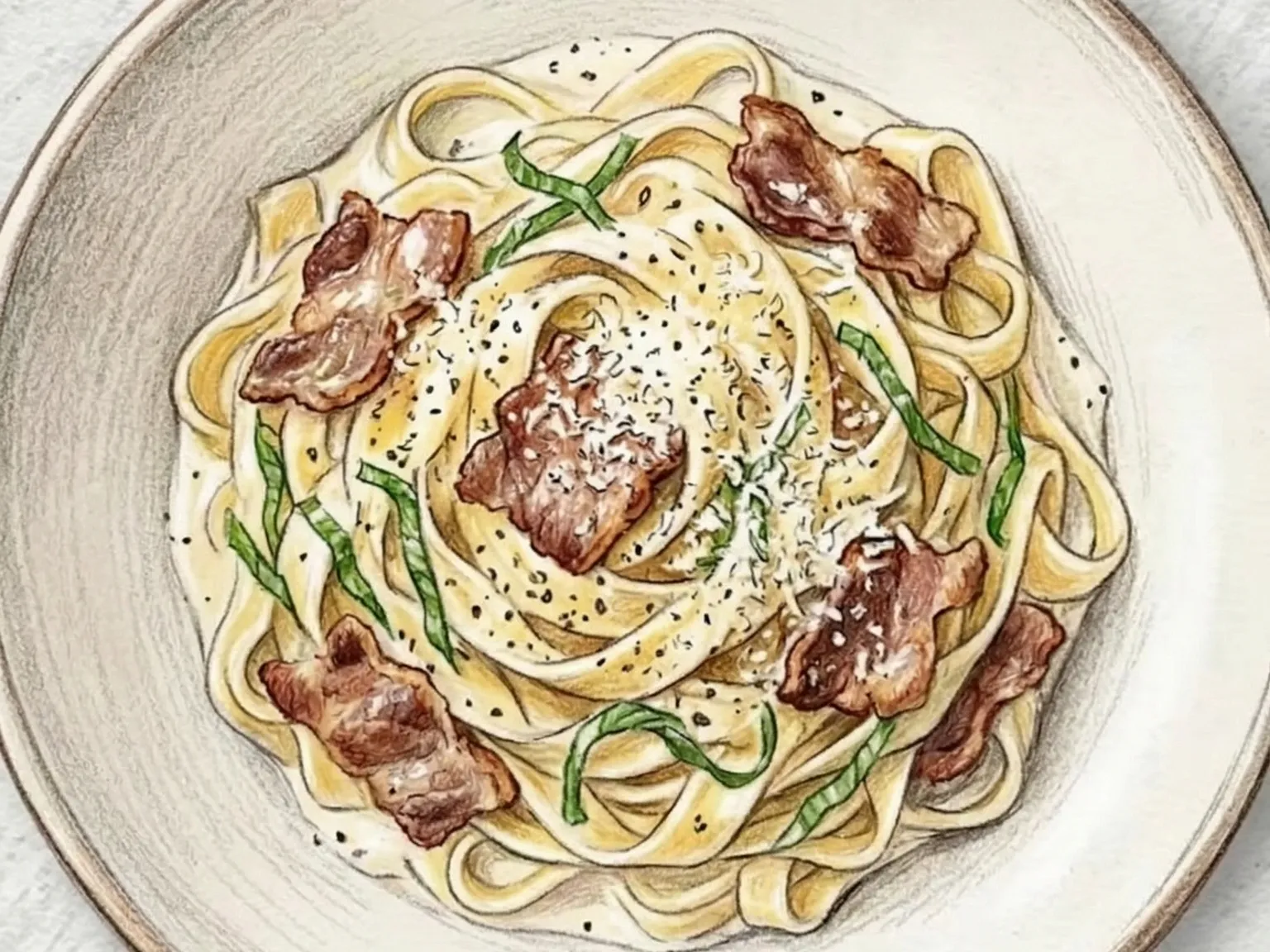
Beef Brisket Perilla Cream Fettuccine
Chadol perilla cream fettuccine pairs Italian cream sauce with thinly sliced Korean beef brisket and the resinous fragrance of perilla leaves. The brisket is seared in a dry, hot pan without added oil, since its own fat content is sufficient and extra oil prevents proper caramelization on the edges. After searing and draining the rendered fat, the crisped brisket is folded back into a sauce of heavy cream and milk so its savory depth permeates every drop. Perilla leaves must be added only when the heat is turned off, because their volatile aromatic oils evaporate quickly; adding them too early leaves only a faint bitterness. The perilla's herbal note lifts the heaviness of the cream and introduces a register absent from any European herb. Fettuccine's broad, flat surface catches sauce generously, ensuring each bite is fully coated without the sauce pooling at the bottom of the bowl. Grated Parmigiano-Reggiano adds sharpness and salt, while cracked black pepper gives a punctuating finish. The dish works because the rich fat of the brisket and the clean herbal top note of perilla occupy different flavor registers and strengthen rather than compete with each other.
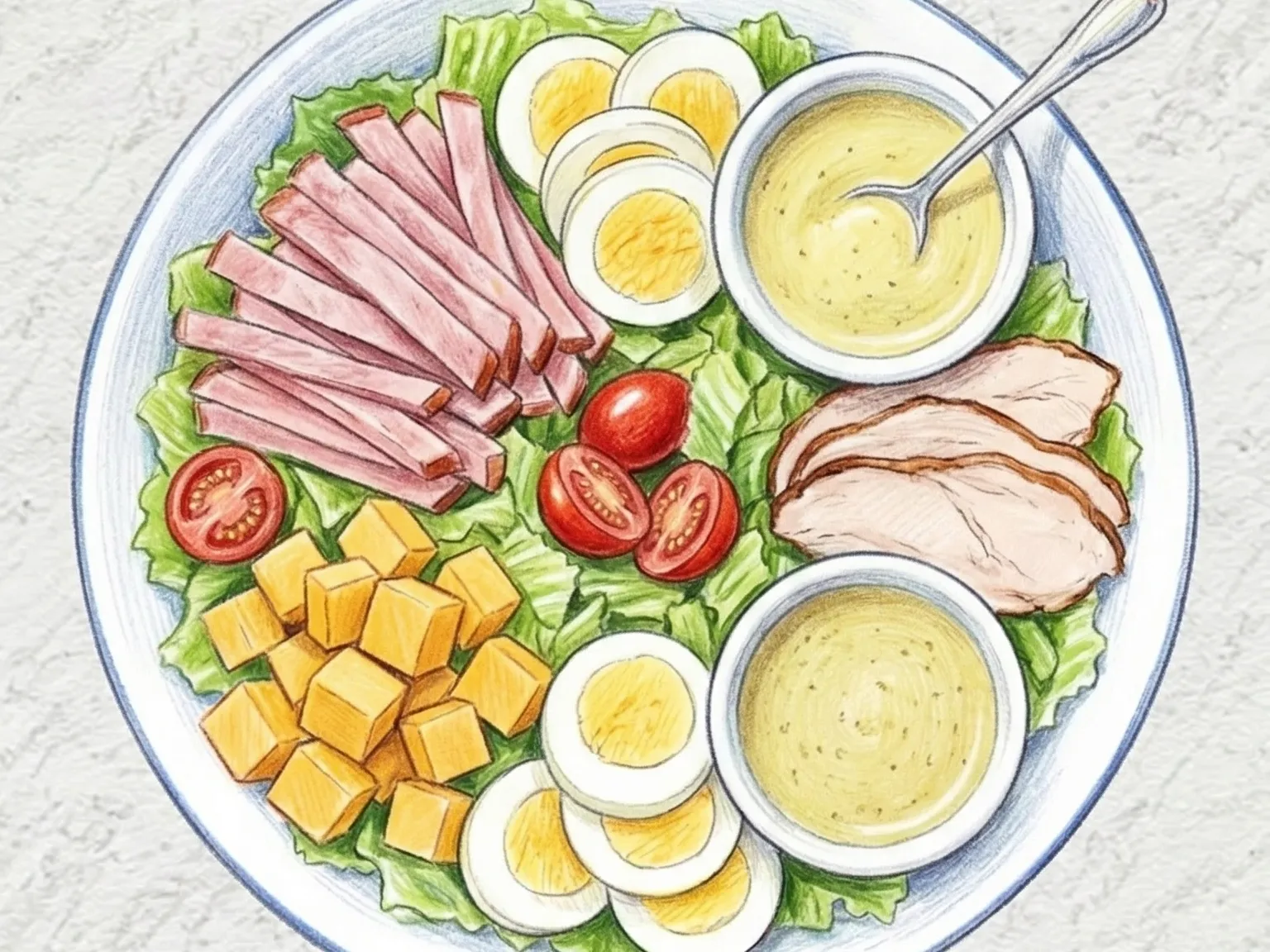
Chef Salad
Chef salad starts with a base of crisp romaine that has been dried thoroughly so the dressing clings rather than sliding off diluted by residual water. Sliced ham, turkey breast, cheddar cheese, halved hard-boiled eggs, and cherry tomatoes are arranged in separate sections over the lettuce without being tossed together, a presentation that keeps the individual components visually distinct and lets each diner control the ratio in every bite. A honey mustard dressing made from mustard, honey, and olive oil delivers sharpness from the mustard alongside the sweetness of honey and the rounded richness of the oil, connecting the salty deli meats and mild greens with a sweet-sharp bridge. Cherry tomatoes burst with bright acidity that cuts through the heavier elements when bitten. Cheddar sliced just before serving retains its full aroma at the cut surface rather than drying out. The finished salad is substantial enough to serve as a complete main course rather than a side.
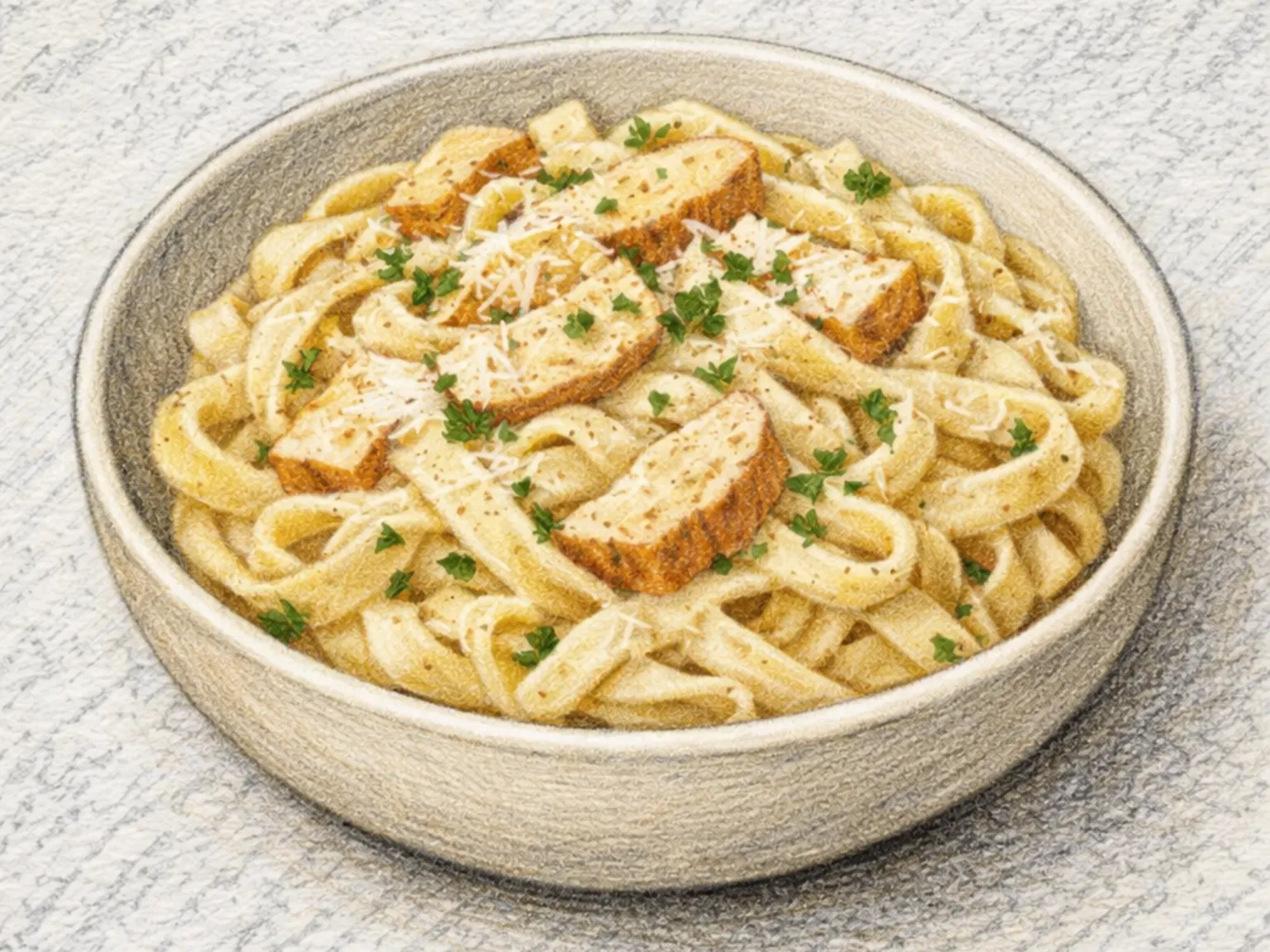
Chicken Alfredo
Chicken alfredo is an Italian-American pasta dish of seared chicken breast and fettuccine brought together in a sauce of butter, heavy cream, and Parmesan cheese. The sauce begins with garlic sauteed in butter until fragrant, after which heavy cream is poured in and reduced slightly before grated Parmesan is stirred through. The cheese protein emulsifies with the fat in the cream, thickening the sauce into a coating that grips each strand of pasta rather than pooling at the bottom of the bowl. The chicken breast is seasoned with salt and pepper and seared in a hot pan until the exterior reaches a deep golden brown -- this Maillard-reaction crust develops a savory, roasted quality that the cream sauce alone cannot provide, and the browned bits left in the pan can be deglazed back into the sauce to carry that flavor through the whole dish. Transferring the pasta directly from the boiling water into the sauce, before the surface starch dries, helps the sauce adhere more completely. A small amount of pasta cooking water, added gradually, keeps the sauce from seizing into a thick mass and maintains a smooth, silky consistency. A generous amount of freshly cracked black pepper is essential: without it, the richness of the cream can read as cloying, but with it, the dish achieves a balance between indulgence and subtle heat.
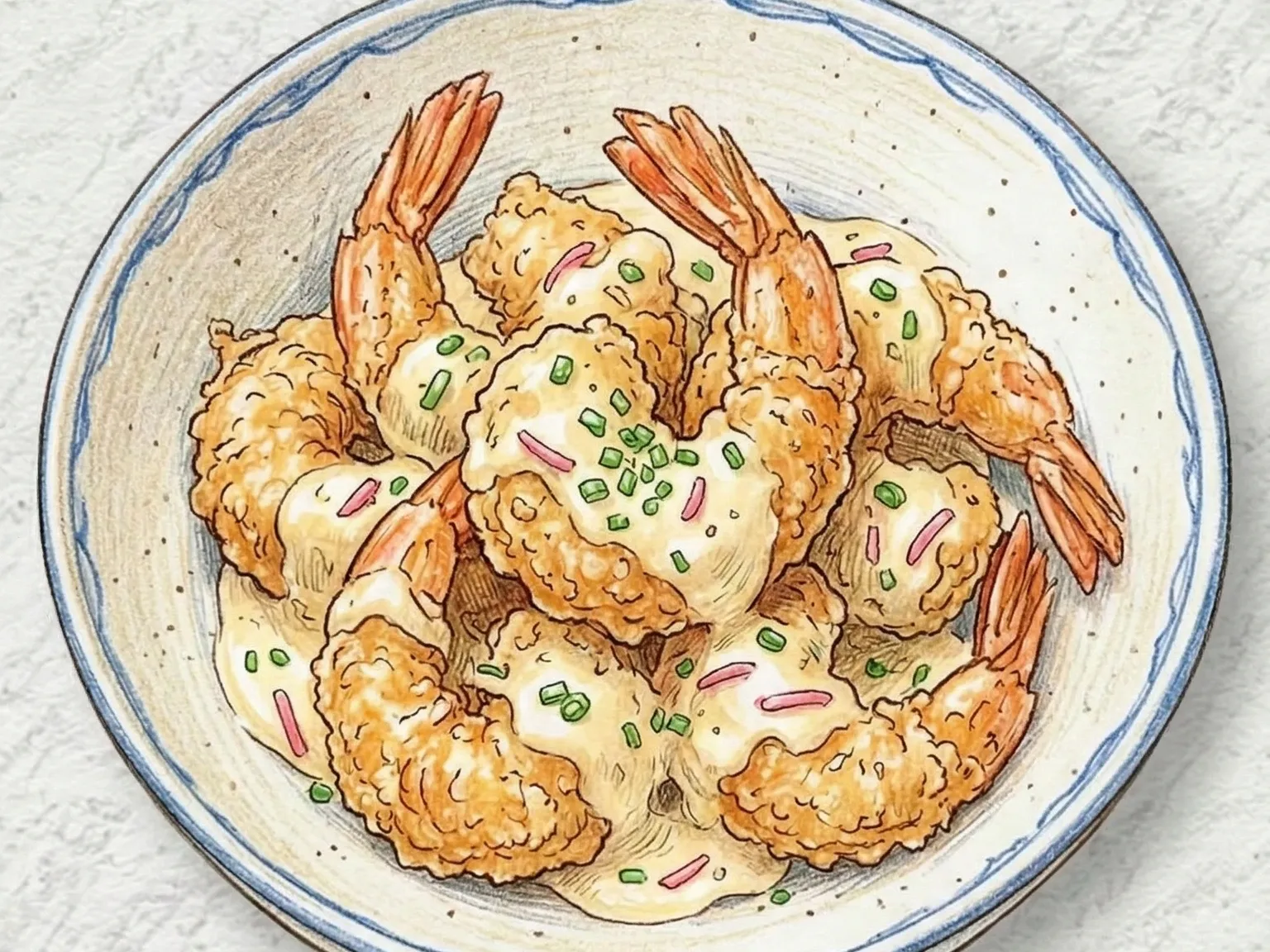
Japanese Shrimp with Mayo
Ebi mayo was invented by Hong Kong-born chef Chou Yuanji while working in Japan, fusing Cantonese prawn cookery with the rich creaminess of Japanese mayonnaise. Shrimp are coated in cornstarch and deep-fried until the shell crackles, then tossed in a sauce of mayonnaise, condensed milk, and lemon juice. The condensed milk tempers the mayo's tang and adds a gentle sweetness. Japanese Kewpie mayonnaise, made with egg yolks only rather than whole eggs, is denser and more umami-rich than Western varieties, and this difference is what gives ebi mayo sauce its distinctive body. The crispy starch coating absorbs the thick sauce on the surface while the shrimp beneath stays springy, creating a two-layered texture -- creamy on first contact, then bouncy when the teeth reach the center. Ebi mayo is a staple of izakaya menus and Chinese restaurants in Japan, and has crossed into convenience-store bento boxes and onigiri fillings as one of the country's most ubiquitous fusion flavors.
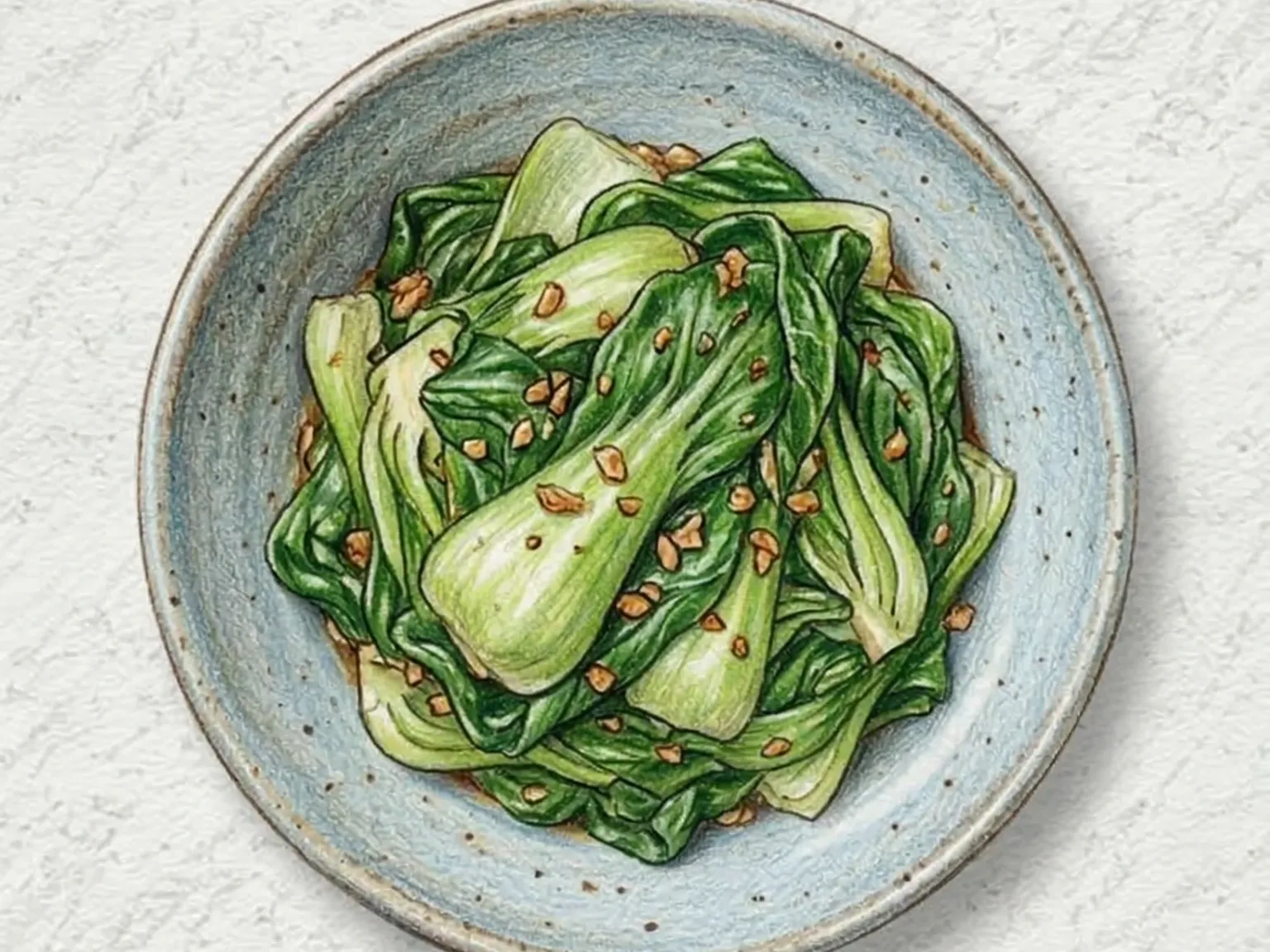
Korean Stir-Fried Leafy Greens
Baby bok choy stir-fry takes five minutes from board to table. Removing all surface moisture before the greens go in is the single most important step - wet leaves steam instead of sear, and the texture turns limp. Garlic sautés over low heat for twenty seconds to mellow its bite, then the pan goes to high and the greens follow. Soup soy sauce and salt season without adding liquid, and sesame oil off the heat gives a light gloss. The high heat catches the leaf edges with just a touch of char, which adds depth without bitterness. This mild, clean-tasting side suits nearly any Korean main course and holds its bright green color well on the table.
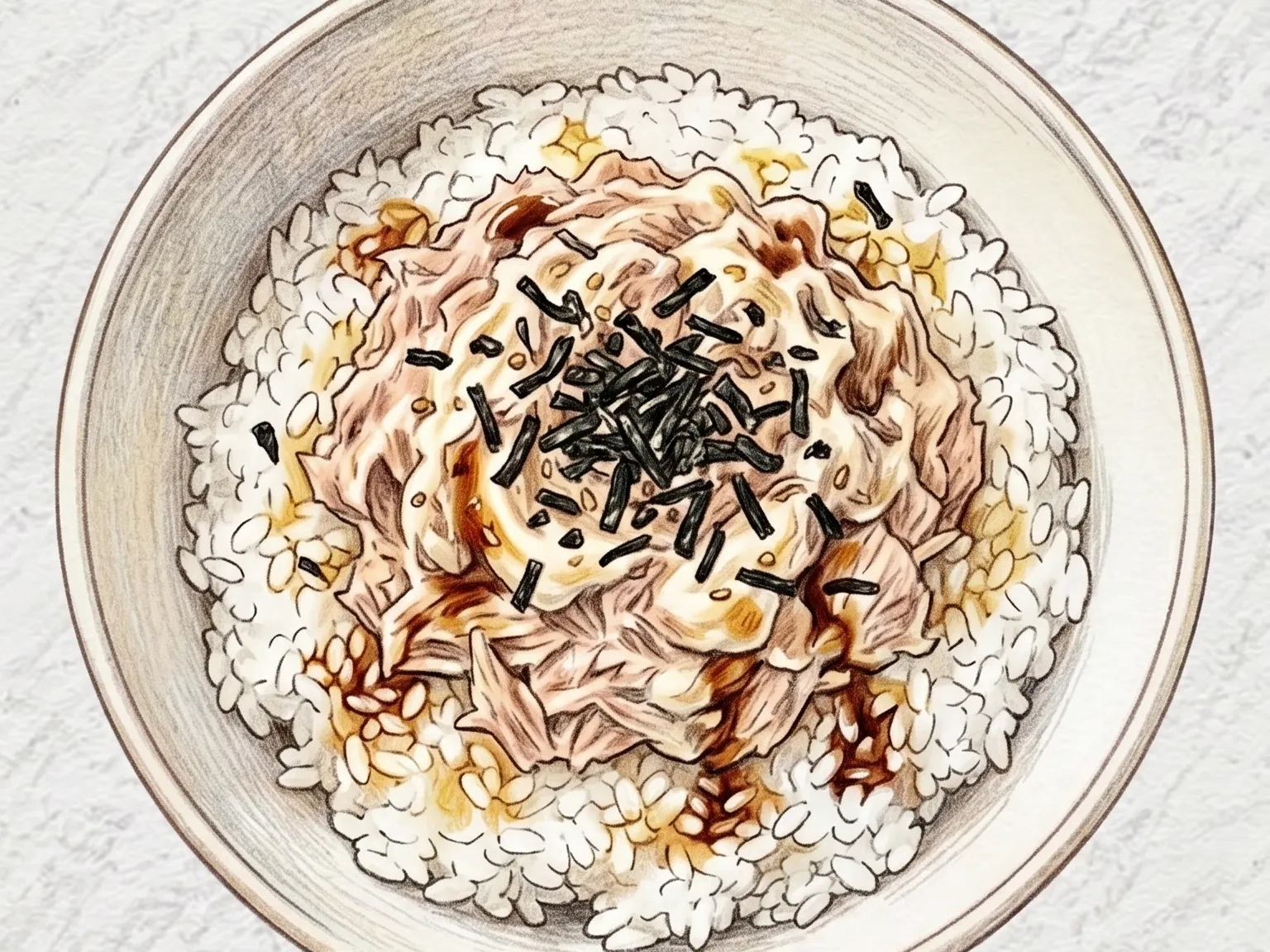
Chamchi Mayo Deopbap (Korean Tuna Mayo Rice Bowl Recipe)
Chamchi mayo deopbap is a no-cook Korean rice bowl where drained canned tuna is tossed with mayonnaise and spooned over warm rice, then finished with soy sauce, sesame oil, and crumbled dried seaweed. The warmth of the rice softens the mayo coat so it clings to every grain rather than pooling at the base. Crumbled seaweed provides a layer of crunch alongside its salt. Nothing needs cooking - just mixing and assembling - which makes this one of the fastest meals to put together, ready in under five minutes on days when standing at the stove feels unappealing. Soy sauce deepens the salt past what the tuna alone provides, and sesame oil keeps the bowl from tasting flat. Canned tuna and mayonnaise are staples in most Korean kitchens, making this a genuinely practical fallback meal.
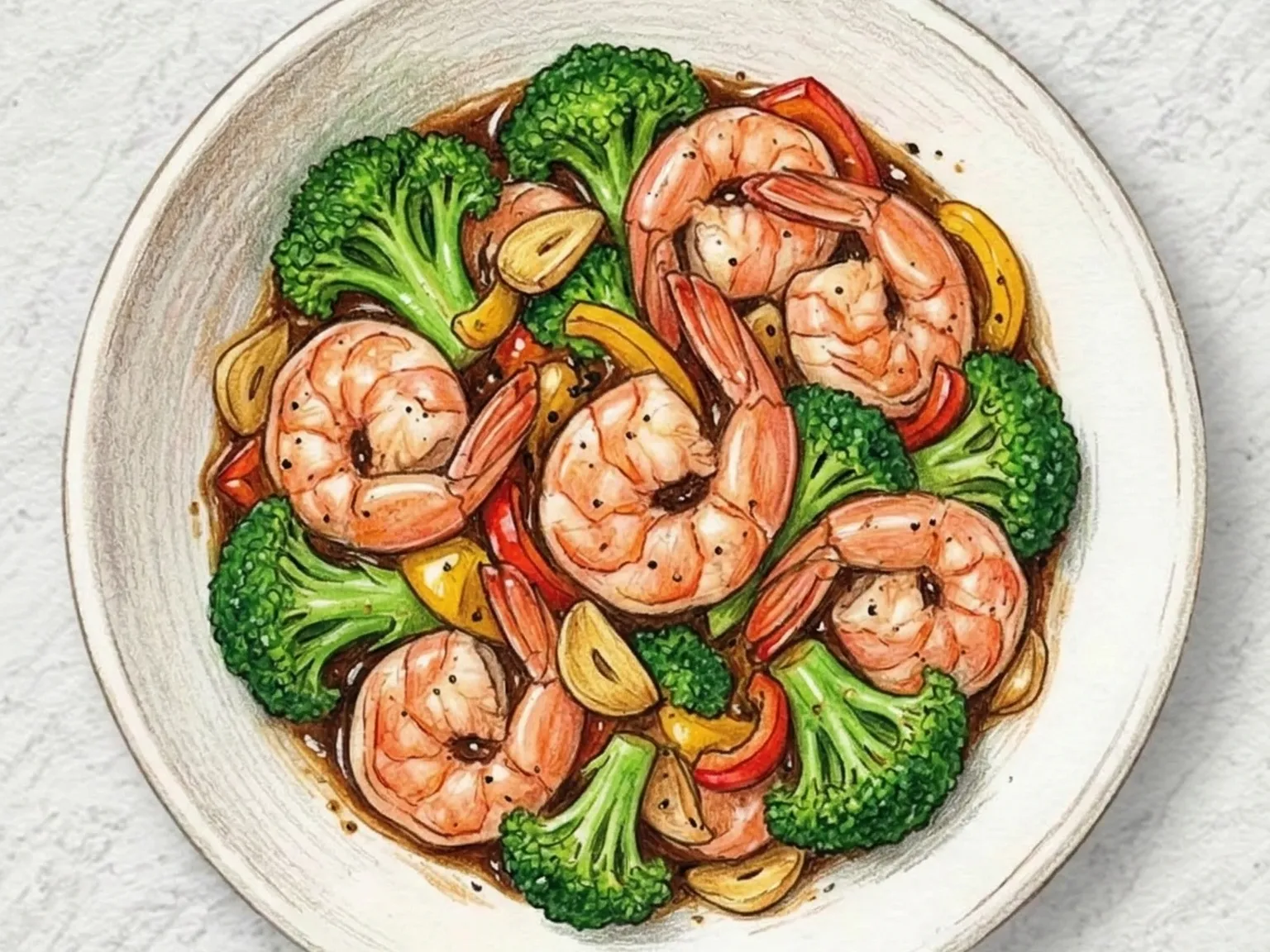
Korean Beurokolli Saeu Bokkeum (Broccoli Shrimp Stir-fry)
Peeled and deveined shrimp are seasoned with cooking wine and pepper, then stir-fried over high heat alongside blanched broccoli. The shrimp reach their ideal texture the instant they turn pink; cooking any further causes the proteins to contract and the flesh to toughen. Blanching the broccoli briefly beforehand means it releases less water once it hits the pan, keeping the sauce concentrated and clinging to the ingredients rather than pooling at the bottom. Soy sauce and oyster sauce form the savory backbone, while sliced garlic infused into the oil at the start builds a fragrant base that runs through every mouthful. Bell pepper adds a crisp snap and a vivid color. The whole dish takes under fifteen minutes and delivers a full plate of protein and vitamin C in a light, satisfying format. Served over steamed rice, it works just as well as a rice bowl.
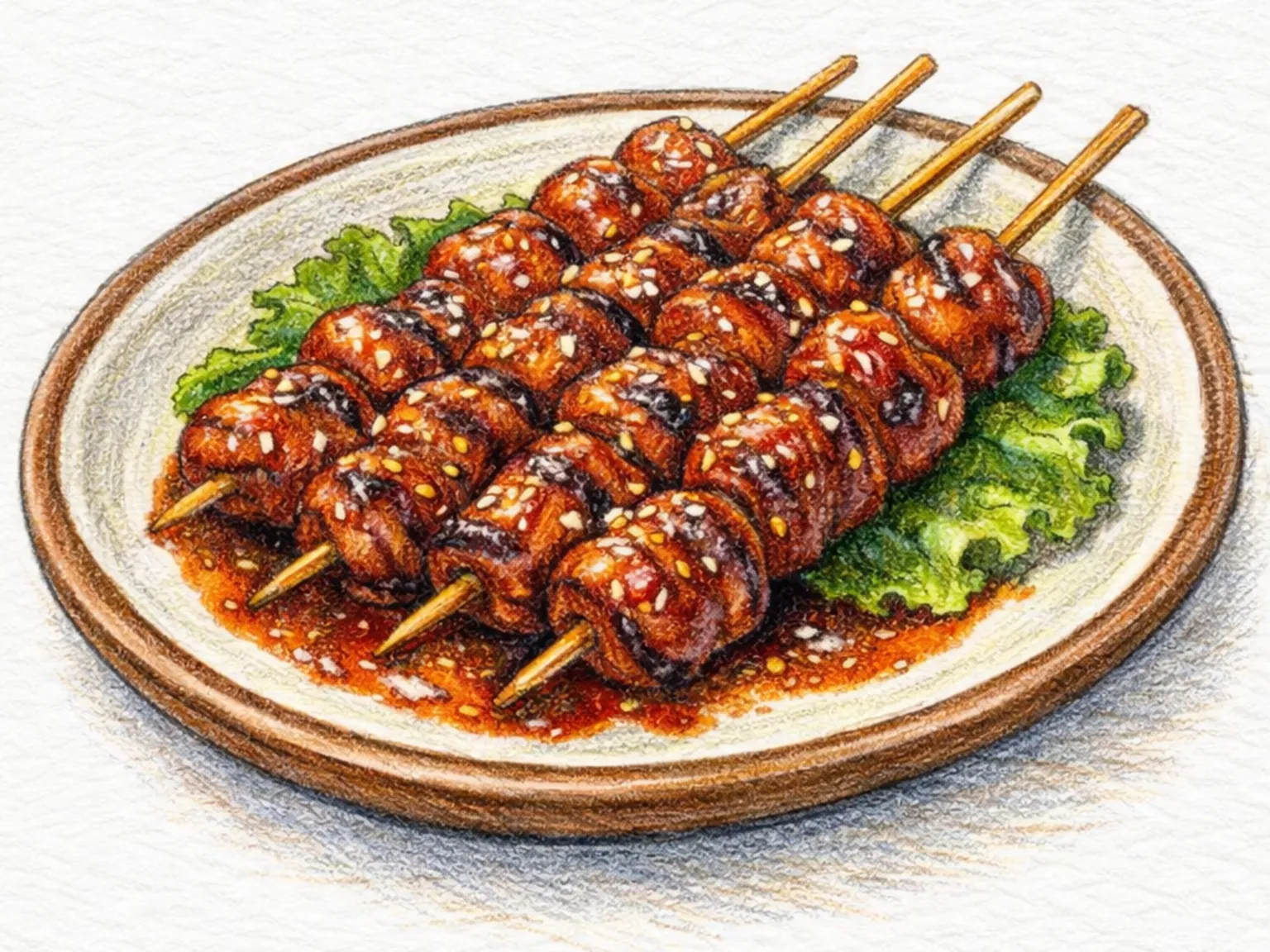
Korean Grilled Chicken Heart Skewers
Dak-yeomtong-kkochi starts by soaking trimmed chicken hearts in milk for fifteen minutes to remove any off-flavors, then threading them onto skewers for direct grilling. A glaze of soy sauce, gochujang, sugar, garlic, and cooking wine is applied in stages during grilling, building up a salty-sweet coating with gentle heat. Unlike regular chicken meat, hearts have a firm, springy chew that deepens in nuttiness the more you bite into them. The milk soak combined with garlic and cooking wine in the glaze cleanly removes any organ taste, so the finished skewers carry only the char from the grill and the layered seasoning. A common sight at street stalls and pojangmacha tents, these skewers work equally well as a quick snack eaten on the spot or as drinking food alongside a cold beer.
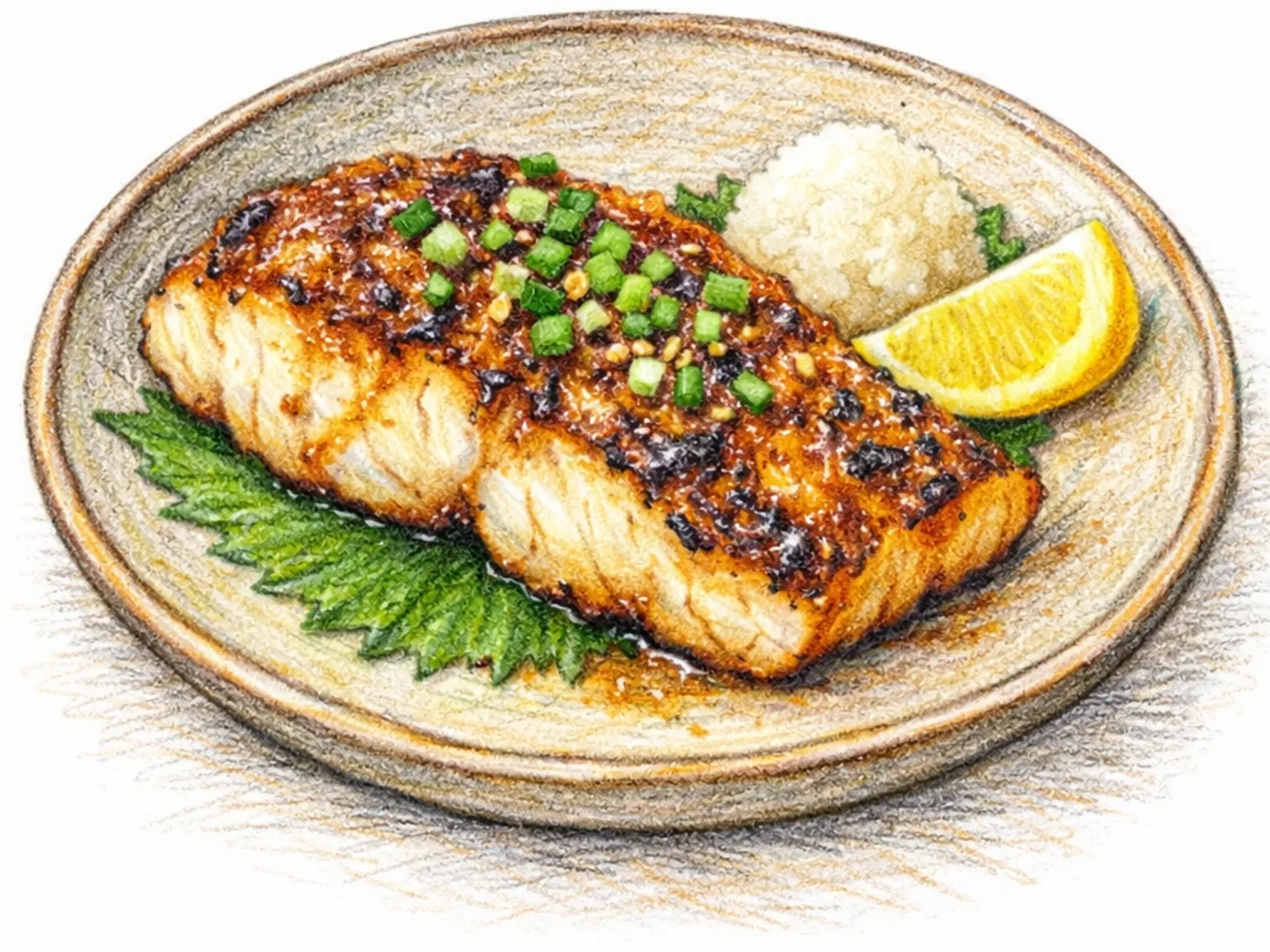
Korean Daegu Doenjang Gui (Doenjang-Grilled Cod)
Daegu doenjang gui is a Korean grilled cod dish where fillets are coated with a paste of doenjang, minced garlic, and sesame oil, then cooked until the paste forms a thin, concentrated crust over the fish. Cod is mild-flavored white fish that accepts the deep, fermented soybean character of doenjang without conflict -- the seasoning defines the fish rather than overpowering it. As the paste dries slightly against the heat, a dark crust seals the surface while the flesh underneath stays moist and flakes cleanly. Controlling the amount of doenjang is critical because the paste can easily oversalt the delicate fish if applied too heavily. Serving with sliced green onion or perilla leaves provides a fresh, herbal counterpoint to the earthy, savory paste.
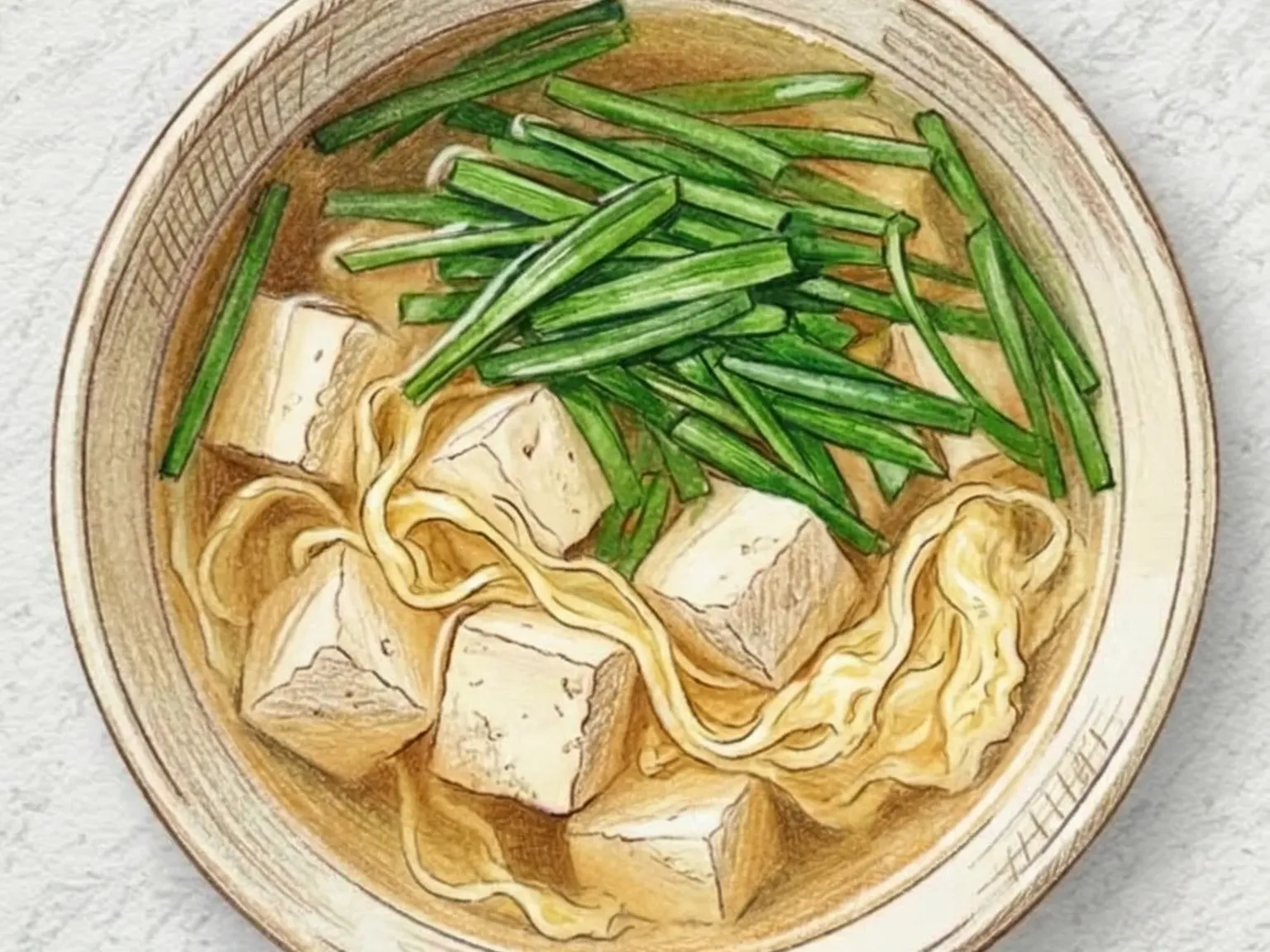
Korean Garlic Chive Egg Soup
This simple home-style soup combines garlic chives, egg, and tofu in a light broth seasoned with soup soy sauce and garlic. Tofu cubes go in first to warm through for two minutes, then beaten egg is poured in a slow, circular stream and left undisturbed for thirty seconds to form silky ribbons. Chives and sesame oil are added in the final half-minute so their aroma stays vivid in the finished bowl. Because the ingredient list is short, cutting the tofu into even cubes and managing the heat carefully are what separate a polished result from a cloudy one. Pouring the egg too forcefully or stirring immediately breaks up the ribbons and muddies the broth.
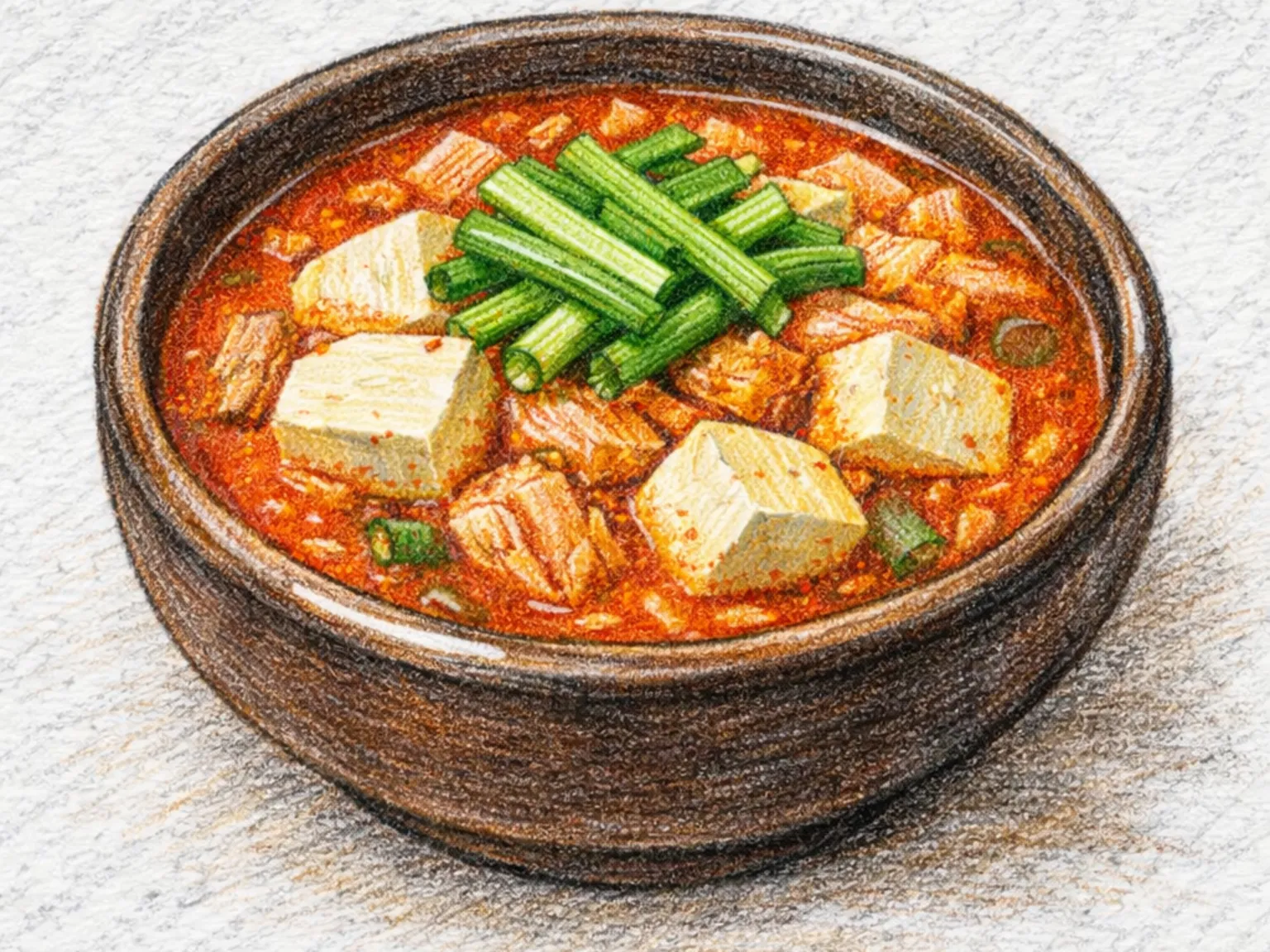
Korean Tuna Kimchi Stew
Aged kimchi and canned tuna are cooked together in this streamlined version of kimchi jjigae that skips the traditional pork. The tuna's oil enriches the broth quickly without a long simmer, while the well-fermented kimchi provides a deep sourness that anchors the stew's flavor. Firm tofu, onion, and green onion fill out the pot, and a spoonful of chili flakes keeps the heat assertive. Draining most of the oil from the canned tuna before adding it prevents the broth from becoming too greasy. Using thoroughly aged kimchi with a pronounced sour tang is what gives the broth its depth, and simmering uncovered over high heat for two to three minutes at the end thickens the liquid to a consistency that coats rice well.
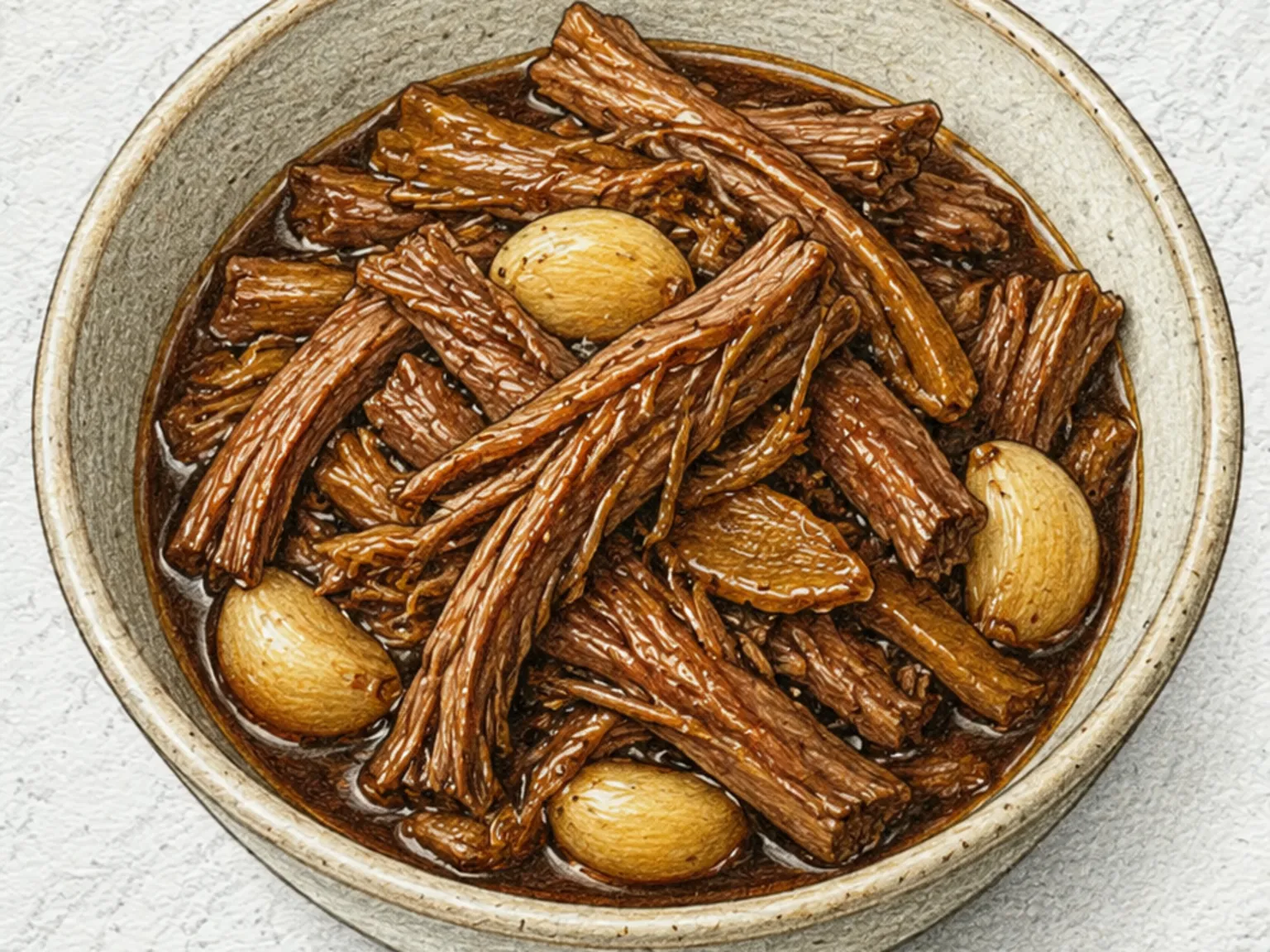
Korean Soy-Braised Pork Loin Strips
Dwaejigogi jangjorim is a Korean soy-braised pork dish made by simmering pork loin with whole garlic cloves, ginger, and cooking rice wine until the meat is completely tender. The pork is first boiled whole with enough water to fully submerge it, skimming the foam that rises to keep the braising liquid clean, then shredded along the grain and returned to the reduced soy liquid for a second round of simmering. Shredding along the grain rather than against it gives each strand more surface area to absorb the seasoned liquid, resulting in deeper, more even flavor throughout. The rice wine neutralizes the pork's gaminess from the start, while the whole garlic cloves soften completely during the long braise, turning mellow and spreadable. This dish keeps well refrigerated for several days and is typically served cold or at room temperature, making it a convenient banchan to portion out over multiple meals.
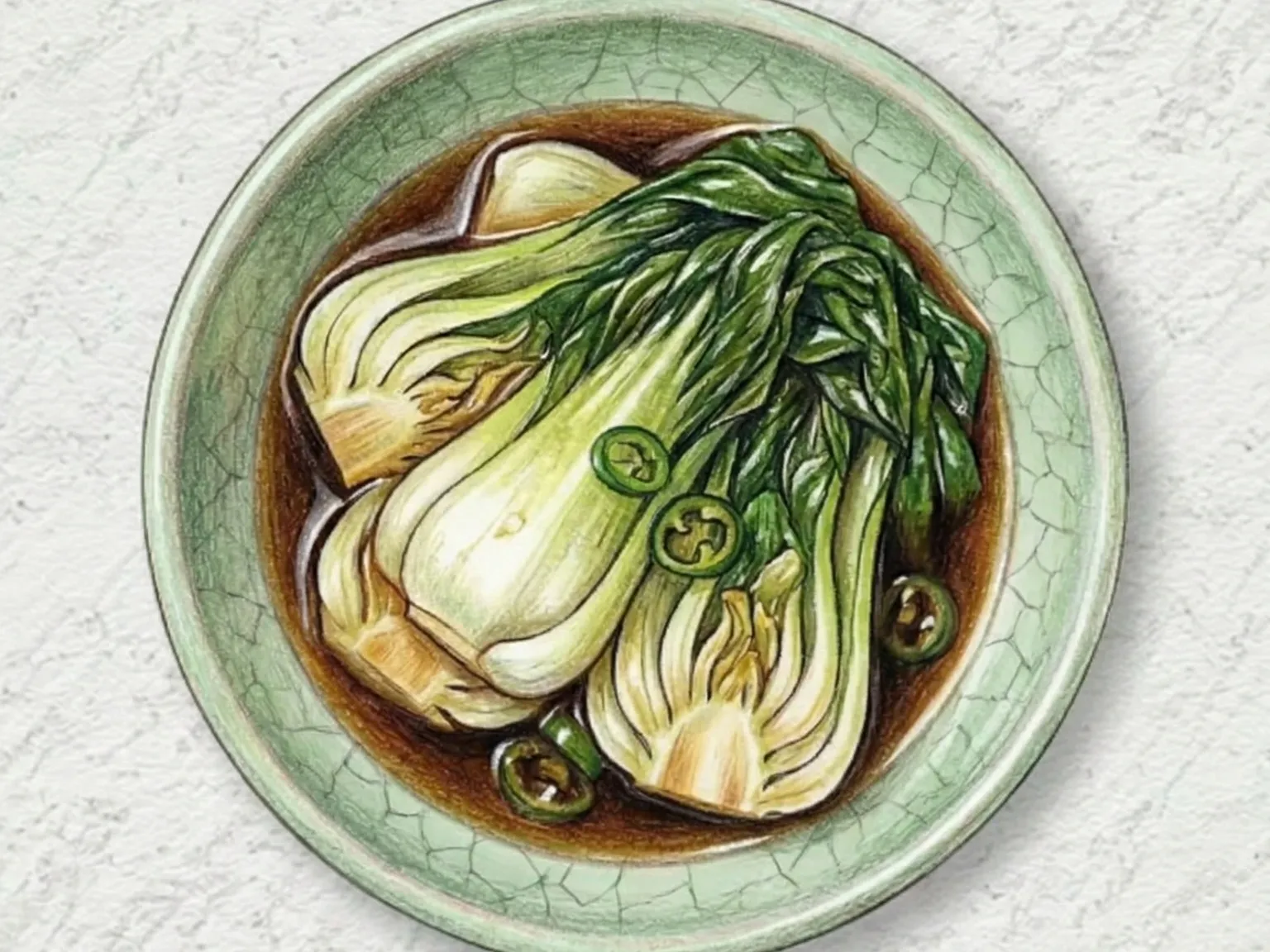
Korean Pickled Bok Choy (Soy Vinegar Chili Brine)
Cheonggyeongchae jangajji is a Korean pickled bok choy made by halving the heads and submerging them in a boiled brine of soy sauce, vinegar, and sugar with Cheongyang chili, garlic, and ginger. The thick white stems retain their crunch after pickling while the tender green leaves absorb the brine softly, creating two contrasting textures within a single piece. Cheongyang chili leaves a clean, lingering heat at the finish, and ginger contributes a warm undertone to the pickling liquid. Draining the bok choy thoroughly before pickling keeps the brine clear, and after two days of refrigeration the seasoning penetrates evenly throughout for a well-balanced banchan. Pouring the brine over the bok choy only after it has cooled prevents the leaves from softening too much. The spent brine can be reboiled and reused to pickle tofu or daikon, extending its value beyond the first batch.
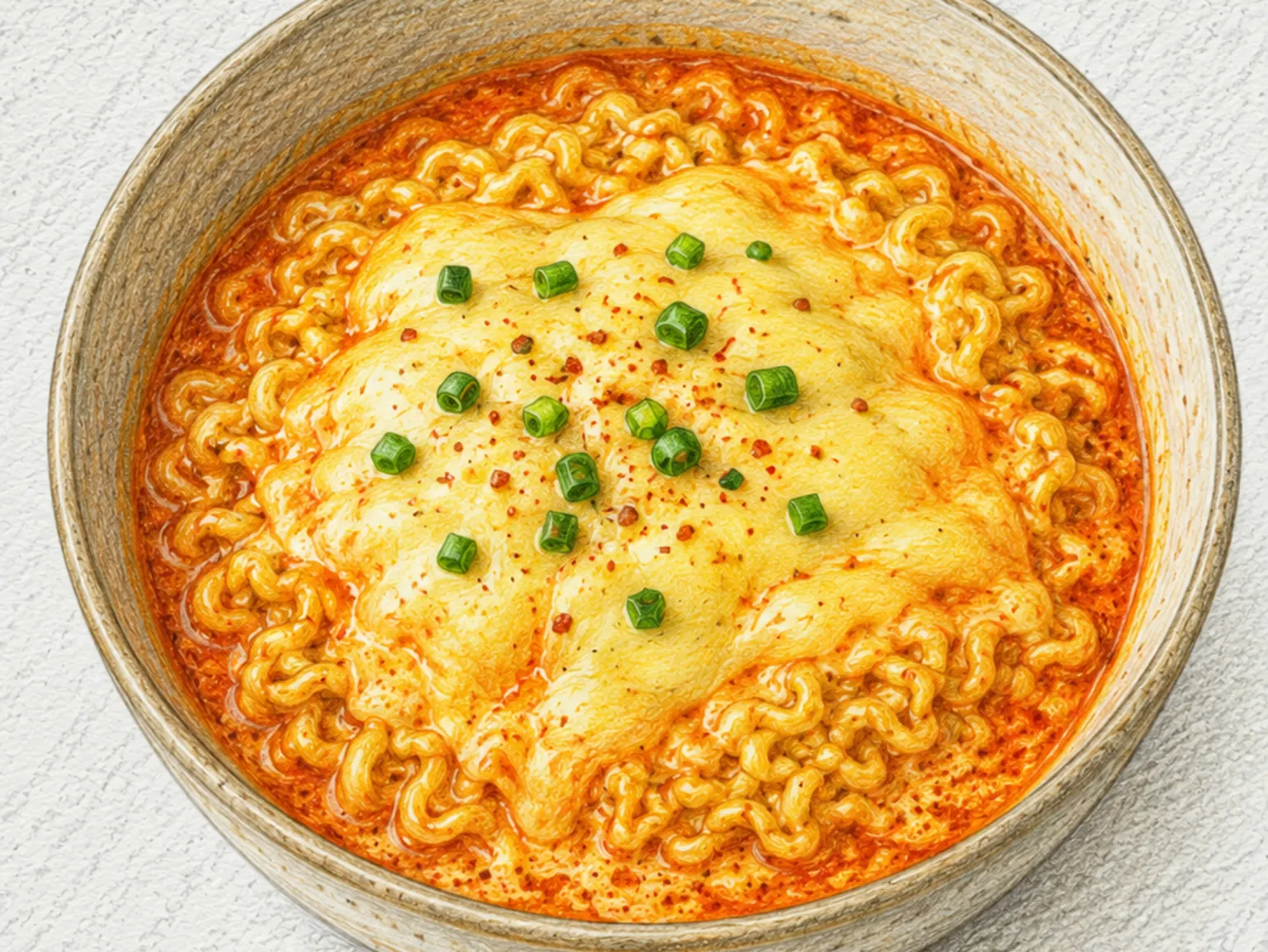
Korean Cheese Ramen (Cheesy Spicy Noodles)
Sliced cheese melted into spicy Korean ramen produces a creamy, stretchy result in under ten minutes. Added at the final simmer, the cheese melts slowly across the boiling broth and forms a pale, savory film. The dairy fat wraps around the gochugaru heat, softening the spice without eliminating it, while the salt in the cheese draws out more depth from the seasoning packet. Lifting noodles through the molten layer coats each strand in a sticky, rich film. Drinking the broth straight reveals alternating waves of chili heat and mild creaminess. A raw egg cracked into the pot or a handful of sliced rice cakes makes the bowl more substantial and filling. Among home-style ramen variations in Korea, this is one of the most consistently popular.