🏠 Everyday Recipes
Simple home-cooked meals for any day
1705 recipes. Page 15 of 72
These are the meals you can cook day after day without getting tired of them. Doenjang jjigae, rolled omelet, spicy pork stir-fry - the kind of home-cooked dishes that fill an ordinary day with comfort.
The beauty of everyday cooking is that it relies on common ingredients already in your fridge. No exotic items, no complicated techniques - just straightforward recipes for satisfying home meals.
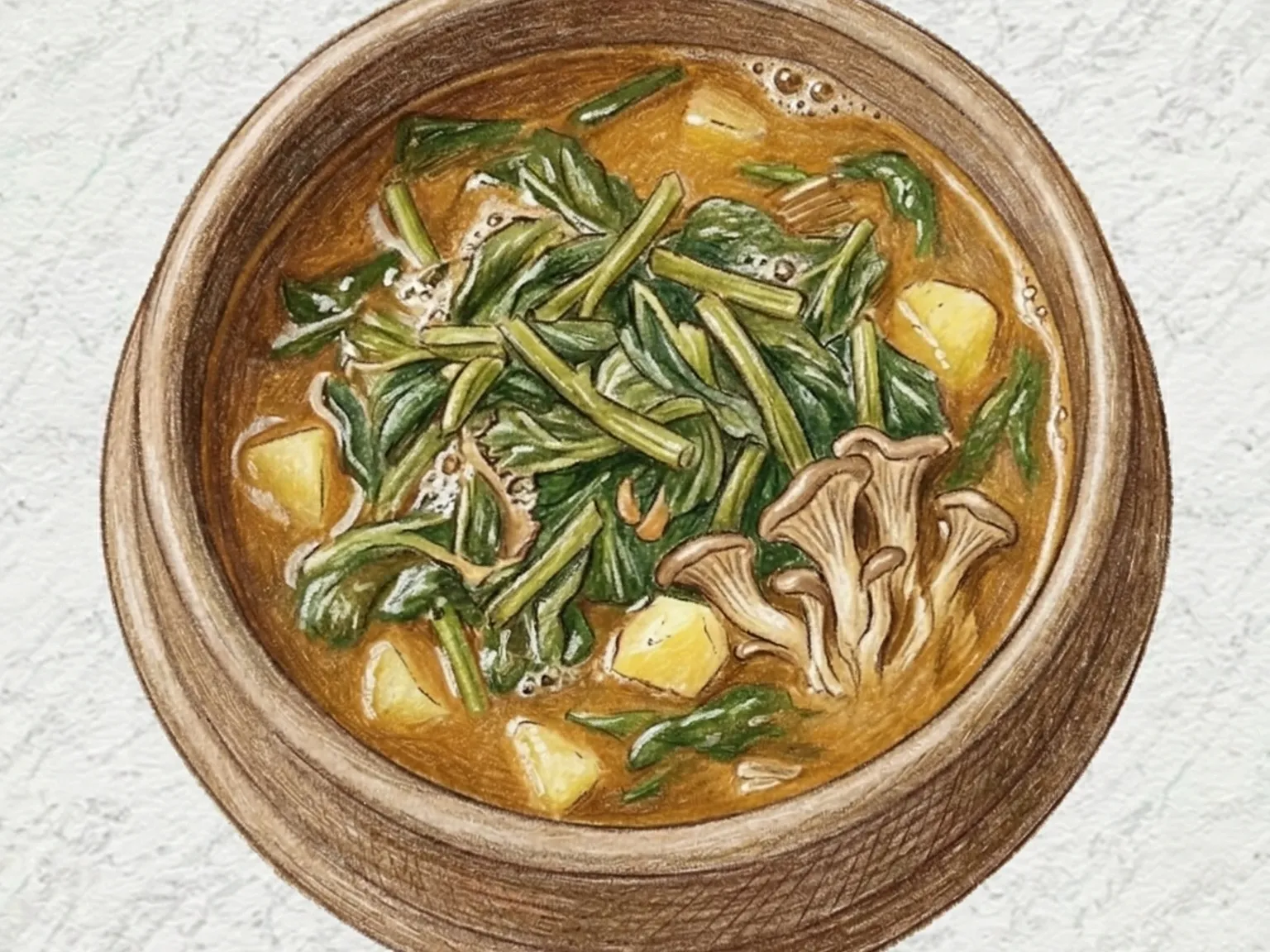
Korean Chwinamul Doenjang Stew
Chwinamul-doenjang-jjigae is a Korean stew that pairs wild aster greens with fermented soybean paste, letting the mountain herb's sharp, slightly bitter fragrance run through a deeply savory broth. Rice-rinsing water replaces stock as the base, giving the broth a gentle body, while potato pieces break down gradually during cooking and thicken the liquid without any additional steps. Shimeji mushrooms add chew at irregular intervals throughout the bowl. The stew benefits most from fresh spring chwinamul, when the greens carry the strongest mountain-herb aroma. A small drizzle of perilla oil stirred in at the end adds a nutty finish that rounds out the fermented soybean base.
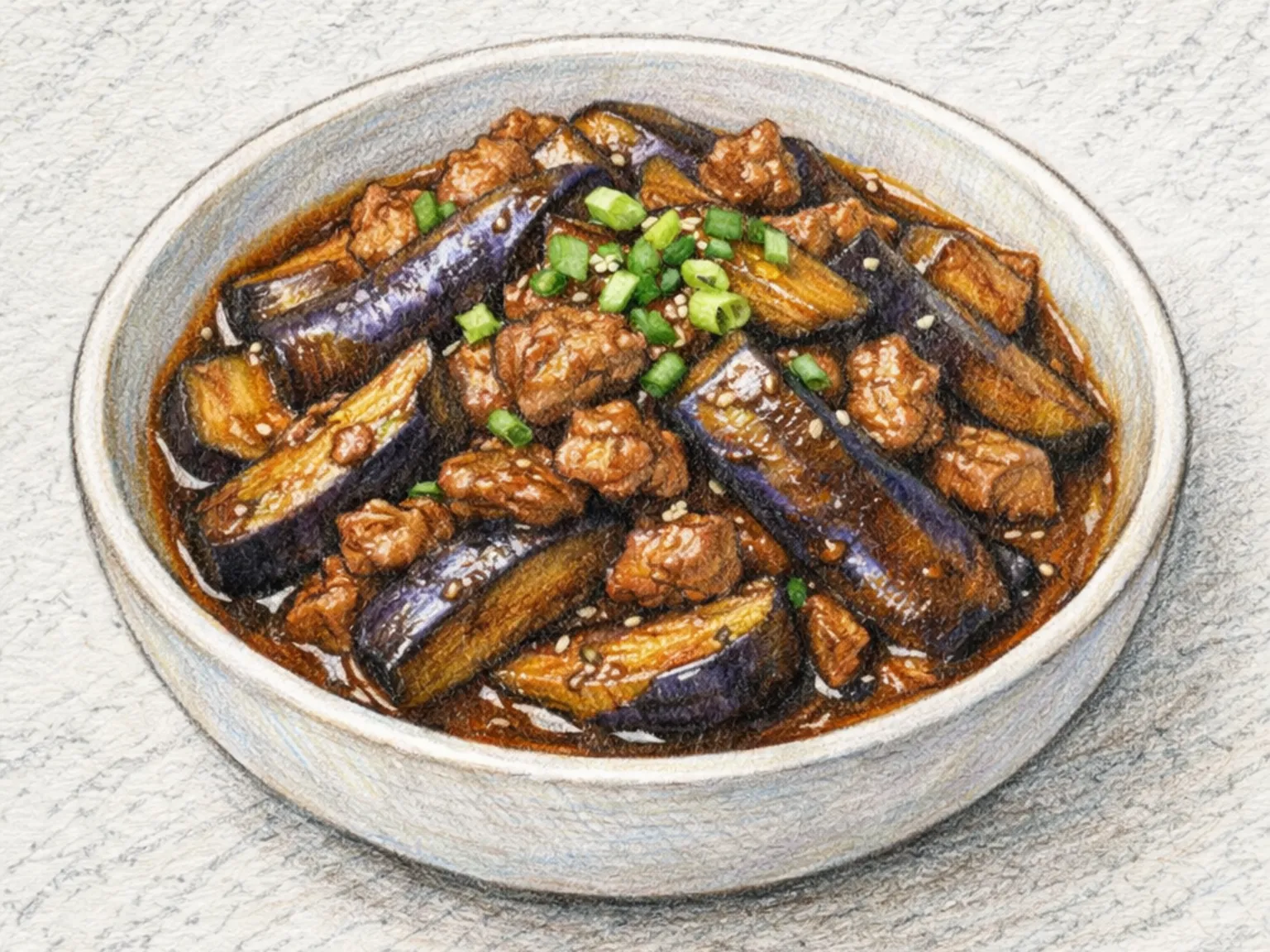
Korean Braised Eggplant with Pork
Gaji dwaejigogi jorim is a Korean braised dish of eggplant and pork shoulder simmered in a soy sauce and gochugaru seasoning base. The pork slowly renders its fat into the eggplant as they cook together, giving the vegetable a rich, meaty depth. Cooking wine mellows the pork and removes any gamey notes, while the soy and garlic combination builds deep, layered flavor throughout the braise. Briefly stir-frying the eggplant in oil before braising coats the surface and helps it hold its shape while drawing the seasoning inward more effectively. A final drizzle of sesame oil finishes the dish with a nutty fragrance, and this recipe is at its best in summer when eggplants are in peak season with thin, tender skins.
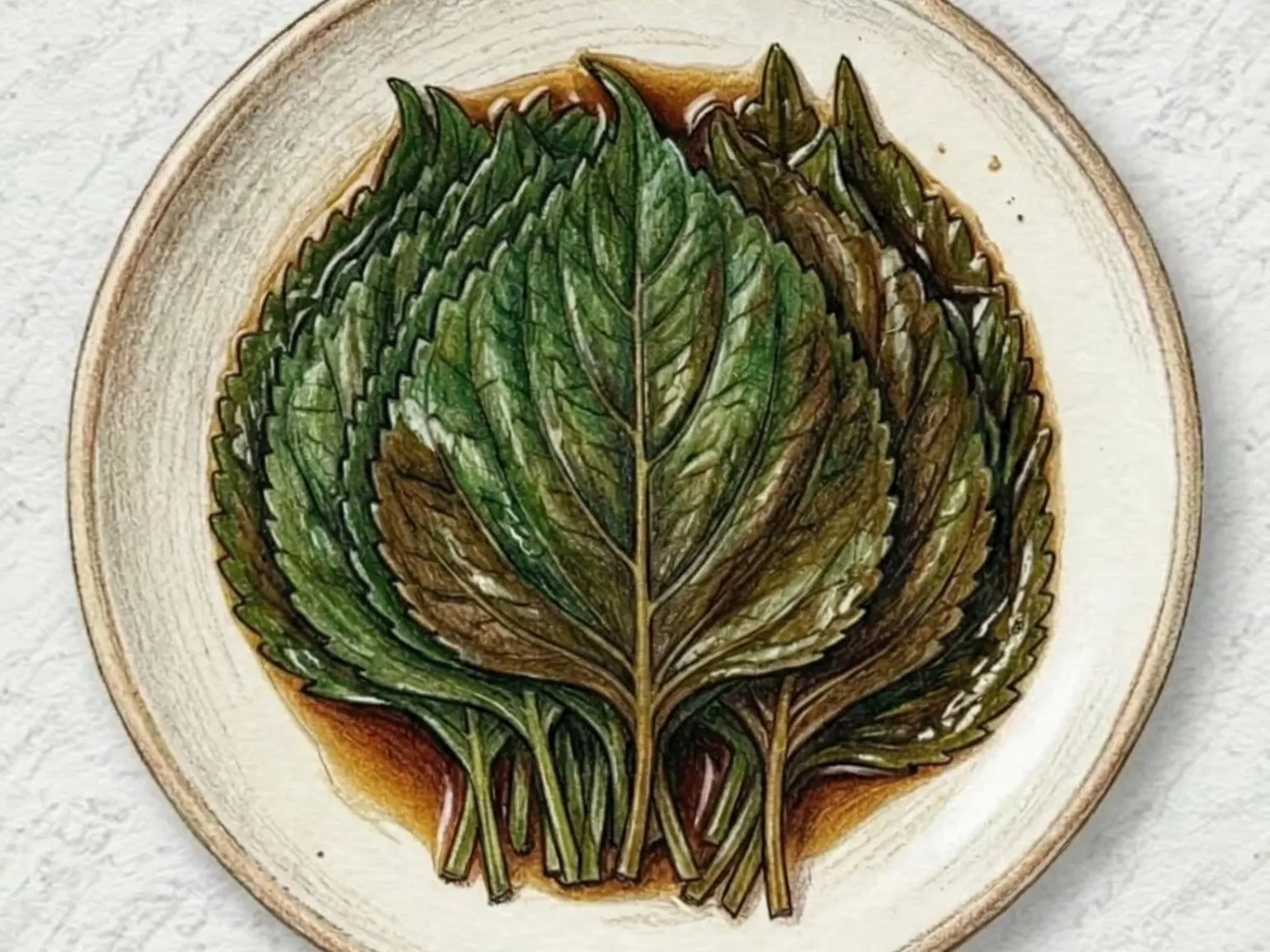
Korean Aster Leaf Soy Pickle
Chwinamul jangajji is a spring soy pickle made from aster greens that are blanched for only ten seconds to soften tough fibers while keeping their mountain-herb fragrance intact. The blanched greens are squeezed thoroughly dry, then packed into a jar with sliced garlic and dried chili before a brine of soy sauce, rice vinegar, and sugar is boiled, cooled to room temperature, and poured over the top. During the two to three days the jar spends refrigerating, the garlic's sharpness and the chili's low heat gradually infuse through every layer of the greens, while the aster's distinctive fresh, faintly bitter aroma meets the soy's umami to produce a finish that is both deep and clean. Once the seasoning distributes evenly, the jangajji can be eaten draped over plain rice or chopped fine and pressed into the center of rice balls as a savory filling.
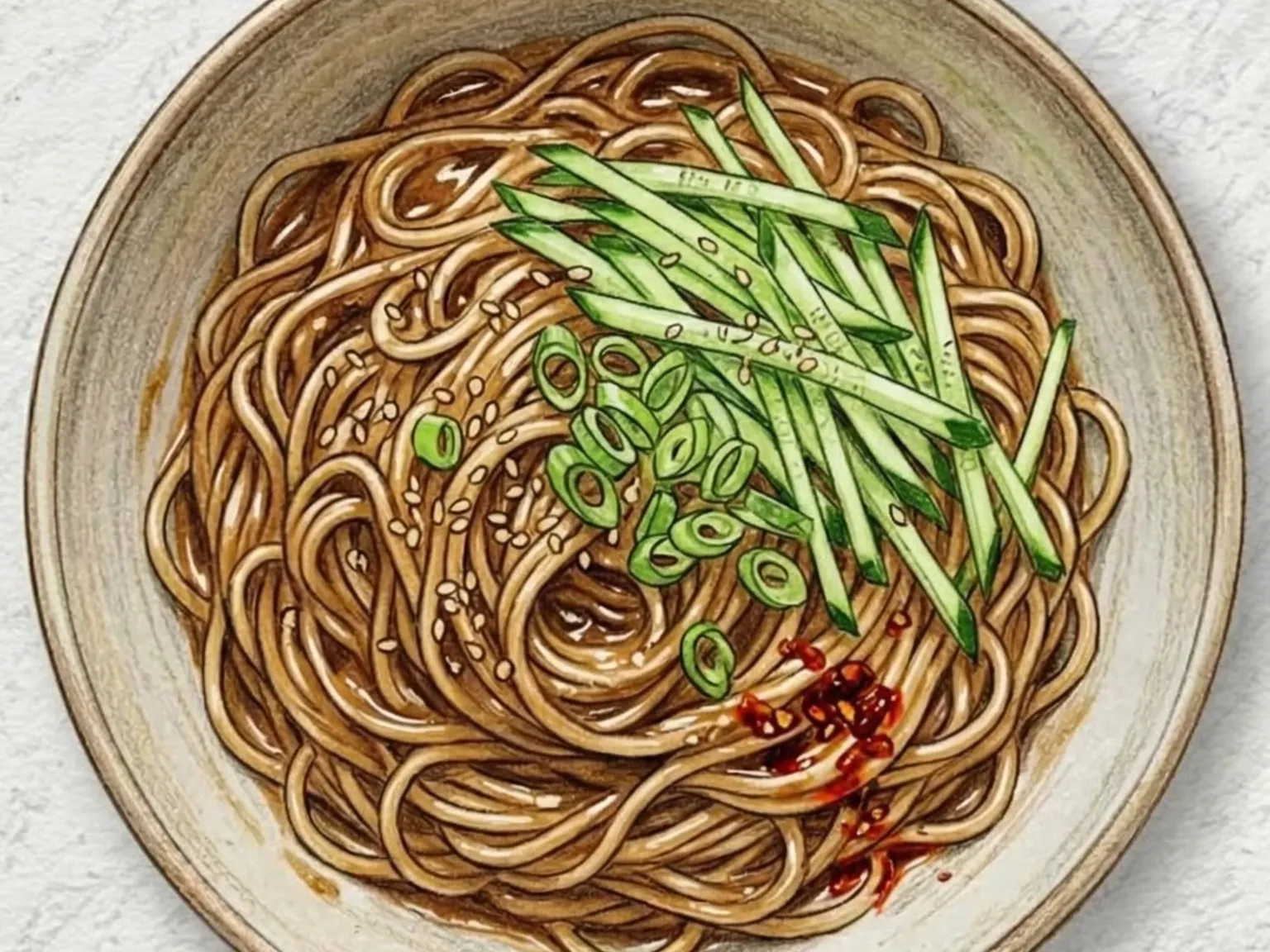
Cold Sesame Noodles
Cold sesame noodles are a fixture of Chinese-American cooking: chilled wheat noodles coated in a thick, nutty sauce that layers sweet, salty, sour, and savory flavors in a single bowl. The sauce is built from Chinese sesame paste or tahini blended with peanut butter, soy sauce, rice vinegar, and sesame oil until the mixture becomes a smooth, glossy emulsion. After boiling, the noodles are rinsed under cold running water to stop cooking and firm the texture, then tossed with a small amount of sesame oil to prevent clumping and add sheen. Julienned cucumber and sliced scallion provide freshness and crunch that cut through the dense sauce. Chili flakes or a spoonful of chili oil can be added for heat. Preparing the sauce in advance and refrigerating it means the entire dish can come together in the time it takes to boil a pot of noodles, making it a practical choice on hot summer days. Any leftover sauce works well as a salad dressing.

Young Radish Kimchi & Tofu Crumble Salad
Young radish kimchi and tofu crumble salad uses firm tofu crumbled by hand and sauteed in olive oil for 5 to 7 minutes until the moisture has cooked off and the pieces turn dry and granular. Finely chopped chonggak kimchi introduces a spicy, tangy fermented punch, and the dressing mixes gochujang with plain yogurt so that chili heat and lactic acidity layer onto each other, with lemon juice cleaning up the finish. Romaine and red cabbage supply crunch beneath the crumble, and corn kernels add sweetness that contrasts directly with the kimchi's saltiness. Squeezing excess brine from the kimchi before adding it prevents the salad from turning soggy, and the tofu crumble should go on while still warm so its nuttiness stays prominent. The bowl balances fermented flavors, dairy, raw vegetables, and plant protein in a single serving.
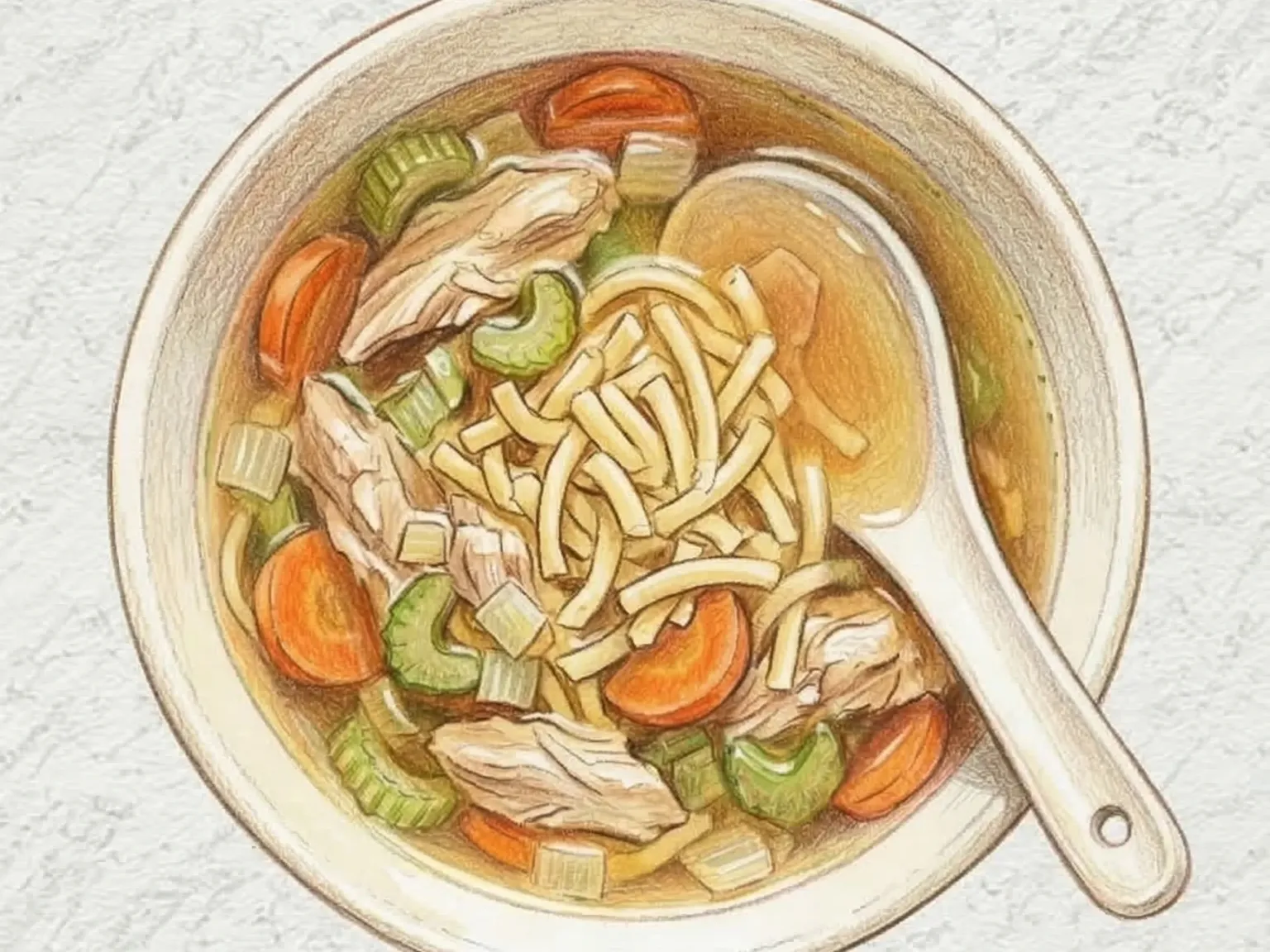
Chicken Noodle Soup
Chicken noodle soup simmers chicken breast with onion, carrot, and celery in chicken stock, then finishes with egg noodles for a classic American home-cooked meal. Sauteing the vegetables in olive oil before adding the stock draws out their natural sweetness and infuses the broth with their flavor from the start. Poaching the chicken breast whole and shredding it along the grain produces long strands that mix naturally with the noodles on the spoon. Adding the noodles at the very end and cooking them only for the time listed on the package keeps them from turning soft and mushy. For leftovers, storing noodles separately and combining them when reheating preserves their texture.
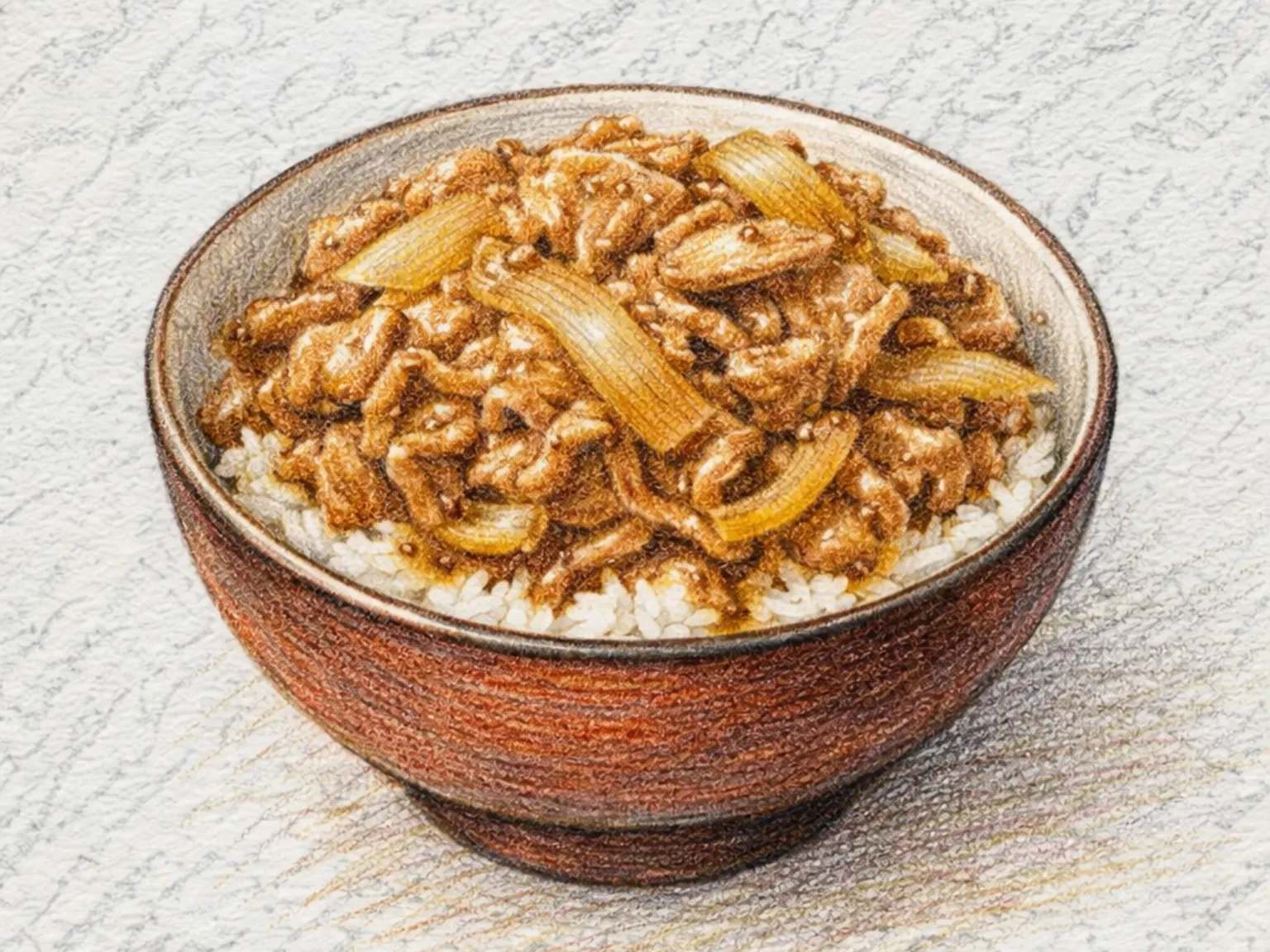
Japanese Beef Bowl (Gyudon)
Gyudon starts with paper-thin slices of beef and thinly cut onion simmered together in a broth of soy sauce, mirin, sugar, and grated ginger. The key is keeping the heat at medium rather than high, which prevents the beef from toughening and allows the onion to break down gently, releasing sweetness into the sauce. As the liquid reduces to a glossy, concentrated state, the flavors intensify into a layered combination of salty, sweet, and faintly sharp ginger notes. A one-minute rest off the heat lets the beef absorb more of the seasoned broth before it goes over the rice. The dish differs from stir-fried beef bowls in that the meat is never seared; instead it poaches in the simmering liquid, staying notably soft. A runny egg on top is traditional and adds richness when the yolk breaks into the sauce.
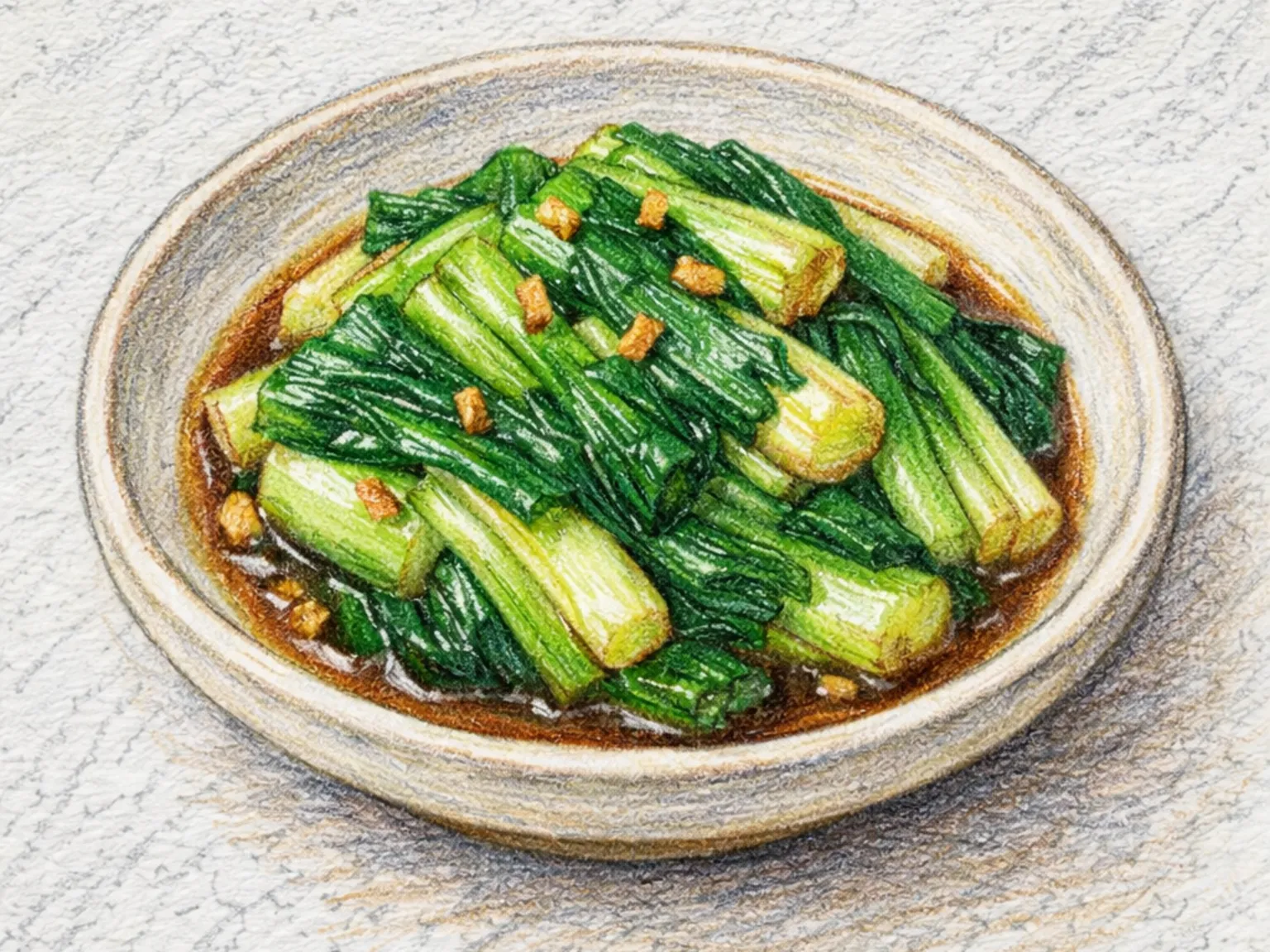
Korean Stir-Fried Bok Choy with Oyster Sauce
A Chinese-Korean banchan that became a weeknight fixture in Korean homes from the 1990s onward. The technique depends on a scorching-hot pan: oil and garlic go in first, then halved bok choy hits the surface for barely a minute. Oyster sauce and a splash of water form a quick glaze that coats each stem. Leaf edges char lightly while the white stalks stay juicy and crisp throughout. A final drizzle of sesame oil adds a toasted note. Start to finish, the cook takes under five minutes. Serving it soon after cooking keeps the intended texture clearer, while brief resting lets the sauce or broth settle into the dish.
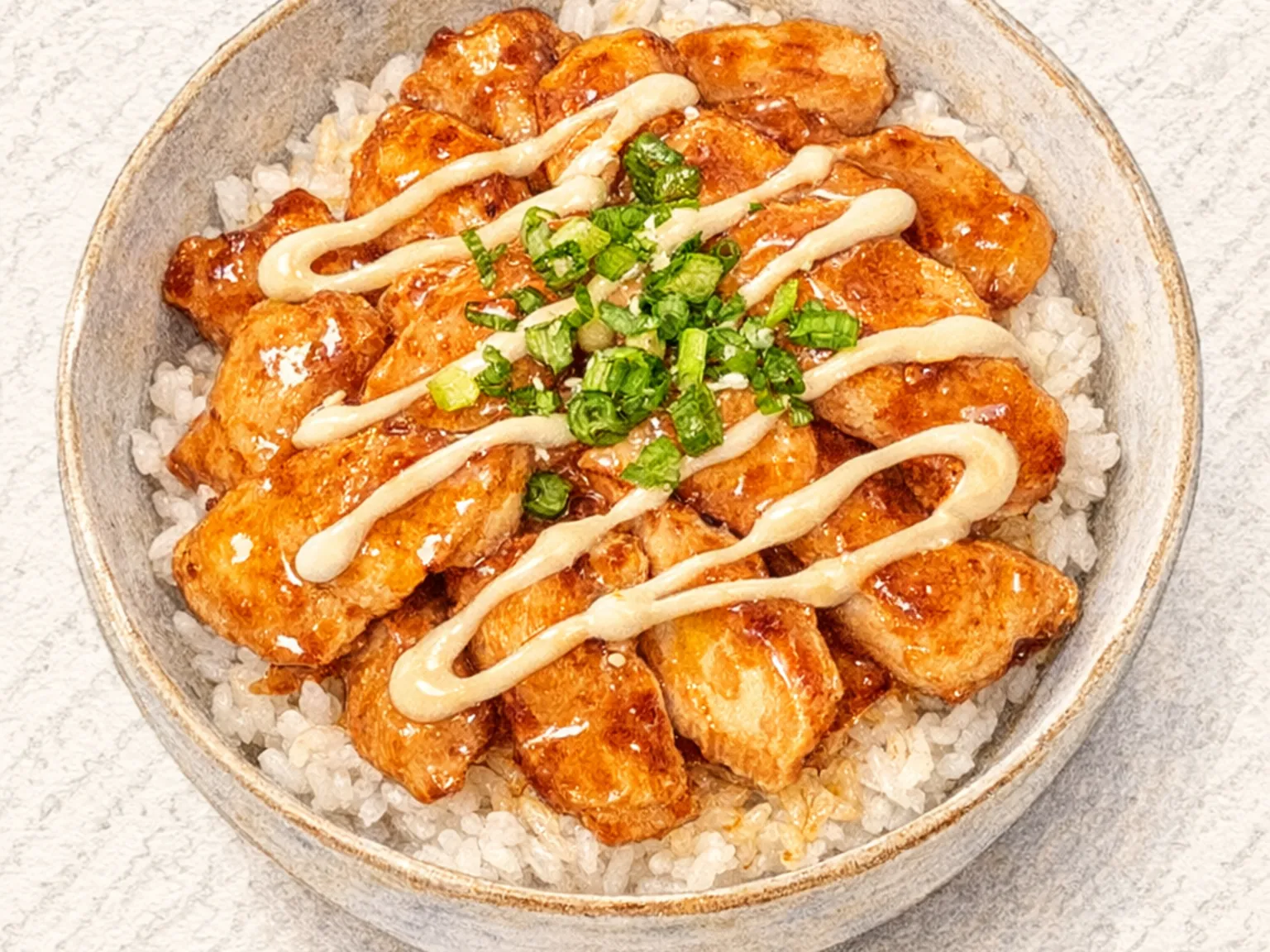
Korean Chicken Mayo Rice Bowl
Chikin mayo deopbap is a Korean rice bowl topped with pan-fried chicken breast glazed in a sweet-salty soy sauce and finished with a generous drizzle of mayonnaise. The chicken is cooked over medium-high heat until the exterior turns golden and slightly crisp while the inside stays moist. A soy sauce and sugar glaze added near the end caramelizes around each piece, creating a sticky coating that clings well. The mayonnaise adds creaminess and a mild tang that balance the saltiness of the glaze; when it hits the warm chicken and rice, it loosens slightly into a sauce that seeps down through the bowl. With only a handful of everyday ingredients and around fifteen minutes of cooking time, it matches the convenience of a packaged lunch box while delivering noticeably better flavor and texture.
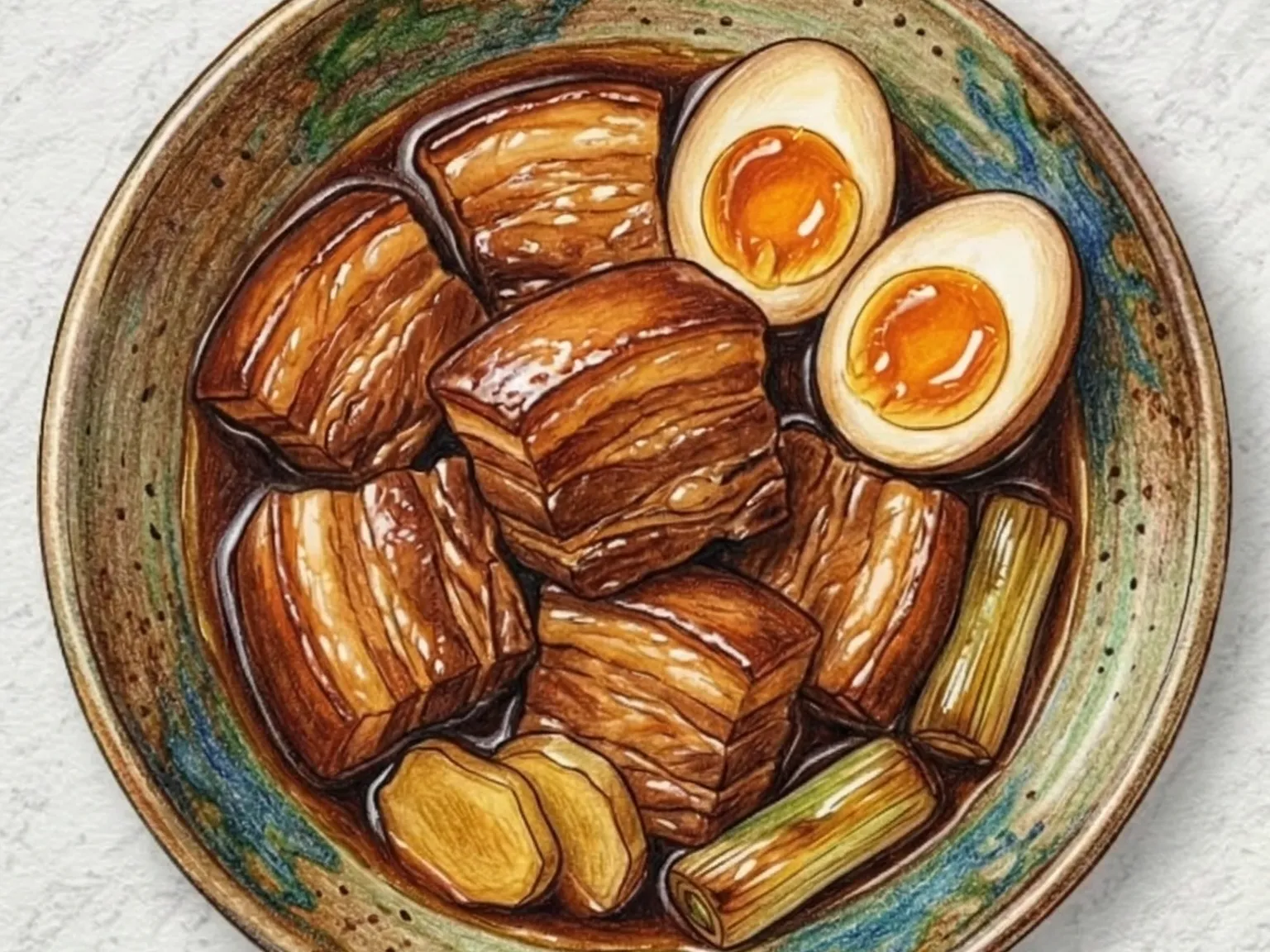
Japanese Braised Pork Belly
Thick cubes of pork belly are blanched for five minutes to remove impurities, then simmered in water with ginger and green onion for fifty minutes until the fat layers turn translucent and completely tender. The parboiled meat transfers to a fresh pot with soy sauce, mirin, and sugar, where it braises over medium-low heat for another thirty minutes as the liquid reduces by half and lacquers each piece in a dark, glossy coat. Mirin carries off residual off-odors along with its alcohol as it heats, while leaving a gentle sweetness behind in the meat. Ginger neutralizes the musky, funky quality that pork belly fat tends to develop during prolonged cooking. Boiled eggs added to the braising liquid absorb the soy-mirin mixture through their whites, turning amber and picking up savory flavor all the way through to the yolk. Cooling the finished dish completely and reheating it once deepens the texture further: the collagen that dissolved during cooking sets into a firm gel while cold, then melts again on reheating, thickening the sauce into something close to a demi-glace. Skimming the solidified fat from the chilled surface removes excess grease without stripping any of the flavor.

Korean Eomuk Hot Bar (Fried Fish Cake Skewer)
Eomuk hotbar is a Korean street food snack made by threading fish cake onto a skewer, coating it in a flour and egg batter, and deep-frying until golden. Wrapping the fish cake in a spiral around the skewer before frying maximizes the surface area that the batter can cling to, and the result after frying is a double-layered texture: a crisp outer shell from the batter and a chewy, springy fish cake center underneath. Adding a small amount of baking powder to the frying mix causes the batter to puff slightly, producing a lighter crunch that does not feel heavy despite the frying. Ketchup or mustard is the standard condiment, applied straight from the bottle at roadside stalls. The mild fish flavor from the eomuk comes through subtly from beneath the fried coating rather than dominating.
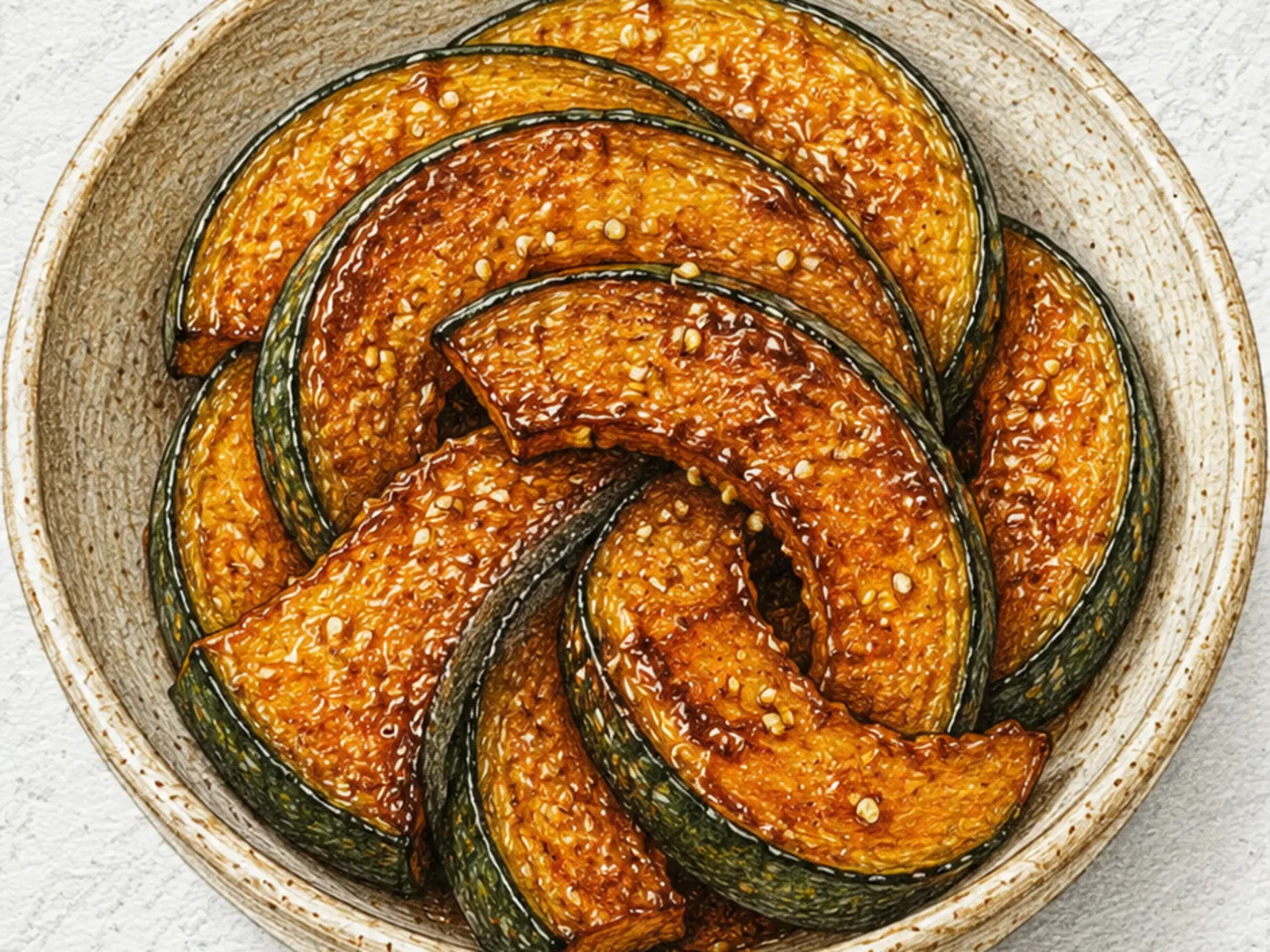
Korean Soy-Glazed Kabocha Grill
Danhobak-ganjang-gui is a Korean soy-glazed kabocha squash dish where thick half-moon slices are pre-steamed or microwaved until just tender, then pan-grilled with a glaze of soy sauce, corn syrup, minced garlic, and sesame oil. Pre-cooking the squash is essential: it eliminates the need for prolonged grilling, so the glaze can caramelize quickly over high heat without the interior remaining raw. The natural sugars in kabocha meet the salt of the soy sauce to create a pronounced sweet-salty contrast. The corn syrup melts into a shiny, lacquer-like coating on the surface. Sesame oil should be added only after removing from heat to preserve its fragrance, and a scattering of toasted sesame seeds finishes the dish with a crunchy, nutty accent. Kabocha squash skin is fully edible and becomes slightly crisp when grilled, creating a pleasant textural contrast with the soft, sweet interior. Substituting a spoonful of gochujang for part of the soy sauce produces a spicy variation, and minced cheongyang chili added to the glaze layers heat over the sweet-salty profile for a more intense side dish.
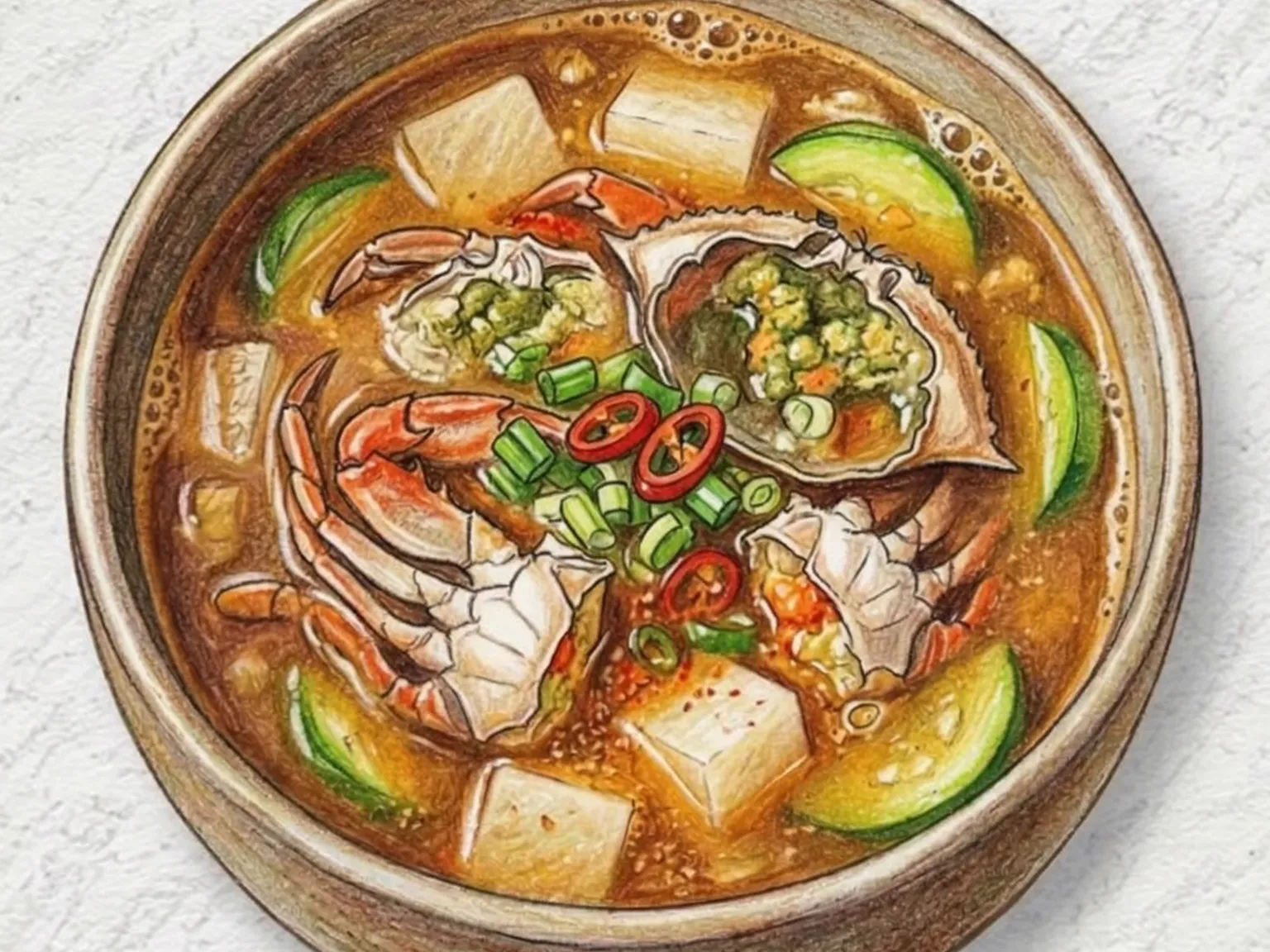
Korean Freshwater Crab Spicy Soup
This spicy freshwater crab soup is a traditional Korean regional dish featuring halved crabs simmered in a rich broth. The preparation starts by scrubbing the crabs and soaking them in light saltwater for five minutes to reduce any muddy odor. A base broth is made by boiling sliced radish and soybean paste, which is strained through a sieve to keep the texture smooth. The crabs are then added and boiled for ten minutes while skimming the foam. A combination of red pepper flakes and Cheongyang chilies builds a double layer of heat, complemented by minced garlic and soup soy sauce. Zucchini, green onions, and chili peppers are added during the final five minutes of cooking, allowing their natural sweetness to balance the spicy broth. Simmering for forty minutes in total extracts the deep, briny flavor of the freshwater crab.
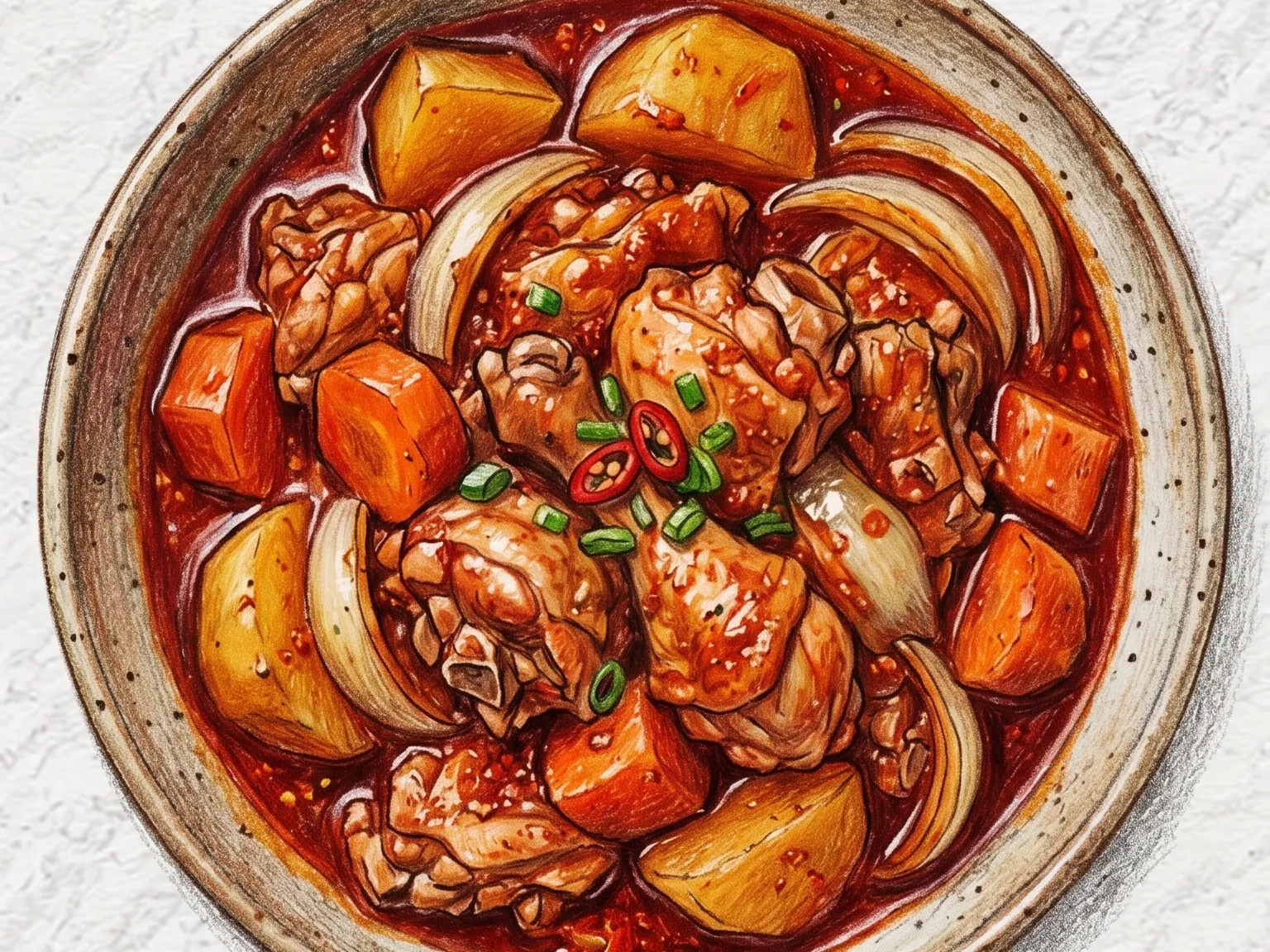
Korean Spicy Braised Chicken
Dakdoritang is a Korean braised chicken dish where bone-in pieces are simmered with potato, carrot, and onion in a sauce built from gochujang, gochugaru, soy sauce, garlic, and sugar. As the chicken cooks, it releases juices into the sauce that blend with the gochujang to create a thick, glossy braising liquid that coats every surface it touches. The potato breaks down gradually over the cooking time, adding starch that thickens the sauce further without any additional effort. Carrot and onion absorb the braising liquid and take on its full flavor, making them as central to the meal as the chicken itself. Sugar moderates the sharp heat of the chilies into a warm, rounded spice that lingers rather than burns. A finishing touch of sesame oil and sliced green onion added just before serving adds a nutty fragrance and fresh brightness that lifts the richness of the braise.
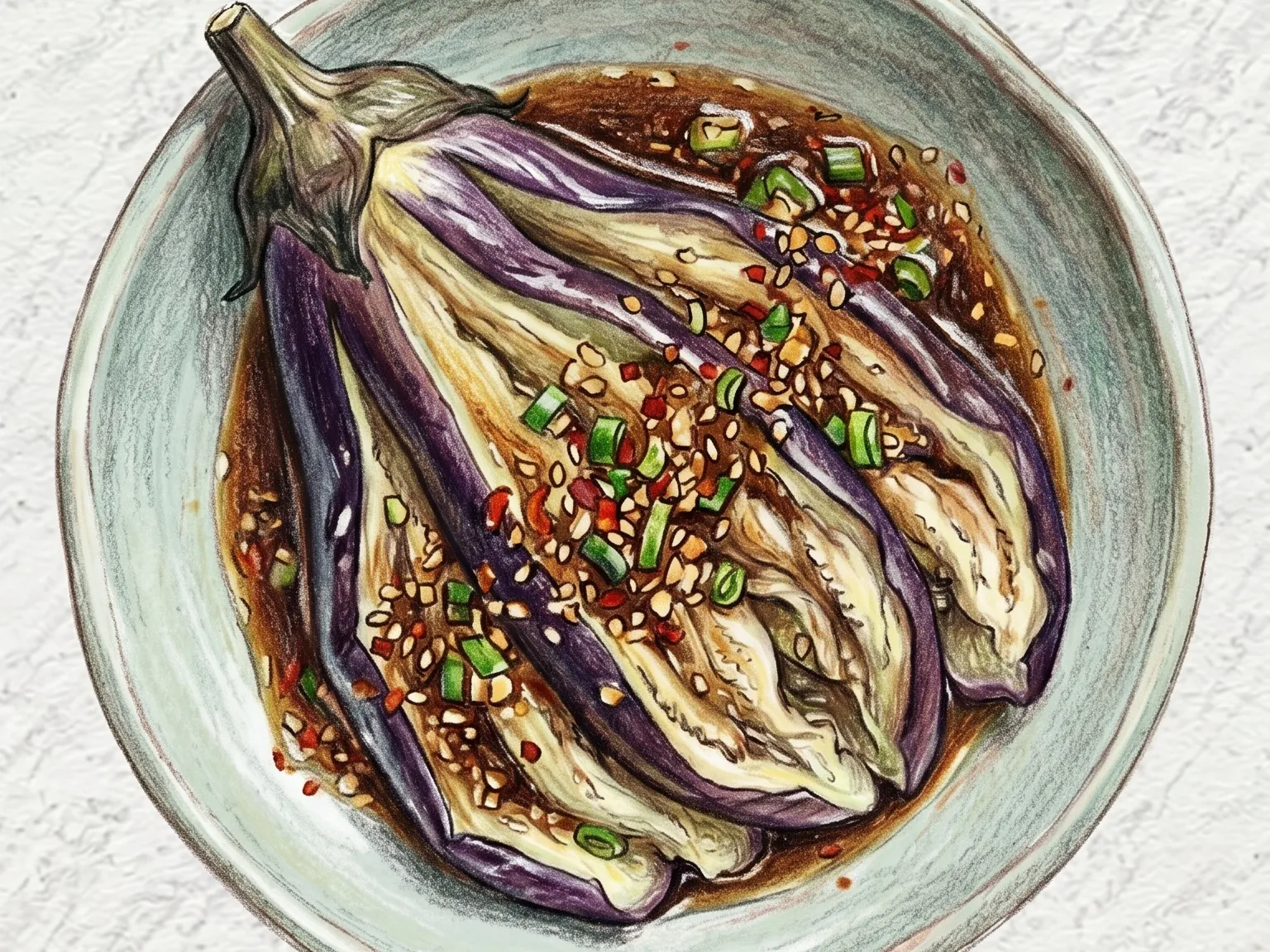
Korean Steamed Eggplant with Seasoning
Steaming whole eggplants preserves the moisture trapped inside the purple skin, creating a silky and soft texture that sliced pieces cannot replicate. This traditional Korean side dish relies on the technique of tearing the cooked eggplant by hand along its natural grain rather than using a knife. The resulting irregular surface area allows the dressing of soy sauce, garlic, and red pepper flakes to cling effectively to every fiber. Sesame oil and toasted seeds contribute a nutty fragrance while sliced green onions provide a fresh finish to the light seasoning. Adding perilla powder increases the nuttiness, and incorporating canned tuna provides enough protein to serve the dish as a primary component of a meal. Adding minced cheongyang chilies into the sauce increases the heat for a spicier version. Since the preparation takes less than thirty minutes, it remains a common choice during hot summer months. The dish keeps its consistency well in the refrigerator for about twenty-four hours after cooling.
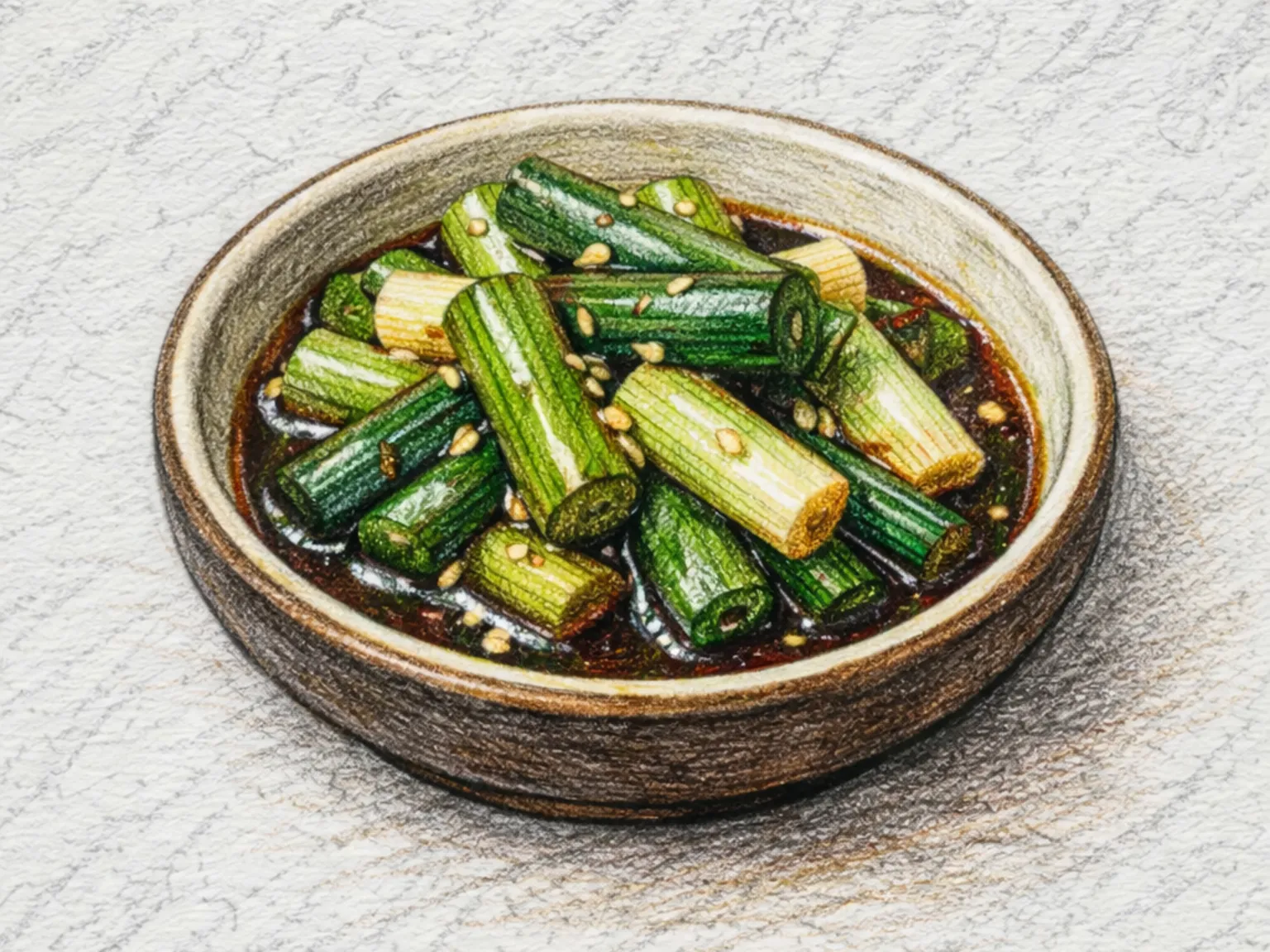
Korean Pickled Green Onion
Daepa jangajji is a quick Korean pickle made by cutting large green onions into five-centimeter lengths and submerging them in a cooled brine of soy sauce, vinegar, and sugar with garlic and dried chili. Using primarily the white portions yields a firmer, crisper result, and the brine must be cooled thoroughly before pouring to prevent the onions from wilting prematurely. The soy and vinegar together pull back the raw sharpness of the green onion while leaving its aromatic depth intact. Two days of refrigeration allow the seasoning to penetrate evenly throughout each piece. The result is a sharp, savory condiment that cuts through the fat of grilled pork belly or other rich meats, and its simple ingredient list makes it one of the most practical quick-pickles to keep on hand.
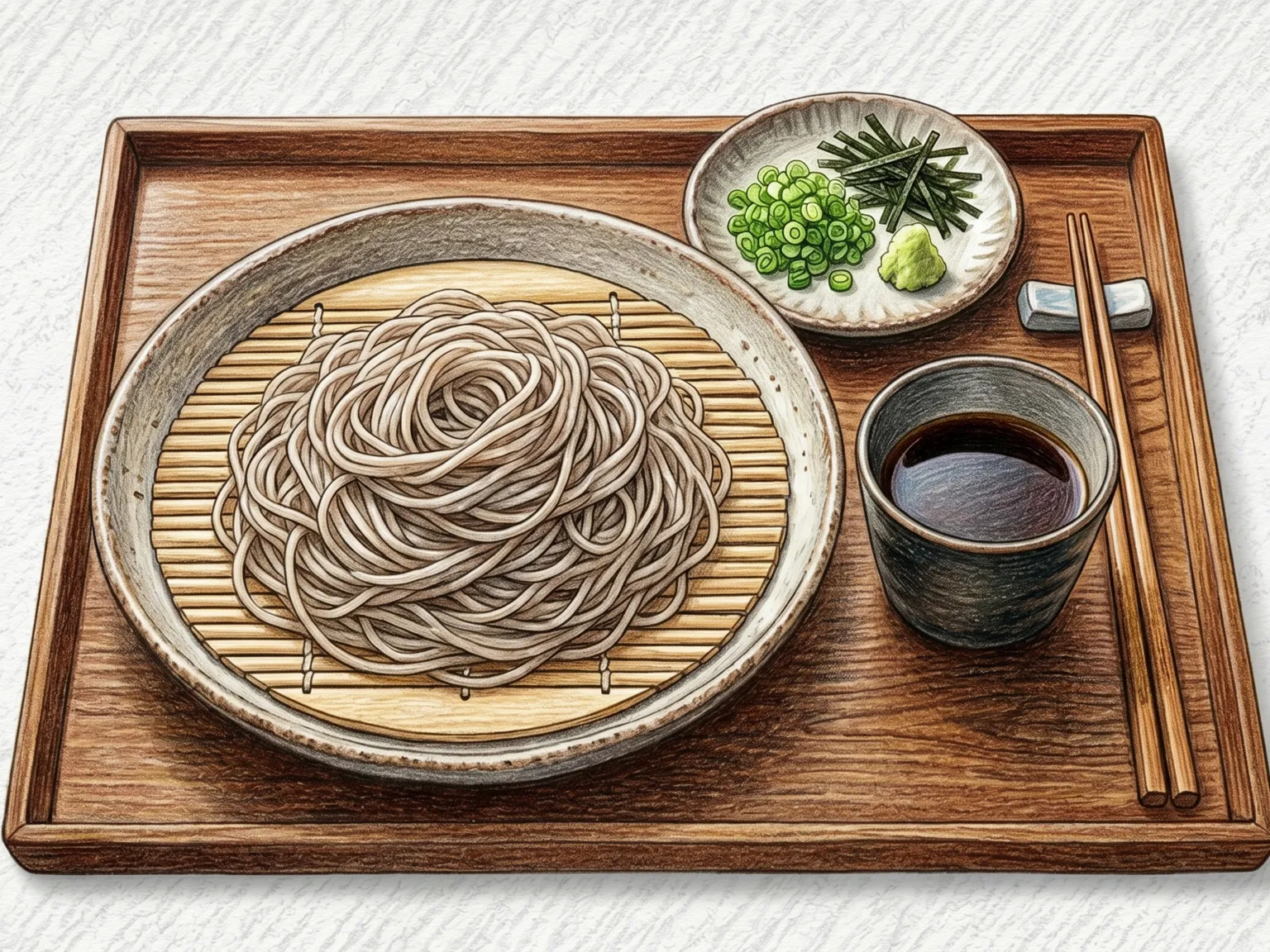
Cold Buckwheat Noodles
Mori soba is a Japanese cold noodle preparation where buckwheat noodles are boiled, rinsed under cold running water until firm, and served on a bamboo draining mat alongside a chilled tsuyu dipping broth. The nutty, slightly grainy character of buckwheat is the foundation of the dish, with each mouthful releasing an earthy, grain-forward fragrance. Tsuyu, concentrated from katsuobushi, kombu, soy sauce, and mirin and then chilled, is rich in umami and strong enough that a brief dip coats the noodles completely without drowning them. Wasabi and thin-sliced scallion stirred directly into the broth add sharp heat and a clean green note, while a pinch of shredded nori over the noodles introduces a subtle oceanic undertone. After boiling, the noodles must be cooled thoroughly in ice water to lock in their elasticity and prevent them from turning soft before serving.
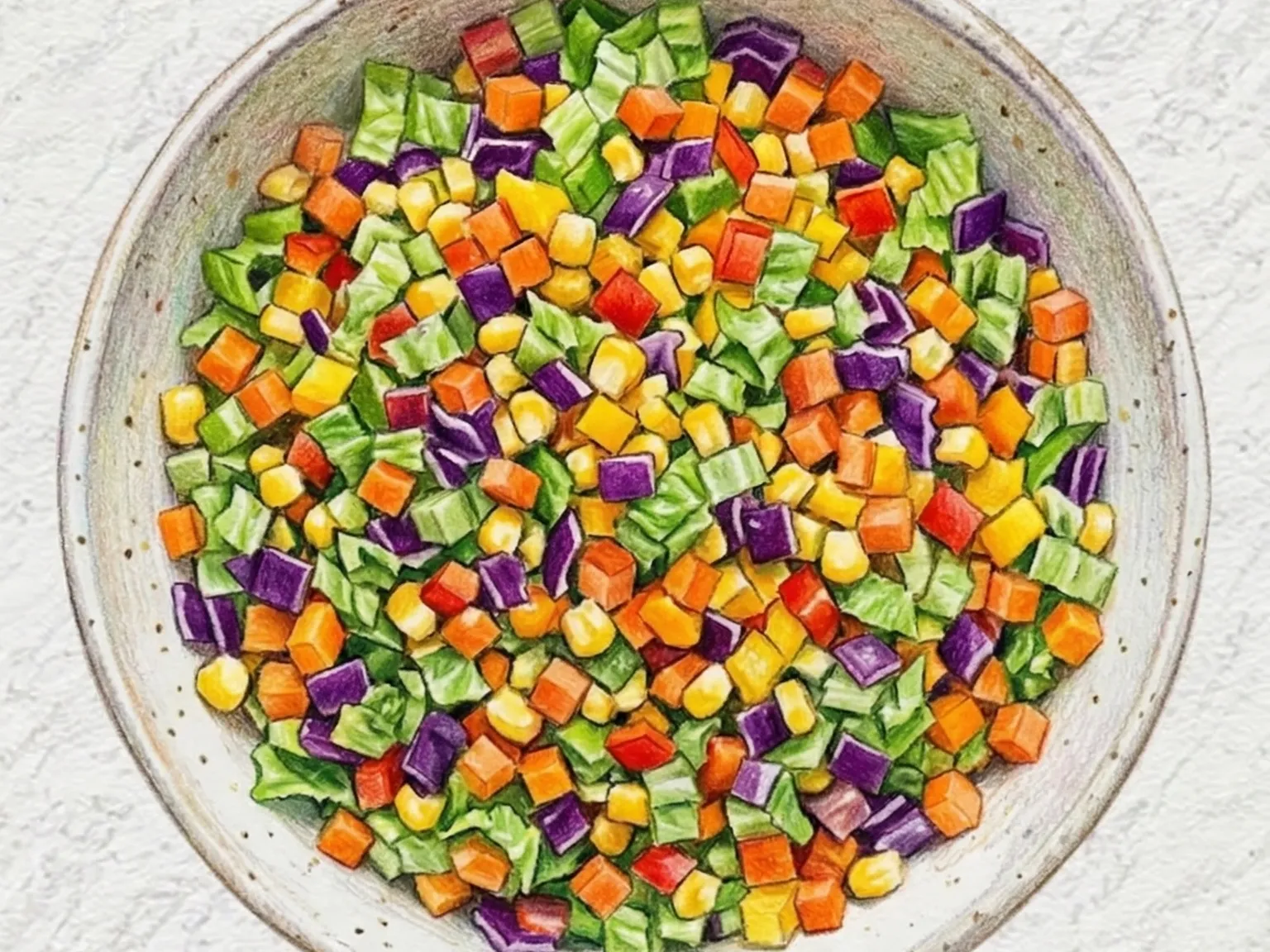
Chopped Rainbow Salad
Chopped rainbow salad dices romaine, red cabbage, carrot, bell pepper, and corn kernels into small, uniform pieces so that every forkful picks up multiple colors and textures at once. Keeping the cuts even ensures consistent crunch and even dressing coverage across the bowl. The dressing uses only olive oil, lemon juice, and salt, so each vegetable's natural character shows through without interference. Red cabbage's slight bitterness and the sweetness of corn create a built-in contrast, while bell pepper adds structural crunch that anchors the bowl. Because none of the ingredients carry high moisture, the salad holds up well after tossing without going limp, making it well suited for packed lunches or meals prepared in advance. Fresh herbs, crumbled feta, or sliced avocado can be added to turn it into a more substantial single-dish meal.

Chicken Quesadilla
Chicken quesadilla seasons diced chicken thigh with paprika, sautees it with onion and bell pepper, then presses the filling between flour tortillas with cheddar and mozzarella and toasts on low heat until crisp. Spreading a thin layer of cheese to the edges acts as glue, sealing the tortilla shut so the filling stays in place and the wedges cut cleanly. Low heat is essential - it gives the cheese time to melt evenly through the filling before the tortilla surface browns. The sharp flavor of cheddar and the stretch of mozzarella together wrap around the lean chicken, while paprika and onion add a sweet, smoky undertone. Sliced into eight wedges and served warm with sour cream or salsa on the side.
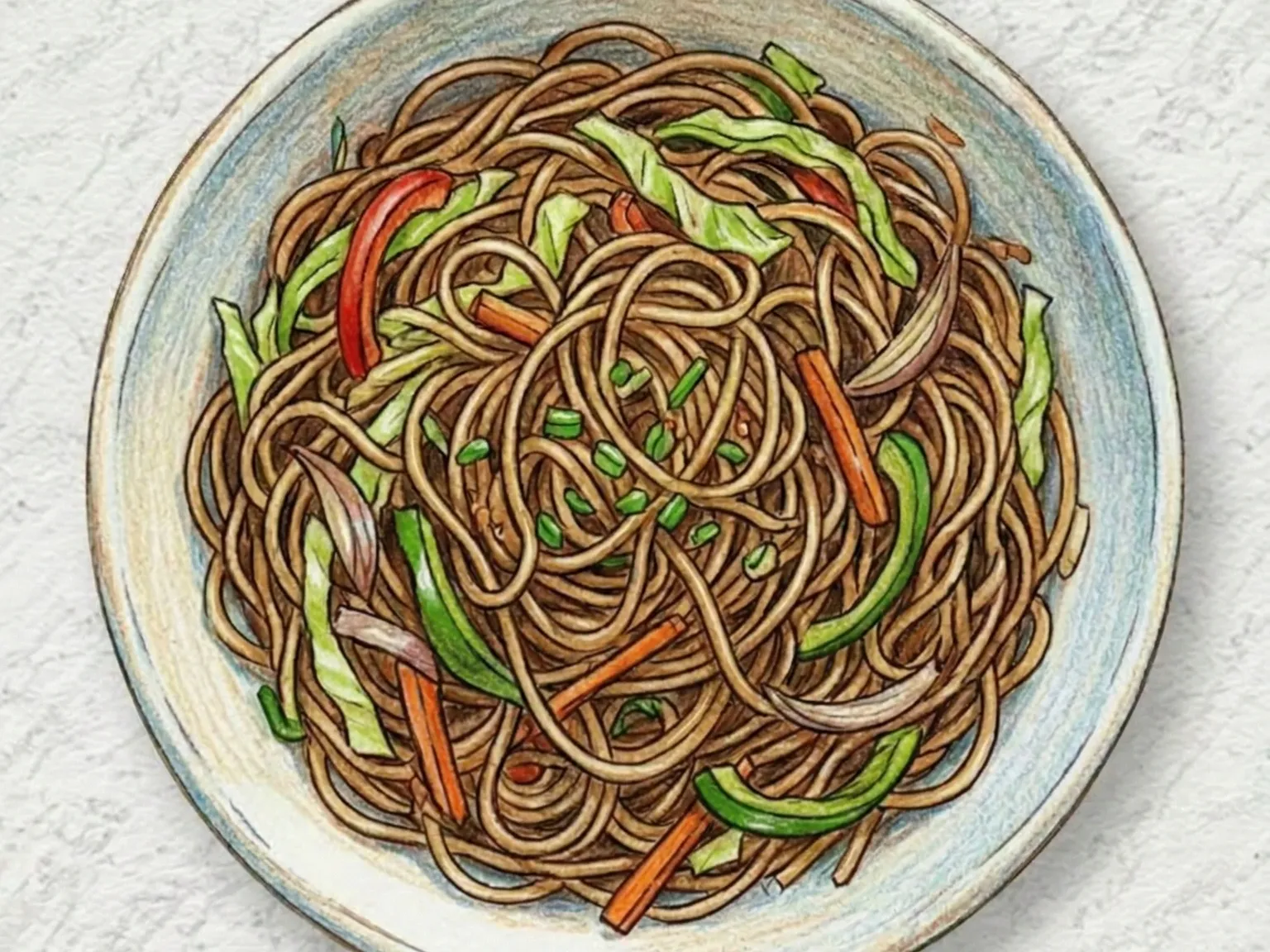
Hakka Noodles (Indo-Chinese Stir-Fried Noodles)
Hakka noodles represent the Indo-Chinese culinary tradition, a fusion cuisine that originated in the Chinese immigrant community of Kolkata and has since spread to cities across India. Egg noodles are boiled just short of fully cooked, rinsed under cold water to stop cooking, and tossed with a small amount of oil so the strands stay separate and pick up seasoning evenly during stir-frying. The vegetables, cabbage, carrot, and bell pepper, are julienned into matchstick-width strips that match the diameter of the noodles, ensuring a balanced forkful in every bite, and are cooked for no more than two minutes over intense heat to preserve their snap. The seasoning mix is deliberately spare: soy sauce for salinity, a splash of rice vinegar for a faint sour note, and black pepper for warmth. What matters more than the ingredient list is the speed and heat of the cooking. The intense wok temperature creates a light char and smoky depth on the noodles and vegetables, a quality called wok hei that cannot be achieved at lower temperatures regardless of the seasoning. Spring onions are added only after the heat is off to keep their fresh aroma and bite intact. Slightly undercooking the noodles before the wok is key; overcooked noodles turn mushy under the heat of stir-frying.
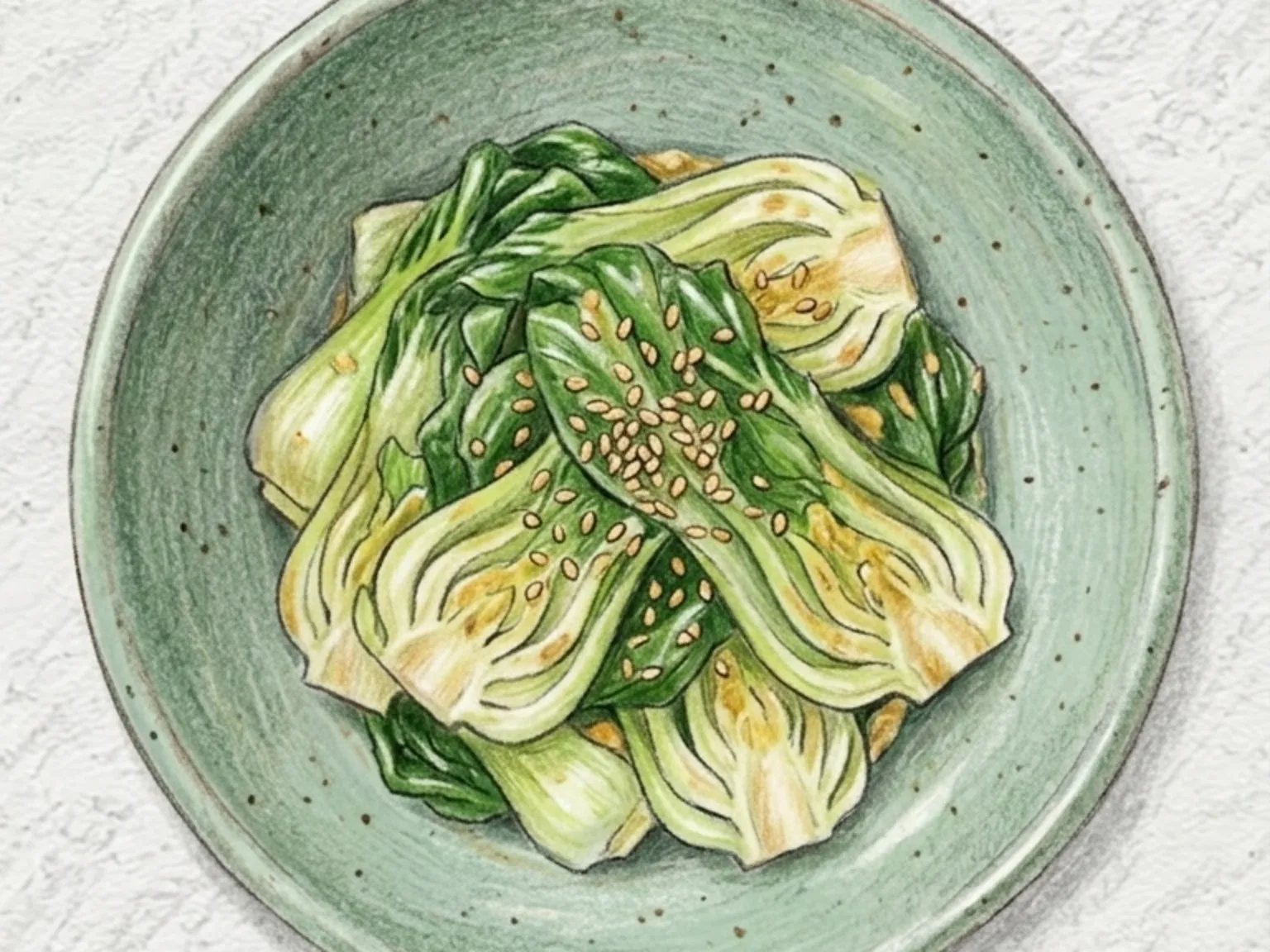
Korean Seasoned Bok Choy Namul
Unlike high-heat stir-fried bok choy with oyster sauce, this namul follows Korea's traditional blanch-and-dress method. One minute in boiling water wilts the leaves fully while keeping the pale stalks firm enough to provide a mild crunch. The greens are squeezed dry, cut into short lengths, and rubbed by hand with a mixture of doenjang, soup soy sauce, and minced garlic, working the seasoning into every piece rather than just tossing. The fermented soybean paste adds a deeply savory, slightly earthy quality that transforms the mild vegetable into something with real character. Sesame oil gives the finished dish a glossy coating and a nutty fragrance, and sesame seeds scattered on top add a final textural contrast against the soft leaves.
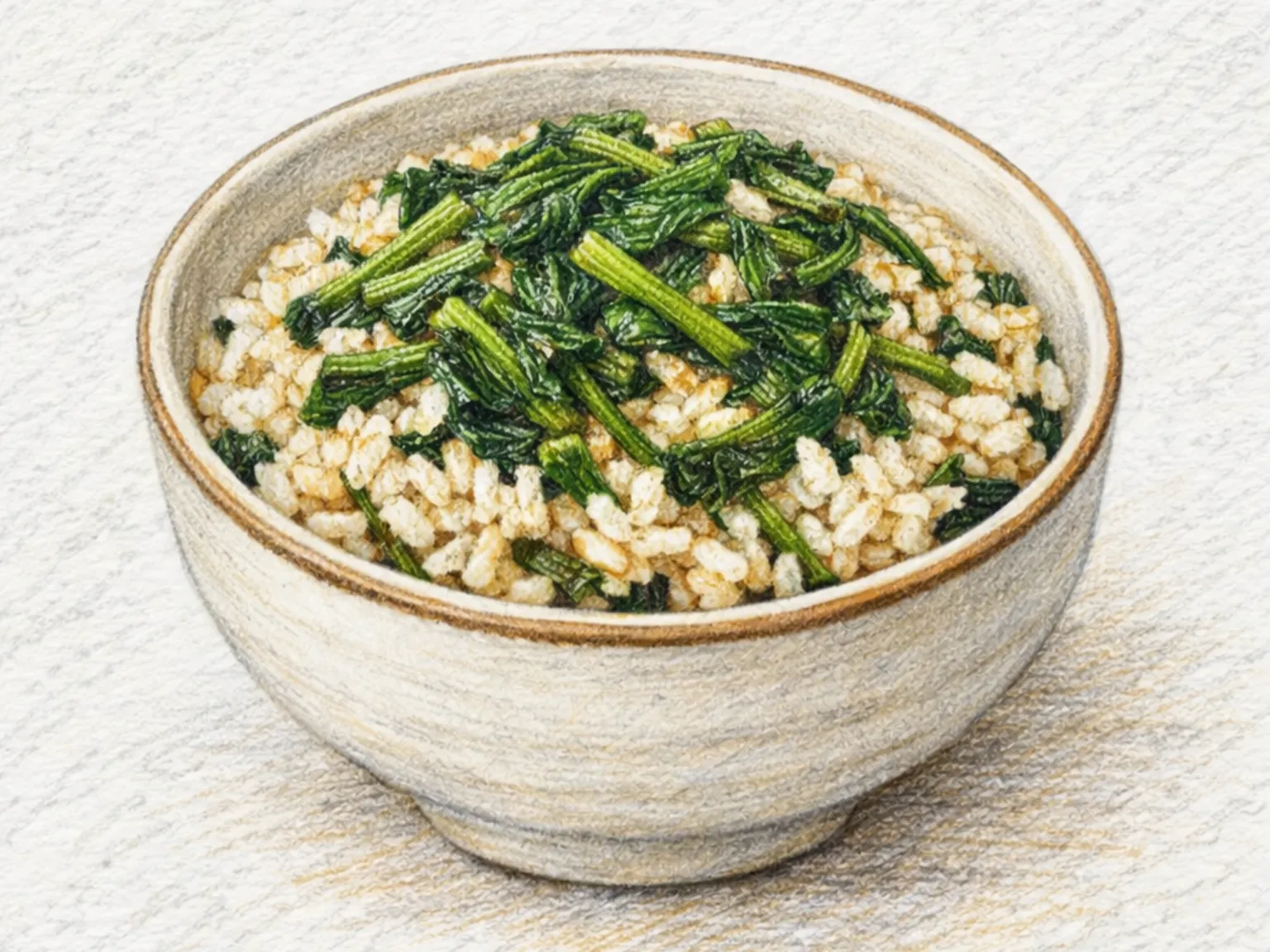
Korean Chwinamul Pot Rice
Chwinamul sotbap is a Korean pot rice made by layering lightly seasoned wild chwinamul greens over soaked rice and cooking everything together in kelp stock until done. The greens release their distinctively herbal, faintly bitter fragrance directly into the rice as it steams, filling the room with an earthy mountain scent when the lid is lifted. Mixed at the table with a soy-sesame sauce, the initial bitterness softens into a pleasant background that makes each spoonful layered and grounding. It is best prepared in spring when chwinamul is freshly picked, offering the sharpest aroma and the most tender stems. Dried chwinamul, soaked and squeezed before use, extends the recipe across all four seasons, though the fresh version carries a vitality and brightness that dried leaves cannot fully replicate.
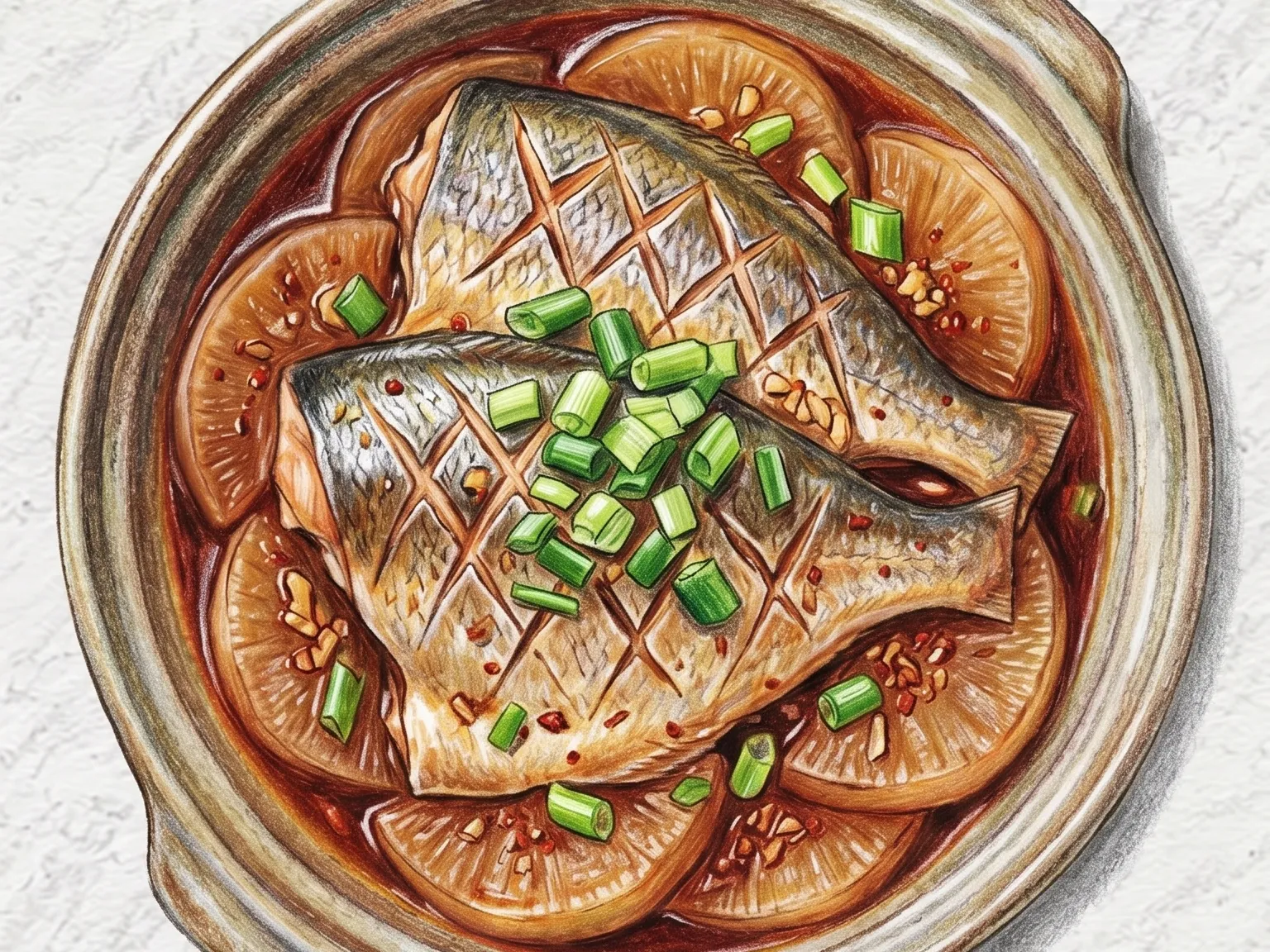
Korean Braised Butterfish
Byeongeo jorim is a Korean braised fish dish in which scored butterfish is set on a bed of sliced radish and slowly cooked in a soy-gochugaru braising liquid with garlic and ginger. Scoring the fish allows the seasoning to penetrate to the center of each fillet. The radish layer on the pot bottom serves two purposes: it cushions the delicate fish to prevent it from sticking and breaking apart, and it absorbs the braising liquid as it cooks, becoming a deeply savory, slightly sweet side dish on its own. Butterfish flesh is exceptionally fragile, so the fillets are never flipped during cooking. Instead, the braising liquid is spooned continuously over the surface to ensure even heat and even seasoning on top. Ginger added at the start neutralizes any fishiness, and gochugaru provides a mild, building heat that adds complexity to the clean flavor of the fish without masking it. Scallion pieces dropped in during the final two minutes release fragrance into the steam, rounding out the aromatic profile of the finished dish. At 330 calories and 31 grams of protein per serving, byeongeo jorim is a lean, nutritionally complete main course that pairs naturally with steamed rice.
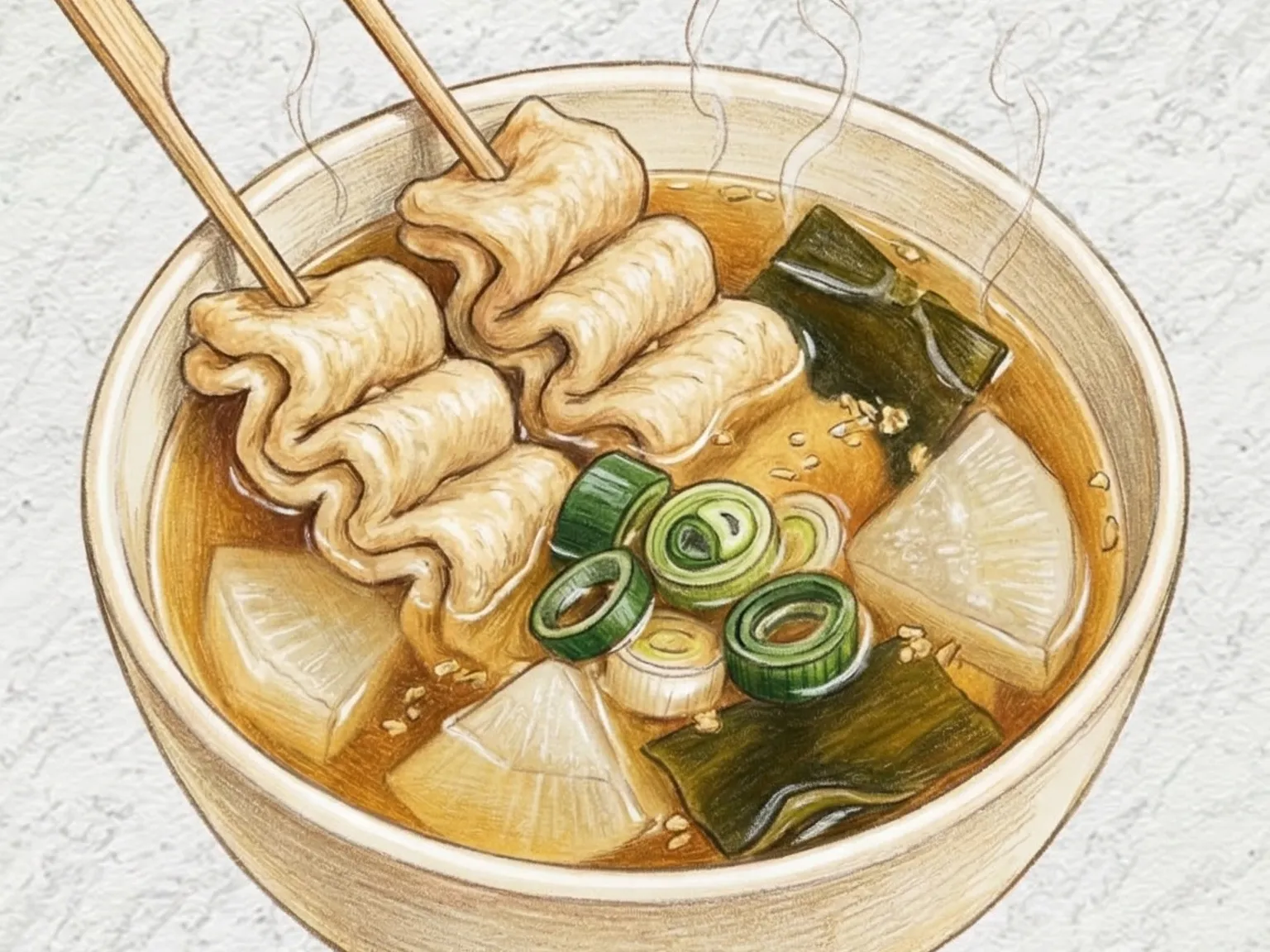
Korean Skewered Fish Cake Soup
Eomuk-kkochi starts with flat fish cake sheets folded into zigzag shapes on skewers, which then simmer in a clear broth made from Korean radish, kelp, and green onion. The broth draws umami from the radish and kelp and transfers that depth into the fish cakes as they cook. The fish cakes soften from their original firm bounce as they absorb the broth, while the liquid itself thickens slightly from the starch the eomuk releases. Serving a dipping sauce of soy or gochujang alongside each skewer adds another dimension of flavor at the table. This is one of Korea's most iconic winter street foods, served at pojangmacha stalls where the hot broth gets ladled into paper cups for sipping between bites.