🏠 Everyday Recipes
Simple home-cooked meals for any day
1705 recipes. Page 16 of 72
These are the meals you can cook day after day without getting tired of them. Doenjang jjigae, rolled omelet, spicy pork stir-fry - the kind of home-cooked dishes that fill an ordinary day with comfort.
The beauty of everyday cooking is that it relies on common ingredients already in your fridge. No exotic items, no complicated techniques - just straightforward recipes for satisfying home meals.
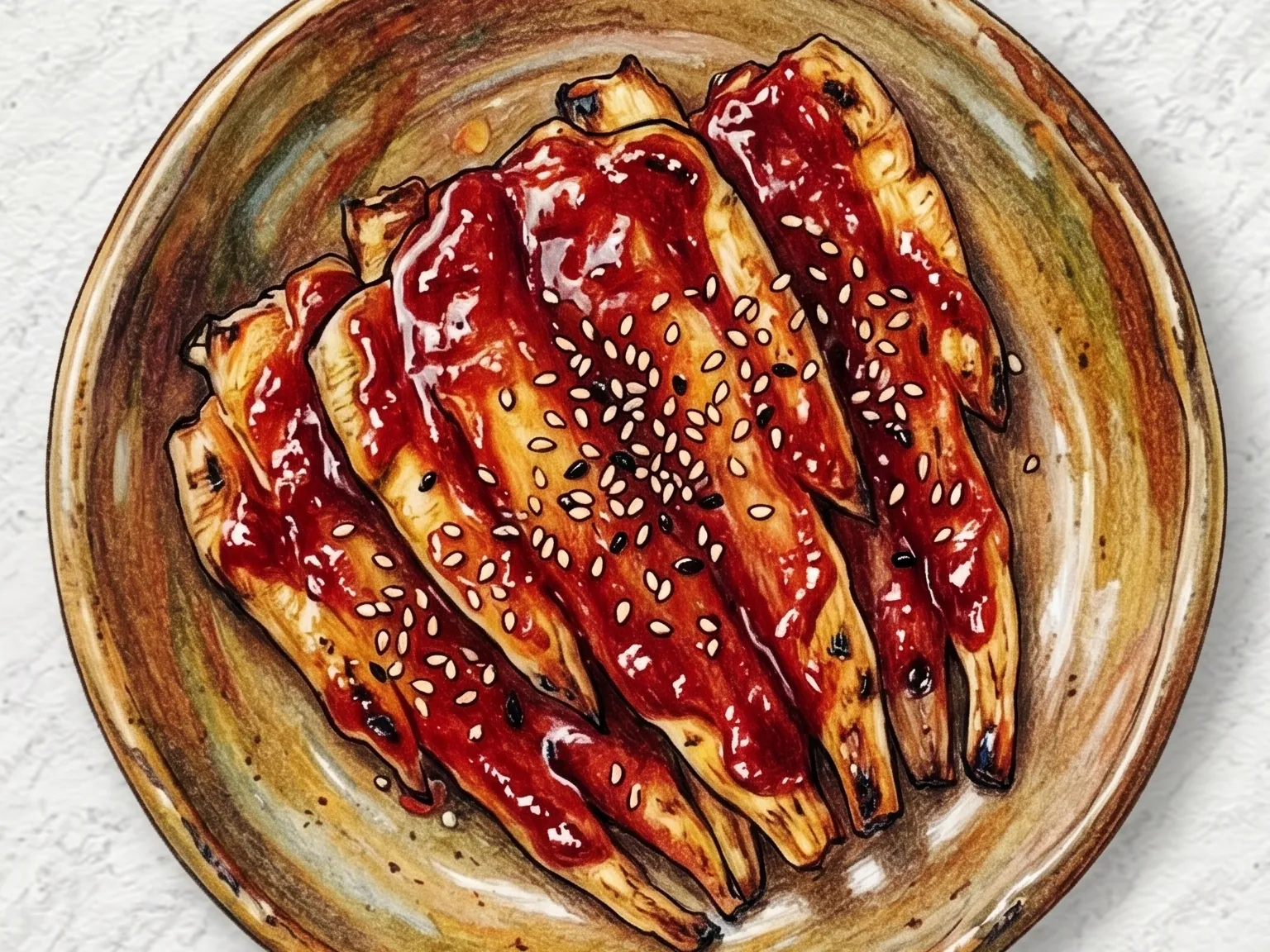
Korean Grilled Deodeok Root
Deodeok-gui is a traditional Korean mountain vegetable dish where peeled deodeok roots are pounded flat with a mallet, coated in a paste of gochujang, gochugaru, honey, sesame oil, and garlic, then grilled over high heat. The pounding step is critical: it breaks down the tough fibers so the seasoning absorbs evenly and the root develops a pleasant chewiness instead of remaining stringy. Soaking the peeled deodeok in lightly salted water for about thirty minutes before pounding draws out the sharpest bitterness, leaving only the characteristic mellow, slightly medicinal aroma the root is known for. That bittersweet quality sits in balance between the fermented spice of gochujang and the sweetness of honey. Quick grilling at high temperature chars the glaze just enough to add smokiness while keeping the interior moist; applying the seasoning paste in two stages during grilling builds a thicker, glossier layer on the surface. Toasted sesame seeds scattered on top contribute nuttiness that complements the wild herb's earthy, resinous character.
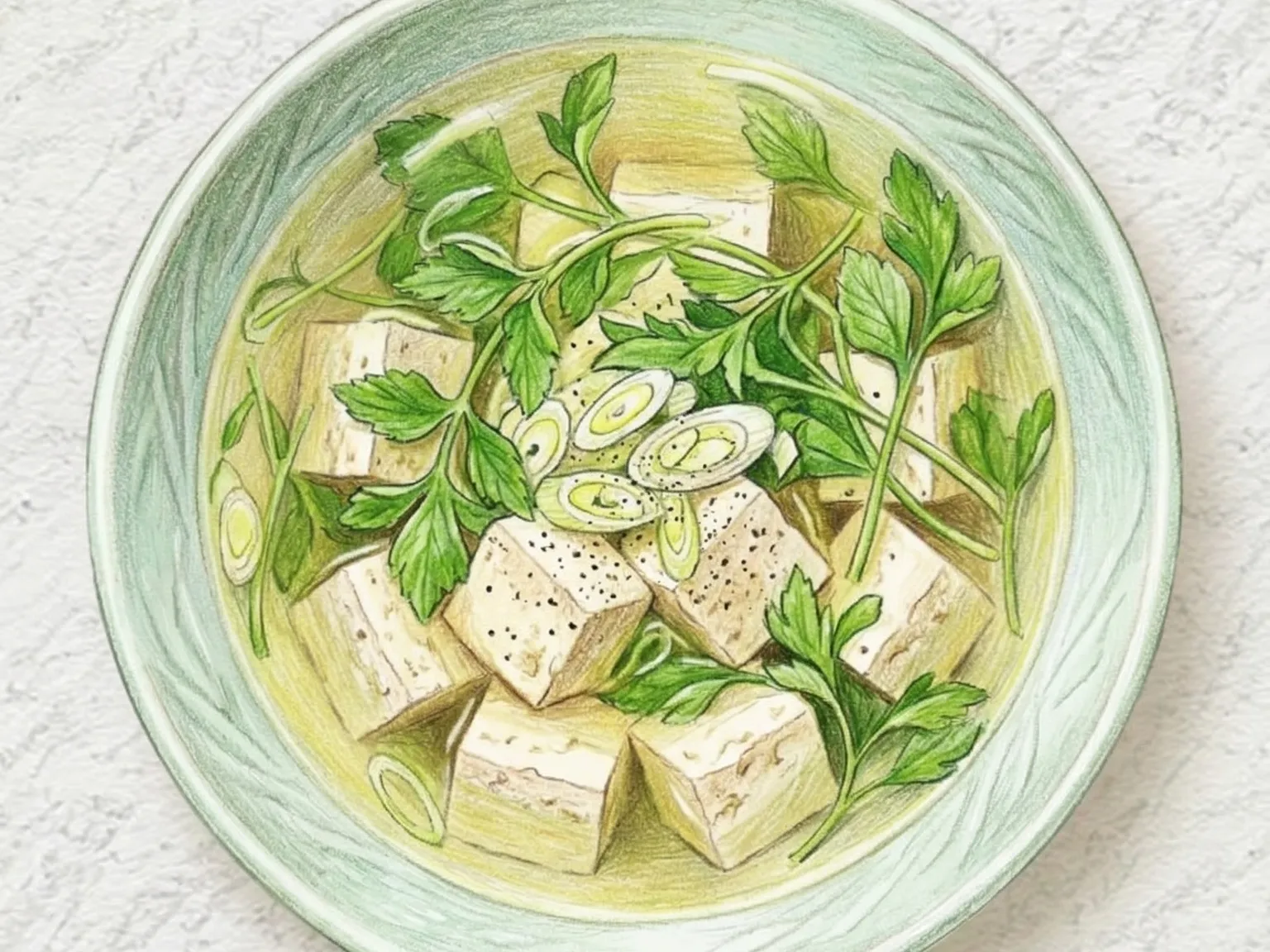
Chamnamul Dubu-guk (Korean Pimpinella Tofu Soup)
Chamnamul dubu-guk is the herb-forward Korean tofu soup in the dubu-guk family, built around chamnamul, or Korean pimpinella greens, in anchovy-kelp stock. Tofu goes in first and simmers for four minutes, absorbing the savory broth before the seasoning of soup soy sauce and salt is added. The chamnamul enters only at the end, kept barely long enough to wilt so its sharp, grassy fragrance stays intact rather than cooking off. The herbal edge of the greens cuts through the mild tofu and gives this clear soup a fresher profile than plain dubu-jangguk.
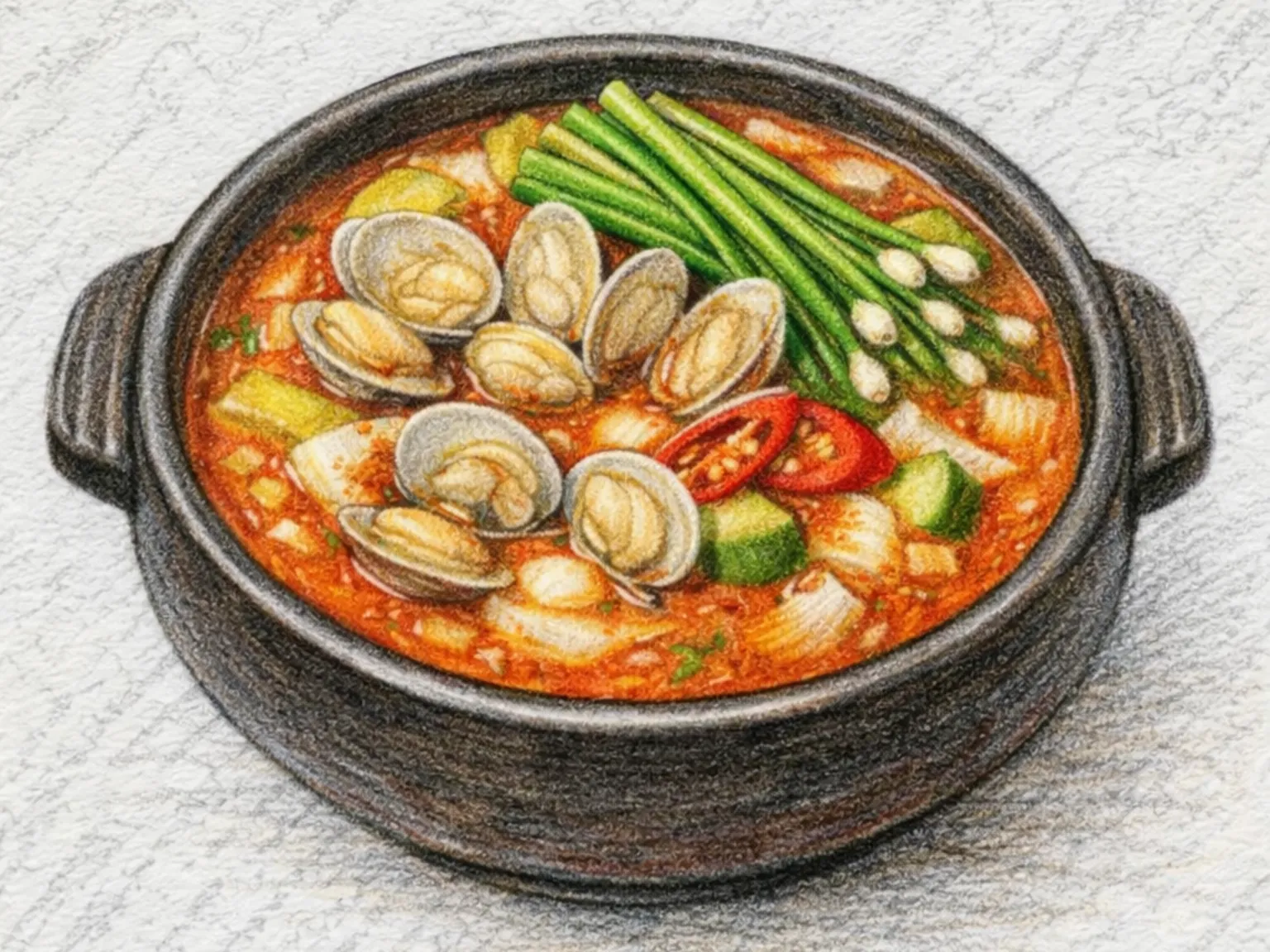
Korean Wild Chive Clam Chili Stew
Dalrae bajirak gochujang-jjigae is a spring stew that brings together wild chives and short-neck clams in a gochujang-spiked anchovy broth. When the clams are added to the simmering stock and begin to open, they release a concentrated brine that deepens the base flavor considerably. Gochujang folds in a fermented heat that runs through the whole bowl. Dalrae, a wild allium that grows in Korean fields from late February through April, goes in near the very end of cooking; its sharp, garlic-like scent stays intact that way and cuts through any marine fishiness. Potato pieces absorb the spicy broth as they cook and give the stew weight, while tofu provides a soft counterpoint to the heat. Before cooking, soaking the clams in salted water for thirty minutes purges any sand so the broth stays clean. The combination of early-spring dalrae with clams makes this a recipe with a narrow seasonal window.
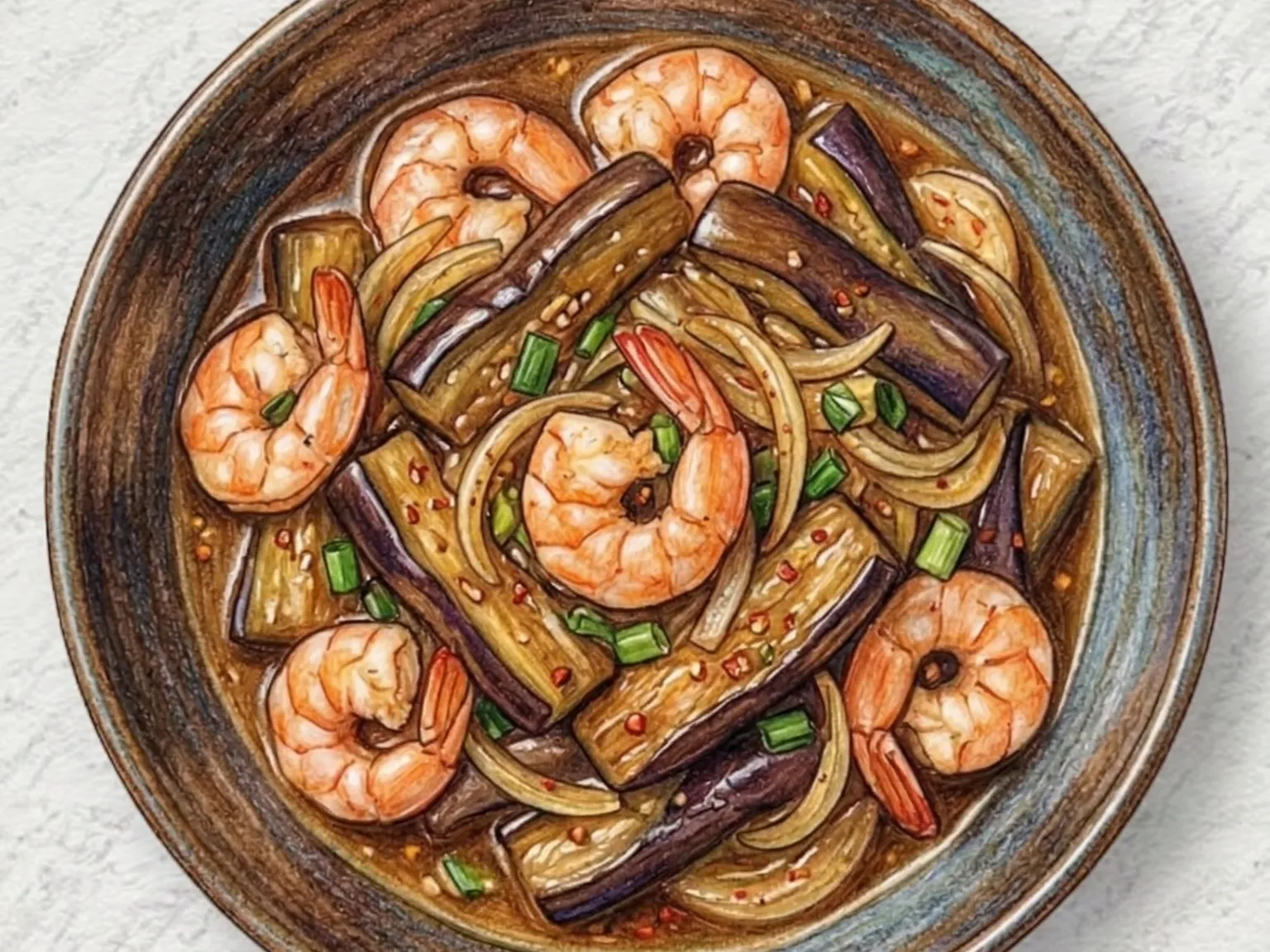
Korean Braised Eggplant with Shrimp
Gaji saeu jorim is a Korean braised side dish pairing eggplant with shrimp in a sauce of soy sauce and oyster sauce. Lightly stir-frying the eggplant in oil before braising coats the surface and prevents the slices from turning mushy, helping them hold their shape and develop a slight gloss as the sauce reduces. The natural umami from the shrimp combines with the dense savory character of the oyster sauce to deepen the overall flavor, and the eggplant draws all of that into its flesh as it braises slowly. Gochugaru adds a gentle warmth without masking the seafood, onion contributes background sweetness, and green onion lifts the aroma. The soft, juicy texture of the eggplant against the firm bounce of the shrimp gives the dish an appealing contrast, and the glossy dark sauce spooned over rice makes for a satisfying, complete meal with minimal effort.
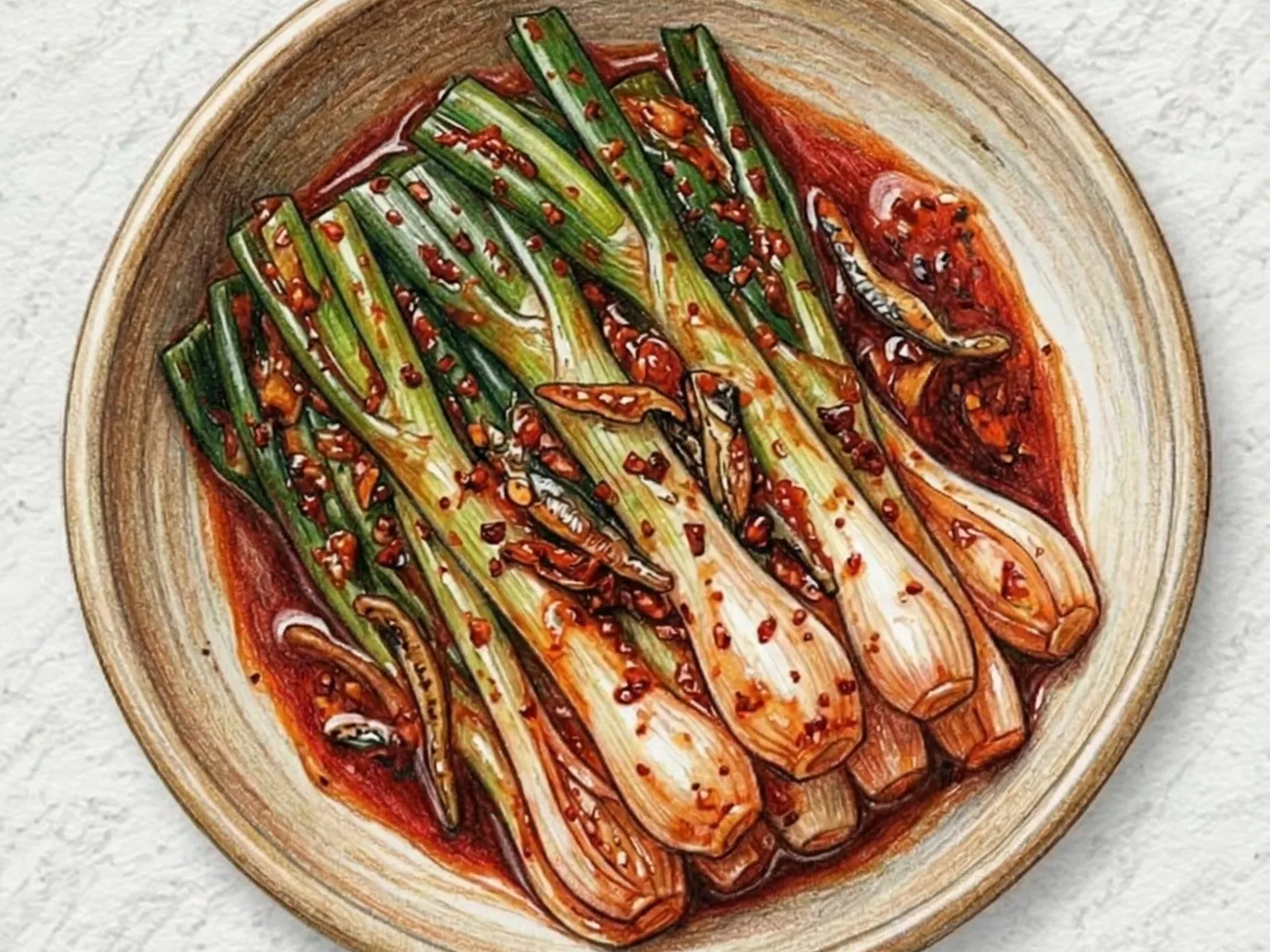
Korean Green Onion Kimchi
Daepa kimchi is made by cutting large green onions into six- to seven-centimeter lengths and coating them in a paste of gochugaru, anchovy fish sauce, soy sauce, plum extract, and glutinous rice paste. The rice paste acts as a binding agent that keeps the seasoning adhered to the onion surfaces through the entire fermentation period rather than pooling at the bottom of the container. Handling the stalks carefully so they do not bend or split is important for keeping each piece intact, and splitting the thicker white portions lengthwise down the center gives the paste more exposed surface area to penetrate. Eight hours of room-temperature fermentation followed by two days in the refrigerator brings the kimchi to its best point, when the sharp bite of the green onion and the deep fermented umami of the fish sauce have worked fully into each stalk. Daepa kimchi is a natural pairing with grilled pork belly or boiled pork, and it also makes a practical use for green onions before they go past their prime.
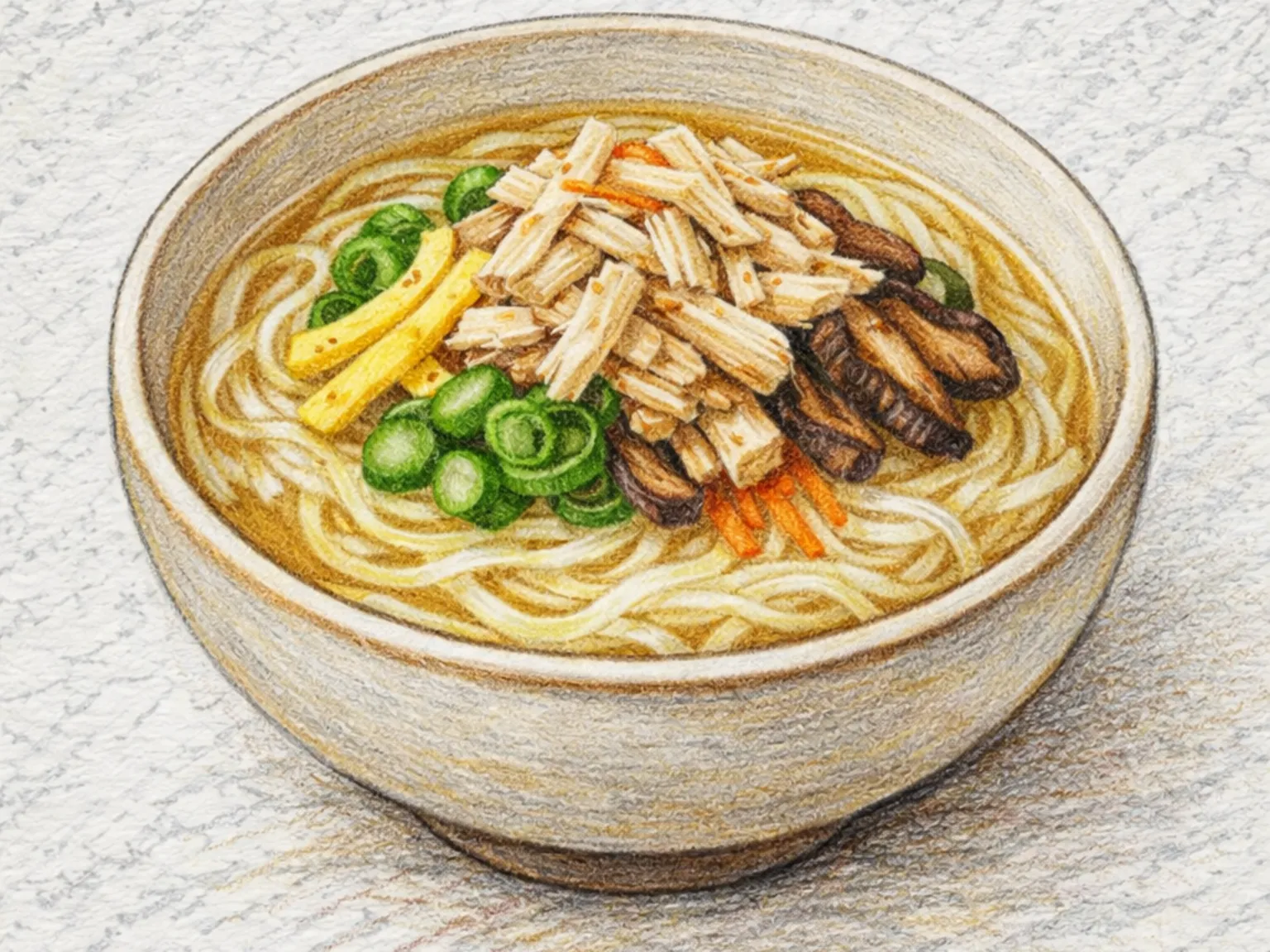
Korean Chicken Janchi Guksu
Korean janchi guksu topped with poached chicken breast. Thin wheat noodles are placed in a clear anchovy-kelp broth and finished with generous shreds of chicken that has been simmered and pulled apart along the grain. The chicken adds lean protein that makes each bowl more substantial than the classic version while keeping the broth light and clean. Julienned zucchini, crumbled dried seaweed, and thin egg-crepe strips add color and textural variety, and a small dish of soy-based seasoning sauce on the side lets diners adjust the saltiness to their preference. The noodles are boiled separately and rinsed in cold water to lock in their springiness before being placed in the hot broth just before serving, so they stay firm rather than turning soft. Because the recipe scales up without difficulty, it is a reliable choice for celebratory gatherings and large groups where a warm noodle dish is needed.
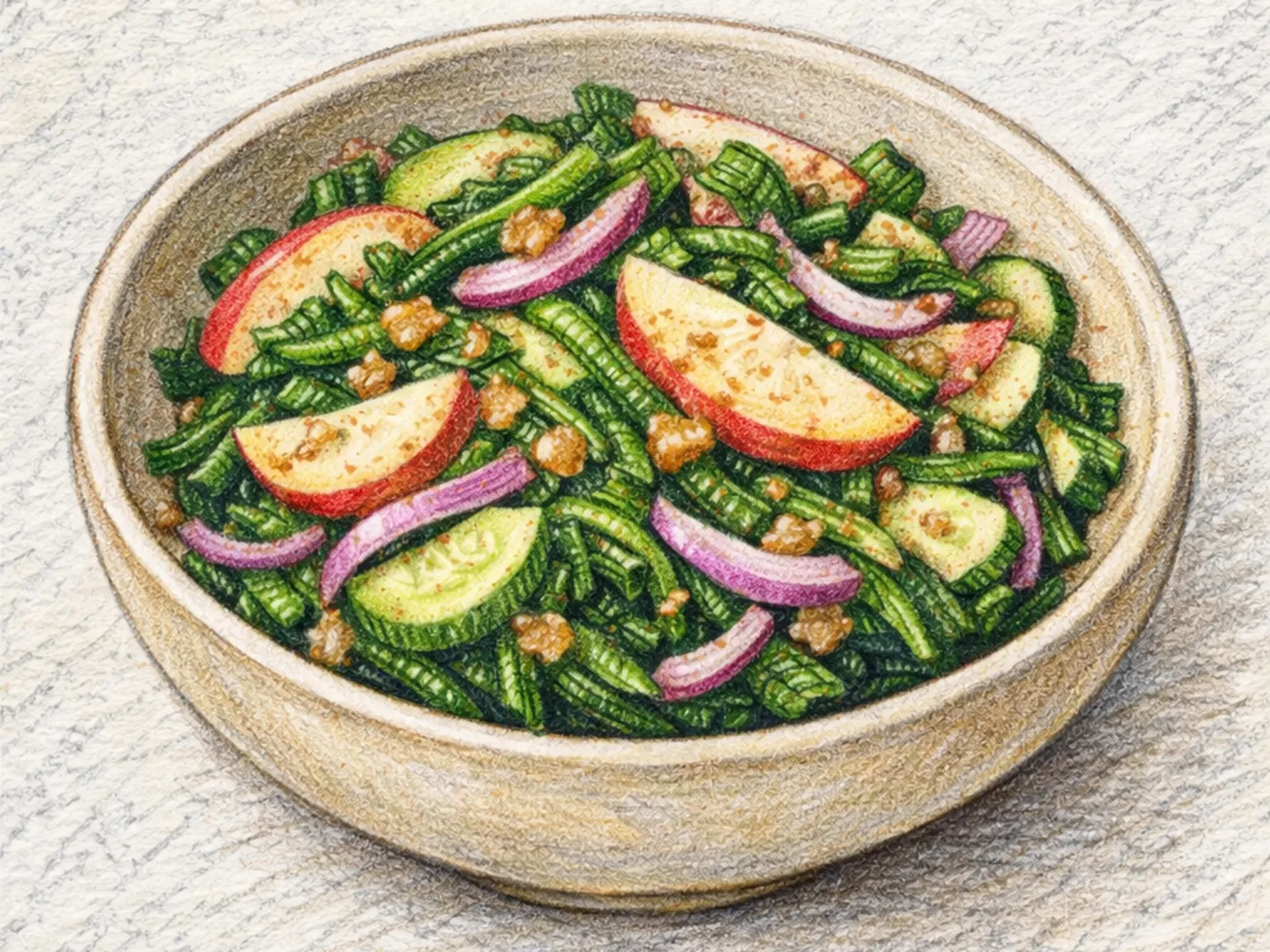
Chwinamul Apple Doenjang Salad
Chwinamul (aster scaber) is blanched briefly to preserve its herbal, slightly bitter character, then combined with thin-sliced apple and cucumber for crisp sweetness. The dressing is built on doenjang -- Korean fermented soybean paste -- which contributes a depth of savory umami uncommon in typical salad dressings, and a few drops of perilla oil add a nutty, lingering aftertaste. Red onion provides a sharp, pungent edge that keeps the salad from feeling heavy. Blanching time is critical: more than thirty seconds in boiling water strips both the fragrance and the green color, so the chwinamul should be transferred immediately to ice water to stop cooking. When made with freshly harvested spring chwinamul, the herbal aroma comes through at full intensity, and the doenjang dressing makes it a natural fit alongside other dishes on a Korean table.
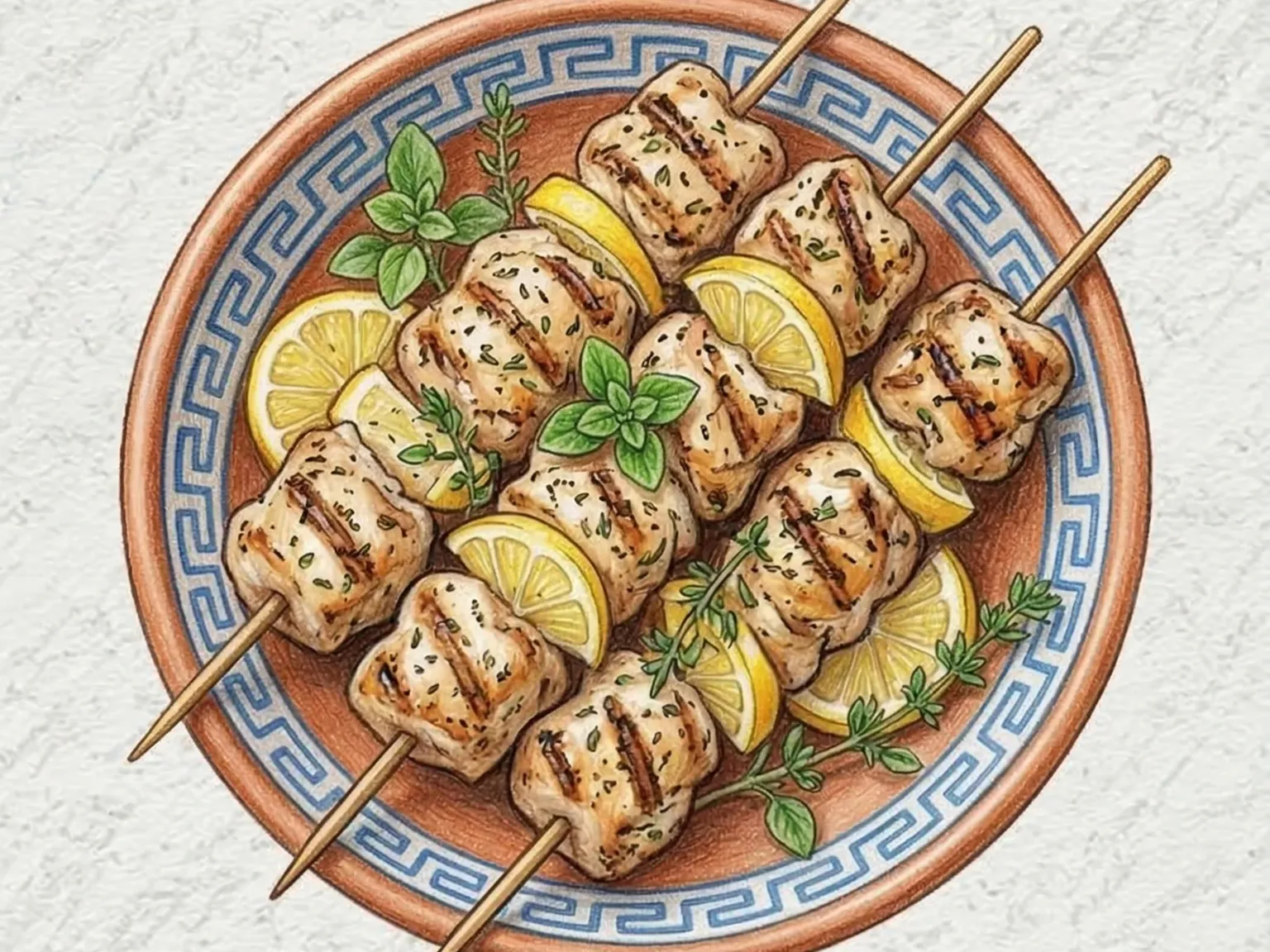
Chicken Souvlaki (Greek Lemon Herb Grilled Chicken Skewer)
Chicken souvlaki consists of Greek grilled skewers prepared using pieces of chicken thigh that have been submerged in a marinade of lemon juice, olive oil, garlic, and dried oregano. This marination period is intended to give the citric acid sufficient time to interact with the meat. The lemon juice functions by breaking down surface proteins, which allows the various seasonings to move into the interior of the chicken instead of remaining only on the surface. Simultaneously, the olive oil establishes a physical boundary during the grilling stage that reduces the rate of moisture evaporation, ensuring that the inside of each piece remains moist. The addition of dried oregano contributes an earthy and slightly bitter herbal quality that balances the acidity of the lemon to produce the clean and straightforward flavor profile typical of Greek outdoor cooking. Using chicken thigh meat is a deliberate choice because its natural fat distribution protects the muscle fibers from becoming tough under the high heat of the grill, unlike leaner breast meat. This results in individual pieces that have a glossy exterior and a tender texture when they are removed from the heat. Serving the skewers with a portion of plain yogurt provides a temperature and texture contrast to the warm, smoky meat. When these components are combined inside warm pita bread with slices of fresh tomato and raw onion, the dish becomes a portable meal that provides satiety without creating a sensation of heaviness.
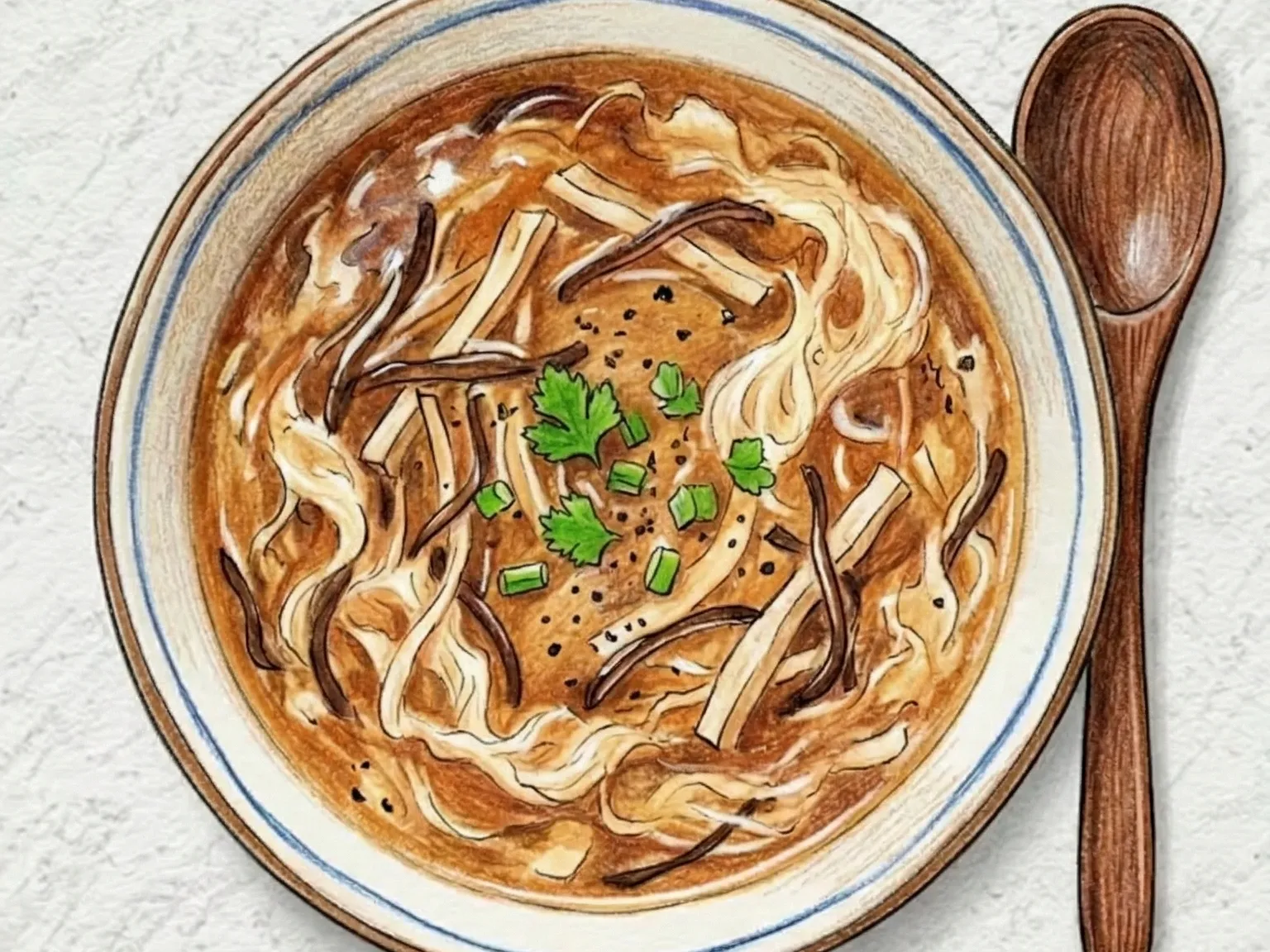
Hot and Sour Soup
Hot and sour soup is among the most widely recognized Chinese soups, and its defining character comes not from chili but from two specific sources: black vinegar's sharp acidity and white pepper's slow, creeping heat. Chicken broth forms the base, simmered with cubed tofu, reconstituted wood ear mushrooms, and sliced shiitake. A cornstarch slurry is worked in gradually, small additions at a time, to build a lightly viscous consistency without tipping the broth into something gluey and heavy. Beaten egg is poured in a thin, steady stream while the soup is stirred, forming delicate ribbons that float throughout. Two timing rules matter: the slurry goes in slowly, and the vinegar goes in last, after the heat is reduced, because its volatile aroma dissipates quickly if boiled. Wood ear mushrooms provide a springy, almost cartilaginous chew that contrasts with the softness of the tofu and the wispy egg threads. The white pepper heat lingers and builds after each spoonful, arriving late rather than hitting immediately, which gives the soup its characteristic slow warmth.
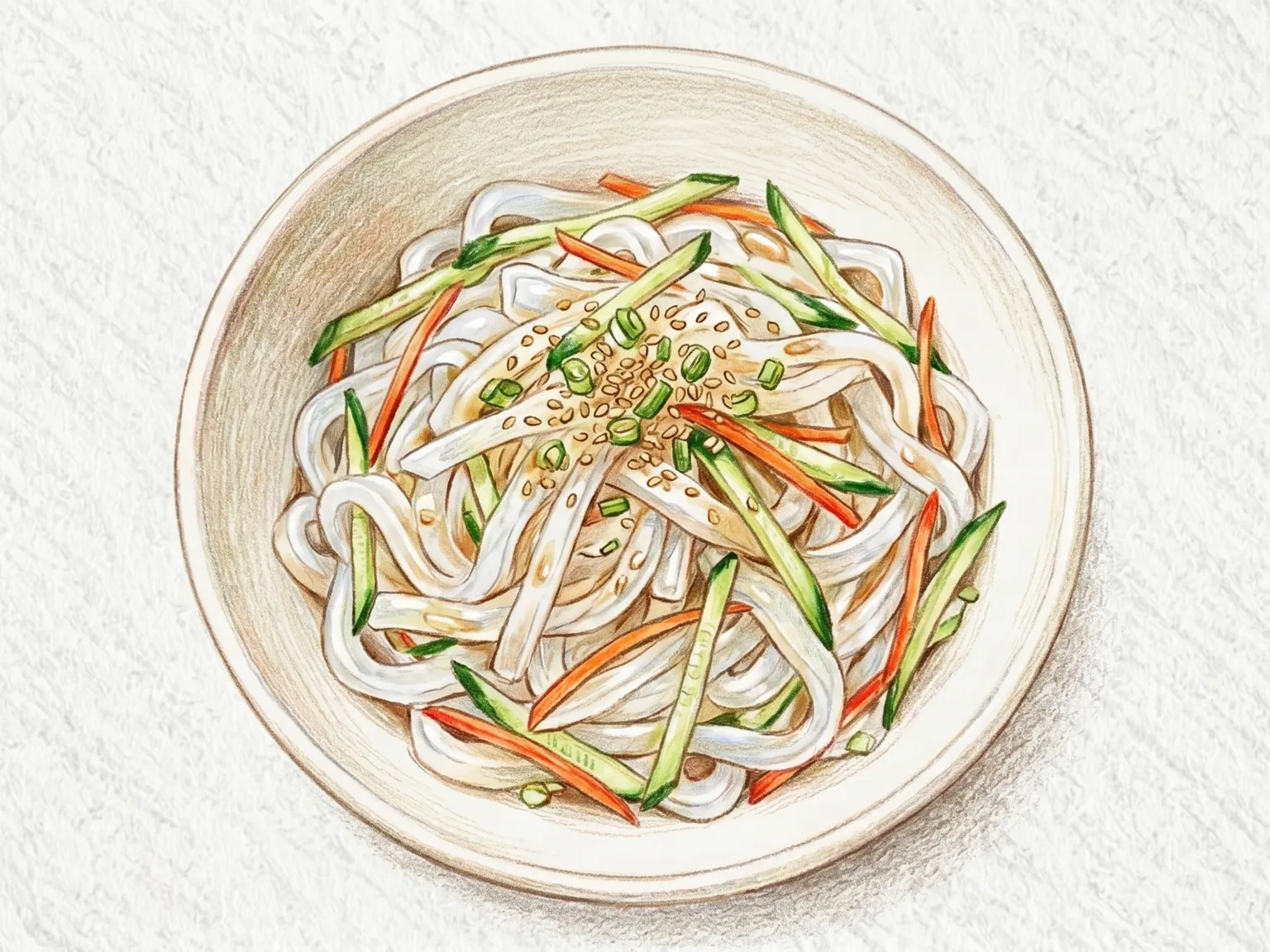
Korean Seasoned Mung Bean Jelly Salad
Cheongpo muk - mung bean jelly - is made by dissolving starch in water, boiling it until thick, then leaving it to set into a translucent, firm block. It has appeared in Joseon-era palace banquet records as a traditional food. The jelly is blanched briefly, cut into matchstick strips, and tossed with julienned cucumber and carrot. A dressing of soy sauce, vinegar, and sugar gives a clean, sharp edge. The jelly itself is nearly flavorless, functioning as a cool, slippery carrier for the seasoning. The crunch of the vegetables contrasts with the smooth jelly, and the vinegar keeps the whole dish light. Gentle tossing is essential to avoid breaking the blocks apart. Served well-chilled, this is a classic Korean summer banchan.
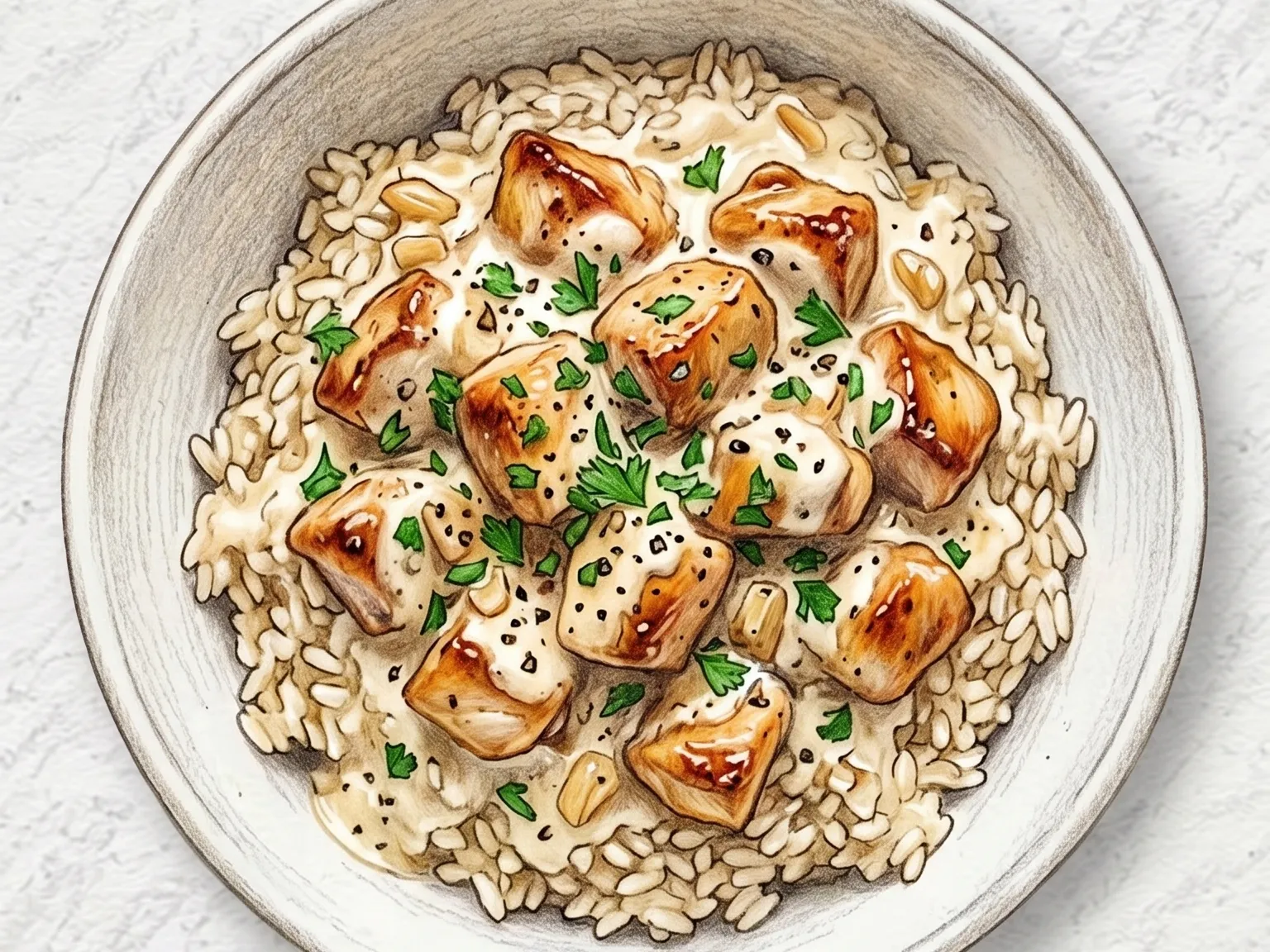
Korean Cream Chicken Rice Bowl
Cream chicken deopbap is a Korean fusion rice bowl where bite-sized chicken breast pieces are seared in butter to develop color and a light crust, then simmered in heavy cream and garlic until the sauce reduces into a glossy, velvety coating. Searing the chicken in butter first builds a Maillard layer that gives the final dish more depth than if the cream were added at the start. As the garlic cooks down in the cream, it loses its raw sharpness and releases a mild sweetness that permeates the entire sauce. A straightforward seasoning of salt and pepper is all the dish needs to come together. The concept takes the richness of a Western cream pasta sauce and serves it over steamed rice instead of noodles, letting the grains absorb the sauce and carry the flavor all the way through. A sprinkle of flat-leaf parsley or coarsely cracked black pepper over the top sharpens the finish.
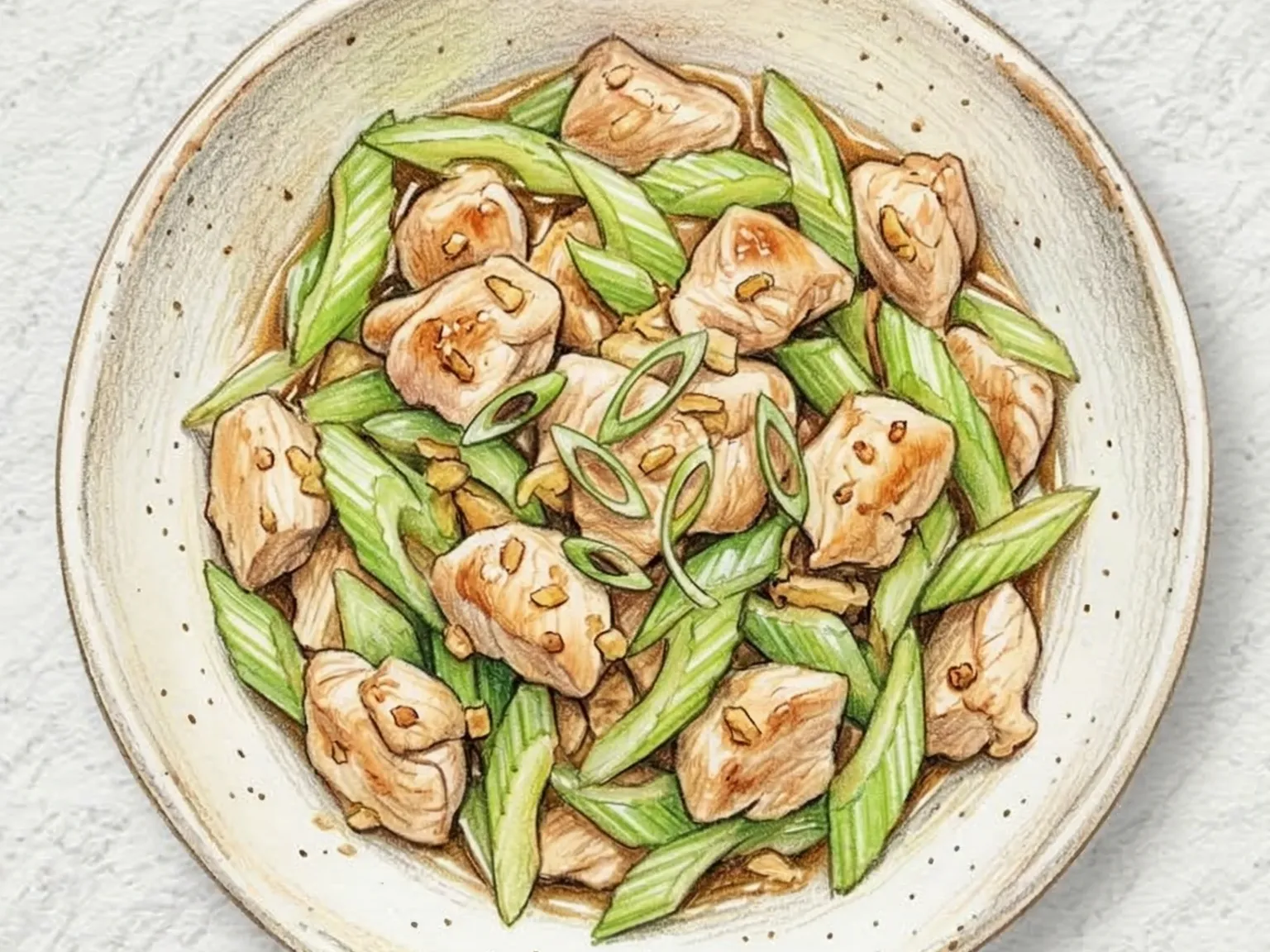
Korean Chicken Breast and Celery Stir-fry
Bite-sized chicken breast pieces are marinated in soy sauce and minced ginger for ten minutes, then stir-fried over high heat with diagonally cut celery and thinly sliced onion. The ginger penetrates the meat during the brief rest, suppressing any bland poultry odor while leaving a bright, peppery note in the background. Soy sauce hitting the hot pan triggers a Maillard reaction on the chicken surface, building a thin layer of caramelized flavor that keeps the interior moist. Celery goes in only during the last two minutes so its stalks retain their crunch; including the leaves adds a noticeably herbal finish that sets this apart from standard chicken stir-fries. A teaspoon of oligosaccharide syrup gives the sauce just enough body to cling to each piece evenly rather than pooling at the bottom of the pan, and sliced red chili scattered in at the end contributes visual brightness more than significant heat. At 295 calories and 36 grams of protein per serving, this dish fits naturally into a post-workout meal or a calorie-conscious lunchbox without any sense of compromise.
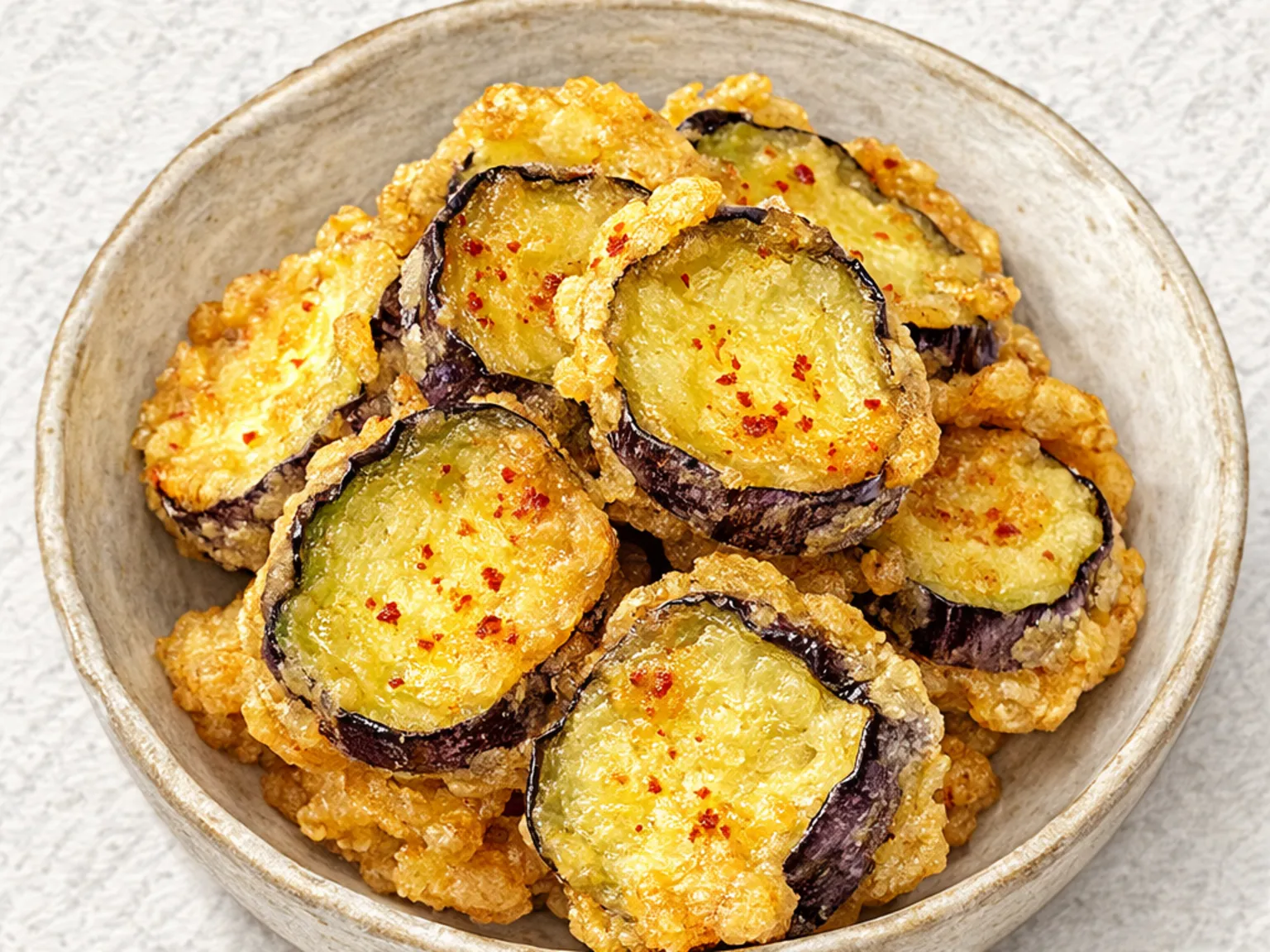
Korean Gaji Twigim Bites (Crispy Eggplant Bites)
Gaji-twigim-bites cuts eggplant into bite-sized pieces and fries them in a cold batter made with sparkling water. The carbonation in the batter creates air pockets within the coating as it hits the hot oil, producing a crust that is notably lighter and crisper than one made with plain water. The eggplant's high moisture content means the interior steams gently within the crust, turning silky soft without collapsing. The batter should be mixed just before frying and kept cold throughout -- allowing it to sit and warm up causes the bubbles to dissipate and the coating to turn dense. A small addition of gochugaru to the frying mix gives the crust a subtle, even heat that offsets the eggplant's natural mildness and the richness of the frying oil. The purple skin of the eggplant remains partially visible through the golden coating after frying, making these bites visually distinctive from standard vegetable tempura. A dipping sauce of soy sauce and a few drops of sesame oil pairs cleanly with the lightly seasoned batter.
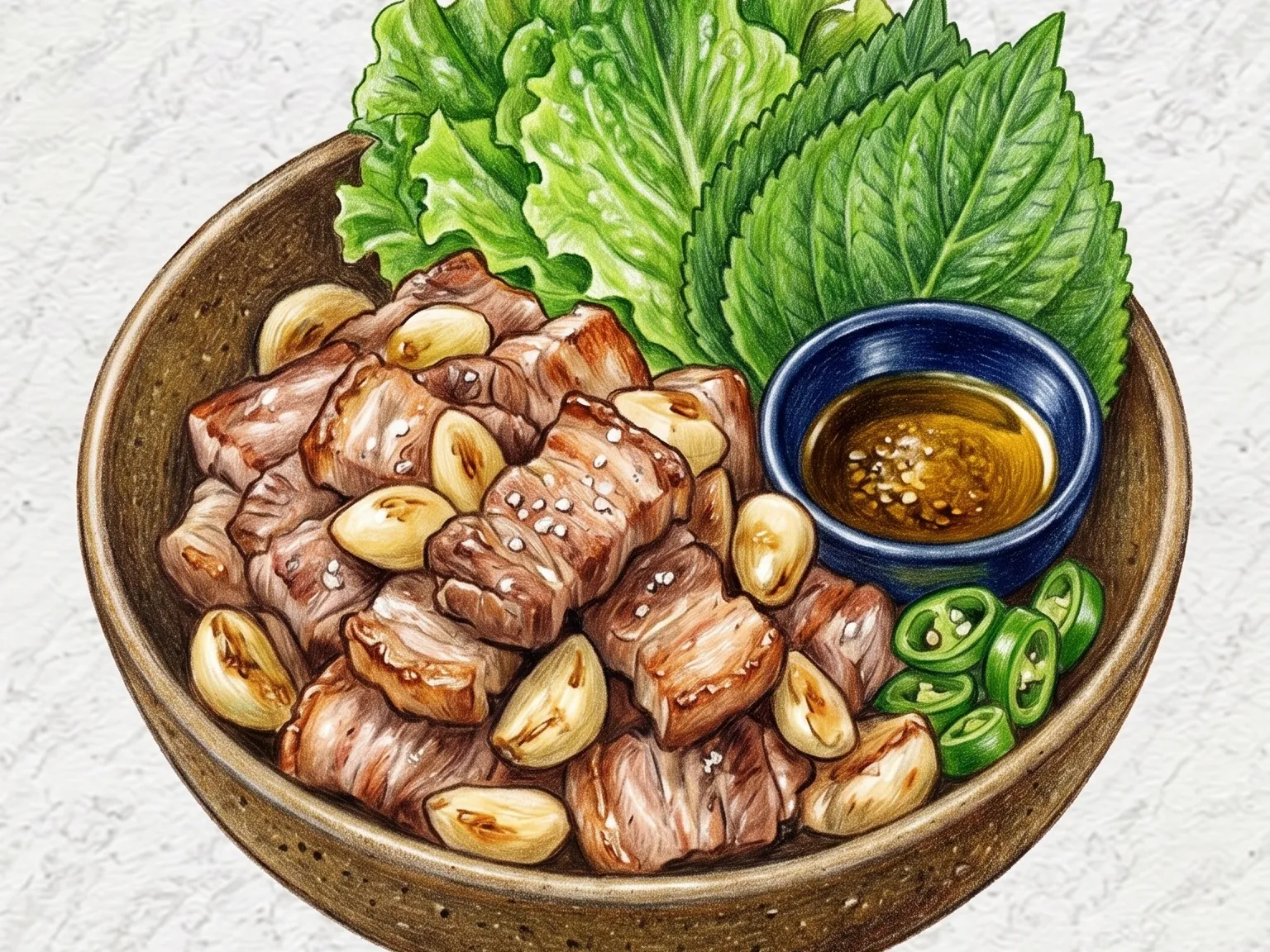
Korean Salt-Grilled Pork (Pork Belly and Neck BBQ)
Doejigogi-gui is Korea's salt-grilled pork, made by seasoning thick-cut pork belly or pork neck with nothing but coarse salt and grilling over charcoal or on a cast iron pan. Because no marinade masks the flavor, the quality of the pork itself determines the outcome, and thick-cut belly requires patient cooking over medium heat so the fat layers render fully before the exterior chars -- rushing over high flame leaves the fat chewy and greasy rather than crisp. Blotting excess rendered fat from the pan with paper towels during cooking keeps the meat grilling rather than deep-frying and preserves the smoky char that defines the dish. Garlic slices cooked on the same pan alongside the pork add a mellow roasted note. The classic accompaniments -- sesame oil and salt for dipping, fresh lettuce or perilla leaves for wrapping, a dab of doenjang, and a sliver of cheongyang chili -- create the complete Korean barbecue experience, where a bite of rich pork, crunchy greens, and pungent condiments come together in one mouthful.
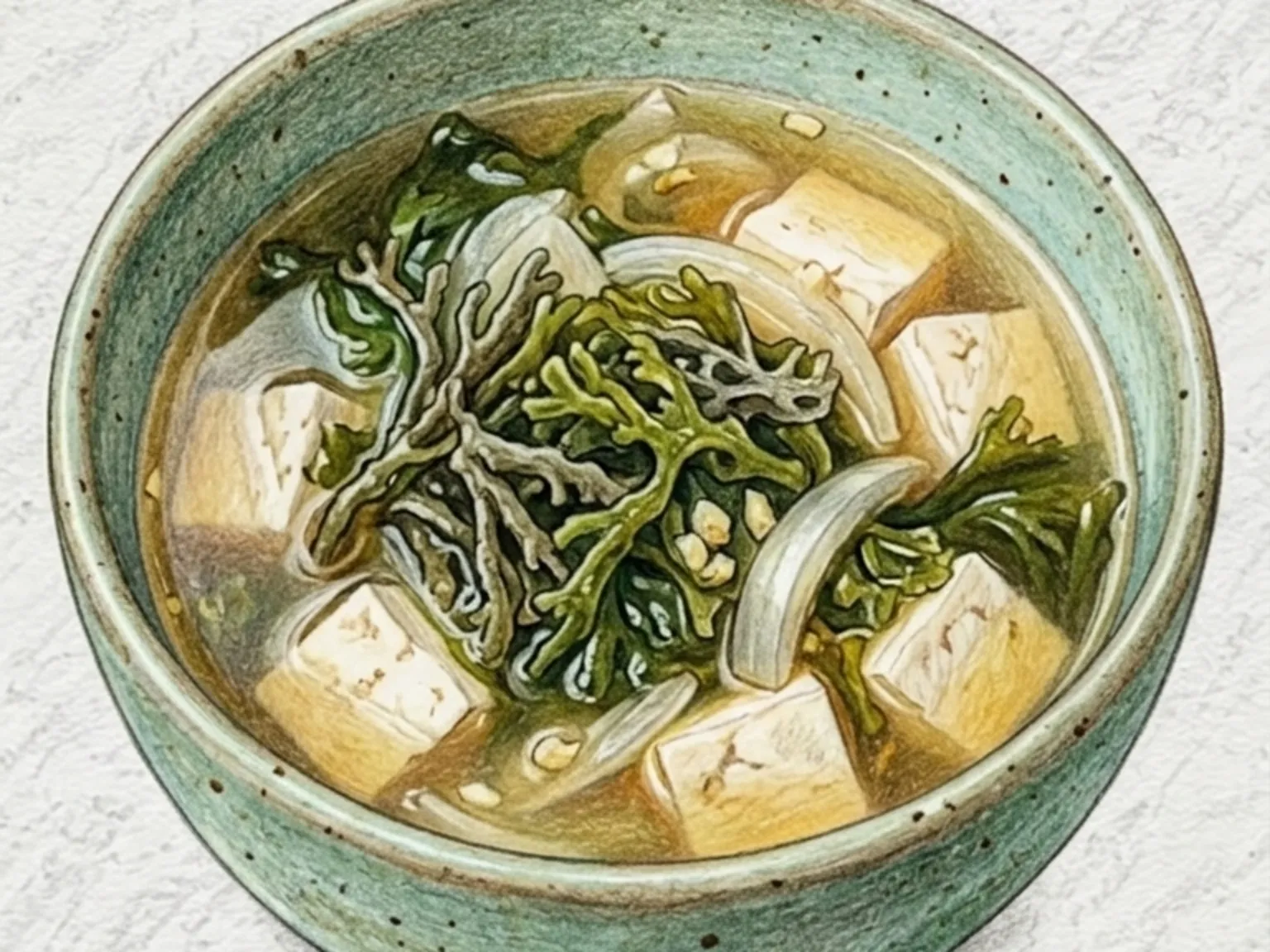
Korean Green Seaweed Tofu Soup
Cheonggak-dubu-guk is a light Korean seaweed soup made by soaking salted cheonggak sea staghorn in cold water to draw out excess salt, then simmering it with tofu and onion in a clean broth. Onion and garlic are sauteed in perilla oil first to build a nutty base, and the broth is seasoned with tuna extract and soup soy sauce, which together bring a deep oceanic savoriness to every spoonful. The cheonggak seaweed contributes a firm, satisfying crunch that contrasts directly with the soft, mild tofu cubes. At 140 calories per bowl, the soup sits at the lighter end of Korean everyday cooking while still delivering genuine depth. The combination of sea vegetable, perilla oil, and fermented soy seasoning makes a broth that tastes cleaner and more mineral than standard vegetable soups.
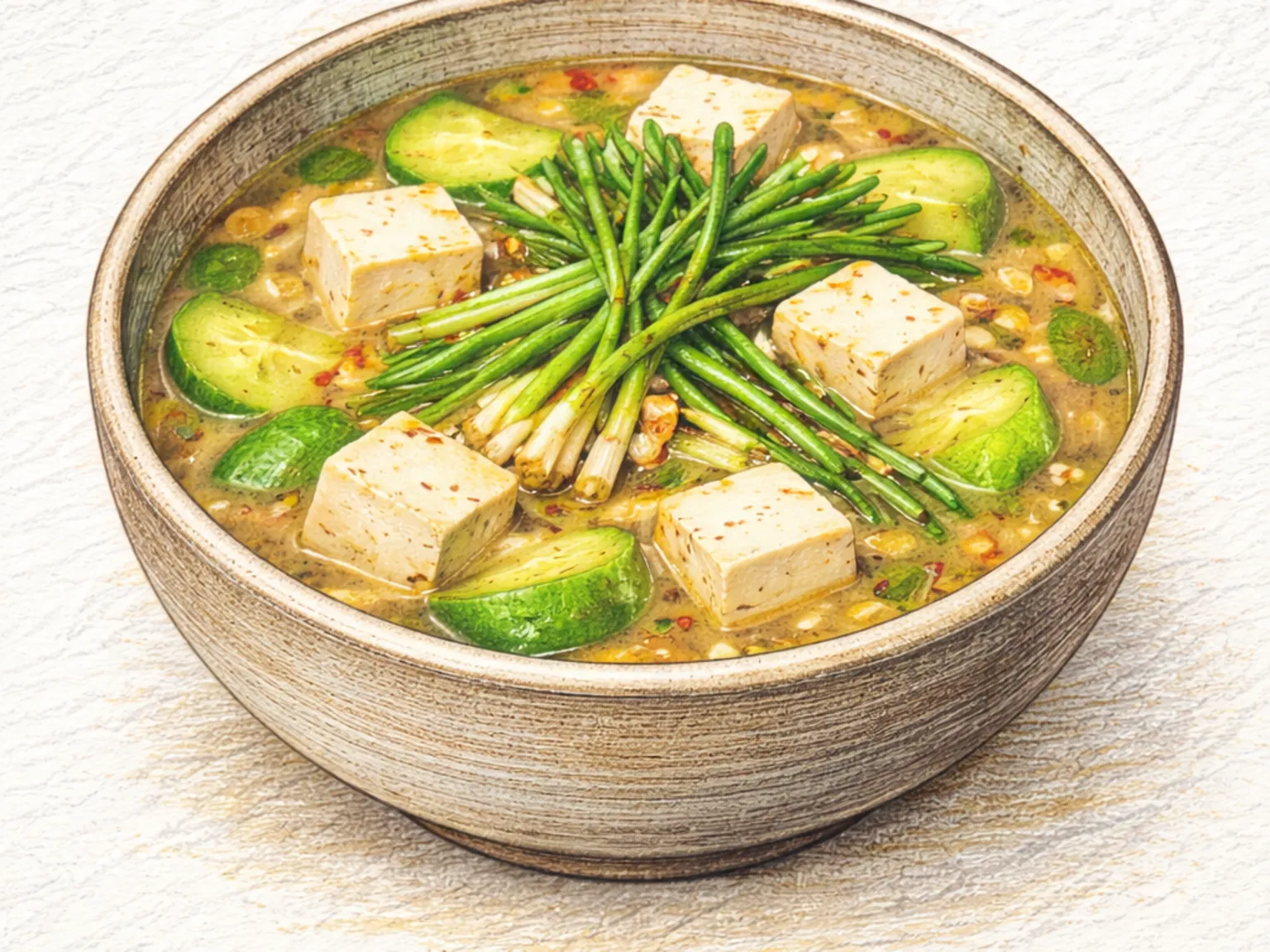
Korean Wild Chive Soybean Paste Stew
This doenjang jjigae features dalrae (wild chives), a prized spring ingredient in Korean cooking. Anchovy-kelp stock is simmered with soybean paste, tofu, zucchini, and onion to build a full-bodied, savory base, then wild chives are added just before turning off the heat to preserve their sharp, garlicky aroma. A single Cheongyang chili adds measured heat that underscores the earthiness of the doenjang without overwhelming it. Adding the chives root-end included intensifies the fragrance noticeably compared to using leaves alone. At its best between February and April when freshly harvested dalrae is available, this is a seasonal jjigae that restores appetite when nothing else seems appetizing.
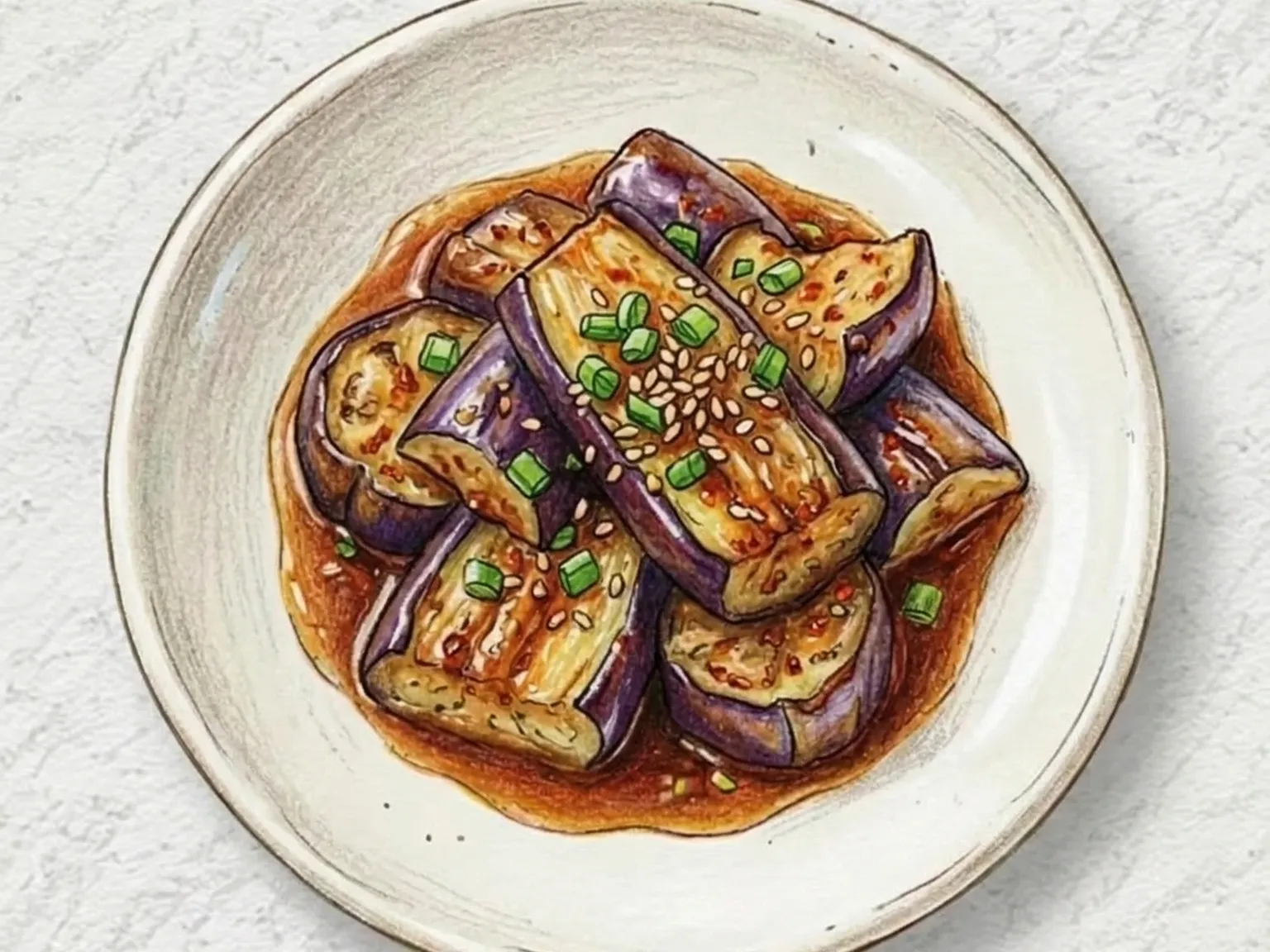
Korean Braised Eggplant in Seasoned Soy Sauce
Gaji yangnyeom jorim is a Korean braised eggplant side dish made with soy sauce, gochugaru, garlic, and sesame oil. Briefly sauteing the eggplant in oil before adding the braising liquid is important: pre-cooking the surface prevents the eggplant from releasing too much water into the sauce, which keeps the seasoning concentrated and helps it penetrate evenly. A small amount of sugar or plum extract is added to the sauce, giving the finished dish its characteristic glossy sheen. Scallions are stirred in only after the heat is off to preserve their color and texture. The result is a compact, salty-spicy banchan with a deep lacquered surface on each piece. Keeping a batch in the refrigerator means it is available as a side dish for three or more days, and the leftover braising liquid works well as seasoning in bibimbap.
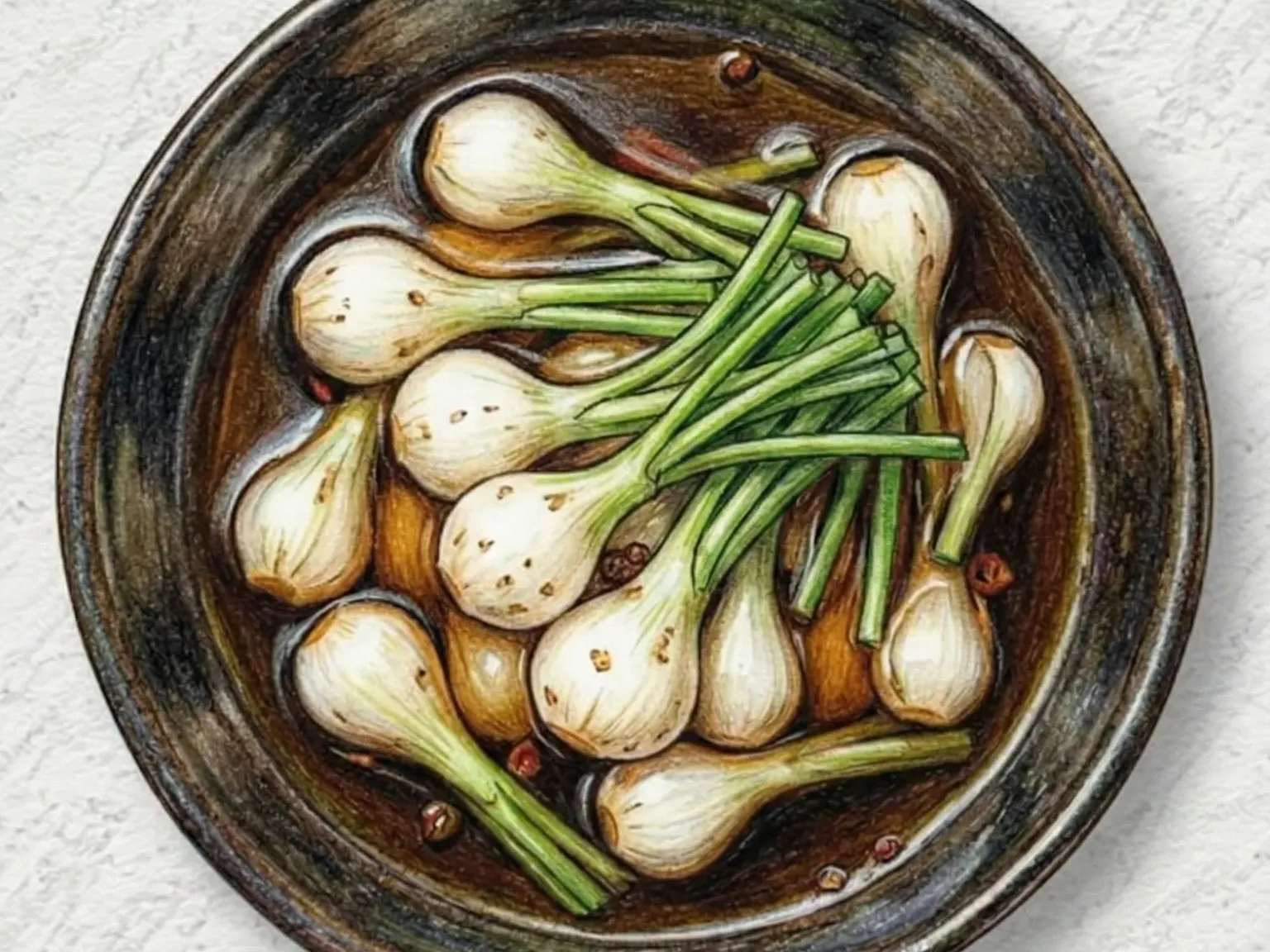
Korean Wild Chive Pickle (Spring Chive Soy Brine)
Dallae jangajji is a seasonal Korean pickle made by submerging spring wild chives in a brine of soy sauce, vinegar, and sugar alongside sliced Cheongyang chili and sesame seeds. Cleaning the soil from the bulb-like roots and cutting the chives to five-centimeter lengths prepares the main ingredient; the brine must then be cooled fully before pouring, because residual heat drives off the chives' volatile, peppery aroma rapidly. Pouring while still hot can strip much of the sharp fragrance in seconds. After one day of refrigeration the pickle is ready to eat, but by day three the brine penetrates the stalks fully and the flavor deepens. Served alongside grilled meat, the sharp garlicky bite of the chives and the tangy acidity of the brine cut through the fat cleanly -- a pairing that makes this a prized springtime side dish.
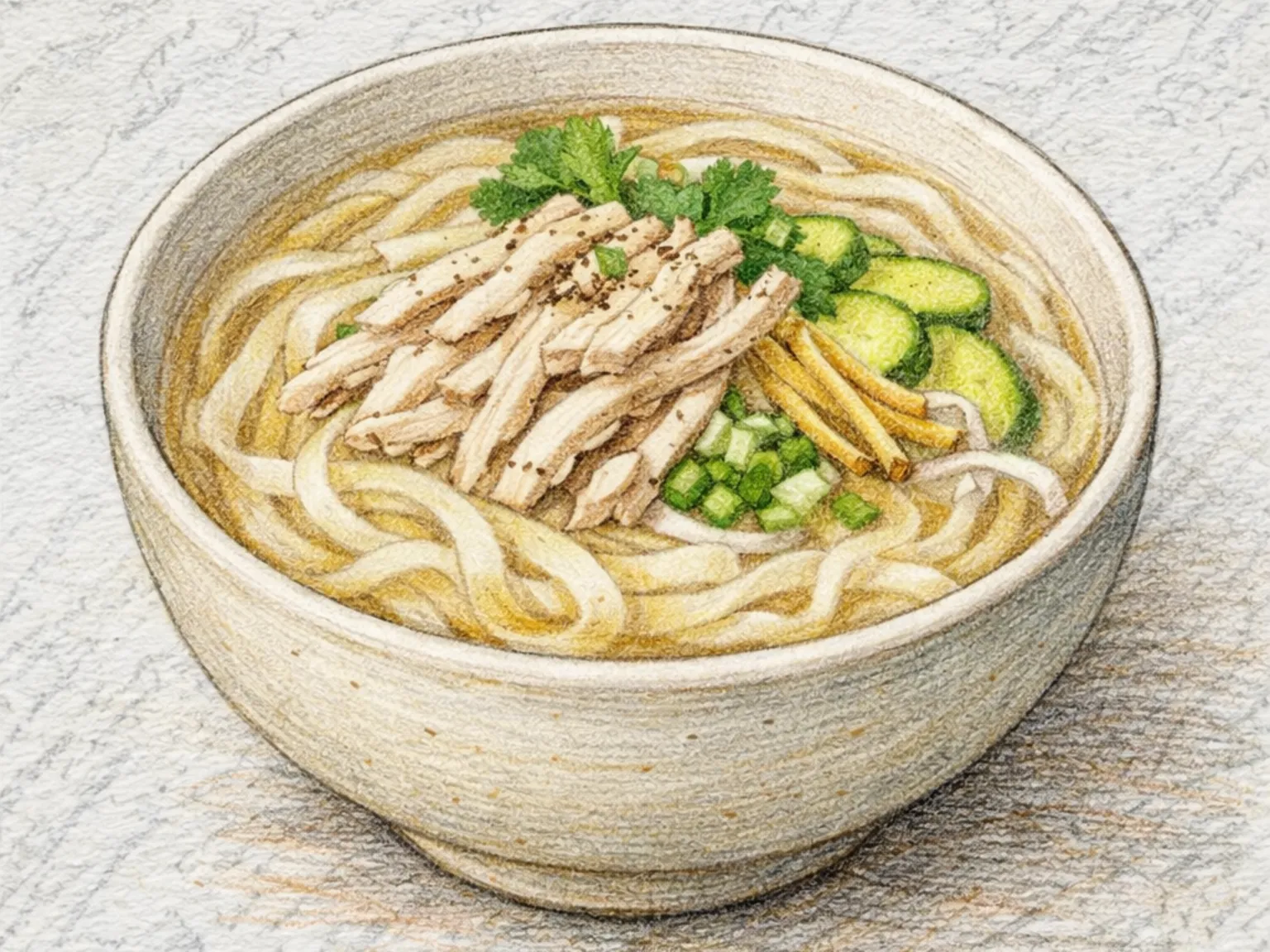
Korean Chicken Knife-Cut Noodle Soup
A whole chicken is simmered with green onion, garlic, and ginger until the broth turns opaque, deeply savory, and rich with collagen, then hand-cut wheat noodles are cooked directly in that liquid. Boiling the noodles in the broth rather than separately is the defining technique: the starch they release naturally thickens the soup into a silky, coating consistency, and the noodles themselves absorb the concentrated chicken flavor at every surface. Shredded chicken, pulled apart along the grain, goes on top just before serving. Potato and zucchini are added during the final minutes for their gentle sweetness and soft texture. A generous amount of ground black pepper stirred in or sprinkled on top sharpens the chicken aroma and adds a mild warmth that the broth on its own does not carry. Unlike ramyeon or rice noodle dishes, dak-kalguksu has no complex seasoning beyond salt, pepper, and the depth built from the chicken itself, making it one of the most comforting and straightforward noodle soups in Korean home cooking.
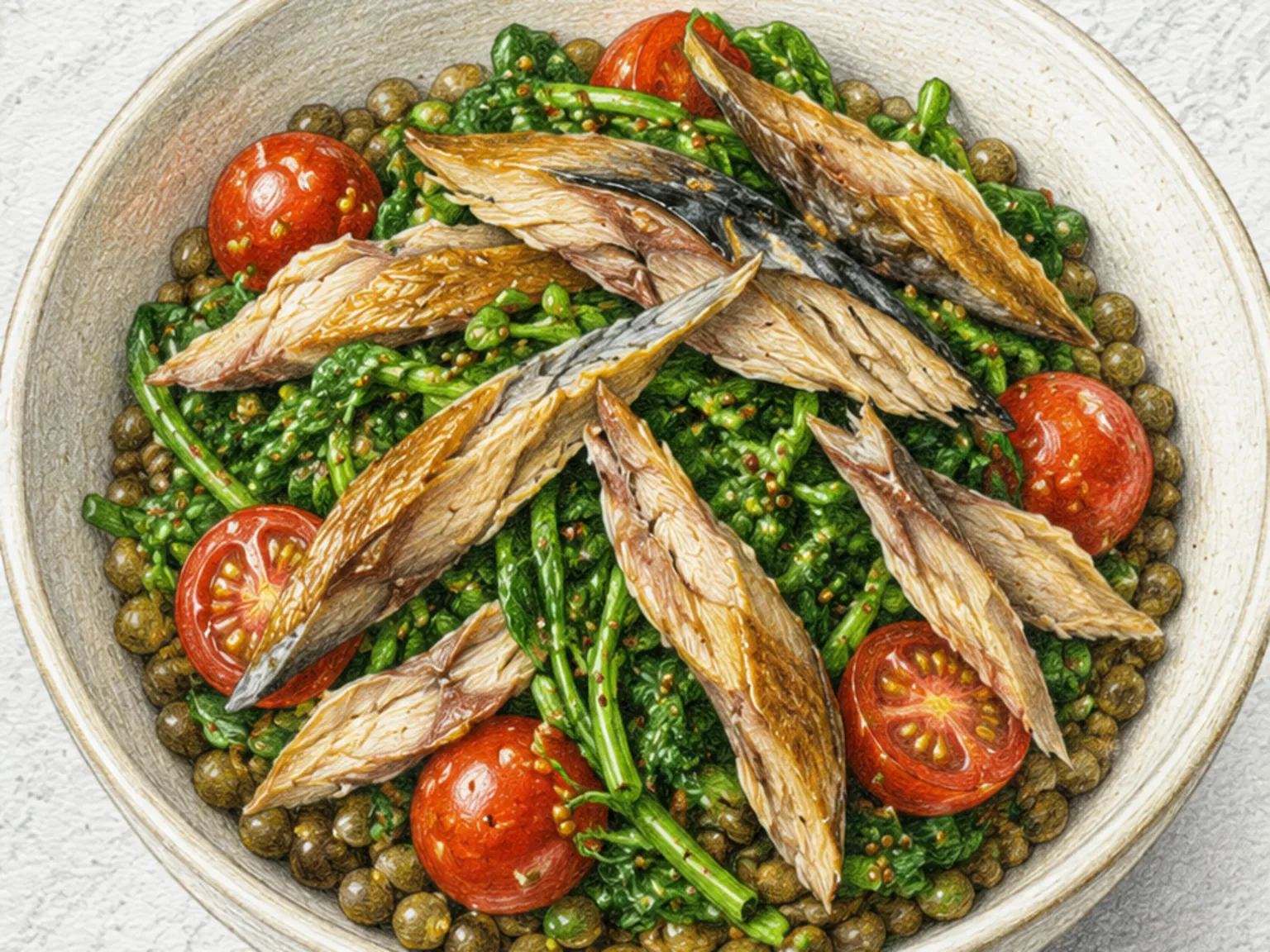
Chwinamul Smoked Mackerel Salad
Flaked smoked mackerel sits at the center of this salad, bringing an oily, smoke-forward richness that contrasts directly with the clean, grassy notes of briefly blanched chwinamul. The chwinamul is blanched just long enough to remove its raw edge while retaining its green color and faint herbal bitterness. Cooked green lentils add earthy substance and make the salad genuinely filling. Halved cherry tomatoes introduce a burst of juice that cuts through the mackerel fat and keeps the dish from feeling heavy. A vinaigrette built from Dijon mustard, apple cider vinegar, and olive oil draws the separate elements together, and the smoky fat from the mackerel gradually bleeds into the dressing as it sits, deepening the overall flavor. The combination of protein from the fish, fiber from the lentils and greens, and healthy fat from the mackerel and olive oil makes this a nutritionally complete single-bowl meal.
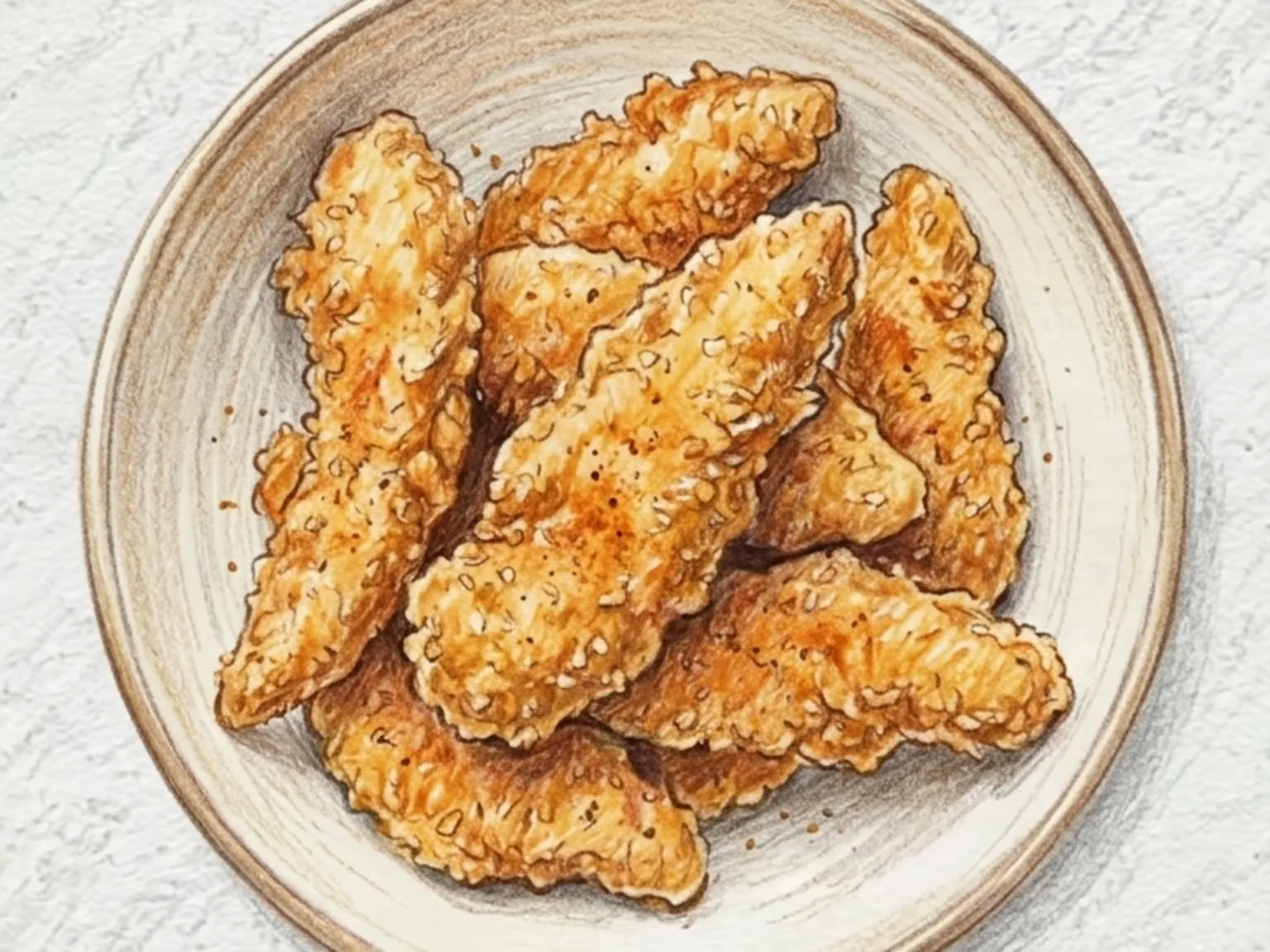
Chicken Tenders
Chicken tenders season chicken tenderloins with salt and paprika, then triple-coat them in flour, egg-milk wash, and breadcrumbs before frying at 170 degrees Celsius until golden and crisp. Tenderloins have a fine grain that stays soft even with brief frying, avoiding the dryness that breast meat can develop. Mixing milk into the egg wash produces a smoother coating that clings more evenly, and pressing the breadcrumbs firmly by hand prevents them from falling off in the oil. Four to five minutes of frying is enough to crisp the exterior to a deep gold while keeping the interior moist, and draining on paper towels immediately after removes excess oil to maintain crunch. A second fry hardens the crust further, keeping it crisp even as the tenders cool.
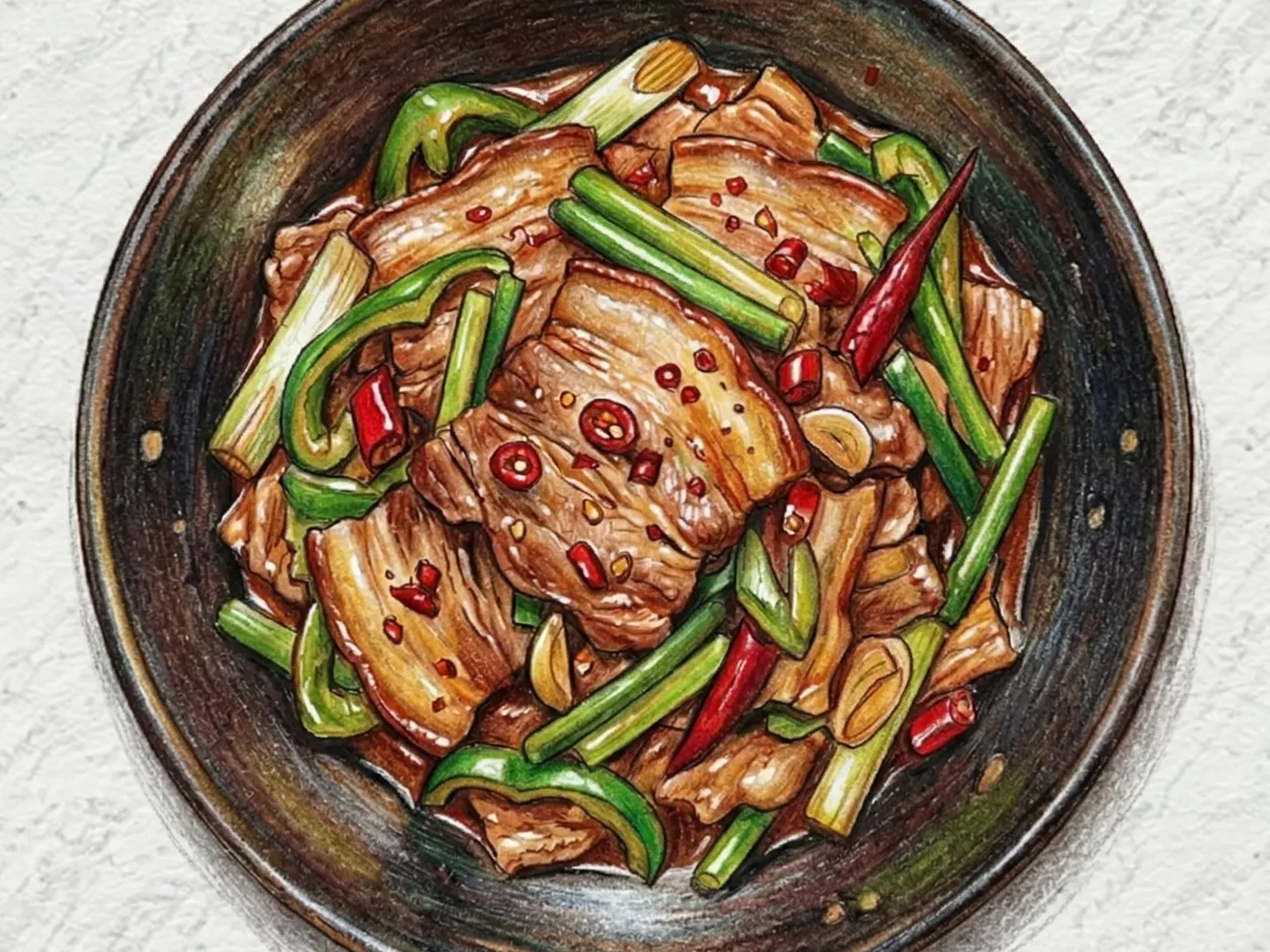
Hui Guo Rou (Twice-Cooked Pork)
Hui guo rou, literally 'twice-cooked pork,' stands as one of the defining dishes of Sichuan cuisine. Pork belly is first simmered whole until cooked through, then cooled completely and sliced thin before returning to a screaming-hot wok. The initial boiling renders excess fat and firms the meat, making clean, uniform slices possible. Back in the wok, those slices fry until their edges curl and crisp while the fat layers turn chewy rather than soft. Doubanjiang, the fermented chili bean paste that forms the backbone of Sichuan cooking, goes in along with fermented black beans, and together they build the dish's signature salty-spicy character. A splash of soy sauce and a pinch of sugar round out the depth. Diagonally sliced leek and green bell pepper are added only in the final one to two minutes over maximum heat, keeping their snap and fresh color against the richly seasoned pork. Because doubanjiang's saltiness varies significantly by brand, the soy sauce amount should always be adjusted to taste after the paste is added. When the wok is hot enough to generate wok hei, all the elements fuse into a cohesive, smoky whole that captures the bold spirit of Sichuan cooking.
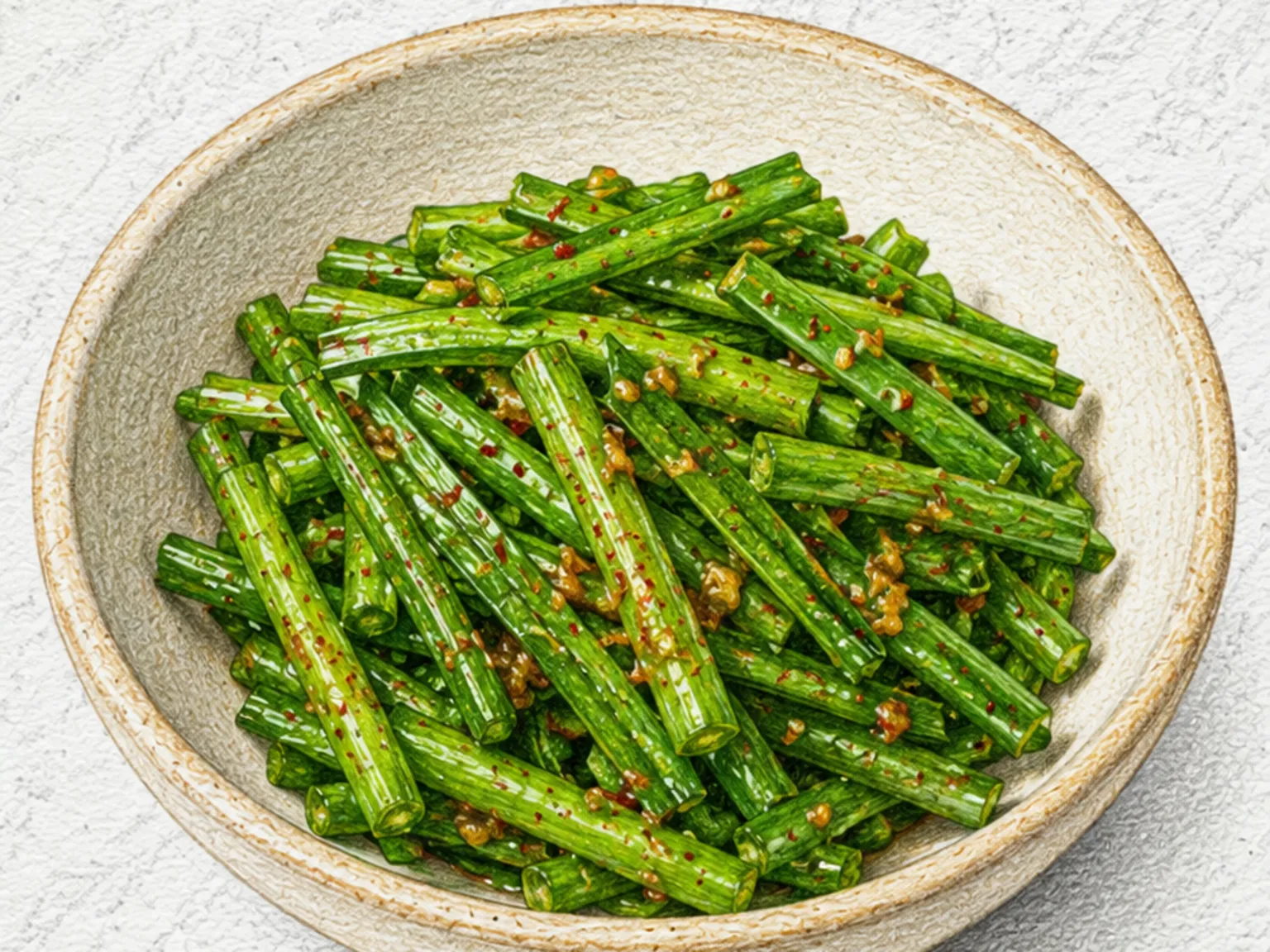
Korean Chive Salad with Doenjang Dressing
Garlic chives -- buchu -- carry a sharper, more pungent bite than Western chives, and this banchan keeps them raw to preserve every bit of that intensity. Chives are cut into short segments, rinsed in cold water to crisp up the cell walls, then tossed for no more than twenty seconds in a dressing of doenjang, vinegar, and gochugaru. Going beyond that window draws out moisture from the leaves, leaving the whole dish limp and waterlogged before it even reaches the table. The fermented paste locks onto the flat surface of each blade, releasing a salty, umami-heavy punch with every bite. Vinegar cuts through the richness of the doenjang with a light acidity that keeps the finish clean, and the gochugaru adds a dry, lingering heat. Best assembled minutes before serving and eaten alongside a bowl of rice.
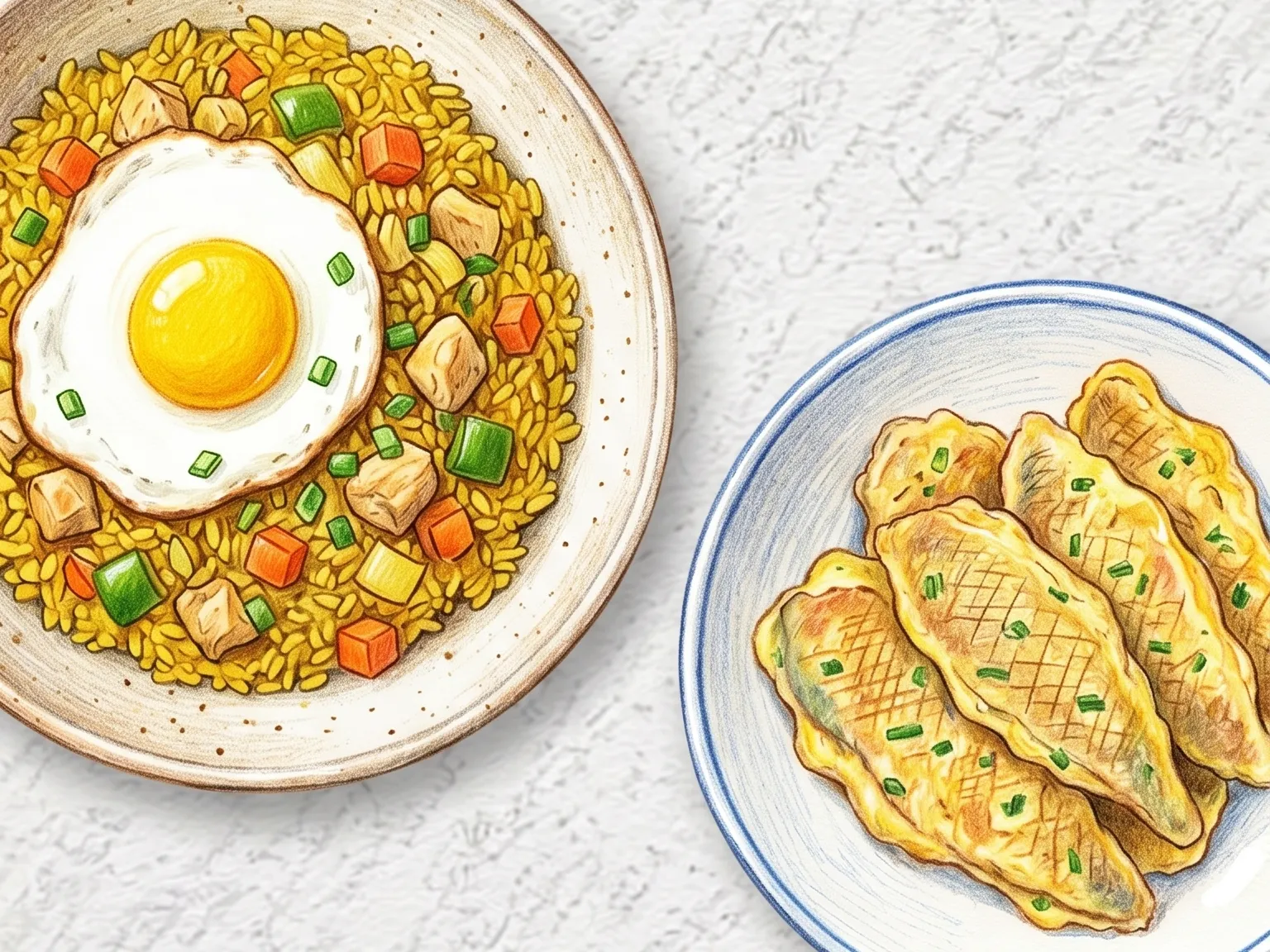
Korean Curry Fried Rice (Golden Spiced Chicken Fried Rice)
Curry bokkeumbap is a Korean fried rice where curry powder coats each grain with warm spice and gives the rice a vivid golden color. Chicken breast, onion, carrot, and bell pepper are stir-fried together before the rice goes in, distributing protein and vegetables evenly through every serving. The curry fragrance develops gradually with each bite - more present than plain fried rice but lighter than a curry sauce, landing at a satisfying middle point between the two. Bell pepper adds sweetness and a visual contrast of color against the golden rice. Topping with a fried egg raises the dish further: when the yolk breaks and mixes into the rice, a layer of creaminess runs through each bite. The recipe works well with day-old rice and requires few ingredients, making it a practical weeknight meal.