🏠 Everyday Recipes
Simple home-cooked meals for any day
1705 recipes. Page 27 of 72
These are the meals you can cook day after day without getting tired of them. Doenjang jjigae, rolled omelet, spicy pork stir-fry - the kind of home-cooked dishes that fill an ordinary day with comfort.
The beauty of everyday cooking is that it relies on common ingredients already in your fridge. No exotic items, no complicated techniques - just straightforward recipes for satisfying home meals.
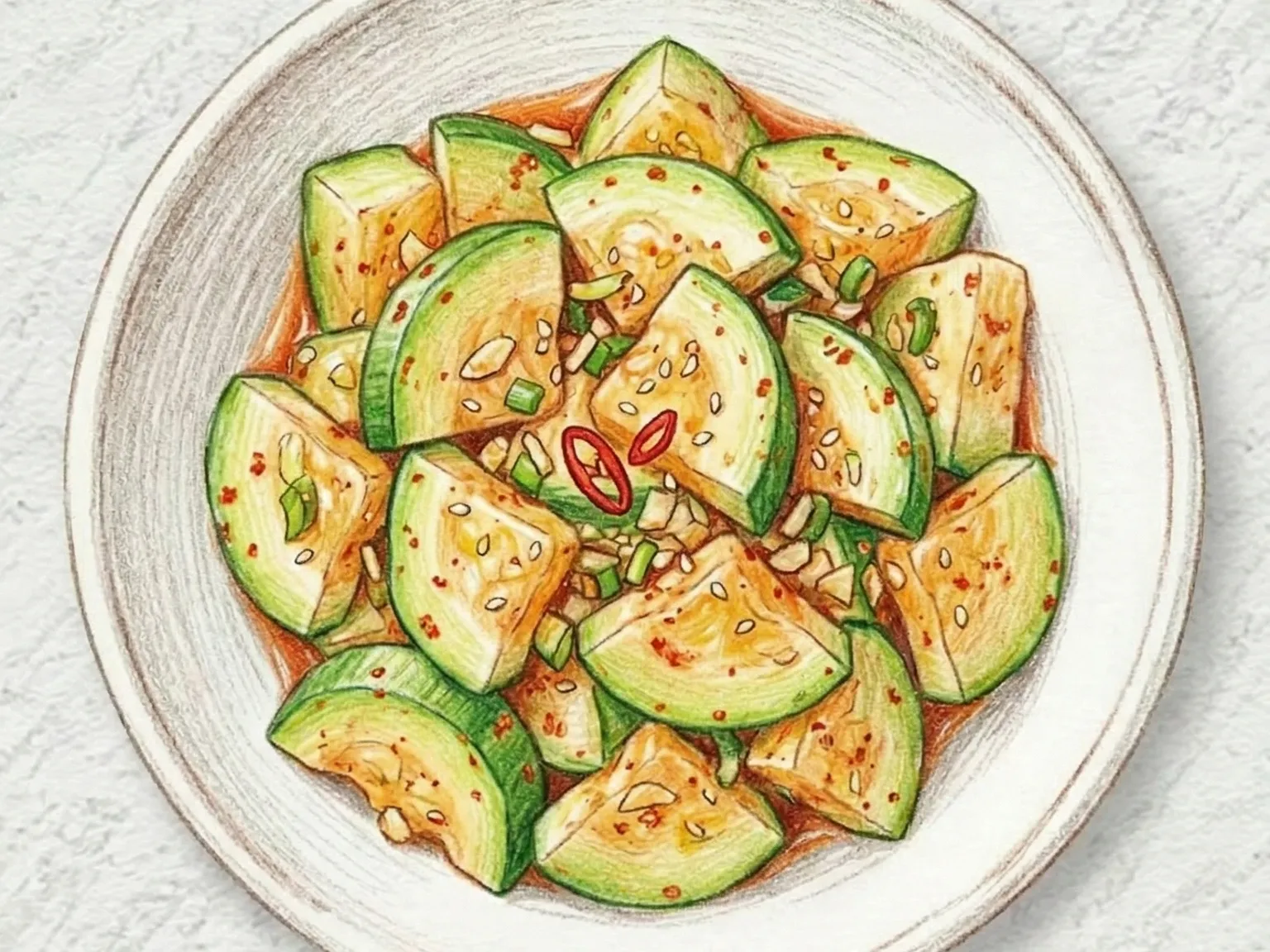
Korean Zucchini Kimchi (Summer Fresh Gochugaru Quick)
Hobak kimchi represents a seasonal Korean vegetable preparation specifically associated with the summer months. This timing is chosen because domestic aehobak reach their peak levels of natural sweetness and maintain a particularly tender internal structure during this time of year. To prepare the zucchini for seasoning, the vegetable is typically sliced into thin half-moon shapes or uniform rectangular pieces. The salting stage for these slices is kept intentionally brief. This limited salting time serves a specific functional purpose in the recipe by preventing the extraction of excessive moisture from the vegetable cells. If the zucchini remains in salt for an extended period, the individual slices tend to lose their structural integrity and collapse, which eliminates the characteristic crispness that defines the quality of the finished dish. Once the brief salting process is complete, the zucchini pieces are rinsed in cold water and squeezed firmly by hand to remove as much residual liquid as possible. The seasoning phase involves thoroughly tossing the prepared slices with a combination of red chili flakes known as gochugaru, fish sauce, and finely minced garlic. Rather than utilizing refined sugar for seasoning, this recipe relies on the addition of plum extract. The extract provides a balanced and rounded natural sweetness to the profile of the dish without the need for processed additives. Fresh garlic chives are integrated into the mixture to contribute an aromatic and grassy quality that connects the different flavor elements together. Thinly sliced onions are also added to provide a subtle savory depth in the background. This particular variety is a no-fermentation kimchi, meaning it is designed to be consumed on the same day it is made or within two days at the most. Beyond this forty-eight hour window, the texture of the zucchini softens significantly and the initial freshness of the ingredients begins to dissipate. To maintain the best possible quality during this short period, the kimchi should be kept in a tightly sealed container and stored in the refrigerator.
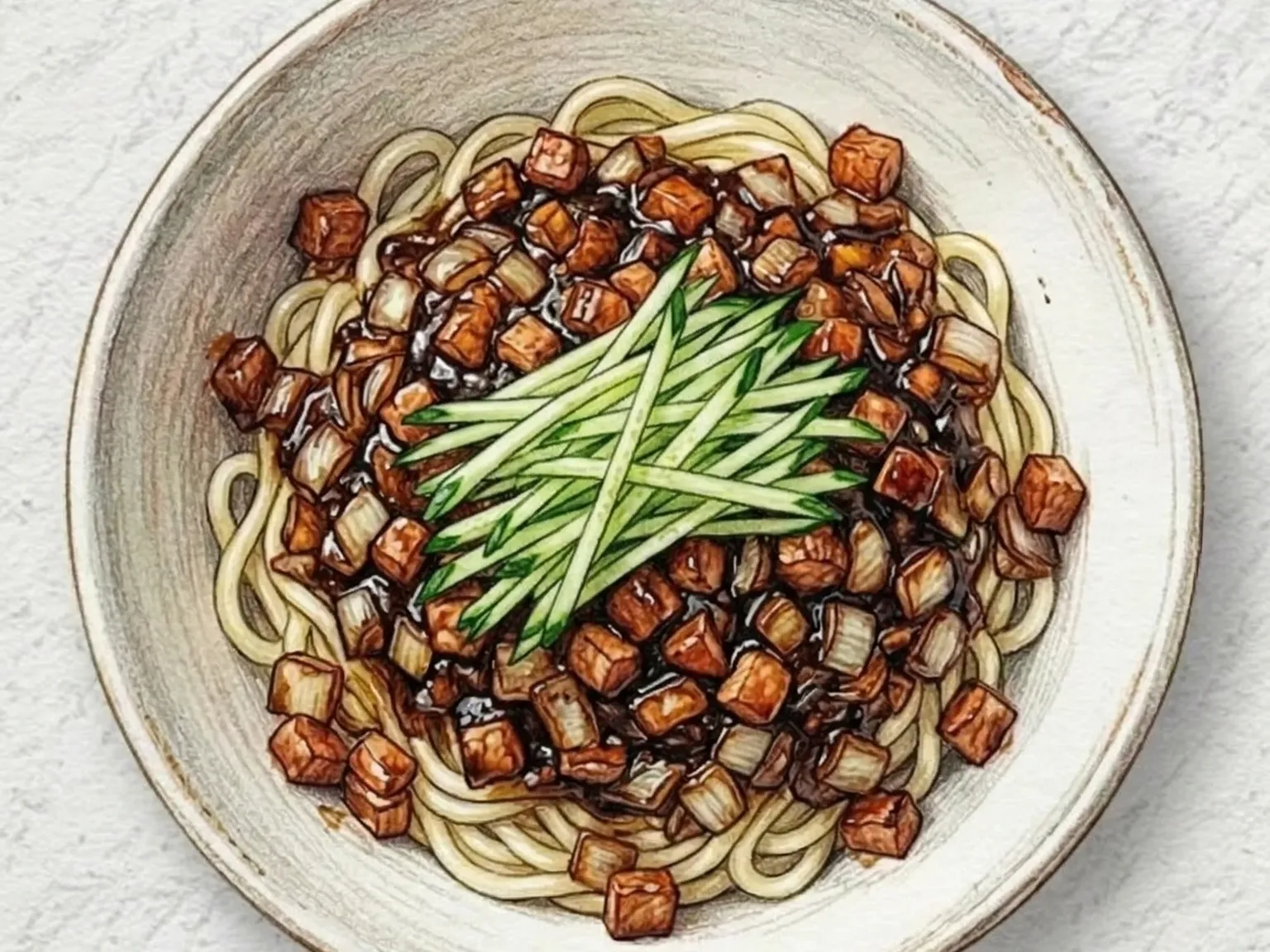
Gan Jjajangmyeon (Dry-Fried Black Bean Sauce Noodles)
Gan jjajangmyeon is a Korean-Chinese noodle dish built on the character of deeply fried black bean paste. Chunjang is cooked in oil over moderate heat, long enough for the paste to lose its raw bitterness and develop a roasted, almost charred aroma before the other ingredients enter the pan. Ground pork and onion are then added and stir-fried over high heat -- unlike standard jjajangmyeon, no cornstarch slurry is used, so the finished sauce arrives on the noodles in the form of a glossy, oil-carried stir-fry rather than a thick, starchy gravy. The distinction matters to how the sauce interacts with the wheat noodles: without starch to hold the sauce in suspension, the oily coating distributes itself across every strand of noodle as the dish is tossed, producing a different mouthfeel from the standard version. Prolonged cooking caramelizes the natural sugars in the onion, creating a sweetness that offsets the salt and bitterness of the fermented paste. Julienned cucumber served on the side provides a cool, crisp counterpoint to the richness of the oily black bean sauce.
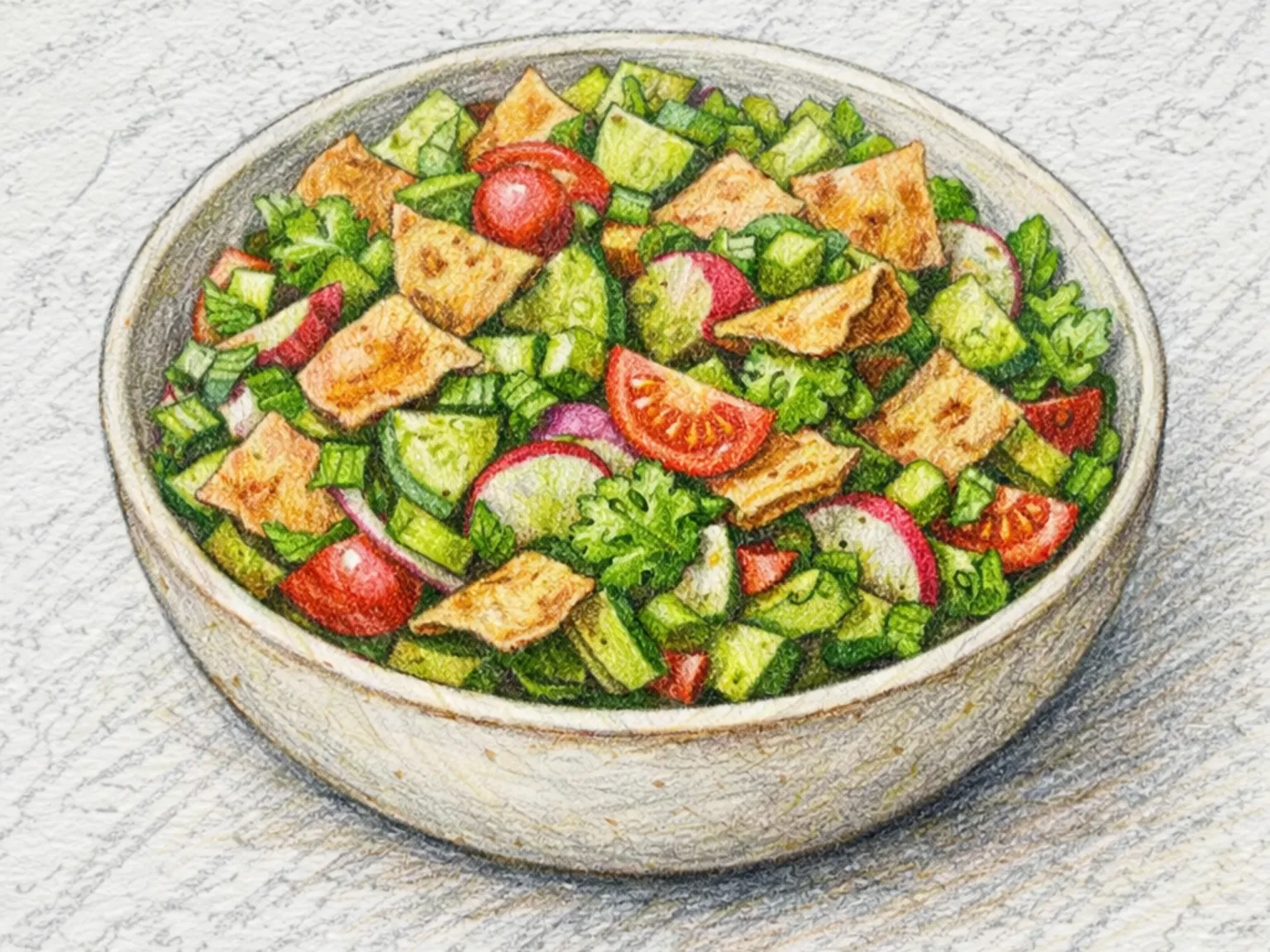
Fattoush Salad (Crispy Pita & Sumac Veggie Salad)
Fattoush is a Levantine bread salad in which crisped pita chips are as important as the vegetables surrounding them, providing a textural anchor that elevates the dish beyond a simple green salad. Tomatoes, cucumber, radishes, and romaine are cut into generous pieces and tossed with a dressing of lemon juice, olive oil, and ground sumac. Sumac brings a flavor that resists easy comparison - a tart, fruity sourness distinct from lemon and unrelated to vinegar - and its reddish hue stains the dressing a deep rose color that coats every surface. Added to lemon juice, sumac creates a layered acidity with more dimension than either ingredient alone. Pita chips must be added immediately before serving and eaten without delay, because the juicy vegetables and dressing begin softening them within minutes. The ideal bite captures both the residual crunch at the center of the chip and the moistened, flavor-soaked edge. Fresh mint and flat-leaf parsley contribute a clean herbal brightness that lifts the heavier elements of the dressing. Pomegranate seeds scattered over the top add bursts of sweet-tart juice and a jewel-like visual contrast that is characteristic of Levantine presentation.

Grilled Cheese Sandwich
Grilled cheese sandwich is made by buttering the outer sides of bread slices, filling them with cheddar and mozzarella cheese, and toasting both sides in a pan until golden and crisp. Combining cheddar's sharp saltiness with mozzarella's stretchy pull gives the sandwich both depth of flavor and satisfying texture. A thin layer of Dijon mustard spread on the inner bread adds a subtle, peppery bite that cuts through the richness of the melted cheese. Cooking over medium-low heat is essential - it gives the cheese enough time to melt completely before the bread surface burns. Pressing the sandwich lightly while flipping ensures the bread and cheese bond tightly, producing a clean cross-section when the sandwich is sliced in half.
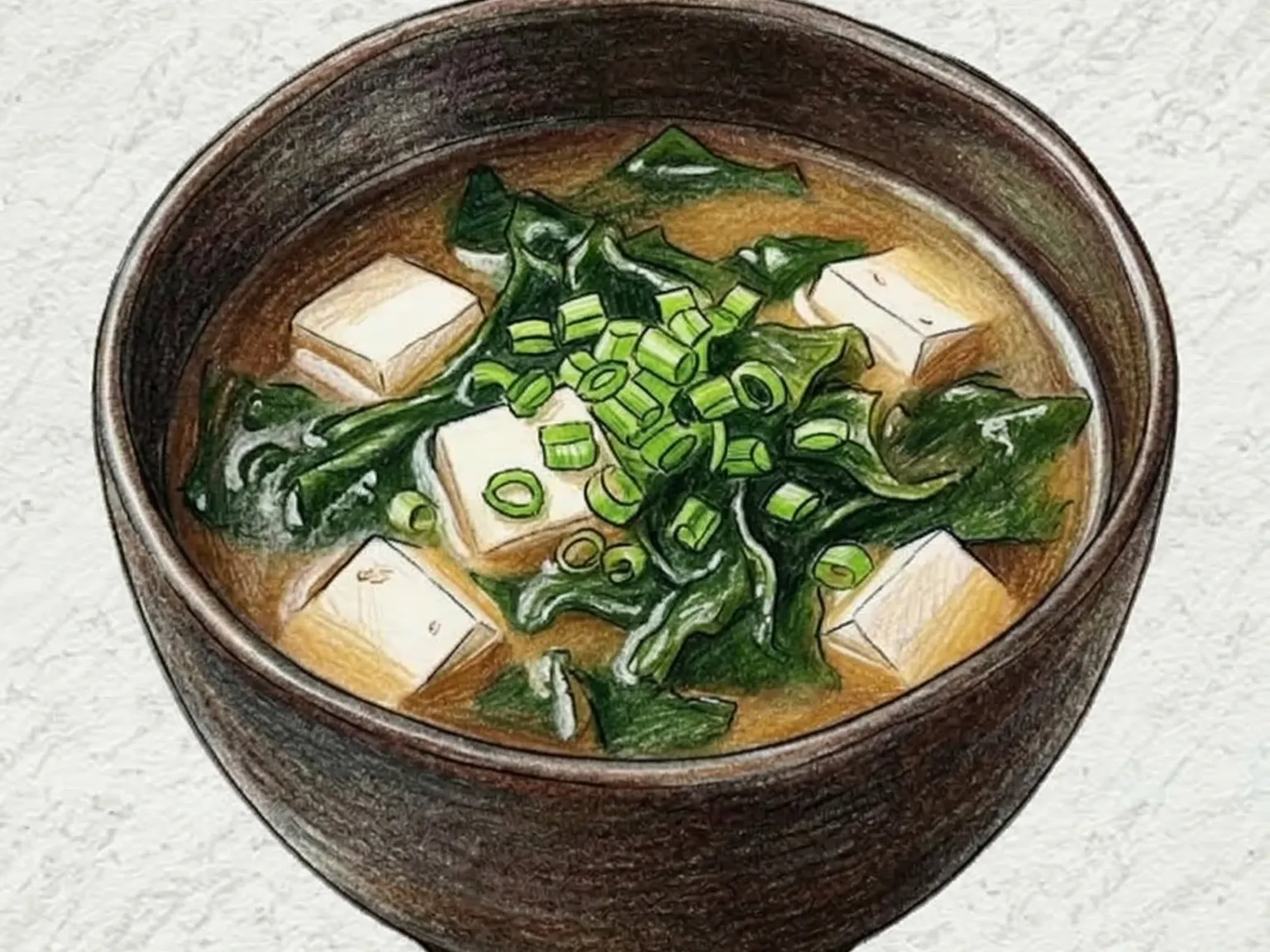
Miso Soup
Miso soup, or miso shiru, is a staple of Japanese home cooking, traditionally served alongside daily meals. The soup features a base of dashi stock made from bonito flakes and kelp, which provides a savory umami foundation. Standard additions include cubed silken tofu and rehydrated wakame seaweed, finished with thinly sliced green onions. The preparation requires heating the dashi stock gently without letting it boil rapidly, then warming the tofu. To preserve the delicate aroma of the miso paste, it is dissolved in a ladle with a bit of hot broth before being stirred into the pot, and the heat is turned off immediately. Home cooks can choose between mild, slightly sweet white miso or a more savory, salty red miso to adjust the flavor. It is a light and comforting soup designed to complement other dishes.
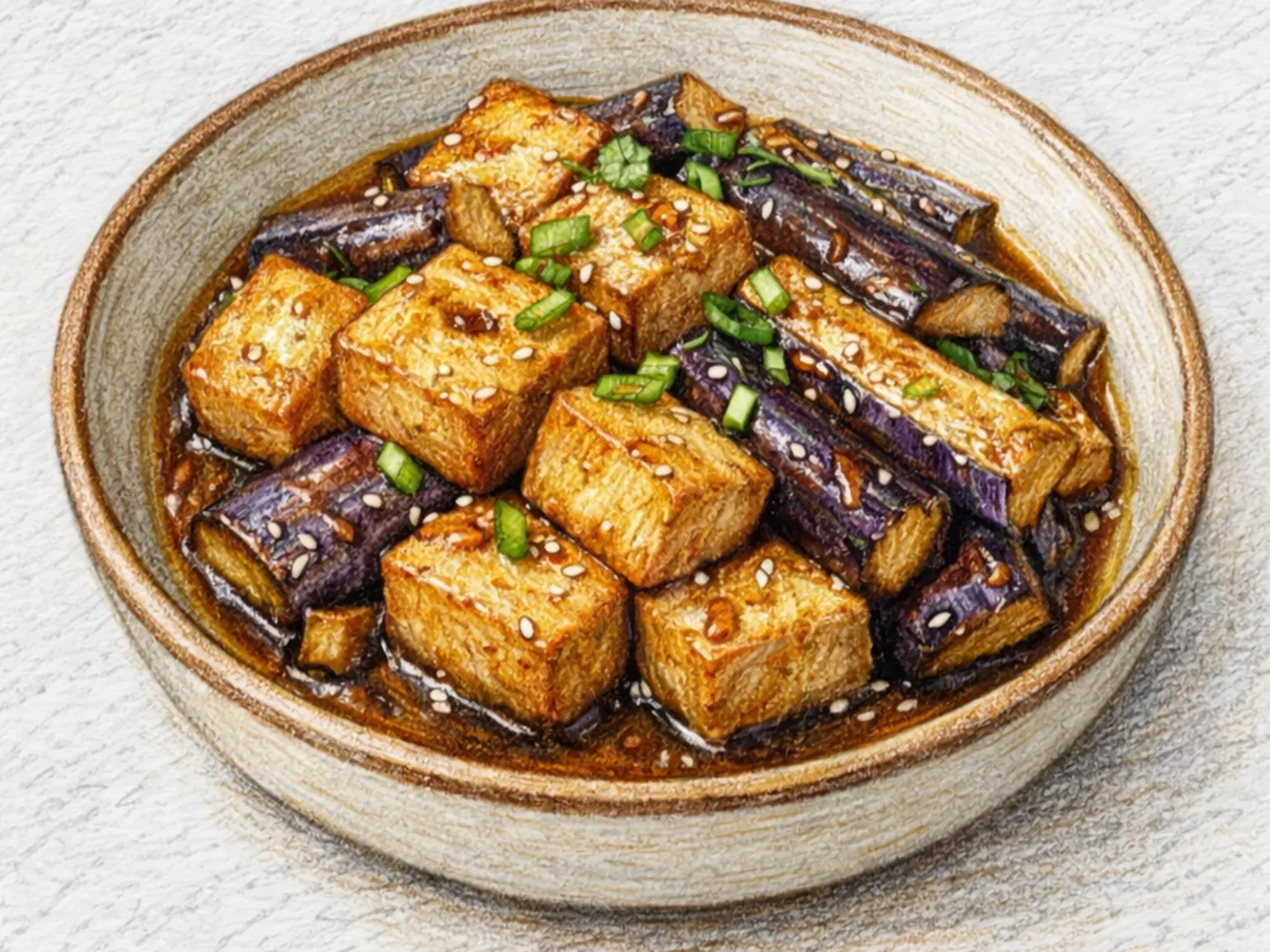
Korean Braised Tofu in Spicy Sauce
Dubu-jorim is one of the most reliably prepared tofu dishes in Korean home cooking, made from ingredients that are almost always on hand, yet the sequence of steps makes a significant difference to the result. Before the tofu ever touches the braising sauce, it must be fried in a dry pan until each face develops a thin, golden crust. That crust serves two purposes simultaneously: it keeps the tofu slabs intact as the sauce reduces around them, and it acts as a permeable layer through which the seasoning gradually penetrates toward the center during braising. The sauce - soy sauce, gochugaru, minced garlic, sugar, and water - simmers around the tofu for eight to ten minutes until it has reduced by roughly half and thickened into a glossy, spicy-sweet glaze that coats the exterior in a dark, caramelized layer. The finished tofu has three distinct zones in every slice: the outermost layer where the sauce has caramelized and taken on a slightly chewy quality, a middle band where the seasoning has fully soaked in, and a white, creamy center that provides a bland, soft contrast to the intensely flavored exterior. All three zones are present in a single bite, which is what makes this dish more texturally interesting than a standard braise. Korean home cooks typically double the recipe and refrigerate half for weekday meals, where the flavors deepen further after a night in the cold.
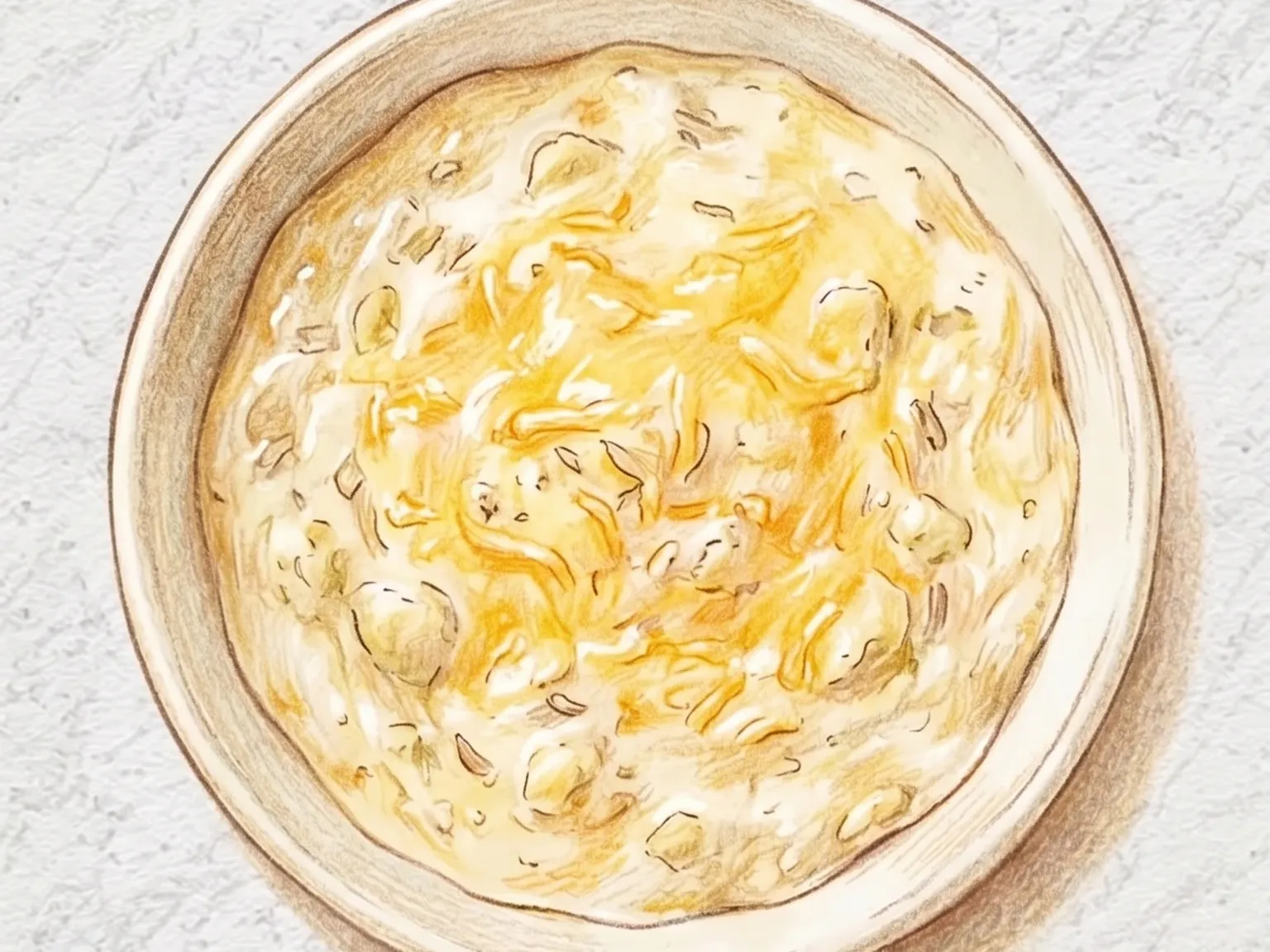
Korean Potato Cheese Porridge
Gamja-cheese-juk is a creamy Korean rice porridge in which finely diced potato and onion are first sauteed in butter to draw out their natural sweetness before soaked rice and milk are added and the whole pot is brought to a slow simmer. As the potato cooks, its starch releases into the liquid and thickens the porridge from within, producing a smooth, dense base without the need for any thickening agent. Cheddar cheese is stirred in near the end of cooking, contributing salt and richness that eliminates the need for much additional seasoning -- the combination of buttery saute, starchy potato, and melted cheese produces a flavor deep enough to stand without extra condiments. Partially mashing the potato pieces against the side of the pot while the porridge cooks creates an even creamier consistency, and because different cheeses carry varying levels of salt, adding the final seasoning only after the cheese has fully melted prevents over-salting. The porridge is mild, warm, and velvety, suited to children and comforting as a light breakfast or recovery meal on a cold morning.
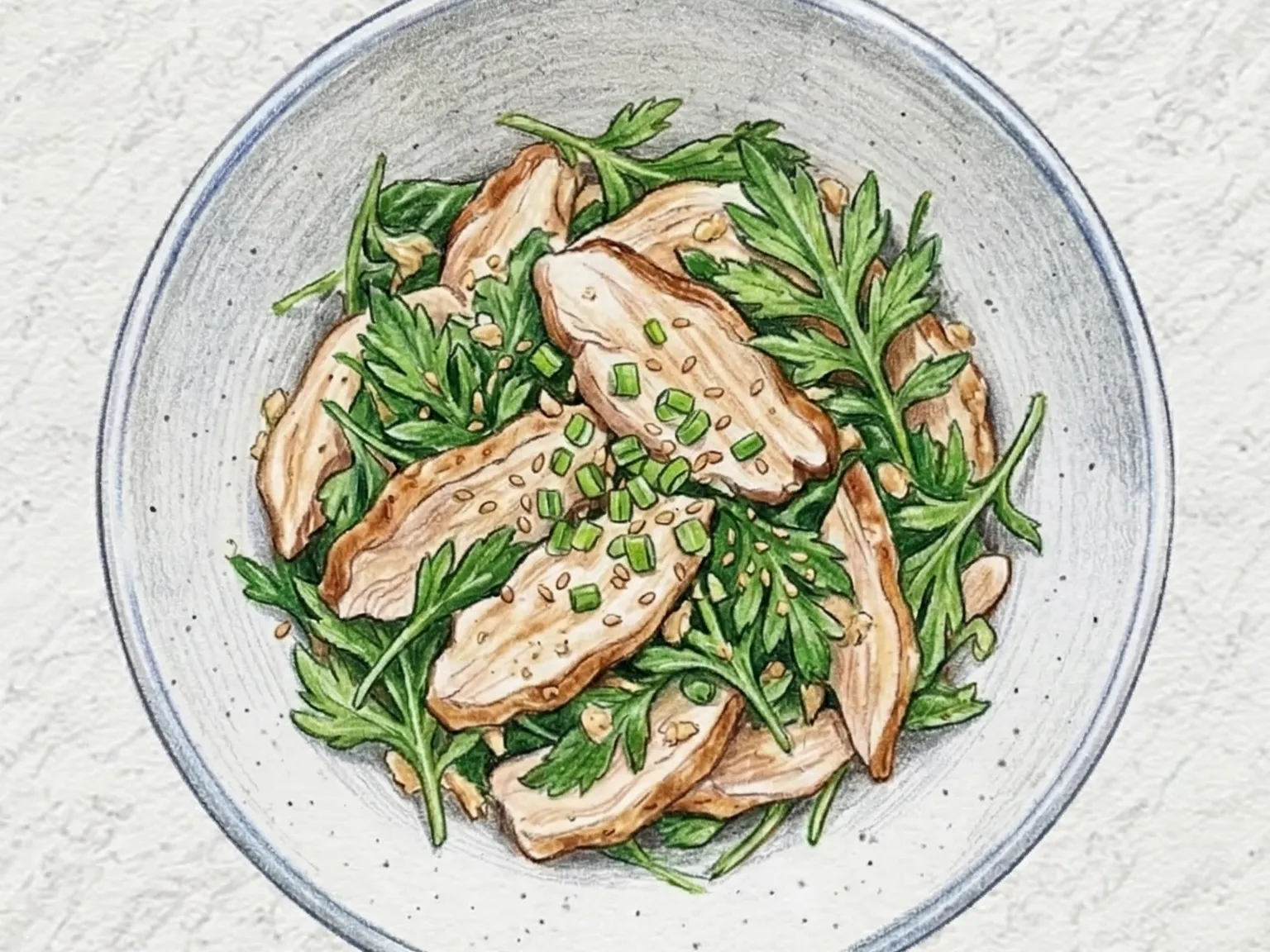
Korean Chicken Breast & Mugwort Stir-fry
Spring mugwort offers its most tender texture and mildest bitterness immediately after harvest, making it a perfect companion for lean proteins. This stir-fry utilizes thinly sliced chicken breast to create a clean base where the herb's fragrance takes center stage. Minced garlic and soy sauce provide a light seasoning that emphasizes the natural characteristics of the ingredients without creating a heavy coating. Because chicken breast dries out quickly, the preparation requires a preheated pan and high heat to cook the meat just until it turns opaque. Adding the mugwort at the very end allows it to soften slightly through residual heat, preserving the fresh aroma that would otherwise turn harsh or overly bitter with prolonged cooking. A light application of sesame oil at the finish rounds out the profile with a subtle nuttiness. The combination of vitamin-rich mugwort and high-quality protein makes this a nutritionally balanced side dish. This preparation relies on minimal oil and the inherent quality of the seasonal ingredients, making it a suitable choice for a light meal served with rice or inside fresh lettuce wraps.
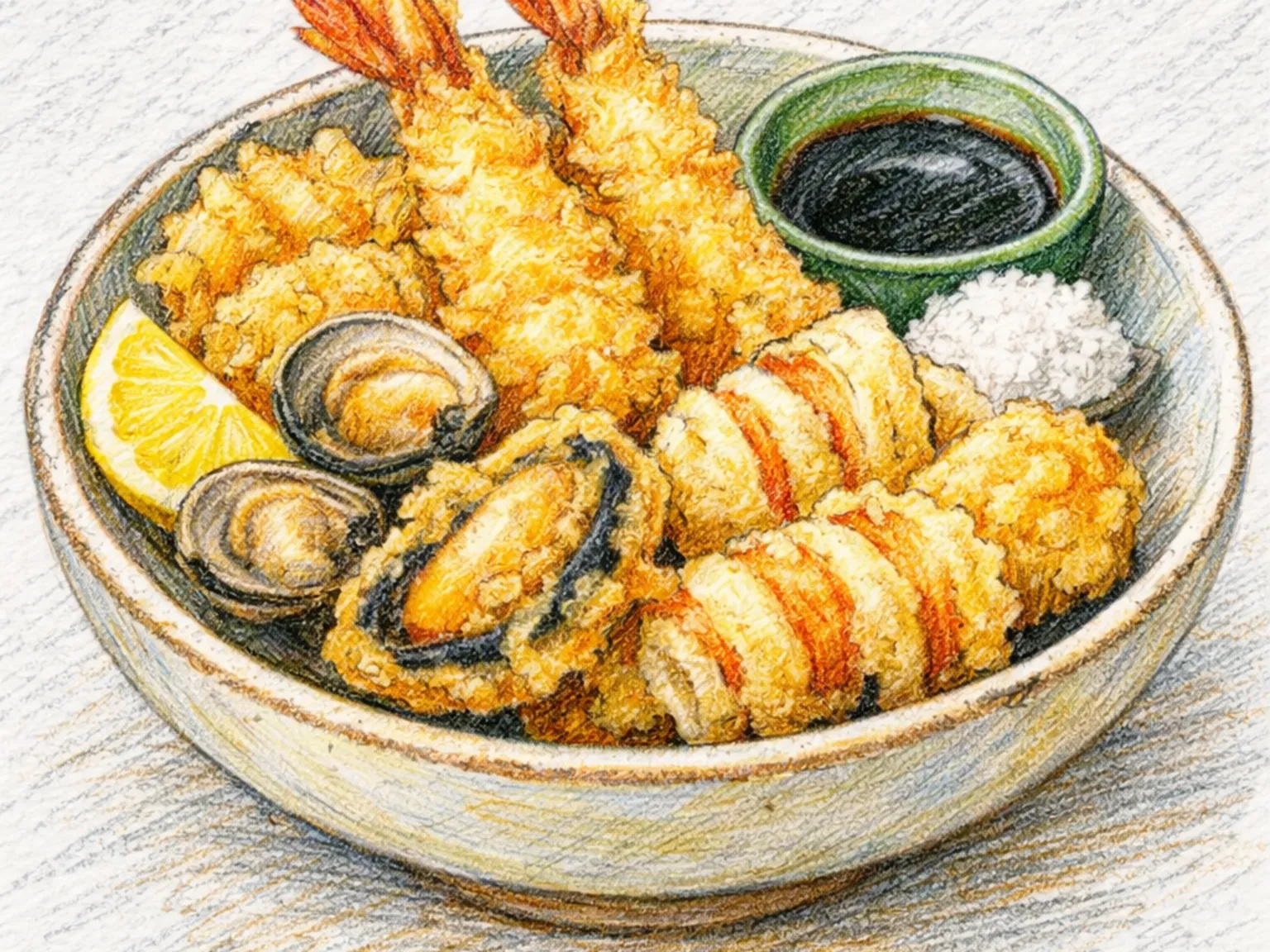
Korean Seafood Tempura (Korean Deep-Fried Seafood)
Haemul-twigim is a Korean assorted seafood platter of shrimp, squid, and clams coated in a light cold-water batter and deep-fried until crisp. Each type of seafood requires different prep: shrimp get their back tendons snipped to prevent curling, and squid are scored to stop them from shrinking in hot oil. The cold-water batter produces a thin, delicate coating that highlights the seafood's own flavors rather than burying them. Frying briefly at 170 degrees keeps the interiors from turning rubbery, and the platter is typically served with soy dipping sauce or salt alongside tteokbokki and fish cake soup as part of a bunsik spread. Substituting beer or sparkling water for plain cold water in the batter creates an even lighter, crispier coating, and draining the pieces thoroughly on a rack immediately after frying is what keeps them from going soggy before they reach the table.
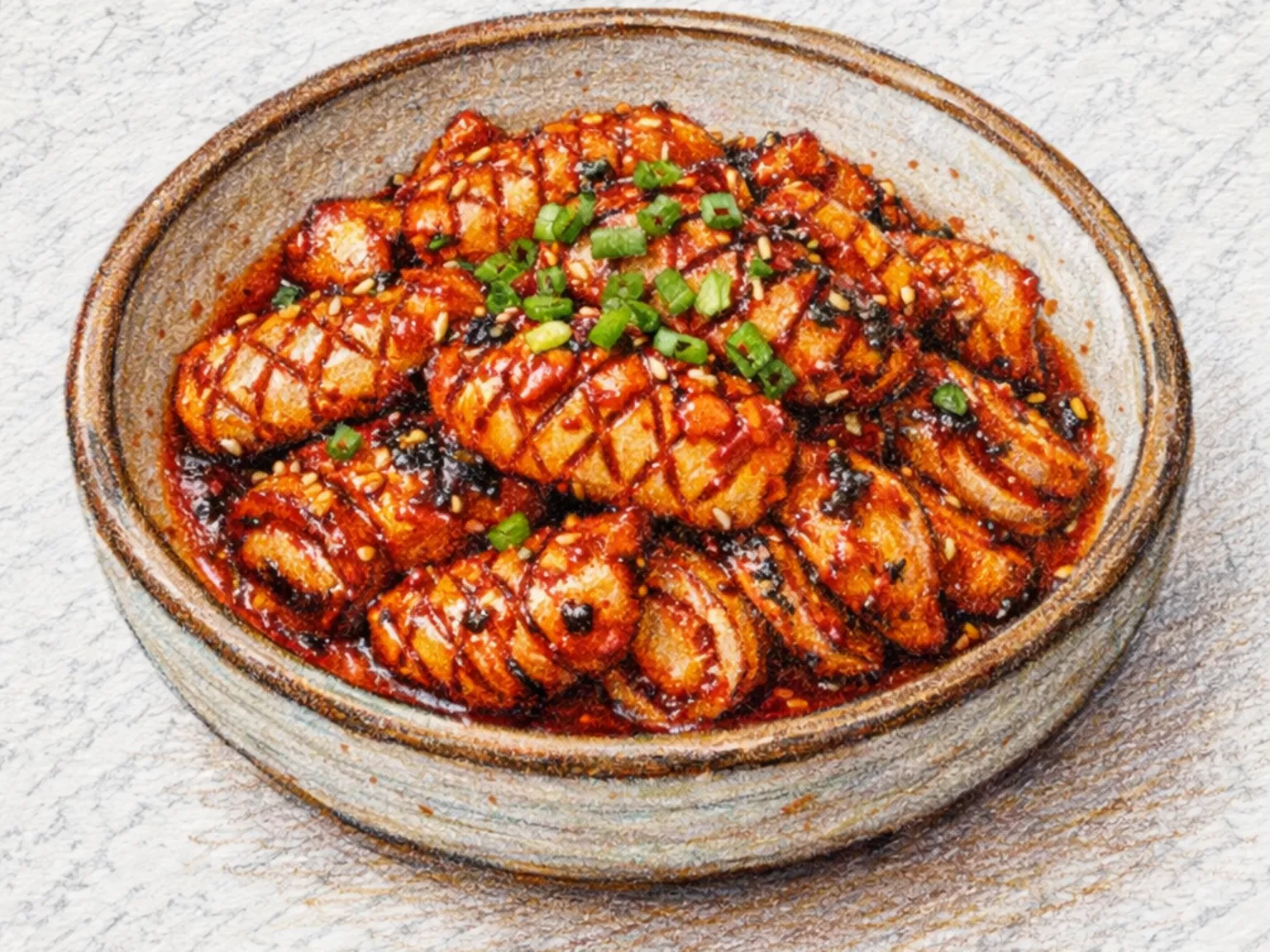
Korean Gapojingeo Yangnyeom Gui (Spicy Grilled Cuttlefish)
Gapojingeo-yangnyeom-gui is spicy grilled cuttlefish prepared by scoring the body in a deep crosshatch pattern and coating it with a glaze of gochujang, Korean chili flakes, soy sauce, oligosaccharide syrup, and garlic. The deep scoring is critical for the thick cuttlefish body: it allows the marinade to penetrate the flesh fully and causes the scored sections to curl open under high heat, creating a flower-like shape that maximizes surface contact with the glaze. When gochujang's heat and the syrup's sticky sweetness hit high heat together, they caramelize into a glossy, deep-red coating that clings to the cuttlefish, while sesame oil folded into the marinade adds a toasted undertone beneath the spice. Chunky-cut onion and green onion grilled alongside release moisture that evaporates into sweetness, naturally tempering the intensity of the chili glaze without diluting the marinade's savory depth. Patting the cuttlefish completely dry before marinating ensures the glaze adheres evenly rather than sliding off, and keeping the cooking time short over high heat prevents the flesh from turning tough and rubbery.
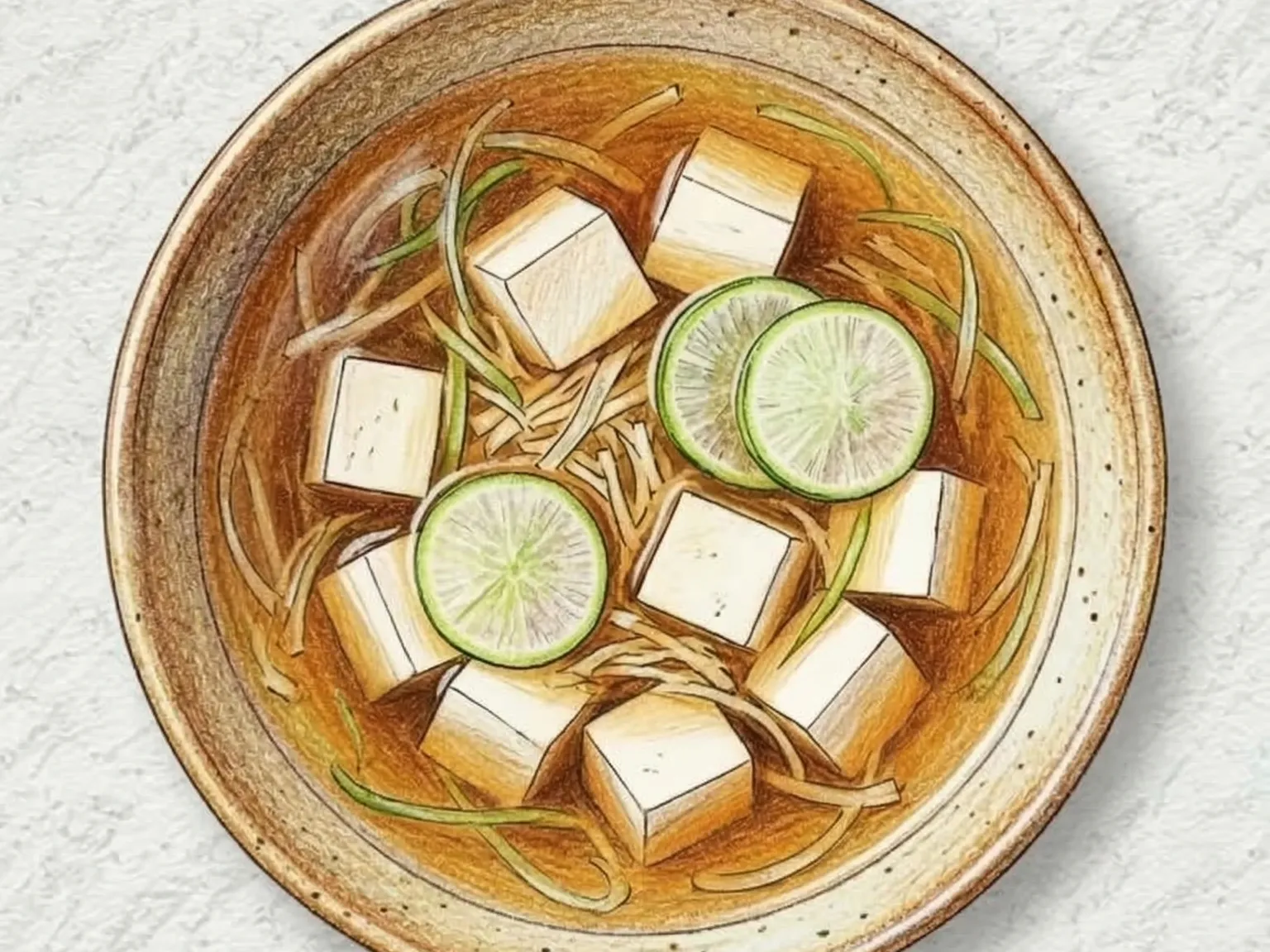
Dubu Guk (Korean Tofu Soup)
Dubu guk is a plain Korean tofu soup, also called dubu jangguk, made with tofu, radish, shiitake mushrooms, and soup soy sauce in a clear broth. It is different from spicy sundubu jjigae: this version stays light, clean, and soy-seasoned. Radish simmers first to sweeten the broth, then shiitake and garlic add enough umami for a simple home soup. Tofu goes in last so the cubes stay tender and clean-edged instead of breaking apart. Use this recipe when you want a mild Korean tofu soup with clear broth rather than a chili-heavy stew.
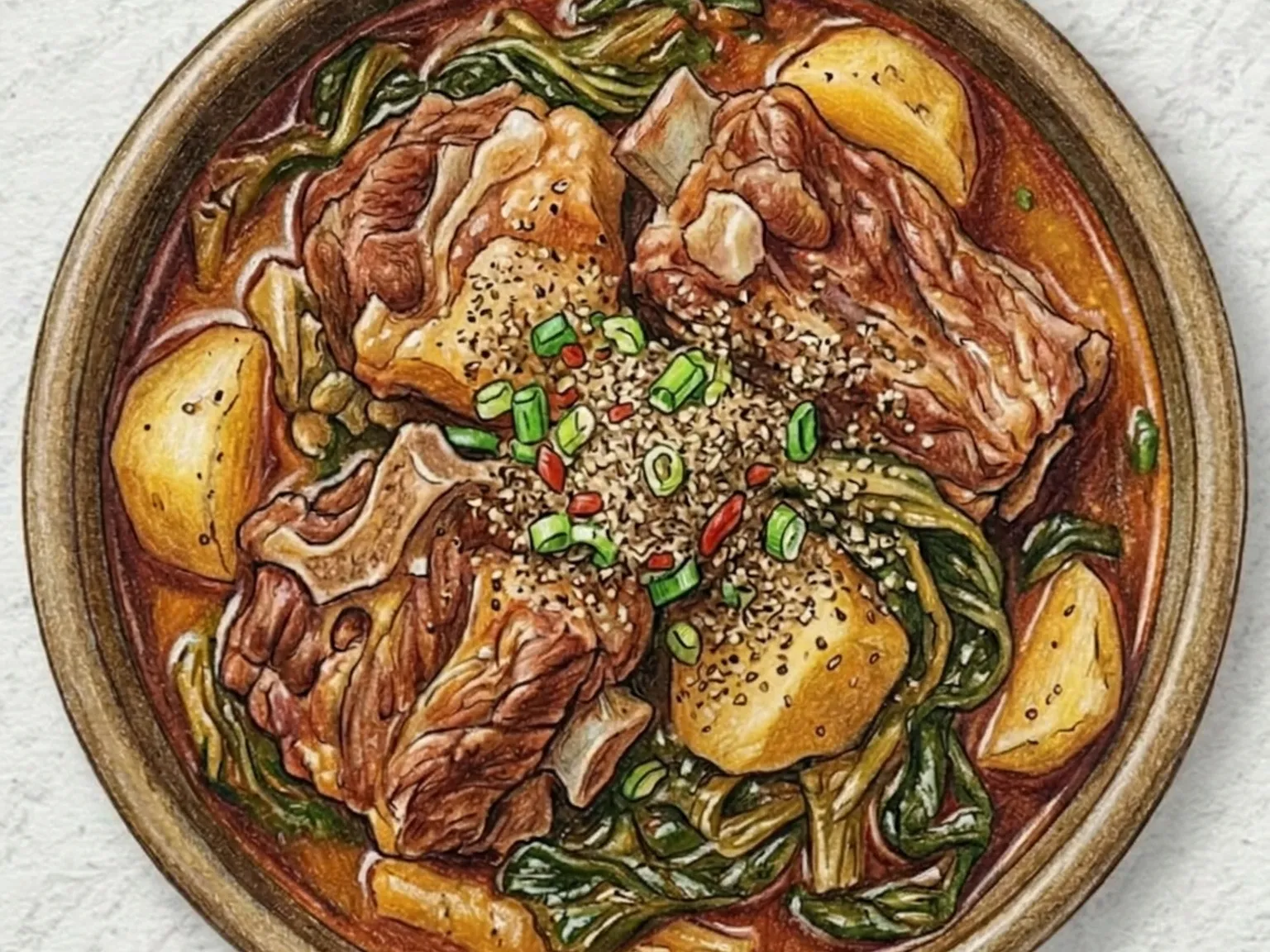
Korean Pork Bone Stew (Slow-Simmered Pork Spine & Potato)
Gamjatang is one of Korea's most recognized bone soups, made by simmering pork spine for a long time until the broth turns milky white and rich with collagen. Doenjang and gochugaru form the seasoning foundation, while perilla seed powder -- a signature addition -- gives the broth a nutty, slightly creamy depth that is hard to replicate with any substitute. Potatoes simmer until they absorb the broth and soften to the core, and the dried napa cabbage leaves add a chewy, vegetal contrast to the thick liquid. A handful of perilla leaves stirred in near the end brings a fresh herbal note, and the ritual of picking tender pork off the bones with chopsticks is part of what makes eating gamjatang a hands-on, satisfying experience. It is traditionally sought out as a late-night meal or a hangover cure.
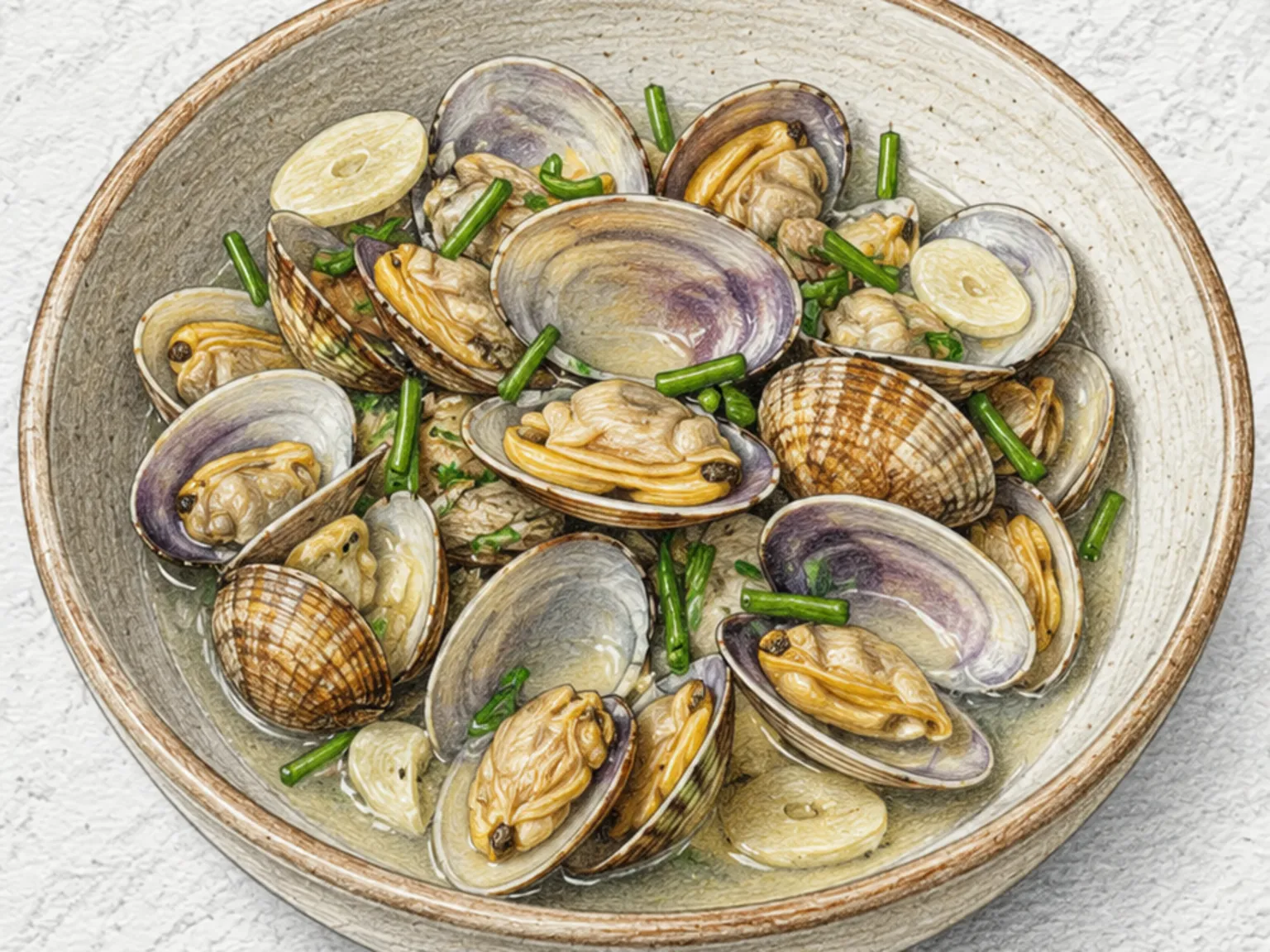
Korean Steamed Clams with Rice Wine
Manila and surf clams are steamed with garlic in rice wine to create this traditional Korean drinking snack. Purging the shellfish in salted water beforehand ensures the resulting broth remains clear and free of grit. Pouring cold rice wine over the shells and sealing the pot allows the alcohol to transform into steam, which strips away any ocean odors while the clams release their natural juices. As the shells open, their concentrated brine forms a natural stock at the bottom of the pot. Dropping a piece of butter into the liquid the moment the first shell cracks open adds a creamy, rounded quality to the salty clam base. Freshly scattered chives provide a grassy contrast to the buttery liquid, maintaining a sense of freshness throughout the dish. Since no additional water or stock is required, the success of the broth relies entirely on the quality of the clams and the thoroughness of the purging process. Lifting the lid at an angle prevents condensation from dripping back onto the clams, which keeps the concentrated seasoning from thinning out. A final squeeze of lemon juice heightens the sweetness of the clam meat and provides a crisp finish to the experience.
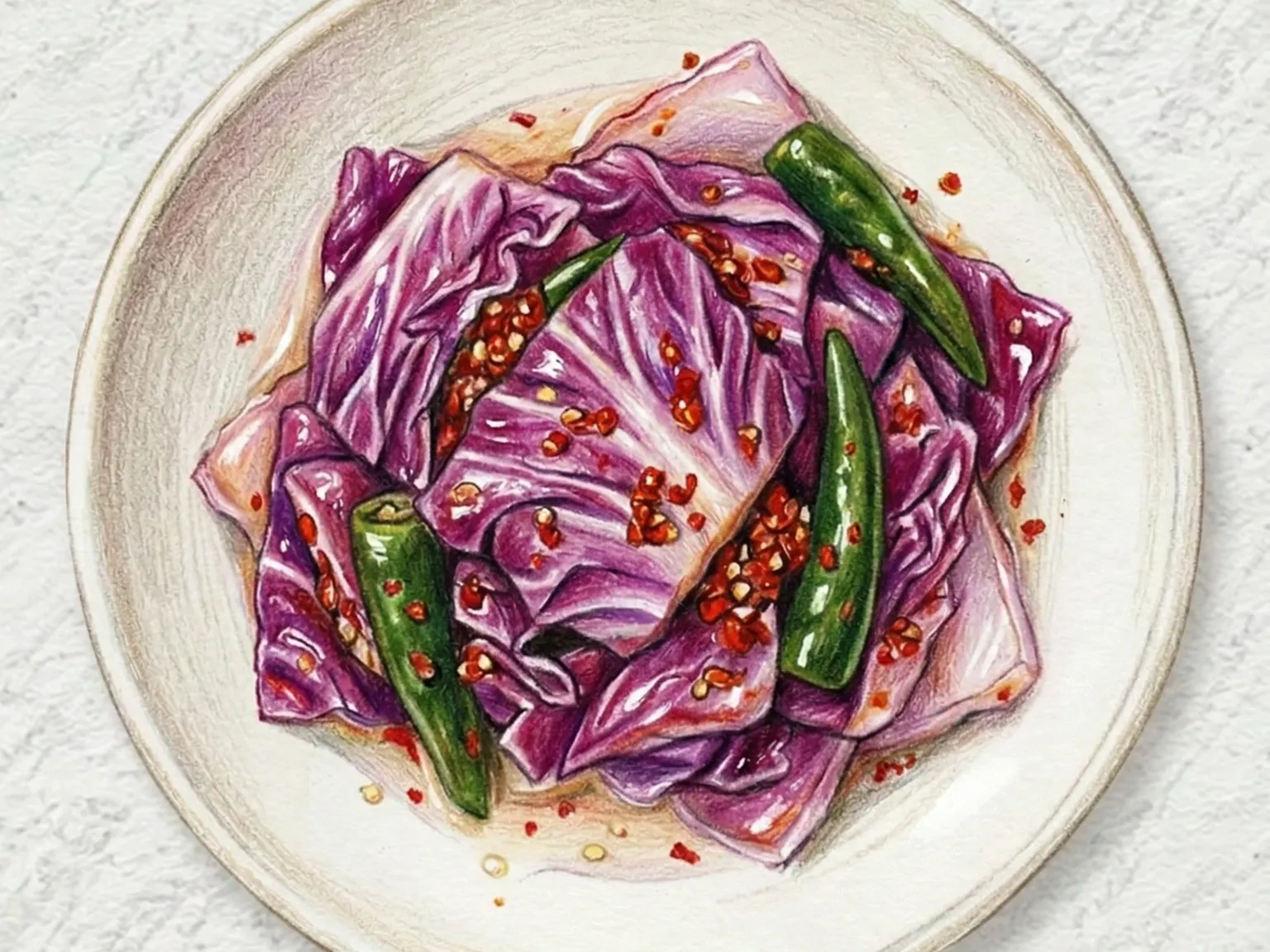
Korean Red Cabbage Kimchi
Jeokchae kimchi is made by salting red cabbage leaves, then tossing them in a seasoning of gochugaru, sand lance fish sauce, minced garlic, and Korean pear juice before a short fermentation. Red cabbage has thicker, denser leaves than napa cabbage, so it holds its crunch well after brining rather than going soft. The anthocyanin pigment in the red cabbage reacts with the chili seasoning to produce a vivid purple color rather than the typical red associated with kimchi, making it visually striking on the table. Pear juice provides a gentle fruit sweetness underneath the heat and spice, while sand lance fish sauce builds enough savory depth that even a brief fermentation yields full flavor. Scallions add a fresh, aromatic finish that ties the seasoning together. The result is a kimchi that is crunchy, spicy, and umami-rich simultaneously, with a distinctive character that sets it apart from traditional napa kimchi.
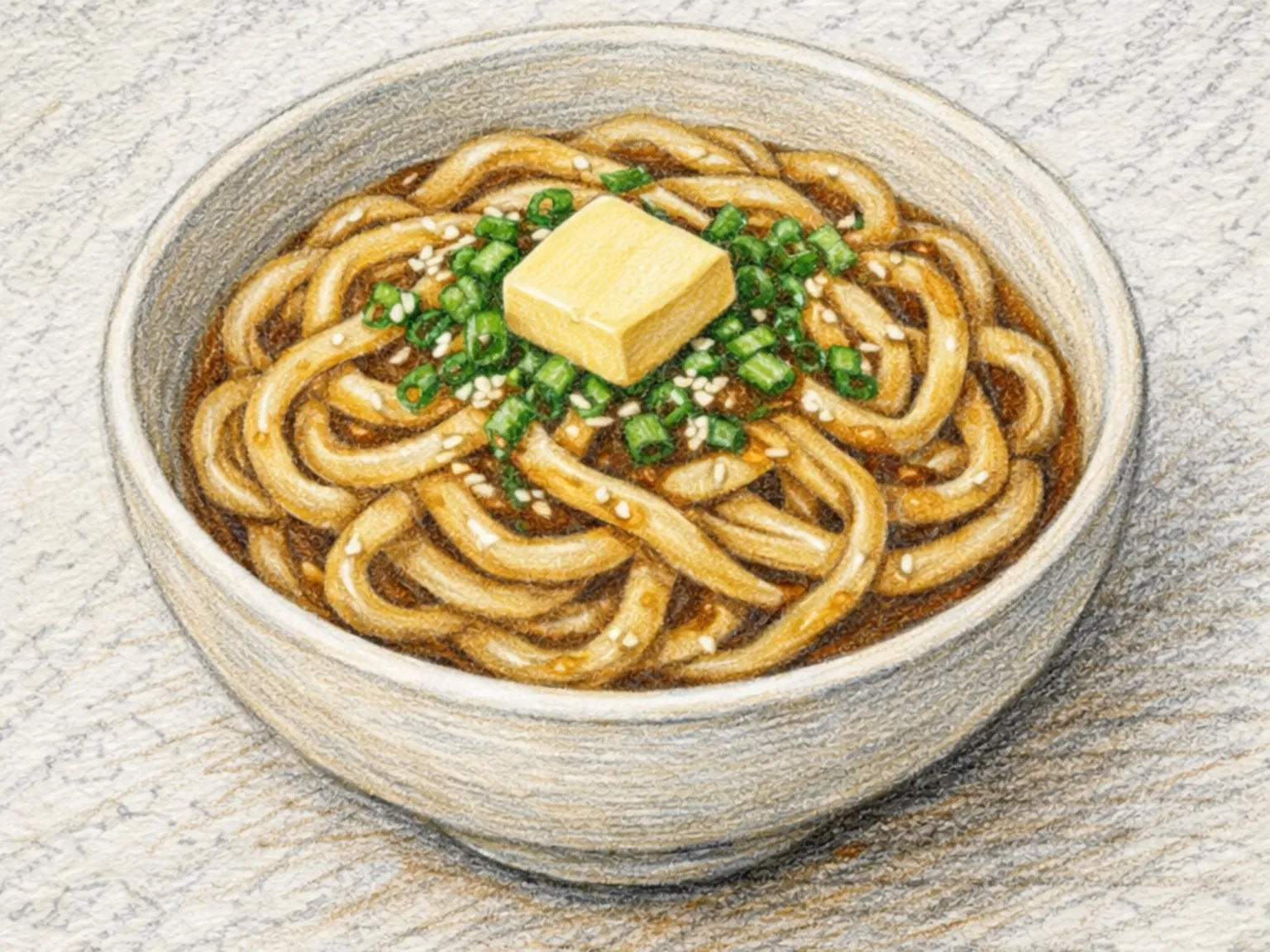
Soy Butter Udon (Pan-Tossed Udon in Caramelized Soy Butter)
Ganjang butter udon is a quick pan-fried noodle dish that delivers deep, satisfying flavor in roughly ten minutes. Boiled udon noodles go into a pan with melted butter, and as soon as they hit the hot surface the butter releases a toasted, nutty fragrance. Soy sauce added to the pan caramelizes almost immediately against the heat, forming a savory-sweet glaze that coats every strand of the thick, springy noodles. The fat from the butter helps the glaze adhere evenly and rounds out the soy's saltiness with richness. Katsuobushi piled on top at the finish adds a layer of smoky umami that deepens the overall flavor, and an egg yolk placed in the center and stirred through transforms the dish with a creamy, silky texture. It is an ideal solution for a late-night craving or a satisfying solo meal when time is short.
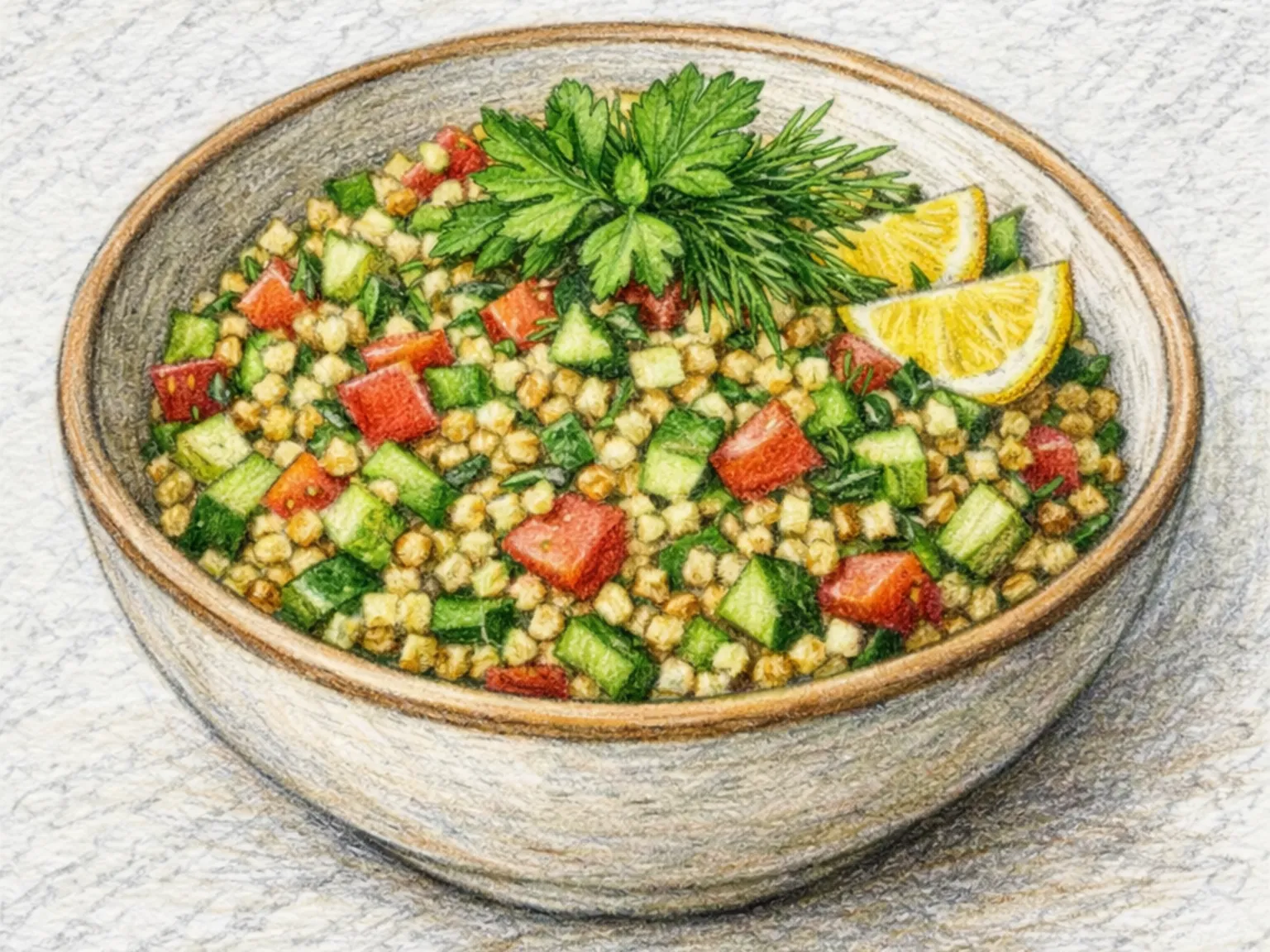
Freekeh Herb Salad (Smoky Roasted Wheat & Fresh Herbs)
Freekeh is an ancient Middle Eastern grain produced by harvesting wheat while the grain is still immature and green, then roasting the harvested stalks over an open fire. The outer chaff burns away while the moist interior of each grain survives the flame, and it is this controlled scorching that gives freekeh its defining characteristic: a pronounced smoky aroma layered over the nutty, grassy quality of young wheat. When boiled, the grains hold their shape and retain a firm chew that standard wheat varieties lose after cooking, making freekeh particularly suited to salads that must hold up at room temperature. In this preparation, the cooked grain is combined with generous quantities of fresh parsley, mint, and dill, whose cool, bright flavors complement rather than compete with the smoke. A dressing of fresh lemon juice and extra-virgin olive oil is enough to bring the bowl together, as the grain itself provides sufficient depth without a complex sauce. Diced cucumber and halved cherry tomatoes add moisture and acidity, and crumbled feta cheese contributes salt and a creamy richness that ties the components into a coherent whole. The salad benefits from resting for at least an hour before serving, as the dressing absorbs into the grain and the herb and grain flavors gradually merge.
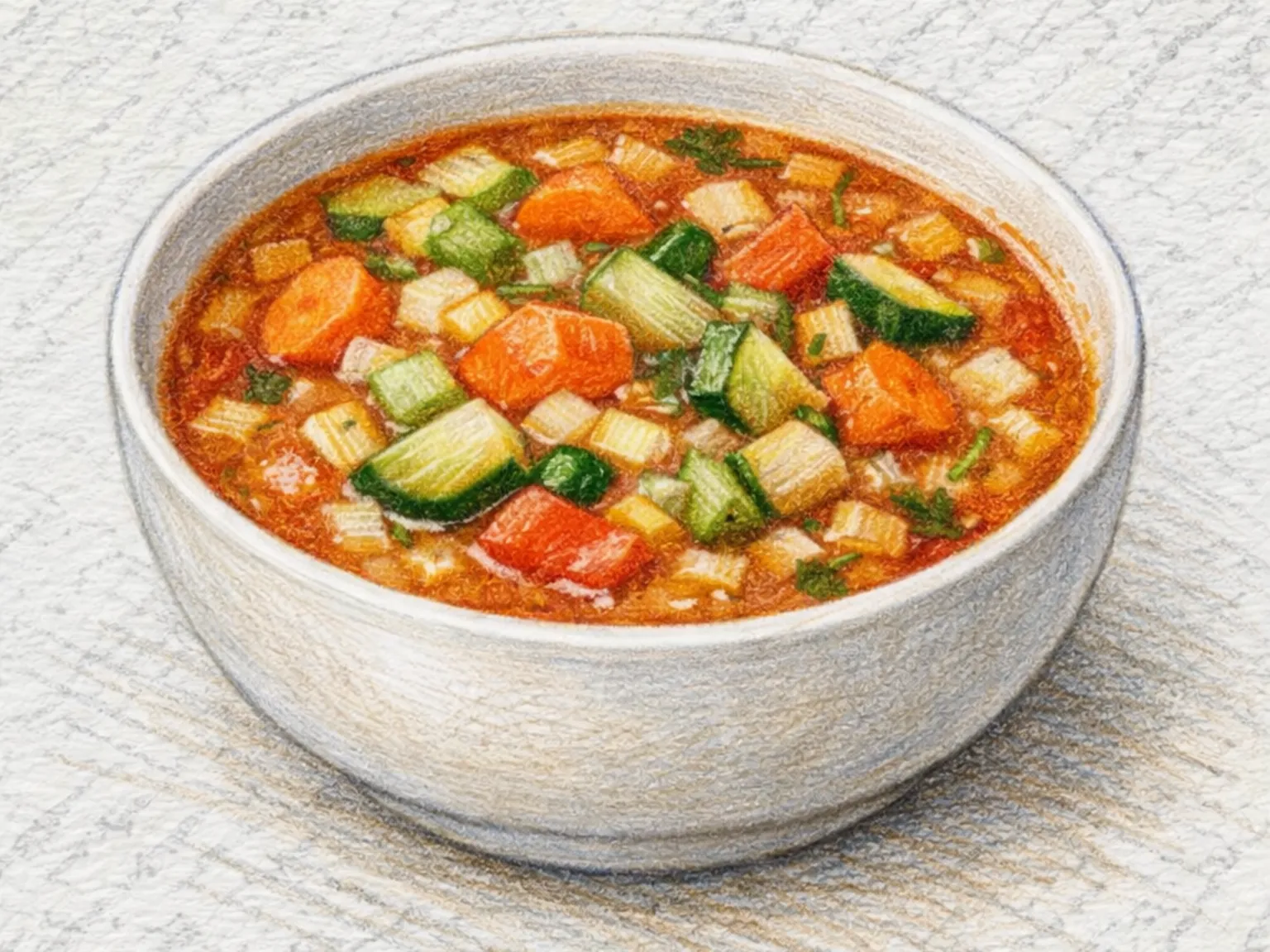
Hearty Minestrone Soup
Hearty minestrone soup is an Italian vegetable soup that begins by patiently sauteing onion, carrot, celery, and zucchini in olive oil to draw out their natural sweetness before adding crushed tomatoes and vegetable broth. Taking time to cook the vegetables over medium heat allows caramelization to occur, building a clean yet deep flavor base for the broth. Kidney beans contribute plant-based protein and a starchy thickness, while small pasta cooked directly in the soup releases additional starch that enriches the overall texture. Adding a Parmesan rind during the simmer infuses the broth with a quiet umami depth. A final garnish of grated Parmesan and a drizzle of olive oil just before serving rounds out the bowl with richness and savory warmth.
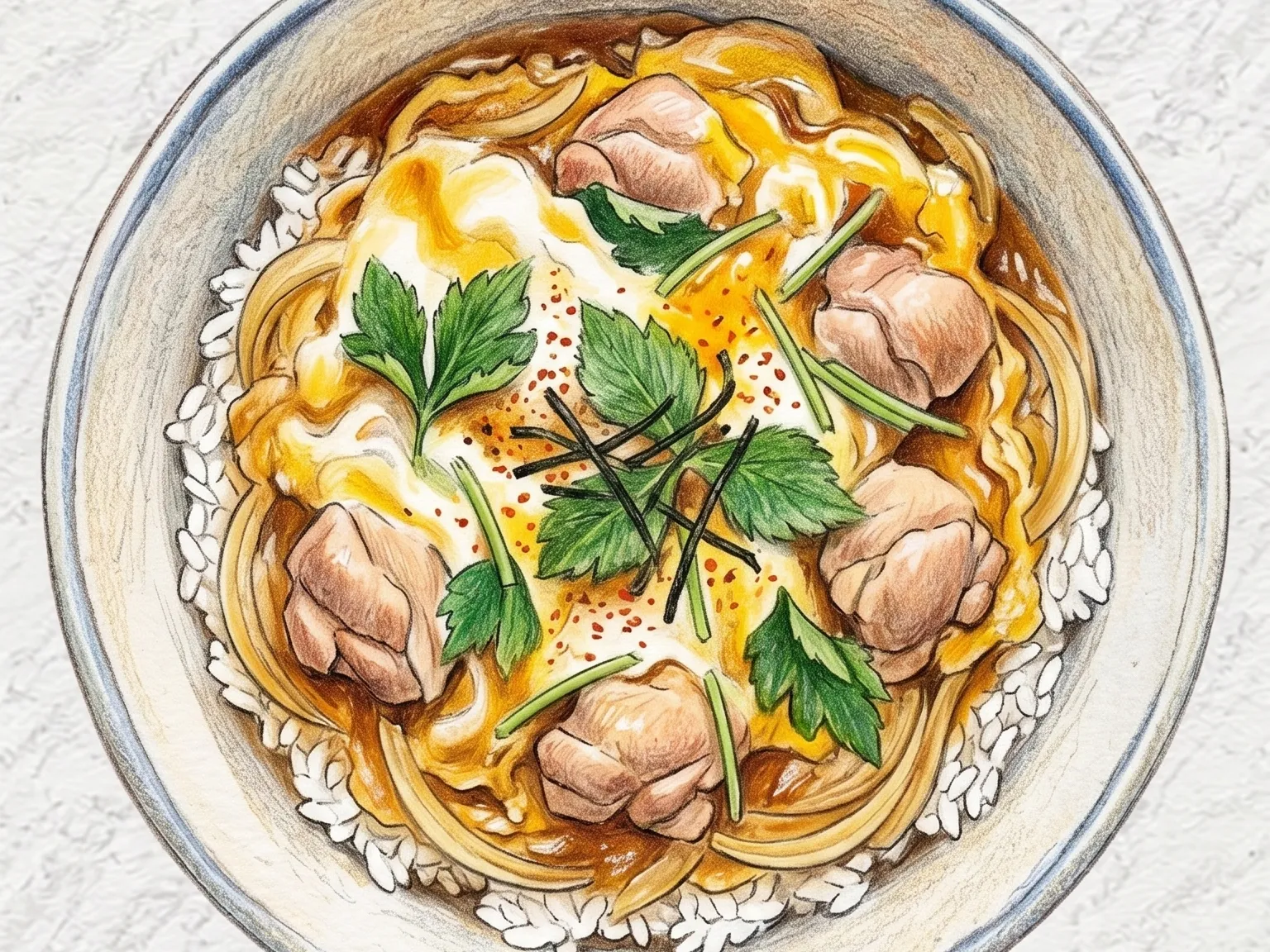
Mitsuba Oyakodon (Japanese Chicken Egg Rice Bowl with Mitsuba Herb)
This Japanese chicken and egg rice bowl features chicken thighs and sliced onions simmered in dashi stock, soy sauce, and mirin. The chicken is cut into bite-sized pieces and cooked in the broth until tender. Beaten eggs are added in two batches: the first half is allowed to set slightly before the remainder is poured, creating a mixture of firm and silky, runny textures. To keep the egg texture soft, it is important not to overbeat the eggs before cooking. Fresh mitsuba, a Japanese wild parsley, is cut into four-centimeter pieces and placed on top during the last twenty seconds of cooking with the lid closed. This brief steaming preserves its delicate celery-like fragrance and green color. Letting the dish rest off the heat for thirty seconds before serving over warm rice ensures a smooth custard-like texture that coats each grain.
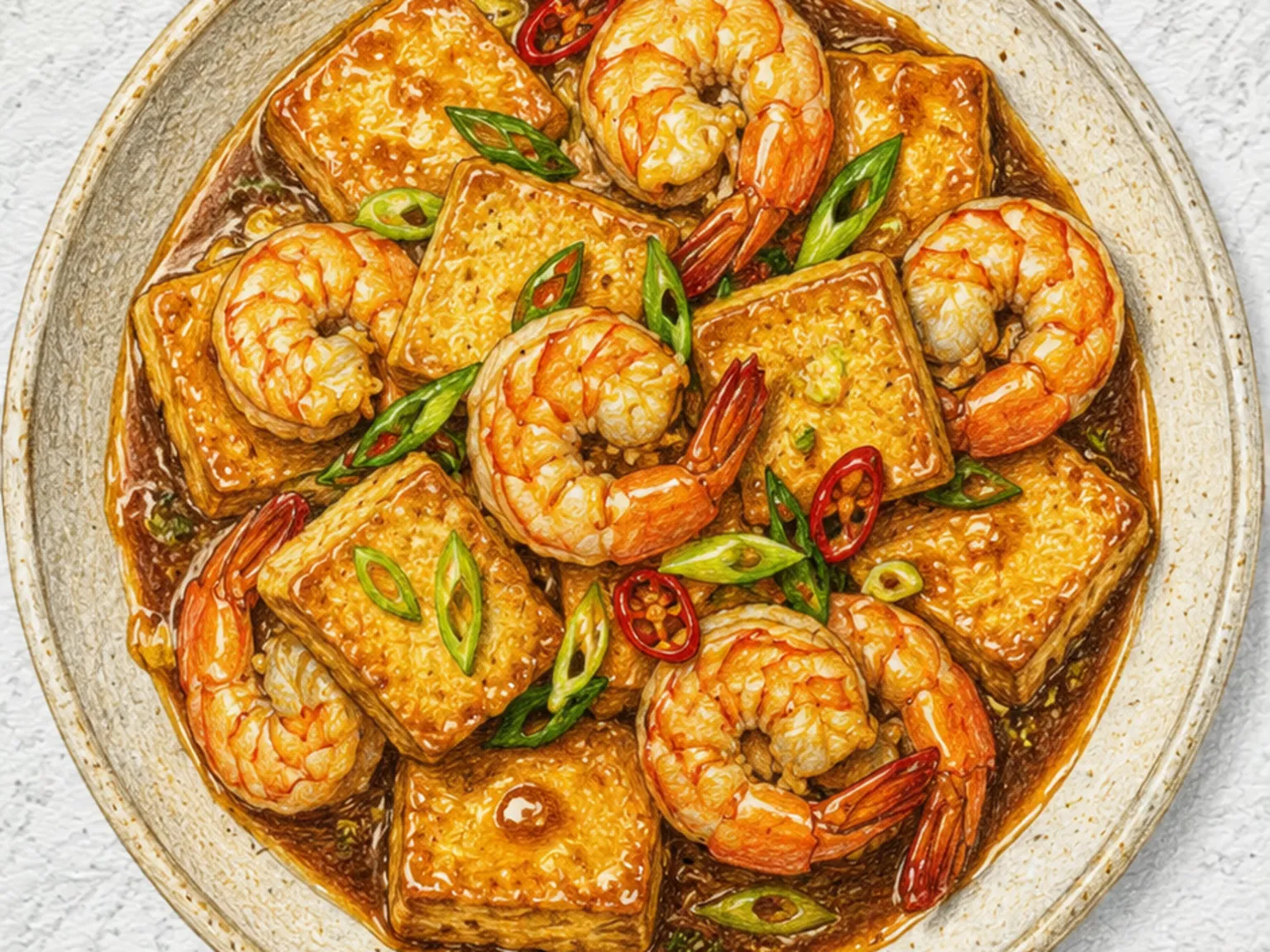
Korean Braised Tofu with Shrimp
Dubu-saeu-jorim pairs pan-seared tofu with whole shrimp in a soy-based braising sauce, stepping well beyond the usual tofu-only preparations that appear in everyday banchan. The tofu is seared first until golden on both sides to develop a lightly firm crust that resists breaking apart during the braising stage, then set aside while shrimp cook briefly in the same pan, picking up the fond left by the tofu. The braising liquid -- soy sauce, minced garlic, sugar, cooking wine, and a touch of gochugaru -- goes in next, and both proteins return to the pan to simmer together for five minutes over medium heat. The shrimp release their marine sweetness into the sauce as they tighten and curl, and the porous interior of the tofu absorbs that combined soy-seafood flavor throughout each cube. Adjusting the simmer time controls the final sauce concentration: shorter for a looser, silkier coat; longer for a more intensely reduced glaze. The textural pairing is the dish's central appeal -- yielding, custardy tofu against the springy, snapping bite of the shrimp. Adding sliced green onion or fresh chili introduces another layer of fragrance, and scaled up in quantity, the dish works just as well spooned over steamed rice as a satisfying one-bowl meal.
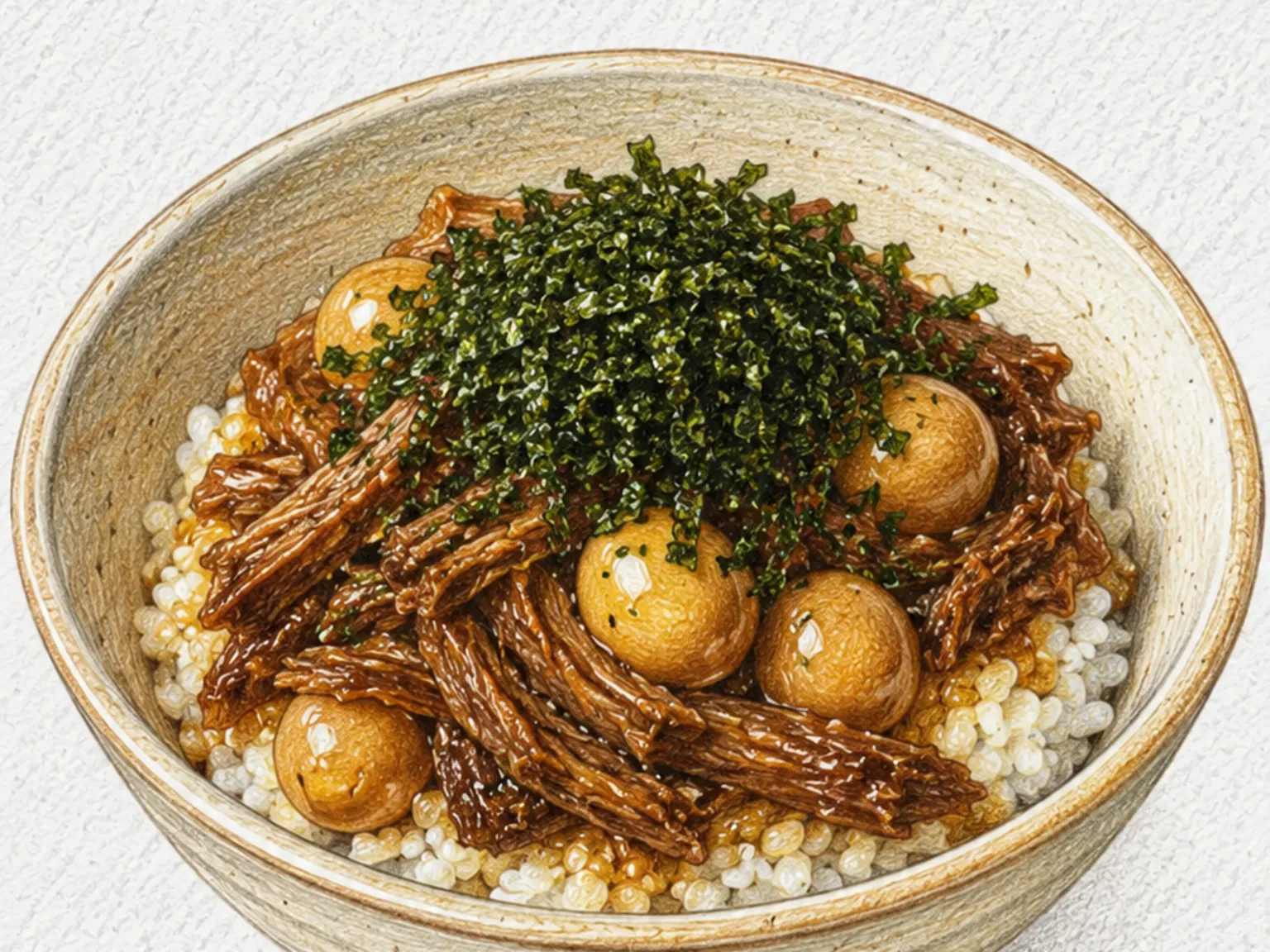
Korean Seaweed Jangjorim Rice Bowl
Beef eye of round is simmered slowly in soy sauce, sugar, and garlic until deeply seasoned throughout, then pulled apart by hand along the grain and braised again with quail eggs so they absorb the concentrated braising liquid. The jangjorim is spooned generously over warm white rice and finished with a heavy crumble of gamtae seaweed, whose crisp, ocean-fresh fragrance contrasts sharply with the salty-sweet braised meat beneath. Gamtae is a winter seaweed harvested from Korean coasts that carries a toasty, sesame-adjacent aroma when dried, and its papery crunch disappears quickly once exposed to moisture, making timing essential. The braising liquid left over in the pot is too flavorful to discard and can be repurposed as a mixing sauce for bibimbap or used to season blanched greens. Adding the gamtae at the very last moment before eating, rather than during plating, preserves both its texture and its fragrance. The bowl layers salt, sweetness, deep umami from the soy-reduced meat, and the clean smell of the sea into a compact, satisfying combination.
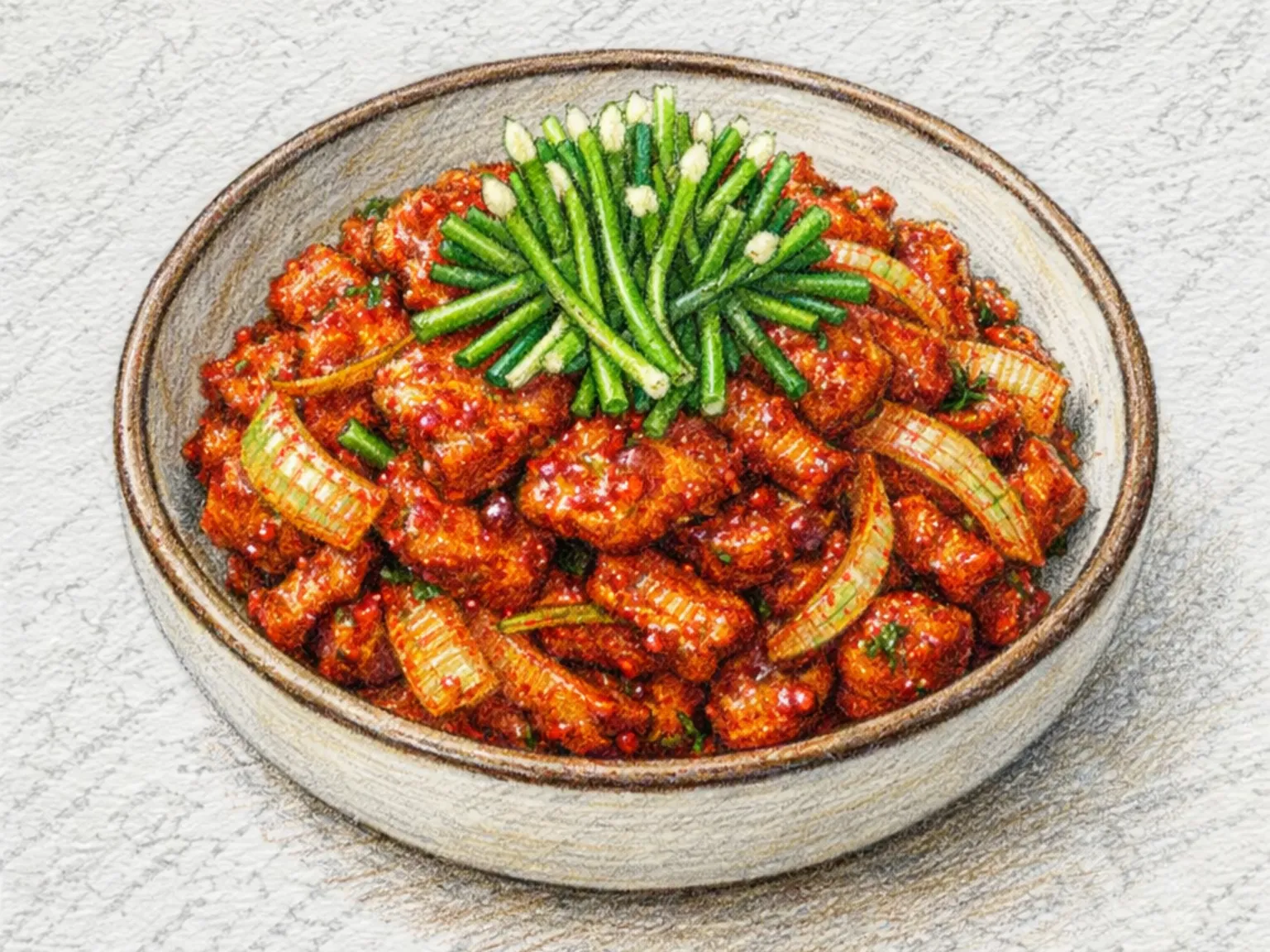
Korean Pork & Wild Chive Stir-fry
Dallae-dwaejigogi-bokkeum is a Korean springtime stir-fry of pork shoulder tossed in a gochujang and chili flake sauce, then topped generously with raw wild chives. The wild chives release a sharp, garlicky bite that cuts through the rich, spicy pork - stimulating while staying fresh rather than heavy. Onions caramelize lightly during cooking, adding natural sweetness that rounds out the heat and prevents the chili paste from turning one-dimensionally harsh. The dish must be cooked quickly over high heat to preserve the volatile aromatic compounds in the chives; extended cooking kills the fragrance that makes dallae worth using in the first place. Either pork shoulder or belly works well here, and the chives should be added at the very end rather than marinated or cooked through - they contribute perfume, not substance. The window for dallae in Korea is short, typically a few weeks in early spring, which makes this a seasonal dish eaten with some urgency while the ingredient is at its best.

Korean Corn Dog
Korean corn dogs are a street food built around two fillings: a sausage, mozzarella cheese, or both together, skewered on a stick and coated in a thick batter made from pancake mix before being rolled in panko breadcrumbs and fried at 170 degrees Celsius. The panko creates a coarse, jagged exterior that shatters on the first bite, while the inner batter layer stays dense and chewy, producing a layered texture that is central to the appeal. Inside, the mozzarella stretches in long pulls as the heat melts it, mixing with the salty sausage in a way that makes each bite unpredictable. Immediately after frying, the hot dog is rolled in granulated sugar, which clings to the crisp surface and creates the signature sweet-and-salty contrast that sets the Korean version apart from American corn dogs. Ketchup and mustard are standard condiments. Variations are common: some stalls use only cheese, others stack rice cake, potato cubes, or shrimp alongside the sausage for extra texture. Korean corn dogs are sold at street stalls, night markets, and bunsik shops.
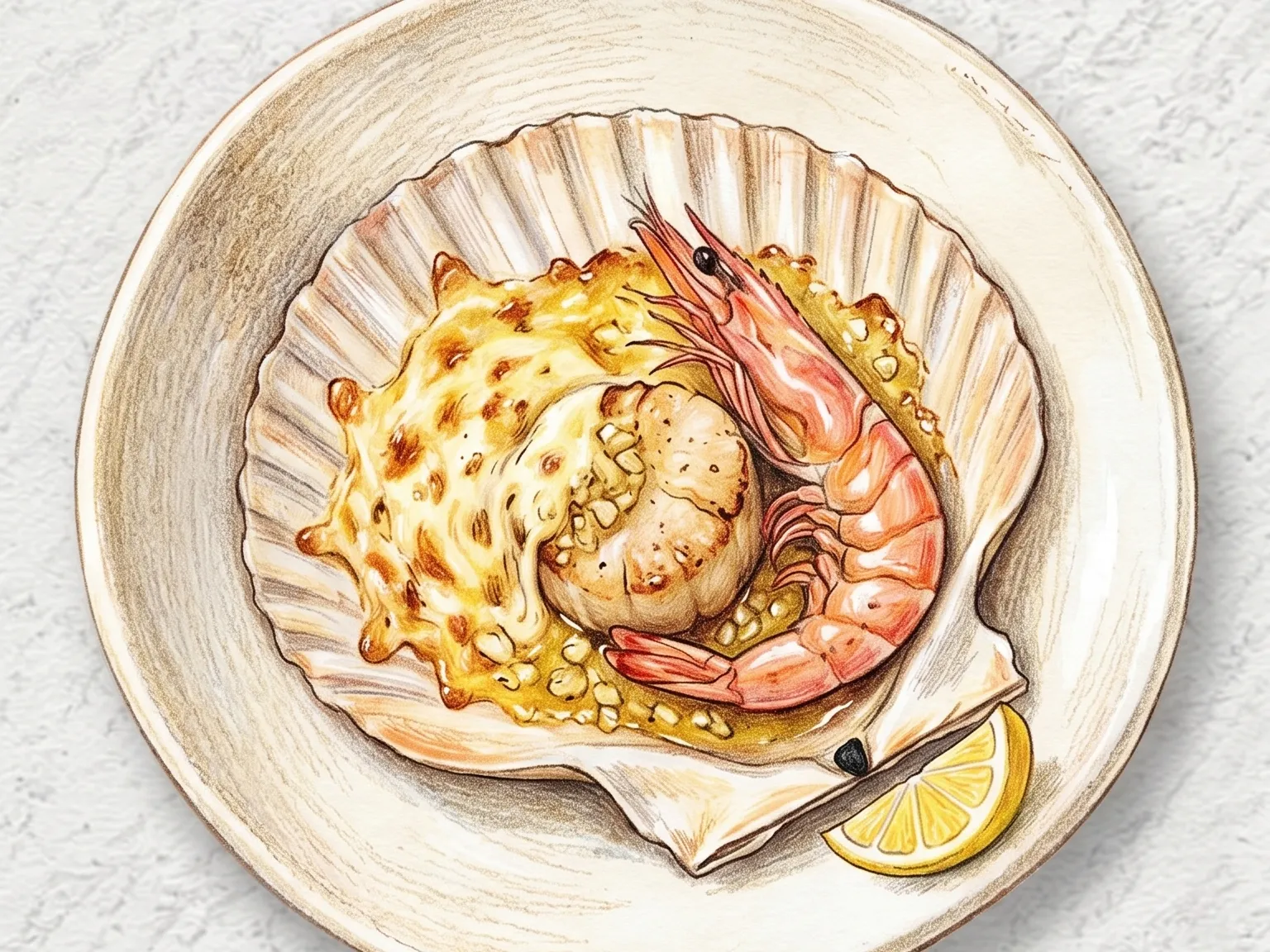
Korean Grilled Scallops (Butter Garlic Shell-On Scallop Grill)
Garibi-gui is a Korean grilled scallop dish where shell-on scallops are placed directly on the grill until they pop open, then topped with butter and minced garlic that sizzle and melt into the adductor muscle. The scallop's deep natural sweetness melds with the richness of melted butter and the sharp warmth of garlic, a combination that produces a layered flavor far more compelling than the ingredient count suggests. A cap of mozzarella cheese added for the final two to three minutes creates a stretchy, golden layer over the plump flesh, but restraint is key: covering only about half the scallop prevents the cheese from overwhelming the clean marine sweetness beneath it. Over charcoal, the shell acts as a natural vessel that channels smoky heat directly into the meat, adding a dimension that a gas burner or stovetop simply cannot replicate. A squeeze of fresh lemon juice just before serving cuts through the butter's richness and lifts the brine. Placing a single prawn alongside the scallop for the final minutes of cooking doubles the seafood sweetness and makes the dish even more compelling as an anju, the Korean term for food eaten alongside alcohol.
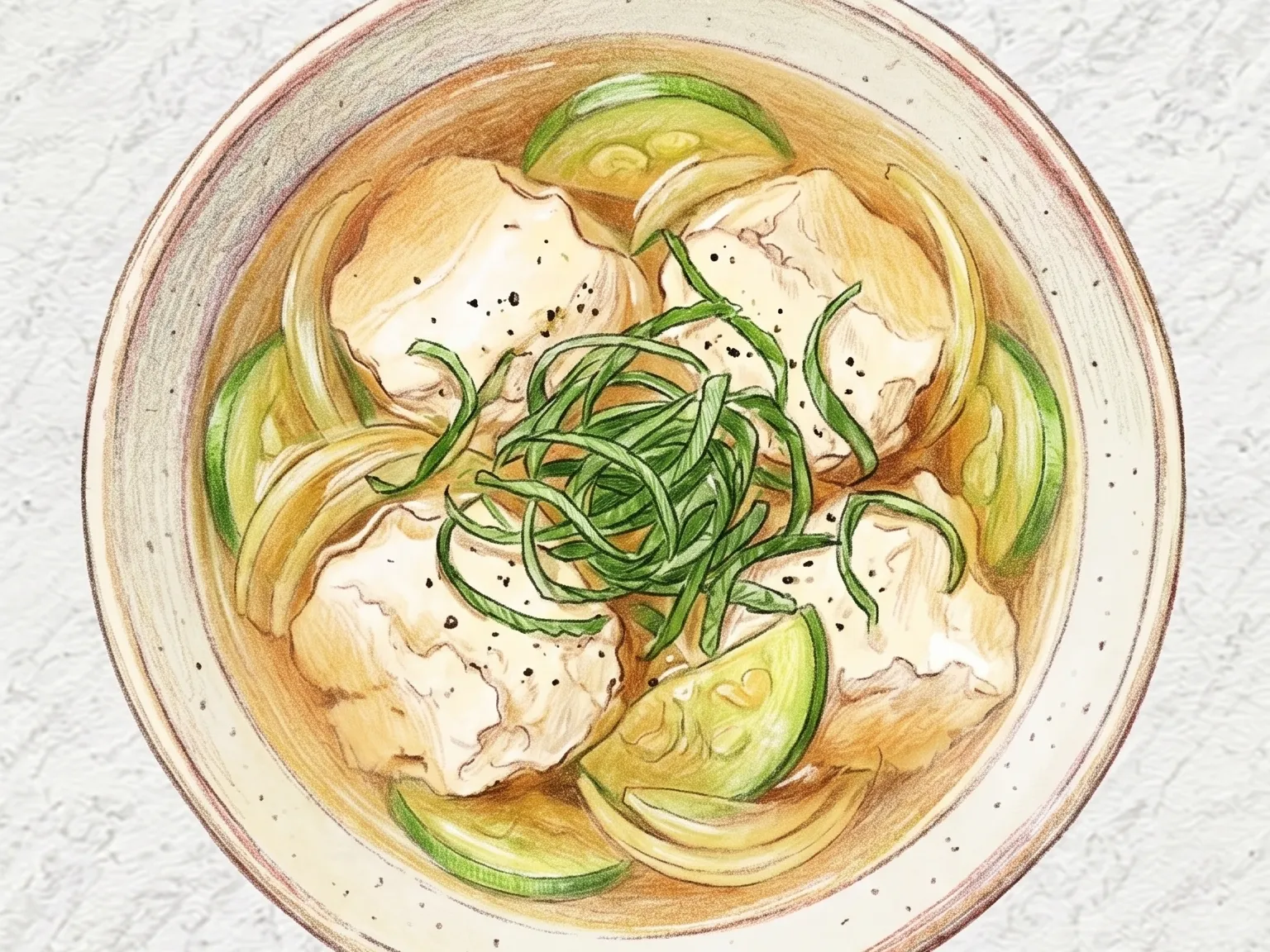
Dubu Kkaennip-guk (Tofu Perilla Leaf Soup)
Dubu-kkaennip-guk is a Korean tofu and perilla leaf soup in anchovy broth, finished with chiffonaded perilla leaves that release a bright, minty-herbal fragrance into the clear liquid. Zucchini and onion simmer first to build a vegetable-sweetened base, releasing their natural sugars into the anchovy stock. Large scoops of soft tofu - spooned rather than knife-cut, so the rough surfaces trap more broth - warm through over medium heat for five minutes. The perilla leaves must go in during the last thirty seconds before serving: any longer and they turn dark and lose the sharp aromatic freshness that defines the dish. Soup soy sauce and a light dusting of black pepper complete the seasoning, letting the clean anchovy umami and the herbal lift of the kkaennip share the stage without one overpowering the other. Cooking the zucchini fully soft is important - its gentle sweetness needs time to dissolve into the broth, and when the tofu and vegetables together hold the liquid, each spoonful carries varied texture.