🏠 Everyday Recipes
Simple home-cooked meals for any day
1705 recipes. Page 55 of 72
These are the meals you can cook day after day without getting tired of them. Doenjang jjigae, rolled omelet, spicy pork stir-fry - the kind of home-cooked dishes that fill an ordinary day with comfort.
The beauty of everyday cooking is that it relies on common ingredients already in your fridge. No exotic items, no complicated techniques - just straightforward recipes for satisfying home meals.
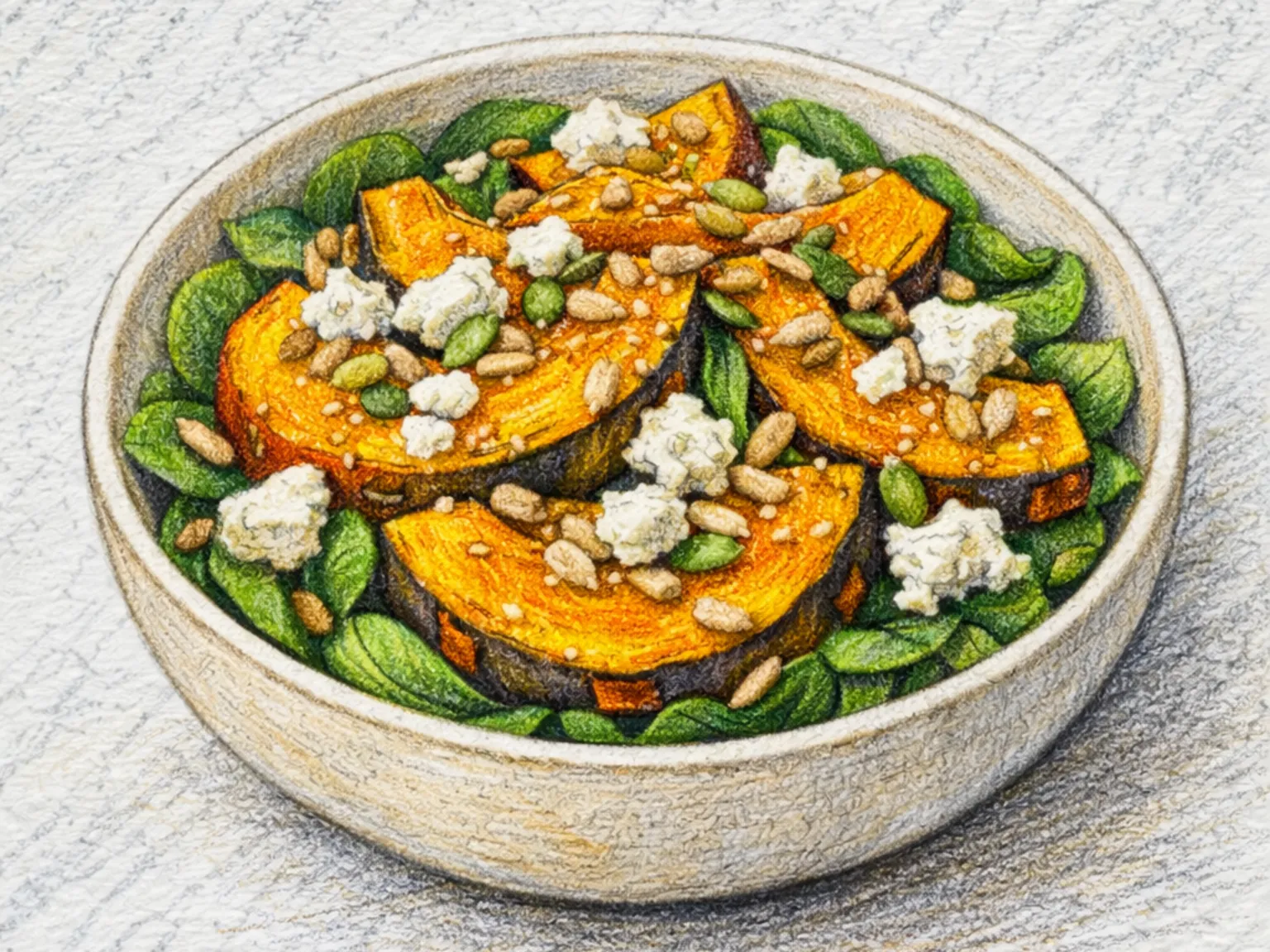
Roasted Pumpkin Feta Salad
Roasted pumpkin feta salad bakes pumpkin wedges at 200 degrees Celsius until the edges caramelize and the flesh turns soft, then layers them over baby spinach with crumbled feta and toasted pumpkin seeds. The pumpkin's starchy, chestnut-like sweetness plays against the salty, tangy bite of feta, and a simple dressing of lemon juice and honey bridges the two with a bright acidity that keeps the whole salad from feeling heavy. Pumpkin seeds add a nutty crunch that contrasts with the soft roasted flesh and tender spinach leaves, making each forkful varied in texture. Cutting the wedges thin, about seven to eight millimeters, ensures even roasting and prevents the interior from staying raw while the surface dries out. Dressing the salad while the pumpkin is still warm causes the spinach to wilt slightly, helping all the components come together rather than sitting separately on the plate.
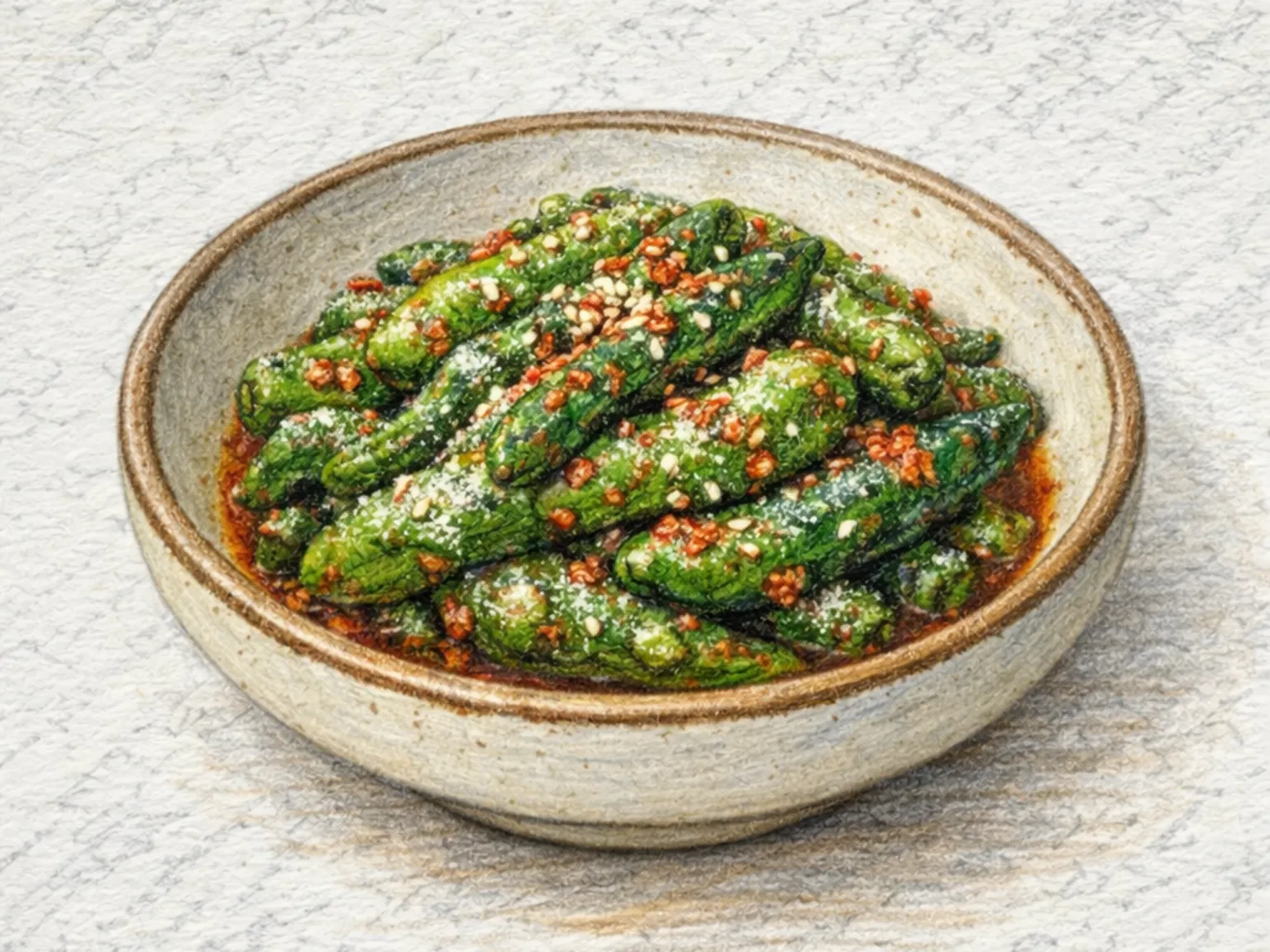
Korean Steamed Shishito Pepper Banchan
Kkwarigochu-jjim is a banchan made by coating shishito peppers with a thin dusting of flour and steaming them before tossing them in a seasoning sauce, which means no oil is used in the cooking process and the result is lighter than stir-fried or pan-fried versions. The wrinkled, bumpy surface of shishito peppers catches flour naturally. The right technique is to place the peppers in a sieve, scatter the flour over them, and shake gently to distribute an even, minimal coating. Too much flour causes the peppers to stick together into a clump during steaming. Five to six minutes of steaming wilts the peppers completely and turns the flour coat from white to translucent, while the moisture released from inside the peppers keeps the flesh tender and juicy. A quick toss in a sauce of soy sauce, gochugaru, minced garlic, and sesame oil lays a savory, mildly spicy layer over the pepper's own gentle sweetness. Because no cooking oil is involved, the calorie count is significantly lower than pan-fried shishito banchan, and steaming retains more of the pepper's vitamin C than high-heat stir-frying. Placed alongside richer, oil-based side dishes, kkwarigochu-jjim provides a clean, refreshing contrast on the table.
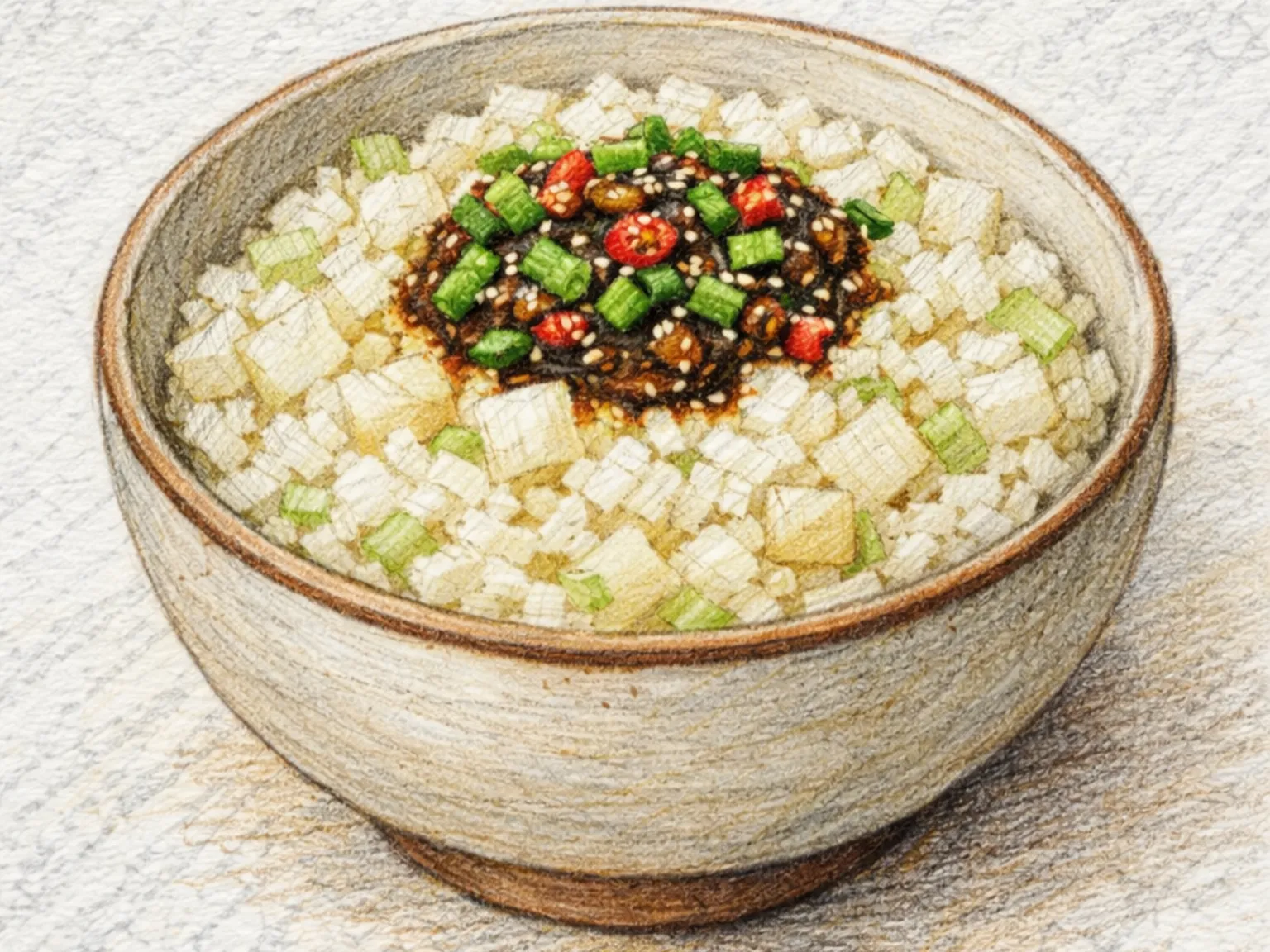
Korean Radish Rice (Julienned Radish Steamed with Short-Grain Rice)
Mu-bap is Korean radish rice made by placing finely julienned radish directly on top of uncooked rice before steaming, so the radish releases its natural moisture and mild sweetness into each grain as it cooks. The result is rice that is slightly more moist and subtly sweeter than plain cooked rice, with softened radish distributed throughout. The dish is eaten with a seasoning sauce of soy sauce, sesame oil, sliced scallion, red pepper flakes, and sesame seeds mixed in right before eating, because adding it any earlier makes the rice clump and turn mushy. Cutting the radish into thin, uniform strips is not just about presentation: thin strips cook through in the same time as the rice, while thick pieces remain underdone when the rice is already ready. Winter radish contains more natural sugar than radish harvested at other times of year, so the same recipe tastes noticeably sweeter when made with winter produce. Served alongside fermented sides like kkakdugi or kimchi, the mild sweetness of the radish rice provides a clean, neutral contrast to the sharp acidity and salt of fermented foods.
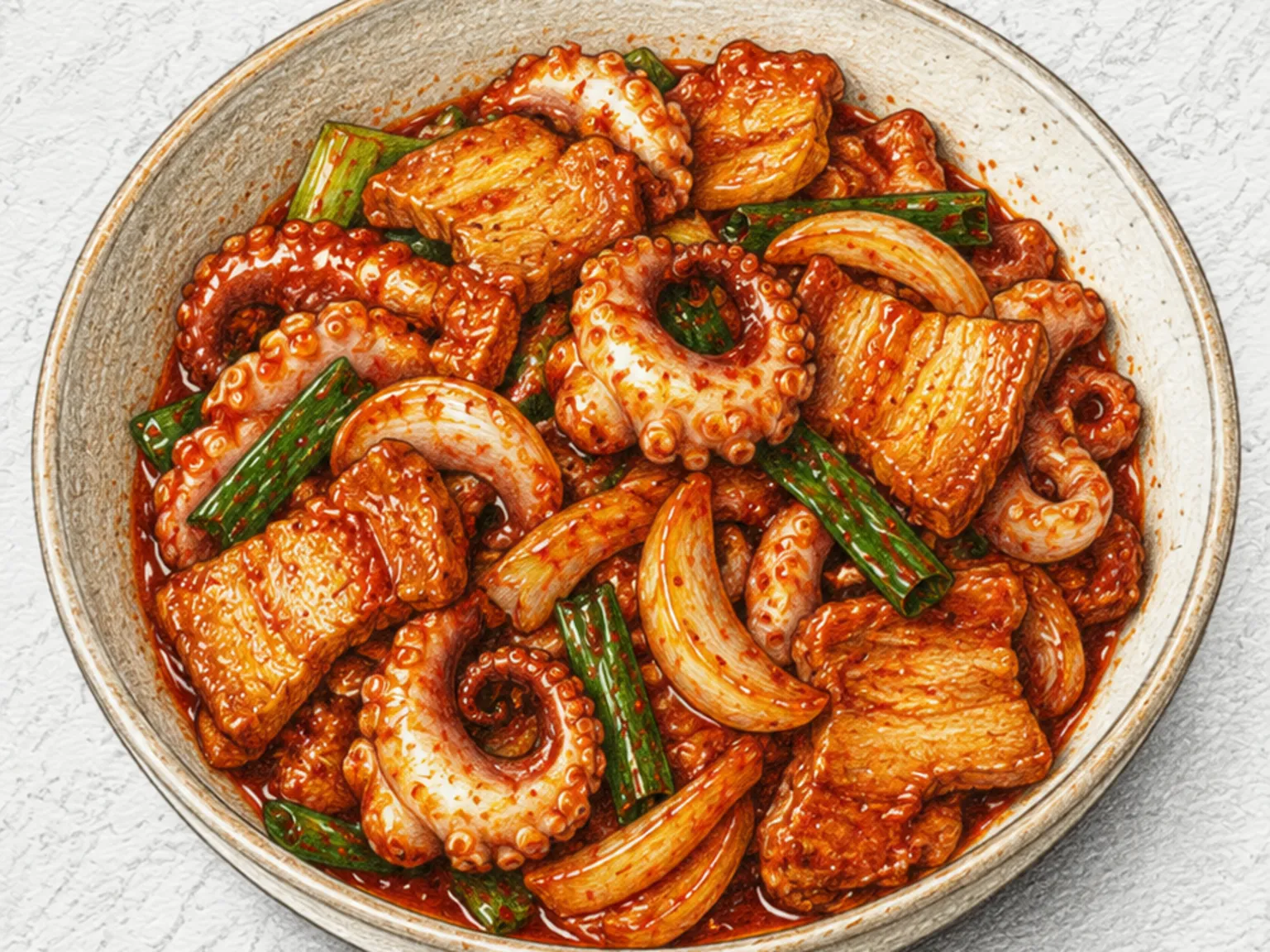
Korean Spicy Webfoot Octopus & Pork Belly Stir-fry
Jjukkumi-samgyeop-bokkeum combines chewy baby octopus and thick pork belly slices in a spicy stir-fry. The pork belly is first grilled until golden to render its fat, then the octopus and gochujang-based sauce are added for a fast, high-heat toss. Pork richness and the octopus's clean ocean flavor merge inside the chili seasoning, with onions and scallions adding sweetness. It is typically served sizzling on a hot plate, and diners often finish with fried rice made in the remaining sauce. Because baby octopus toughens rapidly with heat, adding it only after the pork is nearly cooked and pulling the pan off the heat within one to two minutes is the single most important step for keeping its signature chewy texture intact.
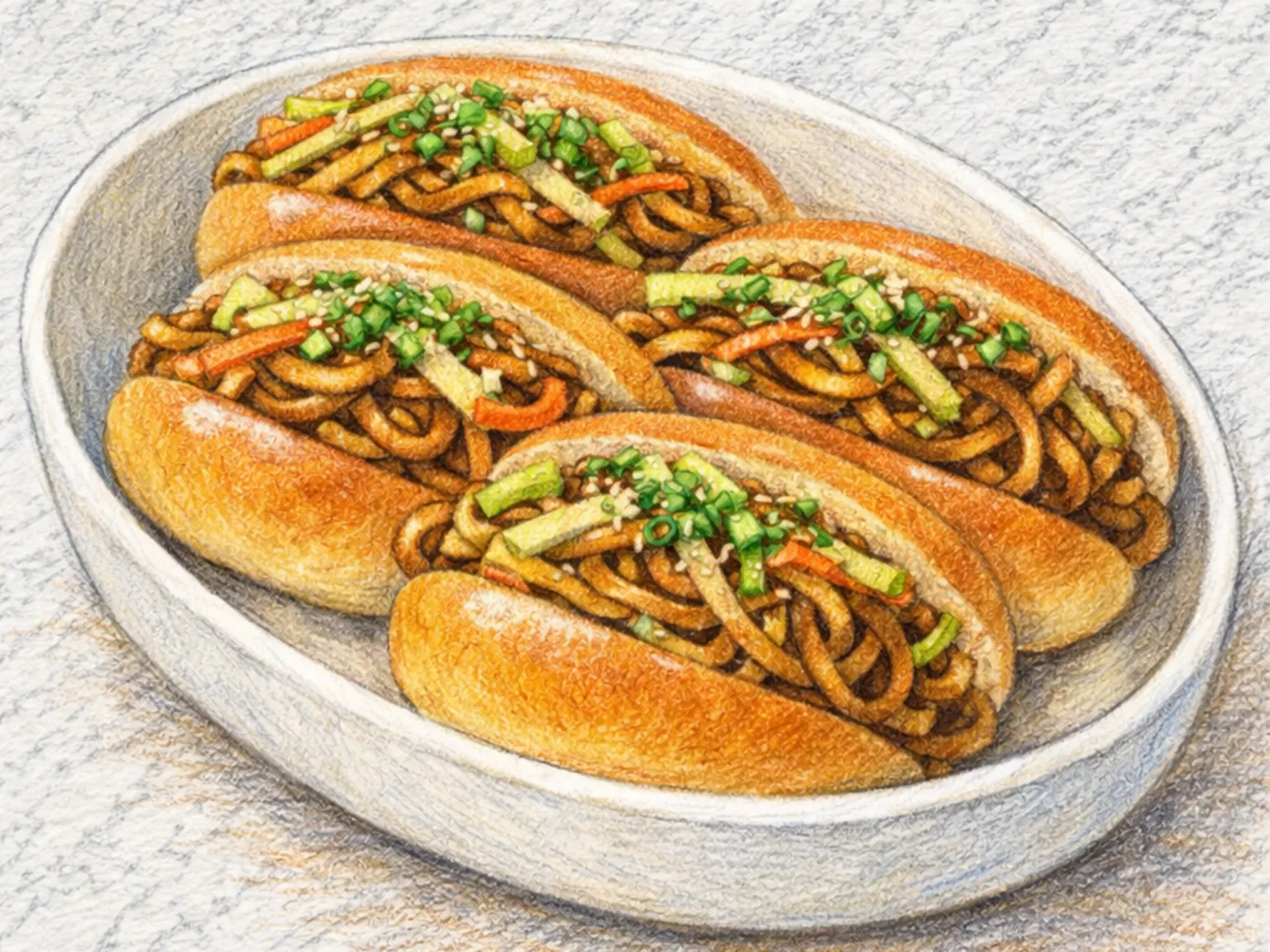
Yakisoba Pan (Noodle Bread)
A staple of Japanese street food culture, Yakisoba-pan combines a toasted, buttered hot dog bun with a filling of stir-fried egg noodles seasoned with yakisoba and soy sauce. Shredded cabbage, onions, and carrots start in the pan over high heat for exactly two minutes before the noodles are added. This timing ensures the vegetables remain crisp and provide a textural contrast to the soft noodles rather than becoming limp during the cooking process. As the yakisoba sauce hits the hot metal, it caramelizes quickly to wrap every noodle strand in a glossy, sweet-savory glaze. The act of spreading butter on the interior of the bun and giving it a quick toast serves a functional purpose beyond flavor. This butter layer acts as a moisture barrier, preventing the sauce from soaking into the bread and keeping the bun from turning soggy as it sits. The subtle richness of the butter bridges the gap between the savory noodle filling and the soft crumb of the bun. Sprinkling dried parsley over the top introduces a mild herbal scent that balances the heavy, concentrated sauce. For a burst of acidity, a small amount of beni shoga pickled ginger is tucked into the noodles to cleanse the palate. Spreading a layer of Japanese mayonnaise inside the bun alongside the butter creates an additional creamy texture. Softening the noodles in hot water before they hit the pan prevents clumping and allows for easier separation during the stir-frying stage.

Korean Salt-Grilled Beef Tenderloin
Beef tenderloin - the leanest, finest-grained cut from the inner loin - is seared in a smoking-hot pan after seasoning with nothing more than coarse salt, black pepper, and a thin coat of olive oil. The high heat locks a dark brown crust onto the surface while the interior stays pink. Butter, crushed garlic cloves, and a sprig of rosemary go into the pan for basting during the final minutes, layering herbal richness across the meat's surface. A squeeze of lemon at the end cuts through the residual fat, and a three-minute rest allows the juices to redistribute so each slice runs clear.
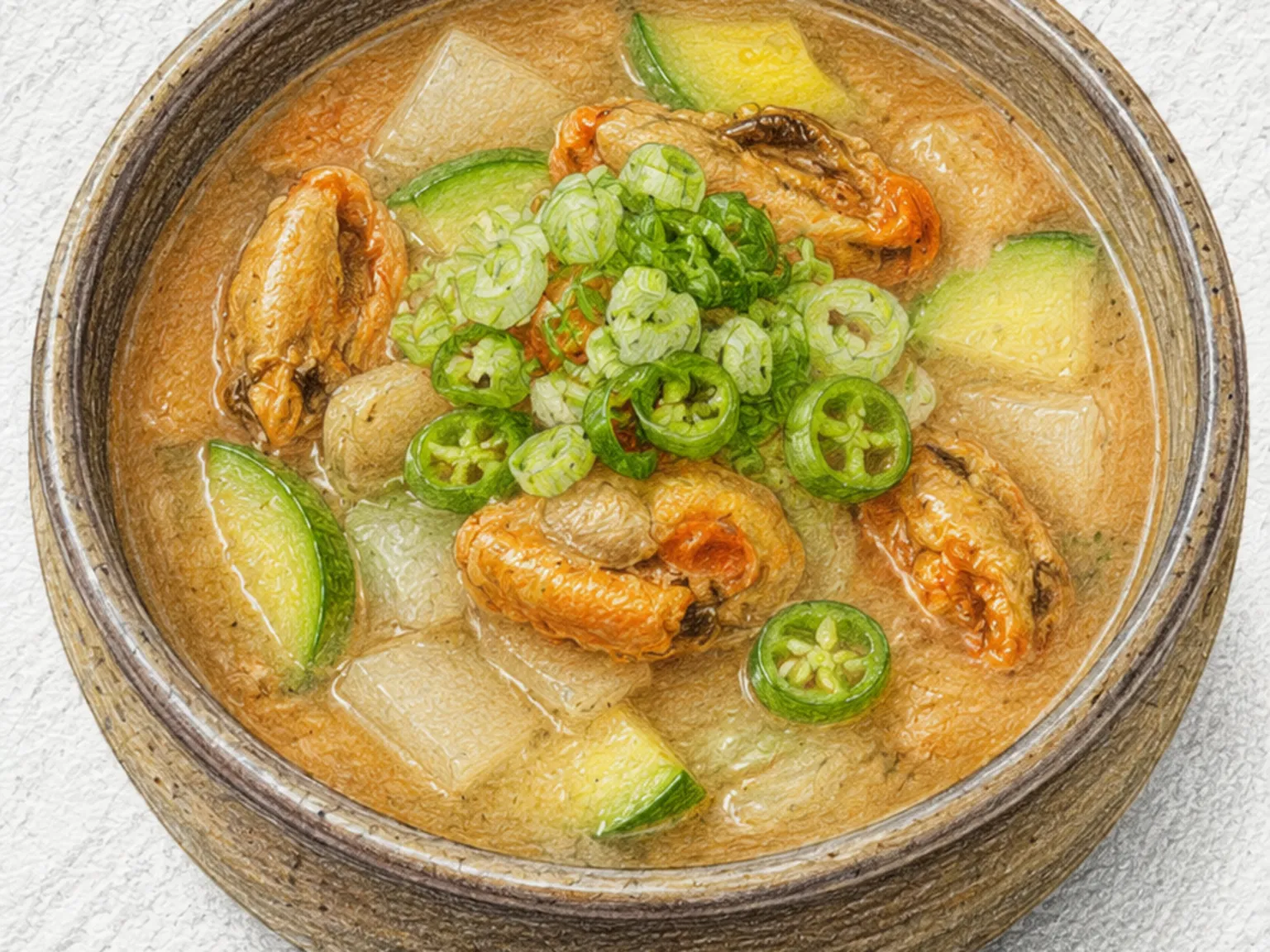
Korean Sea Squirt Soybean Paste Soup
Mideodeok-doenjang-guk is a Korean soybean paste soup made with sea squirt, one of the more unusual and intensely flavored combinations in everyday Korean cooking. Sea squirt, called mideodeok in Korean, belongs to the same class of sea creatures as the better-known meongge. What sets it apart is the small pocket of brine inside its leathery outer skin. When bitten, the skin pops and releases a burst of concentrated ocean liquid that spreads through the surrounding broth. Combined with the fermented earthiness of doenjang, this creates a double layer of umami that lingers well past the last spoonful. The soup is built on anchovy-kelp stock, which reinforces the seafood character and keeps the base clean. Doenjang is stirred in once the stock is fully boiling so it dissolves evenly without losing its fermented depth. Radish and zucchini are added to balance the intensity: both vegetables absorb the strong flavors of the broth while contributing a quiet sweetness. One or two Cheongyang chili peppers provide a clean, building heat that cuts through any richness. Generous sliced green onion added just before serving keeps the finish bright and aromatic. Sea squirt should not be scored or cut before the soup is finished, as breaking the skin early causes the inner liquid to drain away into the pot rather than releasing inside the mouth. Along the southern coast of South Korea, particularly in Tongyeong and Geoje where mideodeok is harvested in large quantities, this soup is ordinary home cooking. Elsewhere it is a deliberate seasonal choice, best in late spring and early summer.
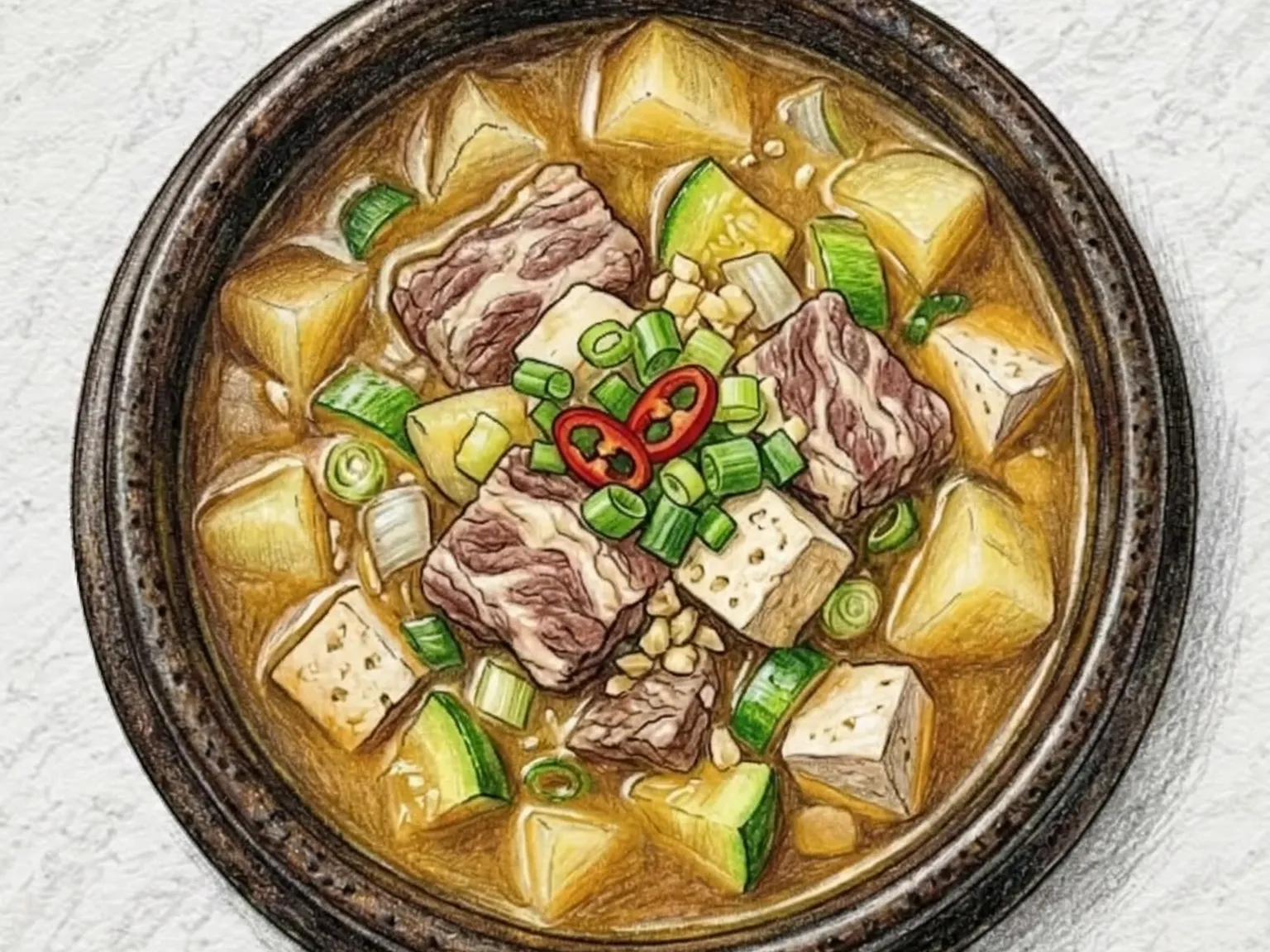
Korean Beef Doenjang Jjigae
Soegogi doenjang jjigae is a foundational Korean home-cooked stew, made with beef brisket and fermented soybean paste as the foundation, filled out with potato, zucchini, tofu, and onion, and simmered in the starchy water left from rinsing rice. The brisket rewards long cooking by releasing its fibers and pushing a rich, distinctly beefy flavor into the broth, and the mild starch from the rice water softens that richness so it blends smoothly with the fermented depth of the doenjang. As the stew simmers, potato breaks down partially at the edges, thickening the liquid and giving it body without the need for any additional starch. Green onion and minced garlic anchor the aroma and keep the flavor from going flat. Adding the doenjang in stages and tasting between additions rather than putting it all in at once is the reliable method for hitting the right depth without oversalting. Paired with freshly cooked rice, this is a stew that fits into the daily rotation without ever feeling repetitive.
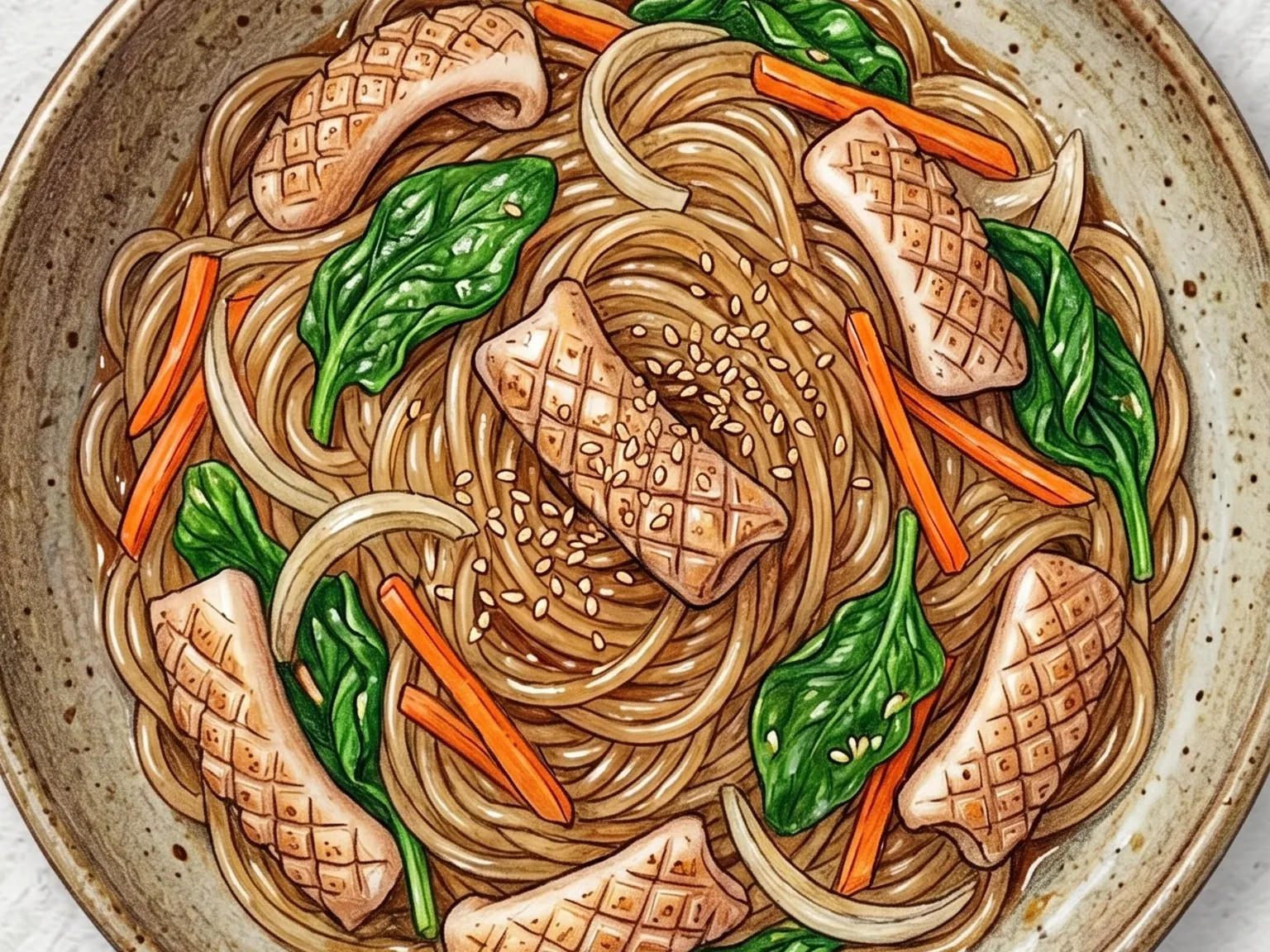
Korean Squid Glass Noodle Stir-Fry
Ojingeo japchae is a seafood variation of the Korean glass noodle stir-fry that replaces the traditional beef with squid, combining chewy dangmyeon with spinach, carrot, and onion in a soy-sugar sauce. Peeling the squid and scoring the inner surface in a crosshatch pattern before slicing allows the seasoning to reach the full surface area and softens the otherwise tough texture when cooked. Stir-frying the squid with garlic for a short time only is essential, as prolonged heat causes it to turn rubbery and push moisture out into the pan. The glass noodles should be boiled for no more than six minutes to preserve their elastic, springy bite and prevent them from clumping and falling apart during the stir-fry. Spinach is blanched separately and squeezed firmly dry before being added so that excess water does not make the whole dish soggy. The sweet-salty base of soy sauce and sugar is finished with sesame oil and toasted sesame seeds, whose nutty fragrance ties together the oceanic umami of the squid, the resilient chew of the noodles, and the crisp texture of the vegetables into one cohesive plate.
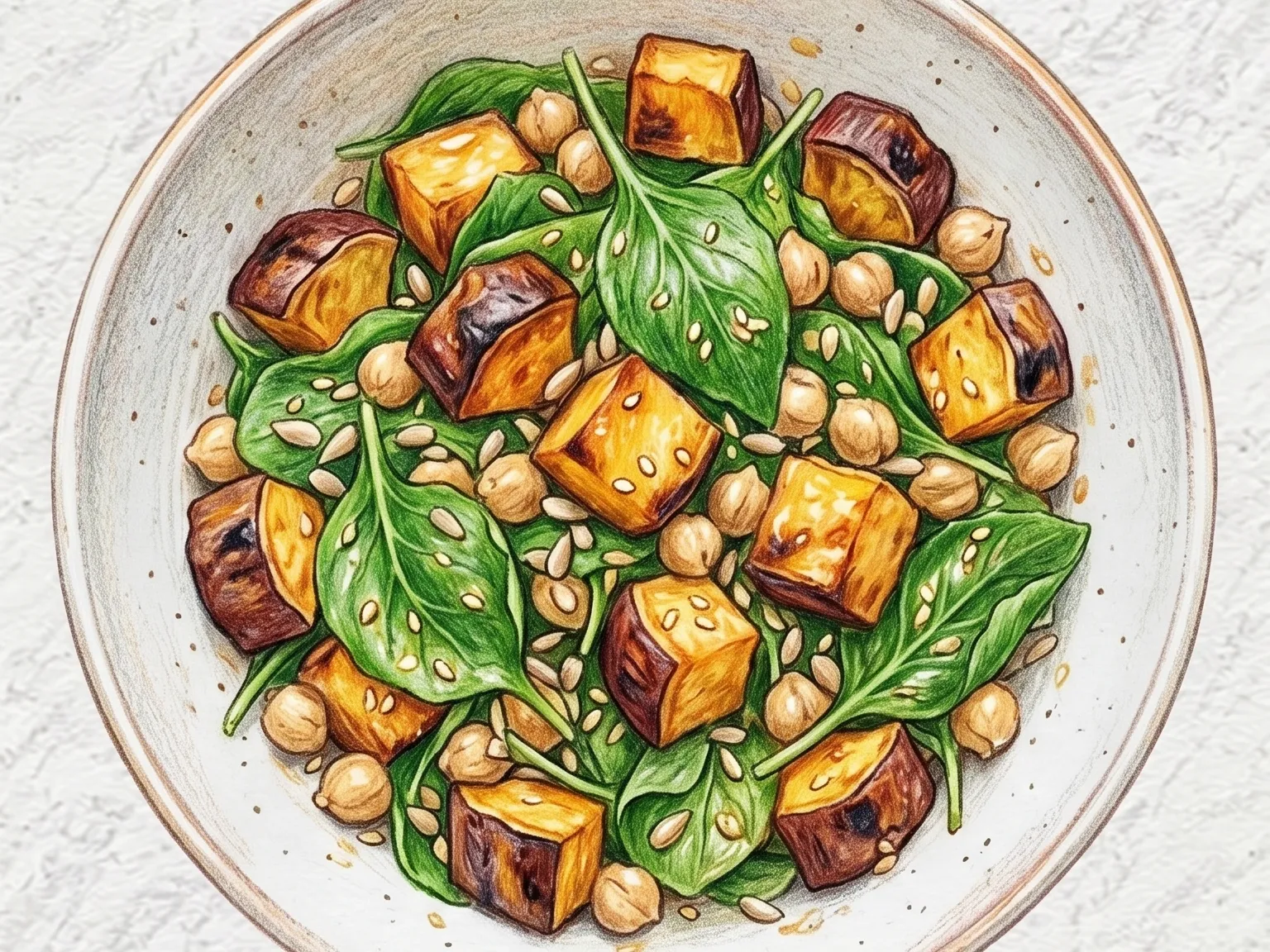
Roasted Sweet Potato Chwinamul Salad
Roasted sweet potato chwinamul salad combines skin-on sweet potato cubes roasted at 200 degrees Celsius for 22 minutes with chwinamul blanched for just 20 seconds to preserve its distinctive herbaceous bitterness. A dressing of perilla oil, soy sauce, rice vinegar, and minced garlic delivers a rich nuttiness underscored by sharp acidity, which frames the sweet potato's natural sugars without masking them. Chickpeas contribute a mild, starchy body that balances the sweetness, while sunflower seeds and sesame seeds add scattered crunch throughout. Tossing the salad while the sweet potato is still warm rather than fully cooled allows the dressing to absorb into the starchy surface rather than sliding off. Blanching chwinamul longer than 20 seconds causes it to lose its characteristic bitter note and turn dull in color, so transferring it immediately to cold water after blanching is necessary to preserve both flavor and appearance.
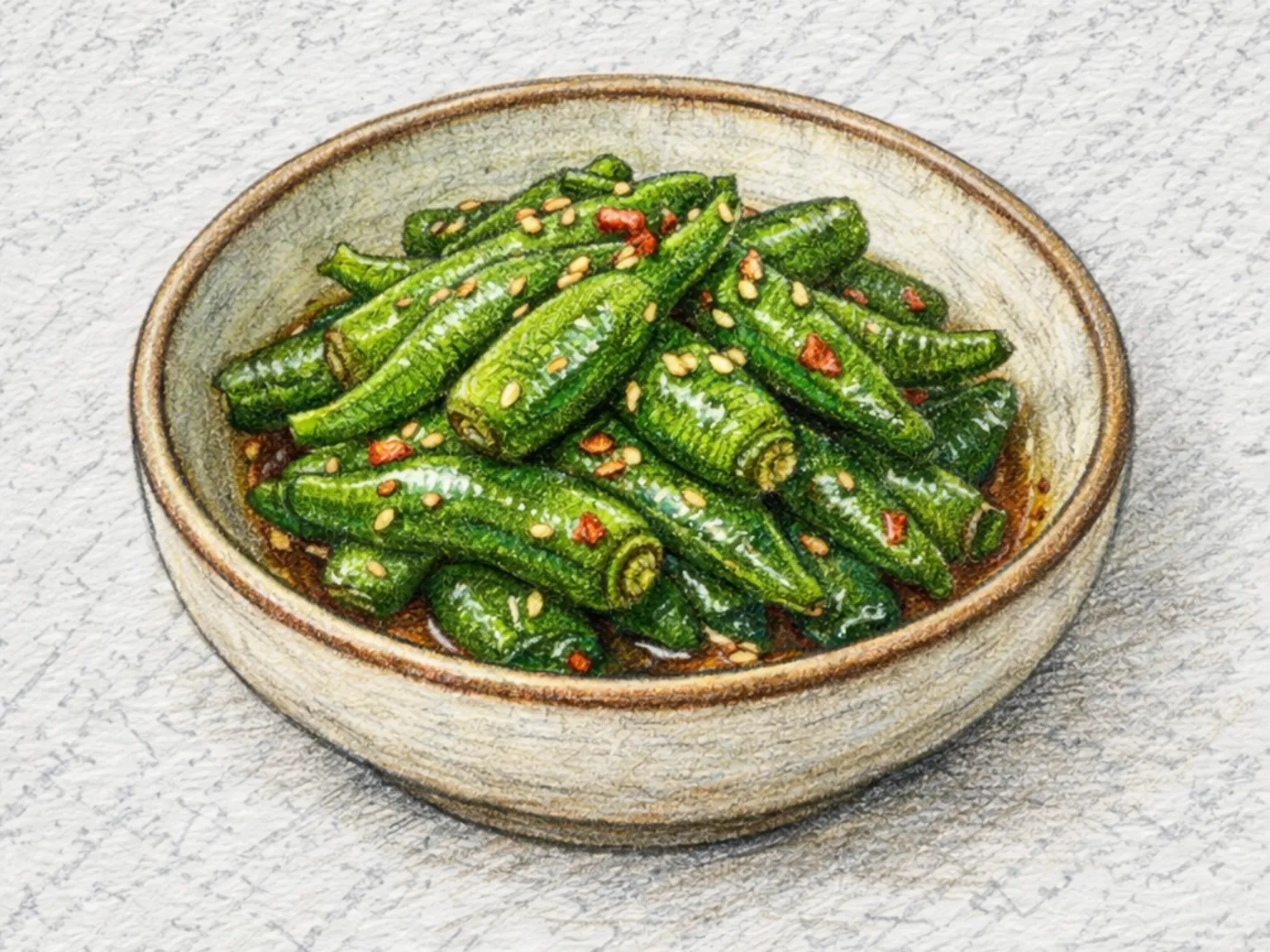
Korean Seasoned Shishito Pepper Banchan
Kkwarigochu-muchim is a Korean banchan made by briefly blanching shishito peppers and dressing them in a doenjang-based seasoning. It is a distinct dish from kkwarigochu-jjim, the braised version of the same pepper, even though the ingredients overlap significantly. The braised version simmers the peppers until they soften and absorb the sauce, while muchim relies on a very short blanch, no longer than forty seconds, to preserve the pepper's snap. Shocking the peppers in cold water the moment they come out of the boiling water locks in the vivid green color, and squeezing out excess moisture prevents the doenjang dressing from thinning into something flat and watery. The irregular wrinkled surface of shishito peppers acts as a natural trap for the doenjang, soy sauce, and sesame oil dressing, which means a modest amount of seasoning spreads evenly across every piece. Tossing rather than kneading keeps the skins intact and the texture consistent. Tearing one end slightly before dressing allows the seasoning to reach the hollow interior. Among regular eaters, part of the appeal is the mild unpredictability: most shishito peppers are gentle, but one in every handful delivers unexpected heat. Because the dish releases very little liquid after seasoning, it travels well in packed lunches and is a regular fixture on summer dinner tables in Korean households.
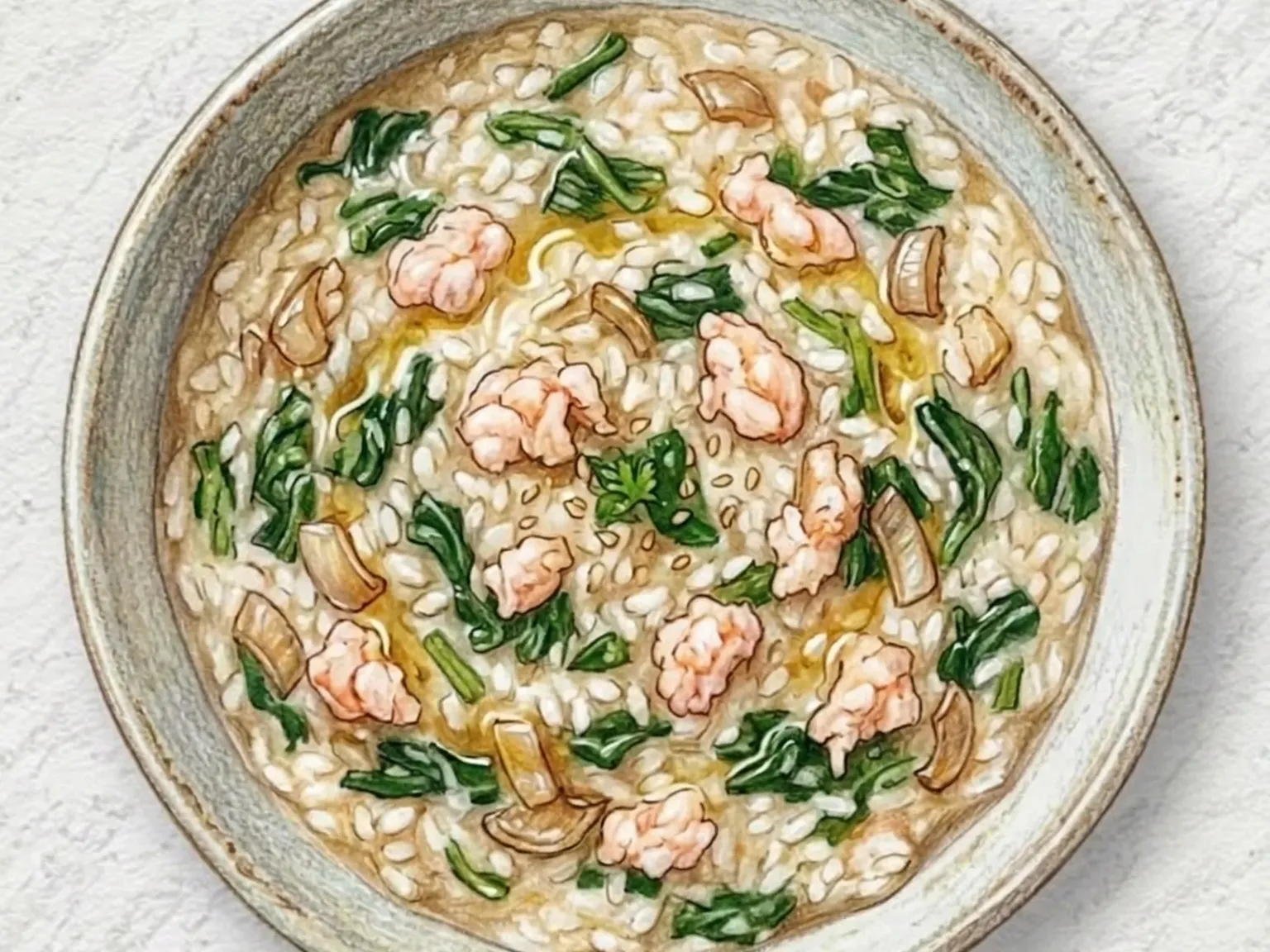
Korean Radish Greens Shrimp Porridge
Mucheong-saeu-juk is a Korean porridge built on blanched, chopped radish greens and minced shrimp sauteed together in perilla oil before soaked rice and water are added and the whole pot is simmered down to a smooth, savory consistency. Blanching the radish greens before anything else is essential for two reasons. The coarse, fibrous texture that would otherwise remain tough and unpleasant in a smooth porridge softens significantly after a brief immersion in boiling water, and a portion of the greens' natural bitterness is drawn out at the same time. Chopping them finely after blanching allows them to integrate seamlessly throughout the porridge so that no identifiable clumps disrupt the texture. Shrimp handled differently than simple mincing produces a better result: crushing each piece lightly with the flat of a knife releases umami into the cooking liquid more evenly than finely minced shrimp, while avoiding the concentrated fishiness that over-processed seafood can carry. Perilla oil differs meaningfully from sesame oil in its flavor profile. Alongside a shared nuttiness it carries a distinctly herbal quality that pairs particularly well with vegetable-forward preparations. Using soup soy sauce rather than plain salt keeps sodium in check while still contributing the subtle, fermented depth that flat salt lacks. Radish greens supply vitamin C and dietary fiber, and shrimp provides lean, complete protein with minimal fat, making this a nutritionally well-rounded bowl in a small volume. Because the porridge is easy to digest and gentle on the stomach, it works equally well as a light morning meal, a recovery dish during illness, a post-surgery restorative, or simply a warming option on days when anything heavier feels like too much. Frozen shrimp can substitute for fresh; it should be fully thawed and thoroughly dried before going into the pan so that excess water does not dilute the finished porridge. Leftovers thicken considerably as they cool; a small addition of water and gentle reheating over low heat restores the original consistency.
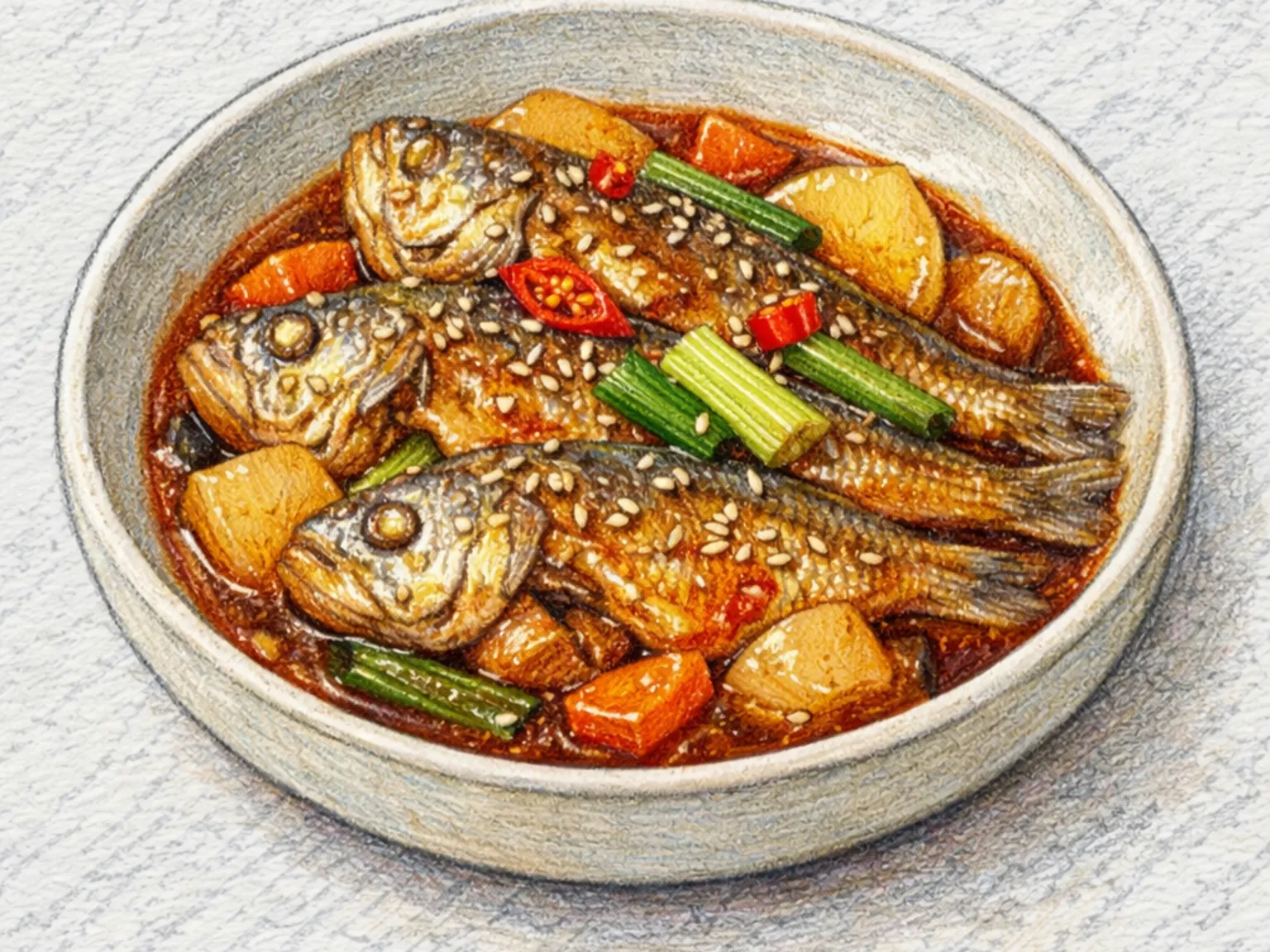
Korean Braised Yellow Croaker
Jogi-jorim is a Korean braised dish of yellow croaker simmered with radish and onion in a seasoning sauce of soy sauce, gochugaru, garlic, and a touch of sugar. Yellow croaker has white, tender flesh and a mild flavor with little fishiness, qualities that make it exceptionally well-suited for braising. The radish goes into the pot first, lining the bottom so the fish sits above the direct heat and does not stick or break apart during cooking. The seasoning sauce is poured over the fish and the pot comes to a boil before the heat is reduced to a steady simmer. Over time the sauce penetrates the flesh and the radish drinks in the braising liquid, turning sweet-savory and soft throughout. One or two Cheongyang chili peppers added to the pot provide a low, sustained heat that builds gradually rather than hitting all at once. The braise is finished when a moderate amount of glossy sauce remains in the pot. That concentrated sauce mixed into a bowl of plain rice is the reason Koreans reach for jogi-jorim as a go-to rice side dish. The dish also appears regularly on ancestral rite tables and holiday spreads, making it one of the more culturally familiar fish preparations in Korean cooking.
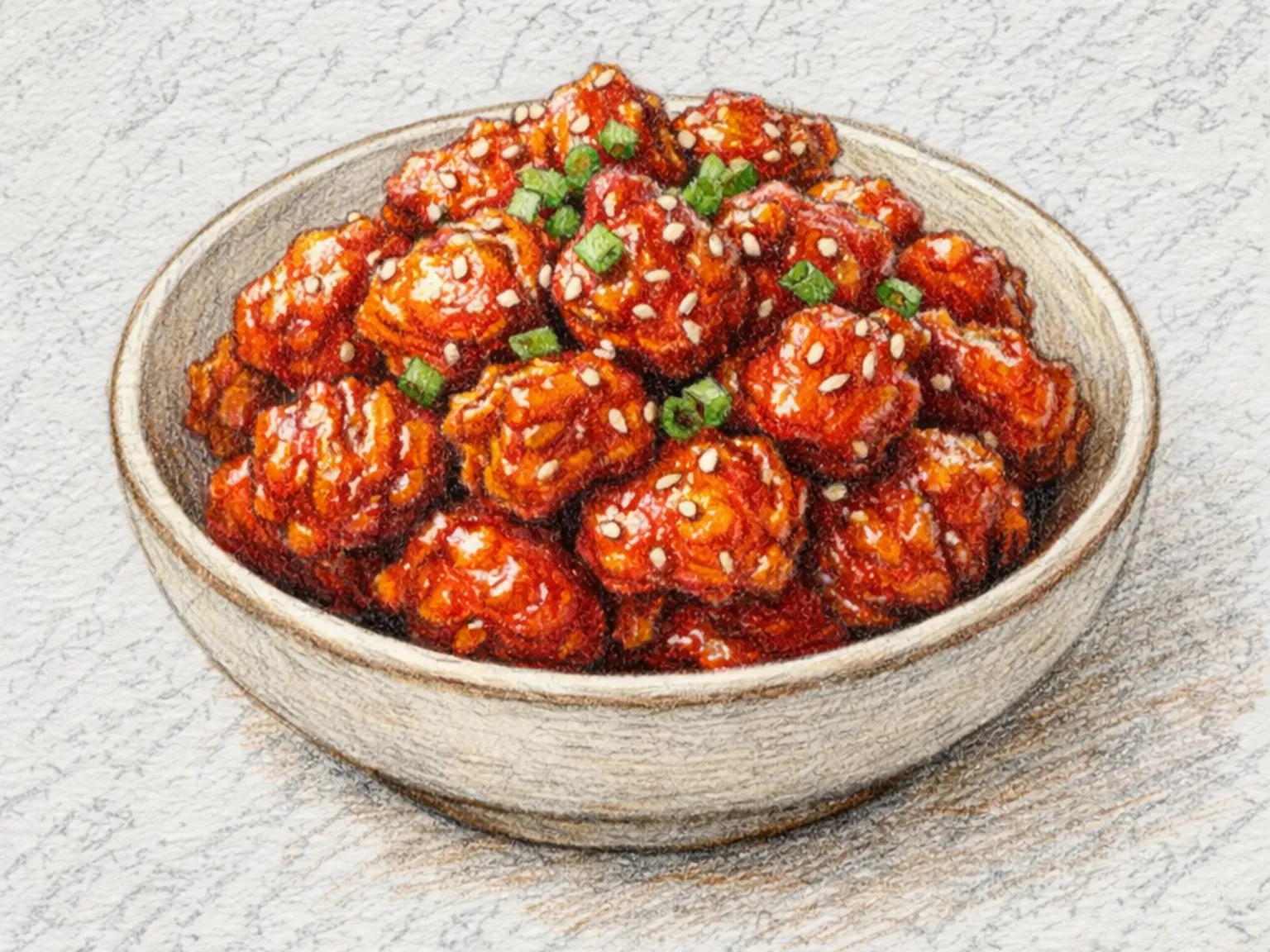
Korean Sweet Spicy Dakgangjeong
Yangnyeom dakgangjeong is Korean sweet-spicy fried chicken made by cutting boneless thigh meat into bite-size pieces, dredging them in potato starch, and running them through a two-stage fry. The first fry at 170 degrees Celsius cooks the meat through; the second fry at 185 degrees drives off the residual moisture the crust absorbed during the first pass, hardening the exterior into a shell that can withstand sauce tossing without collapsing. The glaze is a reduction of gochujang, gochugaru, corn syrup, and soy sauce, simmered down until the mixture is thick enough to coat a spoon without dripping off. Tossing the finished chicken in the hot glaze must happen off the heat and within twenty seconds, because the steam trapped between sauce and crust will turn the coating soggy if the process drags on. When done correctly, the result is a glossy, sticky exterior that crackles audibly at first bite even after the dish has cooled to room temperature, surrounding thigh meat that stays juicy inside.
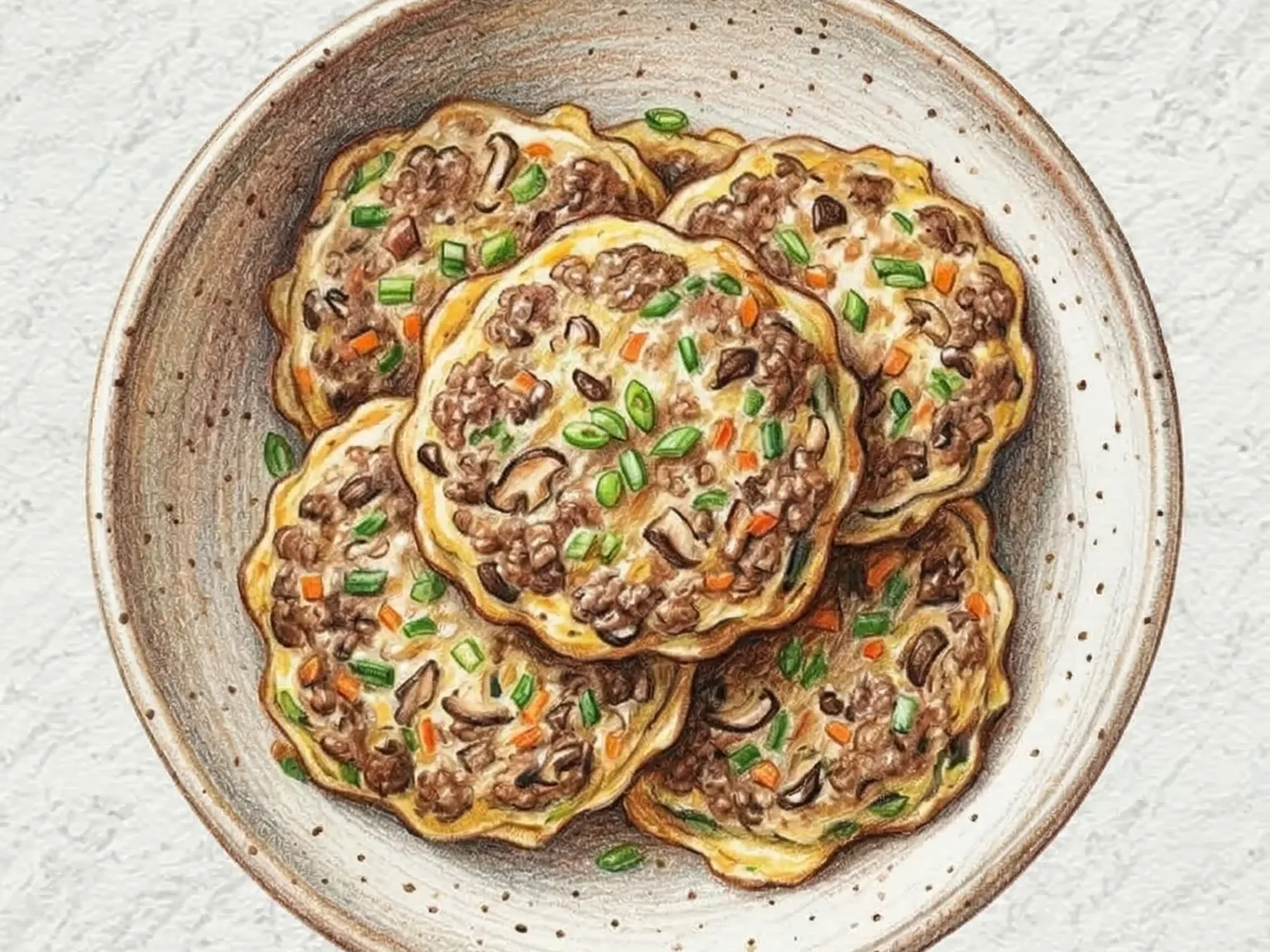
Korean Beef and Mushroom Pancake
Ground beef is mixed with finely chopped shiitake mushrooms and pressed tofu, then kneaded until the three textures merge into a cohesive, sticky mass seasoned with soy sauce and sesame oil. Small patties are shaped, dusted in flour, dipped through beaten egg, and pan-fried over medium heat until the egg coating sets into a thin golden shell that traps moisture inside. The shiitake contributes a deep umami undertone, while the tofu keeps the interior soft rather than dense. This is a classic Korean jeon served at holiday gatherings and special-occasion meals.
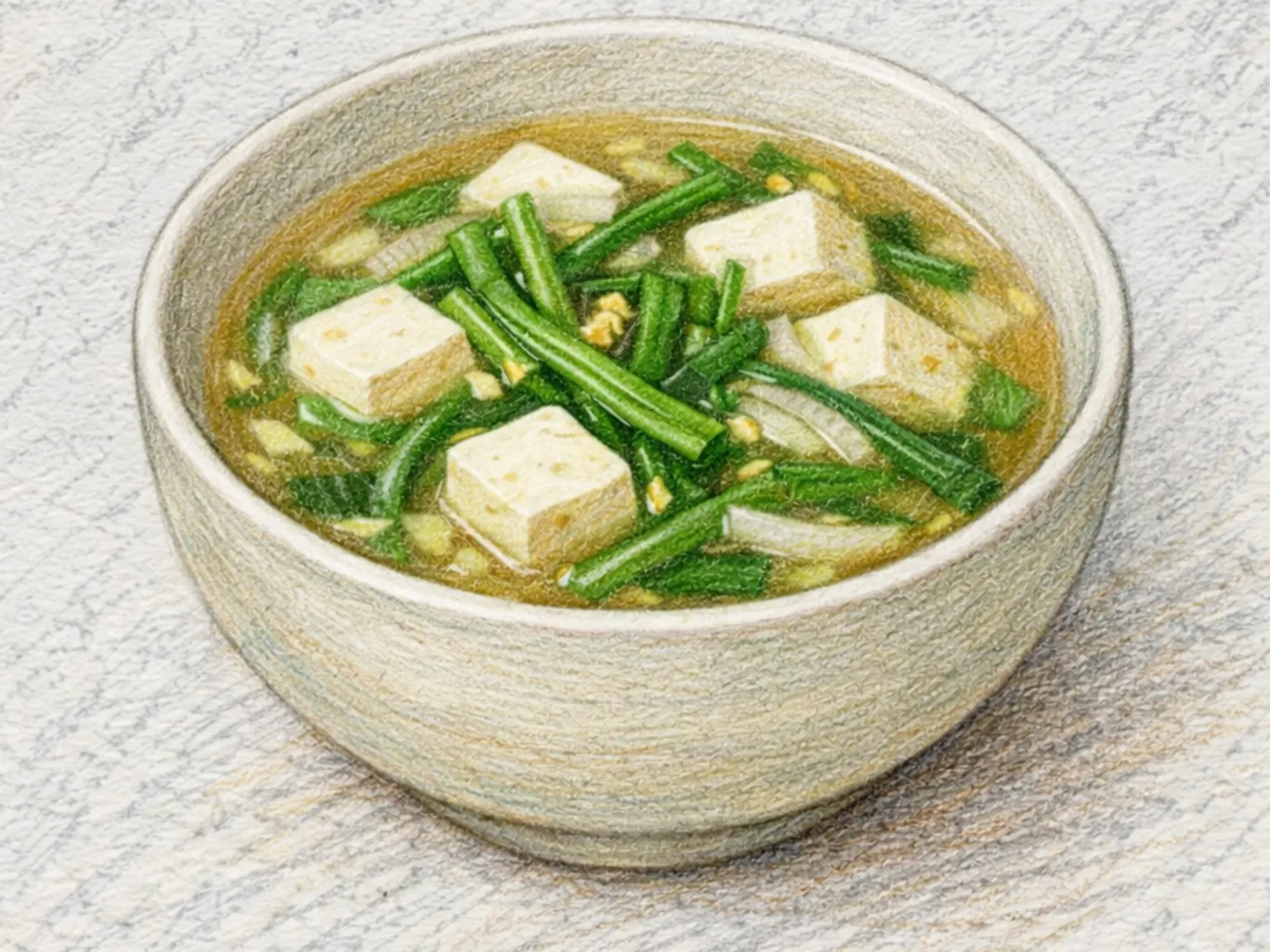
Korean Water Dropwort Tofu Soup
Minari-dubu-guk is a mild, clear Korean soup pairing soft tofu with water dropwort, an herb prized for its bright, celery-like fragrance. The broth is built on a simple anchovy-kelp stock, into which the tofu goes first and simmers gently until warmed through. Water dropwort is added only in the final moments before the heat is turned off, a deliberate timing choice that preserves the herb's volatile aromatic compounds and keeps the hollow stems slightly crisp rather than wilted. Adding it too early strips away the fragrance that makes this soup worth making. Seasoning stays minimal, soup soy sauce, garlic, and perhaps a pinch of salt, because restraint is the entire point: the clean stock, the herb's green perfume, and the pillowy tofu are meant to carry the bowl quietly. Firm tofu holds its shape through simmering and absorbs the broth more evenly than silken varieties, making it the better choice here. Spring is the ideal season, when water dropwort grows most tender and aromatic. Korean cooks often place this soup alongside richer, heavier dishes because the light broth cuts through fat and resets the palate between bites. It rarely draws attention at the table yet is reliably missed when absent.
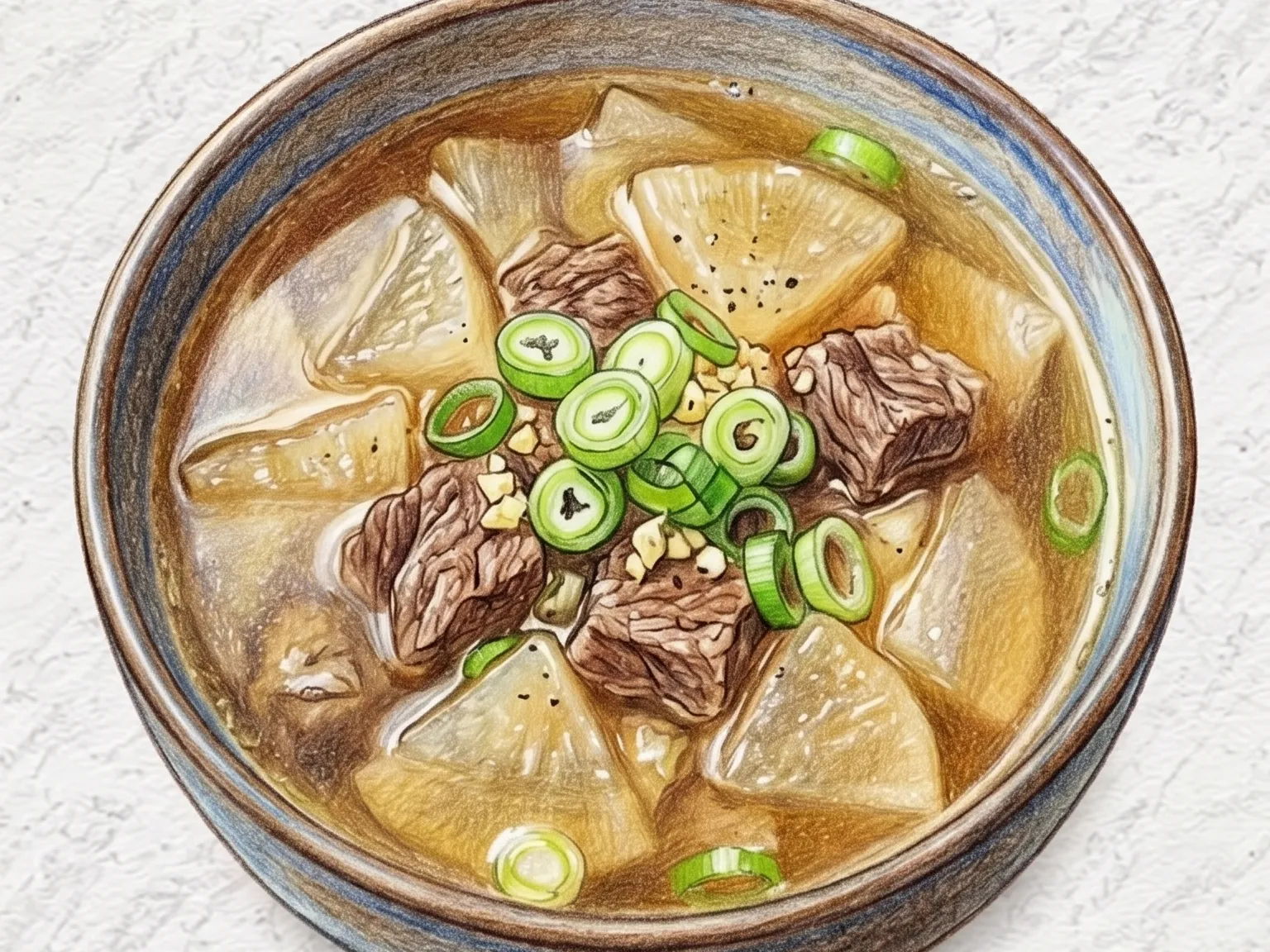
Korean Beef and Daikon Stew
Soegogi muguk jjigae is a clear, soothing stew made by first sauteing beef brisket and daikon radish together in sesame oil to build a savory base, then adding water and simmering until the broth deepens in flavor. Soup soy sauce seasons the liquid while green onion and garlic round out the aroma. Despite a short ingredient list, the stew develops surprising depth as the brisket renders slowly into the broth and the radish turns translucent and sweet. Cutting the radish thick allows its natural sweetness to infuse gradually, enriching the broth over the full cooking time. It is a simple, grounding bowl most often eaten with rice stirred directly into the broth.
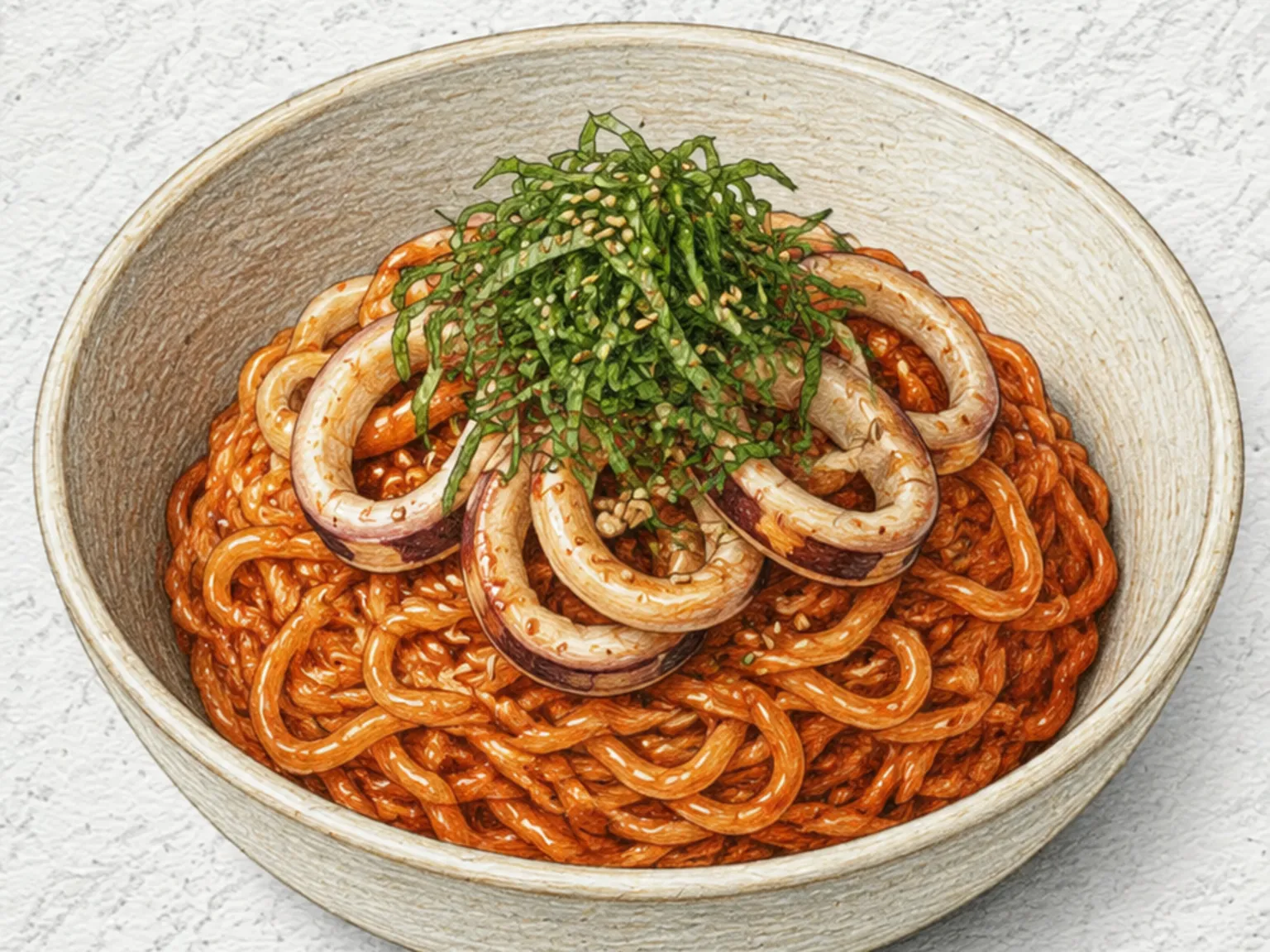
Korean Ojingeo Ssamjang Bibim Myeon (Squid Ssamjang Mixed Noodles)
Ojingeo ssamjang bibim myeon is a Korean mixed noodle dish combining blanched squid rings with medium wheat noodles in a ssamjang-based sauce spiked with chili flakes, vinegar, and syrup. The squid is blanched for only forty seconds to keep it springy rather than chewy, and the noodles are rinsed under cold water while gently rubbing to remove surface starch. The dressing merges the fermented depth of ssamjang with the heat of gochugaru and the brightness of vinegar, creating a layered flavor that is salty, spicy, and tangy at once. Resting the sauce for about ten minutes before tossing softens the heavy note of ssamjang. Julienned perilla leaves on top add an herbal fragrance, and sesame seeds finish the dish with nuttiness. The recipe yields four generous servings.
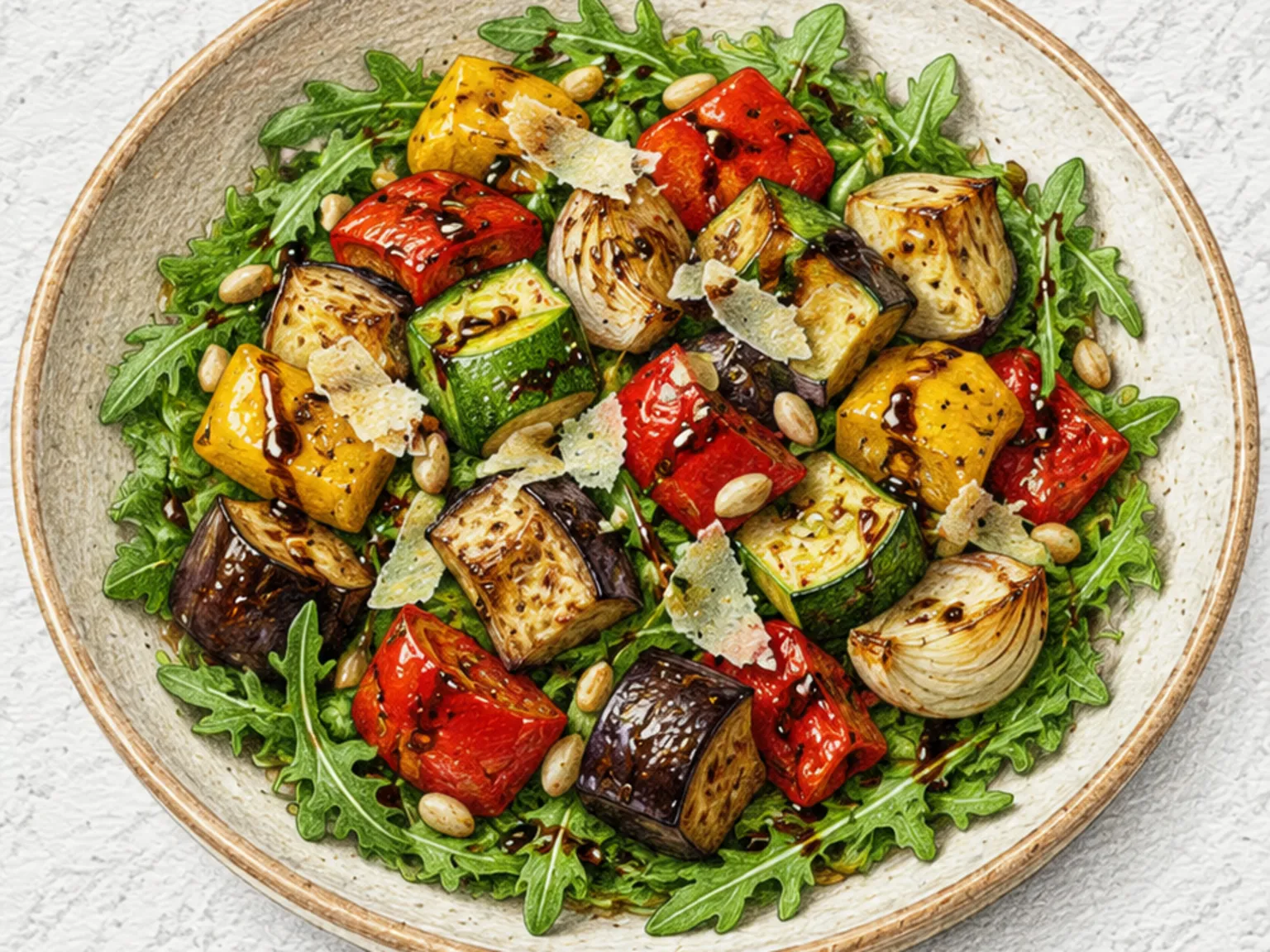
Roasted Vegetable Salad
Roasted vegetable salad cuts bell pepper, zucchini, eggplant, and onion into evenly sized pieces, roasts them at 200 degrees Celsius for 20 to 25 minutes, and serves them over peppery arugula with a drizzle of balsamic vinegar. At high oven heat the surface moisture evaporates rapidly, triggering both the Maillard reaction and caramelization simultaneously, so the vegetables develop concentrated natural sweetness alongside scattered charred edges that carry a smoky depth. The bitter, peppercorn-like bite of arugula provides a direct counterpoint to the caramelized sweetness of the roasted vegetables, keeping each forkful from feeling one-dimensional. Balsamic vinegar's thick, concentrated acidity pulls the disparate flavors together into a single coherent whole. Maintaining a thickness of 1.5 to 2 centimeters for each piece is important because thinner cuts dry out completely in the oven's dry heat and turn leathery, losing the interior moisture that makes roasted vegetables satisfying. Shaving Parmigiano-Reggiano over the top or scattering pine nuts adds a savory, nutty layer that makes the salad more substantial.
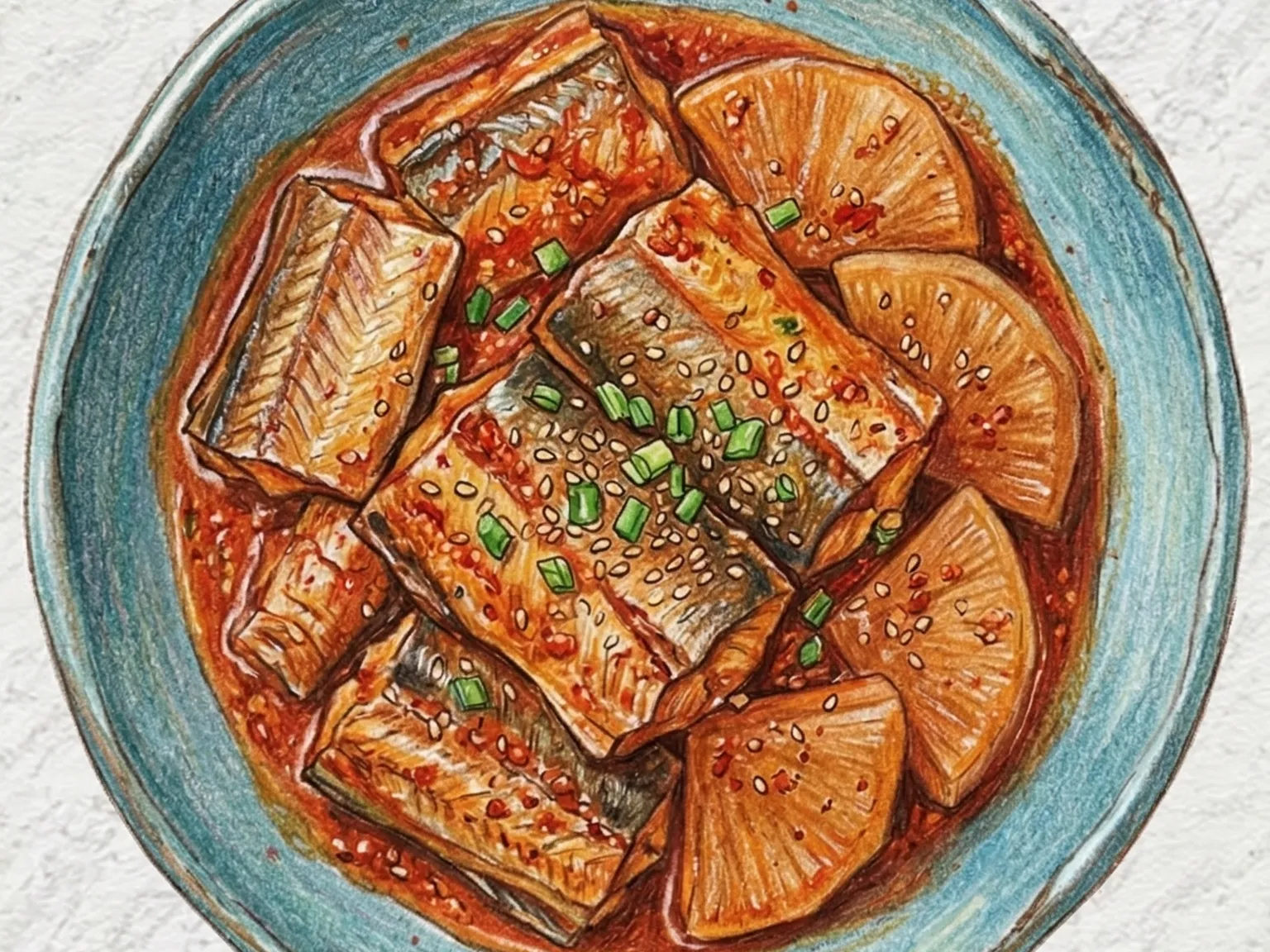
Kodari Jorim (Korean Braised Pollack)
Kodari-jorim is Korean braised pollack made with semi-dried pollack and radish in a gochujang-soy glaze, occupying a middle ground between fresh fish stew and fully dried fish preparations. Kodari is whole pollack gutted and hung in pairs along the East Sea coast, air-dried for two to three weeks and halted before full dehydration so the flesh retains enough moisture to stay supple after cooking, unlike the spongy texture of fully dried hwangtae. Layering radish on the bottom of the pot serves a structural purpose: it prevents the fish from sitting directly on the heat source and scorching. A sauce of soy, gochujang, gochugaru, sugar, and garlic is poured over and brought to a boil, then reduced to medium heat for about thirty minutes, spooning the liquid over the fish periodically. Overnight refrigeration lets the seasoning penetrate evenly and deepens the flavor. The leftover sauce is potent enough to repurpose as a bibimbap dressing.
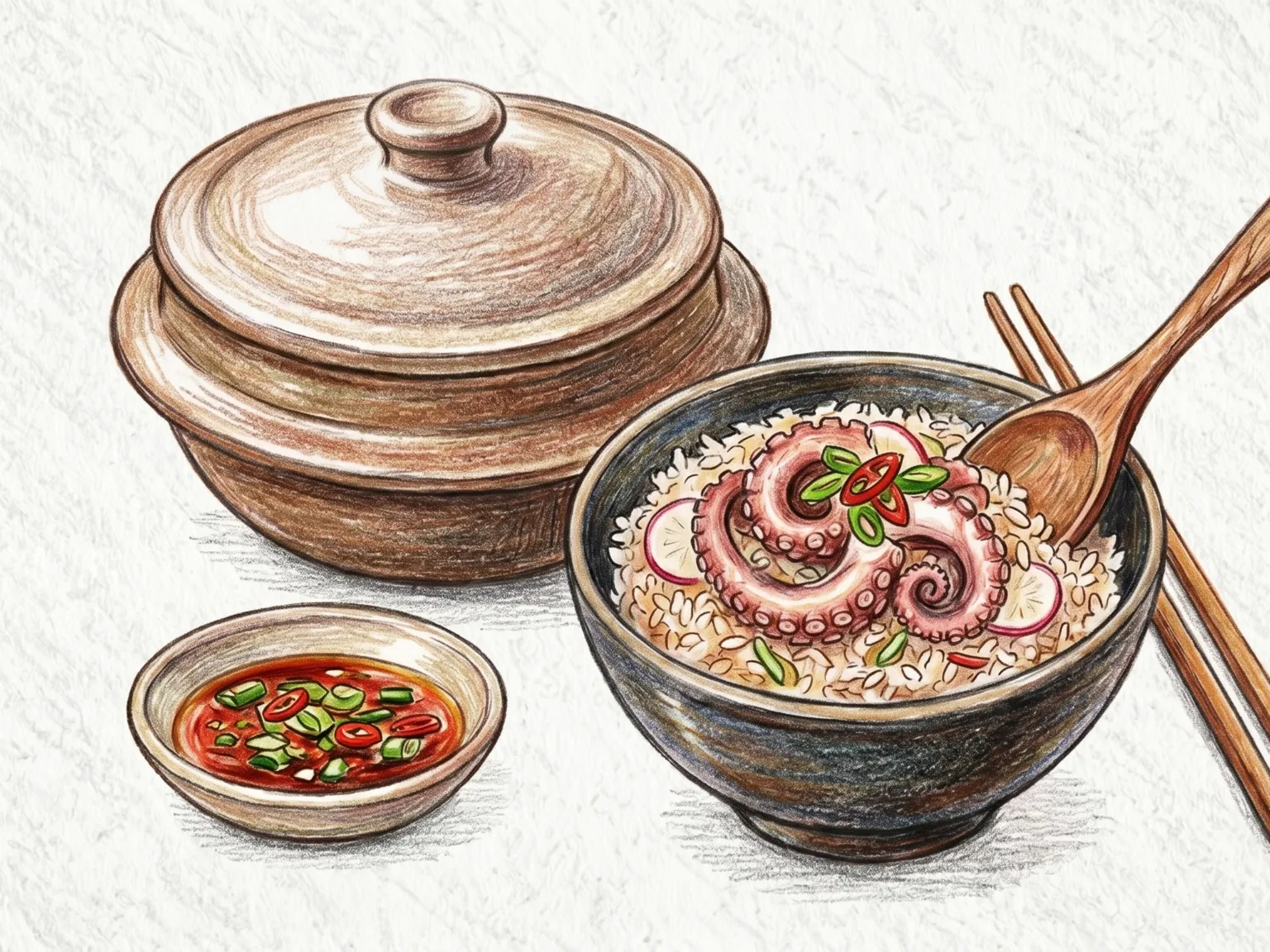
Korean Octopus Pot Rice (Chewy Octopus Ocean-Scented Grain Pot)
Muneo sotbap is a seafood pot rice dish in which chewy octopus tentacles are placed on top of uncooked rice and steamed together in a heavy pot so that the briny, oceanic aroma penetrates every grain as it cooks. Thin radish slices lining the bottom of the pot serve two purposes: they prevent the rice from sticking and transfer their natural sweetness into the grains during cooking. Simmering the octopus alongside radish also helps tenderize the meat. The pot starts over high heat to bring it to a boil, then the flame drops to low for a slow, gentle cook that keeps the octopus from turning rubbery. Resting the pot undisturbed after cooking allows the heat to distribute evenly throughout the rice. A dipping sauce of soy sauce, sesame oil, cheongyang chili, and sliced green onion is mixed in at the table, adding a spicy, clean finish. Scraping the crisp nurungji crust from the bottom of the pot is one of the distinct pleasures of this dish.
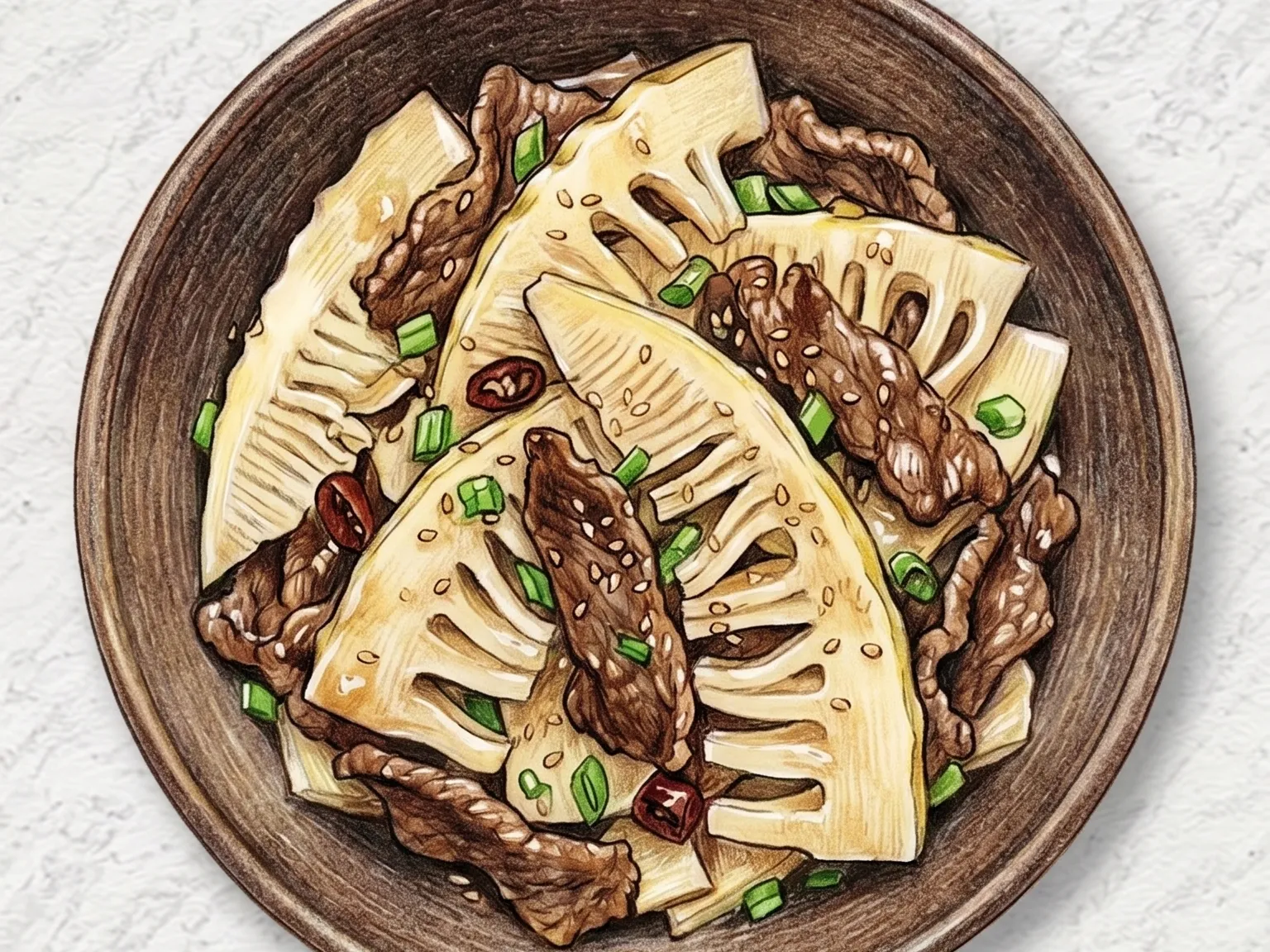
Korean Bamboo Shoot Beef Stir-fry
Juksun-sogogi-bokkeum is a Korean stir-fry of boiled bamboo shoots and thinly sliced beef seasoned with soy sauce, cooking wine, and sesame oil. The bamboo shoots bring a crisp, fibrous snap to each bite, while the beef, cut thin and cooked briefly over high heat, stays tender and juicy. The soy-based seasoning is kept deliberately restrained, allowing the mild natural sweetness of the bamboo shoots and the savory depth of the beef to remain the focus. Canned bamboo shoots are acceptable, but fresh spring bamboo shoots, available for a short window each year, deliver noticeably better crunch and a fragrant, grassy aroma that canned cannot replicate. Fresh shoots should be boiled in rice washing water first to remove the bitter, astringent taste before slicing and stir-frying. A finish of toasted sesame seeds and a drizzle of sesame oil added off the heat rounds out the dish with a nutty, aromatic note.
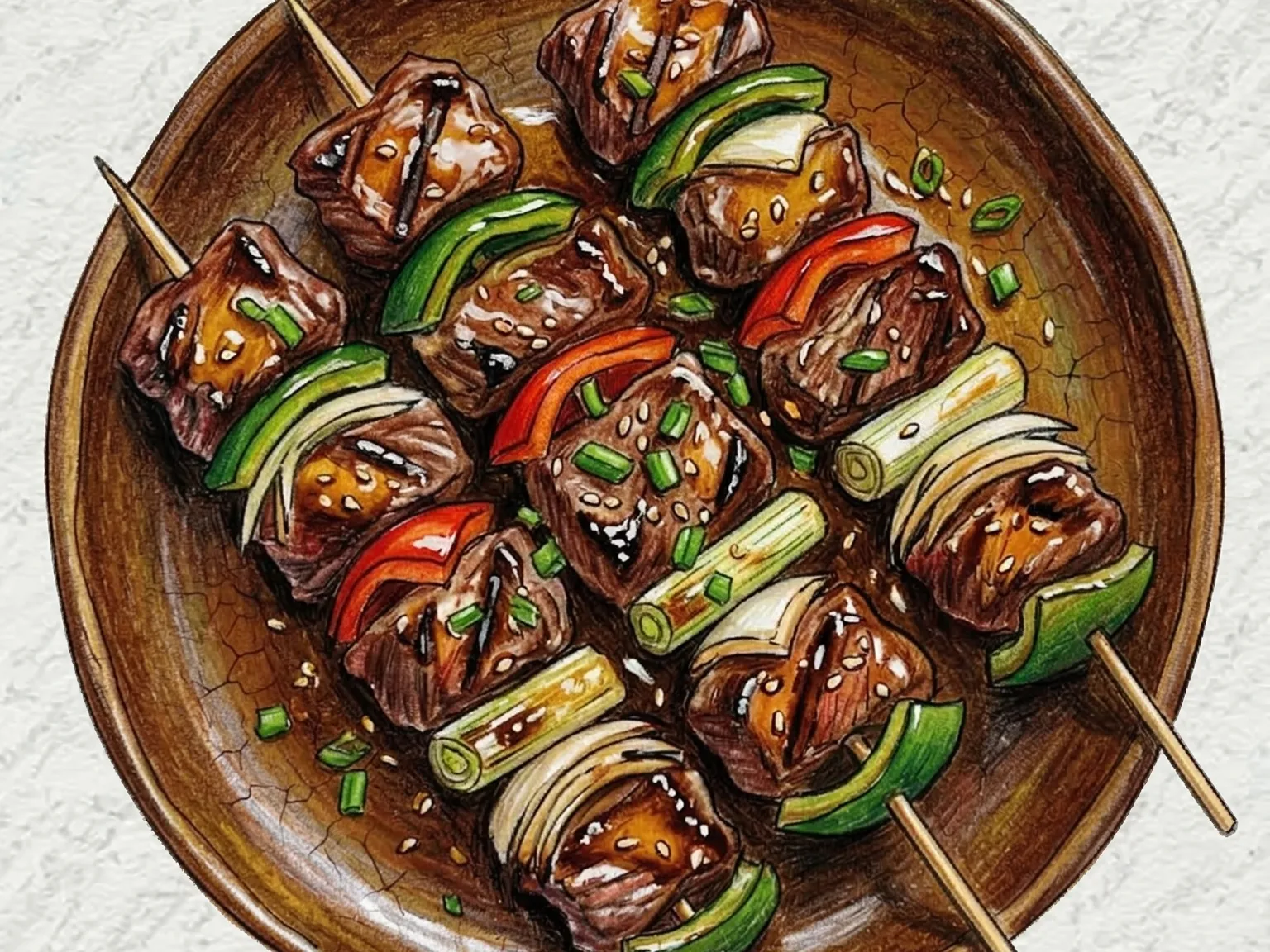
Korean Beef Skewers (Soy-Glazed Grilled Beef)
Bite-sized beef cubes and chunks of bell pepper and onion are threaded onto wooden skewers in an alternating pattern. The beef marinates for twenty minutes in soy sauce, oligosaccharide syrup, minced garlic, sesame oil, and black pepper before assembly. Grilling over medium-high heat while rotating the skewers lets the marinade reduce into a sticky glaze on the meat, while the vegetables soften and pick up faint char. The result is a hand-held format where each bite delivers soy-seasoned beef alongside lightly smoky, still-crisp vegetables.
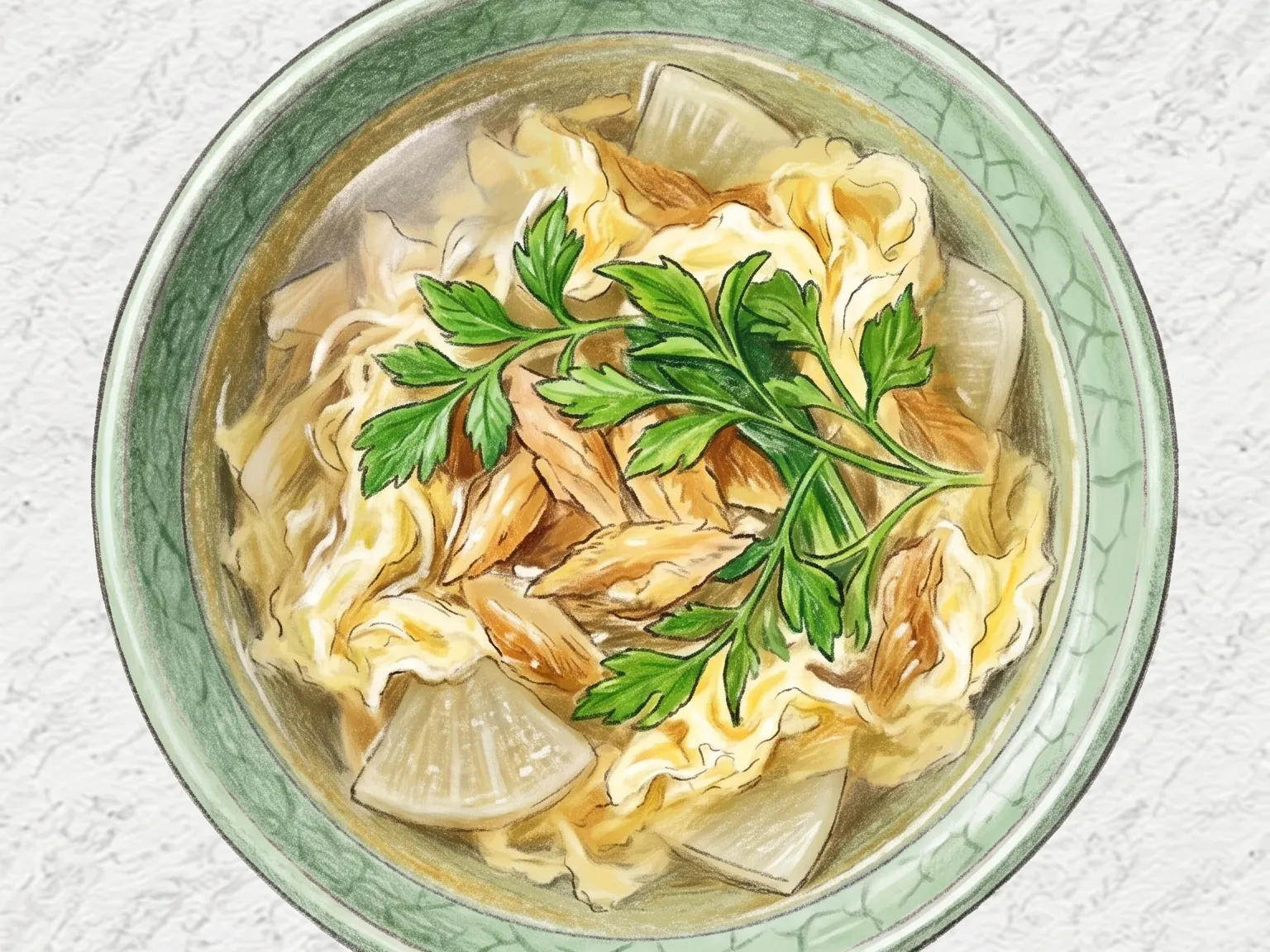
Korean Dried Pollock & Water Parsley Soup
This soup begins with dried pollock strips - stir-fried in sesame oil until golden and deeply fragrant - then simmered in water to draw out a clear, nutty broth that carries the unmistakable aroma of toasted sesame and cured fish. Water dropwort goes in at the very end, contributing a fresh green lift that counterbalances the richness of the pollock. A beaten egg is swirled into the simmering liquid, forming delicate ribbons that soften the broth's texture. Radish slices, added early, sweeten the stock gently in the background. The seasoning stays simple: soup soy sauce, garlic, and salt if needed, keeping the flavor profile clean and digestible. In Korea, this style of pollock soup is regarded as one of the best remedies for a hangover because the amino acids in dried pollock and the hydrating broth are believed to support liver recovery. Morning vendors near traditional markets sell bowls of it to customers who arrive before the sun is fully up. The addition of minari elevates what is already a restorative soup into something that smells and tastes distinctly of spring.