🏠 Everyday Recipes
Simple home-cooked meals for any day
1705 recipes. Page 61 of 72
These are the meals you can cook day after day without getting tired of them. Doenjang jjigae, rolled omelet, spicy pork stir-fry - the kind of home-cooked dishes that fill an ordinary day with comfort.
The beauty of everyday cooking is that it relies on common ingredients already in your fridge. No exotic items, no complicated techniques - just straightforward recipes for satisfying home meals.
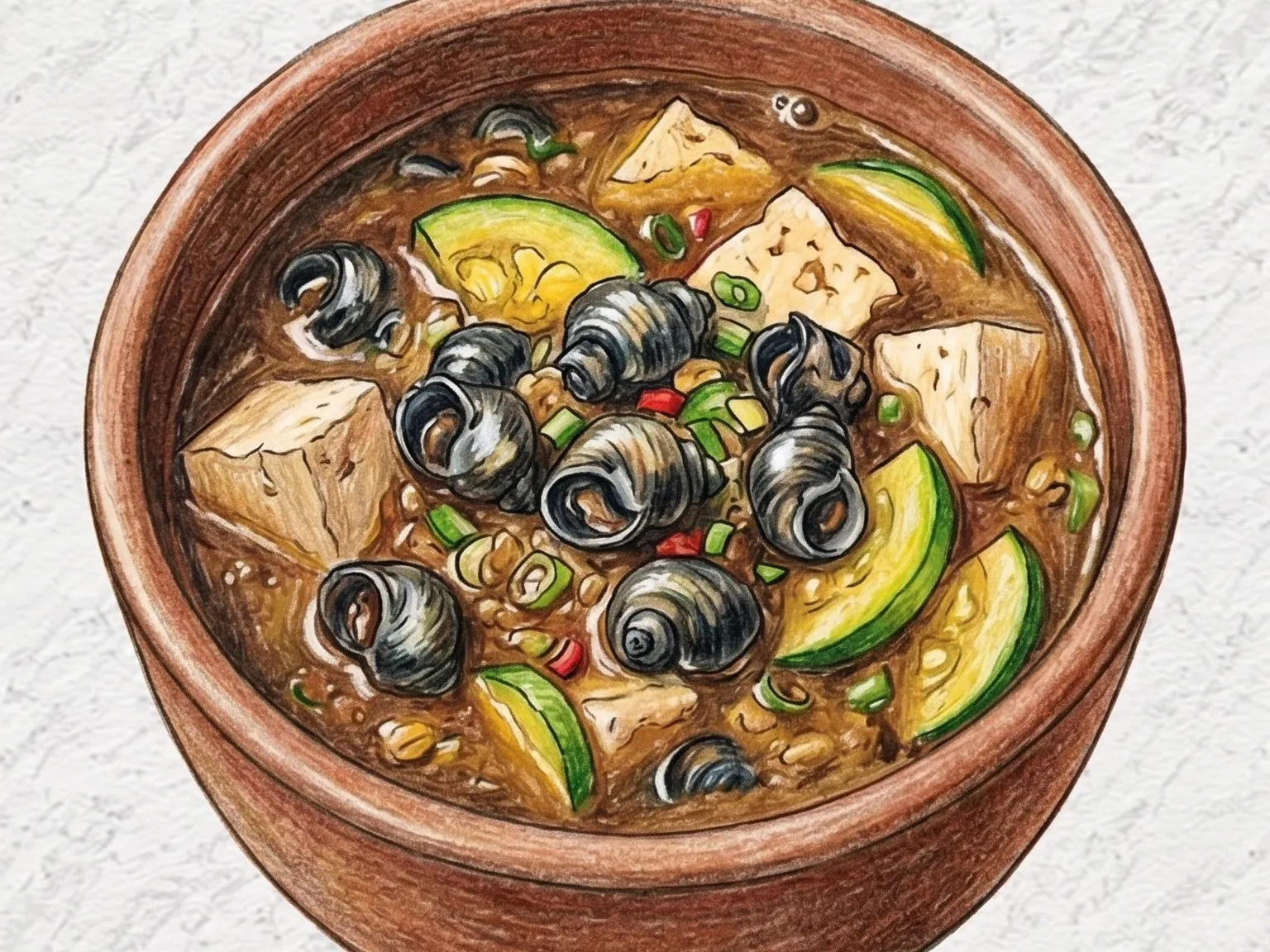
Korean Apple Snail Doenjang Stew
Ureong doenjang jjigae is a rustic Korean stew featuring chewy apple snails and fermented soybean paste in an anchovy broth. Rooted in traditional Korean countryside cooking where snails were gathered from rice paddies, this dish highlights the contrast between the mild, chewy snails and the deep flavor of the doenjang. Preparing the dish begins by rubbing the snails in salted water to remove grit. Next, doenjang is dissolved into boiling anchovy broth, and sliced zucchini is added to cook until tender. The cleaned snails are added along with minced garlic and simmered briefly. It is important to cook the snails for only five to six minutes, as overcooking makes them tough. Tofu and green onions are added at the very end to complete the stew. The resulting dish offers a rich broth with a pleasant contrast of soft tofu and chewy snails.
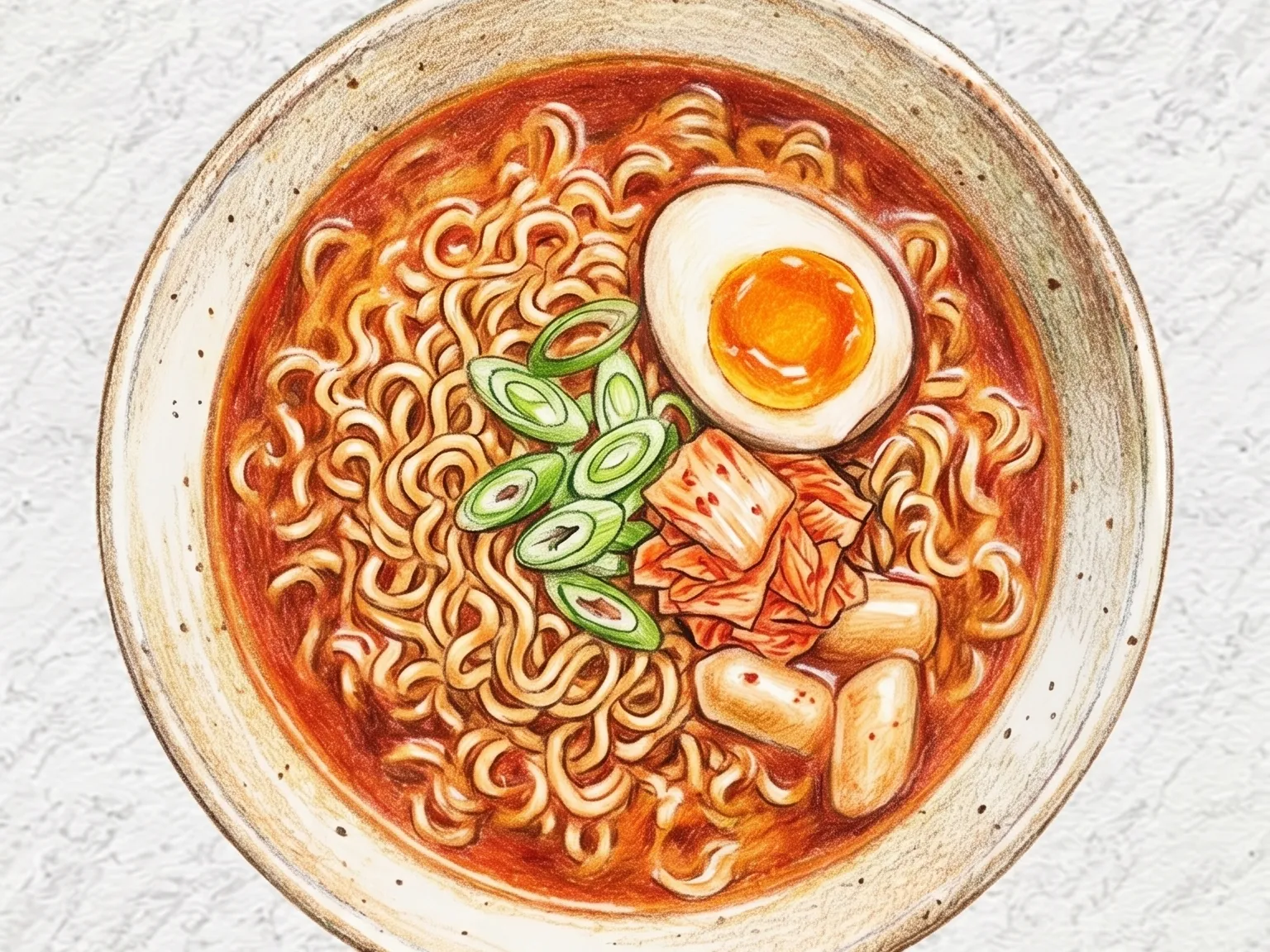
Korean Instant Ramen (Spicy Chewy Noodles in Five Minutes)
Ramyeon is Korea's iconic instant noodle dish, ready in under five minutes by boiling chewy wheat noodles with seasoning packets in water. Common additions include egg, scallion, kimchi, sliced rice cakes, and cheese, each customizing the bowl to personal taste. Cooking the noodles one minute less than the package suggests lets residual heat finish them at the right chewiness. Using slightly less water than directed concentrates the broth into a more intense flavor. It can be served as a noodle dish, with simple accompaniments chosen to match the sauce, broth, or topping.
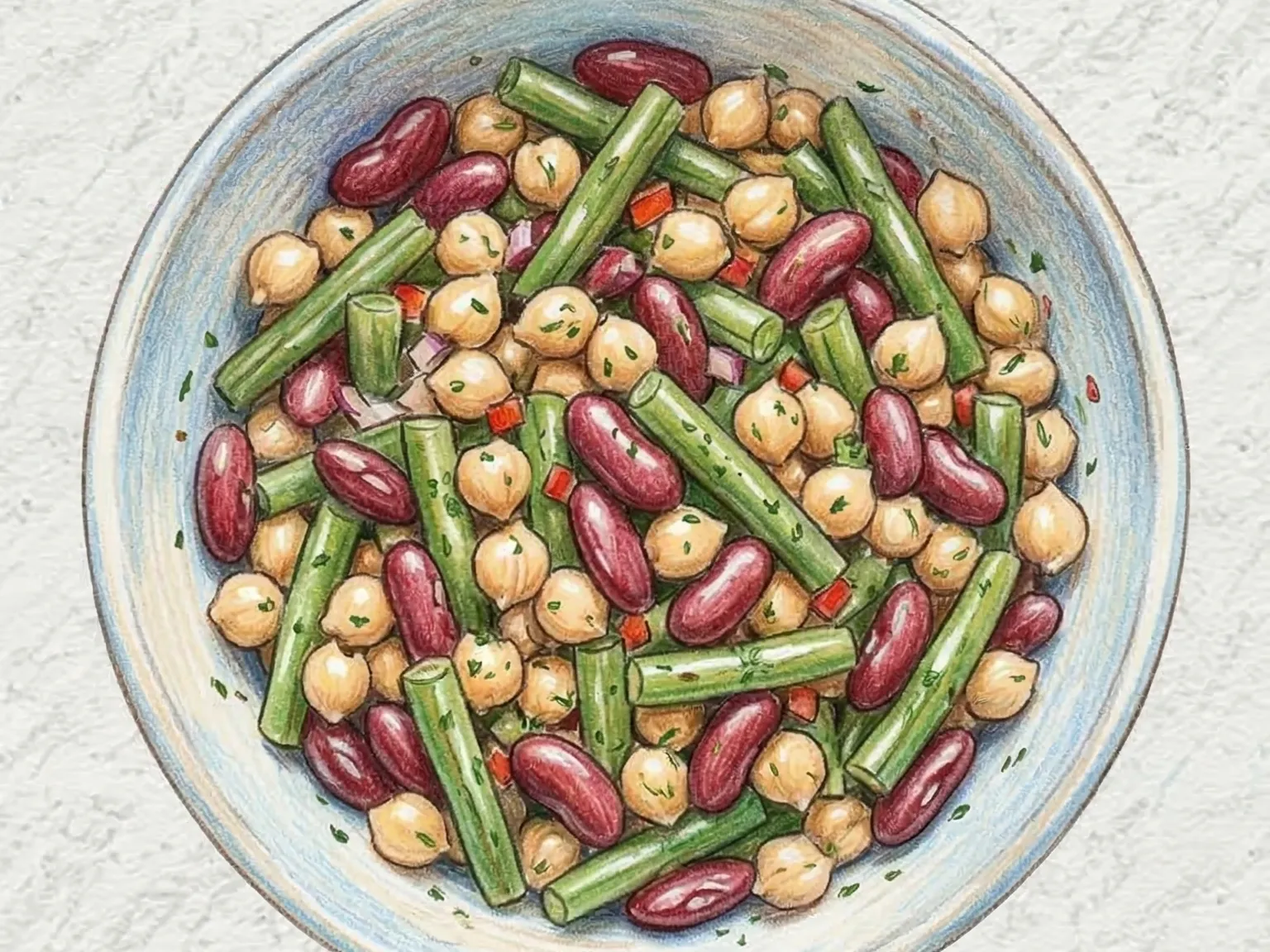
Three Bean Salad
Three bean salad consists of kidney beans, chickpeas, and fresh green beans that are prepared by blanching. The green beans undergo a brief cooking process in boiling water for three minutes, which ensures they retain a bright appearance and a snappy texture. In contrast, the kidney beans and chickpeas used are canned varieties that only require thorough rinsing and draining to remove any excess starch from their surface. The recipe includes red onions that have been thinly sliced and then soaked in cold water. This soaking step is used to remove the sharp, raw bite of the onion, resulting in a mild sweetness that integrates well with the other components. The dressing for this salad is a combination of olive oil, apple cider vinegar, and Dijon mustard. The apple cider vinegar contributes a soft acidity to the mixture, while the mustard introduces a sharp and peppery element that provides flavor to the beans. Storing the assembled salad in the refrigerator overnight is an important step because it allows the dressing to soak into the beans and the green beans. This waiting period makes the dish a suitable option for individuals looking to prepare their meals ahead of time.
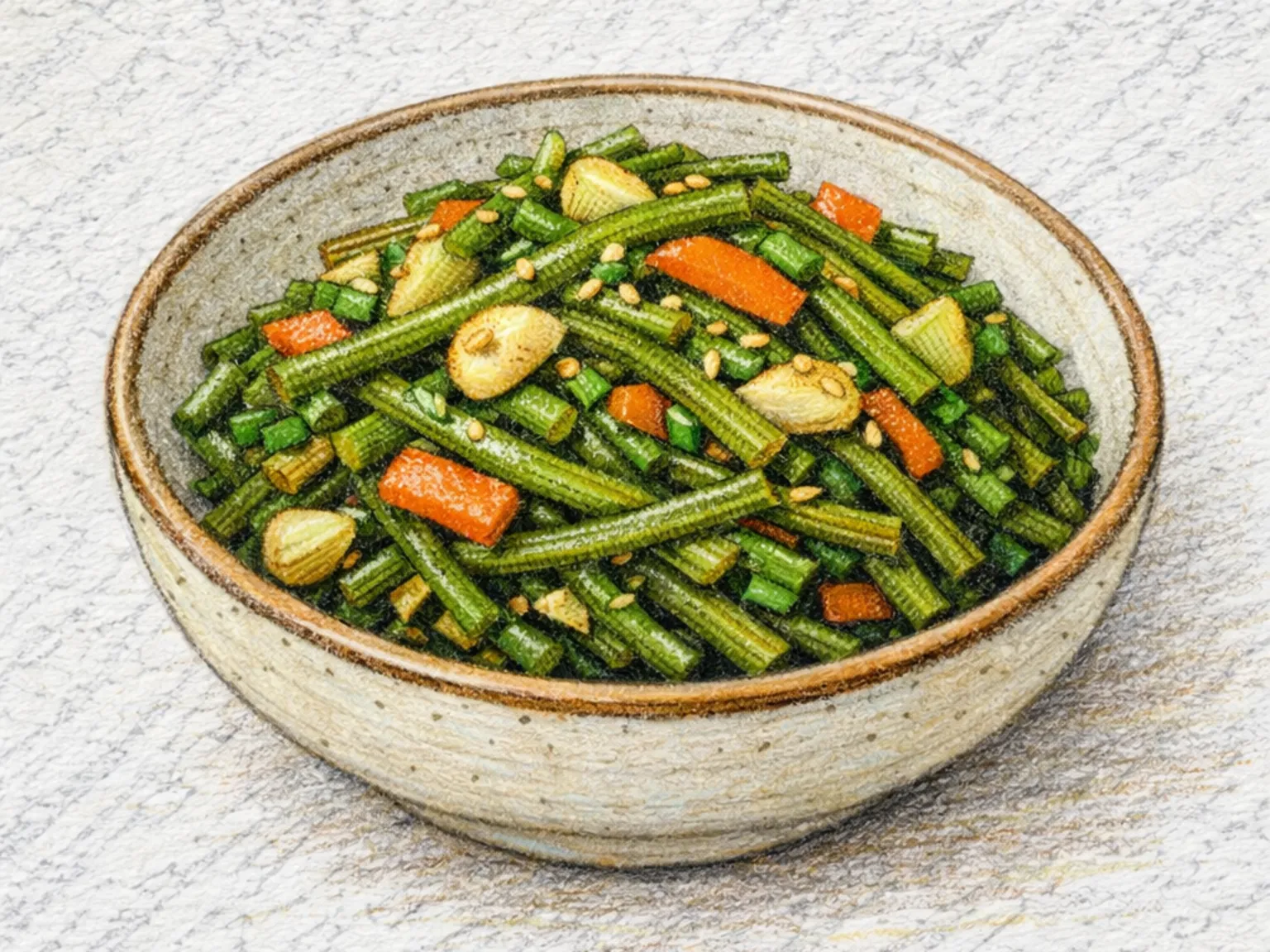
Korean Stir-fried Seaweed Stems
Miyeok-julgi-bokkeum is stir-fried seaweed stems - specifically the thick midrib portions of salted miyeok (wakame) - offering a textural experience entirely different from miyeok-muchim (seaweed salad) or miyeok-guk (seaweed soup). While seaweed leaves are soft and slippery, the stems are thick and resilient, producing a distinctive crunchy pop with each bite. Salt levels vary by brand, so soaking in cold water for ten minutes is the baseline desalting step, but tasting before cooking and rinsing again if needed is essential. Julienned onion and carrot stir-fried alongside break the monotony of seaweed alone, adding sweetness and color. Garlic sauteed in oil first establishes an aromatic foundation. A finishing drizzle of sesame oil and sesame seeds bridges the oceanic seaweed flavor with a toasty nuttiness. The extremely low calorie count makes this banchan a staple in diet-conscious Korean meal plans.
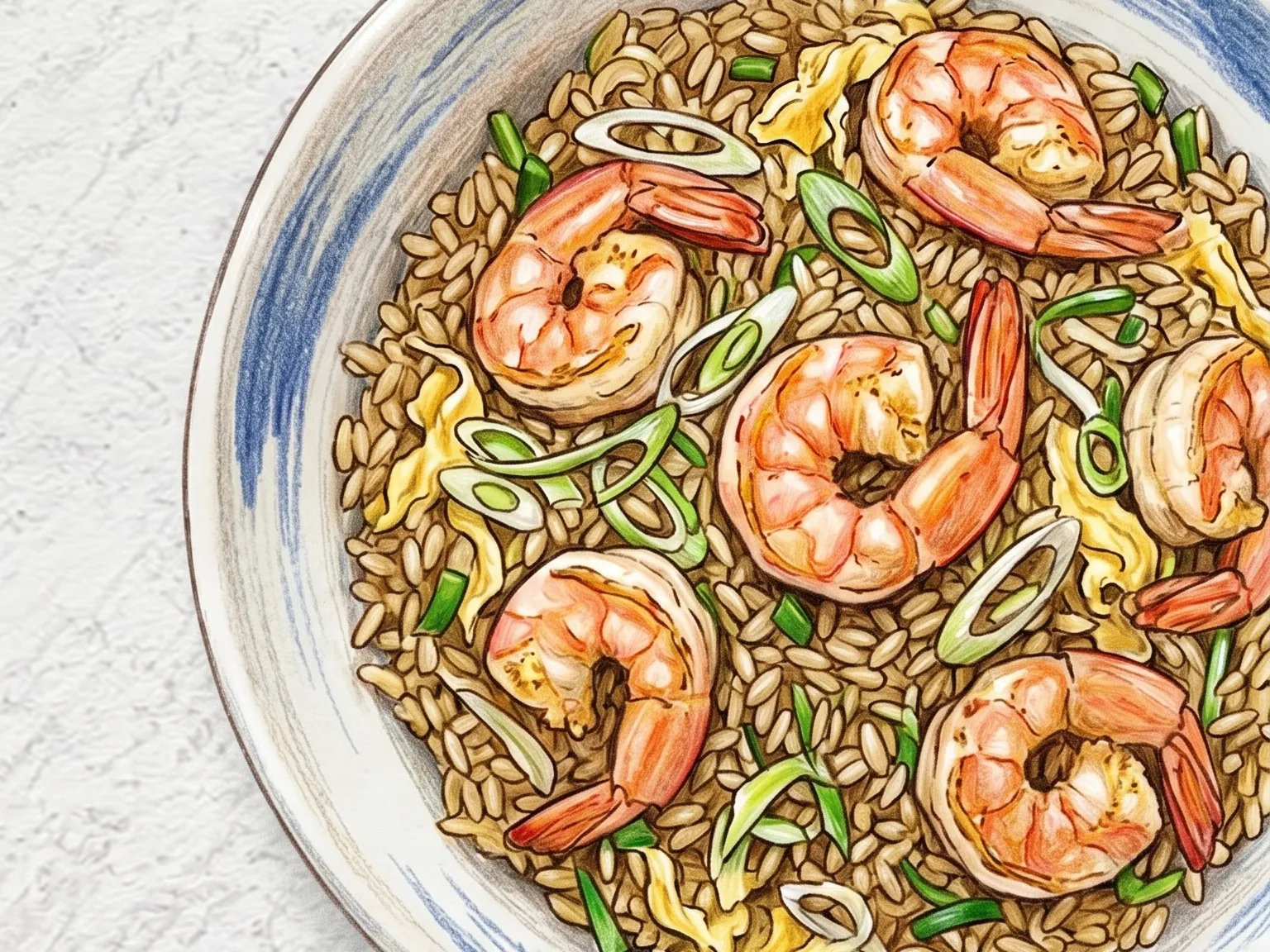
Korean Scallion Shrimp Fried Rice
This scallion shrimp fried rice stir-fries plump shrimp and generous amounts of green onion over high heat for a clean, aromatic bowl. The shrimp go into the wok first, searing until the edges turn golden and leave behind a savory fond. Chopped scallions follow, releasing a sharp, oniony fragrance that cuts through the richness. Day-old rice is added and tossed rapidly with soy sauce and oyster sauce, breaking up clumps until every grain is individually coated. Beaten egg stirred in at the end wraps the rice in a soft, silky layer. Despite the short ingredient list, the combination of briny shrimp and pungent scallion delivers a depth of flavor that keeps this dish in regular weeknight rotation.
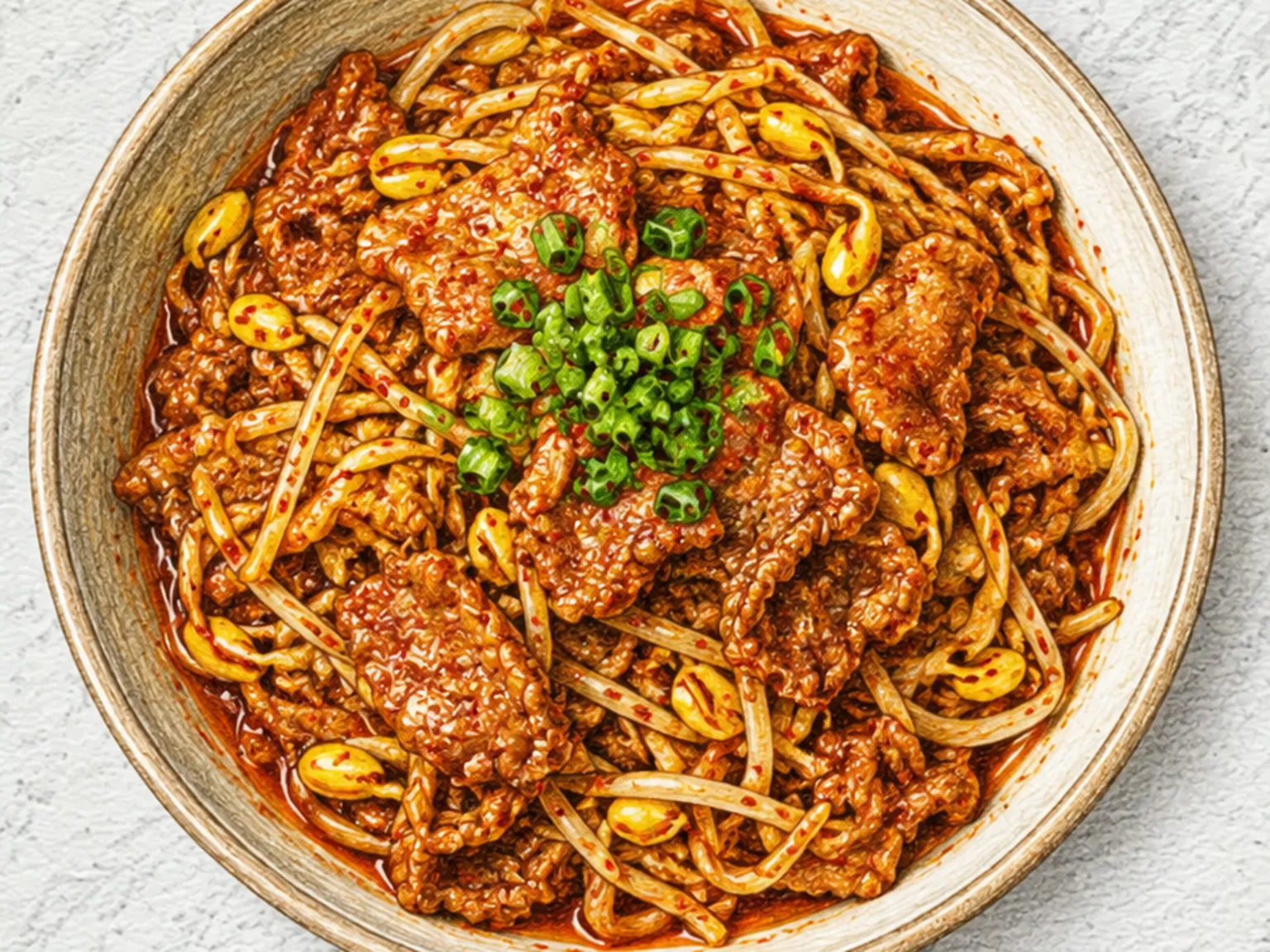
Korean Spicy Pork Bean Sprout Stir-fry (Kongbul)
Kongbul is a fiery Korean stir-fry of pork shoulder tossed in a gochujang-gochugaru-soy sauce blend and cooked over high heat, with bean sprouts added at the very end to preserve their crunch. The gochujang's thick spiciness combines with rendered pork fat for an intense, mouth-coating savoriness, while the bean sprouts release just enough moisture to keep the sauce from scorching. The sprouts must be stir-fried only until barely wilted to maintain their snap. Chopped scallion goes in last, and mixing the whole thing into a bowl of rice stretches this into a full, hearty meal.

Korean Beef Jeon (Egg-Coated Pan-Fried Thin Beef Slice)
This classic Korean dish consists of thinly sliced lean beef round that is lightly seasoned, coated in flour and egg, and pan-fried. The process begins by seasoning the beef slices with salt, black pepper, and minced garlic. Each slice is dusted with a thin layer of flour, shaking off any excess to prevent clumping and to ensure the egg batter adheres securely during cooking. The floured beef is dipped in beaten egg and cooked in a preheated pan with oil over medium heat. It is crucial to avoid high heat, which can scorch the egg coating and toughen the meat. Pan-frying each side briefly until the egg sets preserves the natural tenderness of the beef. The cooked slices feature a delicate golden coating and are typically served warm. Yukjeon is a staple for holiday feasts, ancestral rites, and housewarming gatherings.
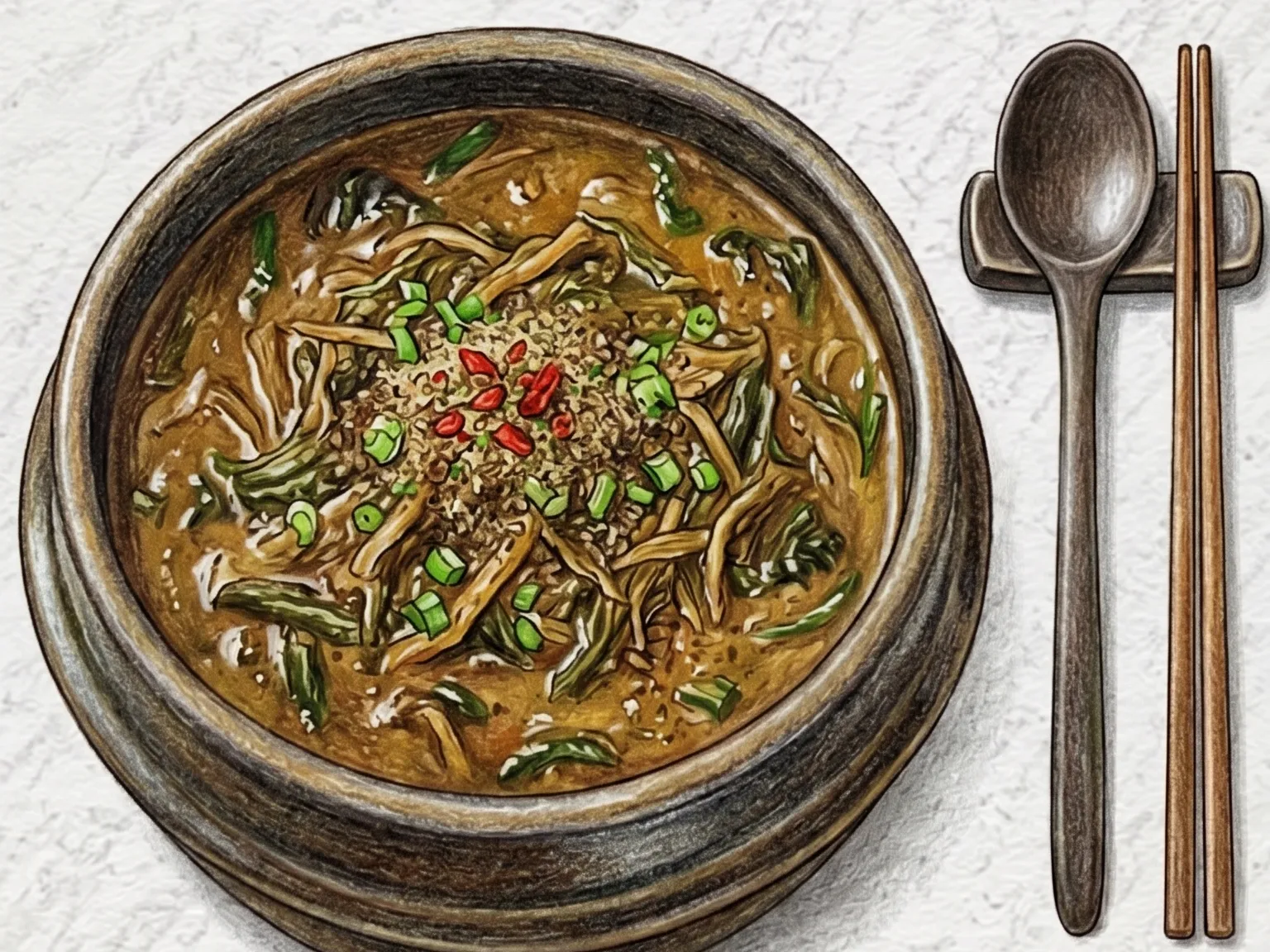
Korean Namdo-Style Loach Soup
Namdo-chueotang is the southern Korean take on loach soup, distinguished from other regional versions by grinding the entire loach - bones and all - into a thick, porridge-like broth. The loaches are first boiled until completely soft, then blended and strained to produce a dense, opaque base packed with protein and calcium. Dried radish greens simmer in this liquid, contributing a rustic, earthy backbone. Doenjang and gochujang season the soup with fermented depth and moderate heat, while a generous addition of perilla seed powder lends a nutty richness that rounds out the heavy flavors. A final dusting of sancho pepper tames any lingering fishiness and adds a tingling, aromatic kick. This is restorative cooking at its most direct - a thick, warming bowl meant to rebuild energy during the colder months.
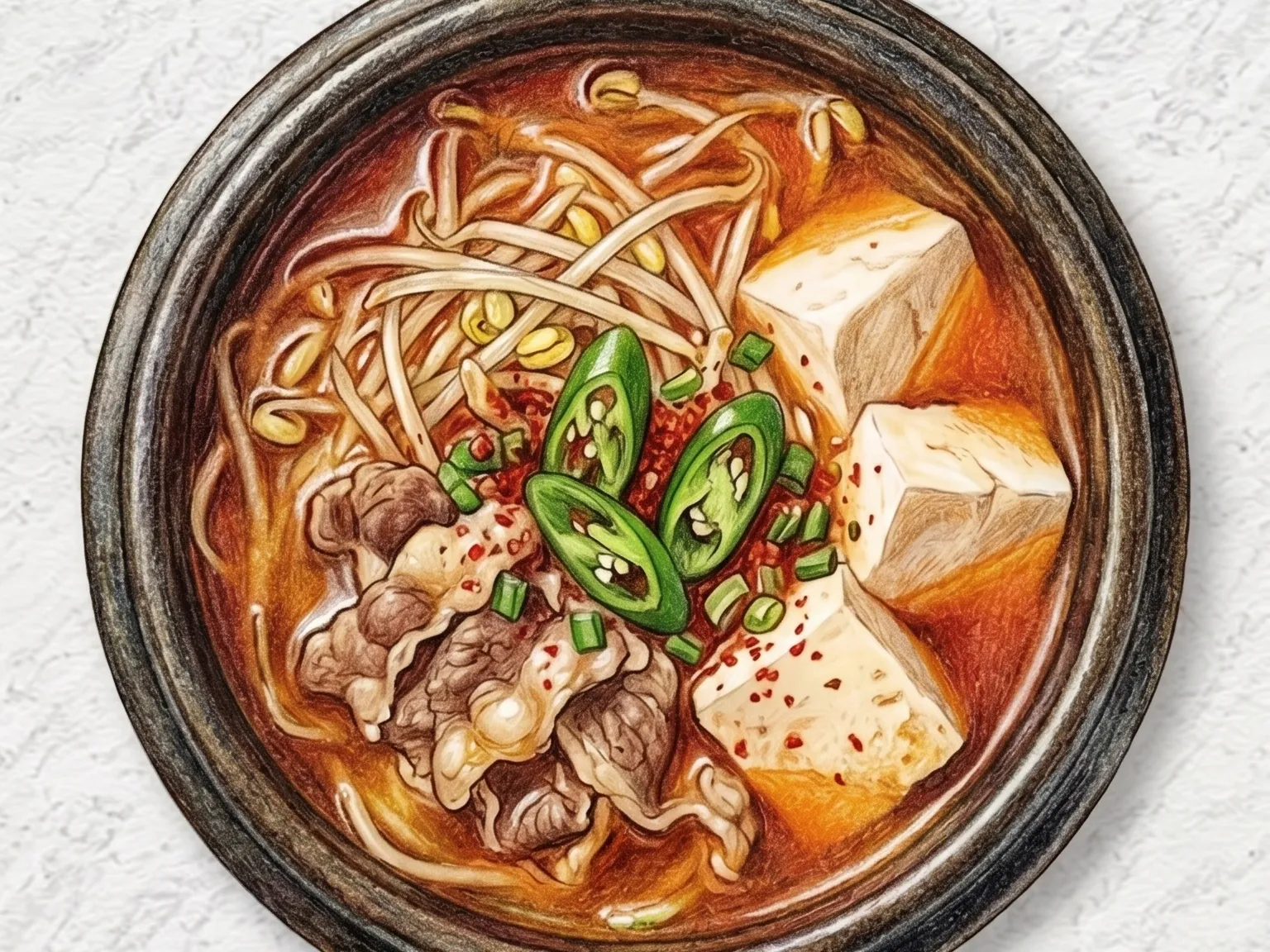
Korean Beef Brisket & Bean Sprout Chili Stew
This spicy Korean stew combines thin slices of beef brisket and mung bean sprouts with Cheongyang chilies. The cooking begins by stir-frying the brisket with minced garlic to render the fat, followed by chili flakes and soup soy sauce to build a rich seasoning base. Simmering this mixture in anchovy stock along with onion and tofu creates a deep, savory broth. Mung bean sprouts and Cheongyang chilies are added during the final two minutes of cooking, preserving the crisp texture of the sprouts and keeping the heat clean and sharp. Finishing with green onions adds a subtle aroma. The richness of the beef fat balances the direct spice from the chilies, making it a satisfying choice when a meal needs a hot, spicy stew.

Rigatoni all'Amatriciana (Roman Guanciale Tomato Spicy Pasta)
Rigatoni all'Amatriciana is a Roman pasta where crisp-rendered guanciale fat forms the base of a tomato sauce enriched with peperoncino heat. White wine deglazes the pan before crushed whole tomatoes are added and simmered for fifteen minutes to thicken. The ridged surface of rigatoni traps the sauce, ensuring each bite carries the full flavor of cured pork and tomato. A generous grating of Pecorino Romano finishes the dish with sharp, salty contrast. Controlling noodle texture and sauce coating helps the ingredients cook evenly while keeping the final seasoning balanced.
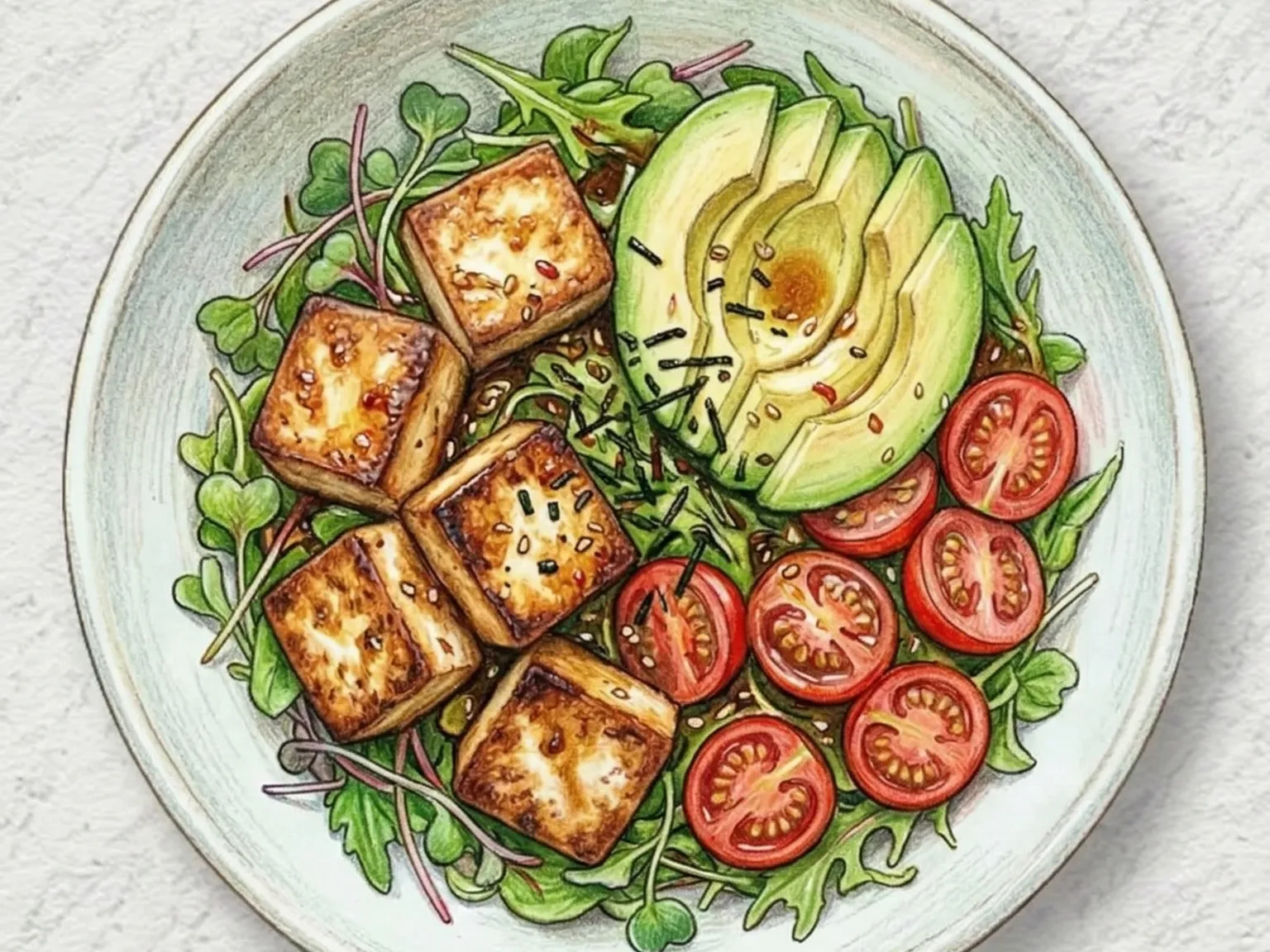
Tofu Avocado Salad (Silken Tofu and Avocado Sesame Bowl)
Tofu avocado salad pairs pan-seared firm tofu with ripe avocado over a bed of mixed greens, dressed in soy sauce, sesame oil, and lemon juice. Pressing the tofu thoroughly before searing allows the surface to develop a golden Maillard crust that holds its shape even after tossing with the dressing. The avocado's creamy fat contrasts with the burst of juice from halved cherry tomatoes, creating textural variety in every bite. The dressing layers three dimensions - soy sauce for salinity, sesame oil for nuttiness, and lemon juice for acidity - giving depth to otherwise mild ingredients. Cutting the avocado just before serving prevents oxidation and keeps the color clean.
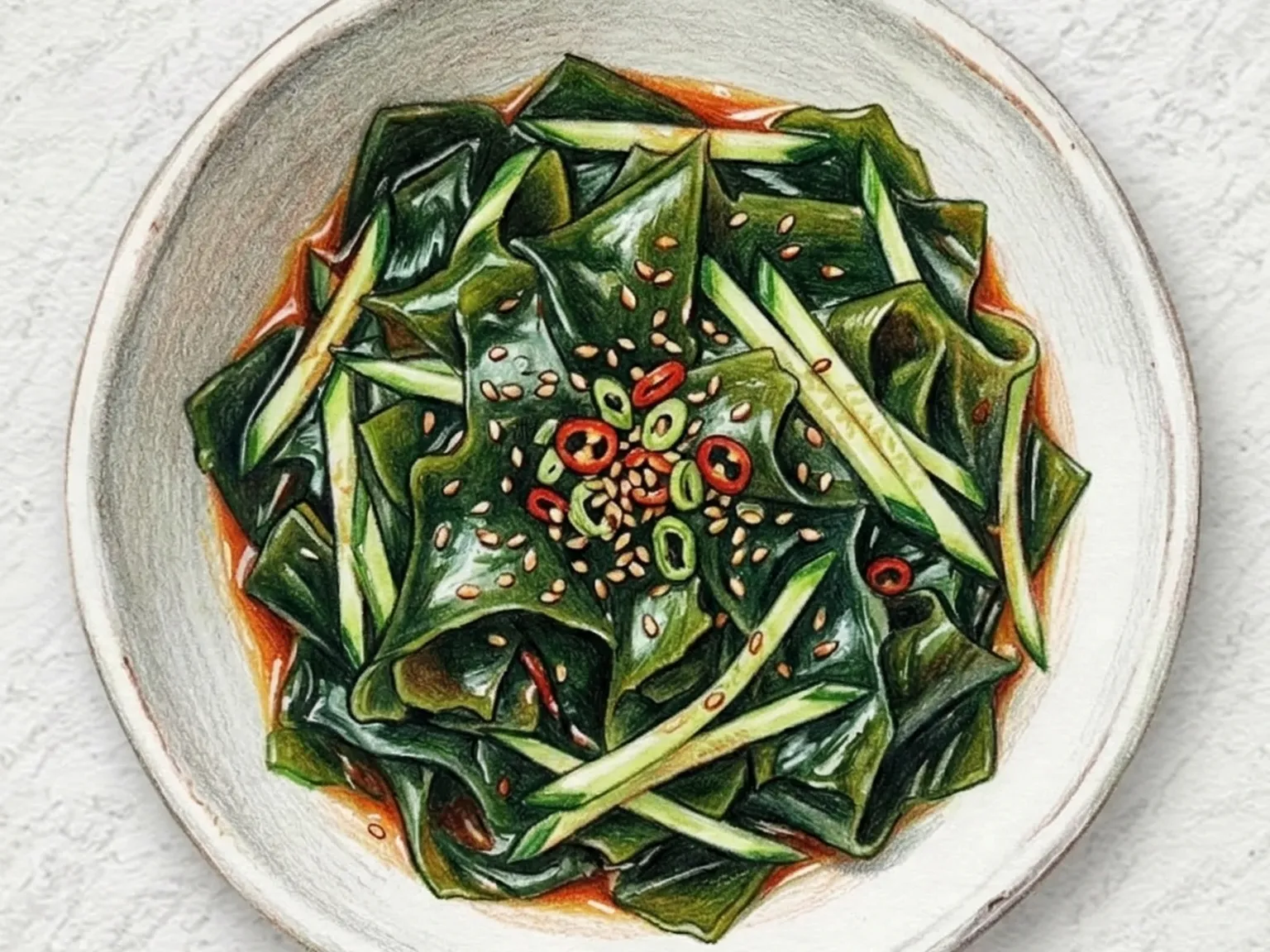
Korean Seaweed Salad (Tangy Chili-Vinegar Dressed Miyeok)
Miyeok-muchim consists of rehydrated seaweed seasoned with either a vinegared chili paste called cho-gochujang or a vinegared soy sauce known as cho-ganjang. In Korean culinary traditions, this preparation represents one of the most frequent methods for consuming seaweed outside of the traditional soup typically served on birthdays. To prepare the foundation of the dish, approximately thirty grams of dried miyeok requires a twenty-minute immersion in water. During this period, the volume of the seaweed expands by eight to ten times its original size, which results in a quantity sufficient for two individual portions. A frequent error made by individuals unfamiliar with this ingredient involves using an excessive amount of the dried seaweed because the dramatic scale of its expansion is often underestimated. Following the soaking stage, the seaweed undergoes a brief blanching process in boiling water. This technique intensifies the color of the miyeok into a vivid green while simultaneously reducing the strong marine odor associated with the raw plant. Immediately after blanching, a thorough rinse in cold water is required to lock in the specific texture of the seaweed, which is characterized as being both slippery and bouncy. For the dressing, the spicy cho-gochujang variation combines fermented chili paste with vinegar and sugar to create a profile that is sweet, sour, and spicy. This combination serves to temper the inherent saltiness found in the seaweed. Many versions of the dish include thinly julienned cucumber to provide a crisp textural contrast to the silkiness of the miyeok. Alternatively, the cho-ganjang dressing offers a more subtle flavor for individuals preferring a clean taste without the heat of chili. From a nutritional standpoint, a single portion contains roughly fifty kilocalories and is recognized as a significant source of dietary fiber and iodine. These attributes make the dish a consistent feature in Korean home cooking focused on health and nutrition. The salad is typically kept in the refrigerator and served chilled, making it particularly refreshing during the summer months when people often experience a decrease in their appetite.
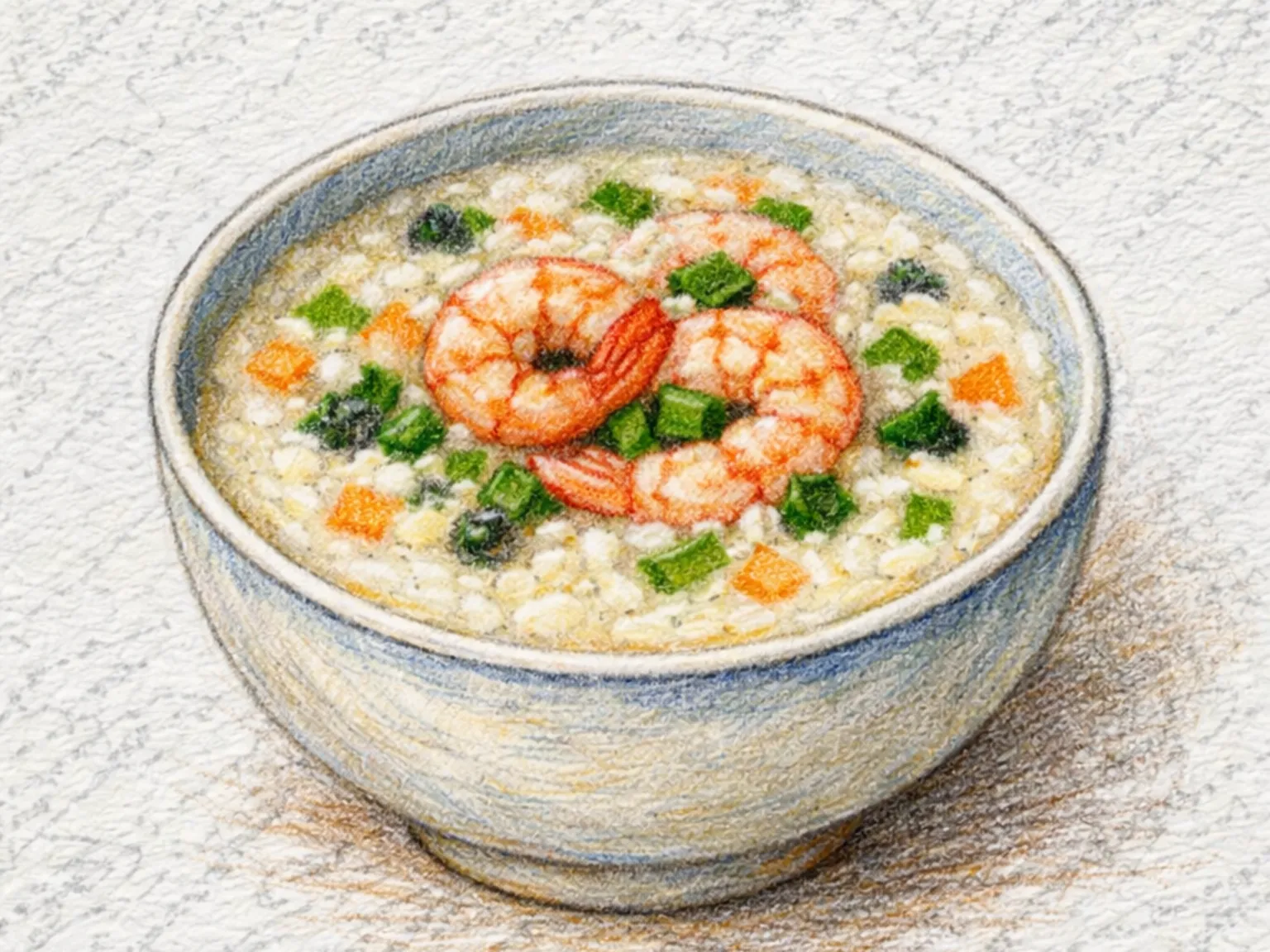
Korean Shrimp Porridge (Creamy Rice Porridge with Shrimp Broth)
Saeu-juk is a Korean shrimp porridge that simmers rice with shell-on shrimp to draw out a gentle oceanic broth. The heads and shells are cooked down to build a flavorful stock, while the shrimp meat is minced and stirred in separately so each spoonful carries bursts of umami. Diced zucchini and carrot add mild sweetness that balances the seafood character. Soaked rice is first toasted in sesame oil before the liquid goes in, which gives the finished porridge a nuttier base and slightly thicker consistency. The result is a light, nourishing bowl with a clean finish - commonly served as a gentle breakfast or a recovery meal, where the warmth and mild flavor are as important as the nutrition.
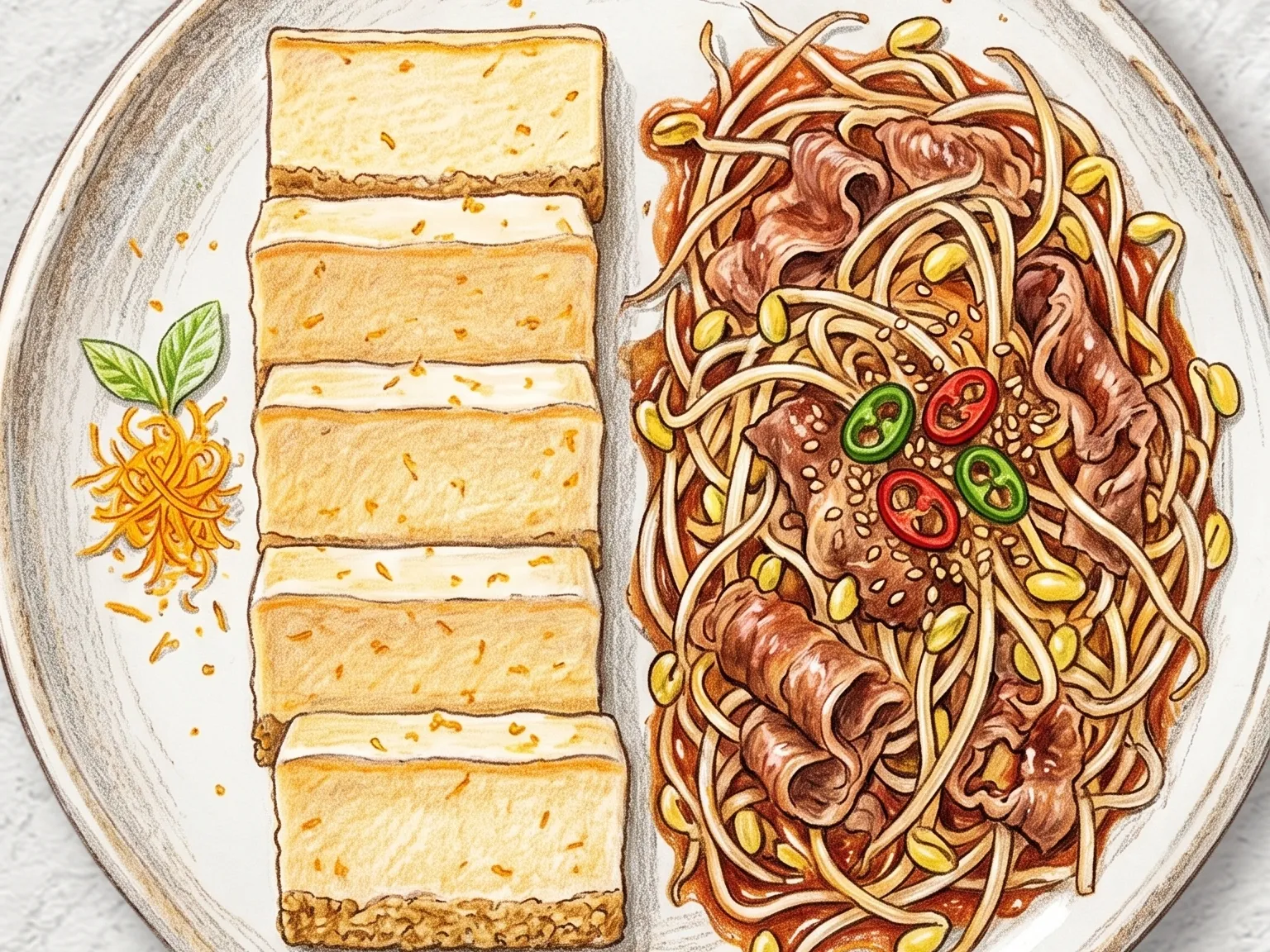
Korean Beef Brisket and Bean Sprout Stir-fry
Kongnamul chadol bokkeum starts by rendering thin beef brisket slices over high heat to release their fat, then uses that fat as the cooking medium for bean sprouts and a gochujang-gochugaru sauce. The brisket's chewy bite contrasts with the sprouts' crispness, and the rendered beef fat merges with the chili paste to create a rich base without added oil. Moisture released from the bean sprouts thins the sauce just enough to coat everything evenly. Sesame oil finishes the dish, which is a common choice for a drinking snack or late-night meal.
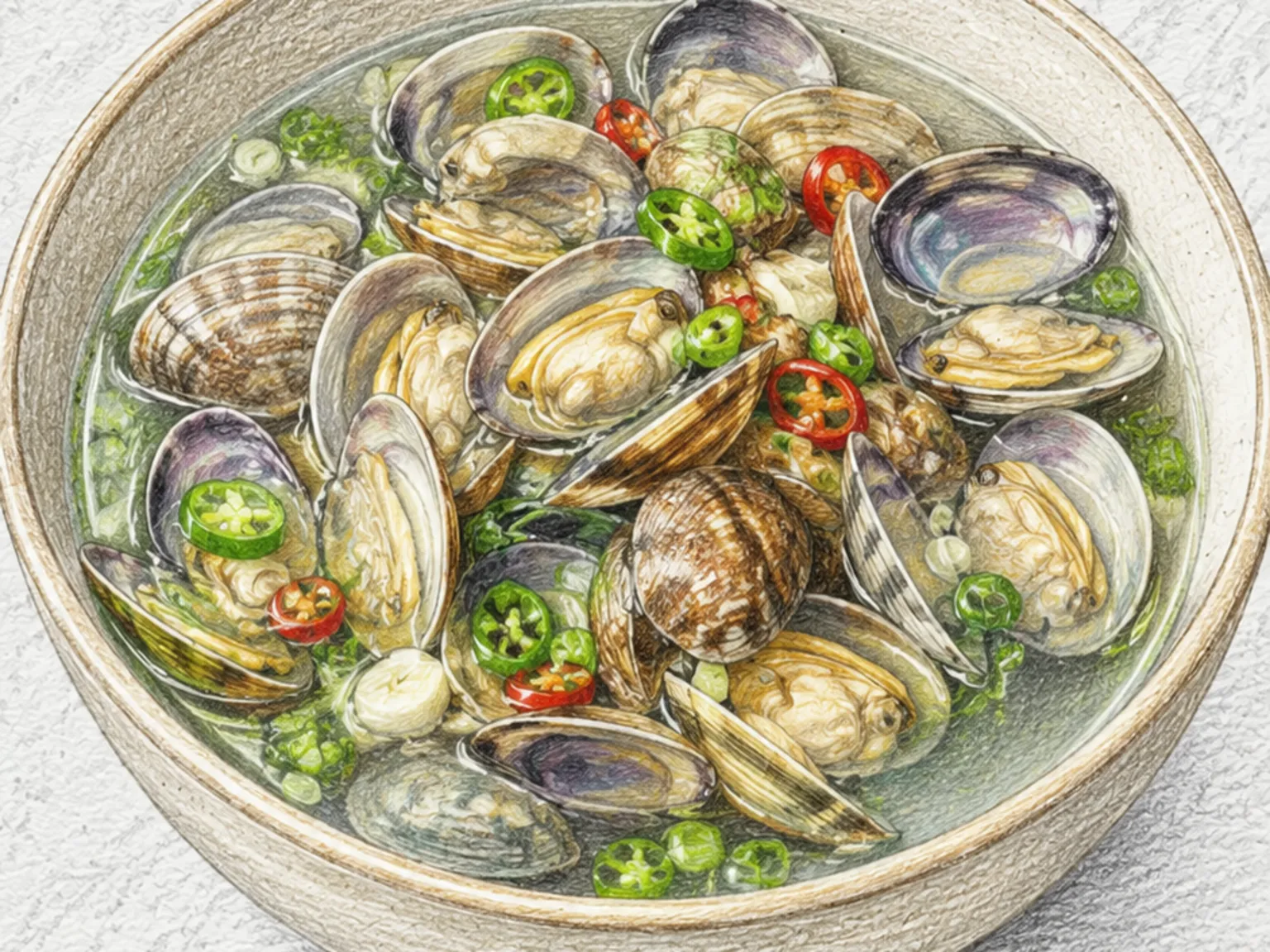
Korean Namhae-Style Clam Broth
Namhae-jogae-tang is a southern coastal Korean clam soup that relies on an abundance of clams and minimal interference to produce a broth of startling clarity and depth. The clams are purged in salted water, then cooked in water spiked with rice wine, which tempers any raw ocean smell. As the shells pop open, they release their natural liquor - briny, faintly sweet, and concentrated - which becomes the soup's defining flavor. Sliced green and red chilies add gentle heat and color without overwhelming the shellfish, while garlic and green onion contribute a quiet aromatic layer. Salt is added cautiously, since the clams themselves bring significant salinity. The result is a transparent, intensely flavored bowl that tastes like the sea distilled into its purest form, and it is traditionally enjoyed as both a drinking companion and a light meal.
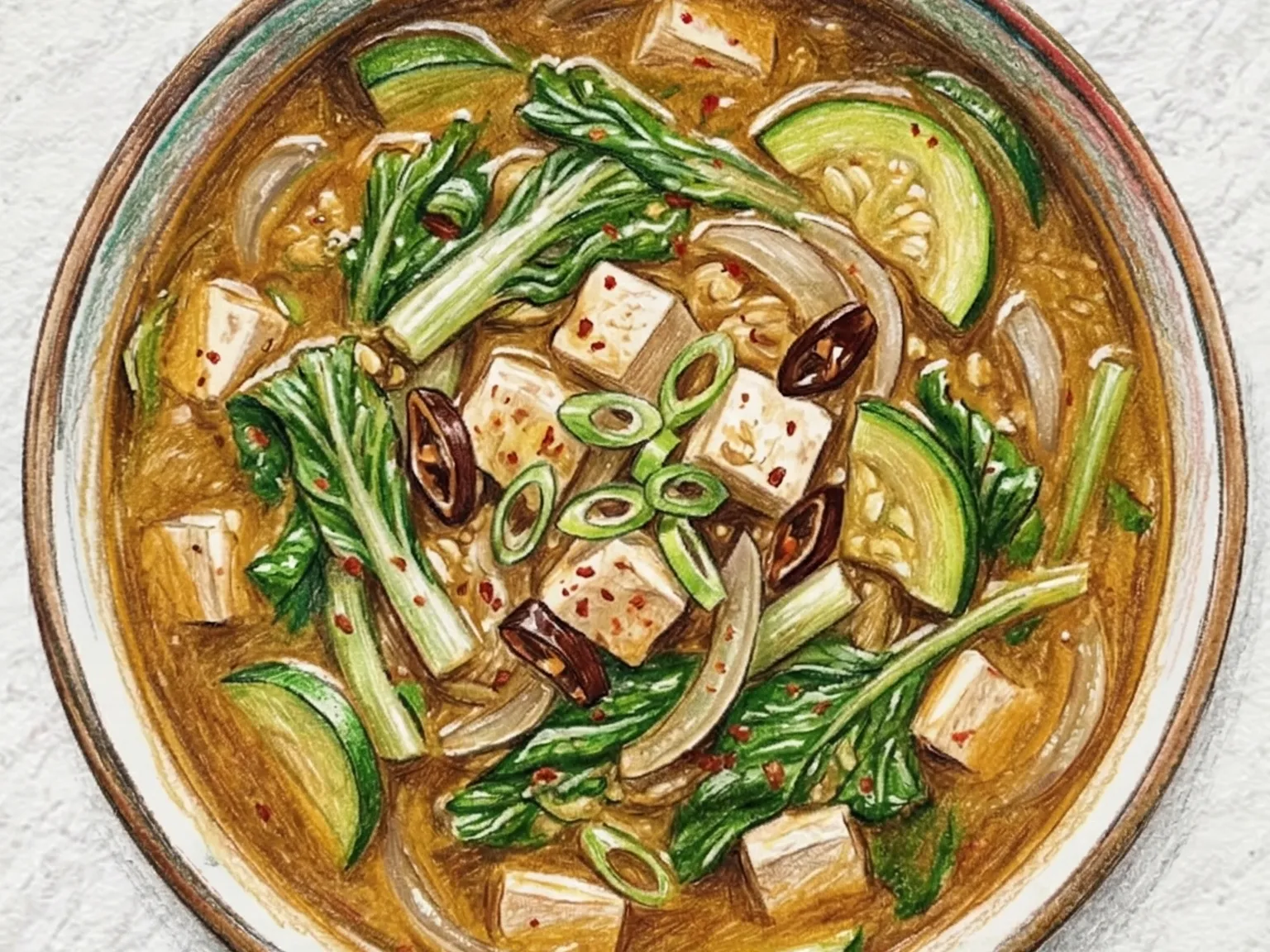
Korean Yeolmu Doenjang Stew
Seasonal young radish greens and fermented soybean paste come together in this refreshing summer stew designed to cool the body. The preparation begins with a clean anchovy and kelp stock, where doenjang is carefully dissolved to ensure a smooth consistency without clumps. Young radish greens, or yeolmu, contribute a signature crunch and a faint bitterness that softens as it simmers alongside sweet onions and zucchini. This natural sweetness from the onion balances the earthy profile of the fermented paste while gochugaru adds a hint of heat and a warm red hue to the broth. To preserve the crisp texture of the greens, add them after the doenjang and limit the simmering time to about five to seven minutes. Tofu should be introduced at the very end to prevent it from breaking apart while absorbing the savory liquid. The clean mineral finish provided by the kelp makes this dish an excellent companion for barley rice during humid months. For additional layers of flavor, sliced Cheongyang chilies increase the spiciness and a spoonful of perilla powder introduces a toasted quality to the base. If using low-sodium paste, a small amount of soup soy sauce helps achieve a balanced profile. Since young radish greens possess a distinct herbal fragrance at their peak, this stew delivers its best quality when served immediately on the day it is prepared.
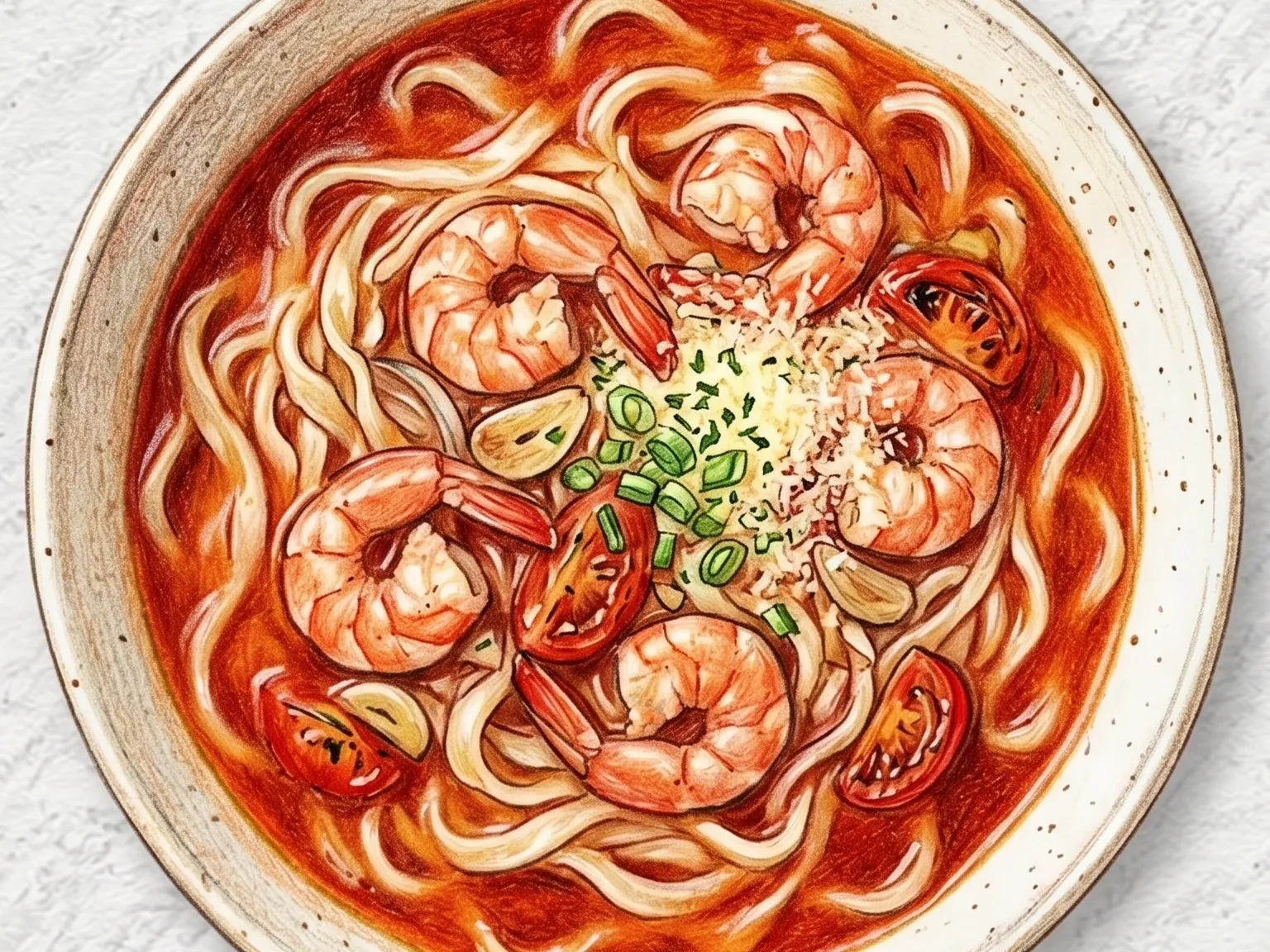
Korean Shrimp Tomato Knife-Cut Noodles
Saeu tomato kalguksu is a Korean fusion noodle soup that simmers fresh knife-cut noodles and shrimp in a tomato-based broth. Blanched and diced tomatoes are cooked down with garlic and onion in olive oil to build a naturally sweet, acidic base before water is added. Shrimp go in near the end of cooking to stay plump and springy. A light dusting of Parmesan over the finished bowl bridges Korean and Mediterranean flavors. The main ingredients are Fresh kalguksu noodles, Medium shrimp, Tomatoes, and Onion, and the recipe depends on careful handling of noodle cooking time and sauce thickness.

Tofu Satay Salad Bowl
Tofu satay salad bowl combines pan-seared tofu with crisp lettuce, julienned carrot, and cucumber, all coated in a Thai-style peanut satay dressing. The dressing is built from peanut butter, soy sauce, lime juice, and chili sauce - the peanut fat provides body, while the lime and chili cut through it with bright acidity and heat. Pressing the tofu dry before searing ensures the surface browns rather than steams, producing a firm, golden exterior that holds up in the bowl. If the dressing is too thick to coat evenly, a tablespoon of water loosens it to the right consistency. The raw crunch and moisture from carrot and cucumber balance the dense richness of the peanut sauce.
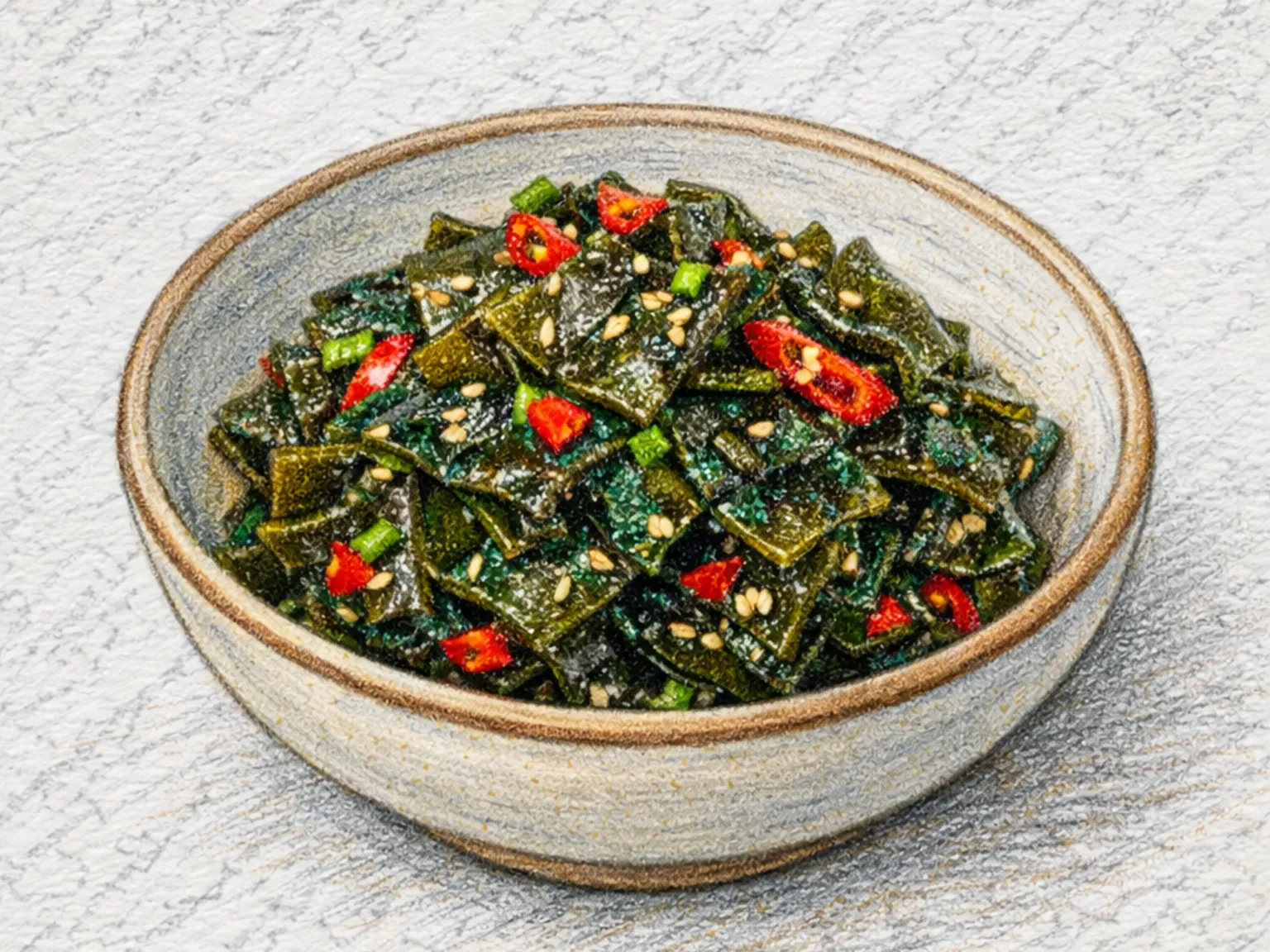
Korean Seasoned Sea Mustard Sporophyll
Miyeokgwi-muchim is seasoned sea mustard sporophyll - the ruffled, root-adjacent part of the miyeok plant - blanched and tossed in a sweet-sour-spicy dressing. Though it comes from the same seaweed as regular miyeok-muchim, the sporophyll is a distinctly different eating experience. Its thicker, corrugated surface gives a chewy, almost bouncy texture compared to the silky softness of seaweed leaves. This particular part of the plant contains higher concentrations of alginic acid and fucoidan than the leaf portions, which has drawn attention in Korean health-food circles. After rinsing in cold water, blanching for exactly thirty seconds is ideal - going longer turns the texture rubbery. The gochugaru-soy-vinegar-sugar dressing tames the marine saltiness and builds a bright sweet-sour-spicy flavor profile that stimulates appetite alongside rice. Chilling for ten minutes before serving lets the dressing adhere to the bumpy surfaces and leaves a cool finish. At around fifty-two kilocalories per serving, it is a go-to diet banchan. Pre-trimmed miyeokgwi is widely available at Korean markets and online.
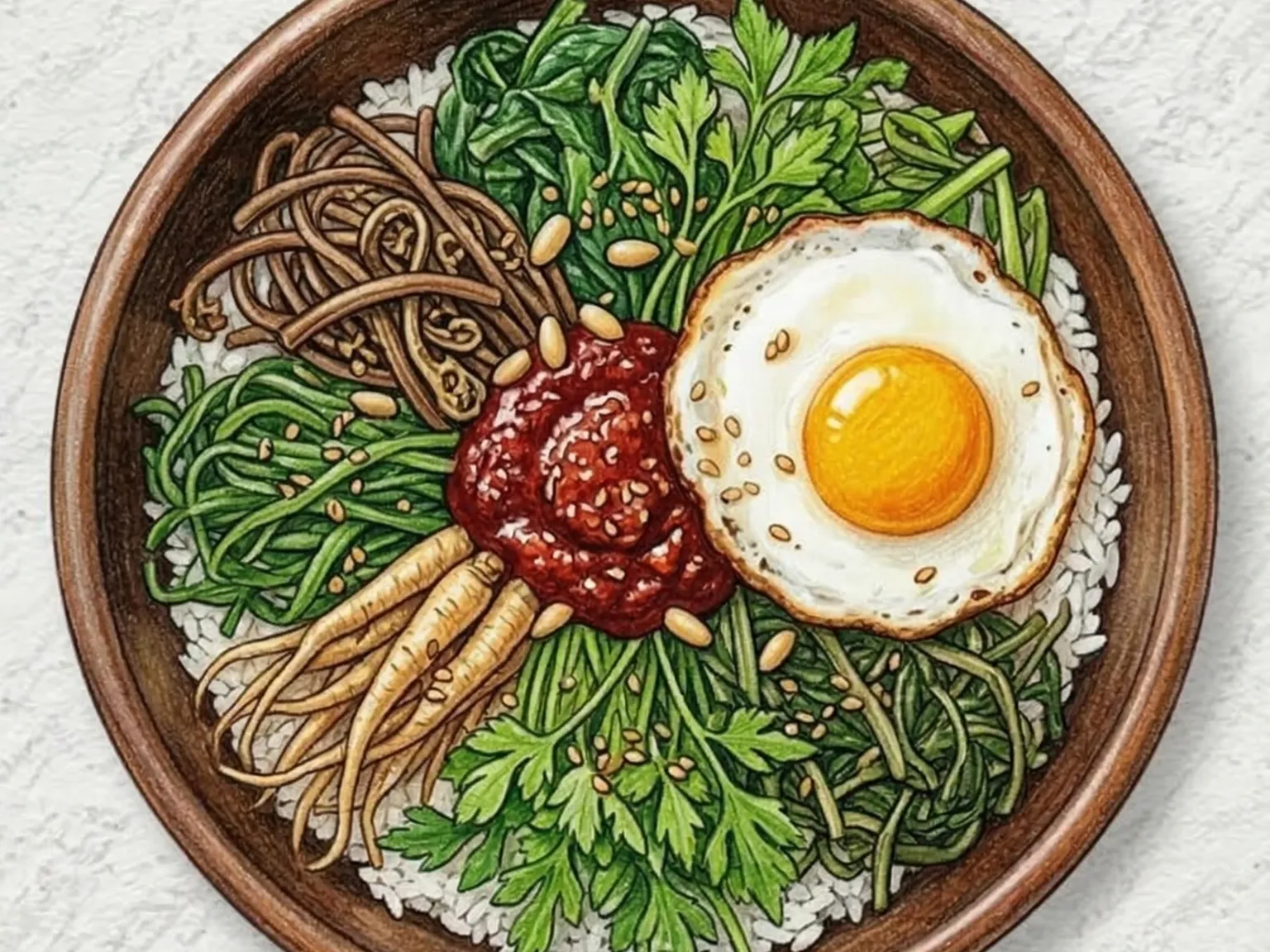
Korean Mountain Herb Bibimbap
Sanchae bibimbap arranges individually seasoned mountain vegetables including fernbrake, bellflower root, and chwi-namul over a bowl of rice, then brings everything together at the table with a spoonful of gochujang. Each wild green is treated separately to preserve its distinct character. Fernbrake is stir-fried in sesame oil and soy sauce until tender and lightly caramelized. Bellflower root is salted, kneaded vigorously, and rinsed to remove its characteristic bitterness before being left with a clean crunch. Chwi-namul, the young leaves of Korean mountain aster, is blanched for just a few seconds to soften it while locking in its herbal, slightly resinous fragrance. Julienned carrot or radish kimchi adds bright color contrast across the bowl. A second drizzle of sesame oil when mixing helps the greens coat evenly and carries the nutty aroma through every bite. The spicy, subtly sweet gochujang ties the earthy, grassy, and faintly bitter notes of the individual namul into one cohesive, energizing bowl. The dish traces its roots to Korean mountain temple cuisine, where foraged seasonal greens combined with plain rice formed the foundation of a simple but nourishing plant-based meal.
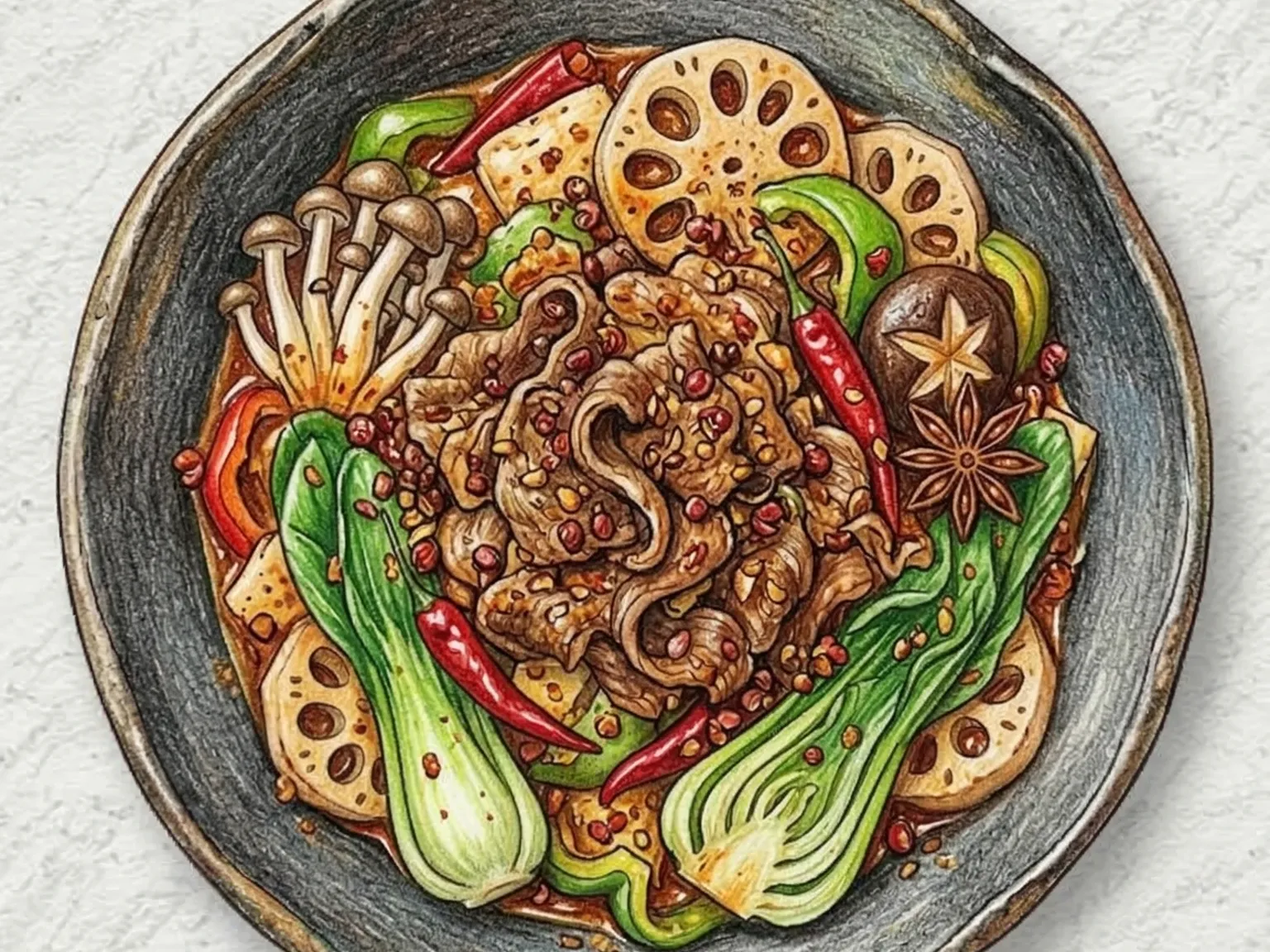
Dry Mala Stir-fry (Sichuan Numbing Spice Dry Wok)
Mala xiangguo is a dry Sichuan stir-fry where beef slices, bok choy, shiitake mushrooms, and lotus root are coated in mala sauce and tossed over high heat without any broth. The Sichuan peppercorn's numbing tingle and the chili's sharp burn hit simultaneously, and the absence of liquid concentrates the seasoning directly onto each ingredient's surface. Lotus root adds crunch, shiitake contributes chewiness, and bok choy provides a soft counterpoint - the textural variety within a single plate is part of the appeal. Overcrowding the pan releases moisture and dilutes the sauce, so controlled portions are essential.
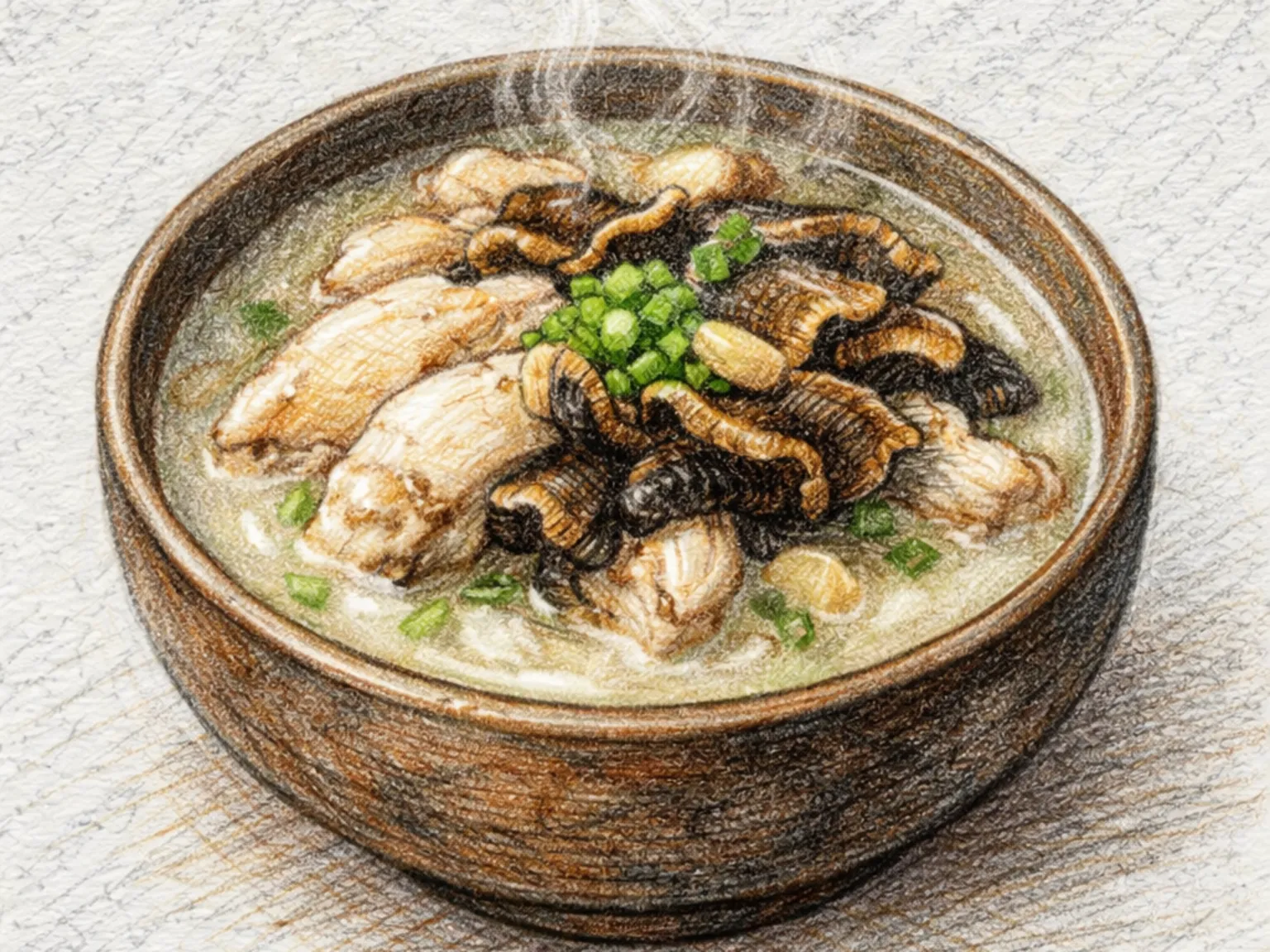
Korean Chicken and Neungi Mushroom Soup
Neungi-dak-gomtang is a Korean chicken soup elevated by neungi mushrooms, a wild variety prized for their intense, almost truffle-like fragrance. The chicken is blanched first to remove impurities, then simmered for fifty minutes with onion, garlic, and ginger to build a clear, rich stock. After straining, the torn chicken meat is returned to the pot along with the neungi mushrooms, which steep in the hot broth for fifteen minutes - long enough to release their deep, earthy perfume without losing its complexity. The mushroom's aroma permeates the entire liquid, transforming an already satisfying chicken soup into something far more layered and aromatic. Seasoning is kept to soup soy sauce and salt, ensuring nothing competes with the interplay between poultry richness and mushroom fragrance. In Korea, this soup is considered both nourishing and luxurious, often served during autumn when neungi mushrooms are freshly foraged.
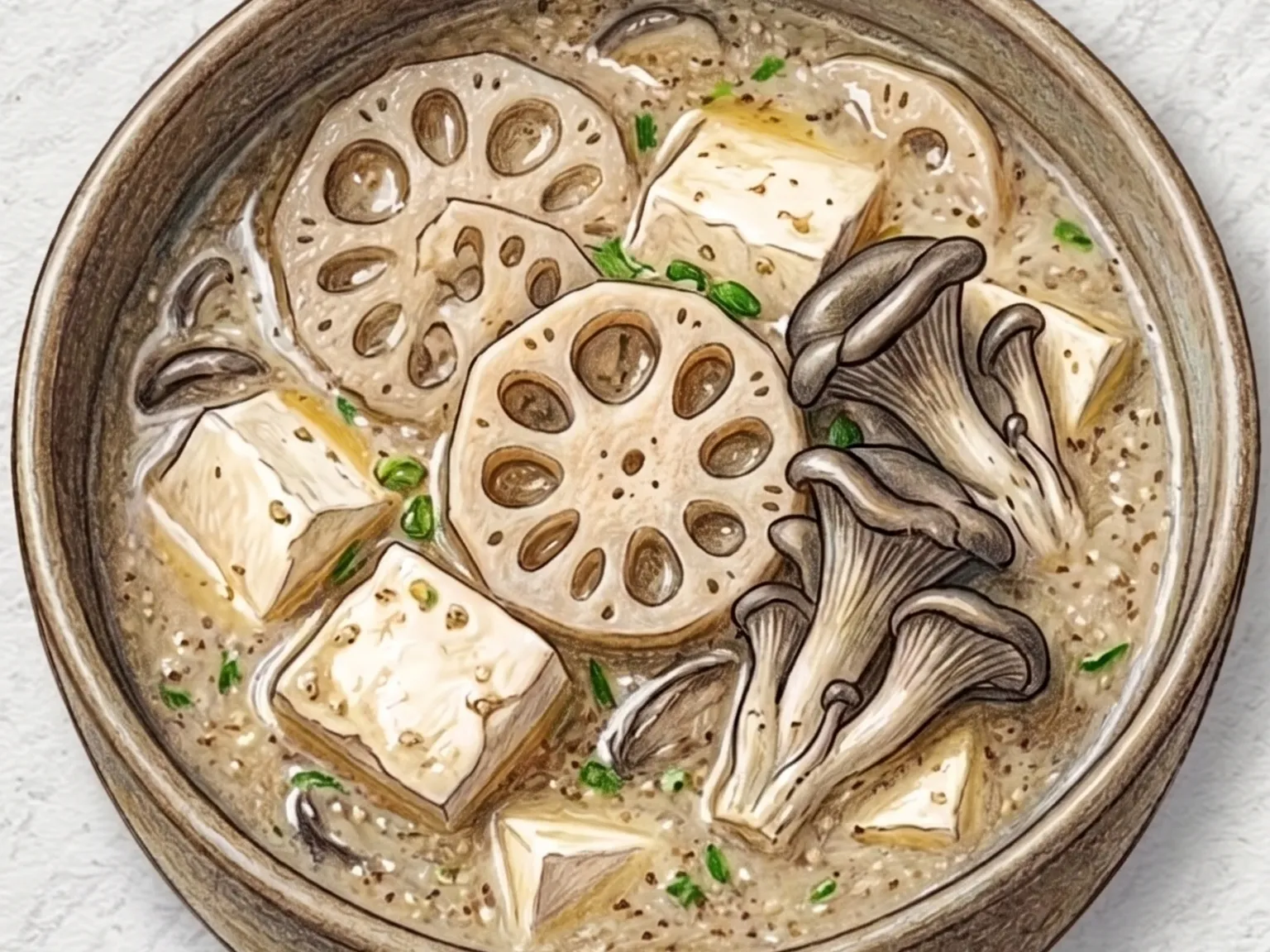
Korean Lotus Root Perilla Seed Stew
Korean lotus root perilla seed stew is a vegetable stew that features crisp lotus root and oyster mushrooms cooked in a thick perilla seed broth. The process begins by soaking sliced lotus root in vinegar water for five minutes to prevent browning and reduce astringency. Onion and oyster mushrooms are stir-fried in sesame oil before adding the lotus root and vegetable stock. After simmering until the lotus root is tender, soup soy sauce and minced garlic are stirred in. Finally, four tablespoons of perilla seed powder are dissolved into the soup along with tofu, and the stew is heated over low heat. Adding the perilla powder at the end preserves its rich, nutty aroma without making the broth chalky. Built on vegetable stock without meat or fish, this dish offers a clean taste and varied textures.
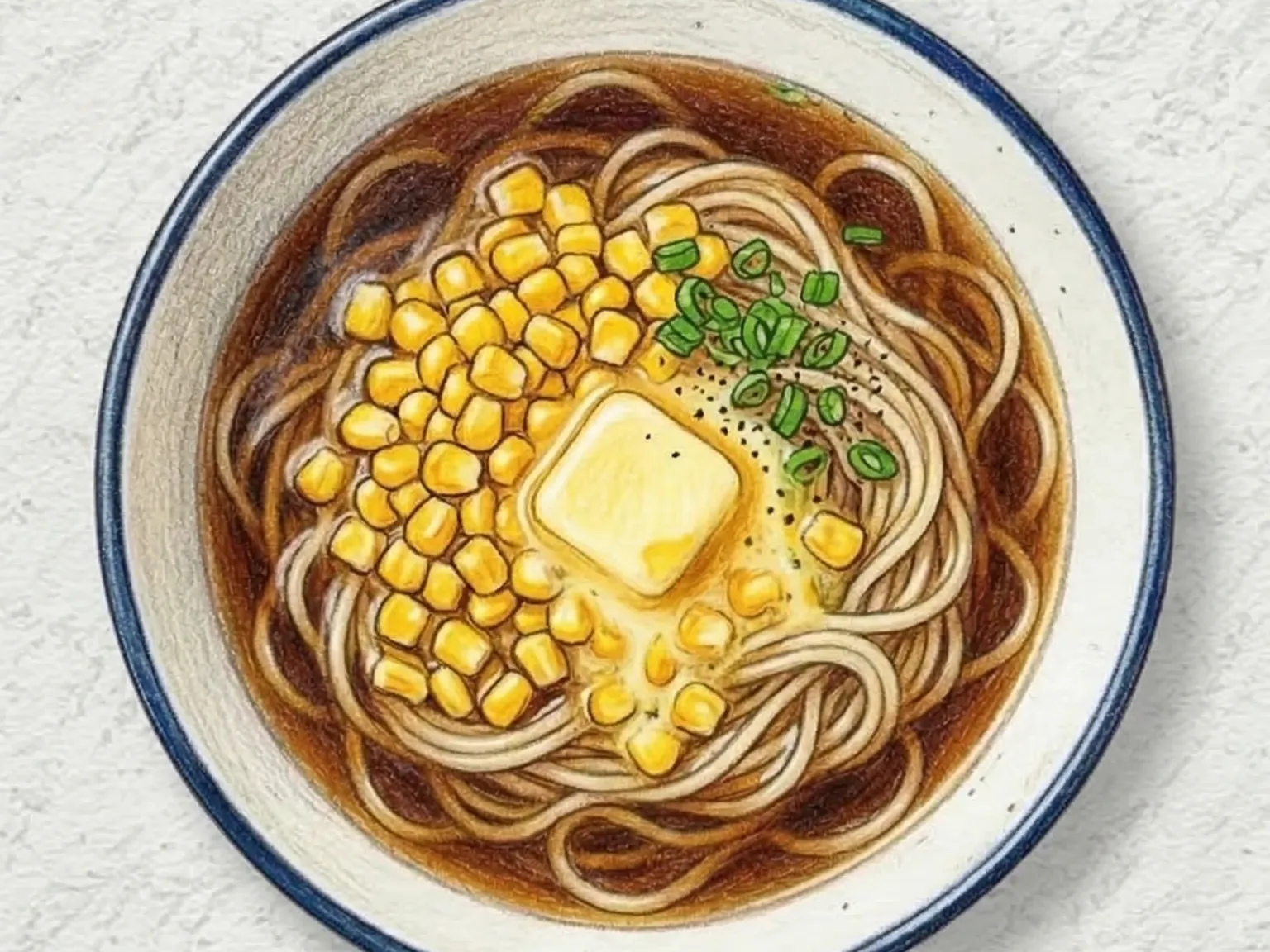
Shoyu Butter Corn Ramen
Shoyu butter corn ramen is a Japanese noodle soup built on chicken broth seasoned with soy sauce and mirin. The broth simmers for ten minutes to marry the salty-sweet flavors before being ladled over separately boiled ramen noodles. A pat of butter placed on top melts slowly into the hot liquid, spreading richness across the bowl. Sweet corn kernels, crisp bean sprouts, nori, and sliced scallion complete the toppings. Serving it soon after cooking keeps the intended texture clearer, while brief resting lets the sauce or broth settle into the dish.