🏠 Everyday Recipes
Simple home-cooked meals for any day
1705 recipes. Page 62 of 72
These are the meals you can cook day after day without getting tired of them. Doenjang jjigae, rolled omelet, spicy pork stir-fry - the kind of home-cooked dishes that fill an ordinary day with comfort.
The beauty of everyday cooking is that it relies on common ingredients already in your fridge. No exotic items, no complicated techniques - just straightforward recipes for satisfying home meals.
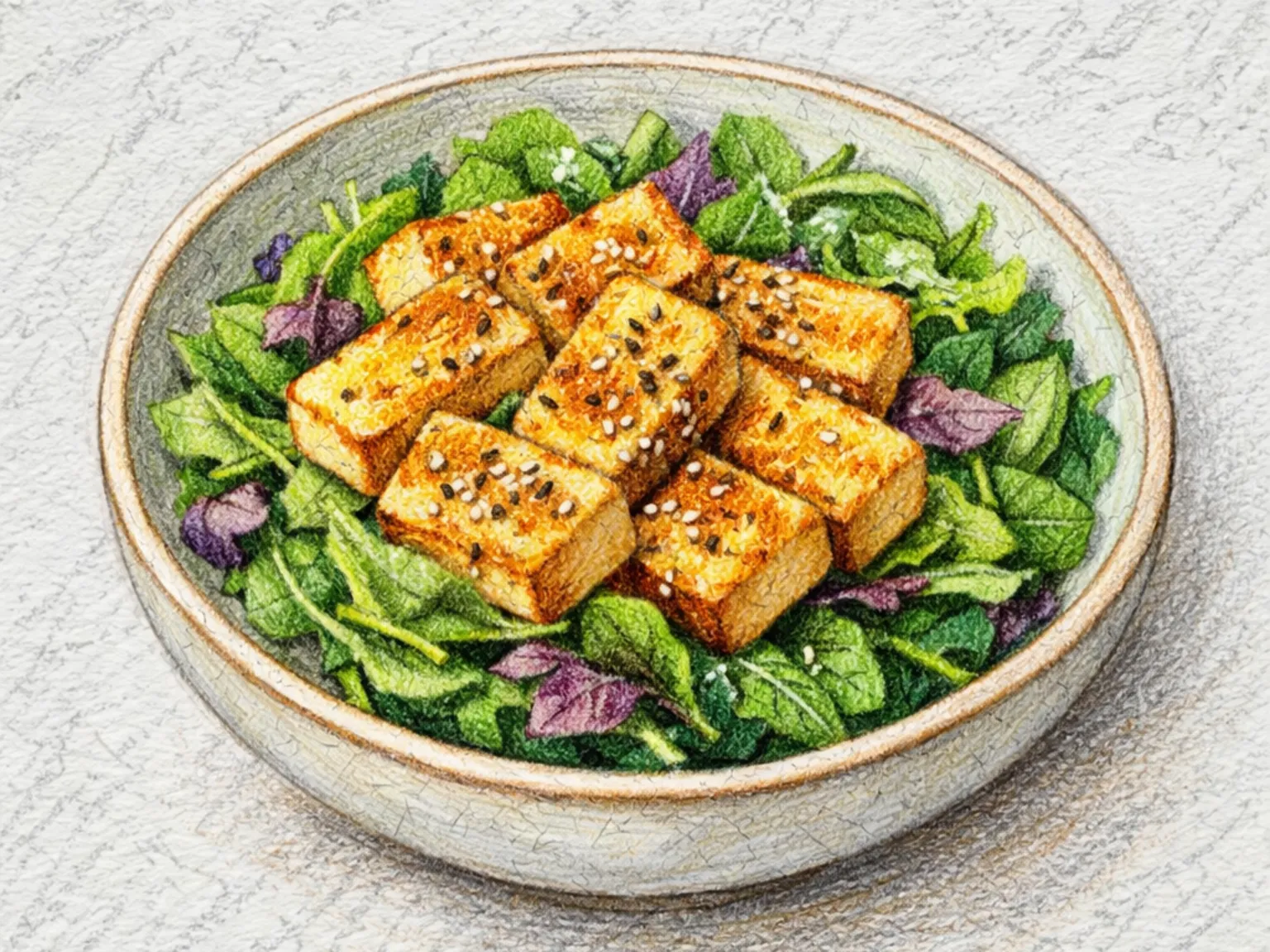
Tofu Sesame Salad (Chilled Tofu with Roasted Sesame Dressing)
Tofu sesame salad starts with firm tofu cubes seared until golden on all sides, then placed over baby greens, shredded red cabbage, and julienned carrot, finished with a sesame-soy dressing. Pressing the tofu in paper towels for ten minutes removes enough moisture for the pan to produce a sizzling, nutty crust rather than steaming the surface. This crust absorbs the soy from the dressing while the soft interior provides a contrasting texture. The dressing - soy sauce, sesame oil, and vinegar - balances salt, richness, and acidity, tying the mild tofu and raw vegetables into a cohesive bowl. Tossing only half the dressing with the greens first prevents them from wilting before serving, and a final sprinkle of toasted sesame seeds releases a nutty fragrance with each bite.
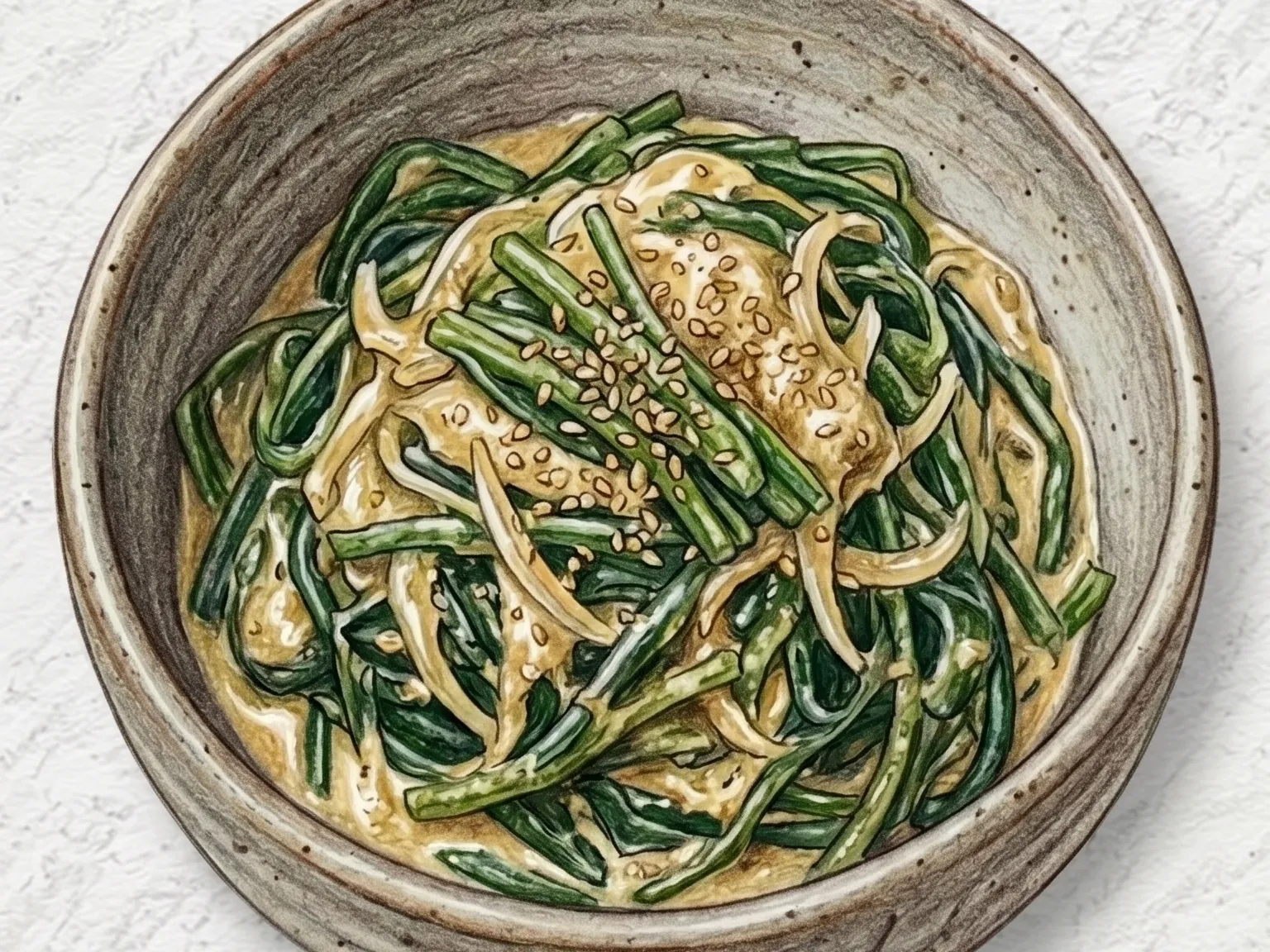
Korean Stir-Fried Seaweed Stems with Perilla
Deulkkae miyeokjulgi-bokkeum stir-fries salted seaweed stems with perilla oil and ground perilla seeds, diverging from the standard sesame-and-soy version by foregrounding the earthy nuttiness of perilla. Desalting the stems in cold water for at least fifteen minutes is the essential first step - too brief and the dish is unpalatably salty, too long and the oceanic character washes away entirely. Garlic is sauteed in perilla oil to build an aromatic foundation, then the drained stems join with soup soy sauce and a splash of water for three minutes of stir-frying. Ground perilla seeds go in at the end, where they bind with the residual moisture and coat each strand in a pale, creamy film. Julienned onion added alongside contributes sweetness that balances the seaweed's brininess. The perilla powder's starch partially gelatinizes on contact with heat, thickening the sauce - but overcooking past this point turns the coating chalky, so timing the final addition is critical. Sesame seeds scattered off heat complete the dish.
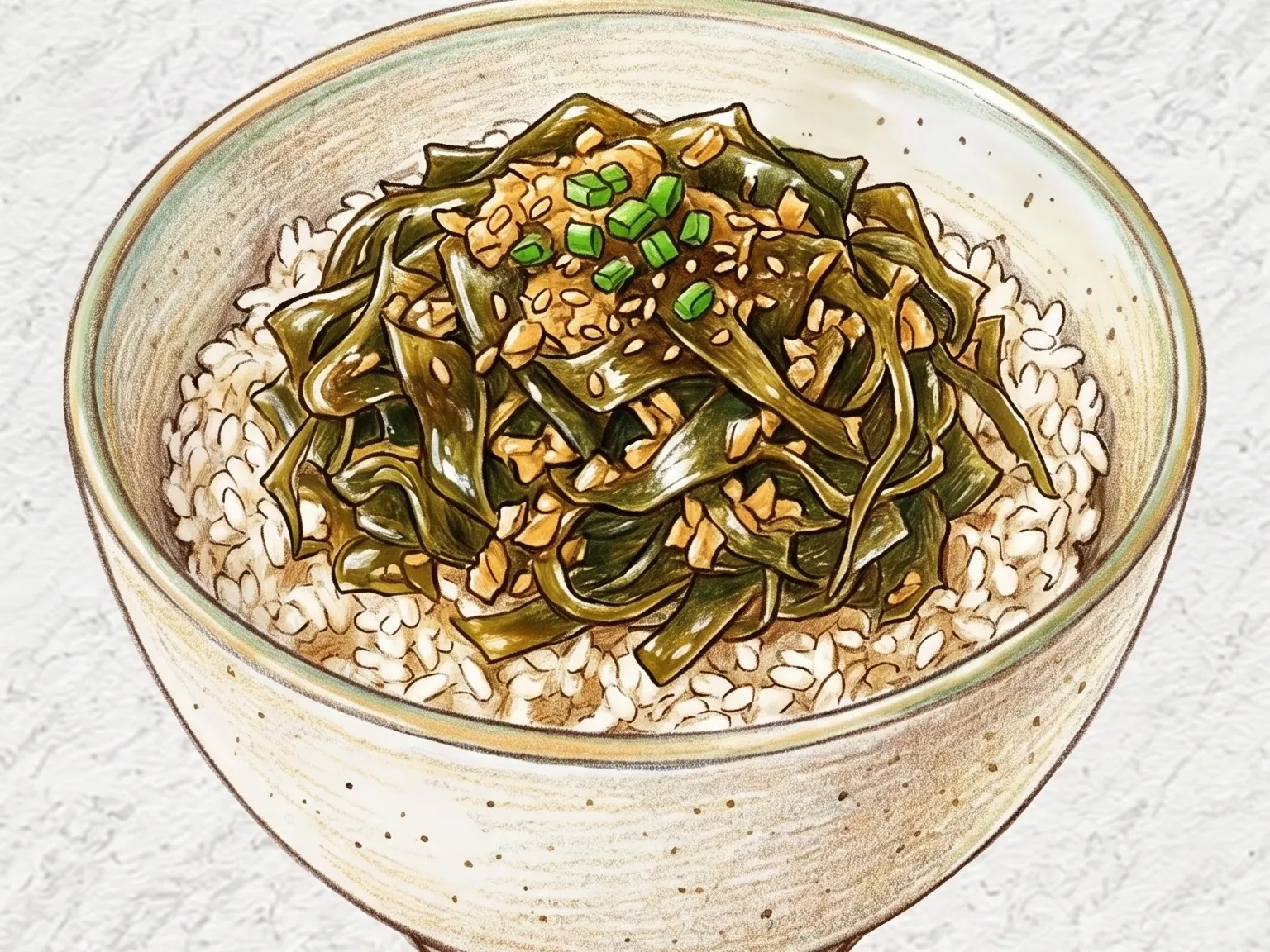
Korean Seasoned Seaweed Rice Bowl
This seasoned seaweed rice bowl stir-fries rehydrated wakame with garlic in sesame oil, seasons it with soy sauce, and spoons it over steamed rice for a quick and satisfying one-bowl meal. Soaking the dried seaweed until fully softened gives it a slippery yet pleasantly chewy texture that slides across the palate with each mouthful of rice. Cooking the garlic and seaweed together in sesame oil removes any raw oceanic sharpness and replaces it with a warm, nutty fragrance that layers over the natural sea-mineral character of the wakame. Soy sauce brings a savory edge that rounds out the seasoning and makes the bowl complete without any additional side dishes. With only five ingredients and a short cooking time from start to finish, this is one of the most efficient Korean rice bowls to prepare. The mineral richness of the seaweed gives the finished dish a depth that outpaces its simple ingredient list.
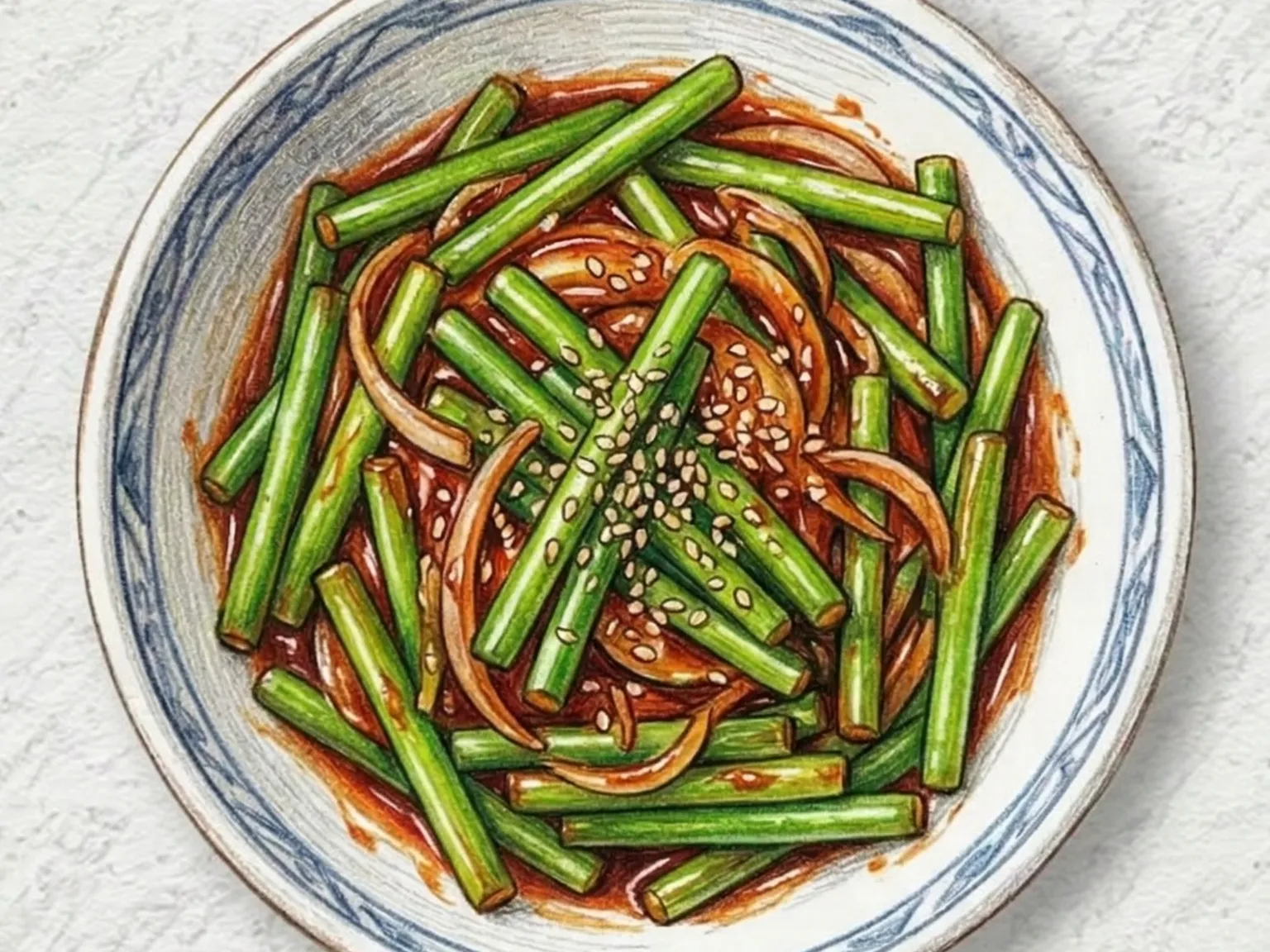
Korean Stir-fried Garlic Scapes
Maneul jong bokkeum is a Korean banchan of garlic scapes cut into 4 cm lengths and stir-fried with onion, then coated in a sauce of gochujang, soy sauce, and oligosaccharide syrup. The pungent, sharp character of garlic scapes meets gochujang's spicy heat and the syrup's glossy sweetness, producing a balanced three-way flavor of salty, sweet, and spicy that is immediately addictive. Timing is the most important variable in making this dish properly. Garlic scapes become tough and fibrous if overcooked, so pulling them from the heat while the color is still a vivid, saturated green is essential. When cooked to the right point, the exterior of each scape is lacquered with the glossy sauce while the interior stays crisp and slightly snappy. The onion caramelizes gently as it cooks, adding a background sweetness that rounds out the sauce without competing with the garlic. Sesame seeds scattered over the finished dish add a layer of toasted nuttiness. The banchan holds well in the refrigerator for three to four days, making it a practical dish to prepare ahead of time. It works equally well as a rice accompaniment or as a drinking snack.
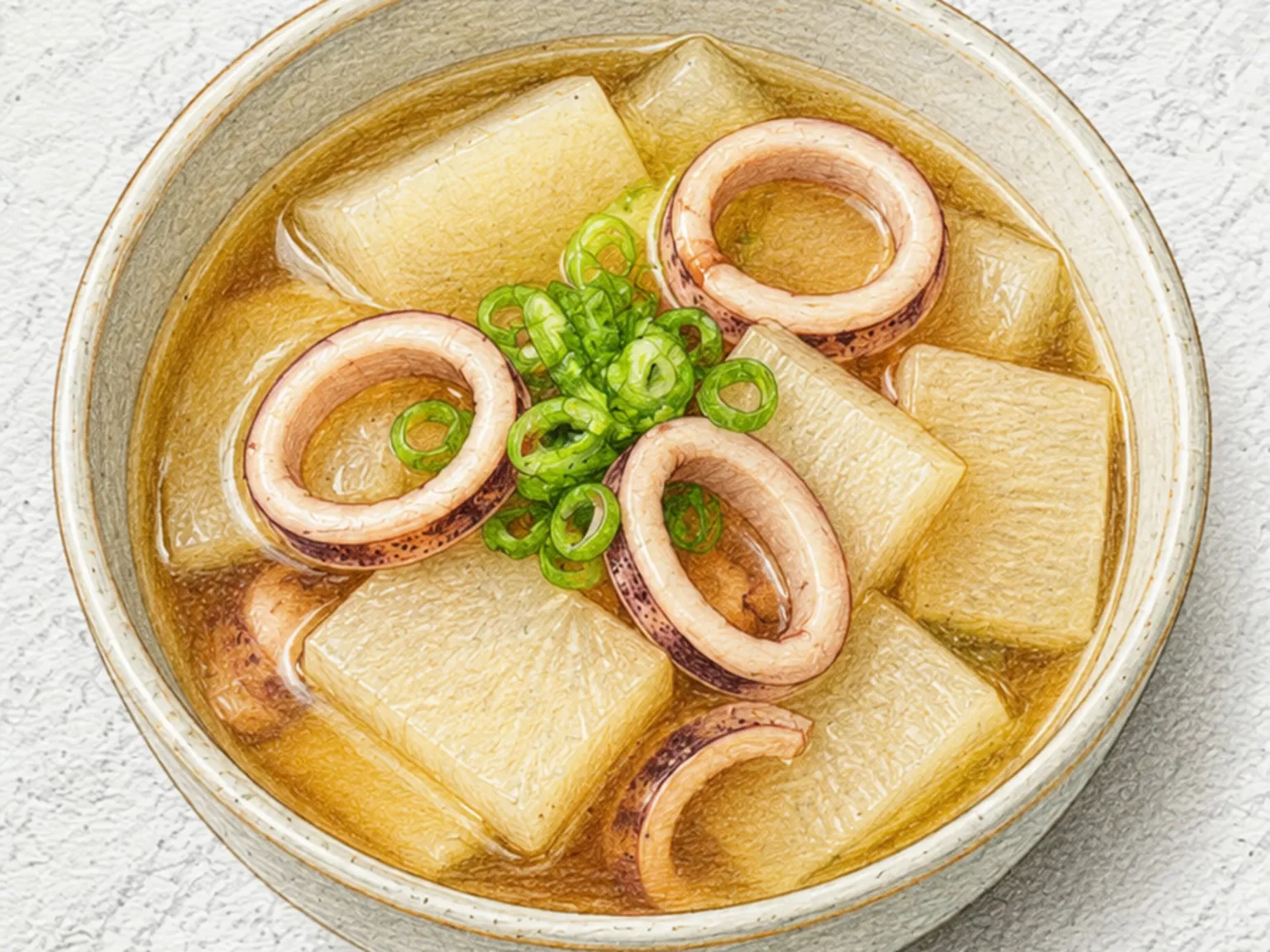
Ojingeo-muguk (Korean Squid Radish Soup)
Ojingeo-muguk is a clear Korean soup that pairs squid and radish in a gently sweet, clean-tasting broth built without any chili or strong seasoning. Radish is added to cold water from the start and simmered for at least eight minutes, during which the vegetable slowly releases a natural sweetness that forms the flavor foundation of the soup. Squid is cleaned, sliced into rings, and added only after the radish has softened, and the timing here is critical: five minutes in the hot broth is enough for the flesh to turn fully opaque and pleasantly firm, but even a minute or two beyond that causes the proteins to tighten and the rings to turn rubbery and tough. Soup soy sauce seasons the broth without darkening it, and minced garlic provides depth without heat. Sliced green onion stirred in at the end neutralizes any residual seafood aroma and leaves the broth tasting bright and clean. The simplicity of the combination is the point: the radish's sweetness and the squid's umami reinforce each other in a broth that is light in body but surprisingly satisfying.
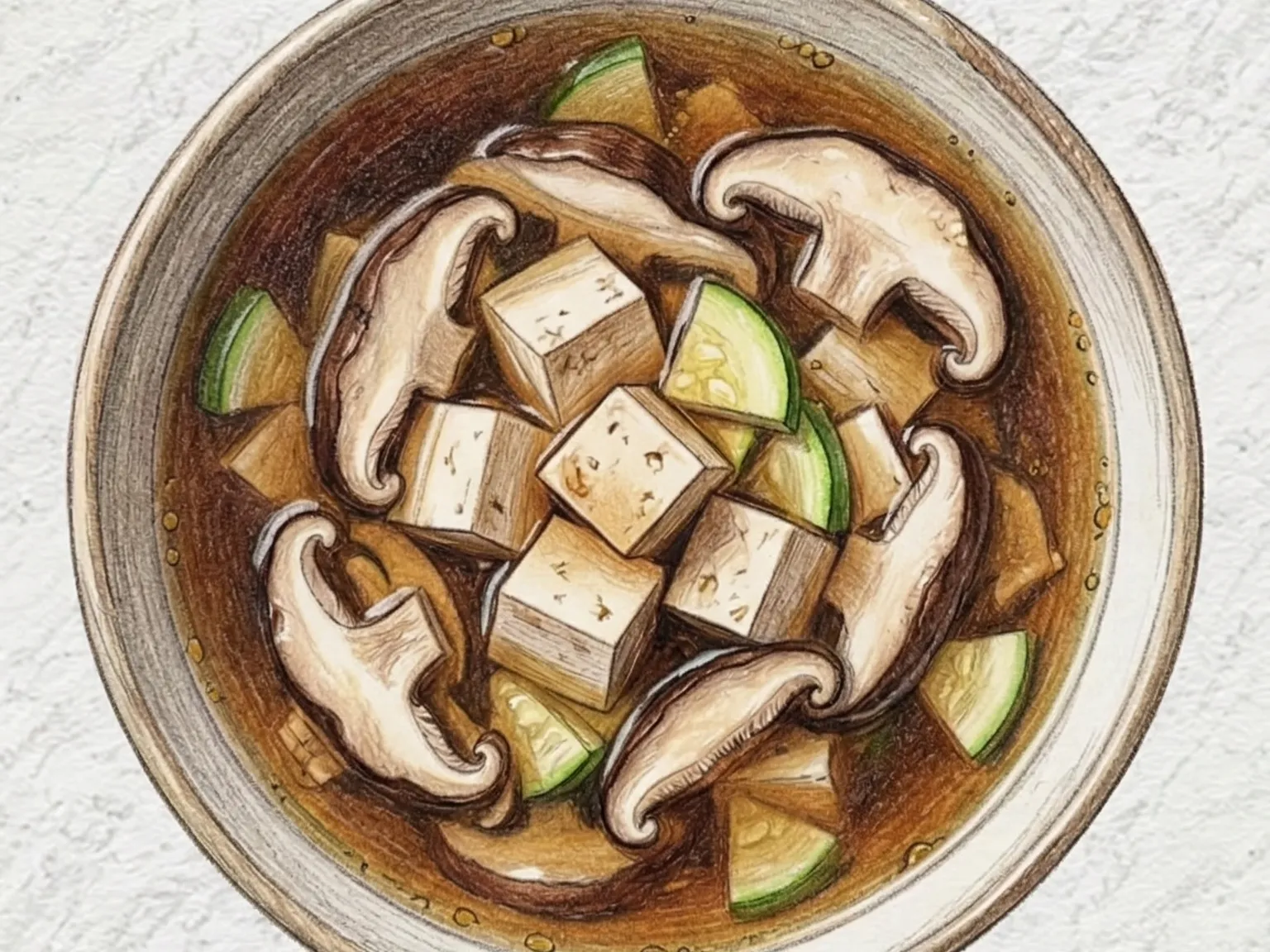
Korean Clear Broth Tofu Stew
This clear Korean tofu stew is prepared by simmering tofu cubes, shiitake mushrooms, and zucchini in seasoned beef stock. The base relies on a rich beef broth, enhanced by the earthy umami of sliced shiitake mushrooms. Zucchini slices add a mild sweetness as they cook to a tender, translucent state. Seasoned simply with Korean soup soy sauce, salt, and minced garlic, the broth maintains a clean, savory taste without chili heat. To prevent the tofu from breaking, the cubes are gently settled into the pot and simmered over medium-low heat. Sliced green onions are added at the end of cooking to infuse a mild herbal note. Serving the stew hot after letting it rest briefly highlights the natural flavors of the ingredients. The tofu can be lightly pan-seared beforehand to add a nutty flavor and firmer texture.
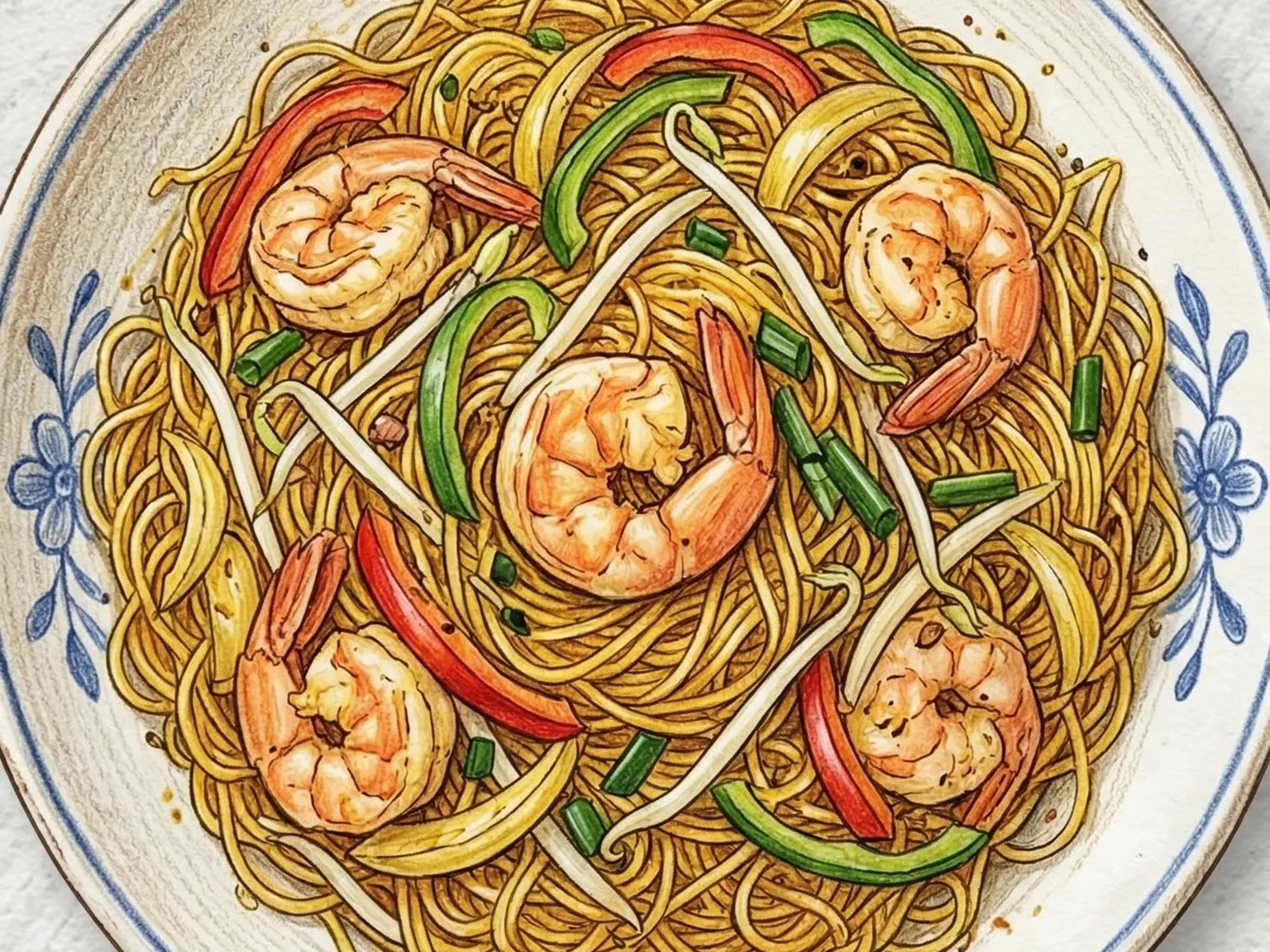
Singapore Rice Noodles (Curry-Spiced Stir-Fried Vermicelli with Shrimp)
Singapore rice noodles are a Cantonese-style stir-fry of thin rice vermicelli tossed with curry powder, shrimp, and mixed vegetables over high heat. The curry powder is bloomed in hot oil at the edge of the wok to unlock its full aroma before being mixed into the noodles. Soy sauce adds seasoning depth, and bean sprouts go in during the last thirty seconds to keep their crunch. Soaking the vermicelli for only eight minutes prevents the noodles from breaking apart during stir-frying. It can be served as a noodle dish, with simple accompaniments chosen to match the sauce, broth, or topping.
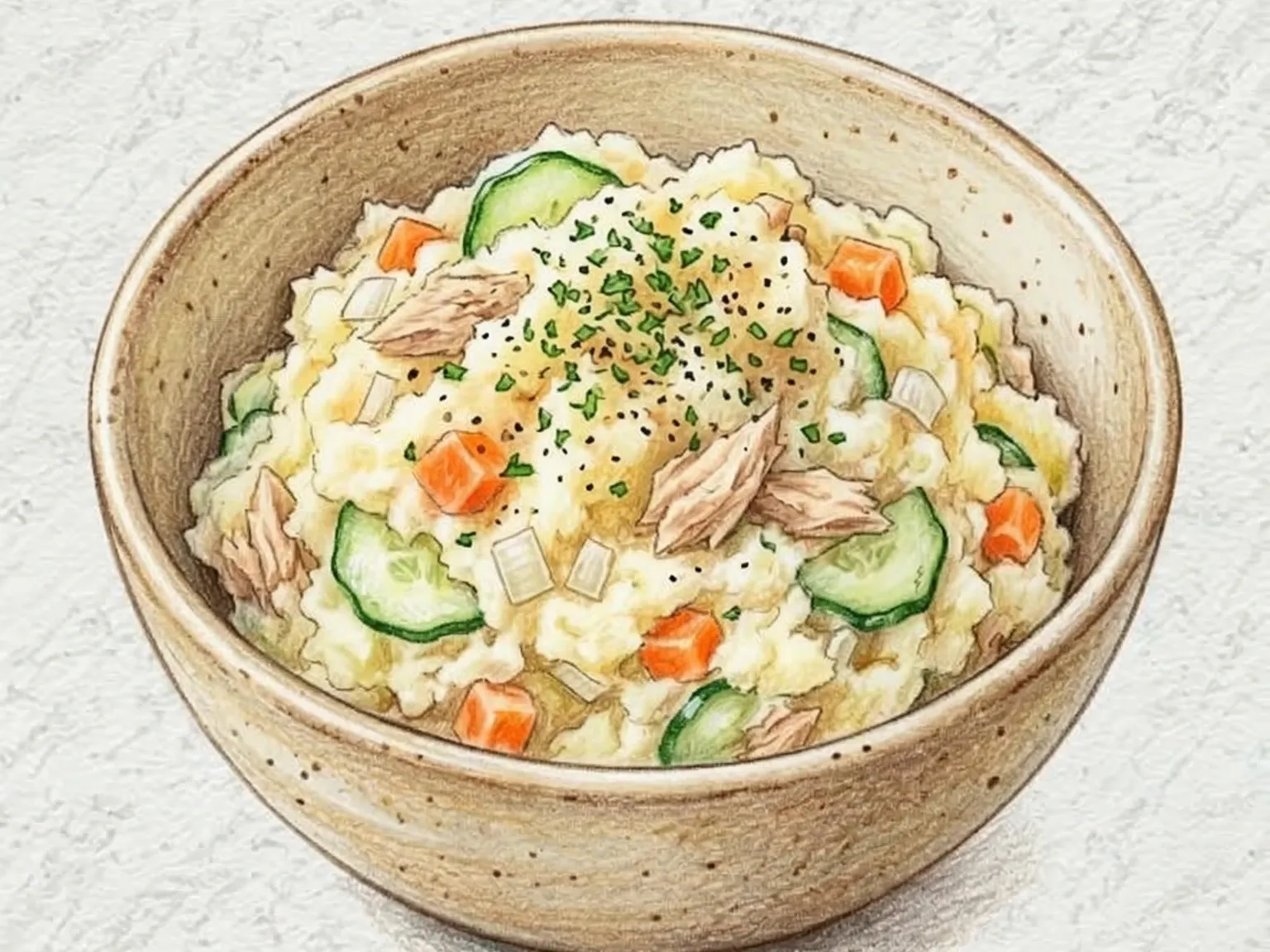
Tuna Potato Salad (Japanese Creamy Tuna and Potato Mix)
Tuna potato salad mashes boiled potatoes while still hot, then folds in drained canned tuna, salt-pressed cucumber, carrot, and onion with mayonnaise and whole grain mustard. Mashing the potatoes warm keeps the starch active, which bonds more effectively with the mayonnaise for a creamier result - but over-mashing turns the texture gluey, so leaving some chunks is ideal. Salting the chopped vegetables for five minutes and squeezing out the released moisture is essential to prevent a watery salad. The tuna must also be drained thoroughly in a strainer to keep the flavor clean. Whole grain mustard adds a peppery sharpness that cuts through the richness of the mayonnaise, and a twenty-minute chill in the refrigerator lets all the flavors meld evenly.
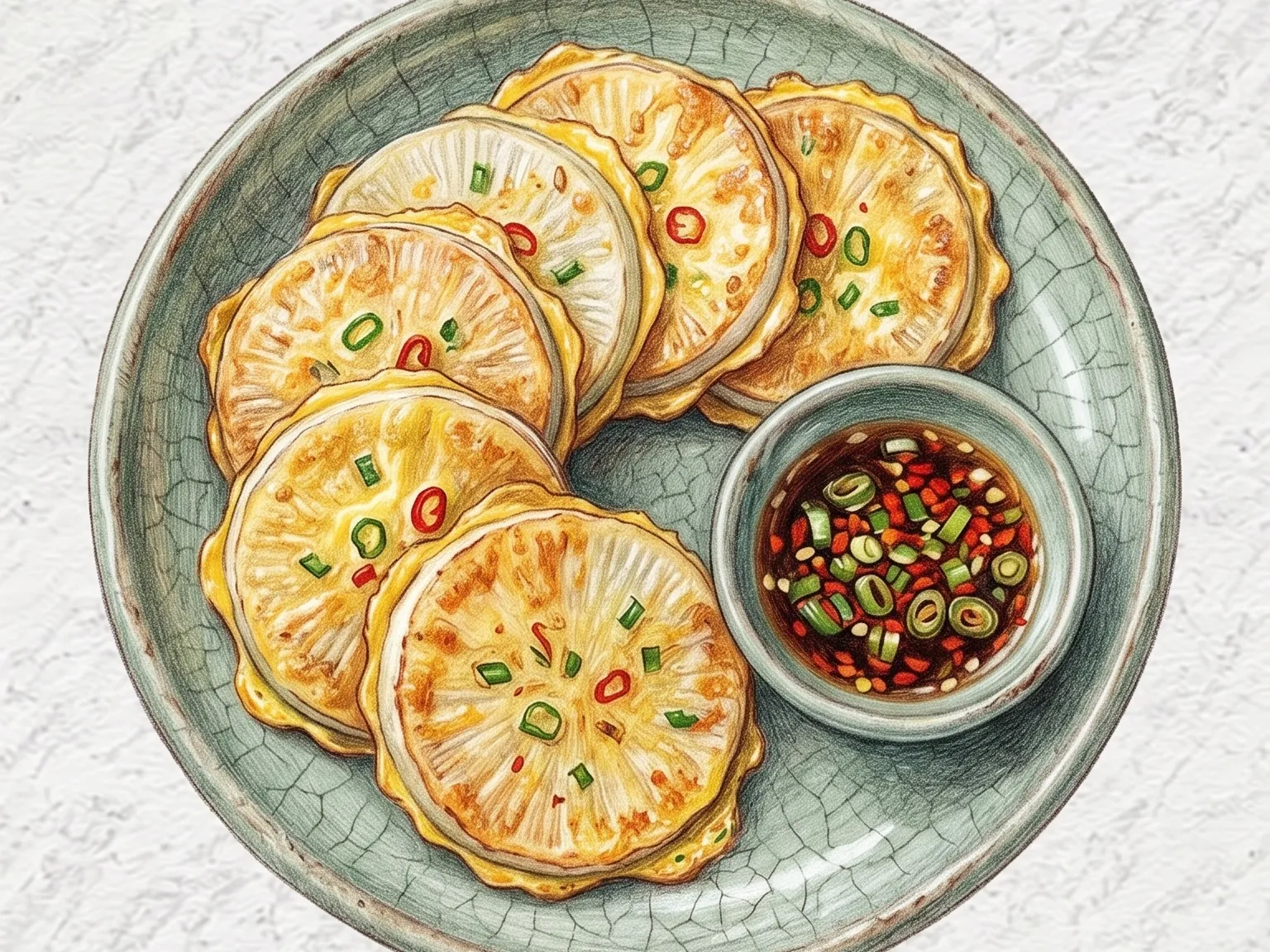
Korean Pan-fried Radish Pancakes
Mu-jeon is a Korean pan-fried radish pancake belonging to the same vegetable-jeon family as hobak-jeon and gaji-jeon, though daikon radish brings a textural character distinctly its own. Slicing to an even 3mm thickness is critical - the radish must cook through until soft and sweet inside while the egg coating crisps golden outside. Too thick and the raw center retains an acrid bite; too thin and the slices collapse. Five minutes of salting draws surface moisture so the flour adheres properly and the oil does not splatter during frying. Slow cooking over low heat is essential: the egg batter sets gradually into a golden shell while the heat converts the radish's starch into sugars, replacing the raw spiciness with a gentle sweetness completely unlike the uncooked root. Dipped in cho-ganjang (soy-vinegar sauce), the acidity cuts through the pan-fried richness. Mu-jeon appears on Korean holiday tables during Chuseok and Seollal alongside other vegetable jeon as part of the traditional jeon platter.
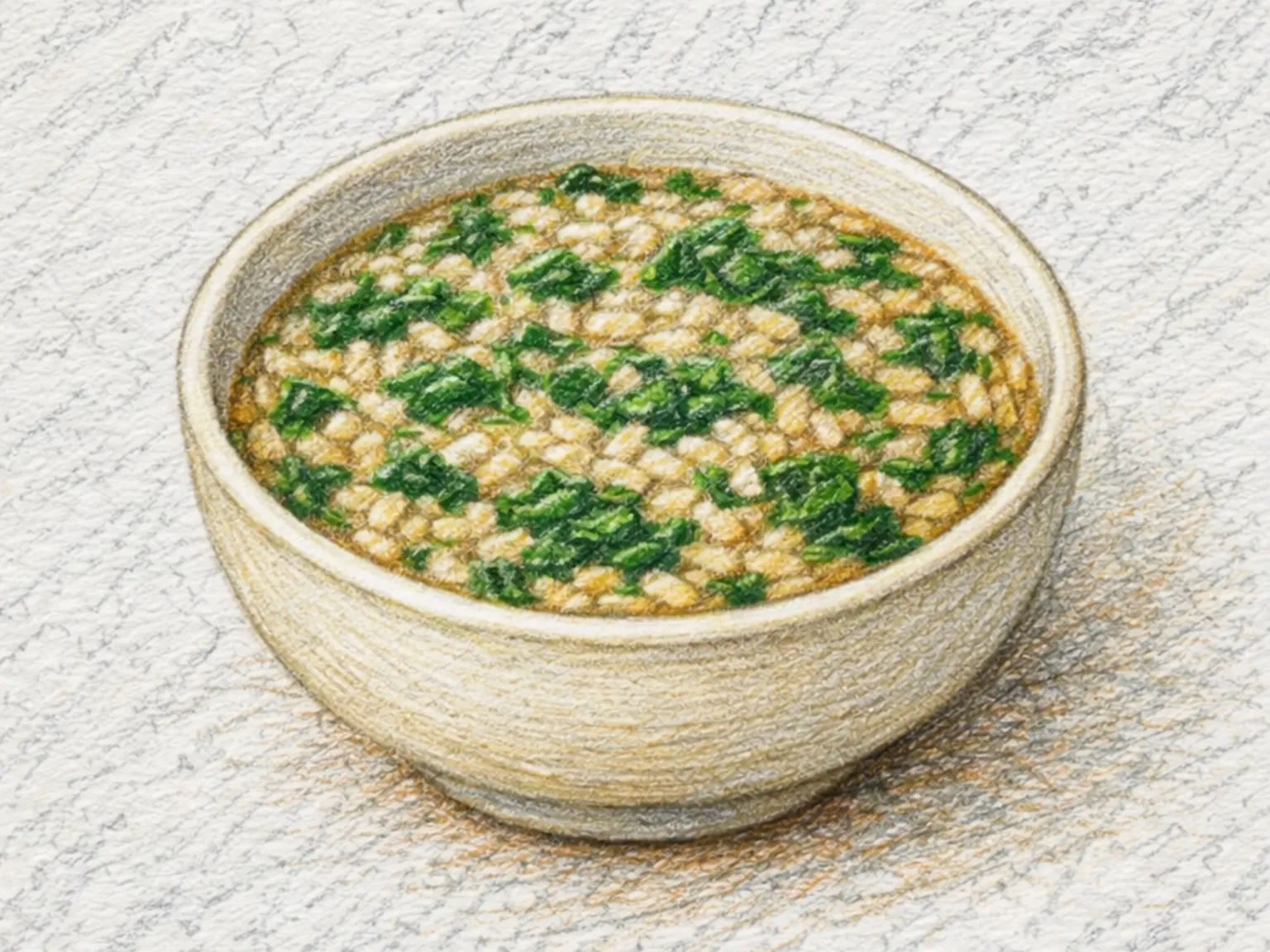
Korean Spinach Soybean Paste Porridge
Sigeumchi doenjang-juk is a Korean porridge built on the deep, fermented savoriness of doenjang and the clean, mild green flavor of finely chopped spinach. Soaked rice is toasted in sesame oil first, which coats each grain with a nutty warmth before anchovy stock is poured in. Doenjang and minced garlic are stirred in early in the cooking process, giving the porridge time to develop a rich, rounded base flavor as the grains slowly break down into a thick, spoonable consistency. Spinach goes in at the very end and stays in the heat for no longer than thirty seconds, which is exactly enough time for the leaves to wilt while keeping their bright color and delicate grassy aroma intact. The fermented paste wraps around the slight bitterness naturally present in raw spinach, smoothing it out so the finished bowl tastes clean rather than sharp. This is a porridge that works as a restorative meal when the body needs something gentle, and it doubles just as well as a light, warming breakfast that does not demand much from the stomach in the morning.
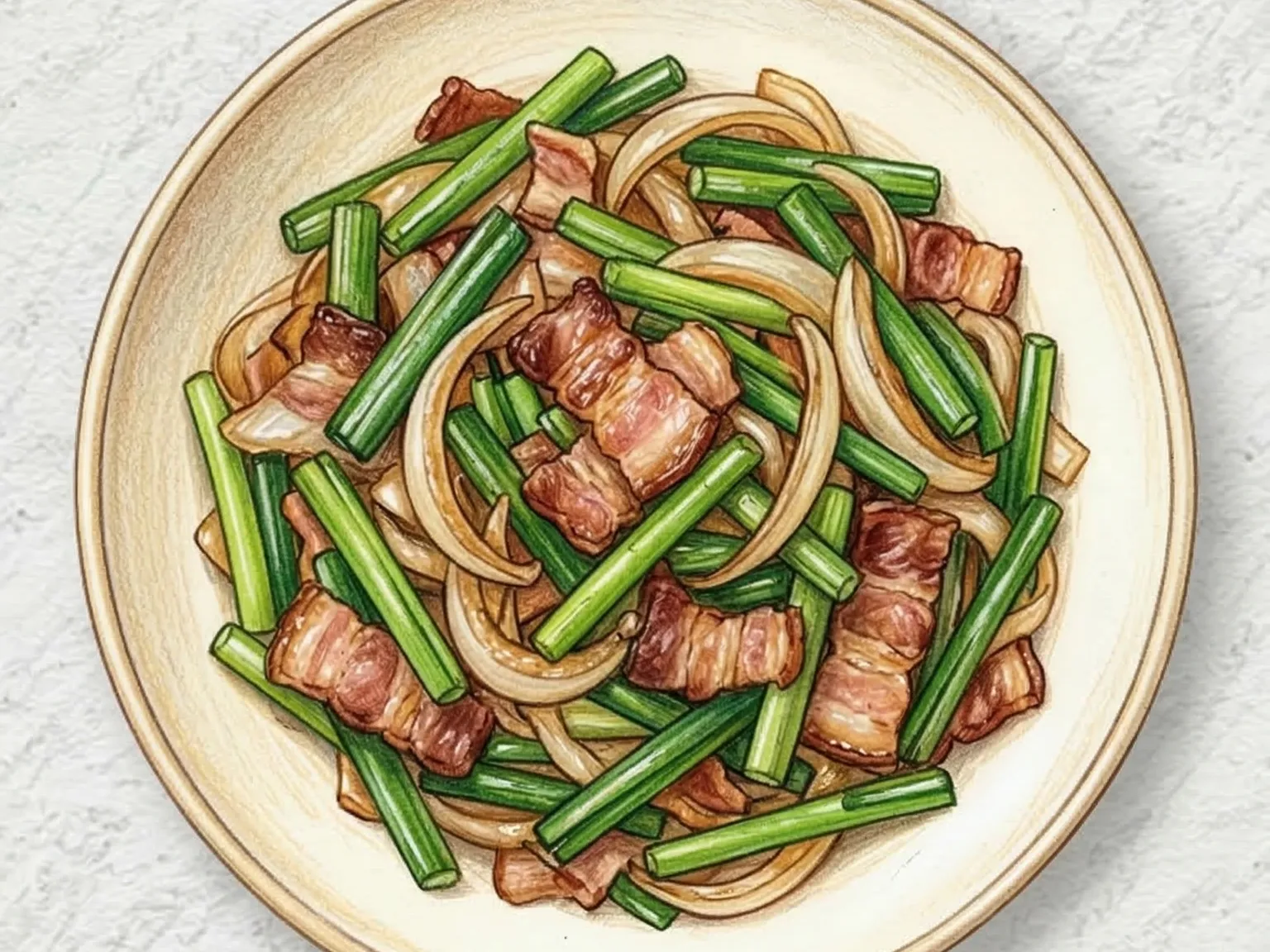
Korean Garlic Scape Bacon Stir-fry
Maneuljjong bacon bokkeum is a side dish built around rendered bacon fat. Bacon goes into the pan first over low heat until the white fat turns translucent and releases its fragrant, smoky oil, and that rendered fat then becomes the cooking medium for the garlic scapes and onion that follow. No additional cooking oil is needed, and the depth of flavor that results from this single step makes the dish taste far more complex than its short ingredient list suggests. Garlic scapes bring a sharp, grassy bite and a satisfying crunch that disappears quickly if they sit on the heat too long, so the pan temperature is turned up at the end for a fast, high-heat finish. Soy sauce sets the salty foundation, and a drizzle of oligosaccharide syrup coats every piece in a thin, glossy lacquer that softens the salt with restrained sweetness. Because bacon is already heavily seasoned, the soy sauce should be added gradually and tasted as you go rather than measured out in advance. A scatter of toasted sesame seeds over the finished dish adds one more layer of nutty fragrance.
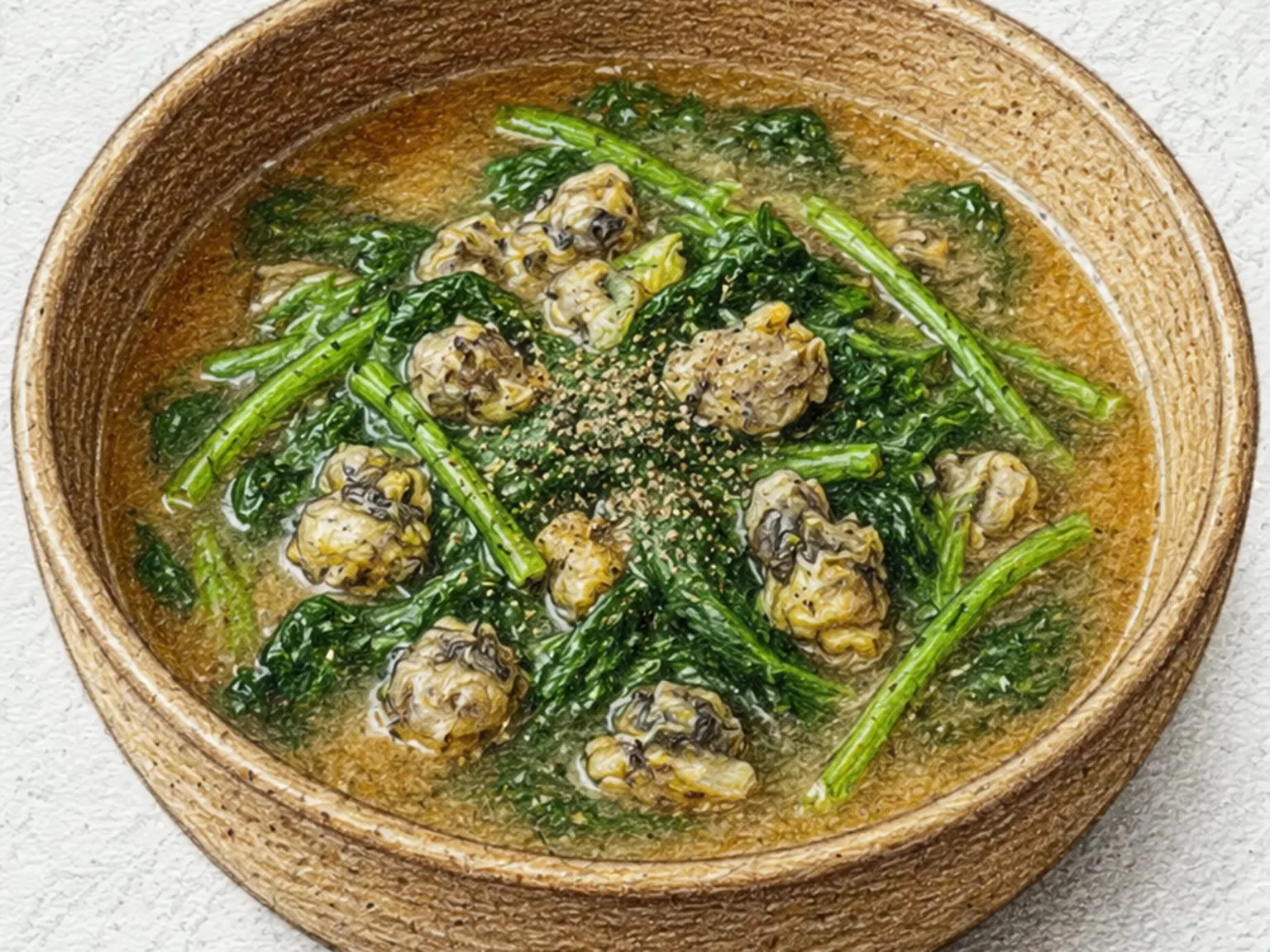
Korean Freshwater Snail Soup
Olgaengi-guk is a defining dish of the Chungcheong region, a rustic and deeply flavored Korean soup made with freshwater snails called daseugi and mallow leaves simmered in a doenjang-based broth. Pressing the soybean paste through a fine strainer before adding it to the pot keeps the broth smooth and free of lumps, which gives the finished soup a cleaner appearance than versions made by simply dropping a spoonful into the water. Mallow leaves go in first and simmer for eight minutes, gradually releasing a soft, vegetal flavor that works its way through every corner of the broth. The snail meat follows, adding a delicate freshwater umami that is noticeably lighter and cleaner than the brine-forward taste of ocean shellfish. Ground perilla seed stirred in at the very end coats the liquid in a nutty richness and acts as a binding element that pulls the doenjang, the snail, and the mallow into a single coherent whole. The result is a bowl that is simple in its list of ingredients but quietly complex in flavor, a soup that reflects the rivers, fields, and fermentation culture of central Korea. It rarely appears on menus outside its home territory, making it one of those genuinely regional dishes that most people encounter only when they find themselves in Chungcheong.
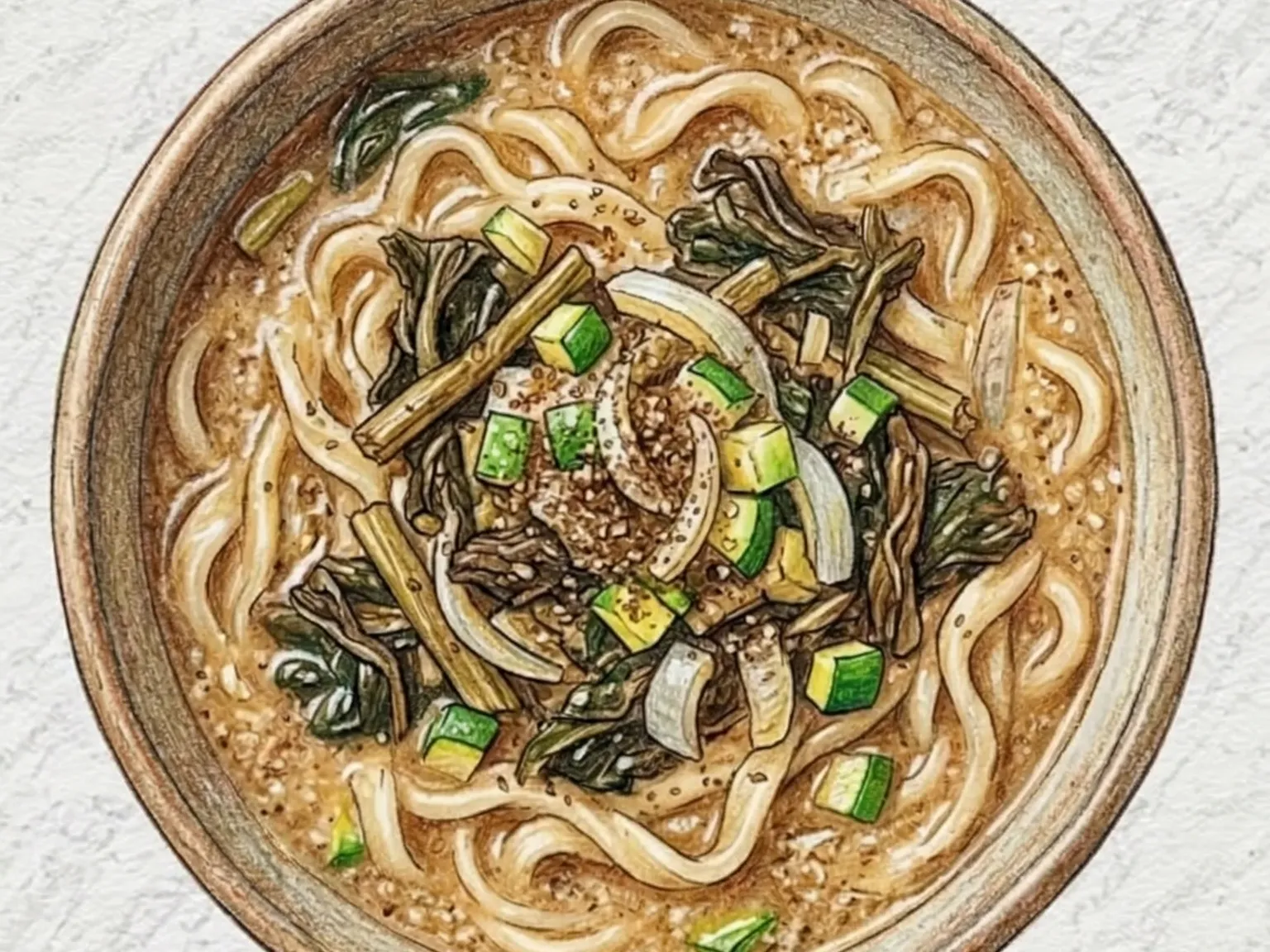
Korean Dried Radish Greens Doenjang Kalguksu
This noodle soup features dried radish greens and soybean paste in a base of anchovy and kelp stock. The fermented soybean paste provides a savory foundation while the radish greens add an earthy bitterness. Adding onion and zucchini during the simmering process introduces a natural sweetness that balances the saltiness of the paste. A spoonful of perilla seed powder at the end gives the broth a toasted, nutty finish. Fresh kalguksu noodles thicken the soup as they cook, taking on a chewy yet soft texture. To ensure a clean taste and better texture, the radish greens are boiled, rinsed in cold water, and squeezed before being added to the pot. Toasting the dried anchovies in the pot before adding water removes any fishy scents from the stock. Since different types of soybean paste vary in saltiness, it helps to add the paste in small increments while tasting. Mixing in a small amount of cheonggukjang provides a stronger fermented character to the finished soup.
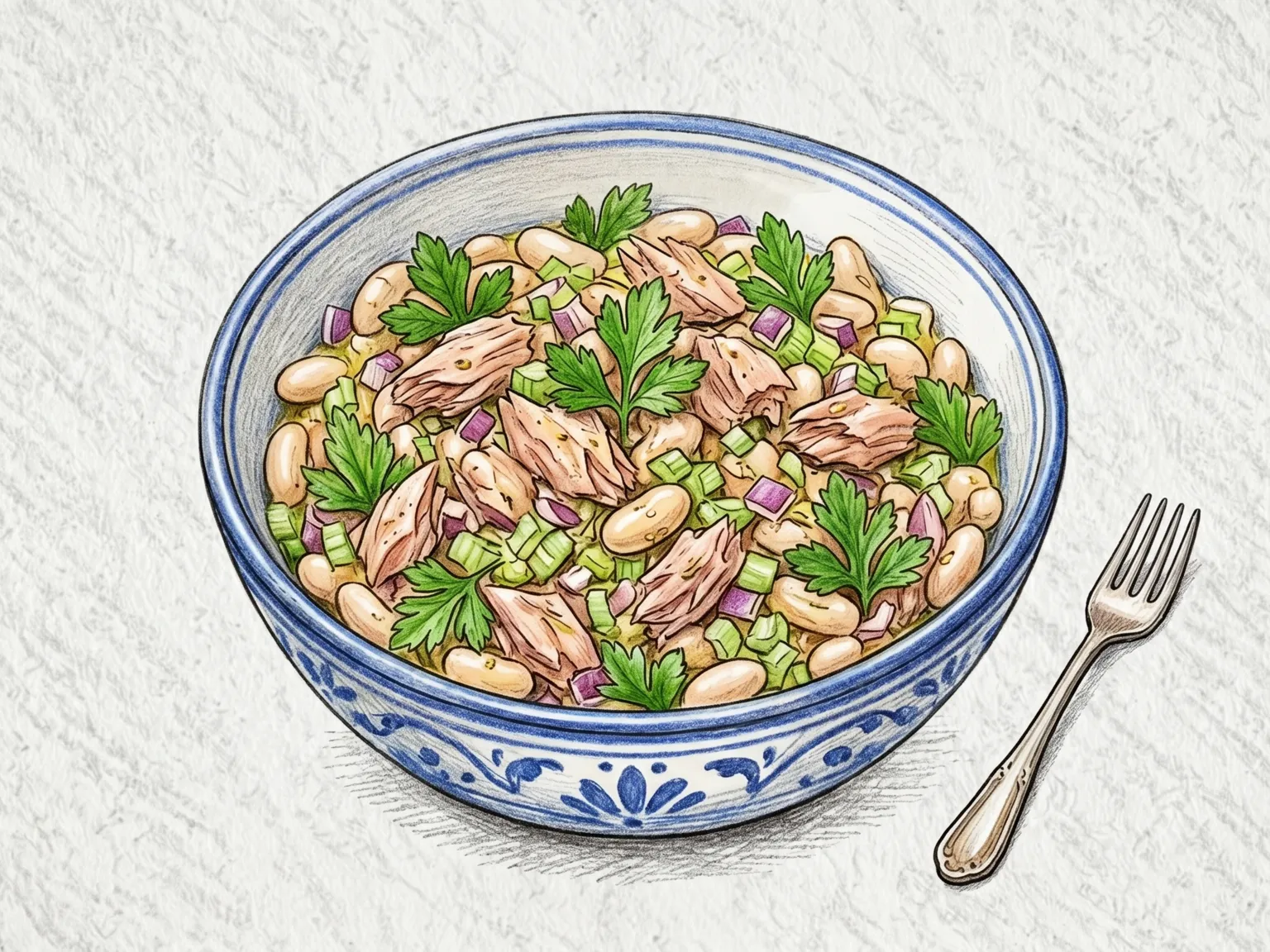
Tuna White Bean Salad (Mediterranean white bean salad)
Tuna white bean salad tosses drained canned tuna and cooked white beans with a dressing of olive oil and lemon juice - a no-cook Mediterranean dish that comes together in minutes. Both the tuna and beans must be drained thoroughly so the dressing clings to the ingredients rather than pooling at the bottom of the bowl. Finely chopped celery adds a crisp, watery crunch, and thinly sliced red onion provides a mild sharpness that contrasts with the soft, creamy beans. Parsley scattered throughout gives a fresh, grassy finish. The olive oil carries a smooth richness while the lemon juice sharpens the tuna's natural umami, producing a simple but protein-dense meal that works equally well served immediately or chilled.
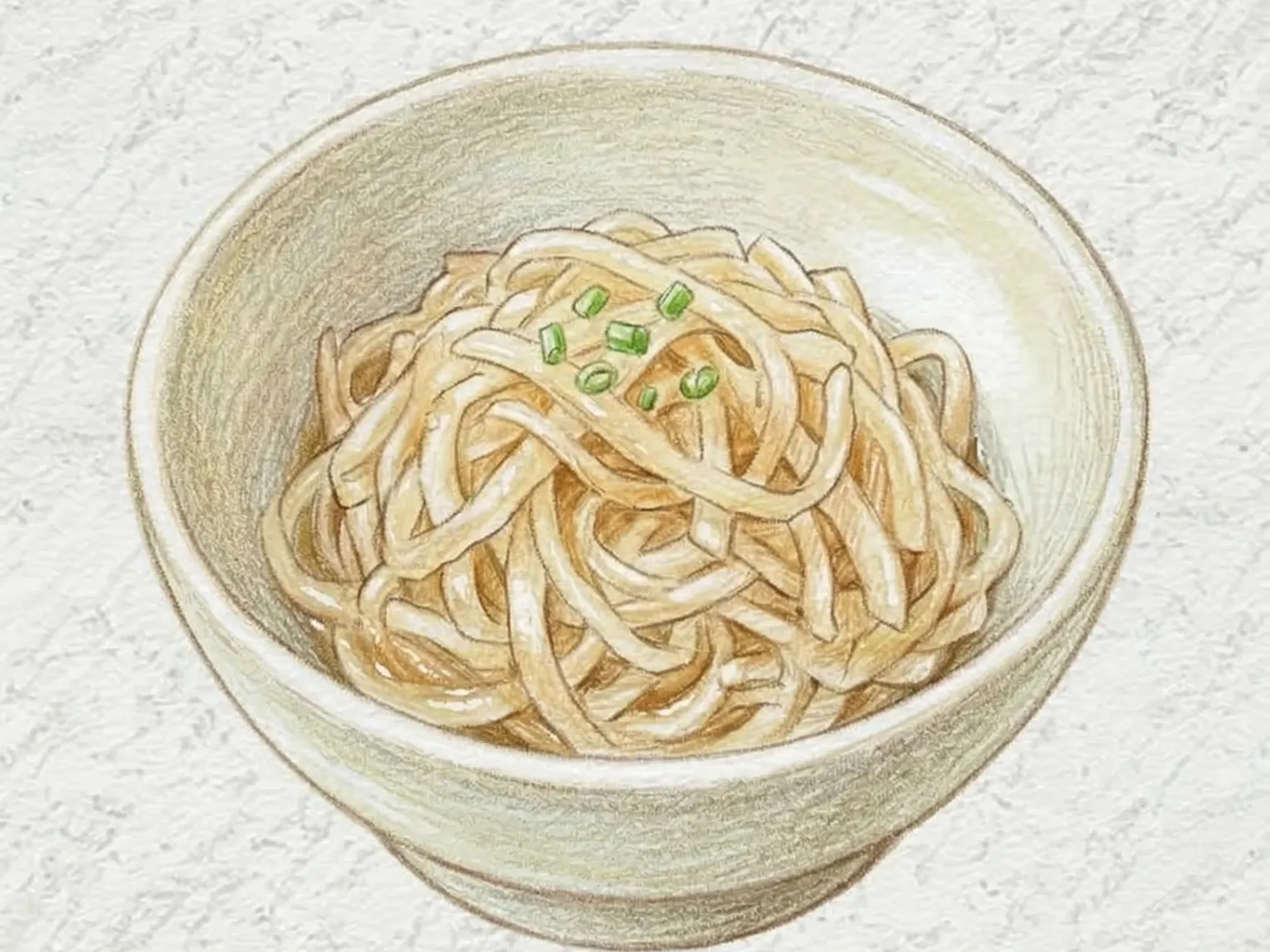
Stir-fried Korean Radish Namul
Mu-namul-bokkeum is a foundational Korean side dish made by stir-frying julienned daikon radish in perilla oil to draw out its natural sweetness. Cutting the radish into matchstick-thick strips and salting them for around five minutes beforehand is a critical step. Without it, the radish releases its moisture into the pan during cooking, turning what should be a stir-fry into an unintended steam, leaving the namul limp and dull. Garlic goes into the perilla oil first to build an aromatic base, then the radish strips are tossed over medium heat for three to four minutes. During this time, heat converts the radish's starch into sugars, and the raw, sharp bite disappears, replaced by a mellow and gentle sweetness. Soup soy sauce rather than regular soy sauce keeps the seasoning clean without muddying the pale color of the radish. Placing the lid on for two minutes at the end steams the interior through without over-softening the vegetable. This namul serves as one of the five-color toppings in bibimbap and is a required dish on ancestral rite tables. Sesame seeds scattered over the finished dish add a toasted nuttiness that carries the flavor through to the last bite.
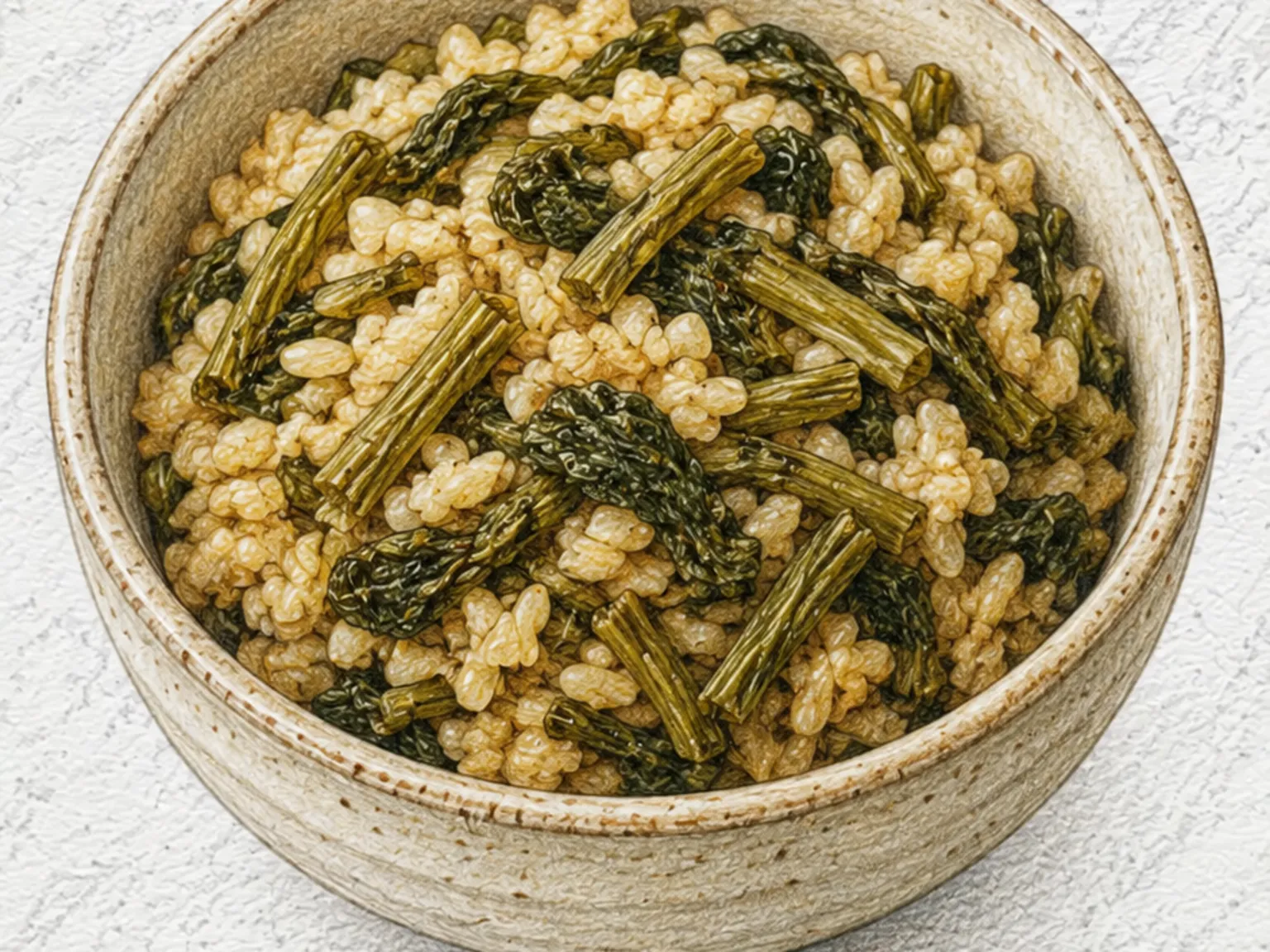
Korean Dried Radish Leaf Rice
Sirae-gi-bap cooks dried radish greens with rice, then mixes everything with a doenjang-based seasoning sauce for a deeply savory bowl. The dried greens are first boiled until soft and pliable, cut into bite-size pieces, and layered over soaked rice before the pot is sealed. As the rice steams, the greens release their concentrated earthy aroma into every grain. The dipping sauce - doenjang, soy sauce, sesame oil, chili flakes, and scallion - is folded in at the table, adding layers of salty, nutty, and mildly spicy flavor. The fibrous texture of the reconstituted greens provides a satisfying chew that makes the meal feel substantial. This is a traditional Korean home-cooked dish that turns humble winter-dried vegetables into a warm, filling meal.
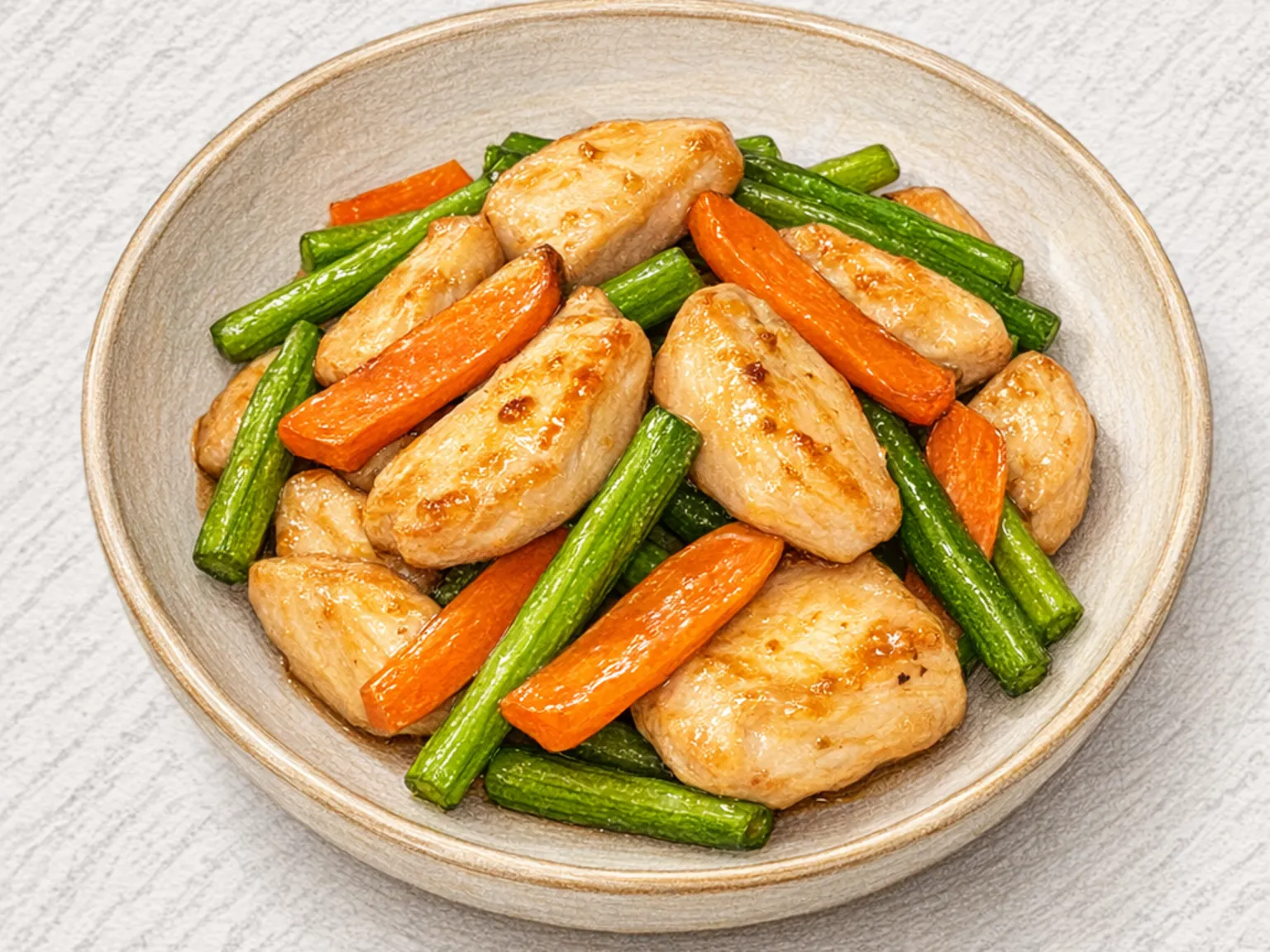
Korean Garlic Scape Chicken Breast Stir-fry
Maneuljjong dakgaseumsal bokkeum is a stir-fry where soy-marinated chicken breast is cooked through with ginger and garlic first, then joined by garlic scapes cut to five-centimeter lengths and julienned carrot for a quick blast over high heat before the whole pan is finished in an oyster sauce and soy sauce glaze. Chicken breast is naturally lean and can easily read as flat on its own, but the oyster sauce compensates by delivering concentrated umami and coating the surface of each piece with a lacquered sheen. The garlic scapes provide a dual texture that is both crisp and slightly chewy, setting up a direct contrast with the smooth, tight grain of the chicken breast. Julienned carrot adds a gentle sweetness that softens the saltiness of the soy and oyster sauce base. Ginger pulls double duty, eliminating any poultry odor while contributing the aromatic lift characteristic of well-executed stir-fry. The high-protein, low-fat profile makes this a practical everyday banchan for anyone managing calories, and it also works well spooned over rice in a deopbap format. Keeping the garlic scapes in the pan for as short a time as possible is essential to preserving their signature crunch.
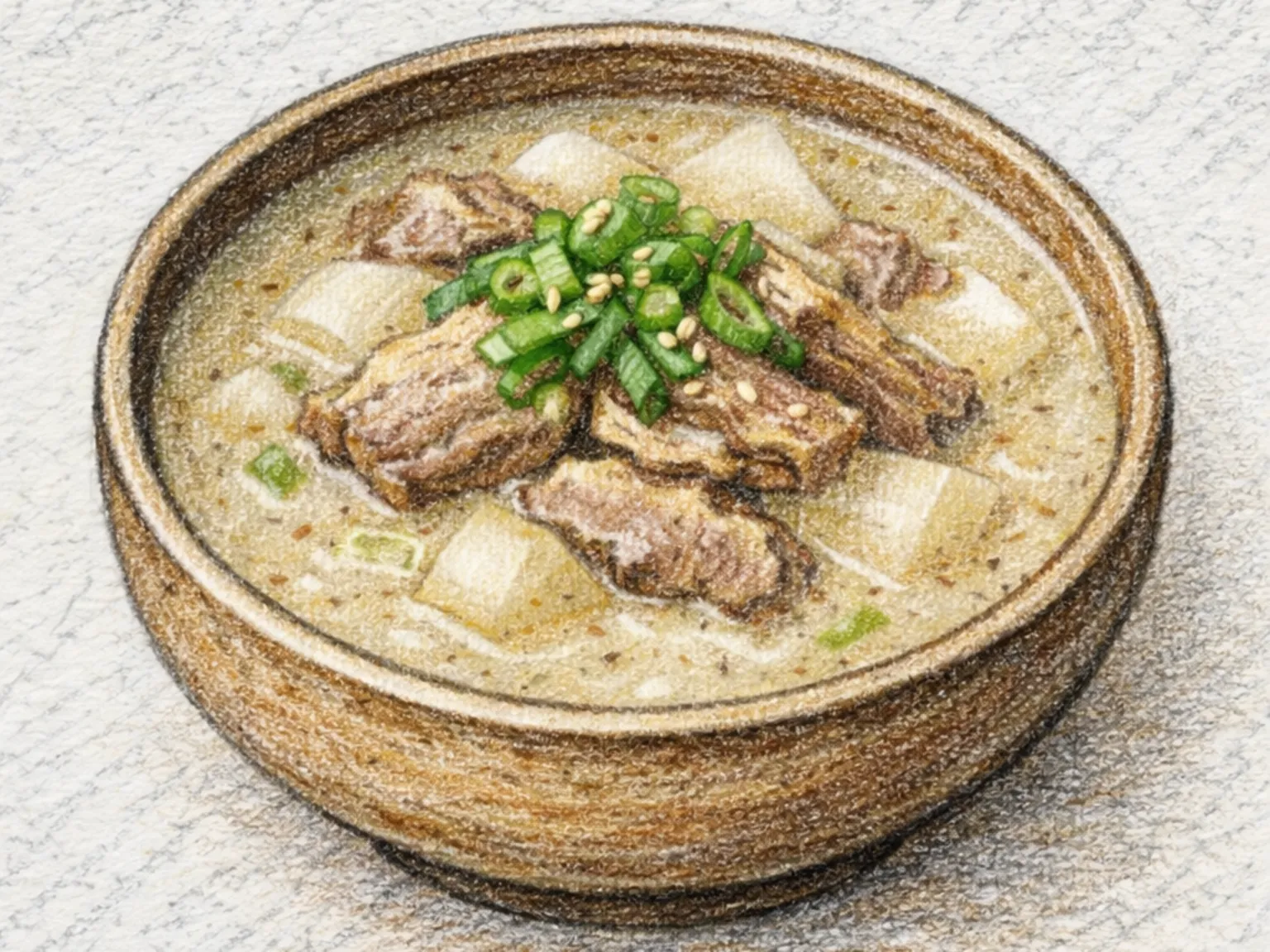
Korean Duck Perilla Seed Soup
Ori-deulkkae-tang is a Korean duck soup thickened with ground perilla seeds, producing a broth that is rich, nutty, and deeply warming. Duck fat provides a substantial body that distinguishes this soup from lighter poultry broths, and the perilla powder transforms the cooking liquid into something creamy and opaque, with an aroma reminiscent of toasted sesame but distinctly earthier. Radish starts in cold water and simmers for ten minutes, laying a foundation of clean, faintly sweet flavor before the duck is added. The pot then cooks for at least twenty minutes, during which foam and excess rendered fat must be skimmed from the surface to keep the broth clear and free of off-flavors. Perilla powder is added in the final ten minutes only: introduced too early, it turns bitter and chalky; added at the right moment, it blooms into a smooth, nutty finish. Soup soy sauce and salt bring the seasoning into balance, and a scattering of sliced green onion with black pepper completes the bowl. The result is a soup that coats the palate with a layer of fat and grain richness, eaten as a stamina-building meal during the colder months or whenever the body needs warming.
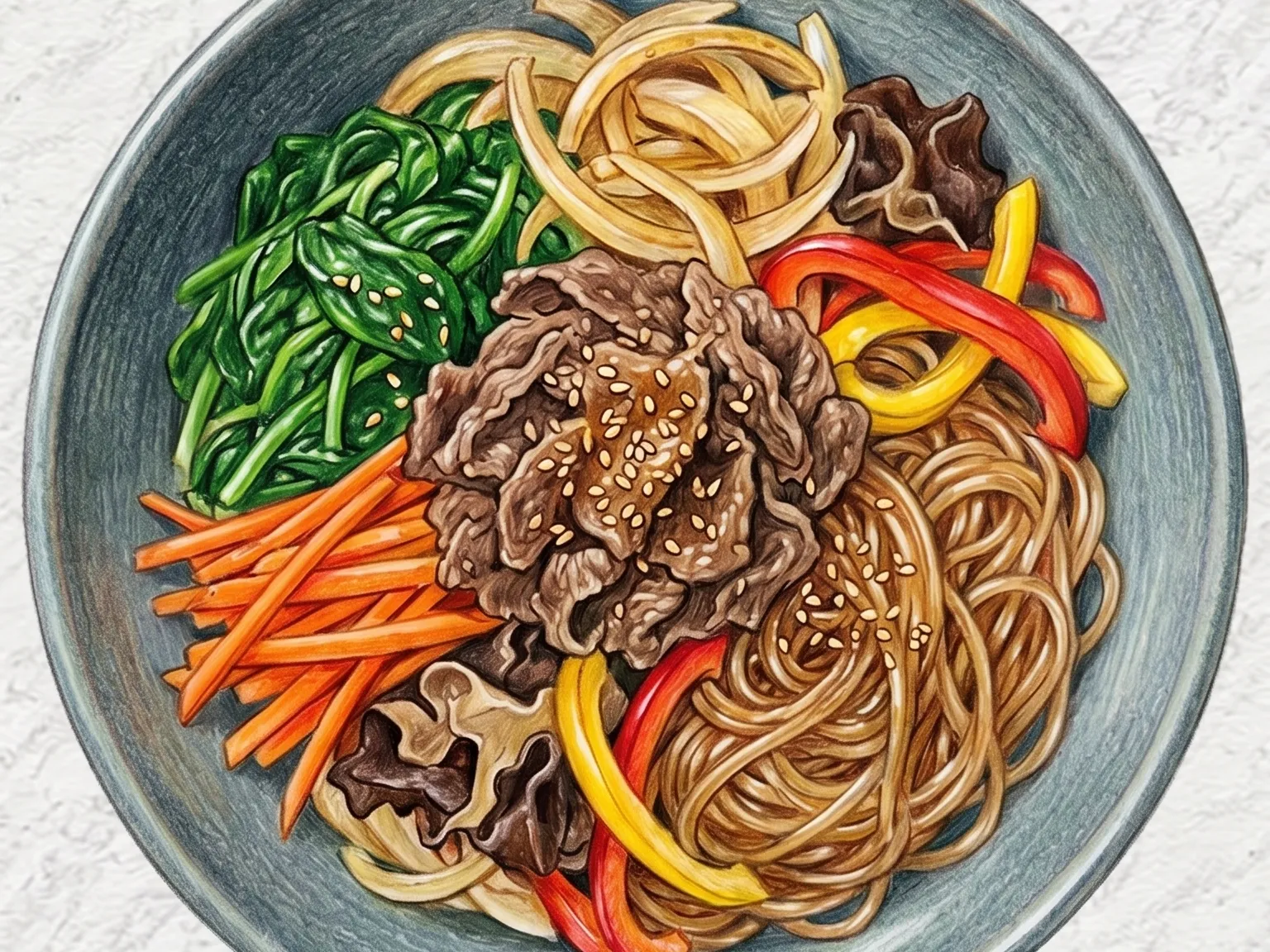
Korean Beef Japchae (Soy-Marinated Beef Glass Noodle Stir-Fry)
Sogogi japchae is a Korean stir-fried noodle dish made with sweet potato glass noodles, soy-marinated beef strips, and an assortment of individually prepared vegetables. Spinach is blanched, carrots and onions are julienned and stir-fried separately, and each component is combined at the end to preserve its distinct color and texture. The noodles are soaked rather than fully boiled, then finished in the pan so they stay chewy instead of mushy. Soy sauce, sugar, and sesame oil form the seasoning base, giving the dish its characteristic sweet-savory balance.
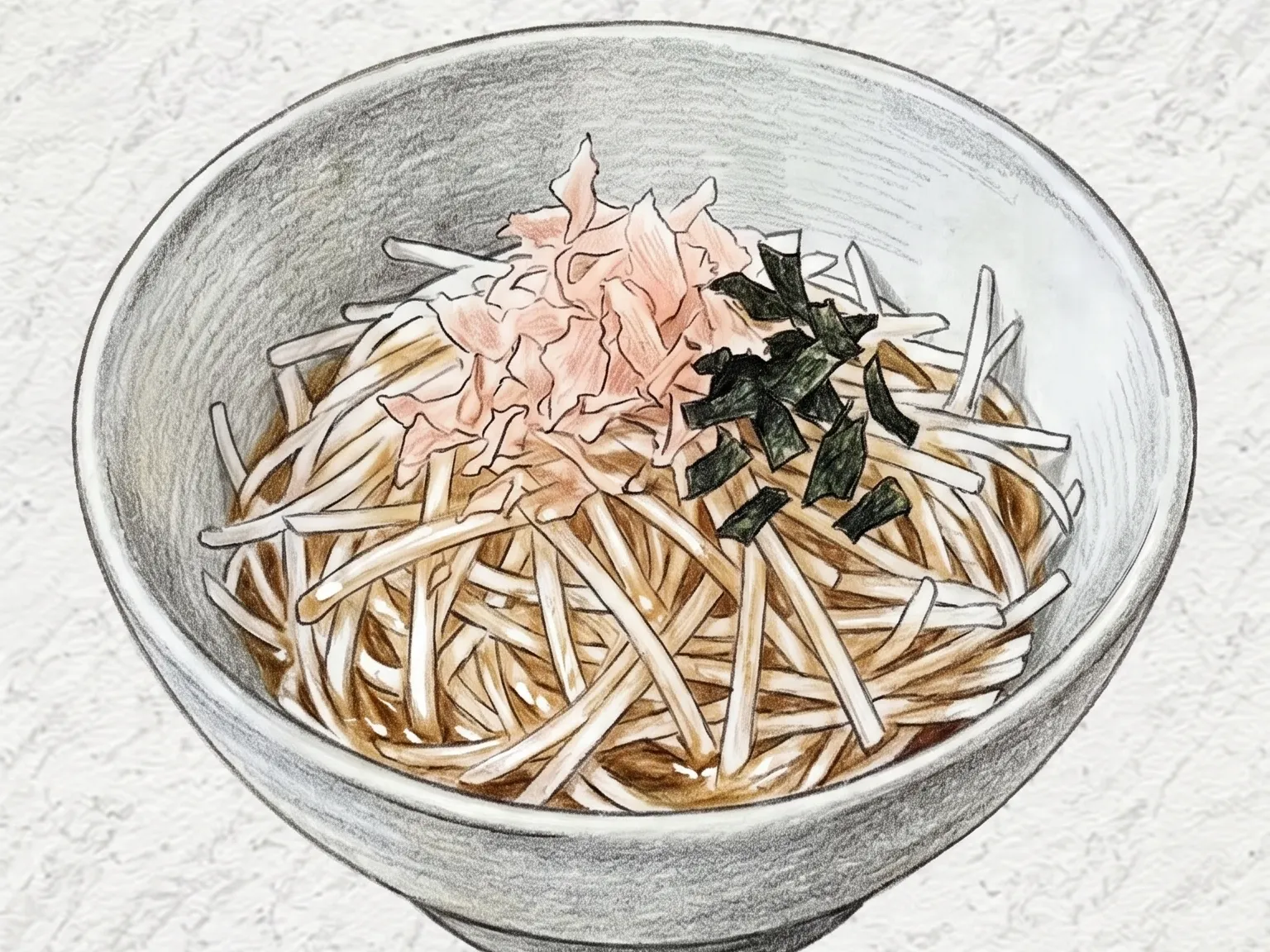
Wafu Daikon Salad (Shredded Radish with Japanese Soy Dressing)
Wafu daikon salad shreds daikon radish into very fine julienne strips and dresses them with a Japanese wafu dressing made from soy sauce, rice vinegar, and sesame oil, finished with bonito flakes and torn nori. Soaking the shredded daikon in cold water for five minutes draws out excess starch and maximizes its crisp, snappy texture - draining and drying thoroughly afterward prevents the dressing from becoming diluted. The dressing layers soy salt over the gentle acidity of rice vinegar and the nuttiness of sesame oil, giving depth to the otherwise neutral radish. Bonito flakes placed on top wave gently in the residual heat and release a smoky umami that permeates the salad. Shredded nori adds a briny crunch that creates textural contrast throughout the bowl.
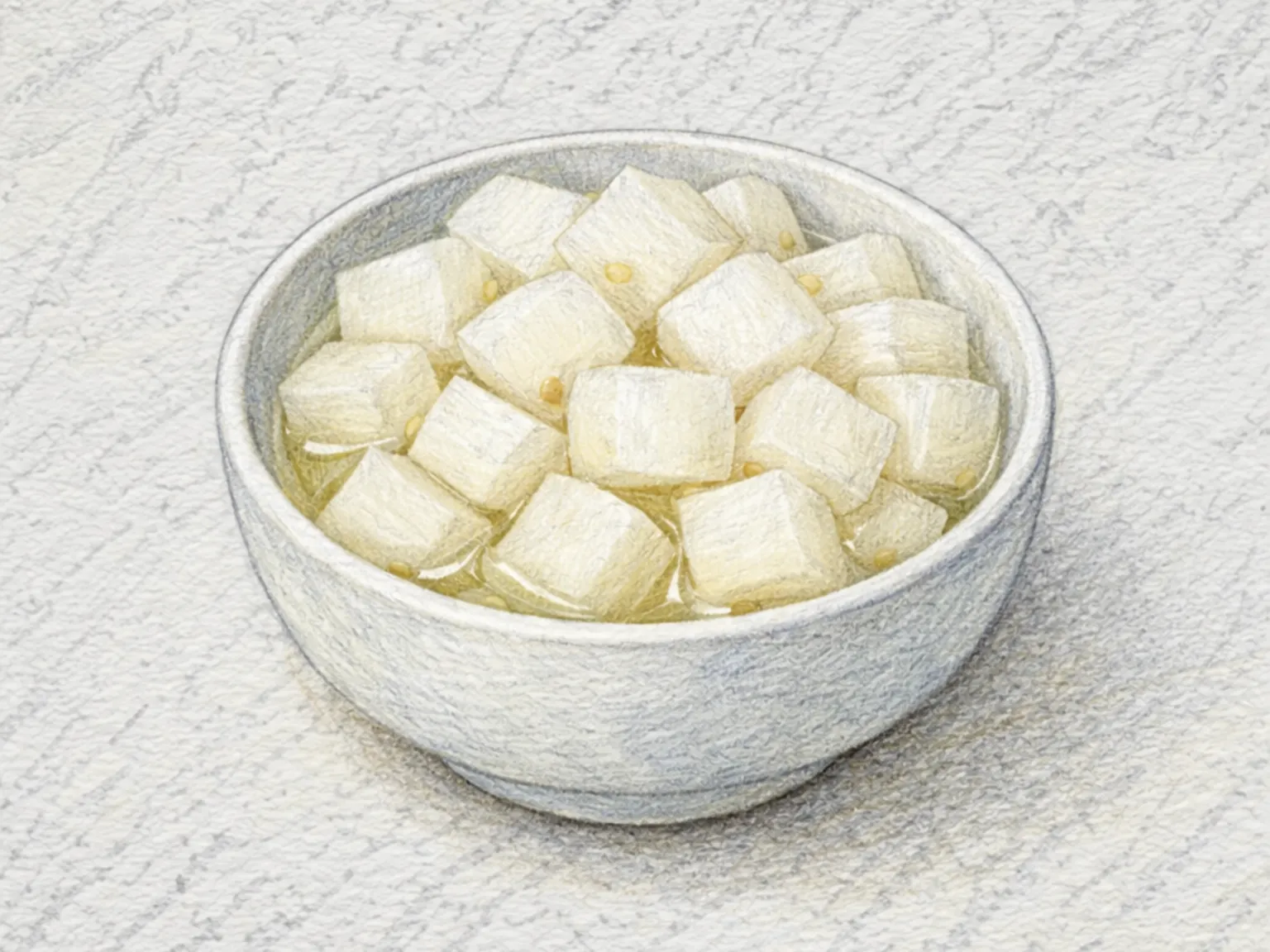
Korean Quick Pickled Daikon
Mu-pickle is the yellow pickled daikon that accompanies every order of Korean fried chicken, completing the inseparable trio of chicken, cola, and pickled radish that defines the Korean fried chicken experience. Radish is cut into cubes or half-moons and submerged in a boiled brine of vinegar, sugar, salt, and water. The pickles are edible after thirty minutes, but refrigerating them overnight allows the sweet-sour brine to work its way fully into the core of each piece rather than sitting only on the surface. Commercial chicken-mu gets its vivid yellow color from gardenia extract or turmeric; home versions skip the coloring entirely without any effect on flavor. The vinegar-to-sugar ratio is the single most important variable in the recipe. Too much vinegar and the acidity dominates every bite; too much sugar and the result tastes more like candied fruit than a palate-cleansing pickle. A 1-to-1 ratio is the reliable starting point that most home cooks stick with. When eaten alongside greasy fried chicken or pork cutlet, a single piece of mu-pickle deploys its vinegar sharpness to cut through the oil coating the palate, resetting the mouth for the next bite. Kept refrigerated in a sealed container, the pickles hold their crunch for more than two weeks.
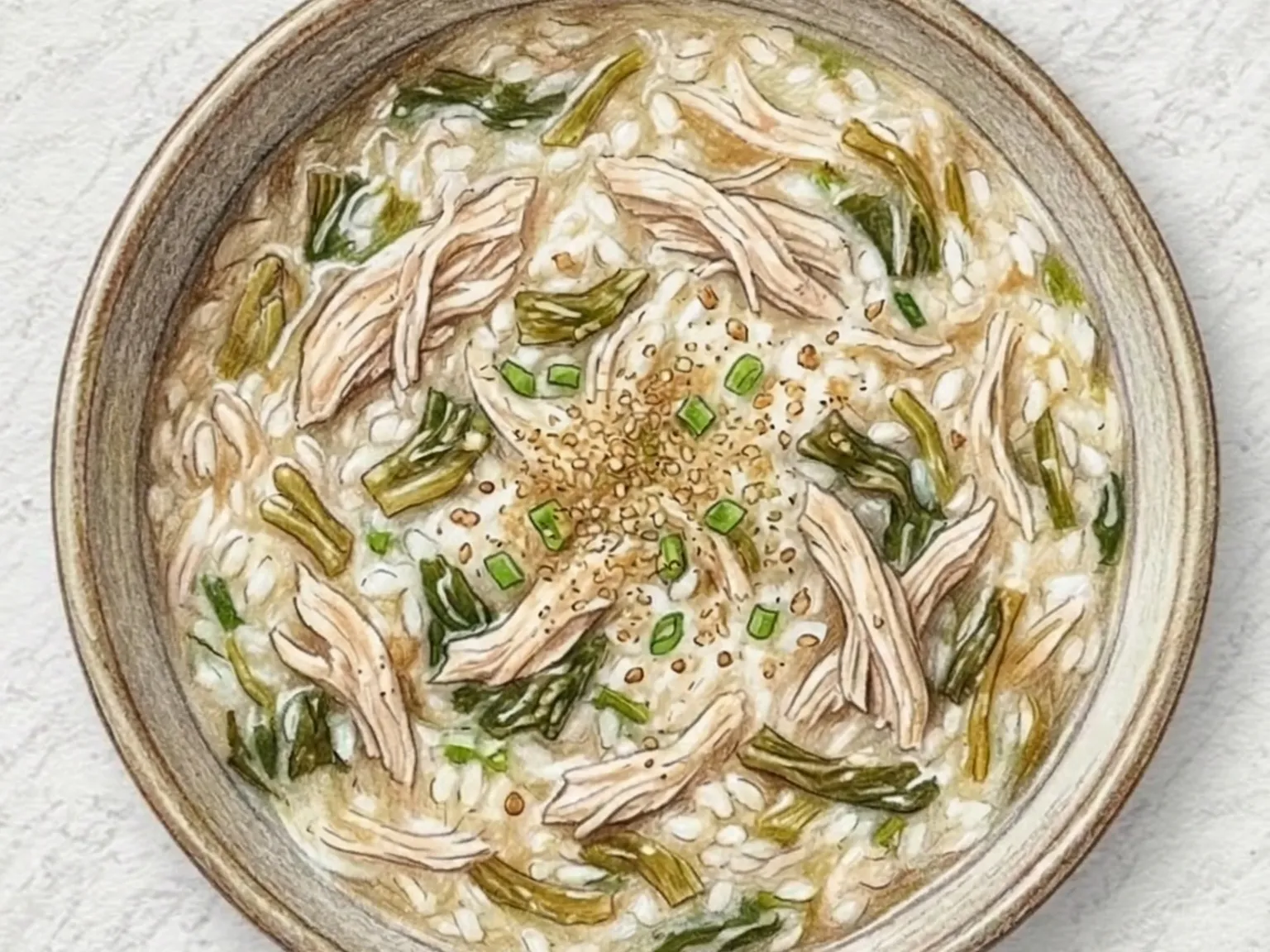
Korean Dried Radish Greens Chicken Porridge
This porridge combines shredded poached chicken breast with siraegi (dried radish greens) and rice for a clean, protein-rich bowl. The siraegi lends a grounding earthiness to the porridge base, while the hand-torn chicken provides a fibrous, lean texture in every spoonful. Rice is first stir-fried in sesame oil to add a nutty layer before water is poured in and everything simmers slowly until the grains dissolve into a thick, smooth consistency. Scallion and garlic build aromatic depth, and a splash of light soy sauce ties the flavors together without heaviness. Low in fat and easy to digest, this is a restorative meal that feels light on the stomach while still delivering substance and warmth.
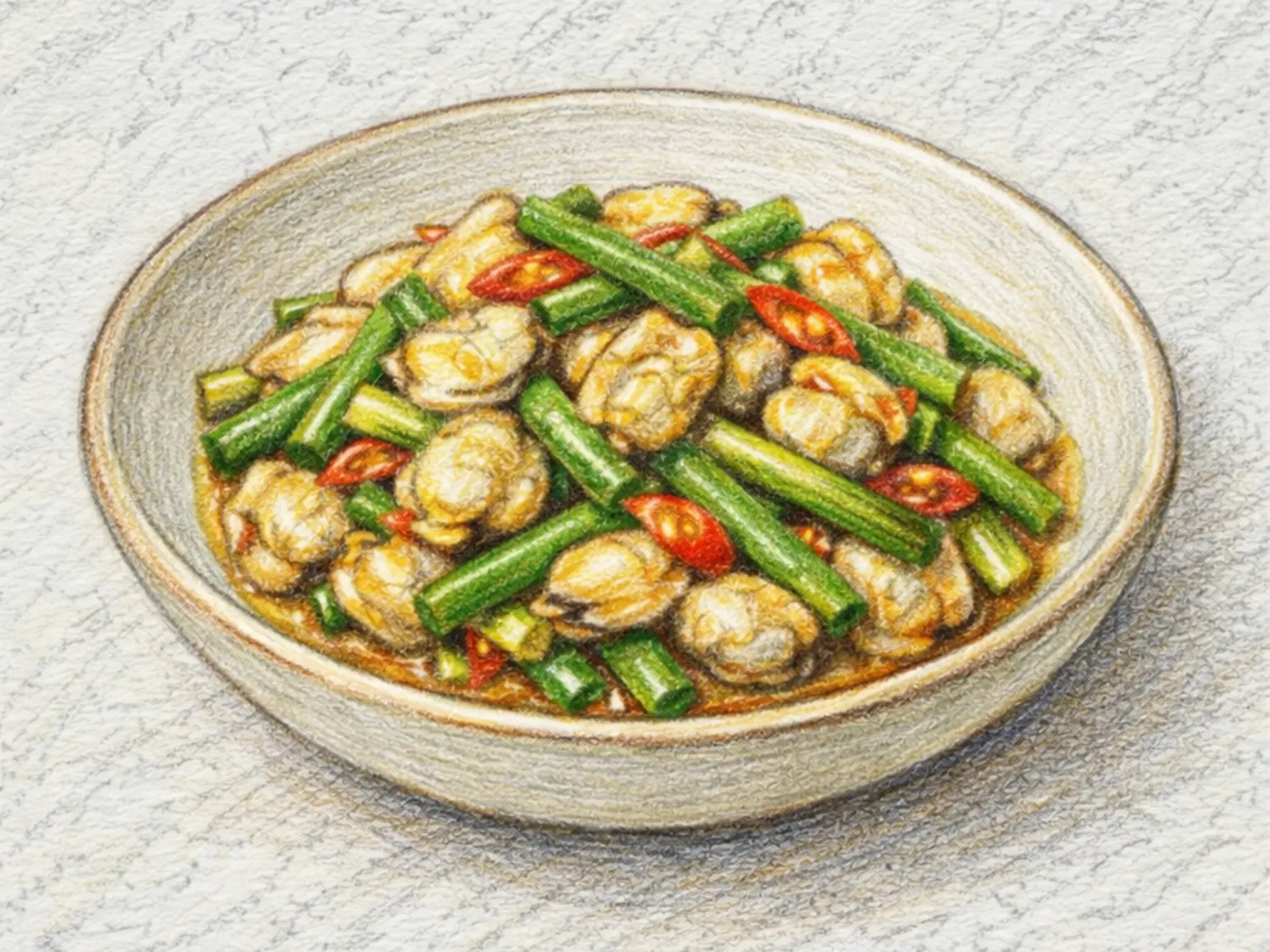
Korean Garlic Scape Clam Stir-fry
Maneuljjong-jogae-bokkeum is a Korean stir-fry of clam meat and garlic scapes tossed quickly over high heat with soy sauce, oyster sauce, and minced garlic. The clams contribute a briny, oceanic depth that merges with the salty-sweet seasoning, while the garlic scapes, cut into 4 cm pieces and barely cooked, retain their firm, snappy crunch. Diagonally sliced red chili added partway through builds a gentle warmth without overwhelming the seafood flavor. Since clams toughen with prolonged heat, they go in last and cook for no more than 30 to 60 seconds. Finishing with a few drops of sesame oil rounds out the dish with a nutty fragrance, and a scattering of shredded green onion adds freshness to each serving.
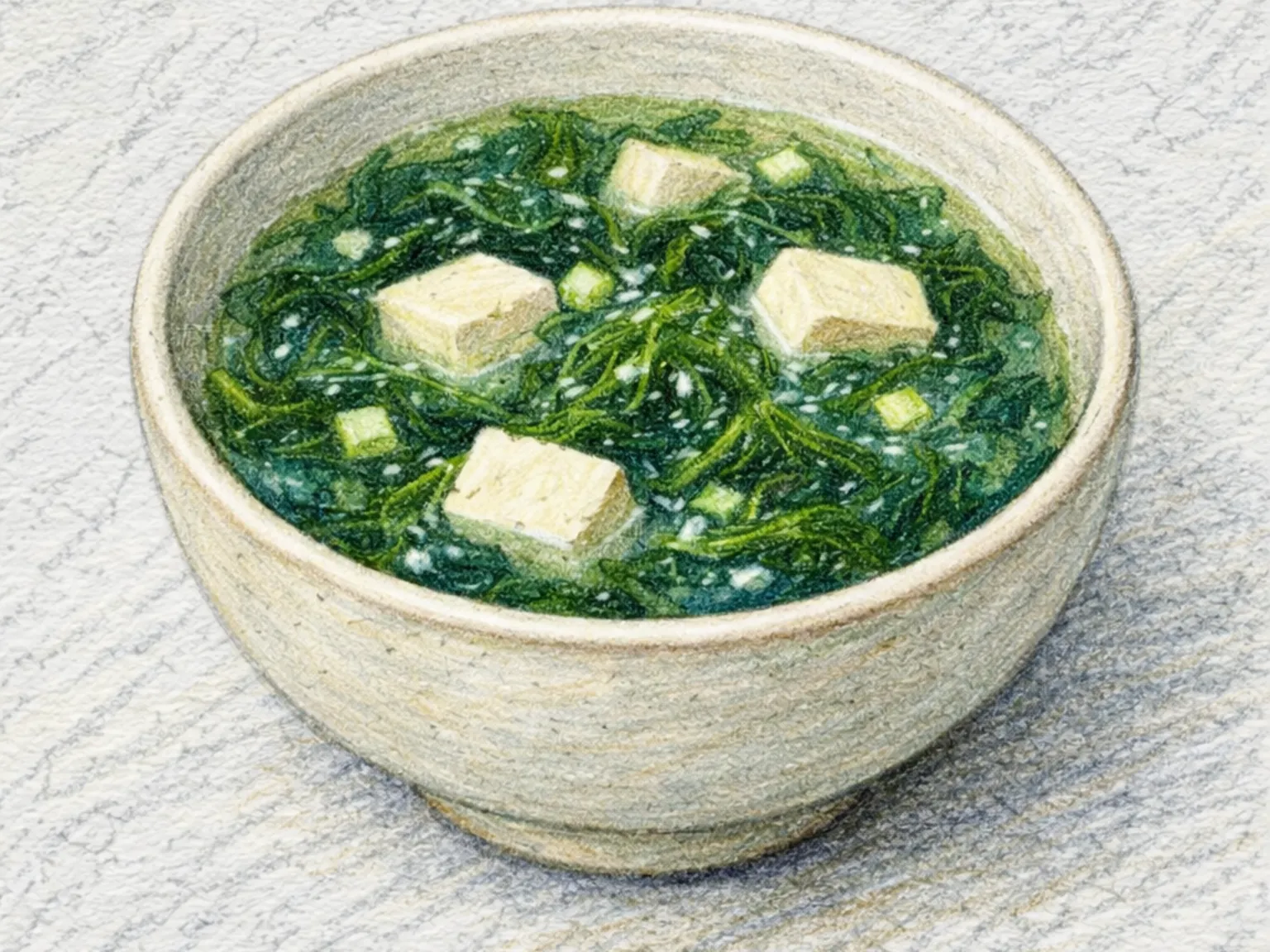
Korean Green Laver Soup (Seaweed Tofu Anchovy Broth)
Parae-guk is a Korean seaweed soup made with green laver and tofu simmered in a clear anchovy broth. The broth is brought to a gentle boil and seasoned with garlic and soup soy sauce before diced tofu is added and warmed through for three minutes. The green laver goes in at the very end, cooking for no more than 30 to 60 seconds, because extended heat strips away its vivid color and fresh ocean fragrance entirely. Since the recipe relies on so few ingredients, the quality of the anchovy stock determines the overall depth of flavor, so using dried anchovies with heads and innards removed, simmered for at least ten minutes, produces a noticeably cleaner and more savory base. The mineral-rich, briny character of the green laver contrasts well with the mild tofu, and the whole soup comes together in about fifteen minutes. Because green laver carries its own saltiness, it is best to add the soup soy sauce gradually and taste as the seasoning develops.