🏠 Everyday Recipes
Simple home-cooked meals for any day
1705 recipes. Page 65 of 72
These are the meals you can cook day after day without getting tired of them. Doenjang jjigae, rolled omelet, spicy pork stir-fry - the kind of home-cooked dishes that fill an ordinary day with comfort.
The beauty of everyday cooking is that it relies on common ingredients already in your fridge. No exotic items, no complicated techniques - just straightforward recipes for satisfying home meals.
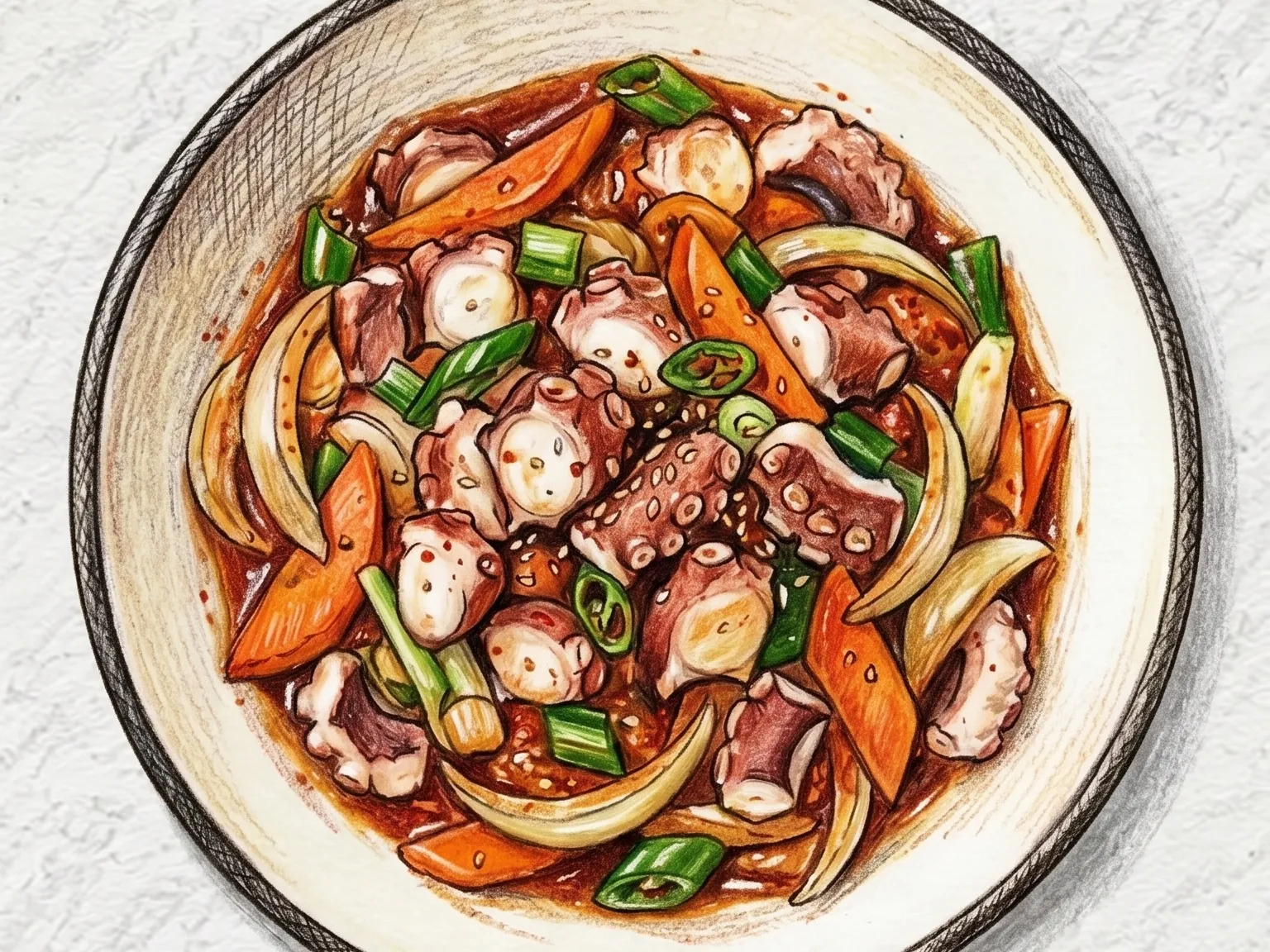
Korean Spicy Octopus Stir-fry
Muneo-bokkeum is a Korean stir-fry of pre-boiled octopus pieces cooked on high heat with onion, carrot, and scallion in a sauce built from gochujang and soy sauce. Because the octopus arrives already cooked, two to three minutes of high-heat stir-frying is the target window - enough time to heat the pieces through and coat them in the seasoning without pushing the texture past springy into tough. The sauce brings spice from the gochujang and saltiness from the soy sauce, and that combination lifts the naturally clean, mild flavor of the octopus without masking it. Vegetables are pulled from the pan while they still carry some bite, which sets up a textural contrast against the dense, elastic chew of the octopus. Sesame oil goes in at the very end as a finishing drizzle, adding a nutty, aromatic layer that ties the dish together. It works as a rice side dish or as an anju pairing alongside drinks.
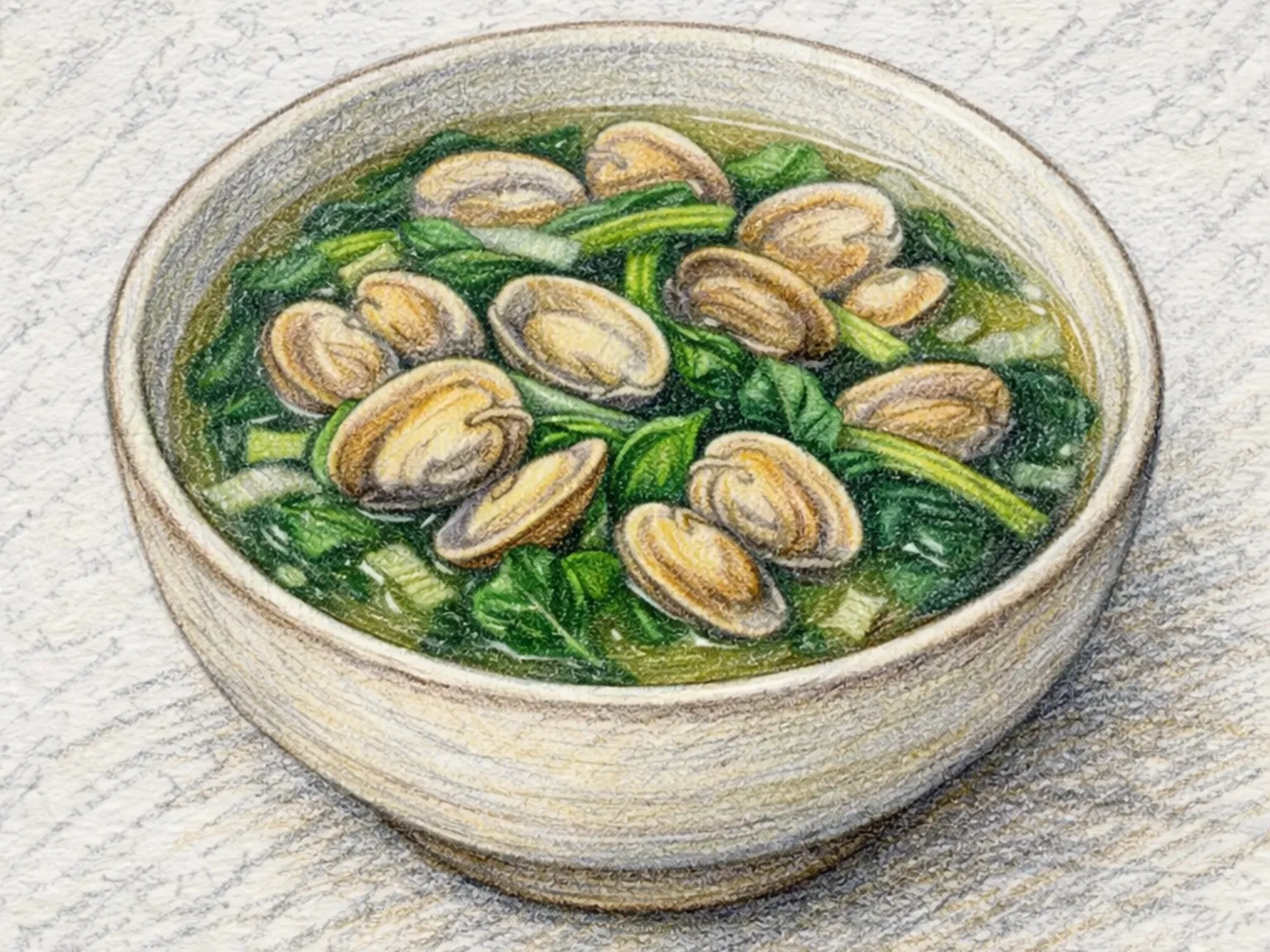
Korean Spinach Clam Soup (Light Shellfish and Greens Broth)
Sigeumchi-bajirak-guk pairs manila clams and spinach in a clean, transparent broth that lets both ingredients speak without interference from heavy seasoning or separately prepared stock. The clams are purged of sand and started in cold water, then brought slowly to a boil so each shell opens at its own pace, releasing a naturally briny, mineral-rich liquor that forms the entire foundation of the soup. No additional stock is needed, because the clam liquid is the stock. Spinach enters only in the final thirty to sixty seconds of cooking, which is the narrow window where the leaves soften just enough to be palatable while their vivid green color and delicate grassy flavor remain intact. Soup soy sauce and a small amount of garlic provide the only seasoning, and this restraint is deliberate: any stronger flavoring would bury the subtle sweetness of fresh clam broth. The grassy undertone in the spinach quietly neutralizes any sharp seafood edge, leaving the soup tasting clean and deeply refreshing. The nutritional logic behind this combination is frequently cited in Korean households: spinach is among the most iron-dense vegetables, and clams supply taurine and zinc in meaningful amounts, making the soup a regular recommendation for children in growth phases and for pregnant women. From first clam into the pot to finished bowl takes no more than fifteen minutes, which helps explain its steady presence on weeknight dinner tables throughout Korea.
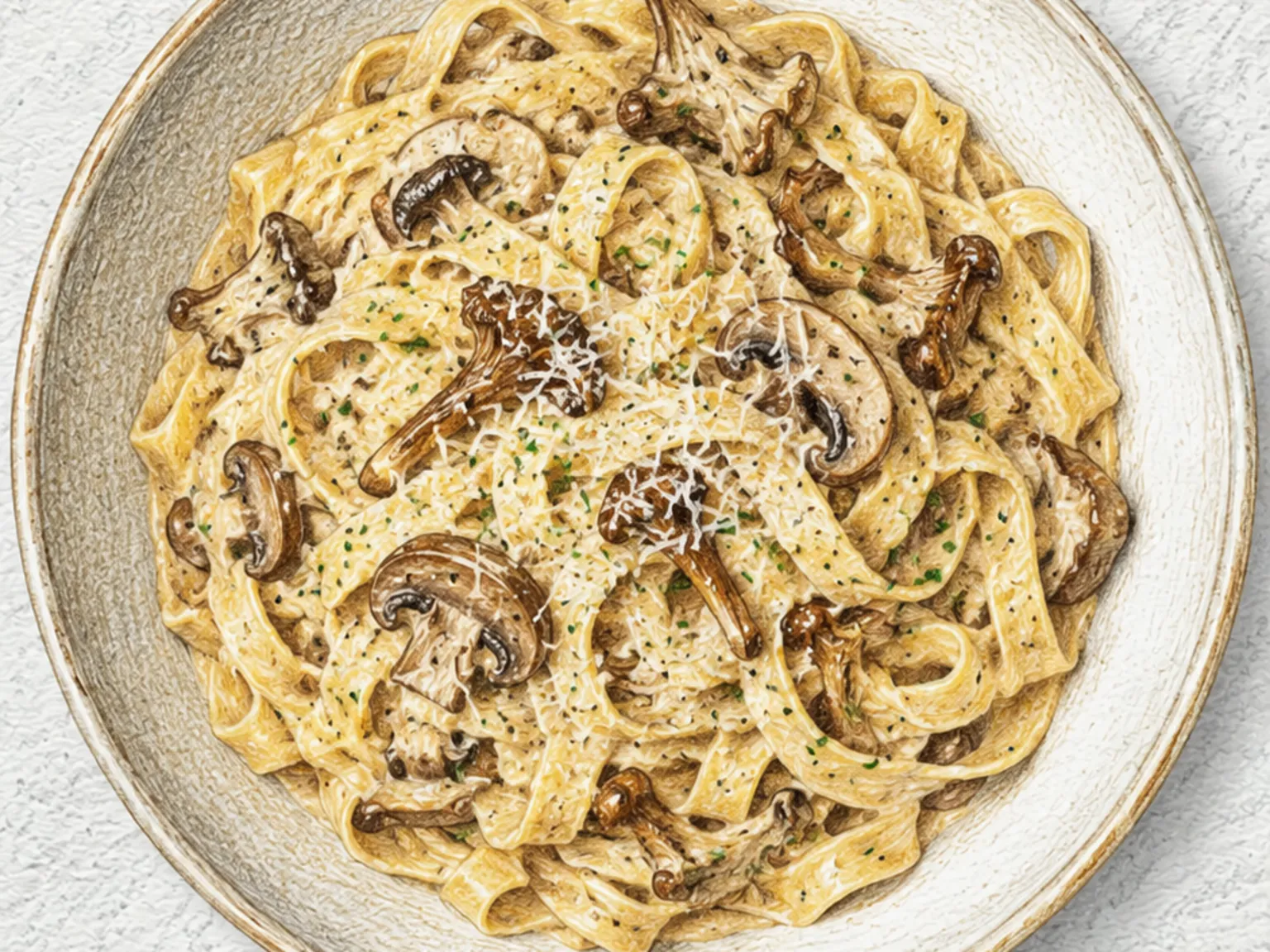
Truffle Mushroom Tagliatelle
This Italian pasta pairs wide tagliatelle ribbons with a creamy sauce built from sauteed mixed mushrooms, shallot, and garlic. The mushrooms release their liquid during cooking, which concentrates into an umami-rich base before cream is added. A drizzle of truffle oil at the end provides a distinctive earthy aroma without overpowering the dish. Grated Parmigiano-Reggiano is folded in for additional depth. The flat, broad shape of tagliatelle holds the thick sauce effectively. Total cooking time is about 33 minutes.
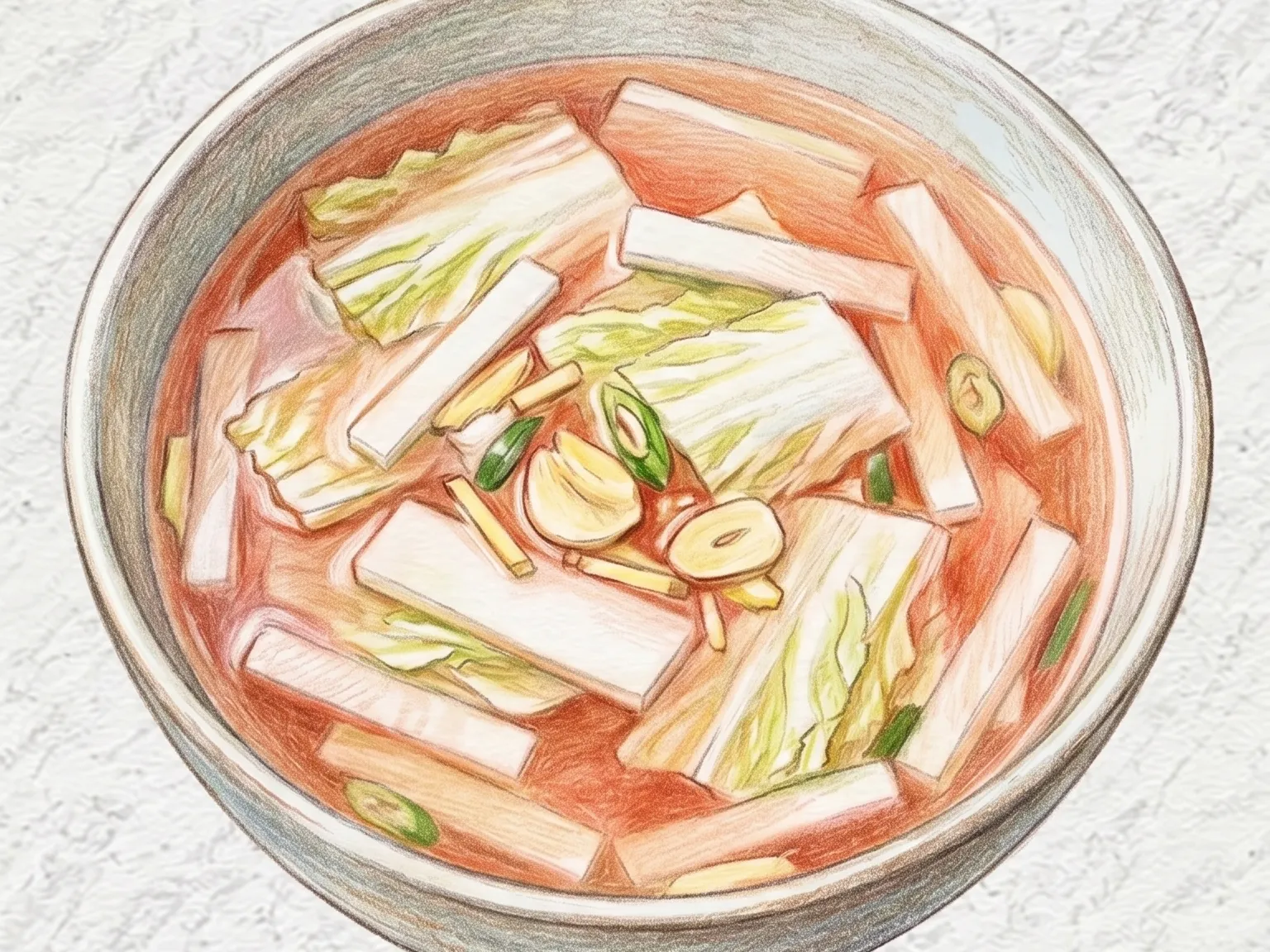
Korean Water Kimchi (Chilled Radish Broth Kimchi)
Nabak-kimchi is a Korean water kimchi made by submerging thinly sliced radish and napa cabbage in a clear, lightly reddened broth - fundamentally different from the dense, fermented intensity of baechu-kimchi. Here, the chilled broth is the centerpiece, meant to be sipped and spooned rather than merely eaten as a side. Radish and cabbage are cut into flat 2-to-3cm squares, salted briefly, then immersed in a liquid made by steeping gochugaru in water through cheesecloth - wrapping the powder prevents the particles from clouding the broth. Garlic, ginger, scallion, and fish sauce flavor the liquid. One day at room temperature initiates lactic fermentation, introducing a gentle tang, and refrigeration over two to three days deepens the complexity. A spoonful of nabak-kimchi broth alongside spicy food acts as a cooling palate cleanser. Served cold, this kimchi is particularly refreshing in summer - it is a drinking kimchi in the truest sense, closer in spirit to naengmyeon broth than to solid fermented kimchi.
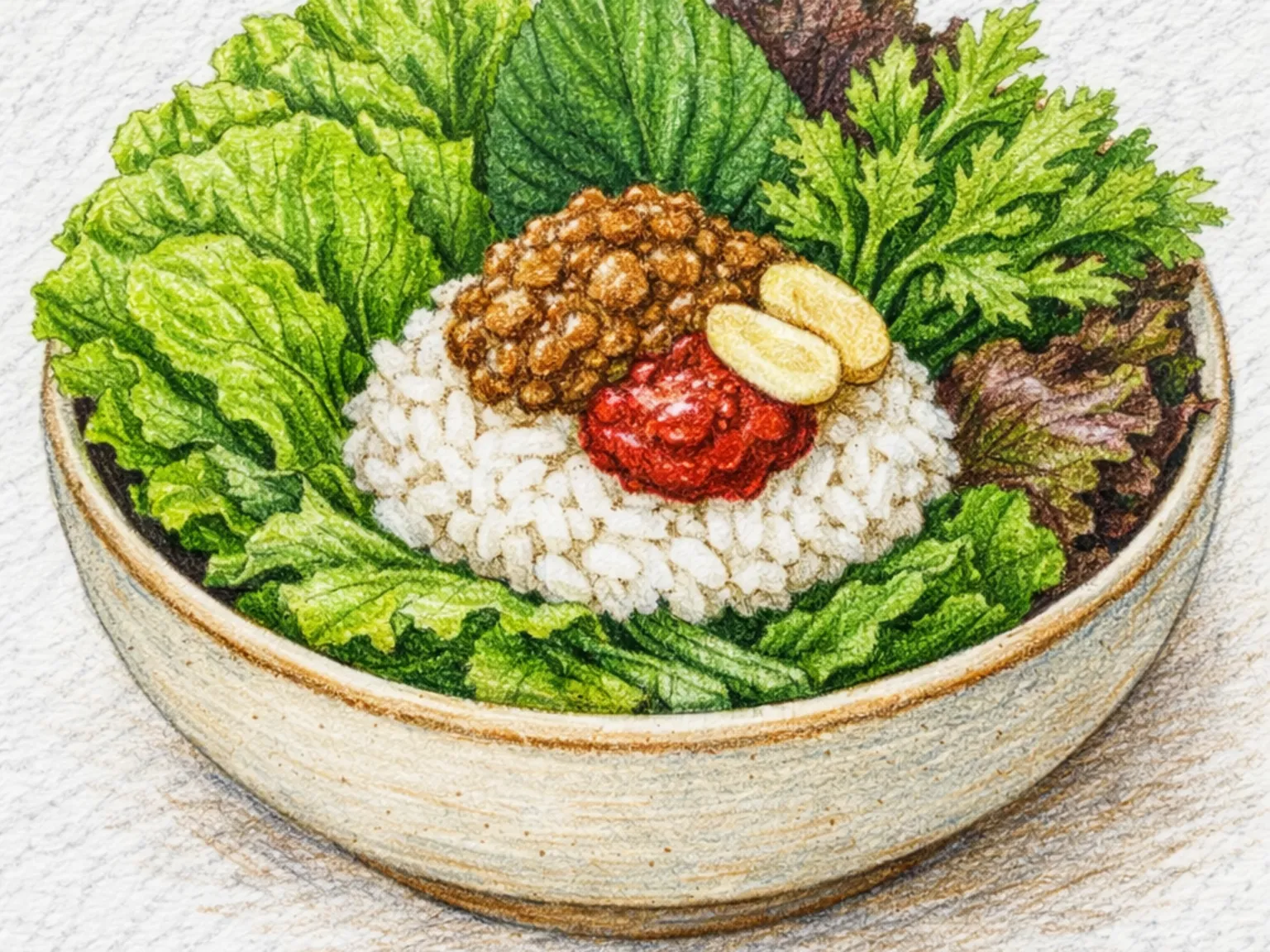
Ssambap (Korean Lettuce Leaf Wraps with Rice and Ssamjang)
Fresh lettuce, perilla leaves, and other leafy greens are spread flat and topped with a small mound of warm rice, a dab of ssamjang, and a slice of raw garlic or chili pepper, then folded into a single bite-sized wrap. The cool crunch of the leaves meets the warm, sticky rice and the salty-sweet depth of fermented soybean paste in every bite. Adding grilled pork belly or bulgogi inside the wrap turns it into a balanced, protein-rich meal. The hands-on ritual of building each wrap at the table is part of what makes ssambap a communal favorite.
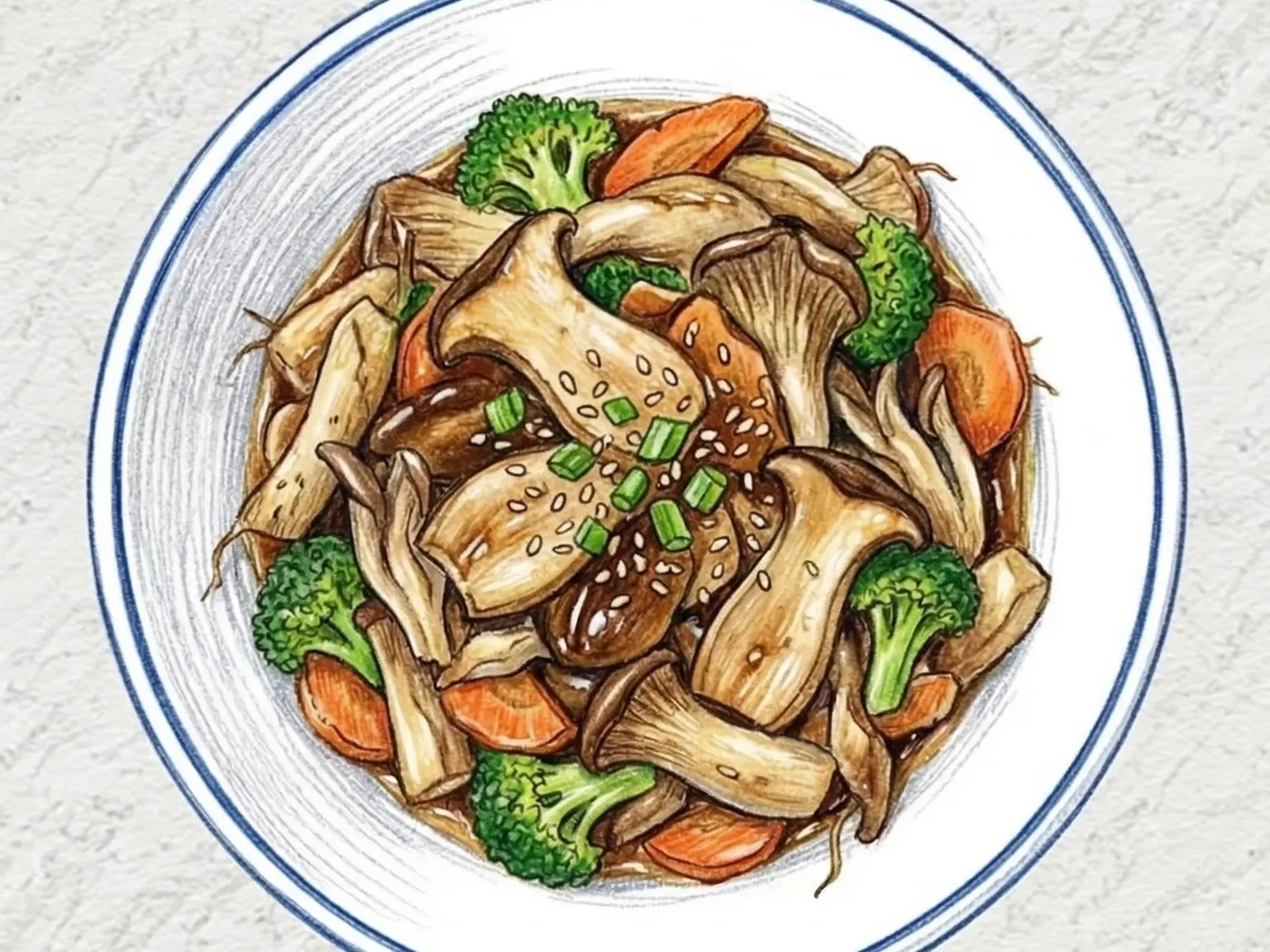
Korean Mushroom and Vegetable Stir-Fry
Mushroom-yachae-bokkeum stir-fries king oyster and oyster mushrooms with broccoli and carrot in a light soy-oyster sauce seasoning. Harder vegetables go into the hot pan first to get a head start, then the mushrooms join and pick up the sauce. High heat is essential because mushrooms release water quickly - fast cooking evaporates that moisture and concentrates the umami rather than steaming the ingredients. A finish of sesame oil ties the flavors together in a low-calorie dish that draws its depth entirely from the mushrooms' natural savoriness.
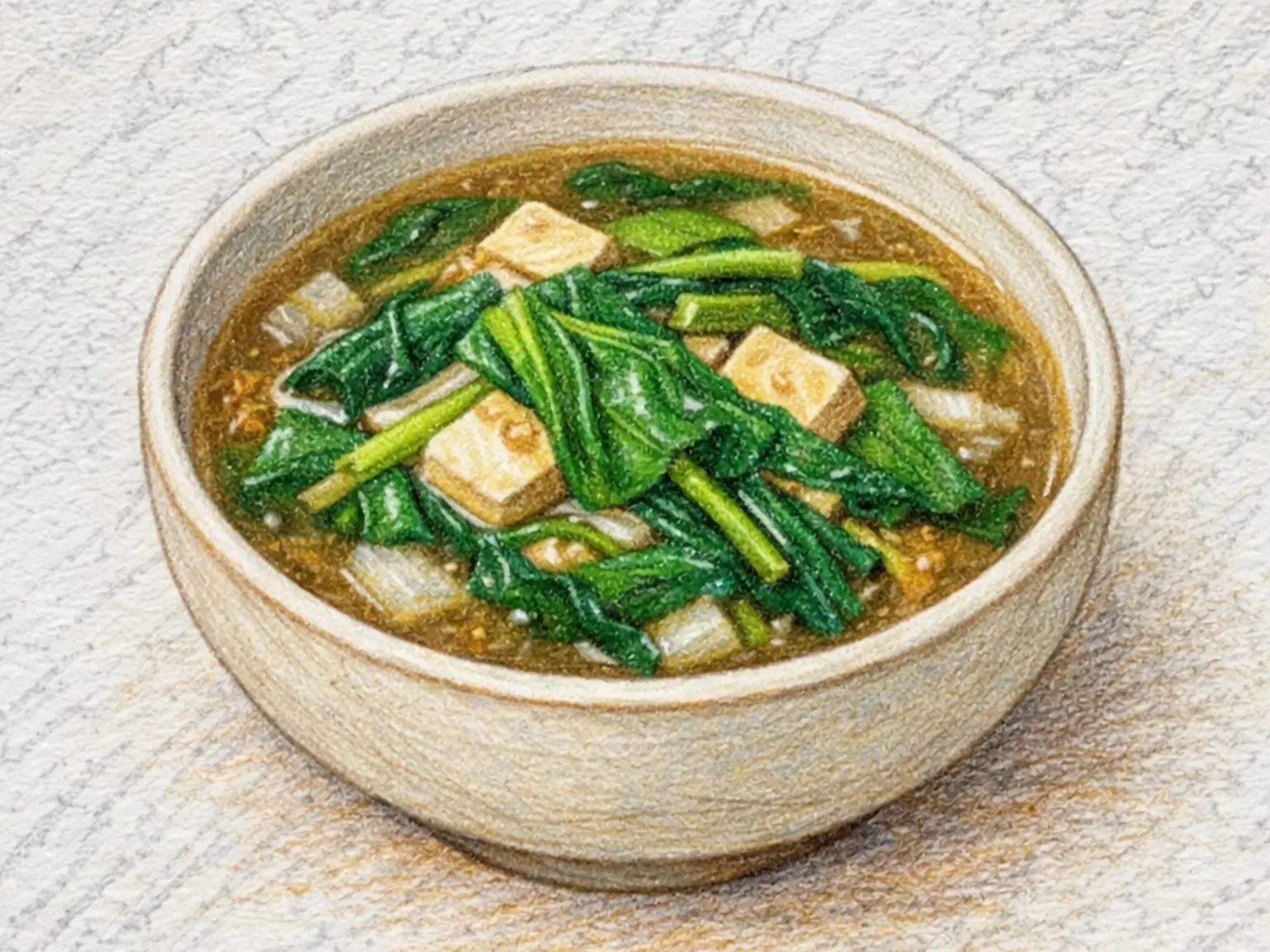
Korean Spinach Soybean Paste Soup
Sigeumchi-doenjang-guk is a foundational Korean soup that combines spinach with soybean paste in anchovy-kelp stock, producing a broth that is earthy, warm, and deeply familiar to anyone who grew up eating Korean home cooking. Doenjang is dissolved into the simmering stock first, establishing a savory, slightly funky baseline. Spinach is added near the end and wilts within seconds, contributing a soft green color and a faint bitterness that, rather than clashing with the fermented paste, amplifies its complexity. Tofu is a common addition that gives the soup more substance and a creamy counterpoint to the leafy greens. Garlic and green onion handle the aromatics, and no chili is used, keeping the soup on the gentle end of the Korean flavor spectrum. The key technical point is timing: spinach left in boiling liquid too long turns dull and mushy, so experienced cooks drop it in and turn off the heat almost immediately. This soup is one of the most frequently prepared versions of doenjang-guk in Korean kitchens precisely because spinach is available year-round, affordable, and cooks in moments. It pairs seamlessly with any banchan spread and never competes for attention on the table.
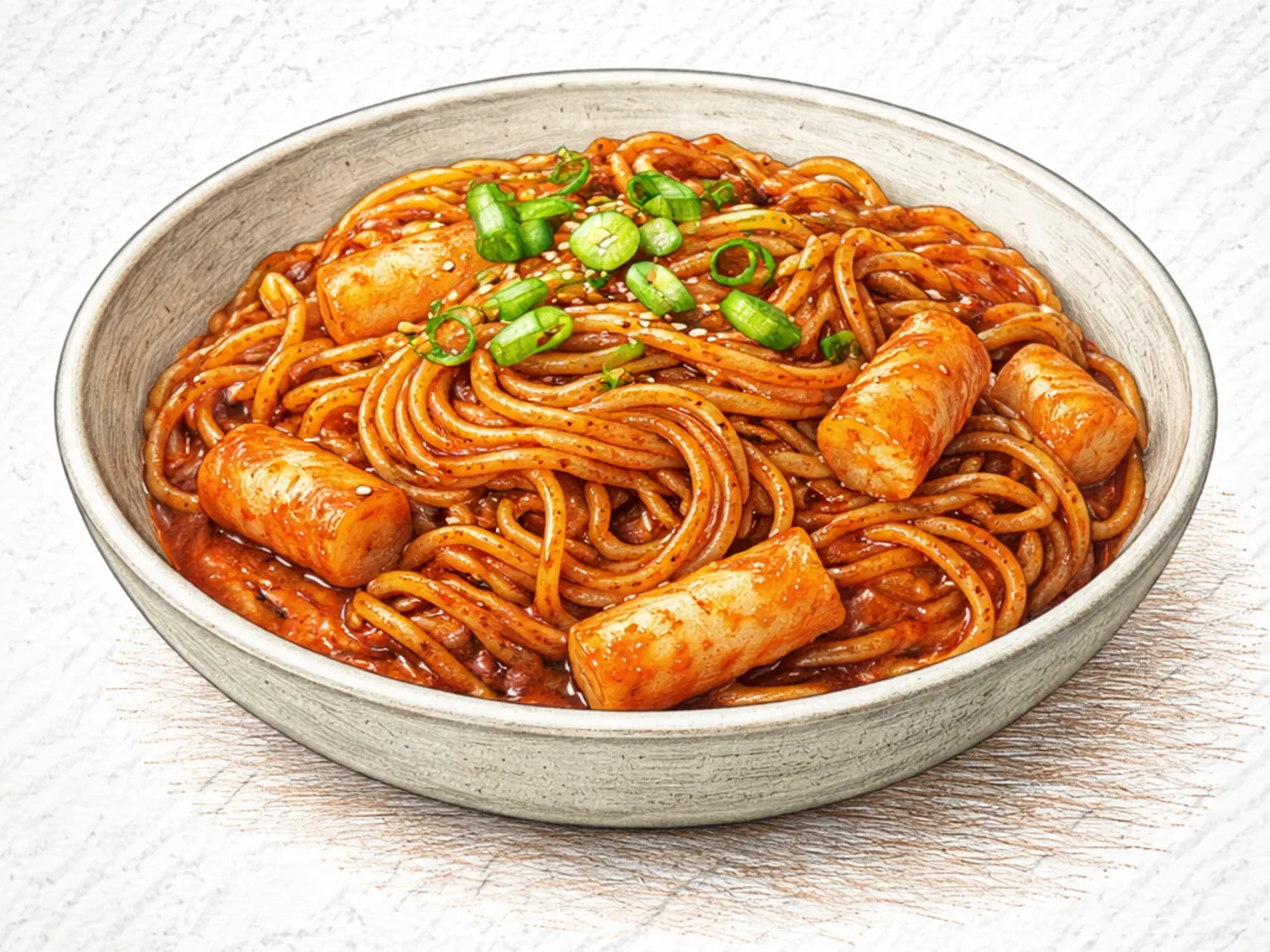
Korean Tteokbokki Noodles
Tteok-bokkeum-myeon stir-fries udon noodles and cylindrical rice cakes together in a gochujang-based sauce that is both spicy and slightly sweet. The two main components offer contrasting textures - stretchy rice cakes and springy noodles - coated in the same thick, red sauce. Fish cake and boiled eggs are common additions. The dish takes about 25 minutes from start to plate, with most of the work being chopping ingredients and stirring everything in a single pan. It is a staple of Korean street-food culture.
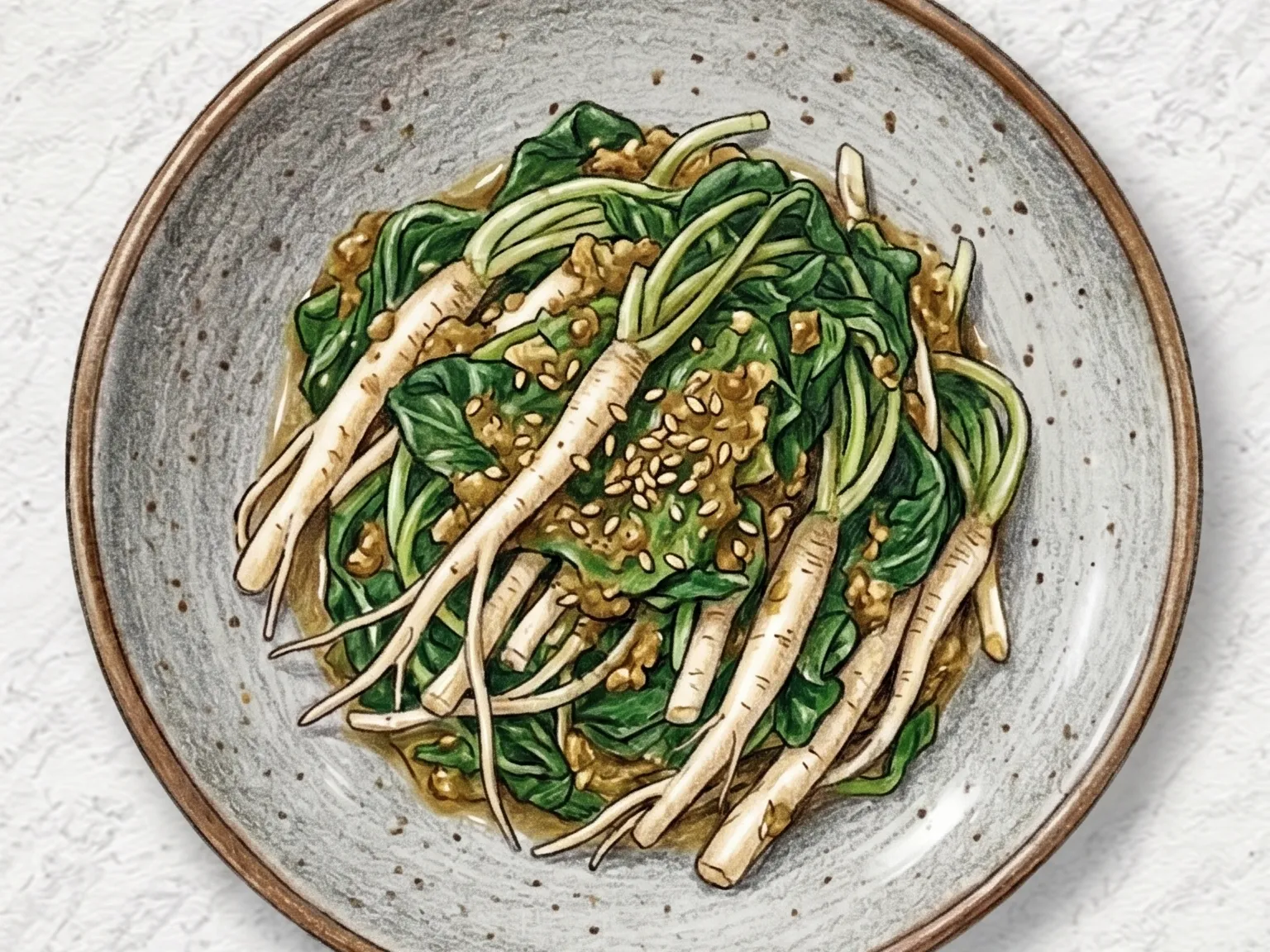
Korean Seasoned Shepherd's Purse
Naengi-namul-muchim is a fragrant spring banchan made from shepherd's purse (naengi), a wild green foraged from rice paddy edges and field margins in early spring. The root is eaten along with the leaves - its distinctive earthy, almost truffle-like aroma defines the dish, and discarding it halves the point of using naengi at all. Cleaning the roots of clinging soil is the most time-consuming prep step, requiring careful scraping with a knife. Blanching must stay under thirty seconds to preserve the volatile aromatics, with immediate cold-water shocking to lock in color and fragrance. Doenjang, soup soy sauce, minced garlic, and sesame oil form the dressing - the fermented paste's earthy depth meets the herb's soil-scented fragrance to create a layered spring flavor. Doenjang rather than gochujang is the traditional choice because chili heat would overwhelm naengi's delicate perfume. Available at Korean markets only during the brief February-to-March window, it is one of the most anticipated seasonal namul.
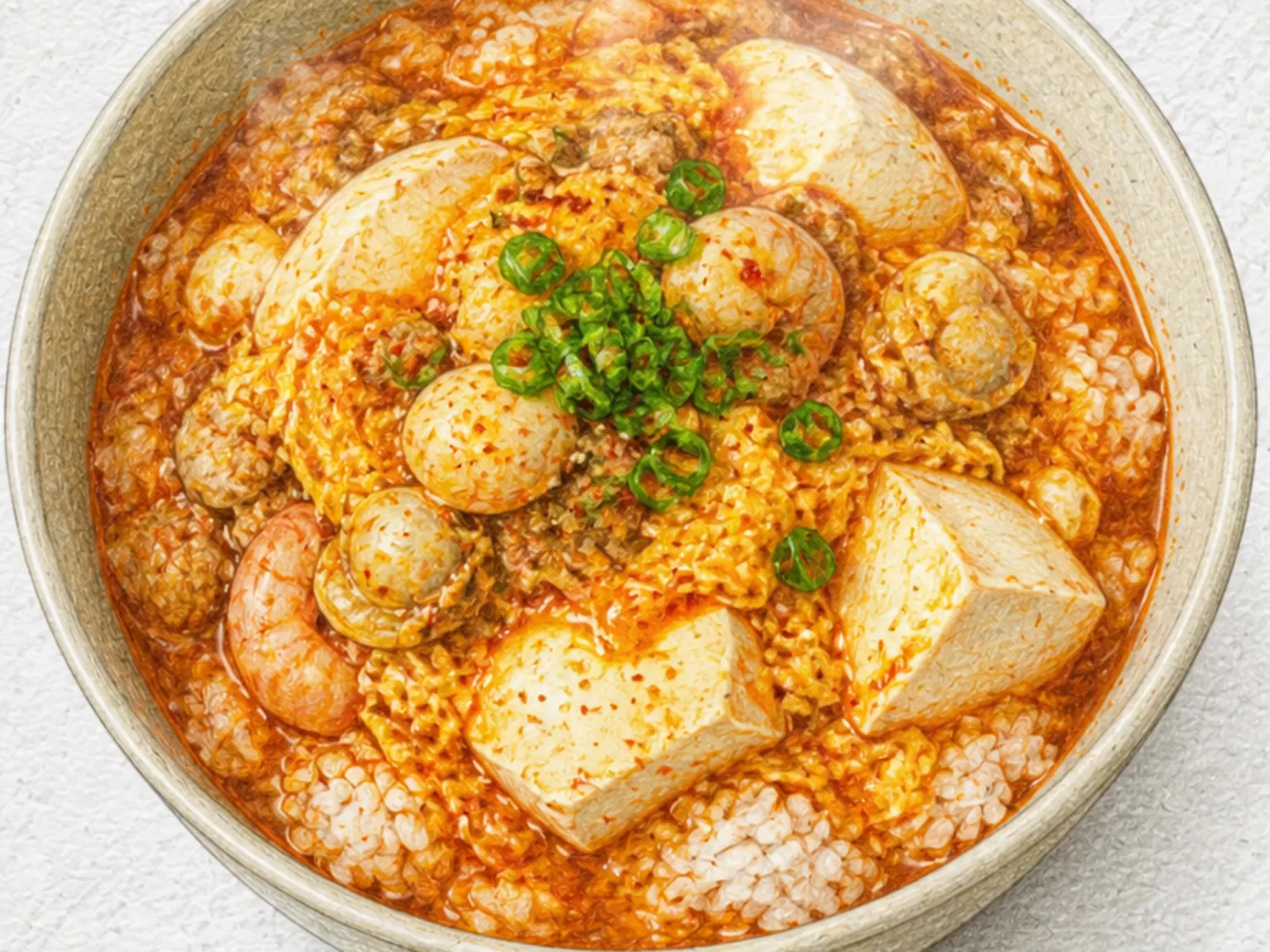
Korean Soft Tofu Stew Rice Bowl
Fiery soft-tofu stew is cooked until bubbling and poured directly over a bowl of rice so the spicy broth seeps into every grain. The silky tofu breaks apart gently, creating pockets of creamy texture within the chili-laced soup. Cracking a raw egg into the simmering pot softens the heat and adds body to the broth. Variations with shrimp, clams, or pork each shift the base flavor in a different direction, making this a versatile single-bowl meal. Serving it soon after cooking keeps the intended texture clearer, while brief resting lets the sauce or broth settle into the dish.
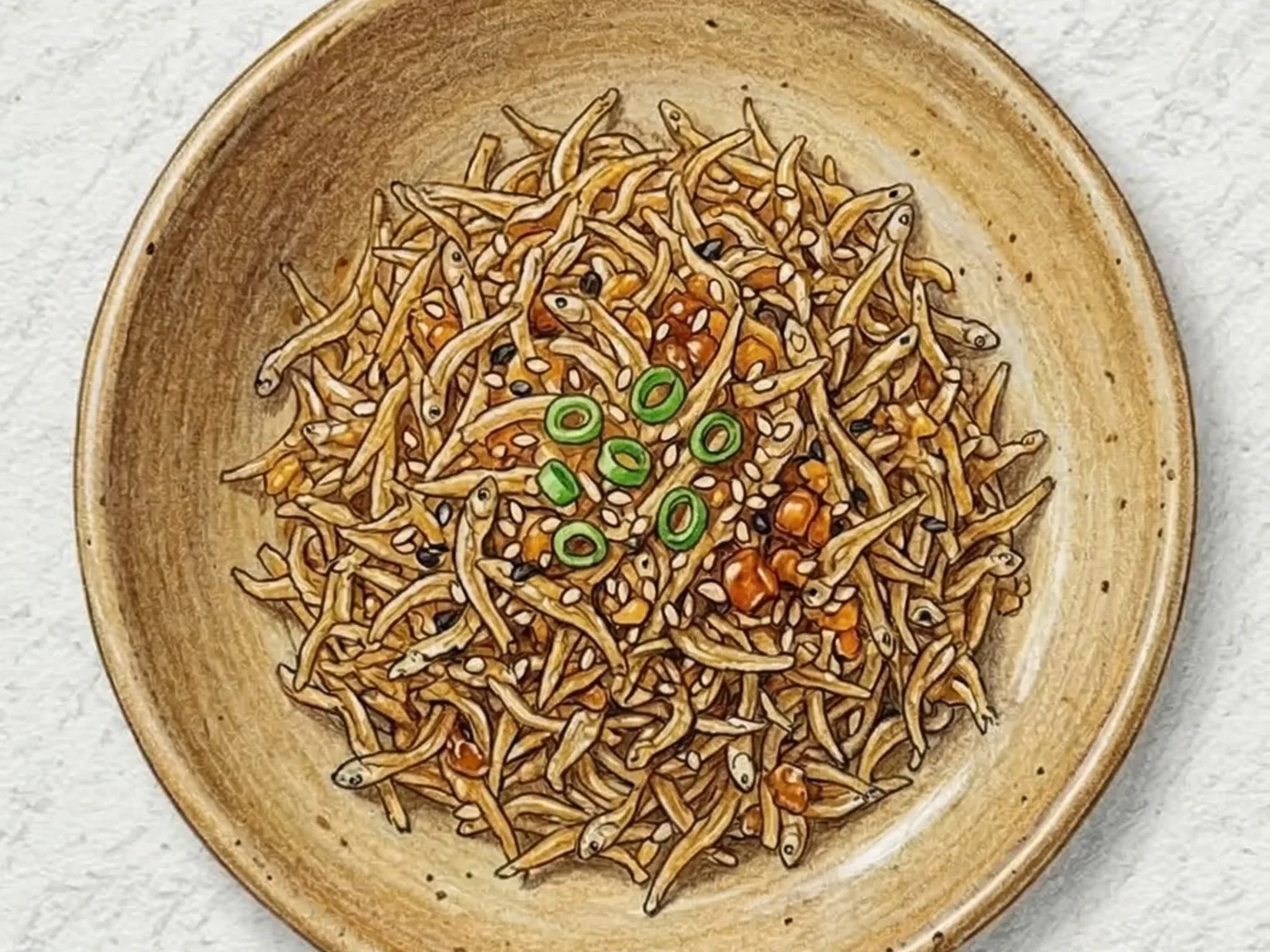
Korean Stir-fried Anchovies
Myeolchi-bokkeum is a foundational Korean banchan of small dried anchovies glazed in a sweet-salty coating of soy sauce and oligosaccharide syrup. The anchovies are first dry-roasted in a clean pan on low heat for three minutes to remove fishiness and build crunch. A sauce of garlic, soy sauce, and syrup is bubbled separately, and the anchovies are tossed back in for a quick, even coating. Sesame oil and toasted sesame seeds finish the dish; once fully cooled, the glaze sets firm, giving the anchovies a snappy texture that keeps well in an airtight container for over a week.
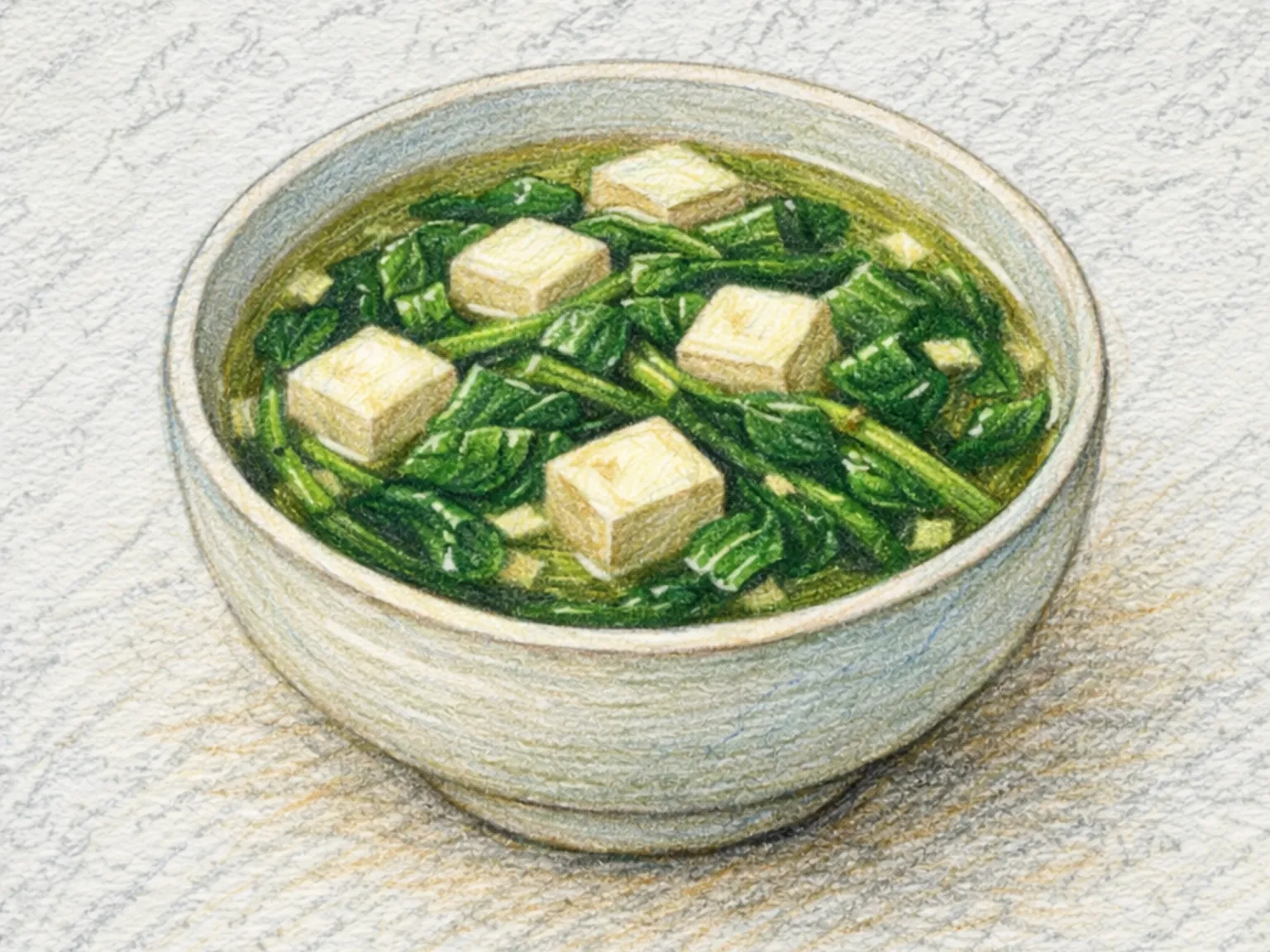
Korean Spinach Tofu Soup
Sigeumchi-dubu-guk is a clear, mild Korean soup in which spinach and tofu float in an anchovy-kelp broth seasoned only with soup soy sauce - no fermented paste, no chili. The result is a bowl of quiet transparency where each ingredient's natural flavor is audible: the green, slightly mineral taste of spinach, the neutral creaminess of tofu, and the clean savor of the stock. A small amount of minced garlic builds umami in the background, and a single drop of sesame oil on the surface adds a whisper of richness. This soup is intentionally gentle, which is exactly why Korean families rely on it so heavily - it suits every palate and every age group, from toddlers to grandparents. Cooks often serve it alongside bold, spicy dishes because the clear broth acts as a reset between intense bites. The technique is straightforward but timing matters: tofu should be cut into generous cubes so it holds its shape during simmering, and spinach should enter the pot only at the very end to preserve its color and a touch of texture. The entire preparation takes under fifteen minutes and requires only four or five ingredients, making it one of the most practical everyday soups in Korean cooking.
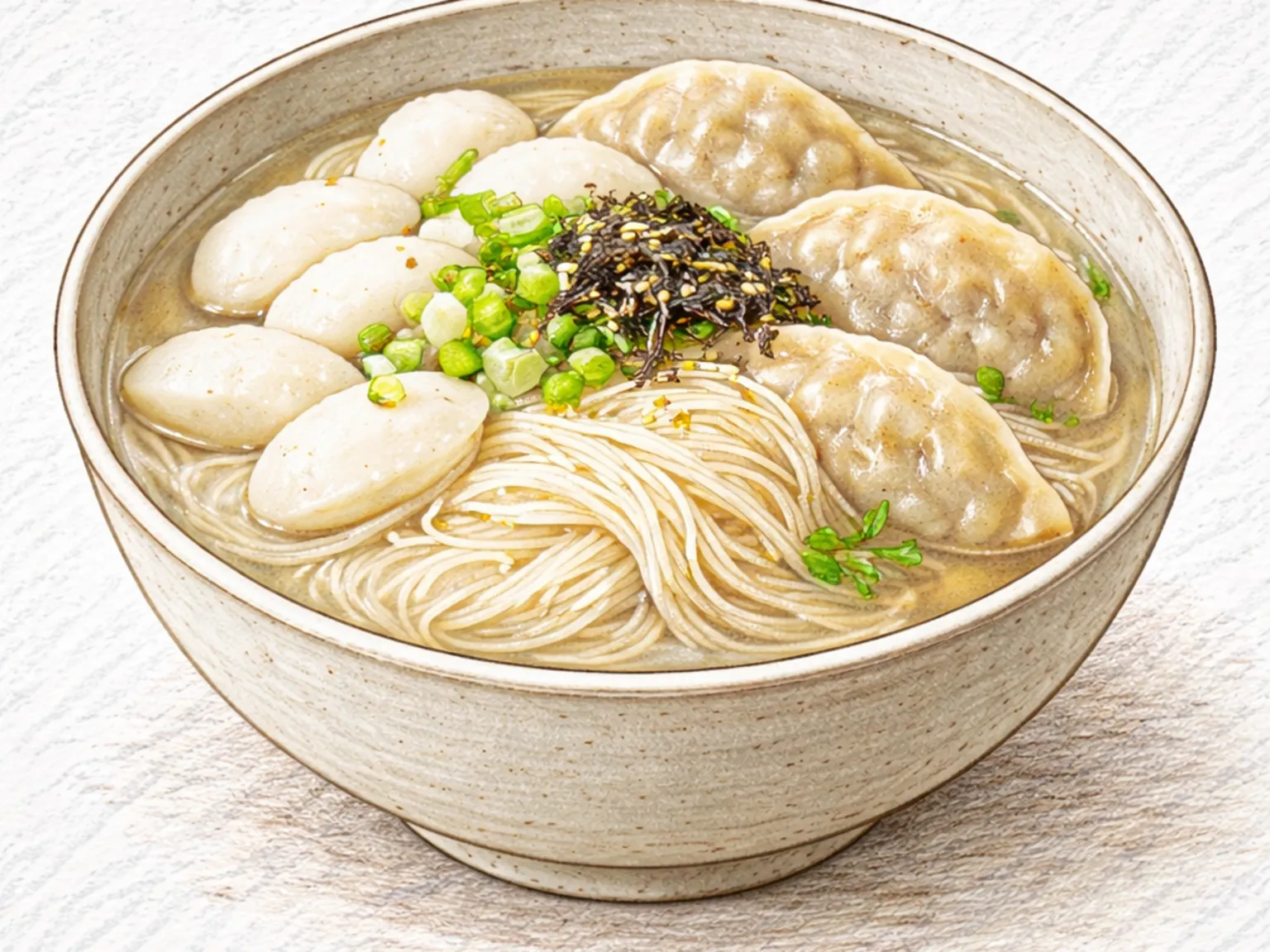
Korean Rice Cake Dumpling Noodle Soup
Tteok-mandu-guk-myeon combines sliced rice cakes, dumplings, and thin somyeon noodles in a rich beef bone broth. Each component contributes a different texture - chewy rice cakes, plump filled dumplings, and soft noodles - making the bowl substantial. The broth is typically garnished with egg strips, shredded seaweed, and scallions. This dish merges two traditional Korean soups (tteokguk and manduguk) into a single, filling meal. Using store-bought dumplings and pre-made broth, it can be ready in under 40 minutes.
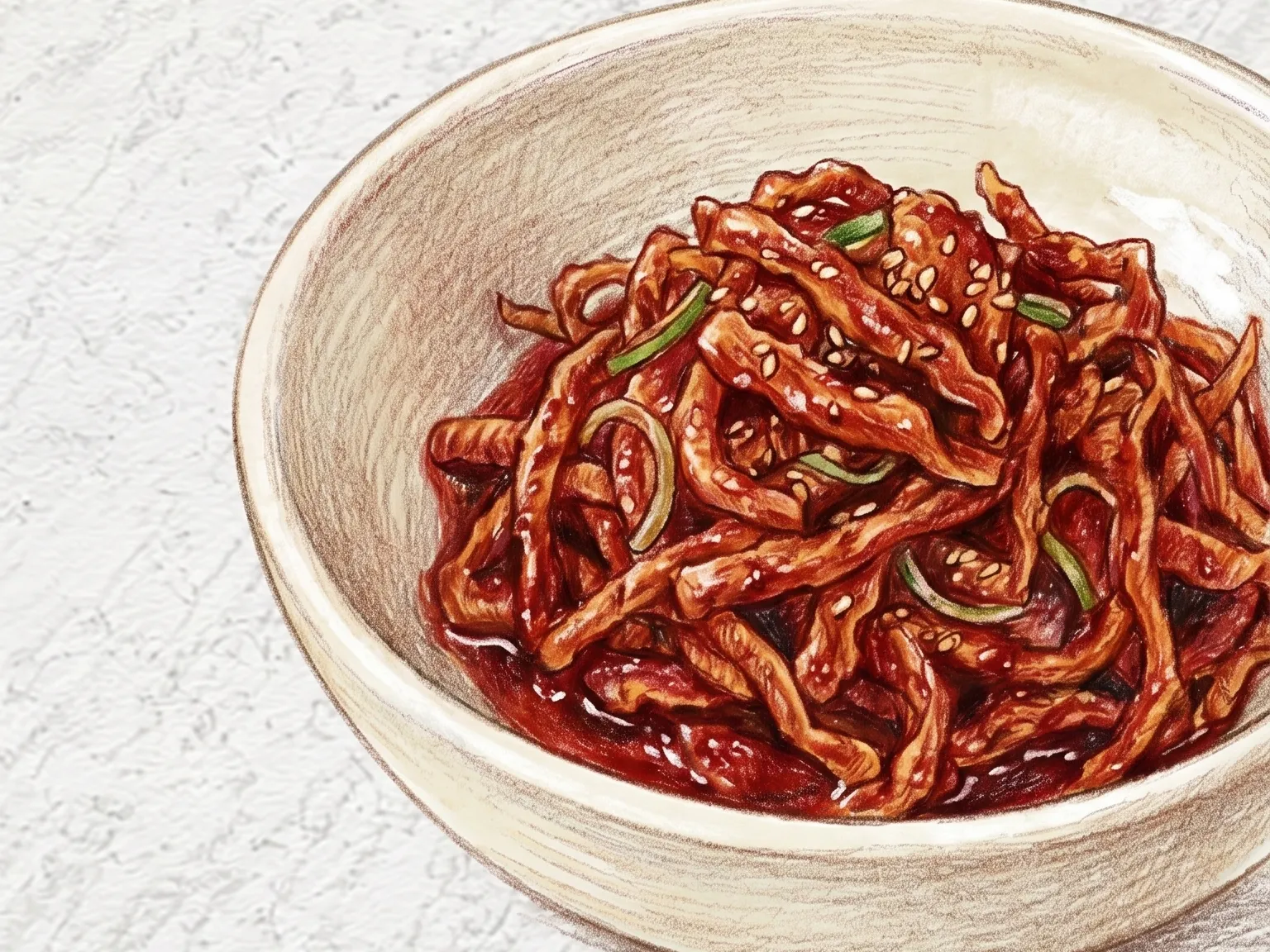
Ogeurakji (Dried Radish Strips)
Ogeurakji muchim is a traditional Gyeongsang-do style side dish made of dried radish strips. The cooking process starts by soaking the dried radish strips in cold water for exactly twenty minutes to retain a firm and chewy texture. After soaking, the strips are rinsed and squeezed firmly to remove excess moisture, preventing the seasoning from watering down. The dressing combines chili powder, anchovy fish sauce, soy sauce, and rice syrup. Using rice syrup instead of sugar gives the strips a heavy, glossy coating. The radish strips are massaged firmly by hand to help the spicy, salty, and sweet flavors penetrate. Minced garlic, chopped chives, and sesame seeds are folded in at the end. This side dish can be served immediately, but maturing it in the refrigerator for one day deepens the taste.
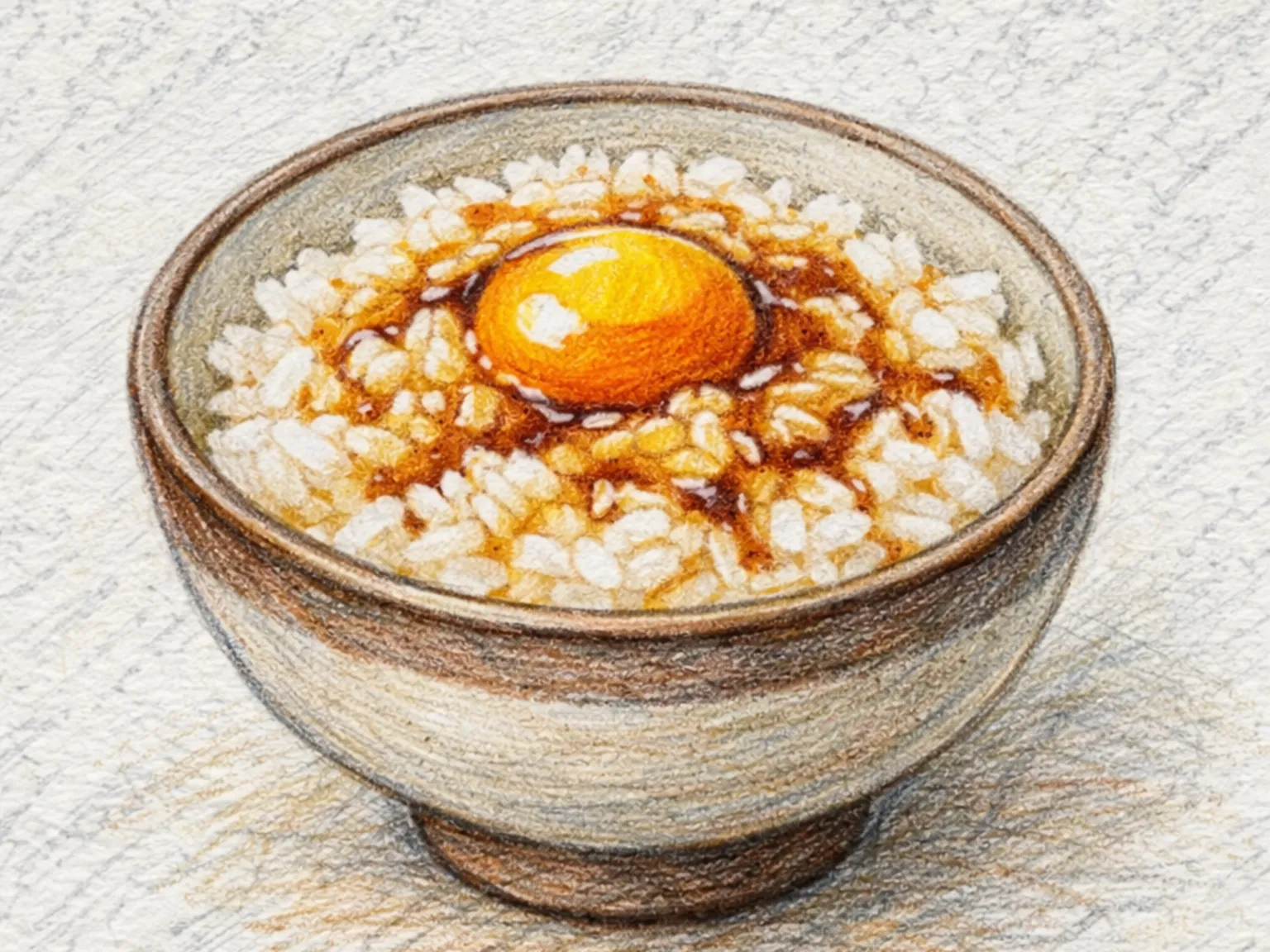
Egg Over Rice (Raw Egg Stirred into Hot Rice with Soy Sauce)
Tamago Kake Gohan is a simple Japanese comfort food consisting of raw egg stirred into freshly cooked hot rice and seasoned with soy sauce. The core of this dish lies in utilizing the steam and residual heat of the rice to warm and partially cook the raw egg. As it is whipped rapidly with chopsticks, the egg transforms into a silky, custard-like coating around every single grain of rice. Melting a small pat of butter in the center before adding the egg introduces an additional layer of rich aroma. Soy sauce is added gradually to balance the richness with its savory umami depth. To complete the dish, seaweed flakes and finely chopped green onions are sprinkled on top. It must be eaten immediately while steaming hot, as letting it sit cools the egg and causes the rice to become soggy.

Korean Pollock Roe Egg Butter Stir-fry
Myeongran-dalgyal-butter-bokkeum gently cooks pollock roe and eggs in butter with diced onion, producing soft, creamy curds studded with tiny pops of briny roe. The roe sacs are split open and the eggs are scraped out, then stir-fried for just 30 seconds before the milk-enriched egg mixture is poured in and slowly folded into large, pillowy curds. Half the butter goes in at the start for cooking, and the remaining half is stirred in off-heat for richness. Chopped chives and black pepper finish the dish, which goes from pan to plate in under eight minutes.
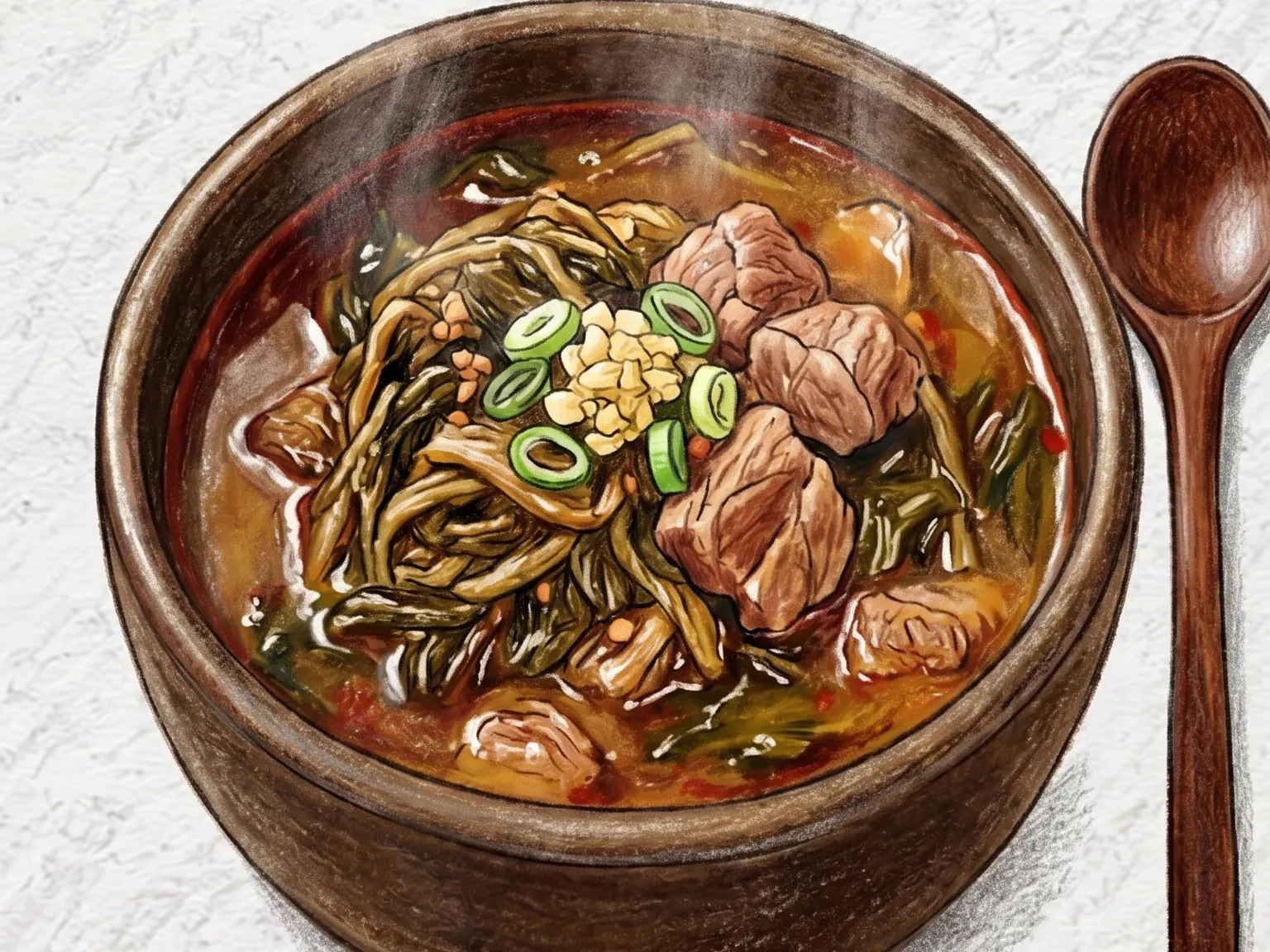
Korean Dried Radish Greens Pork Soup
Siraegi-dwaejigogi-guk is a hearty Korean soup that marries dried radish greens with pork in a broth deepened by doenjang and warmed with a moderate dose of gochugaru. The dried greens are first boiled until pliable, then dressed with soybean paste so the fermented flavor works its way into every fiber. Pork shoulder or neck, cut into bite-sized pieces, simmers alongside, releasing rendered fat that enriches the broth and adds a full-bodied mouthfeel. The chili flakes turn the liquid a dark reddish-brown and introduce a gentle heat that prevents the pork fat from feeling heavy. Garlic and green onion build the aromatic base, and some cooks add a splash of perilla oil at the end for an extra layer of nuttiness. The greens keep a pleasant chew even after long cooking, providing textural contrast to the tender pork. Served over rice with plenty of broth ladled on top, each spoonful delivers doenjang, pork, and radish greens in a single, satisfying combination. This soup is at its best during winter, when dried radish greens from the autumn harvest are at peak flavor and the cold weather demands something hot and substantial.
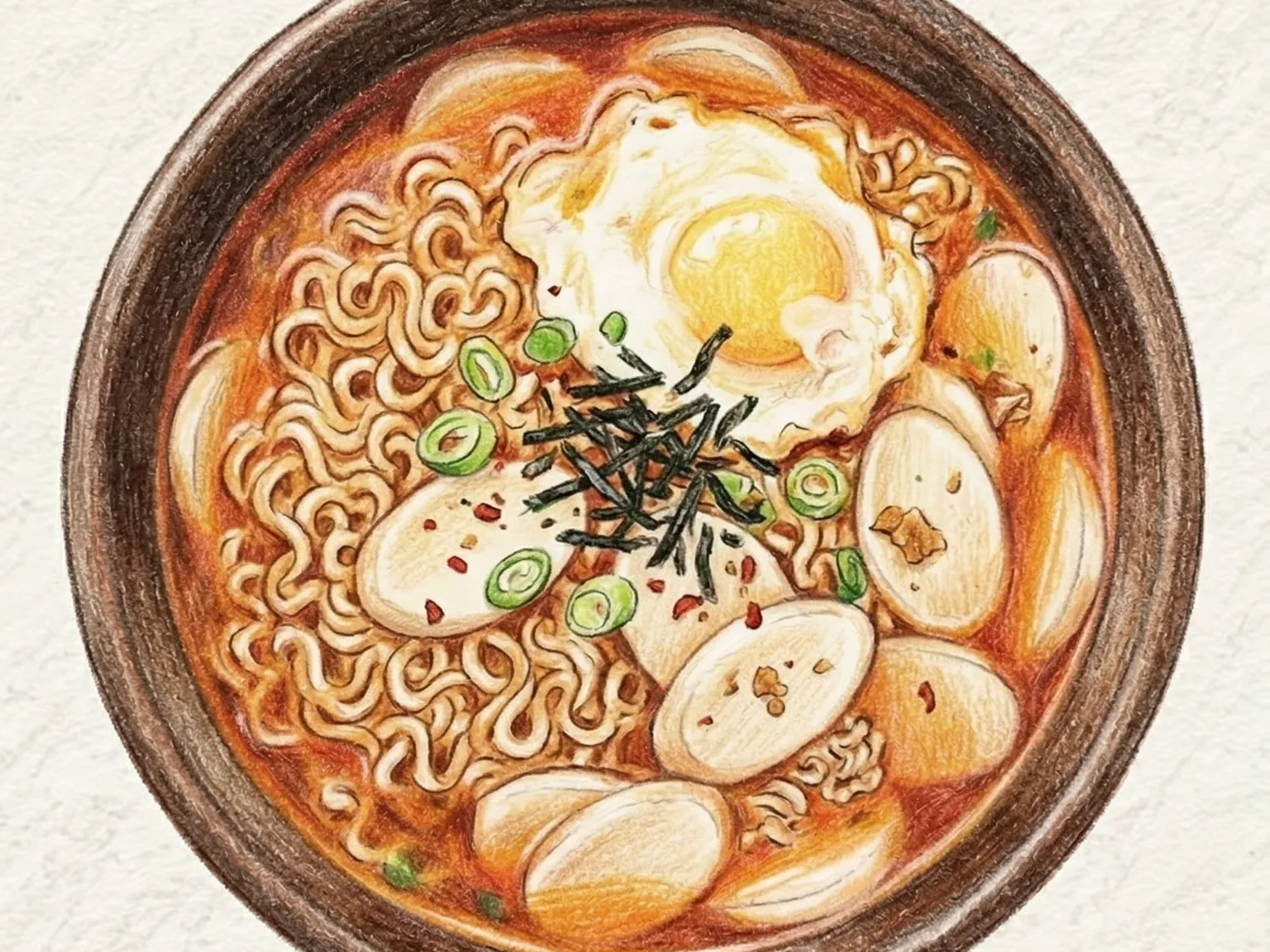
Korean Tteok and Ramyeon (Instant Ramen with Chewy Rice Cakes)
Tteok-ramyeon is a Korean shortcut dish that adds chewy rice cakes to a pot of instant ramen. The rice cakes absorb the spicy broth as they cook, intensifying the seasoning while providing a bouncy texture that instant noodles alone lack. An egg or a slice of cheese is often cracked in near the end for added richness. The entire dish is ready in about 13 minutes with no knife skills required - just boiling water and timing. It is one of the most common late-night snacks in Korea. Adding seasoning in stages makes it easier to adjust saltiness, sweetness, and heat without covering the base ingredients.
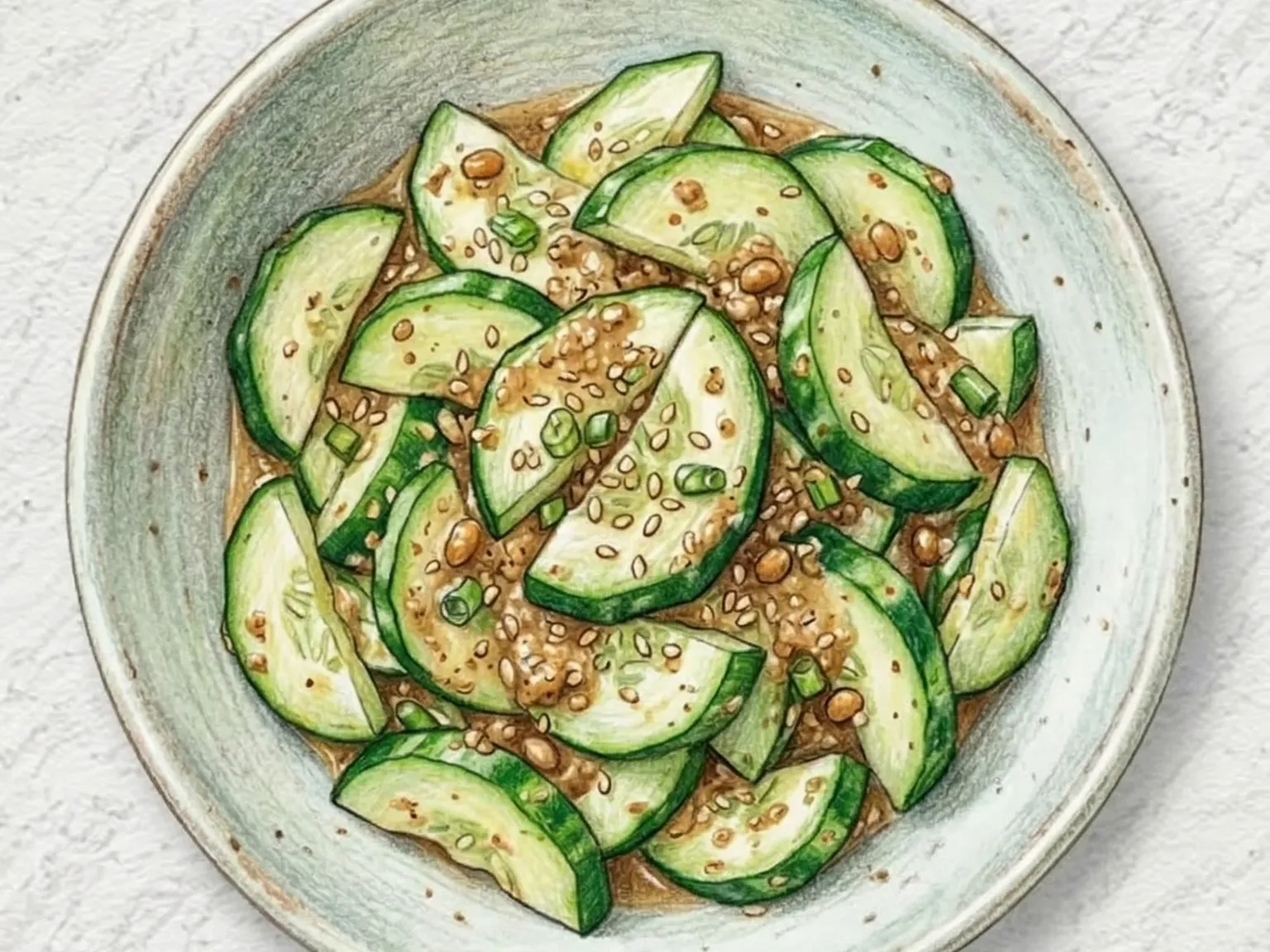
Korean Cucumber Doenjang Salad
Oi-doenjang-muchim dresses cucumber in a doenjang-based seasoning - a milder alternative to the gochugaru-forward oi-muchim, foregrounding the fermented soybean paste's savory depth over spicy heat. Cucumber is sliced into half-moons or diagonal cuts and salted for five minutes to draw out moisture; skipping this step dilutes the dressing into a watery puddle. The seasoning blends doenjang, soup soy sauce, minced garlic, sesame oil, and sesame seeds, with the doenjang quantity being the critical ratio - too much and the dish is aggressively salty, too little and the cucumber's blandness dominates. Roughly one tablespoon of doenjang to two cucumbers is the working proportion. The cucumber's cool moisture meets doenjang's deep umami to produce a combination that is refreshing yet substantial enough to anchor a rice meal, especially in summer. This banchan must be eaten promptly after assembly - over time, osmotic pressure draws water from the cucumber and collapses its crunch. Served alongside grilled meat, the doenjang's savoriness complements the char while cleansing the palate.
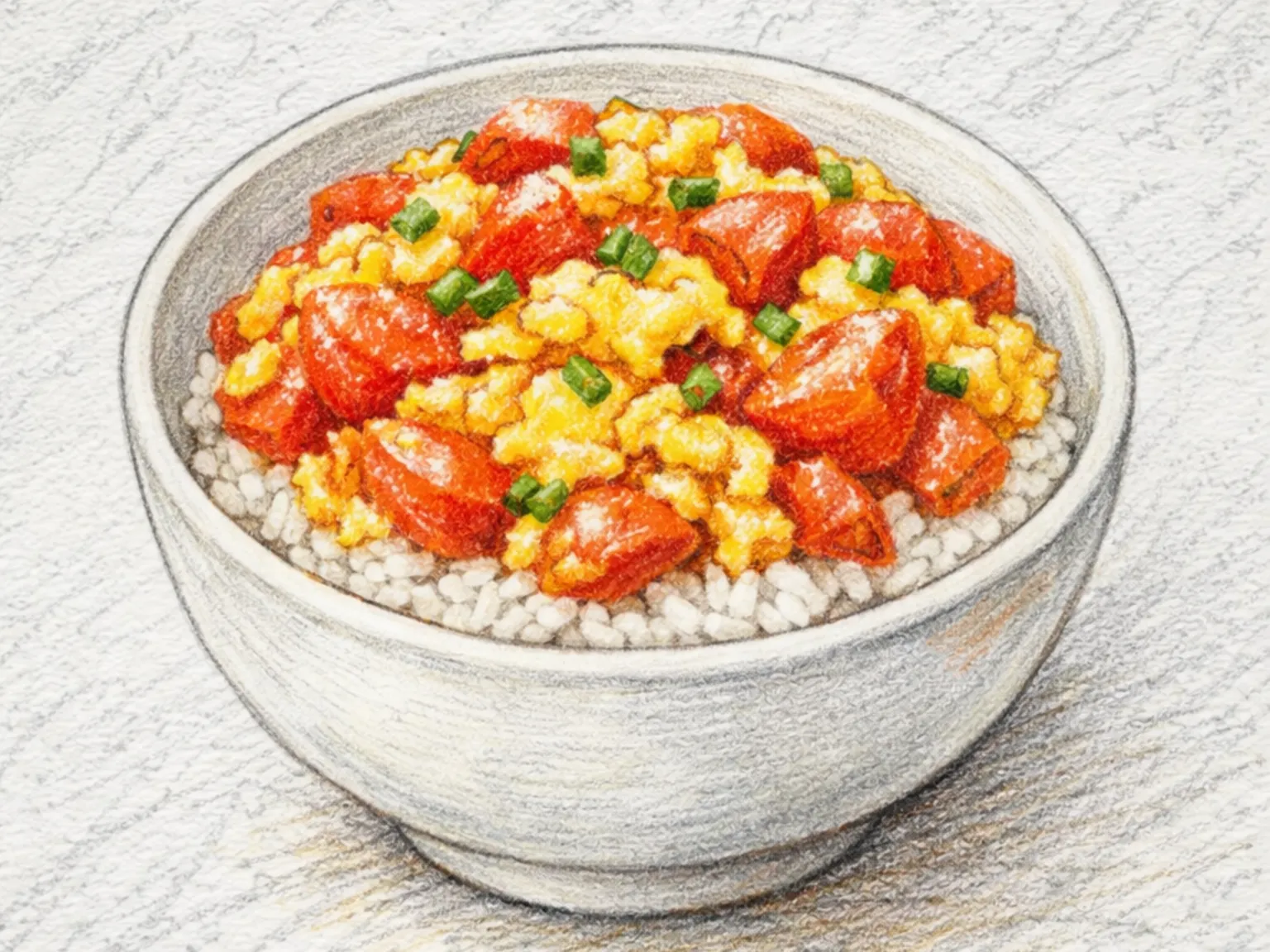
Tomato Egg Rice Bowl (Stir-fried Tomatoes with Soft Scrambled Eggs)
Ripe tomatoes are cut into wedges and stir-fried over high heat until they release their juices and form a natural, tangy sauce. Beaten eggs are poured in and gently folded so they stay soft and barely set, mingling with the tomato pulp. A small amount of sugar and soy sauce brings the sweet-tart balance into focus. Spooned over hot rice, the sauce soaks into the grains and the whole bowl comes together in under ten minutes, drawing on the simplicity of Chinese home cooking. It can be served as a one-bowl meal, with simple accompaniments chosen to match the sauce, broth, or topping.
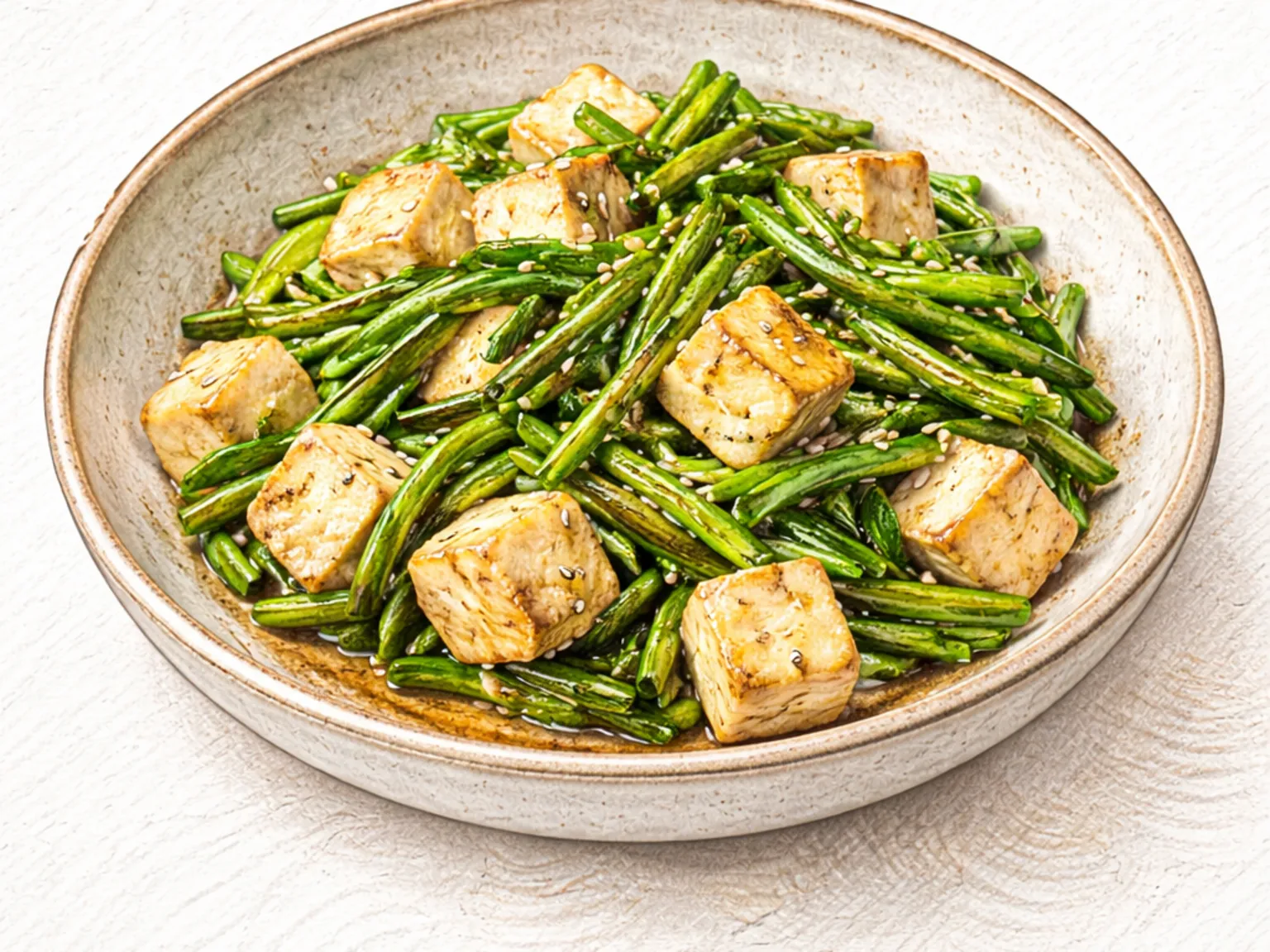
Korean Shepherd's Purse Tofu Stir-fry
Naengi-dubu-bokkeum is a spring-seasonal Korean stir-fry that pairs shepherd's purse - a wild herb with a distinctive earthy bitterness - with cubed firm tofu in perilla oil and soy sauce. The tofu is pan-seared until golden to build a crust, then set aside while onion and garlic cook in the same pan before soy sauces go in. The tofu returns along with the cleaned, trimmed shepherd's purse, which needs only two minutes of gentle tossing to wilt without losing its herbal bite. A final drizzle of perilla oil and a pinch of toasted sesame seeds layer nuttiness over the herb's green, slightly bitter fragrance.
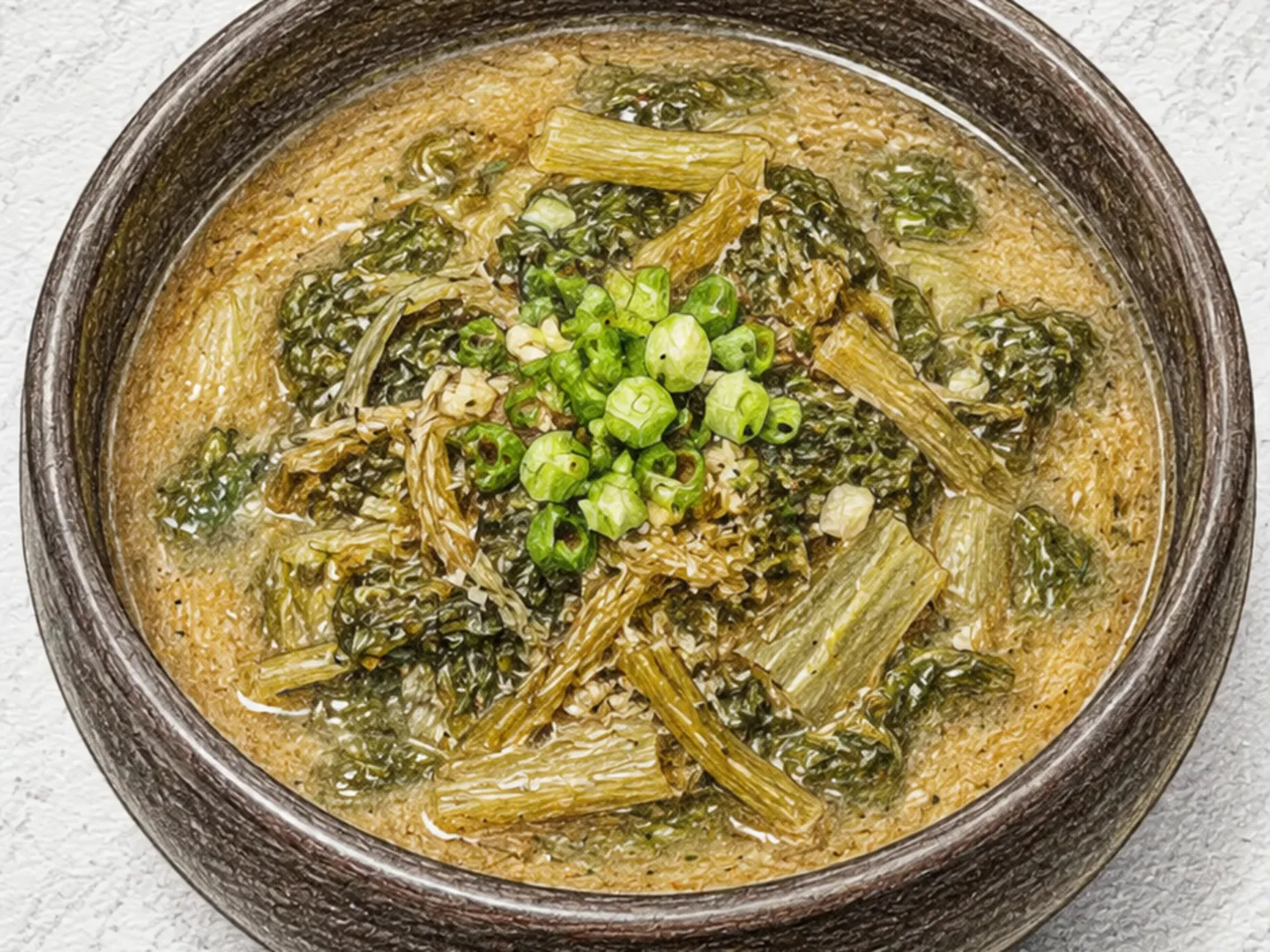
Korean Dried Radish Greens Soup
Siraegi-guk is a Korean dried radish greens soup that transforms a humble preserved vegetable into something deeply flavorful through the medium of doenjang. The greens are dried in autumn, then reconstituted by boiling until soft - a process that concentrates their earthy, slightly bitter character. When simmered in stock with dissolved soybean paste, that concentrated flavor meets fermented umami and the result is a broth richer than the ingredient list would suggest. Adding ground perilla seeds pushes the soup further, turning the liquid creamy and nutty. Garlic and green onion form the aromatic backbone. The soup works well without meat, but many cooks stir-fry a small amount of beef in perilla oil before adding the liquid, which introduces a beefy depth that rounds out the overall profile. The critical step is managing the initial boiling of the dried greens: not enough, and the bitterness overwhelms; too much, and the greens become bland. Experienced Korean cooks leave just enough edge to give the soup its distinctive character - a pleasant astringency that makes doenjang taste more interesting rather than less. Siraegi-guk is pantry cooking at its finest, relying on dried goods and fermented paste to produce a bowl that tastes like slow, patient effort.
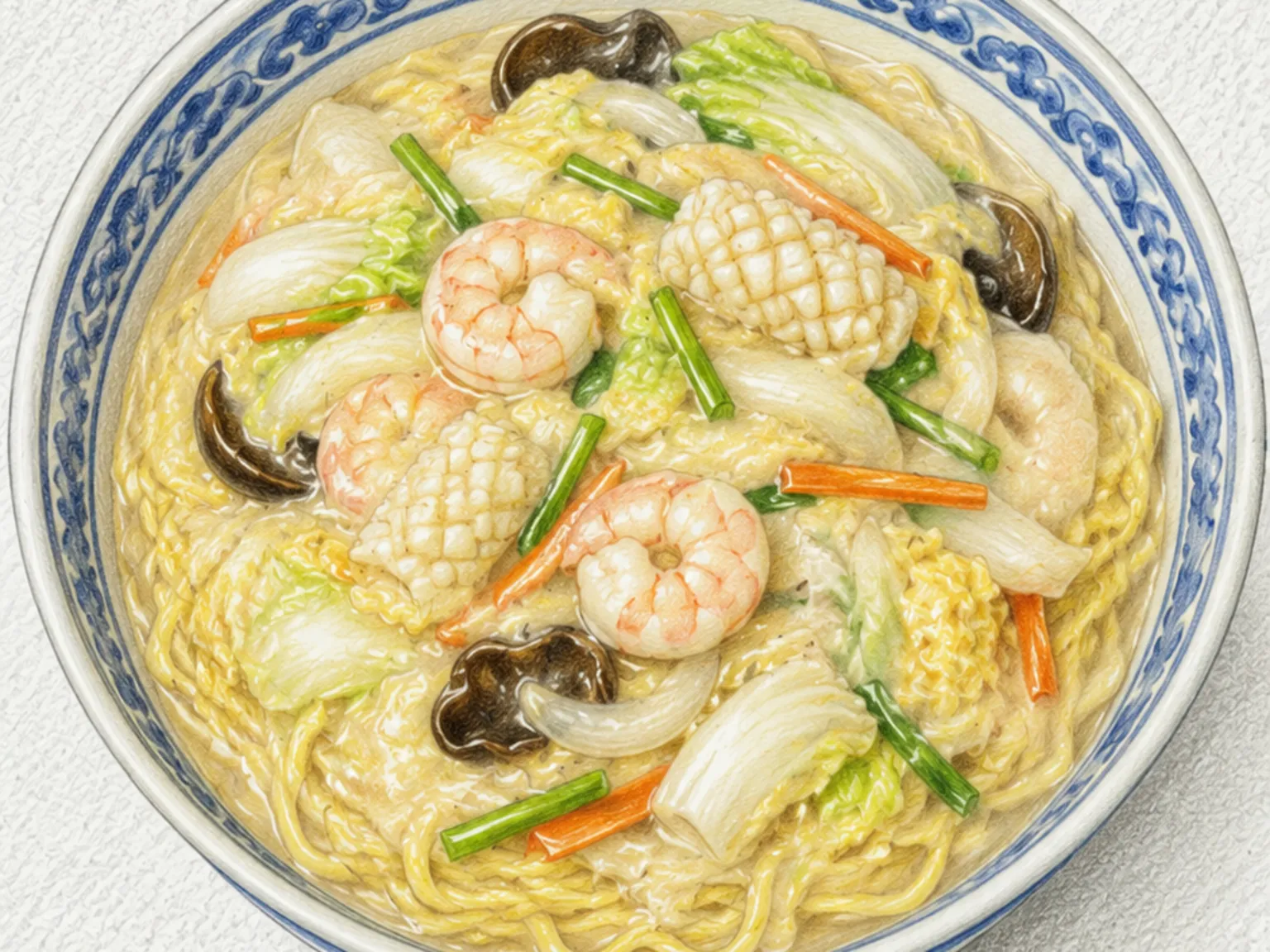
Korean-Chinese Seafood Gravy Noodles
Ulmyeon is a Korean-Chinese noodle dish in which fresh wheat noodles are topped with a thick, white starch-thickened gravy loaded with seafood and vegetables. Shrimp, squid, and other shellfish give the gravy a pronounced umami backbone. Beaten egg is swirled into the sauce toward the end, adding body and soft curds throughout. Unlike jjamppong, the dish carries little to no chili heat. Preparation takes about 40 minutes, and getting the starch slurry to the right consistency is the most important step.
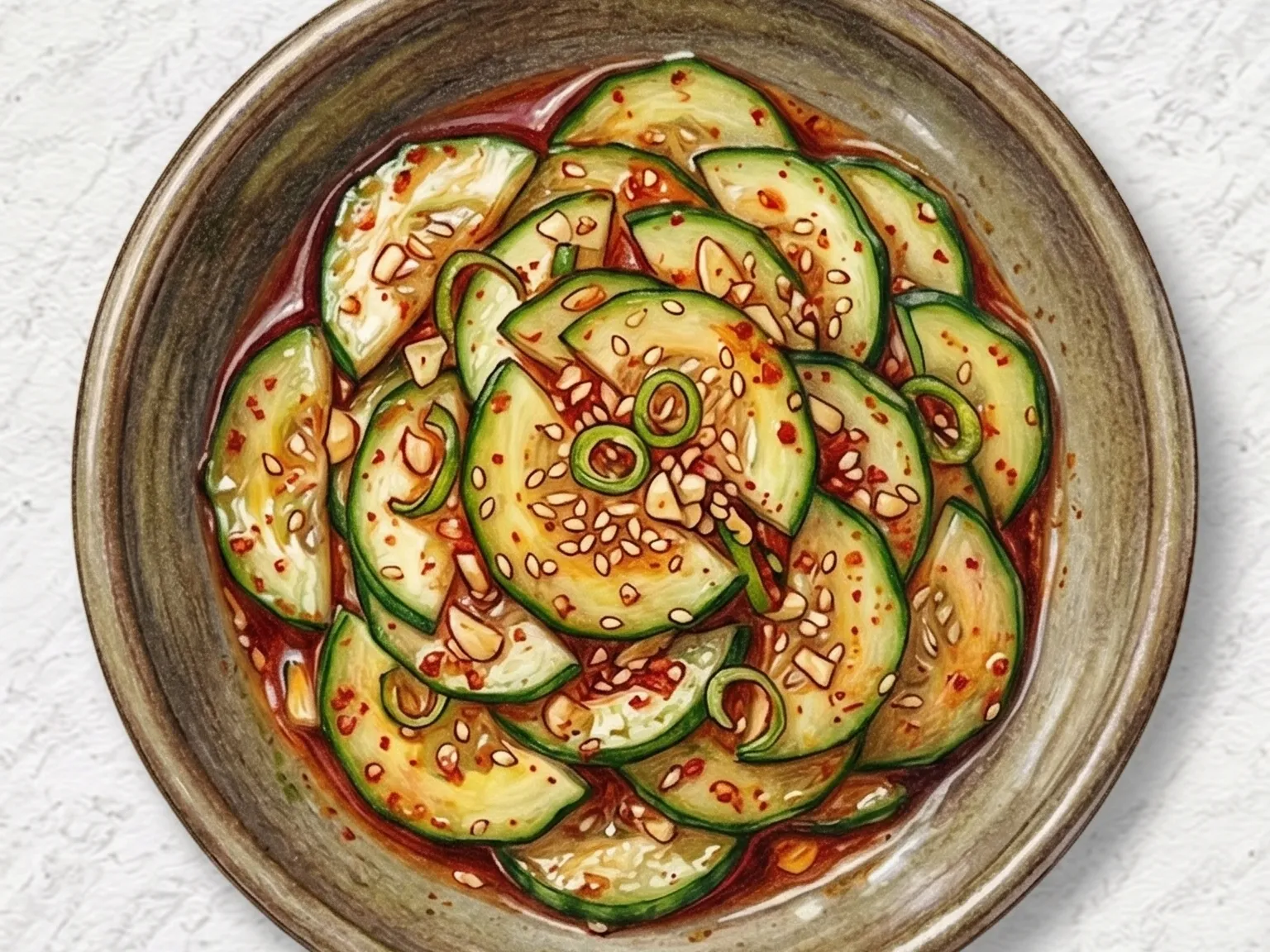
Korean Spicy Cucumber Salad
Oi-muchim - Korean spicy cucumber salad - is one of the most frequently served vegetable banchan on summer Korean tables, tossing thinly sliced cucumber in gochugaru, garlic, vinegar, and sesame oil. Slicing the cucumber as thin as possible with a mandoline or knife is important - thin slices absorb the dressing rapidly and deliver a texture that is simultaneously crunchy and yielding. Salting for ten minutes and squeezing out the released water is the pivotal step; undrained cucumber turns the dressing into a diluted puddle. The seasoning mixes gochugaru, minced garlic, vinegar, sugar, sesame oil, and sesame seeds - vinegar amplifies the cucumber's natural freshness while gochugaru provides a gentle trailing heat. Assembling immediately before serving is essential, as osmotic action wilts the cucumber within thirty minutes. This banchan tops naengmyeon and bibimbap or stands alone alongside rice. When summer heat suppresses appetite, oi-muchim is often the first dish Korean diners reach for - its cool, sharp bite cuts through the lethargy.