🏠 Everyday Recipes
Simple home-cooked meals for any day
1705 recipes. Page 8 of 72
These are the meals you can cook day after day without getting tired of them. Doenjang jjigae, rolled omelet, spicy pork stir-fry - the kind of home-cooked dishes that fill an ordinary day with comfort.
The beauty of everyday cooking is that it relies on common ingredients already in your fridge. No exotic items, no complicated techniques - just straightforward recipes for satisfying home meals.
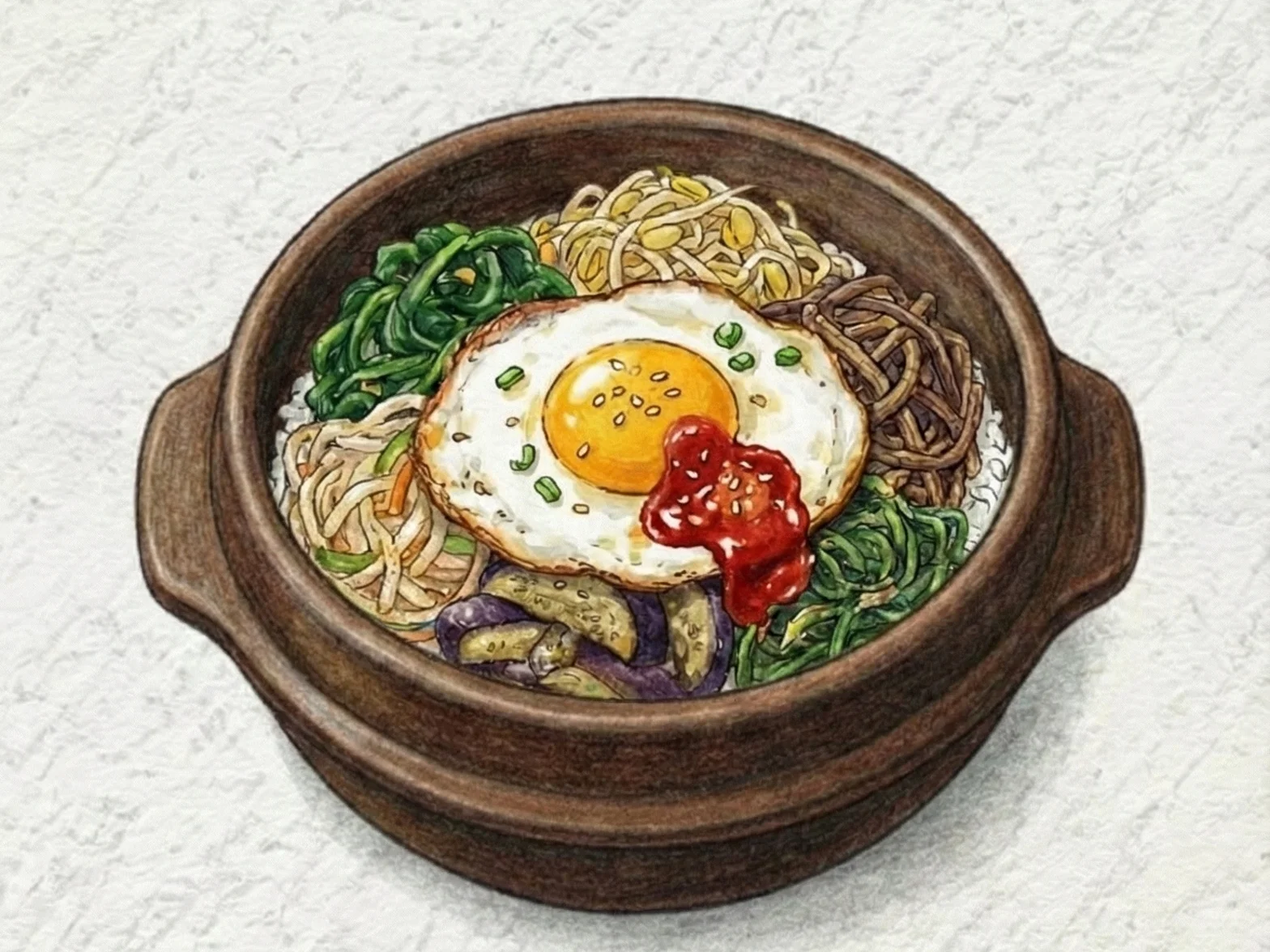
Korean Mixed Rice Bowl (Colorful Vegetables & Gochujang)
Bibimbap is one of Korea's defining one-bowl meals, assembled by arranging individually seasoned vegetables - spinach, bean sprouts, zucchini, and carrots - alongside marinated beef and a fried egg over a bowl of steamed rice, then mixed together at the table with gochujang. Each component is cooked and seasoned on its own before plating, which preserves distinct textures and flavors right up until the moment of mixing. The act of stirring brings crisp vegetables, tender beef, and spicy fermented chili paste into a single cohesive bite. Leftover namul from previous meals makes the assembly genuinely fast on a weeknight, and when served in a preheated stone pot, the rice forms a golden, crackling crust at the base that provides a final textural reward. The gochujang ratio is adjustable, making it easy to calibrate heat to individual preference.
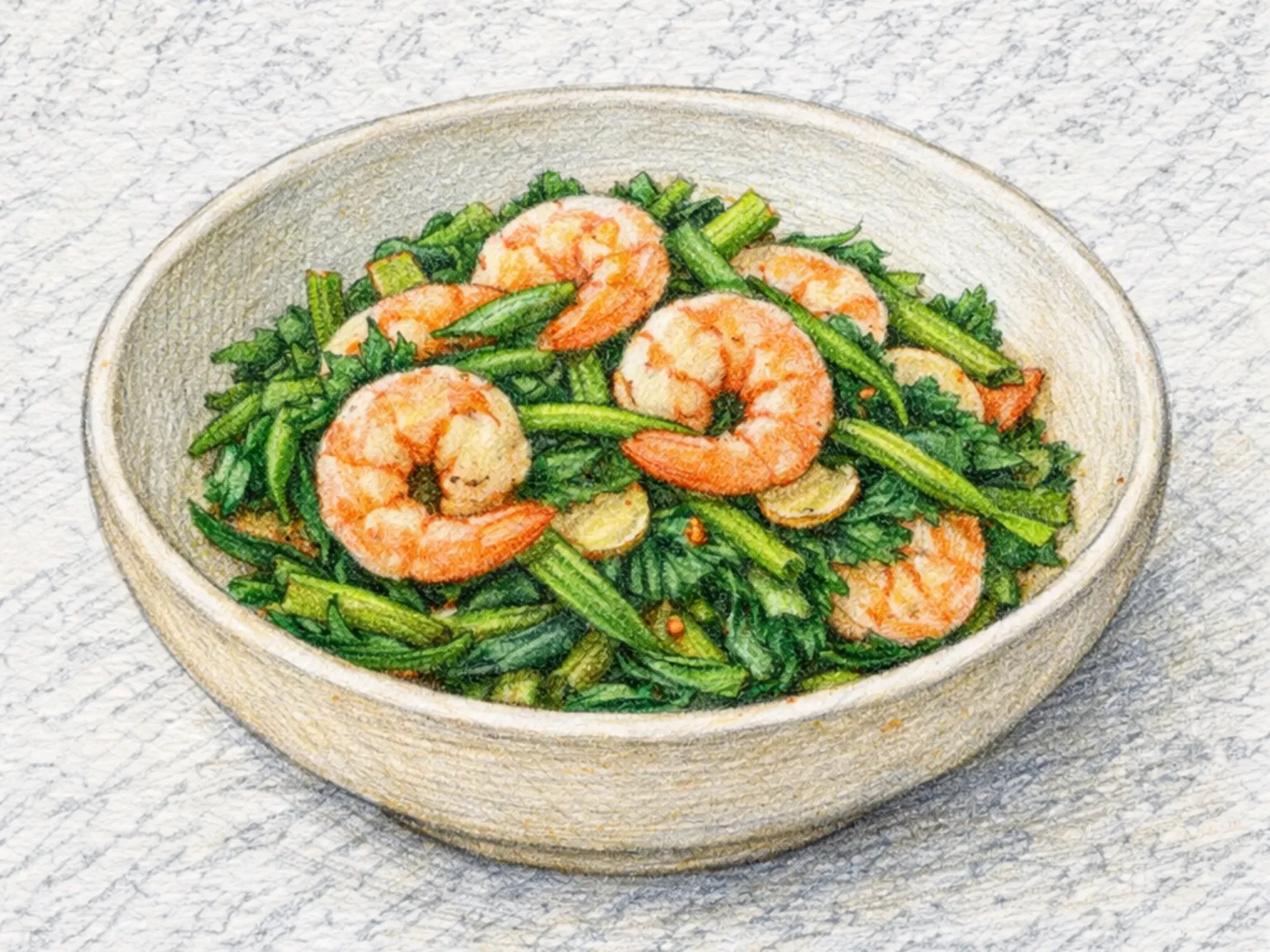
Korean Sea Breeze Herb Shrimp Stir-fry
Bangpungnamul saeu bokkeum is a Korean stir-fry that pairs coastal hogfennel, a pungent spring herb, with medium-sized shrimp over sustained high heat. The shrimp are first splashed with cooking wine to eliminate off-flavors, then seared in oil and removed from the pan. Minced garlic is sweated in the residual oil before the hogfennel and sliced red chili are added and tossed rapidly - the herb loses its characteristic bitterness quickly if it lingers on heat. Soy sauce and sesame oil go in next for seasoning, and the shrimp are returned for a final toss to integrate everything without overcooking the proteins. The herb's slightly bitter, aromatic edge contrasts with the natural sweetness of the shrimp to produce a balanced flavor that needs no additional sauce. From start to finish the dish takes under nine minutes, and its low calorie count makes it a practical light banchan alongside rice.
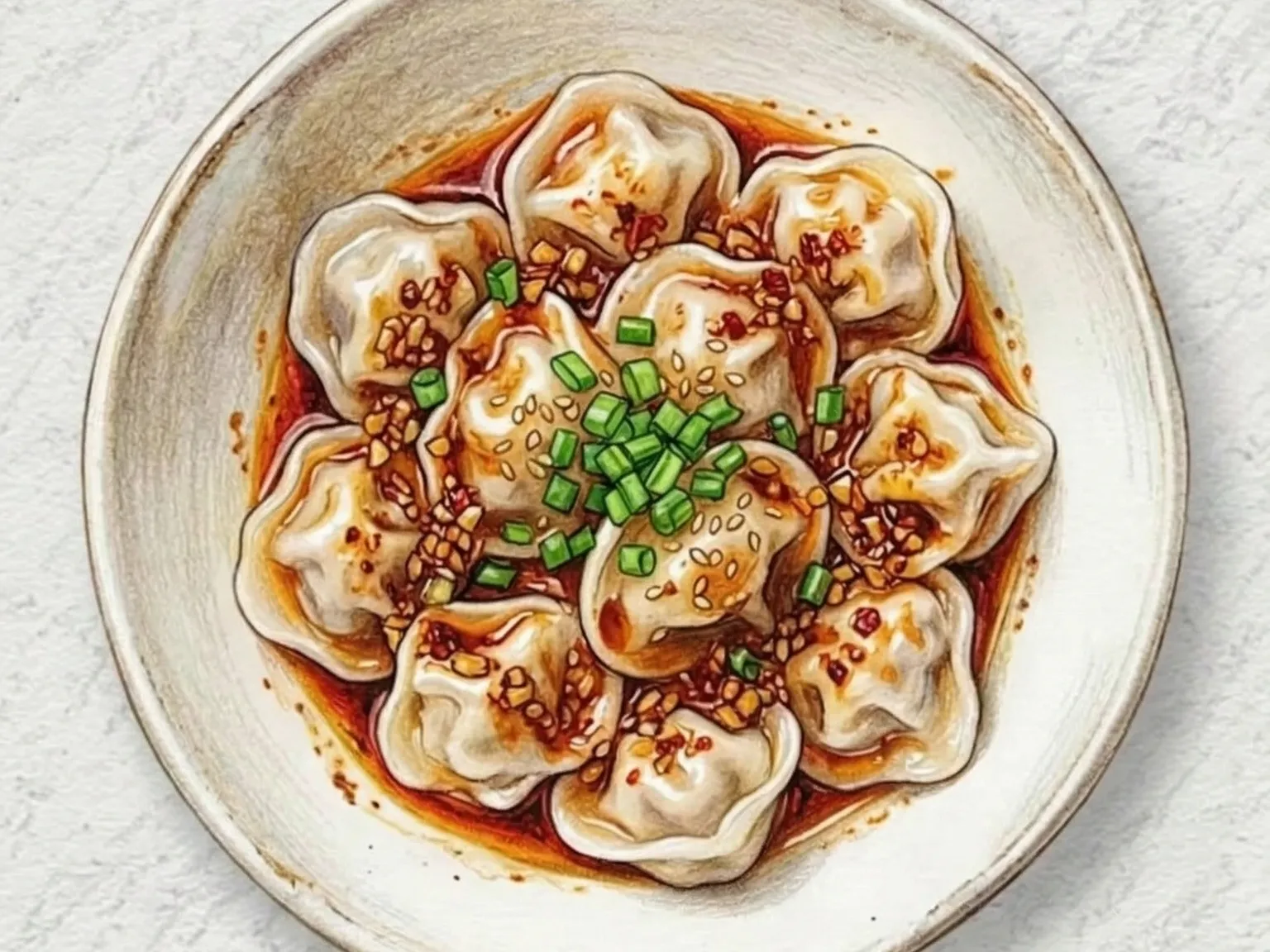
Korean Chili Oil Boiled Dumplings
Boiling dumplings until they float and then giving them an extra two minutes in the water results in a springy texture that holds up well to a heavy dressing. Effective draining is crucial to prevent residual water from thinning the sauce, which consists of soy sauce, vinegar, minced garlic, sugar, and chili oil. The vinegar and soy sauce establish a sharp and salty foundation, while the chili oil provides a warm spice and a slick, red sheen across the surface of the wrappers. Folding the ingredients together gently ensures the skins remain intact while becoming fully coated. Adding fresh scallions provides a crisp element that balances the weight of the oil. For a profile closer to Sichuan cuisine, a dusting of Sichuan pepper powder introduces a characteristic numbing sensation alongside the heat. Heat levels are easily controlled by varying the amount of chili oil used in the mixture. Replacing the soy sauce with oyster sauce creates a thicker, more savory base for the dressing. This preparation works with frozen dumplings by extending the boiling time by a minute or two to account for the temperature difference. The sauce is compatible with various fillings including pork, shrimp, or vegetable varieties.
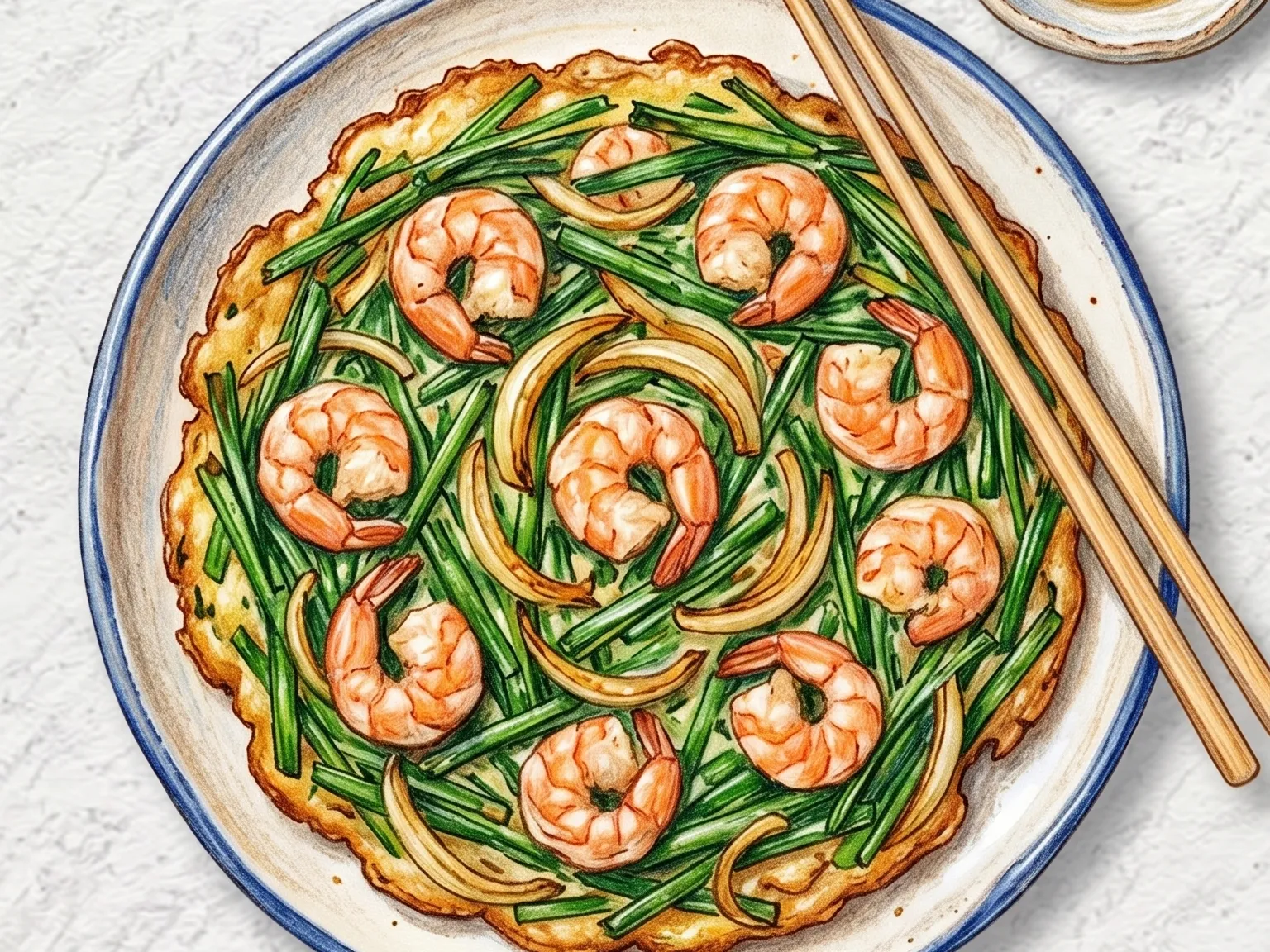
Korean Chive Shrimp Jeon (Crispy Chive and Shrimp Pancake)
Buchu-saewu-jeon is a Korean garlic chive and shrimp pancake made by folding coarsely chopped shrimp, garlic chives, and julienned onion into an egg-enriched batter before pan-frying over medium heat. Leaving the shrimp in rough chunks rather than mincing them fine is what gives each bite a distinct, springy snap along with the natural sweetness of shellfish. Onion softens and caramelizes as it cooks, tempering the brine of the shrimp, while a pinch of black pepper adds quiet warmth behind the other flavors. Spreading the batter thin and cooking for three minutes before flipping ensures the shrimp-studded edges turn crisp and lacy while the chive-packed center stays moist and tender. Egg raises the batter's binding strength so the pancake holds together cleanly when turned. The finished jeon pairs especially well with a soy-vinegar dipping sauce, which draws out the sweetness of the seafood more clearly than a plain soy sauce would.
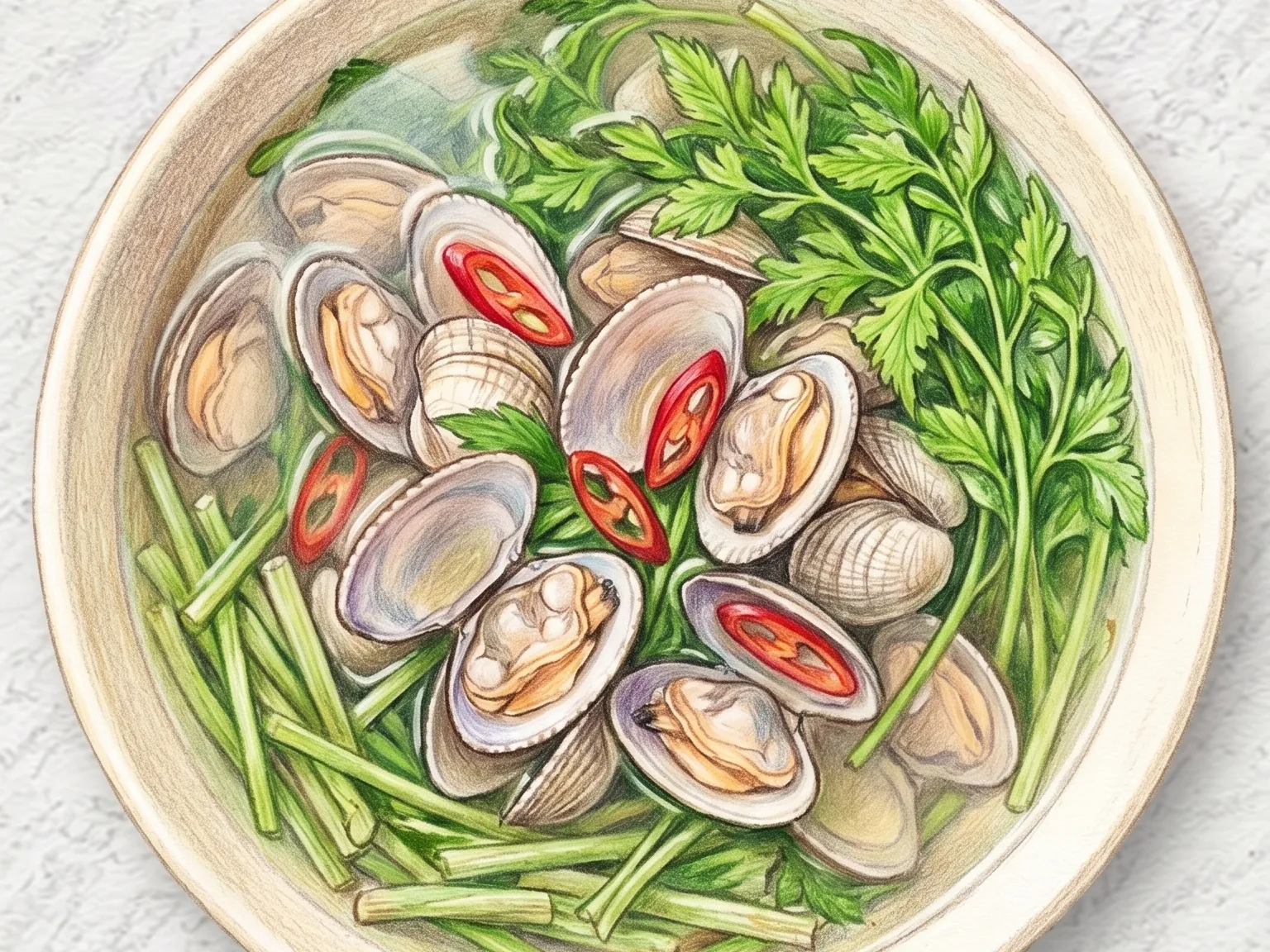
Korean Clam and Water Parsley Soup
Bajirak minari tang is a clear Korean soup that pairs the marine umami of manila clams with the distinctive herbaceous character of minari, the water parsley native to Korean marshes and riverbanks. Starting the clams in cold water and raising the heat gradually is essential for this soup: the slow temperature increase coaxes maximum flavor from the shells into the liquid rather than seizing them shut before their juices release. Once the clams open, a splash of rice wine goes in to drive off any trace of fishiness, and the broth is seasoned simply with soup soy sauce and minced garlic, keeping the profile clean and uncluttered. Minari demands a two-stage addition that is non-negotiable: the thicker stems go into the pot three minutes before the soup is done to soften slightly while retaining their satisfying crunch, and the more delicate leaves enter in the final minute just before heat is turned off to preserve their vivid green color and the sharp, grassy fragrance that makes minari unmistakable. Adding the leaves any earlier causes them to lose that fragrance entirely and yellow to a dull, unappetizing shade, making this timing the single most important technique in the recipe. Diagonally sliced red chili floating in the clear liquid adds visual brightness to the pale broth without altering its flavor significantly. The interplay between the clams' salty, oceanic depth and minari's cool, herbal distinctiveness is a study in contrast: each component amplifies the other, and together they build a broth of surprising complexity and depth without any anchovy, kelp, or prepared stock of any kind.
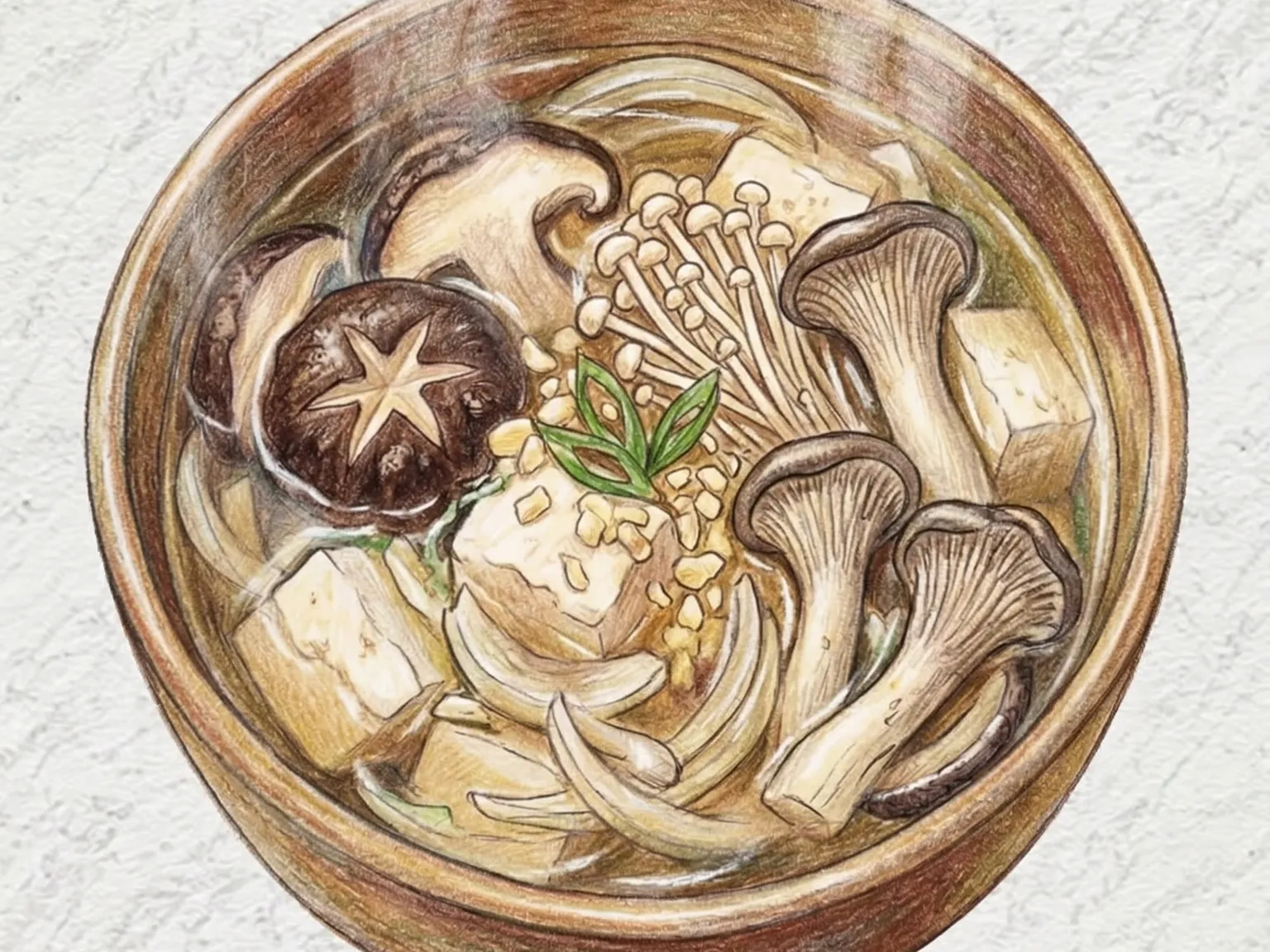
Korean Beoseot Jjigae (Mushroom Stew)
Korean mushroom stew, or beoseot jjigae, is a clean and oil-free soup made by simmering three varieties of mushrooms with tofu and onions in a kelp-infused broth. The recipe uses oyster, shiitake, and enoki mushrooms to create layers of distinct textures and umami. Seasoned simply with soup soy sauce and minced garlic, the clear broth highlights the natural characteristics of the ingredients. The cooking process involves boiling sliced onions and garlic in kelp water first to build a sweet base, followed by adding the mushrooms. Oyster mushrooms are torn along the grain for a tender texture, shiitake mushrooms are sliced to provide bite, and enoki mushrooms are added during the final minute of cooking to maintain their crispness. Skimming the foam while boiling ensures the broth stays clear. It is a light, warming dish that serves as a gentle and easily digestible meal.
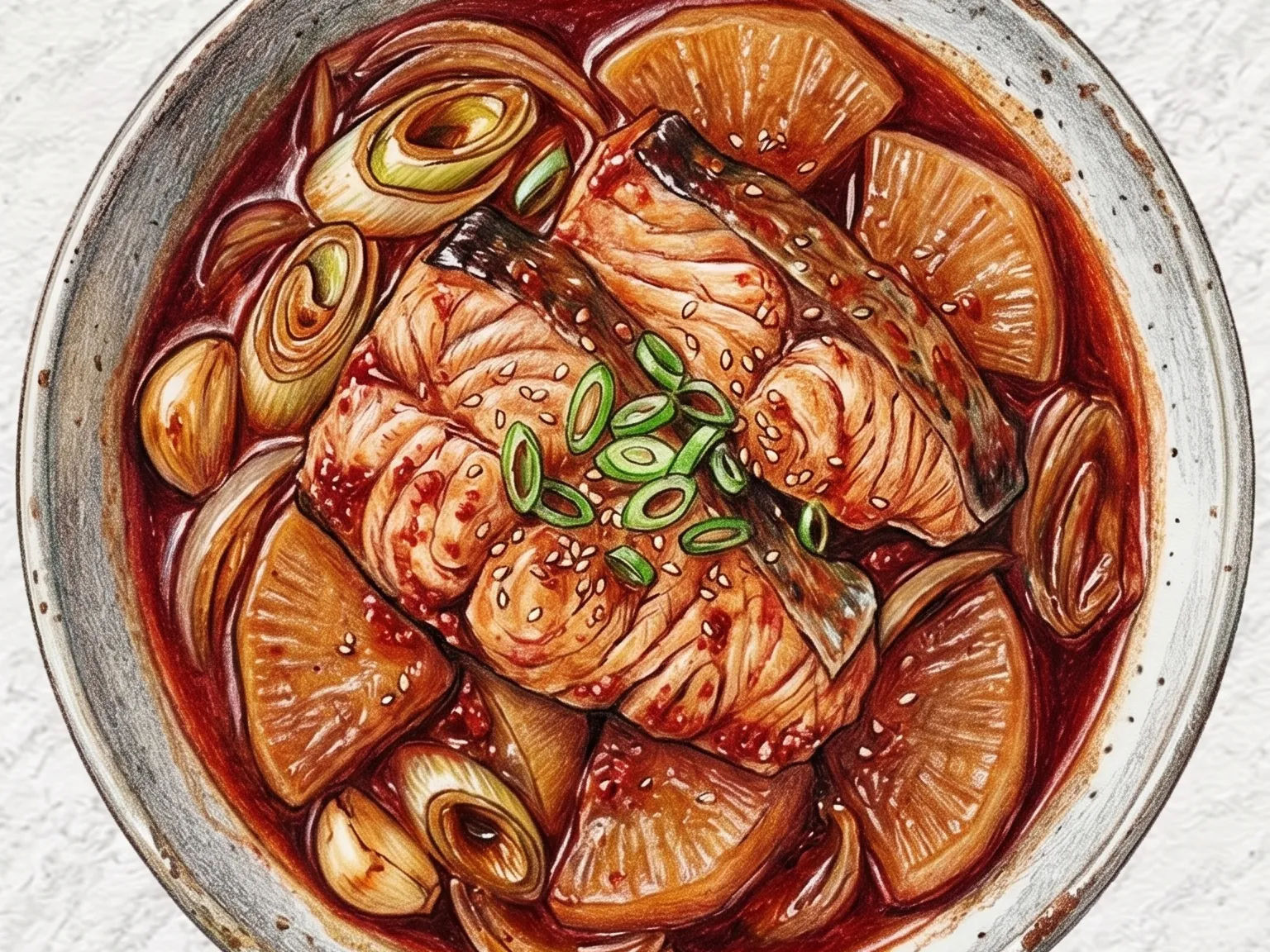
Korean Braised Cod with Vegetables
Daegu-jjim braises thick cod fillets with Korean radish, onion, and green onion in a sauce built from gochugaru, soy sauce, garlic, and cooking wine. Cod holds up well to braising: its firm, flaky flesh absorbs the spiced cooking liquid without breaking apart, even after extended time in the pot. The radish soaks up the braising sauce and turns sweet against the backdrop of chili heat. Garlic and cooking wine together neutralize any fishiness from the cod. The dish is done when just enough glossy sauce remains at the bottom of the pan to spoon over steamed rice for a satisfying one-bowl meal. The same method works with pollock or monkfish in place of cod.
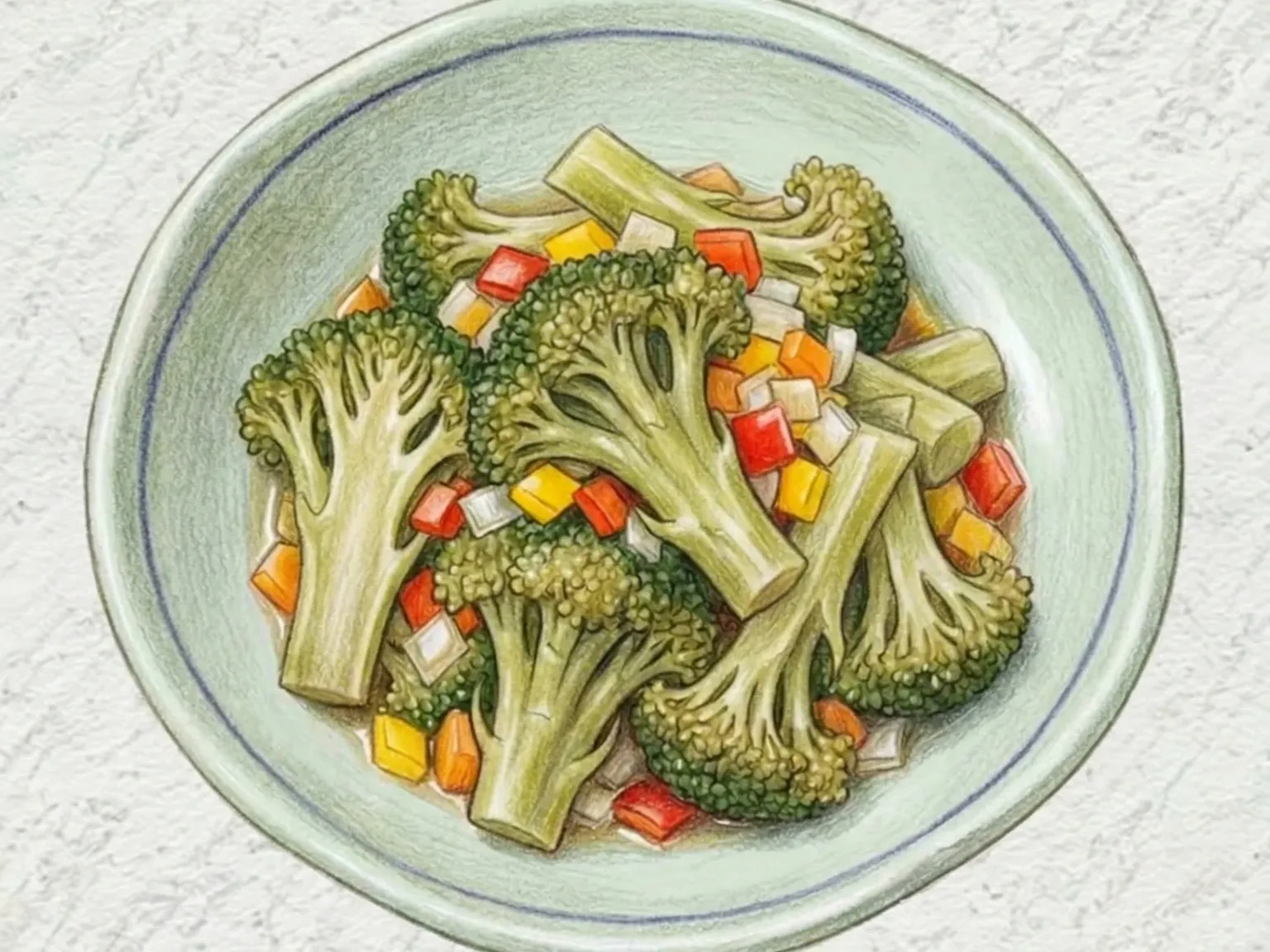
Korean Pickled Broccoli (Blanched Soy Vinegar Brine)
Broccoli jangajji is a Korean soy-pickled broccoli dish prepared by briefly blanching florets and stems, then submerging them in a cooled brine of soy sauce, vinegar, and sugar. Minimizing the blanch time deliberately preserves two distinct textures: crisp, substantial stems and softer, more tender floret heads. The vinegar's acidity and the soy sauce's savory depth together lift broccoli's naturally mild, clean flavor into something more complex. Bell pepper and onion are added to the same pickling jar to contribute natural sweetness and create a vivid visual contrast of green and red. Pouring the brine only after it has cooled completely protects the broccoli's color and prevents the texture from going soft. The seasoning fully penetrates the vegetables after three to four days of refrigeration, and the jangajji keeps well for up to two weeks, making it a practical and versatile everyday banchan.
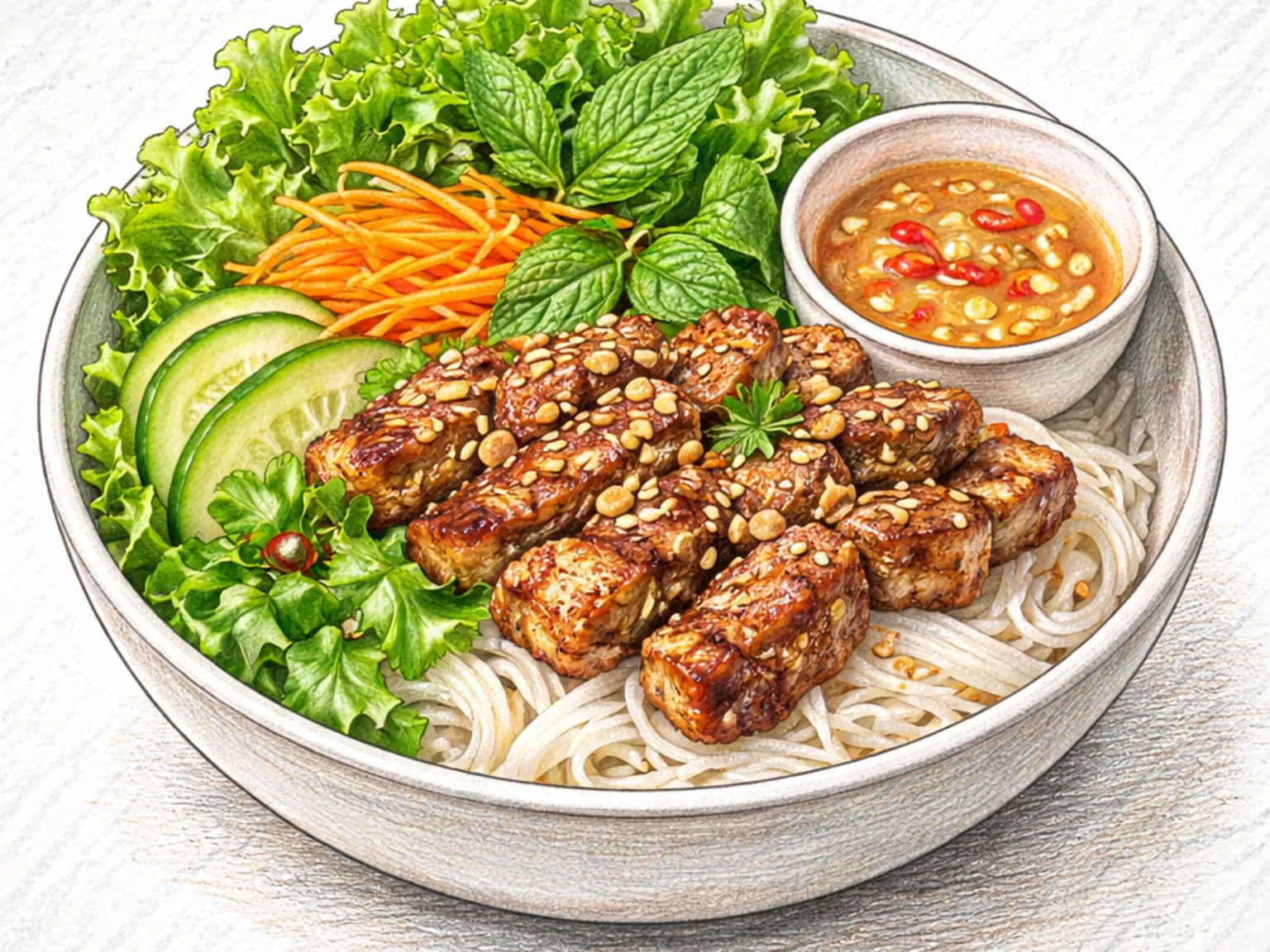
Vietnamese Grilled Pork Vermicelli
Charcoal-grilled pork is placed over cold rice vermicelli and eaten mixed with nuoc cham in this southern Vietnamese noodle bowl. The pork marinates in fish sauce, sugar, and garlic before grilling, so direct heat caramelizes the surface sugars into a deep brown crust while the interior holds its moisture. Fresh mint, cilantro, and coarsely crushed roasted peanuts are scattered on top, layering herbal fragrance with crunch. Nuoc cham, built from lime juice, sugar, fish sauce, and chili, is the sweet-sour-salty binding agent that pulls together the warm meat, cool noodles, and raw herbs into a single coherent bowl. The temperature contrast between hot pork and chilled vermicelli is central to the eating experience. Pickled daikon and carrot add a final note of acidity that keeps each bite clean. No broth is needed; the bowl is filling and bright.
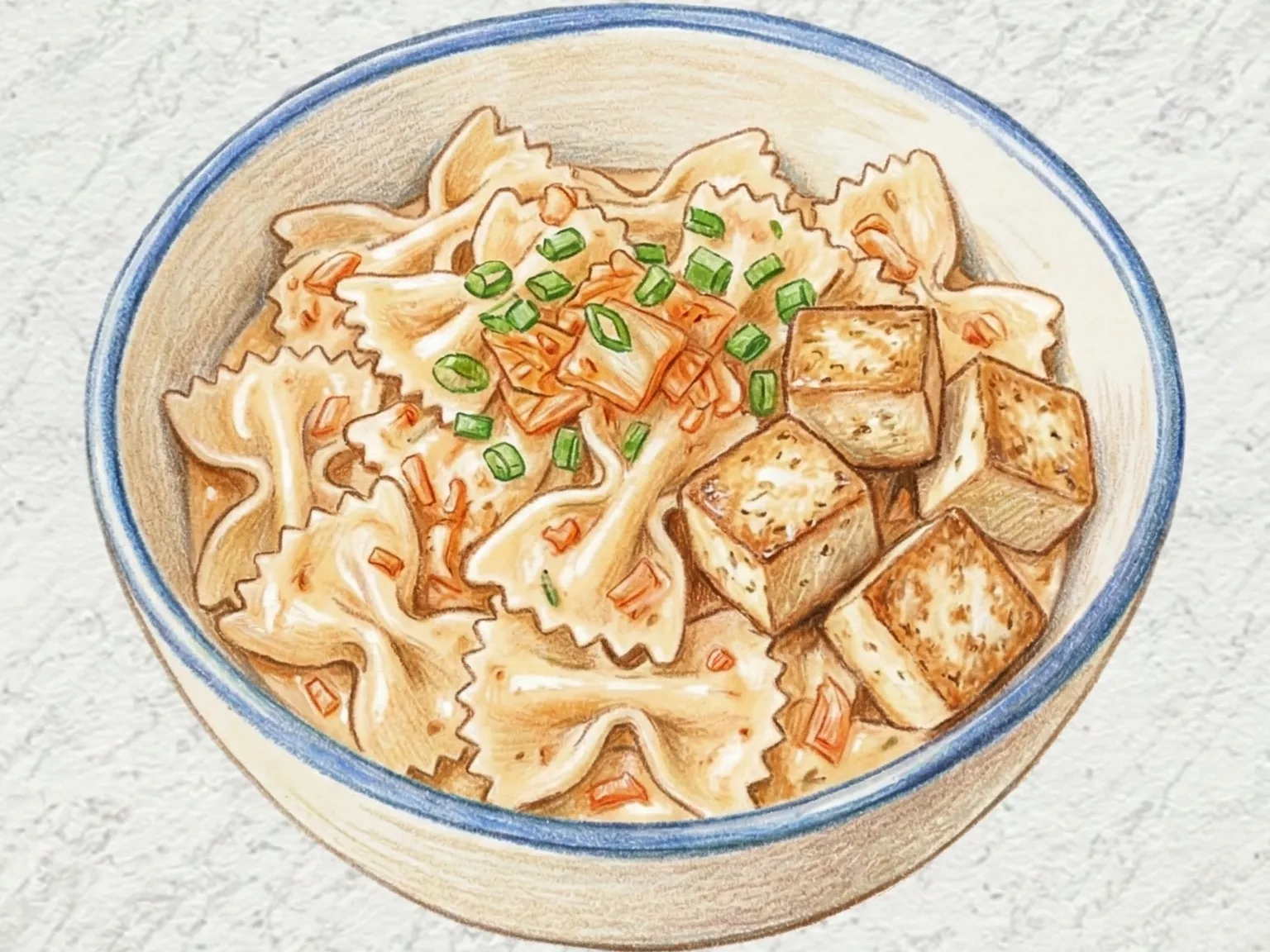
Kimchi Tofu Alfredo Farfalle (Creamy Kimchi Bow-Tie Pasta)
Kimchi tofu Alfredo farfalle is a fusion pasta that counters the richness of a cream-and-Parmesan Alfredo sauce with the lactic acidity of well-fermented kimchi. Garlic bloomed in butter forms the aromatic base, then cream, milk, and Parmigiano are combined into the classic Alfredo sauce, after which chopped kimchi is folded in to introduce fermented tang and a layer of umami that a standard Alfredo lacks. Firm tofu cut into cubes and pan-fried until each side is golden provides a mild, neutral protein element with direct textural contrast against the smooth sauce. Farfalle's pinched center holds pockets of sauce against each piece of pasta, delivering a consistent hit of creaminess in every bite, and freshly ground black pepper draws a sharp line through the richness at the finish. The entire dish moves from pan to plate in about 15 minutes.
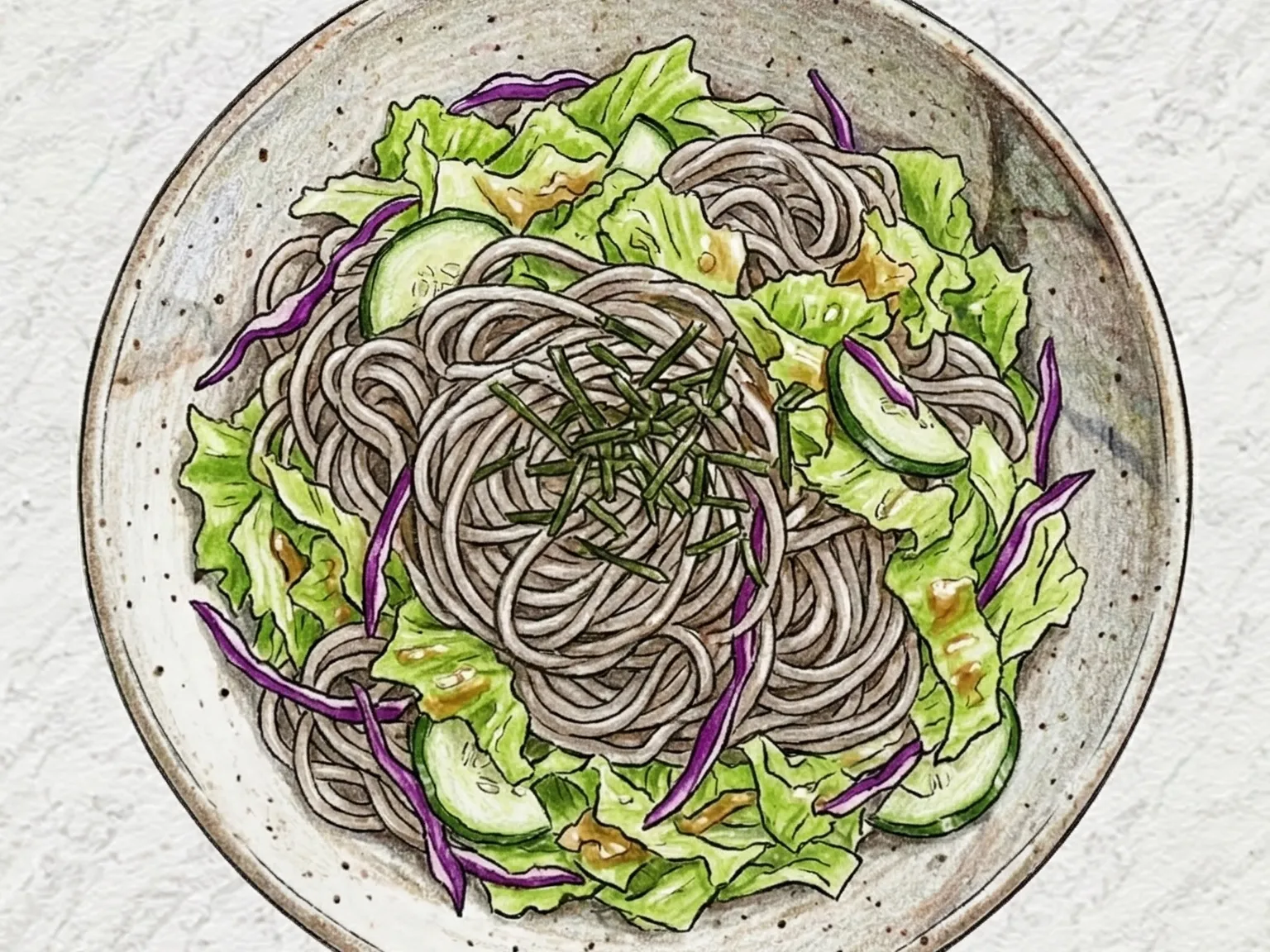
Buckwheat Noodle Salad
Thoroughly rinsing boiled soba noodles in cold water removes the starchy film that forms on the surface during cooking. This specific step prevents the noodles from clumping together and ensures the dressing coats each strand evenly. Rinsing multiple times produces a firm and elastic texture, highlighting the characteristic coarse bite of the buckwheat. The sauce relies on a base of tsuyu combined with rice vinegar to provide a sharp acidity that cleanses the palate after every bite. This combination avoids the heavy residue often found in oil-based dressings. Shredded lettuce and sliced cucumber add a crisp, watery element to the bowl, while the addition of red cabbage provides a purple visual contrast against the brown noodles. A final topping of roasted seaweed strips adds a toasted ocean scent to the dish. For a complete meal, adding chicken breast or a boiled egg provides additional protein. The dressing remains stable when prepared in advance and stored in the refrigerator, allowing for quick assembly when the vegetables and noodles are ready.
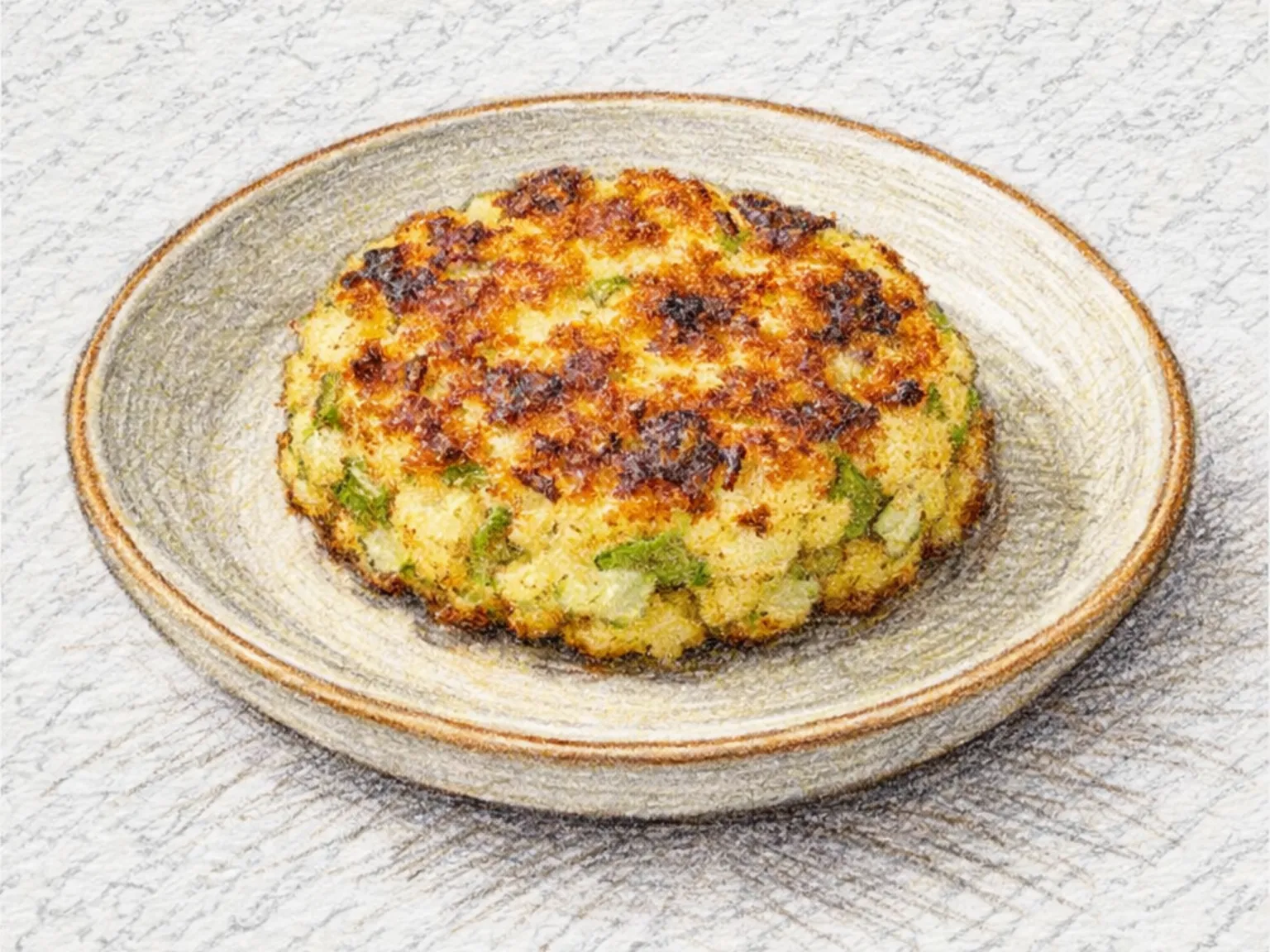
Bubble and Squeak (Pan-Fried Mashed Potato and Cabbage Cake)
Bubble and squeak is a traditional British household dish made by combining mashed boiled potatoes with blanched, chopped cabbage, pressing the mixture flat in a well-oiled hot pan, and frying each side until a deep golden-brown crust forms across the entire surface. The name refers to the noise the dish makes during cooking - moisture from the cabbage hits the hot fat and sends up bubbles and a squeaking hiss. Frying diced onion in butter until soft and lightly caramelized before folding it into the potato-cabbage mixture adds a quiet sweetness that elevates the otherwise modest base ingredients considerably. Pressing the mixture firmly and evenly with a spatula throughout cooking is what creates the crust, and holding back the urge to move or flip it prematurely is the main technique. If the potatoes are particularly wet, a tablespoon or two of plain flour helps the mixture bind and hold its shape in the pan. The dish has been a fixture of British home cooking for generations, rooted in the tradition of using leftover Sunday roast vegetables the following day, and is commonly topped with a fried egg to make a complete one-plate meal.
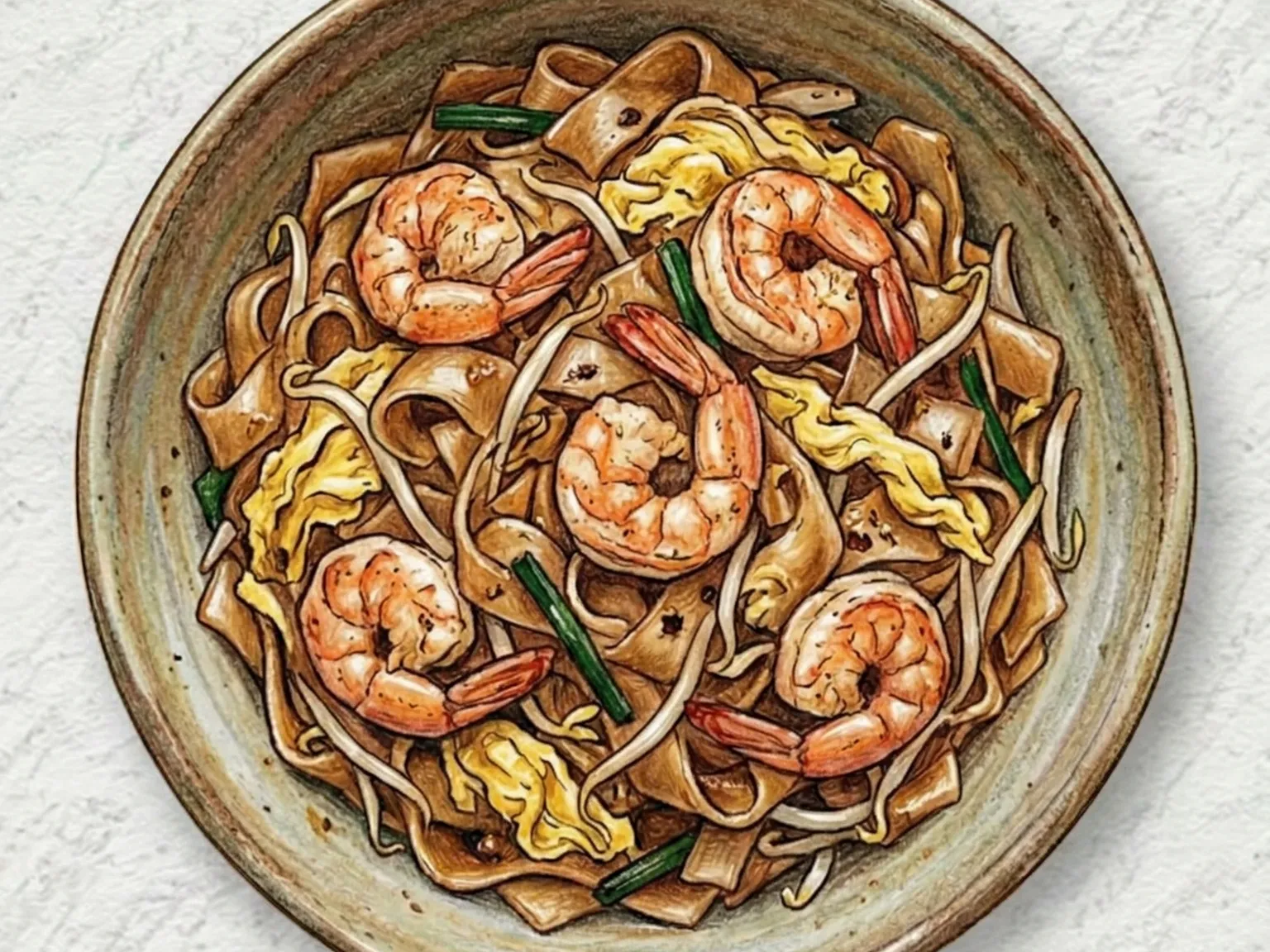
Char Kway Teow (Penang Wok-Fried Flat Rice Noodles with Prawns)
Char kway teow originated in Penang as a meal for Chinese laborers who needed something filling and cheap, cooked fast over high heat with whatever was affordable. Wide flat rice noodles go into a scorching wok with prawns, cockles, egg, bean sprouts, Chinese chives, and sliced lap cheong sausage. Dark soy sauce and oyster sauce stain the noodles a deep, smoky brown as they caramelize against the iron of the wok. The defining quality of the dish is wok hei, the charred, slightly acrid breath of the wok that comes only from cooking at extreme temperatures with the noodles thrown directly through open flame. Achieving wok hei requires both a wok that has reached its full temperature and enough physical space inside it for the noodles to make sustained contact with the hot surface rather than steaming in their own moisture. Traditionally cooked in pork lard, the rendered fat coats every noodle strand with a richness no vegetable oil can match. Penang hawker stalls cook one plate at a time because crowding the wok traps moisture and kills the sear. The result carries a charred, faintly bitter edge beneath the sweet-salty sauce that has made it one of the most recognized street foods in Southeast Asia.
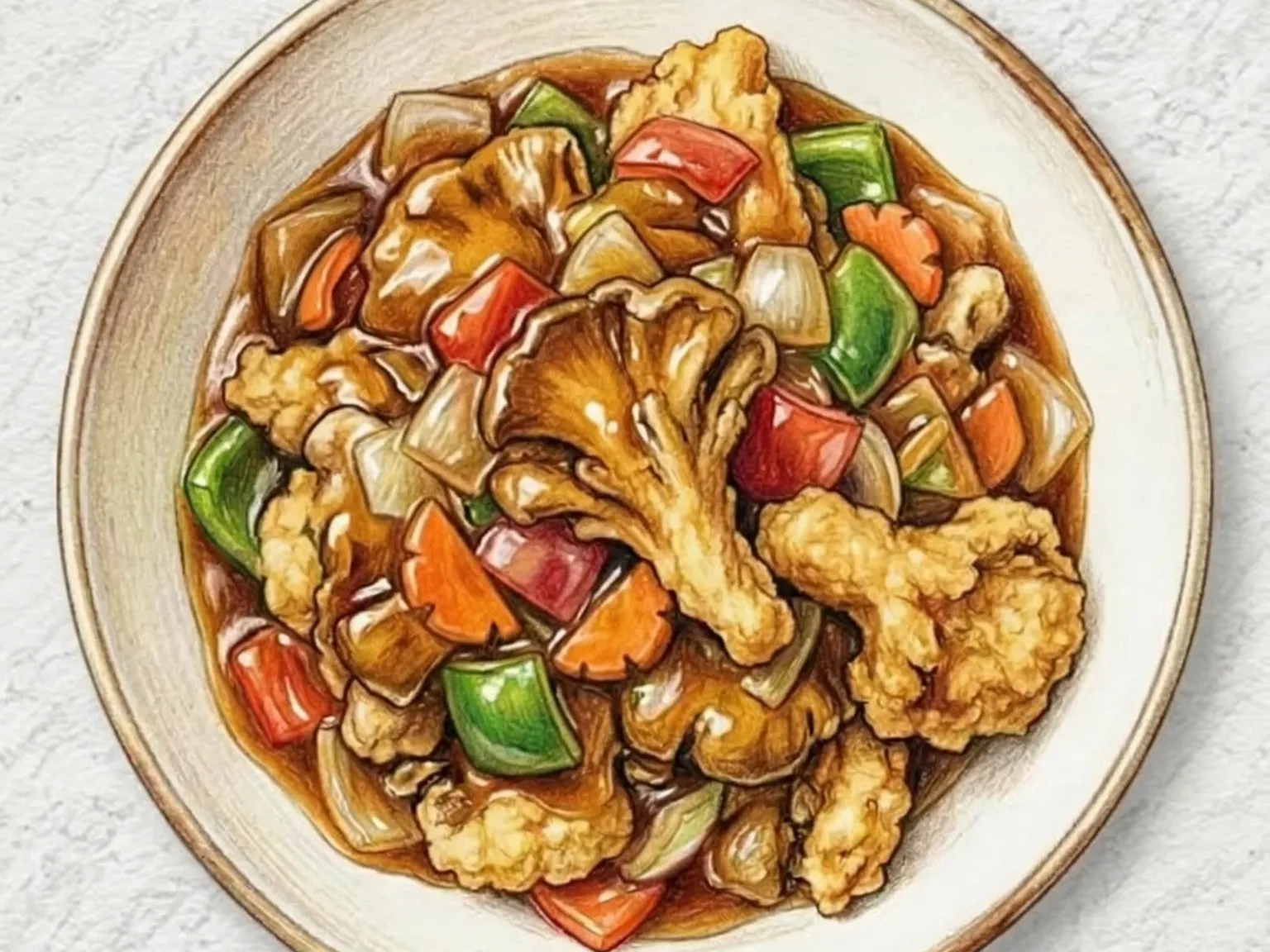
Crispy Mushroom Tangsu (Sweet & Sour)
Double-fried oyster mushrooms with the same two-stage frying technique used for Korean tangsu pork. Oyster mushrooms fully dried of moisture are coated in a potato starch and flour batter, fried at 170°C, rested to release steam, then returned to 180°C for a second fry that locks in a crisp exterior while keeping the interior chewy. A sweet-sour sauce of soy sauce, vinegar, and sugar is simmered with onion, bell pepper, and carrot, then thickened with a starch slurry. Pouring the sauce over the mushrooms in advance softens the crust quickly, so serving the sauce separately and ladling it on at the table preserves the crunch. The technique produces a texture comparable to the pork version without any meat.
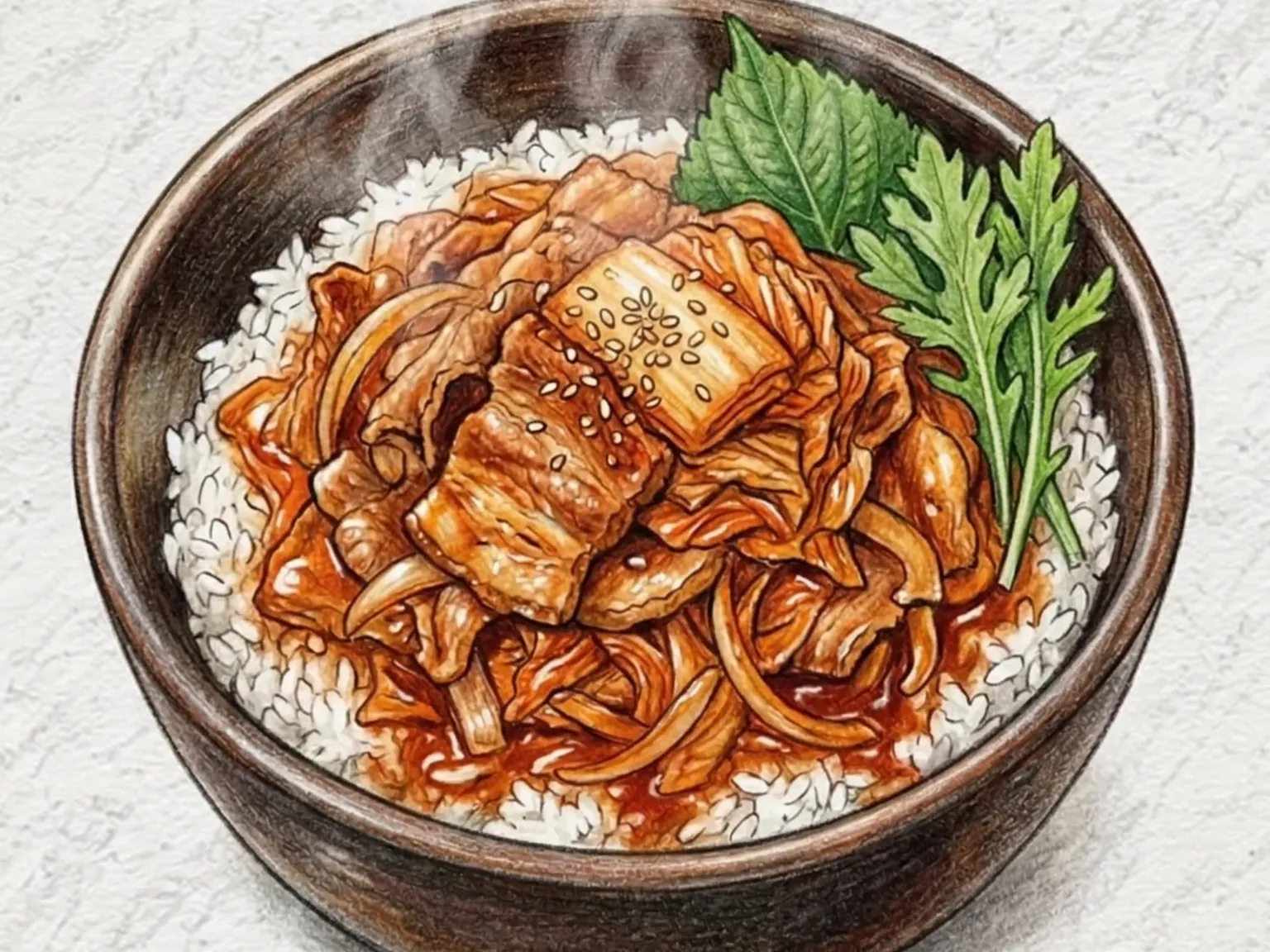
Korean Bossam Kimchi Rice Bowl
Bossam kimchi deopbap repurposes leftover bossam by stir-frying boiled pork and well-fermented bossam kimchi with onion in a gochujang sauce and ladling everything over a bowl of hot rice. The boiled pork picks up a concentrated savoriness from the gochujang glaze as it fries, and the moisture from the fermented kimchi cooks off during stir-frying, intensifying the tangy-spicy sauce into a dense coating. The acidity of mature kimchi and the heat of gochujang cut through the fat of the pork, keeping each spoonful from becoming heavy. Meat and kimchi together in one bowl means no side dishes are needed to complete the meal. A fried egg on top adds richness and tempers the heat of the seasoning.
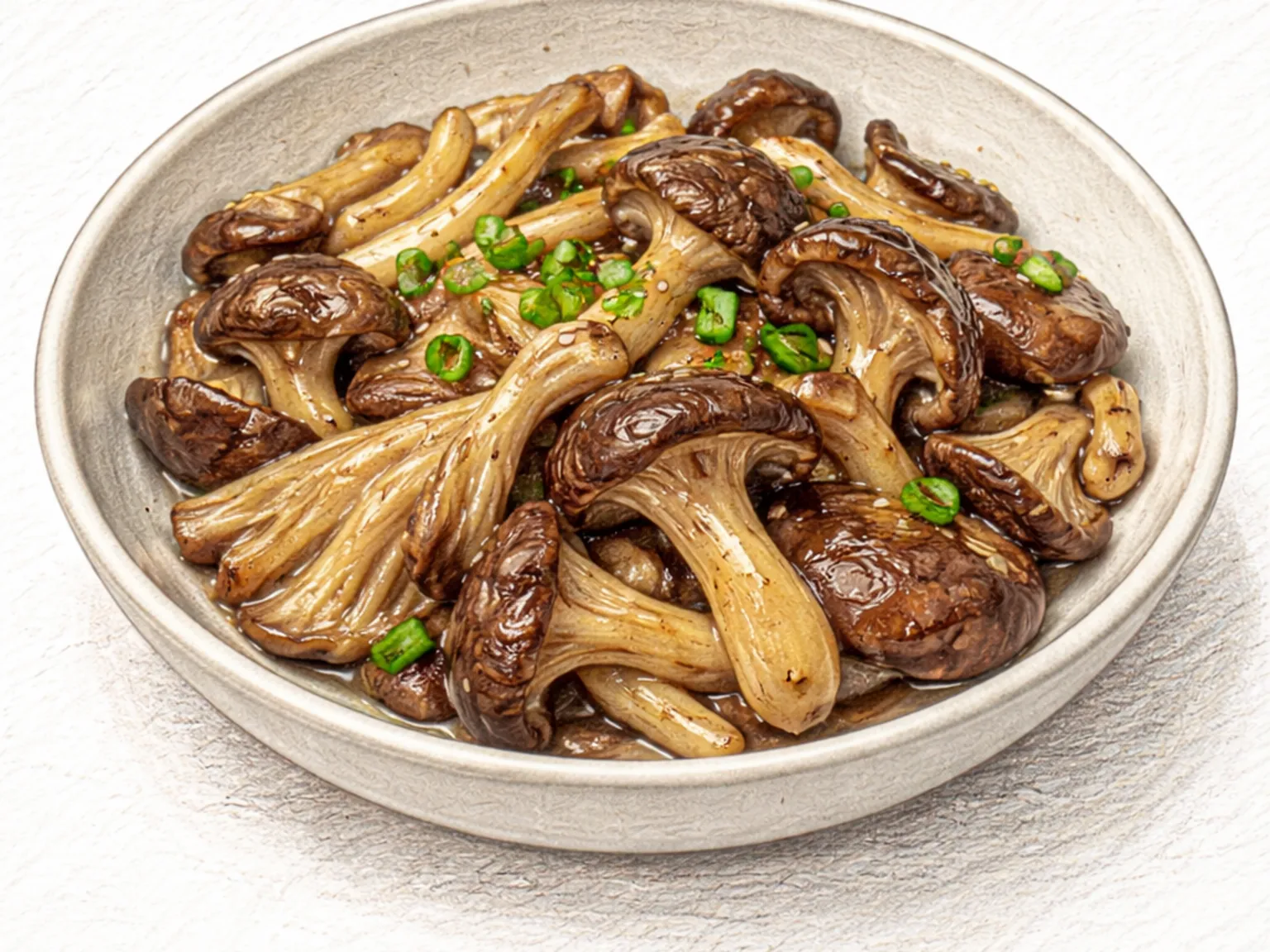
Korean Stir-fried Mushrooms
Oyster mushrooms and shiitake are stir-fried over high heat until their moisture evaporates and their natural umami concentrates into each bite. Wiping the mushrooms with a damp cloth instead of rinsing under water is not a minor detail: washing introduces excess moisture that lowers pan temperature the moment the mushrooms hit the surface, which causes them to steam rather than sear. The pan must stay hot enough that the mushrooms develop light golden edges through the Maillard reaction, and that narrow window is when the deepest nutty flavor emerges. Water-logged mushrooms never reach it. Soy sauce supplies the salinity, and black pepper adds a sharp accent without obscuring the mushrooms' own flavor. Sesame oil is added after the heat is turned off to preserve its volatile fragrance; adding it while the pan is still hot burns off the aromatic compounds before they have a chance to coat the mushrooms. A handful of sliced green onion tossed in at the end brings color and a sharp, fresh bite against the earthy backdrop. At roughly 120 calories per serving, this side dish fits comfortably into any calorie-conscious meal plan while delivering plant-based protein and dietary fiber in a form that actually tastes worth eating.

Korean Chocolate Custard Bungeoppang
Choco-custard bungeoppang is a variation of Korean fish-shaped bread made with cocoa powder worked into the batter and filled with chocolate custard cream. The cocoa gives the shell a darker brown color than the classic red-bean version and produces a bitter chocolate aroma as it bakes in the cast-iron mold. The chocolate custard inside flows out like cream when bitten while still warm, delivering a rich, concentrated sweetness that contrasts with the faint bitterness of the cocoa shell. The mold must reach full temperature before pouring the batter to ensure a properly crisp shell, and the custard filling should be spooned into the center in small amounts to prevent leaking at the seam. With both the batter and filling built on chocolate, the finished pastry stacks layers of deep sweetness and mild bitterness that differ noticeably from the earthier flavor of the traditional red-bean filling.
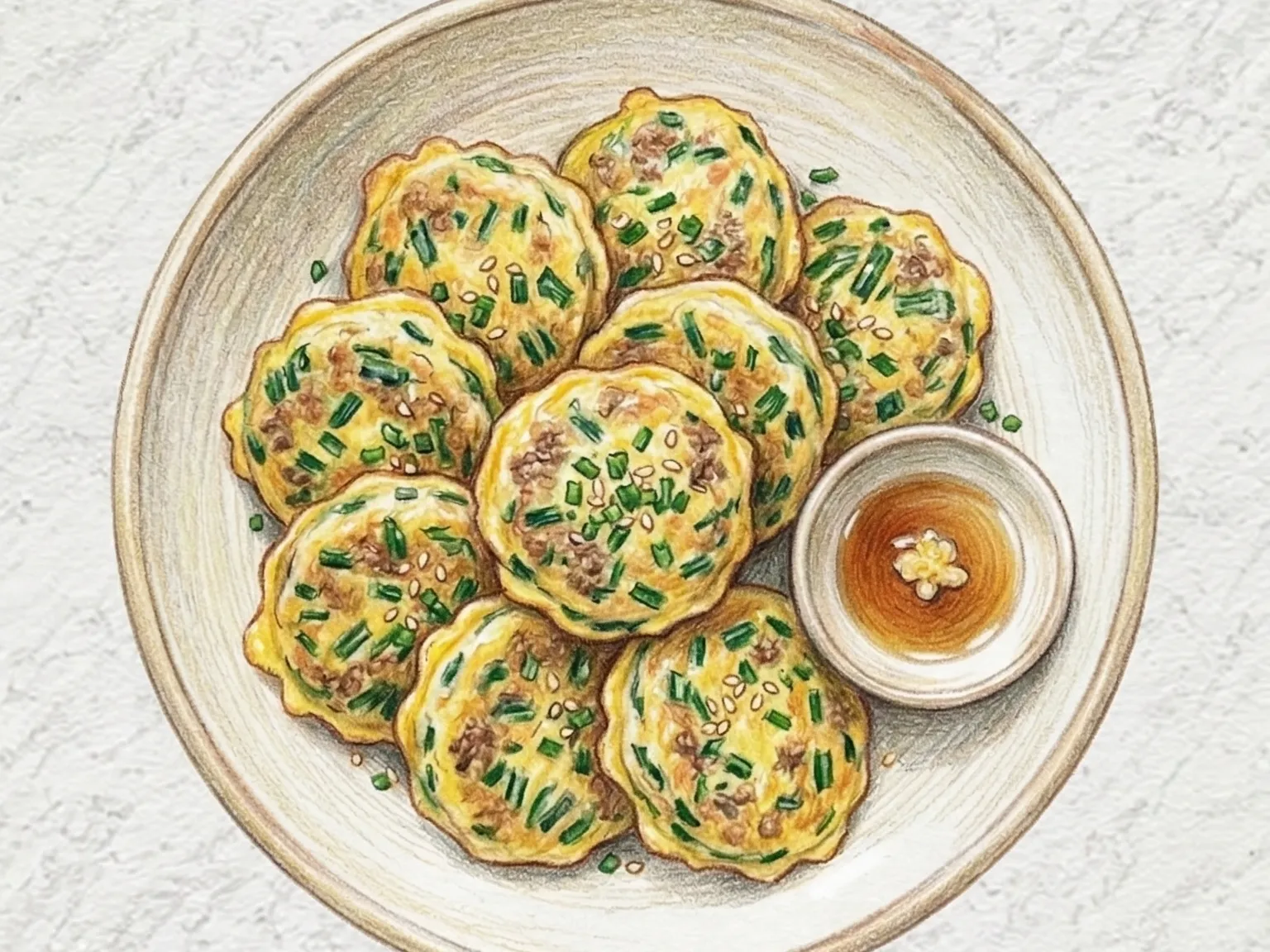
Korean Chive and Beef Jeon
Buchu-soegogi-jeon are Korean chive and beef patties made from ground beef, pressed firm tofu, finely chopped garlic chives, and onion seasoned with soy sauce, garlic, and sesame oil, shaped into small ovals, dipped in beaten egg, and pan-fried for three minutes per side. Squeezing every drop of moisture from the tofu before mixing is the critical step - it prevents the patties from falling apart on the pan while contributing a soft texture that tempers the density of the beef. The egg coating sets into a thin golden crust on the outside, while the interior stays moist and fragrant with seared chive and beef. These are a standard on Korean holiday tables and guest spreads: one-bite sized, easy to pick up, and the soy-garlic-sesame seasoning holds its flavor without degrading as the patties cool.
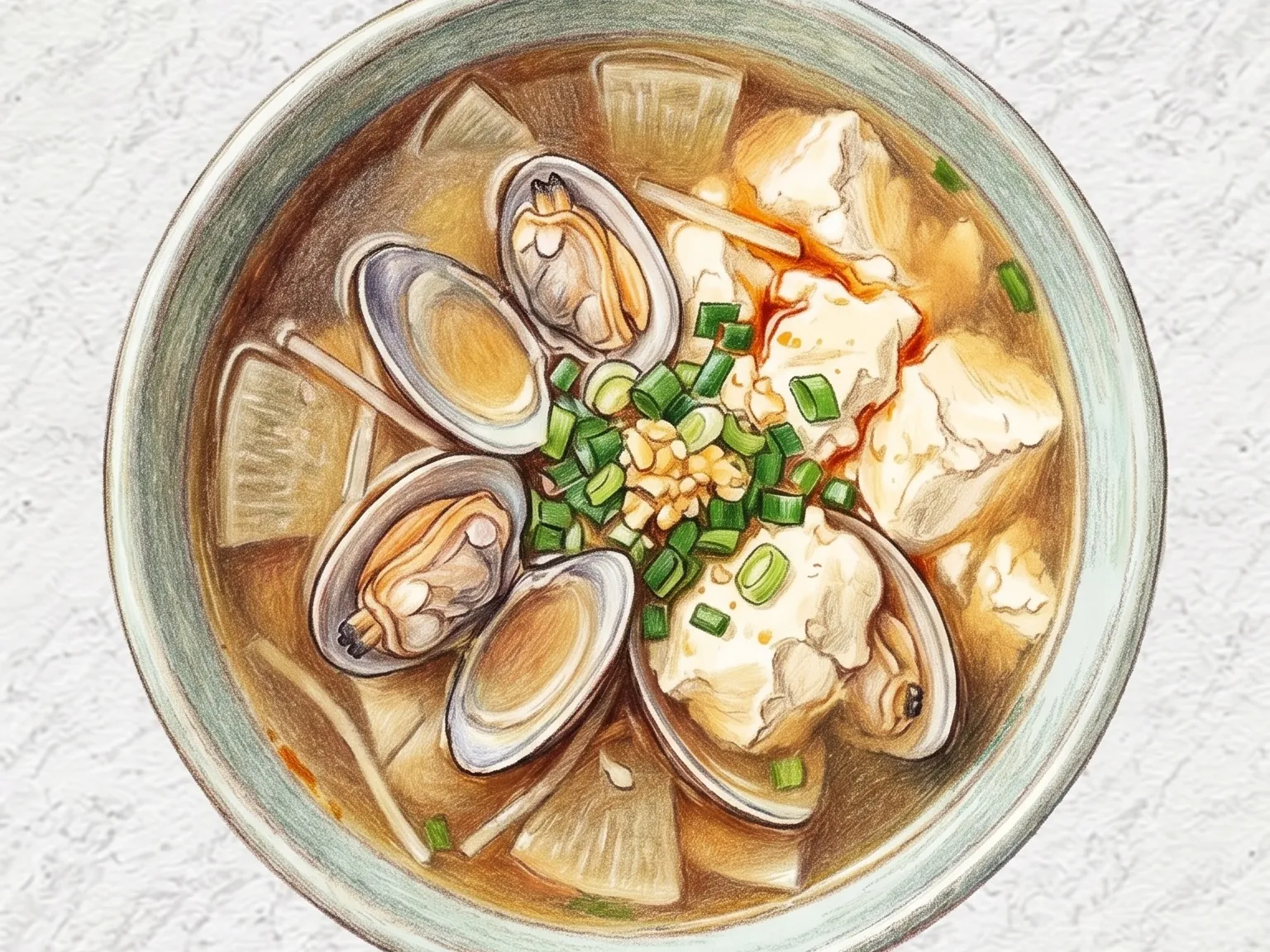
Korean Clam Soft Tofu Soup
Bajirak sundubu guk is a Korean soup where the clean brininess of manila clams meets the delicate softness of uncurdled tofu in a broth built from radish and the clams themselves. Radish simmers first to release its cool natural sweetness into the water before the purged clams are added, and that sweetness counterbalances the saltiness of the clam juices, producing a base that is savory without feeling heavy. Once the shells open, soft tofu is scooped in with a large spoon and set down gently; vigorous stirring at this stage dissolves the tofu completely and clouds the broth with fine white particles, while gentle placement keeps the tofu in loose, cloud-like masses that hold their shape through the rest of cooking. Soup soy sauce and minced garlic provide the seasoning backbone, and sliced scallion goes in last for a fresh aromatic lift. Each spoonful carries a piece of soft tofu that releases a pocket of clam-infused broth as it gives way, making the eating experience simultaneously mild and deeply flavored. The clam meat toughens quickly with prolonged heat, so the tofu should go in immediately after the shells open and the entire soup should be finished within three minutes of that point. This soup is also popular as a recovery dish after drinking, valued for how gently it settles the stomach while still delivering enough substance to feel satisfying.
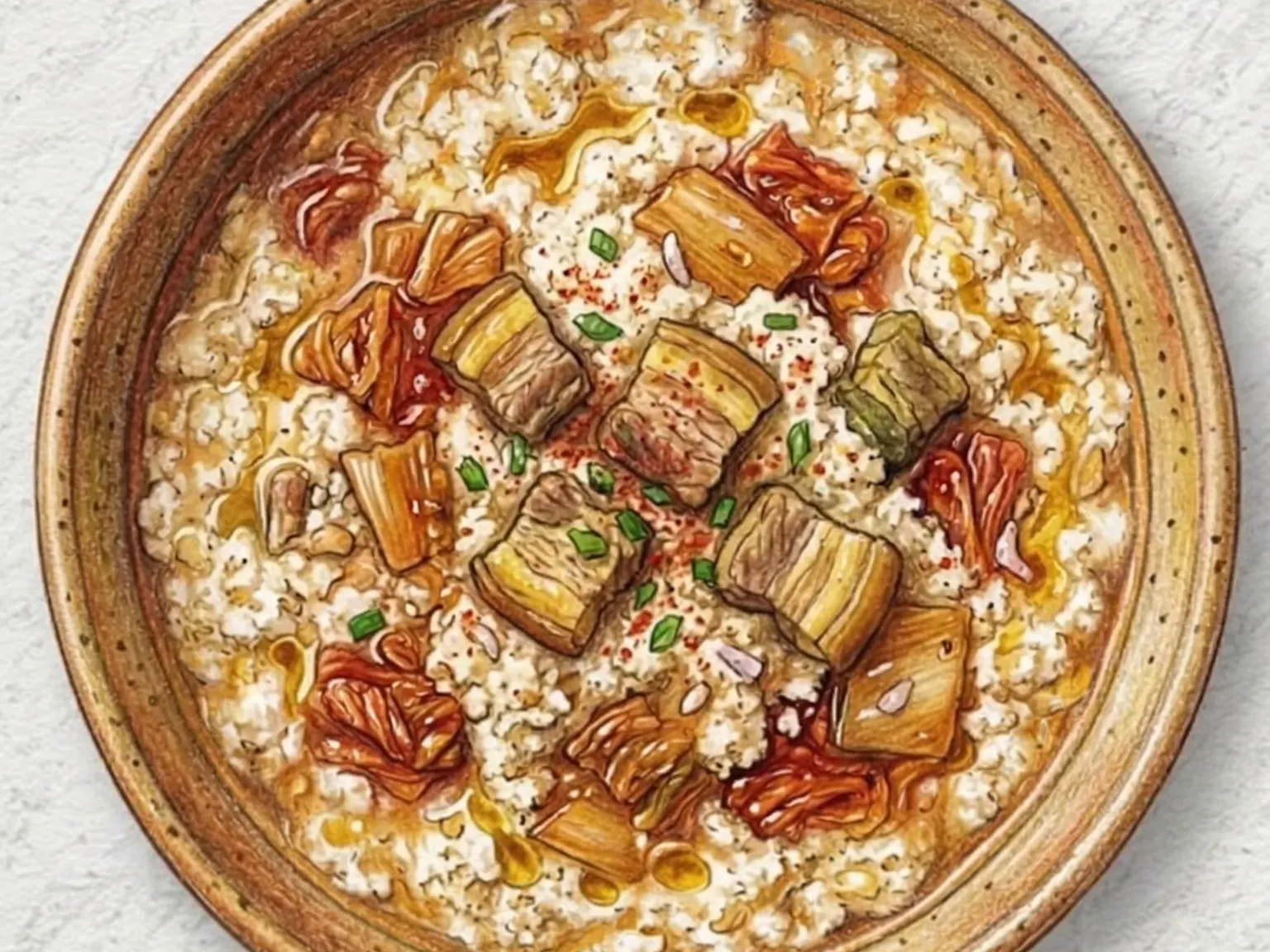
Korean Soy Pulp Stew (Okara with Aged Kimchi and Pork)
Biji jjigae is a Korean stew built around soy pulp - the dense, grainy byproduct of tofu making - cooked together with well-fermented aged kimchi and pork. The soy pulp dissolves gradually into the cooking liquid, giving the broth a thick, porridge-like body and a mild nuttiness. Salted fermented shrimp adds a concentrated umami punch, and perilla oil contributes a roasted, savory fragrance. The deep tang of old kimchi and the rendered fat from the pork slowly permeate the soy pulp as the pot simmers, producing a heavy, richly flavored stew. Soy pulp is high in protein and dietary fiber, making the finished dish both filling and nutritious. Starting over high heat and reducing to a low simmer for at least twenty minutes allows the pork to cook through fully and the stew to thicken and deepen.
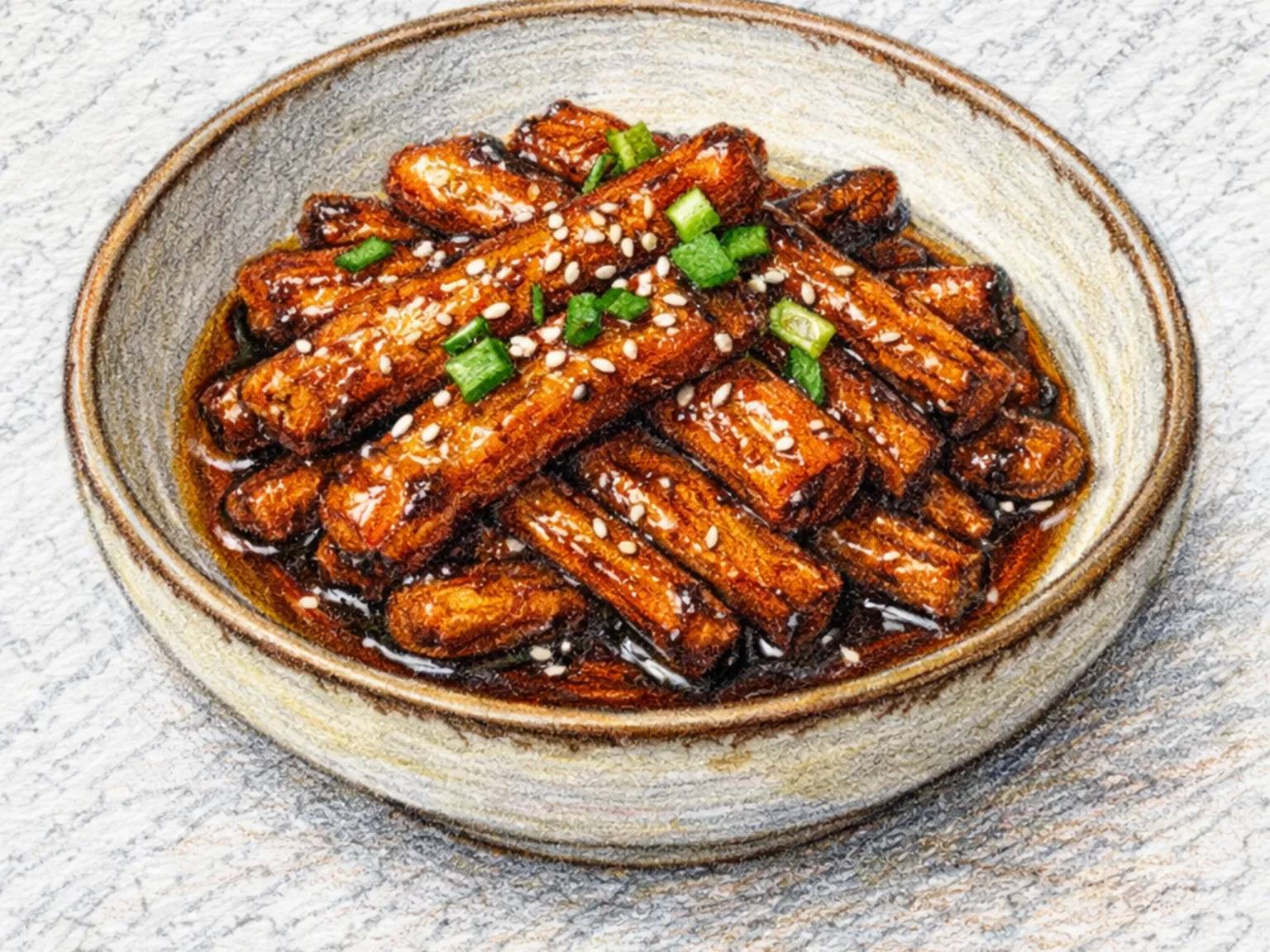
Korean Soy-Braised Deodeok Root
Deodeok-jorim is a Korean braised banchan made from deodeok root simmered in soy sauce, rice syrup, garlic, and sesame oil until each piece takes on a glossy, lacquered coating. The root's pronounced bitter-herbal aroma softens considerably as the sweet-salty glaze penetrates during cooking, while the interior stays dense and pleasantly chewy throughout. A single green chili stirred in near the end contributes a restrained background heat, and toasted sesame seeds with a final drizzle of sesame oil add a nutty dimension on top. Deodeok is a foraged mountain root prized for its earthy, slightly resinous character, and this preparation tames that wild quality just enough to make it approachable as a daily side dish. Paired with other vegetable banchan, it anchors the kind of traditional Korean table that prioritizes vegetables over protein.
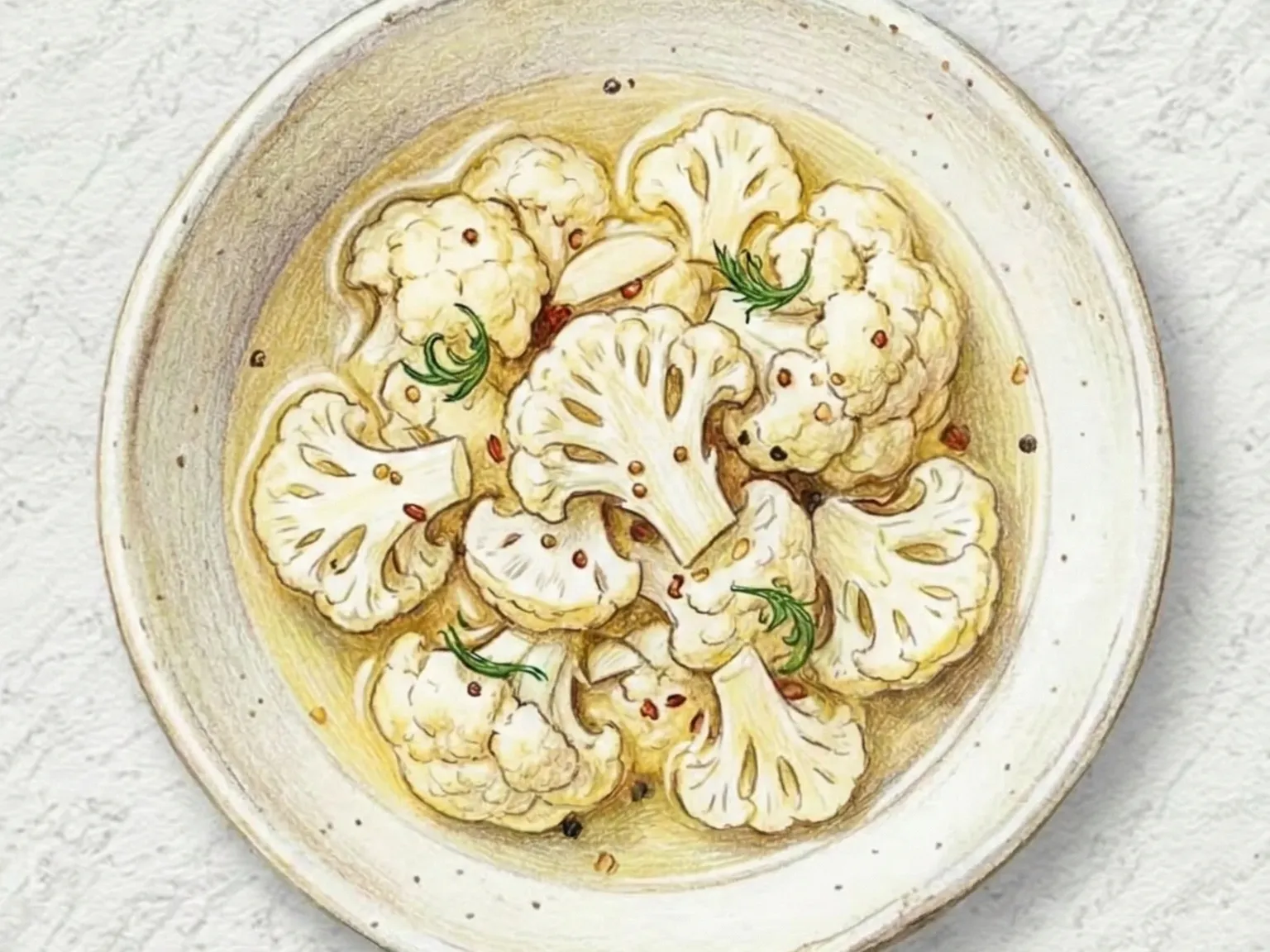
Korean Cauliflower Jangajji (Pickled Cauliflower)
Korean pickled cauliflower made by soaking bite-sized florets in a boiled-and-cooled brine of soy sauce, vinegar, and sugar. The dense, compact structure of cauliflower absorbs the pickling liquid at a gradual pace, developing flavor over time without turning soft - a texture advantage over vegetables like cucumber or radish that break down faster. Vinegar and sugar balance each other cleanly, and the soy sauce adds a low layer of umami beneath the bright, tangy top note. The pickle works well as a palate cleanser alongside fried or grilled food, and holds up just as well as a plain rice side. The preparation is simple: boil the brine, let it cool, pour it over the florets, and wait.
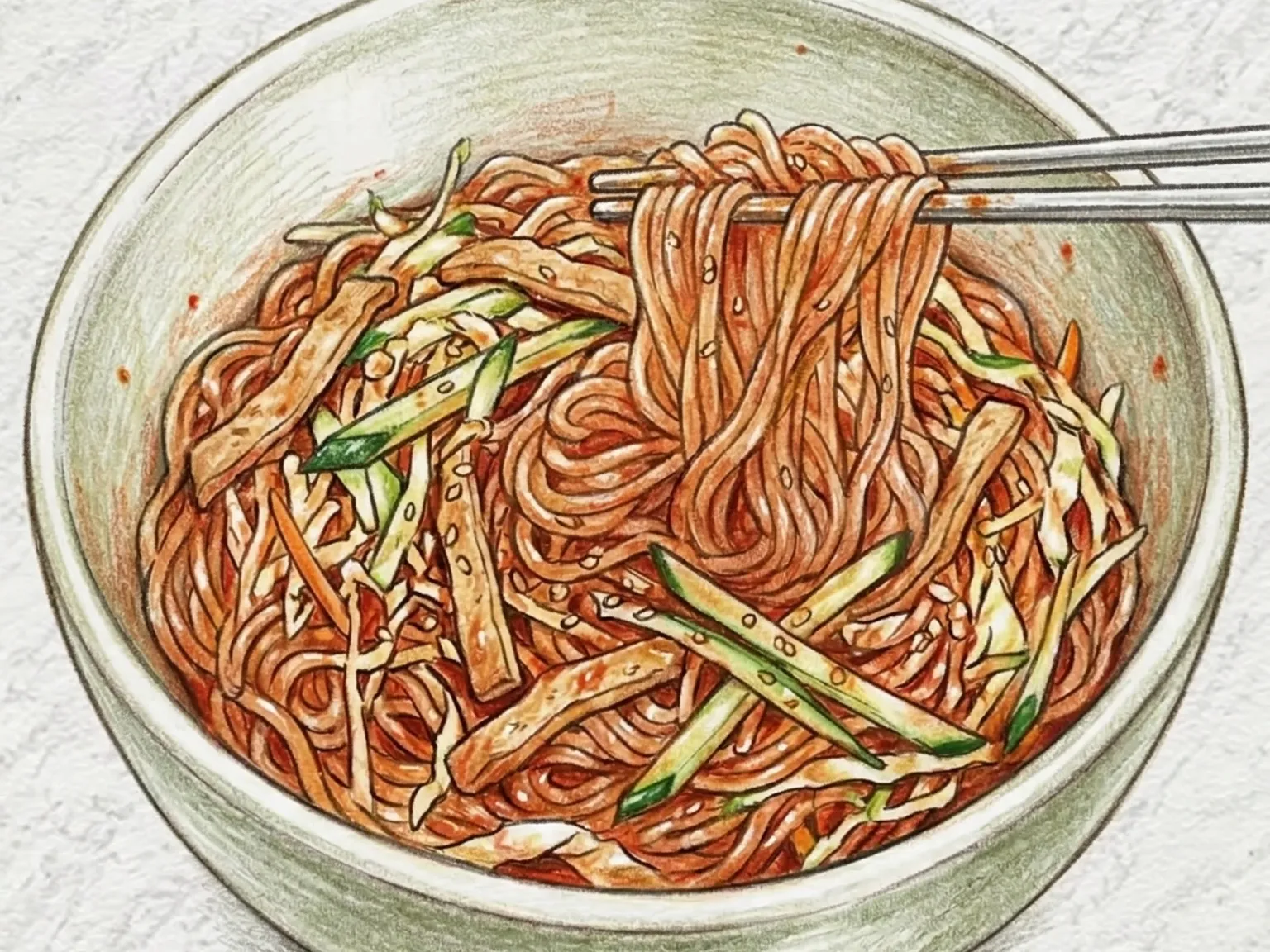
Korean Spicy Mixed Glass Noodles
Busan bibim dangmyeon is a spicy mixed noodle dish rooted in the street food culture of Busan's traditional markets, built around springy sweet-potato glass noodles tossed with sliced fish cake, cucumber, and cabbage in a bold chili paste and soy sauce dressing. The translucent noodles are highly elastic and cling tenaciously to the sauce, so each mouthful delivers a concentrated hit of the spicy-sweet seasoning. Fish cake contributes a soft, savory depth that contrasts with the firm chew of the noodles, while shredded cucumber and cabbage add bursts of crunch throughout the bowl. Sesame oil and toasted sesame seeds finish the dish with a warm, nutty undertone. Because the recipe requires only boiling the noodles and tossing everything with a pre-mixed sauce, it comes together in a matter of minutes. The chili paste ratio can be adjusted freely to control heat level, and in Busan the dish is typically served in a single bowl and mixed at the table with a fork.
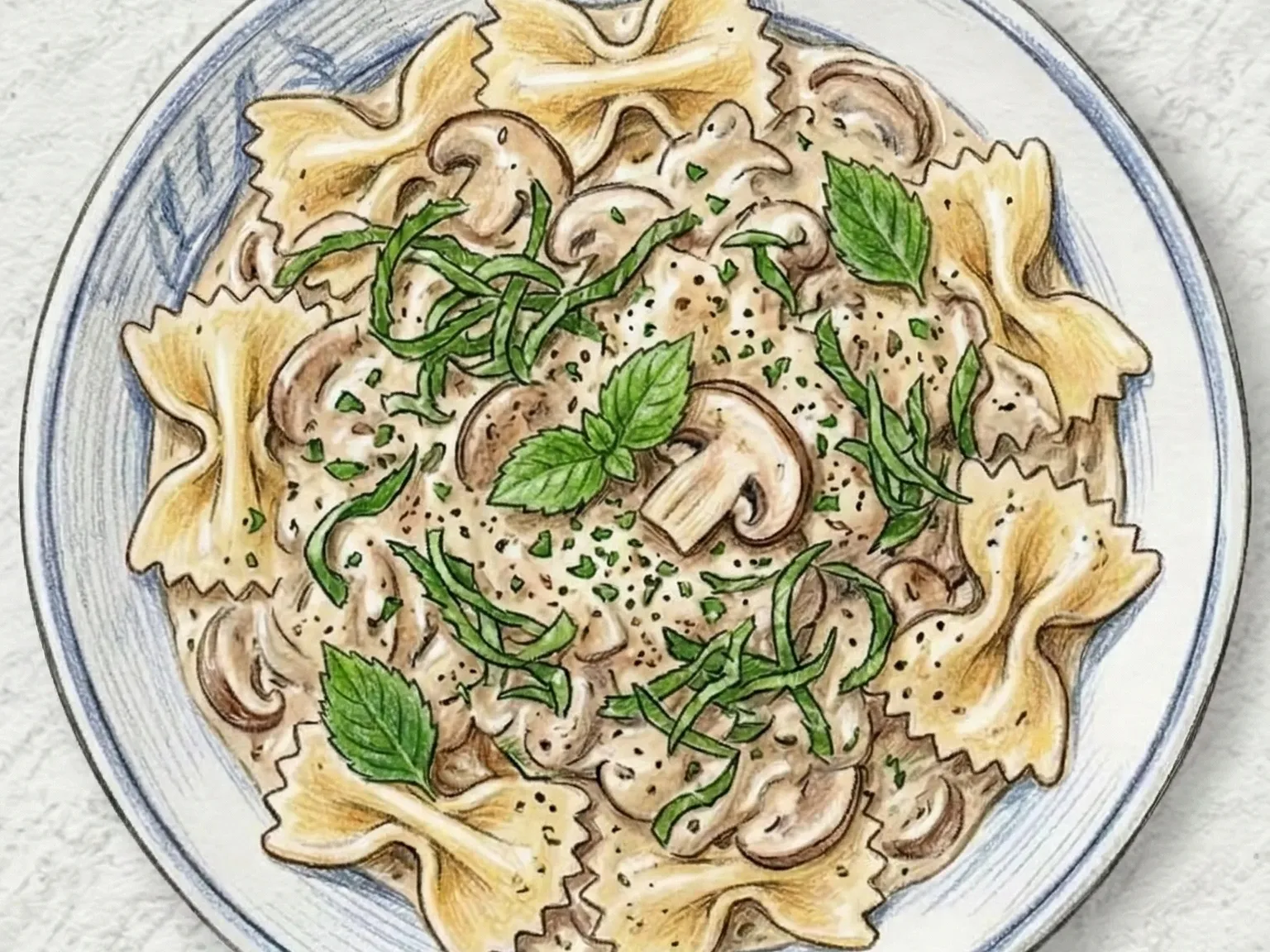
Kkaennip Mushroom Cream Farfalle
Kkaennip mushroom cream farfalle combines sliced button mushrooms and fresh perilla leaves in a cream sauce over bow-tie pasta. The mushrooms are sauteed in olive oil until their moisture cooks off and their flavor concentrates, with onion and garlic building the aromatic base. Heavy cream is then added to form the sauce, and shredded perilla goes in at the end so the leaves wilt just enough to release their fragrance without losing it to the heat. Parmesan contributes salt and a nutty underpinning, while farfalle's ridged and folded surface holds the sauce across every piece. The defining quality of the dish is the perilla itself, whose scent belongs to the sesame family and sits in entirely different territory from basil or mint - grassy, faintly resinous, and unmistakably Korean. Few other herbs could give a cream pasta this specific character.