🎉 Special Occasion Recipes
Impressive dishes for guests and special occasions
929 recipes. Page 7 of 39
When guests are coming, the menu needs a little extra care. This tag features impressive dishes suited for entertaining - galbi-jjim, japchae, and bulgogi for a Korean spread, or pasta and steak for a Western-style course.
The key to stress-free hosting is choosing recipes that allow advance preparation. Do the heavy lifting the day before, then finish plating when guests arrive. That way, you can relax and enjoy the meal together.
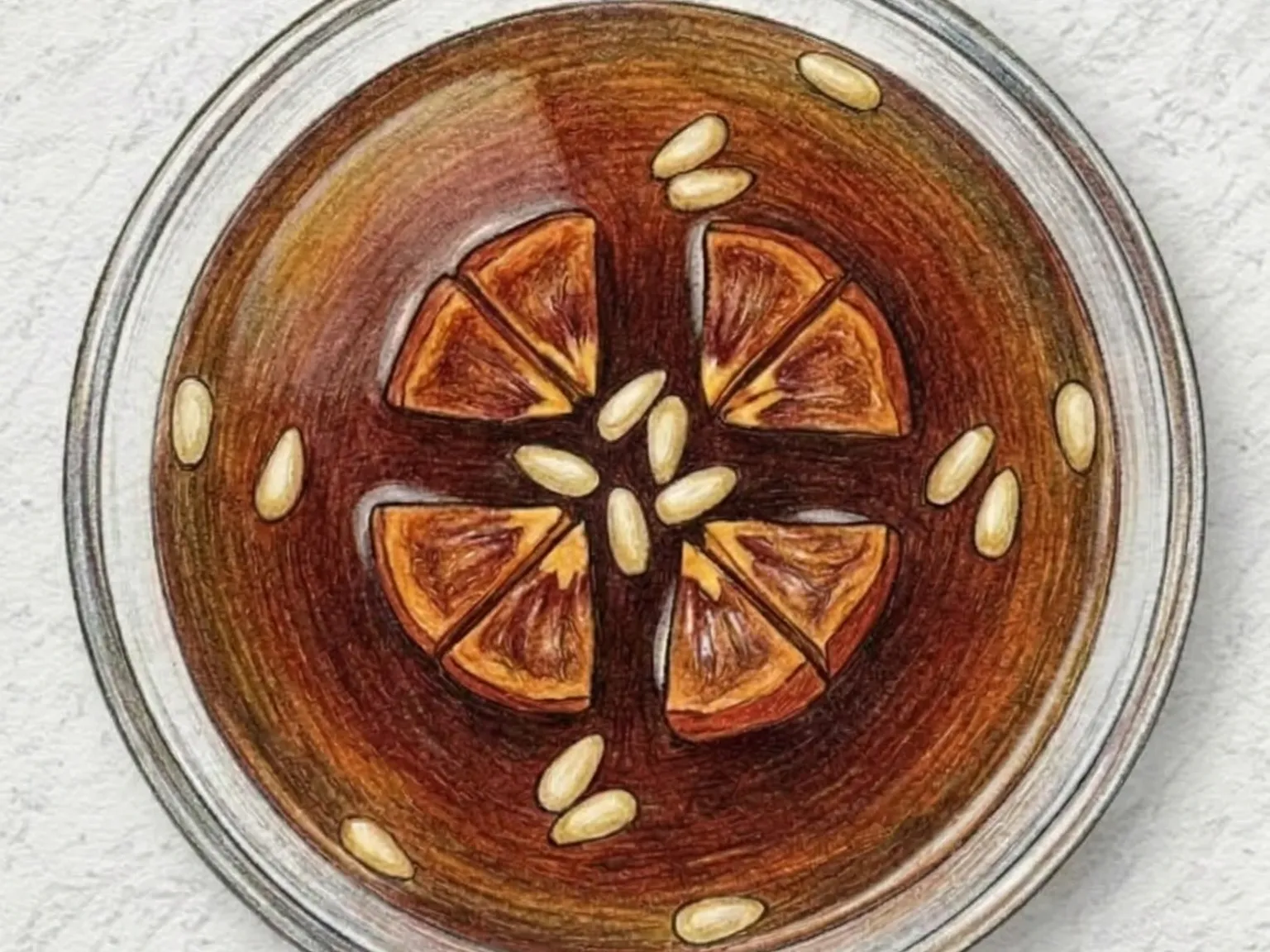
Korean Cinnamon Persimmon Punch
Sujeonggwa is a Korean cinnamon-ginger punch made by simmering cinnamon sticks and sliced ginger in water for 25 minutes, then straining and sweetening the clear liquid with dark brown sugar. The warm, slightly sweet spice of cinnamon and the sharp rising heat of ginger meet the molasses-toned depth of the sugar, building a flavor that is spicy, sweet, and aromatic in equal measure. Quartered dried persimmon slices are added to the chilled punch, where they slowly absorb the liquid and soften into a jam-like texture over time, while floating pine nuts contribute a gentle nuttiness to each sip. Overnight refrigeration in a sealed container melds the individual flavors into something more unified, making the punch cleaner and more rounded when served cold. Sujeonggwa has long been served at Korean holiday tables during Lunar New Year and ancestral rite ceremonies, and its spiced warmth is also considered a natural digestive aid after heavy meals.
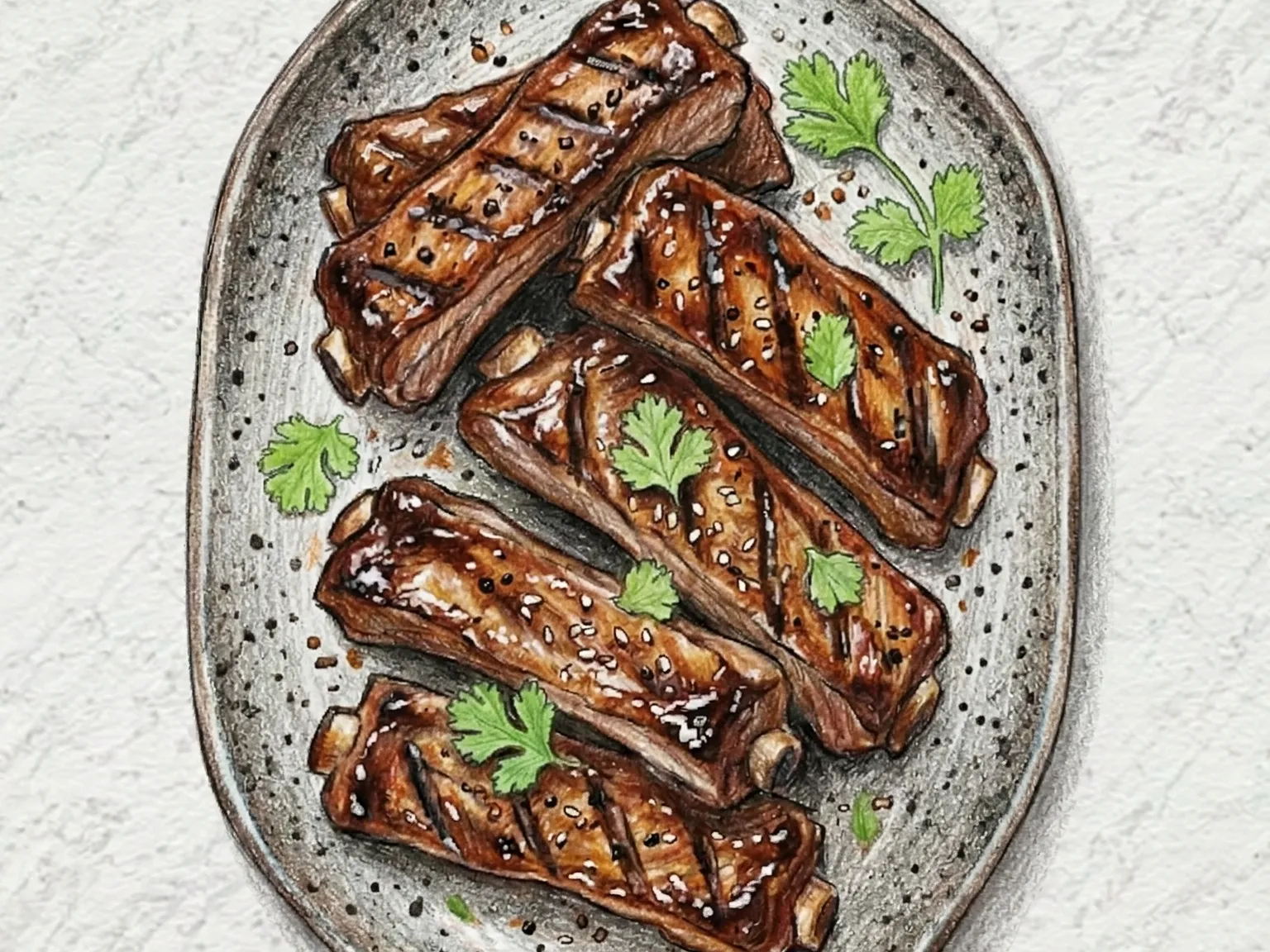
Korean Soy-Glazed Pork Back Ribs
Dwaeji-deunggalbi ganjang-gui is a Korean soy-glazed pork back rib dish where thick cuts attached to the spine bone are coated in a glaze of dark soy sauce, honey, garlic, and ginger juice, then slow-roasted in an oven or grill. The thick meat requires at least two hours of refrigerated marination so the salt from the soy sauce and sweetness from the honey penetrate close to the bone, and during cooking the sugars in the glaze caramelize into a glossy, dark-brown crust. A two-stage cooking method defines the final texture: forty minutes covered at 180 degrees Celsius to cook the meat through completely, then ten minutes uncovered at higher heat to crisp the surface without drying out the interior. Ginger juice is not a replaceable ingredient here - it neutralizes the pork's gamey undertones, and leaving it out throws off the flavor balance noticeably. The ribs are eaten by pulling the meat from between the bones by hand, which makes them well suited as an anju - a drinking side dish - alongside beer or soju.
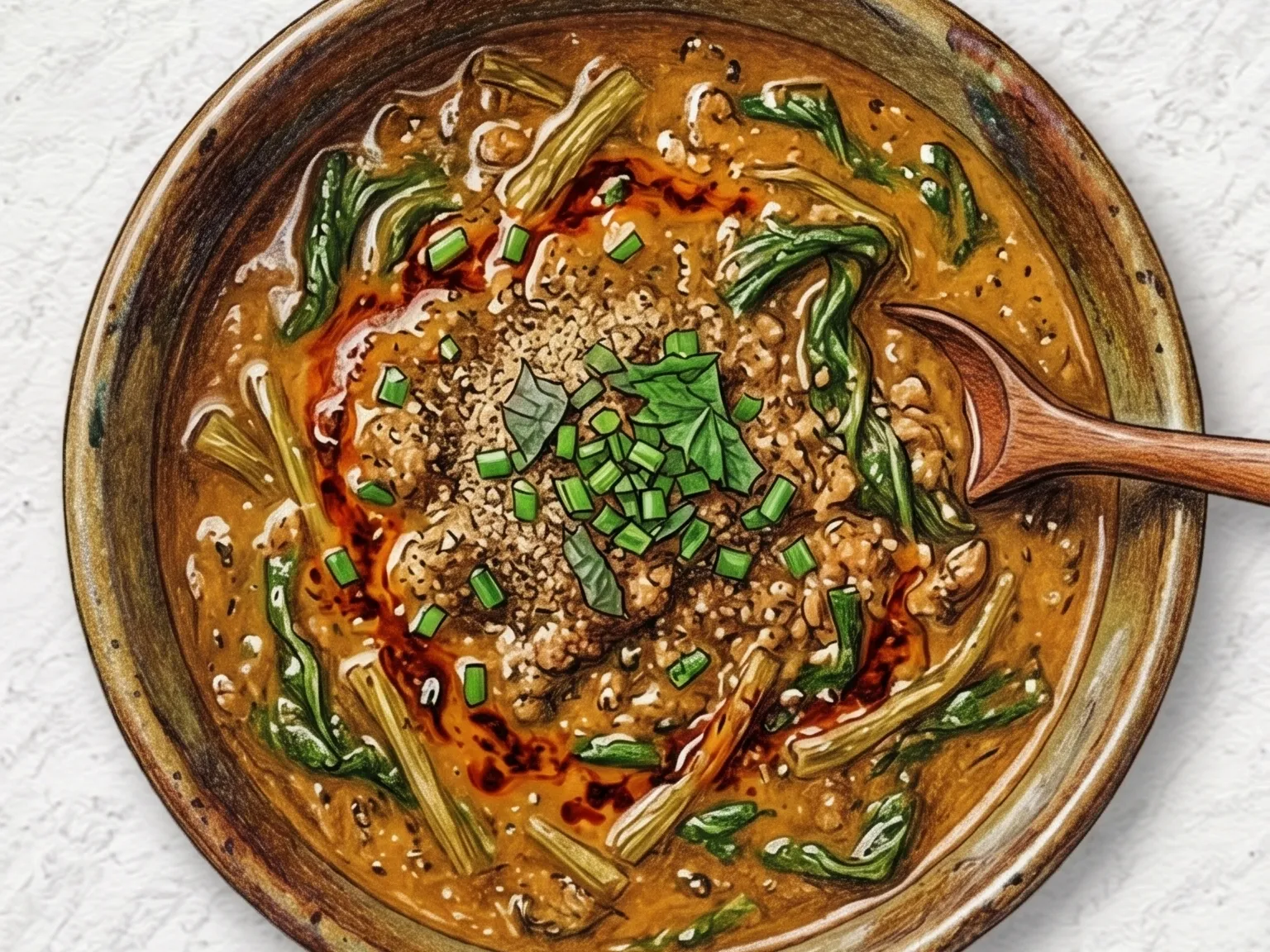
Korean Gangwon-Style Loach Soup
Gangwon-style chueotang is a thick, hearty loach soup in which the entire fish is boiled, blended smooth, and returned to the pot with ground perilla seeds and dried radish greens. Pulverizing the loach whole dissolves its small bones into the broth, creating a calcium-rich liquid with a distinctive earthy depth. Perilla seed powder transforms the soup into something creamy and nutty, far removed from a typical clear broth. Dried radish greens, rehydrated and chopped, provide a pleasantly chewy counterpoint to the thick liquid. Doenjang and gochugaru add fermented savoriness and gentle heat that deepen the overall flavor. Before blending, the loach should be soaked in salted water to purge any muddy taste, and the perilla powder is best stirred in after the soup reaches a boil so the nutty aroma does not cook off too quickly. The finished soup is dense and substantial, closer to a stew than a broth, and is traditionally eaten in autumn and winter as a stamina food. In the mountainous Gangwon province, chueotang holds a near-legendary status as a warming, restorative meal on the coldest days.
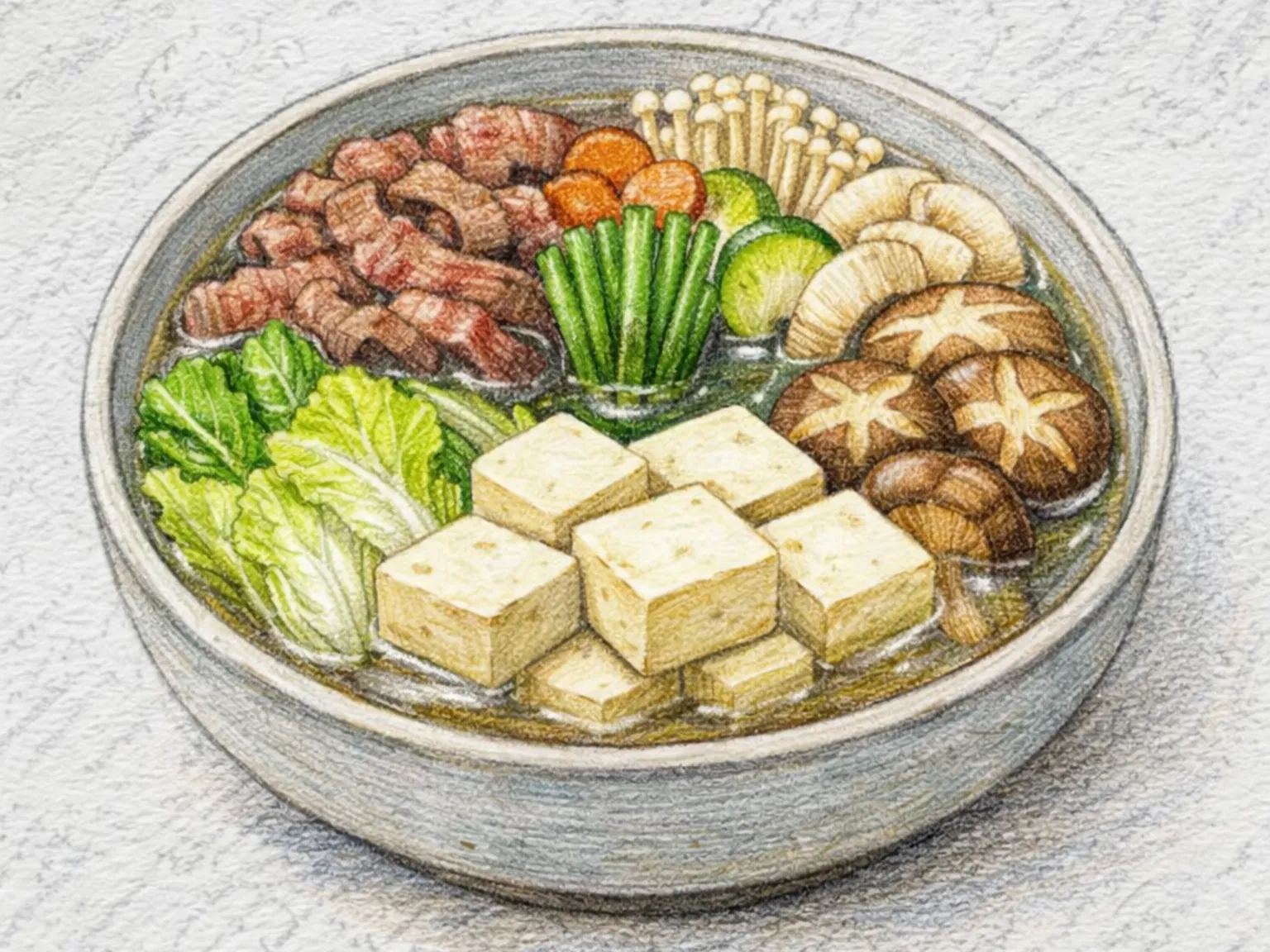
Korean Tofu Hot Pot (Tofu & Beef Kelp Broth Pot)
Dubu jeongol is a Korean hot pot centered on tofu and beef simmered in kelp broth at the table. Shiitake mushrooms contribute a deep savory note, while napa cabbage and green onion add freshness and textural variety. The broth is seasoned with soup soy sauce, keeping it light and clear enough to let each ingredient's flavor come through without becoming heavy. Thin-sliced or ground beef works equally well; marinating it briefly in soy sauce and minced garlic before adding it to the pot layers the broth with additional depth. Pan-frying the tofu slices lightly in oil before placing them in the jeongol prevents them from breaking apart during the long simmer and gives each piece a slightly firmer exterior. Traditionally served bubbling directly on the table, this is a communal dish meant to be eaten at a relaxed pace, with diners adding broth and pieces to their own bowls throughout the meal.
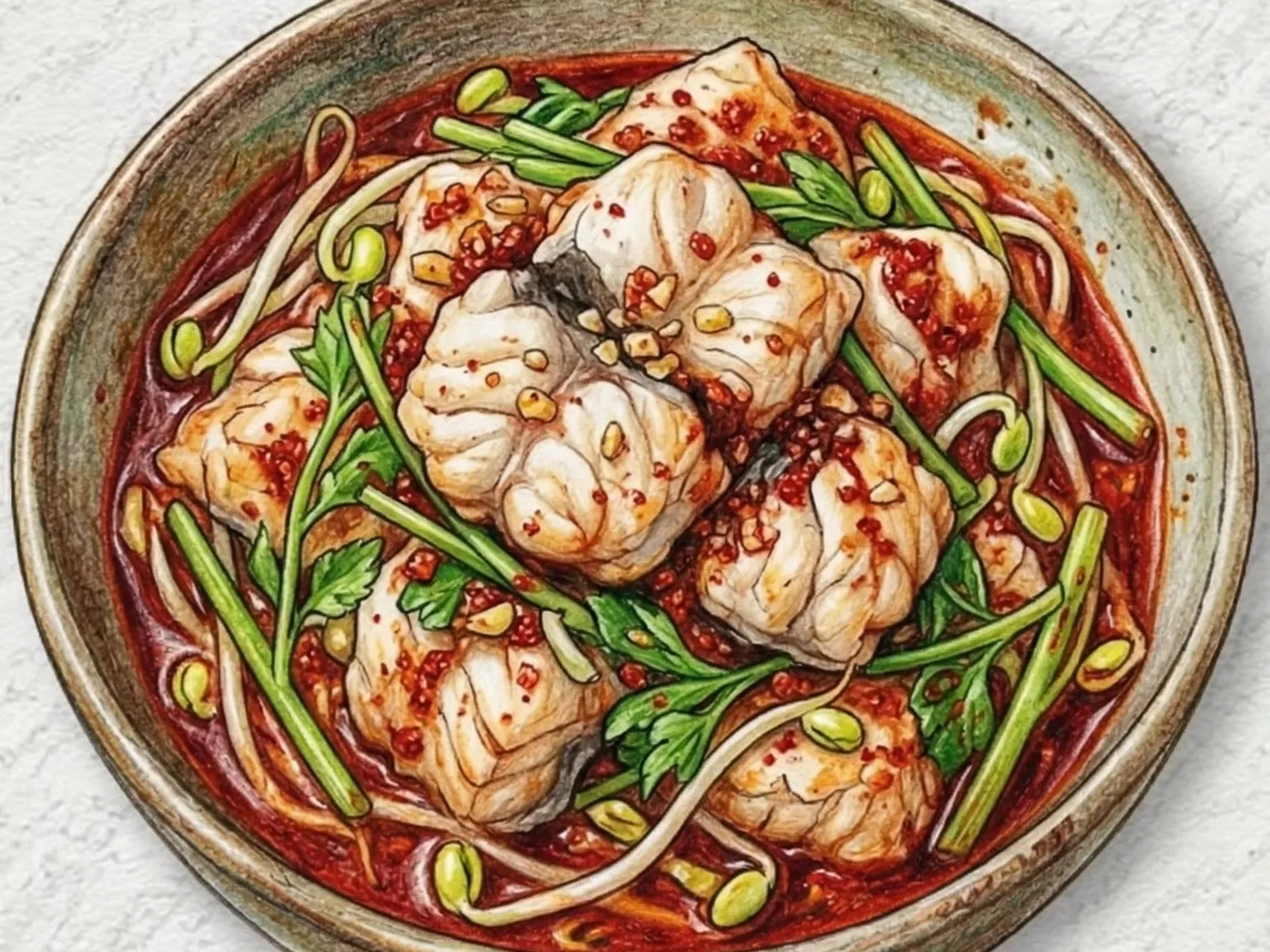
Korean Spicy Braised Pufferfish
Cleaned pufferfish fillets are steamed with bean sprouts and water dropwort under a spicy sauce built from gochugaru and gochujang. Pufferfish meat is very low in fat, giving it a lean, firm texture that holds together under bold seasoning rather than falling apart. Bean sprouts add a crisp, watery contrast to the dense chili paste, and water dropwort brings a distinctly herbal, slightly peppery fragrance that lifts the dish. Soy sauce and minced garlic round out the seasoning, adding depth without shifting the profile away from the chili-forward base. Pufferfish preparations are a regional specialty of Korea's coastal areas, where the fish is abundant and handled with particular care.
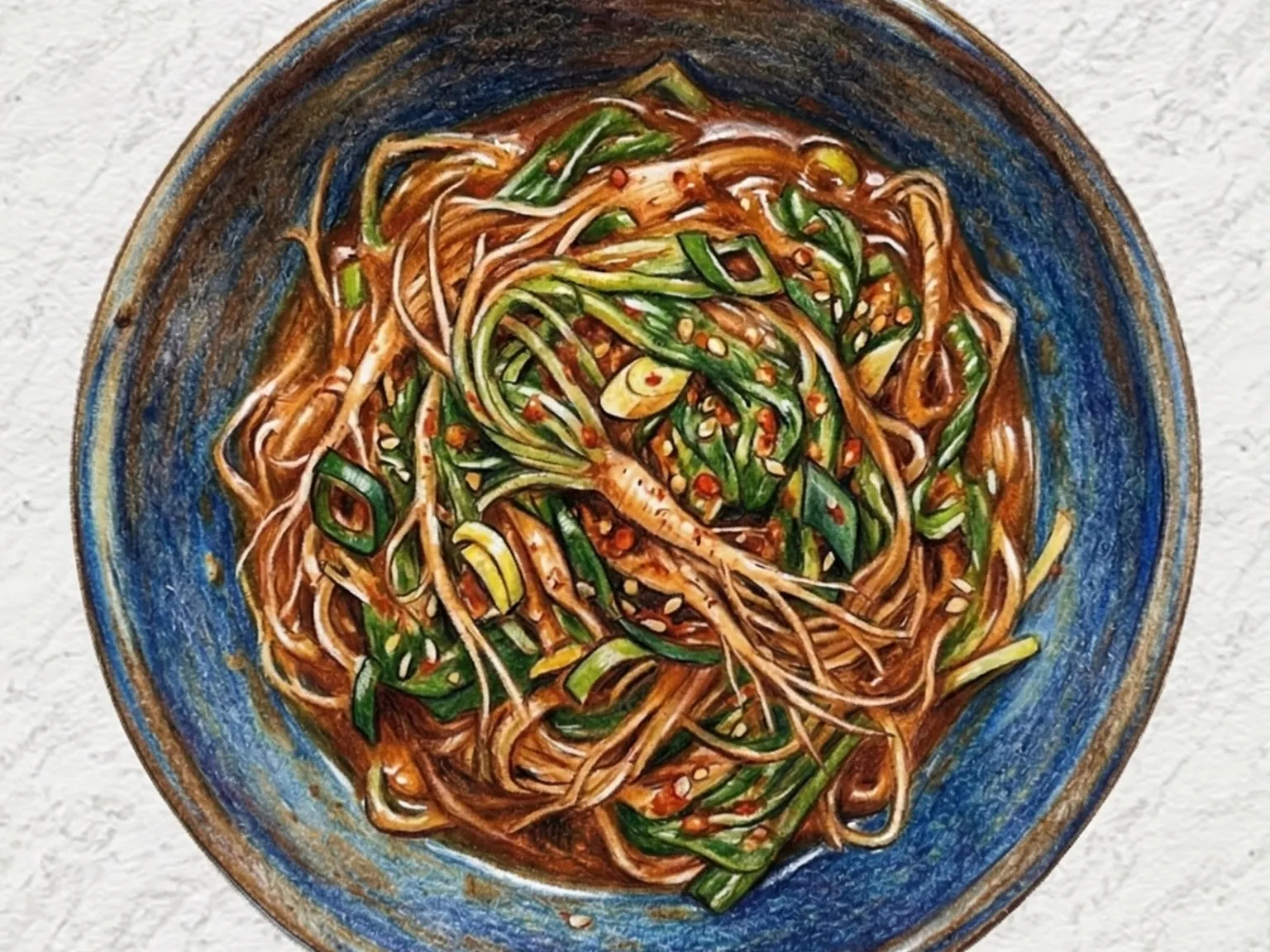
Korean Bitter Herb Kimchi
Sseumbagwi kimchi is a traditional spring fermented side dish made from sseumbagwi, a wild bitter herb that grows in Korea during early spring. The herb is soaked in cold water for at least twenty minutes to pull back its pronounced bitterness before being salted to soften the stalks. It is then dressed in a seasoning paste built from gochugaru, sand lance fish sauce, minced garlic, ginger, sweet rice paste, and plum syrup, mixed together with cut scallions. The rice paste adds body to the seasoning so it clings to the herb's thin stems and narrow leaves rather than sliding off. Plum syrup works on both the bitterness and the salt's edge at once, smoothing the overall profile without masking the herb's character. Sand lance fish sauce is preferred over anchovy sauce here because its gentler aroma does not compete with the plant's natural flavor. Five hours of room-temperature fermentation followed by refrigeration sets off lactic acid development, layering tangy depth over the bitter-green base. The flavor peaks around day three when bitterness, acidity, and umami reach the best balance. If the raw herb tastes too sharp, one additional soak in fresh cold water brings it within range before seasoning.
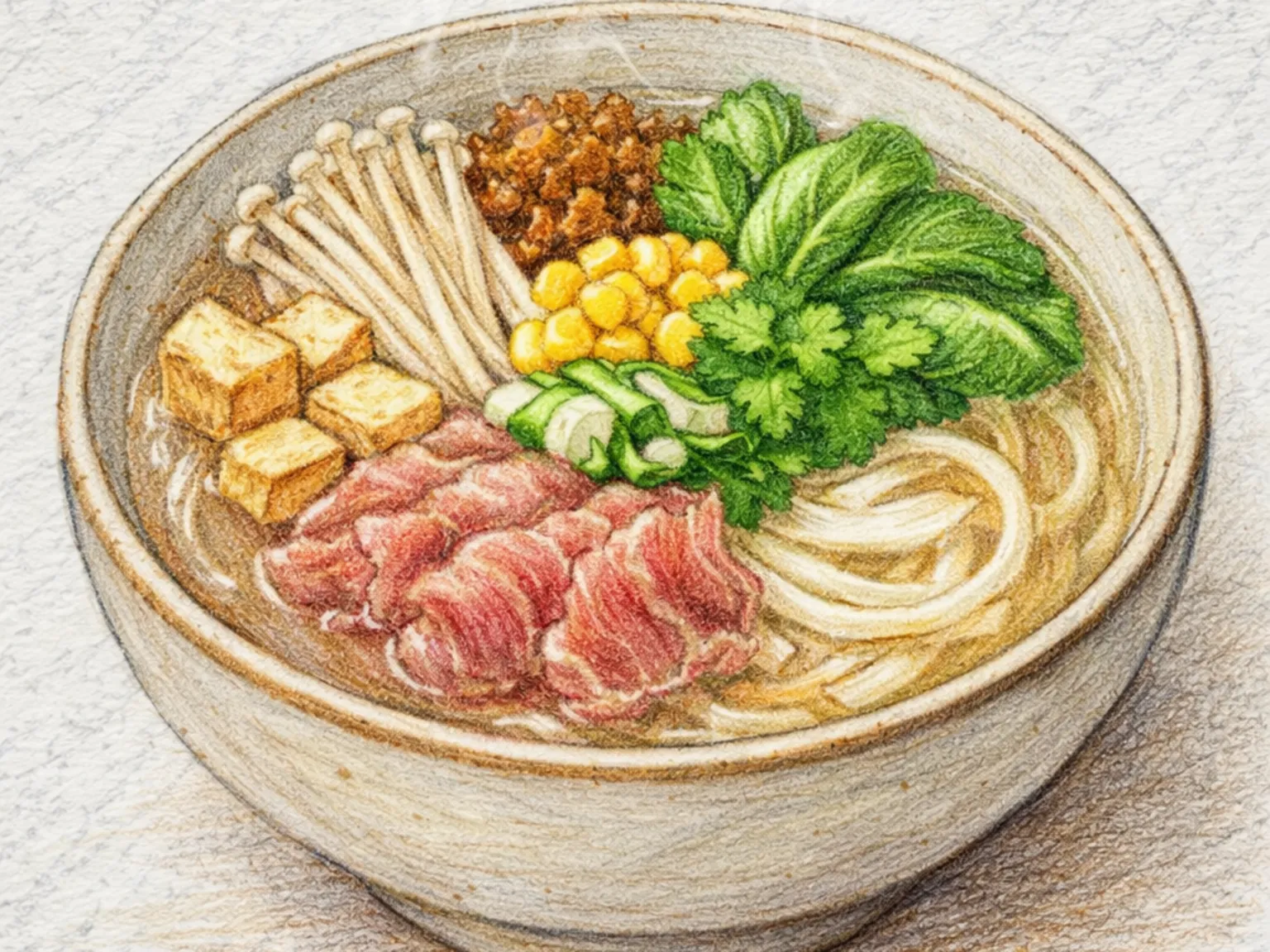
Crossing the Bridge Noodles
Crossing bridge noodles is the signature dish of Yunnan province in China, served as a bowl of boiling-hot, clear chicken broth sealed under a thin layer of hot oil, accompanied by separate plates of paper-thin raw meats, vegetables, tofu skin, quail eggs, and rice noodles. The oil cap acts as an insulating lid, holding the broth at a temperature high enough to cook raw ingredients the moment they touch the surface. Meat sliced so thin it is nearly translucent turns opaque within seconds without any external heat source. Diners add ingredients in a deliberate sequence, starting with items that need the most time and ending with the noodles, which go in last to prevent them from absorbing broth and softening. By the time the bowl is finished, each component has reached its ideal texture inside the single vessel. The dish takes its name from a legend about a devoted wife who carried soup across a long bridge to her husband studying for imperial examinations, relying on the oil layer to keep the broth hot for the entire journey.
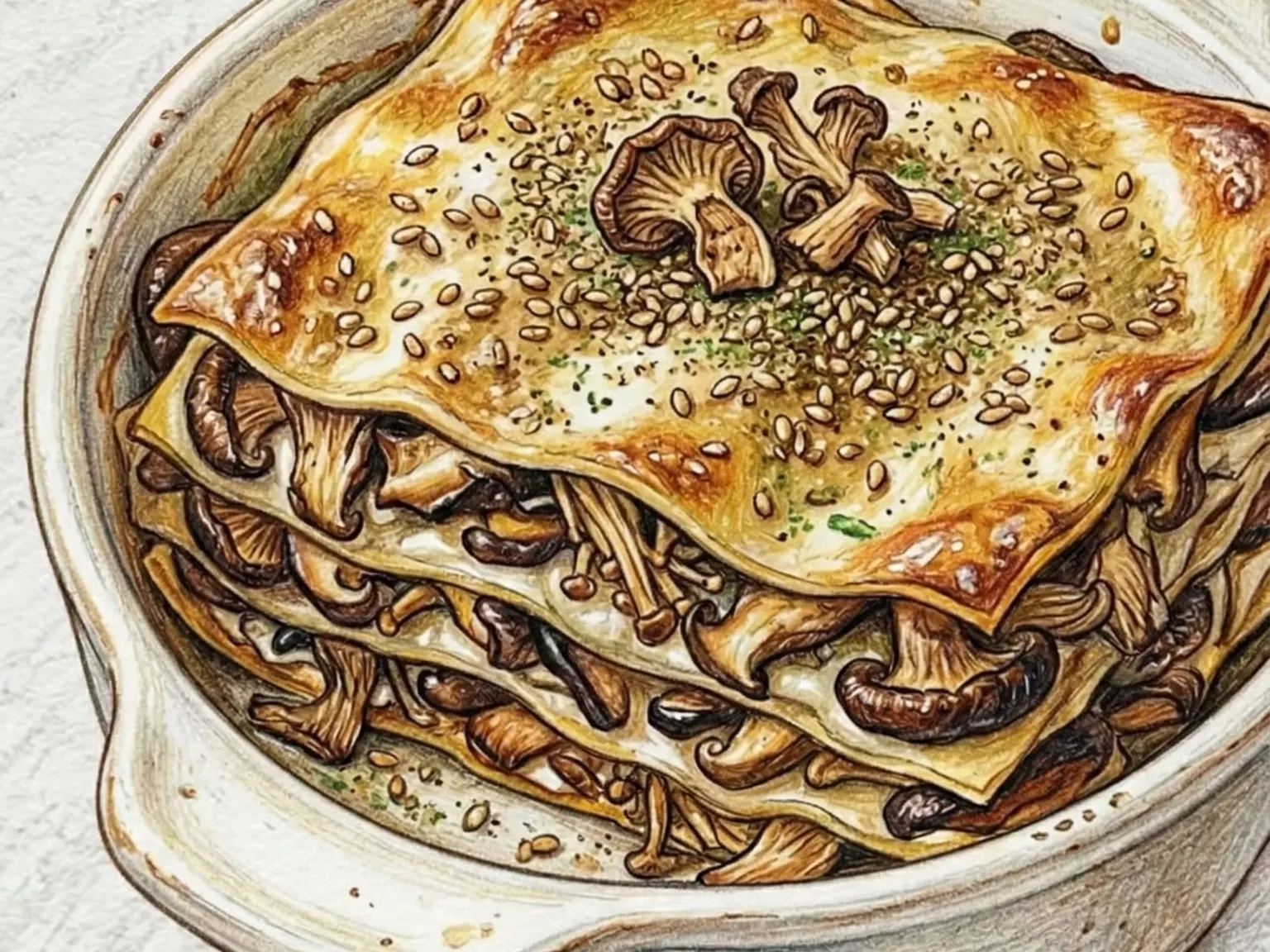
Deulkkae Mushroom Lasagna Bianca
Deulkkae mushroom lasagna bianca layers sauteed button and oyster mushrooms coated in perilla seed powder between lasagna sheets, baking without traditional bechamel into a white lasagna with a distinctly Korean character. The mushrooms must be cooked in small batches over high heat - loading too many at once causes them to steam in their own liquid instead of browning, which loses both color and chew. Ground perilla seeds replace cream as the source of richness: they contribute a dense, nutty weight that fills the layers without dairy fat, and their flavor sits closer to toasted sesame and walnut than to any herb. That nuttiness locks onto the earthy quality of mushrooms in a way that differs noticeably from a standard bechamel-based lasagna. Mozzarella and Parmigiano bind the layers together and develop a golden crust across the top during baking. The lasagna needs to rest for at least ten minutes after it comes out of the oven so the layers compress and each slice cuts cleanly without falling apart.
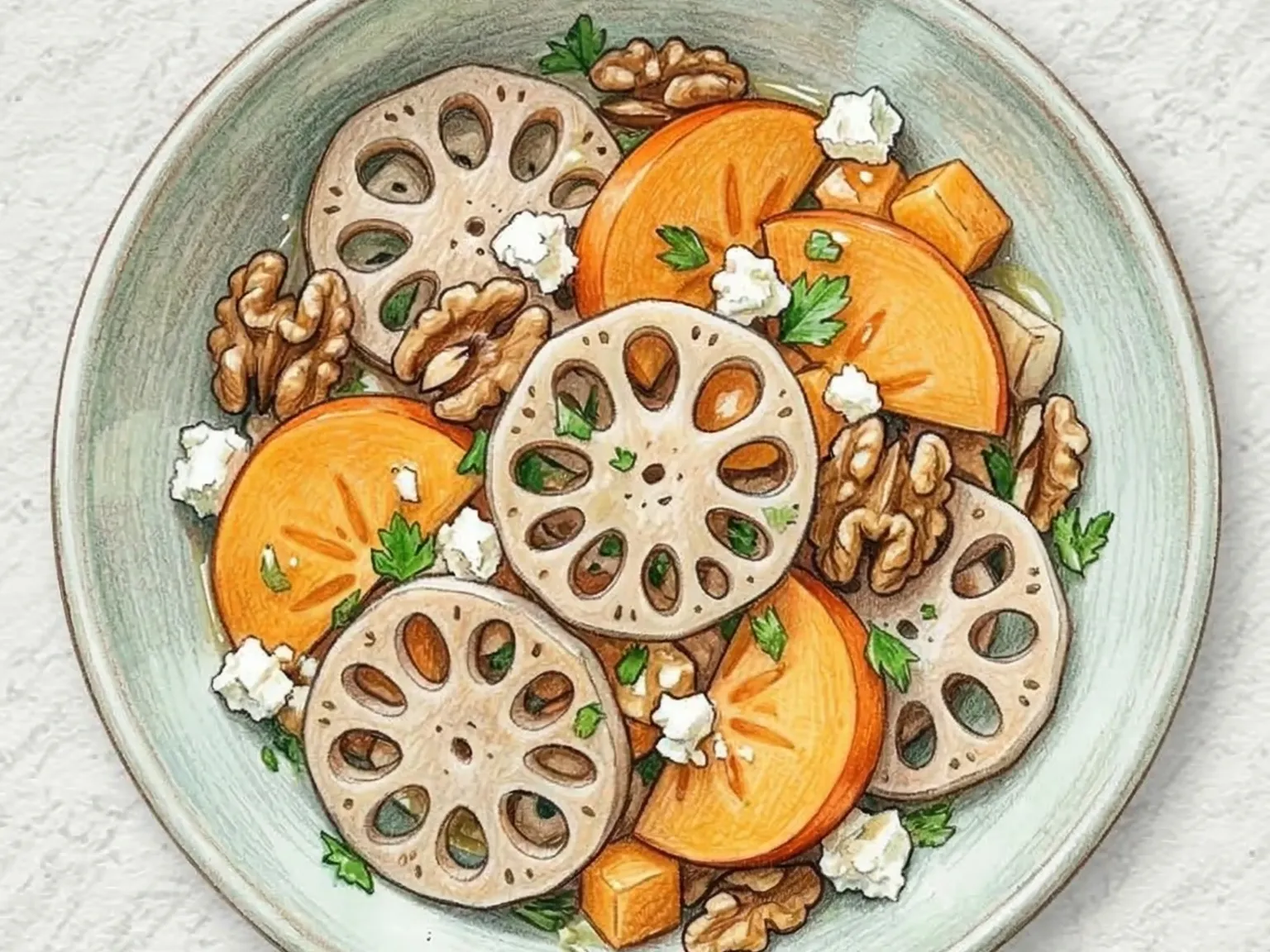
Lotus Root Persimmon Salad
This salad combines blanched lotus root and sliced sweet persimmon to reflect seasonal autumn produce. The lotus root provides a clean and crisp texture that contrasts with the natural sweetness found in the fruit slices. A dressing composed of olive oil, honey, and fresh lemon juice is used to coat the ingredients without masking their individual flavors. Crumbled feta cheese provides a salty and tangy dairy element that balances the sugar content of the persimmon. Toasted walnuts, which are prepared by heating them briefly in a dry pan, contribute earthy fats and a crunchy texture that differs from the softer fruit. The salad is assembled on a base of baby greens to provide a layer of color. Dividing the dressing into two separate additions during the mixing process ensures that the seasoning is distributed evenly across all components. While the recipe typically uses firm persimmons, ripe soft persimmons known as hongsi can be used as an alternative. This variation produces a salad with a sweeter profile and a much softer, more yielding consistency.
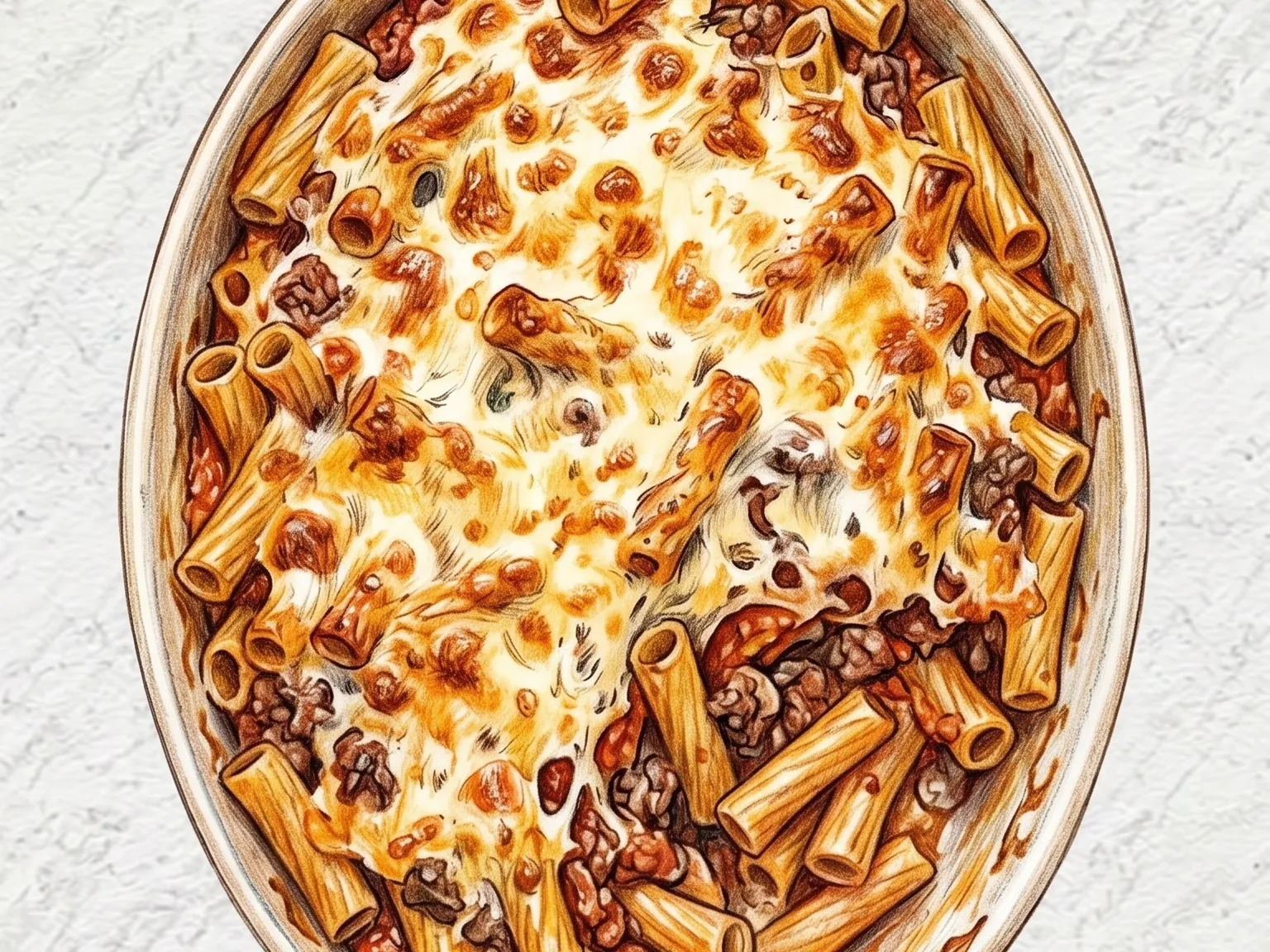
Baked Ziti
Baked ziti is an Italian-American oven pasta that delivers a lasagna-style flavor structure with far less assembly work. Tubular ziti noodles are boiled to al dente, tossed in a beef-and-tomato meat sauce, then layered in a baking dish with generous amounts of ricotta and shredded mozzarella. The tube shape traps sauce inside each piece, distributing flavor more evenly than flat pasta can. Parmesan spread across the top browns into a thin, crisp crust during the thirty-five-minute bake, while the interior melds into a cohesive mass of sauce-soaked pasta and melted cheese. Because no individual pasta sheets need to be layered, total hands-on preparation time is considerably shorter than classic lasagna. The dish scales easily to four or more servings in a single pan, making it well suited for family dinners and gatherings. Adding a small amount of water or sauce before reheating keeps leftovers from drying out.
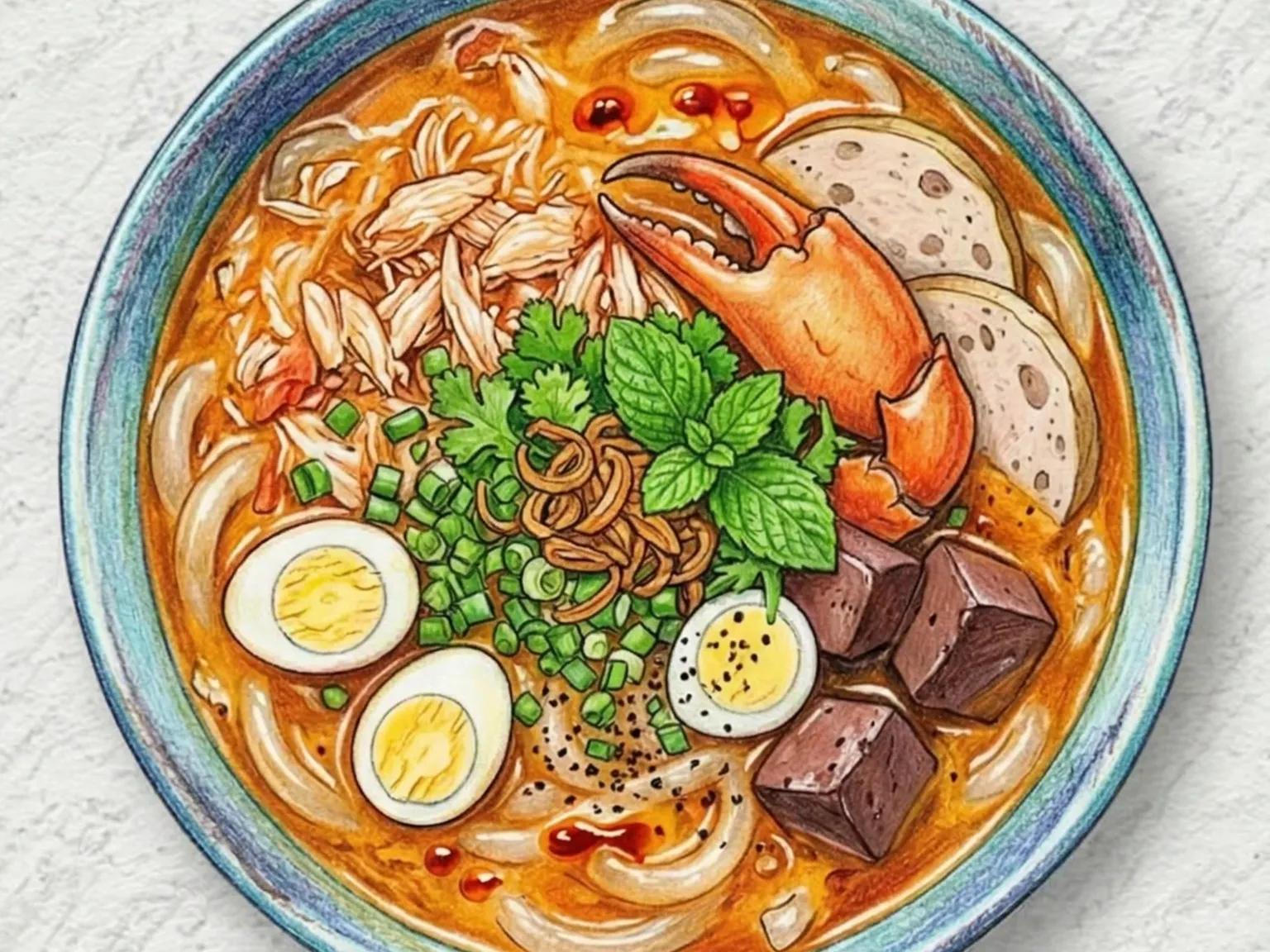
Banh Canh Cua (Vietnamese Thick Crab and Pork Noodle Soup)
Banh canh cua is a southern Vietnamese noodle soup built for maximum richness - both the broth and noodles are thick, a deliberate contrast to the clear, refined soups of Hanoi. The base is drawn from crab shells and pork bones simmered together for hours, then strained and thickened with tapioca starch until it coats the back of a spoon. Hand-formed tapioca-rice noodles have a quality unlike any wheat or standard rice noodle: slippery on the surface and densely chewy at the core. Chunks of crab meat and a crab-paste egg custard float in the milky broth, making each spoonful intensely oceanic. Street vendors in Ho Chi Minh City and Can Tho ladle it from giant pots at dawn, serving it as a morning meal alongside fried shallots and fresh herbs that cut through the fat. The soup has no equivalent in northern Vietnamese cooking - it is distinctly southern, a bowl that prioritizes depth and substance over delicacy.

Banana Bread
Banana bread is a quick bread leavened with baking soda rather than yeast, which means no rising time and a straightforward one-bowl process. The most important variable is the banana: heavily blackened, overripe fruit is essential because the starches have converted to sugar, the flesh mashes effortlessly, and the concentrated banana aroma permeates every part of the crumb. Melted butter adds richness without creaming, a single egg provides structure, and vanilla extract amplifies the banana's fragrance. The batter mixes in one bowl and goes directly into the oven at 170 degrees Celsius for roughly sixty minutes. A toothpick inserted into the center should come out clean. The bread is good warm from the oven, but the flavor is measurably deeper the following day as banana sugars continue to penetrate the interior. Walnuts or chocolate chips folded into the batter add textural contrast without changing the essential character of the loaf.
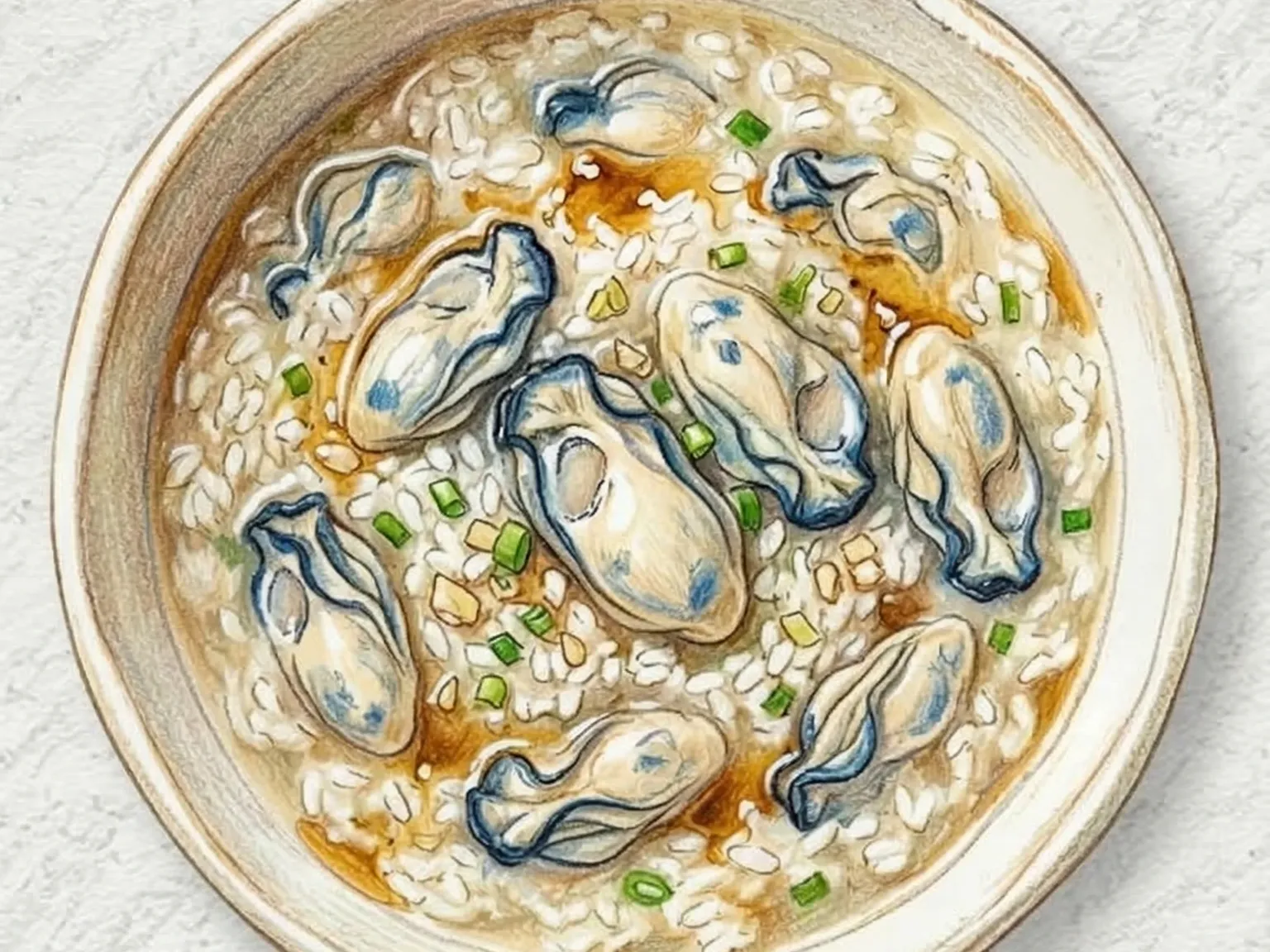
Korean Oyster Porridge (Savory Briny Rice Porridge)
Guljuk is a Korean oyster porridge made by first sauteing soaked rice in sesame oil until the grains turn slightly translucent at the edges, then adding water or light kelp stock and simmering over gentle heat for thirty minutes or more until the rice breaks down into a thick, cohesive porridge. Finely diced radish is added partway through and cooks until tender, contributing a quiet, natural sweetness to the broth. The oysters go in only during the final seven minutes of cooking, a timing that is non-negotiable: added too early, they turn rubbery and lose their sea-fresh flavor entirely. Kept brief, they emerge plump and tender with a clean oceanic brine at the center of each one. Soup soy sauce seasons the porridge without staining it dark, keeping the bowl pale and clear so the natural aroma of the shellfish can come through undisguised. A small pour of ginger juice can be stirred in to temper any fishiness if needed. Protein-rich and easy on the stomach, the porridge is a natural fit for winter mornings, recovery meals, and any occasion when the body needs something warming without the weight of a full meal.
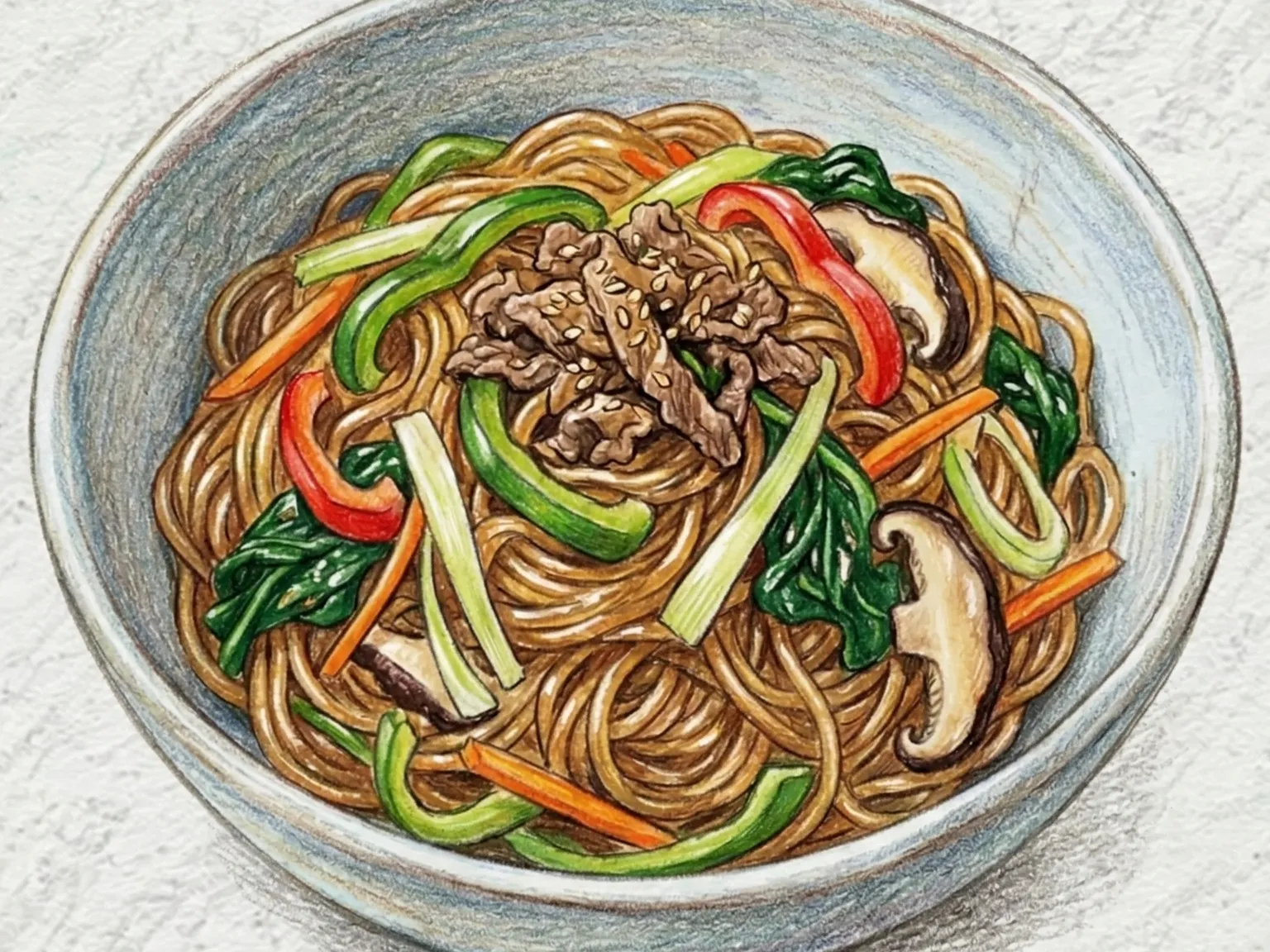
Korean Glass Noodle Stir-fry
Japchae is a signature Korean dish of glass noodles stir-fried with beef, spinach, carrots, onions, and shiitake mushrooms in soy sauce and sesame oil. The noodles are made from sweet potato starch and turn translucent as they cook, absorbing the seasoning to become glossy and springy rather than starchy or heavy. The defining technique is cooking each component separately before combining them at the end. Spinach softens quickly and needs only a brief wilt; carrots are stir-fried to keep a slight bite; shiitake mushrooms are cooked until pleasantly chewy; and beef is marinated in soy sauce, sesame oil, sugar, garlic, and pepper before being stir-fried so it stays tender without any gamey edge. Tossing the noodles in soy sauce and sesame oil right after boiling prevents them from clumping together. When everything is brought together at the end, each ingredient keeps its individual texture while the seasoning unifies the dish. Japchae appears at virtually every Korean celebration including Chuseok, Lunar New Year, birthdays, and wedding feasts, and a large batch keeps its quality well into the following day.

Gaeseong Juak (Honey Fried Rice Cake)
Gaeseong juak is a traditional Korean confection made from a dough of glutinous rice flour and wheat flour, fried slowly in oil at a deliberately controlled temperature to cook the interior evenly before the exterior develops color. The two-stage frying process begins at 150 degrees Celsius to set the inside through without burning the outside, then the temperature rises to 170 degrees to develop a light golden crust on the surface. Separating the temperature stages solves a specific frying problem: high heat from the start produces a darkened exterior while the chewy glutinous core remains underdone, while insufficient heat makes the exterior soft and oily. The result is a thin crisp shell surrounding a genuinely chewy, sticky interior. After frying, each piece is rolled through a warm syrup made from honey and rice syrup heated together over low heat, which leaves a glossy, fragrant sweetness coating the surface. A finishing dusting of ground cinnamon and chopped pine nuts adds aromatic spice and contrasting crunch. Historical records trace the confection to the Gaeseong region of the Goryeo dynasty, and it remains a standard presence on Korean ceremonial and holiday tables to this day.

Clear Korean Rice Wine (Traditional Fermented Yakju)
Yakju is a traditional Korean clear rice wine produced by steaming soaked glutinous rice for 35 minutes, then fermenting it with crushed nuruk starter, dry yeast, and water for seven to ten days at room temperature. Daily stirring distributes the yeast culture evenly, and sliced ginger and jujube are added during fermentation to suppress off-flavors and contribute subtle aromatics. After fermentation, the solids are allowed to settle completely so only the clear upper liquid is carefully decanted, giving yakju its transparent appearance and refined taste distinct from cloudy makgeolli. Two days of cold aging in the refrigerator rounds off the sharp alcohol edge, bringing forward a smooth, grain-forward character.
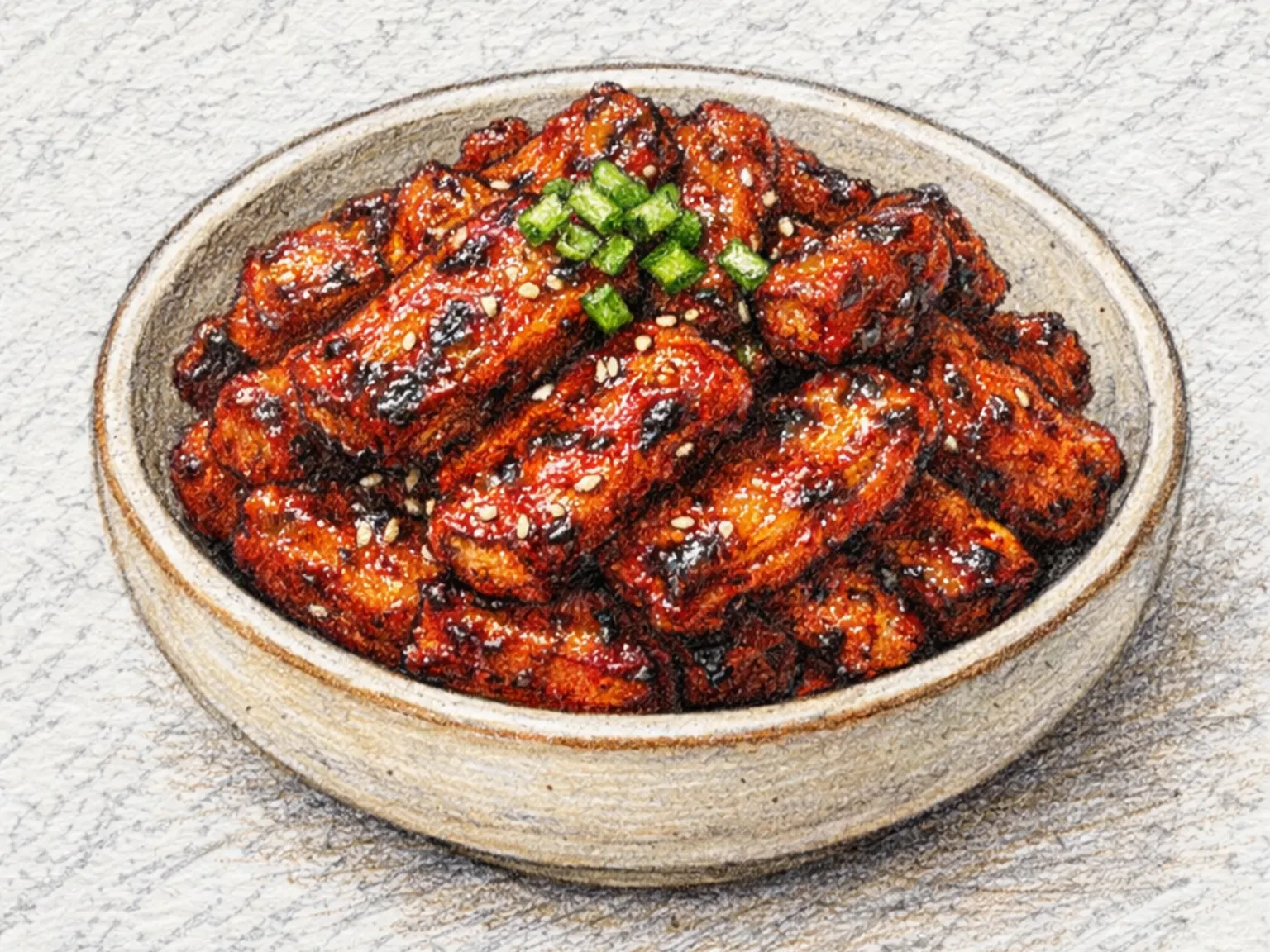
Korean Pork Ribs (Sweet Pear-Marinated BBQ Ribs)
Dwaeji-galbi is one of the most recognized Korean barbecue dishes, made with LA-cut pork ribs marinated in a thick sauce of pureed pear, soy sauce, sugar, corn syrup, garlic, and onion. The pear puree serves a dual purpose: it sweetens the marinade naturally while its proteolytic enzymes break down the muscle fibers, allowing the meat to pull away from the bone with minimal resistance. Marinating for four to six hours lets the seasoning penetrate deep into these thick cuts, but extending beyond a full day causes the enzymes to degrade the surface too aggressively, resulting in a mushy texture. Searing over high heat on a charcoal grill until the sugary glaze chars and caramelizes is essential to the dish. The blackened edges where the sugars meet open flame produce the defining sweet-smoky crust that separates galbi from ordinary grilled pork. Eaten wrapped in leafy greens with rice or as a standalone plate, it is a fixture at Korean outdoor grills and social gatherings.
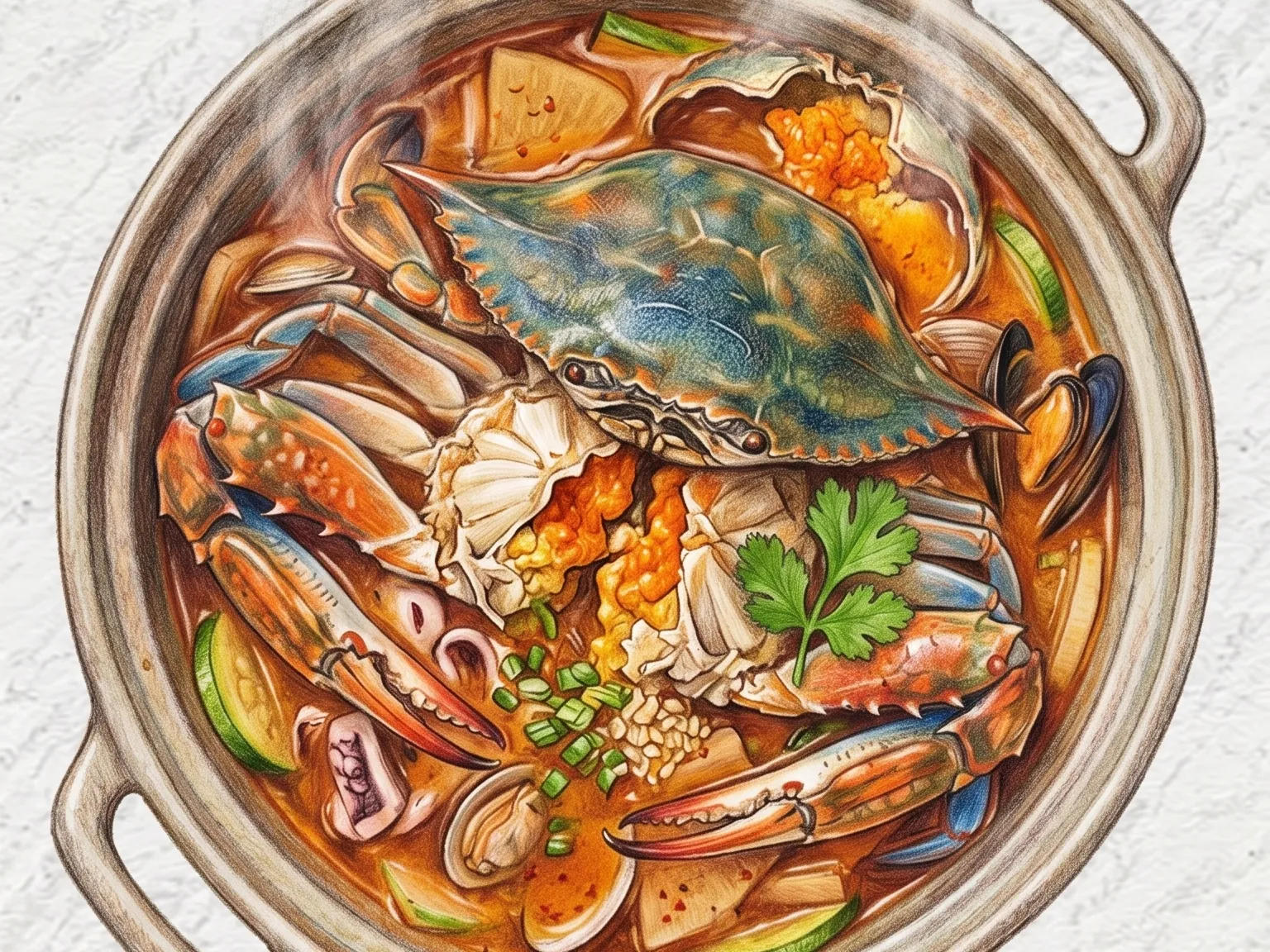
Korean Spicy Blue Crab Soup
Ggotge-tang is a spicy Korean crab soup built around whole blue crabs that infuse the broth with a concentrated, briny seafood depth. The shells release their marine richness as they crack apart during simmering, forming the structural foundation of the pot. Doenjang dissolved into the broth adds fermented complexity, while gochugaru delivers a persistent heat that compounds with each spoonful. Radish chunks sweeten and clarify the liquid, and zucchini with green onion fill the bowl with color and contrasting texture. Before cooking, the crabs should be scrubbed clean under cold water and cleaned of their sand pouches and gills, which eliminates any off-flavors. Scoring the claws lightly with the back of a knife before the pot goes on the heat makes extracting the claw meat easier at the table. Female crabs in season carry bright orange roe inside the top shell that dissolves into the broth and intensifies its richness. The real reward at the end of the meal is mixing leftover rice directly into the crab's top shell with the residual roe and braising juices, a practice Korean diners regard as the true finish of the meal. Blue crab season peaks in spring and autumn.
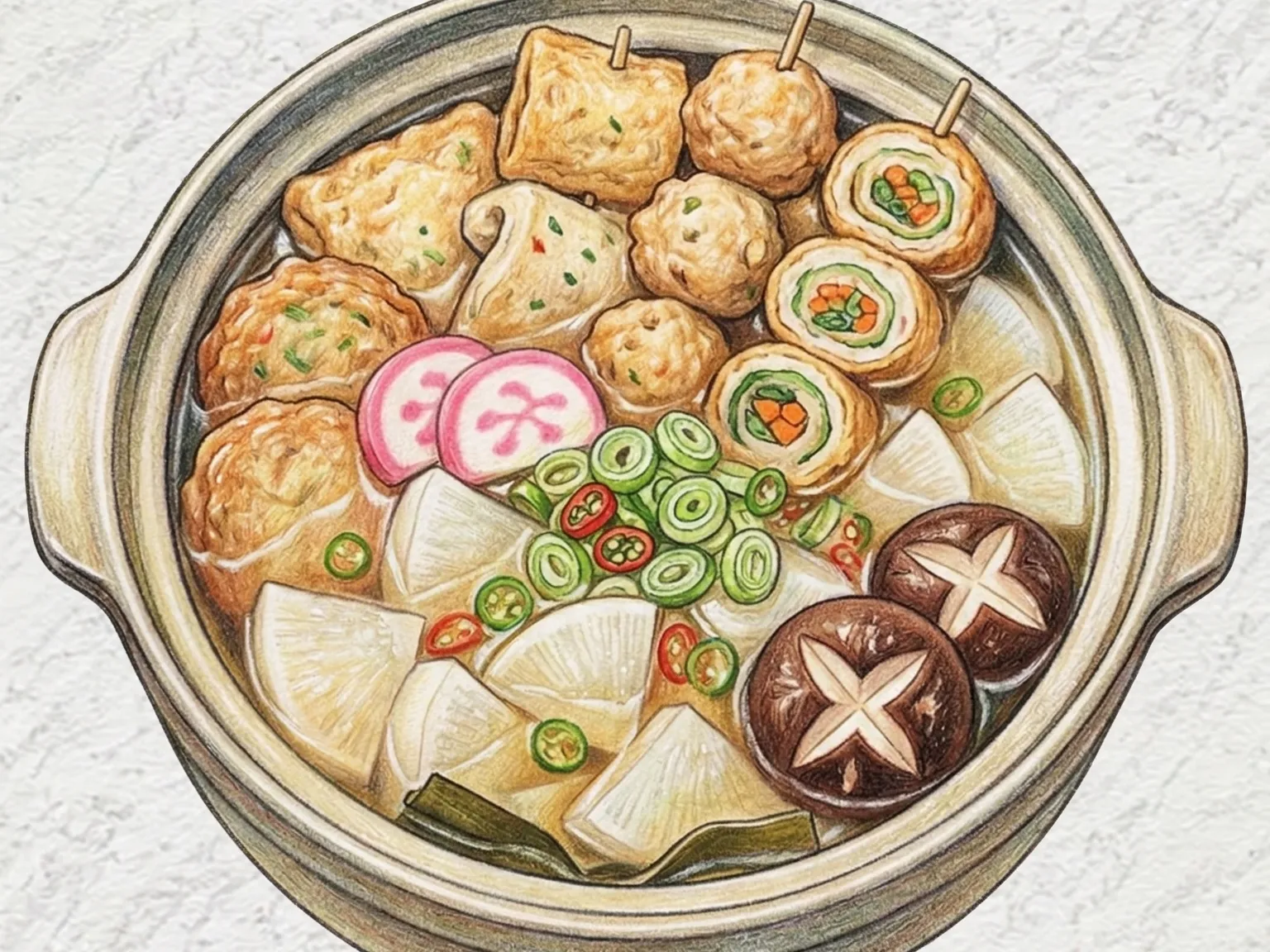
Korean Fish Cake Hot Pot (Skewered Fish Cakes in Clear Broth)
Eomuk jeongol is a Korean fish cake hot pot simmered in a clear broth built on dried kelp and anchovy stock. Large pieces of Korean radish cook alongside the fish cakes, releasing their natural sweetness into the liquid and keeping the broth light and refreshing as it reduces. Shiitake mushrooms add earthy umami depth, and using soup soy sauce alone for seasoning keeps the understated savory character of the fish cakes front and center. Cheongyang chili brings a sharp heat, and sliced green onion layers in a gentle sweetness as it softens in the bubbling pot. Fish cakes that spend more time in the broth turn silky and absorb the surrounding flavors, growing more flavorful with each passing minute. Using several shapes and thicknesses of fish cake side by side gives the pot different textures that makes eating it more interesting. The hot pot captures the warmth of street-stall eomuk-tang and brings it to the dinner table as a shared dish on cold days.
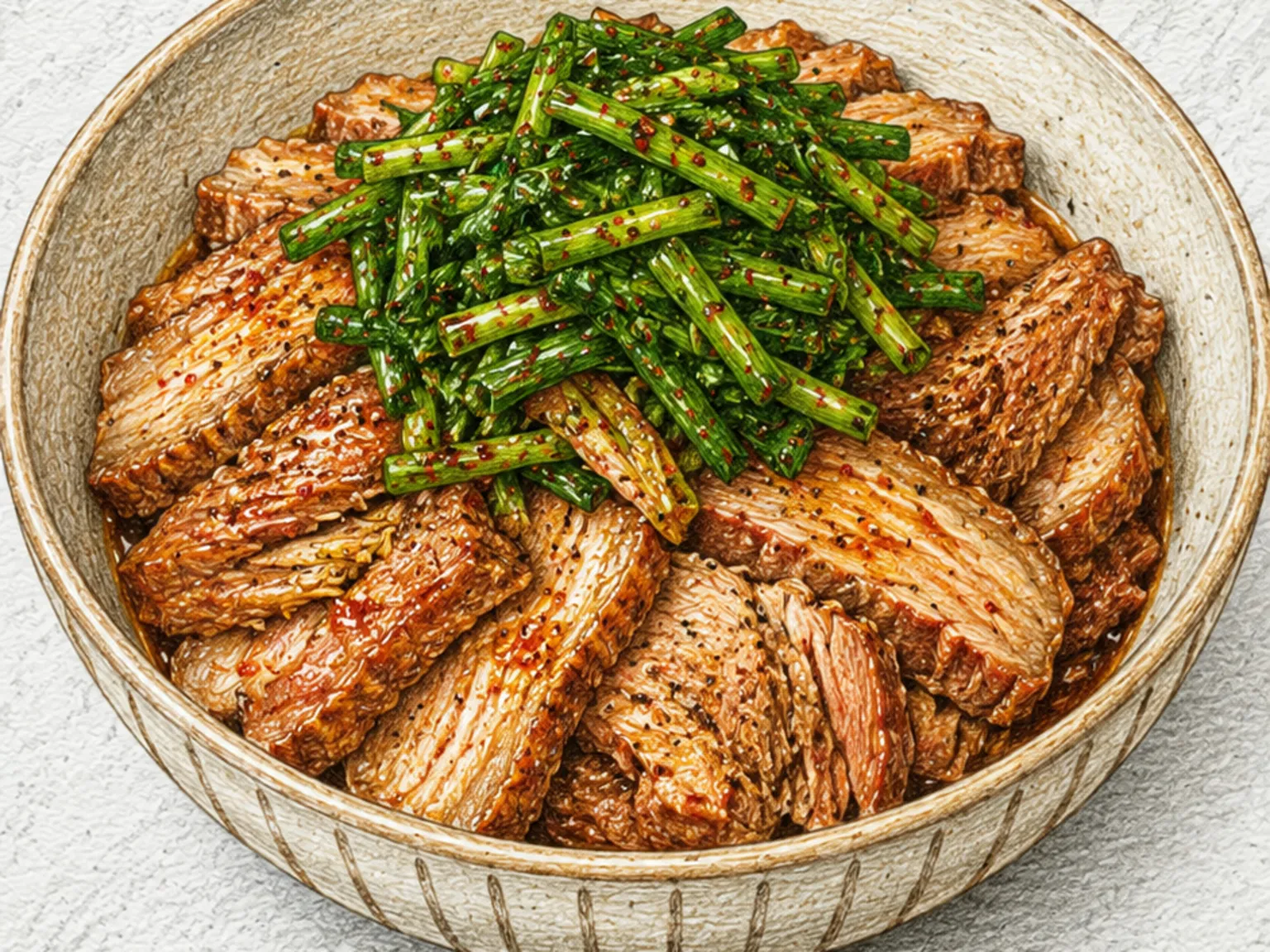
Korean Braised Pork with Garlic Chives
Pork shoulder is steamed with garlic chives in a seasoning of soy sauce, gochugaru, and cooking wine. The shoulder cut has fat distributed evenly through the muscle, so it stays moist during steaming and pulls apart naturally along the grain rather than turning dry or stringy. Garlic chives are piled generously over the pork before the lid goes on; as they steam they release moisture and a sweet, garlicky aroma that seeps down into the meat. Soy sauce penetrates deeply through the slow steam, and gochugaru gives the finished dish its red color and moderate heat. A finish of sesame oil and black pepper adds nuttiness and a sharp edge. The combination of savory depth and mild spice makes it a natural partner for plain steamed rice.
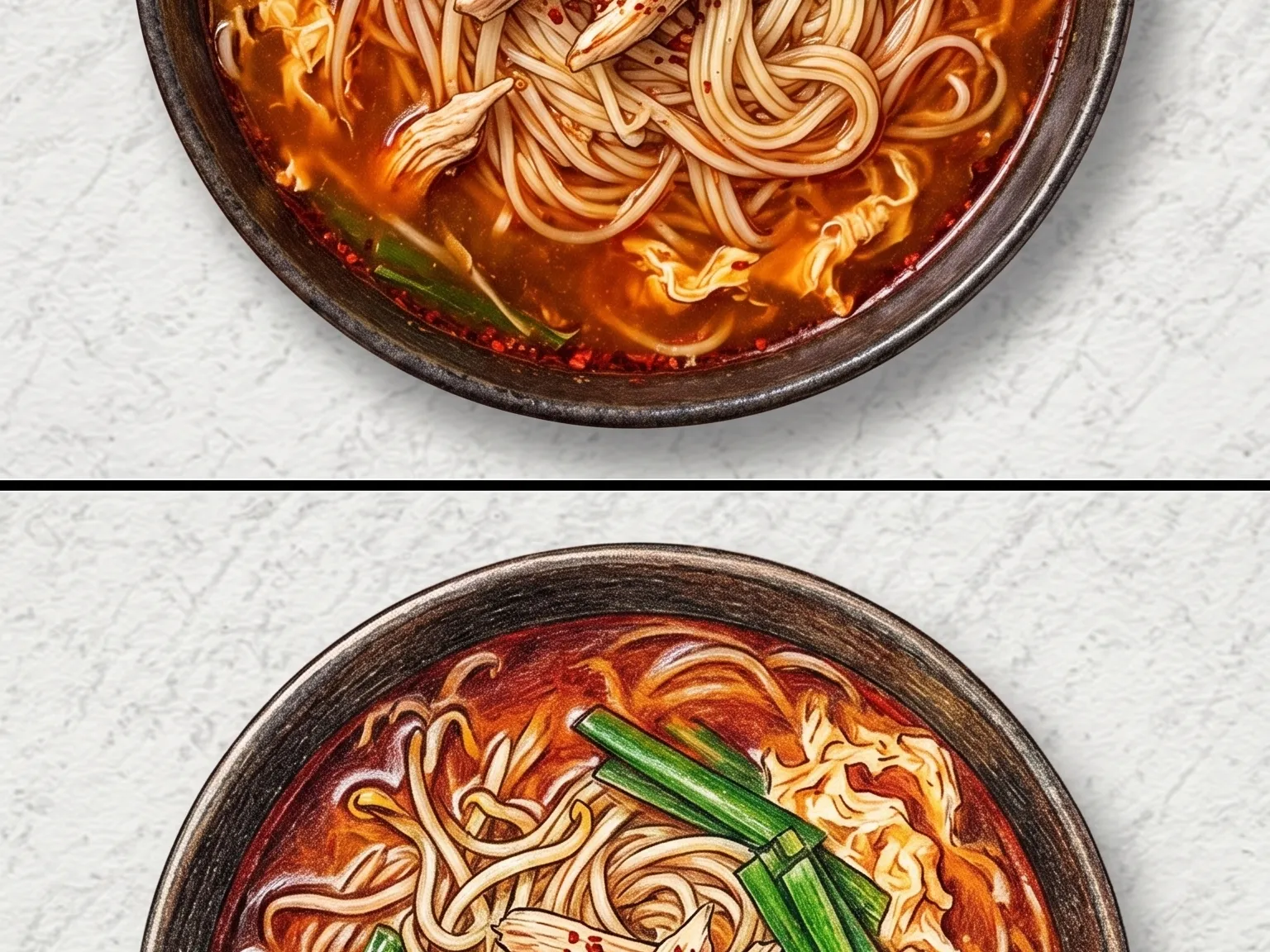
Korean Spicy Chicken Soup Noodles
This spicy Korean noodle soup is built on dakgaejang, a chicken version of the classic beef yukgaejang. Whole chicken is poached until tender, the meat hand-shredded along the grain, then returned to the pot and simmered again with gochugaru, garlic, sesame oil, and sliced scallion. The resulting broth is vivid red and assertively spicy, yet the clean chicken stock underneath keeps the heat from turning harsh or muddy. Bean sprouts added just before serving retain their crunch and provide a cool, crisp contrast to the fiery liquid. Both thin somyeon and medium-thickness noodles work well, soaking up the spiced broth without dissolving too quickly. Swirling in a beaten egg softens the broth and adds a silkier body; adding cooked rice turns the bowl into a complete, filling meal. The combination of protein, capsaicin-driven warmth, and the mild diaphoretic effect of chili makes this a go-to remedy for hangovers and chills alike.
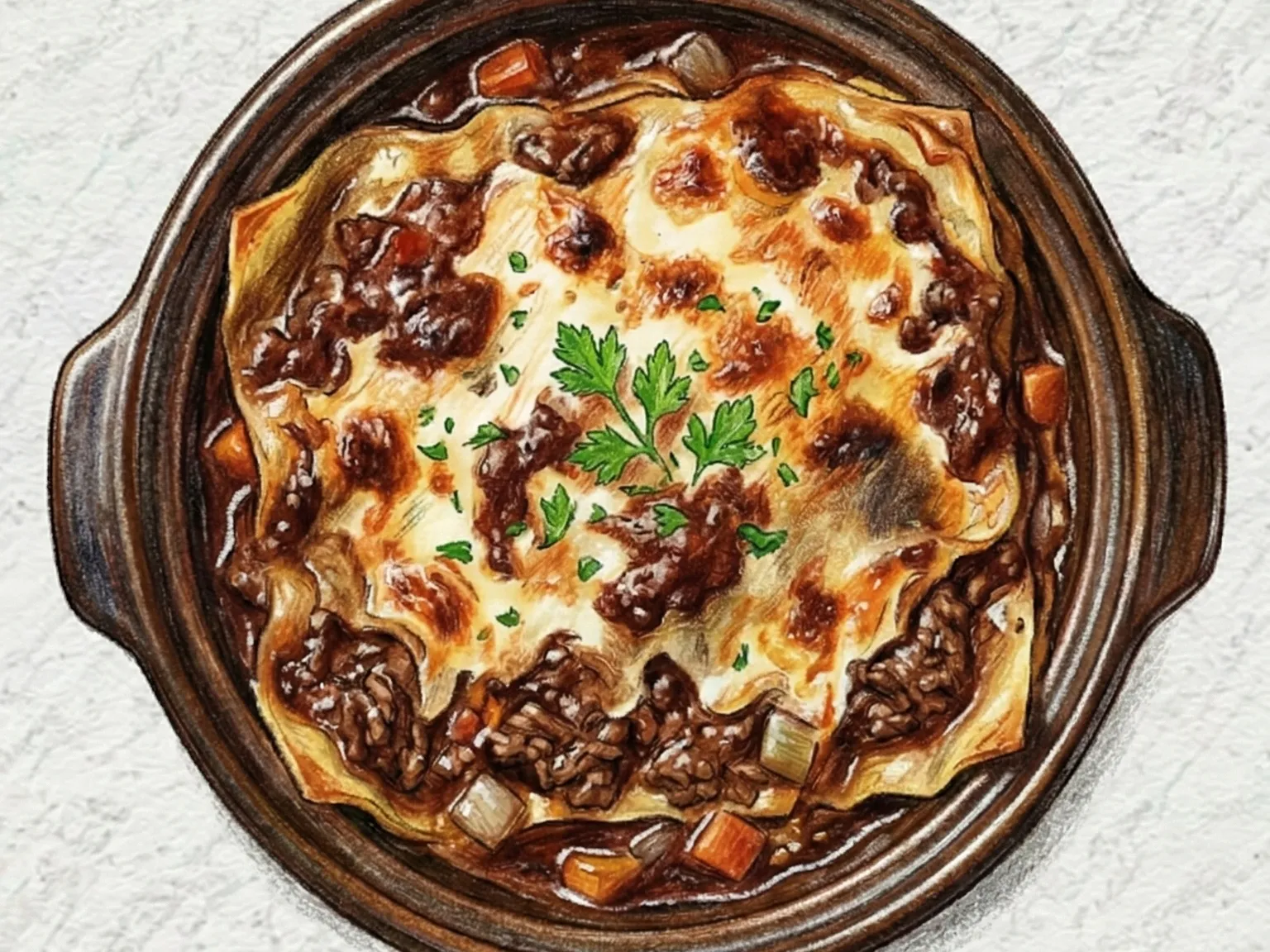
Galbijjim Lasagna (Korean Braised Short Rib and Bechamel Lasagna)
Galbi-jjim lasagna is a fusion dish that layers a Korean-style braised short rib ragu between lasagna sheets with bechamel and mozzarella before baking. The beef short rib is diced and marinated in soy sauce, Asian pear puree, and minced garlic, then sauteed with onion and carrot before simmering in beef stock for twenty-five minutes until the meat becomes fall-apart tender. Asian pear puree acts as a natural enzymatic tenderizer and introduces a subtle fruit sweetness that, combined with the salty depth of soy sauce, reproduces the characteristic sweet-savory balance of traditional galbijjim. The extended simmer reduces the braising liquid into a concentrated, glossy sauce that soaks into every pasta sheet as the lasagna bakes, distributing the Korean umami through each layer. Bechamel moderates the intensity of the soy-based filling and adds a smooth creaminess between layers, while Parmesan crisps on the top surface during baking for textural contrast. The ragu can be prepared in advance, after which assembly and baking take under thirty minutes, making this an impressive centerpiece dish that draws on both Korean and Italian technique.
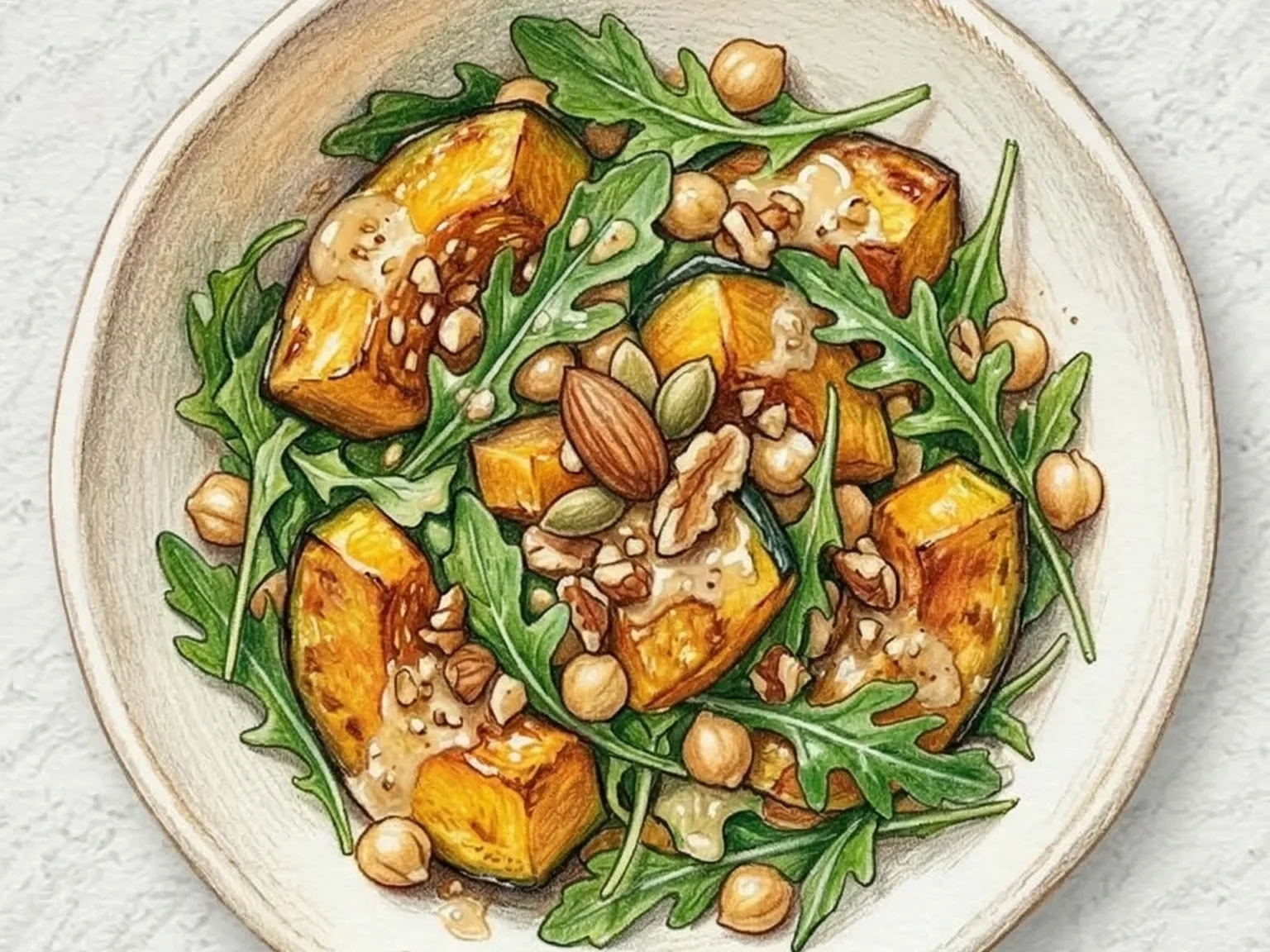
Roasted Kabocha Miso Nut Salad
Kabocha squash is sliced into half-moons and roasted in a hot oven until the cut surfaces caramelize and the flesh turns chestnut-soft and dry in the best possible way. The dressing combines white miso, rice vinegar, and maple syrup into a mixture where salt, acid, and a restrained sweetness reinforce each other and amplify the roasted squash underneath. Arugula provides the peppery, slightly bitter base that keeps the salad from tipping too sweet. Chickpeas add lean protein and a firm, satisfying chew that holds up against the tender squash. Walnuts, crushed roughly rather than chopped fine, contribute crunch and a deep, roasted nuttiness that layers well with the soft squash in each forkful. The contrast between textures, tender squash against resistant walnut, is what makes this salad interesting across every bite. Autumn kabocha, at the peak of its natural sugar content, delivers the most pronounced sweetness, and the dish is filling enough to stand as a vegetarian main course with nothing else alongside it. If using refrigerated squash, adjust oven time and temperature to ensure even caramelization.
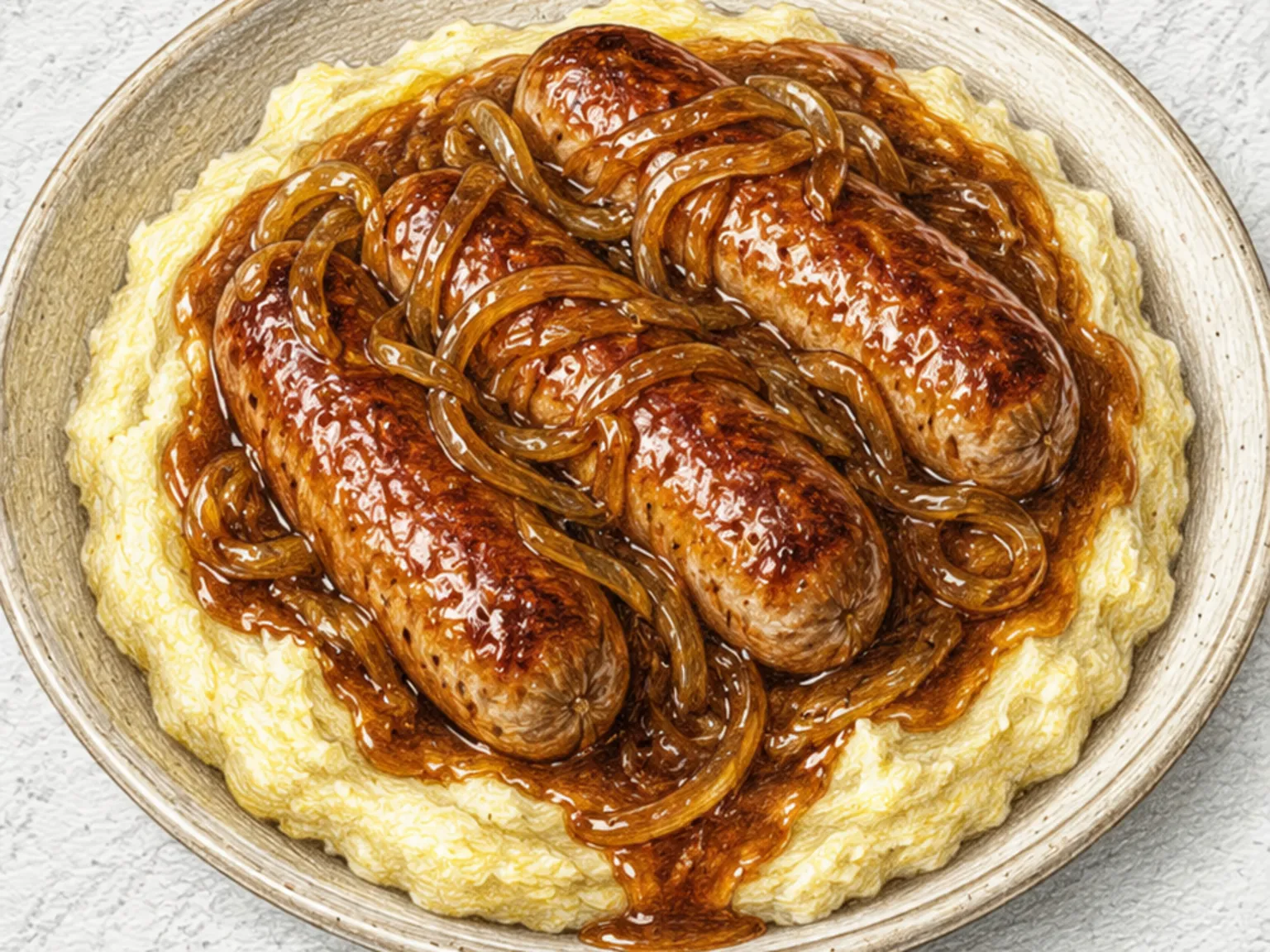
Bangers and Mash
Bangers and mash is a cornerstone of British home cooking, pairing pan-fried pork sausages with creamy butter mashed potatoes under a ladle of slowly built onion gravy. The sausages are cooked until their casings turn a deep brown and develop a slight snap when bitten. Potatoes are boiled until fully tender, then mashed with butter and warm milk to a smooth, uniform consistency. The onion gravy is the element that makes the dish: sliced onions caramelize slowly over low heat until deeply sweet, then beef broth goes in and reduces with a small addition of flour to reach a pourable thickness. That gravy's concentrated savory depth ties together the saltiness of the sausage and the neutral base of the mash in a way that neither component achieves alone. It is one of the most frequently ordered items on British pub menus and straightforward enough to put together in about thirty minutes at home.